Buying a Condo in Chiang Mai: Complete Guide for Foreign Buyers and Investors (2025)
Introduction: Why Chiang Mai is Popular for Condo Buyers in 2025
Chiang Mai - the cultural capital of Northern Thailand - has become a top destination for foreign condo buyers in 2025. This historic city offers a unique blend of rich heritage and modern amenities that appeals to international buyers. Foreign retirees and remote workers alike are drawn by the affordable cost of living, cooler climate, and lively expat community. The city is known for its golden temples, mountain scenery, and friendly atmosphere, yet it also boasts shopping malls, international hospitals, and airports that make living convenient.
Recent trends have only increased Chiang Mai’s appeal. The Thai government now offers long-term visas (for retirees and even digital nomads), encouraging more foreigners to settle here. As travel has rebounded, Chiang Mai’s tourism and hospitality scene is thriving - many visitors fall in love with the city and decide to invest in a property. Foreign demand has become a key driver of the condo market, especially in prime areas. In a time when some local buyers face economic challenges, international buyers from China, Europe, North America, and beyond are actively purchasing condos for personal use or investment. In short, Chiang Mai in 2025 stands out as a friendly, stable, and attractive real estate market for foreigners looking to own a slice of Thailand’s “Rose of the North.”
Foreign Ownership Overview: Legal Rules, Quotas, Freehold vs Leasehold
Can foreigners own condos in Chiang Mai? Yes - under Thai law, foreigners can own condominium units freehold in their own name, provided that no more than 49% of the building’s unit area is owned by foreigners. This 49% foreign ownership quota is crucial: it means in a given condo development, at least 51% of the area must be Thai-owned. In practice, you must ensure the unit you buy is designated within the foreign quota (your agent or the condo management can confirm this).
Freehold: Owning a condo freehold gives you a title deed (Chanote) in your name, with permanent ownership rights. This is the simplest and most secure way for a foreigner to own property in Thailand. Leasehold: If a condo is not available freehold (e.g. the foreign quota is full) or if you are looking at a house (land), the alternative is leasehold. A leasehold is essentially a long-term lease - typically 30 years in Thailand, renewable in additional 30-year terms if agreed. Leasehold gives you the right to use the property for the lease term, but you do not own the land or unit outright. In Chiang Mai’s condo market, leasehold is less common (because freehold for condos is readily available), but it can be an option in special cases.
Other regulations: To purchase a condo as a foreigner, Thailand requires that the funds used for the purchase are sent into Thailand from abroad in a foreign currency. The receiving Thai bank will issue a document (often called a Foreign Exchange Transaction form) confirming this, which you’ll need when registering the condo in your name. This means you will need a Thai bank account to receive the money, or work with your lawyer’s escrow account. Additionally, foreigners cannot own land in Thailand, so buying a condo (which doesn’t include land ownership) is the most straightforward real estate option. You also don’t need any special visa or to form a Thai company - you can buy a condo on a tourist visa if you like (though you’ll need a long-term visa to reside here year-round).
Proposed changes: As of 2025, the Thai government has discussed possibly raising the foreign ownership quota (to 75%) and extending lease terms (up to 50-99 years) to attract investment. However, these proposals are not yet law. So, when buying now, you should plan around the current rules - 49% foreign freehold quota and standard 30-year lease maximum for any leasehold structure.
Chiang Mai Condo Market Overview: Prices, Trends, and Demand
Chiang Mai’s condo market is relatively affordable and stable. Compared to Bangkok or coastal resort cities, condo prices here are much lower - on average around ฿60,000-฿70,000 per square meter for city-center condominiums (roughly $1,800-$2,000 per m²). For example, a modern one-bedroom condo in a good area might cost between ฿2.5 to ฿5 million (about $75k-$150k) depending on size and location. Housing prices in Chiang Mai are often 50-70% cheaper than in Bangkok’s prime districts, which is a big draw for value-conscious buyers.
Recent trends: After a brief slowdown in 2020-2021, the condo market has been recovering. In 2024 and into 2025, prices have seen modest growth (a few percent annually) in most segments. Notably, higher-end properties in prime locations have performed well - there’s solid demand for quality condos above ฿3-฿5 million, many of these bought by foreigners or wealthier Thai buyers. Entry-level condos (studios and older units under ฿2 million) have a lot of supply and relatively flat prices, but they remain attractive for rental yield. Developers in Chiang Mai have been cautious with new launches, focusing on selling existing inventory, which has helped avoid oversupply. This means buyers can often find promotions or discounts on remaining new units, while the overall market isn’t overheated.
Supply and demand: There is a wide selection of condos, from brand-new high-rises to older low-rise buildings. Key areas like Nimman and Chang Khlan have seen many new projects in recent years. Foreign buyers now make up a significant portion of condo demand in Chiang Mai. Buyers from China, in particular, have been purchasing condos in tourist-favored areas (sometimes as investment for rental), and Western expats and retirees are active in the market as well. Local Thai demand is steady but has been restrained by economic factors, so foreign investment is helping drive sales, especially for mid-range and luxury condos. On the rental side, there’s healthy demand from expatriates, digital nomads, and students for well-located condos - which supports rental yields typically in the 5% per year range (with higher potential if renting short-term to tourists). Overall, Chiang Mai’s condo market in 2025 can be characterized as stable, buyer-friendly, and poised for gradual growth, making it a comfortable environment for foreign investors and homebuyers.
Best Areas to Buy Condos in Chiang Mai
Chiang Mai offers diverse neighborhoods, each with its own character. Below are some of the top areas foreign buyers consider:
Nimmanhaemin (Nimman)
Nimman is Chiang Mai’s trendiest neighborhood, known for its chic cafes, international restaurants, and proximity to Chiang Mai University. This area offers a modern, cosmopolitan lifestyle - it’s the hub for digital nomads and young expats. Condos here are typically modern low to mid-rises with good amenities (pools, gyms). Pros: Walkable lifestyle, plenty of entertainment and dining, strong rental demand. Cons: Higher prices (often ฿4-6 million for a nice one-bedroom) and a bustling atmosphere that can be busy. Nimman is ideal if you want to be in the center of the action with a Western-style convenience.
Riverside
The Riverside area, along the Ping River, is prized for its scenic views and tranquil ambiance. Luxury hotels, upscale restaurants, and some high-end condos line the riverbanks. Living here offers a more relaxed experience than the city center - you can enjoy evening strolls by the water and a green environment. Pros: Beautiful views, larger upscale condominiums (including serviced residences), quieter surroundings. Cons: Limited number of condo buildings and generally higher prices per square meter for river views. A two-bedroom riverside condo can range from ฿5-฿8 million or more depending on the project. This area suits retirees or anyone seeking a serene, resort-like home environment minutes from the city.
Old City Area
Chiang Mai’s Old City (inside the historic moat and walls) is the cultural and touristic heart of town. True condominiums are scarce in the Old City due to building restrictions - most options are just outside the moat. However, choosing a condo near the Old City (in areas like Chang Phueak Gate or Thapae Gate vicinity) means you’re immersed in culture, with temples, markets, and cafes at your doorstep. Pros: Rich cultural atmosphere, everything from street food to museums nearby, great for those who value heritage. Cons: Very limited condo inventory; units in this area might be in older buildings or boutique low-rises, sometimes at a premium due to rarity. Expect prices around ฿3-฿5 million for a decent unit near the Old City. It’s perfect for culture-loving buyers who want an authentic Chiang Mai experience.
Santitham (Chang Phueak)
Santitham is a vibrant local neighborhood just north of the Old City and a short ride from Nimman. It offers a blend of local charm and increasing popularity among expats who seek value. Pros: More affordable prices - you can find one-bedroom condos from around ฿1.5-฿3 million, which is excellent value while still being central. The area has authentic Thai markets and street food, mixed with a few hip cafes and co-working spots. Cons: Fewer luxury developments and English may be less spoken in this local community. Buildings here are a mix of older condos and some newer low-rise projects catering to mid-market buyers. Santitham is ideal for those who want a taste of local life and a good bargain, yet remain within 10 minutes of the trendy Nimman area.
Chang Khlan (Night Bazaar)
Chang Khlan is the downtown district famous for the Night Bazaar and many hotels. It’s the main tourist night-life area on the east side of the Old City. Condos in Chang Khlan include some of Chiang Mai’s tallest and newest buildings, often with hotel-like facilities. Pros: Excellent for investors - high demand for rentals from tourists and short-term visitors due to the central location. Modern condos like The Astra, Peaks, etc., offer rooftop pools and city views. Prices are mid-to-high (roughly ฿4-฿6 million for a new one-bedroom) but come with strong rental potential (including Airbnb-style rentals, if managed carefully). Cons: The area is busy and commercial; if you prefer quiet residential vibes, this isn’t it. But if you want to be near malls, night markets, and the action, Chang Khlan is a prime choice.
Other areas: Chiang Mai’s suburbs (like Hang Dong/Mae Hia in the south or Doi Saket/San Sai to the east) are known for houses rather than condos, but a few condominium projects exist near shopping hubs (for example, around Central Festival mall or along Canal Road). These tend to be budget-friendly and car-dependent locations. Most foreign condo buyers, however, focus on the city areas listed above for convenience and rental desirability.
Property Types and Features
Chiang Mai condominiums come in various sizes and styles. Here are common types and what to expect:
- Studio Units: A single-room apartment (with separate bathroom), typically 25-40 sq.m. Studios are the most affordable option - prices can start from around ฿1.5 million in older buildings. They suit singles or investors looking for easy rentals. Expect a small kitchenette and living/sleeping area combined. Studios in new buildings are modern but compact, while older ones offer more space but may need renovation.
- One-Bedroom Condos: These have a separate bedroom plus living area and kitchenette, usually 35-60 sq.m. One-bedrooms are very popular among both residents and renters. Prices in the city center range from roughly ฿2.5 million (for a smaller or older 1BR) up to ฿5-฿6 million (for a large or luxury 1BR in a prime building). This type is ideal for singles or couples living long-term, offering more privacy and comfort than a studio.
- Two-Bedroom Condos: Typically 60-100+ sq.m., 2BR units are great for families or those needing an office/guest room. They are less common, so they command higher prices per unit (e.g. ฿5-฿10 million depending on size and location). Two-bedrooms often come with two bathrooms and are found in higher-end developments or older buildings where units were built larger. They offer spacious living but note the higher maintenance fees due to larger size.
- Luxury and Serviced Condos: At the top end, Chiang Mai has a select number of luxury condos, including branded residences and serviced apartments. These often feature high-end finishes, extensive facilities (rooftop pools, gyms, saunas, concierge service), and sometimes hotel management for rental. They cater to buyers who want a five-star living experience. Prices per square meter are highest in this segment. Serviced condos are attractive if you want hassle-free living or an easier time renting out (management can handle rentals), but you’ll pay premium maintenance fees and purchase cost.
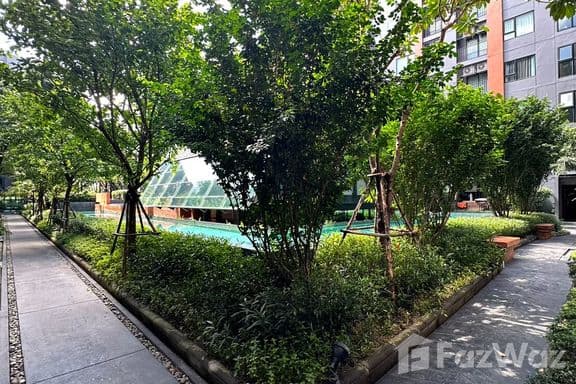
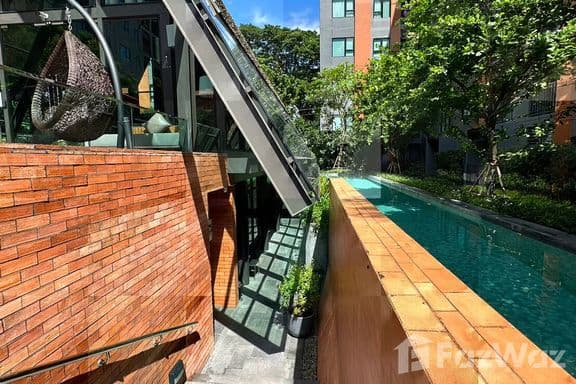
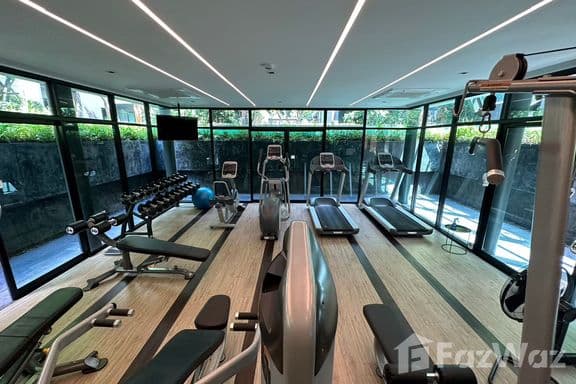
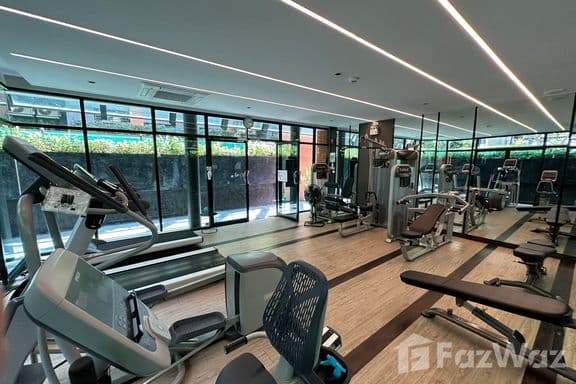
Features to look for: Most condominiums in Chiang Mai - even mid-range ones - offer amenities like a swimming pool, fitness center, 24-hour security, and parking. Newer buildings might add co-working spaces, rooftop gardens, or smart key access. When comparing properties, consider the age of the building (older ones have larger rooms but potentially higher upkeep and dated décor, while new ones have modern style but smaller layouts). Also, check the monthly common fee (maintenance fee) rate, which typically ranges from ฿30 to ฿60 per sq.m. Knowing the property type that fits your needs will help narrow your search effectively.
Buyer Personas: Who’s Buying Chiang Mai Condos?
Different foreign buyers have different priorities. Here are a few typical profiles and what they look for:
- Retirees: Often choose Chiang Mai for its low costs and quality healthcare. Retirees typically seek comfortable, quiet condos - maybe a larger 1BR or 2BR - in areas like the Riverside or near the Old City for a peaceful environment. Proximity to hospitals and supermarkets is important. They appreciate projects with good security, elevators, and a community of neighbors. Many retirees value a calm atmosphere over being in the nightlife center.
- Digital Nomads: Remote workers are drawn to Nimman and Santitham. They prefer modern 1BR or studio units within walking distance of cafes and co-working spaces. Good internet is a must. A Nimman condo offers them convenience and a social scene. Digital nomads might also consider renting out the unit when they travel, so they like buildings that are friendly to short-term rentals or have flexible management.
- Property Investors: Investors focus on rental yield and resale potential. They often buy in tourist-friendly areas like Nimman or Night Bazaar where demand is high. A typical investor pick might be a well-priced studio or 1BR in a new building that’s easy to rent out. They pay attention to amenities (for marketing to tenants) and might furnish the unit stylishly to attract higher rent. Many investors are interested in the possibility of Airbnb income, so they check if short-term rentals are allowed or feasible in the chosen building.
- Working Expats: Foreign professionals working in Chiang Mai (teachers, NGO workers, etc.) often look for a home-like condo as they may stay for several years. They might opt for a quiet building in a central area, possibly a spacious 1BR or 2BR if with family. Key factors for them include being near workplaces or international schools, having parking (if they drive), and ensuring the condo has a functional kitchen and storage for everyday living. Essentially, they want a comfortable base that feels like a real home rather than a hotel.
(Of course, individuals may fit more than one category - for example, a retiree could also be an investor. But thinking about these personas can help clarify what kind of property best suits your own goals.)
Price Comparison by Neighborhood
To illustrate the cost differences, here is an approximate average price for condos in various Chiang Mai neighborhoods (for a standard one-bedroom unit):
|
Neighborhood
|
Average Price (THB)
|
Approx Price (USD)
|
|
Nimmanhaemin (Trendy District)
|
5,500,000 THB
|
~$165,000
|
|
Riverside (Scenic Luxury)
|
5,000,000 THB
|
~$150,000
|
|
Old City Area (Historic Center)
|
4,000,000 THB
|
~$120,000
|
|
Santitham/Chang Phueak (Local Area)
|
2,500,000 THB
|
~$75,000
|
|
Chang Khlan (Night Bazaar)
|
4,500,000 THB
|
~$135,000
|
Note: These figures are generalized for 2025. Actual prices vary by building age, unit size, and condition. Nimman and Riverside have some of the highest prices due to prime location and demand. Santitham (and outskirts) are more affordable. Use this as a ballpark guide - when you start shopping you may find deals above or below these averages.
Step-by-Step Buying Process for Foreigners
Buying a condo in Chiang Mai involves a series of steps. Here’s an overview from start to finish:
- Planning and Budgeting: Do your homework on the market and set a budget. Consider what you want (location, size, new vs old) and be aware of foreign ownership rules (e.g. the 49% quota). It’s smart to consult a local real estate agent early on - they can educate you about neighborhoods and available properties that fit your needs.
- Property Search and Viewing: With an agent or on your own via property websites, identify condos that interest you. Visit the shortlisted properties in person (or via virtual tour if abroad). Compare units for their location, building condition, view, and price. Take note of monthly fees and that the unit is eligible for foreign ownership. This stage may involve seeing many options until you find the right one.
- Making an Offer and Negotiating: Once you find a condo you like, you or your agent will make an offer to the seller (or developer). Negotiation on price and terms is common in Thailand - you might agree on a price slightly below the asking, or negotiate for inclusions (like furniture or the seller covering certain fees). When both sides agree, a simple reservation agreement is often drawn up.
- Deposit and Contract: You’ll usually pay a reservation deposit (perhaps around ฿50,000-฿100,000 or a small percentage of the price) to secure the unit. Next, a Sale and Purchase Agreement (SPA) is prepared. This contract will list the agreed price, payment schedule, and responsibilities of buyer and seller. Before signing it, it’s advisable to have a lawyer review the terms and also conduct due diligence - verifying the title deed is clear, the condo is under foreign quota, and checking for any outstanding debts on the unit (like unpaid fees). After signing the SPA, you will pay a further down payment as specified (often bringing your total paid to 10-30% of the price). The SPA also sets the date for final payment and property transfer.
- Transferring Funds to Thailand: Arrange to send the remaining purchase money into Thailand in advance of the closing date. Remember, it should come in as foreign currency and be converted to baht by a Thai bank to meet the legal requirement. The bank will issue the needed document proving foreign funds. Many buyers open a Thai bank account to receive the transfer; others might use a lawyer’s escrow account or in some cases pay directly to the developer’s foreign currency account (if it’s a new build). Coordinate with your bank so the funds arrive on time.
- Transfer of Ownership (Closing): Buyer and seller (or their representatives) meet at the Chiang Mai Land Office on the agreed date to transfer the condo. At the Land Office, the official will handle the paperwork: the title deed (Chanote) is updated into the buyer’s name and the transaction is recorded. The buyer pays the remaining balance to the seller (this can be done via a cashier’s check or bank transfer as arranged) and applicable taxes and fees are paid. Typical fees include a 2% transfer fee (often split between buyer and seller) and some taxes (usually borne by the seller, but ultimately as negotiated in the contract). If you’re not fluent in Thai, having your lawyer or agent with you is important - they will ensure everything is done correctly. After this process, you receive the new title deed showing you as the owner.
- Post-Purchase Tasks: After transfer, you should inform the condo’s juristic office (management) of the change of ownership so they can update their records and future bills. If utilities (electricity, water) were in the previous owner’s name, arrange to transfer them to your name. Typically, this is straightforward with a visit to the utility offices or sometimes handled by the juristic office for a small fee. If the seller paid any condo fees in advance, settle the prorated amounts between you. Finally, if you don’t plan to reside immediately, you may consider hiring a property manager to look after your condo (especially if you intend to rent it out). Otherwise, you’re all set to move in and enjoy your new Chiang Mai home!
Following these steps with proper guidance will ensure a smooth purchase. Always keep copies of all documents and receipts. As a foreign buyer, the key is to stay organized, use professional help when needed, and double-check that all legal requirements (like the foreign funds evidence) are met. Fortunately, buying a condo in Thailand is relatively straightforward compared to many countries, and many foreigners complete the process successfully every year.
Investment Potential: Rentals and Resale
For buyers interested in investment, Chiang Mai condos can provide a healthy combination of rental income and long-term value, though expectations should be moderate and realistic:
- Rental Yields: Long-term rental yields in Chiang Mai typically range from 4% to 6% per year (gross). Smaller units in prime locations tend to yield on the higher end (for instance, a well-priced studio in Nimman might net around 6% annually if rented consistently). Larger, high-end units might yield a bit lower percentage but attract more stable, higher-paying tenants. There’s a growing pool of renters: expats on work assignments, digital nomads on extended stays, and retirees who prefer to rent. This means a good condo can usually find a tenant without too much delay. Do note that if you hire a rental agent or property manager, their fees (often one month’s rent commission for finding a tenant, plus maybe 10% for ongoing management) will eat into the gross yield.
- Short-term Rentals (Airbnb): Chiang Mai is popular on Airbnb and similar platforms, but Thai law officially prohibits rentals under 30 days in private condos unless the building has a hotel license. Practically, many owners do rent short-term (especially in tourist-heavy areas) by accepting bookings for a month or using loopholes. While this can significantly boost income (high nightly rates in peak season), it comes with risk of fines or condominium rules enforcement. A safer approach is offering 1-3 month rentals to digital nomads and visitors, which stays within legal grey areas but avoids very short turnover. Always check the condo’s stance: some buildings are known to be friendly to Airbnb, others strictly forbid it via their regulations. If short-term rental income is part of your strategy, choose your property accordingly and possibly use a local management service to handle guests.
- Resale Outlook: Chiang Mai’s property market historically appreciates slowly but steadily. You should not count on rapid price jumps or “flipping” for quick profit. Instead, think of a condo investment here as a medium to long-term hold. If you buy in a desirable location at a fair price, your unit’s value is likely to rise gradually in line with market growth and inflation. High-quality buildings in prime areas will retain value best. When it comes time to sell, having the foreign freehold title is an advantage (since you can sell to either a foreigner or a Thai). Be mindful that when you sell, the transaction costs (taxes/fees) will take a few percent of the sale price, so factor that into your profit calculation. Overall, many investors find that the combination of rental income and gentle appreciation, plus the personal enjoyment of using the condo, makes Chiang Mai real estate a rewarding investment - just not an aggressively high-return one.
In summary, if you’re investing, pick a unit that renters will love (good location, nice amenities), stay compliant with local rental laws, and be prepared to hold the property for a few years to see meaningful appreciation. The risk of major market downturns in Chiang Mai has historically been low, but as always, diversification and not over-leveraging (most foreign buyers here purchase with cash) are wise strategies for peace of mind.
Frequently Asked Questions (FAQ)
Q: Can a foreigner own a condo in Chiang Mai outright? What are the key restrictions?
A: Yes, foreign individuals can legally own freehold condominium units in Thailand, including Chiang Mai. The key restriction is the foreign ownership quota - only 49% of the total unit area in a condo building can be foreign-owned. As long as the unit is within that 49%, you can register it in your name and receive the title deed. Make sure to confirm the unit’s foreign quota status before buying. Additionally, to complete the purchase, you must bring the purchase funds from overseas in foreign currency (a bank documentation requirement for foreigners). Other than that, you enjoy the same ownership rights as a Thai owner.
Q: What taxes and fees will I need to pay when buying (or later selling) a condo?
A: The main fee at purchase is the 2% transfer fee on the property’s official value. It’s common for buyer and seller to split this cost. There is also a small stamp duty (0.5%) or business tax (3.3%) applied to the sale - which one depends on how long the seller owned the property and their status; in practice, these are usually paid by the seller. When you sell the condo in the future, you (as the seller) would bear those taxes/fees in a similar way. Aside from transfer time costs, Thailand has minimal annual property tax on condos - most owners either pay nothing or a very nominal amount per year, especially if it’s your only property in Thailand. If you rent out your condo, rental income is subject to Thai income tax, but many small landlords handle this in various ways - consult a tax advisor if needed.
Q: Can I rent out my condo (long-term or on Airbnb)?
A: Yes, long-term rentals (month-to-month or yearly contracts) are straightforward and common - there’s a steady market of expats and locals looking for condo rentals. Short-term rentals (like Airbnb for a few nights) are more complicated. By law, rentals under 30 days in a condo are generally not allowed unless the building has a hotel license. Many owners do it discreetly in tourist-oriented buildings; however, it carries some risk of fines and some condos actively prohibit it via their rules. A safe strategy is to target tenants who stay 1-3 months (which is popular among digital nomads and travelers) as this usually avoids legal issues. Always check the condo’s specific regulations on rentals. For long-term leasing, once you own the condo, you can use it as you see fit - just ensure you or your property manager properly vet tenants and that any required notifications (like registering foreign tenants with immigration) are done.
Q: What are the ongoing maintenance fees for a condo, and who pays them?
A: Condo owners must pay a monthly common area maintenance fee that covers security, cleaning, pool/gym upkeep, etc. This fee is usually calculated based on your unit’s size (e.g. ฿40 per sq.m per month is a typical rate). For example, if you own a 50 sq.m unit and the fee is ฿40/m², you’d pay ฿2,000 per month. These fees are paid to the condo management (often quarterly or annually in advance). The owner is responsible for this fee, not tenants (though you could factor it into a higher rent). Other ongoing costs include utilities (electricity and water, which you pay based on usage) and any repairs inside your unit. Importantly, when you purchase the condo, any unpaid back fees should be settled by the seller - ensure that’s clear in the contract. There may also be a one-time sinking fund contribution (for long-term building repairs) that the first owner paid when the condo was new - if you buy a new unit from a developer, you’ll pay this once.
Q: Do I need a specific visa or to be in Thailand to buy property?
A: You do not need a special visa to buy a condo - even a tourist visa is sufficient for property ownership. However, owning property doesn’t give you the right to live in Thailand long-term without a valid visa. So if you plan to reside in your condo, you’ll still need to secure an appropriate long-stay visa (such as a retirement visa, marriage visa, work visa, or an investor visa like Thailand Elite). You also don’t have to be physically present for every step: you can appoint a Power of Attorney to handle the closing at the Land Office if you cannot be there. Many foreigners reserve and even purchase condos from abroad, then fly in to complete the transfer or have a lawyer do it on their behalf. That said, it’s always recommended to visit and inspect the property in person before committing if possible.
These FAQs cover common concerns. If you have unique circumstances (for instance, planning to open a business from your condo, or wanting to purchase multiple units), it’s best to get professional advice. But for most foreign buyers, the process is well-trodden and manageable with the right information and help.
Final Thoughts and Practical Tips
Buying a condo in Chiang Mai can be a smart and enjoyable investment in your future. Thousands of foreigners have done it and made Chiang Mai their second home (or primary home). As you move forward:
- Do Your Due Diligence: Take advantage of local expertise. Use a reputable property agent, and hire a lawyer for contract review and title checks. The extra assurance is worth it to avoid pitfalls.
- Be Patient and Compare: View multiple properties to understand value. Don’t feel pressured to jump on the first one - the market has plenty of options. Compare not just prices, but locations, building quality, and the financial health of the condo’s management.
- Respect the Culture and Rules: When negotiating or dealing with condo management, a respectful, polite approach will get the best results (Thai culture values a calm demeanor). Also, once you become an owner, participate in owners’ meetings if you can - staying involved will help you integrate and protect your investment.
- Enjoy the Journey: Remember that you’re not just buying bricks and mortar - you’re gaining a lifestyle in a city famed for its creativity, cuisine, and community. Once you have your Chiang Mai condo, explore the local area, learn some Thai, make friends, and truly enjoy what this city has to offer.
With the right preparation, buying a condo in Chiang Mai can be a smooth process. You’ll end up with not only a valuable asset but also a personal haven in one of Southeast Asia’s most charming cities. Good luck with your condo search, and welcome to the Chiang Mai community!
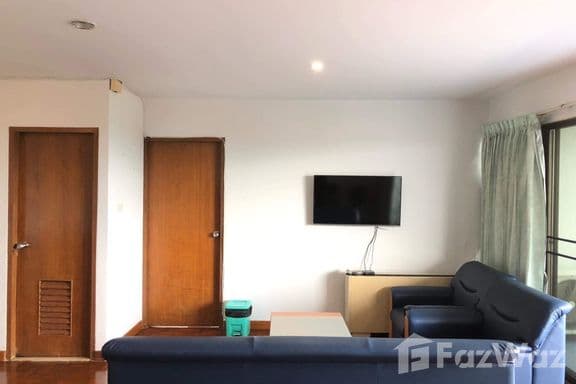
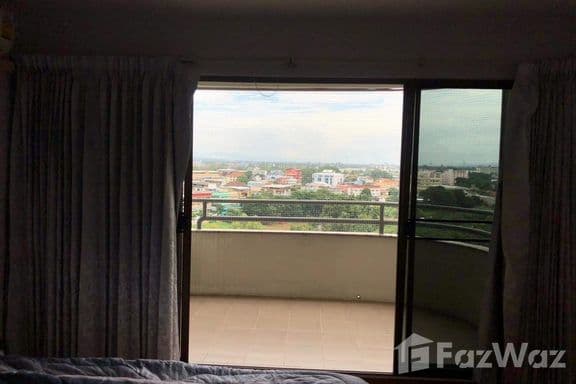
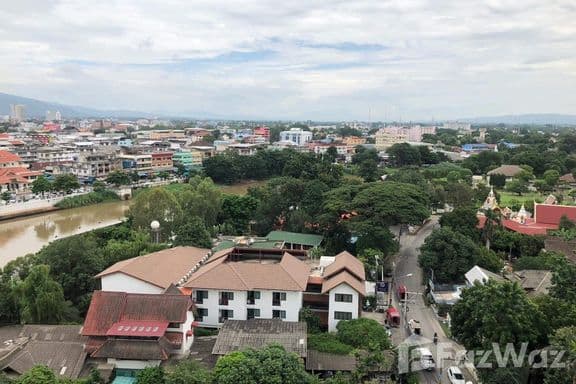
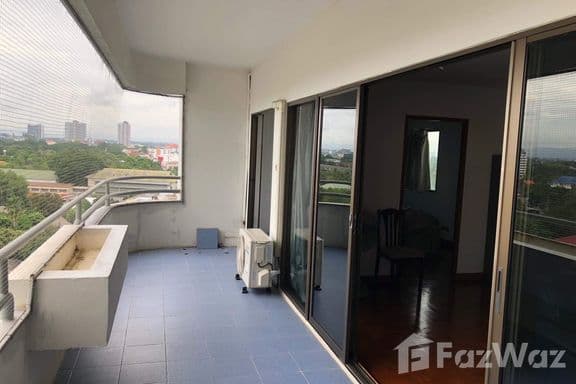
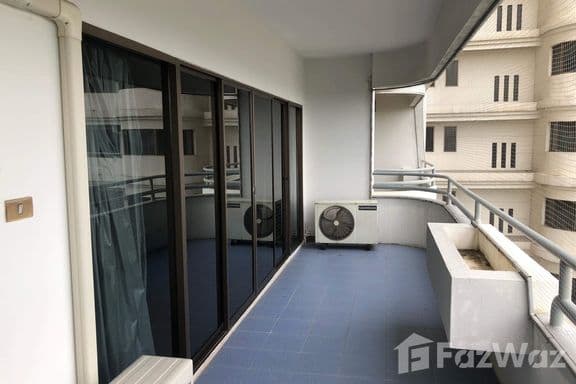
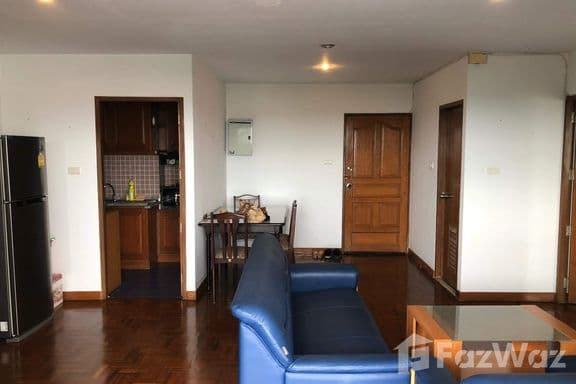
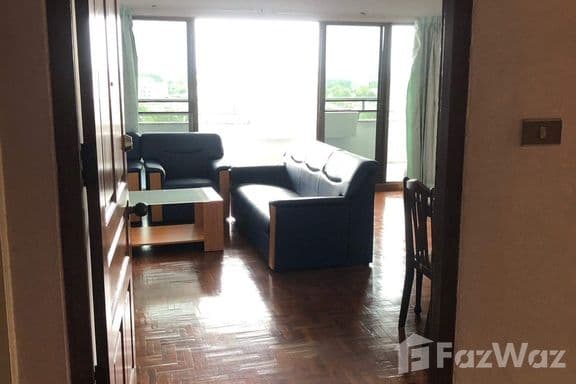
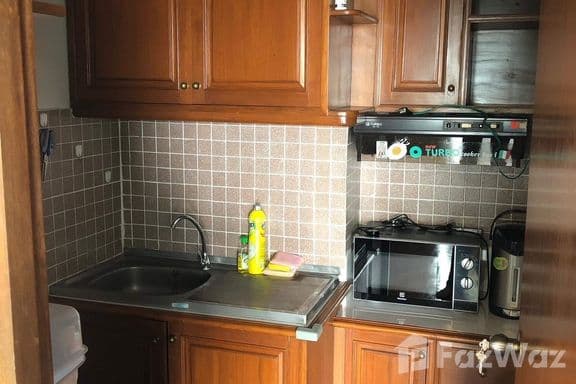
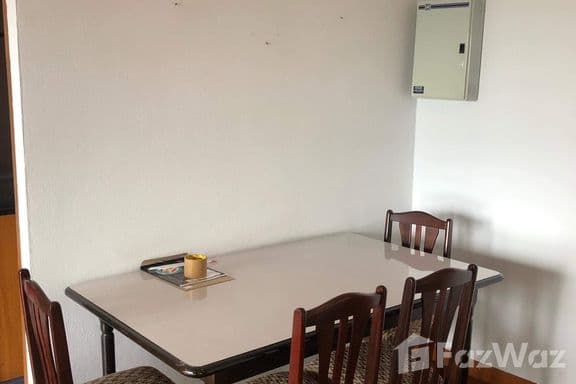
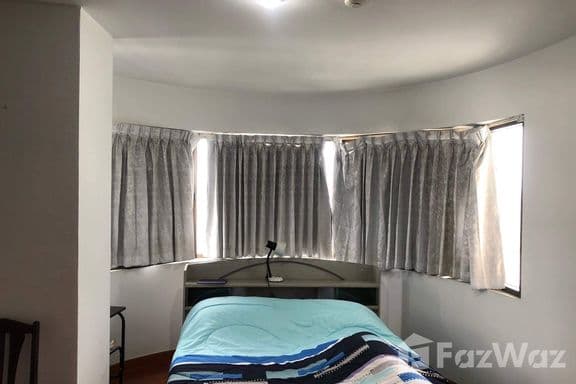
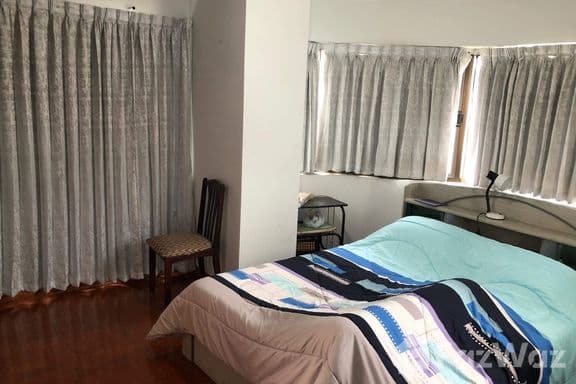
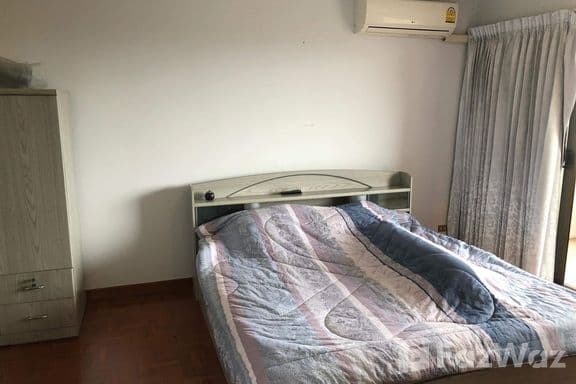
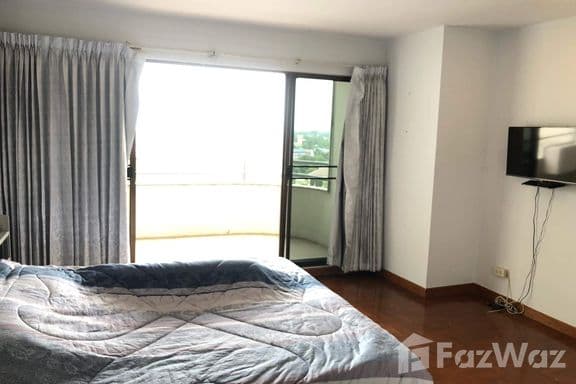
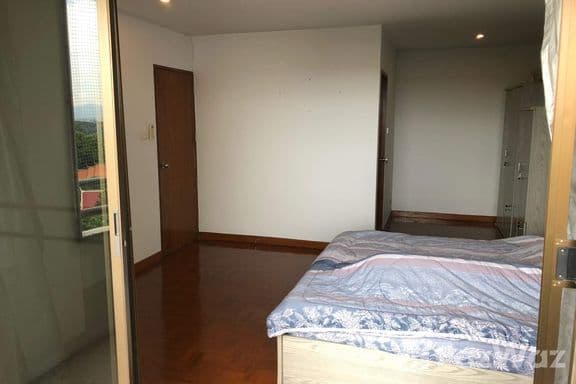


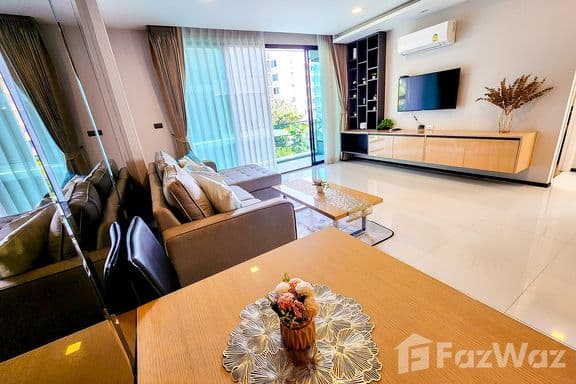
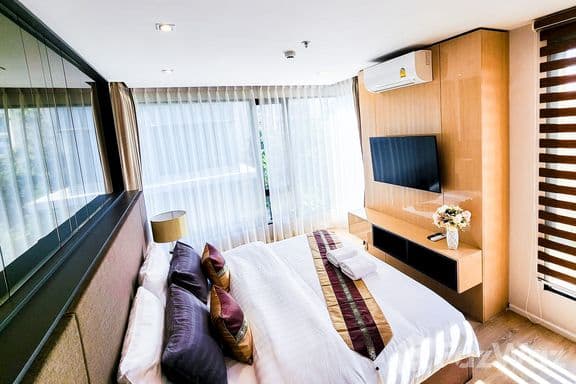
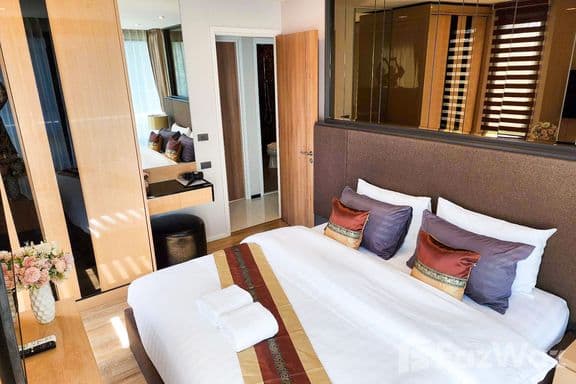
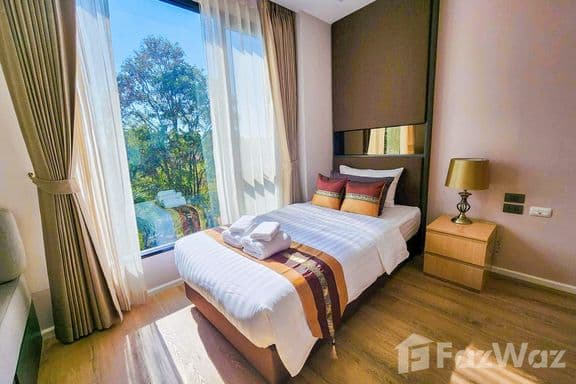

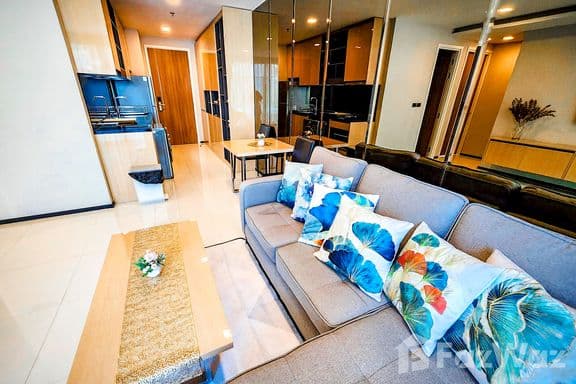
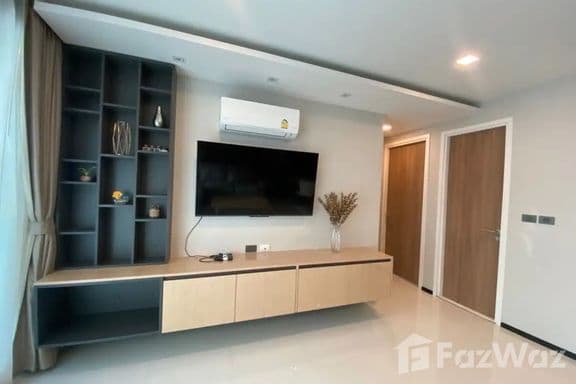
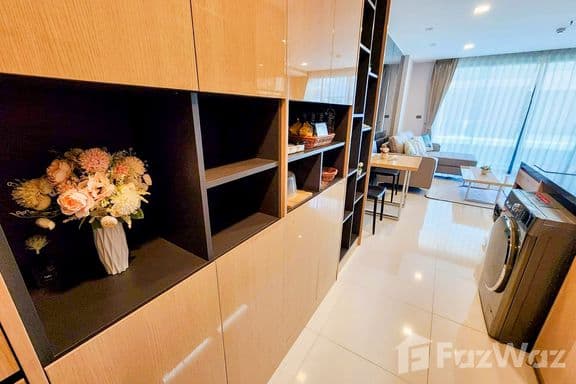





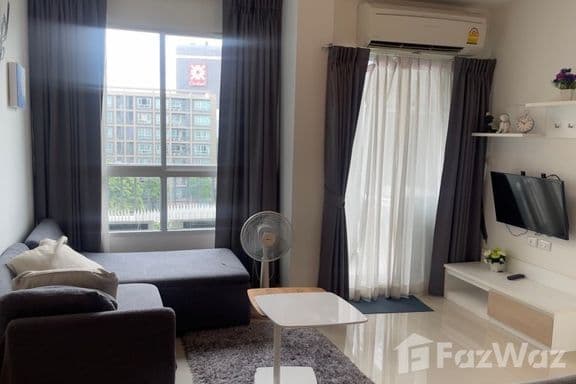
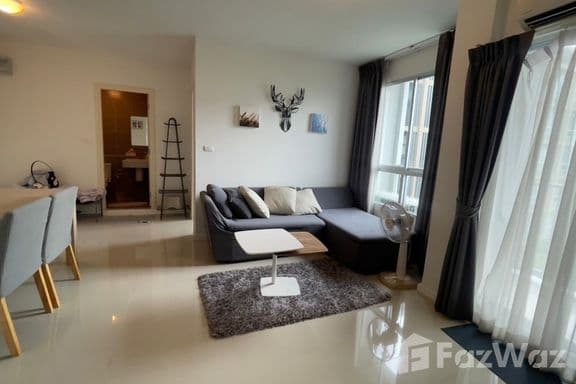

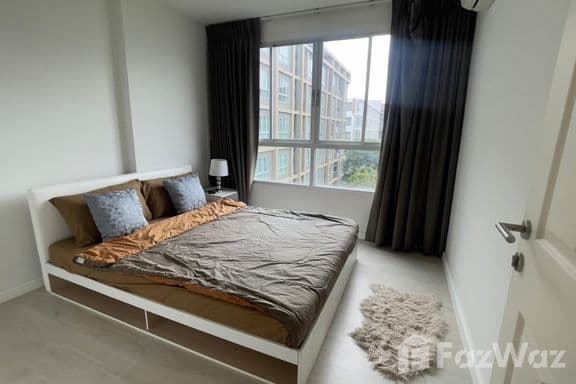

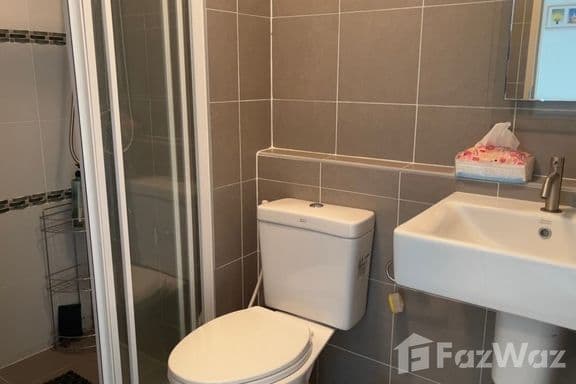
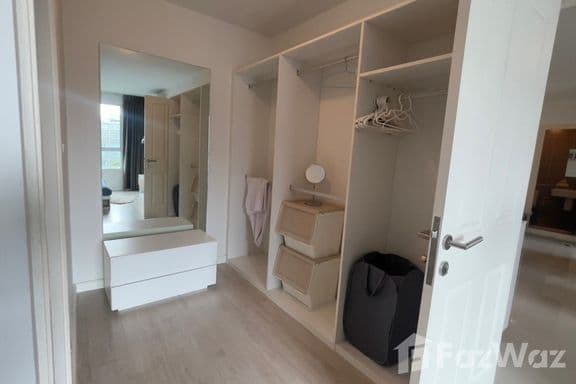
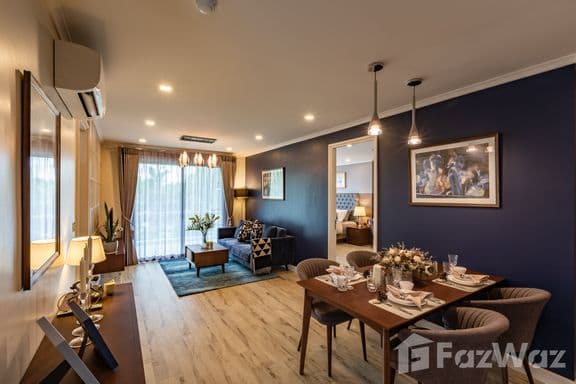
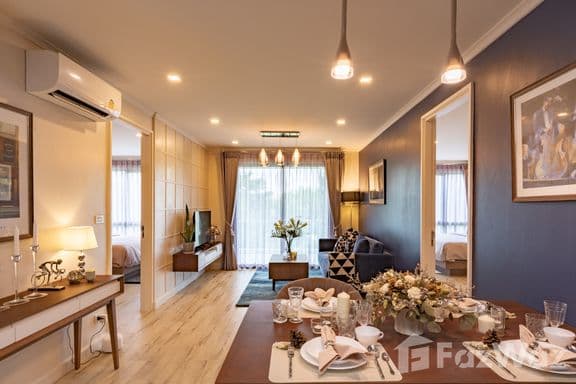
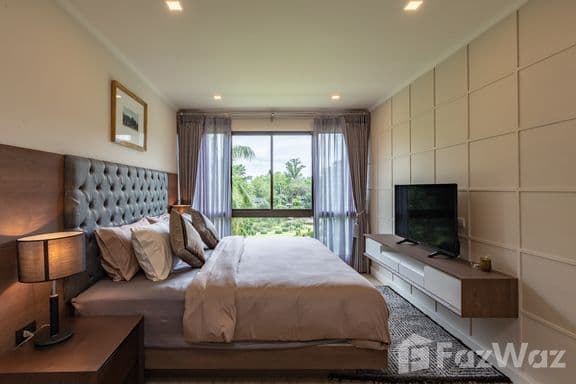


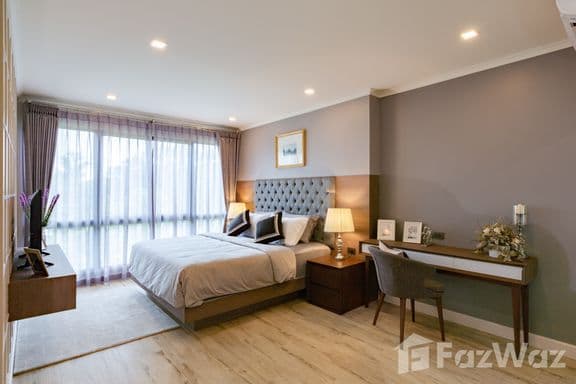
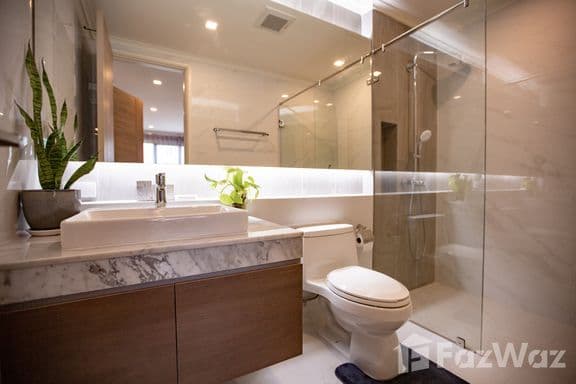


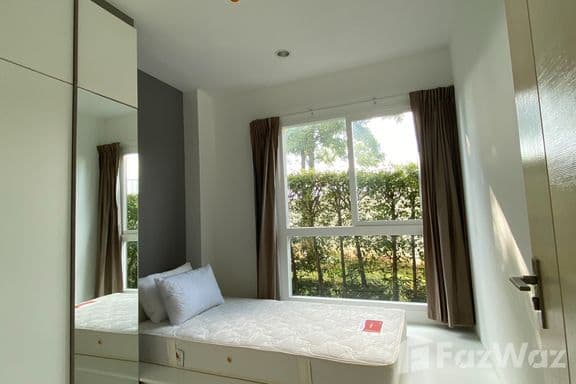

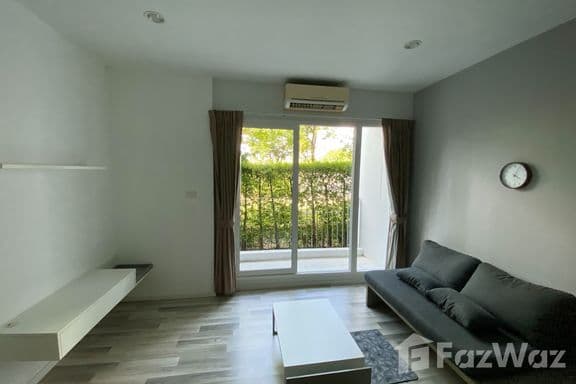
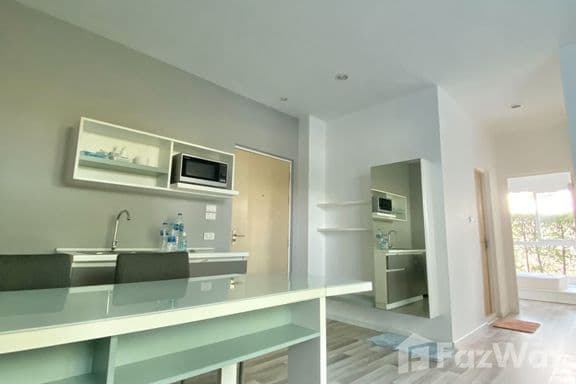
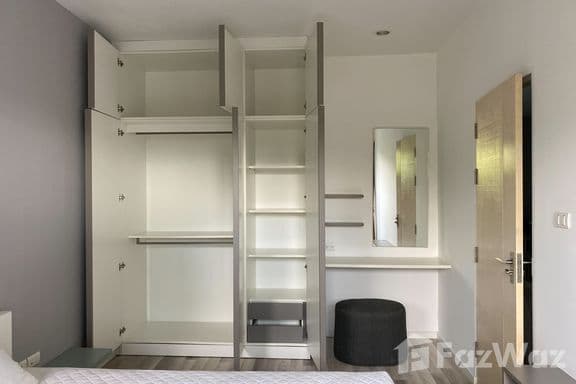
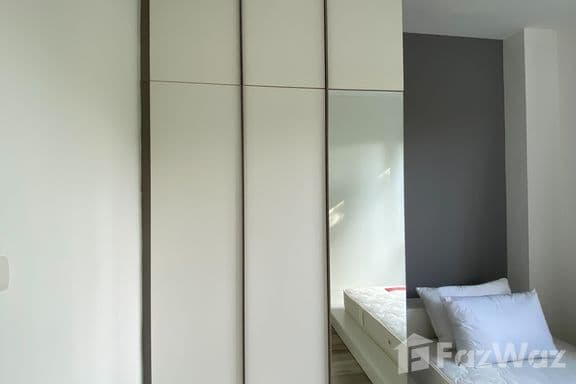
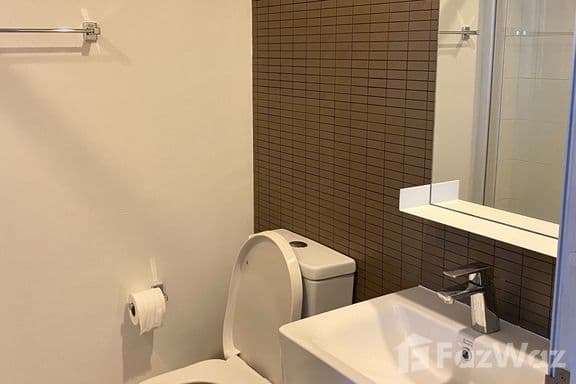
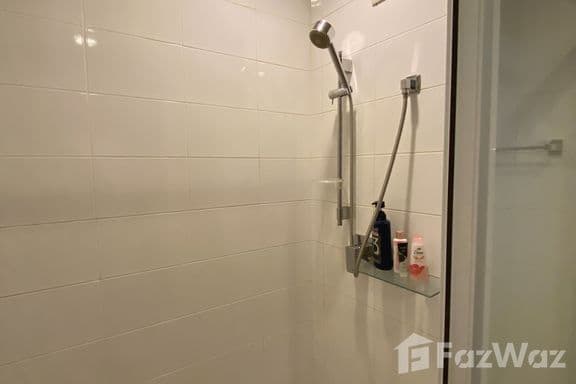
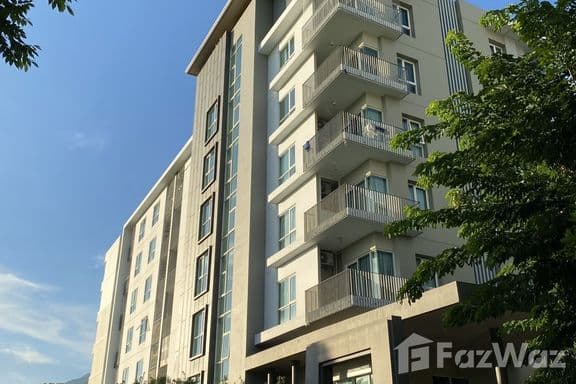




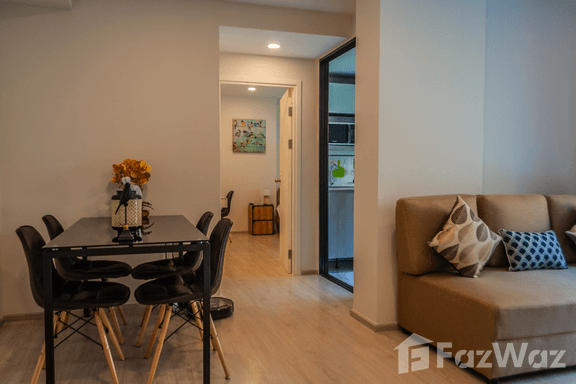






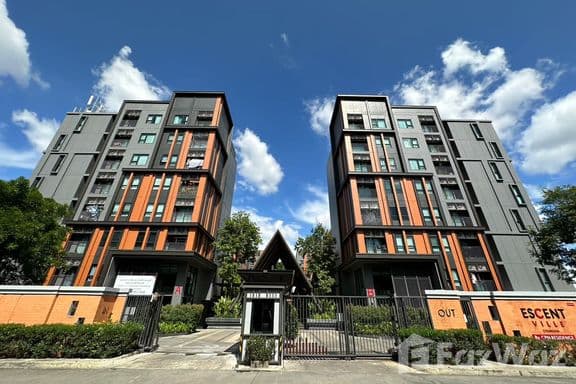


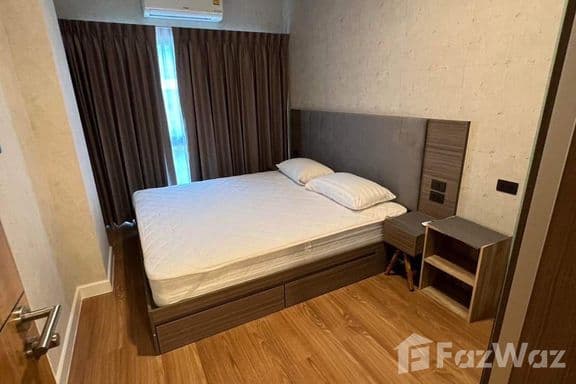
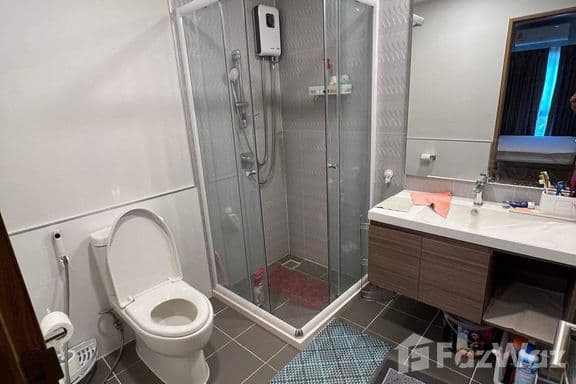
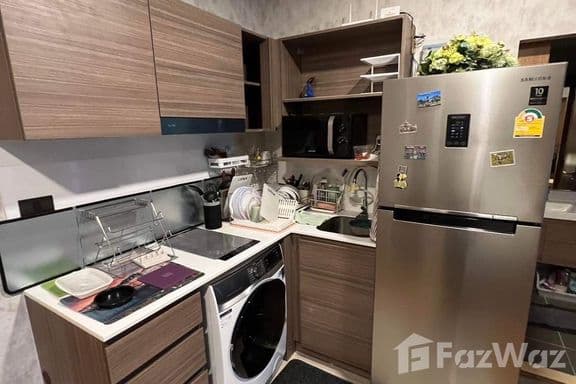

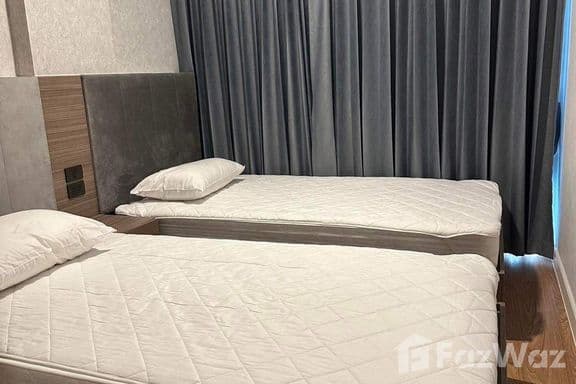
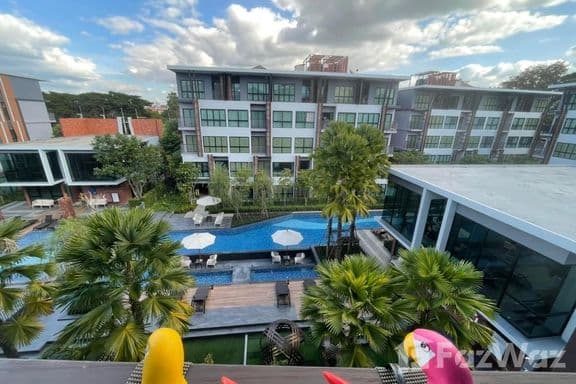


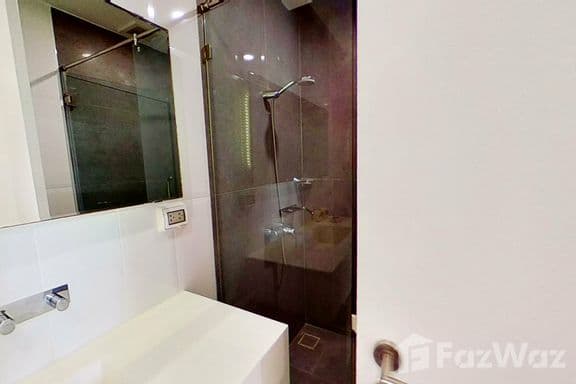


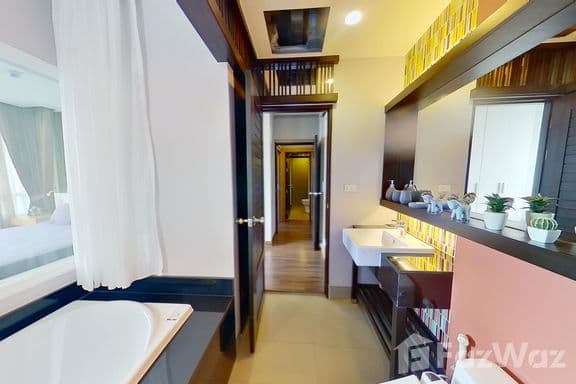


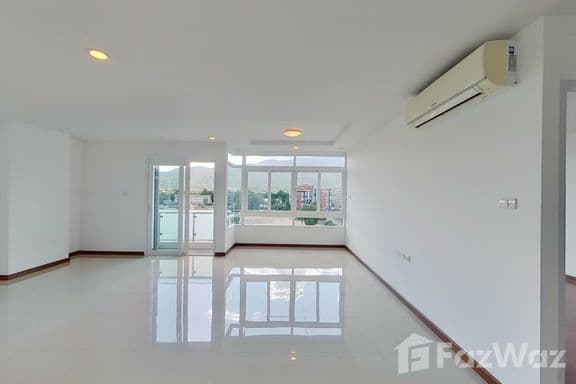


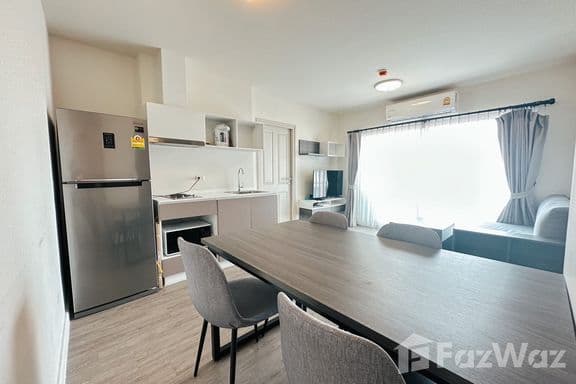
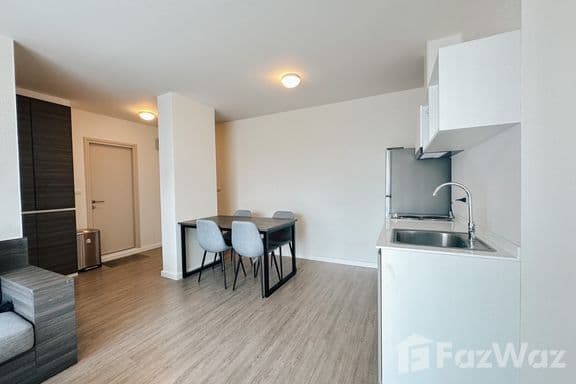
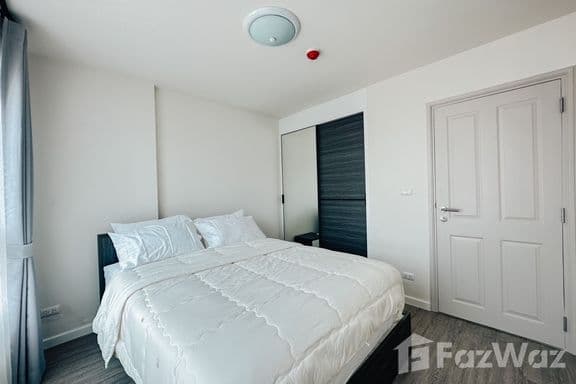


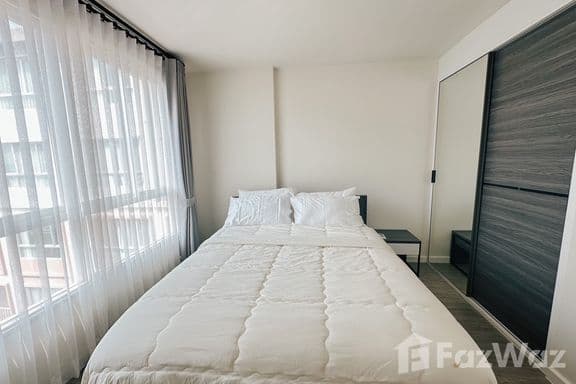

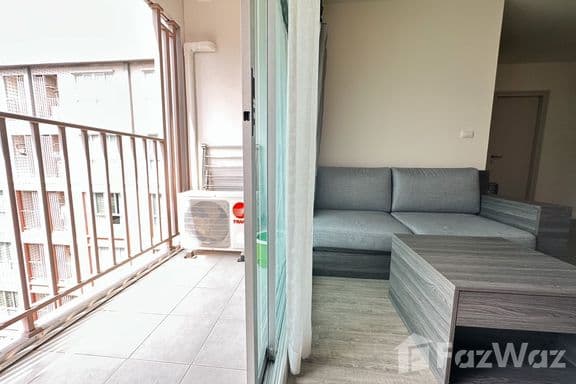
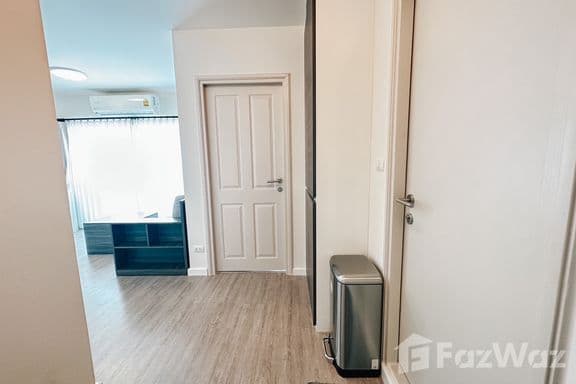
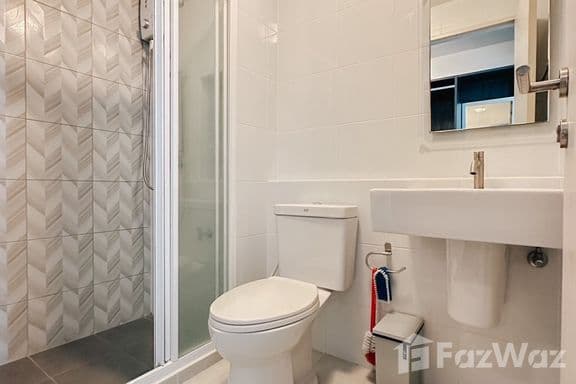
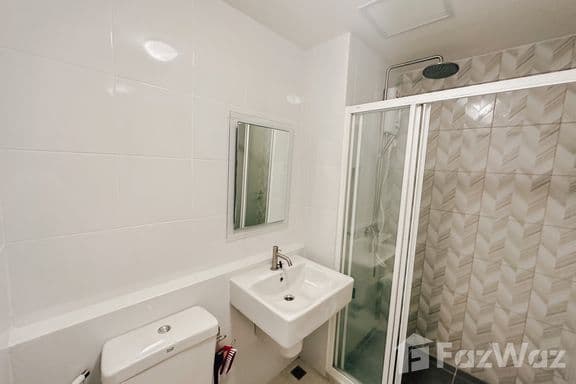

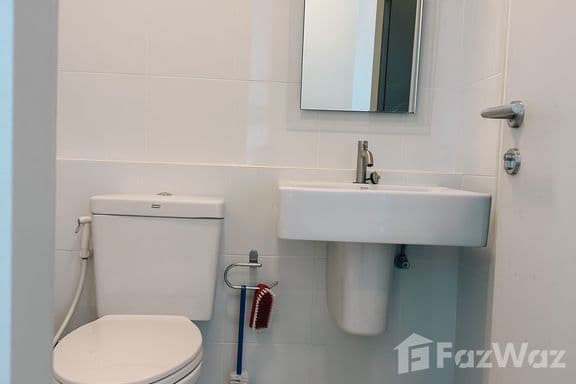
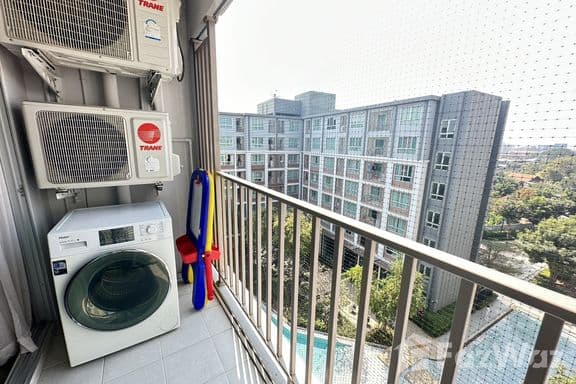


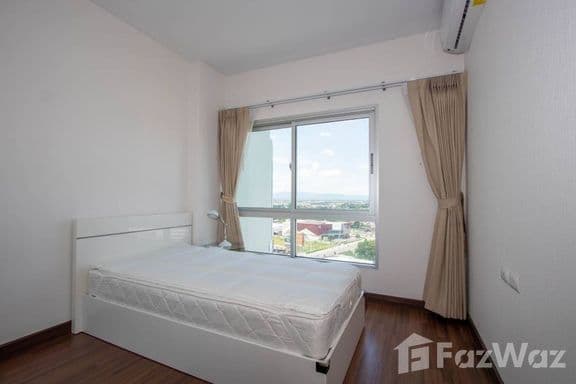


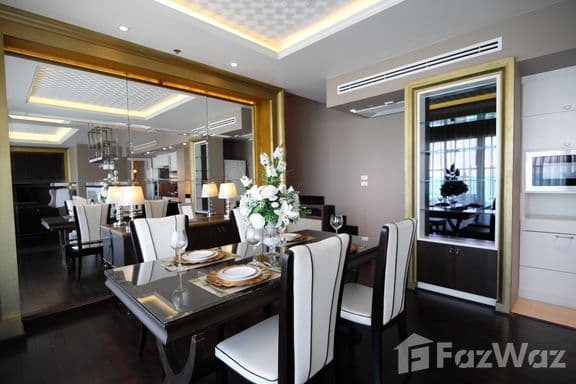
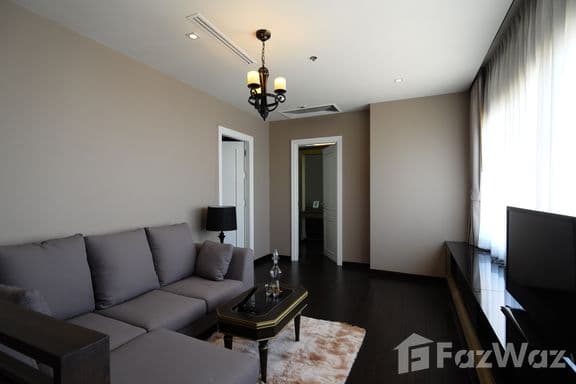
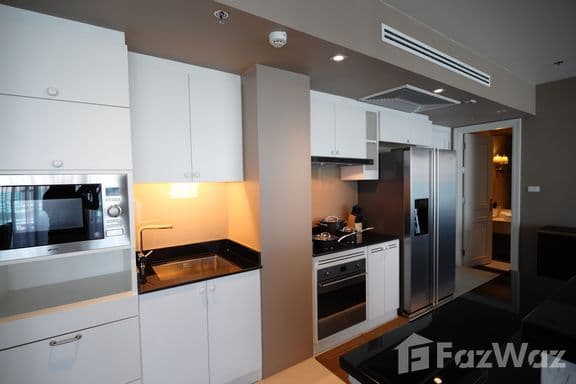
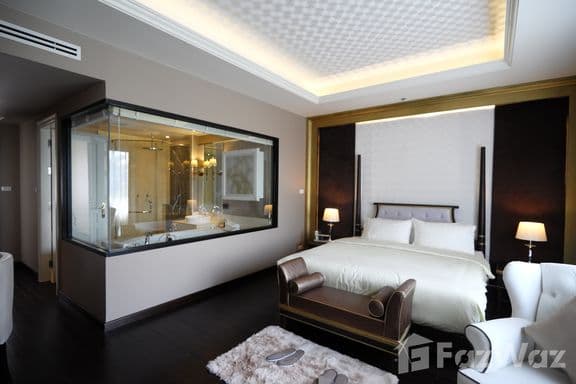
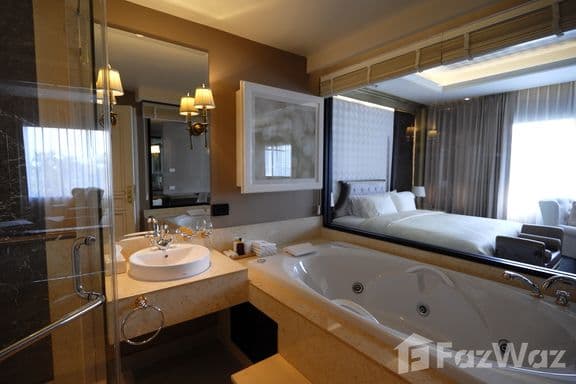
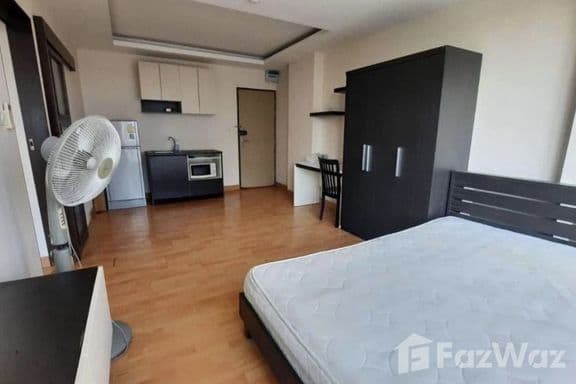
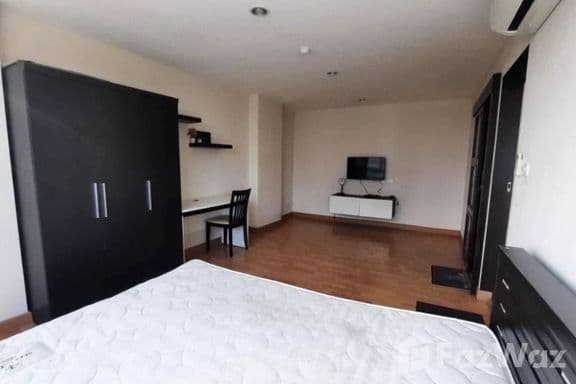
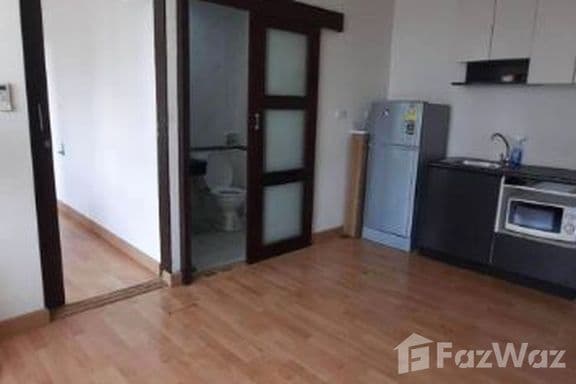
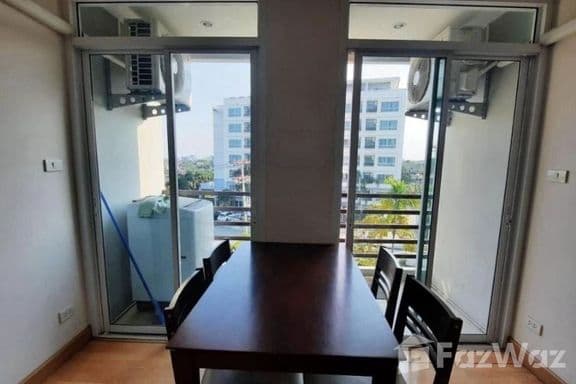
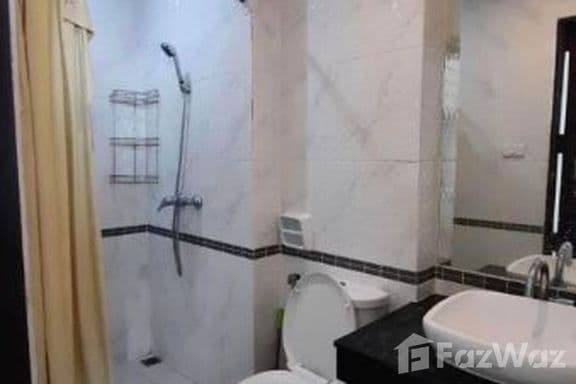


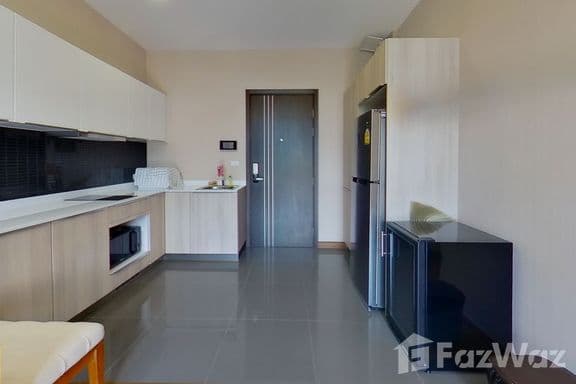




 Popular condos in Chiang Mai

