Condos For Rent in Chiang Mai
1,834 Results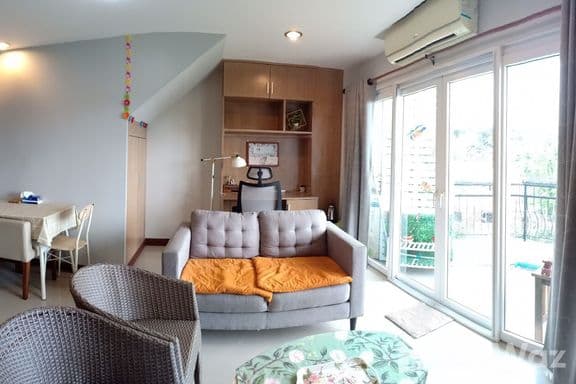








Condo Living in Chiang Mai: The 2025 Guide for Foreign Renters, Expats, and Digital Nomads
Introduction: Why Chiang Mai is a Top Choice for Foreign Renters in 2025
Chiang Mai has long been celebrated as a gem of Northern Thailand, and in 2025 it continues to shine as a top destination for foreign renters. This cultural city offers an exceptional quality of life at an affordable cost, which is a major draw for expats, digital nomads, and retirees alike. The city is nestled among mountains and historic temples, yet it provides modern amenities like shopping malls, international restaurants, and reliable high-speed internet. For foreign residents, Chiang Mai strikes an ideal balance between traditional charm and contemporary convenience.
Several factors make Chiang Mai especially attractive to international renters today. Living costs are significantly lower than in many Western cities (and even less than Bangkok), allowing foreigners to enjoy a comfortable lifestyle on a modest budget. The city has a well-established expat community and digital nomad scene, meaning new arrivals can quickly find networks, co-working spaces, and social events. English is widely spoken in tourist areas and real estate services, easing the transition for non-Thai speakers. Furthermore, the Thai government has introduced long-term visa options and continually improves infrastructure, demonstrating a welcoming stance toward foreign residents. In short, Chiang Mai in 2025 remains a vibrant, safe, and welcoming city that offers an unparalleled lifestyle for those looking to rent a condo and settle into the “Rose of the North.”
Overview of the Rental Market in Chiang Mai
The rental market in Chiang Mai is dynamic and growing, reflecting broader trends in Thailand’s property sector. In recent years, demand for rentals has surged as both locals and foreigners choose renting over buying. This trend is driven by economic factors (such as high property prices and tighter credit for buyers) and lifestyle choices (desire for flexibility and mobility). As a result, Chiang Mai’s condo rental sector has seen steady price increases and high occupancy rates. Landlords have enjoyed occupancy levels around 90% in many condo buildings, indicating that desirable units do not stay vacant for long.
Rental trends in 2024 and 2025 indicate a healthy increase in both prices and transaction volume. After the global disruptions of the early 2020s, Chiang Mai’s rental market rebounded strongly with an influx of new residents, including returning expats and remote workers drawn by Thailand’s reopening. Quarter-on-quarter rental prices have been rising in the mid-single digits percentage-wise, and year-on-year rental demand growth has been reported at around 8% in 2023. This sustained growth underlines the enduring appeal of Chiang Mai for long-term stays.
Key demand drivers include the city’s popularity among digital nomads, who often prefer condos for their high-speed internet and convenience, and retirees, who value comfort and accessibility to healthcare services. Additionally, many Thai urban professionals and families have relocated to Chiang Mai from more expensive cities, further fueling the rental market. On the supply side, developers have added new condominium projects over the past decade, but most of that inventory has been absorbed by eager renters. In prime areas, there can even be a shortage of available units at peak times, tilting the market in favor of landlords. Despite this, rental rates in Chiang Mai remain affordable in global terms and offer great value, ensuring the city stays on the radar of international renters.
Overall, the 2025 outlook for Chiang Mai’s rental market is positive. It is a landlord’s market in many respects (with sustained demand keeping occupancy high), yet it still offers tenants a wide range of options at various price points. Foreign renters can expect a competitive market for the best condos, especially in sought-after neighborhoods, but also a rewarding experience once they secure a place, with stable rents, responsive landlords or building management, and a supportive community of fellow renters.
Benefits of Renting a Condo in Chiang Mai
Choosing to rent a condo in Chiang Mai comes with numerous benefits that enhance one’s lifestyle and peace of mind. Below are some of the key advantages for foreign renters:
- Affordability and Value - Renting a condo in Chiang Mai is highly affordable compared to equivalent accommodations in Western countries or even Bangkok. For example, a modern one-bedroom condo in Chiang Mai can often be rented for the price of a far smaller or older apartment overseas. This cost advantage allows renters to save money or enjoy a higher standard of living (such as dining out frequently or traveling more within Asia) while staying on budget. Moreover, condos typically come fully furnished at no extra cost, adding to the value proposition.
- Modern Comfort and Amenities - Most condominium buildings in Chiang Mai offer modern facilities that make daily life convenient and enjoyable. Residents commonly have access to swimming pools, fitness centers, rooftop gardens, and sometimes even co-working lounges or meeting rooms. The condos themselves usually come with air conditioning, contemporary furnishings, and appliances like refrigerators and microwaves. Renting a condo means you get to enjoy these comforts without having to invest in buying furniture or arranging gym memberships separately.
- Low-Maintenance Lifestyle - Condo living is ideal for those who prefer a hassle-free lifestyle. Maintenance of the building and common facilities is handled by a management office or juristic person. If the air conditioner needs servicing or a lightbulb in the hallway goes out, it’s not your burden to fix - simply notify the building staff and they will arrange repairs. This is especially beneficial for foreign renters who may not be familiar with local repair services. Additionally, security is managed for you: condominiums have 24/7 security personnel, CCTV, and controlled entry, providing a safe environment with minimal effort on the tenant’s part.
- Flexible Commitment - Renting offers flexibility that owning a property cannot. Foreigners who come to Chiang Mai often appreciate that they can choose the length of their stay without long-term obligations. If your job or plans change, it’s easier to move out at the end of a lease than to sell a property. You can also “try out” different neighborhoods by renting before deciding if you want to settle long-term. This flexibility gives digital nomads and Chiang Mai newcomers the freedom to explore without mortgage obligations or property commitments holding them back.
- Lifestyle and Convenience - Many condos are located in central or desirable areas of the city, meaning renters can live within walking distance of cafes, restaurants, malls, and nightlife. This convenience enhances quality of life - imagine stepping out of your condo and being a few minutes from a morning espresso or the local night market. Furthermore, condos often foster a sense of community; you may meet neighbors from around the world, creating an informal support network. Living among fellow expats or like-minded Thais in a condo can ease the cultural transition and provide social opportunities (like building fitness groups or community events).
In summary, renting a condo in Chiang Mai is an attractive option due to the cost savings, comfort, and convenience it affords. It allows foreign renters to enjoy the best of Chiang Mai - from its modern infrastructure to its rich culture - without the complications of property ownership. Whether you’re staying for a few months or several years, the condo lifestyle lets you focus on enjoying your time in Chiang Mai to the fullest.
Rental Types and Lease Options in Chiang Mai
Foreign renters in Chiang Mai will find a variety of rental types and lease options to suit different lengths of stay and personal preferences. Understanding these options will help you choose the arrangement that best fits your needs:
- Short-Term Rentals (Monthly or Weekly): If you plan to stay in Chiang Mai for only a few weeks or a couple of months, short-term rentals are readily available. Many condominiums and apartment residences offer monthly rental agreements, and some even cater to weekly stays (though nightly rentals are generally restricted by law in residential condos). Short-term rentals are often fully serviced apartments or privately owned condo units listed on platforms like Airbnb. These typically come furnished with all utilities included (electricity, water, Wi-Fi, cable TV) and may offer cleaning services. The benefit is maximum flexibility - you can rent for 1-3 months without a long commitment - but the cost per month is higher than a long-term lease. Short-term rates might be 20-50% more expensive than an equivalent long-term rental, reflecting the convenience and included services.
- Long-Term Rentals (6-12 Months or More): Long-term leases are the norm for expats and retirees settling in Chiang Mai. A standard lease length is 12 months, although 6-month contracts can sometimes be negotiated (and a few landlords might agree to 3-month leases, especially if the unit is otherwise vacant). Opting for a long-term rental usually secures a lower monthly rate. Landlords prefer the stability of longer tenancies, so they often price these contracts competitively. With a long-term lease, you’ll typically pay your utility bills separately and handle routine housekeeping yourself. Long-term rentals offer the feeling of a home base - you can personalize the space a bit and truly settle into the neighborhood. Do note that breaking a lease early might forfeit your security deposit, so ensure you are comfortable with the duration.
- Serviced vs. Standard Condos: In Chiang Mai, you will encounter both serviced residences and standard condo rentals. Serviced condos or apartments function similarly to hotels: they may have a reception desk, offer housekeeping (e.g. weekly cleaning and linen change), and possibly even room service or breakfast options. These are ideal for those who want a turnkey living situation - just bring your suitcase and everything else is taken care of. Serviced units are popular among business travelers and seasonal visitors; however, they come at a premium cost. On the other hand, standard condo rentals are conventional apartments where the owner hands you the keys and you are responsible for daily living tasks. Standard rentals still come furnished in Chiang Mai, but you’ll manage your cleaning and setup. For most expats who plan to stay a while, a standard condo rental offers better value for money and a more homely experience, whereas serviced apartments offer convenience for shorter stays.
- Co-Living Spaces and Flexible Leases: A recent trend in Thailand’s real estate, which is also touching Chiang Mai, is the emergence of co-living spaces and more flexible lease models. Co-living arrangements involve renting a private bedroom (sometimes with an en-suite bath) in a shared apartment or building, where common areas like kitchens and lounges are shared with other residents. These often come with flexible, shorter contracts and a community environment, perfect for digital nomads looking to meet people. Some modern developments or renovated residences in Chiang Mai now advertise co-living or all-inclusive packages (including internet, cleaning, and even coffee!) with monthly pricing. Additionally, a few landlords and property agencies offer flexible lease terms where you can extend month-to-month after a minimum period. While still not as common as in major metropolitan cities, these options are growing and can be a solution if you seek greater flexibility than a fixed 1-year lease.
In all cases, when you find a rental option that interests you, be sure to clarify the lease terms before signing. Understand what the rent covers (Are any utilities or internet included? Is there any bi-weekly cleaning for serviced units?), and confirm the required deposits and paperwork. Chiang Mai’s rental market is quite accessible: many landlords are accustomed to foreign tenants and offer English-language contracts. By choosing the rental type and lease structure that aligns with your stay, you can enjoy a smooth and comfortable living arrangement in Chiang Mai.
Neighborhood Guide: Top Districts for Foreign Renters
Chiang Mai is a sprawling city comprised of many distinct neighborhoods, each with its own character and appeal. As a foreign renter, picking the right area is just as important as choosing the right condo. Below is a guide to some of the top districts and neighborhoods favored by expats, digital nomads, and other international residents:
Nimmanhaemin (Nimman Area)
Nimmanhaemin Road, commonly referred to as “Nimman,” is the trendiest neighborhood in Chiang Mai and a magnet for digital nomads and young expats. Located near Chiang Mai University in the west of the city, Nimman is known for its cosmopolitan vibe. The area is packed with chic coffee shops, international eateries, craft beer bars, and co-working spaces. Renting a condo in Nimman means you’ll be within walking distance of places like Maya Lifestyle Mall, the bustling Think Park night street, and countless cafes where remote workers congregate. Condos in Nimman are typically modern low- to mid-rise buildings; many have rooftop pools and gyms. The lifestyle here is lively - there’s a vibrant nightlife scene and regular community events or markets. Nimman’s popularity does mean rental prices are a bit higher than elsewhere in Chiang Mai, but they remain reasonable by international standards. This area is ideal if you value walkability, social life, and a contemporary urban atmosphere wrapped in a Thai setting.
Old City
The Old City of Chiang Mai is the cultural and historical heart, defined by its square moat and ancient brick walls. This area offers a charming blend of tradition and convenience. Within the Old City’s narrow lanes (sois), you’ll find beautiful temples on almost every corner, local markets, guesthouses, and boutique hotels. While the Old City is a tourism hotspot, it’s also home to many expats who enjoy being in the center of the action. Renting options in the Old City range from a few modern condo buildings on the periphery to local apartment houses and renovated shophouses. There are fewer high-rise condos here due to zoning restrictions, so many foreign renters in the Old City might rent small houses or townhome-style units. Living here is perfect for those who want to immerse themselves in Thai culture - you can hear temple bells, join in local festivals like Loy Krathong and Songkran at ground zero, and walk to an array of restaurants (from street food to Western fare). Keep in mind, the Old City can be crowded with tourists in peak season and some areas can be noisy (night markets, bars). However, its central location and unique atmosphere are unparalleled. Daily conveniences like banks, 7-Elevens, pharmacies, and even Chiang Mai’s largest park (Buak Haad City Park) are within easy reach of anyone living inside the moat.
Santitham
Santitham is an up-and-coming neighborhood just northeast of the Old City and a short distance from Nimman, offering a more local Thai atmosphere while still being popular among budget-conscious expats. The area doesn’t have clear boundaries but is generally around Santitham Road and the neighboring sois. Santitham is known for its authentic markets and street food - for example, Thanin Market is a famous fresh market where many locals and expats shop for produce and prepared foods. The dining scene in Santitham includes numerous cheap and delicious eateries, and the nightlife is more low-key (think local bars and live music with Thai university students as patrons). Many foreigners who live in Santitham appreciate that it’s quieter than Nimman and more affordable, yet only a 5-minute ride away from Nimman’s buzz. Rental properties here include older condominiums and apartment buildings that might not be as shiny as those in Nimman, but they often offer larger unit sizes for the price. Condos in Santitham are typically mid-rise, and some are older builds with basic amenities (perhaps a small gym or parking) - making the rents lower. If you’re a digital nomad or teacher looking for value and a slice of real local life, Santitham is a great choice. You’ll have an easier time parking a motorbike here and can enjoy a mix of local and expat-oriented venues in this transitional neighborhood.
Riverside (Chang Khlan & Wat Ket)
The “Riverside” generally refers to areas along the Ping River, particularly on the eastern bank extending north and south of the famous Iron Bridge. Two sub-districts, Chang Khlan (south of Nawarat Bridge) and Wat Ket (around and north of Nawarat Bridge), cover much of the riverside area where foreigners like to stay. This part of Chiang Mai is known for its scenic views and upscale ambiance. Along the river, you’ll find some of the city’s top hotels (like the Anantara and Shangri-La slightly inland), as well as trendy restaurants and riverside bars that take advantage of the water views. Renting a condo in the Riverside area often appeals to retirees and professionals seeking a more tranquil environment. High-rise condominium towers such as The Astra, Peaks Garden, or Riverside Condominium offer units with balcony views overlooking the Ping River and the city skyline. These buildings usually come with comprehensive facilities (large pools, fitness centers, saunas) and a more resort-like feel. The Riverside area provides a peaceful contrast to the Old City - you can enjoy morning or evening strolls by the riverbanks and dine at open-air restaurants with live music. It’s still conveniently close to the Night Bazaar and markets like Warorot, providing plenty of shopping and entertainment. Rental costs along the Riverside tend to vary - older condos can be affordable, while newer luxury buildings command higher prices. This area is perfect if you prioritize a scenic, relaxed lifestyle and don’t mind being slightly removed from the dense city center (though it’s only a short tuk-tuk or Grab ride away).
Hang Dong and Suburban Estates
For foreigners seeking houses or a suburban style of living, Hang Dong district to the south of the city is the prime location. Hang Dong (along with neighboring Mae Hia and Saraphi areas) is known for its gated communities, spacious single-family homes, and villas. Expats who move with families, or retirees wanting a larger property with a garden, often rent in these areas. Here you’ll find planned housing estates (mooban) that offer communal security and sometimes clubhouses with pools. The atmosphere is quiet and residential, removed from the city noise - a car or motorbike is necessary as amenities are spread out. Hang Dong is home to several international schools (such as Chiang Mai International School, Lanna International School, Panyaden, etc.), which is convenient for expat families. The rental offerings in Hang Dong are usually standalone houses with multiple bedrooms, parking spaces, and outdoor areas. Monthly rents can range widely depending on the size and newness of the house, but you get a lot more space for your money compared to city condos. The trade-off is distance: driving from Hang Dong into the Old City or Nimman might take 20-30 minutes depending on traffic. Still, many choose this area for the green surroundings and tranquility. Large grocery stores (like Tesco Lotus and Big C) and expat-oriented facilities (garden centers, sports clubs, etc.) are located in or near Hang Dong, so day-to-day life is convenient within the district itself. If you desire a home-style living in Chiang Mai with room to breathe, Hang Dong and its suburban environs are ideal.
(Other notable areas include Chang Phueak (northwest of the Old City, a mix of local and expat living with condos near the Canal Road), Mae Rim (north of the city, where some luxury estates and nature retreats are located), and Doi Saket (northeast, more rural living). These are more niche choices but can suit specific renter preferences, such as being close to nature or specific workplaces.)
Each neighborhood in Chiang Mai offers something unique, and the “best” choice will depend on your lifestyle and priorities. In the next section, we provide a comparison of typical rental prices by area, which can help set expectations as you consider these locations.
Typical Condo Features and Facilities in Chiang Mai
Condominium developments in Chiang Mai are designed to provide comfort and convenience, often rivaling those in Thailand’s larger cities. When renting a condo here, you can generally expect a range of modern features and facilities that enhance daily living. Here are some typical characteristics of Chiang Mai condos:
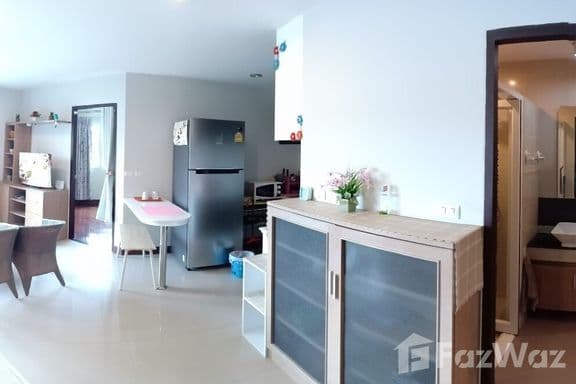
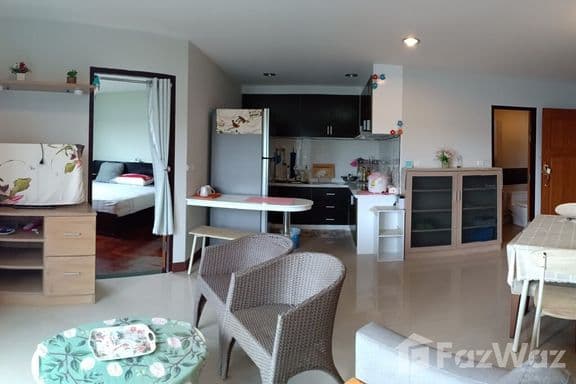
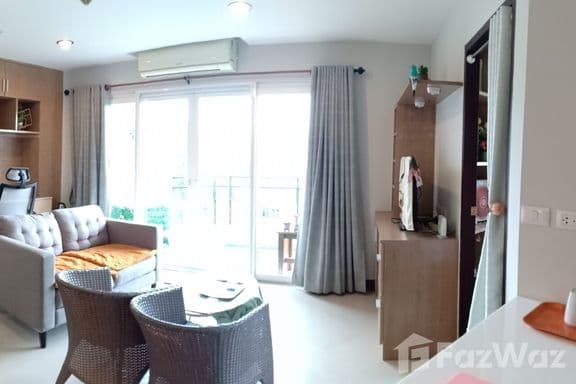
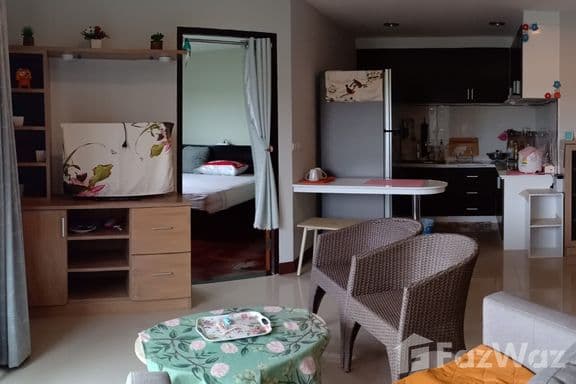
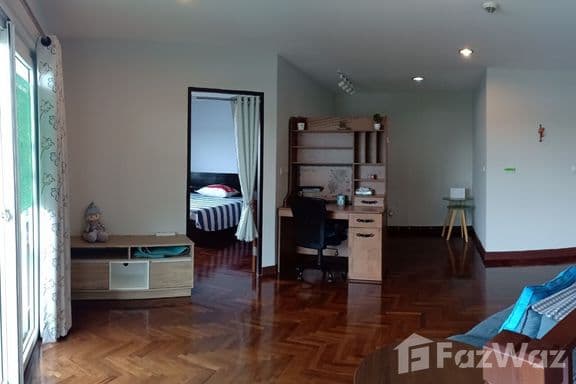
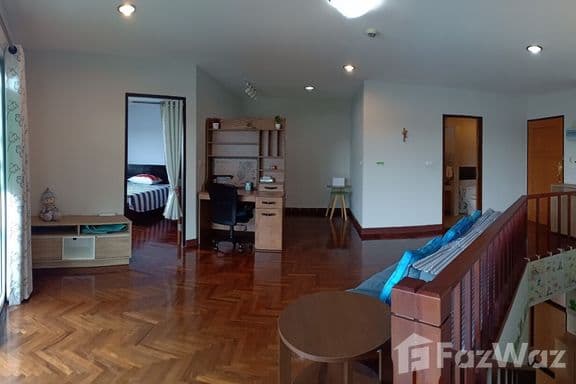
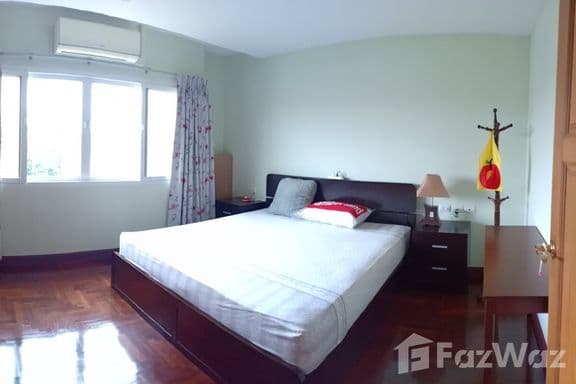
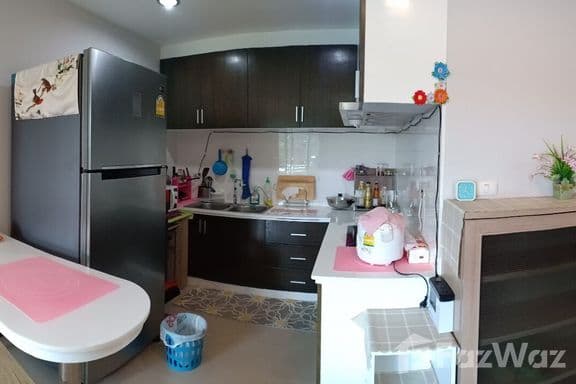
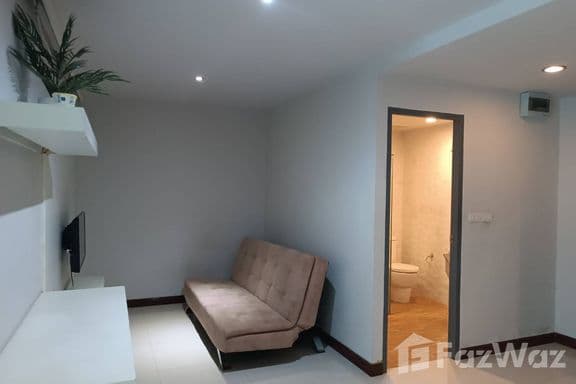
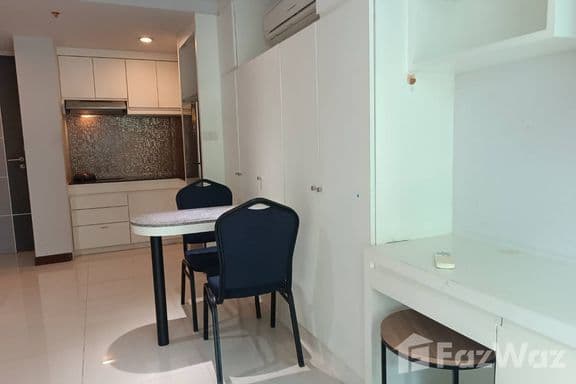
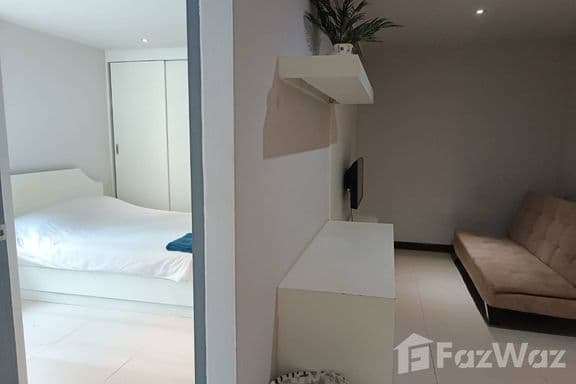
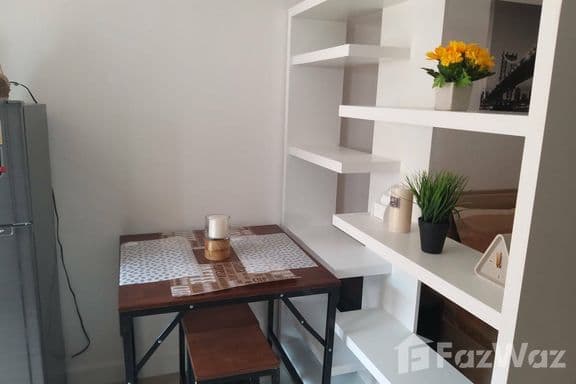
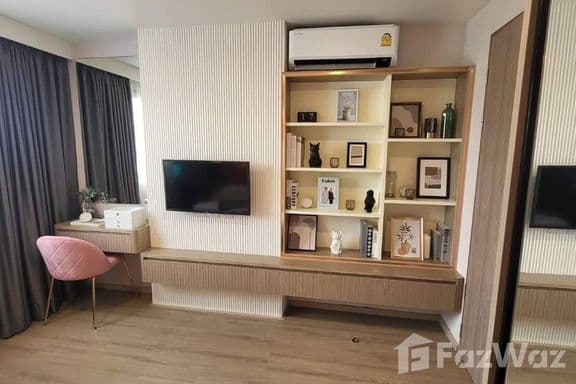
- Furnishings and Appliances: Almost all condos for rent in Chiang Mai come fully furnished. It’s standard for a unit to include essential furniture like a bed (with mattress), wardrobes or closets, a sofa, a coffee table, a dining table and chairs (in one-bedroom units and up), and sometimes a work desk. Kitchens (often kitchenettes in smaller units) usually have a refrigerator, microwave, electric kettle, and a basic stovetop or induction plate. Many condos also include a washing machine, either inside the unit or on the balcony. This turn-key aspect means renters don’t need to buy any large items - you can move in with your suitcase and have most needs met from day one. Decor varies by owner, but most condos are furnished in a clean, modern style with neutral colors.
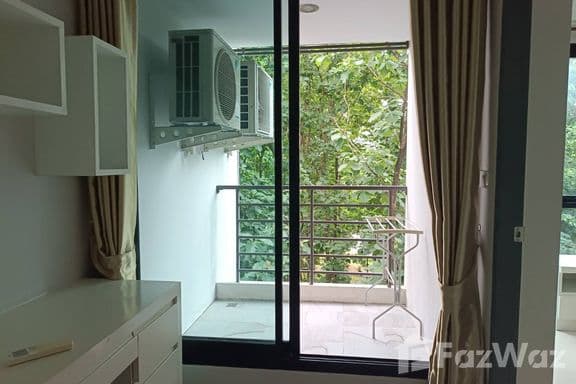
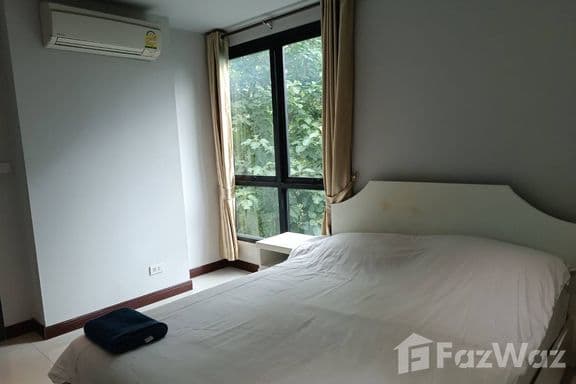
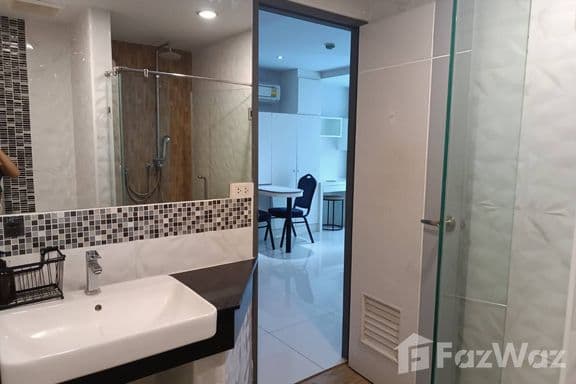
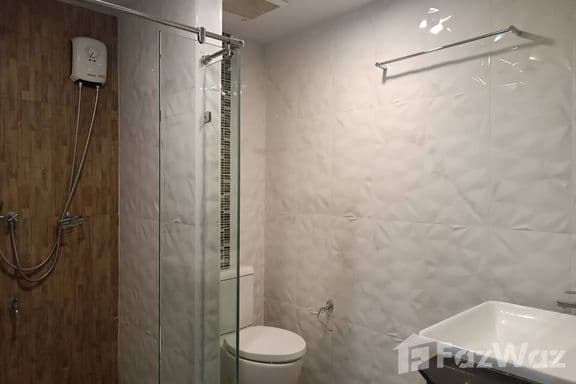
- Air Conditioning and Utilities: Given Chiang Mai’s warm climate, every condo unit is equipped with air conditioning, typically a wall-mounted split A/C unit in the living area and another in the bedroom. Bathrooms are modern, often with Western-style toilets and hot water heaters for showers. High-rise or newer condos will have good water pressure and consistent hot water. For utilities, each unit has its own electric and water meter. The Internet is a necessity for today’s renters - Chiang Mai condos usually have fiber-optic broadband available. Some units come with an existing Wi-Fi router (previous tenant’s setup), which you can transfer or you may need to arrange your own service; either way, high-speed internet (100 Mbps and above) is affordable and widely accessible in the city.
- Building Amenities (Pool, Gym, etc.): One of the perks of condo living is access to shared amenities. Swimming pools are very common - even many mid-range condos boast a pool, which could be on the rooftop with city views or on a ground-floor courtyard. Pools are generally maintained regularly and provide a refreshing escape during the hot season. Fitness centers (gyms) are another standard facility; while these vary in size and equipment, most condo gyms include a selection of cardio machines, weight machines, and free weights sufficient for everyday workouts. Some upscale buildings also have specialized facilities like saunas, steam rooms, or even mini-theaters and karaoke rooms for residents.
- Co-Working Spaces and Social Areas: Recognizing the large remote-working community in Chiang Mai, some newer condo complexes have incorporated co-working spaces or business centers. These are common areas with desks, Wi-Fi, and a quiet environment for residents to work or study outside of their apartments. Even if a formal co-working room isn’t available, many condos have a lobby or lounge with comfortable seating and internet access where you can relax or get some work done. Additionally, rooftop gardens or terraces are popular design features - residents can enjoy panoramic views of the city or nearby mountains (Doi Suthep is often visible) and use these spaces for small gatherings or personal relaxation.
- Security and Parking: Condos in Chiang Mai take security seriously. Expect a 24-hour security guard presence at the entrance or gate of the property. Buildings use keycard access or facial recognition entry systems to ensure only residents and authorized individuals can enter. CCTV cameras monitor common areas and hallways. This level of security provides peace of mind, especially for those new to the city. If you have a vehicle - a car or a motorbike - most condos come with secure parking facilities. Typically, there is a multi-level parking garage or a designated parking lot for residents, often accessed by the same keycard. Parking is usually free for one vehicle per unit (but confirm with your landlord about any registration needed for car stickers, etc.).
- Additional Conveniences: Many condo buildings offer extra conveniences such as laundry rooms (coin-operated machines) even if units have their own washer. Some have on-site mini-marts or vending machines for snacks and essentials. Water refill stations are common (since tap water is not potable, residents refill bottles from filtered water machines for a few baht). The building’s juristic office (management office) can assist with things like receiving mail and parcels - larger condos have a mailroom or reception that will hold packages for you. Trash disposal is organized via designated garbage rooms or bins on each floor or in the parking area, and collected by staff. All these facilities mean that condo living is very convenient - much is handled behind the scenes to keep the environment clean and functional.
In summary, condos in Chiang Mai are well-equipped to make life comfortable. As a renter, you will enjoy modern living spaces with all the furnishings and appliances you need, and you’ll benefit from resort-like amenities that might include a pool to cool off in, a gym to stay fit, and possibly even spaces to work or socialize. These features, combined with solid security and management, ensure that choosing a condo provides a smooth and enjoyable living experience in Chiang Mai.
Digital Nomad and Retiree Lifestyles in Chiang Mai
Chiang Mai has carved out a reputation both as a global digital nomad hub and as an attractive retirement destination. While these two groups are at different stages of life and have distinct routines, the city manages to cater to both in parallel, thanks to its diverse amenities and community support.
Digital Nomad Lifestyle: For digital nomads, Chiang Mai offers an environment that is hard to beat. A typical day might start in a condo in Nimman or Santitham, with a quick elevator ride down to a nearby café for breakfast. The abundance of co-working spaces and coffee shops with fast Wi-Fi means remote workers have endless choices of where to set up their “office” for the day. Popular co-working venues (like Punspace or Hub53) double as community hubs - you’ll find meet-ups, workshops, and networking events hosted regularly, allowing nomads to connect and share knowledge. After a morning of work, it’s easy to break for a delicious $2 bowl of noodles or a Western-style lunch at a trendy bistro. Afternoons could involve moving to a new location for a change of scenery or even working from the condo if you prefer the quiet of home (most condos have comfortable air-conditioned environments perfect for focus). Once the laptop is closed, digital nomads often take advantage of Chiang Mai’s rich leisure options - perhaps a hike in the nearby hills, a drop-in Muay Thai boxing class, or simply a relaxing Thai massage. Evenings are for socializing: the city’s nightlife ranges from cozy live music bars to night markets where friends gather. Monthly nomad meetups and skill-sharing events are common, so it’s easy to find like-minded folks. Importantly, Chiang Mai’s affordability allows digital nomads to maintain a high quality of life on a freelancer’s budget, reducing financial stress and enabling them to focus on projects and personal growth. The general vibe is one of productivity balanced with well-being - healthy food is accessible, gyms and yoga studios abound, and the close-knit nomad community ensures newcomers feel welcome quickly.
Retiree Lifestyle: Chiang Mai’s allure for retirees lies in its gentle pace of life, excellent healthcare, and welcoming culture. A retiree couple living in a condo (perhaps a spacious unit in a quieter part of town or along the riverside) might start their day with a stroll through the local fresh market, picking up tropical fruits and vegetables, then enjoy coffee on their balcony with a view of the mountains. The cost of living advantage means retirees can afford domestic help if desired - it’s common to hire a housekeeper once or twice a week for cleaning or laundry, which makes day-to-day life even more relaxed. Many retirees take up new hobbies or activities: Chiang Mai has clubs for everything from painting, tai chi, and cooking classes to golfing groups. The expat retiree community has organized meetups (for example, the Chiang Mai Expats Club holds regular gatherings where information is shared and friendships are made). Healthcare is a major plus: international-standard hospitals and clinics (like Bangkok Hospital Chiang Mai or Chiang Mai Ram Hospital) are easily accessible for routine checkups or treatments, typically at a fraction of the cost one might pay in the West. This provides great peace of mind. Afternoons for retirees might involve volunteering (some get involved teaching English or supporting local charities), or simply enjoying leisure time - reading under a pergola by the condo’s garden, swimming laps in the pool during the warm midday, or practicing meditation at a nearby temple. In the evenings, retirees can dine out very affordably - whether it’s local Thai street food or a nicer restaurant - or cook at home with fresh market ingredients. Chiang Mai’s slower evening rhythm (compared to a metropolis) suits those who prefer a quiet night: perhaps a sunset river cruise dinner or listening to jazz at a lounge. Importantly, the local Thai community is very respectful and friendly toward older expats, making retirees feel safe and appreciated. The overall retiree lifestyle in Chiang Mai is about enjoying one’s golden years with minimal stress - days are filled with pleasant routines, engaging social circles, and the comfort of a stable, low-cost environment.
Both digital nomads and retirees benefit from Chiang Mai’s blend of modernity and tradition. They might cross paths at the same Sunday Walking Street Market or while paying respects at a famous temple, each finding their own fulfillment in this city. What unites these lifestyles is the freedom Chiang Mai affords: whether you’re working on a startup idea or savoring a well-earned retirement, the city provides the resources, community, and backdrop to live life on your own terms.
Rental Price Comparison Table by Area
Rental prices in Chiang Mai can vary significantly by neighborhood, property age, and size. Below is a comparison of typical monthly rental costs for condos in different popular areas of Chiang Mai. The table provides an approximate range for one-bedroom and two-bedroom condos in each location (figures are in Thai Baht):
|
Area |
1-Bedroom Condo (per month) |
2-Bedroom Condo (per month) |
|
Nimmanhaemin (Nimman) |
THB 10,000 - THB 20,000 |
THB 20,000 - THB 35,000 |
|
Old City |
THB 12,000 - THB 25,000 |
THB 25,000 - THB 40,000 |
|
Santitham |
THB 8,000 - THB 15,000 |
THB 15,000 - THB 25,000 |
|
Riverside / Chang Khlan |
THB 15,000 - THB 30,000 |
THB 30,000 - THB 50,000 |
|
Hang Dong (Houses) |
N/A (mostly houses) |
N/A (mostly houses) |
Notes: These ranges are general estimates as of 2025. Actual prices will depend on the specific property’s features, age, and exact location. For instance, a brand-new luxury high-rise in Nimman with top-notch facilities might have one-bedroom units starting closer to THB 18k-20k. In contrast, an older building in the same area might offer a one-bedroom for around THB 10k. Old City condos are less common; the high end of the range may represent boutique residences or larger apartments just outside the Moor area. Santitham remains one of the most budget-friendly central areas, with good deals for those willing to rent in older complexes. Riverside/Chang Khlan two-bedroom units vary widely - THB 50k would be for a modern, large condo with a river view, whereas older riverfront condos can be much cheaper.
Hang Dong is listed to acknowledge the area’s popularity with foreign renters; however, it predominantly consists of houses and villa rentals rather than condos. A typical three-bedroom house in Hang Dong might rent for anywhere from THB 20,000 to THB 50,000 per month, depending on size and amenities. Condos in suburban areas like Hang Dong or Mae Hia are few, so most expats living there opt for houses or townhouses.
When budgeting for a rental in Chiang Mai, remember to factor in additional monthly costs such as utilities (electricity can range from THB 1,000-3,000+ depending on aircon use, water is usually under THB 200, and high-speed internet about THB 500-1,000) and any building management fees (usually included in the rent unless stated otherwise). Despite these extras, Chiang Mai’s rental costs are highly competitive, allowing foreign renters to find quality accommodation at a fraction of the cost of many other international cities.
Legal Considerations for Renters: Contracts, Deposits, and Visas
Renting a condo in Chiang Mai as a foreigner is a straightforward process, but it’s important to understand the legal and administrative considerations to ensure a smooth tenancy. Here we cover rental contracts, deposits, and relevant visa considerations for long-term stays:
Rental Contracts: When you agree to rent a property, you should be presented with a rental contract (lease agreement). In Chiang Mai, many landlords use a standard template, and increasingly these documents are available in both Thai and English for the tenant’s convenience. The contract will specify the rental term (start date and end date), monthly rent amount, payment due date, and other key terms such as the security deposit amount, responsibilities for utility bills, and house rules. It’s crucial to read the contract carefully. Ensure any verbal promises from the landlord (for example, “I will replace the microwave next month” or “you can repaint a wall if you like”) are written into the agreement or at least noted in an addendum. By Thai law, any lease longer than 3 years can be registered with the Land Office, but typical 1-year residential leases are not registered - they are still legally binding, just not formally recorded with the government due to their short term.
Security Deposits: In Chiang Mai, the common practice for deposits is to collect two months’ rent as a security deposit, plus the first month’s rent paid in advance when signing the lease. For example, if your rent is THB 15,000 per month, you might pay THB 45,000 upfront (THB 30,000 as a refundable deposit + THB 15,000 for the first month). You'll receive your full deposit back from the landlord when your lease ends, provided you follow proper move-out procedures and maintain the property reasonably well. Always get a receipt for any deposit paid and have the terms of refund noted in the contract. It’s wise to do a walk-through inspection with the landlord or agent when moving in, to document any existing issues (take photos of any scratches, stains, or defects) so you aren’t blamed later. In recent years, Thai consumer protection regulations have tried to limit excessive deposits and require the timely return of deposits (usually within 30 days of lease end) for certain landlords who rent multiple properties. While enforcement varies, knowing your rights can help - if your landlord is a company or manages many units, they are generally expected not to exceed a one-month deposit by law. However, individual private owners commonly still ask for two months.
Rental Payments and Utilities: Rental payments are usually made monthly. Many foreign renters arrange a bank transfer to the landlord’s Thai bank account, which provides a record of payment. Others pay cash - if so, ensure you get a written receipt each time. There is no legal requirement for how rent must be paid, so it’s whatever you and the landlord agree on. Utilities such as electricity and water are typically the tenant’s responsibility. The contract should state this. Electricity in Chiang Mai is provided by the Provincial Electricity Authority (PEA) and water by the local municipal waterworks; if the bill comes directly, you pay the standard government rates. In condos, sometimes the bill is handled via the juristic office - they collect the amount from you (often with a small admin fee). Ensure you clarify how utilities are paid (directly to providers, or to the condo office, or included in rent for some serviced units). Internet and cable TV are usually up to the tenant to install or subscribe to, unless the condo already has a building-wide arrangement.
Visa Requirements for Long-Term Renting: One of the great advantages in Thailand is that foreigners are allowed to rent property without owning any special permit or status - your ability to sign a lease is not tied to your visa type. A tourist on a 60-day visa can rent a condo for two months; a retiree on a one-year retirement visa can sign a one-year lease; someone on a business visa can do the same. Landlords will typically ask to make a copy of your passport and current visa or entry stamp for their records when you move in (as part of their legal duty to register your stay, which we’ll mention below). While the act of renting doesn’t require a specific visa, if you plan to stay in Chiang Mai long-term, you must ensure you have a valid visa for the duration of your stay. Common visa options for long stays include:
- Tourist Visa: Usually valid 60 days plus a 30-day extension (not ideal for a long lease unless you plan a short stay or visa runs).
- Education Visa: Many foreigners study Thai language or another course to get a 90-day extendable visa, allowing several months of stay.
- Retirement Visa: Available to those over 50 meeting financial requirements, allows a year of stay (renewable each year).
- Marriage Visa: If married to a Thai national, an annual visa is possible.
- Long-Term Resident (LTR) Visa: A newer program for “high-potential” foreigners (investors, retirees, professionals) that can allow up to 10 years. Some digital nomads may qualify under a remote worker category if income criteria are met.
- Elite Visa: A paid visa program giving 5-20 years of residency privileges (popular for those who want hassle-free long-term stay and can afford the membership fee).
While your visa type doesn’t restrict renting, it’s illegal to overstay or live in Thailand without a valid visa, so coordinate your housing plans with your immigration status. If signing a year lease, ideally you should have a visa or combination of visas that covers that period to avoid having to leave early.
Immigration Reporting (TM30 and 90-Day): Thai law requires that the property owner (or manager) report the presence of any foreigner staying in their property to immigration within 24 hours of arrival (this is done via the TM30 form). In practice, if you arrive directly to your condo from abroad, your landlord or condo management should file this form. If you come from a hotel or another residence in Thailand, that place likely filed a TM30, and upon moving to your new rental, a new TM30 should be filed by the landlord. It’s a routine paperwork step, but as a tenant, it’s good to confirm the landlord will handle it, since a missing TM30 can cause hassles when you next deal with immigration (e.g., for a visa extension). Additionally, if you stay longer than 90 days on a long-term visa, you are required to do 90-day reports to immigration (basically updating them on your current address). This is something you handle personally (or through an agent or online system), but living in a properly registered condo with a TM30 filed will make that process smooth.
Local Regulations and Tenant Rights: Thailand’s rental laws are generally considered landlord-friendly, but there are still protections in place. For instance, landlords cannot just evict a tenant without cause or notice during a fixed-term lease - you have the right to stay for the term as long as you abide by the contract. If a dispute arises (like deposit refund issues), you can seek advice from the local Office of Consumer Protection or, as a last resort, pursue a claim in Thai civil court. However, most rentals in Chiang Mai end amicably. To protect yourself, maintain good communication with your landlord, keep the condo in good condition, and follow the contract (especially regarding notice periods - typically 30 days notice before lease end if you don’t plan to renew).
In summary, while there are legal and procedural aspects to be aware of, renting in Chiang Mai is relatively user-friendly for foreigners. By signing a clear contract, respecting its terms, and keeping your visa status in order, you’ll find that living in Chiang Mai is not only enjoyable but also backed by a stable legal framework. When in doubt, ask questions of your landlord or fellow expats - the community is often happy to help newcomers navigate these formalities.
Foreign Renter Personas in Chiang Mai
Foreign renters in Chiang Mai aren’t a monolithic group - they have a variety of backgrounds and goals. Let’s explore a few common “personas” of international renters and how each tends to approach condo living in the city:
- The Digital Nomad: Typically in their 20s or 30s, the digital nomad comes to Chiang Mai for its thriving remote work scene and affordable lifestyle. They often rent small modern condos or studios in Nimman or nearby, valuing proximity to co-working spaces and trendy cafes. A digital nomad might only commit to a 3-6 month lease, or even do month-to-month rentals, since they appreciate flexibility to travel. Key priorities for them are high-speed internet, a comfortable workspace (hence condos with a desk or a co-working lounge are a plus), and a location within walking or bicycling distance to social venues. Many in this category do not need a large space; instead, they look for a clean, secure, air-conditioned condo that serves as a base between their working hours spent in town. They tend to network actively, so a condo building known to host several expats or nomads can be attractive. The digital nomad often doesn’t own a car - they might rent a scooter or use ride-hailing services; thus, being in a central area is important. Budget-wise, this persona often has a moderate budget; they’re willing to pay a bit more for convenience but still track expenses carefully (e.g., choosing a THB 12,000/month studio over a THB 20,000 luxury one to maintain financial freedom).
- The Retiree Couple: Usually 60+ (or early retirees in their 50s), this couple has chosen Chiang Mai for its pleasant living and healthcare. They likely opt for a larger one or two-bedroom condo in a quieter neighborhood or a scenic area like the Riverside, or they might rent a house in Hang Dong if they prefer more space. Stability and comfort are top priorities. They will sign a one-year lease (and often renew it for many years if they’re happy) because they intend to make a home. This persona appreciates plenty of storage, a full kitchen, and comfortable furnishings. They might bring in a few of their own items to make the place feel like home. Proximity to hospitals, grocery stores, and perhaps golf courses or recreation clubs might influence their choice of location. Many retiree couples also value having a western-style kitchen if they enjoy cooking (some condos have small kitchenettes, so they might look for those rare units or houses with an oven and more counter space). Socially, they engage with both Thai neighbors and the expat community, so a condo with a mix of residents works well. Budget-wise, retirees often have a fixed income (pension or savings), but due to Chiang Mai’s low cost, they can afford comfortable accommodations - maybe THB 20,000-30,000 per month for a high-quality condo, which would be costly in their home country but here is sustainable. They also might keep a car for convenience, so parking and easy access (e.g. ground floor or good elevators) can be factors due to mobility considerations.
- The Working Expat: This persona is someone employed either locally or on an overseas salary but stationed in Chiang Mai (e.g., a manager in a multinational company, a teacher at an international school, or a professional working remotely for a foreign employer). They often stay long-term and may relocate with a spouse or family. Working expats usually seek practical living: a condo or house that is convenient for both work and family life. For a single professional, a one-bedroom condo in a central area like Chang Khlan or near the Old City might be ideal, balancing commute (if they need to commute) and leisure. For those with families, a spacious condo or a house near international schools (Hang Dong area or certain parts of town) is desirable. This group values reliability and service - they may choose to go through reputable real estate agencies to find a place, and they expect prompt maintenance support since they’re busy with work. They might have a housing allowance, so their budget can be relatively higher. For instance, a teacher might rent a modest apartment around THB 10k-15k if single, whereas a corporate expat might have a nicer THB 30k condo provided by their company. Working expats often integrate into daily Thai life more deeply - you’ll see them at the supermarket after work, hitting the gym early in the morning, and taking weekend trips. They need housing that supports routine: a washing machine in-unit, a kitchen for cooking family meals, and stable internet for any after-hours work. They tend to stay put if they like a place, making them ideal tenants from a landlord’s perspective.
- The Seasonal Visitor (Snowbird): Many foreigners, especially from colder climates, choose to spend part of the year (often winter months) in Chiang Mai. These seasonal visitors might come for 3-6 months every year. They prefer short-term leases or flexible arrangements; some even return to the same condo year after year if they have a good relationship with an owner. This persona might be semi-retired or able to work seasonally. They typically favor central, convenient locations - perhaps a condo near the Old City or Nimman - so that they don’t need a vehicle and can enjoy the city on foot while here. They take advantage of Chiang Mai’s pleasant cool season (November through February) and often leave during the hotter months or the smoky season. Because they’re not in Chiang Mai year-round, they often opt for an all-in-one rental solution (maybe a serviced apartment or a place that includes utilities) to minimize hassle. They love the local festivals that coincide with their stay - for example, they time their visit to enjoy Loy Krathong or the flower festival. Seasonal visitors might store a few personal belongings with friends or a storage service in Chiang Mai when they depart, to make their annual return even easier. Cost-wise, even if they pay a slightly higher monthly rate for a short-term rental, they find it worthwhile as they save on heating bills back home and get a high quality of life in Chiang Mai. This persona shows that one can treat Chiang Mai as a second home seasonal retreat, reaping the benefits of the climate and culture without a permanent move.
Of course, not every foreign renter will fit exactly into these profiles, but these personas capture some of the most common scenarios. Chiang Mai’s versatility as a city means it can accommodate everyone from a backpack-toting entrepreneur to a family seeking a new life abroad. When looking for a condo, it’s useful for renters to identify what persona (or mix of personas) they most align with - that helps in choosing the right location, amenities, and lease terms. Regardless of the category, all foreign renters share a common outcome: they enrich the fabric of Chiang Mai’s international community while enjoying what the city has to offer.
Tips for Selecting the Right Condo
Choosing the perfect condo to rent in Chiang Mai can be a daunting task given the many options. Here are some practical tips to help you make an informed decision and secure a home that fits your needs:
- Define Your Budget (and Include Extras): Start by determining your monthly housing budget, but remember to include estimated utilities and other fees. For example, if you can afford THB 20,000 per month total and you expect about THB 2,000 in utility bills, you should be looking at condos around THB 18,000 rent. Having a clear budget will narrow your search and prevent you from overspending. Also consider the security deposit in your cash flow planning (you’ll need a chunk of money upfront, but it’s refundable at the end of the lease if all goes well).
- Prioritize Location Based on Lifestyle: Chiang Mai traffic and transport options mean location matters. Non-drivers should prioritize condos where daily essentials like supermarkets, restaurants, and pharmacies are just a short walk away, along with easy access to work or co-working spaces.. Nimman and the Old City are very walkable and have abundant services, whereas suburban areas like Hang Dong require a vehicle. If you value nightlife and dining out, being in neighborhoods like Nimman or near the Night Bazaar will be convenient. On the other hand, if quiet at night are crucial, a place slightly removed from tourist centers might be better. Also, consider proximity to green spaces or the river if you enjoy outdoor activities. Tip: Mark key places on a map (work, school, favorite cafe, hospital) and see which areas minimize commute times.
- Check Building Reputation and Age: Not all condos are maintained equally. A brand-new building will have modern fixtures and possibly fewer maintenance issues, but it might also have ongoing construction nearby or initial settling issues. Older buildings may offer larger unit sizes and lower rent, but check if they have good maintenance (are the elevators in good shape? Is the pool clean?). It’s worth asking around in expat forums or local contacts about the reputation of a building. Some condos are known for excellent management and others for recurring problems (like low water pressure or poor soundproofing). When visiting, pay attention to common areas - clean, well-lit hallways and a friendly reception desk can indicate a well-managed property.
- Inspect the Unit Thoroughly: Never rent a condo solely based on pictures. Always do a walkthrough (or have a trusted person do it if you’re abroad and committing ahead of time). When inspecting, test everything: turn on the air conditioning to ensure it cools, run water in faucets and shower to check pressure and heat, flip light switches, open and close windows and doors (do they lock securely? any drafts?). Look for signs of pests (tiny droppings in cabinets can indicate rodents or insects) and check for any mold or water damage, especially in the bathroom (Chiang Mai is humid, so ventilation in bathrooms is key to prevent mold). If the unit is on a lower floor, notice if there are bars on the windows (a security feature in some low-level units). Also check the phone signal and data reception inside the unit, as some building materials can impede cellular signals - you don’t want to find out later that your cell phone hardly works at home.
- Assess Noise and Environment: The immediate surroundings of the building can greatly affect your living experience. Visit the condo at different times of day if possible - is there loud music from nearby bars at night? Is there a construction site next door that starts work at 7am? If the unit faces a busy road, can you hear traffic horns or is it surprisingly quiet? Also consider the view: a high floor with a nice view can feel open and pleasant, whereas a unit facing a wall might feel boxed in. If you highly value natural light, avoid units on lower floors in dense areas. If you are sensitive to noise, corner units or those not facing the street are preferable. Chiang Mai has occasional festivals and parades (some in the Old City) - being at ground zero can be loud, whereas a bit of distance might be nice.
- Security and Accessibility: All condos have basic security, but if you have particular concerns (for instance, if you often come home late or live alone), you might want to see if the building has enhanced security features. Is there a guard on duty around the clock? Do they check guests or is it very open? Are there surveillance cameras in hallways and entrances? Also, think about accessibility: if you have any mobility issues or expect to in the future, check for ramps, elevator reliability, and even the shower style (walk-in showers are easier than stepping over high bathtub walls, for example).
- Parking and Transportation: If you own or plan to rent a car, confirm that the condo has available car parking (some condos have limited car parks and may assign spots or have a waiting list). For motorbikes, most condos have ample motorbike parking, but it’s good to see the area (is it covered? Secure?). If you don’t have your own transport, check the availability of public transport or Grab (ride-hailing) in that area. In central areas, Grab taxis or bikeshare rides arrive within minutes, but in far suburbs, waits might be longer and costs higher. It’s also helpful to see if there are red songthaew (local pickup truck buses) routes or any shuttle services near the condo.
- Understand Building Rules (Pets, Smoking, etc.): If you have a pet or plan to get one, note that many condos in Chiang Mai do not allow pets. Always clarify this beforehand - and even if the owner says okay, ensure the building rules permit it because building management can overrule an individual landlord’s permission. If you are a smoker, check if the building has any restrictions (smoking on balconies is generally allowed, but some places might fine if smoke drifts to common areas). If you play an instrument or have loud hobbies, ask about noise rules - quiet hours are typically expected after 10pm. Conversely, if you are sensitive to neighbors’ noise, maybe avoid buildings known for younger short-term tenants who might have parties.
- Engage a Reputable Agent or Platform: While you can find rentals on your own through Facebook groups or expat forums, using a trusted real estate agent or reputable property platform (like Dot Property or others in Thailand) can simplify the process. Agents in Chiang Mai typically do not charge the tenant (they receive a commission from the landlord), so their service to you should be free. A good agent will listen to your requirements and show you multiple options, handle lease paperwork in Thai/English, and assist with the move-in process. They can also liaise with the landlord if any issues arise initially. Ensure however that you still read the contract yourself and don’t rely solely on verbal assurances. If dealing directly with an owner, maintain professionalism: get agreements in writing, and ask politely for any changes or additions you need in the contract before signing.
- Trust Your Instincts: Finally, trust your gut feeling. If a place ticks all the boxes on paper but something about it feels off or the landlord seems uncooperative during initial conversations, it may be better to look elsewhere. A positive relationship with your landlord or property manager can be very helpful later on. Choose a condo that feels right - you will be calling it home, after all. Chiang Mai has plenty of options, so you don’t need to settle for something that doesn’t make you comfortable. With a bit of due diligence and patience, you’ll find a condo that meets your needs and allows you to enjoy this wonderful city to the fullest.
Frequently Asked Questions (FAQ) about Renting in Chiang Mai
Q: Can a foreigner legally rent a condo in Chiang Mai?
A: Yes. Foreigners have no restrictions on renting property in Thailand. You do not need a work permit or special visa to sign a standard lease. As long as you have a valid passport (and visa for your stay duration), you can rent a condo, house, or apartment. Many thousands of expats and long-term tourists rent homes in Chiang Mai without issue.
Q: What is the typical lease length for condos?
A: The most common lease length is 12 months (one year). However, 6-month leases are also quite common, and some landlords might agree to 3-month leases, especially if the unit is catered to expats or is vacant and they want a tenant. Anything shorter than 3 months usually falls under “short-term” rentals (often handled via serviced apartments or Airbnb). If you need flexibility, some tenants negotiate a break clause (e.g., the ability to exit the lease early with notice), but this should be written in the contract. Always clarify lease length and any penalties for early termination with your landlord.
Q: How much is the security deposit, and do I get it back?
A: The standard security deposit is 2 months’ rent for long-term leases. For example, if rent is THB 15,000, the deposit will be THB 30,000 (refundable). Some larger managed residences or serviced apartments ask only 1 1-month deposit, but that’s more an exception. You are entitled to get your deposit back at the end of the lease, provided you have paid all your bills and not caused damage beyond normal wear and tear. It’s wise to give proper written notice of your intention not to renew (usually 30 days before lease end, as required by contract) to avoid any disputes. The landlord may deduct from the deposit for any unpaid utilities or repairs needed for damages. To ensure a full return, document the unit’s condition when you move in and maintain good communication with your landlord upon moving out. Most landlords return the deposit within a few weeks of departure once the final inspection and bills are settled.
Q: Are utilities and internet included in the rent?
A: Usually, no. Most rental condos require tenants to pay utilities and internet separately, unlike short-term serviced apartments that often include these costs.
What you'll typically pay:
- Electricity: Billed monthly based on usage at government-set rates. Heavy A/C use will increase your bill significantly.
- Water: Very affordable in Chiang Mai - usually a small fixed fee or per-unit billing, rarely exceeding THB 200.
- Internet: Budget around THB 600/month for quality fiber internet. Some condos have existing routers where you can take over the account.
Payment methods vary - you might pay through the condo's juristic office, at 7-Eleven, or directly to utility companies. Always confirm the procedure with your landlord to avoid missed payments.
Q: Do I need a Thai bank account to rent and pay rent?
A: Not necessarily. Many foreigners live in Chiang Mai without a local bank account, paying rent in cash or via international transfer services. However, having a Thai bank account can be convenient for paying rent and bills (you can easily do bank transfers through mobile apps). Some landlords prefer bank transfer. If you’re on a long-term visa, opening a Thai bank account is relatively straightforward and recommended. If you’re on a short stay or don’t have an account, you can discuss payment methods with your landlord - cash on a monthly meet-up or using platforms like Wise or an ATM withdrawal to pay are common solutions.
Q: Is Chiang Mai safe for foreign renters?
A: Yes, Chiang Mai is generally very safe. The city has a low violent crime rate and is considered one of the safer cities in Thailand for locals and foreigners alike. Petty crime like theft can occur but is relatively uncommon; basic precautions (locking your door, not leaving valuables on a motorbike) are usually sufficient. Condominium buildings have additional security features (guards, keycards) which further enhance safety. Many expats feel comfortable walking around at night in most areas of Chiang Mai. Of course, as anywhere, exercise common sense: avoid poorly lit alleys late at night and be mindful during big crowded festivals (where pickpocketing could happen). Overall, the local community is friendly and protective of foreign guests. Emergencies are rare, but if you ever face one, Chiang Mai has tourist police and English-speaking services to assist.
Q: Can I rent a condo on a tourist visa?
A: Yes, you can. There’s no law tying your rental agreement to your visa type. Many foreigners come on a 60-day tourist visa (or 30-day visa-exempt entry) and rent a place for the duration of their stay. Just be aware that the length of your allowed stay is determined by your visa/extension, not the lease. If you sign a 6-month lease but only have a 2-month visa, you are responsible for either extending your visa or leaving early (which could mean breaking the lease). It’s common for people to extend tourist visas or do visa runs if they want to stay longer. Landlords typically will not check your visa beyond making a copy for their records; they mainly care that you pay rent. It’s your responsibility to remain in legal immigration status.
Q: What happens if I need to leave before my lease ends?
A: This is considered breaking the lease, and the consequences depend on the terms of your contract and negotiation with the landlord. Often, if you leave early without a break clause, you risk losing your security deposit as a penalty. Some contracts may explicitly state the penalty (e.g., “if tenant terminates lease early, deposit is forfeited”). In practice, communicate with your landlord as early as possible if you have to leave - sometimes they may be understanding, especially if you help find a replacement tenant. If the landlord can re-rent the unit quickly, they might return a portion of your deposit. However, they are not obligated to do so unless your contract allows. To avoid issues, it’s best to only sign a lease for the duration you are confident you will stay. Alternatively, seek leases that have a diplomatic or break clause (common for corporate rentals), meaning after a certain period (say 6 months) you can give notice to leave early without losing deposit.
Q: Are there any cultural or etiquette considerations when renting in Chiang Mai?
A: Generally, Thai culture values politeness and respect. When dealing with your landlord or building staff, keeping a calm and courteous demeanor will yield better results, even if you have a complaint or request. It’s customary to remove your shoes when entering someone’s home - some landlords will request you not wear shoes inside the condo (and many condos come with a shoe rack by the door). If you live among Thai neighbors, be mindful of noise (Thais typically avoid confrontations, so you might not know if you’re disturbing someone until it’s a big issue). Participating in building traditions, like occasionally greeting the security guards or saying hello to neighbors with a smile, goes a long way. You may also see spirit houses or ceremonies in the compound - just be respectful and observe quietly. Lastly, timely payment of rent is both a legal and cultural expectation; if there’s ever an issue, inform the landlord in advance rather than surprising them with a late payment. Building good relationships and showing respect will make your rental experience positive and might even gain you friends in the community.
Q: How is the air quality in Chiang Mai (and should I be concerned about the burning season)?
A: Chiang Mai is known for having generally good air quality for most of the year, especially during the rainy season and cool season. The climate is lovely from roughly October through February. However, there is an annual phenomenon often called the “burning season” (or smoky season), typically from late February through April, where agricultural fires in the region cause a significant spike in air pollution. During those weeks, air quality can become poor (with haze and high PM2.5 levels). Many expats and locals take precautions such as using air purifiers at home, wearing masks outside on bad days, or even planning trips away from Chiang Mai during the peak smoke period. As a renter, it’s something to be aware of: check if your air conditioning units are clean (they can filter some air) and consider investing in an air purifier if you’ll be here in March. Some condos are better sealed than others against outside air. While the burning season is a downside, it is predictable and temporary. For the rest of the year, Chiang Mai’s air is typically clear (with occasional minor haze). The issue shouldn’t deter you from living here, but being prepared can ensure you stay comfortable and healthy during those few hazy weeks.
These FAQs address common concerns and should help new renters set expectations for living in Chiang Mai. If you have questions beyond these, the expat community in Chiang Mai is very supportive - you can often get quick answers on local forums or by asking neighbors. Renting a condo here is the beginning of an exciting chapter, and a little knowledge goes a long way toward making it a great experience.
Final Thoughts and Summary
Condo living in Chiang Mai offers a remarkable blend of comfort, culture, and convenience for foreign renters. In 2025, this city stands out as a place where expats, digital nomads, and retirees from around the world can all feel at home. We’ve explored how Chiang Mai’s rental market is thriving, driven by its affordability and diverse demand from various international lifestyles. Whether you’re drawn by the modern condos of Nimman, the historic charm of the Old City, or the tranquility of riverside living, there is a place in Chiang Mai suited to your preferences.
As a foreign renter, you’ll benefit from the city’s extensive amenities - from pools and gyms in your condominium to co-working spaces and community events just down the street. You’ll find that everyday life here is eased by friendly locals, delicious food on every corner, and a cost of living that lets you enjoy little luxuries. Meanwhile, essential considerations like healthcare, safety, and legal ease of renting are well in hand, allowing you to focus on the experience of living in this unique city rather than worrying about bureaucratic hurdles.
Remember that the key to a successful stay is finding the right match for your needs: take time to choose a neighborhood that resonates with your lifestyle, ensure your condo has the features you value, and maintain clear communication with your landlord or agent. With the tips and information provided in this guide, you are well-equipped to make informed decisions.
In summary, Chiang Mai offers an exceptional quality of life for those who choose to rent a condo and call it home, whether for a few months or many years. Its combination of cultural richness, natural beauty, and modern living creates an environment where foreigners can thrive. As you settle into your Chiang Mai condo, you’ll quickly discover why so many international residents enthusiastically recommend this city. Embrace the adventure - a welcoming community and a vibrant lifestyle await you in Chiang Mai. Enjoy your new home in the Land of Smiles!




 Popular condos in Chiang Mai

