Phuket Condos for Rent – Market Snapshot & Guide
Phuket, Thailand’s largest island, offers a vibrant condo rental market that attracts expats, retirees, and digital nomads alongside local residents. Known for its tropical beaches, modern amenities, and lively culture, Phuket provides a range of condominiums for rent – from affordable city apartments in Phuket Town to luxury sea-view suites in resort areas. This guide presents an overview of the Phuket condo rental market in 2025, including current prices, trends, popular locations, and tips for finding the perfect condo. Whether you’re seeking a short-term retreat or a long-term home, understanding Phuket’s rental landscape will help you make an informed decision.
Phuket Rental Market at a Glance
- Median Condo Rent: ~฿28,500 per month (approximately USD $800) for all condo types. (By comparison, some sources list a median around ฿45,000, reflecting high-end offerings.) This indicates a broad range of options from budget units to upscale condos.
- Average Rent by Size: Studios rent for about ฿23k/month, 1-bedroom units ~฿30k, 2-bedrooms ~฿65k, and 3-bedroom condos average ฿138k/month – showing how larger, luxury units command significantly higher prices.
- Rental Yield: Gross rental yields for Phuket condos average around 9–10% annually, among the highest in Thailand. Investors see Phuket as a strong rental market due to sustained tenant demand.
- Listings Availability: ~2,800 condo units are available for rent in Phuket at any given time, ensuring a healthy supply. New listings are added regularly, especially during high season, so renters have plenty of choices across various budgets.
- Price Trends: Rents have risen post-pandemic – Phuket’s rental market rebounded strongly in 2023–2024 with demand doubling and luxury segment growth of ~9%. As tourism returned and expat interest grew, monthly rates climbed (especially for sea-view and resort-area condos), though still relatively affordable compared to global resort destinations.
Finding the Right Condo: Search Filters & Tips
Phuket’s condo listings can be tailored to your needs using dynamic search filters on platforms like FazWaz. Filter by price range, number of bedrooms, location, property features, and more to narrow down the options. For example, you can set a monthly budget (e.g. ฿20k–฿40k) or select only newly built condos, furnished units, or those with specific amenities.
- Price & Size Filters: Adjust monthly rent sliders to find condos within your budget. You can also filter by unit size (studio, 1BR, 2BR, etc.) – useful since Phuket offers everything from compact studios to spacious penthouse suites.
- Location Filters: Choose specific areas or districts of Phuket (such as Patong, Kata, Phuket Town, etc.). This helps if you want to live near the beach or prefer inland and quieter areas. Many listings group by district (e.g. Phuket Town, Kathu, Thalang – see location insights below) making it easy to explore condos in each region.
- Property Features: Tick filters for must-have features: sea view, pool access, gym, pet-friendly condos, or even specific project names if you have a certain condo development in mind. Phuket has modern condo buildings with facilities like pools and gyms, as well as simpler apartments – filtering by features will match your lifestyle needs.
- Availability & Term: Some listings allow filtering by availability date (e.g. Move-in Now or within next month) and minimum rental term. Most Phuket condos require a 6–12 month lease, but you can find occasional short-term (<6 month) offerings especially in off-peak season. Always check the “Minimum Rental Duration” on each listing.
- Sorting: Once filtered, sort results by newest listings, price, size, or even rent reduction deals. This helps spot bargains or recently added condos. For instance, sorting “Price: Low to High” will surface the most affordable units first, whereas “Newest First” shows the latest opportunities on the market.
Using these tools, you can efficiently navigate Phuket’s extensive rental inventory. Take time to compare options – saving favorite listings and requesting details or viewings. Well-defined filters ensure you don’t miss the ideal condo that meets all your criteria.
Key Condo Rental Locations in Phuket
Phuket’s geography is diverse – from bustling towns to tranquil beaches – and rental prices vary by location. Below is a snapshot of major districts and what renters can expect:
|
District / Area
|
Median Monthly Rent
|
Characteristics & Lifestyle
|
|
Phuket Town (Mueang)
|
~฿25,500
|
The island’s historic city center with local markets, cafes, schools, and hospitals. Condos here are relatively budget-friendly. Ideal for those who want urban conveniences and a taste of authentic Thai culture. Phuket Town offers modern condos and renovated apartments amidst colonial architecture and trendy eateries.
|
|
Kathu (Patong Area)
|
~฿24,800
|
Includes Patong, Phuket’s famous nightlife and tourism hub, as well as quieter Kathu locales. This district has many mid-range condos and some older developments, hence a lower median rent. Patong Beach condos place you in the heart of entertainment (bars, clubs on Bangla Road), while areas like Kamala offer a more relaxed beach vibe. Expect a mix of affordable studios and upscale condos with ocean views – Patong’s smaller units keep averages moderate, but prime beachfront condos can be much higher.
|
|
Thalang (North & Laguna)
|
~฿40,100
|
Covers the northern parts of Phuket, including upscale beach communities like Bang Tao (Cherng Talay) and Surin. Home to the Laguna Phuket resort complex and luxury condominiums, Thalang commands higher rents. It’s known for quiet, high-end living: golf courses, beach clubs, and family-friendly gated communities. Renters here often seek resort-style amenities and a serene environment away from the crowds.
|
Beyond district averages, it helps to know which neighborhoods fit your lifestyle:
- Patong:Nightlife & Convenience – Ideal for young professionals or those who love to be “in the action.” Patong offers countless restaurants, shops, and vibrant nightlife steps from your door. Condos for rent in Patong range from older budget apartments to modern residences with pools. Living here means a short walk to the beach and entertainment, but also crowds and noise.
- Kata & Karon:Family-Friendly Beaches – Quieter beach towns on the southwest coast known for soft sand and stunning sunsets. Kata and Karon have a relaxed, family-oriented atmosphere. Condo options include sea-view apartments and low-rise buildings. While amenities like cafes and minimarts are nearby, the vibe is more residential and peaceful (with less intense nightlife than Patong). These areas suit renters seeking a tranquil seaside lifestyle.
- Rawai & Nai Harn:Peaceful Expat Enclaves – Located at the southern tip, Rawai and Nai Harn offer a quiet, village-like feel favored by long-term expats and retirees. There are fewer condos (and more villas), but some low-rise condominiums and serviced apartments exist, often surrounded by nature. These areas are ideal if you value a laid-back, local community (and don’t mind driving to major beaches or stores). You’ll find fishermen markets, cozy cafes, and a strong expat community here.
- Phuket Town:Culture & Affordability – The historic Old Town area and its surrounds provide the most affordable housing in Phuket. Phuket Town condos are perfect for those who work in the city or appreciate art, culture, and local food scenes. You’ll enjoy colonial-era shophouses, museums, universities, and weekend markets. While not on the beach, you’re well-connected by roads to all parts of the island, and you’ll experience a more authentic Thai daily life.
- Bang Tao & Surin (Cherng Talay):Luxury & Leisure – These west coast areas have upscale beachside condos and are popular with families and expats seeking a resort lifestyle. Properties often feature high-end facilities (pools, gyms, on-site spas). The vicinity includes international schools, supermarkets, and the Boat Avenue retail/dining complex, making it convenient for long-term foreign residents. Rents are on the higher side here, but you get tranquility, security, and proximity to excellent beaches.
- Chalong & Kathu (Central):Local Living & Value – Chalong Bay (on the east-central coast) and Kathu (inland near Phuket Town) are worth noting for value seekers. These areas are not heavy tourist zones; Chalong is known for its pier (boats to islands) and Muay Thai training camps, while Kathu (outside Patong) is a local residential area with golf courses and universities. You can find very affordable condos or apartments in these locales, often with larger floor areas for the price. They provide a balance between access to city amenities and a quieter environment.
Popular expat areas often mentioned include Rawai, Bang Tao, and Phuket Town as top choices for long-term living, each for different reasons. Ultimately, the best location depends on your priorities – be it nightlife, beach proximity, budget, or community. It’s wise to visit a few neighborhoods to get a feel before signing a lease. FazWaz’s listings allow you to filter by specific sub-districts, so you can compare condos in (for example) Patong vs. Kathu, or Surin vs. Phuket Town side by side.
Phuket Condo Rental FAQs
Q: How much does it cost to rent a condo in Phuket?
A: Condo prices vary by location, size, and amenities. One-bedroom units in city areas like Phuket Town average ฿15,000–฿30,000/month, while similar beach-area condos (Patong, Kata) range from ฿20,000 to ฿50,000+. Median rent is about ฿28.5k, with budget studios under ฿15k and luxury condos over ฿100k. Phuket offers a wide range of options. High season (Nov–Mar) is costlier; longer leases or renting in low season may save money.
Q: Can a foreigner rent a condo in Phuket, Thailand?
A: Yes, foreigners can rent without restrictions. Landlords usually only ask for a passport and visa. Even tourists can rent short-term. Long-term leases are meant for those with longer visas, but landlords often don’t check status strictly. If planning a long stay, getting a long-stay visa or work permit is advisable. Renting is simple and supported by many real estate platforms.
Q: What is the typical deposit and lease term for renting a condo in Phuket?
A: The standard lease is 12 months. Shorter terms are possible but may cost more. A typical contract requires 2 months’ deposit plus 1 month’s rent upfront (e.g., ฿90,000 total if rent is ฿30k/month). Deposits are usually refunded within 30 days if there’s no damage. Early lease termination often forfeits the deposit. Corporate landlords may charge less deposit, but 2 months is standard. Most leases are 1-year renewable.
Q: Which areas are best for renting a condo in Phuket?
A: For beaches and resorts: Karon, Kata, Surin, Bang Tao (Laguna is family/luxury-friendly). For nightlife: Patong is central and lively; Kathu and Kamala offer balance. For peace: Rawai and Nai Harn are tranquil and suit long-term renters. For budget city life: Phuket Town has the lowest rents and full amenities but is farther from beaches. Choose based on lifestyle preferences like beach vs. city or local culture vs. expat comfort.
Q: Are utilities and maintenance fees included in the rent?
A: Utilities are usually not included. Tenants pay for electricity (฿5–฿6/unit), water (฿20–฿30/m³), and internet. Bills may go to providers or the condo office. Landlords generally cover building maintenance fees. Internet may be included in short-term or serviced condos but often isn’t. Confirm with the landlord what’s included. Expect to cover your utility use; landlords cover taxes and condo fees.
Q: What should I be aware of to avoid problems when renting in Phuket?
A: Use trusted agencies or platforms and verify listings before paying. Inspect the condo before signing and take photos at move-in. Read the lease carefully – Thailand favors landlords, so contract terms matter. Include all agreements in writing and check termination clauses. Return the condo in good condition to ensure your deposit refund. Deposits should be refunded within 30 days (or 7 for large landlords). The landlord must register your stay with Immigration (TM30). If your lease includes high season months, confirm the rent doesn’t increase during that time. One-year leases usually have flat rates but always double-check.
By following these tips – basically, do your due diligence and get everything in writing – you can avoid most common pitfalls. Phuket is a friendly place to rent, and tenants who are respectful and communicative with their landlords usually have a positive experience. Should any disputes arise, you can consult the local authorities or rental tribunals, but such cases are rare if you choose reputable accommodations.
Phuket Condo Rental Market 2025: Prices, Trends, Neighborhoods & Tips
Introduction Phuket’s condo rental market is booming as we enter 2025, fueled by a resurgence in tourism and a growing expat community. This in-depth guide provides a comprehensive look at renting a condo in Phuket – from pricing data by district, to the latest rental market trends, legal considerations for tenants, and a comparison of Phuket’s popular neighborhoods by lifestyle. Whether you’re a prospective tenant evaluating long-term options, or a property owner seeking to understand the market, these insights will help you navigate the Phuket condo scene with confidence. Phuket combines tropical island charm with modern living, making it one of Thailand’s most sought-after locations for renters. Let’s dive into the specifics that define condo rentals in Phuket today.
(Throughout this article, we’ll also highlight key internal resources – for example, you can browse current condos for rent in Phuket on our site to see real-time listings and prices.)
Rental Prices in Phuket by District and Area
Phuket is divided into three main administrative districts – Mueang Phuket (Phuket City and south), Kathu (central west), and Thalang (north) – each encompassing several popular areas. Rental prices can differ significantly across these districts. Below is a breakdown of condo rental price levels by district:
- Mueang Phuket (Phuket Town & Southern Areas): This district includes Phuket Town (the provincial capital) and southern beach areas like Rawai, Nai Harn, Kata, and Karon. In Phuket Town, condos are relatively affordable – the median monthly rent for condos in Phuket Town is around ฿25,500. Inland or town-center condos often offer the best value, appealing to teachers, students, and locals. Moving to the southern coast, rents in Kata/Karon or Rawai tend to be higher than in town but still moderate; one-bedroom condos might fall in the ฿20k–฿35k range depending on proximity to the beach. (Rawai has fewer condos and more villas, which skews average “home” rents higher in that sub-market.) Overall, Mueang district provides a spectrum from low-cost urban apartments to mid-range coastal condos, with an average that is below the island-wide median due to the abundance of economical units in Phuket Town.
- Kathu (Patong, Kamala, Kathu): Kathu district covers the central west of the island, notably Patong Beach, the smaller Kathu town, and Kamala. Interestingly, Kathu’s overall condo median rent is about ฿24,800, slightly lower than Phuket Town’s. This is because, while Patong has some high-end condos, it also has many older or compact apartments catering to budget renters (and a lot of supply). For instance, a studio in an older Patong condo can go for ~฿15k/month, keeping medians low. That said, prime condos in Patong – especially those with sea views or within new developments – can ask ฿40k+ for one-bedrooms and much more for larger units. Kamala, just north of Patong, offers a mix of mid-range and upscale condos (e.g., sea-view hillside units around ฿30k–฿50k for 1–2 bedrooms). In the non-beach interior of Kathu (near the golf courses and university), you’ll find very affordable condos (some under ฿10k for local-style apartments). Thus, Kathu is a district of contrasts – overall one of the most affordable on paper, yet containing the bustling Patong market where demand (and nightly rental rates in tourist season) is highest.
- Thalang (Bang Tao, Surin, Airport vicinity): Thalang in the north has Phuket’s luxury enclave. The median condo rent in Thalang is roughly ฿40,100 per month, by far the highest of the three districts. This reflects areas like Bang Tao, Surin, and Laguna Phuket, known for upscale developments. Many condos here are part of resort-style complexes with golf, beachfront access, and five-star amenities. For example, a modern two-bedroom condo in Laguna might rent for ฿60k–฿100k/month, depending on view and furnishings. Even smaller one-bedrooms in Bang Tao often command ฿30k–฿50k given the high-end setting. In inland Thalang (near the airport or Thalang town), there are fewer condos; housing is mostly villas or local homes, so the condo data is dominated by the west-coast upscale projects. This makes Thalang’s average rent notably high. Renters choosing Thalang are often luxury-oriented or families seeking a serene environment – willing to pay a premium for it.
It’s also useful to consider specific neighborhoods (island-wide) and their typical pricing:
- Patong: One of the most expensive areas on a per-square-meter basis for short-term stays, but for long-term rentals there are deals. One-bedroom condos in Patong range from ~฿18k in older buildings to ฿50k+ in luxury residences. Competition from the tourist market means many owners are open to negotiating long-term rates to secure a 1-year tenant, especially for higher-end units that could otherwise go vacant in low season.
- Bang Tao/Surin: High-end market. One-bed condos commonly around ฿40k/month; two-beds easily ฿60k–฿80k. These areas have seen an influx of expat residents and digital nomads post-COVID, drawn by the lifestyle – increasing demand and allowing some landlords to raise rents in 2024.
- Kata/Karon: Mid to upper-mid market. Expect roughly ฿25k–฿45k for a nice one-bedroom near the beach. Not as ultra-luxe as Surin, but popular among long-stay foreigners, which keeps prices buoyant.
- Rawai/Nai Harn: Varied market. Fewer condos exist, but those present range ~฿20k–฿35k for 1–2 bedrooms. Rawai’s median is higher if considering all property types (villas push it up), but condo rentals specifically are relatively reasonable and sometimes include amenities geared towards expats (shared pools, co-working spaces, etc.).
- Phuket Town: Budget to mid market. Here you can find small modern city condos (e.g., 30–40 sqm one-bed) for ฿12k–฿20k, or larger older condos for similar prices. Newer high-rise condos in the outskirts of town (with pools, gyms) might go around ฿20k–฿25k for a 1-bed. Thus, Phuket Town remains the most affordable place to rent a condo on the island, making it attractive for those prioritizing value.
In summary, Phuket’s rental prices correlate strongly with location desirability. Coastal districts (especially the northwest luxury coast) charge a premium, while inland and town areas are cheaper. According to one property index, the median asking rent for Phuket condos was about ฿45,816 as of early 2023, with an average unit size of ~160 sqm (indicating many large luxury listings on the market). However, median figures can be skewed; for a typical renter, Phuket still offers plenty of choices under ฿30k. It’s this mix of affordability (compared to Western markets) and luxury options that defines Phuket’s rental landscape.
(Data note: Gross rental yields in Phuket have been cited around 9.1% on condos, reflecting that condo prices relative to rents are investor-friendly. In fact, recent trends show yields even exceeding 10% in some cases as rents have surged post-pandemic. This underscores how demand for rentals has grown, even as property prices rise.)
Trends Shaping Phuket’s Rental Market in 2024–2025
- The Phuket condo rental market has undergone notable shifts in recent years. Understanding these trends benefits both renters and owners:
- Post-Pandemic Rebound: After the 2020–2021 downturn, Phuket’s rental sector rebounded strongly in 2022–2023. With travel resuming, many long-stay tourists and remote workers came to Phuket. FazWaz data showed rental leads doubling from Q2 2023, and by late 2023, occupancy was high. Landlords restored or surpassed pre-2020 rent levels. This demand was also driven by foreigners who remained in Thailand long-term.
- Rising Rents and Yield Growth: Alongside growing demand, rental prices increased. Phuket’s luxury rental market rose ~9% in 2024, among the highest in Thailand. Even non-luxury segments saw pressure. Some landlords now earn double-digit yields, especially those who bought pre-2020. Renters see fewer “bargains,” while owners benefit from Phuket’s high-yield profile.
- Seasonal and Short-Term Rental Dynamics: Phuket’s rental market is seasonal. During peak season (Nov–Mar), many owners opt for short-term lets with higher nightly rates, reducing availability for annual leases. Renters may find better deals during the low season. Long-term leases during peak months may come with higher rates or no-subletting clauses. Airbnb’s popularity blurs the line between holiday and long-term rentals, making advance planning crucial.
- Development and Supply Pipeline: Condo construction slowed during COVID but resumed in 2023–2024, with launches in Kamala, Surin, and Phuket Town. Thalang (Laguna/Cherng Talay) saw notable upscale development. Q1 2024 alone saw 25 new projects. These add to rental inventory and offer renters more choice, often with introductory pricing, especially in luxury segments.
- Changing Tenant Demographics: Phuket’s renters once consisted mostly of expats and Thai professionals. Now, digital nomads and remote workers are common. With LTR and digital nomad visa programs, more professionals are choosing Phuket. This shifts demand toward condos with good internet and flexible leases. More Bangkok residents also moved to Phuket in 2022–2023 for lifestyle or affordability reasons. Landlords may adapt with better furnishings and work setups.
- Economic Factors and Currency: Stronger foreign currencies against the Baht in 2024 made Phuket rentals cheaper in dollar/euro terms. This likely increased demand. However, inflation has raised maintenance costs, and some landlords pass these on through rent hikes. Still, Phuket offers a low cost of living – a decent one-bedroom condo at $500–$800/month remains attractive to international tenants.
In conclusion, Phuket’s rental market in 2025 is characterized by high demand, rising prices, and robust investment returns. Renters should be prepared for stricter competition for the best units (gone are the days of plentiful empty condos at bargain rates), especially in prime areas. However, opportunities can still be found by looking in emerging neighborhoods or negotiating terms in the off-peak season. The overall trend is a healthy, active market that reflects Phuket’s global appeal as a place to live and work.
Legal Considerations and Rental Requirements in PhuketRenting a condo in Phuket entails understanding some basic legal and procedural aspects. Thailand’s rental framework is relatively straightforward, but there are key points regarding contracts, tenant rights, and requirements:
- Lease Contracts and Tenant Rights: In Thailand, lease terms prevail as there’s minimal legal control over private rentals. Unlike Western countries, there’s no dedicated “Tenancy Act” with rent caps or eviction rules for small landlords. A clear written agreement is crucial. Most Phuket leases are in English (or bilingual) and outline rent, duration, deposit, and tenant responsibilities. As Thai law leans pro-landlord, carefully review clauses, especially regarding subletting or late fees. Once signed, rent stays fixed during the lease term. Notice to end a lease is usually 30 days. There’s no automatic renewal right, but most owners will extend if both sides agree.
- Lease Term and Registration: Most condo leases are for 1 year or less. Thai law allows up to 30-year leases, but only terms over 3 years need to be registered at the Land Department to be fully enforceable. Registration adds cost and is rarely done for residential leases. Typically, you’ll sign a 12-month unregistered lease, often with a clause to renew. Long leases (e.g. 5 years) are rare and only the first 3 years are enforceable unless registered.
- Security Deposits and Advance Rent: The usual practice is 2 months’ deposit plus 1 month rent upfront. If a landlord owns 5+ units, they are considered a business and can only charge 1 month deposit and 1 month rent, plus allow termination with 30 days’ notice. Most individual condo owners are exempt, so expect 3 months’ upfront payment. Deposits are returned minus damages or unpaid bills. Normal wear-and-tear isn’t deductible. Disputes can go to mediation or small claims court, but this is rare with reputable landlords.
- Foreigners and Visa Requirements: There’s no visa requirement to rent. Even tourists can legally rent condos. However, lease terms longer than your visa may present issues. Most landlords don’t check visa status, but for long-term peace of mind, a proper visa (retirement, education, work, or long-stay) is recommended. Upon move-in, the landlord should file a TM30 form with Immigration — this is required by law. You’ll need proof of address (TM30 receipt or lease) for tasks like opening a bank account or extending your visa.
- Utilities, Maintenance, and Other Charges: The lease typically states tenants pay for electricity, water, and internet, while landlords cover property tax and common area fees. Hotel-licensed condos may add service charges, so read the lease. Some condos charge refundable fees for access cards or moving large items — usually minor and refunded on exit.
- Insurance and Liability: Renters’ insurance isn’t required but is advisable if you have valuables. Building insurance covers structure but not your belongings. Tenants must maintain the unit and may be liable for damage beyond normal use. If appliances fail from wear-and-tear, landlords generally handle repairs, though small tasks like changing bulbs may fall to the tenant. In resort-managed buildings, maintenance staff are often on call.
- Dispute Resolution: Leases are governed by Thai law. Court enforcement is possible but uncommon for minor issues. Good communication helps avoid disputes. If an emergency requires early termination, landlords may agree to partial deposit retention if they can re-rent quickly. If a landlord sells the unit mid-lease, the lease should continue under the new owner — most contracts include a “binds successors” clause. Major disputes are rare, as Phuket’s rental market is mature and experienced with foreign tenants.
Key takeaway: Renting a condo in Phuket is low-bureaucracy. Focus on getting a well-written lease and understanding your obligations. If you do, you’ll find that the legal environment is quite straightforward – pay rent on time, don’t damage the place, and you can enjoy your stay with no issues. Thailand does not have rent control or tenant tribunals that often, but the flip side is landlords value good tenants and often will be helpful to retain them.
Neighborhood Guide: Where to Rent in Phuket?
One of Phuket’s greatest advantages is the variety of neighborhoods, each with its own vibe. Here’s a comparison of popular areas for condo rentals and who they are best suited for:
Patong & Kathu: Nightlife and Convenience
Patong Beach (Kathu district) is Phuket’s most famous area, a neon-lit hub of activity. If you want to be in the center of it all, Patong is unmatched – with restaurants, bars, malls like Jungceylon, and the beach. Bangla Road’s nightlife is world-renowned. Patong offers everything from older, budget condos to upscale high-rises like The Deck or Bluepoint. It’s popular among younger expats and hospitality workers. Downsides include crowds and heavy traffic, especially in peak season.
Neighboring Kathu, just inland, provides a calmer environment with local markets, malls like Central Festival and Big C, and golf courses. It’s great for expats working in Phuket Town or nearby hospitals/universities, offering cheaper rent and proximity to international schools and outlets. In summary, Patong & Kathu offer urban convenience on the island’s west side, with Patong more lively and Kathu offering a more local lifestyle. Both reduce travel time to other parts of Phuket.
Western Beaches: Kamala, Surin, Bang Tao (Lifestyle & Luxury)
North of Patong are Kamala, Surin, and Bang Tao beaches, often dubbed “Millionaire’s Mile.” These areas blend scenic beauty with upscale living. Kamala is a quiet beach town with a laid-back feel and a growing expat presence. Condos are typically hillside with sea views or near the beach – ideal for tranquility but still close to Patong.
Surin is smaller, very picturesque, with boutique resorts and fewer condos. Most rental options are luxury apartments or hotel-condo hybrids. Surin appeals to those wanting prestige and peace (with limited nightlife).
Bang Tao includes the Laguna Phuket complex (Banyan Tree, Dusit Thani). It has an 8-km beach and a strong expat community, with international schools and venues like Boat Avenue. It’s often cited as one of the best areas for families. Modern condos often offer hotel-level facilities. Lifestyle here is beach-focused and quiet. It’s more car-dependent, and though not cheap, the environment justifies the price.
South & East Phuket: Rawai, Nai Harn, Chalong (Quiet Expat Living)
The southern end of Phuket – Rawai, Nai Harn, and Chalong – is favored by long-term residents. Rawai is a coastal village known for its fishing port and cafes. While Rawai Beach isn’t swimmable, Nai Harn Beach is nearby. Rawai is home to many expat-run businesses and wellness centers. Most housing here is villas, but a few spacious, moderately priced condos exist – often older low-rise buildings.
Chalong, on the east coast, has a large bay (not swimmable) and is known for boating/diving. It’s more practical, with cheaper rents, supermarkets, and hardware stores. Chalong Circle connects Rawai, Kata, Phuket Town, and the airport road, making it a central base. Condos are limited but available, and many fitness-focused expats stay long-term. The south/east offers laid-back living, fewer tourists, and more value for money. A vehicle is necessary due to limited public transport.
Phuket Town (and Suburbs): Culture and Budget Convenience
Phuket Town and its suburbs (Rassada, Kathu edges, Koh Kaew) are the island’s cultural and administrative core. Unlike beach resorts, it features colonial architecture, museums, temples, and great food. For city lovers, Phuket Town is lively and full of charm.
Major hospitals and shopping centers like Central Festival are located here. Median rent (~฿25k) is lower than other areas, and accommodation ranges from modern condos to older apartments. Suburbs like Samkong or Kathu are great for commuters. While it’s not near beaches, it offers lower living costs and strong infrastructure. A transportation hub, Phuket Town is also highly diverse in culture. It’s ideal for those wanting authenticity, local life, and affordability.
(For further reading on Phuket’s neighborhoods, see resources like expat forums or relocation guides. Numerous sources highlight Rawai, Bangtao, and Phuket Town among the top expat picks, and indeed those three represent the south, north, and center of the island respectively, each with unique appeal.)
Costs of Renting: Budgeting and Hidden Expenses
When planning your rental in Phuket, it’s important to budget beyond just the monthly rent. Here are the main cost components and some often overlooked expenses:
Upfront Costs: Expect to pay a security deposit (usually 2 months’ rent) plus the first month rent before move-in. For example, a ฿30,000/month condo will require ฿90,000 upfront. This is refunded at the end or covers your first month. Ensure the lease notes the deposit clearly. Typically, landlords pay agency fees — not the tenant — so using an agent shouldn’t cost you. Be cautious of anyone requesting a “finding fee” from tenants; this isn’t standard.
Rent Payments: Most landlords expect monthly payment in Thai Baht via bank transfer or cash. Few accept credit cards. If overseas, be mindful of transfer fees — services like Wise help reduce them. Some renters pay 6–12 months upfront for discounts, but only do so if you trust the landlord or it’s a known developer.
Utilities: Electricity in Phuket is relatively expensive. A couple might pay ฿1,500–฿2,500/month with light AC use, ฿3,000–฿5,000 if used heavily. Water is cheap (~฿100–฿300/month). Check if your condo adds a service surcharge. Internet typically costs ฿700–฿1,200/month; cable TV (if used) ranges from ฿300 to ฿2,000. Many now prefer streaming.
Cleaning and Laundry: Condos don’t include cleaning. Local maid services charge ฿400–฿600 for a 2-hour clean. Laundry at shops is about ฿40–฿60 per kilo. These are optional, but useful for convenience.
Transportation: If living in central areas, walking or using taxis may suffice. Otherwise, most people rent scooters (฿3,000–฿4,500/month) or cars (฿18,000–฿25,000/month). Parking is usually included, but confirm availability — some older condos have limited space.
Furniture and Setup: Most condos come fully furnished (bed, sofa, appliances, etc.). You may only need small items like bedding or kitchenware. If renting an unfurnished unit, landlords might furnish on request. Clarify if anything is off-limits — some owners store personal items in locked closets.
Air Conditioning Maintenance: Aircons should be serviced every 6 months. Sometimes tenants pay; sometimes landlords do. Cleaning costs ฿500–฿800 per unit. Discuss responsibilities in your lease, since poor AC upkeep leads to higher electricity bills or issues.
Visas/Work Permits: Foreigners should budget for visa costs. Education or retirement visas carry fees. While not rent-related, it’s an essential part of long-term living in Phuket.
Inflation and Rent Increases: Rent stays fixed during your lease. Upon renewal, landlords may propose increases — often 5–10% in hot markets. No legal cap exists, so it’s negotiable. For stability, you can try locking in a 2-year lease, if offered.
In summary, budget 10–20% more than your rent for utilities and miscellaneous costs. Phuket can be affordable or pricey depending on your lifestyle. Local food is cheap, but frequenting luxury venues adds up. Choosing the right condo sets the tone for a balanced, enjoyable life on the island.
Risks, Challenges, and Tips for a Smooth Rental Experience
Finally, let’s address some potential risks or challenges one might encounter when renting in Phuket, and how to handle them:
Climate and Maintenance Issues: Phuket’s tropical climate brings humidity, heavy rains, and salt air, which can cause mold, rust, and leaks. When viewing a condo, check for moisture damage, especially in bathrooms or behind furniture. High floors may suffer more wear. Ensure the landlord agrees to fix structural issues if they occur. You can reduce problems by airing out the unit, using a dehumidifier, and running the fan or aircon for circulation.
Flooding and Power Outages: Some low-lying areas like parts of Chalong may flood after heavy rain. If you’re renting a ground-floor unit, ask about past flooding. Condos typically avoid this, but access roads might flood. Outages can happen in storms, so it’s helpful if your building has a generator. Keep a flashlight on hand.
Contract Fine Print – Diplomatic Clause: Professionals with potential job transfers should request a diplomatic clause to end the lease early (after 6 months) without losing the deposit. Not all landlords agree, but some corporate leases include it. If you’re unsure about a year-long lease, raise this point early.
Dealing with Landlords: Landlords may be individuals or companies. Clear communication is key. If there’s a language barrier, use a Thai-speaking friend or agent. Document repair requests in writing. Most landlords are responsive, but if not, follow up politely and refer to lease terms if needed.
Subletting and Guests: Avoid Airbnb-style subletting, which is often banned by condo offices and may violate Thai hotel laws. You and the landlord could face fines. For overnight guests, check the lease—occasional visitors are fine, but regular stays may require notice or contract updates. Avoid turning your condo into an unlicensed rental.
Safety and Security: Phuket is generally safe. Condos have 24/7 security and keycard access. Still, lock doors and windows to prevent petty theft, especially from balconies. If available, use a safe for valuables. Personal property insurance may be worth considering. Although earthquakes are rare and tsunami risk is low, familiarize yourself with emergency exits and plans.
Healthcare Access: Know the nearest hospital or clinic. Phuket has excellent private hospitals, but if you’re in areas like Rawai, access to top hospitals may take 30–40 minutes. This might affect your location choice if you have medical needs. Plan for emergencies and know how to reach ambulance services.
Cultural Adaptation: Respect local customs. A Thai smile, calm demeanor, and observing quiet hours go a long way. Join building activities or greet staff to build rapport. Be mindful of holidays, especially Songkran. Thai rental law allows police involvement in serious disputes, so mutual respect ensures smoother living.
Pro tip: Start with the right property. Read condo reviews, talk to residents, and use a reliable real estate agent. FazWaz agents can give insights into building quality, management, and tenant mix. A unit may look appealing online but have hidden issues. A bit of research upfront can help you avoid trouble later.
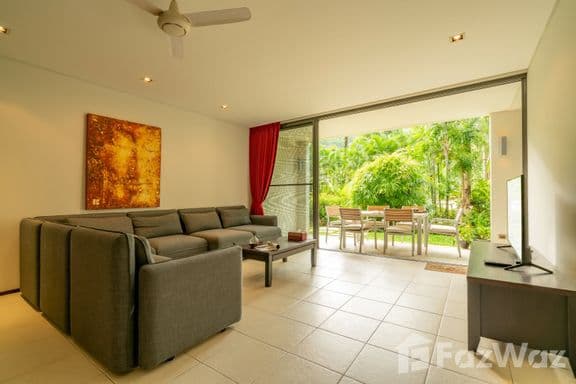
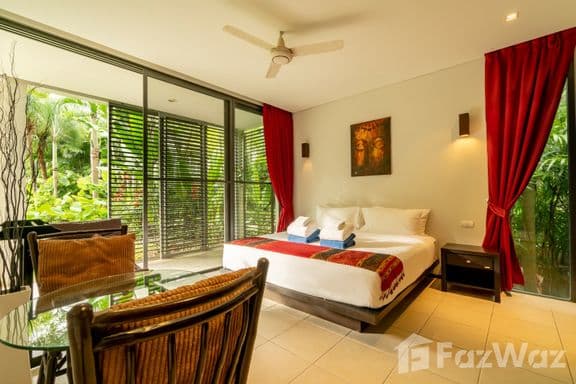
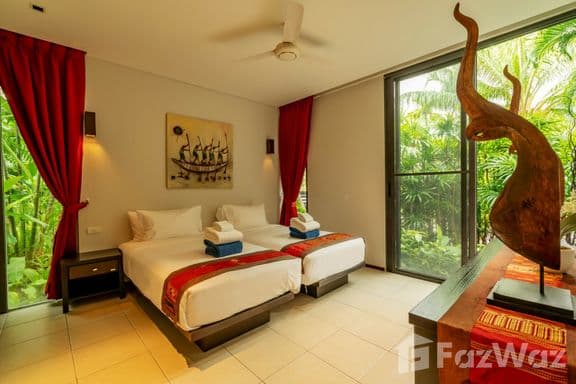
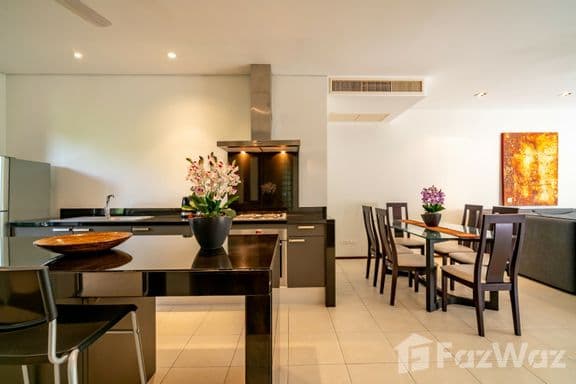
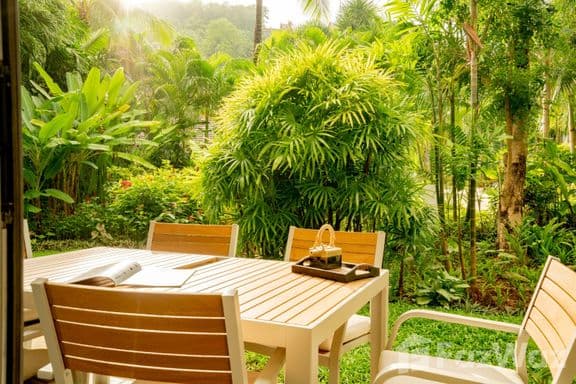


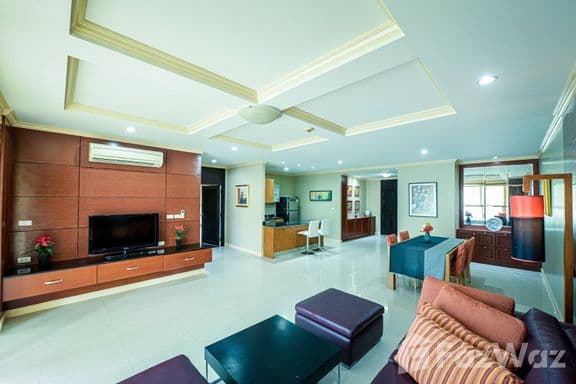


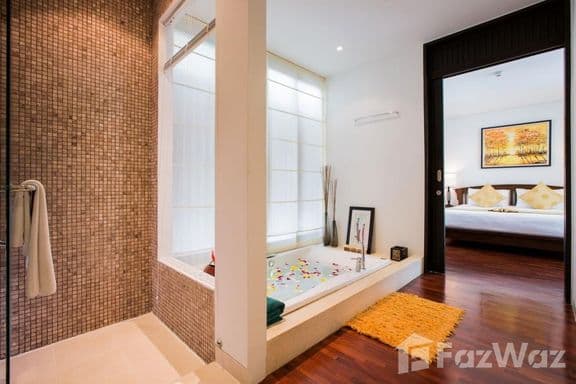


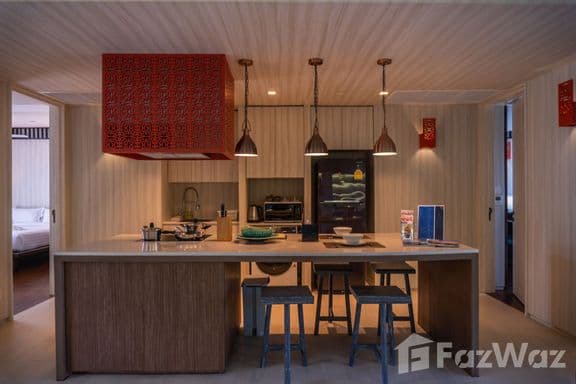








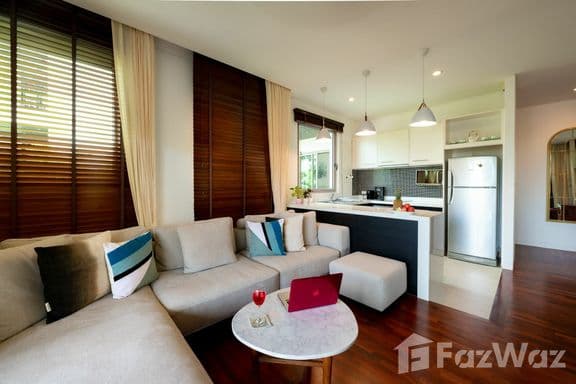
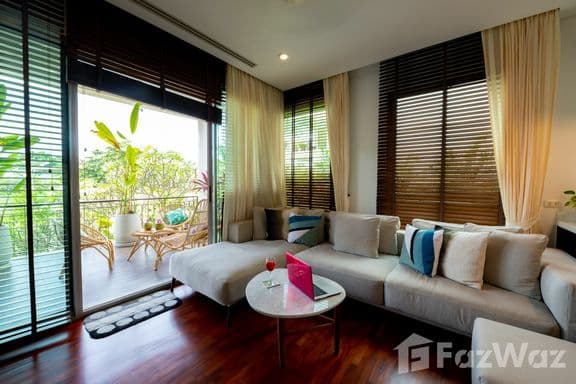
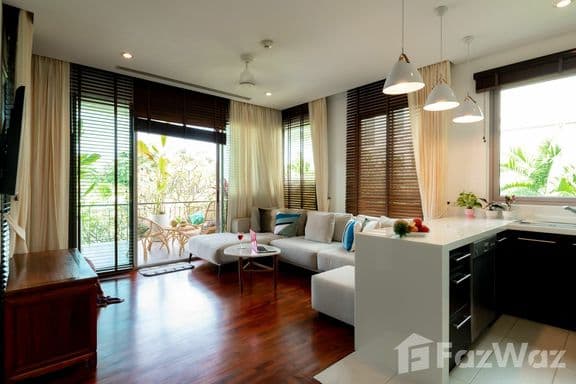
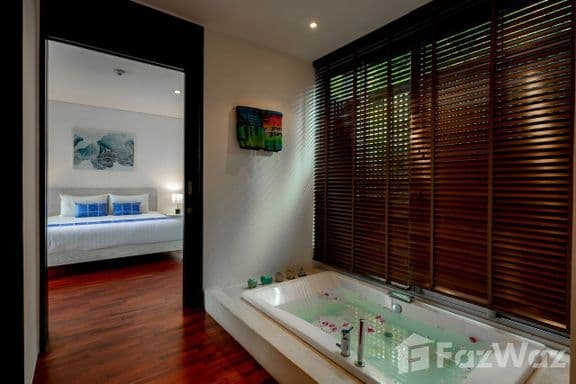
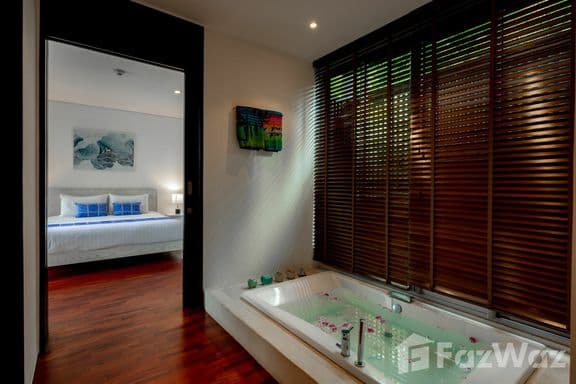
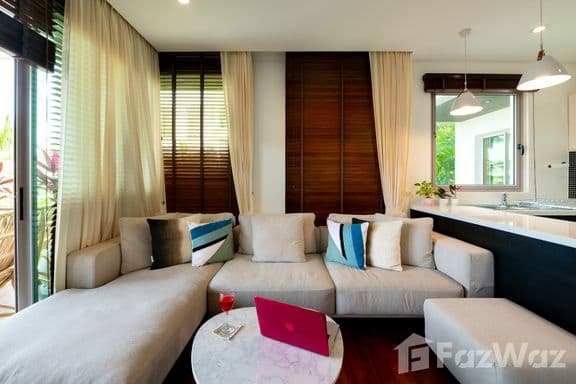


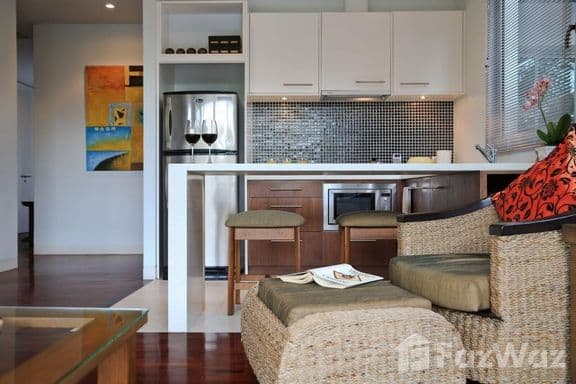





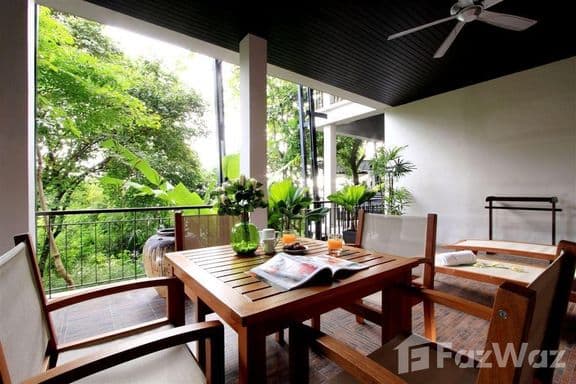

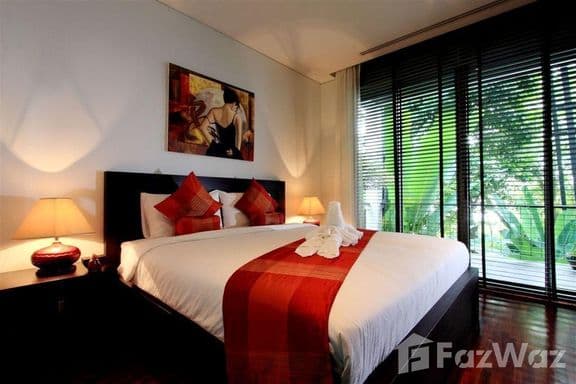


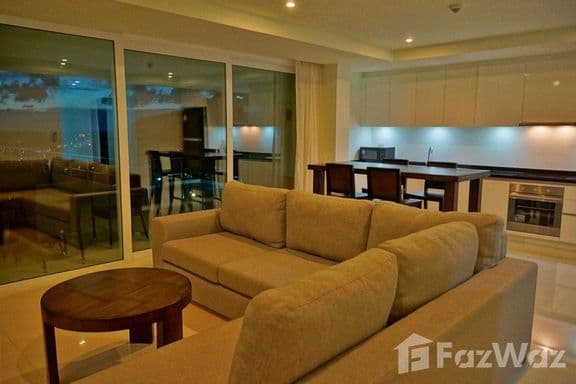
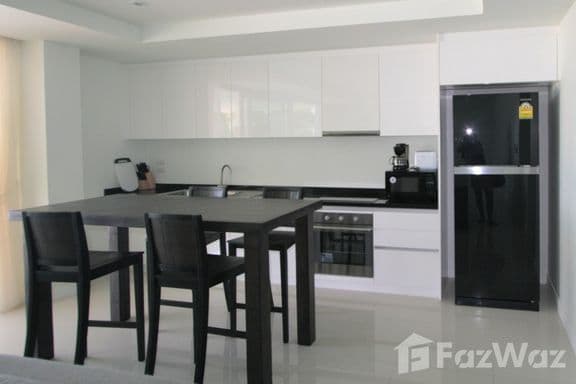

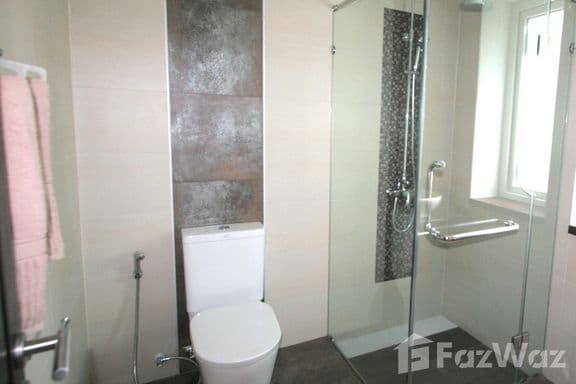




 Popular condos in Phuket

