Houses For Rent in Pattaya, Chonburi
3,292 Results




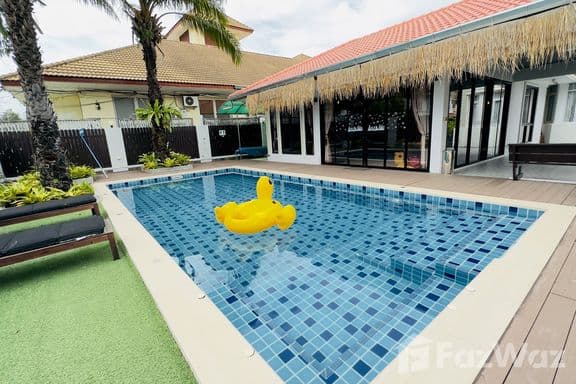
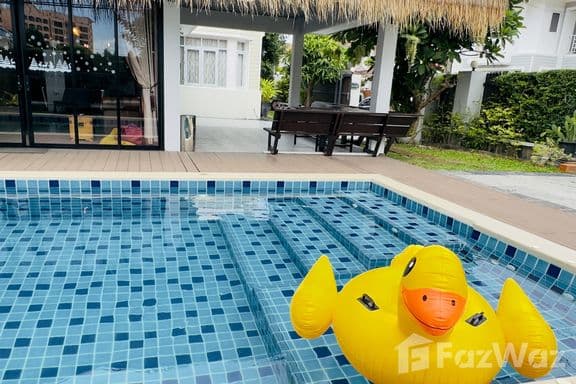

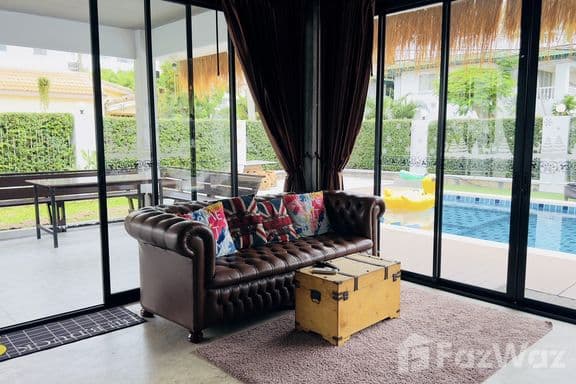

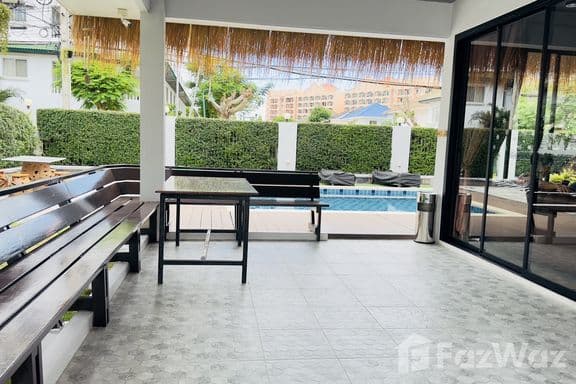



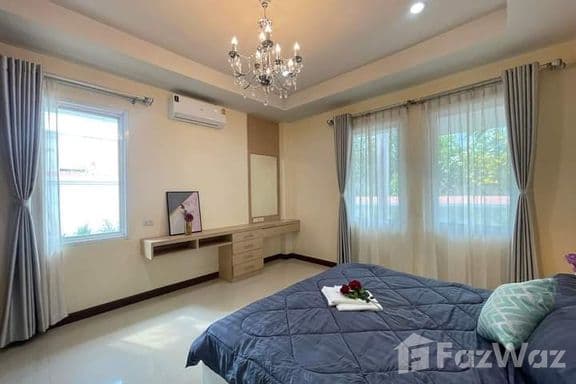


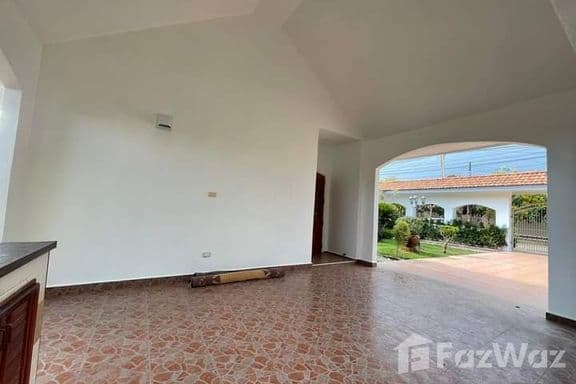


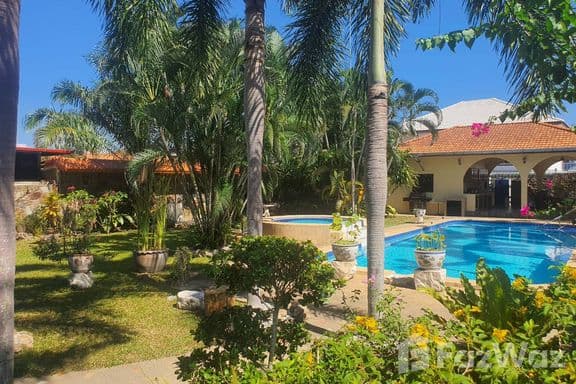
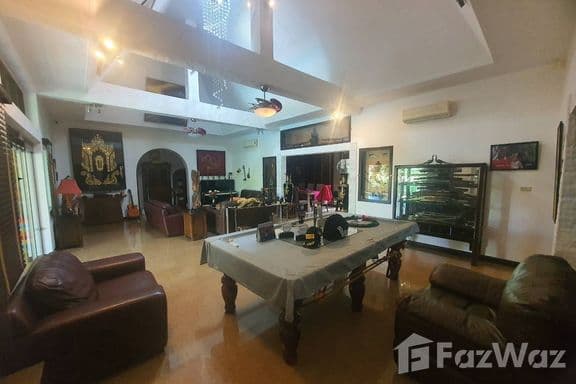
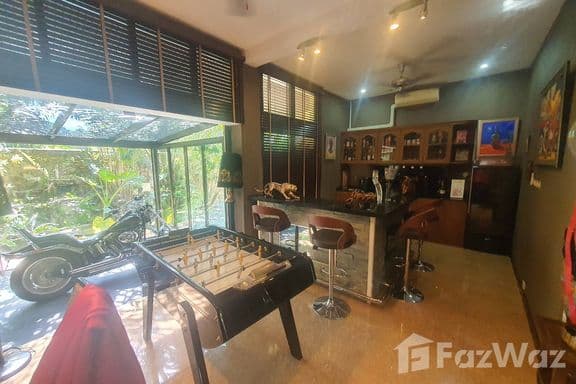

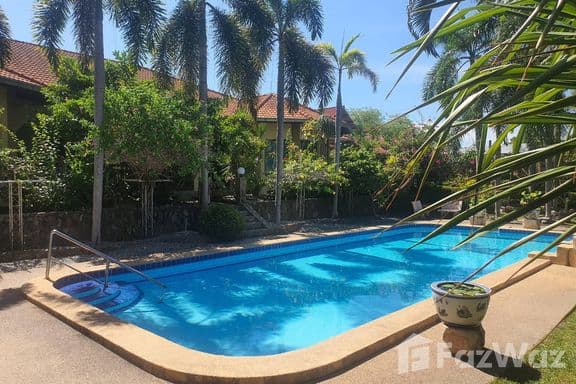
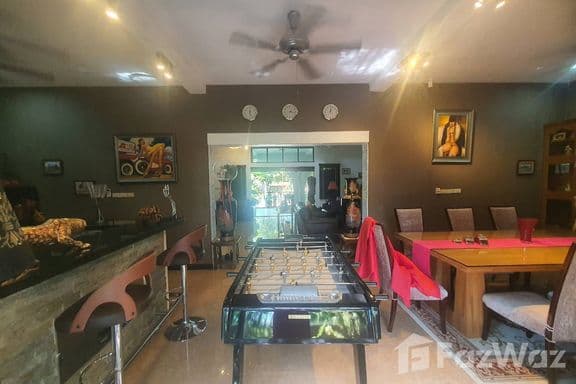


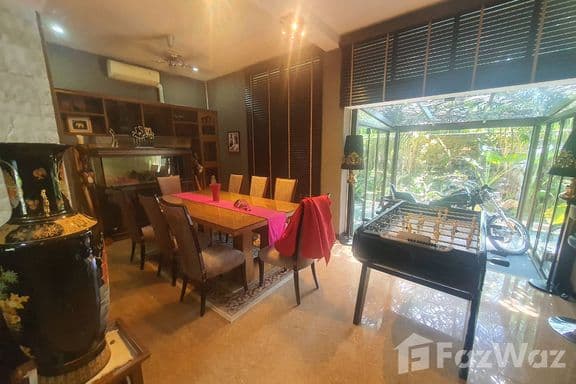























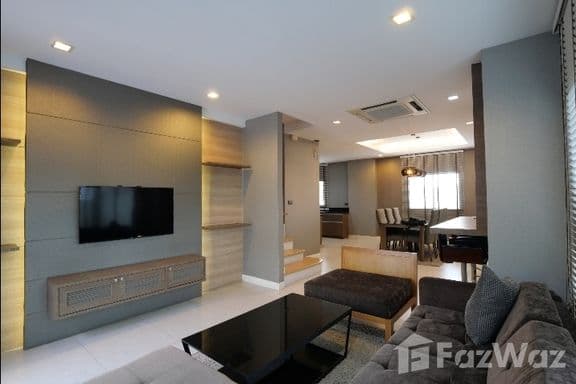
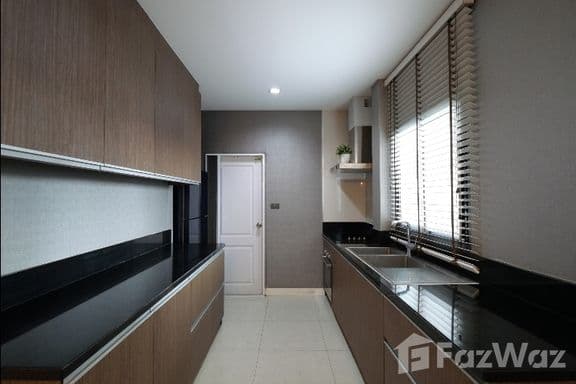
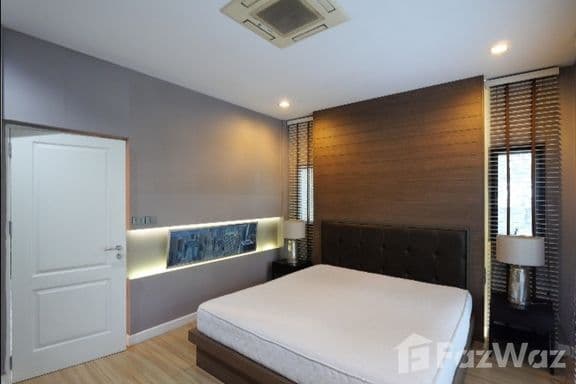
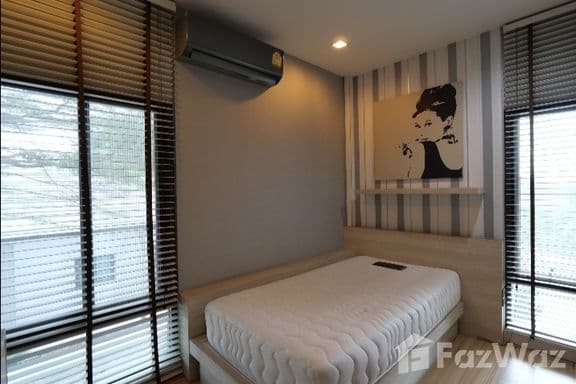
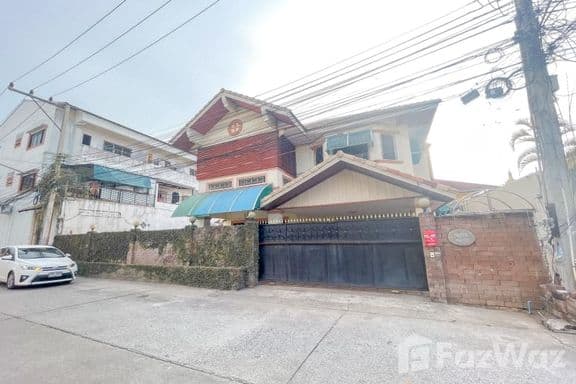


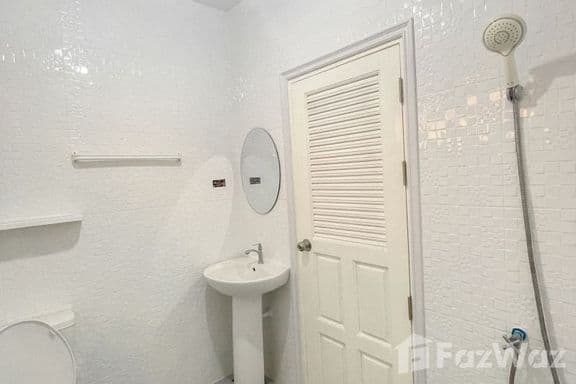
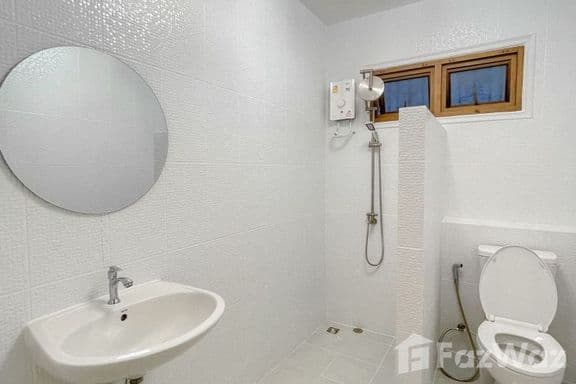

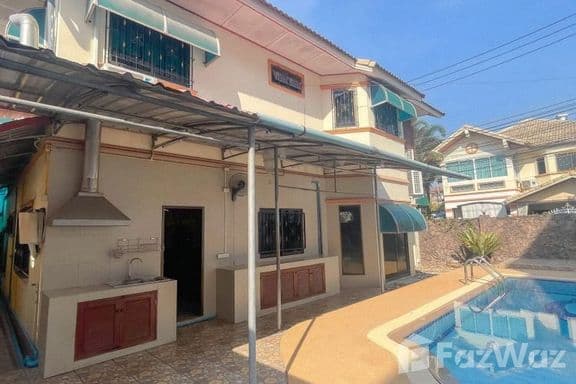

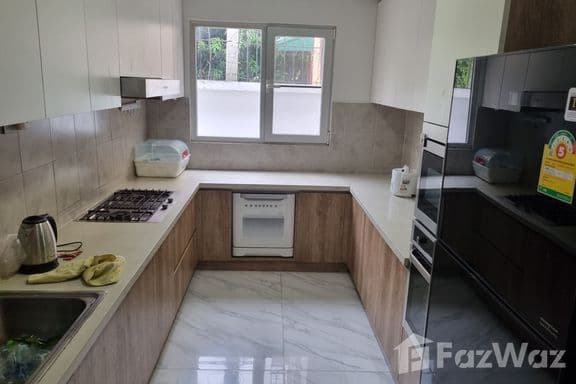


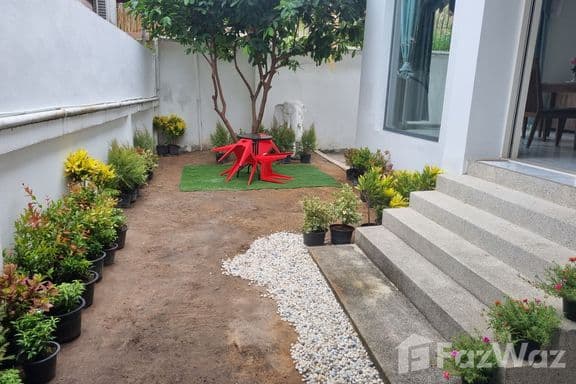
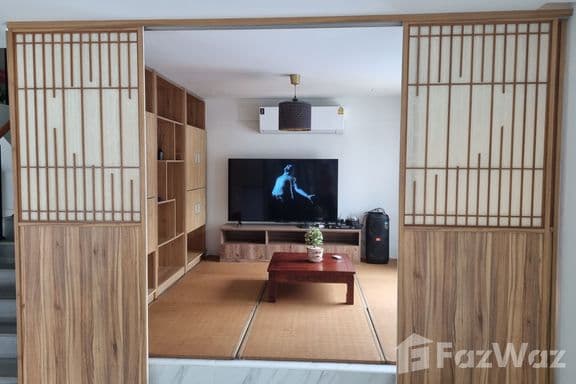
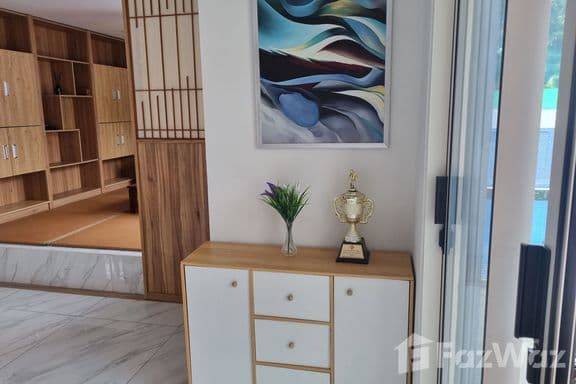





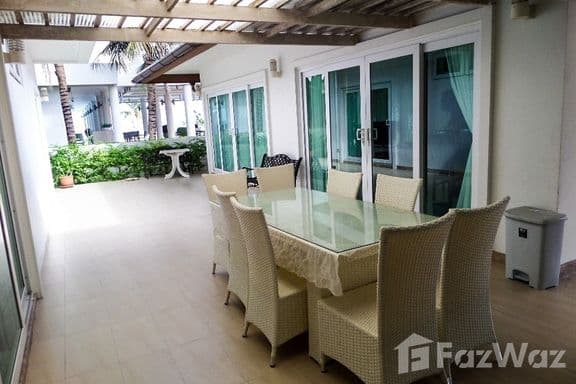


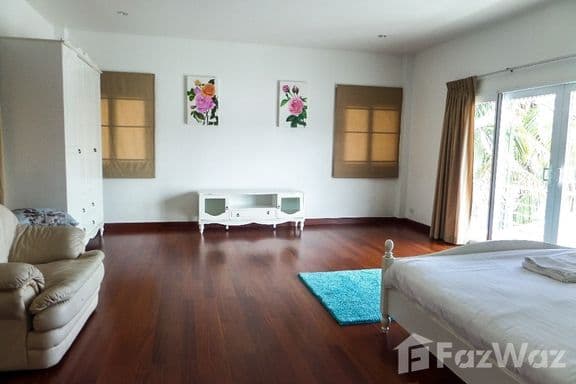


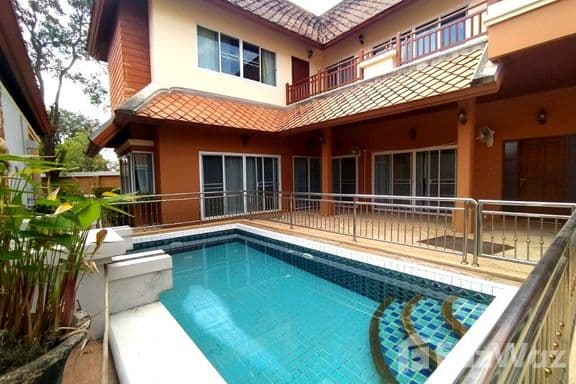


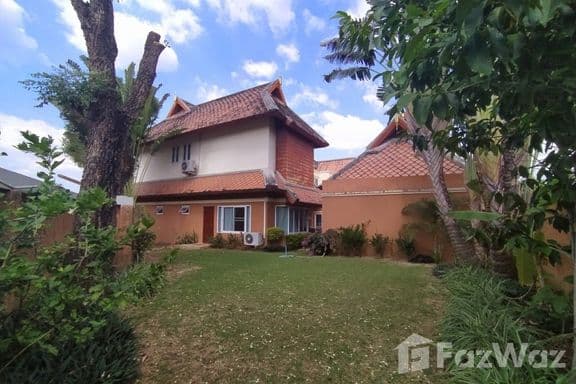


























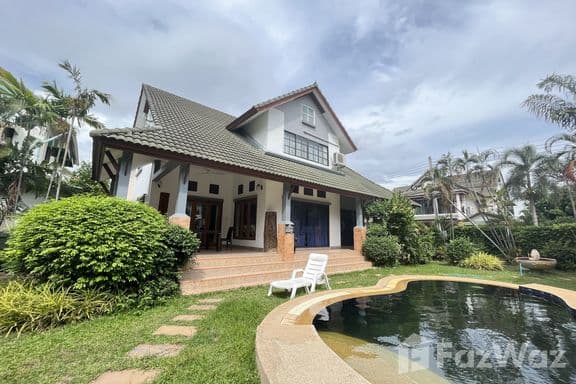
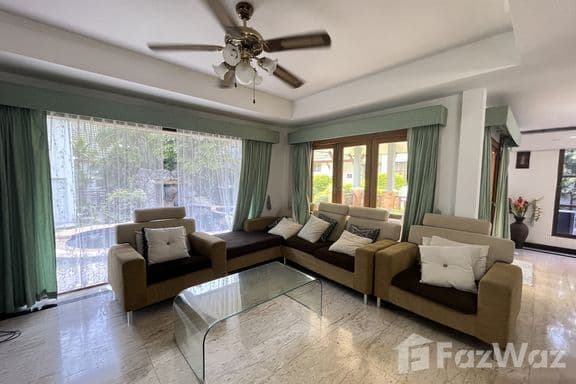

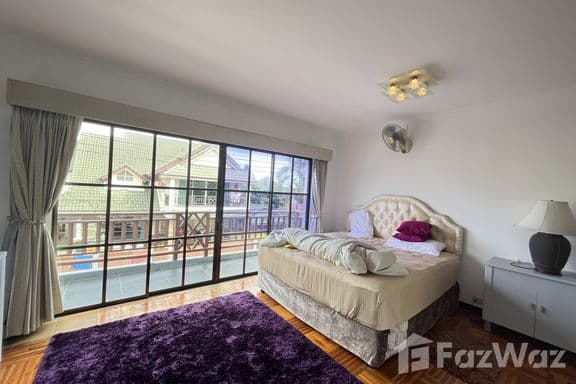
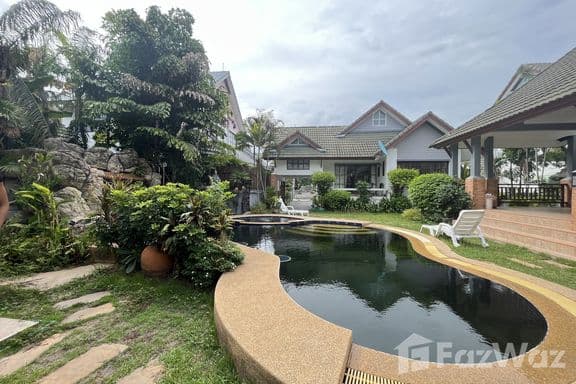





























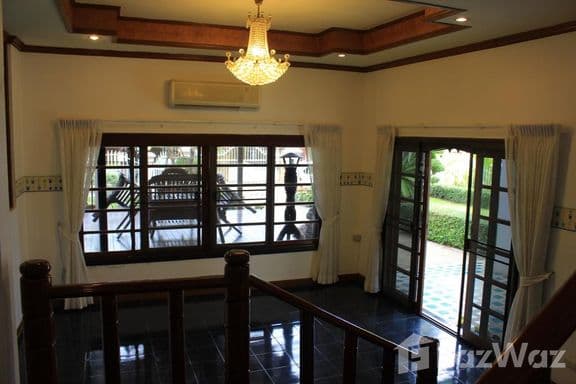


House for Rent in Pattaya: 2024–2025 Market Guide for International Renters
Overview of Pattaya’s Housing Rental Market (2024–2025)
Pattaya’s rental market has rebounded strongly in 2024–2025, driven by a diverse mix of international tenants and favorable economic trends. Demand drivers include a steady influx of expatriates and retirees drawn by Thailand’s affordable cost of living and friendly long-stay visa options. These long-term foreign residents often seek spacious houses in quieter districts (e.g. East Pattaya, Pratumnak) offering modern amenities. At the same time, digital nomads and remote workers contribute to rental demand through short-term stays, boosted by the return of global travel – many opt for flexible monthly arrangements or serviced accommodations, especially during the high tourist season.
Tenant demographics in Pattaya skew heavily international. In 2025 the city continues to attract expats from Europe, Russia, China, and beyond, as well as Thai urban professionals relocating to benefit from the coastal lifestyle. Retirees form a significant segment, capitalizing on Pattaya’s reputable healthcare facilities and leisure infrastructure (golf courses, beaches, dining) which enhance its appeal as a retirement haven. Families are another key group – many expat families move here for work or lifestyle, given the presence of international schools and spacious family-friendly homes. Meanwhile, young solo renters (professionals and nomads) tend to favor central areas or condos, though some seek houses to share or for more space.
Current market trends point to rising rents and occupancy rates. Property experts note that Pattaya’s property values and rents have seen upward pressure in prime areas post-pandemic. In-demand neighborhoods like Jomtien Beach, Wongamat/Naklua, and Pratumnak Hill have experienced especially strong interest, driving rents higher (yet Pattaya’s prices remain attractive compared to Bangkok or Phuket). National data shows rents for landed properties (houses) jumped over 20% year-on-year by early 2024 amid the tourism rebound. However, a surge in new rental supply (particularly condos) has created more competition, and the overall rental demand index dipped slightly in 2024. This suggests landlords are now more willing to negotiate or offer incentives to secure long-term tenants, especially in the mid-range segments. The good news for renters is that mid-priced rentals (THB 10k–30k) are plentiful, comprising about 44% of supply nationwide, though houses in Pattaya typically command higher monthly rates. Overall, Pattaya’s rental market in 2024–2025 is dynamic but balanced – high-season tourism keeps short-term rental yields robust, while long-term renters enjoy a wide selection of properties and the ability to negotiate favorable terms in the off-season.
Average Rental Prices by Neighborhood (2024–2025)
Rental prices for houses in Pattaya vary significantly by neighborhood, property size, and proximity to the beach. Generally, areas closer to the coast or tourist centers command higher rents, while suburban districts offer more space for the money. The table below provides a comparative overview of average monthly rents (in Thai Baht) for 2-bedroom and 3-bedroom houses in key Pattaya neighborhoods as of 2024:
|
Neighborhood |
2 BR House (avg monthly) |
3 BR House (avg monthly) |
|
Pratumnak Hill |
~฿40,000 |
~฿60,000 |
|
Jomtien |
~฿45,000 |
~฿65,000 |
|
East Pattaya |
~฿30,000 |
~฿45,000 |
|
Central Pattaya |
~฿35,000 |
~฿40,000 |
|
Naklua/Wongamat |
~฿30,000 |
~฿45,000 |
Pratumnak Hill: A prestigious hill between central Pattaya and Jomtien, Pratumnak’s limited supply of houses (often pool villas) keeps rents high. A typical 3-bedroom pool villa here rents for around ฿60k per month on average, in line with the overall median of ~฿59,700 for Pratumnak houses. Smaller 2-bedroom homes or townhouses (which are less common in this upscale enclave) might average ฿40k.
Jomtien: This popular beach district commands premium rents for standalone houses near the shore. The median asking rent for Jomtien houses is about ฿66,000 per month, with standard 3-bedroom homes averaging in the mid-฿60k range. Older or inland 2-bedroom houses may go for ~฿40–50k, while modern villas by Jomtien Beach can exceed ฿80k. Jomtien’s appeal to expats and long-stay tourists supports robust rental rates across all unit sizes.
East Pattaya: East of the city (across Sukhumvit Road), you’ll find many gated communities and “villa villages.” Houses here offer more bedrooms and land at lower rents. A typical 3-bedroom house in East Pattaya rents for roughly ฿45k per month, while 2-bedroom houses (often single-storey homes or duplexes) average around ฿28k–30k. This makes East Pattaya one of the most affordable areas for a family-size house. (In the semi-rural Huai Yai area, for example, median house rent is about ฿42k.) The trade-off is the distance from the beach and city center.
Central Pattaya: Houses in the city center are relatively scarce – mostly older Thai-style houses or townhomes tucked in city streets. Those that exist tend to be smaller and less expensive (often ฿25k–40k depending on age and condition). For instance, 3-bedroom townhouses in central locations can be found around ฿30k per month. The average for 2–3 bedroom houses in Central Pattaya hovers in the mid-฿30k range, lower than the city-wide median, owing to the modest size/age of many central homes. Proximity to malls and offices keeps demand steady, but expect limited space and privacy relative to suburban villas.
Naklua/Wongamat: In North Pattaya, Naklua offers a mix of local residential areas and the upscale Wong Amat Beach enclave. House rents here range widely. The median rent for houses in Naklua is roughly ฿40k per month. Standard 3-bedroom family houses in residential Naklua might rent around ฿40–45k, whereas luxury villas near Wong Amat Beach (with sea views) command higher premiums. Smaller 2-bedroom houses or older homes deeper in Naklua town can be found for ฿25–30k, making this area relatively good value for those who don’t mind being a bit removed from the central Pattaya action.
Note: These figures are approximate averages for long-term rentals. Actual prices depend on factors such as property age, furnishings, private pools, and exact location. Beachfront pool villas or newly renovated houses can far exceed the averages, while simple Thai houses further inland can be cheaper. It’s advisable to research current listings and consult local agents for up-to-date pricing in each neighborhood.
Neighborhood Comparisons: Pros and Cons for Renters
Each Pattaya neighborhood offers a distinct lifestyle and advantages for house renters. Below we break down the pros and cons of the major areas to help prospective tenants choose the best fit for their needs:
Pratumnak Hill
- Pros: Exclusive and tranquil locale (often dubbed “Beverly Hills of Pattaya”), with low-rise housing, green hilly scenery, and some of Pattaya’s best panoramic sea views. Close to both Central Pattaya and Jomtien (5–10 minutes drive) yet quieter than either, making it popular among semi-retired expats and those seeking privacy. Easy access to cozy beaches (e.g. Cozy Beach, Princess Beach) and quality restaurants. Upscale vibe with several luxury villas and apartments.
- Cons: Limited public transport – no baht buses on the hill; residents typically need a car or rely on motorbike taxis/private ride apps. Nightlife and shopping options on Pratumnak are modest (aside from a few cafes and bars), so you’ll travel to the city or Jomtien for major entertainment. Rents are higher than average due to the prestige and low supply of houses. Also, being on a hill means some homes are a steep walk from main roads.
Jomtien
- Pros: Laid-back beach town atmosphere. Jomtien offers a long sandy beach popular for relaxation, water sports, and its beautiful sunsets. A strong expat community resides here, creating a friendly social scene with many Western and Russian eateries, cafes, and bars. It’s noted as a top expat area for its relaxed atmosphere, beautiful beach, and affordable cost of living relative to the city center. Good selection of houses for rent, from modest bungalows to large pool villas, often in peaceful secured villages. Amenities are plentiful: night markets, supermarkets, fitness centers, and international restaurants. Connectivity to central Pattaya is decent (10–15 minutes by vehicle) and baht buses run along Jomtien Beach Road and Second Road.
- Cons: Traffic congestion can be an issue on Jomtien’s main roads, especially in high season or weekends, making commutes longer. While it has nightlife, Jomtien’s scene is calmer than Pattaya’s – which can be a pro or con depending on preference. Those seeking big malls or cosmopolitan buzz will still commute to central Pattaya. Parts of Jomtien are heavily touristed during peak months, so some neighborhoods can be noisy. Lastly, if living further down Jomtien or Na Jomtien, you are farther from schools and hospitals (though these are still reachable by car in 20–30 minutes).
East Pattaya
- Pros: Excellent value for space – you can rent a larger house (with a yard or pool) for significantly less than beachside areas. East Pattaya (covering sub-districts like Nong Prue, Pong, Huai Yai) is favored by families and long-term expats who want a quieter suburban lifestyle. Many gated communities here offer security, communal pools, and a neighborhood feel. Proximity to international schools is a big plus: campuses like Regents International School and Rugby School Thailand are located on the eastern outskirts, so living nearby shortens school runs. The area is also convenient for professionals working in the Eastern Seaboard industrial zones or the Eastern Economic Corridor (EEC), as highways to Rayong and Chonburi are easily accessible. Daily needs are met by local markets, supermarkets, and eateries catering to a growing expat populace. Overall a very quiet, residential environment – away from tourist crowds yet only 15–30 minutes drive to the beach.
- Cons: A private car or motorbike is almost essential. Public transportation is sparse in these suburban parts of Pattaya. Commuting into the city or to the beach can take 20–30+ minutes depending on distance, which could be a drawback if you enjoy frequent beach trips or nightlife. Some newer estates are quite far east, where infrastructure (paved roads, street lighting, etc.) is still developing. Entertainment options in East Pattaya are limited to local bars or restaurants – for cinemas, malls, or fine dining you’ll head into town. Finally, while the seclusion is nice, some may feel a bit isolated being away from the tourist zones.
Central Pattaya
- Pros: Unmatched convenience and city amenities. Central Pattaya is the vibrant heart of the city, with shopping centers (Central Festival, Terminal 21), hospitals, offices, and entertainment all around. Renters here enjoy walkability – plenty of restaurants, cafes, and grocery stores are within blocks. Nightlife is on your doorstep (Walking Street, Soi Buakhao, etc.), which suits those who enjoy the city’s famous entertainment scene. Transportation is easy: baht buses loop around downtown frequently, and one can manage without a car. For expat professionals or singles who work in the city, being in central cuts out any commute. A few quiet residential lanes exist, and there are modest houses/townhomes available that put you right in the middle of the action.
- Cons: Noise and crowds – Central Pattaya is busy virtually 24/7, so a house here may still be subject to traffic noise or music from nearby venues. The housing stock is limited; most properties are condos or guesthouses, so houses available might be older or lack outdoor space. Those that are modern or larger will charge a premium for the central location. Streets can be congested, and parking space for a car is not guaranteed with a house in the city. Additionally, central areas have a reputation for a more transient community (short-term tourists, etc.), so it may not feel as neighborly or family-friendly as Jomtien or East Pattaya.
Naklua (Wongamat)
- Pros: A blend of local charm and upscale seaside living in North Pattaya. Naklua is an older fishing community, so parts of it retain a Thai local atmosphere with fresh markets and traditional shophouses. At the same time, the Wongamat Beach area (at Naklua’s northern tip) features luxury condos, hotels, and villas – an attractive spot for high-end living with a calm beach. Renting a house in Naklua can mean enjoying a quieter life than central Pattaya, with easy access to the serene Wongamat beach (great for swimming and sunsets). The area has a number of well-regarded seafood restaurants and local eateries. It’s also fairly close to central (10 minutes by vehicle), and is served by baht buses up to the Dolphin Roundabout. Some international schools and hospitals (Bangkok Pattaya Hospital) are in or near North Pattaya, adding convenience for families or retirees in Naklua. Prices for houses here tend to be moderate, offering decent value.
- Cons: Outside the upscale Wongamat enclave, Naklua is a genuine local area – which may mean fewer Western-oriented services immediately nearby (though Pattaya City is not far). Traffic on Naklua Road can get busy at peak hours as it’s the main route into town from the north. If you live deep inside Naklua’s sois (side streets), public transport may not pass by your door – some areas might require relying on motorbike taxis. While generally quieter than central, certain parts of Naklua are densely populated (Thai communities), so it’s not suburban quiet either unless you are in a seafront villa. Construction of new condos in the area can occasionally cause noise or obstructed views for some residences.
Rental Contracts, Legal Considerations and Lease Terms for Foreigners
Renting a house in Pattaya (and Thailand in general) requires careful attention to the lease agreement and local regulations. Fortunately, the process is well-established and foreigner-friendly, but there are a few legal considerations to keep in mind:
- Lease Agreement: Always insist on a written lease contract in both English and Thai. Under Thai law, a lease can be verbal or written, but a bilingual written contract ensures both parties fully understand the terms. The contract should clearly state the rent, payment schedule, included furnishings, maintenance responsibilities, and duration of the lease. Most standard rental contracts in Pattaya are 12 months (1 year) with an option to renew, since landlords prefer stable, long-term tenants. Some owners offer 6-month leases (often at a slightly higher monthly rate) or will consider 2+ year leases for tenants who seek extra security of tenure.
- Lease Term and Registration: By Thai law, any lease longer than 3 years must be registered at the Land Department to be enforceable beyond 3 years. In practice, the vast majority of house rentals are 1–3 years, so registration is not required. However, if you negotiate a very long lease (e.g. a 5-year or 10-year term, which occasionally wealthy retirees do), note that only the first 3 years are automatically protected unless the lease is formally registered on the property title. The maximum lease term allowed is 30 years – this is more relevant for property investors, but it means foreigners can legally secure a long leasehold interest if needed.
- Security Deposit: Expect to pay a security deposit before moving in. In Pattaya it is standard to pay 2 months’ rent as deposit plus the first month’s rent in advance (so 3 months up front). This norm is supported by Thai rental law which permits a combined advance+deposit up to 3 months. (If you encounter an individual landlord with multiple rental houses or a corporate landlord, they are subject to consumer protection rules capping deposits at 1 month – but many private landlords are exempt and still require two months’ deposit.) The deposit is refundable at lease end, provided you haven’t damaged the property or broken the lease. Make sure the contract states the conditions for deposit return and take photos of the house’s condition when you move in.
- Rent Payments: Rent is usually paid monthly, due at the beginning of each month (occasionally the contract will specify a particular date). Payment is commonly done via bank transfer or cash. It’s wise for foreigners to pay via a traceable method (bank transfer) and obtain receipts. Landlords are required to notify you in advance if they plan to increase rent upon renewal – rent is generally fixed for the lease term, so you shouldn’t face surprises mid-lease.
- Utilities and Maintenance: Confirm which utilities are included in the rent. Typically, tenants pay their own electricity and water bills (these are inexpensive in Thailand), while internet/cable TV are the tenant’s responsibility unless otherwise agreed. Gardening and pool cleaning (if your house has a garden or pool) may be arranged by the landlord or left to the tenant – clarify this in the contract. Minor maintenance is often handled by the tenant (e.g. replacing light bulbs, small repairs), whereas major structural repairs remain the landlord’s duty. Ensure any appliance or plumbing issues are noted during check-in so you aren’t blamed later. It’s a good practice to do a walk-through with the landlord to document the property condition.
- Foreign Tenant Requirements: Foreigners can freely rent houses in Thailand – there are no special permits needed, just a valid passport and visa. Some landlords may ask for a copy of your passport and proof of your visa or work permit (to verify you can legally stay for the rental period). It’s the landlord’s legal obligation to report your presence to immigration (TM30) when you move in, but it’s good to remind them. This involves the owner registering the address of a foreign tenant within 24 hours of move-in. Ensure this is done, as it can affect processes like visa extensions. As a tenant, you should also register your address at immigration if staying long-term – usually the TM30 form (filed by the owner) suffices, but double-check this especially if you change residences.
- Tenant Rights and Thai Law: Be aware that Thai rental law offers only basic protections to tenants, especially for individual leases (not covered by the 2019 Contract Control law if the landlord has fewer than 5 properties). This means understanding your lease is crucial because what’s written there will govern most situations. For example, there is typically no grace period if you break the lease early – you may forfeit your deposit unless you negotiate a clause. Likewise, if you fall behind on rent or violate terms, the landlord can seek eviction through a relatively quick legal process. The contract may include a clause allowing the landlord to terminate the lease if the tenant severely breaches rules (with notice given). On the positive side, once you’ve paid your rent and abide by the lease, the landlord cannot arbitrarily evict you or raise rent until the term is over. It’s wise to include a clause about how disputes will be handled (e.g. jurisdiction of Thai courts).
- Break Clauses and Termination: If you anticipate needing flexibility (for instance, if your job might relocate you), try to negotiate a diplomatic clause upfront. A typical clause allows the tenant to terminate the lease early after, say, 6 months, given 30 or 60 days notice, without losing the entire deposit – usually applied in cases of job transfer or unforeseen circumstance. Without such a clause, breaking a lease early will likely mean sacrificing your deposit as penalty. Tenants who must leave early can also discuss finding a replacement tenant with the landlord to mitigate losses. Conversely, if the landlord wants to terminate early (which they rarely do without cause), the contract should stipulate how that works – in general, as long as the tenant isn’t in “substantial breach”, the landlord cannot evict before lease end.
- Legal Lease Formalities: It’s not mandatory to notarize or register a standard 1-year rental contract. However, do ensure each party signs every page (or at least the signature page) and initial any amendments. If the lease is in Thai with an English translation, typically the Thai version is the legally binding one; make sure you understand it or have it reviewed. A small government stamp duty (a few baht per thousand baht of rent) is technically required on rental contracts – this is often overlooked for private leases, but if provided, the stamps should be affixed to the contract copies.
In summary, renting a house in Pattaya is straightforward if you do due diligence: read the lease carefully, document the condition of the property, and maintain good communication with your landlord or agent. When in doubt, consult a local legal advisor, but most rentals proceed problem-free as long as expectations are clear on both sides.
Common Tenant Profiles in Pattaya’s Rental Market
Pattaya attracts a variety of foreign tenants, each with different housing preferences. Here we outline several common renter profiles and how their needs might influence their choice of house and neighborhood:
- Digital Nomads and Remote Professionals: This group values convenience, connectivity, and flexibility. Many digital nomads initially gravitate towards condos in central Pattaya for short stays, but those planning medium-term stays might consider renting a small house for more space or a home office. Important needs include reliable high-speed internet and proximity to cafes or co-working spaces. They often prefer areas like Central Pattaya or Jomtien, where one can walk to amenities and meet other expats easily. A modern 2-bedroom townhome in the city could appeal to remote workers who want a dedicated office room. However, nomads are cost-sensitive – they may opt for a basic Thai house in East Pattaya if it’s significantly cheaper, as long as ride-hailing apps or motorbike rental make it feasible to get around. Lease flexibility is key: many in this category seek 3–6 month rentals. Landlords in Pattaya sometimes accommodate this (especially in low season or for an added fee), but generally a 1-year lease will get a better monthly rate. Overall, digital nomads prioritize affordability and location – they might trade off a private pool or big yard for a house that’s walking distance to a 24-hour supermarket or a short ride to Bali Hai pier for weekend trips.
- Retirees: Retirees (often from Europe, North America, or Asia) form a large and stable tenant base in Pattaya’s house rental market. Many retirees choose Pattaya for its low living costs, warm climate, and entertainment options, and they often stay on yearly retirement visas. Their housing preferences typically include single-story or easily accessible homes (to avoid too many stairs), comfortable furnishings, and a peaceful environment. Retirees tend to favor areas like East Pattaya or Naklua/ Wongamat for the tranquility and access to local markets, or Jomtien for the beach walks – depending on whether they prioritize quiet or seaside atmosphere. Having international standard healthcare nearby is a plus; for instance, being within 15 minutes of a top hospital in North Pattaya is reassuring, which is one reason some retirees settle in Naklua. They often look for houses with small gardens or terraces, and room for visiting family or guests (a spare bedroom). Communities with other expats around are appreciated for the social aspect. This group usually signs 1-year (or multi-year) leases and are model tenants valued by owners for their stability. As noted in market trends, Pattaya’s long-term rental market benefits significantly from expat retirees who seek spacious homes in quiet neighborhoods like Pratumnak Hill and East Pattaya. Landlords often prefer retirees because they tend to take good care of the property and pay on time, so this profile may have slight negotiating power on rent or upgrades if they commit to a longer lease.
- Families (Expats with Children): Expat families moving to Pattaya (often for work assignments in the region or to enjoy a different lifestyle) usually prioritize space, safety, and proximity to schools. They will be looking at 3- to 4-bedroom houses with gardens or communal play areas. Many families choose gated housing estates in East Pattaya around the Siam Country Club Road, Mabprachan Lake, or Huai Yai areas, where several international schools are within a short drive and houses are larger (many have private pools). For example, living east of the city makes the school run to Regents International School or Rugby School much easier. These areas also offer quiet streets for kids to bike and play, and often a community of other expat families. Some families opt for Jomtien if they prefer a beach-oriented lifestyle – there are childcare centers and a few schools in town, and the beach provides weekend recreation for the kids. When choosing a neighborhood, families consider access to supermarkets carrying international products, and medical facilities (pediatric clinics, etc.). They may also seek homes with security features (gated fence, alarm, 24/7 security in a village). Typical leases are 1–3 years through corporate tenancy agreements or personal leases. This group might have housing budgets supported by employers, but they still seek value – a reason East Pattaya is attractive, as a big 4-bedroom house can cost the same as a much smaller home in town. Overall, families need storage, multiple bedrooms, and a stable environment; thus, family-friendly enclaves around Pattaya are almost mini-suburbs with a quieter pace.
- Expat Professionals (Singles or Couples): This profile includes foreigners working in Pattaya’s local businesses, industrial estates (near Laem Chabang or Rayong), or remote employees who have chosen Pattaya as a base. They often have a solid income and sometimes a housing allowance. Their rental choices vary: some prefer sleek condos, but those who want more privacy or to entertain colleagues might rent a house. Young professionals without kids might choose Pratumnak Hill or Central Pattaya for a stylish villa or townhome that’s close to dining and nightlife. For example, an expat manager might rent a modern 2–3 bedroom pool villa in Pratumnak to enjoy upscale living and sea views while being minutes from meetings in the city. Others working at the Eastern Seaboard industrial zones often reside in East Pattaya or Naklua, as this gives them an easier commute against traffic (driving out of the city in the morning) while still enjoying Pattaya’s leisure options after work. Key needs for professionals include a home office or extra room, good internet (for any work-from-home days), and convenient travel links. Many will have a car, so a covered car port is a plus. They might also favor houses with modern kitchens and western amenities, since they plan to stay multiple years. This group tends to sign at least 1-year leases and will pay for quality – they might spend more to get a nicely furnished house in a secure development. Their priorities often blend what the other profiles seek: a balance of location (for social life), comfort, and convenience.
Of course, not every renter falls neatly into one category, but these profiles illustrate how different needs influence where and what to rent in Pattaya. From a fully furnished pool villa in a quiet corner of town to a compact house near the beach, Pattaya’s rental inventory has options for everyone – the key is to align the property choice with one’s lifestyle requirements.
Timing and Negotiation Strategies for Better Rental Deals
When you choose to look for a house in Pattaya – and how you negotiate – can significantly impact the rent you pay. Here are some timing tips and strategies to secure a better deal:
- Leverage the Off-Season: Pattaya’s high season for tourism (roughly November through March) sees an influx of foreigners and “snowbirds,” which can tighten the rental market and even drive up short-term rents. In contrast, the rainy low season (May through October) has fewer new arrivals, and landlords are more eager to fill properties. Many owners of vacation homes or villas prefer a long-term tenant in the low season rather than leaving a house empty. As a renter, you can take advantage of this by house-hunting during off-peak months. You’ll find more choices and more bargaining power. It’s not uncommon to negotiate a notable discount on the asking rent if you start a lease in low season. For example, data shows a condo that might rent for THB 15,000 in high season could go for THB 10,000–12,000 in low season with negotiation – while houses are less standardized, many landlords will entertain lower offers off-season when demand is down. Simply put, seasonal timing matters: if you have flexibility, aim to secure your lease between May and October to lock in a friendlier rate.
- Avoid the Last-Minute High Season Rush: If you must move during peak season, try to sign a lease before the season starts. By September or October, some owners anticipate the tourist high season and might still offer low-season prices, especially for a long-term (12+ month) contract that spans the entire high season. Once November hits, competition from short-term holiday renters or new expats arriving can make landlords less flexible on price. Also be mindful that around year-end, many leases expire (people often plan moves in December/January), so begin your search a couple of months early to beat the crowd.
- Negotiate Length of Lease: Pattaya landlords typically prefer a one-year minimum commitment for a house. If you are willing to commit to a longer term (e.g. 2–3 years) or pay several months upfront, use that as a bargaining chip. Landlords appreciate guaranteed occupancy – a longer lease could justify a lower monthly rent. For instance, you might negotiate “2 years at a 10% discount” or ask for one month free on a two-year lease. Ensure any agreed discount or no-rent period is written into the contract. Conversely, if you need a shorter lease (6 months), be prepared to pay a bit more; some owners will accept a 6-month term but perhaps at 10–20% higher rent or without negotiating on listed price. Everything is case-by-case, but flexibility can be traded for value.
- Shop Around and Research: Arm yourself with market knowledge. As an international renter, showing that you know typical prices will make your offers more credible. Research similar houses in the same area – if a 3-bedroom pool villa in East Pattaya is generally THB 40k, and one landlord is asking THB 50k, you can politely cite the market rates and recent listings as rationale for your lower offer. Data from property agencies indicate that as of 2024 the city-wide average asking rent for houses in Pattaya is around ฿51,000 per month (obviously varying by location), and you can use such figures in discussions. Many Thai landlords expect some negotiation, so do not hesitate to make a reasonable offer, especially if the property has been on the market for a while.
- Highlight Your Tenant Profile: When negotiating, it’s not just about price – it’s also about assuring the landlord that you are a desirable tenant. If you are a retiree or a family or an executive (essentially someone likely to take good care of the home), it can help to mention your situation. Pattaya landlords, like many, prefer low-risk tenants: those with stable income, who will not cause disturbances, and who plan to stay long-term. Sometimes a landlord might accept a lower rent for a tenant they trust to keep the property in good condition and pay on time, rather than chasing a higher rent with an unknown tenant. Providing references from a previous Thai landlord or your employer can also strengthen your position.
- Consider Starting Date and Minor Concessions: Another tactic is negotiating the move-in date or inclusions. If a place is vacant, the owner might grant an early move-in (extra free days) or include the cost of a gardener, WiFi, or an appliance upgrade instead of reducing rent outright. These extras have real value. For example, having the landlord pay for pool maintenance could save you ฿2,000+ per month. If the rent amount is non-negotiable, try for these kinds of add-ons. Additionally, if a property has been empty, offering to start the lease immediately (even if you pay a week before you actually move) might motivate an owner to agree to a small discount.
- Negotiate Renewals Upfront: If you anticipate loving the house and wanting to stay longer, you can negotiate a cap on rent increase for renewal at the outset. It’s not uncommon in Pattaya for landlords to keep the same rent on good tenants year after year (many fear a vacancy more than they desire a higher rent). Still, having an agreed clause like “rent remains the same for a second year if tenant renews” gives you certainty and is easier to ask for before you sign the initial lease.
Finally, remember that negotiation in Thailand is often a polite and patient process. It can be helpful to have a Thai-speaking agent or friend assist in communications. Once you and the landlord reach an agreement, get all terms in writing on the lease. With the right timing and strategy, you can secure a great house for rent in Pattaya that fits your budget and lifestyle, setting you up for a rewarding medium- or long-term stay in this vibrant city.




 Popular condos in Pattaya

