
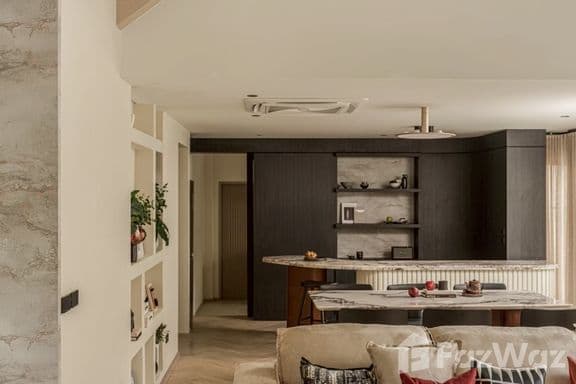
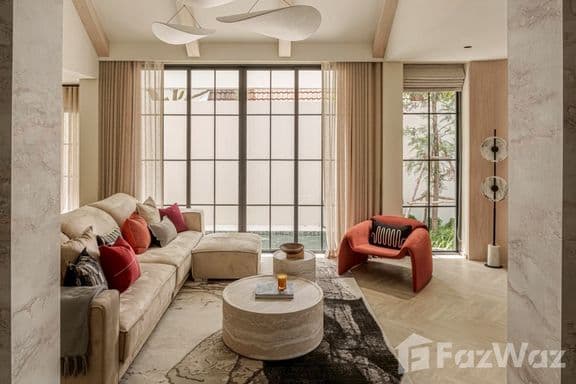
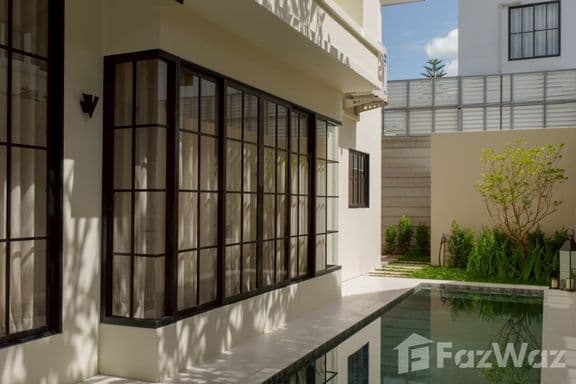
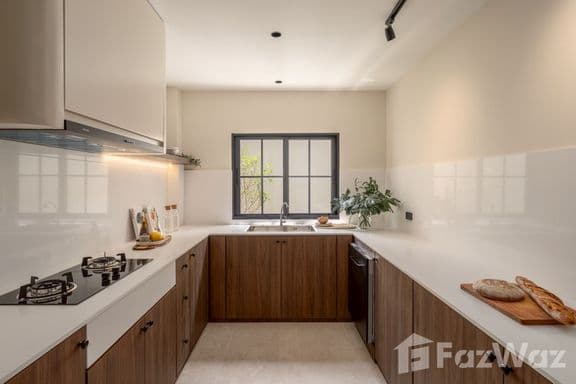
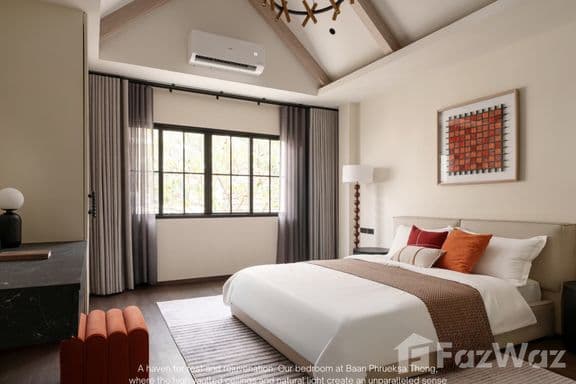
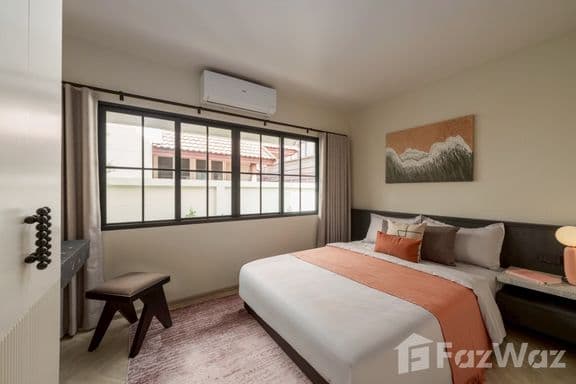
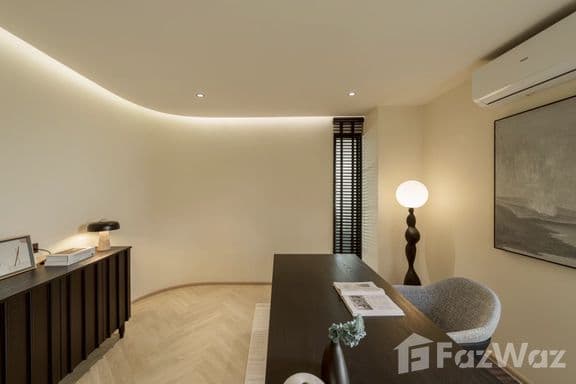
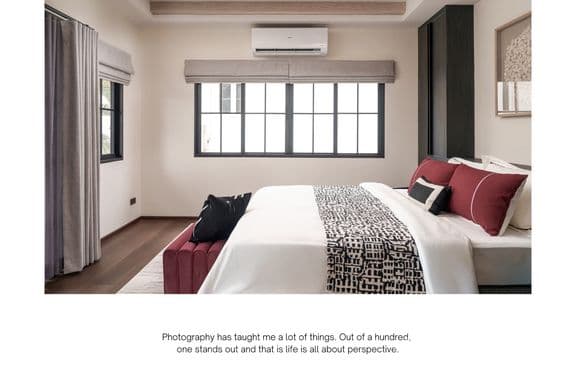
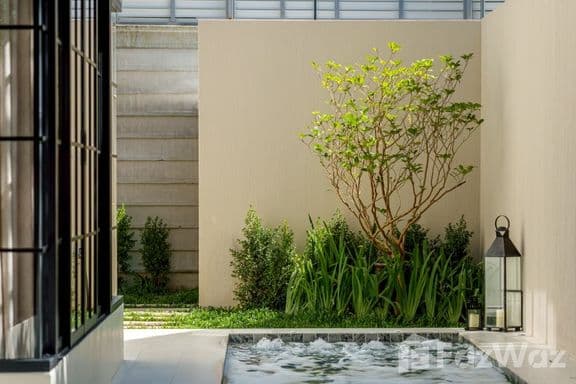
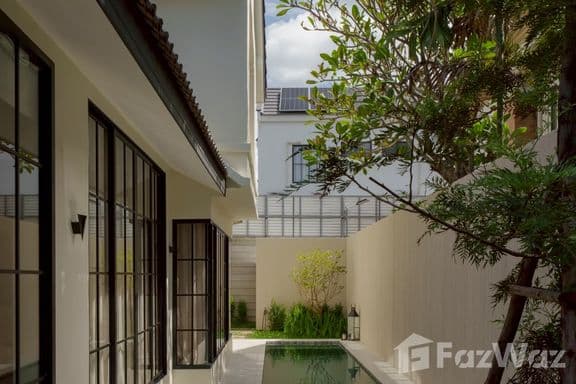
1 / 15
฿150,000 per month
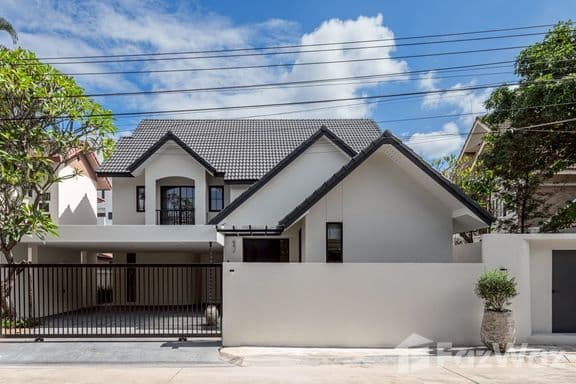
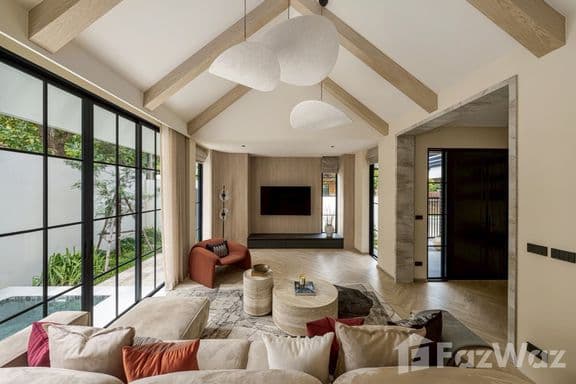
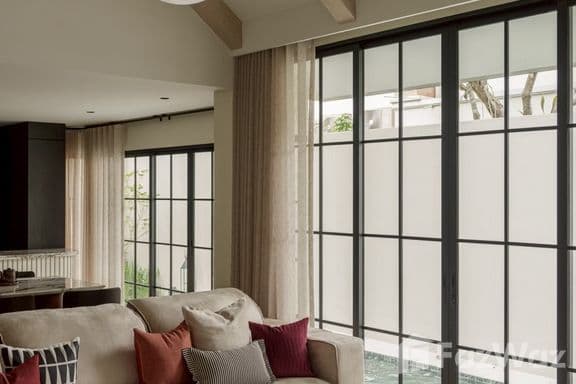
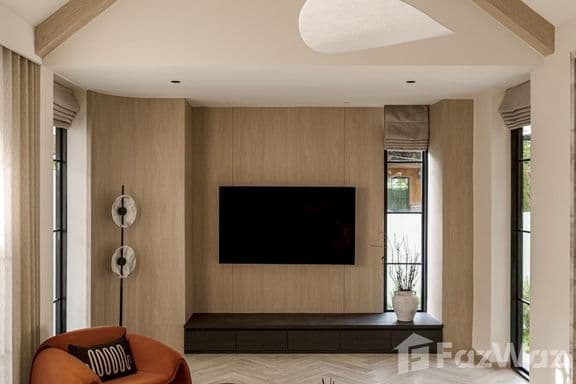
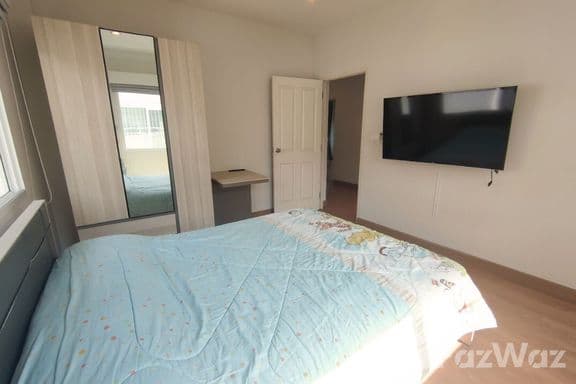
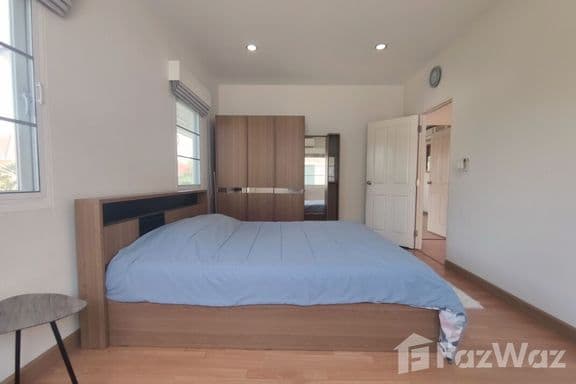
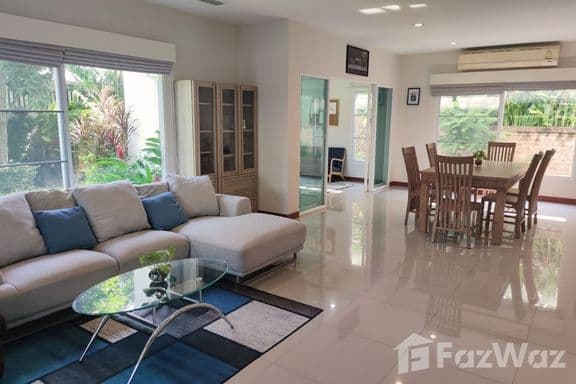
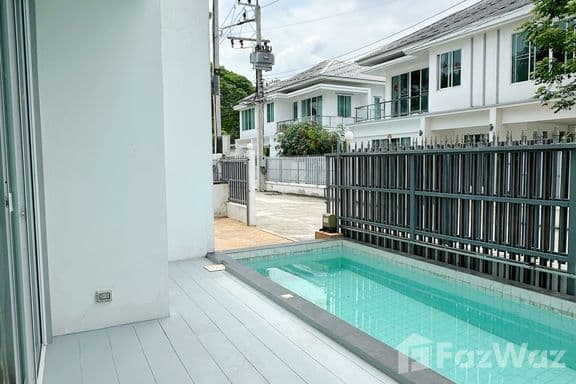
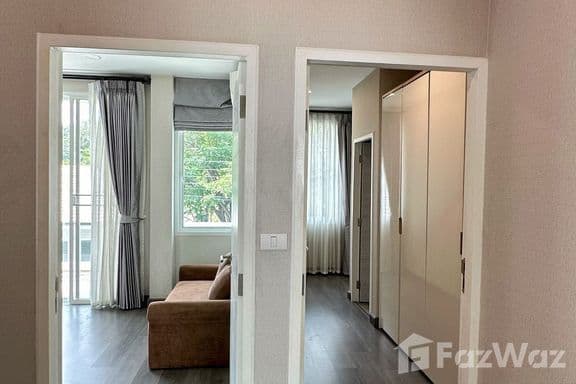
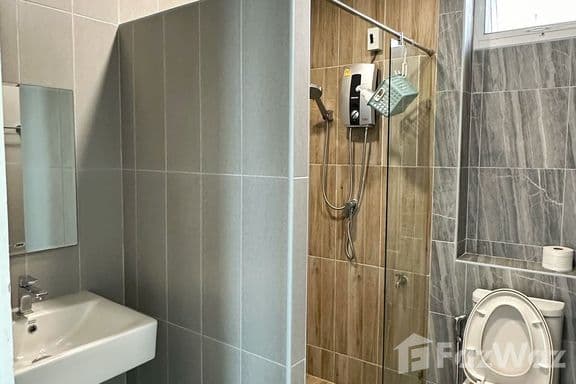
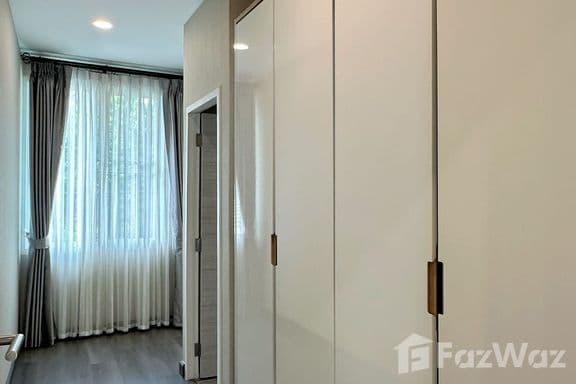
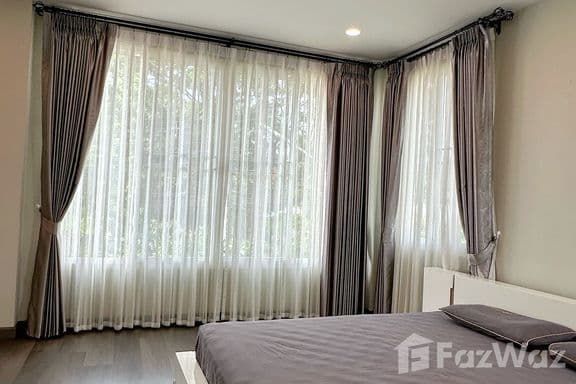
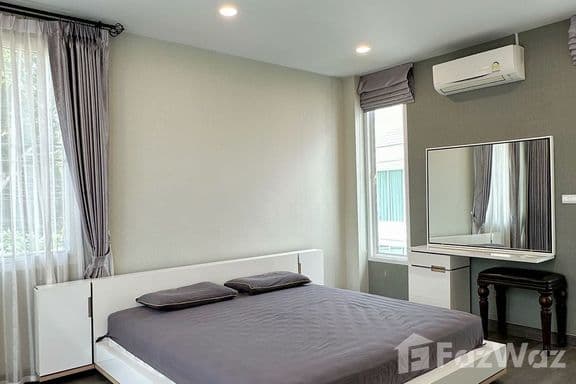
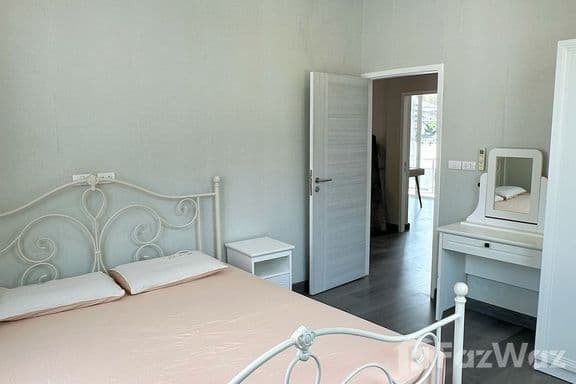
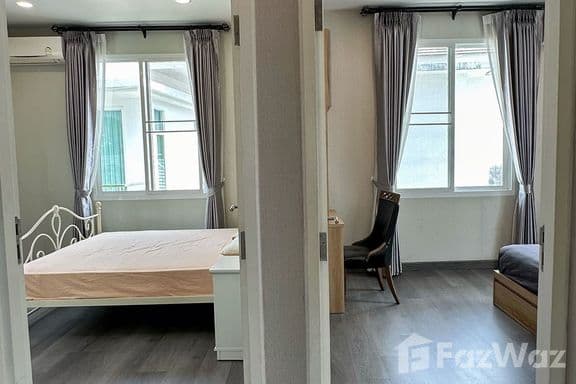
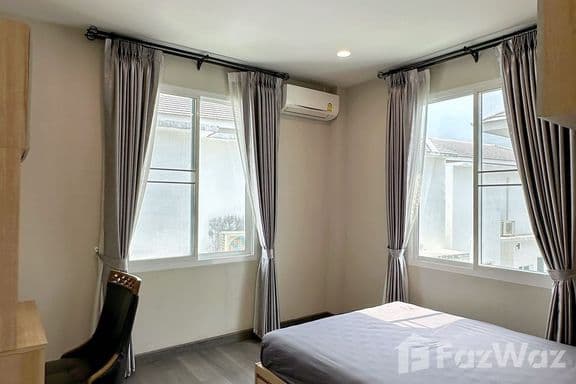
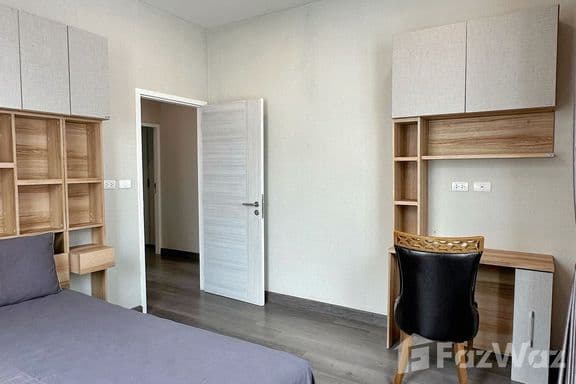
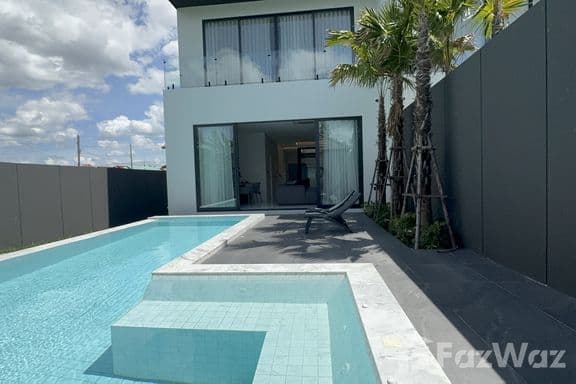
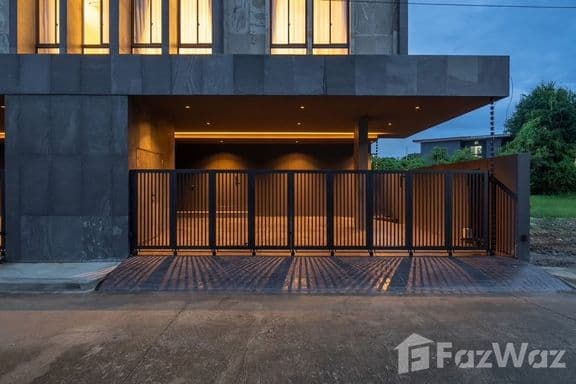
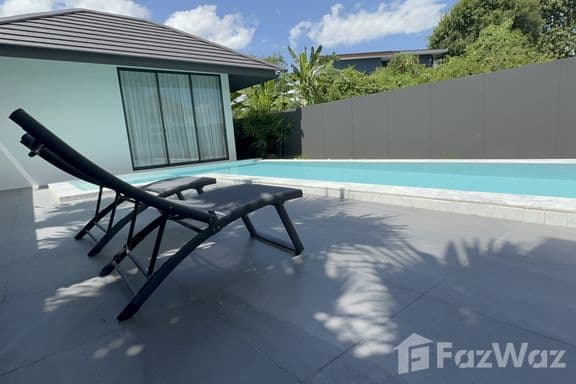
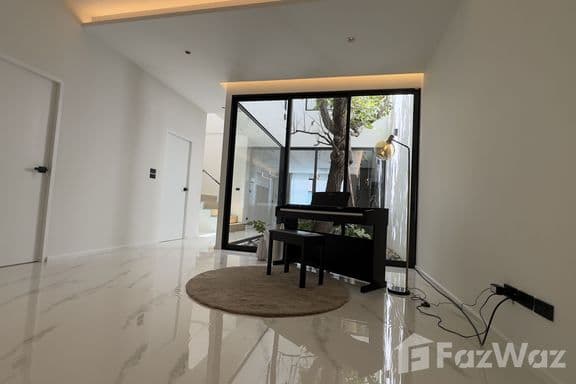
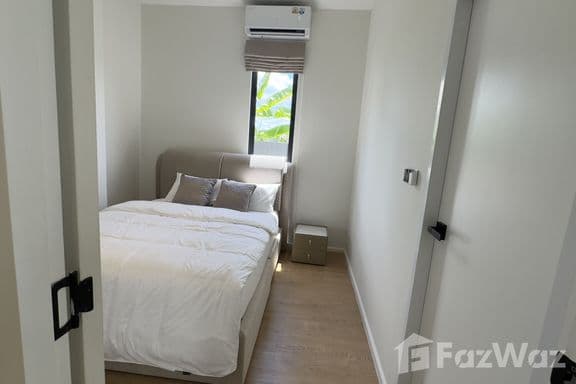
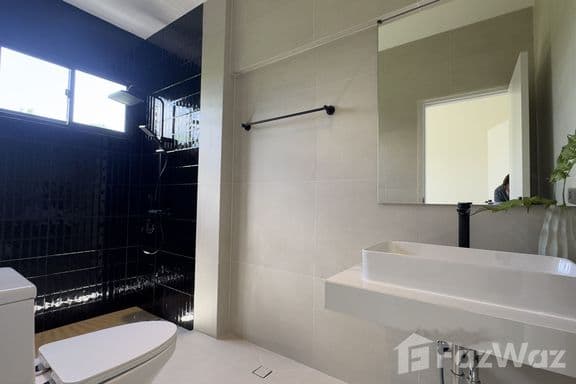
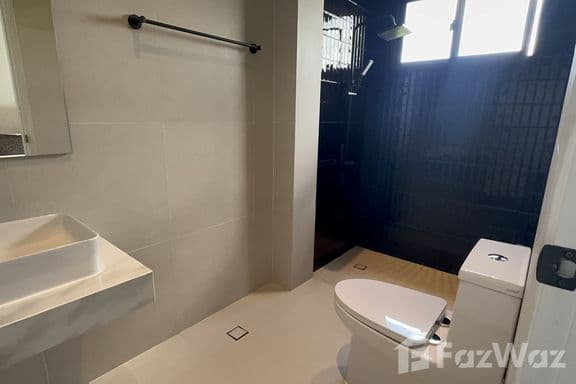
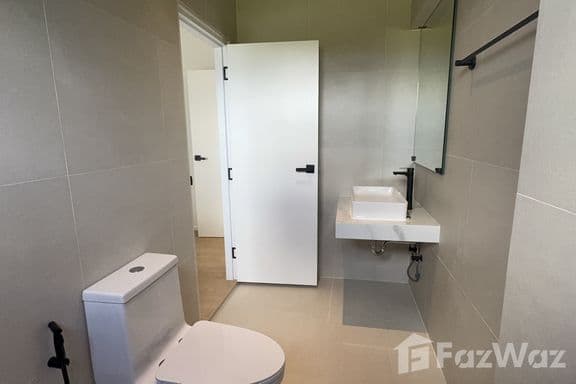
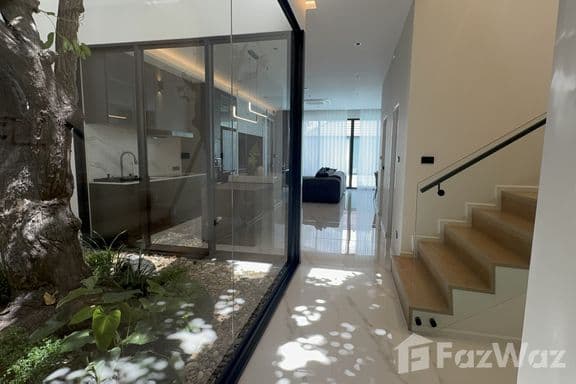
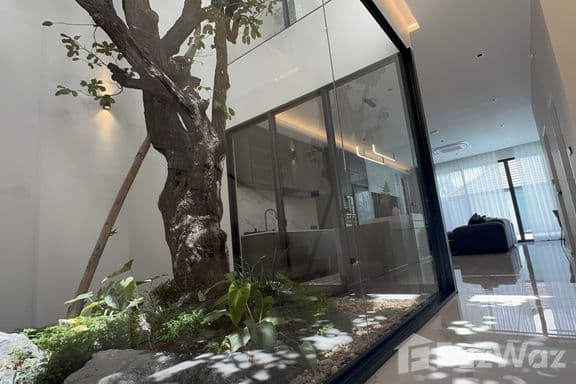
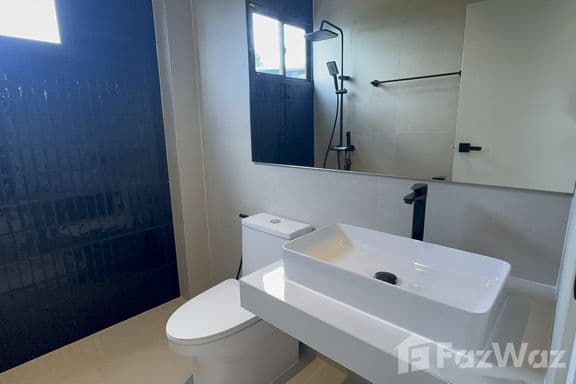
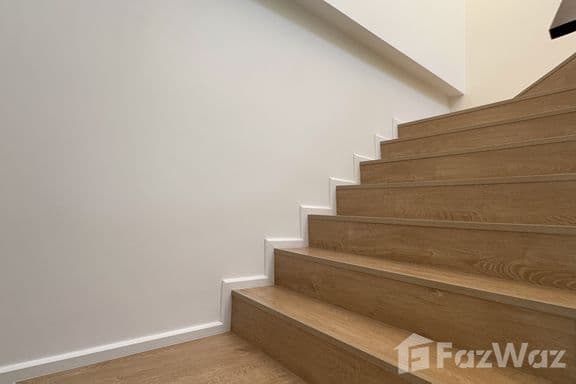
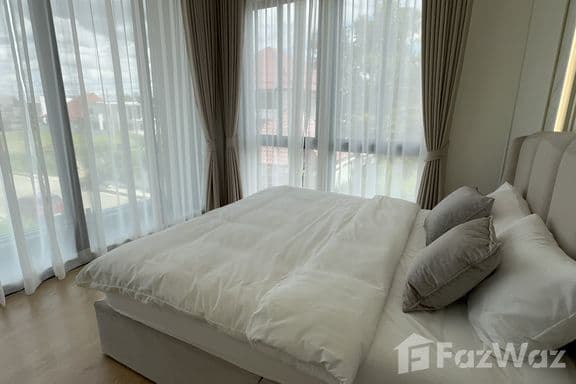
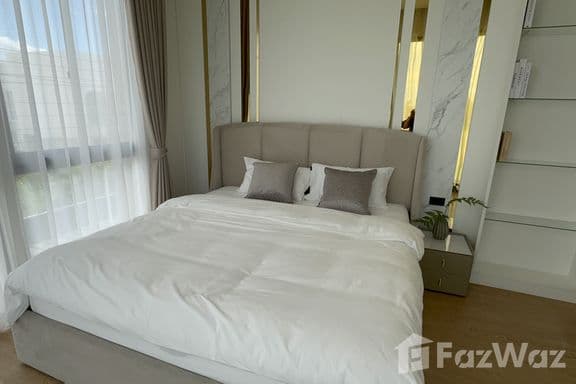
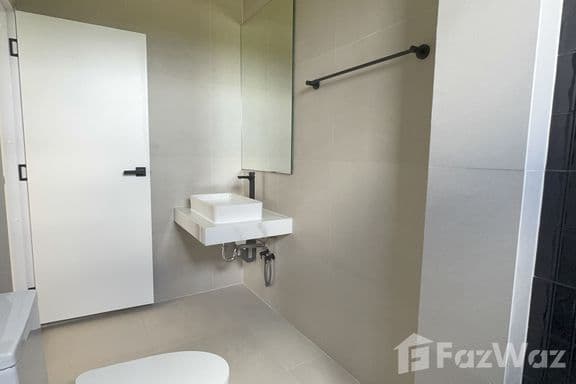
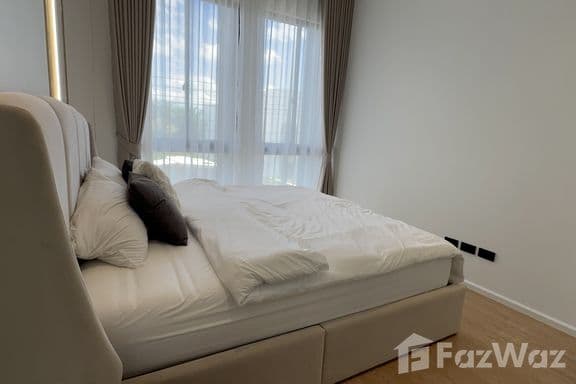
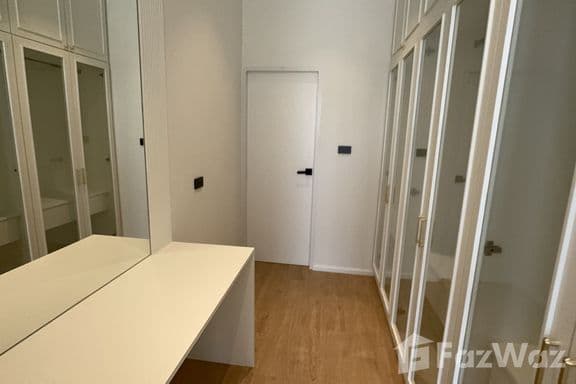
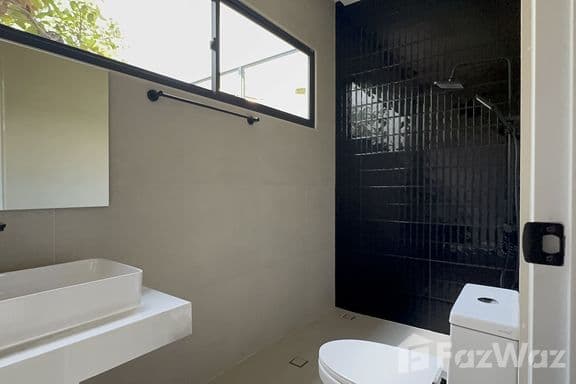
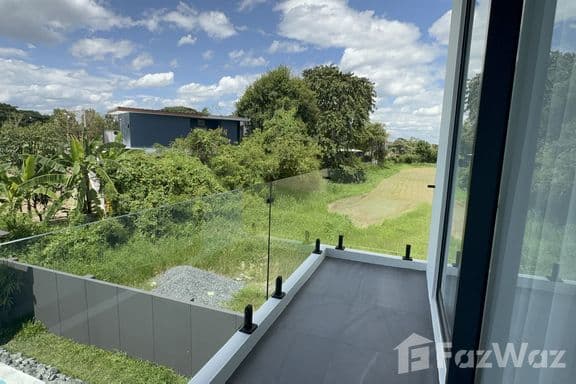
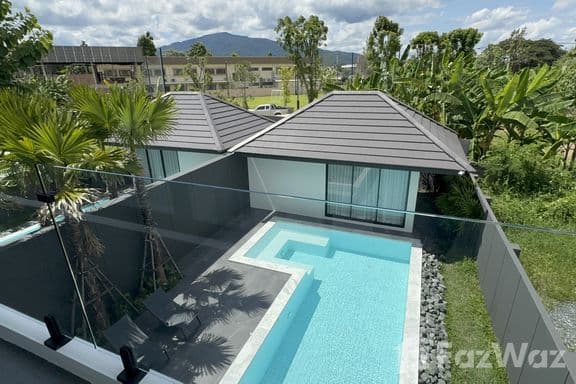
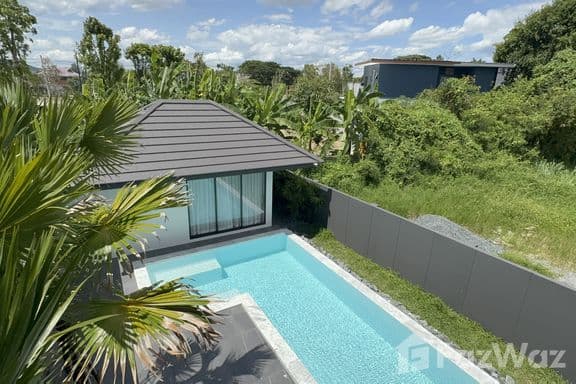
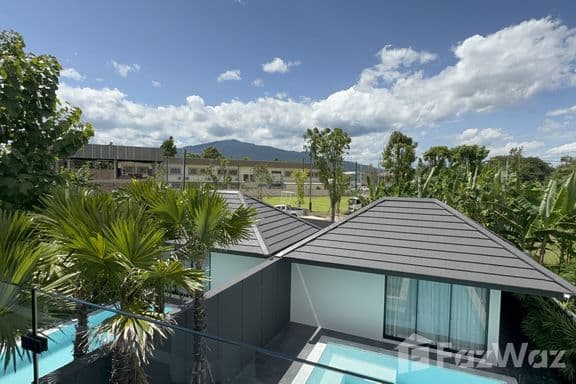
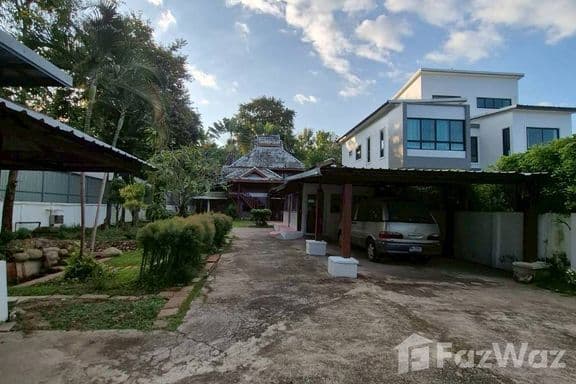
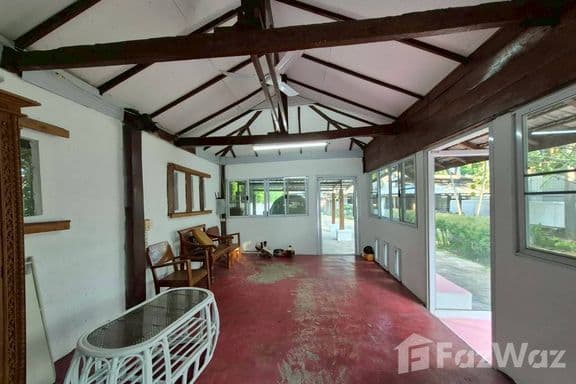
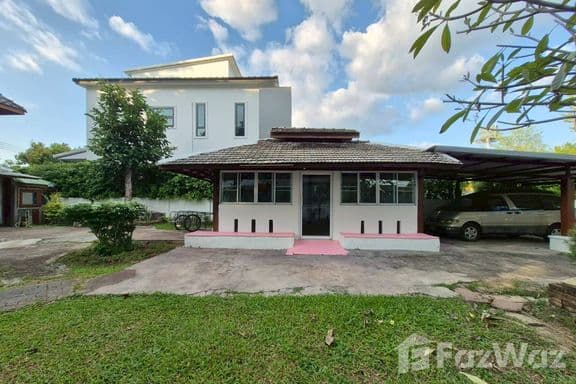
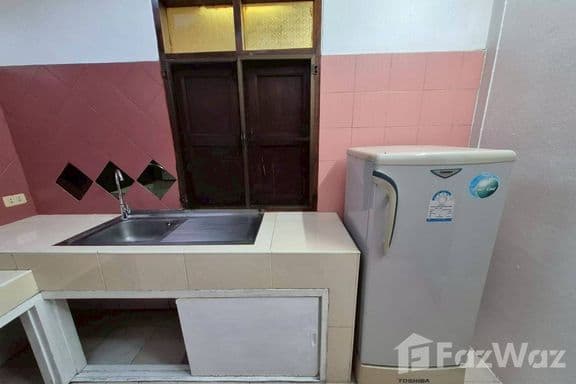
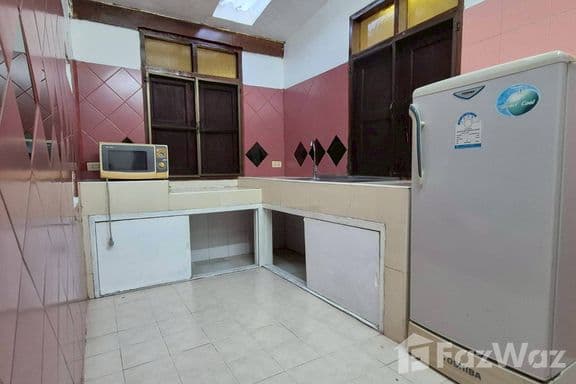
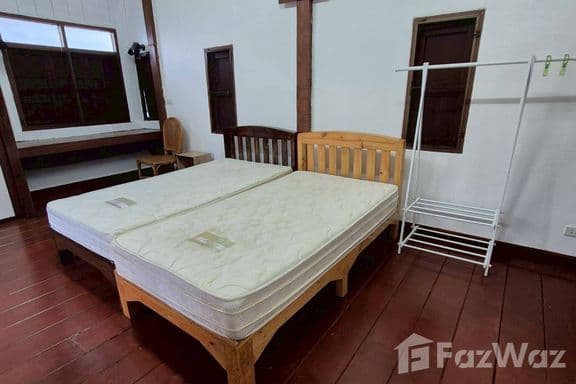
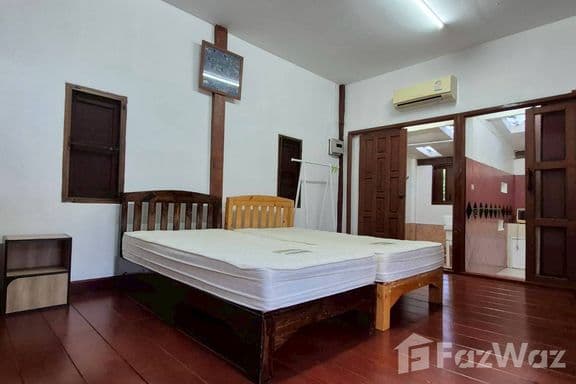
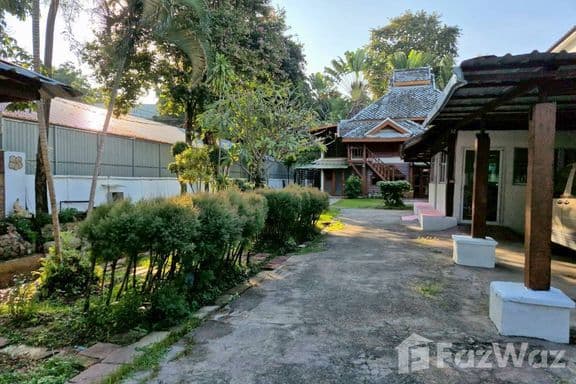
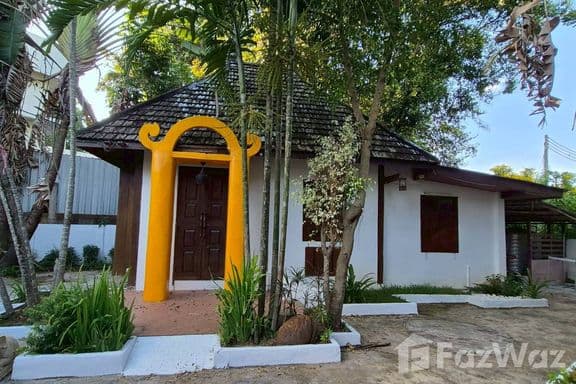
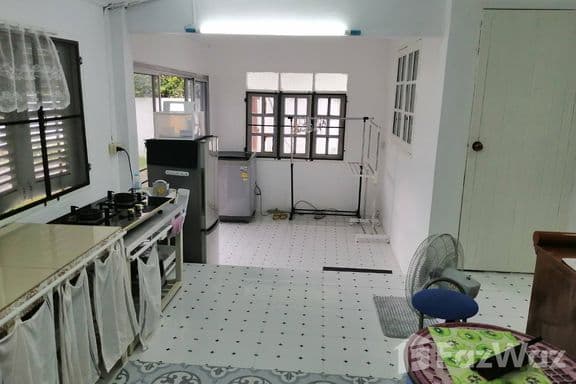
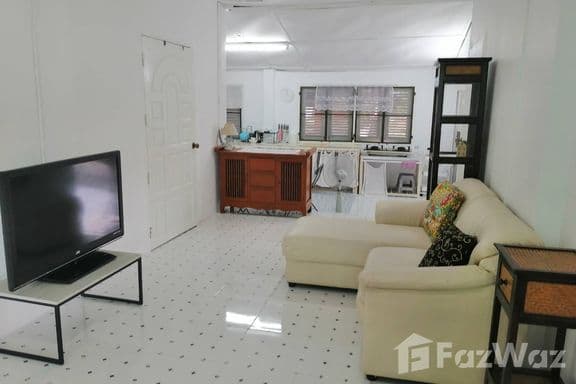
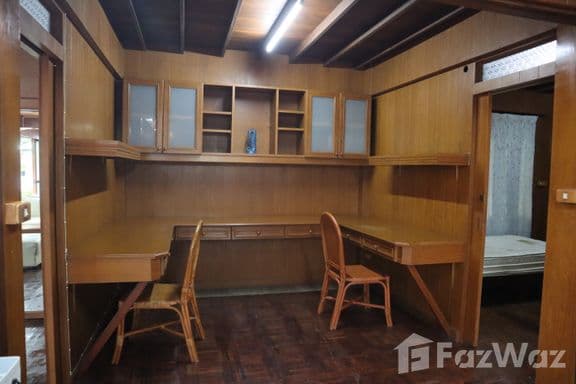
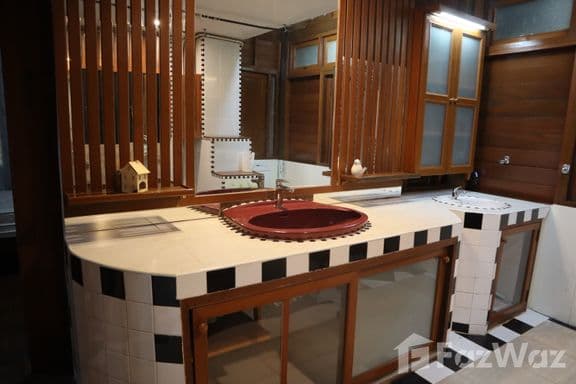
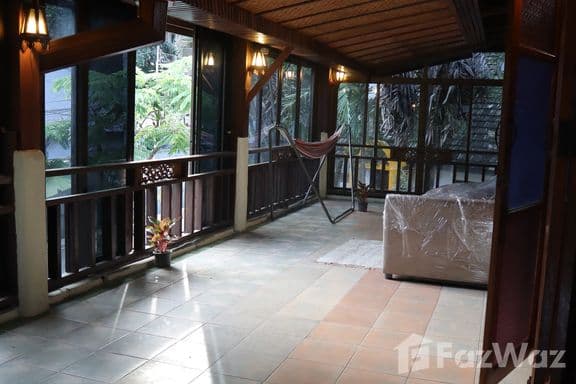
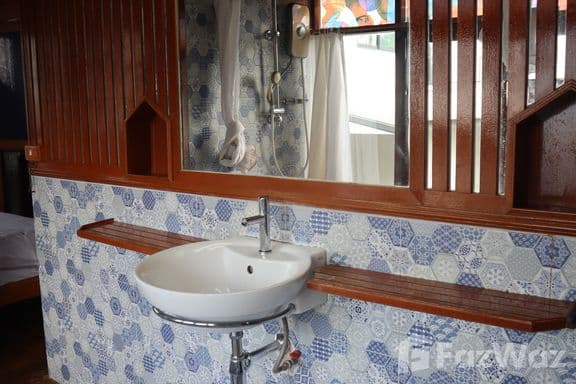
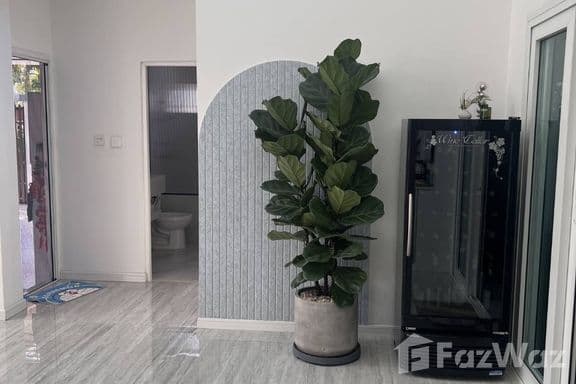
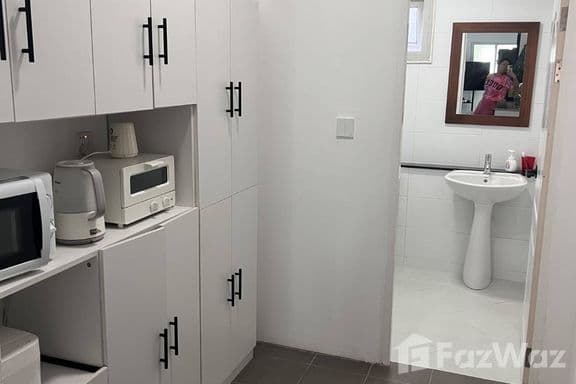
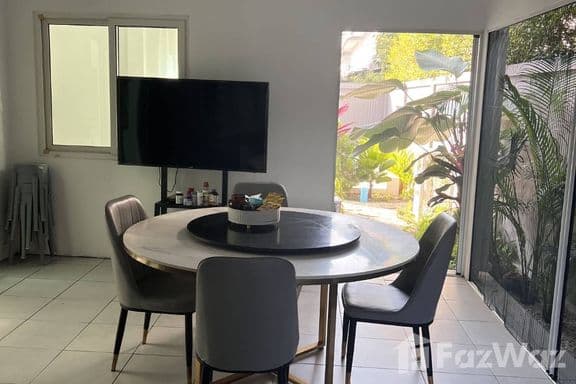
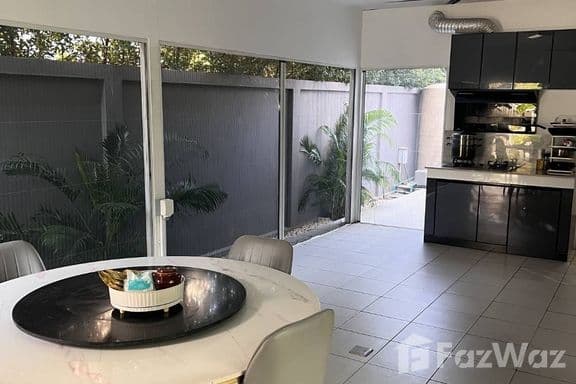
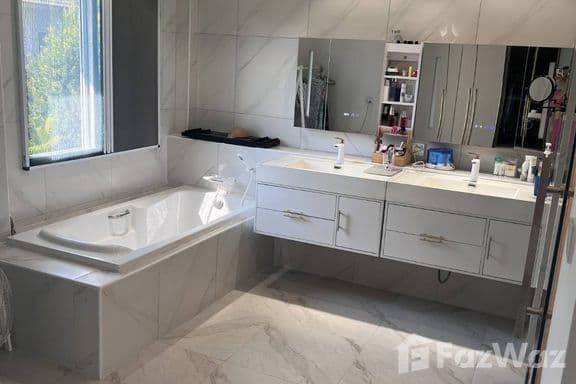
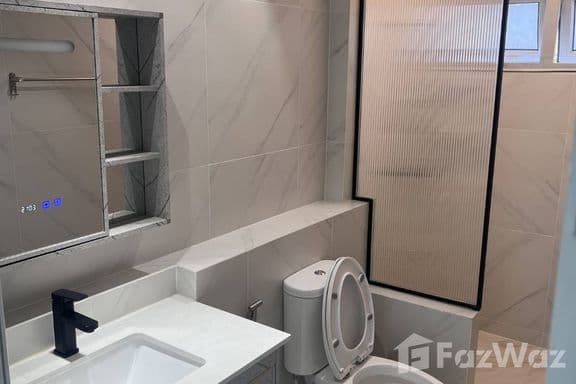
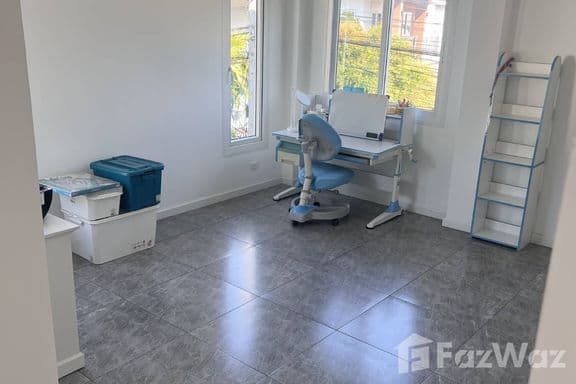
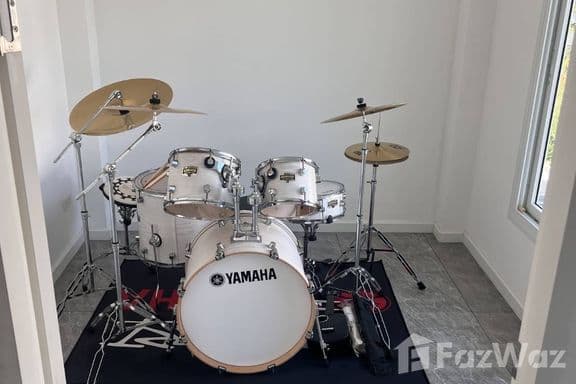
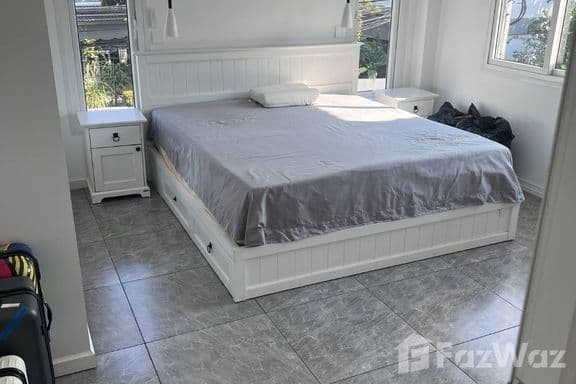
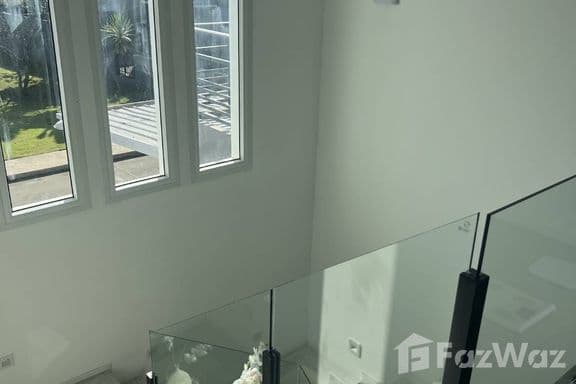
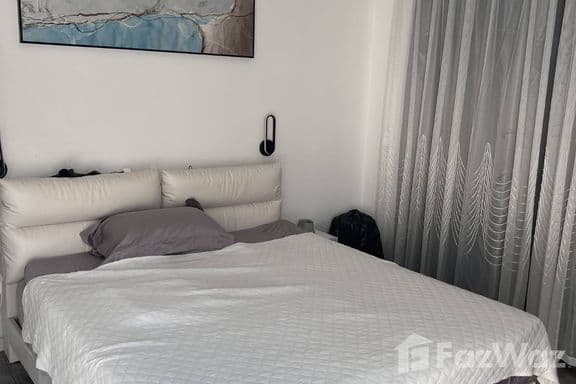
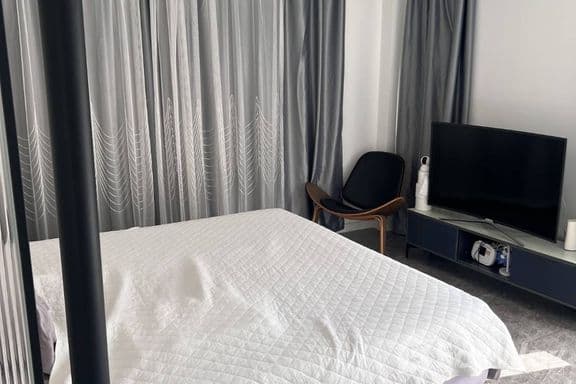
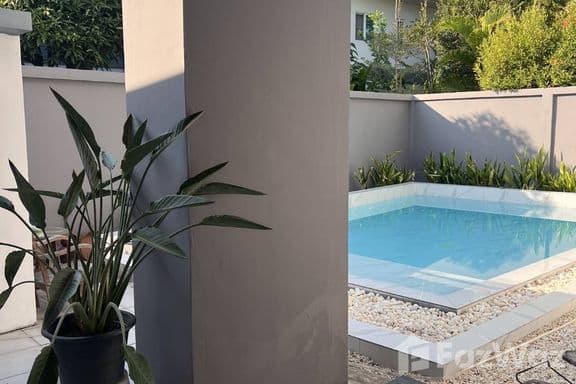
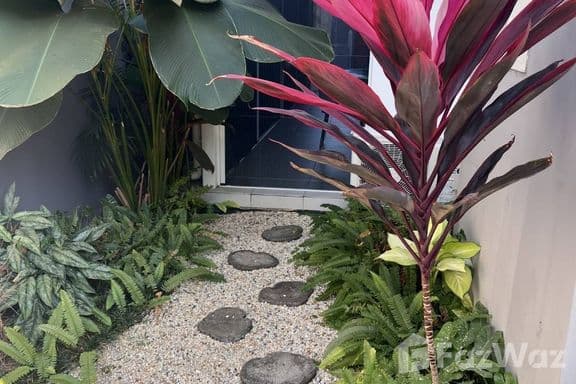
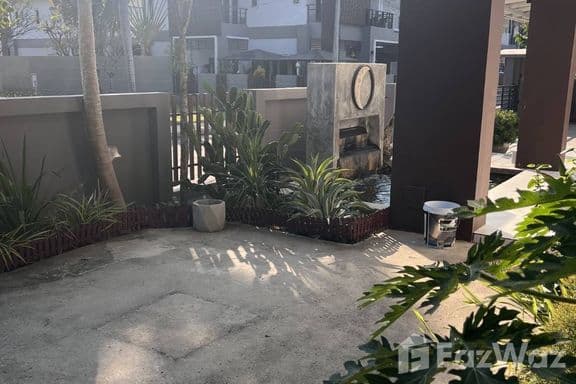
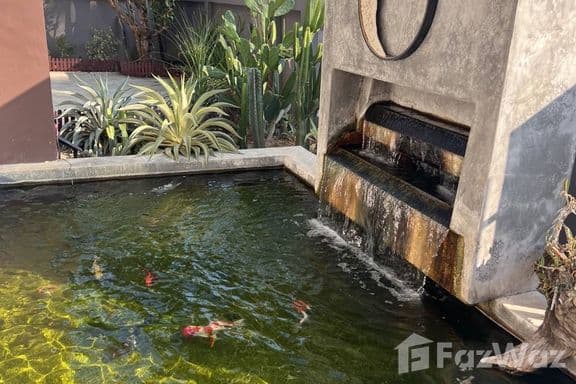
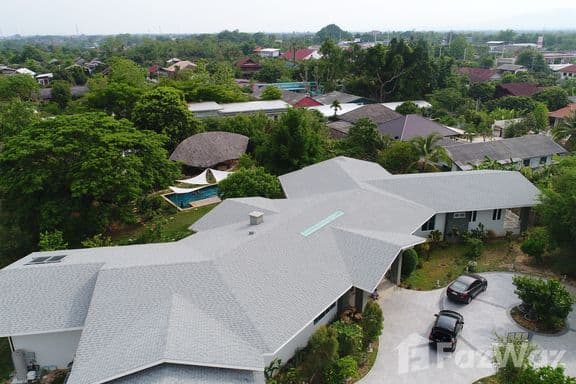
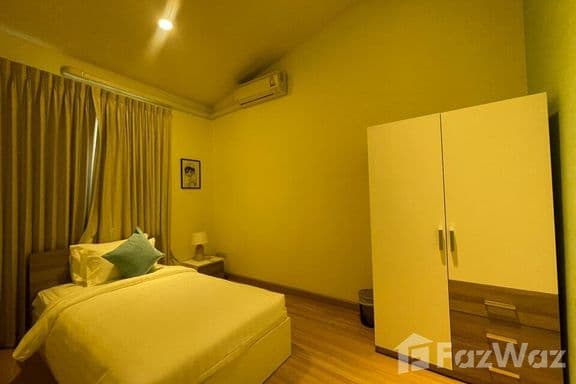
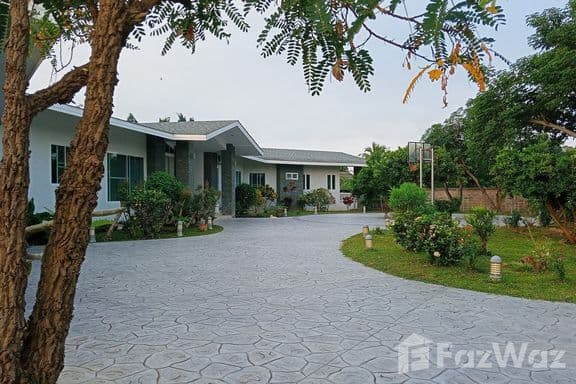
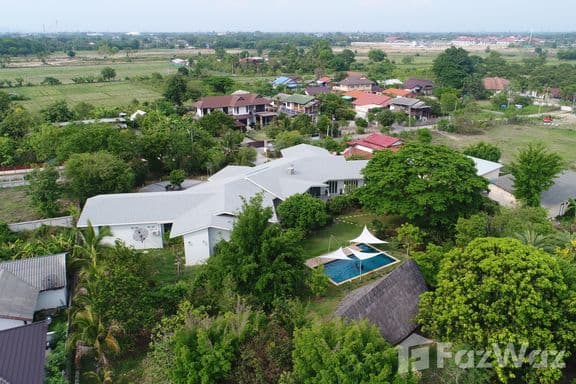
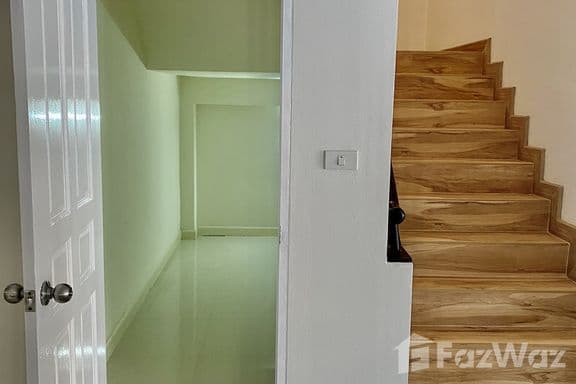
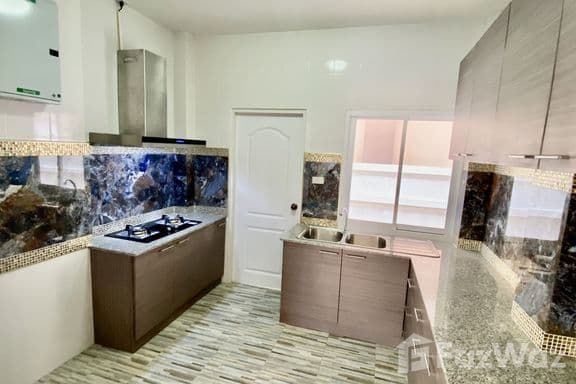
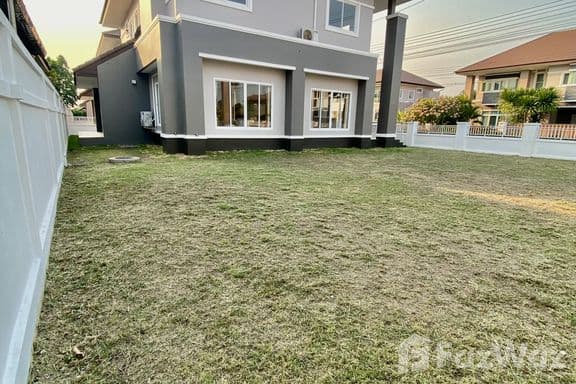
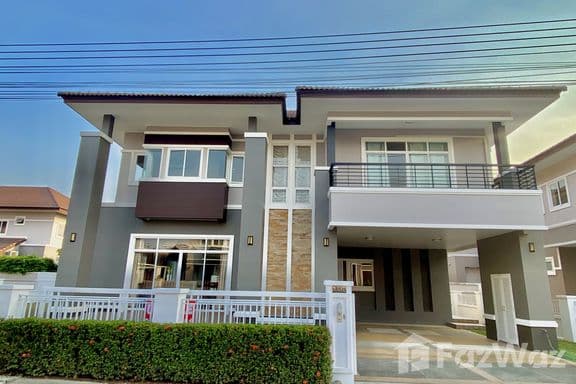
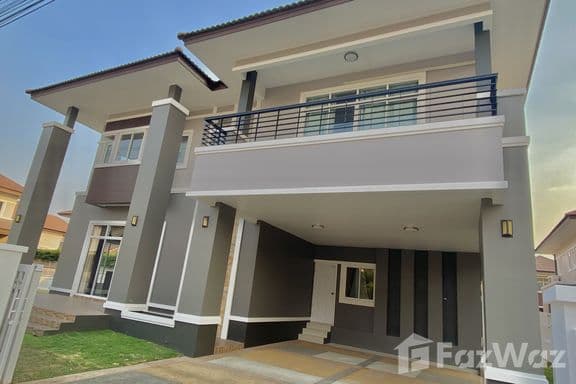
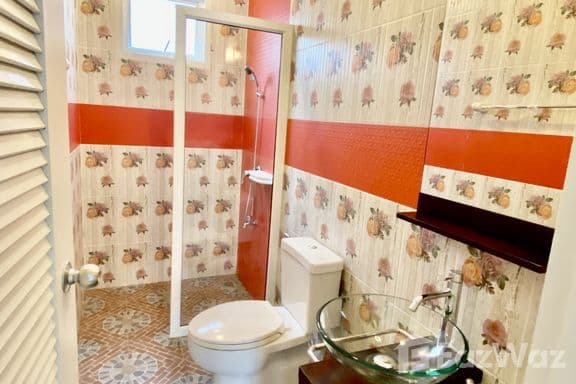
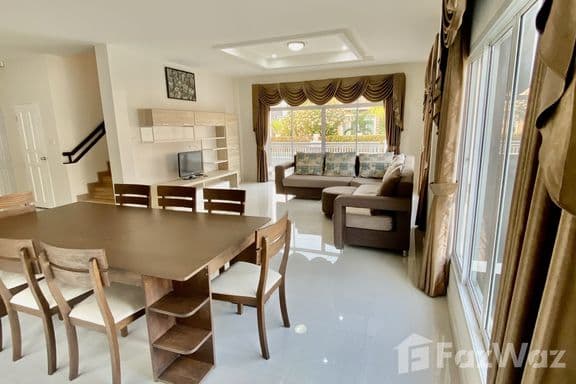
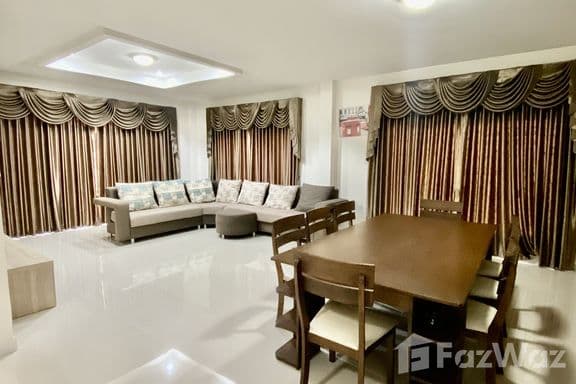
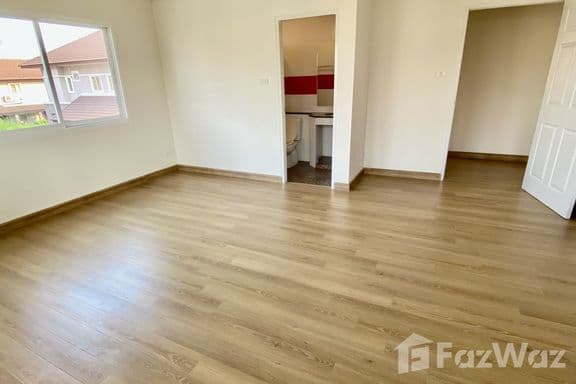
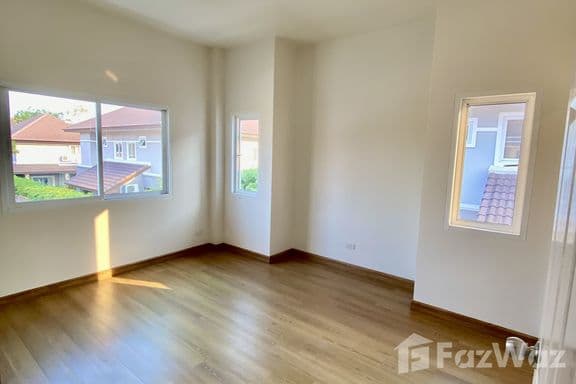
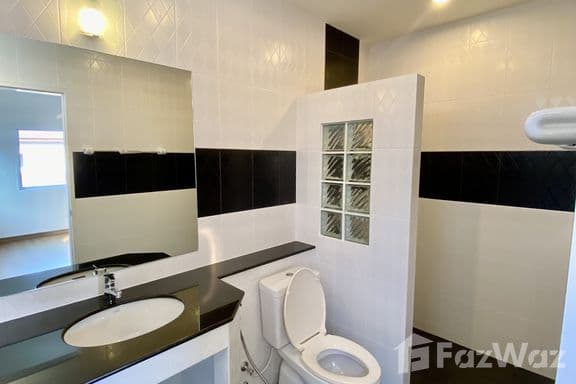
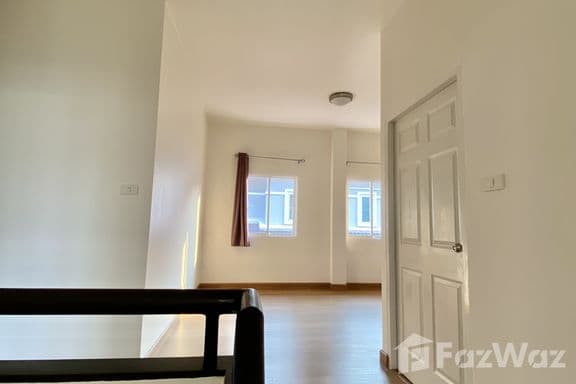
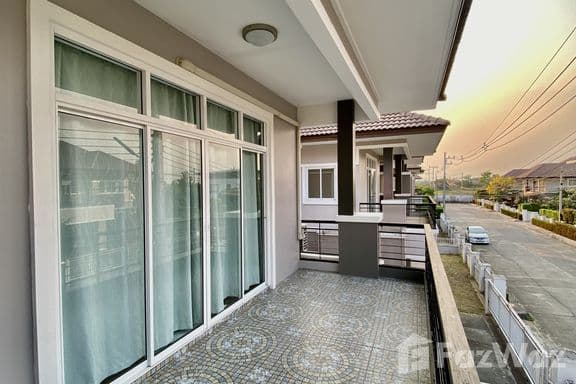
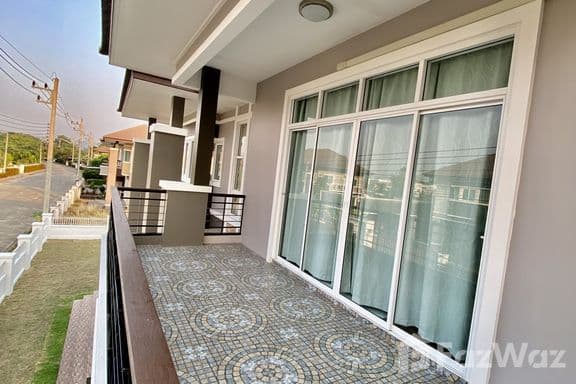
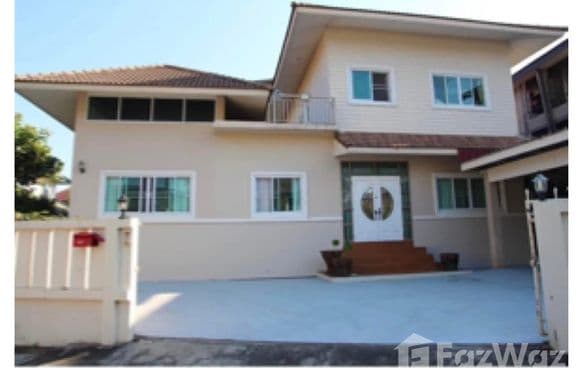
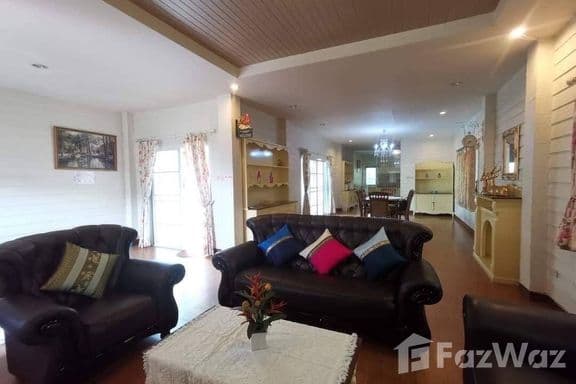
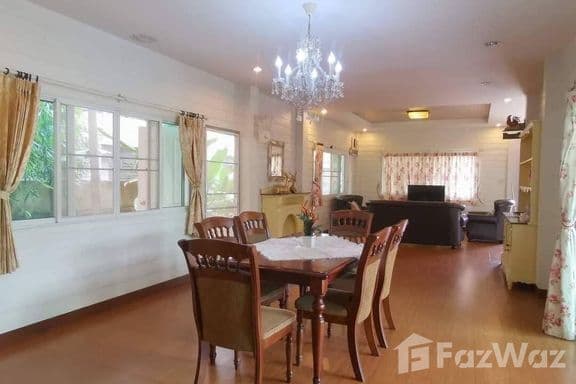
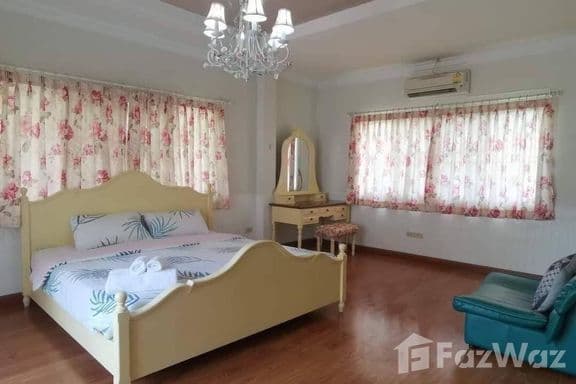
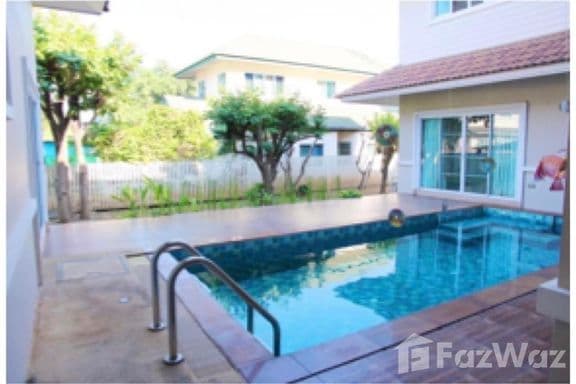
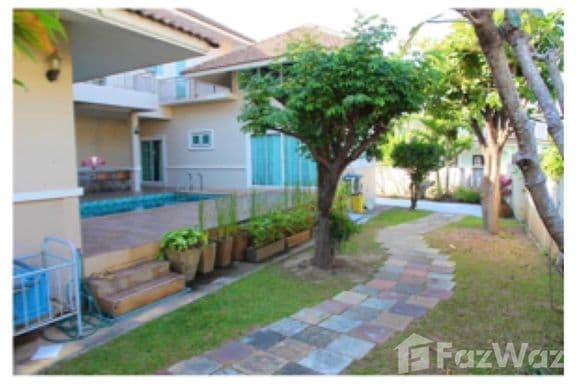
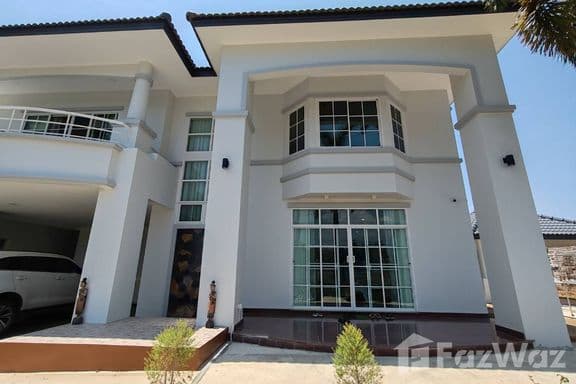
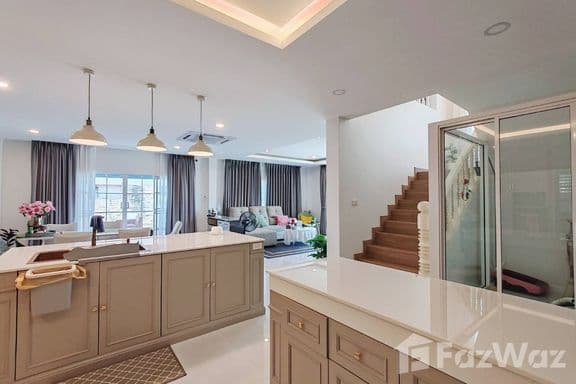
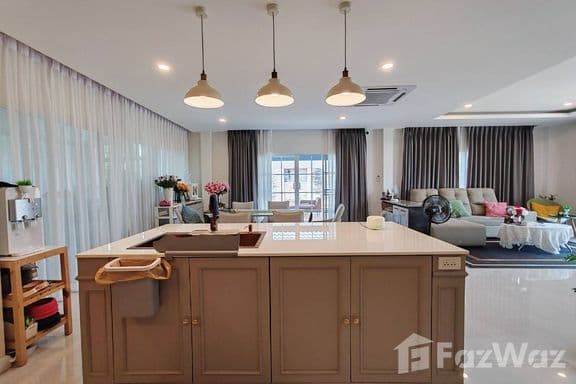
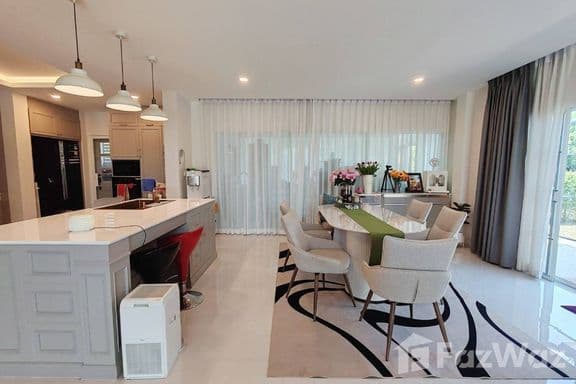
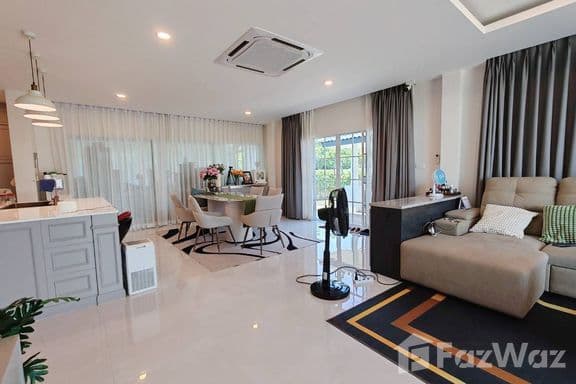
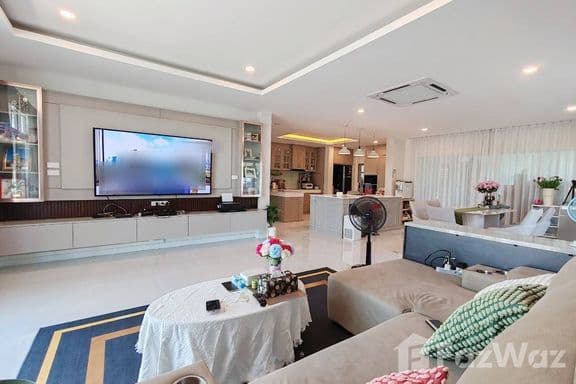
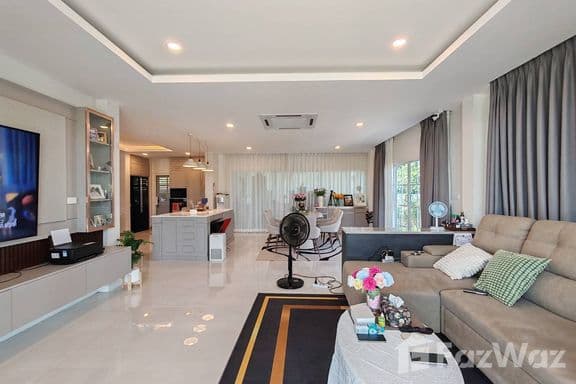
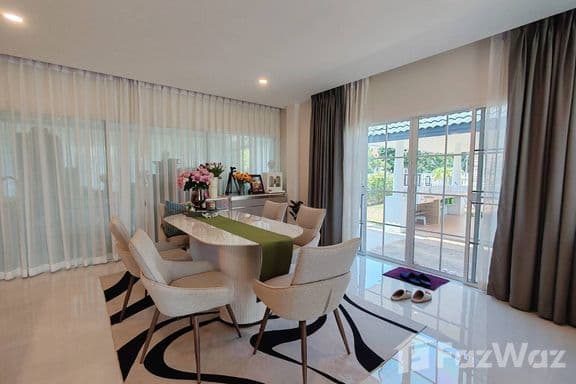
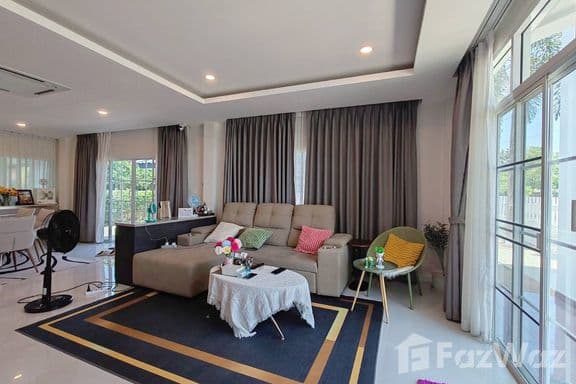
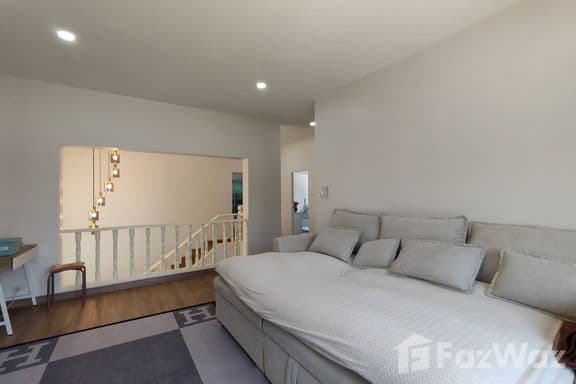
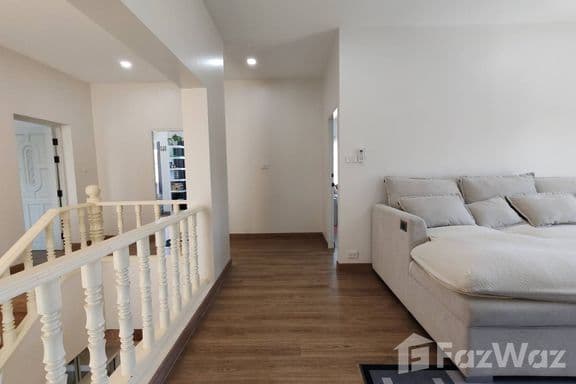
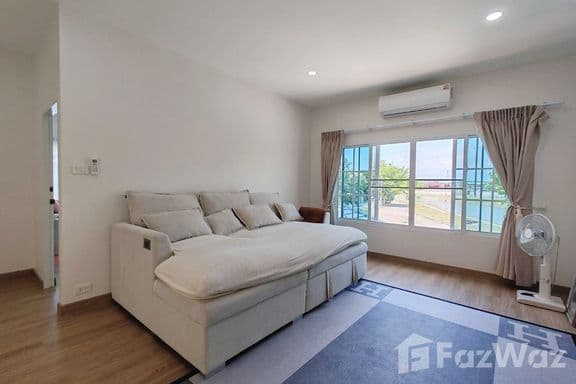
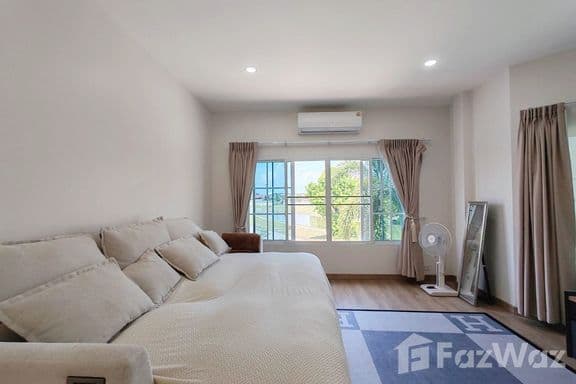
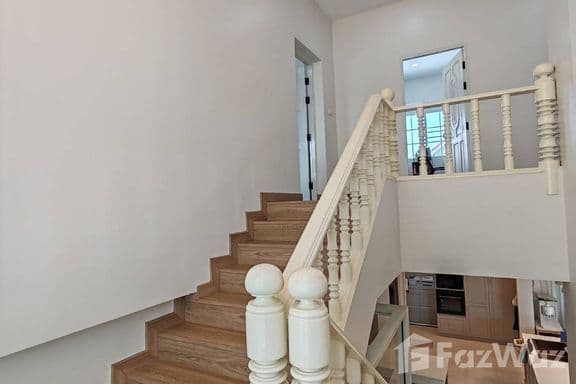
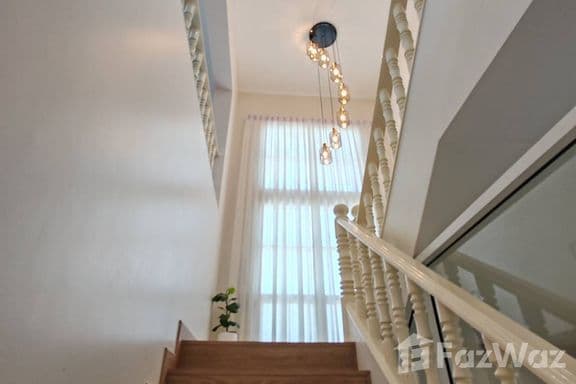
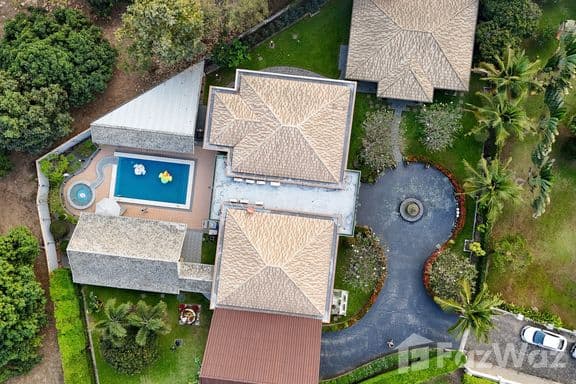
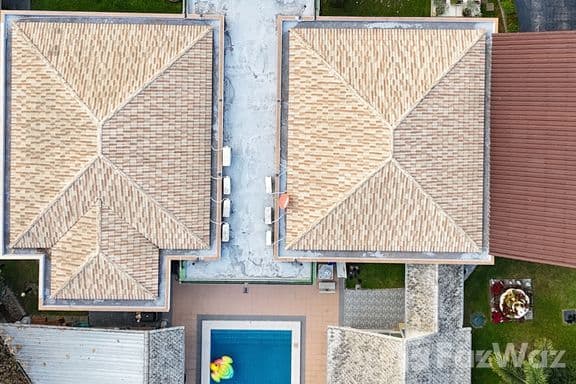
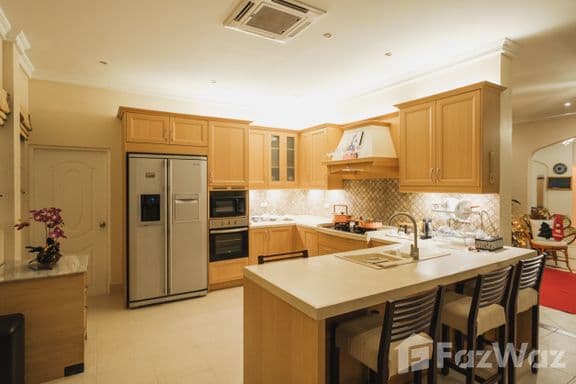
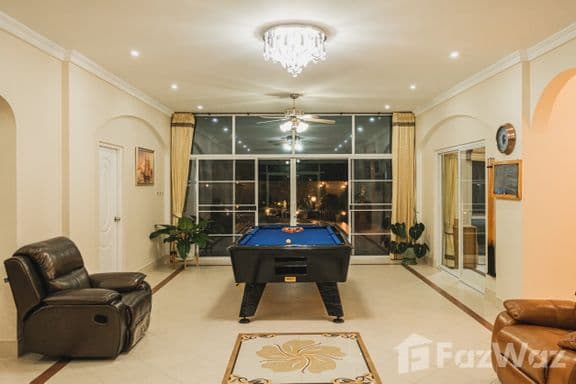
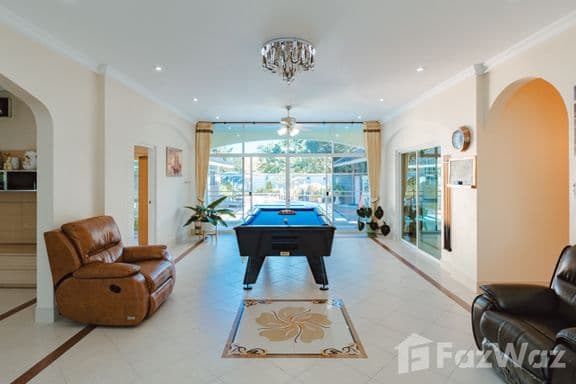
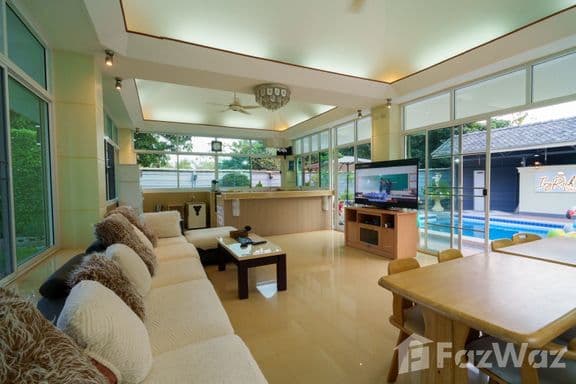
5 Beds4 Baths300 SqM฿500/SqMHouse
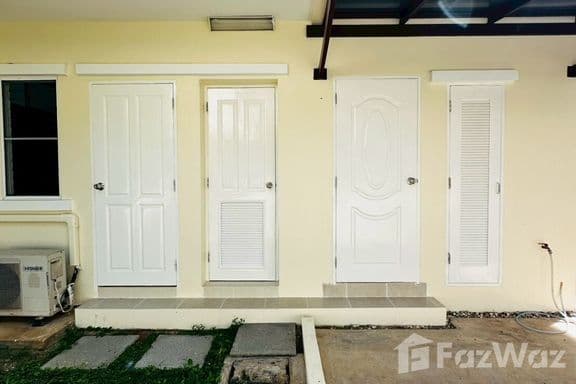
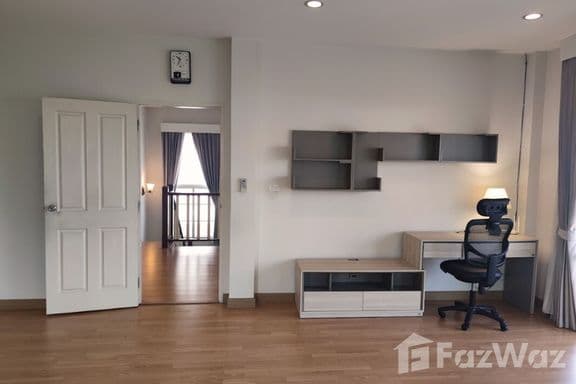
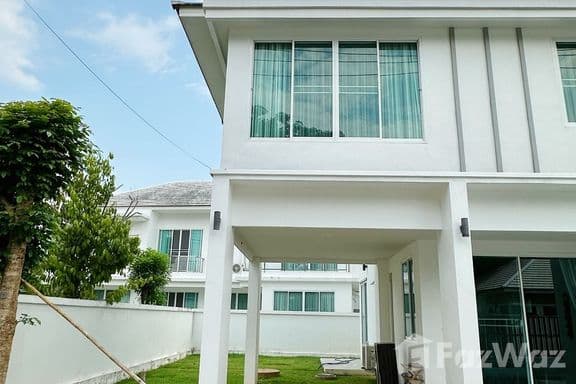
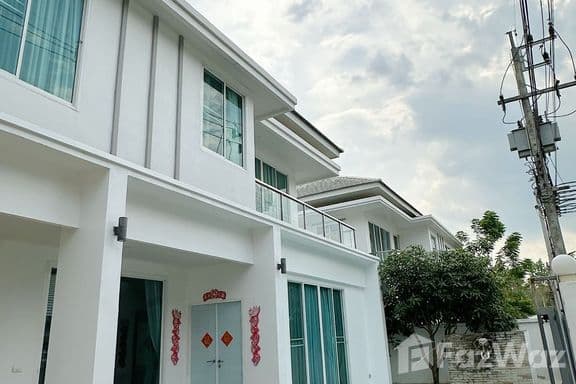
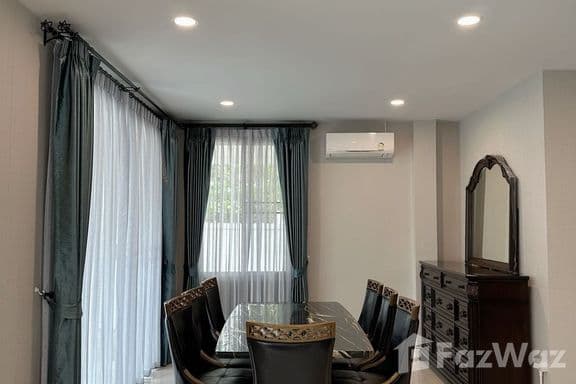
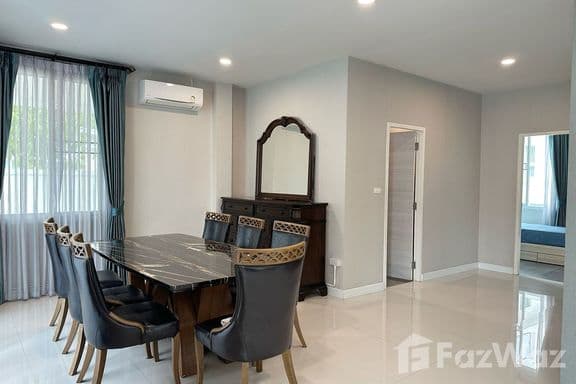
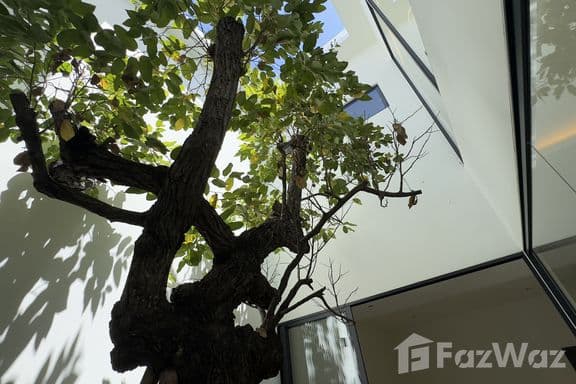
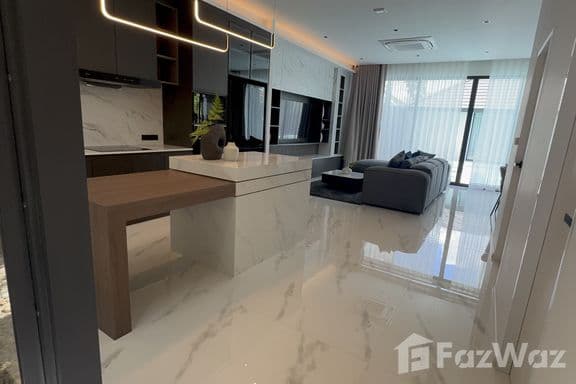
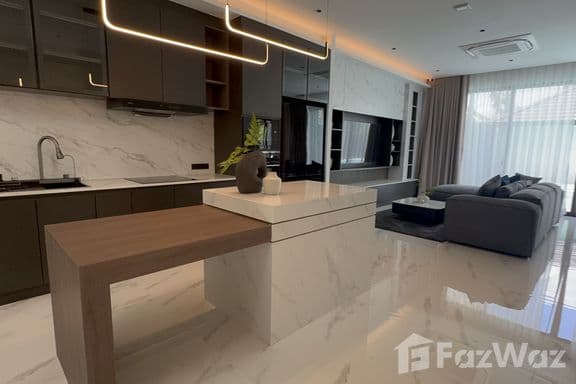
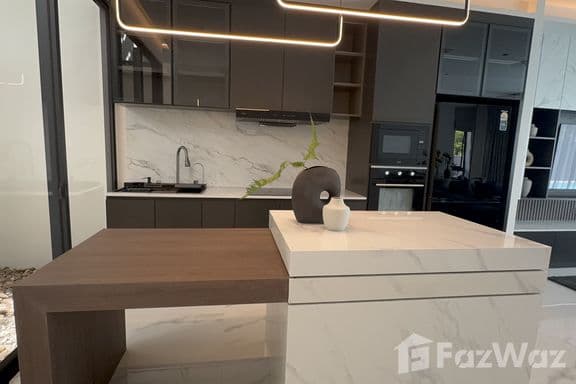
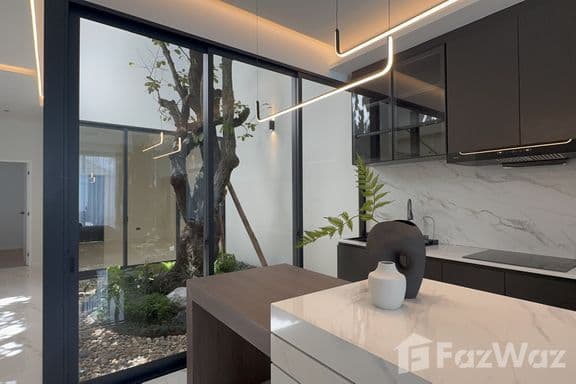
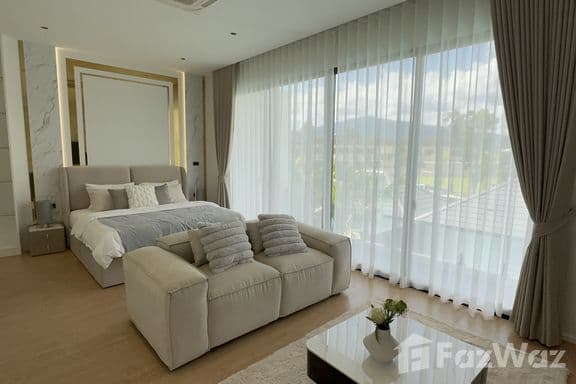
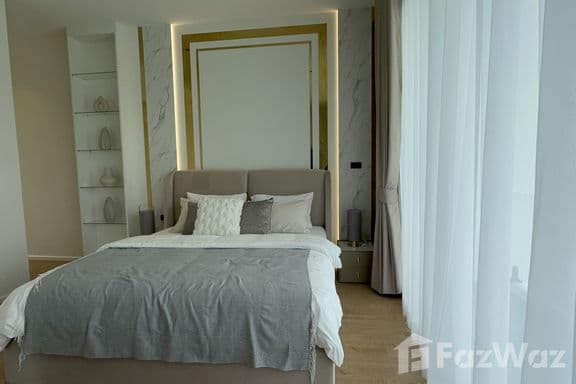
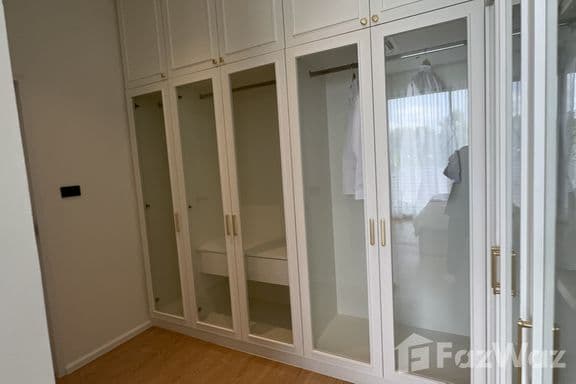
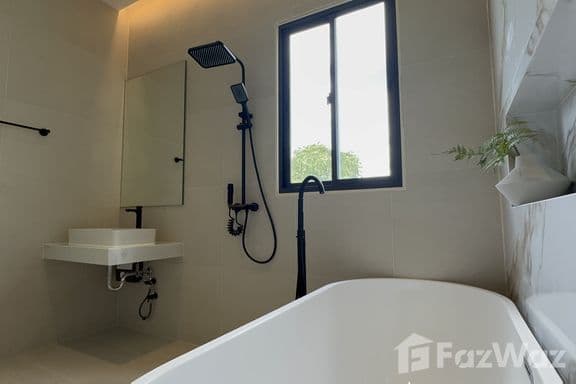
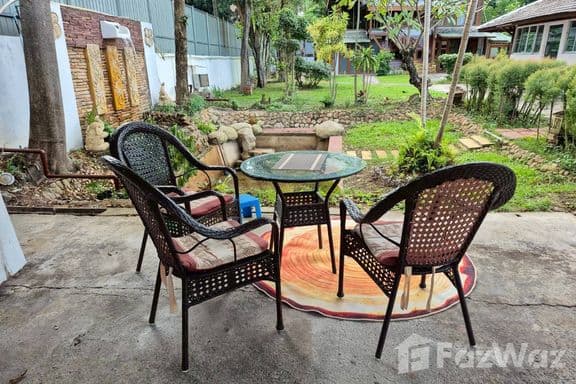
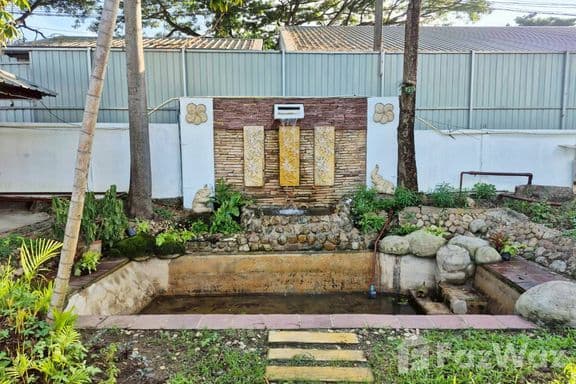
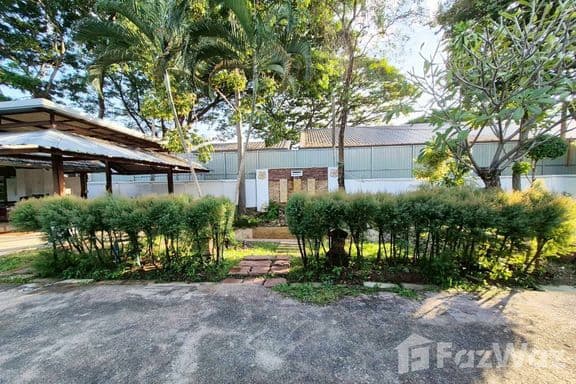
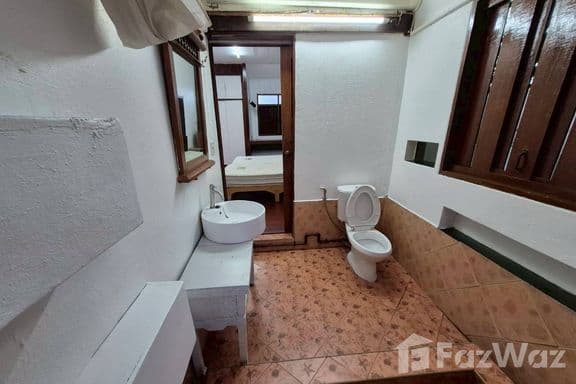
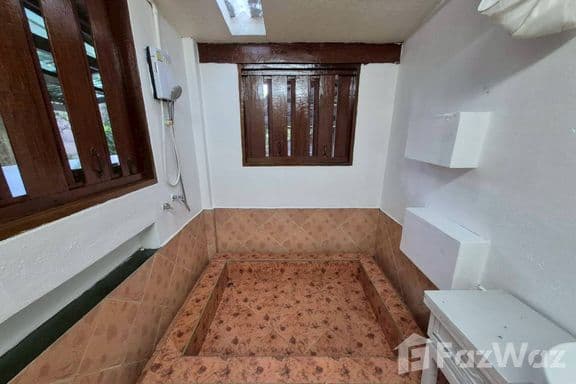
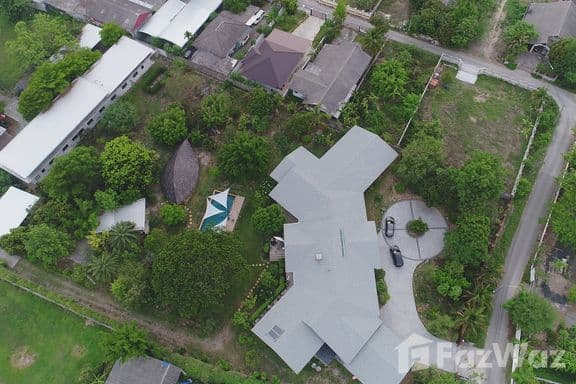
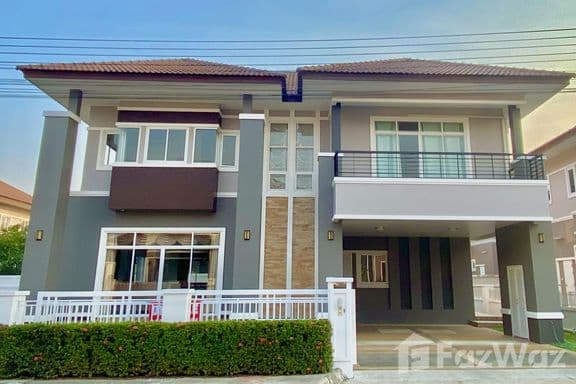
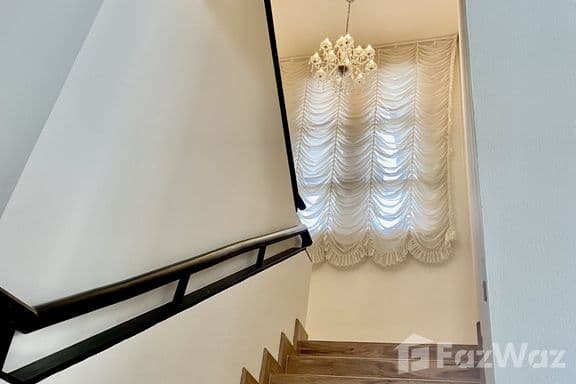
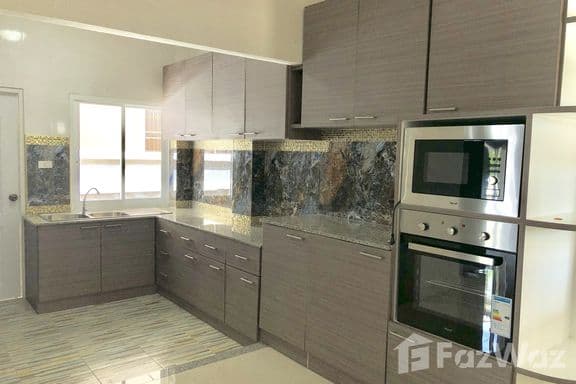
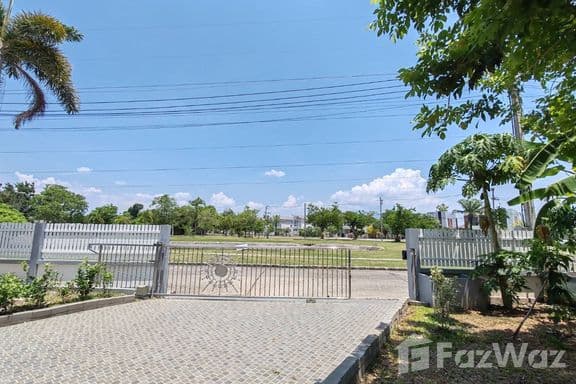
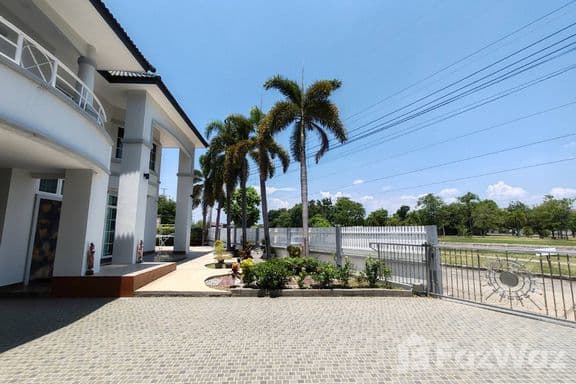
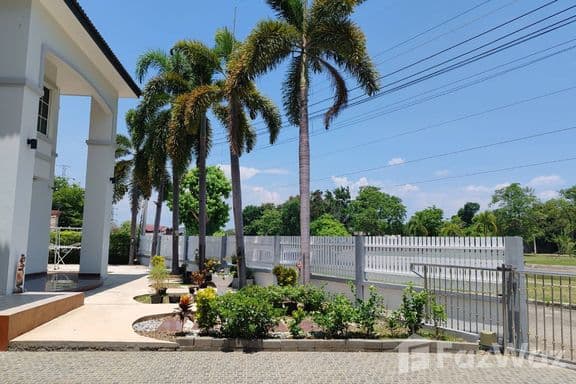
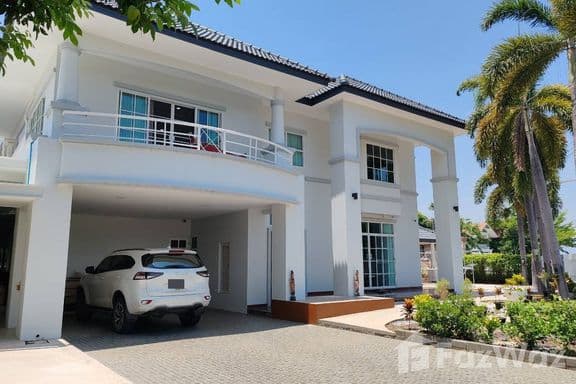
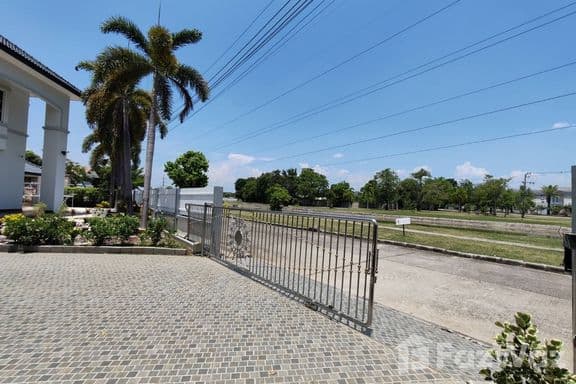
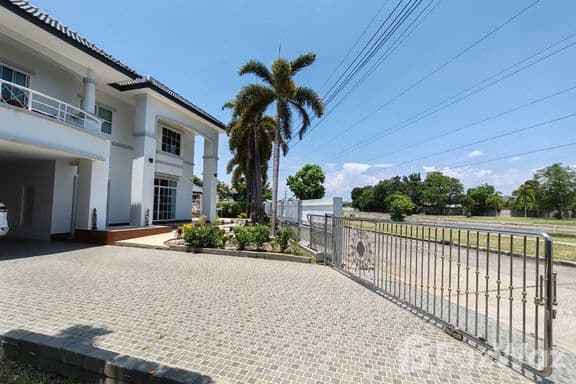
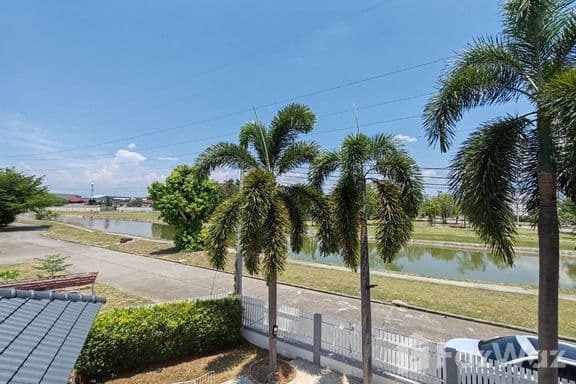
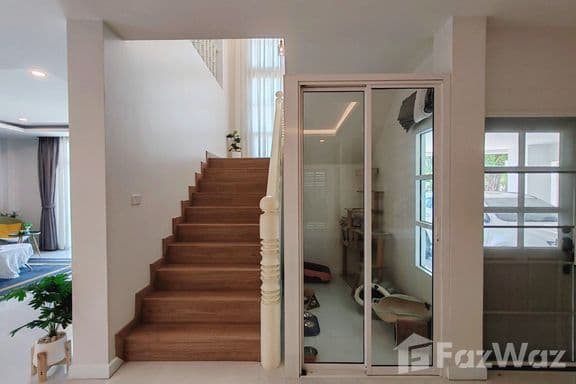
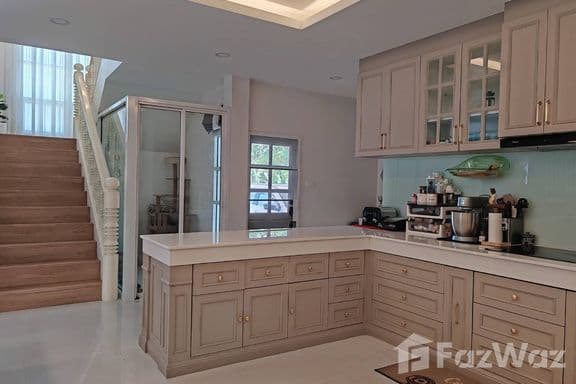
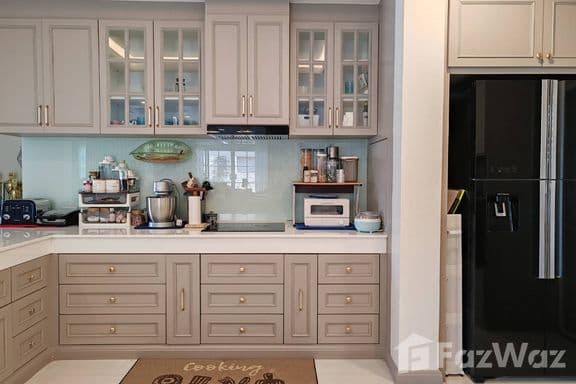
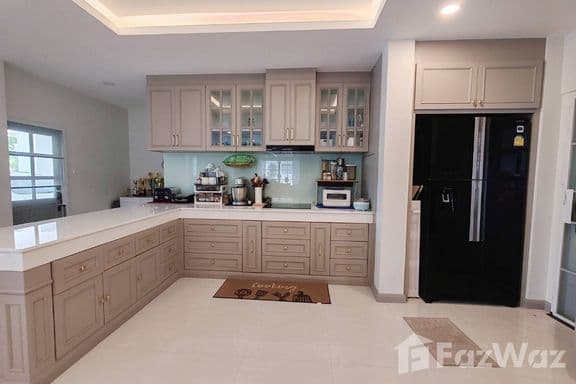
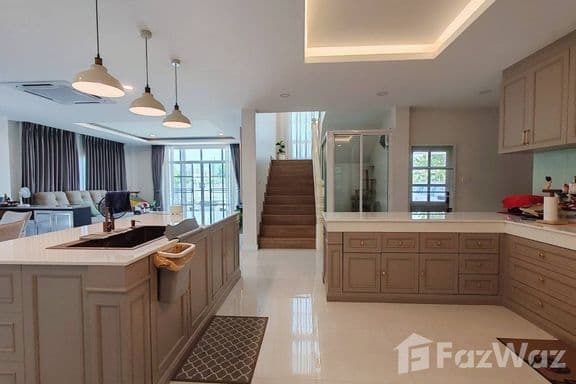
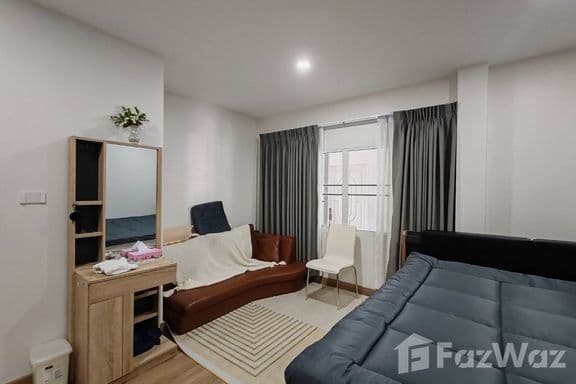
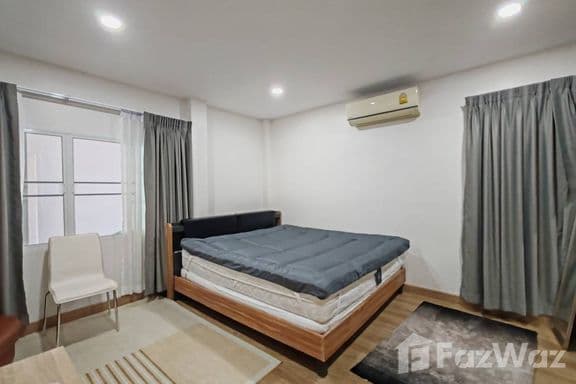
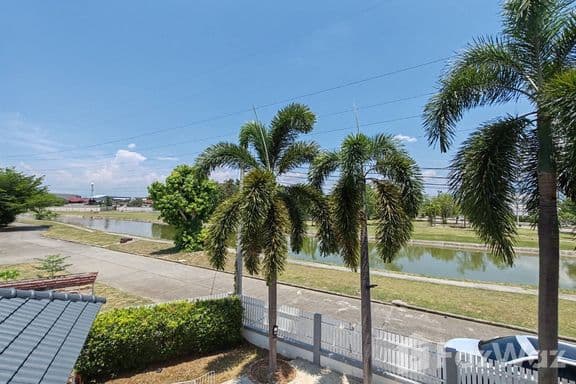
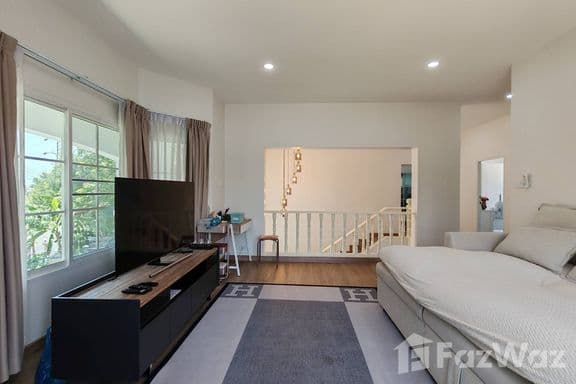
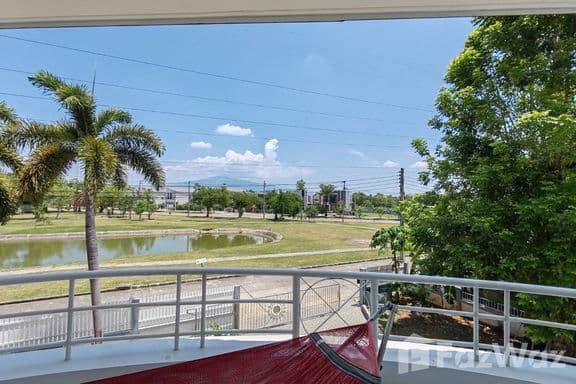
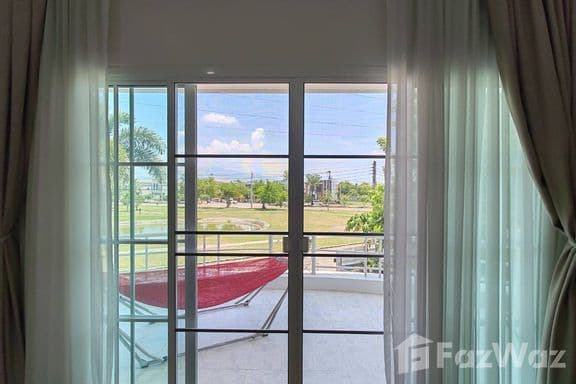
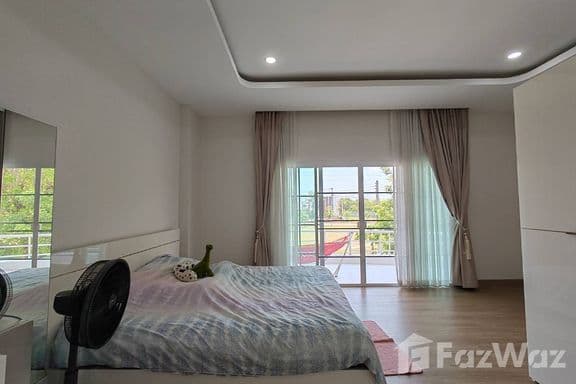
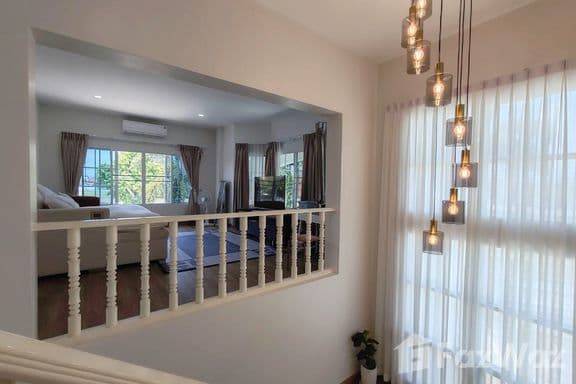
Ban Prueksa Thong — San Phisuea, Mueang Chiang Mai, Chiang Mai5 Bedroom House for rent at Ban Prueksa Thong












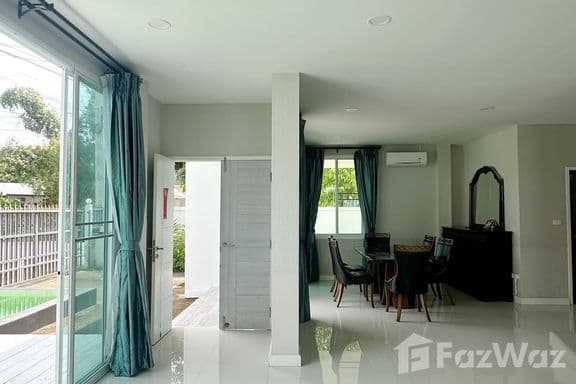
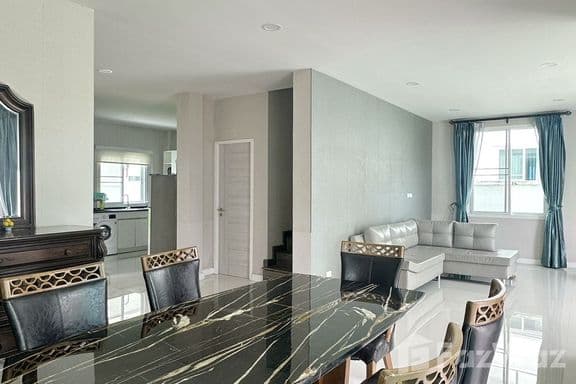
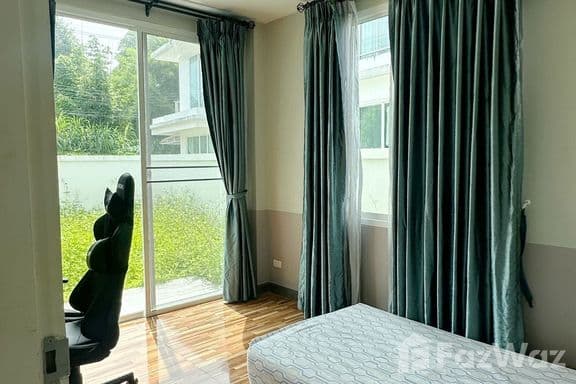

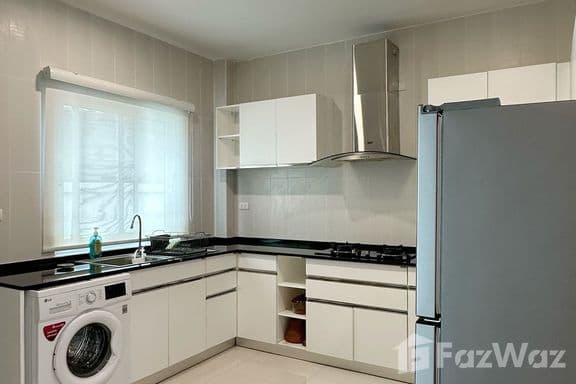
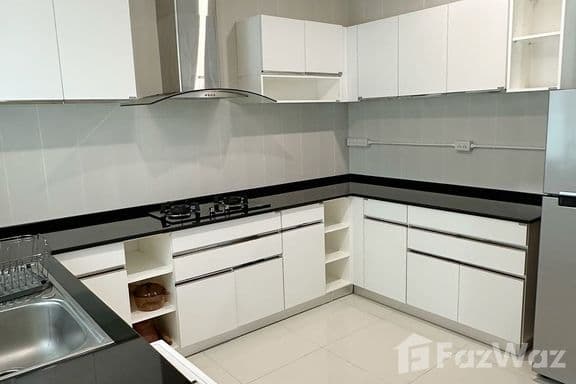
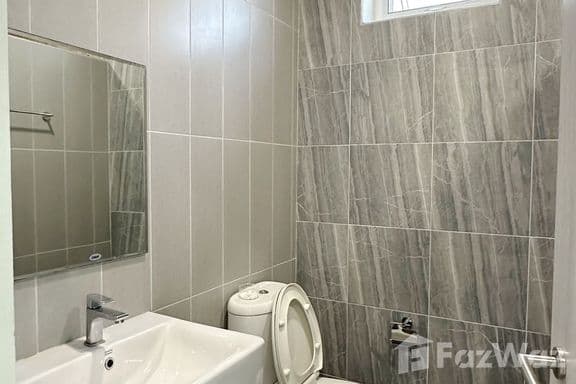
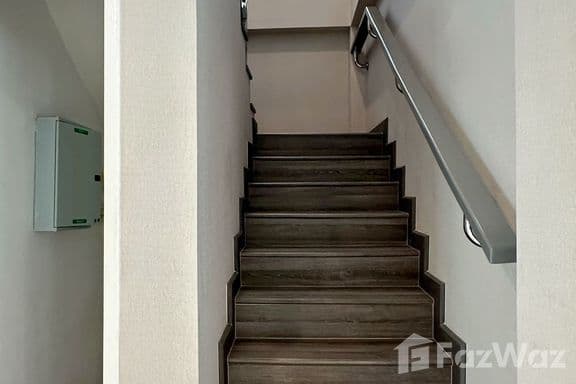

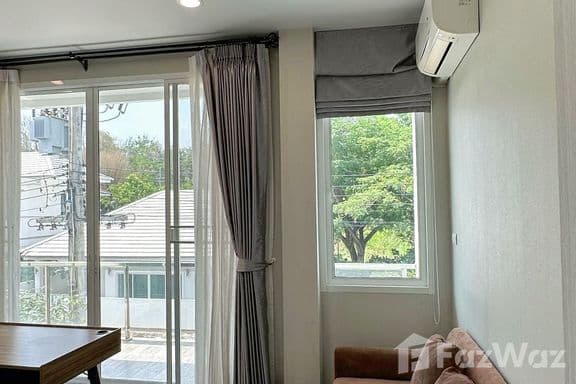



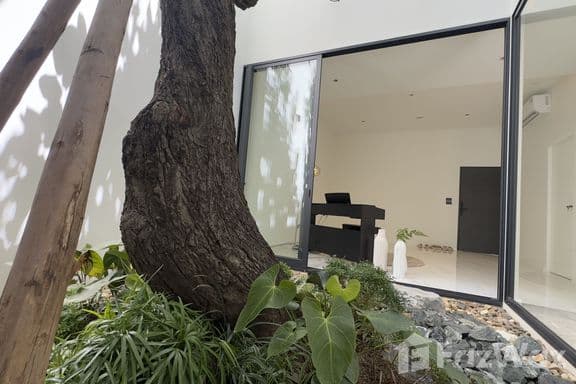
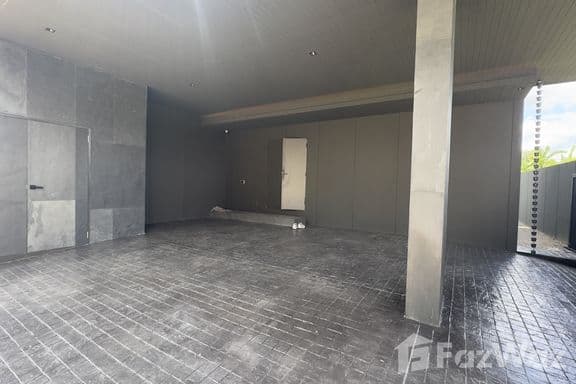
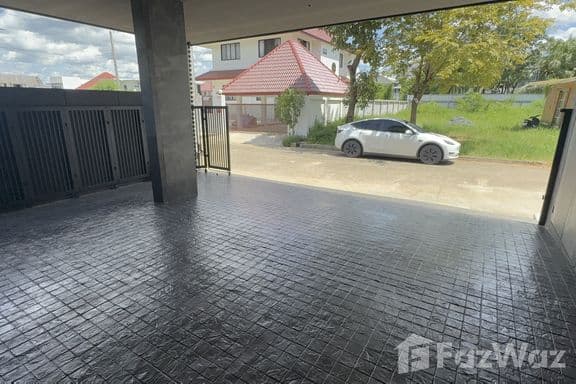
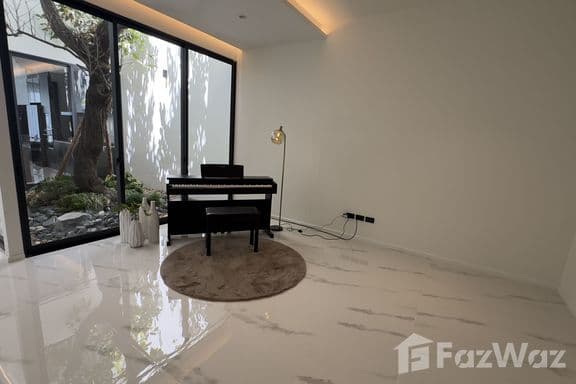

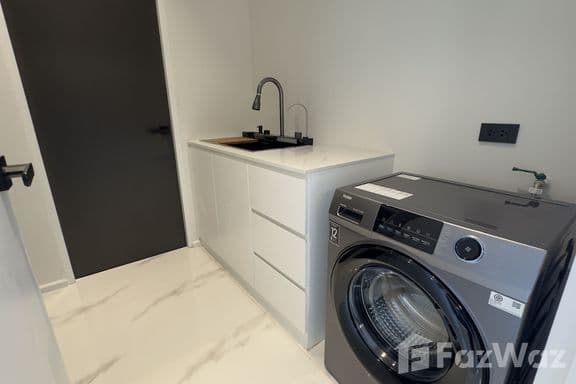

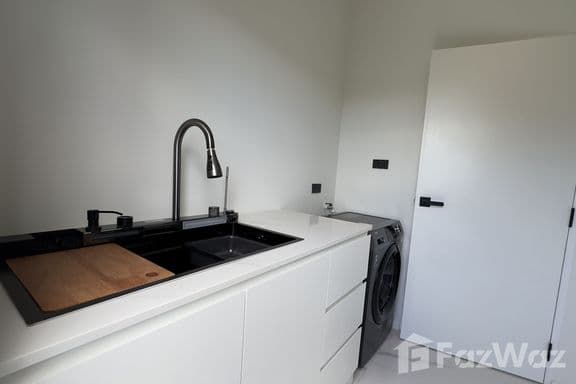

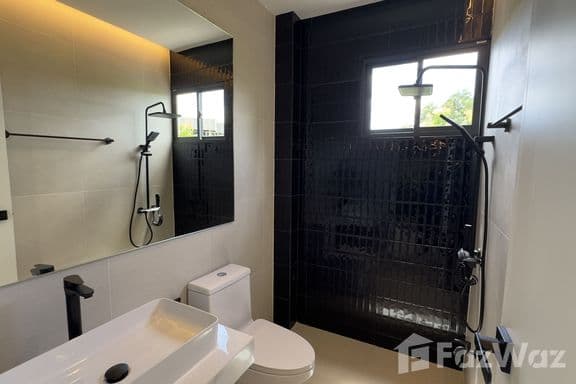
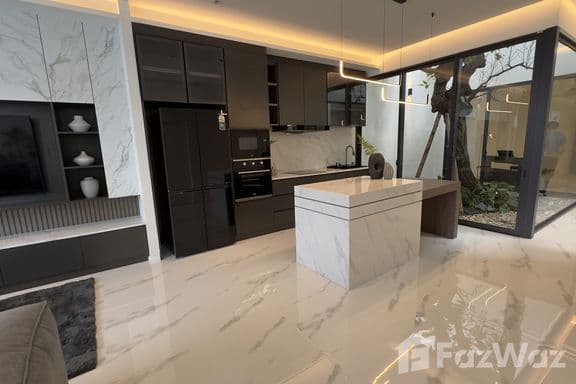
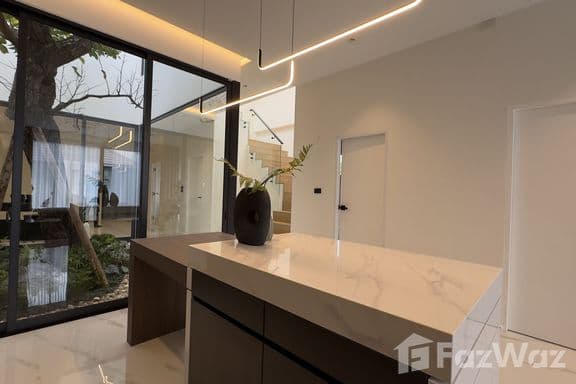
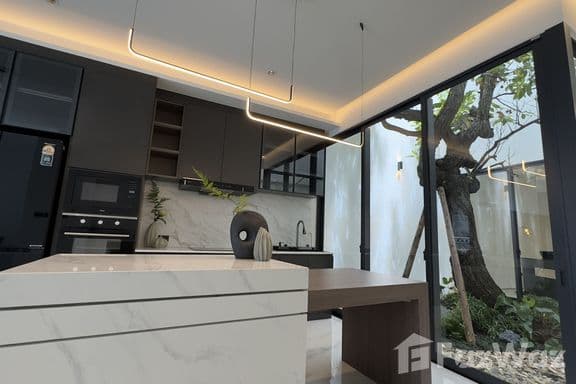

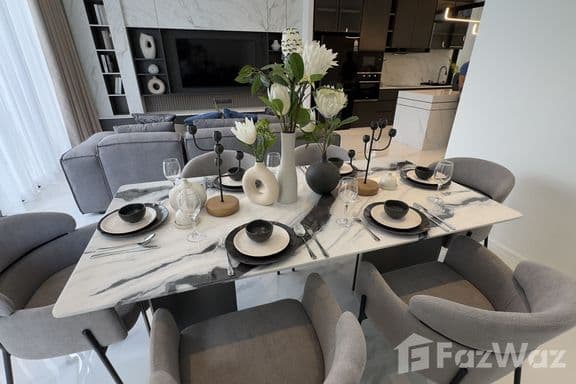

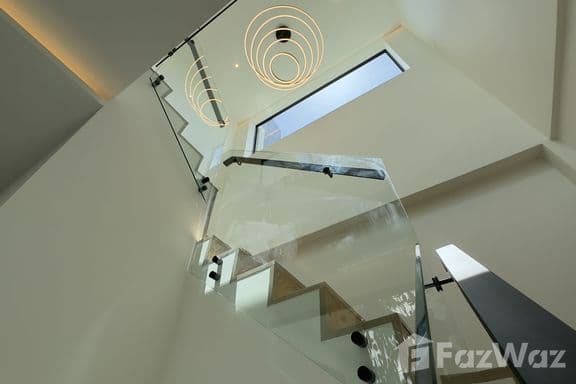

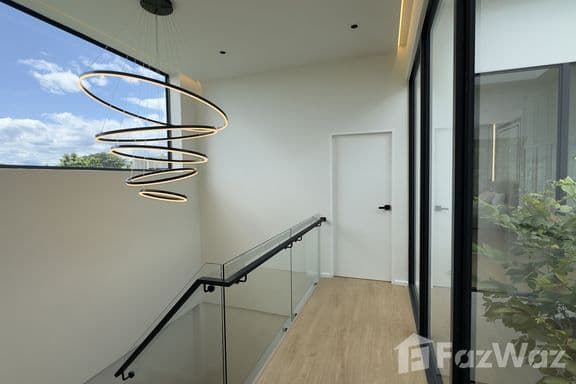
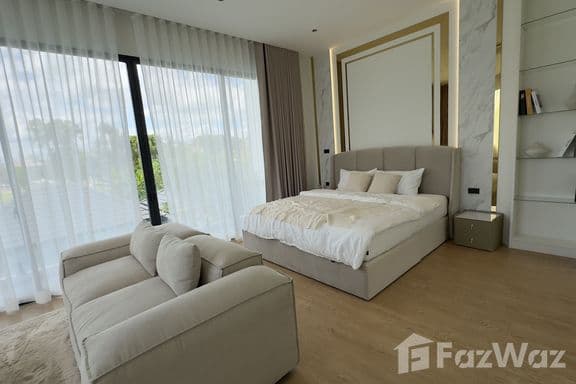
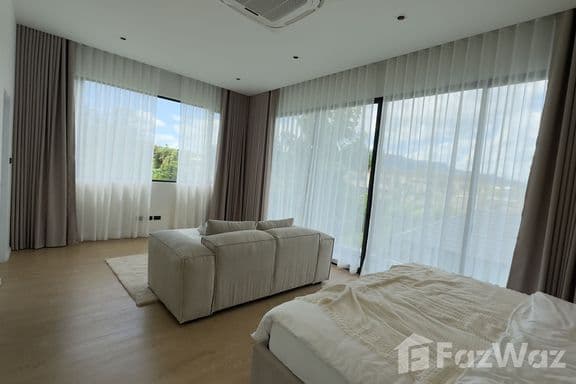


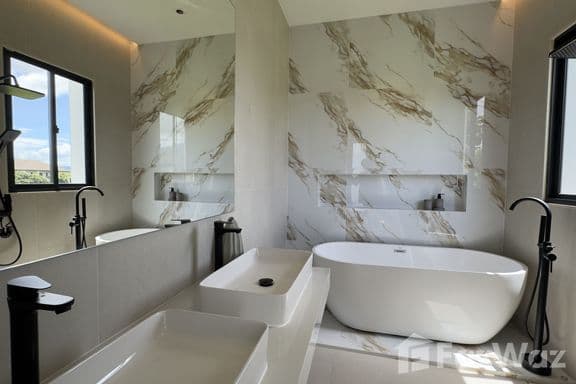


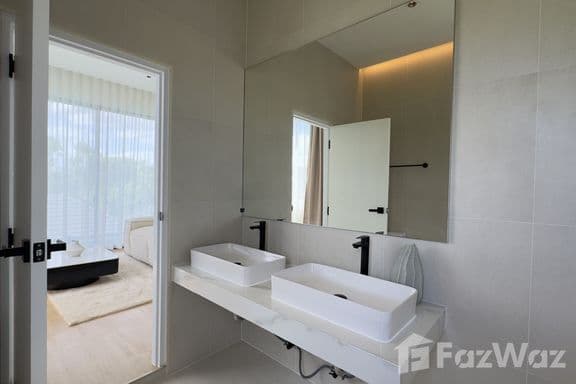
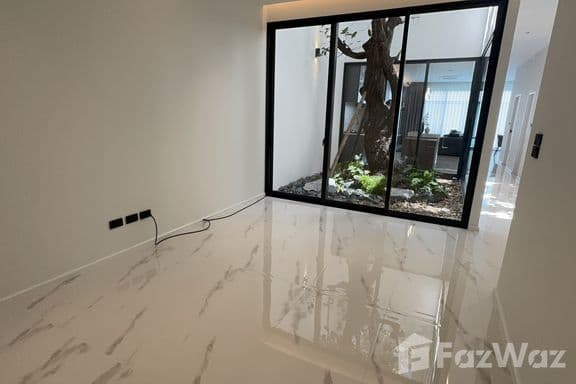


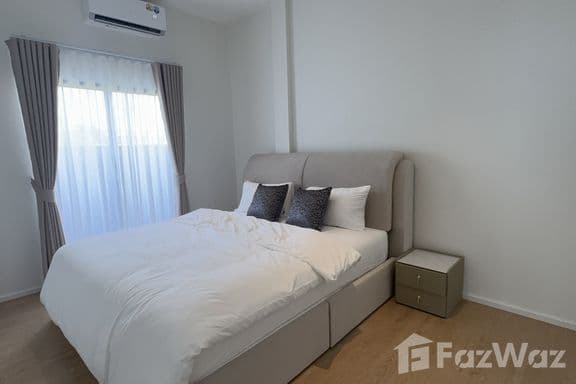
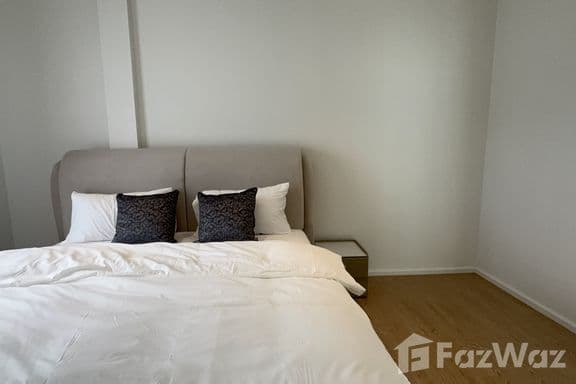





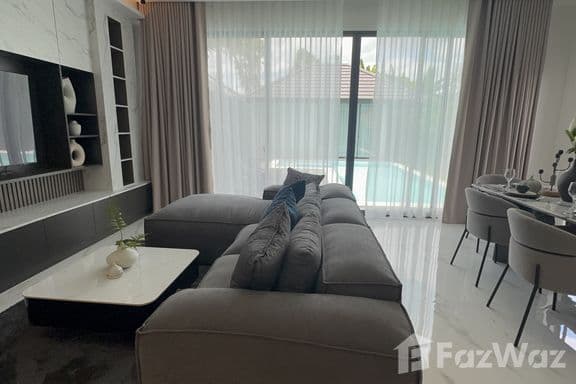
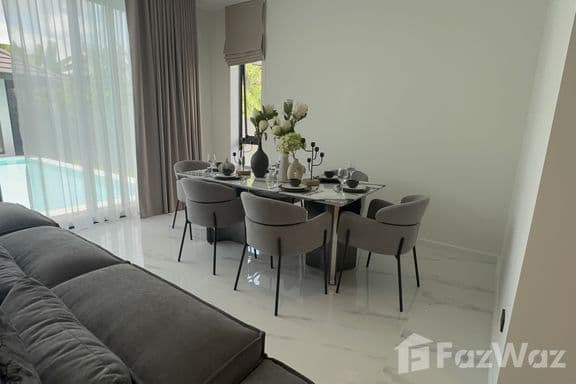

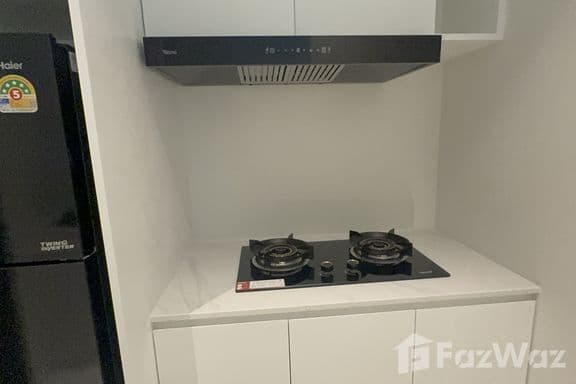

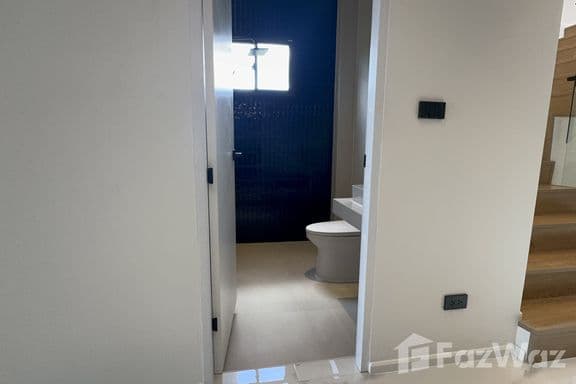






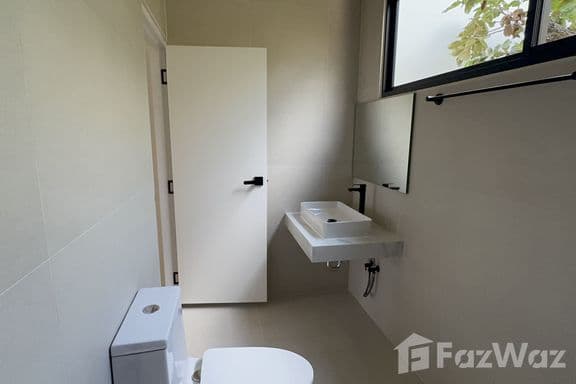
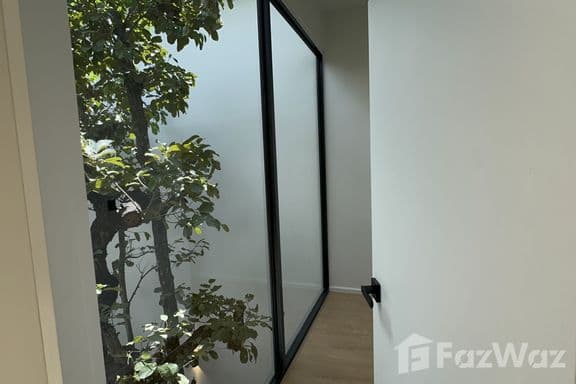
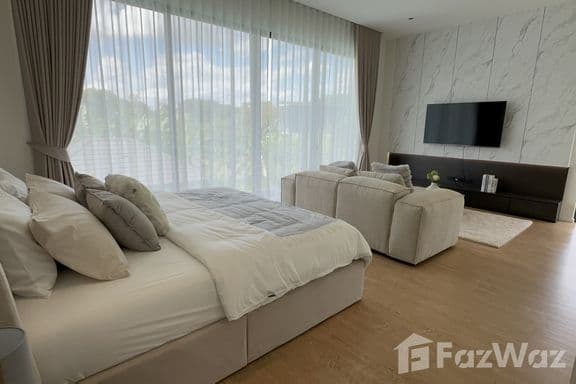
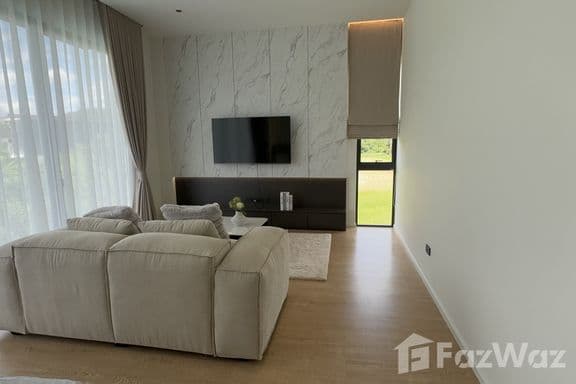

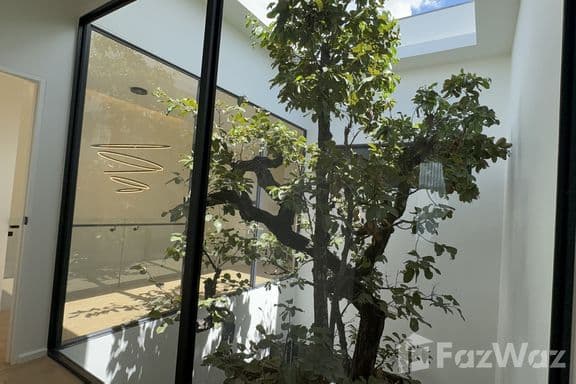


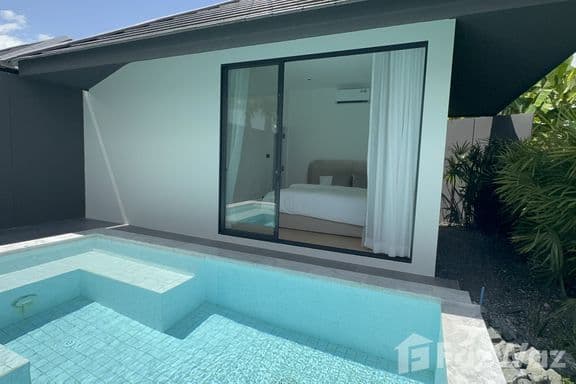
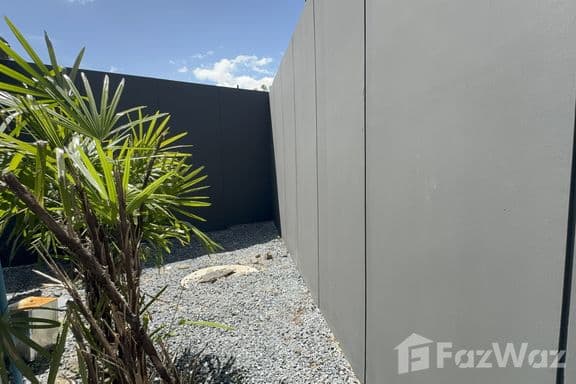
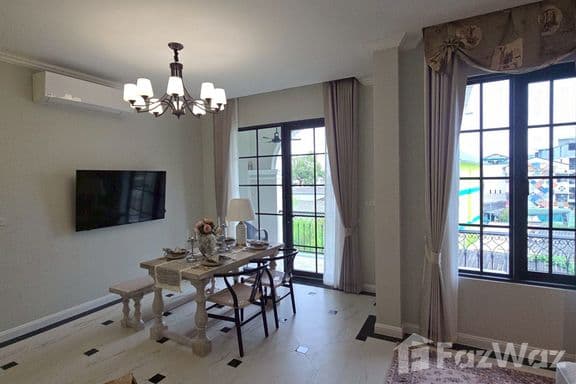
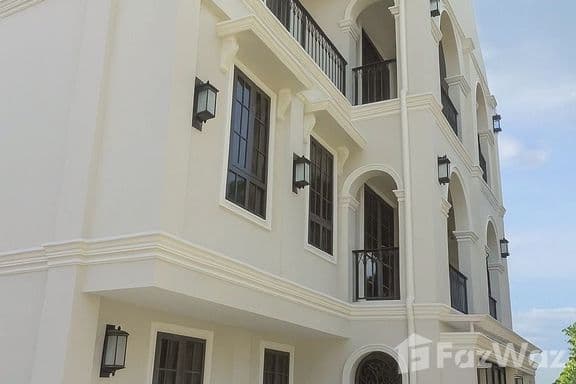

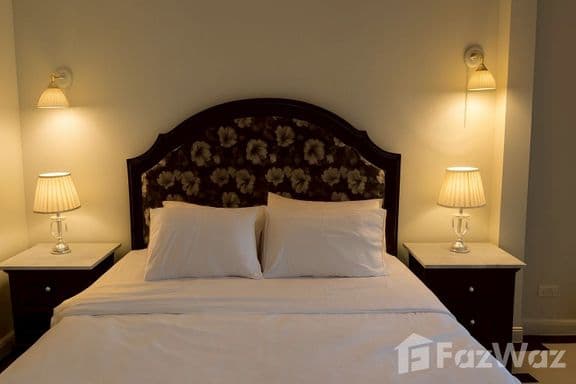
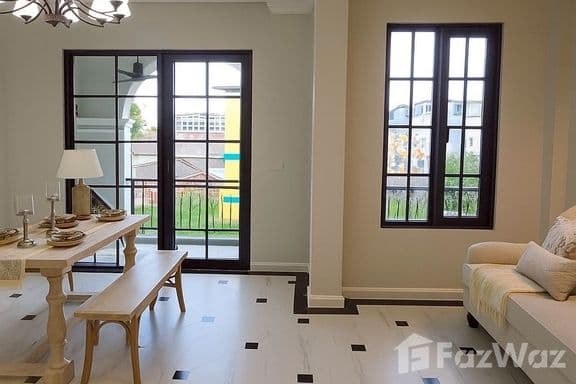
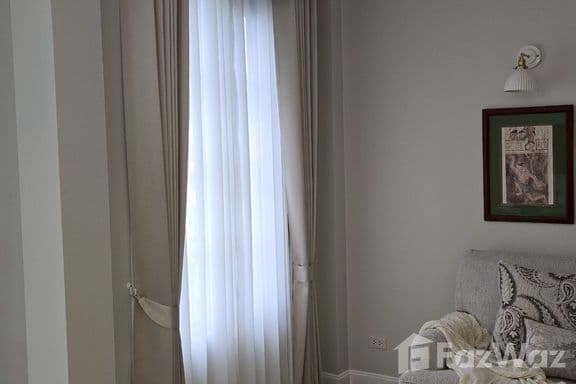
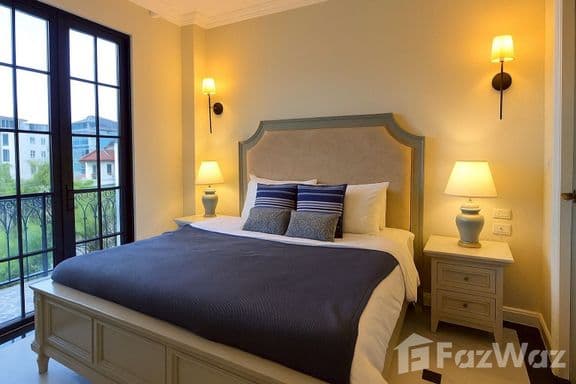
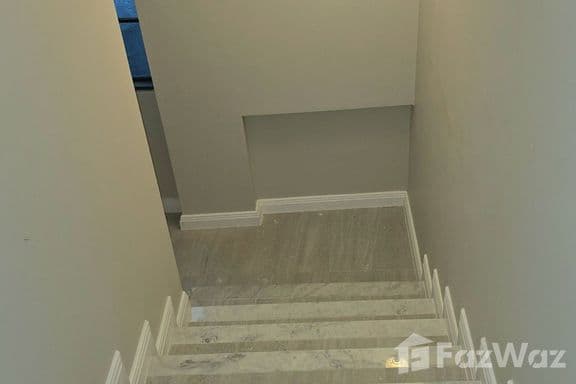
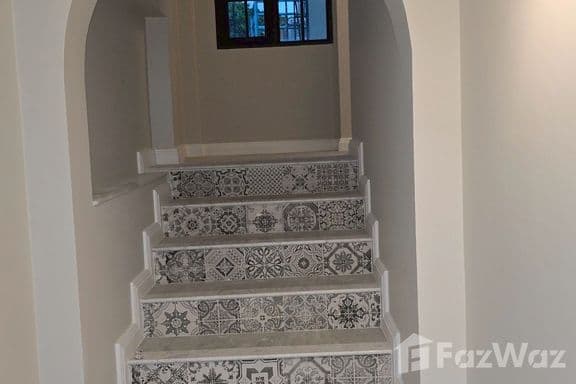



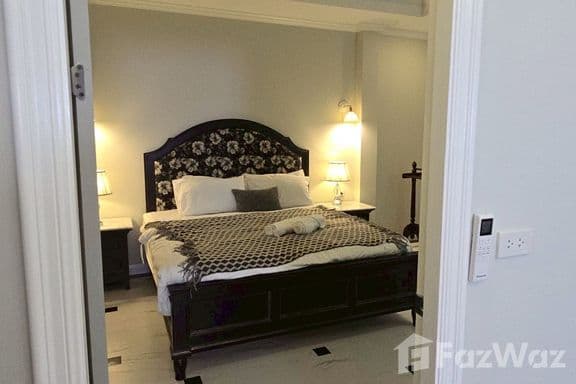

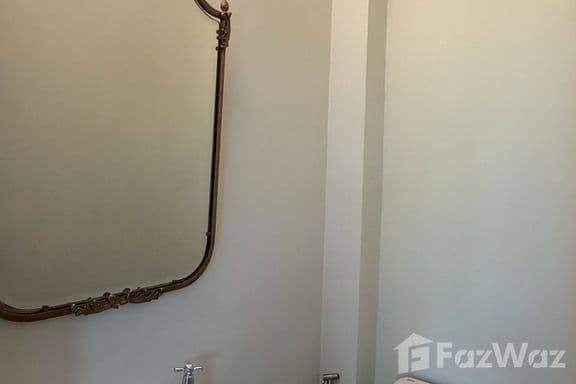


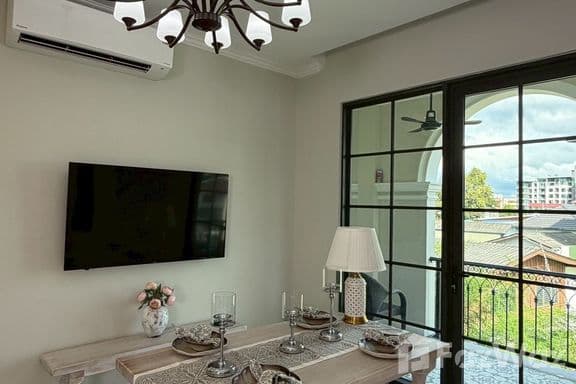

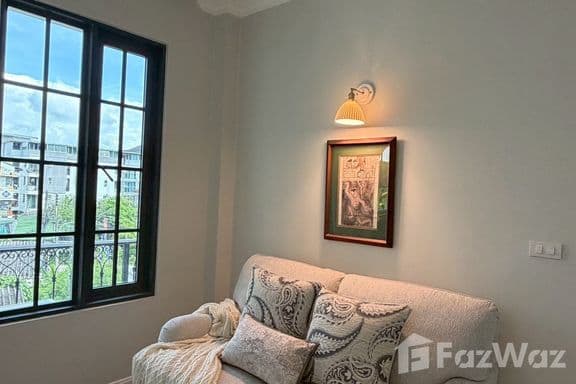
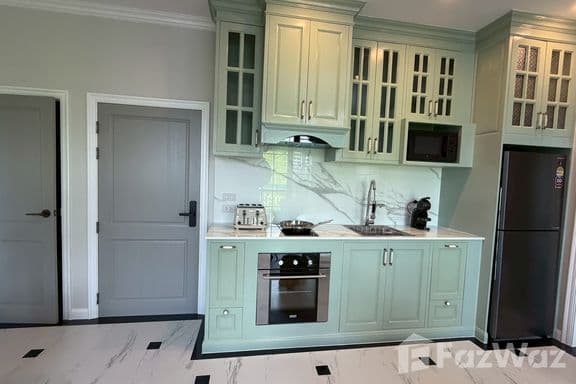
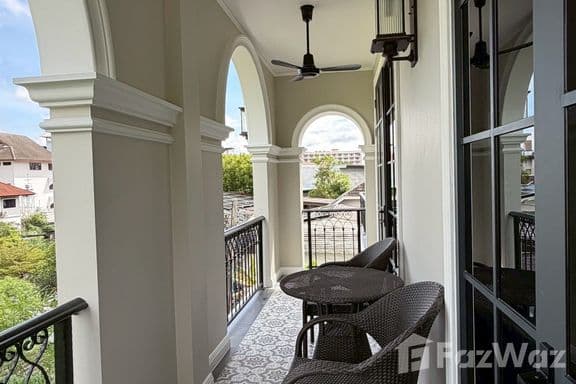
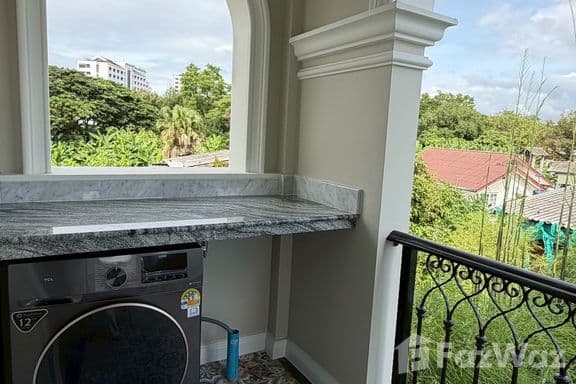
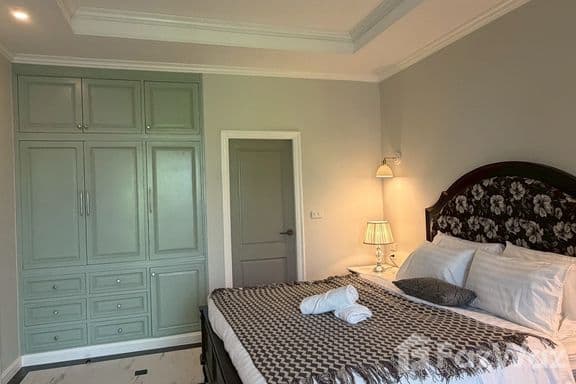
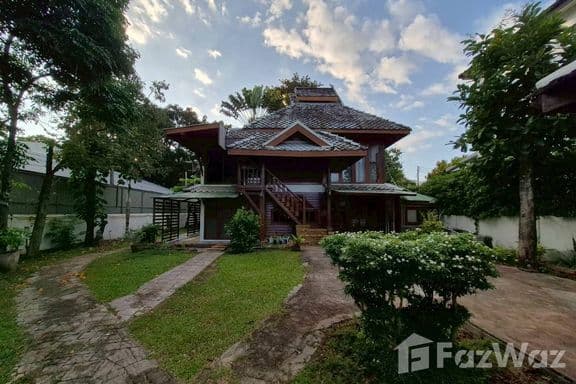


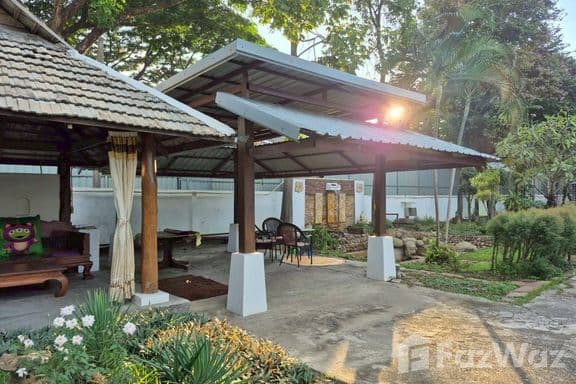
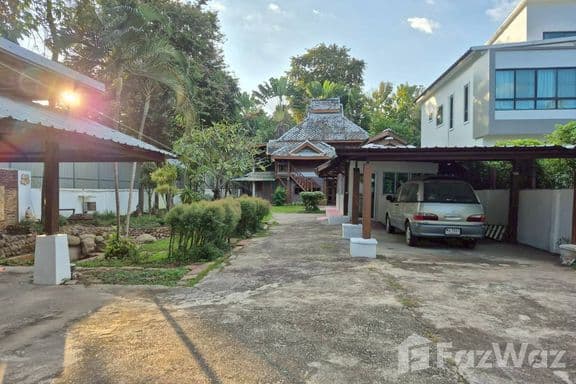
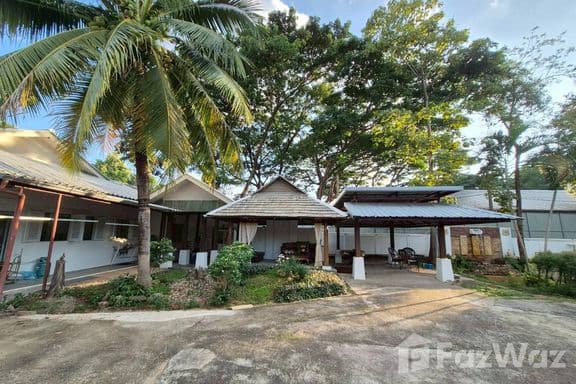

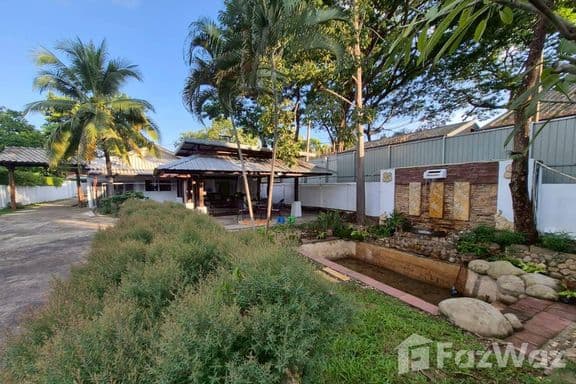



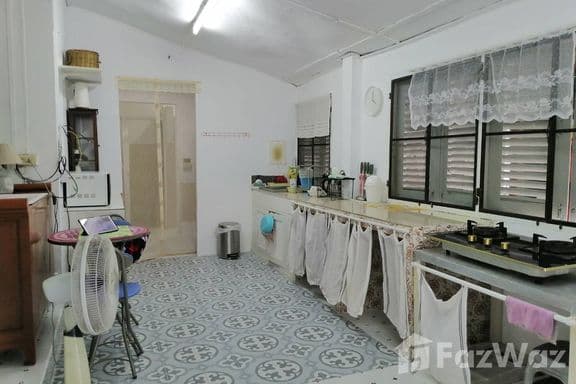
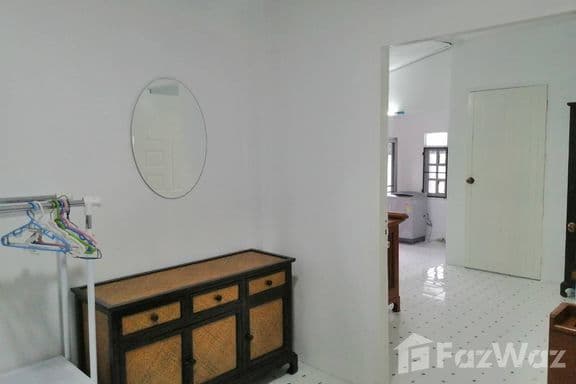
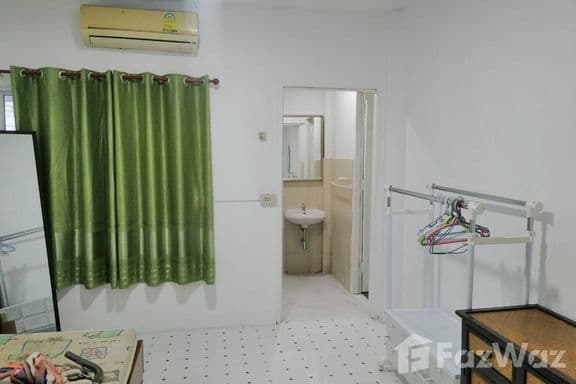
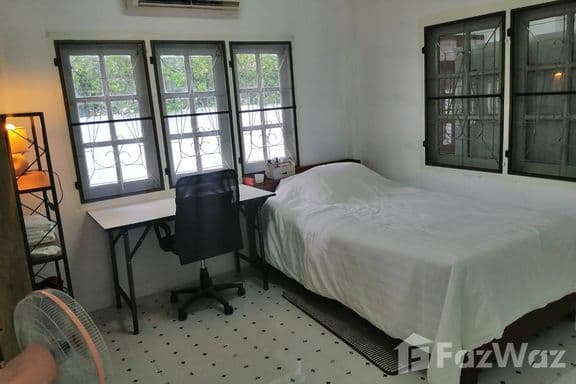

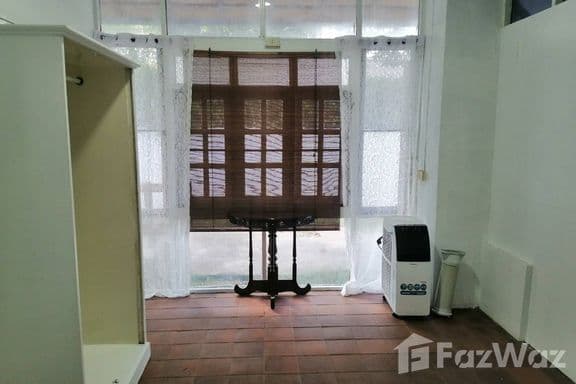
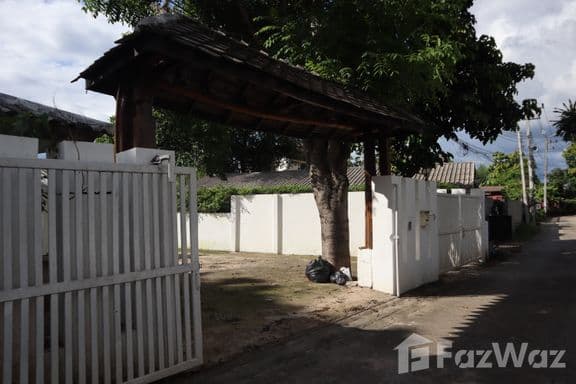
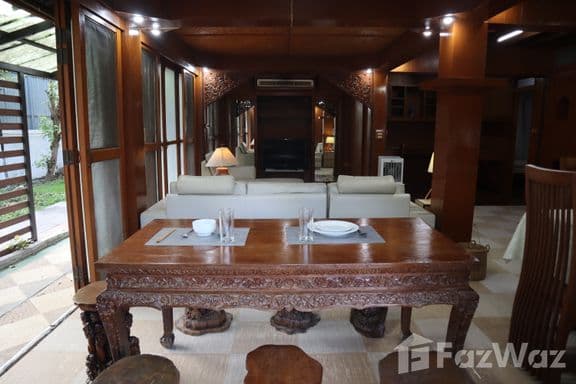
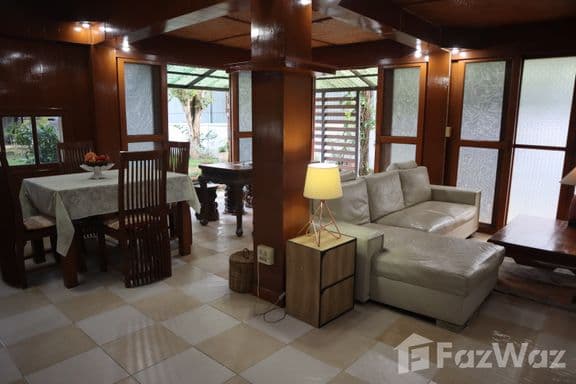


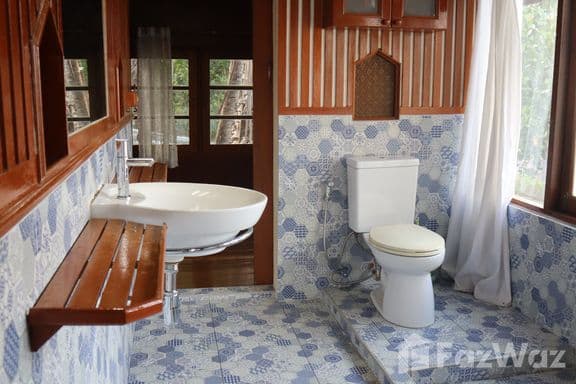
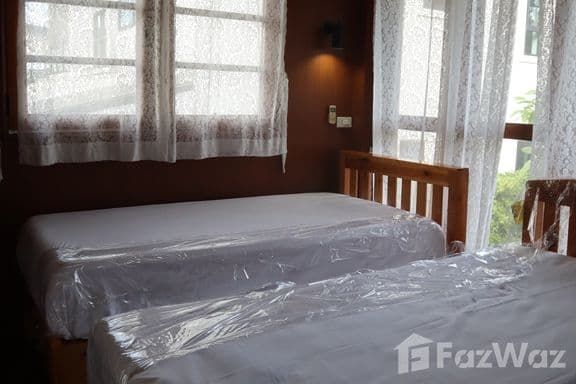


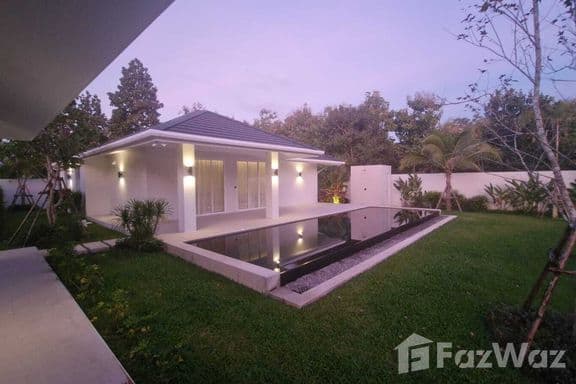
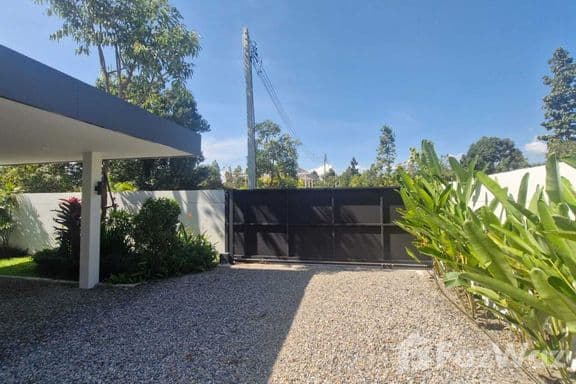

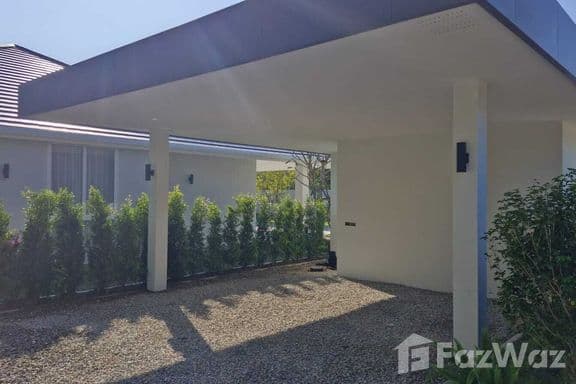
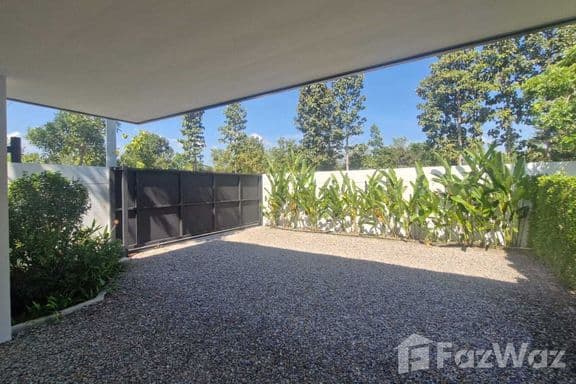


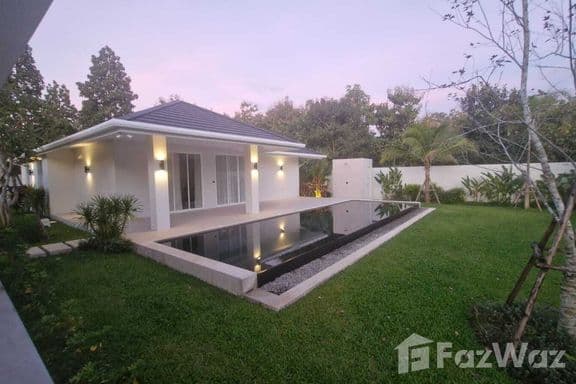


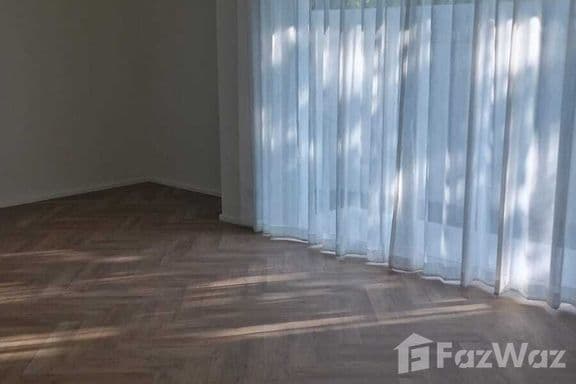


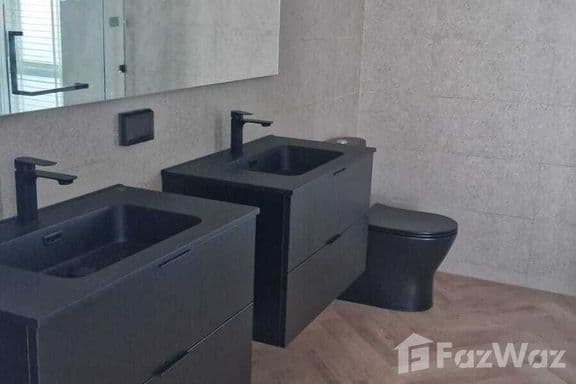


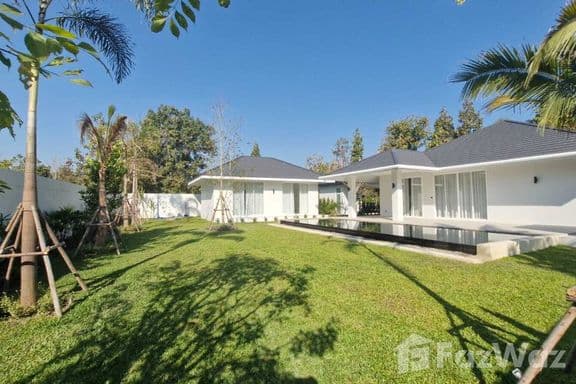


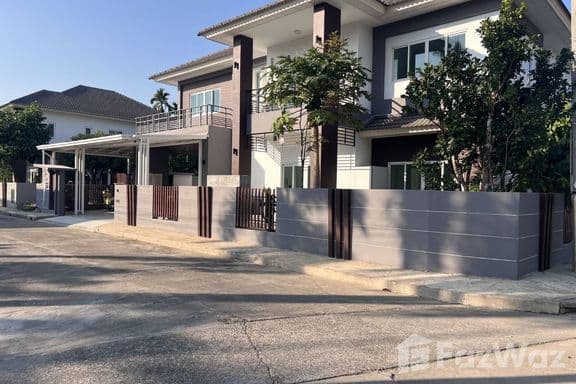
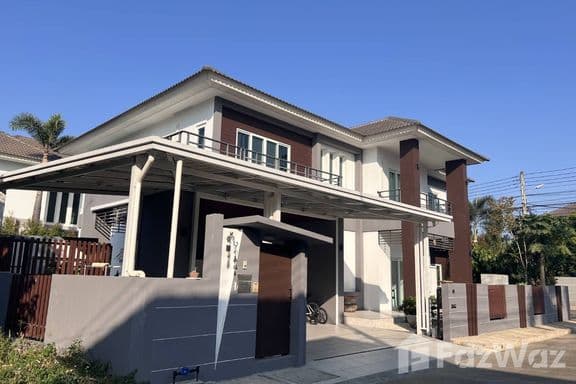
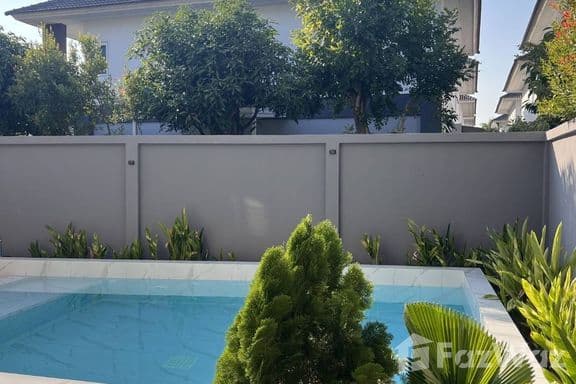
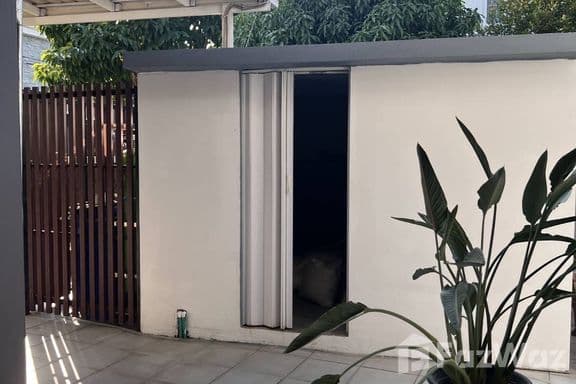

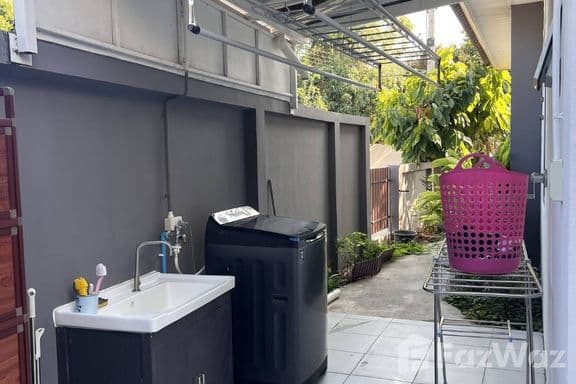
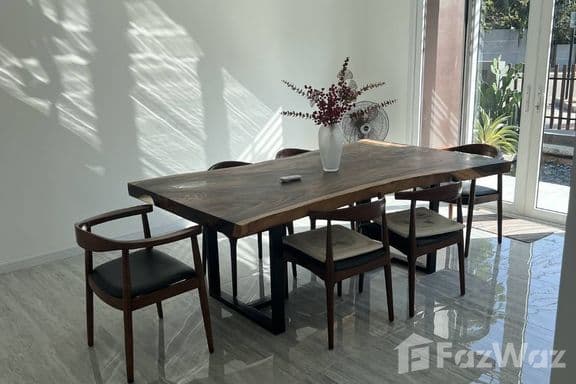
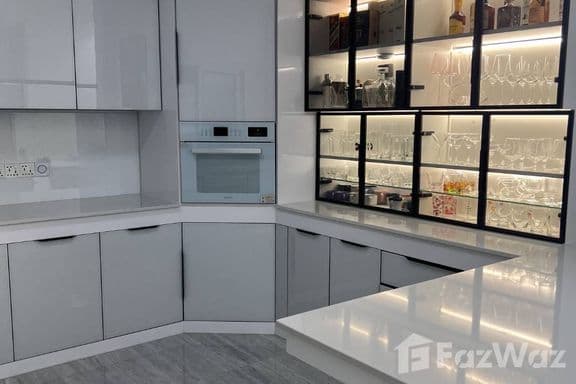
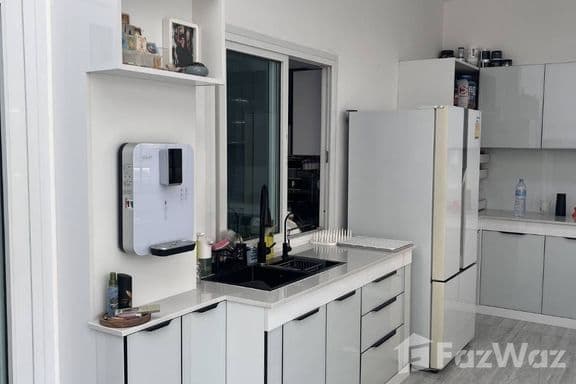
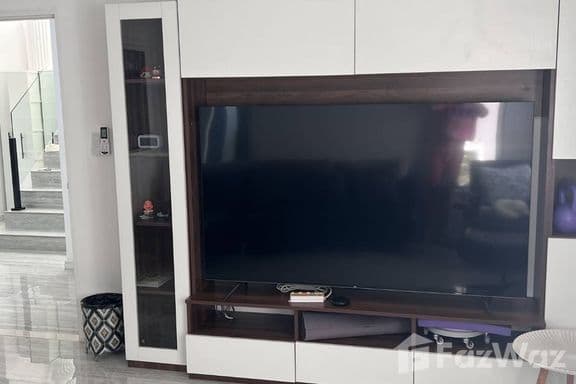
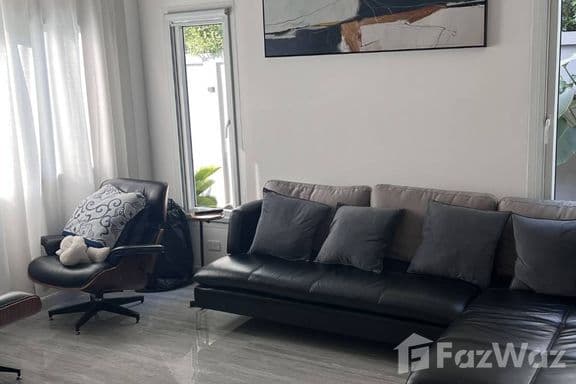
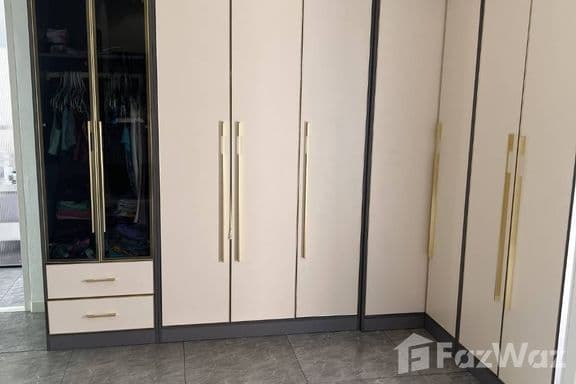
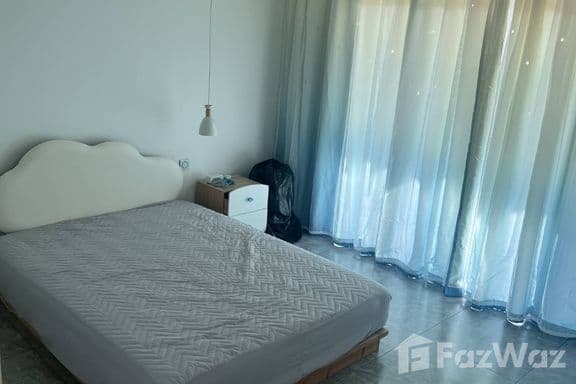
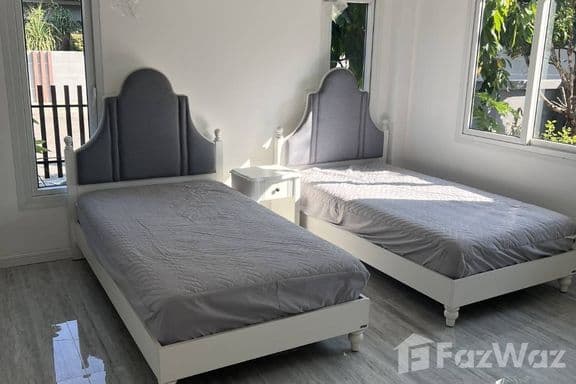

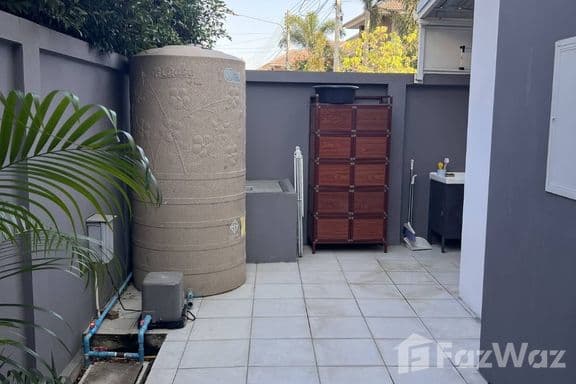


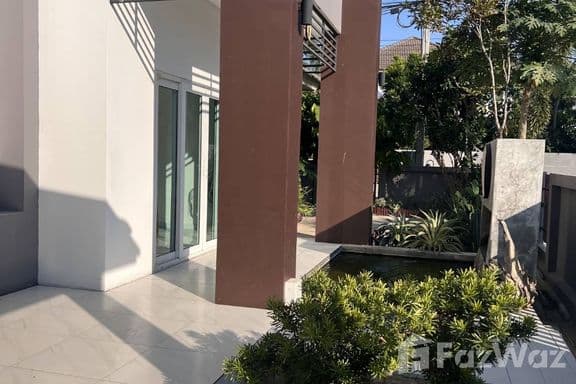


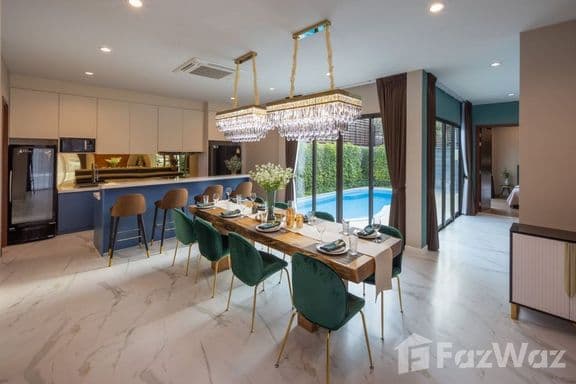


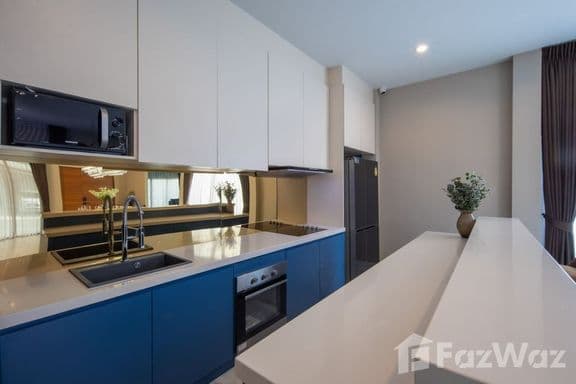


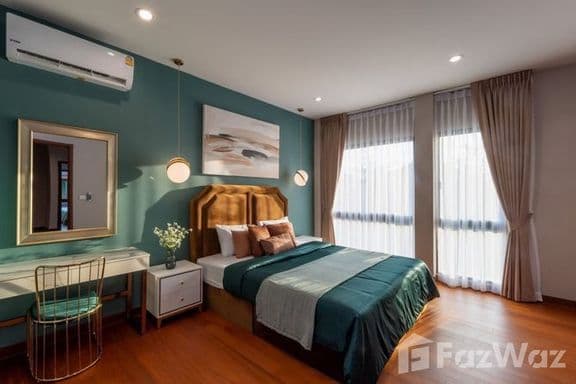
















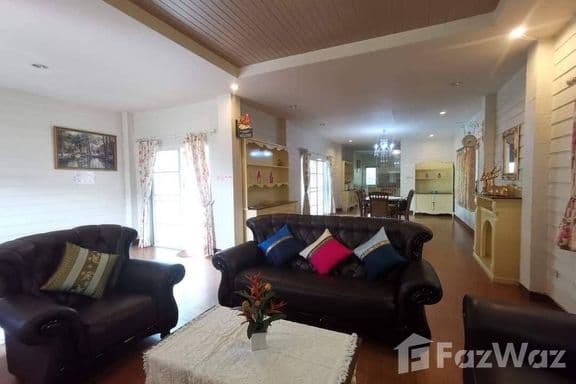
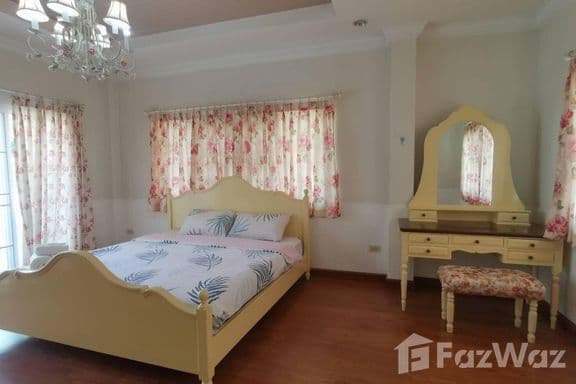
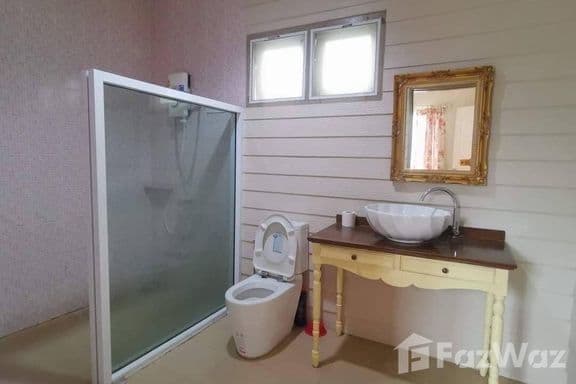
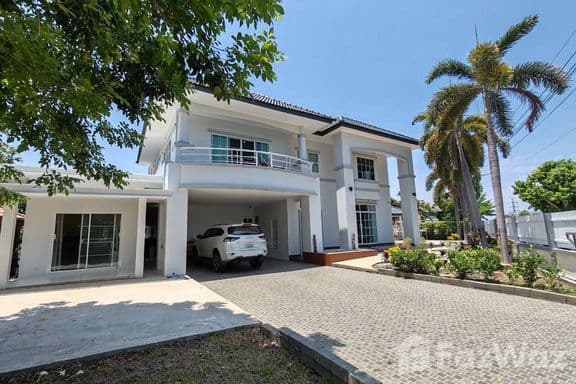





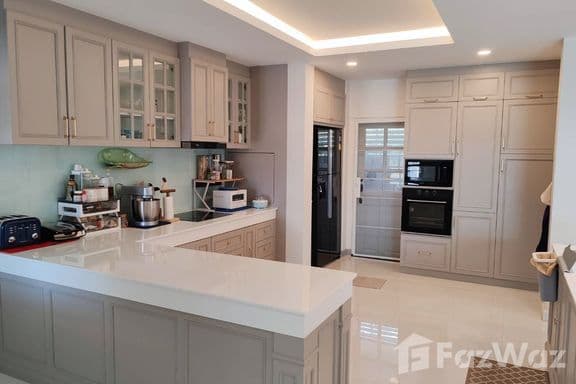
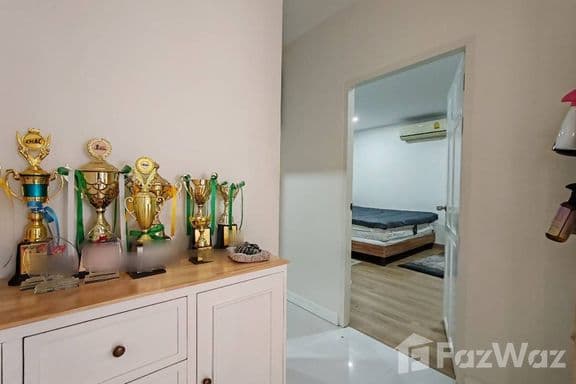
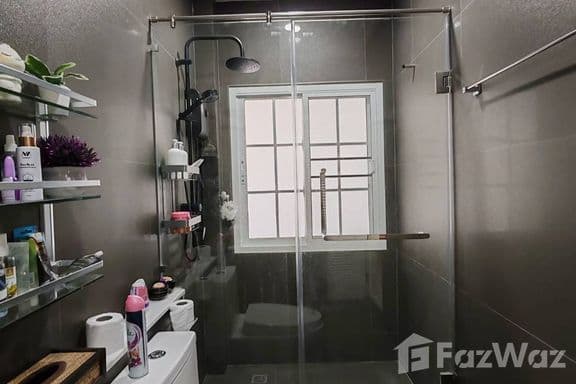
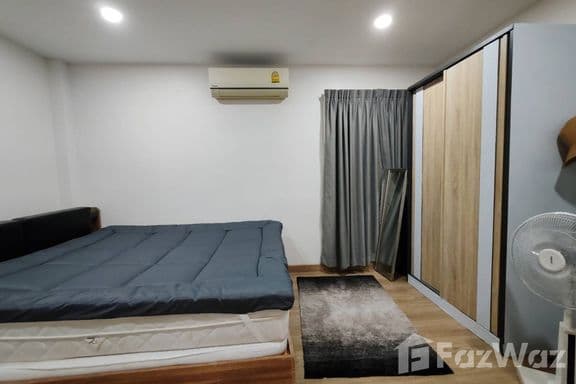

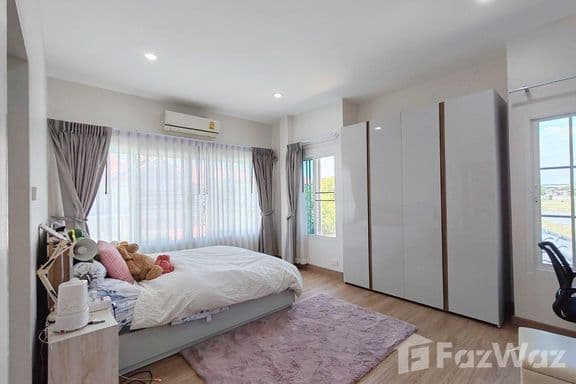
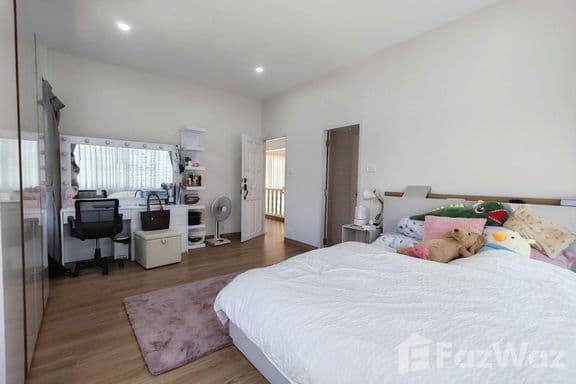
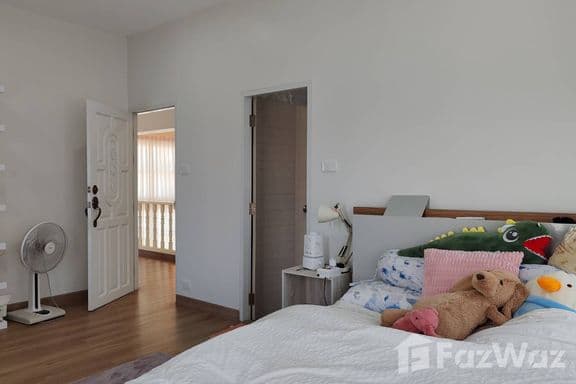
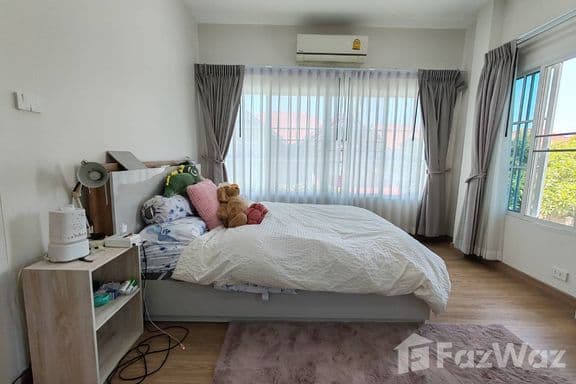
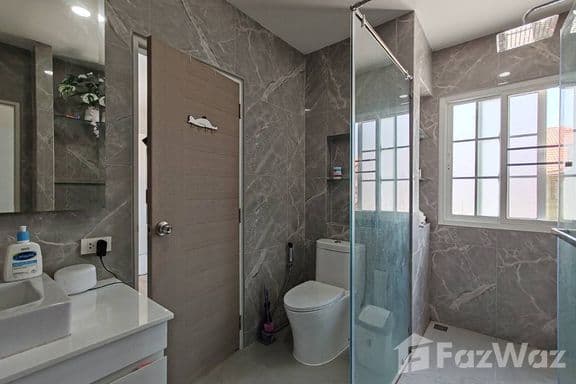
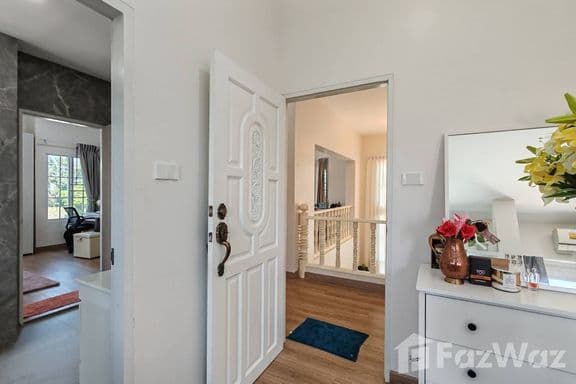

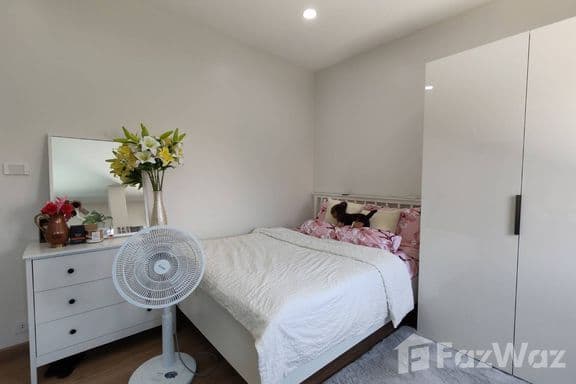
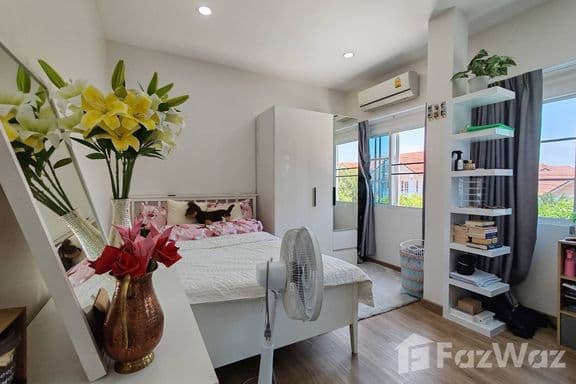

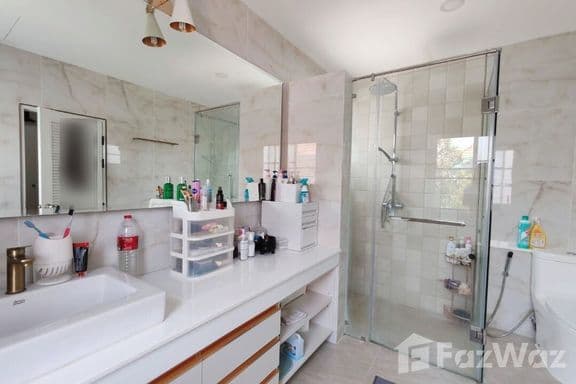

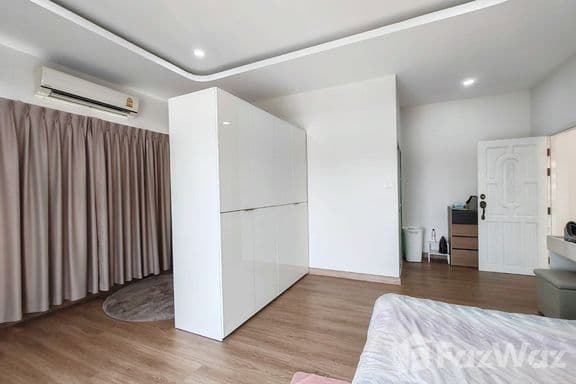
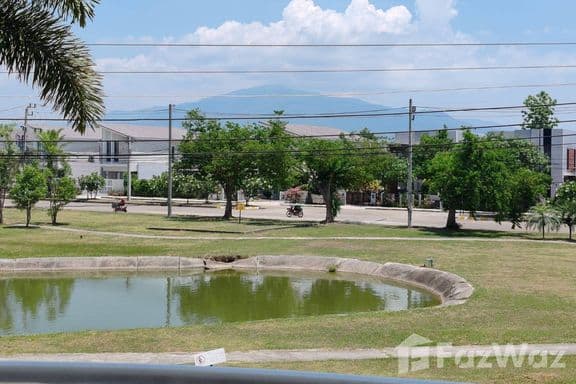
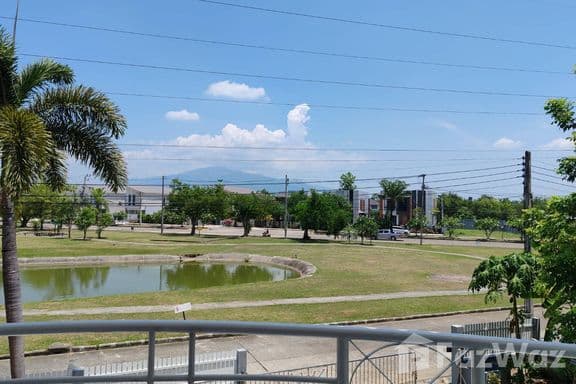



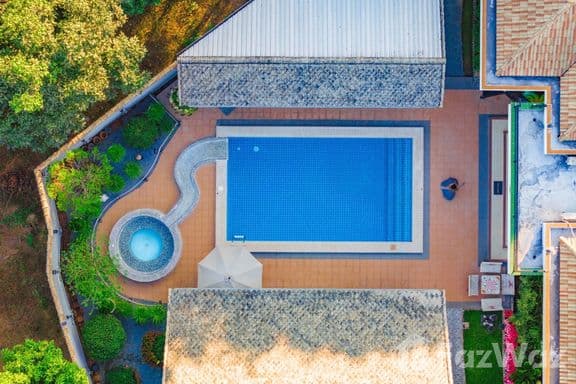

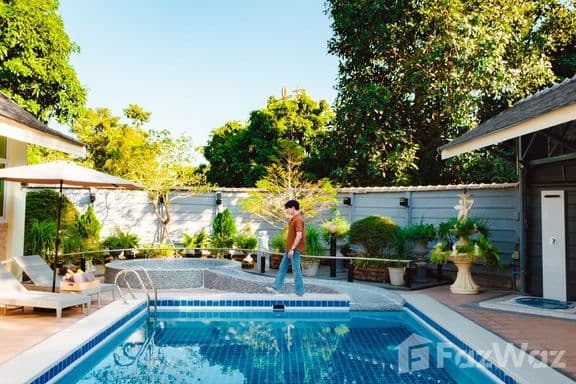
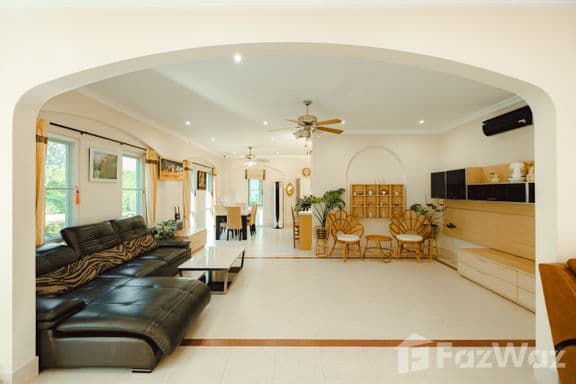
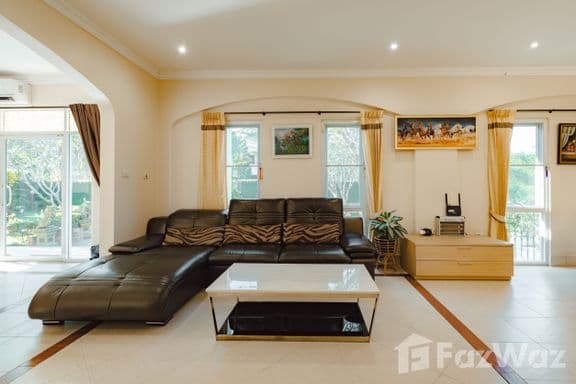
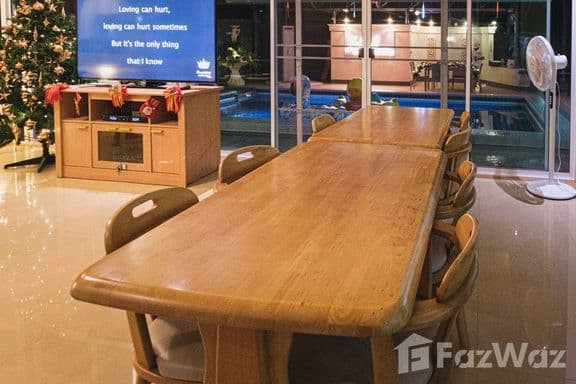
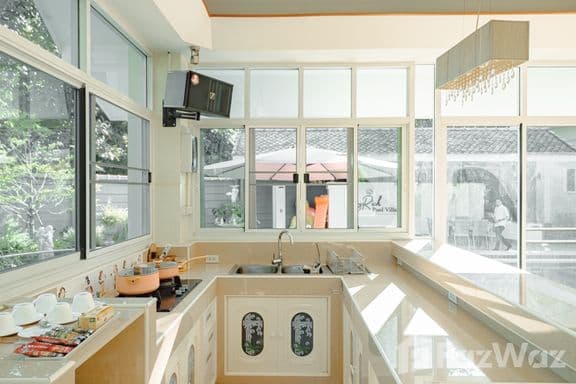
Chiang Mai, often called the “Rose of the North,” has long been one of Thailand’s most appealing cities for foreign residents. In 2025, this cultural capital in northern Thailand continues to attract a diverse mix of expats, digital nomads, retirees, and long-term travelers. With its blend of affordable living, rich heritage, modern amenities, and a laid-back lifestyle, Chiang Mai offers an inviting environment for those looking to rent a home abroad.
For foreign renters, Chiang Mai’s allure lies in its unique combination of culture and convenience. The city boasts hundreds of Buddhist temples, a vibrant local art and food scene, and easy access to mountain landscapes - all while providing reliable infrastructure, international schools, quality healthcare, and high-speed internet. Whether you’re a digital nomad seeking a creative hub, an expat family looking for a safe community, a retiree drawn to the pleasant climate, or any long-term resident, Chiang Mai has a neighborhood and property to suit your needs.
This comprehensive 2025 rental guide will walk you through everything you need to know about living in Chiang Mai as a foreign renter. We’ll cover the current rental market trends and prices, the types of properties available, and a guide to the city’s key neighborhoods. You’ll also find practical insights on daily life as an expat, rental contracts and legal considerations, a price comparison table by area, profiles of typical foreign renter scenarios, tips for choosing the right home, and answers to frequently asked questions. By the end of this guide, you’ll be well-equipped to find the perfect property for rent in Chiang Mai and make the most of your long-term stay in this charming city.
Chiang Mai’s Rental Market in 2025 is dynamic yet remains more affordable than Thailand’s bigger hubs like Bangkok or Phuket. The city has witnessed healthy growth in rental demand over the past couple of years. In 2023, as global travel rebounded and remote work became more common, Chiang Mai saw an influx of digital professionals and returning expatriates. This increased demand contributed to modest rises in rental prices (approximately 5-10% year-on-year) across various property types. Despite this growth, Chiang Mai still offers excellent value for money and a wide range of options for different budgets.
Several demand drivers underpin the rental market. Chiang Mai’s reputation as a digital nomad hotspot continues, bolstered by co-working spaces and a community of remote workers who appreciate the low cost of living. At the same time, many retirees choose Chiang Mai for its slower pace of life, reasonable healthcare costs, and established expat community. Furthermore, expat families are drawn by the presence of international schools and the family-friendly environment of suburban areas. Even domestic Thai professionals from Bangkok are renting in Chiang Mai to enjoy its cooler climate and relaxed atmosphere while maintaining remote jobs. These diverse renter groups keep the market robust year-round.
From a supply perspective, Chiang Mai has plentiful housing inventory. A construction boom over the last decade means there are numerous modern condominiums and apartment complexes, particularly in the city center and popular districts. In addition, many single-family houses in gated communities (known as moo baan) around the outskirts cater to those seeking more space. As of 2025, an estimated 2,000+ properties are available for rent on the market at any given time, ranging from budget studios to luxury pool villas. This ample supply helps keep rents competitive, though the best properties in prime locations still command higher prices.
Average rent levels in Chiang Mai vary by property size and location, but remain affordable compared to Western cities. As a general overview: a studio or one-bedroom apartment in a good location rents for around ฿12,000-฿18,000 per month (approximately $350-$550 USD). A modern two-bedroom condo might average ฿20,000-฿30,000 ($600-$900) per month depending on amenities. Larger family-sized homes and three-bedroom houses typically rent for ฿25,000-฿40,000 ($750-$1,200) monthly, although basic local houses can be found for much less (sometimes under ฿10,000 in local neighborhoods). High-end luxury villas or penthouses with private pools can exceed ฿60,000 ($1,800+) a month, but those are the exception. Overall, the median monthly rent in Chiang Mai sits around ฿25,000, reflecting the prevalence of mid-range homes and condos that balance comfort with cost. It’s worth noting that rental contracts usually exclude utilities, so tenants should budget extra for electricity, water, and internet (more on that in later sections).
In terms of trends, 2025 is expected to be a stable year for Chiang Mai rentals. Continued interest from foreigners is likely, especially given Thailand’s introduction of new long-term visa options (such as extended retiree visas and special ten-year visas for professionals) which make it easier for non-Thais to reside long-term. The city’s attractiveness has also been enhanced by the return of its lively festivals, markets, and tourist activities after the pandemic years, making long-term residents feel the city’s vibrancy again. One seasonal factor to keep in mind is the annual “burning season” (roughly February to April) when agricultural fires cause haze and air pollution - during these months some renters choose to negotiate shorter leases or plan trips away, but many long-term expats simply equip their homes with air purifiers and carry on.
In summary, Chiang Mai’s rental market offers a healthy balance of affordability and choice. Foreign renters can find everything from budget rooms to upscale homes, with prices reflecting the area and amenities. While rents have inched up slightly with growing demand, the city remains one of the best-value destinations in Thailand. Understanding the market trends and typical prices will help you set realistic expectations as you begin your home search in Chiang Mai.
Chiang Mai provides a broad selection of property types for rent, ensuring that every renter - whether single or with family - can find a suitable home. The four main categories of housing available to foreigners are condominiums, houses (including villas and townhouses), serviced apartments, and homes within gated communities. Each comes with its own features, advantages, and considerations:
In summary, Chiang Mai’s property types cater to a broad spectrum of preferences. Condos and apartments offer convenience and city living, houses or villas provide space and freedom, serviced apartments give short-term flexibility and ease, and gated community homes combine security with a neighborhood feel. Before deciding, consider your lifestyle needs: Do you value amenities and walkability, or space and privacy? Are you staying for a few months or several years? Understanding these property options will help you narrow down the search to the rentals that best fit your situation.
Chiang Mai is a city of distinct neighborhoods, each with its own character, pros and cons, and suitability for different lifestyles. Below is a guide to some of the key areas popular among foreign renters, along with their highlights and considerations. Whether you prefer to be amidst the urban buzz or in a quiet corner by the mountains, Chiang Mai likely has a neighborhood for you.
Description: Nimmanhaemin - often simply called Nimman - is Chiang Mai’s trendiest and most cosmopolitan district. Located northwest of the Old City near Chiang Mai University, Nimman is known for its chic cafes, international restaurants, craft beer bars, art galleries, and the Maya shopping mall. This area has a vibrant, modern atmosphere that attracts a younger crowd of expats, digital nomads, and Thai students. The streets are lively day and night, offering everything from co-working spaces to boutique shops and an energetic nightlife scene.
Lifestyle Fit: Nimman is ideal for those who want convenience and social life at their doorstep. If you enjoy being able to walk to a different cafe each morning, meet other expats easily, and have plenty of dining and entertainment options, Nimman delivers. It’s especially popular with digital nomads and young professionals who thrive in a lively environment and appreciate the area’s strong internet infrastructure and co-working availability.
Pros:
Cons:
Description: Chiang Mai’s Old City is the historical heart of the city, a roughly 1.5km x 1.5km square area encircled by a moat and remnants of ancient brick walls. Inside the Old City, you’ll find beautiful temples (like Wat Chedi Luang and Wat Phra Singh), quaint coffee shops, guesthouses, local markets, and countless street food stalls. The atmosphere is charming and richly cultural; narrow lanes (soi) weave past traditional houses, hostels, and small hotels. This area is heavily visited by tourists and backpackers, especially in the cooler months, but it also hosts many long-term residents who enjoy the ambiance.
Lifestyle Fit: The Old City suits those who prioritize culture and walkability. If you love being surrounded by history and want to step out of your door into a neighborhood of temples, local eateries, and craft markets, this is the place. It can be a great area for retirees or singles who appreciate a slower pace and the ability to stroll to cafes or Sunday Walking Street market. It’s also convenient for anyone who doesn’t plan to drive much - you can often walk or bicycle to most places within the walls.
Pros:
Cons:
Description: Hang Dong is a district in the southern outskirts of Chiang Mai, roughly 15-20 kilometers from the city center. Over the years it has developed into a preferred residential area for many expat families and long-term foreigners. The environment in Hang Dong is more suburban and spacious, characterized by gated housing communities, international schools, and pockets of commercial developments like the Kad Farang Village (a shopping complex with restaurants and a western grocery store). The area is green and tranquil, with views of distant hills, and you’re a short drive away from nature attractions like the Grand Canyon Water Park or Royal Park Rajapruek.
Lifestyle Fit: Hang Dong is perfect for those seeking a suburban family lifestyle or a quiet retreat. It appeals especially to families with children because of the proximity to reputable international schools (for example, Chiang Mai International School’s satellite campus, Lanna International School, Grace International School, etc., are in or near Hang Dong). Retirees who want a peaceful environment with a private garden also find Hang Dong attractive. This area is best if you have your own vehicle and don’t mind driving into the city when needed.
Pros:
Cons:
Description: Santitham is a neighborhood directly adjacent to the Nimmanhaemin area, to its northeast. Traditionally a local Thai residential area, Santitham in recent years has gained popularity among expats and younger long-stayers for its authentic vibe and budget-friendly rents. The area features a mix of apartments, older condos, local shops, and a bustling market (Thanin Market, one of the best fresh markets in town). Streets in Santitham are lined with street food stalls, small eateries, and an increasing number of hip cafes and bars that have popped up due to the spillover from Nimman’s popularity. It’s an “up-and-coming” area that blends local life with a bit of the expat scene.
Lifestyle Fit: Santitham is great for those who want to be close to the action but on a budget. It suits digital nomads and teachers or anyone who wants a more local Thai neighborhood feel while still being near Nimman’s amenities. If you are comfortable on a motorbike or bicycle, Santitham’s location is very convenient - Nimman and the Old City are just a few minutes away. It’s a neighborhood where you can experience everyday life among Thai locals (few tourists venture into Santitham), yet you’re not isolated from the expat community.
Pros:
Cons:
Description: Mae Hia is an area located southwest of the city center, not far from Hang Dong, and just beyond Chiang Mai’s airport. It is a neighborhood known for its greenery and proximity to some of Chiang Mai’s notable parks and attractions. Mae Hia encompasses the vicinity of the Royal Park Rajapruek (a large botanical garden and park), Chiang Mai Night Safari, and agricultural research stations, giving the area a pleasantly verdant environment. Housing in Mae Hia includes a mix of new condo developments near the main roads and numerous gated communities and standalone houses tucked in quieter sois. It’s somewhat suburban but closer to town than Hang Dong, making it an interesting middle-ground for many.
Lifestyle Fit: Mae Hia is well-suited for nature lovers and those seeking a balance - not as far out as Hang Dong, but still offering a peaceful atmosphere. It’s attractive to expat families and long-term expats who enjoy outdoor activities; for instance, cycling around the Royal Park, or evening walks with mountain views. The area works for anyone who doesn’t need to be in the city center daily and prefers a calmer environment with easy access to outdoor recreation.
Pros:
Cons:
Description: The Riverside area refers to the neighborhoods along the Mae Ping River as it flows through Chiang Mai, especially on the east bank of the river just outside the eastern edge of the Old City (areas like Wat Ket and Chang Khlan are part of the “riverside” scene). This district has a slightly upscale, tranquil ambiance compared to the city center. Along the river, you’ll find luxury hotels, stylish condominium buildings, and trendy riverside restaurants and cafes. The famous Night Bazaar and the more local Warorot Market are in the general vicinity, adding shopping and cultural flavor to the area. Living by the river provides scenic views and a quieter atmosphere while still being close to downtown.
Lifestyle Fit: Riverside is great for expats who want a mix of comfort and tranquility. It’s often chosen by professionals and couples who appreciate a sophisticated environment or by retirees who enjoy riverside walks and a relaxed setting. If you like the idea of being near water and a slightly more upscale vibe - perhaps having a condo with a river view - this neighborhood might appeal to you. It also suits those who want to be near the city’s conveniences (markets, hospitals, etc.) but not right in the middle of tourist crowds.
Pros:
Cons:
These highlighted neighborhoods - Nimman, Old City, Hang Dong, Santitham, Mae Hia, and Riverside - are among the top picks for foreigners renting in Chiang Mai. Of course, there are other areas worth mentioning as well. For example, Chang Phueak (the area north of the Old City towards Doi Suthep) offers residential options and is near Chiang Mai University, making it popular with academics and long-term visitors who enjoy a local vibe. Mae Rim to the north provides a countryside lifestyle (with luxury homes and the famous Prem international school), suitable for those really wanting a rural retreat. Doi Saket and San Kamphaeng to the east are also semi-rural districts with growing expat enclaves, often chosen by retirees or those who want large houses and gardens at lower costs - albeit with a longer drive to town.
When choosing a neighborhood, consider factors like distance to work or school, availability of transportation, the kind of community you want, and personal lifestyle preferences (urban excitement vs. suburban calm, for instance). Chiang Mai’s diverse districts ensure that, whether you crave mountain views, nightlife, cultural immersion or family-friendly comfort, you can find a location that fits your needs. It’s often a good idea to spend some time exploring each area, talking to current residents, and perhaps even doing short-term stays in a few neighborhoods before committing to a year-long lease. That way, you’ll discover which part of Chiang Mai truly feels like home to you.
Renting a property is just one aspect of the experience - living day-to-day as an expat in Chiang Mai offers many rewards and a few challenges. This section covers practical insights into daily life, services, infrastructure, and cultural integration for long-term foreign residents in Chiang Mai.
Daily Life and Convenience: Foreigners find Chiang Mai to be a very livable city. Daily errands are eased by a mix of local markets and modern retail outlets. For groceries, you can shop as locals do at fresh markets (picking up tropical fruits, vegetables, and spices at excellent prices) or visit international supermarkets like Rimping, Tesco Lotus, or Big C for familiar products and imports. There are also shopping malls such as Central Festival, Maya Lifestyle Mall, and Central Plaza Airport that house everything from clothing stores to cinemas and food courts. Many expats develop a routine of visiting their neighborhood market in the morning for fresh ingredients and perhaps a cup of Thai coffee at a stall, then later grabbing other necessities at a supermarket - a balance that allows for both authenticity and comfort.
Eating out is a delight in Chiang Mai; food choices range from street stalls selling ฿40 noodle soup to upscale restaurants with global cuisines. You can easily find Italian pizza, Japanese sushi, vegetarian and vegan cafes, American-style brunch spots, and of course endless Thai eateries. The cost of dining out is low, so many expats eat locally frequently. Additionally, food delivery services (like GrabFood and Foodpanda) are widely available, meaning you can get your favorite meals delivered to your doorstep, a convenience much appreciated on lazy days. Cafés are ubiquitous - Chiang Mai has a thriving coffee culture, making it common for remote workers to take a laptop to a cafe that offers good Wi-Fi and spend hours working comfortably.
Infrastructure and Utilities: Chiang Mai’s infrastructure is well-developed in the city and main residential zones. Electricity and city water supply are reliable in most areas where expats live, though occasional outages or pressure drops can occur (often briefly, and more likely during heavy storms). It’s wise to ask your landlord or neighbors about any known issues in the area. Internet connectivity is excellent - one of the reasons digital nomads love Chiang Mai. High-speed fiber optic internet (with plans of 100-300 Mbps or more) is readily available and very affordable (often around ฿600-฿1000 per month, roughly $20-$30). Many rental condos already include Wi-Fi or have it set up (you just take over the bill), and if not, installing internet is quick and inexpensive. Mobile phone coverage is strong as well; getting a local SIM card with a generous data plan is easy and cheap, which helps you stay connected on the go.
Transportation within Chiang Mai is something to plan for. The city does not have a metro or extensive public transit system like Bangkok, but it offers alternatives:
Services and Amenities: As a long-term resident, you’ll find plenty of services to support your lifestyle. Healthcare in Chiang Mai is high quality and much more affordable than in many Western countries. There are several international hospitals such as Chiang Mai Ram Hospital and Bangkok Hospital Chiang Mai, which have English-speaking doctors and modern facilities. Routine doctor visits or dental care are easily accessible, and many expats take advantage of affordable services (for example, a basic clinic consultation might be ฿500, and even complex procedures are a fraction of Western costs). For ongoing medication needs, pharmacies are abundant and often stock international brands; pharmacists can usually understand English for common medications. It’s advisable for expats to have health insurance - either an international plan or local Thai insurance - to cover any major medical events, although minor costs you might pay out of pocket since they are low.
Banking is straightforward: numerous Thai banks (Bangkok Bank, SCB, Kasikorn, etc.) operate in Chiang Mai. If you have the proper visa, you can open a local bank account, which is useful for paying bills, transferring rent to a landlord’s account, and avoiding foreign transaction fees. ATMs are everywhere, but note that withdrawing with a foreign card incurs fees. Most bills (electric, water, internet) can be paid via bank apps, at 7-Eleven convenience stores (which serve as bill payment points), or sometimes directly to your landlord.
Speaking of 7-Eleven, these convenience stores (along with competitors FamilyMart, CJ, etc.) are on almost every other street corner. They are an expat’s friend for quick needs: paying bills, buying SIM card top-ups, grabbing snacks, or even a late-night hot meal or coffee. Their ubiquitous presence is part of Chiang Mai (and Thai) life and one of those small conveniences that newcomers quickly appreciate.
Household services are readily available too. For instance, laundry: While many rentals provide a washing machine, you can also use drop-off laundry services where for a per-kilo fee (usually very cheap, like ฿30-฿40 per kg) your clothes will be washed, dried, and folded. Dry cleaning shops are also around for delicate items. Housekeeping services can be hired if you want periodic cleaning of your home; some expats hire a cleaner once a week for a few hours at rates around ฿300-฿500 per session. In larger houses, hiring a part-time gardener or pool cleaner (if needed) is also possible and inexpensive - your landlord or neighbors can often recommend someone.
For families, childcare and schooling are crucial aspects of daily life. Chiang Mai has numerous international schools (offering curricula in English, and some bilingual Thai-English programs) that cater to expat children from kindergarten through high school. Popular ones include Chiang Mai International School (CMIS), NIS, Prem Tinsulanonda International School (boarding/day school in Mae Rim), Lanna International School, and more. These schools ensure that expat kids get a quality education on par with international standards, though tuition fees need to be budgeted for (they vary by school and age, often ranging from ฿200,000 to ฿500,000 per year). For younger children, there are also many preschools and nursery programs, some Montessori or play-based, which are great for integrating kids socially. Additionally, extracurricular activities like sports teams, dance classes, martial arts, and language tutors are widely available, so children can have a full, engaging life in Chiang Mai.
Integration and Culture: Living in Chiang Mai long-term means encountering and ideally embracing Thai culture and the local way of life. The local people (the Khon Muang or Northern Thai) are known for being friendly, polite, and somewhat more relaxed than their Bangkok counterparts. Expats often speak of the warmth and hospitality they experience. To integrate smoothly:
Health and Safety: Chiang Mai is considered a safe city for expats. Violent crime is very low, and walking around even at night in most areas (especially Nimman, Old City, etc.) feels secure. Petty theft exists but is not rampant; basic precautions like keeping an eye on your belongings in crowded markets or locking your house properly are usually sufficient. One hazard to be mindful of is road safety - traffic accidents, especially involving motorbikes, are a common risk for expats in Thailand. Always drive carefully, wear helmets, and don’t drive under the influence of alcohol (there are DUI checkpoints occasionally).
The one significant environmental issue is the air quality during burning season (Feb-Apr). During these months, smoke from crop burning and forest fires can cause heavy haze and high PM2.5 pollution. Many expats prepare by having N95 masks for going outside on bad days and using air purifiers at home. Some even plan annual vacations out of Chiang Mai in March to escape the worst period. The rest of the year, Chiang Mai’s air is generally good, and the climate - though hot in summer - is pleasant from November to February, with cool nights that many enjoy.
Visas and Bureaucracy: As a long-term renter, you’ll be dealing with Thailand’s visa and immigration rules. It’s beyond the scope of this guide to cover visas in detail, but commonly expats in Chiang Mai are on retirement visas, long-stay tourist visas, education visas (for learning Thai or Muay Thai), work permits with business visas, or the newer 10-year Long-Term Resident (LTR) visas for those who qualify. Ensure you always stay on top of your visa validity and required check-ins (for example, most long-term visas require 90-day address reports to immigration, which is a routine but necessary process). Chiang Mai’s immigration office is located at the Promenada Mall, making it relatively easy to reach. Landlords are required to file a TM30 report (notifying immigration of a foreign tenant’s residence) when you move in; sometimes they forget, so politely reminding them or doing it yourself (with their info) ensures you are in compliance.
Overall, life in Chiang Mai for an expat is comfortable and enriching. You will find that the city provides an excellent balance between modern convenience and traditional charm. It’s easy to settle into a routine - perhaps morning yoga, a stroll through a local market, working online from a cozy cafe, then meeting friends for a night market dinner. The relatively low cost of living allows many foreigners to enjoy small luxuries (massages, weekend trips, dining out) that might be occasional treats back home, but are regular parts of life here. And yet, despite its ease, Chiang Mai constantly delights with its cultural depth: there’s always a new festival to see, a new dish to try, or a hidden temple to discover. As a long-term renter, if you embrace both the comforts and the quirks of Chiang Mai, you’ll quickly feel less like a tourist and more like it’s truly your home.
Renting a property in Chiang Mai (and Thailand in general) is a straightforward process, but it’s important to understand the typical rental contract terms, deposit requirements, legalities, and practical considerations involved. Being informed will help protect your interests and ensure a smooth tenancy.
Lease Duration: Most standard rental contracts in Chiang Mai are for 12 months (one year). Landlords strongly prefer a one-year lease for residential properties, especially for houses and condos catering to expats. In some cases, you can find 6-month leases or even shorter (3-month or month-to-month), but these are less common and may come with higher monthly rates or be available only for serviced apartments and holiday-oriented rentals. If you know you’ll stay a full year, you’ll get better pricing and more options by committing to 12 months. Always clarify the lease term and whether it’s fixed or renewable. Many leases have a clause to renew for another year by mutual agreement, which is useful if you intend to extend your stay.
Deposits and Upfront Costs: It is standard for landlords in Chiang Mai to ask for a security deposit plus advance rent. Typically, the requirement is two months’ rent as a security deposit plus one month’s rent paid upfront. Essentially, when you sign the contract, you pay three months’ worth: the first month of rent and a refundable deposit equal to two months rent. For example, if rent is ฿20,000 per month, you’d pay ฿60,000 at signing (฿40k deposit + ฿20k first month). Some landlords (especially for condos or smaller apartments) only ask for one month deposit instead of two - this can depend on the owner’s policy or the property’s value. Always get a receipt or ensure the payments are documented in the contract.
The security deposit is held by the landlord against any damage or unpaid bills, and it should be returned to you at the end of the tenancy if all conditions are met. To protect your deposit:
Rent Payments: Rent is typically paid monthly, due on the same date each month as your lease start date (for example, if you started on the 1st of January, rent is due before the 1st of each subsequent month). Common practice is to pay via bank transfer to the landlord’s Thai bank account or in cash. A growing number of landlords are comfortable with bank transfer, and it provides a record of payment. If you pay cash, always do so in person and request a written receipt each time, or at least have them acknowledge the payment via text/email. Some landlords living abroad might allow international transfers or use services like Wise, but clarify any transaction fees or currency issues. Late payment often carries a penalty (some contracts specify a daily late fee, e.g. 1% of rent per day late). It’s best to always pay on time to maintain good relations.
Utilities and Other Fees: In most rentals, utilities are the tenant’s responsibility and are not included in the rent:
Furnished vs Unfurnished: The majority of rental properties advertised to foreigners in Chiang Mai come furnished. Condos especially are almost always fully furnished - including beds, wardrobes, sofa, dining set, basic cookware, etc. Houses can vary: many are at least partly furnished (major appliances and some furniture provided), though a few might be offered unfurnished which appeals to those who wish to bring or buy their own decor. If you plan to stay multiple years and want to invest in making a place your own, an unfurnished house could be an option (also sometimes negotiable to lower rent). However, if you’re only in Chiang Mai for a year or two, it’s far easier to take a furnished place. Make sure to get an inventory list of furniture and appliances included when you move in, and note their condition so that you aren’t charged for pre-existing wear when you leave. Also, clarify with the landlord about minor items - for instance, will they provide bedding, kitchen utensils, a microwave, etc., or is it up to you to purchase those? Many condos have everything down to spoons; others might require you to outfit the kitchen. Knowing this lets you budget for any extras needed.
Contract Language and Format: Rental contracts in Thailand can be in English, Thai, or bilingual. For foreign-oriented rentals, you’ll often see a bilingual contract where each clause is written in Thai and English. This is ideal, because while the English version is for your understanding, note that the Thai version is legally the binding one in Thai courts. If a contract is only in Thai, ensure you have a trusted person to translate it for you or request an English translation from the landlord. Key points your lease should clearly state include: names of parties (landlord, tenant), property address, lease term (start and end date), monthly rent amount and due date, security deposit amount and conditions for return, included furnishings/appliances, responsibilities for utilities, any specific rules (e.g. no smoking, whether pets are allowed or not), and conditions for early termination or extension.
Early Termination and Notice: Life is unpredictable, and sometimes a renter may need to leave before the lease ends - perhaps a job changes or an emergency arises. Thai rental contracts generally do not have a break clause allowing you to leave early without penalty. This means if you choose to terminate the lease early, you may forfeit your security deposit or even be liable for remaining months’ rent, depending on the contract wording. However, many landlords are practical: if you communicate honestly and with as much advance notice as possible, they may agree to an amicable early termination, often under certain conditions (for example, you might lose one month of deposit as compensation, or be asked to help find a replacement tenant). It’s always best to discuss and negotiate rather than simply disappearing (which can have legal consequences and hurt other expats’ reputations). On the flip side, if the landlord wants to end the lease early (very rare unless they sell the property), that should likewise be discussed. Usually, they would have to return your full deposit and possibly assist in finding alternative accommodation if they are breaking the agreement.
For ending a lease at the agreed time, a typical requirement is the tenant should give notice one or two months before lease end about whether they intend to renew or move out. Check your contract for the notice period. If you plan to move out, you’ll set a date to do a handover inspection with the owner. Ensure all rent and bills are paid up to that point. If you’re leaving earlier than the last day of contract, still communicate clearly in writing to avoid confusion.
Legal Rights of Foreigners: As a foreigner renting in Thailand, you have essentially the same rights and obligations under the lease as a Thai tenant would. Thai law has certain protections (for example, if a landlord rents out more than a certain number of residential units, they fall under a tenant protection act requiring no more than 1 month deposit, etc., but many individual landlords are below that threshold). In general, the legal system is not often used for minor landlord-tenant disputes due to cost and complexity, so it’s advisable to keep the relationship cordial and solve issues mutually. There isn’t a strong culture of suing over deposits or minor lease breaches - most issues are worked out informally. That said, if anything seriously improper occurs (lockouts, harassment, etc.), you could seek assistance from the local police or consult a lawyer, but these cases are rare in Chiang Mai’s expat rental scene.
Visa and Address Registration: One legal aspect foreign renters should be aware of is immigration reporting. When you move into a new residence in Thailand, the property owner (or manager, if an apartment or hotel) is supposed to file a TM30 report with immigration, which registers your address. This is a responsibility of the landlord, but failure to do so can inconvenience the tenant when they go for their own immigration tasks (like 90-day reporting or visa extensions). It’s a good idea to ask your landlord to file the TM30 as soon as you move in (it can be done online or in person at immigration). Some diligent landlords will give you a printout or receipt of the TM30. If not, you can politely remind them. It’s ultimately their duty, but since it affects you (you can be fined if it’s not done and you didn’t know), being proactive helps. Aside from TM30, renting a place does not confer any special visa status - you still need to have a valid visa to remain in Thailand. However, having a rental contract and proof of address can be useful for certain visa applications or bank account openings as proof of residence.
House Rules and Local Etiquette: Once you sign the contract and move in, make sure you’re aware of any house or building rules. For condos, the juristic office (management) often provides a set of rules: common ones include no loud noise after 10pm, use of swimming pool and gym only during set hours, no hanging laundry on balconies facing the street, rules about garbage disposal, etc. Respecting these will keep you in good standing with neighbors. If renting a house, consider neighbors as well - Thai neighborhoods appreciate friendly greetings and moderate noise levels. It’s generally expected not to do very loud activities at night (karaoke parties at 2am would not go down well!). Also, disposing of trash properly (there’s usually a community pickup point or collection schedule) and keeping the property tidy not only is respectful but can help avoid pests.
Repairs and Maintenance: Clarify with the landlord how maintenance issues are handled. Who do you call if the air conditioner stops working or a pipe leaks? In many cases, the landlord will either take care of it or have a handyman they call. Some contracts specify that the tenant is responsible for minor repairs under a certain cost (for example, anything under ฿1,000 the tenant handles, but major repairs the landlord handles). Discuss this so you’re on the same page. Generally, if an appliance provided breaks down from normal use (say the refrigerator dies), the landlord should repair or replace it. If you accidentally cause damage (you break a window or clog the plumbing with something unsuitable), then it’s on you to fix or pay for fixing. Good communication is key - Thai landlords often appreciate being informed early of any issues. Many are quite responsive, as they want to maintain the property in good shape too. If you need to arrange a fix, always inform the owner; don’t make major changes or repairs without their consent.
In conclusion, navigating rental contracts in Chiang Mai is not very complicated, but attention to detail and clear communication will ensure you have a positive experience. Read your contract thoroughly (get a translated copy if needed), keep records of payments and any agreements (emails or texts can serve as evidence of understanding), and maintain a polite relationship with your landlord. Most foreign renters in Chiang Mai report smooth dealings with their Thai landlords, especially when both sides show flexibility and fairness. By knowing your obligations (like paying on time and taking care of the property) and your rights (like getting your deposit back if you fulfill the lease terms), you’ll feel much more confident and at ease in your new home.
To give a clearer picture of Chiang Mai’s rental costs, below is a comparative table of typical monthly rental prices in various popular areas, broken down by property type. We present approximate figures for a 1-bedroom condo and a 3-bedroom house in each area, as these represent common choices for different renter profiles. Prices are listed in Thai Baht, with an approximate USD equivalent in parentheses (using roughly 1 USD ≈ 33 THB as a conversion for simplicity). Keep in mind these are average mid-range figures - actual rents can be lower or higher depending on the property’s age, condition, and exact location.
|
Area |
Condo (1-BR) |
House (3-BR) |
|
Nimmanhaemin (City Trendy) |
฿15,000/month (~$450) |
฿30,000/month (~$900) |
|
Old City (Historic Center) |
฿12,000/month (~$360) |
฿20,000/month (~$600) |
|
Santitham (Local Urban) |
฿10,000/month (~$300) |
฿15,000/month (~$450) |
|
Hang Dong (Suburban Family) |
฿7,000/month (~$210) |
฿25,000/month (~$750) |
|
Mae Hia (Green Suburban) |
฿8,000/month (~$240) |
฿22,000/month (~$670) |
|
Riverside (Upscale Scenic) |
฿18,000/month (~$540) |
฿30,000/month (~$900) |
Notes on the table: These values represent typical mid-level accommodations:
Prices in USD are rounded and for perspective only; fluctuations in exchange rate will change those. It’s also common that with savvy negotiation or off-peak timing (for instance, searching during the rainy season when fewer new expats arrive), you might secure rents a bit below these typical values. Conversely, highly furnished or short-term leases might be above these figures.
When budgeting for your rental, remember to factor in additional monthly costs not shown in the rent (utilities, internet, any maintenance services, etc., as discussed earlier). But overall, this table demonstrates that Chiang Mai offers a spectrum of housing costs: from as low as a few hundred dollars a month for basic apartments to around a thousand or more for spacious homes - a range that accommodates students, remote workers, and retirees alike.
Different types of foreign residents have different needs and preferences when it comes to renting in Chiang Mai. To illustrate how one size does not fit all, here are a few common expat “personas” and how each typically approaches housing and lifestyle in Chiang Mai:
Profile: Mid-20s to 30s, single or couple without kids, working remotely (IT, design, online business, etc.) with flexible income. Comes to Chiang Mai for the co-working scene, networking, and affordable living while building a career or startup.
Housing Preferences: Digital nomads often favor convenience and short-term flexibility. Many opt for a modern condo or serviced apartment in the Nimman or Santitham area. A one-bedroom or even a studio can suffice as long as it has strong Wi-Fi and is near cafes and co-working spaces. They appreciate places with amenities (gym, pool) but might forgo space in exchange for location. Since some nomads stay only 3-6 months, they might look for rentals that allow shorter leases or use monthly serviced units despite the higher cost, to avoid a year commitment.
Lifestyle: You’ll find the digital nomad by day working on a laptop at a trendy café or a co-working hub like Punspace. By evening, they might be at a networking event or enjoying street food and then a craft beer at a Nimman bar. They value being in a social neighborhood - hence Nimman or the Old City, where meeting fellow travelers and entrepreneurs is easy. Weekends could involve taking trips to nearby mountains, attending a Muay Thai class, or checking out the latest live music event. The digital nomad likely rents a motorbike for city travel, though many just walk around Nimman. Budget-wise, they aim to keep costs low (Chiang Mai’s affordability is a big draw), which is why sharing accommodations or renting modestly priced apartments in Santitham is common among this group if they want to save money. Key needs: Fast internet, central location, month-to-month flexibility, a plug-and-play living situation (furnished, including utilities ideally).
Profile: 30s to 40s parents with one or more children (from toddlers to teens). Often one parent has a work assignment in Chiang Mai or works remotely, or the family chose Chiang Mai for a lifestyle change. Their priorities include schooling, safety, and space for kids.
Housing Preferences: Expat families overwhelmingly lean towards renting a house in a gated community or a spacious modern house in a safe neighborhood. Hang Dong, Mae Hia, and San Sai (northeast of the city) are popular due to proximity to international schools and having many family-friendly estates. They look for at least 3 bedrooms, a yard or garden for kids to play, and sometimes extras like a community pool or nearby playground. A quiet street, good security, and a community of other families are plus points. They typically sign 1-2 year leases since stability is important for children’s schooling. An expat family might also consider a large condo (3-bedroom units exist in some complexes) if they prefer more urban living, but generally the space of a house wins out.
Lifestyle: Mornings start with the school routine - driving the kids to an international school or school bus pickup. Parents might then go to work (if employed locally) or a home office if working remotely. Family life means weekends at shopping malls, going to the zoo, water parks, or perhaps family-friendly brunch spots. The expat family enjoys Chiang Mai’s outdoor activities - maybe cycling at the park, hiking Doi Suthep, or visiting an elephant sanctuary (ethical ones) as outings. They integrate by connecting with other expat parents through school communities or online groups. Social life might include playdates and barbecues with neighbors. Since they have a car (many family expats lease or buy a car for convenience), living a bit outside the city is fine. Their rental budget is higher to ensure comfort and proximity to school/work - they might spend ฿30,000 or more on a house that would be luxurious by local standards but provides the quality of life they desire. Key needs: Space (multiple bedrooms), proximity to schools and amenities, safe neighborhood, lease stability.
Profile: 60s or above, retired from career, seeking a comfortable, relaxed life abroad. Often on a fixed pension or retirement savings, looking to maximize quality of life. Likely to have a retirement visa (requires age 50+ and financial proof) allowing year-by-year stay.
Housing Preferences: Solo retirees in Chiang Mai take varied paths. Some prefer the ease of a condo in a central area - perhaps in Chang Khlan/Riverside for tranquility or around the Old City/Nimman to have things in walking distance. A modern one or two-bedroom condo with a pool and gym can be very appealing for ease of maintenance (no yard to care for, on-site security, etc.). Others might choose a small house or bungalow in a quiet locality just outside the city, enjoying a garden or space for a hobby (like gardening). It depends on personality - those who want community and convenience lean toward condo life, while those valuing privacy and a homely feel might rent a house. In either case, retirees are usually on a long-term stay, so they carefully choose a place that they can see themselves settling in for years. They appreciate landlords who are responsive and a contract that can renew yearly without hassle.
Lifestyle: The retiree enjoys Chiang Mai’s slower pace. Mornings might involve a walk to a local market for fresh ingredients, followed by relaxation or a fitness activity (Chiang Mai has groups for yoga, tai chi in the park, golf, etc., popular with older expats). They may meet friends (there’s a sizeable retiree expat community) for lunch, volunteer teaching English or get involved in community charity projects, and perhaps take a Thai language class for self-improvement. Healthcare is a priority with aging, so being near good hospitals (like a condo near Chiang Mai Ram Hospital or Bangkok Hospital) can be a consideration. Evenings are quiet - maybe dining at a favorite local restaurant or cooking at home, and enjoying the pleasant weather on the balcony or porch. Some retirees immerse in local culture by visiting temples, learning meditation, or even ordaining as monks for short periods (which has happened!). Budget is important: many retirees find that with a rent of perhaps ฿15,000-฿20,000 for a nice place and moderate spending, their pension stretches comfortably. They aren’t looking for the fanciest villa; they want something comfortable, accessible (e.g., an elevator in the building if mobility is an issue), and secure. Key needs: Comfort, accessibility (no steep stairs if mobility issues), proximity to medical facilities, quiet environment, supportive community or neighbors.
Profile: 50s to 70s couple, semi-retired or retired, who split their time between their home country and Chiang Mai. Often from colder climates (Europe, North America, etc.) who wish to escape winter at home by spending 3-6 months in the milder climate of Chiang Mai each year.
Housing Preferences: This couple tends to seek shorter-term rentals that they can return to annually. They might not want a full yearly lease if they only come for part of the year, so many opt for serviced apartments or holiday condos. Alternatively, some build relationships with landlords to rent the same house or condo each high season (Nov-Feb, for example) and either leave it vacant in off-season or arrange some storage. The housing choice balances comfort and flexibility - a well-furnished condo or a townhome that is easy to lock up and leave. Often they prefer areas like Nong Hoi or Wat Ket (Riverside area), or near the Old City, where they can live quietly but have amenities close. Since they may not accumulate a lot of belongings in Thailand (given part-time presence), a 1-2 bedroom convenient place with services (cleaning, maintenance handled) is attractive. They might spend a bit more for the convenience of not dealing with utility setups each year.
Lifestyle: The snowbird couple treats Chiang Mai as a second home for the pleasant season. They might engage in tourist-like activities on each trip - ticking off different attractions each year (one year more of the local festivals, another year side trips to Laos or Vietnam since they’re in the region). They enjoy dining out frequently, exploring night markets, and perhaps joining local expat clubs to socialize. With their long vacations, they have time to truly relax - days could involve leisurely coffee in the garden, an afternoon massage (Thailand’s affordable massages are a boon for retirees), and evenings listening to live music at a mellow venue. Many join hotel buffet specials or gatherings that are common in peak season for expats. Since they’re not permanent, they may not invest heavily in integration like learning Thai, but they are respectful visitors who often make friends with other seasonal expats and a few locals (like favorite fruit stall vendors who remember them every year). Transport for them might be simpler: many choose not to drive and instead use songthaews and Grab, or walk if they pick a central location, to avoid the hassle of maintaining a vehicle they won’t use year-round. Budget-wise, they might splurge a bit since it’s like an extended holiday - perhaps renting a nicer serviced condo with a pool, which might be ฿25,000 a month, knowing it’s for only part of the year. That said, they also negotiate for deals on multi-month stays (often property owners will give a discount for a 3-6 month high-season rental compared to nightly rates). Key needs: Flexible lease duration, turnkey accommodation, location near tourist amenities (restaurants, sights), minimal upkeep.
Of course, these personas are generalizations - real individuals may blend aspects of each. But identifying which description resonates with you can guide your rental strategy. For example, if you’re moving to Chiang Mai as a young remote worker, you’ll know to start your search around Nimman/Santitham condos with short-term options. If you’re relocating with a family, focusing on house rentals near international schools is your path. Chiang Mai’s real estate market has evolved to cater to all these groups, so with the right approach you can find housing that aligns with your lifestyle.
No matter your profile, it’s recommended to network with similar expats when you arrive. They often have valuable tips - a digital nomad might tell you which condos have the best internet and community, a family might share which gated communities have lots of kids, a retiree might warn which areas have loud music late at night. Using these insights will help you refine your choices beyond the online listings and truly settle in the area that’s best for you.
Choosing the right rental property is crucial for a happy stay in Chiang Mai. Here are some essential tips and considerations to keep in mind as you search for and select your new home:
By following these tips and approaching your search methodically, you’ll increase the likelihood of finding not just a good rental, but the right home for you. Chiang Mai has an abundance of great homes; the challenge is just finding the one that aligns perfectly with your life. Don’t be afraid to be selective - a bit of extra effort upfront can mean the difference between a frustrating housing experience and a truly happy home life abroad.
Yes. Foreigners are allowed to rent all types of property in Thailand, including in Chiang Mai. There are no legal restrictions on foreign nationals signing lease agreements for condos, houses, or apartments. As a renter, you have essentially the same rights and obligations under Thai law as a Thai tenant would. You’ll need a valid passport (and visa) to identify yourself in the contract, but beyond that there’s no special permission required. Many thousands of expats live in Chiang Mai on rental agreements. Just be sure to abide by visa rules for staying in Thailand - renting a property doesn’t give you the right to reside without the proper visa or extension.
There are several ways to find a great rental:
The typical lease term in Chiang Mai is 12 months (one year). This is what most landlords prefer. Some will offer 6-month leases, especially for condos, but perhaps at a slightly higher rent. For anything shorter (like 1-3 months), you’re usually looking at serviced apartments or subleases. As for deposits, the norm is 2 months’ rent as a security deposit, plus the first month’s rent paid upfront. For example, with a ฿20,000/month lease, you’d pay ฿60,000 at signing (฿40k deposit + ฿20k first month). A few landlords may only ask 1 month deposit (especially if it’s a condo governed by the newer tenancy laws, or just as an incentive), but assume two months for most budgeting purposes. The deposit is refundable at end of lease, given no damage or unpaid bills. Always have the deposit and terms clearly written in the contract.
Yes, mostly. The majority of condos and apartments for rent in Chiang Mai come fully furnished with all basic furniture and appliances. You can expect things like a bed, wardrobe, sofa, dining table, TV, refrigerator, microwave, air conditioners, etc. Essentially, you should be able to move in with your suitcase of personal items. Houses vary: many are at least partly furnished (especially those targeting expats - they’ll have major appliances, beds, sofas). However, some houses might be “unfurnished” aside from a kitchen and AC units. Always confirm what’s included. If a listing says “fully furnished”, ask for an inventory list or walkthrough to see what’s there. If unfurnished, but you like the place, you can discuss with the owner if they would furnish or partially furnish it - some are open to it, or you may prefer to buy your own furniture if staying long-term. Furnished is most common because many expats don’t stay forever and owners know this, so they provide the necessities.
It certainly helps, but it’s not absolutely required. Many Chiang Mai landlords and almost all agents who work with foreign clients speak at least basic English. In the condo market especially, transactions are often done in English. That said, for houses owned by local families or in more local areas, some landlords might have very limited English. In such cases, using an agent or having a Thai friend assist is wise. Documents might be in Thai, so translation is key before signing. Once you move in, basic Thai can help in communicating with neighbors or calling utility offices, but for the actual rental process, you can manage with English through the right channels.
You can do either. Using an agent can simplify things - they’ll handle scheduling viewings, act as translator and intermediary, and help with contract preparation. Since the owner typically pays their commission, you generally don’t pay extra for this service. If you enjoy searching and want potentially slightly lower rent, renting directly from owners is possible through online listings or signs. Direct dealing might save a bit (an owner might factor in not paying a commission, sometimes equal to one month’s rent, by giving you a slight discount or at least being more open to negotiate). However, ensure you’re comfortable evaluating the property and contract on your own or with help, because you won’t have an agent’s expertise to rely on. Both methods are common - many expats first find a place via an agent to get oriented, and later if they move, they might use personal networks to rent directly.
This depends on your agreement, but generally Thai leases do not include an early termination clause favoring the tenant. If you need to break the lease early, you typically risk losing your security deposit. In many cases, that ends up being the practical solution - the tenant forfeits the deposit as a penalty for early exit and the landlord releases them from the contract. Some contracts explicitly state that breaking the lease means the deposit is non-refundable. It’s rare that you’d be on the hook for all remaining rent of the term (though technically that’s what a contract implies) - most landlords prefer to take the deposit and find a new tenant. To handle this amicably, give the landlord as much notice as possible and a valid reason. Sometimes they might even return part of the deposit if they find a new tenant quickly (this goodwill is more likely if you’ve been respectful and communicative). If you anticipate needing flexibility (e.g., uncertain job or travel plans), consider negotiating a shorter lease or a diplomatic clause upfront, though many private landlords might not agree. If you do break a lease, it’s wise to also get a written agreement that it’s terminated by mutual consent to protect you legally (especially for visa address purposes and so on).
Yes, tenants usually pay for their own utilities unless otherwise agreed. Typical utilities and costs:
Pet-friendliness is a bit tricky. Condos in Chiang Mai largely have no-pet rules. Most condominium juristic offices do not allow dogs or cats (with a few rare condo buildings as exceptions). That said, in practice some condo owners quietly allow an indoor cat or a small dog especially in units with easy outdoor access, but it’s risky if neighbors complain. If you have a pet, it’s much better to look for a house or townhouse. Many houses will allow pets, especially if they have a fenced yard - but you must explicitly ask and get permission from the owner. It should be written into the lease that a pet is allowed, to protect you. Landlords allowing pets might ask for an extra deposit or stipulate that you cover any damage caused by the pet. If you don’t yet have a pet but plan to adopt one, discuss this in advance too. Some gated communities might have by-laws about pets (like dogs on leash etc.) but generally in a house it’s fine. Just be a responsible pet owner - keep the place clean, manage noise (a constantly barking dog could upset neighbors), and you shouldn’t have issues. If you have multiple or large pets, choices narrow a bit but there are still pet-friendly houses around; an agent can help find those.
Chiang Mai is quite safe when it comes to rental transactions, especially compared to some larger cities. Incidents of scam listings or fraudulent landlords are very low but basic caution is still advised. Tips:
Overall, renting in Chiang Mai is a well-trodden path by expats, and by adhering to standard procedures and being a little street-smart, you’ll likely have a smooth and safe experience.
Not necessarily, but having one can be convenient if you’re staying long-term. Many expats initially use cash or international transfers:
By being mindful of these points and the earlier tips, you can avoid most pitfalls. Chiang Mai is a forgiving place for new expats in that the community is helpful and the stakes (costs) aren’t as high as many other cities - so even if you make a minor mistake, usually it’s easily corrected. Learning as you go is part of the adventure, but hopefully this guide and FAQs reduce the learning curve for you.
Relocating to Chiang Mai and finding a home as a foreigner can be one of the most rewarding decisions you make. This city combines a high quality of life with relatively low living costs, and it wraps it all in a rich cultural tapestry that makes everyday life interesting and enjoyable. As we’ve explored in this guide, Chiang Mai’s rental market in 2025 is well-equipped for expats and long-term visitors - whether you’re a solo entrepreneur wanting a chic downtown condo or a family needing a spacious suburban house.
A few key takeaways to remember as you embark on your Chiang Mai rental journey:
Chiang Mai, with its golden temples, mountain backdrops, and warm community, has a way of quickly feeling like home. Many expats come intending to stay a few months and end up staying years. With the practical information and tips provided in this guide, you’re well-prepared to avoid common pitfalls and make informed decisions about renting and living here. Now, as you settle into your new home - be it a condo overlooking the city or a house with a view of Doi Suthep - you can focus on the adventure ahead: exploring northern Thailand, making new friends, trying new foods, perhaps learning new skills, and generally savoring the unique experience of life in Chiang Mai.
 Popular condos in Chiang Mai
Patong Tower Sea View Condo

Lumpini Ville Ramkhamhaeng 44

Dlux condominium