5 Bedrooms Villas For Rent in Bangkok
26 Results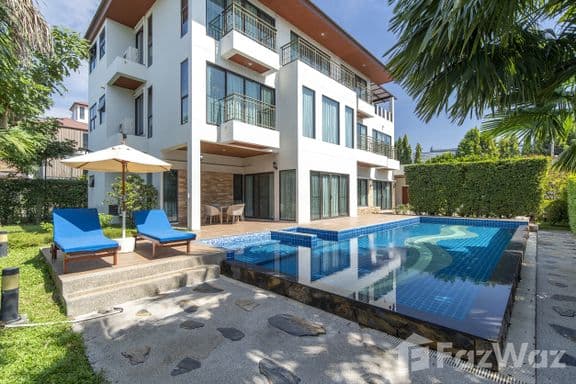
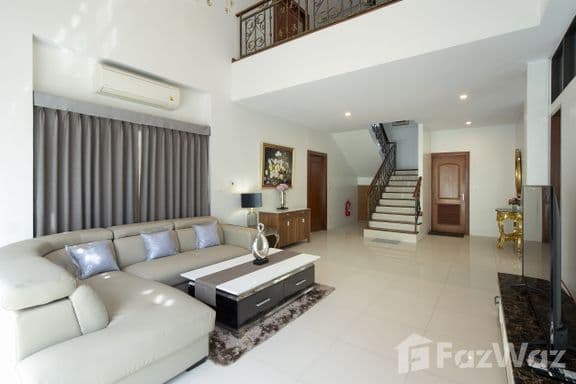
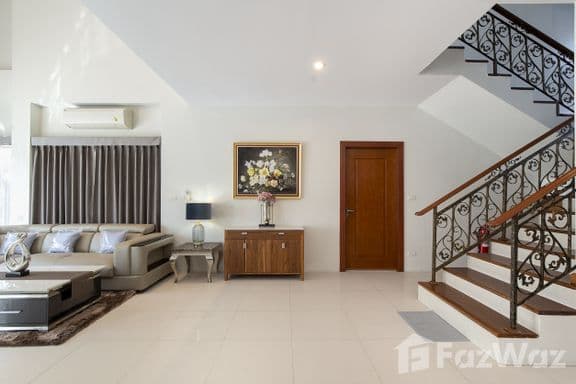
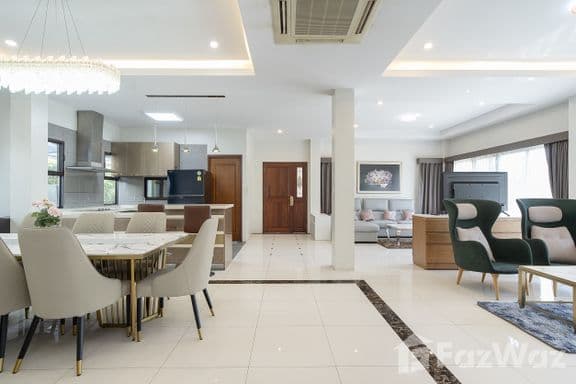




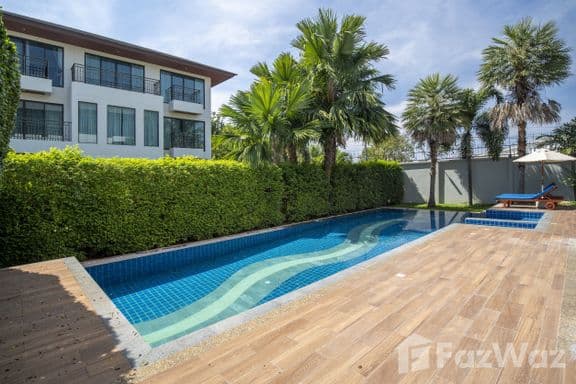



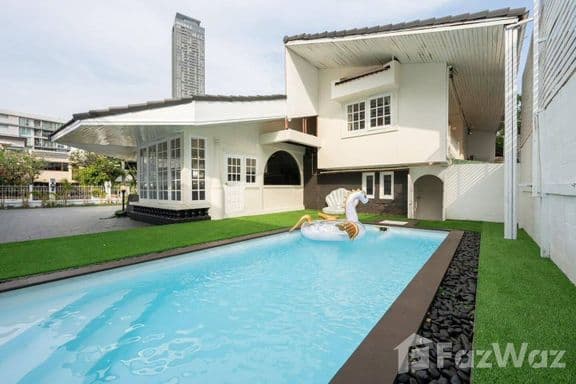
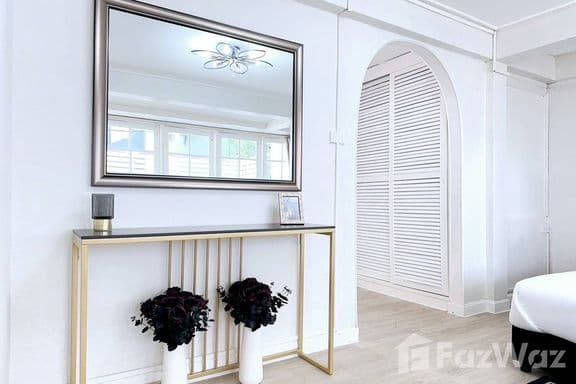

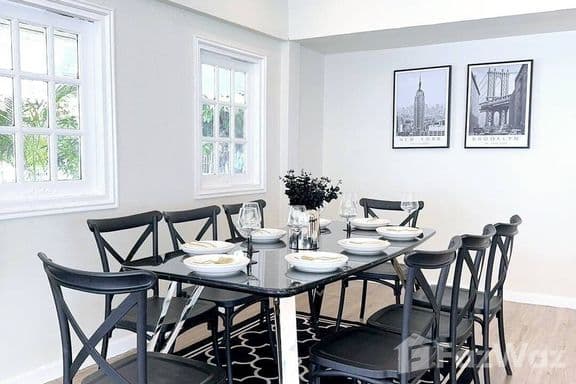










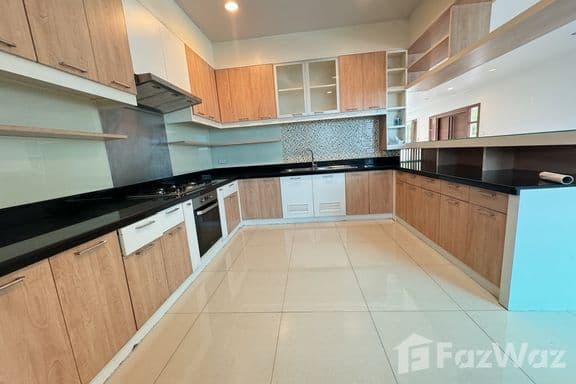
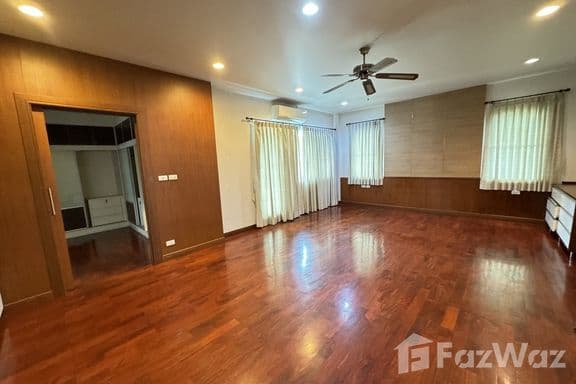
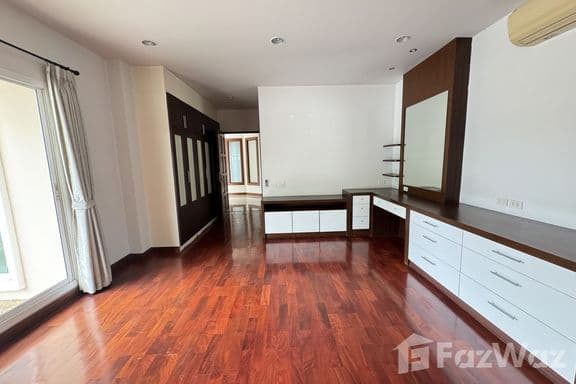


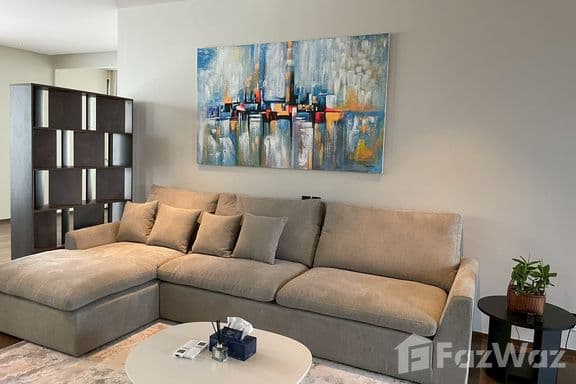
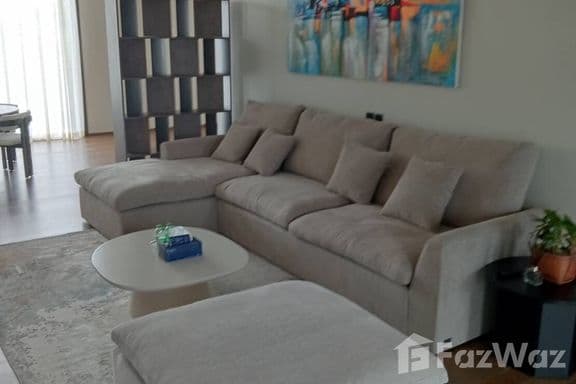

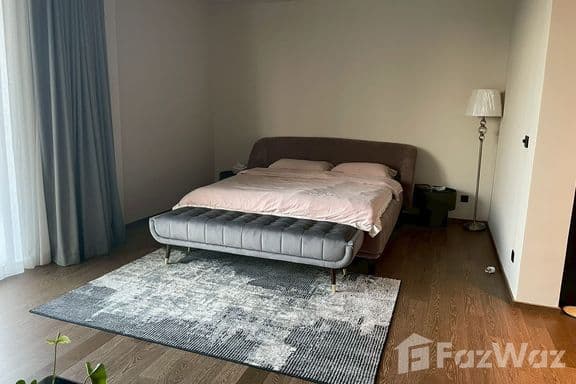
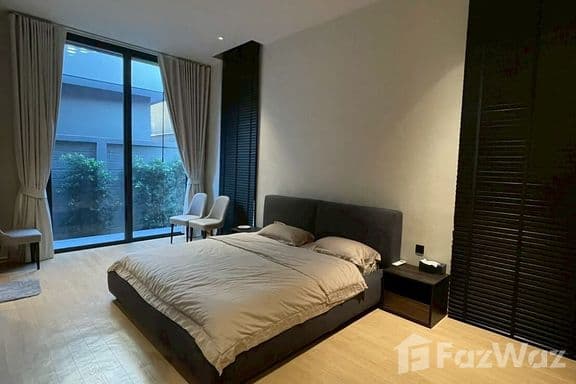

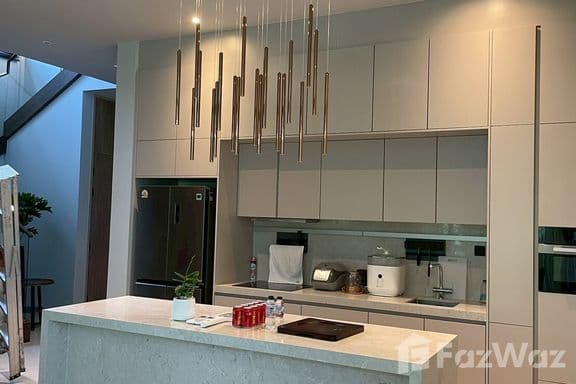







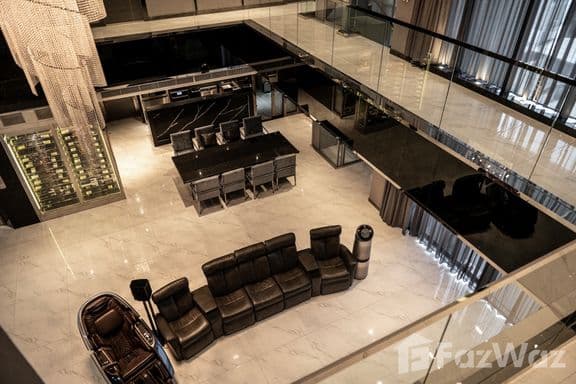



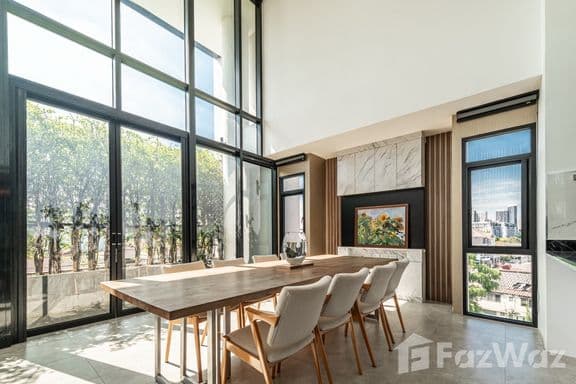
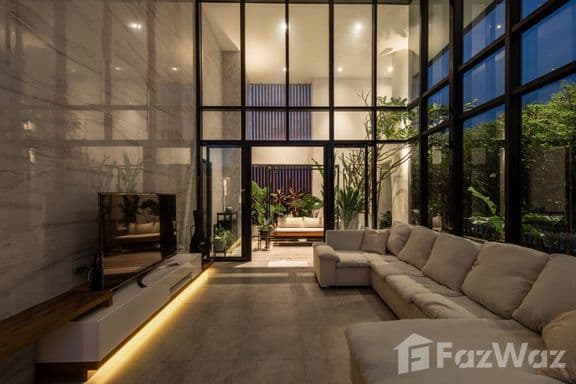


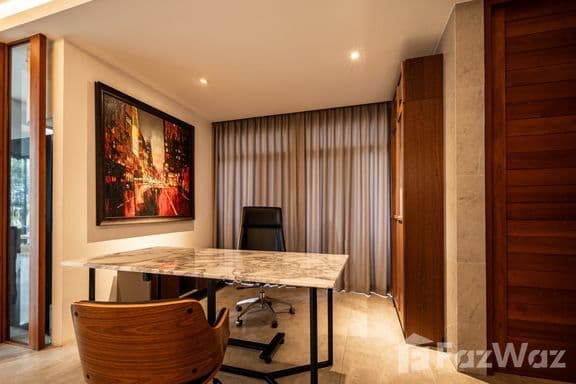











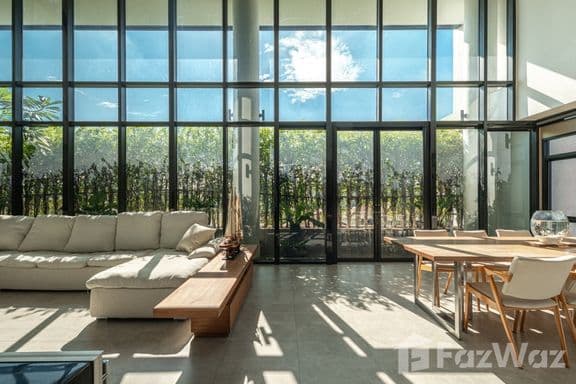


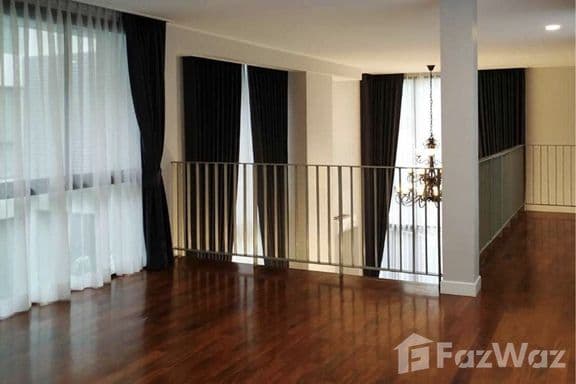
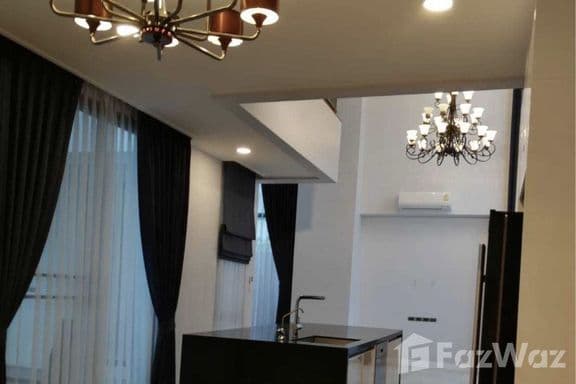
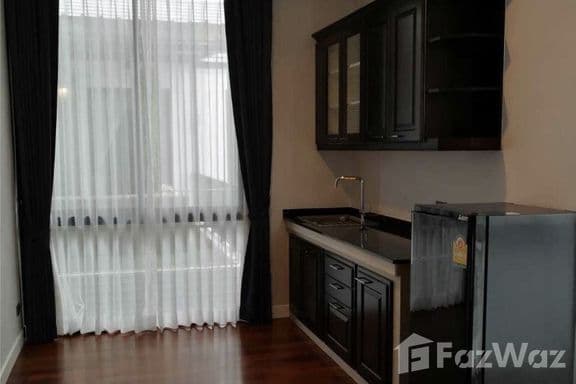

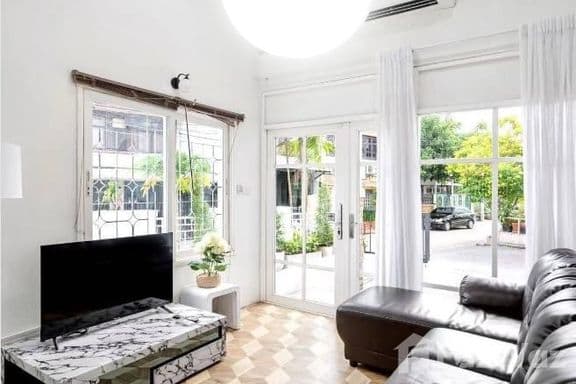

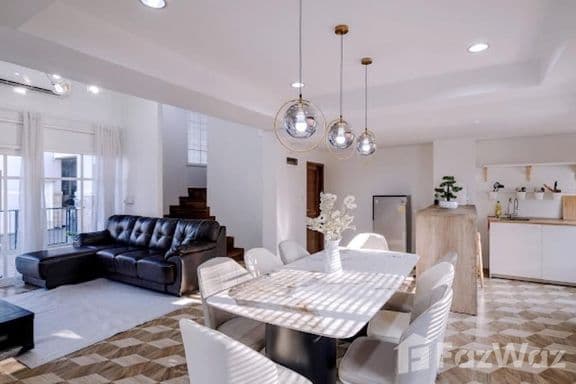


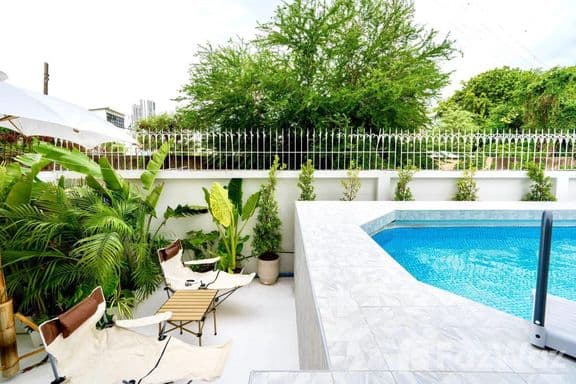
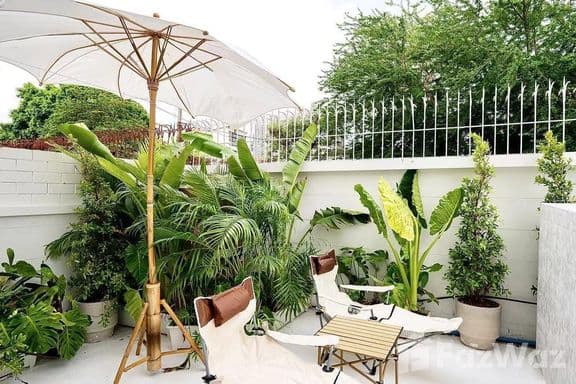
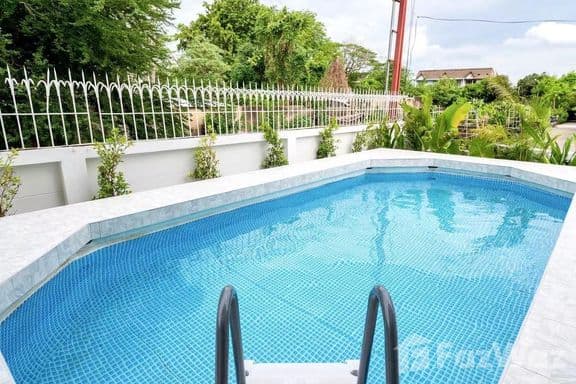
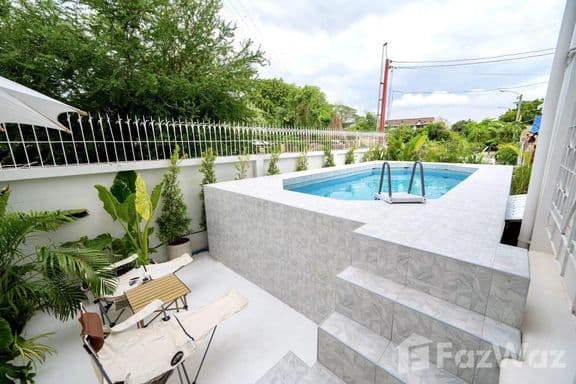



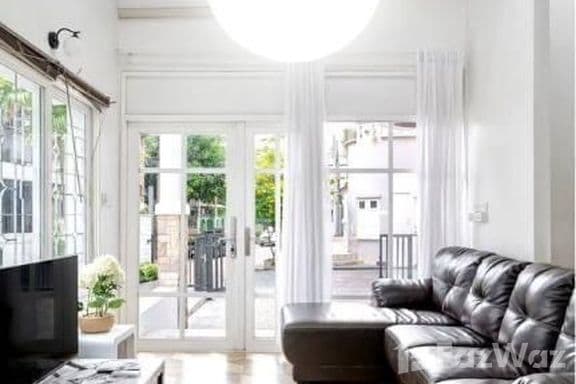











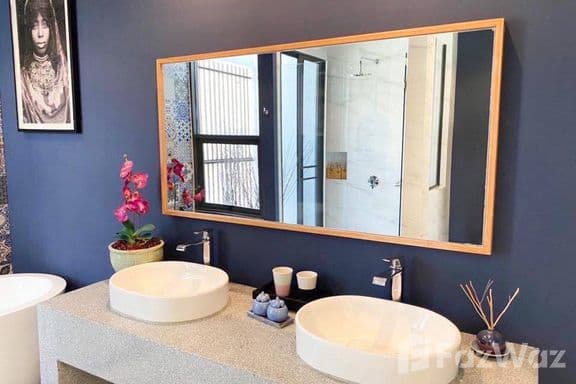


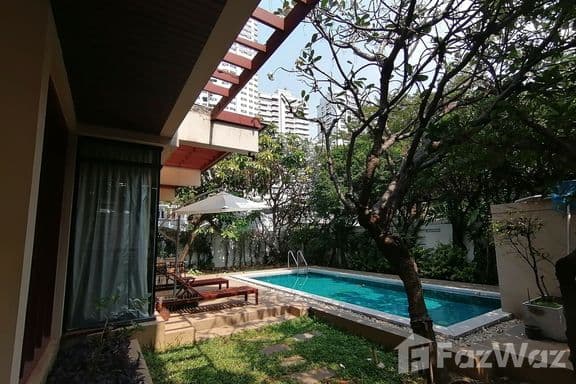
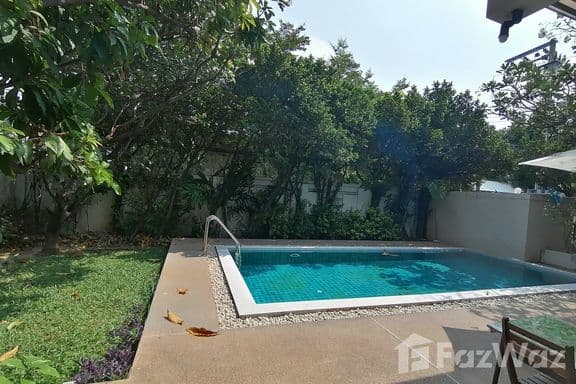
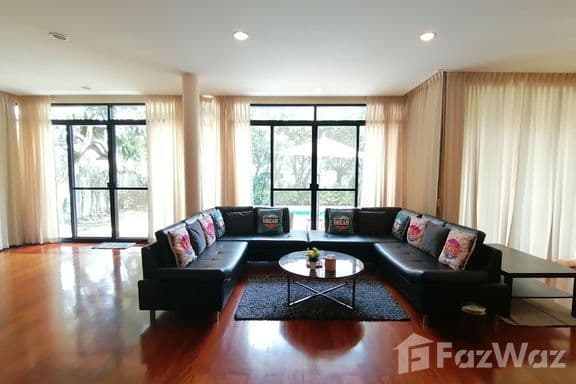
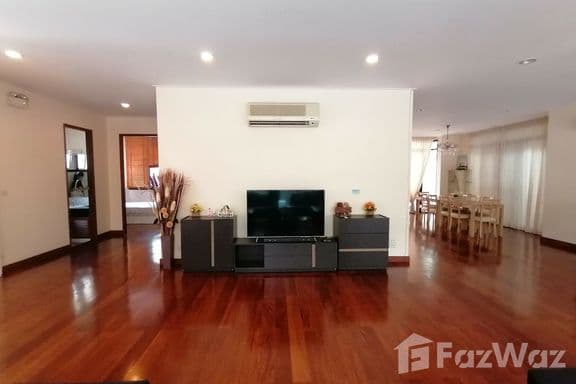

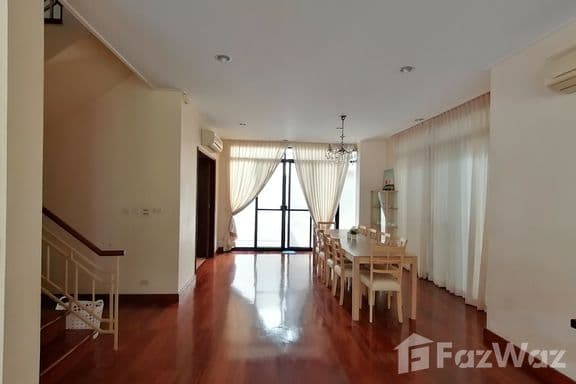

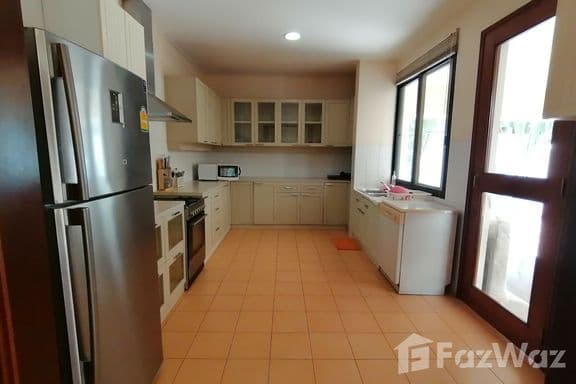
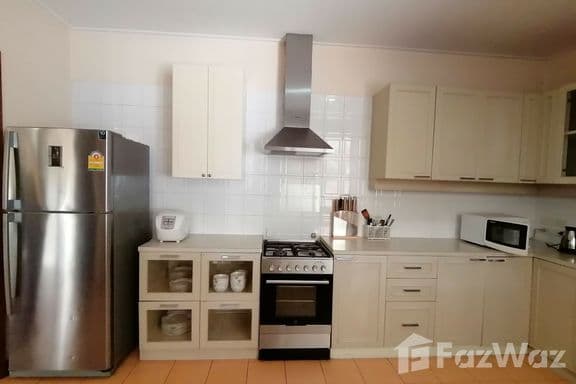














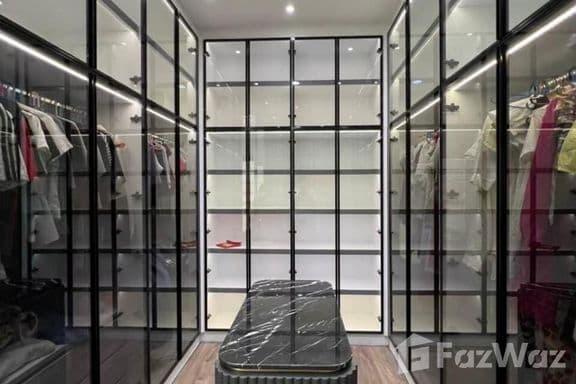
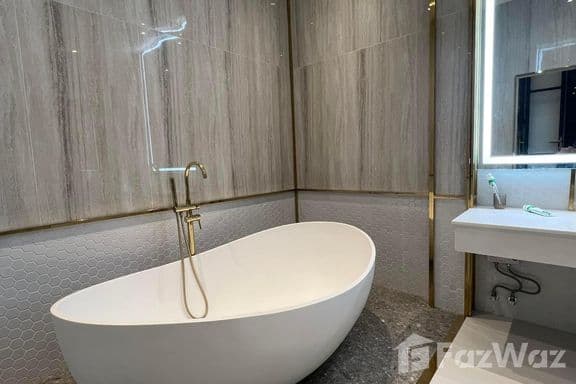
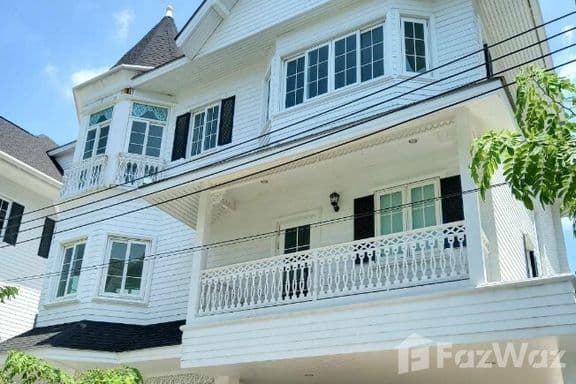


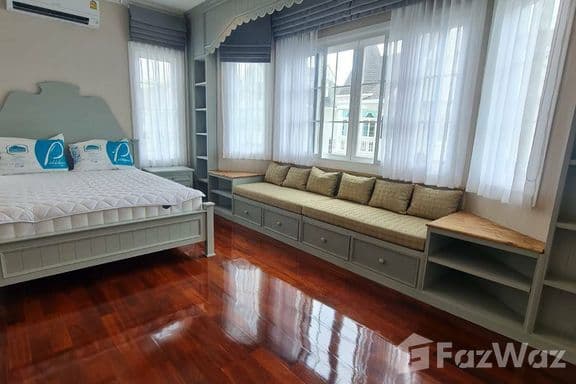


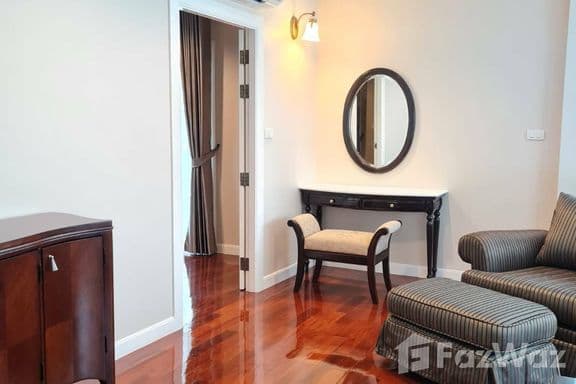


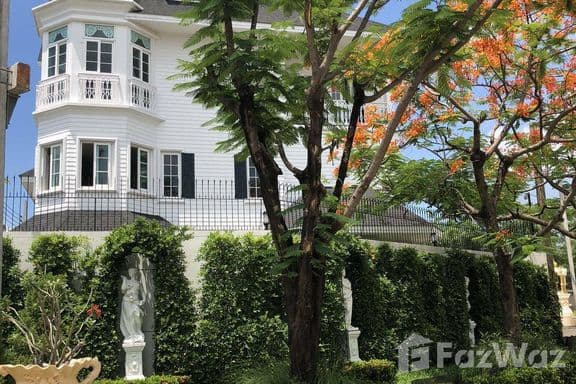
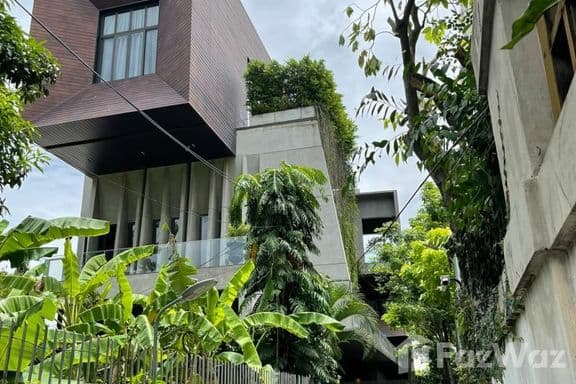

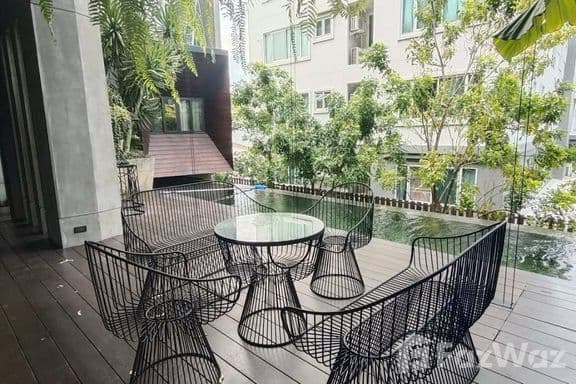



Living in a Villa in Bangkok: The 2025 Rental Guide for Foreign Tenants and Expats
Introduction: Bangkok’s Growing Appeal for Luxury Villa Renters in 2025
Bangkok is cementing its status as a top destination for foreign professionals and families seeking upscale living. In 2025, Thailand’s capital continues to attract expatriates with its vibrant culture, modern amenities, and comparatively affordable luxury housing. High-end villas – once a niche – are now in high demand among foreigners who want more space and privacy than a condo can offer. From executives relocating with generous housing allowances to retirees looking for a tropical haven, more foreign tenants are discovering that Bangkok’s villas provide a unique blend of luxury and value.
Why are luxury villas so appealing in Bangkok now? One reason is the city’s ongoing development: improved infrastructure, international schools, and world-class healthcare make Bangkok comfortable for long-term expats. The cost of living, even at the luxury end, remains competitive – renting a spacious villa with a pool in Bangkok often costs far less than a cramped apartment in cities like London or New York. Post-pandemic lifestyle changes have also played a part: many professionals now work remotely and prioritize larger homes with home offices and gardens. Bangkok’s villa rentals perfectly meet this need for space and comfort.
Overall, 2025 finds Bangkok brimming with opportunities for foreigners seeking luxury villa living. This comprehensive guide will walk you through everything you need to know – from who typically rents villas here, to the best neighborhoods, typical rental costs, legal considerations, and insider tips – all tailored to foreign tenants and expats. Whether you’re an executive moving with your family or a solo remote worker yearning for a bit of tropical tranquility, Bangkok’s villa market has something for you.
Aerial view of Bangkok’s city center and parks, showcasing the mix of modern skyscrapers and green spaces that make the city attractive to expat renters.
Who Rents Villas in Bangkok? Key Foreign Tenant Profiles
Villas aren’t just for one type of expat – a diverse range of foreigners choose villa living in Bangkok. Here are the key personas and their typical use cases:
- Expat Executives and Professionals: Many multinational companies base their regional offices in Bangkok. Foreign executives often bring their families and prefer villas in upscale areas. A standalone house with a garden and pool provides the prestige, space, and comfort suitable for corporate entertaining and family life. Companies frequently subsidize housing, making luxurious villas in areas like Sukhumvit or Sathorn attainable for top managers on expat contracts.
- Diplomats and Embassy Staff: Bangkok hosts numerous embassies and international organizations. Diplomatic personnel and embassy staff often seek large residences for both living and official functions. These tenants prioritize security, privacy, and proximity to diplomatic enclaves. Villas in gated compounds or quiet lanes around Sathorn, Wireless Road, or Nichada Thani are popular, offering ample space for receptions or high-profile guests along with enhanced security measures.
- Retirees from Abroad: Thailand is known for its warm climate and hospitality, making it a magnet for retirees from Europe, North America, and elsewhere. Retirees who settle in Bangkok appreciate the easy lifestyle and low maintenance that come with villa living. They often choose single-story or easily accessible homes (to avoid many stairs), in peaceful neighborhoods. A private garden to relax in, room for hobbies, and guest bedrooms for visiting family are common requirements. Retiree renters may favor suburban areas or gated communities where life is quieter and more laid-back.
- Digital Nomads and Remote Entrepreneurs: A newer group in the villa rental market is remote workers. Bangkok’s excellent internet infrastructure and lively social scene attract digital nomads who have higher budgets or who travel with family. Rather than a small condo, some remote workers opt to share a villa with fellow nomads or enjoy a larger home to combine living and working under one roof. They value villas in trendy areas (like Ekkamai or Thonglor) for access to cafes and co-working spaces, or in tranquil outskirts if they prefer calm and inspiration. A home office, spare room for meetings, and good Wi-Fi availability are key for this group.
- International Families (with Children): Families from abroad – whether an expat on assignment or those who have relocated long-term – often find villas the best choice. Space for kids to play, multiple bedrooms, and proximity to international schools drive their decisions. For example, a family with children might rent a villa in Nichada Thani (which is near International School Bangkok) or in Bang Na (near Bangkok Patana School), so the school run is easy. These homes typically have yards or are in compounds with playgrounds. Privacy and a sense of community are both important: parents want a safe environment where children can ride bikes and make friends, which villas in gated estates often provide.
In summary, foreigners renting villas in Bangkok range from high-flying executives to retirees and digital nomads. What they share is a desire for the comforts of a spacious home and the quality of life that comes with it. Each group may have its own checklist – be it proximity to an office or school, or a quiet retreat – but Bangkok’s villa market is diverse enough to cater to all these needs.
Villa Types Available in Bangkok
Not all villas in Bangkok are alike. Foreign tenants will encounter a variety of house styles and settings, each with its own characteristics. Here are the main types of villas available for rent:
- Modern Gated Estate Villas: These are houses within planned gated communities (locally called “mooban” or village). Typically built in the last 10–20 years (or brand new in some cases), modern estate villas boast contemporary designs and layouts. They usually come with the benefits of 24-hour security, controlled access gates, and shared amenities like clubhouses, pools, parks, or playgrounds. Many gated estates are found in suburban districts such as Bang Na, Prawet, or Nonthaburi (e.g., Nichada Thani). The homes themselves often feature modern Western-style kitchens, multiple bathrooms, and sometimes private pools. These areas foster a neighborhood feel – children playing on quiet streets and an active community of expat and Thai families. Estate living is ideal for those who prioritize safety, a community atmosphere, and consistent maintenance standards.
- Traditional Thai-Style Villas: For a touch of local charm, some renters opt for traditional Thai houses or older luxury homes. These might be stand-alone villas built in a Thai architectural style – characterized by elegant pitched roofs, wooden structures or accents, and open-air pavilions. Traditional villas can range from authentic teakwood houses on stilts to sprawling Thai-colonial mansions from a past era. They often have generous gardens with mature trees, high ceilings, and verandas to catch breezes. While they exude character and cultural appeal, be prepared that older Thai-style villas might not have all the modern conveniences by default – for instance, older wiring or fewer built-in air conditioners – so it’s important to check that the home has been well-maintained or renovated for comfort. These villas are scattered throughout Bangkok, sometimes hidden down quiet sois (lanes) in areas like Sukhumvit or the riverside. They appeal to expats who appreciate a unique aesthetic and a more tropical style of living (imagine lounging on a teak deck under a sala, or pavilion, beside your garden).
- Stand-Alone Houses in the City: Many foreign renters also find villas that are independent houses on private land, not part of an estate or compound. These stand-alone homes can be located in central urban districts or in quieter residential zones. In central Bangkok (areas like Sukhumvit, Ekkamai, Phrom Phong, Sathorn), stand-alone rental villas are often older houses owned by local families or investors. They might be tucked in a small lane, giving a surprising pocket of tranquility amid the city buzz. Such houses vary widely in style and age – from 1960s-era bungalows to newly built mini-mansions. The advantage of a stand-alone villa is having your own space without shared walls or communal rules. You typically get a private yard, maybe a pool, and independent control over the property (subject to the lease terms). However, you won’t have the added security of a gated community, so features like perimeter walls, alarm systems, or hiring a security guard service are worth considering for peace of mind. Stand-alone villas in the city are perfect for those who want to be in the heart of Bangkok (near restaurants, offices, and nightlife) yet still enjoy the benefits of a private house.
- Hybrid “Compound” Homes: A variation on the above is the private compound villa. In some cases, a large property owner has built a few houses on one large plot and rents them individually. These are not large developments, but maybe 2–10 houses sharing a driveway or within a walled compound. You might see this model in upscale areas of Sukhumvit or in semi-rural fringes. It’s a middle ground – you get a bit of community and possibly shared facilities (like a common pool or security guard), but it’s a small, intimate setting compared to a big estate. Foreign families often enjoy these compounds because they offer a balance of privacy and neighborly feel (perhaps a couple of fellow expat families next door, rather than dozens of strangers).
In summary, when searching for a villa in Bangkok, foreign tenants will find everything from brand-new suburban houses with all the modern trimmings, to charming traditional homes that echo Thai heritage, to one-of-a-kind city houses hidden in plain sight. Understanding these types will help you clarify your priorities – be it modern comfort, authentic atmosphere, or urban convenience – and guide you to the villa that best fits your lifestyle. Always visit a variety of properties if possible; seeing these differences firsthand will make it clear which style resonates with you.
Best Areas to Rent Villas in Bangkok
Bangkok is a vast city, and villas are not uniformly distributed. Certain neighborhoods have become prime spots for house rentals, especially for expats. Below, we highlight some of the best areas to find villas and what makes each area attractive to foreign tenants:
- Sukhumvit (Districts of Thonglor, Ekkamai, Phrom Phong, etc.): Sukhumvit is a long road that runs through the heart of Bangkok’s downtown and onward to the suburbs. Along it (and its side streets, called “sois”) lie some of the most desirable expat neighborhoods. Areas like Thonglor (Sukhumvit Soi 55), Ekkamai (Soi 63), and Phrom Phong (around Soi 39/Emporium) are known for trendy restaurants, international supermarkets, cafes, and nightlife. While Sukhumvit is dense, pockets of residential quiet exist behind the main roads. Villas here are highly sought-after: you might find a modern house down a soi that’s only a 10-minute walk from the Skytrain (BTS) – a huge plus for commuting. Expect these houses to be pricey due to central location. Sukhumvit villas often appeal to families (proximity to international schools like NIST or Bangkok Prep), as well as executives who want a short commute to offices in the CBD. The vibe is cosmopolitan; you’ll be in the midst of Bangkok’s action. However, plots are smaller – your yard might be cozier in size compared to outer areas, and privacy can depend on high walls to buffer the city noise. If you crave urban convenience and entertainment at your doorstep, Sukhumvit is unbeatable.
- Sathorn (including Yen Akat, Lumpini, and Silom vicinity): Sathorn is Bangkok’s primary business district, dotted with embassies and gleaming office towers. Tucked between these are tranquil lanes like Yen Akat or Sathorn Soi 1/Soi 3, where many standalone houses and low-rise compounds hide behind gates. Sathorn’s appeal for villa renters lies in its centrality and prestige. Many diplomats and senior executives choose Sathorn or the nearby Lumpini area for its easy access to both offices and the expressway. Villas in Sathorn tend to have classic charm – some are older colonial-style houses with large gardens; others are modern rebuilds offering luxury oases in the city center. The environment is quieter at night compared to Sukhumvit, and you’re near city landmarks like Lumpini Park (great for morning jogs). Rental prices are high and the supply is limited – it’s a small pocket of houses in a mostly commercial zone – so when a good Sathorn villa comes on the market, it usually gets snapped up quickly. This area is perfect if you work in the CBD or with an embassy and want a short commute, but still desire a private home rather than a condo.
- Ekkamai: Although technically part of the Sukhumvit corridor (mentioned above), Ekkamai deserves its own note due to its strong popularity among expats. Ekkamai balances the trendy vibe of Thonglor with a slightly more residential feel. Along Ekkamai’s main road and sub-sois, you’ll find international preschools, hip cafes, and boutique fitness studios. Villas for rent in Ekkamai range from renovated Thai houses to new multi-story homes in small gated lanes. It’s popular among younger expatriate families and professionals – you might bump into more Japanese and Western expats walking their dogs or pushing strollers here. The BTS Skytrain runs through Ekkamai, which adds convenience. If you love being in a lively area but also appreciate a bit of peace in the evenings, Ekkamai offers that blend. (Note: Because Ekkamai is part of Watthana district, villa prices here align with Sukhumvit norms – generally high, but you pay for the location.)
- Bang Na and Eastern Suburbs: For those willing to live a bit further from the downtown core, Bang Na and nearby eastern neighborhoods offer spacious modern villas at more reasonable prices. Bang Na is along Sukhumvit’s extended BTS line and near the Bangna-Trad highway, about 15–30 km from central Bangkok. This area has exploded in popularity among expat families because it hosts several international schools (such as Bangkok Patana School on Sukhumvit 105, and Berkley International School), as well as mega shopping centers like Mega Bangna and Ikea. Villas in Bang Na typically come in two flavors: large houses in gated communities with excellent facilities, or standalone homes with big yards. You get more land and house for your money here – it’s not uncommon to find a 4-bedroom house with a pool for the price of a small downtown apartment. The trade-off is the commute: during rush hour, driving into the city can be slow (though the BTS Skytrain now reaches deeper into Bang Na, easing car dependence). Bang Na is ideal if you prioritize space, a suburban environment (many green compounds, less noise), and perhaps have children in one of the nearby schools. It also appeals to expats working in the industrial estates on Bangkok’s outskirts or those who travel often (the airport is relatively close by).
- Nichada Thani (Expats in Nonthaburi): Nichada Thani is a famed expatriate enclave located northwest of Bangkok, in the Pak Kret/Nonthaburi area. It’s often described as a “town within a town” – a sprawling gated community built around the International School Bangkok (ISB). If you drive through Nichada’s gates, you’ll find leafy streets, lakes, a clubhouse, and American-style suburban living. For foreign families, especially those with kids at ISB or needing a tight-knit community, Nichada is a top choice. The houses for rent here are typically large detached villas with gardens and often private pools. They come with a price tag reflecting the environment (some of the highest rents outside central Bangkok), but you’re paying for unparalleled family-friendly amenities and security. There are playgrounds, sports facilities, and even small shops inside the estate. Living in Nichada Thani feels somewhat removed from Bangkok’s hustle – which is either a pro or a con depending on your preference. The commute to downtown Bangkok can be 45–60 minutes or more, so many who live here are those who work in the suburbs or accept the longer drive for the sake of the family’s quality of life. In short, Nichada is like expat suburbia: safe, convenient for kids, and very social among residents.
- Other Notable Areas: Beyond the above, there are a few other areas worth mentioning. Chaeng Watthana (near Nichada) has some houses and is close to many government offices and the Don Muang Airport – a consideration for NGOs or aviation industry expats. Ari and Phahonyothin (north-central Bangkok) are hip neighborhoods where a number of standalone houses hide in sois; younger expats working in nearby offices might find a charming old house there. Rama 9 / Ramkhamhaeng areas have some gated communities appealing to those working around the new CBD or attending international universities. On the western side of the Chao Phraya River (Thonburi), you’ll find cheaper rents and larger land plots; however, expat communities are sparser there, and commuting across the river daily can be a challenge. Each of these areas has its pros and cons, but they illustrate that villa options exist in all corners of Bangkok for those who seek them.
Choosing the right area comes down to balancing lifestyle priorities: do you need to be near work or school? Do you thrive in the city buzz, or prefer a calm retreat? Bangkok’s neighborhoods each have distinct characters. Many expats do initial house-hunting across multiple areas to compare. It’s a good idea to spend time in a neighborhood (visit on weekends and weekdays) to get a feel for traffic, noise, and convenience before deciding. Remember, in Bangkok’s traffic, a few kilometers can make a big difference – so location is key in making your villa life enjoyable.
Rental Price Comparison by Area (2025)
Rental prices for villas in Bangkok vary greatly by location, property size, and age. Below is a comparison of typical monthly rental price ranges for a family-size villa (3–4 bedrooms) in some popular areas, given in Thai Baht and approximate USD equivalent. (Exchange rate assumed around ฿33 = $1 for 2025):
|
Area (District) |
Typical Monthly Rent (THB) |
Approx. in USD |
|
Sukhumvit (Thonglor/Phrom Phong) |
฿100,000 – ฿300,000 |
$3,000 – $9,000 |
|
Sathorn & Lumpini |
฿80,000 – ฿180,000 |
$2,400 – $5,500 |
|
Ekkamai |
฿80,000 – ฿150,000 |
$2,400 – $4,500 |
|
Bang Na / Eastern Suburbs |
฿50,000 – ฿120,000 |
$1,500 – $3,600 |
|
Nichada Thani (Nonthaburi) |
฿60,000 – ฿180,000 |
$1,800 – $5,500 |
|
Other Suburban Areas |
฿40,000 – ฿100,000 |
$1,200 – $3,000 |
Notes on the table: These figures represent a broad range for long-term rentals (12-month lease) of typical villas favored by expats. The lower end generally corresponds to smaller or older homes, or houses farther from central Bangkok. The upper end reflects large modern homes or those with special features (such as a private pool, newly renovated interiors, or prime location on a quiet soi near BTS). For example, in Sukhumvit an older 3-bedroom house might be found around ฿100k/month, whereas a fully renovated luxury 4-bedroom with pool in the same area could ask ฿250k or more. Nichada Thani’s range spans from smaller townhouses or older homes at around ฿60k, up to executive lakefront villas well above ฿150k.
Keep in mind that furnished vs. unfurnished can affect price (some landlords charge a premium if they provide full furnishings). Also, short-term leases (under 1 year) typically come at a higher monthly rate than long-term leases. Always verify what’s included in the rent: some high-end villa rentals might include garden and pool maintenance in the price, while others will expect the tenant to cover those services separately.
Prices in Bangkok can be negotiable, especially if a property has been on the market for a while or if you’re willing to sign a longer lease. As a foreign tenant, researching market rates by area and working with a reputable agent can help ensure you get fair pricing. Overall, while villas are a significant expense, many expats find the cost justified by the quality of life – especially when comparing what similar housing would cost in other major international cities.
The Renting Process and Legal Aspects for Foreigners
Renting a villa in Bangkok as a foreigner is a straightforward process, but it’s important to understand the steps and legal considerations to protect yourself and ensure a smooth tenancy. Here’s an overview of what to expect and key guidelines:
- Finding a Property and Viewing: The process typically begins with searching listings (on property websites or through real estate agents) and scheduling viewings. It’s common for expats to use an English-speaking property agent – this usually comes at no cost to the tenant, since agents earn commission from the landlord. Take time to inspect each villa in person. Bangkok houses can have quirks (e.g., older air-conditioners or low water pressure); don’t hesitate to test utilities during a viewing. Once you find the right place, you’ll move on to the agreement stage.
- Lease Agreement: In Thailand, standard residential leases are usually 12 months long for villas, with an option to renew if both parties agree. Some landlords may agree to a 6-month lease, but expect higher rent or fewer choices for short terms. The lease should be written in English and Thai, or at least have a translated version for you to understand all terms. Ensure the lease agreement covers key points: monthly rent amount and due date, lease term, the security deposit amount and conditions for its return, responsibilities for maintenance and repairs, included furnishings or appliances (often an inventory list is attached), and any specific clauses (like “diplomatic clause” or break clause, if negotiated). Note that under Thai law, leases longer than 3 years must be registered with the Land Department to be enforceable beyond 3 years – but most expat leases being 1 or 2 years don’t require registration. Both you (tenant) and the landlord should sign every page of the contract, and you should receive a signed copy for your records.
- Deposits and Initial Payments: The typical requirement in Bangkok is 2 months’ rent as security deposit plus 1 month rent in advance. This means at signing, you pay three months’ worth of rent (for example, if rent is ฿100,000/month, you’d pay ฿300,000 up front). The security deposit is held by the landlord for the duration of your lease. By law and practice, this deposit is meant to cover any unpaid bills or damage beyond normal wear-and-tear. If you return the house in good condition and all bills are settled, you should get the full deposit back at the end of your lease. Make sure the lease states when and how the deposit will be returned (commonly within 30 to 60 days after move-out). It’s wise to pay deposits and rent via bank transfer so you have a record – landlords will provide their Thai bank account details for payment. Always get a receipt for any cash payments.
- Documentation – What You Need to Provide: Renting a property in Thailand doesn’t usually require extensive paperwork from the tenant. In most cases, you’ll just need to provide a copy of your passport (and visa page) and sometimes a copy of your work permit or proof of long-term visa (to show you’re legally allowed to stay in Thailand). Unlike in some countries, Thai landlords typically do not run credit checks or demand income verification from foreign renters – they often judge reliability on the spot or via the agent’s recommendation, and rely on the security deposit as fallback. However, be prepared to share basic personal details (your workplace, duration of stay, etc.). If you’re renting through a corporate lease (your employer is renting on your behalf), the company will handle documentation and the lease might be in the company’s name with you as the occupant.
- Foreigner-Specific Legal Requirements (TM30 Notification): One aspect unique to foreign tenants is the TM30 reporting. Thai law requires that when a foreigner (non-Thai) takes up residence at any address (even a rented house), the property owner must file a TM30 form with Immigration to report the foreigner’s address. In practice, this is an obligation of the landlord – they need to submit an online form or go to immigration within 24 hours of you moving in, to register that you (passport number, etc.) are staying at their property. Compliance with TM30 is important because if it’s not done, you as the foreign resident could face inconvenience (for example, when you next go to Immigration for a visa extension or 90-day report, they may fine the landlord or ask for proof of address). Make sure your landlord is aware of this duty. It’s a simple process, and most experienced landlords or agents will handle it routinely. It’s wise to follow up a week after move-in to confirm the TM30 has been filed; some landlords will give you a copy of the acknowledgment (the receipt or print-out) which you can keep with your passport. Aside from TM30, note that as a tenant you are not expected to register the lease officially anywhere, unless it’s a very long lease as noted earlier.
- Utilities and Accounts Setup: Generally, tenants pay their own utility bills unless otherwise agreed. After you move in, you will either take over utility accounts (electricity, water, internet, etc.) or continue paying under the landlord’s accounts. Many landlords keep the utility bills in their name but expect you to pay the monthly charges – they might send you the bill or have you reimburse them. Alternatively, you can request to transfer the meters to your name (for electricity with MEA – Metropolitan Electricity Authority, and water with MWA – Metropolitan Waterworks Authority). Transferring to your name may require a visit to the utility office with your lease and passport; it also usually involves a small utility deposit (few thousand baht) which is refundable when you terminate the service. Discuss this with your landlord or agent – often, leaving it in the landlord’s name is simpler for short stays, as long as you pay on time. For internet or TV service, you will likely arrange a new subscription in your name (there are many providers and English-language customer service is available). Tip: ask the landlord for a recent electricity bill during lease signing so you can see the average cost and also confirm there are no outstanding dues.
- Law and Tenant Rights: Thailand’s rental laws are generally considered neutral or slightly in favor of landlords. As a foreigner, you have essentially the same rights and obligations as a Thai tenant. One recent development: if your landlord owns more than 5 residential properties (making them a “professional landlord” by definition), Thai regulations require using a standard lease contract that has consumer protections (e.g. capping the deposit at 2 months and requiring return of deposit within 30 days). Most expat leases already follow those norms. If any disputes arise, typically they are resolved informally or through negotiation. Court is rarely pursued for minor issues because the costs and time are not worth it (especially for short-term expats). Hence, having a clear written lease is your best protection. If something isn’t in the lease, it’s hard to enforce later – so if you have any special agreements (repairs to be done, add a furniture piece, etc.), get it in writing, even if just an email or an addendum signed by both parties.
- Hiring a Lawyer or Notary: Generally, renting a villa doesn’t require a lawyer’s involvement, as standard contracts are straightforward. However, if you are committing to a very high-value lease, or you feel unsure about any contract language, you can have a legal advisor review the lease. There are English-speaking property lawyers in Bangkok who can do a quick review for a fee. This is optional but can provide peace of mind. At the very least, ensure you fully understand the contract; ask your agent or landlord to clarify anything unclear. Don’t be shy about requesting an English version or translation of key clauses.
By following these steps and guidelines, foreign tenants can confidently navigate renting a villa in Bangkok. The process is quite user-friendly – Thailand is accustomed to foreign renters. Just remember: read everything carefully before signing, keep copies of all documents and receipts, and maintain good communication with your landlord. With that, you’ll set a solid foundation for a happy stay in your Bangkok home.
Advantages of Villa Living Over Condos or Townhomes
If you’re on the fence between renting a villa versus a condominium or townhouse in Bangkok, consider the distinct advantages that villa living offers. Many expats ultimately choose villas for the following reasons:
- Expansive Space and Privacy: Villas typically provide far more living space than a condo or apartment. You’ll often have multiple floors, several bedrooms, possibly a home office, and generous common areas – not to mention outdoor space. There are no shared walls with neighbors (as in townhomes or duplexes), which means greater privacy and very little concern about bothering others with noise (or vice versa). In a villa, your family can spread out, entertain guests, and live comfortably without the constraints of high-rise living. This is especially valuable for those with children or who simply appreciate some elbow room. After experiencing cramped city apartments elsewhere, many expats find having a whole house to themselves incredibly refreshing.
- Outdoor Living (Garden, Yard, Pool): One of the joys of villa life is access to private outdoor areas. Most villas come with at least a small garden or yard – a green sanctuary where you can unwind, do gardening, have BBQs, or let kids and pets play freely. In a tropical climate like Bangkok’s, having outdoor space enhances your lifestyle: imagine enjoying mornings on your patio surrounded by lush foliage. Some villas feature private swimming pools, which are perfect for cooling off on hot days or hosting poolside gatherings. Even if a pool isn’t present, many gated communities provide communal pools and parks exclusively for residents. Compared to a condo balcony or a shared rooftop garden, a villa’s outdoor advantages are substantial.
- Family-Friendly Convenience: For families, villas often win over condos hands down. Firstly, space allows each family member to have their own room (kids aren’t crammed into a small second bedroom, for instance). There’s room for a play area, storage for strollers, bicycles, sports gear – all the bulky items of family life. Secondly, the ability to park right at your door (most villas include one or more private car parking spots or garages) makes loading groceries or school runs much easier than hauling things through a condo lobby and elevator. Thirdly, many villas are located near international schools or in safe compounds where children can roam on bicycles with minimal supervision – a freedom not possible in high-rises. In essence, villa living in Bangkok can more closely resemble life in a “home back home,” which can ease the transition for expat kids and provide a sense of normalcy.
- Flexibility and Personalization: When you rent a villa, you generally have more freedom to customize your living environment than in a condo. Condo buildings often have strict rules (no painting walls, no satellite dishes, limitations on renovations). With a standalone house (with landlord’s permission), you might be able to repaint a room, start a vegetable garden, or even make minor improvements. You’ll also typically find more storage space for personal belongings. Additionally, villas often come unfurnished or partially furnished, which is an advantage if you have your own furniture or prefer to decorate in your style – you won’t have to squeeze your items into an already fully furnished (and possibly smaller) condo. This flexibility lets you truly make the house feel like your home.
- Ideal for Pets: Pet owners almost always prefer villas. Many condominiums in Bangkok have strict no-pet policies. Even in pet-friendly condos, taking a large dog in an elevator multiple times a day or not having a private area for them to play can be challenging. Villas, on the other hand, are usually the best option if you have dogs, cats, or other pets. A fenced yard allows dogs to run freely and do their business without you needing to walk them on the street each time. There’s also less risk of disturbing neighbors with barking, and you won’t have to carry a pet through common areas. Of course, you must get the landlord’s approval for pets (always discuss this upfront), but many villa owners are receptive as long as any damage is covered. A house gives your furry friends a happier life and spares you many headaches.
- Entertaining and Hosting: If you enjoy hosting dinner parties, BBQs, or having visitors from overseas, a villa provides the capacity to be a gracious host. You can have gatherings without worrying about condo management complaints for noise or crowding. There’s often space for a proper dining table, an outdoor BBQ pit, and multiple guest rooms for friends or relatives to stay over. Some large villas even have separate guest houses or maids’ quarters that can double as extra guest accommodation. For diplomats or executives, villas offer the representative setting needed for formal entertaining. Even casual get-togethers are more pleasant when guests can mingle in a living room that opens to a garden, rather than being confined in a small apartment unit.
- Tranquility and a Suburban Feel (If You Want It): While condos place you amid urban hustle and bustle (with city noise always in the background), many villas are located on serene residential streets or within quiet compounds. You’ll experience more of the suburban side of Bangkok – birds chirping in the morning, possibly a slower pace with local markets and community parks nearby. This can greatly reduce daily stress and improve quality of sleep and relaxation. After a busy day navigating Bangkok’s traffic and crowds, coming home to a peaceful house can be a blessing. Essentially, villas can offer the best of both worlds: you live in one of Asia’s busiest metropolises, but your personal refuge feels a world apart.
To be fair, condo living has its own advantages (like convenience of downtown location, easy maintenance, and often gym/pool facilities), and townhomes can be a middle ground. However, for those who value space, privacy, and a home-like environment, a villa in Bangkok clearly stands out. It caters to a lifestyle that is more independent and expansive – giving you room to breathe, both literally and figuratively. Especially for long-term expats or those with families, the benefits of villa living often outweigh the downsides of extra maintenance or a longer commute. It’s about the kind of daily life you envision: if you see yourself having Sunday brunch in your garden, kids playing in their own treehouse, or simply enjoying not having to share an elevator with neighbors, then villa living is likely the right choice for you.
Things to Watch Out For When Renting a Villa
While the advantages of villa living are plenty, renting a house in Bangkok (or anywhere) comes with its own set of considerations and potential pitfalls. Being aware of these will help you avoid unpleasant surprises and ensure your rental experience remains positive. Here are important things to watch out for and check carefully before and during your villa rental:
- Lease Clauses and Fine Print: Pay close attention to specific clauses in the contract. One key item is the early termination clause (sometimes called a diplomatic clause if you’re on an expat assignment). Does the lease allow you to break the contract early under any conditions? Many standard Thai leases do not offer a break clause – meaning if you leave early, you might forfeit your deposit. However, some landlords will agree to a diplomatic clause where, for example, if you are transferred out of Thailand for work, you can terminate the lease with 60 days’ notice after an initial period (often 6 or 12 months). If your situation is uncertain, try to negotiate this upfront. Also, confirm how lease renewal works: Do you have the first right to renew for another year at the same rent, or can the landlord raise rent or ask you to leave? It’s best to have these terms written down. Lastly, check for any odd clauses – occasionally leases might include curfews (in some compounds) or restrictions on using certain rooms or outbuildings. Make sure you’re comfortable with all conditions before signing.
- Maintenance Responsibilities: Who Pays for What?
Understanding who is responsible for property maintenance is crucial for a smooth rental experience in Thailand. If you're in a condo, the building management typically handles most common area and structural issues. However, in a villa or house, maintenance is usually negotiated directly between you and the landlord.
As a general guide, landlords generally cover "structural" and major repairs like roof leaks, significant plumbing problems, or electrical faults not caused by you. Tenants, on the other hand, usually manage minor upkeep such as changing light bulbs, small repairs below an agreed threshold (e.g., under ฿2,000), and routine cleaning.
Crucial questions to clarify:
- Air-conditioning: Who pays for servicing or replacement if it breaks? Many landlords expect tenants to service units every 6 months at their own cost (which can be a few thousand baht).
- Repair Threshold: Is there a set amount (e.g., ฿2,000) below which all repairs are the tenant's responsibility?
- Pest Control: Given Thailand's climate, pests are common. Does the property have a pest control warranty or scheduled spraying?
Always document existing damage (photos/videos) upon move-in and share it with your landlord or agent to avoid future disputes. Get all agreements about maintenance in writing if possible.
- Utilities and System Checks: During the viewing or inspection, test all the house’s systems. Turn on all taps to check water pressure (some houses need water pumps; ensure the pump is working and note if it’s noisy). Run the showers and see if hot water heaters function in each bathroom. Flip light switches to check for faulty wiring or bulbs. Test the kitchen appliances, stove, oven (if provided), etc. If the house has a swimming pool, inquire about the pool pump and filtration system – who maintains it and is it in good working order? Pool maintenance usually isn’t cheap, so find out if the landlord will cover a monthly pool service or if you need to hire one (budget roughly ฿2,000-฿4,000 per month for professional pool upkeep). Similarly, garden maintenance: if the property has a sizable lawn or many plants, ask if the owner already employs a gardener. Sometimes they will include a weekly gardener visit in the rent, as they want to keep their garden in good shape. If not, you may need to hire one yourself or spend time mowing and pruning. If you do end up responsible, factor this into your time and budget. Also, be aware of garbage disposal norms – in many Bangkok neighborhoods, there’s a daily garbage truck; you might need to place bins outside at certain times or pay a small monthly fee to the local collector.
- Checking for Wear and Potential Issues: Bangkok’s climate (heat, humidity, heavy rains) can be harsh on houses. Inspect the villa for signs of leaks or water damage – stains on ceilings or walls could indicate a past roof leak or plumbing issue. Look at the condition of window frames and door seals; poor sealing can lead to high electricity bills (as cool air escapes) and let mosquitoes in. If there’s any woodwork (floors, doors), check for termite damage (small piles of wood dust or tiny holes can be telltale signs). It’s a good idea to visit the property at different times of day if you can. For example, at rush hour to see if nearby streets get jammed (will you struggle to get your car in/out?), or at night to gauge noise (is there a loud bar or a barking dog next door?). While not always possible, this due diligence can save headaches later. Don’t be shy about asking the landlord to fix or improve something before move-in – e.g., request a fresh coat of paint if walls are musty, or servicing of the A/C units. Many landlords are amenable to making reasonable repairs once they have a committed tenant.
- Neighborhood Factors and Flooding: Get to know the immediate neighborhood. Is the street well-lit at night? Do other expats live nearby? If you are in a mooban (village/estate), is there security at the gate and how strict is it? Bangkok is a safe city overall, but for personal comfort, these things matter. Also, ask about flood history. Certain areas of Bangkok can experience flash flooding in the rainy season (roughly August–October). If the house sits low or in a known flood-prone soi, you should know. Signs like multiple flood barriers stored in the yard or water tide marks on walls could hint at past floods. If flooding is a possibility, discuss what precautions are in place (some neighborhoods have installed pumps or your house might have a small wall around it and drain pumps). Knowing this will help you prepare accordingly (like keeping valuables off the ground, etc.). It’s also useful to know where the nearest hospital, police station, and fire station are in case of emergencies – not an everyday concern, but good for peace of mind.
- Utilities Setup and Monthly Costs: While not a pitfall per se, be prepared for potentially higher utility costs in a villa compared to a condo. Larger space means more air-con units running. Single houses are often not as energy-efficient as new condos (for example, older windows, more exposure to sun heat). Electricity in Thailand is not cheap – running multiple ACs extensively can lead to hefty bills (some large house households pay several thousand baht a month in electric). It’s wise to factor this into your budget. Ask the landlord or previous tenant (if you have a way) for an average of summer vs. cooler months’ bills. Additionally, if you’re responsible for tasks like refilling gas for a gas stove or pumping water from an underground well (some houses use groundwater for gardens), make sure you know the process. Most areas are on city water supply, but water pressure might be low on upper floors without a pump – ensure the pump and tank system is explained to you.
- Community Rules (if any): If your villa is in a gated community or compound, get a copy of the community rules. There might be regulations on things like parking (e.g., don’t park on the street, or only 2 cars allowed), on maintaining a quiet environment during night hours, or use of shared facilities. Some communities also have a management office that collects a monthly or yearly maintenance fee – clarify if that fee is included in your rent or if you must pay it. In most cases the landlord pays those fees, but it’s good to be sure. Knowing the rules will help you integrate well with neighbors and avoid any fines.
- Communication with Landlord: Lastly, gauge the communication style and responsiveness of the landlord or property manager. Ideally, you have a landlord who is responsible and easy to reach when something goes wrong. Sometimes, landlords might live abroad or in another city and leave a local representative or maintenance guy’s contact with you. Make sure you have updated phone numbers for whoever handles emergencies. If you’re renting through an agency, often the agent can assist in liaising with the owner if language is a barrier (many Thai landlords speak at least some English, but not all). It’s good to establish a polite, respectful line of communication early – e.g., confirm how you will pay rent each month and how to send proof of transfer, and whom to call if, say, the water heater bursts at 10 pm.
In summary, due diligence is key. Villas offer freedom but also demand a bit more vigilance from the tenant compared to a managed condo unit. By carefully checking the property, clarifying responsibilities, and being aware of your environment, you’ll set yourself up to fully enjoy the villa lifestyle without unwelcome surprises. Taking these precautions ensures that “what you see is what you get,” and what you get is a wonderful home in Bangkok.
FAQs for Foreign Villa Renters in Bangkok
Here we address some frequently asked questions that foreign tenants often have when renting a villa in Bangkok:
Q: Can a foreigner legally rent a villa or house in Bangkok?
A: Yes. Foreigners have the right to rent property in Thailand just like Thai citizens. There are no legal restrictions on renting a house or villa (the restrictions only apply to owning land, not leasing). You can rent whether you are on a tourist visa, long-term visa, or work permit. In practice, it’s advisable to have a visa that covers the period of your stay (landlords may prefer tenants who can stay the full lease term), but even tourists can and do rent short-term villas. Just ensure you are staying within the terms of your visa – renting a property doesn’t grant you any special immigration status. Also remember the TM30 reporting (your landlord must report your stay). Overall, there’s no need for a Thai guarantor or any special permission for a foreigner to sign a lease – the contract between you and the landlord is fully valid.
Q: What is the typical lease length and can I rent for less than a year?
A: The standard lease length for long-term rentals in Bangkok is 12 months (one year). Most villa landlords prefer a one-year minimum commitment. However, 6-month leases can sometimes be negotiated, particularly if the property has been vacant or if you offer to pay a bit more in rent. Anything shorter (3 months, for example) would usually fall under vacation rental terms and might be handled via serviced accommodation or platforms like Airbnb rather than a normal lease – and often at a higher monthly cost. If you know you only need a place for, say, 3-6 months, you can look for serviced villas or month-to-month offerings, but choices will be limited. For a standard villa, expect to sign one year. After that, many leases can switch to a rolling month-by-month (if both agree) or be renewed for another fixed term. Always discuss renewal at the outset if you plan to stay multiple years – some landlords are happy to lock in a good tenant for 2+ years and might even include a clause about rent increase (or no increase) in the second year.
Q: How much is the security deposit, and do I get it all back?
A: Typically, the security deposit is two months’ rent. For example, if rent is ฿50,000 per month, the deposit will be ฿100,000. This is refundable at the end of the lease, provided you’ve met all conditions – mainly, that you haven’t damaged the property (beyond normal wear and tear) and that all utility bills are paid up. To ensure you get your full deposit back, it’s important to: a) document the property’s condition when you move in (take photos, note issues and inform the landlord), b) maintain the property and fix any minor damages you cause during your stay (it can be cheaper to handle a touch-up or two yourself than to have the landlord find something and charge you), and c) on move-out, thoroughly clean the house and return all keys, etc., as per the contract. By law, if the landlord deducts anything from your deposit, it should be for legitimate expenses (e.g., repairing a broken window you caused or an unpaid electricity bill). Major damage or breaking the lease early can cause a loss of deposit. But if you’ve been a responsible tenant, you should expect the deposit back in full. The lease should specify when it’s returned – commonly within 30 days after you vacate. One tip: provide your landlord with your bank details or an agreed method for returning the deposit, and keep communication open at the end.
Q: Are villas usually furnished or unfurnished?
A: Villas in Bangkok are often offered unfurnished or semi-furnished. This is a bit different from condos, which almost always come fully furnished down to appliances. With houses, landlords assume tenants might have their own furniture or specific taste, especially for long-term stays. “Unfurnished” typically means you will still have a basic fitted kitchen (cabinets, maybe a stove) and likely built-in wardrobes, and usually air-conditioning units installed in main rooms. Semi-furnished might include major appliances (refrigerator, washing machine, perhaps a sofa or dining set). Fully furnished houses do exist, but they’re less common – often in cases of short-term rentals or serviced homes. So, be prepared that you may need to budget for furniture and appliances when renting a villa. The good news is you can decorate to your liking. If you prefer the landlord to provide certain items, you can negotiate that (e.g., ask for curtains to be installed, or a bed in the master bedroom). Some landlords, if the price is right, will be willing to furnish the house for you or at least provide a few essentials. Always inspect and list what items are included in the inventory list attached to the lease. And if unfurnished, don’t forget practical items: you may need to supply your own light fixtures, microwave, etc., depending on the state of the house.
Q: What expenses should I budget for beyond rent?
A: Besides the monthly rent itself, plan for the following expenses as a villa tenant:
- Utilities: You will pay for electricity, water, and any other utilities like gas (some houses use gas for cooking). Electricity can be a significant cost if running many air conditioners – it could range from a few thousand baht to over ten thousand baht per month for a large house in peak summer. Water is relatively cheap (maybe a few hundred baht a month unless you have a big garden to water or a pool to top-up). Internet and phone line are also on you – home broadband in Bangkok might cost around ฿700-฿1,200 per month for high-speed plans.
- Maintenance Services: If not included in rent, you might hire a gardener or pool cleaner. Gardeners often charge monthly (could be ฿1,500-฿3,000 depending on frequency and size of garden). Pool cleaning services similarly have monthly packages.
- Common Area or Security Fees: If your villa is in a gated compound with private security or amenities, there might be a monthly maintenance fee. Often the landlord covers this, but double-check. If you have an alarm system that connects to a security company, the subscription fee might be yours to pay.
- Household help: Many expat families in houses employ a part-time or full-time maid/housekeeper. While optional, it’s common given the size of houses. A full-time live-out maid could cost ~฿15,000-฿20,000 per month; part-time cleaners maybe ฿500-฿800 per visit (depending on tasks).
- Repairs: Minor repairs under an agreed amount might be your responsibility. So you may occasionally pay for a handyman or electrician visit (small jobs might be ฿500-฿1000 per call-out). Major repairs should be landlord’s duty (like a burst pipe), but you might need to advance the payment and deduct from rent depending on urgency and arrangement.
- Insurance: The landlord will insure the building, but it’s wise for you to consider renter’s insurance for your personal belongings and liability. This can cover things like theft, or accidental damage you might cause to the property. Policies for contents insurance for expats are available in Thailand.
By budgeting for these, you’ll have a realistic picture of monthly outlay. As a rough guideline, some expats find that all these extras (utilities, services) can add 10-20% on top of the rent cost for a villa.
Q: Do I need to pay any tax or register anything as a tenant?
A: Generally, no tax is payable by you as a tenant. Property taxes (if any apply) are the responsibility of the owner. In Thailand, there is a very modest “house and land tax” and/or usage fee for landlords, but again that’s not on you. You also do not need to register the lease with any authority (unless it’s over 3 years, which is uncommon). The only “registration” aspect is the TM30 immigration reporting, which we discussed as the landlord’s job. One related thing: if you have a long-term visa, you might need to show proof of address for various things (opening a bank account, getting a Thai driver’s license, visa renewals). Your signed lease and the TM30 receipt usually suffice as proof of address. In some cases, you might get a document from immigration called a Residence Certificate (you apply for it with your lease and passport) for official purposes. But that’s not a tax or fee, just a formality for specific scenarios. As far as utilities registration – if you put them in your name, you may pay small deposits as discussed. Summing up, being a tenant doesn’t involve paying tax, and your main bureaucratic task is ensuring your address is properly noted with immigration (which again, is mostly the landlord’s duty via TM30, you just need to ensure it’s done).
Q: What if something breaks in the house?
A: The first step is to inform the landlord (or property manager) as soon as possible. Open communication is key. If a minor thing breaks (say, a light fixture stops working or a door hinge comes loose) and it’s inexpensive, you might choose to fix it yourself for convenience. For anything more significant – for example, the air-conditioning in a bedroom stops cooling, or a plumbing leak – contact the landlord and request repair. Many landlords have a list of trusted technicians (and can converse in Thai with them) and will arrange the fix. If it’s an emergency and you can’t reach the landlord, you can get something fixed and later discuss reimbursement if it was clearly the landlord’s responsibility. Always keep receipts. According to most leases, landlords handle fair wear-and-tear issues (things wearing out from normal use), whereas tenants handle breakages due to misuse. For instance, if the water heater fails on its own, landlord should replace it. But if you smashed a window accidentally, that cost would be on you (often taken from the deposit if it happened near end of lease). When something breaks, also consider if it might be under warranty – new appliances or systems might still be covered. Don’t try to do major DIY repairs yourself; it’s better to use a professional to avoid making it worse. Keep the landlord in the loop with both the problem and the solution progress. Reputable landlords want to keep the property in good shape, so they usually respond to repair requests promptly. If yours doesn’t, this is where having an agent helps (they can prod the owner on your behalf). In summary: notify issues quickly, clarify who pays, and keep evidence of any repair transactions.
Q: Is renting a villa safe, and what about security?
A: Security in Bangkok’s residential areas is generally good. Crime rates in expat-favored neighborhoods are low, and violent crime is very rare. However, living in a house means you should take sensible precautions, just as you would in any city. Villas typically have gates, fences, and sometimes alarm systems. If your house is in a compound with security guards at the entrance, that adds a layer of safety – outsiders are screened. If it’s a standalone house on a street, you might consider installing additional locks or an alarm if not already present. Many expats put in motion sensor lights, CCTV cameras (now inexpensive via Wi-Fi camera systems), or even contract with a security company for alarm monitoring. Discuss with the landlord if you feel any upgrades are needed; some owners will agree to share costs on security improvements since it benefits their property too. Also, get to know your neighbors – a friendly local neighbor can help keep an eye out when you’re not home. For daily safety: always lock doors and windows when you go out (sounds obvious but easy to forget in a laid-back area). Use safes for valuables or important documents inside the house. Another aspect of “security” in Bangkok is environmental – e.g., during dengue fever season, ensure your yard isn’t breeding mosquitoes (eliminate standing water). If the house comes with security features like window grilles or a video doorbell, learn to use them. Emergency services are reachable by dialing 191 (police) or 199 (fire). Consider noting down the nearest police station’s contact as well. In essence, villas can be as safe as condos – you just take on the responsibility that a condo’s 24/7 front desk would normally cover. Most expats report feeling very secure in their houses, especially in compounds where there’s a tight community and professional security.
Q: Should I use an agent or can I find a villa on my own?
A: While it’s possible to find rentals on your own (through websites or expat forums), using a reputable real estate agent is highly recommended for foreign renters in Bangkok – especially for villas. An agent will understand your needs, show you suitable properties, and assist with lease negotiations and paperwork. They also bridge any language gap with Thai landlords. Since the landlord pays the agent’s commission, you typically don’t pay anything extra for this service. On your own, you might miss out on great houses that are listed in Thai or not heavily advertised. Agents often have connections to know which houses in a certain area are coming up for rent even before they’re publicly listed. They can also advise on reasonable rental rates and neighborhoods. That said, if you have the time and local savvy, you could drive around target neighborhoods looking for “For Rent” signs (some owners put up signs with phone numbers in Thai). This boots-on-ground approach can sometimes yield a gem and maybe a slightly lower rent since there’s no middleman. But it requires Thai language or a local friend to call and arrange viewings, etc. Many expats do a combination: checking online listings (sites like DotProperty, DDproperty, Thailand-Property, etc.) and engaging an agent or two. There’s no harm in working with a couple of agents, but be transparent (and avoid overlap of them showing you the same property). In summary, an agent streamlines the process and provides professional support – something especially useful if you’re new to Bangkok’s market or pressed for time.
These FAQs cover some of the most common questions, but if you have specific concerns, it’s wise to ask your agent or landlord directly. Being well-informed will help you enter your villa rental with confidence and clear expectations.
Final Recommendations and Advice
Renting a villa in Bangkok can be one of the most rewarding decisions for a foreign tenant – offering a quality of life that lets you enjoy the city on your terms. As you prepare to secure your ideal home, keep in mind a few final pieces of advice to ensure a smooth experience:
- Do Your Homework and Leverage Local Expertise: Bangkok’s property landscape can be complex for newcomers. Take advantage of resources at your disposal. Talk to other expats who have rented houses – personal referrals and experiences are invaluable. Use trusted real estate agents who understand expat requirements; they can save you time and negotiate on your behalf. Research each neighborhood’s pros and cons relative to your needs (traffic patterns, flood zones, amenities). The time you invest in learning about the market will pay off in finding a villa that truly fits your lifestyle and budget without nasty surprises.
- Budget Beyond the Rent: As discussed, factor in all the ancillary costs of villa living. Ensure your housing budget covers not just the rent, but also estimated utilities, maintenance, and any services you plan to use (maid, gardener). Have a financial cushion for upfront costs like the security deposit and furnishing the home if necessary. Currency fluctuations can also affect your budget if your income is in a foreign currency and rent is in baht – keep an eye on exchange rates or consider negotiating a clause if on a multi-year corporate lease. By budgeting realistically, you’ll avoid stress later and fully enjoy your new home.
- Embrace the Local Culture and Community: Moving into a Thai neighborhood or compound, you’ll likely have Thai neighbors as well as expats. Embrace this opportunity to be part of the local community. Learn a few basic Thai phrases (a friendly “sawadee krap/ka” – hello, and “khop khun” – thank you, go a long way). Thai culture values respect and harmony – greet your neighbors, maybe share some sweets during festivals, and you’ll build goodwill. Many expat villa dwellers form close bonds with those around them, making their stay more enriching. Additionally, get to know the area – find your local fresh market for fruits and veggies, the nearest 7-Eleven for quick needs, and any community Facebook groups (often, housing estates have Line or Facebook groups for residents). These connections can provide support, friendship, and practical tips (like which handyman is reliable or when the next community cleanup day is).
- Pay Attention to Domestic Help and Etiquette: If you employ domestic help (housekeepers, nannies, drivers), treat them with the same respect and fairness you’d expect at work. Thai labor laws apply – although hiring informally is common, ensure you pay a fair wage and give reasonable time off. A well-treated helper can make your villa life much easier, from keeping the house in order to helping you navigate local services. Remember also to be considerate with noise (despite no shared walls, sound can travel in quiet areas at night) and parking (don’t block narrow lanes). Essentially, be a good member of your micro-neighborhood.
- Prepare for the Climate and Seasons: A villa exposes you to the elements more than a high-rise would. Embrace it by setting up your home accordingly – for example, invest in mosquito screens or nets for the rainy season, get air purifiers for the burning season when air quality can dip, and perhaps a portable generator or at least emergency lights for the rare power outage during storms. These small preparations ensure you stay comfortable year-round. Having a few umbrellas and rain boots by the door during monsoon season, or a plan for watering the garden in the dry season, will help maintain your property (and your enjoyment of it).
- Negotiate and Communicate Openly: Thai landlords can be quite reasonable and accommodating, especially if they see you as a responsible tenant who will care for their property. Don’t be afraid to negotiate aspects of the lease – whether it’s the rent price, getting that extra furniture piece, or adding a break clause. The worst they can say is no, and often they’ll find a middle ground. Once you move in, keep communication channels open. If you encounter issues or plan to make any changes (like painting a wall), ask permission first – you’ll find many owners appreciate the dialogue and will likely say yes to reasonable requests. Building a good relationship with your landlord can lead to a more flexible and pleasant rental experience (and possibly easier deposit return and lease renewal later!).
- Enjoy Your Home – and Bangkok – to the Fullest: Finally, remember that your villa is more than just a rental; it’s your home away from home. Take the time to personalize it, whether that means decorating with some Thai art, planting flowers, or setting up a cozy patio lounge. Host friends for a BBQ, celebrate holidays, make memories there. Simultaneously, use the comfort of your home as a base to explore Bangkok and Thailand. Knowing you can return to a peaceful retreat after the chaos of the city makes venturing out even more enjoyable. Bangkok has an incredible array of experiences – from street food adventures to cultural festivals – and living in a villa gives you a unique vantage point to balance urban excitement with private relaxation.
In conclusion, renting a villa in Bangkok as a foreigner in 2025 is an adventure in fine living. With proper planning and an open mindset, you’ll navigate the practicalities and then can focus on the fun part: making this vibrant city and your beautiful house into a true home. Welcome to Bangkok – your villa awaits, and a wonderful chapter of tropical life is ahead! Enjoy every moment in the Land of Smiles.




 Popular condos in Bangkok

