Property for Rent in Pattaya: A Comprehensive Rental Market Guide
Pattaya, one of Thailand’s most vibrant coastal cities, offers a dynamic rental property market that caters to a wide range of lifestyles and budgets. Property for rent in Pattaya includes everything from modern high-rise condos in the city center to spacious houses in quieter beachside neighborhoods. This guide provides an in-depth look at Pattaya’s rental scene – covering key areas, market trends, typical pricing, tenant demographics, and practical tips – to help you navigate your options with confidence.
Overview of Pattaya’s Rental Market
Pattaya’s rental market is bolstered by the city’s popularity as both a tourist hub and an expatriate enclave. The city has experienced growth in recent years driven by a robust tourism sector and major infrastructure projects (such as improvements to U-Tapao Airport and plans for a high-speed rail link to Bangkok). An abundance of new condominium developments means renters have plenty of choice, and competition keeps monthly rents relatively affordable compared to Bangkok or Phuket. Investors from overseas have added many units to the market, resulting in strong supply – a benefit for long-term tenants seeking good value. Overall, the trend in 2024–2025 is a market recovery with rising demand from foreign residents, but ample inventory continues to keep prices competitive for renters.
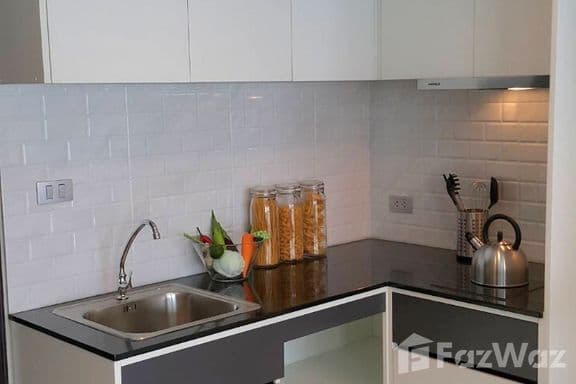
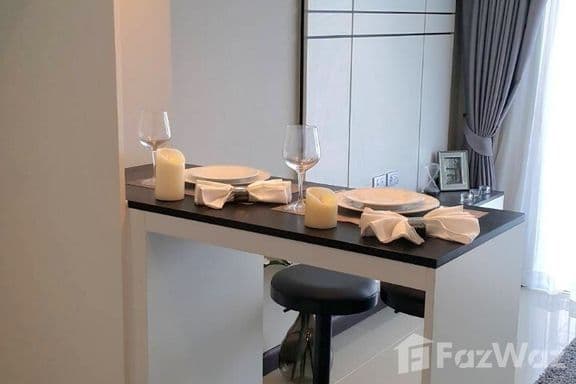
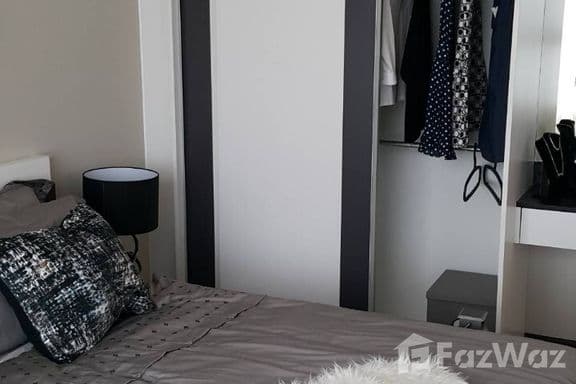
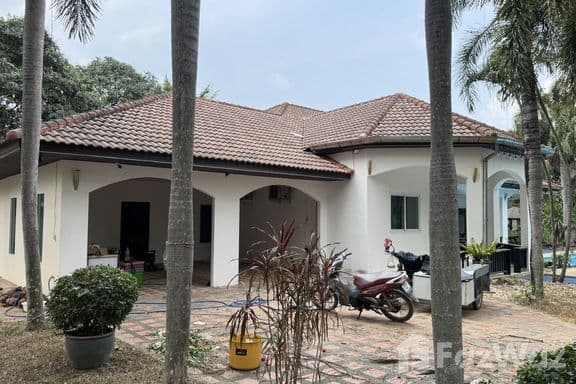
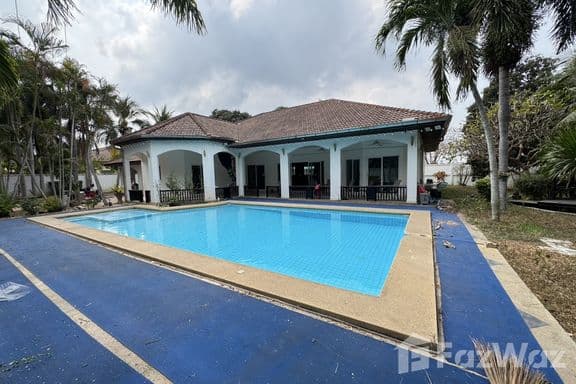
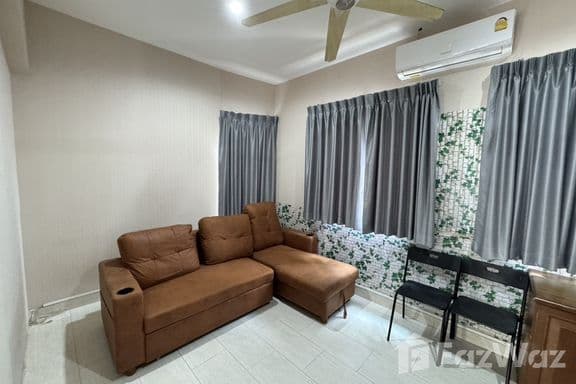
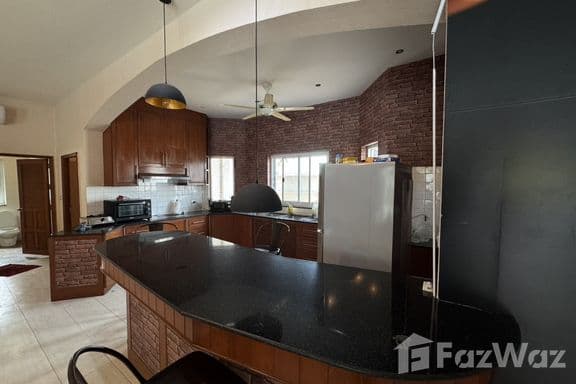
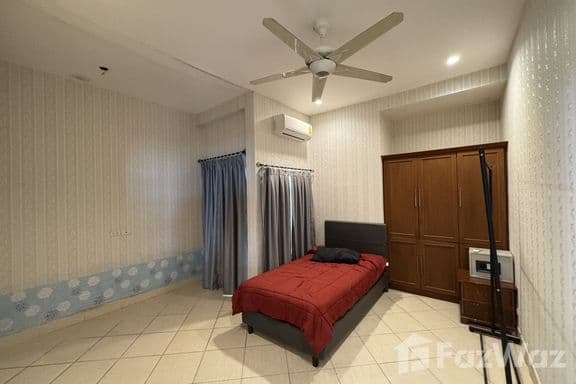
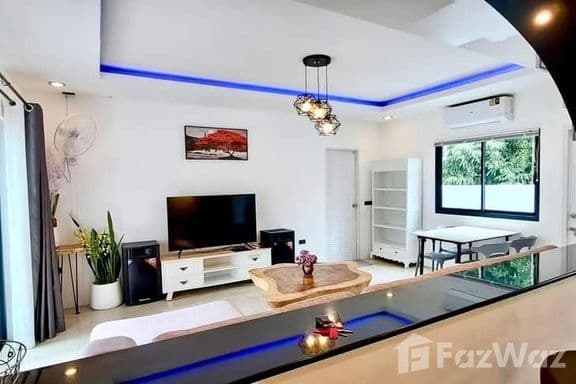
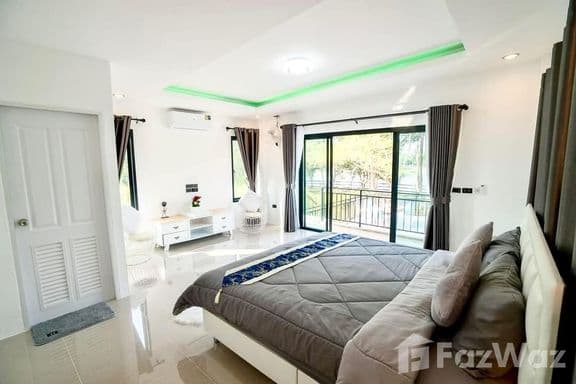
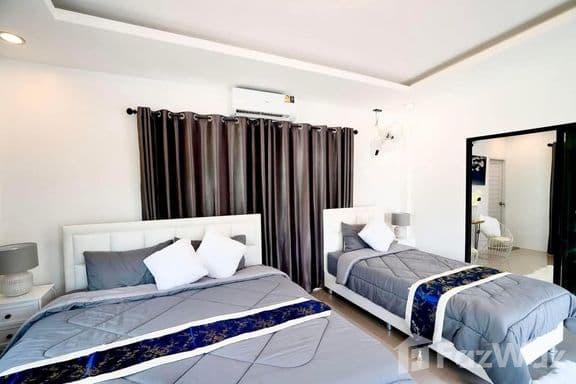
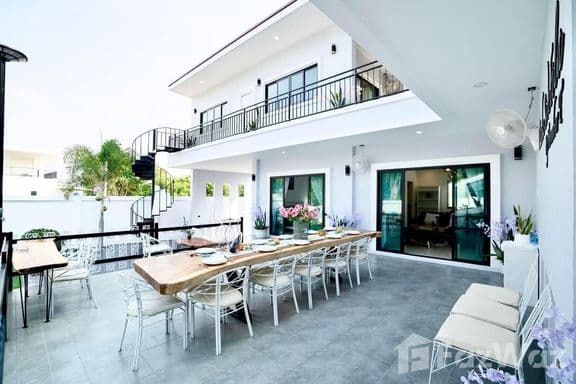
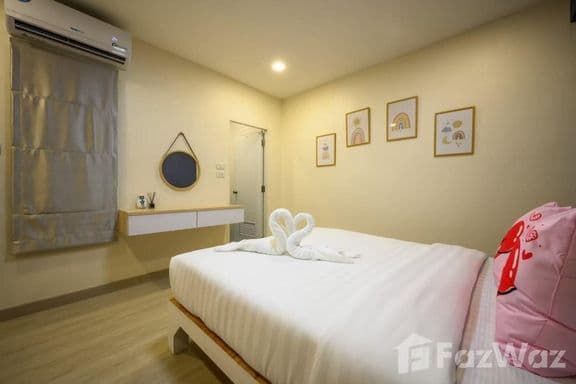
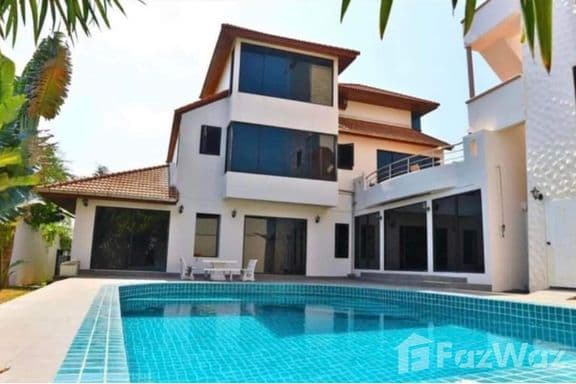
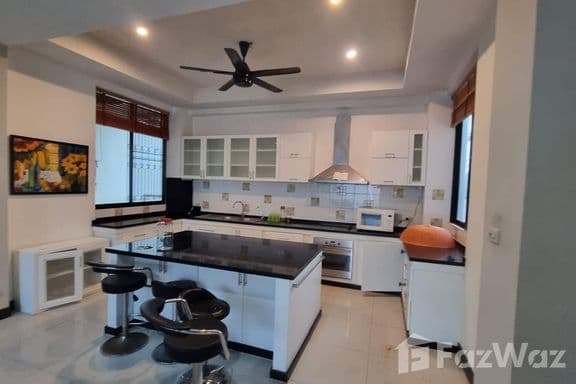
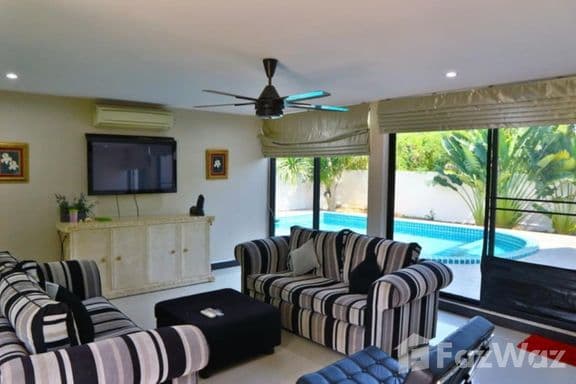
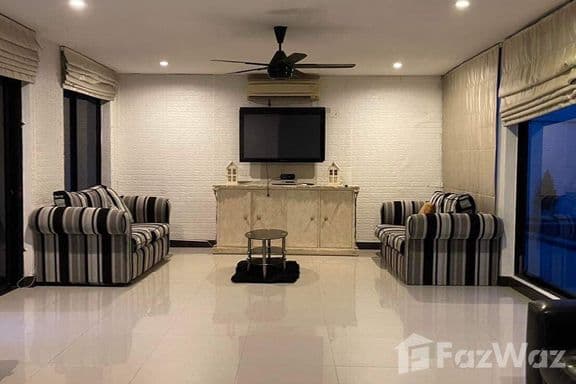
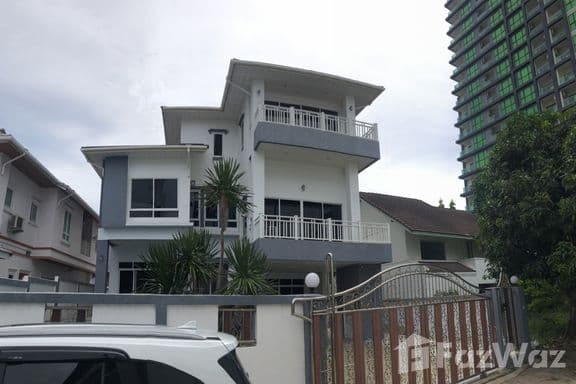
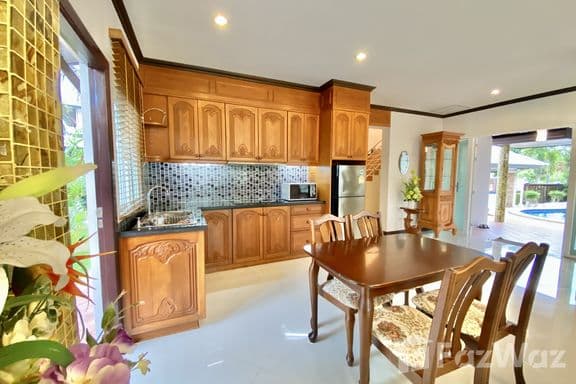
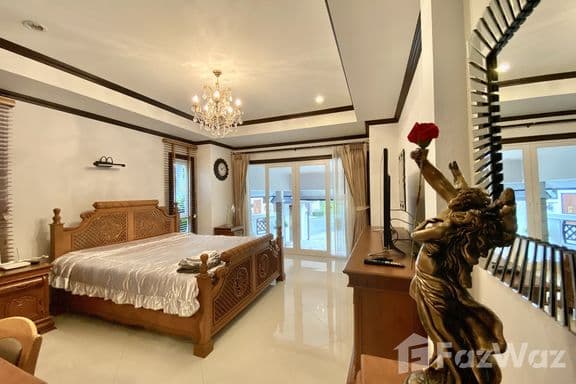
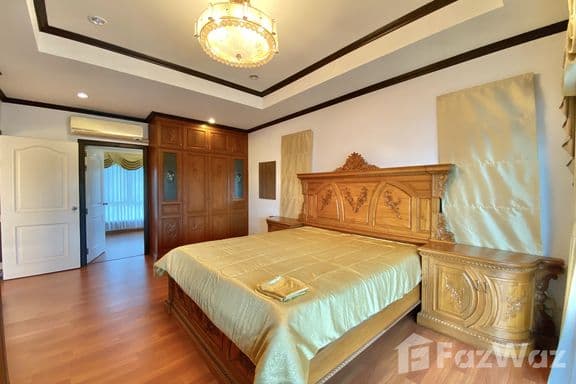
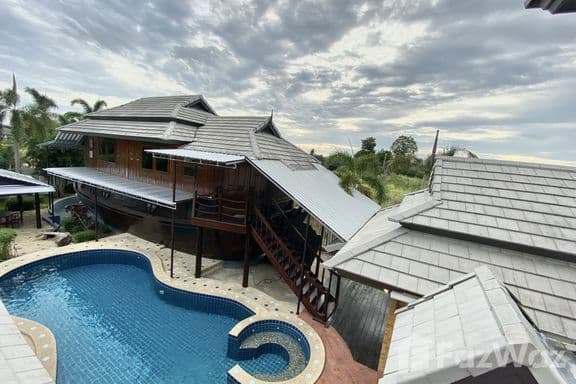
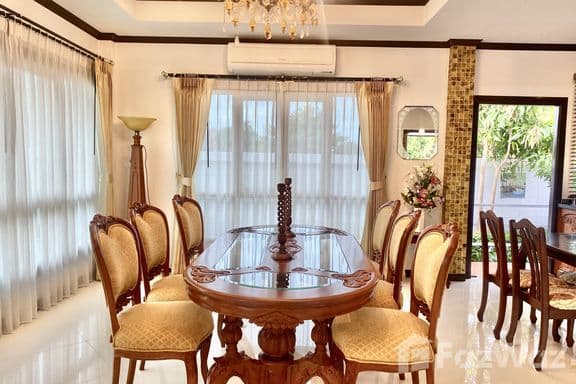
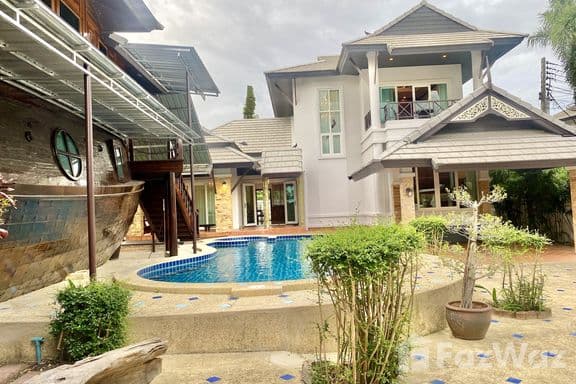
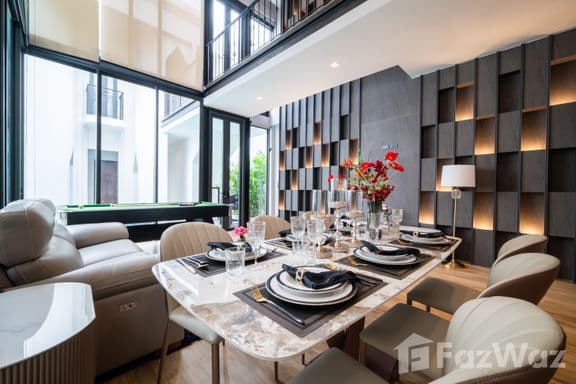
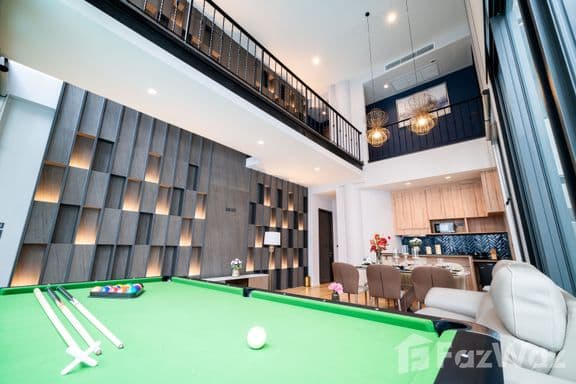
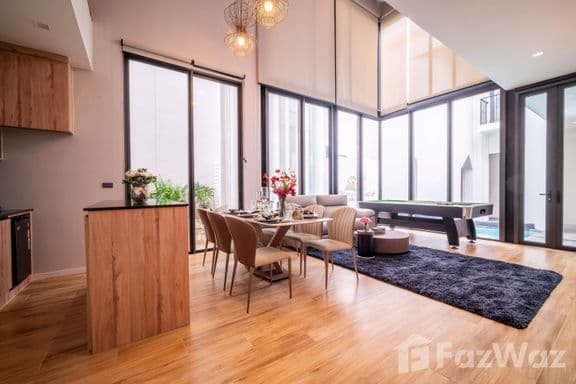
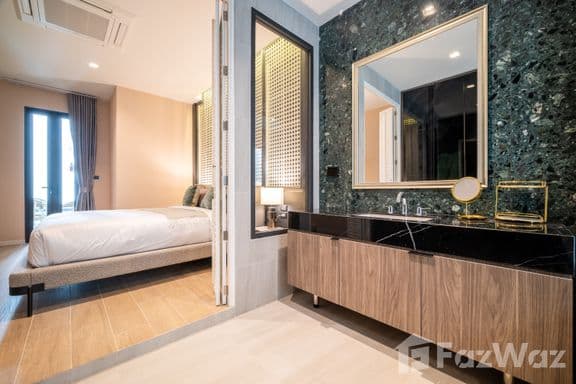
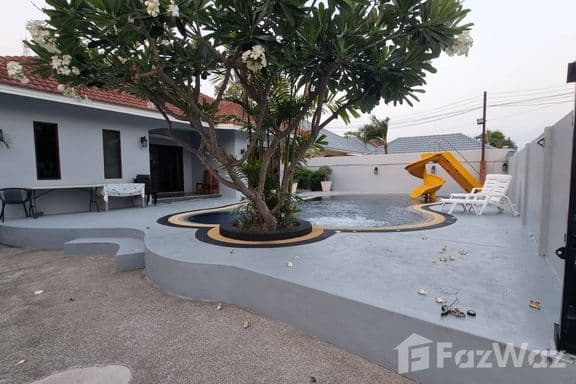
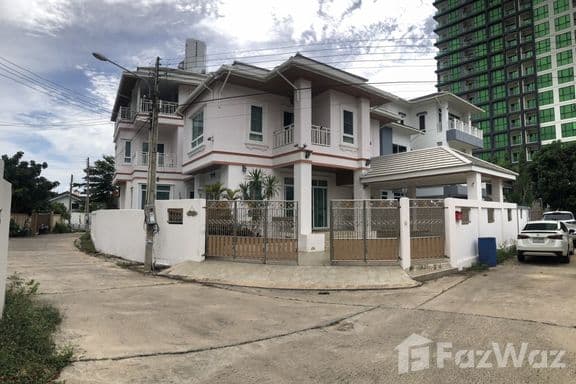
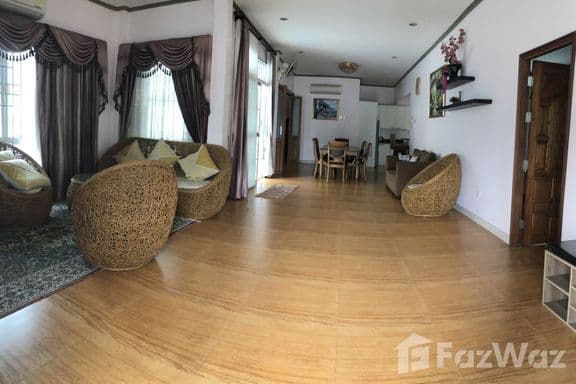
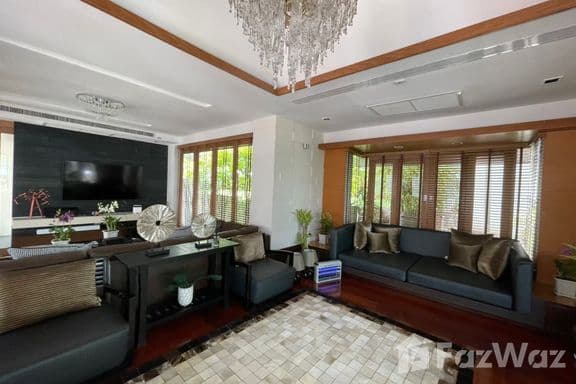
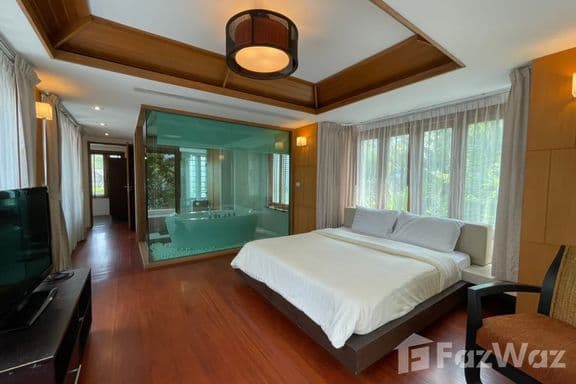
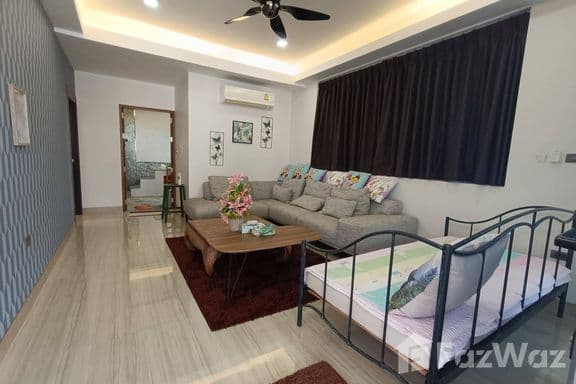
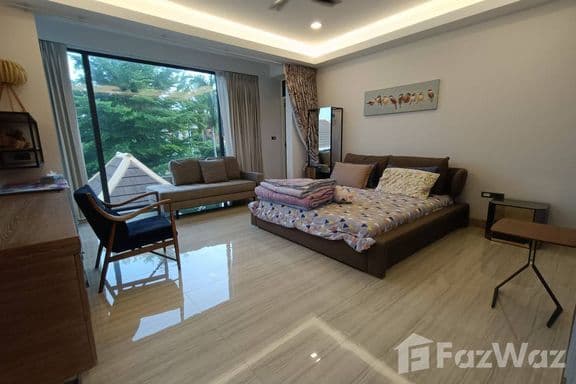
Pattaya offers a variety of property types for rent. High-rise condominiums dominate the skyline in central areas and along popular beaches, featuring studios and multi-bedroom units in modern complexes. Low-rise apartment buildings and serviced apartments also cater to those who prefer a more boutique or hotel-style living experience. Meanwhile, detached houses and villas are available in certain neighborhoods – particularly just outside the city center – for those needing more space or a private garden. Most rental properties in Pattaya come fully furnished and equipped with amenities like air-conditioning and kitchen appliances, making it convenient for new tenants to move in. With its combination of city conveniences and seaside leisure, Pattaya’s rental market attracts a diverse mix of tenants, as we’ll explore below.
Popular Areas for Rentals in Pattaya
Each neighborhood in Pattaya has its own character and advantages. Whether you prioritize beach access, nightlife, tranquility, or family-friendly amenities, there is an area in Pattaya suited to your needs. Below are some of the key areas in and around Pattaya for long-term rentals, along with their lifestyle features and property types.
Central Pattaya (City Center)
Central Pattaya is the bustling heart of the city, known for its shopping centers, restaurants, and vibrant nightlife. Renting in central Pattaya means you’ll be within walking distance of entertainment venues, malls, and the famous Pattaya Beach. The lifestyle here is fast-paced and convenient – ideal for those who want to be in the middle of the action.
Properties: Central Pattaya’s rental properties consist mostly of condos and apartments in mid- to high-rise buildings. Studio and one-bedroom condos are very common, appealing to singles and couples who value location over space. These units often feature modern facilities like swimming pools, gyms, and 24-hour security. Because of the dense urban setting, detached houses are scarce in the city center (and usually come at a premium when available). Parking can be limited in some buildings, so consider transportation needs if you choose this area.
Pricing: Being in the city’s prime area, rents in central Pattaya can be slightly higher than in outlying neighborhoods, but are still reasonable. For example, a furnished studio condo in a central location might rent for around ฿8,000–15,000 per month, while a typical one-bedroom condo could range from roughly ฿12,000 up to ฿25,000 depending on the building and view. Larger units (2+ bedrooms) in the city center are less common but can command ฿20,000–40,000 or more monthly if in a modern development. On the rare occasion a 3-bedroom house or townhouse is for rent in central Pattaya, expect prices in the ballpark of ฿30,000–60,000 per month, reflecting their limited supply. Living in the city center offers ultimate convenience, but renters should be prepared for traffic, noise, and a lively atmosphere around the clock.
Jomtien Beach Area
Just south of the main city, Jomtien is a popular beachside district known for its long stretch of beach and more laid-back vibe. Jomtien offers a quieter alternative to Pattaya Beach while still providing plenty of restaurants, bars, and shops catering to both Thais and foreigners. The area is favored by many long-term expats and retirees for its relaxed atmosphere. It’s also a family-friendly locale, with calmer waters for swimming and activities like night markets along the beach road.
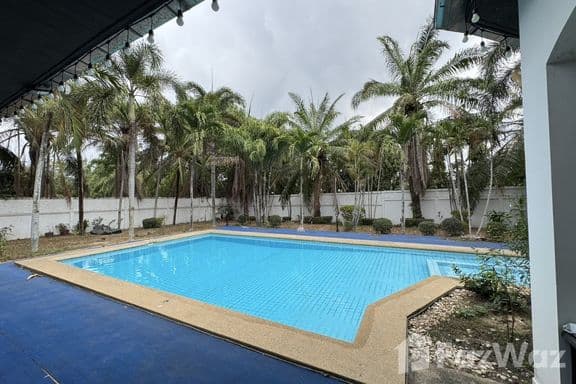
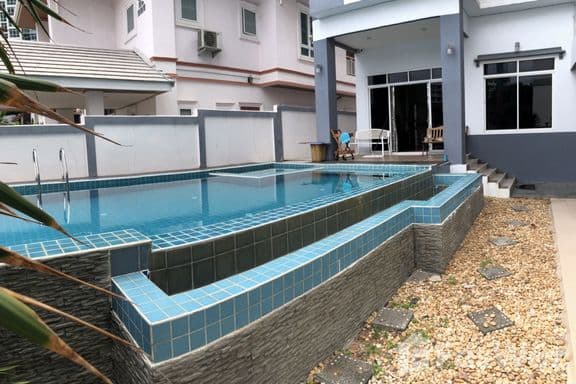
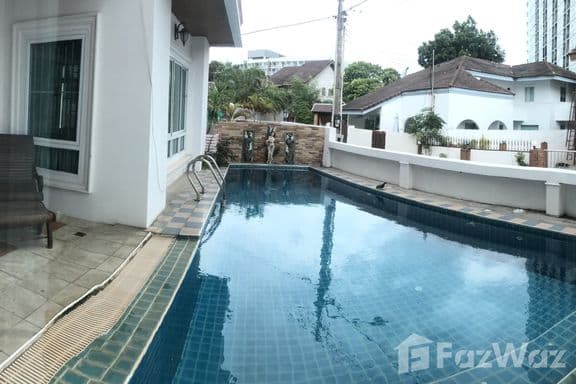
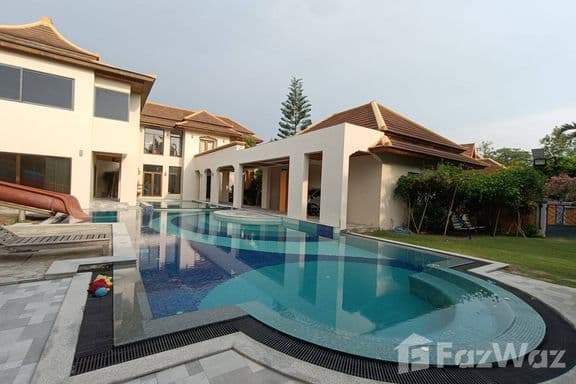
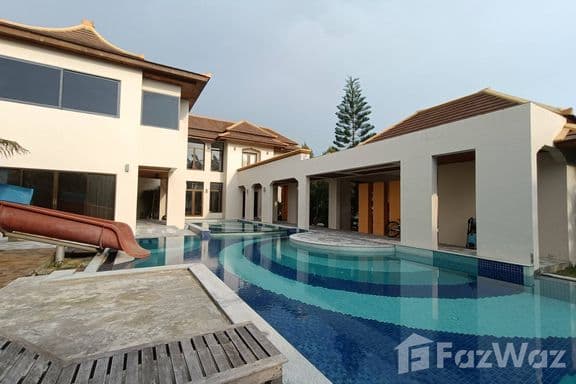
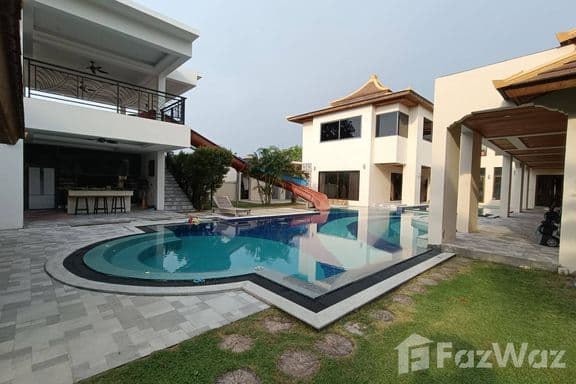
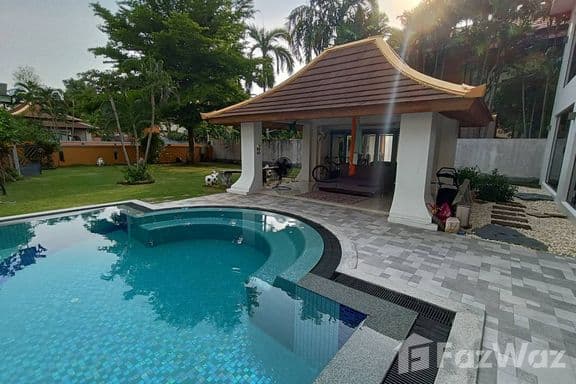
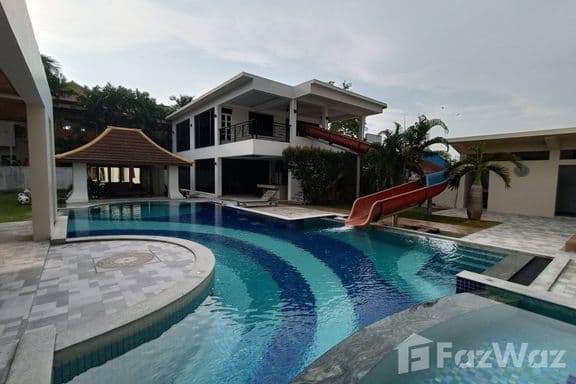
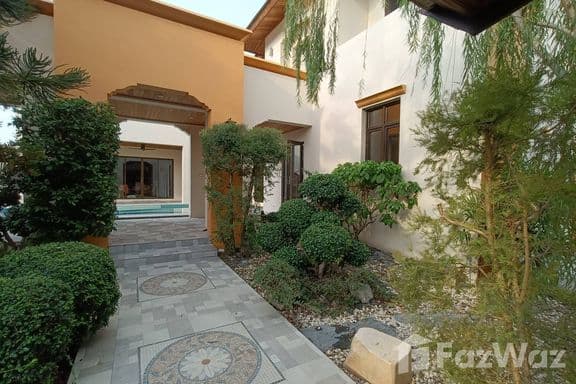
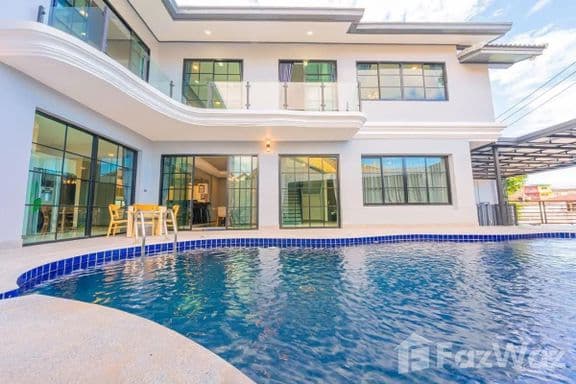
Properties: Jomtien has a mix of high-rise and low-rise condominiums, many of which offer sea views or are within walking distance of the beach. You’ll find numerous affordable condo options here – from compact studios to spacious two-bedroom units – often in older but well-maintained buildings. Newer condominium projects have also sprung up in recent years, featuring modern design and facilities, but generally Jomtien’s rental prices remain lower than central Pattaya for comparable properties. In addition to condos, Jomtien and its surrounding sub-districts (such as Na Jomtien) have residential estates where you can rent houses or villas. These houses often come with multiple bedrooms and sometimes private pools or gardens, appealing to families or those who prefer more space.
Pricing: Rental rates in Jomtien tend to be budget-friendly. A basic studio condo inland from the beach might start around ฿6,000–฿12,000 per month. One-bedroom condos (often around 50–60 sq.m.) commonly range between ฿10,000 and ฿20,000 monthly, depending on proximity to the beach and building amenities. Even large two-bedroom condos can be found in the ฿18,000–฿35,000 per month range in Jomtien, offering good value for the space. For those seeking a house, Jomtien has three-bedroom homes and pool villas typically in the ฿25,000–฿50,000 per month range on long-term lease. Generally, the farther from the beachfront (or the older the property), the lower the rent. Jomtien’s combination of beach lifestyle and affordable housing makes it a top choice for long stays.
Pratumnak Hill
Situated on a hill between Pattaya City and Jomtien, Pratumnak is an upscale residential area sometimes called the “Beverly Hills of Pattaya.” It is a green and quieter neighborhood known for its elevated ocean views and more refined ambiance. Pratumnak has a scattering of cafes, local shops, and a small beach, but it is largely residential with easy access to both Pattaya’s city center and Jomtien within a 5-10 minute drive. This area appeals to those who want a peaceful environment without being too far from city conveniences.
Properties: Pratumnak Hill features a number of boutique condos and luxury developments. Many condominium buildings here are mid-rise and take advantage of sea views and the hillside location. One can find modern luxury condos with high-end facilities as well as older, spacious apartments. In addition, Pratumnak has some exclusive villas and houses, including gated communities and private pool villas tucked into the hillside. Properties in Pratumnak often target higher-end tenants, so finishes and furnishings tend to be of good quality. If you value privacy and a quieter setting, properties here can be very attractive.
Pricing: Given its upmarket reputation, Pratumnak’s rentals are priced a bit above the Pattaya average. A studio or small one-bedroom condo in Pratumnak might start around ฿7,000–฿15,000 per month in an older building, while newer luxury one-bedroom units (with sea view or modern decor) often range ฿15,000 to ฿30,000 monthly. Two-bedroom condos can vary widely – from approximately ฿25,000 up to ฿50,000 depending on size, view, and building prestige. Pratumnak also offers some large condominium units and penthouses that can command premium rents. For detached homes, a 3-bedroom villa in this area typically rents for about ฿40,000–฿80,000 per month, with variation based on property age and whether it has a private pool or expansive view. While prices are higher here, tenants enjoy a serene locale that feels a world apart from the city noise.
Naklua and Wongamat (North Pattaya)
Heading north of Pattaya’s city center, Naklua is an older coastal community that blends local Thai charm with growing expat presence. Within Naklua, the Wongamat Beach area has emerged as one of Pattaya’s most prestigious addresses for condos. Naklua town itself has traditional markets, seafood restaurants, and a more laid-back pace, while Wongamat (along Naklua Soi 16 and vicinity) features a beautiful sandy beach lined with high-end hotels and condominium towers. This “North Pattaya” region is well-suited for those who prefer a quieter environment than central Pattaya but still want access to city facilities. It’s popular among expats from Europe and Russia, some of whom reside here long-term.
Properties: In Naklua proper (inland and around Naklua Road), you can find budget apartments and older condos that tend to be more affordable, as well as a few housing villages with townhouses or detached homes. Closer to Wongamat Beach, the landscape is dominated by luxury condo developments – many of Pattaya’s newest and most upscale condominium projects are here, offering panoramic sea views. These buildings boast resort-style amenities: large swimming pools, fitness centers, direct beach access, and concierge services. The rental stock in Wongamat is largely modern high-rise condos ranging from studios to spacious three-bedroom units. Standalone houses or villas are relatively rare right by Wongamat Beach (any that exist are often very exclusive and pricey), but some can be found in the Naklua area or nearby estates.
Pricing: Rental prices in the Naklua/Wongamat area span a broad range reflecting the mix of modest local housing and premium beachfront condos. For instance, a simple studio in an older Naklua apartment building might rent for ฿8,000–฿10,000 per month, whereas a contemporary studio in a Wongamat high-rise with sea view can fetch ฿15,000–฿18,000 or more. One-bedroom condos in this northern area might range from about ฿15,000 up to ฿30,000 monthly – the lower end representing older buildings or less convenient locations, and the upper end reflecting luxury beachfront residences. Two-bedroom condos at Wongamat Beach are typically in the ฿25,000–฿50,000 per month range, with ultra-modern units or those in five-star complexes commanding the higher end (or beyond). For those interested in a house, a 3-bedroom house in a Naklua residential neighborhood might be around ฿30,000–฿60,000 per month, depending on its size and proximity to town. (In Wongamat itself, villas can exceed this range significantly, but such listings are infrequent.) North Pattaya offers a spectrum from cost-effective rentals in Naklua to some of Pattaya’s most luxurious rental condos in Wongamat.
Typical Rental Prices by Area and Property Type
To summarize the rental price landscape, the table below compares typical monthly rent ranges for different property types across Pattaya’s major neighborhoods. These figures assume a long-term lease (12 months or more) and are in Thai Baht (฿):
|
Neighborhood
|
Studio Condo (per month)
|
1-Bedroom Condo
|
2-Bedroom Condo
|
3-Bedroom House
|
|
Central Pattaya
|
฿8,000 – ฿15,000
|
฿12,000 – ฿25,000
|
฿20,000 – ฿40,000
|
฿30,000 – ฿60,000
|
|
Jomtien Beach Area
|
฿6,000 – ฿12,000
|
฿10,000 – ฿20,000
|
฿18,000 – ฿35,000
|
฿25,000 – ฿50,000
|
|
Pratumnak Hill
|
฿7,000 – ฿15,000
|
฿15,000 – ฿30,000
|
฿25,000 – ฿50,000
|
฿40,000 – ฿80,000
|
|
Naklua / Wongamat
|
฿8,000 – ฿18,000
|
฿15,000 – ฿30,000
|
฿25,000 – ฿50,000
|
฿30,000 – ฿70,000
|
Notes: These ranges are approximate and can fluctuate with market conditions. Properties with special features – such as direct sea views, brand-new furnishings, or private pools – will price at the higher end (or above listed ranges). Conversely, older properties or those farther from the beach can be found at the lower end. Pattaya’s rental market is quite heterogeneous; it’s possible to find bargains below these ranges or ultra-luxury units above them, but the table reflects the typical long-term rental prices one can expect in each area for the given property types.
Who Rents in Pattaya? Key Tenant Profiles
Pattaya’s rental clientele is diverse, reflecting the city’s international appeal. Understanding the common tenant profiles and demand drivers in Pattaya can help both renters and landlords make informed decisions. Here are the main groups driving demand in the Pattaya long-term rental market:
Digital Nomads and Remote Workers
In recent years, Pattaya has attracted a segment of digital nomads and remote professionals. These are individuals (often in their 20s–40s) who work online and are drawn to Thailand for its affordable cost of living and tropical lifestyle. Pattaya offers them a mix of urban convenience and beach relaxation. Digital nomads typically seek small, modern apartments or condos with reliable high-speed internet. Many favor areas like Central Pattaya or Jomtien, where cafés, co-working spaces, and networking opportunities are available. With monthly budgets often in the mid-range, they look for value – for example, a comfortable studio or one-bedroom near amenities. This group tends to sign shorter leases (3–6 months or flexible arrangements) unless they have long-term visas, but some do settle in Pattaya for a year or more, contributing to demand for well-equipped rentals with good connectivity.
Retirees and Long-Term Expats
Pattaya has long been a haven for retirees and expatriates seeking a warm climate and an active community. Retirees (from countries such as the UK, Germany, Russia, China, and beyond) are often on long-term retirement visas and plan to stay for many years. They generally prefer comfortable, hassle-free living. Many retirees choose quieter neighborhoods like Jomtien or Naklua, where they can enjoy the beach or a slower pace, while others appreciate being near hospitals and international clinics available in Pattaya City. This group often rents larger condos (one or two bedrooms) or even houses, as they may want extra space for visiting family or hobbies. Key considerations for retirees include proximity to grocery stores, healthcare facilities, and community activities (golf courses, clubs, etc.). Their budgets vary – some live modestly on pensions (opting for simpler apartments), while others have significant resources to spend on luxury sea-view condos or pool villas. Stable, long-term tenancy is a hallmark of this demographic; landlords value them for typically taking good care of properties and committing to multi-year stays.
Long-Stay Tourists and Seasonal Residents
Beyond permanent expats, Pattaya sees a large number of long-stay tourists – visitors who might initially come on a tourist visa and extend their stay for several months to escape winter back home. These include individuals and couples from Europe, North America, and Asia who spend part of the year in Thailand. They usually rent fully furnished condos on a month-to-month or quarterly basis. During the high season (cooler months from November through February), the influx of such seasonal residents peaks. Many favor condo rentals in areas like Wongamat (for a resort feel) or Jomtien (for affordability and beach access). Some are repeat visitors who return every year and may rent the same unit each time. This group values convenience – rentals that are move-in ready, with flexible lease terms and leisure amenities (pool, gym) are preferred. They tend to be less price-sensitive during peak months since their stay is short-term, but in low season some will negotiate for better deals on multi-month stays. Long-stay tourists significantly boost demand in peak periods and can affect availability for others during those times.
Local Professionals and Expat Workers
While Pattaya is best known for tourism, it’s also a base for various professionals. Some Thai nationals working in the hospitality or retail sector choose to rent in the city. Additionally, foreign experts and managers employed in the Eastern Economic Corridor (industrial estates and projects in Chonburi/Rayong provinces) sometimes live in Pattaya for a higher quality of life and commute to work. These expat workers often come with families and might seek three-bedroom houses in residential compounds or modern condos with multiple bedrooms. They prioritize good access to international schools (Pattaya has a few) and family-oriented amenities. This tenant group contributes to demand for upscale houses in quieter suburbs (such as East Pattaya or Na Jomtien, even if those were not detailed above) and larger condos in town. They typically have company housing allowances, which means reliable rental payments for landlords and a willingness to sign one-year or longer leases.
In summary, demand drivers in Pattaya range from young remote workers to retirees and short-term winter escapees. This diverse renter pool ensures that all property types have some demand – studios for singles, larger homes for families, and so on. Landlords often tailor their properties (in terms of furnishings and amenities) to appeal to one or more of these groups. For renters, it’s useful to know which areas and property types align with your profile – for instance, if you’re a retiree seeking peace and quiet, you’ll be looking in different places than a digital nomad chasing nightlife and co-working spaces.
Seasonal Trends in Rental Demand and Pricing
Like many Thai resort destinations, Pattaya experiences seasonal fluctuations in its rental market. Understanding these patterns can help you time your rental search or lease negotiations advantageously:
- High Season (Peak Demand): Pattaya’s peak season roughly runs from November through February, when the weather is cooler and drier. During these months, tourist arrivals surge – including long-stay tourists and part-time residents escaping cold climates. Many property owners take advantage of high season by renting out condos on a short-term (daily/weekly) basis to holiday visitors at premium rates. As a result, long-term rentals can be harder to secure in peak season, especially for prime beachfront condos. Prices for new leases may be less negotiable or slightly higher in popular buildings due to stronger demand. If you plan to start a lease in December or January, be prepared for fierce competition for desirable units. It’s wise to lock in accommodations well in advance of the high season or arrive early (October, for example) to find more choices.
- Low Season (Off-Peak): Pattaya’s low season spans roughly May through October, coinciding with hotter weather and the rainy season. Tourist numbers drop during this period. Consequently, many rental properties sit vacant or have fewer short-term tenants. This is a renter’s market: landlords are more open to negotiating discounts or incentives to secure a long-term tenant during the slow months. It’s not uncommon to find special deals such as a lower monthly rent for a 12-month contract signed in low season, or additional furnishings included at no extra cost. If you have flexibility, house-hunting in the off-peak season can yield significant savings. Some tenants arrange leases to begin around June or July to capitalize on lower demand and then enjoy fixed rent through the next high season.
- Shoulder Seasons: The transition months (March-April and late October) can offer a middle ground. In early spring (March-April), many seasonal residents depart, increasing vacancy and easing prices just before the low season fully sets in (though April around Songkran Festival can see a mini-spike in local tourism). Late October to early November is another window when some high-season visitors haven’t arrived yet, and you might still find off-peak rates.
- Short-Term vs Long-Term Rates: Note that many Pattaya landlords charge different rates depending on lease length. A condo advertised at ฿30,000 per month on a short 3-month contract might drop to ฿25,000 per month if you commit to a year. Long-term rentals are preferable to owners for stability, so they often price them more favorably on a monthly basis than vacation rentals. As a tenant, use this to your advantage by negotiating for a better monthly rate in exchange for a longer lease, especially if you’re discussing terms during the low season.
In summary, seasonal pricing variations in Pattaya can be significant. High season brings greater demand and firmer prices, while low season opens the door to deals and wider selection. Plan your move accordingly: if possible, start your long-term rental during the quieter months. Once you have a contract, most leases lock in your rate, insulating you from seasonal changes. Being aware of this cycle ensures you neither pay more than necessary nor miss out on the perfect home due to poor timing.
Practical Tips for Long-Term Renters in Pattaya
Renting a property in Pattaya can be smooth and rewarding if you approach it with the right preparation. Here are some practical tips to help long-term renters (especially those coming from abroad) navigate the process successfully:
- Research Neighborhoods and Visit in Person: Before committing, spend time in different Pattaya neighborhoods to get a feel for their environment. A place that’s quiet by day might be noisy at night, or vice versa. If you’re new to Pattaya, consider booking a short-term stay first (a hotel or Airbnb) and visit potential rentals in person. Walking the area will reveal proximity to the beach, shops, transportation, and any nuisances (like construction sites or bars) that may not be obvious online.
- Use Reputable Agents or Platforms: While you can find rentals through online listings and expat forums, working with a licensed local real estate agent can be very helpful. Agents in Pattaya often know the market and can show multiple properties matching your criteria. Their fees are typically paid by the landlord, so as a tenant you can usually use an agent’s services free of charge. Whether through an agent or not, make sure any online platform or contact is trustworthy. Be cautious of deals that look “too good to be true” and never send money upfront to secure a property without proper verification.
- Check the Property Thoroughly: When inspecting a rental, note the condition of appliances, furniture, and fixtures. Test the air conditioning, plumbing (water pressure, hot water heater), and electrical outlets. Look for signs of pest issues or water leaks. It’s wise to take photos of any existing damage or wear and share these with the landlord or agent to avoid disputes later. If the property is a condominium, ask about any building-specific rules (e.g., pet policies, common area usage fees) and ensure the facilities (pool, elevators, etc.) are well-maintained.
- Understand the Total Costs: Clarify which expenses are included in the rent and which are not. In Pattaya, tenants usually pay their own utility bills (electricity, water) unless otherwise agreed. Electricity in Thailand can be expensive if you run A/C units frequently; check if the bill will be charged at the government rate or a higher building rate. Also consider costs like internet service, cable TV, or maintenance fees. Some condo owners bundle amenities (like internet or weekly cleaning) into the rent, while others leave it to the tenant. Get a clear breakdown to avoid surprises.
- Negotiate and Know Your Leverage: In many cases, Pattaya rents are negotiable, especially for long-term leases or if the unit has been vacant for a while. It’s reasonable to politely negotiate on rent or ask for additional items to be provided (such as a microwave, new mattress, etc.). Do your homework on comparable listings to support your negotiation. As mentioned, you’ll have more leverage in the low season or if you’re willing to sign a longer lease. However, desirable beachfront condos in high season may have little room for bargaining due to high demand. Approach negotiations respectfully; landlords in Thailand may be more willing to negotiate if there’s a friendly rapport.
- Read and Secure a Proper Lease Agreement: Always insist on a written lease contract signed by both parties. The lease should detail the rental term, monthly rent, security deposit, and responsibilities for utilities and repairs. If you are not fluent in Thai, ask for an English version or translation of the key terms (many Pattaya landlords have bilingual contracts since they often rent to foreigners). Do not rely on verbal promises – have everything in writing, including any special arrangements you negotiated (like a repainting, or replacing a broken appliance). This document is crucial for protecting your rights as a tenant.
- Security Deposit and Payments: It is standard in Pattaya to pay a security deposit equivalent to 2 months’ rent, plus the first month’s rent in advance when signing the lease. Make sure to get a receipt for any payments. Clarify the conditions for the deposit refund – typically, if you return the property in good condition and all bills paid, the deposit is fully refundable at lease end. To safeguard your deposit, maintain the property well and address any minor damages before moving out. Also, note the acceptable payment methods each month (bank transfer is common; some landlords accept cash). Paying on time will build trust and a good relationship with your landlord.
- Be Aware of Visa and Registration Requirements: Foreigners renting in Thailand should remember to stay in legal visa status throughout their stay. While a lease does not confer any visa rights, having a long-term rental can be useful for certain long-stay visa applications (for instance, proof of address). Additionally, Thai law requires that foreign tenants be registered with immigration (TM30 report) by the property owner or manager whenever they move to a new residence. Ensure your landlord or condo manager takes care of this, as it’s their responsibility, but it’s good for you to follow up so that your address is properly registered. It can affect future visa extensions or hotel check-ins if not done.
- Respect Local Customs and Regulations: Treat your rental property with respect and be mindful of neighbors. Many condos have quiet hours or strict rules about using facilities – abide by these to avoid complaints. If you rent a house in a local community, be considerate of Thai cultural norms (like keeping noise down during late hours or being polite with neighbors). Also, avoid any illegal activities in the property (Thailand has strict laws on drugs, etc., and landlords can evict tenants involved in unlawful behavior). Showing that you are a responsible tenant will make your stay pleasant and can help ensure you get your full deposit back.
- Plan for Utilities and Services: Once you move in, you may need to set up accounts for internet or get a local mobile phone for contacting your landlord/agent easily. Pattaya has multiple internet providers – check with your landlord which services are available at your building or house. For condos, water is usually billed monthly by the building, and electricity is often directly billed by the utility company or the building management. Make sure you know how to pay these bills (some can be paid at 7-Eleven stores, banks, or online). If you prefer housekeeping services or drinking water delivery, ask around – Pattaya has many convenient services that cater to expats, which can be arranged for a fee.
Following these tips will help you avoid common pitfalls and enjoy a hassle-free renting experience in Pattaya. Taking the time to do due diligence – from researching areas to double-checking contracts – is well worth it when you plan to call a new place home.
Landlord Expectations and Legal Considerations
When entering a lease in Pattaya (and Thailand in general), it’s important to understand what landlords typically expect from tenants and the legal framework of rentals. Here’s what you need to know:
Length of Lease: Most Pattaya landlords prefer a 12-month lease for long-term rentals. Yearly contracts are the norm because they provide stability. Six-month leases might be available in some cases (often at slightly higher rent), but anything shorter than that usually falls under holiday/short-term rental territory. If you intend to stay multiple years, many landlords will be happy to renew the contract annually. Ensure any renewal clause or option to extend is clearly stated if that’s important to you.
Security Deposit: As mentioned, the standard security deposit for long-term rentals is two months’ rent. This deposit is held by the landlord as security against any damage or unpaid bills. Landlords expect to return this deposit at the end of the lease, provided the tenant has fulfilled all obligations. It’s good practice to do a walk-through with the landlord when moving out to agree on the condition of the property. While most landlords are fair, some deductions might occur for things like broken items or excessive cleaning, so leave the home in the same state you received it (aside from normal wear-and-tear). Legally, there’s no government body holding the deposit – it’s a private arrangement – so choosing a reputable landlord and documenting the condition helps protect your deposit.
Rent Payments: Rent is typically paid monthly in advance, due on the same date each month as per your contract. Landlords expect prompt payment; late payments may incur a fee (if specified in the lease) or at least strain the landlord-tenant relationship. Many foreign tenants arrange automatic bank transfers to the landlord’s account, which is convenient and provides a record of payment. Some landlords may still accept cash. It’s not common in Thailand to pay by personal check. Discuss and confirm the payment method and timeline, and always ask for a receipt or email confirmation of each payment for your records.
Maintenance and Repairs: Lease agreements usually outline who is responsible for maintenance. In Thailand, minor interior repairs (a lightbulb, a clogged sink, A/C cleaning) are often considered the tenant’s responsibility, whereas major issues (a structural problem, major appliance failure not caused by tenant misuse) are typically the landlord’s responsibility. However, practices vary. Landlords appreciate tenants who promptly report any issues. Do not undertake significant repairs or modifications without landlord approval – for example, you shouldn’t repaint walls or install fixtures on your own unless it’s been agreed, as this could affect your deposit. Many condo owners have service contracts for air-conditioning maintenance; clarify if you are expected to schedule and pay for periodic A/C servicing (commonly every 6 months) or if the owner handles it. Good communication about maintenance helps avoid misunderstandings.
House Rules and Condo Regulations: When you rent a condo, you implicitly agree to follow the condominium’s rules. Landlords will expect you to adhere to these, which can include things like no smoking in common areas, designated hours for using the pool or gym, and guidelines for moving in/out (some condos require advance notice to reserve the elevator for moving furniture). If the condo has a juristic office (management office), you may need to register as a tenant there as well. They might issue you an access card and go over building rules. For houses, if it’s in a gated community, there could be community rules (e.g., parking, noise, security measures) to follow. Landlords expect you to be a good neighbor and not create disturbances or conflicts that could result in complaints.
Legal Protections: Thailand’s rental laws are relatively straightforward, but they do offer some protection to both parties. For instance, once a fixed-term lease is signed, the landlord cannot arbitrarily evict you before the term ends unless you violate the agreement (non-payment, causing serious damage, etc.). Likewise, you are expected to honor the full lease term – if you need to leave early, landlords may enforce penalties as per the contract (commonly, tenants might forfeit their deposit if breaking the lease early without agreement). Always communicate as early as possible if your plans change; some landlords might be understanding and work out a solution if they can find a replacement tenant, but they are not obligated unless specified by a break clause.
Documentation: Ensure you keep copies of all important documents: the signed lease, receipts for rent and deposit, an inventory of furnishings if one is provided, and any correspondence with the landlord (especially regarding repairs or special permissions). While disputes are not common when both sides act in good faith, having documentation is your safety net. If a dispute does arise that you cannot resolve directly, note that Thailand does have a legal system to handle contract disputes, but this can be time-consuming and costly. It’s far better to prevent issues through clear communication and documentation from the start.
Foreign Ownership and Rental: A common question is whether there are any legal issues for foreigners renting property. The good news is that foreigners are allowed to rent property in Thailand with no special permissions required. Many condo owners in Pattaya are foreigners themselves who rent out their units. As a foreign tenant, you have the same rights and obligations under the lease as a Thai tenant would. Just be sure to have a valid visa or permission to stay for the duration of your lease (if you overstay your visa, that becomes a legal issue unrelated to the rental contract but could complicate your stay).
In summary, landlords in Pattaya generally expect reliable, respectful tenants who pay on time and take care of the property, and in return they provide a home and honor your privacy and lease terms. By understanding these expectations and the basic legal setup, you can foster a positive landlord-tenant relationship. Pattaya’s rental market is quite mature and foreigner-friendly, so with a proper lease and mutual respect, both parties usually enjoy a smooth arrangement.
Conclusion
Renting a property in Pattaya offers the opportunity to enjoy a relaxed, beachside lifestyle with all the conveniences of a modern city. Whether you choose a chic condo in the heart of town or a tranquil house near the shore, Pattaya’s diverse rental market has something for everyone. By researching the neighborhoods, staying aware of market trends, and approaching the process with due diligence, you can secure a rental home that fits your needs and budget. Remember to factor in seasonal dynamics and engage with landlords or agents transparently to get the best terms. With its warm climate, vibrant culture, and welcoming community, Pattaya continues to be a top choice for long-term renters looking to experience the best of Thailand’s Eastern Seaboard. Happy house-hunting in the Land of Smiles!
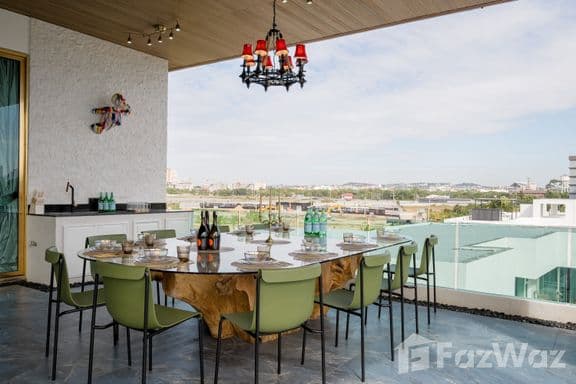
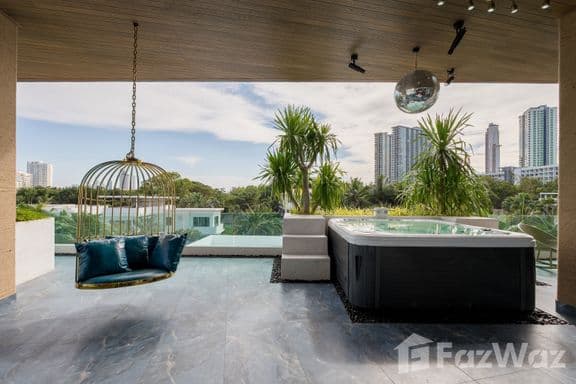
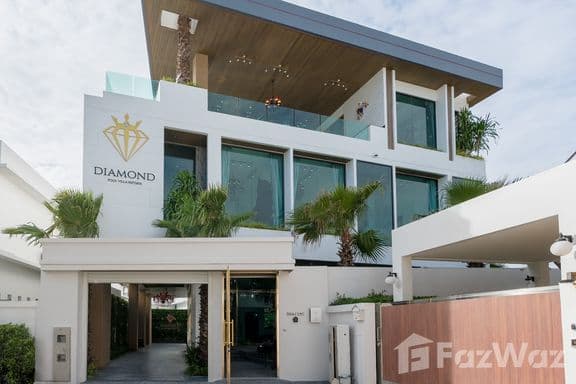
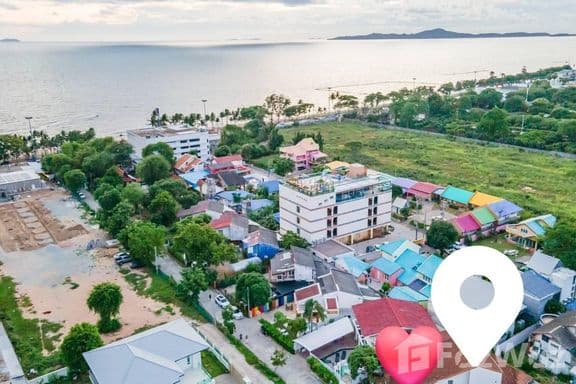
Pattaya’s coastal skyline, with numerous condominiums offering sea views. Central Pattaya and its surrounding areas provide a wide range of rental properties for different preferences.























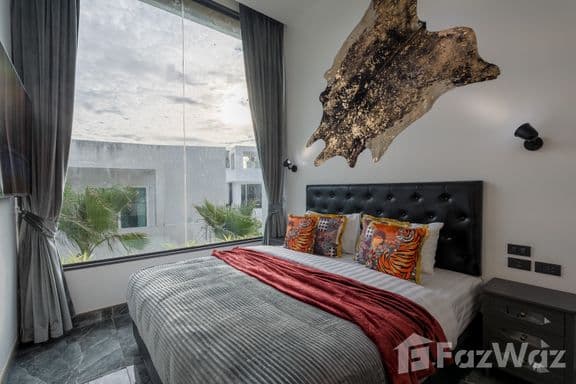
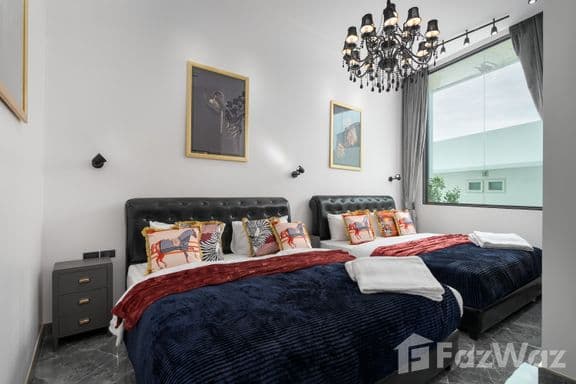
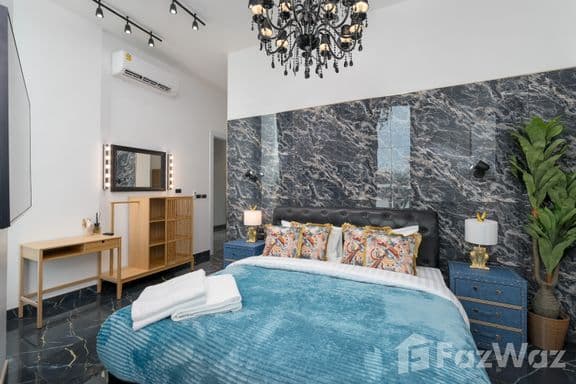
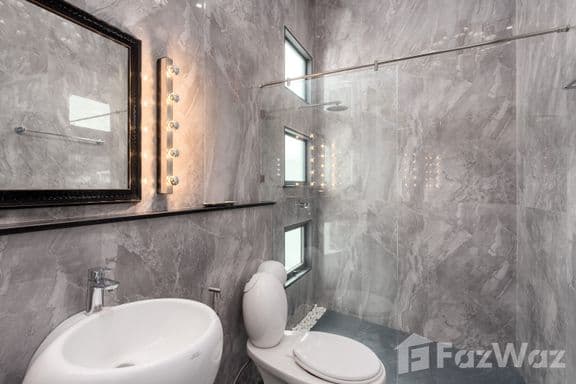
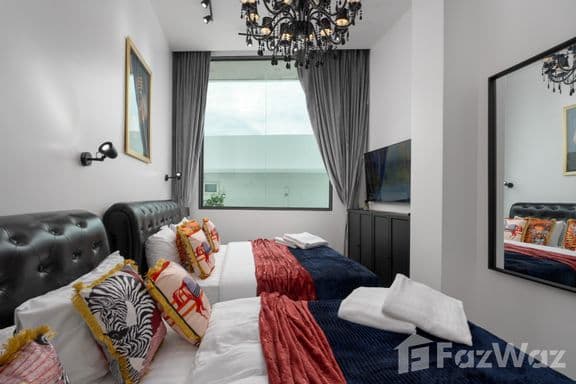
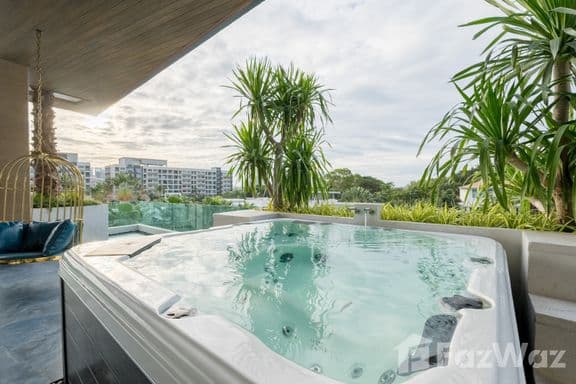
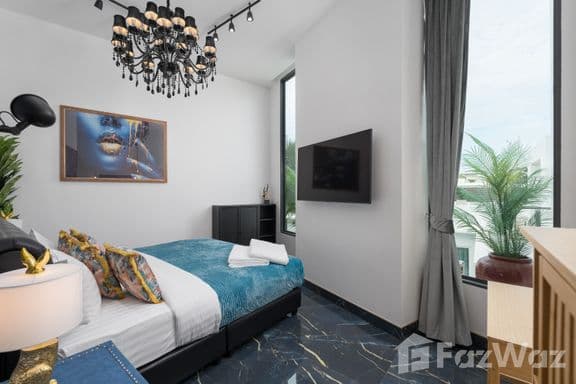
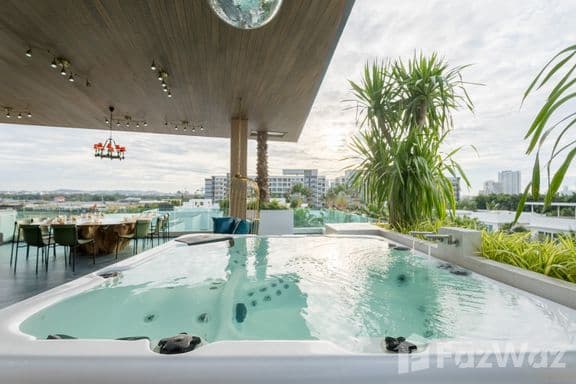
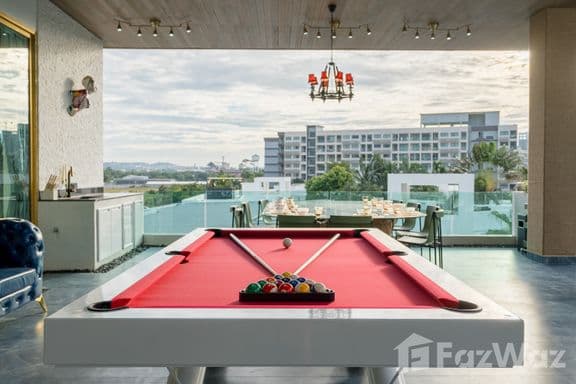
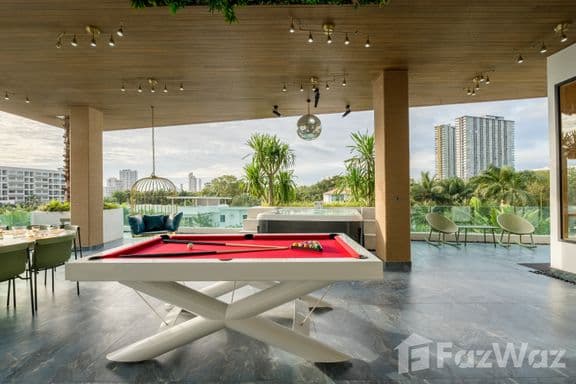











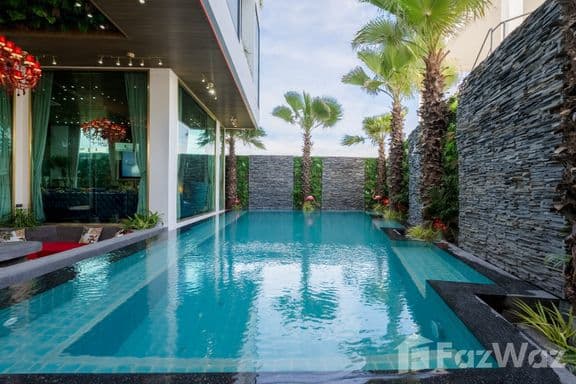
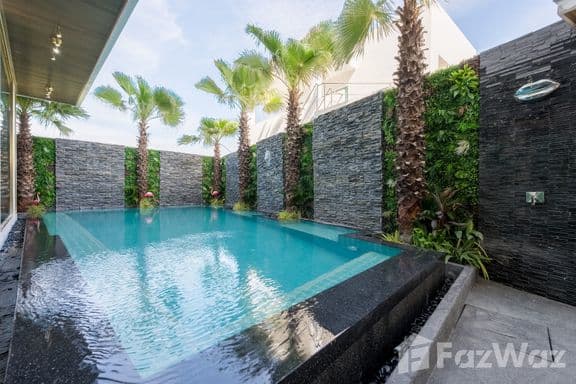

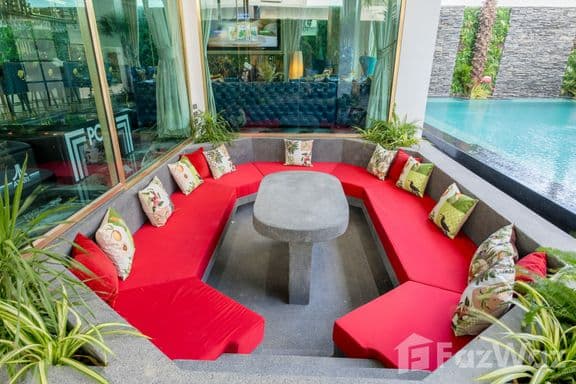
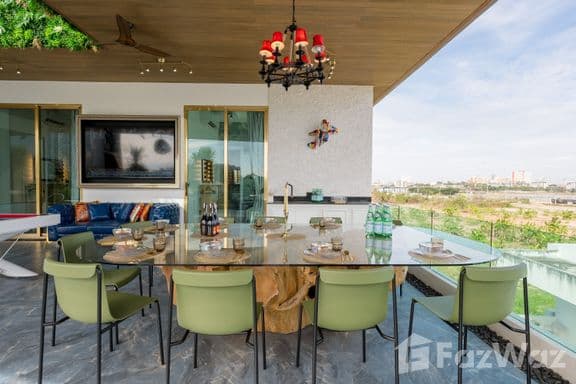



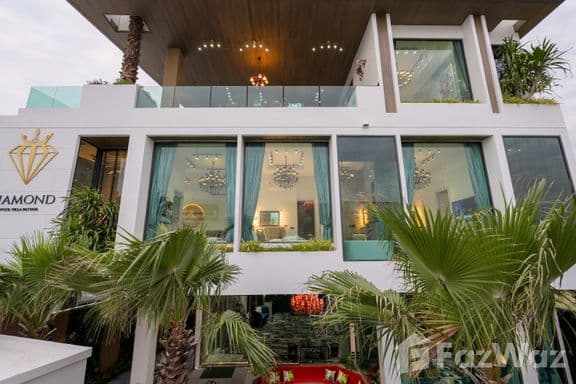



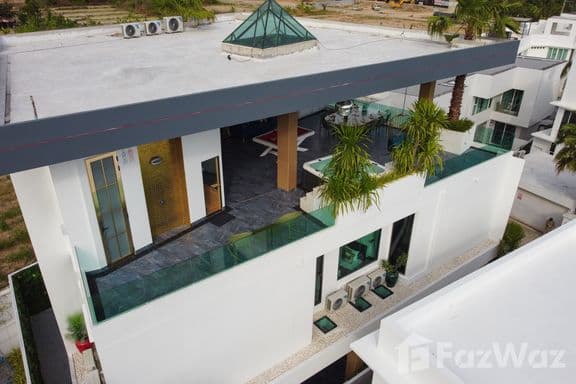
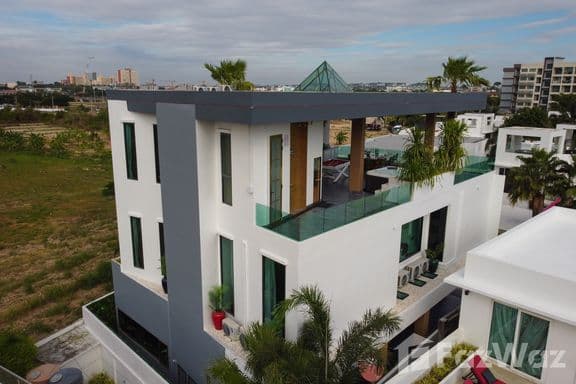





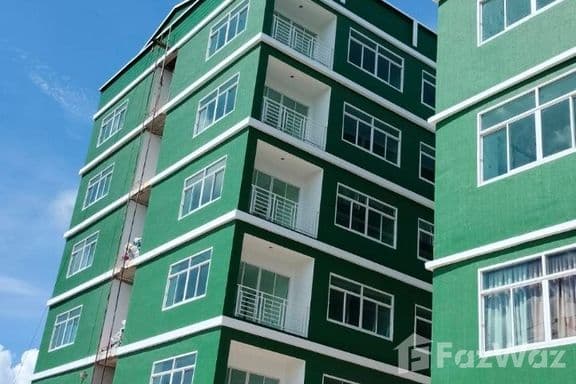




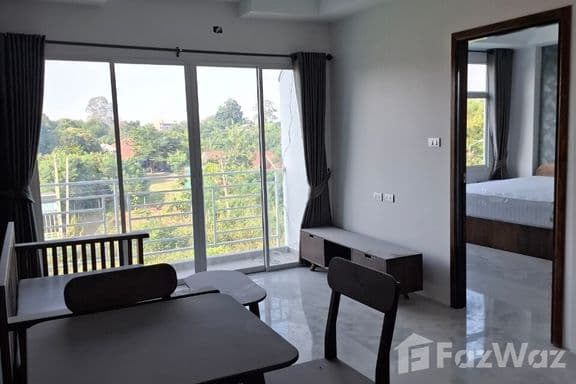
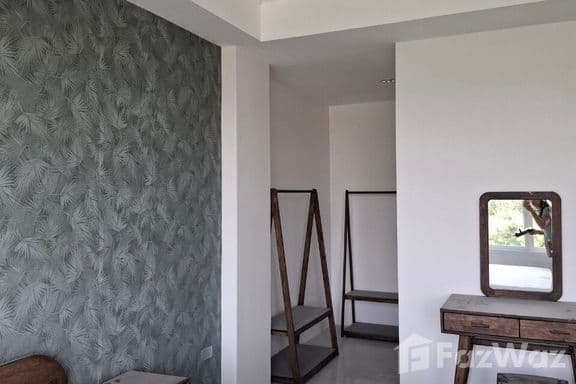
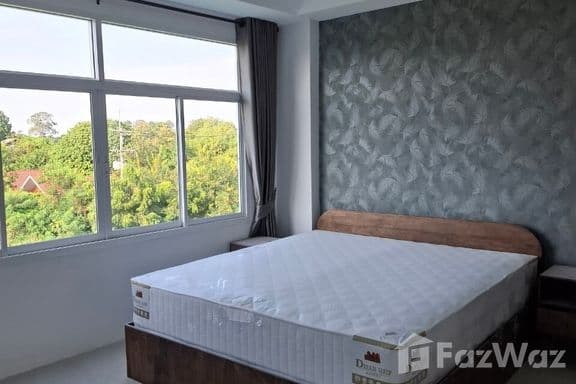


















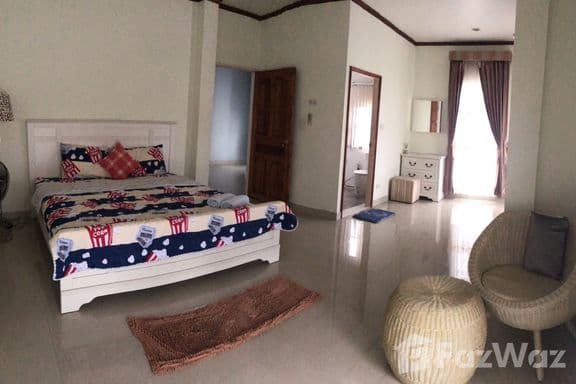

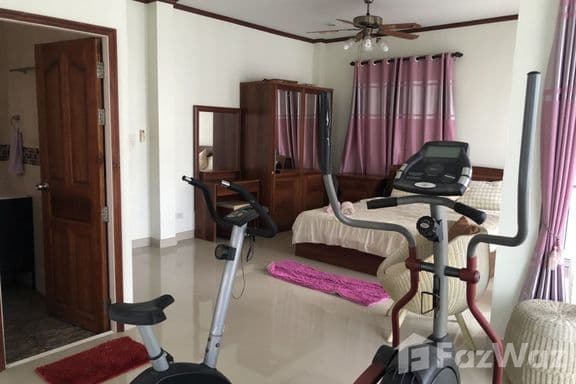
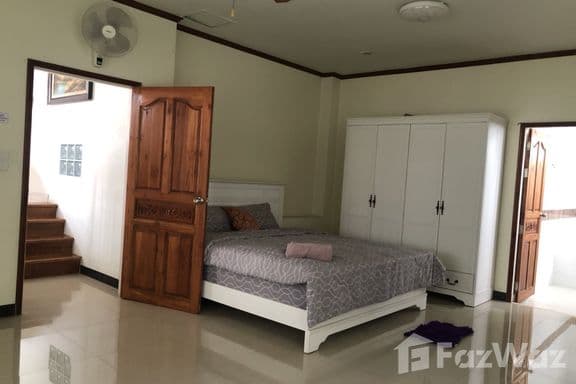
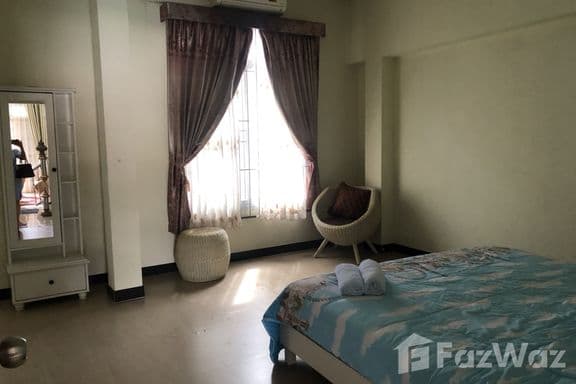




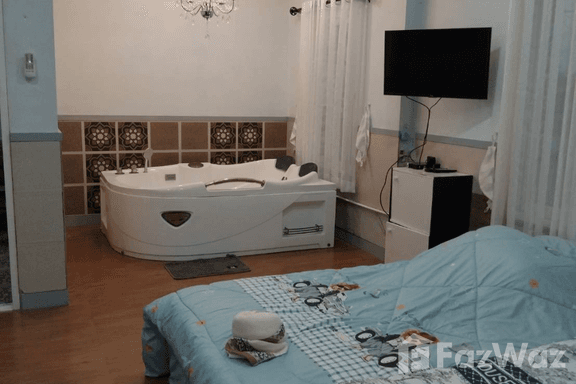




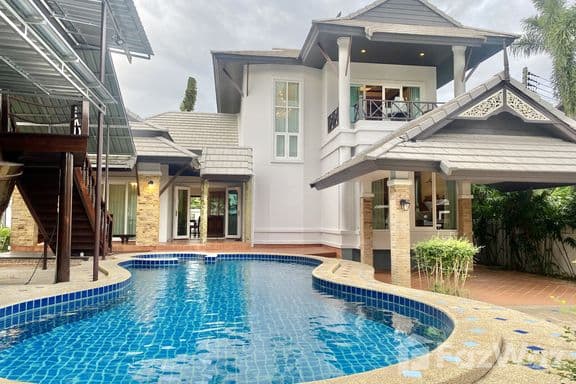
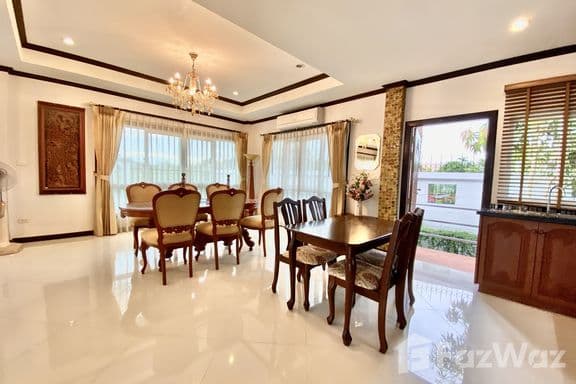








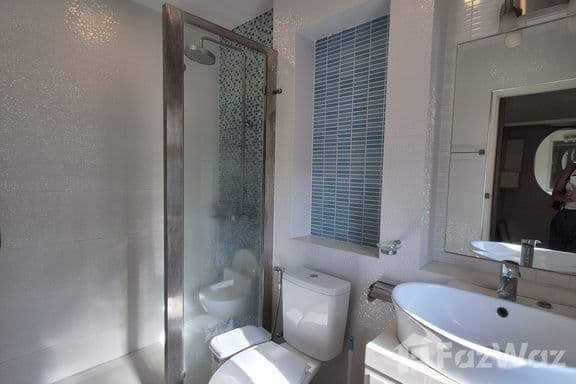
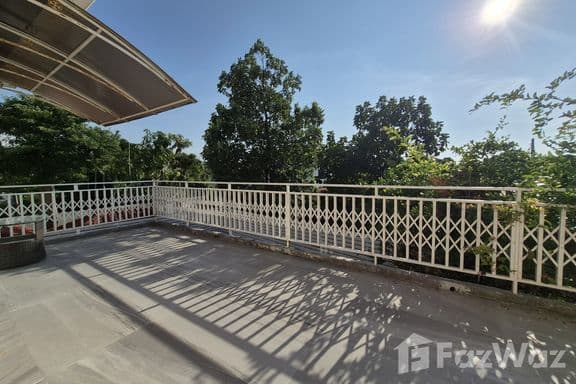

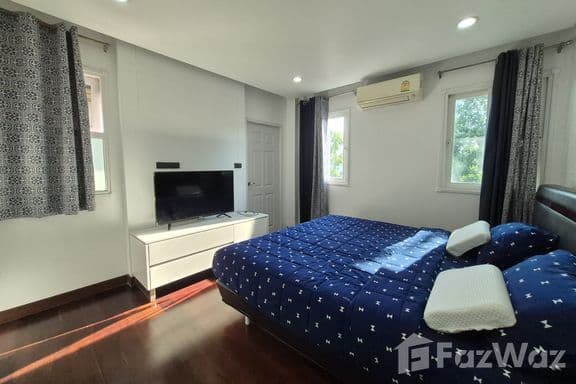
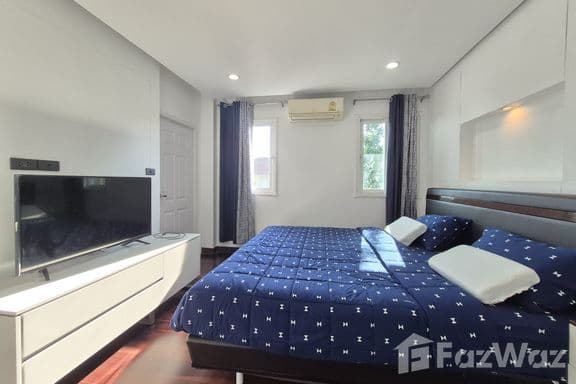

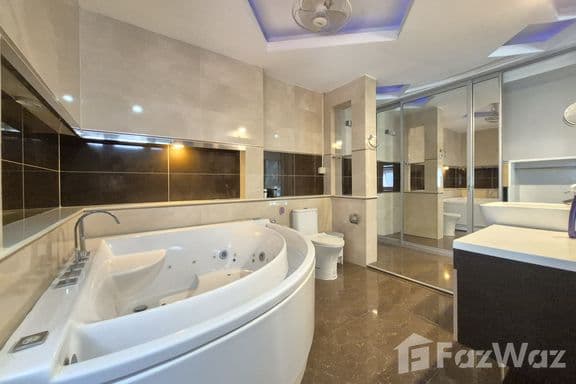
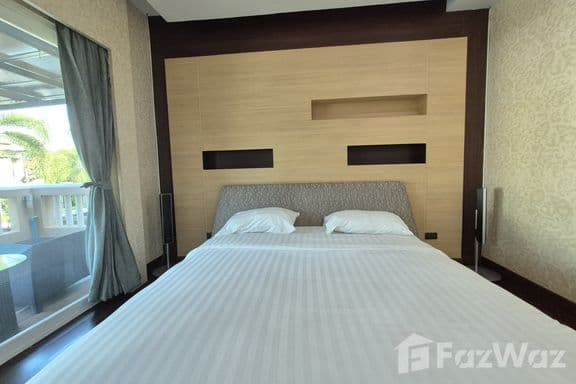


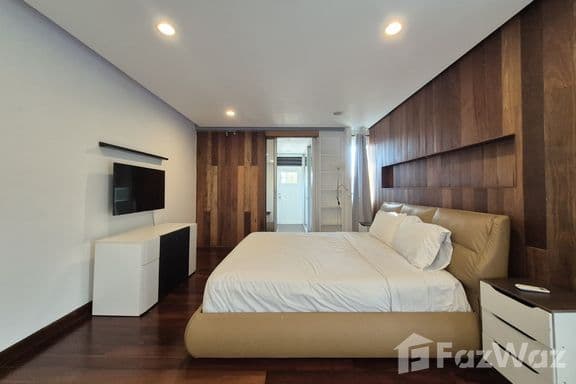
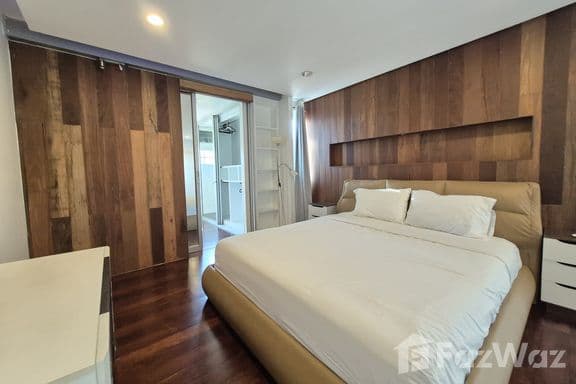





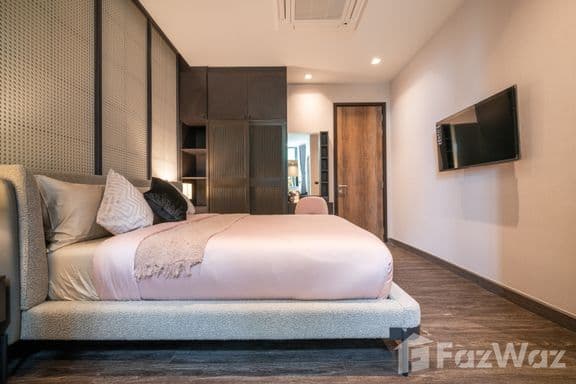

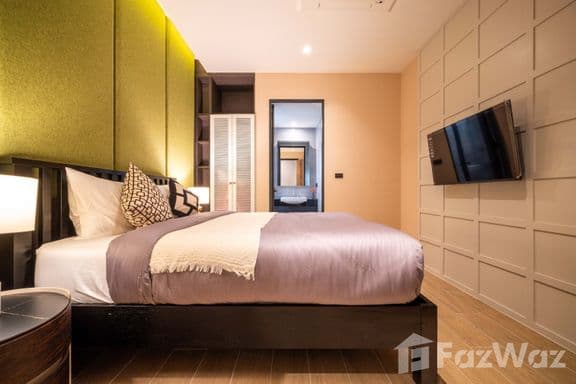
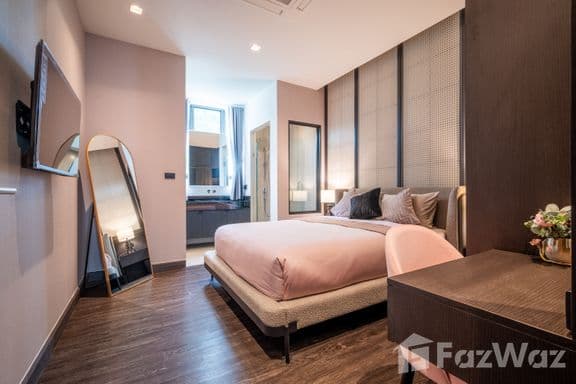

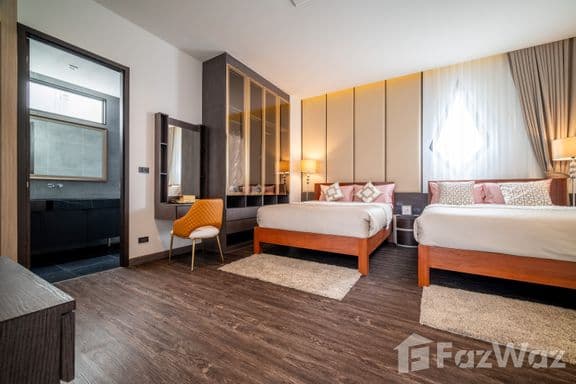















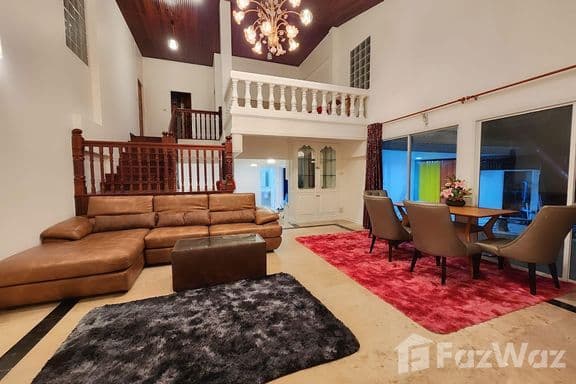
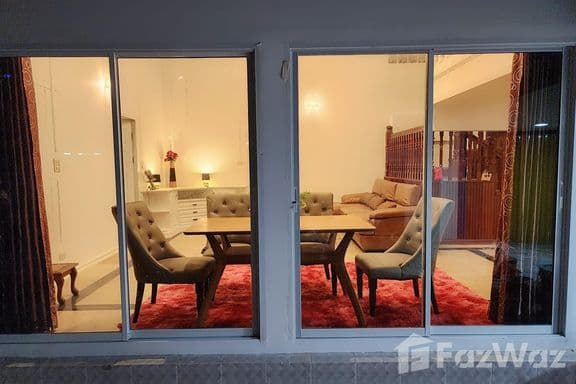


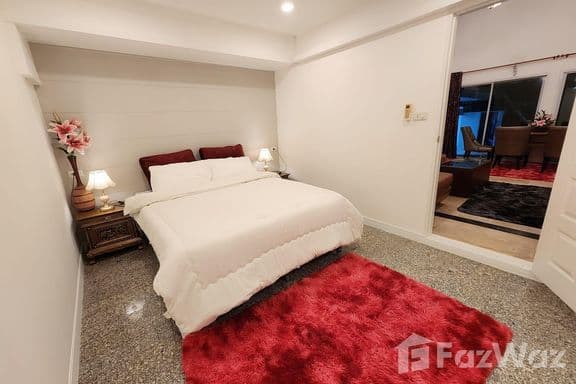
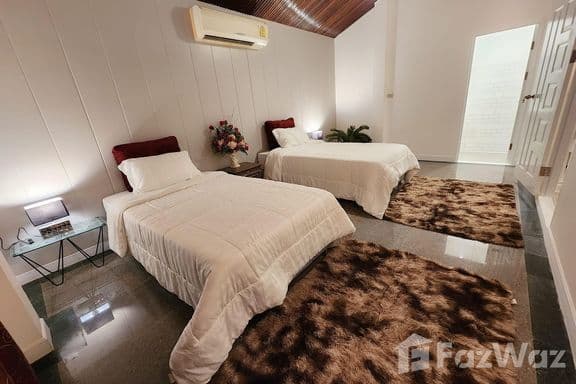



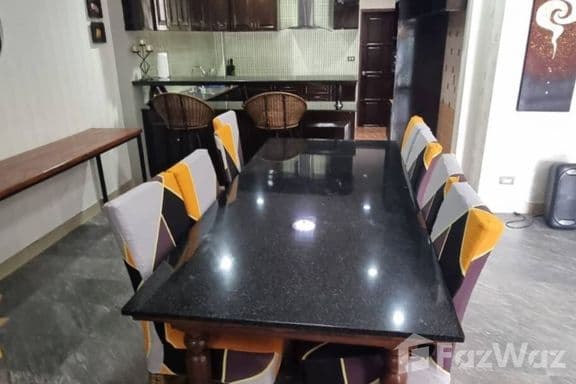
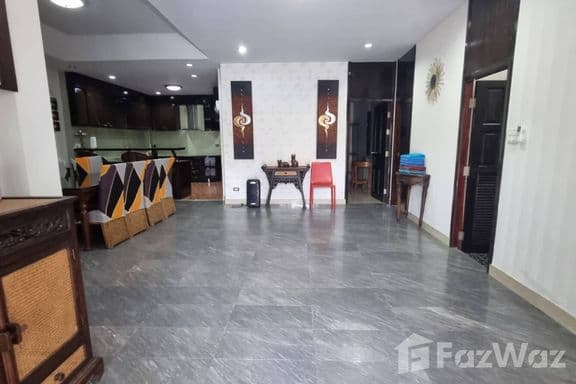
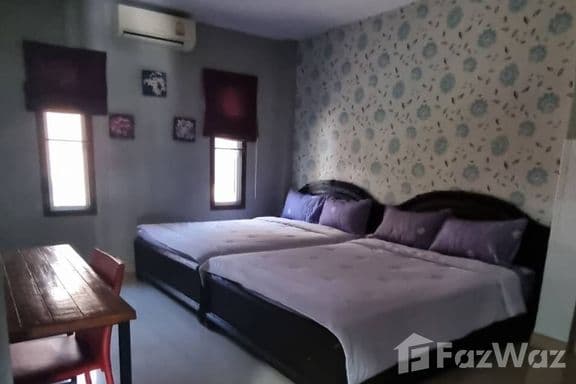

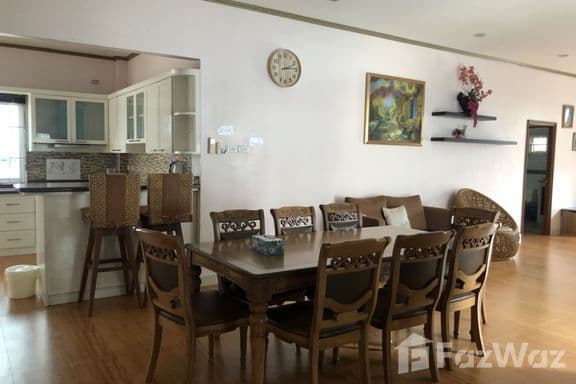
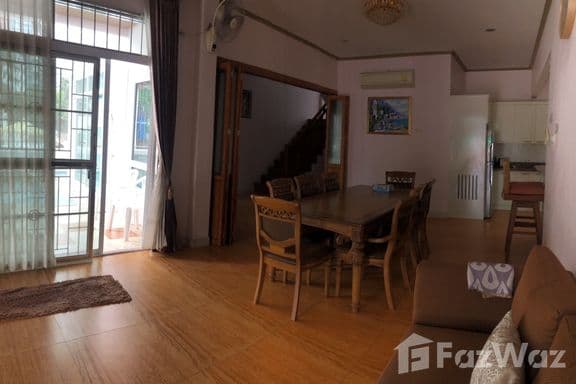
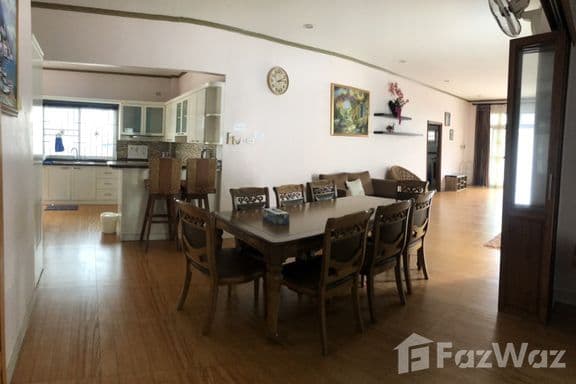
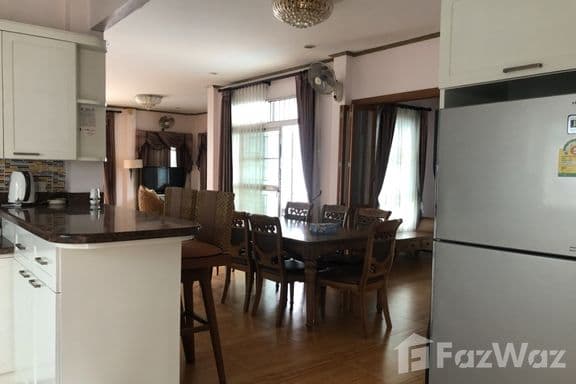












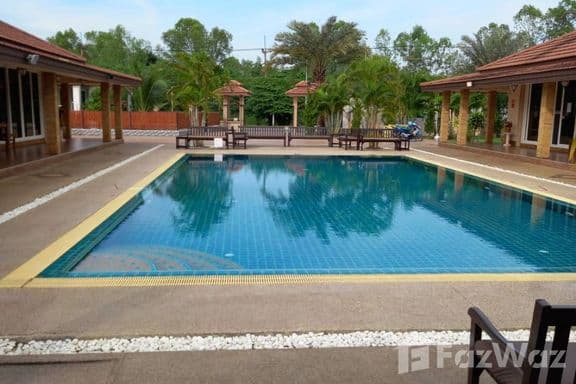


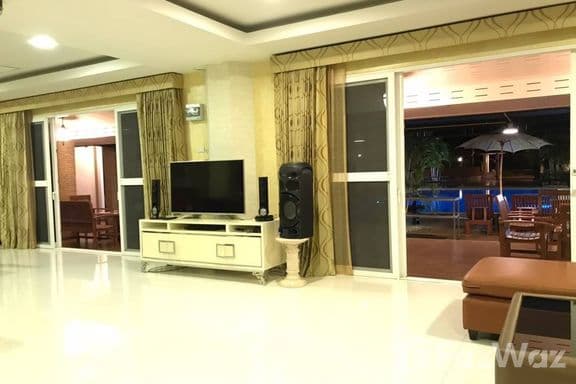


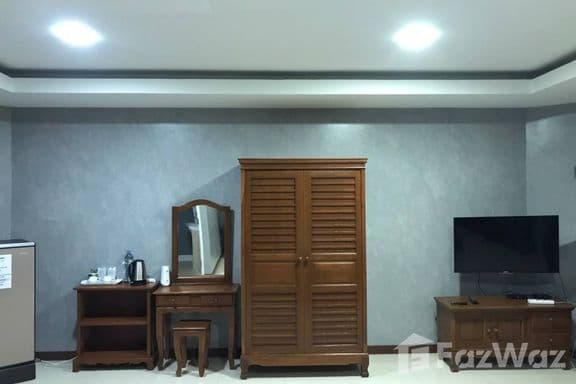

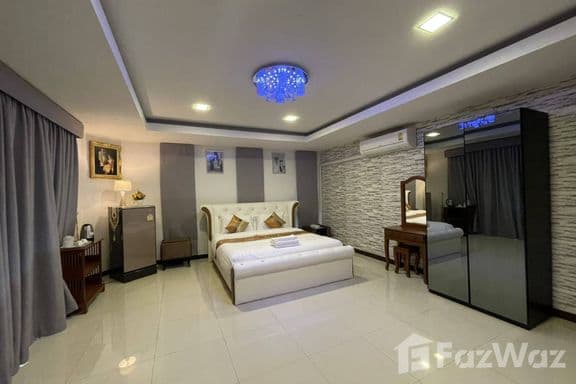
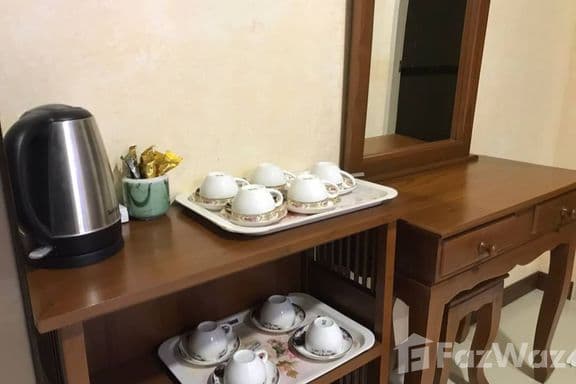




















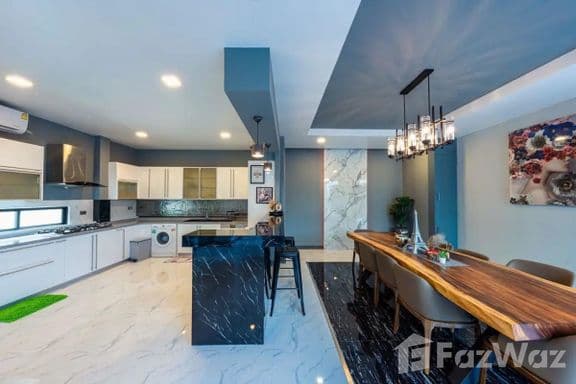
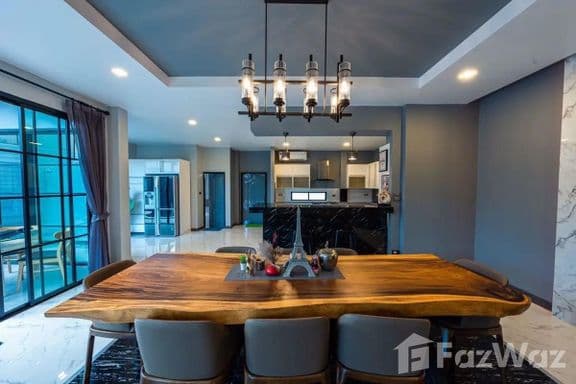
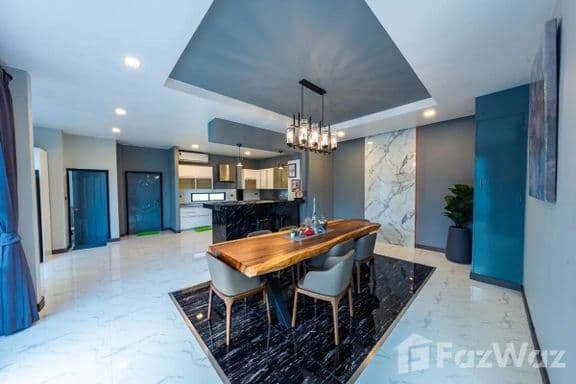
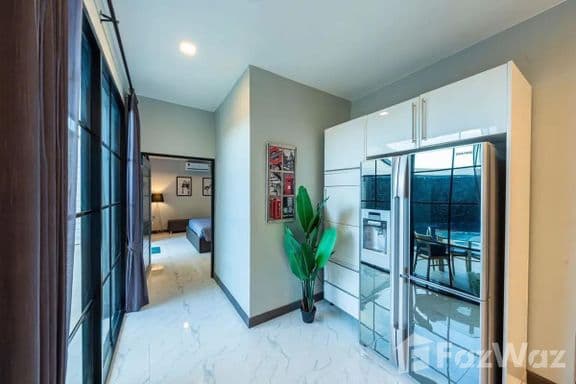
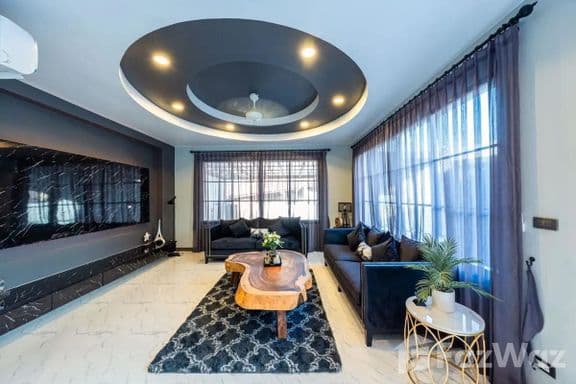
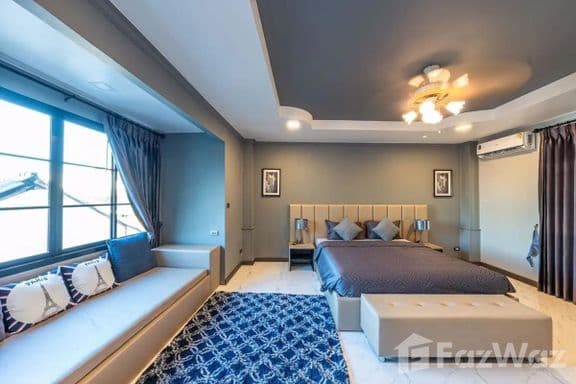

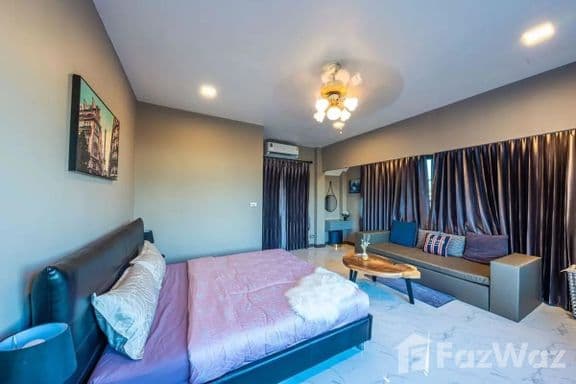
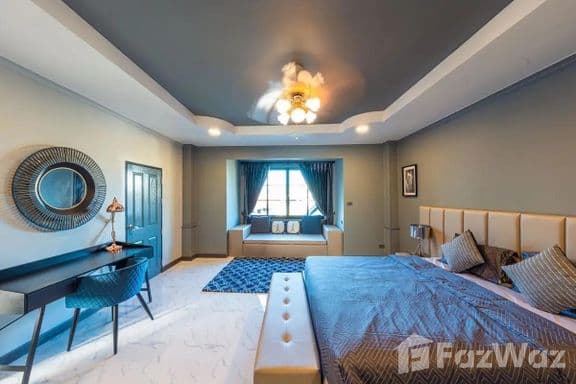
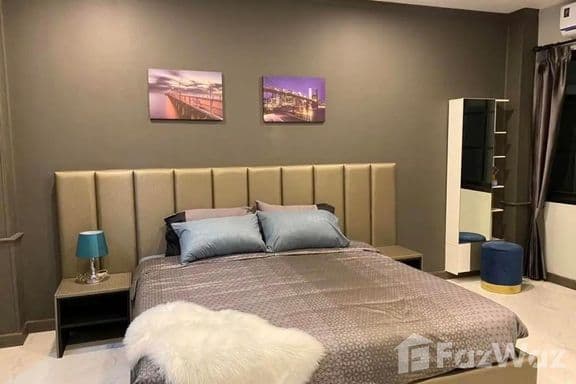
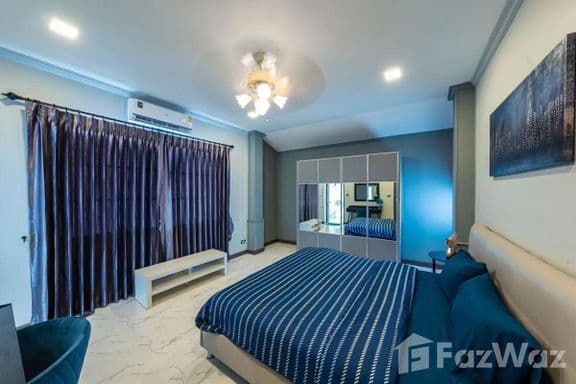
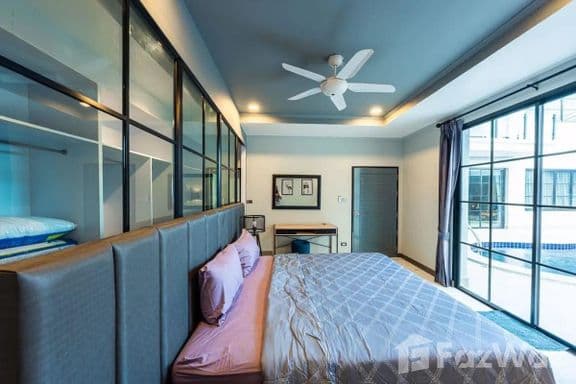
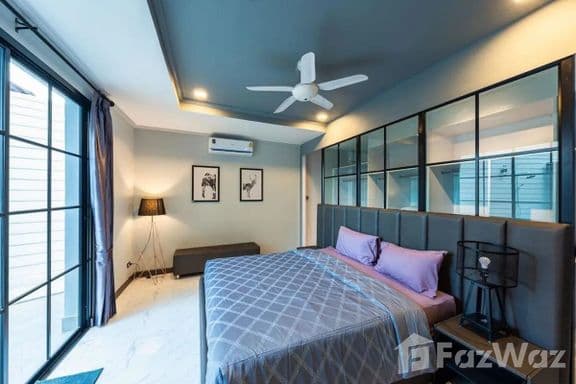






 Popular condos in Pattaya

