Renting an Apartment in Phuket: The Complete 2025 Guide for Foreign Tenants
Why Phuket Is a Top Destination for Foreign Renters
Phuket remains one of the most sought-after destinations in Asia for foreigners seeking apartments to rent. This tropical island in Thailand offers a unique blend of sunny beaches, modern amenities, and vibrant culture that appeals to a wide range of international tenants. In 2025, Phuket’s rental market is as dynamic as ever – whether you’re a digital nomad craving an island lifestyle or a retiree looking for a peaceful tropical haven, Phuket has something for everyone.
Several factors explain Phuket’s enduring popularity among foreign renters. Year-round warm climate, stunning scenery, and world-class beaches make for an attractive backdrop to daily life. The island also boasts excellent infrastructure for expats, including international hospitals, large shopping centers, and a variety of international schools and co-working spaces. Over the past few years, Phuket has invested in improving internet connectivity and transportation options (like ride-hailing apps and airport buses), making it easier for foreigners to live and work here comfortably. The Thai government has even introduced new long-stay visa programs (such as a special “digital nomad” visa for remote workers), reinforcing Phuket’s status as a welcoming base for international residents.
Moreover, Phuket offers a diverse lifestyle. Tenants can choose between bustling tourist hubs with lively nightlife or quiet residential areas surrounded by nature. You’ll find modern high-rise condominiums near city conveniences as well as serene low-rise apartments tucked away near local villages. This variety means foreign renters can tailor their Phuket experience to their personal preferences – whether that’s a condo steps from the beach, a serviced apartment in the city center, or a spacious villa in the hills. With a robust rental market and a large expat community for support, it’s no surprise that Phuket continues to be a top destination for international apartment renters in 2025.
Key Foreign Renter Personas in Phuket
Foreign renters in Phuket come from diverse backgrounds, but several core groups stand out:
Digital Nomads and Remote Workers
Phuket attracts digital nomads and remote professionals for its relaxed lifestyle and scenic surroundings. They typically prefer affordable, furnished apartments with fast Wi-Fi, often in areas like Rawai, Chalong, or Phuket Town. Key needs include proximity to cafes, co-working spaces, gyms, and flexible lease terms (monthly rentals). Some also choose lively hubs like Patong for convenience and social opportunities.
Retirees
Phuket remains popular with retirees (usually age 50+ on long-stay visas) seeking comfort, quiet, and proximity to healthcare. They often rent modern condos with elevators, pools, and good security in areas like Phuket Town, Chalong, or Bang Tao. Many look for peaceful settings near Nai Harn or Kamala, signing long-term leases for stability while enjoying nearby amenities.
Long-Term Expats and Professionals
This group includes working professionals, business owners, and teachers with families. They seek stable, spacious rentals close to work or schools, such as Kathu, Koh Kaew, Patong, or Karon. Ideal features include multiple bedrooms, kitchens, and parking, and they often prefer non-touristy areas for community living and reasonable rents.
International Students and Trainees
While not a student city, Phuket draws foreigners attending language courses or training (e.g., Muay Thai or diving). These renters favor simple, budget apartments near places like Chalong’s “fitness street”, prioritizing affordability, internet access, and location convenience. They typically rent basic studios or shared spaces short term.
Families (Short- and Long-Term)
Foreign families need larger apartments or homes, especially near international schools or family-friendly areas like Bang Tao or Rawai/Nai Harn. Priorities include safety, building upkeep, nearby parks or beaches, and furnished units ready for immediate living. Some bring their own furnishings for longer stays and often sign annual leases.
Types of Apartments in Phuket: Serviced vs. Non-Serviced, Low-Rise vs. High-Rise, Furnished vs. Unfurnished
Phuket’s rental market includes a variety of apartment types and configurations, so it’s helpful for foreign tenants to understand the terminology and options available. Here we break down the common types of apartments and their characteristics:
Serviced vs. Non-Serviced Apartments
Serviced apartments in Phuket are rental units that come with hotel-like services and amenities. In a serviced apartment, you can expect features such as regular housekeeping/cleaning, fresh linens, a reception or concierge desk, and sometimes on-site facilities like dining or room service. These apartments are often found in dedicated serviced residences or apart-hotels. They are ideal for those who want a turnkey living experience – simply arrive with your suitcase and everything is taken care of. Utilities (electricity, water, internet) might be included in the rent for serviced units, and you won’t usually need to set up accounts yourself. The lease terms can be more flexible; some serviced apartments allow monthly or even weekly rentals, catering to short-term foreign visitors or business travelers who want more space than a hotel room. The trade-off is cost: serviced apartments tend to be more expensive than equivalent non-serviced units, due to the added convenience and services.
Non-serviced apartments (sometimes just called standard apartments or condominiums) are the more common type of long-term rental in Phuket. In a non-serviced apartment, you typically handle your day-to-day needs yourself. The unit will be self-catering with a kitchen and laundry facilities (either in-unit or shared), but regular cleaning or linen changes are not provided unless you hire someone separately. Utilities are usually paid by the tenant separately each month (we’ll cover this later). Non-serviced units give you more independence and often come at a lower price point than serviced ones. They are well-suited for long-term residents, digital nomads, and anyone who doesn’t mind managing their own household chores in exchange for a more homely, private living space. Many condominiums in Phuket fall under this category: you might have access to building amenities (pool, gym, etc.) but no daily maid service.
Which to choose? If you’re staying short-term or simply prioritize convenience and don’t mind paying a premium, a serviced apartment might be worth it. If you plan to stay for many months or a year and want to save on costs (or prefer privacy), a non-serviced apartment/condo is the better choice. Some newcomers start in a serviced apartment for a month to get their bearings, then move to a regular apartment once they’re more settled.
Low-Rise vs. High-Rise Buildings
Phuket’s skyline is not as dominated by skyscrapers as Bangkok’s, but you will encounter both low-rise and a few high-rise residential buildings on the island. Each has its own appeal:
Low-rise apartments are typically in buildings of just a few floors (often 3-8 floors high). Phuket has many low-rise condo developments, often spread out in a campus or resort-style layout. These might consist of several small buildings around a shared pool or garden. Low-rise buildings often have a more intimate, community feel – you might get to know your neighbors – and they blend nicely with Phuket’s tropical environment (some even have lush landscaping). They also mean fewer stairs or shorter waits for elevators, which is convenient for families with kids or retirees. Many beachside areas like Kata, Nai Harn, or Kamala enforce height restrictions to preserve views, so apartments there are commonly low-rise. One thing to consider is that low-rise buildings might lack some facilities (for example, smaller buildings might not have a gym or might have limited parking) and possibly less formal security than a large high-rise. However, most modern low-rise condos in Phuket still provide essentials like security guards, CCTV, and possibly elevators if more than a couple floors.
High-rise apartments in Phuket (let’s define this as roughly 9 floors and above, up to 20+ floors) are fewer but can be found in certain areas. Patong Beach, for example, has a few taller condominium towers that offer panoramic sea views. Phuket Town also has some newer high-rise condos targeted at locals and expats who want urban-style living (with shopping malls and offices nearby). The advantages of high-rise living include spectacular views (sea, city, or mountain views depending on location), and often a full suite of facilities: a large lobby, fitness center, rooftop pool, covered parking garages, etc. These buildings are usually professionally managed with 24-hour security and reception. High-rise condos can give a more luxurious, city-like living experience. On the other hand, they might have higher density (more neighbors, potentially noise from more units) and could be located in busier parts of Phuket. If you enjoy high-level views and modern amenities and don’t mind being in a more bustling area, high-rises like those in Patong or the outskirts of Phuket Town could appeal to you. If you prefer a quieter, more resort-style atmosphere, low-rise buildings spread around the island might suit you better.
Furnished vs. Unfurnished Units
When searching for an apartment in Phuket, you’ll notice listings are often described as “fully furnished,” “partly furnished,” or “unfurnished.” Here’s what that means and what to consider:
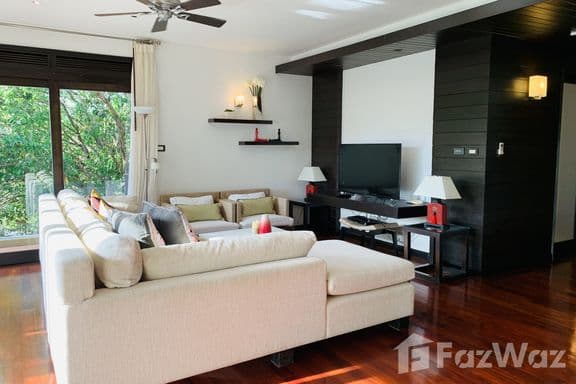
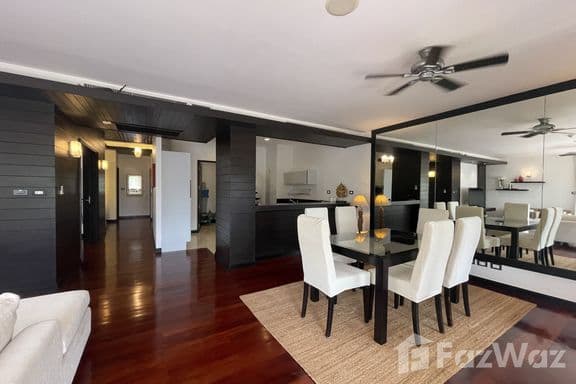
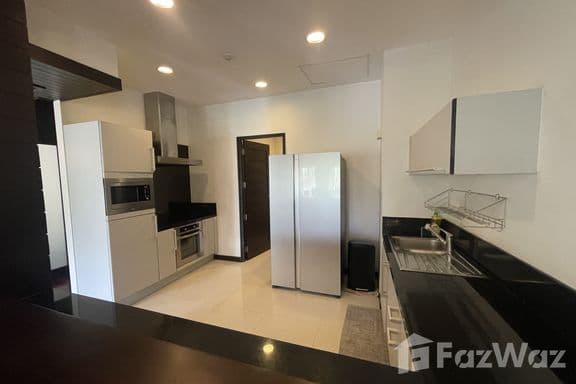
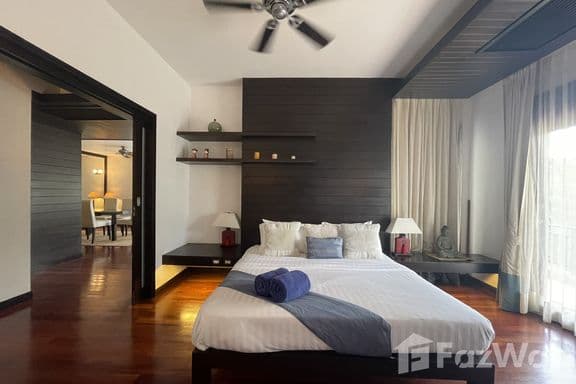
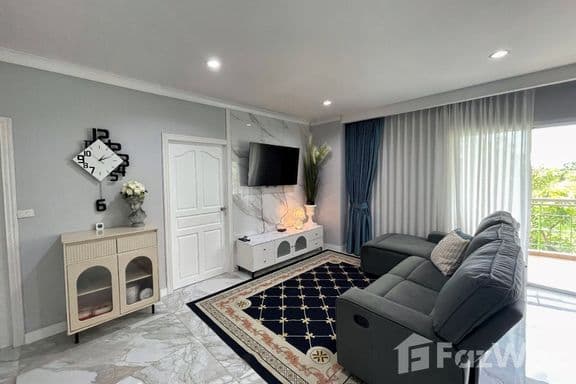
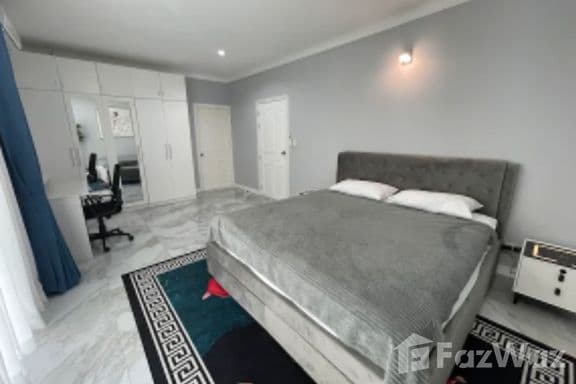
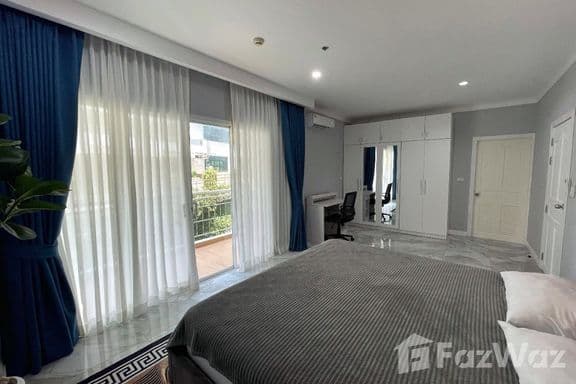
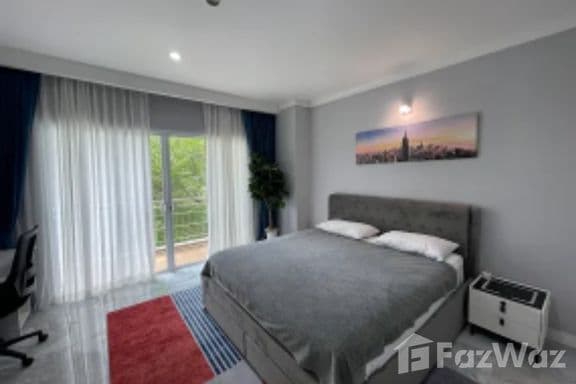
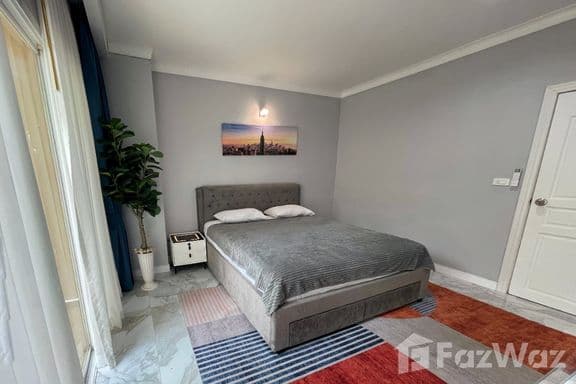
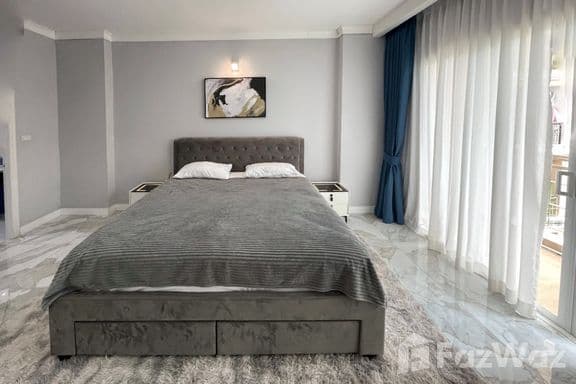
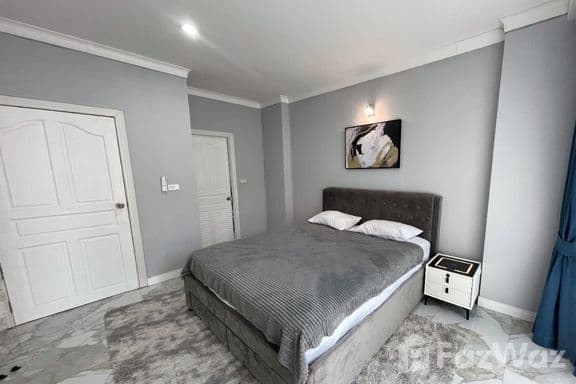
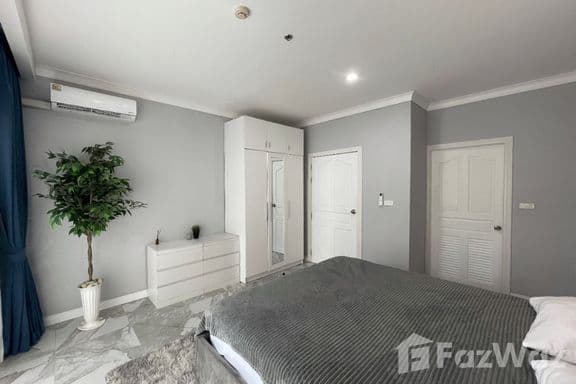
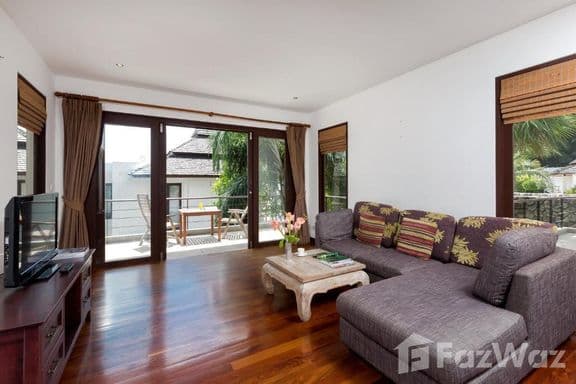
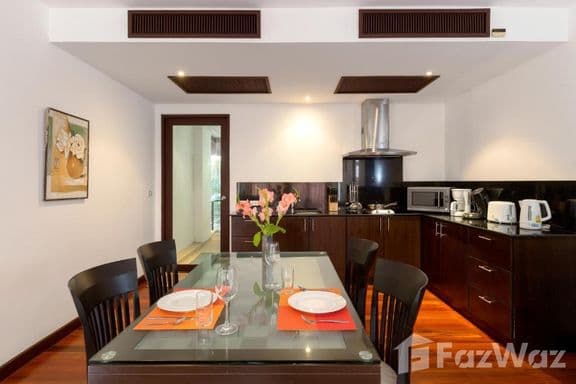
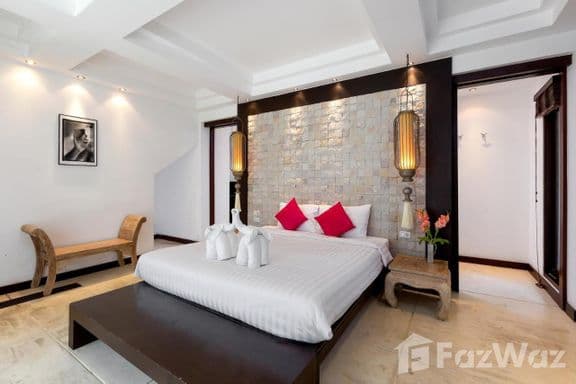
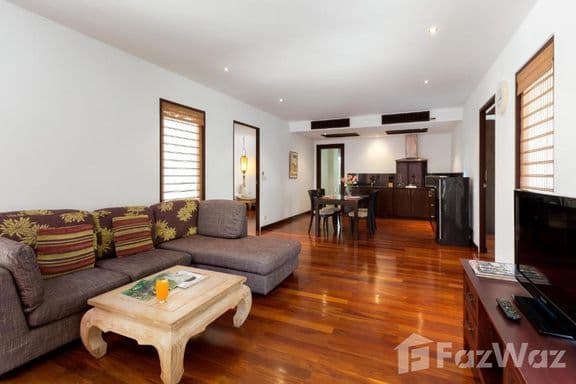
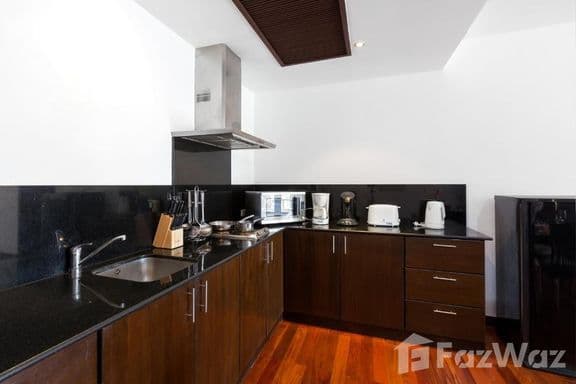
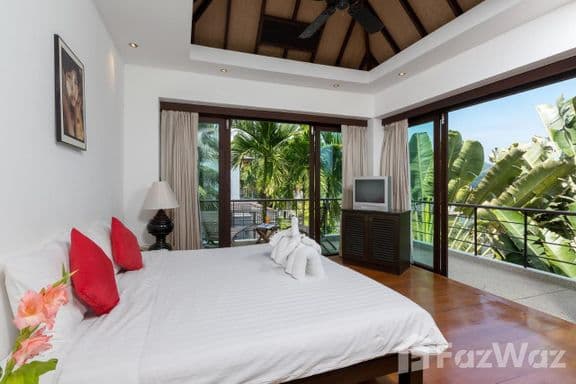
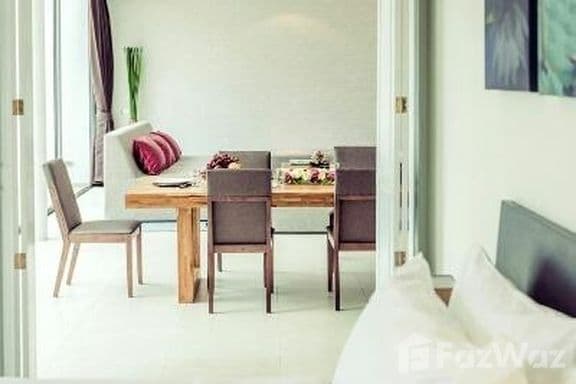
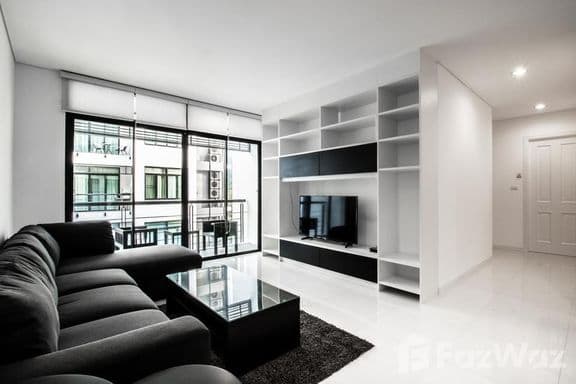
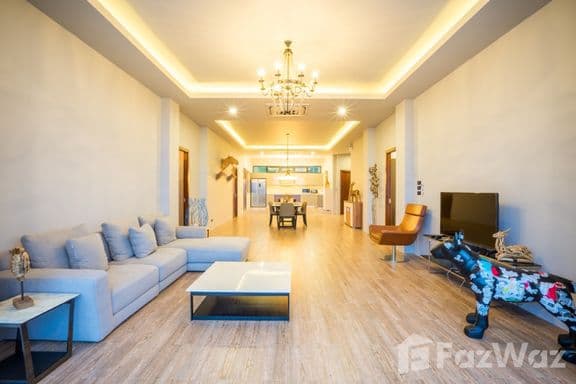
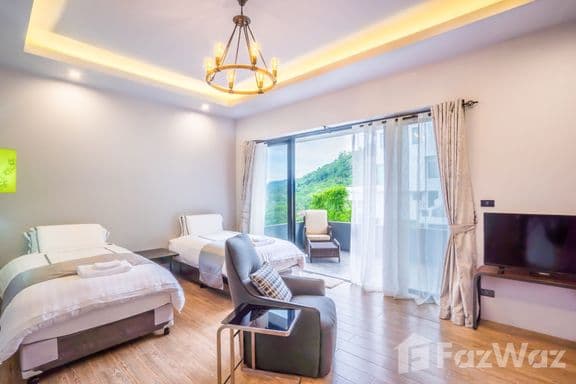
- Fully Furnished: The majority of apartments and condos for rent in Phuket come fully furnished, especially those aimed at foreign tenants. “Fully furnished” generally means the unit has all basic furniture (beds, sofas, tables, chairs, wardrobes), appliances (air conditioners, refrigerator, microwave, TV, perhaps a washing machine or access to laundry facilities), and often some kitchenware. Essentially, you could move in with your suitcase and live comfortably from day one. This is convenient for most foreigners who arrive without furniture. It’s also standard for short-term rentals and in tourist-oriented areas. Do note that the style and quality of furnishings can vary: some apartments are decorated in modern style with new furniture, while others might have older, functional (if slightly dated) decor. Always check photos or visit in person to ensure the furnishings meet your needs (for example, a dedicated work desk for remote workers, or a comfortable mattress).
- Partly Furnished: In some cases, an apartment might be listed as partly furnished or semi-furnished. This typically means some key appliances or pieces are provided, but not everything. For example, the unit may have built-in kitchen cabinets, air conditioning, and maybe light fixtures and curtains, but you need to bring your own bed and sofa. Partly furnished places are not very common in Phuket’s expat market, but you might encounter them particularly for larger homes or in cases where a previous tenant left some items. Partly furnished units could suit long-term residents who want to add personal touches or have some furniture of their own.
- Unfurnished: Unfurnished apartments are relatively rare in Phuket, especially in the condo/apartment category, because landlords know most foreign tenants aren’t bringing a houseful of furniture from abroad. Unfurnished units are more typical for local rental houses or townhouses, or for very long-term leases where the tenant intends to furnish the place themselves. If you do happen to rent an unfurnished apartment, expect it to be a blank slate (likely just the built-in kitchen and bathrooms). You would need to purchase or rent all furniture. The benefit is you can set it up exactly as you like and sometimes negotiate a lower rent. The downside is the initial cost and hassle of furnishing.
For most foreign renters in Phuket, a fully furnished apartment is the easiest and most cost-effective choice. It saves you from the expense of buying furniture and appliances for a place you might only occupy for a year or two. Even many long-term expats opt for furnished rentals to avoid being tied down. However, if you plan to stay many years or have very specific tastes, you might lean towards an unfurnished house or a condo you can decorate yourself. Always clarify with the landlord or agent exactly what’s included: does “fully furnished” also include bedding, cookware, etc.? Are there any items the owner will add if you request (for instance, sometimes an owner can provide a missing appliance like a washing machine if you negotiate)? Knowing this upfront will help you budget and settle in smoothly.
By understanding these categories – serviced vs non-serviced, low-rise vs high-rise, furnished vs unfurnished – you can narrow down the type of apartment that best fits your lifestyle. For example, a remote worker might choose a fully furnished, non-serviced condo in a low-rise complex with a nice co-working space nearby, whereas a retiree couple might prefer a serviced apartment in a high-rise building for convenience. Phuket truly has all these options available, so you can find the ideal setup for your needs.
Top Areas to Rent in Phuket
Phuket offers diverse neighborhoods suited to different lifestyles. Below are the most popular areas for foreign renters:
Patong
Phuket’s liveliest beach town, Patong is known for nightlife, shopping, and convenience. Renters have easy access to restaurants, entertainment, and the beach. Modern condos and older apartments are available, with many offering pools and gyms.
Pros: Walkable, social, well-connected.
Cons: Noisy, tourist-heavy, higher rents.
Best for: Younger expats, nightlife lovers, short-term workers.
Kata and Karon
South of Patong, Kata and Karon offer scenic beaches with a more relaxed pace. Kata is popular for surfing and co-working spaces, while Karon is quieter and spacious.
Pros: Beautiful beaches, family- and retiree-friendly, moderate nightlife.
Cons: Hilly terrain, limited transport, tourist flow in high season.
Best for: Digital nomads, families, retirees wanting peace near the sea.
Kamala
North of Patong, Kamala is a peaceful beach town with a growing expat community. It features low-rise condos and hillside apartments, often with great views.
Pros: Quiet beach, good restaurants, scenic atmosphere.
Cons: Limited nightlife and shopping, higher rents near the sea.
Best for: Retirees, small families, remote workers preferring calm.
Rawai and Nai Harn
At the island’s southern end, Rawai and Nai Harn are expat-favored areas with a community vibe. Nai Harn Beach is excellent for swimming; Rawai is known for local charm and wellness.
Pros: Relaxed living, local amenities, expat community, nature access.
Cons: Far from airport/malls, car or bike needed.
Best for: Long-term expats, nature lovers, digital nomads.
Bang Tao (Cherng Talay & Surin)
Bang Tao and Surin are Phuket’s upscale zones, with luxury condos, international schools, and premium amenities. Great for families and professionals.
Pros: Beach lifestyle, expat-friendly, top-notch services and restaurants.
Cons: High rent, touristy in peak season, 30–40 mins to city or airport.
Best for: Families, professionals, higher-budget long-term renters.
Phuket Town (Phuket City)
Inland and more urban, Phuket Town offers culture, local life, and lower rent. Popular with working expats, students, and those who value Thai authenticity.
Pros: Cheaper rents, great food scene, local vibe, well-connected.
Cons: No beaches, more traffic, less “resort” feel.
Best for: Budget-conscious renters, city lovers, professionals.
Other Notable Areas
- Chalong: Affordable, central for south Phuket. Great for sports, boat access, expats training in Muay Thai.
- Kathu: Inland and quiet, close to Patong and Phuket Town. Good for golf lovers and school access.
- Mai Khao / Nai Yang: Tranquil, near the airport. Great for retirees or those needing seclusion, but far from city life.
Each neighborhood suits a different lifestyle. Explore short-term options on arrival to find the best fit before committing to a long-term lease.
Apartment Rental Prices in Phuket (2025)
Rental prices in Phuket vary widely depending on the location, property type, size, and the length of lease. Generally, areas in high demand by foreigners (like beachside towns or expat enclaves) command higher rents, while more local or inland areas are cheaper. Below is a price comparison table that provides a rough overview of monthly rental rates for a standard one or two-bedroom apartment in different popular districts of Phuket. (Prices are in Thai Baht, with approximate USD conversion, assuming around 35 THB = 1 USD for simplicity.)
|
District/Area
|
Typical Monthly Rent Range (THB)
|
Approx. in USD
|
|
Patong
|
15,000 – 30,000 THB
|
~$430 – $860 USD
|
|
Kata / Karon
|
12,000 – 25,000 THB
|
~$340 – $710 USD
|
|
Kamala
|
15,000 – 30,000 THB
|
~$430 – $860 USD
|
|
Rawai / Nai Harn
|
10,000 – 25,000 THB
|
~$285 – $710 USD
|
|
Bang Tao / Surin
|
20,000 – 50,000 THB
|
~$570 – $1,430 USD
|
|
Phuket Town
|
8,000 – 20,000 THB
|
~$230 – $570 USD
|
|
Chalong
|
8,000 – 18,000 THB
|
~$230 – $515 USD
|
|
Kathu
|
7,000 – 15,000 THB
|
~$200 – $430 USD
|
Notes on the above ranges: These figures represent approximate long-term rental rates (for leases of 6-12 months) for typical apartments or small condos. Lower end of the range often corresponds to studios or one-bedroom local apartments (possibly older buildings or less central within the area), whereas the higher end might be newer, well-furnished one-bedroom units or small two-bedroom units in desirable complexes. For larger apartments (like three-bedroom units or penthouses) and villas, the prices would be significantly higher and vary even more by luxury level. Also, keep in mind that seasonality affects prices in Phuket: some landlords offer discounts for low-season or off-peak months, whereas short-term high-season rentals (Nov–Jan) can be more expensive.
Additionally, if you opt for a serviced apartment or include utilities/services, the rent could be higher than the ranges listed. Conversely, very basic local-style apartments (with minimal amenities, fan instead of aircon, etc.) can sometimes be found even below the lowest ranges indicated – for example, Thai-style studio rooms in Phuket Town or Chalong might be 5,000–6,000 THB/month – but those are usually not the choice of most international tenants due to comfort differences. Generally, foreigners renting a decent standard apartment in Phuket can expect to pay somewhere in the mid range of these figures for that area.
When budgeting, remember to account for additional costs like utility bills (electricity, water), internet, and any building service fees – these are typically not included in the base rent (unless explicitly stated). We will discuss those considerations and typical contract terms in the upcoming sections.
What to Consider When Renting: Tips for Choosing the Right Apartment
Finding a great apartment in Phuket is not just about the unit itself, but also about how it fits your lifestyle and needs. Here are important factors to consider and questions to ask yourself as you search for the perfect rental:
- Location and Neighborhood: Consider the proximity to the places you’ll frequent. Do you need to be near the beach for daily swims or near your workplace? Would you prefer a lively tourist area or a quiet local community? Location will affect your daily routine significantly. For example, living in Patong or Kata puts you close to the beach and nightlife, but if you work in Phuket Town, your commute will be longer. Also research the immediate neighborhood – are there convenience stores, markets, or restaurants within walking distance? If you have children, how far are the schools? Location also influences safety and noise: some neighborhoods (like parts of Rawai or residential enclaves in Cherng Talay) are very peaceful, whereas central Patong or areas near busy roads can be noisy at night.
- Transportation and Accessibility: Phuket does not have a widespread public transport network. There are local blue buses (songthaews) on certain routes and a few smart bus lines, but most expats rely on motorbikes or cars. If you do not plan to drive, you might want to stay in areas where amenities are within walking distance or where taxi/grab services are readily available. Check if the apartment has parking space if you will have a vehicle. In some condo complexes, each unit comes with a parking allowance (but outdoor apartments might have limited parking). Also consider distance to main roads – if your place is up a steep hill or down a narrow lane, it could be difficult when it rains or at night.
- Building Facilities and Amenities: Think about what building features are important to you. Many condos and apartment buildings in Phuket offer swimming pools, fitness centers, garden areas, and security (guard or CCTV). If staying fit is part of your routine, having an on-site gym or pool can be a big plus. Some places might also have extras like a co-working space, a kids’ playroom, or a rooftop terrace. On the practical side, check if there’s an elevator (for high floors, a must-have for most) and how secure the building is (locked entrances, keycard access, 24/7 security guard?). If you have young children, you might want a place with a secure perimeter and maybe a playground or lots of other families. If you have pets, you need a pet-friendly building (many condos do not allow pets, so you might consider a ground-floor unit or a small house instead).
- Quality of Internet and Utilities: Almost every foreign renter will prioritize a good internet connection, especially remote workers. While Phuket has decent internet infrastructure, the quality can vary by building. When viewing a place, ask if fiber-optic internet is available in that building and which providers service it. Often, you will choose a plan and pay for your own Wi-Fi, so ensure that you can get, say, a 100 Mbps or higher plan if you need it. In some serviced apartments, Wi-Fi is included – test the speed if possible. Additionally, consider utility costs: electricity in Thailand can be pricey if you run air-conditioning a lot. Newer buildings might have energy-efficient appliances or include some utilities in rent, whereas older buildings might have higher electricity usage. Inquire if the apartment has separate electricity meter (most do) and what the typical monthly bill is for similar units – especially if it’s a top-floor unit that gets hot (aircon use could spike bills). Also check water pressure and heater (important for showers) and whether the kitchen has a proper stove if you plan to cook (some studios only have a microwave or a single hotplate).
- Lease Terms and Flexibility: Make sure the rental terms align with your plans. If you only intend to stay 6 months, look for landlords open to shorter leases. Check if the contract has a clause for renewal if you think you might want to extend beyond the first term. Also understand the policy for breaking the lease early (life is unpredictable – you might need to leave Phuket sooner than expected). Flexible arrangements might be found with individual landlords more than with corporate ones. If you foresee needing flexibility, perhaps consider a serviced apartment or a month-to-month in a guesthouse first, then move to a lease when sure.
- Budget and Total Costs: Beyond the monthly rent, tally up all costs to see the real monthly expense. This includes average utilities (ask current tenants or the landlord for an estimate; e.g., a one-bedroom might incur 1,500–2,500 THB in electricity with moderate AC use, 200-300 THB for water, and ~700 THB for internet). If the building charges a monthly service fee (some do for things like garbage collection or pool maintenance for short-term rentals), account for that. Also factor in transportation costs if you’ll be far from work (fuel or taxis). Sometimes a place with slightly higher rent but closer to everything can save you money on transport. When comparing two apartments, look at the value: one might be cheaper but if it lacks facilities and you then pay for a gym membership elsewhere, the difference shrinks. Also remember the upfront costs at lease signing (deposit etc.) – you’ll need savings to cover that initial outlay.
- Apartment Condition and Management: Before finalizing, consider the age and condition of the property. An older building might have larger rooms and lower rent, but could come with maintenance issues (old AC units, occasional plumbing issues). A new building will be fresh and clean, but sometimes new builds have “teething problems” too (like minor construction defects being fixed in the first year). Try to gauge the quality of the property management. Is there an on-site manager or technician for problems? How quickly have they fixed issues for past tenants? You can get hints of this by lightly chatting with other residents or asking in expat groups about a particular residence. Good management is priceless if something breaks at 9 PM and you need help.
- Surroundings and Future Development: Look around the neighborhood for any signs of construction upcoming. Phuket is always developing, and a quiet patch of land next door could become a construction site for a new hotel – leading to noise. While you can’t predict everything, if you see empty lots around Patong or other popular areas, it’s possible something will be built there soon. If tranquility is vital, see if the building has soundproof windows or if the bedrooms are positioned away from the street. Also, check if the street is prone to flooding in heavy rain (some low-lying areas in Phuket, like parts of Chalong or Patong, have known flood spots – you could ask locals or see water marks).
- Cultural and Community Fit: Lastly, think about the kind of community you want. Some condo buildings in Phuket are almost entirely foreigners or tourists; others might have a mix of Thai and foreign residents. Some are very social (neighbors might organize gatherings, etc.), others everyone keeps to themselves. Depending on your preference (immersing in local culture vs. having lots of expat neighbors), this might influence your choice. If you don’t speak any Thai, being in a building with an English-speaking juristic person or landlord is helpful. If you relish practicing Thai, a local apartment building where few speak English could be a fun challenge.
In summary, choosing the right apartment in Phuket is about balancing what matters most to you – be it location, cost, comfort, or community. Take the time to list your must-haves and nice-to-haves. When viewing potential places, refer to that list. It’s easy to be wowed by a sea view or a designer interior, but make sure the practical aspects (like commute, bills, and noise) will make you happy day-to-day. With careful consideration, you’ll find a place that not only looks great but also feels like home during your stay in Phuket.
Renting Apartments vs. Condos vs. Villas: Pros and Cons for Foreign Tenants
Phuket’s rental market doesn’t just offer “apartments” in the strict sense – foreign tenants can choose among apartments (often meaning multi-unit rental buildings), condominiums, and even private houses or villas. Each type has its advantages and disadvantages depending on your situation. Here’s a comparison to help you decide which accommodation type might be best for you:
Renting an Apartment or Condo
In Thailand, the terms “apartment” and “condo” are sometimes used interchangeably by foreigners, but there is a technical difference: apartments typically refer to buildings owned by one entity with units for rent (you rent from the building owner or management), whereas condos (condominiums) are individually owned units (you rent from a private owner). However, from a tenant’s perspective, the experience is quite similar with some distinctions.
Pros of Apartments/Condos:
- Abundant Choices: Phuket has thousands of condo and apartment units available in all areas, so you can find one that fits your budget and desired location relatively easily.
- Amenities: Most modern condos/apartments come with shared facilities like pools, gyms, gardens, and security. This gives a lifestyle akin to resort living for a fraction of resort costs.
- Maintenance Support: In a condo or serviced apartment, there’s usually a maintenance team or management office that can assist if something breaks in your unit or to handle pest control, etc. This can take the burden off you compared to a standalone house.
- Turnkey Convenience: Nearly all condos/apartments are rented fully furnished and ready to live in, as mentioned earlier. You don’t need to worry about buying appliances or furniture. Also, many are located in convenient spots near stores and restaurants.
- Community & Networking: Living in a building with neighbors offers a chance to meet people. Some condo complexes have a mix of long-term expats and short-term visitors, which can be socially enriching if you like to meet others. Buildings may also have community groups or chats for residents.
Cons of Apartments/Condos:
- Space and Privacy: Apartments and condos might feel smaller and less private than a house. You may share walls with neighbors, and there will be rules like noise regulations or no pets. If you have a family or just value privacy, a condo’s confines might be a downside.
- Rules and Restrictions: As a tenant in a condo, you must follow the building’s rules (e.g., pool usage hours, parking rules, no hanging laundry on balcony, etc.). Also, many condos restrict pets entirely – a big factor if you have a dog or cat.
- Individual Landlord (for condos): If renting a condo, your experience can heavily depend on the unit’s owner. Some are excellent and responsive; others might be overseas or less attentive. You also might have to deal with condo committee issues indirectly (if, say, the building decides to do noisy repairs or a sudden fee, though fees are the owner’s problem, not yours).
- High Demand and Competition: The best condos in prime areas might have lots of interest. In high season, condos in places like Patong or near popular beaches can get snapped up, and some owners prefer short-term, high-paying tourists over long-term tenants. This could mean higher prices or less availability for long-term renters in certain months, although 2025 still has plenty of development so options are there.
Best for: Singles, couples, or small families who want convenience and amenities. Also ideal for those new to Phuket or staying for 1-2 years who don’t want to invest in household setup. If you enjoy a resort-like lifestyle and don’t mind community living, apartments and condos are the go-to choice.
FAQs from Foreign Renters: Common Concerns and Solutions
Q: Can foreigners rent apartments or condos in Phuket?
A: Yes. Foreigners face no legal restrictions on renting property in Thailand. A valid passport is usually enough. Even short-term visa holders (e.g., tourists) can rent. While landlords don’t often verify visa status, it’s your responsibility to stay compliant with immigration rules.
Q: What are typical lease lengths and deposits?
A: Standard leases are 12 months, though 6-month or even 3-month terms can be negotiated (often at a higher rate). Most landlords require 2 months' deposit + 1 month rent upfront. Serviced apartments may only require 1 month deposit. Always get a receipt and ensure the lease specifies deposit return terms (usually within 30 days of move-out).
Q: How do I pay rent and utilities? Do I need a Thai bank account?
A: Rent is typically paid monthly via bank transfer or cash. A Thai bank account helps but isn’t mandatory — many use Wise, overseas transfers, or cash. Utilities (electricity, water) are often paid at 7-Eleven or banks. Internet is usually arranged by the tenant and paid directly to providers. Clarify billing with your landlord upfront.
Q: Are utilities and Wi-Fi included in rent?
A: Usually not. Electricity, water, and internet are tenant responsibilities, unless stated otherwise (rarely included, except in short-term or serviced rentals). Expect about 2,500–3,000 THB/month extra for basic utilities in a one-bedroom unit. Confirm the utility billing rate and inclusions before signing.
Q: Is Phuket safe for renters?
A: Yes, Phuket is generally safe. Violent crime is rare. Choose accommodations with basic security (e.g., 24/7 guards, CCTV). Take standard precautions for belongings. Know the location of nearby hospitals and keep emergency numbers handy. Most issues can be avoided with common sense and preparation.
Q: What if I break my lease early?
A: Most leases don’t allow early termination without penalty. Expect to lose your deposit if leaving early unless otherwise negotiated. Some landlords are flexible with notice or replacements. Always communicate in advance and get any agreement in writing. Try to negotiate a break clause upfront if unsure of your plans.
Q: Do I need a real estate agent or lawyer?
A: A real estate agent is helpful and usually free for tenants (they’re paid by landlords). Agents assist with listings, viewings, and lease negotiation. Lawyers are not needed for standard rentals, but may be useful for high-value or complex leases. Ensure you understand the lease and request an English version.
Q: Are there scams to watch out for?
A: Most rentals are legitimate, but caution is smart:
- Avoid sending money without seeing the property or confirming the landlord/agent’s identity.
- Use verified listings and get a signed lease.
- Take move-in photos and meter readings.
- Some landlords unfairly withhold deposits — a pre-move-out inspection can prevent disputes.
Final Advice for Renting in Phuket in 2025
Renting an apartment in Phuket can be the start of an exciting new chapter – whether you’re coming for a few months of remote work by the beach or planning to settle down for years. As a final set of tips and advice for 2025:
- Do Your Homework: Leverage the many resources available. Read up on recent experiences of other expats (blogs, forums) to gain insights on current rental prices and any new developments in Phuket. The island changes quickly; new condo projects, road improvements, or changes in visa rules can all affect your planning. By staying informed, you’ll be able to make savvy decisions (for example, knowing that a new shopping center opened near the area you like, or that a certain area has become trendy among remote workers).
- Work with Reputable Platforms or Agents: To find quality listings and avoid headaches, use well-known property portals or local real estate agents who specialize in Phuket rentals. They often know which landlords are trustworthy and which areas have availability. Since 2025’s rental market is quite active (with tourism bouncing back and digital nomads arriving), having an inside track can help you secure the best apartment before someone else does. Dot Property and similar platforms list verified properties – they can be a great starting point to see what’s out there.
- Budget Wisely: Prices have risen in some segments (like high-end condos) but deals can still be found, especially if you commit longer term or move in low season. Set a realistic budget that includes rent and living expenses. If your budget is tight, consider living slightly outside the main tourist zones (e.g., in Phuket Town or Kathu) where rents are lower, or look into sharing a larger place with a roommate. Conversely, if your budget allows luxury, make sure you’re getting value – sometimes a mid-range newer condo can be as comfortable as an older “luxury” villa but at half the price.
- Respect the Local Culture and Community: Thailand is known as the Land of Smiles, and maintaining a good relationship with your landlord and neighbors will enhance your experience. Basic Thai greetings and courtesy go a long way. For instance, keeping noise down during late hours, dressing modestly in common areas, or participating in any condo community events (some have small festivals or meetings) can help integrate you. If any issues arise (maintenance delays, misunderstandings), approach them calmly and politely – in Thai culture, a non-confrontational, patient approach works best to get cooperation.
- Plan for Your Stay Duration: Think ahead about your visa and how it aligns with your lease. If you know you might leave after the high season, try negotiating a 6- or 8-month lease upfront. If you love Phuket and might stay multiple years, perhaps negotiate a longer lease or first right of renewal, so you have stability. Planning also includes health insurance (ensure you have some medical coverage in case of accidents – Phuket has great care but it’s private and can be costly without insurance) and possibly renters insurance if you have valuables (not common in Thailand, but available via international insurers if you want to insure your belongings).
- Enjoy and Explore: Lastly, remember why you chose Phuket – it’s a wonderful place to live! Once you’ve secured your apartment, get out and enjoy the island. Explore different beaches, try local food markets, take weekend trips to nearby islands. Meet other people – there are many expat meetups, sports clubs, and social gatherings around. Living in a tropical paradise comes with its quirks (like occasional power outages or an army of geckos that might visit your ceiling), but those become stories you’ll cherish.
As of 2025, Phuket is not just rebounding but evolving – aiming to be a hub for remote work, wellness tourism, and high-quality living. That means as a foreign tenant, you have more options and support than ever. If you take the time to find the right apartment and understand the rental process, you’ll set yourself up for a smooth experience. Keep communication open, protect your interests with a solid contract, and then dive into the relaxing and enriching lifestyle Phuket offers.
Happy house-hunting and welcome to Phuket! With the guidance from this complete 2025 renting guide, you’re well-equipped to find an ideal apartment and make the most of your stay on this beautiful island. Enjoy your new home under the palm trees!





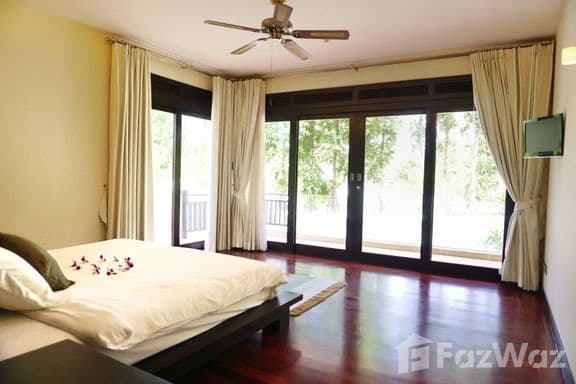


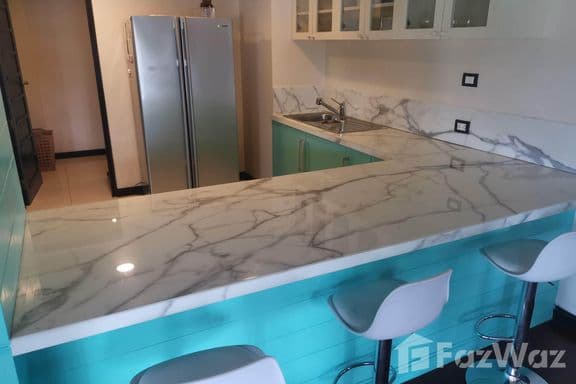
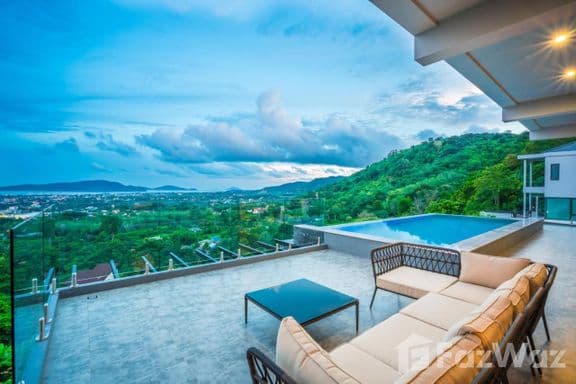
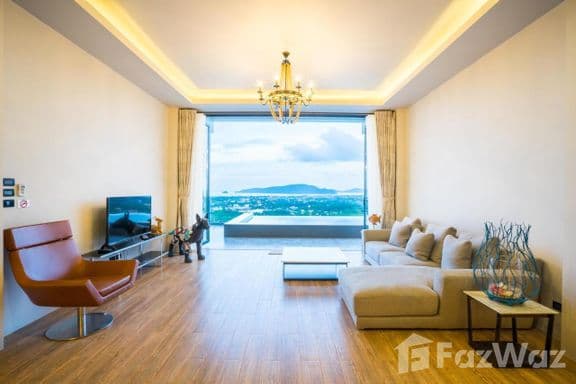

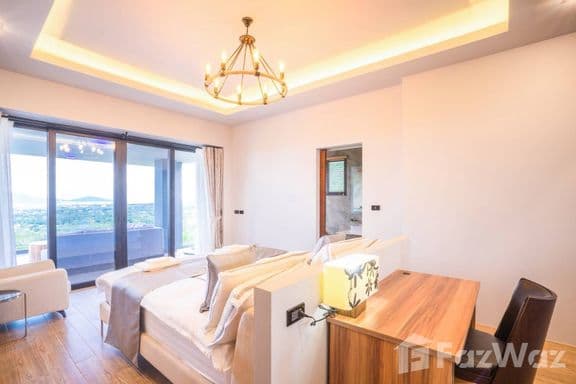
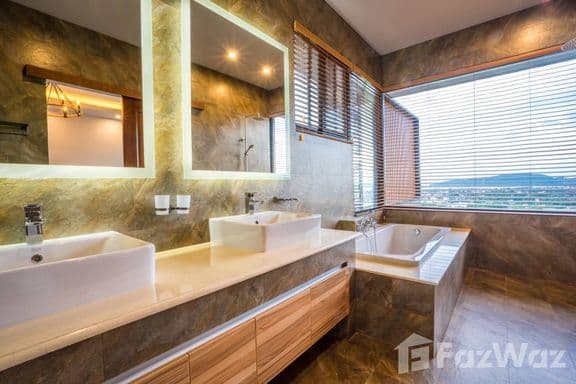

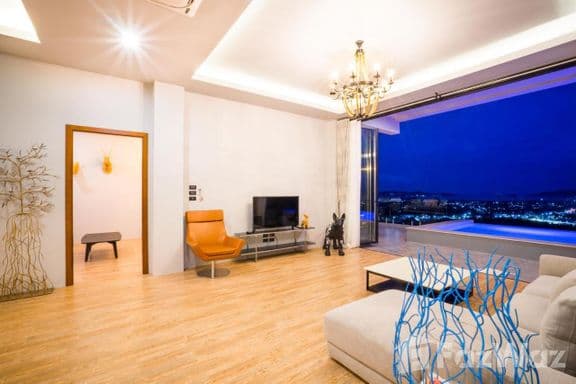
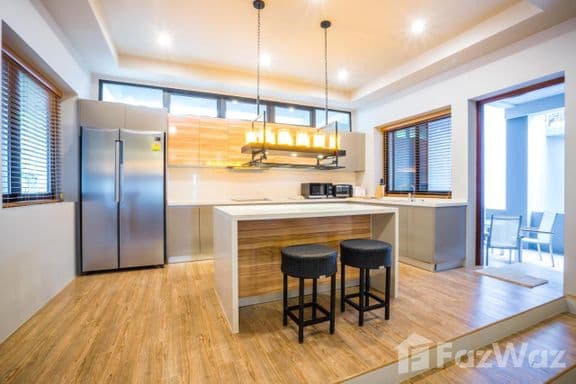
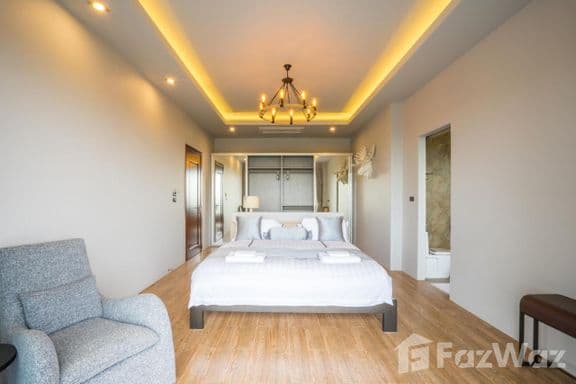

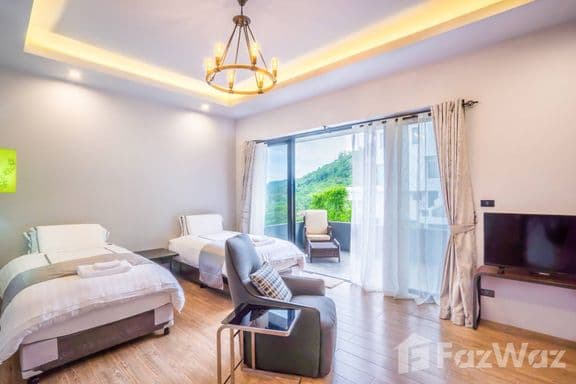

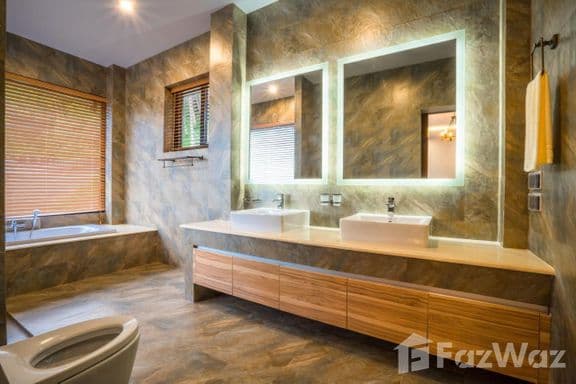
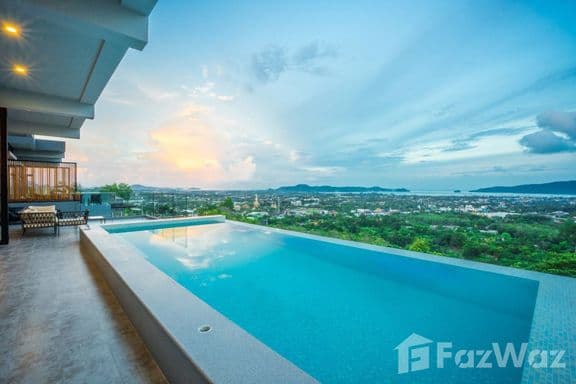

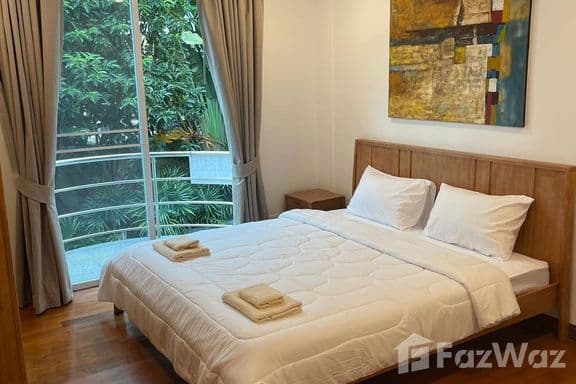
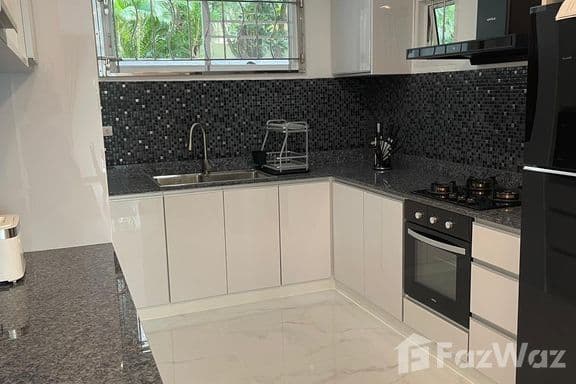
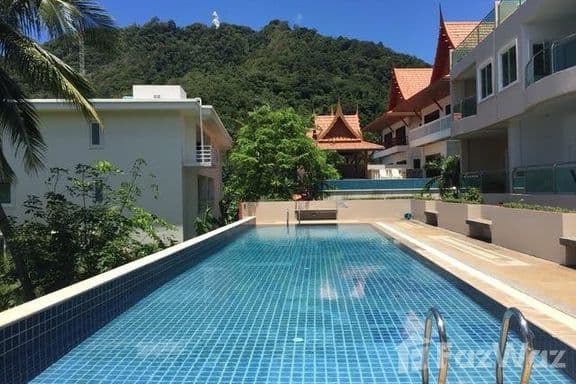
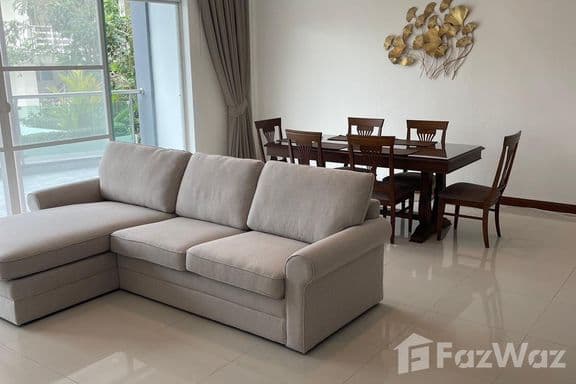


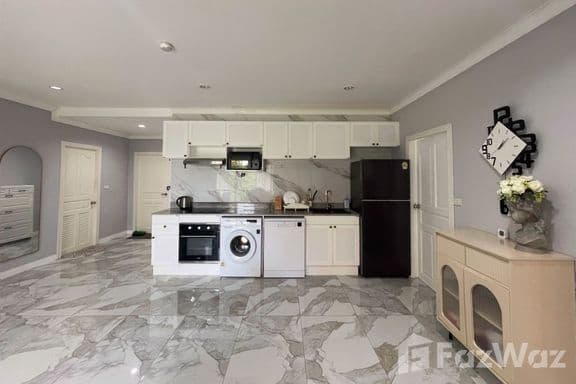
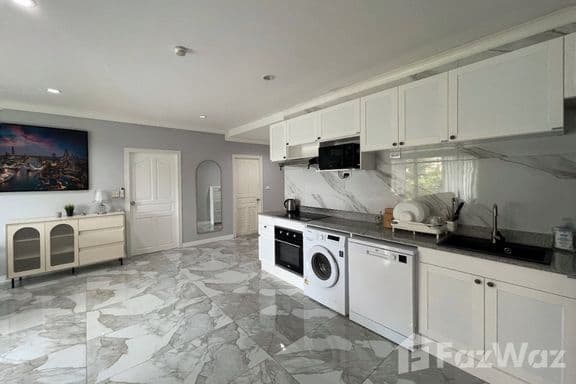


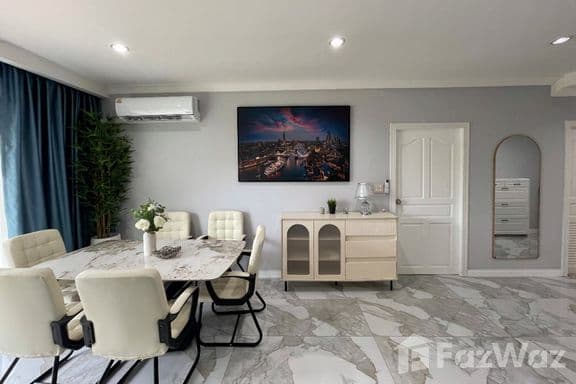
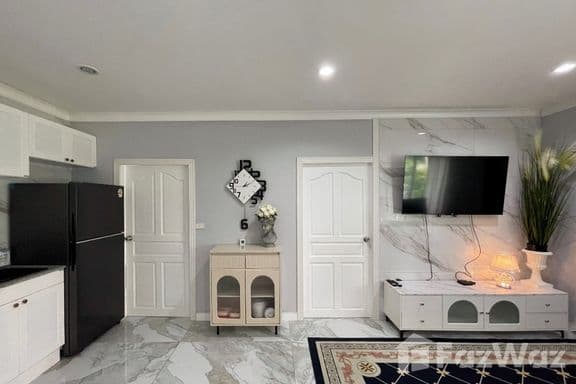









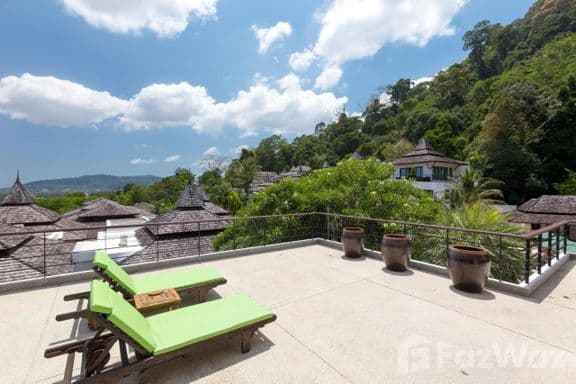


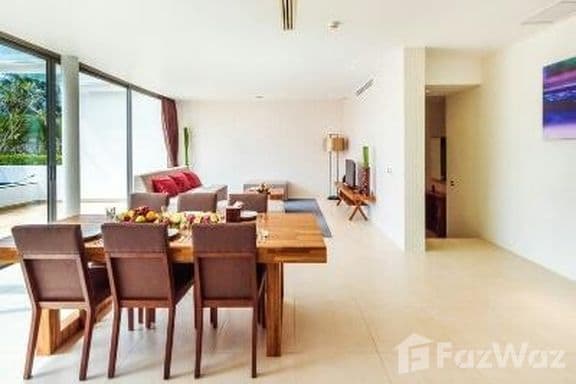


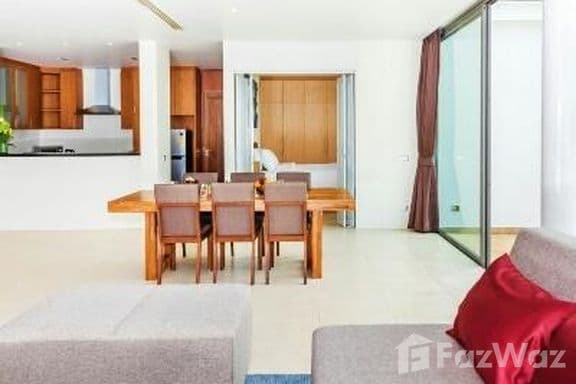


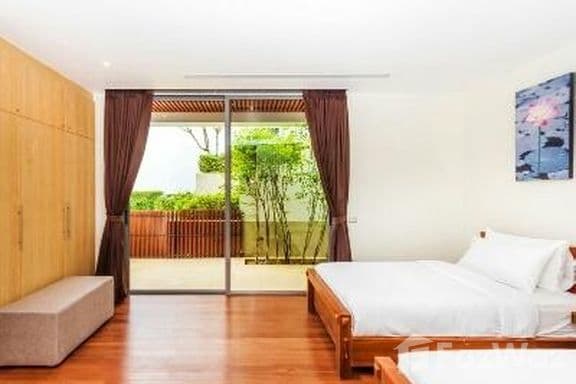










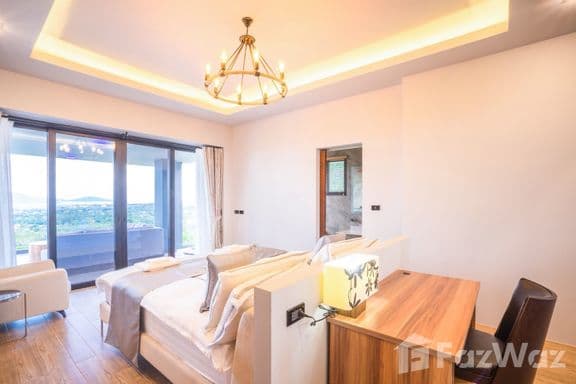
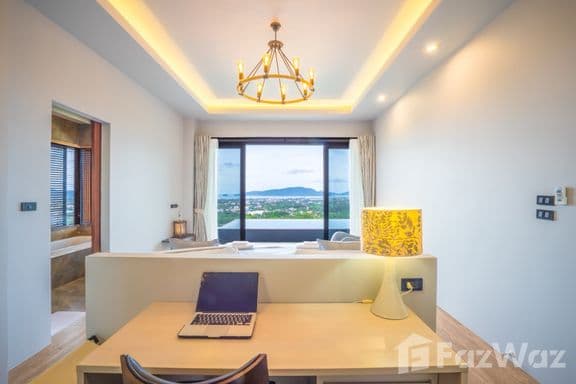
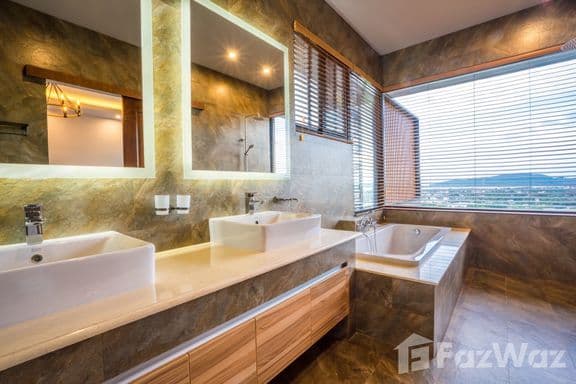
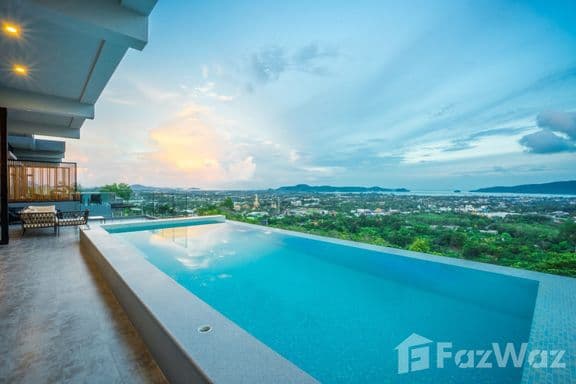







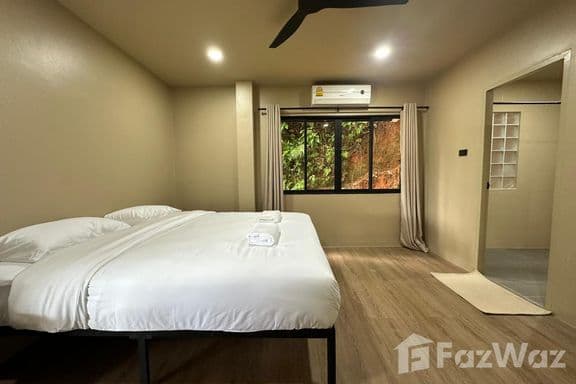




 Popular condos in Phuket

