Comprehensive Guide to Renting in Thailand (2021–2026 and Beyond)
Thailand’s rental market has evolved dramatically since 2021. After the COVID-19 slump when international arrivals nearly halted, the market began rebounding through 2022–23 as tourism and remote work boosted demand. By 2024, city rentals surged with foreign and local tenants, and by 2025 yields hover around 6% on average. This guide delves deep into Thailand’s rental sector – its history, property types, regional nuances, costs, legal framework, tenant profiles, market trends, and future outlook. It is aimed at expats, digital nomads, retirees, and students seeking long-term stays or relocation. We cover everything from historical price changes and provincial breakdowns to lease clauses and common pitfalls.
Historical Rental Market Trends (2021–2025)
Thailand’s rental market was profoundly shaped by COVID-19. In 2021, strict border closures left only 430,000 foreign tourists, a fraction of the 39.8 million in 2019. With tourism near zero, many property owners sought domestic tenants or converted rentals to long-term leases. In early 2022, the market bottomed out, but demand began recovering as Thailand reopened. By late 2022, 11.15 million international tourists arrived, and Q1 2023 saw 6.5 million visitors – more than half of 2022’s total. This tourism rebound, coupled with the global remote-work trend and the introduction of long-stay visas (e.g. the 5-year Destination Thailand Visa in 2024), has sharply raised occupancy.
Economically, Thailand’s GDP growth picked up from 2.6% in 2022 to an expected 3.4% in 2023. The surge in tourism and easing restrictions have driven a near-full recovery: 2024 saw 35.5 million tourist arrivals (up 26% YoY) and accommodation occupancy at 71.5%, exceeding pre-pandemic levels. This has translated into rising rents. For example, Bangkok’s prime condos saw average rents rise ~9% YoY by mid-2024. Meanwhile, new construction slowed (permit issuances down 33% in Bangkok metro Q1–Q3 2024 vs. 2023), limiting new supply. Developers have focused on mid-market segments (projects under 7 million THB).
Rent prices in 2021–2022 were volatile. In 2022, for instance, Bangkok saw a median condo rent of ~THB 187,772 (Q2) drop to THB 116,947 (Q3) as supply outpaced demand. Houses plunged from THB 116,000 (Q2) to THB 21,000 (Q3) due to oversupply from downsizing Thais. By 2023, stability returned: Bangkok condo rents averaged ~THB 45,000–47,000. In sum, the structural picture is a landlord-friendly market (no rent controls, standard 1–3 year leases) with rents now rising modestly as tourism and expat demand return.
Property Types in Thailand
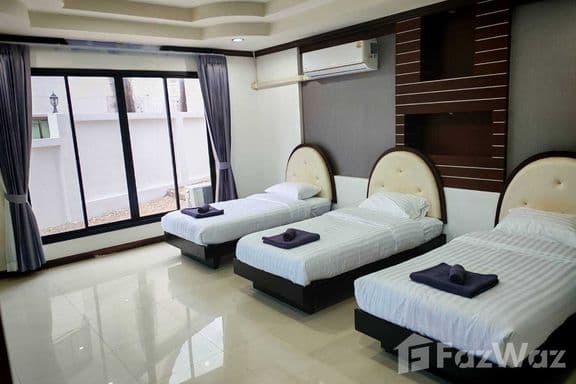
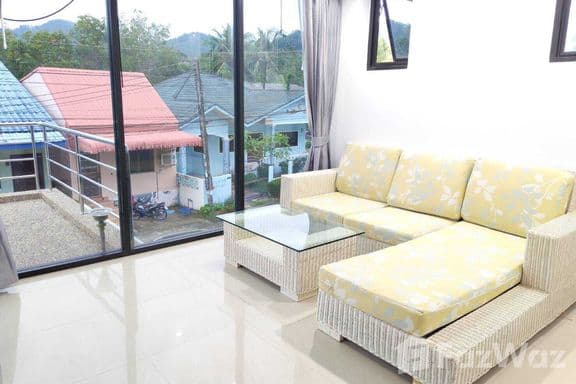
Foreign renters in Thailand typically choose among condos, apartments, houses/villas, and townhouses, each with distinct layouts and tenant profiles:
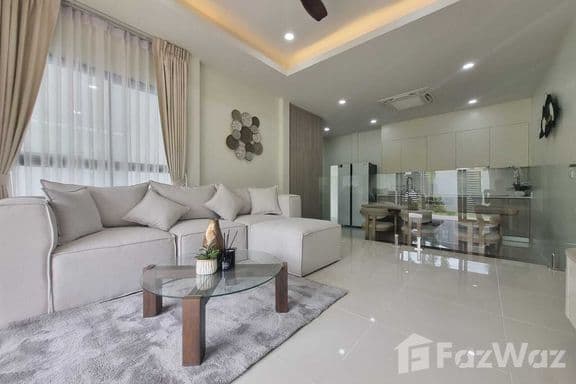
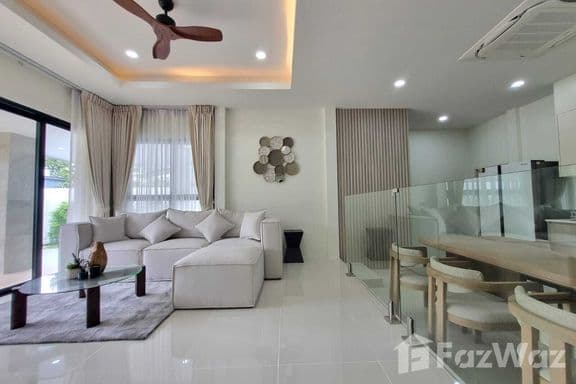
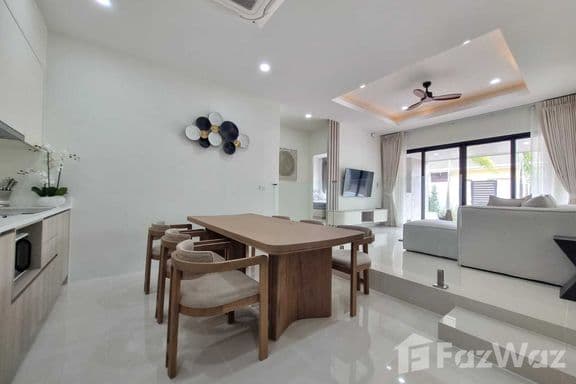
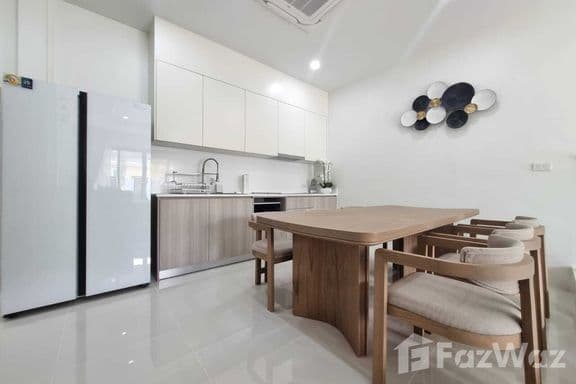
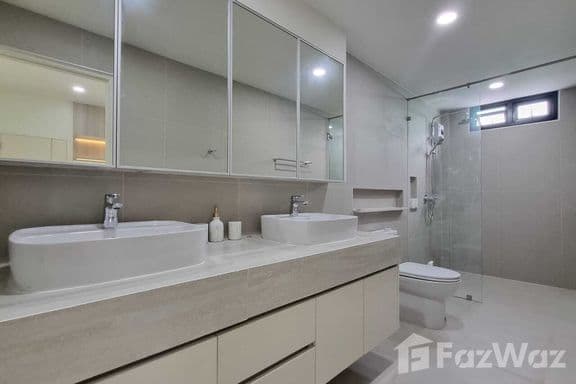
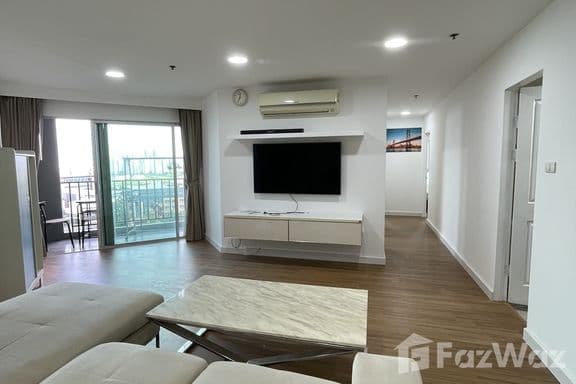
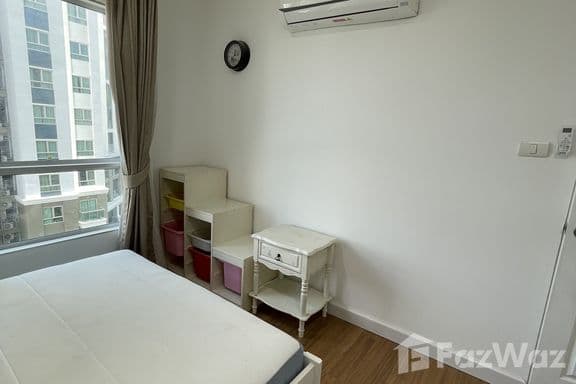
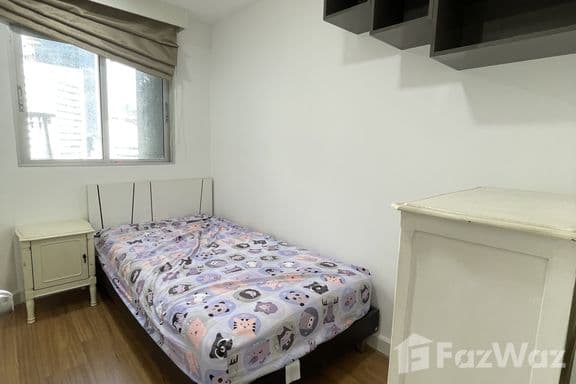
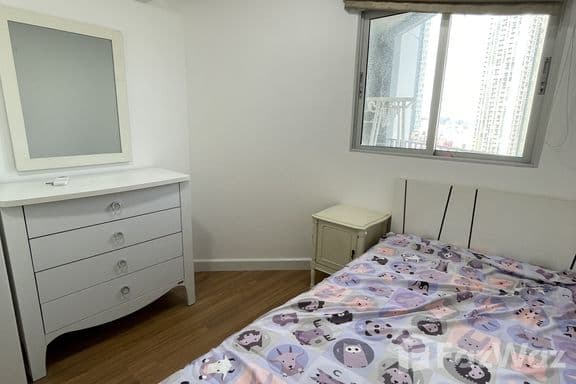
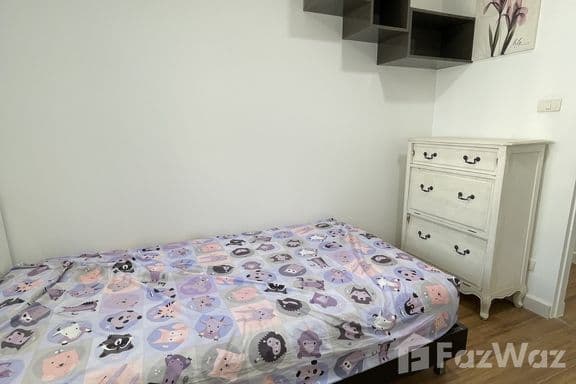
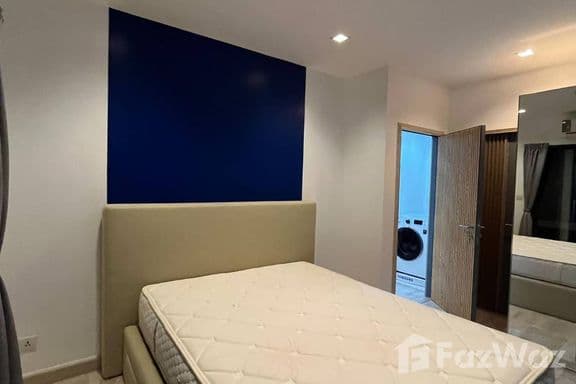
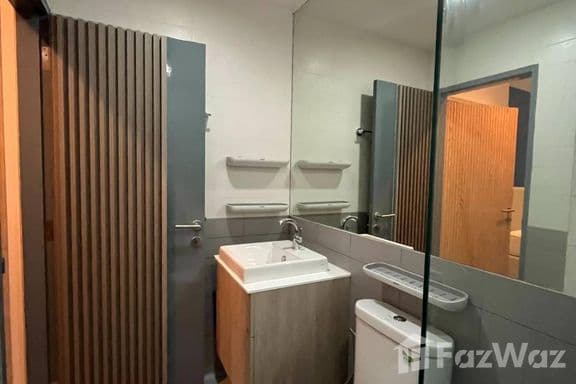
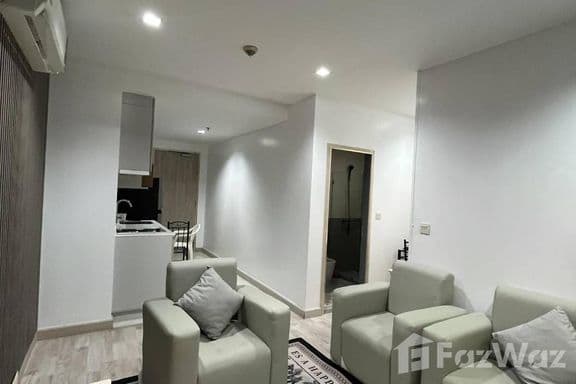
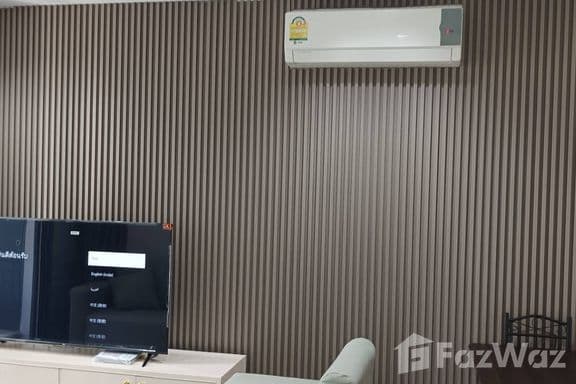
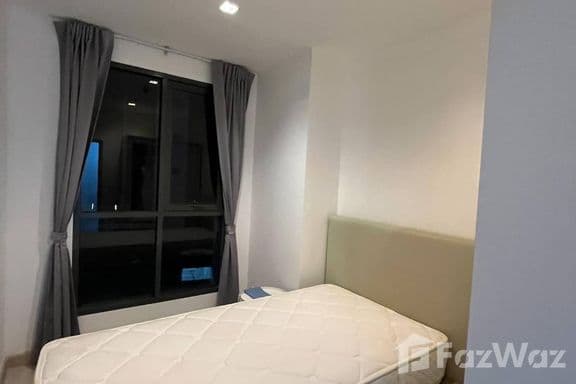
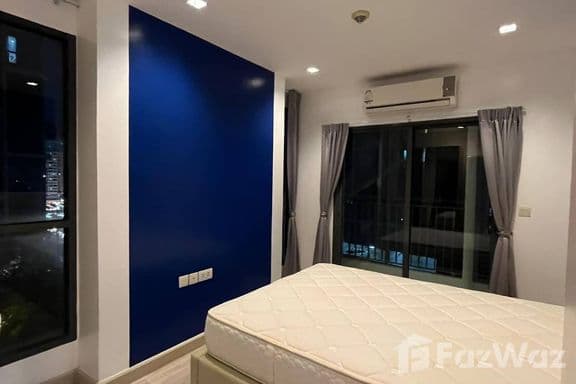
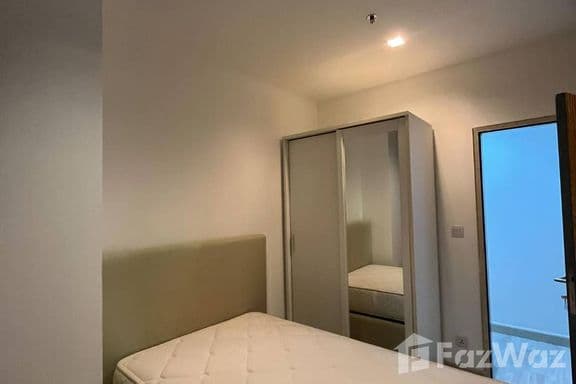
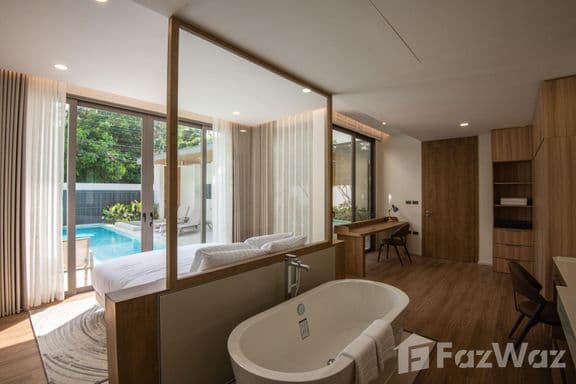
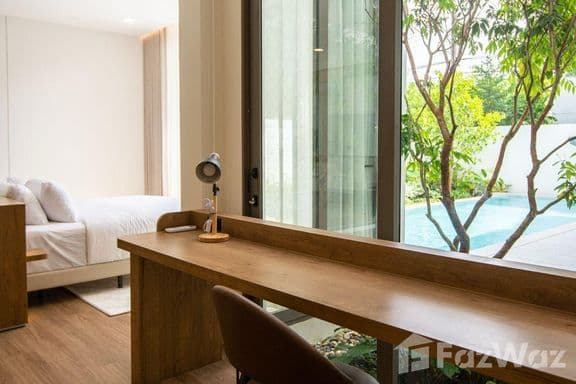
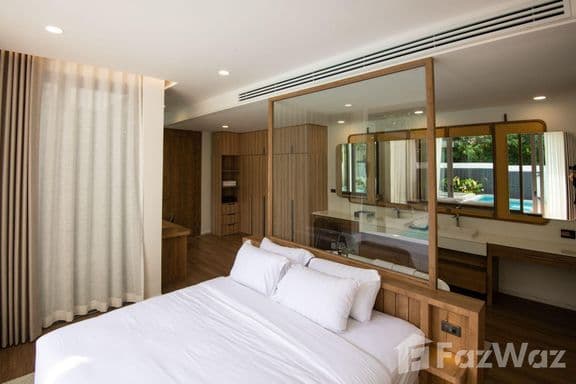
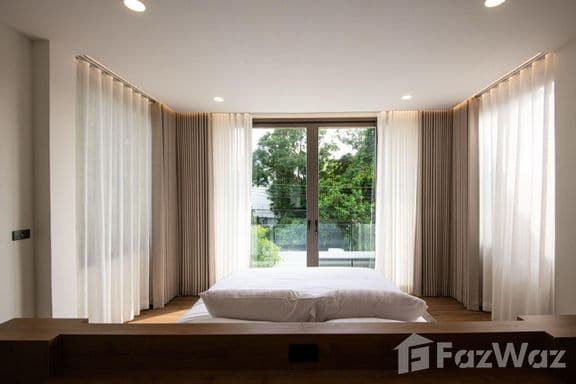
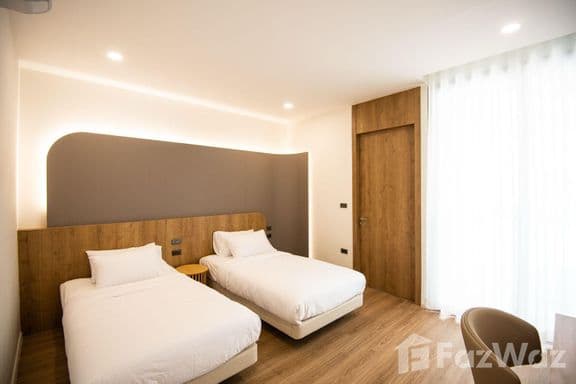
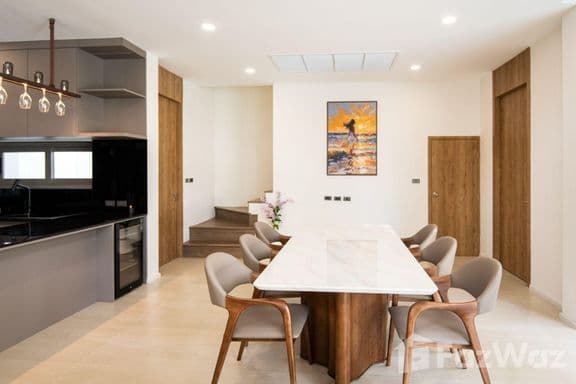
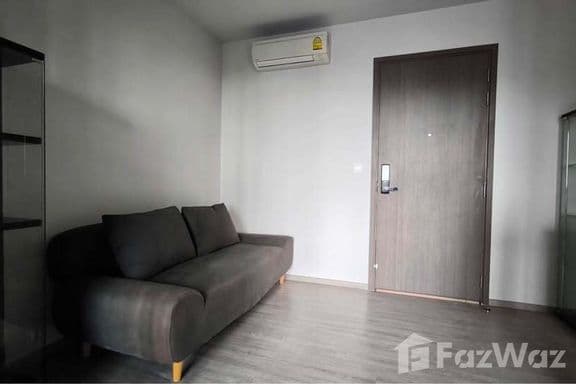
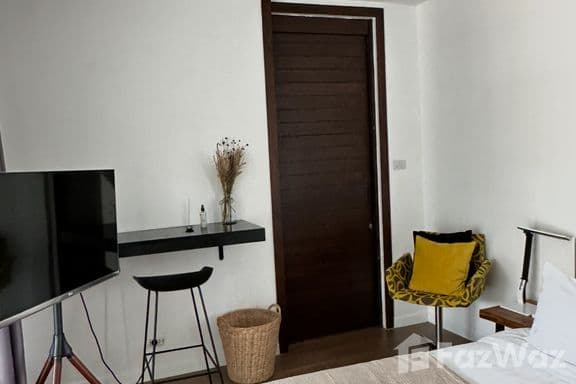
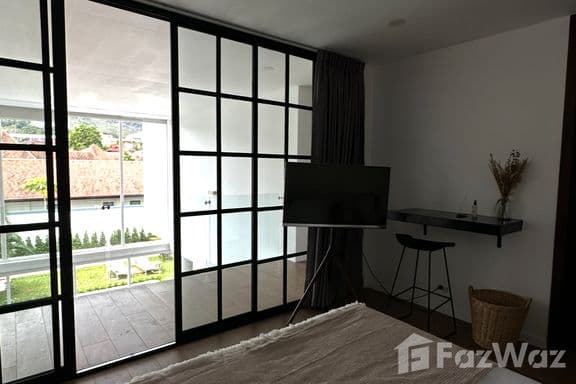
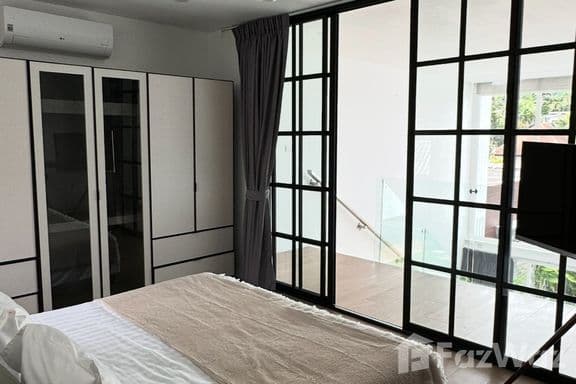
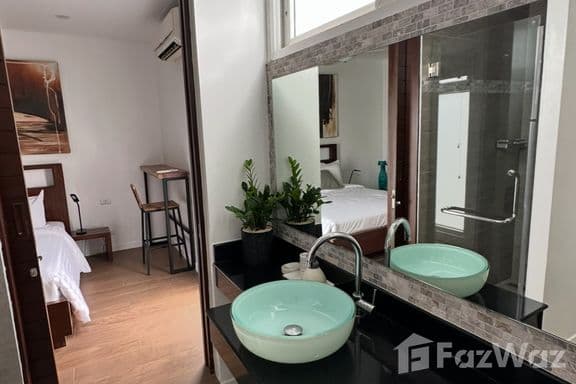
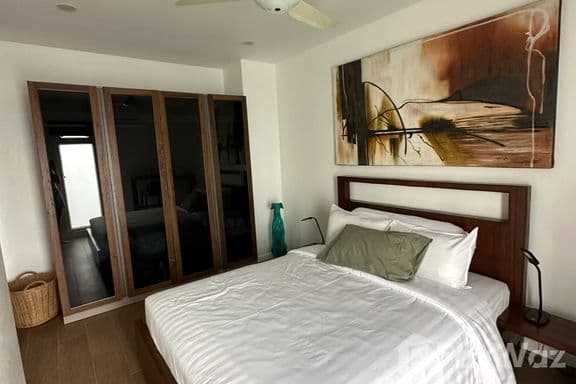
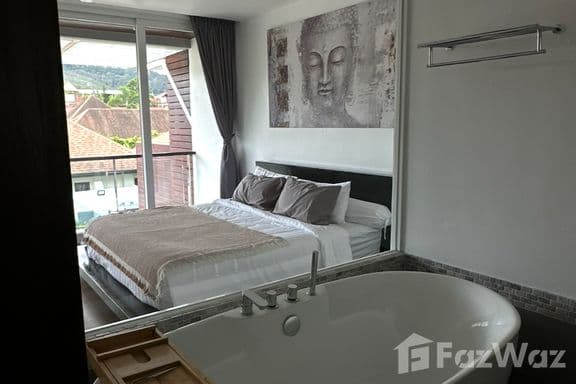
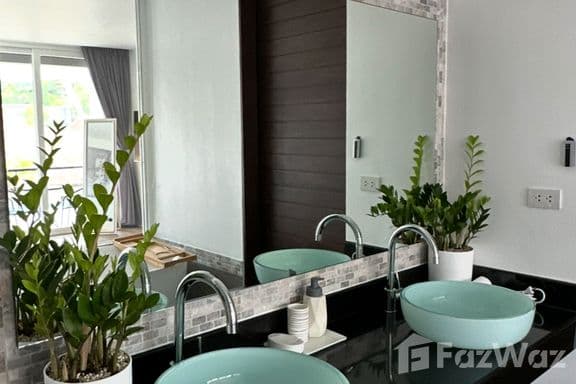
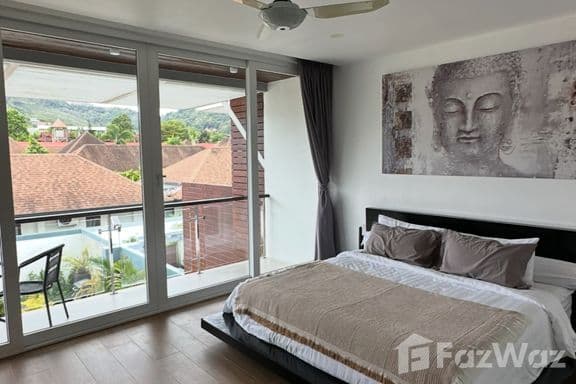
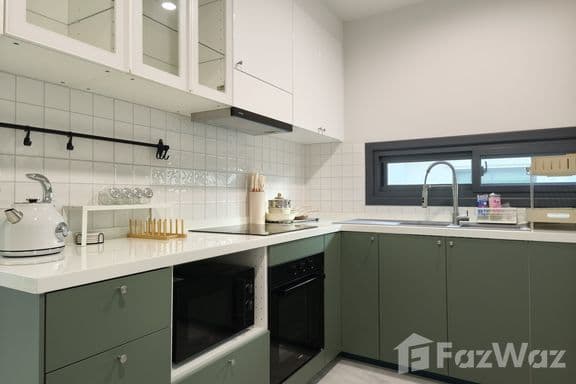
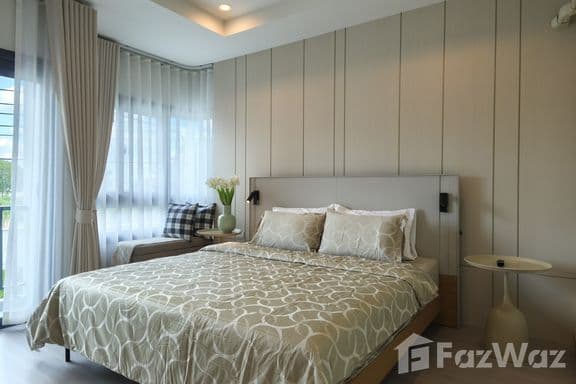
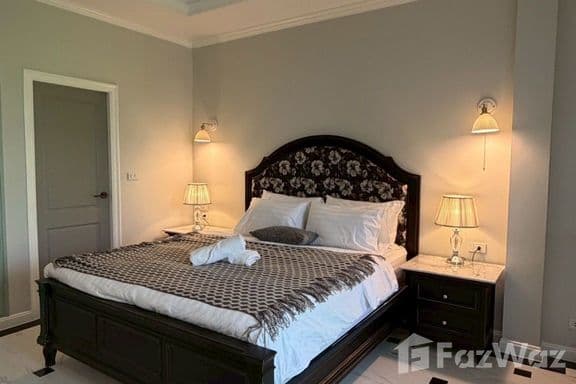
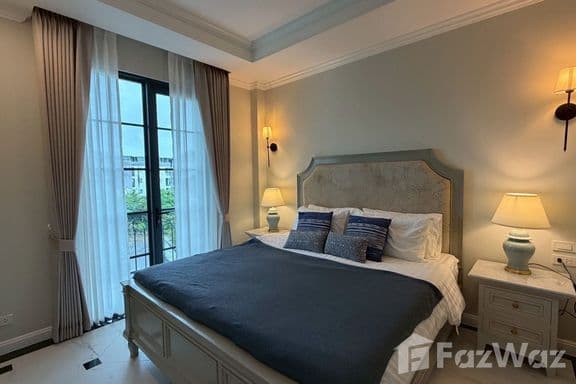
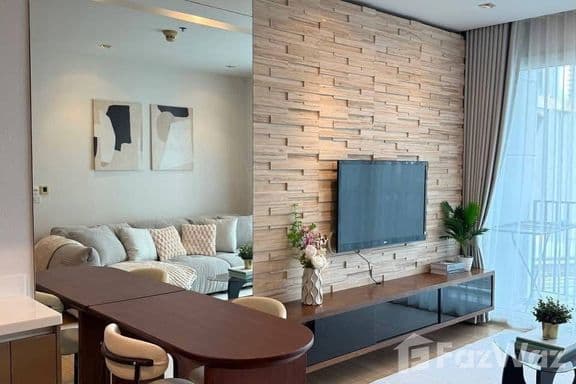
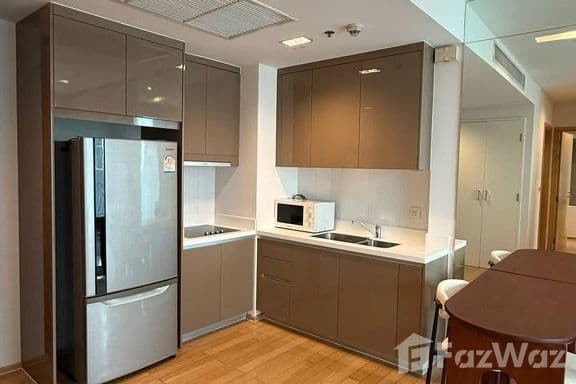
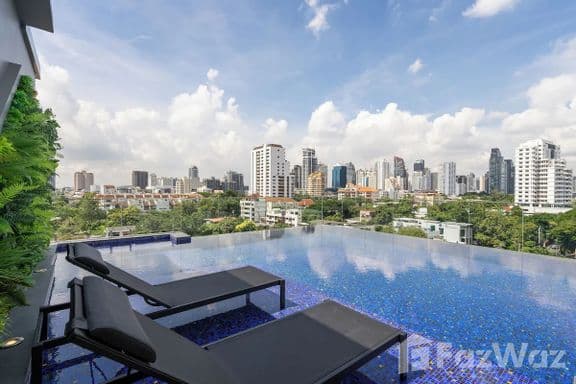
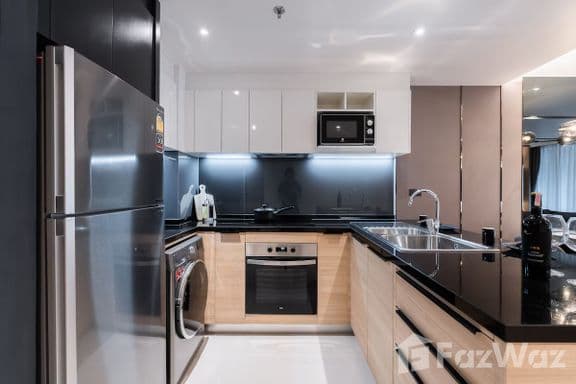
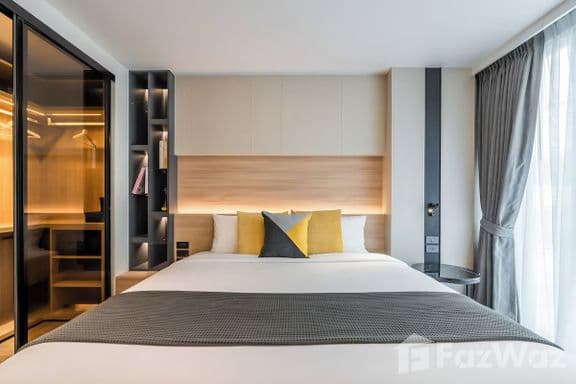
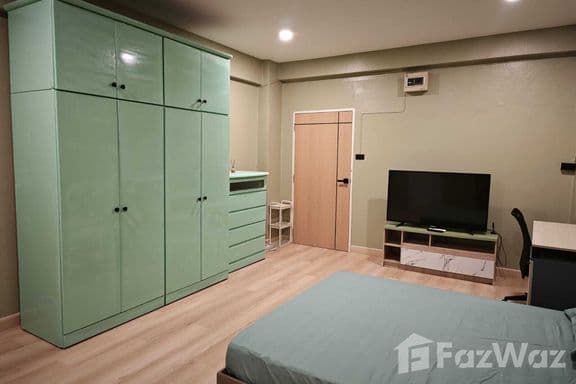
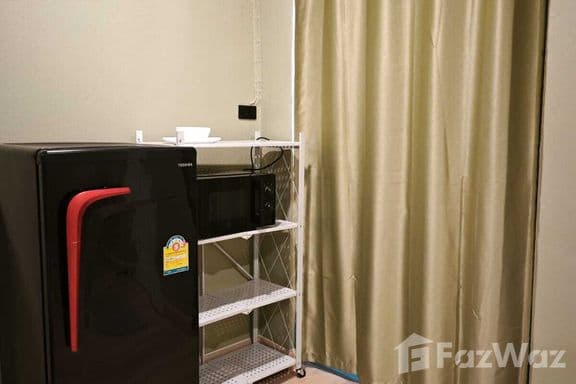
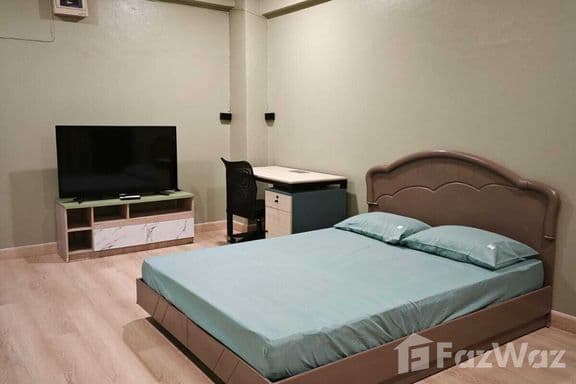
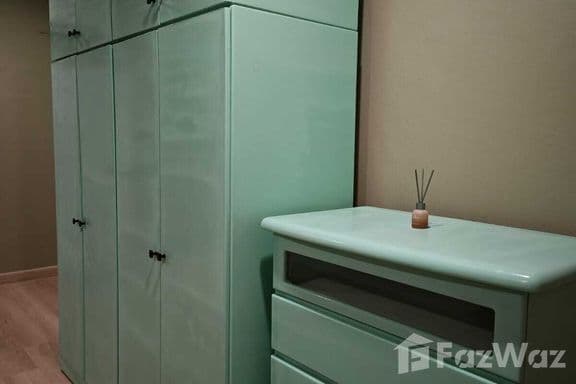
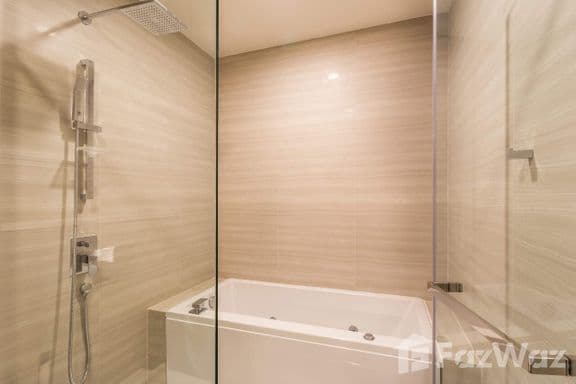
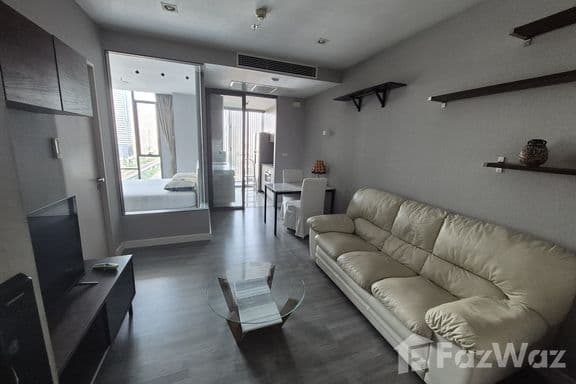
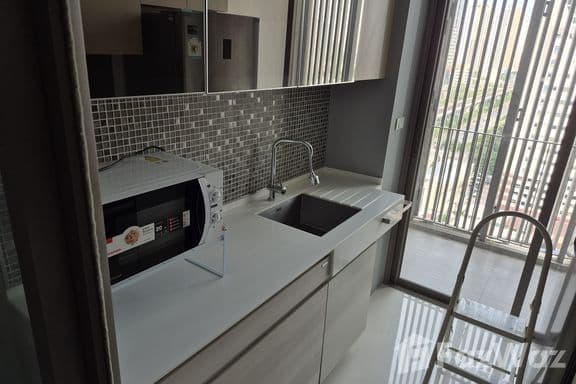
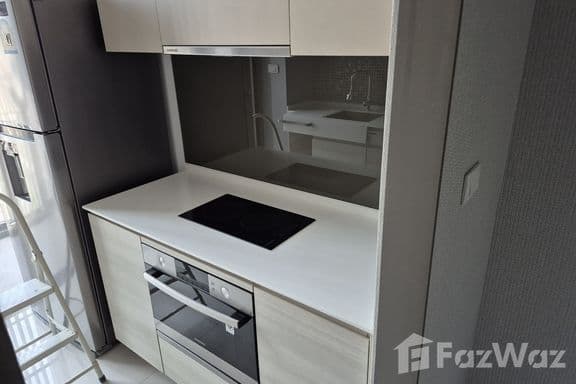
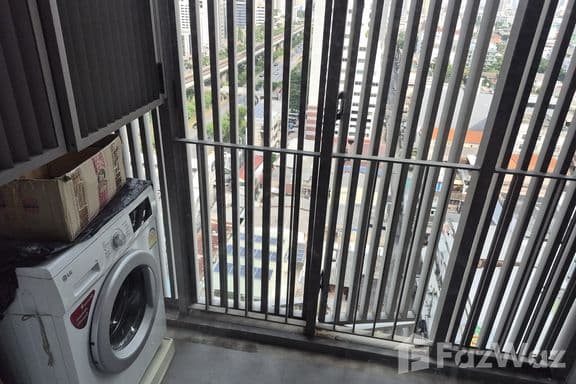
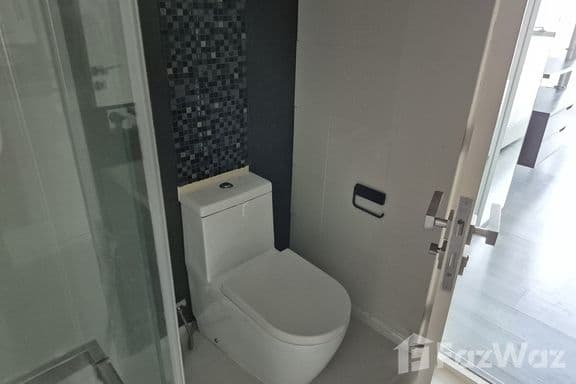
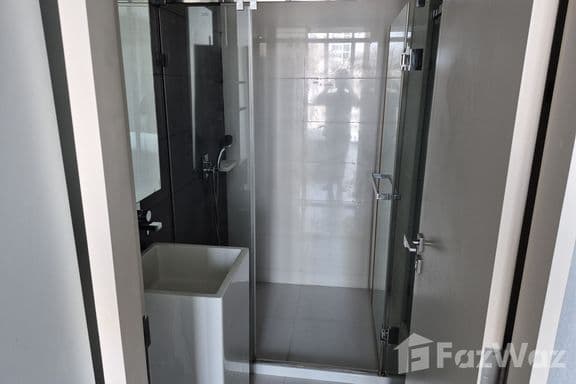
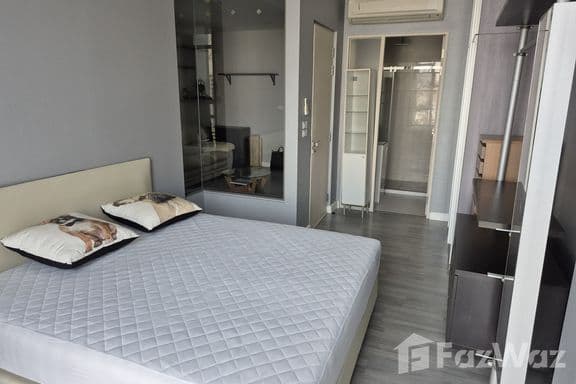
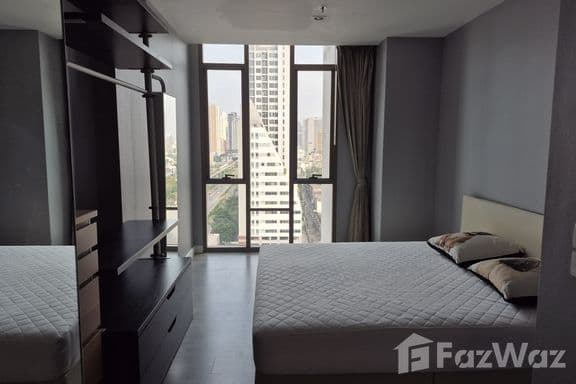
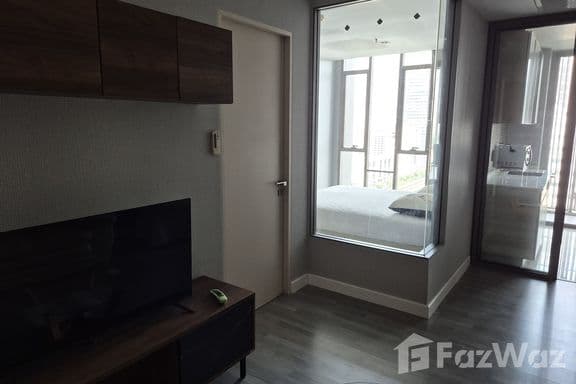
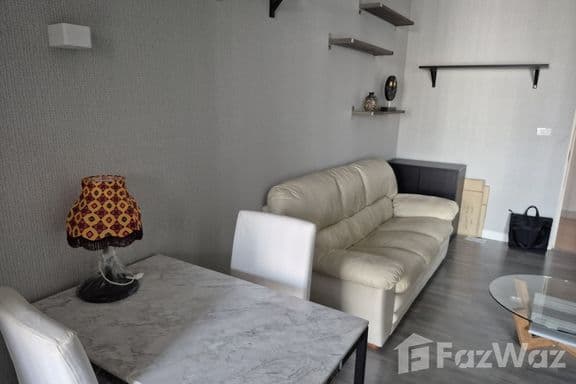
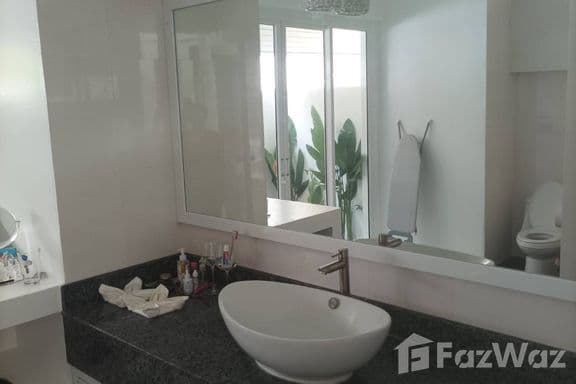
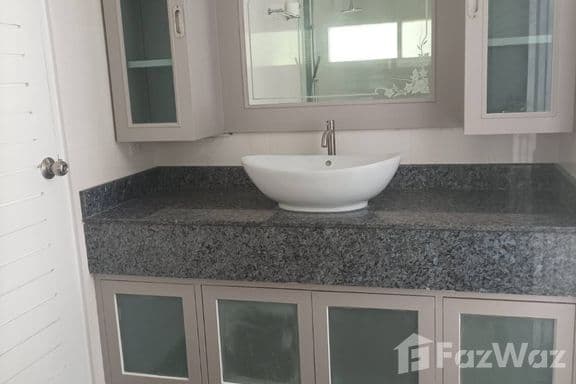
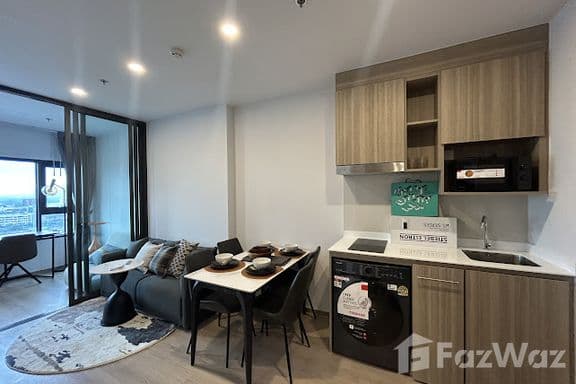
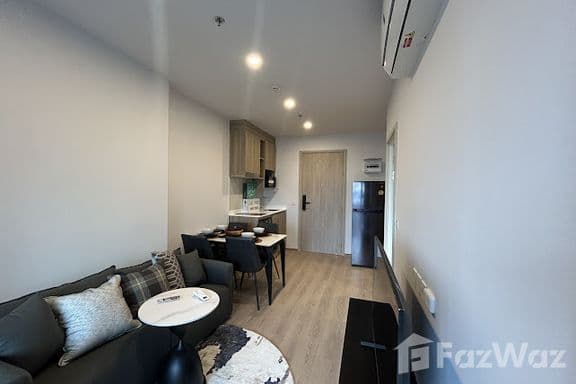
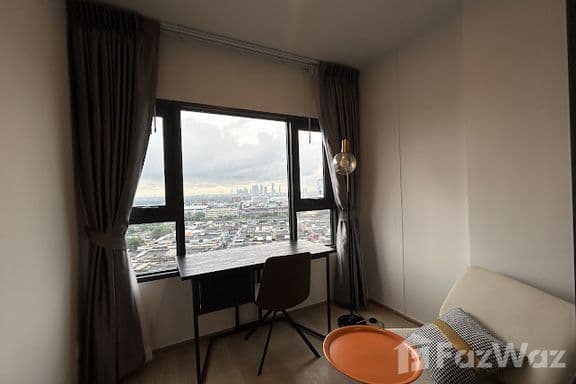
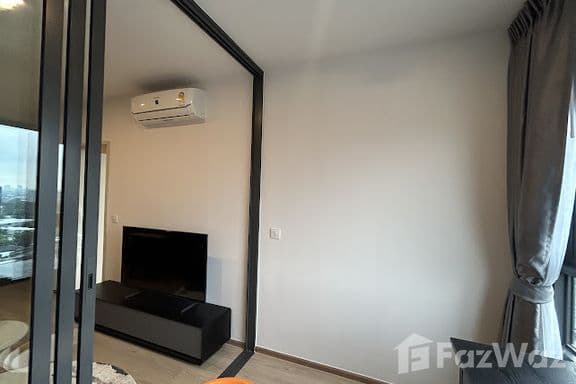
- Condominiums: The most popular option in cities. These are strata-title units in high-rise buildings. Layouts range from studio (20–30 sqm) to multi-bedroom (80+ sqm) units. Condos offer built-in kitchens, bathrooms, and often come furnished. They include shared amenities (pools, gyms, security) and professional management. Advantages: Convenient (often in central locations), well-maintained, security, facilities. Disadvantages: Higher rent, maintenance fees, limited private outdoor space. Preferred for: Singles/couples, digital nomads, working professionals seeking convenience and community. Condos allow foreigners to buy (up to 49% of units) and thus many are built targeting expats.
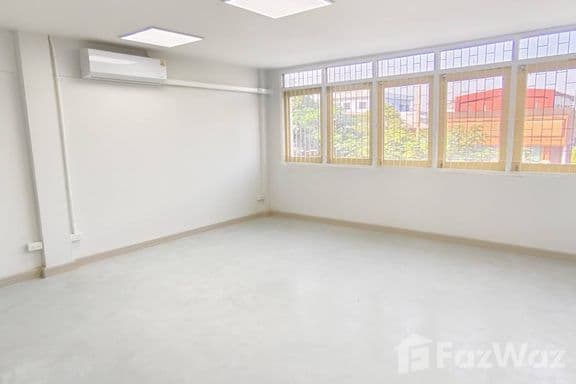
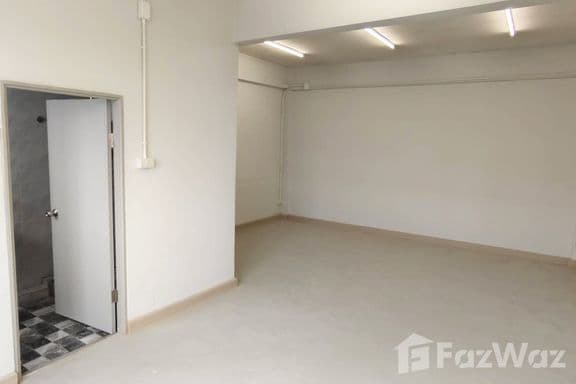
- Apartments (leasehold flats): Often smaller or older low-rise units, usually offered on long-term lease by landlords. Layouts are similar to condos but units may lack full kitchens or amenities. Advantages: Lower cost, more bargaining possible. Disadvantages: Fewer facilities, older construction, less guarantee of maintenance. Preferred for: Budget renters, students or short-term stays. In Thailand’s parlance, “apartment” can denote an unfurnished unit (no kitchen) whereas “condo” implies furnished and titled ownership.
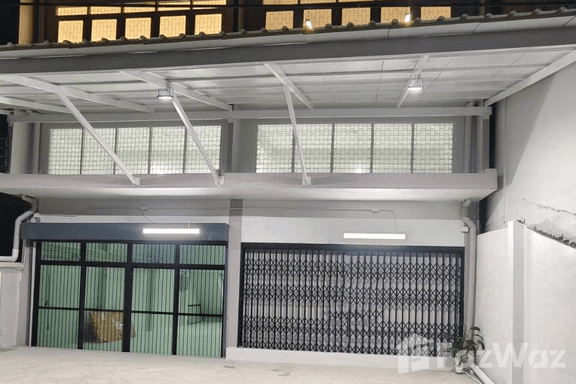
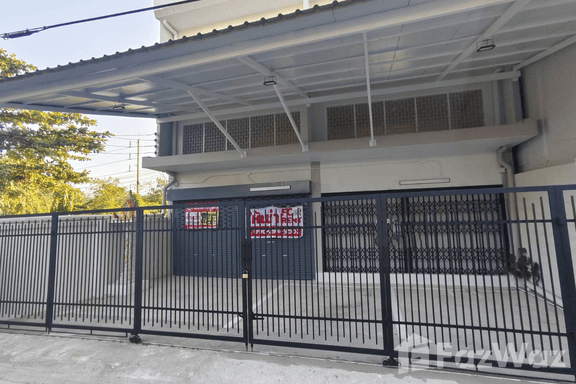
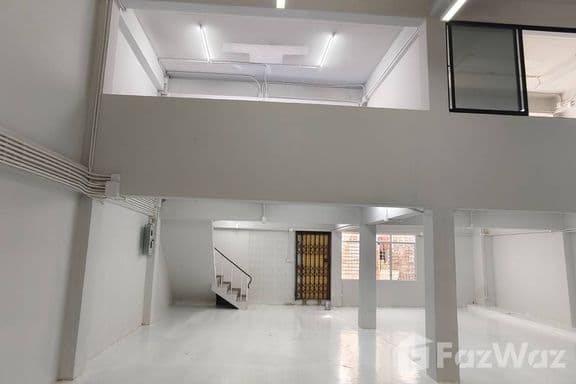
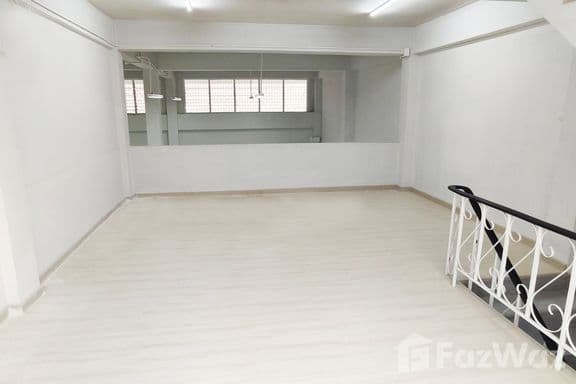
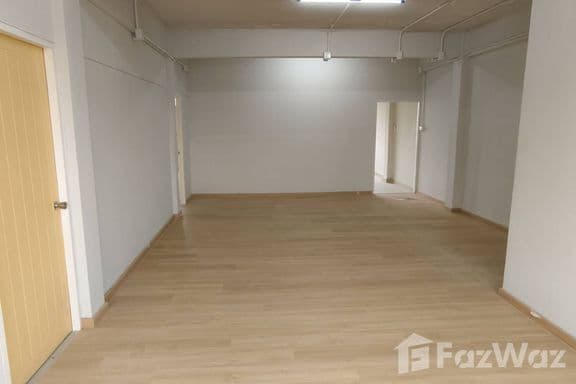
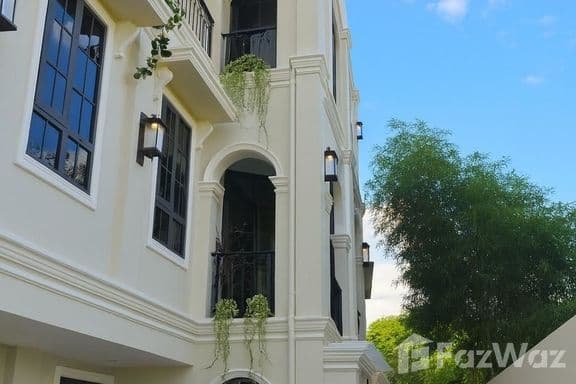
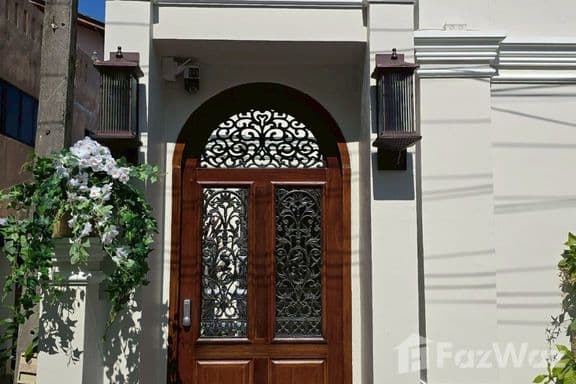
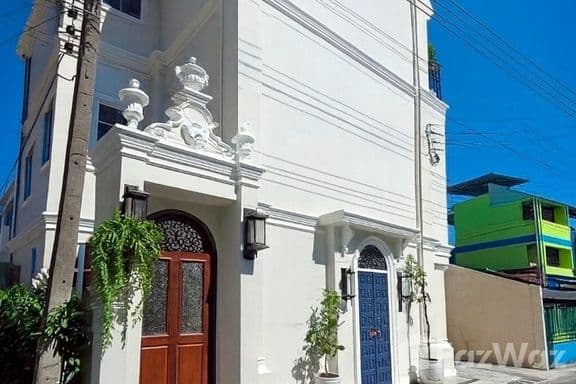
- Townhouses: Narrow, multi-story houses sharing walls (semi-detached). Typically 3–4 floors, 100–200 sqm. Small front yards or parking spaces. Advantages: More space than condos, lower cost than detached houses, often gated clusters with security. Disadvantages: Thin walls (noise), limited outdoor area, older styles in Bangkok. Preferred for: Families or couples needing more room but with moderate budgets; sometimes shared by roommates for space. Townhouses are common near suburbs and are generally cheaper than detached houses.
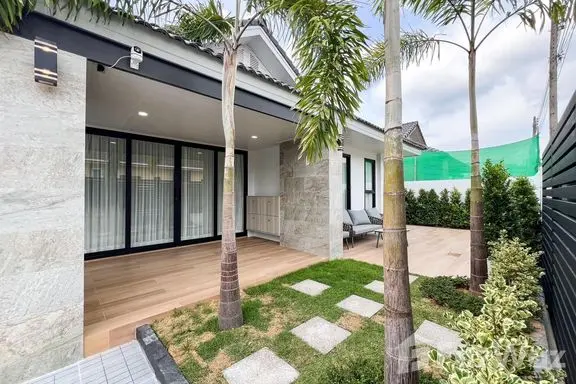
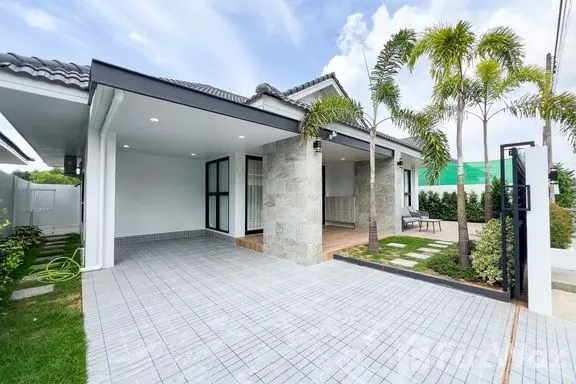
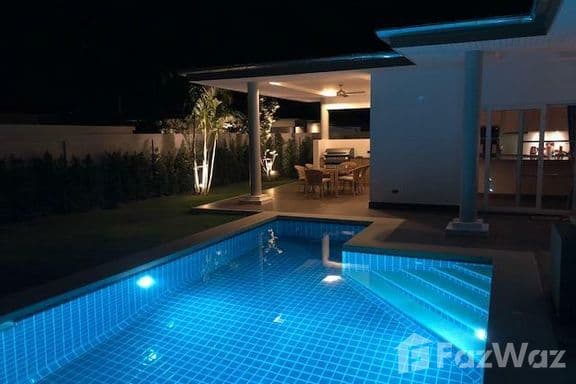
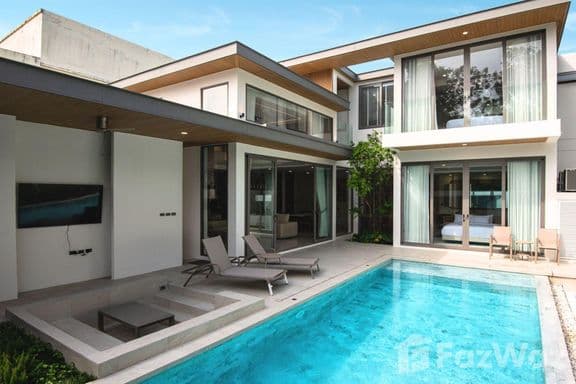
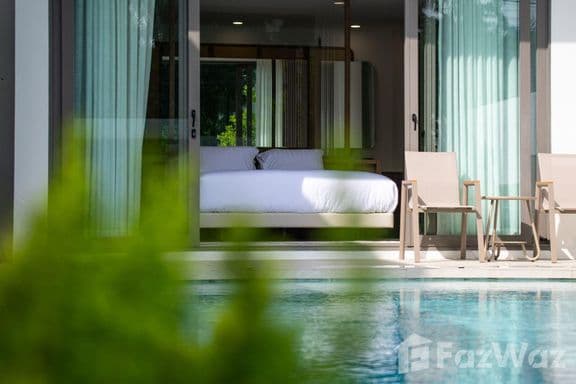
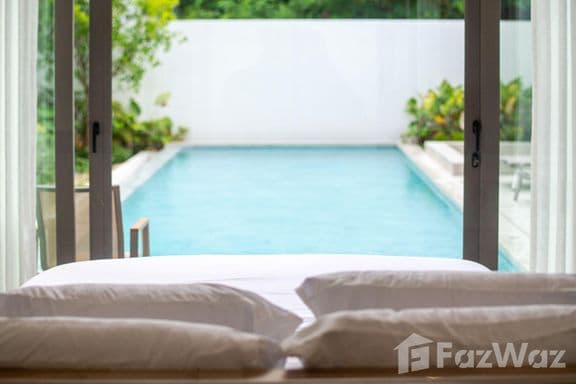
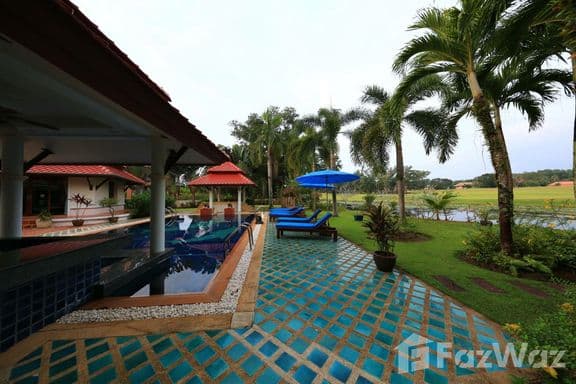
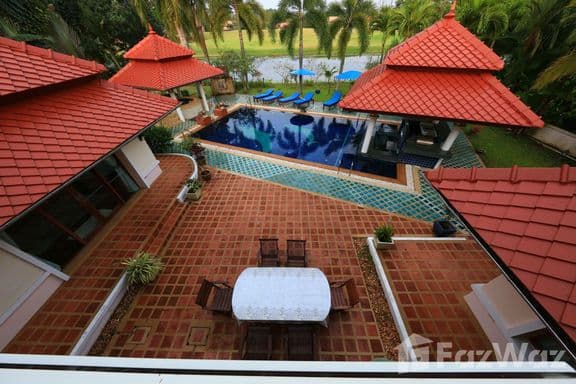
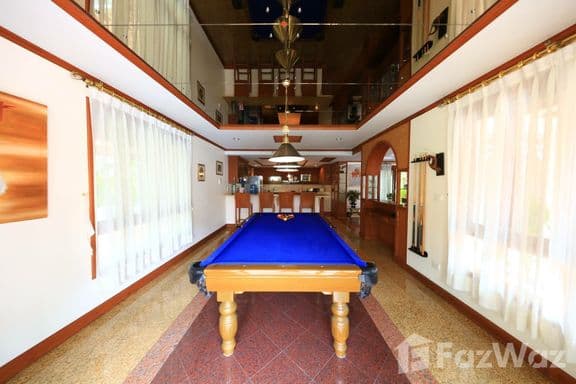
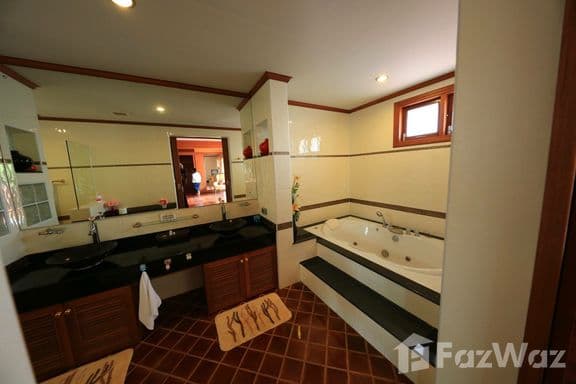
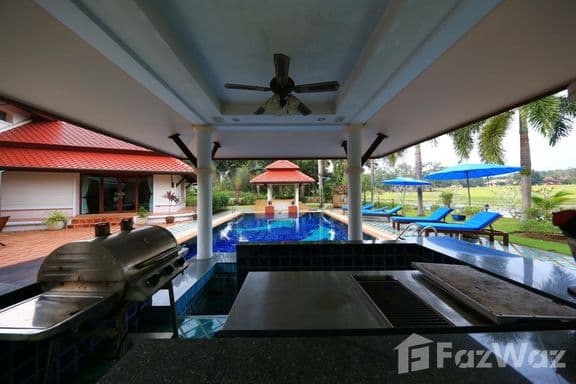
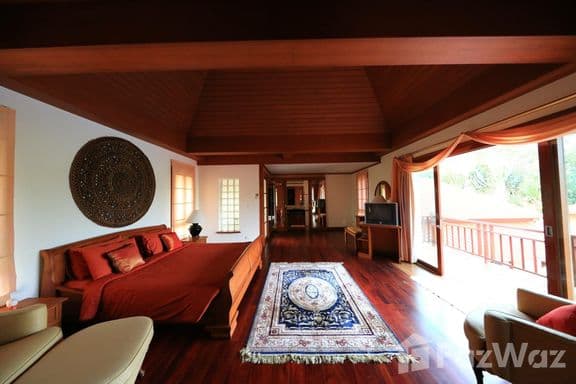
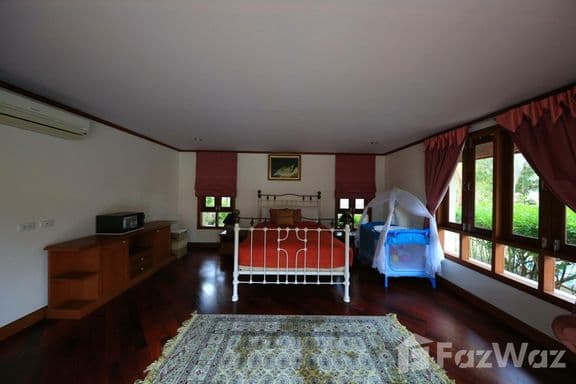
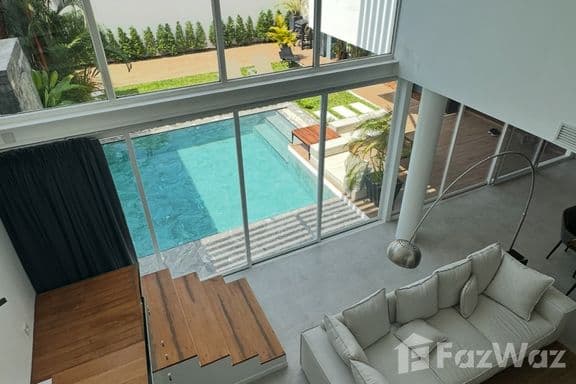
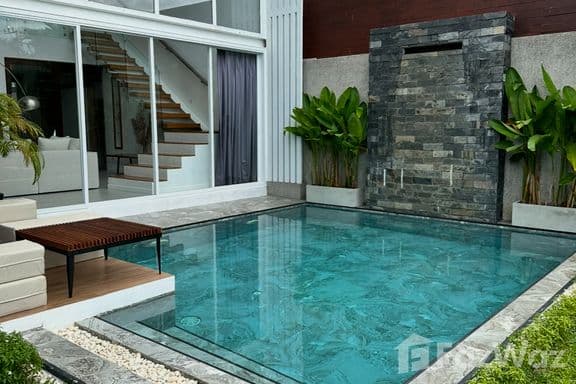
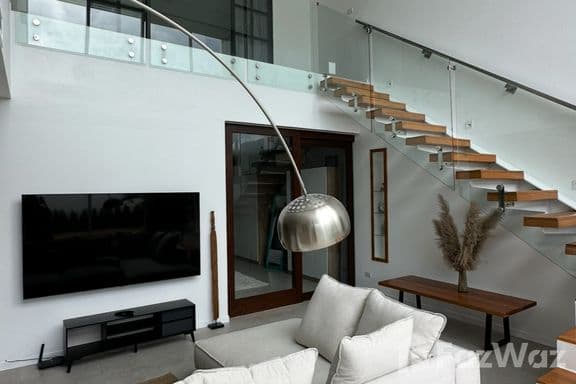
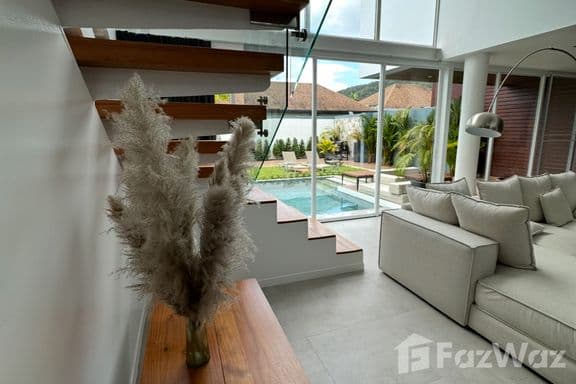
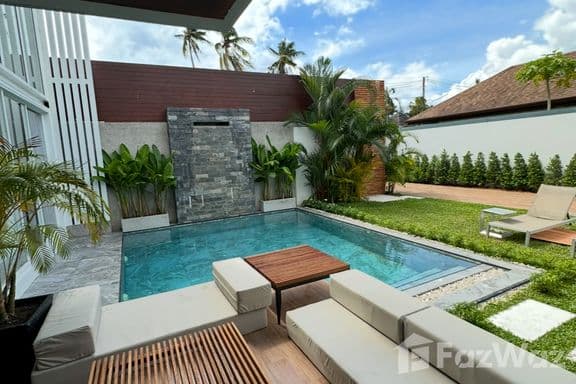
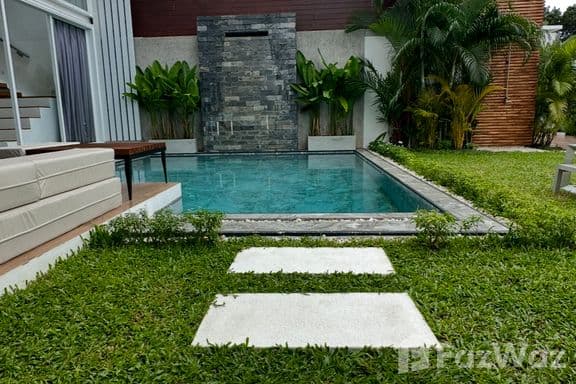
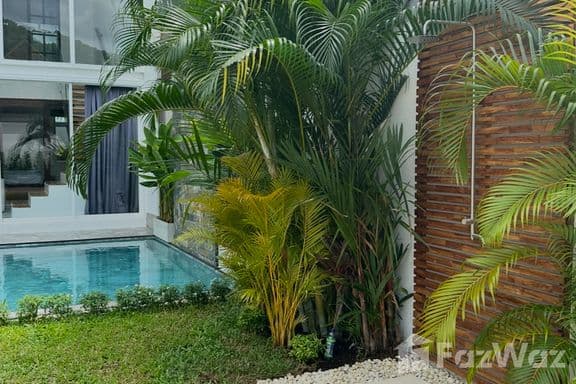
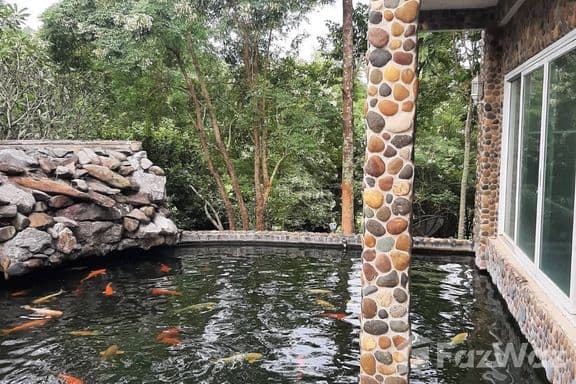
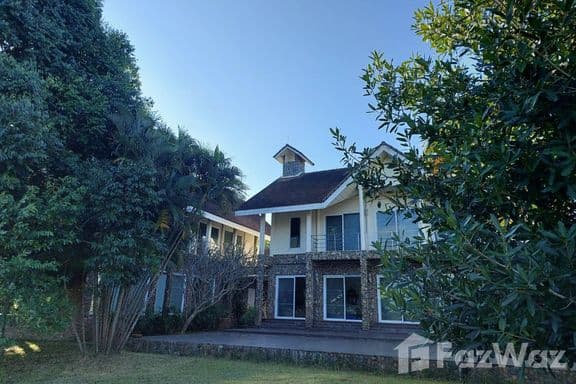
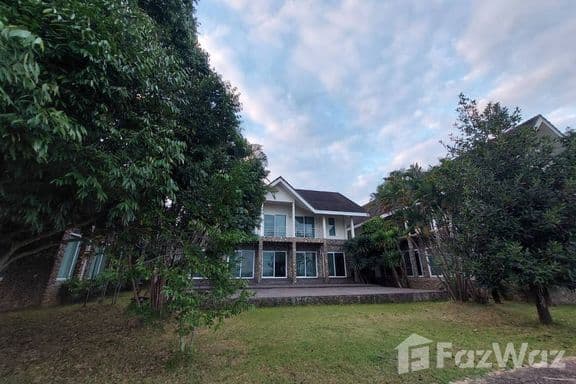
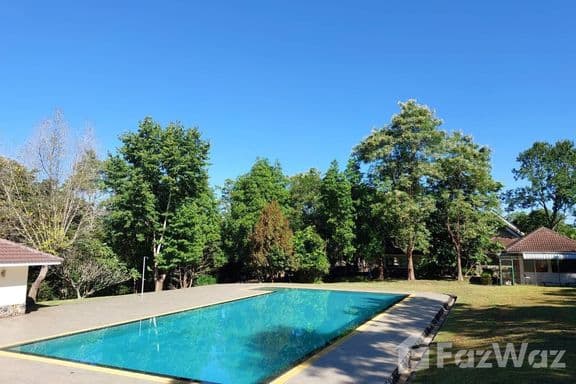
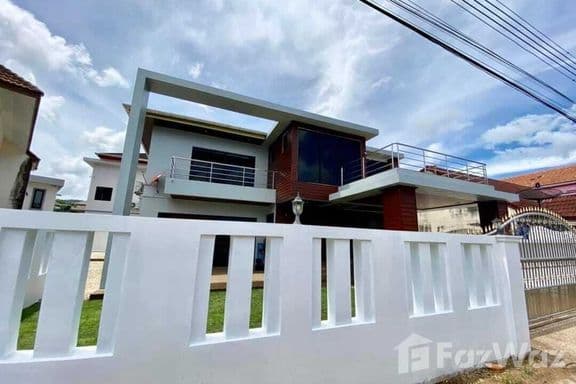
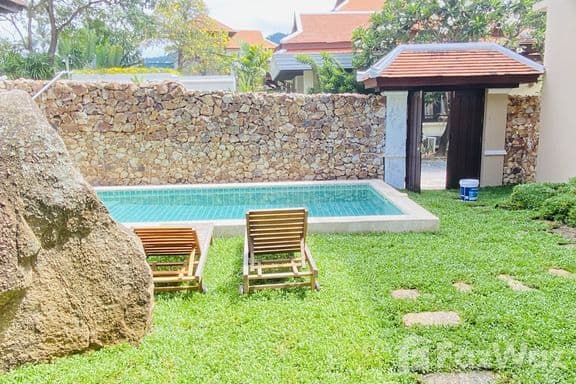
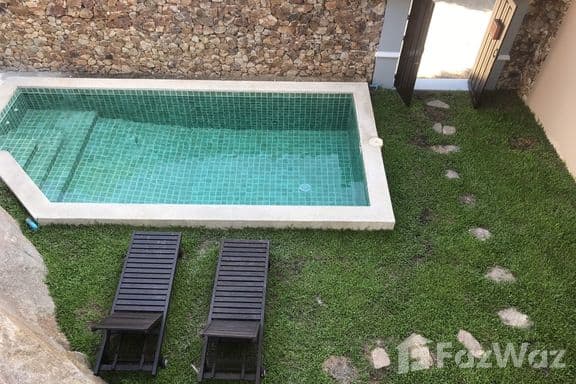
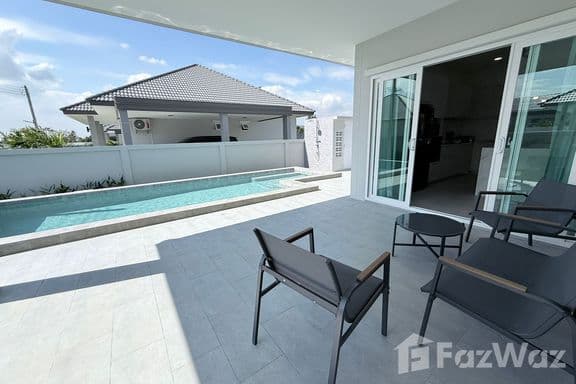
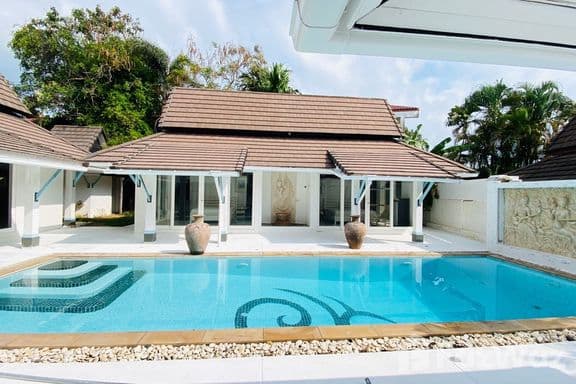
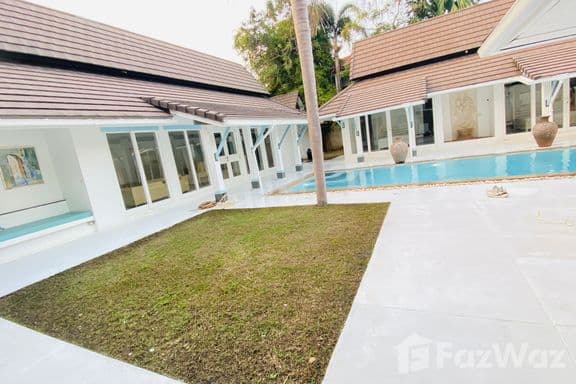
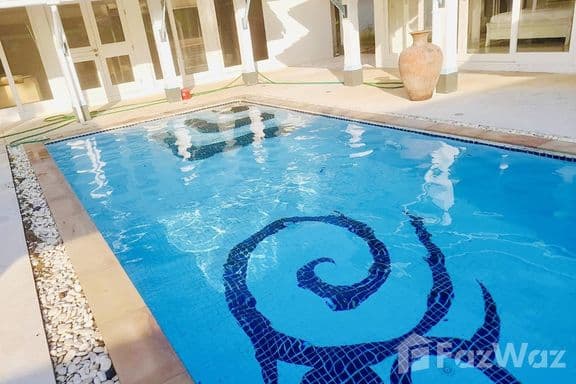
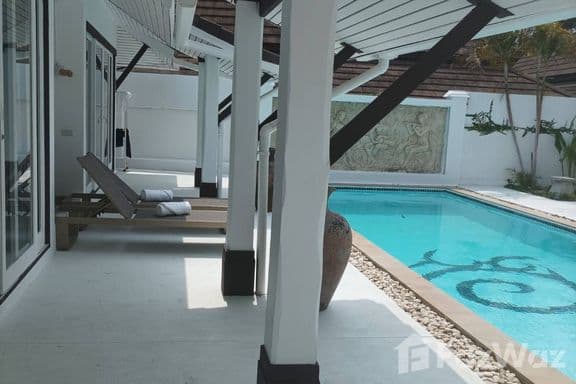
- Houses/Villas: Detached homes on private land. Layouts vary widely: 2–5 bedrooms, large yards, sometimes private pools (especially villas in beach areas). Advantages: Maximum space and privacy, ideal for families, often come partly furnished. Disadvantages: Highest cost (rent and utilities), maintenance responsibility, possible seasonal leasing issues. Preferred for: Families (Thai and expat) who need multiple bedrooms/garden; wealthy retirees seeking luxury (especially in Phuket, Hua Hin, Samui); groups looking for co-living villas. Beach areas market many “villas”, which are luxury houses targeting vacation rentals but also offered long-term in off-season.
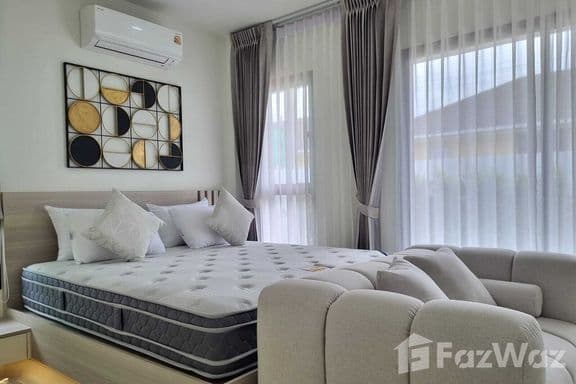
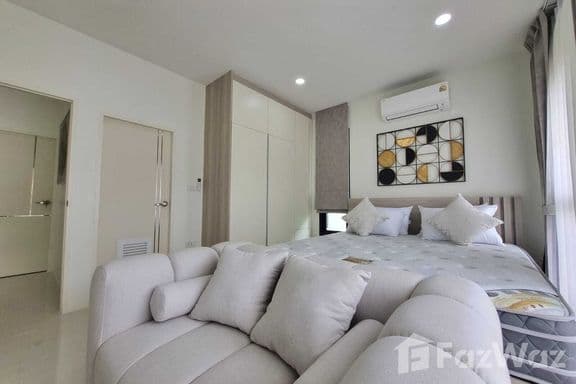
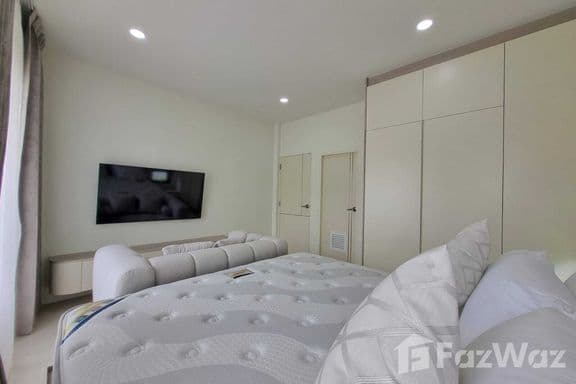
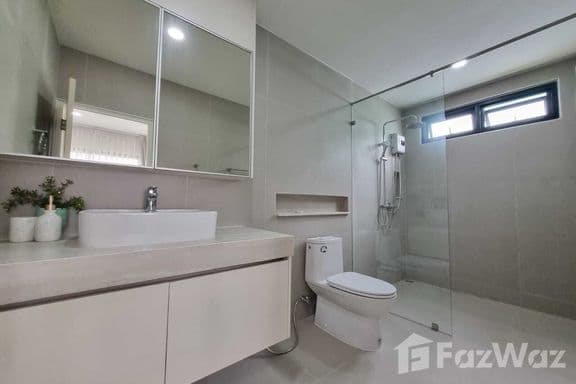
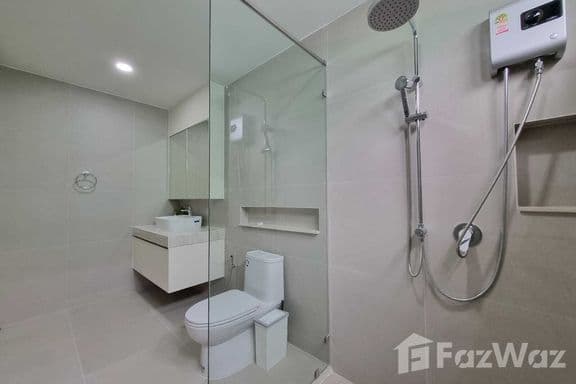
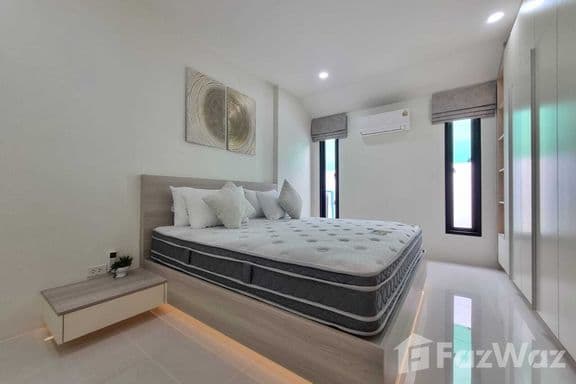
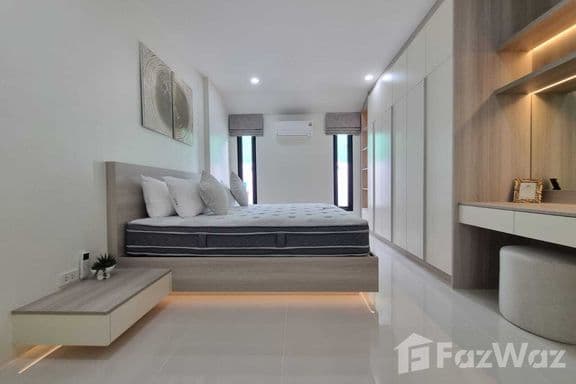
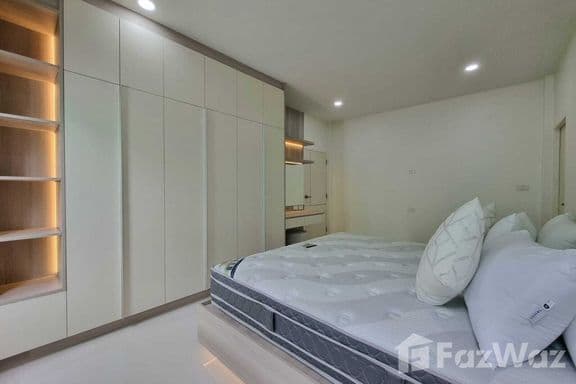
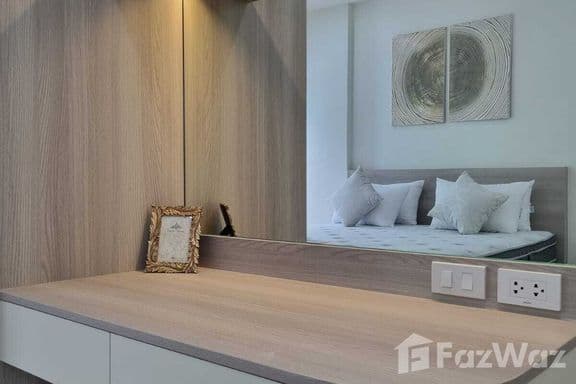
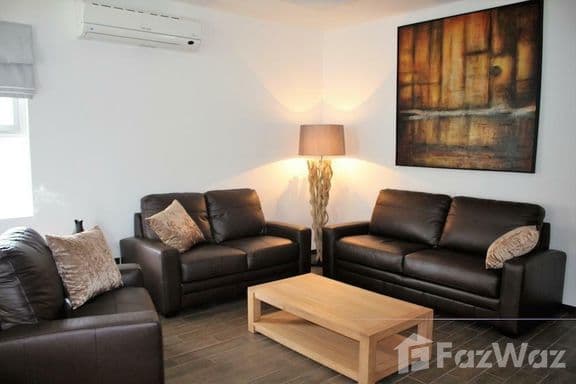
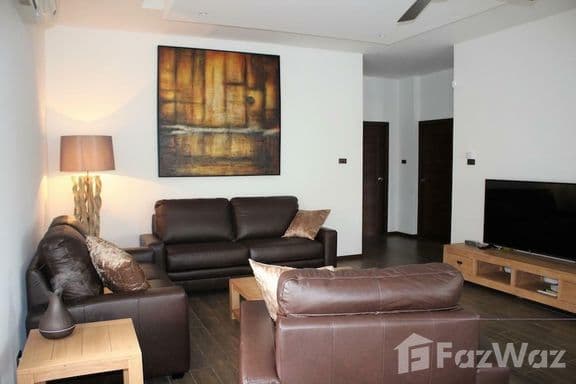
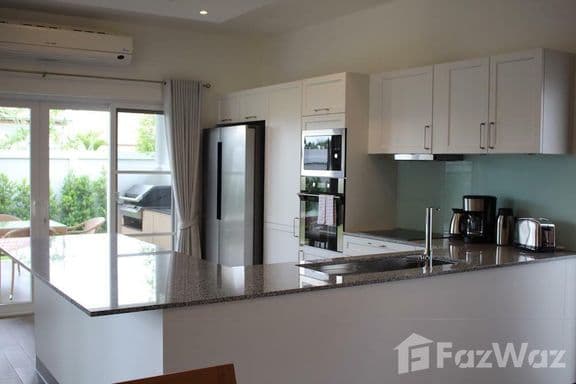
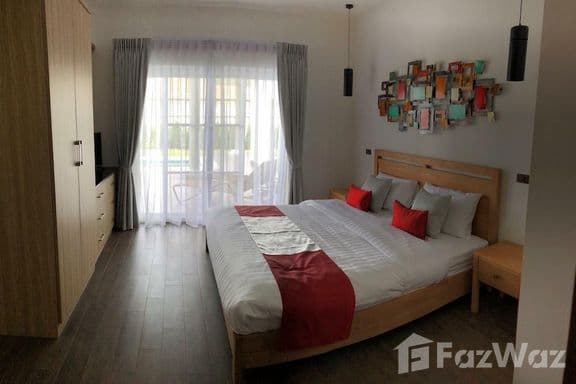
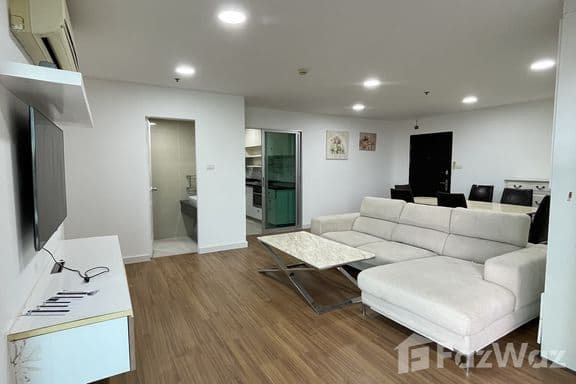
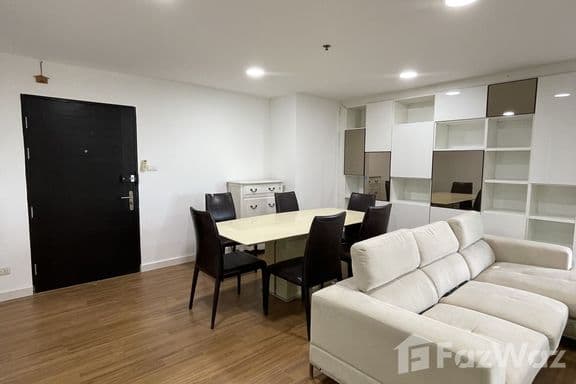
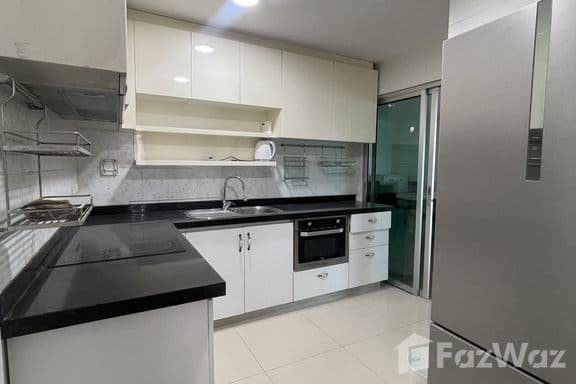
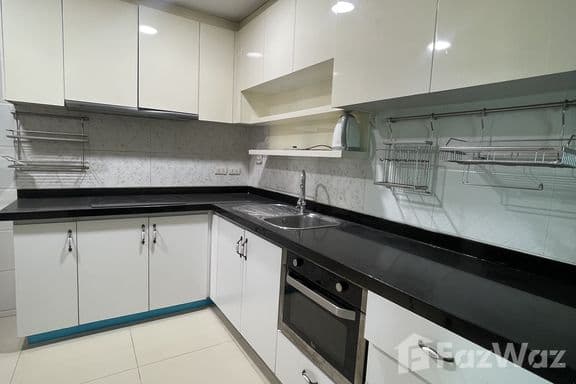
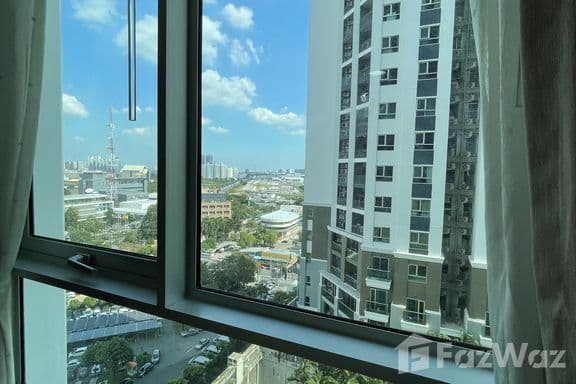
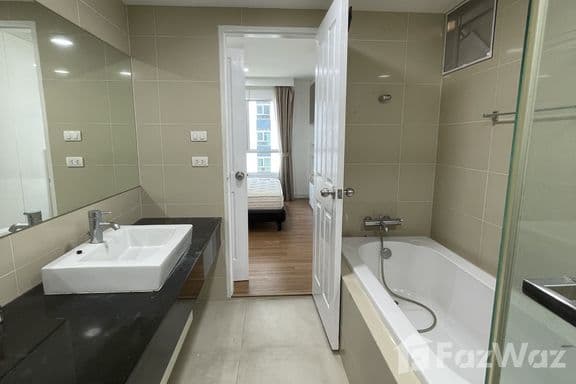
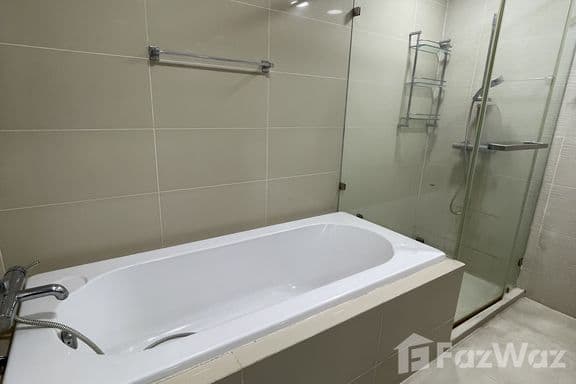
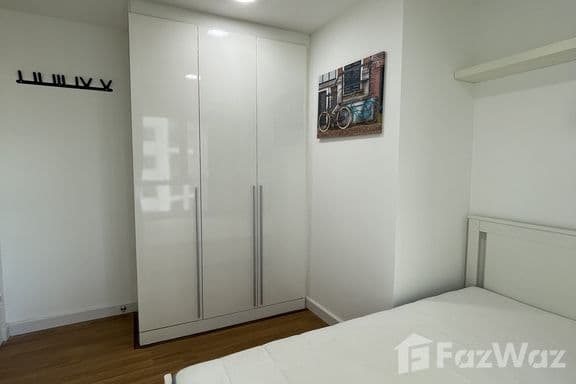
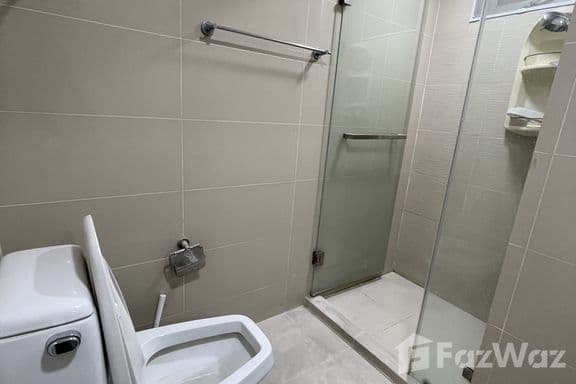
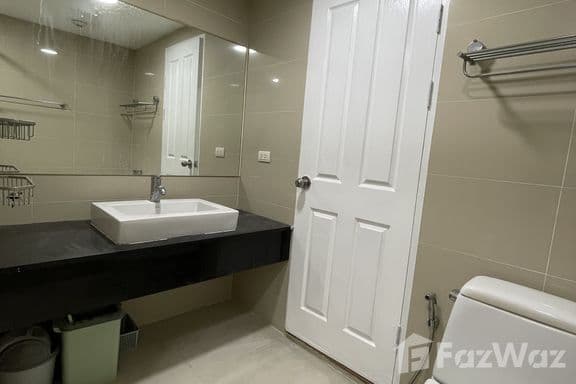
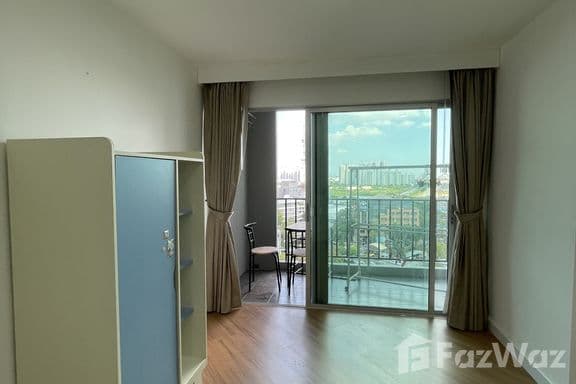
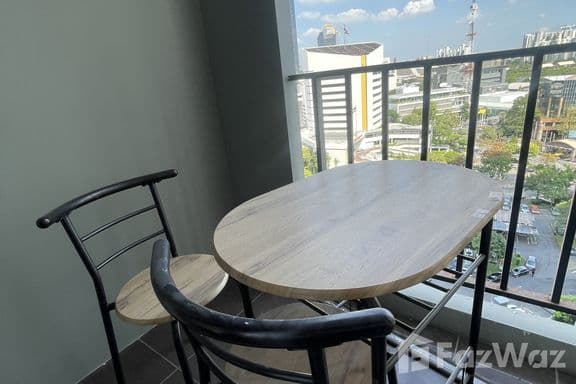
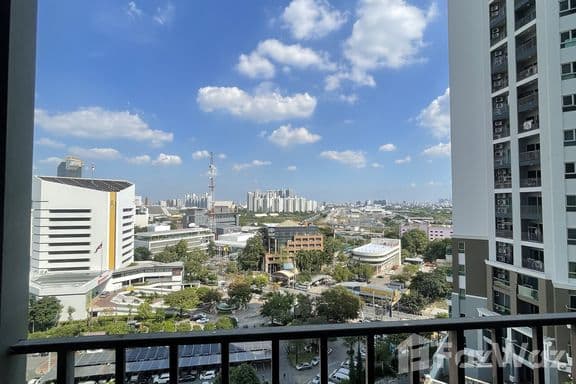
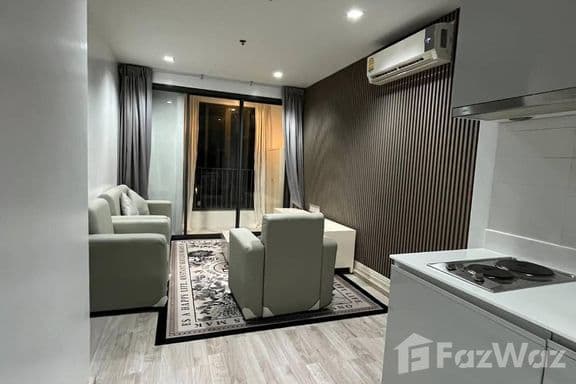
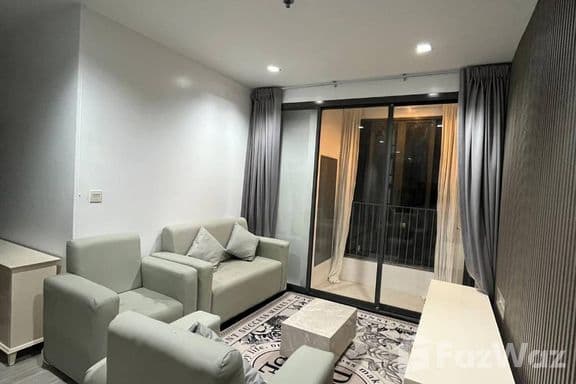
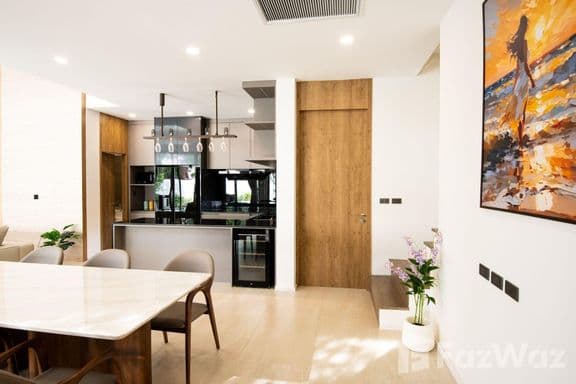
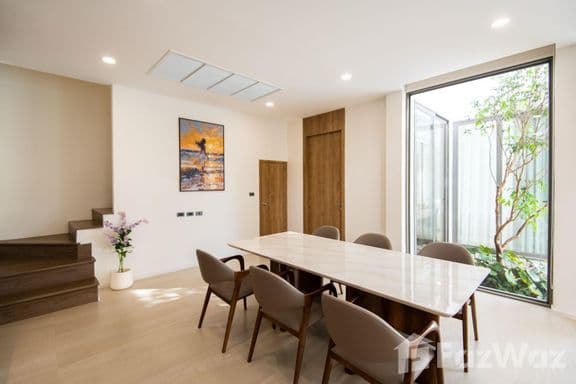
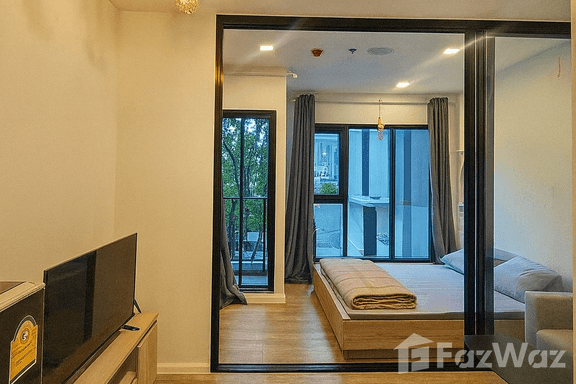
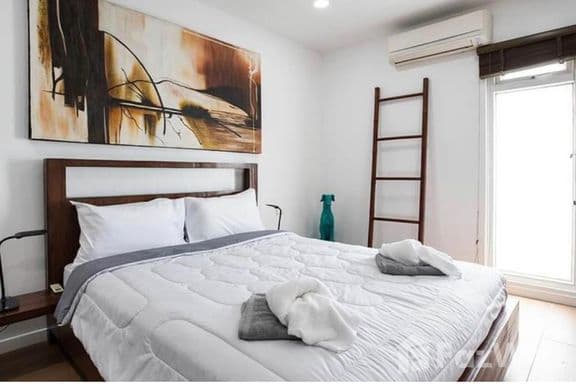
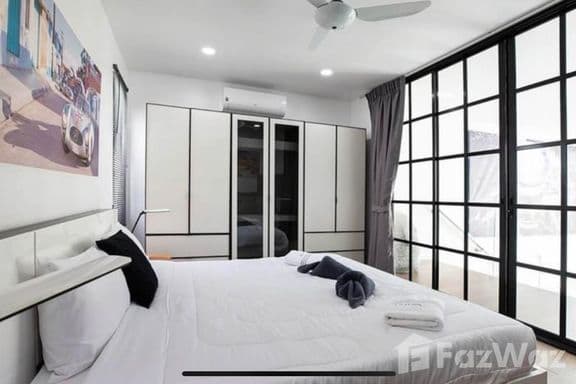
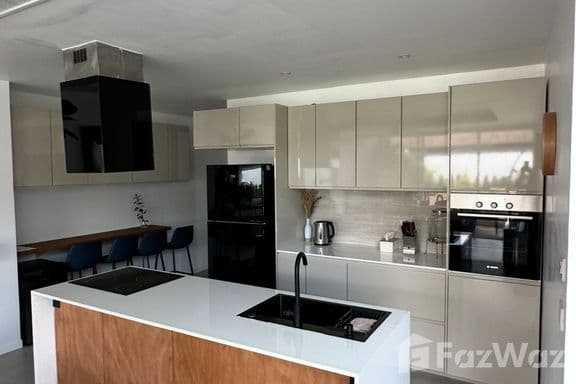
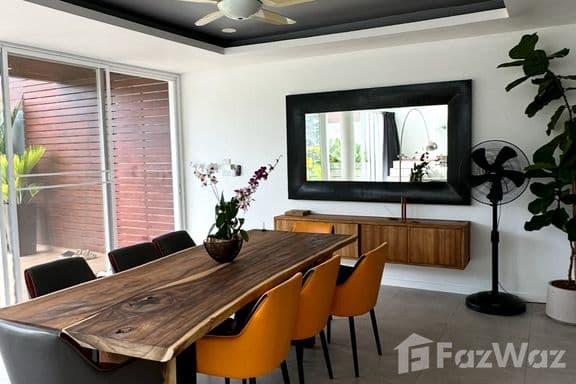
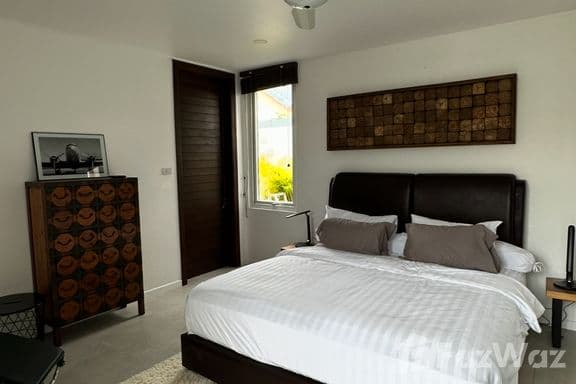
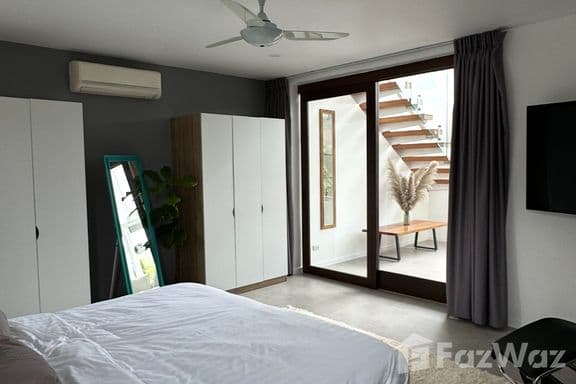
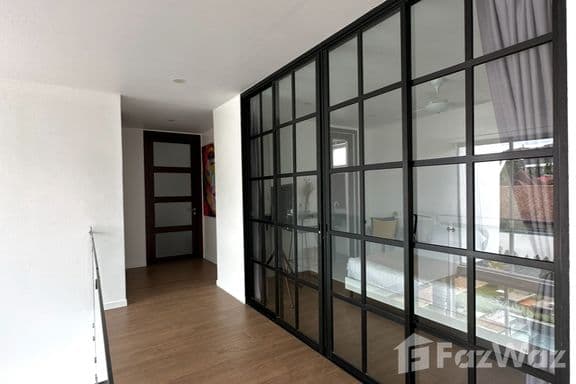
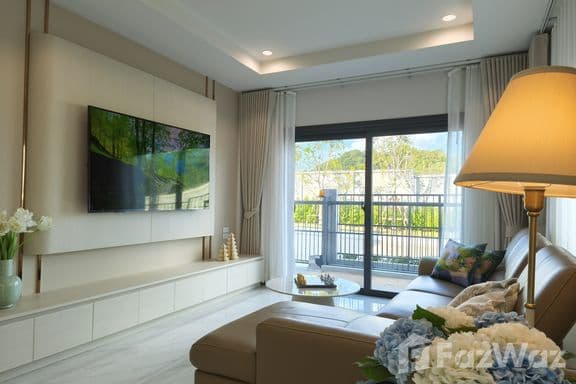
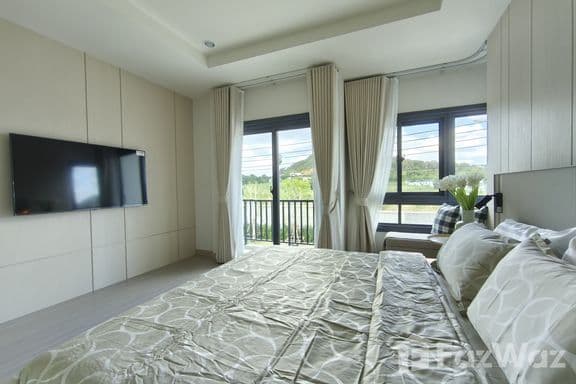
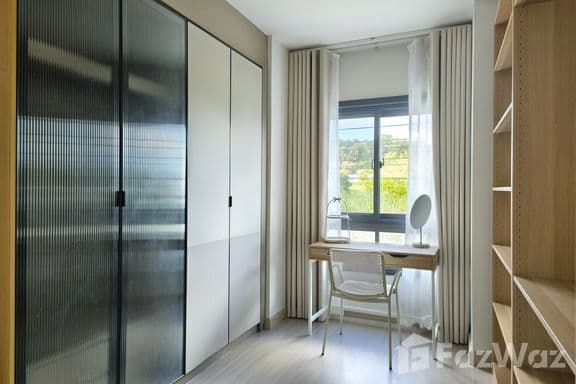
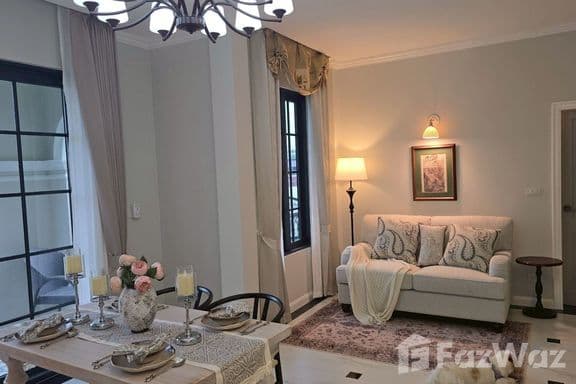
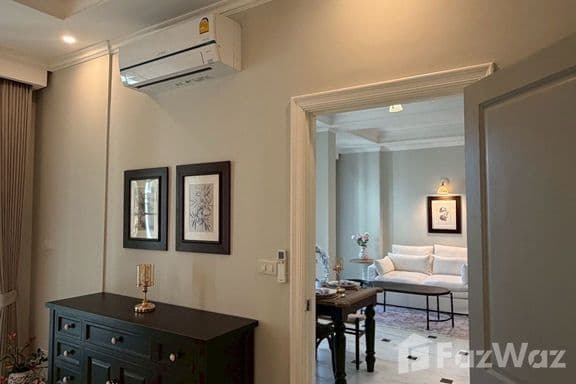
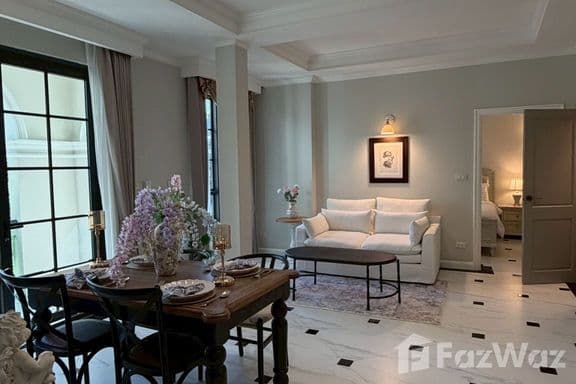
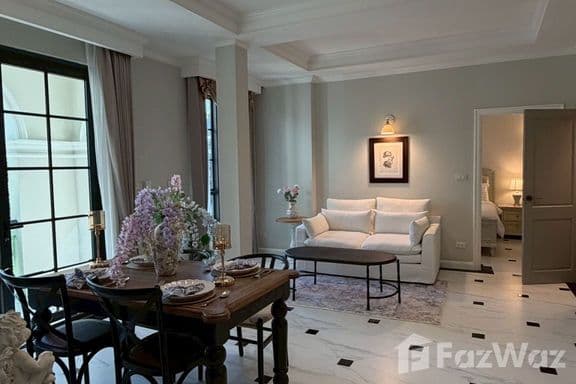
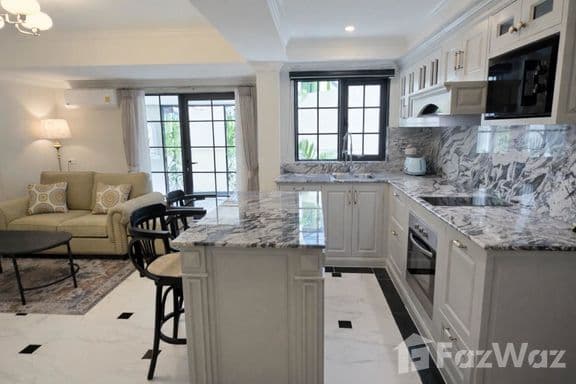
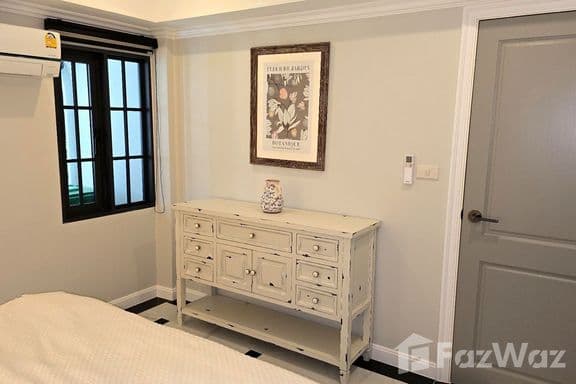
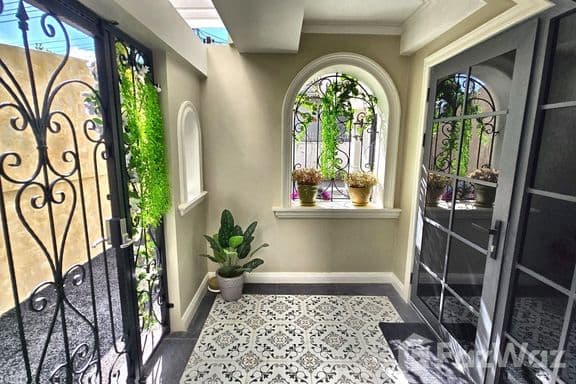
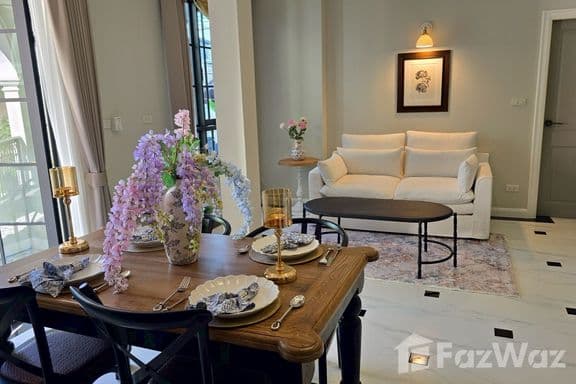
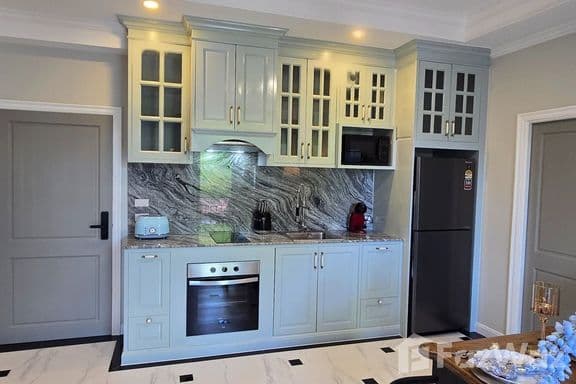
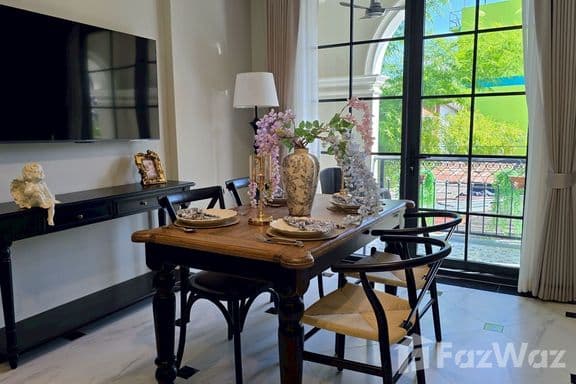
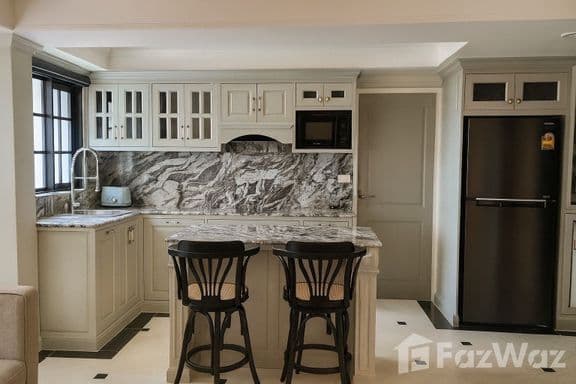
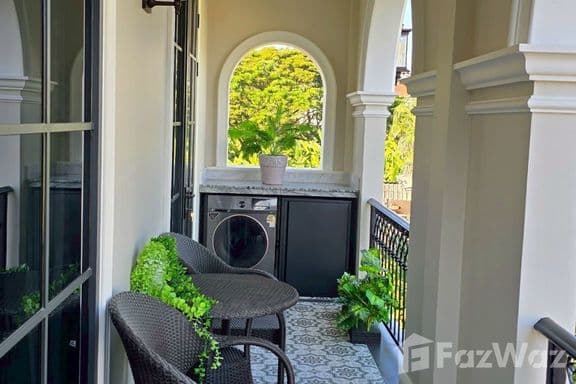
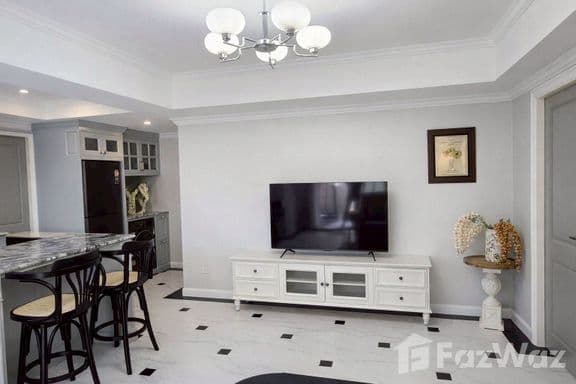
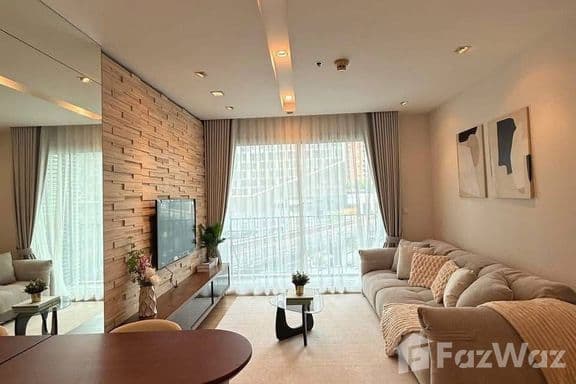
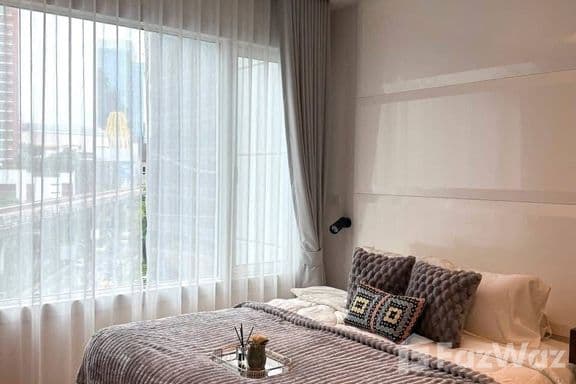
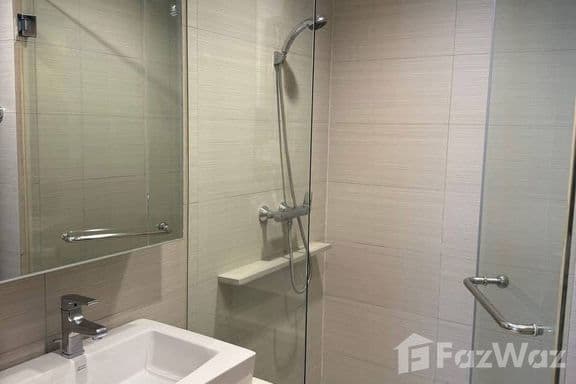
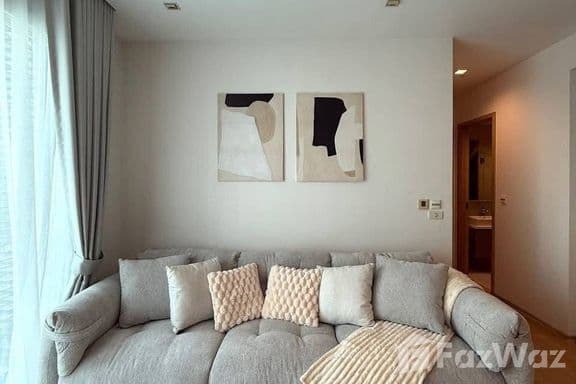
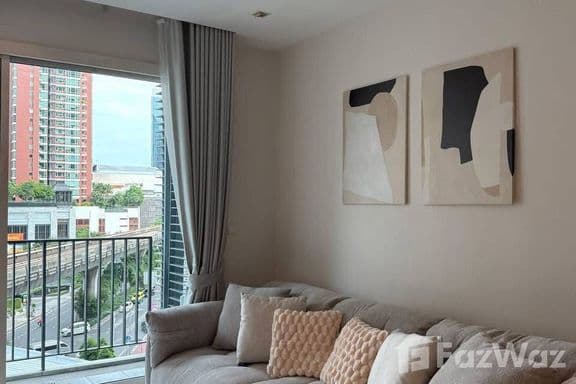
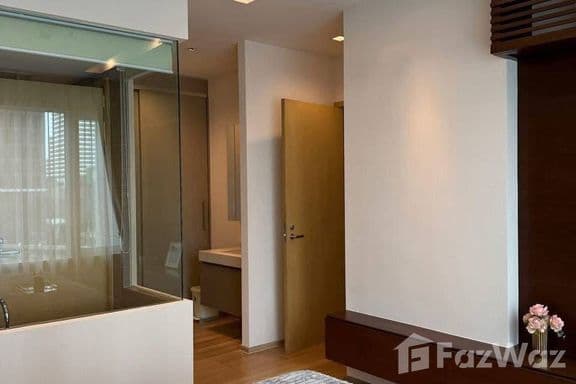
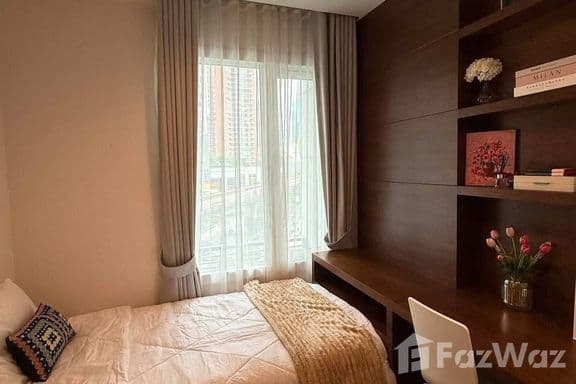
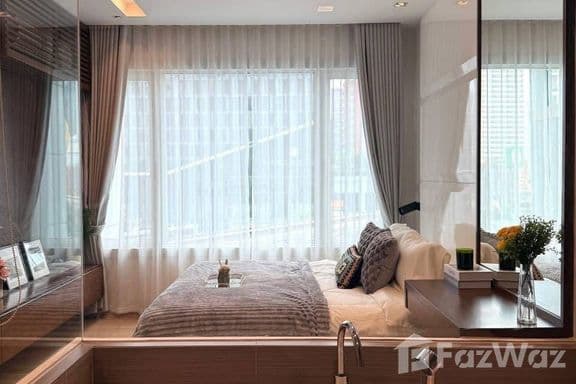
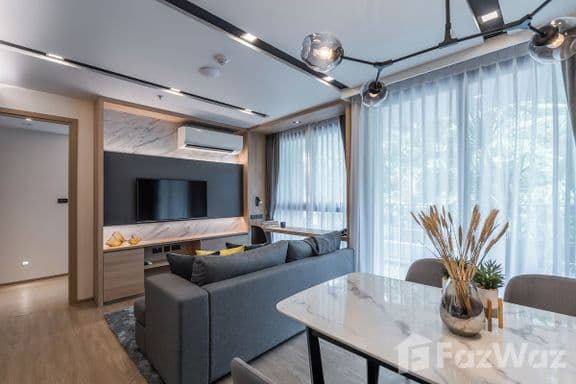
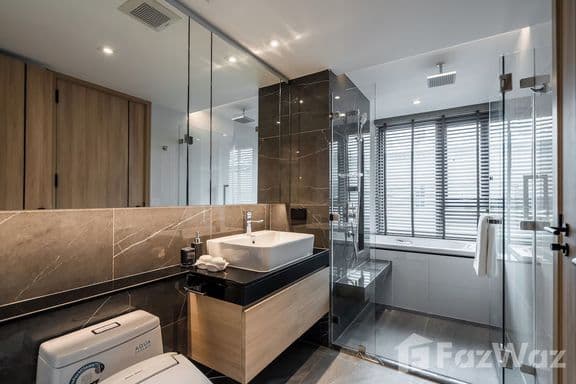
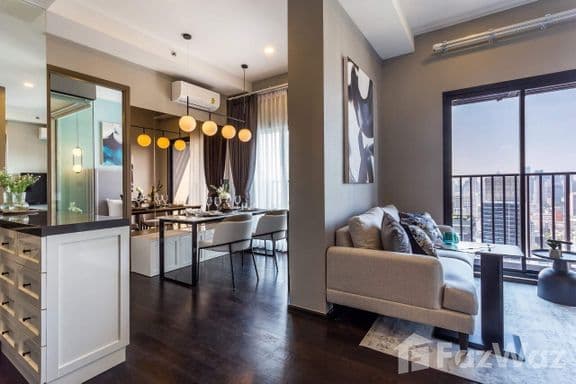
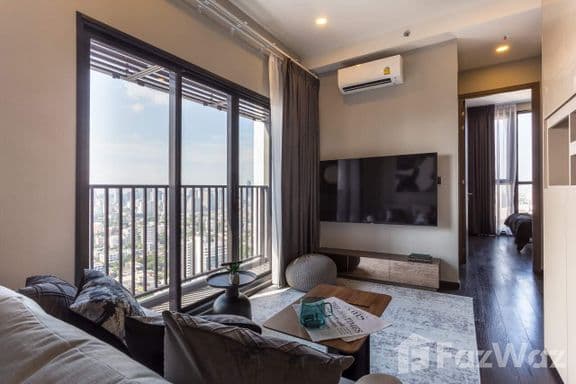
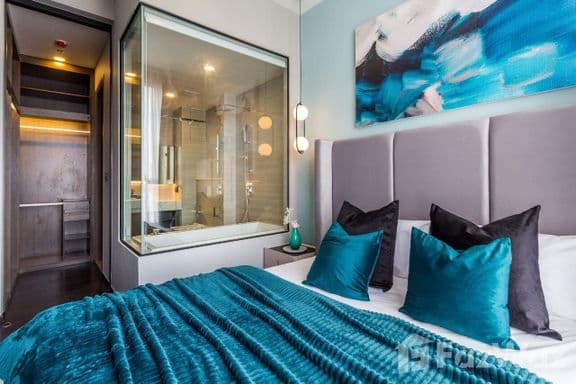
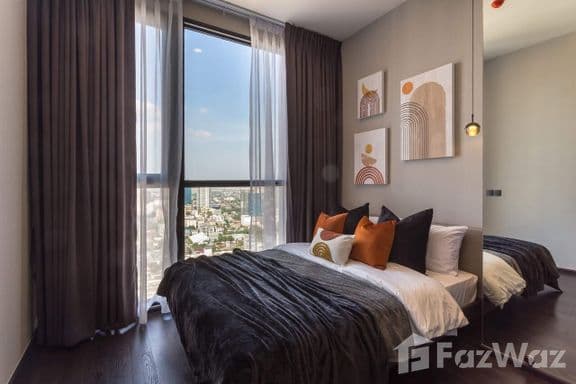
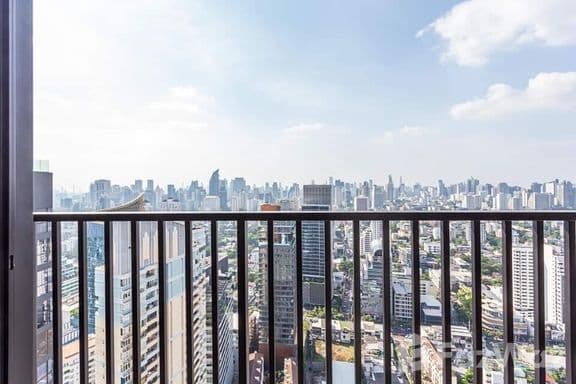
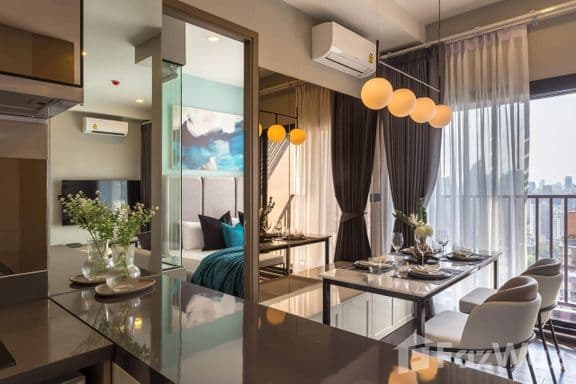
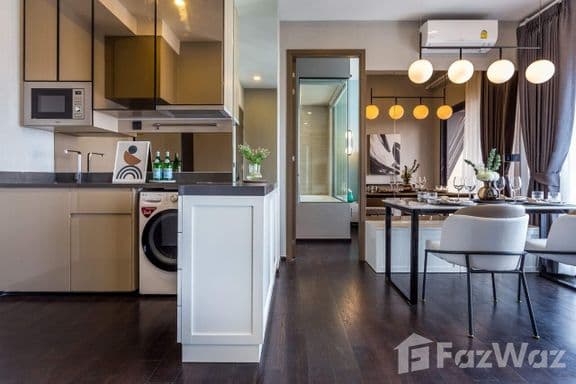
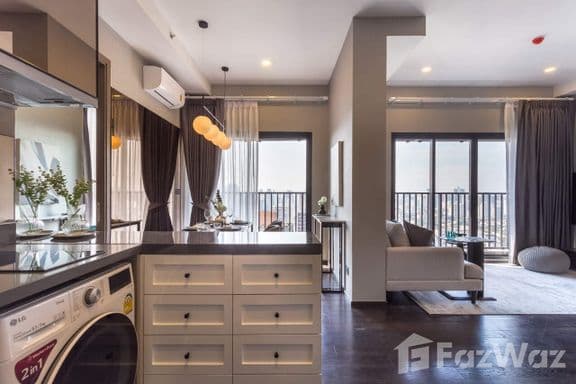
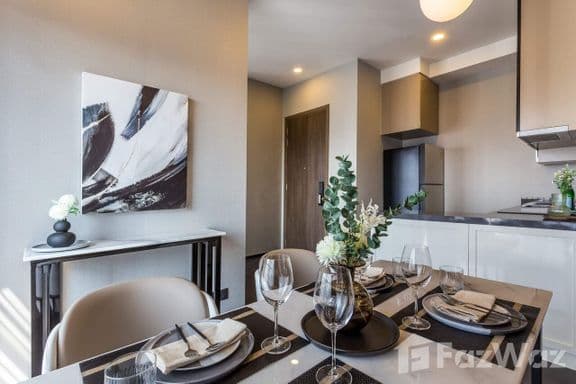
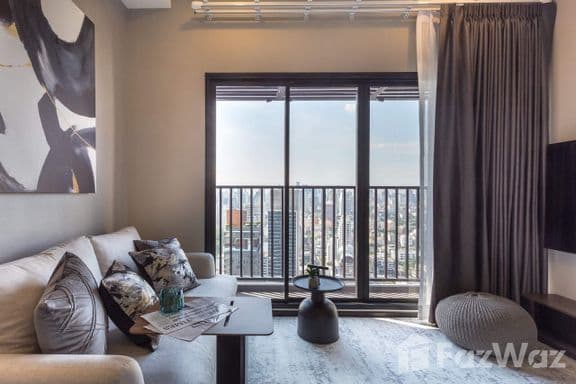
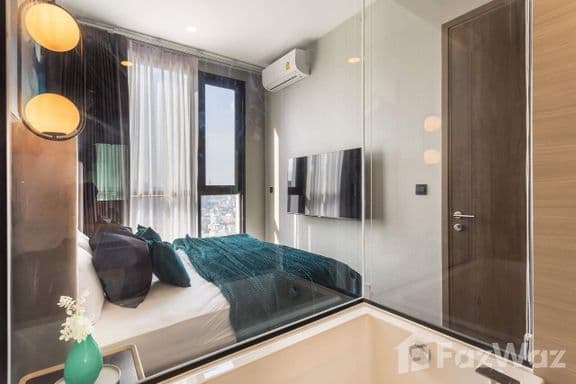
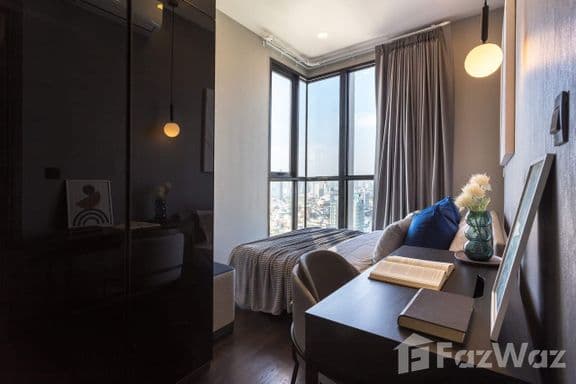
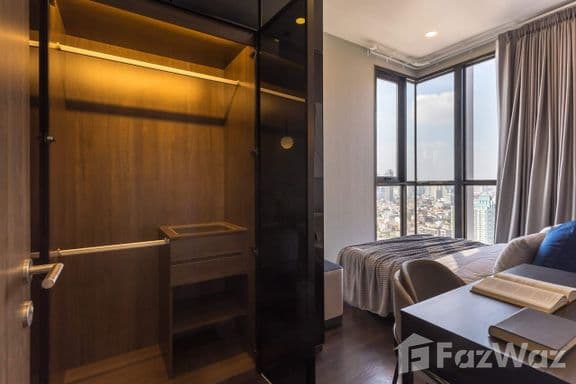
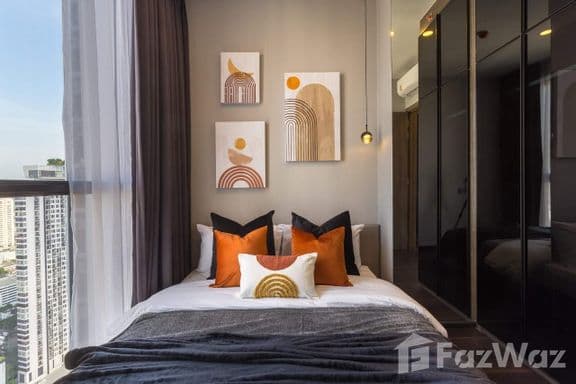
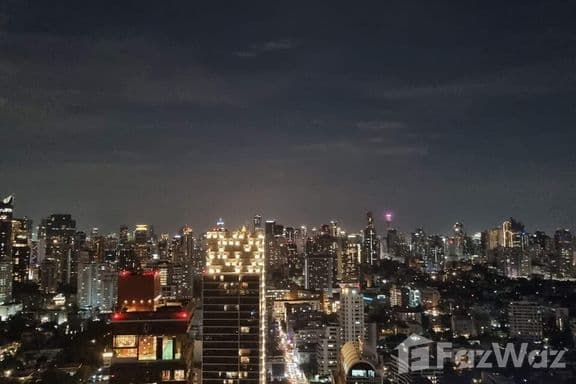
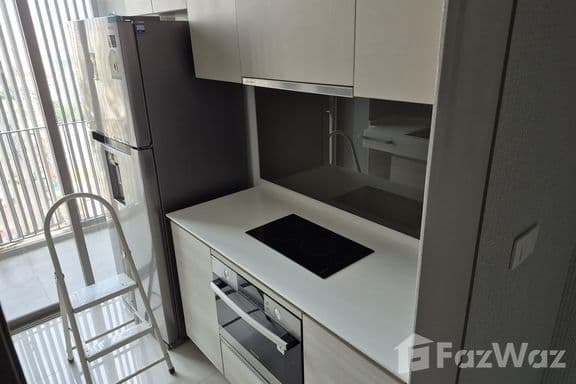
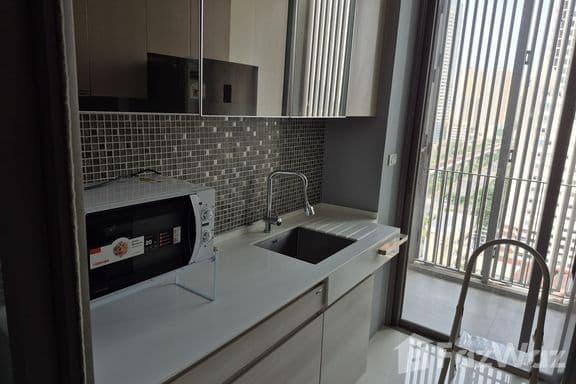
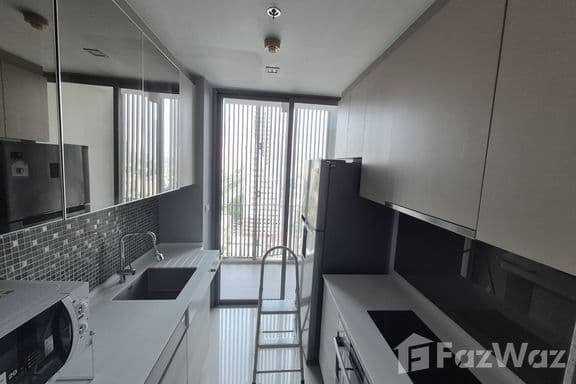
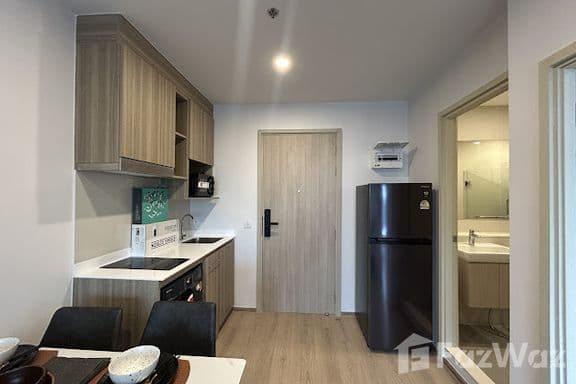
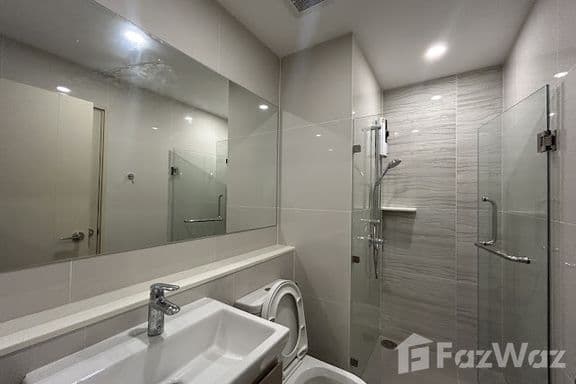
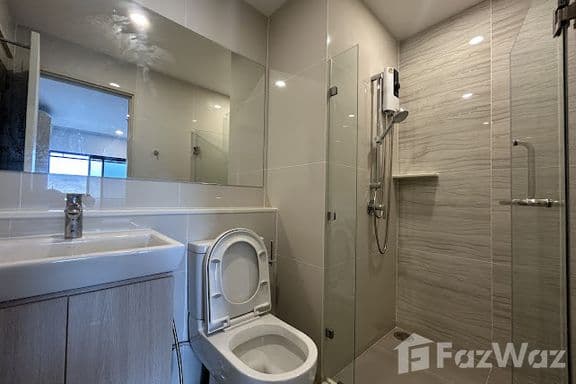
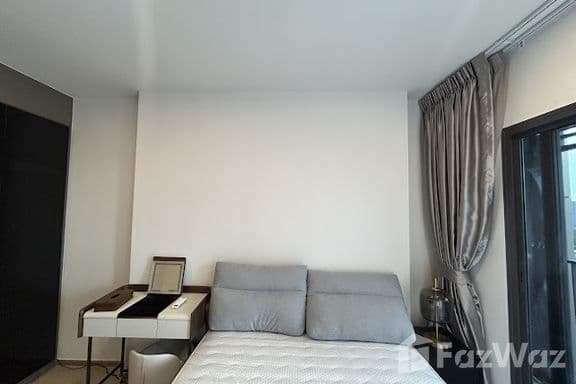
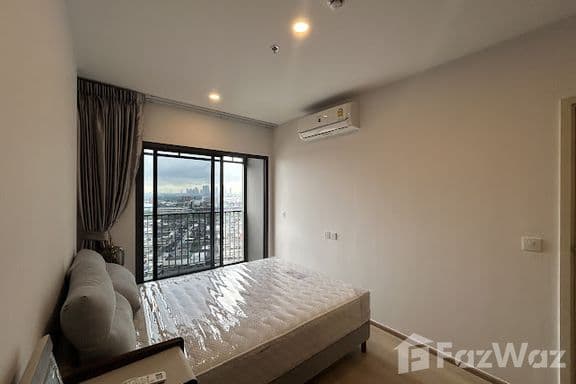
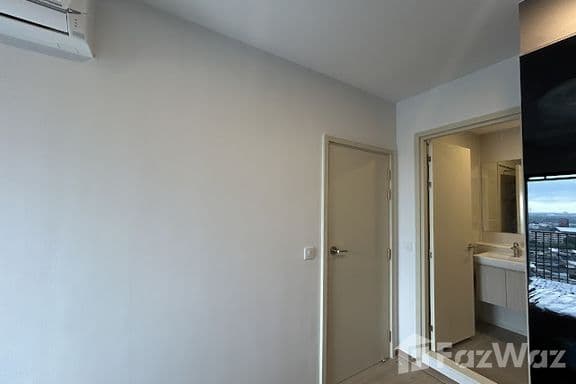
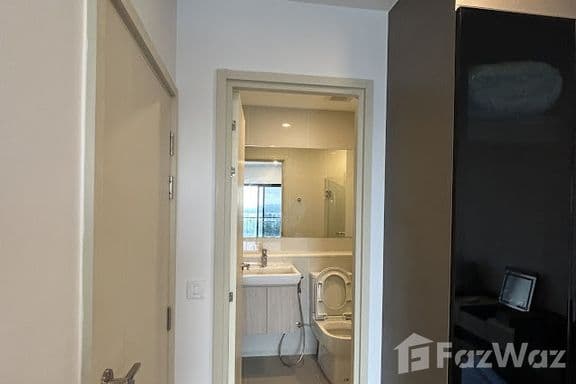
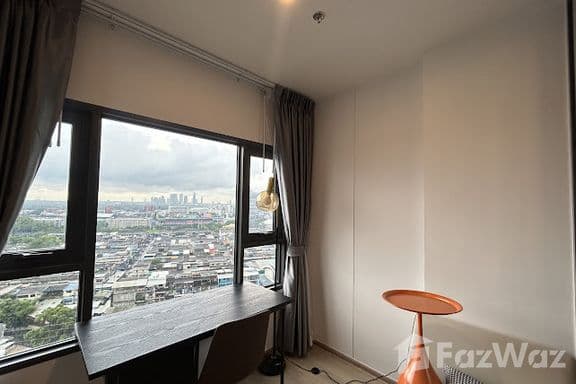
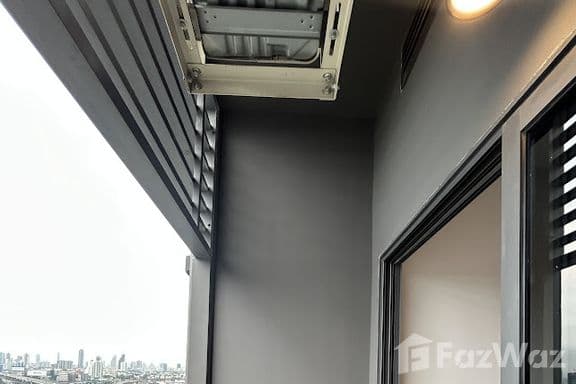
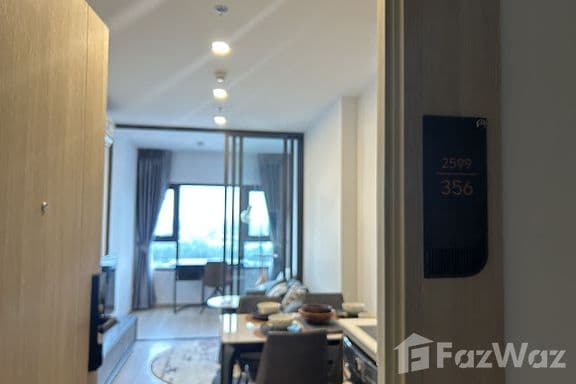
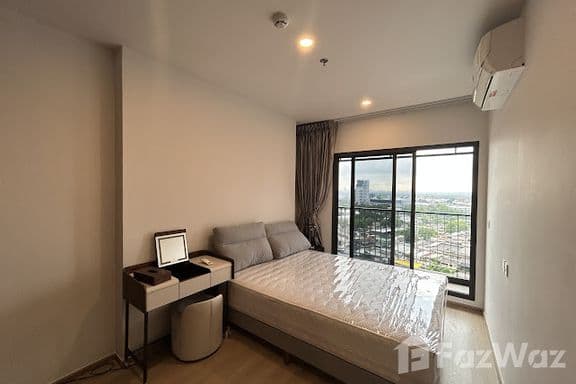
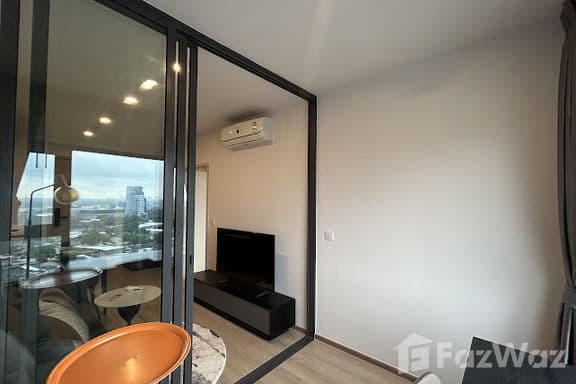
Modern Bangkok condo. Condominiums typically feature 1–3 bedrooms, built-in kitchens and share amenities (pool, gym, security). They suit professionals and nomads looking for convenience, though rents can be high (1 BR in central Bangkok ~20,000–50,000 THB). Townhouses offer a balance of space and cost, while standalone villas (often near beaches) provide luxury but command the highest rent.
In short, expat renters often prefer central condos in big cities (for easy commute and international schools), digital nomads lean toward modern condos or co-living spaces in urban hubs, retirees favor tranquil villas/townhouses in resort towns, and students usually share apartments or rent cheap rooms near universities. Service apartments (short-term fully serviced condos) also exist but cost 2–3× normal rent. Importantly, all these property types are widely available through agents or online platforms, but foreigners should verify titles (condos can be freehold, houses usually leasehold) and negotiate terms.
Regional Insights: Top Rental Destinations
Thailand has six major expat rental markets, each with distinct districts:
Bangkok
Bangkok – the nation’s economic and transportation hub – offers the widest selection of rental housing, but also the highest prices. Key expat areas include:
- Sukhumvit (Watthana, Khlong Toei): A long corridor (BTS line) of high-rise condos and serviced apartments. Neighborhoods like Thonglor/Ekkamai (Soi 55/63) are upscale lifestyle hubs (restaurants, nightlife); Phrom Phong (EmQuartier mall, parks, international schools); Asoke/Nana (offices, nightlife). 1BR condos here typically rent ~25,000–60,000 THB/month. This area attracts professionals, embassy staff, and affluent families. Commute is via BTS/MRT but traffic can be heavy at surface roads.
- Silom/Sathorn (Bang Rak): Bangkok’s financial district. High-end towers near BTS Sala Daeng or Chong Nonsi. Rents for 1BR are ~25,000–50,000 THB. Many international corporates and banks are here. Residents value skytrain access and proximity to Lumpini Park. Lifestyle: mix of offices, restaurants, nightlife (Patpong).
- Central (Lumpini, Siam): Major shopping/entertainment (Siam Paragon, MBK). Some luxury condo complexes. Rents are very high (1BR ~30,000–70,000 THB). Convenience is excellent (BTS/MRT lines converge), but few foreigners actually live here long-term due to cost. Often short-term renters or families with kids (international schools like Bangkok Patana in nearby neighborhoods).
- Ari (Phaya Thai, Chatuchak): Up-and-coming techy area near Don Mueang Rd. Quieter tree-lined streets, many boutique cafes. 1BR rents ~15,000–35,000 THB. Popular with younger expats and startups. Good MRT access (Ari station) and easy motorbike taxi lanes.
- Bang Na/On Nut (Bueng Kum, Bang Na): Outer Sukhumvit. Wider condos and townhouses, cheaper rents (~12,000–30,000 THB/1BR). Near Bang Na area (Bangkok Hospital, Mega Bangna shopping), families and mid-level expats live here. BTS runs out to Bang Na (new extension).
- Riverside (Bang Kho Laem, Khlong Toei Talad Noi): Luxury condo strip along Chao Phraya. Stunning views, 1BR rents ~25,000–70,000 THB. Popular with wealthy Thais and some foreign retirees wanting a scenic locale (though fewer schools/amenities).
Bangkok’s market is heavily segmented: central districts command premiums, whereas suburban areas (Bang Na, Nonthaburi across the river) offer bargain rents with longer commutes. A good public transit (BTS/MRT) is often essential. Traffic can make short distances 30–60 min by car in rush hour, so many prefer living near a train line. International schools (e.g. BIS, NIST, Concordian) and hospitals (Samitivej, BNH) draw expat families to specific neighborhoods. Overall, Bangkok satisfies almost every renter profile, from corporate executive in a sky-high condo to young professional in a serviced apartment.
Chiang Mai
Chiang Mai, the cultural heart of the north, is Thailand’s second expat magnet after Bangkok. Its city centre covers only ~10 km, so commute times are short (within 30 minutes by motorbike across town). Key neighborhoods for renters:
- Nimmanhaemin (Nimman): Trendy western Chiang Mai (northwest of Old City). Former quiet suburb, now full of chic cafes, bars, and co-working spaces. This cosmopolitan hub has mostly high-rise condos and serviced apartments tailored to digital nomads and international students. Rents are higher here (for Chiang Mai) due to demand. Nimman is lively, bikeable, but parking is tight. Noise can be an issue.
- Santitham/Chang Phuak: Just north of Nimman. A mix of older shophouses and new condos. More affordable than Nimman but still convenient. It appeals to nomads who want local flavor with reasonable rents.
- Old City: The walled historic center with temples and markets. It offers guesthouses, low-rise apartments, and occasional small houses. It’s very walkable/bikable, popular for short-term visitors, backpackers, and budget expats. Rents are lower, but units are smaller (guesthouse-style rooms often). Retirees appreciating culture and short-termers often choose here.
- Chang Puak/Wat Ket: North-east of Old City, near city gates. Near Rajapruk College and a busy market (Warorot). A variety of housing (including townhouses and apartments) are found here. Quiet and local-feeling, it’s affordable and around a bike ride to Nimman or Old City.
- Suthep (Doi Suthep Road): Western slope of Doi Suthep mountain. Home to Chiang Mai University. Student apartments are common, as well as houses in expat Thai neighborhoods (e.g., houses owned by professors). Family-friendly with some international schools (e.g., SCIS). A bit further to downtown, accessed via a winding road.
- Riverside (Wat Ket Riverside): East of the Ping River near nightlife (Goodview, Riverside restaurants). Historically an early expat enclave, with some mid-priced condos and guesthouses. It’s pleasant but can flood in rainy season.
- Suburbs (Hang Dong, Mae Rim, San Kamphaeng): For those who prefer detached houses with yards or are very budget-conscious. Resorts and villas appear here; commute is 30–60 min to city. Popular with retirees and families wanting quiet.
Overall, Chiang Mai rents are far lower than Bangkok’s. A city-center 1BR might be ~9,000–15,000 THB/month, rising to 15,000–25,000 in Nimman for similar size. Expats here cite the slower pace, nature, and community. The city’s robust digital infrastructure and coworking scene (as highlighted on CNXLocal) keep Chiang Mai strong among remote workers.
Phuket
Phuket, Thailand’s largest island, has a fragmented set of neighborhoods. After Karon and Kata, the most expat-heavy areas are:
- Rawai/Naiharn (South): Popular with long-term foreigners. Rawai is a village-like town with a pier (to islands), mixed Thai and expat restaurants. Houses and villas with gardens/pools line the hills. Rent is moderate-high: a 2–3BR villa can be THB 30,000–100,000, while condos can start ~15,000 THB. Rawai appeals to digital nomads and retirees for its proximity to Chalong gyms and diving at nearby ports.
- Bang Tao/Surin (West): Bang Tao is famous for its long beach (Laguna area) and upscale resorts. Many modern condo developments and villa estates here. Surin Beach has boutique hotels and nightlife. This area is the luxury expat zone. A 1BR condo might rent THB 20,000–40,000; villas easily 50,000+ THB. Beach clubs and golf courses (Laguna Resorts, Blue Canyon) lure affluent tenants. Bang Tao’s expat community is well-established.
- Phuket Town (Nai Harn alternative): The historic island capital has seen a renaissance. Charming Sino-Portuguese buildings, trendy cafes, and a major Sunday market. It’s more “urban” and affordable – 1BR apartments often ~10,000–20,000 THB. Many young expats and creatives choose Phuket Town for culture, though commute to beaches takes 20–30 minutes by car. The A Way Abroad guide notes Phuket Town’s “best coffee and cafes” and European architecture, making it a hit with lifestyle renters.
- Kamala/Karon/Kata: Mid-level beach towns. Kamala has an expat enclave on the hillside (peaceful). Kata and Karon have many condos and hotels – a middle ground of tourism and residency. Rents are moderate: 1BR condos THB 15,000–30,000.
- Patong: The famous party hub. While rental supply is vast (lots of apartments), few long-term expats choose it due to noise/tourism. Rents actually fell at times (soft demand). It’s used for short-term or budget stays mostly.
Phuket attracts retirees (especially Europeans) and digital nomads seeking beach life. Infrastructure (ISPs, hospitals) is good especially in north Phuket and Chalong. Traffic is usually light island-wide outside rush hours (no daily gridlock like Bangkok). A car or bike is essential for most commutes.
Pattaya
Pattaya, on the Gulf coast near Bangkok, is Thailand’s second major beach destination. Its expat profile is unique (notably many Russians/Chinese, and a large retiree population). Key areas:
- Central Pattaya/Naklua (North Pattaya): Main entertainment district. High-rise condos and older apartment buildings abound. West-facing condos on Naklua road offer ocean views. 1BR condos here rent ~15,000–25,000 THB. Many foreign retirees (esp. Russians, Chinese, Thais) live here. The city’s amenities (hospitals, malls like Terminal 21, and schools like St. Andrews) make it convenient.
- Jomtien (South of Pattaya): A quieter beachfront strip. Lots of condos and low-rise buildings overlooking Jomtien Beach. It is considered more family-friendly. Rents are similar to central Pattaya or slightly lower (maybe 12,000–20,000 for a 1BR). This area has parks (and a water park), schools and restaurants targeting foreigners.
- Na Jomtien/Ban Amphur: Even farther south, with newer condo projects on the beach (Bang Saray area). Still under development but chosen by those seeking peace and investment potential.
- Wongamat/Pratumnak (North end): Upscale beachfront area (shares Naklua). Luxury condos and villas. Rents are highest in Pattaya here (1BR 20,000+). Many retired couples and working executives choose this.
Pattaya is relatively flat and compact – little traffic. It’s about a 2-hour drive to Bangkok. The presence of the Eastern Economic Corridor (EEC) and U-Tapao airport expansion aim to boost local investment. Pensioners (especially Russian) often rent for 10–20 years, while younger expats (IT, construction) may rent near offices. By some measures, Pattaya’s overall condo rent hovered ~29,922 THB in 2023.
Hua Hin
Hua Hin (and nearby Cha-Am) is the prime royal beach town on the Malay Peninsula. This family-friendly resort attracts seasonal tourists and many permanent retirees (Thai and international, especially Brits). Notable zones:
- Central Hua Hin: Around the old town, night market, and beach. Offers a mix of Thai shops and expat pubs. Condos near the ocean line the main beach; 1BR rents ~10,000–20,000 THB. Single houses in town can be 20,000–50,000 THB for 2-3BR. Attractions: Cicada Market, Hua Hin Hospital, and a few international schools (Mrigadayavan, Regent).
- Khao Takiab: Just south of Hua Hin. Known for hillside Wat Khao Takiab (A. Prawet Cave Temple) and quieter beaches. Offers villas and gated communities with lower density. Rents here are similar or slightly higher than central town for detached homes, as many properties have sea views.
- Cha-Am (further north): Part of the same metropolitan area. A long public beach with older condo blocks. Generally cheaper than Hua Hin proper. Many Thai families have weekend homes here; 1BR condos ~5,000–12,000 THB. Some expats live here to save money, commuting to Hua Hin for the best amenities.
Hua Hin’s pace is more relaxed. There are golf courses, royal palaces (Maruekhathaiyawan, Mrigadayavan), and an international airport coming (suvarnabhumi – Brahmarak Um Airport by 2024) improving access. The town has a large German and Scandinavian expat community. Healthcare (Hua Hin hospital) is basic; many serious cases travel to Bangkok. The lifestyle appeal is the seaside calm and “small city” feel.
Koh Samui
Koh Samui, in the Gulf, is a large island with multiple distinct areas popular among expats and retirees (often replacing Phuket for some after 2020). According to local experts, major expat hubs are:
- Chaweng: The island’s main nightlife and shopping beach. Long sandy beach, vibrant bar scene. Many condo towers and apartments near the beach. 1BR rents can be THB 20,000–40,000. (Peak-season rentals and short lets in Chaweng are expensive.) Expats here often manage bars/restaurants or work online.
- Lamai: The second tourist strip. Pristine beaches and local markets. Quieter than Chaweng but still lively. Mixed rentals (villas and condos) for THB 10,000–25,000 (1BR).
- Bophut/Fisherman’s Village: Boutique area north of Chaweng. Bophut combines traditional Thai-Chinese market street with trendy eateries. Upscale condos and villas on hillsides; villas with pool common. Rents are moderate: 1BR maybe 15k-30k THB. This is very “family-friendly.”
- Maenam: Northern coast, known for tranquility. Eco-conscious expats and older retirees favor its quiet beaches. Housing is cheapest on Samui: 1BR houses for 8,000–15,000 THB, small villas ~20,000 THB.
- Choeng Mon/Cheong Mon: East of Bophut. High-end resorts and villas. It’s very peaceful, and many wealthy Thais have beach homes here. 1BR condo rents 15,000–30,000 THB.
- Other: Bangrak (Big Buddha area), Fisherman’s Village in Bophut, and interior coastal villages (e.g. Tong Krut) host scattered expats. There are also “pocket neighborhoods” of international schools (like PLP School) that attract families.
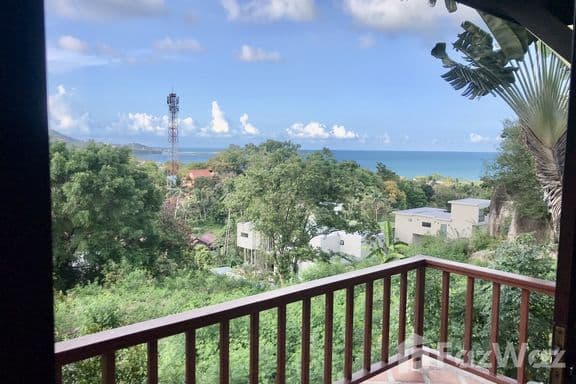
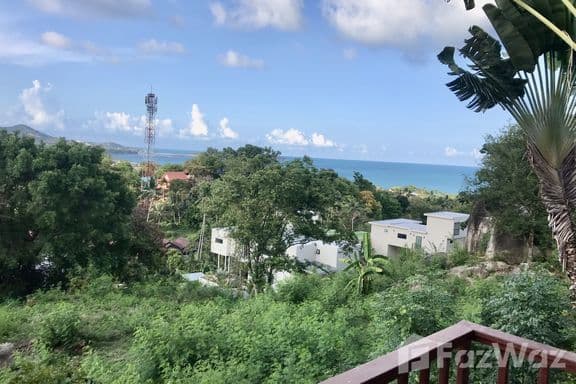
Koh Samui rents in general are comparable or slightly higher than Phuket for similar property, due to limited land. An average city 1BR condo can be around 15k–25k THB. The island’s appeal is year-round summer weather, a slow pace, and community of other foreigners. Its infrastructure has improved (international airport, 5G), though traffic jams can now occur in Chaweng during high season. For serious long-term relocators, Koh Samui (like Koh Phangan/Pha Ngan) is often chosen by retirees and digital creatives, drawn to the island lifestyle.
Rental Prices and Comparative Table (2021–2026)
The table below compares typical monthly rent ranges (in THB) for 1-bedroom (1BR) and 2-bedroom (2BR) units in each city, from 2021 through 2025, with a conservative forecast for 2026. Price-per-square-meter (sqm) averages for mid-2020s are also shown (where known). These figures are citywide approximate ranges; actual rents vary by neighborhood, building age, and amenities. (Forecasts assume moderate growth ~5–10% annually after 2023.)
|
City / Unit
|
2021 (THB/month)
|
2022
|
2023
|
2024
|
2025
|
2026 (est.)
|
Price/m² (THB)
|
|
Bangkok (Condo) 1BR
|
15,000–25,000
|
20,000–35,000
|
25,000–45,000
|
30,000–50,000
|
35,000–55,000
|
40,000–60,000
|
~566
|
|
Bangkok (Condo) 2BR
|
25,000–40,000
|
30,000–50,000
|
40,000–70,000
|
45,000–80,000
|
50,000–90,000
|
55,000–100,000
|
~15,000–20,000
|
|
Chiang Mai 1BR
|
8,000–12,000
|
10,000–16,000
|
12,000–18,000
|
14,000–22,000
|
16,000–24,000
|
18,000–26,000
|
~10,000–12,000
|
|
Chiang Mai 2BR
|
12,000–18,000
|
15,000–24,000
|
18,000–28,000
|
20,000–32,000
|
22,000–36,000
|
25,000–40,000
|
~7,000–10,000
|
|
Phuket 1BR
|
10,000–20,000
|
12,000–25,000
|
15,000–30,000
|
18,000–35,000
|
20,000–40,000
|
22,000–45,000
|
~13,000–15,000
|
|
Phuket 2BR
|
20,000–35,000
|
25,000–45,000
|
30,000–50,000
|
35,000–60,000
|
40,000–70,000
|
45,000–80,000
|
~8,000–12,000
|
|
Pattaya 1BR
|
8,000–15,000
|
10,000–20,000
|
15,000–25,000
|
18,000–30,000
|
20,000–35,000
|
22,000–40,000
|
~10,000–12,000
|
|
Pattaya 2BR
|
15,000–25,000
|
20,000–30,000
|
25,000–40,000
|
30,000–45,000
|
35,000–50,000
|
40,000–55,000
|
~7,000–9,000
|
|
Hua Hin 1BR
|
7,000–12,000
|
8,000–15,000
|
12,000–18,000
|
14,000–22,000
|
16,000–25,000
|
18,000–28,000
|
~9,000–10,000
|
|
Hua Hin 2BR
|
12,000–20,000
|
15,000–25,000
|
18,000–30,000
|
20,000–35,000
|
25,000–40,000
|
28,000–45,000
|
~7,000–8,000
|
|
Koh Samui 1BR
|
10,000–18,000
|
12,000–22,000
|
15,000–28,000
|
18,000–32,000
|
20,000–36,000
|
22,000–40,000
|
~11,000–13,000
|
|
Koh Samui 2BR
|
18,000–30,000
|
22,000–35,000
|
25,000–40,000
|
30,000–45,000
|
35,000–50,000
|
40,000–60,000
|
~9,000–11,000
|
Note: These ranges are illustrative. Sources such as local property reports and listings indicate similar figures (e.g. a 1BR in Bangkok averaged ~563 USD in 2024). Price per sqm in Bangkok Grade-A condos is roughly THB 566 (mid-2024), with outlying suburbs much lower. Other cities have lower land values; e.g. Chiang Mai ~10–12k THB/sqm on average, Phuket ~13k, Pattaya ~10–12k, Hua Hin ~9k, Samui ~11k. Year-to-year changes reflect rising demand (forecast +5–10% annually).
Renters’ Profiles and Behavior
Foreign renters in Thailand fall into clear segments, each with different budgets and motivations:
- Digital Nomads: Often young professionals or entrepreneurs (20s–40s) seeking affordability and community. They prefer fast internet and co-working facilities. Cities like Chiang Mai and Bangkok are top choices. Nomads typically rent 1BR or studio condos in modern towers or coliving spaces. Average budgets: USD 500–1,200/month (20k–40k THB) depending on location. They favor flexible leases (6–12 months) and furnished places. Many negotiate aggressively, sometimes offering to pay 3–6 months upfront.
- Expat Professionals and Families: Includes white-collar workers, teachers, and their families. Bangkok is the primary base, with some in Phuket/Chiang Mai. They seek stability and quality, so 2–3BR condos or houses near international schools and offices. Budgets vary widely: middle managers often 30k–60k THB for 2BR in cities; executives may pay 80k+ in luxury areas. Lease behavior: typically 1-year initial, renewable; they often use agents and look for amenities (parking, playgrounds). They will negotiate only modestly.
- Retirees: Many from Europe/Australia (Chiang Mai, Phuket, Hua Hin) or Russia (Pattaya). They prioritize long-term comfort, quiet areas, and community. Many are couples or singles aged 55+. They often rent houses or spacious condos (2–3 bedrooms) with some land/garden. Average spends: roughly USD 600–1,500/month. Thai law offers a Retirement Visa (65+) but no special rent laws; such retirees often sign multi-year contracts or offer fixed advance rents. They tend to pay deposits of 2 months and one month advance, and expect clean, possibly furnished homes.
- Students (Thai and Foreign): Study in cities or beach towns (e.g. Bangkok, Chiang Mai, Pattaya – with local universities). They live in basic apartments or shared houses. Budgets are very low (USD 150–300/month, ~5k–10k THB). Often they take bed-space rentals or “dormitory”-style apartments (as per a Reddit note, around 2k–5k THB for student housing). Students usually sign 6–12 month leases; some may skip contracts or share rooms.
- Tourists on Long Holidays: While not permanent residents, some tourists (digital nomads, workationers) rent for 3–6 months, often on special visa allowances. They choose furnished condos and short leases (though legally 30-day minimum). Budgets vary seasonally: for example, high-season rentals in Phuket/Chiang Mai spike by 20–50%.
Overall, budget bands roughly are: low (<฿15k) for students and budget nomads; mid (฿15k–30k) for most expats/nomads; high (>฿30k) for executives and luxury-seekers. Negotiation: non-Thais often try to get rent slightly below asking (most landlords expect ~10% haggling). Professional landlords (owning ≥5 units) are bound by tenant-protection norms (e.g. must return deposit in 7 days), while private landlords wield more flexibility.
Lease Agreements and Tenant Rights
Thai rental contracts are typically simple written agreements (“สัญญาเช่า”). There is no special foreign-tenant law; Civil & Commercial Code governs leases (max 30-year lease terms). In practice, most leases are 1 year with a renewal option. A valid contract should list all parties, address, rent schedule, deposit, lease duration, utilities, maintenance, rules, and termination notice (usually 30 days).
Deposits and Advance Rent: Standard practice is 1–3 months’ rent as security deposit and 1 month’s rent in advance. For example, a Thai agent notes: a 15,000 THB/month rental often requires a 30,000 THB deposit + 15,000 THB advance. Deposit is usually returned within a week after lease end, minus any unpaid bills or damage. Landlords cannot legally keep the deposit arbitrarily: only for unpaid rent, unpaid utilities, or damages beyond normal wear. (If a tenant breaks the lease early without a “diplomatic clause,” the deposit is typically forfeited.)
Rent Increases: Rents are freely negotiated. Adjustments are typically done only at renewal. Landlords should give at least 30 days’ notice for any rent hike, usually aligned to the new lease term. A sudden mid-contract increase is uncommon and requires mutual agreement.
Tenant Protections: Thailand’s tenant laws lean landlord-friendly, but recent reforms have bolstered some tenant rights for professional landlords. These include: utilities charged only at cost, deposits returned promptly (within 7 days), landlord must give notice before inspections, and clear rules for evictions and late-payments. Unlawful eviction is prohibited; even delinquent tenants get a negotiation chance before eviction. However, smaller landlords (who rent fewer than 5 units) are not strictly bound by these practices, though many abide anyway.
Termination and Disputes: Either party can end a lease at term-end with 30 days’ notice. Tenants have no rent-withholding right if the landlord delays repairs; their remedy is contract termination if the place is uninhabitable. In disputes, parties usually negotiate; otherwise civil court or police eviction can be invoked after final notice expiration. International renters have occasionally successfully used Thai courts to enforce contracts, but legal proceedings are slow and costly.
Contract Clauses: Watch out for unfair clauses. For example, Thai law prohibits clauses that keep extra deposit beyond 3 months’ rent or confiscate advance rent. New regulations forbid landlords from making arbitrary rules on deposit and advance rent beyond the statutory norms. Ensure the lease is bilingual (Thai/English) if possible, and explicitly outline negotiation/breach terms. It is wise to include a “diplomatic clause” if your visa is tied to leaving (though usually applies to Western embassies).
In sum, Thai rentals operate on an honor system shaped by the contract. Foreign renters should be aware that landlords hold significant power (they can evict via police once term ends, and the “landlord” identity can be a registered business or an individual). Using a reputable rental agency or lawyer to review a contract is recommended, especially for large deposits or long leases.
Initial Costs and Fees
Moving into a rental in Thailand involves several upfront costs:
- Security Deposit: As noted, typically 2 months’ rent for furnished, 3 months for unfurnished (refundable).
- Advance Rent: Usually 1 month upfront. (Some leases require 2 months’ advance, but Thai law caps combined deposit+advance at 3 months’ rent for “professional” landlords.)
- Agency Fees: If you rent through an agent, expect a commission equal to 1 month’s rent (paid by tenant) as standard. Some agencies split fees or waive them in promotions. Beware of fake “administration fees.”
- Other Fees: Landlord may require the tenant to pay transfer of electricity/Internet contracts; sometimes cleaning/administration charges apply. In rare cases, utility meter fees (200–400 THB per utility for changeover) might be asked.
- Taxes: Thailand does not tax rent directly for tenants, but foreign renters should note: there is no “tax” on renting for expats unless engaging in business. Landlords (especially foreign landlords in Thailand) may include withholding taxes in rent if renting out THB from abroad.
- Insurance: Rental insurance is uncommon but available. Flood-prone areas (Bangkok, Samui lowlands) may make contents insurance advisable. Motorbike/car insurance should be considered if renting a vehicle.
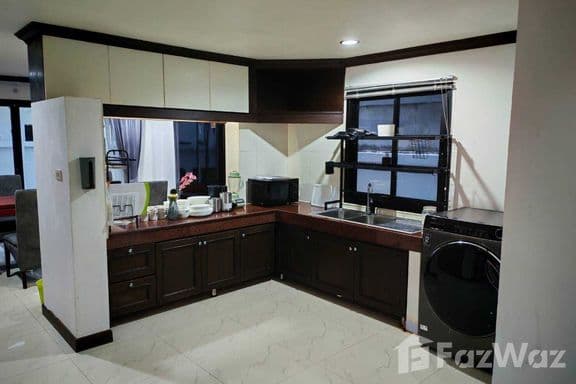
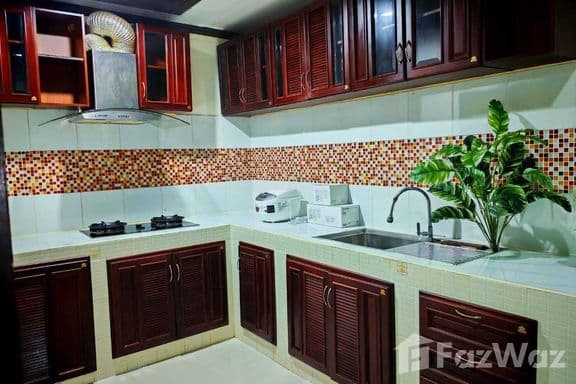
Furnished vs. Unfurnished: Fully furnished (with AC, fridge, bed, kitchen etc.) is standard in expat rentals. A 2BR furnished condo might cost 10–20% more than unfurnished. Unfurnished places require tenants to bring/buy furniture. Sometimes landlords require a higher deposit for furnished units due to potential damage.
Scams and Red Flags: Foreign renters should vigilantly verify listings. Common rental scams include: bogus “agents” taking money for a nonexistent property, duplicate listings (same unit rented twice), or landlords asking for money outside Thailand (risking wire-fraud). Always inspect the property in person before paying anything, verify that the person renting it is the legal owner or agent (request title deed or letter of authorization), and never transfer money via non-traceable methods. Wise counsel suggests checking IDs and not just trusting overly cheap deals. If using a property website, cross-check the listed price with market averages – if it’s hundreds of dollars below, treat with suspicion. For example, Wise warns to always visit and verify ownership documents before paying any deposit. Engaging a reputable relocation service or English-speaking landlord can mitigate risks.
Lease Duration and Normal Practices
Long-term leases (1–3 years) are most common for expats. Multi-year deals often yield slightly lower rent per month. Shorter leases (<6 months) are rare except with premium serviced apartments; most legal leases require at least 30-day notice to terminate. Some foreigners try to perpetually renew 30-day tourist visas to extend stays, but this is risky and not a sustainable strategy for housing.
Rent Payment: Paid monthly, usually by cash or bank transfer. Landlords may prefer Thai bank transfer for records. Always get a receipt for each payment.
Utilities: Utilities (water, electricity, gas) are usually tenant’s responsibility, prorated by meter. Electricity in apartments/houses is billed by meter; Thai apartments can charge as high as 6–8 THB per kWh. Internet/cable/phone are tenant expenses – many landlords even choose and install them. Wise advises utilities must be charged at cost (no surcharges) for professional landlords.
Pet Policies: Many condos ban pets, but some allow small ones. There’s no law preventing pet ownership. Clarify with the lease; if a pet is sneaking in, risk fines or eviction.
Maintenance: Minor fixes (lightbulbs, AC filters) often fall on tenants; major repairs (plumbing, structural) are landlord’s duty. Don’t stop paying rent if something needs repair; instead, give notice and request remedy. Only if property becomes uninhabitable can you legally break the lease.
Subletting: Generally, subletting requires landlord’s permission and is often prohibited explicitly. Even if you have a diplomatic clause (letting you break lease for certain visa exits), subletting without consent can void your lease.
Hidden Costs, Taxes, and Scams
Renting in Thailand can involve several hidden expenses and risks:
- Common Scams: Landlords (or bogus agents) asking for extra “documentation fees” or using elaborate excuses. Fake keys: sometimes scammers use stock photos of condos and redirect payments. Always conduct a video tour or inspection. Another scam: charging outgoing tenants for damages or agency fees beyond contract terms.
- Utility Scams: A few landlords might collude to overcharge utilities or claim false damages. Mitigate this by taking meter readings/photos on move-in, and by paying bills directly if possible.
- Tax Implications for Landlords: Officially, rental income for landlords is taxed; foreign tenants are not directly taxed for paying rent, but landlords must withhold 5% of rent and pay it as income tax if renting to foreigners and the amount exceeds 30k THB/month. This is seldom enforced, but if a landlord quotes rent “+vat” or “including tax,” it’s because they’re raising your rent to cover the 5%. Tenants should clarify if the quoted rent is all-inclusive or if value-added tax (7%) or withholding tax is added.
- Insurance Considerations: Thailand’s tropical climate poses risks (flooding in monsoons, storms on islands). While Thai law doesn’t require it, renters may consider taking out contents or liability insurance (although few policies explicitly cover long-term rentals). Marine/coastal insurance can cover yacht or sea flood, but that’s niche. It’s wise to ensure your valuables are covered. At minimum, travel health insurance and evacuation coverage are recommended for all expats.
- Renovations and Breakage: If renting a long-term house, check who does yard work or pool cleaning – sometimes extra fees. Also inspect furniture on entry (document any scratches or issues) so you don’t get dinged for them later.
Rental Market Trends and Forecast
Yields and Investment: Thailand’s gross rental yields (annual rent as % of property price) average around 6.1% nationally. Central Bangkok condos yield lower (~4–5%) due to high values, while outskirts and provinces offer higher yields (~6–7%). For example, Samut Prakan (BKK outskirts) averages 7.07%, Nonthaburi ~6.43%. Gulf-coast resorts (Phuket ~5.9%) and Pattaya/Chonburi (~5.4%) yield moderately. Yields held up decently through 2020–22 due to price dips, making rental property attractive to some investors despite lockdowns.
Seasonality: Demand is highly seasonal. High season (Nov–Feb) sees rents and occupancy peak, especially in Phuket and Samui. Low season (May–Oct) often gives leverage to negotiate discounts or short-term lets. In Bangkok/Chiang Mai, seasonality is milder, but still weekends/festivals (Songkran, New Year) cause spikes in short-term demand. Landlords often time lease renewals for late November to lock in high-season rates.
COVID and Remote Work Influence: The rise of remote work is reshaping the market. Programs like Thailand’s DTV visa (2024) encourage nomads to rent in Thailand for up to 5-year stays. Co-living spaces with flexible leases and communal work amenities are growing fast. Some developers convert unsold condo units to rent to capture this trend. As noted by industry experts, digital nomads are “rewriting the rulebook” – demand has spiked for furnished, internet-ready units in lifestyle areas. This has tightened the market for affordable centrally-located units in Bangkok and resort islands. It also means landlords might favor shorter, fully-furnished leases to cater to nomads.
Foreign Occupancy Patterns: Before COVID, foreign tenants (excl. Thais) constituted roughly one-third of Thailand’s urban rental market. During border closures in 2020–21, most rentals went to domestic tenants or sat vacant (with owners staying put). Post-reopening, expat occupancy is climbing: in 2023–24, 40+ million tourists visited, many of whom transition some to long-term stays. Anecdotal reports from agencies indicate rising interest from Europeans and Australians for Phuket/Hua Hin after 2022. However, Southeast Asian renters (Chinese, Indian, Singaporean) have also returned strongly. The Occupancy for foreign-targeted rentals in tourist cities likely reached ~80-90% in high season of 2024, whereas low season may dip to 50-60%.
2026+ Outlook: Infrastructure projects will influence future rental hotspots. The MRT Orange and Pink lines (Bangkok) and airport rail link by 2027 will open new corridors in BKK suburbs, likely boosting rents there. The Eastern Economic Corridor (EEC) improvements (U-Tapao Airport, hi-speed rail) could push demand around Pattaya. In Chiang Mai, the proposed highway to Laos could raise land values. Beach destinations may see more regulated development: Koh Samui and Phuket are expanding ferries and roads. Overall, analysts forecast Thailand’s economy to grow ~2.9% in 2025, supporting real estate. If interest rates stay moderate and tourism fully recovers, moderate rent increases (5-10% per year) are likely through 2026. Areas near new mass transit stations or airports will be especially sought-after.
Practical Renting Tips
For any renter in Thailand, the following practical advice can help ensure a smooth experience:
- View Properties in Person: Never rent sight-unseen. Confirm the exact address, verify it on Google Maps, and inspect unit quality, water pressure, and connectivity.
- Ask Landlords: Essential questions include: What is included in the rent? (WiFi, electricity cap, cleaning?) Who covers maintenance of appliances? What exactly is the deposit for? Is the furniture listed in the contract? Can I terminate early (diplomatic clause)? How is subletting handled? Also ask about any upcoming construction or changing neighbors.
- Verify Landlord/Land Title: In Thailand, foreign tenants can ask to see either the property title deed or official I.D. of the landlord/agent. Brokers sometimes produce photocopies or screenshots – check names carefully. Some platforms (e.g. hipflat.com, thailand-property.com) show land title info. At the very least, see the landlord’s passport or Thai ID to ensure you are paying the correct person.
- Inspection Checklists: Before moving in, inspect the place room by room. Note any scratches or broken items on an inventory list (with photos) and attach it to the contract. Check mold (especially in rainy season), insects, and the condition of locks/windows. If the building has a fire exit, ensure it’s functional. Test all AC units, flush toilets, run faucets. In many cases, landlords will ask the deposit as a guarantee against these items, so pre-documenting prevents disputes later.
- Beware of Red Flags: Extremely low rent in a “good” area can indicate scams. If a landlord is evasive about contact info or pushes for cash-only, be cautious. Contracts written only in Thai without translation are risky; ask for an English version. If an “agent” rushes you to sign or asks to wire funds abroad, it’s likely fraudulent. Also, skip offers to insure your deposit with a third party – Thailand has no such scheme, it’s often a con.
- Utilities and Services: Clarify how to switch utilities into your name (often you must be present at the provider). Ask if the place has reliable internet/TV service providers already connected. Thai landlords usually have a single vendor (DTAC, True) – you may switch later. For motorbike rentals, choose reputable shops (always check brake lights!). Car rentals should come with at least Collision Damage Waiver (optional but recommended), as road accidents can happen.
- Neighborhood Research: Visit at different times (day/night, weekday/weekend) to gauge noise, safety, and traffic. Check proximity to hospitals, schools, markets, and mass transit. For example, Thonglor is lively at night, but Chatuchak weekends bring crowds. In beach towns, low season might shut restaurants/hotels, leaving fewer amenities open – factor this if renting out-of-season.
- Lease Length: Thailand does not penalize early lease termination beyond losing deposit (unless contract has special clause). If uncertain of your stay, consider a shorter lease, but note shorter leases often have higher monthly rent. Some advise aligning a one-year lease to skip rainy season rent renewals (start in November rather than May, for example).
- Negotiate Reasonably: Rents quoted online are often the high-season or “ask” price. Always offer a bit lower. Landlords typically expect to meet in the middle. Having a 3–6 month advance ready can leverage a discount. But be polite – Thailand values relationships. A friendly rental agent or Thai-speaking friend can help negotiate without offending.
- Final Advice: Read every contract line. Ensure clauses are clear on termination (30-day notice?), cleaning fee (if any), and what “furnished” includes. Foreigners sometimes overlook line items about annual auto-increase; catch those. Consult an immigration or tenancy professional if needed. And finally, immerse yourself: renting in Thailand is about more than signing papers – it’s living in a new culture. Ask your neighbors for tips (they usually welcome shared experiences), learn basic Thai phrases for utility dealings, and always maintain the place like it’s your own home.
Looking Ahead (2026+)
Infrastructure and Policy: Several projects will shape rentals in coming years. In Bangkok, expansions of the MRT (Orange, Pink lines by 2027) will open new residential hubs (Hua Mak, Min Buri). The new Bangkok-to-Pattaya high-speed rail (target ~2030) may spur mid-priced developments along the route. The EEC (via U-Tapao airport expansion) may turn the Chonburi coastline into a mini-bustle, affecting Pattaya rents. Southern development projects (bridge projects to Phuket, Samui’s airport upgrade) are slower but could eventually boost demand.
Zoning and Urban Plans: Bangkok’s 2023 master plan encourages transit-oriented housing; strict zoning may limit foreign condo development in certain areas, possibly keeping rents high. Chiang Mai’s 2030 plan includes a “green city” park rail (monorail) – areas along that line could see rising rental demand.
Emerging Hotspots: Some smaller cities may rise in rental interest. For example, Khon Kaen in the north (a new international airport) and Pattani/Hat Yai in the south could draw expats in future, though currently very small foreign communities. More realistically, Chiang Rai (northern border town) is noted for very cheap rent and might attract retirees. The islands of Koh Phangan/Koh Tao have strong nomad enclaves that spill into their rental markets.
Economic Factors: With Thai household debt high and lending restrictions intact, home buying is tough for locals, keeping rental demand stable. If interest rates remain low globally, foreigners might invest in Thai property for rental yield – creating more rental stock. Conversely, if another pandemic or travel restrictions recur, the market would again shift favoring locals (as in 2020-21).
Conclusion: For the foreseeable future, Thailand’s rental market looks balanced to growing. For foreign long-stayers, it means a largely stable market with moderate price growth and improving options (more new condos and co-living projects), but also a market that rewards savvy tenants who understand local norms. This guide has detailed the landscape: from district specifics to legal tips, from price data to personal profiles – arming you with the knowledge to find your ideal Thai rental home.




















































































































 Popular condos in Thailand

