Thailand Land Market Overview (2021–2025)
Thailand’s land market has rebounded since the early-2020s. After a brief slump during the COVID-19 pandemic, demand for Thai real estate (especially from international buyers) has climbed steadily. By 2023–2024, both tourism and foreign investment were back, driving modest to strong land-price growth in key areas. For example, vacant land in Greater Bangkok rose roughly 2–3% per year by 2023, and many suburban zones saw double-digit gains as developers expanded outward. Likewise, the Eastern Economic Corridor (EEC) – Thailand’s industrial growth zone – experienced explosive land-price growth, as Chinese and other foreign manufacturers snapped up industrial parcels (with some districts up 20–50% year-on-year in 2024). Overall, Thailand’s economic recovery, government infrastructure projects (new airports, rail lines, and highways), and steady foreign capital have underpinned rising land values through 2025.
The residential market is also tightening. Elevated construction and land costs have driven home prices up 2–4% annually by 2024. Foreign buyers are particularly active in Thailand’s property market, fueling demand for landed property (villas, serviced apartments, and homes on private plots). In general, land prices in popular areas (city outskirts, resort zones, and industrial parks) have outpaced prices in rural or remote locales. Domestic demand remains muted due to high household debt and tighter lending, so much of the growth in land values is coming from investment-driven forces. Notably, Thailand’s government has not significantly loosened foreign-ownership rules in this period, meaning prices reflect relatively stable legal boundaries for foreigners (see below).
Looking forward to 2026–2027, most analysts expect continued, if moderate, growth. Developers and economists forecast mid-single-digit annual gains in Thailand’s real estate market. Key drivers will likely be further infrastructure-led demand – for instance, completion of the high-speed rail from Bangkok to the eastern seaboard and new international airports – as well as sustained foreign buying power. Inflation and construction costs remain high, but Thailand’s land market fundamentals (good yields in tourism zones, a strong manufacturing strategy, and steady economic growth) should support ongoing appreciation, particularly in high-demand regions.
Types of Land Title Deeds in Thailand
Thailand has several land title types, which affect security and usage. Foreign buyers must pay careful attention to the deed type, since only the top-tier titles offer full legal ownership. The main categories are:
- Chanote (Nor Sor 4, red title) – Freehold ownership. This is the “gold standard” title: a fully surveyed deed with exact boundary markers. A Chanote grants permanent ownership and is the safest form of land title for development or resale. It allows the holder to build, sell, mortgage, or subdivide freely. Chanote titles are common in urban and well-developed areas, such as city suburbs and prime resort zones. Foreigners (via a Thai company or BOI promotion) can only buy land outright if it has a Chanote.
- Nor Sor 3 Gor (NS3ก) – Confirmed possession, convertible. This green title indicates government-assessed land possession with approximate boundaries (not all corners marked by GPS). It is less secure than Chanote but still recognized. An NS3 ก can often be upgraded to a Chanote if the owner applies and boundary markers are set. It allows sale or lease like a Chanote once proper registration is done. Many investors buy NS3 ก plots (often agricultural land) with plans to convert them. Foreigners should be cautious: owning an NS3 ก through a Thai company or lease is possible, but conversion is required for highest security.
- Nor Sor 3 (NS3) – Possession only, no fixed boundaries. This is a mere certificate of possession – essentially a promise that you are “allowed” to use the land. It shows a person has claimed the land but lacks detailed survey marks. NS3 titles offer very limited rights: such land cannot be sold or mortgaged unless the owner also obtains a “utilization certificate” (证证, see below). These deeds are typically issued for vacant or undeveloped land, especially in rural areas. Foreigners should generally avoid buying land with only an NS3 title, as ownership claims may be disputed and conversion to Chanote is not guaranteed.
- Sor Kor Nung (Nor Sor 1) – Pre-emptive right only. This white certificate is even weaker – effectively permission to use the land, not ownership. It is granted to farmers or occupants on land reserved for agriculture or forest. Sor Kor Nung allows the holder to apply for an NS3 in future, but on its own it cannot be sold or transferred (except by inheritance). Such land is highly risky for investors: development is usually prohibited without government approval. Foreigners (even Thai companies) are strongly discouraged from buying land held under Sor Kor Nung, as the deed provides essentially only a personal use right.
- Sor Kor (Nor Sor) – Nominal right to cultivate. Similar to Sor Kor Nung but even more provisional (Nor Sor means “land certificate” and is essentially preliminary). This title cannot be sold or officially transferred. It is usually only marginally better than no title at all. These are also unsuitable for investment.
- Utilization Certificates (Tor Ror 4-01) – These are not titles per se, but important. They certify that the holder has legitimately used the land (e.g. for farming or housing) for a period, supporting an NS3 (Nor Sor 3) title. Without a utilization certificate, an NS3 plot cannot be sold or leased. In practice, land with NS3 must be paired with this permit for any market transaction.
In summary, Chanote titles are ideal (and essentially required for long-term security). Nor Sor 3 Gor is acceptable if the owner intends to convert it and registers the deed properly. NS3 and Sor Kor lands carry far more risk and restrictions on use. Foreign buyers should focus on parcels with Chanote or a guaranteed upgrade path from NS3 ก.
Foreign Land Ownership in Thailand
Thai law strictly limits foreign ownership of land. The Land Code (Section 96) states that non-Thai nationals cannot own land outright (with very few narrow exceptions, such as certain investments or inheritance cases). In practice, this means foreigners must use alternative structures to acquire land rights:
- Leasehold (Long-Term Leases). The most common method is a registered lease. A foreigner may lease land (for residential, commercial or industrial use) typically for 30 years, with the option to renew for two further 30-year terms (yielding a potential 90-year total tenure). Leases longer than three years must be notarized and registered at the Land Department, which grants them strong legal backing (and a nominal fee of 1% of total lease value). Leaseholds provide security of use, but critically the underlying land stays Thai-owned. Renewal is not automatic – it depends on the landlord’s approval (often a Thai person or company) and must be re-registered. In commercial/industrial contexts, leases can sometimes start at 30 years and extend (Thai law allows up to 50 years in special projects), but in practice 30-year terms are standard. For residential purposes, foreigners typically use 30+30+30 structures (each renewal negotiated).
- BOI and Investment Incentives. Under the Board of Investment (BOI) and related policies, certain high-value or strategic investments can grant land rights to a foreign-owned company. Traditionally, foreigners could indirectly own land if they invested at least ฿40 million (about US$1.1M) in the Thai economy (for example, in Thai government bonds or BOI-approved ventures) and used it for their residence (limited to 1 rai = 1,600 m² for a house). A Thai minister must approve this. In practice, a more common route is to set up a BOI-promoted company: with BOI privileges and a high minimum capital (often above ฿50 million), a foreigner can own more than 49% of that company and have it buy land for approved business operations. Such schemes exist mostly for industrial or infrastructure projects – for example, foreign manufacturers in the EEC have been granted land ownership for factories under BOI promotions.
- Thai Limited Company. A widely used (but legally gray) structure is to form a Thai company that holds the land. By law, Thai nationals must own at least 51% of shares, but in many cases the foreign investor provides most of the capital while Thai partners contribute a small portion. If managed cautiously (engaging real business, following regulations), a Thai-incorporated company can purchase land outright. This essentially gives the foreigner land control indirectly. However, using “nominee” Thai shareholders purely as fronts is illegal and subject to penalties. Many foreigners do use legitimate Thai-business vehicles to acquire land (especially for enterprises like hotels or factories).
- Condominium Ownership. Foreigners may fully own condominium units (up to 49% of total condominium floor area) but not the land beneath. This is covered by the Condominium Act, not the Land Code. As such, condo-title investments are exempt from the land-ownership ban. (This is why most foreigners buy condos rather than houses in cities.) Though valuable, condo ownership is not land ownership and thus outside our scope on land purchases.
- Usufruct and Superficies. Thai law provides additional usufruct (“use and enjoyment”) and superficies (“right to own structures on others’ land”) rights. A usufruct grants a foreigner (the usufructuary) the right to use the land and any buildings on it for life (or another term) while the legal title remains with a Thai owner. Usufructs can be registered and even passed to heirs. They allow a foreigner to effectively control property without owning it. Similarly, superficies permits a foreigner to own buildings on the land without owning the land itself. These rights are more complex but are legitimate ways to secure land use. In practice, usufructs are sometimes used by foreigners who want near-ownership security (since a registered usufruct on land is very difficult to revoke), especially for villas or commercial builds. Superficies are rarer but may be used in partnership developments.
In summary, while direct freehold is off-limits for most foreign buyers, Thailand offers several structures: long-term leases, Thai companies, BOI promotions, and special rights like usufruct. Each has tradeoffs. Foreign investors should carefully choose an approach that fits their long-term plans and risk tolerance. Regardless of method, thorough legal advice is a must to ensure compliance with Thai law.
Zoning Laws and Land Use in Thailand
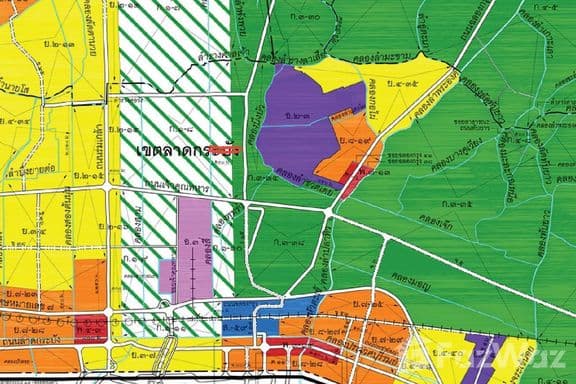
Land in Thailand is subject to strict zoning and planning regulations under the Town Planning Act and related Ministerial Rules. Every plot of land falls into a “zone” indicated by color codes on the official map. The zone determines permitted uses and development intensity. Key categories include:
- Yellow Zone (Low-Density Residential): For single-family homes in suburban or rural areas. Building height and coverage are limited.
- Orange Zone (Medium-Density Residential): Allows townhouses and mid-rise apartments.
- Brown Zone (High-Density Residential): Permits high-rise condos and apartment buildings in urban areas.
- Red Zone (Commercial): For offices, shops, hotels and entertainment venues.
- Purple Zone (Industrial): Industrial factories and warehouses. Often subdivided into light and heavy industry areas.
- Green Zone (Agricultural): Reserved for farming, orchards and other rural activities. Development (especially permanent housing or commercial use) is highly restricted. Land here is commonly designated Agricultural Land Reserve (ALR), meaning it cannot be freely subdivided or built upon without special approval.
- White-Green Stripe / Dark Green (Conservation): Strictly protected areas like national parks, forests and wildlife sanctuaries. Development is generally prohibited.
- Blue Zone (Government/Institutional): For public facilities (schools, hospitals, administrative buildings).
- Pink Zone (Mixed-Use): Allows a combination of residential, commercial and sometimes light industrial uses.
Local municipal and provincial authorities draw the zoning maps according to city/master plans. Buyers must always verify a parcel’s zone at the local Land Office or town planning office. This determines what you can build and whether you need special permits. For example, building a house on ALR (Agricultural) land typically requires a Land Development Certificate and strict limits on size. In practice, many foreign buyers target land already zoned for residential or mixed-use, to avoid these hurdles.
Notably, much land in development corridors (e.g. EEC) remains agricultural zone. For instance, the Real Estate Information Center reports that “the majority of land in the EEC is zoned for agriculture, making it unsuitable for residential development”. This means a foreign investor eyeing industrial or housing projects in Rayong/Chonburi must seek parcels either already outside the ALR or budget extra time and cost to rezone or certify usage. In contrast, areas like Phuket’s urban fringe or suburban Bangkok have more non-agricultural zoned land suitable for villas, hotels or condos.
Understanding zoning is crucial. A wrong turn (e.g. buying a cheap plot in a “reserved” area) can make it impossible to build or sell later. Always confirm that the intended use (residential, commercial, agricultural) aligns with the land’s zone, and that any required government permits or certificates are obtainable.
Best Locations to Buy Land in Thailand
Foreign investors tend to favor certain regions for land investment, drawn by climate, infrastructure and growth prospects. Below are the top destinations for land purchases, focusing on foreign-friendly markets:
- Bangkok and Greater Bangkok
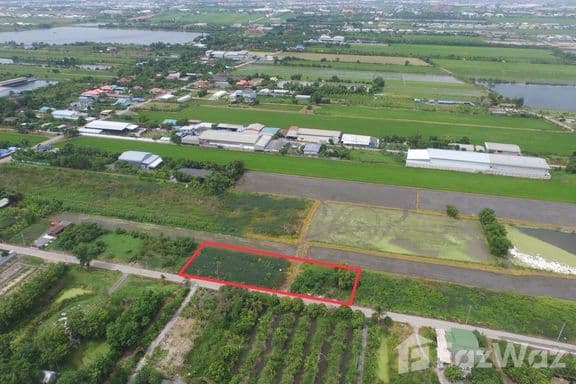
As Thailand’s capital and economic hub, Bangkok is a top destination for long-term land investment – albeit more so on its outskirts. The core city has limited land sites and laws bar foreigners from outright ownership of large tracts here. Foreign buyers and companies typically look to the extended Bangkok metropolitan area: Samut Prakan, Nonthaburi, Pathum Thani, Nakhon Pathom and Chachoengsao. These provinces offer proximity to Bangkok’s massive economy and infrastructure (two international airports, extensive highways and expanding metro lines). Lifestyle/Appeal: International schools, hospitals, shopping malls, and job opportunities make the Bangkok area attractive. Infrastructure: Suvarnabhumi and Don Mueang airports, high-speed rail (under construction), future Expressway links. Growth Potential: With Bangkok land expensive, developers are keen on suburban land for new housing projects – as seen by rising transfer volumes in Bang Phli, Samut Prakan and Nakhon Pathom. While Bangkok land saw only ~3% annual growth by 2023, some suburbs rose much faster (Nakhon Pathom +62% in Q3 2023). Future demand will come from spillover residential and industrial uses.
- Phuket (Andaman Coast)
Thailand’s premier resort island remains extremely popular with foreign investors. Lifestyle/Appeal: World-class beaches, tropical climate, luxury resorts and a high-quality island lifestyle. Many affluent Thais and Gulf-region investors also buy here. Infrastructure: Phuket has an international airport with nonstop links to Asia and growing connections to Middle East/Europe. Major roads and bridges (to Phang Nga) are well-developed. A planned cable-car and high-speed train to Bangkok are under study. Growth Potential: Post-pandemic tourism is booming – occupancy and rents have rebounded strongly. International developers frequently launch new luxury villas and condominium projects, especially around Phuket’s south and west coasts (Bang Tao, Patong, Cape Yamu). According to industry reports, Phuket’s average real estate price (per sqm) remains globally competitive – much lower than Dubai or Miami – yet growing at record rates. Land in prime coastal zones is expensive (tens of thousands of THB per sqm) and has been rising steadily. Offshore investment and government promotion of island tourism (wellness, education, events) suggest continued upside.
- Chiang Mai (Northern Thailand)
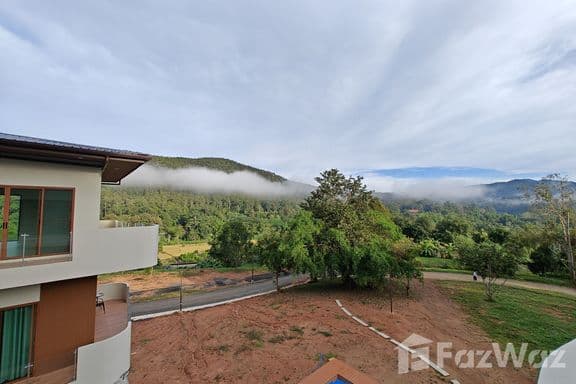
Chiang Mai city and its surrounding valleys attract many expatriates and retirees. Lifestyle/Appeal: A cultural and historical center with a mild climate (cooler than the south), it offers a laid-back feel, lush mountain scenery, and a vibrant expat community. Healthcare and international schools are good. Infrastructure: Chiang Mai International Airport connects to Bangkok and major Asian cities. Good highways link to Laos and China (through the Northern Economic Corridor). New eastern route (Laem Chabang link) boosts logistics. Growth Potential: Chiang Mai’s land prices are lower than in Bangkok or Phuket, making it attractive for retirees and developers of villas and gated communities. Demand is supported by tourism (over a million foreign visitors annually) and by some tech/education initiatives. Planned infrastructure (high-speed rail to Bangkok by 2030) could add value. Land for sale often comprises large plots for second homes, agricultural retreats (e.g. coffee plantations), or small-scale resorts.
- Pattaya (Chonburi Province, Eastern Gulf)
Pattaya and its environs sit at the western edge of the EEC. It combines beach-resort appeal with industrial development. Lifestyle/Appeal: Known for nightlife and seaside living, Pattaya also offers international schools, shopping, and golf courses. It has one of the largest foreign retiree communities (especially Russians, Europeans). A variety of coastal areas (from high-rise condos in South Pattaya to bungalow zones in Jomtien and Sattahip) cater to different buyers. Infrastructure: Only ~2 hours from Bangkok. U-Tapao International Airport (15km south) was recently expanded for international flights. A new motorway and planned high-speed rail (Bangkok–Pattaya–Rayong) will further improve access. Growth Potential: Much of Pattaya’s development focus is shifting from tourism to mixed-use urban expansion, spurred by EEC projects. Pattaya land values are moderate (cheaper than Phuket) but rising. The city and nearby Bang Lamung district saw land price growth in the low double digits as of 2023. Economic stimulus (EEC tax zones, incoming Eastern high-speed line) will support long-term demand for residential and hotel land.
- Hua Hin (Prachuap Khiri Khan)
A resort town on the Gulf Coast southwest of Bangkok, Hua Hin has become a favorite with upper-middle-class Thais and expats seeking a quiet lifestyle. Lifestyle/Appeal: Wide beaches, cooler weather than the deep south, and a family-friendly environment. Hua Hin is known for golf courses, royal palaces, vineyards nearby, and slow-paced living. Infrastructure: It’s ~2.5 hours by car from Bangkok. A small Hua Hin Airport handles domestic flights, and a major new airport (Cha-Am) is planned to serve international charters. The recent extension of a coastal highway (and future high-speed rail) is improving links. Growth Potential: Compared to Phuket or Pattaya, Hua Hin land is relatively affordable. Steady demand comes from domestic buyers as well as foreign retirees (UK, Chinese, etc.). Condominium and villa projects continue to be launched. Expected airport and rail upgrades (Bangkok-Hua Hin line by 2029) could spur land appreciation around the outskirts.
- Koh Samui (Surat Thani Province, Gulf Coast)
Thailand’s second-largest tourist island after Phuket, Samui blends laid-back island living with some high-end tourism. Lifestyle/Appeal: Tropical island with beautiful beaches, upscale resorts and a strong expat community. Koh Samui has medical facilities and schools that attract foreigners. Infrastructure: Samui has an international airport with regional flights. It is connected by ferry to the mainland (Surat Thani). Infrastructure has lagged slightly (only a two-lane ring road), but improvements are ongoing (road widening, new harbors). Growth Potential: Tourism and real estate boomed over the past two decades, putting Samui land prices among the highest in Thailand. However, supply of luxury villas is still rising to meet demand. The resort market is diverse: beachfront plots on Chaweng and Lamai fetch premium prices, while inland hillsides offer more affordable land. Continued Thai government focus on sustainable tourism (e.g. promoting green energy on the island) and high occupancy rates point to steady land values. Investors often build vacation villas or boutique resorts on Samui land.
- Eastern Economic Corridor (EEC)
This strategic region (Chonburi, Rayong, and Chachoengsao provinces) is Thailand’s industrial engine, combining heavy industry with urban and tourist zones. Lifestyle/Appeal: The EEC has many expatriate workers and managers in industries (autos, electronics, petrochemicals). Popular residential areas include coastal Sattahip (near Pattaya), Map Ta Phut (Rayong), and new towns like Amata City. The Gulf beaches and islands (Koh Si Chang) add lifestyle appeal. Infrastructure: The EEC has deep-sea ports (Laem Chabang, Map Ta Phut) and numerous industrial estates. U-Tapao Airport will become a major international airport. A dedicated EEC high-speed rail corridor to Bangkok and rail links to Laos are planned. Growth Potential: Probably the strongest growth story is here. Major foreign firms (especially Chinese EV and battery makers) are moving in, as noted by the 20–30% land price surges in Rayong’s industrial zones. Residential land is also heating up – for example, Ban Chang (near Rayong) saw a 52% increase in land prices in one year as developers built housing for industrial workers and managers. Chonburi (Pattaya) remains a strong growth area (32% YoY land price jump at Bang Pakong in late 2023). Overall, the EEC offers both high-rise industrial property and beachfront or suburban residential land. Investors in this corridor are betting on Thailand’s continued push in advanced manufacturing, which should boost land demand through 2027.
Each of these locations offers unique advantages. Foreigners should match their investment goals to the locale: e.g., Phuket or Samui for tourism/vacation rental plays, Chiang Mai or Hua Hin for retirement/residential living, Bangkok suburbs or EEC for mixed industrial/commercial opportunities. Infrastructure plans and government development schemes should guide the choice of where to buy land, as these will drive demand and exit opportunities.
Land Price Trends and Forecasts (2021–2027)
Land prices in Thailand vary widely by location, use and zoning. Generally, prices have risen moderately since 2021 in most markets, with particularly strong gains in prime resort and industrial corridors. The table below shows typical land prices per square meter in key regions, as well as modest forecast increases for 2026–2027. These figures are illustrative averages – actual prices can vary based on exact location, access, and land title.
|
Location
|
2021 (THB/sq.m.)
|
2022
|
2023
|
2024
|
2025
|
2026 (F)
|
2027 (F)
|
|
Bangkok (outskirts)
|
30,000
|
31,000
|
32,000
|
33,000
|
34,000
|
35,500
|
37,000
|
|
Phuket (coastal areas)
|
40,000
|
42,000
|
44,000
|
46,000
|
48,000
|
52,000
|
56,000
|
|
Chiang Mai (city outskirts)
|
5,000
|
5,300
|
5,600
|
5,900
|
6,200
|
6,600
|
7,000
|
|
Pattaya (urban land)
|
12,000
|
12,500
|
13,000
|
13,500
|
14,000
|
15,000
|
16,000
|
|
Hua Hin (suburban land)
|
8,000
|
8,300
|
8,600
|
9,000
|
9,500
|
10,000
|
11,000
|
|
Koh Samui (island land)
|
18,000
|
19,000
|
20,000
|
21,000
|
22,000
|
24,000
|
26,000
|
|
EEC (Rayong/Chonburi)
|
10,000
|
12,000
|
15,000
|
18,000
|
20,000
|
23,000
|
27,000
|
Table: Average Land Prices per Sq.Meter (THB) by Location (2021–2025 actual, 2026–27 forecast). F = forecast.
These numbers illustrate general trends:
- Greater Bangkok suburbs have seen steady, modest increases (a few percent per year) as new housing projects expand outward. By 2025 average suburban land was around THB 34–35k/sqm, with forecasts of continuing low-single-digit growth thereafter.
- Phuket has maintained high prices for coastal parcels, often above THB 40k/sqm, with annual gains of ~5–7%. Luxury beachfront plots fetch much more. The forecast assumes 5–8% growth as tourism demand remains strong.
- Chiang Mai land prices are much lower in absolute terms (around THB 5–6k/sqm in 2025) but growing as more expats buy property. Forecasts point to continued 5–7% annual growth, given its popularity for villas and homes.
- Pattaya sees moderate land values (THB 12–14k/sqm by 2025) but rapid growth tied to EEC development. We assume ~6–8% annual increases into 2027.
- Hua Hin remains relatively affordable (under THB 10k by 2025) with healthy demand. We forecast similar 5–6% growth.
- Koh Samui land is high (reflecting tourism demand) and expected to rise ~5–7% annually.
- EEC (Chonburi/Rayong) land posted the fastest growth (20–30% per year recently) due to industrial investment. Our figures jump from THB 10k in 2021 to 20k by 2025. Forecasts assume double-digit growth into 2027 (25–30k), reflecting infrastructure pipelines.
Note: These figures are rough guides. Actual land prices depend on exact location, frontage, utilities, and zoning. Buyers should obtain up-to-date appraisals and consult local market agents. Nonetheless, the table highlights how land in tourist and industrial hotspots commands significant premiums and is expected to appreciate faster than more rural or already fully developed areas.
Foreign Buyer Profiles and Motivations
Foreign land investors in Thailand come from diverse backgrounds and pursue various strategies:
- Retirees and Expats: Many Westerners (Europeans, North Americans, Australians) and Asians (Japanese, Koreans, Chinese diaspora) seeking retirement or second homes invest in Thai land. Their motivations are lifestyle-driven: warm climate, scenic beauty (beach or mountains), and lower living costs. These buyers often purchase plots to build private villas or resort homes. Risk appetite tends to be moderate; they value stability and amenities (road access, healthcare, international schools). Common uses include family homes on gated lots (e.g. near Hua Hin or Chiang Mai), boutique villas for vacation rentals, or hobby farms (e.g. fruit orchards or horse stables) on larger rural plots.
- Investment-driven Buyers: Wealthy individuals and companies see Thai land as a portfolio diversification or development play. This includes real estate developers and financial investors. They may come from China, Hong Kong, Taiwan, Russia, the Middle East and elsewhere. These investors are attracted by Thailand’s strong tourism and manufacturing growth. Their typical uses are:
- Hospitality Projects: Building resorts, hotels, or serviced apartments in high-tourist areas (Phuket, Samui, Pattaya). They look for land where the rental yield can be high (often 5–10% annual returns on tourist rentals).
- Residential Projects: Developing plots into condominium or housing projects aimed at either expats or Thai buyers. This is common in growing urban fringes (Greater Bangkok, Chiang Mai).
- Agribusiness and Fisheries: Some investors (often Thai Chinese or European) buy agricultural land for commercial farming (e.g. rubber, palm, or even rice), though they must do so via Thai companies or leases. Others lease coastal land for fishing or shrimp farming.
- Land Banking: Purchasing raw plots (especially near future infrastructure projects) purely for capital gain. For instance, buying farmland expected to be rezoned or near an upcoming highway. These investors often have high risk tolerance and a long-term horizon.
- Speculative Buyers: In recent years, some foreigners have speculated on quick gains, especially in the EEC. For example, Chinese property funds bought multiple Rayong plots anticipating EV factory zones. These buyers are high-risk/high-reward: they bet on continuing policy support and industrial takeoff.
- Corporate Landholders: International businesses expanding in Thailand (manufacturing, hospitality chains) may acquire land through Thai-registered subsidiaries. These institutional buyers seek large parcels in industrial estates or tourist zones for operational facilities or hotels.
In all cases, foreign buyers are typically capital-rich but have varying risk appetites. Many prefer stable returns (e.g. rental income on villas) over pure speculation. Common motivations include:
- Capital appreciation in emerging areas (e.g. near a new airport).
- Rental yields from holiday properties or long-term leases.
- Lifestyle benefits (retirement, 2nd home, resort development).
- Business expansion (industrial or hospitality ventures).
Understanding these buyer profiles helps align the type of land with likely uses. For example, a British retiree might want a quiet villa plot in Chiang Mai, whereas a Chinese hotel group will target beachfront land in Phuket. Thai laws mean most foreigners must use lease or company structures, so many will opt for projects where developers handle those details rather than buying raw land themselves.
Legal Procedures for Buying Land in Thailand
Purchasing land in Thailand involves careful due diligence and formal registration at the Land Office. Below is an overview of the typical process and precautions for foreign investors (via a Thai company, lease, etc.):
- Preliminary Due Diligence: Before signing any contract, verify the land’s details at the local Land Office:
- Check the title deed type and number to confirm it is authentic and corresponds to the seller. Ensure the deed is Chanote or other acceptable title (see above).
- Verify ownership and encumbrances: Confirm the seller’s name matches the deed and that there are no mortgages, liens, disputes or outstanding taxes recorded on the title.
- Confirm zoning/use permissions: Ensure the parcel’s zoning permits your intended use (residential, commercial, agricultural, etc.), and note any restrictions (e.g. ALR requirements).
- If the land is in an ALR (agricultural) zone, check if it has the required land use certificate for non-farm purposes. If not, changing its status may be difficult.
- Inspect physical boundaries and measurements: Ideally, have an engineer or surveyor walk the site to verify corner markers and area match the deed.
- Legal and Contract Phase: Engage a trusted Thai lawyer to draft or review the sale-and-purchase agreement. Foreigners often put deposits (e.g. 10% of price) at this stage:
- The contract should state the price, payment schedule, and conditions (like land office transfer).
- For lease agreements, ensure they are registered to be valid (any lease ≥ 3 years must go on record).
- Avoid informal or side agreements. Only written, notarized documents should be relied on.
- Transfer/Lease Registration: On the agreed date, both buyer (or lessee) and seller must appear at the Land Office (Tamruat) to register the transaction:
- Transfer of Freehold: The buyer presents identification and payment (see Costs below). The Land Department registers the deed in the buyer’s name (or in the Thai company’s name if applicable).
- Lease: If registering a long lease, the total rent for the full term must be calculated and proof of payment shown. A registration fee (1% of the total lease fee) and a 0.1% stamp duty are due.
- After registration, the Land Office issues a new title deed (with the owner’s name or lessee details). Always obtain a certified copy and keep the original deed in a safe place.
- Common Scams and Pitfalls to Avoid: Foreign buyers should be vigilant about fraud:
- Fake or Forged Titles: Some fraudsters forge title deeds or sell land they don’t fully own. Always verify directly with the Land Office.
- Double-selling: Unscrupulous sellers may try to sell the same plot to multiple buyers. Ensure the seller is the true sole owner.
- Undeclared Liens/Mortgages: A seller might transfer a property without disclosing debt secured on it. Check the title records thoroughly.
- Illegal Subdivision: Land advertised for sale may be part of an unlawful subdivision (e.g., an island or park reserve). Confirm that the land has been legitimately parcelled and is not registered as communal or national forest.
- Land Agency Scams: Use only licensed agents and always sign documents in English or with an interpreter if needed. Do not sign blank or incomplete papers.
Throughout, working with reputable professionals (lawyers, licensed realtors, surveyors) is crucial. They can uncover red flags (e.g., a title with no Land Office seal, or inconsistent owner names). Taking these steps protects your investment and ensures a clean title transfer.
Costs and Taxes When Buying Land
Buying land in Thailand incurs several mandatory fees and taxes. Foreign buyers (or their Thai-company proxies) should budget for these costs on top of the purchase price:
- Transfer (Registration) Fee: 2% of the appraised land value. This goes to the Land Department at the time of transfer. By law, it is usually split 50/50 between buyer and seller, but in practice many deals have one party (often the buyer) paying it.
- Withholding Tax (Income Tax): This is treated as an advance payment of the seller’s income tax. It is calculated according to the Land Department’s formula (tax rate based on the seller’s holding period and income level). Typically, for individual sellers the rate is 1% of registered sale price, whereas corporate sellers pay 3%. The buyer (lessee) withholds this amount and remits it on behalf of the seller, deducting it from the transfer proceeds.
- Specific Business Tax (SBT) / Stamp Duty: When a land is sold within five years of acquisition or by a company, a 3.3% SBT is imposed on the higher of the selling price or appraised price. If SBT applies, it replaces stamp duty. Stamp Duty is otherwise 0.5% of the value (if no SBT is due). Generally, the seller pays SBT or stamp duty, but parties can negotiate.
- Lease Registration Fee: For long leases (over three years), the total rent for the term must be calculated, and a Land Office filing fee of 1% of that sum is paid. For example, a 30-year lease at THB 5,000/month (THB 1.8M total) has an THB 18,000 registration fee. A 0.1% stamp duty also applies to registered leases.
- Usufruct Registration: If applicable, registering a right-of-usufruct (especially with consideration) costs 1% of the usufruct value, plus a 0.5% stamp duty. Unpaid-for usufructs have only a nominal fee (THB 50 per land plot).
- Attorney/Agent Fees: Legal fees vary but plan on roughly 1–2% of the sale price for a real estate lawyer to handle due diligence and paperwork. Real estate agents (if used) often charge 3% of the sale price.
- Company Formation and Maintenance: If acquiring via a Thai company, factor in registration costs and annual accountancy/tax fees. These can range from THB 10,000 to THB 20,000 per year, plus higher corporate tax on profits.
- Annual Land & Building Tax: Though not paid at purchase, owners (or leaseholders) must pay annual property tax. Under current law (effective 2020s), land tax rates are low: for residential land 0.03–0.1% of appraised value; for vacant non-agricultural land up to 0.3%; for agricultural land even lower (0.01–0.03%).
Investors should budget roughly 2–4% of the land price for these transaction costs (transfer fee, taxes, legal fees). Unlike in some countries, there are no value-added taxes on bare land sale. However, quick resales and improper structuring can incur high taxes (SBT) that seriously affect ROI, so plan ownership duration accordingly.
Mitigating Risks and Maximizing ROI
Land investment in Thailand can be lucrative but carries risks. Savvy investors use the following strategies:
- Thorough Due Diligence: Always verify the land’s title, zoning and encumbrance status before buying. Use experienced Thai legal counsel to check for debt, litigation or illegal land claims. Avoid properties with questionable titles (e.g. Sor Kor Nung only) or obscure ownership histories.
- Registered Agreements: Ensure every contract (sale or lease) is properly written, notarized if needed, and officially registered at the Land Department. Unregistered agreements offer no real protection in Thailand. For leases, registration is mandatory to be enforceable beyond three years.
- Use Trustworthy Structures: If using a Thai company or nominee structure, ensure it is transparent and legally sound. Work with reputable service providers. Nominee arrangements carry risk of government crackdowns; be prepared with proper documentation showing genuine business purpose.
- Insurance and Contingencies: Consider insuring the land or any improvements against fire or natural hazards. Set aside contingency funds for delays (e.g. in rezoning or permitting). Make sure contracts allow deposit refunds if key approvals fail.
- Diversification: Do not concentrate all capital in one land parcel or region. Spread investments across different locations or use-cases (e.g. some in EEC industrial zones, some in resort areas). This hedges against local market swings or regulatory changes in one area.
- Leverage Infrastructure Trends: Invest ahead of major projects. Examples: lands near planned motorways, new airport paths or rail stations often jump in value. However, be cautious of projects that fall through (always verify timelines and government commitment).
- Develop Value-Add Projects: If the purchase is for building, design projects that match market demand. For example, smaller luxury villas might rent well in holiday markets (Phuket/Samui), while townhouse complexes could attract local families near Bangkok. Invest in quality construction to ensure durability and appeal.
- Tax and Exit Planning: Structure the deal to minimize taxes (e.g. hold over five years to avoid SBT). Have a clear exit strategy – whether selling to another developer, converting land to condo projects, or forming joint ventures. Keep abreast of how Thai inheritance laws will apply if holding long term.
- Local Partnerships: Wherever possible, partner with reputable Thai developers or landowners. This can ease processes like permit approvals and give insight into local market nuances. Joint ventures can align incentives and share risk.
- Stay Informed: Thai regulations can change (e.g. proposals to allow limited foreign land ownership). Monitor government policies and adjust strategies. Also watch macro risks: currency swings (baht value), interest rate hikes in 2025–27, and Thailand’s political environment, as these can affect land demand.
By combining legal prudence with market insight, foreign investors can greatly improve their chances of a successful land investment. The key is balancing higher-reward ventures (like resort development) with low-risk approaches (like long-term lease income) and always safeguarding the title and legality of the investment.
2026–2027 Outlook: Land Values and Development Trends
Looking into 2026–2027, Thailand’s land market is expected to remain generally positive, though with regional variations:
- Infrastructure-Led Demand: Completion of large projects will drive land value gains. The Eastern high-speed rail (connecting Bangkok to Pattaya/U-Tapao) and improved roads in Chiang Mai and Hua Hin areas will make land more accessible. The new planned airports (Chachoengsao and northern provinces) could open fresh corridors for development. Each new highway interchange or rail station typically lifts nearby land values.
- Industrial Expansion: The EEC will likely continue attracting foreign FDI (especially in EVs and tech). This will sustain demand for industrial land and nearby housing. As seen, Rayong and Chonburi land prices have surged – we expect above-average growth to persist in these zones. Outlying areas around Map Ta Phut and Chon Buri’s Bang Lamung may see new investment clusters pop up.
- Stable Resort Markets: Tourist hotspots like Phuket and Samui should see steady appreciation. With global travel normalizing, demand for luxury vacation property remains strong. New resort developments and international branding (e.g. major hotel chains, wellness resorts) will underpin land prices. However, these markets are relatively mature, so growth rates may moderate to the mid-single digits annually, rather than the double-digit booms of the early 2020s.
- Urban & Suburban Bangkok: Greater Bangkok land will likely see modest increases (low single digits yearly). The market there is sensitive to interest rates and domestic credit. Unless major new infrastructure (like a new outer ring road or metro extension) is announced, expect gradual growth. That said, any policy favoring foreign leasing (e.g. longer lease terms or tax incentives) could attract more foreign corporate interest in Bangkok-Periphery land.
- Regulatory Environment: No major liberalization of land ownership appears imminent. Proposals such as allowing foreigners to own 1 rai by investing ฿40M remain on the fringes and are not widely implemented. Therefore, foreign investors will still rely on the existing structures. On the contrary, Thai authorities have occasionally signaled the need to discourage speculation (e.g. through higher taxes on short-term flips). Investors should watch for any changes in property taxes or licensing that could affect returns.
- Macro Risks: Global economic conditions (inflation, interest rates) will influence Thailand’s real estate. A stronger Thai baht or higher domestic interest rates could cool down speculation. Conversely, Thailand’s own GDP growth (projected ~3-4% annually by Thai banks) and stable political environment (barring unforeseen events) should provide a solid backdrop.
In summary, the outlook for Thai land investment in 2026–2027 is cautiously optimistic. Infrastructure projects promise to unlock new value, especially in the EEC and regional cities. Thailand’s ongoing appeal as a tourist and retirement destination continues to support resort-area land. But investors will need to remain careful: competition for the best sites is heating up, so thorough analysis and timing will be crucial to maximize ROI under the evolving market conditions. Overall, foreign buyers entering now should benefit from on-the-ground knowledge and a clear strategy, positioning themselves for gains as Thailand’s land markets mature in the mid-2020s.


























 Popular condos in Thailand

