Long-Term Apartment Rentals in Hua Hin: 2025 Neighborhood Guide and Market Outlook
Introduction
Hua Hin has emerged as one of Thailand’s most appealing destinations for foreign residents seeking long-term apartment rentals. This seaside town offers a relaxed coastal lifestyle, modern amenities, and a lower cost of living than Bangkok or Phuket - all of which attract a diverse international tenant community. Retirees appreciate Hua Hin’s safe, easy-going atmosphere and excellent healthcare, digital nomads and remote workers come for the reliable infrastructure and laid-back vibe, and expat families value the international schools and family-friendly environment.
In this comprehensive guide, we focus exclusively on apartments and condominiums for rent (not villas or houses) and break down Hua Hin’s key neighborhoods popular among foreign tenants. We will compare what each area offers, typical rental price ranges (in Thai Baht and equivalent USD), and current market trends as of 2025. Whether you’re a retiree looking for a quiet beachfront condo or a remote worker seeking a convenient town apartment, this article will provide clarity on your long-term rental options in Hua Hin.
Hua Hin Rental Market Overview (2025)
Rental Prices and Inventory: The Hua Hin apartment rental market in 2025 is diverse and generally affordable. Long-term rents vary widely depending on location, property age, and amenities. Modest studio and one-bedroom apartments further from the beach can start around ฿8,000-฿12,000 per month (approximately $230-$350). Comfortable modern one-bedroom condos in popular areas average around ฿15,000-฿25,000 (about $430-$720), while larger or luxury two-bedroom units in prime locations typically command ฿30,000-฿50,000+ per month ($850-$1,400+). Ultra-premium or beachfront condos with resort facilities can exceed ฿60,000 monthly, though these are the exception. Overall, most foreign renters will find attractive options in the ฿10,000-฿30,000 range, which corresponds to the mid-market segment that makes up the bulk of Hua Hin’s rental supply.
There is a plentiful supply of apartments on the market. At any given time, well over 1,000 condo units are available for rent in Hua Hin, reflecting a healthy inventory built up by new developments in recent years. Numerous condominium projects completed since the late 2010s (such as new buildings in the Soi 94 and Khao Takiab areas) have added to the long-term rental stock. This ample supply means renters have many choices across different neighborhoods and price points. Landlords typically offer units fully furnished and move-in ready, and many apartment complexes come with swimming pools, fitness centers, 24-hour security, and other amenities included in the rent.
Market Trends: In 2025, Hua Hin’s rental market is on a stable upward trend. After a brief slowdown during the 2020-2021 pandemic years, demand has rebounded strongly. Many foreign retirees have returned or newly arrived as Thailand reopened, and remote working trends continue to bring in digital nomads looking beyond the usual hubs. This uptick in demand has led to a modest rise in rental rates - broadly, condo rents in Hua Hin have increased in the high single digits percent year-on-year. Even with this growth, Hua Hin remains more affordable than other Thai resort cities (for example, equivalent apartments in Phuket or Koh Samui often cost significantly more). The relative value for money in Hua Hin contributes to sustained interest from long-term foreign tenants.
It’s worth noting that while demand is healthy, there are also signs of a large supply of rentals keeping prices competitive. Investors who bought units in Hua Hin’s numerous new condo developments are keen to rent them out, and some owners who previously focused on short-term holiday lets have shifted to seeking long-term tenants. This abundant supply helps temper rent increases and gives prospective tenants room to negotiate, especially for leases of one year or more. Renters willing to commit to a longer tenancy or to start a lease in the off-peak season can often secure better rates or added perks (such as a lower effective rent if paying several months upfront).
Renter Demographics: The long-term rental demand in Hua Hin is primarily driven by foreign residents. A large portion are retirees from Europe, North America, and elsewhere, who are drawn by the warm climate, reasonable living costs, and Hua Hin’s reputation as a retirement-friendly city. These tenants typically seek quiet, comfortable apartments - often near the beach or in peaceful neighborhoods - and many stay year-round. Another growing segment is remote workers and digital nomads, who might rent for several months to a year. They value good internet connectivity and proximity to cafes or co-working spaces, often preferring convenient town locations or modern condo buildings. Expat families form a third key group: they may be working in Hua Hin or choosing it as a base, and they look for larger apartments (2-3 bedrooms) with family-oriented facilities, often near international schools or in safe, residential areas. Finally, some Thai urban professionals and Bangkok weekenders also rent Hua Hin apartments long-term (for example, maintaining a seaside condo for telecommuting or frequent escapes from the capital).
Outlook: Looking ahead, the rental market in Hua Hin is expected to remain tenant-friendly and robust. Rental prices are forecast to continue a gradual rise (on the order of ~3-5% annually in the next couple of years), fueled by steady demand from the above groups. However, given the pipeline of new housing projects and the existing inventory, a major surge in rents is unlikely in the short term. Availability is high, which means foreign renters can be selective. The Thai government’s efforts to attract long-term foreign residents (through special long-stay visas for retirees and professionals) could further boost demand in Hua Hin, but the town’s affordability relative to its quality of life should persist. Overall, 2025 is a favorable time for foreign renters evaluating Hua Hin: you can expect a good balance of cost, choice, and comfort for long-term apartment living.
Neighborhoods Overview: Where to Rent in Hua Hin
Hua Hin’s layout stretches along the coastline and a few kilometers inland, with distinct neighborhoods each offering a unique lifestyle. Below we profile the key neighborhoods popular with international tenants - including central downtown Hua Hin, the expat-friendly Soi 94 area, the beachside community of Khao Takiab, the quieter western suburbs, and more. Each section highlights the character of the area, its pros and cons for renters, and typical rental price levels for apartments there.
Hua Hin City Center (Downtown and Beachfront)
Overview: Hua Hin City Center refers to the downtown area roughly between Soi , Soi 64/65 in the north down to about Soi 80 in the south, bounded by the beach on the east. This is the heart of Hua Hin, encompassing the famous Night Market (around Dechanuchit Road), the main thoroughfare Phetkasem Road as it passes through town, and the bustling streets like Soi Bintabaht known for dining and nightlife. For foreign renters who want to be in the middle of the action and within walking distance of shops, restaurants, and the beach, the city center is ideal.
Lifestyle and Amenities: Downtown Hua Hin offers the most walkable lifestyle. Residents have easy access to fresh markets, supermarkets, local and international restaurants, cafes, banks, and entertainment venues. The popular Hua Hin Night Market, various street food stalls, and shopping malls (such as Market Village and the newer BluPort Mall, which is just slightly south of the core center) are all nearby. The beachfront itself in town features the public Hua Hin Beach with activities like horseback riding and kitesurfing. Living in the center means you can often get by without a car or motorbike - an attractive proposition for many expats. Nightlife (bars, live music, etc.) is concentrated in the center, so those who enjoy an active social scene often prefer this area.
Housing Stock: Apartments in the city center range from older Thai-style condominiums to modern condo developments that have risen in the last decade. Many buildings here are mid-rise condominiums. Some are a bit dated but offer larger floor plans (there are 30+ year-old beachfront condos where long-term rentals can be found at reasonable prices due to age). In recent years, new projects like Marvest Hua Hin (a centrally-located condo completed around 2020) and others have introduced brand-new units with stylish facilities right in town. Additionally, a number of small serviced apartments and apart-hotels cater to long stays. Foreign renters will find that central apartments usually come fully furnished, including essential appliances; higher-end units may have modern decor and facilities like pools and gyms on-site.
Rental Prices: Thanks to the mix of old and new properties, rents in downtown Hua Hin span a broad range. You can find basic one-room studios in older buildings from roughly ฿10,000-฿12,000 per month (~$300 USD) - these might be a bit dated in decor but offer a superb location. A newer one-bedroom condo (around 30-50 sq.m.) in the central area typically rents for about ฿15,000-฿20,000 monthly (approximately $450-$600). Premium modern units or those very close to the beach/with sea view can be higher, in the ฿20k-฿30k range for one-bedrooms, depending on size and view. Two-bedroom apartments in the city center usually start around ฿25,000 and up; for example, a spacious downtown 2-bedroom might go for ฿30k-฿40k ($850-$1,150) if in a new building with amenities. It’s also possible to find some budget-friendly local apartment complexes in the center (simple furnishings, no elevator) for under ฿10k, but these may not meet all foreign expectations in terms of comfort. Overall, city center rents average a bit higher than other areas, reflecting the convenience of location, yet they are still quite affordable by international standards.
Pros and Cons: The primary advantage of downtown living is convenience. Everything - from grocery stores and clinics to cafes and the beach - is at your doorstep. You won’t need to commute or deal with traffic for daily needs. This area is lively and well-lit, making it popular with those who want an active lifestyle or who do not plan to drive. On the downside, being the urban core, it comes with city noise and traffic. During weekends or tourist high season, central Hua Hin can be busy; noise from nightlife or traffic on Phetkasem Road might affect some residences. Parking spaces can be limited in town if you have a car. Additionally, apartments right on the main road or near nightlife zones might not be as tranquil as other neighborhoods. Many retirees who prefer absolute peace tend to choose slightly outside the center for this reason. However, for many expats - especially younger professionals, singles, or those who thrive on convenience - the city center is a top choice due to its unbeatable accessibility and urban amenities.
Soi 94 and Surroundings (Expat Residential Hub)
Overview: Soi 94 is a famous area among Hua Hin expatriates, often considered a hub of the long-term foreign community. This neighborhood is centered on Hua Hin Soi 94 (a street off Phetkasem Road across from Hua Hin Market Village mall, extending west past the railway). Over the past decade, Soi 94 has developed into a vibrant expat enclave, with numerous Western and international restaurants, casual bars, and guesthouses/condos tucked along the street. Its reputation comes from offering a balance between the liveliness of downtown and the quieter suburban feel - it’s just slightly outside the busiest core, yet still very central.
Lifestyle and Amenities: Living near Soi 94, residents enjoy a strong community feel. The street is lined with eateries featuring cuisines from around the world (from German bakeries and Italian bistros to local Thai food and seafood). There are also convenience stores, pharmacies, and small businesses catering to daily needs. Many long-term foreign residents frequent the informal bars and cafes here, making it easy for newcomers to meet others and integrate socially. Importantly, Soi 94 is within walking distance (or a short motorbike ride) of Market Village, one of Hua Hin’s main shopping centers, which has a Tesco/Lotus supermarket, banks, retail shops, etc. The beach is not far either - about 10-15 minutes walk or a few minutes drive to reach the main Hua Hin beach near Soi 75/77. Additionally, Hua Hin’s well-regarded Bangkok Hospital is located just off Soi 94 on Phetkasem Road, which is a reassuring proximity for retirees.
Housing Stock: This area features several modern condominium complexes as well as smaller apartment buildings. A notable new development is Mira Monte Hua Hin 94, a condo project completed in 2024, which offers contemporary units and facilities - a sign of the area’s growing popularity. Other condos, such as La Casita (just south of Soi 94) and Baan Koo Kiang (on Soi 102, a short way south but in the same general zone) are popular with long-term renters. Many units around Soi 94 are medium-sized condos (8-story buildings, for example), often with swimming pools, gyms, and 24-hour security. Because this neighborhood has been a favorite for expats, landlords here are experienced with foreign tenants - apartments usually come fully furnished with everything needed for a comfortable life. The environment in the side streets off Soi 94 is fairly quiet and residential, with a mix of expat homes and local houses, so one gets a neighborhood feel rather than a tourist feel.
Rental Prices: Value for money is a hallmark of the Soi 94 area. Rentals here are typically a bit cheaper than right in the city center, while still offering great convenience. A one-bedroom condo on or near Soi 94 (around 30-50 sq.m.) might rent for roughly ฿12,000 to ฿20,000 per month (approximately $350-$580). For example, recently built units in Mira Monte were being offered in the low to mid teens (thousands of Baht) per month for long-term leases. Well-furnished one-bed units around 40 sq.m. commonly list in the ฿15k range here. Larger apartments or two-bedroom units (say 60-80 sq.m.) in this neighborhood generally range from ฿20,000 up to around ฿35,000 ($580-$1,000) depending on the development and exact location. It’s rare to see anything above ฿40k in the Soi 94 area except perhaps a very large top-floor unit or a new luxury build. Budget-conscious renters can also find some older studios or guesthouse-style apartments off Soi 94 under ฿10k, but the sweet spot for expats tends to be the mid-range condos. Overall, Soi 94 offers affordable rents for quality apartments, making it one of the most sought-after areas for foreigners.
Pros and Cons: The Soi 94 area’s strengths lie in its balance of convenience and tranquility. You are close to downtown (only a couple of kilometers), but just removed enough that the ambiance is more laid-back. There is a strong expat community presence - for someone moving in, it’s easy to find English-speaking neighbors, make friends, and get support from locals who are used to foreigners. Dining options are excellent and cater to Western tastes as well as Thai. Traffic is lighter in the small sois, and noise is low except right on Phetkasem Road. One potential downside is that to reach the beach or certain amenities, you may still need short transport (walking is possible for some things, but the area is spread out beyond the immediate main road). Also, while Soi 94 has many restaurants and bars, it is quieter in terms of major entertainment - those seeking extensive nightlife might still head to the city center a short ride away. Finally, the area is continually developing; construction of new condos could be ongoing, which might be a consideration for noise in daytime. On the whole, Soi 94 remains a top choice for long-term foreign renters due to its friendly atmosphere and good value apartments.
Khao Takiab and Nong Kae (South Hua Hin Beach District)
Overview: Khao Takiab is a prominent coastal neighborhood at the southern end of Hua Hin town, named after the hill that rises at the tip of Hua Hin’s main bay. The area is roughly 5 to 7 kilometers south of the city center. It includes the vicinity of Khao Takiab Hill (also known as “Monkey Mountain”) and the extended beachfront and streets north of the hill, as well as adjacent inland sub-areas often called Nong Kae (Nong Kae is the subdistrict encompassing Khao Takiab and surrounding zones). Over the past decade, Khao Takiab has become a condominium hotspot with many seaside and near-sea developments, making it very popular among both Bangkok weekenders and long-term foreign renters who desire a beachside lifestyle.
Lifestyle and Amenities: Khao Takiab offers a relaxed, beach-centric lifestyle. The area boasts long sandy beaches that are noticeably quieter and less crowded than central Hua Hin beach, ideal for morning walks, swimming, and enjoying sea views. The iconic Khao Takiab hill, with its Buddhist temple and resident monkeys, is a local attraction providing panoramic views of the coastline. Living here, one can enjoy seaside restaurants (especially seafood eateries by the pier and along the beach), a few boutique cafes, and convenience shops. The famous Cicada Market and Tamarind Market (popular weekend night markets featuring art, crafts, and food) are located at the northern edge of Nong Kae, just before entering Khao Takiab proper - a great perk for residents who can visit these markets easily on weekends. There is also a large grocery store (Makro) and various local shops along Nong Kae Road. While Khao Takiab itself is more low-key and residential, everything in Hua Hin town (shopping malls, hospitals, etc.) is a short drive away, typically 10-15 minutes by car or the local songthaew (green shuttle trucks) that run regular routes along Phetkasem Road down to Khao Takiab. Many expats here own a car or motorbike to get around, but public transport and taxis are readily available too.
Housing Stock: The Khao Takiab/Nong Kae area features numerous modern condominium complexes, many of them resort-style. Notable condos include projects like Sea Craze, Baan Peang Ploen, Autumn Hua Hin, Amari Residences (adjacent to the Amari Hotel), Marrakesh (themed luxury condo north of Khao Takiab), and Baan Sansuk, among others. A number of these are either right on the beachfront or within a few hundred meters of the beach. They typically offer lush landscaping, multiple swimming pools, gyms, and sometimes direct beach access. Units range from compact studios to spacious 2-3 bedrooms. The architectural style here tends to be modern tropical, often low- to mid-rise buildings blending into the seaside environment. Because many Bangkokians bought units here for holiday use, plenty of apartments are available to rent when not owner-occupied. The quality of furnishings is generally high - owners furnish them not just for rental, but for their own use on weekends, meaning you’ll find stylish decor and fully equipped kitchens in many cases. Khao Takiab also has a few older condo buildings from the 90s, which offer large floor areas; while older, these can bea good value for those needing more space and don’t mind being a bit dated.
Rental Prices: Being close to the beach, rental prices in Khao Takiab are slightly higher on average than in-town rates, but still range widely by property. Smaller one-bedroom condos (30-40 sq.m.) a few hundred meters off the beach, can be found from around ฿12,000-฿18,000 per month ($350-$520), especially in low season or for older properties. A typical modern one-bedroom in a nice development here might go for about ฿20,000-฿25,000 (roughly $600-$720) per month on an annual lease - for example, a 50 sq.m. well-furnished unit in a resort-style complex with pool access. Two-bedroom apartments (70-90 sq.m.) in Khao Takiab often command ฿25,000-฿40,000 ($720-$1,150) per month, depending on proximity to the beach and view. Beachfront luxury condos or penthouse units (when available) can exceed ฿50k; for instance, a large two-bedroom with direct sea view in a high-end beachfront residence might be ฿50,000-฿70,000 per month. However, many long-term renters find that by opting for a unit just off the absolute beachfront (5-10 minutes walk from the sea), they can enjoy the area for closer to the mid-range price points. Importantly, offseason rates can be more negotiable in this area, as some owners prefer occupancy to leaving units empty, given that many units were intended as vacation homes.
Pros and Cons: Khao Takiab offers an idyllic environment for those who prioritize beach access and a tranquil vibe. The pros include daily enjoyment of Hua Hin’s finest beaches, a resort-like atmosphere, and generally newer, high-quality housing. Retirees often favor this area for its peacefulness and scenery - you can spend days by the pool or sea quite happily. For remote workers, the calm environment can be very conducive, though one must ensure a reliable internet setup (most condos have or can get high-speed internet). Another benefit is that the air and ambiance feel slightly cooler and fresher by the sea and greenery of Khao Takiab. In terms of cons, living here means a bit more distance from the town center. You will likely need personal transport or to rely on taxis/shuttles for frequent trips into town (for big shopping trips, hospital visits, etc.). During peak tourist season, the area gets an influx of weekend visitors (especially at Cicada Market and popular beach spots), but it remains quieter than central Hua Hin. There are fewer choices of schools or supermarkets right in Khao Takiab (families might have to drive children to schools in other parts of Hua Hin). Also, the presence of monkeys on Khao Takiab Hill, while charming, means one has to be mindful if living very near the hill (e.g., not leaving balcony doors open unattended). Overall, for many foreigners, Khao Takiab strikes a great balance by providing a serene seaside lifestyle with moderate convenience, making it a top pick, especially among long-term retirees and couples.
West Hua Hin (Hin Lek Fai and Soi 88 Areas)
Overview: Moving away from the coast, West Hua Hin comprises the inland neighborhoods around Hin Lek Fai Hill and the areas west of central Hua Hin such as Soi 88 and beyond. Hin Lek Fai (sometimes called Flintstone Hill or Panorama Hill) is a viewpoint area directly west of the city, known for its scenic overlook of Hua Hin. The surrounding region and nearby subdistricts (like Thap Tai further southwest) form the “suburban” outskirts of Hua Hin. This is a greener, more open part of town, characterized by residential villages, small farms, and a quieter local vibe. While traditionally this area has been popular for building houses and villas (some of Hua Hin’s villa communities and golf courses are out west), there are a few apartment/condo options as well, and it’s a locale worth considering for those seeking a budget-friendly and tranquil environment.
Lifestyle and Amenities: West Hua Hin offers a slower pace of life and more of a local Thai community feel compared to the touristy center and beach districts. Here you’ll wake up to sounds of birds and have mountain or countryside views. Many expats living in this area enjoy gardening, outdoor activities, and the extra space. The Hin Lek Fai viewpoint park is a nice place for exercise and watching sunsets. Day-to-day amenities are improving: there are fresh markets, local eateries, and a few supermarkets (one of Hua Hin’s Big C supermarkets is on the west side of town, and there’s a new shopping complex with a Makro in the Hin Lek Fai vicinity). The main Hua Hin town is about 10-15 minutes drive, so major services (hospitals, large malls) require a car or motorbike trip. This area is well-suited for those with private transportation; public transport is sparse in the small streets, though taxis or ride-hailing apps can get there. Importantly for some, Hua Hin International School (offering British curriculum) is located out in the Hin Lek Fai area near Black Mountain, which makes this side of town popular with expat families who have school-age children. Additionally, the Black Mountain Golf Course and Water Park are out west, so golf enthusiasts or those wanting the international school often rent in this region for proximity.
Housing Stock: Unlike the other neighborhoods, West Hua Hin has fewer condominium complexes since the focus has been more on houses. However, a couple of notable condo developments exist. The 88 Condo (named after Soi 88) is one such project - a modern mid-rise condominium located a few kilometers west of town, which has units for rent at relatively lower prices than coastal areas. There are also some low-rise apartment buildings and serviced apartments scattered around. Many expats who rent here actually rent villas or townhouses because of availability, but for the scope of this article (apartments only), one should be aware that options are limited but tend to offer spacious units and great value. For example, some condo buildings near Hin Lek Fai hill have large 2-bedroom units with nice mountain views. The style of housing is simpler; you won’t find 30-story towers - instead, maybe 4-8 story condos or even bungalow-style apartment complexes. These residences often come with basic amenities (perhaps a small pool or garden) and ample parking. Since land is cheaper out here, units often have more square footage for the price. The atmosphere in these compounds is peaceful and private.
Rental Prices: Affordability is the key attraction in West Hua Hin. Rental prices for apartments here are generally lower than in the central or beachside zones. A one-bedroom unit in a west-side condo might cost around ฿8,000-฿15,000 per month ($230-$430), depending on size and whether it’s a newer building. For instance, a comfortable 1-bedroom in The 88 Condo or similar could be in the low teens (thousand Baht) per month, offering 40+ sq.m. of space. Two-bedroom apartments (which are more commonly found here given the target market of families) might range from ฿15,000 to ฿25,000 ($430-$720) for quite generous space - e.g., a 80-100 sq.m. condo for perhaps ฿18k is not unusual in an inland location. These prices naturally vary by condition and furnishings, but in general one gets more space per baht in West Hua Hin. Because fewer renters are competing for apartments here, landlords are often willing to negotiate, especially if you are taking a multi-year lease or paying several months upfront. Utility costs might also be slightly lower (no sea salt corrosion means air-cons and appliances run more efficiently, for example). Overall, West Hua Hin provides some of the best bang-for-buck rentals if you prioritize space and quiet over immediate beach access.
Pros and Cons: The appeal of West Hua Hin lies in its peace, space, and local charm. For those who cherish a quiet, homely environment, perhaps with a private garden or wide balconies overlooking greenery, this area delivers. It’s great for families - children can have more space to play, and the proximity to an international school is a big plus. Expat retirees who prefer gardening or a rural feel also enjoy Hin Lek Fai. Another advantage is reduced congestion: you won’t experience much tourist traffic here, and parking is easy. Additionally, rents and even general living costs (market produce, etc.) can be a bit lower in local neighborhoods. However, the trade-offs include reliance on a vehicle - daily life is difficult without one, as public transport doesn’t cover small sois extensively. If you enjoy dining out frequently or nightlife, you’ll have fewer immediate options; a trip to town will be needed for diverse restaurants or entertainment. The west side, being away from the sea, can also feel hotter in summer (less sea breeze), though many houses and condos are designed to be airy. Finally, for those seeking a vibrant expat social scene on their doorstep, this area is quieter and more spread out. Socializing will likely involve planned meet-ups or golf club gatherings rather than spontaneous pub visits. In essence, West Hua Hin offers tranquil, local living and good value, provided you're comfortable with a short drive to the beach or town center.
Other Notable Areas: North Hua Hin and Khao Tao
Beyond the primary neighborhoods above, there are a couple of other areas in greater Hua Hin that foreign renters sometimes consider, depending on their preferences. These include the northern outskirts of Hua Hin (toward the airport and border with Cha-Am) and the far southern end around Khao Tao. Each offers a niche lifestyle that might appeal to certain renters.
North Hua Hin (Bo Fai and Airport Area): The north end of Hua Hin town, roughly from Soi 6 up to Soi 12 and towards the Hua Hin Airport, is a semi-residential zone that has seen growth in private homes and a few condos. The Bo Fai area (around Soi 6-10 on the inland side) is known for some upscale housing estates and a quieter, suburban environment. On the beach side north of central Hua Hin, there are a handful of condominium complexes, including some luxury beachfront condos near the Palm Hills golf course (which technically straddles the Hua Hin-Cha-Am boundary). For example, the Blue Lagoon and Boathouse complexes just north of the airport offer resort-style condos and apartments which are often available for long-term rent. The lifestyle up north is quiet and somewhat exclusive - there are fewer shops and restaurants (aside from those in hotels or along the highway), so having a car is important. Many who live here drive 10-15 minutes into Hua Hin for major shopping or dining. The Palm Hills Golf Club is a draw for golf lovers; an expat who plays golf regularly might find renting near Palm Hills advantageous. This area is also not far from the Hua Hin Airport, which (while currently limited in commercial flights) is slated for upgrades and may gain more connectivity in the future.
Rental prices in North Hua Hin: Since options are fewer, rents depend on specific properties. Generally, older condos on the north beachfront (with large floor plans, e.g. 100 sq.m.+ two bedrooms) might rent for ฿25,000-฿35,000 ($720-$1,000) a month - these often come fully furnished in a resort setting with pools and beach access. There are also some smaller units occasionally available in the ฿15k-฿20k range ($430-$580) for one-bedrooms in projects slightly off the beach. The Bo Fai inland area has mostly houses, but any small apartments or guesthouse units there could be well under ฿15k. The main consideration is that living up north gives a lot of tranquility and spacious living, but tenants must factor in the convenience trade-off.
Khao Tao (Far South Hua Hin): At the southern fringe of Hua Hin (around 10 km south of town center) lies Khao Tao, a peaceful seaside village area named after a small mountain and picturesque reservoir. Khao Tao is known for its secluded beaches, like Sai Noi Beach, and a laid-back rural charm. In recent years, a few high-end condominium developments have sprung up in the Khao Tao vicinity, taking advantage of the beautiful beachfront and views. Developments such as Wan Vayla and Las Tortugas offer luxurious condos right on quiet beaches, targeted at affluent Bangkok residents and foreign retirees who truly want to be away from the bustle. Long-term renters who prioritize serenity and natural beauty sometimes choose Khao Tao. There are a couple of cafés and local eateries, but no major commercial centers - a drive to Hua Hin or to Pranburi town (just south) is needed for extensive shopping. The new dual-track train line runs through this area with a stop planned nearby, which in the future could make connectivity easier.
Rental prices in Khao Tao: The condos here are generally upscale, so rents reflect that despite the remote location. Expect roughly ฿20,000-฿30,000 per month ($580-$850) for a high-quality one-bedroom or smaller two-bedroom unit in a beachfront complex. Larger sea-view apartments or penthouses can go ฿40,000+. Because many units are used as vacation homes, owners might offer discounted rent for long stays during off-peak periods. Khao Tao rentals are ideal for those seeking a retreat-like environment and are willing to trade convenience for tranquillity.
Pros and Cons of North & Khao Tao: Both of these outlying areas provide exceptional peace and tend to have newer, often luxurious properties. They are suitable for renters who either have specific lifestyle reasons (golf, nature, seclusion) or who have lived in Hua Hin before and know that they prefer a quieter location. The clear con is distance - living 10 km out means a commute for just about anything in town. If you need to be in central Hua Hin or don’t have personal transport, these areas could be impractical. However, some retirees absolutely love Khao Tao for its fishing village charm and empty beaches, and some expats enjoy North Hua Hin for its spacious greenery and quick access to Cha-Am and other coastal regions. It truly depends on one’s priorities. For the majority of long-term foreign renters, the central, Soi 94, or Khao Takiab areas tend to offer a happier medium of convenience and comfort, but these further areas are indeed worth mentioning as part of Hua Hin’s varied rental landscape.
Rental Price Comparison by Area (Thai Baht and USD)
To summarize the differences in rental costs, below is a comparison table of typical long-term apartment rental prices in Hua Hin by area. These figures represent approximate monthly rent ranges for a standard one-bedroom condo and a larger two-bedroom condo in each neighborhood, as of 2025. (USD conversions assume roughly 35 Thai Baht to 1 US Dollar for simplicity.)
|
Neighborhood
|
1-Bedroom Apt (per month)
|
2-Bedroom Apt (per month)
|
|
City Center (Downtown)
|
฿12,000 - ฿25,000 ( ~$340 - $720 )
|
฿25,000 - ฿40,000 ( ~$720 - $1,150 )
|
|
Soi 94 Area (Central West)
|
฿12,000 - ฿20,000 ( ~$340 - $580 )
|
฿20,000 - ฿35,000 ( ~$580 - $1,000 )
|
|
Khao Takiab / Nong Kae (South Beach)
|
฿15,000 - ฿25,000 ( ~$430 - $720 )
|
฿25,000 - ฿45,000 ( ~$720 - $1,285 )
|
|
West Hua Hin (Hin Lek Fai/Soi 88)
|
฿8,000 - ฿15,000 ( ~$230 - $430 )
|
฿15,000 - ฿25,000 ( ~$430 - $720 )
|
|
North Hua Hin (Airport area)
|
฿10,000 - ฿18,000 ( ~$285 - $520 )
|
฿25,000 - ฿35,000 ( ~$720 - $1,000 )
|
|
Khao Tao (Far South)
|
฿18,000 - ฿30,000 ( ~$515 - $860 )
|
฿30,000 - ฿50,000 ( ~$860 - $1,430 )
|
Note: These ranges are illustrative averages. Actual rents can vary based on specific property age, condition, floor level, view (sea views command premiums), and included furnishings. “High season” demand (Nov-Feb) may cause some upward pressure on rents or reduced availability for new leases, whereas committing to a yearly contract often allows negotiation towards the lower end of a range. The mid-range (฿10k-฿30k) segment is where most inventory and demand lie, as reflected across neighborhoods.
Market Trends and Tips for 2025 Foreign Renters
As you plan your move or relocation to Hua Hin in 2025, keep in mind a few key market trends and practical tips that can help you secure the right apartment and make the most of your rental experience:
- Stable Prices with Slight Increases: Hua Hin’s rental rates have remained relatively stable and affordable. While there has been a gentle uptick in prices (thanks to recovering demand post-pandemic and general inflation), the increases are modest. You won’t find the sudden spikes that sometimes occur in Bangkok or other expat hotspots. For long-term renters, this means budgeting is easier - you can expect rents to remain in a similar band through 2025, with perhaps a small rise upon annual renewal. The competitive supply (numerous condos available) also gives tenants leverage to negotiate, especially for long leases. Don’t be afraid to discuss rent or included utilities/furnishings with your prospective landlord; many are willing to offer a slight discount or added services to secure a reliable year-long tenant.
- High Season vs Low Season Dynamics: Hua Hin does have seasonal variation. During the high season (cooler months from November to February), the town sees an influx of “snowbird” retirees and travelers escaping winter, which can tighten the rental market for short-term stays. However, since you are seeking long-term arrangements, you can often avoid high-season price peaks by starting a lease before the season or looking for annual contracts. If you plan to begin your tenancy in peak season, start your search early (several months in advance) to have more options. Conversely, the low season (roughly May through September, excluding holidays) is an excellent time to find bargains - landlords are more flexible and units that sat empty might be discounted. Some foreign renters strategically sign leases in low season to lock in a better rate year-round.
- Renter Personas and Demand Pockets: As noted, different groups favor different areas, which indirectly affects availability. Retirees often gravitate to Khao Takiab or quiet parts of town, so apartments there may be more abundant with amenities catering to comfort (e.g., good security, parking for those who drive, etc.). Digital nomads and remote workers might prefer city center or Soi 94, places with cafes and co-working spaces and shorter commutes. These areas have many one-bedroom units, so singles/couples have ample choice. Families might focus on larger condos in west Hua Hin or quieter estates; if you fall into this category, note that 2-3 bedroom units near international schools or in family-friendly complexes can be in shorter supply, so prioritize your search. Overall, Hua Hin’s market currently has ample long-term options for all profiles - whether you’re a single remote worker or a couple with pets (many condos allow pets only on a case-by-case basis, so check individual building rules), there’s a place for you.
- New Developments and Future Outlook: Hua Hin continues to grow steadily but responsibly. A few new condominium projects are in the pipeline for 2025-2026, meaning more brand-new units will enter the rental pool. This continued development, along with improvements in infrastructure (for example, ongoing upgrades to the road network and dual-track railway that will shorten train travel times to Bangkok), are making Hua Hin even more attractive. With the government courting long-term foreign residents through special visas (like the Long-Term Resident visa categories for retirees and professionals), Hua Hin anticipates a sustained international community. From a renter’s perspective, more development equates to more choices and modern amenities, as well as relatively gentle price growth due to competition. Hua Hin is not aiming to be a high-density city; it retains a relaxed town charm while improving services.
- Negotiating and Leases: In Thailand, standard long-term lease terms are well understood by local landlords. Typically, you will be asked for a 12-month lease (some owners accept 6 months, but usually at a higher rate). The standard deposit is 2 months’ rent (refundable at the end of the lease if no damage) plus the first month paid upfront - effectively, you pay 3 months at signing (this can sometimes be negotiated to 1 month deposit for highly trusted tenants or shorter terms, but 2 is the norm). Ensure the lease is written in both English and Thai for clarity. Most apartments come furnished, but if you have specific needs (e.g., an extra desk for a home office, or removal of an item you don’t want), discuss with the landlord - they are often accommodating for long stays. Also clarify which utilities you pay (usually electricity, water, and internet are the tenant’s responsibility) and any building fees (in condos, maintenance fees are usually paid by the owner, not the tenant). Given the relatively soft market, some landlords might include extras to sweeten the deal, such as weekly cleaning or cable TV, so it’s worth politely asking during negotiations.
- Availability and Finding Rentals: While online property portals and agents are useful to preview options, nothing beats local scouting in Hua Hin. Once you’re in town (or via a trusted agent), you can often find “for rent” signs on condo notice boards or get word-of-mouth leads in the expat community. Hua Hin has several reputable real estate agencies that specialize in rentals - engaging one can save time, as they’ll know which buildings are popular among foreigners. Properties can get taken fairly quickly if they’re a great deal (especially true for unique units like a top-floor sea view condo at a bargain rent), but generally, the turnover is steady. If you have very specific requirements (say, a pet-friendly ground-floor unit with garden space), you’ll need to be proactive and possibly patient, as such niche units are in short supply.
- Living Experience: Foreign renters consistently report that Hua Hin offers a high quality of life. Crime is low, locals are friendly and many speak some English, and the foreign community is supportive through clubs and online forums. For day-to-day living, expect your monthly expenses (including rent, utilities, food, transport) to be significantly lower than they would be in Western countries or even in Bangkok - one can live comfortably on a budget that would be considered modest elsewhere. For example, many retired couples live on a combined budget of $1,500-$2,000 per month in Hua Hin, which covers a nice apartment, a car, groceries, eating out, and occasional travel. This cost advantage is part of what keeps long-term renters coming.
- Healthcare and Services: One important consideration for long stays is healthcare. Hua Hin is well-equipped, with a modern private hospital (Bangkok Hospital Hua Hin) and several clinics. Retirees specifically choose Hua Hin for its healthcare facilities, combined with lower costs. Pharmacies are plentiful for everyday medicines. Long-term residents should secure health insurance (international plans or local expat insurance), which is often more affordable than in Western countries. Having this peace of mind complements the comfortable rental living to create a worry-free retirement or remote-work stint.
- Cultural Adaptation: Finally, as a foreign renter, embrace the local culture while enjoying the comforts of your apartment. Learn a few basic Thai phrases - locals appreciate it and it can sometimes get you better prices at local markets. Observe respectful behavior in the community (e.g., keeping noise down at appropriate hours in your condo, dressing modestly when outside tourist zones). Hua Hin’s expat scene is diverse (many nationalities), so you’ll find interest groups from golf societies to volunteer organizations that can enrich your experience. Landlords and juristic staff (building managers) are generally very helpful - maintaining a good relationship with them can make your stay even smoother (for instance, they might respond faster to any maintenance issues in your unit if you are courteous and friendly).
Conclusion
Hua Hin in 2025 stands as an inviting renters’ market for foreigners, combining an appealing lifestyle with a range of affordable long-term apartments. From the lively streets of the city center to the serene beaches of Khao Takiab and the quiet hills of the west, each neighborhood offers something unique. International tenants can find modern condos with pools and gyms for a fraction of what similar properties cost in their home countries. Meanwhile, the town’s continued growth in infrastructure and services ensures that long-term residents have access to everything they need - quality healthcare, shopping, dining, and leisure - without sacrificing the easy-going charm that made Hua Hin famous.
For foreign renters evaluating their options, the key insights are clear: identify the neighborhood that best fits your lifestyle, plan your budget knowing Hua Hin offers great value, and take advantage of the current market where long-term leases are welcomed and negotiable. Whether you’re retiring under the sun, working remotely by the sea, or relocating your family for a gentler pace of life, Hua Hin’s apartment rental scene is ready to accommodate you. With its blend of Thai hospitality and modern comfort, Hua Hin continues to be a top choice for expats seeking a home away from home on Thailand’s golden shores. Enjoy your apartment hunt, and welcome to Hua Hin!


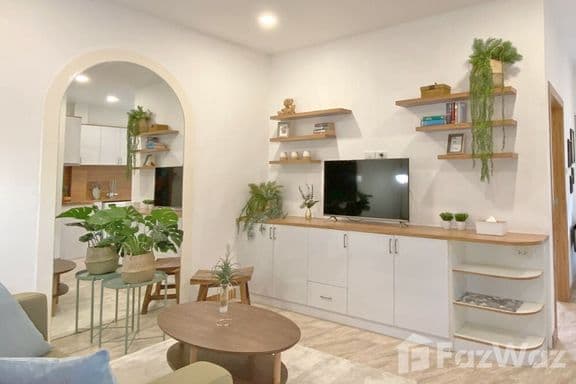
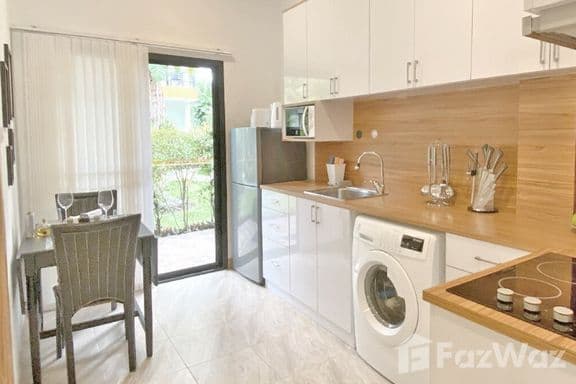
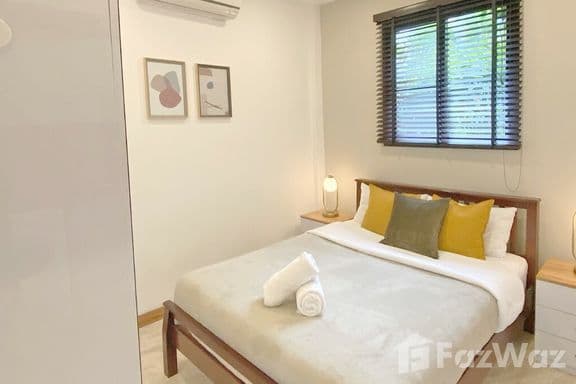


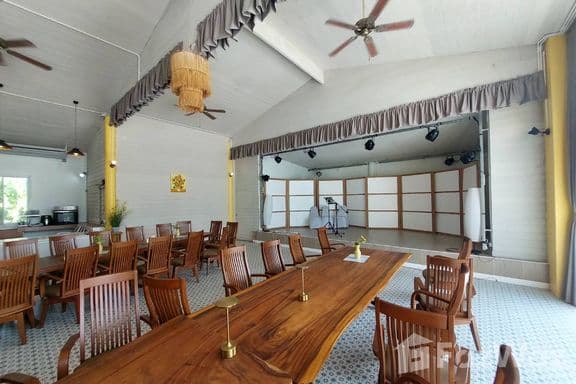

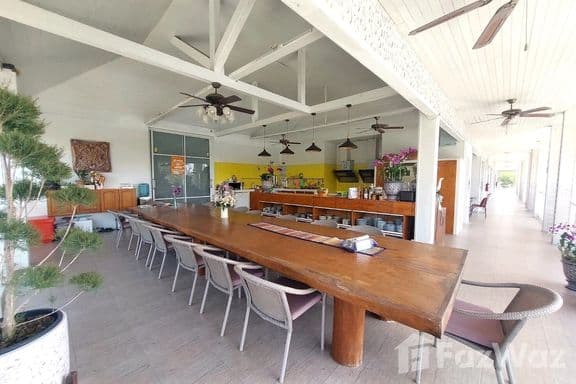
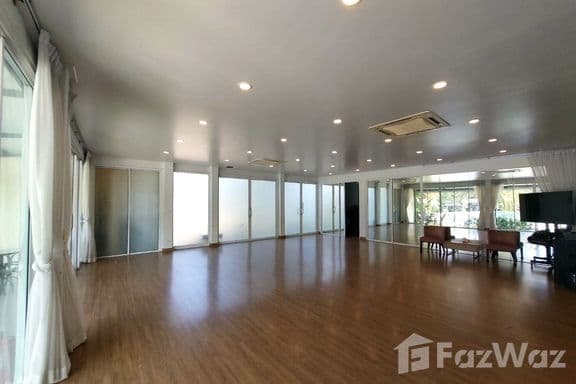
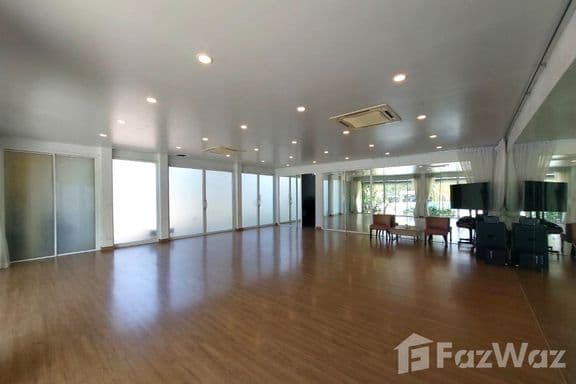
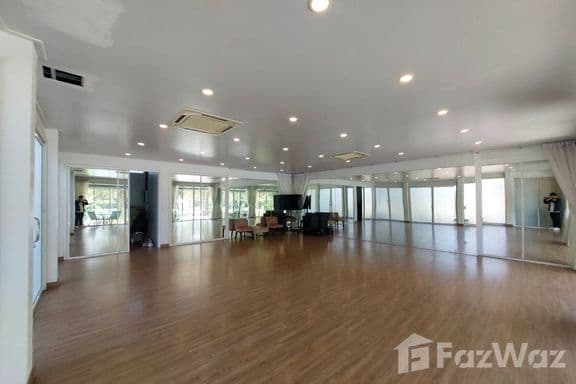




 Popular condos in Hua Hin

