The Complete Guide to Renting a Condo in Bangkok for Digital Nomads and Expats (2025)
Introduction
Relocating to Bangkok as a digital nomad or long-term expat is an exciting adventure. Thailand’s capital offers a dynamic blend of modern convenience and rich culture, making it a top destination for remote workers and expatriates. One of the first big steps in your move will be finding the right condo to rent. Condominiums are the accommodation of choice for many expats in Bangkok – they’re widely available, fully furnished, and often packed with amenities like pools and gyms. Better yet, Bangkok condos offer a high quality of life at a relatively affordable cost compared to major Western or East Asian cities.
In this complete 2025 guide, we’ll walk you through everything you need to know about renting a condo in Bangkok. Whether you’re a digital nomad planning a few months’ stay or an expat relocating for the long haul, this guide is tailored to help mid-range to upper-mid-range renters make informed decisions. We’ll cover key neighborhoods (from trendy Sukhumvit hotspots to more local enclaves), give you average rental prices in 2025 for those areas, highlight the pros and cons of each locale, and discuss typical rental terms, contracts, and pitfalls. You’ll also get insights into lifestyle factors like budgeting for different condo sizes, what amenities to expect, and how to navigate Bangkok’s rental market as a foreigner. By the end, you’ll have a clear roadmap to find a great condo that fits your needs – and to settle into Bangkok with ease.
Let’s dive in and discover how you can make Bangkok “home,” with a condo that suits your lifestyle and budget.
Bangkok Rental Market Overview (2025)
Booming Demand and Rising Rents: Bangkok’s rental market has rebounded strongly, fueled by returning expats and digital nomads. In the prime central areas, rents have surged – growing about 15.9% year-on-year as of late 2024. This jump reflects high demand from the expatriate community at a time when new housing supply has been modest. Despite economic challenges in recent years, central Bangkok rents remained robust, averaging ฿20,000–฿25,000 per month for a one-bedroom in downtown areas in 2024. By 2025, renters should budget toward the higher end of that range (or more in luxury districts) given the sustained demand.
Condo Rental Prices by Neighborhood: Rental prices in Bangkok vary significantly by neighborhood and condo quality. The table below summarizes typical 2025 monthly rents for a one-bedroom condo in key expat-friendly areas, along with an approximate range. These estimates assume a modern, furnished unit in a development with amenities (mid-range to high-end condo buildings):
| Neighborhood |
Avg Monthly Rent (1 BR) |
Typical 1 BR Range |
| Sukhumvit (Asoke/Nana) |
~฿30,000 |
฿25k – ฿40k (central city) |
| Phrom Phong |
~฿30,000 |
฿25k – ฿50k (upscale) |
| Thonglor / Ekkamai |
~฿35,000 |
฿25k – ฿50k (trendy high-end) |
| Sathorn |
~฿28,000 |
฿20k – ฿40k (business district) |
| Ari |
~฿22,000 |
฿18k – ฿30k (boutique vibe) |
| Ratchada (Huai Khwang/Rama 9) |
~฿22,000 |
฿15k – ฿30k (emerging area) |
| Lat Phrao |
~฿12,000 |
฿8k – ฿20k (outer area) |
| Bang Na |
~฿13,000 |
฿10k – ฿25k (suburban BTS) |
Table: Approximate 2025 rental prices for a 1-bedroom condo (35–50 m²) in various Bangkok neighborhoods. Rents can vary based on building age, exact location, and amenities.
As the table shows, central Sukhumvit and Silom/Sathorn areas command the highest rents, often ฿24,000–฿45,000+ for 1-bedroom units in prime buildings. These downtown areas are most desirable for their convenience and lifestyle, hence the premium prices. By contrast, more peripheral districts like Lat Phrao or Bang Na offer far lower rents (often under ฿15k for a one-bed) in exchange for a longer commute or less nightlife. In between are mid-tier areas (Ari, Ratchada, etc.) where one-bedrooms tend to fall in the ฿15k–฿30k range, balancing affordability with good connectivity.
Rental Yields and Investor Interest: Bangkok’s condo market attracts many investors, and it’s useful for renters to know where those investments are concentrated. Areas popular with investors often have abundant rental supply – which can benefit tenants with more choices and negotiating room. Gross rental yield (annual rent divided by purchase price) is a metric indicating investor returns. In Bangkok, average yields are around 5–6%, but they vary by area. Expat-centric, high-end neighborhoods have lower yields (3–5%) since property prices are high relative to rent, whereas upcoming or outer areas show higher yields (6–8%). For example:
Thonglor–Ekkamai: A prime Sukhumvit zone, yields about 4%–6% annually. This reflects both strong rental demand and high condo prices. Many units here are investor-owned (over half of buyers in one Thonglor luxury project were investors), so expats will find plentiful upscale rentals.
Central Sukhumvit (Asoke/Phrom Phong): Yields ~5% on average. Investor interest is high due to constant expat demand. Expect newer condos and lots of competition for units in prime spots.
Ari (Phaya Thai district): Yields are modest, around 4.5% for condos in the Ari area. Fewer large developments means slightly lower investor saturation. Rentals exist, but the market is smaller and more residential.
Ratchada/Rama 9 (Huai Khwang): Yields are higher – roughly 5–6% in this growing business district. The area’s rising popularity (new offices, malls) draws investors, so there’s a good supply of modern condos at competitive rents.
Lat Phrao: Yields can hit 6%+. Condo prices are lower here, so investors see decent returns. There are many mid-range condos targeting Thai buyers and budget expats – meaning affordable rents and plenty of options in 2025.
Bang Na / On Nut (Outer Sukhumvit): Yields are on the higher side (often 6–8%), as evidenced by nearby districts like Phra Khanong. This is an up-and-coming zone with new infrastructure ( malls, the expanded BTS line), so investors have been active. Renters can find good deals on spacious units, since purchase costs are low relative to rent.
Negotiation Tip: Despite the strong market, remember that asking rents in Bangkok are often negotiable. It’s common for the listed price to come down 5–10% or more if you’re willing to negotiate or sign a longer leasetravelhappy.info. With many condos owned by individual landlords, there’s room to haggle – especially if a unit has been vacant for a while or if you can pay a few months upfront. Do your research on comparable units and don’t be afraid to make a reasonable offer.
In summary, Bangkok’s 2025 rental landscape is vibrant and diverse. Next, let’s zoom into the neighborhoods and see which part of the city might be the best fit for your lifestyle and budget.
Budgeting: What Does Your Money Get You?
Before choosing a neighborhood, it helps to understand what kind of condo your budget can afford in Bangkok. Here’s a quick breakdown of typical rental budgets for long-term condo leases (monthly rates), and what you can expect at each level:
Under ฿10,000 per month: This is the ultra-budget range. Condos (or apartments) under ฿10k are usually studios on the city outskirts. Think simple 20–30 m² studios far down the BTS/MRT lines (e.g. beyond On Nut on Sukhumvit, or in outer areas of Ratchada/Bang Sue)travelhappy.infotravelhappy.info. They’ll have basic furnishings and maybe limited amenities. Often these are older buildings or “apartment” style residences. Be aware that very cheap apartments may not include standard Western comforts like free in-room WiFi or even air-con in some cases (and may charge extra for utilities)travelhappy.info. Under ฿10k, expect a very local experience, and probably no pool or gym.
฿10,000–฿20,000 per month: In this range, you can rent a decent studio or small 1-bedroom in Bangkok, especially in middle-class Thai neighborhoods or just a bit outside the central core. Many expats find good value here. Neighborhoods like On Nut, Bang Chak, Huai Khwang, Saphan Khwai, Victory Monument, or Ladprao are sweet spots for 10–20k rentalstravelhappy.info. For example, around ฿15k you could get a ~30–40 m² one-bedroom condo in a newer building a few BTS stops from downtown. These units often come with condo facilities (pool, small gym) and modern furnishings. You might even snag a small 1-bedroom in the city center (older building or a compact unit) on the upper end of this budget, though choices will be limited. Overall, ฿10-20k gives you a comfortable, local lifestyle with good amenities if you choose the right area.
฿20,000–฿30,000 per month: With this mid-range budget, you can afford a spacious one-bedroom in a very desirable area or even a modest two-bedroom in a less central areatravelhappy.info. For example, ฿25k/month could rent a ~50 m² 1-bedroom in an upscale district like Thonglor, Ari, or Phaya Thaitravelhappy.info – putting you in a trendy neighborhood with cafes, coworking spaces and easy BTS access. Alternatively, the same budget might get you a two-bedroom (60–80 m²) in a more suburban area like Lad Prao or On Nuttravelhappy.info, ideal if you want extra space or have a roommate. In the ฿20-30k bracket, most condos will have full facilities (pool, gym, security) and modern interiors. You can live in an upmarket area comfortably; for instance, a 50–70 m² condo in Thonglor is achievable at around 30k (likely a 1-bed in a nice building)travelhappy.info. This budget is often ideal for single professionals or couples who want a good balance of location, space, and comfort.
฿30,000–฿50,000 per month: Now we’re talking premium city living. With 30–50k, you can rent large, high-end units in most parts of Bangkok. This could mean a luxurious two-bedroom condo in central areas or an extremely spacious older unit. For example, ~฿40k might fetch a 2-bedroom in a new Sukhumvit high-rise with hotel-like facilities, or a 100 m² older condo in a prime locationtravelhappy.info. In the top expat enclaves like Thonglor, Asoke, Phrom Phong, expect to pay ฿30k+ for a modern one-bedroom (the higher end of this range might only get you a large 1BR in those pricey localestravelhappy.info). But if you venture slightly out of the hotspot, 30–50k can afford huge apartments; for instance, a 100 m² unit in a 15-year-old building is possible around 35ktravelhappy.info. This budget range also opens up options like direct BTS access condos (some buildings have skybridges to stations) and top-notch on-site facilities (saunas, co-working lounges, etc.). Essentially, 30–50k/month lets you live a very comfortable, almost luxury lifestyle in Bangkok’s best areas.
฿50,000+ per month: At this upper-mid to luxury range, virtually no compromise is needed. Budgets of 50k and above put you in elite condo territory – think spacious two-bedroom suites in five-star residences or even duplex and penthouse unitstravelhappy.info. Most buildings in this range have facilities akin to hotels (concierge, large pools, extensive gyms) and are often brand-new or ultra-modern. For 60k, an expat couple could rent a swanky 2-bedroom in central Sukhumvit with 100+ m² of space. Above 75k, three-bedroom condos or penthouse units come into playtravelhappy.info. While most digital nomads won’t splurge this much on rent, high-level executives and families might. Bangkok certainly has super-luxury rentals (100k+ per month) with private elevators, river views, etc., but at that point you’re paying for exclusivity and space far beyond the average need. The key point: Bangkok can accommodate any budget – you can spend as much as you want on rent and get correspondingly lavish accommodationtravelhappy.info. But the sweet spot for many expats is in the 20k–40k range, which offers great choices without going overboard.
Finally, remember these figures are general guidelines for 2025. Individual deals will vary. Also, exchange rates are favorable (for reference, ฿30,000 ~ USD $860 in early 2025). Many find that for under $1,000, they can rent a condo in Bangkok that would cost multiples of that in cities like New York, London, or Singapore. This value is a big reason Bangkok remains so attractive to remote professionals.
Now that you have an idea of costs, let’s explore where to live. In the next section, we break down Bangkok’s key neighborhoods for digital nomads and expats – with their pros, cons, and personalities.
Top Neighborhoods for Digital Nomads and Expats in Bangkok
Bangkok is a vast metropolis of distinct neighborhoods, each with its own vibe. Below, we cover some of the most popular areas for long-term foreign residents. For each, we’ll discuss the pros and cons from a digital nomad/expat perspective – including access to transit, walkability, coworking spots, dining/nightlife, and an overview of rental prices & typical condos. All these neighborhoods have something to offer, but the best one for you will depend on your priorities (be it budget, lifestyle, or location).
Sukhumvit (Asoke & Nana Area)
Overview: Sukhumvit Road is Bangkok’s central artery and a favorite of expats. The stretch around Asoke and Nana (roughly Sukhumvit Soi 1–21) is one of the busiest, most developed parts of the city. Asoke intersection is a major hub where the BTS Skytrain and MRT subway connect, surrounded by malls (Terminal 21), countless restaurants, and high-rise office towers. Nana (around Soi 4–11) is known for its vibrant nightlife (expat pubs, bars, and the infamous red-light Soi 4), as well as a sizable Middle Eastern community. This area is super central and convenient – you can get almost anywhere in the city from here, and there’s always something happening.
Pros:
Excellent Transport: Living near BTS Asok or BTS Nana means you’re on the Sukhumvit line and also steps from MRT Sukhumvit (at Asoke). The train frequency is every 5–10 minutes and you can zip to other downtown areas in under 15 minutesf. Being near these stations is a huge plus for beating trafficf.
Walkability & Amenities: Sukhumvit’s lower sois are densely packed with amenities. Within a 10-minute walk you’ll find grocery stores, cafes, street food stalls, and shopping malls. Asoke/Nana is quite pedestrian-friendly by Bangkok standards – sidewalks exist (if a bit crowded) and many expats walk or use the pedestrian overpass network here. You also have gyms, pharmacies, banks, and everything you need at your doorstep.
Coworking & Work Spots: Being a business hub, Asoke has numerous coworking spaces and cafes. For instance, WeWork and The Hive have locations in Sukhumvit, and there are smaller coworking offices tucked in nearby sois. You’re also a short BTS ride from True Digital Park (Punnawithi) – a tech/startup campus with free workspaces and a huge coworking areaf. In short, digital nomads will have no trouble finding Wi-Fi and a desk in this area.
Nightlife and Dining: This area is famous for nightlife. Sukhumvit Soi 11 (near Nana) is a nightlife hub with clubs, rooftop bars, and live music venues popular with expats. You’ll also find British pubs, Middle Eastern eateries (around Soi 3/Arab Street), and international restaurants of all kinds. Asoke has everything from Japanese izakayas to Italian bistros and of course plenty of Thai food options. You’ll never be bored in the evenings.
Condo Selection: There’s a huge supply of condos here, from luxury high-rises to older mid-range buildings. Many are investor-owned targeting expats, so finding a rental is easy. High competition among landlords can benefit renters (possibility to negotiate lower rent, especially in large developments).
Cons:
Noise and Traffic: The flip side of being in the action is the chaos. Sukhumvit Road is often choked with traffic and the area never truly sleeps. Noise from bars or busy streets can be an issue, especially near Nana. If you value peace and quiet, you may find this area overwhelming.
Higher Rent: As a prime location, rents here are on the higher side of the spectrum. A modern one-bedroom around Asoke could easily be ฿30k+ per month, especially in buildings right next to the BTS. You pay a premium for the convenience (though still good value by international standards).
Crowds: The sidewalks and public transportation get very busy during rush hours. Also, the expat density is high – some love being around a big foreign community, but if you’re seeking a more “local” Thai feel, this part of Sukhumvit is quite international and commercial.
Green Space: There’s little in the way of parks (Benjakitti Park is one BTS stop away at Phrom Phong, but not in immediate vicinity). It’s an urban jungle of concrete and neon.
Rental Prices (Asoke/Nana): In 2025, expect roughly ฿25,000–฿40,000 for a 1-bedroom in this area, depending on the building. The average is around ฿30k/month for ~45 sqm. Studios in older buildings might be found in the low 20s (thousand baht), while high-end new condos (e.g. ones with direct BTS access or fancy facilities) can command 40k or more for 1-bed units. Two-bedroom units typically start around ฿40k and go up sharply with luxury. Rental yields for landlords here are moderate (~5% p.a.) – a sign that it’s a stable, in-demand rental market with many investor-owned condos. As a tenant, you’ll have many options but not “cheap” ones.
Best For: Those who want to be in the heart of Bangkok’s expat scene with maximum convenience. If you value being steps from the BTS, having endless food and entertainment choices, and don’t mind the urban buzz, Asoke/Nana is hard to beat. It’s especially popular with young professionals and first-time expats. Digital nomads who want a central base with coworking spaces and meetup opportunities will do well here. Just be ready for the fast pace!
Phrom Phong
Overview: Just one BTS stop or a short walk southeast of Asoke lies Phrom Phong (around Sukhumvit Soi 22–39). This area is often considered part of “mid-Sukhumvit” and is well-known for its upscale vibe. Phrom Phong is home to two luxury malls (Emporium and EmQuartier), high-end grocery stores, and a large Japanese expat community (many Japanese restaurants and businesses cluster here). It’s also the gateway to Soi 39 and 49 residential areas. Despite being busy on the main road, Phrom Phong’s side streets have a more residential, posh feel. The beautiful Benchasiri Park is right next to BTS Phrom Phong, offering a rare patch of green for exercise and relaxation.
Pros:
Upscale Amenities: Phrom Phong is extremely well-served in terms of shopping and dining. EmQuartier and Emporium malls provide everything from designer boutiques to cinemas and food courts. For everyday needs, there’s a high-end supermarket (Villa Market and Gourmet Market) catering to imported tastes – great for expats craving home comforts. The area has countless cafes, artisanal bakeries, yoga studios, and fine dining options. If you enjoy a cosmopolitan, luxury lifestyle, Phrom Phong delivers.
Benchasiri Park: One of Bangkok’s nicest central parks is here. It has a running track, outdoor exercise gear, a playground, and often hosts events. For those who like to jog or get fresh air, living near this park is a huge plus (especially in a city with limited green spaces).
BTS Access: Phrom Phong station on the Sukhumvit Line connects you quickly to Asoke, Siam, etc. While not a major interchange itself, it’s just a couple stops from Asoke (MRT link) and a few from Siam (city center). So connectivity is still excellent. Many condos in this area are a 5–10 minute walk from the station, which is manageable daily.
Walkability: Around the BTS and malls, pedestrian infrastructure is decent. You can walk between EmQuartier and Emporium via a skybridge. Sukhumvit Road has sidewalks here (crowded but present). Within sub-sois like Soi 33 or 24, traffic is lighter and you can stroll to cafes or spas. It feels a bit more spacious and less chaotic than the Asoke stretch.
Quality Condos: Phrom Phong’s residential offerings skew towards luxury condos and serviced apartments. Many are new builds with stylish designs, extensive facilities (lap pools, large gyms, even concierge service). If you’re after a modern, comfortable condo, you’ll find plenty of choices. Buildings here often target Japanese executives and wealthy Thais, so the maintenance and security standards are high.
Cons:
High Cost: The area’s prestige comes with a price. Rents in Phrom Phong are among the highest in the city on a per sqm basis. A typical one-bedroom in a newer condo easily runs ฿30k–฿45k. Anything below ฿25k here will likely be either very small (studio) or in an older building with dated decor. So, budget-conscious nomads might feel squeezed.
Traffic Congestion: Sukhumvit Road in this area is jammed during rush hour, and popular side streets can also get backed up. If you live deep inside a sub-soi, the lack of through streets means sometimes frustrating car/taxi journeys to reach home. The BTS mitigates this for longer trips, but local car travel can be slow.
Less “local” vibe: Phrom Phong is heavily international. You won’t see much traditional street life on the main drags – it’s more fancy brunch cafés and expat-oriented services. For some, this is a pro, but if you seek a Thai community feel, this area can feel a bit like an expat bubble or a “little Tokyo” due to the Japanese influence. Street food and local markets are fewer here (though you can find them if you explore the backstreets).
Nightlife Quietness: While not devoid of nightlife (there are some bars and clubs hidden around, and Soi 22 has a nightlife strip), Phrom Phong is not as rowdy as Nana or Thonglor. Nightlife exists but is more subdued – think cocktail bars, craft beer pubs, or hotel rooftop bars. Serious party-goers might hop to Thonglor or Asoke for more options.
Rental Prices (Phrom Phong): This area sits at the high end of the market. Average one-bedroom condos (~40–50 m²) go for around ฿30k–฿35k per month, and it’s common to see listings in the ฿40k+ range for newer buildings with direct BTS access. For example, a 50 m², well-furnished 1BR in a luxury high-rise might list at ฿45,000. Studios (rare in newer buildings here) might be in the low 20s if in older apartments. Two-bedroom units often range from ฿50k to ฿80k depending on size and prestige – this area caters to families and executives willing to pay top baht. On a per-square-meter basis, Phrom Phong commands around ฿580/sqm for Grade A apartments, the highest in Bangkok as of late 2024. Rental yields for investors here are relatively low (around 4–5%), since property values are sky-high. For renters, that means you’re paying more for location and quality.
Best For: Those who want a premium, convenient lifestyle and are willing to pay for it. Phrom Phong is ideal for professionals or couples with a healthy housing budget who appreciate nice surroundings, great dining, and proximity to parks and shopping. It’s also a hit with Japanese expats (there are Japanese schools and clinics nearby) and anyone who loves a clean, upscale environment. If you’re a digital nomad who’s also a foodie or a shopping lover, you’ll be in heaven here – just ensure your income supports the steep rent.
Thonglor (and Ekkamai)
Overview: Thonglor (Sukhumvit Soi 55) and its neighbor Ekkamai (Sukhumvit Soi 63) are often mentioned in one breath, as they form a continuous upscale district just past Phrom Phong. Thonglor in particular is renowned as Bangkok’s trendiest neighborhood – it’s the epicenter of hip cafes, chic restaurants, cocktail bars, and nightlife frequented by hi-so (high society) Thais and expats alike. Ekkamai, while slightly more subdued, is also fashionable with its own cafes, a major bus station, and residential vibe. Both areas have seen a boom in luxury condo developments. The Thonglor BTS station sits at Sukhumvit Road and Thonglor Soi 55, while Ekkamai BTS is at Soi 63; from those stations, the coolest spots often require venturing deeper into the sois by foot, bike, or short taxi. The entire zone has an upscale yet youthful energy, making it extremely popular with younger expats, remote workers, and affluent locals.
Pros:
Trendy Lifestyle: If you love being surrounded by the newest restaurants, artisan coffee shops, organic grocery stores, and boutique fitness studios, Thonglor is the place. You can spend weekends brunching at chic cafés, working from stylish coffee shops, or browsing concept stores. The vibe is modern and creative – many expat entrepreneurs and Thai millennials hang out here. Every week a new bar or eatery seems to open, so there’s always something to explore.
Nightlife: Thonglor (and adjacent Ekkamai) boast some of Bangkok’s best nightlife outside of the tourist zones. Speakeasy bars, craft beer pubs, rooftop lounges, and upscale nightclubs are dotted throughout. From the famous Iron Fairies bar to rooftop venues, you’ll have plenty of options to socialize after dark. Unlike the sleazier Nana scene, Thonglor’s nightlife is more boutique and fashionable, aligning with its upscale crowd.
Coworking & Cafes: Digital nomads will find Thonglor/Ekkamai very comfortable for remote work. There are multiple coworking spaces such as The Hive Thonglorf, and a plethora of laptop-friendly cafés with great Wi-Fi. The environment is conducive to work during the day (many cafés cater to the work crowd). Additionally, Thonglor has a True Digital Park mini-hub (at Thonglor Ei8ht) and community events for startups. It’s easy to meet other young professionals here.
Residential Comforts: While lively, Thonglor also has quiet, leafy side streets with luxurious low-rise apartments and serviced residences. Many long-term expats (especially Japanese and Western families/couples) live in the sois branching off Thonglor. You get a neighborhood feel – with amenities like international supermarkets (e.g. Tops Market Thonglor), bilingual clinics, and even pet-friendly parks in some compounds. The area is clean and well-maintained compared to many parts of Bangkok.
Quality of Condos: Condos in Thonglor/Ekkamai tend to be new and high-standard. Developers know this is a prime area, so you’ll find stunning modern buildings with infinity pools, large fitness centers, and even smart-home features. If you’re renting here, chances are your condo will be recently built or very well kept. Many have sky lounges or co-working corners within the building, catering to affluent renters.
Cons:
Expensive Rents & Lifestyle: Thonglor is arguably the most expensive neighborhood in Bangkok for rent (on par with central Lumpini). One-bedroom condos here commonly range from ฿25,000 up to ฿50,000/month, depending on size and luxury level. It’s not budget-friendly. Likewise, eating out or partying in Thonglor is pricy by local standards – expect higher bills at those trendy venues. This area can burn through cash quickly if you indulge in the high life regularly.
Traffic & Transit Tradeoff: The BTS station is at the main road, but many attractions are deep inside the neighborhood. Thonglor Soi 55 is a long road; if your condo or favorite café is in the mid or far end of it, you’ll need to rely on motorbike taxis, tuk-tuks or a personal vehicle to get around within the area. Traffic within Thonglor itself can be very congested, especially evenings when everyone heads to dinner or drinks. In short, getting to Thonglor via BTS is easy, but getting around Thonglor requires some local transit (or a lot of walking in humid weather).
Noise & Activity: Parts of Thonglor never really rest. If you live right on Thonglor main road or near busy nightlife spots, you might contend with nighttime noise or late traffic. Construction is also common as new luxury projects go up. However, if you pick a condo on a quieter side street, this can be mitigated.
Slight Exclusivity: Thonglor can feel a bit “bubble-ish.” It’s very cosmopolitan and might not give you a broad cultural exposure to Bangkok’s diversity. Some expats mention that living here, you’re somewhat insulated – it’s largely well-to-do folks, and you might rarely venture out because everything you need is inside the area. If you want a grittier, more local immersion or more socio-economic mix, this area is quite elite in character.
Rental Prices (Thonglor/Ekkamai): As noted, this is a high-end market. According to local data, one-bedroom condos (30–60 m²) in Thonglor rent for about ฿21,000 to ฿50,000 per month. The average is in the mid-20k to 30k range for a comfortable 40–50 m² unit. Smaller 30 m² new studios might start around ฿20k+, whereas spacious 60 m² luxury 1BRs can hit the 40–50k mark. Two-bedroom units (55–95 m²) roughly go from ฿48,000 to ฿85,000 depending on building and size. High-end 3BR units (90–160 m²) in Thonglor command anywhere from ฿80k up to ₿120k for top-tier places. These numbers illustrate how Thonglor is a landlord’s market for premium rents – yet it remains popular, meaning tenants do pay these prices for the privilege of location. In terms of investment yield, Thonglor condos yield about 3.9%–5.8% annually, which is average-to-low – basically investors accept lower % returns because property values and rent absolute figures are high. For renters, that means you’re paying extra for the name-brand address.
Best For: Digital nomads and expats who prioritize lifestyle and social scene over budget. Thonglor/Ekkamai is perfect for those in their 20s/30s (or young at heart) who want to live in the trendiest part of town, with easy access to community events, nightlife, and a like-minded crowd of creatives and professionals. It’s also a favorite for foodies and nightlife enthusiasts – if you envision your Bangkok life as an Instagram reel of cool cafés by day and rooftop bars by night, you belong in Thonglor. Just be prepared to pay a premium for the trendsetting address.
Sathorn (and Silom)
Overview: Sathorn is Bangkok’s primary Central Business District (CBD), an area of gleaming office towers, embassies, and upscale condos that runs along Sathorn Road and Narathiwas Road. It’s adjacent to the Silom area (often the two are mentioned together). Silom Road is another major thoroughfare known for offices, the famous Patpong night market, and Lumpini Park on its eastern end. Together, Sathorn/Silom form a bustling district that’s a mix of corporate and leisure: daytimes see business hustle, while evenings see a mix of after-work bars and local markets. For expats, Sathorn offers high-end accommodation in a more business-like, less touristy environment than Sukhumvit. It’s also home to many international institutions (banks, etc.), making it a common choice for corporate expats. Notably, Lumpini Park, Bangkok’s largest central park, lies at the intersection of Silom/Sathorn/Rama IV – a big bonus for residents seeking green space. Transit is good, with the BTS Silom Line and MRT Blue Line serving the area (stations: Sala Daeng/Chong Nonsi for BTS, and Silom/Lumpini for MRT).
Pros:
Proximity to Offices: If you’re moving to Bangkok for work in the corporate/finance sector, chances are your office might be in Sathorn/Silom. Living here could mean walking to work or a very short commute, a rarity in Bangkok. Even for digital nomads, there’s an appeal to being near co-working hubs like WeWork (Empire Tower) or the financial district energy.
Access to BTS/MRT: The area is well connected. BTS Sala Daeng and Chong Nonsi cover the Silom line (Sala Daeng also interchanges with MRT Silom station). This means you can easily reach Siam, connect to Sukhumvit line, or go down to the river. Meanwhile, MRT Lumpini/Silom connects to the wider city including Sukhumvit (Asoke). Being near either a BTS or MRT station in Sathorn greatly simplifies getting around.
Lumpini Park: This huge green oasis is a standout perk. Residents of Sathorn/Silom often utilize Lumpini Park for morning jogs, group aerobics, or evening strolls. It’s a refreshing escape from city chaos – you can paddleboat on the lake or just enjoy the greenery. For anyone who enjoys outdoor exercise or a picnic, having this park nearby is invaluable. Silom residents are particularly close to it (Sathorn folks might be a bit further depending on their side of Sathorn Road).
Upscale Dining & Nightlife: Sathorn, especially the northern end near Silom, has a great dining scene. You’ll find everything from Michelin-starred restaurants (like Suhring in Yen Akat area off Sathorn) to rooftop bars with panoramic views (the famous Sky Bar at Lebua is in Silom) to cool speakeasies. The expat bar scene is active here, with after-work pubs and craft cocktail bars filled with professionals. While not as edgy as Thonglor, Sathorn’s nightlife (plus the Patpong night market area in Silom) provides plenty of entertainment.
International Community: Many embassies (German, Australian, Malaysian, etc.) are located in Sathorn. The area also has international hospitals (BNH Hospital on Convent Road) and some international schools. The expat population includes a lot of professionals and diplomats. The feel is cosmopolitan but in a more mature, business sense. Also, due to embassies and 5-star hotels in the area, security and infrastructure are pretty good (cleaner streets, etc.).
Spacious Condos (Older Stock): Sathorn has a mix of brand-new condos and older, larger apartments. Some buildings from the 90s/2000s offer very spacious units (e.g., 120 m² 2-bedrooms) at prices that might surprise you (per square meter they can be a deal compared to Sukhumvit). If space is a priority and you don’t mind slightly older fittings, Sathorn has gems where you get a lot of room for your money.
Cons:
Less Youthful or Hip: While vibrant in its own way, Sathorn is not as “hip” or youthful as areas like Sukhumvit or Ari. It’s more about elegance and corporate vibe. If you’re a younger nomad looking for the buzz of creative or startup culture, you might find Sathorn a bit too buttoned-up. (However, some might consider this a plus – it’s subjective.)
Traffic Jams: Sathorn Road is infamous for traffic. During rush hour, it’s one of the worst gridlocks in Bangkok. If you’re not near a BTS/MRT and need to rely on cars/taxis, this can be painful. Even short distances can get snarled. Many small sois in the area are one-way or dead-end, which can be confusing for new residents.
Nightlife Pockets: While there are nightlife options, they are a bit more scattered. Silom has the Patpong area – which has night markets and go-go bars (more of a tourist scene and somewhat seedy). There are also areas like Soi Convent or Soi Suan Phlu with eateries and bars, but overall nightlife in Sathorn is either very upscale or very localized. You might hop over to Sukhumvit for more variety on weekends.
Cost of Living: Sathorn isn’t cheap either. Dining and drinking in this district (especially in hotels or upscale venues) can rival Sukhumvit prices. There are local eateries and street food, but parts of Sathorn-Silom cater to office crowds and tourists, so some prices are inflated.
Pollution/Noise: Being a dense business area, the air quality on weekdays can be poor with all the cars. Noise from traffic is constant on main roads. If your condo faces a major road, you’ll want good soundproof windows. Also note, the BTS line here is mostly above Silom Road – living right next to it might bring some noise from trains.
Rental Prices (Sathorn/Silom): Rents in Sathorn are comparable to central Sukhumvit, though you can find slightly better deals on older large units. On average, a modern one-bedroom in Sathorn (around 40–50 m²) will be in the ฿25k–฿35k range. New luxury buildings (e.g. The Met, Banyan Tree Residences) can ask ฿40k+ for 1BRs given their high-spec nature. Meanwhile, older but sizable 1BRs might be found in low 20k’s, especially if a bit further from BTS. Overall average is roughly ฿28k for a 1BR (~$800). For example, global data shows a 1-bedroom in Sathon district averages around $809 (฿27k) rent, yielding about 5.2% to landlords. Two-bedroom condos here range widely: a newer 70 m² 2BR might be ฿40–50k, whereas an older 120 m² 2BR might also be in that 40–50k zone due to age discount (lots of space for the money). Rental yields in Sathorn are moderate (~4–5%), indicating it’s a stable high-end rental market like Sukhumvit. You won’t find many bargains, but you will find quality.
Best For: Professionals and expats working in the CBD, or those who prefer a quieter upscale setting. Sathorn is great if you want a blend of business and leisure – perhaps you’re a bit past the party-heavy stage and instead want nice dinners, proximity to work, and a refined environment. It’s also suitable for families or couples, given the larger apartments and parks. Digital nomads who enjoy city life but in a slightly more grown-up fashion (and who might collaborate with corporate clients) could find Sathorn ideal. Essentially, if you like the idea of living in Manhattan’s Upper East Side versus Brooklyn (to use an analogy), Sathorn is your sophisticated city choice.
Ari (Samsen Nai)
Overview: Ari is a charming, leafy neighborhood a bit north of the main downtown, known for its blend of hipster cafés and authentic local life. Centered around BTS Ari station (on the Sukhumvit line), this area has become a hotspot for young Thai professionals, creatives, and expats who seek a quieter vibe while still being connected to the city. Ari (which is in the Samsen Nai sub-district of Phaya Thai) isn’t full of big malls or tourist sights – instead it’s known for cute coffee shops, art studios, and a tight-knit community feel. The tree-lined sois of Ari (Soi Ari 1, 2, 3, etc.) are pleasant to walk and contain a mix of old houses, low-rise condos, and new eateries. It’s often described as “bangkok’s hip suburb in the city”. From Ari, one can reach Siam or Asoke in ~10–15 minutes by BTS, so it’s quite well located without being in the thick of it.
Pros:
Laid-Back, Trendy Atmosphere: Ari has a chill, upscale bohemian vibe. It’s not touristy at all, which many expats love. Instead, you get to mingle with local Bangkokians in stylish cafés and street markets. There are artisan coffee shops, brunch spots, and boutique stores that give Ari a creative flair. Yet, it’s quieter and more relaxed than Thonglor – perfect for staying productive and avoiding the chaosff.
Walkability & Community: Ari is one of the rare Bangkok areas that’s quite walkable. The side streets have sidewalks, and because it’s a residential area, you can stroll or bike around with relative ease. Many expats mention how they recognize neighbors and feel a sense of community here – something that can be missing in busier districts. It’s common to see locals jogging in the evening or families walking dogs, lending a friendly neighborhood feel.
Local and International Food: Ari boasts a great mix of dining. You have authentic street food and local eateries (around the Ari market and Salat Phai area) where you can get cheap and tasty Thai food alongside office workers. At the same time, the influx of a young crowd means there are also international options (Japanese ramen, vegan cafes, craft beer bars, etc.). You can enjoy a 20-baht street-side grilled pork for lunch and a gourmet burger for dinner in the same area.
Coworking & Work-Friendly Cafés: While Ari doesn’t have big coworking chains, it has plenty of laptop-friendly spots. Many cafes cater to remote workers with good Wi-Fi and ambience.


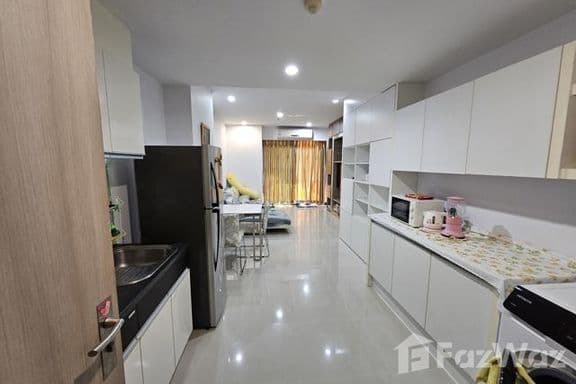
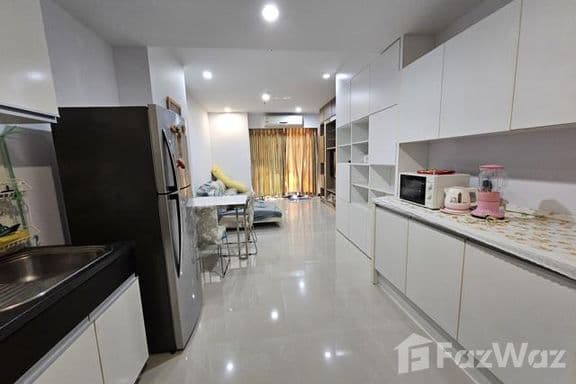
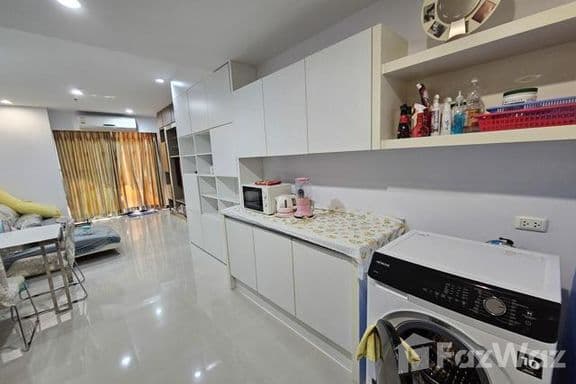
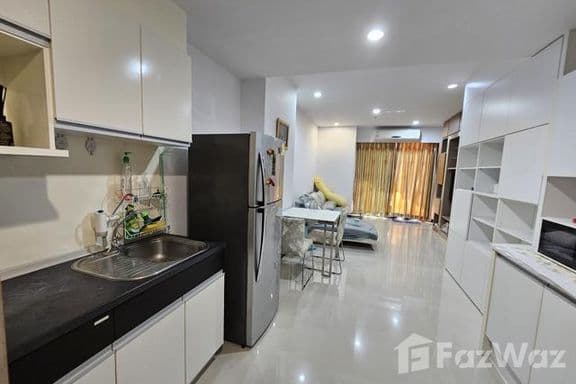

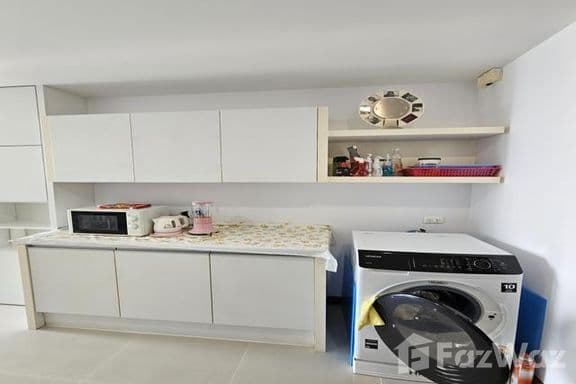
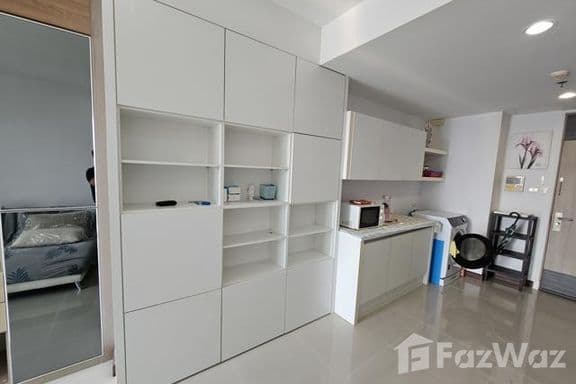
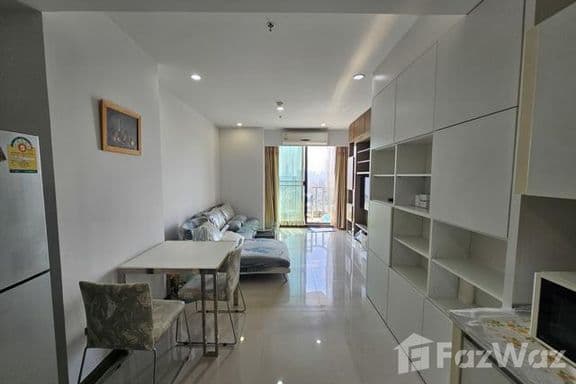


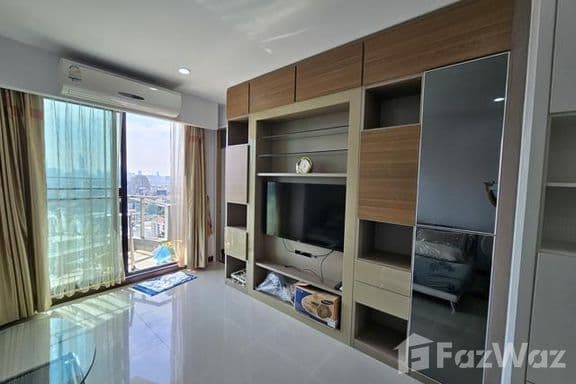
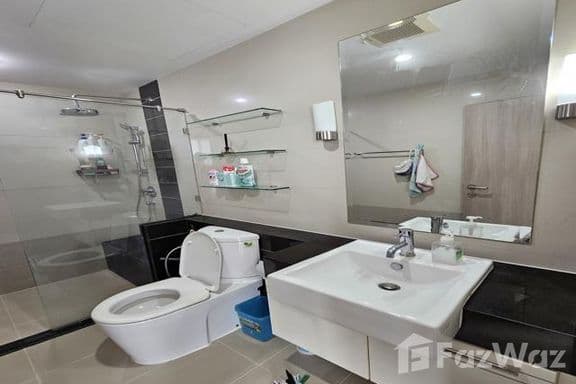


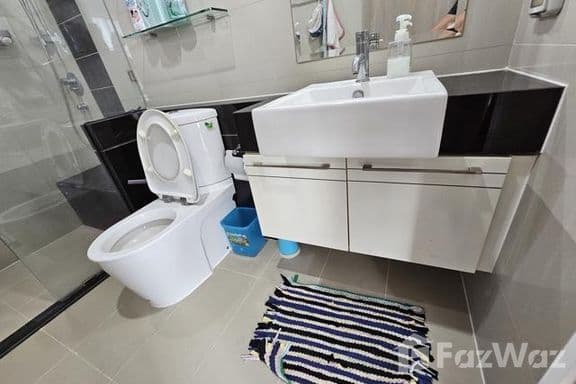
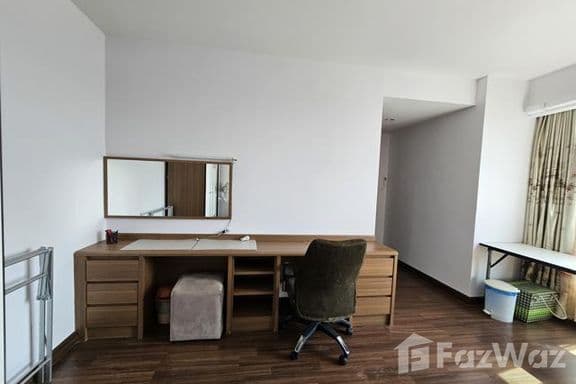
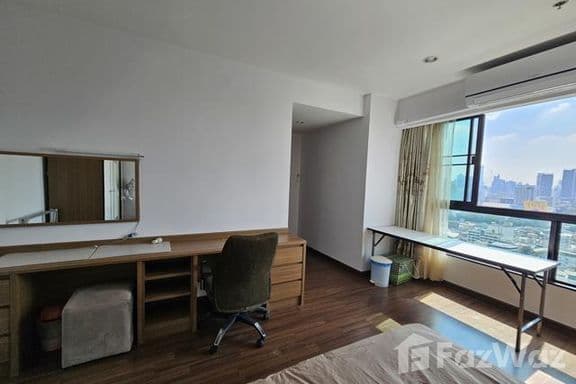
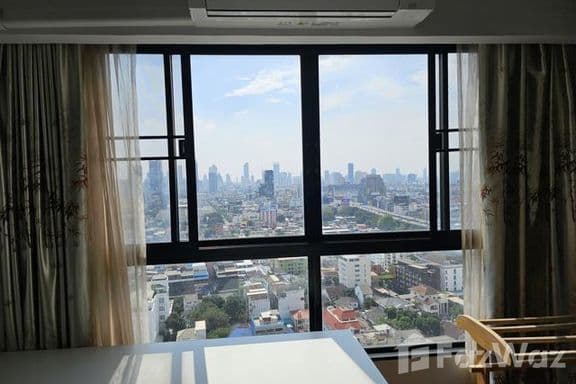


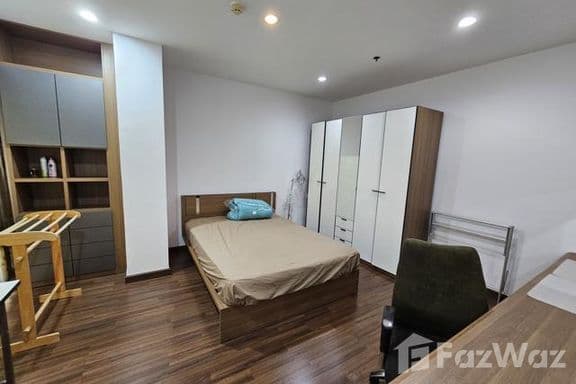
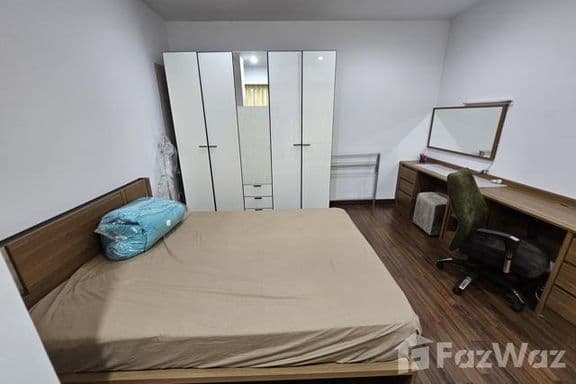

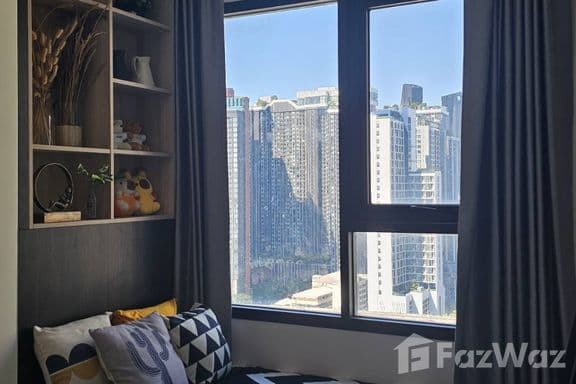
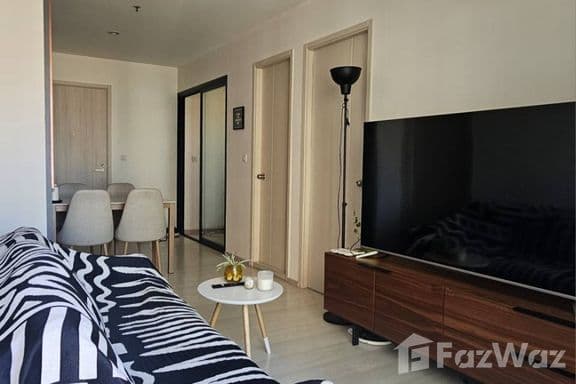
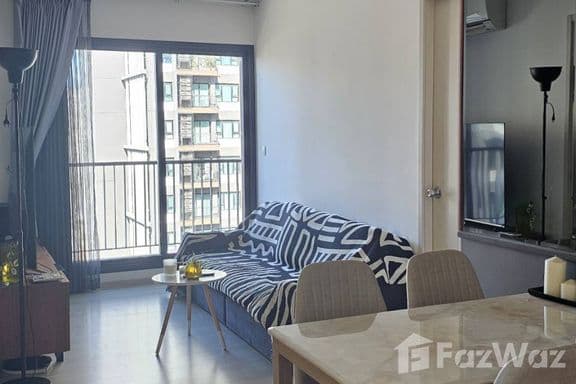
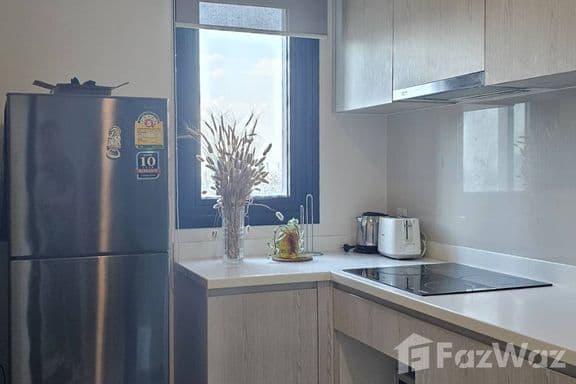
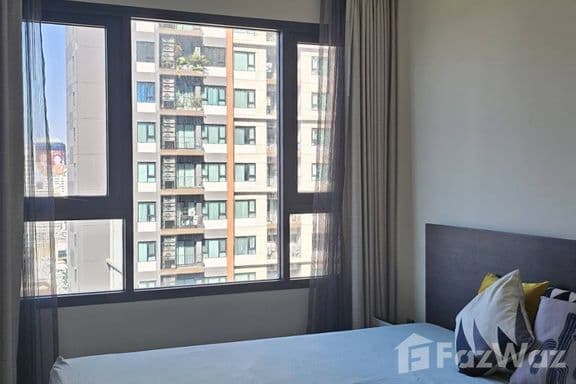
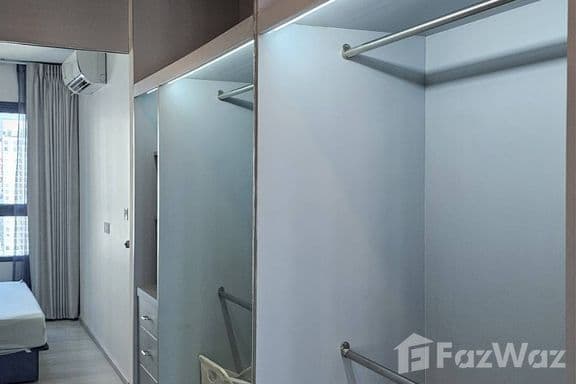
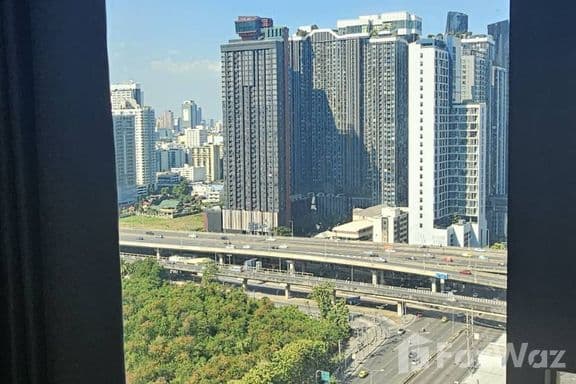
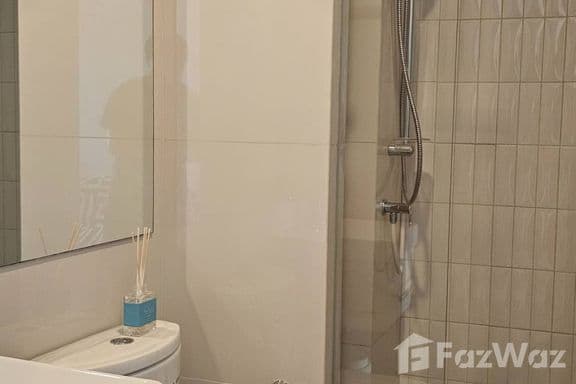
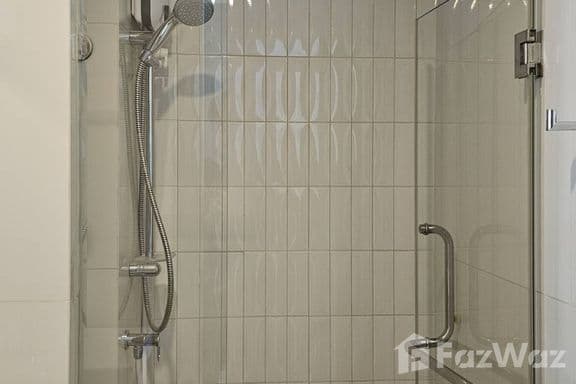
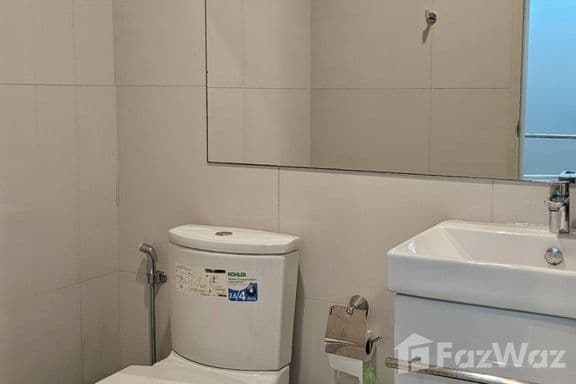

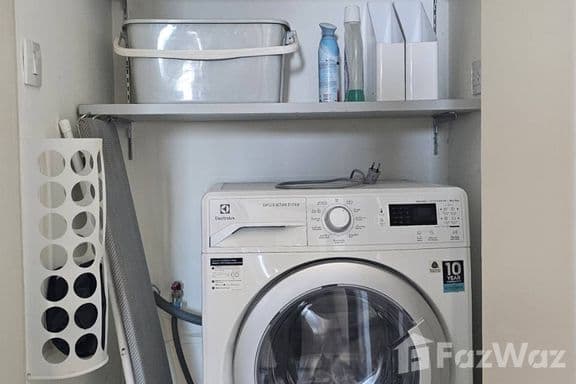
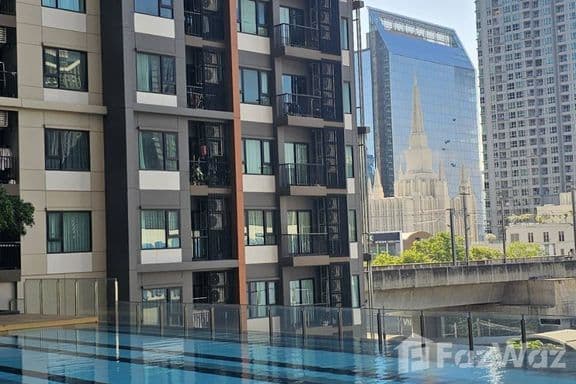
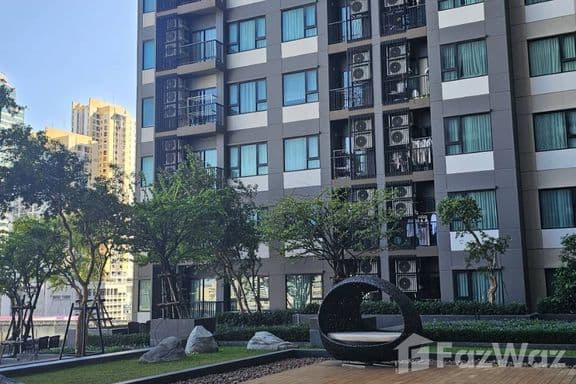

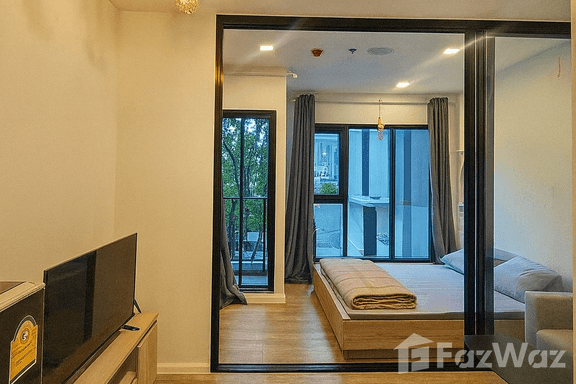


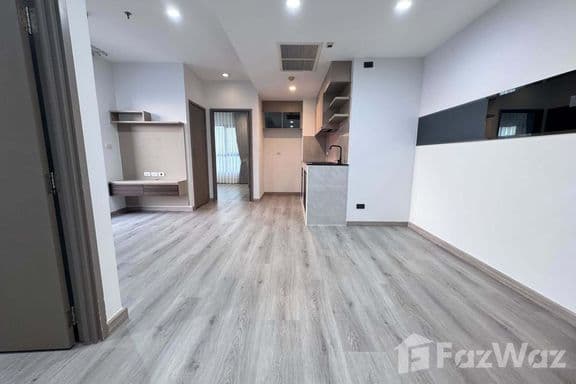


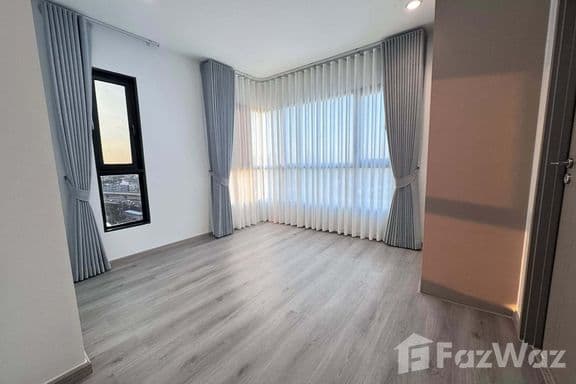
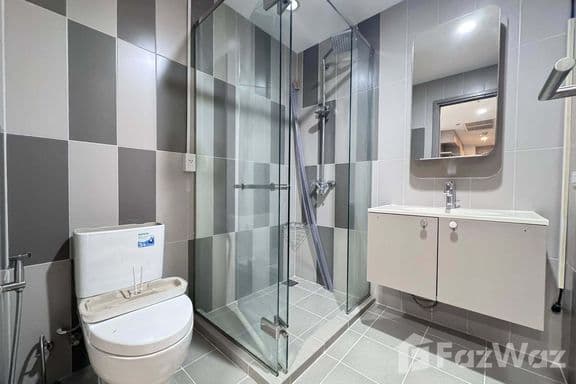





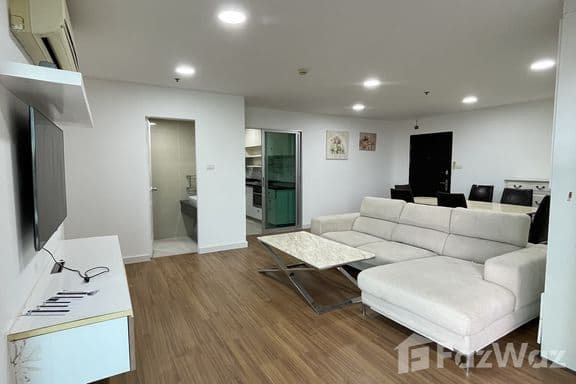
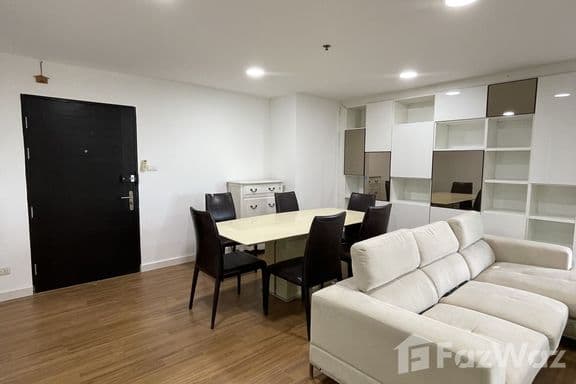

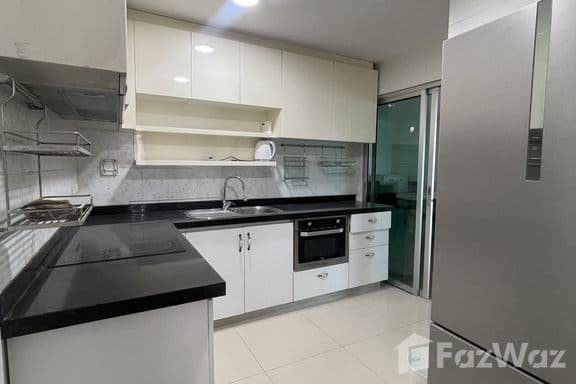
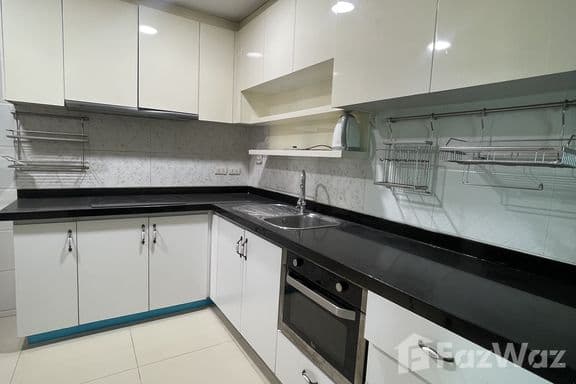




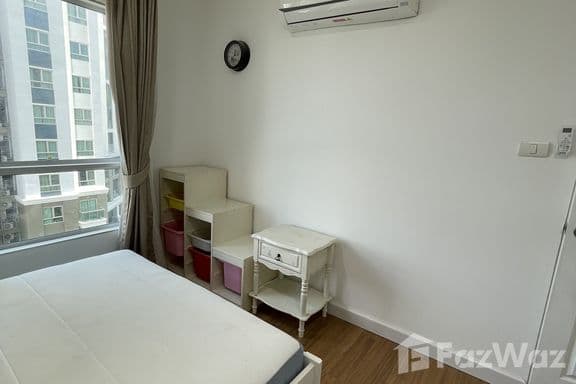
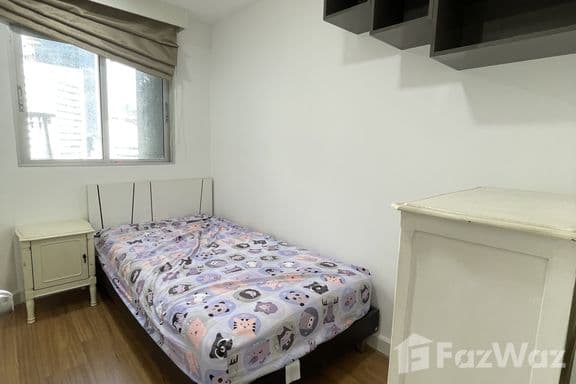
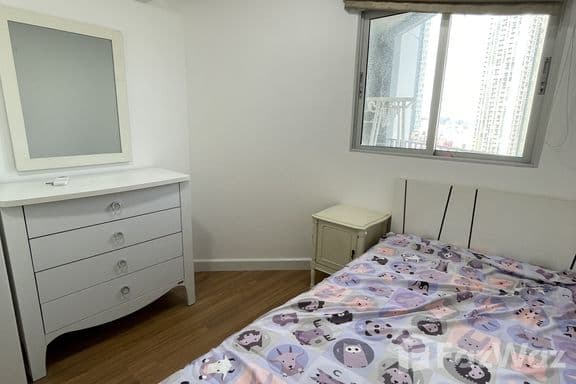
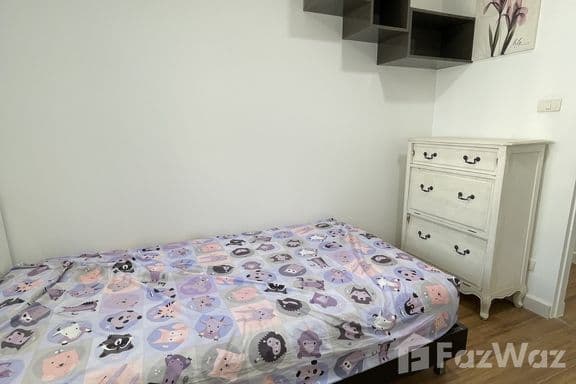
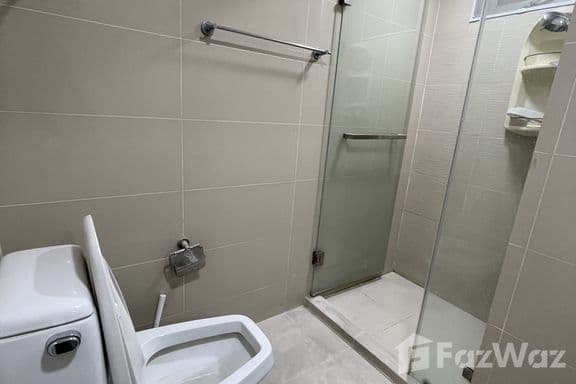
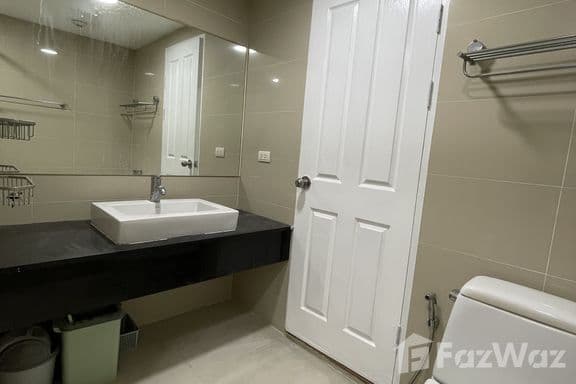
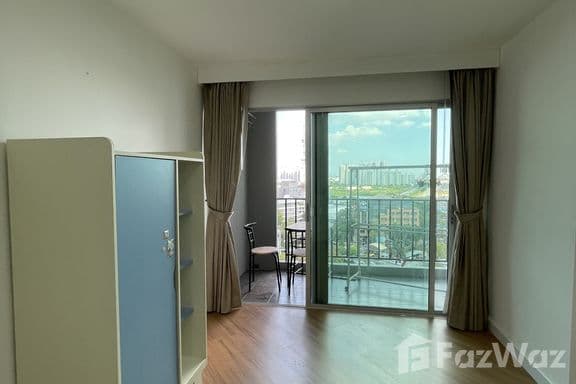
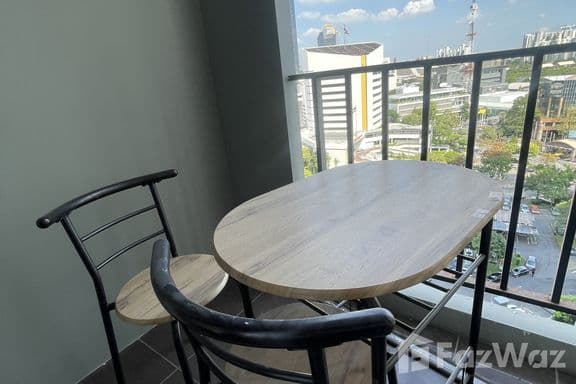
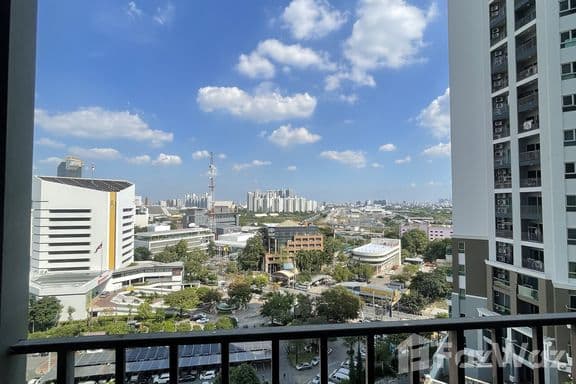
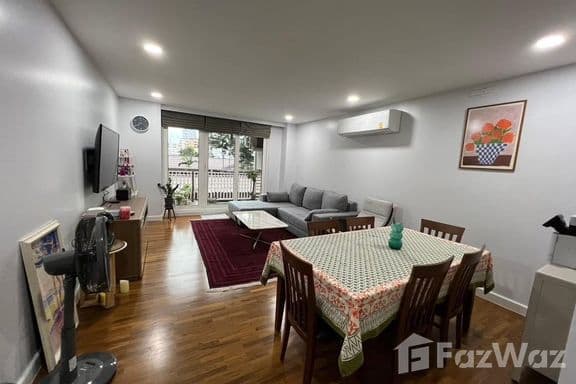
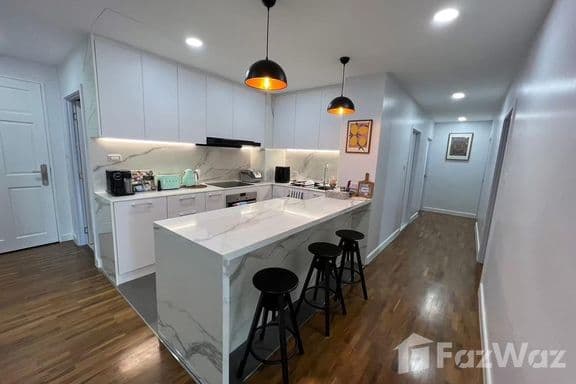
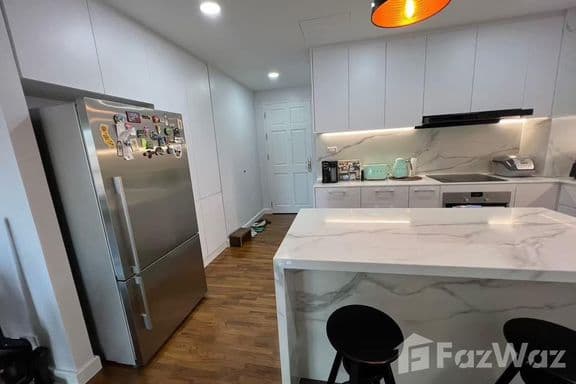
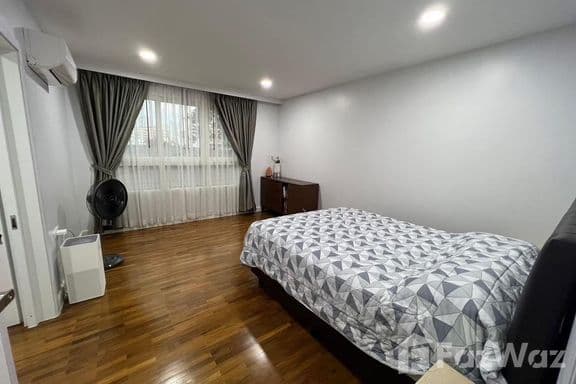
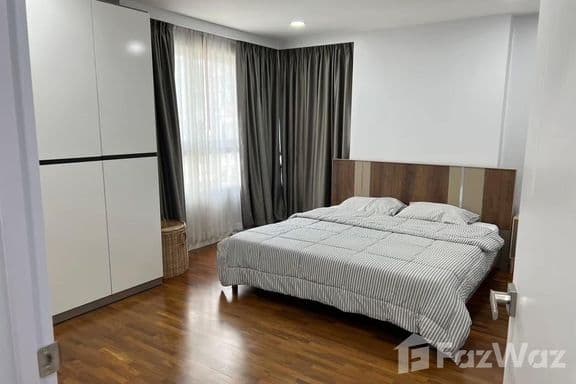
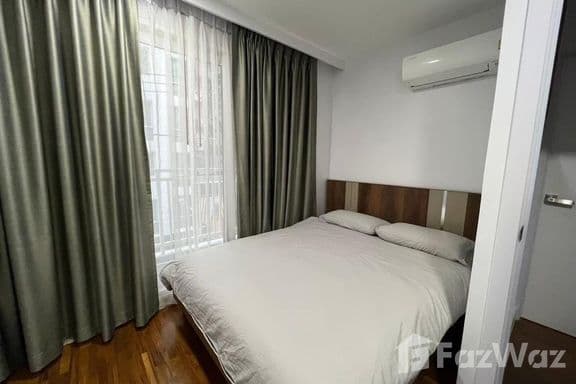
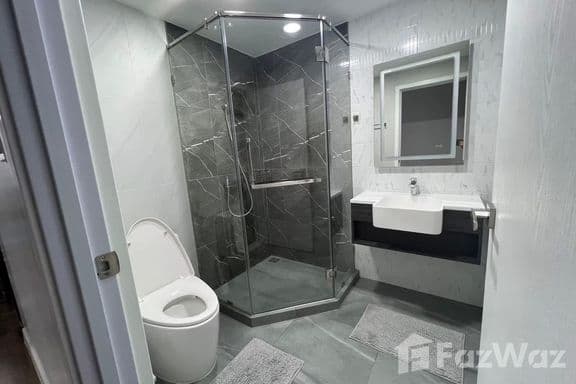
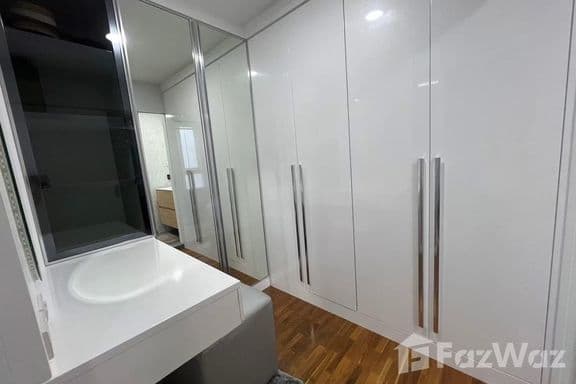
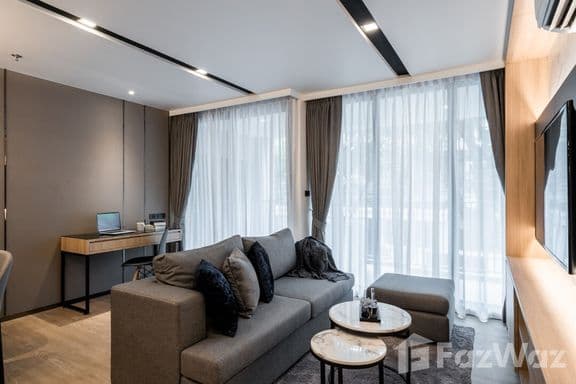
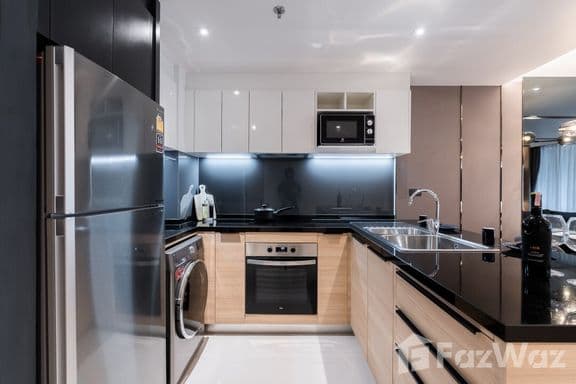
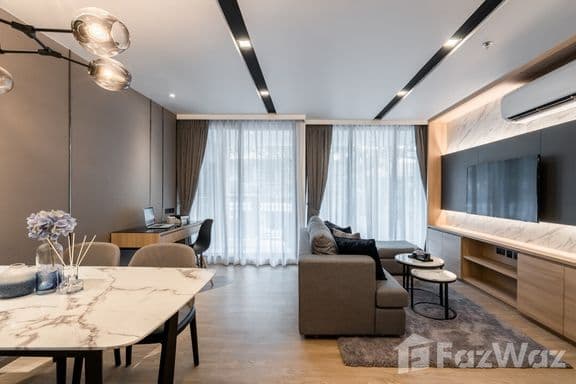
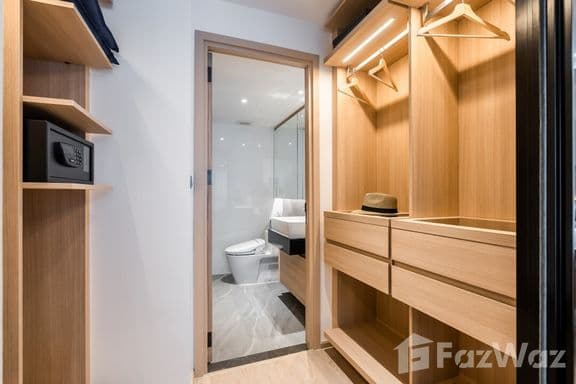

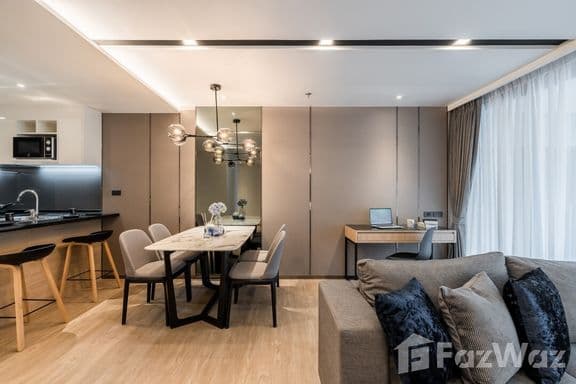
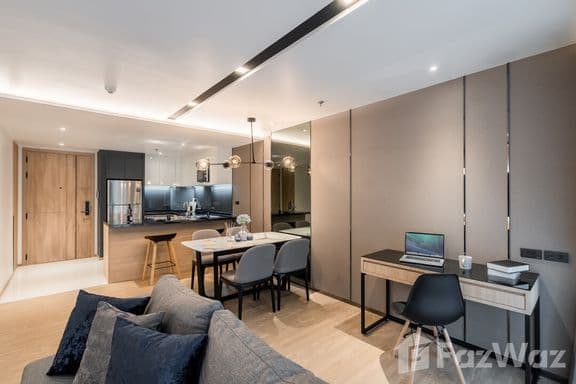
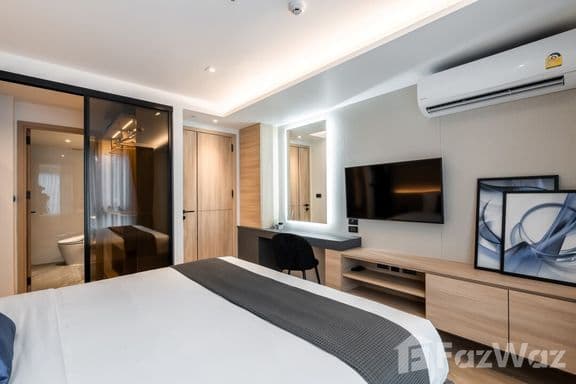
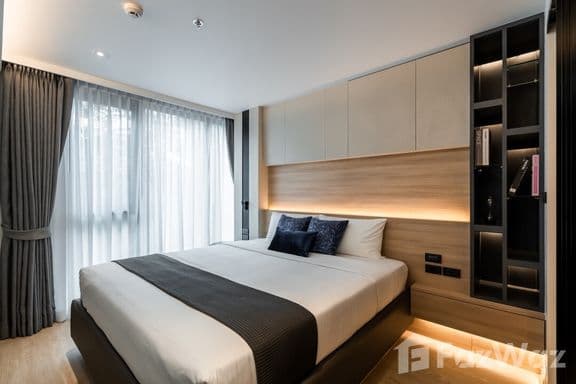
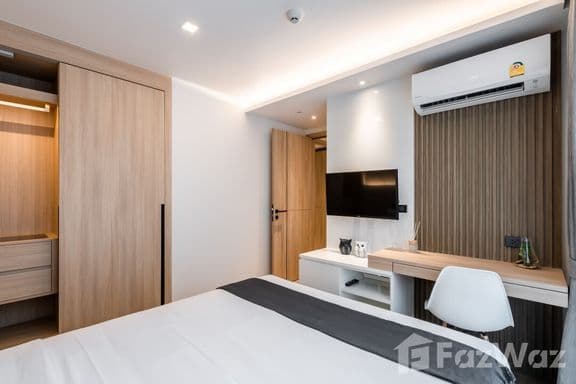
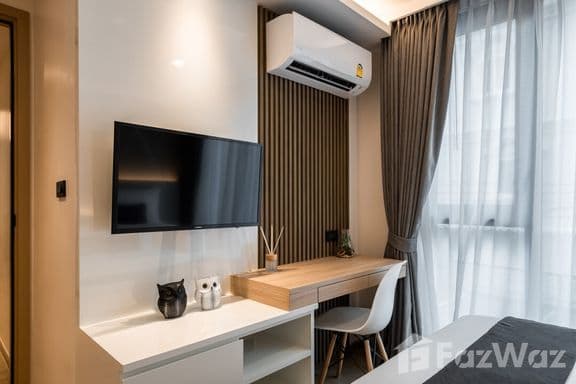
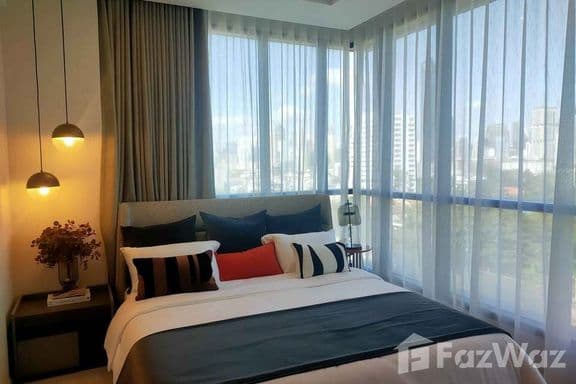



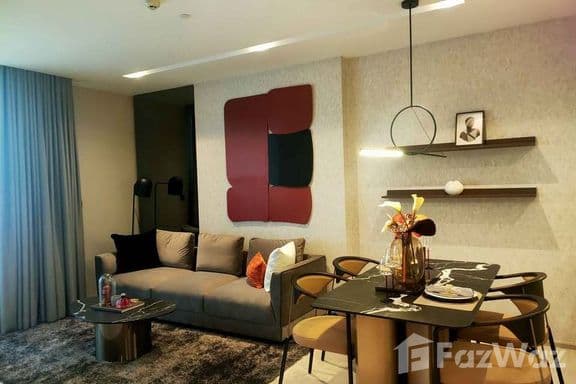

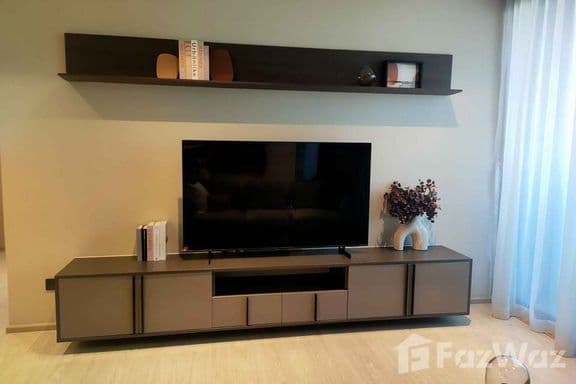

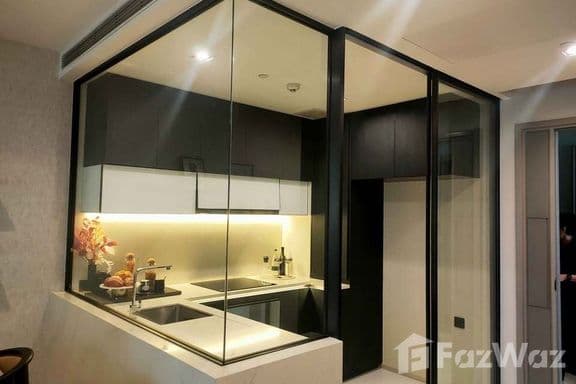


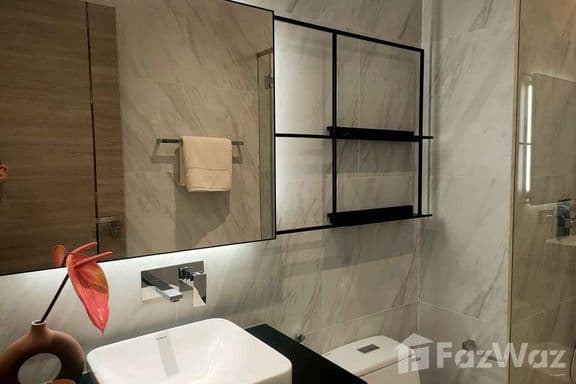
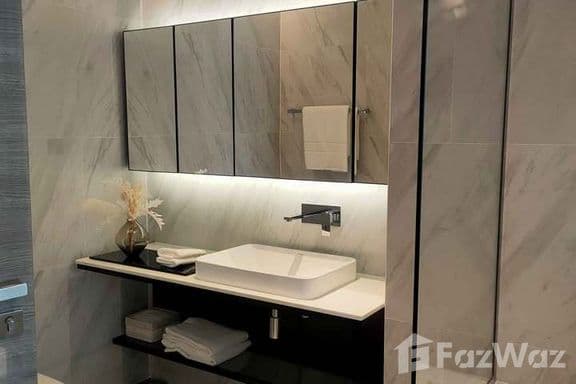
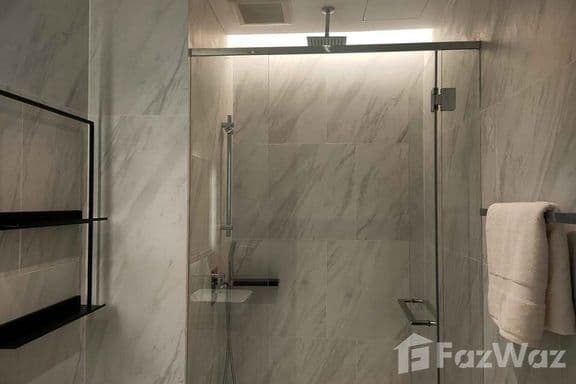

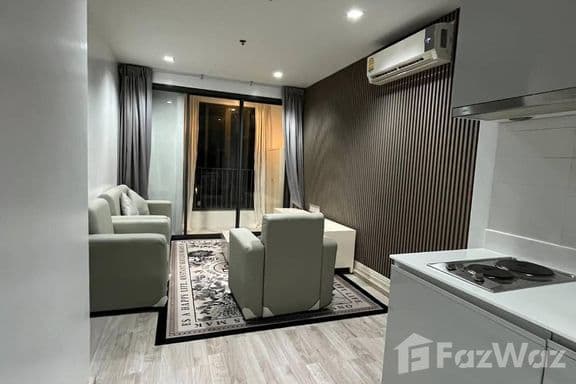
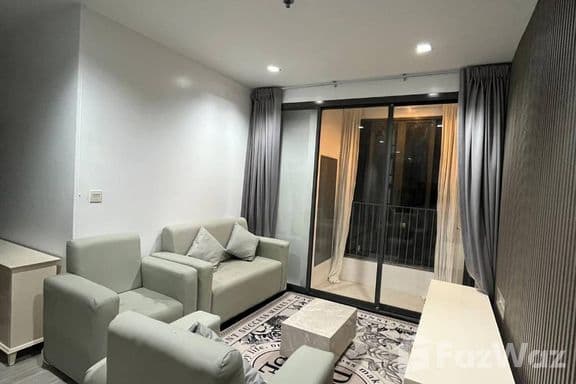
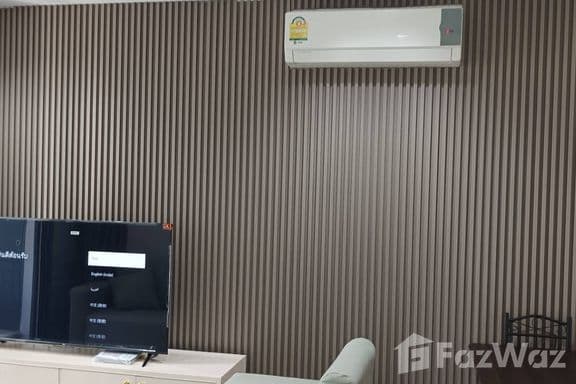
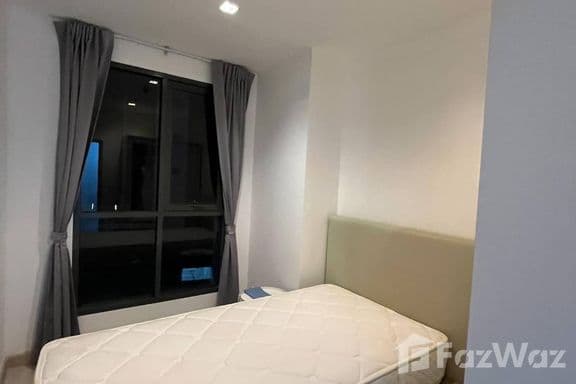
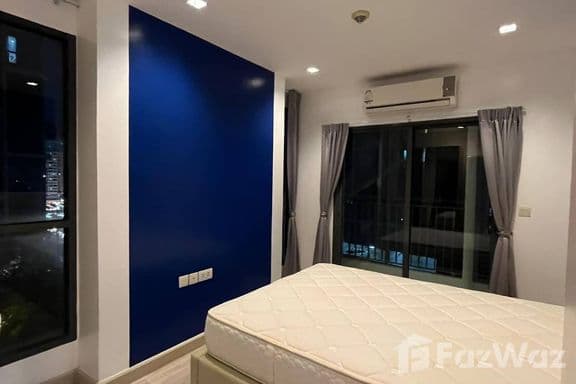
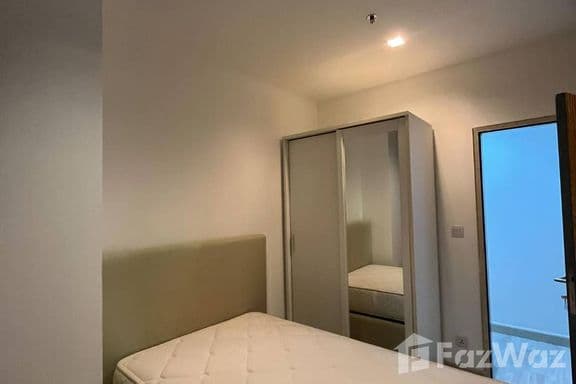
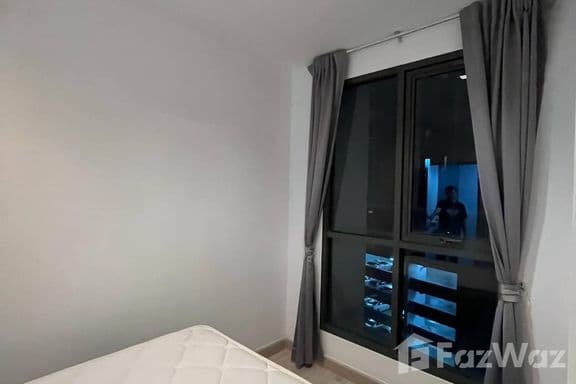
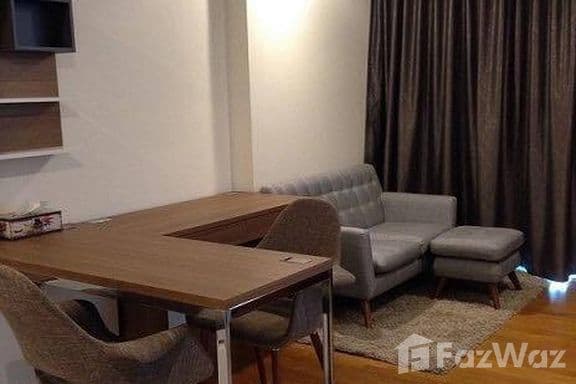
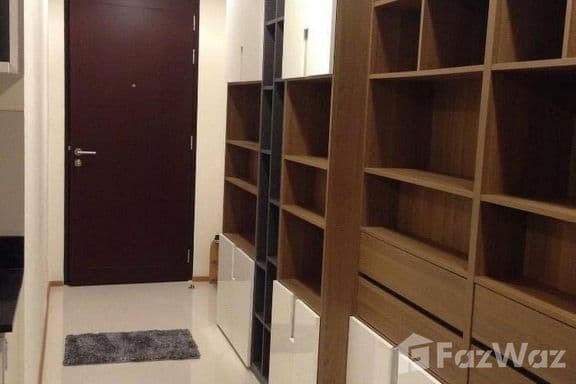
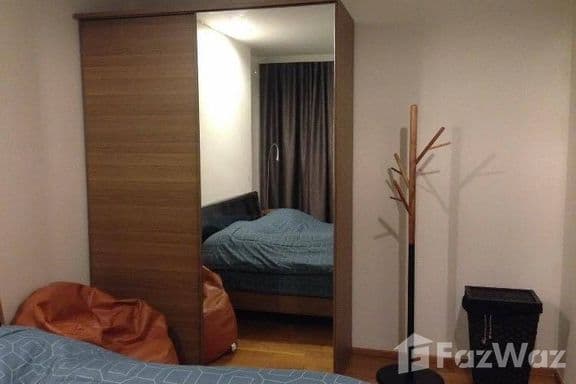
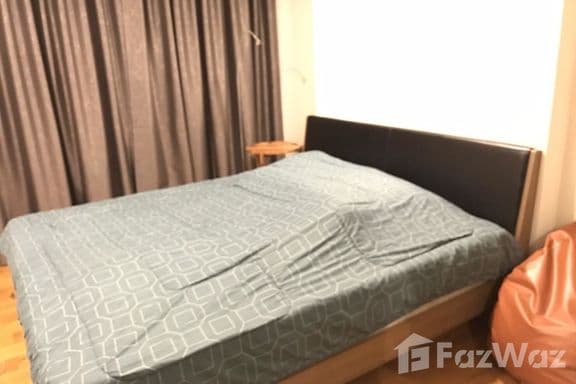
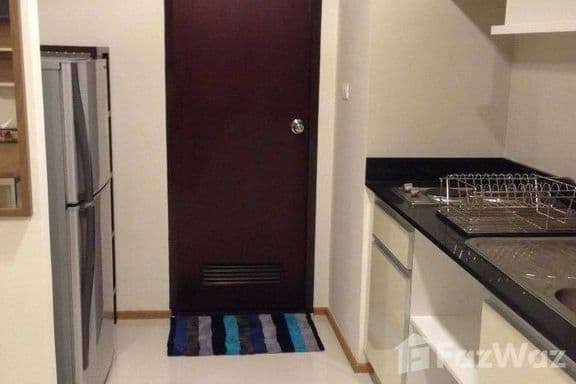


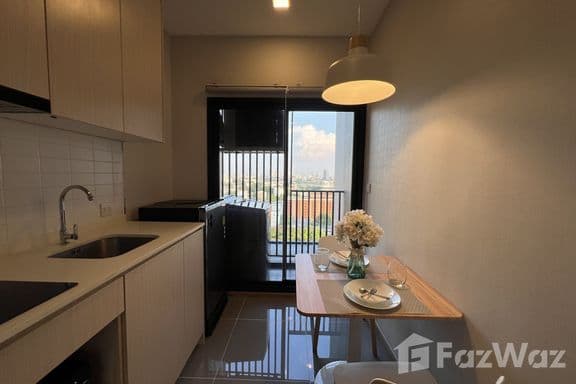


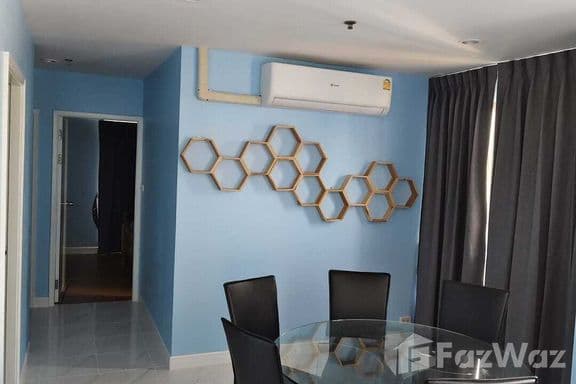


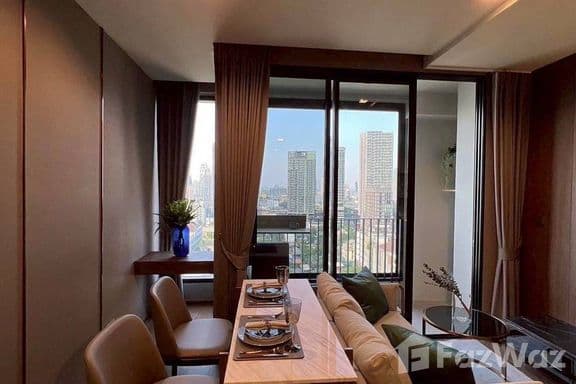
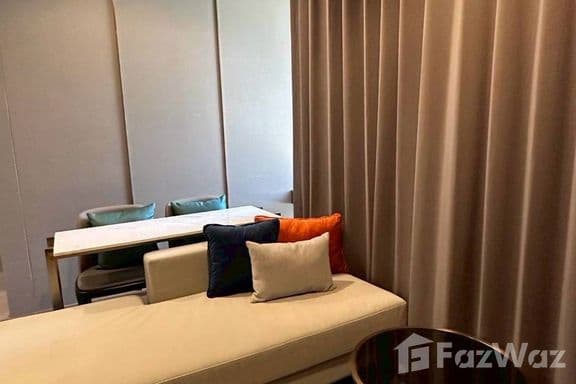
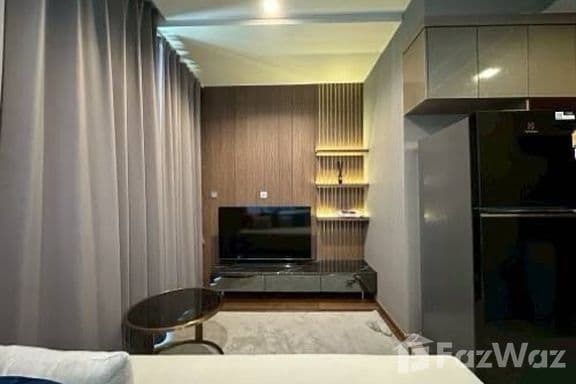
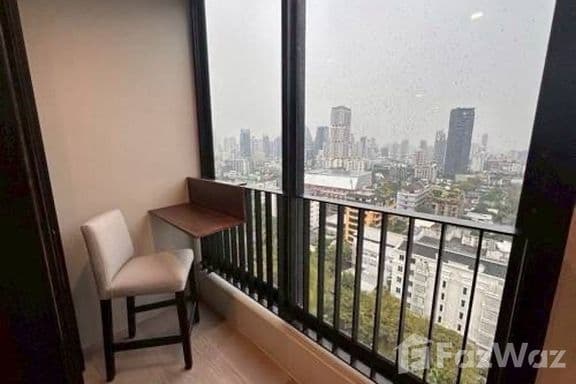
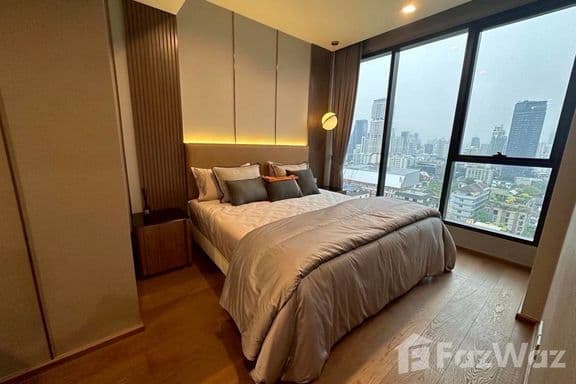
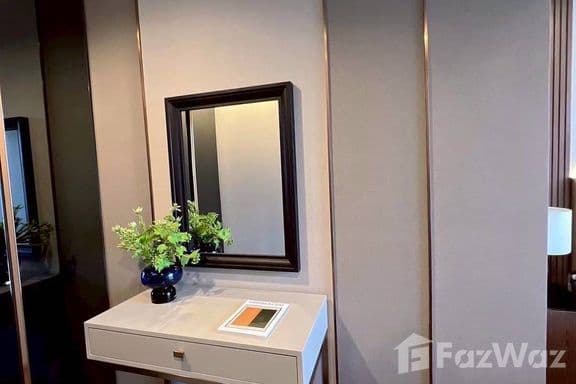
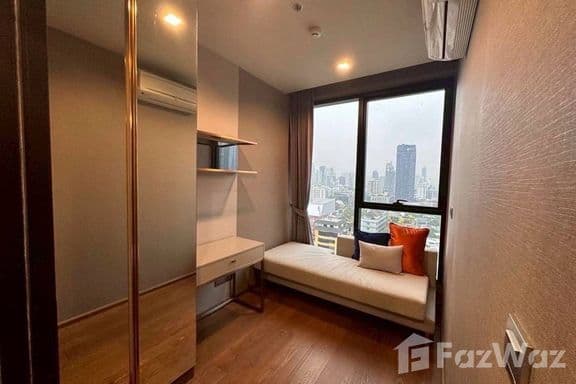
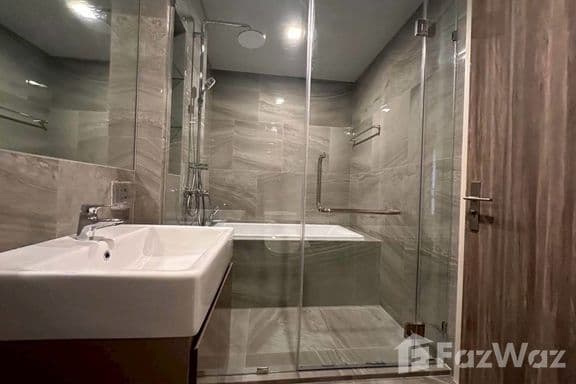
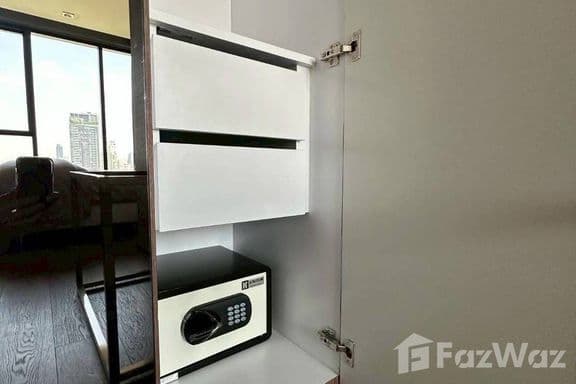
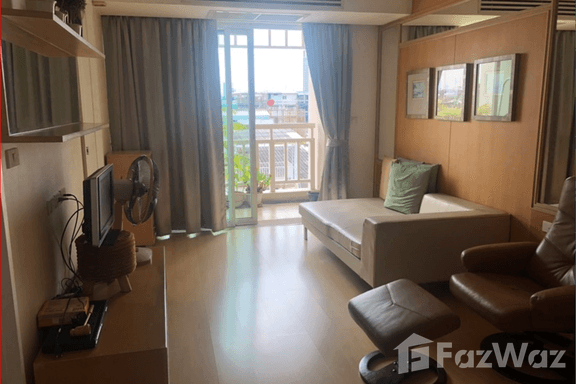
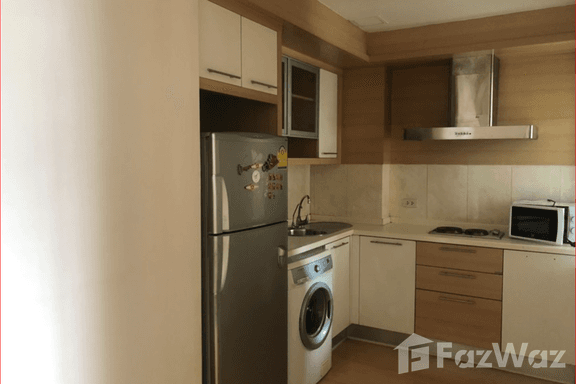
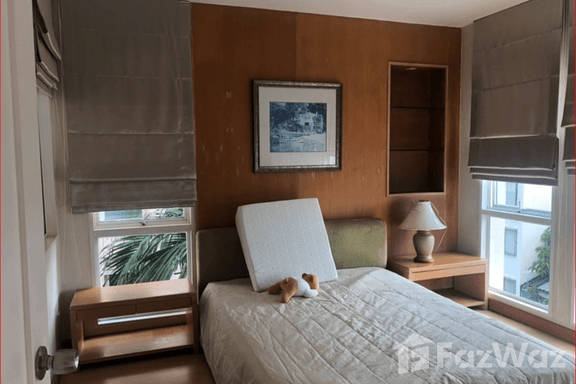
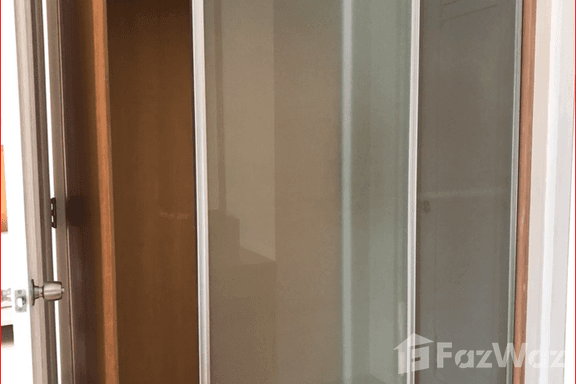
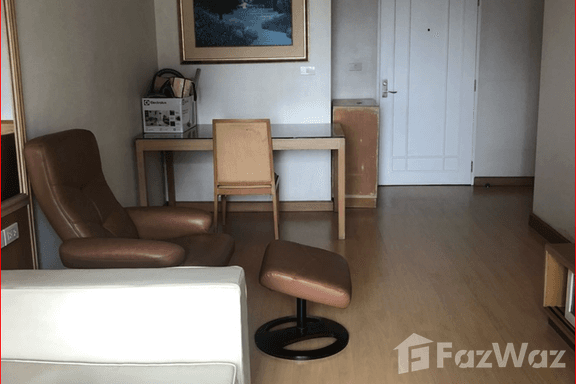
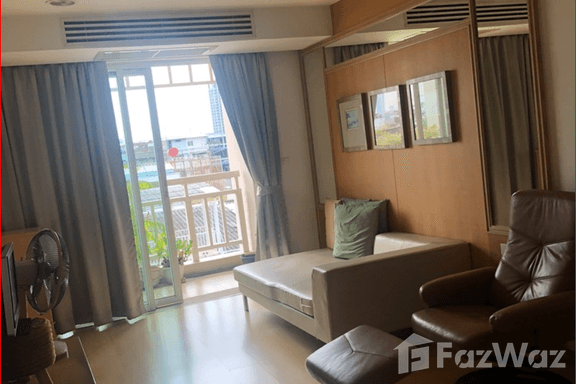
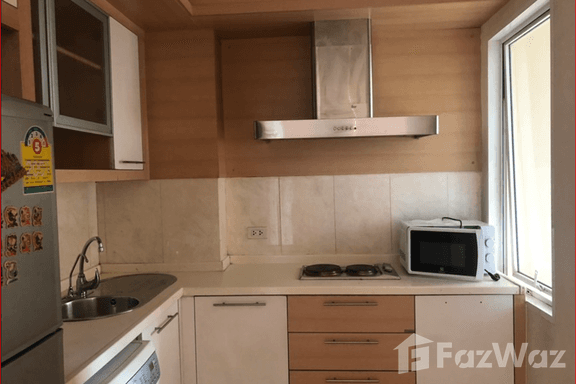
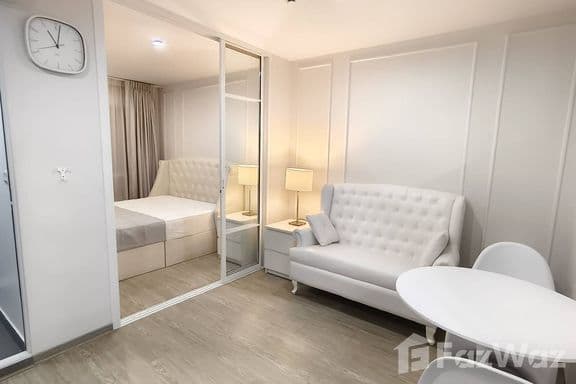
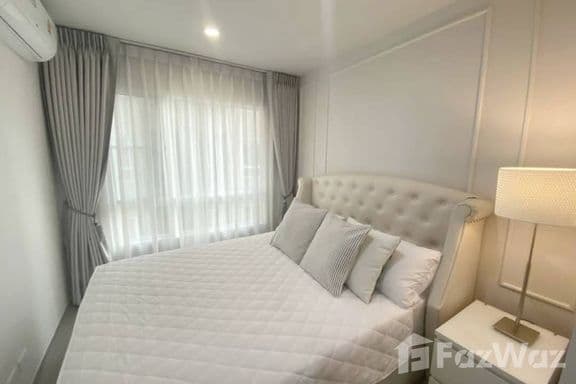

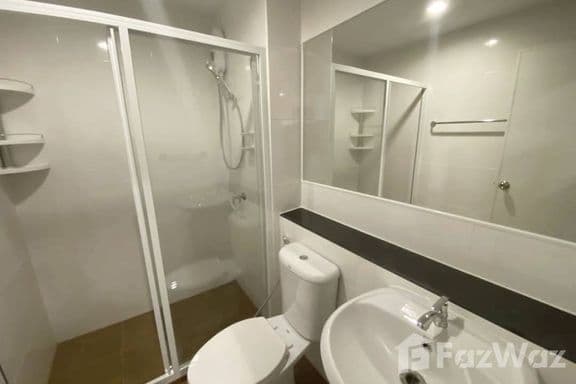
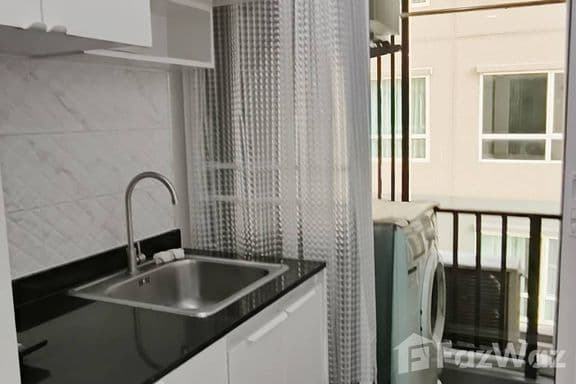


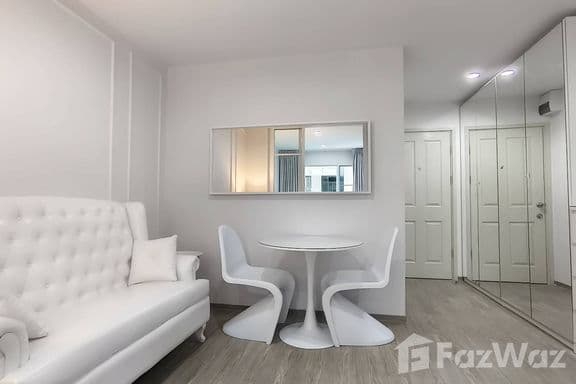
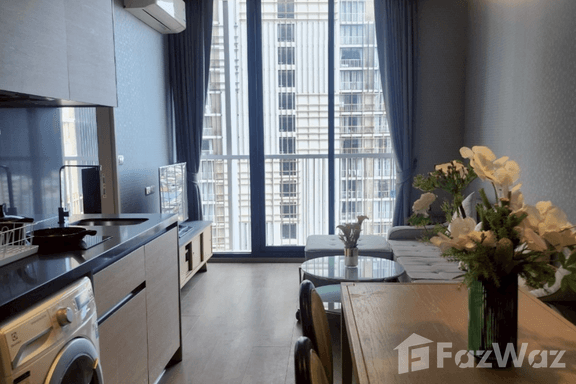


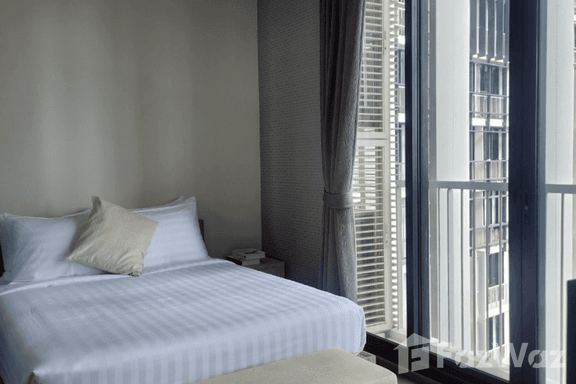

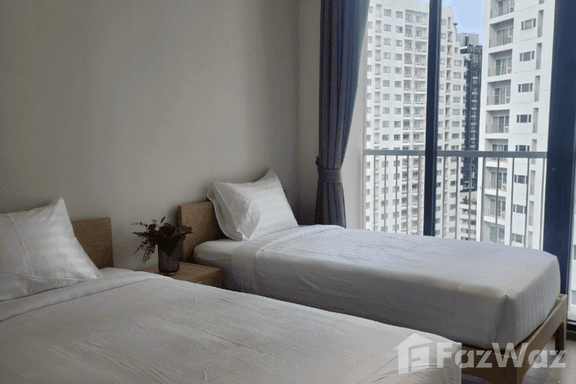


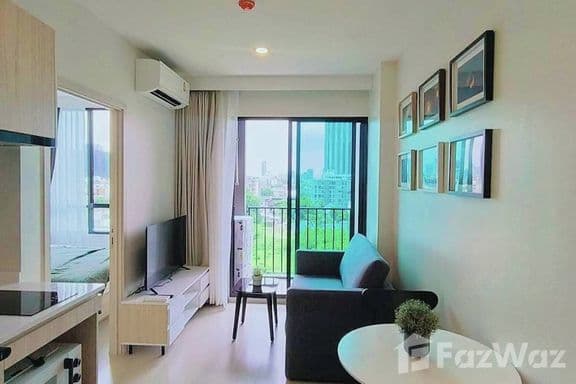
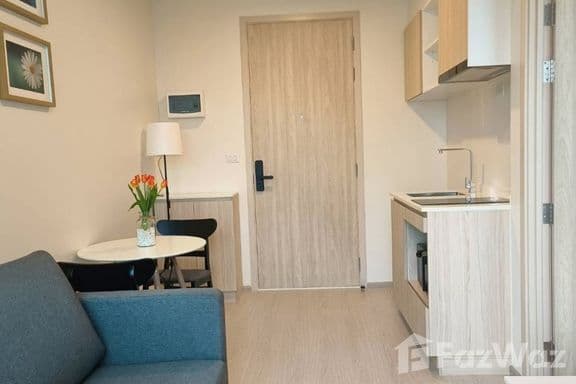
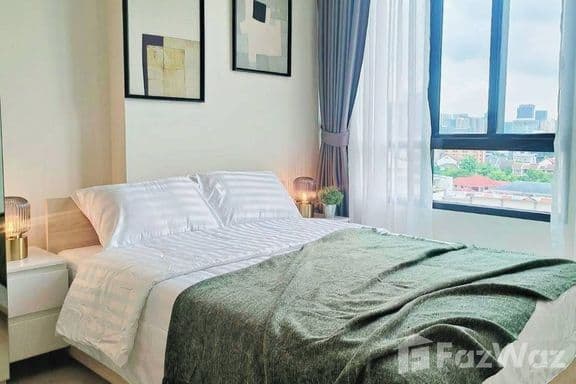

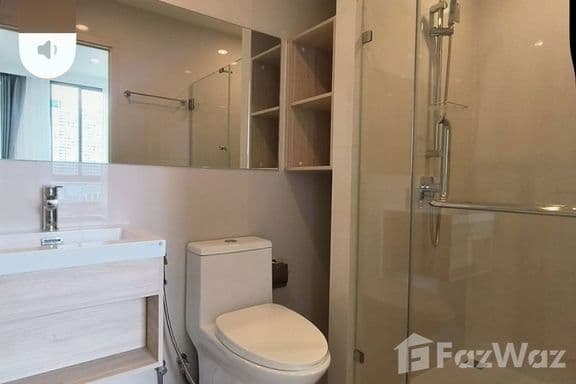


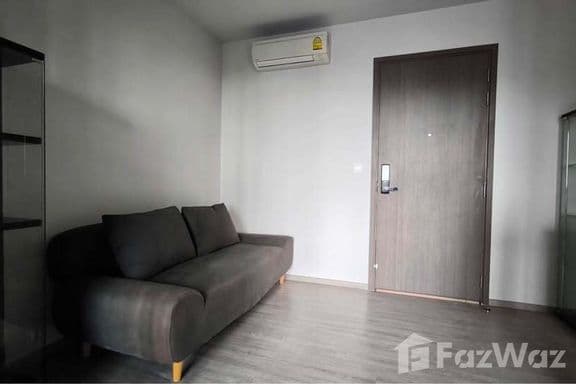


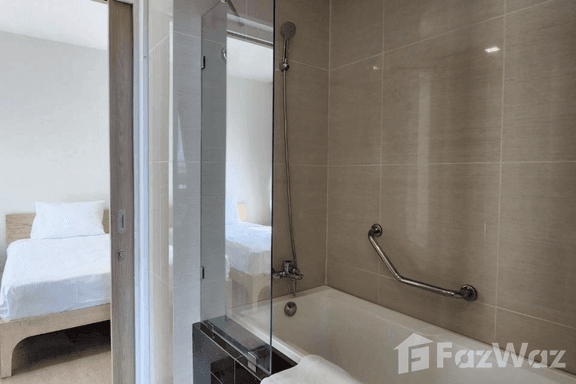


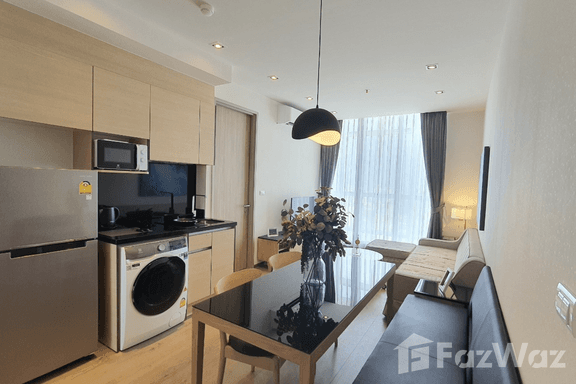


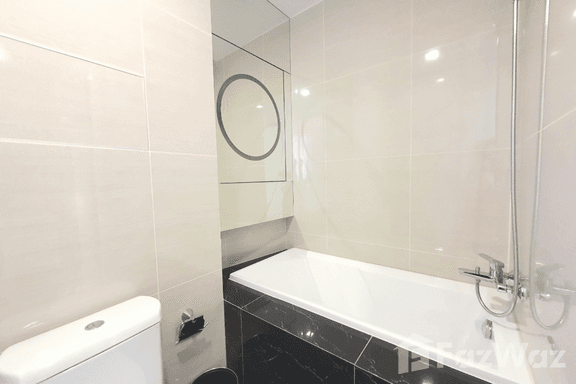


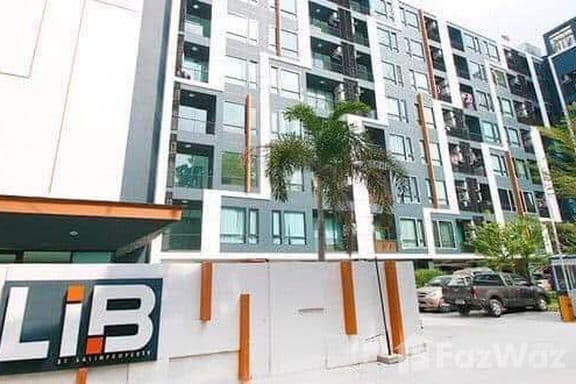
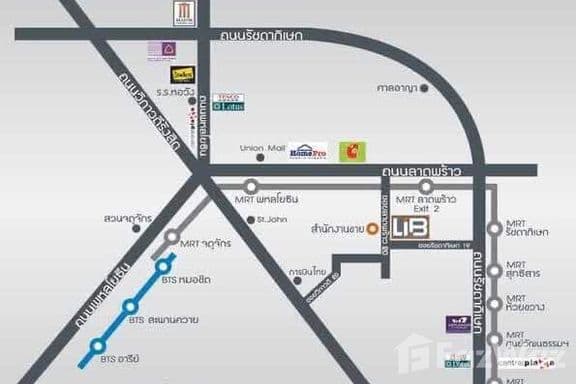
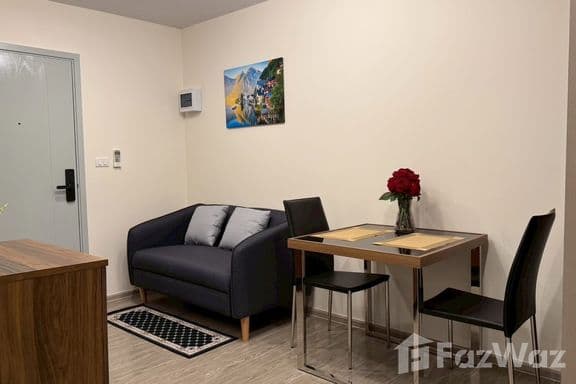
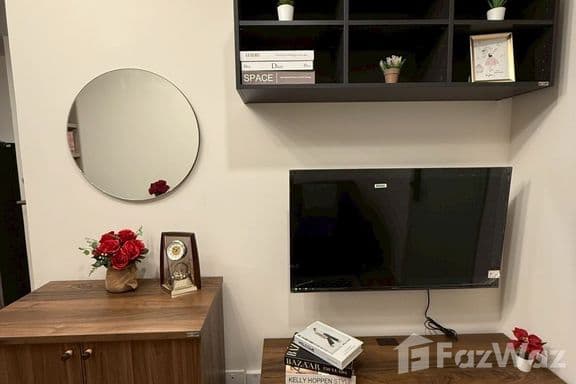
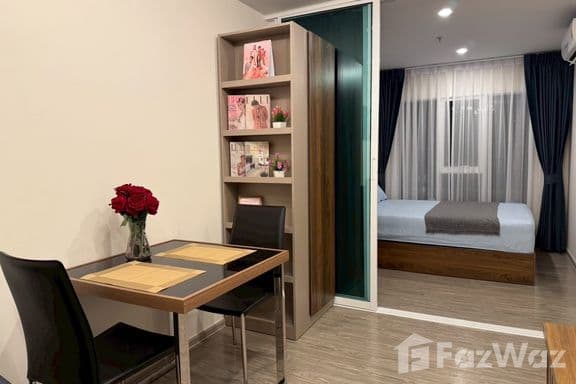
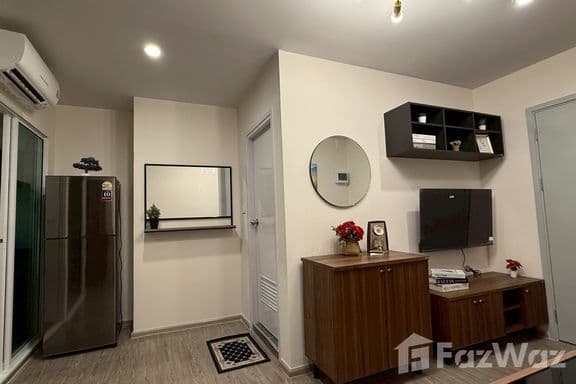
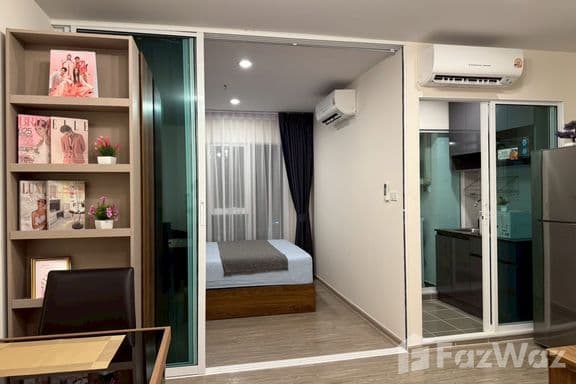
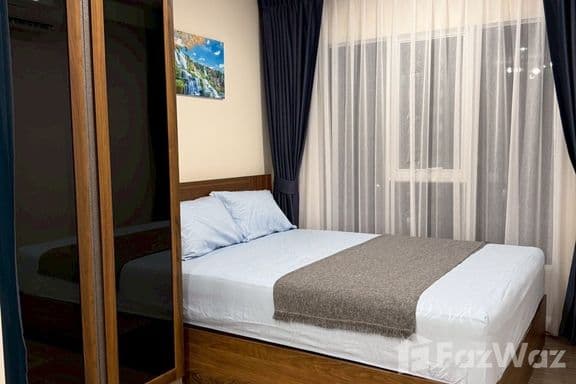
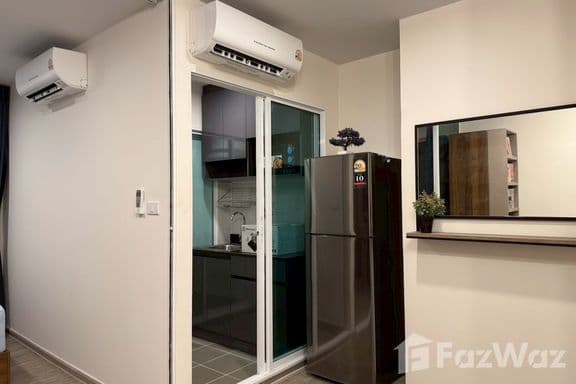
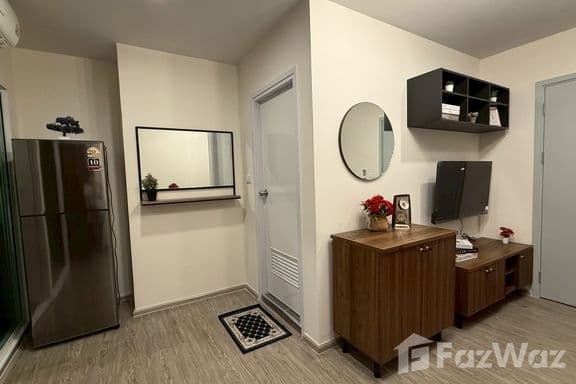
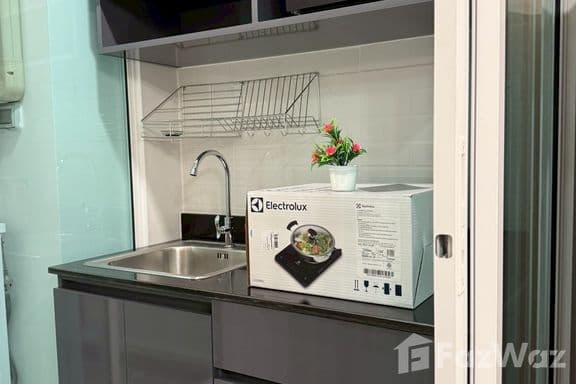
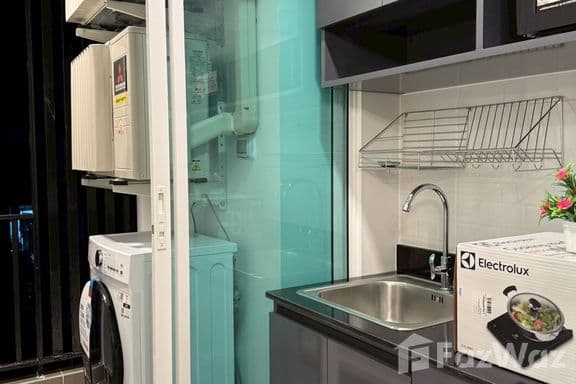
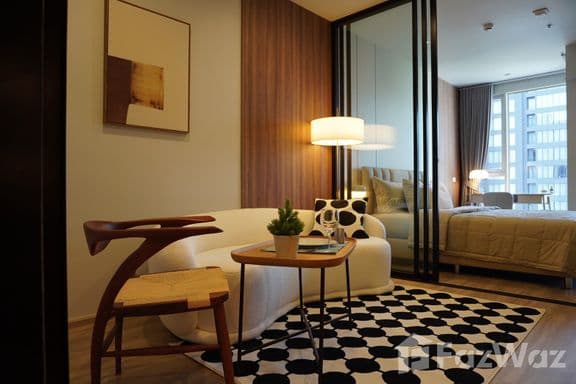
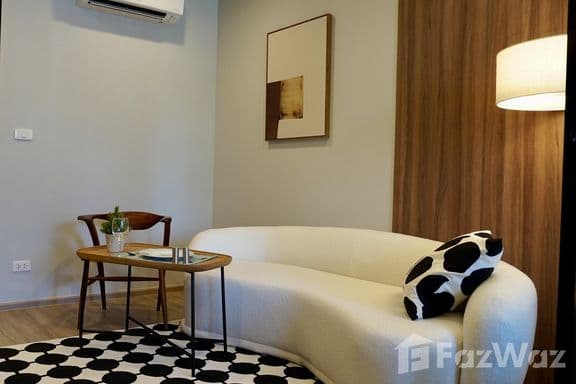
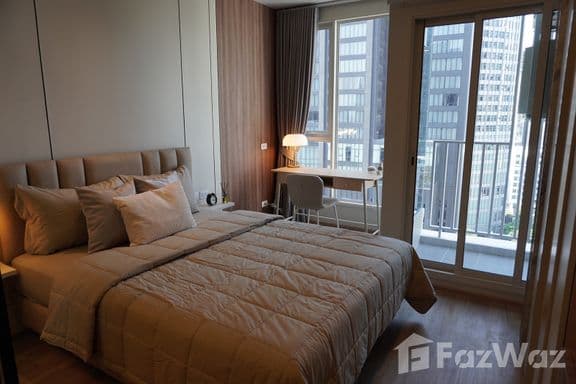
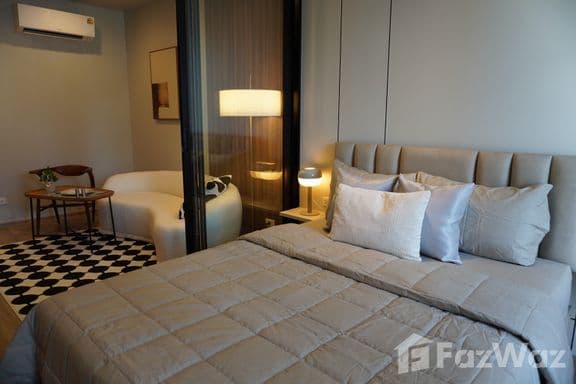
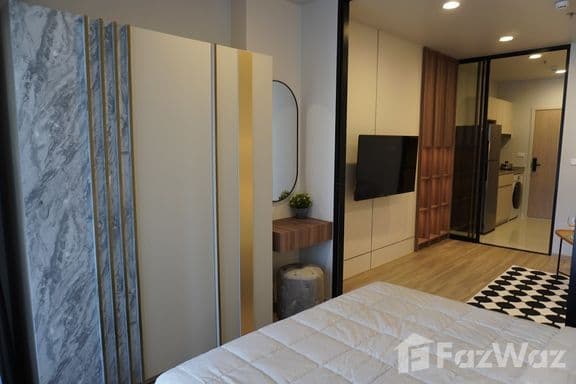
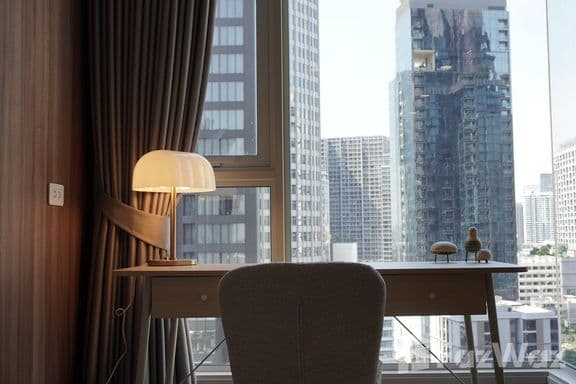
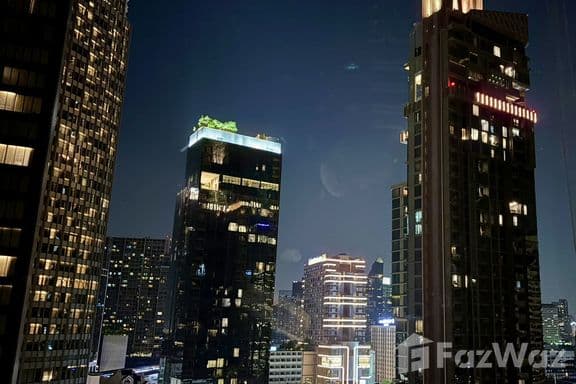
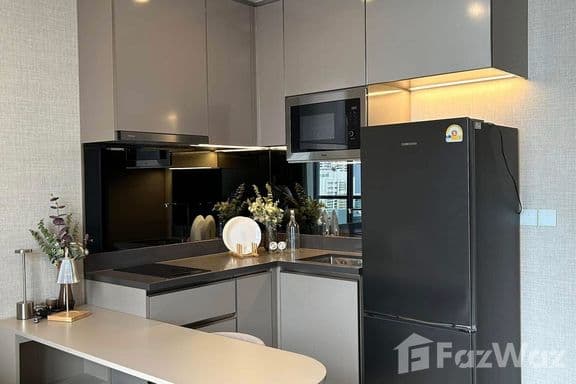
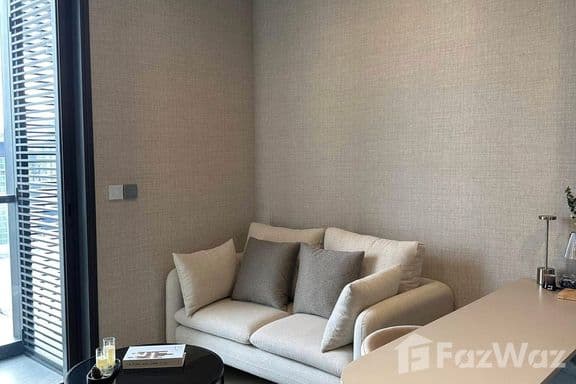
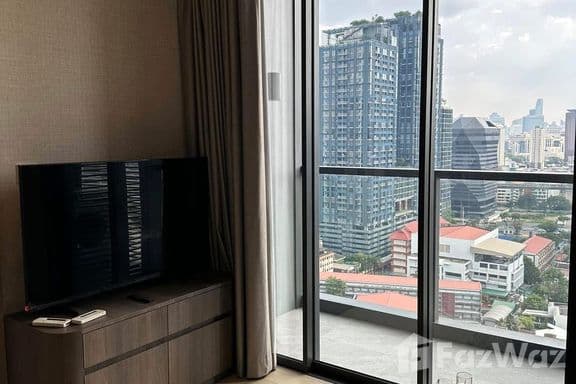
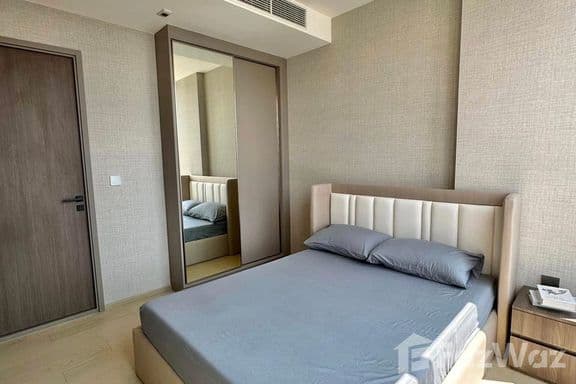
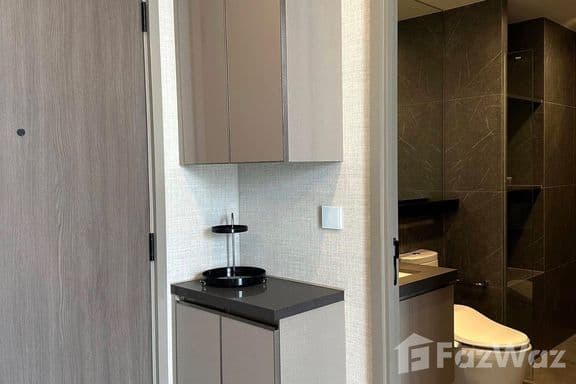
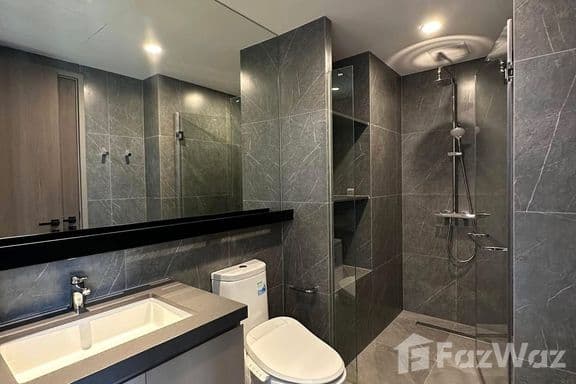

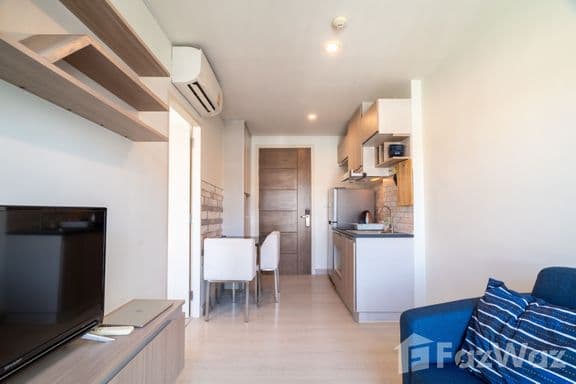

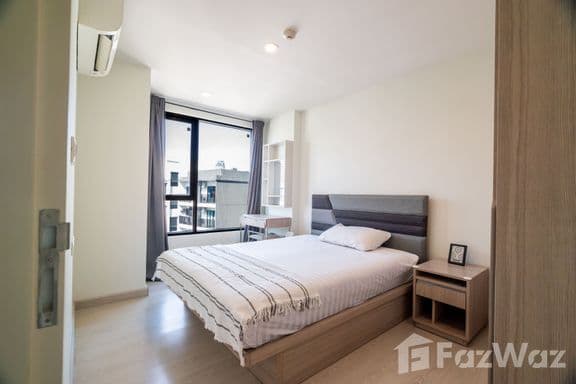
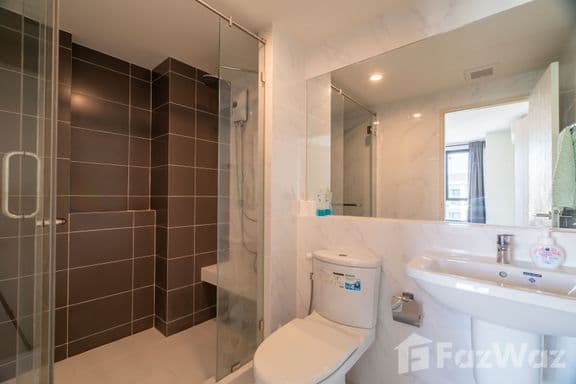
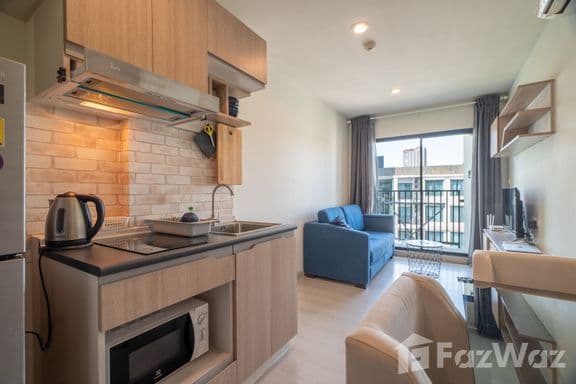
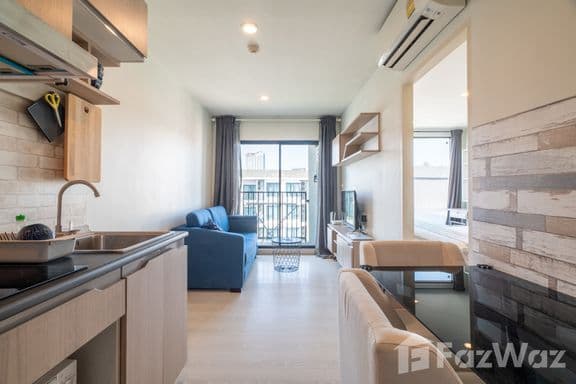
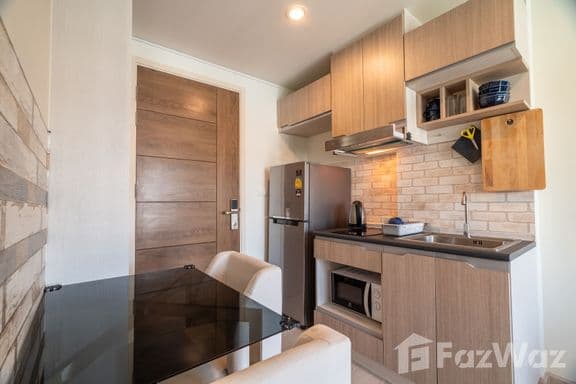
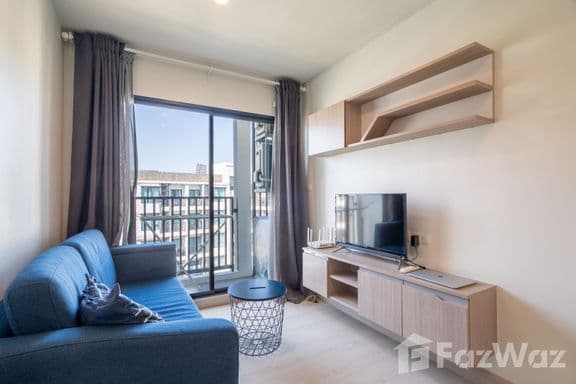

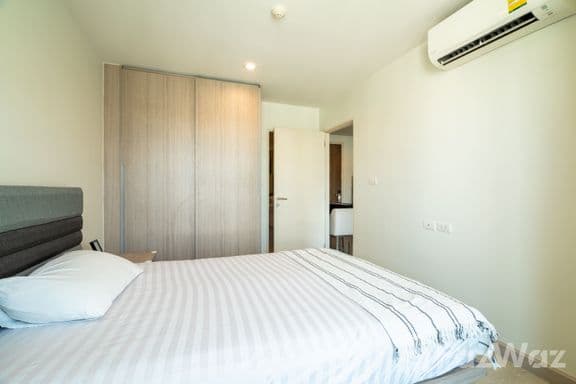




 Popular condos in Bangkok

