2 Bedrooms Townhouses For Sale in Pattaya, Chonburi
153 Results











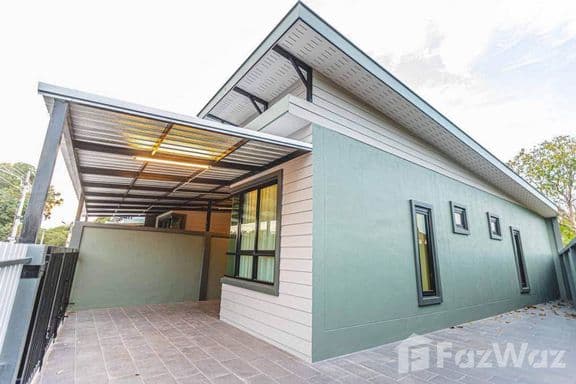
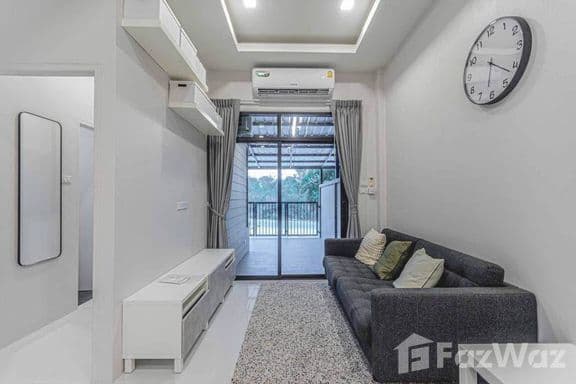
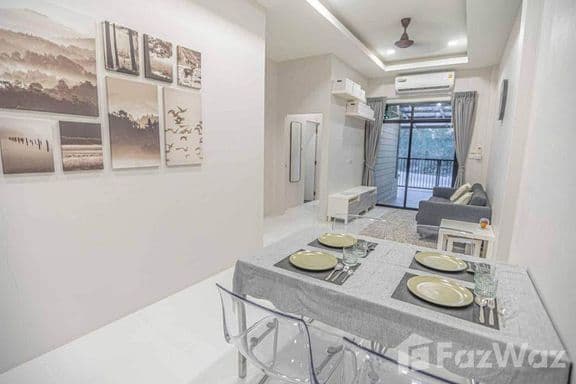
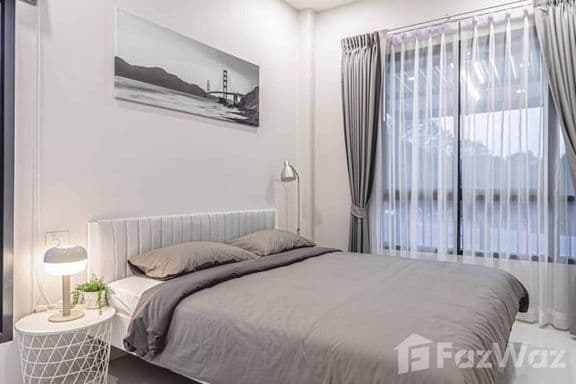


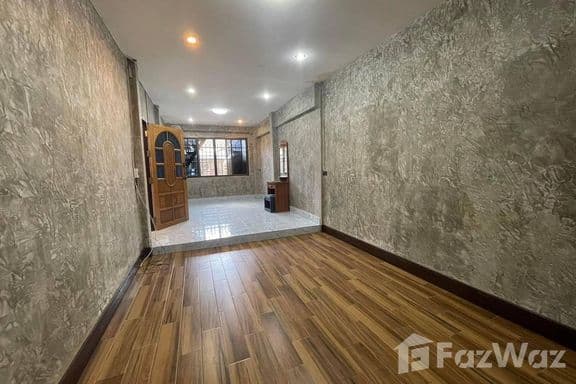

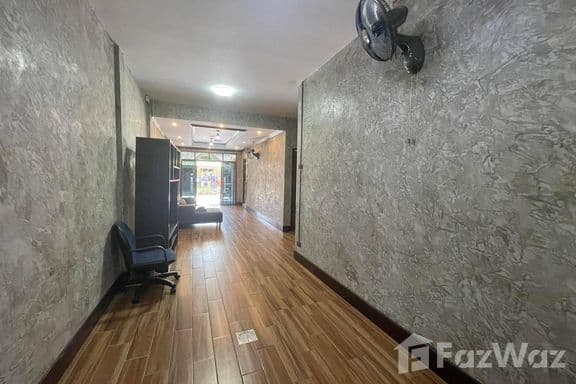
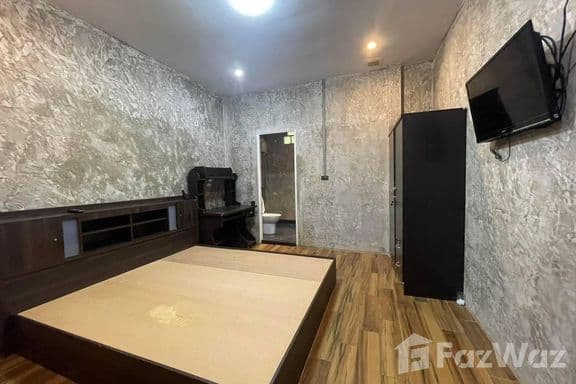
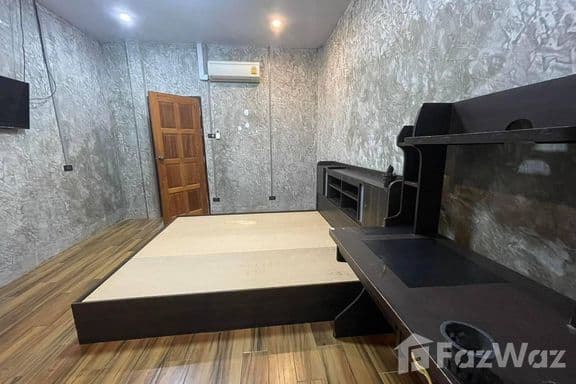

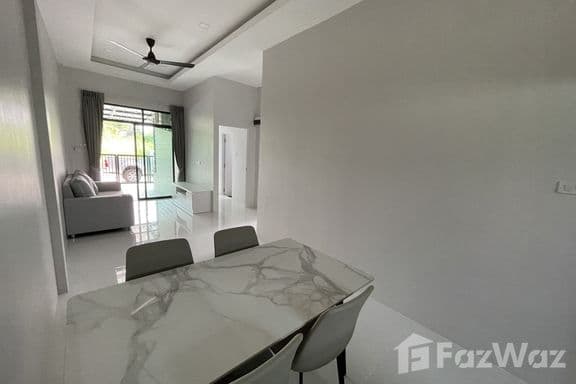
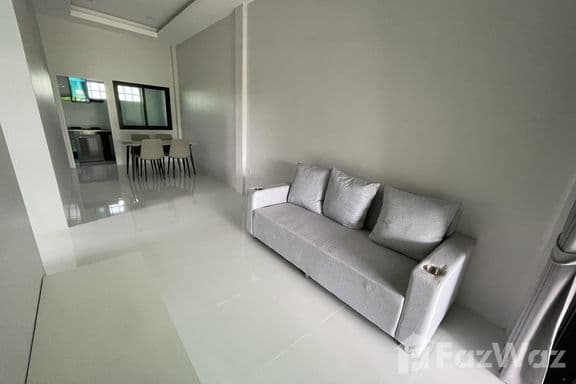
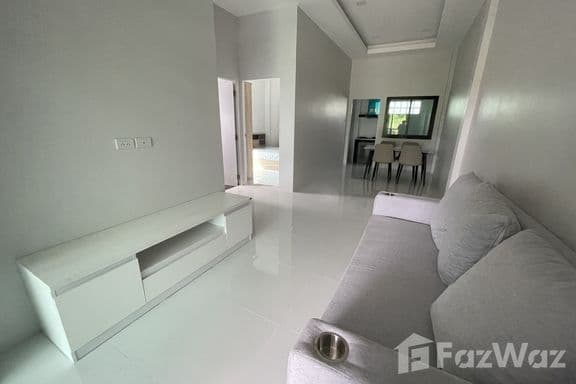
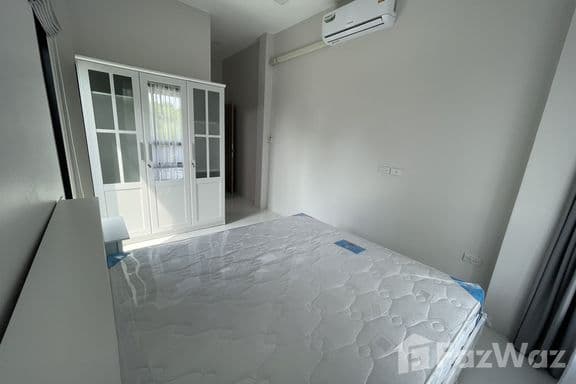
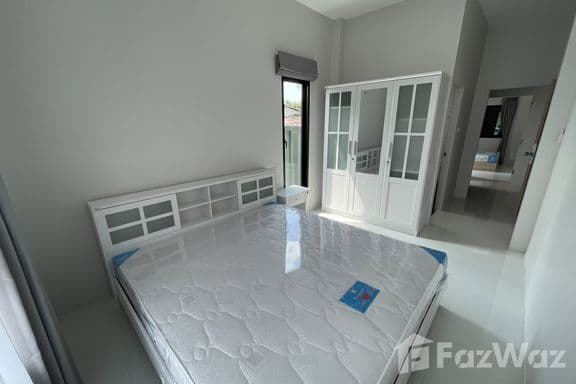
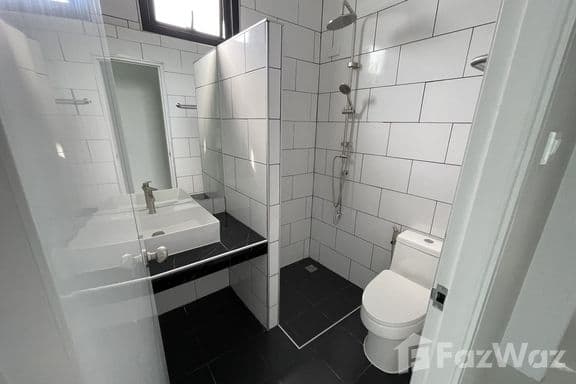
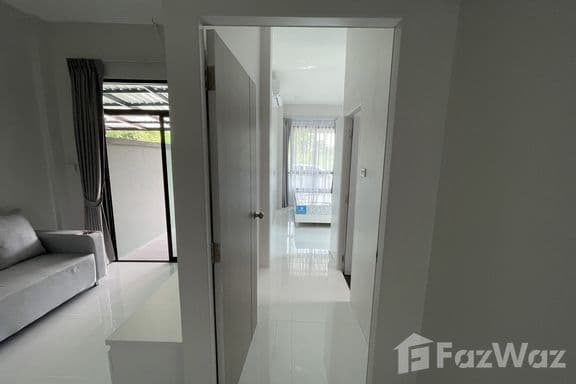


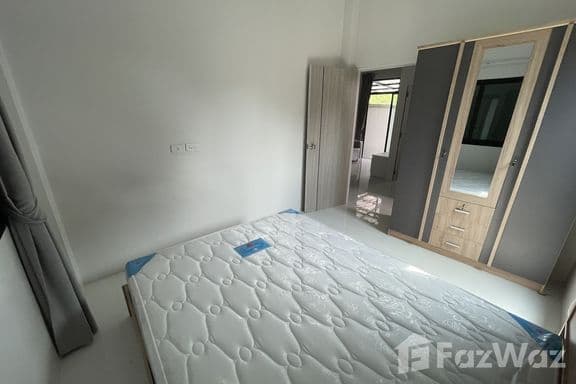

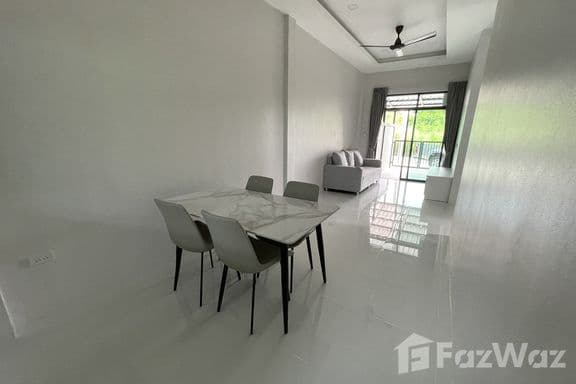


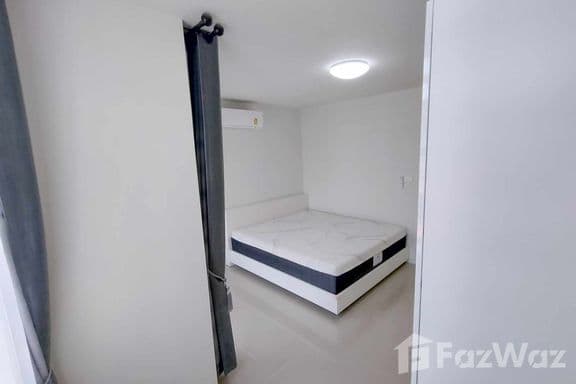


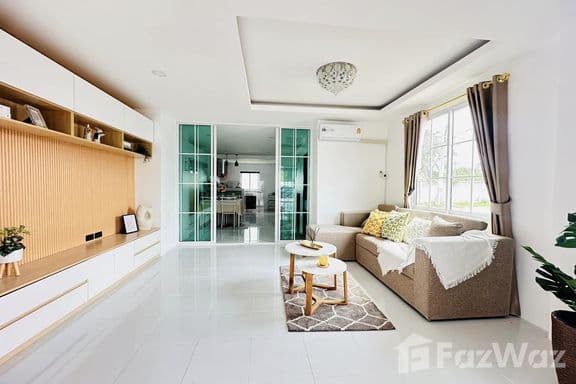
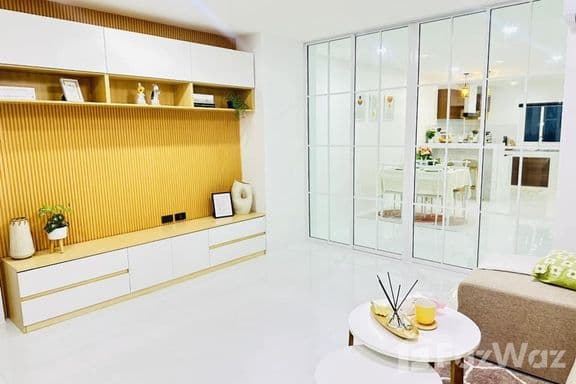
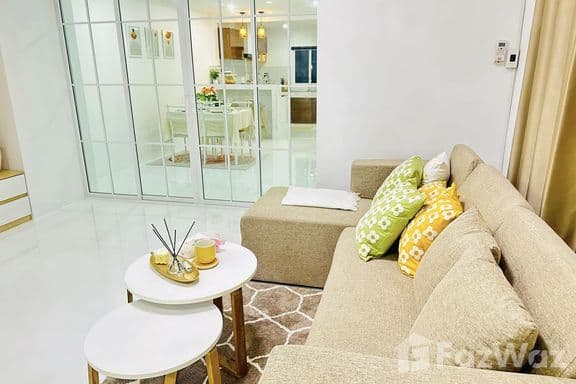

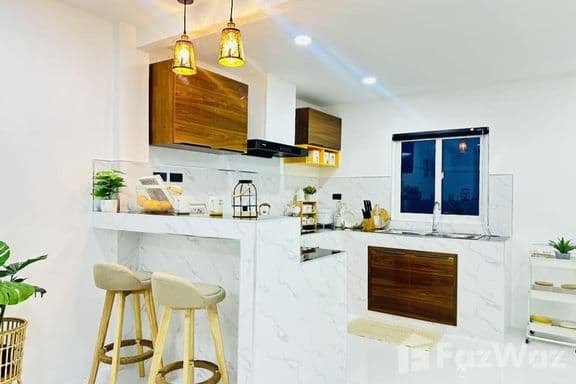
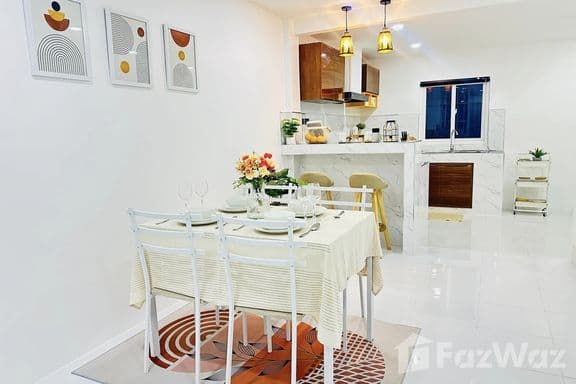
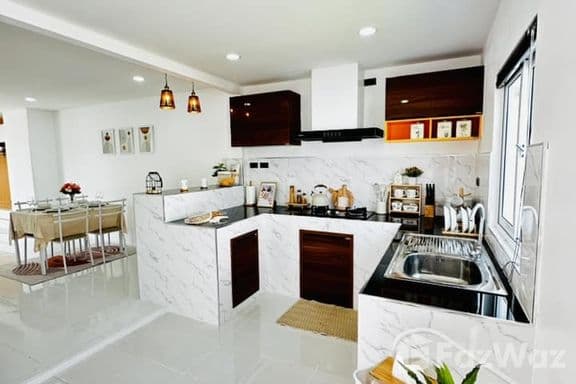
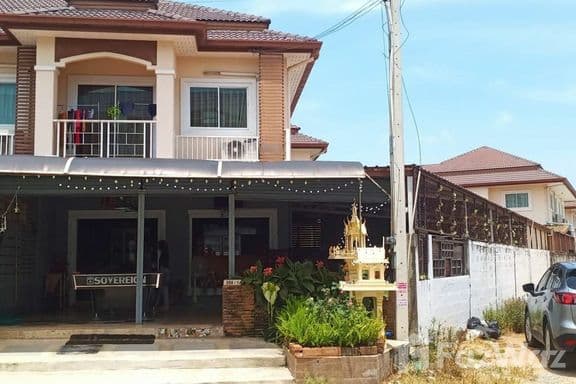
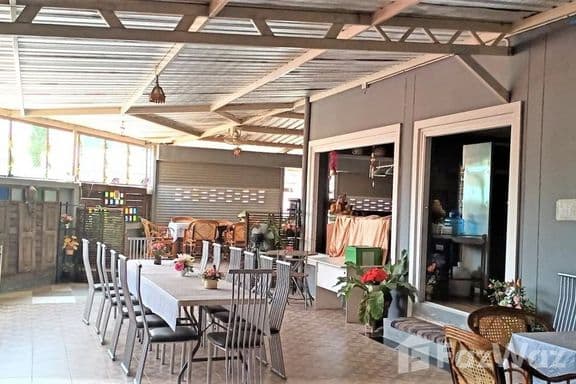
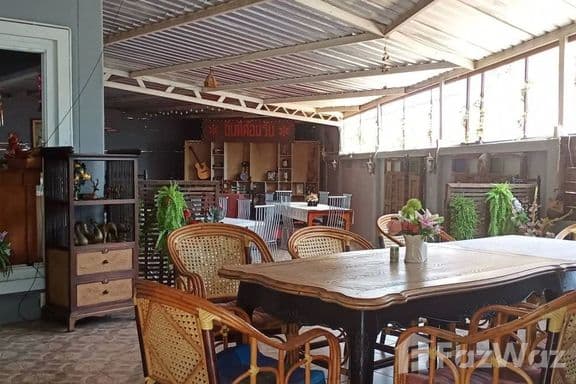


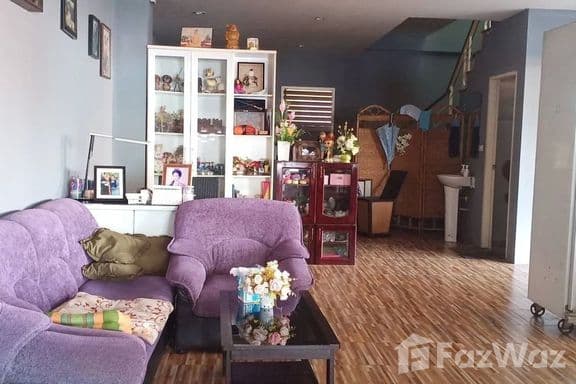
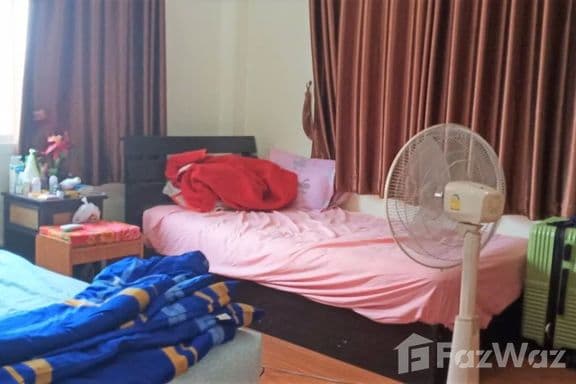



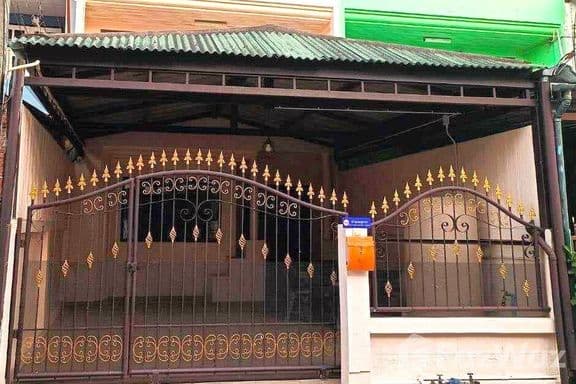
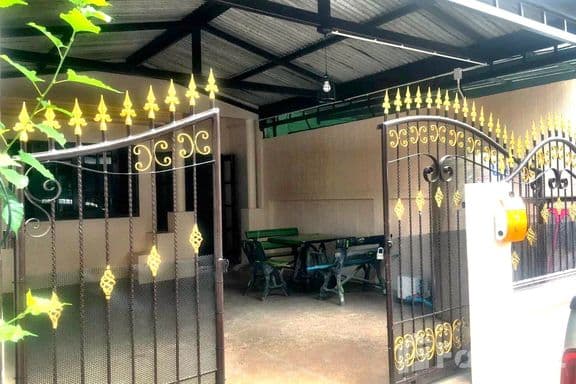
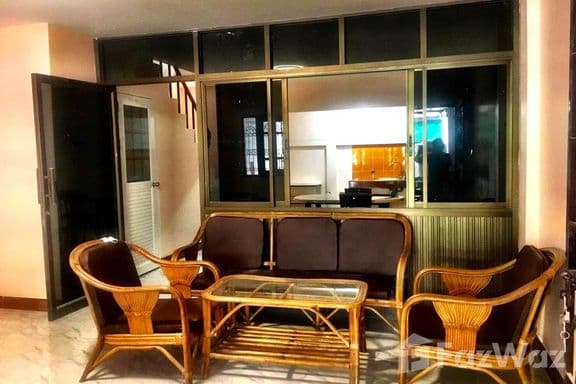

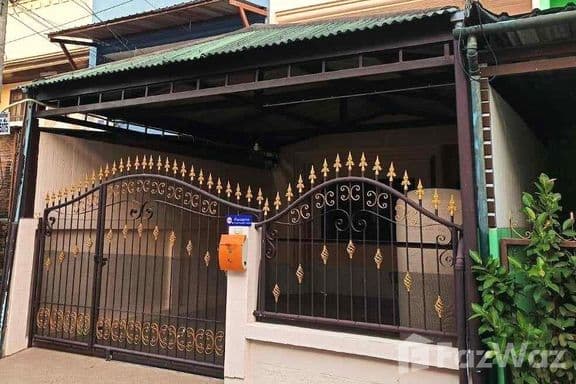
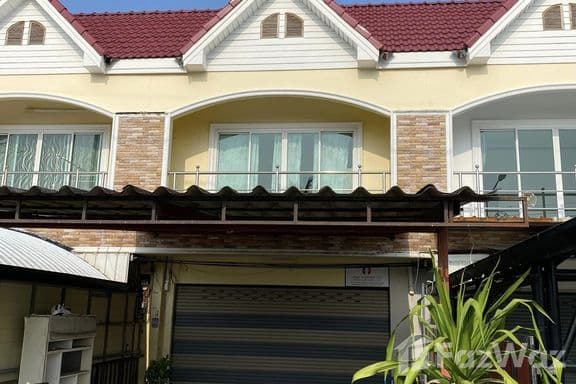

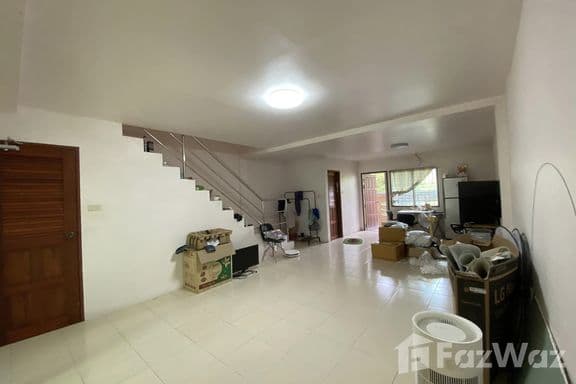
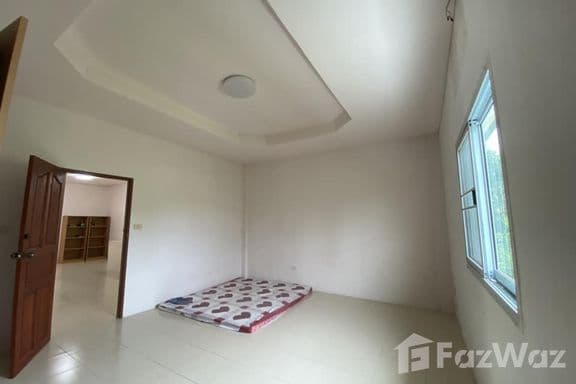



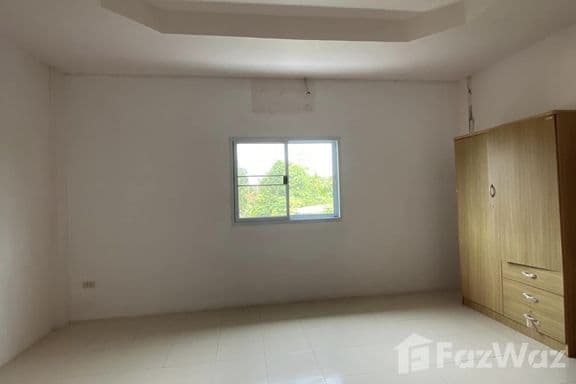
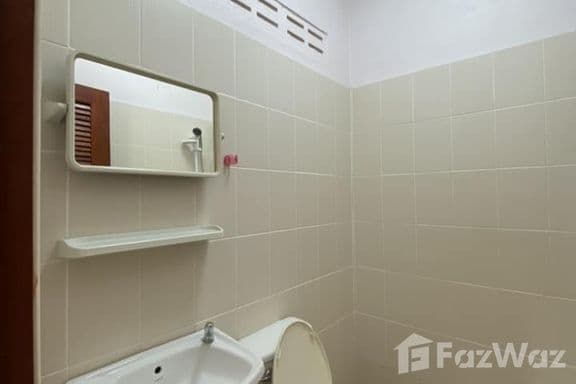
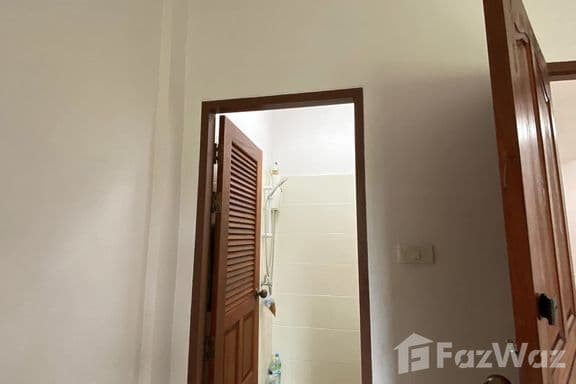
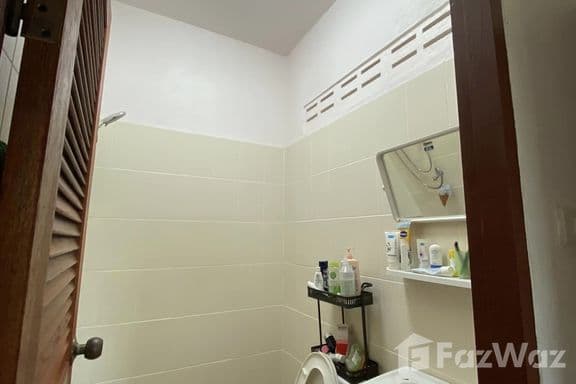





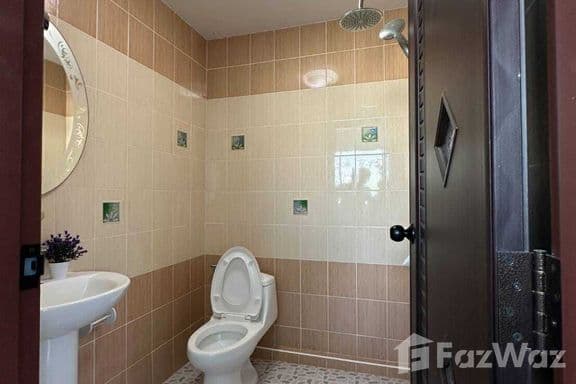
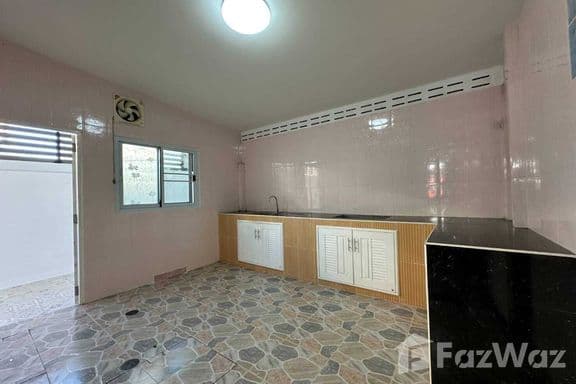
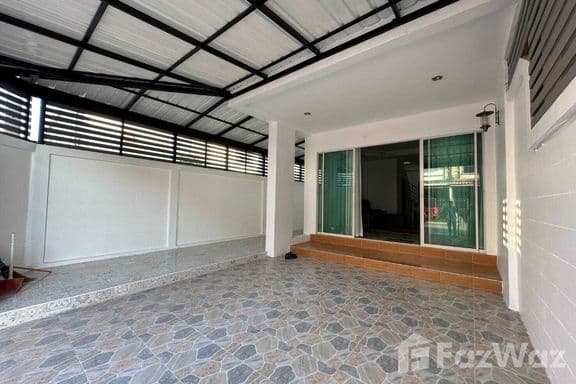
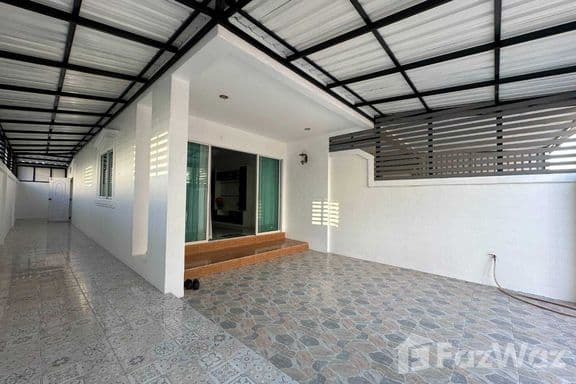
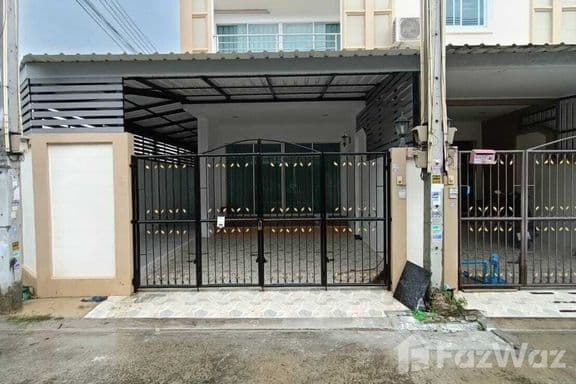
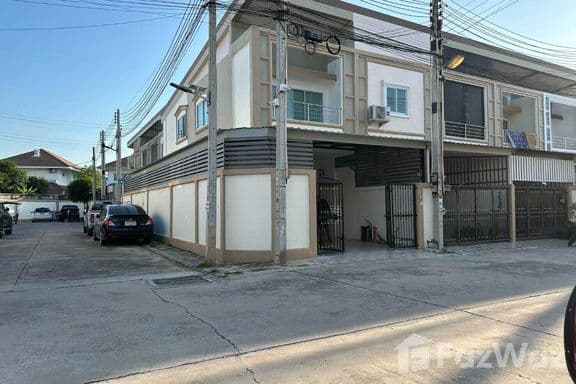


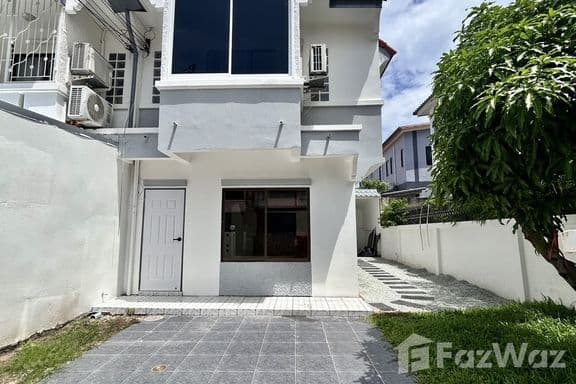
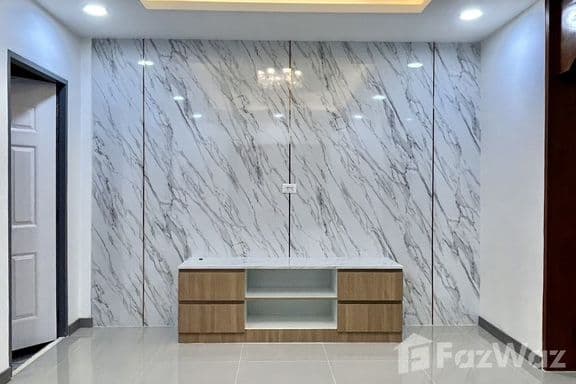
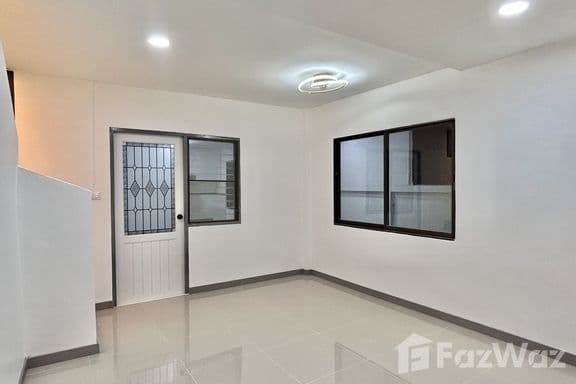

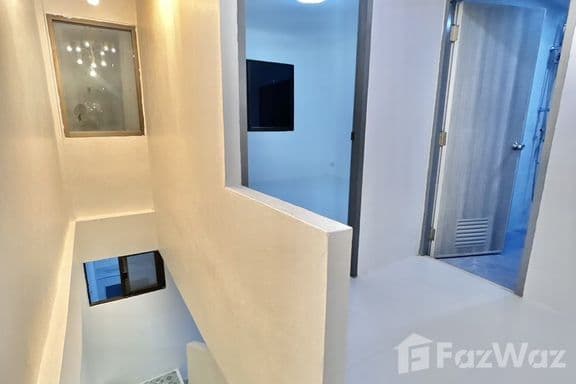
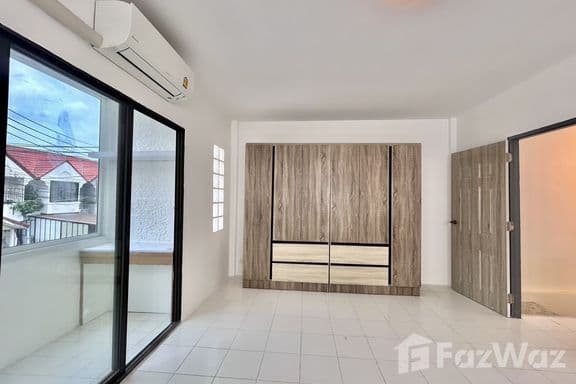
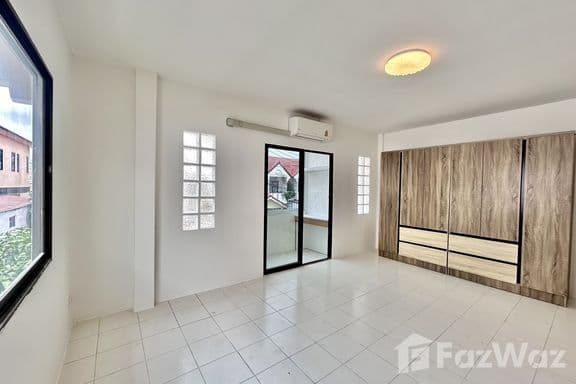


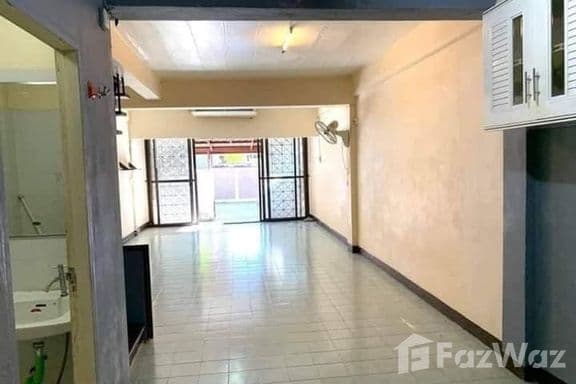
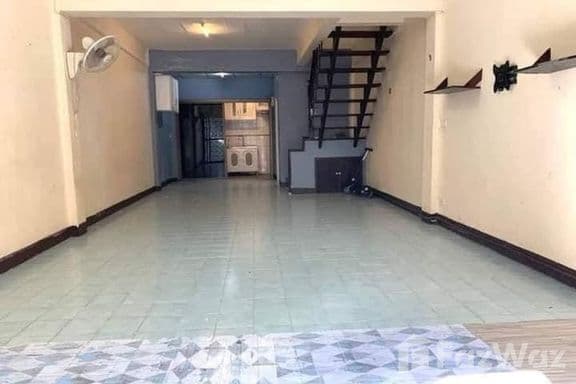
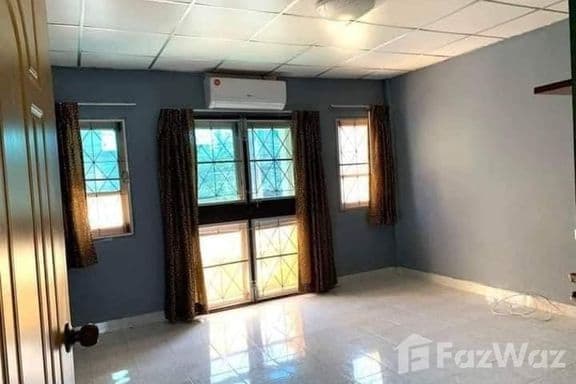
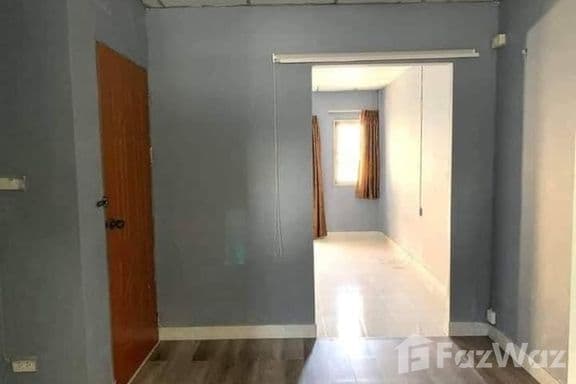






Affordability of Pattaya Townhouses for Foreign Buyers (2023–2024)
Buying a townhouse in Pattaya can be an attractive and relatively affordable entry into Thailand’s property market for foreign buyers. As an investment-savvy destination, Pattaya offers a range of townhouse prices depending on the neighborhood, with some areas significantly more budget-friendly than others. This article provides a data-driven overview of townhouse affordability in Pattaya, comparing neighborhood prices, examining factors that influence affordability, highlighting recent market trends (2023–2024), and offering practical advice – including legal and financial considerations – for foreigners considering a purchase. The tone is formal and analytical, aiming to inform prospective foreign buyers with factual insight.
Pattaya Townhouse Prices by Neighborhood
Pattaya’s townhouse market varies widely by location. The table below compares typical townhouse prices in key Pattaya neighborhoods, illustrating how proximity to the beach or city center drives up prices, while inland areas remain more affordable:
|
Neighborhood |
Typical Price Range (THB) |
Average Price per m² (THB) |
|
Central Pattaya (City Center) |
~4–8 million (limited supply) |
~27,000–30,000 (est.) – High land costs, few townhouses available. |
|
Pratumnak Hill (South/Central) |
~5–10 million |
~36,600 – Premium location between city and Jomtien. |
|
Jomtien (South Pattaya) |
~5–15+ million |
~37,700 – Near beach; some large beachfront units at higher end. |
|
Naklua/Wongamat (North Pattaya) |
~3–6 million |
~22,100 – Mixed local/expat area, moderate pricing. |
|
East Pattaya (Inland/Darkside) |
~1.5–4 million |
~19,600 – Most affordable; farther from beach, larger supply. |
Sources: Market data from 2023 indicates an overall median townhouse price in Pattaya of about ฿2.52 million, with an average price per square meter around ฿27,229. The median price was virtually unchanged year-on-year (0.0% growth), suggesting stable prices in the affordable segment. However, prices differ greatly by area. Beach-adjacent neighborhoods like Jomtien and Pratumnak Hill command the highest prices (mid-฿30k per m² range). For example, a beachfront 8-bedroom townhouse in Jomtien was listed at ฿17.5 million, illustrating the premium for large properties by the sea. In contrast, East Pattaya (“Darkside”) townhouses average under ฿20k per m², with many two- to three-bedroom units in the ฿2–3 million range, making it a hotspot for budget-conscious buyers. Even in North Pattaya’s Naklua area, median townhouse prices hover around ฿2.49 million (฿22k per m²), reflecting relatively accessible pricing for entry-level homes. Central Pattaya has few townhouses (mostly older shophouses) and thus sees higher land values; prices per m² there are estimated on the upper end of the spectrum (around the high-฿20k’s). Overall, Pattaya’s townhouse market offers something at nearly every price point, with foreigners often finding the costs low compared to major cities back home. Notably, Pattaya’s townhouse prices are lower than those in Bangkok or Phuket for similar property types – for instance, a typical two-bedroom apartment averages ~$178k in Pattaya versus ~$303k in Bangkok or ~$296k in Phuket, underscoring Pattaya’s relative affordability in Thailand’s real estate landscape.
Key Factors Influencing Townhouse Affordability
Several key factors drive the affordability (or expense) of townhouses in Pattaya’s various locales:
- Location and Proximity to the Coast: Location is the primary determinant of price. Townhouses near beaches or tourist hubs (e.g. Jomtien Beach, Pratumnak Hill, central city) carry a premium. These areas offer high convenience and lifestyle value – proximity to the sea, shopping, and nightlife – which boosts demand. By contrast, properties east of Sukhumvit Road or in suburban enclaves are priced far lower, as they trade off beach access for quiet and space. For example, moving just a few kilometers inland to East Pattaya can nearly halve the price per square meter. Essentially, land cost and desirability of the neighborhood (beachfront vs. inland) directly affect townhouse prices, making centrally located land-scarce districts less “affordable” than outlying areas.
- Property Size and Features: Pattaya townhouses range from simple Thai-style two-bedroom units to large multi-story homes. Larger homes (or those with sea views, corner units, modern design, etc.) command higher absolute prices. However, price per square meter may actually be lower for bigger units if they are older or less updated. Many of the most “affordable” townhouses are smaller two-bedroom homes with basic features, whereas newer or fully renovated townhomes with Western kitchens, gated parking, or rooftop terraces will see price premiums. Buyers should evaluate the value of extra features against their budget – sometimes a modest older townhouse can be half the price of a luxury-finished one in the same area.
- Age and Condition of the Property: The age of the townhouse stock in Pattaya influences pricing. Older townhouses (10+ years old) in local Thai communities often list at budget prices, though they may require renovation. New developments or recently built townhomes (often marketed to expats) come at a premium for modern construction and amenities. For instance, modern three-level townhomes in Pattaya have been marketed to expats as stylish but cost more than older “no-frills” homes. Thus, buyers seeking affordability often target older resale properties, while newer turnkey townhomes cost extra but might save on renovation costs.
- Market Supply and Demand: Pattaya’s real estate market dynamics also impact affordability. Townhouses are part of the “low-rise housing” segment, which in Thailand saw some demand softening in recent years (low-rise housing transfers were down ~12.8% year-on-year in early 2024 amid broader market cooling). In Pattaya, the supply of condos has traditionally outpaced that of houses, meaning townhouses occupy a niche market. Many Thai developers focus on condominium projects, so townhouse supply is relatively limited in high-demand areas, keeping those prices firm. However, in suburban zones (East Pattaya, etc.), a surplus of housing developments or “mooban” (villages) can keep prices competitive as sellers have to entice relatively fewer buyers. Additionally, demand from local Thai buyers (who often favor landed homes) versus foreigners (who often prefer condos due to ownership rules) creates a two-track market: neighborhoods popular with expat renters or Thai families might see higher prices for townhouses, while purely local areas remain inexpensive. Overall, where demand (local or foreign) is strong and supply constrained, prices rise, and vice versa.
- Infrastructure and Amenities: Ongoing and planned infrastructure projects in the Pattaya region affect perceptions of long-term value, which in turn influence current affordability. For example, Pattaya’s inclusion in the Eastern Economic Corridor (EEC) development zone and projects like the planned high-speed rail link to Bangkok are boosting the area’s profile. Neighborhoods expected to benefit from improved connectivity (new highway links, upgraded utilities, malls, hospitals, international schools) may become less “affordable” as investors bet on future growth. Meanwhile, areas lacking in amenities (far from supermarkets or public transport) tend to have cheaper real estate. Foreign buyers should consider future development plans: today’s lower-cost district could see price appreciation if a new shopping center, industrial park, or transit station is planned nearby, affecting affordability in the medium term. Conversely, some affordable areas stay that way due to persistent gaps in infrastructure or convenience.
In summary, location remains the paramount factor in Pattaya townhouse prices, tempered by property specifics (size/condition) and broader market forces. Understanding these factors helps explain why a townhouse in one part of Pattaya can cost two or three times as much as a similar one in another part of town.
2023–2024 Market Trends Shaping Purchase Opportunities
The post-pandemic period (2023–2024) has introduced new trends that impact the opportunities and considerations for foreign buyers eyeing Pattaya townhouses:
- Steady Price Growth After 2020: Pattaya’s property prices have climbed steadily from 2020 through 2023. This growth, following the tourism rebound after COVID-19, means that quick speculative “flips” are less common now – properties are not dirt-cheap as they might have briefly been during the pandemic lull. Instead, investors (including foreigners) are increasingly focusing on long-term holds for rental yield and capital appreciation. Pattaya townhouses can yield solid rental returns (often 6–8% annually on long-term leases, higher than the national average), which attracts buyers looking for steady income rather than quick resale gains. For foreign buyers, this trend implies that while prices are rising, the market is still attractive for its rental yields and long-term value, especially compared to ultra-hot markets like Bangkok.
- Foreign Buyer Resurgence: Foreign investment in Pattaya real estate picked up markedly as Thailand reopened. In 2023, foreign investment in Pattaya property grew ~20% vs 2022, highlighting renewed international interest. Pattaya’s reputation as a convenient, affordable resort city has drawn buyers from China, Russia, Europe, and beyond. Notably, Chinese and Russian buyers surged back into the Thai property market in 2023, dominating condominium purchases in tourist hubs. While condos are the main avenue for foreign ownership, many long-term foreign residents (especially those relocating families or planning retirement) have also been seeking houses. Pattaya’s long-established Russian expat community in areas like Jomtien grew further since late 2022, with young families moving in and driving demand for larger housing (some likely via Thai spouses or companies). This influx can subtly increase competition for townhouses in favored expat locales. However, because direct foreign ownership of townhouses is restricted (see legal section), much of this foreign demand translates to rentals or purchases via proxies, tempering any drastic price spikes. Overall, the post-pandemic return of foreigners has supported the housing market across Thailand, Pattaya included, making the environment more bullish than in 2020–2021.
- Government Incentives and Policy Signals: Thailand’s government has introduced measures affecting real estate affordability and foreign participation. In early 2024, to stimulate the property sector, the government drastically slashed transfer and mortgage fees for homes under THB 7 million – cutting them from 2% and 1% to just 0.01%. This policy significantly reduces transaction costs for affordable homes (a typical townhouse often falls under ฿7M), effectively saving buyers hundreds of thousands of baht at closing. For foreign buyers, it makes the cost of purchasing a townhouse (taxes and fees) almost negligible in 2024, improving the overall affordability and appeal of such investments. In addition, Thai authorities have floated reforms to attract overseas buyers, such as extending leasehold terms beyond 30 years and increasing foreign ownership quotas in condos. While as of 2024 these are proposals or limited pilots, they indicate a pro-investment stance. One noteworthy regulation already in place: under certain conditions, foreigners investing ฿40 million in Thailand can potentially own a small plot of residential land (up to 1 rai) with government approval. Though this scheme targets high net-worth individuals, its existence shows Thailand’s willingness to relax restrictions for investment – a positive trend for foreigners hoping for more avenues to buy landed property in the future. Savvy foreign buyers should monitor such policy changes, as they could expand what and how one can buy (e.g. longer leases or new ownership structures), thereby influencing the decision to invest now versus later.
- Infrastructure and Eastern Economic Corridor (EEC) Impact: Pattaya is central to the EEC, a major economic development zone, and is benefiting from large-scale infrastructure projects. The upcoming high-speed rail link connecting Pattaya to Bangkok (projected within a few years) and improvements to U-Tapao International Airport are game-changers. These developments are expected to drive up property values in Pattaya in the medium term, as accessibility and economic activity increase. Government EEC initiatives are explicitly aimed at encouraging long-term foreign investment in the region. For foreign buyers seeking affordable townhouses, this means that current prices in some areas might be undervalued relative to their future potential once connectivity and industry expansions materialize. For example, an inland housing estate that today is inexpensive could see higher demand if a new industrial park opens nearby or commuting to Bangkok becomes feasible. Trend-wise, 2023–2024 is a window where prices are still recovering to pre-pandemic trajectories but have not yet fully “priced in” all upcoming infrastructure gains – this creates an opportunity for foreign buyers to purchase before the next wave of value appreciation. The flip side is that as these positive trends continue, affordability may erode, especially in already-popular neighborhoods, so timing and area selection are key.
- Evolving Buyer Demographics – Retirees and Remote Professionals: Another subtle trend is the growing proportion of expatriate retirees and long-stay professionals in Pattaya’s real estate market. Thailand’s demographic shifts (an aging population both domestically and among expats) are prompting development of more senior-friendly housing and wellness-focused communities. Pattaya, with its international hospitals and leisure lifestyle, is a magnet for retirees. Many foreign retirees prefer single-story or low-maintenance townhouses over condos, for a homier feel and perhaps a small garden. The demand for such homes is likely to rise as more foreigners choose Thailand for retirement (a trend boosted by long-term visas and the affordable cost of living). This could influence the lower end of the market: today’s inexpensive townhouses might see increased uptake by retirees (or developers repurposing them), nudging prices up. Additionally, the pandemic normalizing remote work meant some professionals from abroad or Bangkok relocated to Pattaya for a better lifestyle, again boosting housing demand. These demographic shifts underscore that Pattaya’s housing market is diversifying beyond short-term holiday makers – long-term foreign residents are a growing segment, generally seeking quality but affordable homes, which bodes well for the townhouse market.
In essence, the 2023–2024 period in Pattaya is characterized by a rebound and stabilization. Foreign buyers face a market where prices are on a gentle upswing, policy environment is improving, and long-term prospects (thanks to infrastructure and demographic trends) are strong. While competition for the cheapest deals may be higher than a few years ago, Pattaya still presents compelling value by global standards – especially with government incentives temporarily lowering purchase costs. Foreign investors who do thorough research can still find affordable townhouses and benefit from Pattaya’s positive momentum.
Practical Tips for Foreigners Seeking Affordable Townhouses
For foreign buyers interested in Pattaya townhouses, a savvy approach can help maximize affordability and minimize risks. Here are some practical tips and considerations:
- Do Your Neighborhood Homework: Research Pattaya’s neighborhoods in detail before choosing where to buy. As shown above, prices vary greatly by area – so align your choice with your budget and lifestyle needs. If affordability is a priority, consider emerging or inland areas. For example, East Pattaya (east of Sukhumvit) offers many budget-friendly townhomes in local communities, ideal if you don’t mind being 15–20 minutes from the beach. On the other hand, if you want to be near popular expat venues or the ocean, focus on Jomtien or Pratumnak but be prepared for higher prices. Even within neighborhoods, micro-locations matter: a townhouse just one street farther from the beach might be significantly cheaper than one on a main road by the shore. Use online listings and local agents to get a sense of current price ranges for townhouses in each district, and look for “hidden gem” areas where prices haven’t caught up to value (for instance, pockets of South Pattaya or Naklua that are up-and-coming).
- Inspect and Assess the Property Condition: When considering an affordable townhouse, especially in the lower price brackets, conduct a thorough inspection. Many budget listings are older properties – check for structural soundness, water damage, plumbing/electrical condition, and whether any renovations are needed. Sometimes an attractively low price belies significant repair costs. If possible, bring a professional inspector or knowledgeable contractor for a walkthrough. Calculate the total cost of ownership: add any renovation or upgrade expenses to the purchase price to see if the property remains a good deal. On the upside, older homes often have larger floor plans or land plots than new builds, so a bit of refurbishment can yield excellent value. Bargaining tip: If you find issues (e.g., an aging roof or air-conditioning systems), use these in price negotiations – motivated sellers might drop the price further to close the deal.
- Leverage Local Real Estate Agents and Expat Networks: Engage a reputable Pattaya real estate agent who is experienced with foreign clients. They often know of listings that aren’t widely advertised and can guide you toward areas that fit your budget. Local agents can also advise on which developers or villages have good reputations (important if you’re considering a unit in a specific housing project). Additionally, tap into expat community forums or social media groups for Pattaya. Often, foreign owners looking to leave Thailand will sell townhouses within the expat community – sometimes at fair prices and often with the possibility to buy the property via a Thai company setup (if they used one). Word-of-mouth leads can be valuable; you might learn of a neighbor selling a townhouse before it hits the market. These networks can also provide unvarnished feedback on neighborhoods (safety, noise, flooding history, etc.) that affect livability and long-term value.
- Negotiate and Compare Total Costs: Pattaya’s property market, while recovering, still favors buyers in many segments – don’t be afraid to negotiate on price. If a listing seems a bit above your budget, put in a reasonable offer; sellers who have had properties on the market for a while may entertain discounts or favorable terms (such as including furniture or appliances). Always compare the total cost, not just the listing price. Factor in transfer fees, taxes, legal fees, and (if applicable) company setup costs or lease registration fees. Thanks to the 2024 fee reductions, transfer costs for affordable homes are minimal, but this may be time-limited – clarify if these incentives will apply at your transaction time. Also, if you need to convert foreign currency, watch exchange rates; a stronger home currency can effectively make your purchase cheaper in THB. Some developers or sellers might offer financing options or staged payments – consider these carefully, as interest or premiums could negate a low headline price. By calculating the effective price per square meter after all costs, you can compare properties on an equal footing and ensure you truly get an affordable deal.
- Due Diligence and Legal Safeguards: One should never skip legal due diligence, especially as a foreign buyer. Hire a qualified Thai property lawyer to verify the townhouse’s title deed (chanote) for any liens or encumbrances, check that the land and structure have the proper permissions, and review any homeowners association (HOA) regulations or fees if the house is in a gated community. If the seller is offering some kind of financing or lease-to-own structure, have every agreement reviewed to ensure your rights are protected. Confirm what you are actually buying – in some cases foreigners may only be able to secure a lease on the land (with ownership of the building). Ensure any lease is properly registered at the Land Office (required for leases over 3 years) to secure your legal interest. If you’re buying via a Thai company, have the lawyer scrutinize the company’s structure and the seller’s documents to avoid inheriting any hidden liabilities. A bit of precaution upfront, such as verifying that the land deed matches the actual plot and that all building taxes have been paid, will save a lot of trouble later. Remember, an “affordable” purchase can become costly if due diligence is neglected – protect yourself by ensuring the deal is legally sound.
- Plan for Ownership and Exit Strategy: Given the restrictions on foreign land ownership, think about your long-term plan. If you’re buying in a Thai spouse’s name, discuss and legally formalize understandings about future scenarios (for instance, some foreigners have their spouse sign a mortgage or usufruct in their favor to secure interest – consult a lawyer on these tools). If using a company, budget for annual maintenance (accounting fees, taxes) as part of the cost of owning the property. It’s wise to also consider your exit strategy: How easy will it be to resell the townhouse later? Properties in very foreign-centric areas might resell well to other expats, whereas a bargain house deep in a Thai suburb might take longer to find the right buyer (though you might rent it out meanwhile). Choose a property that not only meets your current needs but also has features that will appeal to future buyers or tenants (e.g. good location, secure parking, nearby conveniences). Essentially, think like an investor: even if this is a personal home, maintaining resale value is key to protecting your investment.
By following these tips – researching areas diligently, inspecting properties, leveraging local expertise, negotiating smartly, and covering legal bases – foreign buyers can confidently navigate Pattaya’s market and secure a townhouse that is both affordable and well-suited to their needs.
Legal and Financial Considerations for Foreign Ownership
Purchasing a townhouse in Pattaya as a foreigner introduces critical legal and financial considerations. Unlike buying a condominium (where foreigners can own freehold up to 49% of a building), acquiring a landed property such as a townhouse requires special structures due to Thai law. Below are the key points to be aware of:
- Land Ownership Restrictions: Under Thailand’s Land Code Act (1954), foreign individuals are prohibited from directly owning land. This means a foreign buyer cannot hold the freehold title to the land on which a townhouse sits (with very narrow exceptions). Even long-term expats are subject to this rule. The only direct exception currently allowed is an investment scheme: a foreigner who invests at least 40 million THB in approved Thai assets may, upon Ministry approval, purchase up to 1 rai (about 1,600 m²) of land for residential use. This is a high bar and not practical for most regular buyers, but it exists as a potential route for wealthy investors. For the majority, one must utilize alternative legal mechanisms to control a landed property. It is crucial to understand that attempting to bypass the law with informal arrangements is risky – Thai authorities have been known to enforce ownership laws strictly.
- Leasehold Purchases: The most straightforward legal method for a foreigner is a leasehold arrangement. Thai law allows foreigners to lease land (and houses on it) for up to 30 years per lease term. A 30-year lease can be registered on the land title, granting the lessee secure rights to use the land/house for the duration. Often, contracts may include options to renew for additional 30-year periods (commonly phrased as “30+30+30”), although renewals are not automatically guaranteed by law and depend on the contract and future enforcement. If pursuing a leasehold purchase of a townhouse, ensure the lease is properly registered with the Land Department (unregistered long leases have weak enforceability). Leasehold gives you the right to occupy and even sell your remaining lease term, but remember that the property’s value may diminish as the lease term runs down. Some developers sell houses to foreigners on a leasehold basis (especially in resort areas), which can be a legitimate solution. One additional protection is to obtain a right of superficies in conjunction with the lease – this is a legal right that allows a foreigner to own the house structure separately from the land. By registering a superficies, you essentially own the townhouse building (which is allowed) even though the land is leased; this can provide extra security that you can’t be forced to remove the house upon lease expiry (the house can remain yours to resell or negotiate renewal).
- Thai Limited Company Ownership: Another common approach is to purchase the property through a Thai company. Thai law permits a company incorporated in Thailand to own land, even if up to 49% of the company’s shares are foreign-held. Many foreigners set up a Thai Limited Company (with themselves holding 49% and Thai nationals holding 51%) to buy a house. However, caution is paramount: the Thai authorities prohibit nominee arrangements – i.e. Thai shareholders acting as mere fronts for a foreigner’s benefit are illegal. If you use a company, it must be a genuine business with a legitimate purpose, not just a shell. The Thai partners should ideally be real stakeholders (often a Thai spouse or trusted friend, or multiple partners). Authorities have been increasingly vigilant about investigating paper companies and have imposed penalties where a company is deemed a sham to circumvent the law. This route also comes with administrative overhead: you’ll need to maintain the company annually (filings, taxes) and adhere to corporate laws. For those willing to run a small business or hold other assets via the company, it can be viable. It’s strongly recommended to consult a lawyer or corporate specialist to structure it correctly. In summary, company ownership can enable indirect foreign control of a townhouse, but it must be done in full compliance with Thai law, acknowledging that the company is the legal owner, not the individual.
- Ownership via Thai Spouse: If the foreign buyer is married to a Thai citizen, the spouse can purchase the property in their own name. Many foreigners choose to invest in a home under a Thai wife or husband’s ownership. Note that in such cases, the Thai spouse will usually need to sign a declaration at the Land Office that the funds used are their personal property (not the foreign spouse’s), to ensure the transaction isn’t later contested as an illegal foreign purchase. While this is a common practice, it effectively means the property is legally the Thai spouse’s alone. In event of a dispute or divorce, the foreign partner has limited rights. Couples can mitigate risk by drafting prenuptial agreements or having the Thai spouse grant a long-term usufruct or lifetime right of residence to the foreign spouse as added protection. A usufruct is a registered interest that allows the foreigner to live in (or even rent out) the property for life, even though title remains with the Thai owner. This approach relies heavily on personal trust, so it’s a very individual decision. It can be the simplest path if the relationship is stable: you enjoy the home as if it were yours, albeit not owning it on paper.
- Financing and Money Transfers: Foreigners should be aware that local financing for property is limited. Thai banks generally do not lend to foreigners for home purchases (they sometimes do for condos under specific programs, but houses are even more restricted). Most foreign buyers pay cash or find financing in their home country. A few international banks or Thai banks with Singapore/Hong Kong branches offer mortgage loans to expatriates secured on Thai property, but interest rates and terms vary. Plan your financing well in advance. Additionally, if you’re purchasing a condo, you must bring money in from abroad in foreign currency and convert to baht with a Foreign Exchange Transaction form to register foreign ownership – however, for a townhouse (land purchase), this rule doesn’t apply since you as a foreigner won’t be the land owner of record. Still, it’s wise to bring funds through the banking system and keep records, especially if using a Thai company (to document the source of the company’s capital) or spouse (to evidence the gift or loan). On the financial planning side, consider the taxes: when you sell the property (or your company sells it), there will be transfer fees, possibly withholding taxes (if you profit). If leasehold, no specific capital gains tax regime exists – it would just be part of your personal income if applicable. Thai properties also incur a small yearly local tax for land/building (recently updated under the Land and Building Tax Act, usually not high for a single house unless it’s very high value or left vacant). Ensure you budget for these carrying costs.
- Hire Professional Assistance: Given the complexity, foreign buyers should engage professionals for smooth navigation. A qualified property lawyer is indispensable – they will perform due diligence, draft and review contracts, advise on the best ownership structure for your case, and ensure compliance with all laws. Also consider a reputable accountant if using a company or if you plan to rent out the townhouse (rental income is taxable and must be reported). Using professionals may add to upfront costs, but it is well worth safeguarding a potentially multi-million-baht investment. They can also keep you updated on any legal changes (for instance, if lease terms get extended to 50 years by law, or if foreign ownership rules change, etc., you’d want to know immediately to adjust your strategy).
- Compliance and Risk Management: After purchase, make sure to adhere to Thai laws and regulations. If you hold the asset via a company, file your annual returns and do not treat the company as a mere alias – it should ideally have some legitimate activity. If leasehold, diarize the lease term and any renewal dates far in advance. If you’ve got a usufruct or mortgage in place with a spouse-owned property, ensure they’re correctly renewed or understood. Keep all important documents (title deed, lease agreement, company papers) in a safe place and consider making copies with translations. Should there be any plan to modify or rebuild the townhouse, get proper permits (the foreigner can usually be listed as the constructor if you have superficies rights, etc.). Also, consider insurance – property insurance in Thailand can be obtained to cover the building (even if you don’t own the land, you can insure your interests in the structure). This can protect against fire, flood, or other damage, safeguarding your investment.
In conclusion, foreigners can absolutely enjoy the benefits of townhouse ownership in Pattaya, but it requires a clear understanding of the legal frameworks. Whether via leasehold or corporate structure, or in a spouse’s name, it’s vital to operate within the law and protect oneself with proper agreements. With these considerations managed, a foreign buyer can securely hold a Pattaya townhouse and potentially reap the rewards of appreciation and rental income in this vibrant market.
Final Thoughts
Pattaya’s townhouse market in 2023–2024 presents a mix of opportunity and complexity for foreign buyers. Affordability is evident – with median prices in the mid-฿2 millions, Pattaya offers landed homes at prices that would be unthinkable in many other countries or even in Bangkok. Different neighborhoods cater to different budgets, allowing buyers to find a fit whether they prioritize cost, location, or lifestyle. Key factors like location, property characteristics, and infrastructure developments will continue to shape pricing, so informed buyers should keep an eye on how the city is evolving. Trends over the past two years show a recovering, foreigner-friendly market: stable or gently rising prices, increasing foreign buyer activity, and government policies aimed at stimulating real estate investment have all converged to make Pattaya an attractive option for an investment-savvy purchaser.
That said, navigating the purchase as a foreigner requires due diligence and often creative legal structuring. By approaching the process with careful research, professional guidance, and a long-term perspective, foreign buyers can successfully acquire a Pattaya townhouse – gaining not just an affordable property, but a stake in one of Thailand’s most dynamic coastal cities. Pattaya’s blend of affordability, rental potential, and lifestyle appeal is unique, and with the right preparation, foreign investors can confidently make it a part of their portfolio or their second home in Asia.




 Popular condos in Pattaya

