Renting a House in Hua Hin: 2025 Guide to Neighborhoods, Lease Terms & Tenant Trends
Introduction: Why Hua Hin Remains a Rental Hotspot in 2025
Hua Hin has long been a beloved coastal retreat in Thailand, and in 2025 it continues to thrive as a hotspot for house rentals. The town’s real estate market has proven resilient, rebounding strongly after the pandemic with steady growth in both property values and rental demand. This seaside city uniquely combines a laid-back lifestyle with modern conveniences, making it highly attractive to both Thai and foreign tenants. Affordability is a key draw – property prices in Hua Hin are significantly lower than in Bangkok (at least 30% cheaper), which translates into more budget-friendly rents for larger homes. For investors, Hua Hin’s stability and growing demand signal a reliable market to earn consistent rental yields.
Hua Hin’s blend of beachfront living and modern infrastructure continues to draw long-term renters in 2025. The coastal city offers a balance of tranquility and convenience that appeals to retirees, expats, and Thai families alike.
Several factors underpin Hua Hin’s enduring rental appeal. Improved infrastructure has made access easier than ever – a new elevated train station opened in late 2023, and future high-speed rail links are in the works to connect Hua Hin to Bangkok even faster. The town also boasts excellent healthcare (e.g. Bangkok Hospital Hua Hin), which attracts retirees who value proximity to quality medical facilities. Unlike frenetic resort hubs, Hua Hin maintains a relaxed, family-friendly atmosphere with ample amenities (shopping malls, international restaurants, golf courses) but without the overdevelopment seen in some tourist centers. All these elements have kept Hua Hin firmly on the radar of those seeking a home by the beach. In 2025, house for rent in Hua Hin searches remain popular as more long-term visitors and remote workers choose this charming town for its quality of life and investment potential.
Rental Price Trends: 2025 Market Pricing by House Type and Location
The monthly house rent in Hua Hin varies widely in 2025, reflecting the diverse range of property types and locations available. Overall, the market has shown stability with a slight upward trend in certain segments due to high demand. For example, the median monthly rent for homes (all types) in Hua Hin was around ฿24,000 in 2023 and has stayed within a similar range into 2025. One-bedroom condos average ฿20,000–25,000 per month, indicating steady prices that have only inched up with inflation. Houses and villas, however, cover a broader spectrum: entry-level townhouses in the city might rent for ฿10,000–15,000 monthly, whereas upscale pool villas or large family homes can command ฿50,000 or more per month. In rare ultra-luxury cases (e.g. sprawling beachfront estates), rents can soar to ฿100k+ monthly, but those are outliers.
Location significantly impacts pricing. Properties right by the beach or in prime central areas carry a premium – a house with direct beach access can cost up to 50% more than a similar house just a few blocks inland. For instance, villas in the prestigious Khao Takiab or beachfront Nong Kae area often achieve higher monthly rates (a furnished 2-bedroom condo near the beach can rent for ฿25k–35k, and a 3-bedroom house for ฿30k–40k). In contrast, homes in suburban districts like Hin Lek Fai or Thap Tai, which are a bit farther from the coast, offer more space for the money – a private pool villa in these areas might rent for ฿20k–30k per month. Notably, Hua Hin’s villa rental market saw a surge in demand recently: in 2023 a spike of interest from long-stay tenants caused a 50% increase in villa rental prices, bringing the average villa rent to roughly ฿22,000 per month. This surge illustrates how high demand and limited supply are pushing many villas into longer-term leases at higher price points.
Overall, 2025 rental prices in Hua Hin present a balanced market. Tenants can find everything from affordable bungalows to luxury villas, while landlords benefit from solid yields. The typical long-term villa rental in Hua Hin (3–4 bedrooms with a pool) now goes for about ฿30,000–50,000 per month in popular neighborhoods. These rates are still competitive compared to Phuket or Bangkok, underscoring Hua Hin’s value proposition. With modern amenities and the beach at one’s doorstep, Hua Hin’s rental costs in 2025 remain attractive for the lifestyle offered. Investors, in turn, can expect gross rental yields in the mid single digits on average from these rents, which we will explore later in this guide.
Top Neighborhoods for Renting a House in Hua Hin
Hua Hin’s residential areas each have their own character, catering to different preferences. Whether a tenant seeks a quiet retreat surrounded by nature or a convenient home close to beaches and shops, there’s a neighborhood to match. Below we compare several top neighborhoods for renting a house:
Thap Tai
Thap Tai is an up-and-coming area on Hua Hin’s western outskirts, known for its peaceful environment and new housing developments. In recent years Thap Tai has seen a boom in modern villa projects and gated communities, offering residents modernity amidst a natural settingmovingcountries.guide. Houses here often feature larger land plots and private pools at prices more affordable than central Hua Hin. A typical 3-bedroom pool villa in Thap Tai might rent in the range of ฿20k–30k per month, offering excellent value for space and amenities. The trade-off is location: Thap Tai is a short drive from Hua Hin city center and beaches, so having a car or scooter is essential. Tenants who choose Thap Tai are often families or expats who prioritize tranquility and modern homes over walking-distance beach access. With ongoing development adding cafes, convenience stores, and community facilities, Thap Tai is steadily growing in popularity among long-term renters seeking a retreat-like atmosphere.
Hin Lek Fai
Hin Lek Fai (sometimes called “Hua Hin Hills” or Highland) lies just west of the town center and is gaining attention for its peaceful environment and lower housing costs compared to the beachfront areas. This district is slightly elevated, offering scenic mountain views and cooler breezes. Hin Lek Fai is preferred by many long-term expats and retirees who value privacy, garden space, and a more rural vibe. Here you’ll find numerous standalone houses and small villa communities tucked among greenery. Demand is high for single-family homes and villas with gardens in Hin Lek Fai, and monthly rents for a comfortable 3-bedroom villa average around ฿20,000–30,000. The area’s strengths include a very quiet atmosphere and an emerging expat community; however, it does lack the nightlife or shopping options of central Hua Hin (aside from the famous Hin Lek Fai viewpoint park, entertainment is limited locally). Tenants living here usually accept that they will drive 10–15 minutes into town or to the beach when needed. In exchange, they enjoy spacious homes at reasonable rent and a retreat from tourist crowds. Hin Lek Fai’s popularity is expected to rise as new amenities appear, but for now it remains a haven for those seeking a serene, residential lifestyle in Hua Hin.
Black Mountain
Black Mountain isn’t a formal subdistrict but rather a landmark area within Hin Lek Fai that has become one of Hua Hin’s most sought-after villa enclaves. Centered around the Black Mountain Golf Club and water park, this area has developed into a high-end residential zone popular with golf enthusiasts and families. Living in the Black Mountain area means being near one of Thailand’s top golf courses (a big draw for retirees and hobbyists) and the Hua Hin International School, which makes it convenient for expat families with children. Many properties here are within gated estates that offer resort-like facilities. For example, luxury pool villas in Black Mountain’s vicinity often come with 24-hour security, clubhouse access, and of course golf privileges. Monthly rents in this area tend to be on the higher side of Hua Hin’s range – a 3-4 bedroom modern villa can fetch ฿40,000–฿60,000 depending on proximity to the golf course and the home’s features. Tenants in Black Mountain estates expect top-notch amenities and are willing to pay a premium for them. The views of rolling green fairways against mountain backdrops also create a unique setting (as pictured below), adding to the appeal. Overall, Black Mountain represents the luxury gated community lifestyle in Hua Hin, combining recreation and residence. It’s particularly suited for those who want a social community (neighbors are often fellow expats/professionals) and don’t mind being ~15 minutes drive from downtown Hua Hin for shopping or dining.
The Black Mountain area of Hua Hin offers scenic hillside living with a golf resort at its heart. Gated villa communities here cater to expats and families seeking luxury amenities, from championship golf to water parks, all within a peaceful environment away from the city bustle.
Nong Kae
Nong Kae is a large district in the southern part of Hua Hin, encompassing popular zones like Khao Takiab (Monkey Mountain) and the area around Soi 112. It offers a blend of local Thai charm and modern tourist amenities, making it popular among both expats and Thais. Many long-term foreign residents choose Nong Kae for its convenient access to the beach (especially around Khao Takiab beach), as well as attractions like the Cicada Night Market and Vana Nava water park. This neighborhood has a suburban feel: quieter than the city center but still lively, with cafes, international restaurants, and shops embedded in the community. Tenants often seek properties here for their authenticity and proximity to attractions. Housing options range from traditional Thai houses in local villages to contemporary villas and townhomes in gated compounds. A three-bedroom house in Nong Kae typically rents for about ฿30,000–40,000 per month, and such properties can yield around 6–8% rental yields for owners. The presence of both local and expat communities gives Nong Kae a friendly, lived-in atmosphere – one can mingle at the morning market and be close to western conveniences at the same time. For those who want a balanced lifestyle (beach time, markets, and modern comfort), Nong Kae is an ideal area to rent a home. Keep in mind that its growing popularity is pushing property prices up, so securing a good rental in Nong Kae might become more competitive going forward.
Other notable areas: Just beyond Hua Hin, some renters also consider Bor Fai (north towards the airport) for its quiet, large homes, or Khao Tao (south of town) for a very tranquil seaside village vibe. Hua Hin City Center itself is convenient for those who want to be in walking distance to shops and the beach, though standalone houses there are rarer and rents can be higher for the space. Overall, the four areas above – Thap Tai, Hin Lek Fai (incl. Black Mountain), and Nong Kae – cover the spectrum from rural peace to suburban convenience, giving renters plenty of choice in the Hua Hin area.
Gated Communities vs Standalone Homes: Pros, Cons, and Tenant Expectations
When renting a house in Hua Hin, one key decision is whether to live in a gated community (managed estate) or in a standalone home. Both options are widely available, and each comes with its own advantages depending on a tenant’s priorities.
Gated communities (moo baan) are highly popular with many expats and upscale Thai renters. The biggest draw is security and peace of mind – these enclaves are typically walled with controlled entry points and often have 24/7 guard services. Residents enjoy an added layer of safety, which is reassuring especially for those new to Thailand. Gated estates also provide a sense of neighborhood and shared amenities. It’s common to find facilities like swimming pools, fitness centers, clubhouses, or even golf courses and tennis courts within these communities. This resort-like environment fosters a welcoming community; neighbors in gated compounds are often fellow expats or like-minded families, and social events or communal activities are sometimes organized exclusively for residents. Privacy is another benefit – within the gates, traffic is limited and there are no random solicitors or door-to-door sales interruptions. The homes themselves in gated projects are usually built to modern standards with Western-style layouts, which appeals to foreign tenants. Examples in Hua Hin include developments like Mali Residence in Thap Tai or Palm Hills (a golf estate) where high-end villas come with maintenance services and landscaped common areas. Tenants living in a gated community Hua Hin rental can expect to pay a bit of a premium for these perks, and often there are community rules (e.g. pet policies, quiet hours, etc.). Overall, those who prioritize security, on-site amenities, and a ready-made expat community often choose gated living.
In contrast, standalone homes (independent houses on their own plots, not part of an estate) offer a different set of benefits. Chief among them is freedom and potentially lower cost. Renting a standalone house can sometimes be cheaper for the equivalent size because you are not contributing to communal facilities or security staff. These homes may be located in local Thai neighborhoods, giving a more authentic experience of living in Hua Hin among local residents. Tenants who rent standalone houses appreciate not having a homeowners association or estate regulations – you have more flexibility to personalize the space, keep pets, or avoid any community fees. Some standalone rentals are older Thai-style houses which might lack the polished finish of new villas but come with large gardens and unique character. From an investment perspective, note that 90% of Hua Hin’s rental listings are offered by private individual owners rather than big companies, which means even standalone homes often allow for more flexible rental terms and negotiation. However, standalone house renters should consider self-arranging services that a gated community would otherwise provide – for instance, hiring a gardener, pool cleaner, or security system if needed.
Tenant expectations tend to differ between these two options. Many foreign retirees or families relocating expect Western-style comfort and are drawn to gated communities where property management can quickly address any maintenance issues. They often value the like-minded neighbors and kid-friendly environment within estates. On the other hand, younger expats or long-stay travelers on a budget might opt for standalone houses to immerse more into the local community and save on rent. They accept the DIY approach to things like paying utility bills directly and handling minor repairs with local contractors. Thai tenants, who may have family ties in the area, sometimes prefer standalone homes as well, feeling more at home in a regular neighborhood rather than an expat compound.
In summary, choosing between a gated community vs a standalone home comes down to lifestyle preference. Gated homes provide convenience, security, and communal luxury – ideal for those who want a turnkey living experience. Standalone rentals offer authenticity, independence, and potentially lower costs – fitting for renters who are a bit more self-sufficient. In Hua Hin’s rental market both are readily available, so tenants and investors can decide which model best suits their goals.
Lease Structures and Legal Framework: Contract Lengths, Deposits & Foreign Tenant Compliance
Renting a house in Thailand involves some standard practices and legal considerations that both tenants and landlords should understand. In Hua Hin, the lease structures in 2025 largely follow the country-wide norms with a few local nuances.
Typical contract lengths: The majority of house rentals in Hua Hin are done on a 12-month lease basis for long-term rentals. A one-year lease is standard, often with an option to renew upon mutual agreement. Some landlords may consider 6-month contracts or other terms, but usually at a higher monthly rate or with special conditions. For very short-term stays (monthly or weekly), tenants often turn to holiday rental platforms, but our focus here is on long-term arrangements. It’s worth noting that under Thai law, any lease longer than 3 years must be registered at the Land Department to be enforceable beyond the 3-year term. However, in practice it’s uncommon for residential leases to exceed 3 years; retirees or expats who want security of tenure might simply renew annually or negotiate a 2–3 year fixed term if needed. Investors renting out their Hua Hin houses should be aware of this if ever offering multi-year leases.
Deposits and payments: Thailand is generally a pro-landlord market when it comes to deposits. It is very common (and legal) for landlords to require a security deposit equal to 2 months’ rent, plus the first month of rent paid upfront when signing the lease. This means a tenant typically pays 3 months’ worth (first month + 2-month deposit) before move-in. For example, if a house rents at ฿30,000 per month, the tenant would pay ฿90,000 upon signing (฿60k held as security deposit and ฿30k for the first month). The 2-month deposit is held against damages or unpaid bills and is refundable at lease end, provided the tenant fulfills the contract and leaves the property in good condition (normal wear-and-tear cannot be deducted by law)aseannow.com. In some high-end or fully furnished property cases, a landlord might ask for a 3-month deposit, though this is less common now and might only be seen with corporate landlords. If the landlord is a large company managing many units (5 or more properties), Thai consumer protection rules actually limit the deposit to 1 month in those cases – but most Hua Hin house rentals are one-off private landlords, so the 2-month norm applies. Rent is generally paid monthly in advance. It’s advisable to always get a written rental agreement (in English and Thai) detailing the rent, deposit, lease term, and any house rules to avoid misunderstandings laterpearlpropertythailand.com.
Foreign tenant compliance: Foreigners renting in Hua Hin (or anywhere in Thailand) must adhere to immigration requirements. Importantly, landlords have a legal obligation to report foreign tenants’ presence to immigration within 24 hours of move-inpropertyscout.co.th. This is known as the TM30 report, and while filing it is the landlord’s duty, savvy tenants will remind their landlord to do so to avoid any issues with visa renewals. On the tenant side, foreigners should ensure they have a valid visa for the duration of the lease (e.g. retirement visa, long-stay visa, or work permit). In 2025, Thailand has introduced more friendly long-stay visas – for instance, the “Destination Thailand Visa (DTV)” allows remote workers and digital nomads to stay up to 180 days in Thailand per entryearthvagabonds.comearthvagabonds.com. Programs like this have made it easier for non-retirees to reside in Hua Hin and rent a house long-term. Still, these tenants must periodically leave or renew visas as required by law. Lease agreements with foreign tenants often include a clause that the contract is contingent on the tenant maintaining legal immigration status. Another aspect of compliance: if the property is part of a gated community with a juristic office, foreign tenants may be asked to provide copies of passport and visa for their records and to register with local authorities (this ties back to TM30 reporting).
From a legal framework perspective, Thailand’s rental laws allow a lot of freedom of contract. There is no rent control; rent increases upon renewal are by mutual agreement (in Hua Hin’s stable market, many landlords keep renewals at the same rent or a modest 3-5% increase yearly). Landlords generally have the upper hand if a tenant defaults – leases can have clauses allowing eviction for non-payment or serious breaches, though in practice enforcement would require going to court. For tenants, it’s important to document the property condition with photos and a written checklist when moving in, to ensure the deposit can be rightfully reclaimed. Likewise, landlords should ensure the lease covers who pays for utilities (usually the tenant) and upkeep of garden or pool (often tenant pays for service, unless otherwise agreed). Overall, renting a house in Hua Hin is straightforward as long as both parties respect the contract terms and legal duties. Foreign tenants should take care to follow Thai laws (visa, TM30) but otherwise can enjoy a relatively hassle-free experience in this pro-investment rental environment.
Tenant Demographics and Behavior: Expats, Retirees, Remote Workers, Families
Hua Hin’s rental tenant base in 2025 is quite diverse, though it tilts strongly towards foreign residents and long-stay visitors. Understanding who the typical tenants are and how they behave can help investors target the right market and help fellow renters know what to expect from the community.
- Retiree Expats: Hua Hin is often touted as one of Thailand’s top retirement destinations. A significant portion of long-term house renters are retirees from abroad, especially Europe and North America. In fact, an estimated 59% of expat retirees in Hua Hin hail from Western Europe and about 13% from the U.S.earthvagabonds.com. These retirees are usually on yearly retirement visas and plan to stay indefinitely, making them ideal stable tenants. They prefer comfortable villas or bungalows – many choose gated communities for convenience, while others like standalone houses in quieter areas (Hin Lek Fai, Bor Fai, or Khao Tao) for privacy. Retirees tend to sign 1-year leases and often renew for many years if happy with the property. They highly value features like proximity to hospitals, ease of maintenance, and a peaceful environment. Landlords targeting this group should ensure the home is well-maintained and respond quickly to maintenance needs, as word-of-mouth in the retiree community is strong. Retirees in Hua Hin also contribute to the community vibe – you’ll find them golfing in Black Mountain, socializing at local markets, and generally integrating well. Their behavior as tenants is typically responsible and house-proud, treating the rental as a long-term home.
- Working Expats & Remote Professionals: Another tenant segment includes foreigners who are still working, either locally or remotely. While Hua Hin isn’t a major corporate hub, some expats work in the hospitality sector, at international schools, or run businesses in the region. Increasingly, remote workers and digital nomads have discovered Hua Hin as a base – the new remote-work visas (like the DTV mentioned earlier) allow stays of 6 months, and some professionals on “work from anywhere” arrangements choose Hua Hin for its pleasant lifestyle. These tenants are often in their 30s-50s (some even younger “Gen Z” digital nomads) and might rent for periods of 3-12 months. They often look for modern amenities like high-speed internet (a must), a home office space, and easy access to cafes or coworking spots. Many of them opt for condos or small villas near town to avoid needing a car, but there’s a subset that rents pool villas to enjoy a resort-like life while working online. According to recent Thai market trends, younger generations are more open to renting long-term rather than buying property, meaning Hua Hin could see more of these mid-term tenants in the coming years. Their behavior: they appreciate flexibility (some negotiate break clauses or shorter leases), and they infuse the community with entrepreneurial energy. For instance, a remote IT consultant might rent a 2-bed pool villa in Thap Tai for 6 months during the European winter, enjoying Hua Hin’s climate while telecommuting. This group often overlaps with tourists in that they may travel during low season, so investor-landlords sometimes fill the gap by accepting 6-month high-season leases to remote workers, then doing vacation rentals in the other months.
- Families (Local and Expat): Hua Hin is family-friendly, attracting both Thai families (often from Bangkok) and expat families who relocate for a quieter life or for work. Expat families usually have school-age children and are drawn by Hua Hin’s international school options (e.g. Hua Hin International School near Black Mountain, or other bilingual schools). They typically rent larger houses with 3-4 bedrooms and a yard, ideally in safe neighborhoods. Many choose gated communities like Sanctuary Lakes or Emerald Heights where kids can play and security is tight. Thai families from Bangkok might rent a holiday house for the summer months or a weekend home (some will rent long-term even if only using it part-time). These domestic renters often prefer locations like Nong Kae or Khao Takiab, where beaches and recreation are close. Family tenants usually sign yearly leases and if they love the area, they might end up buying property later – Hua Hin has a way of turning short-term stays into permanent moves. In terms of behavior, families integrate into local networks: you’ll see them at school events, joining sports clubs, etc. They may have specific needs like allowing pets or making minor baby-proofing modifications, so clear communication with landlords is important.
- Long-Stay Tourists / “Snowbirds”: Hua Hin also sees a seasonal influx of long-stay tourists, often retirees or semi-retirees from colder climates (Northern Europe, for example) who come for 2-4 months during their winter. These “snowbirds” frequently rent houses on a monthly basis between November and March. They may not sign a year lease, but from an owner’s perspective, they’re part of the tenant mix. Many arrange rentals via platforms or agents each year, sometimes returning to the same house annually. They boost demand in the high season, which is why some landlords choose to keep houses available for short-term high-season lets. However, increasingly, many of these folks have transitioned into full-time expats (given how easy it is to enjoy year-round living in Hua Hin). The seasonal tenants tend to be low maintenance – they’re on essentially an extended vacation – but they might expect things like a furnished turn-key house, all utilities set up, etc., since they are not settling permanently.
Overall, the tenant demographics in Hua Hin skew foreign (Western European being the largest group, plus North Americans, Australians, and a growing number of Asian expats). Notably, in 2023 it was recorded that Europeans made up 50% of all rental inquiries/leads in Hua Hin, with a strong preference for villas over condos. This trend aligns with Hua Hin’s reputation as a villa haven for expatriates who want space and comfort. Thai renters are a smaller segment and often are either affluent weekenders or locals working in the area (who usually have their own homes). The mix of retirees, remote workers, and families creates a balanced community. Rental behavior in Hua Hin is generally characterized by long-term mindsets – unlike some touristy markets, many tenants treat the rental as a home rather than transient lodging. This means they care about the community, maintain the property well, and often form lasting relationships with landlords and neighbors. For investors, catering to these groups (for example, ensuring reliable internet for remote workers, or one-floor living for older retirees) can help keep a property rented continuously. For new renters coming in, it’s easy to tap into Hua Hin’s social circles (clubs, markets, Facebook groups) and quickly feel at home among this welcoming expat-retiree community.
Investor Outlook: ROI, Yield Expectations & Seasonal Considerations
From an investment perspective, Hua Hin’s house rental market in 2025 offers a compelling mix of steady returns and potential for growth. Property investors – whether local or foreign – have been increasingly eyeing Hua Hin for its combination of attractive yields and lower entry prices relative to Thailand’s bigger cities. Here we outline the investor outlook in terms of return on investment (ROI), rental yields, and seasonal factors.
Rental yields: Houses and villas in Hua Hin generally provide healthy rental yields averaging between 5% and 7% per year. This range is considered strong for long-term residential investments. Beachfront and city-center properties often achieve the higher end of yields due to year-round high demand and premium rents. For instance, a well-located pool villa that is consistently rented to expats can easily hit around 6% gross yield, and luxury properties in prime locations can even reach ~7% yields as affluent renters are willing to pay top dollar. Data from Global Property Guide breaks it down by property type: a 1-bedroom condo in Hua Hin yields ~5.3%, while a 3-bedroom unit yields around 5.0%. Houses tend to align with the mid-to-upper end of that spectrum since many are rented furnished and cater to long-term stays (which reduces vacancy). An example: if you purchase a villa for ฿8 million and rent it for ฿40,000/month (which is ฿480,000/year), the gross yield is 6%. Of course, one must account for expenses (maintenance, taxes, any agency fees), but even net yields in Hua Hin can be around 4-5%, which is quite solid. Compared to Bangkok (where yields on condos might only be 4-5%) or other resort areas where oversupply can depress rents, Hua Hin stands out as a stable yielding market. Investors are drawn to these 5–7% returns as a middle ground between the very high but volatile yields of short-term rental markets and the lower, stable yields of urban markets.
ROI and capital appreciation: Beyond the rental income, investors also consider capital growth. Hua Hin’s property prices have been on a modest upward trajectory. Historically, values appreciated around 3-5% annually, and in the post-pandemic rebound there was a noted 10% rise in property values in 2024 alone. Experts predict continued 3–7% annual appreciation in 2025, especially in sought-after areas like Khao Takiab and central Hua Hin. This means an investor might gain not only the yearly rental cash flow but also see the asset value increase over time. Hua Hin remains cheaper to buy into than Phuket or Bangkok (average price per sqm is about $4,200 in Hua Hin vs much higher in those cities), so the barrier to entry is lower. For example, the cost of a 3-bed pool villa might be ฿6–10 million in Hua Hin versus double that in Phuket’s popular neighborhoods. This lower base price helps yields and also leaves room for appreciation as Hua Hin’s popularity grows. The city’s infrastructure improvements (like the new train station and airport upgrades) are likely to further boost property values long term, by making Hua Hin more accessible to visitors and weekenders.
Seasonal considerations: One distinctive aspect of Hua Hin’s rental market is the seasonality of demand. High season (roughly November through March) sees an influx of tourists and “snowbird” renters, which can drive up occupancy and even allow for premium short-term rental rates during those months. Some investors adopt a hybrid strategy: renting their house short-term in peak season at high weekly rates, then securing a long-term tenant for the off-season at a lower monthly rate. However, many prefer the stability of a year-round tenant. Hua Hin’s advantage is that unlike purely tourist towns, it has a sizable permanent expat population, meaning there’s consistent demand even in low season (albeit with some dips). There is still a tourism-driven cycle: during the hot season (April-June) and rainy months, short-term rental demand falls, so if an investor is targeting vacation renters, they must be prepared for lower occupancy part of the year. Long-term rentals are less affected by seasons; in fact, some expats negotiate slightly lower rent if they commit to start in off-season when more houses are vacant. For pure investment, the long-term villa rental Hua Hin approach is considered lower hassle – you get a 12-month contract with an expat family or retiree, providing steady income and the tenant often renews. The trade-off is you may charge a bit less than you could earn by doing nightly rentals in peak months, but you avoid the operational work of constant turnover. Each investor should weigh their preference: Hua Hin allows either model since it caters to both tourists and full-time residents.
Occupancy and tenant stability: The outlook for maintaining high occupancy in Hua Hin rentals is positive. The town’s popularity among expats has been rising; for example, over 35% of Hua Hin’s villa rentals are now booked for over 30 days at a time, primarily by expatriates staying long-term. This indicates a robust base of tenants who prefer Hua Hin for multi-month or multi-year stays. Even as new housing projects come online, demand has kept pace, which has prevented any oversupply in the detached house segment. (The condo segment in nearby Cha-Am has seen oversupply of unsold units, but Hua Hin’s housing market remains more balanced). For investors, this means well-maintained, well-located houses should not sit empty for long between tenants. Many use professional agents or platforms like Dot Property to find tenants quickly, given the 90%+ of listings are via private owners in Hua Hin.
Risks and considerations: No investment is without risk. In Hua Hin, one consideration is that the market is heavily reliant on foreign demand – changes in visa laws, geopolitical events, or currency fluctuations (for example, if the Thai baht strengthens too much, Thailand becomes pricier for Europeans on a fixed income) could affect expat inflows. Additionally, while Hua Hin is growing, it’s a relatively small city; major economic developments could alter the rental landscape (positively or negatively). That said, the Thai government has been supportive of attracting long-term visitors (through visa schemes and promoting “Wellness/Retirement” tourism), so the structural trend favors markets like Hua Hin. Another factor is property upkeep: the tropical climate can wear on houses (sun, humidity), so investors should budget for regular maintenance to keep the property attractive to tenants.
In conclusion, the investor outlook for Hua Hin’s house rental market in 2025 is broadly optimistic. Investors can reasonably expect mid-range yields that are attractive by global standards, plus moderate capital appreciation on their property. The market’s resilience and diverse renter base provide a stable environment. For those looking at income properties, Hua Hin offers a sweet spot – a desirable lifestyle destination with enough year-round occupancy to keep cash flow steady. It’s often said that Hua Hin gives a taste of resort living with the consistency of a residential town, and that mix is exactly what underpins its investment appeal. With proper due diligence (location, property management, understanding tenant needs), owning a rental house in Hua Hin can be a rewarding, income-generating asset in 2025 and beyond.
Conclusion: Hua Hin’s Rental Market as a Resilient Asset in 2025
In summary, Hua Hin’s house rental market in 2025 exemplifies a resilient and rewarding sector for both landlords and tenants. This guide has shown that Hua Hin remains a uniquely attractive location – a place where renters can find idyllic long-term villa rentals by the beach at a fraction of big-city costs, and where investors can earn solid yields from a dependable tenant pool. The top neighborhoods like Thap Tai, Hin Lek Fai (Black Mountain), and Nong Kae each offer distinct lifestyles, from tranquil hills to vibrant seaside communities, ensuring Hua Hin’s appeal spans across retirees seeking peace, remote workers seeking comfort, and families seeking a safe community.
Crucially, the underlying fundamentals are strong: rents are stable yet responsive to demand upticks (as seen in the villa segment), tenant demographics are diversified and trending upward, and the legal framework – while requiring some compliance – supports long-term occupancy and investment. Even faced with seasonal ebbs and flows, Hua Hin bounces back yearly with an influx of visitors and new expat arrivals, reinforcing that a house for rent in Hua Hin is rarely empty for long. The lifestyle advantages (sunny climate, golf courses, modern healthcare, cultural charm) continue to draw people in, and improvements in infrastructure will only make Hua Hin more accessible and thereby more in demand.
For investors, Hua Hin represents a chance to own an income-producing property in a location that people genuinely love – an asset that not only yields financial returns but is buoyed by the satisfaction of renters who treat it as a home. In an era where global real estate can be volatile, Hua Hin’s steady 5-7% rental yields and gradual appreciation are akin to the town itself: steady, comfortable, and rewarding. It’s no surprise that seasoned investors consider Hua Hin’s rental homes a resilient addition to their portfolio, one that weathers economic shifts thanks to the enduring magnetism of the locale.
Whether you’re a tenant pondering a move or an investor weighing opportunities, Hua Hin’s 2025 rental landscape offers a win-win proposition. Tenants gain a high quality of life at reasonable cost, and owners gain reliable returns from well-kept properties. As this guide has detailed, the combination of the right neighborhood, the right lease terms, and understanding the market trends is key to making the most of Hua Hin. All signs point to Hua Hin’s house rental market remaining strong and resilient as an asset – underpinned by the simple fact that people will always be drawn to what Hua Hin has to offer: a harmonious blend of sun, sea, culture, and community that truly feels like home.

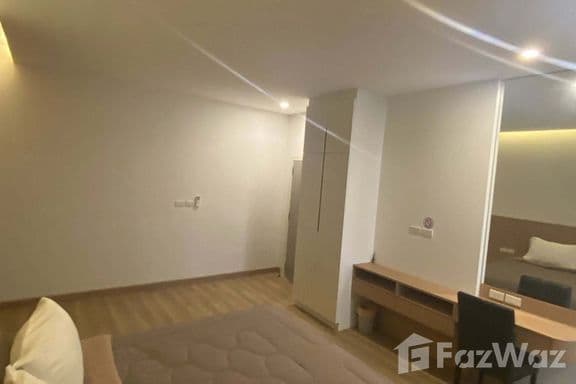
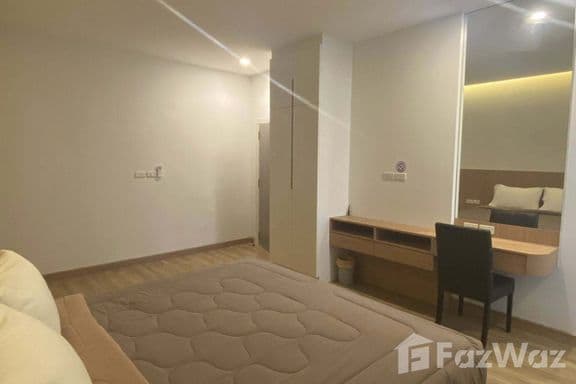
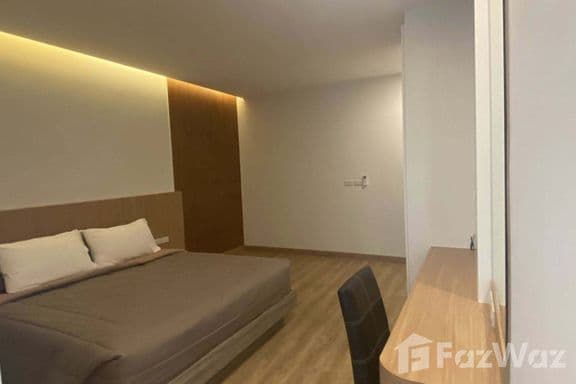

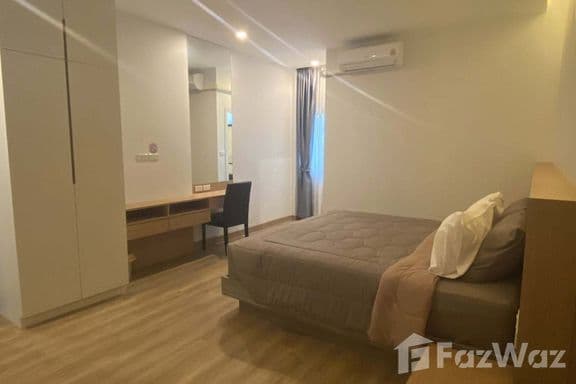










 Popular condos in Hua Hin

