House for Sale in Bangkok – Comprehensive Real Estate Investment Guide
Introduction
Bangkok’s real estate market offers a dynamic landscape for investors, especially those interested in houses for sale in Bangkok. As Thailand’s capital and economic center, Bangkok boasts a blend of high-growth urban districts and established residential neighborhoods. For English-speaking investors seeking opportunities in this city, understanding the market’s nuances is crucial. This guide provides an analytical, investor-focused overview of Bangkok’s housing sector – from market trends and legal frameworks to neighborhood spotlights. It functions as a comprehensive investment guide, detailing pricing trends, foreign ownership rules, supply-demand dynamics, taxes, and key areas of interest. By the end, investors will have a structured insight into Bangkok’s property market and how different segments (luxury, mid-range, expat-oriented) perform within the city’s unique context.
Bangkok Real Estate Market Overview
Bangkok’s property market is a cornerstone of Thailand’s economy and has shown resilience through global and domestic challenges. In recent years, property prices in the capital have continued a gradual upward trajectory. Growth has been supported by rising construction costs, scarce urban land, and steady demand from both local and international buyers. While the market experienced a brief slowdown during the COVID-19 pandemic, confidence has been rebounding alongside Thailand’s economic recovery. Bangkok’s role as a regional business hub and its resurgent tourism industry (with foreign arrivals climbing back toward pre-pandemic levels by 2024) contribute to a positive outlook. Overall, the city’s housing sector remains an attractive arena for investment – characterized by moderate price growth, improving rental yields, and long-term capital appreciation potential.
From an investor’s perspective, Bangkok’s real estate combines stability with growth. The government and central bank have maintained prudent economic policies, resulting in relatively low inflation and improving interest rate conditions. Lower interest rates and renewed bank lending in late 2024 have begun to make home financing more accessible for buyers, stimulating end-user demand. At the same time, foreign investor interest – particularly in condominiums and select luxury assets – provides additional liquidity to the market. However, it’s important to note that Bangkok’s housing market is not a uniform entity; performance varies by location and segment. Prime central districts see high land values and solid rental demand, whereas emerging suburban areas offer affordability and higher growth potential. In the following sections, we delve deeper into the market analysis and break down key factors such as pricing trends, supply and demand, regulations, and taxation that shape investment decisions in Bangkok’s housing sector.
Market Analysis: Pricing Trends and Investment Outlook
Property Price Trends: Bangkok’s house prices have shown steady, moderate growth in recent years. According to Bank of Thailand data, the price index for single-detached houses in the Bangkok Metropolitan Region rose roughly 2–3% year-on-year in 2024. This indicates a slow but stable appreciation of house values in the capital. For context, house price growth in Bangkok slightly lagged the national average in late 2024 – reflecting that some provincial markets grew faster – yet Bangkok still saw positive momentum. Townhouse prices (low-rise attached homes) similarly notched modest gains of around 3% year-on-year. These trends point to a gradual increase in values, rather than any rapid spike, which aligns with an environment of cautious economic recovery and selective buying.
It’s also notable that the average price of new residential units launched in Bangkok jumped significantly from 2023 to 2024. Market surveys found that developers shifted focus toward higher-end projects, causing the average asking price of new homes (across all unit types) to rise by over 20% in one year. In 2024 the average new home in Bangkok was priced around THB 6.7 million (approximately USD 200,000), up from about THB 5.5 million in 2023. This sharp increase doesn’t necessarily mean all property values surged; rather, it reflects developers launching more luxury and upper-mid-range houses while pulling back on cheaper mass-market offerings. In the years prior, the average price point was lower (for instance, around THB 4.4 million in 2022), showing how the new supply mix has trended upscale. This suggests that premium and luxury houses have gained a larger share of the market’s attention, whereas entry-level housing supply has dwindled due to weaker purchasing power among first-time buyers.
Investment Outlook: The outlook for Bangkok’s housing market is cautiously optimistic. Analysts expect property values to continue rising gradually in the near term. Key drivers include Bangkok’s ongoing infrastructure improvements, the return of foreign business and expat activity post-pandemic, and Thailand’s efforts to attract high-net-worth foreign residents. While price growth is not expected to be explosive, capital appreciation in well-chosen locations should be steady. Additionally, rental demand in Bangkok has strengthened notably. By late 2024, prime residential rents in Bangkok had increased by double digits year-on-year (some estimates around 15% growth in upscale segments), fueled by returning expatriates and local tenants who postponed buying due to economic conditions. Rising rents enhance rental yield potential for investors. Gross rental yields for residential properties in Bangkok average around 5–6% annually, which is competitive for the region. Yields tend to be higher in suburban areas (where purchase prices are lower relative to rents) and slightly lower in expensive central districts. Still, the recent surge in rents – especially for larger homes favored by expats – means investors could see improved income returns on houses in prime neighborhoods.
Looking ahead, several factors will shape the investment landscape. The trajectory of interest rates will influence local buying power – currently, with rates stabilizing or even decreasing slightly, more end-users may enter the market. Government policies and incentives (discussed later) are also crucial: for instance, temporary tax cuts have propped up transactions in the mid-range market. On the global front, Bangkok remains a relatively affordable capital city for real estate, which could attract foreign investors seeking diversification or yield. In summary, the pricing trend is one of moderate growth, and the outlook is that Bangkok’s housing market will remain a stable, income-generating investment with pockets of high growth in select areas or segments.
Supply and Demand Dynamics in Bangkok’s Housing Market
Housing Supply: Developers in Bangkok have been cautious in adding new supply of housing, especially in the low-rise (house) segment. The number of new residential project launches has decreased in the past year as developers respond to market conditions. In 2024, new project launches in the Bangkok region fell sharply – by some estimates nearly 40% fewer units were introduced compared to 2023. This pullback in supply was even more pronounced for houses and townhouses, as many builders delayed or scaled down plans for large housing estates. During the first three quarters of 2024, around 72,000 new residential units (all types) were completed in Bangkok Metropolitan Area, a slight increase overall. However, within that, completion of low-rise houses actually declined by roughly 20% year-on-year, while high-rise condominium completions rose substantially. This indicates that fewer new houses came onto the market, reflecting developers’ shift toward condominiums and a reluctance to overbuild in the housing sector. With construction activity slowing for houses, the available inventory of unsold new houses has been tightening, particularly in popular locations.
Another factor is that developers are focusing on specific price segments. There has been a strategic emphasis on projects that align with effective demand. Some reports suggest developers concentrated on housing priced at THB 7 million or below in 2024 to match government incentive thresholds and what buyers can afford. At the same time, other evidence shows that extremely cheap entry-level projects have been hard to sell (due to buyers’ credit constraints), prompting a tilt towards more upscale offerings that wealthy buyers can still purchase. In effect, developers have targeted the “sweet spot” of the market: upper-middle class and affluent segments, or truly affordable units that qualify for incentives – leaving a gap in the lower-middle market. The net result is a limited new supply of mid-priced houses, which could create pent-up demand in that segment going forward.
Housing Demand: On the demand side, Bangkok’s housing market is gradually improving after a sluggish period. According to surveys by the Real Estate Information Center (a research arm of Thailand’s Government Housing Bank), buyer confidence has been rising. In late 2024, the housing demand confidence index in Bangkok reached its highest point since the pandemic, and the share of residents planning to buy a home in the next six months climbed to around 28% (up from ~25% in the previous quarter). This renewed intent is largely driven by improving economic sentiment and the slight easing of mortgage loan conditions. Notably, actual transaction data still showed a year-on-year decline in home sales volume in early 2024, but the contraction was easing by the end of the year. Government stimulus measures helped here – for example, temporary cuts to transfer fees (reducing them to 0.01% for affordable homes) encouraged more transactions in the lower end of the market than would have occurred otherwise.
One clear trend is that local end-users remain the primary drivers of demand for houses. Surveys indicate that over 80% of buyers in Bangkok are purchasing for their own residence (rather than pure investment), a proportion that grew in 2024 as people resumed personal homeownership goals. Single-detached houses continue to be highly coveted by Thai buyers. In fact, detached houses were the most sought-after property type among Bangkok-area home seekers in 2024 – accounting for roughly 40% of buyer interest – outpacing condos and townhouses. This preference is rooted in cultural and practical factors: many Thais value land and space, making owning a house (often in a gated community) a life goal. The strongest demand for houses has been in the mid-price ranges (approximately THB 3–5 million) which represent the typical budget for middle-class families. These price brackets made up nearly half of all home purchases recently. It shows that there is a sizable market for reasonably priced suburban houses. However, due to the supply crunch mentioned, buyers in this segment face limited choices, which could sustain price competition for available units.
Meanwhile, investor and foreign demand plays a niche but notable role. Pure investors (those buying to rent out or hold as an asset) comprised around 15–20% of buyers in late 2024, which is lower than during boom years but still significant. They tend to focus on locations with strong rental markets (central Bangkok or expat-favored districts). Foreign buyers, who are a major force in the condominium market, have a smaller direct presence in the house market because of legal restrictions. Instead, foreign residents in Bangkok often rent houses (especially expatriate executives with families), indirectly driving demand for investment-owned houses to serve as rental properties. There is also some foreign interest in purchasing luxury homes through alternative means (discussed in the next section). Overall, demand in Bangkok is bifurcated: solid fundamental demand from locals for primary homes and a steady undercurrent of investment demand for rental yields, particularly on higher-end properties that can attract premium tenants.
Foreign Ownership Rules and Legal Framework
One of the most critical considerations for international investors is understanding Thailand’s foreign ownership rules for property, especially houses. Thai law places restrictions on foreign ownership of land, which directly impacts the purchase of landed houses in Bangkok. Here are the key points of the legal framework and options available:
- Land Ownership Restrictions: By default, foreign individuals cannot own land in Thailand. Since owning a house typically implies owning the land it sits on, this means foreigners are generally barred from freehold ownership of standalone houses or villas in their own name. The land code has strict provisions that only Thai nationals (or Thai majority-owned companies) can hold land titles freehold.
- Ownership of Structures: While foreigners cannot own land, they are technically allowed to own the building structure separate from the land. In practice, this means a foreigner could hold title to a house as a physical structure (through a superficiary right) if they have a legal arrangement to use the land. However, this approach is uncommon and doesn’t confer full property rights because the land still must be leased or owned by a Thai party.
- Leasehold as a Solution: The most straightforward way for a foreign investor to control a house property is through a long-term leasehold. Thai law permits leases of up to 30 years for land or property, and these leases can be registered on the land title. Many foreigners opt to lease a house (or the land beneath it) for 30 years, often with a pre-agreed option to renew for additional 30-year terms. While the leasehold does not equate to full ownership, a properly structured long-term lease can provide secure rights to use, rent out, and even resell the remaining lease term of the property. Leasehold arrangements are common in resort markets like Phuket; in Bangkok, they are less prevalent but still an option for certain upscale residences and custom arrangements.
- Thai Company Ownership: Some foreign investors choose to set up a Thai limited company to purchase land and a house. Thailand allows a company with majority Thai ownership to buy land. Typically, the foreigner holds 49% or less of the shares, and Thai nationals (often nominees) hold the remaining 51%+. This method has been used frequently in the past, but it comes with legal complexities. It’s critical that any company set up for this purpose is a legitimate business with active Thai stakeholders, as Thai authorities scrutinize “dummy” companies formed solely to circumvent land laws. If done improperly, this approach carries legal risk. Therefore, investors considering this route should consult legal experts to ensure compliance and understand that Thai law forbids nominee arrangements that exist just on paper.
- Recent Policy Changes – Long-Term Resident (LTR) Visa Scheme: In an effort to attract high-wealth individuals and professionals, the Thai government introduced a Long-Term Resident (LTR) visa program in 2022, which came with a noteworthy concession on land ownership. Under this policy, certain qualified foreigners holding LTR visas are allowed to purchase up to 1 rai of land (approximately 1,600 square meters, or about 0.4 acres) for residential use, provided they make a substantial investment in Thailand. The investment threshold is at least THB 40 million (around USD 1.2 million) in specified assets (such as Thai government bonds, property, or direct investment) maintained for a minimum of three years. This effectively means a wealthy investor can buy a house and land in Bangkok (or other designated areas like Pattaya or municipal zones) in their own name, up to the size limit, if they meet the criteria. This scheme is a significant relaxation of the rules but applies only to a select group of foreigners. It is also time-bound – the policy is slated to be in effect for five years from its commencement. The uptake of this scheme has been limited so far, but it does offer a legal pathway for direct foreign ownership of a house in Bangkok under strict conditions.
- Condominium Alternative: It’s worth noting that Thailand has very liberal rules for foreign ownership of condominiums. Foreigners may own up to 49% of the total unit area in a condo building freehold, with no need for special visas or investments. Many foreign investors who initially consider houses pivot to buying condos in Bangkok due to the simplicity of ownership. Condos are abundant in Bangkok and can be owned outright by an overseas buyer (with funds brought in from abroad). However, since this guide is about houses, just keep in mind that condos are the primary freehold option for foreigners, whereas houses require one of the strategies above.
Legal Process and Protections: If a foreign investor does decide to pursue a house acquisition via leasehold or other means, it’s crucial to conduct thorough due diligence. Bangkok’s property market operates under a well-developed legal system for title registration. Land titles in Bangkok (known as Chanote titles) are generally secure and fully documented at the Land Department. Ensure that any property has a clear title, free of encumbrances or liens. Always engage a qualified lawyer to review contracts, whether it’s a lease agreement or a shareholding structure in a Thai company. Contracts should specify all rights and responsibilities, including dispute resolution mechanisms. It’s also advisable for foreigners to consult with a local attorney on arrangements like usufructs or superficies if they plan to register personal rights on a property (these are civil law instruments that can grant long-term usage or habitation rights, supplementing a lease). In summary, navigating the legal framework requires careful planning, but with the right advice, foreign investors can safely participate in Bangkok’s house market, either indirectly or through the limited direct avenues available.
Taxes and Transaction Costs for Bangkok Properties
Investors should factor in the various taxes and fees associated with buying, owning, and selling property in Bangkok. Thailand’s property tax regime is relatively straightforward and, in many cases, not overly burdensome, but it’s important to understand the costs to avoid surprises. Below is a breakdown of key taxes and transaction costs for houses in Bangkok:
- Transfer Fee: A transfer fee of 2% of the property’s official appraised value is levied when ownership is transferred at the Land Department. This fee is typically shared equally between buyer and seller by common practice (though it’s negotiable in the sale contract). Notably, as a temporary stimulus measure, the government reduced the transfer fee to 0.01% for lower-valued residential properties (up to THB 3 million, and later expanded to homes up to THB 7 million) during 2022–2024. This was done to encourage home sales in the affordable segment. Unless extended, the fee will revert to 2% for all properties, so investors should check the current status of any incentives. For most investment-caliber houses in Bangkok (which often exceed those price thresholds), assume the standard 2% rate.
- Stamp Duty: A stamp duty of 0.5% of the property’s registered value is applicable on property transfers. However, stamp duty is only payable if Specific Business Tax (SBT) is not applicable on the transaction (stamp duty and SBT are mutually exclusive, only one applies). Stamp duty is typically paid by the seller. In many second-hand sale scenarios (where the seller has owned the property for a while), this 0.5% stamp duty will be the relevant tax.
- Specific Business Tax (SBT): Specific Business Tax is a 3.3% tax (3% tax plus a municipal surcharge) on the sale price or appraised value (whichever is higher) of a property. It applies if the property is sold by a person or company that is considered to be trading in real estate. In practice, SBT is levied when a property is sold within 5 years of its purchase (for individuals), or when the seller is a company/developer. If SBT is applicable, the seller pays this tax instead of the 0.5% stamp duty. For example, a developer selling a new house will pay 3.3% SBT on the sale (and no stamp duty), or if you as an investor resell a house within 5 years of buying it, you would likely be subject to SBT as part of the transfer. SBT is also usually the responsibility of the seller in the transaction.
- Withholding Tax (WHT): There is a form of withholding tax collected at the time of transfer, which is essentially an income tax on the property sale. If the seller is an individual, the Land Department will calculate a personal income tax on the gains from the sale (using a sliding scale based on the appraised value and years of ownership – effectively a prepayment of the seller’s annual income tax). This often averages around 1%–3% of the sale price for many cases, depending on property value and holding period. If the seller is a company, a flat 1% of the sale price is withheld as corporate income tax prepayment. WHT is generally taken from the seller’s proceeds at transfer. In many resale transactions, this means the seller’s side covers the withholding tax due.
- Legal Fees and Miscellaneous: While not taxes, it’s worth mentioning other transaction costs. Buyers often incur legal fees for due diligence and contract reviews (which can range from a few tens of thousands of baht depending on complexity). If using a broker or property agent, the agency commission (usually ~3% of the sale price) is typically paid by the seller. Developers sometimes bundle the transfer fee and taxes into promotions for new houses, so off-plan buyers should clarify which party pays which taxes in the purchase agreement.
- Annual Land and Building Tax: In 2020, Thailand introduced a new Land and Building Tax which replaced older property taxes. For residential properties, the annual tax rates are very low, especially for owner-occupied homes. As of current rates, a house owned by an individual as a primary residence enjoys an exemption on the first THB 50 million of appraised value. Beyond that, and for second homes or investment properties, the tax rates start at 0.02% of the assessed value for residential use. The rate gradually increases for higher property values: roughly 0.03% for the portion of value above THB 50 million up to THB 75 million, 0.05% for the portion up to THB 100 million, and capping at 0.1% for any value beyond THB 100 million. In practical terms, most houses in Bangkok will incur a very modest annual tax. For example, a THB 10 million house not used as a primary residence might be taxed at 0.02%, which comes to only THB 2,000 per year (~USD 60). If it’s the owner’s primary home, that tax might be zero due to the exemption. This low holding cost is a benefit for investors; carrying an investment property does not incur a significant annual tax expense compared to many Western countries. Do note that local authorities send out tax assessments yearly, and the owner (or lessee, depending on contract) is responsible for paying the Land and Building Tax.
- Rental Income Tax: Should an investor rent out a house in Bangkok for income, that rental income is subject to Thai income tax. If the owner is an individual, rental income is added to their annual personal income and taxed at Thailand’s progressive rates (ranging from 0% up to 35% for high incomes). However, certain deductions are allowed (for instance, individuals can deduct a flat 30% of rental income as expenses before tax). If the property is held via a company, rental income would be part of corporate earnings, taxed at the corporate rate (20% in Thailand). Many foreign investors simply pay personal income tax on their rental earnings; Thailand has tax treaties with many countries to avoid double taxation, meaning the tax paid in Thailand may be credited back home. It’s advisable to get guidance from an accountant on the most tax-efficient structure for rental investments.
In summary, transaction taxes in Bangkok are concentrated on the selling side (seller’s taxes), with buyers mainly paying a share of the transfer fee (and their own legal costs). The ongoing costs of holding a house are very low in terms of local property tax. This friendly tax environment is one of the attractive aspects of investing in Thai real estate. Investors should nonetheless budget for the various fees when calculating returns – for example, if you plan to sell in a few years, remember that about 3% (SBT) plus 1% (withholding) of the price could go in taxes, which affects your net capital gain. It’s always wise to consult with a tax professional or property lawyer in Bangkok to stay updated on current tax regulations, as the government occasionally revises incentives and rates.
Neighborhoods in Bangkok: Key Areas for Property Investors
Bangkok offers a range of neighborhoods, each with unique investment potential. Below is a streamlined overview of the most prominent areas for house buyers.
Sukhumvit (Central Downtown)
Sukhumvit is Bangkok’s most prestigious residential zone, favored by expats and affluent Thais. While housing stock here is limited due to vertical development, some luxury detached houses exist in quiet side streets. Land prices are extremely high, often THB 1–2 million per square wah. These homes attract long-term investors and corporate tenants, though yields are typically low (~3%) due to the high capital cost. Sukhumvit stands out for its lifestyle, international schools, and strong capital preservation.
Silom & Sathorn (Central Business District)
Bangkok’s traditional CBD offers ultra-luxury houses with limited availability, mostly in Sathorn's quiet lanes. Properties here are often used by embassies or high-net-worth families and command top-tier prices. While rental demand exists, it's niche. This area benefits from excellent connectivity and prestige, and upcoming developments like One Bangkok may further drive value. Investment here is about long-term appreciation and exclusivity, with low liquidity.
Riverside & Thonburi
Riverside properties, especially on the Thonburi side, combine scenic appeal with emerging growth. While east-bank riverfront is condo-dominated, west-bank Thonburi offers larger plots and lower prices. Areas like Khlong San and Wongwian Yai are seeing gentrification, while outer zones like Rat Burana remain affordable. Infrastructure like ICONSIAM and the BTS expansion enhance access and appreciation potential. Investors here can target both local and expat rental demand.
Northern Districts (Ari, Chatuchak, Lad Phrao)
Ari is a trendy area popular with professionals and creatives, offering a mix of villas and renovated homes with moderate rental yields. Chatuchak and Lad Phrao are growing thanks to new transit lines and projects like Bang Sue Grand Station. These districts provide more space and better affordability, especially in gated communities. Investors benefit from rising demand and appreciation tied to infrastructure expansion.
Eastern Suburbs (Phra Khanong, Bang Na)
Eastern areas like Phra Khanong and On Nut are urbanizing, offering better yields due to lower purchase prices. These neighborhoods attract expats looking for proximity to central Bangkok at a lower cost. Bang Na is rapidly transforming with projects like Bangkok Mall and international schools. Gated estates offer spacious homes at mid-range prices (THB 10–20 million), making them attractive for rental to corporate tenants. Infrastructure development continues to boost this area’s prospects.
Emerging Zones (Rama IX, Ratchada, Outskirts)
Rama IX and Ratchada form Bangkok’s “New CBD,” with rising prices and growing appeal. While condos dominate, select houses offer potential for rental or redevelopment. Rama III and suburban enclaves like Nichada Thani in Nonthaburi cater to high-end expats and offer rental income opportunities, often in USD. Infrastructure like new rail lines is driving value in peripheral areas like Min Buri and Ramkhamhaeng. Early investment in these corridors may yield strong future appreciation.
Market Segments: Luxury, Mid-Range, and Expat-Oriented Houses
Bangkok’s housing market can be broadly categorized into different segments based on price and target clientele. Each segment – luxury, mid-range, and expat-oriented – has its own characteristics and appeals to different investor strategies. Below is a brief explanation of each segment:
- Luxury Segment: The luxury housing segment in Bangkok comprises the top tier of properties, often defined by prime location, large land plots, high-quality construction, and prestigious branding. Luxury houses are typically found in central areas (Sukhumvit, Sathorn, certain riverside spots) or in exclusive gated communities by renowned developers. Price points for luxury houses usually start around THB 30 million and can easily exceed THB 100 million for truly prime assets (over USD 3 million). These might include expansive modern villas or even heritage mansions in the city. Buyers are usually high-net-worth individuals – wealthy Thai business families, celebrities, or foreign buyers with the means (sometimes through corporate structures or LTR visa eligibility). From an investment perspective, luxury houses tend to have lower rental yields (perhaps 2-4%) because their values are so high relative to rent. However, they offer strong capital preservation and potential for long-term appreciation, especially land value. Bangkok’s luxury segment has seen new entrants like branded residences (for example, villas managed by luxury hotel brands) which target international investors. Investing in this segment is a play on scarcity and prestige – there are limited luxury landed properties in the city, so well-located ones will remain in demand. Just be prepared for higher maintenance costs and a smaller pool of tenants or future buyers due to the niche price range.
- Mid-Range Segment: The mid-range housing segment is the broad middle of Bangkok’s property market and arguably the backbone of housing demand. These are houses aimed at the middle class and upper-middle class. In price terms, mid-range might encompass roughly THB 5 million to THB 15 million (about USD 150k–450k) properties, though definitions vary. These include typical suburban family homes, townhouses, or semi-detached houses in and around Bangkok. Locations are often in developing neighborhoods or outer districts (for example, parts of Lad Phrao, Minburi, Bang Khae, etc.), or smaller houses in secondary sois of more central areas. Mid-range houses appeal to a wide audience: young professional families, first-upgrade buyers moving from condos to a landed home, and local investors aiming to rent to middle-income tenants. For investors, the mid-range can offer balanced rental yields (perhaps 4-6%) and steady demand. Since this segment constitutes the majority of local housing transactions, it’s less volatile and easier to liquidate than luxury. The presence of government incentives (like tax breaks for homes under certain prices) often focuses on this bracket, which can support market activity. When investing in mid-range houses, factors like proximity to schools, public transport, and community facilities can make a big difference in desirability. A sub-segment here is the townhouse market – 2 or 3-story attached homes which are very common in Bangkok and often fall in mid-range pricing. Townhouses might not offer land ownership appeal, but they are easier to rent out due to typically being closer to transit and city amenities. In summary, the mid-range segment offers scalability and consistent demand – an investor could buy multiple mid-priced houses across various growing suburbs, rather than putting all capital into one luxury asset.
- Expat-Oriented Segment: The expat-oriented housing segment overlaps partially with the above categories but is defined by its target tenant or buyer: the foreign expatriate. Bangkok has a large expat population (corporate executives, diplomats, NGO workers, etc.) who often live in the city for 2-5 year stints. Many of them seek housing that reminds them of home – typically detached houses with gardens or spacious townhomes, often in proximity to international schools or business areas. These houses can be luxury or mid-range by price, but what sets them apart is design and location tailored to expat preferences. For example, houses in compounds like Nichada Thani (with its American suburban-style layout near International School Bangkok) or gated communities in Sukhumvit designed for foreign families (with open kitchens, yards, and perhaps communal pools) fall into this expat-oriented category. From an investor’s viewpoint, this segment is attractive if the goal is to generate rental income in foreign currency. Many expat leases are paid by employers and are denominated in USD or pegged to it, which can provide stable cash flow. Rents for expat-suitable houses are often higher than what local tenants would pay for the same property. For instance, a 4-bedroom house in a compound near an international school might rent for THB 100,000/month to an expat family, even if a local might only pay THB 70,000 for it – due to the limited supply of such houses and the typically higher housing allowances expats have. However, vacancy risk can be an issue; if expat demand dips (as happened during the pandemic), these properties might sit vacant longer than those targeting locals. Additionally, expat preferences can change – one year Japanese expats might favor a certain area, while Western expats prefer another. So, investing in this segment requires keeping an eye on Bangkok’s expat community trends. Generally, areas like central Sukhumvit (for proximity to offices and nightlife), Bang Na (for international schools and space), and Nichada/Chaeng Watthana (for a campus-like lifestyle) remain consistently popular with expatriates. In conclusion, the expat-oriented segment is all about catering to rental demand: it can yield solid returns and less price sensitivity on rents, but it’s wise to have an exit strategy (many investors eventually sell these houses to local buyers or newer expats, thus property quality and upkeep are crucial).
Conclusion: Investing in Bangkok Houses
Investing in a house for sale in Bangkok can be a rewarding venture when approached with the right knowledge and strategy. Bangkok’s real estate market, while complex, offers a combination of reliable growth, rental income opportunities, and even some exciting upside in emerging districts. We have seen that the city’s housing sector is underpinned by strong local demand and gradually rising prices, all set against the backdrop of Thailand’s stable economic environment. For foreign investors, understanding the legal landscape is paramount – while restrictions exist, they are not insurmountable, and Thailand is slowly opening more channels for overseas buyers to participate in the property market.
This comprehensive guide has outlined how different factors come into play: market trends show a steady path with no signs of a bubble, supply constraints (especially for houses) could bolster values, and rental demand – particularly from the expat community – adds an income dimension to the investment. We also explored neighborhoods across Bangkok, revealing a city of many micro-markets – from the luxury lanes of Sukhumvit to the growth corridors of the suburbs. Each area has its own story and investment profile. Meanwhile, the market segments analysis reminds us that whether one invests in a high-end villa or a modest family home, the metrics for success (be it capital appreciation, yield, or ease of finding tenants) will differ.
Investors should approach Bangkok’s property market with clear goals. If the aim is long-term capital growth, focusing on land value in prime areas or up-and-coming suburbs might be the strategy. If generating rental yield is a priority, targeting expat-friendly houses or multiple mid-range rentals could be effective. Due diligence is critical: working with reputable real estate agents, consulting legal experts on any purchase structure, and verifying all property documents. It’s also wise to stay updated on government policies – such as tax incentives or changes in foreign ownership rules – that can create new opportunities or requirements.
In closing, Bangkok presents a vibrant real estate landscape for the savvy investor. Its blend of urban sophistication and emerging market dynamics means there are opportunities suited to various investment appetites. Whether you’re drawn to a luxurious house in the heart of Sukhumvit or a promising development on the city’s fringe, success will come from leveraging the insights provided in this guide: understanding the market data, respecting the local regulations, and aligning your investment with the right neighborhood and segment. With those fundamentals in place, investing in a house in Bangkok can not only yield financial returns but also the intangible benefit of being part of one of Southeast Asia’s most exciting and dynamic cities. Bangkok’s property market journey is ongoing – and for investors with an eye on the long game, it’s a journey well worth considering.
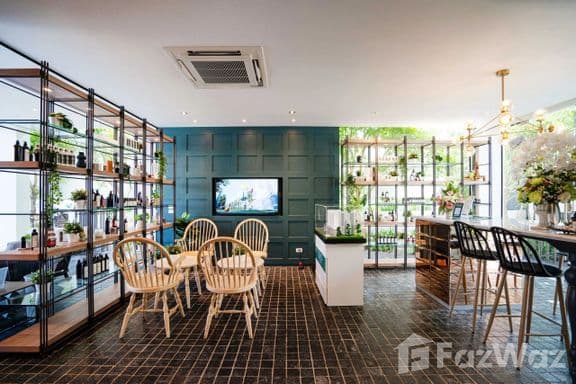
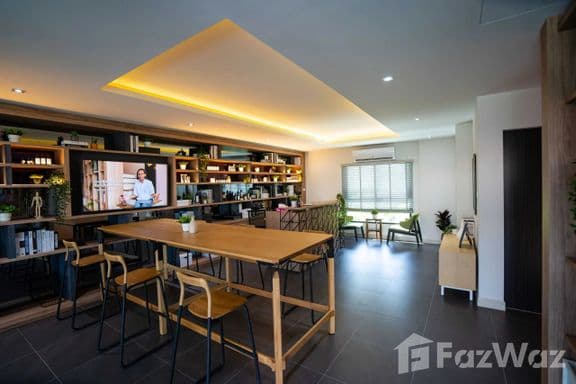


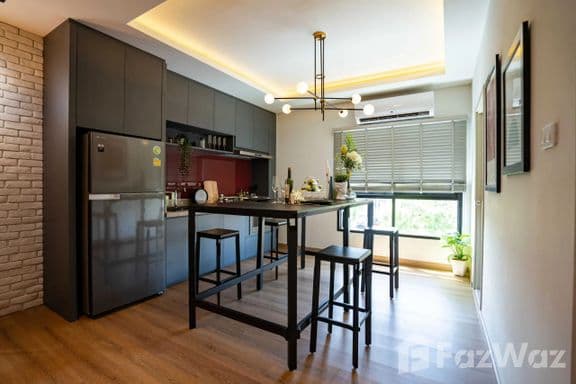
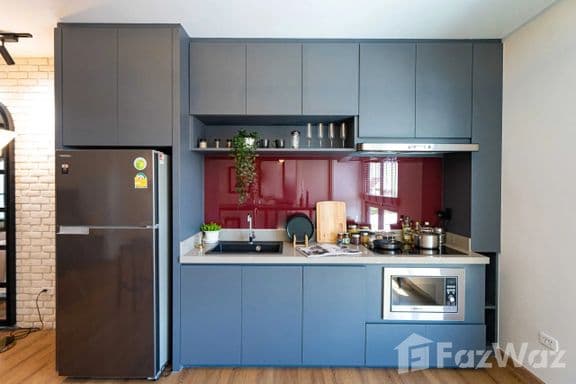








 Popular condos in Bangkok

