Living in Huai Khwang, Bangkok: 2025 Guide for Expats, Students & Digital Nomads
Huai Khwang is an up-and-coming district in Bangkok that offers a vibrant yet affordable urban lifestyle. Located just east of the city center, this neighborhood has quickly evolved into a hotspot for foreign expatriates, international students, and digital nomads in recent years. If you’re considering moving to Huai Khwang, this deep-dive guide will give you an authoritative look at everything the area has to offer – from housing and cost of living to transportation, amenities, and the local expat community.
Key Highlights of Huai Khwang:
- Central Location & Connectivity: Multiple MRT subway stations (Huai Khwang, Thailand Cultural Centre, etc.) link the district to Bangkok’s downtown in minutes. It’s only a few stops from major hubs like Sukhumvit/Asoke, making commutes convenient.
- Affordable Housing: Rental prices are generally lower than in Bangkok’s main expat enclaves. You can find budget local apartments and modern condos alike, with median condo rents around ฿20,000 per month – more affordable than many central areas.
- Vibrant Street Life: Huai Khwang boasts bustling night markets, street food stalls, and local fresh markets that open until late night. The area’s authentic Thai vibe means endless dining options and lively streets, giving residents a true taste of Bangkok.
- Modern Amenities: From large shopping malls (like Central Plaza Grand Rama 9) to supermarkets and 24-hour convenience stores, all daily necessities are within easy reach. Quality hospitals, international schools, coworking spaces, and fitness facilities are also located in or near the district.
- Diverse Expat Community: While maintaining a local Thai feel, Huai Khwang has a growing expat presence. A significant influx of Chinese expats has even earned it the nickname “New Chinatown,” adding a unique multicultural flavor to the neighborhood. Western expats and students appreciate the area’s mix of local culture and international conveniences.
In the sections below, we’ll explore each aspect of life in Huai Khwang in detail, so you can decide if this dynamic district is the right place for your Bangkok adventure.
Overview of Huai Khwang
Huai Khwang is one of Bangkok’s 50 districts, situated just east of the CBD (Central Business District) and adjacent to areas like Din Daeng and Chatuchak. Traditionally off the main tourist trail, Huai Khwang has developed rapidly in recent years. In fact, land values in this zone surged by over 21% for 2023-26, one of the highest jumps in Bangkok. This growth is mirrored by a boom in new condo developments – over half of all new Bangkok condos in 2022 were built in outer districts like Huai Khwang. The result is a neighborhood in transition: gleaming high-rises and modern malls now share the skyline with old street markets and local shophouses.
Despite its growth, Huai Khwang retains a distinctly local charm. It’s not a major tourist area, so you won’t see throngs of sightseers here. Instead, you’ll experience an authentic slice of Bangkok life. Street vendors, food markets, and mom-and-pop shops give the area a down-to-earth atmosphere. Prices for everyday goods and meals tend to be lower than in expat-heavy districts like Sukhumvit. Many residents appreciate that “local Thai tone” – living here feels more immersive, yet you still have access to the conveniences of the big city.
Another defining feature of Huai Khwang is its emerging multicultural community. In particular, the district has attracted thousands of young Chinese expats and students over the past decade. The Pracharat Bamphen Road area has become a hub for Chinese eateries and businesses, to the point that some call Huai Khwang Bangkok’s “second Chinatown”. One recent survey found about 7,000 Chinese nationals (mostly in their 20s and 30s) living in the Huai Khwang area, often to study the Thai language, teach Chinese, or start businesses. This growing Chinese influence means you can find authentic Chinese hotpot restaurants, Mandarin-speaking services, and imported goods alongside the Thai establishments. The blend of cultures adds character to the neighborhood – as one resident put it, “the Chinese influence adds a fun balance, it’s like a mini Chinatown,” yet you’re still very much in Thailand. Western expatriates are fewer here than in downtown districts, but many are now choosing Huai Khwang for its central location and lower living costs. All in all, the district’s demographics are diverse and evolving, creating a welcoming environment for newcomers from around the world.
Getting Around: Transportation in Huai Khwang
One of Huai Khwang’s biggest advantages is its excellent transportation links. The district is served by the MRT Blue Line (Bangkok’s subway), with multiple stations that make it easy to reach other parts of the city quickly. Key stations include Huai Khwang MRT station (in the heart of the district) and Thailand Cultural Centre (near the popular Ratchada area). From the Thailand Cultural Centre MRT stop, it’s only three stations to Asoke/Sukhumvit (Bangkok’s main downtown interchange). In the other direction, you can ride a few stops north to reach the Lat Phrao area. This means whether you need to commute to an office in the CBD, attend classes at a university, or enjoy a night out in Sukhumvit, you can be there in roughly 10–20 minutes by MRT.
Beyond the subway, Huai Khwang is also well-connected by road. Ratchadaphisek Road, a major ring road, runs through the district. While traffic on Ratchada can get congested during rush hour, it provides direct access to important highways. The Rama IX Expressway entrance is only a few minutes from central Huai Khwang, linking you to Bangkok’s outer ring road and the Motorway. Vibhavadi Rangsit Road (another arterial route) is also nearby. Thanks to these connections, both of Bangkok’s airports are within easy reach – typically about a 30-minute drive to Don Mueang (DMK) to the north or Suvarnabhumi (BKK) to the east, depending on traffic. For a car-free airport trip, you can also take the MRT one stop to Phetchaburi Station and connect to the Airport Rail Link at Makkasan, which goes directly to Suvarnabhumi.
Within the district, you’ll have no trouble finding local transportation. The usual taxis, motorbike taxis, and tuk-tuks are plentiful for short hops around the neighborhood. Ride-hailing services like Grab are widely used and affordable in Bangkok as well. An interesting alternative is the Khlong Saen Saep canal boat that runs along the district’s southern border – these commuter boats can zip you westward toward the city center while bypassing traffic (great for reaching areas like Asoke or even the Old Town via canal). Buses also crisscross Huai Khwang on major roads if you’re adventurous and can read a bus map.
For day-to-day life, most expats in Huai Khwang rely on a combination of walking and MRT within the neighborhood. Many condo buildings are clustered near the MRT stations, and sidewalks in the area’s main zones are decent by Bangkok standards. You can stroll to nearby markets, cafes, or the train without needing a car. Overall, not owning a vehicle is no hindrance living here – a huge perk for students and digital nomads. In short, Huai Khwang’s transit options make it highly convenient to live in, even though it’s not right in the tourist center of Bangkok. The connectivity is a major reason the district has become popular among those who want mobility without sky-high rent.
Housing and Rental Market in Huai Khwang
Housing in Huai Khwang ranges from simple local apartments to brand-new high-rise condominiums. This diversity means there’s something to suit most budgets and preferences – whether you’re a student looking for a basic room or an expat family seeking a modern condo with amenities. Here’s an in-depth look at what to expect:
Types of Accommodation
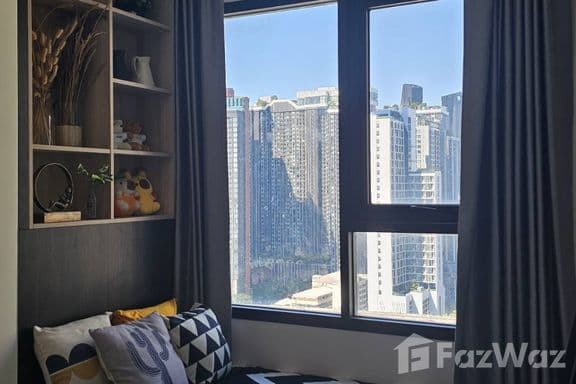
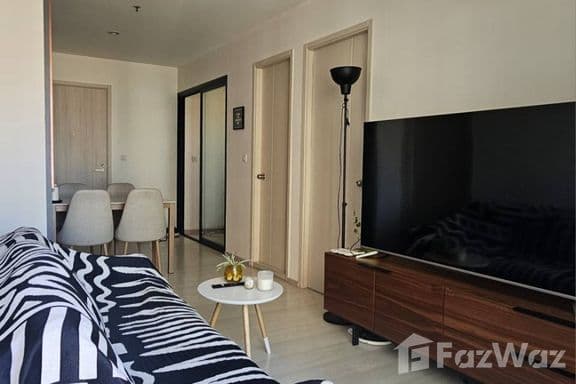
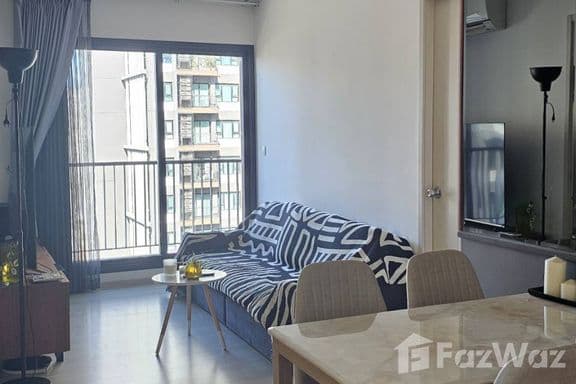
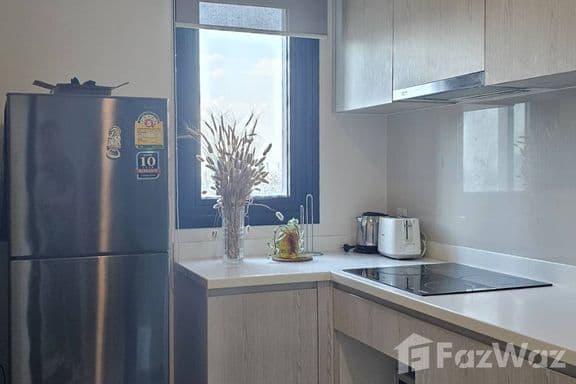
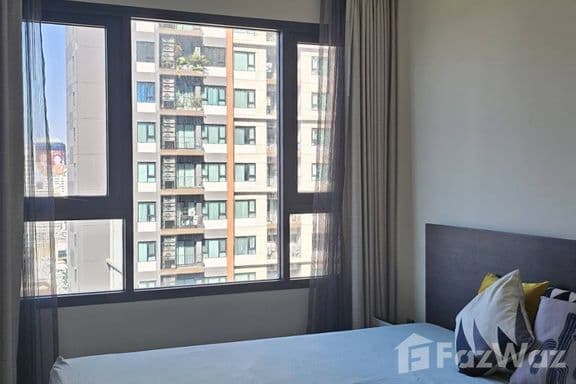
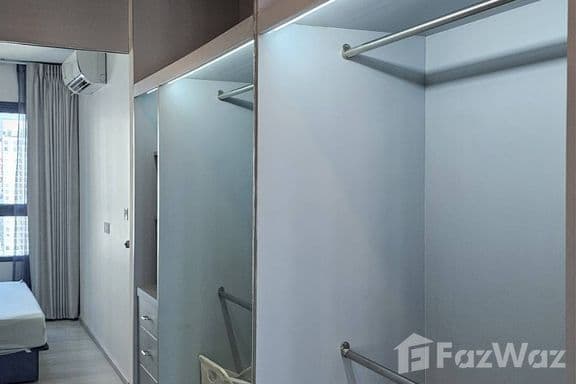
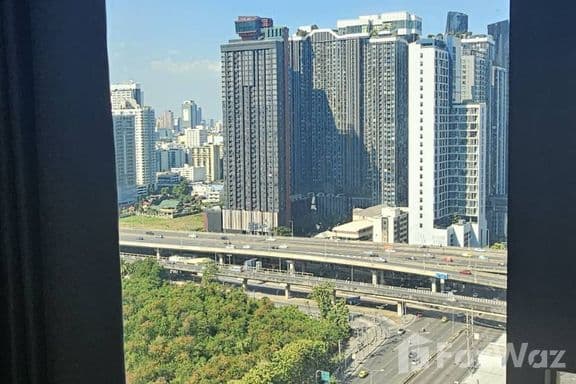
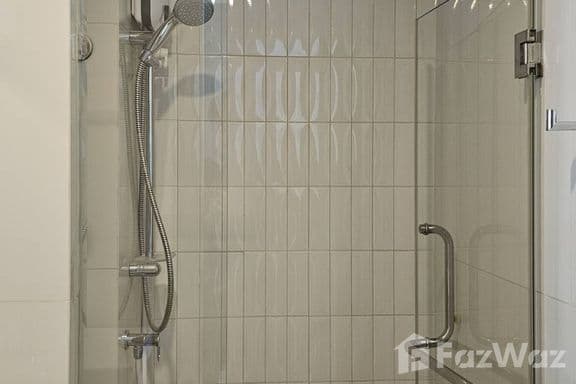
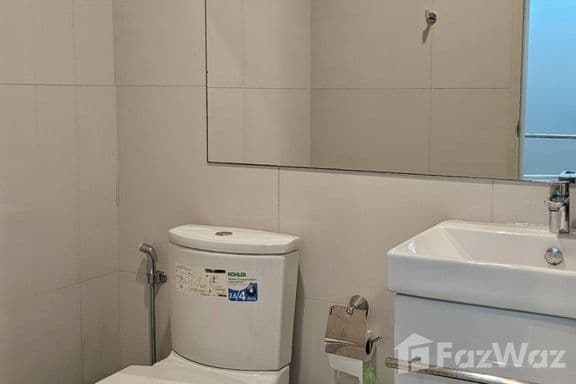
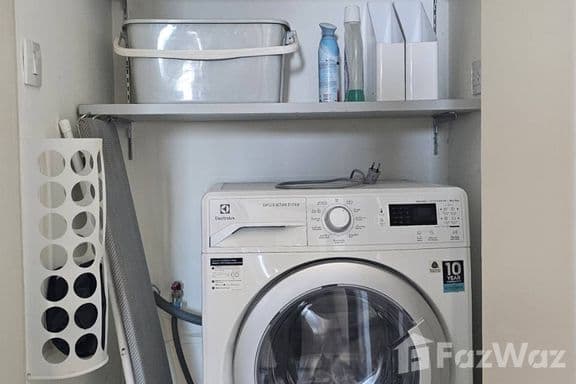
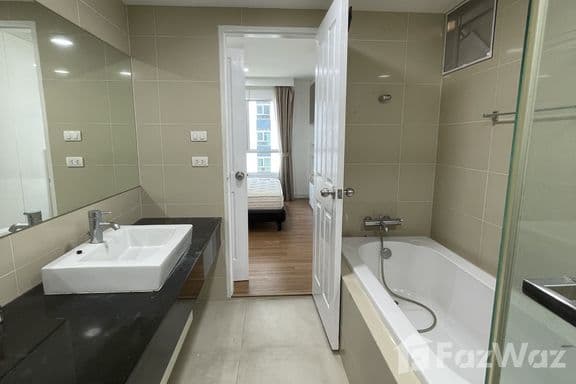
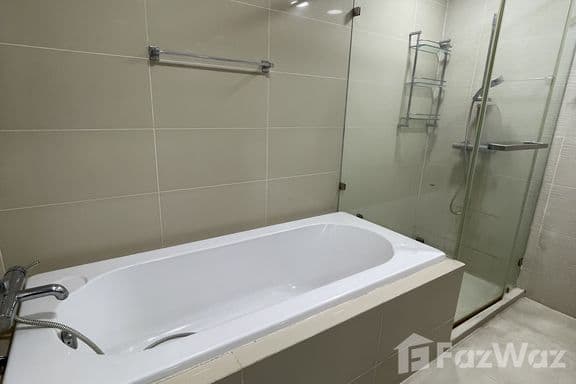
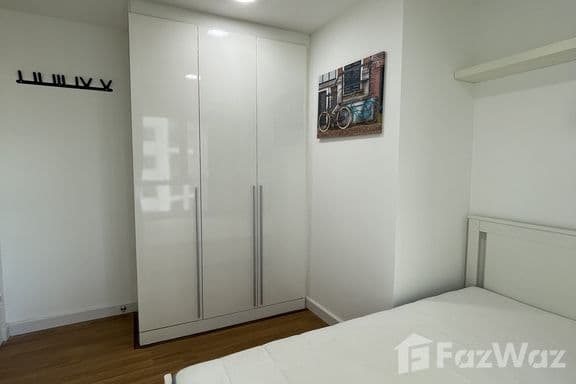
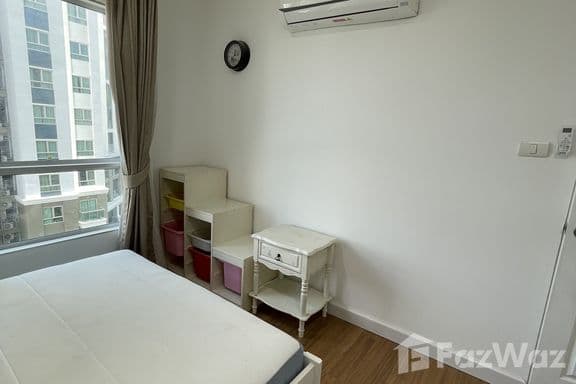
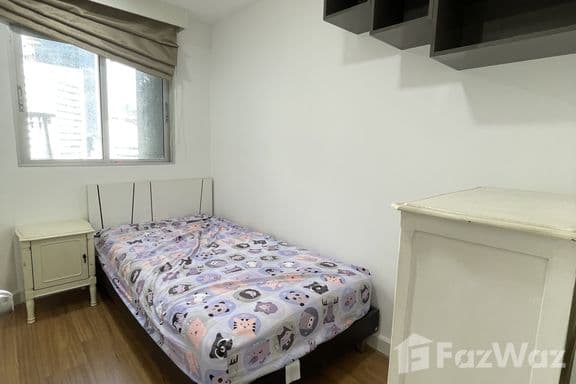
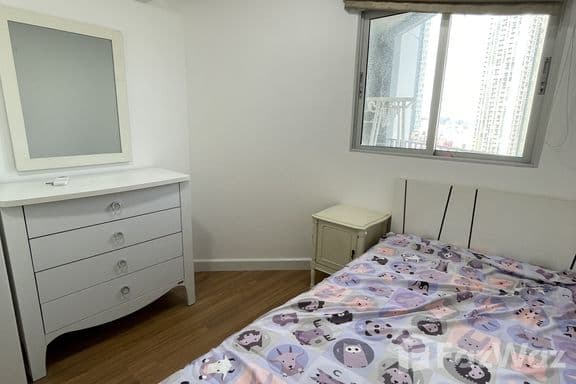
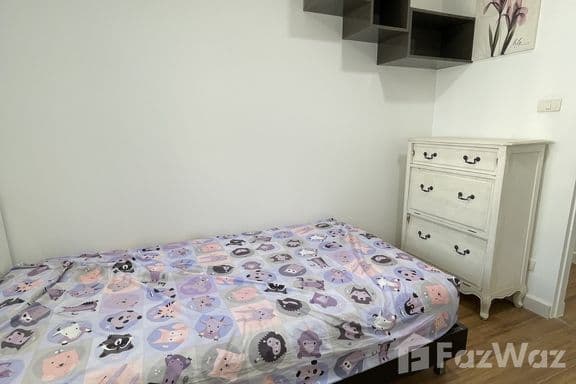
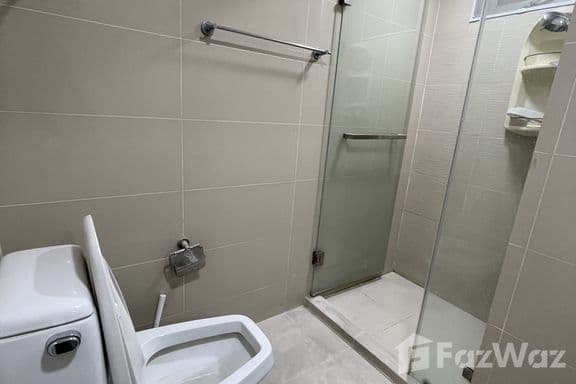
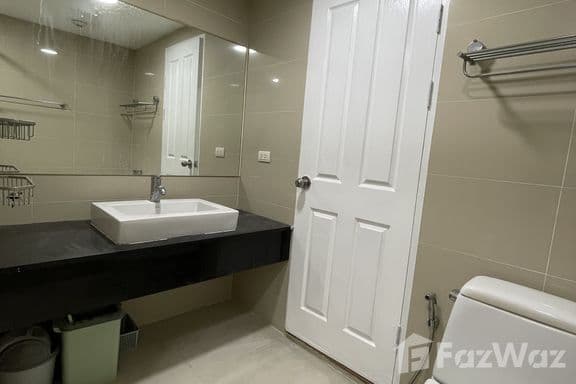
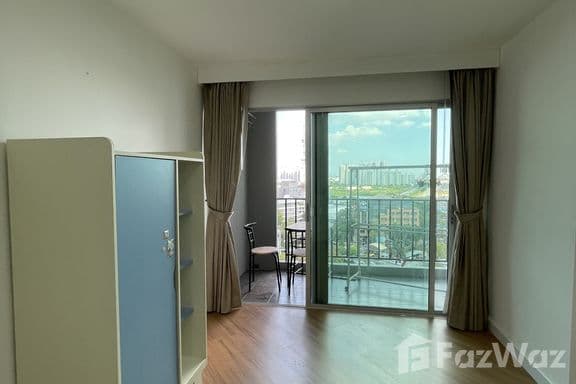
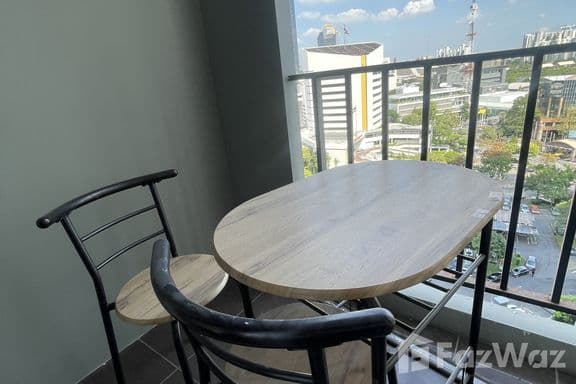
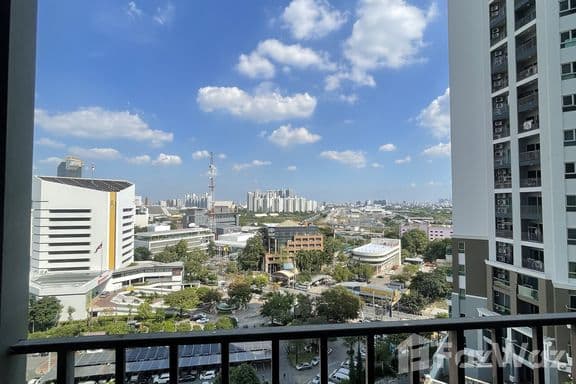
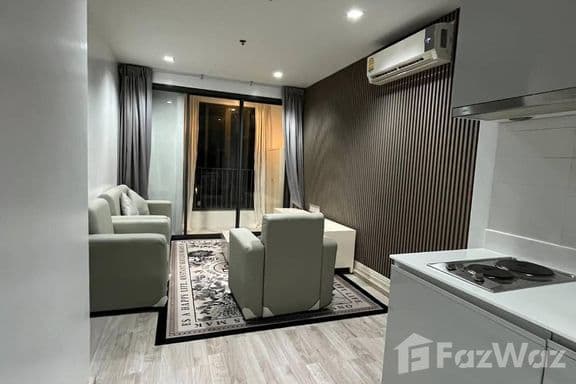
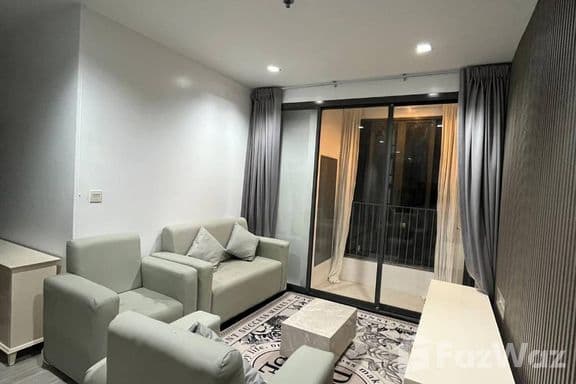
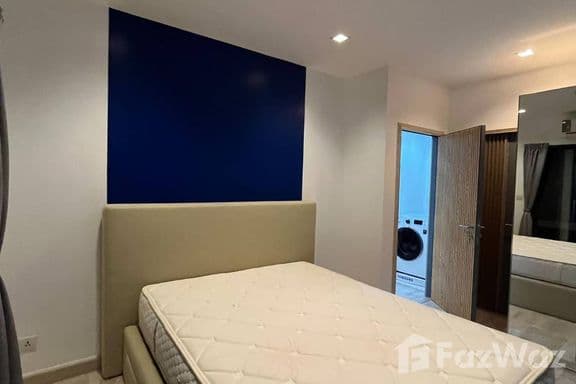
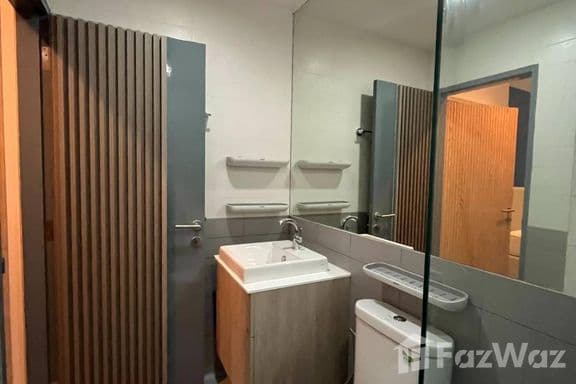
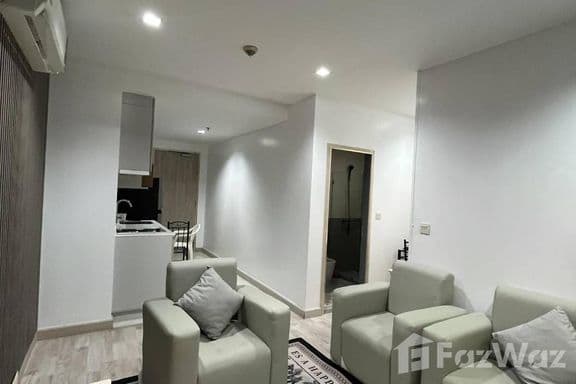
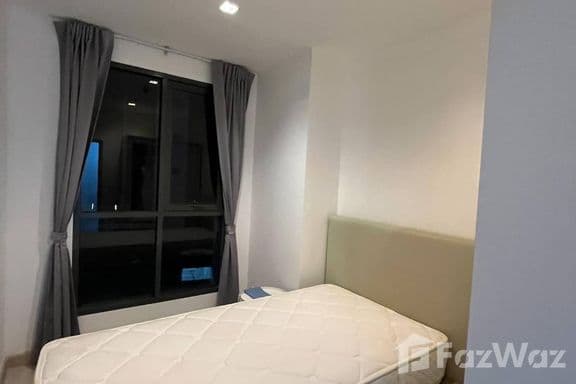
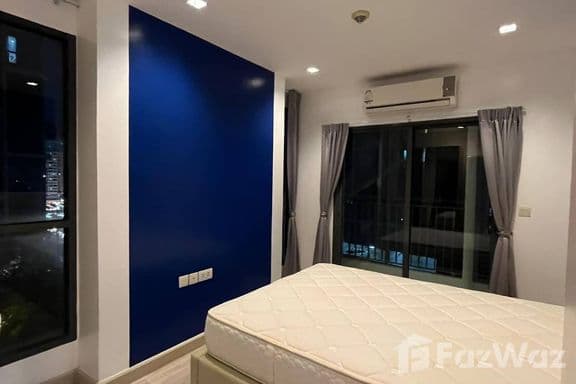
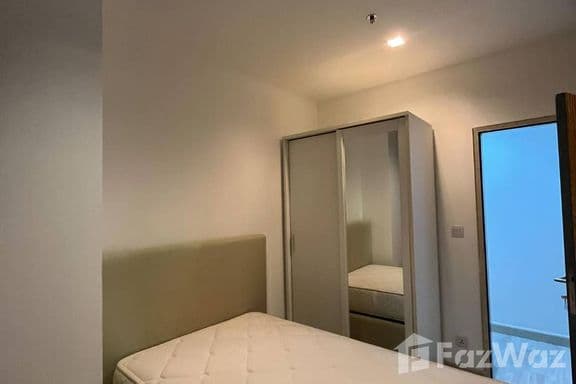
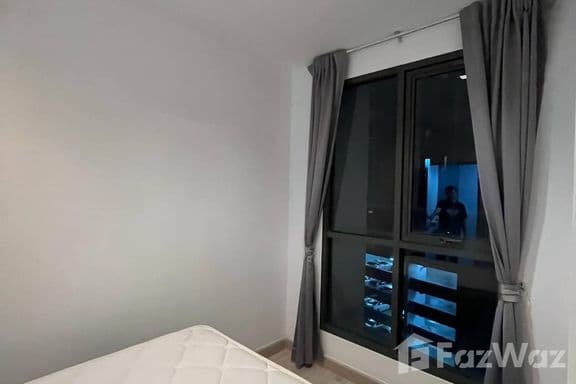
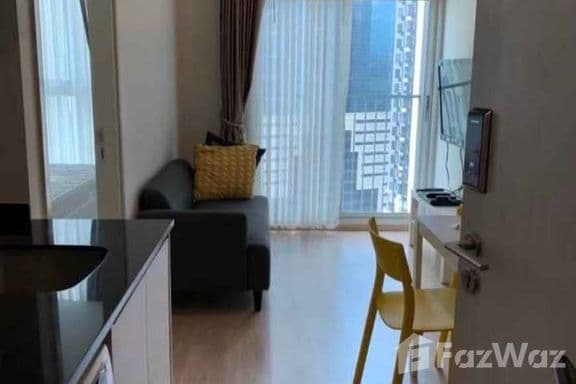
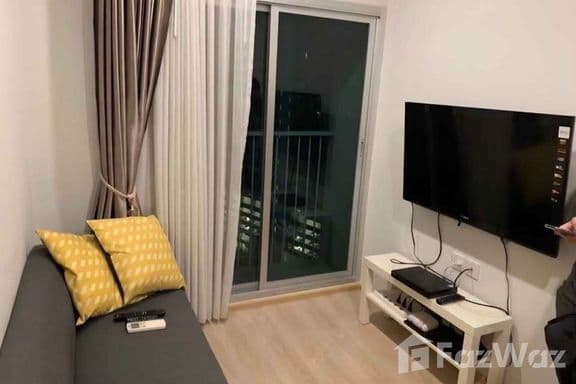
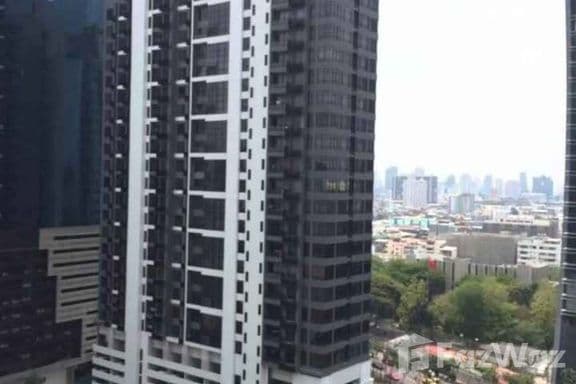
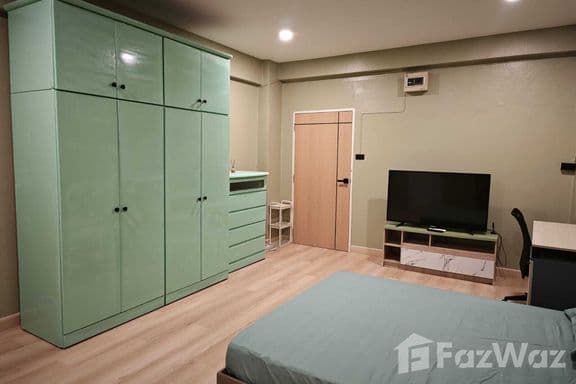
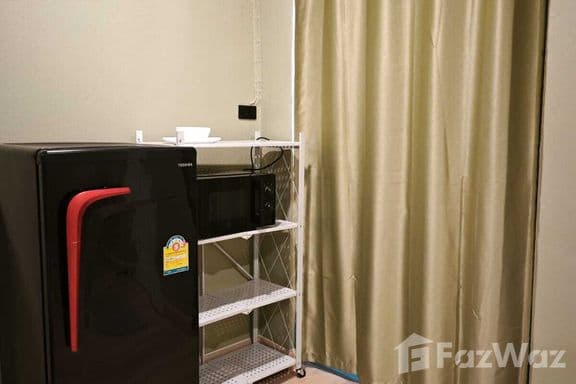
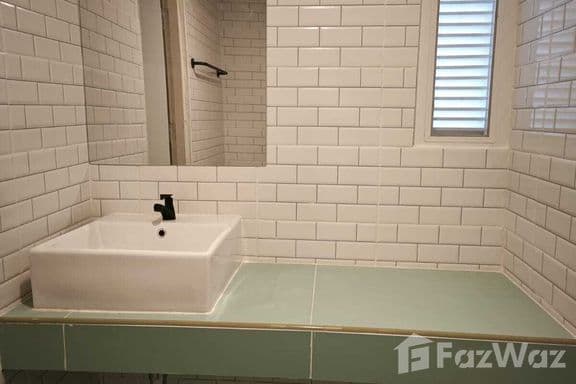
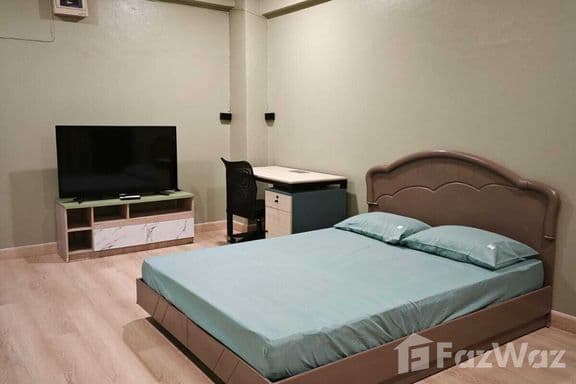
- Condominiums: In recent years, numerous condo complexes have sprung up around Huai Khwang, especially near MRT stations. These are typically high-rise buildings (20–40 floors) with units ranging from studios (~25–30 m²) to multi-bedroom apartments. Condos usually offer facilities like 24-hour security, swimming pools, gyms, and sometimes co-working lounges – a big draw for professionals and digital nomads. Many of the condos here are new or recently built, reflecting the construction boom in the area. Examples include developments around the Central Rama 9 intersection and along Ratchadaphisek Road, often with sky gardens and modern interiors. Condo living is ideal if you want comfort and convenience; you’ll find a mix of Thai owners, Chinese tenants, and a handful of Westerners in these buildings.
- Apartments (Local Style): Apart from condos, Huai Khwang still has plenty of traditional Thai apartment buildings and mansion complexes. These are usually low-rise (5–8 floors), older buildings with basic facilities. Don’t expect pools or gyms, but the rent is very cheap. Many local apartments offer studio rooms with en-suite bathroom and air-con, but perhaps minimal furnishings. They may appeal to budget-minded students or anyone looking to save. These apartments are often tucked away in small alleys (sois) off the main roads, providing a quieter environment. You might not find them listed online; exploring the neighborhood or using local agencies helps to discover these hidden gems.
- Townhouses and Houses: While Huai Khwang is quite built-up, there are some residential neighborhoods with townhomes or detached houses, particularly a bit further from the MRT line. Expat families or long-term residents sometimes rent these for more space. A three-bedroom Thai townhouse in a side street could be an option for sharing with roommates or a family setup. Keep in mind standalone houses are fewer here than in suburban districts; condos dominate the rental market due to recent development.
- Serviced Apartments: If you prefer a hotel-like experience, a few serviced residences operate in and around Huai Khwang and the nearby Rama 9 area. These come furnished with cleaning services, front-desk, etc. They tend to be pricier (charging by month with bills included), but might suit short-term stays or corporate rentals. However, most long-term expats in Huai Khwang opt for regular condo leases which are more cost-effective.
Rental Prices and Trends
One of Huai Khwang’s biggest draws is affordable rent for its central location. As of 2024–2025, the rental market here offers better value for money compared to prime downtown Bangkok. To give a rough idea of costs:
- A basic studio in an older apartment (Thai-style) can be found for as low as ฿3,000–฿6,000 per month. These would be no-frills rooms, possibly without a kitchen, favored by some students or locals. For example, one Reddit user shared they rented a simple one-room apartment a block from Huai Khwang MRT for only ฿5,000/month, citing the central location and MRT access as big pluses. Such deals are typically in older buildings down the side streets.
- Modern condo studios and one-bedrooms (20–40 m²) generally range from around ฿10,000 up to ฿20,000 per month, depending on age and proximity to the MRT. Newer luxury condos or larger one-bedroom units (45+ m²) might be in the ฿18k–฿25k range. For instance, the median condo rent in Huai Khwang is reported around ฿20,000 per month. This is slightly lower than Bangkok’s overall condo median, reflecting the area’s relative affordability. Many expats find that in Huai Khwang they can afford a bigger or newer apartment for the same price that would only get a small older unit in expat-heavy Sukhumvit.
- Larger condos with two or three bedrooms (80–120 m²) suitable for families can range from roughly ฿30,000 to ฿60,000 depending on the property. High-end examples like a spacious 3–4 bedroom condo in the luxury Belle Grand Rama 9 complex or similar can hit the higher end (฿50k+), but you’ll get a lot of space and amenities. Still, compared to downtown, even upscale rents here are more reasonable. Gross rental yields in Huai Khwang hover around 5–6%, which indicates rents are relatively low versus property prices.
- Townhouses/Houses for rent might start around ฿20k for a basic Thai townhouse, up to ฿50k+ for a bigger modern house (if available). However, these are not very common on the market in this dense district.
It’s worth noting that rents have been on the rise recently. As Bangkok bounced back from the pandemic, areas like Huai Khwang saw increased demand from returning expats (especially from China) and locals alike. From 2023 to 2024, rental prices in Bangkok surged by around 15% on average, with one-bedroom units seeing some of the sharpest rises. Huai Khwang has been part of this trend, though it still offers better bargains than central downtown. The influx of Chinese residents in particular has driven up occupancy; many are willing to pay for convenient locations near the MRT and Chinese community businesses. Still, as of 2025 you can find a good deal if you look around – plenty of new condos means ample supply, and negotiating a fair price is often possible, especially for longer leases.
Tip for Renters: If budget is a primary concern, consider looking slightly further from the MRT stations (deeper in the sois). As one long-time resident noted, the same ฿10k that gets a small unit next to the MRT could rent a larger, quieter unit a short walk away. Also, Thai-style apartments owned by local landlords might not be listed on English websites – exploring on foot or using Thai rental sites can uncover hidden gems. On the other hand, if you value convenience, paying a bit more for a condo right by the MRT or a major mall can be worth it. Many condos in Huai Khwang are literally steps from the station entrances.
Standard lease terms in Thailand typically require a 12-month contract with two months’ deposit and one month rent in advance. Some condos (especially those targeting foreigners) may offer 6-month leases or even month-to-month, but at a higher rate. Make sure to check what’s included (most rentals are not inclusive of utilities). In condos, you’ll arrange your own electricity, water, and internet – which in Bangkok are relatively cheap (more on that below).
Summary: Huai Khwang’s rental market is one of its strongest assets. You can live in a central, well-connected area for a fraction of the price of Sukhumvit or Silom. Whether you’re a student on a tight budget or an expat manager wanting a swanky condo, you’ll find options here. Just be prepared that the secret is out – competition for the best units can be stiff, and prices have edged up as more people discover Huai Khwang’s appeal.
Cost of Living in Huai Khwang
Living in Huai Khwang offers an appealing balance of city convenience and budget-friendly costs. Many expats and digital nomads choose this area because they can enjoy Bangkok’s urban lifestyle without burning through their savings. Let’s break down the major cost of living components:
- Accommodation: As detailed above, housing is relatively affordable. A single person renting a modern studio might spend ฿12,000–฿18,000 on rent, while a student in a basic apartment could be as low as ฿5,000. By comparison, in the heart of Sukhumvit similar accommodation might cost 30–50% more. This makes rent your biggest “savings” in Huai Khwang versus other districts. For context, the website Numbeo estimates a single person’s monthly expenses in Bangkok (excluding rent) are about ฿21,000 (USD ~$650) for things like food, transport, etc. If you add a Huai Khwang rent to that, you could comfortably live on roughly ฿35,000–฿40,000 per month (around $1,000–$1,200) – and even less with a cheaper apartment. Many digital nomads report living in this area on $800–$1000 per month by keeping housing and food costs low.
- Food: This is where Huai Khwang truly shines for budget-conscious residents. The district is packed with inexpensive dining options. At the Huai Khwang night market or street stalls, a filling local meal (noodles, rice dishes, etc.) might cost just ฿40–฿60. A bowl of soup noodles or a plate of pad thai on the street is often under ฿50. Even in small local restaurants, most dishes are in the ฿60–฿100 range. Essentially, you can eat very well on just a few dollars. Fresh produce from the wet market is also cheap – you can buy veggies, fruits, and meats at local prices. If you cook at home, groceries from markets or hypermarkets (Big C, Lotus’s) will be affordable too. Of course, there are pricier options (import supermarkets, upscale restaurants in malls), but on average food costs are low here. International students and young expats love that they can dine out daily in Huai Khwang without breaking the bank. Treating yourself to a nice meal at a mall restaurant or a craft coffee café will cost more (maybe ฿150–฿300 per dish or ฿100 for a latte), but those splurges are optional. Many find that $10–$15 a day covers three good meals if you mostly eat local food.
- Utilities: For a condo dweller, expect to pay standard Bangkok utility rates. Electricity is around ฿4–฿5 per kWh (unit), which means if you run air-conditioning often, your electric bill might be ฿1,500–฿2,500 per month for a small apartment (more if you have a larger space or keep the A/C on 24/7). Water is cheap (maybe ฿100–฿300 per month). High-speed home internet of 200–500 Mbps can be had for roughly ฿600–฿800 per month (major providers like AIS, True, 3BB serve most condo buildings). Some landlords include internet in the rent, but if not, it’s easy to sign up once you move in. In local apartments, sometimes electricity is billed at a slightly marked-up rate by the building (e.g. ฿7/unit), but given the small spaces, the total is still modest. Overall, two people in a one-bedroom might spend only ฿2,000–฿3,000 combined on utilities (electric, water, internet) if they’re energy-conscious.
- Transportation: Using public transit and the occasional taxi keeps transport costs low. The MRT fare from Huai Khwang to downtown is about ฿20–฿30 one-way depending on distance. A daily commute might run you ฿40–฿60 round-trip (under $2). Motorbike taxi rides within the area cost ฿10–฿40. Taxi fares to most central spots (if not using MRT) would be in the range of ฿100–฿200. If you live and work/study in Huai Khwang itself, you might spend very little on transport beyond maybe a monthly BTS/MRT pass. Many digital nomads simply walk to a nearby café to work. For budgeting, perhaps ฿1,000–฿1,500 per month on transportation is ample unless you take Grab/taxis very frequently.
- Entertainment & Leisure: Enjoying life in Huai Khwang can also be done on a budget. Seeing a movie at Esplanade or Central Rama 9’s cinema costs around ฿250 per ticket (less on discount days). Gyms are available; some condos have free gyms, or a membership at a fitness center might be ~฿1,500/month. A night out at the street market could be just a few hundred baht for food and beers. If you hit the clubs or bars in RCA, expect higher prices (cocktails ฿250+, beers ฿150+ at clubs). However, many locals prefer casual beer gardens or live music joints in the area where drinks are ฿80–฿120. There are also free/cheap leisure options: jog in the park, visit Thailand Cultural Centre events (often free cultural shows), or get an affordable Thai massage (an hour traditional massage can be found for ฿250–฿400 at local shops). All told, an active social life in Huai Khwang doesn’t require a lot of cash compared to, say, the high-end rooftop bars across town.
Bottom line: A frugal single person could potentially live in Huai Khwang on as little as ฿20k–฿25k ($600–$800) per month by renting a simple room and eating local food. More realistically, many expats find a comfortable lifestyle (nice condo, frequent dining out, some nightlife) comes out to around ฿40k–฿50k ($1.1k–$1.4k) per month all-in. This is significantly lower than the cost of living in Western cities, and even lower than Bangkok’s expat-heavy districts. Huai Khwang delivers great value, which is why it’s become a magnet for international students and remote workers stretching their budgets.
Amenities and Shopping
Huai Khwang residents enjoy easy access to all essential amenities, often within walking distance or a short ride. Whether you need to do a big grocery run, buy home furnishings, or just grab a midnight snack, the neighborhood has you covered:
Central Plaza Grand Rama 9 is one of Huai Khwang’s major shopping hubs, featuring a multi-story mall with shops, restaurants, and a direct MRT connection.
- Shopping Malls: The standout is Central Plaza Grand Rama 9, a massive mall at the Rama IX intersection. It’s technically on the border of Huai Khwang/Din Daeng, but essentially serves Huai Khwang residents. Central Rama 9 mall houses countless retail stores (clothing, electronics, cosmetics – both international and local brands), a TOPS supermarket, a multi-screen movie theater, fitness center, and a huge dining floor. Many expats love the convenience of this mall – you can do grocery shopping, catch a film, and dine out all in one place. Just one MRT stop away (Phra Ram 9 station) or a quick 5-minute taxi from Huai Khwang, it’s a go-to for modern shopping needs. Another popular complex is Esplanade Ratchada, near the Thailand Cultural Centre MRT. Esplanade is slightly smaller but has a unique vibe with its art gallery, ice skating rink, and the famous night market space behind it (formerly the site of the Train Night Market). It’s also home to an SF Cinema, some fitness studios, and plenty of restaurants (everything from Korean BBQ to a salad bar). For tech gadgets and electronics, locals head to Fortune Town IT Mall (opposite Central Rama 9). Fortune Town is filled with shops selling computers, cameras, phones, and accessories – it’s known as the place to get a new laptop or fix your phone cheaply, akin to a smaller Pantip Plaza.
- Supermarkets & Groceries: Within Huai Khwang, you’ll find multiple supermarket chains. There’s a Big C Extra on Ratchadaphisek Road (near the Huai Khwang intersection) and a Lotus’s (Tesco Lotus) not far away. These hypermarkets carry everything from food to household goods at local prices. Additionally, a Foodland supermarket (24 hours) and a Makro wholesale store are within a short ride – as one resident pointed out, four major supermarkets are within a 5-minute ride of Huai Khwang MRT, so at least one will likely be in walking distance from your condo. For everyday convenience, 7-Eleven and FamilyMart convenience stores pepper every other block (it’s not an exaggeration to say you’ll have a 7-Eleven within 200 meters of most residences). These are 24/7 and lifesavers for grabbing snacks, drinks, or quick meals any time of day or night.
- Markets: To experience authentic local shopping (and save money), the Huai Khwang Market is a must-visit. This bustling open-air market stretches along streets like Pracharat Bamphen and is busiest in the evenings and at night. Here you can buy farm-fresh vegetables, fruits, meat, and seafood at prices much lower than supermarkets. The market also sells clothing, basic household items, and has countless street food stalls (more on food in the next section). It’s common to see both Thai shoppers and expats haggling for produce or enjoying a late-night bowl of noodles. Uniquely, Huai Khwang market is known to stay open very late – past midnight into the early hours – making it one of Bangkok’s few “night markets” for fresh food. If you prefer a morning market, there are daytime wet markets in the neighborhood too, but the night market is a highlight of local life.
- Home Goods and Furnishings: Setting up an apartment? Huai Khwang has you covered with stores like HomePro (a home improvement and electronics store) in the area. HomePro and hardware stores around Ratchada can supply appliances, kitchenware, bedding, etc. Central Rama 9 mall also has a Muji and Department store section for home items. For affordable furniture, some expats hop one district over to Lat Phrao where there’s an IKEA (at Central Eastville) about a 15-20 minute drive away, or they order online from sites like Lazada which deliver to your door.
- 24-Hour Amenities: One perk of Huai Khwang being a vibrant urban neighborhood is that many services operate late or 24 hours. The Street Ratchada is a lifestyle mall open 24/7, featuring late-night eateries and a co-working café that never closes. You can literally go grocery shopping or have a meal at 3 AM if you want. Pharmacies like Boots or Watsons have branches in the area (typically open until 10 PM), and there are also local Thai pharmacies and clinics open late. ATMs are everywhere, and banks have branches in the malls for any financial needs.
In summary, day-to-day needs are easily met in Huai Khwang – you won’t need to travel far for anything. The combination of modern malls and traditional markets means you get the best of both worlds: air-conditioned convenience when you want it, and the hustle and bustle of market life when you’re in the mood. For an expat or student, this means less time commuting to shop and more time enjoying life.
Food and Dining Scene
If you love food, Huai Khwang will feel like paradise. The area is famed for its abundant and diverse dining options, especially when it comes to Thai street food. Eating out is not only affordable here – it’s practically a way of life. From curbside carts to sit-down restaurants, you’ll never run out of new dishes to try.
- Street Food & Night Market Bites: Huai Khwang’s street food culture is one of the most vibrant in Bangkok. The Huai Khwang Night Market area (around Pracharat Bamphen Rd and the MRT station) comes alive after sunset with dozens of food stalls. You can stroll down the street and pick up grilled satay skewers, som tam (papaya salad) made to order, pad kra pao (spicy basil stir-fry) over rice, fresh fruit smoothies, and much more. A famous spot is the Huai Khwang night-time seafood stalls, where you can get everything from grilled prawns to spicy clams stir-fried with chili. Don’t miss the stall selling steamed desserts and Thai milk tea that often has a queue of locals. The market’s food section runs late – perfect for a midnight snack or a post-party meal, as it often stays open until 2-3 AM. As one long-term resident mentioned, you’ll find an array of aromatic dishes available “till well past midnight,” from fresh seafood to noodle soups. Just follow your nose and the crowds to find the best bites.
- Local Restaurants: Sprinkled throughout the neighborhood are countless small mom-and-pop restaurants and shophouse eateries. These range from simple noodle shops to specialist places serving Isaan (Northeastern Thai) cuisine or Chiang Mai-style curry noodles. Many have menus in Thai, but often with pictures, and a friendly owner will help you order. Around the Sutthisan Winitchai Road and Ratchada areas, you’ll encounter eateries representing regional Thai cuisines and even some neighboring countries. In fact, Sutthisan Road has become a bit of a foodie hotspot in the evenings, with lots of open-air restaurants and food stalls – you can find Thai grilled fish, a couple of Vietnamese pho noodle shops, and even Lao or Isaan som tam places known for their spicy salads. Basically, every corner of Huai Khwang has something cooking. Most local restaurants are very affordable (฿60-฿100 a dish). Many expats find themselves eating out daily because it’s cheaper and easier than cooking at home, and the variety is endless.
- Chinese and International Food: Thanks to the significant Chinese community, Huai Khwang has a notable number of Chinese eateries. Mala hotpot restaurants have popped up across the district, serving the popular numb-and-spicy Sichuan-style broths. You’ll also find authentic Chinese dumpling houses, noodle shops with signs in Mandarin, and even Chinese bakeries. One Chinese expat in the area noted that she can rely mostly on Chinese restaurants and supermarkets in Huai Khwang without speaking Thai – highlighting just how established the Chinese food scene is. Beyond Chinese, there are also some Japanese and Korean restaurants, particularly in the malls or near the embassies (the Korean Embassy is nearby, which brings a few Korean BBQ spots into the mix). Western fast-food chains (McDonald’s, KFC, Pizza Company) are present in the malls for when you crave familiar comfort food. Additionally, vegetarian and halal options exist albeit not as numerous; you might find vegetarian Thai eateries or Indian/Middle Eastern food by exploring or checking expat forums.
- Cafés and Digital Nomad Hangouts: Coffee culture is thriving in Bangkok, and Huai Khwang is no exception. Besides the ubiquitous Amazon Coffee and Starbucks (found at MRT stations or malls), there are indie cafés like Oasis Coffee and others where you can get a quality espresso or spend an afternoon working on your laptop. The Street Ratchada mall features a 24-hour co-working café (Too Fast To Sleep) where students and remote workers sip coffee into the wee hours. Many condos also have little coffee stands at their entrance in the mornings. So whether you need your latte fix or a quiet spot with Wi-Fi, there are plenty of options. Prices at cafes can range from ฿40 for a Thai iced coffee on the street to ฿120-฿150 for a crafted latte at a trendy café.
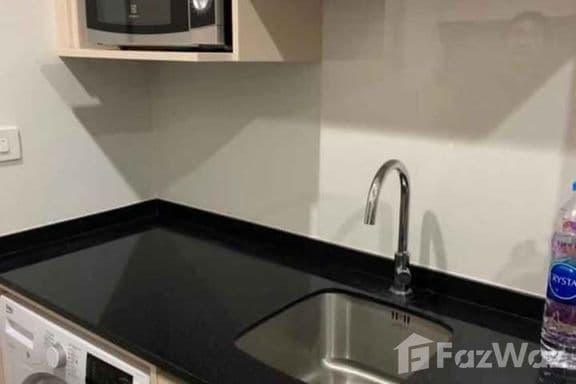
- Groceries and Cooking: While eating out is cheap, if you love cooking you can leverage the fresh markets. Huai Khwang Market offers great ingredients – herbs, spices, vegetables, and fresh meat. There are also specialty shops (for example, a Chinese supermarket selling imported sauces and products to cater to the community). If you need Western ingredients, Tops Market in Central Rama 9 or Villa Market (in nearby Asoke) have imported goods, though at higher prices. Most condos have small kitchenettes, so simple cooking is doable, but the call of delicious street food often wins out!
In essence, “why eat in?” is a common mindset in Huai Khwang. With food this tasty, convenient, and affordable right outside your door, residents often dine out or grab take-away daily. You can explore Thai cuisine in depth here – from famous dishes to rare regional specialties – and also satisfy any international cravings thanks to the melting pot of cultures. For food lovers, living in Huai Khwang is an everyday culinary adventure.
Nightlife and Entertainment
When the sun goes down, Huai Khwang doesn’t slow down – it shifts into a higher gear. The district and its surrounds offer a wide range of nightlife and entertainment, from night markets to clubs, ensuring there’s always something to do after dark (or even all night long).
- Night Markets: A key attraction is the Ratchada Night Market (formerly known as the Train Night Market). This hugely popular market was once located behind Esplanade Mall and was famous for its endless rows of street food, bars, and vintage shops. While the original location shut during the pandemic, it has since been reborn as Jodd Fairs Night Market near Rama 9, just a short walk from Huai Khwang area. Jodd Fairs is essentially the successor to the train market – it features over 700 stalls selling trendy street foods, desserts, drinks, and some retail goods. It’s an absolute must-visit for a fun evening; you can munch on grilled meats, sip a cocktail from a pop-up bar, and browse quirky fashion and accessories. The atmosphere is lively with music and crowds of young locals and expats. Do note it’s busiest on weekends. Additionally, Huai Khwang Night Market (around the Huai Khwang crossroads) is another hub at night, more focused on food and everyday items, as described earlier. Between these markets, you’ll have plenty of late-night snacking and shopping opportunities.
- Bars and Clubs: For nightlife party-goers, Huai Khwang is conveniently close to one of Bangkok’s clubbing meccas: RCA (Royal City Avenue). RCA is an officially designated entertainment zone about a 5-minute taxi ride from central Huai Khwang. Here you’ll find large clubs like Route 66, Onyx, and Live RCA – which host live bands, DJs, and themed parties. RCA is popular with a younger crowd (including university students and trendy Thais) and can be a wild night out. Closer to home, Huai Khwang and neighboring Sutthisan have their own share of nightlife. Along Ratchadaphisek Road, you’ll see a number of neon-lit Thai clubs and karaoke lounges. For instance, around Sutthisan junction are several bars with live Thai music, and in Huai Khwang there are late-night restaurants where folks gather to drink beers and listen to bands. These spots are more local-style nightlife – if you’re adventurous, stepping into a Thai nightspot can be a memorable experience (just be aware of etiquette like buying a bottle, etc., or go with Thai friends). The district also has some “gentlemen’s” nightlife, which is largely discreet: notably, Ratchadaphisek Road is (notorious or famous, depending on perspective) for a few large massage complexes offering “soapy massage” services to businessmen. They appear as big brightly-lit buildings set back from the road. While this aspect exists, it’s quite low-key and doesn’t intrude on daily life – many locals barely notice it, and these venues don’t target the general expat population. It’s just something one might pass by and wonder about; rest assured, they keep to themselves and the area remains family-friendly despite their presence.
- Live Music and Chill Spots: If thumping clubs aren’t your scene, Huai Khwang still has plenty to enjoy at night. There are casual beer gardens and open-air bars where you can relax with friends. For example, one resident mentioned an outdoor restaurant & bar with live music right across from his condo – a perfect place to unwind with a cold drink on warm evenings. Such laid-back venues typically feature Thai acoustic covers or soft jazz, creating a mellow vibe. Moreover, the Thailand Cultural Centre occasionally hosts evening performances like orchestra concerts, ballets, or theater shows. Keeping an eye on their schedule can reward you with enriching cultural entertainment, often on weekends. And for movie buffs or bowlers, the malls (Esplanade and Central Rama 9) have cinemas and even a karaoke/bowling alley, providing more low-key night entertainment options.
- Late-Night Conveniences: One thing newcomers appreciate is that Huai Khwang truly never sleeps. Hungry at midnight? The street food stalls are busy. Need to pick up something at 2 AM? The 7-Elevens are open. Want to study or work overnight? The 24-hour café at The Street mall is open. Even many gyms in Bangkok are 24/7 now (there’s a Jetts Fitness at Central Rama 9 that’s open round the clock, for instance). This 24-hour aspect makes the area very accommodating to all schedules – whether you’re a student pulling an all-nighter or a freelancer on a different time zone.
Overall, Huai Khwang offers an eclectic nightlife repertoire. You can immerse yourself in Thai-style entertainment, dance at a world-class nightclub, or just enjoy street food under the stars. And whenever you head home, the streets are active enough to feel safe – there are always people around and stalls open, even late. Many expats find the nightlife here a bit more low-key and local compared to expat zones (which can be a plus if you want to practice Thai or meet locals), yet you’re minutes from the bigger party scenes if desired. It’s the best of both: excitement on your doorstep, and Bangkok’s famous night haunts a short ride away.
Parks, Recreation and Wellness
Amid the urban hustle, Huai Khwang provides opportunities for recreation and maintaining a healthy lifestyle. While not known for large green spaces, the district and its vicinity have some pockets of nature and plenty of fitness options:
- Public Parks: Right within Huai Khwang, the main green oasis is the MRTA Health Park near the Thailand Cultural Centre. Recently renovated, this park features a scenic reservoir ringed by a 1 km running/jogging track with a nice synthetic surface. It’s a popular spot in the mornings and evenings for joggers, walkers, and families. There are shady trees, benches and picnic spots, making it pleasant for a bit of fresh air. The park also has outdoor exercise equipment and is well-lit in the evening. It’s great to have this slice of nature amidst the city – perfect for unwinding or doing laps to stay fit. If you’re willing to hop on the MRT for a few stops north, you can reach Chatuchak Park (by MRT Chatuchak or BTS Mo Chit), which is a much larger park adjacent to the famous weekend market. Chatuchak Park offers big lawns, walking paths, and even an arboretum; it’s about 10–15 minutes away by train and provides a more expansive green space for picnics or sports.
- Fitness and Sports: Many condos in Huai Khwang come with their own fitness gyms and pools, which might suffice for casual workouts. However, if you prefer a public gym, there are several in the area. The Street Ratchada mall has a large Fitness First gym, and as mentioned, Jetts 24-hour Fitness at Rama 9 is not far. There are also smaller Muay Thai training gyms and boxing studios tucked in some side streets – taking up Muay Thai can be an exciting way to stay fit and engage in Thai culture. Football (soccer) enthusiasts can find some futsal fields and local teams playing in the evenings (there’s a known soccer field complex in the Sutthisan area). Additionally, an expat noted a large swimming complex a short drive away where you can swim laps – this might refer to the public pool at the Thai-Japanese Stadium in the Din Daeng area, which isn’t far from Huai Khwang. Swimming is very affordable there (small entry fee).
- Yoga & Wellness: Yoga studios and dance studios are increasingly popular in Bangkok. In Huai Khwang/Rama 9, you can find a few – for example, True Yoga used to have a branch at Esplanade, and some independent studios offer classes in the vicinity. The Thailand Cultural Centre sometimes hosts weekend events like community aerobics or cultural dance workshops, so keep an eye out for those posted on community boards. For mental wellness, there are also massage shops everywhere in Huai Khwang. Treating yourself to a Thai massage or foot reflexology is easy and cheap here. Just be aware of the different kinds (as mentioned, small massage storefronts giving legitimate massages are common and great for relaxation; whereas the big neon massage complexes offer a different service entirely). A one-hour traditional massage at a standard shop will cost ~฿300 and can be a rejuvenating weekly routine after long work days.
- Family Activities: If you have kids, Huai Khwang has a few family-friendly recreation options. The Children’s Discovery Museum and Dinosaur Planet (actually located a few MRT stops away near Chatuchak/Lat Phrao) are accessible for weekend outings. Within the district, there are play zones in malls (Central Rama 9 has an indoor play park for children). Also, Ocean World Aquarium and other attractions in Siam are a 15-minute MRT ride – not in Huai Khwang but easy to reach for a day out. Closer to home, even just exploring the bustling night market can be an adventure for kids (with supervision). The district feels safe and community-oriented enough that families do stroll around in the evenings for street food or to visit temples.
Speaking of temples: one notable local site is the Ganesh Shrine (Huai Khwang Shrine) near Huai Khwang intersection. This Hindu shrine dedicated to Ganesha is open 24 hours and is a unique cultural spot where people pray for success in studies, work, and love. It’s common to see Thais and even foreigners stopping by late at night to pay respects. Participating or observing can be a meaningful cultural experience and a reflective break from the urban grind.
In summary, while Huai Khwang might not have large parks like some suburbs, it provides adequate recreation options to keep a healthy body and mind. The presence of the jogging park, gyms, pools, and affordable wellness services means you can maintain your fitness and de-stress without leaving the area. And whenever you crave a bigger nature escape, connections to parks like Chatuchak or the Green Lung (across the river) are within reasonable reach via public transit or a weekend drive.
Community and Expat Life
The community in Huai Khwang is a rich tapestry of local and international influences. This is part of what makes the area special – you get to live in a truly Thai neighborhood while still finding an expat network and global amenities. Here’s a look at what life is like as a foreigner or newcomer settling in:
- Local Thai Community: At its heart, Huai Khwang is a working and middle-class Thai community. Many Bangkokians who live here work in the area’s offices, government agencies, or run local businesses. As a resident, you’ll interact with Thai neighbors daily – at the market, in your condo, at street stalls. The locals are generally friendly and used to seeing foreigners around (especially with the Chinese influx). However, English proficiency is not as widespread as in expat-dominated parts of town. Learning a few basic Thai phrases will go a long way in endearing you to the community and navigating daily life. One great aspect is that Huai Khwang people are often warm and helpful – don’t be surprised if your street food vendor asks if you like spicy and smiles when you try speaking Thai. Living here provides a chance to immerse in Thai language and culture; in fact, one expat remarked that because there aren’t too many Western foreigners, it’s a perfect area to practice Thai regularly. The presence of the Cultural Centre also means there are events that promote Thai culture which you can join.
- Chinese Expat Community: As discussed, Huai Khwang has seen a notable rise in Chinese expats. This ranges from students and young professionals to entrepreneurs opening shops. The Chinese Embassy’s relocation to nearby Ratchadaphisek has further solidified the area as a Chinese hub. For a foreigner from elsewhere, this means you’ll observe an interesting cultural mix – Thai shop signs with Chinese translations, Mandarin heard on the streets, and Chinese New Year being celebrated enthusiastically. If you are Chinese or speak Mandarin, you’ll likely feel at home. Even if not, the Chinese presence brings benefits like new restaurants and perhaps higher standards in some services (e.g., some condos started catering to Chinese tenants with Mandarin-speaking agents or signs). On the flip side, Thai locals sometimes have mixed feelings about the “Little China” phenomenon, but as a non-Chinese foreigner you generally won’t be caught in that tension. It’s more of a socio-economic discussion in the background. Day-to-day, Thais and Chinese coexist fine and both welcome other foreigners in their businesses. For example, a Chinese supermarket will be just as happy to sell you groceries, and you might find niche items there like Chinese herbs or imported snacks.
- Western Expats & Others: While not an expat enclave like Sukhumvit, Huai Khwang does have a steady population of Westerners, Japanese, Koreans, South Asians, etc. Many work in Bangkok’s businesses or embassies. You might meet fellow foreign teachers, digital nomads working from cafés, or long-timers who’ve married locals and settled here. There’s a subtle but present expat network – often centered around certain condos or coworking spaces. For instance, Common Ground coworking at G Tower (Rama 9) may have networking events. There are also online communities (Facebook groups for Bangkok expats, etc.) where Huai Khwang residents connect and share tips. If you want English-speaking social interaction, you can find it by reaching out on those platforms or attending meetup events in the area. Some nearby spots like Train Night Market/Jodd Fairs naturally draw a mix of Thais and foreigners, offering a social scene where mingling is easy.
- Safety and Environment: Huai Khwang is generally considered a safe area. Like much of Bangkok, violent crime is rare. You can walk around at night with normal precautions – the busy night markets ensure there are always eyes on the street and lots of lighting. Petty crimes like pickpocketing are not common in this residential zone, but of course one should be mindful in crowded markets (keep your bag zipped, etc.). The police station is located in the district, and the Bangkok governor has paid attention to regulating any illicit businesses to keep things orderly. The main annoyances you might face are typical of city life: traffic congestion on main roads, some construction noise from ongoing developments, and occasional whiffs of Bangkok sewage in certain spots (the canal is nearby). Pollution (PM2.5 dust) can seasonally affect all of Bangkok, including Huai Khwang – checking air quality apps and having an air filter in your apartment is wise if you’re sensitive. Community-wise, neighbors in condos are usually polite. If you stay in a local apartment, you’re expected to be considerate (quiet hours at night, etc.), just as in any Thai community.
- Making Connections: To integrate and enjoy expat life, take advantage of local venues. Gyms and yoga classes are a great way to meet health-conscious locals and foreigners. Cafés often see regular faces – strike up a conversation. The night market can be social; if you’re a regular at a stall, the vendor might chat with you. Another idea: volunteer or join classes. For example, some temples or centers offer Thai language classes or meditation sessions which foreigners can join, or you might volunteer at a charity event via an expat group. Bangkok’s international clubs (Rotary, Toastmasters, etc.) sometimes have meetings near Ratchada. Don’t hesitate to step out of your comfort zone – Huai Khwang’s mix of people means many are also looking to make friends and connections.
- Religious and Cultural Diversity: Thailand is predominantly Buddhist, and you’ll see that in Huai Khwang with several temples (wat) and spirit shrines around. All are welcome to visit and partake in festivals like Loy Krathong (when locals float candles in water) or Songkran (Thai New Year water festival, which can get very lively in the streets!). The large Ganesh Shrine at Huai Khwang junction is noteworthy – people of all faiths come to pray there, and it represents how the community embraces a mix of traditions. If you’re of a particular faith and looking for services (church, mosque, etc.), you may need to travel a bit (e.g., churches are in Asoke/Sukhumvit, mosques in Rama 9 or farther out). However, given the convenience of MRT, that’s relatively easy on weekends.
In essence, living in Huai Khwang offers a supportive community feel without insulating you from Thai culture. You can be as local or as international as you choose on any given day. Many expats find it refreshing to live more “among the locals” here, gaining a deeper appreciation for Thai daily life, while still having their niche of international friends and comforts. The district’s diversity and accepting vibe mean you’ll seldom feel out of place. Instead, you become part of the fabric of a neighborhood that’s proud of its heritage yet growing into a cosmopolitan enclave.
Education and Schools
For families or students, education resources in and around Huai Khwang are an important consideration. The district is conveniently located near several reputable international schools and also offers options for higher education and language learning:
- International Schools: Within or just on the fringes of Huai Khwang are a handful of well-regarded international schools for children of expats or internationally-minded Thai families. Notably, Regent’s International School Bangkok is located in the Huai Khwang district (off Pracha Uthit Road). It offers a British curriculum (IGCSE/A-levels) and is known for its strong academic record and campus facilities. Another is KIS International School, tucked in a residential area of Huai Khwang, which offers the IB (International Baccalaureate) program and has a diverse student body. Additionally, Shrewsbury International School – City Campus is a short drive from Huai Khwang (in the Rama 9 area) and caters to primary years with a British curriculum. These schools mean that if you have kids, you won’t necessarily need to commute to far-off suburbs for quality education – a big plus for expat families. School buses often serve the surrounding neighborhoods, or it’s a manageable drive each morning. Do note that these international schools come with high tuition fees (common in Bangkok), so budgeting for that is crucial for expat packages or self-paying families.
- Thai Schools: If you’re interested in local education or Thai language immersion for younger kids, Huai Khwang has various Thai public and private schools as well. While most expats opt for international curricula, some long-term foreign residents do send their kids to Thai schools to become fluent in Thai and integrate deeply. The district’s Thai schools might not be internationally ranked, but they can be decent. There are also bilingual schools in other parts of Bangkok that could be reachable via MRT if one prefers a mix.
- Universities and Higher Education: Huai Khwang doesn’t host a major university campus within its boundaries, but it is surrounded by several institutes. For example, the University of the Thai Chamber of Commerce (UTCC) is located just in the adjacent Din Daeng district, very close to Huai Khwang – it has international programs that draw some foreign students. Traveling a bit further, Srinakharinwirot University at Asoke (MRT Sukhumvit station) is also easily accessible by MRT, as one Huai Khwang resident working there noted – his commute to the university was only 18 minutes by train. This demonstrates how students or lecturers can live in Huai Khwang and study/teach in central universities without hassle. Moreover, Raffles International College (a design college) had a campus in the Ratchada area (though it may have moved recently), and Bangkok’s business district which is reachable houses universities like Webster University (an American university with a BKK campus) and others. If you’re an international student at any of Bangkok’s universities in the downtown area, living in Huai Khwang is quite convenient – you can commute by MRT and benefit from lower rents than near the campus.
- Language Schools: Many expats and students in Bangkok take Thai language classes or other language courses. Being a centrally located area, Huai Khwang provides quick MRT access to language institutes in Sukhumvit or Silom. However, there are also some language centers in the Ratchada/Rama 9 vicinity. For instance, some Thai language schools might hold classes near Fortune Town or Ratchada. Additionally, given the large number of Chinese residents, Mandarin language schools or tutors are not hard to find in the area – some Chinese expats even offer language exchange meetups. On the flip side, if you’re a native English speaker, you might find part-time work or volunteering opportunities teaching English at local community centers or tutoring, as there’s demand in the community.
- Educational Activities: Beyond formal schooling, Huai Khwang’s location means kids and lifelong learners have access to many resources. The Thailand Cultural Centre frequently hosts educational exhibitions, music recitals, and cultural workshops that are great for enriching one’s experience outside school. The National Library and various museums are just a few MRT stops away for weekend learning trips. Also, Bangkok’s largest book store (Kinokuniya at EmQuartier) or the academic book hub at Siam Square can be reached in 15–20 minutes.
In conclusion, Huai Khwang can comfortably support the educational needs of both families and individual students. From quality international schools nearby, to easy commutes for university students, the district’s strategic location is a boon. You get the advantage of a calmer (and cheaper) residential environment while staying connected to Bangkok’s educational institutions. For parents worried about schooling options or students seeking a home base, Huai Khwang strikes a good balance – the kids can get to school easily, and you as a student or parent can enjoy all the other perks of the area once class is out.
Tips for Living in Huai Khwang
To round out this guide, here are some practical tips and things to keep in mind as you settle into life in Huai Khwang:
- Finding Accommodation: If possible, visit in person to apartment hunt. While online listings on sites like FazWaz or Facebook groups will show many condos for rent, the truly great deals (especially local apartments) might only be advertised with Thai signs on the building. Walking the neighborhood or using a local agent can uncover cheap rentals that don’t appear online. The area around Huai Khwang MRT and along Pracharat Bamphen has community boards with rental notices. Don’t hesitate to inquire at condo juristic offices too – sometimes they know which units are becoming available.
- Understanding Addresses: Huai Khwang addresses can be a bit confusing to newcomers. Major roads include Ratchadaphisek Rd. and Pracharat Bamphen Rd., with many small side streets (soi) off them. Often places might list an address like “Soi Pracharat Bamphen 5” or similar. A quick trick: use a navigation app (Google Maps or Grab’s map) – most taxi or motorbike drivers know the main sois by number. For instance, Soi 20 Mithuna is a notable lane full of food stalls. Learning a couple of these names and landmarks (e.g. “near Huai Khwang MRT Exit 3” or “next to Temple Mae Sri Ruam”) will help you explain locations to locals.
- Getting Around Locally: Besides MRT, within the maze of smaller streets you might rely on motorcycle taxis (they wear colorful vests and station at corners). They are cheap and fast for short distances – just confirm the fare before hopping on (within a neighborhood, usually ฿10-20). If you rent a scooter yourself, be cautious – traffic can be intense. Alternatively, some people use bicycles for short errands, though sidewalks can be uneven. Grab (ride-hail) is very active in this area and relatively inexpensive for quick hops if you have groceries or it’s late.
- Dealing with Heat & Rain: Bangkok’s weather can be unforgiving. In Huai Khwang’s markets, it can get hot and humid. Always stay hydrated – fortunately you’re never far from a convenience store selling cold drinks. For rain, note which streets flood easily; some low-lying sois might get waterlogged in heavy storms (locals will know the spots). Keep a folding umbrella or cheap poncho handy especially during monsoon season (roughly May–Oct). The MRT provides relief on rainy days as you can avoid road travel.
- Cultural Etiquette: Huai Khwang being a local area, it’s good to be mindful of Thai customs. Dress modestly if you visit a temple or government office (cover shoulders/knees). When at the Ganesh shrine or any spirit house, observe quietly and remove shoes if others do. A wai (Thai greeting) to older neighbors or colleagues is appreciated. Also, basic phrases like “Sawadee krap/ka” (hello), “Khop khun” (thank you), and “Mai phet” (not spicy) will serve you well. Thais in Huai Khwang will often be pleasantly surprised and supportive if you attempt Thai language – it can lead to warm interactions and perhaps even friendlier service at that market stall!
- Navigating the Expat-Local Mix: You might find that some establishments cater more to Chinese speakers (signage in Chinese, staff who speak Mandarin) – don’t be put off, they welcome everyone. If language is a barrier, using translation apps or simply pointing at what you want works fine. On the other hand, a few places might have dual pricing (e.g. a local might pay a bit less at a market stall than an obvious foreigner). This is less common in daily goods (more a tourist attraction thing), and in Huai Khwang most prices are either fixed or you can bargain politely if buying in bulk. It’s usually small differences, so many expats don’t mind supporting the local economy.
- Join Local Activities: To really enjoy Huai Khwang, try joining in community activities. For example, during festivals like Songkran (Thai New Year in April), the local streets will have water fights – feel free to join the fun (just protect your phone!). At Loy Krathong (usually November), visit a nearby klong (canal) or park to float a decorated basket. Also, keep an eye on the Cultural Centre’s event calendar – they have weekend art workshops, traditional dance shows, or even free movie screenings aimed at educating about Thai culture. These events are often announced in Thai, but expats are absolutely welcome.
- Healthcare Prep: Identify the nearest healthcare facilities after you move in. Praram 9 Hospital and Piyavate Hospital are top-notch private hospitals very close by – good to know in case of any medical needs. They have English-speaking staff and international standards. It’s smart to have health insurance or know the costs (an OPD visit might be ฿800+ consultation). For minor ailments, local clinics and pharmacies can handle a lot (pharmacists in Thailand can dispense many meds over the counter). The 24-hr pharmacy at Huai Khwang intersection is useful for late-night needs.
- Building Friendships: Make an effort to introduce yourself to neighbors or chat with local shop owners. Building a rapport can lead to insider tips – like the fruit vendor giving you extra mango, or your condo security guard helping you get a repair done quickly. Bangkokians might seem busy, but they are often quite neighborly when approached. There are also Bangkok expat meetups (some happen at bars in Ratchada or co-working spaces); these can help you find like-minded friends or at least exchange Line/WhatsApp contacts for future meetups.
By keeping these tips in mind, you’ll smoothly transition into life in Huai Khwang and get the most out of what this exciting area offers. Little by little, you’ll become a “local” of the neighborhood – knowing which stall has the best pad thai, which MRT car is nearest your exit, and greeting familiar faces on your daily routine.
Conclusion
Huai Khwang is a district on the rise, blending old-school Bangkok charm with modern urban living. For foreign expatriates, international students, and digital nomads, it offers an inviting home base that’s both accessible and affordable. You’ll be joining a community where you can slurp spicy noodles at a midnight market one day, and discover a new high-rise café to work from the next.
The area’s central location and superb transport links mean the whole city is at your fingertips – yet you might find that everything you need is right here in Huai Khwang. From the lively street life and mouthwatering food scene, to the slew of condos and coworking spaces catering to new residents, the neighborhood is well-equipped for 2025 and beyond. Importantly, it still retains an authentic Thai atmosphere that can make living here a more culturally enriching experience than sticking to the typical expat bubble. Many have come to Huai Khwang for the low rents, only to fall in love with the lifestyle.
In this ultimate guide, we’ve covered the essentials: housing, cost of living, transport, amenities, food, nightlife, community, and more. Armed with this knowledge, you should have a clear picture of what life in Huai Khwang is like. Of course, the true joy will be in exploring it for yourself – discovering your favorite noodle stall, making local friends, and seeing how the district evolves during your stay.
Whether you’re moving to Bangkok for a new job, enrolling in a university program, or seeking a fresh adventure as a digital nomad, Huai Khwang welcomes you with open arms. Its motto might as well be convenience meets culture. So pack your bags, brush up on a few Thai phrases, and get ready to experience a vibrant community that could soon feel like home. In Huai Khwang, you’ll find your place in Bangkok’s ever-expanding mosaic – and chances are, you won’t want to leave anytime soon.
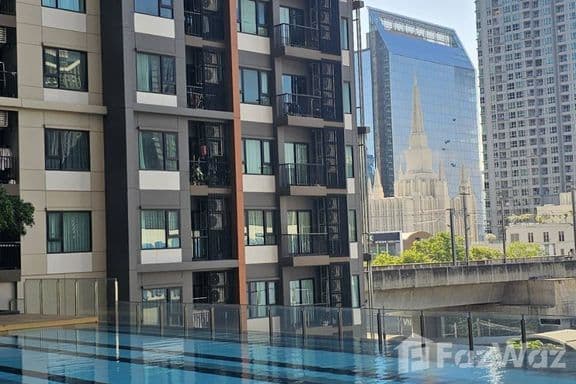
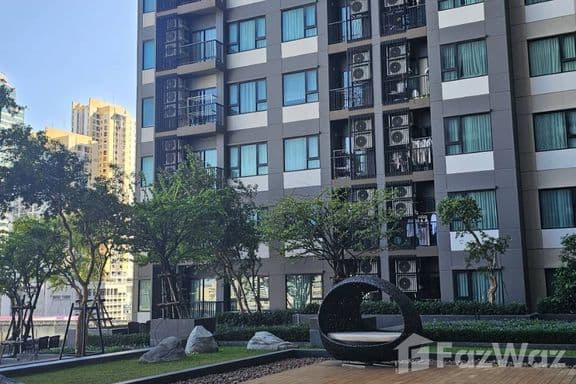

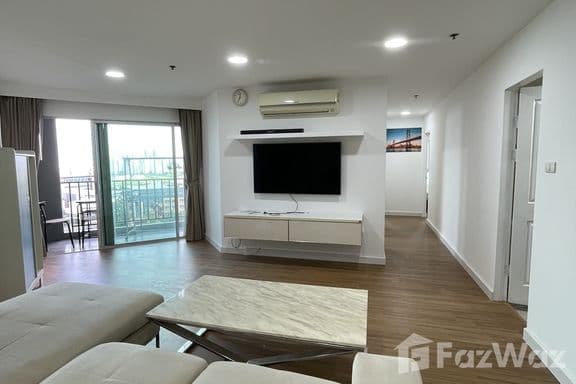
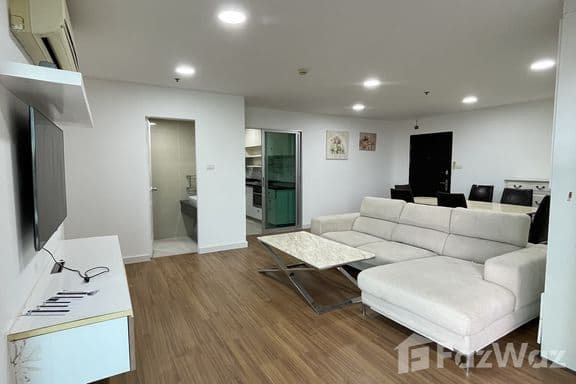
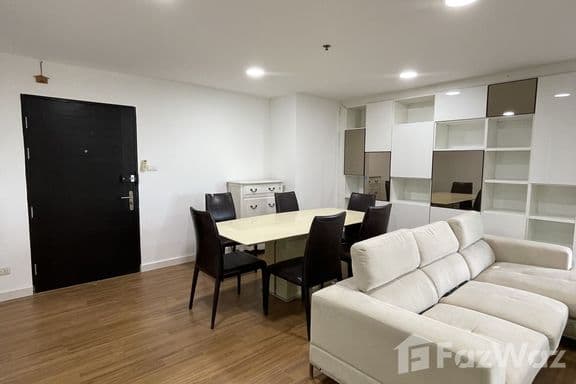

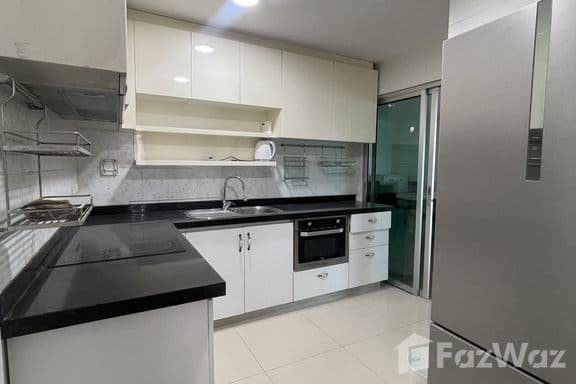
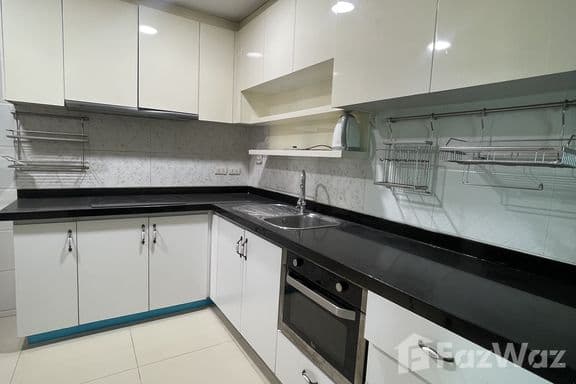


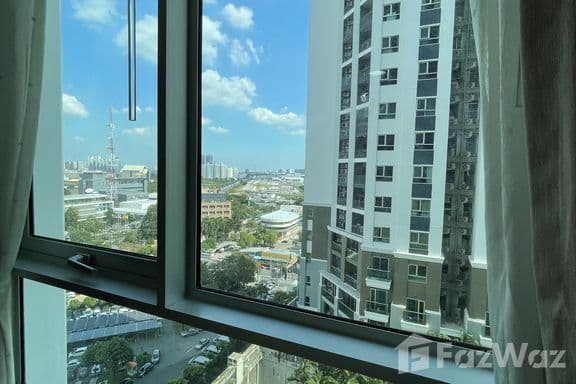






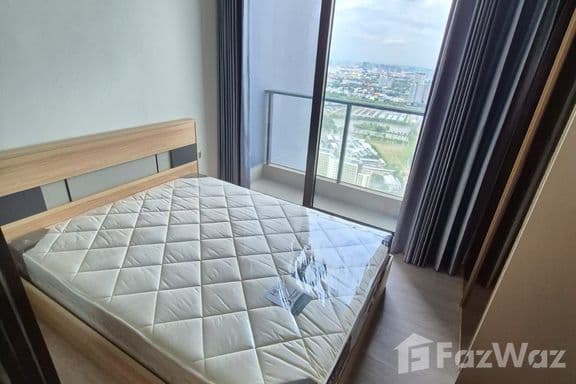
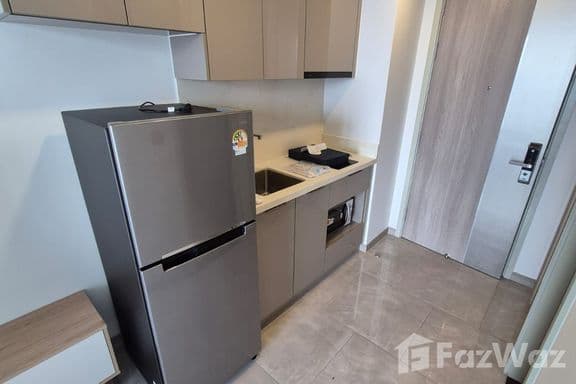


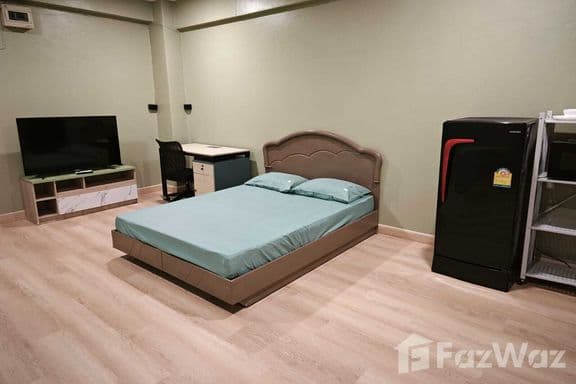
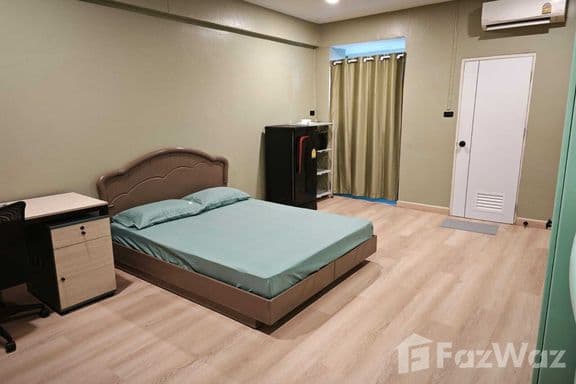
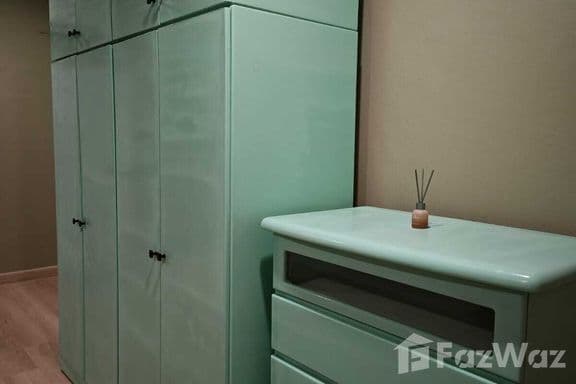
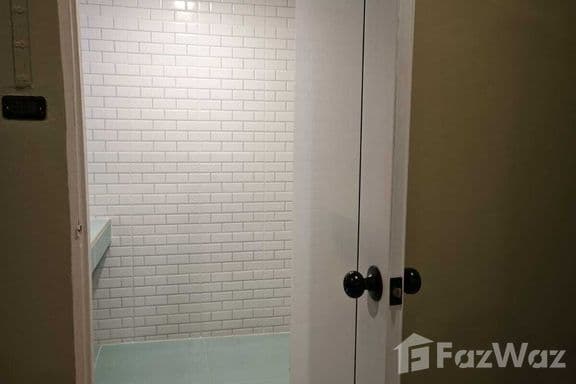
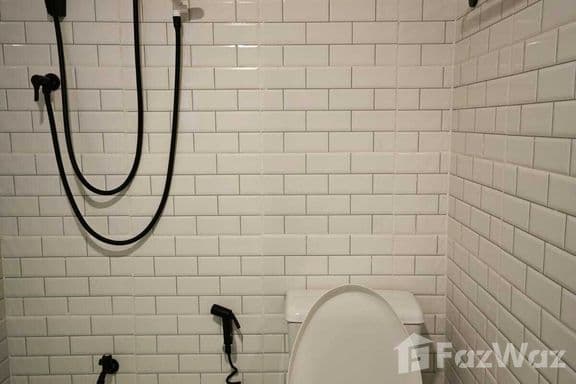




 Popular condos in Huai Khwang

