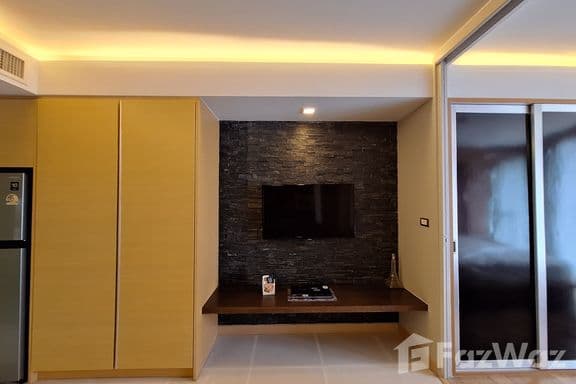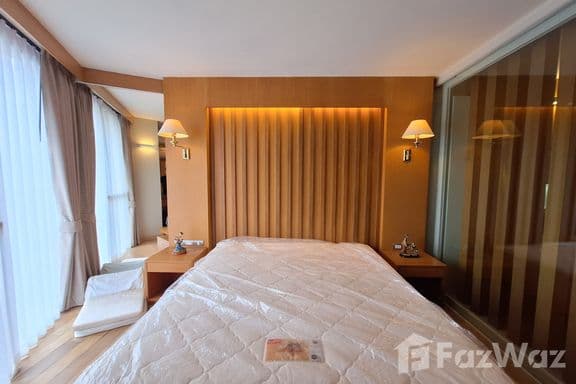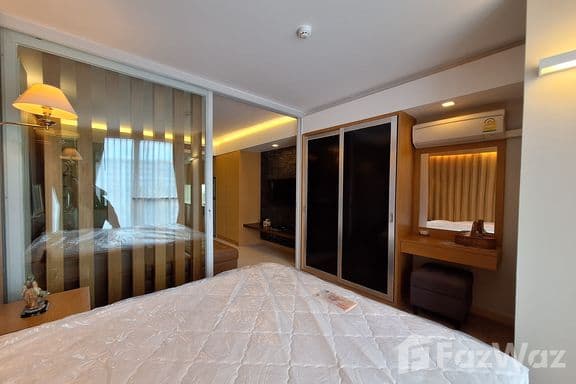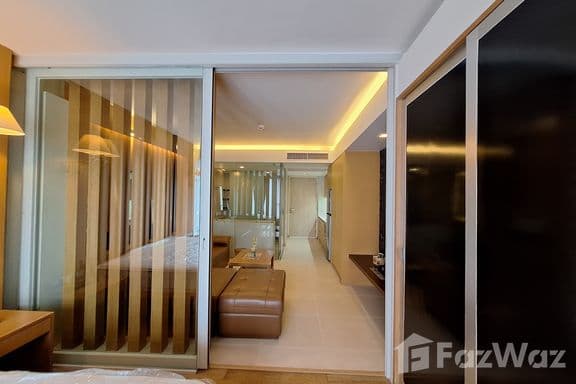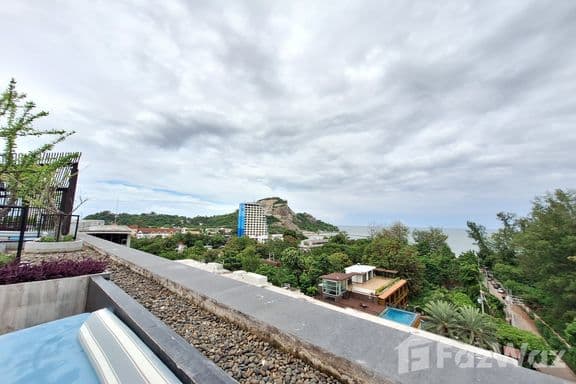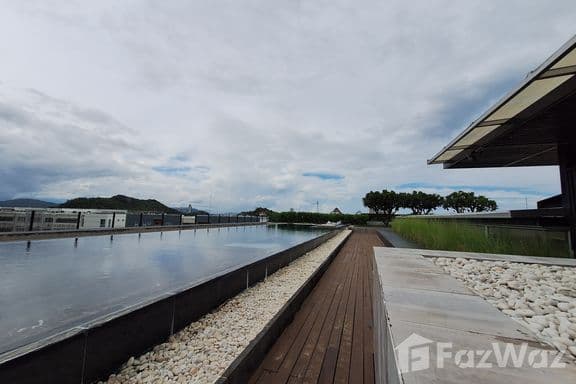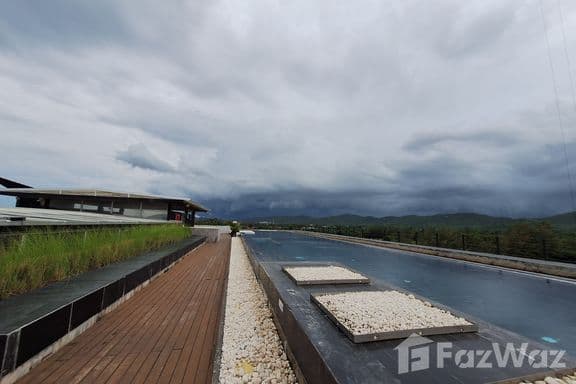




Hua Hin’s tranquil beach at sunrise offers a glimpse of why this coastal town is a magnet for long-term renters and hers alike.
Hua Hin, a seaside resort town on the Gulf of Thailand, has emerged as one of the country’s most attractive rental markets in 2025. Known for its beautiful beaches, relaxed lifestyle, and close proximity to Bangkok, Hua Hin appeals to a wide range of renters – from retirees and remote-working expats seeking long-term stays to short-term tourists on holiday. Rental demand here is bolstered by Hua Hin’s unique blend of modern conveniences and traditional Thai charm, all at a cost of living notably lower than in Bangkok. This comprehensive guide will walk you through everything you need to know about renting property in Hua Hin in 2025 – covering market trends, popular neighborhoods, pricing, lease laws, and practical tips – to help you make an informed decision.
Hua Hin has long been famous as a royal resort retreat, and today it’s a top choice for both Thai and foreign renters. In fact, outside of Bangkok, Hua Hin accounts for roughly 11% of Thailand’s rental property interest, ranking just behind Pattaya and Chiang Mai in popularity. Several factors drive this appeal:
All these factors contribute to a robust rental market in Hua Hin that has proven resilient and attractive. Whether you plan to rent a condo in Hua Hin for remote work or a long-term villa rental in Hua Hin for retirement, the town offers something for every lifestyle.
The Hua Hin rental landscape in 2025 is characterized by strong demand, rising interest from overseas renters, and a healthy balance of supply. Here are the key trends shaping the market:
In summary, the 2025 market in Hua Hin is dynamic yet stable: rental prices are holding steady, interest from both locals and foreigners is growing, and supply remains sufficient except in the most sought-after niches. This sets the stage for renters to find good value, whether you seek a convenient condo or a tranquil villa retreat.
One of the first decisions to make is where in Hua Hin to live. The town and its surroundings offer a variety of neighborhoods, each with its own character, amenities, and typical rental options. Here are the most popular areas for expats and long-term tenants:
Downtown Hua Hin is the bustling heart of the town, centered around the main streets near the night markets, Hua Hin Beach, and the historic railway station. This area is lively and convenient, filled with shops, cafes, restaurants, and entertainment. It appeals to a broad mix of residents – retirees who enjoy walking to amenities, young professionals or digital nomads who want to be near coworking spaces and social venues, and even local families.
Living downtown means you can easily access the popular Hua Hin Night Market, malls like Market Village, and a variety of international dining options. Many condominiums and apartments are located here, often within walking distance of the beach. Condo rentals in the city center typically range from budget studios to upscale sea-view apartments, catering to different budgets. For instance, a modern one-bedroom condo in central Hua Hin might rent for around ฿15,000–฿25,000 per month depending on proximity to the beach and building amenities. The downtown area’s biggest advantage is convenience – no car needed – though it can be more crowded and lively (with some street noise) compared to other parts of Hua Hin.
Khao Takiab, also known as Chopsticks Hill, and the broader Nong Kae sub-district in south Hua Hin form one of the most sought-after residential zones. This area, about 5-7 km south of downtown, is prized for its beautiful sandy beaches and relaxed atmosphere. Khao Takiab Beach is quieter and less crowded than central Hua Hin Beach, yet offers charming seaside restaurants and the famous mountain temple (with resident monkeys and a panoramic viewpoint). Expats and tourists alike love this area for its blend of nature and convenience – you can enjoy shallow waters and beach walks, then easily reach cafes or the Cicada weekend night market for food and live music.
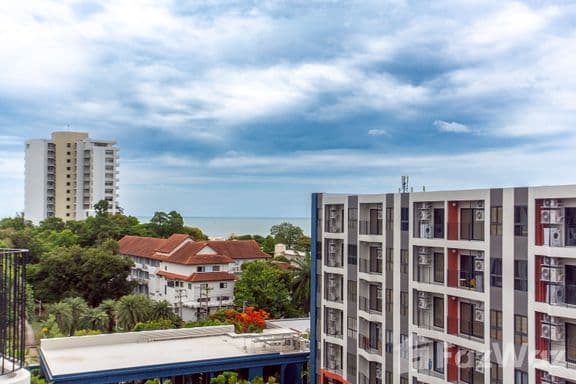
The accommodation in Khao Takiab/Nong Kae ranges from high-rise condos with sea views to low-rise boutique apartments and a number of gated villa communities slightly further inland. Notably, affluent residents favor this area, with many luxury villas and condominiums in Khao Takiab offering upscale living. You’ll find developments by top Thai developers (some with resort-like pools and gyms) alongside smaller expat-owned complexes. Rentals here tend to be a bit higher than downtown for equivalent size, due to the beach proximity. One-bedroom condos in Khao Takiab might average around ฿20,000–฿30,000 monthly, while private pool villas (often 3-4 bedrooms) can range from ฿40,000 up to ฿100,000 depending on luxury level and sea views.
This area is popular among long-term foreign residents who appreciate the peaceful environment. It’s also a hit with short-term renters in high season, given the beach appeal. The vibe is residential and chill; after dark, it’s much quieter than downtown, which is a pro or con depending on your preference. Overall, Khao Takiab and Nong Kae offer a premium coastal lifestyle that’s hard to beat, making them top picks for those who rent in Hua Hin.
Moving away from the coast, Hin Lek Fai (sometimes called Flagrant Hill or West Hua Hin) is a growing expat enclave known for its green hills, panoramic views, and villa developments. This area, a few kilometers west of the city center, is named after the Hin Lek Fai mountain viewpoint. It provides a quieter, more suburban environment. Here you’ll find many gated communities and housing estates featuring standalone houses and pool villas at relatively affordable prices. The atmosphere is peaceful and family-friendly, attracting expats who prefer space and privacy over being right on the beach.
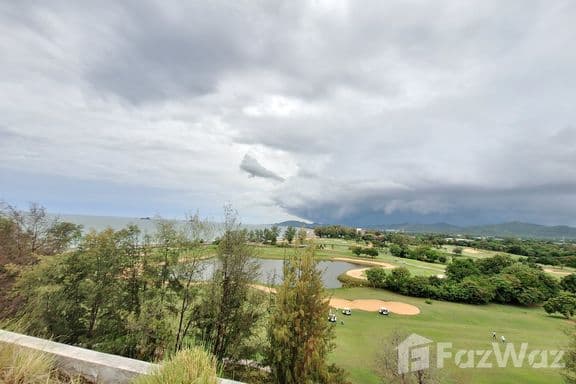
One landmark in west Hua Hin is the Black Mountain area – home to a famous golf course, water park, and international school. Black Mountain and its surrounds have become a hotspot for luxury villas and expat homes, partly due to these amenities. Another noteworthy estate area is around Hin Lek Fai Hill, where numerous developments offer homes with large gardens and mountain views. Renting in Hin Lek Fai typically means having a car or motorbike, as you’ll be driving 10-15 minutes to get into town or to the beach. The payoff is more house for your money: for example, a 3-bedroom pool villa here might rent for around ฿30,000–฿50,000 per month – significantly lower than an equivalent near the beach – and you’ll often get a bigger plot of land.
Hin Lek Fai is increasingly popular with retirees and long-term expats who enjoy gardening, golfing, or simply a quiet neighborhood feel away from tourist zones. It’s also known for cooler breezes in the hills and great sunset views. If you value tranquility and don’t mind a short drive for groceries or ocean swims, this area provides excellent value in Hua Hin’s rental market.
At the northern outskirts of Hua Hin, towards the adjacent beach town of Cha-Am, lies another appealing zone for renters. Technically, Cha-Am is in a different province, but it’s only 20 minutes drive north and often considered part of the greater Hua Hin area in lifestyle. The Cha-Am district features long quiet beaches and has several high-end seaside condominium complexes and housing projects. It is known as a weekend retreat area for Bangkok residents, so many properties here are top-of-the-line with pools and sea views. Retirees and holidaymakers enjoy Cha-Am for its serene, resort-like environment. Renting a condo or house in Cha-Am can be slightly cheaper than Hua Hin proper, with the bonus of very tranquil surroundings; you might find a modern sea-view condo for ฿15k-฿20k/month here, which is good value for beachfront living.
Just at Hua Hin’s northern edge is the Palm Hills area, named after the Palm Hills Golf Club. This vicinity (straddling Hua Hin and Cha-Am border) is another upscale residential pocket, home to luxury villas, large lot properties, and of course, golf course views. Affluent individuals including some Thai elites and expats live here. If you rent in Palm Hills, you’ll enjoy a prestigious address and lots of space – but note that a car is essential, and trips into Hua Hin town center will take 15-20 minutes.
Another sub-area worth mentioning is around the Hua Hin Airport (in the far north of town). Here, there are a few new condo developments and houses that benefit from being midway between Hua Hin and Cha-Am. This can be convenient if you travel frequently or work in the region.
In summary, each Hua Hin neighborhood offers pros and cons. If you prioritize convenience and walkability, the city center or Khao Takiab might suit you best. For a beach-forward but quieter lifestyle, south Hua Hin (Nong Kae) is ideal. Those seeking space, nature, or golf would enjoy west Hua Hin (Hin Lek Fai/Black Mountain), and if ultimate tranquility or luxury is your goal, north Hua Hin/Cha-Am could be the answer. It’s a good idea to explore these areas in person if possible, as the ambiance can be quite different – Hua Hin gives you the choice of beach town buzz or hillside calm, all within the same region.
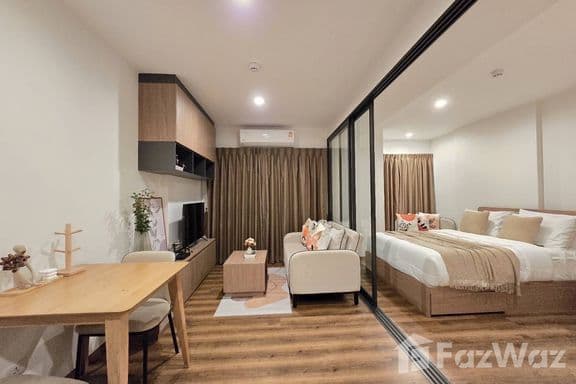
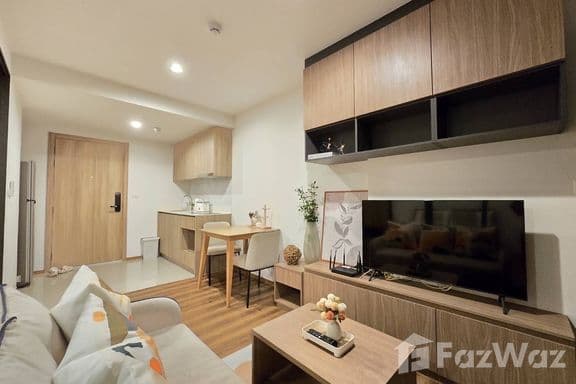
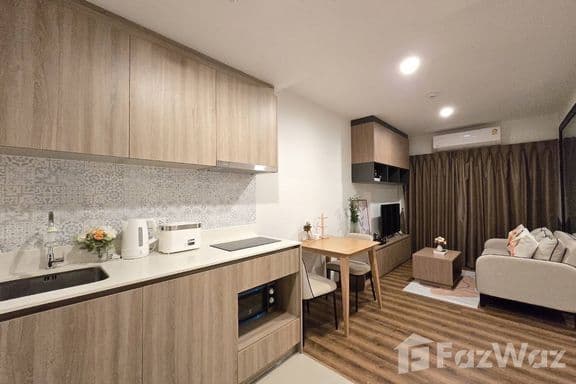
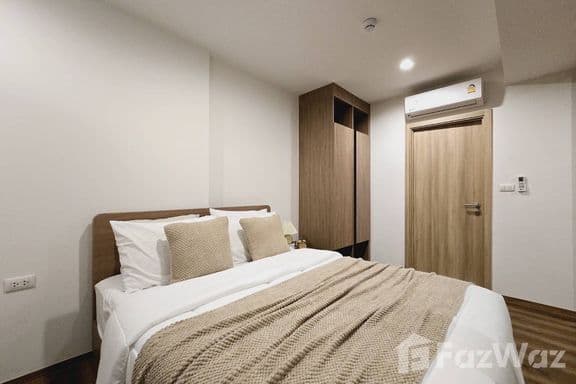
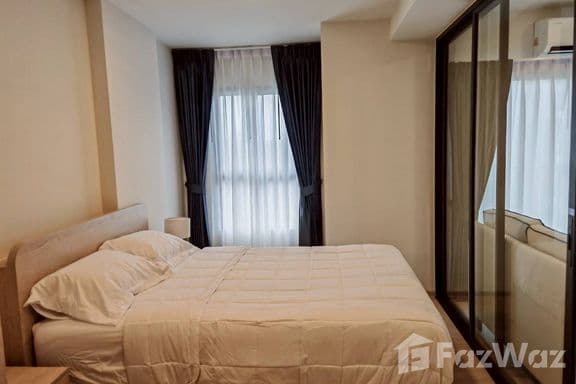
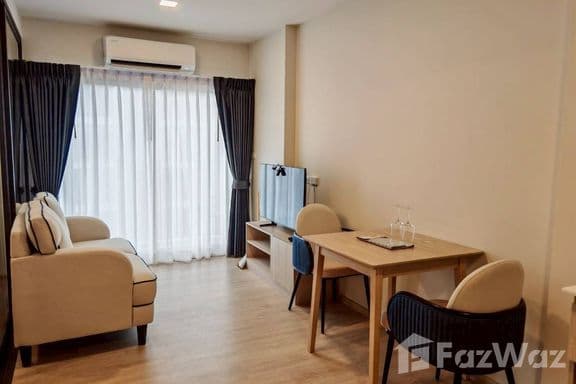
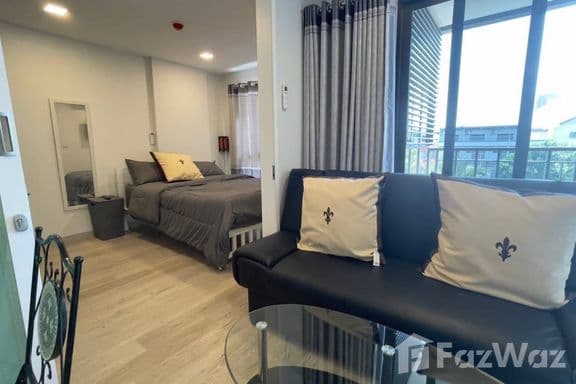
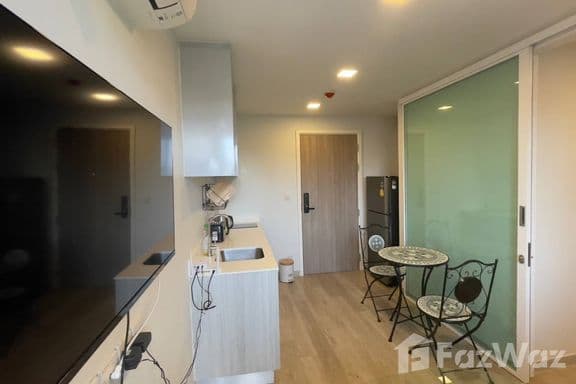
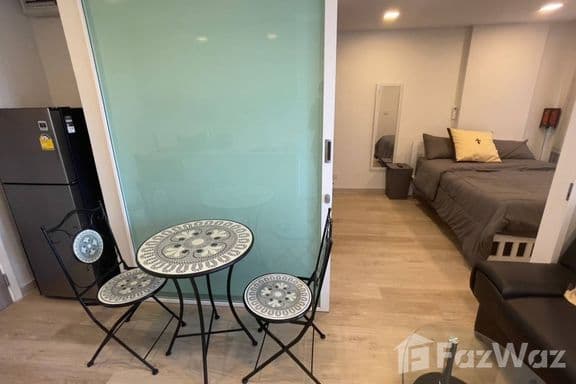
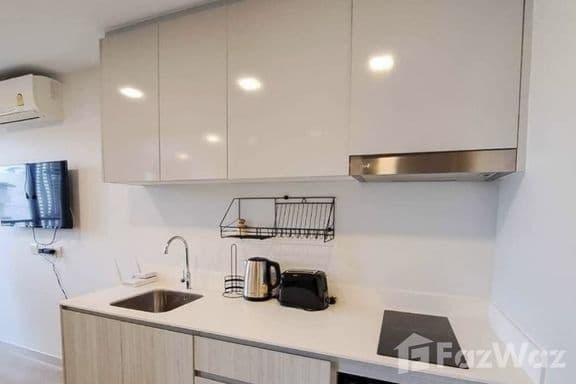
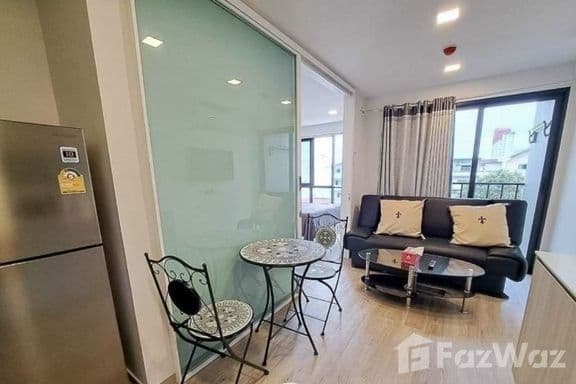
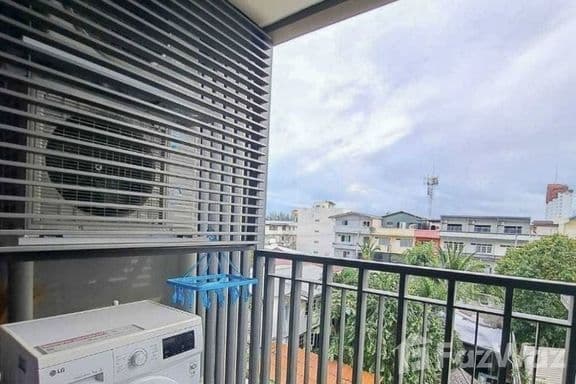
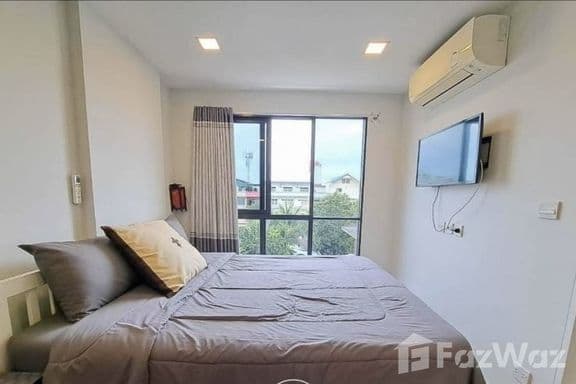
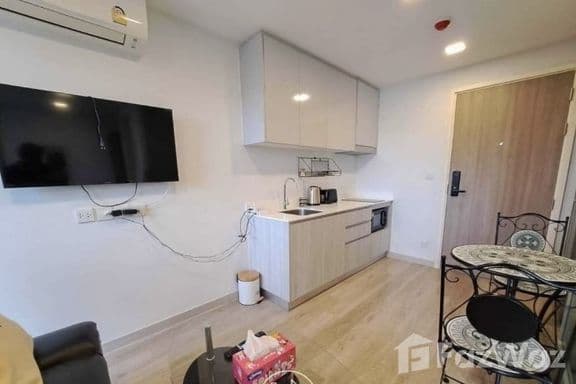
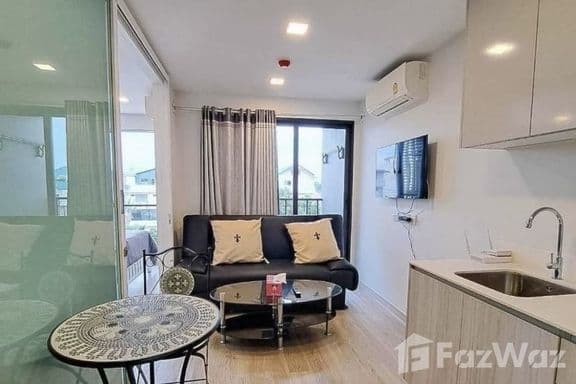
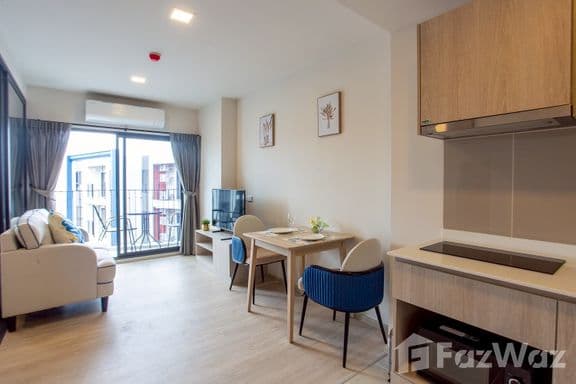
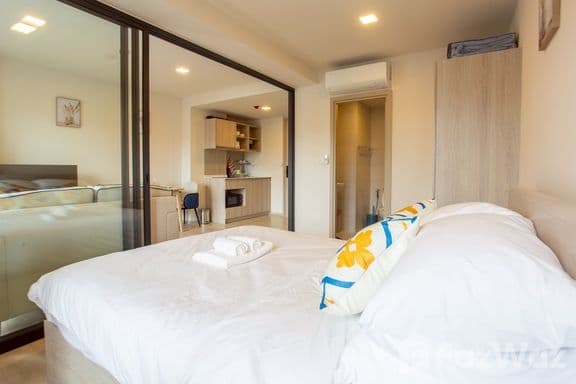
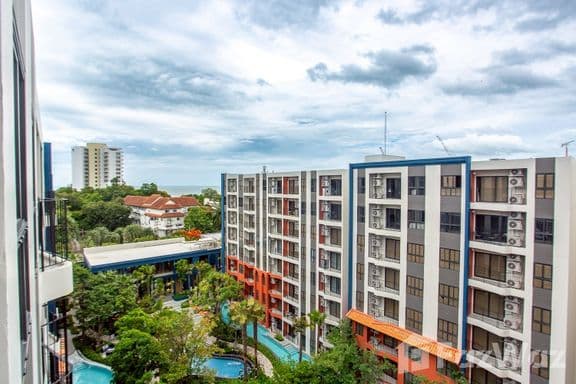
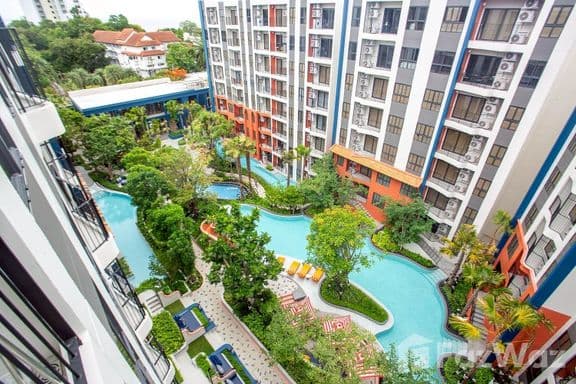
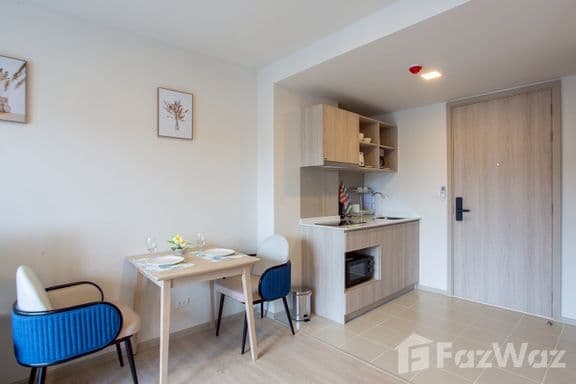
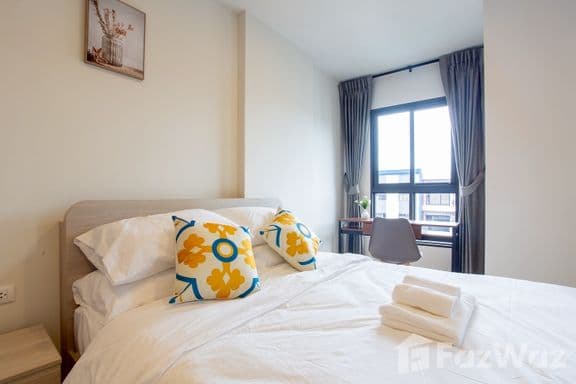
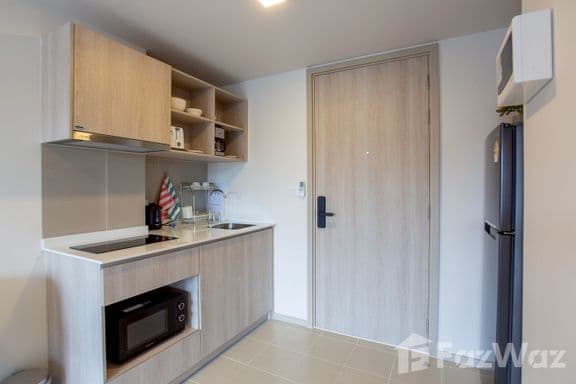
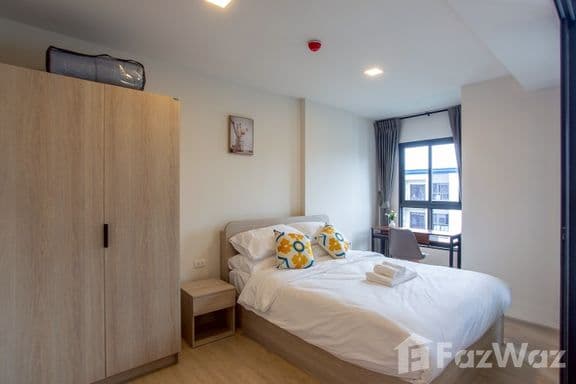
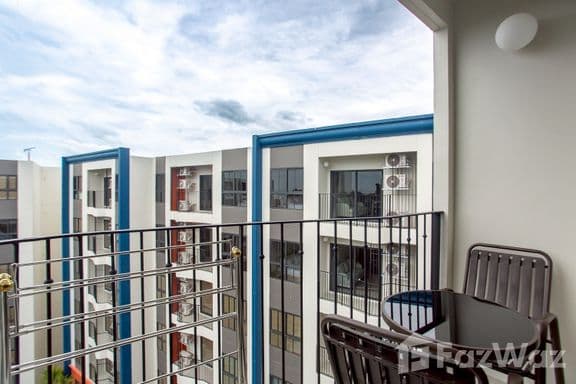
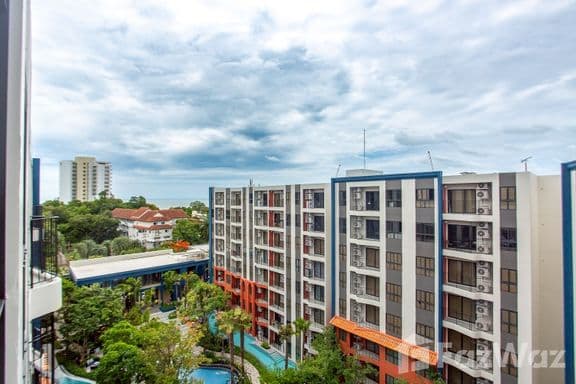
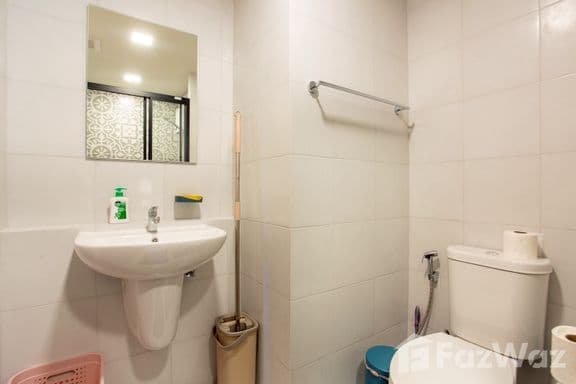
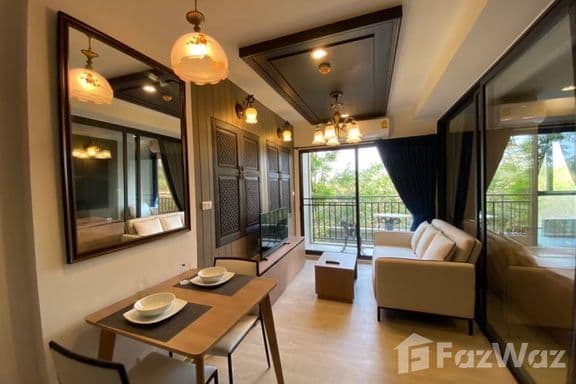
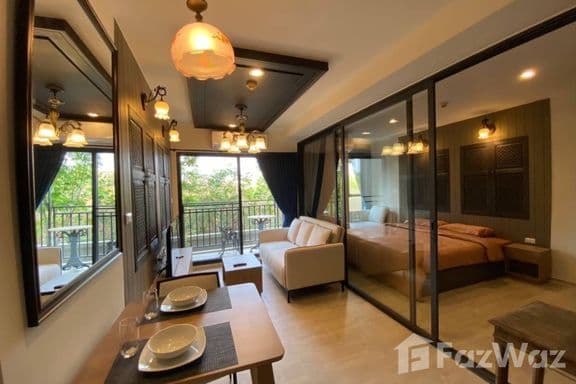
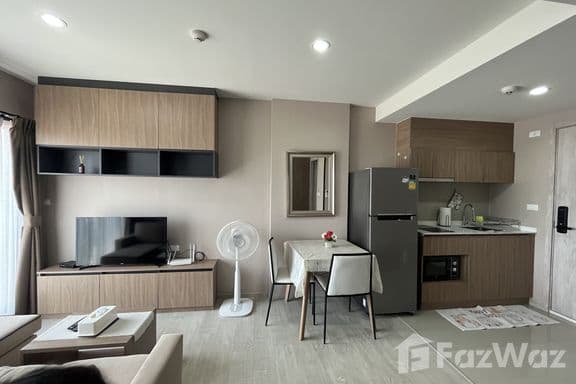
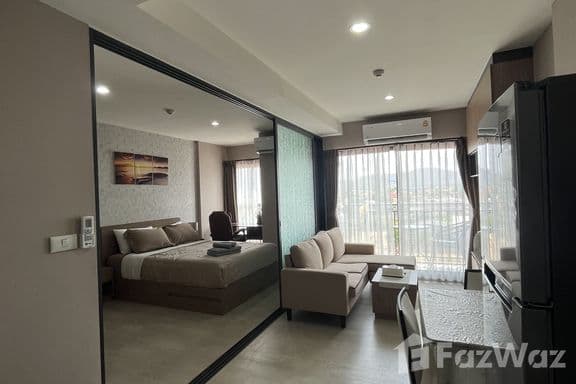
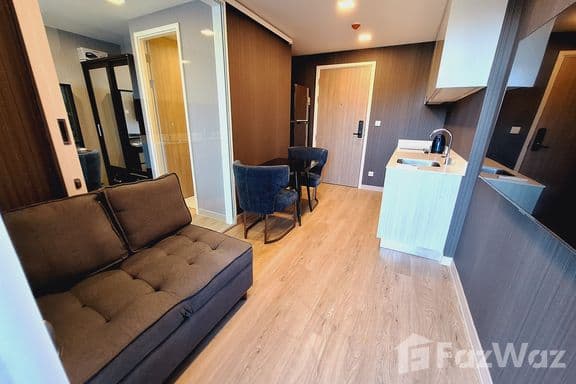
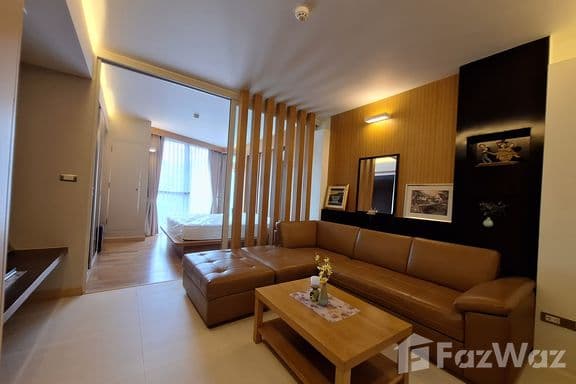
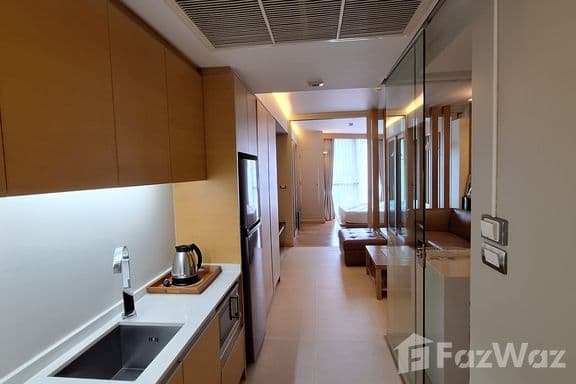
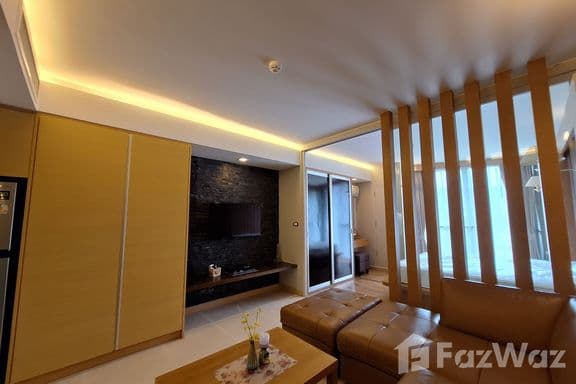
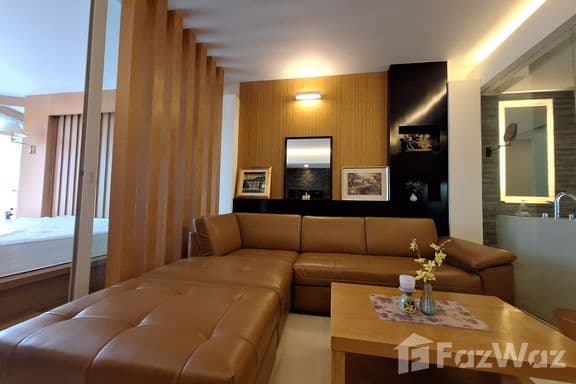
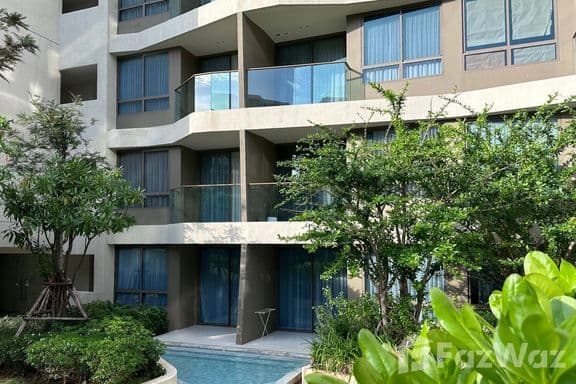
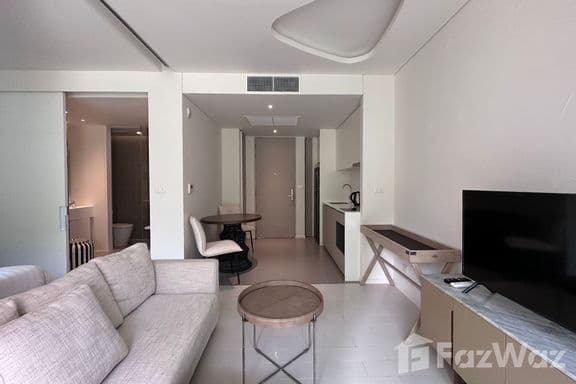
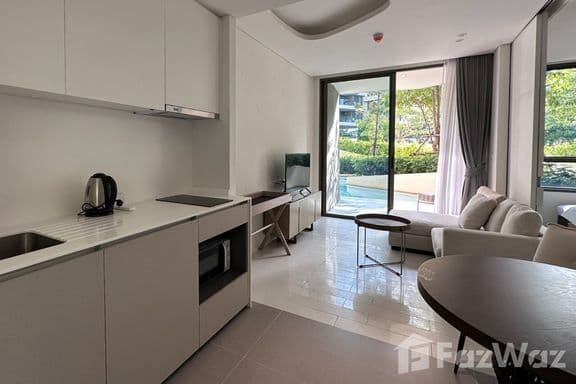
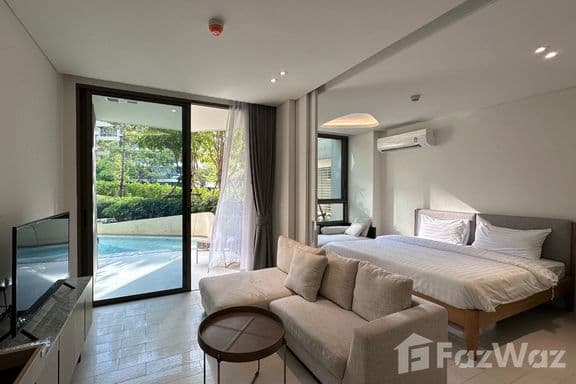
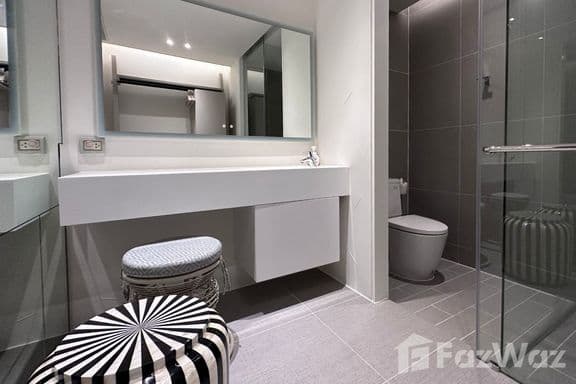
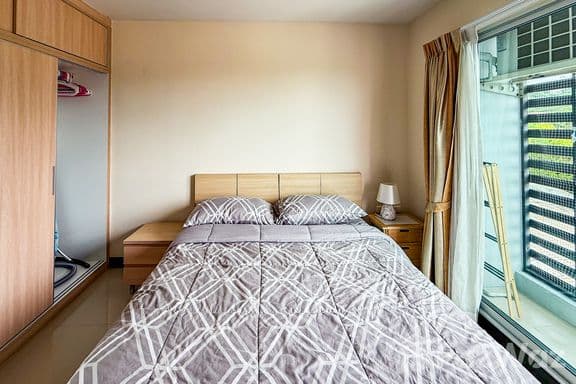
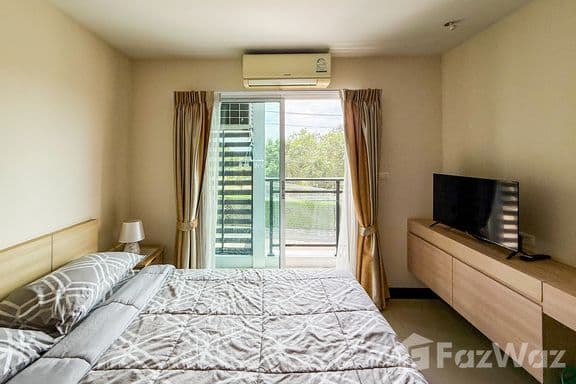
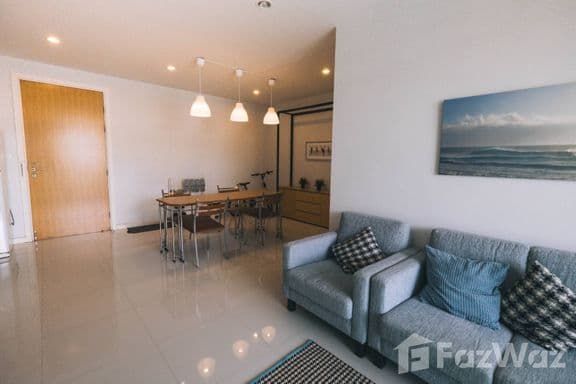
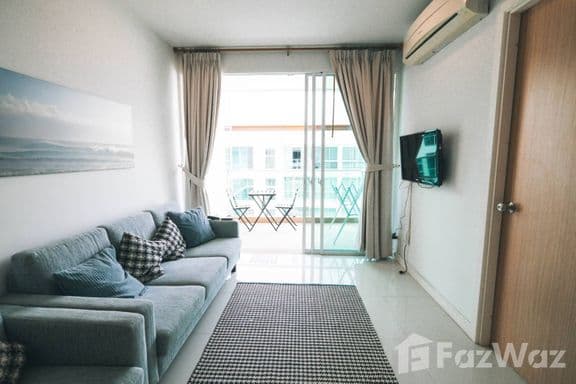
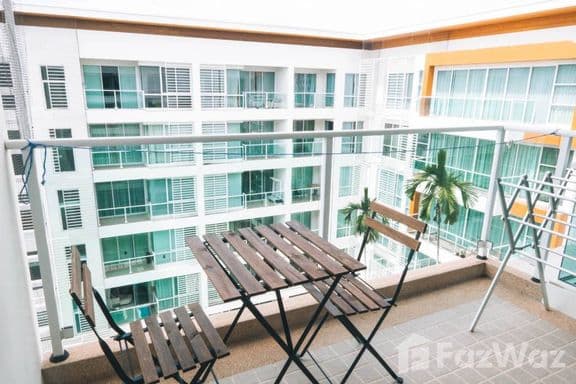
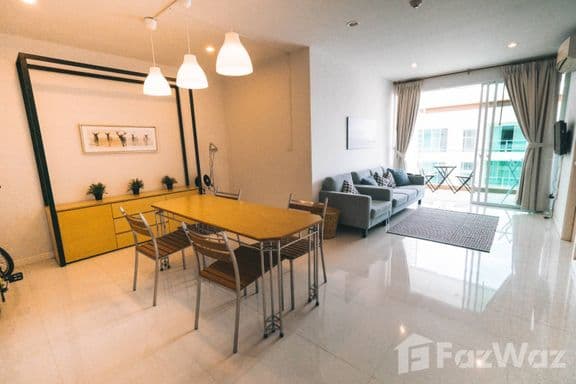
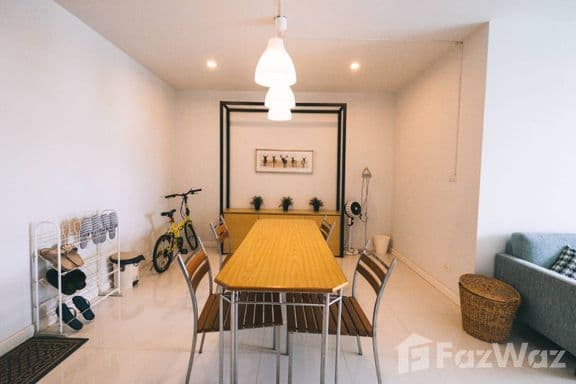
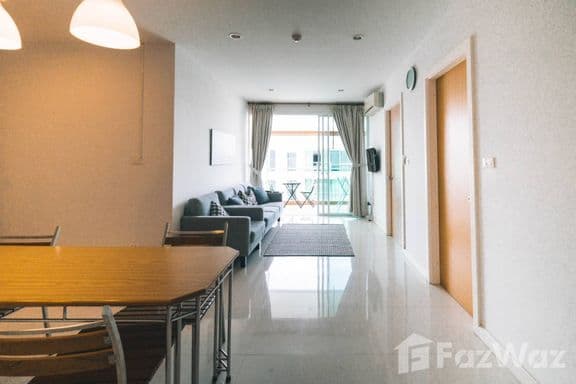
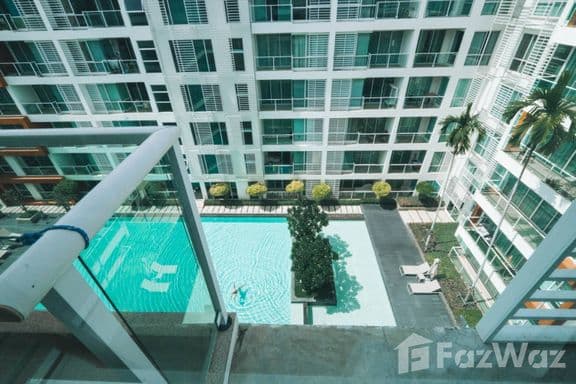
Condominiums are a popular choice for renters in Hua Hin, especially among single expats, couples, and short-term foreign visitors. The town has a wide range of condo developments, from modern high-rises to boutique low-rises, many of which were built in the last 10-15 years. Here’s what you need to know about renting a condo in Hua Hin:
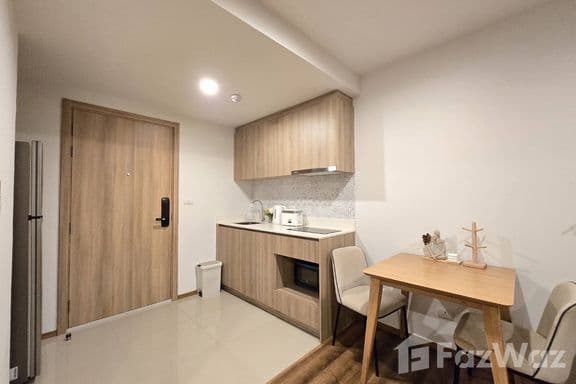
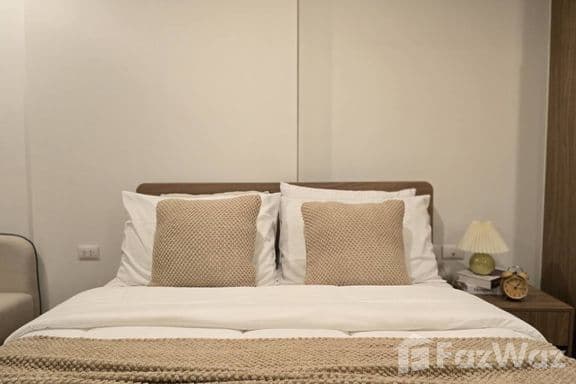
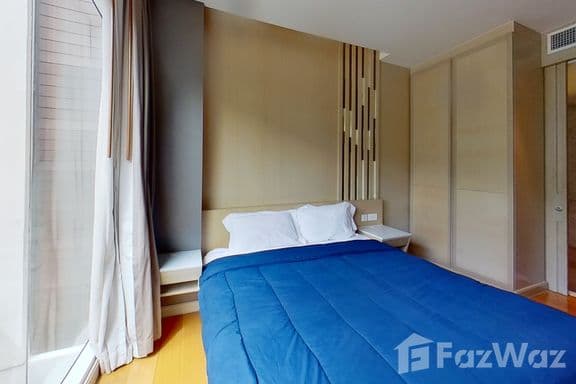
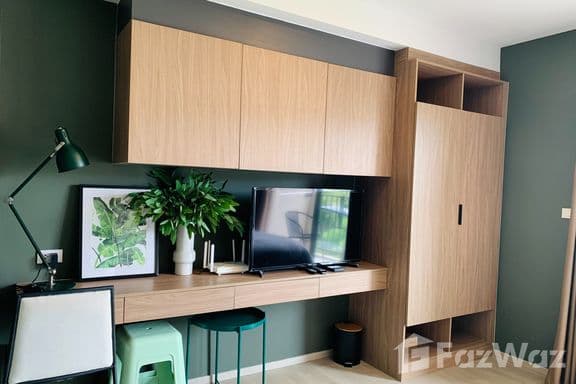
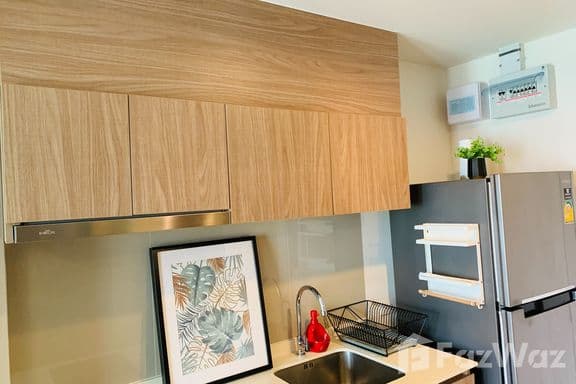
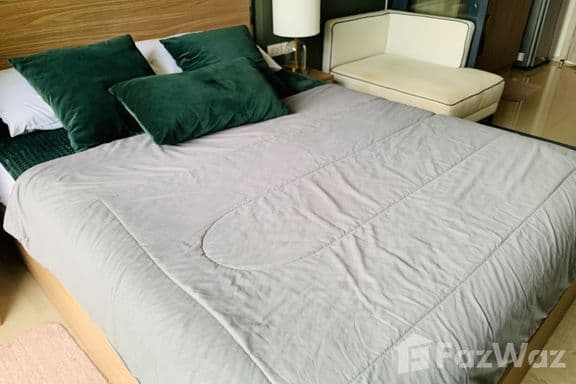
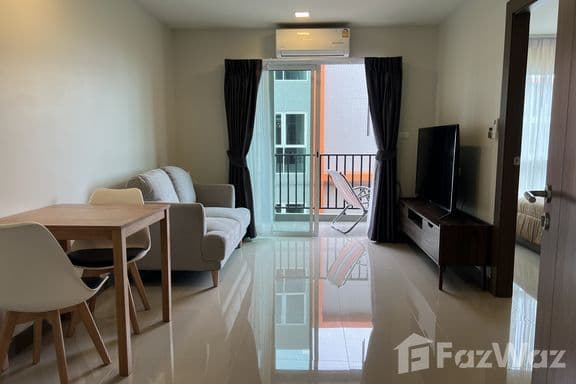
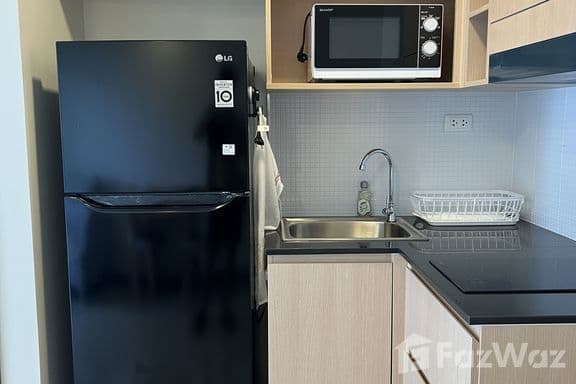
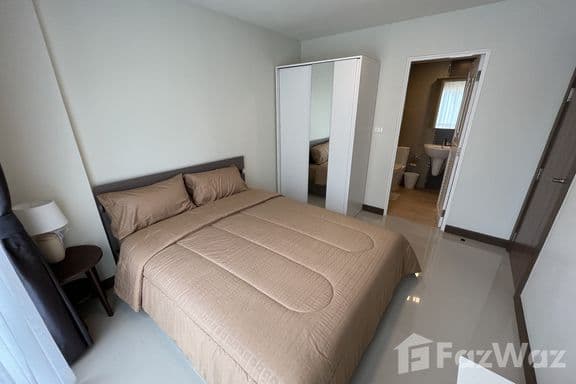
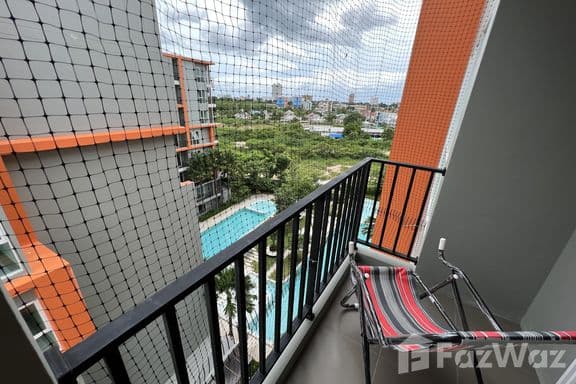
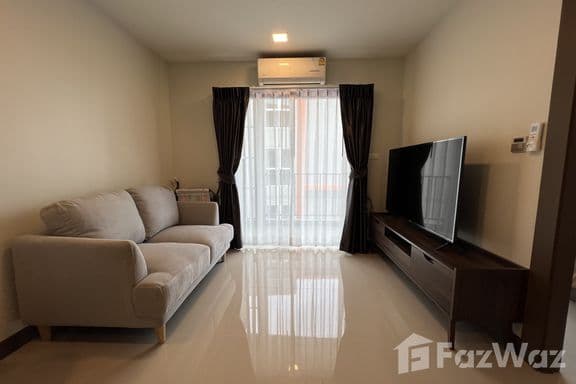
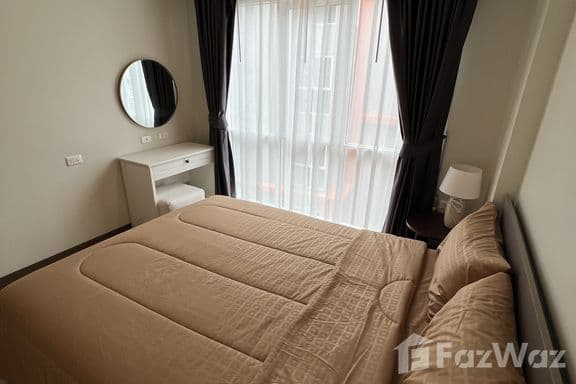
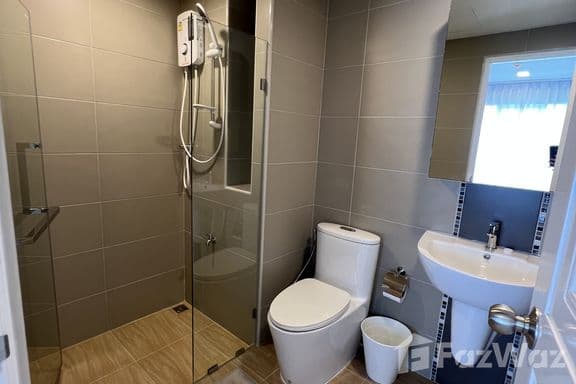
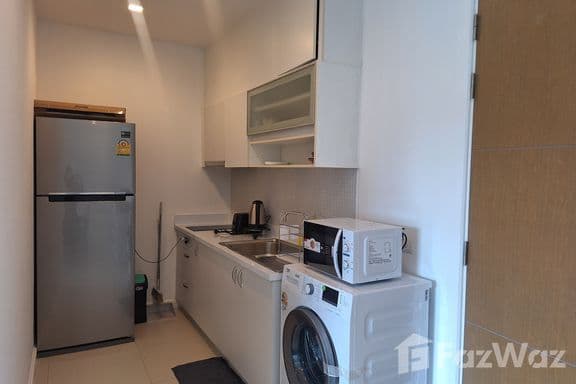
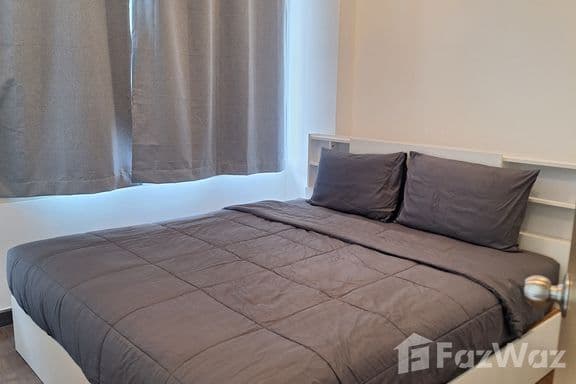
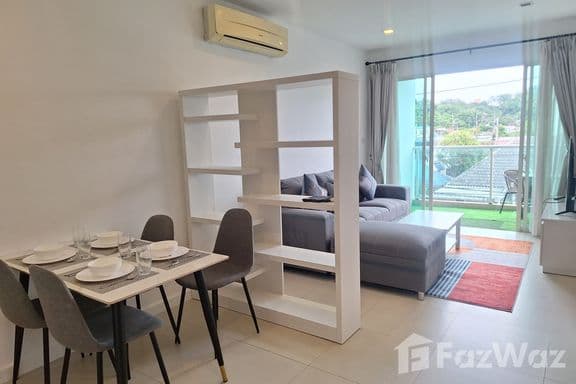
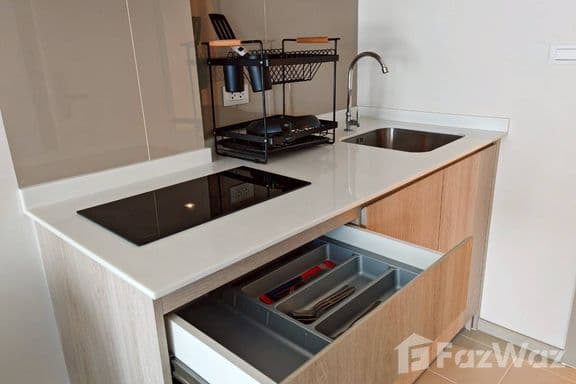
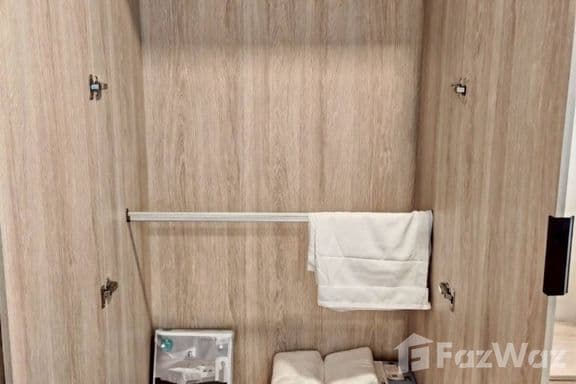
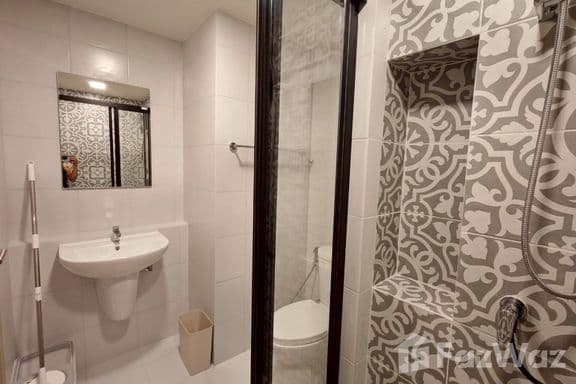
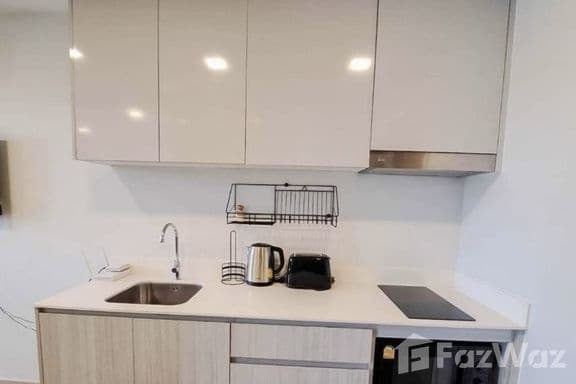
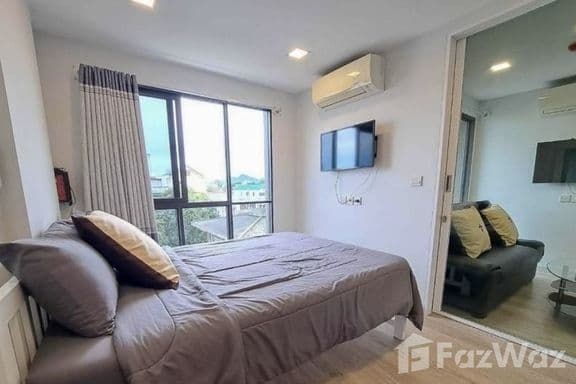
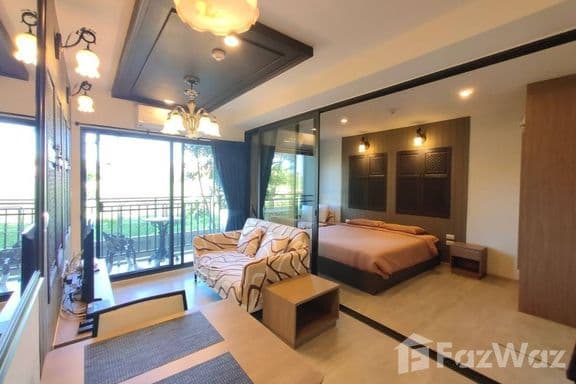
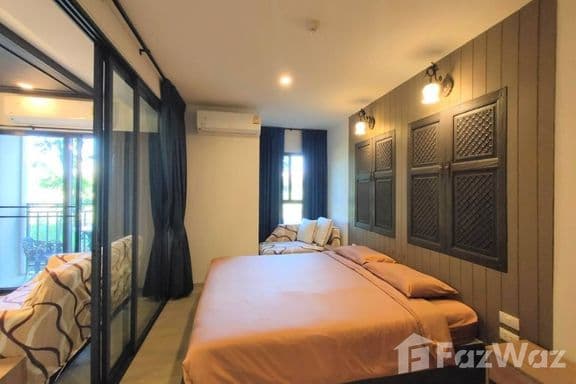
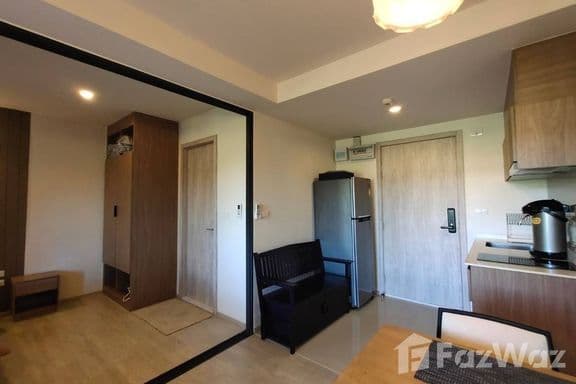
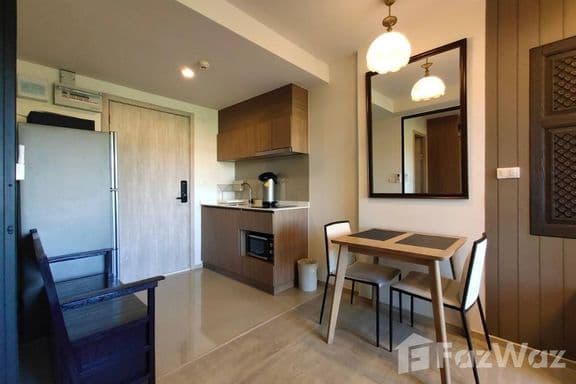
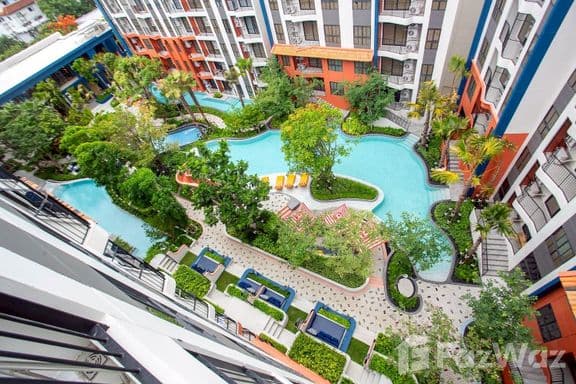
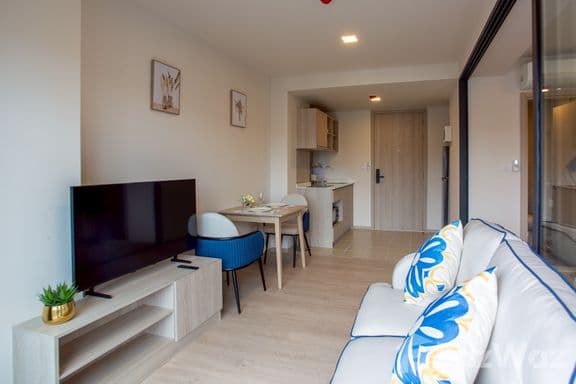
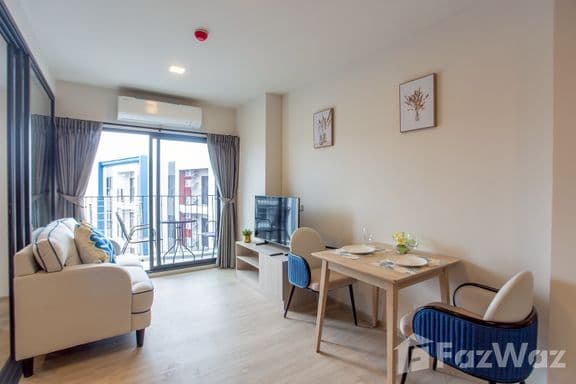
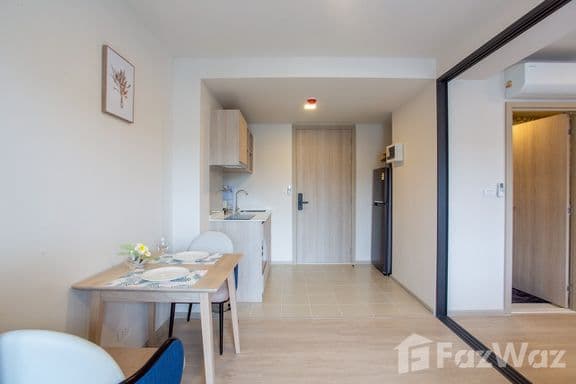
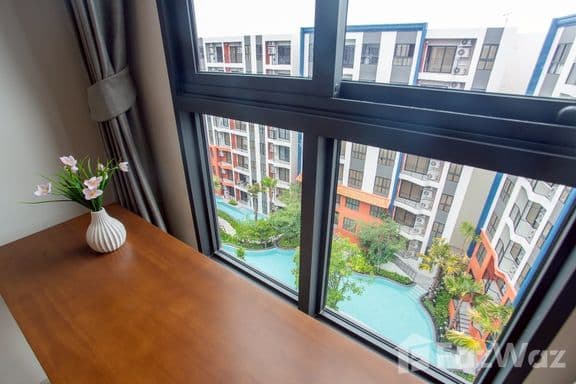
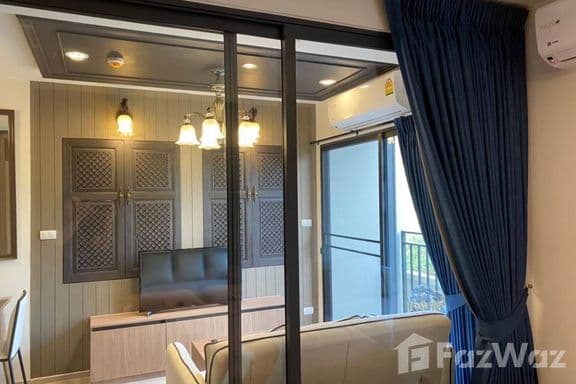
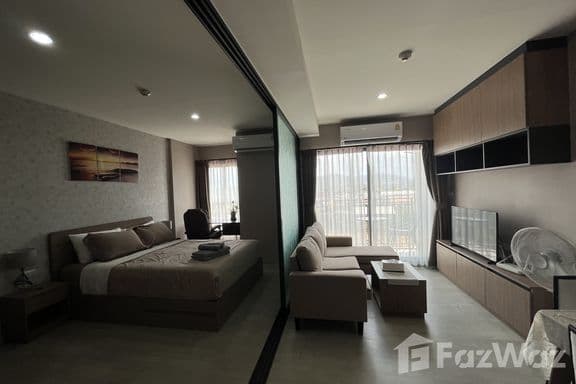
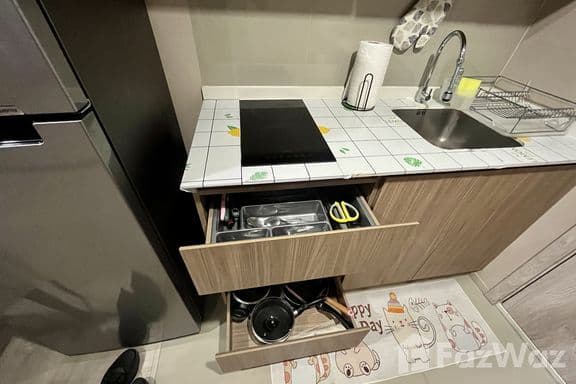
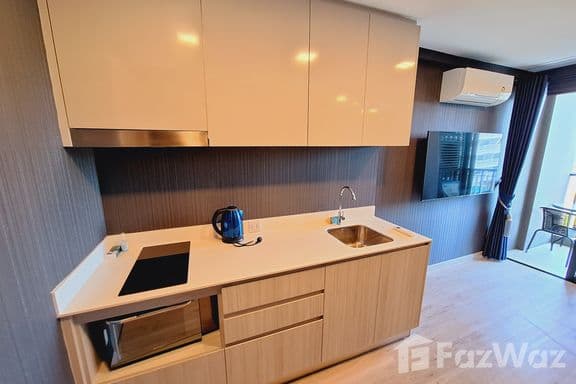
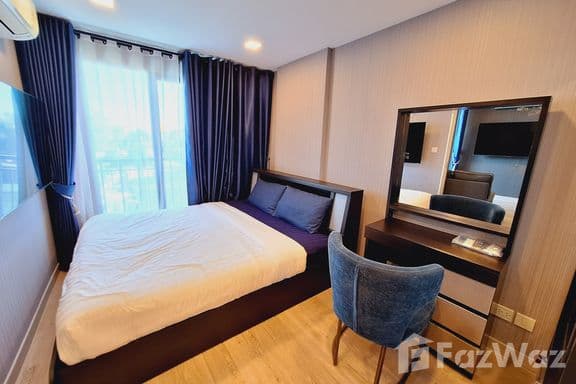
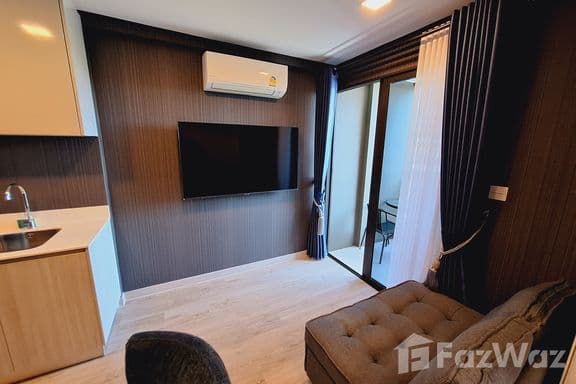
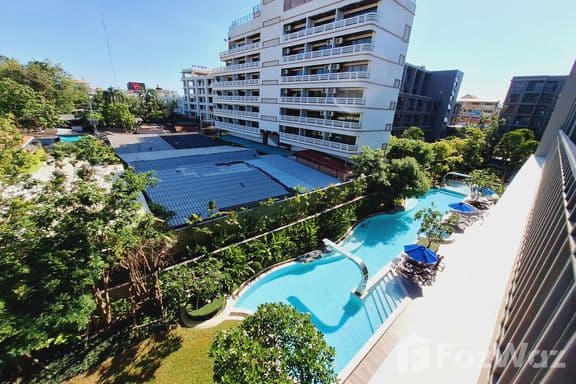
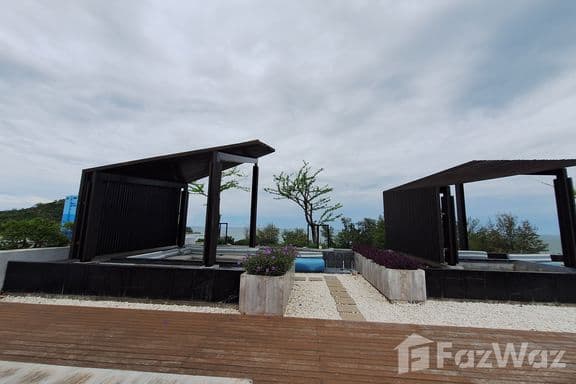
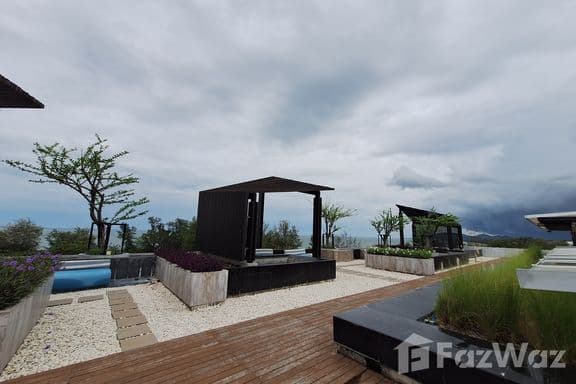
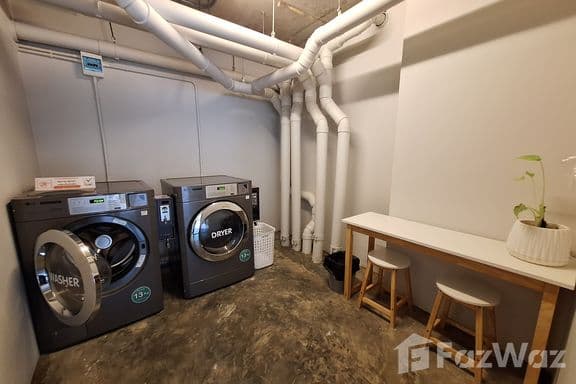
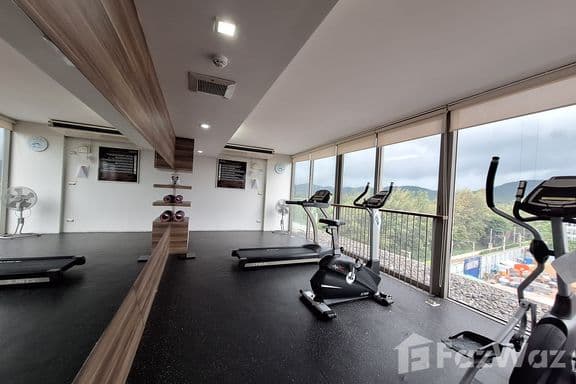
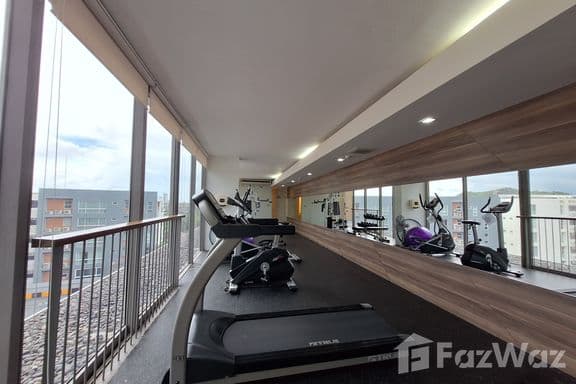
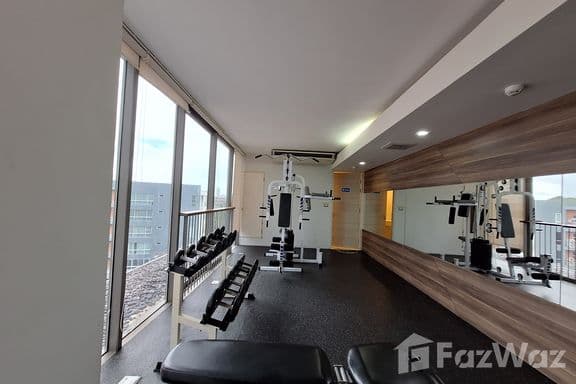
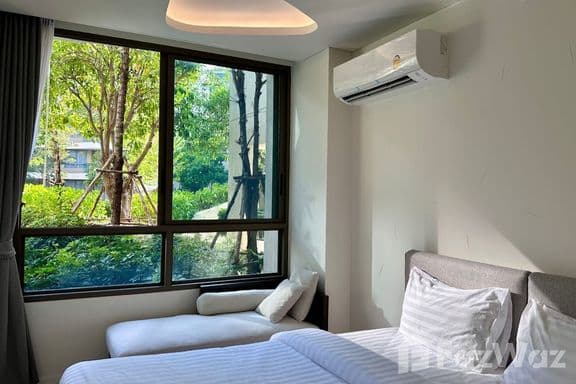
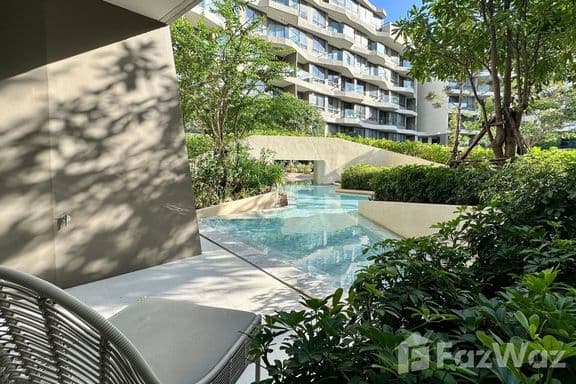
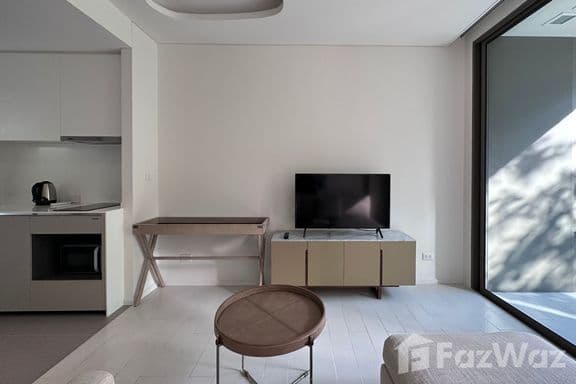
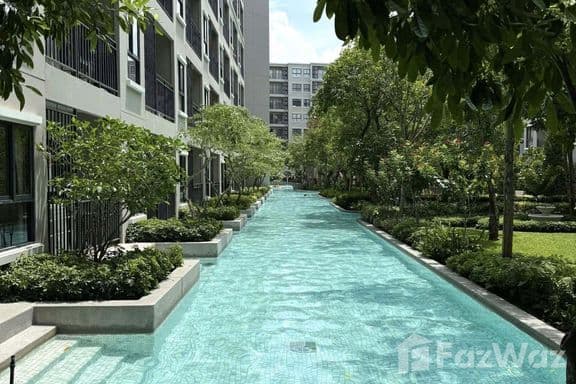
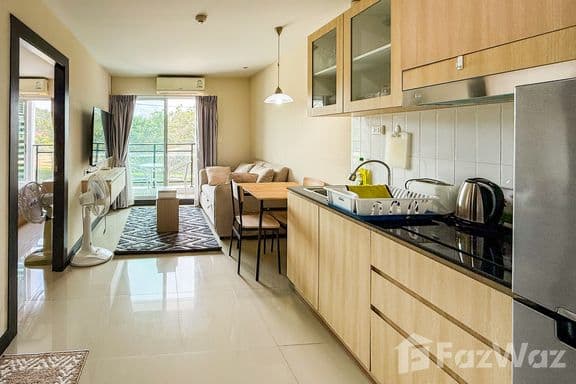
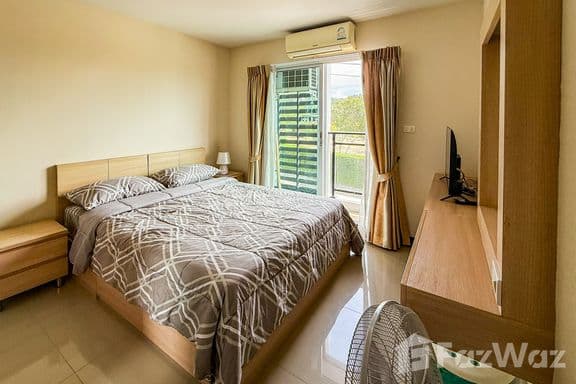
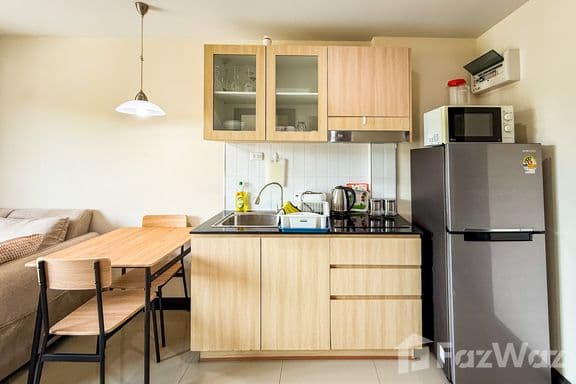
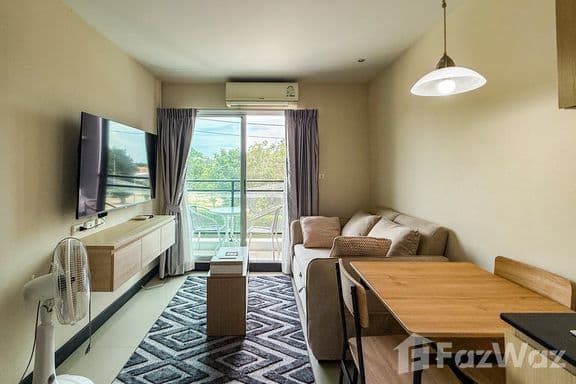
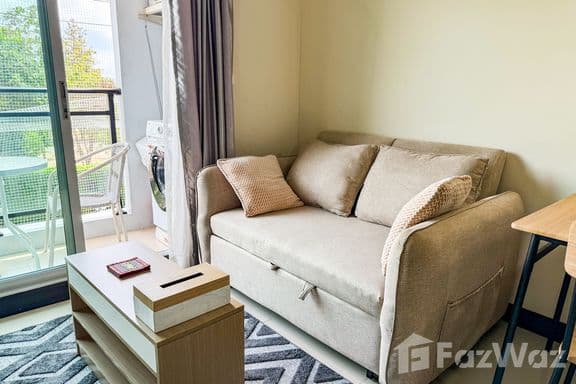
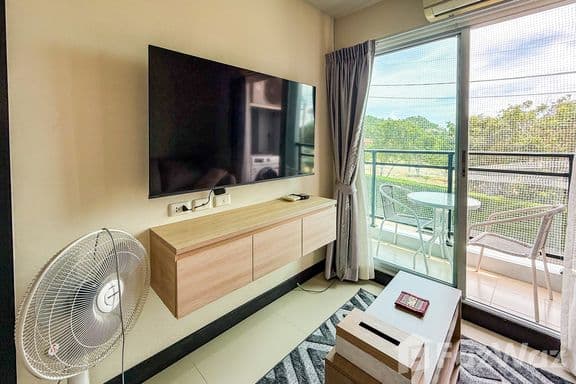
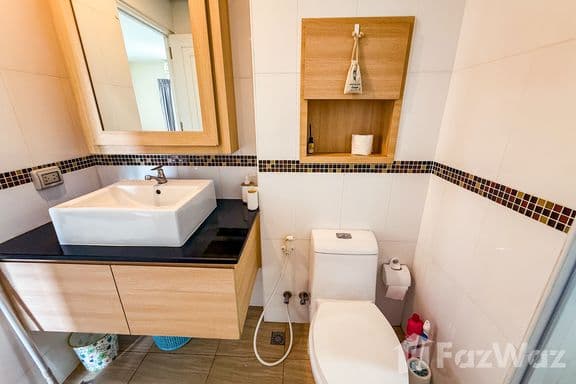
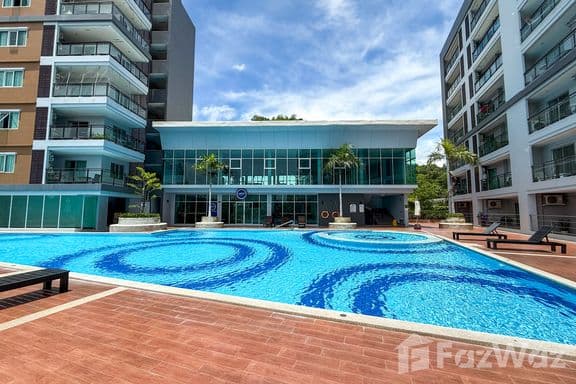
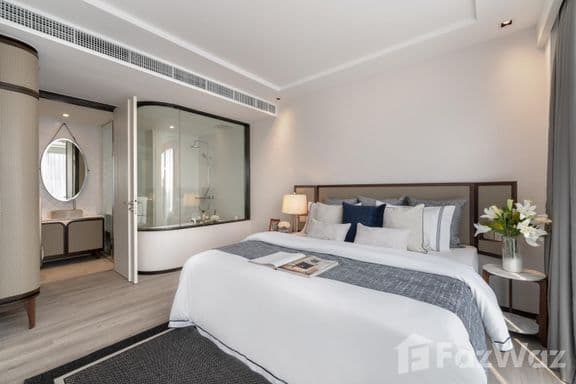
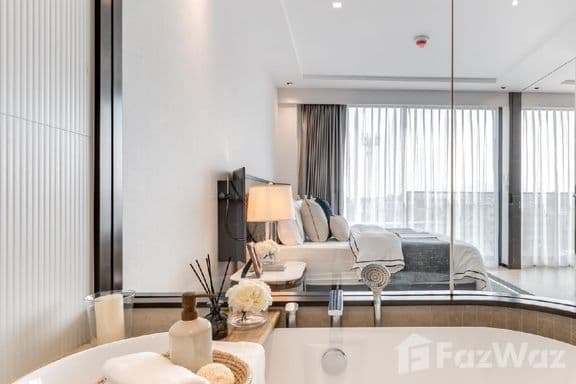
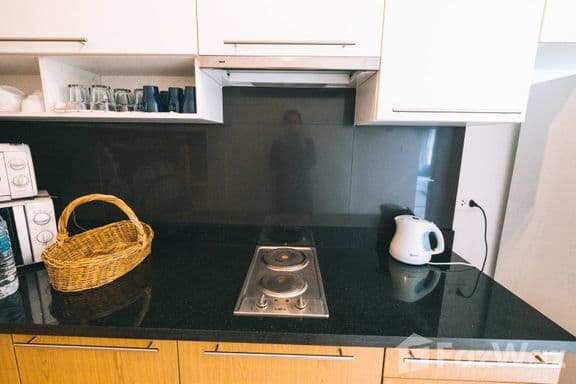
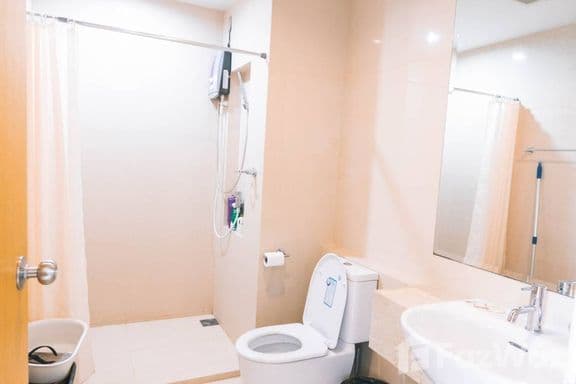
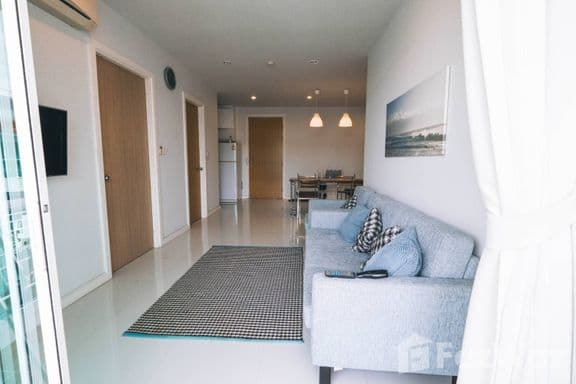
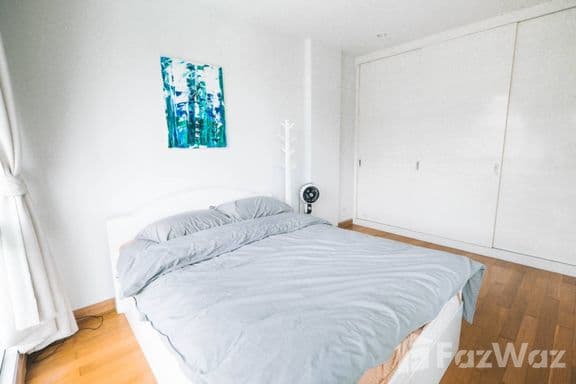
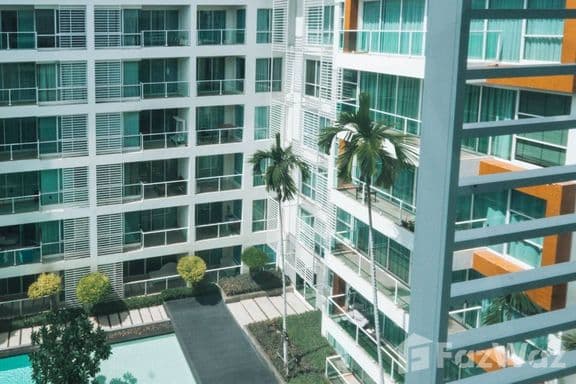
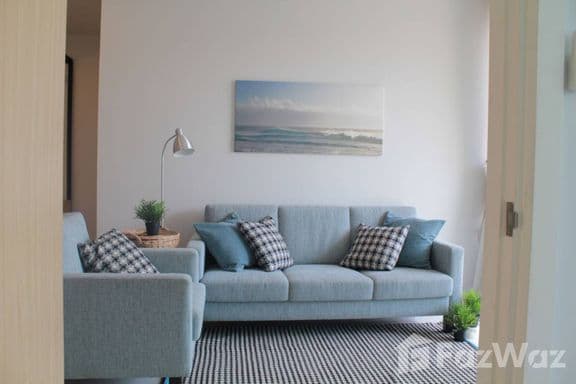
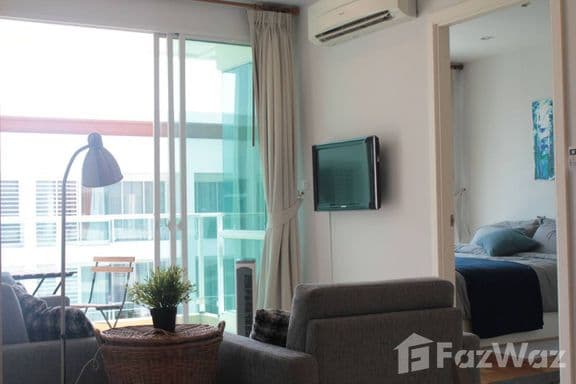
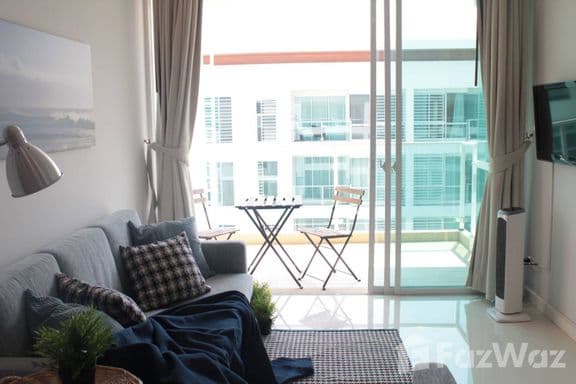
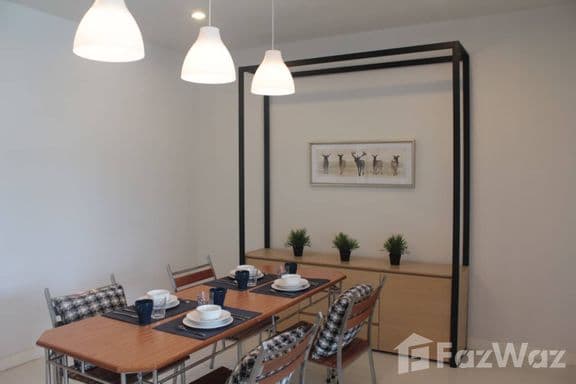
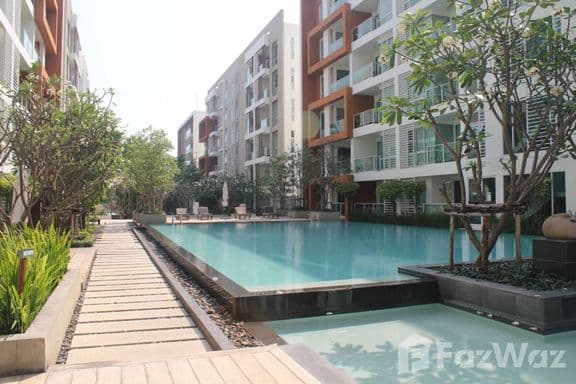
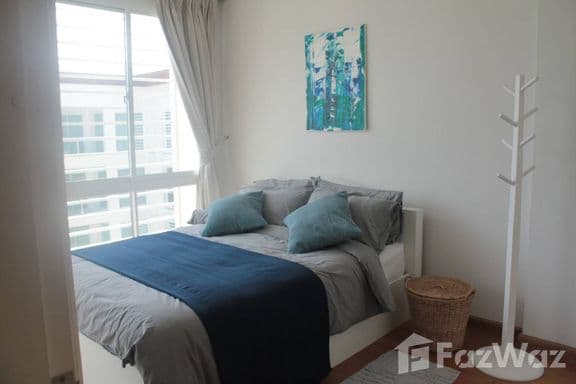
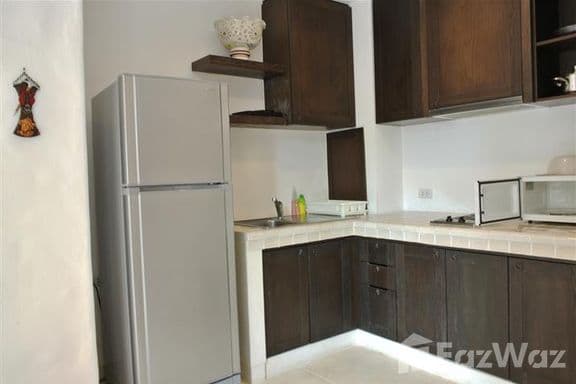
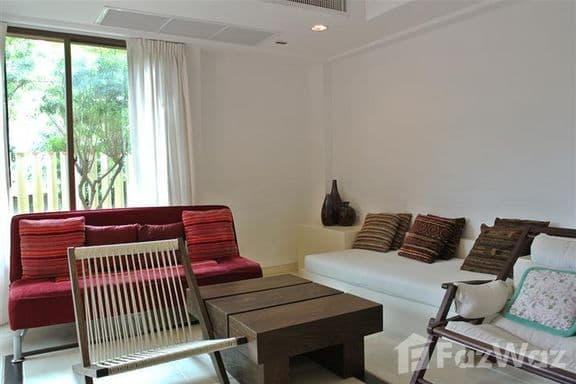
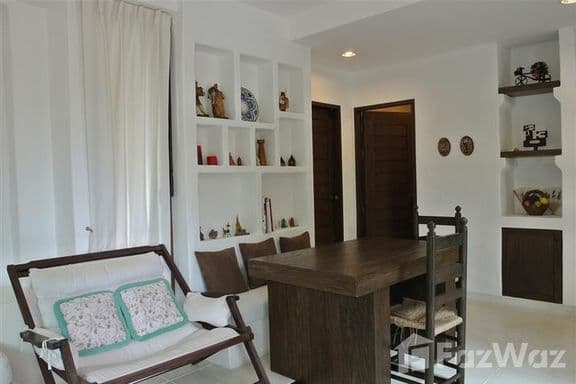
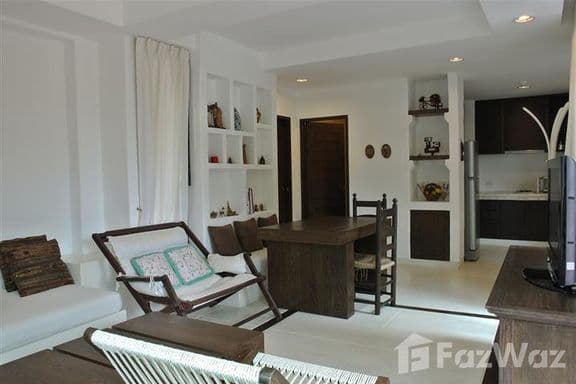
Features and Amenities: Most condos come fully furnished in Thailand, and Hua Hin is no exception. You can expect basics like air-conditioning, a bed, sofa, dining set, and kitchen appliances in furnished units. Condos often include access to shared facilities that enhance your lifestyle: swimming pools, fitness centers, gardens, 24-hour security, and sometimes extras like saunas or co-working lounges. For example, developments by leading Thai developers in Hua Hin (e.g., Sansiri or Raimon Land projects) often boast resort-style pools and gyms, creating a vacation-like environment for residents.
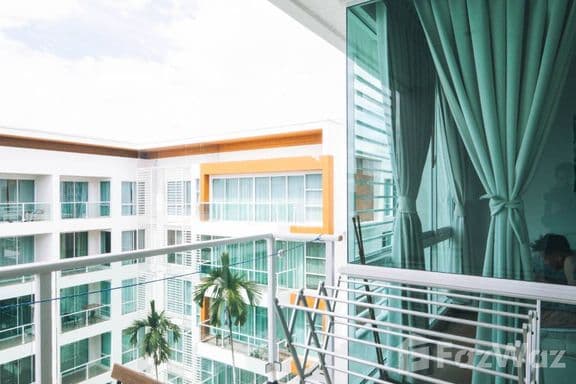
Location Advantages: Many condos are located in prime areas – near beaches or town center. For instance, there are numerous condo complexes in Khao Takiab right across from the beach, or downtown within walking distance to restaurants and malls. This makes condos ideal if you want a “no hassle” living arrangement without needing a car. Additionally, condos typically have management offices or juristic persons on-site, which can assist with maintenance issues or general inquiries (useful if you don’t speak Thai fluently).
Typical Pricing: Condo rents vary by size, building quality, and location. On average, as noted earlier, a one-bedroom condo in Hua Hin rents for around ฿20k–฿25k per month in 2025. Smaller studios can be found for ~฿15k (or even below ฿10k in older buildings or less central areas). At the higher end, luxury or large condos (e.g., a new two-bedroom with ocean view) might command ฿35k–฿50k+ per month. Compared to villas, condos usually have lower rental rates and utility costs due to the smaller space and shared resources, making them budget-friendly for many.
Pros of Condo Living in Hua Hin:
Cons of Condo Living:
Overall, renting a condo in Hua Hin is a great choice if you value ease and amenities. It’s especially suitable for newcomers to Thailand, as condos offer a “plug-and-play” lifestyle – just bring your suitcase. Many expats start with a condo rental for a few months to get acquainted with Hua Hin, and later decide if they want to upgrade to a larger home or stay in condo living long-term.
For those who crave more space, privacy, or a place to call home for the long run, renting a villa or house in Hua Hin is very attractive. “Villa” in local terms can refer to anything from a standalone bungalow to a luxury multi-bedroom pool house. Long-term villa rentals are particularly popular among families, retirees, and expats bringing pets or personal vehicles, as well as anyone who appreciates a garden and perhaps their own swimming pool. Here’s the lowdown on villa rentals:
Types of Houses Available: Hua Hin offers a wide variety of houses for rent. These include:
Pricing for Villas: The rental prices for houses vary widely based on size, location, and amenities. Generally, standard 2–3 bedroom houses inland or in older developments might rent from around ฿20,000 to ฿35,000 per month. In fact, as of 2023 the average villa rent (across all sizes) was reported around ฿22,000/month after a surge in demand – which indicates plenty of mid-range options. Modern pool villas in popular expat enclaves (with 3 bedrooms, private pool, furnished) often fall in the ฿35k–฿60k per month range. Ultra-luxury or very large villas (e.g., 4-5 bedrooms on a big land plot, or beachfront) can go from ฿80k up to ฿150k+ monthly. Essentially, Hua Hin’s house rentals span from very affordable local homes to opulent mansions, so there’s something at every price point. Keep in mind that villa rentals commonly require you to pay utilities like electricity, water, pool cleaning, etc., separately – these costs will depend on usage (aircon for a large house can be a significant bill in the hot season).
Pros of Renting a Villa/House:
Cons of Renting a Villa/House:
It’s evident why Hua Hin’s villas are in high demand, particularly among expats – 50% of rental inquiries in Hua Hin have been from Europeans favoring villas for their comfort and space. If you’re someone who values a private pool, garden BBQs, or simply extra room for hobbies and guests, a long-term villa rental in Hua Hin could be perfect. Just be prepared to commit to a longer lease and handle a bit more house care, or negotiate those points with your landlord.
Renting property in Thailand is relatively straightforward for foreigners, but it’s important to understand lease terms and your legal position. Hua Hin is a very expat-friendly market, and most landlords are accustomed to foreign tenants. Nonetheless, make sure you pay attention to the contract details. Here are key considerations:
Lease Duration: Standard rental contracts in Hua Hin (and Thailand generally) are for 12 months. Long-term rentals are usually defined as 1 year, with options to renew. Contracts of 1-3 years are common. If you need a shorter term (say 3 or 6 months), some landlords will accommodate, but they may prefer to use a 1-year contract with a diplomatic break clause or simply a higher monthly rate for the short term. Legally, any lease longer than 3 years must be registered with the Land Department to be enforceable beyond 3 years. In practice, few residential leases go beyond 3 years fixed; instead, you might sign a 1-year lease with renewal clauses.
Security Deposits and Advance Rent: It is standard practice to pay a security deposit plus first month’s rent up front. Typically, Hua Hin landlords ask for 2 months’ rent as security deposit and 1 month rent in advance. So when you sign, you pay 3 months’ worth (with the 2-month deposit held and refundable at end of lease). Some newer regulations in Thailand (2018 Contract Control Act) technically limit large corporate landlords to 1-month deposit, but since most Hua Hin rentals are private owners (not falling under that law), 2 months deposit remains the norm. Make sure the contract clearly states the conditions for deposit refund – generally it will be returned within 30 days after lease end, minus any deductions for damage or unpaid bills. It’s wise to do a walk-through inspection when moving in and document any existing issues to avoid disputes later.
Payment and Currency: Rent is almost always quoted and paid in Thai Baht. Monthly rent is usually due on the first of each month (some landlords might have slightly different schedules). Bank transfer is common, as is cash. Foreigners can easily open a Thai bank account on certain visa types, which simplifies local transfers. Some expats also pay via services like Wise or international transfer if they don’t have a local account, but confirm with your landlord.
Contract Language: Many Hua Hin rental contracts are bilingual, written in both English and Thai. By law, the Thai version is the official one. However, for practical purposes, reputable agencies and landlords will ensure the English version matches. Do read the contract thoroughly (or have it reviewed) to check for any unusual clauses. Standard clauses include: term, rent amount, deposit, responsibilities for utilities and maintenance, rules on subleasing or pets, and termination conditions.
Termination and Notice: If you need to leave early, breaking a lease typically means forfeiting your security deposit (that’s the common penalty). Some contracts include a diplomatic clause if you might be relocated – for example, allowing lease break with 60 days notice after a minimum of 6 months, in which case deposit is returned. If you think you might not stay the full term, negotiate this in advance. Otherwise, expect that ending the contract early will cost your deposit. Similarly, landlords usually can’t kick you out mid-lease unless you violate terms (and eviction, while possible, follows due process – but Hua Hin landlords are generally reasonable, especially if you pay on time).
Foreigners’ Legal Ability to Rent: Foreign nationals have no legal restrictions on renting property in Thailand. You do not need any special permit – a tourist visa is sufficient for short stays, though if you’re on a tourist visa, landlords might prefer a shorter contract or ask for the whole rent upfront if it’s just a couple months. For long-term leases, having a long-stay visa (retirement, work permit, etc.) is beneficial simply for your own residency status, but it’s not a requirement for the lease itself. The key thing is that foreigners cannot own land, but leasing is fully allowed under Thai law (up to 30-year leases can even be registered, as mentioned). Therefore, you can sign a standard lease just like a Thai citizen would.
Utilities and Other Costs: Normally, tenants pay for their utilities – electricity, water, internet/cable, and any maid service if used. Ask your landlord how the utilities will be paid: if you rent a condo, usually you’ll pay the bills directly to the juristic office or via 7-11 once the bill comes. Ensure that electricity and water are charged at government rates (as they should be). In private homes, sometimes the owner will forward you the bill or have you put the account in your name. Internet can be arranged easily with monthly plans (~฿700/month for high-speed fiber in many areas). Garbage collection and community fees are typically covered by the landlord, unless stated otherwise.
Legal Protections: Thailand’s rental laws generally favor landlords over tenants (there’s no strict rent control, and eviction for non-payment can be enforced by police). However, by abiding by your contract and being a good tenant, you shouldn’t face any issues. If any disputes arise, it’s best to settle amicably. You could seek help from the local OrBorTor (municipal office) or a lawyer if seriously needed, but such cases are rare in Hua Hin’s expat community. One thing to note: your landlord (or their agent) is supposed to register your stay with Thai Immigration (TM30 report) – this is a legal requirement whenever a foreigner resides somewhere. Ensure they do this, or you do it together, so that you comply with immigration rules (especially important if you have a visa that requires 90-day reporting – the TM30 needs to be in system).
In summary, read your lease carefully and clarify any questions before signing. Hua Hin landlords are generally experienced with foreigners, so you’ll find most contracts straightforward. Don’t hesitate to negotiate terms such as adding a break clause, pet allowance, or minor furnishing requests – the worst they can say is no. Once the paperwork is in order, you can focus on enjoying your new home by the beach.
When planning your rental in Hua Hin, it’s smart to factor in the seasonal patterns. The time of year can influence both availability and price, especially if you’re considering a short-term stay or starting a new lease. Here’s how Hua Hin’s seasons break down and what they mean for renters:
Tips to Leverage Seasonality: If you have the flexibility, plan your rental search in the off-peak months. More listings will be available and landlords are more open to negotiation when they have empty units off-season. Conversely, if you must move during high season (perhaps due to job timing or visa), start your search extra early. Connect with agents or online listings a couple of months ahead to secure a place before the rush. Another strategy some long-term expats use: sign a longer lease that covers multiple high seasons – this locks in the rent and spares you from any seasonal rate hikes or having to vacate for short-term renters. Many owners appreciate the stability of a year-round tenant and won’t kick you out just to chase high season tourists, especially in today’s market that favors long stays in Hua Hin.
Finally, note that weather might influence your preferred property type: in the hot season, condos can be easier to keep cool (and have that refreshing pool), whereas in rainy season a house with good drainage and no leaks is important. Fortunately, Hua Hin’s climate is relatively mild (no typhoons, seldom flooding in town), so it’s generally a year-round destination – but these seasonal nuances can definitely impact your rental experience and costs.
By now, you should have a solid understanding of Hua Hin’s rental market, neighborhoods, and what to expect. To wrap up, here are some practical expat tips and best practices to ensure your renting experience in Hua Hin goes smoothly:
By keeping these tips in mind, you’ll set yourself up for a positive renting experience in Hua Hin. Preparation and clear communication are your allies – from the initial home search to settling into the lease. Hua Hin is known for its welcoming vibe; countless expats have smoothly transitioned to life here and consider it the best decision they ever made. With the right rental and a bit of savvy, you too can enjoy the tropical charm of Hua Hin to the fullest.
Renting in Hua Hin in 2025 offers an incredible opportunity to enjoy Thailand’s coastal paradise without the long-term commitment of buying property. Whether you opt for a modern condo with panoramic sea views or a tranquil pool villa in the hills, Hua Hin’s diverse rental market has you covered. We’ve explored how rental trends are evolving – with growing expat interest, stable prices (one-bedroom condos around ฿21k on average), and a shift toward long-term villa stays catering to retirees. We’ve also mapped out the neighborhoods so you can zero in on the right location for your lifestyle, from the buzz of downtown to the quiet of west Hua Hin’s golf communities.
Remember to leverage the seasonal cycles to your advantage – if you have flexibility, house-hunt in the low season for better deals, and lock in leases to ride through the high season without worry. Always ensure you’re comfortable with the lease terms and understand your obligations; a bit of due diligence on contracts goes a long way in protecting your deposit and rights as a tenant. And finally, embrace the experience: Hua Hin is not just a place to rent a house, it’s a community and a lifestyle.
Many global investors, digital nomads, and retirees have already discovered the allure of Hua Hin. With this guide, you are now equipped with the knowledge to join them – finding the perfect rental property and making it your home in this beautiful beach town. Happy house-hunting, and welcome to Hua Hin!

Plum Condo Ladprao 101

Chewathai Ramkamhaeng

Dlux condominium