Property for Sale in Pattaya: 2025 Deep Market Guide
Pattaya, a vibrant coastal city on Thailand’s eastern seaboard, has long been famous for its beaches, entertainment, and affordable lifestyle. In 2025, the Pattaya property market is thriving and evolving, making it an exciting prospect for a range of buyers – from international investors seeking high rental returns, to retirees looking for a relaxing seaside home, to digital nomads drawn by the city's mix of modern amenities and tropical charm. Property for Sale in Pattaya: 2025 Deep Market Guide is a comprehensive overview of Pattaya’s real estate landscape, offering up-to-date insights into prices, locations, and practical considerations for buying property in this dynamic city.
This deep-dive guide explores Pattaya’s property market landscape as of 2025, highlighting current pricing trends and the factors driving demand. It compares key neighborhoods – including Central Pattaya, Jomtien, Pratumnak Hill, Wongamat (North Pattaya), East Pattaya, and Na Jomtien – explaining the lifestyle each area offers, typical property prices, and the pros and cons for buyers in each location. We also outline Thailand’s foreign ownership rules and legal points to know, discuss new development trends versus the resale market, and provide practical tips on navigating the buying process. The tone blends formal authority with an accessible, conversational style, aiming to inform both seasoned investors and first-time buyers without overwhelming them.
Whether you’re considering a luxury beachfront condo, a spacious family villa, or an affordable apartment, understanding Pattaya’s market in depth will help you make the best decision. Let’s explore what Pattaya’s real estate scene has to offer in 2025 – and how you can capitalize on the opportunities in this booming coastal city.
Pattaya Property Market Landscape in 2025
Post-Pandemic Rebound and Growth: Pattaya’s real estate market has rebounded strongly in the wake of the pandemic. By 2024, tourism surged back to record levels – the city once again attracted well over 15 million visitors per year, underpinning a robust short-term rental market and renewing buyer interest. Pattaya is also being transformed by Thailand’s Eastern Economic Corridor (EEC) initiative, a major infrastructure and industrial development plan. Massive investments in the EEC – from new highways and a high-speed rail link to the expansion of nearby U-Tapao International Airport – are elevating Pattaya from a simple beach resort town to a diversified economic hub. The city is now drawing not just tourists and retirees, but also professionals working in new industrial estates and tech parks in the region. This broadening economic base has injected fresh confidence into the property market. Pattaya in 2025 is often compared to Bangkok in terms of amenities and lifestyle, yet it retains a more relaxed, beachside atmosphere that many foreign buyers and expatriates find appealing.
Diverse Buyer Demand: One reason for Pattaya’s resilient market is the diversity of its buyers. Domestic Thai buyers have always had a stake here (including Bangkok residents purchasing weekend condos), but international buyers play an increasingly pivotal role in 2025. In particular, Chinese and Russian investors have been very active in Pattaya over the past year, drawn by the city’s relative affordability and potential for returns. Buyers from other countries – Europe, other parts of Asia, and beyond – also contribute to demand, whether for investment or a second home in the sun. The mix of motivations is fairly balanced: roughly half of purchasers cite investment (rental income or future resale gains) as their primary reason, while others are buying for personal use, retirement, or as a holiday home. This means the market caters both to yield-focused investors and lifestyle buyers. Crucially, rental demand in Pattaya is buoyed by the city’s popularity among tourists and long-stay foreigners, so buy-to-let investors see solid occupancy and returns. At the same time, those buying for their own use benefit from Pattaya’s improving liveability – from international hospitals and schools to shopping malls and leisure facilities that make living here convenient.
Market Confidence and Outlook: Entering 2025, overall sentiment in Pattaya’s property sector is upbeat. Between 2020 and 2023, property prices in the area showed a noticeable upward trend after a brief pandemic dip, and that momentum has continued. Analysts predict steady growth in property values of around 5–8% annually over the next few years, provided economic conditions remain stable. This outlook is supported by the ongoing infrastructure projects and the expectation of sustained foreign interest. In 2024, industry reports noted that Pattaya even rivaled Bangkok as a top destination for foreign real estate investment in Thailand – a testament to how prominent this once-sleepy beach town has become on the global stage. There are some cautionary notes (for example, a high volume of new condos in recent years has created pockets of oversupply in certain segments), but demand is catching up quickly. The city’s transformation – from new highways to the gleaming Terminal 21 shopping center in North Pattaya – signals that Pattaya is gearing up for a prosperous future. For investors, this means a window of opportunity while prices are still reasonable by international standards; for end-users, it means buying into a city that is continuously upgrading its infrastructure and services.
Pricing Trends and Investment Insights
Key Locations for Property in Pattaya
Pattaya’s real estate offerings are spread across several distinct neighborhoods and zones, each with its own character and appeal. One of the strengths of this market is that there’s something for everyone:
Central Pattaya
Central Pattaya is the bustling heart of the city – perfect for those who want to be at the center of it all. This area runs inland from Pattaya Beach and encompasses hotspots like Walking Street, Second Road, and the big shopping centers. The lifestyle here is lively and extremely convenient: you’ll find endless dining options (from street food to fine restaurants), bars and nightlife, markets, and modern malls such as Central Festival (a multi-story shopping mall with international retail brands, a cinema, and supermarkets). Entertainment is always nearby, whether it’s live music, beach activities, or a night out on the town.
In terms of properties, Central Pattaya is dominated by condominiums, serviced apartments, and a few townhouses – this is high-density urban living. You can find a wide array of condo developments, from older low-rise buildings tucked in the sois (side streets) to new high-rise towers offering panoramic sea views. Typical condo prices in central Pattaya start around ฿1.5–2 million for a studio or small one-bedroom in an older building. Newer or fully renovated one-bedroom units (about 30–50 sq.m.) in good locations often range from ฿3–5 million, while larger two-bedroom condos or units in luxury high-rises can go upwards of ฿8–10 million. Ultra-modern projects right in the city (such as those near the beach or with extensive amenities) might command even higher prices, but generally central Pattaya offers a lot of value for money due to competition and supply. Houses and villas are rare in
Jomtien
Just south of central Pattaya lies Jomtien, a neighborhood that offers a more laid-back coastal atmosphere while still providing plenty of amenities. Jomtien Beach stretches for about 6 km, lined with beach chairs, trees, and a pedestrian promenade. The lifestyle in Jomtien is characterized by a relaxed, beachy vibe; days here often involve sunbathing, water sports, or enjoying a leisurely meal at a seafront café. Jomtien has a significant expat community and is popular among retirees and long-stay foreign residents who appreciate its quieter nature compared to Pattaya city. That said, Jomtien is far from isolated or dull – it has a diverse range of restaurants and bars, including some of Pattaya’s top-rated eateries (many expats will tell you Jomtien and neighboring Pratumnak have become culinary hubs). Nightlife exists here too, but it’s more subdued: think cozy beer bars, live music venues, and the
Jomtien’s property market features a healthy mix of condos and houses, giving buyers a lot of choice. On the condo front, Jomtien has everything from budget-friendly studio apartments to luxury sea-view penthouses. Many condos here are high-rise towers that capitalize on sea views, since being one bay south of Pattaya allows for sweeping vistas of the ocean, Koh Larn island on the horizon, and the Pattaya city skyline in the distance. Prices for Jomtien condos generally start a bit lower than in central Pattaya. For instance, an older studio might be found for under ฿1 million, and a modern one-bedroom in a inland mid-rise building might be in the ฿2–3 million range. Spacious two-bedroom condos in newer beachfront developments typically fall between ฿5–8 million, though ultra-premium projects (with prime beachfront land and luxury branding) can command higher figures – still, you often get more space or a better view for the same budget compared to a central Pattaya condo. Jomtien is also a haven for those seeking villas or houses. There are several gated communities and villa developments tucked just a bit inland from the beach. For example, Jomtien Park Villas and View Talay
Pratumnak Hill
Nestled between Pattaya City and Jomtien, Pratumnak Hill (sometimes just called “Pratumnak” or “Phra Tamnak”) offers a happy medium between excitement and tranquility. Often referred to as the “Beverly Hills of Pattaya,” Pratumnak is an upmarket residential area known for its hilly terrain, upscale villas, and condo developments with commanding sea views. The lifestyle here is quieter and more private than both Central Pattaya and Jomtien. The hill itself is lush with greenery; there’s a notable park and viewpoint at the summit (near the Big Buddha Temple) where residents and tourists alike enjoy panoramic views of the city and ocean. Living in Pratumnak Hill means you’re just a few minutes’ drive from either Pattaya or Jomtien, yet the atmosphere in the neighborhood is peaceful, with leafy streets and a low-key pace. Small local cafes, bistros, and boutique hotels dot the area. While Pratumnak doesn’t
Property-wise, Pratumnak Hill is a mix of luxury condos and private villas, with a reputation for higher-end developments. Condo projects here often capitalize on the elevation to provide sea views and sunsets over Koh Larn. A number of mid-rise and high-rise condos are perched along the hill or near the Cosy Beach area, ranging from older but well-kept buildings to brand-new luxury residences. Pricing for condos in Pratumnak starts around ฿2–3 million for a resale studio or one-bedroom in an older development without a direct view. However, many buyers in this area are looking for something a bit upscale: modern one-bedrooms with sea views might be in the ฿4–6 million range, and larger two-bedroom units or ones in prestigious new buildings can easily go from ฿8–15 million. There are elite condo projects boasting very high-end finishes, rooftop pools, etc., where penthouses or large units can approach the ฿20 million mark or above. Yet, relative to what you’d pay for similar ocean views in, say, Phuket or a Western country, Pratumnak real estate still provides a lot of bang
Wongamat (North Pattaya)
Wongamat is an area in the northern part of Pattaya (often considered part of the Naklua district) known for having Pattaya’s finest beaches and luxury high-rise condos. If you imagine a tranquil beachfront lined with swaying palm trees and clear views of the ocean, that’s Wongamat Beach. This area has transformed in the last decade into the premium residential zone of Pattaya, with many prestigious condominium towers and upscale hotels. The lifestyle in Wongamat and North Pattaya is more family-friendly and laid-back compared to Central Pattaya. The beaches here – Wongamat Beach and neighboring stretches – are cleaner, less crowded, and have a more exclusive feel (partly because many beachfront properties are privately owned by resorts or condos which maintain them). Residents of Wongamat enjoy an environment that mixes resort and residential vibes. You can start your day with a quiet walk on the beach, have lunch at a stylish café, and yet you’re only a short ride away from the city’s hustle and bustle if you need it. North Pattaya
When it comes to properties, Wongamat is all about high-end condominiums and a very limited selection of houses. The coastline is dotted with luxury condo projects such as The Palm, Northpoint, Wongamat Tower, and newer developments that have set height and design records for Pattaya. These condos offer amenities like private beach access, infinity pools, concierge services, and state-of-the-art security – catering to a clientele that expects a resort-like living experience. Because of the prime beachfront land and upmarket positioning, prices in Wongamat rank at the top tier of Pattaya’s market. For example, a sea-facing studio or one-bedroom in a modern high-rise may cost around ฿4–6 million (considerably higher per square meter than in central or Jomtien). Larger units, such as two-bedroom condos with panoramic views, can range from ฿8 million to ฿15 million or more depending on the project. Penthouse suites or ultra-luxury residences in the newest buildings have been known to command ฿20–30+ million, reflecting pricing that inches closer to Bangkok luxury condo levels. Despite these high figures, international buyers often find them reasonable for a beachfront property by global standards – which is partly why Wongamat remains popular. Houses and villas in North Pattaya/Naklua are scarce because most land has been taken up by vertical development. There
East Pattaya
Moving away from the coast, East Pattaya refers to the broad region lying to the east of Sukhumvit Road (the main highway) – essentially the suburban and semi-rural outskirts of the city. This is the area to consider if you’re looking for space, tranquility, and more of a local residential feel. East Pattaya encompasses sub-districts like Nong Prue, Pong, Mabprachan, and Huai Yai, which have become increasingly popular among expats and Thais who prefer houses over condos. The lifestyle here is markedly different from the tourist-centric vibe of the beachfront. It’s more about daily living, community, and nature. Many expat families reside in East Pattaya because it’s home to some of the best international schools in the region (for example, Regents International School and Tara Pattana International School are in this area). If you have children or plan to, living near these schools is a big plus. The area around Lake Mabprachan, in particular, has developed into a peaceful enclave with lakeside parks, cycling tracks, and cafés – a popular spot for family outings and exercise. Golf enthusiasts know East Pattaya well, since it boasts an array of golf
The property market in East Pattaya is dominated by houses, villas, and plots of land. This is where you can get significantly more property for your money. For example, with a budget that would only buy a small condo in town, you could purchase a two or three-bedroom detached house with a yard in East Pattaya. There are numerous housing developments (villages) with different styles: some are basic Thai-style homes aimed at local buyers, others are gated communities with security, communal pools, etc., popular with expats. You can find simple three-bedroom houses (often Thai developer projects, maybe 120-150 sq.m. built-up on 200-300 sq.m. of land) starting around ฿3–4 million in areas further east or south. Mid-range family homes with a private pool in a nice estate might range from ฿6 million to ฿10 million, depending on size and location. And then there are luxury estates – sprawling villas with large gardens, maybe near the lake or in a bespoke gated community – that can go for ฿15–25 million or more. Notably, you could get a 4-bedroom pool villa with significant land for, say, ฿12 million that would be impossible to find anywhere near the beach for that price. Condominiums are few and far between in East Pattaya; there are a couple of low-rise condo projects
Na Jomtien
Na Jomtien refers to the stretch of coastline and inland area just south of Jomtien, technically crossing from Pattaya City into the neighboring Sattahip district. Over the past few years, Na Jomtien has emerged as an up-and-coming locale for those seeking a more exclusive and tranquil environment while still being within reach of Pattaya. The lifestyle in Na Jomtien is defined by its relatively untouched beaches and a slower pace. The beaches here (such as Bang Saray and those near the Ocean Marina) are generally cleaner and quieter than even Jomtien Beach. You won’t find the hustle of jet skis and banana boats as much; instead, it’s about weekend brunches by the sea, kitesurfing in the breezes (a kitesurfing school operates in Na Jomtien thanks to favorable wind conditions), and enjoying the sunset in peace. Na Jomtien has attracted a slew of new restaurants and beach clubs as it gains popularity. Notably, the famous Glass House restaurant (a beautiful beachfront dining spot) and Café del Mar beach club are in this area, drawing
Properties in Na Jomtien include a mix of luxury condos, boutique beach resorts (where units are sometimes sold as freehold apartments), and custom houses/villas. One of the hallmarks of Na Jomtien’s real estate is the presence of large, resort-style condominium complexes with extensive grounds. Because land was more available here, developers have built sprawling projects like Grand Florida or Veranda Residence – these come with multiple pools, lagoon-like water features, and hotel-style facilities. A lot of these are either right on the beach or within walking distance. Condo prices in Na Jomtien can be quite varied: you might find smaller units in older buildings (or ones slightly off the beach) starting around ฿2–3 million, which might appeal to bargain hunters wanting a quiet retreat. However, much of the new inventory targets the higher end of the market – for example, a sea-view one-bedroom in a brand-new beachfront project could be around ฿5–7 million. Larger two-bedroom condos in these luxurious complexes often run ฿8–12 million, and penthouses or ultra-large units can be in the tens of millions. It’s worth noting that because Na Jomtien is a bit outside the city, some developments attempt to offer resort living for residents and also double as hotel/investment properties. They may offer rental management services or even guaranteed yields for certain units, anticipating that many owners won’t be full-time residents but rather come on weekends and let the property out when away. Regarding houses, Na Jomtien offers perhaps
Typical Property Prices by Area (2025)
To summarize the different neighborhoods, below is a comparison of typical price ranges for condos and houses in key areas of Pattaya:
|
Location
|
Typical Condo Prices
|
Typical House/Villa Prices
|
|
Central Pattaya
|
~฿1.5–10 million (studio to upscale condo)
|
~฿8 million and up (very limited supply of houses)
|
|
Jomtien
|
~฿1–8 million (various condos near beach)
|
~฿8–20 million (for villas near or on the beach)
|
|
Pratumnak Hill
|
~฿2–15 million (sea-view condos, luxury tier)
|
~฿15–30 million (luxury villas on the hill)
|
|
Wongamat (North)
|
~฿3–20+ million (high-end beachfront condos)
|
~฿30 million and up (rare; few villas in this area)
|
|
East Pattaya
|
~฿1–3 million (few low-rise/budget condos)
|
~฿3–15 million (varied houses in estates)
|
|
Na Jomtien
|
~฿2–12 million (resort-style condos)
|
~฿10–40 million (from inland homes to beachfront)
|
Note:These ranges are approximate typical asking prices as of 2025. Actual prices can vary based on specific property age, condition, exact location, and features. Central Pattaya and Wongamat have the highest condo prices on average, while East Pattaya offers the most affordable houses. Pratumnak and Wongamat command a premium for their exclusivity. Na Jomtien spans a wide range due to ongoing new developments (both condos and luxury villas coming to market).
Each area comes with benefits and limitations. Central Pattaya offers unmatched convenience but little peace and few landed homes. Jomtien provides a relaxed beach life yet remains close to city amenities; however, it has a lot of condos competing for renters. Pratumnak Hill gives prestige and tranquility but at higher prices and with limited nightlife nearby. Wongamat boasts the best beach and top-notch projects, though with the steepest costs and lower rental yields. East Pattaya can deliver big houses for cheap, ideal for living, but it’s not for those who want to walk to the beach or entertainment. Na Jomtien is a bet on the future – serene and spacious now, with likely growth ahead, but currently requiring a drive for many activities. Understanding these trade-offs helps buyers pinpoint which Pattaya location aligns best with their lifestyle and investment goals.
New Developments vs. Resale Market Dynamics
Pattaya’s property market offers both brand-new developments and a rich resale market, each with distinct advantages. In 2025, buyers should consider which path aligns with their goals.
New Developments:
Developers returned post-pandemic with confidence. In 2024–2025, many projects launched or neared completion, especially in Wongamat, Jomtien, and Na Jomtien. These include high-rises with amenities like rooftop pools, co-working spaces, and smart home systems. Most target the high-end market, appealing to international buyers and affluent Thais.
New builds offer hassle-free, stylish living. Buyers are often first occupants, and units come fully furnished. Promotions include early pricing, rental guarantees, and installment payment plans. For example, an off-plan condo might need just a 5% deposit, with payments during construction.
However, off-plan purchases require due diligence. Buyers must assess a developer’s track record. Delays and project cancellations, though rare in 2025, are possible. New properties often come at a “new-build premium” — newer but pricier per sqm. Some may prefer older buildings with more space and lower cost.
Resale Market:
Pattaya’s resale market is vast. Properties range from nearly new to decades old. A major benefit is transparency: the unit, view, and community are visible and established. For houses, inspection and neighbor checks provide peace of mind.
Resales are often fully furnished, offering move-in or rental readiness. Motivated sellers may offer discounts, creating value opportunities. Some units go at “fire sale” prices. Older buildings also often offer larger units — a 60 sq.m. one-bedroom vs 35 sq.m. in new builds — making them appealing to those who prioritize space.
Foreign buyers can often take over an existing foreign quota. For houses and land, resale dominates as new villa construction is limited. Purchase structure (freehold via company, lease, etc.) should be checked.
Market Dynamics:
A surge in new supply in the 2010s followed by a pause left resales plentiful. Many buyers now seek undervalued resales for higher yields. For example, a ฿5M unit might be resold at ฿4M, boosting returns if rented at the same price as new units.
Others still prefer new properties, and tenants may pay more for them. Many buyers diversify: purchasing one new property for personal use, another resale for rental. In areas like Jomtien, both options exist side-by-side, offering flexibility.
Conclusion:
New developments provide modern living and perks but at a premium. Resales offer immediate availability and value, especially for those who prioritize size and cost-efficiency. Both markets are necessary for Pattaya’s growth. Buyers should do proper due diligence: research developers for new builds, and inspect thoroughly for resales. With that, Pattaya offers options from sleek condos to spacious villas — something for every buyer type.
Practical Tips for Prospective Buyers in Pattaya
Buying property in Pattaya (or anywhere abroad) can feel daunting, but a few practical steps and considerations will help ensure a smooth process and a successful outcome. Below are some tips and best practices tailored for Pattaya’s market:
Choose a reputable real estate agent (or portal) and do your homework: The first step is often finding the right property, and for that a knowledgeable local agent or real estate platform is invaluable. Look for agents who are experienced in Pattaya and come recommended by other expats or online reviews. A good agent will understand the market trends, know which developments have a good reputation, and which areas suit your brief. They should listen to your needs (budget, purpose of purchase, preferred lifestyle) and show you a curated selection rather than pushing you towards one particular project (beware of any agent who seems to only promote one development – they might be more interested in their commission than your needs). It’s perfectly fine to talk to a couple of different agents initially to gauge their knowledge and responsiveness. Additionally, do some homework on your own: use property listing websites (like FazWaz, DDProperty, or others in Thailand) to get a sense of price ranges for the type of property you want. This way, you’ll recognize a fair deal when you see it. Join Pattaya expat forums or Facebook groups – often, people share their buying experiences, give referrals to good lawyers or agents, and can warn of any pitfalls. The more informed you are, the more confident you’ll be in your decisions.
Inspect properties in person and check the surroundings: Pattaya is a market where seeing is believing. If at all possible, visit Pattaya and do on-the-ground property viewings before committing. Pictures on websites can be outdated or staged – visiting lets you verify the property’s condition, the view, and even little things like the corridor cleanliness or how noisy the area is at different times. Walk around the neighborhood, both in the daytime and at night, to ensure it meets your comfort level (an area that’s quiet by day might have a loud bar at night, or vice versa). If you’re considering a condo, try to chat with a resident or the juristic office about how the building is managed, if there are any recurring issues, etc. They might mention things like water pressure, security quality, or the financial health of the condo association. If you’re buying off-plan, of course you cannot inspect a finished unit, but you can visit the site, see the show unit, and drive around the vicinity to understand what will be nearby (is there a swamp that might attract mosquitoes, is a new road being built that could increase traffic, etc?). For houses, an inspection is even more critical – hire a professional surveyor or home inspector if you can, to check structural integrity, roof condition, plumbing and electrical systems. In Thailand’s climate, things like mold or leaks can be issues in poorly built structures. It’s best to identify any red flags early. Remember that location is key: a beautiful home in a far-flung location might become a nuisance if you have to drive an hour for groceries. So, evaluate the distance to the places you’ll frequent (work, school, supermarkets, hospitals). Pattaya isn’t huge, but traffic on Sukhumvit Road can be heavy at rush hour, so distance can translate to time.
Understand all the costs and fees involved: Make sure you have a clear picture of the total cost of purchasing and owning the property. Beyond the sales price, factor in taxes and transfer fees (as discussed, typically 2–5% combined, often split with the seller but it’s negotiable). If you’re buying in a condo or a gated community, ask about the monthly maintenance fees or homeowner association fees. These can range widely – a typical condo might be around ฿30–฿50 per square meter per month in Pattaya (so a 50 sq.m condo could have a ฿1,500–฿2,500 monthly fee). Some luxury condos with extensive facilities might charge more. These fees cover security, common area upkeep, pool, gym, etc. Also check if there’s a one-time sinking fund fee for condos (this is a contribution new owners make to a reserve fund for major repairs; it’s usually charged by the developer at handover for new condos, often ฿500–฿800 per sq.m once). For houses, there might be a minimal community fee for security/garbage, or none if it’s a standalone house not in an estate – but then you’d handle your own garbage collection arrangements with the city. Don’t forget utilities setup costs – getting electricity and water meters in your name, internet installation – these are minor but good to anticipate (deposits for meters, etc., maybe a few thousand Baht). If you plan to rent out your property, consider property management fees or commissions to rental agents. And if you’re not a Thai tax resident, look into income tax on rental income (foreigners have to pay tax on Thai-sourced income, typically a flat 15% withholding on rental income if remitted abroad, or filing personal income tax if you declare it in Thailand – an accountant can advise on best practice). It’s wise to maintain a spreadsheet of expected costs so there are no surprises. On the flip side, note that Thailand currently doesn’t have much in the way of annual property taxes for most residential properties – a new land and building tax was introduced but in practice most condos and modest houses are below the threshold or taxed very minimally, so your ongoing holding costs might be low outside of maintenance fees.
Plan your purchase timeline and financing early: The buying process in Thailand can be relatively quick (especially if you’re a cash buyer), but it’s important to match it with your readiness. Once you sign a purchase agreement for a resale, closing periods are often 30 to 60 days. Make sure you can transfer the funds in time – international bank transfers can take a few days, and you must send in foreign currency, so coordinate with your bank about currency exchange rates and cut-offs. If you’re using financing (which is challenging for foreigners, but some do either via local Thai bank programs for foreigners or a loan in their home country secured against assets), get that pre-approved so that it doesn’t hold up the deal. For off-plan, map out the payment schedule: know when each installment is due and have a plan to make those payments (especially if currency exchange rates fluctuate – you might consider converting chunks of money in advance if you fear your currency weakening against the Baht). During the wait for transfer, use the time to get your paperwork sorted (as mentioned: FET forms from the bank, any certified documents needed, etc.). If you’re abroad and can’t be in Thailand for the transfer, you can assign a Power of Attorney (PoA) to someone (often your lawyer or even an agent) to sign on your behalf at the Land Office. This PoA must be in Thai format and, if signed abroad, notarized and authenticated (which can be a bit of a process via a Thai embassy). So plan that well in advance to avoid last-minute scrambles. Generally, keep communication open with the seller or developer and confirm the expected handover date, what condition the property will be delivered in, and if anything needs to be done prior (for instance, some developers allow a pre-inspection where you snag any defects for fixing). Having a timeline checklist – deposit paid, contract signed by X date, final payment by Y date, transfer meeting scheduled on Z date – will keep things on track.
Engage professionals for legal and translation needs: While Thailand’s property purchase steps are not overly complex, the contracts and official documents will be in Thai. Hire a qualified lawyer who specializes in real estate to review contracts (developer contracts can often be amended a bit if something is unfair, and your lawyer will catch that; in resales, they’ll help draft the sale agreement if needed). Legal fees for a standard condo purchase might be in the range of ฿30,000–฿50,000, which is a worthwhile safety net for a multi-million baht investment. The lawyer will conduct title checks, ensure no unexpected liabilities are passed to you, and can also assist with registration and ensuring taxes/fees are apportioned correctly. If you’re buying leasehold, a lawyer’s role is even more critical to draft the lease terms beneficially (like including inheritance clauses, clear renewal options, etc.). Similarly, if setting up a company, use a reputable accounting/law firm – do not rely on “informal” agents for this, because compliance needs to be proper. On the day of transfer, unless you speak Thai, having someone bilingual (your lawyer or agent) is essential as Land Office proceedings are in Thai. They will translate for you what you’re signing. Often things go smoothly, but if any hiccup arises (e.g., a name spelling issue, a missing document), a professional can quickly sort it out. After purchase, you might need help converting the water/electric bills to your name; again, your agent or a hired concierge service can assist (as it involves some Thai forms at government offices). The key advice here is don’t cut corners on legal process – cases of fraud or issues are rare in Pattaya, but they can happen (like a condo being sold by someone who hasn’t paid common fees for years, leading to a large bill – a lawyer would catch that and ensure it’s settled by the seller). Peace of mind is worth the fee.
Think ahead about rental management and upkeep: If your plan is to rent out the property when you’re not using it, decide whether you will engage a property management service. Pattaya has many property management companies and also individual agents who, for a fee or commission, will handle finding tenants, collecting rent, cleaning, and maintenance. Typical full-service property management might charge around 10% of rental income for long-term rentals, or a higher percentage for short-term holiday rentals (plus cleaning fees, etc., charged to guests). Some condo developments have an in-house rental program; others you can choose any agent. It’s good to line this up early (maybe even while purchasing) so that your property doesn’t sit idle if your goal was to generate income. Additionally, budget time and money for ongoing maintenance. Sea air in Pattaya can be harsh on metal and AC units – you should have air-conditioners serviced at least twice a year, for instance (cost is modest, maybe ฿500–฿800 per unit per service). If it’s a house, garden and pool care should be arranged (gardeners/pool cleaners can be hired for monthly packages). It’s wise to set aside a small annual fund (perhaps 1% of property value per year) for maintenance – some years you won’t use it fully, other years you might need to repaint or replace an appliance. Taking care of the property will also keep its rental and resale value high.
Respect local regulations and culture: Finally, as an owner (especially if you plan to rent out short-term to vacationers), be aware of local rules. Thailand has regulations on short-term rentals – technically, renting out privately owned condos or houses for less than 30 days requires the property to have hotel license approval, unless it’s a specific licensed serviced apartment or such. In practice, many people do Airbnb and short-term rentals in Pattaya, but it can be a grey area. Some condo buildings prohibit daily rentals in their bylaws to maintain security and peace for residents. So, if nightly rental income (Airbnb style) is crucial to your plan, focus on buildings known to be “friendly” to that or consider those that have hotel licenses. Otherwise, you might lean towards monthly rentals which are unrestricted. Also, as a member of a community, being a good neighbor helps – e.g., if you rent out to others, ensure they won’t cause a nuisance that could lead the condo committee to complain to you or fine you. Culturally, Pattaya is international, but it’s still Thailand, so general respect and understanding go a long way in all dealings.
By following these tips – working with trusted professionals, doing thorough research, understanding the financials, and planning for management – you will set yourself up for a rewarding property purchase experience. Pattaya’s market is well-trodden and quite friendly to foreign buyers, and countless individuals have successfully bought condos or homes here and are enjoying them. With preparation and prudent steps, you’ll soon be among them, owning your slice of Pattaya’s tropical paradise. Happy house-hunting, and enjoy the journey toward making Pattaya your next investment or home!




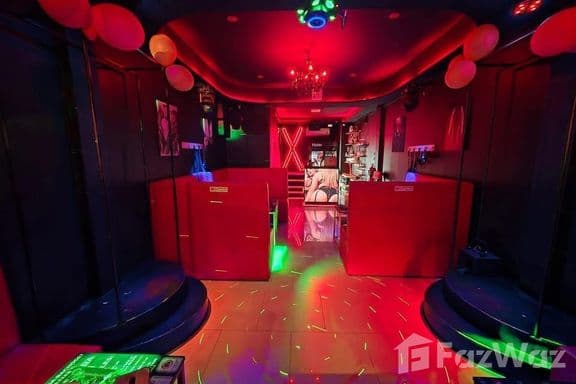
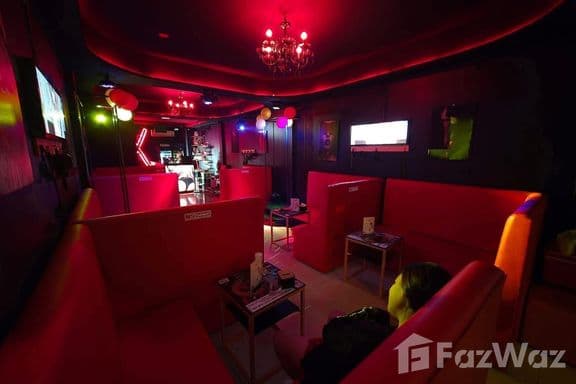





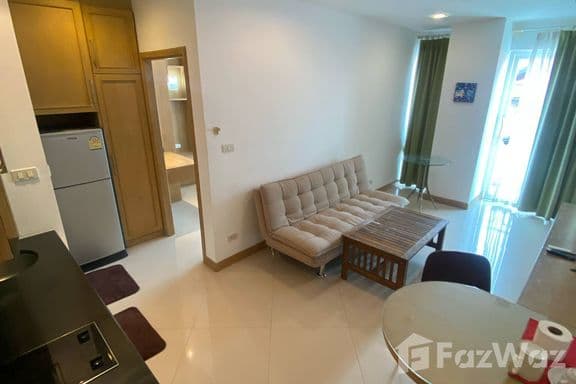
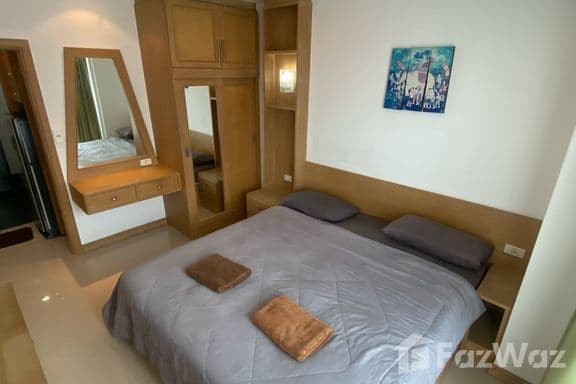



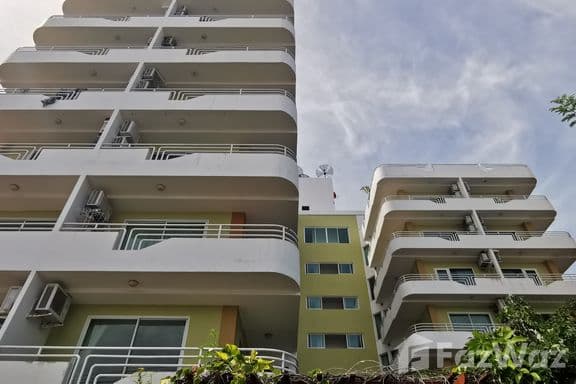




 Popular condos in Pattaya

