Townhouse for Rent in Phuket: 2025 Market Overview & Guide
Phuket Townhouse Rental Market Overview 2025
Phuket’s rental housing market remains robust in 2025, characterized by high demand and rising rents across various property types. Townhouses – which bridge the gap between compact condos and expensive villas – have become an attractive option for long-term renters seeking space and value. Overall, Thailand’s residential property sector is growing steadily, with property prices and rents on an upward trend. In Phuket specifically, rental prices have climbed as international arrivals and relocations surge. In late 2023, average rental rates on the island rose by about 10% quarter-on-quarter as demand outpaced new supply. This momentum has carried into 2024 and 2025, fueled by the return of foreign residents and remote workers to the island.
One driver of Phuket’s rental boom is the rebound in tourism and long-stay visitors. International arrivals at Phuket Airport jumped 23% in 2024 (to 8.65 million), reflecting a strong post-pandemic recovery. Many of these visitors are not just tourists but long-term stayers and expatriates, which has reshaped the rental market. Investors have taken note: Phuket offers high rental yields relative to other Asian hubs, typically in the 5%–8% range in 2025. This combination of strong rental returns and lifestyle appeal makes Phuket property – including townhouses – attractive from an investment perspective.
Another notable trend is demand from specific foreign demographics. European renters (especially from the UK, Russia, and Scandinavia) made up nearly 40% of Phuket’s rental inquiries in 2023. By Q4 2024 and into 2025, new groups – from the Middle East and North America – also grew their presence. Such broad-based international interest has led to competition for quality rental homes, particularly during the high season. In popular areas, landlords are increasingly confident in asking higher rents, knowing that well-finished townhouses in good locations can command premium prices. In fact, Americans renting in Phuket have been noted to budget around ฿60,000 per month for a townhouse on average, reflecting the willingness to pay for comfort and location. Overall, Phuket’s townhouse rental market in 2025 is characterized by low vacancy, gradual price increases, and an influx of foreign tenants, all of which point to a healthy, landlord-favorable market.
Renter Demand and Demographics in Phuket
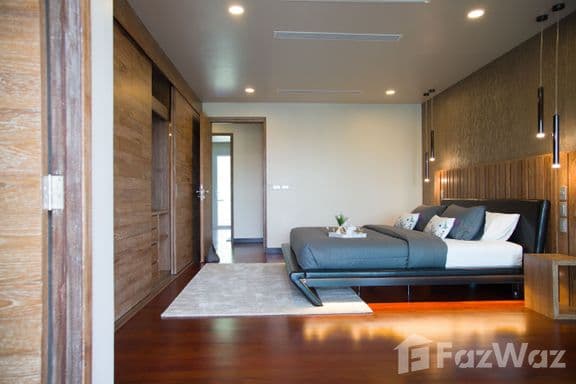
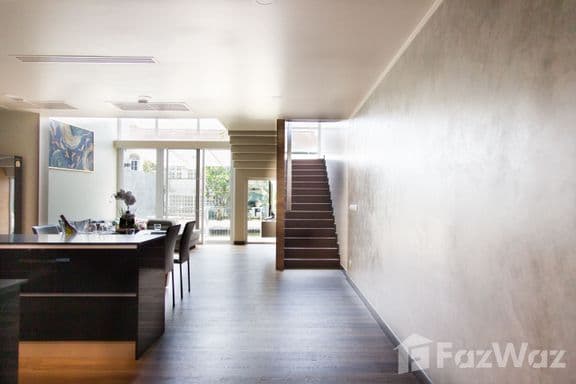
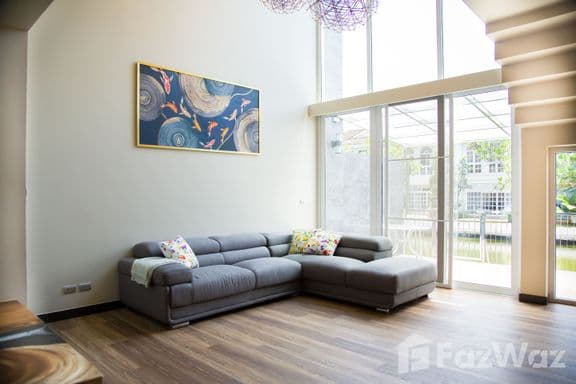
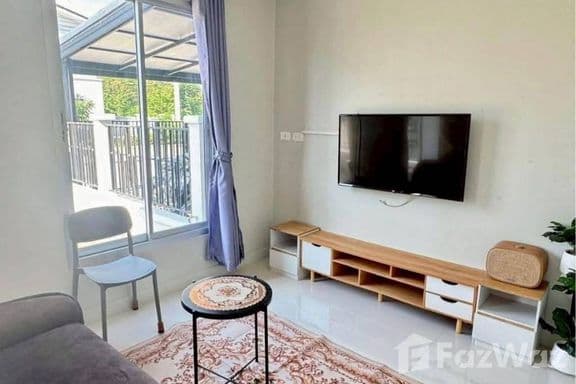
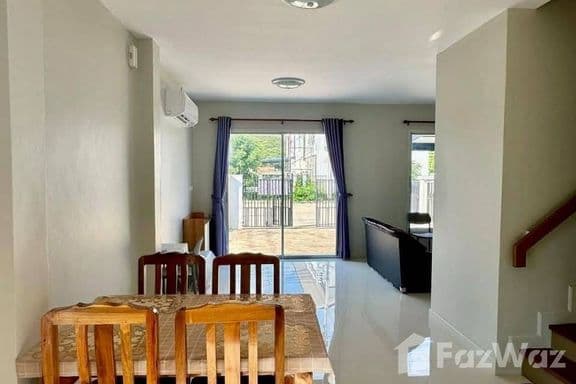
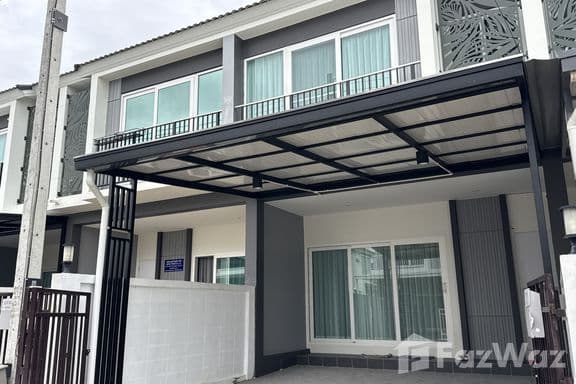
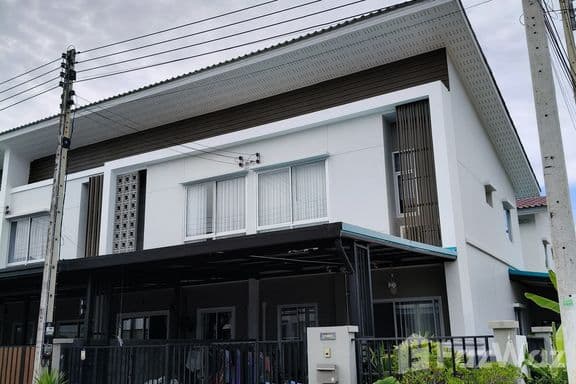
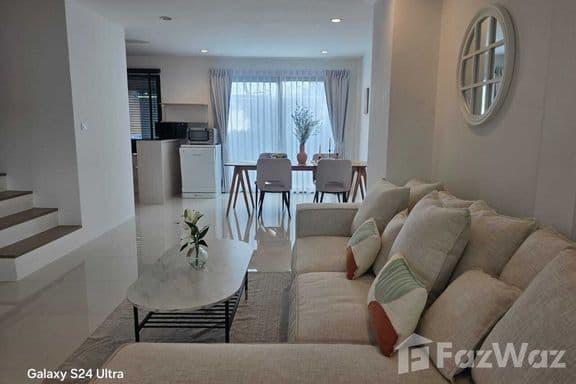
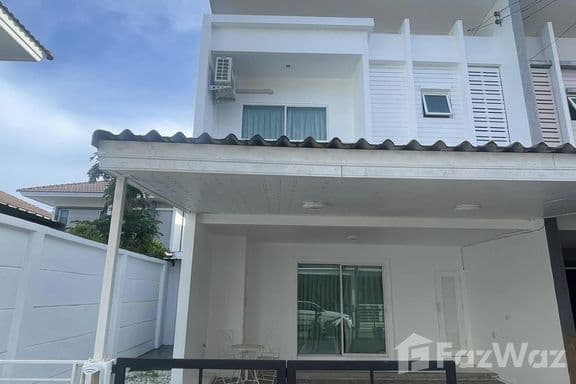
Who is renting townhouses in Phuket? The demand comes from a diverse mix of international long-term residents and some domestic renters. A large segment consists of expatriates: professionals relocated for work, digital nomads, retirees, and families seeking a tropical lifestyle. Many choose townhouses for the balance of space, privacy, and cost. A typical townhouse in Phuket offers multiple bedrooms, living space and often parking – ideal for families or remote workers who need a home office. This makes them especially appealing to expats with children or those planning to stay 6–12 months or longer. Compared to condos, townhouses grant more of a “home-like” feel (sometimes including a small yard or garden), but at a lower rental price than standalone pool villas.
The nationality of renters in Phuket has shifted in recent years. Europeans have traditionally formed a strong part of the long-term renter community, a trend that continued through 2024. In particular, Russian nationals have become highly visible; Phuket saw a large influx of Russian long-stay visitors in 2023–2024, which local reports say contributed to rent increases in some areas. Other Europeans (British, French, German, Scandinavian) remain prevalent, often drawn by the island’s international schools and quality of life. North American, Australian, and Middle Eastern expatriate numbers have also grown modestly post-pandemic. Meanwhile, Asian expats (from China, Korea, Japan, Singapore, etc.) and Thai nationals from Bangkok form part of the market, especially for shorter corporate rentals or second homes. This cosmopolitan renter base means landlords in Phuket are accustomed to dealing with international tenants and often market their townhouses accordingly (with online listings in English, flexible furnishings, etc.).
What are landlords expecting from renters? In Phuket’s competitive market, landlords typically seek stable, long-term tenants. Most prefer a minimum lease of 1 year for townhouses, since shorter terms (3–6 months) usually mean more vacancy and wear-and-tear. A tenant willing to sign a 12-month lease can often negotiate a slightly better monthly rate or additional services. Landlords generally expect renters to pay a security deposit equivalent to two months’ rent, plus the first month upfront – a standard practice across Thailand. For example, a townhouse listed at ฿40,000/month would require roughly ฿120,000 upon contract signing (฿80,000 security deposit + ฿40,000 first month rent). This deposit is refundable at lease end, provided no significant damage beyond normal wear is found. Foreign renters should be aware that some owners are very strict about property condition – it’s wise to document the unit’s initial state to ensure a fair deposit return.
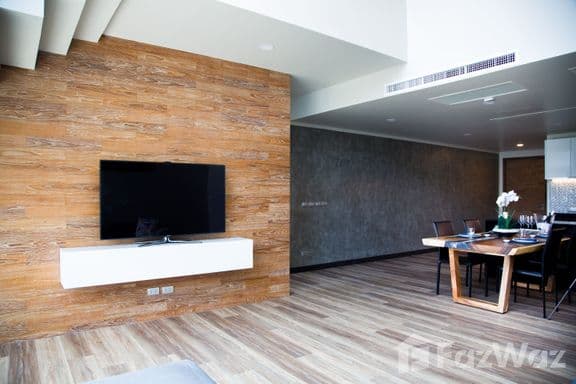
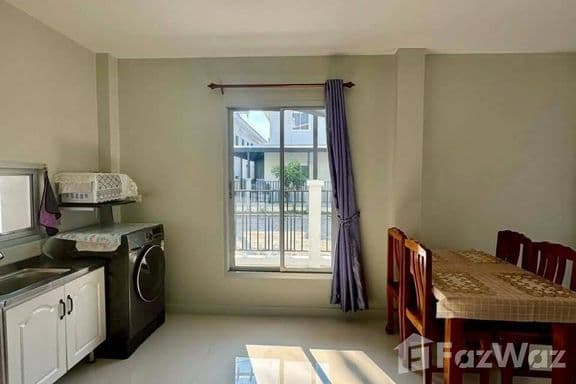
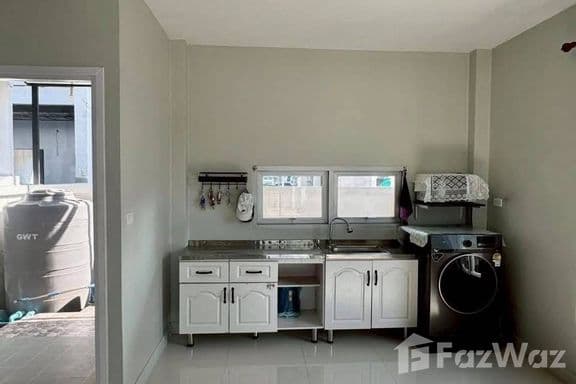
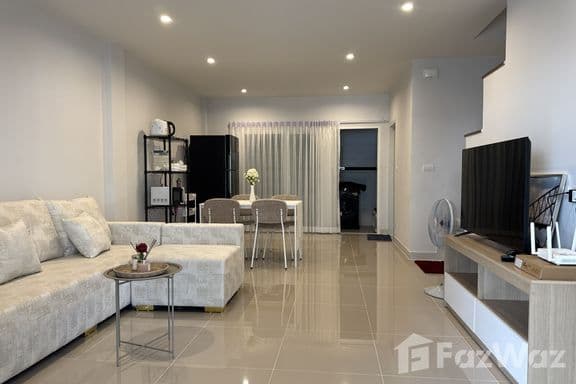
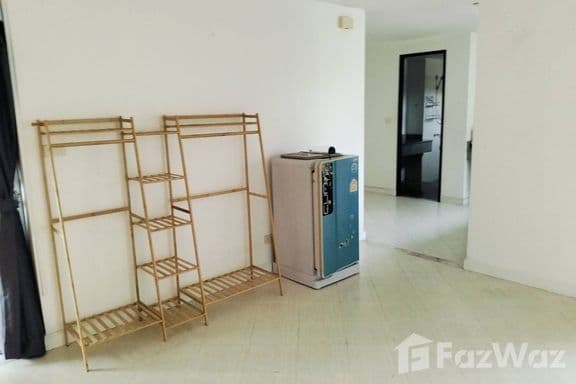
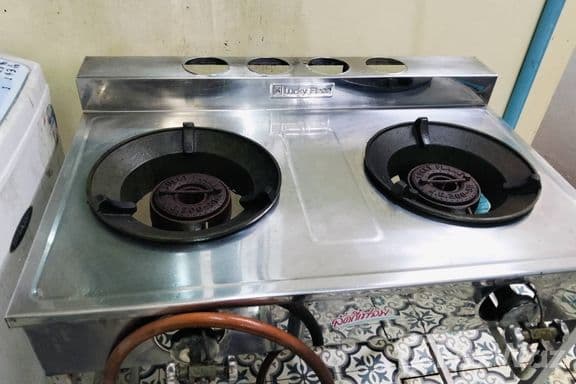
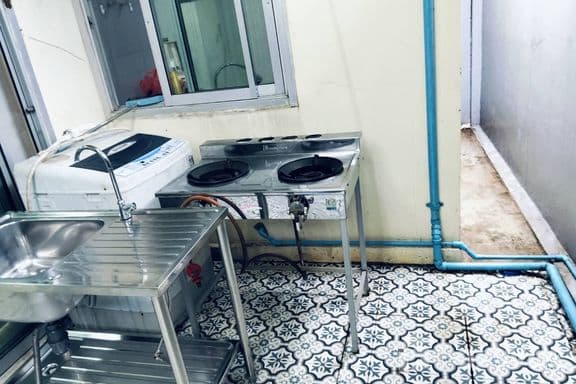
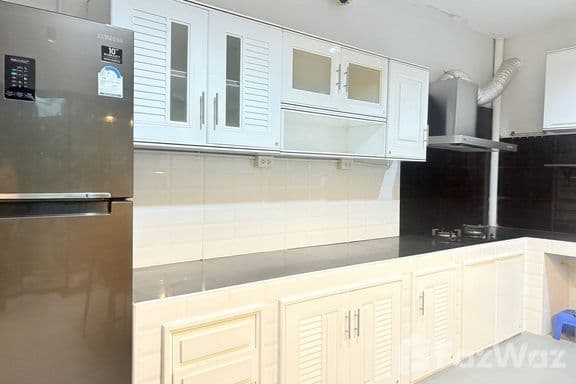
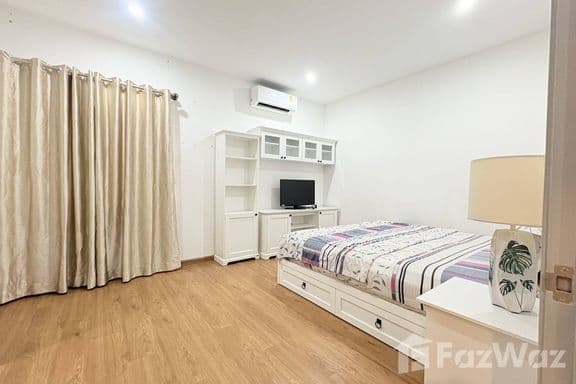
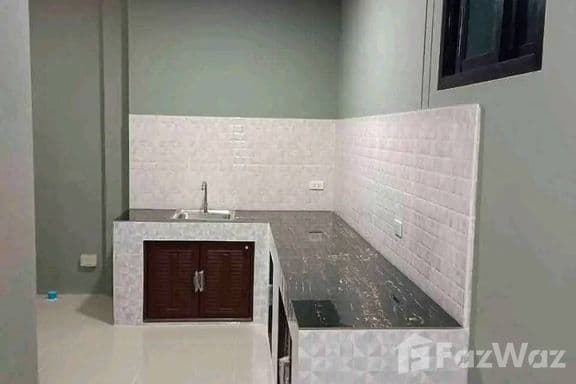
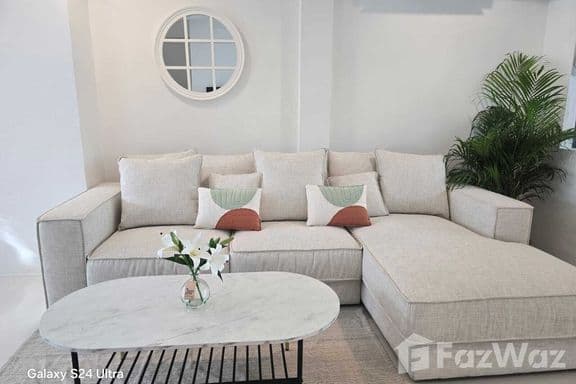
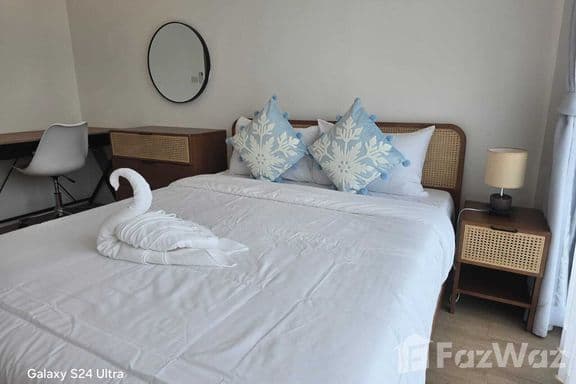
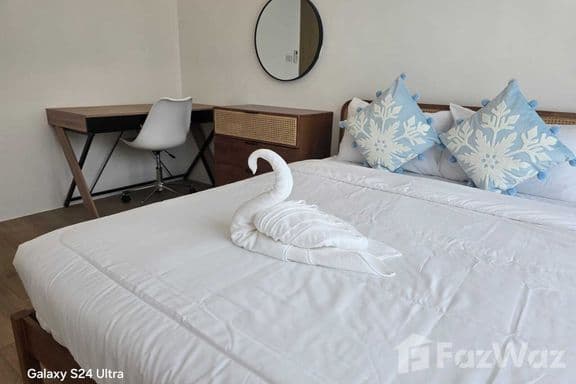
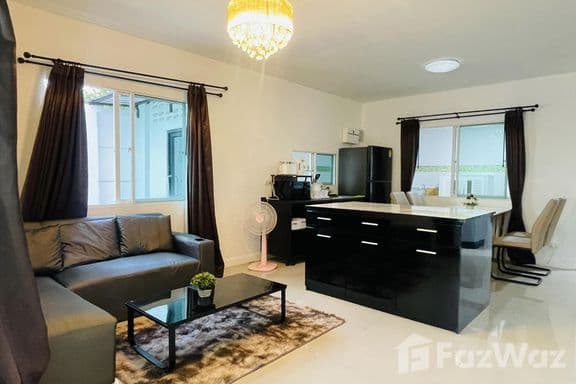
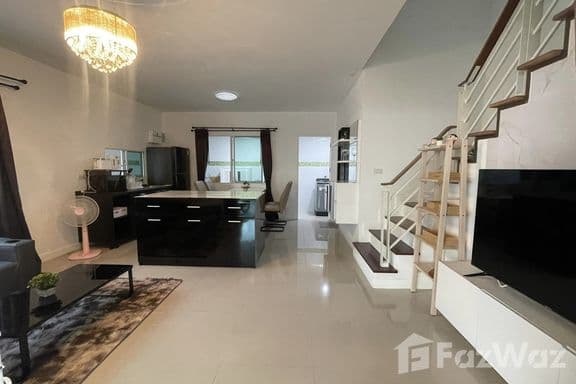
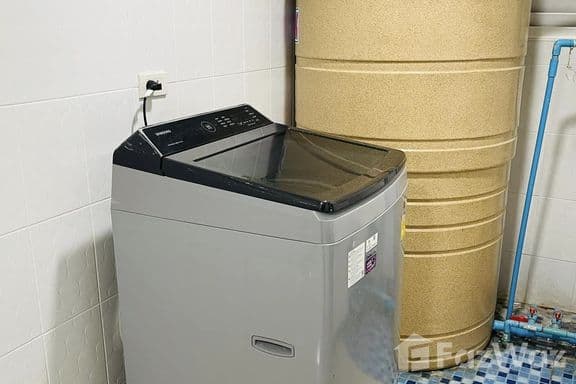
In terms of amenities and furnishings, many townhouses in Phuket come fully or partially furnished, reflecting the needs of transient international renters. Landlords expect tenants to maintain the furnishings and often include basic appliances (air conditioners, kitchen stove, refrigerator, washing machine). Utilities (electricity, water, internet) are typically paid separately by the tenant each month. Renter demand in 2025 leans toward houses with modern amenities like reliable high-speed internet and air conditioning in all main rooms, which has pushed owners to upgrade older properties to stay competitive. Another expectation is timely rent payment – post-dated checks are not common in Thailand’s rental market, so tenants usually pay monthly via bank transfer or cash by a set date. Overall, the renter demographic in Phuket is viewed as financially reliable, and landlords have responded by catering to international tastes, but also by enforcing clear contractual terms to protect their property interests.
Legal Considerations and Rental Norms in Phuket
Renting a townhouse in Phuket is relatively straightforward for foreign nationals, but it’s important to understand Thai rental norms and legal frameworks. Foreigners are fully allowed to rent property in Thailand, including townhouses, with no special permits required. A valid passport and appropriate visa (tourist, education, retirement, work permit, etc.) are usually all that’s needed to sign a standard lease. Phuket landlords are accustomed to foreign tenants and will generally provide a bilingual lease contract in Thai and English for clarity.
Lease terms: The most common lease length for residential rentals is 12 months. Thai law allows leases longer than 3 years only if they are registered with the Land Department, so in practice most leases for houses and townhouses are one year at a time (renewable). Some landlords offer 6-month contracts, but often at a higher monthly rate or with less willingness to negotiate, since finding new tenants twice a year is less desirable. It’s also possible to find month-to-month arrangements, especially off-peak or if the unit hasn’t rented, but these tend to resemble vacation rentals (with furniture and utilities included and higher prices). Generally, expect a one-year lease with option to extend by mutual agreement. If you plan to stay multiple years, it’s wise to discuss the extension terms (rent increase cap, etc.) in advance.
Deposits and fees: As noted, a two-month security deposit is standard, plus one month rent in advance. This deposit covers any damages or unpaid bills. Thai law (under consumer protection regulations for residential leases) actually stipulates that large-scale landlords (owning many units) cannot charge more than one month’s deposit, but many Phuket rentals are individual owners and the two-month practice remains common. There is typically no separate “last month’s rent” deposit – the first month’s pre-paid rent covers the immediate rental period. At lease end, the landlord must return the security deposit, usually within 30 days, after inspecting the property. Ensure any existing issues are noted in a check-in checklist to avoid disputes later.
Legal rights and tenant protections: In Thailand, eviction for lease breach (like non-payment) can be pursued through the courts, but this is rare with fixed-term leases – instead, landlords may simply not renew. Tenants should know that breaking a lease early can forfeit the deposit unless a break clause is negotiated. Subleasing is generally prohibited without landlord approval. Notably, a lease does not grant ownership rights or long-term occupancy beyond its term; there’s no concept of automatic lease renewal or tenants’ right to remain once the contract ends (unlike in some Western countries). However, Thai law requires that if a lease is terminated early by the landlord without cause, the landlord should compensate the tenant (often by returning deposits and possibly some rent). Such situations are uncommon in Phuket’s market, where owners prefer stable arrangements.
Rental norms also include responsibilities for maintenance and utilities. Typically, tenants pay their own utility bills for electricity and water (which are kept in the owner’s name but charged per actual usage – electricity in Phuket is relatively expensive at ~5 baht/unit, especially if running air-con heavily). Internet and TV services are arranged by the tenant in long-term rentals. Minor maintenance (changing light bulbs, small repairs) falls to the tenant, while major structural issues (e.g. roof leak, plumbing failures not caused by tenant) are usually the landlord’s responsibility – though this should be spelled out in the lease. It’s also customary that the house comes with basic safety features (secure locks, sometimes an alarm in upscale units) and the tenant is expected to keep the property secure. Thailand does not mandate renters insurance, but tenants may consider it for personal belongings. Lastly, upon moving in, foreigners must be registered by the landlord with immigration (TM30 report) – this is a legal requirement, but the onus is on the property owner or manager, so ensure they will handle this. By understanding these legal and procedural norms, international renters in Phuket can confidently navigate their townhouse lease agreements.
Popular Phuket Areas for Townhouse Rentals
Phuket’s townhouses are spread across the island, with certain districts being especially popular for long-term rentals. Each area offers a different lifestyle and price point. Below is a comparison of major areas and what to expect in terms of rental costs and living environment.
(See pricing comparison table below for an overview of townhouse rents in key areas.)
Kathu (Central Phuket)
Overview: Kathu is a district at the heart of the island, bridging the gap between bustling Patong and Phuket Town. It’s known for its affordability and central location. Kathu townhouses are popular with both local families and expats who value convenience – living here puts you close to shopping centers (like Central Festival Mall), international schools, hospitals, and golf courses (the Loch Palm and Red Mountain golf clubs). The atmosphere is more low-key than tourist hubs, with local markets and eateries contributing to a laid-back vibe.
Lifestyle and Suitability: This area suits those working in different parts of Phuket due to its central positioning. For instance, if you want to be within a 10–15 minute drive of Patong’s beaches but not amid the crowds, Kathu is ideal. It’s also just a short drive to British International School and other educational facilities, making it attractive for families. The presence of Tiger Kingdom and cable ski attractions indicate a blend of local and recreational activities. Townhouses here often sit in small gated communities or Thai-style neighborhoods. Kathu offers a balance of budget-friendly living and accessibility, appealing to young professionals and retirees alike.
Rental Prices: Townhouse rents in Kathu tend to be mid-range. You can find older, simple 2-bedroom townhomes for lower prices, but newer or larger units (often 3 bedrooms with modern designs) command higher rates. On average, a 2–3 bedroom townhouse in Kathu rents for around ฿50,000–฿60,000 per month, though some basic townhouses may be available in the ฿25k–฿40k range. Notably, Kathu saw a significant jump (nearly 30%) in house rental prices in mid-2023 as demand grew, reflecting its rising popularity. Overall, this area remains one of the more affordable for what you get, especially compared to the west coast, making it a high-value choice for long-term stays.
Rawai (South Phuket)
Overview: Located at Phuket’s southern tip, Rawai is a favorite for those seeking a peaceful coastal lifestyle. It’s a largely residential area known for quiet beaches (though Rawai Beach itself is more of a scenic shoreline and launching point for boats than a swimming beach). Nearby Nai Harn Beach offers excellent swimming and scenery, and Promthep Cape is famous for stunning sunsets. Rawai has a well-established expat community and a mix of Thai locals and foreigners living side by side. The area features fresh seafood markets, beachfront restaurants, and a relaxed, village-like ambiance.
Lifestyle and Suitability: Rawai is ideal for families and retirees who want tranquility and nature. It boasts several international kindergartens and schools within a short drive, and amenities like supermarkets, fitness centers, and clinics are available (though for major shopping trips, many residents drive to Chalong or Phuket Town). Because Rawai is at the end of the island, commutes to central Phuket or the airport can be longer, so it fits those who prioritize serenity over daily travel. The social scene is mellow – think beachside cafés, weekend markets, and the occasional live music at expat bars.
Rental Prices: Townhouse options in Rawai range from older Thai-style homes to modern townhomes in new estates. Pricing reflects this diversity. Two-bedroom townhouses average around ฿30k–฿40k per month, while larger or newer 3–4 bedroom townhomes (especially those near Nai Harn or with sea views) can range from ฿60k up to ฿80k+ monthly. For instance, luxury 4-bedroom townhouses with pools in Rawai have been listed around ฿85,000 per month in recent times. However, more modest three-bedroom units can be found closer to ฿40k–฿50k. In general, Rawai’s prices are a bit lower than the west coast hotspots, offering good value for a beach-proximate, spacious rental – one reason it continues to attract long-term expats.
Chalong (South-Central Phuket)
Overview: Chalong is a large residential area on the southeastern side of Phuket. Centered around Chalong Bay (a major marina and boating hub), it doesn’t have swimmable beaches but makes up for it with a variety of other attractions. Chalong is known as Phuket’s fitness and wellness hub – it’s home to Muay Thai training camps, yoga retreats, and health food cafes which draw a community of health-conscious expats. Culturally, it hosts Wat Chalong (the island’s most revered temple) and offers easy access to the Big Buddha viewpoint. The area has a mix of local Thai neighborhoods and expat-focused housing.
Lifestyle and Suitability: Chalong appeals to those who want a blend of local vibe and modern convenience. You’ll find expats here who are into diving (since dive shops depart from Chalong Pier), mixed martial arts trainees, and long-term residents who prefer a non-touristy environment. There are international schools in the vicinity (such as Phuket International School and Oak Meadow), making it viable for families. Shopping is convenient with multiple supermarkets and a short drive to malls. Life in Chalong is active and community-oriented – many settle here to be part of fitness or boating communities. It’s also a practical base for exploring both south and central Phuket.
Rental Prices: Chalong offers some of the more affordable townhouse rentals in Phuket’s expat zones. A typical 2-bedroom townhouse in Chalong averages around ฿30k–฿35k per month. Larger townhomes (3–4 bedrooms) are often in the ฿40k–฿55k per month range, depending on age and location. There are also simple Thai-style townhouses that can be under ฿25k, though these might lack modern finishes. Generally, Chalong provides spacious rentals for less cost than the west coast; for example, a modern 3-bedroom townhouse (around 150–180 sq.m.) might be ~฿50k/month here, whereas a comparable unit in a beach area would cost significantly more. This pricing, combined with Chalong’s active lifestyle offerings, makes it a magnet for value-seeking renters.
Kamala (West Coast)
Overview: Kamala is a coastal town on Phuket’s west side, about 15 minutes north of Patong. It’s often described as a peaceful beachfront escape – the area is quieter and more family-friendly than its neighbor Patong. Kamala Beach is a lovely stretch of sand with a relaxed atmosphere, and the surrounding community is a mix of local villagers and expatriates (many retirees and families). In recent years Kamala has also seen upscale development, including luxury condos and the famed Cafe Del Mar beach club, but it retains a laid-back charm.
Lifestyle and Suitability: Expats in Kamala enjoy the balance of being near beautiful beach and nature without the heavy tourist traffic (except in peak season). It’s a great fit for those who value tranquility and scenic beauty – the vibe is relaxed and the community welcoming. Essential amenities (groceries, pharmacies, local restaurants) are present, though for major shopping or work needs, one might commute to Patong or even Phuket Town. Families appreciate that international schools in Laguna or Kathu can be reached within 20–30 minutes drive. Kamala also offers plenty of activities from snorkeling and paddle-boarding to simply enjoying sunset on the beach. It’s especially popular with retirees and long-term travelers who prioritize comfort and a slower pace.
Rental Prices: Being a west-coast locale, Kamala’s rentals skew higher in price. Townhouses here are often part of boutique developments on the hillside or near the beach. Expect rents in Kamala to be in the upper-mid to high range. A modern 2-bedroom townhouse might rent for around ฿70k–฿80k per month, while 3-bedroom townhouses average roughly ฿65k+ per month. There are occasionally smaller or older townhomes for less (for instance, a rare studio-style townhouse was listed at ฿15k, likely an outlier), but typically the floor for a decent multi-bedroom townhouse in Kamala is around ฿40k–฿50k. Upscale townhomes with sea views or in resort-style estates can exceed ฿80k. Kamala’s prices reflect its desirability as a tranquil yet convenient beach area – renters pay a premium for the scenery and quality of life here.
Cherng Talay (Bang Tao/Laguna Area)
Overview: Cherng Talay (often spelled Choeng Thale) encompasses the Bang Tao Beach and Laguna area in north-west Phuket. It is one of Phuket’s most upscale and sought-after locales, known for its long sandy beach, the Laguna resort complex, and the trendy Boat Avenue shopping/dining zone. Cherng Talay has become synonymous with luxury expat living with modern conveniences. The neighborhood boasts high-end beach clubs, international restaurants, and even golf and tennis facilities. There’s a strong expat community presence, including many professionals and families from abroad.
Lifestyle and Suitability: This area is ideal for those seeking a luxury lifestyle and a vibrant expat community. Everything needed is nearby: international school campuses (like UWC Thailand and Laguna International School) are within a short drive, as are western-style supermarkets, gyms, clinics, and boutique shops. Socially, Cherng Talay offers numerous cafes, night markets, and events that cater to foreigners. Bang Tao Beach provides recreation from water sports to leisurely walks at sunset. Safety and cleanliness are notable, with many gated communities providing security. Because of its higher cost of living, Cherng Talay tends to attract successful professionals, entrepreneurs, or retirees with larger budgets.
Rental Prices: Townhouse rentals in Cherng Talay are among the highest on the island. Many townhomes here are part of new developments (e.g. Laguna Park townhouses) featuring modern design and often communal pools or facilities. A typical 3-bedroom townhouse in Cherng Talay averages around ฿90k–฿95k per month. Even 2-bedroom units often command ฿80k+ monthly given the prime location. High-end examples include 4-5 bedroom townhomes or those with private pools, which can easily run ฿100k–฿150k per month. For instance, townhouses in the Laguna Park area have recently been listed between ฿75k on the lower end up to over ฿110k for larger models. Cherng Talay’s steep prices reflect its status – renters are paying for proximity to Bang Tao Beach, upscale amenities, and a prestigious address. For those who can afford it, the area delivers exceptional lifestyle value and remains a top pick in 2025.
Phuket Town (East/Central Phuket)
Overview: Phuket Town (Phuket City) is the urban and administrative center of the island, located on the southeast. Unlike the beach districts, Phuket Town offers a cultural, city-style living experience. The Old Town area is famous for its beautifully preserved Sino-Portuguese shophouses, vibrant street art, and cafes. Beyond the historic core, Phuket Town has modern malls, hospitals, universities, and a busy commercial sector. It’s a hub for local Thai life with a growing creative scene and nightlife that’s more oriented to residents than tourists.
Lifestyle and Suitability: Phuket Town suits those who prefer an urban environment or have work/school in the city. It’s popular among professionals who commute daily, educators, and long-term expats who enjoy cultural immersion. The atmosphere is more local and authentic compared to tourist areas – morning markets, temple festivals, and local eateries are part of daily life. That said, there are also co-working spaces, music venues, and international restaurants, reflecting a small but active expat and digital nomad community. Phuket Town’s cost of living is generally lower; one can dine or shop more affordably here than in the resort zones. For families, several top international schools and bilingual schools are in or near the town, and healthcare facilities are concentrated here, adding convenience.
Rental Prices: Townhouses in the Phuket Town area tend to be more affordable than in coastal districts. Many properties are either shophouse-style homes in the center or modern townhomes in residential zones on the periphery of the city. Typical rents for a 2–3 bedroom townhouse in Phuket Town are in the range of ฿25,000 to ฿45,000 per month, with an average around the high-฿30k’s. For example, the median rent for townhomes (2–3 BR) here is roughly ฿38k–฿40k/month. Larger or newly built townhouses (4+ bedrooms or very spacious units) can reach ฿60k–฿70k, particularly if they are in gated communities or used as combined home-office spaces. In the charming Old Town, some renovated heritage townhouses are occasionally for rent; these might be priced at a premium for their character, or conversely be lower if in original condition and meant for commercial use. Overall, Phuket Town provides the best bang-for-buck for renters on a budget and is an excellent choice if seaside living isn’t a priority.
Townhouse Rent Comparison by Area (2025)
|
Area
|
Typical Monthly Rent (Townhouse)
|
Notes (Size, Lifestyle, Value)
|
|
Kathu
|
฿30,000–฿60,000
(~฿55k avg for 3BR)
|
Centrally located; close to schools, malls, and golf courses. Good value mid-range rentals with local conveniences.
|
|
Rawai
|
฿25,000–฿80,000
(wide range; ~฿35k for 2BR, up to ฿85k for 4BR)
|
Quiet southern coastal area; popular with families and retirees. Lower-cost options inland, higher for near-beach or larger homes.
|
|
Chalong
|
฿25,000–฿55,000
(~฿33k avg for 2BR; ~฿50k for 3BR)
|
Residential and wellness-focused area; good amenities. Generally affordable for the space; many modern townhouses favored by expats.
|
|
Kamala
|
฿40,000–฿80,000
(~฿65k avg for 3BR)
|
Peaceful beach town; upscale yet tranquil. Prices on the higher side, reflecting beach proximity and newer developments.
|
|
Cherng Talay
|
฿75,000–฿120,000
(~฿90–95k avg for 3BR)
|
Luxury expat enclave (Bang Tao area). Highest rents on the island for townhomes; premium estates with top-notch facilities.
|
|
Phuket Town
|
฿20,000–฿50,000
(~฿39k avg for 3BR)
|
Urban city center with cultural appeal. Most affordable area; wide choice of local-style or modern townhouses for budget-conscious renters.
|
Sources: Market listings and FazWaz data for 2024–2025, showing average rents by area and unit size.
Considerations for Long-Term International Renters
Renting a townhouse in Phuket can be a rewarding experience, but international tenants should keep several practical considerations in mind to ensure a smooth stay:
- Choosing the Right Location: Align your area choice with your lifestyle and daily needs. As detailed above, each part of Phuket offers something different – from quiet family-friendly neighborhoods (like Rawai or Kamala) to vibrant communities with expat amenities (like Cherng Talay). Consider proximity to your workplace (if any), children’s schools, and places you’ll frequent. For example, if you don’t want to drive long distances, a central area like Kathu or Phuket Town could be more convenient than the remote north or south. On the other hand, if your priority is a sea-view and a calm environment, the west coast or Rawai might be worth the commute.
- Transportation: Phuket lacks extensive public transport, so long-term renters often need their own vehicle. Factor in the cost of renting or buying a motorbike/car when budgeting for living here. A townhouse typically includes a car park or garage space, which is an advantage over condos. Ensure the property’s access roads are good – some townhome estates are tucked in small sois that can flood in heavy rain, so it’s wise to ask about any seasonal accessibility issues.
- Climate and Seasonality: Phuket’s tropical climate means heavy rains in the monsoon season (approx. May–October). Check if the townhouse has features to handle the weather: covered outdoor areas, good drainage, and no history of flooding. It’s also common for properties to develop mold or require AC servicing due to humidity – clarify with the landlord how such maintenance is handled. Some renters time their leases to start just after the rainy season when there’s more inventory and the weather is pleasant; however, high season (Dec–Feb) has the most competition and slightly higher rents.
- Property Condition and Maintenance: When moving in, do a thorough walkthrough. Note any pre-existing damage or wear in a handover document or photos. Townhouses in Thailand might require periodic upkeep – for example, aircon cleaning every few months, pest control (termites or mosquitoes), and garden trimming if there’s a yard. Discuss with the landlord who handles and pays for routine maintenance. Many landlords will cover pest control or annual air-con servicing, especially in higher-end rentals, while tenants handle minor fixes. Knowing this upfront can prevent misunderstandings. It’s also advisable to test all appliances and plumbing early on; get any issues fixed while you’re new to the contract (landlords are more responsive at the start).
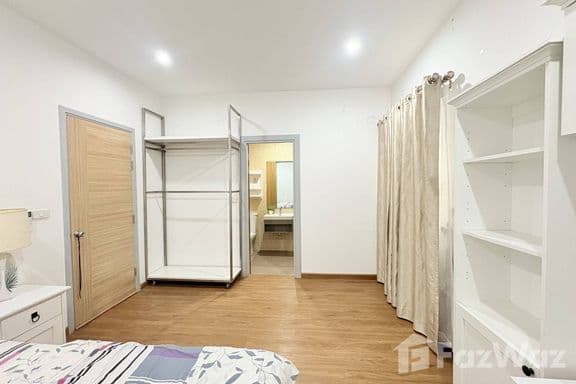
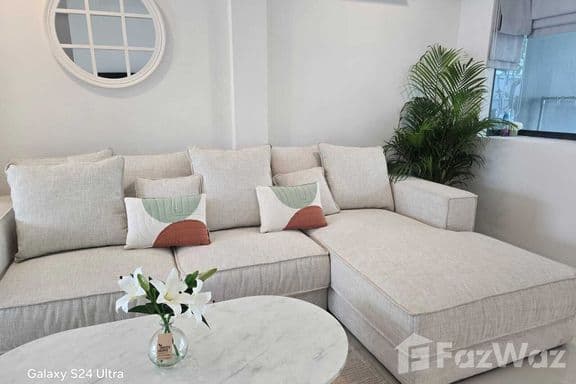
- Furnishings and Customization: Clarify what is included in the rental. Most Phuket townhouses come furnished, but the level can vary from basic (just major appliances and essential furniture) to fully decorated. If you plan to add your own touches or need to buy certain items, confirm that modifications (like hanging pictures or installing extra fans) are allowed. In a long-term rental, landlords often permit reasonable improvements – some may even agree to paint or small upgrades if it keeps you happy as a tenant. Just be sure to get permission before making any significant changes to avoid forfeiting part of your deposit.
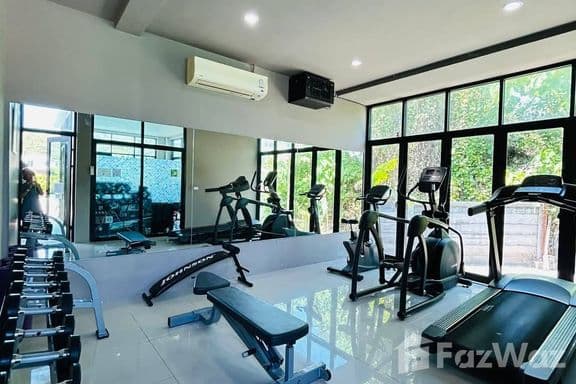
- Community and Lifestyle Fit: Take note of the surrounding community. Is the townhouse in a predominantly Thai neighborhood or an expat compound? Both have their charms. In local areas, you can enjoy authentic culture and usually lower noise past 10pm (as Thai families tend to have quiet nights), though you might occasionally encounter early morning roosters or neighborhood festivities. In expat-heavy estates, you might have more neighbors with shared language/interests and facilities like pools or gyms, but also more transient folks. Phuket has a generally welcoming environment, and learning a bit of Thai or engaging in community events (like beach clean-ups or local festivals) can enhance your experience.
- Visa and Legal Stay: Ensure you maintain a valid visa throughout your tenancy. Common options for long stays include retirement visas, marriage visas, work permits (if employed locally), or educational visas (some foreigners enroll in Thai language courses or even Muay Thai training programs that offer visas). Some long-term renters do border runs or visa extensions, but with the Thai immigration tightening rules, it’s safer to have a proper long-stay visa. While this isn’t directly related to your rental contract, a lapse in visa status could complicate your rental (for instance, if you suddenly must leave the country). Phuket landlords typically won’t get involved in visa matters, but they are required to report your residency (the TM30 form) to immigration – confirm that your landlord or condo office will do this when you move in.
- Financial Planning and Rental Increases: Budget for the entire duration of your stay, not just the first year. While many leases lock the rate for the term, expect that if you renew for a second year, the landlord might request a rent increase (often 3-10% depending on market conditions). In 2024–2025, with the market heating up, some owners are inclined to raise rents on renewal. Try to negotiate a cap or fixed rate for renewal at the outset if possible. Additionally, keep an eye on currency exchange if you earn in a foreign currency – the Thai baht’s fluctuations can affect the real cost of your rent over time.
- Exit Strategy: When you’re ready to leave, plan the move-out at least a month in advance. Notify the landlord by the notice period specified (commonly 30 or 60 days). It’s important to leave the townhouse in good condition to ensure a full deposit return. This means doing a basic deep clean, repairing any minor damages you might have caused, and settling utility bills. Landlords in Phuket have a reputation (occasionally) for being slow to return deposits, so maintaining a polite and clear communication, and offering to do a joint inspection, can speed up the process. Given the standard practices, you should receive your deposit back roughly within a month of departure, so budget accordingly for that gap.
In summary, Phuket in 2025 offers a dynamic and fulfilling environment for medium- to long-term renters. A townhouse can be an excellent choice, providing the comforts of a home with the backdrop of a tropical paradise. By understanding the market trends, choosing an area that fits your lifestyle, and adhering to local rental norms, you can secure a great value rental and fully enjoy the island’s unique blend of culture and comfort. Whether you’re an investor eyeing Phuket’s high rental yields or a tenant seeking your next home, the townhouse rental landscape in Phuket is rich with opportunity and ripe for exploration. With 2024’s growth carrying into 2025, Phuket continues to cement its reputation as a top destination for international living and real estate investment in Southeast Asia.

































































































 Popular condos in Phuket

