Townhouses for Rent in Hua Hin: Comprehensive Investment Appeal & Lifestyle Insights (2025)
Executive Summary: Unlocking the Potential of Hua Hin’s Townhouse Rental Market
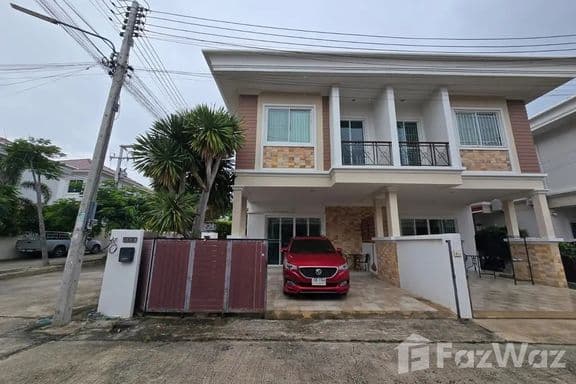
Townhouses for rent in Hua Hin represent a uniquely compelling and strategically positioned asset class, skillfully bridging the gap between the compact convenience of high-rise condominiums and the expansive, often higher-maintenance, nature of standalone villas. As of 2025, this segment enjoys stable and consistent demand from a diverse array of tenants, including long-stay foreign residents, discerning retirees, and seasonal expatriates seeking comfortable, private, and well-located accommodations. The townhouse rental market in Hua Hin, while perhaps underrated by some, is a high-utility segment ripe with opportunity for investors. This in-depth article provides a comprehensive deep dive into the dynamic nuances of townhouse rentals across Hua Hin. We will meticulously explore the evolving profiles of prospective tenants, analyze current average pricing trends across key neighborhoods, delineate the primary market drivers shaping demand, and present various strategic investment use cases to help you navigate this promising sector with confidence and clarity.
1. Why Townhouses? A Strategic and Versatile Rental Asset
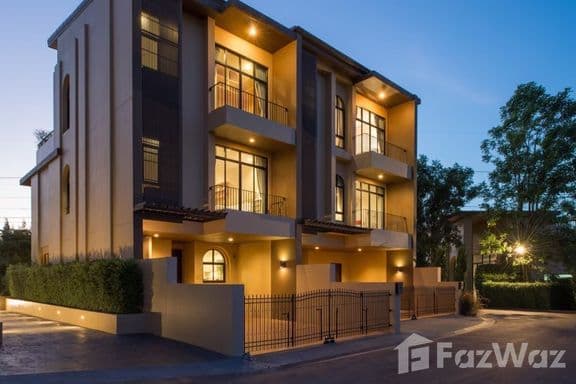
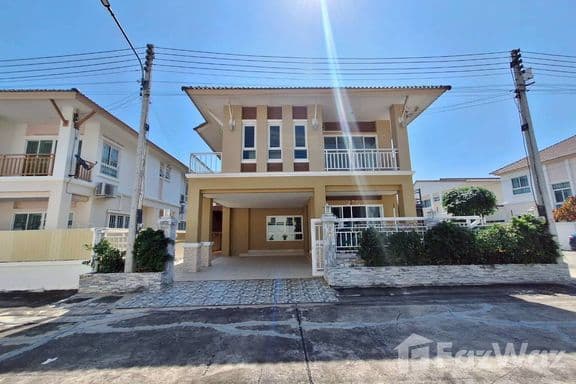
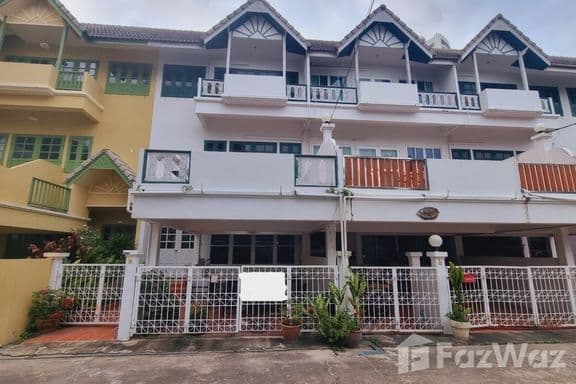
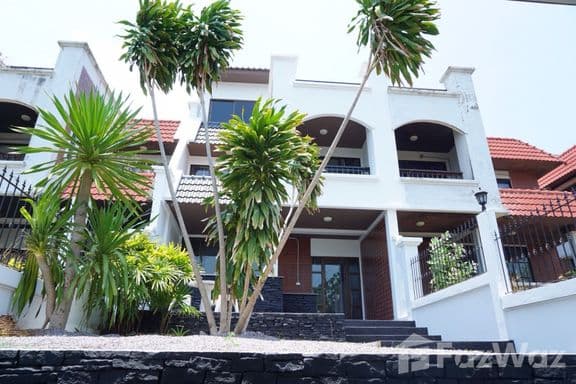
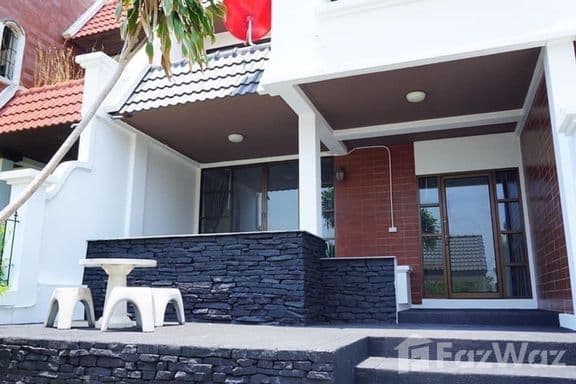
Townhouses consistently appeal to a broad spectrum of renters who specifically desire the privacy and space typically associated with a standalone home, coupled with the affordability and unparalleled convenience often found in urban or well-planned community living. They present a compelling alternative to other property types, offering distinct advantages for both tenants and astute investors.
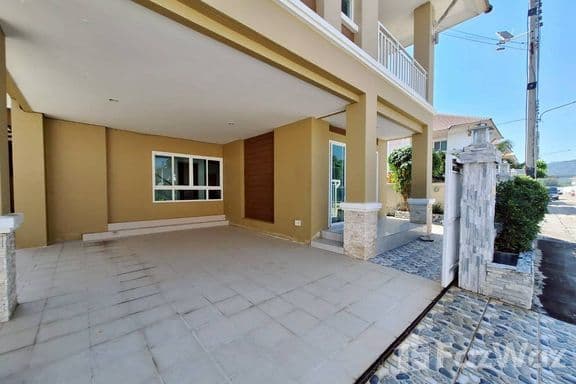
Compared to Villas: Townhouses are generally characterized by significantly lower ongoing maintenance requirements. Their smaller land footprint means less garden upkeep, and often, exterior maintenance and communal facilities are managed by a central body within a gated community, reducing the landlord's direct involvement. Furthermore, townhouses are frequently found in more centrally located areas, offering superior access to amenities and urban conveniences, unlike many villas which might be situated further afield.
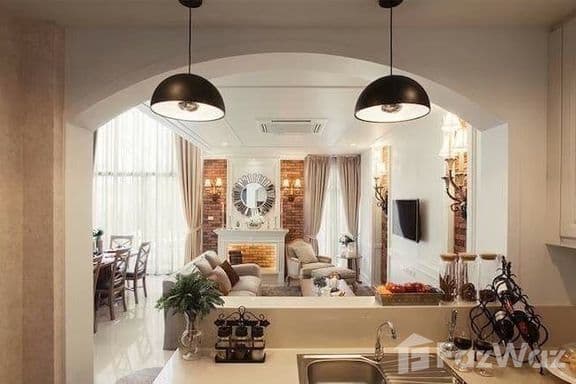
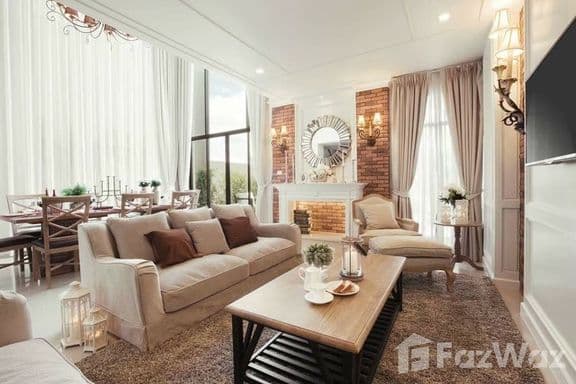
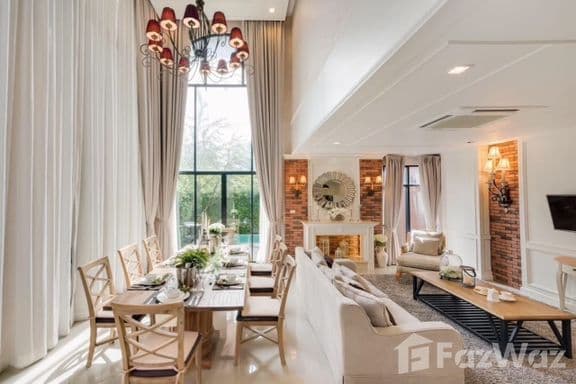
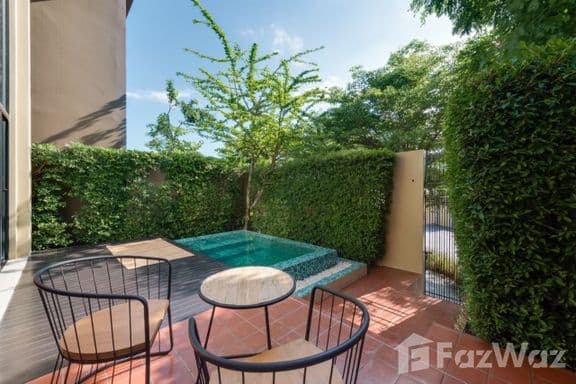
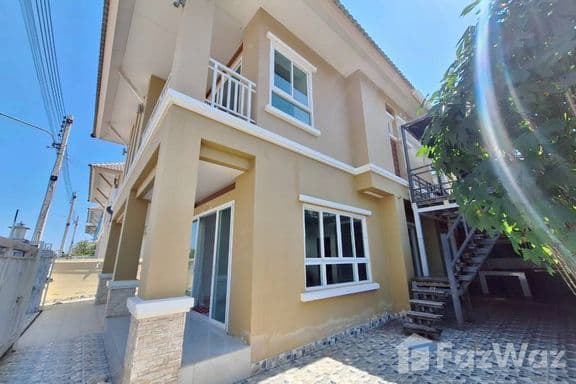
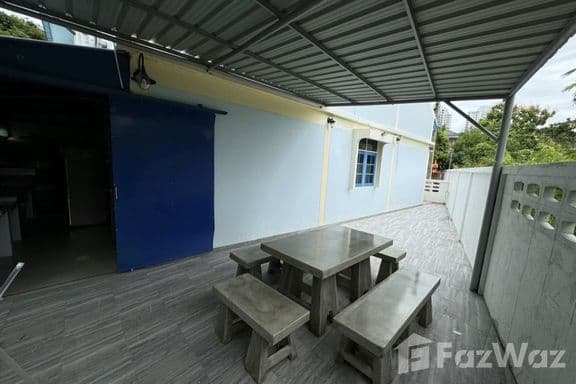
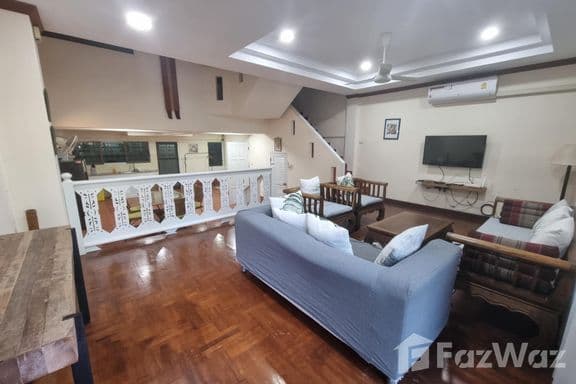
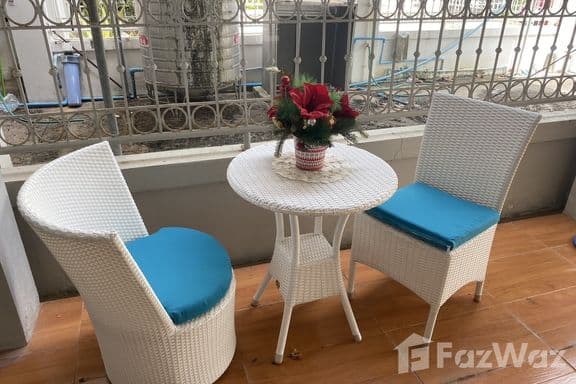
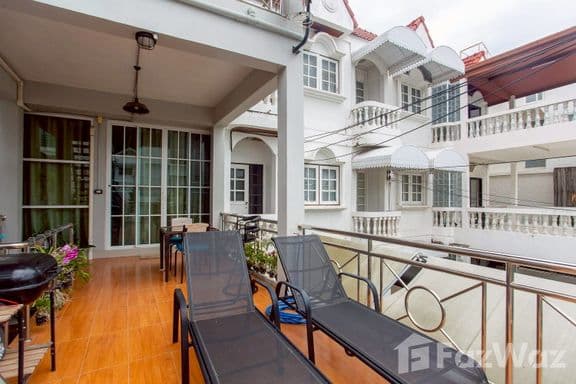
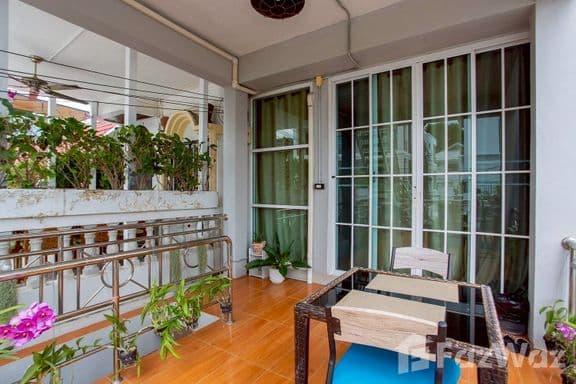
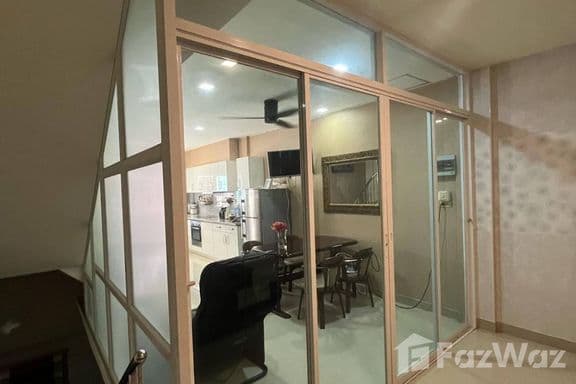
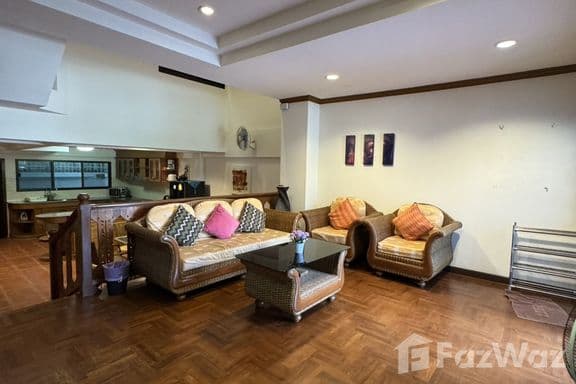
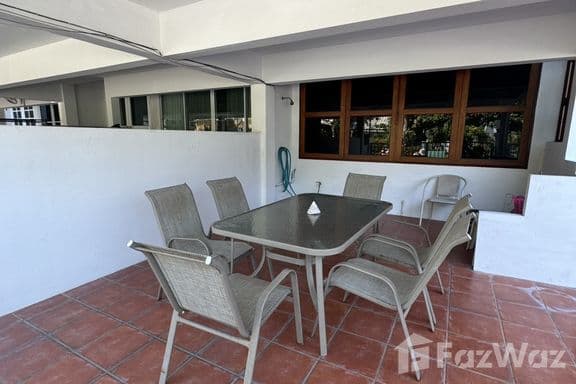
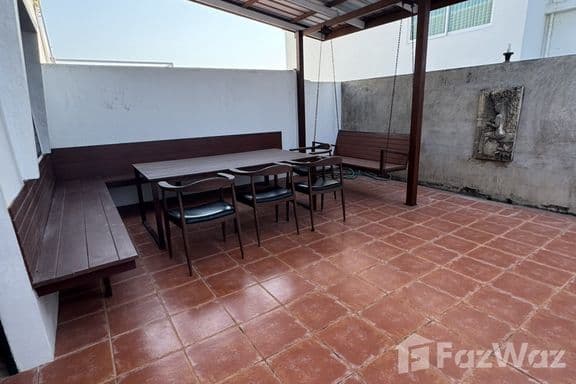
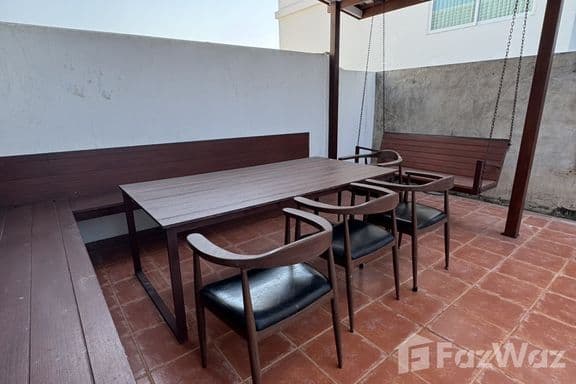
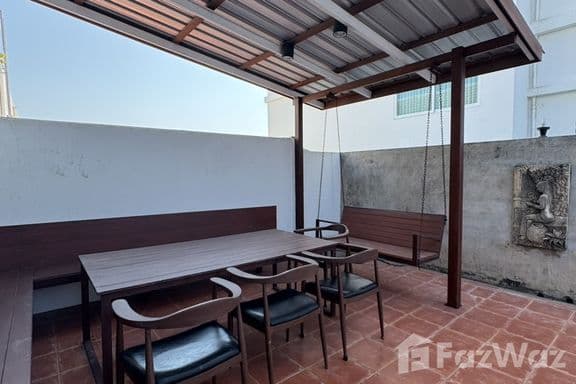
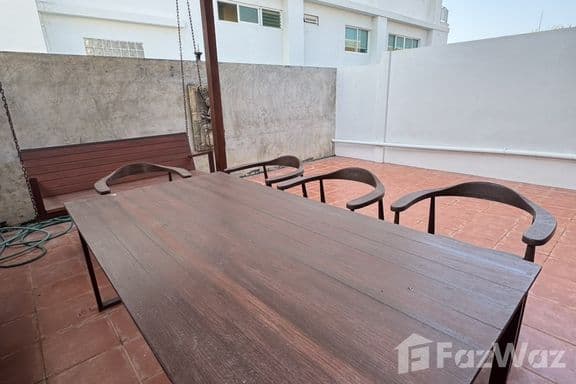
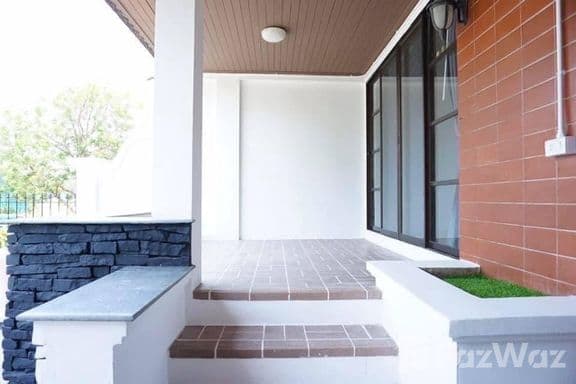
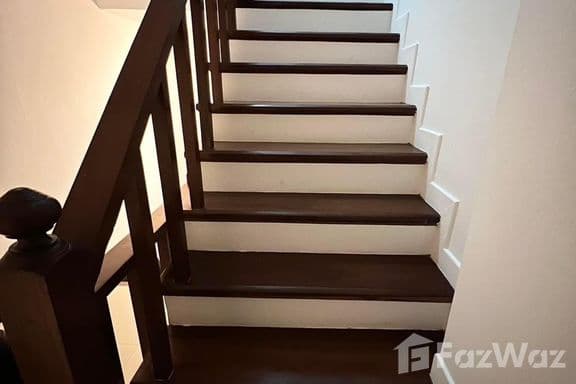
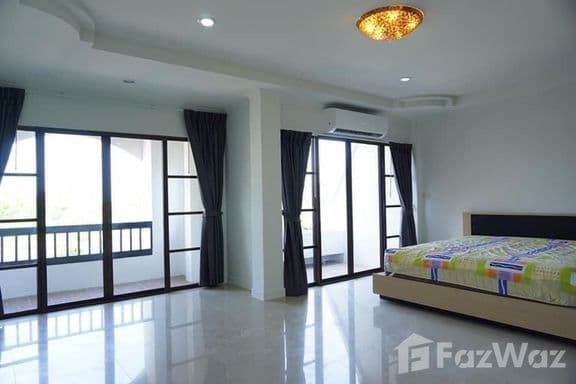
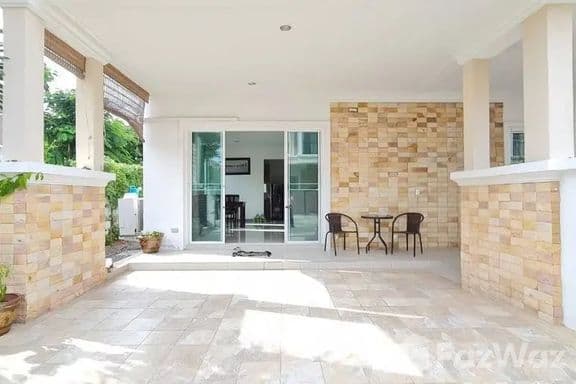
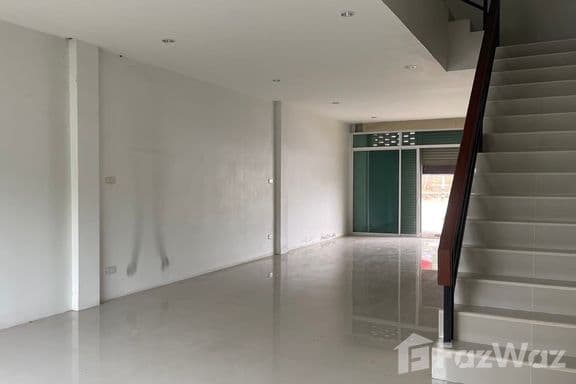
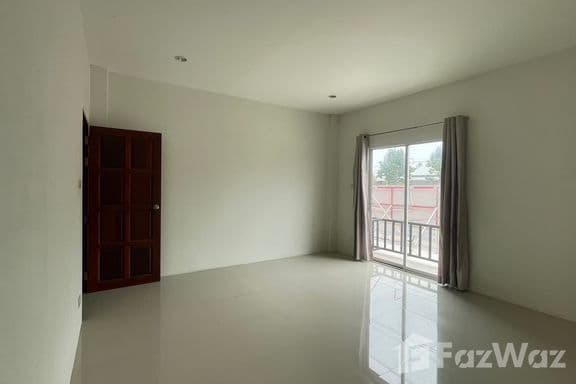
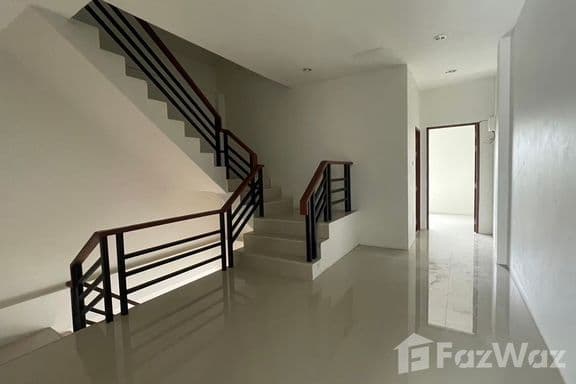
Compared to Condos: Townhouses unequivocally offer more living space and far greater flexibility than most condominium units. They typically feature multiple floors, providing a distinct separation between living, dining, and sleeping areas, which is highly valued for privacy and the potential for a dedicated home office. The inclusion of small private outdoor spaces like a balcony, patio, or even a small garden further enhances their appeal, offering an indoor-outdoor living experience that is often absent in standard condo units.
Key Benefits for Investors in the Townhouse Rental Market:
- Lower Capital Outlay vs. Detached Homes: Investing in a townhouse for rental purposes typically requires a significantly lower initial capital investment compared to purchasing a large, detached villa. This makes the Hua Hin rental market more accessible to a wider range of investors, potentially allowing for the acquisition of multiple units or freeing up capital for other investments.
- Steady Rental Income from Long-Term Tenants: Townhouses consistently attract long-term tenants, particularly expats, retirees, and families. This demographic typically seeks stable, comfortable homes for extended periods, leading to higher occupancy rates and a more reliable, predictable stream of rental income for investors. The appeal of a "home-like" feel over a temporary apartment is strong for these renters.
- Versatile Use: Residential, Mixed-Use, or Co-Living Potential: The multi-story design and adaptable layouts of townhouses make them incredibly versatile. They are ideal for traditional residential rentals, but some strategically located units, particularly those with good road frontage, can be adapted for live-work mixed-use setups (e.g., a ground-floor small business with residential living above). Furthermore, larger townhouses can be converted into multi-tenant co-living spaces, maximizing rental income.
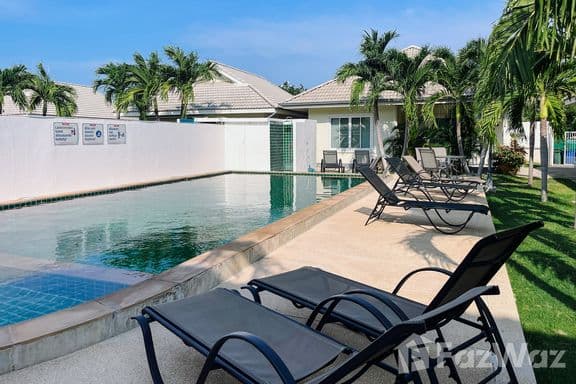
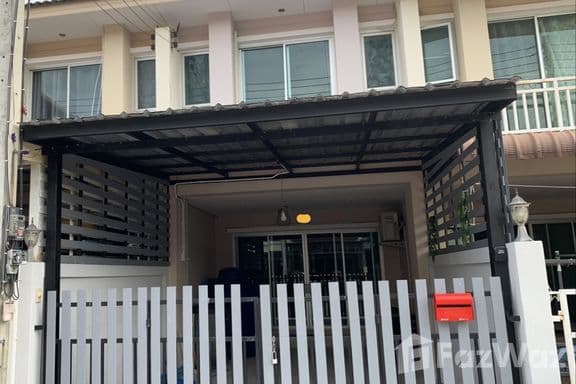
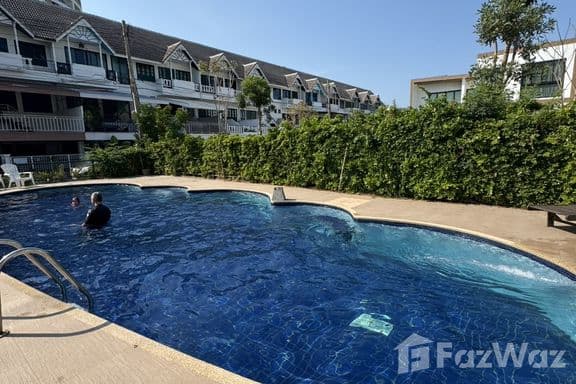
- Often Located in Secure, Low-Density Developments: A significant number of modern townhouses in Hua Hin are situated within well-planned, secure gated communities. These developments typically offer 24/7 security, controlled access, and sometimes communal amenities like swimming pools or fitness centers. This added layer of security and convenience is a major draw for tenants, particularly foreign residents, and helps protect the investor's asset.
- Easy to Manage within Gated Communities: For overseas landlords, the management burden of a townhouse within a gated community is substantially reduced. The communal management takes care of exterior maintenance, landscaping of common areas, and security, allowing the investor (or their property manager) to focus primarily on interior maintenance and tenant relations. This simplifies the investment process and makes it a "hands-off" option.
2. Who Rents Townhouses in Hua Hin? Decoding the Tenant Landscape
The diverse range of tenant profiles renting townhouses in Hua Hin reflects the property type's broad appeal and versatility. Understanding these personas is crucial for investors aiming to tailor their properties and marketing strategies for optimal occupancy and rental yields. Tenant preferences can vary significantly by location and the specific rental tier of the property.
Common Renter Personas for Hua Hin Townhouses:
- Long-Term Expats: This is a core demographic. These are often couples or small families who have chosen Hua Hin for its quality of life, international schools, and community feel. They require more space than a typical condo offers, preferring separate bedrooms, a dedicated living area, and potentially a small outdoor space for their children or pets. They seek properties that feel like a "home" for their extended stay.
- Digital Nomads: With the global shift towards remote work, Hua Hin has become a hotspot for digital nomads. Townhouses provide them with essential privacy, often allowing for a dedicated home office or workspace, which is crucial for productivity. They value reliable, high-speed internet, and often prefer multi-story layouts to separate work from leisure, avoiding the confined feeling of a studio or one-bedroom apartment.
- Seasonal Thai Residents (Bangkokians): Many affluent Bangkokians own second homes in Hua Hin, but a substantial number also opt to rent townhouses for extended holidays, weekend getaways, or during school breaks. They appreciate the sense of space, the local community vibe, and the convenience for family stays, often preferring areas with easy access to shops, restaurants, and entertainment.
- Retirees: Hua Hin is a top retirement destination for foreigners. Many retirees, especially those downsizing from larger villas or looking for a more manageable living situation, find townhouses ideal. They seek comfortable, low-maintenance homes that are still spacious enough for hobbies, guests, and a relaxed lifestyle. Accessibility to healthcare facilities and social clubs is often a priority for this group.
- Small Business Operators (Live-Work Spaces): In certain zones, particularly townhouses with good road frontage or in mixed-use areas, small business operators may lease them as combined live-work spaces. This could include artists setting up a studio downstairs with living quarters above, private clinics, small consultancy offices, or even boutique retail setups. This is a niche but growing segment, leveraging the versatility of the townhouse layout.
Lease Term Trends:
The majority of townhouse leases in Hua Hin are 12-month contracts, a standard for long-term residential rentals. These contracts often include renewal flexibility, offering tenants the option to extend their stay, which is beneficial for landlords as it reduces vacancy periods and tenant turnover costs.
Beyond long-term leases, a notable trend is the increasing number of properties near the beach or downtown areas that are also strategically offered as short-term rentals during peak tourism seasons (typically November to February) or major holidays. This hybrid approach allows investors to capitalize on higher nightly rates during high demand periods while ensuring year-round occupancy with long-term tenants for the remainder of the year. This requires professional property management to handle the logistics of short-term bookings, cleaning, and guest services.
3. Market Rental Rates in 2025: A Detailed Pricing Overview and Yield Insights
As of 2025, rental prices for townhouses in Hua Hin exhibit variations primarily based on the property's size, its direct proximity to the beach or central amenities, and the overall quality and age of the development. Understanding these dynamics is crucial for investors to set competitive rental prices and project potential returns.
Average Monthly Rental Rates for Townhouses in Hua Hin (2-3 Bedroom Configuration):
| Area |
Monthly Rent (2–3BR) |
Key Notes and Factors Influencing Rates |
| Hua Hin City Center |
฿22,000 – ฿35,000 |
Commands higher rates due to prime location, high demand for walkable zones, and direct access to major attractions, markets, and hospitals. Limited availability for townhouses. |
| Khao Takiab |
฿25,000 – ฿40,000 |
Features higher rental premiums due to beachfront proximity, resort-like environment, and popularity with both expats and tourists seeking coastal living. Often includes communal pools. |
| Thap Tai / Soi 112 |
฿15,000 – ฿28,000 |
Offers competitive rates for generally larger, newer homes within quieter, often gated, suburban areas. Appeals to families and long-stayers seeking more space. Good access to bypass road and schools. |
| Hin Lek Fai |
฿12,000 – ฿25,000 |
Represents great value for money in a peaceful hillside setting. Often includes scenic views. Popular for retirees and budget-conscious digital nomads who appreciate tranquility. |
| Bo Fai & Hua Na |
฿13,000 – ฿20,000 |
Experiencing growing popularity due to proximity to Hua Hin Airport and increasing development. Strategic for long-term tenants and business travelers. Offers good value. |
| Cha-Am (Northern Corridor) |
฿10,000 – ฿22,000 |
Generally offers cheaper alternatives and lower population density compared to central Hua Hin. Appeals to those seeking very affordable, spacious options or those working further north. |
Yield Insights for Investors:
- Average Gross Rental Yields: Investors in well-managed Hua Hin townhouses can typically expect to achieve average gross rental yields ranging from 4% to 6% per year. This figure represents the annual rental income as a percentage of the property's purchase price before deducting expenses like property management fees, maintenance, and taxes.
- Top Performers: Properties located in areas with consistently high demand, such as Khao Takiab (due to tourism appeal) and the Soi 94/Soi 88 corridors (due to expat community and amenities), often emerge as top performers in terms of rental yields. Their strong appeal ensures higher occupancy rates and competitive rental pricing.
- Tenant Preferences Driving Yields: Renters in Hua Hin are increasingly discerning. To maximize yields and attract quality tenants, properties should ideally offer:
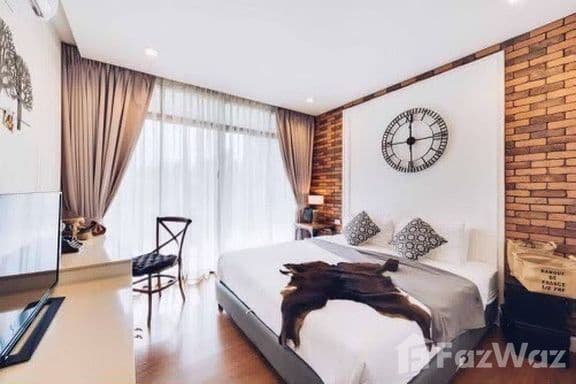
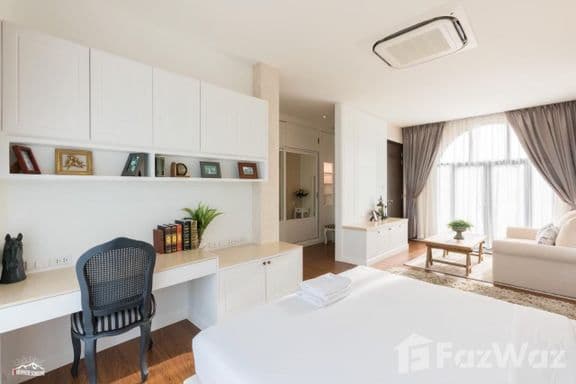
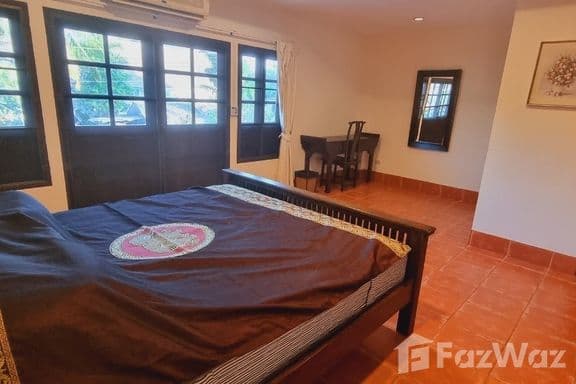
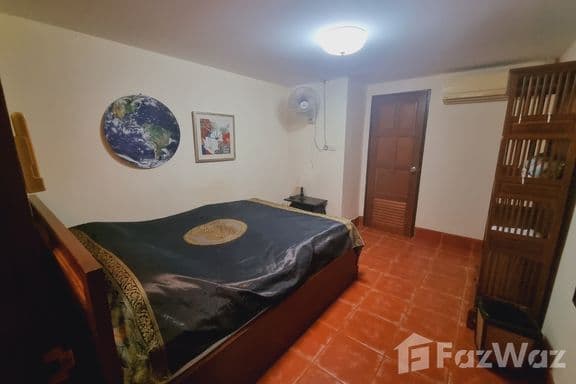
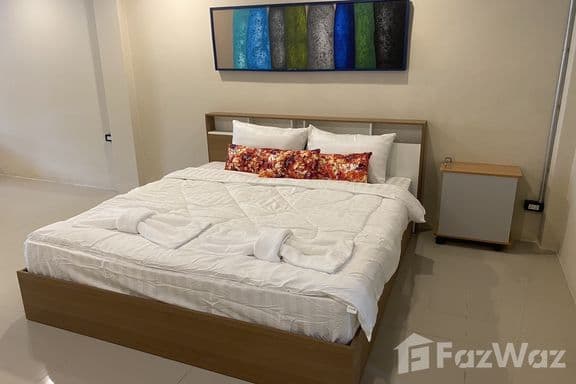
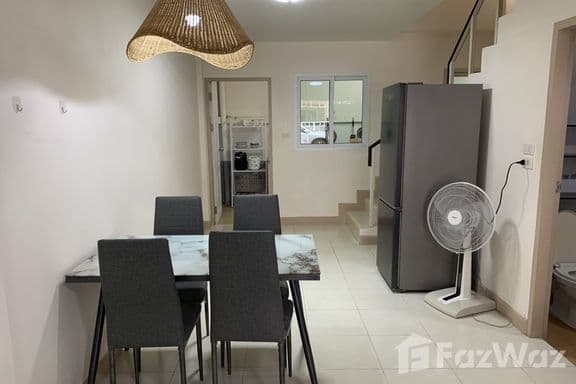
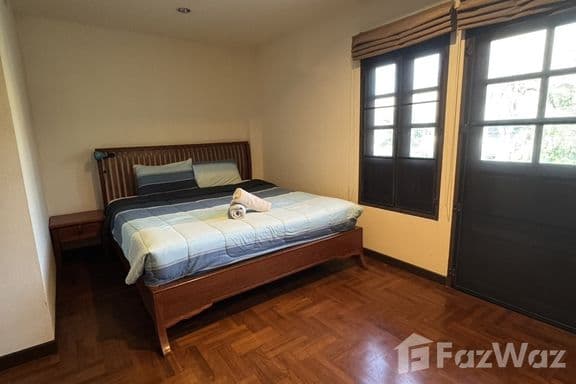
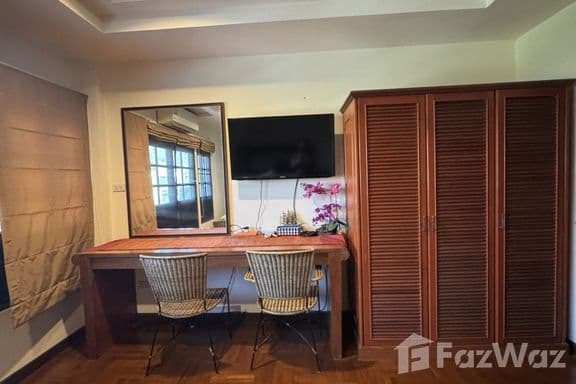
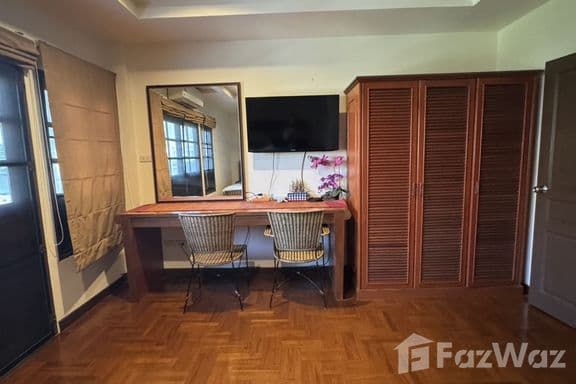
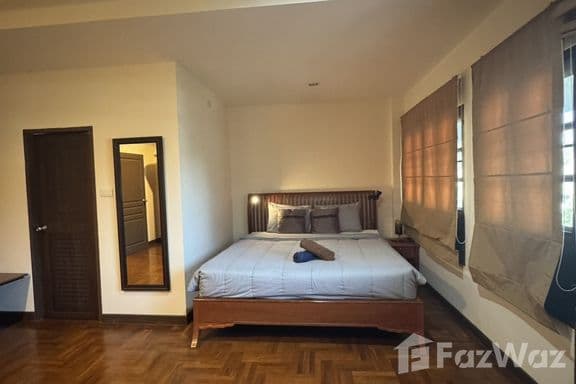
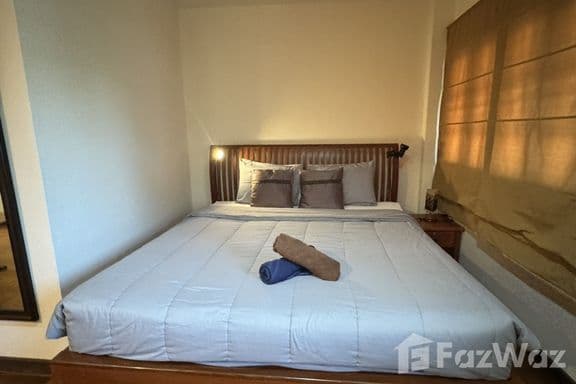
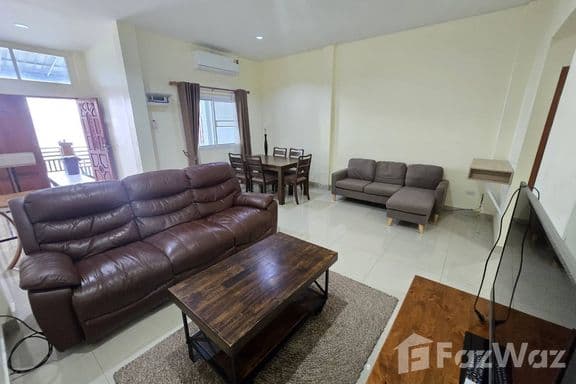
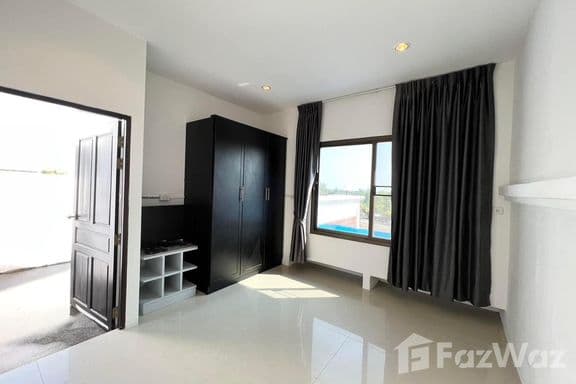
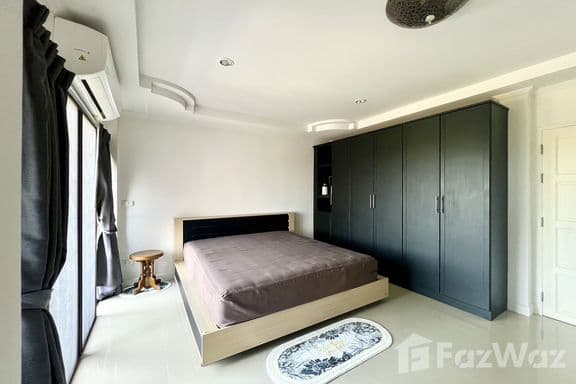
- Furnished Units: Many long-term expats and short-term visitors prefer fully furnished units for convenience. Quality, tasteful furnishings can command higher rents.
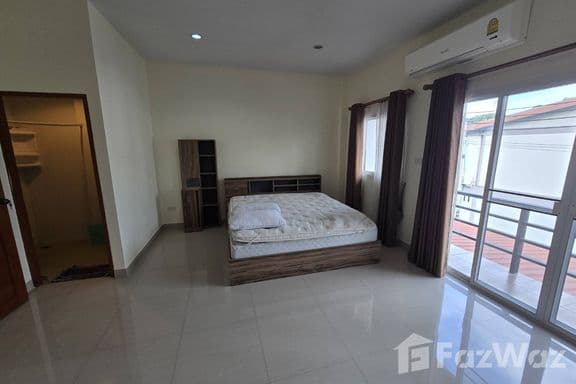
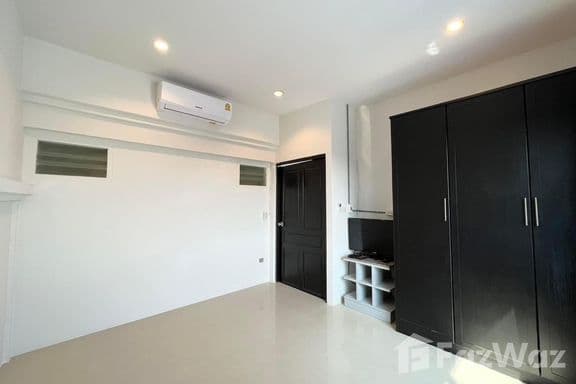
- Air Conditioning: Essential in every room for comfort in Thailand's climate.
- Fiber Optic Internet: A non-negotiable for digital nomads and families. Units with pre-installed or easily connectable high-speed internet are highly desirable.
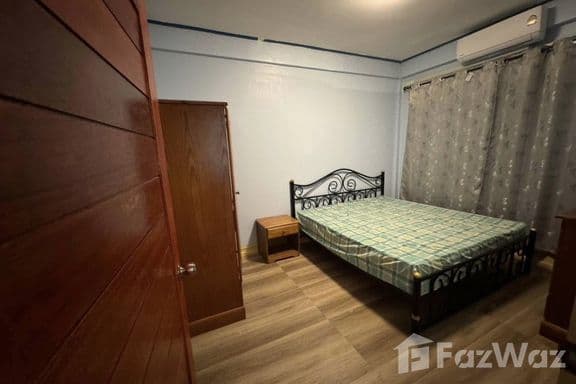
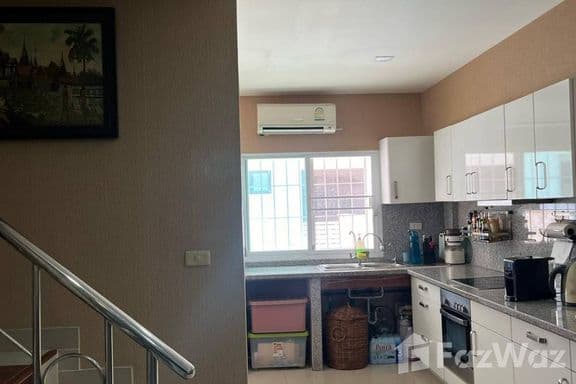
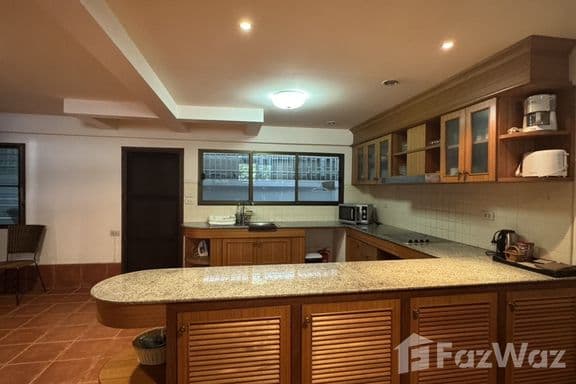
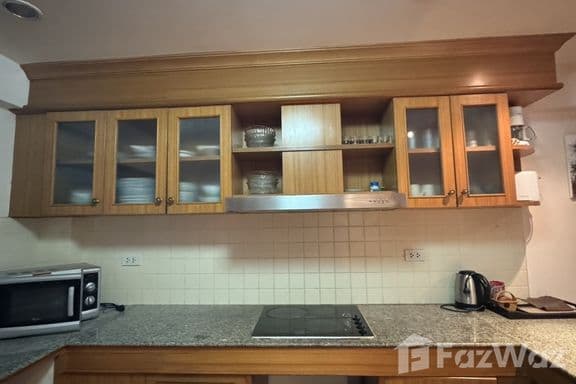
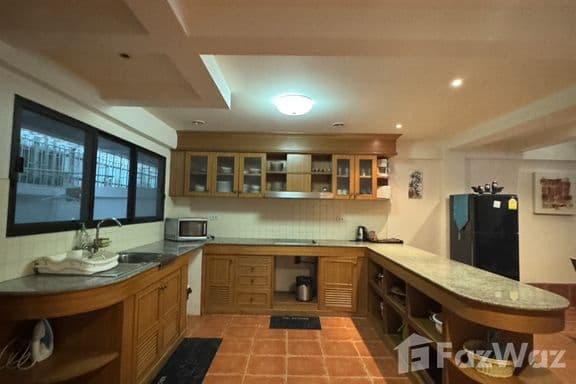
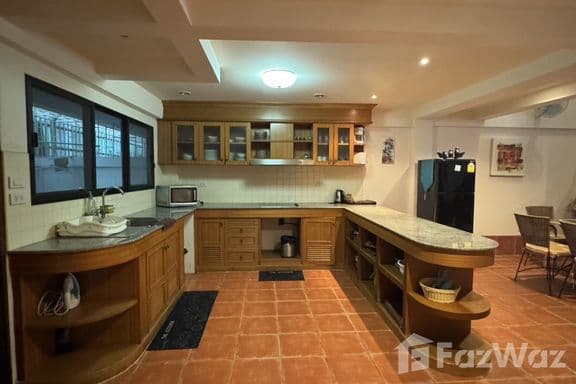
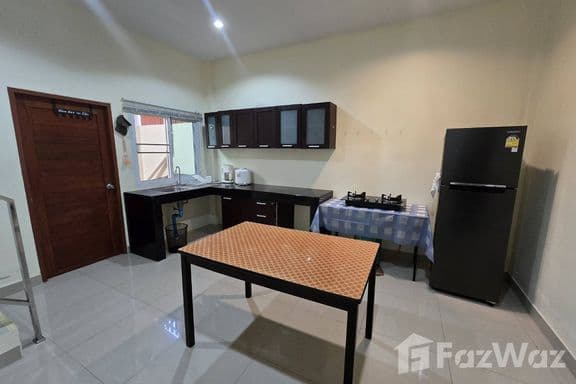
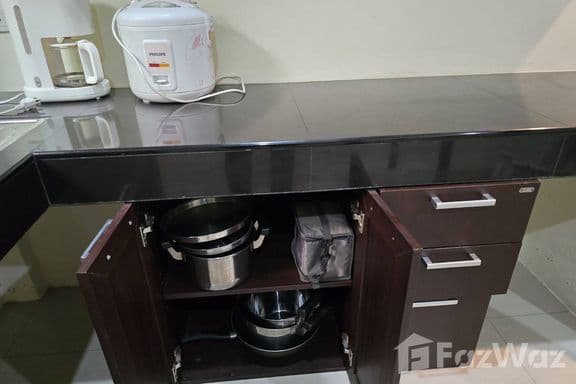
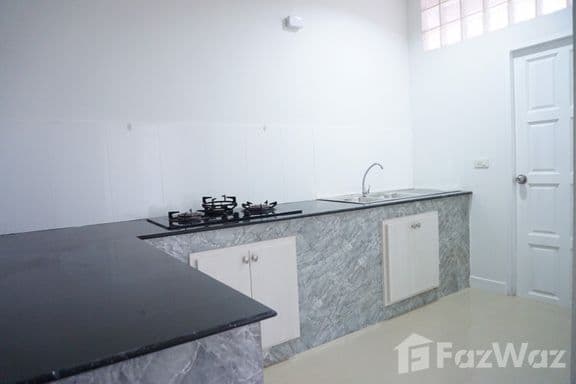
- Well-Equipped Kitchens: Especially for long-term tenants and families, a functional and well-equipped kitchen is a must-have, allowing for home cooking and cost savings.
4. High-Demand Neighborhoods: Where Townhouses Thrive for Renters
Identifying the specific neighborhoods that consistently demonstrate high demand for townhouse rentals is a strategic imperative for investors. These areas often share characteristics such as excellent connectivity, strong community infrastructure, and an appealing lifestyle.
a. Soi 94 & Soi 88:
- Why high demand: These parallel roads extending inland from Phetkasem Road have become central hubs for Hua Hin's expat community. They offer exceptional walkability to a vast array of international restaurants, cafes, gyms, local markets, and essential services. Their proximity to reputable international schools (e.g., Da Vinci International School) also makes them ideal for families.
- Rental appeal: Excellent for mid-range townhouse rentals, appealing to long-term expats and digital nomads who prioritize convenience, a lively social scene, and easy access to daily necessities. Many modern townhouse developments here include communal pools and security.
b. Khao Takiab & Nong Kae:
- Why high demand: Located just south of central Hua Hin, these areas offer a coveted coastal lifestyle with easy access to pristine beaches. Khao Takiab is renowned for its charming village atmosphere and beachfront resorts, while Nong Kae is experiencing rapid development with new infrastructure.
- Rental appeal: Command high rental premiums due to their tourist appeal and tranquil environment. They are particularly popular with wellness-focused expats seeking a serene setting and seasonal visitors who prioritize beach proximity and resort-like amenities. Ideal for short-term holiday rentals in peak season.
c. Thap Tai and Soi 112:
- Why high demand: These areas, especially along the Hua Hin bypass road (Soi 112), are characterized by numerous newer, well-planned gated communities offering modern townhouse builds. They provide a quieter, more suburban residential feel while maintaining good connectivity to key amenities like Bluport Mall, Vana Nava Water Jungle, and international schools.
- Rental appeal: Strong appeal for families seeking spacious homes with gardens within secure environments, and long-stayers who prefer a peaceful setting away from the immediate city bustle but still with convenient access to essential services. Offers excellent value for money with generally larger properties.
d. Hin Lek Fai:
- Why high demand: Situated on the tranquil hillside to the west, Hin Lek Fai is celebrated for its peaceful ambiance and often offers scenic mountain or distant sea views. It's a slightly elevated area, providing cooler breezes.
- Rental appeal: The quiet, natural surroundings make it ideal for retirees looking for a serene home with manageable maintenance, and digital workers who value a peaceful environment for focused work and a relaxed lifestyle. Rental rates here are generally more affordable, offering great value for the space provided.
e. Bo Fai / Hua Na / Bor Fai:
- Why high demand: These northern districts are experiencing increasing development and popularity due to their strategic location near Hua Hin Airport and emerging business parks. They offer a more local Thai feel while providing good access to the wider Hua Hin area.
- Rental appeal: Strategic for long-term tenants and business travelers due to airport proximity. Also popular with families linked to the expanding international school network in the area. Offers good value for spacious townhouses, attracting those seeking a more affordable, yet connected, living experience.
5. Use Cases for Investors: Strategic Approaches to Townhouse Rentals
The versatility of townhouses in Hua Hin allows for multiple investment strategies, each designed to maximize returns based on specific market segments and investor goals.
-
Buy-to-Rent Long-Term:
- Strategy: Focus on acquiring 2-3 bedroom townhouses located in established expat zones like Soi 94/88 or family-friendly areas like Thap Tai/Soi 112. These properties are ideal for securing stable, recurring income from long-term tenants (12-month contracts).
- Optimization: To enhance appeal and secure higher rents, consider strategic upgrades such as:
- High-quality air conditioning units in all rooms.
- Integrated water filtration systems for drinking water.
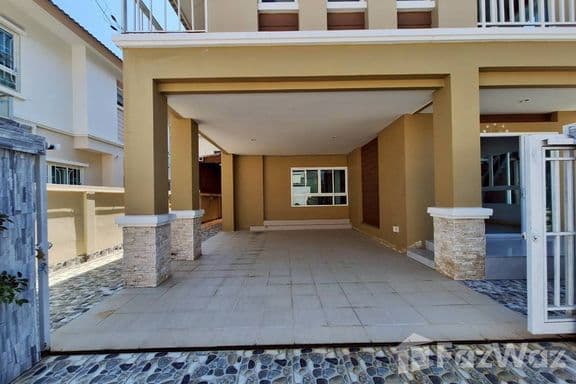
- Covered, secure parking (essential for many expats).
- Reliable, high-speed fiber internet connectivity.
- Modern, well-equipped kitchens.
- Benefit: Provides consistent cash flow and minimizes tenant turnover.
-
Furnished Short-Term Rentals / Holiday Home with Income:
- Strategy: Target townhouses located near the beach or in the heart of downtown Hua Hin, where tourist foot traffic is highest. Fully furnish and equip these units to cater specifically to holidaymakers, digital nomads on shorter stays, and remote workers looking for a comfortable base for a few weeks or months.
- Optimization: Focus on aesthetic appeal, comfort, and comprehensive amenities (e.g., smart TVs, well-stocked kitchen, good quality linens). Utilize online travel agencies (OTAs) like Airbnb, Booking.com, and local short-term rental platforms.
- Benefit: Potential for significantly higher nightly rates during peak seasons, yielding higher gross returns, though this requires more active management or a professional short-term rental manager.
-
Co-Living Setup:
- Strategy: For larger 3-4 bedroom townhouses, particularly in areas popular with digital nomads or students, consider converting them into a co-living arrangement. Each bedroom is rented out individually, often with shared common spaces (living room, kitchen).
- Optimization: Ensure reliable high-speed internet, create attractive common areas, and provide essential furnishings in each room. Offer flexible lease terms (e.g., 3-6 months) to cater to the nomadic lifestyle.
- Benefit: Significantly increases potential ROI by charging per room, often leading to higher overall rental income than a single-family long-term lease. Requires more active management and clear house rules.
-
Work-From-Home Units:
- Strategy: Market 2-3 bedroom townhouses specifically to remote professionals and digital nomads. Emphasize the dedicated workspace potential, robust internet, and peaceful environment.
- Optimization: Highlight features that support productivity: a dedicated room that can serve as an office, comfortable desk and chair, excellent lighting, reliable power supply, and superior internet speeds. Proximity to co-working spaces or quiet cafes is also a plus.
- Benefit: Taps into a growing, affluent tenant demographic seeking a seamless work-life integration in an appealing location. These tenants often take good care of the property and value stability.
6. Infrastructure Trends Driving Rental Demand: Hua Hin's Growth Catalysts
Hua Hin's continuous and strategic growth in infrastructure is not just enhancing its livability; it is directly expanding the potential and boosting demand within the townhouse rental market. These improvements are fundamentally changing accessibility and appeal.
-
Hua Hin Airport Expansion: Ongoing discussions and potential upgrades to Hua Hin International Airport are designed to accommodate a greater volume of regional and possibly direct international flights. This will significantly increase the influx of both tourists and business travelers, directly boosting demand for short-term and mid-term townhouse rentals, especially in areas like Bo Fai and Hua Na, which are in close proximity to the airport. More direct flights also make Hua Hin a more convenient choice for long-term expat residents and retirees.
-
High-Speed Rail Connection to Bangkok: The development of the dual-track railway project linking Bangkok to Hua Hin (and further south) is a monumental game-changer. Once operational, it will drastically cut travel times to the capital, making Hua Hin an even more viable and attractive destination for:
- Weekend Demand: Exponentially increasing the number of Bangkok residents seeking weekend or short-term escapes, driving demand for centrally located and well-appointed townhouse rentals.
- Commuter Appeal: Making it feasible for some professionals to live in Hua Hin and commute to Bangkok for work periodically, bolstering the long-term rental market. This increased connectivity elevates Hua Hin's status and broadens its appeal.
-
Retail & Wellness Hub Development: The sustained growth and expansion of major retail and lifestyle hubs like BluPort Mall, Market Village, and the world-class True Arena Hua Hin (a sports complex) are significant draws. These facilities attract not only daily visitors but also long-stay tourists, sports enthusiasts, and families. Townhouses in their vicinity or with easy access benefit from this concentrated demand for amenities, making them more attractive for both long-term residents and short-term visitors. The emergence of specialized wellness centers further enhances this appeal.
-
Expansion of International Schools: Hua Hin's reputation as a hub for quality international education continues to grow, attracting more expat families who relocate specifically for their children's schooling. These families invariably require more space than apartments can offer and prefer the privacy and often community-centric environment of townhouses. This demographic provides a reliable and consistent tenant pool for 2-3 bedroom townhouses, especially in areas like Thap Tai and Soi 112, which are conveniently located near these educational institutions.
Expanding the "Liveable Radius": These infrastructure improvements are collectively pushing the "liveable radius" of Hua Hin significantly further inland from the immediate coastal strip. Areas previously considered too far out, such as Soi 112 and Thap Tai, are now becoming increasingly accessible, attractive, and highly desirable for new townhouse developments and subsequent rentals. This expansion offers investors opportunities in areas that still present good value, with the promise of future appreciation as connectivity and demand continue to grow.
7. Foreigners Renting Out Townhouses: Legalities and Practicalities for Overseas Investors
While the act of foreign individuals or entities owning land in Thailand is subject to strict limitations, renting out a townhouse that one owns (or effectively controls through a leasehold) is a common and legally permissible activity. For overseas investors, understanding the practical and legal nuances is crucial for smooth operations and compliance.
-
Ownership Structure for Overseas Investors: As previously discussed in the buying guide, overseas investors typically acquire townhouses via one of two primary methods:
- Buying within a Condominium Title (if applicable): If the townhouse is legally classified as a multi-story unit within a larger condominium development, foreigners can own it outright in freehold title, provided it falls within the 49% foreign quota of the condominium's total area. This is the simplest form of ownership for foreign investors.
- Leasing from a Developer/Landowner: For townhouses built on individually titled land, foreigners most commonly secure a long-term leasehold agreement (typically 30 years, often with renewal options). Alternatively, some may opt to establish a Thai company structure where the company owns the land, and the foreign investor controls the company (while adhering to majority Thai shareholding rules). Both methods allow the foreign investor to develop and rent out the property.
- Crucial Note: Regardless of the ownership structure, the investor is then the "landlord" for the purpose of renting out the unit.
-
Appointing a Professional Property Manager: For overseas landlords, appointing a reputable local property manager is not merely a convenience but an absolute necessity. A good property manager provides end-to-end services, including:
- Marketing and Tenant Acquisition: Listing the property, conducting showings, screening potential tenants, and verifying references.
- Lease Agreement Management: Drafting and executing rental contracts, ensuring legal compliance.
- Rent Collection and Financial Reporting: Collecting monthly rent, handling payments, and providing regular financial statements to the landlord.
- Property Maintenance and Repairs: Overseeing routine maintenance, coordinating repairs, and managing emergencies.
- Tenant Relations: Being the primary point of contact for tenants, addressing inquiries, and resolving issues promptly.
- Legal Compliance: Ensuring the property adheres to all local rental regulations.
-
Utilizing Online Platforms: Leveraging platforms like FazWaz, PropertyGuru, Hipflat, or local Thai real estate websites (and international ones like Airbnb/Booking.com for short-term) is vital for listing properties, attracting leads, and potentially automating aspects of rental contracts and payment processing. A good property manager will be proficient in using these platforms.
-
Rental Regulations and Taxation:
- Straightforward Regulations: Rental regulations in Thailand are generally considered straightforward. Lease agreements must clearly define terms, rent, and duration.
- Taxation: Foreign landlords are required to declare rental income earned in Thailand. This income is subject to personal income tax. However, Thailand's tax rates for rental income are often considered favorable compared to many Western countries, particularly for lower income brackets. It is crucial to consult with a local Thai tax advisor to understand specific tax obligations and ensure full compliance. Properly declared rental income contributes to transparency and strengthens the legal standing of the investment.
8. Risk Factors & Mitigation: Safeguarding Your Townhouse Rental Investment
While the Hua Hin townhouse rental market offers strong potential, like any investment, it comes with inherent risks. Proactive identification and mitigation strategies are essential for safeguarding your asset and ensuring consistent returns.
Conclusion: Townhouses – A Balanced & Stable Investment in Hua Hin's Future
Townhouses for rent in Hua Hin unequivocally offer a balanced and highly attractive investment vehicle for both foreign and local buyers seeking a blend of passive income, strategic lifestyle diversification, and robust long-term asset growth. With competitive gross rental yields typically ranging between 4% to 6% annually, coupled with relatively modest upfront costs compared to larger detached properties, and supported by a reliable and expanding tenant pool, the townhouse segment firmly remains one of the most stable, versatile, and high-utility corners of Hua Hin’s dynamic property market in 2025.
Whether strategically situated in the vibrant, amenity-rich corridors of Soi 94, the serene beachfront enclaves of Khao Takiab, the growing family-centric communities of Thap Tai, or the green hilltop retreats of Hin Lek Fai, townhouses consistently cater to a burgeoning demand for essential privacy, ample space, and appealing affordability. All these desirable attributes are meticulously wrapped within the charming and increasingly sophisticated coastal lifestyle package that Hua Hin so uniquely offers. For investors seeking a resilient asset with consistent returns and significant long-term potential, the townhouse rental market in Hua Hin presents an opportunity that is hard to overlook.
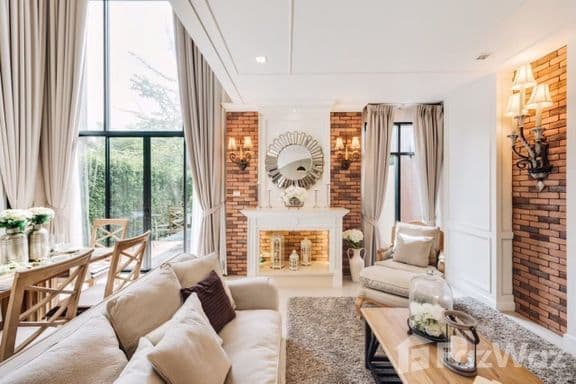
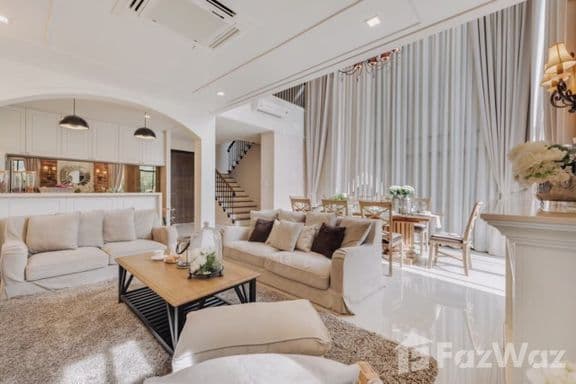
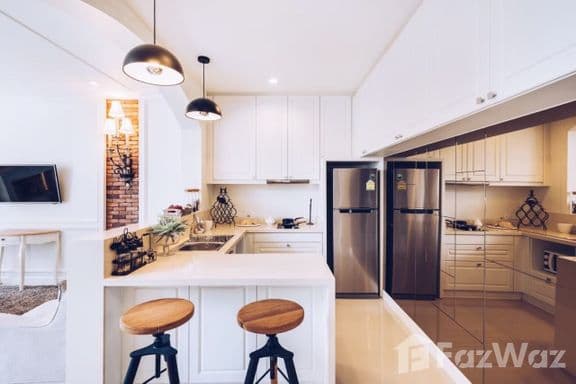
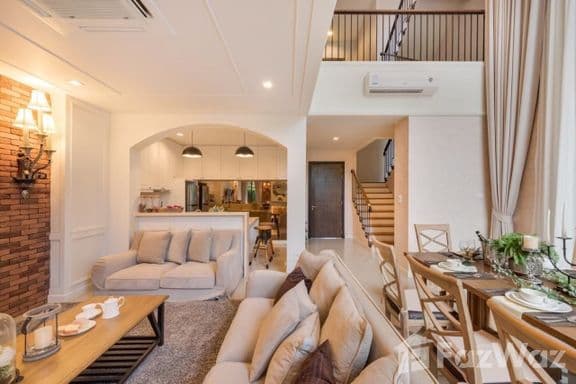










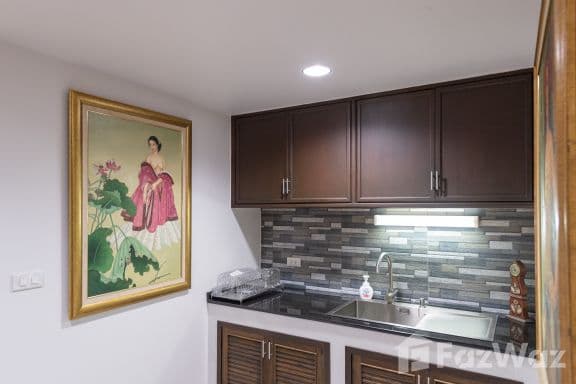
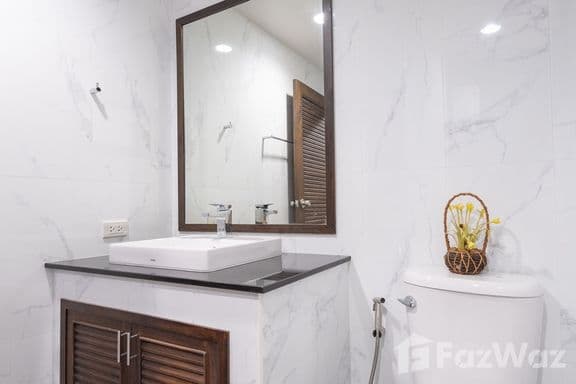
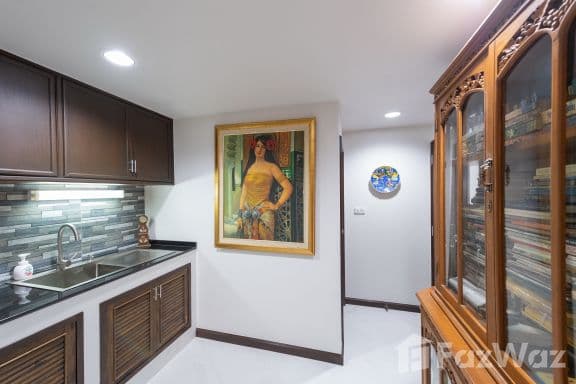
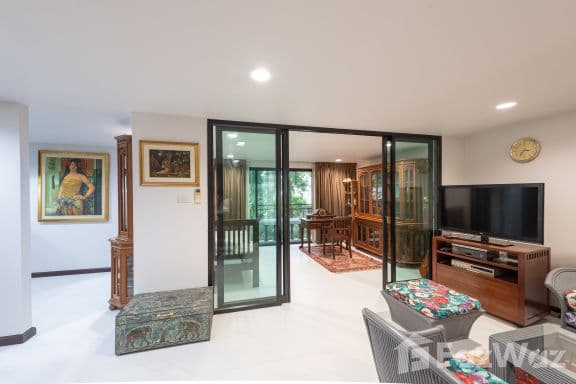















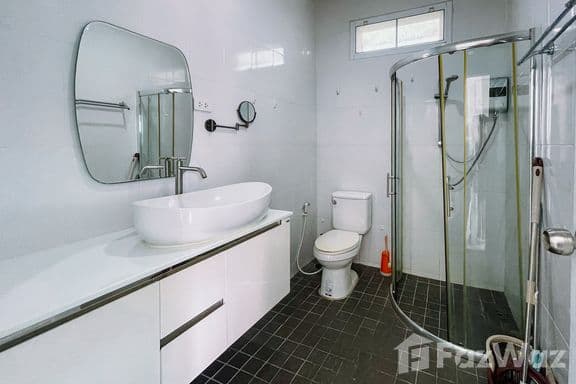
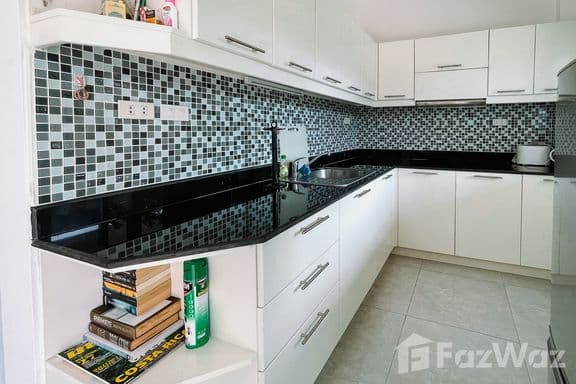
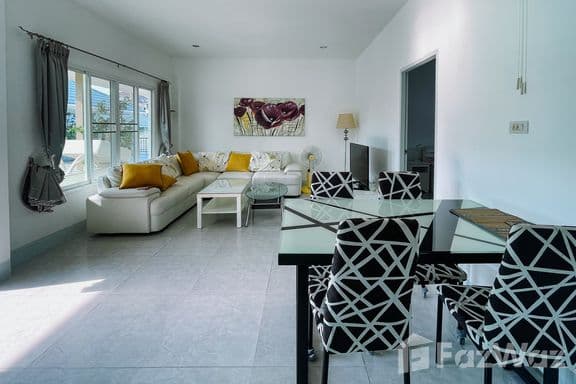

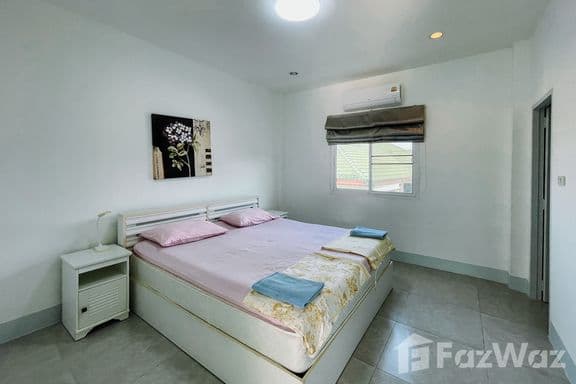
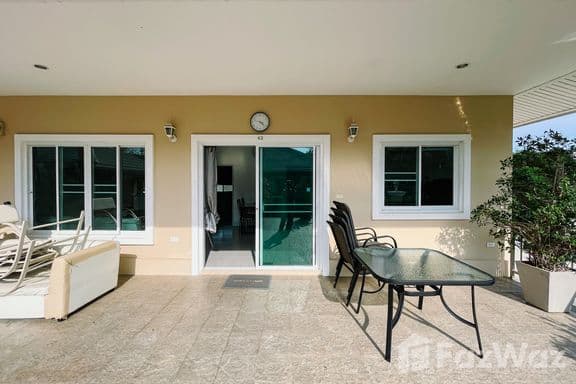
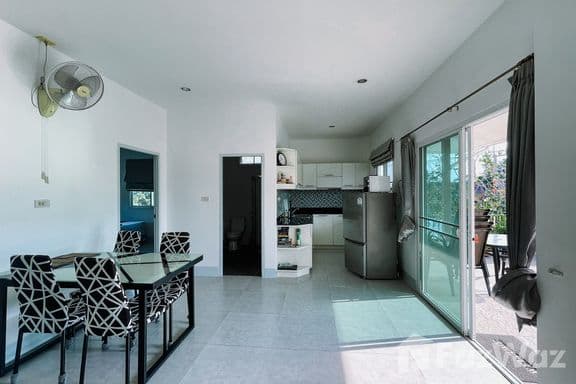
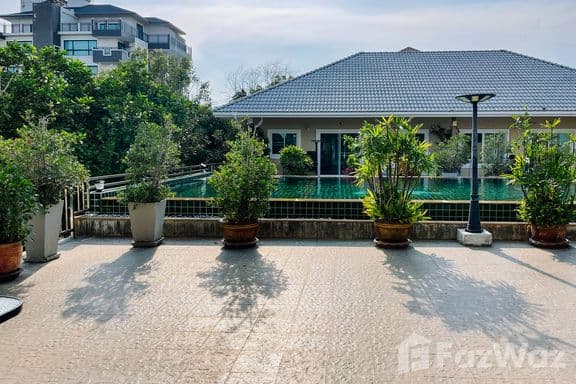
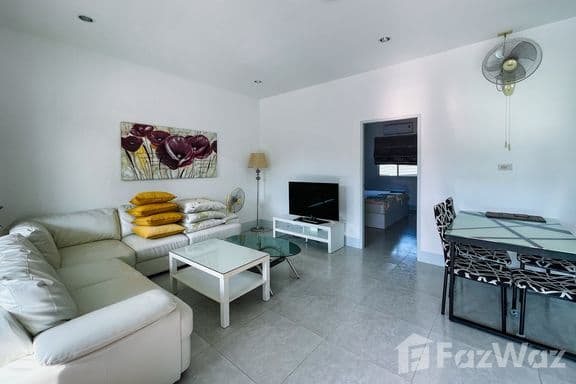

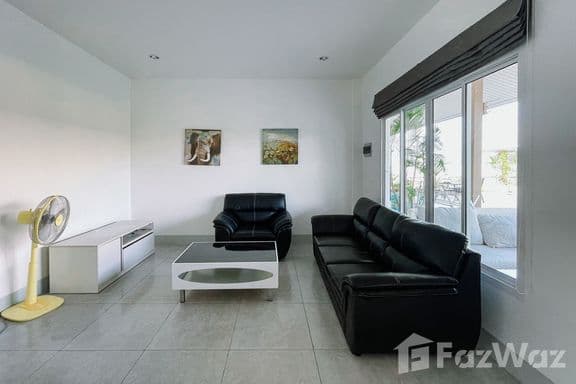
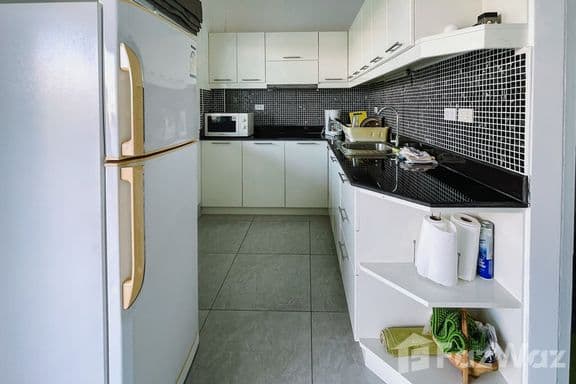

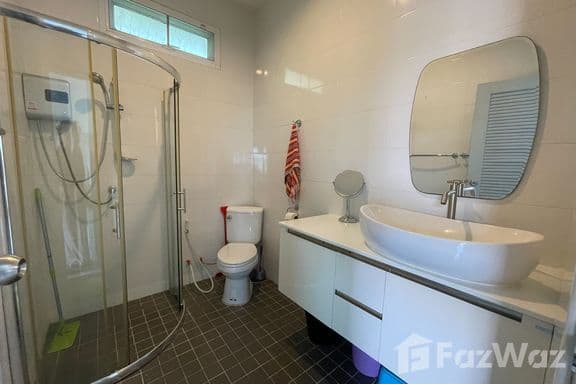
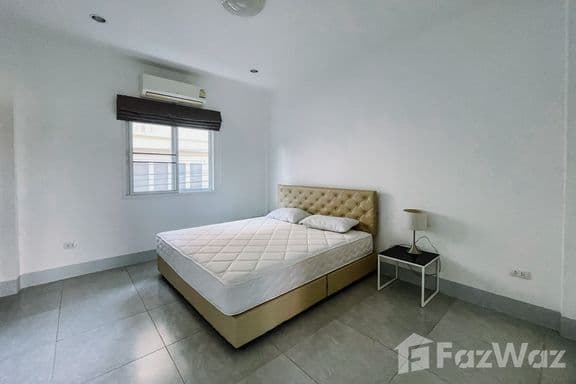



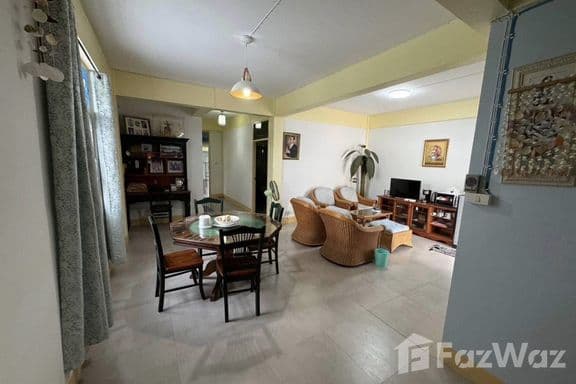
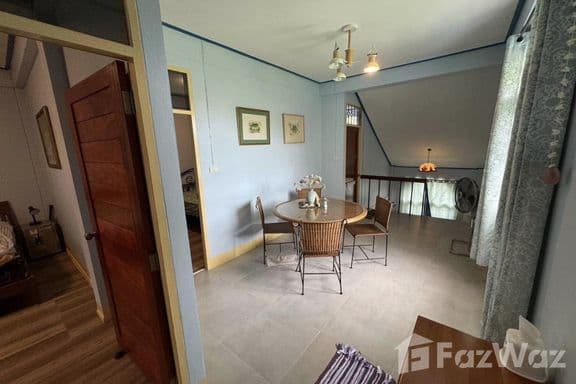
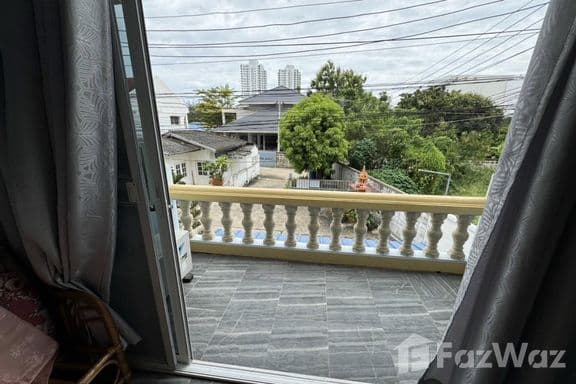
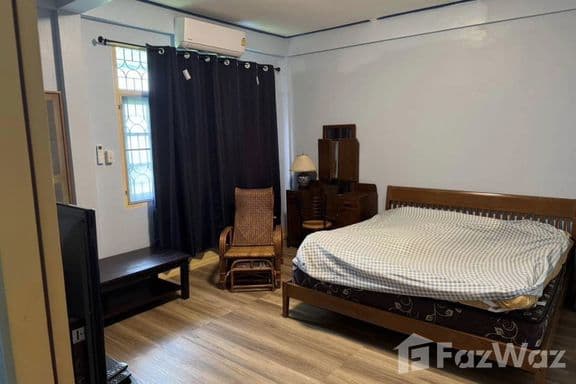
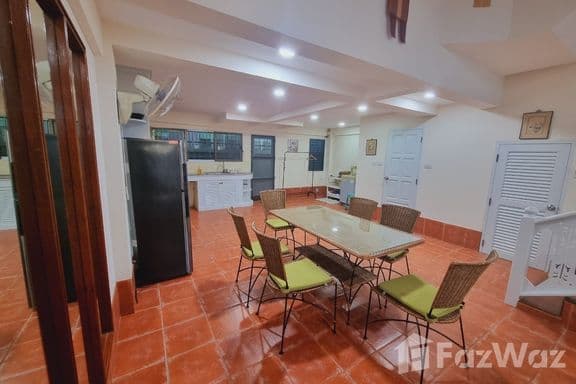
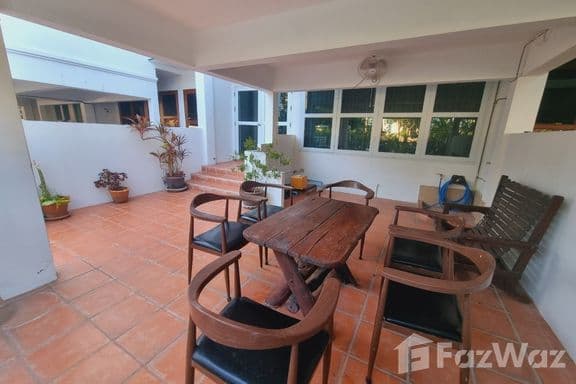
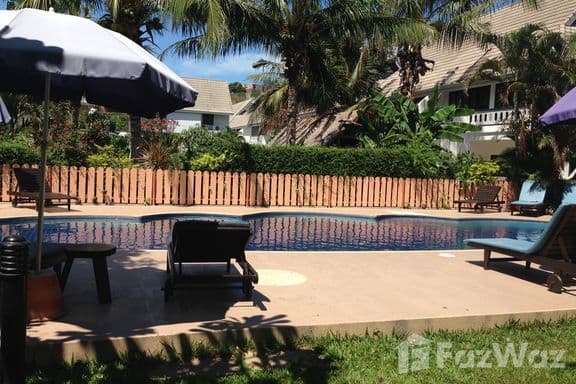
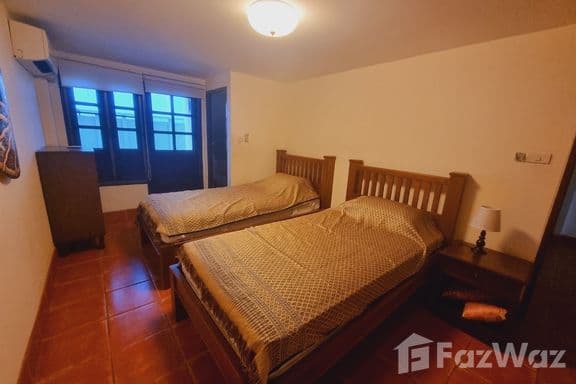


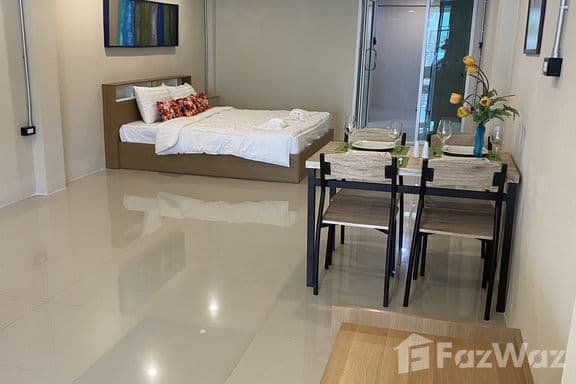
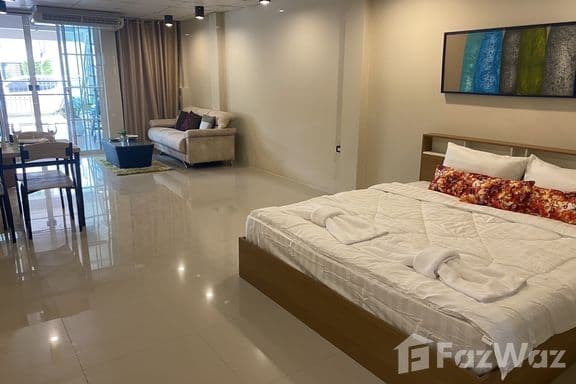












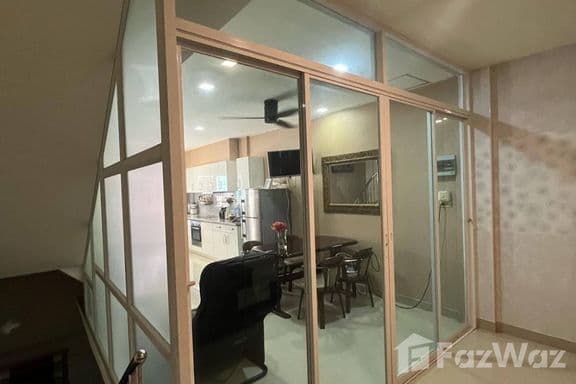
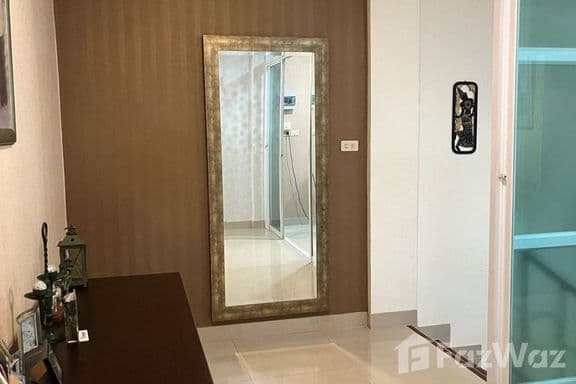

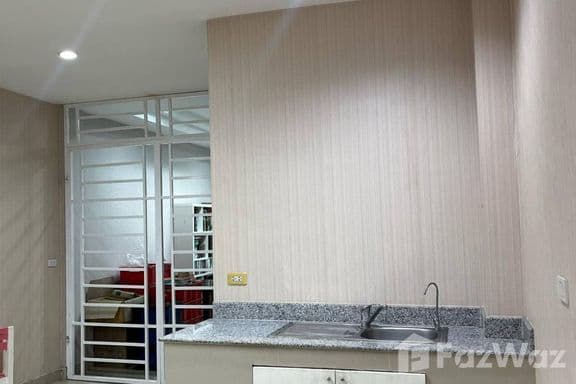
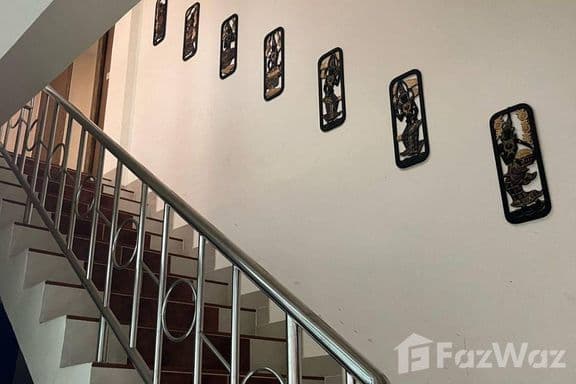
















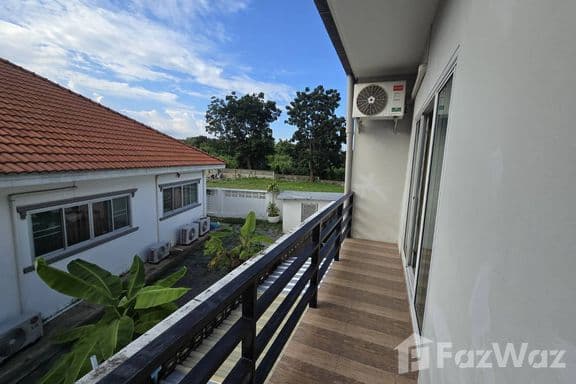
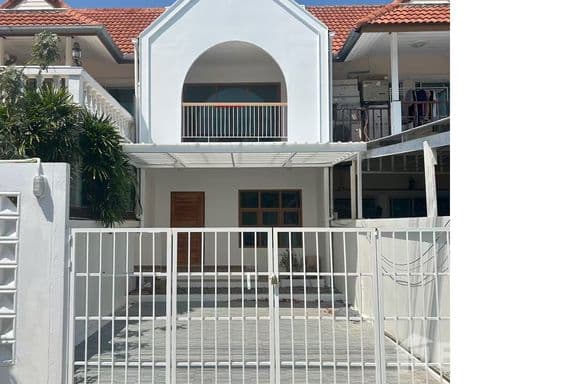
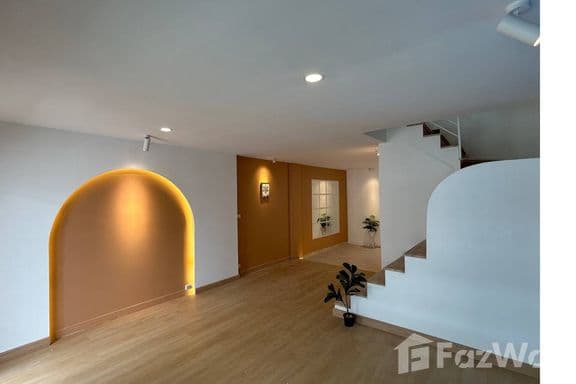
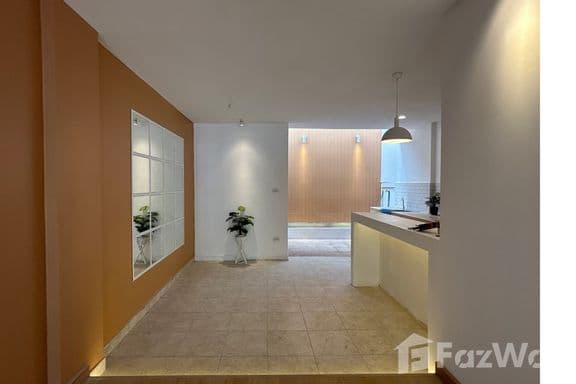
































 Popular condos in Hua Hin

