Comprehensive Guide to Renting Villas in Hua Hin for Foreigners (2025)
Introduction
Hua Hin, a serene coastal city in Thailand, has become a magnet for foreign renters seeking a balance of tropical lifestyle and modern comfort. Located about 200 km south of Bangkok, Hua Hin offers beautiful beaches, world-class golf courses, and a well-established expat community. In 2025, the villa rental market here is thriving – fueled by retirees settling down, digital nomads working remotely, families relocating for a better quality of life, and seasonal visitors escaping colder climates. This guide provides a deep dive into renting villas in Hua Hin, with a focus on key foreign renter personas, the choice between pool and non-pool villas, rental rates in popular areas, and current market trends. The tone is formal and fact-based, designed to help prospective renters make informed decisions.
Key Foreign Renter Personas in Hua Hin
Foreigners who rent villas in Hua Hin come from diverse backgrounds. Understanding their typical profiles can help in identifying what type of rental and location might best suit each group’s needs. Below is a breakdown of the main renter personas and what they usually look for:
Retirees
Profile: Retirees are one of the largest expat groups in Hua Hin. Often from Europe, North America, or Australia, they are usually aged 50 and above and have chosen Hua Hin for its laid-back charm and affordability. Many are on long-term retirement visas and plan to stay year-round.
Housing Preferences: Retirees typically seek quiet, comfortable homes for long-term leases (annual or multi-year). Single-story villas with easy accessibility (few stairs) are popular, as are properties in tranquil neighborhoods away from the hustle of tourist zones. Many retirees appreciate having a private pool or garden to enjoy the warm climate, though some are equally happy with a non-pool villa if it means less maintenance. Proximity to good healthcare is a priority – Hua Hin is home to excellent hospitals (such as Bangkok Hospital Hua Hin), so areas within a short drive of medical facilities are in high demand. Retirees also value being near everyday conveniences like fresh markets, supermarkets, and casual dining. Areas like Khao Takiab (a quiet beachside community) are favored by many European retirees for the peaceful atmosphere and sea breeze. Retirees often furnish their villas in a cozy, home-like style and may stay in the same property for many years, forming close-knit local networks.
Budget & Rental Terms: With stable pension incomes or savings, retirees generally budget for long-term rentals. Typical long-term rental rates for a comfortable two- to three-bedroom villa might range from THB 25,000 to 50,000 per month (approximately USD 700–1,400), depending on location and amenities. Some higher-end luxury villas chosen by retirees with more affluent budgets can cost more (THB 60,000+). Retirees usually sign 12-month leases to get better rates and are accustomed to paying utility bills separately. They often negotiate modest discounts for multi-year commitments and appreciate landlords who are responsive and reliable, as they plan to make the rental truly feel like home.
Digital Nomads
Profile: Digital nomads in Hua Hin are remote workers and online entrepreneurs who have the flexibility to live anywhere with a good internet connection. This group is often in their 20s, 30s, or 40s, and may originate from all over the world. Hua Hin is increasingly on the radar for digital nomads in 2025 due to its more relaxed vibe compared to Bangkok or Phuket, while still offering modern amenities. Many are on medium-term stays (a few months to a year) possibly using Thailand’s long-stay visas or tourist visas which they extend.
Housing Preferences: Digital nomads seek rentals that offer reliable high-speed internet and a conducive work environment. While some opt for condos or apartments, many are drawn to villas for the extra space, quiet, and privacy to work. A smaller two- or three-bedroom villa (often shared with a fellow nomad or two to split costs) can be ideal. They do not necessarily need a private pool, although it’s a welcome bonus for leisure time. Proximity to cafes, co-working spaces (Hua Hin has several co-work hubs and coffee shops with Wi-Fi), and central areas is valued so they can easily meet others and network. Neighborhoods in central Hua Hin or around Soi 88/Soi 94, and western suburbs like Hin Lek Fai and Thap Tai, are popular if they offer a mix of tranquility and accessibility. Digital nomads generally prefer fully furnished places with a functional kitchen and a comfortable area to set up a home office.
Budget & Rental Terms: Many digital nomads work with moderate budgets since they are essentially living off their remote income or savings. A simple non-pool villa or townhouse might rent for THB 20,000–30,000 per month (USD 570–850) on a long-term contract, while a modern pool villa could be around THB 30,000–50,000 (USD 850–1,400) per month. However, because nomads often stay for shorter periods (3–6 months is common), they might opt for short-term monthly arrangements, which come at a premium. A villa that costs THB 30k on a yearly lease could cost 40k+ if rented just for one month. Still, compared to hotel rates, renting a villa is cost-effective for this group. Digital nomads appreciate flexible lease terms – some negotiate 3-month contracts or month-to-month rentals. They are also savvy about utilities and will check if internet and water/electricity are included in short-term agreements. Overall, this group is looking for value: a quiet, comfortable home base to work and live, without breaking the bank.
Expat Families
Profile: Expatriate families in Hua Hin typically consist of one or two working parents (either remote professionals or local hires) and their children. These families may be from various countries, often drawn by Hua Hin’s family-friendly environment. Parents might work in Hua Hin’s hospitality industry, real estate, education sector, or even commute to Bangkok occasionally, while others are remote employees who chose Hua Hin for lifestyle. Children in these families often attend one of Hua Hin’s international schools. In 2025, Hua Hin boasts several reputable schools (for example, Hua Hin International School, which follows a British curriculum, and other bilingual schools), making it a viable location for those relocating with kids.
Housing Preferences: Space, safety, and community are the top priorities for expat families renting a villa. They usually seek 3 to 4-bedroom villas to accommodate the family comfortably, often with a private garden or yard where children can play. Private pool villas are highly desirable for families – the pool serves as a great entertainment and exercise option for kids and adults alike, especially given Hua Hin’s tropical climate. Parents also value being in a secure neighborhood, perhaps a gated community or a development with security, where other expat families reside. This provides a ready-made community for both them and their children. Areas slightly outside the busiest town center are preferred for a quieter environment; for example, Soi 112 (a rapidly developing area south-west of central Hua Hin) has many new villa communities that are popular with families. These areas offer a suburban feel and are within a 10-15 minute drive to town, shopping centers, and schools. Other family-favored zones include West Hua Hin (encompassing Hin Lek Fai and adjoining sub-districts) where land plots are larger, and northern Hua Hin/Palm Hills for those who don’t mind being a bit further out near golf courses and have a car for transport.
Inside the villa, families look for child-friendly features: bedrooms on the same floor for younger children, bathtubs (if available), and a modern kitchen. Proximity to supermarkets, clinics, and outdoor activities (beach, water parks, sports facilities) is a plus. A covered car parking space is often needed as most expat families have a car for school runs and errands.
Budget & Rental Terms: Expat families are usually ready to commit to long-term rentals (1 year or more) since they plan to stay for several years while their children are in school. Their housing budgets vary depending on the family’s income and whether a company housing allowance is provided. Generally, many families spend around THB 35,000–70,000 per month (USD 1,000–2,000) for a spacious villa. This budget would secure a three or four-bedroom home with a pool in a nice area. Ultra-luxury or very large properties can go upwards of THB 100,000 (for instance, a sprawling 5-bedroom pool villa in a prime location), but those are exceptions. In most cases, at around THB 50,000 per month, a family can find a modern pool villa with three bedrooms, two to three bathrooms, and a garden, in a family-oriented enclave. Families sign yearly leases and usually pay a standard two-month security deposit. They expect to pay their own utilities. Some families negotiate minor improvements or furnishings (for example, adding safety fencing around a pool or installing additional air-conditioning units) as part of the deal. Overall, this group is willing to invest a bit more for comfort and safety, given that home is also a place for children to learn and grow.
Working Professionals and Executives
Profile: This category includes foreign professionals who live in Hua Hin for work (outside of the digital nomad realm). They might be managers in the hospitality industry (e.g. managing a resort or restaurant), real estate professionals, teachers at international schools, or executives running businesses that allow them to be based here. Some also work remotely for companies abroad but maintain a more fixed lifestyle than transient nomads. These professionals may or may not have families; some are single or couples without children, enjoying the coastal lifestyle while pursuing their careers.
Housing Preferences: Depending on their family status, housing needs vary. Single professionals or couples without kids might opt for smaller villas or even luxury condos, but many prefer the privacy of a villa if budget allows. A modern two- or three-bedroom villa can provide a home office space and a guest room for visitors. If they entertain clients or colleagues, a stylish villa with a pool and nice outdoor area is a plus for hosting gatherings. Professionals value convenience: they often seek locations that offer a short commute (if they work locally) or easy access to main roads if they travel frequently. Central Hua Hin or Nong Kae areas are attractive if they want to be near restaurants, gyms, and social venues. On the other hand, those who prize privacy might choose outskirts like Hin Lek Fai or Thap Tai where many upscale pool villas in quiet lanes are available.
For executives with higher budgets (for example, a regional manager of a company who chose to base in Hua Hin), upscale luxury villas in gated estates or near the beach can be attractive. Some might rent in high-end communities around the southern end of Hua Hin or even in nearby resort areas like Khao Tao (a small community just south of Hua Hin known for its calm lake and beach). Interiors that are modern and high-quality finish are often sought by this group, as they treat the villa as both a home and a reflection of their success/professional status. High-speed internet, a dedicated workspace, and covered parking are must-haves.
Budget & Rental Terms: Working professionals’ budgets can range widely. Those in education or mid-level jobs might be budget-conscious, looking at the THB 25,000–40,000 per month range (USD 700–1,150) for a comfortable home, possibly foregoing a private pool to save on cost. In contrast, corporate-expat executives or entrepreneurs may have budgets of THB 60,000–100,000+ (USD 1,700–2,800+) monthly if housing is part of a relocation package or if they prioritize a luxury living environment. They typically sign long-term leases as well, since their work assignments or business plans have a multi-year horizon. Some might start with a 6-month lease if they are testing out living in Hua Hin, then extend to yearly. Overall, this group is likely to demand high reliability from landlords – quick maintenance, professional contracts, etc., aligning with their own professional approach.
Seasonal Visitors (“Snowbirds”)
Profile: Seasonal visitors, often nicknamed “snowbirds,” are foreigners who come to Hua Hin during specific seasons, typically to escape winter in their home countries. They are often retirees or semi-retired individuals from Northern Europe, the UK, or elsewhere with harsh winters. Many have been visiting Hua Hin year after year. They usually arrive during the cool/dry season (November through February or March) when Hua Hin’s weather is most pleasant, and stay for a few months. Some may extend their stay into the hot season depending on personal preference or visa allowances. These visitors might not reside in Thailand full-time, but Hua Hin becomes their second home for part of the year.
Housing Preferences: Seasonal visitors look for fully furnished villas that are ready to move in for short-term stays. Because their stay might be 1-4 months, they need a place equipped with all basics (kitchen appliances, linens, etc.), so they can settle in immediately without purchasing a lot of household items. Many prefer villas in known expat areas where they can socialize with friends who are also visiting. They often appreciate private pools as they treat the stay like an extended holiday – enjoying poolside barbecues, sunbathing, and inviting friends over. That said, if on a tighter budget, they might opt for a non-pool villa or a smaller house, especially if close to the beach or if the development has a shared pool. Khao Takiab, with its lovely beach and quiet vibe, is popular among long-stay seasonal visitors. Also, Cha-Am (a town just north of Hua Hin) attracts some long-stay winter visitors due to slightly lower costs, but those who prefer Hua Hin’s amenities will focus on Hua Hin itself. Seasonal renters might also consider resort-style villa communities on short leases, which sometimes offer weekly cleaning or on-site services – providing a hybrid of a rental and a holiday resort.
Budget & Rental Terms: Because these visitors rent short-term during peak tourist season, they typically face higher monthly rates compared to a long-term tenant. It’s common for them to pay by the month, or even by the week for very short stays. A small two-bedroom villa might cost THB 30,000–45,000 per month (USD 850–1,300) on a short-term seasonal contract, whereas the same property might be only THB 20,000 per month on a year-round lease. For larger or pool villas, seasonal monthly rates of THB 60,000–100,000 (USD 1,700–2,850) are not unusual in prime locations during the December–February period. Most seasonal renters accept that they are paying a premium for flexibility and the convenience of a furnished, short-term arrangement. They often arrange rentals via agencies or online platforms prior to arriving, and might pay a deposit to secure the booking. Unlike year-long leases, short-term contracts often include utility charges (or have them capped) and sometimes include services like internet, cable TV, or weekly cleaning, since the renter is treating it more like a holiday rental. Seasonal visitors usually return to the same villa or neighborhood each year if they had a good experience, so they value trustworthy landlords and might book the next year’s stay well in advance.
Pool vs. Non-Pool Villas: Insights and Considerations
One of the key choices when renting a villa in Hua Hin is whether to rent a pool villa or a non-pool villa. Both options are widely available, and each has its advantages depending on the renter’s lifestyle and budget. Below is a detailed look at each:
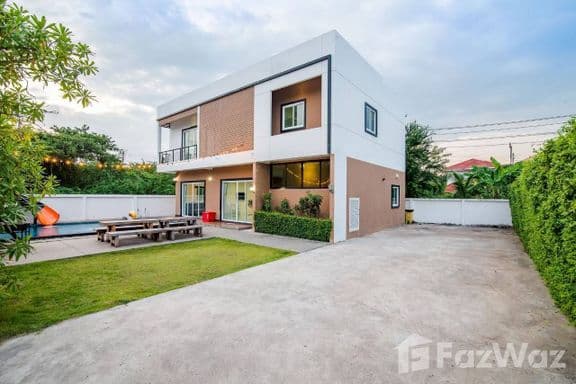
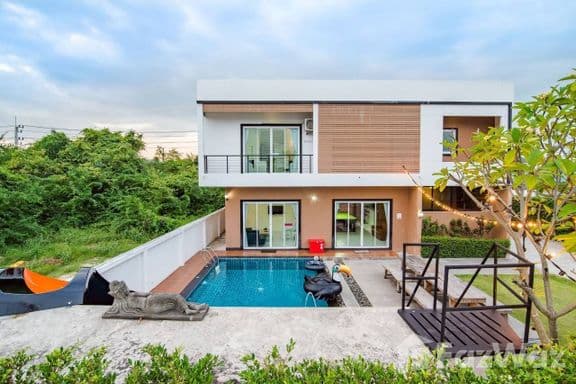
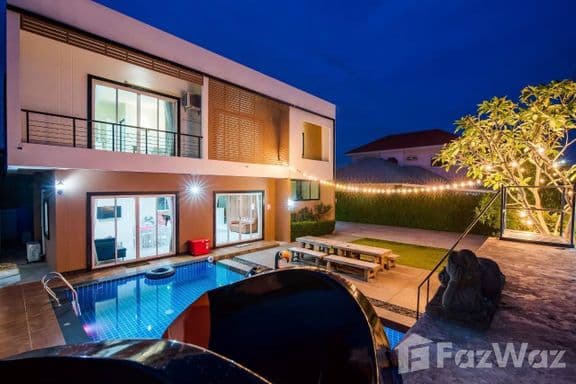
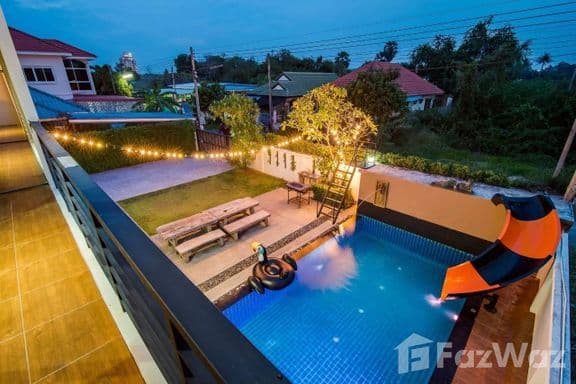
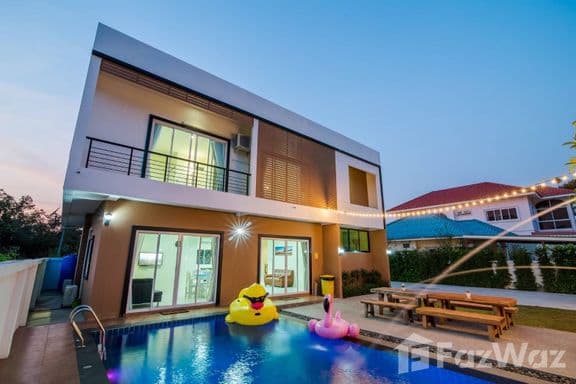
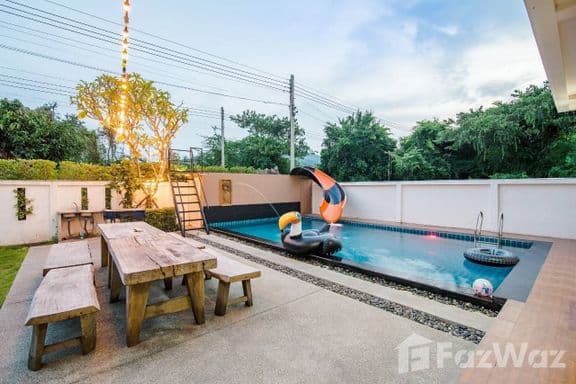
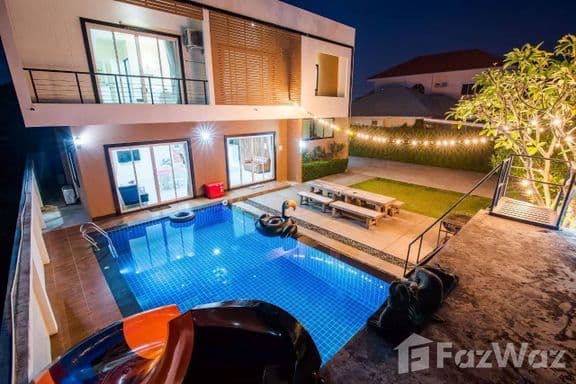
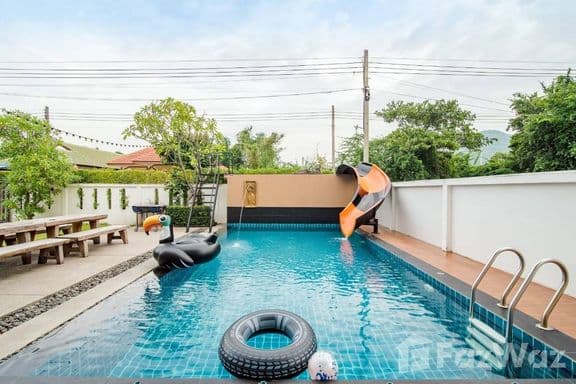
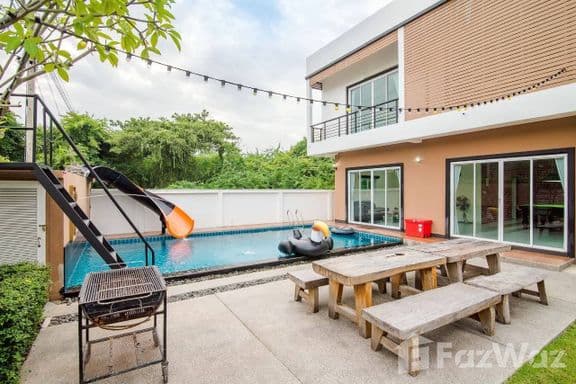
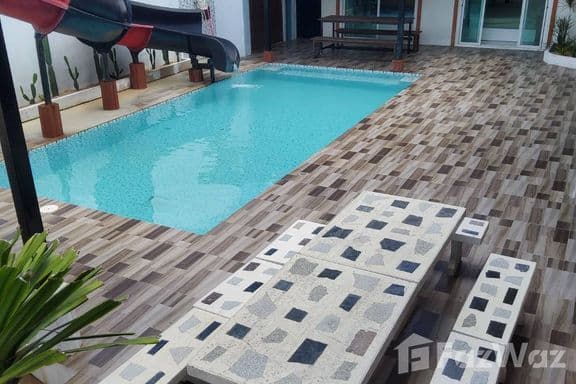
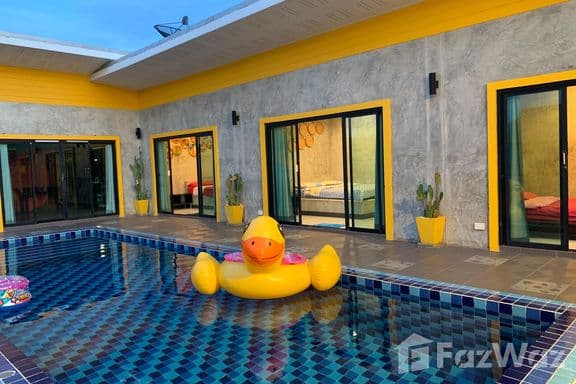
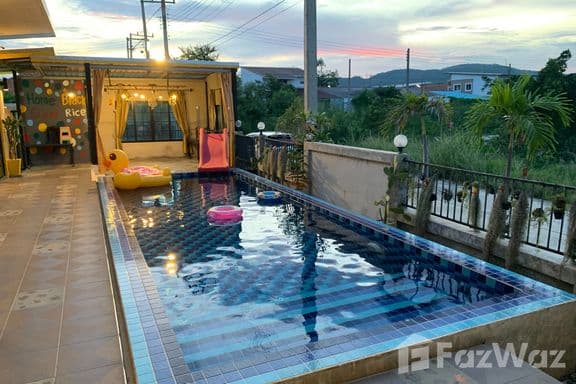
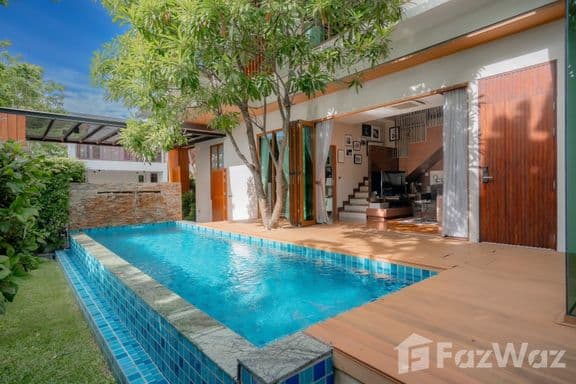
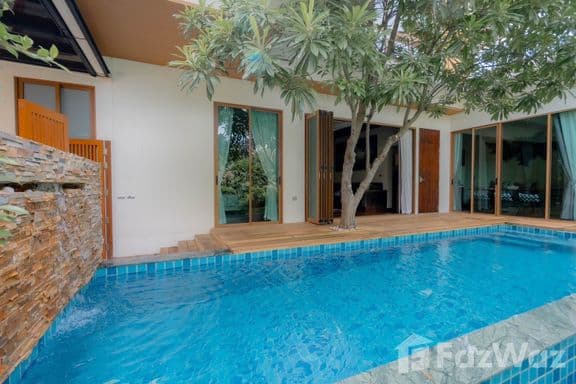
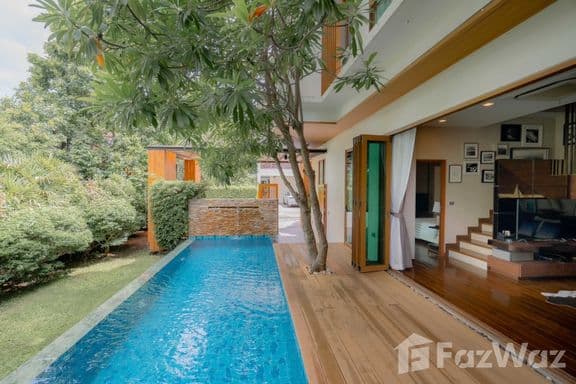
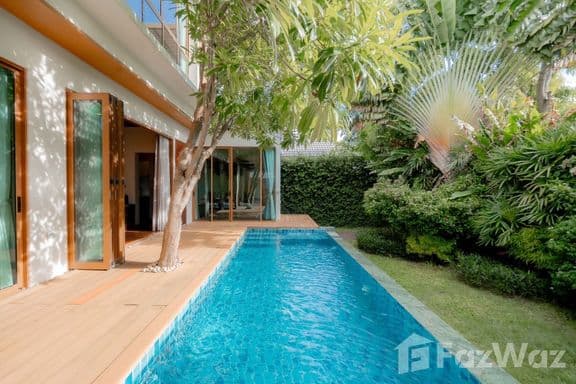
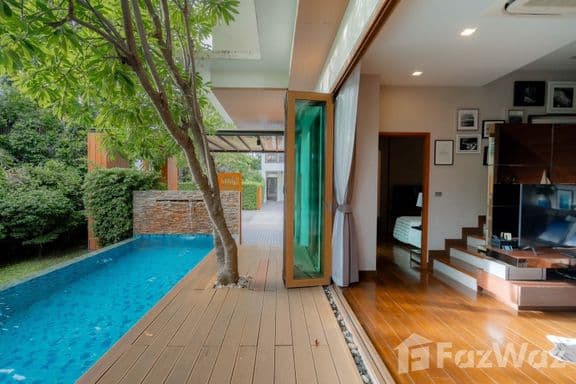
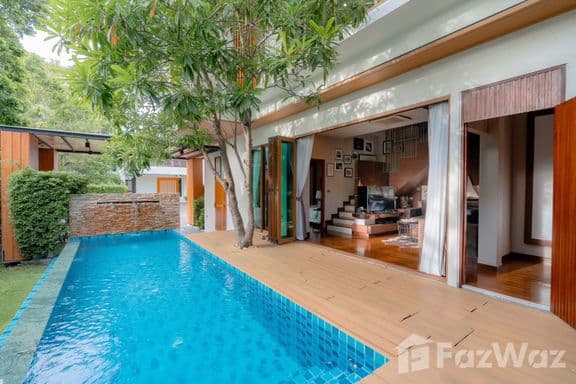
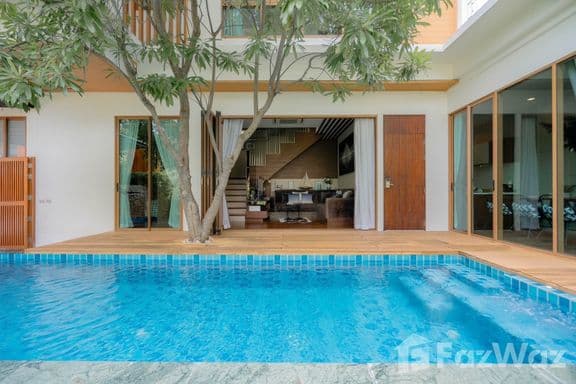
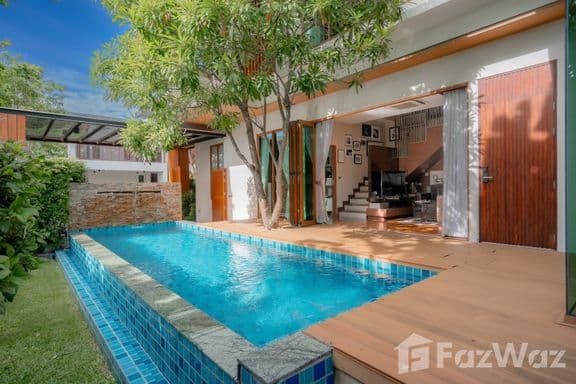
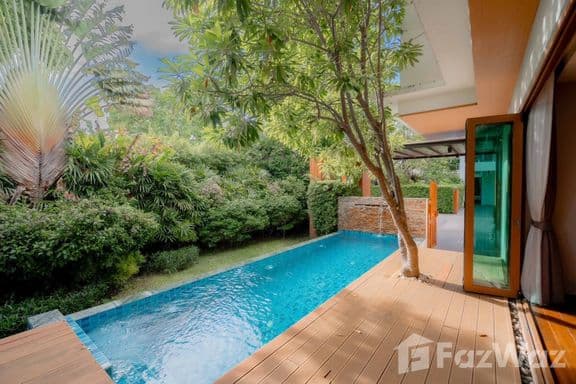
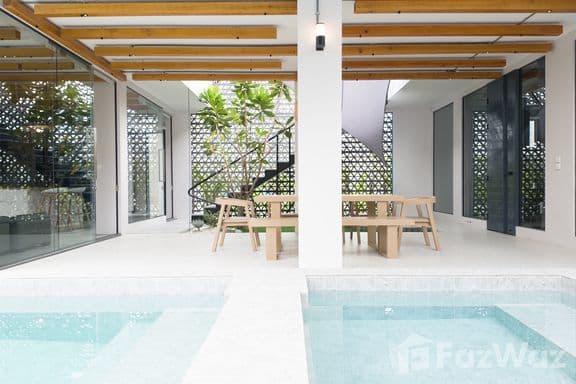
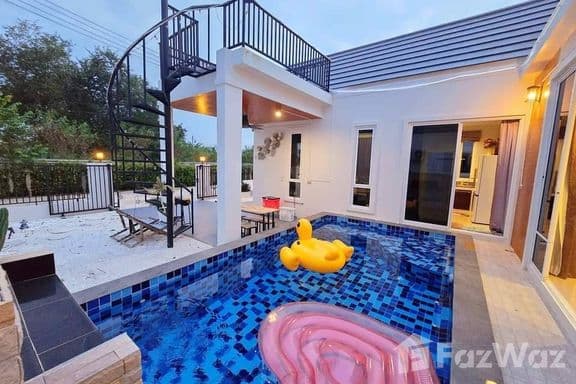
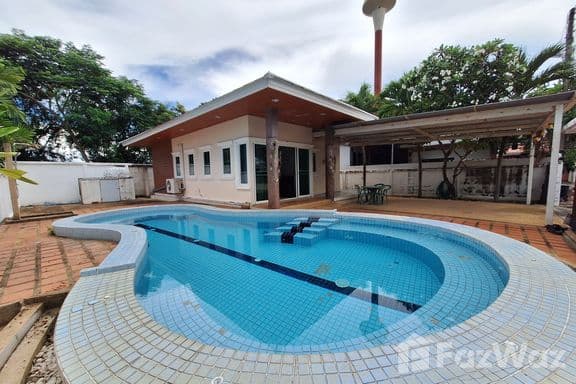
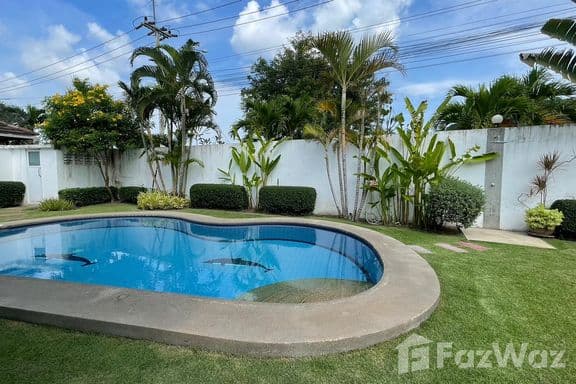
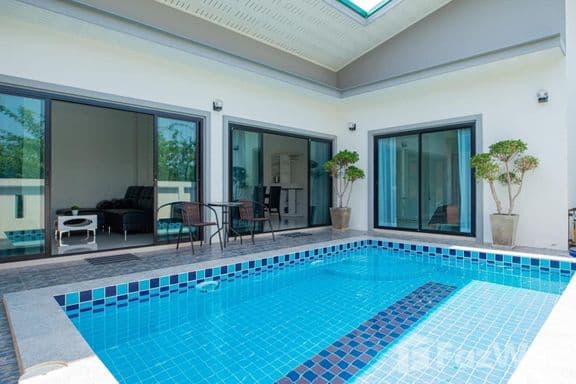
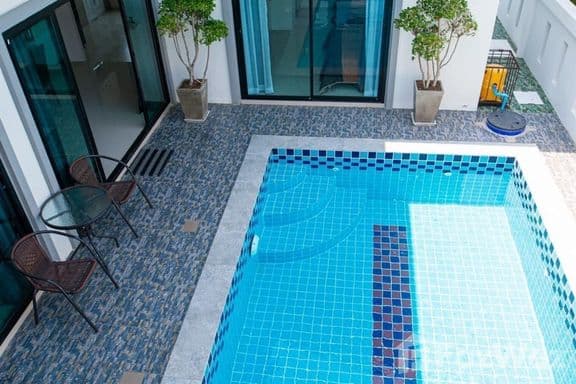
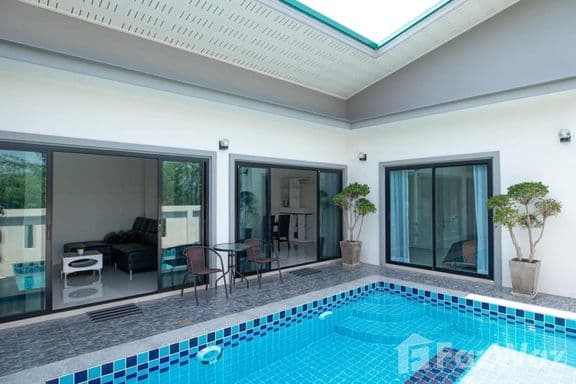
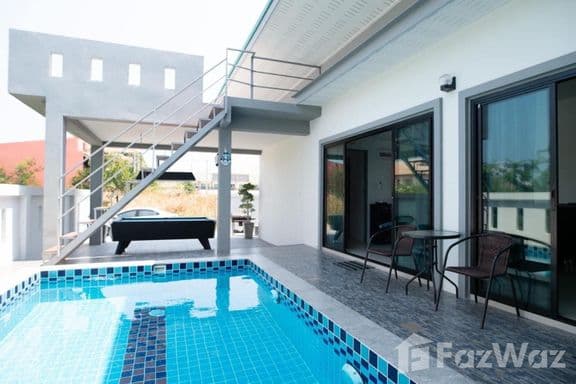
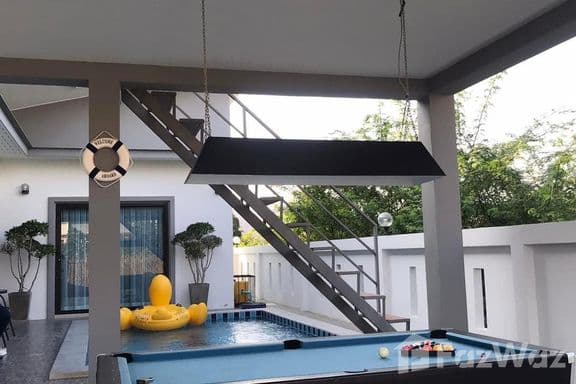
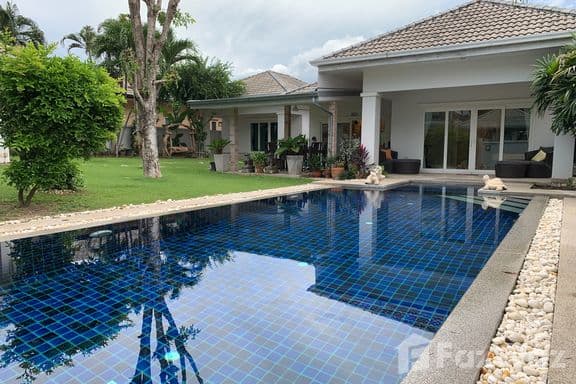
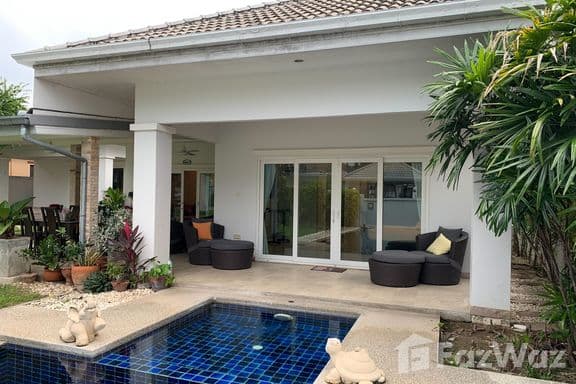
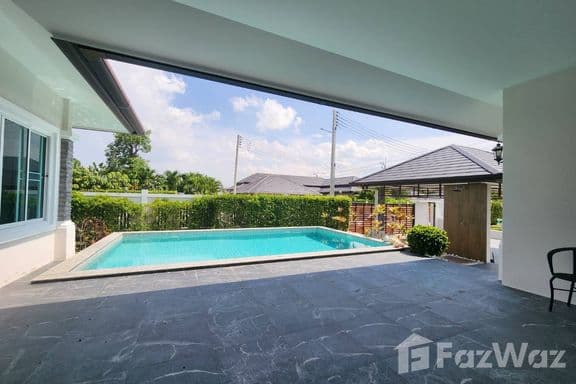
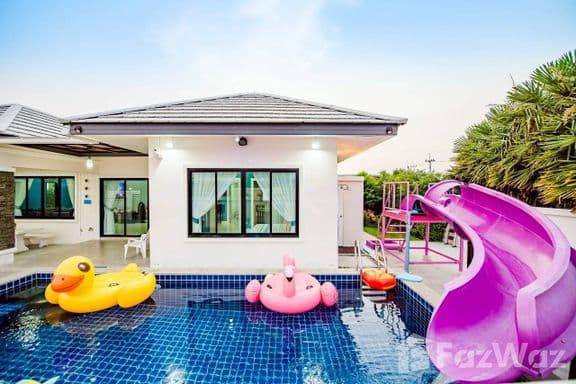
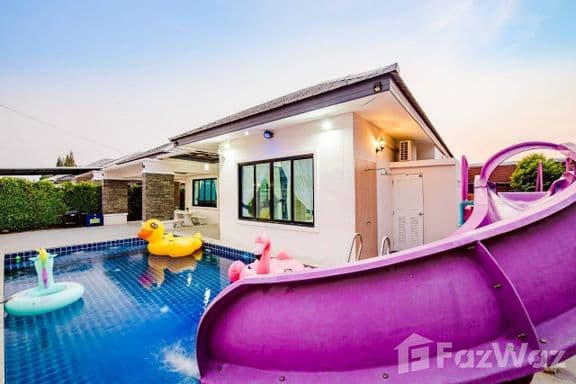
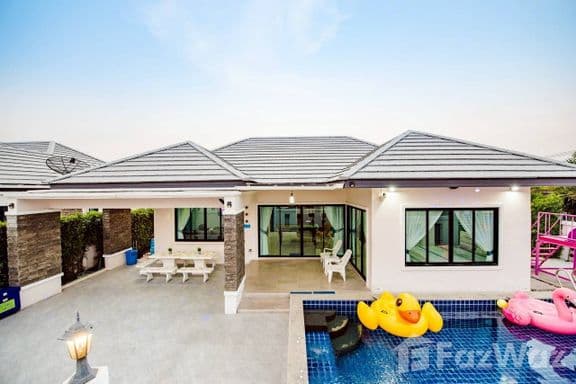
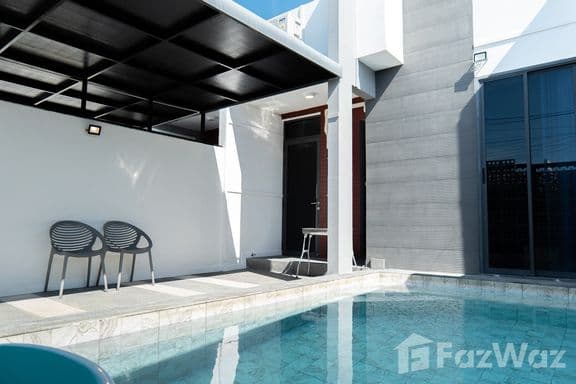
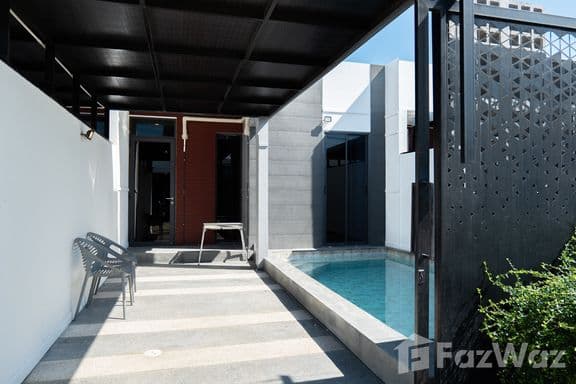
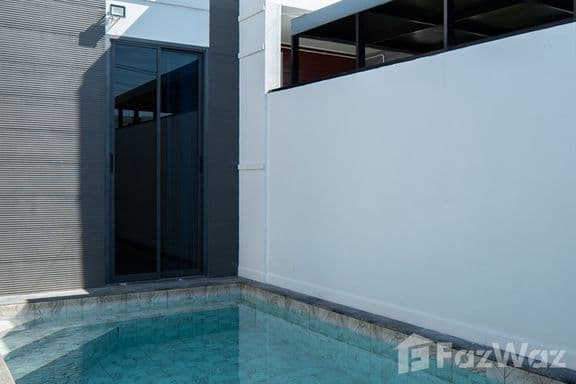
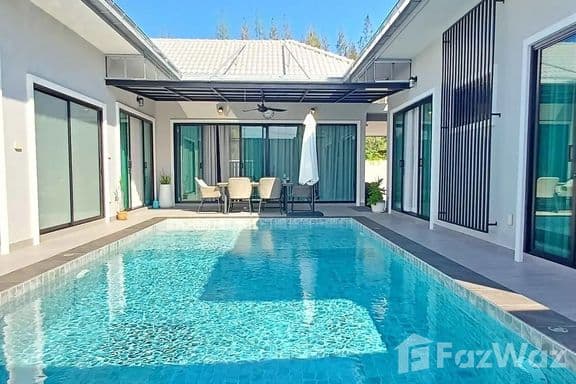
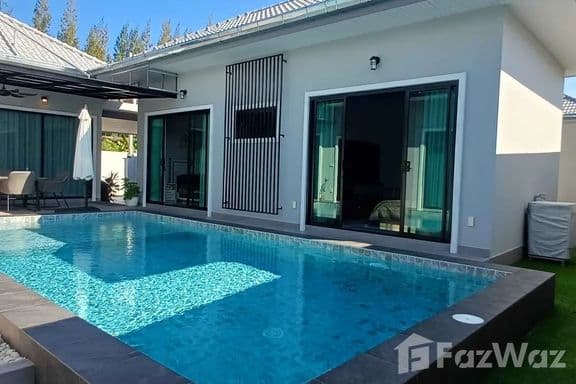
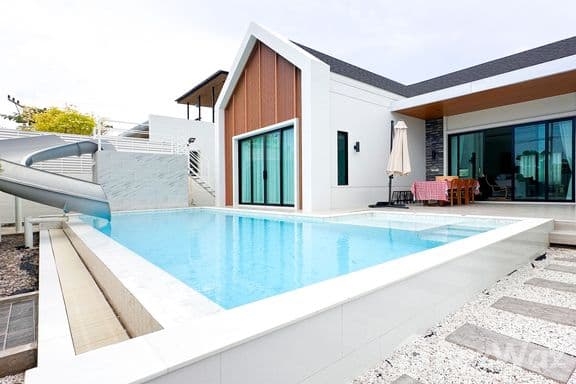
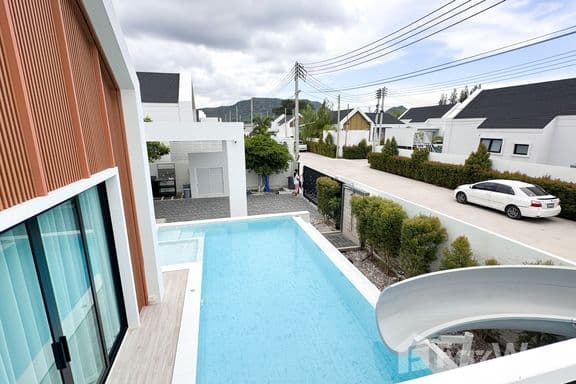
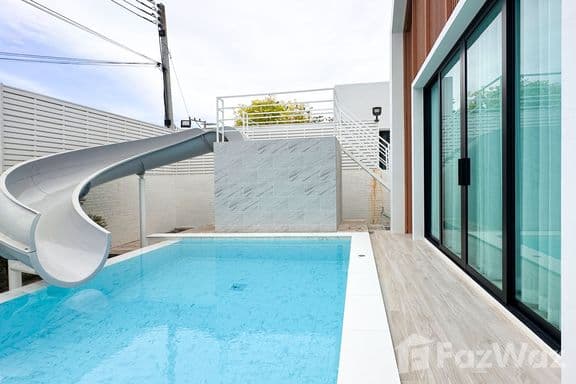
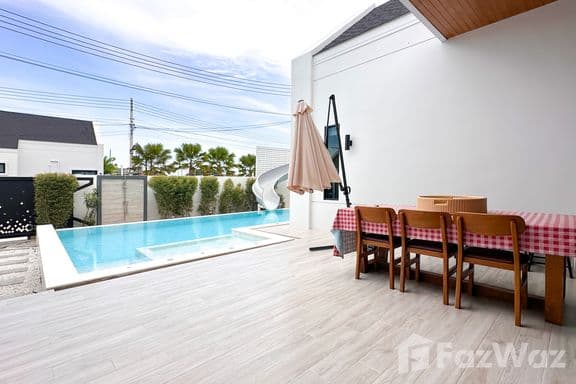
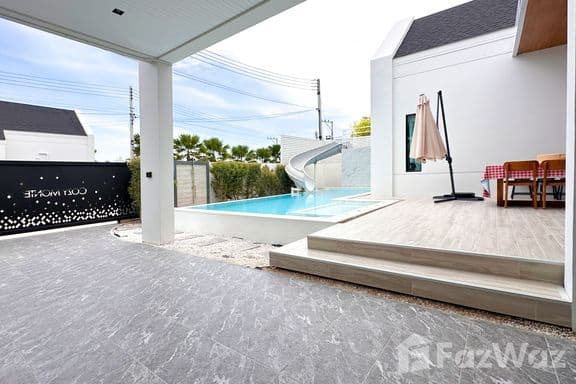
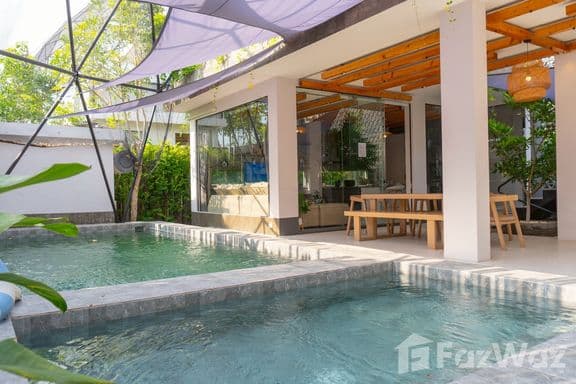
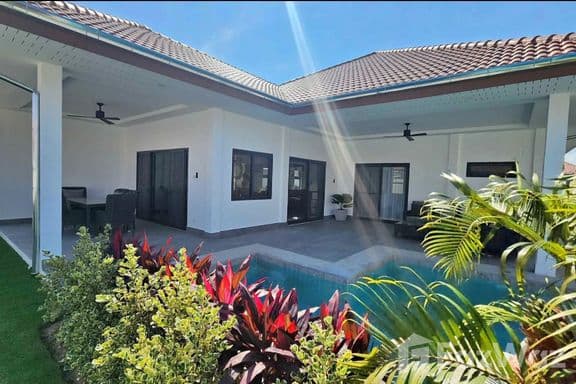
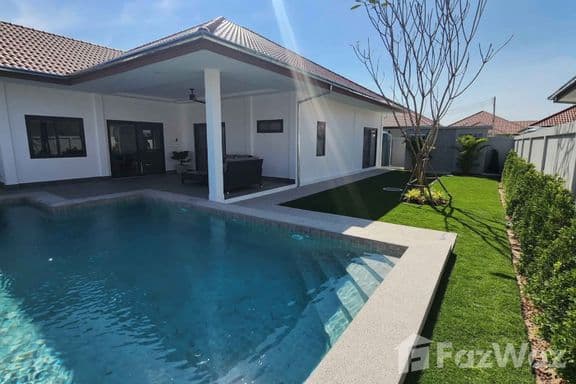
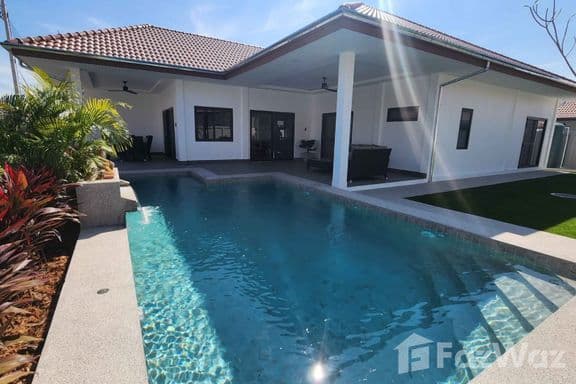
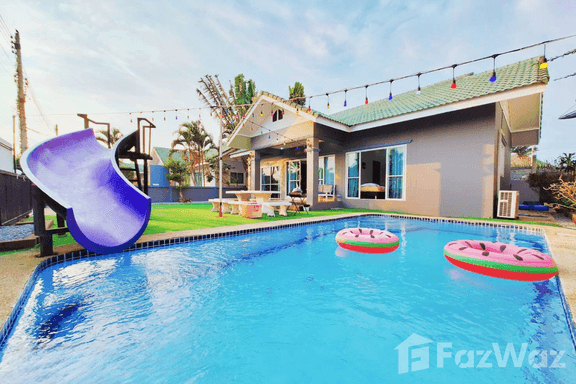
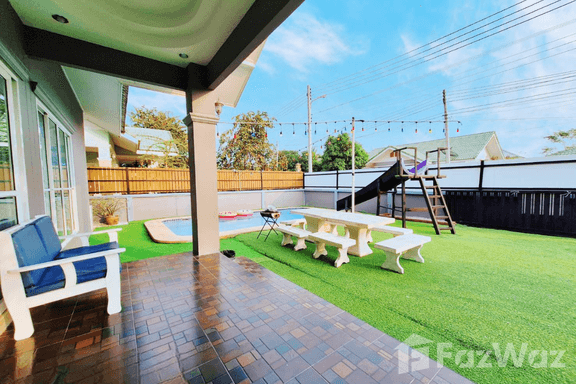
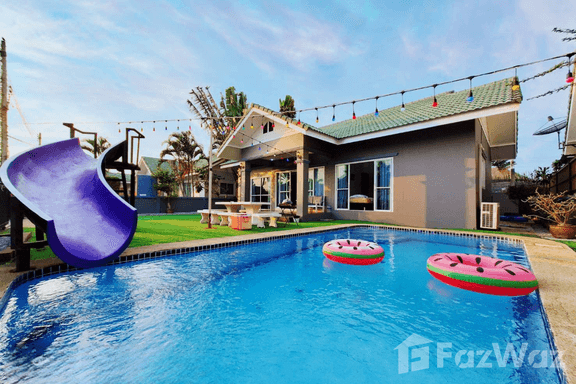
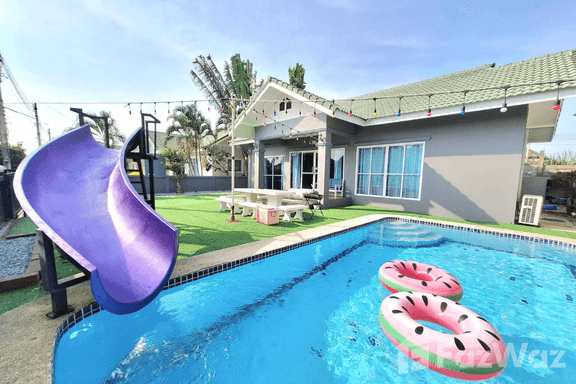
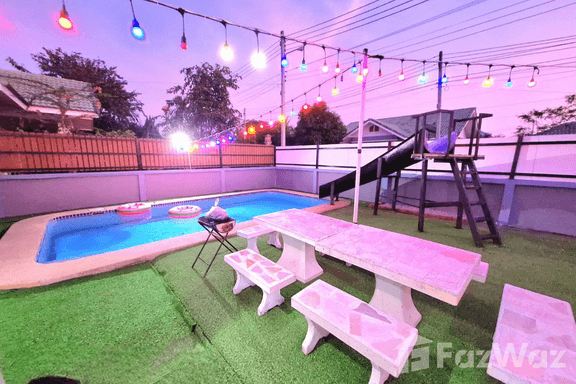
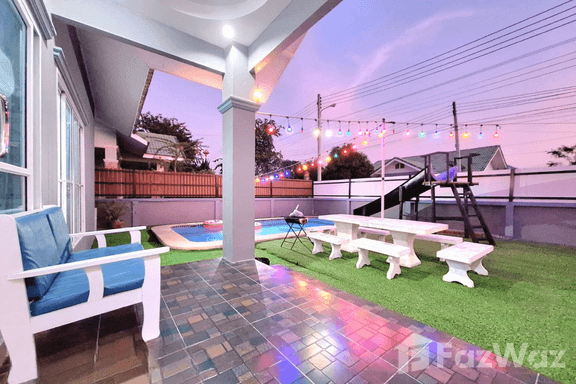
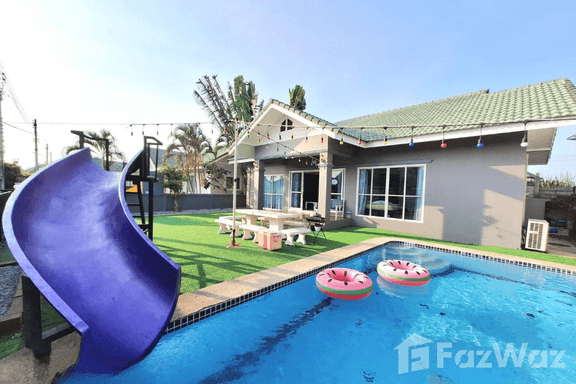
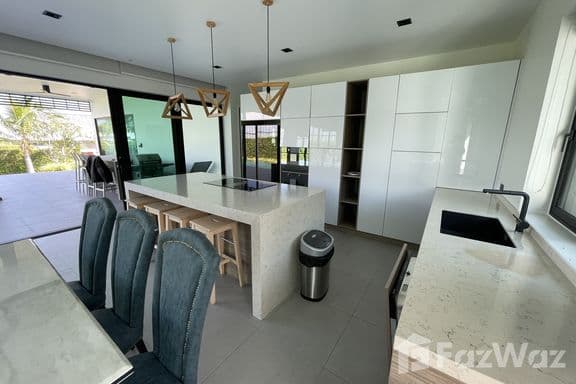
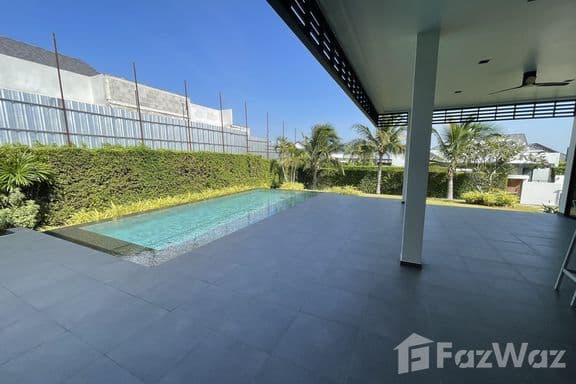
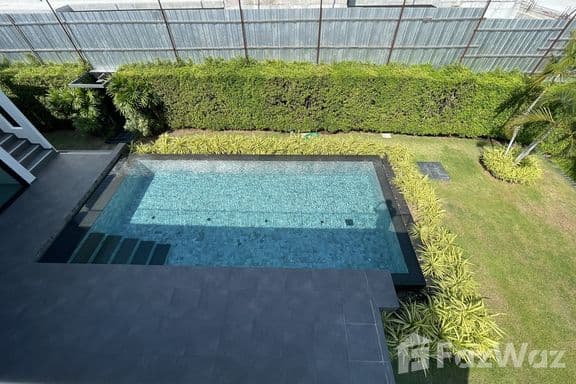
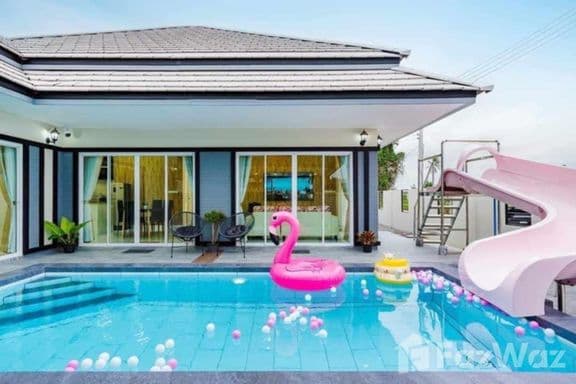
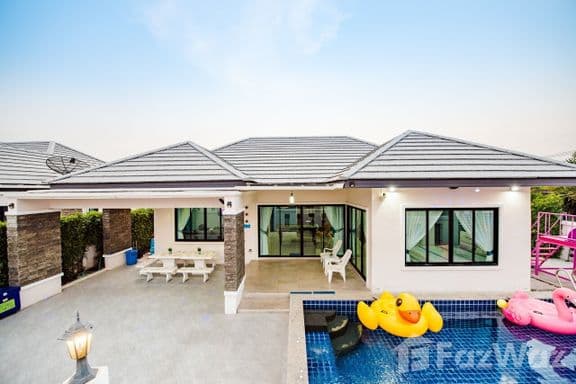
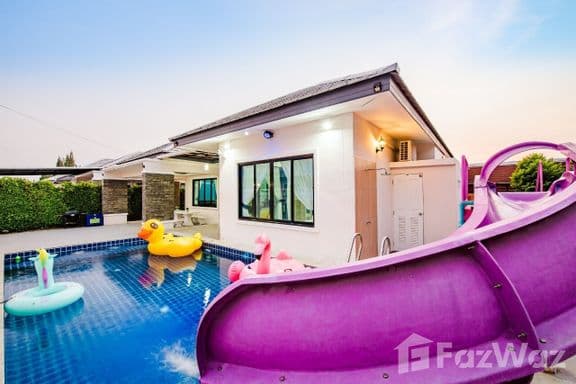
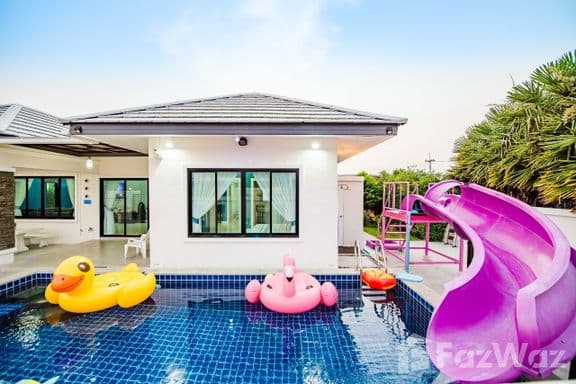
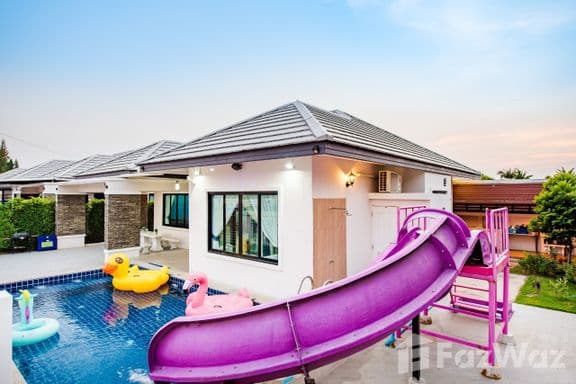
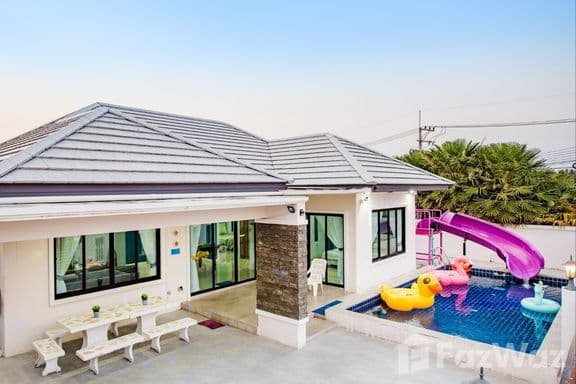
Pool Villas: These are villas that come with a private swimming pool on the property. Pool villas in Hua Hin range from modest two-bedroom homes with small plunge pools to expansive luxury estates with large pools and elaborate outdoor areas.
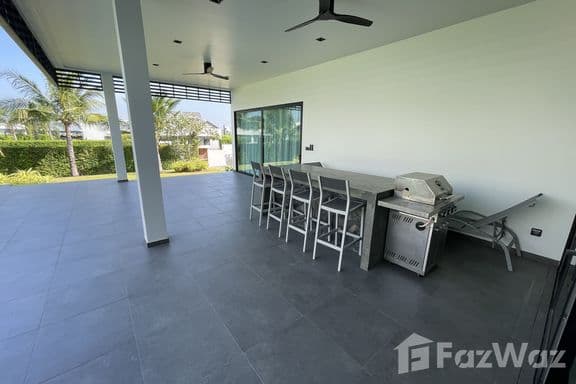
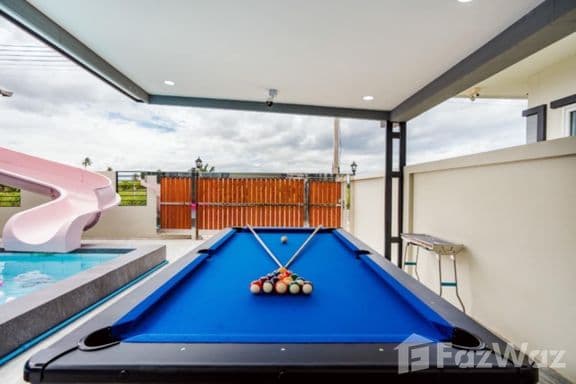
- Advantages: The primary draw of a pool villa is the luxury and privacy it affords. You have your own personal oasis to cool off in Hua Hin’s tropical heat at any time. This is ideal for families (kids love having a pool at home), for those who enjoy hosting friends (poolside BBQs or parties are popular), and for anyone who values the resort-like feeling of having water just steps from their living room. During the hot season, a quick dip in your own pool is a wonderful convenience. Pool villas also tend to be newer or more upscale properties, so choosing a pool villa might mean the house overall has modern design and high-end features. Many foreign renters specifically seek out pool villas to enhance their quality of life in Thailand – it’s a feature that might be considered a luxury back home, but is relatively attainable in Hua Hin’s rental market.
- Considerations/Costs: The benefits of a private pool come with higher costs and responsibilities. Pool villas generally command higher rent than comparable villas without pools. The presence of a pool could add anywhere from a few thousand to over ten thousand baht to the monthly rental price, depending on the property. There is also maintenance to think about: pools require regular cleaning, water treatment, and occasional repairs. Some rental contracts include pool maintenance service (either bundled in the rent or for an added fee) where a technician comes weekly to clean and maintain chemical levels. If not included, renters will need to hire a pool service or spend time maintaining it themselves. This is an important point for retirees or those not familiar with pool upkeep. Additionally, having a pool can slightly increase utility bills – running the pool pump and filter uses electricity, and topping up water due to evaporation is needed. Safety is another consideration: families with very young children might need to install safety gates or be vigilant to prevent accidents. Lastly, if you are only in Hua Hin part-time (for example, you travel often), a pool will still need attention even when you’re away to prevent algae growth; arrangements must be made to care for it in your absence.
Non-Pool Villas: These are houses or villas without a private swimming pool. They might have a garden, patio, or be part of a community that offers shared facilities, but no exclusive pool on the premises.
- Advantages: The obvious benefit of a non-pool villa is cost savings. These properties are usually more affordable to rent, enabling renters to get a larger or better-located house for the same budget they might spend on a smaller pool villa. Without the worry of pool maintenance, life is a bit simpler – no extra maintenance routines or service costs. For renters who don’t swim often or are comfortable going to the beach (or using a community pool for the occasional swim), a private pool may feel unnecessary. Non-pool villas often appeal to digital nomads or professionals who prioritize indoor comfort and workspace over outdoor leisure space, or to retirees who prefer a simple life with less upkeep. Many non-pool villas still have gardens or terraces, offering pleasant outdoor space without the wet element. Additionally, if you choose a home within a villa compound or development, it might offer a shared swimming pool as part of the community amenities – this can be a good compromise, allowing you to swim without the burden of personal pool care.
- Considerations: When renting a non-pool villa, check what alternatives you have for cooling off or leisure. If the development has a shared pool, understand the rules (operating hours, whether guests can use it, etc.). If there’s no pool at all, consider the proximity to the beach or perhaps joining a local sports club with a pool. Another consideration is resale popularity – while this is more of an owner’s issue, non-pool villas can be slightly less sought-after by long-term expats, meaning there might be more bargaining room on rent. However, it also means when a good non-pool rental comes on the market, it might go quickly if it’s priced well, as budget-conscious renters will snap it up. Ensure the villa has other ways to enjoy the outdoors: an airy porch, a sala (gazebo) for sitting outside, or at least a nice garden view, so you don’t feel “cooped up” indoors. In summary, non-pool villas offer a no-fuss lifestyle and better value, which many foreigners are perfectly happy with – especially if they can always visit Hua Hin’s lovely beaches or pools elsewhere for a swim.
Which to Choose? It ultimately depends on your lifestyle and priorities:
- If you envision swimming daily, love entertaining, or have family members who will practically live in the water, a pool villa likely justifies the extra cost for you.
- If you prefer lower costs, less maintenance, or will be out and about frequently (not home enough to use a pool often), then a non-pool villa could be the smarter choice. You could allocate the saved money to other experiences in Hua Hin, such as dining, travel, or hobbies.
Many foreign renters weigh this decision carefully. It’s recommended to view examples of both types when house-hunting. Sometimes a beautifully designed non-pool villa with a lush garden can feel more appealing than a pool villa that has an older, less attractive interior – individual preferences will vary. The good news is Hua Hin’s rental market has plentiful options in both categories. In popular expat areas, you’ll find entire villages named accordingly (e.g., “Orchid Paradise Homes” or “Coconut Gardens” often indicating pool communities vs. some housing estates that were built without pools but with communal parks). By being clear on what matters most to you, you can quickly narrow down the search.
Popular Areas in Hua Hin and Villa Rental Prices
Location is a crucial factor in choosing a villa. Hua Hin’s geography spans a coastal strip and inland hills, with different neighborhoods offering distinct lifestyles. Foreign renters often cluster in certain areas known for their amenities and community. Below we discuss a few major foreign-focused areas in Hua Hin and compare typical villa rental prices. Both short-term rental rates (for those renting a villa for only a few months or on a month-to-month basis) and long-term rates (annual leases) are provided, to give a sense of what you might expect to pay in 2025. All prices are in Thai Baht (THB) with approximate US Dollar (USD) equivalents.
Khao Takiab
Overview: Khao Takiab is a sought-after neighborhood at the southern end of Hua Hin town, known for its landmark Chopsticks Hill (which has a hilltop temple and a troop of monkeys) and a long sandy beach. This area has a charming, laid-back feel. It’s slightly removed from the hustle of the main town center, which makes it quieter and very appealing to retirees and long-stay visitors. At the same time, it’s not isolated – there are plenty of restaurants (from seafood joints to Western cafes), convenience stores, and even a few boutique hotels and condos. The beach in Khao Takiab is one of the better swimming beaches in Hua Hin, and it tends to be less crowded than the main Hua Hin beach.
Foreign Renter Appeal: A significant number of European expats reside in Khao Takiab. Retirees, in particular, love this area because they can have morning walks on the beach and enjoy the sea breeze. Seasonal visitors also find it ideal – one can rent a villa within walking distance of the beach. The vibe is residential resort; your neighbors might be a mix of Thai holiday homes, a few small hotels, and other expat renters or owners. It’s a very tranquil spot to live, especially in the evenings when the day-trippers leave.
Property Types: Khao Takiab has a mix of condos and villas. Many of the villas here are either within small private lanes or part of older compounds. Some are luxury beach houses (with price tags to match), while others are inland a bit (10-15 minutes walk or a short drive to the beach) offering more affordable rents. Most villas catering to foreigners here have 3-4 bedrooms and often include a pool, given the upscale nature of the area. Gardens tend to be smaller (land is pricier near the beach). Security is usually informal (not gated communities as much as standalone houses with walls/gates).
Rental Rates: Because of its prime location, Khao Takiab commands higher rents than many other parts of Hua Hin. In 2025, a long-term rental (12 months or more) for a standard 3-bedroom pool villa in Khao Takiab might range around THB 50,000 to 80,000 per month (roughly USD 1,400–2,300). Some smaller or non-pool houses (if you can find one, perhaps older two-bedroom homes) may be in the 30k–40k THB range (under USD 1,200), but these are rare since most properties near the beach are premium. On the other end, high-end large villas or those right by the beach can go well above 80k (THB 100k+ or USD 2,800+ monthly) even on long leases, due to their unique location and luxury finish.
For short-term rentals, Khao Takiab is very popular as a holiday villa destination, so the monthly prices climb accordingly. Villas here rented on a month-to-month basis during the high season can easily cost THB 80,000–120,000 per month (approximately USD 2,300–3,500), especially if the stay covers the peak months of December and January. Weekly holiday rates for a nice pool villa might be THB 25,000–40,000, which translates to even higher per-month if you only take a few weeks. Essentially, short-term tenants pay a premium for the flexibility and for coming during peak tourist periods. Despite the cost, many find it worth it for a short stay in such a prime beachside locale. It’s advisable for anyone eyeing Khao Takiab for a short-term villa rental to book well ahead of the high season, as availability can be a bigger issue than price.
Soi 112 (Nong Kae Area)
Overview: Soi 112 refers to a road (and the general vicinity around it) that has in recent years become a hot spot for development. It runs westward from central Hua Hin (just south of the BluPort Mall area) towards the hills. The Soi 112 area can be considered part of Nong Kae sub-district, and it’s known for landmarks like the Vana Nava Water Jungle (a large water park) and the True Arena sports complex. In the immediate area of these landmarks, you’ll find new shopping conveniences, cafés, and international chain outlets appearing. As you go further west along Soi 112 and nearby roads, numerous new villa communities and housing estates have sprung up. These include both Thai and foreign-oriented projects, typically gated communities of villas built in the last 5-10 years. The environment is suburban – you are away from the beach (about 4-6 km inland) and have views of green hills and wide open skies.
Foreign Renter Appeal: Expat families and long-term expats are especially fond of Soi 112 area. The reason is it strikes a good balance: you get modern homes with more land for the money, a peaceful neighborhood feel, yet you’re only a 10-minute drive from Hua Hin town center and the beach. Many developments here are marketed to foreigners or affluent Thais as “luxury homes”, so the quality of construction is high, and neighbors are often fellow expats or upper-middle-class Thai families. There’s also easy access to international schools to the west or north of Hua Hin from this area, which is a plus for families. And for those who enjoy sports and fitness, being near True Arena (which offers tennis courts, a fitness center, etc.) or the golf courses slightly further out is convenient. Soi 112 has quickly become an “expat enclave” in its own right.
Property Types: The villas in this zone are mostly modern pool villas with 3 to 5 bedrooms, on gated plots. Many are in well-maintained estates with security gates, gardeners, etc. Common names you hear include developments by Orchid Palm Homes, Red Mountain, Aria, and others. The design of houses is often contemporary, with western-style kitchens, high ceilings, and a mix of holiday-home and residential vibe. Some estates offer communal facilities like a clubhouse or fitness room, but generally each house is independent (hence the private pools in most). There are also a few older villages without pools or with optional pool, which might offer simpler homes at a lower cost. Infrastructure like paved roads and underground electricity has improved with the new developments, though just outside the estates the roads can still be local and narrow. It’s typically necessary to have a car or motorbike in this area, as it’s not as walkable as in-town locations (though basic shops are increasingly available, distances between places are a bit farther).
Rental Rates: In Soi 112 area, long-term rental prices for villas are moderate relative to what you get. For a modern 3-bedroom pool villa (furnished) on a one-year lease, expect roughly THB 30,000 to 50,000 per month (USD 850–1,400). Very upscale or larger 4-5 bedroom properties in premier estates might be in the THB 60,000–75,000 range (up to about USD 2,100), but these would be quite high-end with large gardens or brand-new luxury furnishings. On the lower end, if one is okay with a smaller villa or a house without a pool in this area, rentals around THB 20,000–25,000 (USD 570–715) can be found, but they may be older or simpler Thai-style homes amidst the new projects. The majority of expats target the mid-range pool villas around 40k THB as the sweet spot for quality and price.
For short-term rentals, Soi 112 has an increasing number of holiday rental listings too, especially when owners are away or purely invest for rental. Short stays are less common here than in beachside areas, but still available. A villa that rents for 40k long-term might go for perhaps THB 60,000–80,000 per month short-term (USD 1,700–2,300) during high season. The range could vary with the exact property and included services. Because many of these homes are in residential estates rather than tourist areas, some owners prefer a minimum 3-month rental for short-term tenants, rather than nightly or weekly rentals, to keep the neighborhood atmosphere stable. However, there are certainly Airbnb-style listings too, often managed by agencies, for one-month stays. Short-term renters in Soi 112 area typically have a car and are perhaps repeat visitors who want a quieter environment than downtown. They benefit from better value – you get a large modern villa for the price that might only fetch a smaller place by the beach. Do note, if you rent here short-term, factor in transport (car rental or taxis) since you can’t rely on walking to most attractions.
Hin Lek Fai
Overview: Hin Lek Fai is an area named after the local hill (Khao Hin Lek Fai, also known as Flintstone Hill or Fire Rock Hill) that rises just to the west of Hua Hin town. It encompasses the semi-rural neighborhoods west and north-west of the city center. If you drive about 5-10 kilometers inland from the coast into the foothills, you’re in Hin Lek Fai territory. This area is known for its scenic views – from the top of the hill there’s a famous viewpoint overlooking Hua Hin and the ocean beyond. The surrounding environment is more lush and green, and at night you can even feel slightly cooler breezes coming off the hills. Hin Lek Fai has historically been a farming area (pineapple fields and such), but over the years many housing developments and individual homes have been built here, catering to those who want more space and tranquility. It’s a bit further from town (15 minutes drive to central Hua Hin in many cases), so it has a distinctly quieter, countryside ambiance.
Foreign Renter Appeal: Many expats who truly want a peaceful retreat choose Hin Lek Fai. It’s well-suited for retirees who enjoy gardening, pets, or simply the natural scenery. You might wake up to birdsong and have more land around your house than you’d ever get near the beach. This area also attracts some working expats who don’t mind the commute or work from home and prefer not to hear city noises. Real estate prices (and rents) are generally lower than on the east side of Hua Hin, so budget-conscious renters can get a lot for their money here. There are also specific expat communities – for example, Orchid Paradise Homes (a series of estates popular with foreign owners and renters), Black Mountain area (golfers and families around the international school there), etc., which fall within or on the border of Hin Lek Fai. The presence of the Hua Hin International School near Black Mountain golf course makes that part of Hin Lek Fai particularly popular for families who have kids in that school. In addition, the large Black Mountain Golf Course and water park have villa properties around them that are often rented by foreign golf enthusiasts. So in summary, Hin Lek Fai appeals to those looking for more space, nature, and value for money, including retirees, some families, and long-term residents.
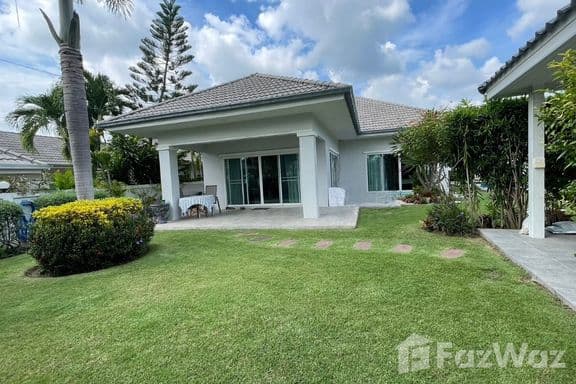
Property Types: The properties in Hin Lek Fai range from simple Thai-style houses and small bungalows to large luxury pool villas. Because land was cheaper, many developments here have larger plot sizes. You’ll find villa projects where each house sits on 600-800 square meters of land or more, often with sizeable gardens. Private pools are very common in newer expat-oriented estates (pretty much expected as a standard feature nowadays). Some notable communities include Orchid Paradise (multiple phases of affordable pool villas), Mali Residence (a series of projects by a developer known for quality homes), and individual custom homes dotted along the small roads. There are also hobby farms and estates where someone might have a bit of land with a house – these sometimes come up for rent and can include extras like fruit orchards or extensive yards. Most houses are bungalow style (single story), though a few two-story villas exist. Infrastructure such as roads and utilities can be patchy – inside a given estate it’s usually fine, but driving out there you might pass some bumpy sections. A car is almost essential here; very few shops are within walking distance except local corner stores, though recently some cafes and small restaurants have opened to cater to the growing communities.
Rental Rates: Hin Lek Fai offers some of the best bang for your buck in Hua Hin’s villa rental market. For a long-term lease, a typical 3-bedroom pool villa in a nice estate here could be around THB 25,000 to 45,000 per month (USD 700–1,300), depending on size and newness. It’s quite feasible to find a comfortable modern pool villa for about THB 35k (just under USD 1,000) which might be significantly cheaper than an equivalent one closer to the beach. There are also smaller or older houses (perhaps without pools, or with only 2 bedrooms) that go for THB 18,000–25,000 in this area (USD 500–700), which attract some long-term single or couple expats who are very budget-conscious but still want a standalone home. On the upper end, luxury homes or those with 4-5 bedrooms, large pools, and expansive gardens can list for THB 50,000–70,000 (up to around USD 2,000) per month, but these are often mini-estates that in other locations would cost far more. Generally, negotiation is possible in Hin Lek Fai if a house has been on the market a while, as there’s a decent supply of villas here and slightly fewer short-term tourists competing for them.
Short-term rental demand in Hin Lek Fai is more niche, as casual tourists often want to be nearer the beach. However, for short-term or monthly rentals, especially among those who know the area (repeat visitors, or families coming for a school term, etc.), there are options. A villa that’s THB 30k on a yearly lease might be advertised at maybe THB 45,000–60,000 for a one-month rental (USD 1,300–1,700). If the property is large or marketed as a vacation villa (say near the golf course with scenic views), short-term monthly rates can go higher, but typically Hin Lek Fai short-term rentals are still cheaper than equivalent ones in town. For example, a 4-bedroom pool villa with mountain views might fetch THB 70k/month for a peak season month, which is perhaps 30-50% less than what that same villa might cost in Khao Takiab for a short term. The trade-off for the renter is needing transport and being okay with a more tranquil stay away from nightlife and the beach. Many love it; a group of golfers renting a villa near Black Mountain for a month or two is a common scenario, as is a retired couple spending the winter in a peaceful hillside home.
Rental Price Comparison Table by Area
To summarize the rental pricing across these key areas, below is a comparison table of typical villa rental rates. The table shows estimated price ranges for both short-term (monthly rate for rentals shorter than ~3-6 months) and long-term (monthly rate for a 1-year lease) rentals in each area, as of 2025. Prices are given in Thai Baht, with approximate US Dollar equivalents for convenience.
|
Hua Hin Area
|
Short-Term Monthly Rent (THB)
|
Short-Term (USD)
|
Long-Term Monthly Rent (THB)
|
Long-Term (USD)
|
|
Khao Takiab (Beach District, South Hua Hin)
|
80,000 – 120,000
|
$2,300 – $3,500
|
50,000 – 80,000
|
$1,400 – $2,300
|
|
Soi 112 (Nong Kae Suburb, Southwest)
|
60,000 – 80,000
|
$1,700 – $2,300
|
30,000 – 50,000
|
$850 – $1,400
|
|
Hin Lek Fai (West Hua Hin Hillside)
|
45,000 – 70,000
|
$1,300 – $2,000
|
25,000 – 45,000
|
$700 – $1,300
|
Notes on the table: These ranges are indicative and assume typical 3-bedroom private pool villas which are the most common type of rental in these areas for foreigners. Smaller or non-pool properties will skew lower, while larger luxury properties will be at or above the top of the ranges. The USD conversions are approximate and actual values will depend on exchange rates (for reference, an average rate of about 35 THB to 1 USD is used here). Short-term rents reflect high season rates; off-season short-term rents might be 10–20% lower in some cases. Long-term rents usually do not fluctuate seasonally as much, since they are locked in via contracts.
From the table, one can see that Khao Takiab is the priciest of the three – the premium for being near the beach and in a prestigious location. Soi 112 offers a mid-range price point with modern homes and good access, making it popular for many expats balancing budget and comfort. Hin Lek Fai stands out as more affordable for long-term living, offering space and nature in exchange for a slightly longer drive to town.
Market Trends and Insights for 2025
The year 2025 finds Hua Hin’s villa rental market robust and evolving. Several trends have emerged, driven by both local and global factors. If you’re looking to rent (or invest in a rental property) in Hua Hin now, it’s useful to understand the broader context:
- High Demand from Expats and Remote Workers: Hua Hin continues to solidify its reputation as an expat-friendly city. Long-term foreign residents form the backbone of the villa rental demand. In fact, a significant portion of villa rentals (well over one-third by some market analyses) are occupied by tenants staying longer than one month, often much longer. This reflects Hua Hin’s status as a lifestyle destination – many visitors come once and then decide to return for a year or more. European retirees and semi-retirees are especially a strong segment; for example, in 2023, rental inquiries from Europeans surged, and they now comprise roughly half of all foreign villa rental leads in the area. Additionally, the pandemic-era boom in remote work introduced Hua Hin to digital nomads and remote professionals who might have previously overlooked it. These newcomers appreciate the calmer environment compared to Bangkok or Phuket, while still enjoying reliable services (like fibre-optic internet, which is now widely available even in the suburbs). The Thai government’s introduction of new long-term visas (such as the Long-Term Resident visa for professionals, retirees, and others) has also made it more feasible for foreign nationals to base themselves in places like Hua Hin for multiple years, further boosting demand.
- Rental Prices on the Rise: With growing demand and limited new supply of quality villas, rental prices in Hua Hin have seen an upward trend. From 2022 through 2024, many landlords were able to increase rents or at least found tenants more quickly than before. In some popular estates, if a house went up for rent at, say, THB 30,000 in 2022, by 2024 it might easily command THB 40,000 due to competition among renters. Overall, market data indicates that rents for desirable villas rose notably (often 10–20% or more in two years). One analysis noted an average villa rent around THB 22,000/month in 2023 (across all sizes and areas, including Thai-style houses) which was about 50% higher than a couple of years prior – a dramatic increase fueled by post-pandemic recovery and an influx of tenants. The 2025 outlook suggests continued firmness in rental rates. While the steep jumps may level off, landlords in prime areas like Khao Takiab or prime gated communities are confident given the steady stream of interested renters. For renters, this means that negotiating for rock-bottom deals is harder than it was a few years ago. However, relative to other international destinations, Hua Hin still offers excellent value; a villa with a pool that might cost $3,000 a month in parts of Southern Europe or the U.S. Sunbelt could be half that price here. And compared to Thai hotspots like Phuket or Koh Samui, Hua Hin’s rents are generally lower for equivalent properties, partly because Hua Hin is more of a quiet residential town than a global tourist hub.
- Shift Toward Renting (Nationwide Trend): It’s worth noting that across Thailand, more people (both Thais and expats) are choosing to rent rather than buy property, especially in 2024-2025. Economic uncertainties, high household debt, and stricter mortgage conditions have made renting more attractive or necessary for many. In tourist-friendly cities and towns, this shift is even more pronounced. Hua Hin, being one of the top five markets outside Bangkok for property searches, has felt this trend. Property websites recorded that Hua Hin accounted for roughly 11% of rental interest among provincial markets (with only Pattaya and Chiang Mai ranking higher). What this means on the ground is that well-located rental properties might see more competition from tenants, but also that landlords are attuned to catering to renters (investing in furnishing places nicely, offering services, etc. to attract tenants). Hua Hin’s developers have also taken note – some new “villa” projects are actually built with the assumption that buyers will rent them out rather than live in them full time, thus they design with rental appeal (durable materials, low maintenance yards, secure environments for absentee owners, etc.).
- Seasonal Peaks and Occupancy: Hua Hin has a distinct high season (cool/dry months end of the year into early spring) when tourism and short-term stays peak. In 2025, with international travel fully normalised, the town is experiencing very strong tourist numbers during high season. Short-term rental occupancy rates have been quite high – data from short-let platforms show average occupancy around 50-60% annually for Hua Hin listings, with near full bookings in the prime months. The average daily rate (ADR) for short-term rentals (across all property types) floats around THB 2,200–2,500, and hosts can earn significant income during the peak months of December and January especially. For long-term renters, the implication is that you might face more difficulty finding a villa in the Oct-Nov timeframe because some owners hold out to see if they can get a lucrative short holiday let. It can be advantageous for long-term renters to secure leases in the off-peak season (say, starting a lease in March or April), when there’s less competition and landlords are more eager to have stable income through the low season. On the flip side, if you only want a 3-month rental during peak season, be prepared to pay peak pricing and start your search many months in advance. Hua Hin’s rental calendar is increasingly revolving around these seasonal patterns, more so than, say, a decade ago when international tourism was lighter.
- Infrastructure and Development Boosts: A key trend underpinning Hua Hin’s rising popularity is ongoing infrastructure improvements. The town opened a new modern railway station in late 2023 and the double-track train line to Bangkok has made train travel faster and more comfortable. There are long-term plans for a high-speed rail and an expansion of Hua Hin airport to accommodate more flights (potentially even international flights in the future). These developments aren’t fully realized yet in 2025, but the very prospect has increased investor interest in Hua Hin property. For renters, better infrastructure means living in Hua Hin is even more practical – a weekend trip to Bangkok is easier, friends and family can visit you with less hassle, and overall the town continues to modernize. New shopping malls, boutique resorts, and recreational attractions have opened or are in construction. The result is a virtuous cycle: improved amenities draw more long-term residents, which in turn spurs more services like restaurants, international schools, and healthcare facilities. All these factors make Hua Hin an even more attractive place for foreigners seeking a comfortable life, sustaining the demand for rentals. Already, top-notch facilities like international hospitals and large retail centers have erased any inconvenience one might have worried about when living “outside a big city.”
- Rental Yield Perspective: From a market insight angle, Hua Hin’s rental yields (the return an investor might get from renting out property) remain healthy. This is a factor of moderate property prices combined with solid rents. Many villas yield around 5% per annum or more from rental income, which is drawing investors to purchase villas in Hua Hin to rent out. While this is more a landlord’s concern, tenants indirectly feel it: there’s a slight trend of more professionally managed rental homes as investors from Bangkok or overseas buy Hua Hin houses specifically to lease them to expats. So you might find yourself renting from a company or professional agency rather than an individual retiree owner. This can improve service levels (faster repairs, formal contracts) but sometimes at the cost of a bit less personal touch in negotiation. Nonetheless, the entry of such investment has helped increase the supply of quality rentals.
- COVID-19 Aftermath and Lifestyle Shifts: Finally, it’s worth mentioning that the pandemic has left a lifestyle imprint – many people worldwide reassessed their living situations. Hua Hin benefited from this, seeing a wave of new renters in 2022-2024 who chose Thailand for its handling of the pandemic and the appeal of open-air, low-density living. Even by 2025, some of these trends persist: international retirees who may have earlier looked at other countries ended up choosing Thailand; professionals realized they could work remotely from a beach town and not just from a metropolis. Hua Hin, being safe, friendly, and relatively affordable, often comes up as a preferred choice for those in the “new normal” of flexible living. This means the rental community is quite diverse now – you might have neighbors who are Swedish retirees on one side and a young American software engineer on the other, both drawn by the Hua Hin way of life.
Conclusion: The villa rental market in Hua Hin in 2025 is characterized by vibrant demand and a confident upward trajectory in quality and price. Foreign renters are spoiled for choice in terms of types of villas and neighborhoods, but should be aware of the competitive and dynamic nature of the market. To secure the ideal home, it’s wise to start the search early, clarify your priorities (villa type, area, budget), and perhaps engage a reputable local property agent who knows the expat rental scene. Whether you’re a retiree aiming to settle in for the long haul, a family seeking a healthy environment for your kids, or a professional craving a sunny change of pace, Hua Hin has a villa to suit your needs. With its blend of tropical charm and modern convenience, along with the current market trends, Hua Hin continues to earn its reputation as one of Thailand’s premier destinations for foreign residents. Welcome to your new home by the sea!
















































































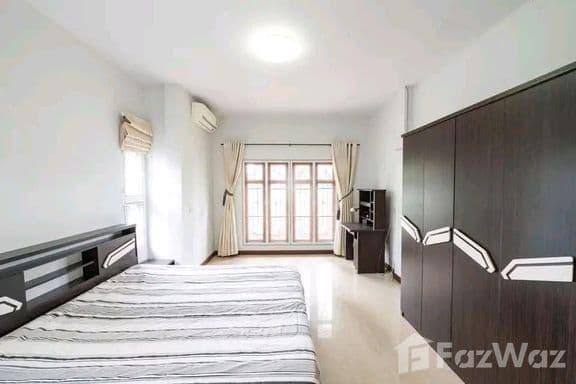
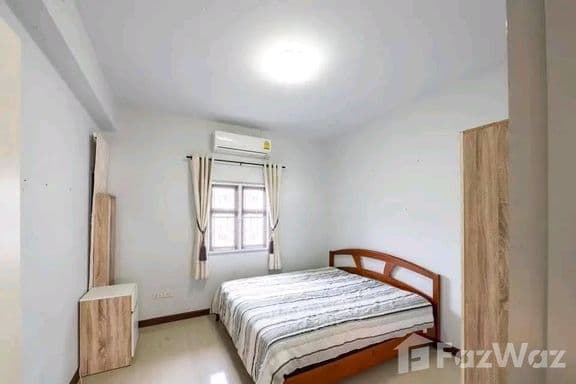
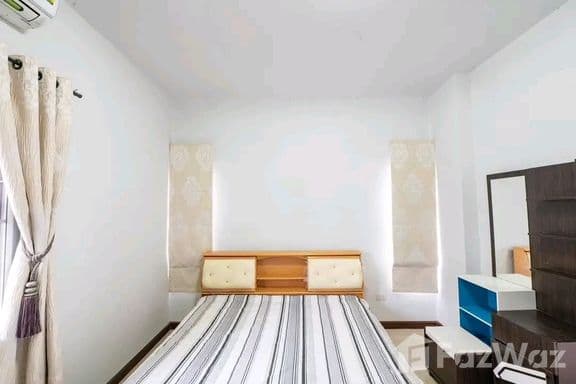







































 Popular condos in Hua Hin

