Renting a Villa in Koh Samui: A Comprehensive 2025 Guide for Foreign Renters
Koh Samui, a tropical paradise in the Gulf of Thailand, has become one of the premier destinations for foreign renters seeking private villa accommodations. As of 2025, the island’s rental villa market is thriving and evolving, offering a wide range of options from affordable family homes to ultra-luxury estates. This guide provides a deep dive into Koh Samui’s villa rental landscape specifically for foreign renters (excluding Thai nationals and property buyers). We will explore both short-term holiday rentals and long-term leases, analyze current market trends in 2025, compare rental prices across key areas of the island, and discuss how different renter profiles (families, retirees, digital nomads, etc.) can find villas and locations best suited to their lifestyle. The focus is exclusively on private residential villas - not apartments or commercial properties - ensuring that renters get insight into standalone homes that offer privacy, space, and the comforts of island living. The tone throughout is professional and informative, aimed at an international audience looking for reliable, up-to-date information. By the end of this report, foreign renters will have a clear understanding of what to expect when renting a villa in Koh Samui in 2025, including market conditions, price levels, popular locations, amenities to look for, and lifestyle considerations.
Koh Samui Villa Rental Market Overview (2025)
Post-Pandemic Rebound and Growth: The Koh Samui villa rental market has strongly rebounded in the wake of the pandemic downturn. International tourism to Thailand and Samui surged in 2023-2024, and by 2025 visitor numbers are approaching or exceeding pre-2020 levels. In 2023 the island welcomed roughly 1.7-1.8 million foreign visitors (in addition to a similar number of domestic tourists), reflecting renewed global interest in Koh Samui as a travel destination. This tourism resurgence has directly boosted demand for short-term villa rentals, as many travelers now prefer the privacy and space of villas over hotels. Occupancy rates for vacation villas have climbed significantly: industry data in mid-2024 showed annualized occupancy around 50-60%, indicating that villas are well-booked during peak seasons (and still fillable even in shoulder seasons). The average daily rental rate (ADR) for holiday villas has likewise been high, on the order of ฿13,000-฿14,000 per night on average (approximately USD $350-$400). This reflects the premium many tourists are willing to pay for a private pool villa experience in Samui. Overall, the market trajectory in 2025 is one of robust growth in the rental sector, with strong tourist demand and increasing numbers of foreign residents both driving the need for quality villas.
Increasing Supply of Villas: To meet this demand, the supply of rental villas on Koh Samui has expanded. It is estimated that the island has on the order of 5,000-6,000 private villas available for rent (including both full-time vacation rentals and those available for long-term lease). Many new villas were developed in the last few years, and investors have shown keen interest in “build-to-rent” properties, especially upscale villas aimed at generating rental income. Notably, more than 90% of the island’s rental listings are standalone villas (as opposed to condos or rooms in shared buildings), underscoring the predominance of private homes in Samui’s rental market. This growing inventory ranges from modest two-bedroom houses tucked in the coconut groves to sprawling oceanfront estates managed by professional hospitality companies.
Professional Management and Platforms: Alongside the increase in supply, there has been a trend toward the professionalization of villa rentals. International and local management companies now operate many high-end villas, providing hotel-like services (concierge, housekeeping, maintenance) and ensuring consistent standards - a response to travelers’ expectations for quality and convenience. Platforms like Airbnb and VRBO, as well as specialized villa rental agencies, have made it easy for foreign renters to find and book villas. Tech adoption is notable: virtual tours, online booking systems, and even AI-driven pricing algorithms are increasingly used to market and manage Samui villas. For renters, this means a more seamless booking experience and a greater likelihood of finding well-maintained properties with reliable service. However, it’s worth noting that the rapid growth of the rental villa sector has outpaced formal regulations in some cases. Many short-term rental villas operate without hotel licenses (a common situation in Thailand), and there is ongoing discussion of tighter enforcement or regulations in the coming years. As of 2025, though, the villa rental market remains largely open and competitive, with renters benefiting from numerous choices and negotiable terms.
Short-Term vs. Long-Term Segments: The Koh Samui villa rental market can be broadly divided into two segments: short-term holiday rentals and long-term rentals. Short-term rentals (ranging from nightly bookings to a few weeks) are typically aimed at tourists - vacationing families, groups of friends, honeymooners, etc. - and are usually priced on a per-night basis. Long-term rentals (several months to yearly leases) cater to expatriates, retirees, remote workers, and others planning an extended stay on the island, with pricing usually quoted per month. Both segments are thriving in 2025, but they have distinct characteristics:
- Holiday Rentals: Vacation villas are often marketed with luxury and leisure in mind. They tend to have higher rates on a nightly basis, especially during high season (roughly December through March, and July-August). Occupancy for short-term villas peaks in these periods when foreign tourists flock to Samui’s beaches. Many holiday villas come fully staffed or serviced - for example, providing cleaning every few days, airport pickup, or even in-villa chefs for an extra fee - to offer a resort-like experience. The luxury holiday villa segment is particularly strong; demand for high-end villas has been rising steadily as affluent travelers from Europe, North America, Australia, and the Middle East opt for private villas over 5-star hotels. Multi-generational travel is a notable trend: large families or groups rent entire villas to enjoy privacy and togetherness, which has led to strong bookings for 4-6 bedroom luxury villas with amenities like infinity pools, home cinemas, and private beach access. On the other end, there’s also growing interest in mid-range holiday villas - those that are comfortable but not ultra-luxurious - as more budget-conscious travelers (including younger couples and friend groups) discover they can split the cost of a villa and often pay less per person than a resort. Overall, short-term renters prioritize location (proximity to beaches and attractions), views, and amenities that enhance a vacation (outdoor pavilions, BBQ grills, jacuzzis, etc.). In 2025, holiday rental rates in prime locations have risen somewhat due to high demand; foreign renters should expect to book well in advance for the peak season, and perhaps pay a premium (10-20% higher) for bookings around Christmas/New Year when Samui is extremely popular.
- Long-Term Rentals: The long-term villa rental market in Koh Samui is also robust, fueled by an increasing number of foreigners choosing to reside or spend several months on the island. This includes retirees escaping colder climates, digital nomads and remote employees taking advantage of Thailand’s friendly visa policies, and professionals on extended sabbaticals. Long-term rentals are usually defined by lease terms of six months to a year (or more). In this segment, monthly rental rates are substantially lower (on a per-day basis) than short-term holiday rates. Landlords often offer discounted monthly prices in exchange for the security of a long-term tenant. For example, a villa that might earn ฿10,000 per night (≈$285) from short holiday lets could be leased at perhaps ฿120,000 per month (≈$3,400) on a year contract - roughly half the cost per day - because the owner saves on marketing, turnover, and vacancy risk. Typical price levels for long-term villa rentals vary by property size and quality: a modest 2-bedroom pool villa inland might rent for around ฿30,000-฿40,000 per month (roughly $900-$1,200), whereas a modern 3-bedroom villa with a sea view might command ฿60,000-฿80,000 ($1,800-$2,400) per month. High-end luxury villas (4+ bedrooms, prime location, new furnishings) leased long-term can easily range from ฿150,000 to ฿300,000+ per month ($4,300-$8,600+), though such arrangements are usually bespoke (some ultra-luxury villas are only available for short holiday lets, but occasionally owners will consider a long-term tenant at a high price). The 2025 trend in long-term rentals is growing demand outpacing supply in some areas, especially as remote work becomes more normalized and Thailand continues to attract expats. Many owners still prioritize short-term renting for higher income, which can make it challenging for long-term renters to find a villa during peak tourist season. However, during the low season or when tourism softens, good opportunities for long-term deals emerge. Foreign renters looking for multi-month leases often benefit from negotiating directly with owners or agents on the island; it’s common to get a better rate by agreeing to pay several months upfront or by showing you will take great care of the property. Leasing terms are generally straightforward: long-term renters typically pay a one-month security deposit (sometimes two months for high-end properties), and monthly rent is paid in advance. Utilities (electricity, water, internet) are usually additional. It’s worth noting that foreign citizens cannot own land in Thailand, so long-term rental or long leasehold arrangements are the primary way for foreigners to enjoy living in a Samui villa - a fact that underpins steady demand in this segment. In summary, 2025 sees a healthy long-term rental market with options for various budgets, though competition for the most desirable villas (modern facilities, good location, reliable internet) can be stiff due to the influx of remote workers and retirees.
Market Outlook: Looking beyond 2025, the outlook for Koh Samui’s villa rental market remains positive. The Thai government and local authorities are investing in infrastructure improvements - for instance, expansions to Koh Samui’s airport and upgrades to roads and utilities, which should further enhance the island’s appeal to international visitors and residents. Improved flight connectivity (new routes and more frequent flights from key hubs in Asia and beyond) is making Samui more accessible than ever, likely increasing the pool of potential renters. Additionally, macro-trends such as the growth of the global vacation rental industry (projected to grow steadily each year) and travelers’ sustained preference for private accommodations bode well for Samui. We also expect to see ongoing diversification of offerings: some developers are creating managed villa estates where services are provided akin to a hotel (appealing to those who want hassle-free living), while others focus on unique niches (for example, wellness retreat villas with built-in spa facilities, or eco-friendly villas with solar power and rainwater harvesting to attract sustainability-minded renters). Foreign renters in 2025 can thus feel confident that Koh Samui offers a mature and competitive rental market, one that caters to short-term holidaymakers and long-term residents alike, with continuous improvements in quality and variety.
Luxury vs. Mid-Range Villas: What to Expect
When renting a villa in Koh Samui, foreign tenants will encounter a spectrum of property types generally categorized into mid-range and luxury segments. Understanding the difference between these can help renters align their expectations and budget with the right property.
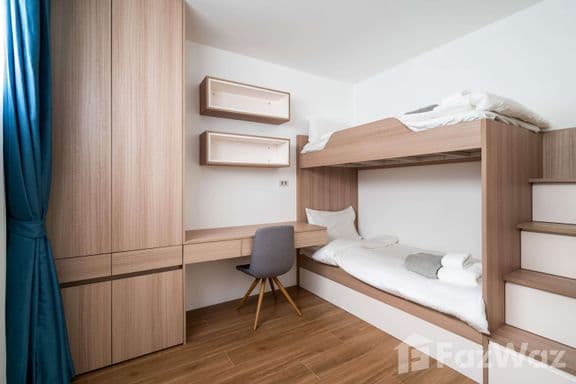
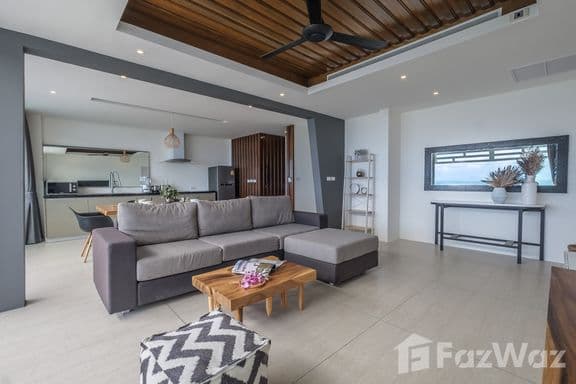
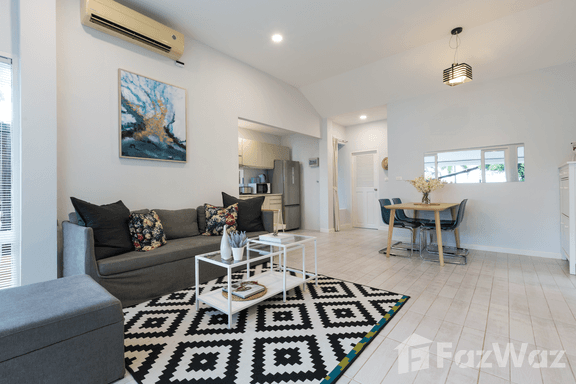
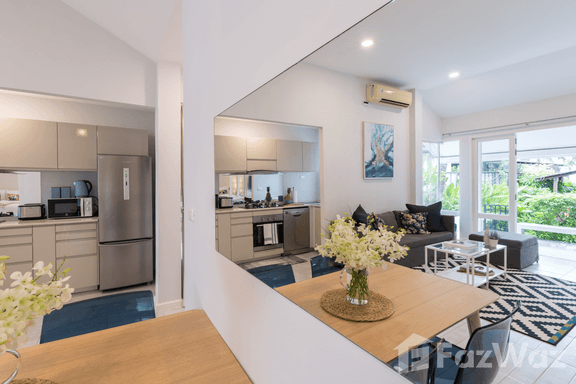
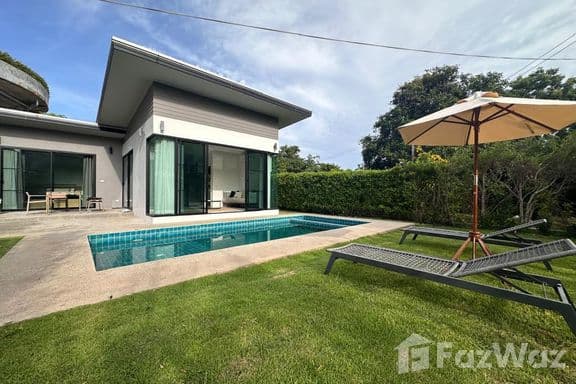
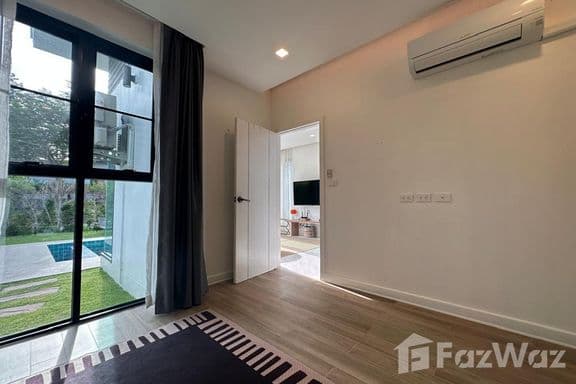
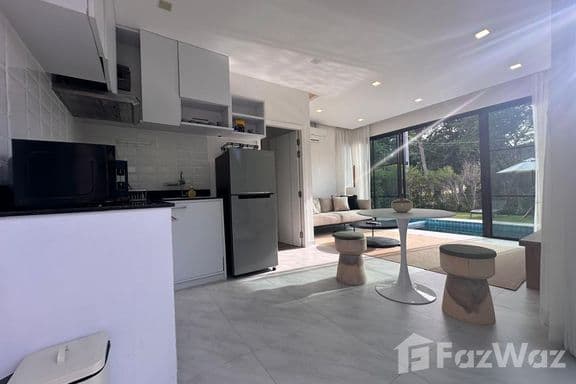
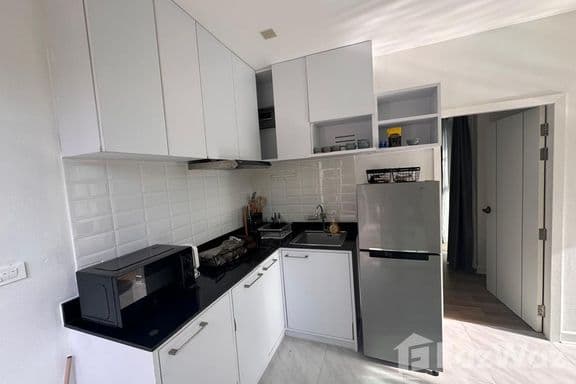
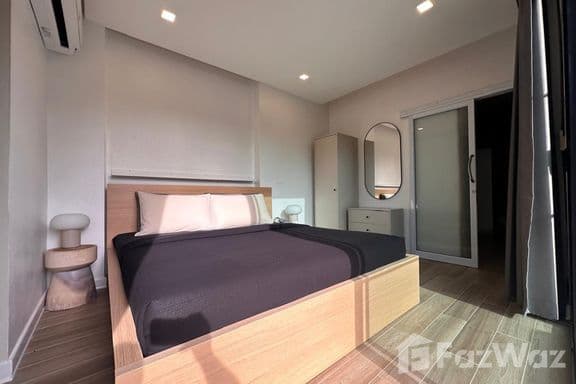
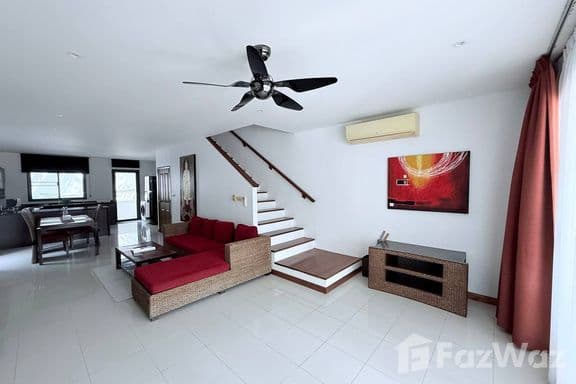
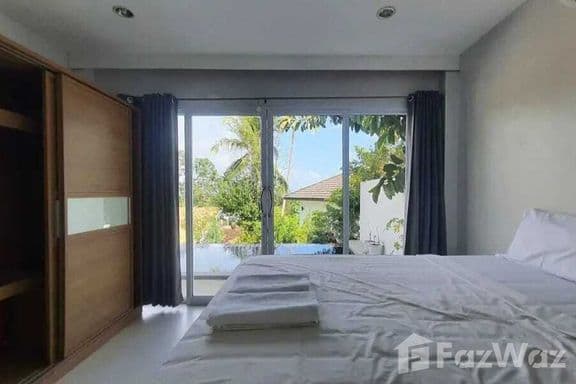
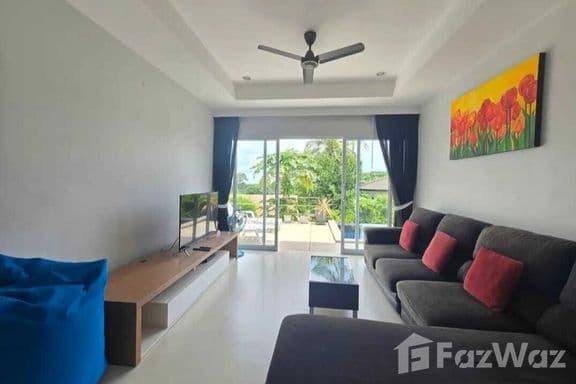
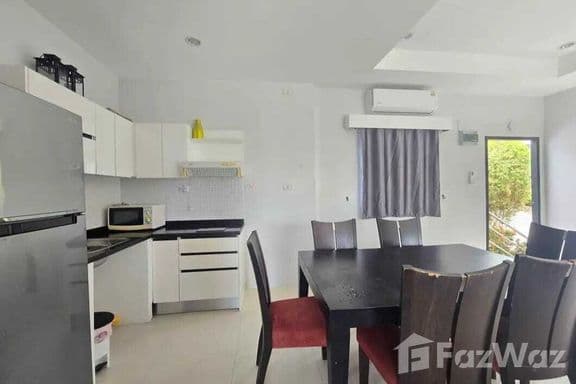
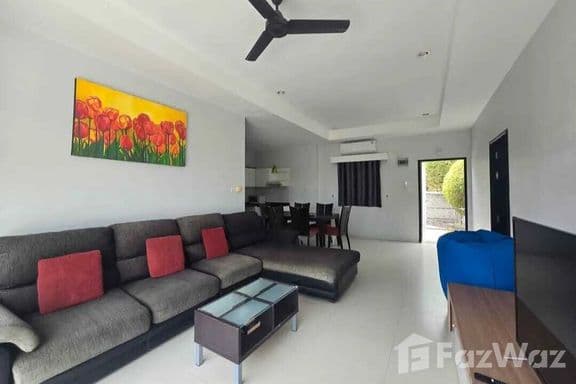
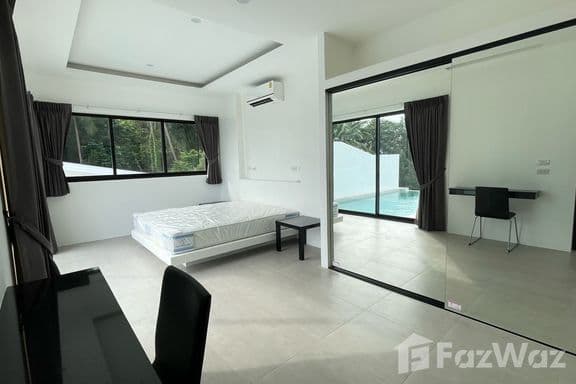
- Mid-Range Villas: A mid-range villa in Koh Samui typically offers a comfortable island living experience without the extravagant trappings (and costs) of the top-tier properties. These villas are often 2 to 3 bedrooms, usually with a private swimming pool or at least a small plunge pool. They may be located slightly inland or in less central parts of the island, though plenty of mid-range homes can still be found near popular beaches (perhaps a few minutes’ drive away rather than directly on the beachfront). Construction quality and design in mid-range villas range from traditional Thai tropical style houses to modern cozy homes; interiors are generally well-furnished but not ultra-luxurious. Expect features like air conditioning in bedrooms, a functional Western-style kitchen (often with fridge, stovetop, microwave, an oven and dishwasher may or may not be present in mid-tier homes), reliable Wi-Fi, and basic entertainment amenities (TV, etc.). Mid-range villas often have garden spaces and possibly nice views (garden or partial sea view), but they might lack the panoramic vistas of the high-end villas which occupy premium hilltop or waterfront positions. In terms of service, mid-range properties usually do not come with dedicated staff, but housekeeping or pool/garden maintenance is typically arranged by the owner on a weekly or monthly basis for long-term tenants (and included in the rent for short stays). The appeal of mid-range villas is that they provide privacy, space, and self-sufficiency at a more accessible cost. They are popular among digital nomads, young expat families, or retirees on modest budgets, essentially anyone who wants a private home and a pool without paying a fortune. In 2025, the mid-range segment is gaining traction as more foreign renters seek value-for-money options. Many travelers who might have chosen a condo or hotel in the past are discovering that a mid-priced villa can be affordable when costs are shared or off-peak discounts are available. Additionally, as highlighted by rental market trends, younger generations (Millennials and Gen Z travelers) often look for stylish yet affordable accommodations, a niche filled by well-designed mid-range villas. Renters considering mid-range villas should be aware that quality can vary: some properties are older or more basic, so it’s important to inspect or carefully review photos/virtual tours. The good news is that with the expansion of supply, there are mid-range villas on Koh Samui that are both reasonably priced and recently built or renovated, offering modern comforts at a fraction of luxury prices.
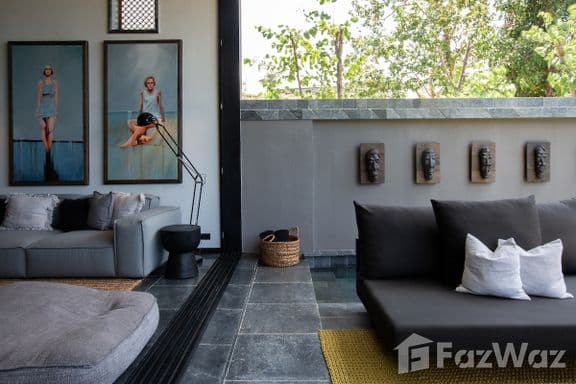
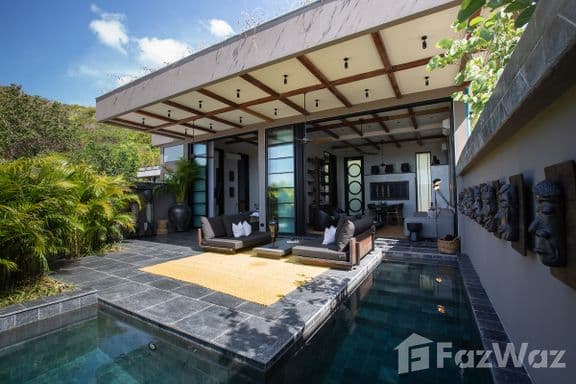
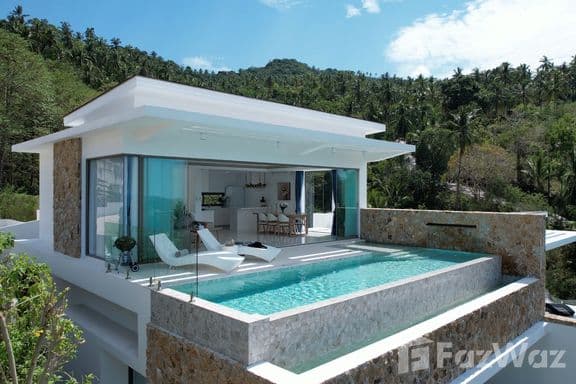
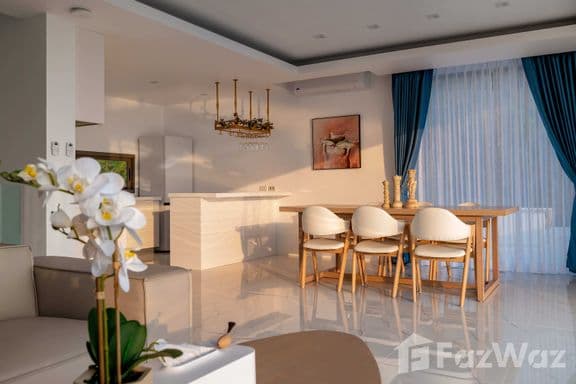
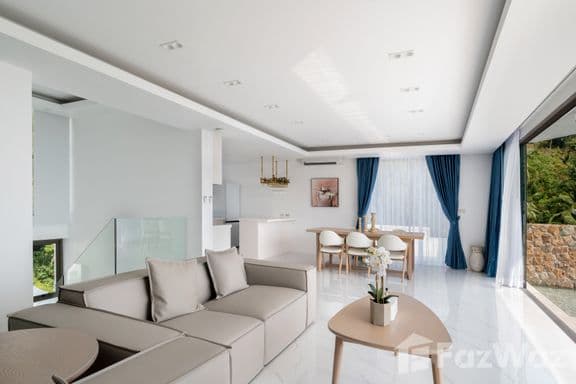
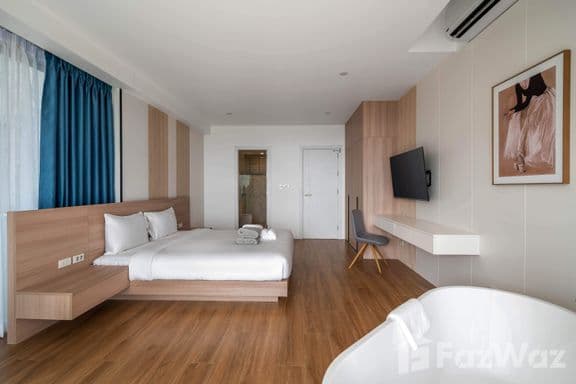
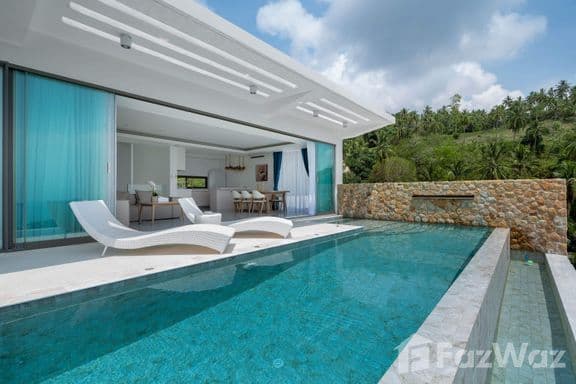
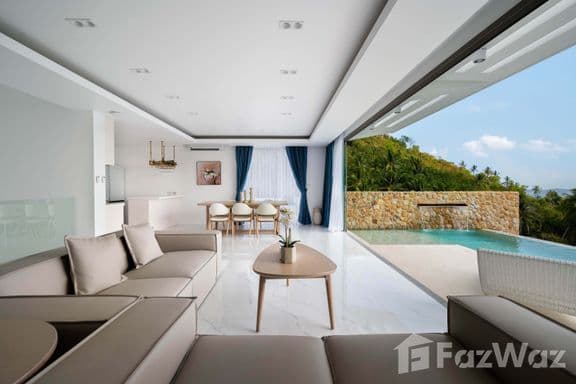
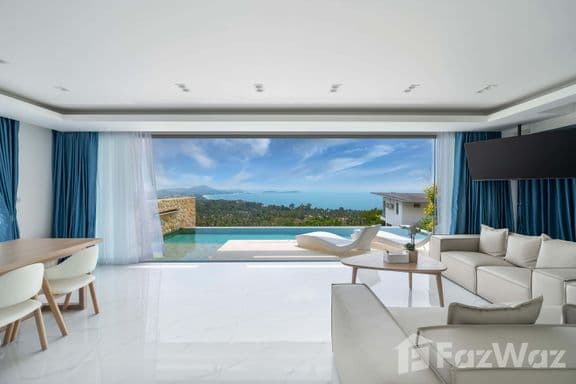
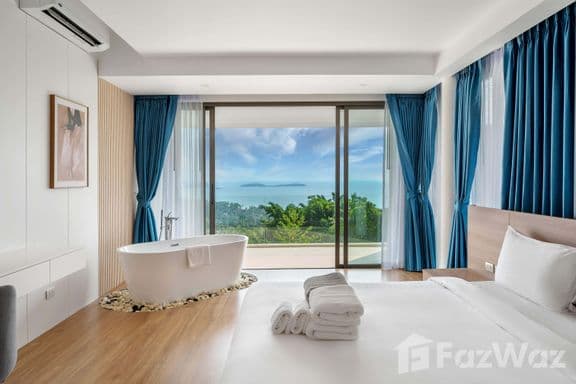
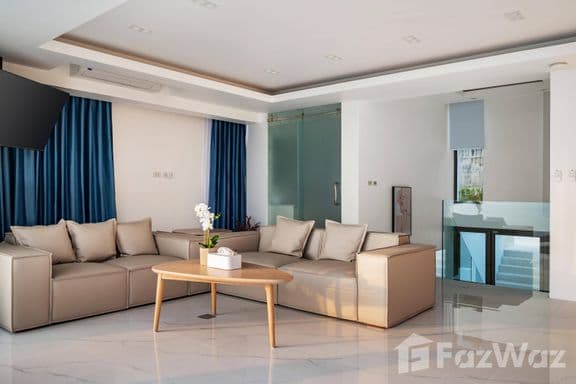
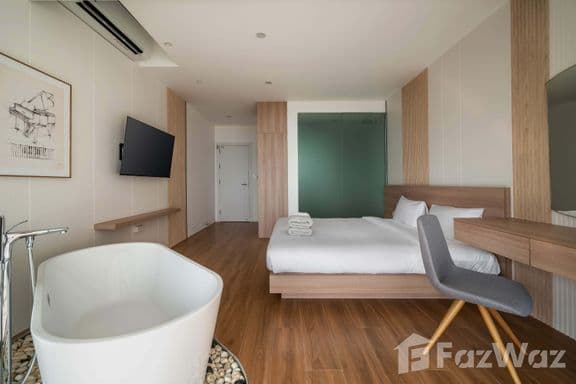
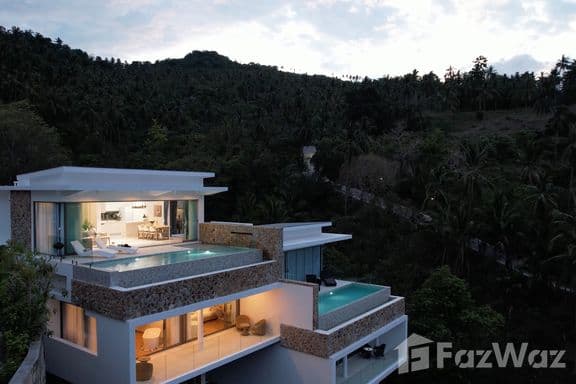
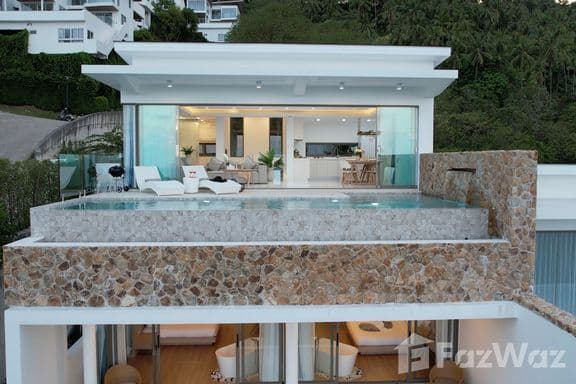
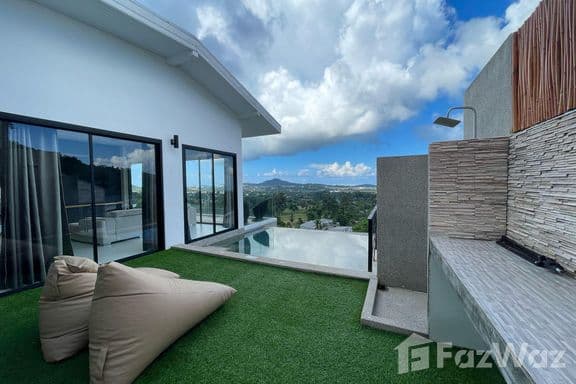
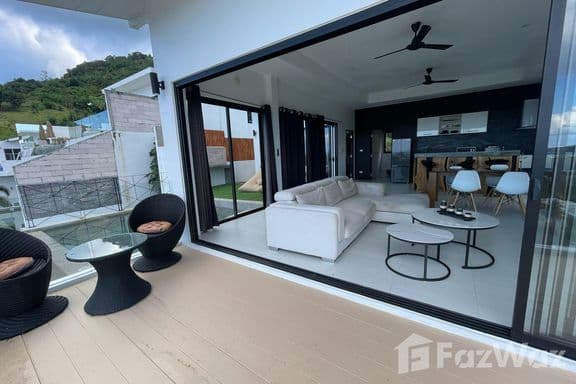
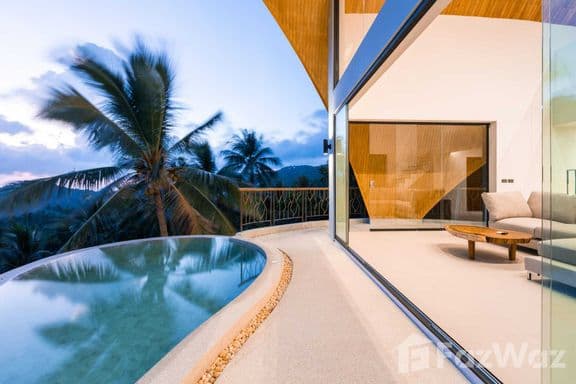
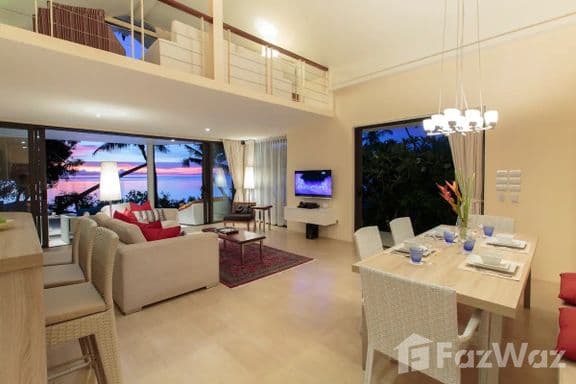
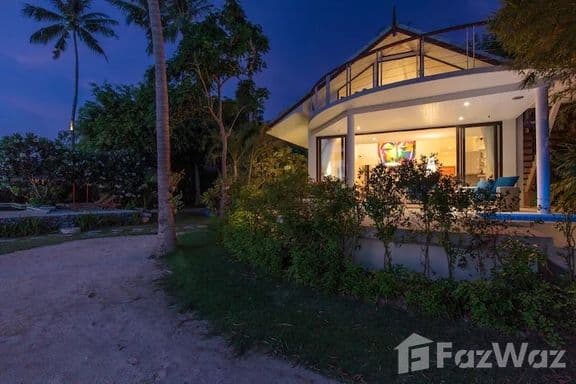
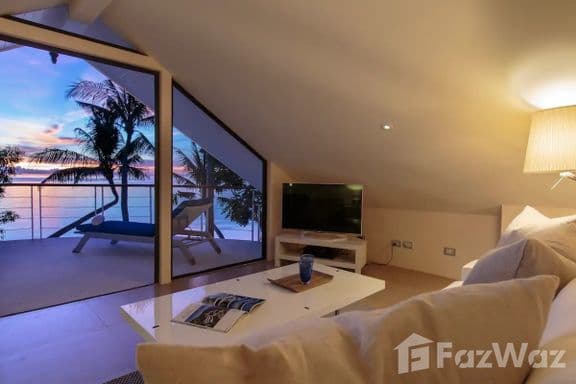
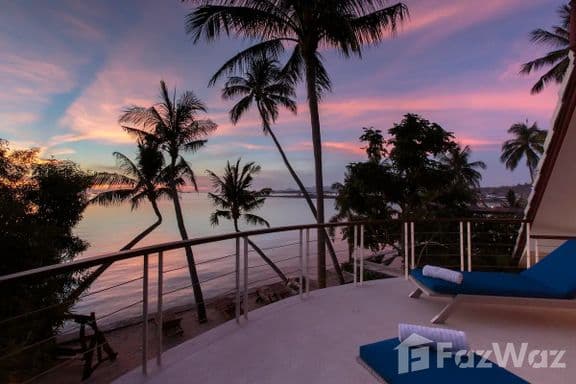
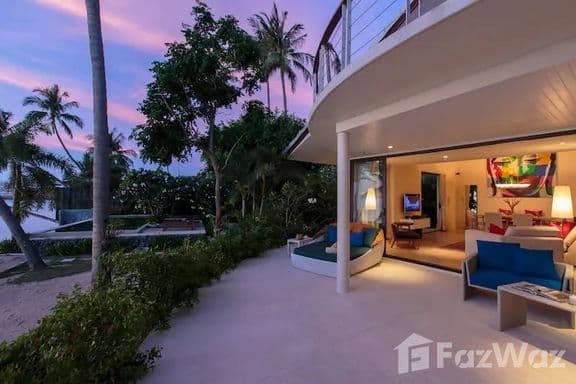
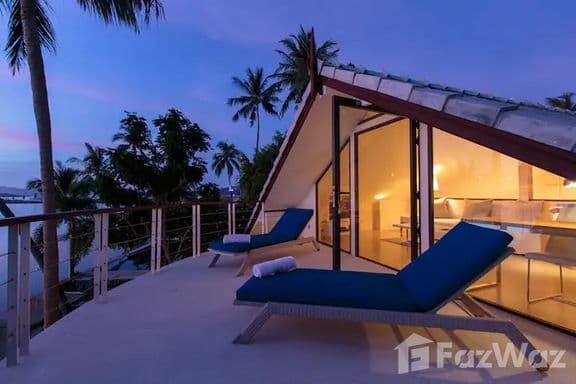
- Luxury Villas: The luxury villa segment in Koh Samui represents the pinnacle of tropical living, these are the villas that feature in glossy travel magazines and real estate showcases. A luxury villa is usually characterized by location, size, amenities, and services. They often occupy prime locations such as beachfront plots, clifftop perches with 180° ocean views, or exclusive estate communities on scenic hillsides. Many luxury villas have 4, 5, or more bedrooms, each with en-suite bathrooms, making them ideal for larger groups or multi-family vacations. Architectural design is high-end, frequently blending indoor and outdoor living spaces, for example, floor-to-ceiling glass walls that open to expansive terraces. Common amenities in luxury villas include infinity-edge swimming pools, jacuzzis or private spa rooms, fully equipped gourmet kitchens (with high-end appliances and even wine cellars), entertainment rooms or home theaters, fitness rooms or private gyms, and beautifully landscaped gardens. Some ultra-luxury properties offer unique extras like private beach access, tennis courts, or multiple pavilions on the estate. The decor and furnishings tend to be premium quality, often a mix of contemporary design with Asian tropical flair, think natural wood, local art pieces, and plush furnishings designed for comfort and style. Another hallmark of luxury villas is the service level: many come with dedicated staff such as daily housekeeping, a personal chef or on-call cook, villa managers or concierge services, and 24-hour security, all included or available at additional cost. In effect, renting a luxury villa can feel like having a private mini-resort. In 2025, demand for luxury villas on Koh Samui is extremely high. Discerning international travelers are increasingly choosing villas over five-star hotels for the exclusivity and personalized experience. Corporate retreats, wellness groups, and destination event planners (like wedding parties) also often opt for luxury villas to have a controlled, intimate environment. For long-term renters, luxury villas are usually the choice of high-net-worth individuals, celebrities seeking privacy, or businesspersons relocating with families who desire the very best. These properties command top-end prices, a beachfront 5-bedroom villa with full staff can easily rent for upwards of $1,000 per night in high season for short stays, or tens of thousands of dollars per month for long-term. Despite the cost, occupancy rates for the luxury tier remain healthy, and supply is relatively limited (especially true for beachfront villas are finite in number). Therefore, competition to secure the most coveted luxury rentals can be intense, especially during holidays. Renters in this segment should plan and book as early as possible. They can expect professionally managed bookings, contracts, and deposit arrangements on par with international standards. One emerging trend in the luxury market is sustainability - a number of high-end villas are now integrating eco-friendly features (solar power, rainwater recycling, plastic-free operations) to appeal to environmentally conscious renters without compromising on luxury. Another trend is technology integration, such as smart home systems and high-speed mesh internet covering expansive properties, ensuring that even while in a remote paradise, renters have all modern conveniences at their fingertips.
Comparing Mid-Range and Luxury: In summary, the difference between mid-range and luxury villas in Koh Samui comes down to the level of comfort, location, and service. Mid-range villas provide the essentials of island living - privacy, space, a pool, and basic modern amenities - at a price point reachable for many working expats or middle-class holidaymakers. They fit those who are willing to be a bit more self-sufficient (e.g. cook their own meals, handle minor issues, forego daily maid service) in exchange for affordability. Luxury villas, meanwhile, deliver a five-star experience with no compromises: they cater to those for whom budget is less of a concern than having the finest location and services. Both segments benefit from Koh Samui’s natural beauty and relaxed lifestyle; whether mid-range or luxury, renters will enjoy the tropical climate, the sound of the ocean or rustling palms, and the unique culture of the island. It really comes down to personal budget and preferences. Importantly, foreign renters have options in both categories. One could find a modest three-bedroom villa for a year-long remote work stint at a reasonable monthly rate, or splurge on an unforgettable two-week luxury villa vacation - Koh Samui’s market caters to both. Moreover, there are even tiers within tiers (for example, “upper-mid-range” villas that blur the line, offering some luxury features at mid-level prices if they are slightly off-beach or owner-operated). The key is to clearly define what you need and value in a villa (be it a sunset view, a kids’ playroom, proximity to nightlife, or ultra-fast internet) and then select accordingly, as the island likely has a villa that matches those needs.
Rental Prices by Area in Koh Samui (2025)
Location is one of the biggest factors influencing villa rental prices on Koh Samui. The island is roughly 25 km at its widest, and different regions have distinct characteristics that appeal to different renters. Below, we outline key areas of Koh Samui and the typical rental price levels in each, focusing on private villas. We provide a comparison table of average monthly rental prices (for long-term leases) in both Thai Baht (THB) and approximate US Dollars (USD) for mid-range vs. luxury villas in each area. These figures are meant as general guidelines for 2025; individual property prices will vary based on specific features, exact location, and condition.
Key Areas and Price Tendencies:
- Chaweng (Central East Coast): Koh Samui’s largest and busiest town, known for its long sandy beach, vibrant nightlife, shopping centers, and restaurants. Chaweng is the commercial heart of the island, so it’s very popular for short-term tourists. In terms of villas, the Chaweng area (including nearby Chaweng Noi on the hillside to the south) has a mix of mid-range and luxury properties. Hillside villas overlooking Chaweng Bay are common; they offer panoramic views and quick access to the action in town. Because Chaweng has a higher concentration of midscale properties compared to some other areas, average rental rates can be a bit more moderate for mid-range villas. However, luxury villas in this area - especially those in elevated positions with stunning sea views - still fetch premium prices. Convenience to amenities (international hospital, supermarkets, nightlife) makes Chaweng a preferred location for many, including long-term expats who want everything close by. One trade-off is that Chaweng is lively and can be crowded; those seeking peace and quiet might opt to stay just outside the main strip or in the adjacent Chaweng Noi hills.
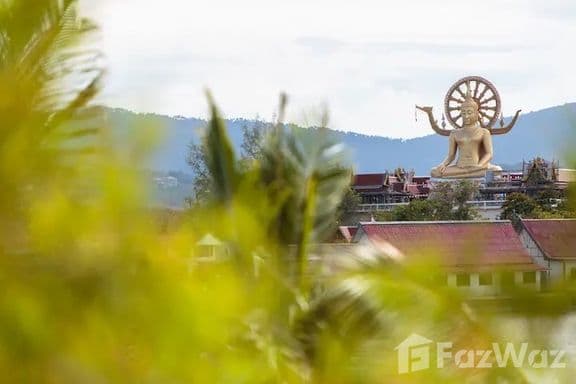
- Bophut and Bang Rak (North to Northeast Coast): Bophut is a charming area on the north coast, home to the famous Fisherman’s Village - a quaint seaside street with old wooden shophouses converted into boutique shops and eateries. Bang Rak (also known as Big Buddha Beach) is just next to Bophut and hosts the Big Buddha temple as well as the island’s small international airport. This combined region is very popular among expats and tourists alike for its balance of local character and convenience. The villa market in Bophut/Bang Rak is strong: you’ll find many upscale villas in the palm-covered hills behind Fisherman’s Village with sweeping views of the sea and Koh Phangan island in the distance. There are also mid-range villas tucked in residential neighborhoods closer to the ring road. Bophut is known for some luxury estates - for instance, the hills of Plai Laem and areas near Choeng Mon (overlapping with this region) have multi-million-dollar villas owned or rented by celebrities and high-end travelers. Generally, prices in Bophut are on the higher side, especially for anything with a sea view or within walking distance of the beach. Foreign families favor this area for long-term stays because there are international schools and hospitals in the vicinity, as well as a variety of dining and leisure options. Bang Rak, being near the airport and having a quieter beach, also hosts several mid to high-end villas, often at slightly lower prices than Bophut’s Fisherman’s Village or Choeng Mon due to being under the flight path of planes (though Samui’s airport traffic is not heavy compared to big cities).
- Choeng Mon and Plai Laem (Northeast Peninsula): Choeng Mon is a picturesque area on a northeastern peninsula, featuring a beautiful, tranquil beach and a cluster of high-end resorts and villas. It’s considered one of the most exclusive parts of Samui. Plai Laem is nearby, known for temples and quiet residential enclaves. Villas in Choeng Mon/Plai Laem are often luxury-oriented: many are large properties boasting ocean vistas or walking distance to secluded coves. The environment here is more serene and upscale - there’s no intense nightlife (just a few relaxed beach bars and restaurants), which suits those looking for peace or a family-friendly atmosphere. Rental prices for villas in this area skew high. Mid-range options are fewer; most homes here trend toward the luxury category or at least upper-mid-tier. Renters pay a premium to be in this neighborhood because it combines tranquility with proximity to key facilities (it’s only 10 minutes drive to Chaweng or the airport, and just south of Bophut). If you’re seeking a luxury villa enclave, Choeng Mon is likely where you’ll look, as many of Samui’s top villas (with prices to match) are located on the headlands and slopes of this northeast corner.
- Lamai (South East Coast): Lamai is Samui’s second-largest tourist town, after Chaweng. It has its own long beach and a more laid-back vibe compared to Chaweng, though it still offers a good selection of restaurants, bars, and shops (just fewer nightclubs and big malls). Lamai is popular for those who want a balance of activities and relaxation. In terms of villas, Lamai and the surrounding Maret district have a variety of options, often at slightly more affordable prices than the north and northeast. One reason is that Lamai’s real estate development came a bit later, and the ultra-high-end segment is less concentrated here (though there are certainly some luxury villas with amazing ocean views along the hills south of Lamai). Mid-range villas in Lamai - for example, a 2-3 bedroom pool villa a short drive from the beach - are relatively plentiful and attract long-term expats and retirees who enjoy the area’s slower pace. The cost of living in the Lamai area is marginally lower (local markets and shops tend to be a bit cheaper than Chaweng), which can reflect in rental prices too. That said, Lamai has seen new development in recent years, and modern villas (especially with sea view) here can command high rents, though generally still a notch below equivalent properties in Chaweng or Bophut. Lamai is also home to an international school and some wellness resorts, giving it a bit of a holistic living appeal - some renters choose Lamai for access to yoga studios, health food cafés, and a community of long-stay yogis and wellness enthusiasts.
- Maenam (North Coast): Maenam is a tranquil area on the north shore west of Bophut. It’s known for a long stretch of quiet beach, a weekly walking street market, and a more local, low-key atmosphere. Maenam has historically been a favorite for long-term expats and retirees - it’s less touristy than Chaweng or Bophut but still close enough (15-20 minutes drive) to those hubs when needed. Villas in Maenam range from simple houses in the coconut groves to a few high-end beachfront villas. The rental prices in Maenam are generally a bit lower than on the northeastern side of the island. Mid-range villas here can be quite affordable; one can find charming 2-3 bedroom homes with gardens or small pools at reasonable rates, especially slightly inland. Luxury properties do exist (particularly in the hills overlooking Maenam or on secluded beachfront plots), but they often price a little under equivalent properties in say, Choeng Mon, because Maenam is perceived as a quieter market. For foreign renters seeking peace, space, and perhaps a more “authentic” island living among local villages, Maenam is ideal. It also has practical advantages: the Lomprayah pier in Maenam connects to Koh Phangan and Koh Tao, and there are some convenient facilities (grocery stores, small shopping plazas). As of 2025, Maenam remains somewhat of a hidden gem for budget-conscious villa renters - you might get more house for your money here, provided you don’t mind being away from the busiest tourist action.
- West and Southwest (Lipa Noi, Taling Ngam, etc.): The west and southwestern parts of Koh Samui are the least developed for tourism, which for some renters is a great advantage. Areas like Lipa Noi, Taling Ngam, Bang Kao, and Laem Sor are known for their beautiful sunsets, quiet beaches, and dense coconut plantations. This side of the island is far from the main tourist centers (30-40 minutes drive to Chaweng, for instance), and as such it’s very peaceful. The villa market here is a mix: on one hand, there are a handful of super-luxury estates and wellness retreats (for example, around the Five Islands or near the luxury resorts like the InterContinental in Taling Ngam) which cater to high-end clientele seeking total seclusion. On the other hand, there are many local-style houses and a growing number of mid-range villas that are more basic but offer large land plots and privacy at lower prices. For long-term foreign renters, if absolute tranquility and space are priorities (and you have your own transport), the west coast can offer great value. Mid-range villa rents in Lipa Noi or Taling Ngam are often the lowest on the island - you might find a simple 2-bedroom house for as little as ฿25,000 per month (roughly $700) if it’s older or far inland, while a nicer 3-bedroom pool villa could be in the ฿30k-฿50k range ($850-$1,400), which is quite competitive. Luxury villas in this region, particularly beachfront, still command high prices (some of Samui’s priciest homes are hidden on private beachfronts here), but those tend to be unique trophy properties. The average luxury villa in the southwest might rent for a bit less than a comparable north coast one, simply because of location remoteness. It’s common that villas in these areas are rented by those specifically wanting an off-the-beaten-path lifestyle - for instance, some retirees or artists choose the southwest coast for its village feel and natural beauty, or families that prefer their children grow up in a quieter environment.
Below is a comparison table summarizing typical monthly rental prices for mid-range and luxury villas in key Koh Samui areas (assuming a long-term rental contract). Prices are given in Thai Baht, with approximate USD conversions in parentheses:
|
Area
|
Mid-Range Villa (Monthly)
|
Luxury Villa (Monthly)
|
|
Chaweng (Central East)
|
฿50,000 (≈ $1,400)
|
฿150,000 (≈ $4,300)
|
|
Bophut / Bang Rak (North)
|
฿60,000 (≈ $1,700)
|
฿180,000 (≈ $5,100)
|
|
Choeng Mon / Plai Laem (Northeast)
|
฿70,000 (≈ $2,000)
|
฿200,000 (≈ $5,700)
|
|
Lamai (Southeast)
|
฿40,000 (≈ $1,150)
|
฿120,000 (≈ $3,400)
|
|
Maenam (North)
|
฿45,000 (≈ $1,300)
|
฿130,000 (≈ $3,700)
|
|
Lipa Noi / Taling Ngam (West/SW)
|
฿30,000 (≈ $850)
|
฿100,000 (≈ $2,900)
|
Table: Approximate monthly rental prices for mid-range vs. luxury villas by area (2025). Mid-range figures reflect a comfortable 2-3 bedroom pool villa in the area, whereas luxury figures reflect a high-end 4-5 bedroom villa in a prime location within that area. Actual prices can vary based on specific property features, age, and exact locale (e.g., beachfront will be at the top end of any range). USD conversions are rounded for simplicity at roughly 35 THB = 1 USD.
From the above, one can observe how location impacts pricing. The northeastern parts of Samui (Chaweng, Bophut, Choeng Mon) are generally the most expensive due to desirability and infrastructure. The southern and western areas offer more affordable options but with a trade-off in terms of proximity to the island’s commercial hubs. It’s also evident that luxury villas command roughly 2.5 to 3 times the rent of mid-range villas in the same area, if not more in certain cases. This gap reflects not just property size and amenities, but also the inclusion of services and the premium for prime spots (for instance, a luxury villa in Bophut might be beachfront or hilltop with panoramic views, whereas a mid-range one might be further inland with limited view).
For short-term rental prices, the differences by area also exist but are often season-dependent. As a general note: beachfront villas in any area will get top dollar per night; areas like Chaweng and Bophut see the highest nightly rates in peak tourist season because of convenience, while areas like Taling Ngam may have lower average daily rates but attract people specifically looking for luxury seclusion. If you are a foreign renter planning a short holiday stay, expect nightly rates anywhere from ฿5,000-฿8,000 (≈ $150-$230) for a simple 2-bedroom villa in a less central area during low season, up to ฿20,000-฿40,000 (≈ $570-$1,150) per night for a top-tier beachfront villa in high season (with ultra-luxury estates even beyond that range). Always check if there are additional charges (taxes, service fees, electricity usage for short stays, etc.) when comparing prices.
In conclusion, for this section, Koh Samui offers a geographical mosaic of rental experiences: one can live amid the buzz of Chaweng, the upscale charm of Bophut/Choeng Mon, the easygoing beach life of Lamai, the expat-friendly calm of Maenam, or the untouched serenity of the west coast. Foreign renters should consider both their budget and lifestyle priorities when choosing an area. Those who need frequent groceries, international schools, or hospital visits may prefer the north and east where these facilities are concentrated, whereas those seeking retreat and authenticity might lean south or west. The good news is the island isn’t huge - even the farthest corners are reachable by car or motorbike in under an hour - so no matter where you base yourself, you can still enjoy everything Koh Samui has to offer.
Amenities and Features Sought by Foreign Renters
One of the advantages of renting a private villa in Koh Samui is enjoying a home-like environment with an array of amenities that cater to comfort, convenience, and leisure. Foreign renters typically have specific expectations when it comes to villa features, which often differ somewhat from what local Thai renters might prioritize. Below, we outline the key amenities and property features that international tenants often look for in Samui villas:
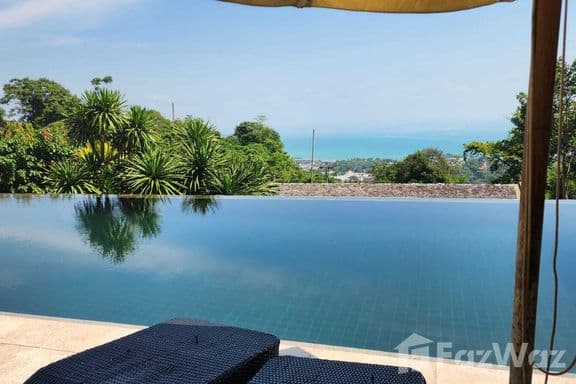
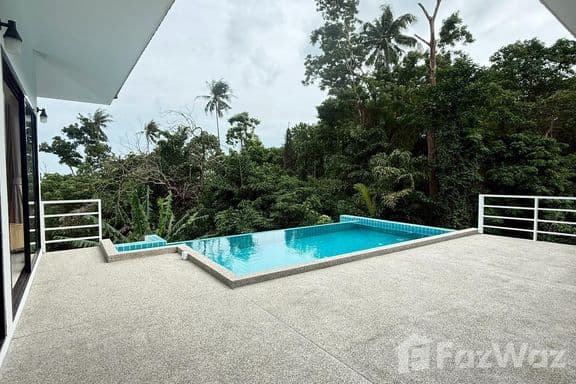
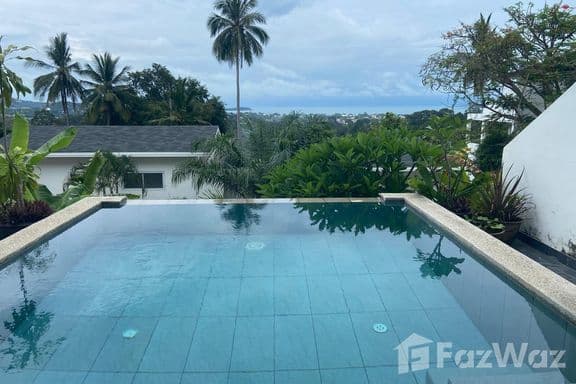
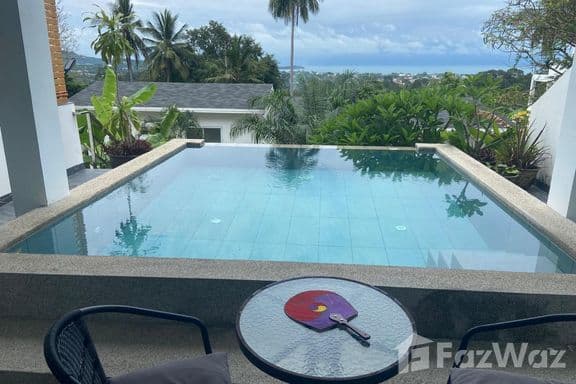
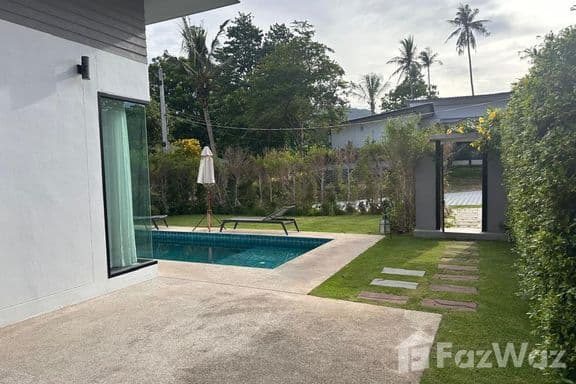
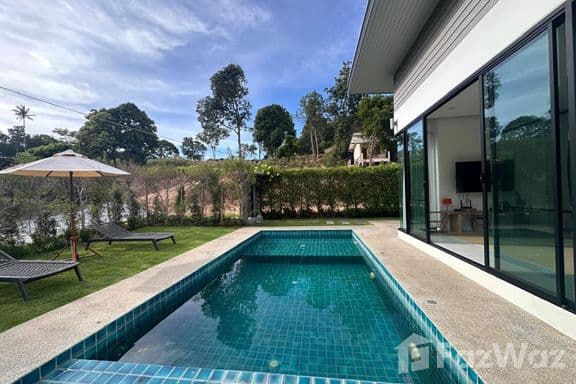
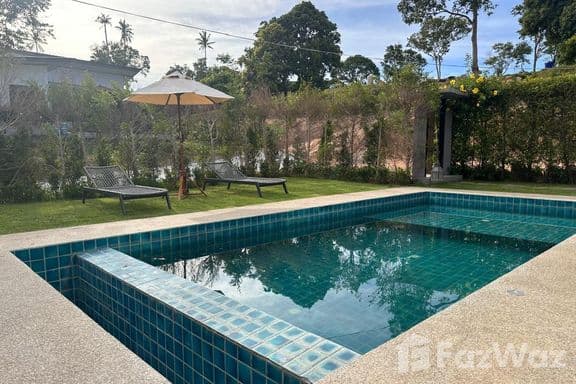
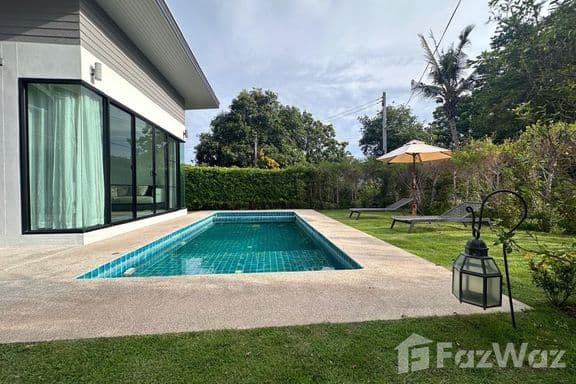
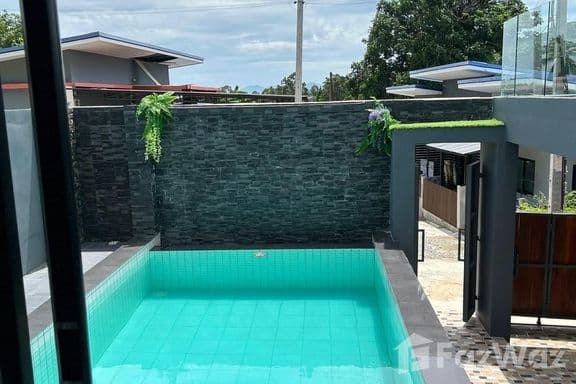
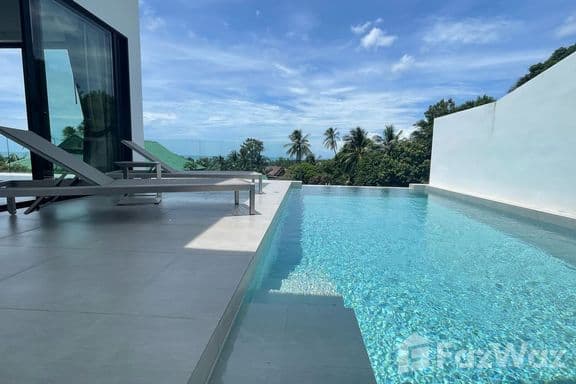
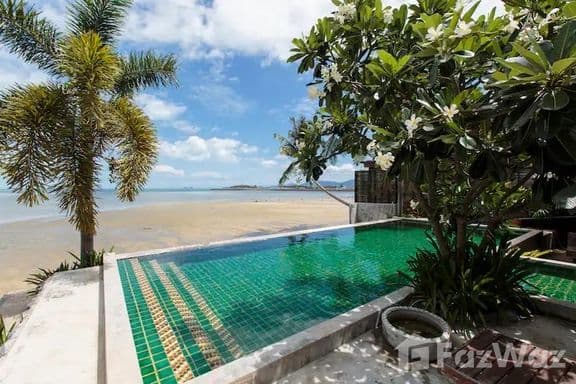
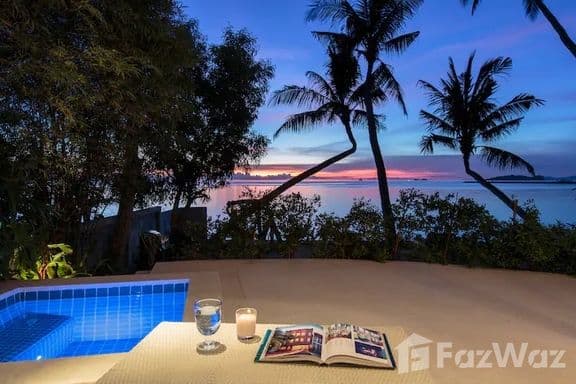
- Private Swimming Pool: Almost every foreign renter’s wish list for a tropical villa includes a private pool. The image of lounging by one’s own pool under the palm trees is a major draw of Samui villas. Accordingly, the vast majority of villas for rent on the island (especially those marketed to foreigners) come with a pool. Mid-range villas may have a modest-sized pool sufficient for a dip, while luxury villas boast large infinity pools with ocean views. A poolside terrace with sun loungers, a sala (covered gazebo), or BBQ area is also common and highly desired for outdoor living and entertaining. Renters often ask about pool maintenance - in most cases, the landlord provides weekly pool cleaning service even for long-term rentals (sometimes included in rent, or for a small extra fee), ensuring the pool remains in good condition.
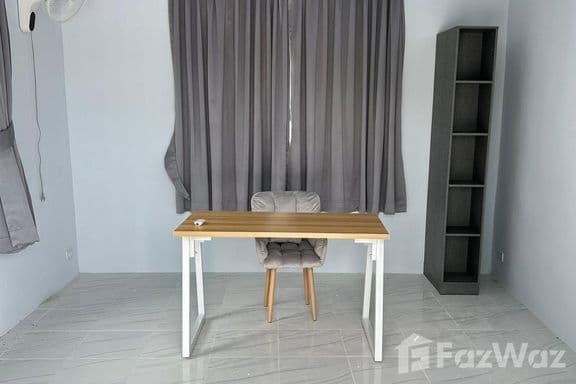
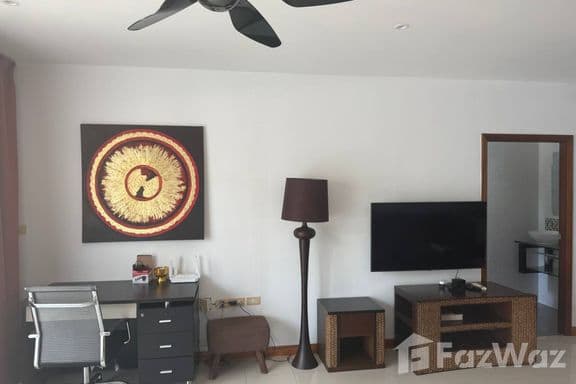
- High-Speed Internet and Workspaces: Given the number of remote workers and digitally connected expats, reliable high-speed internet is non-negotiable for many foreign renters. Villa advertisements almost always highlight internet connectivity. Fiber-optic broadband is available in most populated parts of Koh Samui now, and many villas have Wi-Fi routers installed. Luxury villas might even have mesh Wi-Fi systems to cover large properties. For those planning to work from the villa, having a dedicated indoor workspace or office is a plus. Some modern villas feature a study or an extra room that can be used as an office. Even if not, renters will ensure there is a comfortable area (perhaps a desk in a bedroom or a large dining table) where they can set up a laptop. In 2025, with remote work so prevalent, property owners have become attuned to this need - it’s wise to inquire about the internet speed and reliability in the villa’s location (e.g., some very remote hillside or beachfront spots might have spottier service or rely on mobile data backups).
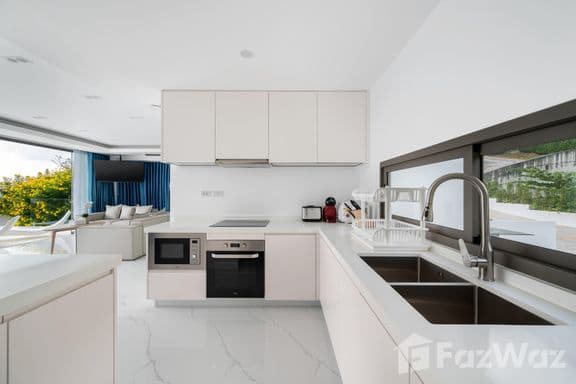
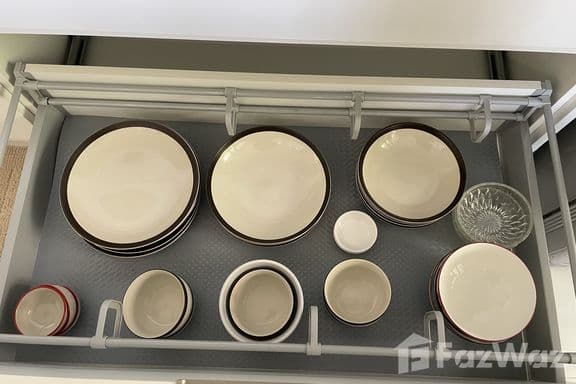
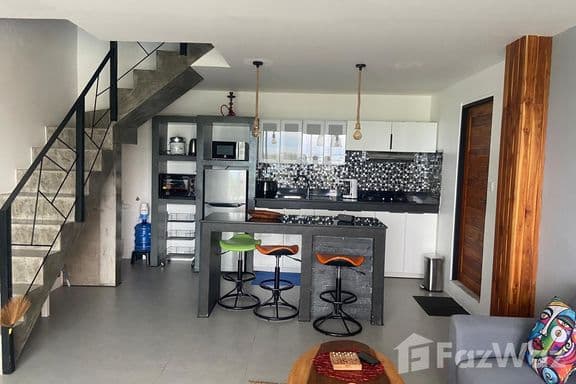
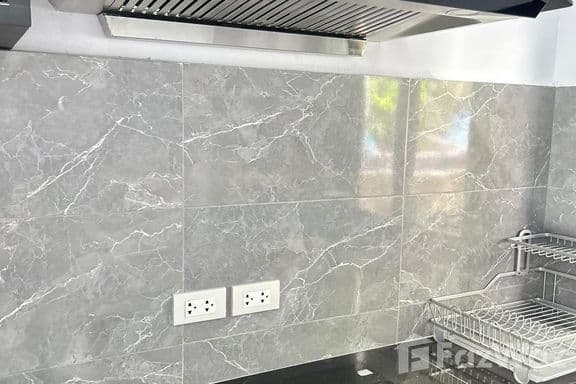
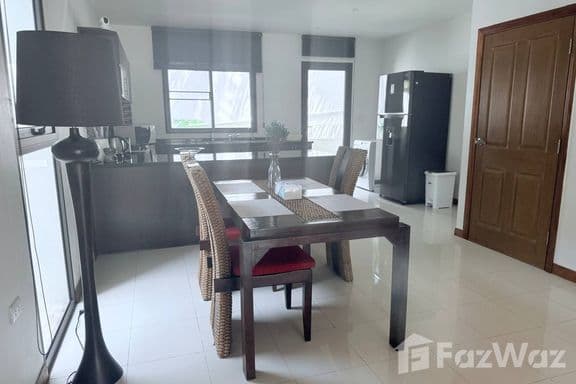
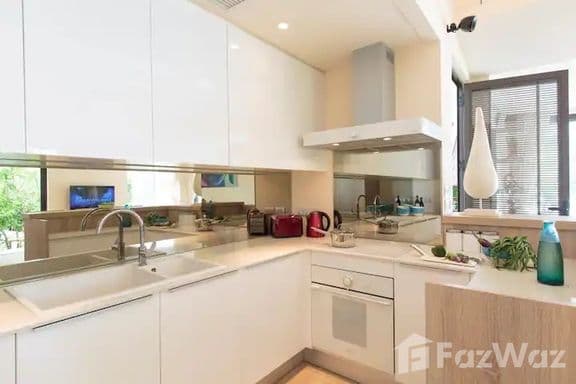
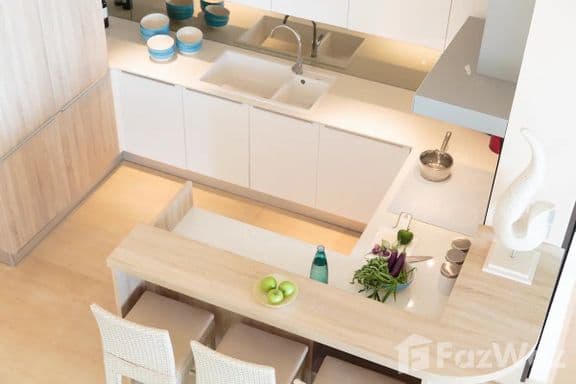
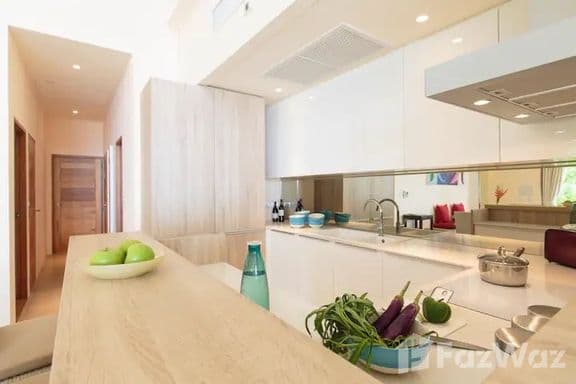
- Modern Western-Style Kitchen: Foreign renters, especially those staying long-term, often intend to cook at home. Therefore, a fully equipped kitchen in Western style is highly sought. This means having a proper stove (and not just a single gas burner or microwave, which might suffice for short stays), ample counter space, a large refrigerator, and ideally an oven - many Western expats bake or roast, whereas traditional Thai kitchens seldom use ovens. Mid-range villas typically provide basic kitchen appliances (fridge, microwave, stovetop, maybe a rice cooker, electric kettle, etc.). Luxury villas go further, featuring gourmet kitchens with stainless steel appliances, dishwashers, espresso machines, and even islands or breakfast bars for socializing. Beyond appliances, foreigners appreciate touches like hot water in the kitchen sink (some local houses only have cold water taps, but upscale villas will have hot water heaters), and a selection of cookware, utensils, and tableware so they can move in without needing to buy these items. Kitchens that open to a living area or terrace are popular as they allow cooking and entertaining simultaneously. Essentially, the ability to prepare one’s own meals conveniently, whether for health, dietary preference, or cost-saving, is important to many foreign renters enjoying an extended stay.
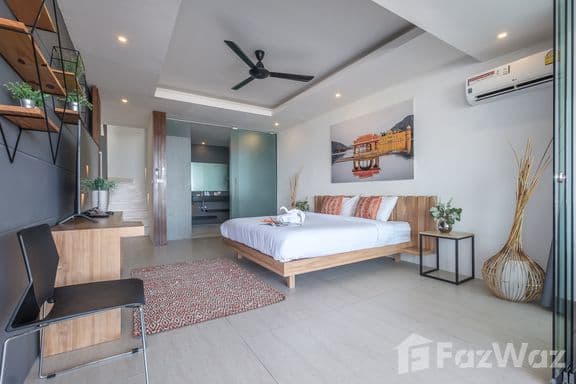
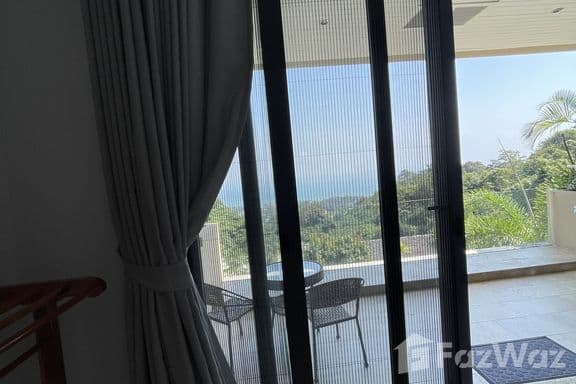
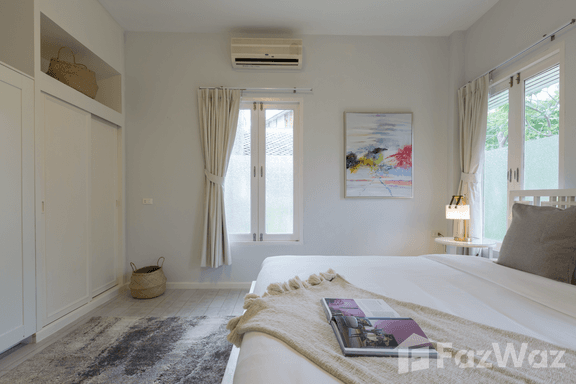
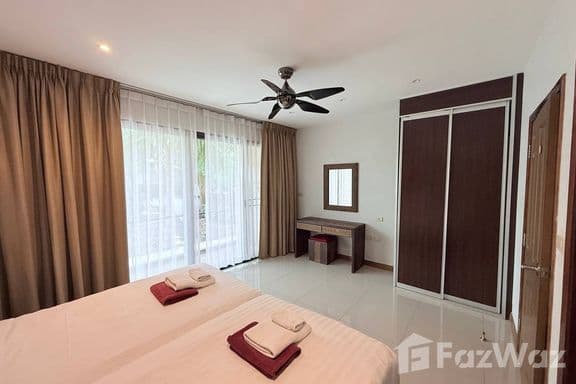
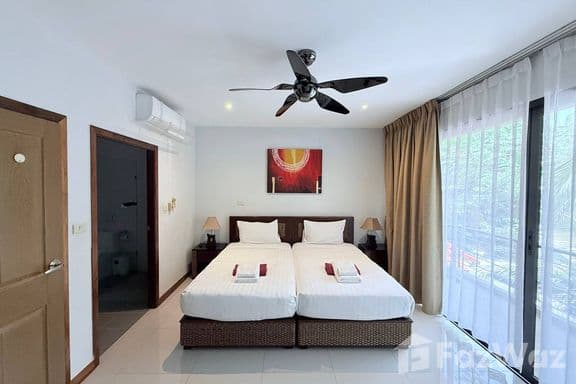
- Air Conditioning and Climate Control: Koh Samui’s climate is tropical and warm year-round, with high humidity and temperatures often between 25-34°C (77-93°F). For comfort, air conditioning is a must-have in a villa. Foreign renters usually expect AC units in all bedrooms at the very least, and preferably in main living areas as well. In mid-range villas, it’s common to have AC in bedrooms and perhaps fans in living rooms, whereas luxury villas will have centralized or split-unit air cons covering the entire house. Renters should be mindful that electricity can be expensive on an island (and not always included in rent), so well-designed villas with good insulation, ceiling fans, or the ability to open up for cross-breezes are appreciated to manage cooling costs. Additionally, features like screened windows (to keep mosquitoes out while allowing airflow), blackout curtains (for sleeping comfort), and high ceilings (for heat dissipation) are indirectly valuable amenities related to climate comfort. Foreigners from temperate countries may also look for hot water showers (standard in most villas, but not always in simpler local houses) and sometimes bathtubs (luxury properties often include a bathtub in the master suite, whereas mid-range might stick to showers only).
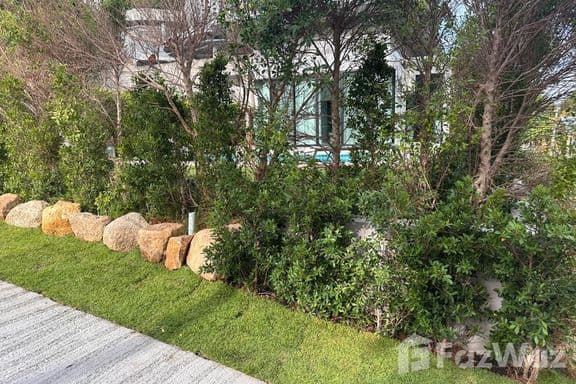
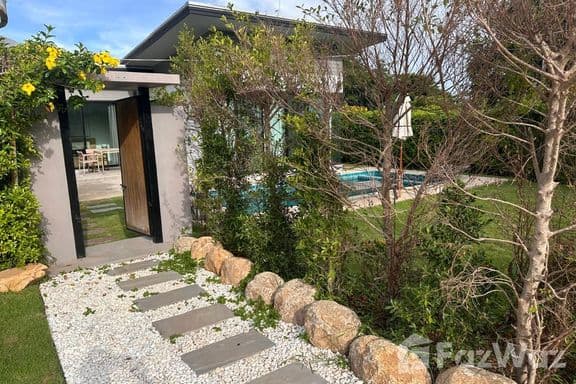
- Security and Privacy: While Koh Samui is generally a safe destination with a low crime rate, foreign renters do value security measures for peace of mind. Gated villa communities or compounds with 24/7 security guards are particularly attractive for high-end renters (and many luxury villas are within such managed estates). Even standalone villas often come with perimeter walls, gated driveways, and sometimes CCTV cameras or alarm systems installed. For long-term expats who may leave the villa unoccupied during trips abroad, knowing the property is secure is important. Privacy is another aspect - a true private villa means you’re not sharing facilities with others. Features like a walled garden or strategic landscaping to prevent prying eyes into the pool area are welcome. Many renters ask if the villa is “fully private” (e.g., not overlooked by nearby properties), especially if they plan to sunbathe or simply want tranquility. In response, many villa designs in Samui incorporate high walls or are situated on large plots. Luxury villas often have extensive grounds ensuring seclusion. Some upscale places even have safes in the bedrooms for valuables, similar to hotels, which foreigners find useful.
- Housekeeping and Maintenance Services: Foreign renters, particularly those on holiday or those renting high-end villas, often seek or expect some level of service. Housekeeping (cleaning) service can range from daily maid service (common in short-term luxury villa rentals) to a cleaning once or twice a week for long-term rentals. Many long-term renters negotiate a cleaning service into the contract or arrange one through the landlord for an added fee. Likewise, maintenance services for the pool and garden are typically handled by the owner’s staff or contractors - for example, a gardener might come once a week to trim and water plants, and a pool technician might clean and treat the pool weekly. These services ensure the renter doesn’t have to deal with the upkeep and can simply enjoy the amenities. It’s recommended that renters clarify which services are included and how often. In luxury rentals, additional services can often be arranged: private chefs, airport transfers, in-villa spa treatments, etc., at extra cost. Mid-range long-term renters might not have those frills, but will at least expect that if something breaks (e.g., the aircon or plumbing), the owner will send someone to fix it promptly. Good property management - whether via an agency or attentive owner - is a feature in itself that foreign renters appreciate, given potential language barriers and unfamiliarity with local contractors.
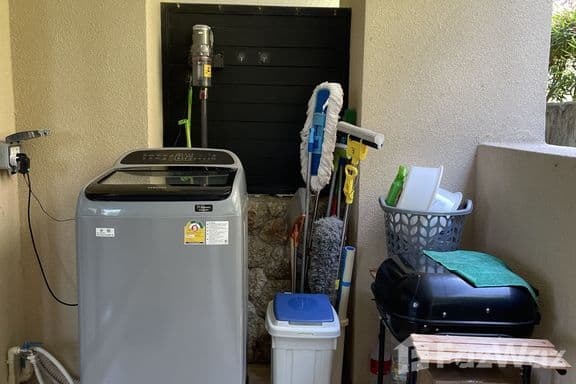
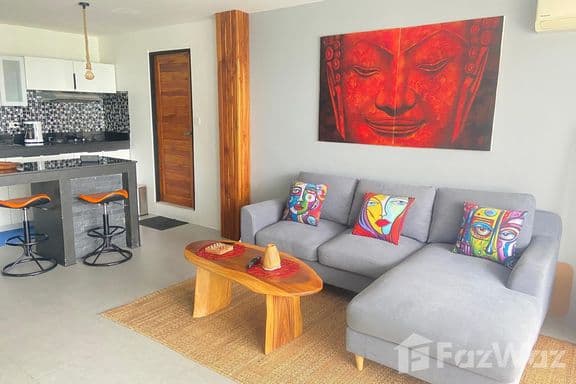
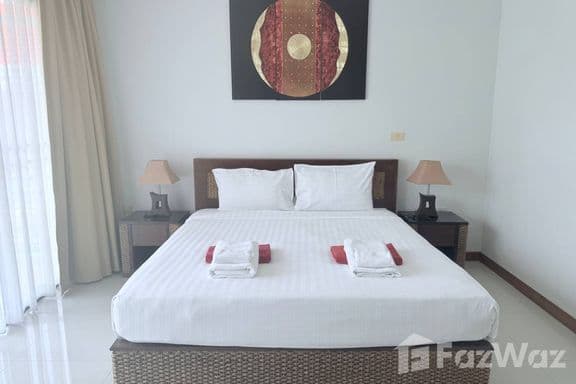
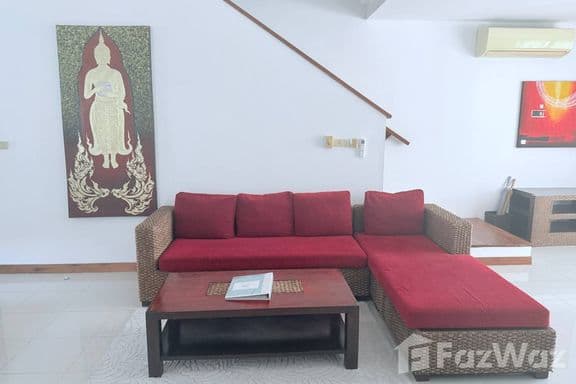
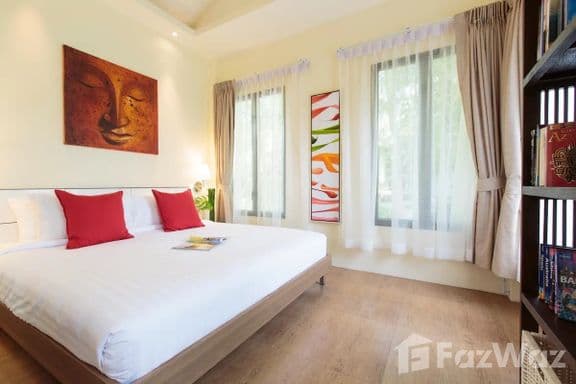
- Furnishings and Appliances: Nearly all rental villas in Samui marketed to foreigners come fully furnished. Renters typically want a turnkey experience - to move in with just their suitcase. Thus, the quality and style of furnishings matter. Foreigners often prefer a modern, uncluttered style of decor (unless they specifically love traditional Thai teakwood designs). Comfortable sofas, a dining table for the family or for entertaining, plenty of wardrobe storage space, and good quality beds and mattresses are important for long-term comfort. Appliances like a washing machine (and perhaps a dryer, though many use clotheslines due to the sun) are expected for long stays. Entertainment amenities like a flat-screen TV (with cable or streaming options) and sound system are common even in mid-range villas now. In luxury villas, expect large smart TVs, possibly a Netflix subscription or satellite package pre-set, and maybe integrated speaker systems or a cinema room. Outdoor furniture is another key aspect: foreigners want sun loungers, outdoor dining sets, etc., to fully utilize the villa’s outdoor areas. It’s these small touches that make a villa feel like a home or a private resort. For instance, having an outdoor shower by the pool or a hammock in the garden can be a delightful amenity that many will mention in reviews.
- Special Amenities: Depending on the renter’s lifestyle, there are some special features that can be a deciding factor. For example, pet-friendliness - some foreign renters travel with pets (dogs or cats) and will seek villas with enclosed yards and pet-allowed policies. Not all landlords allow pets, but many do for long-term tenants if a deposit is given. Another one is child-friendly features: families with young children might look for villas on one level (no steep stairs or drops), pool fencing (rare in Thailand, but sometimes available or can be installed temporarily), and proximity to kid-friendly attractions or schools. Accessibility can be a concern for older retirees or those with mobility issues; such renters might prioritize villas without many stairs, or with easy road access (some hillside villas require walking up steps or steep drives). Lastly, in some luxury villas, amenities such as private gym rooms, game rooms (pool table, etc.), or even private cinemas and wine cellars exist and are the icing on the cake for those who desire them.
In essence, foreign renters in Koh Samui are usually seeking a “home away from home” that provides the comforts they’re used to (or even upgrades from home) alongside the exotic appeal of island life. A successful rental property in Samui anticipates these needs: blending tropical charm (like open-air pavilions and lush gardens) with modern comfort (like fast Wi-Fi and air conditioning). Renters are advised to create a checklist of must-have amenities and nice-to-have features when searching for a villa, and communicate clearly with agents or owners to ensure the property meets those needs. Fortunately, the Samui market is quite transparent - listings often enumerate these features, and one can usually find reviews or ask for references from previous tenants for further assurance. As of 2025, given the competitive rental landscape, villas that excel in providing sought-after amenities tend to secure bookings quickly, so knowing what you want and acting decisively will help in landing your ideal rental.
Lifestyle and Location Considerations by Renter Profile
Every renter has unique needs and preferences, and in a diverse market like Koh Samui, certain areas or villa types may be more suitable for particular demographics. Here we explore how different renter profiles - such as families, retirees, and remote workers/digital nomads - might approach renting a villa in Koh Samui, including lifestyle preferences and ideal locations for each group.
Families
Space, Safety, and Community: Foreign families renting in Koh Samui often include parents (sometimes one or both working remotely or semi-retired) and children ranging from toddlers to teens. For such renters, villas are highly attractive because of the space and privacy they offer compared to hotels or condos. Key priorities for families include multiple bedrooms (so that children and parents have separate rooms, and possibly an extra room for an office or visiting relatives), a safe environment for kids to play (a fenced yard, pool safety considerations, etc.), and proximity to family-friendly amenities. Many families seek villas on flat terrain if they have small children - steep hillside properties can be a challenge with kids - and they appreciate single-story layouts or child-proofed designs (for example, railings on balconies, gated pool access, minimal sharp edges in furniture).
Amenities for Families: A fully equipped kitchen is especially important to families, as they often cook at home or need to prepare snacks for children. Also, storage space for things like toys, sports equipment, or baby gear is needed. Some families specifically ask for villas with bathtubs (useful for bathing young children) or a spare room that can be turned into a playroom or nursery. High-speed internet is crucial too, not just for the parents’ work or entertainment, but also for kids’ online schooling or streaming cartoons. Being pet-friendly can be a factor, as some expat families bring a pet along.
Preferred Locations: Families often prefer locations that strike a balance between tranquility and convenience. Bophut is a top choice for many expat families - it has an established expat community and is near two of the island’s international schools (International School of Samui in the Bophut area and other schools in nearby areas). Bophut’s Fisherman’s Village provides family-friendly dining and occasional events, and the area has clinics and hospitals close by for peace of mind. Maenam is another family favorite; it’s quieter and has a village vibe, and one of the international schools (Greenacre International School) is not far (in the Maenam-Na Mueang area). Families who live in Maenam enjoy the uncrowded beach where kids can play and the fact that many other long-term residents are in the area, fostering a sense of community. Choeng Mon can attract families looking for a high-end environment - the beach there is calm and shallow (great for young kids), and while the area is quieter at night, it’s only a short drive to schools and supermarkets in the north. Lamai might appeal to families who don’t need to be in the thick of expat enclaves but still want some structure; Lamai has its own international school (Lamai International School) and some families enjoy the more laid-back, Thai-local environment of the Lamai area, with its night markets and friendly neighborhoods. However, Lamai is a bit further from the main expat hubs of the northeast. Chaweng is a mixed bag for families - it has all the amenities (big grocery stores, cinemas, etc.), but the central part of Chaweng is noisy and full of nightlife not suitable for children. Families who choose Chaweng tend to stay in quieter outskirts like Chaweng Noi or the hills above, where they can retreat from the hustle, yet be 5-10 minutes from the mall, etc.
Lifestyle: Families in Samui often seek a balanced lifestyle - outdoor activities for kids (beach days, pool fun, perhaps joining kids’ clubs or sports at resorts), opportunities for social interaction (playdates with other expat kids, community events), and comfortable home life. A villa that provides a safe play area (e.g., lawn or big terrace) is highly valued. Some families also hire local help - for example, a part-time nanny or maid - and a villa with a maid’s room or extra space can accommodate that. Overall, foreign families thrive in areas where they feel secure and welcome. Places like Bophut, for instance, have cafes and restaurants that cater to families, and events like the walking street markets which are family-friendly outings. Retaining some routine (school, extracurriculars) is important, so being within a reasonable driving distance of schools or having a school bus route nearby is a consideration when choosing the location. Fortunately, Samui’s main ring road makes even more distant areas at most 30-40 minutes away from schools, but many families prefer the 15-20 minute range for daily ease. It is not uncommon for expat families to cluster; for example, if one family has a good experience in a particular area and school, their friends or colleagues might choose a villa in the same vicinity, creating mini expat micro-communities. When considering a villa, families might inquire about neighbors, knowing if other families or at least other long-term residents (versus nightly rental party houses) are nearby can influence their comfort level.
Retirees
Peace, Comfort, and Convenience: Retirees (or semi-retired older adults) from abroad are a significant segment of long-term renters in Koh Samui. They are drawn to the island for its warm climate, relaxed pace, and comparatively affordable luxury. The needs of retirees can vary widely depending on individual lifestyle and health, but generally, comfort and tranquility are top priorities. Many foreign retirees renting in Samui are looking for a serene environment to enjoy their “golden years” - this means quiet surroundings, a pleasant view (sea view or garden view to relax), and a comfortable home outfitted with the necessary creature comforts. They might not need as large a villa as a family would; often, 2-bedroom villas suffice (one for themselves, one for visiting family or as a hobby room). However, some retirees do opt for larger villas if they expect frequent visits from children and grandchildren or if they simply desire the space.
Amenities for Retirees: Key amenities might include easy single-floor living (to avoid too many stairs, which can be an issue for knees or mobility), a good kitchen (to cook at home often, as many retirees do to maintain a healthy diet), and possibly accessibility features (grab bars in bathrooms, step-free entrances, etc., though such modifications are usually up to the renter to arrange if needed). Air conditioning is important for comfort on hot days, but retirees often also appreciate natural ventilation - a villa that catches the breeze or has shaded outdoor seating allows them to enjoy the tropical weather without being confined indoors. Healthcare access is a consideration: retirees will want to be within reasonable reach of a medical facility. Koh Samui has several hospitals (including Bangkok Hospital Samui in Chaweng and Thai International Hospital near Bophut), and smaller clinics in various areas. Being 5-15 minutes away from a clinic/hospital can provide peace of mind. Many retirees rent villas that are not too isolated for this reason - completely remote areas might be lovely, but they weigh the distance to emergency services. Retirees also often prefer proximity to grocery stores, fresh markets, or international supermarkets since they might cook at home frequently; having a villa near a good market or with an easy drive to Tesco/Lotus or Big C (major stores in Samui) is a plus.
Preferred Locations: Several retirees congregate in the Maenam area. Maenam’s quiet beach, local community, and relatively flat terrain (easier for walking and biking) are attractive. It’s away from the party zones, yet one can reach a hospital in Nathon or Bophut within 20-30 minutes. Bophut is also popular, especially for those who want more immediate access to amenities - retired couples who still like dining out or socializing may enjoy Fisherman’s Village and the dining scene, as well as events like the Friday Night Market there. Bophut also has some upscale communities where retirees who seek a higher standard of living reside. Lamai has a retiree presence too; Lamai’s expat scene includes many long-stay older adults. Some retirees enjoy Lamai because it’s slightly cheaper, less busy than Chaweng, and still has plenty of restaurants and necessary shops. Additionally, Lamai’s beach is good for walking and swimming, which is a daily routine for many. Choeng Mon might attract more affluent retirees or those who prioritize peace - it’s quiet and pretty, though with fewer budget eateries or day-to-day conveniences within walking distance, it suits those who don’t mind driving a bit or who hire a car. The southwest coast (Taling Ngam, Lipa Noi) draws a subset of retirees who are truly looking to “get away from it all.” These tend to be people who perhaps have retired with a passion for nature, gardening, writing, or art, and want a beautiful secluded environment. They accept the trade-off of longer trips to town in exchange for quiet beaches and real island village life. Such renters often integrate somewhat with the local community, enjoying the slower rhythm of Thai coastal villages.
Lifestyle: Retiree lifestyles in Samui vary - some are very active (involved in golf, volunteering, social clubs, etc.), while others are more reclusive. Many enjoy hobbies like gardening, yoga, golf (there’s the Santiburi golf course in Maenam), or sailing/fishing. So a villa with a bit of garden space can be nice if they like to do light gardening or have a pet dog. The social aspect is also significant: areas with a cluster of fellow expatriates or retirees allow for meet-ups and friendships. For example, in Maenam or Bophut, it’s common to see groups of retirees meeting for coffee or a meal. That’s harder to do if living in a very remote part of the island. Another consideration: transportation. Some older renters are comfortable riding scooters or driving cars, but others might prefer walking or using local transport. A location like Bophut or central Maenam is somewhat walkable (to restaurants, etc.), which can be beneficial for those who don’t want to drive at night. Meanwhile, the west coast virtually requires a private vehicle. Retirees also value safety and hassle-free living: a low-crime environment, friendly neighbors, and cooperative landlords. Koh Samui rates well on these for the most part. Visa-wise, many retirees are on Thailand’s retirement visas, which require them to report to immigration periodically - being near the immigration office (in Maenam) could be a minor convenience considered. All said, retirees renting in Koh Samui usually embrace a lifestyle of “simple luxury” - they might not need the trendiest nightspots or adventures, but they deeply appreciate a gorgeous sunset view from their porch, a comfortable home where they can read or watch movies, and the ease of island life where a beautiful beach or a nice dinner is always just minutes away.
Remote Workers and Digital Nomads
Work-Life Balance in Paradise: The rise of remote work has brought a wave of digital nomads and remote employees to Koh Samui. While the island is slightly more resort-oriented and laid-back compared to the hustle of Chiang Mai or Bangkok’s coworking scenes, Samui has steadily grown in popularity as a base for those who want tropical beauty along with their broadband. Remote workers often come either solo or as couples (some with young children, though families were covered above). Their main goal is to find a place where they can be productive in their job or projects while also enjoying leisure and exploration in off hours. For such renters, connectivity and a conducive work environment at the villa are crucial. This means a reliable high-speed internet connection (fiber optic in the villa or at least strong 4G/5G signals for backup tethering), a comfortable space to work (desk or ergonomic chair - though some make do with dining tables or a lap on the couch, many will set up a home office corner), and a quiet atmosphere during working hours.
Amenities and Lifestyle Needs: Digital nomads generally appreciate many of the same villa amenities previously mentioned (kitchen, AC, etc.), but they might not require as large a space - a single or double traveler might be content with a 1 or 2 bedroom villa or even a modern apartment if it weren’t for this focus on villas only. But since we focus on villas, some smaller villas and bungalows suit singles/couples, and these can be quite affordable on a monthly basis, especially outside peak season. A remote worker might prioritize an inspiring view or nice outdoor area to compensate for being “at work” much of the day - for instance, having a sea view from the desk or the ability to take a break in a pool is a great perk that draws them to Samui instead of working from a city. Being relatively young (20s-40s), many remote workers also care about access to cafes, gyms, and social venues. They often like to work a few days from coworking spaces or coffee shops to avoid isolation. Koh Samui has a handful of coworking spaces (one known example is a space in Lamai, another new one around Bophut), and plenty of cafes with Wi-Fi primarily in tourist areas. So, remote workers tend to prefer being within reach of at least a medium-sized town.
Preferred Locations: Chaweng and Lamai are popular bases for digital nomads on Samui. Chaweng offers the most infrastructure: there are coffee shops (some with dedicated laptop areas), fast-food outlets open 24h (in case of late work hours), and other nomads around. A remote worker in Chaweng might rent a villa in the outskirts or hills to have quiet and views, then drive into Chaweng center as needed for a change of scene or meetings. Lamai is often touted by nomads who want a bit more chill environment - Lamai has at least one established coworking space and a community of health-conscious expats (lots of yoga and fitness options, healthy eateries) which many remote workers align with. They can find reasonably priced villas in the Lamai area and still have good internet and services. Bophut (especially around Fisherman’s Village or Bang Rak) is another good choice: it’s kind of a middle ground with nice restaurants and some pubs where expats hang out (useful for networking or making friends), plus proximity to shopping malls (Big C, Makro in the north), and only 15 min from the airport if they travel frequently. Bophut doesn’t have a big coworking center, but some cafes suffice, and several longer-term remote workers choose it for the lifestyle. Maenam can also be an option, especially for those who desire peace to focus but still want the option to socialize occasionally - Maenam’s beach cafes can serve as unofficial work spots. That said, Maenam has fewer nightlife distractions which can be good for productivity. For remote workers who surf (internet) by day and socialize by night, being nearer Chaweng or Bophut is better, whereas for those who want to truly focus on a project (like writing code or a book) with minimal distraction, a quiet area like Maenam or even the west could be inspiring (imagine writing from a porch with only sounds of nature around). However, the far west or south has very limited network of like-minded people and virtually no coworking scene, so most nomads don’t start out there.
Lifestyle: Digital nomads on Samui strive for a balanced routine. A common day might be: wake up, maybe a morning swim or walk on the beach, work online for several hours (from the villa or a cafe), break for a delicious Thai lunch, another work session in the afternoon, and then relax in the evening possibly meeting up with friends for dinner or enjoying a sunset. Many remote workers engage in activities like Muay Thai training, yoga, diving, or island-hopping on weekends. Samui offers all these recreational options, which is why it’s attractive beyond just being a place with an internet connection. For this reason, being based near those activities is considered. For example, a nomad who surfs or kitesurfs might like staying in Mae Nam or Hua Thanon areas where those sports can be done. One who loves nightlife might stay nearer Chaweng. Those into yoga might cluster around Lamai or Sri Thanu (though Sri Thanu is on Koh Phangan, some do split time between islands). Cost is another lifestyle factor: many digital nomads have a budget to stick to (since not all are high-earning Silicon Valley remote workers; some are freelancers or startup folks). Mid-range villas in shared arrangements (e.g., two remote workers splitting a 2-bedroom villa cost) can be very economical and give a much higher quality of life than a cramped apartment in their home country. Some remote workers take advantage of off-peak rates - for instance, they’ll rent during the rainy season months at a discount. The flexibility of remote work also means some nomads might only be on Samui for 2-3 months then move on (visa allowing), so they often seek villas with flexible lease terms (e.g., monthly rental without a year contract). This can be tricky because many villa owners prefer longer terms, but in recent years some have become more open to multi-month arrangements at slightly higher monthly rates inclusive of utilities. Overall, remote workers find Koh Samui to be a place where they can maintain productivity while enjoying a quasi-vacation lifestyle. The key is choosing a location that fits their social and work needs: too isolated could mean boredom or loneliness, too central could mean distractions and higher costs. Many find the right balance in Samui’s medium-paced environment.
Other Renter Types (“Etc.”)
While families, retirees, and digital nomads are prominent, there are other categories of foreign renters worth a brief mention, as hinted by “etc.” These include short-term vacation groups (like a group of friends or multiple couples renting a villa for a holiday) who primarily care about fun and convenience - they often opt for villas in Chaweng or Bophut to be near nightlife and restaurants, or in scenic areas like Choeng Mon if the focus is on relaxation. Their priorities are ample bedrooms with en-suite bathrooms, a great pool/deck for socializing, and maybe on-site staff to help with cooking or arrangements. Another group is expatriate professionals working locally - for instance, a foreign manager at a local resort or an entrepreneur running a business on Samui. These individuals might rent long-term and have specific needs like a home office, a location near their workplace (e.g., if they manage a resort in Taling Ngam, they might live on that side of the island), and a stable long-term contract. They often blend requirements of both remote workers and families, depending on if they have families with them. Couples (without children), especially younger ones, often fall between the remote worker and holiday tourist categories - if they are not working, they are essentially long vacationers. They may choose mid-range villas as a romantic long-stay retreat. These couples may enjoy areas like Bang Rak/Plai Laem, which are peaceful but not far from activities, or even try something novel like renting on smaller nearby islands (Koh Phangan or Koh Tao) part-time while keeping a base in Samui for better amenities. Each subgroup will put its own spin on the villa search, but by and large, the previously discussed factors of space, access, amenities, and budget will dictate where they fit.
Conclusion
Koh Samui in 2025 stands out as a versatile and mature villa rental market, particularly welcoming to foreign renters seeking both the comforts of home and the allure of an island paradise. Whether one is a short-term visitor in search of a luxurious holiday retreat or a long-term resident looking to lay down roots, Samui’s array of private villas provides options across the spectrum of budget and lifestyle. We’ve seen how market trends indicate a healthy growth: tourism recovery fueling short-term rental demand and remote work/retirement trends supporting the long-term segment. Rental prices vary notably by location, with the bustling northeast coast commanding premium rates and the tranquil south/west offering more affordable havens, but crucially, there is something for everyone. Luxury villas deliver opulence and full-service relaxation for those who seek it, while mid-range villas offer affordability and authenticity, often favored by younger travelers and expats.
Foreign renters should approach the Samui villa market with clear priorities: identifying what matters most, be it proximity to certain schools or hospitals (for families and retirees), strong internet and a suitable workspace (for remote professionals), or perhaps entertainment and beach access (for holiday-goers). By matching these priorities with the right area and villa type, renters can ensure their time on Koh Samui is as enjoyable as it is hassle-free. The island’s friendly communities - comprising both locals and a cosmopolitan expat population - make it relatively easy for newcomers to settle in and find their niche, whether that’s joining the social buzz of Chaweng’s beach clubs or the peaceful routine of a Maenam sunset stroll.
In renting a private villa, foreigners also tap into a lifestyle that hotels can’t provide: the chance to live like a local (albeit often a very pampered local) and discover the rhythms of Samui life. Cooking with fresh market produce, hosting friends for a barbecue by the pool, waking up to birdsong (or perhaps a gecko’s chirp) - these little pleasures define the villa experience. And with the continued enhancements to infrastructure and services on the island, living in a Samui villa is increasingly convenient year-round.
Finally, while enjoying this slice of paradise, renters should remain mindful of practicalities: ensure proper rental agreements, understand utility costs, and respect local customs and neighbors. Building a good relationship with your landlord or property manager goes a long way in having a smooth stay. Many foreign renters fall so in love with the island that a short-term stay turns into an annual tradition, or a one-year lease turns into a multi-year island life chapter. It is this blend of tropical charm and modern living ease that keeps Koh Samui at the forefront of Thailand’s rental destinations for internationals. With the information in this comprehensive guide, a foreign renter should be well-equipped to navigate the villa rental landscape of Koh Samui and make informed decisions that lead to a fulfilling and comfortable stay on the Coconut Island. Enjoy your villa hunt and, ultimately, your new home under the Samui sun!























































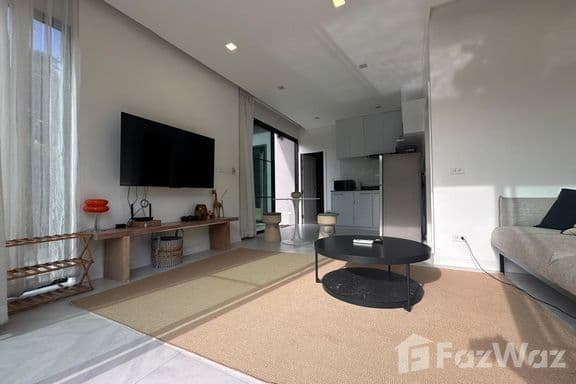
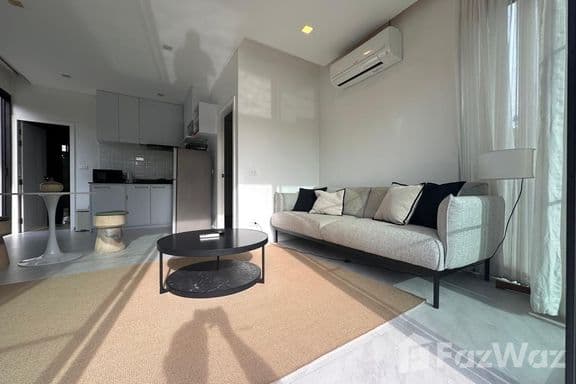
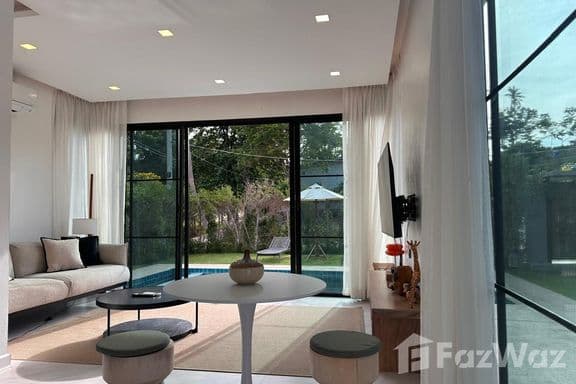






























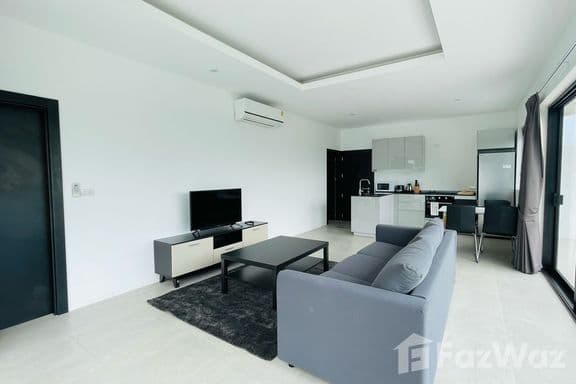
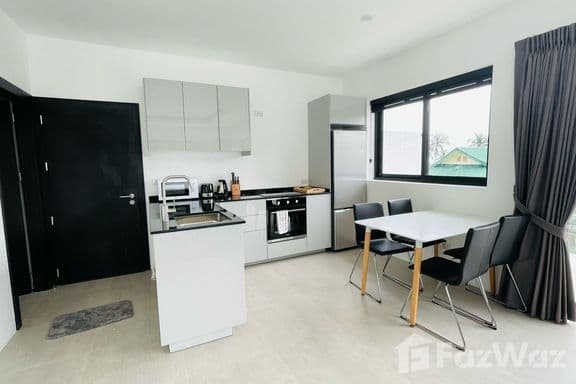
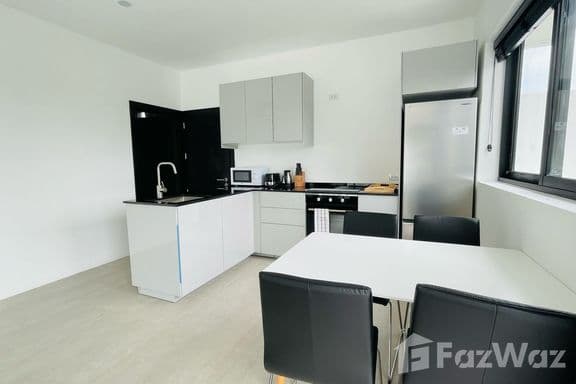
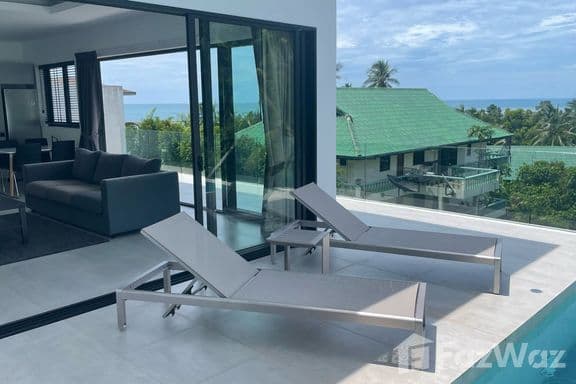












 Popular condos in Ko Samui

