Buying Apartments in Chiang Mai as a Foreigner (2024–2025 Market Guide)
Chiang Mai’s apartment market has become an attractive arena for international buyers in recent years. With its blend of affordable prices, strong rental demand, and rich cultural appeal, the city offers unique opportunities for foreign investors and expatriates. This guide provides a comprehensive deep dive into Chiang Mai’s apartment market for 2024–2025, focusing exclusively on foreign buyers. We will cover current market insights, legal ownership rules, price comparisons across key neighborhoods, distinctions between luxury and mid-range segments, and investment considerations such as capital appreciation and rental yields. This article is structured for clarity and SEO, serving as a content resource that complements and links back to the main Dot Property listings page for Apartments for Sale in Chiang Mai.
Chiang Mai Apartment Market Overview (2024–2025)
Chiang Mai’s real estate market in 2024–2025 is marked by steady growth and post-pandemic recovery. Condominium (condo) prices have been holding strong with moderate appreciation year-on-year. Analysts forecast annual price growth of around 3% to 7% in 2025, reflecting confident demand. Notably, condominiums have been the standout performers in recent years – some reports indicate double-digit annual appreciation over the past decade – fueled by both local and foreign buyer interest. This growth is underpinned by Chiang Mai’s enduring appeal as a cultural, educational, and business hub outside Bangkok.
Average pricing in Chiang Mai remains relatively affordable compared to Thailand’s capital or coastal resort cities. As of early 2025, average condo prices in the city range roughly from ฿60,000 to ฿80,000 per square meter (approximately $1,800–$2,300 per sqm). In practical terms, this means a modern one-bedroom unit of around 40–50 sq.m. typically costs about ฿2.5–฿4 million (roughly $70,000–$115,000). These figures represent city-wide averages; prices vary significantly by neighborhood and property type, as detailed later in this guide.
Several market trends in 2024–2025 are noteworthy for foreign buyers:
- Tourism Rebound and Rental Demand: Chiang Mai is experiencing a robust rebound in tourism and long-term foreign residents after the pandemic lull. This boosts demand for short-term rentals (Airbnb, etc.) and long-term leases alike, indirectly driving up property investment interest. Many investors anticipate healthy occupancy for well-located apartments, which supports price growth.
- Infrastructure and “Smart City” Initiatives: The government’s investment in Chiang Mai’s infrastructure continues, including improvements to highways and transport links. The city has been promoted as a potential “smart city” and tech hub, attracting startups and remote workers. These developments enhance Chiang Mai’s profile and are expected to bolster property values over the coming years.
- Expat Community Growth: An expanding expat population (estimated at over 30,000 foreign residents in the metro area) contributes to housing demand. Chiang Mai is particularly popular among digital nomads, retirees, and international students, thanks to its lower cost of living and high quality of life. This diverse foreign community provides a steady pool of buyers and renters for condos, especially in areas catering to Western conveniences and international schools or universities.
- Economic Factors: Thailand’s overall economy in 2024–2025 has seen moderate growth, and interest rates have risen slightly from record lows. However, property remains a favored investment for many as bank deposit rates stay modest. The Thai baht’s exchange rate has also been relatively stable, which gives foreign buyers more confidence in budgeting for property purchases without extreme currency risk. That said, buyers should keep an eye on exchange rate fluctuations when transferring funds for a purchase.
In summary, Chiang Mai’s apartment market enters 2025 on a stable footing. Prices are trending upward gradually rather than spiking, suggesting a sustainable growth path. For foreign buyers, this environment offers both reasonable entry prices and the prospect of capital appreciation. Next, we examine the legal framework and practical considerations for non-Thais looking to buy apartments in Chiang Mai.
Foreign Ownership Rules and Legal Considerations in Thailand
Foreigners can directly own apartments in Chiang Mai, provided the property meets Thailand’s legal definition of a condominium. Under the Thailand Condominium Act, non-Thai citizens may own condominium units freehold as long as no more than 49% of the total floor area of the condominium building is foreign-owned (this is known as the foreign quota). Practically, this means most well-established condo developments in Chiang Mai allocate up to 49% of units to foreign buyers on a freehold basis. Ensuring the unit you’re interested in is within the foreign quota is a critical first step in the purchasing process.
Key legal and procedural points for foreign buyers include:
- Source of Funds: Thailand requires that funds used by a foreigner to purchase a condo be remitted from abroad in foreign currency and properly documented (via a “Foreign Exchange Transaction Form” from the receiving Thai bank). This is necessary to register the condo in the foreigner’s name. It’s important to work closely with your bank and the developer or seller to handle the remittance paperwork correctly.
- Land Ownership Restrictions: Foreign individuals cannot own land in Thailand in their own name. This means standalone houses and villas (which include land) generally cannot be owned freehold by foreigners (common workarounds include long-term leaseholds or setting up a Thai company, but those come with complexity and risk). Condos are therefore the most straightforward and safest property type for foreigners, since you can own the apartment unit outright with a freehold title. In Chiang Mai, virtually all “apartments for sale” to foreigners are condos in legal terms, even if they are colloquially called apartments.
- Leasehold Option: In cases where a desired property is not eligible for foreign freehold (e.g. a new development that has filled its foreign quota or a serviced apartment project on leasehold land), foreigners may purchase a long-term lease. Typically, leases run 30 years (the legal maximum for a standard lease in Thailand, often with options to extend). While leasehold gives possession, it is not as secure or valuable as freehold, so most foreign buyers in Chiang Mai prefer condo freehold purchases when possible.
- Registration and Taxes: All property transfers are registered at the provincial Land Office. For condos, the transfer fee is generally 2% of the appraised value (often split 50/50 between buyer and seller by custom). There may be a nominal stamp duty or specific business tax depending on how long the seller has owned the unit. Notably, Thailand does not levy capital gains tax on individuals selling a property; the profit is implicitly covered by the transfer fee and taxes at sale, which tend to be modest. Annual property taxes on condos are also very low (under the new land and buildings tax, a lived-in or unoccupied condo of average value incurs a minimal yearly tax).
- Due Diligence: Foreign buyers are strongly advised to engage a qualified property lawyer for due diligence. This includes verifying the title deed, ensuring the unit is free of encumbrances, checking that the condominium juristic person is in good financial health, and reviewing all contracts (especially if buying pre-construction or leasehold). Legal due diligence is crucial to avoid pitfalls, such as buying into a building that has not been properly registered as a condominium or inheriting unpaid common fees from a previous owner.
- Ownership Transfer for Condos: Once all conditions are satisfied, the transfer at the Land Office is straightforward. The foreign buyer will need a letter from the condo juristic person confirming foreign quota availability, their passport, and the aforementioned bank letter confirming foreign funds. The entire process can be completed in a day with the assistance of a lawyer or agent. After registration, the new owner receives the Chanote title deed (ownership document) for the condo unit, listing them as the freehold owner.
In addition to these legalities, foreign buyers should consider practical aspects such as visa status. Owning property does not automatically confer the right to reside in Thailand long-term. However, Thailand offers various long-term visa schemes that property buyers often use, such as retirement visas (for those over 50, with financial qualifications) or the newer 10-year Long-Term Resident (LTR) visa which, for certain categories, can be obtained by investing at least $500,000 in Thai property alongside other qualifications. While visa rules are separate from property ownership, planning your residency status will ensure you can enjoy your Chiang Mai apartment without immigration hurdles.
Overall, Thailand’s legal framework is foreigner-friendly for condo ownership, making Chiang Mai an accessible market. With the rules in mind, we can now explore which areas in Chiang Mai are most popular among foreign apartment buyers, and how prices compare across these neighborhoods.
Neighborhoods Popular with Foreign Buyers in Chiang Mai
Location is a key consideration when buying an apartment in Chiang Mai. Foreign buyers tend to concentrate on neighborhoods that offer a desirable lifestyle (proximity to amenities, entertainment, international schools, etc.), good rental potential, and strong resale value. Below we profile the most relevant, data-backed neighborhoods where foreign buyers are most active. We’ll examine the character of each area and typical price levels for mid-range versus luxury apartments.
Nimmanhaemin (Nimman)
Nimmanhaemin – often simply called Nimman – is Chiang Mai’s trendiest neighborhood and a magnet for foreign buyers. Centered around Nimmanhaemin Road near Chiang Mai University, this area is known for its chic cafes, international restaurants, co-working spaces, and vibrant nightlife. Nimman offers a modern urban lifestyle within Chiang Mai’s otherwise laid-back setting, which appeals greatly to expats, digital nomads, and wealthy Thai professionals alike.
Apartment options: The Nimman area has seen a boom in condominium development over the past decade. Many mid-rise and a few high-rise condos dot the skyline here, ranging from older buildings like Hillside Condotel complexes (budget-friendly and somewhat dated, but in prime location) to upscale modern residences such as The Nimmana or Punna Residence. Studios and one-bedrooms are common, catering to younger expats and students, though there are also high-end boutique condos offering larger two-bedroom and three-bedroom units for those seeking more space.
Pricing: Nimman commands some of the highest condo prices in Chiang Mai. Mid-range units (older buildings or smaller, less amenity-rich new buildings) typically average around ฿60,000 per sq.m. (roughly $1,800 per sq.m.). For example, a 30 sq.m. studio in an older Nimman condo might be listed around ฿1.8–2.2 million. Newer one-bedroom condos (~45 sq.m.) in a mid-tier development may fall in the ฿3–4 million range, depending on age and facilities.
The luxury segment in Nimman is characterized by new or recently built condos with premium facilities (pools, gyms, roof gardens) and stylish designs. Luxury units in this area average about ฿90,000 per sq.m. (~$2,600 per sq.m.), and can exceed ฿100,000/sq.m. for the most sought-after projects. As an illustration, a 50 sq.m. upscale one-bedroom might sell for ฿5 million, while spacious executive suites or penthouses (100+ sq.m.) in Nimman can reach ฿10–12 million. Despite these higher prices, foreign buyers remain very active in Nimman due to its strong rental demand and lifestyle appeal. Apartments here are easy to rent out to other expats or affluent Thais – Nimman consistently has the city’s highest occupancy for short-term and long-term rentals. This makes it an ideal choice if rental yield and liquidity on resale are priorities.
Why foreign buyers like Nimman: This neighborhood offers a cosmopolitan atmosphere that eases the transition into Thai life. English is widely spoken in local businesses, and everyday conveniences (from Western-style supermarkets to international schools and hospitals) are within easy reach. For investors, Nimman’s popularity ensures a steady stream of tenants and solid capital appreciation prospects. The area’s ongoing development of trendy malls (like One Nimman and Maya Lifestyle Mall) and entertainment venues continues to bolster property values. One consideration is that Nimman’s condo supply has grown a lot, so competition in the rental market exists – however, demand has so far kept up, and well-located units retain a premium. In summary, Nimmanhaemin remains the top choice for many foreign buyers, balancing modern convenience with Chiang Mai’s charm, albeit at above-average price points.
Chang Phueak
Chang Phueak is a large district just north of Chiang Mai’s Old City and adjacent to Nimmanhaemin. It encompasses diverse sub-areas including residential zones along the Superhighway, the Jed Yod neighborhood, and parts of the Hauy Kaew Road leading toward Doi Suthep. Foreign buyers are drawn to Chang Phueak for its proximity to the city center and Nimman, often at a more affordable cost. The area is somewhat less trendy than Nimman, but still offers plenty of restaurants, local markets, and easy access to shopping malls like Maya and Central Festival (via the Superhighway).
Apartment options: Chang Phueak contains a mix of older condominiums and newer mid-rise projects. Some notable older condos (e.g., Nakornping Condominium, Hillside Plaza & Condotel 4) offer large unit sizes at low prices – these buildings are not new, but they attract budget-conscious foreign buyers looking for space and willing to renovate. There are also newer mid-range condos in Chang Phueak, often tucked in quieter side streets (sois). Examples include modern low-rises developed in the last 5–7 years with features like pools and gyms, but usually on a smaller scale than Nimman’s high-end projects.
Pricing: Overall, condo prices in Chang Phueak are moderate by city standards. A typical mid-range condo in this area averages around ฿50,000 per sq.m. (~$1,500 per sq.m.). For instance, one could find a 40 sq.m. one-bedroom in a relatively new Chang Phueak development for about ฿2.0–2.5 million. Older and larger units in high-rises like Hillside Plaza might go for even less per square meter – it’s not uncommon to see a 80 sq.m. two-bedroom in an older building listed for ~฿3 million (around ฿37,500 per sq.m.), illustrating the value available if you don’t mind an older property.
At the upper end, Chang Phueak has a few quasi-luxury offerings, primarily new boutique condos or upscale renovations. These can reach around ฿70,000 per sq.m. (~$2,000 per sq.m.). A brand-new 45 sq.m. condo near the Jed Yod area, for example, might be priced around ฿3.0–3.5 million if it features luxury finishes or guaranteed rental programs targeting investors. Still, pure “luxury” high-rises are rare here – most foreign buyers in Chang Phueak are seeking mid-tier pricing and are willing to trade off a bit on glamour for a good location and reasonable cost.
Why foreign buyers like Chang Phueak: This district strikes a balance between convenience and value. It borders the Nimman area (south end of Chang Phueak) and the Old City (east side), making it easy to reach Chiang Mai’s hotspots while enjoying slightly quieter, suburban surroundings. For those with cars, Chang Phueak’s access to the Superhighway and Canal Road means you can easily drive to other parts of the city or the outskirts. The area is also near Chiang Mai University and several international schools, which is a plus for families. Investment-wise, Chang Phueak’s steady development suggests room for future appreciation. As Nimman’s prices rise, some demand “spills over” into Chang Phueak, lifting values. Rentals are attainable: many long-term foreign residents (teachers, NGO workers, etc.) prefer Chang Phueak for its local vibe and lower rents, so owners can find stable tenants. In summary, Chang Phueak is a practical choice for foreigners who want central location without the Nimman price tag, offering solid mid-range investment opportunities.
Santitham
Santitham is a sub-neighborhood often considered part of Chang Phueak, but it deserves its own mention due to its growing popularity with foreigners. Situated just northeast of Nimmanhaemin and north of the Old City moat, Santitham was historically a local, working-class area. In recent years, it has undergone rapid gentrification, with hip cafes, street food hubs, and co-working spots springing up alongside traditional markets. Santitham provides a blend of local Thai atmosphere and emerging trendy spots – a combination that appeals to expats who seek authenticity and affordability.
Apartment options: Santitham’s condo stock includes a number of older low-rise apartments and a few new developments. One notable project is D’Vieng Santitham, a modern low-rise condominium by a major Thai developer (Sansiri), which brought a more upscale living option to the area when it was completed a few years ago. Aside from that, many condos in Santitham are smaller buildings or conversions catering to budget buyers and renters. Units are often compact (studio and one-bedroom layouts in the 25–40 sq.m. range are common) – suitable for singles or couples.
Pricing: Santitham is generally considered a budget-friendly area for condo buyers, although prices have been climbing as the area gains popularity. A typical mid-range condo in Santitham averages around ฿45,000 per sq.m. ($1,300 per sq.m.). For example, an older 30 sq.m. studio in this neighborhood might cost on the order of ฿1.2–1.5 million. Even D’Vieng Santitham, which is a relatively new and well-equipped development, has units in the 35–40 sq.m. size that have sold in the mid-฿2 millions (roughly ฿65k–฿70k per sq.m.). This indicates that the upper end of Santitham’s market reaches about ฿70,000 per sq.m. ($2,000 per sq.m.), which is significantly lower than Nimman’s top end despite being walking distance away.
It’s worth noting that true “luxury” condos are essentially non-existent in Santitham – the area’s appeal is more about value. The highest prices you’ll see are for new units in stylish boutique buildings, but even those are mid-tier by broader market standards. Therefore, the gap between mid-range and top-tier in Santitham is not as wide as in other areas. A reasonable budget of ฿2–3 million can secure one of the nicer condos in this locale.
Why foreign buyers like Santitham: Foreigners who choose Santitham appreciate its authentic local feel and lower costs. You get to live amid local markets, street food stalls, and everyday Thai life, yet you’re only a 5-minute ride from Nimman’s malls and the Old City’s attractions. For investors, Santitham offers good potential for rental yield: purchase prices are low, while rental demand from expats (especially those on local salaries or digital nomads on budgets) is steady. A simple one-bedroom that costs $50k might rent for $400+ per month, which can translate to yields in the 6–8% range if managed well. As the area continues to gentrify, property values are creeping up, so there is also appreciation potential. The ongoing improvements in Santitham’s infrastructure – like new cafes, better roads, and planned transit links – signal that the area is on an upward trajectory. In summary, Santitham is a rising star for foreign buyers who prioritize affordability and local charm, making it a smart entry point into the Chiang Mai property market.
Old City (Historic Center)
Chiang Mai’s Old City is the heart of the city – a roughly 1.5 km² square area surrounded by a ancient moat and walls, filled with temples, museums, and traditional shophouses. It’s the cultural and historical epicenter, as well as a major tourist draw. Living “inside the moat” or just around it is highly appealing to those who want to immerse themselves in Chiang Mai’s heritage. However, due to space constraints and strict building regulations in the Old City, apartments here are limited and often come at a premium.
Apartment options: There are very few large condominium buildings in the immediate Old City. Most structures are low-rise (often max 5–7 floors, due to height restrictions preserving sightlines to temple spires). Some of the condo projects near the Old City include boutique developments like The Unique @ Koomuang (located just at the north edge of the moat) and others tucked into small lanes. Many foreigners also look just outside the moat in nearby areas like Thapae, Chang Moi, and Wua Lai, where a handful of condo buildings exist (e.g., The Astra condominium on Chang Klan Road, although that’s a bit further south-east, or Twin Peaks near Night Bazaar). But strictly within or adjacent to the Old City proper, supply is scarce. Units that do exist tend to be upmarket, smaller-scale condos or renovated apartments in older mixed-use buildings.
Pricing: Because of the rarity of condos in the Old City, prices are relatively high on a per-square-meter basis. Mid-range offerings (which might include older condos just at the perimeter of Old City) average around ฿50,000–฿60,000 per sq.m. ($1,500–$1,800 per sq.m.). For example, one might find a 50 sq.m. older condo unit near Thapae Gate in the ฿2.5–3 million range, though such opportunities are not common.
On the other hand, **luxury or new boutique condos in the Old City area can fetch ฿90,000 per sq.m. or more (~$2,600 per sq.m.). For instance, The Unique @ Koomuang, being a modern low-rise by a reputable developer right by the moat, has seen asking prices around ฿7–8 million for 80–90 sq.m. two-bedroom units (roughly in the 85k–100k per sq.m. range). Similarly, any newly renovated high-end apartments in historical buildings (when they occasionally hit the market) command a premium for their character and location. It’s not unusual for a 30 sq.m. stylish loft near a famous temple to be priced similarly to much larger units in less central areas.
Why foreign buyers like the Old City: Living in the Old City is about experience and lifestyle. You step out of your door into lanes lined with golden temples, artisan shops, cafes, and some of the city’s best dining (from street food at the North Gate to upscale eateries). For retirees or cultural enthusiasts, this area is unbeatable in ambiance. Foreign investors who buy here are often less yield-driven and more focused on long-term value and personal use. The rental market in the Old City skews towards short-term holiday rentals, given the tourist footfall – though one must note that short-term rentals (under 30 days) in private condos are technically not legal without a hotel license, many owners still capitalize on platforms like Airbnb due to tourist demand. This can result in high nightly rates, but also comes with regulatory risk. Long-term rentals are fewer here, as many expats prefer more modern areas, but there will always be some who specifically seek the Old City charm.
From a capital growth perspective, properties in the Old City hold value exceptionally well because supply will always be tight – there is limited room or permission for new construction. If anything, as Chiang Mai grows, central land becomes even more precious. The main caution is that older buildings may require renovation and the historic district can be busy and noisy (festival times, tourist seasons). Yet, for many foreigners, owning a slice of the Old City is worth every baht, both as a financial investment and a lifestyle investment in Chiang Mai’s heritage.
Riverside
Chiang Mai’s Riverside area refers to the neighborhoods lining the Ping River, which flows along the east side of the city center. This stretch, particularly between Nawarat Bridge and the Iron Bridge and further south toward Holiday Inn, is known for its scenic river views, upscale hotels, and quieter atmosphere. Many foreign buyers, especially retirees or those looking for a more tranquil living environment, show interest in riverside properties. The ambiance includes green riverbanks, sunset views, and a mix of local eateries and international restaurants with riverfront decks.
Apartment options: The Riverside area has a few well-known condominium buildings, albeit not a large number. One iconic development is the Riverside Condominium (commonly just called “Riverside”), an older high-rise that has been a fixture on the river for decades. It offers spacious units and balconies overlooking the water, though the building itself is older (1980s era) with aging facilities. Aside from that, newer options are limited – most riverfront real estate is taken up by hotels, restaurants, or low-rise housing. However, a couple of boutique condos and serviced apartments have popped up in nearby areas like Wat Ket and Nong Hoi (just across or down the river). Some buyers also consider “Riverside adjacency,” such as condos a short walk from the river if direct riverfront is not available.
Pricing: Riverside condos can be surprisingly affordable in the mid-range due to the age of most buildings. For instance, at the Riverside Condominium, the average price is around ฿35,000–฿45,000 per sq.m. (approximately $1,100–$1,300 per sq.m.), which is low by city standards. It’s possible to find large units (e.g., 80–100 sq.m. two-bedroom flats) in older riverfront buildings listed in the ฿3–4 million range. This translates to a lot of space for the money, although renovations might be needed. Mid-range buyers therefore can get good value if they prioritize view and size over modern finish.
On the higher end, any luxury segment on the Riverside is typically due to either completely refurbished units or scarce new developments. A top-floor renovated penthouse at Riverside Condominium, for example, could be marketed at a much higher per-square-meter price (perhaps reaching ฿60,000–฿70,000 per sq.m. or ~$1,800–$2,000 per sq.m., if it’s turnkey with high-end interiors). Also, when new boutique riverside condos come up, they tend to price in the upscale range – easily ฿70k+ per sq.m. For instance, if a modern low-rise condo were built with direct river views, a 50 sq.m. luxury unit might cost on the order of ฿4–5 million. That said, as of 2025, pure luxury condos are rare on the Riverside, meaning most foreign buyers here are either taking on renovation projects in older buildings or waiting for the occasional new offering.
Why foreign buyers like the Riverside: The Riverside appeals to those who value a scenic and peaceful environment. Waking up to river views and being slightly removed from the urban hustle is a big draw, particularly for retirees or buyers seeking a second home for relaxation. The area also has a few cultural attractions (like the Warorot Market and lovely temples such as Wat Ket) within walking distance. From an investment perspective, the Riverside may not see as rapid price increases as Nimman, but it has a steady appeal and niche rental market. Some long-stay tourists and expats specifically want a river-view condo, so owners can target that segment for rentals. The ongoing beautification of the riverfront (there have been local government efforts to improve walkways and public spaces by the Ping) could enhance the area’s desirability in the future. Additionally, large infrastructure like the upcoming new United States Consulate compound on the river’s east bank is raising the profile of the area.
In summary, Chiang Mai’s Riverside offers serenity and charm. Foreign buyers who prioritize these qualities over being in the center of nightlife will find this area rewarding. It’s also one of the few places you might get a genuinely spacious apartment with a view at a relatively reasonable price – making it a unique value proposition in the Chiang Mai market.
Chang Klan (Night Bazaar Area)
Chang Klan is the district southeast of the Old City, best known for the famous Night Bazaar and its vicinity. This area, centered along Chang Klan Road and Chang Moi, is a vibrant commercial zone with hotels, shopping centers, and nightly street markets. It’s a long-established tourist hub and thus familiar to many foreigners. Apartments in the Chang Klan area appeal to buyers who want to be in the heart of the city’s tourist and shopping action. It’s walking distance to the Old City gates (e.g., Tha Pae Gate) and has plentiful dining, from street food to five-star hotel restaurants.
Apartment options: Chang Klan has seen some of Chiang Mai’s newer high-rise condo developments, since building height constraints are looser here than inside the Old City. Notable condominium projects include The Astra (a modern luxury high-rise near the Night Bazaar), The Shine (another upscale high-rise on Chang Klan Road), and older ones like Peaks Garden and Night Bazaar Condotel. There are also mid-range offerings like Peaks Avenue and City View Tower. These buildings collectively provide a range from compact hotel-serviced studios to large multi-bedroom penthouse units.
Pricing: Condo prices in Chang Klan cover a broad spectrum, reflecting the mix of old and new, mid-range and luxury. On average, mid-market condos around the Night Bazaar area are about ฿60,000 per sq.m. (~$1,800 per sq.m.). For example, an older but decent 50 sq.m. one-bedroom in Chang Klan might list for around ฿3 million. Several mid-2000s era condos (like Peaks Garden) often have units in the ฿2.5–4 million range for one to two bedrooms, which is quite reasonable given the location.
However, the luxury segment in Chang Klan is among the priciest in Chiang Mai. Top-end new condos such as The Astra have achieved prices of ฿100,000 per sq.m. or more (around $2,800+ per sq.m.) for high-floor units with premium views. As an illustration, a 70 sq.m. two-bedroom in a new high-rise could cost around ฿7–8 million. The Astra’s penthouse units and similar large luxury condos have even been listed in the ฿15–25 million range (these are 120–200+ sq.m. suites with multiple bedrooms and extensive facilities). Such pricing is unprecedented in Chiang Mai a decade ago, but Chang Klan’s positioning as a high-end urban living area has supported these values. The median list price for condos in Chang Khlan currently sits around ฿4.5–5 million, higher than most other areas, indicating the prevalence of upscale listings.
Why foreign buyers like Chang Klan: Chang Klan offers downtown convenience and an urban lifestyle. You have supermarkets, banks, hospitals (Chiang Mai Ram and others) and endless shopping and entertainment right at your doorstep. For those who want a condo that could double as a holiday home, this area is prime – you can easily rent it out to tourists when you’re not using it, given the Night Bazaar’s popularity. Many Chinese and other Asian buyers have shown interest in Chang Klan specifically due to the retail and nightlife attractions. Additionally, the area’s growth includes the new luxury shopping mall (One Nimman’s developer opened One Chiang Mai in the Night Bazaar zone, for example) and improvements in sidewalks and lighting, making it more pedestrian-friendly.
Investors have an eye on Chang Klan because it has a bit of a “city center” cachet without the Old City’s building limits. The rental yields can be decent – short-term rental rates are high here due to tourist demand, though again one must consider local regulations on short stays. Long-term, there’s a steady stream of expats who enjoy living near the action, including some foreign students and professionals. Resale potential is bolstered by the fact that Chang Klan is well-known; when you decide to sell, you can market the unit to both Thai buyers (who might use it as a vacation condo) and foreigners with familiarity of the area. One consideration is that traffic and noise are heavier here than in suburbs – it’s true city living. But for many foreign buyers, Chang Klan strikes the right chord of excitement and convenience, making it a strong contender in Chiang Mai’s apartment market.
Other Noteworthy Areas
Beyond the neighborhoods above, a few other areas deserve brief mention for foreign buyers:
- Hang Dong and Mae Hia (Suburban Districts): These areas lie to the south and southwest of Chiang Mai city. They are traditionally popular for houses and villas (many expatriates rent or buy large homes in Hang Dong’s gated communities). For apartments, there are only a handful of condo projects, mostly in Mae Hia near the Airport Plaza and along Canal Road. While not primary condo hotspots, the suburban shift – people seeking more space and greenery – has put these districts on the radar. Prices for the few condos here are generally lower on a per sq.m. basis (often under ฿50k/sq.m.), but one should be mindful that foreigners typically choose Hang Dong for landed properties rather than apartments. Still, if you’re considering living slightly outside the city buzz, you might find modern low-rise condos with mountain views in these areas at attractive prices. Future infrastructure (like a proposed second Chiang Mai airport and new roads) could enhance values in the long term.
- Nong Pa Khrang & San Sai (Northeast city fringes): In the northeast, near Central Festival Mall and along the Superhighway towards San Sai, a few large condo complexes exist (for example, Supalai Monte twin towers near the bus terminal). These tend to target Thai buyers, but some foreigners do buy here, especially those working in the area or looking for lower cost new-build high-rises. Prices are mid-range (around ฿50–60k per sq.m.) and you get modern facilities, though the surrounding environment is more utilitarian (big roads, less walkable). Foreign investor interest here is comparatively lower, but we mention it as an option for those who might work in the area or prefer a newer building at a lower cost than central locations.
Now that we’ve profiled the key neighborhoods, the following table provides a price comparison summary of these popular areas, differentiating between mid-range and luxury apartment segments:
Comparison of Apartment Prices by Neighborhood (THB and USD)
To illustrate the differences in pricing across Chiang Mai’s expat-favored neighborhoods, below is a comparison table. We list typical price levels for mid-range vs. luxury condos in each area, with approximate values in both Thai Baht and US dollars. (For USD conversions, an exchange rate of roughly 33–35 THB per USD is assumed for simplicity.)
|
Neighborhood
|
Mid-Range Condo Prices (avg. per sq.m.)
|
Luxury Condo Prices (avg. per sq.m.)
|
|
Nimmanhaemin
|
~฿60,000/sq.m. (≈ $1,800/sq.m.) – e.g. older condos or smaller new units in Nimman average this rate. A 40 sq.m. mid-range one-bedroom runs about ฿2.4M.
|
~฿90,000/sq.m. (≈ $2,600/sq.m.) – top-end Nimman projects. High-spec units can exceed ฿100k/sq.m. (e.g. 50 sq.m. luxury condo ~฿5M).
|
|
Chang Phueak
|
~฿50,000/sq.m. (≈ $1,500/sq.m.) – typical for mid-level buildings in Chang Phueak. For example, 50 sq.m. ≈ ฿2.5M.
|
~฿70,000/sq.m. (≈ $2,000/sq.m.) – rarer high-end units (new boutique condos). A 50 sq.m. upscale unit ~฿3.5M.
|
|
Santitham
|
~฿45,000/sq.m. (≈ $1,300/sq.m.) – budget-friendly average. A 30 sq.m. unit ~฿1.35M.
|
~฿70,000/sq.m. (≈ $2,000/sq.m.) – upper-end in Santitham (e.g. D’Vieng new units). Still mid-tier vs. other areas; 35 sq.m. ~฿2.45M.
|
|
Old City
|
~฿55,000/sq.m. (≈ $1,600/sq.m.) – for older or just-outside-moat condos. A 40 sq.m. unit ~฿2.2M if available.
|
~฿90,000/sq.m. (≈ $2,600/sq.m.) – for scarce luxury condos by the moat. A 80 sq.m. modern unit can be ~฿7.2M.
|
|
Riverside
|
~฿40,000/sq.m. (≈ $1,200/sq.m.) – typical in older riverfront buildings. For example, 80 sq.m. ~฿3.2M.
|
~฿70,000/sq.m. (≈ $2,000/sq.m.) – fully renovated or new riverside units. A 60 sq.m. high-end unit ~฿4.2M.
|
|
Chang Klan
|
~฿60,000/sq.m. (≈ $1,800/sq.m.) – mid-range in Night Bazaar area. A 50 sq.m. condo ~฿3M.
|
~฿100,000/sq.m. (≈ $2,800/sq.m.) – luxury high-rises (The Astra, etc). For instance, 70 sq.m. deluxe unit ~฿7M.
|
(Prices above are approximate market averages in 2024–2025. “Mid-range” refers to older condos or standard new builds, while “Luxury” refers to new/high-end projects or premium units. USD figures are rounded for convenience.)
As the table shows, Nimmanhaemin and Chang Klan command the top prices in Chiang Mai’s condo market, especially in the luxury bracket. Nimman’s appeal to expats and Chang Klan’s high-rise luxury developments push their upper-end prices toward ฿90k–฿100k per sq.m. Meanwhile, areas like Santitham and the Riverside offer more affordable entry points, with mid-range prices in the ฿40k–฿50k per sq.m. range and relatively smaller gaps between mid-tier and top-tier pricing. Chang Phueak and the Old City lie in between – generally moderate pricing with select upscale offerings reaching the higher end.
This comparison underscores the importance of neighborhood choice in budgeting for a Chiang Mai apartment. Next, we will discuss the differences between the luxury and mid-range segments in more detail, and examine what each segment offers to foreign buyers.
Luxury vs. Mid-Range Apartments in Chiang Mai
Chiang Mai’s apartment offerings can broadly be categorized into luxury (high-end) properties and mid-range (standard) properties, each catering to different buyer preferences and budgets. Understanding the distinction between these segments is important for foreign buyers to align their investment with their goals.
Luxury Segment Characteristics:
- Newer Developments & Modern Amenities: Luxury condos in Chiang Mai are typically found in newer developments (often built in the last 5–8 years or currently under construction). They boast modern designs, high-quality construction, and a full suite of amenities. Expect features like swimming pools, fitness centers, rooftop gardens or lounges, 24-hour security with hotel-like lobbies, covered parking, and sometimes extras like saunas or co-working spaces. The Astra, The Shine, and The Nimmana are examples that tick many of these boxes.
- Prime Locations: High-end apartments are usually in prime locations – Nimmanhaemin, the Night Bazaar/Chang Klan area, or limited offerings near the Old City or along the river. Developers choose sites that are attractive to affluent buyers, meaning convenience and prestige. For instance, a luxury condo might be adjacent to a high-end mall or a five-star hotel, enhancing the perceived status of the address.
- Unit Sizes and Layouts: Luxury units often come in larger sizes and more lavish layouts. High-ceiling lobbies and grand entranceways extend to the units themselves: you’ll find condos with better views (higher floors with Doi Suthep or river panoramas), larger balconies, and higher grade interior finishings. Penthouses or special units might have private terraces or even plunge pools. That said, Chiang Mai luxury condos still tend to be smaller on average than houses – e.g., a premium two-bedroom might be 70–100 sq.m., which is spacious for a condo but not excessive.
- Pricing and Buyer Profile: As shown earlier, luxury condos command a per-square-meter price roughly 50–80% higher than mid-range counterparts in the same area. These properties target buyers who are either end-users wanting a high standard of living, or investors confident in the high-end rental market. Many foreign luxury buyers in Chiang Mai are international investors from Asia (China, Singapore, Hong Kong) or expats from Western countries who have sold properties back home and are upgrading their lifestyle in Thailand. They are willing to pay more for a turn-key, low-maintenance luxury residence with lifestyle perks.
- Investment Perspective: High-end condos often see good capital appreciation in Chiang Mai’s growth nodes (Nimman, etc.), as land prices and construction costs rise for new projects. They also attract higher-income tenants, though ironically, rental yields (as a percentage of purchase price) on luxury units can be lower than mid-range units. This is because the rental market has a ceiling – for example, a tenant might pay ฿25,000/month for a nice 1-bedroom whether it cost the owner ฿3 million or ฿5 million. So yields might be 4-5% for luxury vs. potentially 6-8% for mid-range. Buyers of luxury condos are often comfortable with slightly lower yield in exchange for stronger long-term value, better liquidity among wealthy buyers, and personal enjoyment of a premium property.
Mid-Range Segment Characteristics:
- Established Buildings & Simpler Amenities: Mid-range apartments include both older condos (1990s-2000s era) and many of the newer but budget-oriented developments. Amenities exist but are basic – e.g., a small pool or gym (or sometimes none in older buildings), functional security and parking, but nothing too fancy. Common areas might show some age in older properties. Maintenance fees in mid-range condos are typically lower (due to fewer facilities) – a point to consider for cost of ownership.
- Varied Locations: Mid-range condos are spread all over – from central areas like Chang Phueak/Santitham to more peripheral locations. Many Thai-developed condos targeting the mid-market were built in areas where land was cheaper but still accessible. For foreign buyers, this segment opens up more neighborhood choices if budget is a concern. You could find a mid-range unit in a top location (like Nimman) if it’s an older building, or a mid-range unit in a secondary location (like further out along Canal Road) in a newer building.
- Unit Sizes and Layouts: There’s a wide spectrum here. Some mid-range units are surprisingly large (older condos often have generous floor plans – e.g., 100+ sq.m. 2BR units are common in 90s buildings). Conversely, many new budget condos built in the 2010s targeted Thai first-time buyers or investors with compact studios (as small as 22–30 sq.m.). Foreign buyers in the mid-range bracket should decide what’s more important: space vs. newness. If you value space, an older condo might give you double the area for the same price as a brand-new tiny unit. If you prefer new fittings and minimal renovation, you might opt for a smaller modern condo.
- Pricing and Buyer Profile: Mid-range condos are generally between ฿1 million to ฿4 million for most units foreign buyers would consider, making them quite attainable. The buyer profile here includes long-term expatriates who live on local incomes (teachers, NGO workers, retirees on pensions) – they often buy mid-range condos to avoid rent and build equity, balancing comfort with cost. Also, property investors aiming for rental yield like mid-range condos because of the lower capital outlay and steady demand from middle-class tenants (Thai and foreign).
- Investment Perspective: Mid-range properties can offer higher rental yield percentages. For instance, an older condo bought for ฿2 million might still rent for ฿15,000/month after a renovation, yielding around 7-8% gross annually. There is also potential for value-add: foreign buyers sometimes purchase dated units in great locations at low prices and renovate them to modern standards, thereby increasing both rental income and resale value. On the flip side, mid-range condos may appreciate more slowly than the flashy new developments. Much depends on location – a mid-range condo in Nimman will appreciate faster than one in a far suburb. Buyers should also be mindful of building condition and management; an older poorly-managed building could incur special assessments or see values stagnate if it deteriorates.
In summary, luxury condos offer comfort, prestige, and likely easier future resale among high-end clientele, while mid-range condos offer affordability, potentially better rental returns, and often more space for the price. Many foreign buyers find that mid-range options suffice for their needs, especially given Chiang Mai’s overall affordability. However, those coming from expensive property markets (like Hong Kong or London) might find Chiang Mai’s luxury segment a bargain and opt to indulge in higher-end living.
Finally, we will turn to general investment considerations that foreign buyers should weigh, including market trends in appreciation, resale potential, and rental yields, given all the information discussed so far.
Investment Considerations for Foreign Buyers
Purchasing an apartment in Chiang Mai is not just a lifestyle decision but also a financial investment. Foreign buyers should evaluate how their condo will perform in terms of capital appreciation, resale potential, and rental income. Here are key considerations and current trends (2024–2025) to keep in mind:
- Capital Appreciation Trends: Chiang Mai’s property market has shown healthy appreciation over the long term, especially in the condominium sector. Over the past decade, condos in prime areas have seen strong gains – some estimates put average condo appreciation at around 8-12% annually in the pre-2020 period. While growth paused during the peak of the COVID-19 pandemic (2020 saw a slowdown in transactions), the recovery is now underway. As of 2024, prices are rising modestly again, and experts forecast 3-7% annual price growth in the near term for Chiang Mai condos. Key drivers for appreciation include: limited land availability in prime areas (driving up new project prices), increasing demand from both Thai urban professionals and foreign buyers, and improving infrastructure (which expands the radius of “desirable” locations). Neighborhoods expected to see above-average appreciation in 2025 and beyond include Nimmanhaemin (continuous expat demand and upscale development), the Old City (limited supply, high desirability), and emerging areas like Santitham (gentrifying) and parts of Hang Dong (as suburban living trends grow). Buyers should view Chiang Mai real estate as a medium to long-term investment; short-term flips are less common, but a 5+ year hold has historically yielded solid returns in desirable parts of the city.
- Resale Potential: When the time comes to sell, foreign owners want a liquid market to exit into. Several factors affect resale ease and profit:
- Location and Developer Reputation: Condos in well-known buildings by reputable developers (e.g., Sansiri, Ananda, Quality Houses, etc.) tend to resell faster. They inspire confidence in Thai buyers as well, who form a big part of the resale market. For instance, a unit in a branded project like “The Nimmana” or “d’VIENG Santitham” may attract more interest than a unit in a small unknown building.
- Foreign Quota: When a foreigner sells a condo, the buyer can be either Thai or foreign. If the building’s foreign quota is full at that time, your potential pool of foreign buyers is limited (a Thai buyer could still purchase, but some older buildings in tourist areas appeal mostly to foreigners). Owning in a building that is popular with Thai buyers (or that still has foreign quota room) is an advantage for resale. It’s worth asking the condo juristic person about current quota status – a balanced mix is healthy for future flexibility.
- Unit Condition: Well-maintained or renovated units obviously fetch better resale prices. Many foreign owners undertake upgrades (modern kitchen, refreshed bathroom, etc.) which not only help with rental but also make the unit more attractive when selling, compared to original condition units flooding the market from developers.
- Market Cycles: Thailand’s property market can be cyclical. External factors like global economic conditions, exchange rates, or local policies (such as mortgage rules or stimulus for property) can influence buyer sentiment. That said, Chiang Mai is less volatile than Bangkok or resort markets – it has a steady local demand that underpins it. Foreign sellers should ideally plan their exit strategy in a favorable market phase (e.g., when foreign currencies are strong against the baht, or when there’s an uptick in expat inflows).
- Rental Yields and Income: Many foreign buyers intend to rent out their Chiang Mai apartment, either immediately to generate income or in the future if they relocate. Rental yields (annual rent divided by purchase price) in Chiang Mai vary by property type and management approach. Generally:
- Long-term rentals: A typical long-term (one-year contract) rental yield for condos in Chiang Mai is in the range of 4% to 6% gross per year. High-end condos might yield on the lower end (4-5%) because their rental rate is not proportional to their high price. Mid-range condos can reach 6% or slightly more, particularly if bought at a good price and rented to expats or locals working at international firms/universities.
- Short-term rentals: If one legally and practically manages short-term lets (weekly or monthly stays), the effective yield can be higher, sometimes 7% to 10% gross, as you can charge premium nightly rates. However, note that short-term renting of residential condos violates Thai hotel laws unless the building is licensed for it, and it may be restricted by the condominium’s rules due to security or nuisance concerns. Despite this, many owners do operate in a grey area with Airbnb, especially in tourist-heavy zones like Nimman and Night Bazaar. If considering this route, weigh the risks and ensure a local agent or management service can handle check-ins, cleaning, and compliance with any evolving regulations.
- Occupancy factors: Chiang Mai has a pronounced tourist high season (November to February) and a low season (March to May often sees the burning season haze which can reduce demand). Long-term rentals can shield you from seasonal vacancy, but short-term rentals might see fluctuating occupancy. A savvy approach some foreign owners take is to combine strategies – for example, secure a long-term tenant for a year or two when yields are decent, and perhaps pivot to short-term rentals later when they have more time to manage it or if tourism trends strengthen.
- Expenses and Taxes: Property investors should account for ongoing costs: common area maintenance (CAM) fees are usually charged per sq.m. monthly – luxury condos might charge ฿50–฿80 per sq.m. per month (for a 50 sq.m. unit, ~฿2,500/month), whereas simpler condos might be ฿20–฿40/sq.m. These fees cover security, cleaning, pool upkeep, etc. Other costs include building insurance (usually part of CAM) and personal contents insurance (optional). Thailand has very low property taxes for personal owners – most condo units of average price incur maybe a few thousand baht a year in the new property tax regime (often nothing if it’s your only property and you use it). If you rent out the unit, technically you should file Thai income tax on the rental income (net of allowances); many small landlords do this at a modest rate. When selling, be prepared for the transfer fee (2%) and possibly a specific business tax (3.3%) if you sell within 5 years of purchase – though if it was your personal residence, sometimes only stamp duty (0.5%) applies instead. It’s wise to have a property lawyer or accountant advise on these at the time of sale to minimize costs.
- Diversification and Purpose: Consider your investment purpose. Is the condo purely an investment for profit, a vacation home, a future retirement residence, or some mix of these? Chiang Mai is a popular choice for retirement living; many foreign buyers initially rent out their unit and later plan to occupy it once they retire. If so, prioritize a location and property that you would enjoy living in, not just one that makes the most money. On the other hand, if you have no plans to live there and treat it as an investment asset, you might focus on areas with the best rental demographics (e.g., near the university for student tenants, or Nimman for expat tenants) even if you personally find those areas busy or noisy. Exit strategy is also part of investment – think about who would buy your unit down the line (another foreigner, a Bangkok investor, a local family?) and ensure the property appeals to that segment for a smoother sale.
- Market Risks and Mitigation: No investment is without risk. For Chiang Mai condos, potential risks include:
- Oversupply in certain segments: If too many similar condos are built in one area (say, a sudden surge of new developments in Nimman or around Central Festival), rental rates and resale prices could face pressure. To mitigate, choose buildings with unique selling points (best location, reputable developer, or distinctive features) that will stand out in a crowded market.
- Environmental factors: Chiang Mai’s well-known air pollution (“smoky”) season each spring has occasionally made headlines and could deter some potential renters or buyers (especially health-conscious retirees). While it’s a seasonal issue, it’s worth considering installing air purifiers or ensuring your condo has good air conditioning, and perhaps choosing a higher-floor unit which might be a bit less affected by ground-level smoke. This factor has not significantly dented property values, but it might affect occupancy for short-term rentals during those months.
- Regulatory changes: The Thai government periodically reviews foreign property ownership rules. There have been discussions (not yet finalized as of 2025) about extending lease lengths or even allowing limited land ownership rights for certain high-investment foreigners. Any loosening could boost foreign demand; conversely any tightening (like stricter enforcement on Airbnb rentals or changes in visa/work-permit rules) could temporarily impact foreign interest. Staying informed and flexible in strategy is advisable. The positive news is the trend has been towards making Thailand welcoming for foreign investors (e.g., new long-term visas), viewing them as a source of economic growth.
In conclusion, Chiang Mai’s apartment market offers a compelling investment case for foreigners – combining relatively low entry costs, decent rental yields, and the prospect of value growth in a city that many end up falling in love with. By carefully selecting the neighborhood and property segment that aligns with your goals, doing due diligence, and managing the property wisely, a foreign buyer can expect not only financial rewards but also the enjoyment of owning a home in one of Southeast Asia’s most livable cities.
Conclusion
Buying an apartment in Chiang Mai as a foreigner in 2024–2025 is an exciting opportunity to be part of a growing, dynamic market. The city strikes a unique balance: it offers modern amenities, investment potential, and a large international community, all while retaining a relaxed pace of life and rich cultural heritage. Foreign buyers have a spectrum of choices – from luxury condos in the heart of Nimman or Chang Klan, to comfortable mid-range flats in Santitham or riverside districts – ensuring that there’s something for every preference and budget.
In this guide, we’ve explored how each key neighborhood caters to international buyers, compared pricing in Thai Baht and USD, and discussed how luxury and mid-range segments differ in terms of lifestyle and returns. We also covered practical aspects of foreign ownership and current market insights. As a content silo, this article complements the property listings on Dot Property’s platform, providing context and depth. When you’re ready to take the next step, you can browse the latest apartments for sale in Chiang Mai on our site to see real examples of what’s on the market.
Chiang Mai’s real estate outlook for foreign buyers remains positive: steady capital growth, robust rental demand, and a welcoming investment environment. By doing thorough research (as you’ve done by reading through this comprehensive article) and engaging professional advice when needed, you can approach your Chiang Mai apartment purchase with confidence. Whether you seek an investment with healthy returns, a retirement sanctuary amid mountains and temples, or a hybrid work-and-play residence, Chiang Mai has a place for you. Happy property hunting in the Rose of the North!


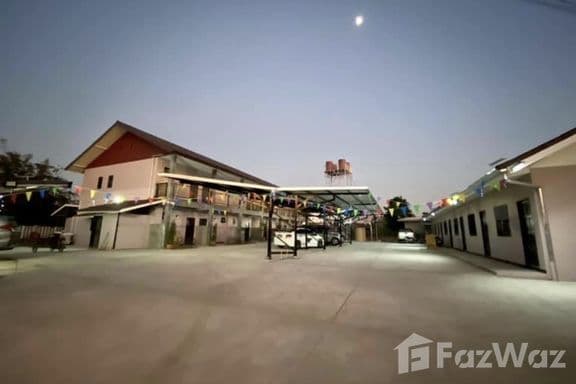




 Popular condos in Chiang Mai

