Buying a Townhouse in Chiang Mai: Complete 2025 Guide for Foreign Buyers
Chiang Mai has long been a magnet for international retirees, digital nomads, and expats seeking a vibrant yet affordable lifestyle. In recent years, interest in owning property – particularly townhouses – has surged among foreigners. Drawn by Chiang Mai’s laid-back culture, modern amenities, and cooler climate, many overseas buyers are looking to put down roots in the city. Townhouses have become especially attractive as they offer more space than condos at relatively affordable prices. According to market insights, around 40% of residential properties in Chiang Mai are now bought for investment purposes, often by foreign nationals. This trend is driven in part by overseas buyers (notably from China, Europe, and the US) who see Chiang Mai real estate as a high-value opportunity. Overall, the combination of lifestyle appeal and strong investment potential has made townhouses a rising favorite for foreign buyers in 2025.
Market Overview (2025)
Demand Trends: Chiang Mai’s property market in 2025 is experiencing robust foreign demand amid a slowdown in local buying power. With Thai buyers facing high household debt and stricter mortgage lending, developers and sellers increasingly look to foreign purchasers to fill the gap. In fact, the Bank of Thailand’s data indicates that lower-end home sales (below ฿3 million) have dropped sharply, while higher-priced properties (฿7 million and up) saw over 10% growth in the past year. This suggests that wealthier Thais and foreign investors are driving the market for quality homes. Chiang Mai is now one of the top provincial markets (second only to Chonburi) attracting property interest outside Bangkok, reflecting its popularity among expatriates and retirees.
Supply and New Developments: Developers have responded to demand by launching new housing projects within a 10 km radius of the city center. Most new residential developments – including townhouse estates – are clustered near key amenities like shopping malls, international schools, and hospitals for convenience. This controlled expansion helps ensure infrastructure keeps pace with growth. As of 2025, Chiang Mai’s townhouse supply is healthy: property portals list around 250 townhouses for sale citywide, indicating plenty of options. Notably, popular suburbs such as Mueang (city center), Hang Dong, and San Sai have the highest concentrations of listings. Inventory ranges from budget two-bedroom townhomes on the urban fringe to upscale multi-story townhouses in prime neighborhoods.
Pricing Movement: Property prices in Chiang Mai remain affordable compared to Bangkok or Phuket, though they have been inching up. On average, townhouses in Chiang Mai cost around ฿22,000 per square meter (approximately $600), translating to about ฿3–4 million for a typical unit. Market data shows a median price of roughly ฿3.85 million for townhomes across the city, confirming that many fall in the sweet spot of ฿2–4 million. Prices do vary widely by location: central areas and trendy spots command a premium, while outlying districts remain very affordable. For example, in the fashionable Nimman area, townhouse prices average much higher (often above ฿10 million) due to scarce supply and high land values. In contrast, suburban areas like San Sai or San Kamphaeng see new townhomes starting as low as ฿1.4–฿2 million for smaller units. Overall, condo prices have shown stronger appreciation in recent years (up ~12% annually), whereas landed houses and townhouses have seen flatter growth. That said, land values in Chiang Mai keep rising steadily by double digits, which in turn is gradually pushing townhouse prices upward, especially in high-demand locales.
Rental Yields: Chiang Mai remains attractive for buy-to-rent investors. With the city’s steady influx of expats and students, well-located townhouses can generate solid rental returns. Average gross rental yields for townhomes are in the 5–8% range per year, higher if the property is rented short-term or used as a guesthouse. Tourism recovery and remote work trends have boosted demand for rentals, which is good news for investors aiming to earn income. However, new regulations (like strict short-term rental rules) require landlords to focus on monthly or yearly tenancies in many cases. Still, the overall market outlook in 2025 is positive: foreign interest is buoying property values, and Chiang Mai’s reputation as a safe, livable city ensures that well-chosen townhouses should hold or increase their value over the long term.
Townhouse Types in Chiang Mai
Not all townhouses in Chiang Mai are the same – they come in a few distinct types catering to different preferences. Here are the common townhouse formats you’ll encounter:
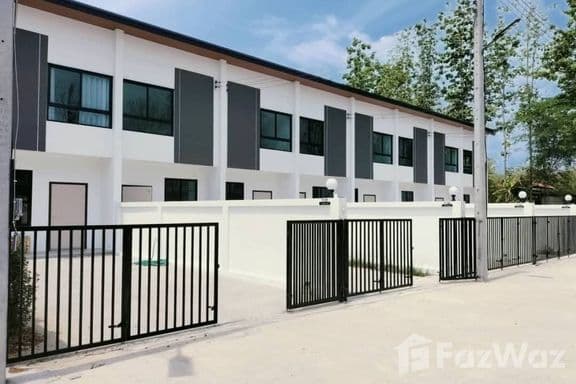
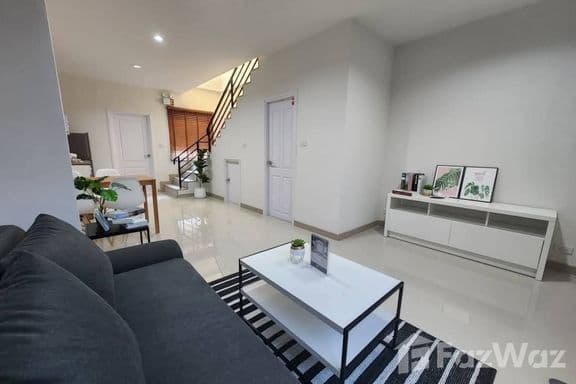
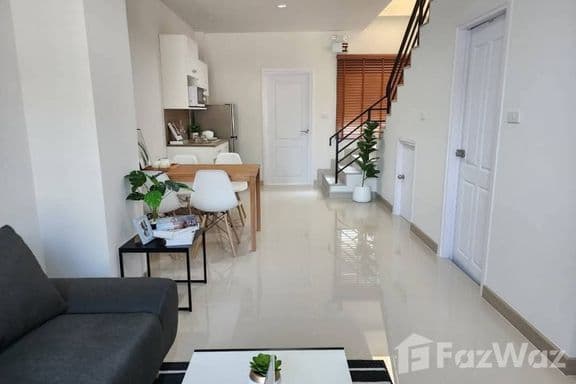
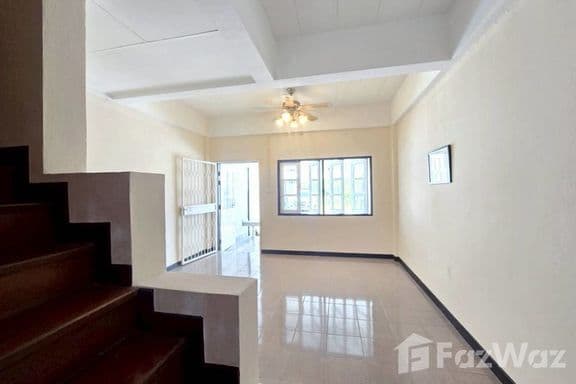
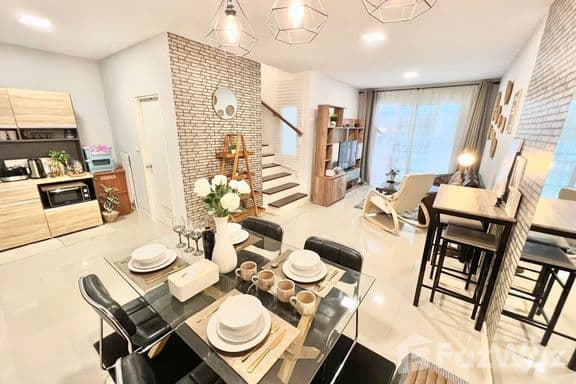
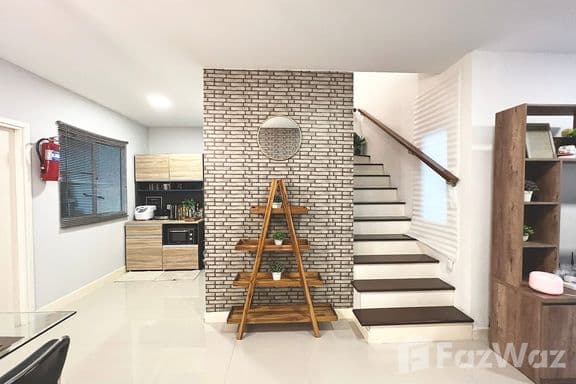
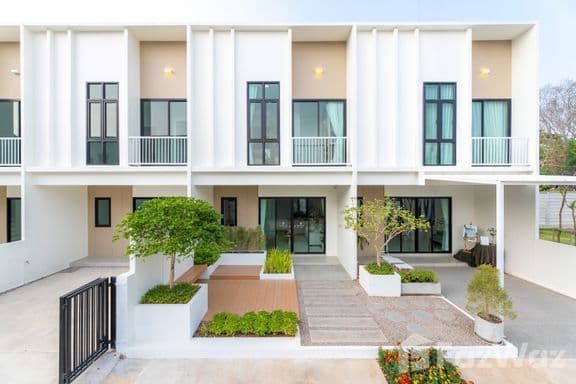
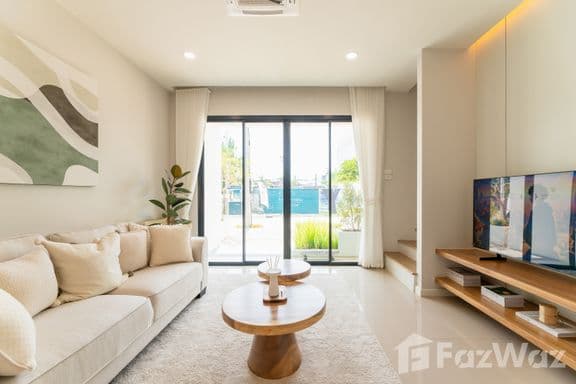
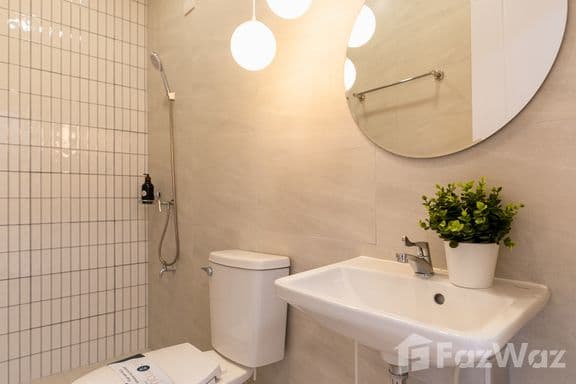
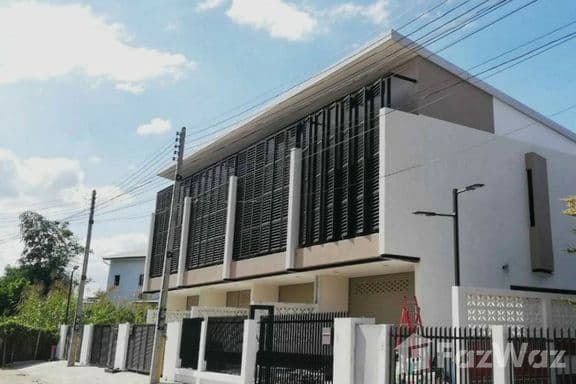
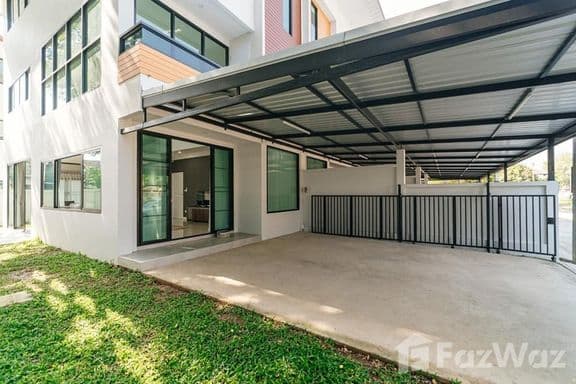
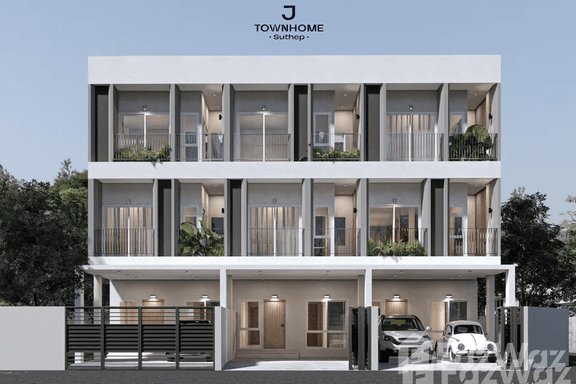
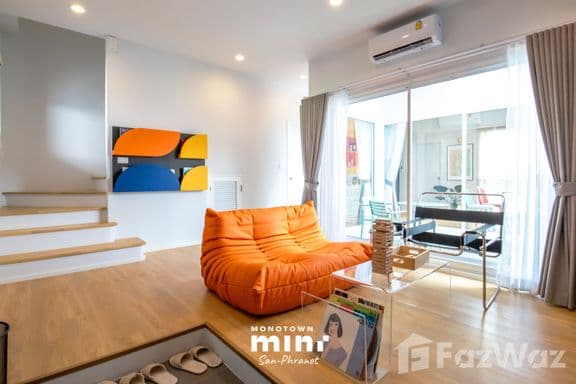
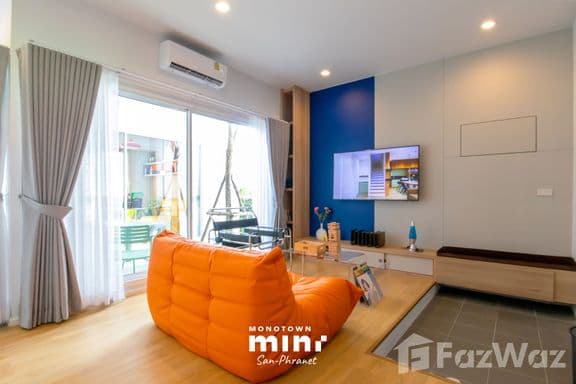
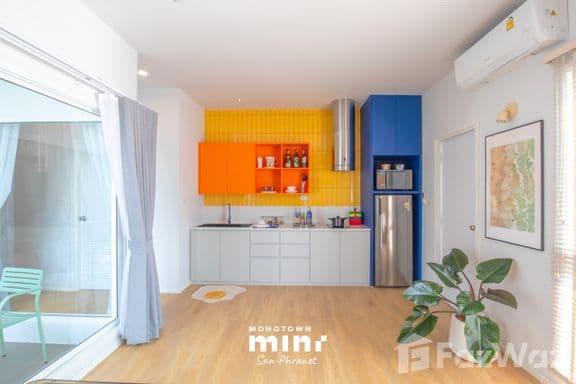
- Modern Townhomes: These are recently built townhouses (often 2 or 3 stories) featuring contemporary designs and updated interiors. Modern townhomes usually include open-plan living areas, modern kitchens, and en-suite bathrooms. They are often part of new developments, so expect features like sleek facades, small private gardens, and dedicated parking. Many are built as duplexes or rows within planned communities. For foreign buyers, modern townhomes are attractive because they require less immediate renovation and typically offer better insulation, wiring, and internet infrastructure – all important for comfort.
- Gated Community Townhouses: A large number of Chiang Mai townhouses are located in gated communities (known locally as moo ban or village projects). In these projects, you’ll find rows of townhouses with the benefit of 24/7 security and often shared amenities. Facilities might include a community pool, clubhouse, fitness center, or park area for residents. Gated community townhouses provide a safer, quieter environment with controlled access – appealing to families and retirees. They also involve monthly maintenance fees for security and upkeep of common areas. The homes in such communities tend to have uniform designs and are governed by homeowner association rules (for example, on pets or exterior modifications). Overall, if you value security and a neighborhood feel, gated project townhomes are an excellent option.
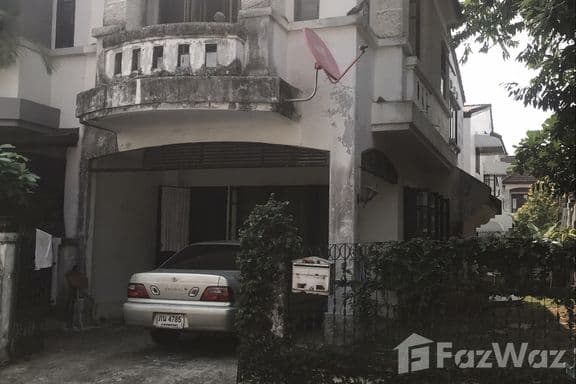
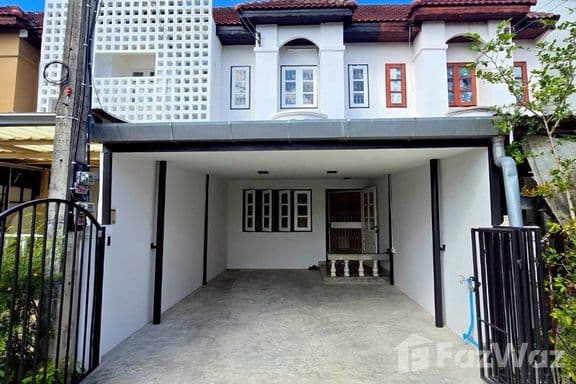
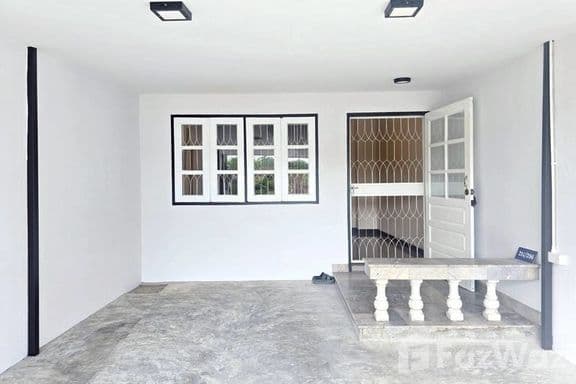
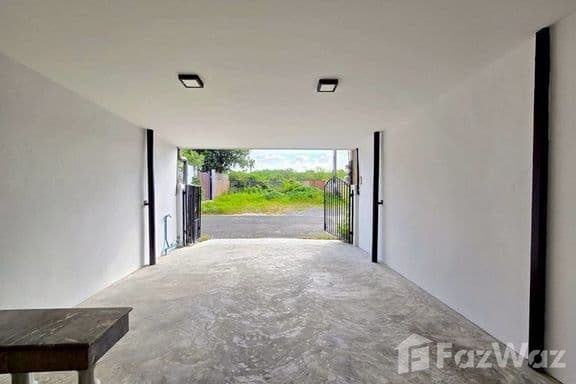
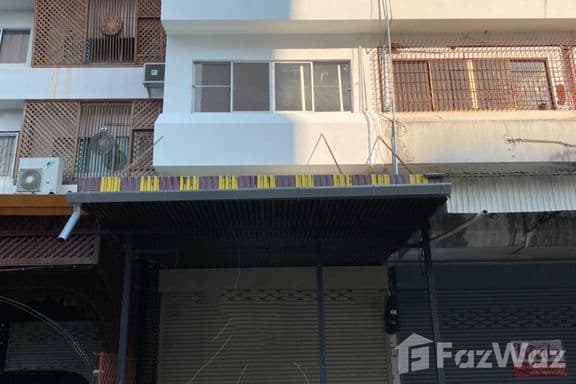
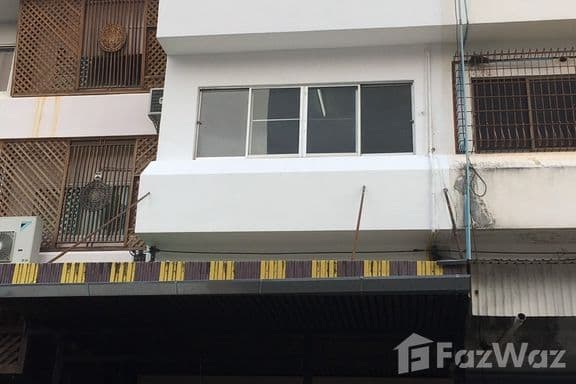
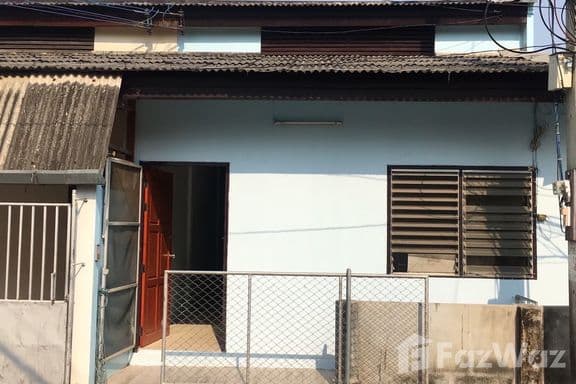
- Standalone Townhouse Rows: These are older townhouses built along public streets (not within private estates). Standalone townhouses in Chiang Mai often resemble shophouses – narrow, multilevel buildings usually attached in a row. They may be found in city center areas or traditional local neighborhoods. While they lack the amenities of gated projects, standalone townhouses have the advantage of no common fees and often a more authentic local atmosphere. Many have a storefront or carport on the ground floor, making them suitable for a home business or café. Foreign buyers interested in renovation projects sometimes target these older townhomes, as prices can be lower and locations central. However, it’s important to evaluate the structure’s condition and be mindful of things like parking availability and noise, since these are on public streets. Standalone townhouses are ideal for those seeking a bit of old Chiang Mai charm or investment properties for commercial use.
Best Districts to Buy a Townhouse
Chiang Mai is a patchwork of diverse districts and neighborhoods, each with its own character. Foreign buyers will find townhouses available across the metropolitan area, but some districts stand out for their convenience, lifestyle, and investment potential. Below are some of the best districts in Chiang Mai to consider for townhouse purchases, along with what makes each attractive:
Hang Dong
Hang Dong is an upscale district to the south of the city, known for its leafy suburbs and established expat communities. This area is dotted with gated housing estates, including many townhome projects, as well as larger villas. Hang Dong’s appeal lies in its peaceful, “country club” atmosphere away from the urban hustle. Affluent retirees and expat families are drawn here for the spacious properties and green surroundings. Townhouses in Hang Dong typically feature 2–3 bedrooms and modest gardens or terraces, often within secure compounds. The district boasts amenities like international schools (e.g. Lanna International School), supermarkets, and the Kad Farang shopping village – making it very convenient for daily living. Driving into the city center takes about 20–30 minutes, but many residents find they have everything they need locally. Price-wise, Hang Dong offers good value for the quality of life: a modern townhome here averages around ฿4.8 million (≈$140,000) as a median price. Entry-level units in older projects may start around ฿2–3 million, while larger new townhomes or end-unit townhouses can go up to ฿6–8 million. Given its family-friendly environment, solid infrastructure, and resale desirability, Hang Dong is a top pick for foreigners planning long-term stays or retirement in Chiang Mai.
San Sai
San Sai is a district located north and northeast of central Chiang Mai, popular for its affordability and quiet charm. This area offers a mix of local Thai communities and growing expat enclaves. San Sai has seen a number of new townhouse developments in recent years, particularly near the outer ring road and around the Mae Jo University area. Buyers here can find some of the most affordable townhouses in Chiang Mai without sacrificing too much in convenience. It’s only a 20–30 minute drive to the Old City, and the district has its own malls (Central Festival is nearby), markets, and even international school campuses. A typical townhouse in San Sai might be a 2-story unit with 2–3 bedrooms, priced very competitively. Prices in San Sai start around ฿1.5–฿2 million for a basic two-bedroom townhome, and the median price sits around ฿3.0 million (roughly $85,000). Even newly built townhomes here often stay below ฿4 million, which is appealing for budget-conscious foreign buyers. The trade-off is that San Sai is more suburban/rural in feel – expect rice fields and local villages in the vicinity. However, for many expats (including those teaching English or studying Thai), San Sai’s mix of local culture and modern housing is ideal. It’s also worth noting that rental demand can be strong if your townhouse is near Mae Jo University or industrial zones, as Thai students and workers seek housing in the area. In summary, San Sai is an excellent choice if you want a quieter life and maximum bang for your buck in Chiang Mai’s property market.
Nimman (Nimmanhaemin)
Nimmanhaemin – often simply called Nimman – is Chiang Mai’s trendiest neighborhood and a prime location for those who love city life. Centered around Nimmanhaemin Road in the Suthep area, this district is famous for its chic cafes, international restaurants, art galleries, and co-working spaces. It’s the beating heart of the digital nomad and young expat scene in Chiang Mai, offering a walkable urban lifestyle. Townhouses in Nimman are comparatively rare (most residential units here are condos), but when they do come up, they are highly sought after. Many Nimman townhouses are older buildings tucked in small sois (lanes) off the main road. They often have 2 or 3 floors and may have been converted into boutique guesthouses, cafes, or offices given the area’s commercial appeal. Foreign investors sometimes eye Nimman townhomes precisely for this business potential – a townhouse here can be turned into a trendy hostel or café to capitalize on tourist foot traffic. The pricing in Nimman is the highest in Chiang Mai: the median townhouse price is around ฿11–12 million (over $300,000), reflecting the premium location. It’s not uncommon to see listings in the ฿8–15 million range depending on size and proximity to Nimman Road. While expensive, these properties hold their value well due to limited supply. Living in Nimman means being walking distance from Maya Shopping Mall, nightlife spots, and Chiang Mai University, with the Old City just a 5-minute drive away. For digital nomads or young professionals who want an energetic, cosmopolitan vibe, Nimman is unbeatable. Just be prepared for higher costs and a bit of urban noise – this area is lively nearly 24/7. If you find a townhouse here within your budget, it can be both an enjoyable residence and a savvy investment given Nimman’s enduring popularity.
Mae Hia
Mae Hia is a sub-district in southwest Chiang Mai, adjacent to Hang Dong and about 5–10 km from the city center. Over the last decade, Mae Hia has transformed from semi-rural land into a suburban hotspot. It’s home to numerous new housing estates, including townhome projects catering to middle-class Thai and expat buyers. One big draw of Mae Hia is its proximity to Chiang Mai International Airport (just a few kilometers away) and to the popular Nimman/Suthep area, which is easily reached via the Canal Road. Townhouses in Mae Hia often feature modern designs similar to those in Hang Dong, since many large developers have projects spanning both areas. Living here, you’ll find Big C and Tesco supermarkets, the “Night Safari” park and Royal Flora gardens for recreation, and international schools like Grace International within a short drive. Mae Hia provides a nice balance of being close to the city’s action while enjoying quieter surroundings. Townhouse prices in Mae Hia are moderate: the median is approximately ฿3.8 million (~$110,000). Units typically range from about ฿2.5 million for older 2-bedroom townhomes up to ฿5–฿6 million for larger 3-bedroom units in upscale projects. For example, in the popular Pruksa Ville and Urbana townhome projects in Mae Hia, three-bedroom units sell in the ฿2.5–฿4.5 million range. These price points make Mae Hia appealing to expat families and younger retirees looking for value. Additionally, Mae Hia’s ongoing development means there’s good potential for capital appreciation as the area becomes even more built up. If you want a newer townhouse with convenient access to both city and nature (Mae Hia is near the foothills of Doi Suthep), this district is a smart choice to consider.
Suthep (excluding Nimman)
Suthep is a large sub-district of Mueang Chiang Mai that encompasses much more than just Nimman. Beyond the hip Nimmanhaemin quarter, Suthep also includes the peaceful foothills around Doi Suthep temple, Chiang Mai University campus, and residential areas like Chang Khian and Wat Umong. Townhouses in Suthep (outside Nimman) offer the advantage of being close to the city center while often enjoying more tranquil surroundings (tree-lined streets and mountain views in some parts). For instance, the Chang Khian and Suthep Road areas have a mix of older townhouses and low-rise homes favored by university faculty and long-term foreign residents. You might find a 2-story townhouse near CMU that’s ideal for renting to students or a renovated townhome near Wat Umong popular with expats who enjoy a quiet lifestyle. Prices in the Suthep area tend to be on the higher side (though not as extreme as Nimman itself). A typical 3-bedroom townhouse in a desirable Suthep neighborhood might cost around ฿5–฿8 million (approximately $150k–$230k). The median price for Suthep townhouses generally falls in the upper single-digit millions of baht, reflecting the prime location. What you get for that price is proximity: Suthep residents are minutes from top restaurants, the trendy Nimman scene, the university’s facilities, and hospitals like Suan Dok. It’s an area that appeals to professionals and academics – you’ll find many Thai doctors, lecturers, and business owners living here, as well as foreign expats who prefer a house-like property over a condo. If you purchase a townhouse in Suthep, you not only enjoy an upscale neighborhood but also strong rental prospects (students, university staff, and expats consistently seek housing here). Do keep in mind that traffic can be congested during rush hours in parts of Suthep due to the university. Nonetheless, Suthep offers an exceptional blend of convenience and serenity for those who can afford its higher entry cost.
Other Notable Areas
In addition to the districts above, a few other areas deserve mention for townhouse buyers:
- Santitham (Chang Phueak): North of the Old City, Santitham is a local neighborhood that has become popular with expats seeking cheaper rents and an authentic vibe. Townhouses here are often older and relatively inexpensive. The area is largely residential with Thai-style townhomes on quiet lanes. It attracts retirees and budget-conscious foreigners who like being near the city (Santitham is just a 5-minute ride from Nimman). A townhouse in Santitham/Chang Phueak might cost around ฿2–฿4 million for an older unit, making it one of the more affordable central zones. Plus, being near Chiang Mai University and hospitals, it’s convenient for day-to-day needs.
- Tha Sala & San Kamphaeng Road: To the east of town along the road to San Kamphaeng, new developments have sprung up, including townhome projects. These areas (e.g. Tha Sala, Ton Pao) are gradually urbanizing and have good road connections. You can find brand-new townhouses with modern designs often priced a bit lower than equivalent units in the north or south. It’s worth exploring if you don’t mind being 10 km out from the Old City – you’ll get more house for your money.
- Mae Rim: Farther north, Mae Rim is known for resorts and large homes, but occasionally smaller townhome complexes appear near the Mae Rim town area. While not common, a townhouse here would place you in a green, mountainous setting about 30 minutes from Chiang Mai city – potentially attractive for a retiree wanting tranquility. Prices in Mae Rim for any property skew higher due to its resort-town cachet, so expect to pay above average if you find a townhouse there.
Each area in Chiang Mai has its pros and cons, but importantly all are relatively close in distance compared to cities elsewhere. Even if you live in Hang Dong or San Sai, you’re generally only a half-hour drive from the heart of Chiang Mai. Foreign buyers should choose a district that best aligns with their lifestyle priorities – whether it’s being amidst the action in Nimman, enjoying suburban comforts in Hang Dong/Mae Hia, or maximizing value in San Sai.
Ownership and Legal Framework for Foreign Buyers
One of the biggest considerations for foreign buyers of townhouses in Chiang Mai is navigating Thailand’s property ownership laws. By Thai law, foreigners cannot directly own land, which includes landed houses and townhouses (since these come with land). However, there are legal workarounds and structures that foreigners use to effectively control or invest in townhouse properties. Below is an overview of ownership options and their implications:
- Freehold Condominium (Not Applicable to Townhouses): Thailand permits foreigners to own condominium units freehold in their own name (up to 49% of a condo building’s total area). This condo rule does not extend to land or townhouses, but it’s worth mentioning as many foreigners opt for condos due to the simplicity. For townhouses, alternate methods are needed since direct freehold ownership of the land parcel by a foreign individual is prohibited.
- Thai Limited Company Ownership: One common route is to set up a Thai company that purchases the townhouse. Thai law allows a company with majority Thai ownership (at least 51% Thai shares) to own land and houses. As a foreigner, you can hold up to 49% of the company shares and be a director. This effectively gives you indirect control of the property through the company entity. Do note that Thai authorities scrutinize company purchases to prevent abuse of “nominee” shareholders (fake Thai partners). The Thai partners in the company must be legitimate investors or stakeholders. While company ownership is a legal method, it comes with setup costs, annual reporting duties, and a gray area if the company exists solely to hold property. It’s advisable to consult a lawyer to set this up properly and ensure compliance with the Foreign Business Act. Many long-term expats who run businesses in Thailand use this mechanism legitimately (their company both operates a business and owns their house).
- Leasehold Structure: Leasing is the simplest and most straightforward method for a foreigner to secure a townhouse property. Thai law allows a 30-year lease term on land or houses, which can be registered on the title deed at the Land Department. Typically, leases are structured as 30 years with two renewal options of 30 years each (30+30+30), giving a potential 90-year usage if renewal terms are honored. In practice, only the initial 30-year lease is fully guaranteed by law – renewals must be re-registered with mutual consent of the landowner (or built into the contract as an obligation if possible). Under a lease, you do not own the land, but you have the right to use the land and own any structures on it during the lease period. For a townhouse, this means you can lease the land plot and typically an attached building will be part of that lease agreement. Leasing is relatively secure for the 30-year term and can be a good option for retirees (30 years often covers their horizon). It’s important to register the lease officially; a mere private contract is not as safe. Also, note that a registered lease gives you the right to sell or transfer your remaining lease term to another party, which can be a selling point if you decide to exit before the lease ends.
- Usufruct or Superficies (House Ownership Without Land Ownership): Thai law has provisions that allow a foreigner to own the structure separate from the land. A usufruct is a legal right to use and benefit from a property (often for the lifetime of the grantee) without owning it. A superficies is a right to own structures on someone else’s land. In practical terms, a Thai landowner (for example, your Thai spouse) could grant you a 30-year usufruct or even lifetime usufruct on the land, giving you rights to reside and use the townhouse and land. You could also register a superficies if you build a house on leased land, allowing you to legally own the house itself. These instruments are often used by foreigners married to Thais: the Thai spouse holds the land title (as required by law), and the foreigner registers a usufruct to secure their interest. While usufructs/superficies provide personal rights (they cannot be sold, except the foreigner can rent out under usufruct), they do ensure you can’t be arbitrarily kicked out since you have a registered right. This method might be complex for a foreign investor who isn’t married to a Thai, but it’s an option in some cases to explore with a lawyer.
- Thai Spouse Ownership: If you have a Thai spouse or trusted Thai partner, the land and house can be purchased in that Thai person’s name outright. By law, if a Thai national married to a foreigner buys land, the foreign spouse must sign a declaration at the Land Department that the funds used are the Thai spouse’s separate property (ensuring the land is classified as Thai-owned). Effectively, the foreigner has no legal claim on the land in this arrangement. Many expats do put property in a spouse’s name; however, it carries risk (e.g. in event of divorce, the property remains with the Thai owner and the foreigner has limited recourse). To mitigate risk, couples sometimes use prenuptial agreements or the aforementioned usufruct to protect the foreign spouse’s interest. Proceed with caution and only if the relationship is stable and there is full trust, as the foreigner is legally a guest on their own property in this scenario.
- Special Investment Schemes: The Thai government occasionally considers programs to allow limited land ownership for wealthy investors. For instance, under Section 96 of the Land Code, a foreigner who brings in at least ฿40 million (around $1.1 million) in approved investments can apply for permission to buy up to 1 rai of land for residential use. In 2022–2023, there was discussion of easing rules to let certain long-term visa holders (like those with a 10-year Long Term Resident visa) purchase houses, but as of 2025, no broad freehold rights have been granted. The 1 rai for ฿40M investment scheme exists but has strict conditions and requires ministerial approval, making it a rare path. Therefore, average foreign buyers shouldn’t rely on this and should use one of the more established methods above.
In summary, foreigners cannot directly own a Chiang Mai townhouse in their personal name, but they can still invest securely via a leasehold or indirect structures. Leasehold tends to be the most straightforward for personal use (essentially long-term renting with upfront payment). Setting up a Thai company is more suitable if you plan to do business or own multiple properties as an investment portfolio (and are comfortable with corporate administration). In all cases, engage a qualified Thai property lawyer to guide you. They will perform due diligence on title deeds, draft contracts, and ensure whatever method you choose is executed legally. With proper legal structuring, foreign buyers have successfully purchased townhouses and enjoyed full use of their properties in Chiang Mai for decades.
Foreign Buyer Personas
Foreigners buying townhouses in Chiang Mai come from various walks of life. Here we profile a few common buyer personas and their particular needs or strategies:
- Retiree Couple: Typically in their 60s or older, retiree foreign buyers often seek a comfortable, low-maintenance home for long-term living. A townhouse appeals to them as it provides more space and a homier feel than a condo, without the extensive upkeep of a large villa. Retirees usually prefer locations slightly outside the busiest city areas – for instance, Hang Dong or Mae Hia – where it’s quieter and there’s a strong community of fellow expats. Proximity to international hospitals and clinics is a plus (healthcare access is a priority), so a townhouse within 5–10 km of good medical facilities is ideal. This persona values a single or two-story layout (to avoid too many stairs as they age), a small garden for personal enjoyment, and security (gated community living gives peace of mind). Retiree buyers might use a long-term lease or put the property in a Thai spouse’s name if married. They also appreciate developments with clubhouse amenities and social activities. A retiree couple likely has funds ready (often cash buyers from selling a home abroad) and will focus on the comfort features of the townhouse – efficient air conditioning, Western-style kitchen, and perhaps space for hobbies or visiting family.
- Digital Nomad/Remote Professional: This persona is a younger foreign buyer (20s–40s) who has an online job or business, allowing them to live anywhere. Chiang Mai has a large digital nomad scene, and while many rent short-term, some long-term remote workers now consider purchasing property as a base. A digital nomad buyer would gravitate towards areas like Nimmanhaemin or Suthep, to be close to co-working spaces, cafes, and nightlife. They often seek a modern townhome with good internet infrastructure, perhaps a stylish multi-level unit that can serve as both home and office. This buyer values walkability – being able to stroll to a café or the gym – so location might trump size. A smaller two-bedroom townhouse in the Nimman vicinity could be perfect, giving an office/guestroom and a bedroom. Digital nomads may not have as much capital as retirees, so they could look for creative financing or cheaper townhouses in the ~฿2–3 million range (maybe in Santitham or Chang Phueak for better value). The purchase might be seen as both a personal home and an investment (they might rent it out if they relocate later). Because this group is mobile, resale potential is important – they will favor a townhouse that’s easy to rent out or sell in the future. Legal-wise, a long-term lease might appeal (less hassle than company setup), unless they plan to start a Thai company for business anyway. In essence, this persona wants a convenient, urban lifestyle property that also serves as a productive workspace.
- Expat Family: These are foreigners living in Chiang Mai for work (e.g. teaching at international schools, employed by NGOs, or running local businesses) who come with spouse and kids. An expat family often requires more space – at least 3 bedrooms – and a family-friendly environment. They lean towards townhouses in gated communities in areas like Hang Dong, Mae Hia, or possibly San Sai, where many international schools are within driving distance. For instance, parents might choose Hang Dong so that school drop-offs at Panyaden or Lanna International School are easier. Key needs for this group include safety and community (children can play safely in the compound), and proximity to playgrounds, parks, or other families. A townhouse with a small yard or located next to a communal garden is ideal so kids have outdoor space. Interiors should be functional, with multiple bathrooms and maybe a maid’s quarters or storage room if within budget. Because work can be local, commute time is a factor – living near the city’s eastern or western ring roads is considered to minimize traffic issues. Budget varies; some families get housing allowances from employers and can afford higher-end townhomes (฿5–8 million range), while others may stick to more modest units around ฿3–4 million. Expat families might purchase via a company if they have one established (some open a business in Thailand), or often they rent first and then buy if they plan to stay 5+ years. This persona’s driving motivation is to provide a stable, home-like environment for their children in Chiang Mai – a townhouse fits well as it offers multiple bedrooms and a neighborhood feel, without requiring the maintenance of a standalone house.
- Overseas Investor: An overseas investor might not reside in Chiang Mai full-time but is interested in owning property for rental income and capital appreciation. Townhouses have become intriguing to some foreign investors due to relatively low entry costs and the strong rental market in Chiang Mai (especially among expats and students). This persona is very ROI-focused. They will compare potential rental yields across districts – for example, a townhouse near Nimman or CMU that can be rented to students/professionals vs. a larger townhouse in Hang Dong that could attract an expat family. Investors often look for properties with flexibility: a townhouse that could be rented as a whole house, or even subdivided into studios for higher yield, or used as a short-term rental (if legal hurdles can be managed). Some prefer corner-unit townhouses which might have extra parking or space, making them easier to rent out. The overseas investor likely has multiple properties in different locations; for Chiang Mai, they might cap their budget (e.g. invest $100k for one or two townhomes) and expect a solid ~5% annual yield plus long-term appreciation. They will pay attention to the property’s title deed (ensuring no encumbrances), the management of the community (because a poorly managed project can affect rentability), and market liquidity. Since they may not be on the ground, having a reliable property management solution is crucial – e.g. hiring a local agent to handle finding tenants, collecting rent, and maintenance. Legally, investors might favor buying through a Thai company if acquiring several properties, as that can streamline management under one entity. Alternatively, some stick to leaseholds to reduce upfront commitment. The overseas investor sees a Chiang Mai townhouse as part of their global portfolio – they are enticed by Chiang Mai’s growing popularity and relatively high yields (compared to, say, a condo in Bangkok). They’ll target locations where expat renters want to live, ensuring steady occupancy.
Of course, not every buyer falls neatly into these categories, but these personas capture the diverse motivations foreign buyers have. Whether it’s for a dream retirement, a convenient work-life base, family life, or pure investment, Chiang Mai’s townhouse market offers something for everyone. Each persona should conduct due diligence to match the property choice with their specific needs – a retiree may prioritize peace and healthcare access, while an investor crunches numbers on rent. The good news is that Chiang Mai, with its variety of districts and property types, can accommodate all these strategies.
Price Comparison by District (Townhouses)
To give a clearer picture of townhouse prices in different parts of Chiang Mai, below is a comparison table. It lists key districts and the median price of townhouses in those areas, along with approximate USD equivalents:
|
District
|
Median Townhouse Price
|
Approx. USD
|
|
Hang Dong
|
฿4,850,000
|
~$140,000
|
|
San Sai
|
฿2,990,000
|
~$85,000
|
|
Nimman (Suthep)
|
฿11,900,000
|
~$340,000
|
|
Mae Hia
|
฿3,810,000
|
~$110,000
|
|
Suthep (Overall)
|
฿9,000,000 (est.)
|
~$260,000
|
Notes: These figures are median asking prices for available townhouses as of 2025. Actual transaction prices can vary. Nimman’s median is high because of limited supply and prime location, whereas San Sai’s low median reflects many entry-level units. Suthep (overall) is estimated around ฿9 million considering both Nimman and non-Nimman parts; townhouses in non-Nimman Suthep can be found cheaper than the median. USD conversions are rounded for convenience (assuming roughly ฿35 = $1).
From the table, you can see the price disparity: a townhouse in trendy Nimman costs roughly 4 times one in suburban San Sai. Hang Dong and Mae Hia fall in between, offering mid-market prices for good quality homes. These comparisons help foreign buyers set realistic budgets depending on their preferred location. Always check the latest market data and listings, as prices can shift with market conditions.
Buying Process for Foreign Buyers
Purchasing a townhouse in Chiang Mai as a foreigner involves several steps, from the initial search to the final transfer of ownership. It’s important to approach the process methodically and take advantage of professional services (agents and lawyers) to ensure a smooth transaction. Below is a step-by-step guide tailored for foreign buyers:
- Define Budget and Financing: First, determine how much you are willing and able to spend on the townhouse. Foreign buyers in Thailand generally pay cash or use financing from their home country, since local mortgages for non-residents are hard to obtain. Some Thai banks offer loans to foreigners under specific conditions (typically only for condos and with substantial down payments), but for townhouses it’s uncommon. So, plan your budget on a cash basis. Consider currency exchange rates and any taxes you might incur transferring money internationally. Setting a clear budget will help narrow your search to suitable properties.
- Property Search and Engagement of Agent: Start searching for townhouses through reputable channels. Websites like FazWaz, DotProperty, or local real estate agencies list numerous Chiang Mai properties. You can filter by district, price, number of bedrooms, etc. It’s highly advisable to engage a professional real estate agent who is experienced with foreign clients. A good agent will know which developments allow foreign purchase structures and can line up properties that match your criteria. They can also provide insights on neighborhoods and price fairness. Initial viewing appointments can often be arranged remotely (via video call) if you’re not in Thailand yet, but an in-person viewing is always preferable before making an offer.
- Viewings and Shortlisting: Visit the shortlisted townhouses with your agent. When viewing, evaluate not just the house but the surroundings (Is the road busy? Any factories or farms nearby that could cause noise or smoke? Are neighboring houses well-kept?). It’s wise to visit at different times of day to catch issues like traffic or barking dogs at night. If possible, talk to neighbors or the juristic office of the community about living conditions. As a foreign buyer, also check mobile signal and internet availability, which are crucial for most. Make a short list of one or two top choices that meet your needs and seem to be good value. At this stage, you should also inquire about the property’s documentation: ensure the seller has the proper title deed (Chanote title is ideal, as it’s the highest ownership deed in Thailand) and that the townhouse’s land is clearly demarcated.
- Legal Due Diligence: Before any money changes hands, hire a Thai property lawyer to conduct due diligence. The lawyer will verify the title deed, checking that the seller indeed has clear ownership and that there are no liens, mortgages, or legal disputes on the property. They will also confirm zoning and building permits to ensure the townhouse was constructed legally. If the property is part of a housing development, your lawyer can review the regulations of the homeowner association (so you know your obligations). During this stage, you should also plan the ownership structure (as discussed in the legal section). The lawyer will help set up the Thai company if you choose that route, or draft lease agreements or any needed contracts (like a usufruct agreement with a Thai spouse). This step is critical – it protects you from nasty surprises and ensures the transaction can proceed safely.
- Making an Offer and Deposit: Once due diligence is satisfactory, you’ll formally make an offer to the seller. In Thailand, it’s common to negotiate the price a bit. Your agent can advise on a reasonable offer (some properties have more wiggle room than others). When buyer and seller agree on a price, a Reservation Agreement or preliminary sale agreement is usually signed. At this point, you will pay a deposit to secure the deal – typically around 5–10% of the purchase price. This deposit can be held in escrow or given to the seller’s agency, and it is often non-refundable if you as the buyer back out without cause (but refundable if the seller backs out or if certain conditions in the contract aren’t met). Ensure the agreement clearly states the agreed price, the deposit amount, and the timeframe to complete the final purchase (often 30–60 days). It should also list any conditions (e.g., “subject to lease registration” or any specific repairs to be done by seller). For foreign buyers, one condition might be obtaining approval for a Foreign Exchange Transaction form if bringing in funds from abroad (though that mainly applies to condo freehold purchases).
- Funds Transfer and Currency Exchange: To complete the purchase, you’ll need to transfer the remaining funds into Thailand. It’s recommended to send money in foreign currency (e.g. USD, EUR) and convert to Thai baht within Thailand, as this ensures a record that the funds are foreign-sourced – important for foreigners’ transactions. Coordinate with your Thai bank to get a Foreign Exchange Transaction Form (FET) for large transfers (over $50,000), as this document is needed if ever repatriating funds or if it were a condo purchase under foreign quota. Even for a house/townhouse, it’s good practice to have proof of how money came in. Be mindful of international transfer fees and exchange rate fluctuations. Usually, buyers will transfer into their own Thai bank account (opened with a tourist or retirement visa; some banks allow it) or sometimes into the lawyer’s client account or an escrow service, from which the final payment will be made to the seller on transfer day.
- Sale and Purchase Agreement (SPA): A formal Sale and Purchase Agreement should be drawn up (often prepared by the buyer’s lawyer and reviewed by the seller or their lawyer). This contract details the identities of buyer and seller, the property details (land title number, house address), the agreed price, payment schedule, and responsibilities of each party. It also states the allocation of taxes and transfer fees. In Thailand, common practice is for buyer and seller to share the transfer fee 50/50, while the seller usually pays any applicable capital gains tax (withholding tax) and specific business tax or stamp duty. However, this is all negotiable – sometimes a “net price” is agreed and the buyer covers all transfer costs. Make sure the SPA reflects what was agreed. Both parties will sign this binding contract, often around the same time or just before going to the Land Office for the transfer.
- Transfer of Ownership at Land Office: The climax of the process is the ownership transfer at the local Land Department office. If you are using a Thai company to buy, the transfer will be to the company’s name; if leasehold, the lease will be registered on the title; if buying via a Thai spouse, the title goes in spouse’s name, etc. On the agreed transfer date, buyer and seller (or their authorized representatives with power of attorney) meet at the Land Office. Your lawyer or agent can represent you if you cannot be present, but typically foreigners like to attend to witness the process. At the Land Office, officials will verify all documents: the title deed, your passport/visa or company papers, marriage certificate if applicable, etc. Payment of the remaining balance is made – often in the form of a cashier’s cheque handed to the seller. The government officers will calculate the taxes and fees due:
- Transfer fee: 2% of the appraised value of the property (often split 50/50).
- Withholding tax: Calculated based on the government appraisal and length of ownership (if the seller is an individual, it’s like a pre-payment of income tax; if the seller is a company, it’s a flat 1% of price).
- Specific Business Tax (SBT): 3.3% of appraised value, applicable if the property was owned less than 5 years by the seller (companies always pay this, individuals pay if within 5 years and not owner-occupied).
- Stamp duty: 0.5% of value, applicable only if SBT is not (only one or the other applies).
These will be paid at the Land Office counter – your agent or lawyer typically handles the logistics, but ensure you have funds set aside for your share of fees. Once payments are done, the officer will update the Chanote title deed: writing in the name of the new owner (or lessee, or company) and any lease or usufruct registration. If it’s a leasehold purchase, the lease agreement is stamped on the title for the 30-year term. You will receive the updated title deed (or a copy, with the original kept if under a lease) and any official certificates. Congratulations – at this point, ownership has been transferred!
- Post-Transfer and Moving In: After the Land Office visit, there are a few wrap-up tasks. If you bought via a company, update the company’s asset register to reflect the property and handle any accounting for the transaction. If via lease, make sure you have copies of the registered lease. You should also change the name on utility bills (electricity, water) to your or your company’s name – your agent can assist with contacting the utility offices. It’s wise to get the house locks changed for security and set up any services you need (internet, etc.). Don’t forget to insure the property – obtain homeowner’s insurance (and if you are leasing, a policy to cover your interests in the structure). Lastly, if you’re now the new resident, register your address at the local immigration (foreigners must do this within 24 hours of moving to a new address in Thailand, usually done via the TM30 form by the property owner or lessor). If it’s your company owning, coordinate with them on that formality. Now you can comfortably move into your Chiang Mai townhouse and begin enjoying your new home!
Throughout this process, patience and due diligence are key. Thailand’s property purchase system is paper-intensive but quite reliable as long as procedures are correctly followed. Using professionals (agent, lawyer) is highly recommended for foreign buyers to navigate language barriers and legal nuances. With the right support, buying property in Chiang Mai can be a straightforward and rewarding experience.
Tips for Evaluating a Townhouse in Chiang Mai
When you’ve found a townhouse that interests you, it’s important to evaluate it thoroughly before committing. Beyond the usual property considerations, foreign buyers should keep Chiang Mai’s local context in mind. Here are some tips and factors to consider when assessing a townhouse:
- Structural and Build Quality: Inspect the construction quality of the townhouse. Check for any cracks in walls or foundation, signs of moisture or leaks (especially during the rainy season Chiang Mai can get heavy downpours), and the quality of materials used (tiles, windows, roofing). Many townhouses share walls with neighbors, so soundproofing can be an issue – try clapping or knocking on walls to gauge thickness. If the house is older, inquire about the age of the roof and if any termite treatments have been done (termites are common in Thailand; look at wooden door frames or built-in furniture for any telltale tiny holes or dust). If you’re not confident in your own assessment, you can hire a local home inspection service or a surveyor who for a few hundred dollars will do a thorough check of structure, plumbing, and electrical systems.
- Developer Reputation (for New Projects): If the townhouse is in a relatively new development (less than 5-10 years old), research the developer’s reputation. Established national developers (like Supalai, Land & Houses, Sansiri, etc.) or reputable local developers (like Ornsirin, Karnkanok in Chiang Mai) generally deliver better build quality and after-sales service. They are also more likely to have properly obtained building permits and land subdivision papers. Talk to residents if possible – are they happy with the construction? Any recurring issues like poor drainage or faulty wiring? A strong developer name can also support resale value. Conversely, if a project has many unsold units or a history of construction delays, that could be a red flag.
- Surroundings and Community: Take a close look at the surrounding environment of the townhouse. Is it on a well-maintained street? In a gated village, check common areas – are roads in good condition, is security visibly active, are there communal facilities and are they clean? If outside a gated community, check what’s next door: living next to an open field might be peaceful now, but could there be burning of crop waste (smoke issues) or could a noisy workshop appear later? Chiang Mai has a burning season (roughly Feb-Apr) when air quality drops; being near agricultural zones can exacerbate smoke around your home. Also consider if the area is prone to flooding – ask neighbors if water accumulates in heavy rains. If you see drainage canals nearby, see if they’re clear or clogged. Another tip is to visit the neighborhood at night – is it well-lit and do you feel safe? For foreign families, a community where other expats or educated Thais live can make integration easier (some estates are known to be “farang-friendly” with many foreign households, as reviews of places like Home in Park in Hang Dong suggest). Location truly matters, not just the house itself.
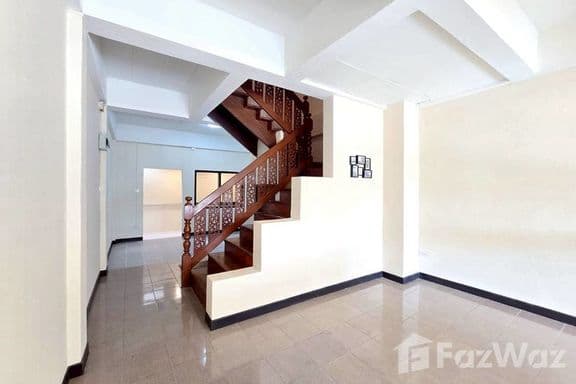
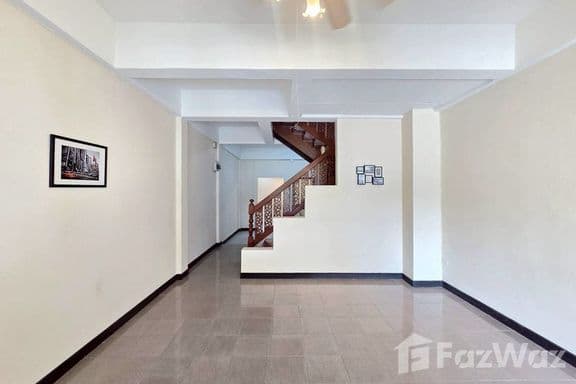
- Layout and Orientation: Consider the design and orientation of the townhouse. In Thailand, a north or east facing house is often preferable to avoid the harsh afternoon sun heating up the interiors. Check how much natural light the rooms get – townhouses can be long and narrow, meaning middle rooms might be dark (skylights or light wells are a bonus). Evaluate the airflow; are there enough windows for cross-breeze? This can reduce reliance on AC. Think about the practicality of the layout – e.g., are the stairs steep (important if you have mobility issues or small kids)? Is there sufficient storage space? In a multi-story townhouse, having a bathroom on the ground floor and the top floor is useful.
- Parking and Access: Most townhouses advertise one or two parking spots, but confirm the reality. Try parking your vehicle in the carport; is the space truly sufficient for a modern SUV or only a small car? If it’s street parking, is it secure? Check the width of the street or soi in front – can two cars pass or will it be a tight squeeze each time (common in older rows). If you have visitors, is there guest parking in the mooban or along the street? In Chiang Mai, having a car or motorbike is common, so convenient parking is important for daily life and for future resale.
- Utilities and Infrastructure: Ensure that basic utilities are up to par. Water pressure should be tested – turn on taps and showers on each floor; low water pressure could indicate the need for an extra pump or tank. Ask about the water source (city water or village well supply?) and whether the house has a storage tank (helpful during water outages). Electricity – check the fuse box; newer homes have grounded three-prong outlets and modern circuit breakers. If you see an old-style fuse system, upgrades might be needed. Internet and telecom – see if fiber optic internet is available in the area (this is crucial for many, especially if working from home). Most urban parts of Chiang Mai do have fiber service from providers like AIS or True. If you plan to install air conditioners or heavy appliances, verify that the electrical load capacity is sufficient.
- Maintenance and Fees: In a gated development, ask about the monthly common area maintenance (CAM) fee (in Thai, kha nom mee). These fees fund security guards, landscaping, garbage pickup, etc. In Chiang Mai, townhouse community fees can range from a few hundred baht up to a couple thousand baht per month depending on services and size of the project. Get clarity on how much it is and when it was last adjusted. Also inquire if there are any one-time “sinking fund” contributions expected (for major repairs in the estate). If possible, review the latest minutes from the homeowner association meeting to catch any looming issues (like needed road repairs or problem neighbors). If the property is standalone (no fees), consider that you might have to arrange your own garbage collection (in city areas the municipality handles it, but in some areas you might pay a private collector a small fee).
- Rental and Resale Potential: Even if you’re buying for personal use, it’s wise to consider the townhouse’s investment potential. Is the property the kind that would be easy to rent out if you’re away? Townhouses near universities, business hubs (like around Nimman or the city center), or international schools generally have steady rental demand. If it’s a more niche location, your pool of renters might be limited to locals. Also assess future resale value: factors like being on a wide main street, having a corner unit with extra land, or being in a well-known project (where expats keep an eye out for listings) can enhance resale prospects. Check if the market in that district is trending up – for example, land prices rising in the area (a sign that property values will follow). One practical tip: look at online listings for similar townhouses in the same area to see how long they’ve been on market; if many linger unsold, that might indicate weaker demand there.
- Surrounding Amenities: Think about daily life convenience. How far is the nearest fresh market or grocery store? Is there a 7-Eleven or minimart within walking distance for quick needs? If you have children, how is the commute to their school? If you’re a retiree, is there a park or clubhouse for exercise nearby? Consider the distance to the nearest main road – you want accessibility but not so close that you hear traffic noise all day. In Chiang Mai, being near a main road like Canal Road or Mahidol can vastly reduce travel times, but you’d want to be at least a few hundred meters back to avoid dust and noise.
- Climate Considerations: Chiang Mai can get smoky in the dry season and warm in summer. Check if the townhouse has any air purifiers or built-in HVAC systems (some higher-end homes now include air filtration). While that’s rare, at least plan for how you’d place air purifiers in the home during burning season. Also check ventilation – houses that can be opened up and have fans or breezeways can stay cooler without AC. Is there any greenery or shade around the house? A tree that helps shade the west side can make a big difference in comfort. If none, consider if you can add some plants or if the community allows planting trees.
By taking the time to evaluate these aspects, you can avoid buyer’s remorse and ensure your townhouse meets your expectations. Remember that no property is 100% perfect – the goal is to be aware of any shortcomings and decide if they are deal-breakers or manageable. When you do find a townhouse that checks most of the boxes (solid build, good location, fair price), you can move forward confidently knowing you’ve done your homework.
FAQs: Foreign Buyers and Townhouses in Chiang Mai
Buying property in a foreign country raises many questions. Below we address some of the most common questions and concerns foreign buyers have about purchasing a townhouse in Chiang Mai:
- Q: Can a foreigner own a townhouse in Chiang Mai outright?
A: Direct freehold ownership of a townhouse (land and house) by a foreigner is not allowed under Thai law. The land portion is the restriction – foreigners may not own land in their own name. However, you can lease the land (typically 30 years) or buy via a Thai company or Thai spouse as described in our legal section. While you can’t have the land title in your name (except through rare investor schemes), these alternatives provide secure long-term control. Additionally, you are allowed to own the physical structure (house) separate from the land through legal mechanisms, but again the land needs to be leased or held by a Thai entity. In practice, many foreigners do purchase townhouses using leaseholds or company setups and enjoy full usage rights, even though technically the land title is not in their personal name.
- Q: How does a 30-year lease work – is it safe and can it be renewed?
A: A lease of up to 30 years is the maximum term allowed and it is registered on the title deed, making it a very secure interest. During the lease term, you have the right to occupy, use, and even rent out the property. Many leases include clauses for renewal (often one or two extensions of 30 years each). While those extensions cannot be registered until the time comes, they can be contractually agreed upon. Practically, if the landowner is cooperative (or if you negotiate that the lease is transferable to a new owner under the same terms), you could extend the lease or even have your heirs take it over. It’s important to structure the contract well – involve a lawyer so that the lease clearly states the renewal process and any transfer rights. So yes, a lease is safe for 30 years and often renewable, but always deal with reputable landowners (or developers) to ensure future extensions are honored. Also note, if you sell the townhouse, you can assign the remainder of your lease to a new buyer, which gives some resale value to a leasehold property.
- Q: Are there financing or mortgage options for foreign buyers?
A: Generally, Thai banks do not lend to foreigners for property unless you have permanent residency or certain long-term visas, and even then usually only for condos. For townhouses/land, local financing is extremely limited. UOB Bank and ICBC Bank in the past have had programs for foreigners, but they come with high down payments (50% or more) and stringent requirements. Most foreigners purchasing townhouses in Thailand do so with cash or equity pulled from their home country. Some take loans from their home bank or refinance a property back home to raise funds. Another avenue is developer financing: if you buy a new townhouse from a developer, sometimes they offer payment plans over 1-2 years (during construction) but this is short-term. So, expect to arrange your own financing. If you do manage to get a Thai bank loan, it will likely be in Thai baht and shorter term than typical Western mortgages. It’s prudent to plan as if you were a cash buyer. If you absolutely need financing, consider buying a condo (where a few banks like Bangkok Bank have been known to lend to foreign buyers) or explore personal loans, but these can be expensive. In summary, assume you need to fund the purchase yourself, and treat any local financing possibility as a bonus rather than a given.
- Q: What taxes or ongoing costs should I budget for as a property owner?
A: Thailand’s taxes on property are relatively low. Transfer taxes are paid at purchase (as described earlier, usually shared with the seller). After you own the townhouse, there is a Property Tax (Land and Building Tax) that was introduced in 2020. The annual tax is very modest for most residential properties – it’s calculated on the appraised value of the land and building, with lower rates for primary residences. For example, if the appraised value of your townhouse and land is, say, ฿5 million, the yearly tax might be only a few thousand baht (exact rates vary, roughly 0.02% for primary home value portions under certain thresholds). Many people find the tax negligible (some pay under ฿1,000/year if the appraised value is low and owner-occupied). There is also a common house registration fee (maintaining your blue or yellow house book) which is minimal. If you lease the land, there are no additional government fees during the lease term except the one-time lease registration fee (1% of total lease rent) you pay at the Land Office. If you own via a company, you’ll have accounting and filing costs annually for that company. Additionally, if in a gated community, monthly HOA fees must be budgeted as discussed (could be ฿500–฿2,000 a month depending on services). Utilities are pay-as-you-use: water and electricity in Thailand are reasonably priced (electricity ~฿4-5 per unit; water is very cheap unless you use a lot). Internet packages run around ฿700–฿1,200 per month for high-speed fiber. In summary, ongoing costs are quite low compared to many Western countries – just property tax, any association fees, utilities, and optional upkeep like gardening. It’s one reason Chiang Mai is attractive to retirees and expats.
- Q: If I buy via a Thai company or Thai spouse, how do I protect my interests?
A: In a Thai company structure, even though you can only own 49% of shares, typically you’d structure the company so that you control it (for example, issuing different classes of shares, having voting control, or being the sole director). Nominee arrangements (Thais holding shares on your behalf) are technically illegal, so it’s a delicate area. A legitimate way is to have Thai partners you trust (some foreigners use Thai relatives by marriage or very close friends) and then secure loans or mortgage agreements through the company that ensure you get your money back first if the property is sold. Always have a shareholders’ agreement in place. This is complex, so rely on a lawyer to set up safeguards. If buying through a Thai spouse, remember legally it’s the spouse’s asset. To protect yourself, you could have a prenuptial agreement acknowledging your financial contribution, though it may not override the land laws in terms of ownership. Some foreigners have the spouse sign a private agreement to reimburse funds if the property is sold or in case of divorce. Registering a usufruct in your favor is a stronger protection – it guarantees your right to reside in the property for life (or 30 years) regardless of marital status. In any case, when using a Thai nominee (spouse or company partners), maintaining mutual trust is key. Many expats have done it without issue, but you should enter such arrangements with eyes open and solid legal counsel.
- Q: Can I rent out my townhouse when I’m not using it?
A: Yes, generally foreigners can rent out properties they have acquired, but you must do it in the correct way. If you own the townhouse via a company, technically the rental activity should be done through that company (i.e., the company earns the rent and pays tax on it). If you lease or have usufruct, you personally can rent it out and should report that income on a Thai tax return (though in practice many small landlords handle it informally). The important thing is to abide by Thai rental laws. For example, if you rent long-term (over 30 days), there’s no special license needed. If you plan to do short-term rentals (Airbnb style under 30 days), Thailand’s Hotel Act requires that the property be licensed as a guesthouse or “daily rental” which is a complex process for a townhouse – and doing short Airbnb without a license can result in fines if neighbors complain. Many condominium buildings and housing villages disallow short-term rentals entirely. It’s safer and more legally sound to rent on a 6-12 month lease to expats, students, or local families. Make sure to register foreign tenants with immigration (the TM30 reporting) as required. Another note: if you earn rental income, technically a 15% withholding tax might apply if the tenant is a company, and you’d file an annual tax return on the income (personal or corporate). But Thailand’s tax on rental income, after deductions, is quite low. So yes, you can rent it out – just follow the rules. Many foreign owners successfully rent their townhouses, especially in areas near the city or universities where demand is high.
- Q: Is it better to buy a townhouse or a condo in Chiang Mai as a foreigner?
A: This really depends on your goals and preferences. Condos offer straightforward foreign freehold ownership, making the legal process simpler – no need for companies or leases. They also typically have facilities like pools, gyms, and easy maintenance (the condo management takes care of the building). If you want a hassle-free investment or pied-à-terre, condos are attractive. However, condos in Chiang Mai might feel small (most are one or two bedrooms) and you’ll have monthly maintenance fees. Townhouses, on the other hand, give you more space – often land, multiple floors, perhaps a small garden and more privacy (no neighbors above or below). They are better for those who plan to live in Chiang Mai long-term or with family. Townhouses can be modified or renovated as you like (with respect to community rules), whereas condos have more restrictions on changes. From an investment perspective, a well-located townhouse can yield good rent and appreciate in value, particularly since land component appreciates. But liquidity might be lower – there are always more buyers for affordable condos than for houses. Cost-wise, small condos and townhouses are in a similar price range in Chiang Mai (฿2-3 million can get a decent of either), but luxury condos top out higher in price than most townhouses. Do consider the environment too: if you dislike condo living (shared spaces, potential for noisy neighbors, etc.), a townhouse is preferable. Conversely, if security and convenience (e.g., condo lobby, elevators, no need to worry about yard) are your priority, a condo shines. Many foreigners actually start with a condo (because of legal simplicity) and later “graduate” to a townhouse or house when they’re more settled and ready to handle the legal workarounds.
- Q: What visas are available if I own property – does buying a townhouse give residency?
A: Owning property in Thailand does not automatically confer any residency or visa status. You will still need a valid visa to stay long-term. However, the government has introduced some visa schemes to attract property investors. For example, the Long-Term Resident (LTR) Visa launched in 2022 has a category for “Wealthy Global Citizens” and “Wealthy Pensioners” where one of the qualifications is investing $500,000 in Thai property (alongside other financial requirements). If you meet those criteria (which is a high bar), you can get a 10-year visa, but most people won’t invest that much just for a visa. Another route is Elite Visa – not tied to property, but if you pay around 600,000 THB (about $17k) you get a 5-year visa; some use that for convenience if they have a property but no work permit or marriage to Thai. Otherwise, you’d be on the standard visas: retirement (if over 50 and meet financials), marriage visa (if married to Thai), business visa with work permit (if running a company), or education visas, etc. The bottom line: buy the townhouse for lifestyle or investment, not for any immigration benefit. Ensure you have a visa path sorted out separately. And always adhere to visa rules – owning a home doesn’t exempt you from doing 90-day reports or extensions.
These FAQs capture just a few of the typical queries. It’s always recommended that buyers do their own research and consult experts for their unique situation. Laws and regulations can change, so staying updated (through resources like legal firms or government announcements) is wise. Being well-informed will make your journey to owning a townhouse in Chiang Mai much smoother.
Final Thoughts and Recommendations
Buying a townhouse in Chiang Mai as a foreigner is an exciting venture that can greatly enhance your lifestyle or investment portfolio. This city offers a rare combination of affordability, culture, and comfort that appeals to a broad range of international buyers. From peaceful suburban retreats in Hang Dong to cosmopolitan living in Nimman, there’s a townhouse for every taste and objective.
However, it’s crucial to approach the purchase strategically. Do thorough research on locations and property types to ensure they align with your goals – whether that’s retirement living, generating rental income, or raising a family abroad. Always keep in mind the legal framework: as a foreign buyer, plan your ownership structure early (engage legal help) so that when you find the right property, you can move forward without delay or confusion.
Working with reputable local professionals cannot be overstated. A knowledgeable real estate agent will save you time and help avoid pitfalls, and a competent property lawyer will protect your interests at every step. Their expertise is especially valuable in a foreign environment where language and procedures are different. Given that regulations around foreign property ownership might evolve, having expert guidance ensures you remain compliant with the latest rules.
For those on the fence about buying versus renting: if you intend to stay in Chiang Mai for the long haul (many do, once they experience the quality of life here), buying a townhouse can be very rewarding. You’ll have a tangible asset that generally appreciates, and you avoid the uncertainties of the rental market (like landlords suddenly needing their property back, or raising rent). With relatively low holding costs (property tax and maintenance), owning is financially sensible if you have the means and timeframe.
That said, patience is key. Don’t rush into a deal if something doesn’t feel right or due diligence raises questions. Chiang Mai’s market has plenty of options – it’s better to wait for a property that truly fits your needs than to compromise. If a particular hurdle arises (for instance, legal complexity or an uncooperative seller), remember that flexibility and problem-solving are part of buying in a foreign country. Often there is a workaround or an alternative property that will work out even better.
In closing, Chiang Mai continues to thrive as an international hub, and owning a home here places you at the heart of a warm and welcoming community. Enjoy the journey of finding your townhouse – exploring neighborhoods, learning local customs, and envisioning your new life in the Rose of the North. Once you’ve secured your property and navigated the paperwork, you can settle into the real prize: a comfortable home in one of Asia’s most charming cities. Welcome to Chiang Mai and happy house-hunting!









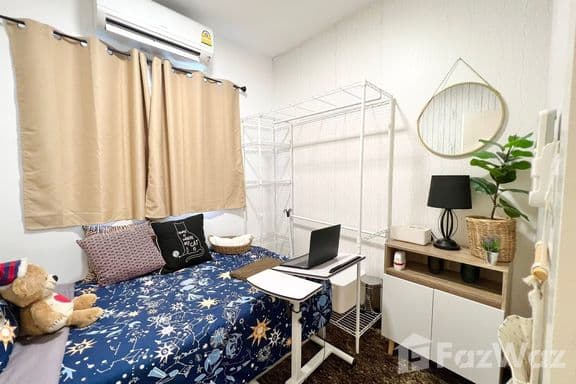
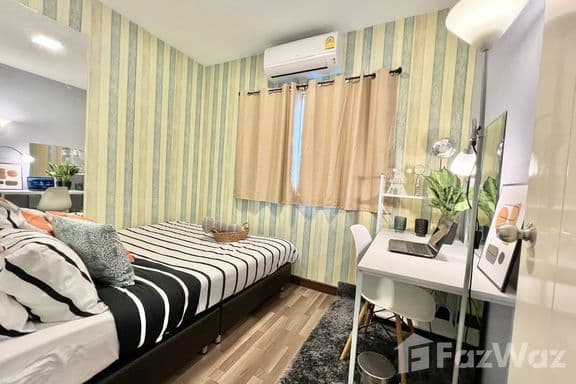
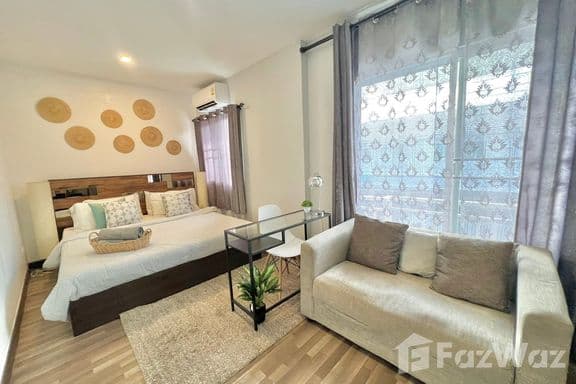
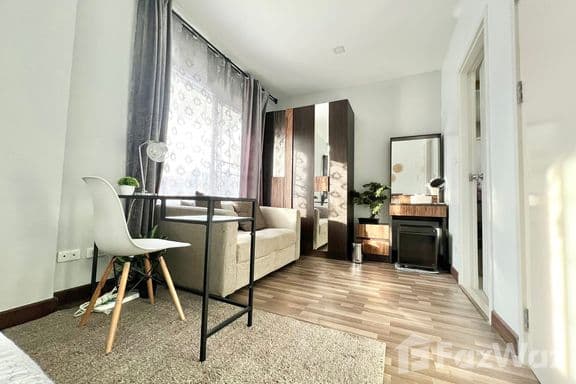















































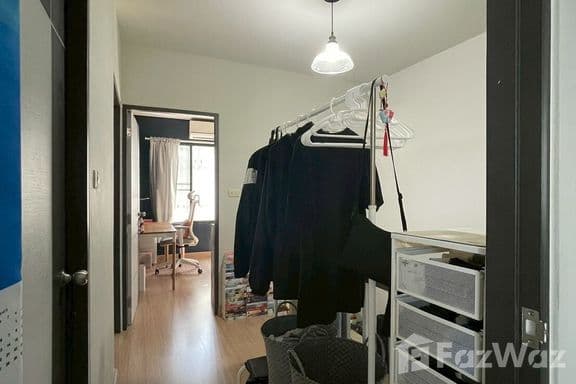




 Popular condos in Chiang Mai

