1 / 20
฿14,680,000
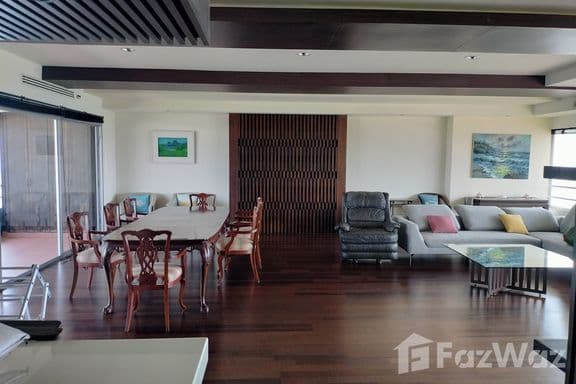
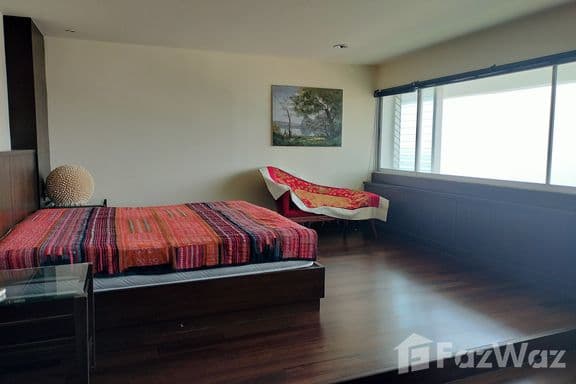
4 Beds5 Baths270 SqM฿54,370/SqMCondo
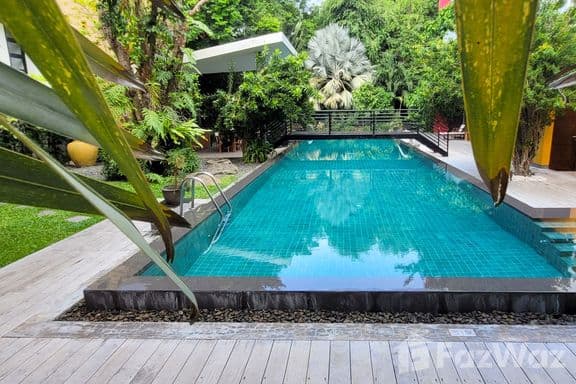
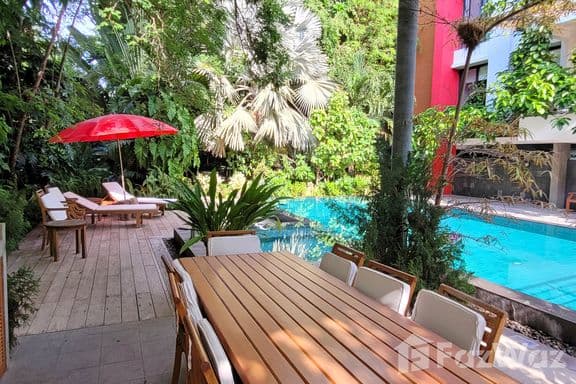
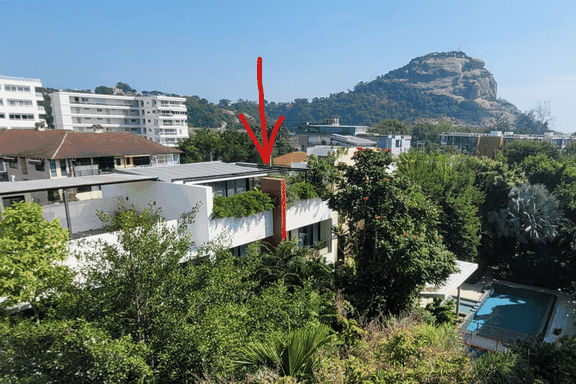
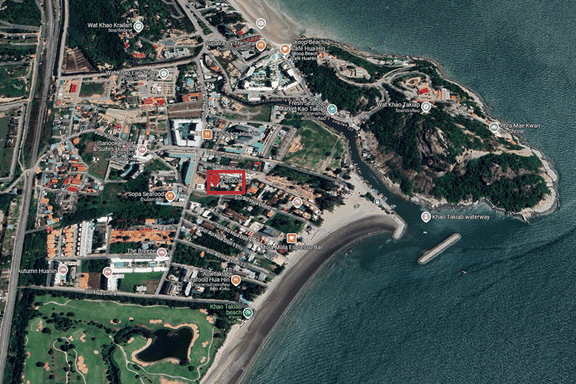
Highland Villas 3 — Hin Lek Fai, Hua Hin, Prachuap Khiri KhanHighland Villas 3 - 4BR Pool Villa
For sale condo for ----- THB in Hua Hin, Hua Hin, Hin Lek Fai, Thailand

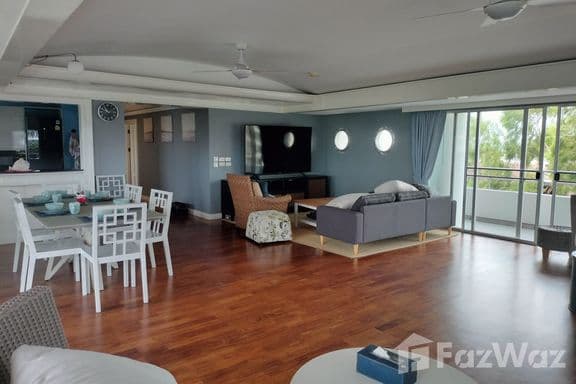
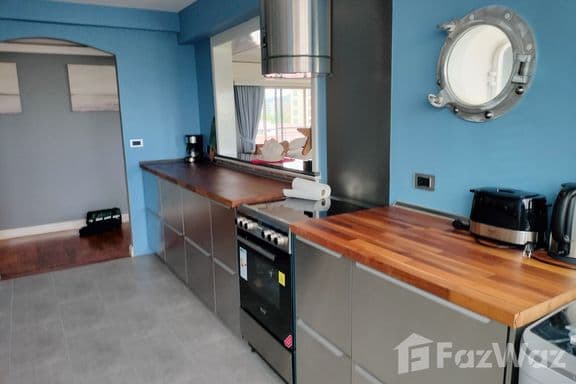
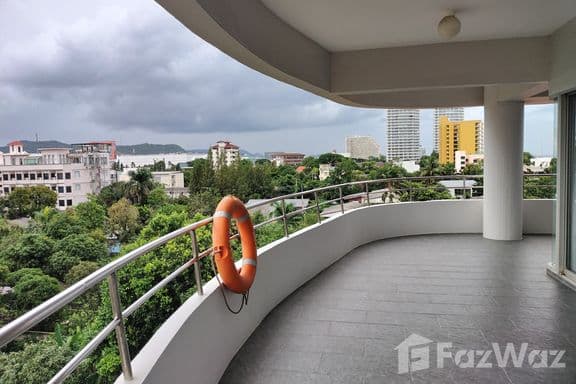
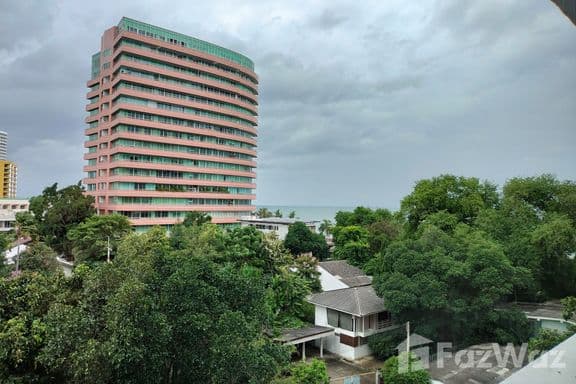
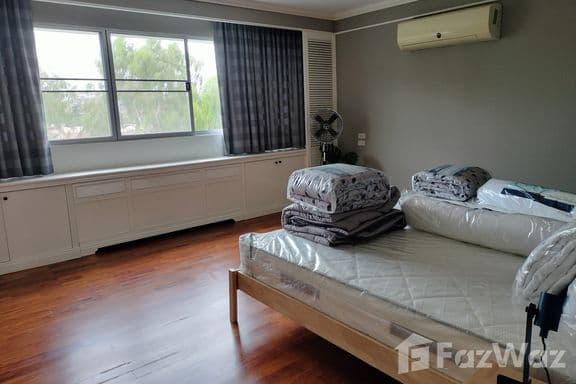
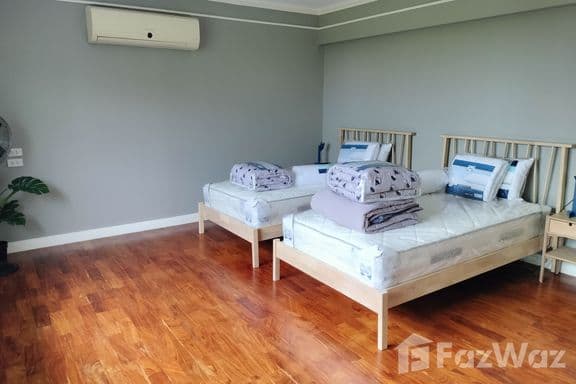
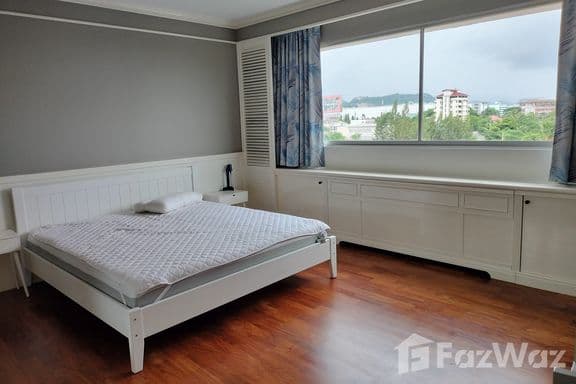


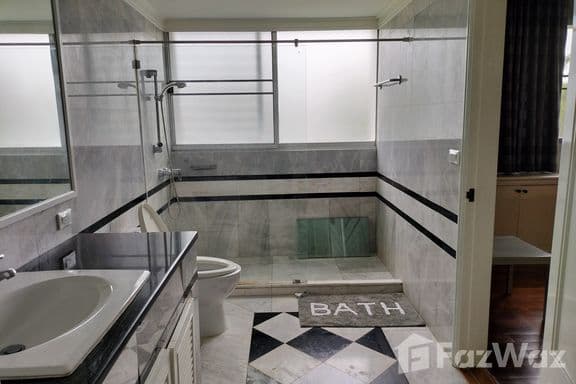

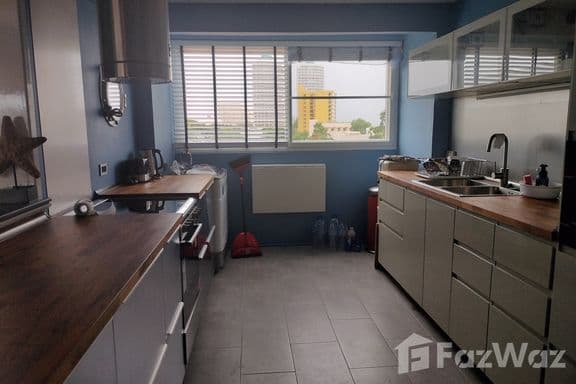




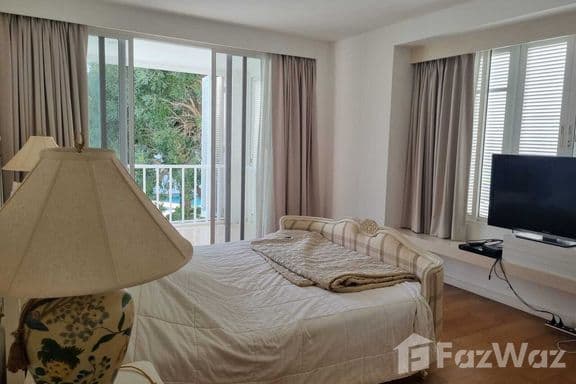


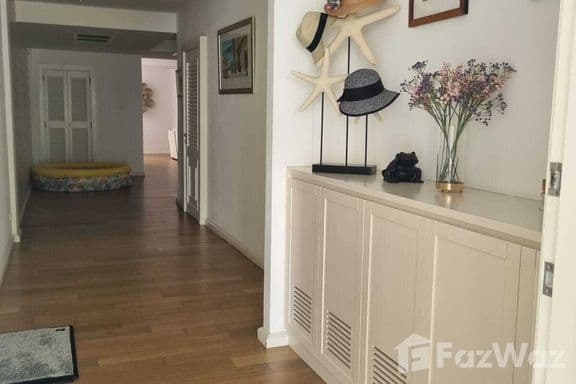


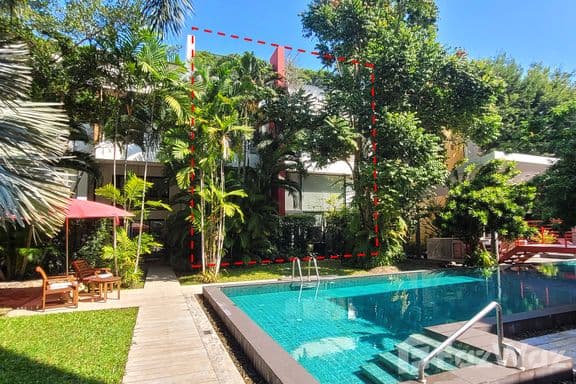
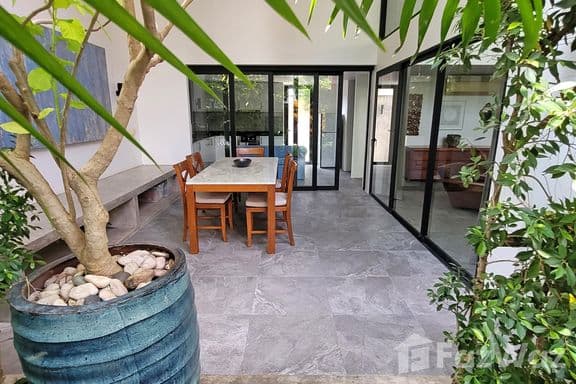
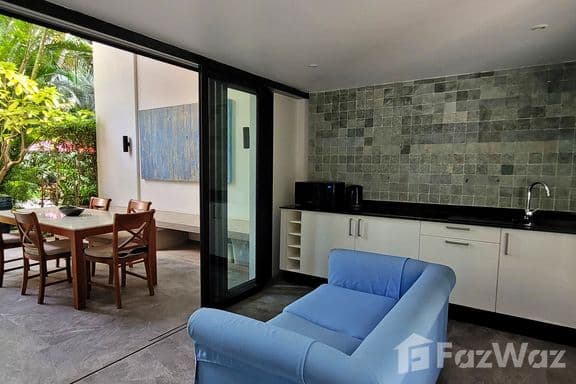
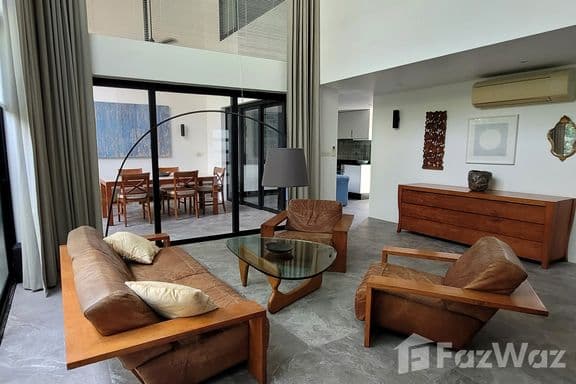
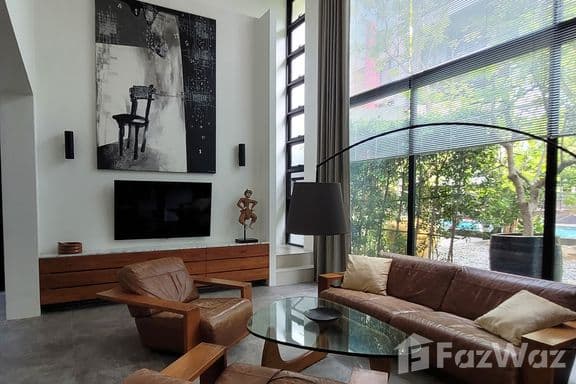
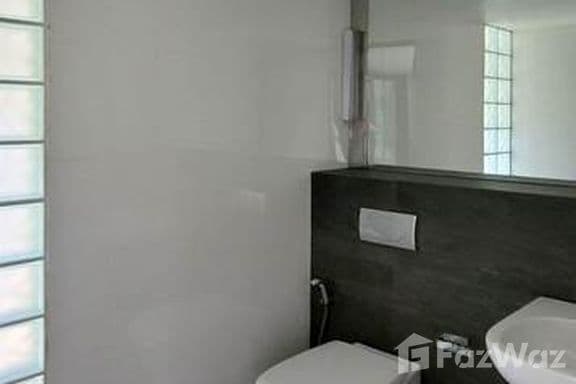
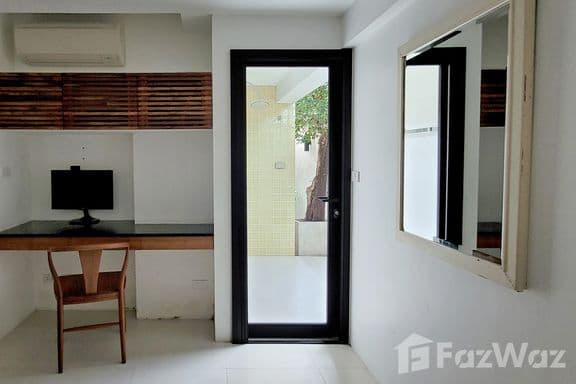
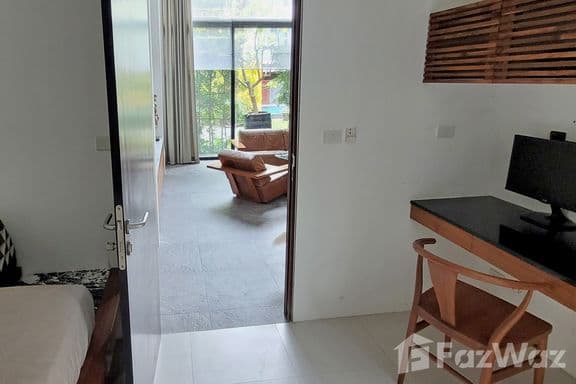
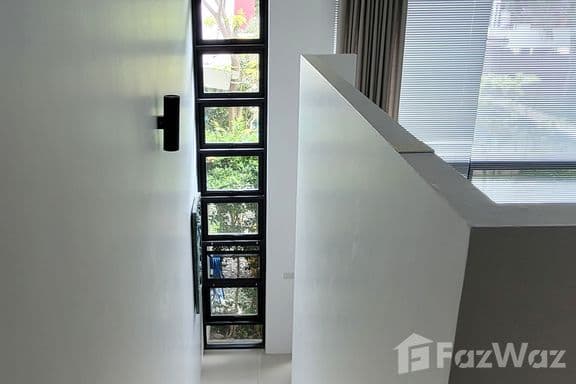
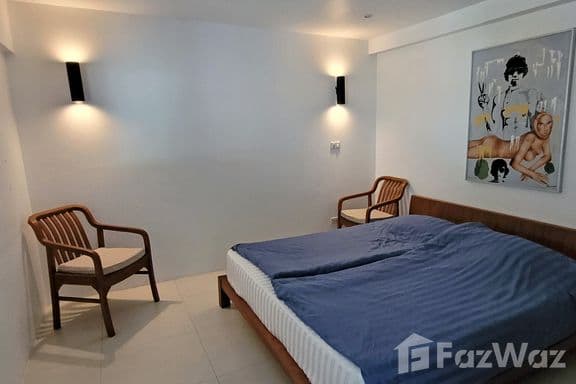
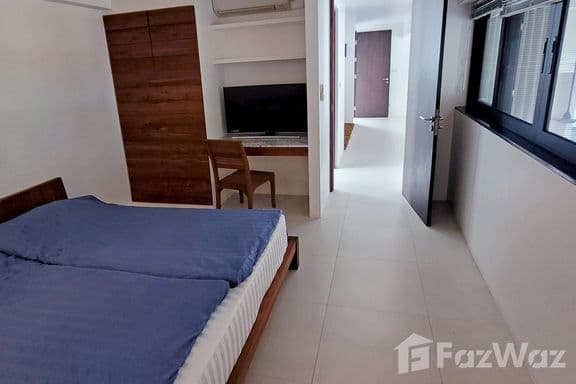
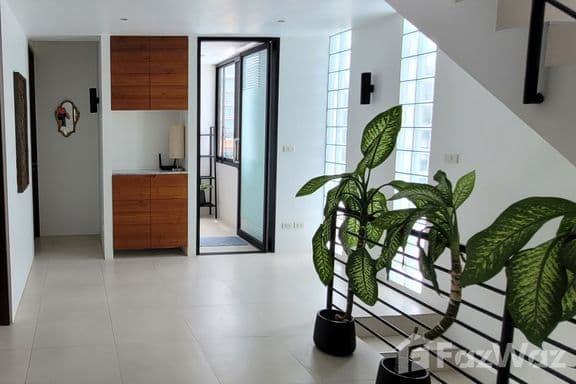
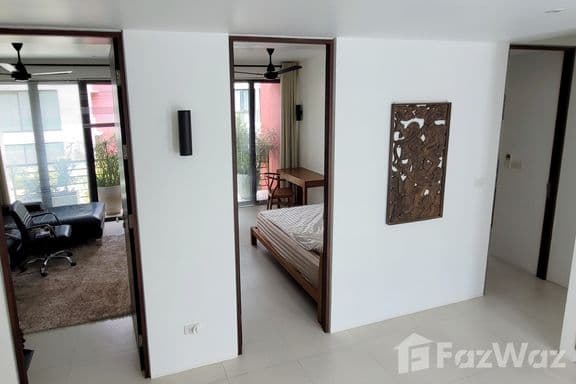
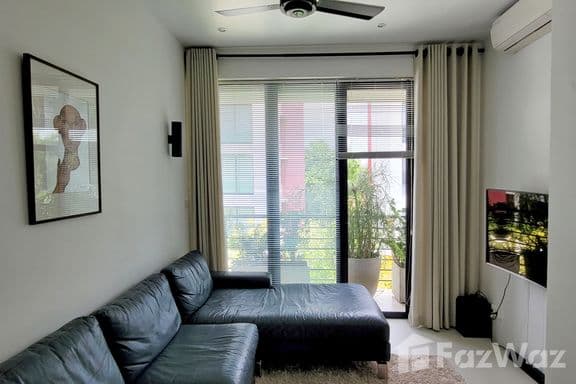
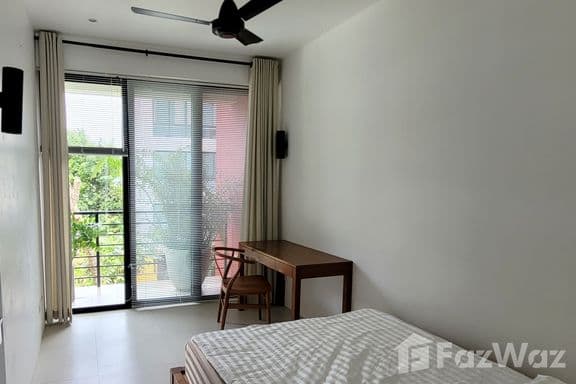
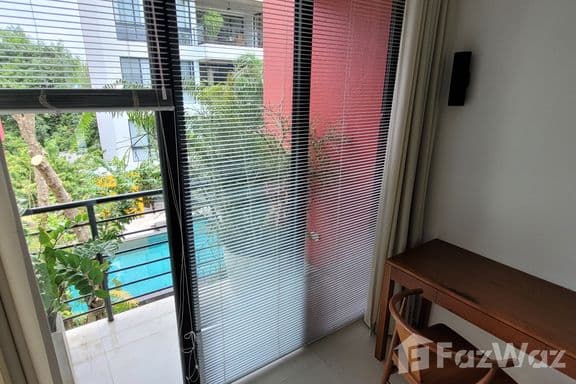

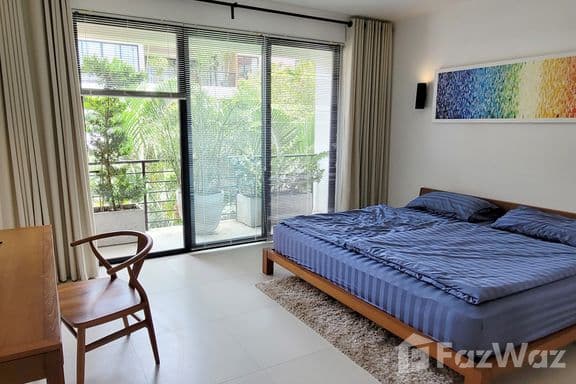

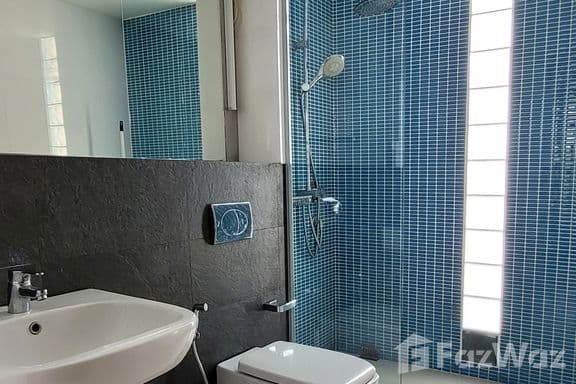
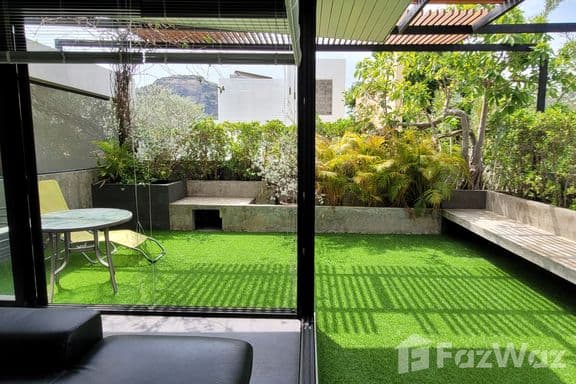
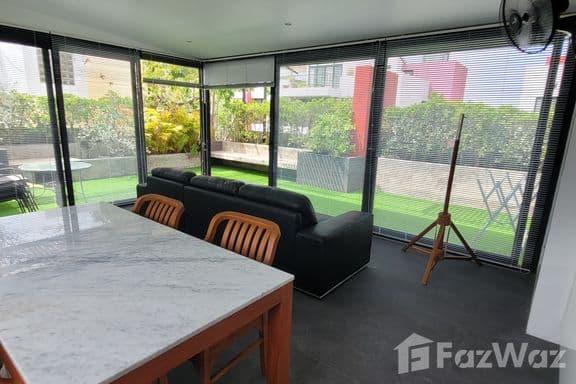
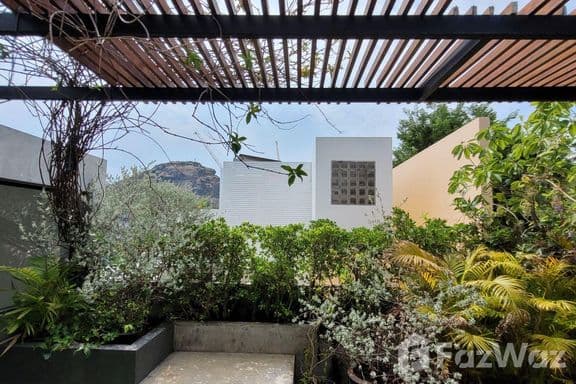
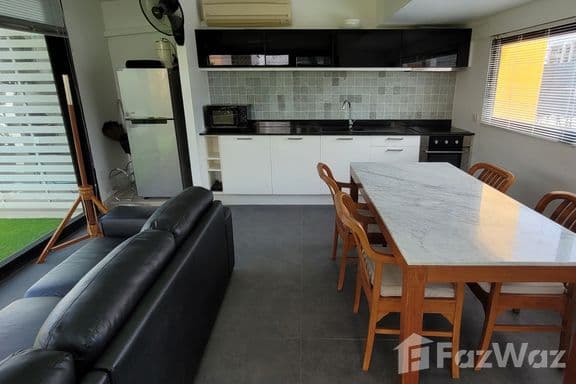


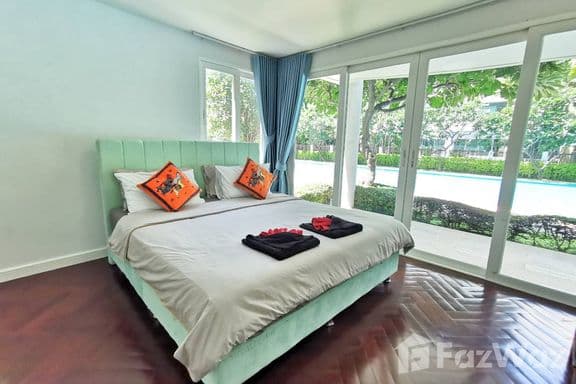
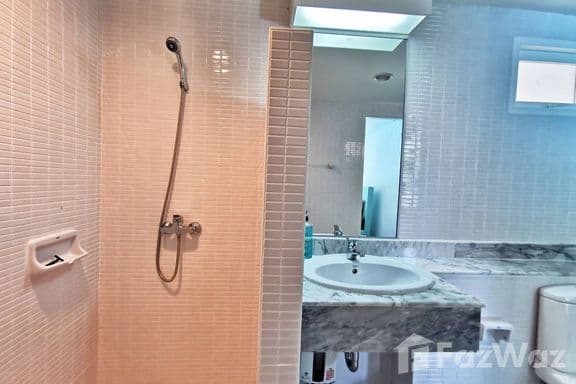
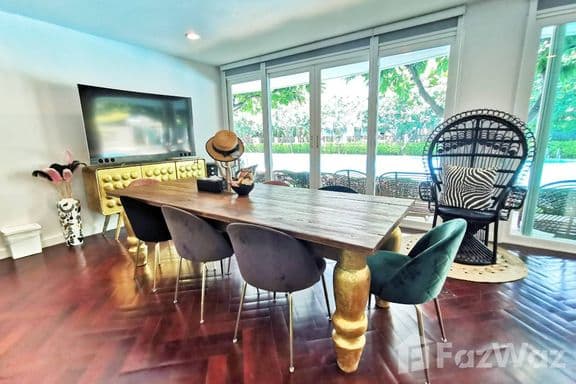
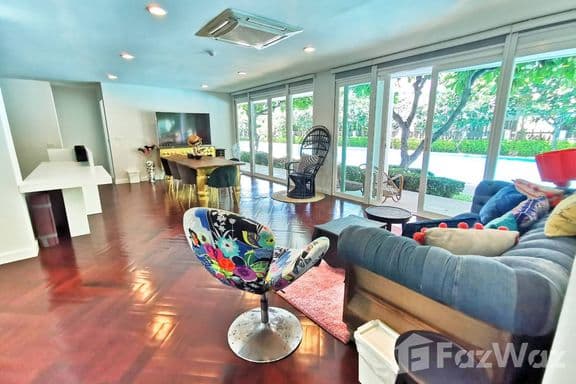

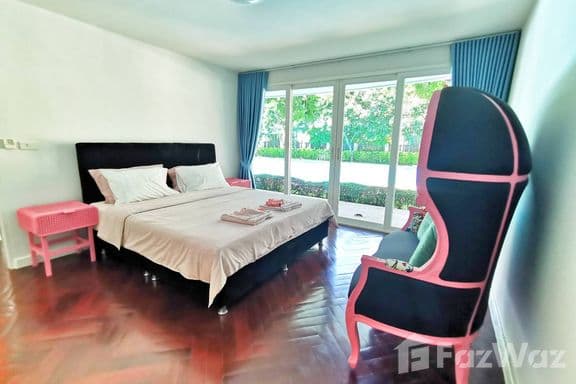
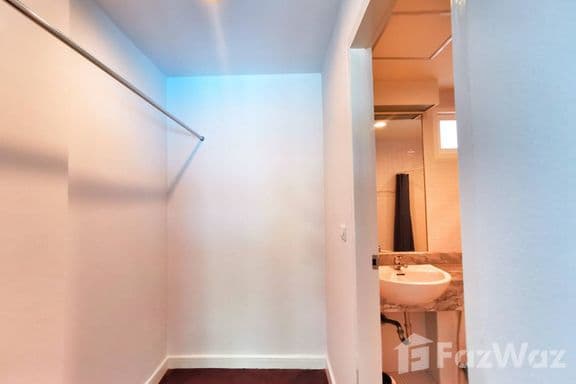

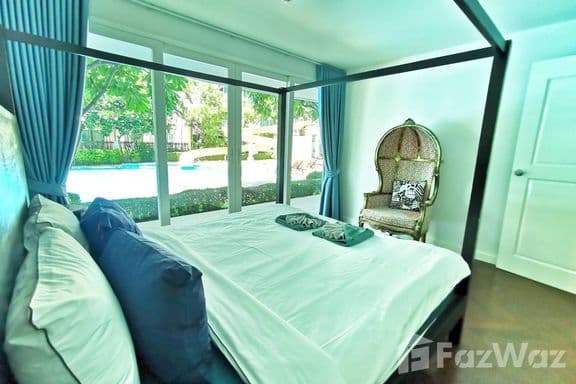
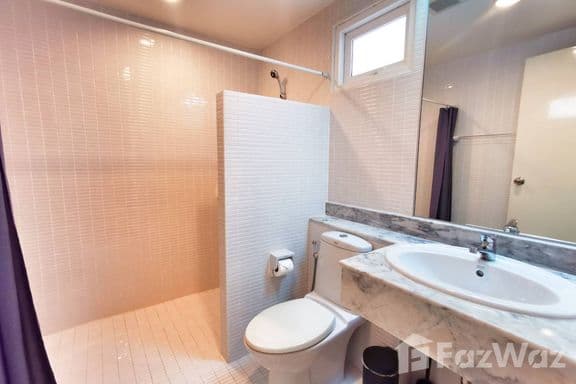
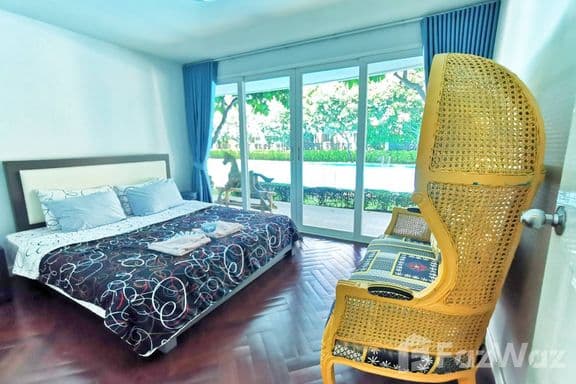
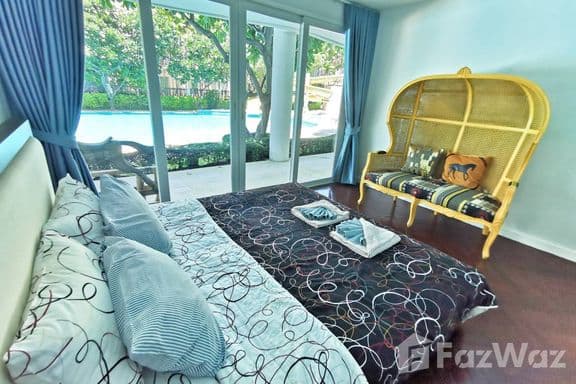

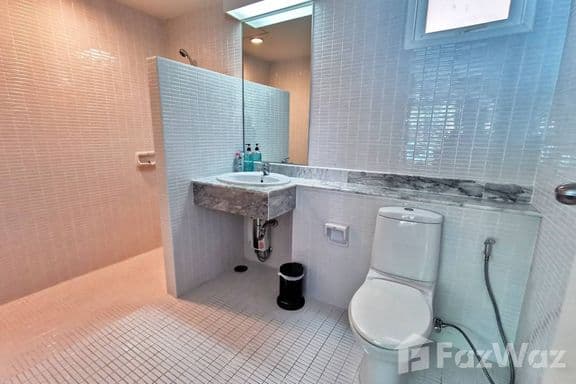


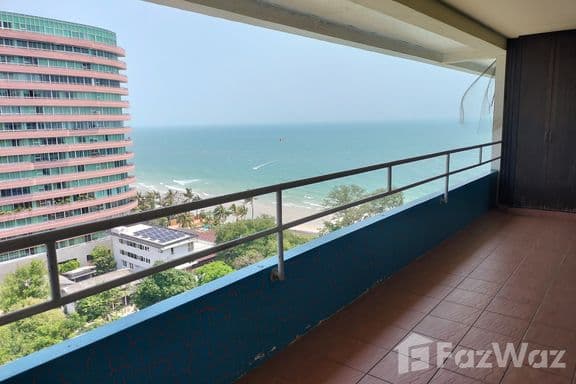
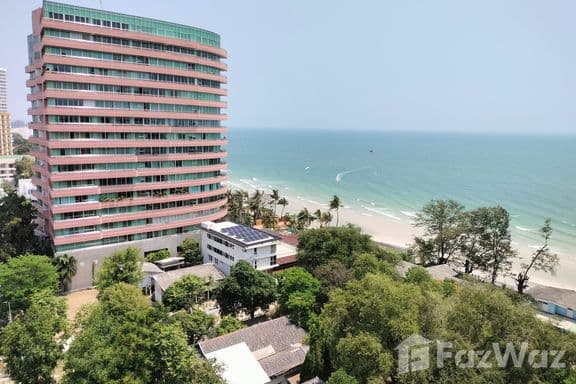


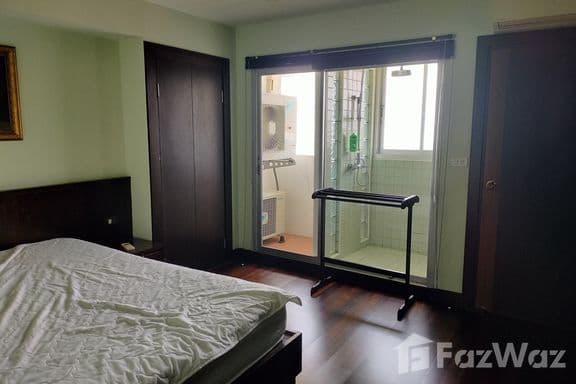

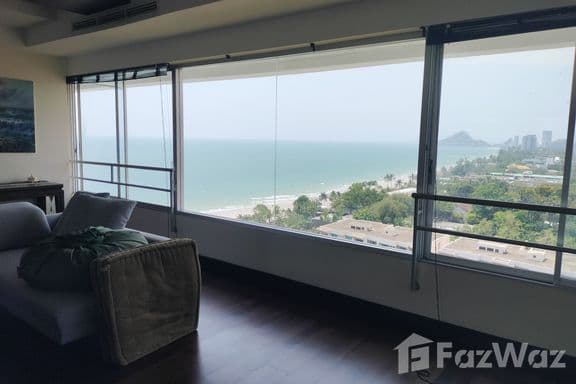
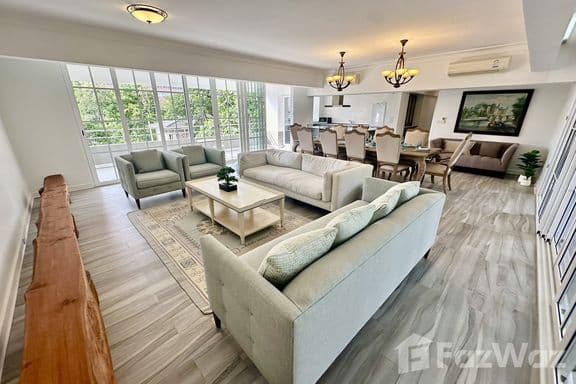
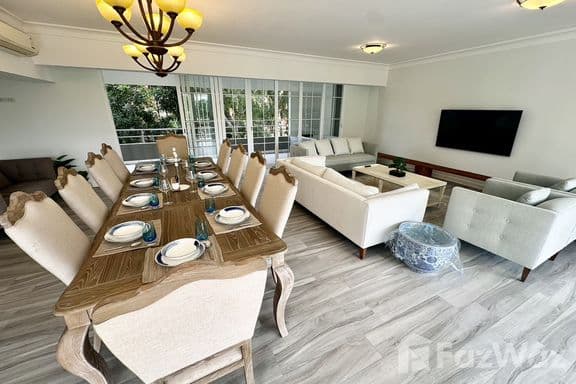
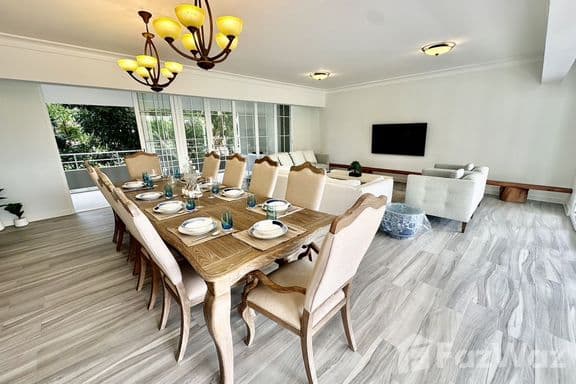
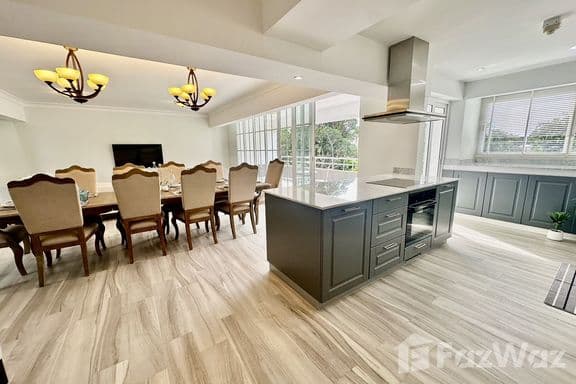
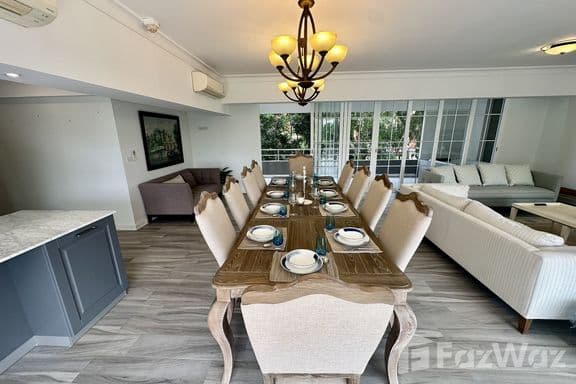
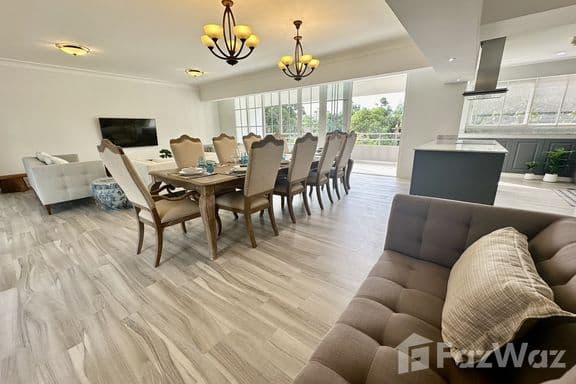
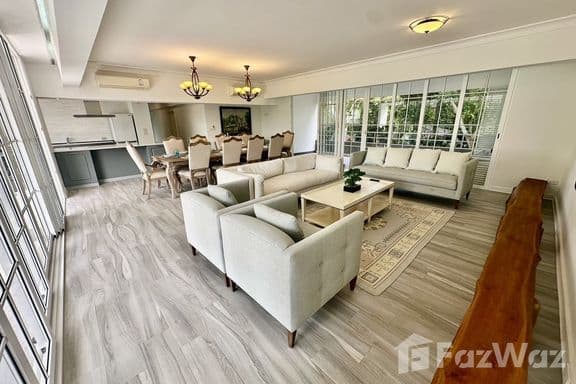
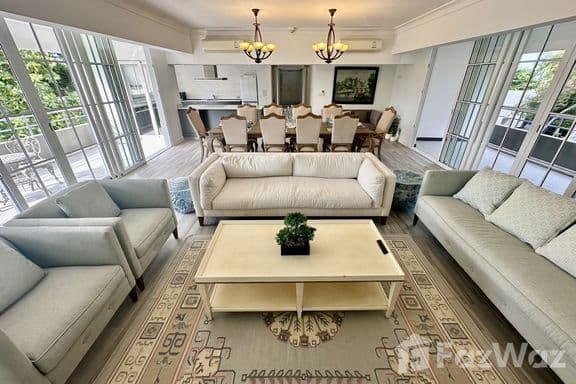
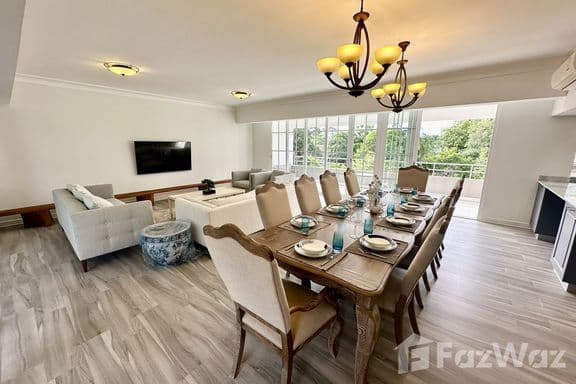
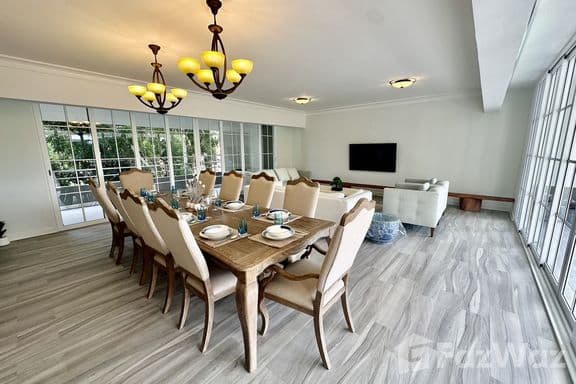
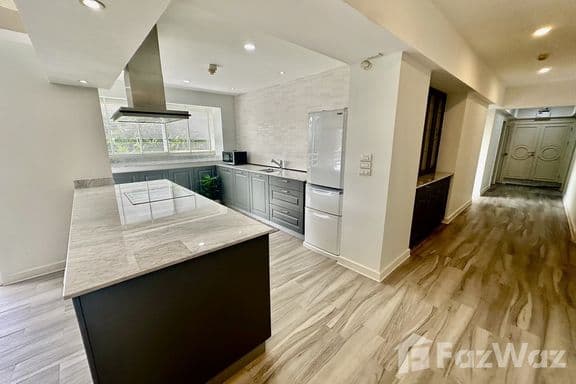
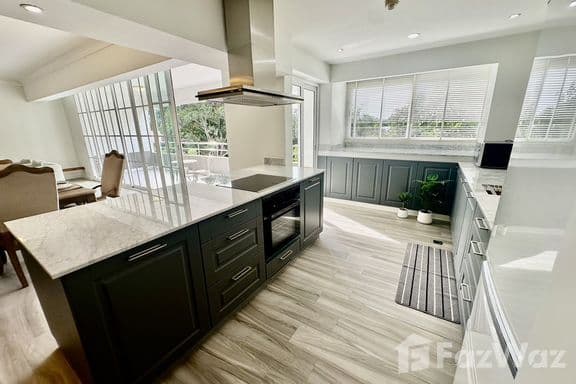
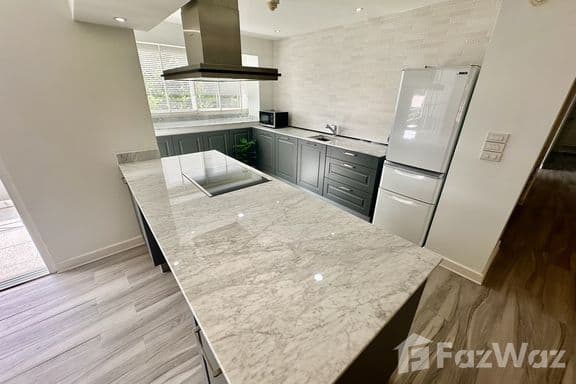
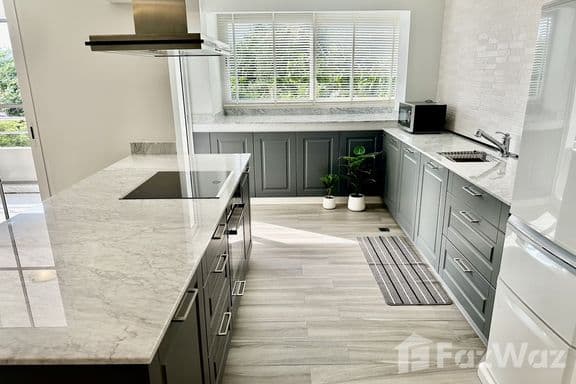
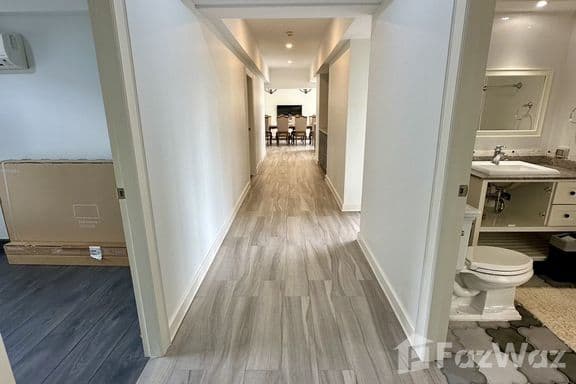
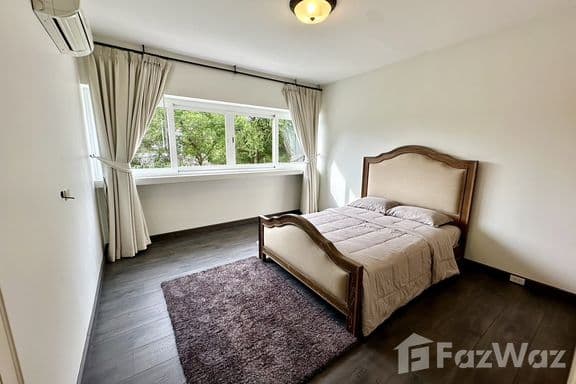
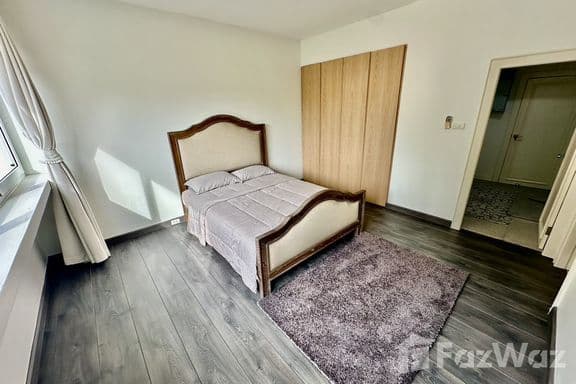


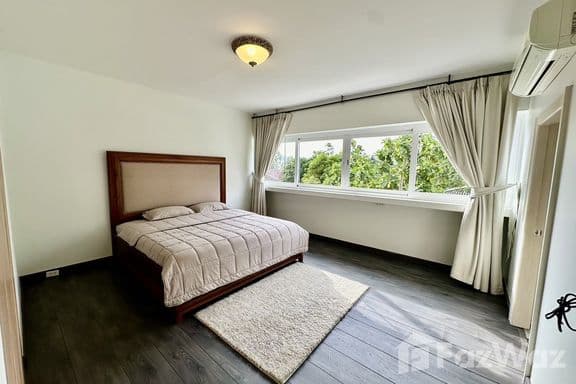


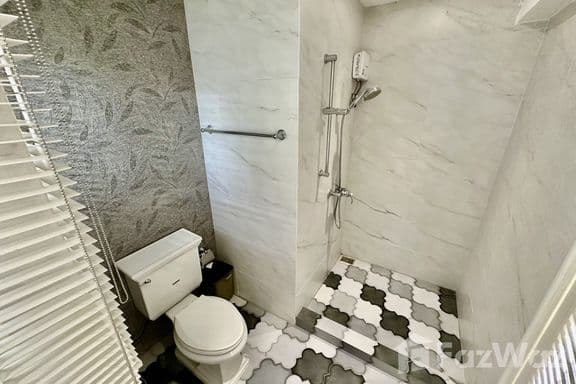
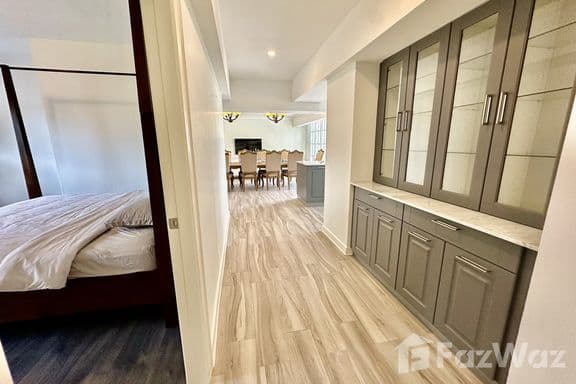
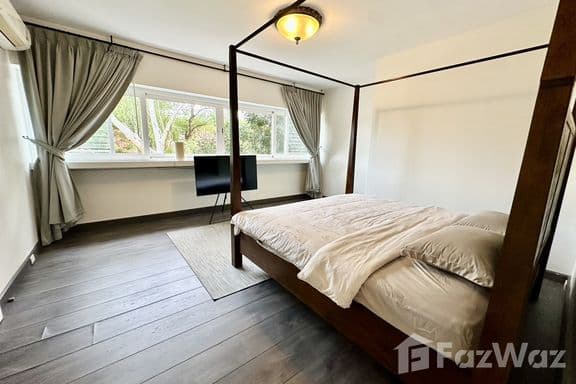
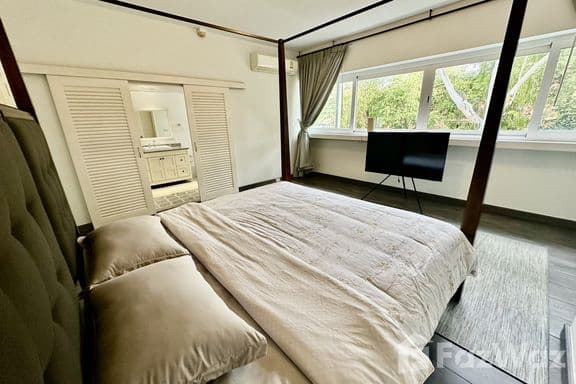
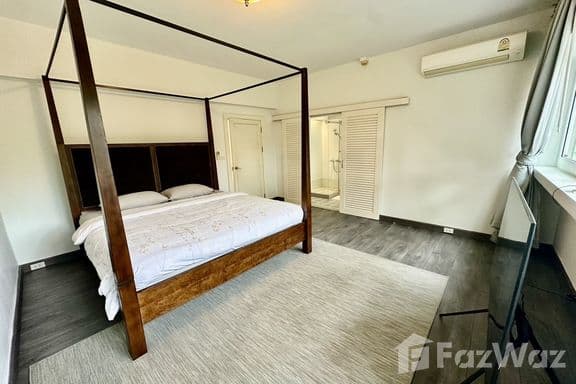

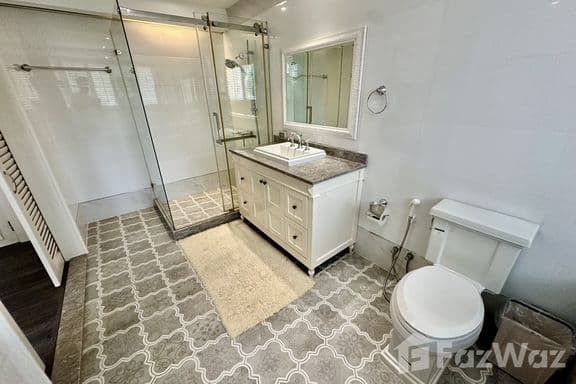
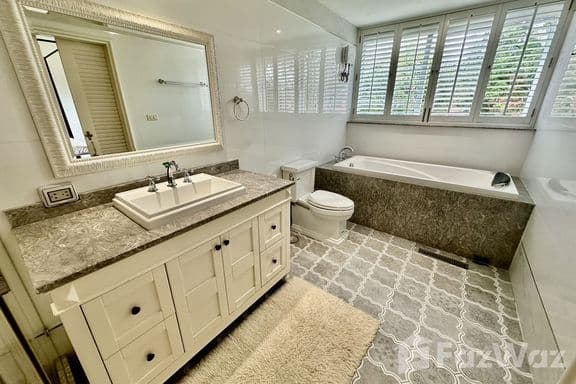

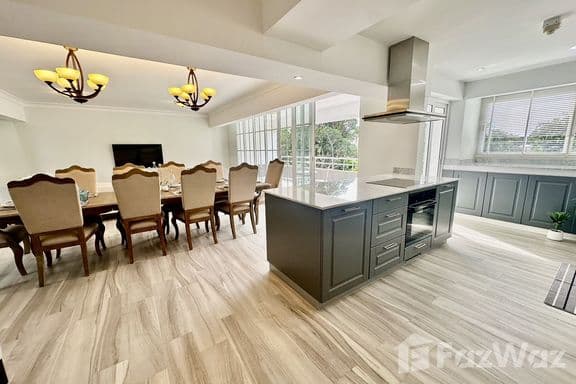

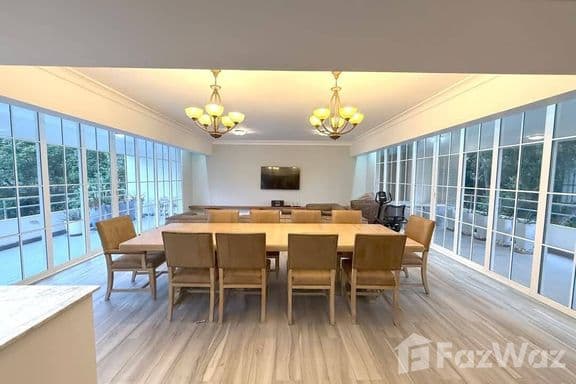
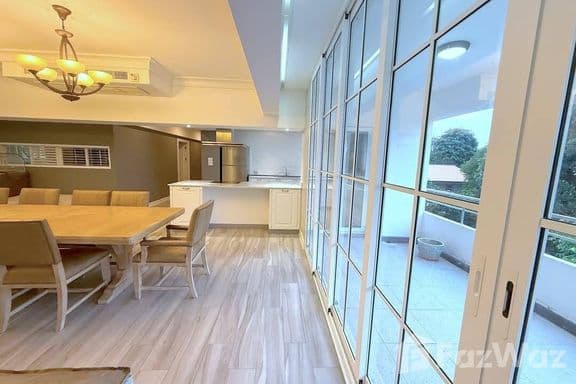
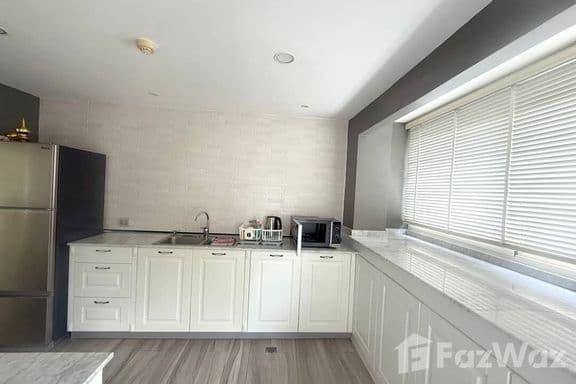

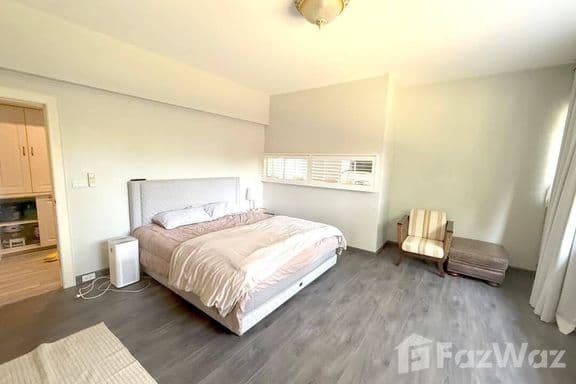
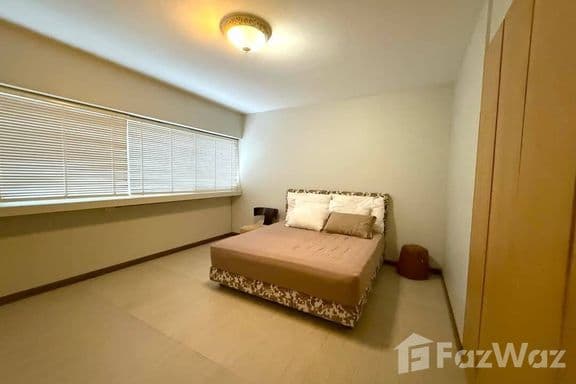
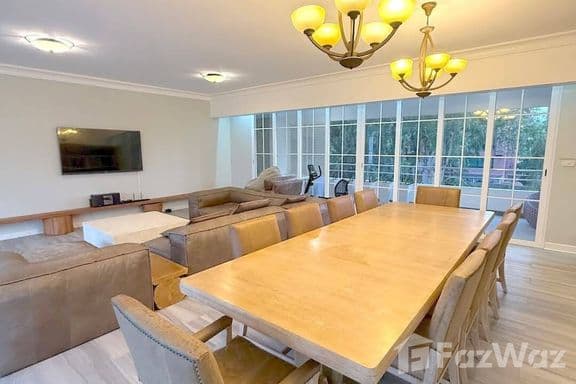


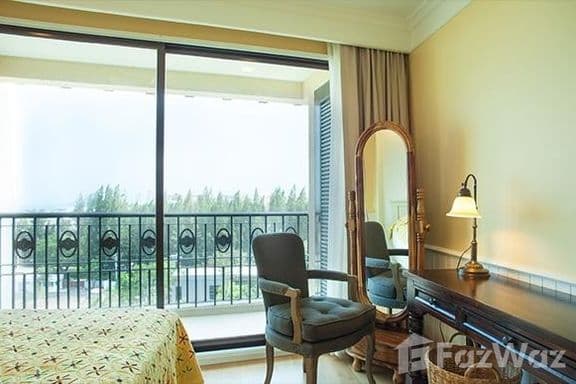



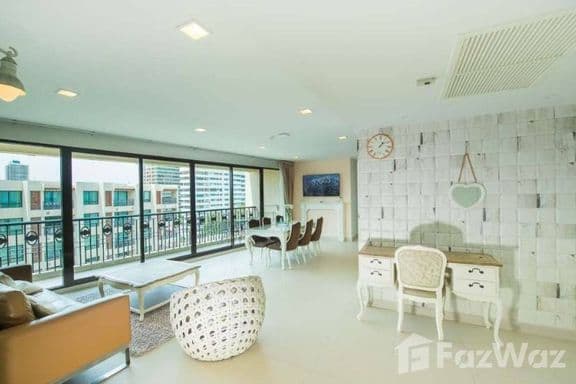
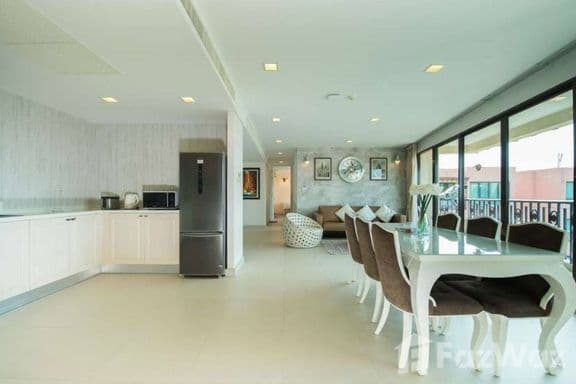
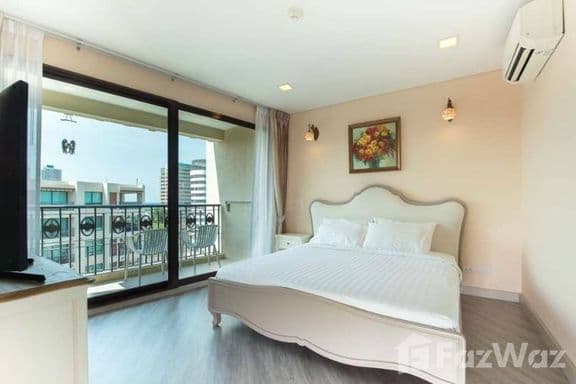
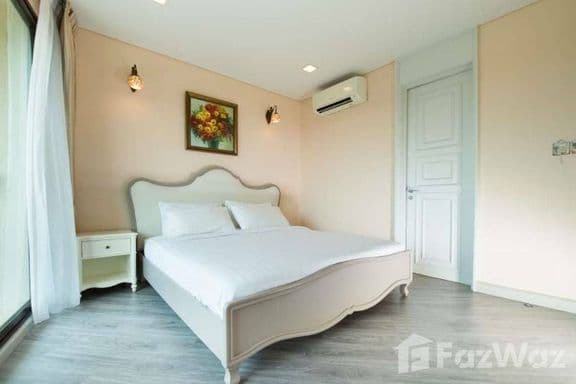
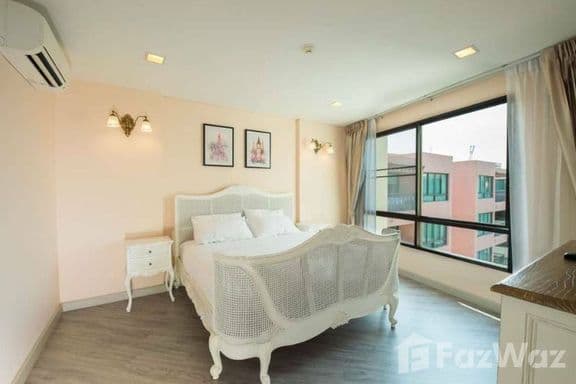











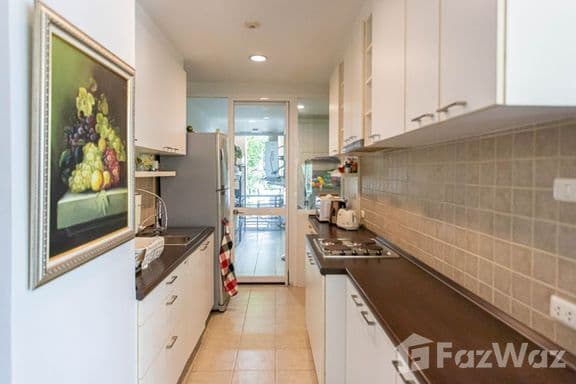


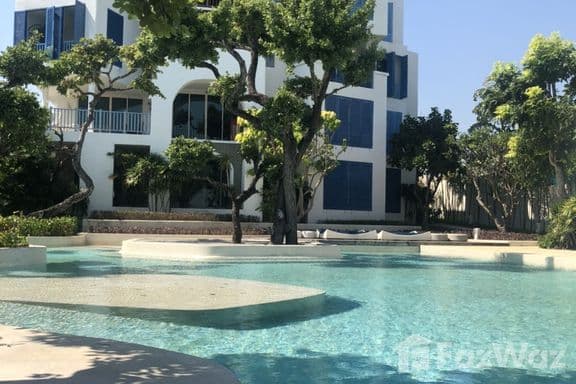
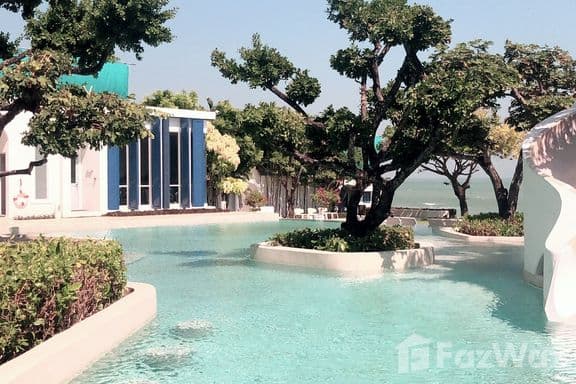

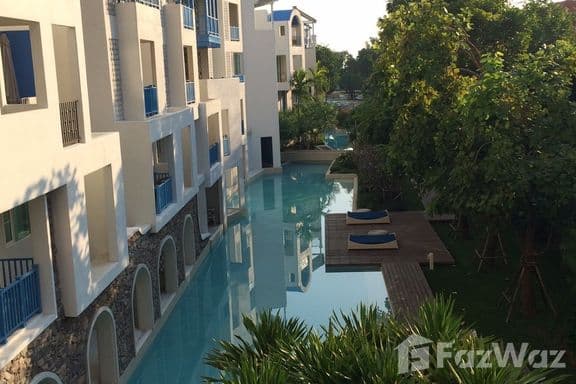
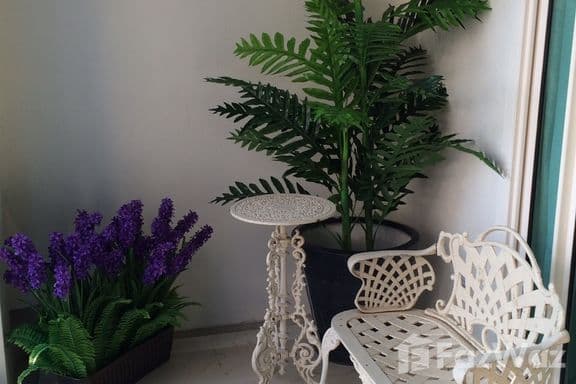
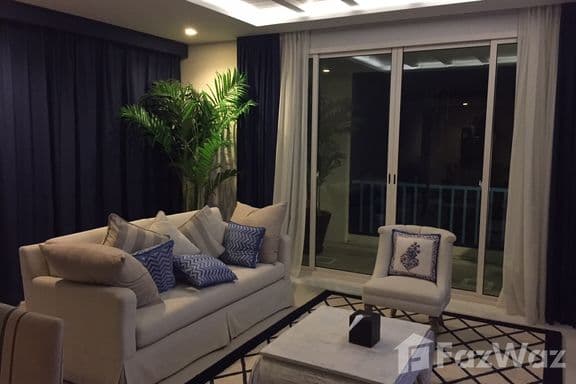
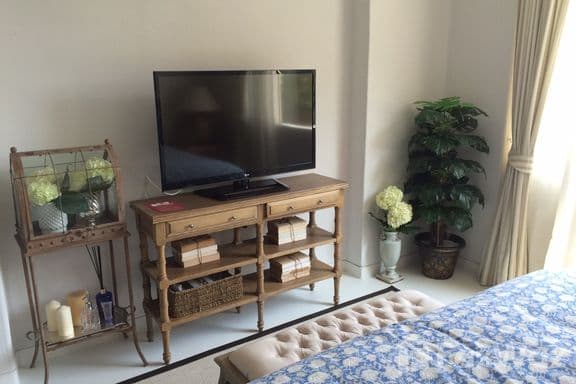
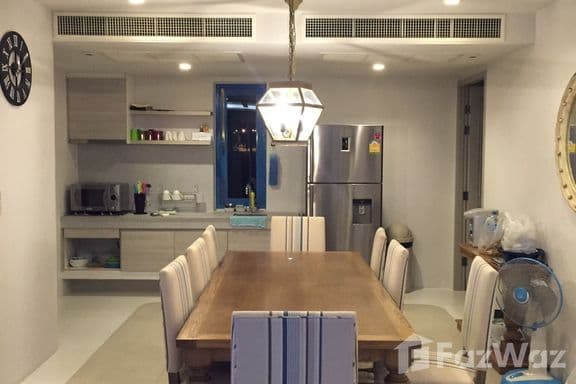
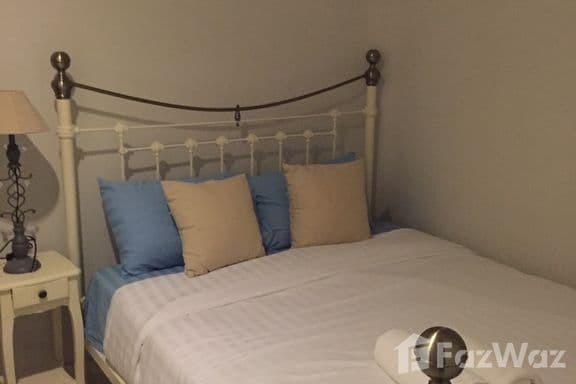
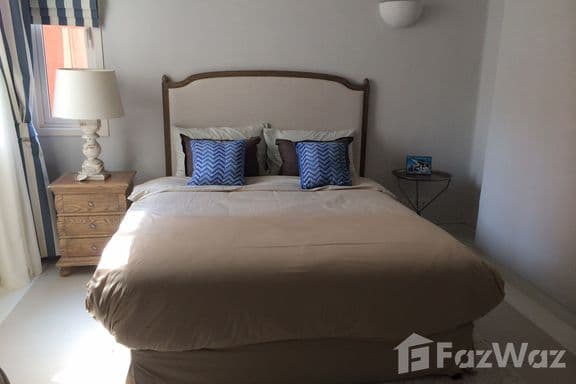
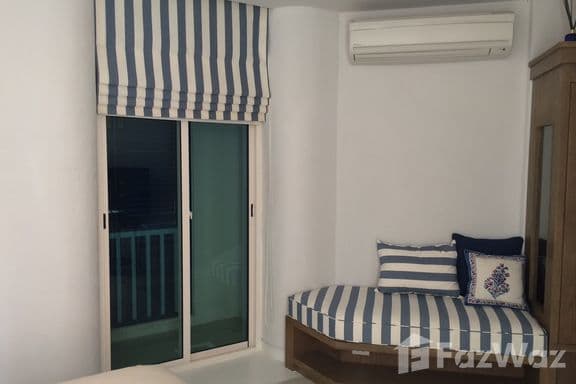






Hua Hin has long been a jewel of Thailand’s property market – a seaside resort town with royal heritage and modern amenities. In 2025, it stands out as a prime location for condo investment. Foreign buyers are particularly drawn by Hua Hin’s blend of lifestyle and affordability. Property prices here are significantly lower than in Bangkok – at least 30% cheaper, according to recent market data. For example, a spacious sea-view condo in Hua Hin’s Khao Takiab might cost under $200,000, whereas a comparable unit in Bangkok could be far pricier. This price gap, combined with Hua Hin’s resort appeal, makes the city highly attractive for those seeking a condo for sale in Hua Hin with strong investment potential.
Another reason 2025 is compelling is Hua Hin’s resilient market growth. The town’s real estate values have seen steady appreciation of around 5–7% annually in recent years. Known for its sandy beaches, world-class golf courses, and laid-back atmosphere, Hua Hin has gained popularity among both expatriate retirees and Bangkok residents looking for weekend homes. Ongoing infrastructure upgrades – including highway improvements and expansion of the Hua Hin airport – are further boosting its appeal. In short, Hua Hin offers a rare mix of investment value and lifestyle quality. Foreign investors and expats can enjoy a tranquil beach town vibe without sacrificing modern conveniences or growth potential, all within a few hours’ drive of Bangkok.
Importantly, Thailand’s property laws are accommodating to foreigners when it comes to condos. Unlike landed properties, condominiums can be owned freehold by non-Thais (up to 49% of a building’s unit area) – a relatively liberal ownership regime that has helped drive international demand. This means a foreigner can buy a condo in Thailand (like in Hua Hin) outright, gaining title in their own name, provided the development has foreign quota available. Hua Hin’s reputation as an expat-friendly community with quality healthcare, international schools, and a sizeable foreign retiree population adds confidence for new investors. All these factors combine to make 2025 an ideal time to consider investing in a Hua Hin condo.
Hua Hin’s property market in 2025 is characterized by stability and moderate growth. After rebounding from the global disruptions of the early 2020s, the market has maintained steady momentum. Condo prices have been gradually rising, supported by consistent demand. Overall, Thailand’s residential property price indices show continued growth into late 2024 – for instance, condominium prices nationally were up about 2.46% year-on-year in Q4 2024. Hua Hin specifically has seen local property values appreciate roughly 5–6% in 2024 in certain popular areas, and experts project annual increases on the order of 3–7% for 2025. This is in line with typical long-term appreciation rates for emerging Thai markets like Hua Hin.
Price levels remain competitive compared to other Thai cities. The average condo price in Hua Hin is relatively affordable on a per-square-meter basis. According to Bank of Thailand data, the average price is around $4,200 per sqm – which is roughly ฿140,000 per sqm (a bargain next to Bangkok’s city-center prices). In practice, actual listing data shows median asking prices around ฿86,700 per square meter for Hua Hin condos. This means a standard 50 sqm apartment might be listed around ฿4–5 million (approximately $120,000–$150,000). Of course, prices vary by location and property age: in the city center where demand is highest, condos average closer to ฿100,000 per sqm, while in suburban or up-and-coming areas they can be lower. Overall, Hua Hin offers great value, allowing investors to acquire resort-area properties at costs well below those in Phuket or Bangkok’s core.
On the supply side, new developments have been accelerating. Hua Hin saw about a 10% increase in new residential projects in 2024, including several modern condominium complexes. Developers are capitalizing on the city’s growing popularity by launching both upscale high-rises and boutique beachfront condos. Despite this influx of supply, inventory is being absorbed healthily – the condo market remains robust with strong buyer uptake of new units. Local agencies note that Hua Hin’s condo absorption rate has outpaced nearby markets (like Cha-Am), reflecting persistent demand. This demand is fueled by both domestic and international buyers.
Foreign demand in particular continues to play a crucial role. Industry analyses in early 2025 highlight that foreign buyers are propping up housing market activity across Thailand, even as some local buyers face credit and affordability constraints. Hua Hin, with its expat appeal, is benefiting from this trend. There’s been a notable uptick in property purchases by overseas nationals – including Europeans and an increasing number of Asian buyers (e.g. from China and Myanmar) seeking lifestyle investments. In Hua Hin’s luxury segment, these international purchasers have contributed to a “boom” in demand for high-end condos and villas. The city’s relative affordability and resort lifestyle are big draws. As one analysis puts it, Hua Hin’s real estate market is dynamic and “robust and growing,” underpinned by significant foreign interest and liberal ownership laws.
Meanwhile, local demand has been steady, particularly among affluent Thais. Many Bangkok-based buyers see Hua Hin as the preferred locale for a vacation home or weekend condo – a quieter alternative to Pattaya or Phuket. The proximity to Bangkok (just a 2.5 hour drive) makes Hua Hin especially convenient for domestic investors who want a seaside retreat without a flight. This mix of foreign and domestic demand has kept Hua Hin’s condo market balanced. As of 2025, the market can be described as neither a rapid boom nor a bust, but a healthy, gradually growing sector.
It’s also worth noting rental market stability as part of the overview. Rentals for condos have held firm, indicating solid end-user demand. The median monthly rent for Hua Hin homes was about ฿24,000 in recent data, and one-bedroom condos specifically rent for around ฿20,000–฿25,000 per month on average in 2025. These figures reinforce that Hua Hin’s market fundamentals – price, demand, and yield – remain sound going into 2025. With new infrastructure (like ongoing highway expansions and planned high-speed rail links to Bangkok) on the horizon, Hua Hin is poised to sustain its upward trajectory. Overall, the 2025 outlook is positive: moderate price growth, ample new condo supply yet strong absorption, and a demand base bolstered by both expats and Thais.
Hua Hin offers a variety of neighborhoods, each with its own character and investment profile. Whether you prioritize a sea view condo in Hua Hin’s quiet beachside areas or the convenience of downtown living, it’s important to choose the right location. Below is a breakdown of the top areas to consider for buying a condo, including how they differ in atmosphere, price levels, and appeal to renters or buyers.
Khao Takiab (also known as Chopsticks Hill or Monkey Mountain area) is a scenic beachside neighborhood at the southern end of Hua Hin. This area is known for its beautiful sandy beach, relaxed atmosphere, and landmark hill with a Buddhist temple and wild monkeys. Khao Takiab offers a mix of properties from small holiday condos to larger family apartments. It’s slightly removed from the town center, which generally makes prices more affordable. Average prices here hover around ฿60,000 per square meter, notably lower than central Hua Hin. In practical terms, one can find modern one-bedroom condos under $200,000 in this area – a compelling value for a sea-view location.
The lifestyle in Khao Takiab is quiet and laid-back, ideal for those who want to be near the beach and enjoy a residential feel. It has a village-like charm with local seafood restaurants and a night market nearby (Cicada Market is just north in neighboring Nong Kae). Residents are a mix of locals and expats, often retirees or long-stay foreigners, who appreciate the tranquility. The strengths of Khao Takiab include its serene beaches, coastal views, and an increasingly upscale vibe with new beachfront developments. Ongoing improvements, such as better road connectivity to the city center, are enhancing its appeal and suggest good capital growth potential moving forward.
On the downside, Khao Takiab can feel a bit too quiet for some. Nightlife and shopping options are limited compared to downtown – one of the only weaknesses noted for this area is the less vibrant nightlife. Public transport is also not as frequent here, although tuk-tuks and local songthaews (open-air buses) service the area. Overall, Khao Takiab is a top choice if you’re seeking a sea view condo Hua Hin is famous for, in a peaceful setting with strong rental appeal to holiday-makers. High-end condominiums here (including new luxury beachfront projects) have high demand, and rental yields are boosted by the area’s popularity with both short-term tourists and long-term expat tenants.
The City Center of Hua Hin – essentially the downtown area around the main Hua Hin beach, Night Market, and Soi 61/Dechanuchit Road – is the vibrant heart of the town. Buying a condo in the center means being at the center of all amenities and attractions. This area offers a blend of traditional Thai charm (temples, shophouses, local markets) and modern conveniences (shopping malls, international restaurants, hospitals). Key draws include the famous Hua Hin Night Market, multiple shopping venues, and proximity to entertainment and dining options. It’s a hotspot for buyers who want everything within walking distance.
Property prices in Hua Hin City Center are the highest in the region – averaging around ฿100,000 per sqm for condos. That said, one can still find a range of options, from older Thai-style low-rise condos to sleek new condominiums with rooftop pools. A modern one-bedroom downtown might run in the ฿5–8 million range, depending on proximity to the beach. The price premium reflects the convenience and scarcity of land in the central core. Many units here offer walk-to-beach locations (Hua Hin Beach is along this stretch), though true beachfront condos in the center are rare and extremely pricey.
The resident profile in the city center is diverse: you’ll find local business owners, Thai professionals, and a large expat community of all ages. For investors, city center condos have strong rental demand. Tourists often seek downtown rentals to enjoy the markets and nightlife, and expats without a car prefer living central to walk or take short rides to amenities. High occupancy rates can be expected, especially during peak season, which supports attractive rental yields (downtown properties tend to command some of the highest rents). In fact, beachfront or downtown condos achieve some of Hua Hin’s best rental yields due to high desirability.
However, buyers should weigh the trade-offs. The city center’s strengths are its convenience and lifestyle – “in the heart of the action” as some describe. The flip side is that it can be busy, noisy, and more crowded than other neighborhoods. During weekends or holidays, traffic in town intensifies with visitors from Bangkok. Those seeking peace and greenery might find downtown less appealing. Additionally, new supply in the very center is limited (due to few land plots), so most available condos are either older buildings or premium-priced newer projects. Still, as Hua Hin’s most vibrant district, the city center remains a top area for investment, promising solid appreciation and rental liquidity thanks to perpetual demand for central living.
Nong Kae is an increasingly popular area for condo buyers, covering the southern part of Hua Hin just before Khao Takiab. It is technically the sub-district that includes much of Hua Hin’s newer development zone along Phetkasem Road (south) and the hinterland of Khao Takiab. Nong Kae is known for a pleasant blend of local culture and modern amenities. Here you’ll find a mix of upscale resorts, residential neighborhoods, and attractions like the Cicada and Tamarind weekend night markets, the Vana Nava water park, and BluPort Shopping Mall. Many new condo projects have sprung up in Nong Kae, especially along the main road and near these amenities.
What makes Nong Kae stand out is its balanced appeal to both expats and Thais. It still has a Thai local vibe (with temples, local eateries, and everyday markets), but also caters to international tastes with Western cafes, beach clubs, and fitness centers. This blend means high rental demand: tourists enjoy the proximity to both the beach (parts of Nong Kae are walking distance to Takiab Beach) and town, while long-term expats appreciate the neighborhood feel with conveniences nearby. For instance, tenants in Nong Kae can easily access beachfront restaurants one day and hit a modern supermarket the next – a versatility that keeps occupancy rates strong year-round.
In terms of pricing, Nong Kae’s condo market spans mid-range to high-end. Average prices can range roughly from ฿60,000 to ฿80,000 per sqm, depending on exact location and project. Developments closer to the beach or in the “tourist hotspot” part of Nong Kae (near Cicada Market and resorts) skew higher, while those further inland or south are more affordable. For example, a new two-bedroom sea view condo near the famous Cicada Market might list for around ฿7–9 million, whereas a unit further from the beach can be significantly less. Many buyers find Nong Kae a sweet spot: cheaper than city center, yet more lively and convenient than remote suburbs.
When buying in Nong Kae, consider the specific locale: areas like Soi 87–Soi 91 offer many modern condos and are very close to BluPort Mall and Bangkok Hospital Hua Hin (attracting medical tourists and retirees), while the area around the True Arena sports complex caters to a fitness and family-oriented crowd. The strengths of Nong Kae include its emerging-community vibe, proximity to both urban and beach attractions, and ongoing development that promises future gains. A minor drawback might be that parts of Nong Kae are still developing – some construction is ongoing, and certain lanes are quiet at night. Nonetheless, as a whole, Nong Kae represents one of Hua Hin’s best areas to invest in 2025 for a well-rounded experience.
Beyond the three main spots above, Hua Hin’s surroundings offer a few other areas worth mentioning for condo buyers:
Each area has its unique pros and cons. The key is to align your investment goals with the neighborhood’s character – whether it’s the high rental demand and excitement of the city center, the beachfront tranquility of Khao Takiab/Khao Tao, or the long-term growth prospects of emerging locales like Hin Lek Fai or Soi 88 (another developing area with modern housing estates around Hua Hin’s Soi 88, averaging ~฿80k/sqm). By choosing the right location, foreign buyers can maximize both their enjoyment of the property and the potential returns.
When a foreigner buys a condo in Thailand, there are specific legal and procedural aspects to understand. The good news is that Thailand makes it straightforward for foreign nationals to own condominiums, but it’s crucial to follow the rules to ensure a smooth purchase and ownership experience. Below are the key legal considerations for foreign buyers in Hua Hin (and Thailand generally):
In summary, buying a condo in Hua Hin as a foreigner is very feasible – thousands of expats have done it successfully. As long as you stay within the foreign ownership quota, bring foreign funds through proper channels, and account for taxes and legal checks, the process is straightforward. Always keep records of all transactions and official receipts from the Land Office. And when in doubt, consult with legal professionals or experienced local realtors to guide you through Thai property laws. With the legalities taken care of, you can confidently focus on enjoying your investment.
Hua Hin’s condo market in 2025 offers both brand-new developments (including off-plan projects under construction) and a variety of resale units in existing buildings. Each route – buying new vs. buying resale – has its advantages and risks. It’s wise to weigh these factors based on your investment goals and risk tolerance.
In deciding between new vs. resale, consider your investment timeline. If you want immediate rental income or a personal home right now, a resale is the obvious choice. If you’re investing for pure appreciation and can wait, an off-plan in a hot location might yield a higher return on investment upon completion (especially if you snag early-bird pricing). Also consider rental strategy: new condos may attract tenants with their shiny facilities, but an older condo might offer more space for the same rent – attracting long-term tenants like retirees who prioritize comfort over newness.
Lastly, think about the developer/owner factor: With a resale, you deal with a private seller; with a new condo, you deal with a corporate developer. The negotiation and process can differ. Developers might have set prices but offer perks (free furniture, waiving certain fees), whereas private sellers might drop the price for a quick sale. Evaluate these aspects along with the property itself. Both new and resale condos have made many investors happy in Hua Hin – it comes down to personal preference and due diligence on the specific opportunity.
One of the key attractions of investing in Hua Hin condos is the rental return potential. Whether you plan to rent out long-term to an expat or seasonally on Airbnb (noting the legal caution on short-term rentals), Hua Hin offers competitive yields compared to many markets. Let’s break down the rental landscape:
Overall Rental Yields: Gross rental yields for condos in Hua Hin generally fall in the 5% to 7% per annum range. This is considered quite favorable, especially given the relatively low property prices. In fact, Hua Hin’s yields often outshine Bangkok’s, thanks to the resort nature of the town – people are willing to pay a premium to rent near the beach or golf course. A recent market analysis reinforced that residential yields hover around 5–7%, making Hua Hin a “hotspot for long-term investors” seeking stable returns. For example, a one-bedroom condo bought for ฿4 million and rented for ฿20,000 per month yields about 6% gross, which is in line with these averages. Knight Frank has noted that luxury condos in Hua Hin can even achieve rental returns up to 6–8% annually, especially when effectively marketed to high-end vacationers or retirees.
Long-Term Rentals: The long-term rental market in Hua Hin is supported by a sizable expat and retiree community. Many foreigners choose to rent condos for a year or more – either to “test out” living in Hua Hin or simply for flexibility. Long-term rentals (usually 1-year contracts) provide steady, predictable income. Typical long-term tenants are retirees from Europe/North America, international workers, or Bangkok Thais with a second home. Rental rates for long term are moderate: as mentioned earlier, ~฿20k/month for a one-bedroom on average, and perhaps ฿30k–฿40k for a modern two-bedroom depending on location. Villas tend to command higher rents, but condos benefit from being lower maintenance for tenants. Hua Hin’s long-term rents have been stable; the median rent was about ฿24k and has remained around that mark with slight growth expected alongside property prices. As an investor, you might expect gross yields of ~5% from a long-term tenant after factoring in maintenance and fees – a solid return that often covers costs and provides some profit.
One advantage in Hua Hin is that occupancy rates for long-term rentals are high – many condos, especially in nice developments or good locations, won’t sit empty long between tenants. The expat demand is consistent, and some retirees even pre-book rentals years in advance. Also, Hua Hin’s reputation as a retirement haven suggests a continued pipeline of potential long-term renters (especially with aging populations abroad looking for warm, affordable locales). If you secure a long-term tenant, you also avoid the hassle of frequent turnovers and can count on stable cash flow.
Short-Term and Holiday Rentals: On the other side, Hua Hin is a tourist town, so there’s significant demand for short-term holiday rentals. If you can legally rent your condo on a weekly or nightly basis (e.g., some investors do so under the radar, or they rent by the month to comply with rules), the income can be higher on a per-night calculation. During peak season (November to March), a well-located condo can fetch high nightly rates – for instance, a beachfront one-bedroom might rent for ฿2,000–฿3,000 per night to holiday-goers. Even accounting for vacancies in low season, some owners manage to achieve annualized yields of 6-8% or more through short-term letting, as suggested by those Knight Frank figures for luxury condos.
However, short-term rentals require active management or hiring a property manager, as well as marketing on platforms. Also, as noted, Thai law prohibits rentals shorter than 30 days in most cases, so many investors structure it as monthly rentals to avoid legal issues (e.g., charging monthly rates to digital nomads or snowbirds who stay 1-3 months). Hua Hin sees a lot of monthly renters in high season – for example, a European couple might rent a condo for 2 months in winter for ฿50k/month instead of staying at hotels. These medium-term stays can yield very good returns and are generally compliant with the law.
Rental Demand by Area: Location plays a big role in rental ROI. Beachfront and downtown condos get the highest demand, as they attract both tourists and expats easily, thus often achieving yields on the higher end of the spectrum. For instance, a centrally located condo or one in Khao Takiab near the beach will rarely lack interest from renters. More remote areas (like Hin Lek Fai or far south) might need to target long-term tenants specifically, as they are less appealing to short-stay tourists – yields there might be closer to 4-5% but with very stable expat tenants. According to rental market data, one-bedroom apartments on average yield about 5.3% and three-bedroom units around 5.0% in Hua Hin (smaller units tend to yield slightly more percentage-wise, since they’re cheaper to buy but command relatively good rent).
Managing Your Rental: To maximize ROI, many investors hire local property management companies or use services provided by the condo (some have rental desks). The fee (often around 10-20% of rent for full management) should be factored into net yield. Even with that, net yields of ~4-6% are achievable, which is still quite healthy. Also, consider seasonality – you might earn 80% of your rental income in the 6 cooler months, and have lower occupancy or lower rates in the hot/rainy months. Savvy owners adjust by offering monthly discounts in off-season to keep units occupied (e.g., attracting remote workers for long stays in summer).
In conclusion, Hua Hin condos offer attractive rental returns whether you aim for the consistency of a long-term tenant or the higher gross income of short-term guests. With tourism strong and an increasing expat population, 2025 should continue to see robust rental demand. Gross yields in the 5–7% range (or even higher for premium properties) make Hua Hin a competitive investment location, especially when compared to the low interest rates globally. As always, it’s wise to calculate your own expected yield on a particular property – consider purchase price, realistic rent, occupancy rate, and expenses – to ensure it meets your investment targets.
In summary, Hua Hin in 2025 presents a compelling case for condo investment, especially for foreign buyers. The city hits a sweet spot of affordability, growth, and lifestyle. Prices are still reasonable – significantly lower than Bangkok and Phuket – yet they’re on a steady upswing, offering the prospect of capital appreciation (experts forecast a healthy 3–7% rise in property values this year). Investing now allows buyers to ride this growth trend. The market’s stability is underpinned by genuine demand: retirees, expatriates, and lifestyle buyers are actively purchasing, and a rejuvenated tourism sector means rental yields remain attractive.
Moreover, 2025 is a year where several positive factors converge. Infrastructure improvements are either in progress or nearing completion – the ongoing expansion of Hua Hin’s airport and upgrades in road and rail connections will further boost Hua Hin’s accessibility and appeal. These developments tend to drive property demand upward as more visitors and Bangkok weekenders find it convenient to visit or live in Hua Hin. Additionally, new projects (from luxury beachfront condos to mixed-use resorts) that broke ground in the past couple of years are coming to fruition around 2025, adding to Hua Hin’s allure and modernizing its skyline. Investing before these are fully realized can be advantageous; as the area’s profile elevates with new attractions and facilities, property values often follow suit.
The broader economic context also favors making your move in 2025. Thailand’s economy has been recovering, and government incentives (such as stimulus measures and promotional interest rates for real estate loans) have been in play to spur property activity. While there are cautionary notes – e.g. potential interest rate hikes that could tighten financing for some, or the need to be selective to avoid any oversupplied segments – the overall momentum is positive. Hua Hin, in particular, remains a seller’s market in many segments (especially for quality condos), meaning well-located properties are likely to hold value and even see multiple interested buyers or renters.
For foreign investors, Hua Hin offers not just numbers but a tangible lifestyle return. Owning a condo here isn’t solely about yield; it’s about having a slice of paradise that you can personally enjoy. Imagine spending winters on Hua Hin’s beaches or playing golf on world-class courses – all while your property appreciates in the background. The town’s character – peaceful yet not boring, traditional yet with modern comforts – continues to win hearts. It’s no surprise that Hua Hin consistently ranks as a top destination for expat living in Thailand. This intrinsic desirability provides a level of resilience to the property market. Even in tougher times, Hua Hin tends to be buffered by people’s enduring desire to live or retire here.
In closing, 2025 is a pivotal year to invest in Hua Hin condos because the market is mature enough to be reliable, but still early enough in its growth curve to offer plenty of upside. By acting now, foreign buyers can secure favorable prices before the next wave of demand fully kicks in (be it more inbound retirees, the return of Chinese tourists/investors post-pandemic, or Bangkokians seeking refuge from city life). Hua Hin’s condo market is an invitation to be part of a thriving coastal community while benefiting from Thailand’s robust real estate dynamics. As always, doing thorough due diligence and selecting the right property is key – but with the insights from this guide and professional advice, you can approach this investment with confidence. Buying a condo in Hua Hin in 2025 could very well be both a smart financial move and the start of a wonderful new lifestyle by the sea.
 Popular condos in Hua Hin
Lumpini Ville Ramkhamhaeng 44

Garden Condo Huamark

Lumpini Center Happyland