1 / 18
฿8,508,000
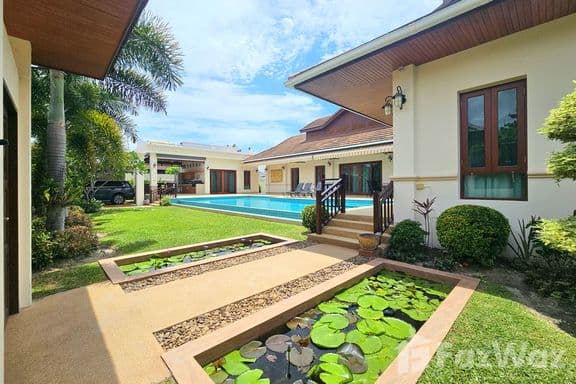
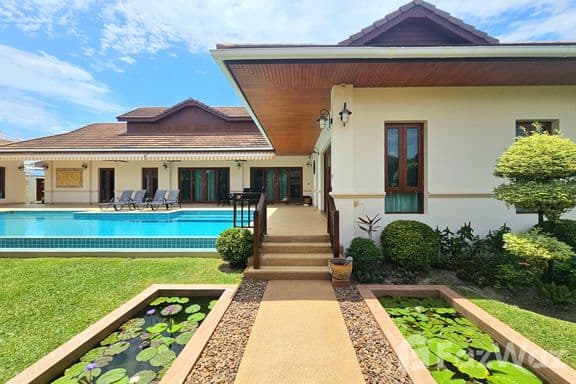
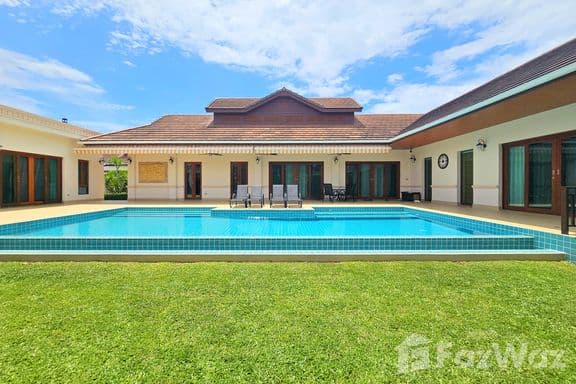
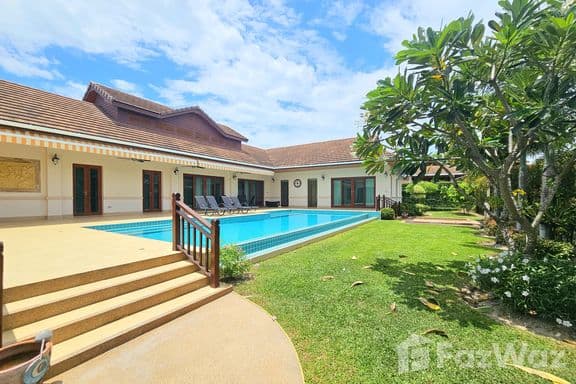
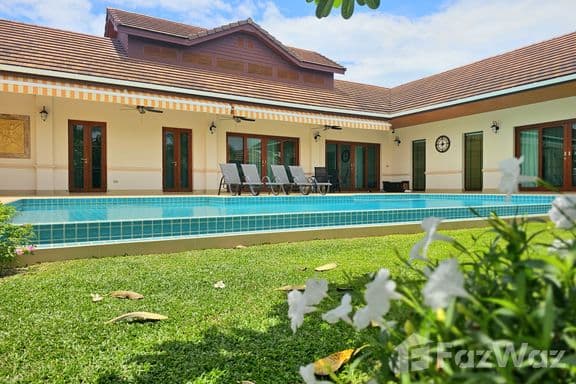
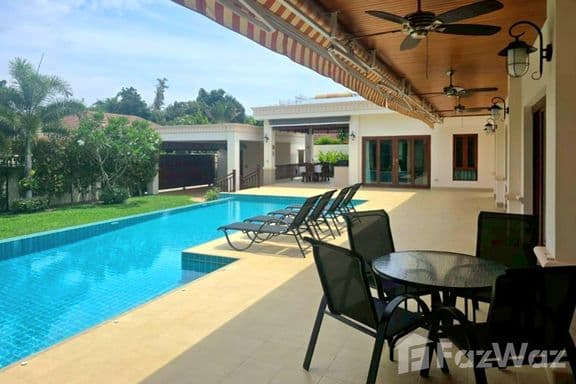
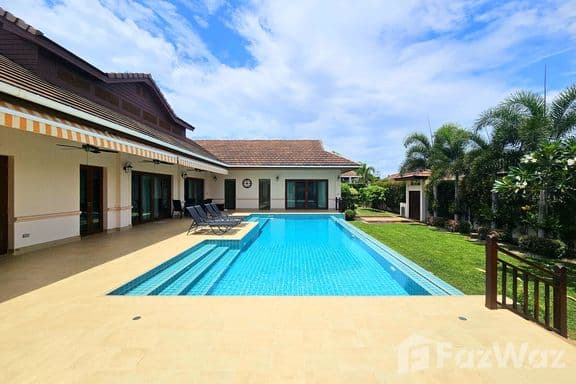
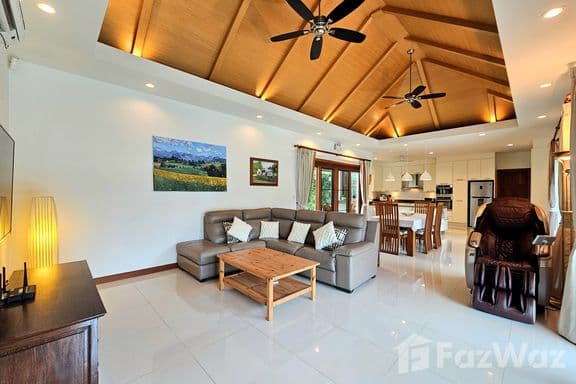
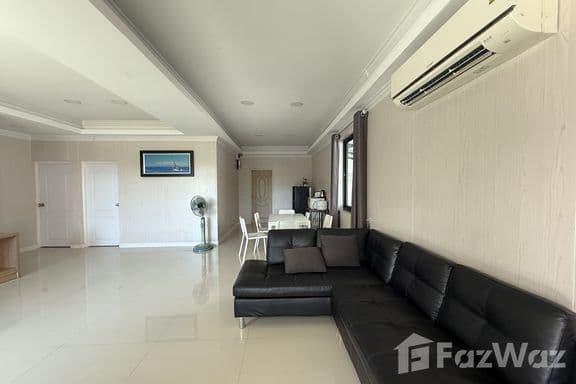
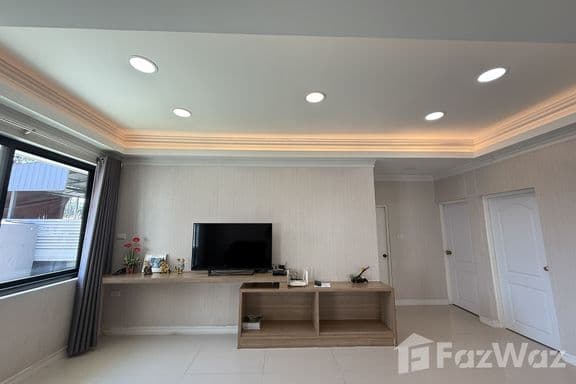
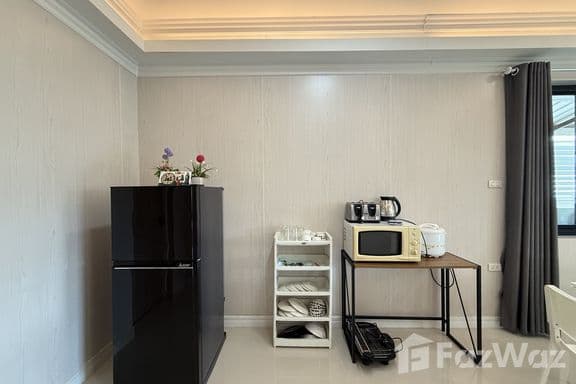
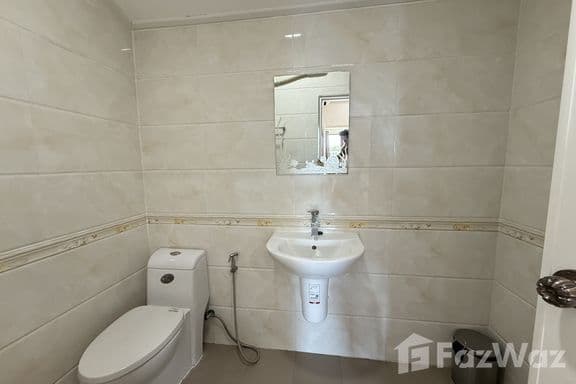
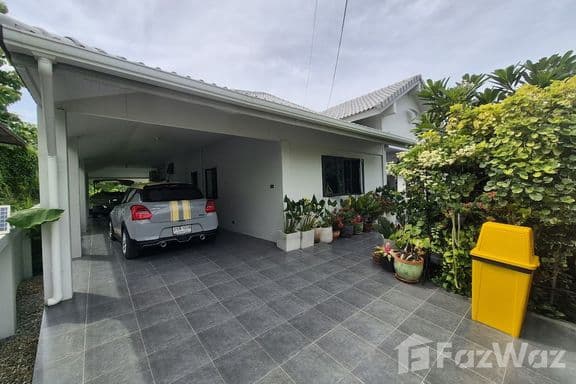
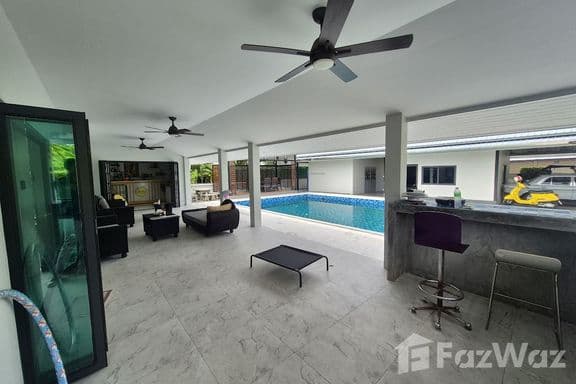
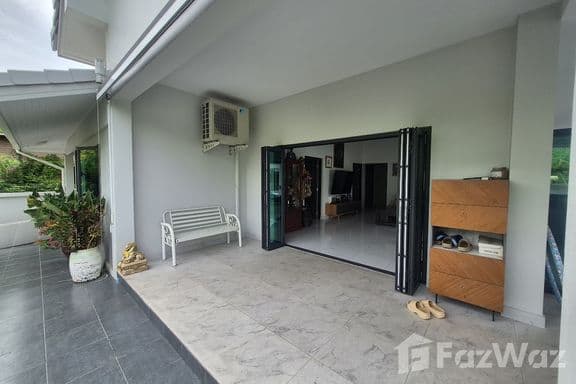
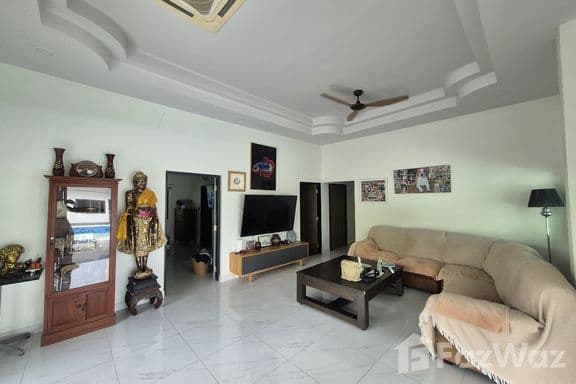
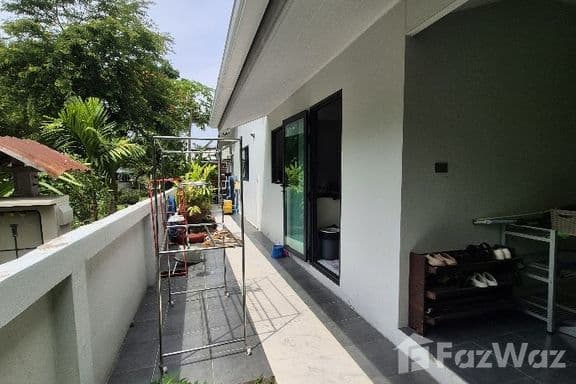
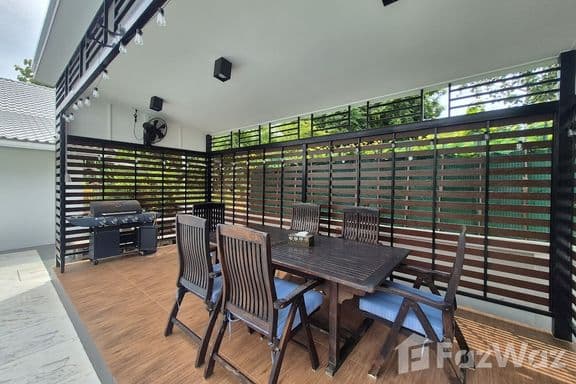
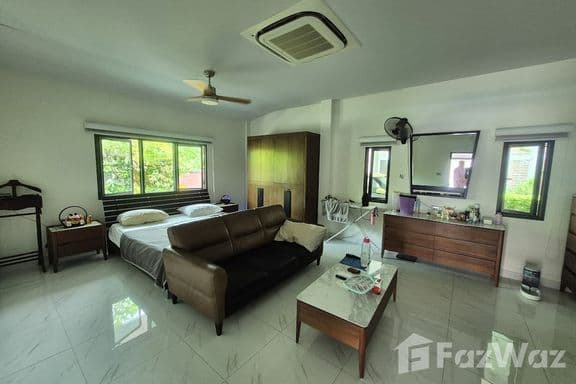
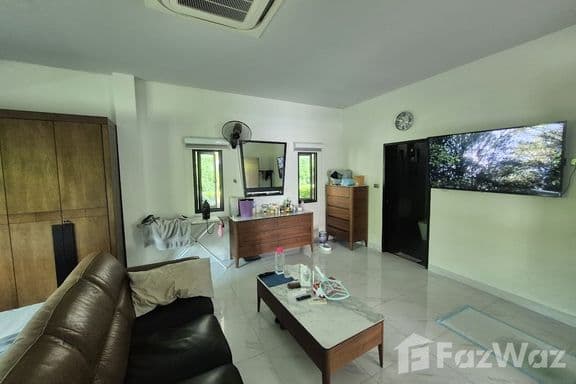
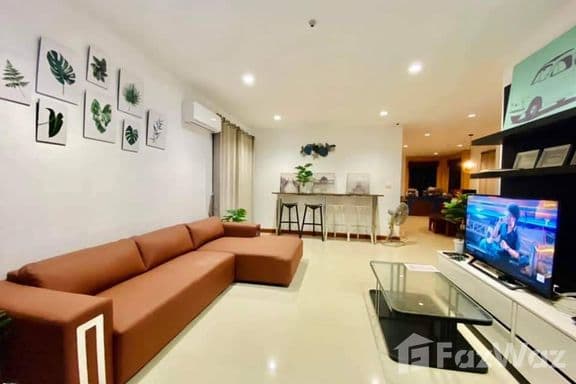
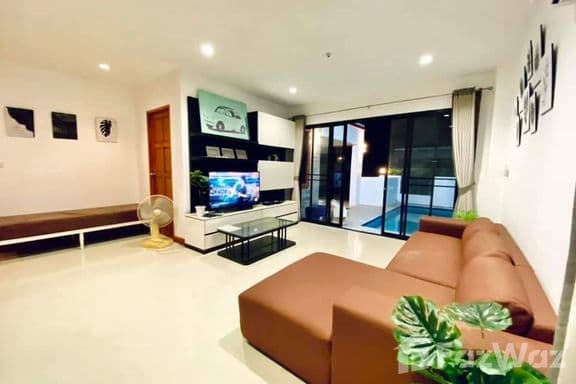
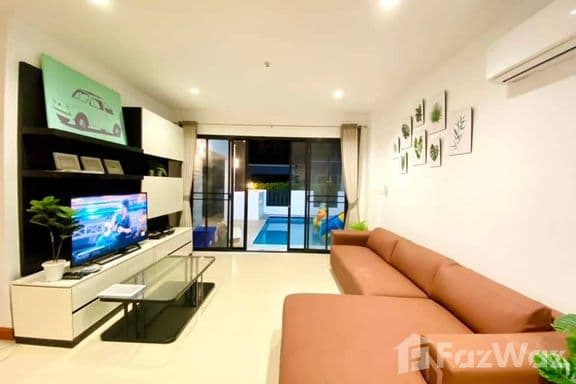
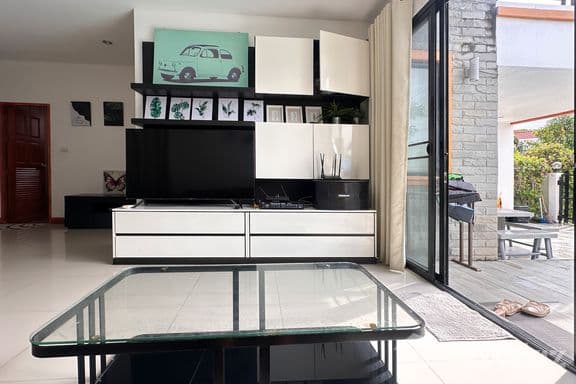
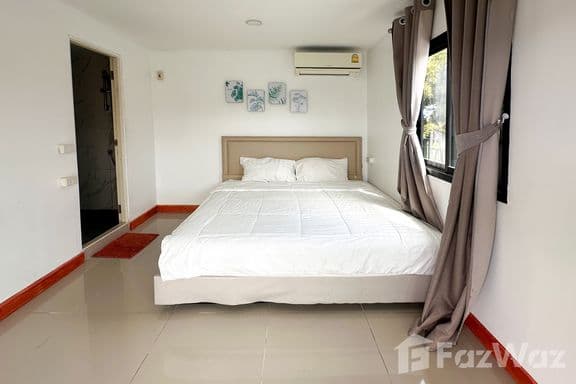
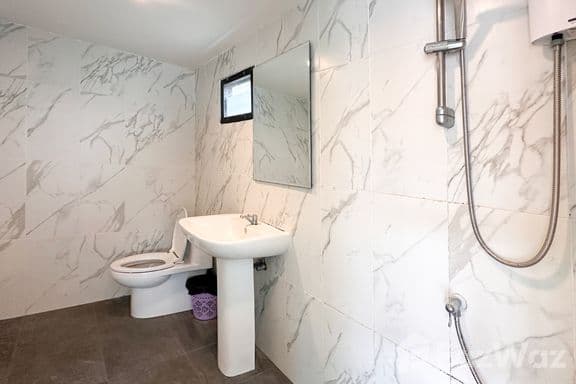
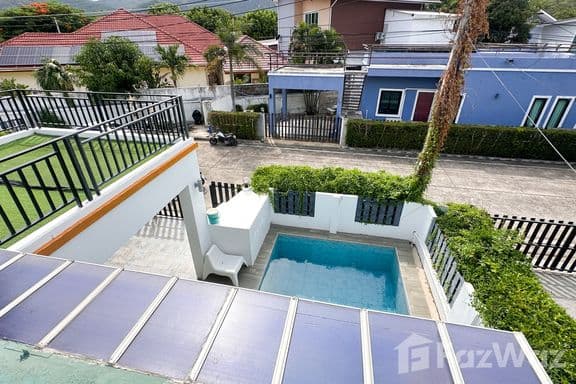
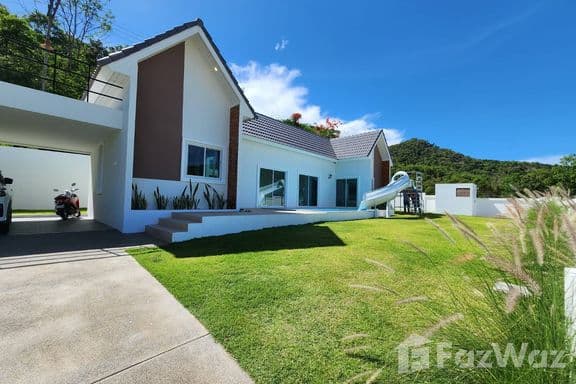
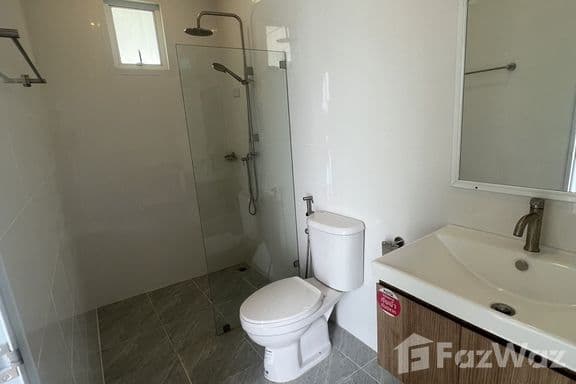
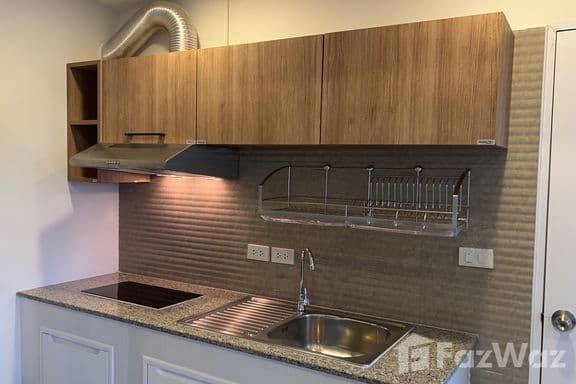
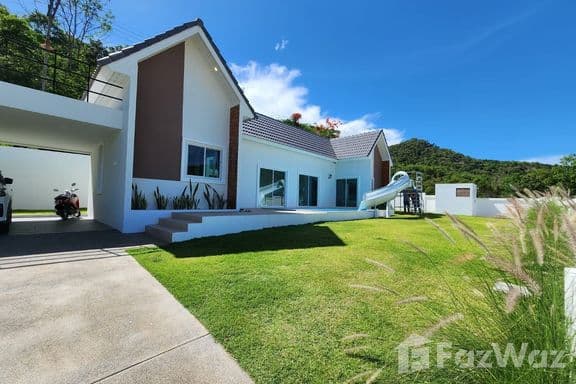
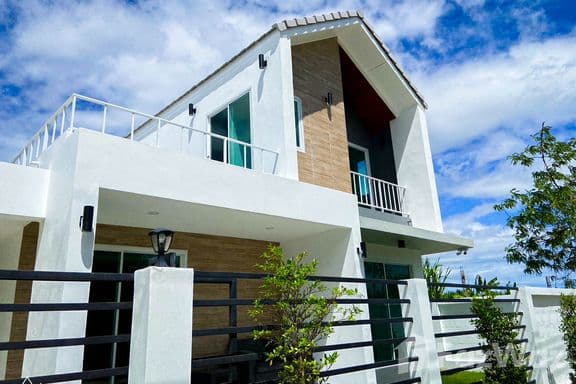
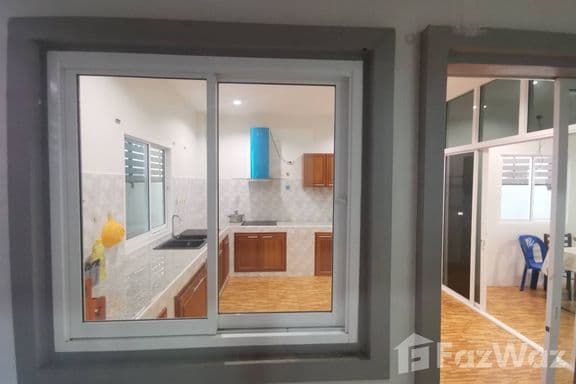
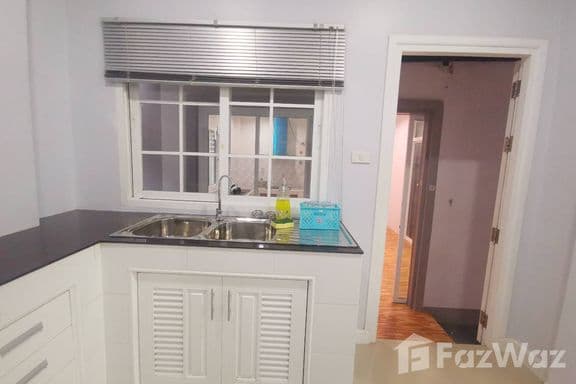
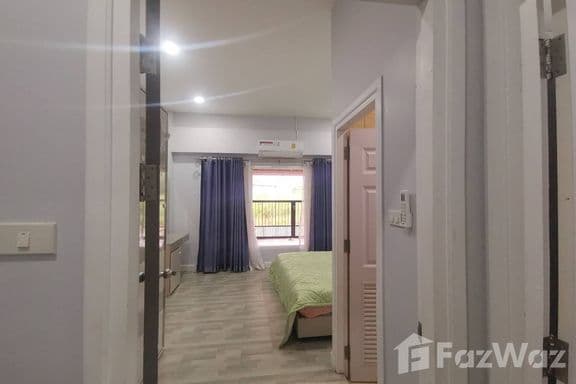
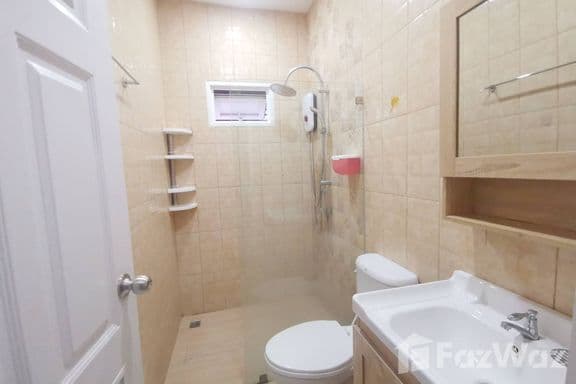
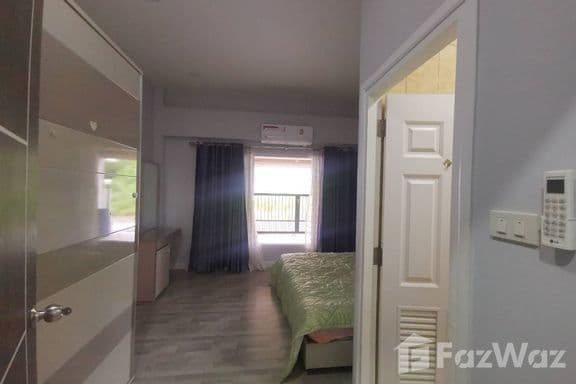
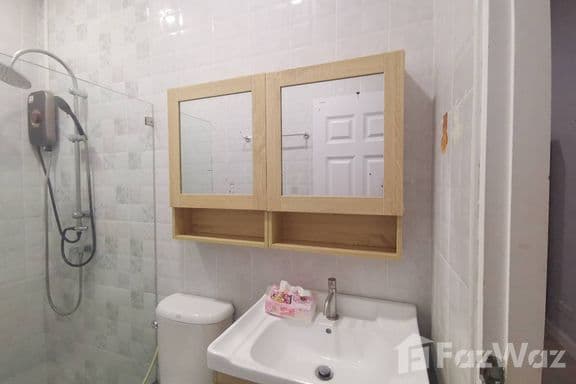
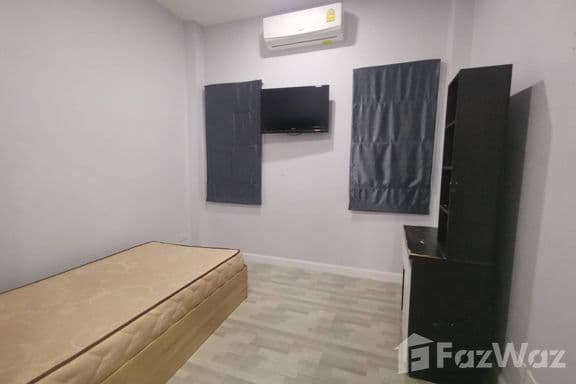
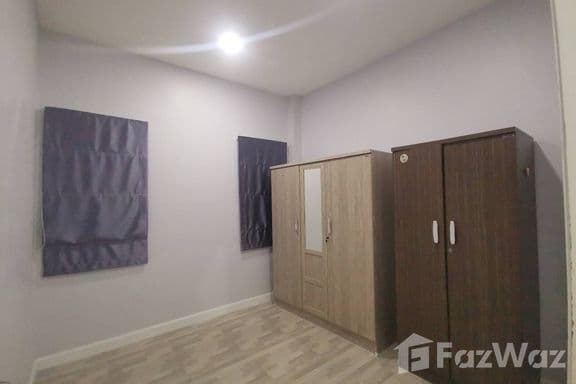
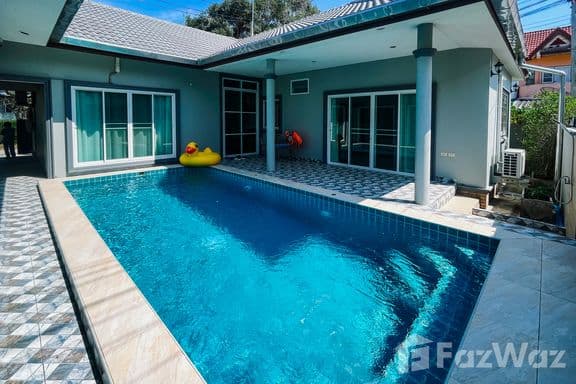
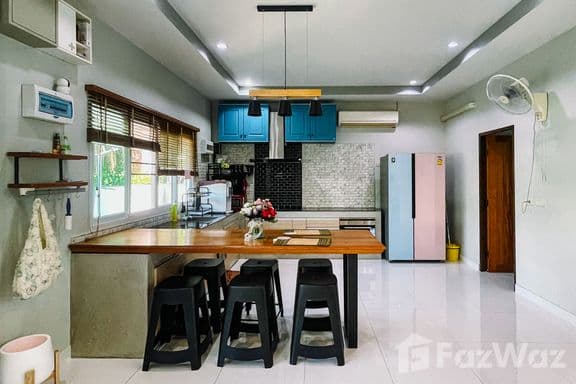
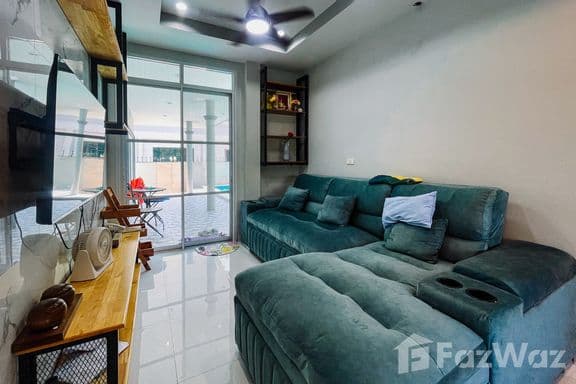
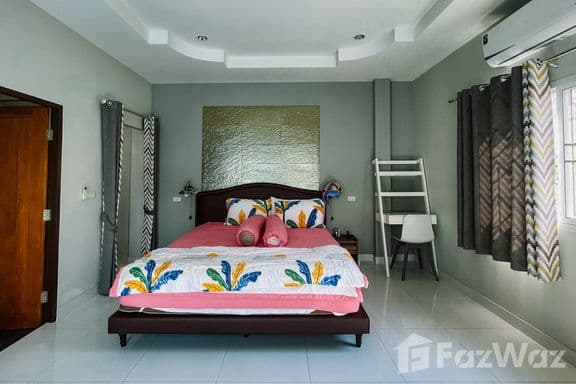
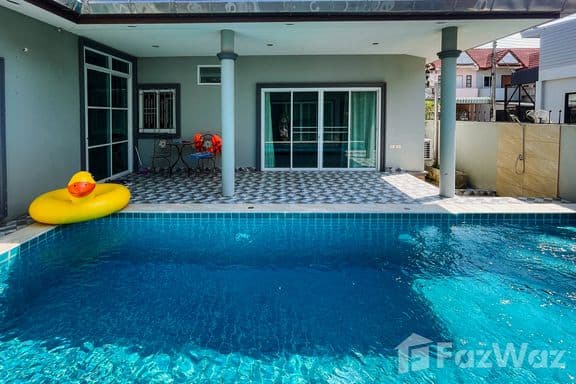
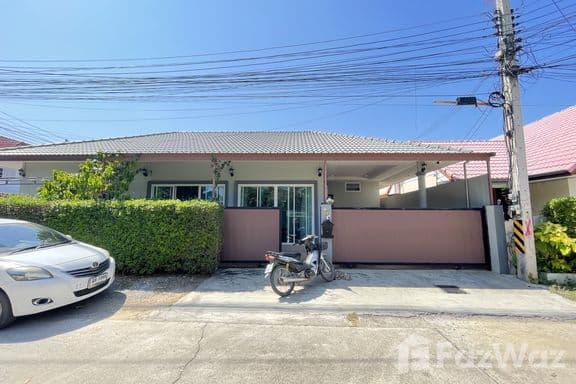
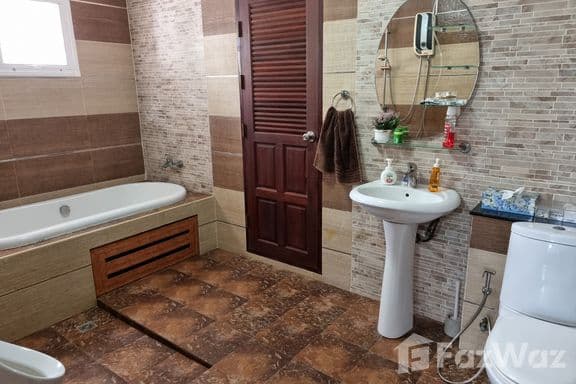
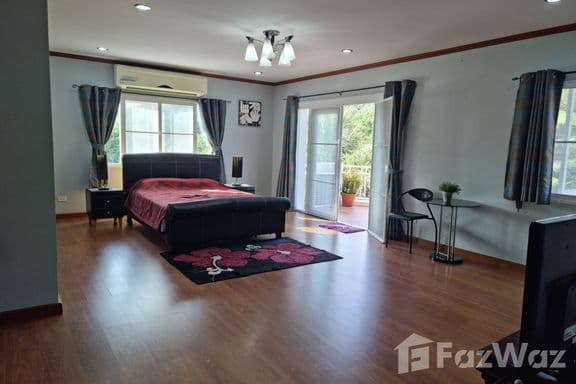
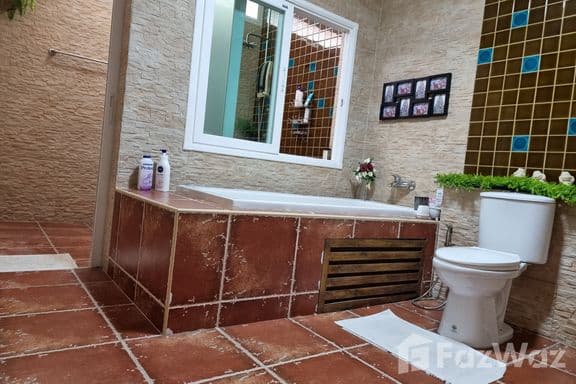
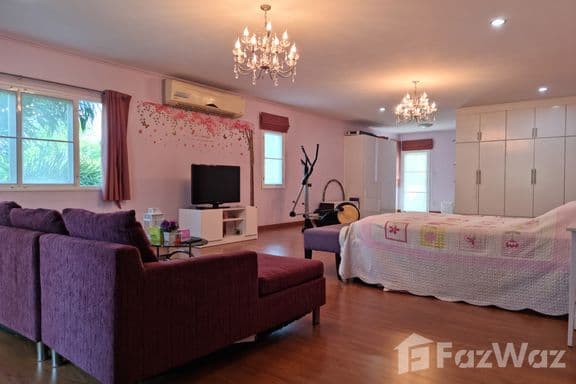
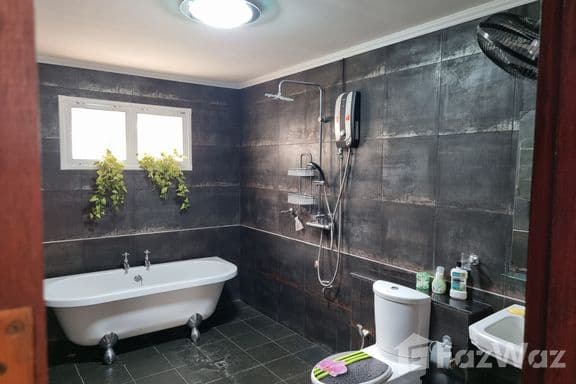
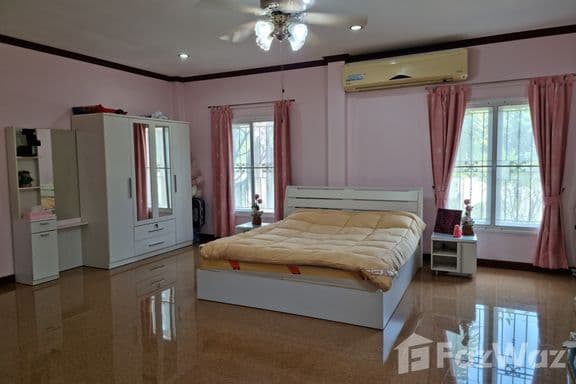
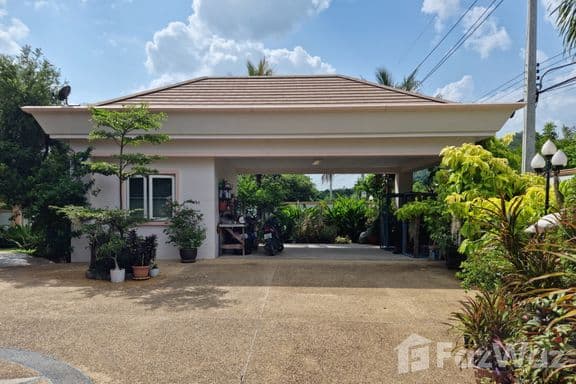
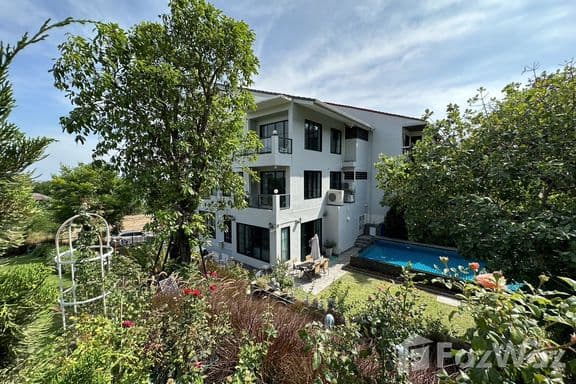
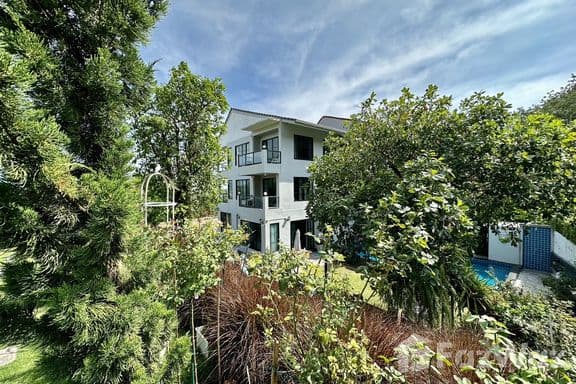
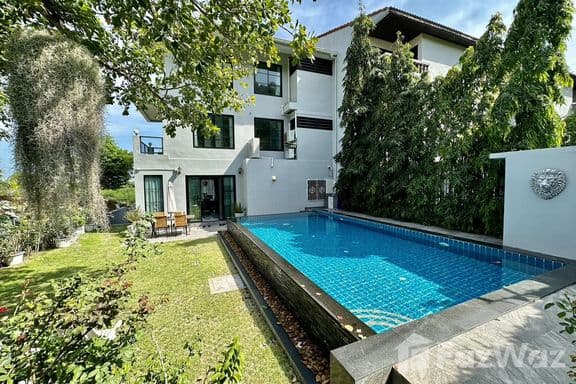
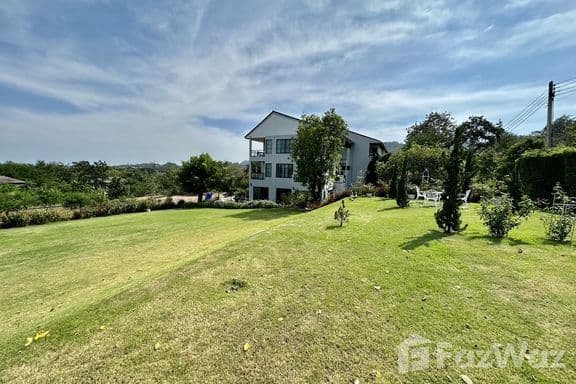
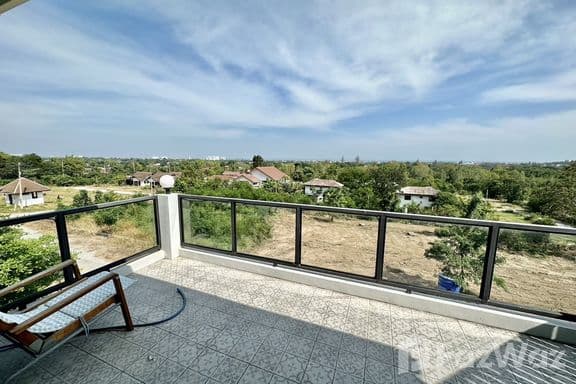
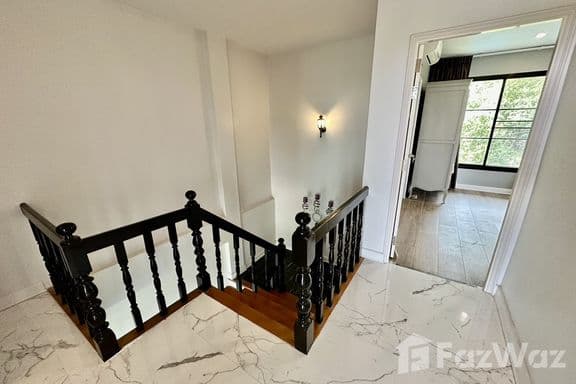
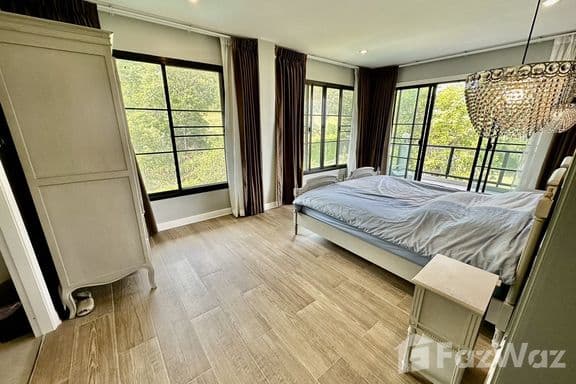
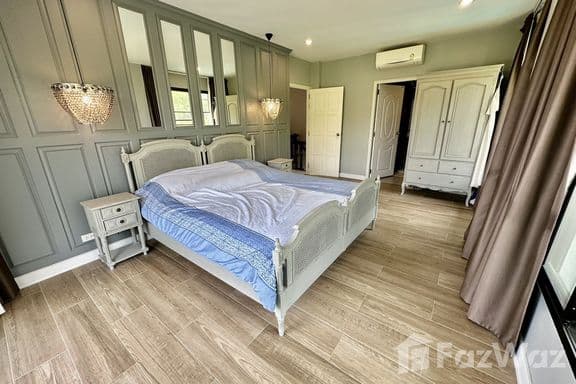
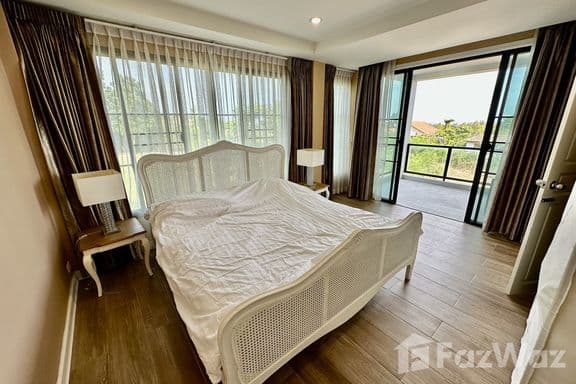
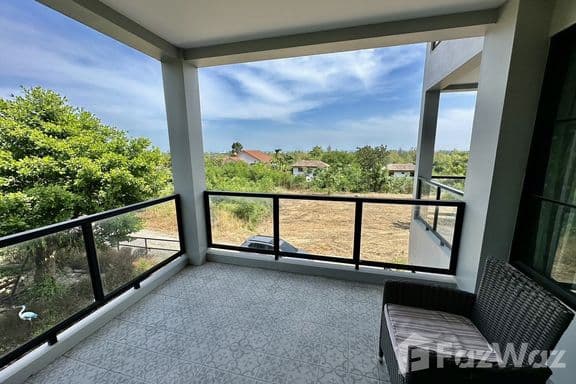
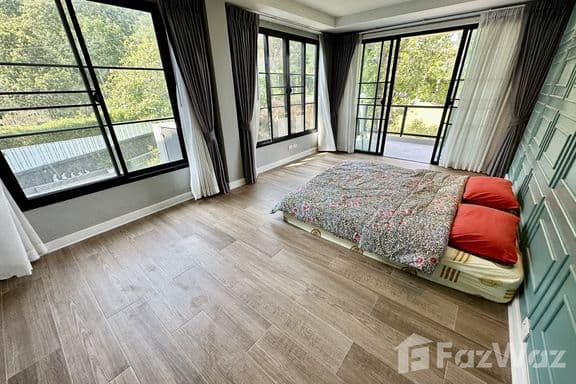
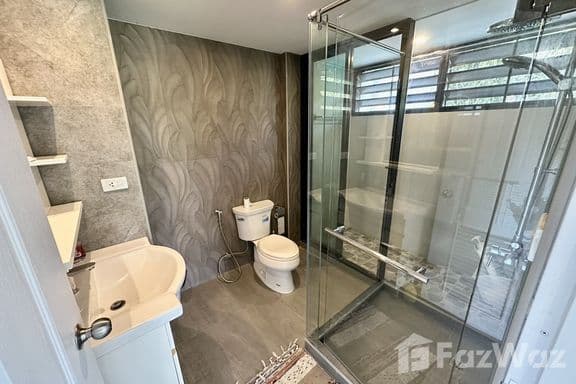
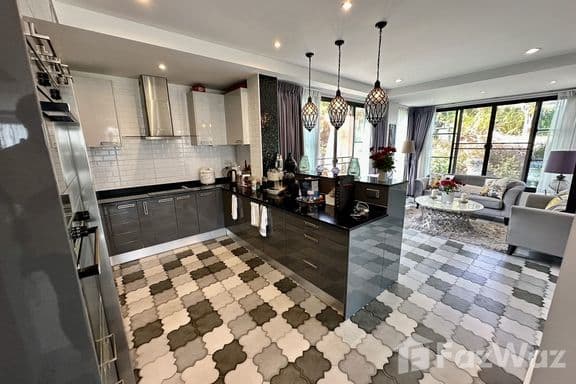
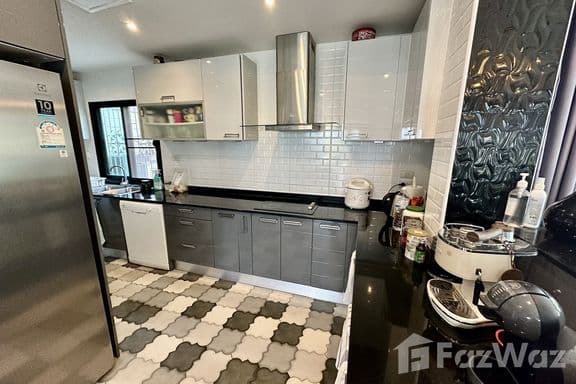
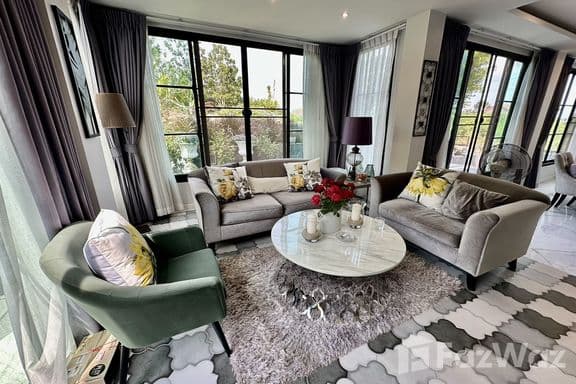
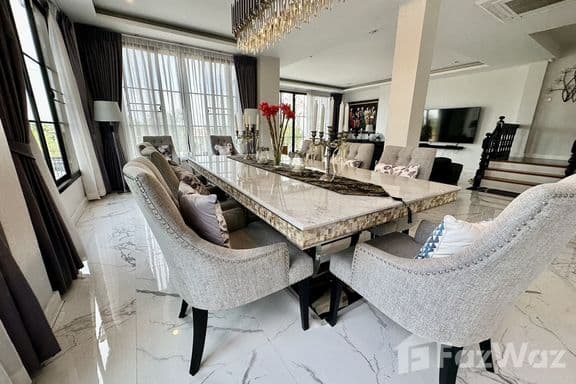
4 Beds5 Baths344 SqM฿24,733/SqMHouse
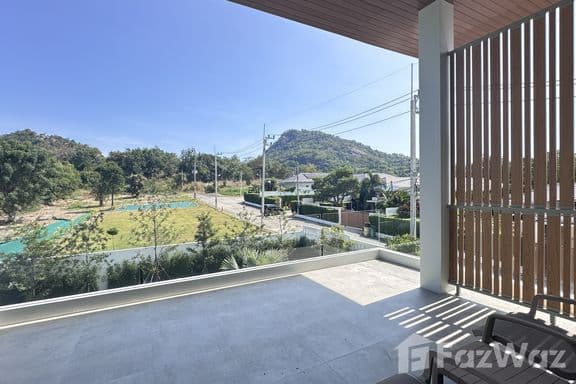
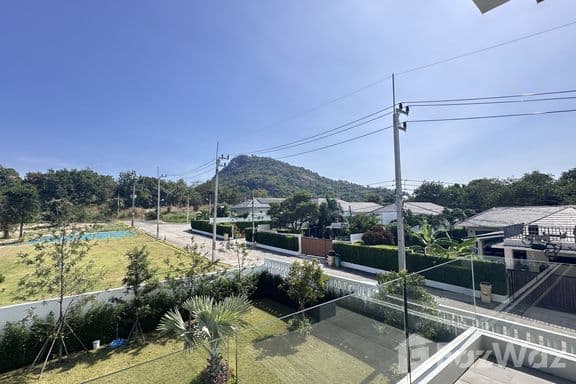
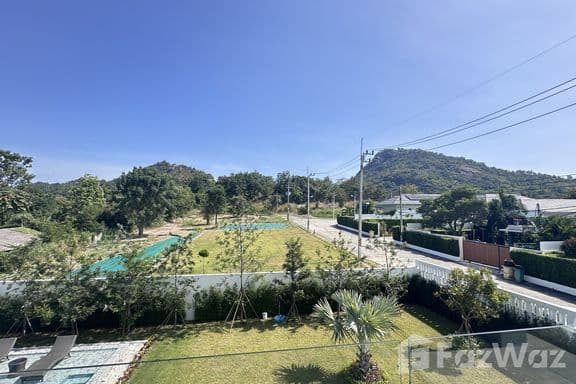
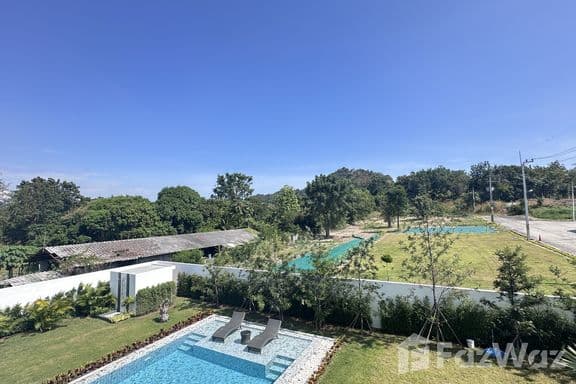
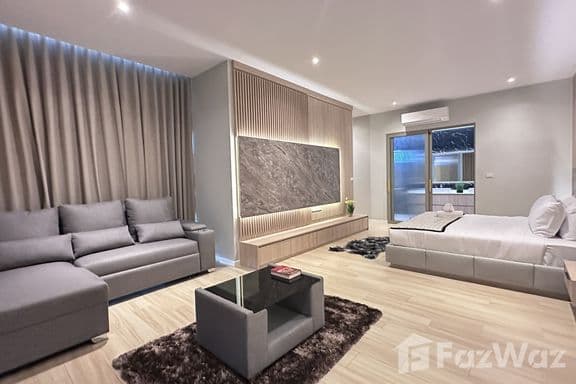
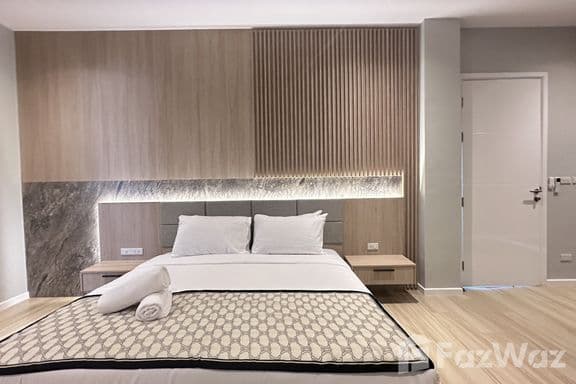
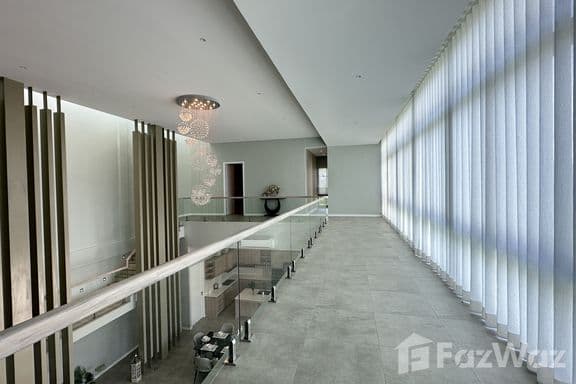
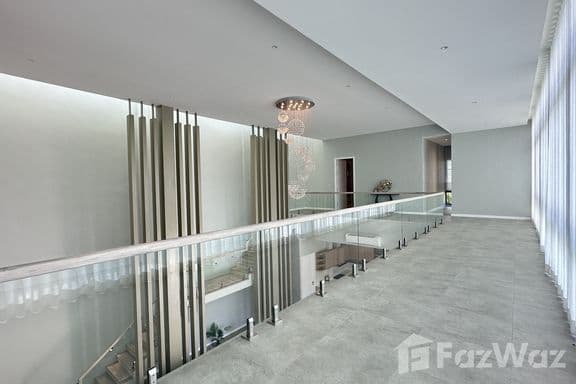
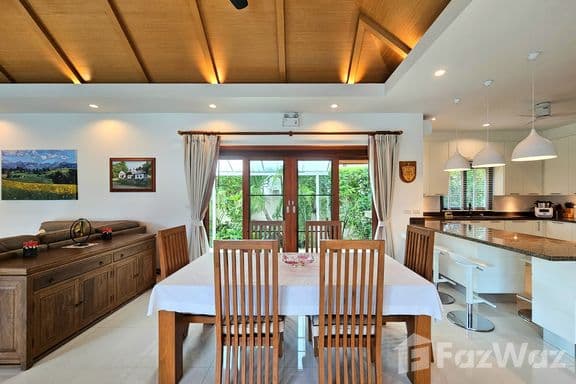
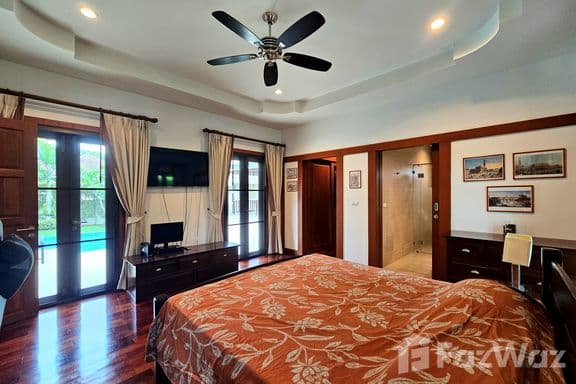
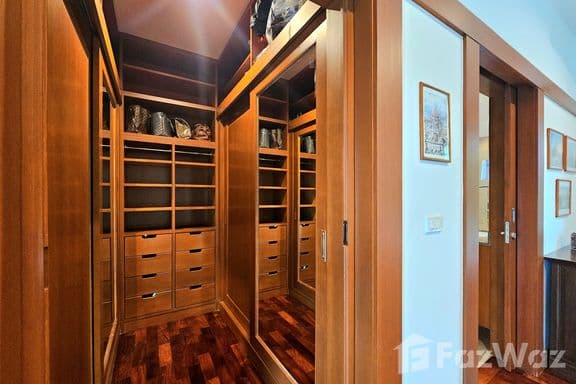
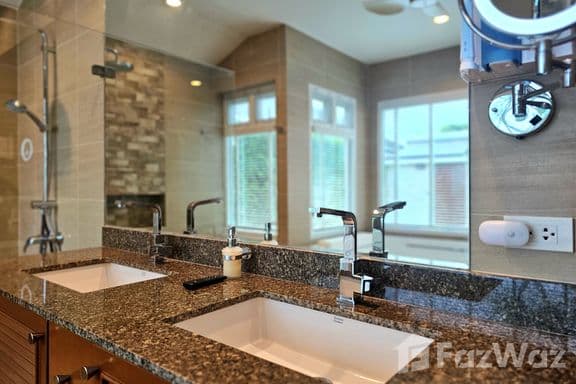
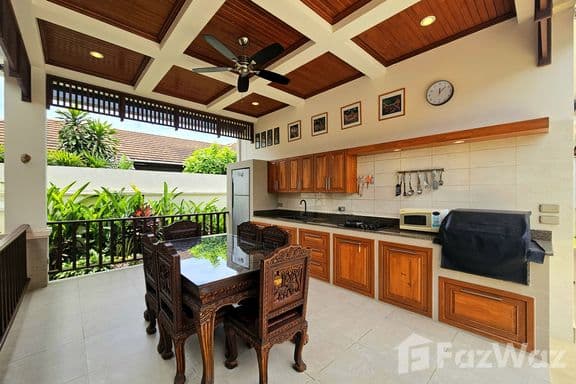
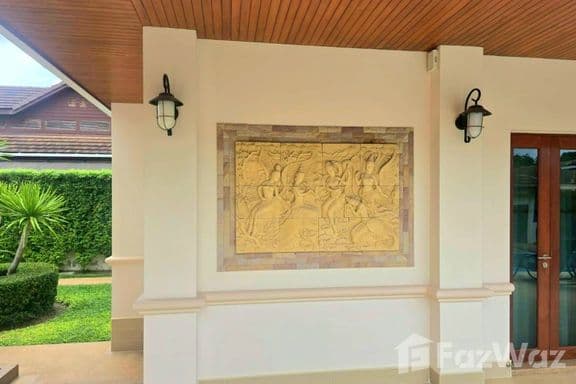
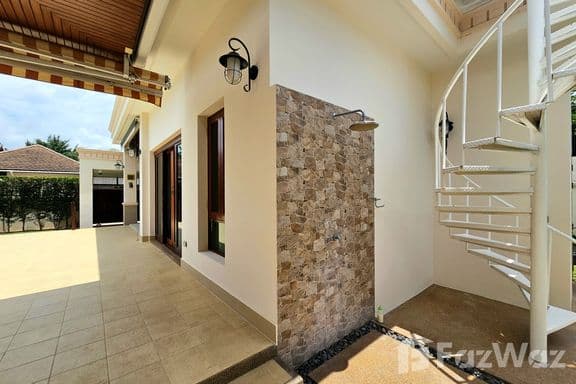
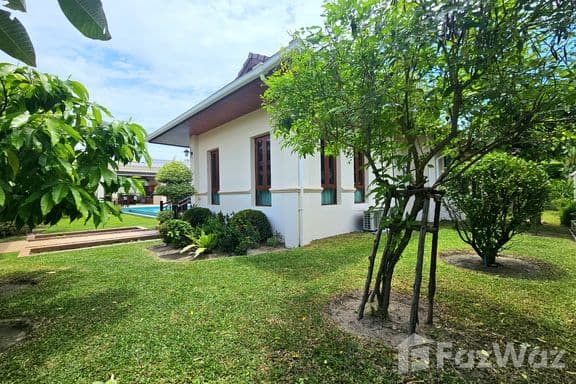
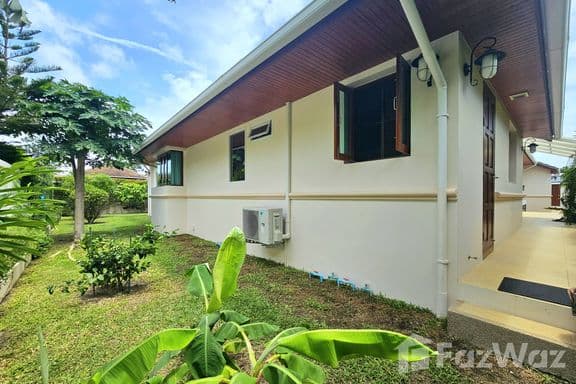
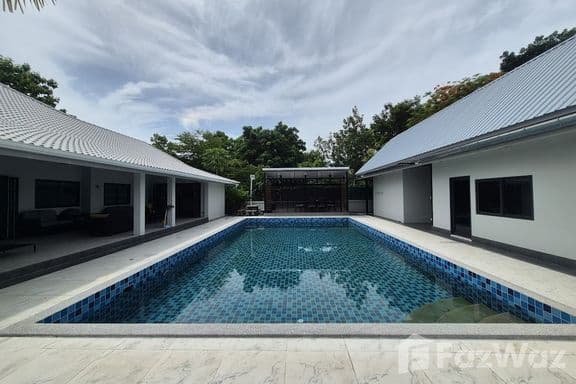
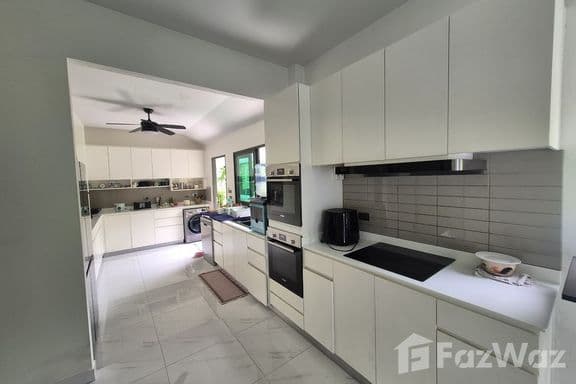
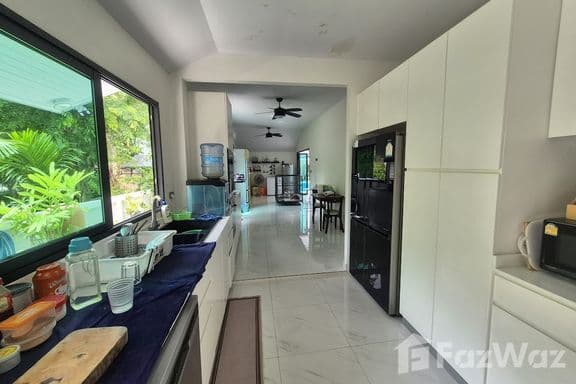
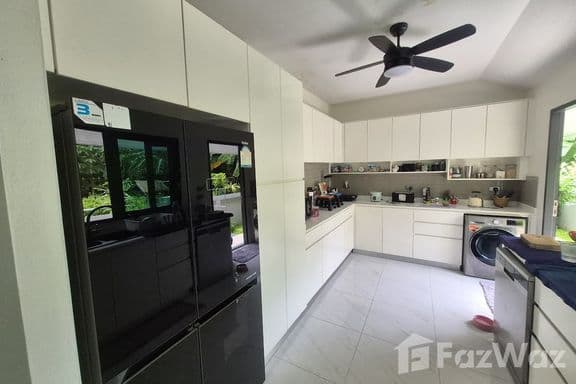
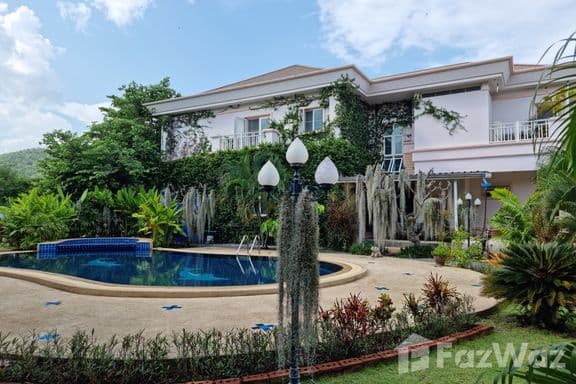
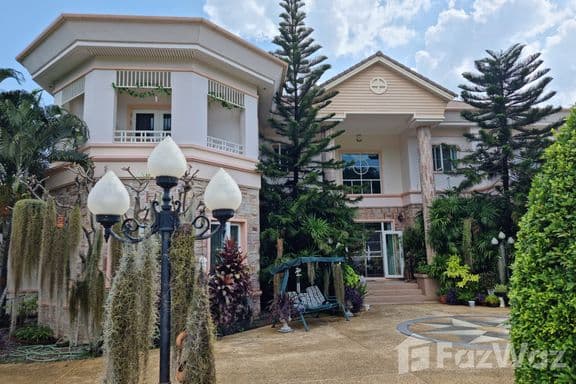
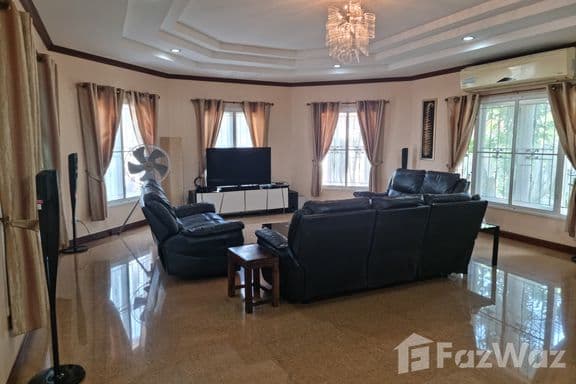
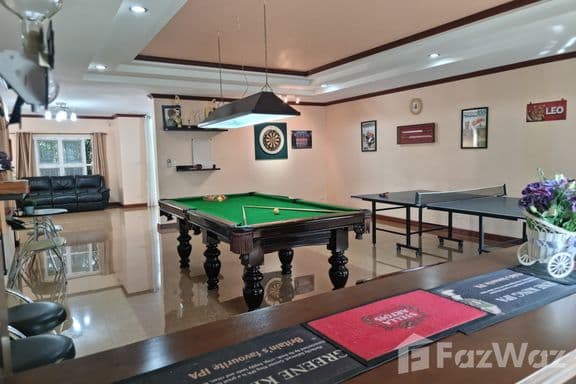
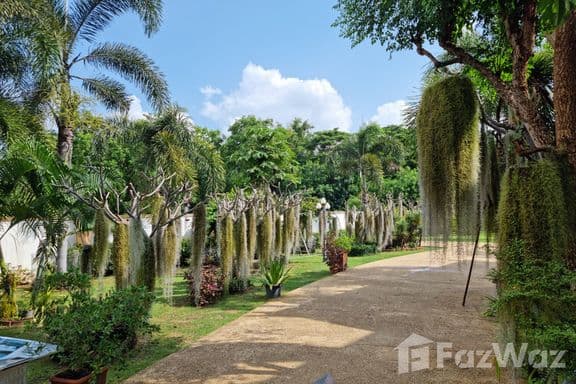
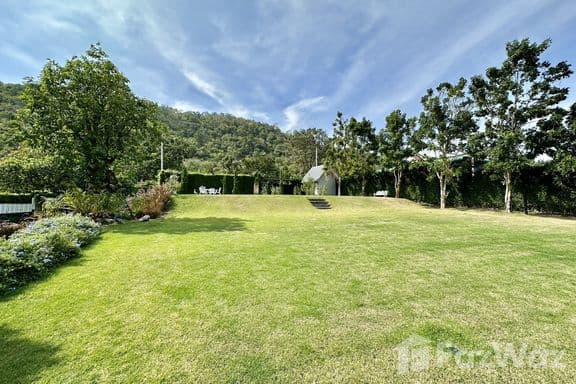
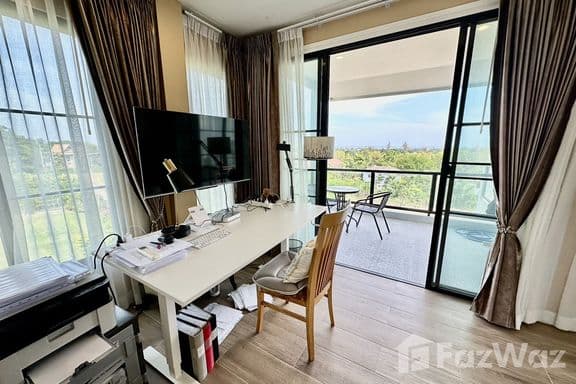
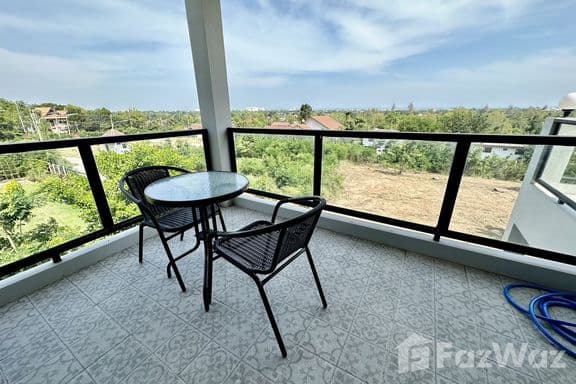
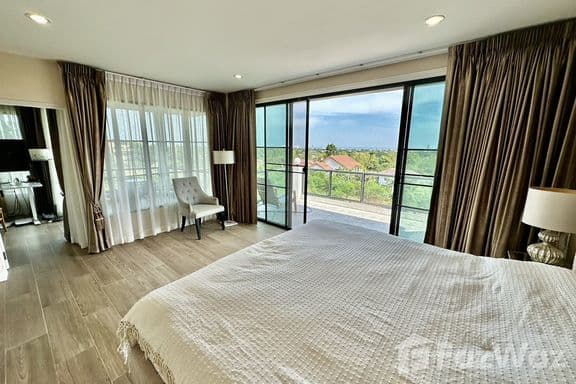
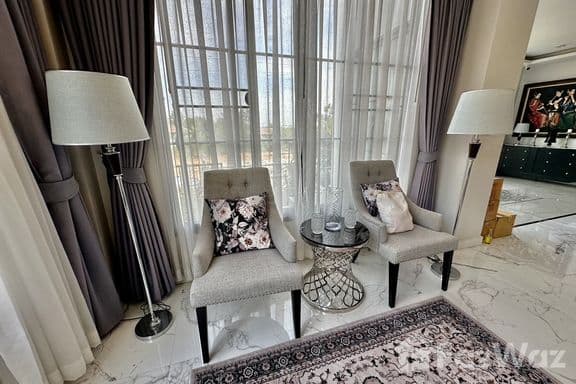
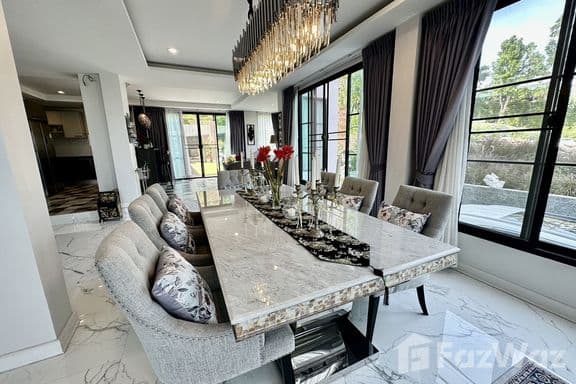
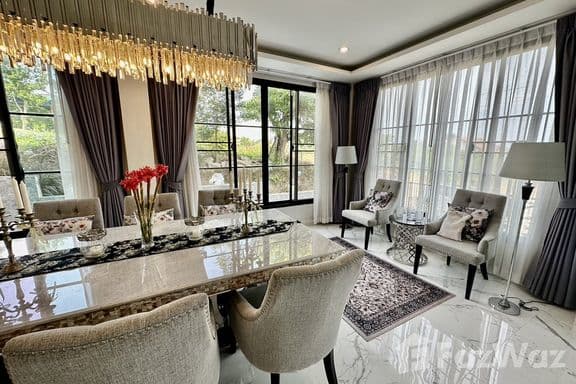
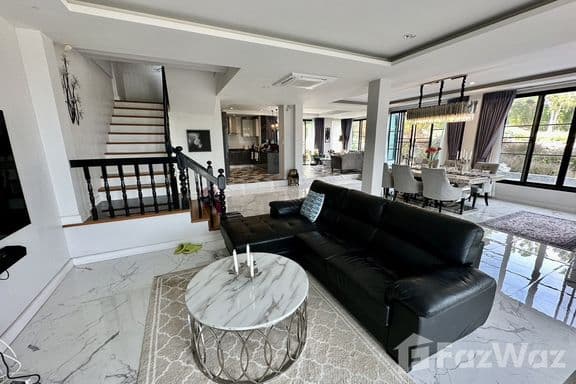
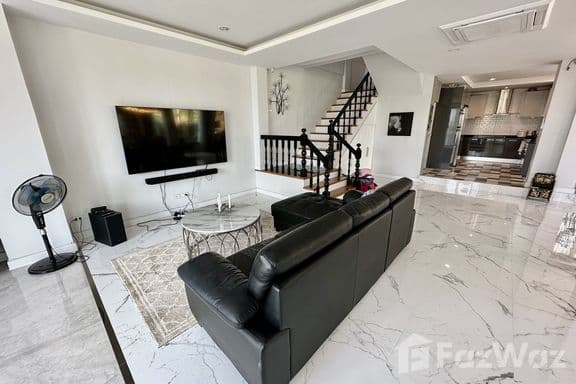
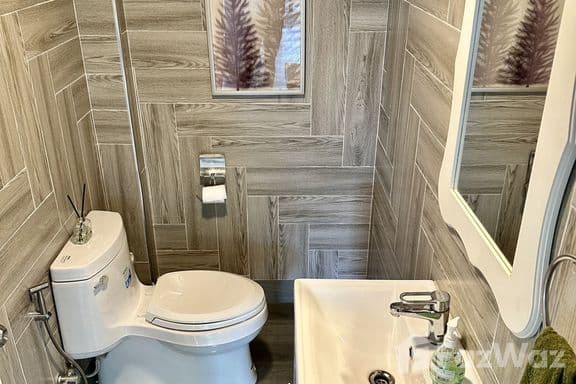
The Modern View — Thap Tai, Hua Hin, Prachuap Khiri KhanThe Modern View Hua Hin - 4BR Pool Villa - Plot 53
For sale house for ----- THB in Hua Hin, Hua Hin, Thap Tai, Thailand
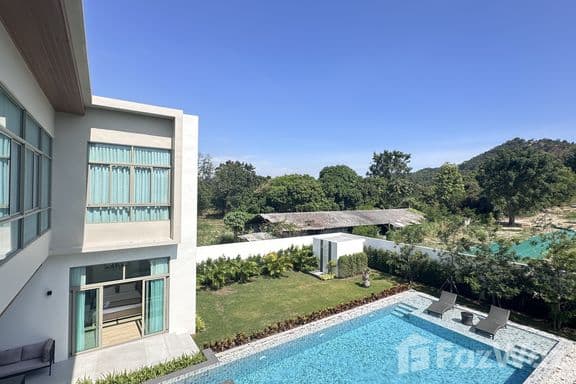
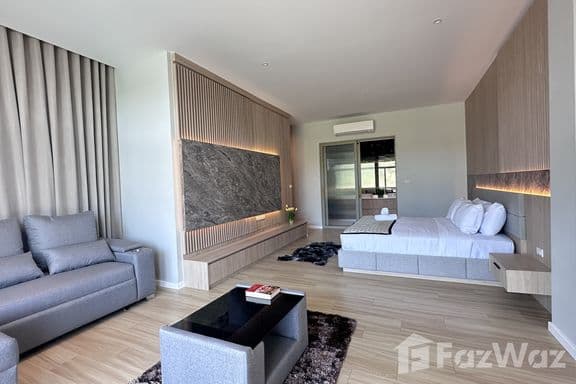

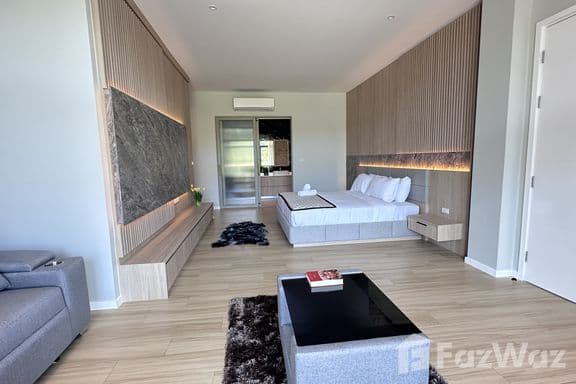
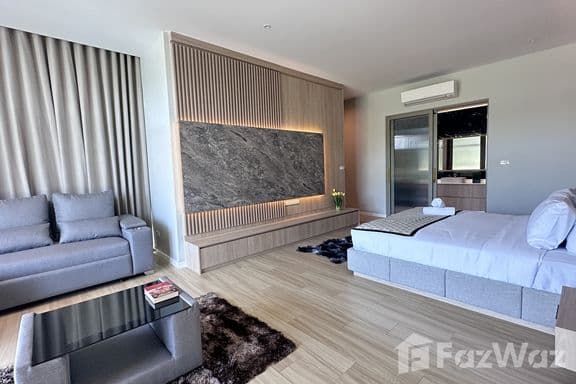
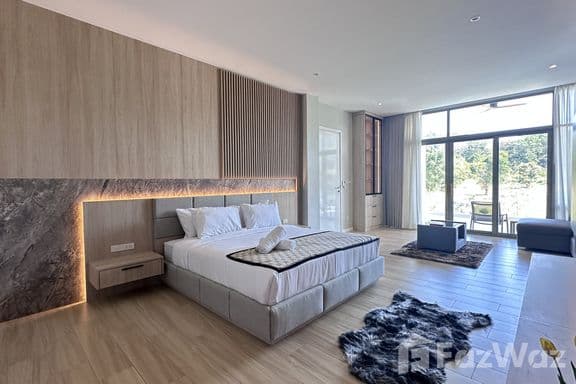
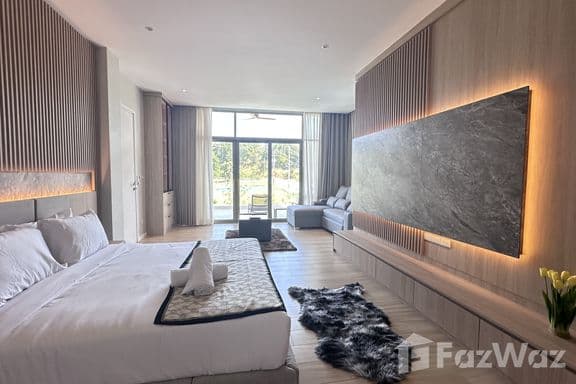
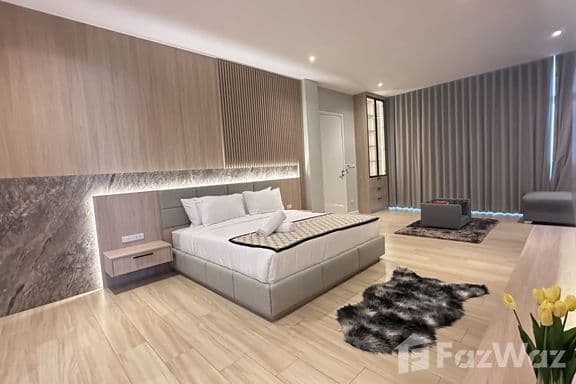
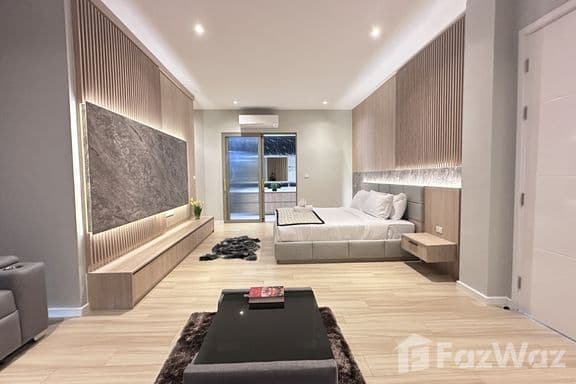

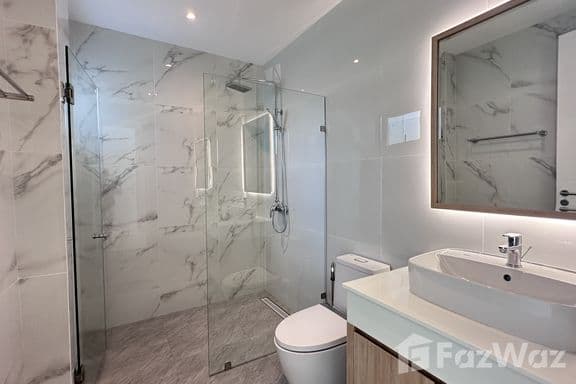
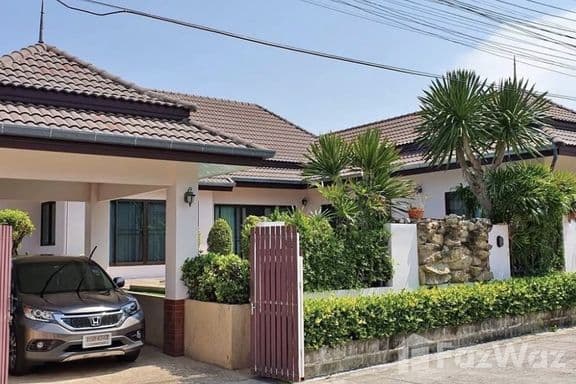
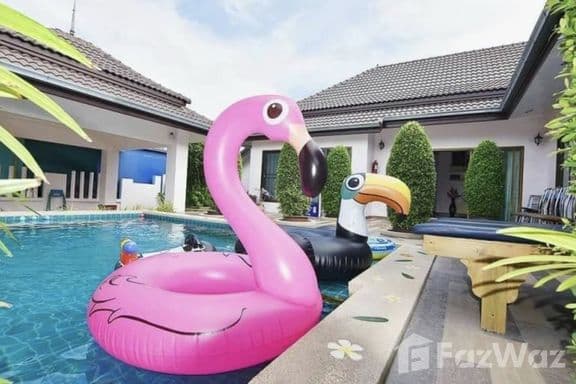
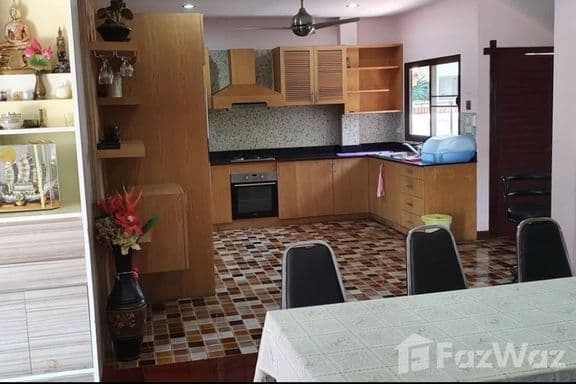
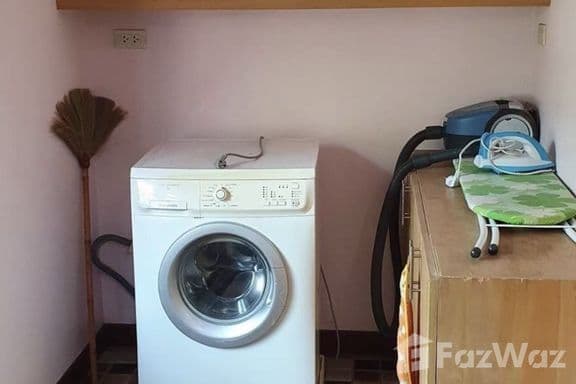


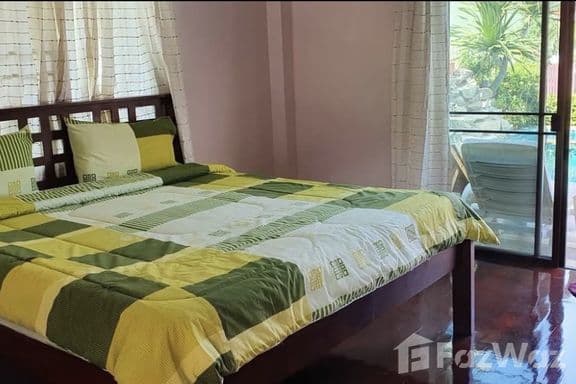
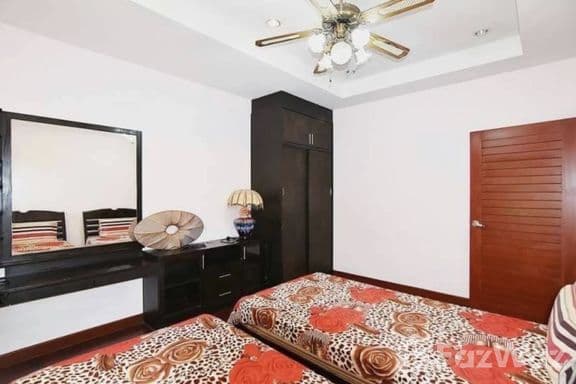
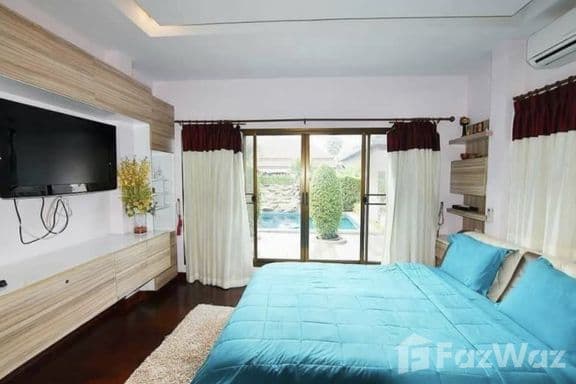




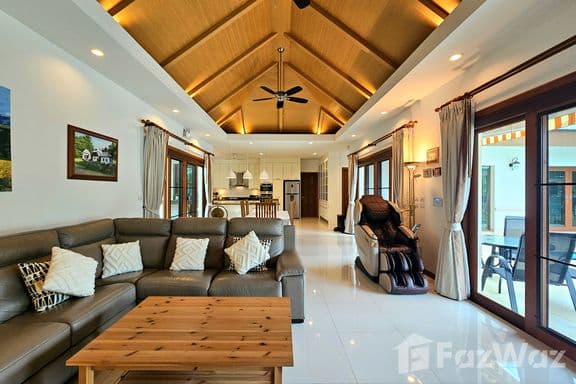
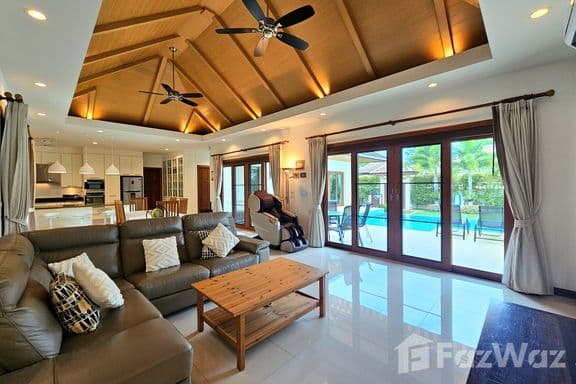
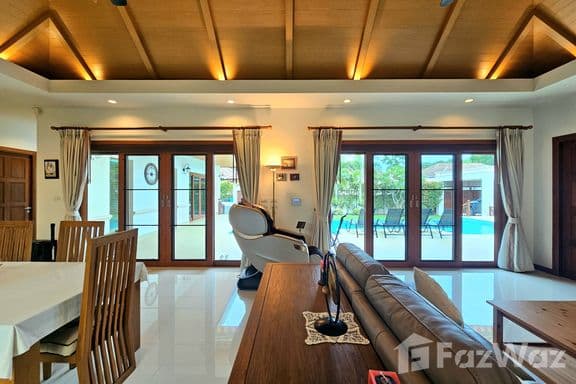
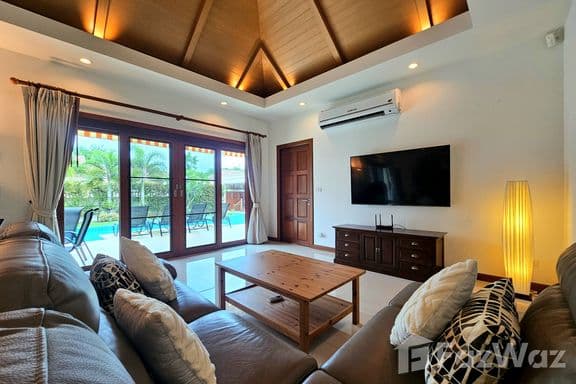
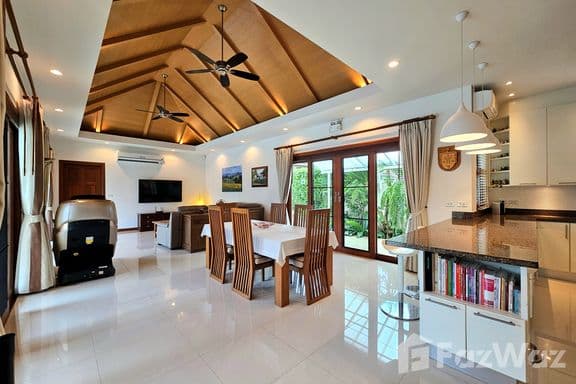
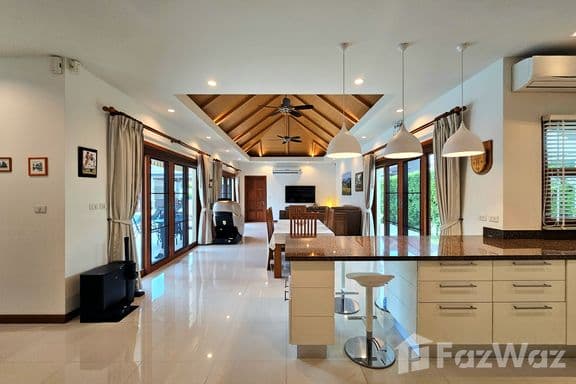
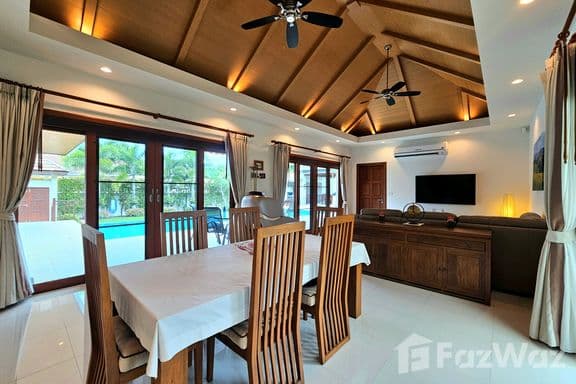


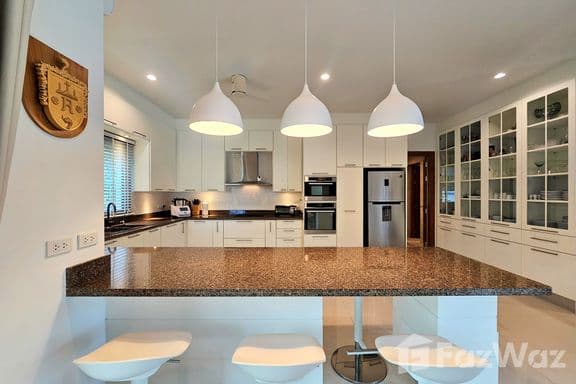
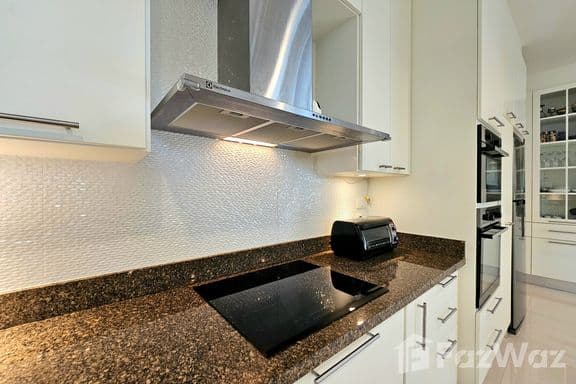
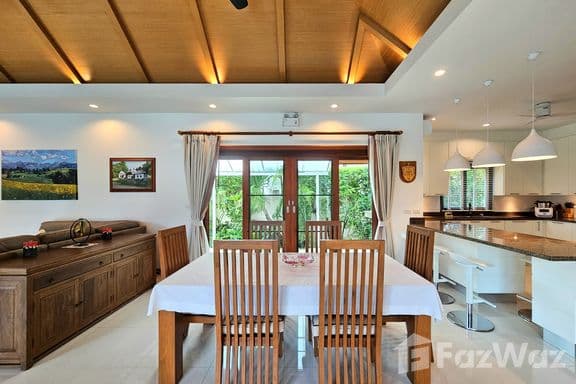

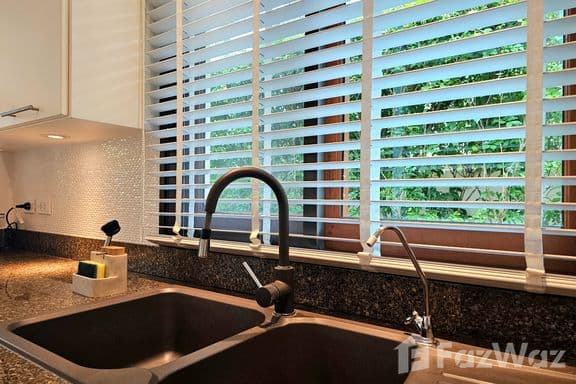
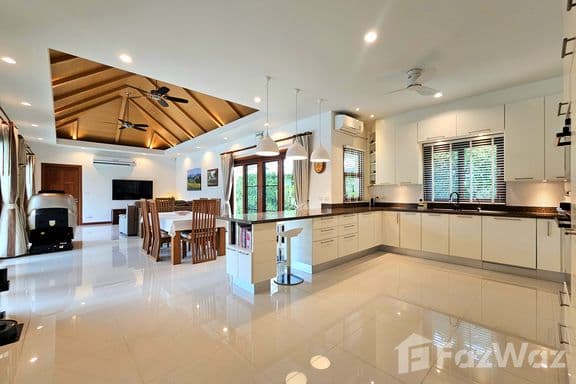






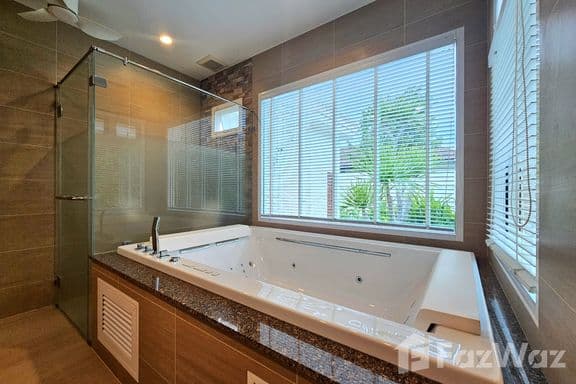
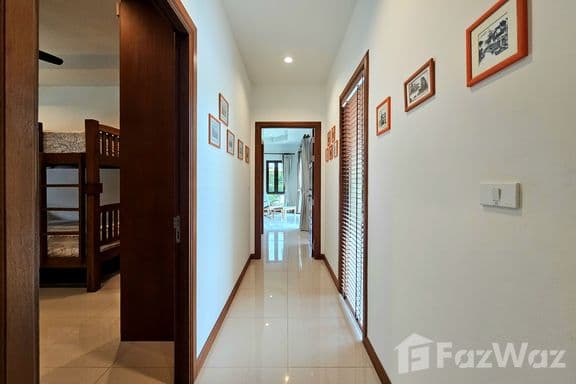


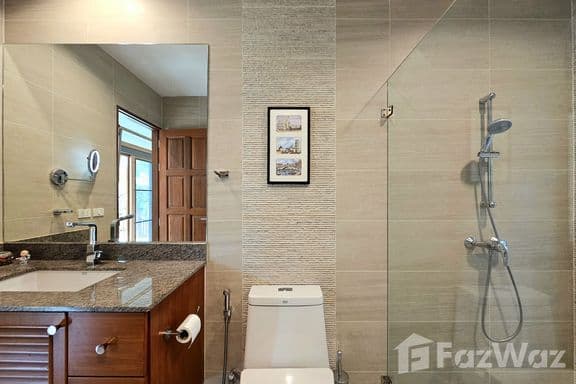
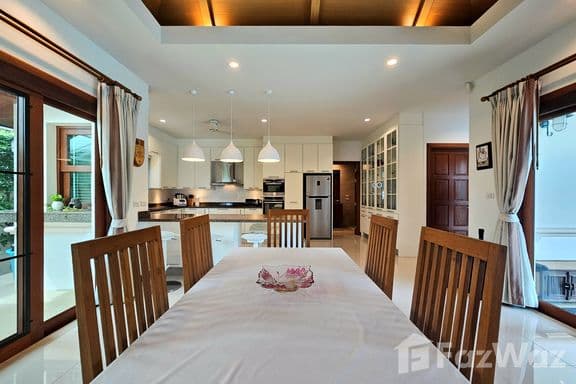

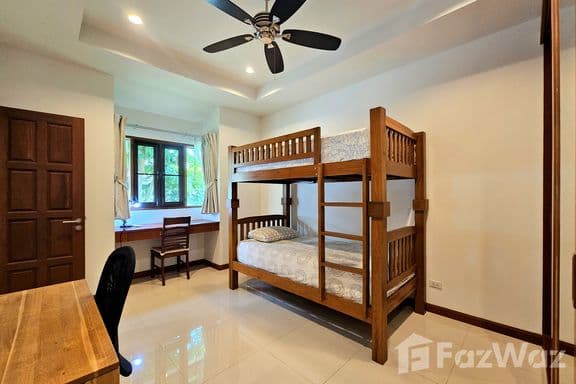

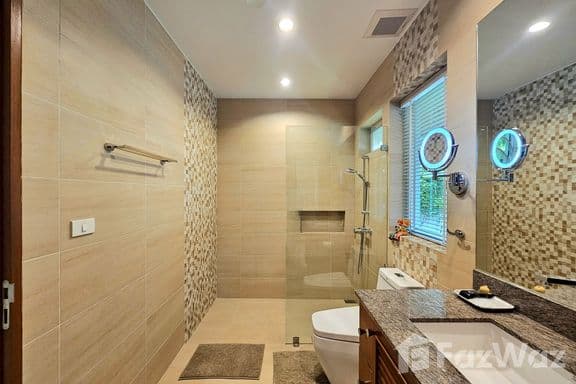
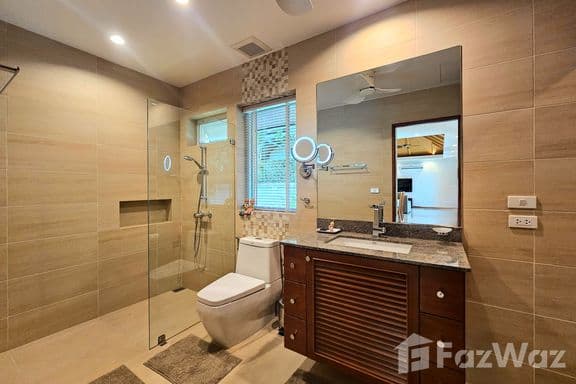
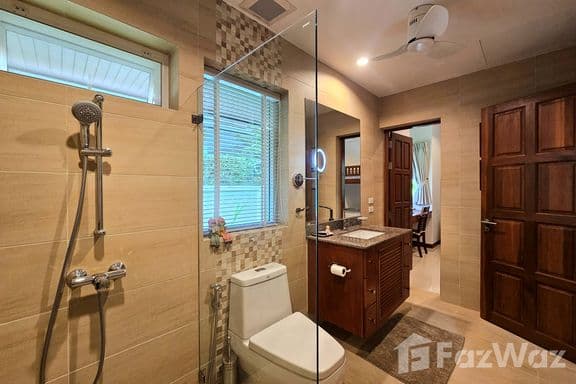
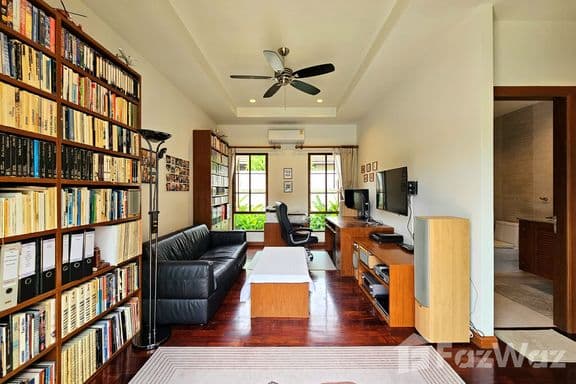
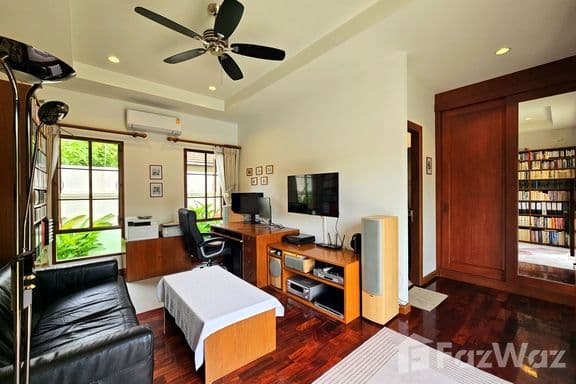

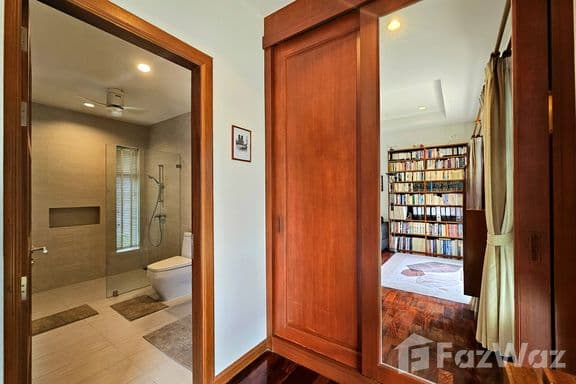


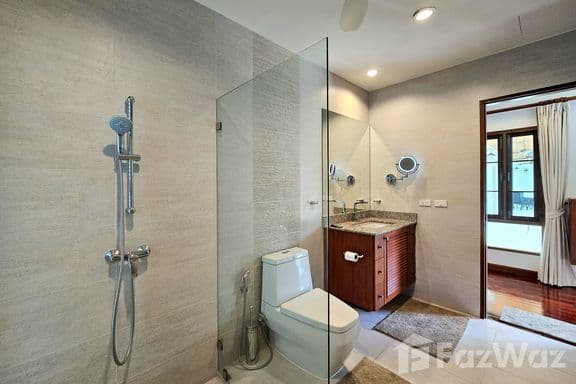








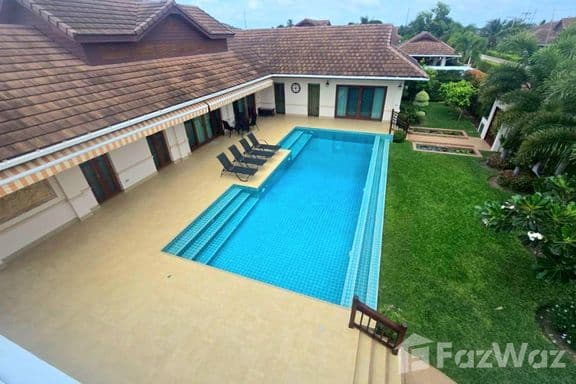


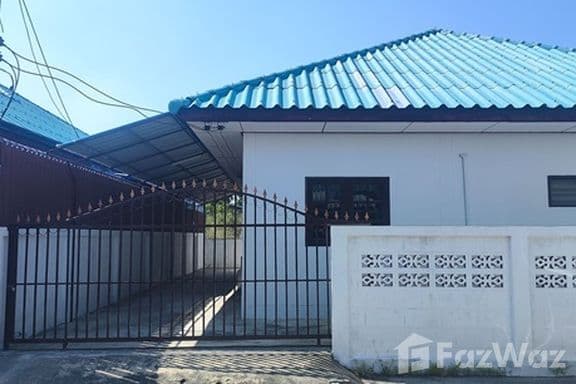


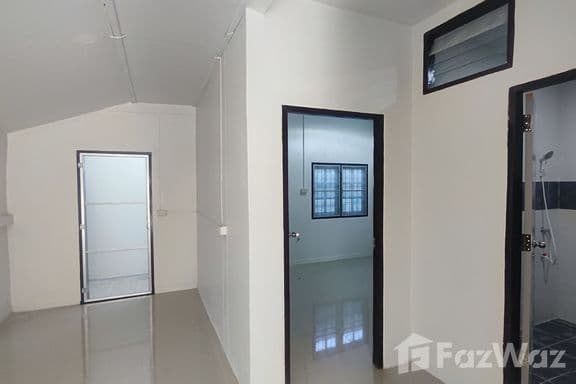
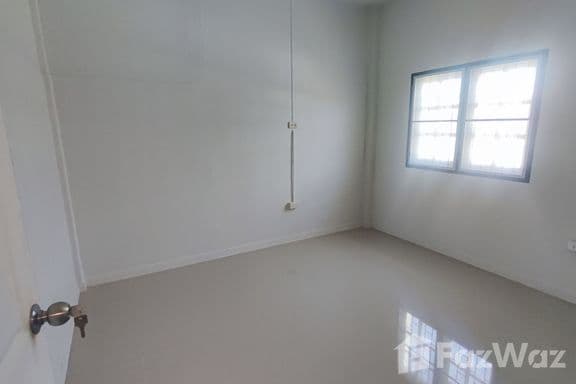

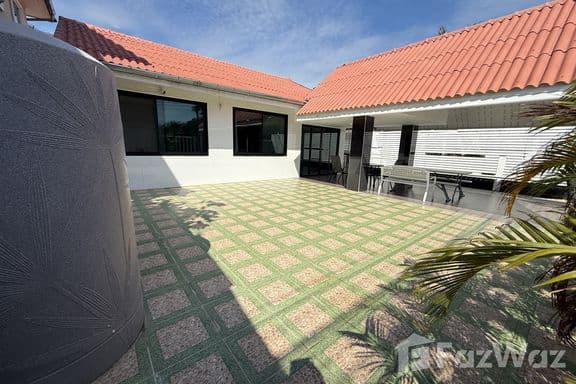


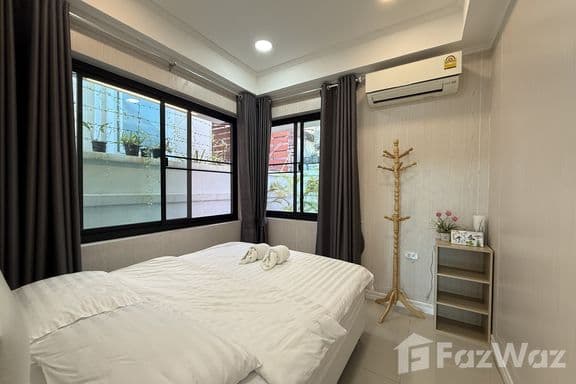
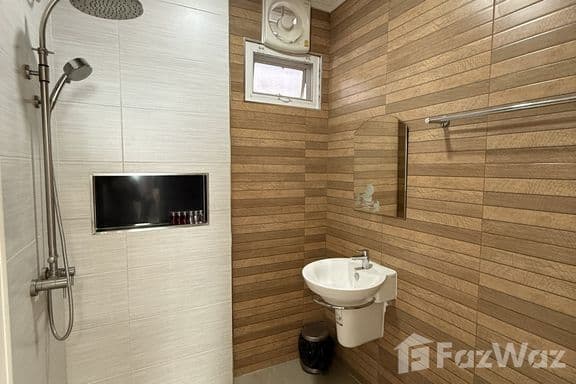
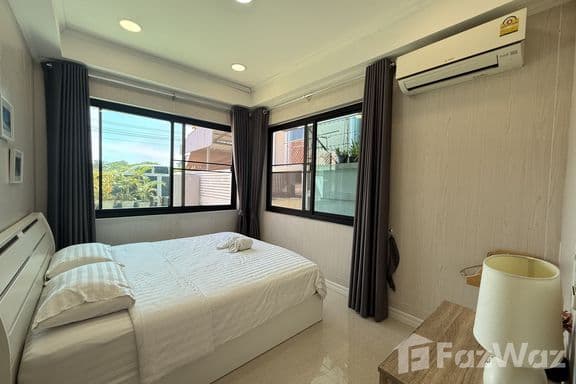
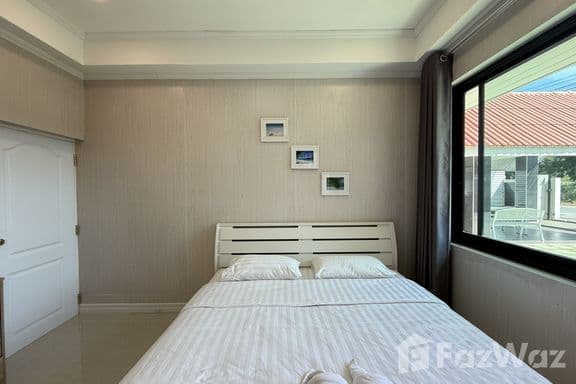


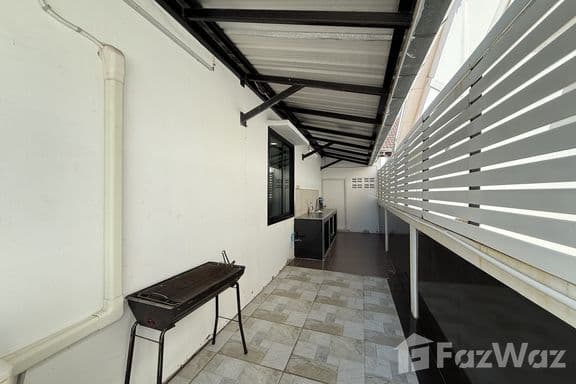
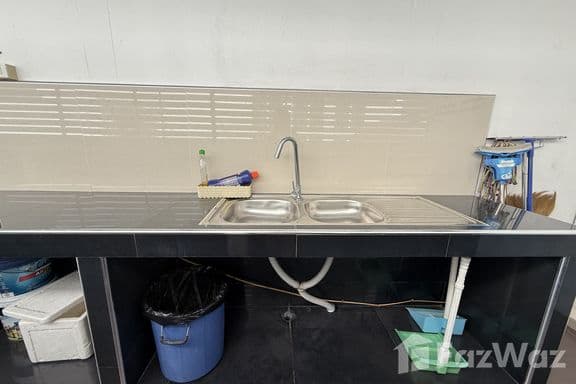
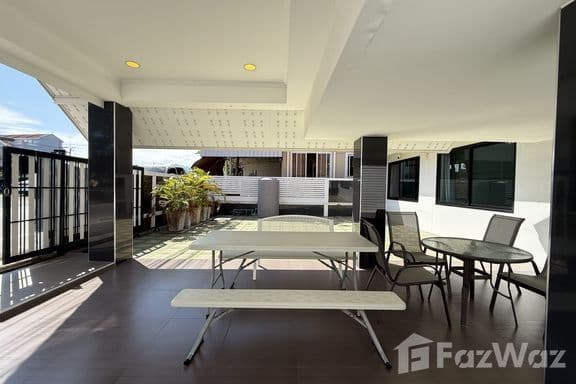
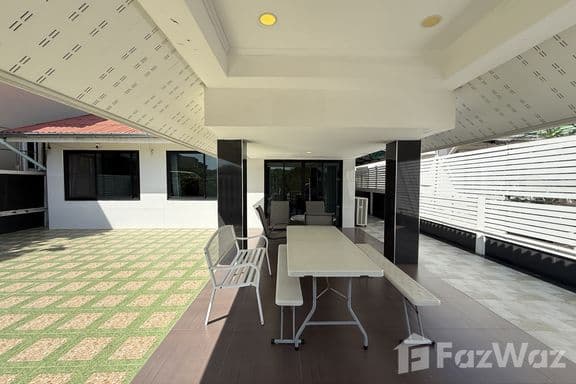
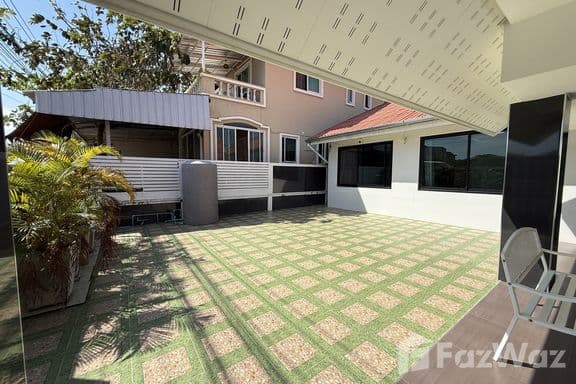
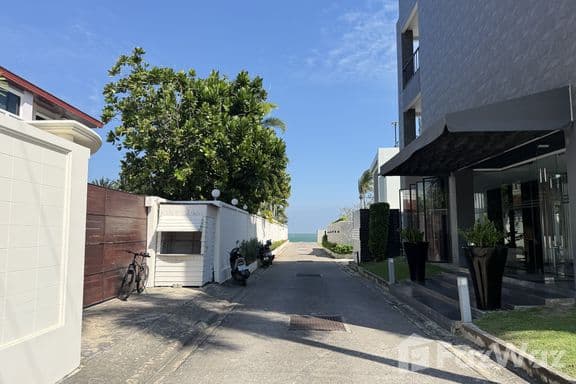
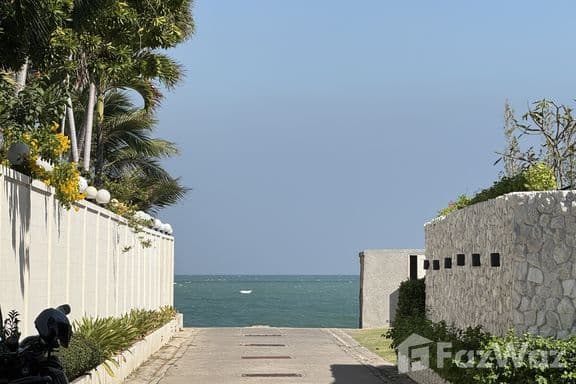


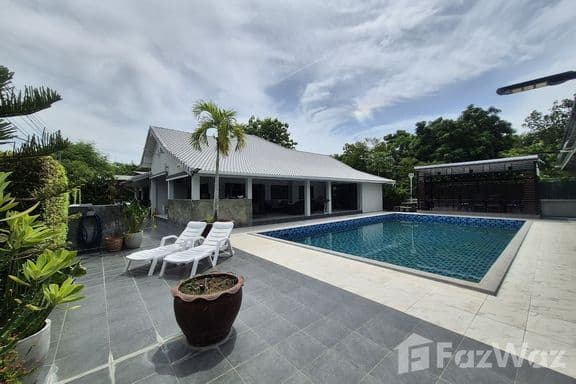



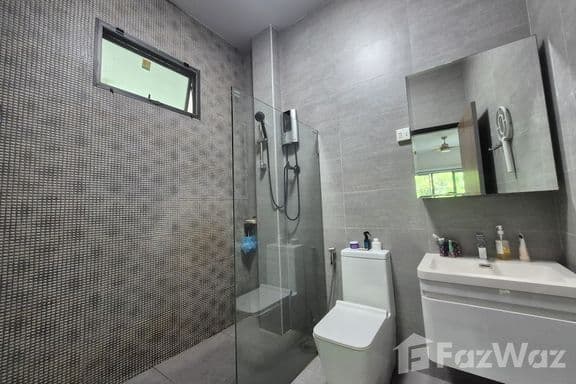
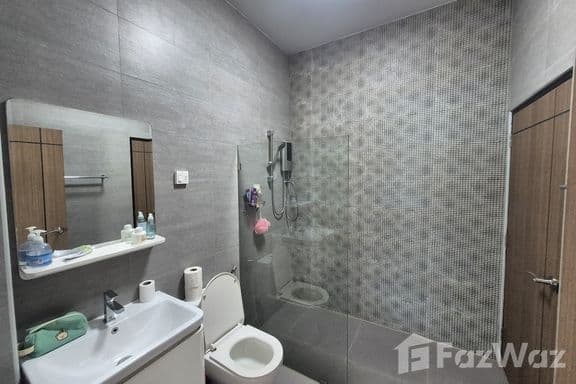
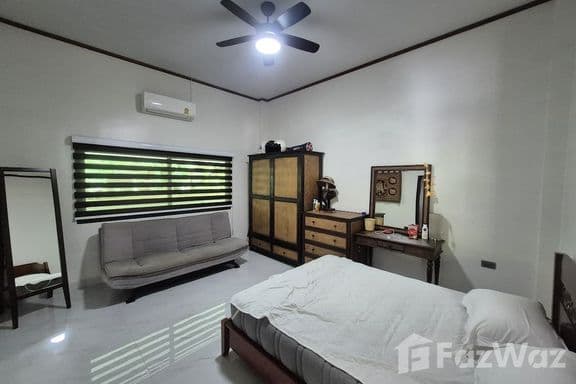
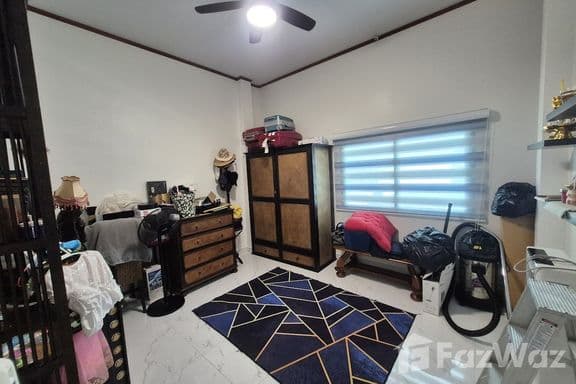
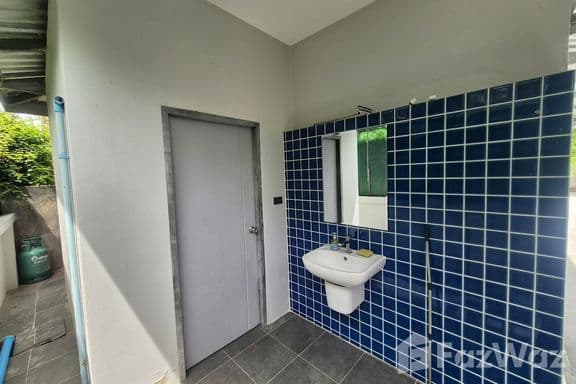
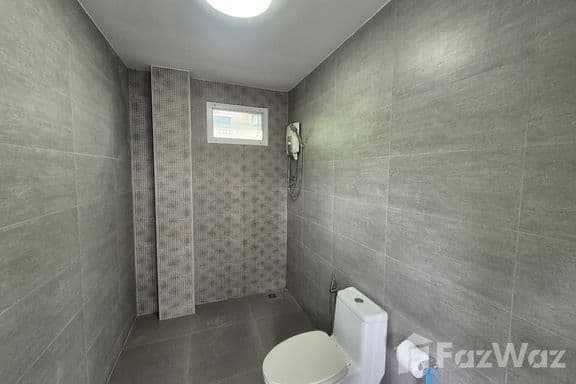
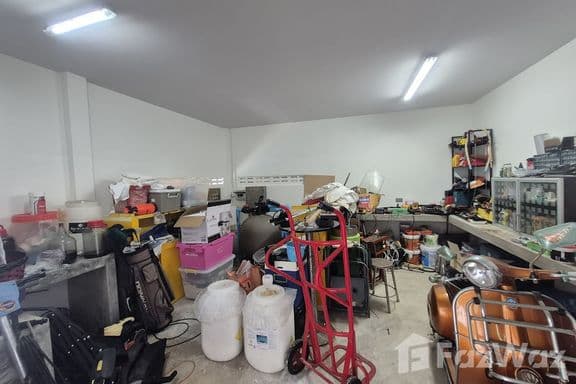

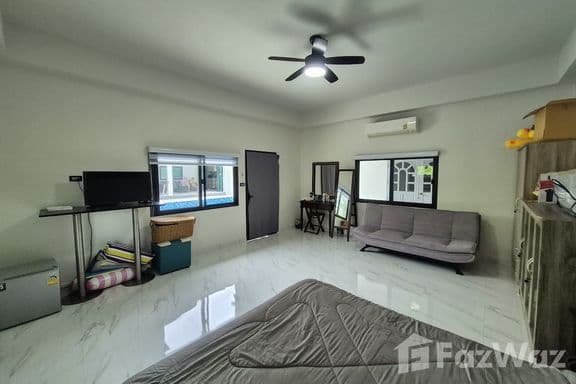
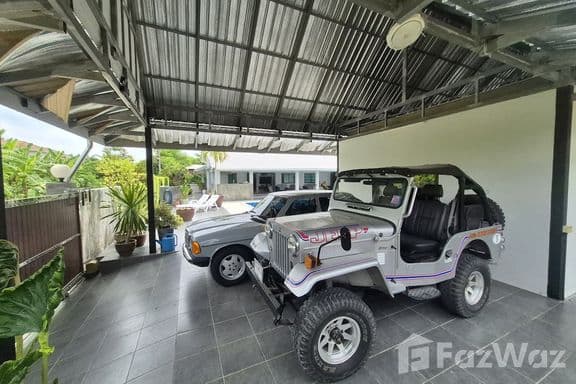
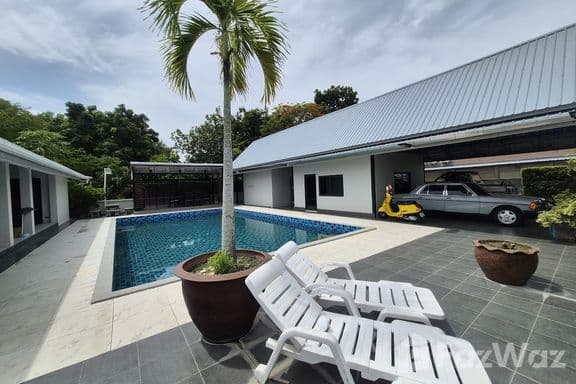
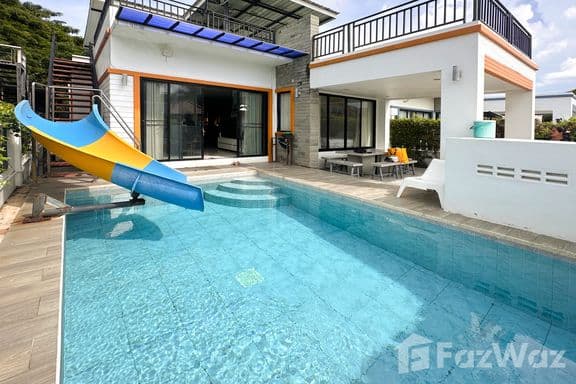
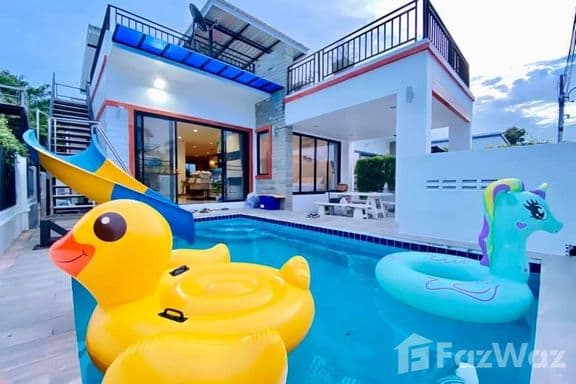

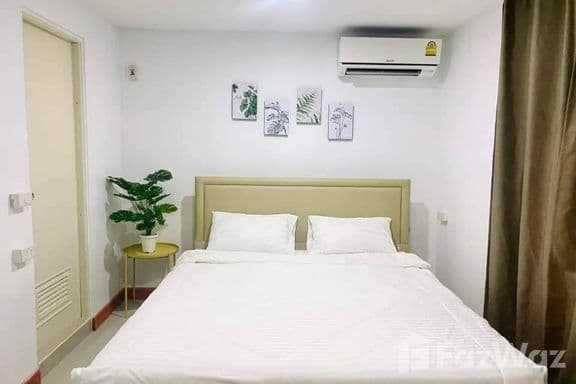
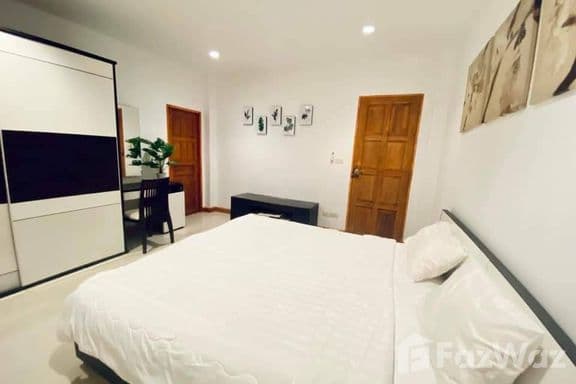
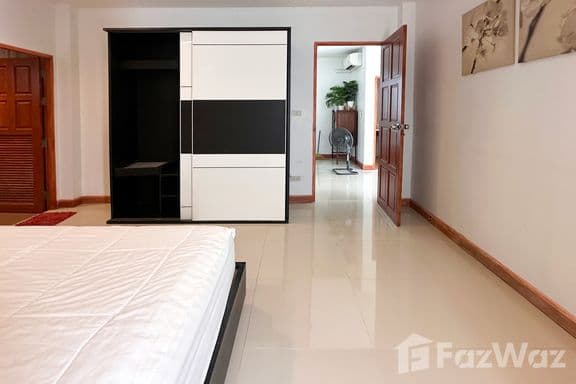
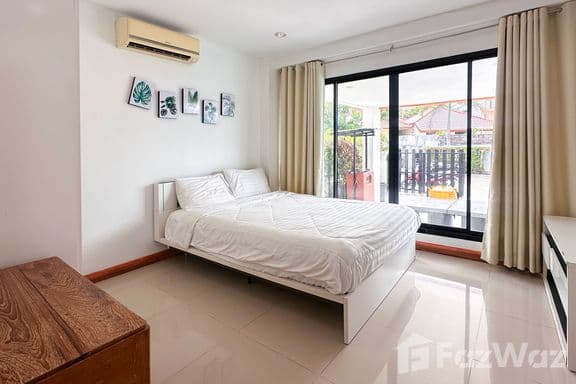
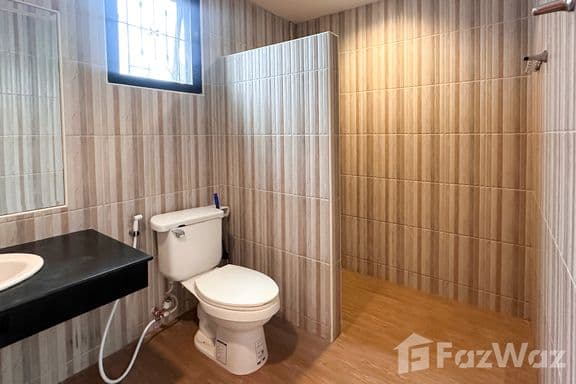
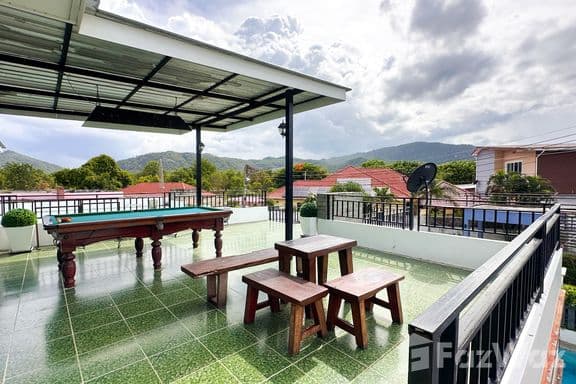
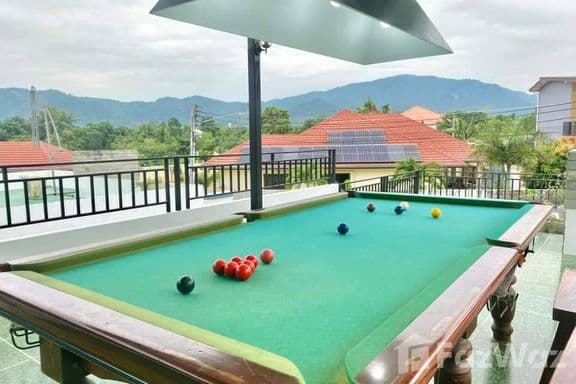
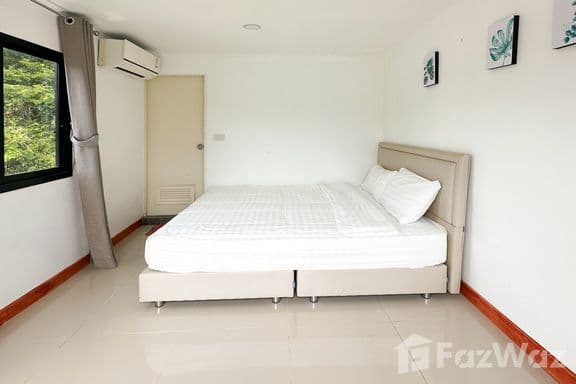
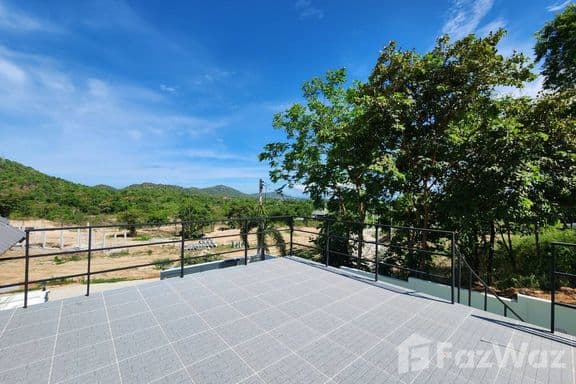
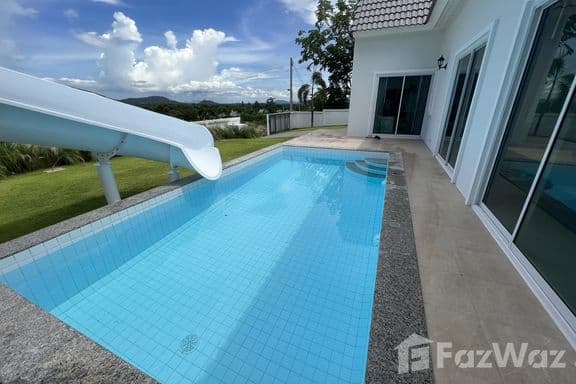
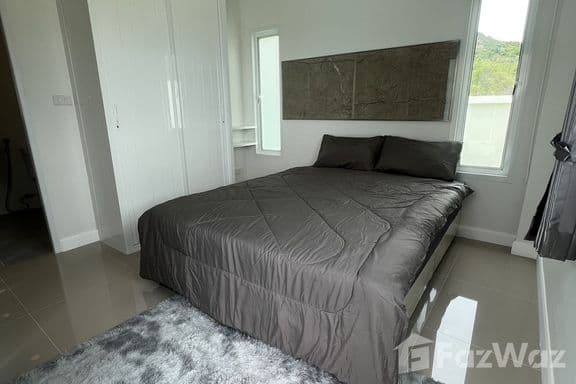
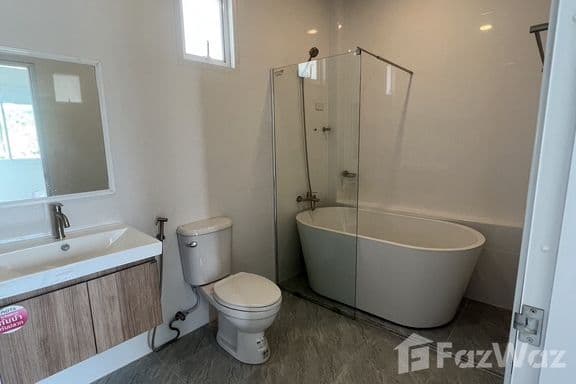




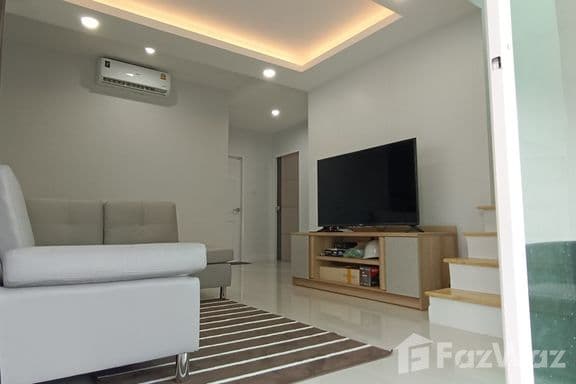
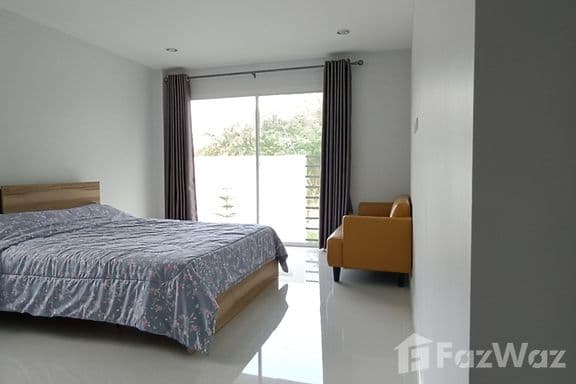


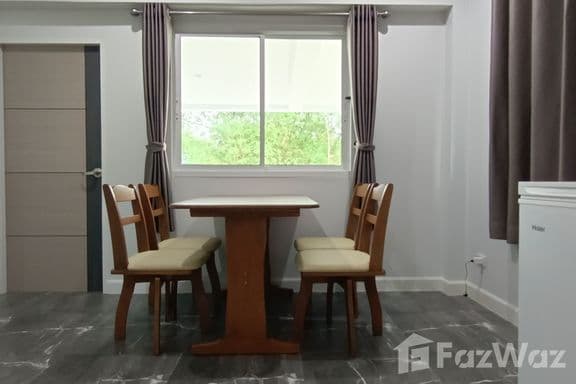

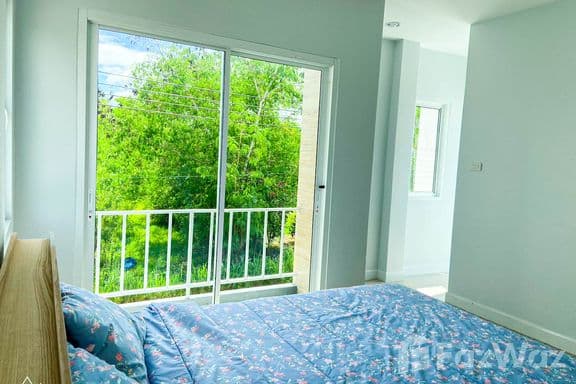
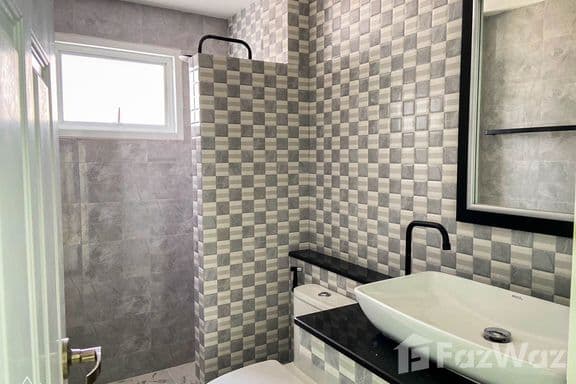

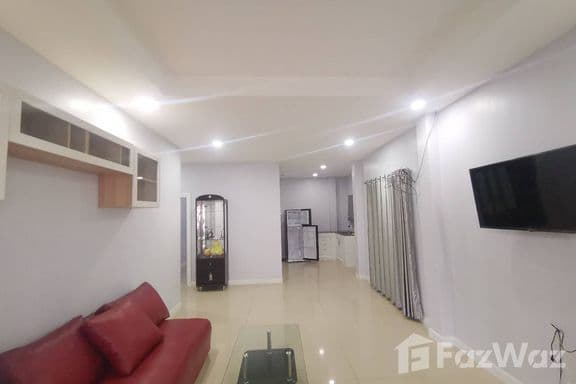
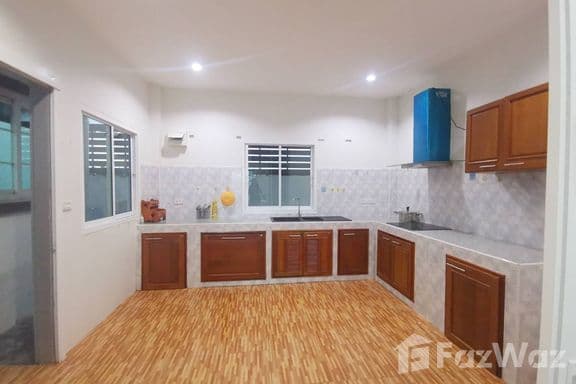
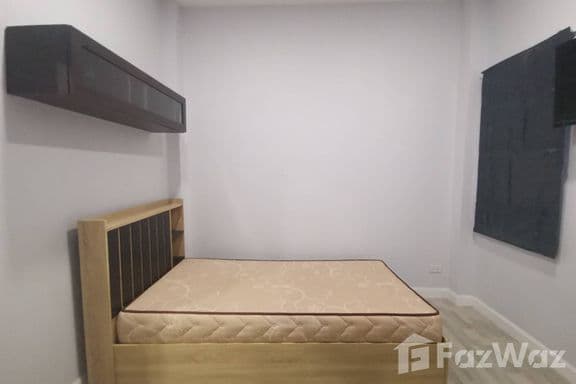

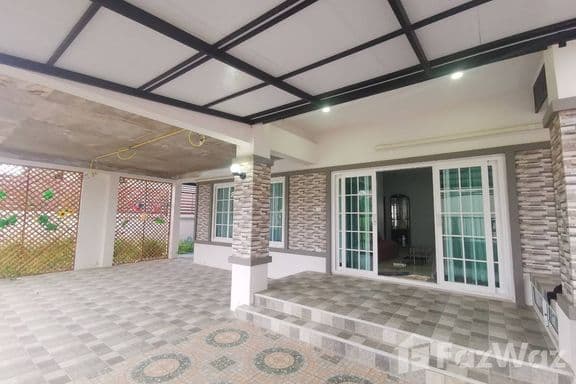
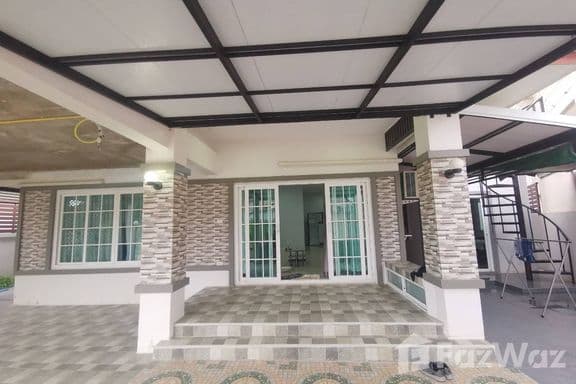

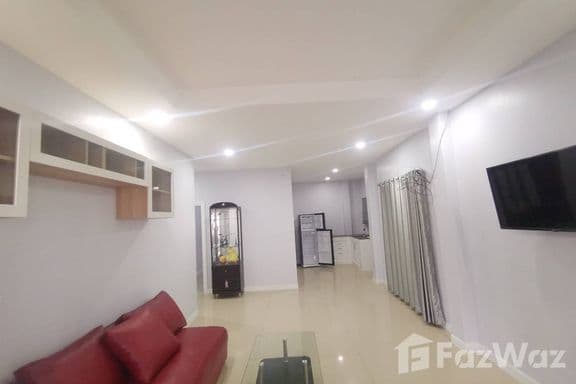
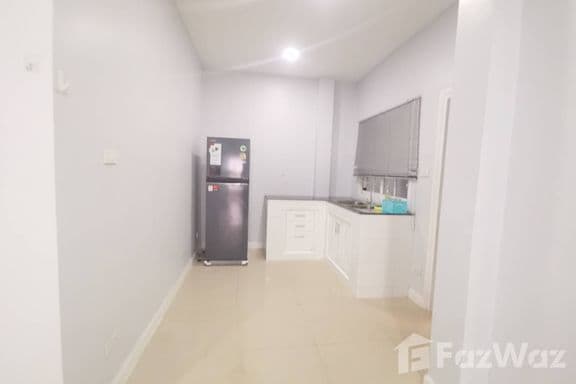
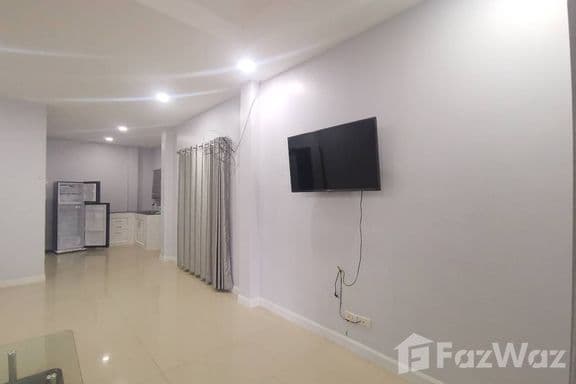
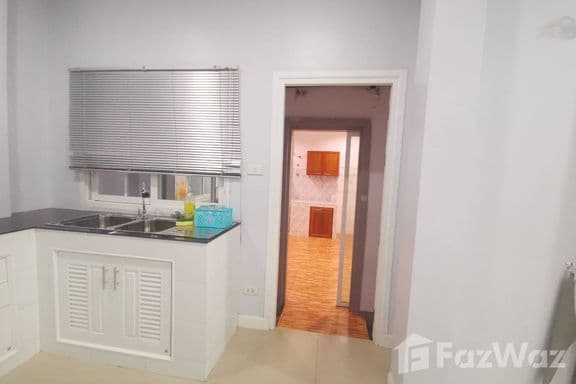
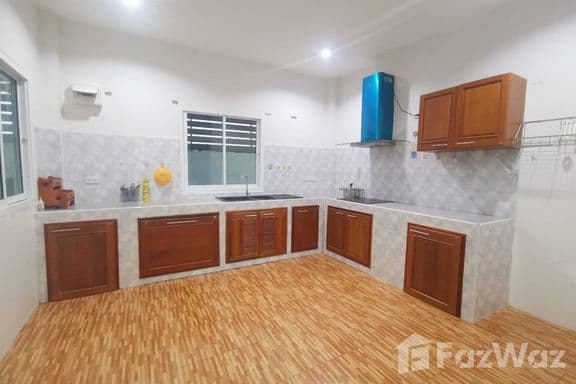

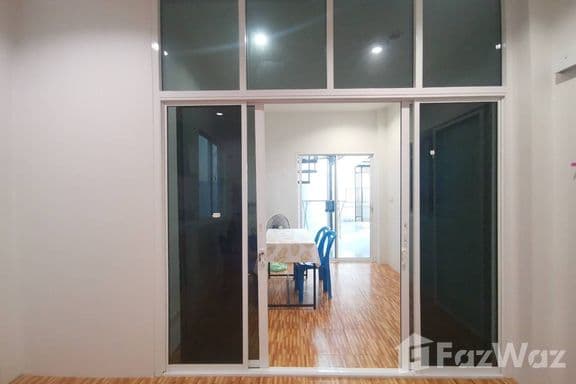



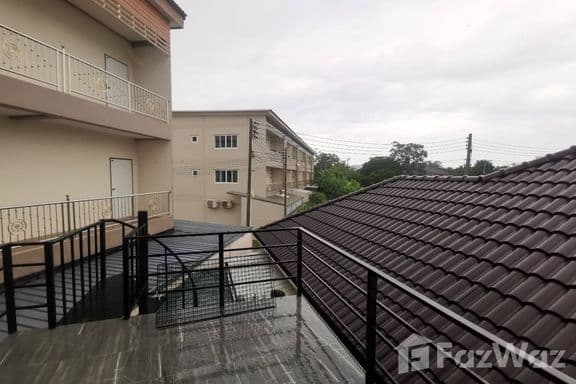
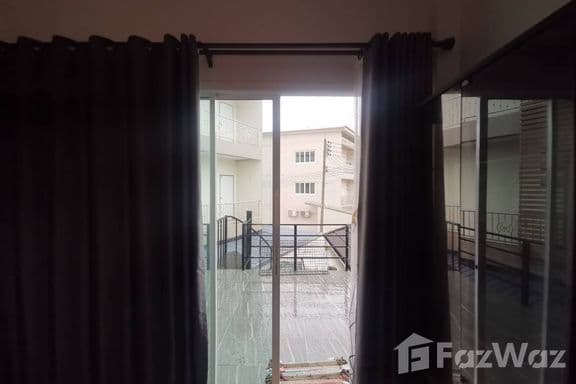
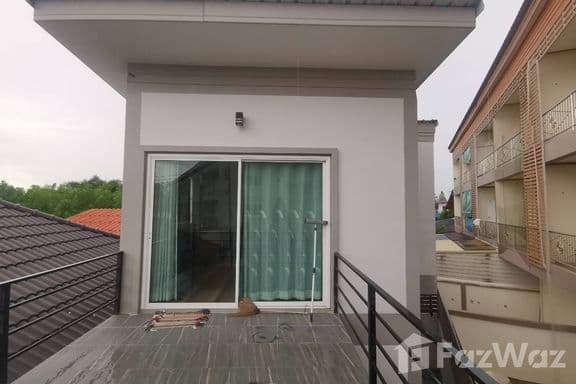
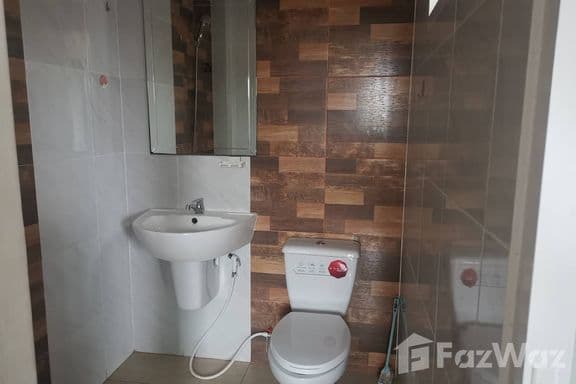

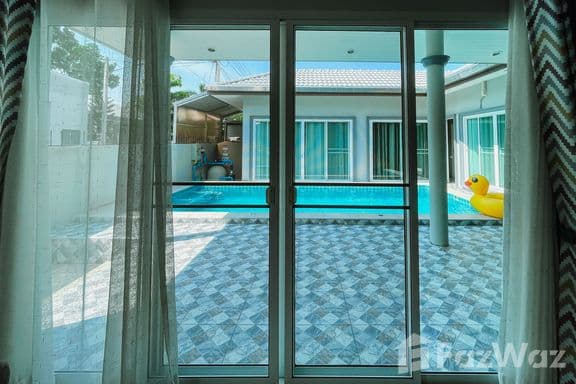
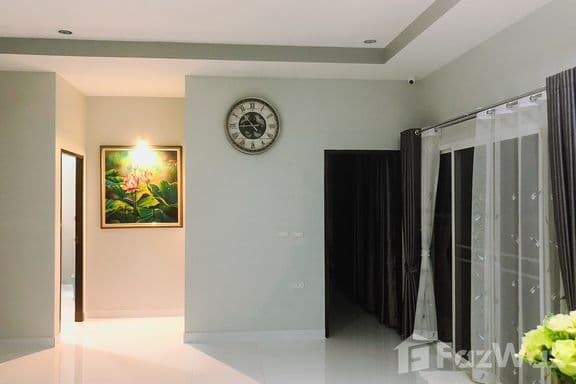
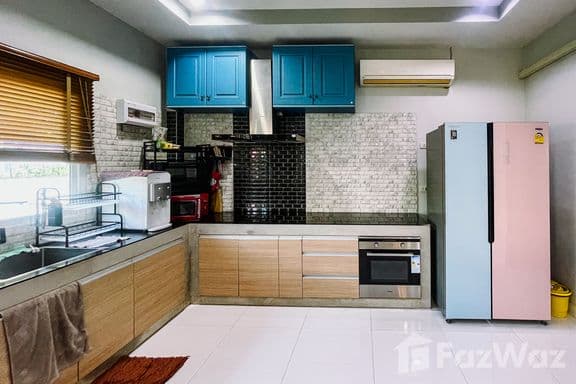
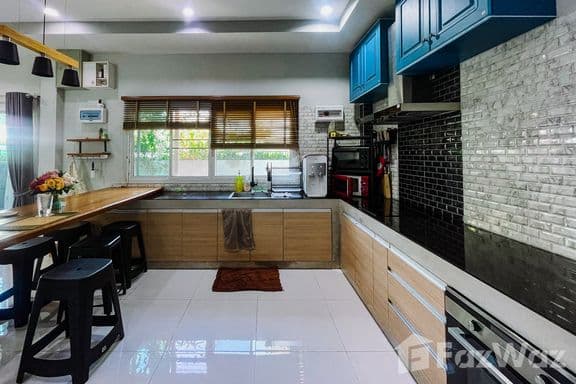
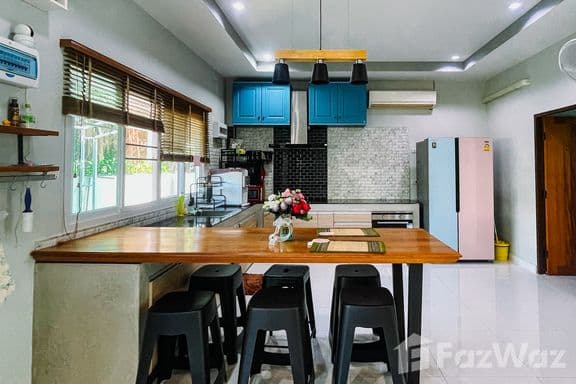
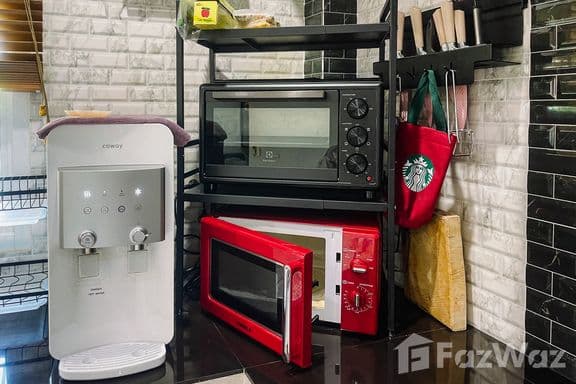
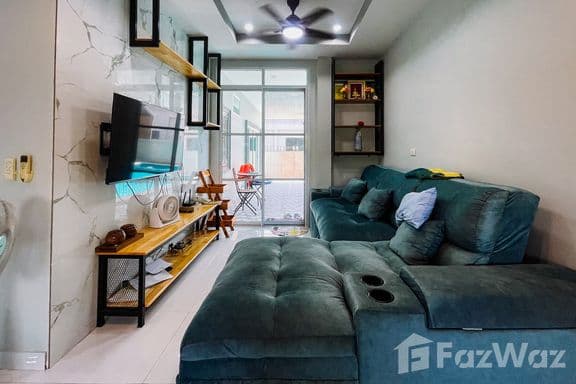
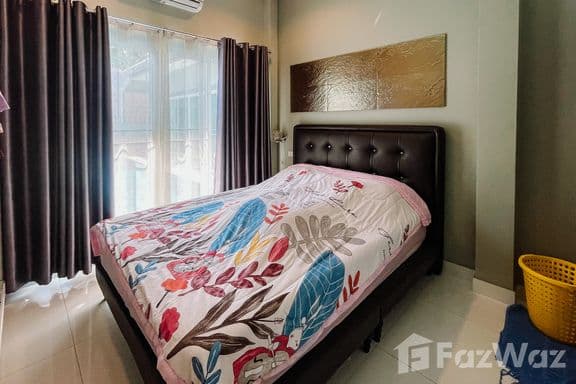
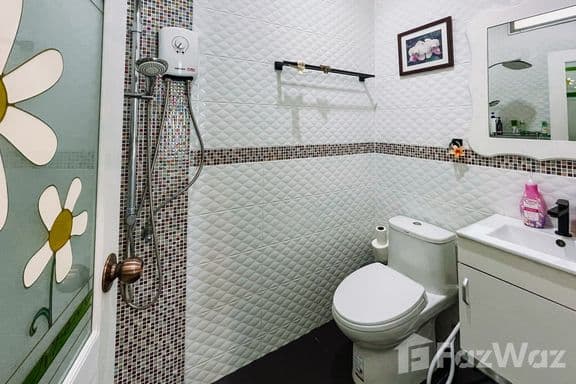
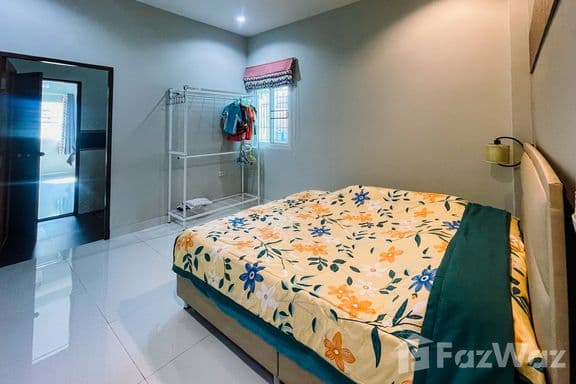
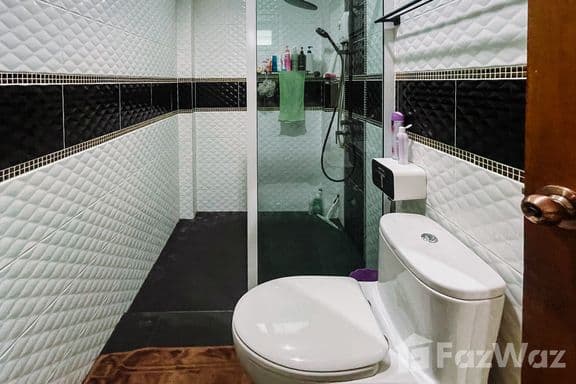
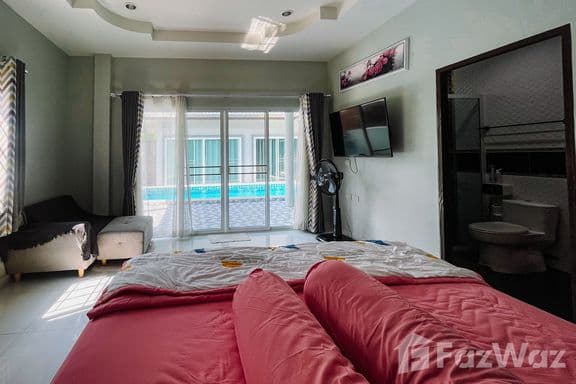
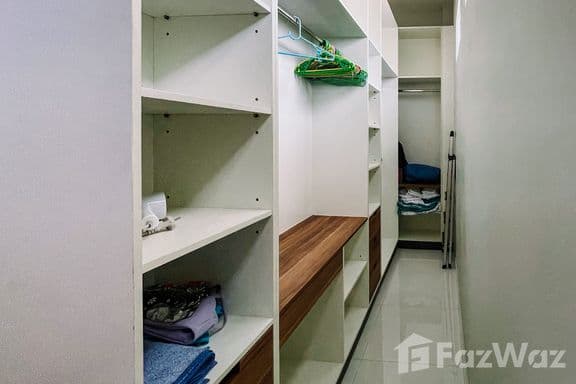
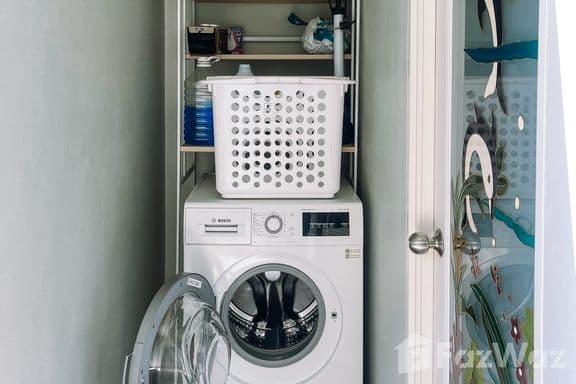
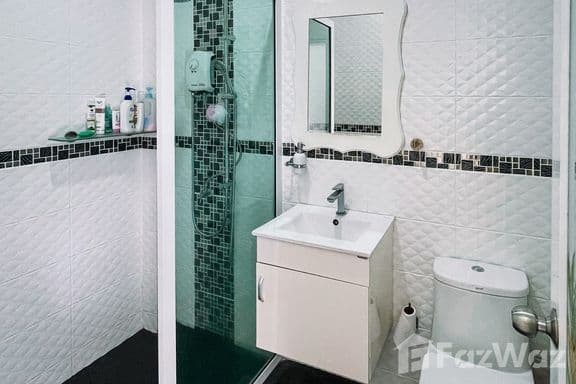
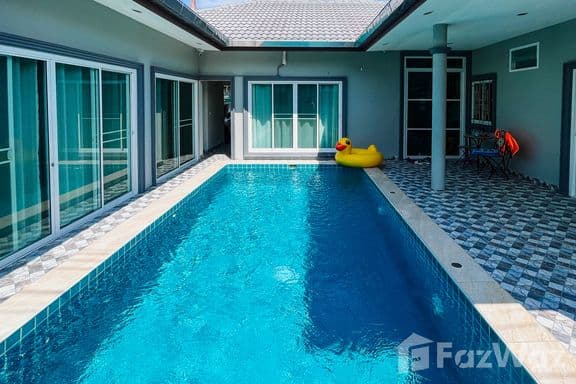

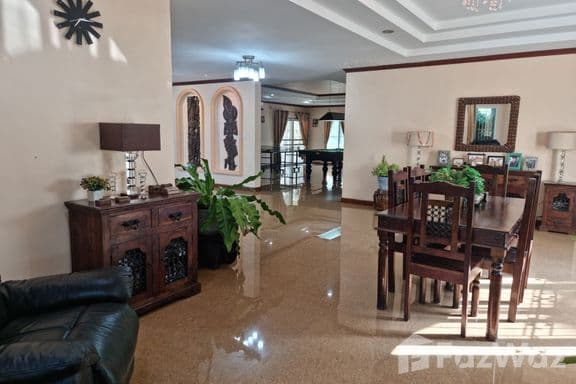
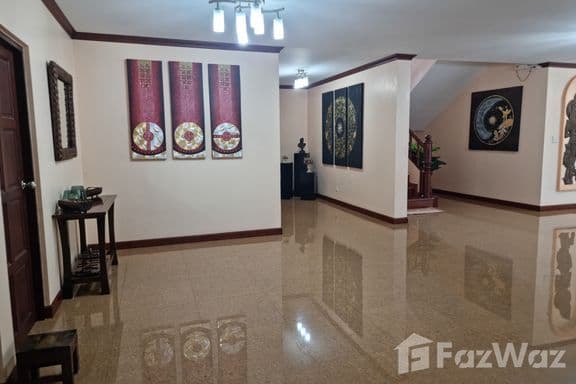
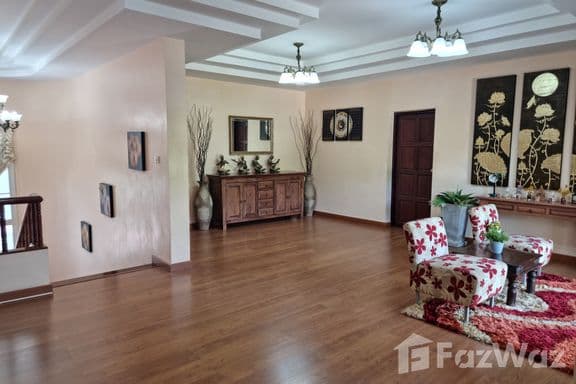
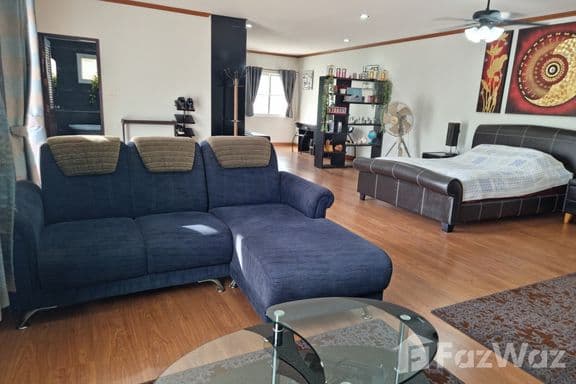



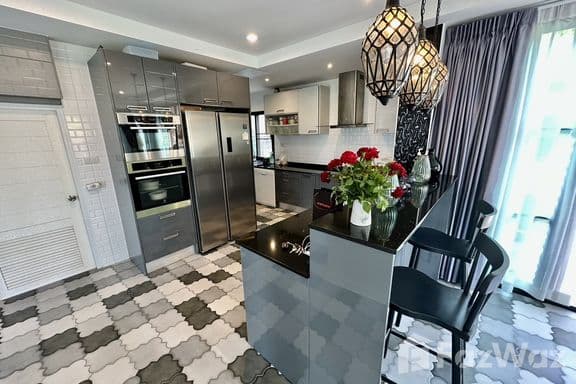
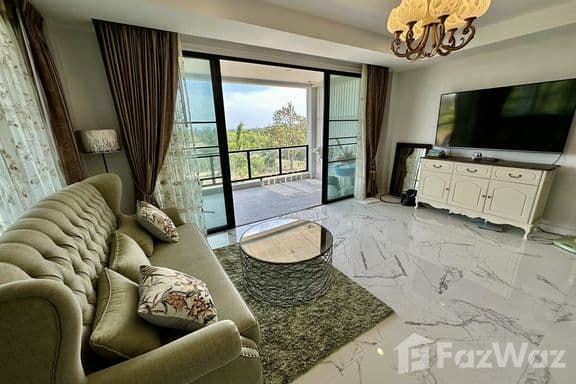
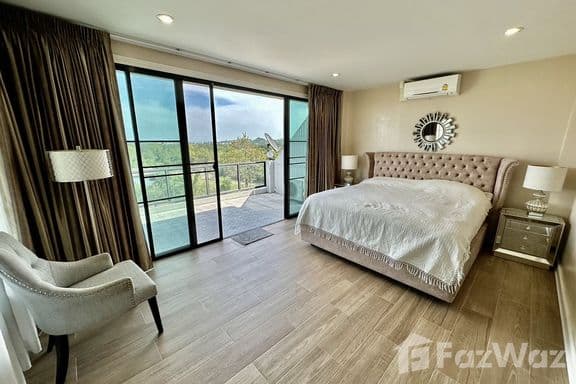
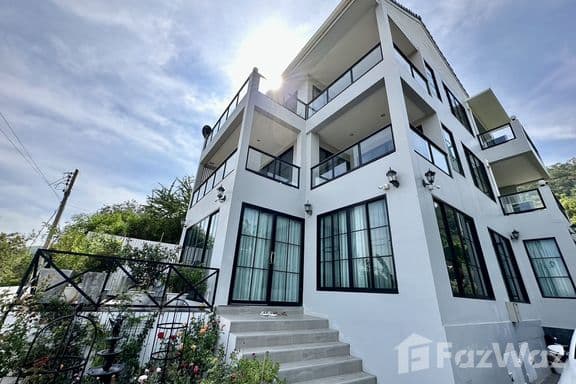




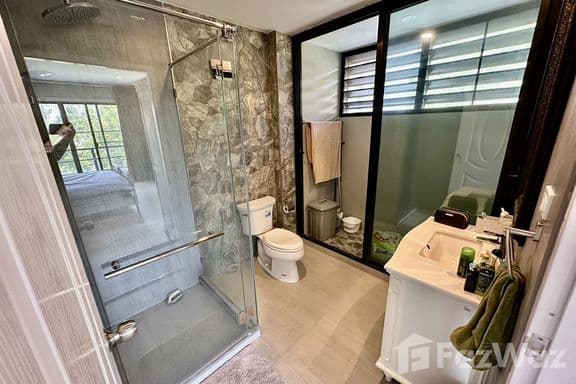

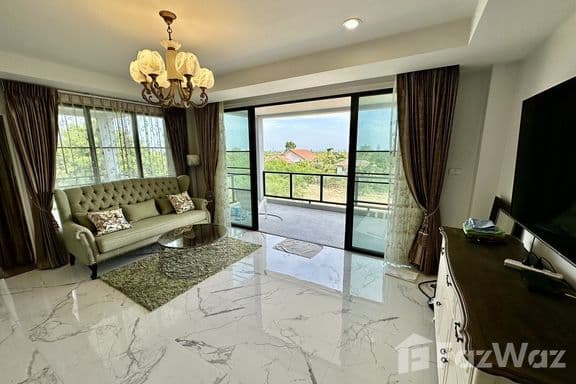
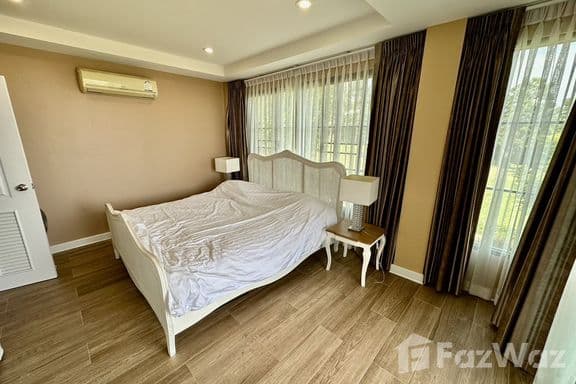
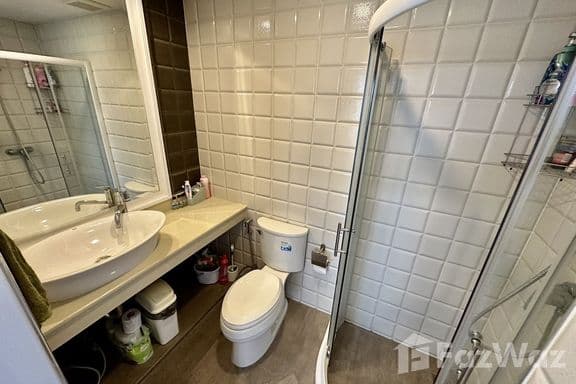



Hua Hin’s beautiful beaches and relaxed coastal lifestyle continue to draw property investors in 2025. Hua Hin, a long-favored seaside town in Thailand, is experiencing a surge of interest from both local and international investors in 2025. This renewed attention is driven by the town’s unique blend of lifestyle appeal and improving infrastructure. As a coastal resort with a laid-back atmosphere, Hua Hin has cemented its reputation as a retirement haven and weekend getaway spot, ensuring steady demand from retirees and expatriates seeking a tranquil yet convenient lifestyle. The Thai government’s ongoing investment in infrastructure – including expansion of the Hua Hin airport and improved road and rail connectivity – is further enhancing the town’s accessibility and appeal. Tourism is also rebounding strongly: new attractions and events (such as festivals and golf tournaments) in 2025 are projected to boost visitor numbers, creating additional demand for holiday homes and rentals in Hua Hin.
Another attractive factor is relative affordability. Compared to Thailand’s other resort areas and big cities, Hua Hin offers more value for money on landed property. For example, average property prices in Hua Hin are significantly lower than in Bangkok or Phuket – roughly 30% less, by some estimates. An upscale villa by the beach in Hua Hin might be attainable for the price of a modest condo in the capital, underscoring the bang-for-buck advantage for investors. Yet despite being “cheaper,” Hua Hin properties have shown steady appreciation over the years, supported by consistent demand and limited land availability along the coast. Overall, the combination of lifestyle charm, improving infrastructure, and affordability makes Hua Hin an increasingly compelling destination for those looking to invest in houses or villas in Thailand’s 2025 property market. Whether one is searching for a retirement retreat or exploring house-for-sale in Hua Hin listings for a rental investment, the town’s unique blend of leisure and long-term potential is hard to overlook.
The Hua Hin housing market in 2025 is characterized by gradual price growth and robust demand, with certain areas seeing particularly strong appreciation. In 2024, Hua Hin saw property values rise notably – around 10% year-on-year, according to market analyses. This outpaced the national average for house price growth, reflecting Hua Hin’s post-pandemic rebound and its growing appeal. For 2025, property experts forecast continued growth in Hua Hin’s house prices in the range of 3–7% annually. While not a speculative spike, this steady appreciation indicates confidence in the market’s fundamentals. Elevated construction costs and land prices nationwide have contributed to gentle price increases, but Hua Hin’s demand drivers – retirees, lifestyle buyers, and Bangkok weekenders – give it an extra edge. Notably, foreign buyer interest remains strong: agencies report increased inquiries from European and Chinese buyers looking for villas and vacation houses, which is helping to underpin transaction activity.
In terms of pricing, Hua Hin offers a wide spectrum. Average house prices vary by location and property type. Broadly, many standard three-bedroom pool villas range from roughly ฿5 million to ฿15 million (about USD 150k–450k), but luxury estates can exceed ฿30–40 million in prime spots. A useful metric is price per square meter: Hua Hin’s landed properties average around ฿70,000 per sq.m. in emerging residential areas, and higher in upscale estates. By comparison, downtown Bangkok condos often surpass ฿120,000 per sq.m., highlighting Hua Hin’s relative affordability. Even within Hua Hin, certain neighborhoods have seen stronger price gains. For example, properties near key amenities appreciated well last year – homes close to popular night markets or dining districts rose about 5–6% in value during 2024, benefiting from their lifestyle appeal and foot traffic. Likewise, houses near quality hospitals (like Bangkok Hospital Hua Hin) saw values up by around 5%, as retirees prize proximity to medical care. These micro-trends show that location still matters: areas combining convenience and lifestyle (markets, healthcare, beach access) are leading in appreciation.
Meanwhile, supply and demand dynamics create a balanced but competitive market. Hua Hin’s inventory of houses for sale is not unlimited – land along the coast and scenic hills is finite – which helps support prices. Demand is diversified across Thai buyers (often Bangkok residents purchasing second homes) and foreigners (expats and long-term tourists). Rental demand also feeds investment interest (more on rental yields later). Overall sales volume in early 2025 has been healthy, with buyers prioritizing value, lifestyle, and long-term potential. Notably, certain types of properties are in particularly high demand: modern pool villas in gated communities and golf-course villas near recreational amenities often get snapped up quickly. In summary, Hua Hin’s 2025 house market trend is one of moderate growth built on solid end-user demand. Investors can expect gradual appreciation, especially in high-demand neighborhoods, rather than volatile spikes. With average prices still reasonable compared to other resorts, those looking to buy a villa in Hua Hin in 2025 are entering a market that is growing steadily and supported by genuine lifestyle appeal.
Hua Hin’s property landscape is geographically diverse, and choosing the best area to buy depends on an investor’s priorities – be it capital appreciation, rental potential, or lifestyle preferences. Below is a comparative look at some of the top neighborhoods and locales for houses in Hua Hin:
Located west of the town center, Hin Lek Fai is a peaceful, up-and-coming area known for panoramic views and lower property prices (around ฿70,000 per square meter). It attracts young families, long-term expats, and retirees seeking privacy and value, with strong demand for pool villas and garden homes. Rental yields are moderate (4–6% annually).
The Black Mountain region within Hin Lek Fai is a hotspot for upscale golf communities and luxury villas, with prices ranging from ฿8 million to ฿30 million+. Amenities include a world-class golf course, water park, and international school. While 10–15 minutes from beaches, improving infrastructure points to future appreciation.
Southwest of Hua Hin, Thap Tai is booming with new housing developments. It offers modern pool villas in a tranquil, green setting at affordable prices, averaging ฿27,000–฿30,000 per square meter. Many new 3-bedroom pool villas are available for ฿5–฿8 million. This area attracts buyers preferring modern amenities and a quiet retreat, about a 10-minute drive to major shopping and beaches. Rental demand is primarily for long-term tenants, but lower entry prices offer good capital growth potential as the area develops.
Khao Tao, 10–15 km south of the city, is a scenic enclave known for its serene beach and lake. Property values offer excellent value, with average house prices around ฿75,000 per sq.m. Spacious pool villas here are notably less expensive than those closer to town (฿10–฿18 million). Popular with retirees and those seeking tranquility, Khao Tao offers a laid-back lifestyle with natural beauty. While amenities are limited locally, predicted appreciation due to growing popularity and planned infrastructure upgrades make it attractive for stable long-term growth.
The city center, from the night market to areas like Nong Kae and Khao Takiab, is vibrant and offers immediate access to amenities. Property here commands higher prices, often ฿100,000+ per sq.m. for detached houses near the beach. A modest 2-bedroom house can be ฿8–฿12 million. The area attracts diverse residents due to its access to markets, malls, restaurants, and hospitals. Investment-wise, central Hua Hin offers strong rental demand from tourists and long-term residents, leading to high occupancy and yields of 5–7%. While busy and potentially noisy, prices are stable due to consistent demand.
Other areas worth exploring include Palm Hills (luxury golf community), Soi 88 (developing neighborhood with modern homes), and Nong Kae/Khao Takiab (south-central areas popular for rentals). Each offers a unique balance of price, convenience, and lifestyle.
Leasehold is the most common and secure method for foreigners to control land long-term. Foreigners can lease land for up to 30 years, with the agreement registered at the Land Department. This grants full rights to use, live on, and build upon the land, protected by law. While "30 + 30 + 30" year renewals are common, only the initial 30-year term is legally guaranteed. Leasehold offers similar rights to ownership for its duration, allowing resale of the remaining term, subleasing, or bequeathing the lease. Foreigners can legally own the house structure on leased land through a concept called superficies. Leasehold is popular due to its long-term security, flexibility, and relative simplicity.
While foreigners cannot directly own land, Thai nationals can. This allows foreigners to enjoy property through a Thai person, commonly a Thai spouse. The land is registered in the Thai spouse’s name, with the foreign spouse typically renouncing claims on the land. The foreigner can still own the house structure. This method relies heavily on personal trust, as the land legally belongs to the Thai spouse. Direct freehold land ownership for foreigners is rarely achievable through government schemes, which require substantial investment (e.g., 40 million THB). Foreign freehold is readily allowed for condominiums (up to 49% foreign ownership) but not landed houses. Extreme caution and legal counsel are essential for such arrangements.
Another option is acquiring property through a Thai Limited Company. A Thai-registered company can own land. The common structure involves a foreigner holding 49% or less of the shares, with Thai nationals holding the majority 51%. The foreigner can still achieve de facto control through preferential voting rights or directorial powers. Historically, many Hua Hin villas were purchased this way. While this provides true freehold title for the company, the use of "nominee" Thai shareholders without genuine involvement is a legal grey area, subject to increasing scrutiny. Annual company maintenance adds ongoing costs. BOI-promoted companies (100% foreign-owned) can also purchase land, but this is typically for substantial business projects, not individual homes. This method is more complex and best suited for higher-end investments or those seeking permanent ownership beyond 30 years.
A usufruct grants a person the right to use, enjoy, and benefit from property owned by someone else. Registered at the land office, it can be established for a fixed term (up to 30 years) or for the lifetime of the holder. It's commonly used by foreigners married to Thais, where the Thai spouse grants a lifetime usufruct to the foreign spouse, ensuring their right to reside in and use the property. Usufructuary rights are strong, as the land cannot be sold free of the usufruct until it ends. While similar to a lease in terms of usage rights, a usufruct is often granted at nominal cost, especially between family members. It ends upon the holder's death or the term's end, and is not directly transferable. This provides significant security for usage without ownership.
Anyone considering these legal avenues should consult a knowledgeable property lawyer in Thailand to choose the best structure and ensure correct execution.
A villa in a gated community (Manora Village, Hua Hin) – one of many expat-popular estates offering security and shared amenities. When purchasing a house in Hua Hin, buyers will encounter two broad options: buying within a gated community (estate) or buying a stand-alone house on private land outside an estate. Both routes have their pros and cons, and the decision often comes down to lifestyle preference, budget, and comfort with property management. Below is a comparison of gated communities vs. private land home purchases in Hua Hin:
In conclusion, choosing between a gated community and private land in Hua Hin comes down to whether you prioritize convenience and community (go gated) or independence and possibly lower ongoing costs (go private). Many foreign investors, especially newcomers, opt for gated estates for peace of mind and ease of management – the property is essentially “plug-and-play.” Seasoned investors or those very familiar with Thailand sometimes prefer buying land and building to their own taste. Hua Hin offers plenty of options for both: from luxury gated compounds with resort-like facilities to quiet rural homesteads with expansive land. Evaluating your own comfort level with property management, your desire for social interaction vs. solitude, and the financial implications (fees vs. no fees) will guide the decision.
When investing in a house in Hua Hin, buyers will face the choice between brand-new properties (new builds) – including off-plan projects and recently completed houses – versus resale homes (pre-owned houses). Each route has distinct advantages and disadvantages in terms of cost, convenience, and investment potential. Here’s a breakdown to help guide this decision:
In summary, new builds in Hua Hin offer modernity, lower initial maintenance, and customization, making them attractive to those who want a hassle-free start and contemporary living space. Resale homes offer potentially better locations, larger plots, and the certainty of an established property (often at a slightly lower price for what you get). From an investment lens, both can perform well if chosen wisely: new builds in a well-managed estate will hold their value and rent easily; resales in prime spots will always be in demand due to location scarcity. Prospective buyers should weigh how important “new and personalized” is versus “proven and possibly character-rich.” Many investors actually diversify – for instance, purchasing a new villa for personal use and an older house for rental or renovation value-add. In Hua Hin’s dynamic market, both new and resale segments present compelling opportunities.
Hua Hin's rental market is strong in 2025, driven by tourism and expats. Gross rental yields typically range from 4% to 6% annually, with prime or luxury properties reaching up to 7%. Location, property type, and rental strategy significantly impact yields. Beachside pool villas can achieve 7%+ from short-term holiday rentals with high occupancy. Hua Hin also sees a unique trend of longer stays from expats and "snowbirds," offering stable, low-turnover tenants and reducing vacancy concerns. Weekend tourism from Bangkok further boosts demand for short-term vacation homes. Active management of short-term rentals can yield higher returns (potentially 8%+), but requires more effort. Hua Hin's inclusion on Airbnb's 2025 "must-visit" list indicates robust demand for holiday lets.
Hua Hin property values are expected to continue appreciating at 3–7% annually in the mid-term, with prime areas seeing higher gains. While 2024 saw a 10% jump, a more tempered but still positive growth is anticipated. Factors supporting appreciation include limited beachfront land, ongoing infrastructure improvements (airport expansion, highway upgrades, dual-track rail), and an influx of retirees. Stable Thai economic conditions suggest capital appreciation will at least keep pace with inflation. Properties with larger land plots may see faster value gains on their land component. Hua Hin's market is less volatile than Phuket or Pattaya due to its balanced Thai and foreign demand.
Investors can choose between long-term (6-12 months) or short-term (vacation) rentals. Long-term rentals offer lower gross yields but less hassle and consistent income. Short-term rentals can maximize income, especially during high season, but require more active management (marketing, cleaning). A hybrid approach, using short-term rentals in peak season and month-to-month tenants off-peak, is also possible. Compliance with Thai rental regulations is essential.
Planning exit strategies from the outset is crucial. Hua Hin's resale market typically targets foreign buyers/expats and Bangkok Thais. Properties in popular expat enclaves with clean legal setups (assignable leases or transferable company structures) facilitate easier sales. Properties with good location, modern design, and proximity to golf or beach resell faster. For company-owned properties, selling the company shares or transferring the asset are common. For leasehold properties, the developer often assists with transferring or issuing a new lease. Resale liquidity is moderate, so well-priced properties find buyers. Maintaining the property and avoiding over-capitalization on improvements are key. Long-term holding can be fruitful, yielding substantial gains and rental income.
As of late 2025, the outlook for Hua Hin property investment is positive. Investment by major hospitality brands, government promotion of secondary cities, and demographic trends (aging populations seeking sunny locales) all support growth. A Hua Hin house offers dual benefits: personal enjoyment and a tangible asset that appreciates and generates income. Focusing on properties with strong rental appeal and understanding legal structures mitigates risks and maximizes returns. Hua Hin provides a relatively low-risk entry into Thai real estate due to stable demand from both Thai and foreign buyers.
In conclusion, Hua Hin in 2025 stands out as a promising and well-rounded market for property buyers, especially those interested in landed homes. The town’s unique combination of a resort lifestyle and everyday livability gives it resilience and broad appeal. Looking toward late 2025 and into 2026, the outlook for Hua Hin’s housing sector is largely optimistic. Market trends suggest continuing steady growth in property values, underpinned by genuine demand rather than speculative froth. New infrastructure projects are on the horizon – notably, the expansion of Hua Hin’s airport to potentially accommodate more international flights is expected to complete soon, which could usher in a new wave of visitors and investors. Improved transport links (such as faster rail service from Bangkok and highway upgrades) are gradually reducing the travel friction, making Hua Hin even more attractive as a weekend destination and retirement spot. These developments point to enhanced connectivity and convenience, which historically boosts real estate markets.
From a policy perspective, Thailand continues to court foreign investment and retirees via programs like the Long-Term Resident (LTR) visa, which, while not directly granting land ownership, signals a welcoming stance to qualified foreigners staying long term. There is ongoing discussion at the government level about liberalizing some property rules (for instance, extending lease terms or allowing certain high-net-worth individuals to own houses with land under strict conditions). Even if rule changes are incremental, they tend to be in favor of making it easier for foreigners to invest with confidence. The legal frameworks we discussed (leasehold, company, etc.) remain stable and commonly used – no adverse changes are expected there, so buyers can plan with those tools in mind.
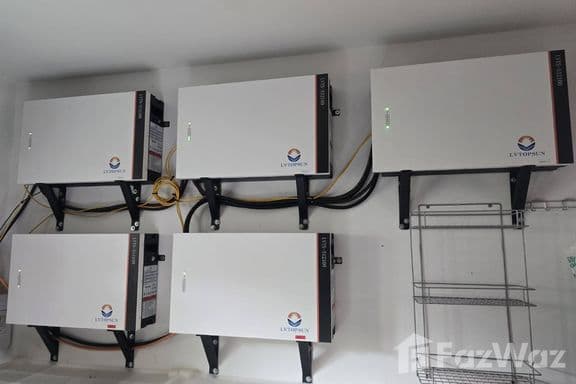
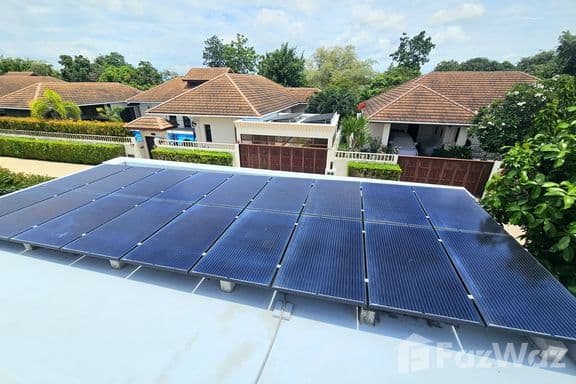
On the lifestyle and development front, Hua Hin retains its charm while adding modern conveniences. New shopping centers, international-standard hospitals, and more international school capacity are all being added as the population grows. The town is managing to modernize without losing its laid-back feel. There is also a noticeable trend toward sustainable and eco-friendly developments in Hua Hin’s property scene – a few new villa projects in 2025 advertise solar panels, green spaces, and energy-efficient designs, aligning with global trends and catering to environmentally conscious buyers. This could become another selling point that differentiates Hua Hin in the future.
For prospective buyers reading this guide, the bottom line is that Hua Hin offers an attractive “lifestyle investment.” This means you are not only investing in bricks and mortar for financial returns, but also in a quality of life for yourself and your family. A house in Hua Hin can serve as a joyful vacation home or retirement sanctuary, all while its value appreciates and it earns rental income when you’re not using it. The risk profile of Hua Hin property is relatively low compared to more volatile markets – price swings are gentle, and the presence of both Thai and foreign demand insulates it from extreme downturns. Of course, like any investment, due diligence is key: choosing the right location, understanding the legal structure, and working with reputable developers or agents will set you up for success.
As of late 2025, buyer sentiment is strong. Well-priced properties, especially villas in the ฿5–฿15 million range, are selling steadily. If you are thinking of entering the market, it’s wise to move deliberately – do your homework (hopefully this guide has been a comprehensive starting point), perhaps visit in person to get a feel for neighborhoods, and engage professional advice when navigating legal aspects. Hua Hin’s future looks bright: its gentle beaches, steady improvements, and warm community continue to make it a magnet for investment. In the coming years, we anticipate Hua Hin will further solidify its status as Thailand’s premier boutique beach city – a place where lifestyle and investment go hand in hand. For buyers in 2025, it’s a market where you can confidently take the plunge, secure in the knowledge that you’re investing in a location with enduring appeal and sound prospects. Happy house-hunting in Hua Hin!
 Popular condos in Hua Hin
Chewathai Ramkamhaeng

Garden Condo Huamark

Lumpini Center Happyland