Long-Term Apartment Rentals in Chiang Mai: A Neighborhood Analysis (2024–2025)
Chiang Mai has long been one of Thailand’s most attractive cities for foreign long-term renters, thanks to its affordable living costs, rich culture, and comfortable lifestyle. In the 2024–2025 market, foreigners looking to rent apartments or condos long-term (typically 6+ months or yearly leases) will find a variety of neighborhoods, each offering a distinct environment and value. This article provides a comprehensive overview of the key neighborhoods for apartment rentals in Chiang Mai – Nimmanhaemin, Old City, Santitham, Chang Phueak, Riverside, and Hang Dong – including typical rental prices (in Thai Baht and USD) and the types of foreign renters drawn to each area. We also highlight 2025 rental trends and important considerations for foreign tenants. All currency conversions are approximate (using about 33 THB ≈ 1 USD for reference).
Nimmanhaemin (Nimman)
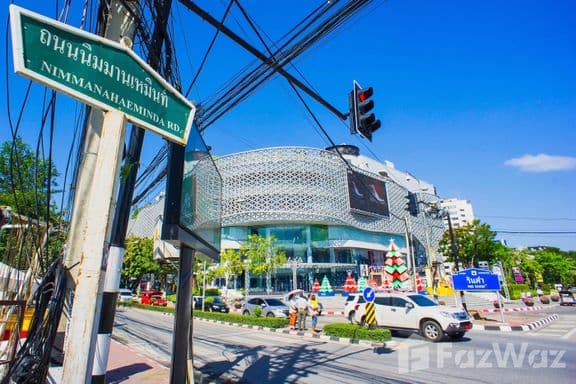
Neighborhood Overview: Nimmanhaemin – often shortened to Nimman – is Chiang Mai’s trendiest neighborhood and a modern hub for expatriates. Centered around Nimmanhaemin Road near Chiang Mai University, this area is known for its chic cafes, international restaurants, co-working spaces, and vibrant nightlife. It’s a hotspot for digital nomads, young professionals, and creative entrepreneurs. The presence of the university also means many Thai students and trendy local businesses, giving the area a youthful, cosmopolitan vibe. English is widely spoken in Nimman’s cafes and shops, and many signage/cuisine options cater to international tastes.
Lifestyle and Amenities: Foreign renters in Nimman enjoy exceptional convenience. Within walking distance or a short ride, you have malls (e.g. Maya Lifestyle Mall), supermarkets (including import grocery stores), movie theaters, fitness centers, and healthcare facilities. The neighborhood is lively – there are art galleries, boutique shops, rooftop bars, and night markets. For those seeking an active social scene and Western comforts, Nimman is ideal. However, it can feel somewhat like an “expat bubble,” with higher pricing for dining and a less traditional atmosphere compared to other parts of Chiang Mai. Traffic on Nimmanhaemin Road and surrounding streets can be busy, but the upside is that many residents find they do not need a car or bike for daily life – walking, cycling, or using app-based taxis suffices due to the area’s density of amenities.
Typical Rent and Housing: Accommodation in Nimman primarily consists of modern condominium buildings and serviced apartments. These often feature facilities like swimming pools, gyms, 24-hour security, and sometimes coworking lounges, reflecting the expectations of international tenants. Rental prices in Nimman are among the highest in Chiang Mai, reflecting its desirability. According to market data in late 2023, one-bedroom condos in Nimman averaged around ฿20,000–฿25,000 per month, well above the citywide median (around ฿15,000). Of course, there is a range: older or smaller units can be found for less, while upscale or larger units command more. Below is a summary of typical long-term apartment rents in Nimman:
|
Apartment Type (Nimman)
|
Monthly Rent (THB)
|
Approx. USD
|
|
Studio (older or compact, ~30 m²)
|
฿10,000 – ฿15,000
|
$300 – $450
|
|
1-bedroom condo (modern, 40–50 m²)
|
฿15,000 – ฿25,000
|
$450 – $750
|
|
2-bedroom condo (premium, 70+ m²)
|
฿25,000 – ฿40,000+
|
$750 – $1,200+
|
Note: In Nimman, a budget of around ฿15k–฿20k (≈$450–$600) per month can secure a comfortable modern one-bedroom in a good building. High-end luxury penthouses or large multi-bedroom units can exceed these ranges (some rare units go well above ฿50k), but those are outliers. Typical foreign renters in Nimman are young remote workers and entrepreneurs who value the area’s fast internet, networking opportunities, and urban lifestyle. They appreciate Nimman’s polished, international feel – though those seeking a quieter or more “authentic” Thai environment might find Nimman too commercial and busy.
Old City
Neighborhood Overview: Chiang Mai’s Old City is the historical center, defined by the square moat and remnants of ancient city walls. It’s rich in culture, temples (wats), museums, and traditional markets. The Old City draws many tourists and short-term visitors, but it also appeals to certain long-term foreign residents – particularly retirees and culture enthusiasts – who enjoy the ambiance of narrow lanes, traditional architecture, and the ability to walk or cycle everywhere. Living inside the Old City offers a unique experience: you are surrounded by heritage sites like Wat Chedi Luang and the famed Sunday Walking Street market, and everyday life is interwoven with local festivals and temple events.
Lifestyle and Amenities: For long-term renters, the Old City’s lifestyle is laid-back and community-oriented. You’ll find small cafes, local eateries, art galleries, and guesthouses on almost every street. Morning and evening markets (like Somphet Market) cater to daily grocery needs, and numerous restaurants offer both Thai and international cuisine (though often at tourist-influenced prices). Because of preservation rules and limited space, there are few large commercial developments – no big shopping malls inside the moat (the closest mall, Central Kad Suan Kaew, is just outside the northwest corner). The Old City is very walkable; many expats here forego owning a vehicle, enjoying getting around on foot or bicycle. However, modern conveniences like parking, large supermarkets, or multiplex cinemas are not within the Old City proper – residents often go to neighboring areas for those. Noise can also be a factor: between lively tourist spots and early morning temple drums or monk chants, the Old City is not as quiet as a purely residential suburb. Still, the charm and accessibility are unparalleled for those who cherish a culturally immersive environment.
Housing and Typical Rent: Accommodation inside the Old City tends to be in smaller buildings – such as Thai-style apartments, renovated shophouses, or boutique serviced apartments – rather than high-rise condos. True condo projects are rare due to zoning and space, so selection is limited. Many long-term foreign residents rent portions of guesthouses or month-to-month apartments that are otherwise short-term lodgings. These may not have luxury facilities but often include basic furnishings, private bathrooms, and sometimes weekly cleaning if serviced.
Rental prices in the Old City vary widely based on the type and condition of the property. Generally, the cost is lower than Nimman for equivalent space, but the housing stock is older. Here are typical rental price ranges for long-term apartments in or near the Old City:
|
Apartment Type (Old City)
|
Monthly Rent (THB)
|
Approx. USD
|
|
Basic studio room (older building)
|
฿6,000 – ฿10,000
|
$180 – $300
|
|
1-bedroom apartment (modern/renovated)
|
฿10,000 – ฿18,000
|
$300 – $550
|
|
Serviced apt / large modern unit
|
฿20,000 +
|
$600+
|
Note: At the lower end (under ฿10k), expect simple accommodations – perhaps a fan instead of AC, older furniture, and minimal kitchen facilities. Around ฿12k–฿15k ($350–$450) per month, one might find a decent one-bedroom in or just around the Old City, possibly in a newer low-rise building or a well-kept traditional house split into apartments. A few upscale guesthouse-style residences inside the moat may charge ฿20k+ for a fully furnished, nicely decorated unit with services (cleaning, utilities included), but these are few. Many expats who start in the Old City for its ambiance eventually move outward for more space or amenities, yet for retirees or long-stayers who prioritize cultural immersion and convenience by foot, the Old City remains very appealing. The typical foreign tenant here might be a retiree or long-term traveler who enjoys temple visits, local workshops, volunteering, or simply the picturesque daily life of the historic center.
Santitham
Neighborhood Overview: Santitham (often spelled Santhitham) is an up-and-coming residential area located just north of the Old City (beyond Chang Phueak Gate) and a short distance east of Nimmanhaemin. Traditionally a Thai local neighborhood, Santitham has in recent years gained popularity among budget-conscious expats and experienced Chiang Mai foreigners who want a more authentic living experience. The area doesn’t have clear boundaries but is centered around Santitham Road and the Thanin Market area. Compared to Nimman, Santitham is far less touristy and less westernized, which appeals to expats who have been in Chiang Mai a while and wish to live “more like a local.” Many digital nomads on longer stays, English teachers, and younger expats who are cost-sensitive fall in love with Santitham’s charm and value.
Lifestyle and Community: Living in Santitham offers a blend of local Thai lifestyle with emerging conveniences. The famous Thanin Market is a highlight – a bustling wet market where you can buy fresh produce, local delicacies, and affordable meals. Surrounding streets host countless street food stalls, inexpensive Thai eateries, and a few hip cafes or co-working spots that have sprung up as expat numbers grew. Unlike Nimman, most restaurants here cater to Thai clientele, which means menus might be only in Thai and English proficiency among vendors is limited – a great opportunity for cultural immersion (picking up basic Thai language will enhance your experience). Nightlife in Santitham is low-key: you won’t find clubs or trendy bars, but there are local karaoke joints and the occasional small bar. Notably, the Chiang Mai Boxing Stadium (for Muay Thai) is in Santitham, providing a unique outing for residents and visitors alike.
Santitham’s location is quite convenient: it’s adjacent to the north side of the Old City (some parts are even walking distance to the Old City moat), and just a 5–10 minute ride to Nimman and Maya Mall to the west. This proximity means Santitham residents can easily reach the entertainment of Nimman or the shopping of central Chiang Mai, yet enjoy a quieter home base. The vibe in Santitham’s small sois (lanes) is laid-back and genuinely local – you’ll see food carts, neighbors socializing, students from nearby colleges, and a mix of older residents. Many expats appreciate that living here facilitates integration into the local community, from chatting with market vendors daily to perhaps joining locals for morning exercise in a nearby park.
Housing and Rental Costs: Santitham’s housing is a mix of older apartments and a few new condos. In the past decade, a couple of condominium developments (like D’Vieng Santitham by Sansiri) have been built, bringing more modern units to the area while still reasonably priced. Much of the rental stock, however, remains in local-style apartment buildings: typically 4–6 story walk-ups, some with basic amenities like shared parking or security, but generally without pools or gyms. These local apartments often have simpler furnishings but plenty of space for the price.
Rental prices in Santitham are significantly lower than in expat-centric areas like Nimman. Here’s a breakdown of typical rents:
|
Apartment Type (Santitham)
|
Monthly Rent (THB)
|
Approx. USD
|
|
Basic local studio (fan/AC, 20–30 m²)
|
฿5,000 – ฿8,000
|
$150 – $240
|
|
1-bedroom in new condo (30–45 m²)
|
฿10,000 – ฿15,000
|
$300 – $450
|
|
2-bedroom or larger condo
|
฿16,000 – ฿22,000
|
$480 – $660
|
Note: At the low end, Santitham has some of Chiang Mai’s best bargains for long-term stays – e.g., an older fan-cooled studio might even be found around ฿4,000, though most foreigners opt for one with air-conditioning around ฿6,000–฿8,000 (~$200). The new condos like D’Vieng Santitham offer modern facilities (pool, small gym) and those one-bed units commonly rent in the ฿12k–฿15k range ($350–$450), depending on floor and furnishings. Two-bedroom condos are rare but if available, can still be under ฿20k. These prices show why Santitham is popular: you get proximity to the city and a real Thai neighborhood feel at a fraction of the cost of living in Nimman.
Typical foreign renters in Santitham include digital nomads on a budget, long-stay students or interns, and seasoned expats who perhaps spent time in tourist areas previously and now seek better value. These renters appreciate convenience and value over luxury. They are often comfortable riding a motorbike or bicycle to get around (as public transport is minimal), and they enjoy being one of the few foreigners in a predominantly Thai area – it offers a sense of discovery and community. Santitham might not suit someone who wants a buzzing nightlife or high-end amenities at their doorstep, but for those who prioritize affordability, local cuisine, and a relaxed vibe, it’s an excellent choice.
Chang Phueak
Neighborhood Overview: Chang Phueak is a broad district that covers much of northern Chiang Mai city. For the purposes of renters, when we talk about Chang Phueak we typically refer to the areas just outside the Old City’s north gate (Chang Phueak Gate) and extending along Huay Kaew Road and the Superhighway up towards Chiang Mai University and the base of Doi Suthep. It includes sub-areas like Jed Yod (a neighborhood near the Maya Mall and Chiang Mai University), Chang Phueak Road (which runs north from the city center, lined with local businesses and apartments), and parts of the Canal Road area. Chang Phueak is a diverse mix of residential zones, from bustling market streets to quieter lanes near the mountain. It is often seen as a middle-ground option for expats: more authentic than Nimman, but more urban and developed than Santitham.
Lifestyle and Atmosphere: Chang Phueak’s atmosphere is down-to-earth and conveniently urban. The district hosts the well-known Chang Phueak Market (North Gate market), famous for its street food stalls like the “cowboy hat lady” selling stewed pork – a favorite among locals and expats alike. There are numerous Thai eateries, coffee shops, and a growing number of international franchises near the main roads. The presence of Chiang Mai Rajabhat University and proximity to CMU means the area has many students and young locals, giving it a dynamic feel in certain pockets. At the same time, many Thai families and long-term residents live throughout Chang Phueak, so you get a strong sense of local life.
For expats, Chang Phueak offers convenience without the premium of Nimman. Supermarkets like Tesco Lotus Khamtieng and Tops (at Kad Suan Kaew mall) are nearby. The Jed Yod area, in particular, has become somewhat expat-friendly in recent years – it’s just north of Nimman and Maya Mall, so people who live in Jed Yod can easily enjoy Nimman’s facilities while paying Chang Phueak prices. There are also a few fitness centers, local parks (e.g., the area around the Chiang Mai International Exhibition Center has open spaces), and easy access to the hiking trails of Doi Suthep for nature lovers. Traffic is moderate: main arteries like Huay Kaew Road and the Superhighway can be busy during rush hours, but inside the smaller sois of Chang Phueak, things are calm and residential.
Rental Housing in Chang Phueak: Housing options in Chang Phueak range from simple apartments to new condos and even some townhouses. You’ll find old-style apartments (sometimes called “mansions” in Thai rental terms) that are similar to Santitham’s – basic rooms or studios in Thai-managed buildings – as well as several modern condominium complexes that have sprung up in the last 5-10 years. For instance, the Jed Yod area has developments like Hilltania, and along Huay Kaew there are condos like Hillside Plaza & Condotel 4 (an older but popular building among foreigners). Because the district is large, there are also a few upscale condos on the northern outskirts (toward the mountain or near the convention center) which target affluent Thais or expats, offering quieter environments and green views.
Rental Prices: Chang Phueak’s rental prices are generally moderate, sitting between the high end of Nimman and the low end of Santitham. They can, however, vary quite a bit depending on proximity to the city center and the type of property. Below is a general guide:
|
Apartment Type (Chang Phueak)
|
Monthly Rent (THB)
|
Approx. USD
|
|
Older studio room (local apartment)
|
฿6,000 – ฿9,000
|
$180 – $270
|
|
Modern 1-bedroom condo (30–50 m²)
|
฿12,000 – ฿18,000
|
$360 – $550
|
|
Large/upscale condo (2+ bedrooms)
|
฿20,000 – ฿35,000
|
$600 – $1,050
|
Note: In southern Chang Phueak (closer to the Old City/Nimman), prices tend to be a bit higher, especially for new condos that advertise proximity to Nimman or the Old Town. For example, a fully furnished 1-bedroom in a new building with pool might be around ฿15k. Meanwhile, deeper into Chang Phueak or near the Superhighway, you might find similar units for a few thousand baht less due to being slightly further out. The lower end (under ฿10k) often represents simple studios in older buildings – perfectly livable, often ~30 m² with basic furniture – favored by some expats who prioritize budget. The upper end (฿30k+) in Chang Phueak would correspond to something like a new 2 or 3-bedroom penthouse or a luxury condo unit perhaps with mountain views; these are relatively rare but available for those with higher budgets (often rented by foreign professionals on assignment or well-to-do retirees).
Who lives in Chang Phueak? It’s quite mixed. Foreign renters in Chang Phueak often include English teachers, NGO workers, remote workers who want a balance between local and expat scenes, and some families. It’s ideal for those who want to be “close to everything” – you can reach the Old City, Nimman, or the highway out of town in minutes – yet prefer a neighborhood that isn’t strictly an expat enclave. Chang Phueak offers an everyday Thai city living experience: you might shop where locals shop, eat at street stalls next to office workers, and participate in local festivals. Yet you’re not far from Western comforts when desired. This balance of convenience and cultural depth makes Chang Phueak a favorite for many long-term expats.
Riverside
Neighborhood Overview: The Riverside area of Chiang Mai refers to the districts along the Mae Ping River, primarily on the east side of the river opposite the Old City. Key sub-areas often included in “Riverside” are parts of Wat Ket (the east bank directly across from Warorot Market) and Chang Khlan further south along the river around the Iron Bridge and beyond. This area is known for its scenic river views, a string of upscale hotels (such as the Anantara and former Chedi, now Anantara Resort, along the river), and a more tranquil atmosphere compared to the city center. For foreign renters, Riverside appeals especially to those seeking a peaceful, scenic, and somewhat upscale environment. It has a reputation as a desirable area for expats with higher budgets, some retirees, and professionals who enjoy a quieter lifestyle with good aesthetics.
Lifestyle and Environment: Life by the Riverside is marked by serenity and charm. The river itself provides lovely scenery – many restaurants and cafes capitalize on this with riverfront dining and coffee with a view. A notable landmark is the Ton Lamyai Flower Market and adjacent Warorot Market (Kad Luang), which, while bustling during the day, give the area local color and convenient shopping for flowers, fresh produce, clothes, and more. In the evenings, the riverside has a relaxed vibe; one can stroll along the water, dine at a dinner cruise, or listen to live music at a jazz bar (the Riverside Bar & Restaurant is a famous venue for live music, popular with both expats and tourists). There are also a number of spas and wellness retreats tucked in the area, aligning with the more refined lifestyle here.
Unlike Nimman or the Old City, nightlife is limited – it’s not a hub of clubs or parties (aside from the Night Bazaar area at Chang Khlan Road, which is at the edge of what one might call Riverside). This is appealing to those who prioritize calm. However, Riverside is only a short ride (5-10 minutes) from the city’s busy areas, so nothing is far away. A couple of international schools and hospitals are also on the east side of the river, making it convenient for families and those needing medical facilities. Transportation: Sidewalks are not continuous along the river, so while it’s a nice area for a walk in spots, to get around practically one often uses a vehicle or ride-share. Traffic on Charoenrat Road (by the river) is usually lighter than inner city roads, except during festival times (e.g., Loy Krathong when people flock to the river).
Housing and Rentals: The Riverside area offers some unique housing options for Chiang Mai. There are a few luxury condominium complexes that directly overlook the Ping River. Examples include Riverside Condominium (older but well-known high-rise), Naebkehardt Condo, Twin Peaks (near Night Bazaar, walking distance to river), The Astra (a newer condo near Chang Khlan/Night Bazaar), and some boutique serviced apartments along Charoenrat Road. Many of these cater to higher-end tastes: units with large balconies, river-view swimming pools, and hotel-like lobbies. In addition to condos, the area has several serviced apartments and long-stay hotels that effectively function as apartment rentals (some foreigners rent suites at places like Chiang Mai Riverside Hotel for long term, although those can be pricey).
Rental prices in Riverside tend to be on the higher side of Chiang Mai’s range, particularly for anything with a river view. Here’s a look at typical rents:
|
Apartment Type (Riverside)
|
Monthly Rent (THB)
|
Approx. USD
|
|
Older condo, 1-bed (spacious, river view)
|
฿15,000 – ฿20,000
|
$450 – $600
|
|
Modern 1-bed condo (riverfront/new)
|
฿20,000 – ฿30,000
|
$600 – $900
|
|
2-bed or luxury condo (riverfront)
|
฿30,000 – ฿50,000+
|
$900 – $1,500+
|
Note: The older riverfront condos (like the Riverside Condominium, which is a landmark high-rise by the Holiday Inn) can be good value: they offer large floor plans (some 1-bed units are 60–70 m² or more) at relatively modest prices – often ฿15k–฿18k range ($500±) – because the buildings are a few decades old. These older units are popular with some retirees and long-stayers who appreciate space and a view over having the latest interior design. On the other hand, newer luxury condos or serviced residences (such as those with infinity pools overlooking the river, concierge service, etc.) will command premium rates, easily ฿25k–฿40k for a one or two-bedroom. Such properties often attract executives on corporate housing stipends or expats who have sold homes back home and are comfortable spending more for comfort.
Typical renters in Riverside are often older expats or families: you’ll find retirees who love the quiet and beauty, mid-career professionals (sometimes working remotely or at local international organizations) who enjoy a comfortable lifestyle, and occasionally young families (especially if they want to be near certain international schools or have a safe, peaceful environment for kids). The community of foreigners here is smaller and more scattered than in Nimman or the Old City, but it’s a friendly scene – people might bump into each other at the supermarket or at a favorite cafe by the river. For integration, living in Riverside can offer a mix: you engage with local markets and vendors (especially around Warorot Market), yet you’re also in an area somewhat tailored to affluent tastes. It’s a great choice if you want quiet elegance and don’t mind paying a bit more for the setting.
Hang Dong
Neighborhood Overview: Hang Dong is a district located to the south of Chiang Mai city. Unlike the other neighborhoods discussed, Hang Dong is suburban/rural in character and is best known for its gated communities, expansive houses, and greenery. It might seem counterintuitive in an “apartment rentals” article, but Hang Dong is included because it’s very popular among expats – particularly those with families or those seeking a quieter life – and it’s important to understand its offerings and limitations in terms of apartments. Hang Dong encompasses a large area; notable subzones include the area around Hang Dong town itself and Ban Waen/Mae Hia (closer to the city, near the Canal Road). Many international schools (such as Chiang Mai International School’s secondary campus, Lanna International School, Panyaden, Grace International School, etc.) are in or near Hang Dong, which further cements its reputation as the “expat family suburb” of Chiang Mai.
Lifestyle and Environment: Life in Hang Dong is markedly different from the downtown neighborhoods. It is peaceful, spacious, and closer to nature. Many properties have gardens, and tree-lined streets are common in residential compounds. There are attractions like the Grand Canyon Water Park (a large quarry turned lake for swimming and activities), Night Safari and Royal Park Rajapruek (a large botanical garden) nearby, offering weekend recreation. The local culture is more traditional; there are fresh markets and small local eateries, but few tourist sites or nightlife venues. For shopping, Hang Dong residents often rely on a few key spots: the Kad Farang Village (a community mall with a Rimping supermarket, eateries, and shops), large supermarkets like Big C Hang Dong or Makro, and the Hang Dong market for fresh produce. A short drive up Canal Road or the highway brings you to major malls like Central Plaza Airport (about 15-20 minutes drive from central Hang Dong).
Because of the distances, having a car (or at least a motorbike) is practically essential in Hang Dong. Public transport is scarce, and the area is not very walkable due to the spread-out nature of developments. Traffic heading into the city can be heavy during morning rush hour (and vice versa in evening), as many who live in Hang Dong commute to the city. However, if you work from home or are retired, this is less of an issue. The payoff for being outside the city is a quiet environment, cleaner air for much of the year (except during the burning season when everywhere is affected), and a chance to live in a more local, rural setting. Hang Dong also has a strong expat community presence; there are Facebook groups and meet-ups for those living in the area, often centered around school communities or shared hobbies (like golf – several golf courses are in the vicinity).
Housing and Rentals: Notably, Hang Dong’s rental market is dominated by houses – often large single-family homes within gated communities (mooban). These range from modest 2-3 bedroom homes to large villas with private pools. However, since our focus is apartments, it’s important to point out that apartment/condo options in Hang Dong are limited. Unlike the city, you won’t see many condo towers here. There are a few exceptions in the broader Hang Dong/Mae Hia area: for instance, some low-rise condominium projects (often aimed at Thai buyers) and a few serviced apartments catering to people who want to be near the international schools or the airport.
Examples include The New Concept serviced apartments (in the Hang Dong district, offering condo-style units with shuttle services, etc.), or some of the Dcondo projects by Sansiri near Mae Hia (border of Hang Dong) that provide simpler modern condos. These exist, but they are few compared to the robust supply of housing in the area.
Rental Prices: If you do find an apartment or condo to rent in Hang Dong, it is often cheaper per month than an equivalent unit in the city, simply because demand is lower and they are farther out. Here’s an approximate look:
|
Apartment Type (Hang Dong)
|
Monthly Rent (THB)
|
Approx. USD
|
|
1-bedroom condo/serviced apt (30–50 m²)
|
฿8,000 – ฿15,000
|
$240 – $450
|
|
2-bedroom condo (if available)
|
฿15,000 – ฿25,000
|
$450 – $750
|
|
(Houses, for context) 3–4 BR house
|
(฿20,000 – ฿50,000)
|
($600 – $1,500)
|
Note: The above table focuses on apartments, but it’s worth noting houses in Hang Dong commonly rent in the ฿20k–฿40k range depending on size and facilities, which is a draw for families needing space. As for apartments, at the lower end (~฿8k–฿10k) you might find a room or small apartment attached to a house or a simple serviced apartment geared towards Thai tenants. Around ฿12k–฿15k (about $350–$450) could get a modern one-bedroom in a newer condo project on the outskirts of Hang Dong (or in adjacent Mae Hia, which is just north of Hang Dong but often considered in the same discussion due to proximity). These units may have some amenities like a small pool or gym, but will be far more modest than city condos.
Foreign renters in Hang Dong are typically those who prioritize space, privacy, and a quiet lifestyle. Common profiles include expat families (often one or both parents working remotely or in education, with children attending one of the nearby international schools), retirees who enjoy gardening or a slower pace and perhaps have a pet (houses with yards are pet-friendly compared to condos), and a handful of digital nomads who prefer a countryside vibe and don’t mind driving into town occasionally. Hang Dong can provide a wonderful sense of community – many expats know their neighbors and participate in local community events – but it is not for everyone. If you crave walkability, a big social scene, or don’t plan to secure personal transportation, living this far out could be isolating. However, for those it suits, Hang Dong offers tremendous value (large living spaces for the price of a downtown studio) and a chance to live in a beautiful environment with rice fields and mountain backdrops just a stone’s throw away.
2025 Rental Market Trends in Chiang Mai
As we step into 2025, several key trends are shaping Chiang Mai’s long-term rental apartment market. Understanding these trends can help foreign renters make informed decisions:
- Strong Demand Rebound: Chiang Mai’s rental market has rebounded vigorously after the global disruptions of 2020–2021. By 2024, the city saw a surge of returning expats and digital nomads. Many young professionals are once again choosing Chiang Mai as a remote work base, drawn by its low living costs and quality of life. This renewed influx has increased competition for rentals in popular areas. In fact, inquiries for condos in central neighborhoods (like Mueang district, which includes Nimman and surrounds) were significantly up in 2023 and remain high. Landlords who saw vacancies in 2020–21 have mostly filled them by 2024, tightening the market for 2025.
- Moderate Rent Increases: Overall, rental prices in Chiang Mai are on a gradual upward trend. Unlike Bangkok’s rapid price shifts, Chiang Mai’s increases have been moderate – roughly 3–5% annual rent growth in many segments. This is partly due to higher demand, but also inflation and improvements in properties. For example, the average condo rent citywide (all sizes) rose from roughly ฿21,000 in 2022 to around ฿27,000 by late 2023 (this average skews high due to some luxury units; median around ฿15k as noted). We anticipate 2025 to continue with slight rent hikes especially in high-demand expat locales. However, Chiang Mai remains very affordable by global standards – even with increases, a modern one-bedroom for $500–$600 is attainable, which is a fraction of equivalent housing in Western cities. One seasonal factor: during the peak tourist/high season (Nov–Feb), some landlords are less flexible on price (or attempt short-term rentals), whereas better deals might be found signing leases in low season (Mar–Sep).
- New Supply and Development: Despite growing demand, new apartment supply has also entered the market. Developers completed several condo projects in 2022–2024, including in fringe areas like San Sai (north) and around the Canal Road (southwest). Notably, some high-end condominiums launched targeting both Thai and foreign buyers, bringing more rental units into circulation. This increase in supply has helped stabilize rents to an extent – renters have more choices now, especially for modern units. For instance, a young professional in 2025 might choose between a 10-year-old condo in Nimman or a brand-new condo a bit further out for similar rent. The variety of options empowers tenants to find something fitting their needs. Additionally, more serviced apartments and co-living spaces (geared towards remote workers) have opened up, reflecting a trend towards flexible, turnkey rental options.
- Shift in Popular Areas: While traditional hotspots (Nimman, Old City) remain popular, there’s a noticeable broadening of where foreigners choose to live. Remote work allows expats to consider areas previously too far for a daily commute. As a result, semi-rural districts like Mae Rim (north of city) and Hang Dong/Mae Hia (south) have seen a 10–15% uptick in long-term foreign renters. These renters often seek larger homes or a closer-to-nature lifestyle, and they accept the longer drive to city conveniences. Within the city, some foreigners are discovering “local” neighborhoods adjacent to expat hubs – e.g., Pa Daet (south of Airport), Chang Khlan (Non-riverside parts), or Suthep (around the university) – drawn by slightly lower rents and a desire to escape the most touristy streets. Still, the lion’s share of foreign demand concentrates in the six areas we detailed, with Nimman and surrounding zones at the forefront.
- Amenities and Expectations: Renters in 2025 show an increasing preference for quality amenities and modern comforts. High-speed internet has become non-negotiable (Chiang Mai has good fiber optic coverage in most urban areas, which landlords advertise). Many new developments tout co-working lounges, smart security systems, and eco-friendly features. There is a small but growing trend of “green” or sustainable living awareness: a few new apartment buildings incorporate solar panels, rainwater harvesting, or gardens, aligning with global eco-conscious trends. While this isn’t yet mainstream, by 2025 upmarket properties are more likely to mention energy efficiency and wellness-focused design – a draw for certain expat renters. Another micro-trend: some landlords now furnish apartments with more modern decor (due to competition, perhaps taking cues from Airbnb styling), moving away from the older dark-wood Thai furniture look. All of this means foreign tenants can expect higher quality in many rentals, but it may come at a slightly higher price.
- Regulatory Climate: The Thai government still enforces regulations distinguishing short-term rentals (like Airbnb, technically illegal for stays under 30 days in most cases) from long-term leases. Throughout 2024, there have been periodic crackdowns on short-term rental operations, which in turn benefits long-term renters – many owners who previously dabbled in nightly rentals have shifted to seeking year-long tenants. Additionally, new visa options (such as the Long Term Resident (LTR) visa for “work-from-Thailand professionals” introduced in 2022) have made it easier for some foreigners to stay multiple years, adding stability to the rental market. By 2025, we see a more mature market where landlords are generally accustomed to foreign tenants, and lease agreements often come in dual language. It’s still important for renters to ensure proper contracts, but the environment is quite transparent and foreigner-friendly compared to a decade ago.
In summary, 2025 finds Chiang Mai’s rental market robust and balanced – demand is high but choices abound. Rents are creeping up, yet remain a bargain by international comparison. The city continues to adapt to its role as a global nomad and retiree destination, which means more options and better services for long-term tenants.
Considerations for Foreign Renters in Chiang Mai
When planning a long-term apartment rental in Chiang Mai, foreign tenants should keep several important considerations in mind to ensure a smooth and satisfying experience. Below is a checklist of key factors and tips:
- Lease Terms and Visas: Long-term leases in Chiang Mai are typically 6 months to 1 year. A standard practice is to pay 2 months’ rent as a security deposit plus the first month’s rent upfront at signing. Make sure you have a proper written lease (in English or bilingual). Verify that your visa status will allow you to stay for the lease duration – while landlords don’t usually check your visa, you don’t want to sign 12 months but only have a 6-month visa (unless you plan to extend or have multiple entries). Some condos ask for a copy of your passport and visa for registration. If you anticipate visa runs or renewals, factor that in when discussing move-in dates or any potential gaps.
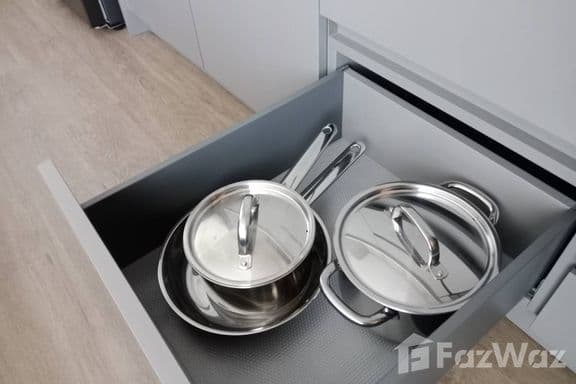
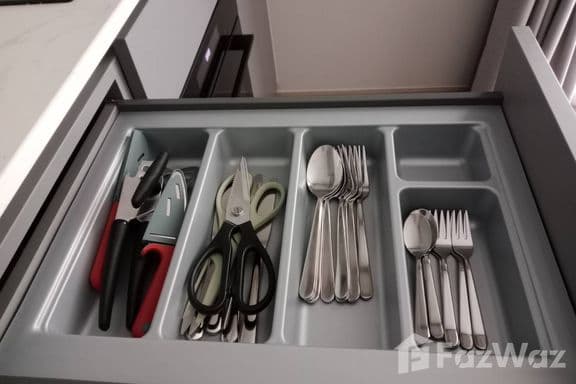
- Budget and Additional Costs: Beyond the monthly rent, consider extra costs. Most rentals do not include utilities. Electricity is billed either directly from the utility (at government rate ~฿4–฿5 per kWh) or through the landlord (some small buildings charge a higher rate like ฿6–฿8 per kWh – clarify this!). Water is inexpensive (often ฿100–฿300 per month). If your apartment doesn’t include WiFi, you’ll need to get an internet service (fortunately, home fiber plans are cheap, around ฿500–฿800 per month for high speeds). Also ask about common-area fees: in condos, the owner typically pays the monthly maintenance fee to the building, but in some cases they might pass on a portion to you or ask you to pay for things like swimming pool access or parking registration. Furnishings are usually included for condos – Chiang Mai condos almost always come fully furnished down to basic kitchenware – but verify what’s provided (linens, kitchen utensils, etc., vary). Set aside funds for the one-time expenses of moving in: buying any additional household items you need, and perhaps hiring a cleaning service if the unit isn’t cleaned to your standard initially.
- Neighborhood and Transportation: Choose a location that fits your lifestyle and transport mode. If you won’t drive or ride a motorbike, staying in the central areas (Nimman, Old City, Santitham, or Chang Khlan/Riverside near the Night Bazaar) will be much more convenient. These areas allow you to walk to cafes, restaurants, and some grocery stores, and you can use ride-hailing apps (Grab, Bolt) or red songthaew trucks easily for other trips. If you do have a vehicle, then you have more freedom to live farther out – but ensure the apartment has parking space (most condos have car parks but some fill up; also, older apartments might only have motorbike parking). Think about daily needs: for example, families might prioritize proximity to schools or a particular supermarket, whereas a digital nomad might prioritize being near a co-working space or a community of other nomads. Chiang Mai is relatively small, but traffic during peak hours on certain routes (e.g., from Hang Dong into town, or around Nimman) can add time to commutes.
- Lifestyle and Community Fit: Each neighborhood, as detailed above, has its own community. Consider what expatriate profile you fit and where you’ll be happiest. Are you a social butterfly wanting networking events, workshops, and a diverse expat crowd? Nimman or the Old City might suit you. Are you seeking integration with Thai culture and picking up some Thai language? You might lean towards Santitham or Chang Phueak where you’ll be “forced” (in a good way) to interact with locals more. Tranquility and space top your list? Riverside or Hang Dong could be ideal. Also consider climate and environment: lower-lying areas by the river can be a touch warmer/humid and occasionally prone to slight flooding on ground floors in heavy rains (rare in the city, but check if the location is in a known flood zone). Higher areas closer to the hills (Chang Phueak towards Doi Suthep, Hang Dong towards Samoeng) may get marginally cooler temps and breezes. If air pollution during the spring burning season concerns you, perhaps choose a building where your unit can be closed up and air-conditioned well (and invest in an air purifier). Some expats actually relocate to the beach or abroad during the smoky months, but if you stay, having a place you can retreat indoors is valuable.
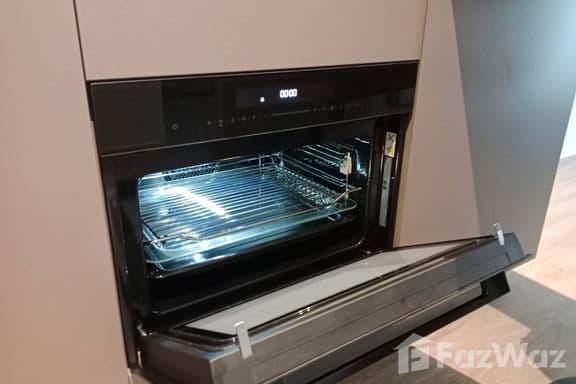
- Apartment Features and Quality: Not all apartments are created equal. Inspect the unit carefully (or have someone do it if you’re renting remotely). Check water pressure, water heater functionality, and the age of air conditioners (old AC units can be loud or inefficient – ask if they’ve been serviced). Look at the fridge and kitchen – is it a tiny bar fridge or a full-size one? Does the kitchen have a stovetop (and is it electric or gas)? Many Thai condos come with just a microwave and maybe a single burner electric hob. If you love cooking, you might want a place with a proper kitchen setup. Check for natural light and ventilation – corner units or units with cross-breeze windows are a plus, while some cheaper studios have only a single small window. Another tip: ask about internet options. If you plan to work from home, you need reliable internet. Most places in the city can get fiber broadband, but a few buildings might have only certain providers or outdated lines – it’s worth confirming you can get, say, a 200 Mbps or higher plan installed. For high-rise condos, also check elevator reliability (especially in older buildings – e.g., some Hillside condos have 1 of 2 lifts often under maintenance, meaning waits or inconvenience). These little quality-of-life details become important over a long stay.
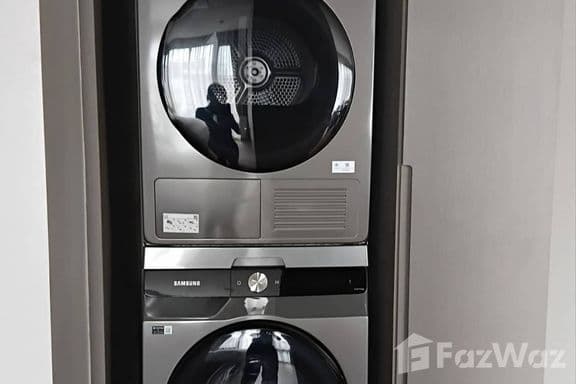
- Negotiation and Value: In Chiang Mai, there is sometimes room to negotiate rent or terms, especially if you’re committing to a longer lease or moving in soon. It’s not uncommon to get a discount of perhaps ฿1,000–฿2,000 off the asking price, or to ask for an item to be added (e.g., “Can you provide a work desk and chair?” or “Will you include a twice-a-month cleaning service?”) depending on the situation. It helps to be polite and show that you’re a responsible tenant. Landlords value someone who will take care of their property. If you’re renting directly from an owner, building a good rapport can go a long way. If through an agent, let the agent know your priorities – sometimes they can persuade the owner to accommodate requests (like installing a washing machine, which not every studio has). Always do any negotiation before signing; once the contract is signed, it’s assumed you accept the place as-is.
- Legalities and Documentation: Though renting is usually straightforward, ensure the paperwork is in order. The lease should ideally list the monthly rent, deposit, lease term, included furnishings, responsibilities for utilities, and any house rules (for example, some condos have rules about noise, pets, etc. – note that many condos in Chiang Mai do not allow pets, so confirm if you have one). By Thai law, landlords should register foreign tenants’ presence with immigration (TM30 reporting), so be prepared to provide a copy of your passport/visa and housing contract for this purpose; it’s normally the owner or condo juristic office’s duty to do TM30, but it’s good to confirm they will, as it affects your ability to do other immigration tasks. It’s also worth noting that, unlike some countries, renter’s insurance is not common in Thailand. If you have valuable belongings, consider getting a personal property insurance or ensure your travel insurance covers rentals, because the landlord’s insurance (if any) won’t cover your personal items. When you move in, document any existing damages (take photos, email them to the landlord or have them noted in an inventory list) to protect your security deposit. Chiang Mai landlords are generally reasonable and deposit disputes are uncommon, but it’s wise to have proof of the original condition.
- Community and Etiquette: Adapting to life in a Thai community means being mindful of local norms. Condo living in Chiang Mai is relatively relaxed, but basic etiquette like keeping noise down during late hours, dressing modestly in common areas, and being respectful to neighbors (who might be a mix of Thais and foreigners) will go a long way. If your building has a juristic person/management office, they can be a great help – for instance, you can ask them for help if something in your unit breaks and you can’t reach the owner, or if you need to get drinking water deliveries, etc. Building staff (guards, cleaners) appreciate a friendly greeting (“sawatdee krap/ka”) and perhaps a small tip or gift around New Year – while not mandatory, these gestures build goodwill, which can be very helpful (they might, for example, keep better watch over your motorbike or remember your GrabFood deliveries). Becoming part of the local community – whether it’s chatting with the fruit seller on your soi, or attending a neighborhood Loy Krathong event – will enrich your experience and help you feel at home, beyond just the apartment you rent.
By considering all of the above, foreign renters can maximize the advantages of Chiang Mai’s long-term rentals – enjoying a high quality of life at a reasonable cost. Chiang Mai offers something for everyone: whether you’re a retiree sipping coffee by the river, a family in a suburban home by the mountains, or a young professional coding away in a Nimman condo, you can find your niche in this welcoming city. Happy house-hunting and welcome to Chiang Mai!
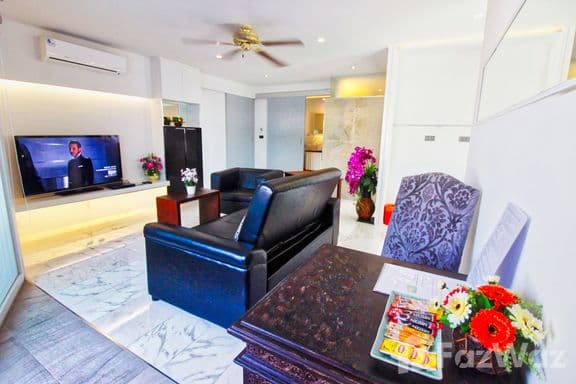

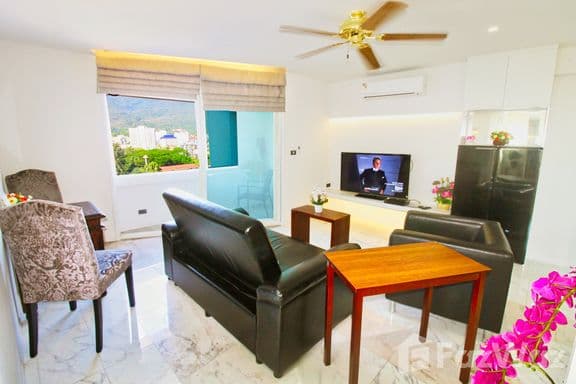
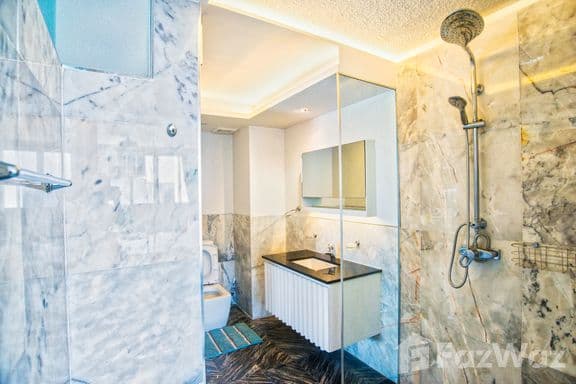
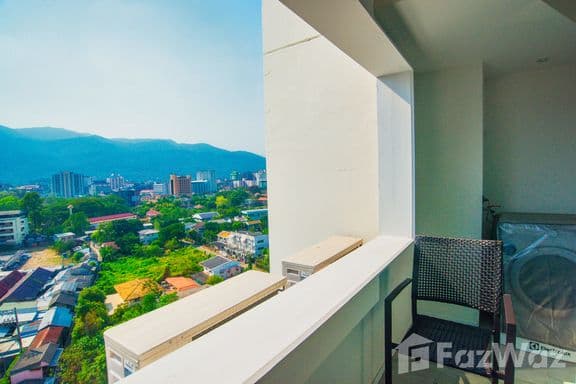
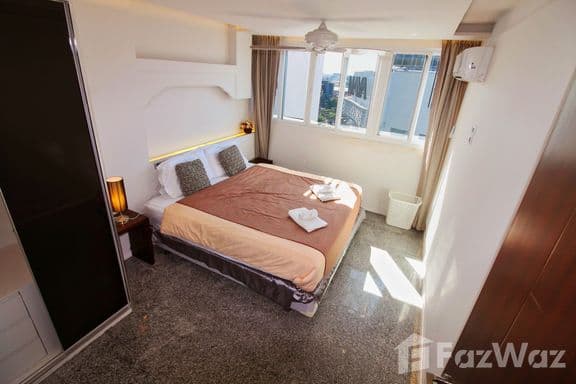

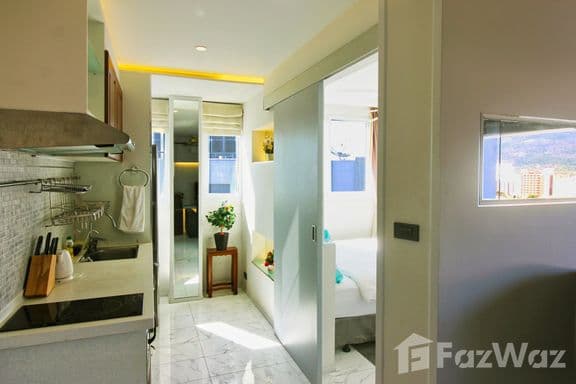
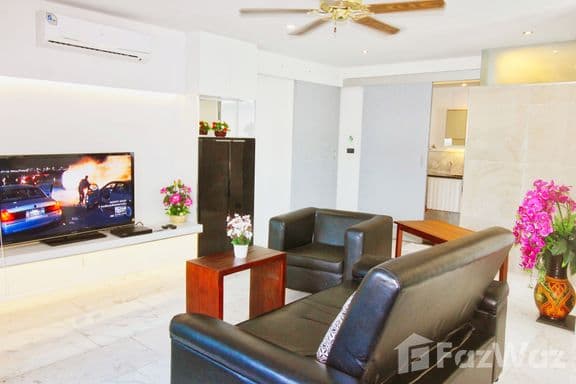
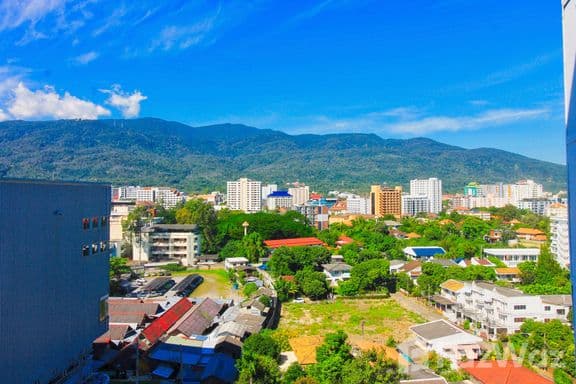
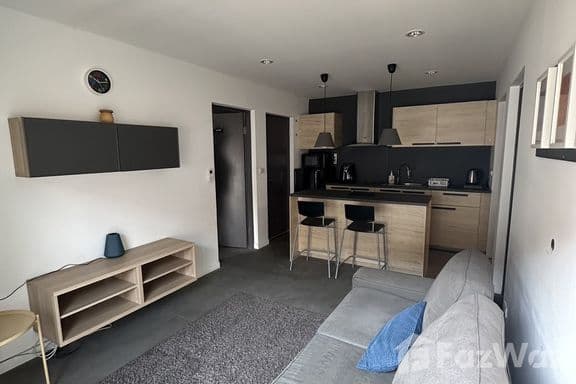
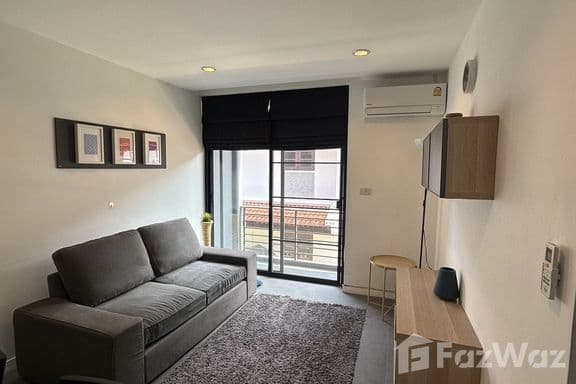
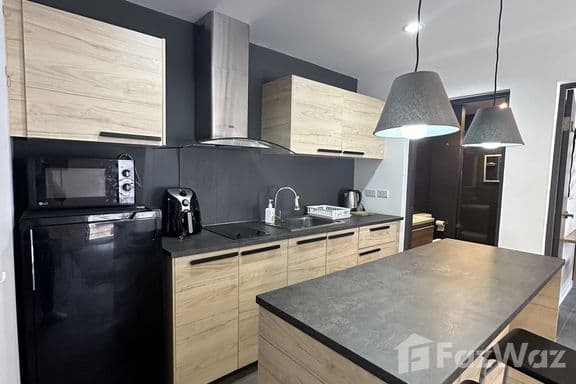
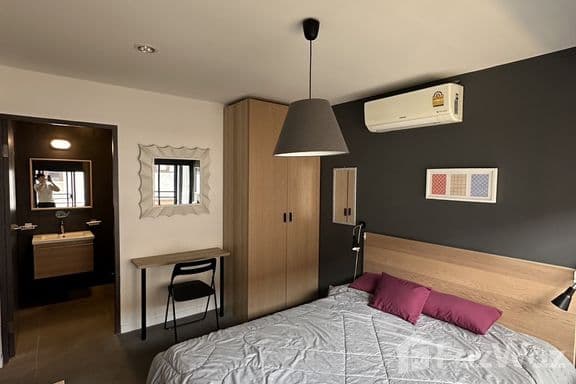
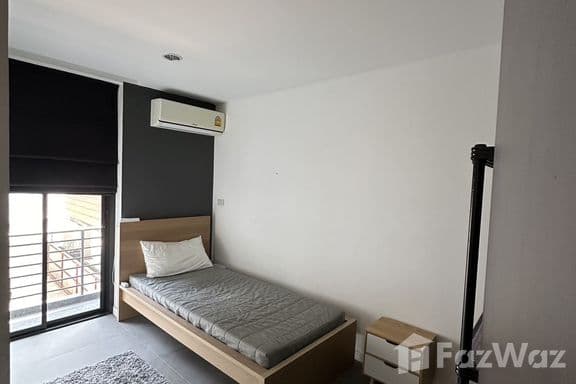

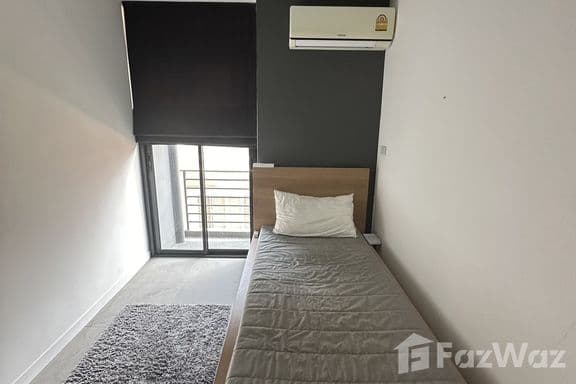
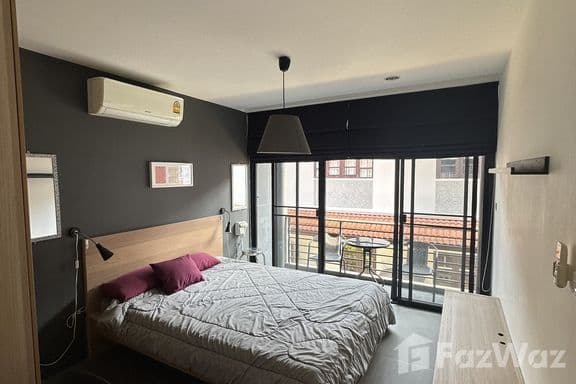
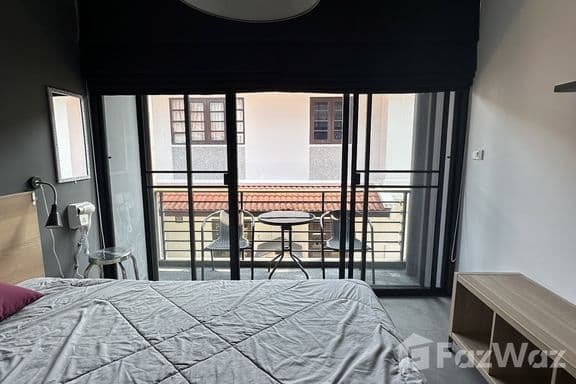

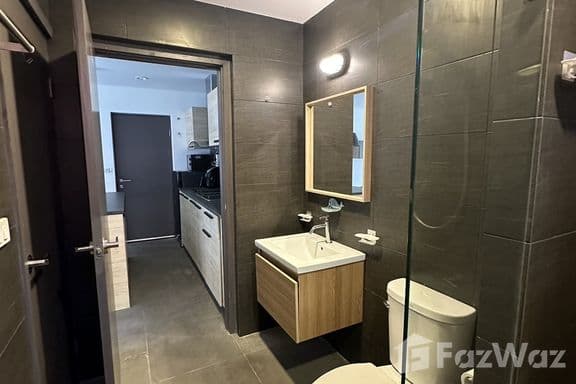
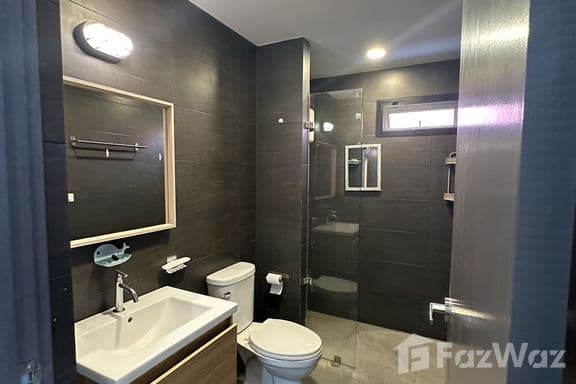

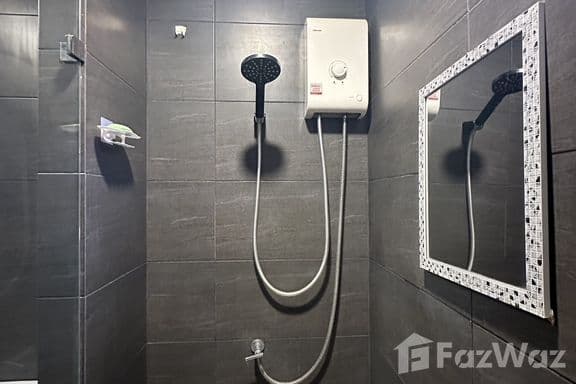

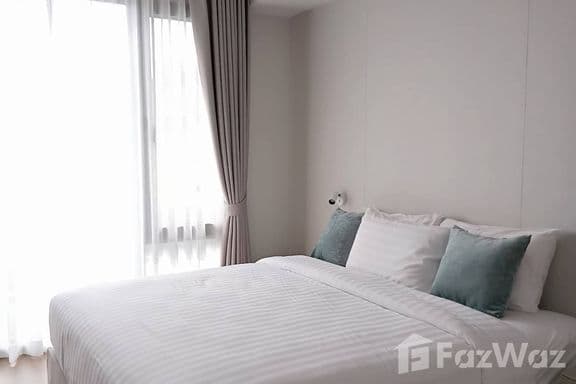
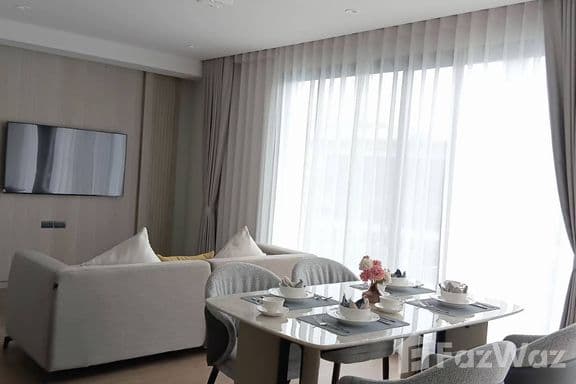
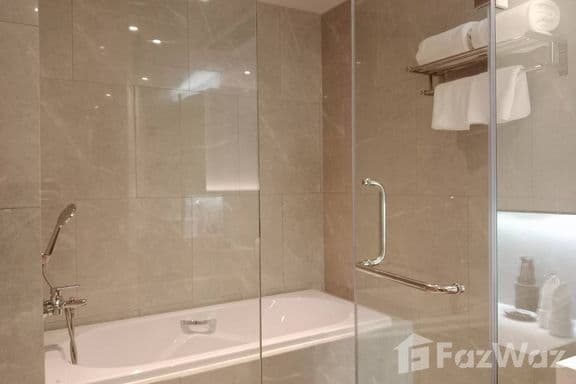
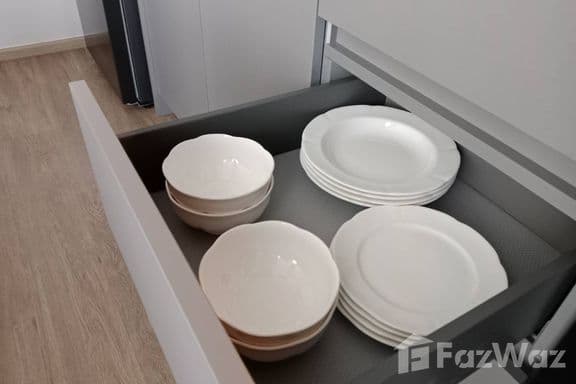


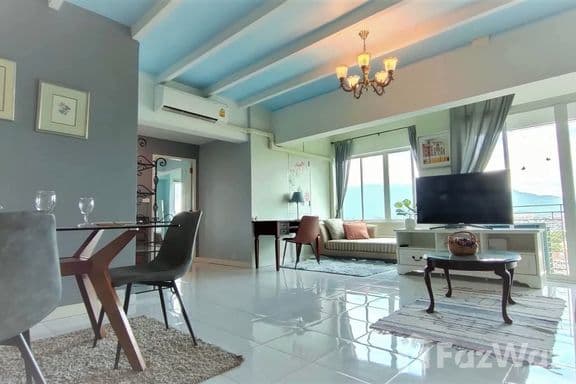
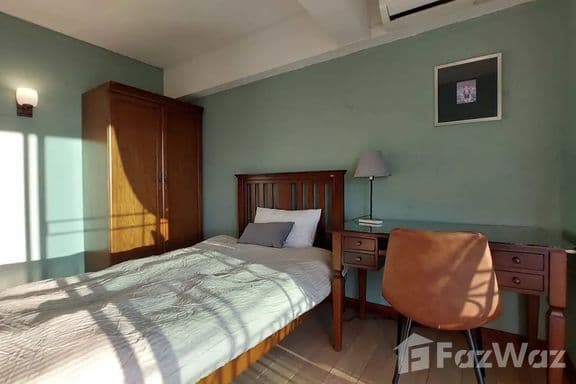

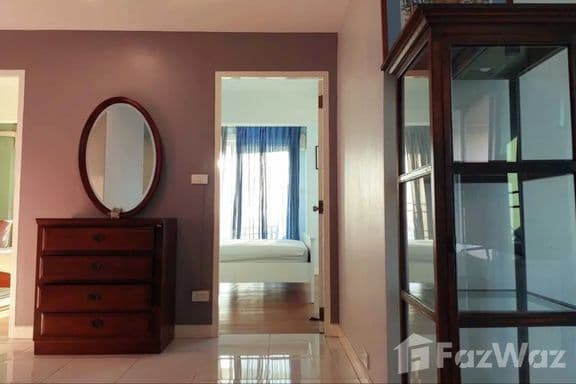
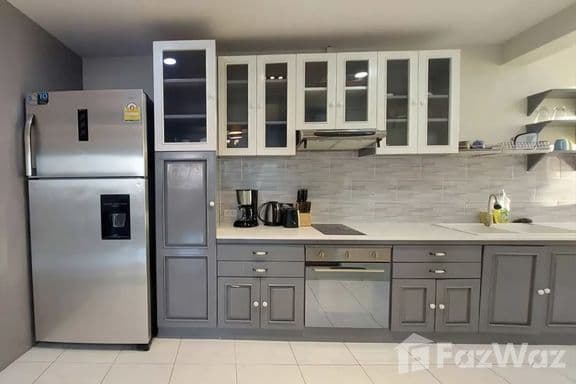
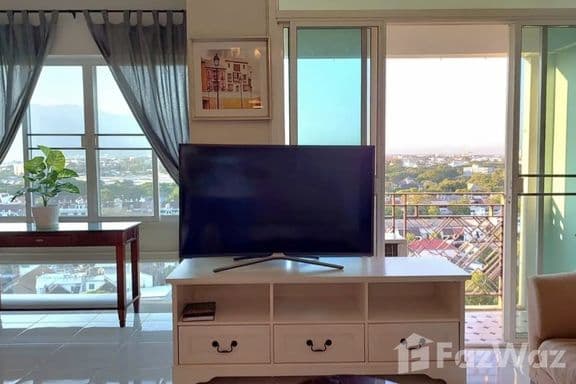
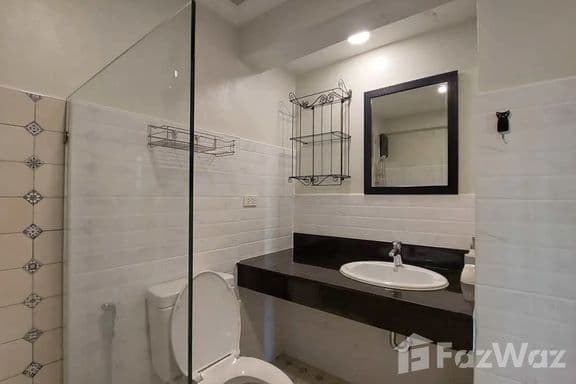
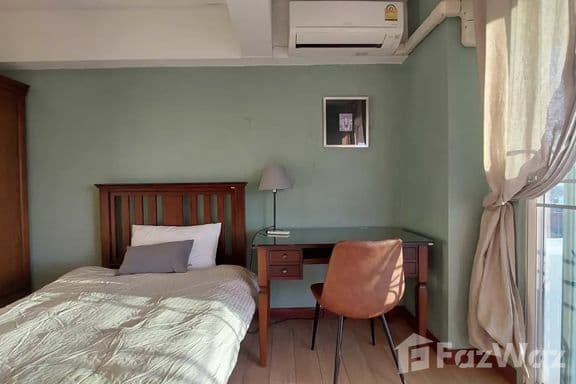

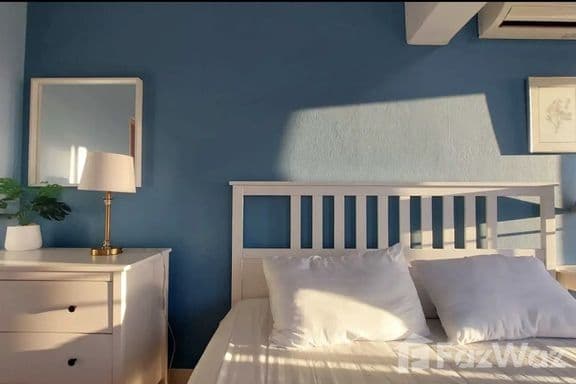
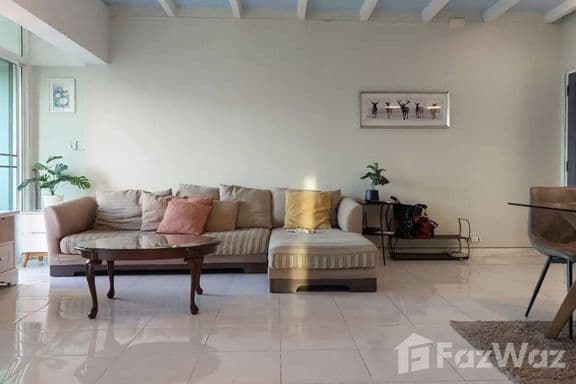
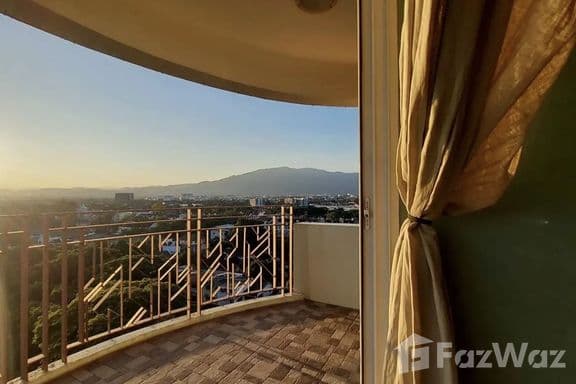
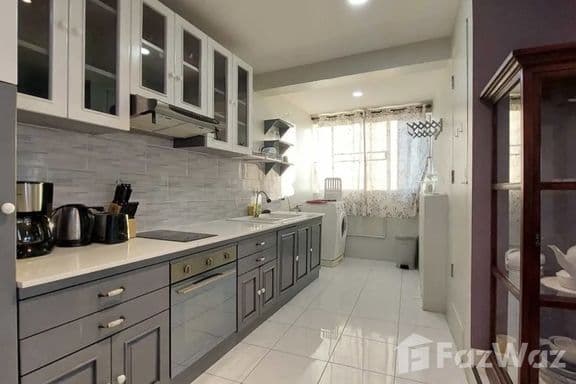
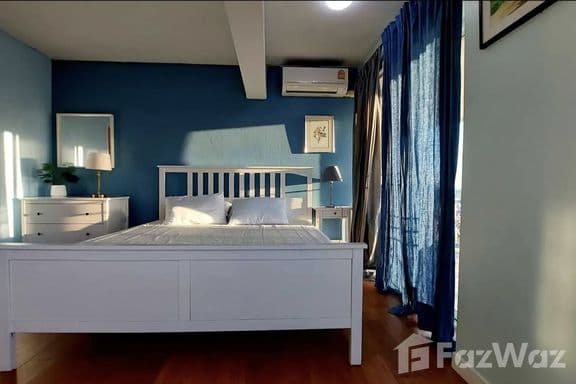
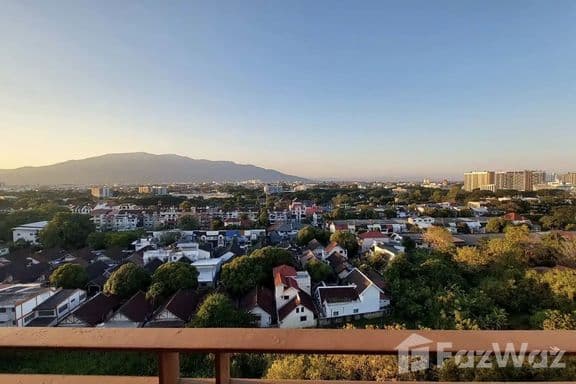
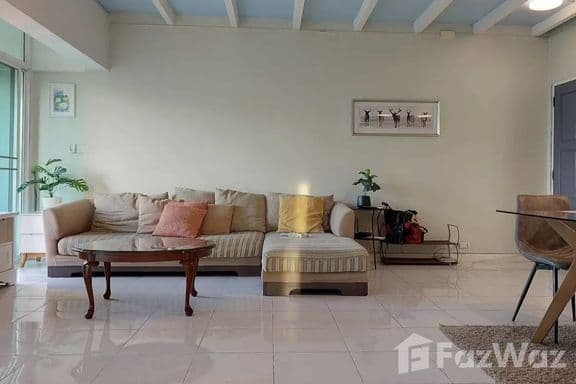


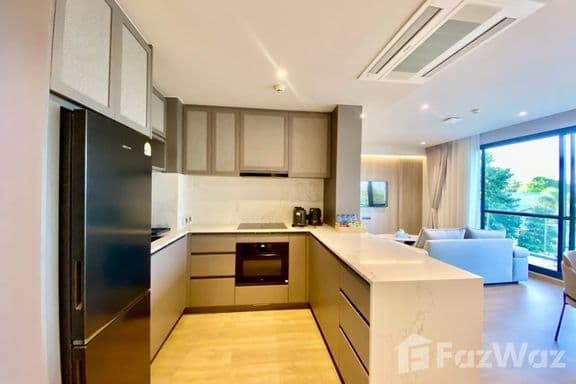

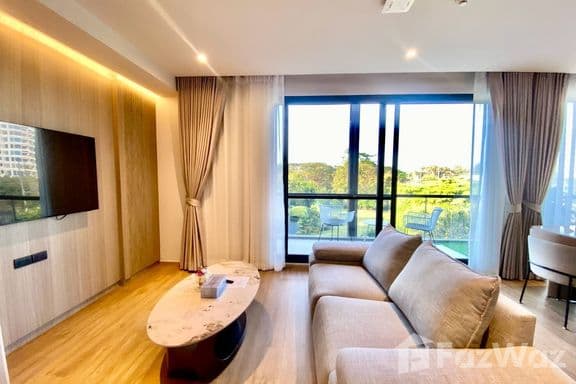
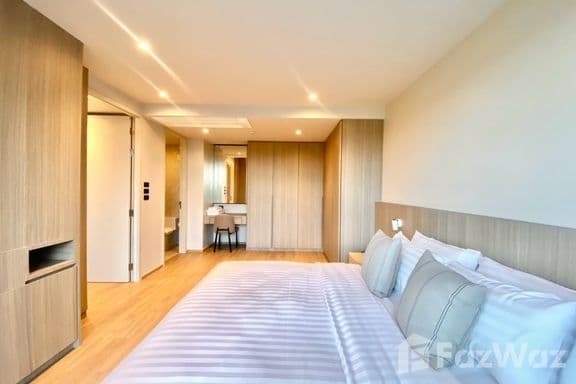


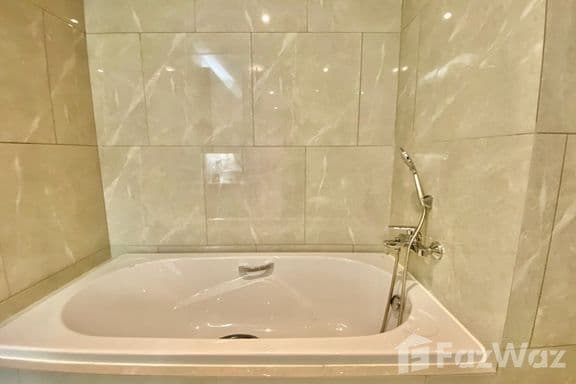
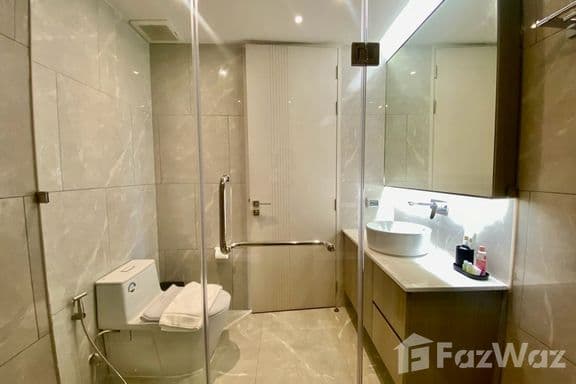

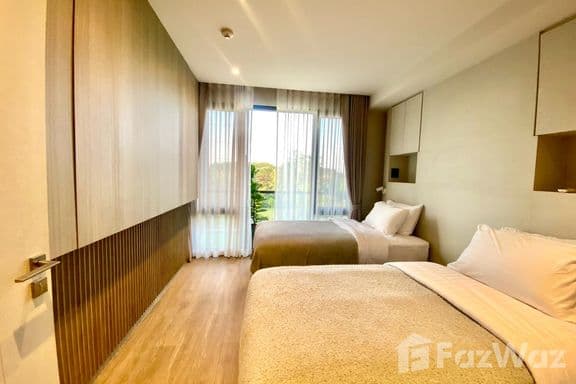
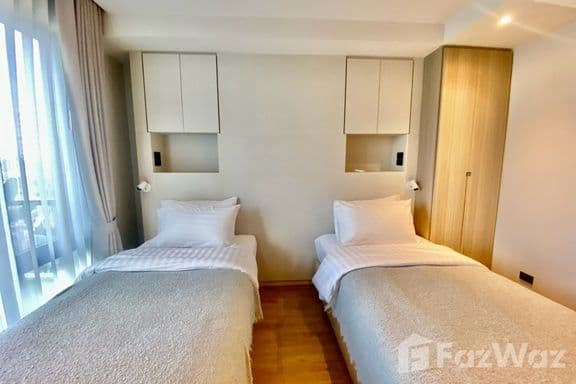


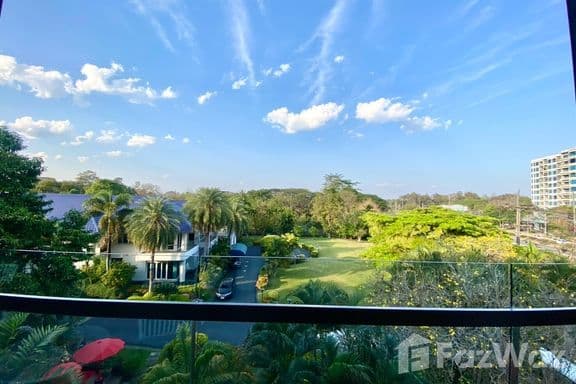

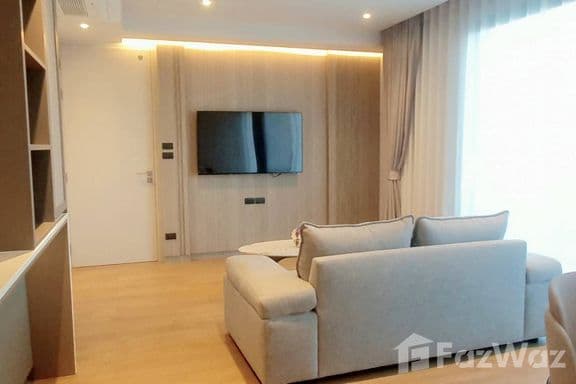
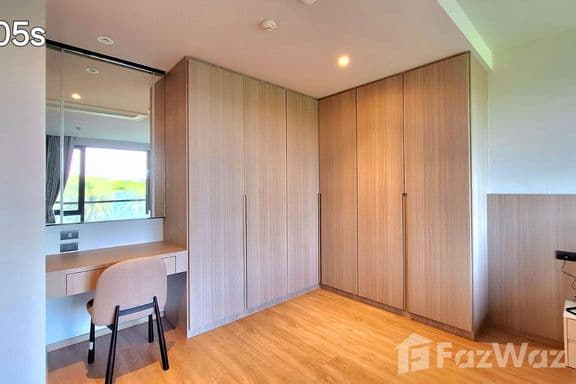
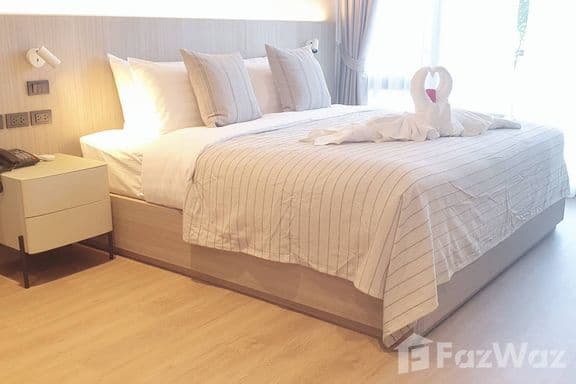
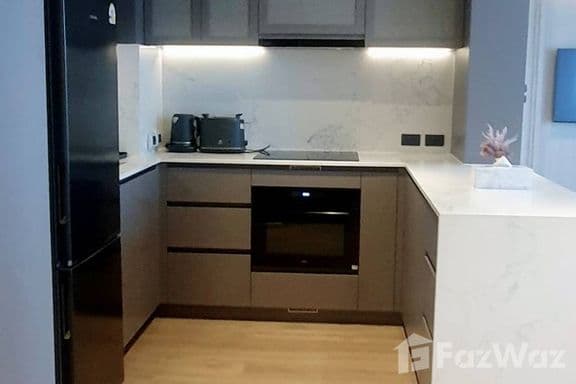


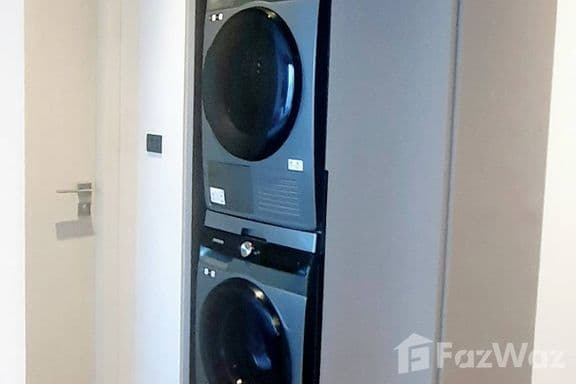
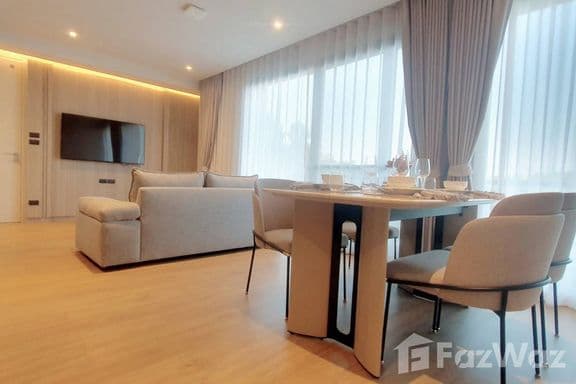
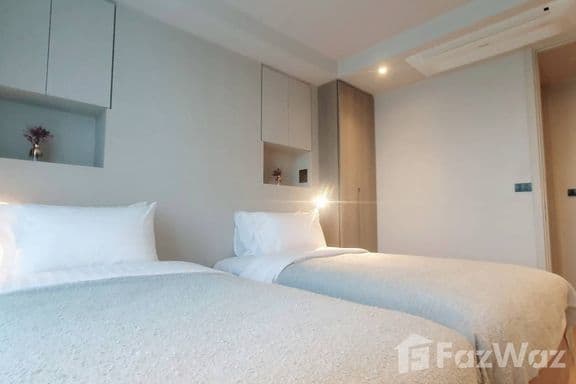

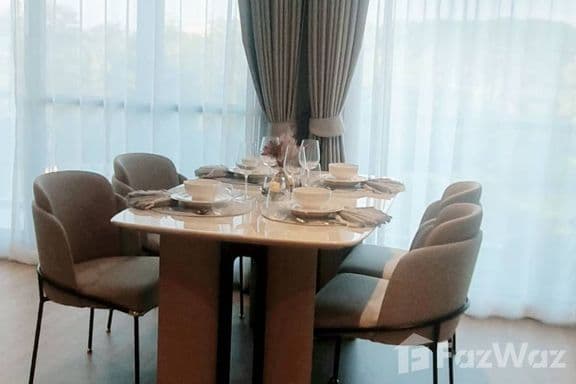
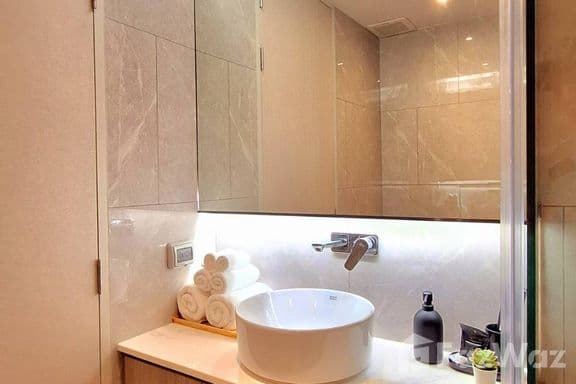
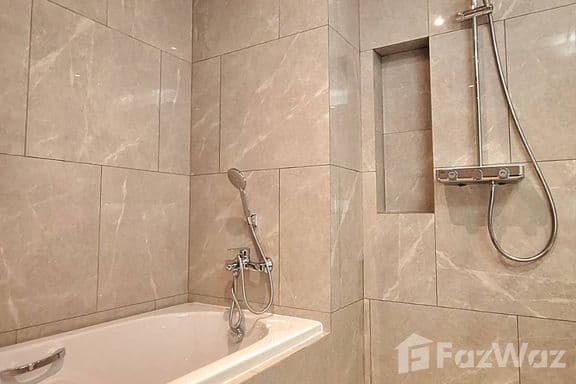
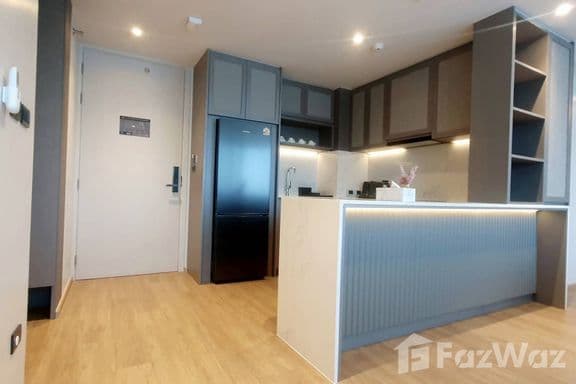
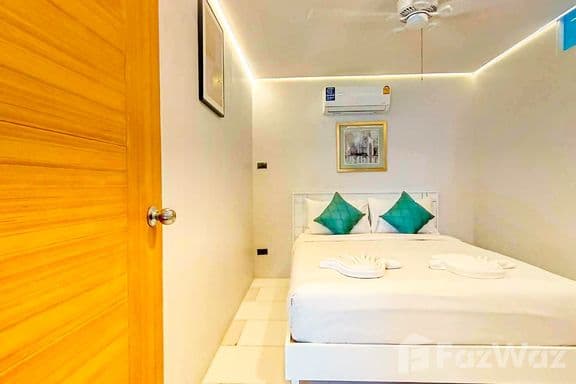
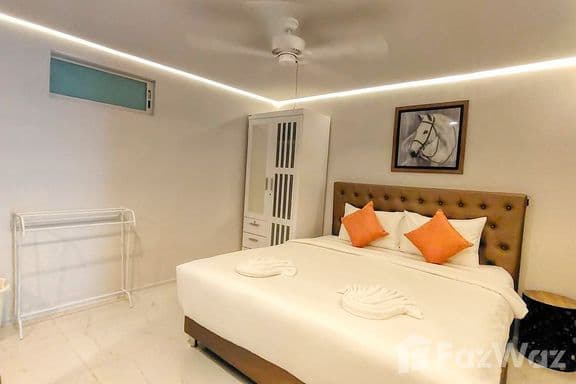
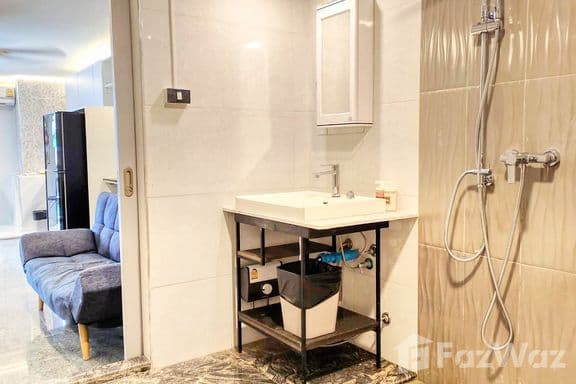






 Popular condos in Chiang Mai

