Apartments for Rent in Pattaya: A Comprehensive Guide for Foreign Renters
Introduction: Pattaya is one of Thailand’s most dynamic coastal cities, attracting a large community of foreign residents and long-stay visitors. For those interested in apartments for rent in Pattaya, the city offers a wide range of options – from high-rise condos with ocean views to budget-friendly apartments in local neighborhoods. This comprehensive guide provides foreign renters with a detailed overview of what to expect, including different renter profiles, typical rental costs by area, current market trends in 2025, neighborhood recommendations, and answers to common questions. Whether you’re a retiree seeking a peaceful seaside condo or a digital nomad looking for a short-term pad with reliable internet, this guide will help you navigate Pattaya’s rental landscape in a professional and informed manner.
Foreign Renter Personas and Housing Needs in Pattaya
Different types of foreign renters come to Pattaya, each with unique housing preferences. Understanding these personas will help you identify what type of accommodation and location might suit you best:
Retirees: Comfortable Coastal Living and Convenience
Profile: Typically older expatriates (often from Europe, North America, or Australia) who have chosen to spend their retirement years in Thailand’s affordable and warm climate.
Housing Needs & Preferences: Retirees usually seek comfort, tranquility, and convenience. Many prefer quiet beachfront areas or serene neighborhoods away from Pattaya’s loud nightlife. Amenities like elevators, swimming pools, and onsite security are valued for ease and safety. Proximity to quality healthcare facilities is often a priority – for instance, being within easy reach of international hospitals or clinics in Pattaya. Retirees also appreciate having shops, grocery markets, and restaurants nearby, but they may not need to be right in the city center. Many retirees opt for spacious condos (one-bedroom or larger) in areas like Jomtien or Naklua, where the atmosphere is relaxed and there is an established community of fellow retirees. Long-term leases are common since retirees tend to settle in one place for a year or more at a time, and they often look for furnished units to avoid the hassle of buying furniture.
Digital Nomads: Connectivity, Affordability, and Flexibility
Profile: Remote workers and online entrepreneurs (often in their 20s to 40s) who move between cities and countries. Pattaya has become a secondary hub for digital nomads (after places like Chiang Mai or Bangkok) due to its seaside appeal and vibrant city life.
Housing Needs & Preferences: Digital nomads value fast internet, central location, and affordability. Many stay only a few months, so they seek short-term rentals or flexible lease terms. A studio or one-bedroom apartment that is fully furnished is ideal – ready to move in with just a suitcase. Being close to cafés, co-working spaces, and entertainment is a plus, so areas in Central Pattaya or nearby neighborhoods appeal to this group. They often prefer modern condos with amenities (gyms, pools, coworking lounges if available) but within a moderate budget. Because they stay relatively short term, some digital nomads might use serviced apartments or negotiate 3-6 month contracts; others may sublet condos from owners who cater to monthly rentals. Walkability and access to public transport (or rideshare services) is important since many do not own vehicles. Overall, convenience and reliable connectivity are top priorities for this group.
Long-Term Expats: Families and Professionals Settling In
Profile: Foreigners who live and work in Pattaya or the nearby Eastern Seaboard region long term. This category can include professionals employed by local businesses or international companies, entrepreneurs running local enterprises, and expats with families. They typically plan to stay for multiple years.
Housing Needs & Preferences: Long-term expats often seek a homey, stable living environment that fits their lifestyle and possibly their family’s needs. Those with families may prefer larger apartments or houses with multiple bedrooms. Many family expats choose areas like East Pattaya (inland from the city center) where there are gated communities and houses for rent, offering more space, yards or gardens, and a quieter suburban feel. These areas are also closer to international schools (for example, Regents International School on the east side of Pattaya) and have family-friendly facilities. On the other hand, single professionals without children might opt for a modern condo in Central Pattaya or Pratumnak Hill, to be near work and leisure activities, while still enjoying a good standard of accommodation. Long-term expats typically sign 12-month leases or longer, and they look for places with reliable maintenance and landlord support. They may invest time in finding the right property – comparing not just price, but also commute times, neighborhood reputation, and community vibe. Furnished units are common, but some long-term residents may gradually acquire their own furnishings, so unfurnished rentals can also appeal to those who want to customize their living space. Overall, stability, convenience to workplaces or schools, and a sense of community are key for long-term expats.
Short-Term Corporate Renters: Convenience and Turnkey Services
Profile: Foreign professionals on temporary assignment or contract in Pattaya (or nearby industrial zones like Laem Chabang or Rayong). They might be managers, consultants, or project specialists staying in the area for a few months up to a year, often with housing provided or stipend by their employer.
Housing Needs & Preferences: This group prioritizes convenience and hassle-free living. Since their stay is short and work-focused, they often prefer serviced apartments or high-end condos that are essentially turnkey – just check in with luggage and everything is provided. Key needs include a central location or easy commute to their workplace, included services like cleaning and laundry, and English-speaking staff or landlords for ease of communication. Many short-term corporate renters gravitate towards Central Pattaya or Pratumnak, where upscale condo buildings and serviced residences are available. These areas provide quick access to restaurants, transportation, and nightlife for off-work hours. Also, being central means less time figuring out logistics in a new city. Security and professionalism are important; they will look for buildings with 24-hour security, on-site management, and facilities such as fitness centers or business centers. Cost may be less of an issue if the company is paying, but value and comfort are still considered. Because their employers often handle or reimburse housing, corporate renters may also liaise with real estate agencies that can provide receipts and proper rental contracts. In summary, short-term corporate tenants want a comfortable, hotel-like living experience that allows them to focus on their work assignment immediately.
By identifying which category (or combination of categories) you fall into, you can better target the type of apartment and neighborhood in Pattaya that will align with your needs. Next, we’ll compare rental prices across popular areas of the city, which is often a crucial factor in deciding where to live.
Apartment Rental Prices by Area in Pattaya
Rental costs in Pattaya vary widely depending on location, property type, and amenities. Generally, apartments closer to the beach or city center are more expensive, while those further inland or in local neighborhoods are more affordable. Below is a comparison of typical monthly rental prices for a standard one-bedroom apartment in some of Pattaya’s most popular areas. (Keep in mind these are approximate ranges in 2025; actual prices will depend on the specific property, building age, and included amenities. Prices are shown in Thai Baht, with rough USD equivalents.)
|
Area
|
Typical Monthly Rent (THB)
|
Approx. in USD
|
|
Central Pattaya (City Center)
|
15,000 – 25,000 THB
|
~$430 – $720 USD
|
|
Jomtien Beach Area
|
10,000 – 20,000 THB
|
~$290 – $580 USD
|
|
Wongamat/Naklua (North Pattaya)
|
15,000 – 30,000 THB
|
~$430 – $860 USD
|
|
Pratumnak Hill
|
12,000 – 22,000 THB
|
~$350 – $640 USD
|
|
East Pattaya (Inland)
|
8,000 – 18,000 THB
|
~$230 – $520 USD
|
Central Pattaya: In the heart of the city (areas around Pattaya Beach Road, Second Road, Central Festival mall vicinity), one-bedroom condos average between 15k–25k THB per month. Here you’re paying for proximity to shopping, restaurants, and nightlife. It’s possible to find basic older apartments slightly below 15k, but modern condos with pools and gyms will be on the higher end or beyond this range.
Jomtien Beach Area: Just south of central Pattaya, Jomtien is a popular area for long-term foreign residents. Rents here are a bit more affordable on average, ranging ~10k–20k THB for a one-bedroom. You get the benefit of a nice beach, a more laid-back atmosphere, and plenty of dining options. It’s a short ride (10-15 minutes) into central Pattaya. There are many condo developments in Jomtien, so competition keeps prices reasonable; even sea-view units can be found around the mid-teens (thousands) THB per month.
Wongamat/Naklua (North Pattaya): The north end of Pattaya, including Wongamat Beach and Naklua, has several upscale beachfront condominiums as well as local residential pockets. Typical one-bedroom rents span roughly 15k to 30k THB. The lower end might be for apartments a bit farther from the beach or in older buildings, whereas the higher end represents luxury high-rise condos right on Wongamat Beach with facilities like infinity pools and private beach access. This area is favored by those who want a quieter, family-friendly environment but still within a short drive of the city center.
Pratumnak Hill: Pratumnak is a leafy hilly area situated between Pattaya and Jomtien. It’s sometimes called the “Beverly Hills of Pattaya” due to its upscale villas and condos. One-bedroom units here rent for roughly 12k–22k THB monthly. Pratumnak offers a good balance: it’s more peaceful than central Pattaya (with nice beaches like Cozy Beach nearby), yet not as far out as Jomtien. The area has a mix of older, affordable apartments and newer boutique condos. Limited supply and high demand among expats have caused rents to inch up in recent years, especially for well-maintained units with sea views.
East Pattaya: This refers to the residential areas inland, east of Sukhumvit Road (which is the main highway). These neighborhoods (such as Nong Prue, Mabprachan, or Huay Yai areas) are away from the beach but are popular for those seeking houses or larger spaces. For apartments or small condos in East Pattaya, rents can be quite low – some local-style one-bed units or studios might be 8k THB or under. However, East Pattaya is more known for houses and villas. A family might rent a three-bedroom house with a garden in a gated community for, say, 20k–40k THB depending on size and location. In terms of apartments, if you find a modern condo development on the East side, a one-bedroom might fall in the 10k–18k range as listed, offering good value for more space, but you’ll need your own transport as these areas are not as walkable.
Note: Exchange rates fluctuate, but in these estimates we use roughly 33–35 THB = 1 USD for conversion. Always double-check the current rate for accuracy. Also, high-end luxury penthouses or large beach-view units can far exceed the ranges above – for example, a new two-bedroom high-floor unit in a luxury building could be 40,000 THB or more monthly. Conversely, very basic rooms in older Thai apartment buildings (often unfurnished) can be found under 10,000 THB, but those are less common choices for most foreigners. The table aims to give a mid-range comparison for typical expat-friendly rentals.
Pattaya Rental Market Trends in 2025
As of 2025, Pattaya’s rental market is robust and evolving. Several trends are shaping the landscape, affecting availability, prices, and where people choose to live. Below are key insights on rental demand, supply, pricing movements, and emerging neighborhoods:
- Strong Demand from Expats and Retirees: Pattaya continues to attract a steady influx of foreign residents. Thailand’s relatively affordable cost of living and special long-stay visa programs (such as retirement visas and new long-term resident visas for professionals) make it easier for expats and retirees to settle here. These long-term foreigners generate high demand for rentals – particularly condominiums in quieter neighborhoods. Many retirees and senior expats seek spacious modern units in areas like East Pattaya and Pratumnak Hill, where they can enjoy a calmer environment. Likewise, working expats (including those in industrial zones nearby) often choose to rent in Pattaya for the lifestyle, even if they commute to work. This sustained demand from foreign tenants has helped keep occupancy rates high in many condo developments.
- Growth of Short-Term Rentals and Digital Nomad Influence: The resurgence of tourism and the rise of remote work are fueling short-term rental demand. In 2025, many property owners are capitalizing on platforms like Airbnb and Booking.com to rent out apartments on a monthly or even weekly basis to travelers, digital nomads, and transient workers. Short-term rentals (under 6 months) have grown more popular, especially in central Pattaya and Jomtien, where visitors want the flexibility of a home-like stay without a long contract. This trend means some units that were previously available for yearly rent have shifted to the short-term market, which can tighten supply for long-term renters in certain buildings. However, it also means if you are a tenant looking only for a few months, you have more choices in the form of serviced apartments and holiday rental condos. Do note that legally, rentals under 30 days in a private condo are restricted unless the building has a hotel license, but 1-3 month stays exist in a gray area that many partake in. Overall, the short-term trend boosts rental yields for owners in high season, and offers more flexibility to tenants – albeit often at higher monthly rates than a year-long lease would be.
- New Supply vs. Oversupply Concerns: Pattaya’s skyline continues to change with new condominium projects launched in and around the city. After a slowdown in construction during the early 2020s, developers have ramped up projects again. In 2024 and 2025, there’s been a boom in new condo launches – particularly in areas slightly outside the traditional center, like Jomtien and Na Jomtien (toward the south). These new developments add thousands of units to the market. While this raises some oversupply concerns, demand has so far been keeping pace for well-located and well-priced units. The overall market take-up rate for new condos in Pattaya has been reported as fairly high (well over 70% sold or rented of available units), indicating that the city is absorbing new supply due to returning foreigners and Thai urbanites seeking second homes. For renters, more supply means more choices and potentially more competitive pricing or promotions (e.g., some new buildings offer discounted rent for the first six months to attract tenants). However, in specific segments – such as older condos without renovations – there might be a glut, forcing those landlords to lower rents to attract tenants away from shiny new buildings.
- Rental Pricing Movement: Rental prices in Pattaya in 2025 have seen moderate increases compared to the previous couple of years. During the height of the pandemic (2020–2021), many landlords dropped rents or offered deals due to fewer foreign tenants and an excess of vacant units. As the situation normalized and foreigners returned, rents have gradually edged up again, nearing pre-2020 levels in many areas. We see the strongest rent increases in prime locations and modern developments. For instance, a new condo in Central Pattaya with state-of-the-art facilities might command higher rent in 2025 than it did a few years ago, due to competition among tenants for quality units. Pratumnak Hill is one example of a micro-market where rents are climbing – the area has limited land for new builds and high appeal among expats, so available rentals (especially with sea views) often get snapped up, allowing landlords to maintain firm prices. On the other hand, older apartment blocks without amenities remain a bargain, and their rents have stayed relatively flat or even decreased as they compete with newer options. Another factor is seasonality: expect rents and demand to peak during the cool high season (November to February) when more foreigners arrive; you might find slightly better bargains or more vacant choices in the low (rainy) season.
- Emerging Neighborhoods and Shifts in Popularity: Pattaya’s rental hot-spots are expanding beyond the traditional city center. Jomtien has solidified its popularity not just for retirees but also for younger expats and Thai city-dwellers, thanks to its improved infrastructure and lifestyle offerings. The extension of Jomtien (sometimes called Na Jomtien, heading further south toward Bang Saray) is an emerging area, with new high-rise condos, beach clubs, and even attractions like water parks making it an up-and-coming place to live. These southern areas are benefitting from projects like the development of a new highway and the planned high-speed rail terminal that will connect to Bangkok – making them attractive for future growth. Meanwhile, East Pattaya (beyond Sukhumvit) is drawing more long-term residents who want to rent houses or townhouses, as it offers a suburb-like environment and often larger properties for the price. As more shopping centers, international schools, and medical facilities open on the east side, it’s increasingly feasible to live there comfortably, which was not the case a decade ago. Another trend is the continued desirability of beachfront locales. Wongamat (North Pattaya) remains a favored luxury enclave; even though it’s not “new”, it’s maintained demand due to its peaceful beach and five-star atmosphere. In summary, Pattaya’s rental market in 2025 is not just about the city center – it’s a multi-nodal market with various attractive neighborhoods depending on a renter’s priorities.
- Infrastructure and Development Impact: Underpinning these trends are significant infrastructure developments. The Thai government’s Eastern Economic Corridor (EEC) initiative has led to improvements like better roads, upgrades at U-Tapao International Airport (about 30 km south of Pattaya), and the forthcoming high-speed train linking Pattaya with Bangkok and the international airports. As these projects progress, they enhance Pattaya’s connectivity. For renters, this means living in Pattaya while working in Bangkok (or vice versa) could become more practical in the near future. Even within the city, improvements in public transportation (such as expanded baht bus routes or proposed tram lines) and utilities can make previously outlying areas more accessible and livable. Improved infrastructure tends to drive new real estate development, so expect neighborhoods along major transit routes – for example, near the future high-speed rail station or near highway exits – to see more rental properties coming online. Being aware of these plans can be useful if you’re looking for an area with growth potential.
In essence, the 2025 outlook for Pattaya’s apartment rental market is positive: demand is strong from a diverse tenant base, new supply is being added with caution, and prices are rising modestly in line with renewed interest in the city. Renters have more options than ever, from downtown high-rises to suburban homes, and can take advantage of competitive offers especially in newly developed areas. However, in the most sought-after locations or unique properties, be prepared for less bargaining room as those tend to get rented quickly.
Best Pattaya Neighborhoods for Different Renter Lifestyles
Choosing the right neighborhood in Pattaya is crucial to enjoying your stay, as each area has its own character, conveniences, and community. Below we provide recommendations for suitable areas based on the type of renter or lifestyle, keeping in mind the profiles discussed earlier.
For Retirees: Peaceful Comfort by the Sea
Top Areas: Jomtien, Naklua/Wongamat, and Pratumnak Hill.
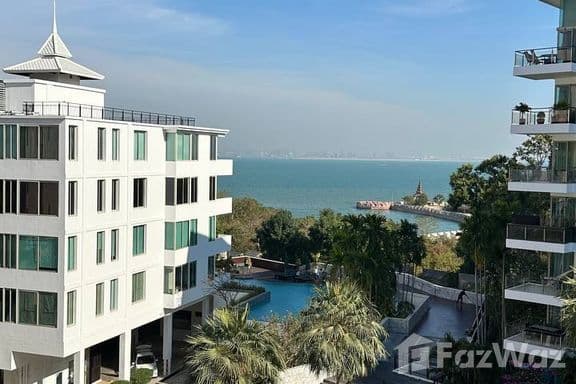
Why: Retirees in Pattaya generally appreciate a calm environment with easy access to daily needs. Jomtien Beach is a standout choice – it offers a long stretch of beach with a relaxed vibe, plenty of casual restaurants (many catering to Western tastes as well), and a sizeable retiree community. Living in Jomtien, you can enjoy evening strolls along the beach and a quieter atmosphere than central Pattaya, while still having supermarkets and an expat-friendly infrastructure. Naklua and Wongamat in North Pattaya are also favored by many retirees, especially those who can afford a slightly higher rent. Wongamat Beach has some high-quality condo residences that are quiet and have beautiful sea views. The Naklua area is close to one of Pattaya’s best international hospitals (Bangkok Hospital Pattaya), which is a comforting factor for older residents. Additionally, Naklua has a local market and is known for a mix of upscale and local living – a retiree can feel a bit removed from the tourist frenzy while still not being isolated. Pratumnak Hill is another excellent choice: it’s a green, residential area with a number of parks (like the Big Buddha Hill park) and little cafés. Retirees who live in Pratumnak enjoy the neighborhood’s tranquility and the fact that it’s only a short drive to either Pattaya city or Jomtien if they need more excitement or shopping. In all these areas, retirees should look for condo buildings known for being quiet at night (away from bars or loud music) and with facilities like elevators and 24/7 security. Being on lower floors might be preferable for those with mobility concerns, but note that higher floors offer better breezes and views – something to weigh when deciding on a unit.
For Digital Nomads: Central Convenience or Laid-Back Lifestyle
Top Areas: Central Pattaya, Thappraya Road area (between Pattaya and Jomtien), and Jomtien.
Why: Digital nomads often have two primary considerations: reliable connectivity and proximity to community/hangouts. Central Pattaya (areas around Soi Buakhao, Pattaya Klang, etc.) puts you right in the action – there are co-working spaces, cafes with Wi-Fi, and plenty of budget-friendly eateries. Many nomads enjoy being able to walk out their door and have everything at their fingertips, from coffee shops to nightlife in the evenings. If you want a social scene and easy networking with other expats or nomads, central areas or popular expat enclaves are ideal. However, Central Pattaya can be noisy and a bit chaotic; not everyone wants that 24/7. A great compromise is the Thappraya Road corridor or the area around Thepprasit Road, which are major roads connecting Pattaya City to Jomtien. Along these roads and their side streets (for example, near Pratumnak or south Pattaya Road), there are several new apartments and condos popular with foreigners. You’ll find that you can get a slightly larger or newer apartment for the price compared to right in downtown, and yet you’re on the route of the “baht buses” that can take you into either Pattaya city or Jomtien beach easily. This area also has some known co-working spots and gyms. For digital nomads who prefer a more laid-back beach vibe, Jomtien is attractive. You could rent an apartment near Jomtien Beach, enjoy a swim or beach walk in the mornings, work during the day (ensuring your condo has good internet or you have pocket Wi-Fi), and still head into the city when you want more activity (it’s a short ride away). Jomtien has a modest but growing expat scene of its own, including some nomad meetup groups. Importantly, virtually all urban parts of Pattaya have fiber optic internet available, so you’re not limited strictly to one area for connectivity – just verify the internet speed/quality in whichever building you choose. Finally, digital nomads often appreciate flexibility: look into condos that allow short-term leases or consider serviced apartments around Pattaya Klang or Pattaya Tai (south Pattaya), as many of those cater to month-to-month rentals.
For Long-Term Expats (Professionals & Families): Space and Community
Top Areas: East Pattaya (Siam Country Club area, Mabprachan Lake area), Pratumnak Hill, Jomtien (for condos), and Naklua (for upscale condos).
Why: Long-term expatriates who are making Pattaya their home base need a neighborhood that suits their daily life and possibly family needs. For expats with families and children, East Pattaya is very appealing. This broad area east of the Sukhumvit highway offers numerous gated communities (also known as “villages”) where you can rent a standalone house. These often come with multiple bedrooms, gardens, communal pools or parks, and a neighborly atmosphere where many other expat families live. Being in East Pattaya puts you near international schools (for example, near the Mabprachan area where an international school campus is located) and away from the adult-centric nightlife of the tourist districts. It’s typically quieter at night, and families enjoy weekend activities like visiting lakes, play parks, or driving a bit further to areas like Khao Mai Kaew for outdoor fun. Transportation is necessary here (having a car or at least motorbikes) since these are suburban-style neighborhoods. For long-term expats who prefer condo living or don’t have children, Pratumnak Hill is a top choice: it’s safe, somewhat upscale, and has a mix of nationalities in residence. You can find high-quality condo units that serve well as a comfortable home, and you’ll have quick access to both city facilities and the beach. Similarly, Jomtien serves many long-term expats who enjoy a condo lifestyle. Lots of expats have chosen to live in Jomtien year-round, not just retirees but working professionals too, because it’s a balanced environment. There are ample grocery stores, international cuisine options, and even co-working spaces, showing that Jomtien is not just for retirees. If your workplace is in the Laem Chabang industrial estate or another area north of Pattaya, living in Naklua/Wongamat can reduce your commute while offering a high standard of living. The condos there (e.g., along Wongamat Beach) are very comfortable for long-term living and the area has nice restaurants and is close to markets. Another factor long-term expats consider is access to Bangkok: if you need to travel to Bangkok often for business, staying on the north side or near Sukhumvit Road can save some time getting out of town. In summary, long-term expats should prioritize a neighborhood where they can imagine a daily routine – school drop-offs, grocery shopping, exercise, social gatherings – all with relative ease. Pattaya has options from urban condos to suburban homes to facilitate that lifestyle.
For Short-Term Corporate Renters: Central and Fully-Serviced Options
Top Areas: Central Pattaya (Pattaya Bay area), Pratumnak, or wherever is near the workplace (with Central being common by default).
Why: Short-term corporate renters typically want to minimize commute and maximize comfort. If your company hasn’t already assigned you a location, consider Central Pattaya, especially around the intersections of Pattaya Klang (Central Road) or Pattaya Tai (South Pattaya Road) with Second Road or Third Road. These areas have many serviced apartments and newer condo buildings. Living centrally means you can easily get to major roads for any work commuting, and you can enjoy Pattaya’s dining and entertainment scene without traveling far. Corporate renters often choose places like serviced condominium complexes in central or south Pattaya which provide amenities similar to a hotel – such as cleaning services, front desk assistance, and sometimes even breakfast options. If your work is based slightly outside the city (e.g., in an industrial park), you might find it convenient to live in a place like Pratumnak or Thappraya Road area, giving you a bit of head-start out of the city traffic while still being only 5 minutes from downtown. Also, some large multinational companies have offices or sites near the Eastern Seaboard (like near Si Racha or Rayong); employees on short stint might stay in Pattaya and get a company shuttle to work. In such cases, being near the Sukhumvit highway is ideal, so perhaps a condo around North Pattaya Road or Na Kluea could be considered. Regardless of the exact location, corporate renters should look for fully-furnished, modern units – these will typically include everything from kitchenware to bedding, so you don’t have to purchase household items for a short stay. Also consider buildings with a reception or property management office on-site, as they can assist if any maintenance issues arise during your stay (so you don’t have to negotiate repairs with an individual landlord). Finally, check if the building has good security, parking (if you have a company car), and possibly business facilities like a meeting room or reliable quiet lounge if you need to work from “home” occasionally. Corporate stays can be intense with work, so a location that reduces hassle in personal life is key.
These recommendations should serve as a starting point. Every renter’s priorities differ: some might value being able to walk to a particular venue, others might prioritize a sea view or a pet-friendly building. It’s wise to explore a bit – take a day to drive or walk around these neighborhoods to get a feel for them. Pattaya isn’t huge, but traffic can make some distances longer than they appear, so consider proximity in real travel time as well. Ultimately, the best area for you is one that aligns closely with your daily activities and comfort, as well as your budget.
FAQ: Foreigners Renting Apartments in Pattaya
Finally, here is a summary FAQ addressing common questions and concerns foreign tenants often have when renting in Pattaya:
Q: What is the typical lease term and deposit required for apartments in Pattaya?
A: Most standard leases for apartments/condos in Pattaya are 12 months (1 year). This is the norm for long-term rentals and usually offers the best monthly rate. Some landlords might agree to shorter terms – 6 months or 3 months – but often at a higher rent or with less willingness to negotiate price. For very short terms (like one month at a time), you would usually be looking at serviced apartments or vacation rental agreements rather than standard leases. In terms of deposit, it’s customary in Thailand for renters to pay a security deposit equal to 2 months’ rent, plus the first month of rent in advance when you sign the contract. For example, if an apartment rents at 20,000 THB per month, at signing you’d pay 40,000 THB as a refundable deposit plus 20,000 THB for the first month – total 60,000 THB upfront. This deposit is held by the landlord and should be returned to you at the end of the lease, provided there’s no damage beyond normal wear-and-tear and all bills are paid. Always make sure the terms for the deposit refund are clearly stated in the contract. Some rentals (particularly short-term or serviced apartments) might only ask for one month deposit, but two is standard for yearly contracts. Lease terms will also specify notice periods (commonly 30 days notice before moving out is required) and any penalties for breaking the lease early. If you need to terminate a lease early, typically you risk losing some or all of your deposit unless you have a mutual agreement with the landlord.
Q: Can I rent an apartment in Pattaya for less than a year?
A: Yes, short-term rentals are available, though the approach is a bit different. While the traditional market revolves around 1-year leases, Pattaya has many short-term rental options thanks to its tourist infrastructure. If you need a place for just a few weeks or 1-3 months, you might consider a serviced apartment or apart-hotel, which operates more like a hotel (with weekly cleaning, no long contracts – just pay monthly). There are also individual condo owners who rent out units on a monthly basis; these are often found on listing websites or through local rental agents, and sometimes on Airbnb (for month-to-month stays, often with discounts for multi-month bookings). Keep in mind that Thai law technically restricts private condo rentals to a minimum of 30 days, so nightly or weekly stays in condos can be tricky if not through licensed hotels – but for a month or longer, it’s generally fine. If you negotiate a 3-6 month lease directly with a condo owner, expect that they might charge a bit more per month than for a yearly lease (because they’ll have potential vacancy after you). For example, an apartment that is 20k THB on a yearly contract might be 25k THB per month if you only want it for 3 months. Always clarify the terms: ensure that utilities, internet, etc., are discussed (sometimes for short rentals, they may bundle it in or set a flat rate). Also, ask if the price includes regular cleaning or any service, especially in serviced residences. Overall, it’s quite feasible to rent short-term in Pattaya, you’ll just be using a slightly different segment of the market that caters to flexibility.
Q: Are utilities and other costs usually included in the rent, or do I pay those separately?
A: In most long-term rentals (12-month contracts), utilities are paid separately by the tenant. This means you will pay for your own electricity and water usage each month. If you rent a condo, typically the condo management will provide you a bill for water (and sometimes electricity) or in some cases you pay the utility companies directly. Electricity in Thailand is billed by the kilowatt-hour; charges can vary but government rate is roughly 4-5 THB per unit – however, some condos or landlords will pass the bill at cost, while others (especially in short-term arrangements) might mark up the electricity cost a bit (e.g., charge 6-7 THB/unit) as a convenience fee. Water is usually inexpensive (maybe a few hundred baht for heavy usage per month). Condos have a common area fee for maintenance (cleaning of common areas, security, pool upkeep, etc.), but if you are a renter, that fee is almost always already paid by the owner/landlord out of your rent. So you shouldn’t be charged extra for general building maintenance as a tenant. You would, however, have to pay for any optional services you use – for example, if the building offers laundry service, or if you hire extra cleaning. Internet and TV: Many condos come with basic internet installed, but you might be expected to pay the monthly service fee to the ISP (or reimburse the owner). It’s important to clarify this. Some landlords include Wi-Fi or cable TV in the rent, especially if they have a package already set up. Others will say “tenant pays internet” and you’ll have to sign up for service (which can often be done on a monthly basis with providers like AIS or True). Summary: assume you’ll pay electricity and water on top of rent; ask about internet/TV; and know that things like phone bills or any other personal utilities are on you. If you are doing a short-term rental (like under 3 months or in a serviced apartment), often they will include utilities or provide a simpler pricing (for example, “rent 25,000 THB/month inclusive of all bills”), which can be convenient – just make sure that’s clearly the case to avoid surprises.
Q: Do apartments in Pattaya come furnished?
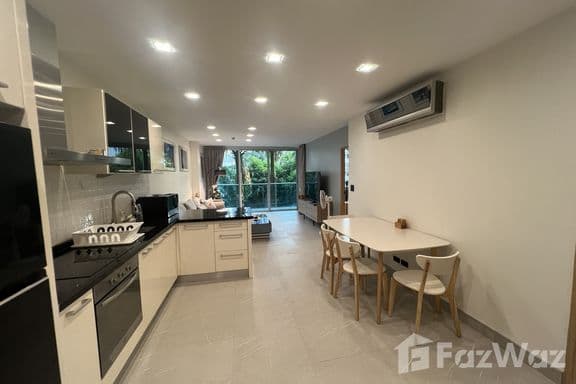
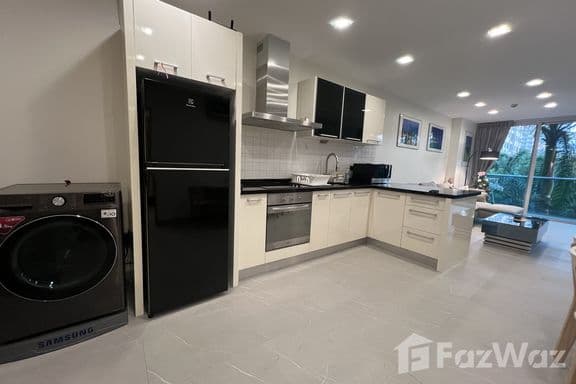
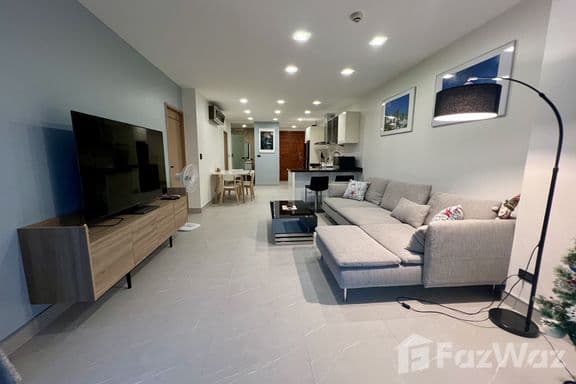
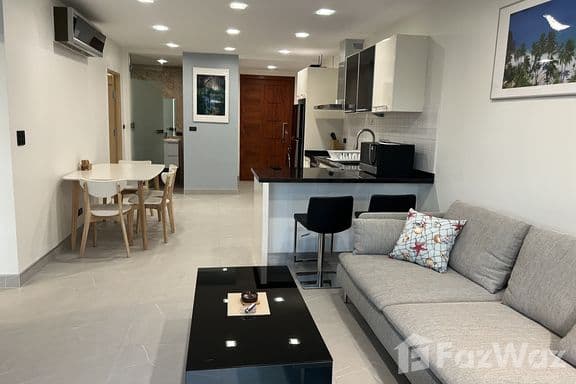
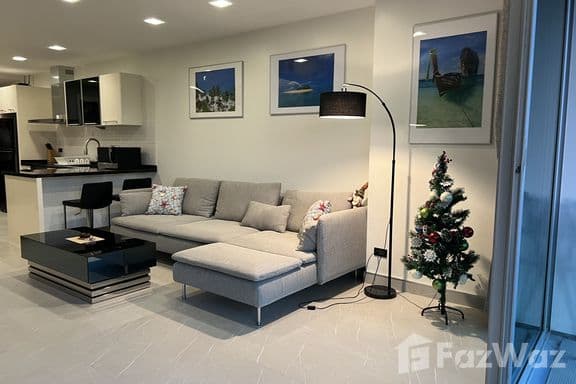
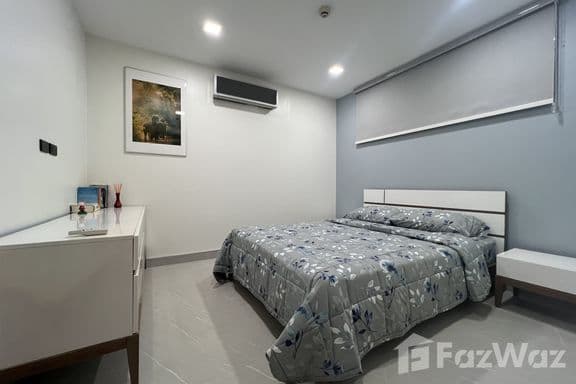
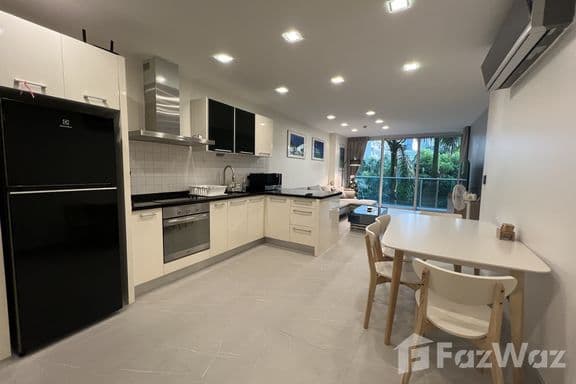
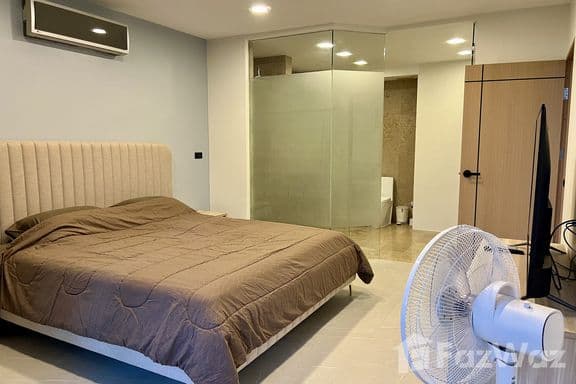
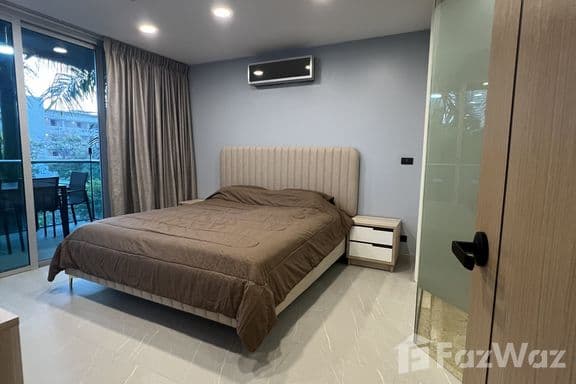
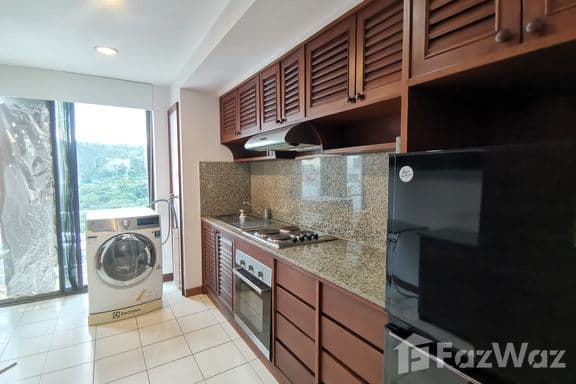
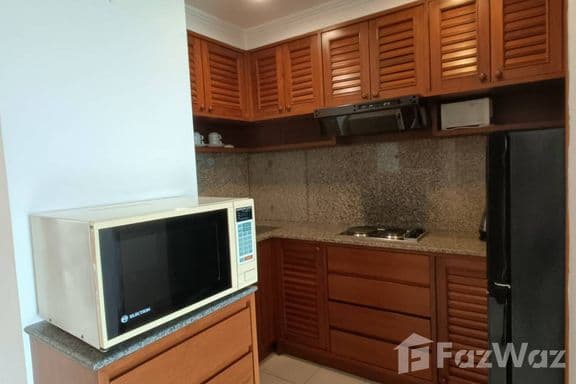
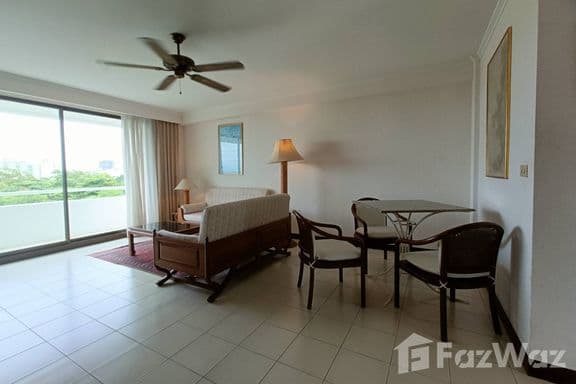
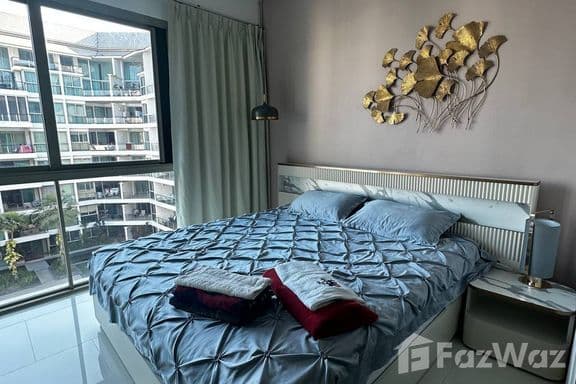
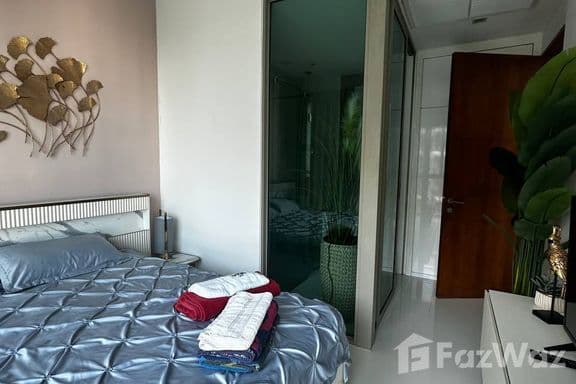
A: Yes, the majority of rental apartments and condos in Pattaya come fully furnished, especially those targeted at foreign renters. This is one of the advantages of renting here – you typically don’t have to spend money on furniture or appliances. A standard furnished condo will include basics like a bed, wardrobe, sofa, dining table and chairs, TV, and a equipped kitchenette (fridge, microwave, stovetop, etc.). It will also have things like air conditioning units (essential in Thailand). Many will also provide some kitchenware (plates, kettle, etc.), though the extent can vary – you may need to buy or bring your own small items. Some higher-end places even include linens and small appliances like a rice cooker or toaster. On the other hand, if an apartment is listed as unfurnished, it’s usually one in a more local or long-term geared building and the rent might be lower. Unfurnished means you’d have to supply your own furniture and sometimes even appliances like a fridge or washing machine. This is uncommon for short-term or one-year rentals to foreigners, but could be an option for someone planning to stay many years and personalize the space. Always check the listing details and do a walkthrough: ensure the furniture is in good condition, and see what’s included (for example, is there a washing machine in the unit? Many condos have them, but some rely on shared laundry facilities or none at all – which means you’d use outside laundromats). If you have specific needs (like an extra desk for working from home), you might need to purchase it yourself, but sometimes landlords are willing to provide additional items if requested, or you can negotiate a slightly higher rent for them to furnish something extra. In summary, “fully furnished” is the norm in Pattaya rentals, making it convenient to move right in.
Q: Is Pattaya a safe place for foreign renters?
A: Generally, yes, Pattaya is safe for foreign residents, but like any city, it has areas and situations where caution is advised. In terms of violent crime, Pattaya is relatively low-risk; you’re unlikely to face serious threats if you use common sense. Most foreigners feel secure living here. Condo buildings and apartment complexes usually have good security measures – expect 24-hour security guards, CCTV cameras, keycard access for elevators or front doors, etc. Choosing a building with professional management adds peace of mind. Petty theft can happen (like motorbike or bicycle theft, or pickpocketing in crowded markets), so tenants should lock their doors and not leave valuables in plain sight. When evaluating an apartment, consider the neighborhood’s safety: Is the street well-lit at night? Are there security guards or a controlled entrance? Many expats prefer buildings that are not directly adjacent to late-night bars or clubs, to avoid the occasional disturbances. In quieter residential areas and expat enclaves, it’s common to see residents walking around at night without issue. If you plan to ride a motorbike (a common mode of transport), the greatest safety concern is actually road safety – Pattaya’s traffic and driving habits can be hazardous, so take precautions there (wear helmets, don’t drive under influence, etc.). Also, be mindful of scams or overly friendly strangers – Pattaya has a party-town reputation which, while fun, also means you should keep your wits about you when enjoying the nightlife (e.g., watch your drink, secure your belongings). As a renter, also ensure any house or ground-floor unit has proper locks and maybe burglar bars if in a less busy area. But overall, many foreigners, including single women and retired couples, live comfortably in Pattaya. By selecting a reputable apartment complex and staying aware of your surroundings, you should feel safe and at home. Pattaya has a significant expat population, so local authorities are quite accustomed to foreigner needs and the expat police volunteers even assist tourists and expats in some areas. It’s a well-trodden path: tens of thousands of foreigners live here without incident.
Q: Can a foreigner legally rent property in Pattaya? Do I need any special documents or permits?
A: Foreigners are legally allowed to rent apartments, condos, or houses in Thailand with no special permit required. You do not need to be a Thai citizen or have a work permit just to rent a place. Many foreigners in Pattaya are on retirement visas, spouse visas, student visas, or even tourist visas and they rent apartments without issues. The important thing is that you have a valid visa to stay in Thailand; your landlord isn’t typically responsible for your immigration status (though by law they will need to report your residency to immigration via the TM30 form, but that’s a formality mostly handled behind the scenes). Documents: To sign a lease, you’ll usually just need your passport (the landlord will take a photocopy of your ID/passport and visa page). Some landlords or agencies may ask for proof of your current visa or length of stay, and occasionally (though not commonly for standard apartments) a landlord might ask if you have a work permit or Thai bank account, etc. This is more likely for renting high-end properties or if the owner is just cautious, but it’s not mandated by law. If you go through a real estate agent, they will guide you on paperwork – typically it’s just the lease contract and your ID. Deposits and Payments: There’s no legal barrier for foreigners regarding paying rent or deposit. You can pay in Thai Baht (cash, bank transfer, etc.). If you’re new to Thailand without a local bank account, you might pay cash initially or use an international transfer service – this is usually fine. One thing to note is that for condo rentals, technically the condominium juristic office (management) should be informed that a new tenant (you) is occupying the unit – some will have you register your name for security. This is routine and not a problem; just be aware you might be asked to fill a simple form at the condo office after moving in so they know who’s living there (again, partially for the TM30 immigration reporting which either they or the owner will do). In summary, there are no special permits or work authorization needed to rent – it’s a straightforward process and common for all sorts of foreign visitors. Just ensure you do have a proper visa to stay in Thailand and you follow immigration rules during your stay.





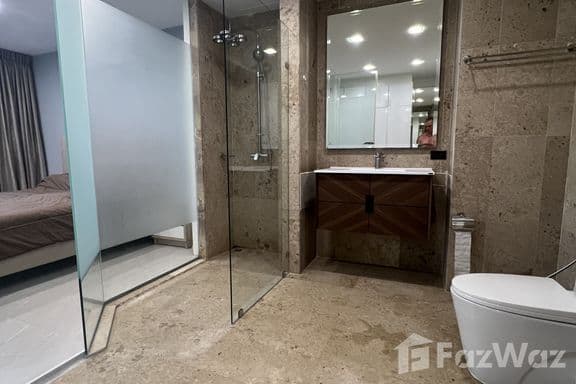
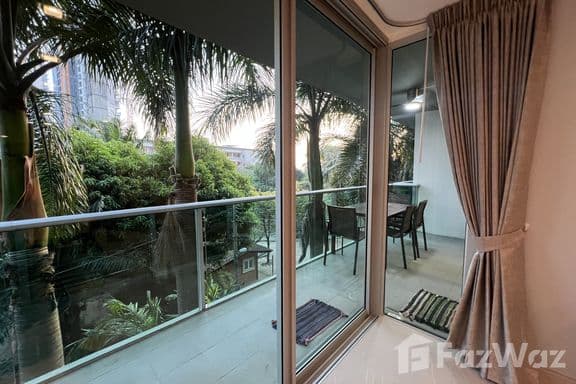
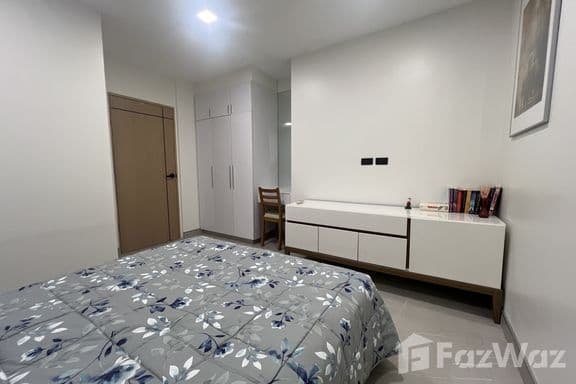
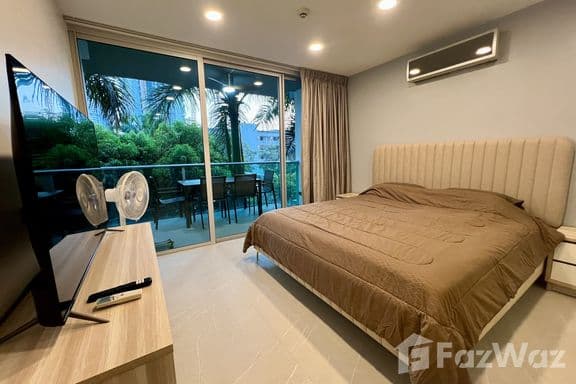
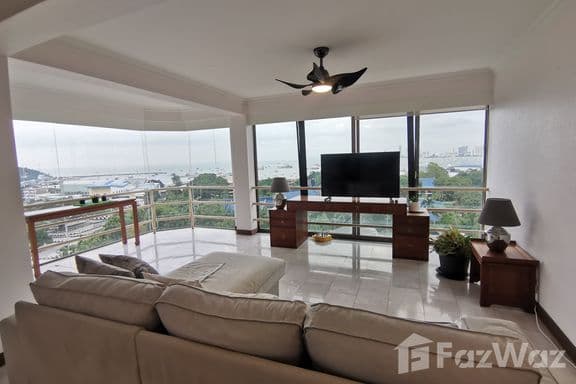
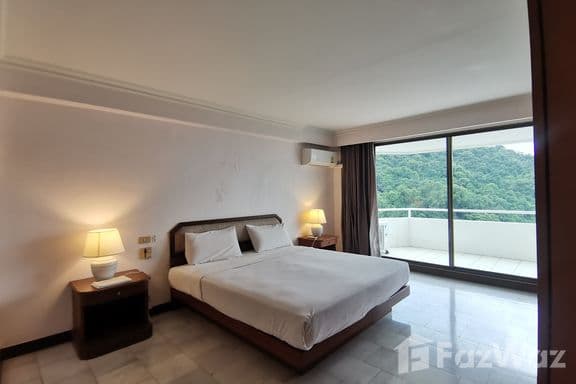
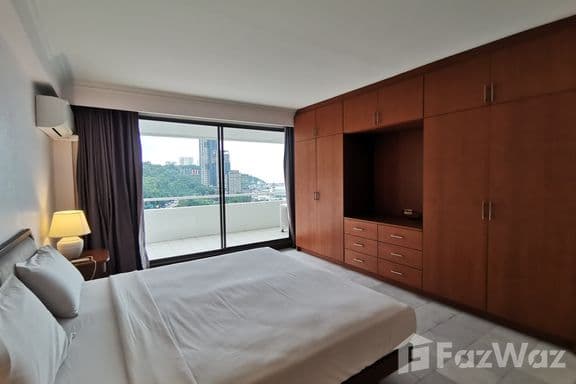
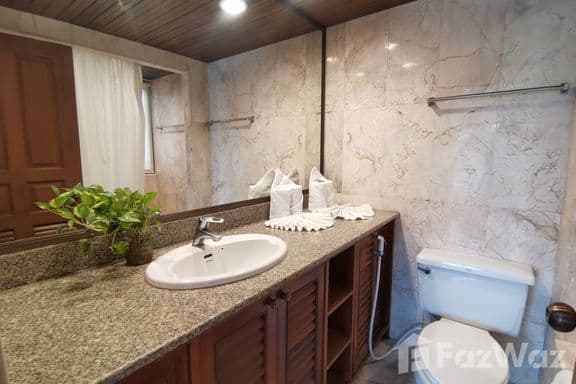




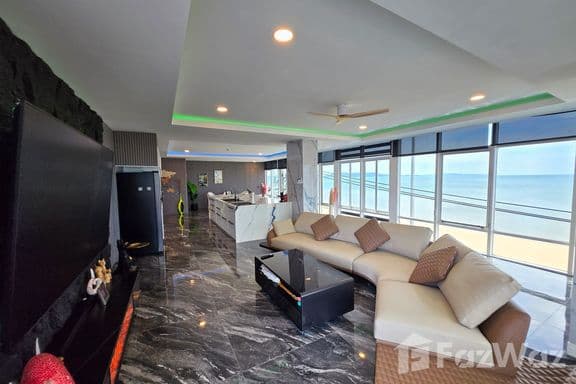
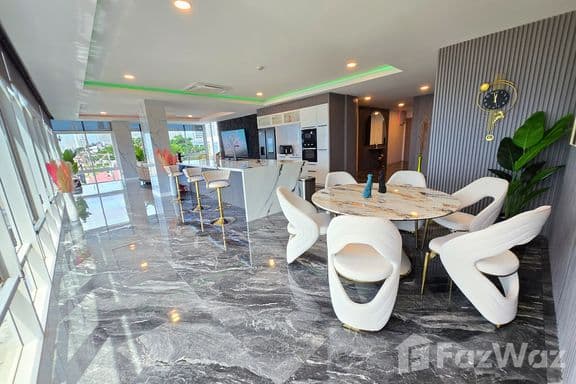
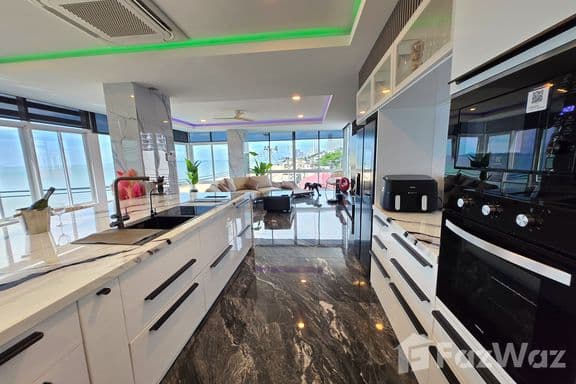
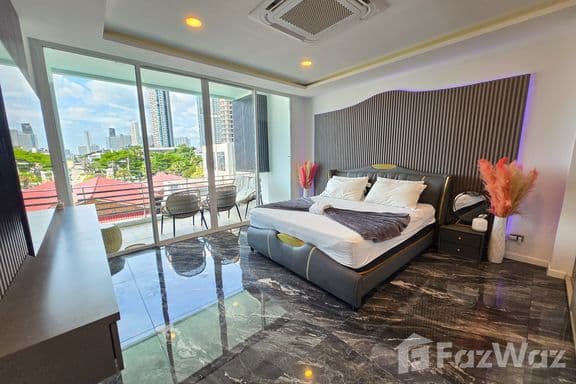
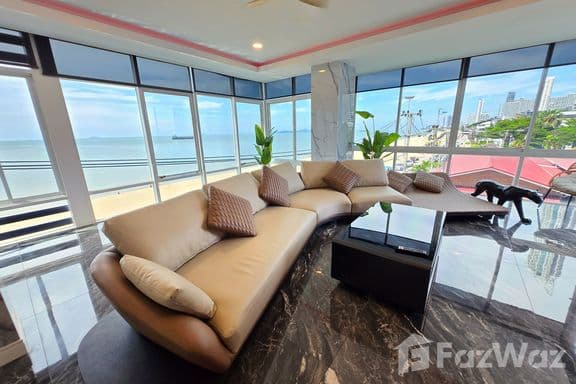
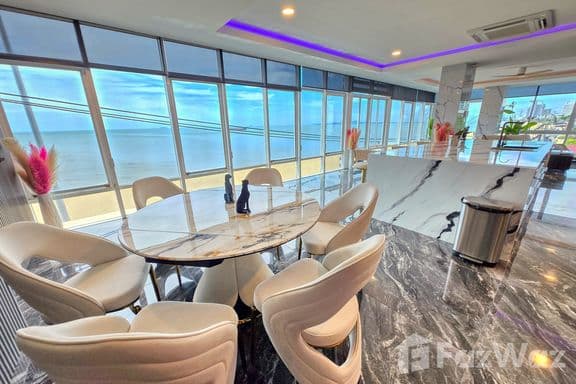
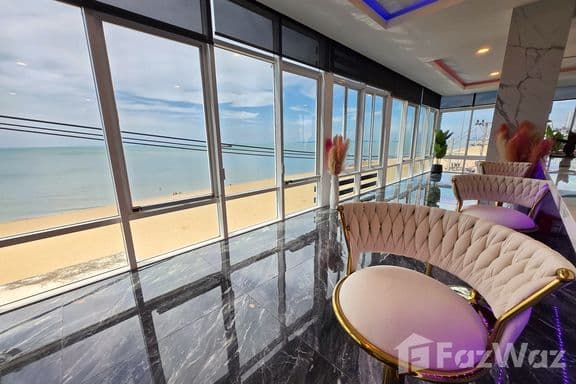
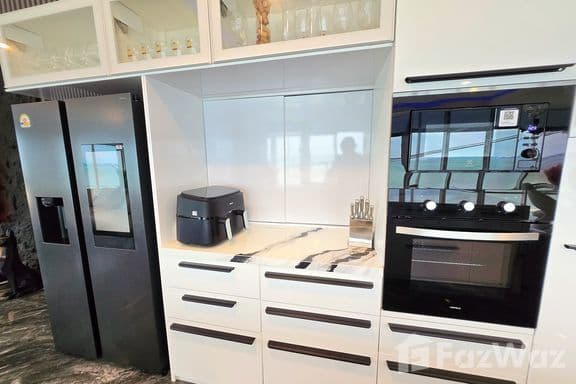

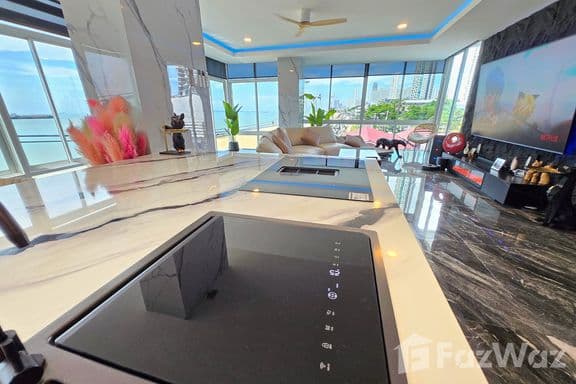
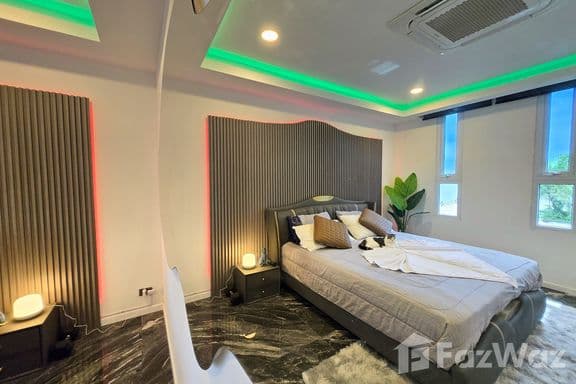
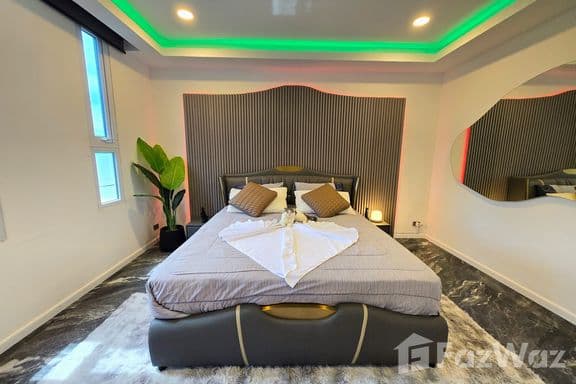




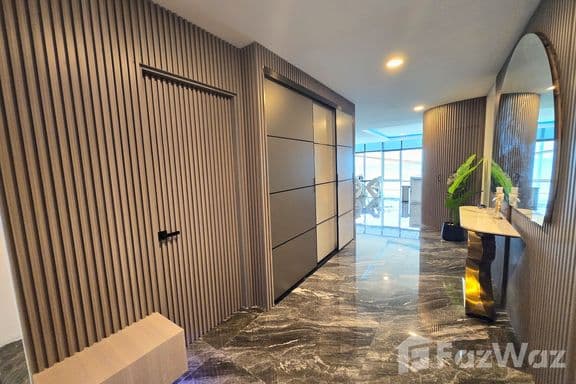


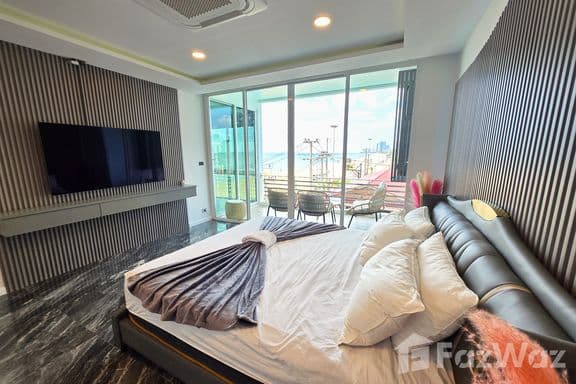
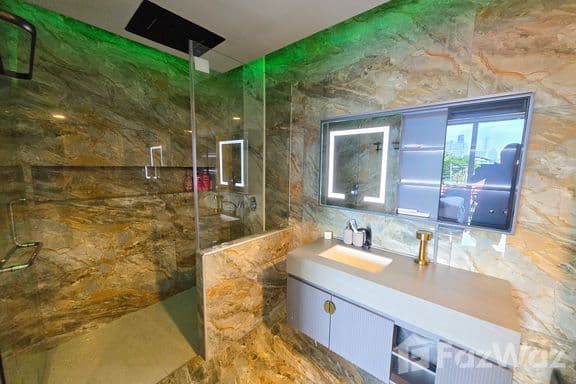
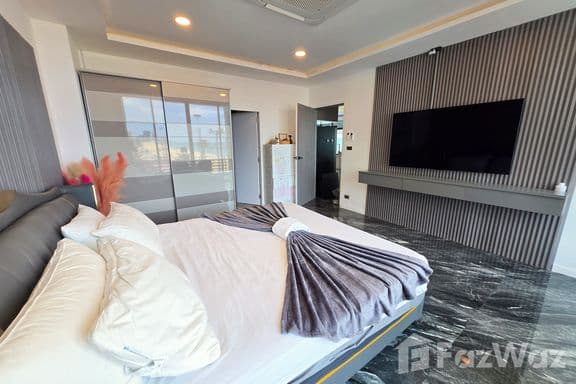
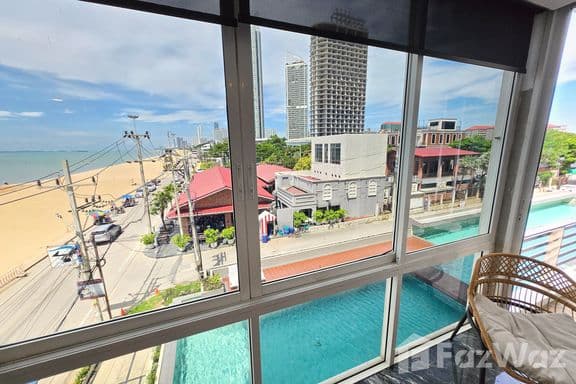
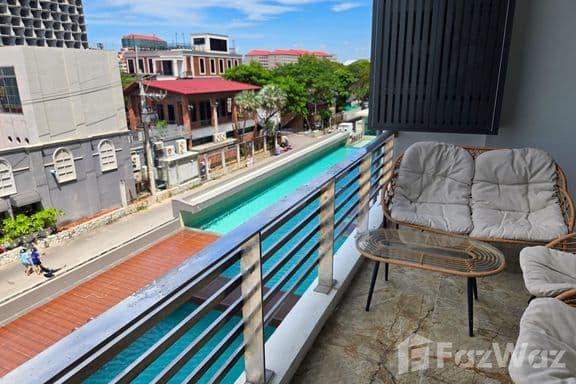
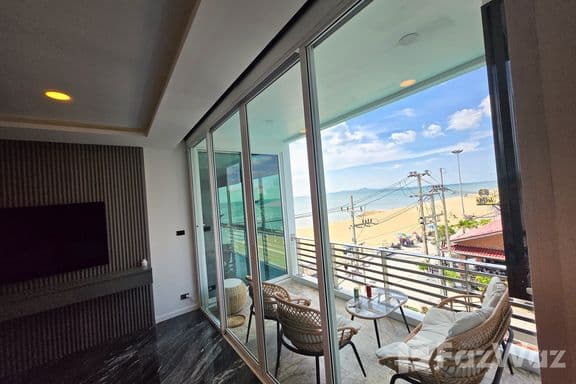
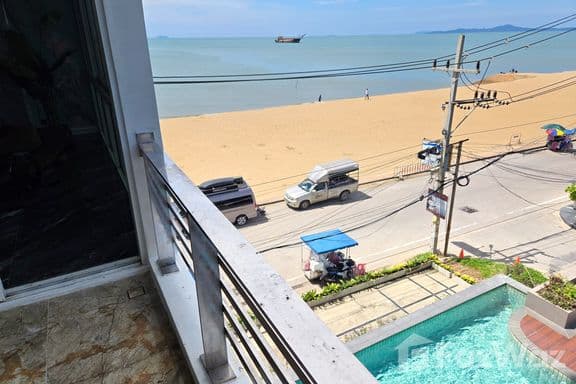











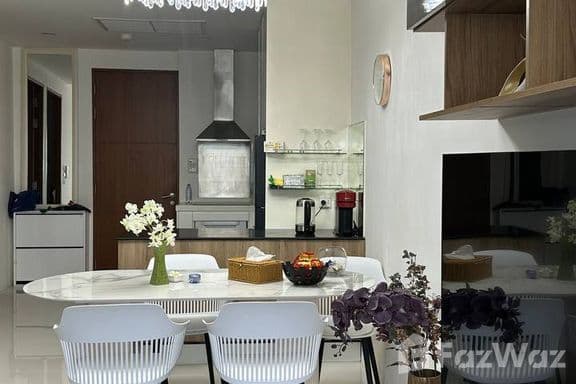
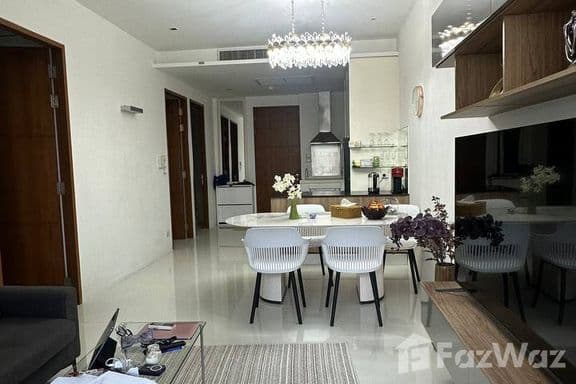
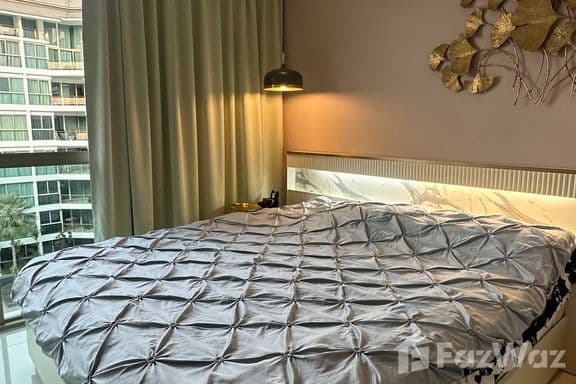
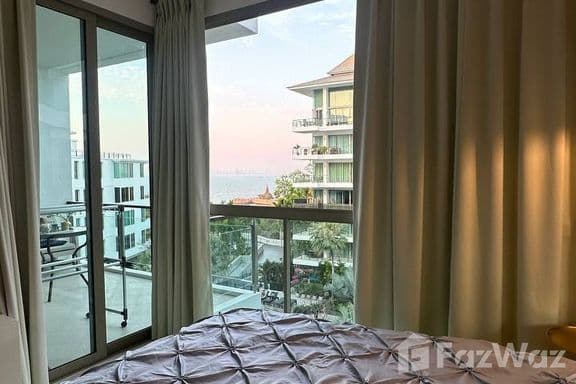
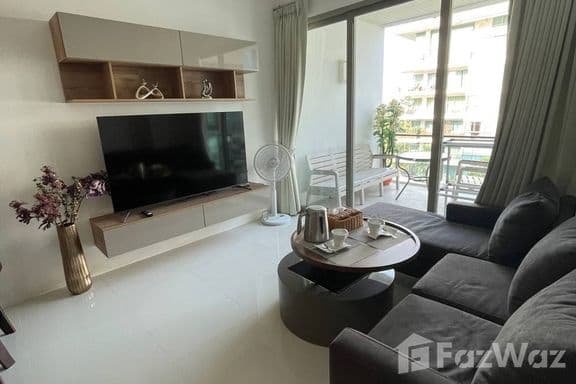
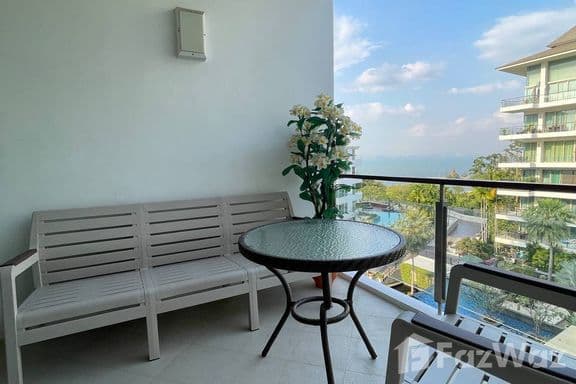
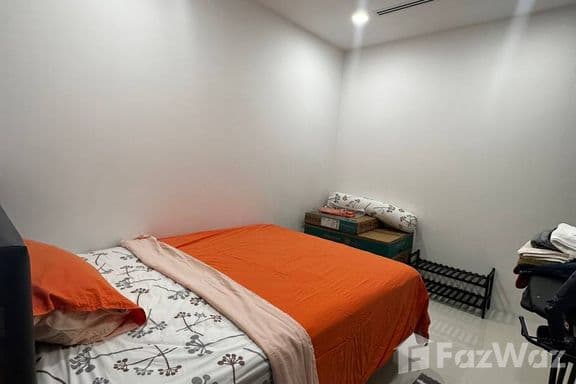





 Popular condos in Pattaya

