Apartments for Rent in Thailand
Are you looking for apartments for rent in Thailand? Thailand offers a wide array of rental homes to suit every lifestyle and budget. Whether you’re a busy expat professional, a digital nomad on the move, or a retiree seeking a peaceful seaside haven, you can find the ideal long-term apartment in Thailand. From modern high-rise condos in Bangkok to beachfront flats in Phuket or historic lofts in Chiang Mai’s old town, our listings span the country’s top destinations. Explore Thailand rental apartments with confidence: each listing is detailed, vetted, and up-to-date. Enjoy a smooth rental experience with transparent terms, trusted local agents, and a variety of apartments from studios to multi-bedroom suites. No matter where your journey takes you — Bangkok, Phuket, Pattaya, Koh Samui, Hua Hin, or Chiang Mai — you’ll find competitive prices and flexible leases. Thousands of foreigners find their homes via our platform each year, making DotProperty a trusted leader for apartments in Thailand.
Thailand Rental Market Overview
Thailand’s rental property market has shown resilience in 2024–2025. Economic slowdowns and tighter credit have led many Thais and foreigners to favor renting over buying. Industry reports indicate rental searches surged (around +13% year-on-year) even as purchase searches fell, reflecting a shift in mindset: renting offers more flexibility and lower upfront cost in the current climate. Condominiums dominate the urban rental market – about three out of four city renters choose condos, especially in Bangkok and regional capitals – while single-family homes account for most of the rest. Among these, one-bedroom apartments are by far the most popular choice, balancing space and affordability.
Nationally, average rents have been creeping upward. In early 2024, rents for high-rise non-landed units in Bangkok rose significantly, and even traditional houses saw hefty rent increases. Market data show that around 40–45% of listings fall in the mid-range (approximately THB 10,000–30,000 per month), catering to younger professionals, small families, and budget-conscious expats. Higher-end and luxury units command more, but even they are seeing brisk demand.
Tourism’s return is also boosting rental activity. Thailand welcomed over 35 million foreign tourists in 2024, pushing hotel and serviced-apt occupancy back above pre-pandemic levels. In Bangkok alone, average hotel occupancy was around 76% in early 2025, indicating robust tourism. This rebound spills into the apartment market: owners of vacant condos increasingly rent to tourists and long-stay visitors when possible. Provincial hot spots are seeing especially strong demand: Chonburi (Pattaya/Sriracha area) leads with about 38% of provincial rental interest, followed by Chiang Mai (17%), Hua Hin (11%), and Phuket (6%). For example, Patong Beach in Phuket has seen land values and rents surge, rivaling some Bangkok neighborhoods, as both locals and foreigners seek island living.
Overall, Thailand’s economy and rental outlook remain stable. Interest rates have eased slightly, inflation is low, and the government has introduced new long-stay visas attracting professionals and retirees. Builders continue delivering projects, but most developers now focus on affordable condos to meet demand. In sum, Thailand’s rental market in 2024–2025 is diverse and active: expat-friendly apartments are plentiful, especially in prime areas, and pricing remains competitive. By understanding current trends and choosing the right location, renters can confidently find a home to suit their needs.
Popular Rental Destinations
Bangkok
Bangkok, Thailand’s bustling capital, offers thousands of apartments for rent to expats and young professionals. The city provides a vast range of options: from serviced towers in central business districts to affordable flats in suburban neighborhoods. Central areas along the BTS/MRT lines – such as Sukhumvit (Thonglor, Ekkamai, Asoke) and Silom/Sathorn – are highly desirable for their convenience and international vibe. These prime locations command higher rents but offer easy access to offices, shopping malls, international schools, and nightlife. For example, a well-appointed one-bedroom apartment in central Bangkok typically rents for roughly ฿15,000–30,000 per month, depending on amenities and building age. In contrast, similar units on the outskirts (areas like Bang Na, Ladprao, or Rama 9) can be found for about ฿8,000–12,000. Bangkok also has many fully-furnished serviced apartments (especially near the city center) that cater to short-term professionals – convenient but at a premium price.
The city’s vast transit network and relative affordability (compared to other global cities) mean even fringe neighborhoods are popular. Renters should consider commute routes: living near a BTS or MRT station can justify higher rent for the time saved in traffic. For longer-stay tenants, dealing directly with local agents can yield unfurnished units (sometimes slightly cheaper), though most Bangkok rentals include basic furniture like a bed, sofa, TV, refrigerator, and air conditioner. In any case, Bangkok’s rental diversity ensures there’s something for every budget and lifestyle.
Chiang Mai
Chiang Mai, in northern Thailand, is known as a digital-nomad and retiree hub with a relaxed vibe. The rent-for-apartment scene here is smaller than Bangkok’s but very active. Rentals include modern condominiums, traditional Thai-style houses, and apartment complexes. Popular expat areas are Nimmanhaemin (a lively street full of cafes and co-working spaces), the Old City (historic center), and Hang Dong (quiet suburb outside town). Many apartments are fully furnished and equipped with high-speed internet – a must for nomads and tech workers.
Prices in Chiang Mai are notably lower: a one-bedroom apartment in the city center often rents for around ฿10,000–15,000 per month, while outside the core it can be as low as ฿5,000–10,000. For instance, Numbeo’s data lists city-center 1BR rent around ฿14,500 and suburban 1BR near ฿8,000. The value-for-money and pleasant climate attract students, retirees, and entrepreneurs. New condo projects tailored to expats even feature co-working spaces and communal gardens. If you value greenery and a slower pace, Chiang Mai’s apartment market is very appealing – just be sure to check if older homes have good insulation and AC, as temperatures can still get warm.
Phuket
Phuket is Thailand’s largest island and a year-round tourist magnet. The rental market here caters to both holidaymakers and full-time residents. You’ll find beachfront condos with sea views, hillside villas, and city apartments in Phuket Town. Areas like Patong, Kata, and Karon (on the west coast) are hot spots, offering both the excitement of nightlife and beach access. Rents are relatively high by Thai standards: a one-bedroom in a desirable central Phuket condo might run ฿15,000–25,000 per month (often ~฿20,000 or more), while more inland or older units may be closer to ฿10,000–15,000. Long-term leases for fully-furnished apartments are common outside peak tourist season, sometimes with discounts for extended stays.
Western expats and retirees often choose parts of Phuket for the lifestyle and infrastructure – international schools, hospitals (e.g. Bangkok Hospital Phuket), and golf courses. The island also has a selection of serviced residences (especially near the airport and main roads) where utilities and cleaning can be bundled into a flexible lease. Keep in mind that Phuket’s market is somewhat seasonal: many rentals are aimed at tourists, so long-term tenants may find better deals in the “off-season” (May–October). Areas like Chalong or Thalang (near new development zones and industrial areas) offer more affordability while still having easy access to shopping and services.
Pattaya (Chonburi)
Pattaya, in Chonburi province, is a bustling beach city popular with retirees, families, and foreign residents. Numerous high-rise condos line Pattaya Beach and Jomtien Beach, often with shared pools and fitness centers. Rental demand here surged post-pandemic as many foreigners returned; roughly 38% of outside-Bangkok rental interest is in Chonburi (including Pattaya). A one-bedroom in central Pattaya (near South Pattaya or Jomtien) usually rents for about ฿12,000–18,000 per month, whereas similar units in less touristy zones (North Pattaya or Sattahip) can be ฿8,000–12,000.
Pattaya offers a mix of entertainment and convenience. Expats living farther from the center still enjoy shopping malls, international schools, and a large expat community. Because Bangkok is only about two hours away by highway, some workers choose Pattaya for lower rent and commute as needed. Family neighborhoods like Wongamat and East Pattaya are quieter and pricier, while Central Pattaya is lively and in high demand. If nightlife or beachfront living appeals to you, Pattaya’s rental variety – from studio condos to multi-bedroom units – means there’s usually a match. As with other cities, negotiating a longer lease can help secure better rates.
Koh Samui
Koh Samui, an island in the Gulf of Thailand, offers an island-living alternative for renters. This mid-sized island has a fairly international vibe, especially in towns like Chaweng (bustling beach town) and Bophut (charming Fisherman’s Village). Rental options include low-rise condos and villas with tropical views. Because the market is smaller, expect fewer skyscrapers – most buildings are 4–8 stories. A furnished one-bedroom apartment in Samui’s main towns might cost around ฿12,000–18,000 per month. Market surveys suggest average city-center 1BR rents near ฿18,000. Outside the main villages (areas like Nathon or Maenam), you can find rentals as low as ฿8,000–12,000 for a simple apartment or house.
Renters on Koh Samui often benefit from included utilities or services; some leases bundle in internet, cable, or even airport transfers. The island’s slower pace and natural beauty attract retirees and remote workers. However, infrastructure can differ from the mainland: power cuts happen occasionally, and wifi quality varies by area. Still, Koh Samui has international hospitals and international flights, making it comfortable for foreigners. In short, Samui rentals range from resort-like beachfront condos (top prices) to friendly village apartments (more modest rents). Many landlords welcome long-term tenants, especially in the quieter low season, so you may negotiate extra perks or lower rent for a yearly contract.
Hua Hin
Hua Hin is a relaxed seaside town in southern Thailand (Prachuap Khiri Khan province) that has long been favored by retirees, Thai royalty, and weekenders from Bangkok. The vibe is much quieter than Pattaya or Phuket. Renting in Hua Hin often means moving into secure residential communities or modern condo buildings. Many expats here live in Western-style gated developments with amenities like clubhouses and golf courses nearby. Central Hua Hin offers easy access to markets, restaurants, and the famous beach boardwalk, and condos near Cicada Market or BluPort Mall are in demand.
Rental prices in Hua Hin are generally lower than the larger cities. One-bedroom units near the town center or beach typically run about ฿10,000–15,000 per month; just a short drive away you’ll find ฿8,000–12,000 deals. For reference, cost-of-living data lists Hua Hin’s average city-center rent around ฿13,000 per month and ฿9,500 in the suburbs. Unlike touristy Phuket, Hua Hin’s rental market is stable year-round. Many Thai families own holiday condos and are willing to lease them long-term. Since it’s only about 2–3 hours by car from Bangkok, Hua Hin feels like a resort town with close ties to the capital. If you prefer a laid-back beachside lifestyle (with golf courses and fresh seafood), Hua Hin provides excellent value for your rent.
Apartment Types and Features
Thailand offers a variety of apartment and condo types to fit different needs. As a renter, you’ll see:
- Studio: A single-room unit combining bedroom, living space, and kitchenette. Studios are compact and budget-friendly, good for singles or couples without much furniture.
- One-Bedroom (1BR): Separate bedroom and living area; the most popular choice for expats and small families. Sizes typically range 30–50 m² in newer buildings. These units usually include a built-in kitchen or kitchenette.
- Two-Bedroom (2BR) and Larger: More space for families or roommates. These often come with additional balconies or storage. Larger apartments (3BR+ or penthouses) are available too, but rent correspondingly more.
- Serviced Apartments: Furnished units (studio or multi-bedroom) with hotel-like services (daily cleaning, reception desk, sometimes utilities included). Ideal for short stays or newcomers who want convenience. They cost more per month and often allow flexible leases (pay-by-week or month).
- Houses and Townhouses: Stand-alone or attached houses, often in suburbs or villa estates. These usually lease unfurnished or semi-furnished. A house typically means a yard and garage, and rent is priced accordingly (often similar to a high-end condo).
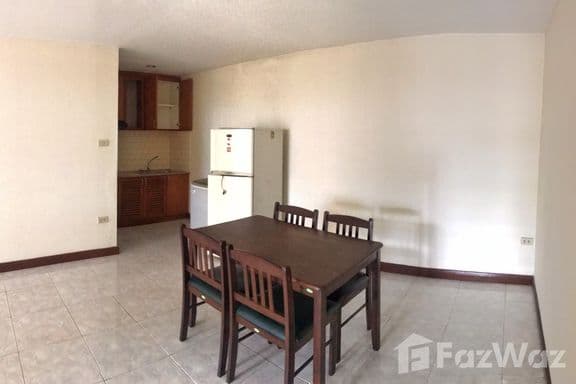
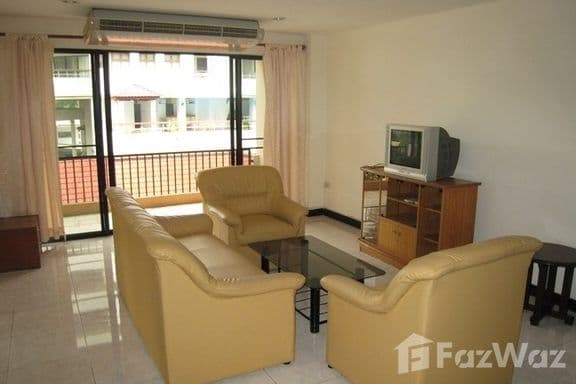
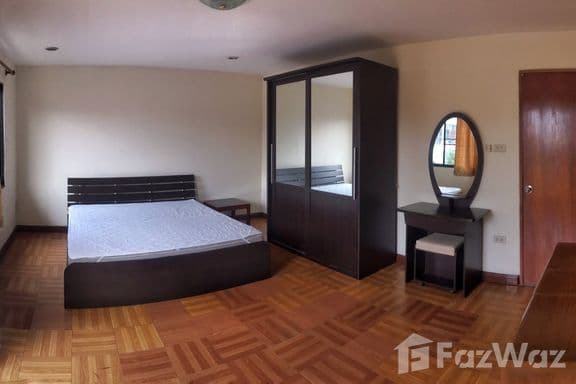
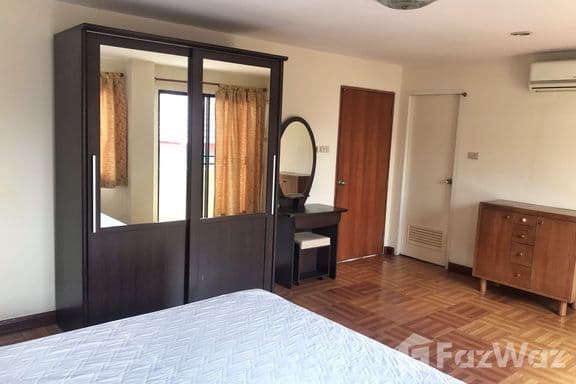
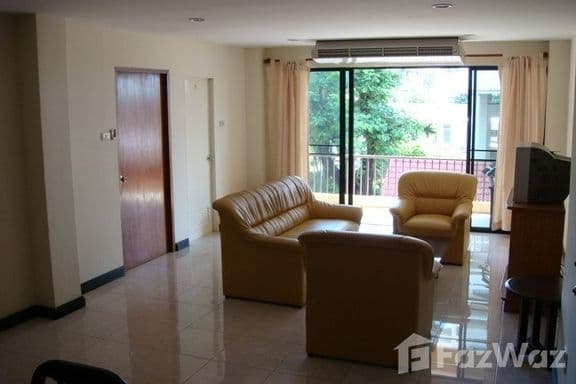
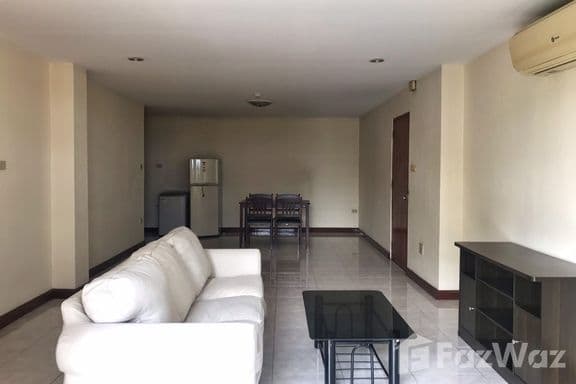
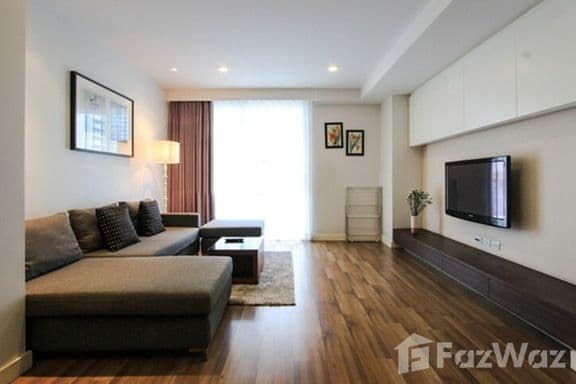
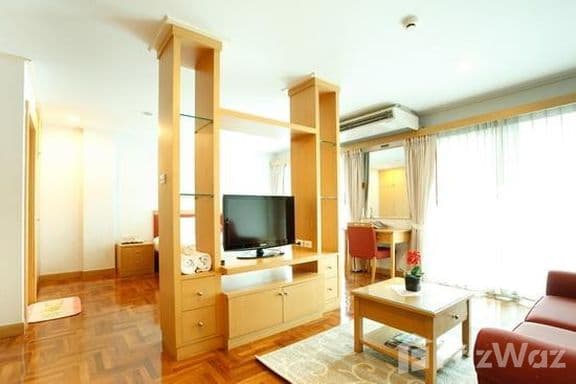
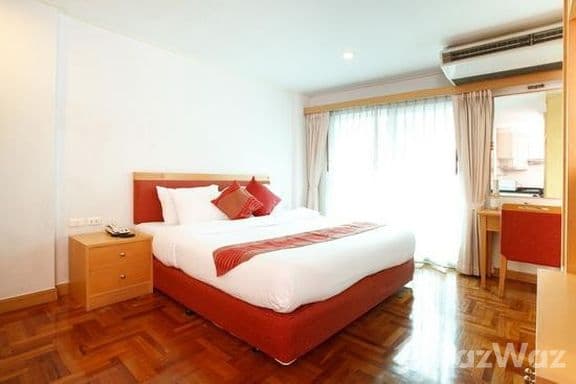
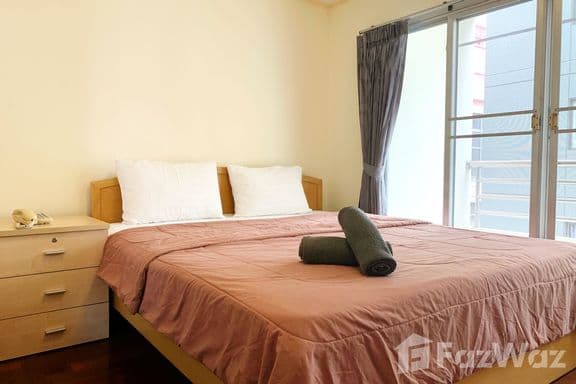
Most condos and apartments in Thailand come fully furnished, including essentials like a bed, sofa, dining table, TV, refrigerator, and air conditioner. Unfurnished units exist (especially in older or smaller buildings) but are less common. If you do rent an unfurnished flat, expect to negotiate and arrange furniture yourself. Many landlords offer add-on furniture (e.g. an extra mattress or dresser) for a small fee.
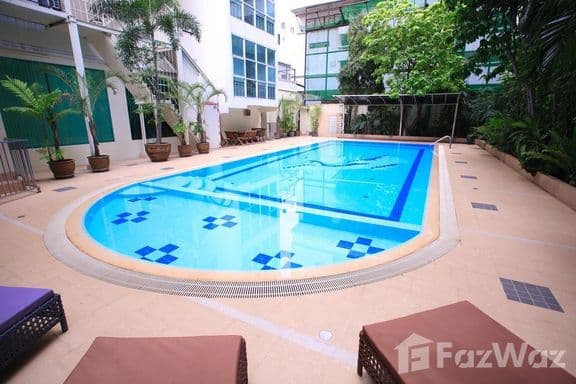
Building amenities are a big draw. Newer condo developments typically feature swimming pools, fitness centers, 24-hour security, gardens, and parking. If you choose an older or smaller building, those perks may be limited. Note that many condos charge a monthly maintenance (common area) fee of around ฿30–50/m² (often included in your bill as a small amount per square meter of living space). These fees cover gate security, pool/gym upkeep, and cleaning.
Utilities and Extras
When budgeting, remember to include utilities. In most rentals:
- Electricity & Water: Tenants pay these based on actual meter readings. Electricity in Thailand is charged by the unit (kWh). Expect roughly ฿4–6 per kWh for heavy users; running an air conditioner 8 hours a day can cost a couple thousand baht per month. Water is cheaper (around ฿20–30 per unit, with a nominal meter reading). Some condos add a monthly water surcharge (~฿100–200) on top of usage.
- Internet and Cable: Home internet plans (50–100 Mbps) run about ฿400–600 per month. Some landlords include basic cable TV or Wi-Fi; often, you’ll sign up yourself with AIS, True, or another provider.
- Other Fees: Condos might charge for cable TV access, parking, or additional storage. Clarify in the lease what’s included versus extra.
In short, apartments here vary from simple studios with nothing beyond furniture, to luxury flats with all services included. Identify your priorities (e.g. pool/gym, security) and budget accordingly. A good rule: new buildings in prime areas cost more but often include more amenities and better maintenance.
Short-Term vs Long-Term Rentals
When renting in Thailand, first decide how long you need the apartment:
- Long-Term Rentals: Generally 6–12 months (or more) contracts. Long-term leases require a written agreement, a security deposit (typically 2–3 months’ rent), and first month’s rent up front. The benefit is a significantly lower monthly rate. For example, a one-year lease on a one-bedroom condo might be ฿15,000 per month, whereas a short-term apartment could cost ฿700–1,500 per day in peak season. Long-term leases suit expats on work contracts, families, or anyone sure of their stay. Landlords in Thailand often prefer these: tenants with stable contracts mean less turnover for them.
- Short-Term Rentals: Available from a few days up to 3 months. These include hotels, Airbnb/VRBO apartments, guesthouses, and serviced apartments. They charge higher daily or weekly rates, but you avoid a big deposit or long commitment. Short-term leases are perfect for tourists or people still exploring before committing. Thailand has many fully-serviced apartments designed exactly for this clientele (think of them as hotel rooms with kitchenettes). If you need flexibility or are here on a short visa, this is the way to go.
- Month-to-Month Options: Some places offer 1–3 month leases at a slight premium. A common strategy is to start with a 1–2 month stay (often on a serviced-apartment deal) to check the area, and then sign a standard 12-month contract once you find the right place. Be aware: lease breaks usually incur penalties (often loss of the deposit) unless a “diplomatic clause” or notice period is built in.
Important to note: In Thailand, a lease over 3 years must be stamped and registered at the Land Office to be fully enforceable, and leases have a maximum renewable term of 30 years. But almost all rentals are 1-year or shorter, so you’ll rarely need to worry about that legal detail.
Lease Agreements, Deposits, and Payments
In Thailand, always insist on a written rental contract. Verbal agreements are unenforceable here. A standard lease should cover the duration (typically 12 months), rent amount and due date, payment method, included utilities, and deposit conditions. Here are key points to confirm in your rental agreement:
- Lease Term & Renewal: Most contracts are for one year, often with an option to renew. If you plan to stay longer, check if the contract automatically renews or if you need to give notice (usually 30–60 days in advance) before the end date. Know whether your landlord intends to raise the rent upon renewal; sometimes leases specify a maximum increase (for example, 5–10%) or that rent stays the same for the term.
- Security Deposit: Landlords typically collect 2–3 months’ rent as a deposit, plus one month’s rent as advance. (In rare cases, larger property owners might accept just 1 month’s deposit.) This money secures the agreement and covers any damage. By law, the deposit must be refunded after you move out (often within 7–30 days), minus any legitimate deductions (unpaid bills, repairs beyond normal wear). Under Thai practice, the deposit cannot be used as last month’s rent unless the contract explicitly allows it. Always document the flat’s initial condition (preferably with photos and a signed checklist) so you can contest unfair deductions.
- Payment Method: Rent is usually paid in Thai baht, once a month by bank transfer or ATM. Confirm the exact account number and name on the contract. Many landlords even provide a payment slip or allow mobile banking. Keep all payment receipts. Paying late is a breach of contract; a grace period of 3–5 days is common, but late fees (around 1–2% of rent) may apply after that, as per your contract.
- Utilities and Fees: Clarify which utilities you must pay. Typically, tenants pay all electricity and water. (Some condos bill all tenants a flat water fee each month, so ask if there’s a fixed surcharge.) Internet and cable are usually set up and paid by the tenant. If the building charges any maintenance or parking fee, it should be specified. Asking “total move-in cost” (rent + deposit + expected bills) in advance is wise so you aren’t surprised.
- Inventory & Condition: It’s common to create a move-in inspection list. Walk through the apartment with the landlord or agent, noting any scratches, stains, or broken appliances on a form. This protects you from being blamed for pre-existing damage. Having it signed by both sides is ideal.
- Guarantors and Documentation: Thai law doesn’t require a Thai guarantor for foreigners, but some landlords or agencies may still request one (called kho kham) for security, especially for students or tenants without a steady local income. Typically, a neighbor, friend, or employer in Thailand can act as guarantor. If this is an issue, landlords often accept a larger deposit instead. Foreign tenants should have their passports and visa/permit ready. A work permit or bank statements showing income can also ease negotiations, but are not strictly mandatory. In many cases, simply paying a few months’ rent in advance can substitute for a guarantor.
- Termination & Break Clause: Check if the lease has an early-termination clause (sometimes called a diplomatic clause). Without it, ending the contract early usually means forfeiting the deposit. If you anticipate a possibility of relocating, ask for a clause that allows a short notice (often 60 days) and return of deposit. Also, note that if the landlord fails to keep the apartment habitable, you may have grounds to void the lease under Thai law, but minor inconveniences (like slow repairs) typically do not legally cancel rent obligations.
In summary, Thai rental law is very contract-driven. All key terms – rent adjustments, notice periods, inclusion of utilities – must be clearly stated. Consider having bilingual contracts (Thai and English) to avoid misunderstandings. If the landlord insists on Thai only, ask for an English translation of critical parts. Finally, stamp the contract if it’s for more than three years (usually not needed for common 1-year leases) – this involves a small tax at the land office.
Tenant Rights and Legal Considerations
Thailand’s landlord–tenant relationship is governed by contract and civil law, rather than strong statutory “tenant protection” rules. However, tenants do have certain rights when the lease is well-drafted:
- Security Deposit: By law, the deposit should be returned after you vacate, normally within 30 days. Deductions can only cover reasonable costs (unpaid utility bills, repairs for any damage beyond normal wear, etc.). To ensure a full refund, document the apartment’s condition when moving in (with dated photos or a signed checklist). If the landlord tries to keep your deposit unjustly, you can file a claim with the local authorities or pursue it in court, although most disputes settle through negotiation.
- Repairs and Maintenance: The landlord must deliver the apartment in a safe, functioning condition. Major repairs (electrical wiring, plumbing leaks, structural issues) are the owner’s responsibility. As a tenant, you should take care of minor upkeep (like changing a lightbulb or unclogging a drain). Importantly, tenants cannot legally withhold rent even if the landlord delays fixes; rent must be paid as agreed. If the property becomes unsafe or unlivable (for example, a severe termite infestation or no water supply), you may have legal grounds to terminate the lease or demand repairs. In practice, communicate problems to the landlord first – often small issues are resolved amicably.
- Quiet Enjoyment: Once you rent an apartment, you have the right to use it peacefully. This means the landlord should respect your privacy. Except for emergencies or pre-arranged maintenance, the owner must not enter the unit without permission. Unannounced, frequent intrusions could be a violation of your lease, and in such cases you could insist on compensation or improved terms. As a tenant, you must use the property responsibly: pay rent on time, keep the place clean, avoid damaging things, and not sublet the unit without permission (most Thai leases forbid subletting unless explicitly allowed).
- Lease Termination: If you and the landlord both follow the contract terms, the lease runs its course (commonly 12 months). You must move out on the end date unless a new agreement is signed. If rent is unpaid, the landlord can give a written notice and ultimately involve the police to remove a defaulting tenant — a legally sanctioned process. Always plan an exit strategy: give notice as required (often 30 days) and ensure you have secured your deposit return. If you need to leave early, negotiate this with the landlord and be prepared to forfeit the deposit unless a special clause saves you.
Generally speaking, Thailand’s rental system favors clear, written contracts. Courts will enforce lease agreements fairly if disputes reach that stage, but the process can be slow. That’s why it pays to be proactive: keep all rent payment slips, communicate in writing if possible, and seek amicable resolution if issues arise. Expats often turn to the Landlord–Tenant office in the local district or seek advice from their embassy if big problems occur. In most cases, however, a cooperative approach keeps the tenancy trouble-free.
Tips for Finding Your Ideal Apartment
Finding the right apartment in Thailand involves a bit of homework. Here are some practical tips:
- Use Trusted Platforms and Agents: Start your search on reputable property portals and with licensed real-estate agents. Sites like DotProperty allow filtering by city, price, size, and features. Agents in Thailand are usually paid by the landlord, so using one typically costs the renter nothing extra. A good agent fluent in English can arrange viewings, explain lease terms, and even help negotiate rent. If language is a barrier, consider bringing a Thai-speaking friend or hiring a translator when signing contracts.
- Inspect in Person: Always visit the apartment (or have someone do it on your behalf) before agreeing. Check the unit thoroughly: test lights, water pressure, AC units, and plumbing. Inspect common areas too – is the building clean and secure? Look for pests or mold. Walk around the neighborhood at different times of day to gauge noise levels and traffic. A photo or video tour can be helpful if you’re abroad, but in-person is best.
- Beware of Scams: Unfortunately, fake listings exist. Never pay a large deposit before seeing the apartment. Be skeptical of deals that seem unrealistically cheap, especially via non-reputable websites or social media ads. Always verify the landlord’s identity (ask for ID) and that they legally own or manage the property. If paying by bank transfer, make sure the recipient’s name matches the landlord. Request official receipts for any payments.
- Negotiate Smartly: Thai landlords often expect some negotiation. You may ask for a small rent reduction (2–5%) or a waiver of certain fees if you’re signing a one-year lease. Propose an added service, like including internet or cleaning, if possible. However, negotiation is usually more successful when you speak politely and have evidence (for example, showing a lower rent for a similar unit nearby).
- Read the Contract Carefully: Before signing, review every detail. Ensure the lease specifies the exact address, the agreed rent, deposit amount, and payment schedule. Confirm who pays for utilities, how repairs are handled, and what happens if the landlord delays renovations or you need to terminate early. If the contract is only in Thai, ask for an English translation of the main points. Never sign a blank or incomplete contract.
- Budget for Extras: Beyond rent, budget for move-in costs. This includes the security deposit (typically 2–3 months’ rent) and possibly one or two months’ rent paid upfront. Also plan for utilities (electricity bills can be high if you use AC often), internet setup fees, and if renting in a condo, the monthly common-area fee. Furniture is usually included, but if not, account for buying essentials or renting furniture.
- Leverage Local Networks: Join local expat or digital-nomad online communities (forums, Facebook groups) for your target city. Members often share apartment leads, landlord recommendations, and living tips. They can warn you about bad landlords or highlight neighborhoods. Locals or long-term foreigners can also suggest when to hunt for new listings – often new rentals appear at the start or end of the month.
By researching proactively, inspecting carefully, and communicating openly, you’ll greatly improve your chances of securing a great rental. Thailand’s market has plenty of quality apartments; just make sure to do your homework and proceed with the usual caution.
Rental Price Comparison Across Cities
Rent levels vary significantly across Thailand. The table below gives an approximate range for monthly rent on a one-bedroom apartment in central vs. suburban areas of each city:
|
City
|
1BR (City Center)
|
1BR (Suburbs)
|
|
Bangkok
|
~฿22,000
|
~฿10,500
|
|
Chiang Mai
|
~฿15,000
|
~฿8,000
|
|
Phuket
|
~฿20,000
|
~฿14,500
|
|
Pattaya
|
~฿18,000
|
~฿11,000
|
|
Ko Samui
|
~฿18,000
|
~฿13,500
|
|
Hua Hin
|
~฿13,000
|
~฿9,500
|
These values are approximate and meant as a general guide. Actual rent depends on exact location, building age, floor level, view, and included amenities. New developments in prime areas (like Sukhumvit in Bangkok or Chaweng in Samui) can command higher prices, while older buildings or units on higher floors without a view may be cheaper. Seasonal demand also plays a role: tourist-heavy months can push prices up in resort towns. When budgeting, look at current listings to get the latest rates. Remember to consider the size (square meters), furnishings, and any additional fees (common area maintenance, parking) when comparing apartments in different cities.
Renting in Thailand: A Snapshot
In conclusion, Thailand’s apartment rental market offers something for every type of renter. You’ll find a diverse range of long-term apartments, from downtown condos to beachfront villas, in cities like Bangkok, Phuket, Pattaya, Chiang Mai, and Hua Hin. Recent market trends show steady demand and competitive pricing, especially in popular expat and tourist areas. By planning carefully — researching neighborhoods, understanding lease terms, and using trusted local resources — you can navigate the process smoothly.
Be sure to budget for all expenses: besides monthly rent, allow for utilities (electricity, water, internet) and any condo maintenance or parking fees. Review the lease thoroughly before signing, and keep copies of all documents and receipts. With clear information and a bit of local know-how, renting an apartment in Thailand can be straightforward and rewarding. Soon you’ll settle into your new home and enjoy the blend of Thai culture, modern convenience, and vibrant lifestyle that life in Thailand provides









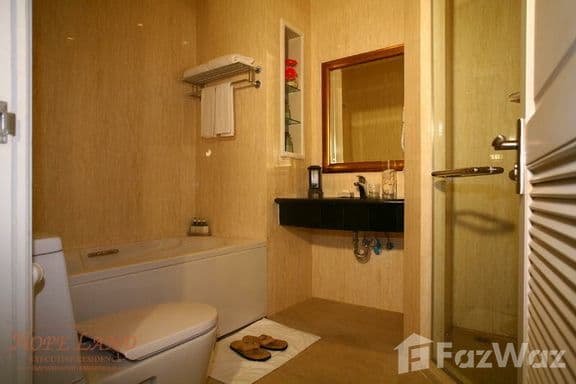
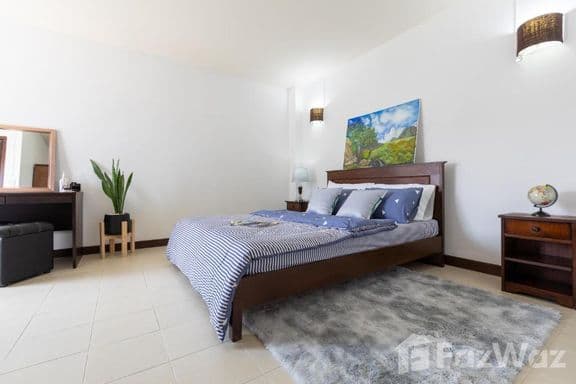
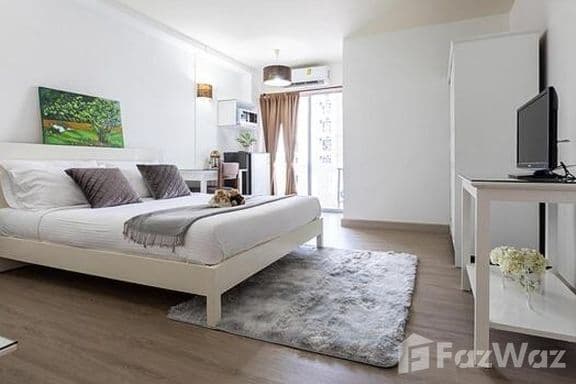
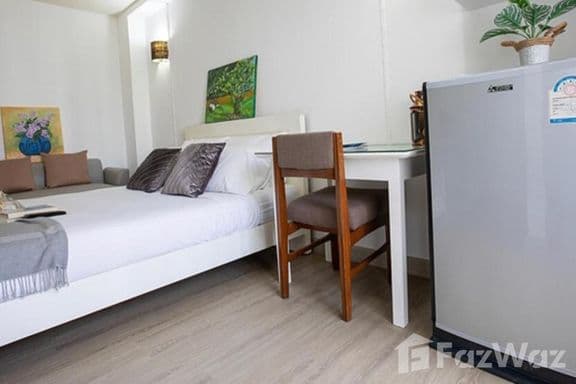



























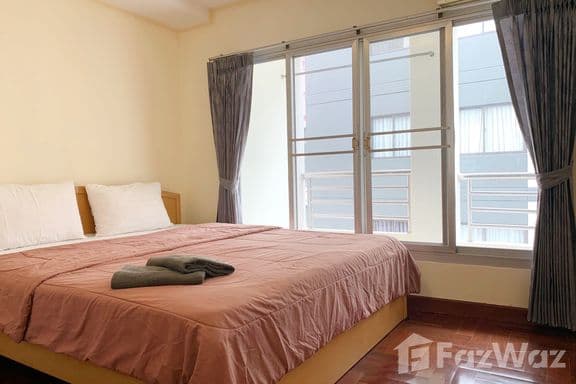
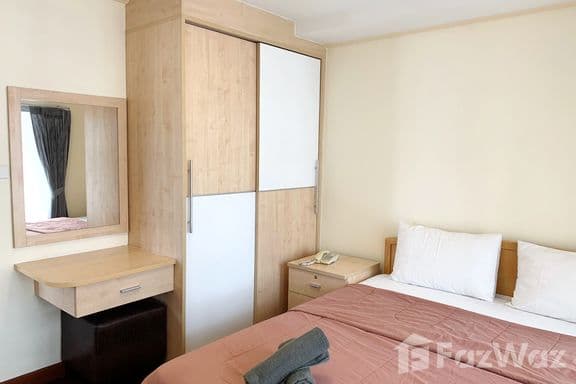
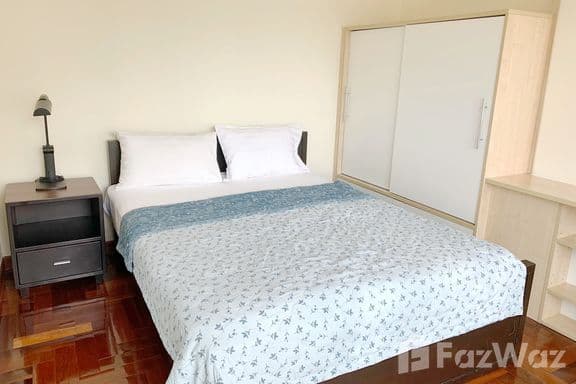
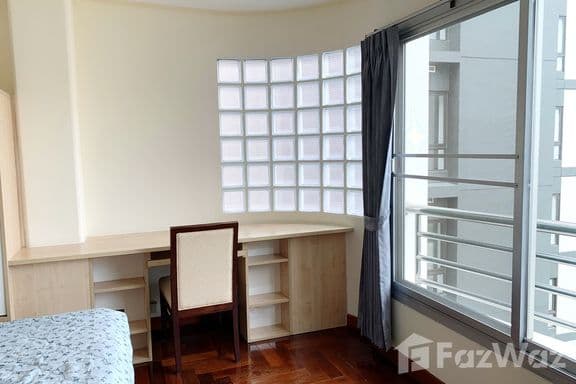
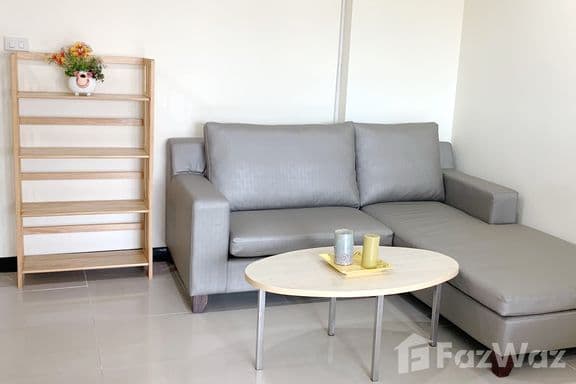
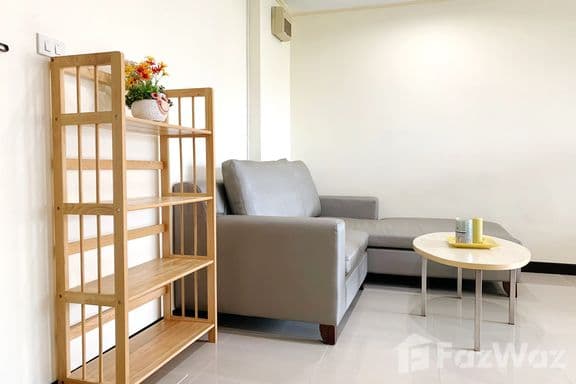
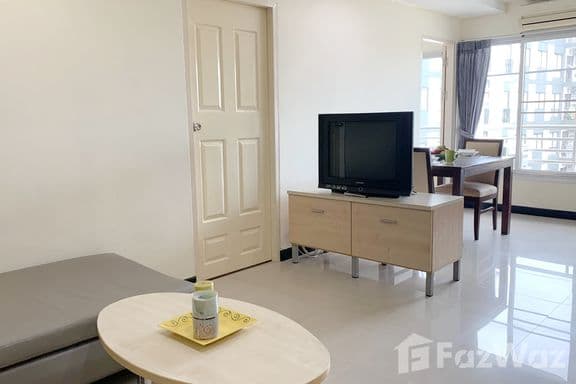

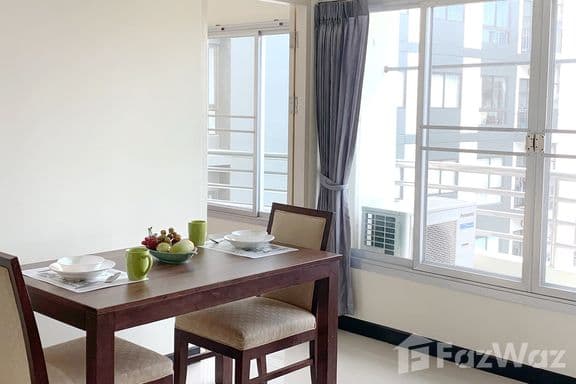
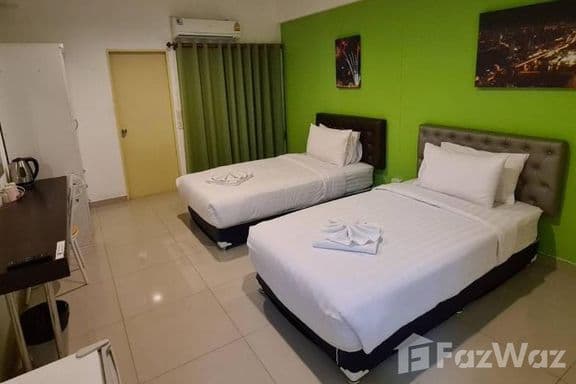




 Popular condos in Thailand

