Buying an Apartment in Phuket: The 2025 Guide for Foreign Buyers
Introduction: Phuket’s Appeal to International Apartment Buyers in 2025
Phuket has long been a tropical paradise known for its stunning beaches, vibrant culture, and high quality of life. In 2025, the island continues to captivate foreign buyers - from retirees seeking a warm, relaxed lifestyle to investors looking for lucrative rental returns. The post-pandemic tourism rebound has been remarkable, with international arrivals nearly back to pre-2020 levels. This renewed influx of visitors and expatriates has cemented Phuket’s status as a prime location for real estate investment.
For foreign buyers, Phuket offers an enticing mix of modern amenities (international hospitals, shopping centers, fine dining) and natural beauty (crystal-clear waters, lush hillsides). The island’s infrastructure keeps improving, with an international airport connecting to major cities worldwide and ongoing developments to support growth. Beyond the practicalities, Phuket provides a unique lifestyle: imagine morning walks on the beach, a round of golf or spa visit in the afternoon, and dining on fresh seafood by evening. With a large and friendly expat community, English widely spoken in tourist areas, and a welcoming Thai culture, Phuket makes it easy for foreigners to feel at home.
Crucially, real estate in Phuket remains more affordable than in many Western countries or other Asian hubs. Whether you’re a digital nomad eyeing a stylish condo by the sea or a retiree planning your dream home under the sun, Phuket’s apartment market in 2025 has something for everyone. This comprehensive guide will walk you through everything you need to know - from legal regulations to the best areas and buying process - so you can make an informed decision about purchasing an apartment in Phuket as a foreigner.
What Constitutes an Apartment in Thailand: Apartment vs. Condominium
In Thailand, the terms apartment and condominium (condo) are sometimes used interchangeably in casual conversation, but they have distinct meanings in legal and practical terms. Understanding this difference is crucial for foreign buyers:
- Condominium: A condominium is a residential building registered under Thailand’s Condominium Act. Each unit in a condo building can be individually owned, and foreign nationals are permitted to hold full freehold ownership of such units (subject to certain quotas discussed later). When you buy a condo unit, you receive a title deed for that specific unit and a proportional share of common areas. You also become a member of the condominium juristic person (homeowners association), which manages the building’s maintenance and facilities. Condos in Phuket often come with shared amenities like pools, gyms, security, and parking, much like modern apartment complexes elsewhere in the world. Crucially for foreigners, a condominium unit can be purchased outright in your name (freehold) as long as legal conditions are met.
- Apartment: In Thai context, “apartment” typically refers to a residential building that is owned by a single entity (individual or company), where units are rented out rather than sold individually. In other words, an apartment building is usually not registered under the Condominium Act; the entire building has one owner/landlord. Foreigners cannot buy individual units in such traditional apartment buildings because there is no separate title deed per unit to transfer. You can only rent those units. Some high-end “serviced apartments” or apart-hotels in Phuket fall into this category: they offer long-term rentals with hotel-like services, but they are not available for sale to individual buyers.
Key Distinction - Ownership: The main distinction is ownership structure. If you are a foreign buyer looking to own a property, you will almost always be looking at a condominium unit, even if property listings or casual descriptions use the word "apartment." Legally, the foreign buyer’s option for direct ownership is a condo. A true “apartment” in Thailand (as per local definition) would not give you a deed in your name.
Why the Terminology Matters: Many real estate listings in Phuket (and Thailand in general) might use apartment and condo loosely. For example, an agent might say “sea-view apartment for sale” when it’s actually a condo unit for sale. It’s important to clarify this when you’re buying. Ensure the property is part of a registered condominium if your intention is freehold ownership. If it’s not, then as a foreigner your options would be limited to leasehold or other structures (more on those later).
In summary, an apartment in common parlance is any flat/unit in a building, but if you intend to buy an apartment in Phuket as a foreigner, you will be dealing with condominiums or similarly structured properties that allow individual ownership. Next, we will delve into the Thai legal framework that makes this possible for foreign nationals.
Foreign Ownership Regulations in Thailand
Thailand has specific laws governing foreign ownership of property. As a foreign buyer, it’s essential to understand these legal frameworks, condo quota rules, and acquisition structures before you start your property hunt in Phuket. Here’s a breakdown:
- Condo Freehold (Foreign Quota): Under the Thai Condominium Act, foreigners may own a condominium unit freehold (outright ownership with a title deed) as long as foreign owners collectively do not exceed 49% of the total area of all units in that condominium project. This rule is commonly known as the 49% foreign quota. For example, in a building with 100 equal-sized units, foreigners can only own up to 49 units; the rest must be Thai-owned. Reputable developers and agents will inform you of the quota status. When buying, ensure the unit you want is eligible to be registered to a foreign name - if the foreign quota is already full, you may need to consider a different unit or project. Freehold ownership in a condo gives you the most secure and straightforward property rights available to foreigners in Thailand.
- Leasehold Structure: If a property is not condominium-titled (for instance, a villa or a unit in an apartment building not registered as a condo), foreigners cannot own it outright. The common solution is a long-term lease. Thai law allows leases of up to 30 years on land or houses, and these leases can be registered at the Land Office to give them legal effect. Often developers or sellers offer a “30+30+30” year arrangement - essentially a 30-year lease with a contractual promise (or option) to renew for two additional 30-year terms, aiming for 90 years total. It’s important to note that only the first 30-year term is guaranteed by law once registered; renewals are agreements that may be subject to future legal changes or require the goodwill of the lessor. Nevertheless, leasehold can be a viable way for foreigners to control a property long-term. When you buy leasehold, you don’t own the land or the unit; you own the right to use it for the lease period. Leasehold properties are often slightly cheaper than equivalent freeholds, but they have less capital appreciation potential and reselling a leasehold can be harder as the remaining lease term shortens.
- Thai Company Ownership: Some foreign buyers consider setting up a Thai Limited Company to purchase property (particularly land or houses, which foreigners can’t own directly). In a standard Thai company, foreigners can hold up to 49% of shares, while Thai nationals must hold at least 51%. By law, the Thai majority shareholders must not be nominees acting on behalf of the foreigner (nominee structures are illegal). In practice, this route has been used to allow foreign control of land by having Thai partners or using complex share structures. However, it’s a gray area and comes with legal risks. The authorities can scrutinize such companies to ensure they are legitimate businesses and not just shells for property ownership. Generally, using a company is not recommended for a typical individual buyer unless you plan to run a bona fide business in Thailand or have other compelling reasons. It entails corporate taxes, accounting, and legal maintenance every year, and recent crackdowns have made it riskier to use purely as a proxy for personal property.
- Thai Spouse or Family: If you have a Thai spouse, they can purchase land or a house in their own name. However, the non-Thai spouse must legally sign a declaration at the Land Office that the funds used are the Thai spouse’s personal property (basically waiving any claim). This means if you later divorce, the property remains the Thai person’s asset. While this method allows you to live in a house registered under your Thai partner’s name, it offers no ownership rights to the foreigner. So it’s only as secure as the relationship. For condos, a Thai spouse could buy in their name (since Thai can own beyond the 49% quota), but again, it’s legally their property.
- Investing in Large Projects or BOI Programs: Occasionally, Thailand has floated programs to attract wealthy foreign investors. For example, at times there have been proposals to allow foreigners who invest a certain large sum (tens of millions of baht) in property to own a small piece of land or get long-term residency. As of 2025, there is a Long-Term Resident (LTR) visa program which, for an investment of USD 500,000 in Thai property (among other criteria), grants a 10-year visa - but note, that is a visa benefit, not an exception to ownership laws. There is still no general provision for foreigners to own landed property (like a standalone house) outright in Thailand without Thai partnership. Always double-check current regulations, as policy initiatives can change.
- Other Restrictions and Points: Foreigners can own buildings (structures) separate from land. For instance, a foreigner can lease a plot of land and separately own the house built on it (with proper contracts). However, since the land isn’t owned, the house’s fate is tied to land lease. Also, any foreign purchase of a condominium must be done with funds remitted from abroad in foreign currency and duly recorded with a Foreign Exchange Transaction Form (issued by the receiving Thai bank) specifying that the money is for property purchase. This document is needed to register the condo to a foreign name and later if you repatriate funds upon sale. Lastly, keep in mind Thailand’s laws do not allow foreigners to circumvent land ownership rules by creative trusts or long-term nominal “leases” beyond 30 years (unlike some countries with 99-year leases). Always consult a qualified Thai property lawyer to choose the right structure for your purchase.
In short, foreigners can directly own apartments in Phuket only if they are in condominium developments under the 49% quota. Otherwise, leasehold is the primary route to enjoy property use. With the legal foundation covered, let’s discuss who the typical foreign buyers in Phuket are and what motivates them.
Foreign Buyer Personas and Their Motivations
Phuket’s international real estate market caters to a diverse array of foreign buyers. Each group has its own motivations and requirements. Below, we break down the key buyer types in 2025 and what they are generally looking for:
- Retirees: Many retirees from colder climates (Europe, North Asia, North America, Australia, etc.) are drawn to Phuket for its warm weather, relaxed pace of life, and relatively affordable cost of living. Retirees often seek comfort, convenience, and healthcare accessibility. They may prefer quieter areas or properties slightly away from the party zones, valuing peace and a sense of community. Proximity to hospitals and clinics is a plus (Phuket has excellent international hospitals, an important consideration for this group). Retirees typically look for apartments that are comfortable for long stays: ample space, perhaps scenic views, and modern facilities like lifts and security. Many will prioritize developments that are well-maintained and have fellow expat residents. Motivations include enjoying a resort-like retirement lifestyle, stretching their retirement funds further than back home, and having space for visiting family. Thailand also offers a retirement visa for those over 50 meeting certain financial criteria, making long-term stay feasible (though owning property is not a requirement for the visa).
- Digital Nomads and Remote Professionals: In recent years, Phuket has also attracted younger remote workers and digital entrepreneurs. Digital nomads are enticed by the idea of working with a sea view and enjoying beach life after work. They need reliable internet (which Phuket has in most built-up areas) and prefer locations with easy access to cafes, co-working spaces, and social activities. This group might opt for smaller, modern condos in lively areas like Patong or Kata if they crave nightlife and networking, or in more tranquil spots like Rawai or Kamala if they want focus and nature. Many digital nomads don’t immediately plan to buy, but those who see Phuket as a long-term base or investment may purchase condos to use and potentially rent out when they’re traveling elsewhere. Motivations include lifestyle (the “work in paradise” dream), wellness (Phuket offers diving, yoga, surf, Muay Thai training, etc., for a balanced lifestyle), and community (growing meetups and networking among expats). Phuket’s inclusion in Thailand’s new long-term visa programs (like the LTR visa) for remote professionals has also increased interest. While digital nomads might not have the largest budgets, they often look for good value, modern design, and perhaps facilities like a co-working lounge in the building or strong rental potential.
- Long-Term Expats: This category includes foreigners who have made Phuket their home for years. They might be working in Thailand (hospitality industry managers, international school teachers, diving instructors, etc.), running a business, or even Thai Permanent Residents or naturalized citizens. Long-term expats often know the island well and may have been renting before deciding to buy. They look for practical living: locations with easy access to daily necessities (supermarkets, local markets, schools if they have children, workplaces, transportation). Phuket Town or the outskirts, Chalong, or Thalang areas might attract those who need to be near work or schools. Some long-term expats also choose beach areas if their work/life allows, but they might pick less touristy beaches or places with year-round community, not just seasonal holiday crowds. Motivations for this group include building equity (instead of paying rent indefinitely), customizing their own space, and integrating more deeply into Phuket life. They tend to be savvy about property values and may look for a good deal or a home that suits family needs. This group values stability and community-knowing their neighbors, and having a comfortable base to call home in Phuket for the foreseeable future.
- Second-Home Buyers (Holiday Home Seekers): Phuket’s allure as a holiday destination means many foreigners purchase apartments as a vacation home or winter escape. These buyers might live in Hong Kong, Singapore, Dubai, or Europe and come to Phuket for a few weeks or months a year. They want a hassle-free resort-style property that they can lock-and-leave, and possibly rent out when they are not using it. Key motivations include lifestyle enhancement (having a private getaway in the tropics) and some investment angle (even if not primary, they often plan to rent out via Airbnb or through a rental management when absent). These buyers gravitate towards well-known beach areas and upscale developments. They often prefer newer condos with beautiful pools, sea views, hotel services, and proximity to the beach or golf courses. Areas like Bang Tao (with its integrated resorts and beach clubs) or Kata (scenic and family-friendly) are popular, as well as Kamala or Surin for a luxury feel. They are typically less price-sensitive if the property ticks the right boxes of location and quality. Many will consider serviced condominiums or branded residences that offer hotel-like amenities, so their stays are comfortable and their property is looked after in their absence.
- Property Investors: Pure investors focus primarily on rental yield and capital appreciation. With Phuket’s strong tourism market, many investors aim to rent their apartments to holidaymakers or long-term tenants and achieve solid yearly returns. In 2025, rental yields for well-located condos in Phuket commonly range around 5% to 8% per annum, depending on how often they’re occupied and at what rates. Investors will analyze factors like: Is the condo in a high-demand tourist spot (for short-term rentals)? Or is it near an area with a shortage of long-term rental housing (like near an international school or business hub)? Is the development managed by a hotel chain or does it offer a guaranteed rental program? They also consider future resale value - picking locations or projects they believe will appreciate as Phuket grows. Many are drawn to pre-construction (off-plan) purchases from reputable developers, hoping to benefit from early-bird prices and then price increases upon project completion. However, they have to be mindful of developer credibility and timelines. Some investors might not even plan to use the property themselves; for them it’s a straightforward asset purchase. Motivations: yield, portfolio diversification, and betting on Phuket’s continued popularity. Notably, certain nationalities (for example, investors from China, Russia, or Europe) have in recent times increased their purchases in Phuket as part of diversifying assets abroad. Phuket’s real estate is seen by some as a relatively stable investment in a country with a stable property market and no foreign property ownership taxes aside from standard fees (Thailand has no annual property tax on most condos except a very small municipal building tax in some cases). Investors also like that maintenance fees in Thailand are reasonable and that they have the flexibility to use their apartment occasionally and rent it out the rest of the time.
Of course, individual buyers may fit into multiple categories (e.g. a retiree might also be an investor looking for rental income, or a digital nomad might eventually become a long-term expat). Phuket’s property market ecosystem has evolved to serve all these needs, which is why you’ll find a wide variety of apartment types and locations on offer.
Next, let’s look at which areas in Phuket are considered the best for foreign buyers and what makes each area unique.
Best Areas to Buy Apartments in Phuket
Phuket is a sizable island with diverse locales, each offering a different lifestyle and environment. Here are six of the top areas in Phuket for apartment buyers, along with what you can expect in each:
Patong
Patong is Phuket’s most famous beach town, known internationally for its bustling nightlife, shopping, and entertainment. Why buy in Patong? If you want to be in the heart of the action, Patong is the place. You’ll find numerous condominium developments here, ranging from older, budget-friendly buildings to newer luxury high-rises with rooftop pools overlooking the bay. Patong offers unmatched convenience: walk out of your condo and you have restaurants, bars, malls (like Jungceylon and Central Patong), markets, and of course Patong Beach itself at your doorstep. For investors, Patong’s popularity with tourists can translate into high occupancy for short-term rentals (though do note local regulations about short-term renting). However, bear in mind that Patong is busy and lively year-round; it’s not for those seeking peace and quiet. Traffic and noise are part of the package. Typical buyers in Patong include those who love being in a vibrant atmosphere, as well as investors capitalizing on the heavy tourist footfall. Prices in Patong are on the higher side for Phuket. You pay a premium for proximity to the beach and amenities. Still, compared to global city property prices, Patong condos are affordable for many foreigners - you can find units ranging from modest studios to penthouses with panoramic views of the Andaman Sea.
Kamala
Located north of Patong along Phuket’s west coast, Kamala offers a quieter, more relaxed environment while still being only a 15-minute drive away from Patong’s excitement. Kamala has transformed into an upscale residential and resort area. It’s home to the famous “Millionaire’s Mile,” a stretch of luxury villas on the headland, and new high-end condo projects that cater to those seeking tranquility and luxury. What’s appealing about Kamala? The beach is quieter and more family-friendly, there are chic beach clubs (like the renowned Cafe Del Mar), and the scenery is beautiful with surrounding hills. Kamala village has local charm with its markets and eateries, but also now features wine bars, boutique shops, and a growing expatriate community. Buyers in Kamala are often retirees and second-home seekers who want a peaceful retreat, as well as investors drawn by premium developments (some offering attractive rental programs). Prices in Kamala can vary: you can find mid-range condo units inland or on the hills with sea views that are reasonably priced, while beachfront or luxury hilltop residences command higher prices. Overall, it tends to be slightly less frenetic and expensive than Patong, while still offering good long-term potential as the area develops.
Bang Tao (Cherng Talay)
Bang Tao Beach and the surrounding Cherng Talay area, on the northwest coast, have emerged as one of Phuket’s most prestigious addresses. Bang Tao is an 8-kilometer stretch of beautiful sandy beach and is home to the Laguna Phuket resort complex - a huge integrated resort and residential development that includes luxury hotels (Banyan Tree, Angsana, etc.), golf course, and high-end villas and condos. Why Bang Tao? It offers a blend of luxury and laid-back vibes. In recent years, a vibrant community has grown around Bang Tao with the development of Boat Avenue (a shopping/dining area), Porto de Phuket (an upscale mall by Central), and numerous trendy restaurants, beach clubs (like Catch Beach Club), and fitness and lifestyle facilities. The area is popular with long-term expats (including many families and professionals) and well-heeled tourists. Security and maintenance standards are high in many estates here. For foreign buyers, Bang Tao offers apartments that are often larger and more luxurious, including many low-rise upscale condominiums with resort facilities. You get the advantage of a serene environment (especially in Laguna, which feels like a gated community) combined with easy access to amenities. Prices in Bang Tao are relatively high for Phuket, reflecting its desirability. A modern one-bedroom condo here might cost what a two-bedroom does in Phuket Town, for example. But investors see strong rental demand in high season, and lifestyle buyers are drawn to the exclusivity of the area. Bang Tao is an ideal pick if you envision a resort lifestyle with everything at your fingertips and don’t mind paying a bit more for it.
Rawai (and Nai Harn)
Rawai is situated at the southern tip of Phuket. It’s known for its laid-back, village-like atmosphere and a large population of long-term foreign residents. Technically, Rawai Beach itself is not a swimming beach (boats are moored there), but just next door is Nai Harn Beach, one of the island’s most beautiful swimming beaches. What draws people to Rawai? It’s the easy, casual lifestyle and relatively lower density of tourists compared to West Coast resort areas. Rawai has become a hub for expats - you’ll find plenty of international restaurants, organic cafes, Muay Thai gyms, wellness centers, and convenience stores catering to residents. It’s also famous for the Rawai Seafood Market and proximity to viewpoints like Promthep Cape. Many retirees favor Rawai/Nai Harn for its quiet charm and good value properties. You can find apartments and condo units here that are more affordable per square meter than in the popular West Coast spots. There are new condo developments (some with sea views towards the Rawai side or nestled in greenery near Nai Harn) and older apartment complexes. Prices tend to be moderate; you might snag a modern one-bedroom for the price of a studio in Patong, for instance. Rawai is also slightly more spread out, so having a car or motorbike is useful (unlike compact Patong). Investors might find opportunities here for long-term rentals to expats or snowbirds (those escaping winter for a few months). Overall, Rawai offers a relaxed, everyday livability that appeals to those wanting to escape the tourist crowds and immerse themselves in a mixed local-expat community.
Kata (and Karon)
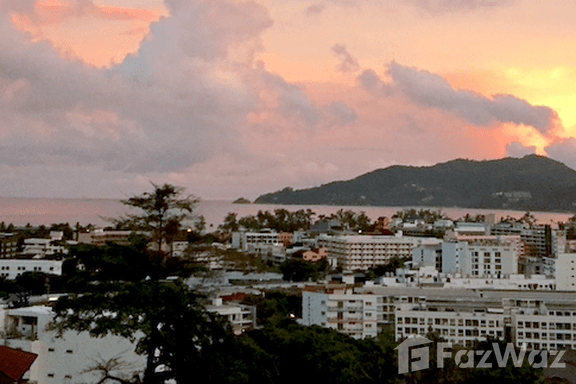
On Phuket’s southwest coast, just south of Patong, lie the neighboring areas of Kata and Karon. These two locales are often mentioned together, but they have their own flavor. Kata Beach is a picturesque bay known for its clear water and surfing waves in low season; it’s favored by families and couples for its balance of tranquility and enough restaurants and bars. Karon Beach is longer, with more resorts lined along it, and has a bit more nightlife than Kata (though nothing as wild as Patong). For apartment buyers, Kata tends to have a few boutique condominium developments perched on hillsides offering fantastic ocean views, as well as some near the village center. It’s very scenic - imagine sunset views from your balcony. Karon has a few condo projects too, some with sea views, though parts of Karon’s hillside are quite steep (worth checking access). Buyers here include both holiday home seekers and investors who target vacation rentals, as the area is popular among tourists who want to stay near a lovely beach but not in the chaos of Patong. The community is lively but not overbearing; you can walk to varied dining options, from local Thai eateries to Italian bistros. Prices in Kata/Karon are mid-to-high: sea view condos will fetch a premium, but there are also slightly older or inland options that are reasonable. These areas are a nice middle-ground: you get a vibrant beach lifestyle without the intense bustle of Patong, and properties that hold their value due to consistent demand from tourists.
Phuket Town (Phuket City)
Phuket Town, officially Phuket City, is the provincial capital located inland on the southeastern part of the island. Though not by the beach, it’s a cultural and economic center. In recent years Phuket Old Town (the historic quarter) has become a trendy spot with its beautiful Sino-Portuguese shophouses, cafes, art galleries, and street markets. Buying an apartment in Phuket Town is ideal for those who prioritize convenience and local atmosphere over beachside living. The town has shopping malls (Central Festival, etc.), international schools, universities, government offices, and major hospitals all within easy reach. It’s the hub for local businesses and has a more authentically Thai feel with a cosmopolitan twist. Apartments and condos in Phuket Town are generally more affordable than in the coastal tourist regions. You’ll find modern condos that cater to young professionals and locals, often in high-rise buildings with city or mountain views. They might not have sea views, but many have nice facilities (pools, gyms) and are near everyday conveniences. Foreign buyers who work in Phuket or those who prefer city living often choose Phuket Town. From an investment perspective, Phuket Town condos can generate steady long-term rental income, renting to expats working in town or Thai professionals, though they won’t achieve the high nightly rates of a beachfront condo. Prices here can start quite low (for Phuket standards) for smaller units, making it an interesting entry point for investors or those on a tighter budget. Additionally, being away from the tourist hotspots means life is quieter and cost of living (and maintenance fees) can be lower.
Other Notable Mentions: While the above are the top areas highlighted, Phuket has other areas like Surin Beach (luxurious and quiet, near Bang Tao), Chalong (popular for expat families and boating enthusiasts, as it has a marina), Mai Khao (near the airport, with some new developments targeting holidaymakers), and more. Each area of Phuket has its own character, so it’s worth exploring the island to see which aligns with your lifestyle or investment goals.
Price Comparison by Area (Apartments in Phuket)
To give a sense of the property market, below is a comparison of typical apartment (condo) prices by area in Phuket, as of 2025. We present approximate price ranges per square meter in Thai Baht, along with rough USD equivalents (assuming around 35 THB = 1 USD for conversion). Note that actual prices vary based on a property’s age, condition, view, and exact location, but these ranges provide a general benchmark:
|
Area
|
Price per Sqm (THB)
|
Price per Sqm (USD)
|
|
Patong
|
100,000 - 150,000 THB
|
~$2,900 - $4,300 per sq.m
|
|
Kamala
|
85,000 - 120,000 THB
|
~$2,500 - $3,500 per sq.m
|
|
Bang Tao
|
100,000 - 150,000 THB
|
~$2,900 - $4,300 per sq.m
|
|
Rawai / Nai Harn
|
80,000 - 110,000 THB
|
~$2,300 - $3,100 per sq.m
|
|
Kata / Karon
|
90,000 - 140,000 THB
|
~$2,600 - $4,000 per sq.m
|
|
Phuket Town
|
70,000 - 100,000 THB
|
~$2,000 - $2,900 per sq.m
|
(Prices are approximate market ranges in 2025. THB = Thai Baht; USD conversions are rounded estimates.)
How to interpret this: These figures mean, for example, that a modern 45 sq.m one-bedroom in Patong might cost around 4.5 - 6.75 million THB (roughly $130,000 - $193,000), whereas a similar-sized unit in Phuket Town could be 3 - 4.5 million THB (~$85,000 - $130,000). Beachfront or sea-view units tend to be at the upper end of the range (or beyond, for super luxury properties), while units farther from the beach or in older buildings fall in the lower end.
Price Drivers: Properties in tourist-favored west coast areas (Patong, Kata, etc.) generally command higher prices, especially with sea views. Northern and southern beaches (like Bang Tao or Nai Harn) have high-end developments that push averages up. Phuket Town and inland areas remain more affordable. Overall, compared to cities like Bangkok or resort destinations like Hong Kong or Singapore, Phuket offers attractive value per square meter for a resort island of its caliber.
Keep in mind, prices can fluctuate based on market conditions. Phuket’s market in 2025 is on an upswing due to revived tourism and investor interest. It’s always wise to check current market reports or get comparative market analysis from a local agent for the most up-to-date pricing on specific property types.
Types of Apartments Available in Phuket
Phuket’s apartment (condo) offerings are diverse. Understanding the types of apartments can help you narrow down your search to the properties that best match your needs and preferences. Here we consider key distinctions: low-rise vs. high-rise buildings, serviced vs. non-serviced apartments, and beachside vs. inland locations.
- Low-Rise vs. High-Rise: Phuket has both low-rise condos (typically 3-8 floors, sometimes walk-up if on the lower end) and high-rise buildings (which can be 15+ floors with elevators, though due to past height restrictions, extremely tall towers were limited on the island). Low-rise condos often offer a more boutique feel - fewer units means a quieter environment and sometimes a stronger community feel among residents. They may have limited facilities (perhaps a small pool or garden) but lower density at the pool/gym, etc. Low-rise buildings can blend nicely with the tropical landscape and sometimes have architectural styles that fit the resort vibe. High-rise condos, on the other hand, provide the advantage of panoramic views (imagine an upper-floor unit overlooking the ocean or green hills). They usually come with a full range of facilities: large pools, fitness centers, saunas, rooftop terraces, and ample parking. High-rises might be found in places like Patong or Kathu, and potentially more are coming up in areas where zoning allows. Note that Phuket’s government historically had an 80-meter height cap on buildings in many areas, which limited true skyscrapers. Recently, some restrictions have been relaxed for certain zones, so new projects are pushing higher. Your preference might depend on whether you prioritize views and facilities (go high-rise) or a cozier, quieter living environment (go low-rise).
- Serviced vs. Non-Serviced Apartments: A serviced apartment in Phuket refers to a condominium or apartment that offers hotel-like services to residents or guests. These services can include housekeeping, linen change, concierge, room service, and sometimes even a reception/front desk like a hotel. Many modern developments in tourist areas are marketed as “resort condos” or “condotels” - you own the unit, but you can opt into a rental management program run by a hotel operator. This effectively turns your apartment into part of a hotel inventory when you’re not using it, and provides you (or your renters) full services. Serviced apartments are great for those who want a hassle-free experience or plan to rent their place out often. Owners and guests enjoy convenience and comfort, akin to staying in a hotel. The trade-off is usually higher annual common fees (to pay for those extra services and staffing) or a share of rental income going to the management. Non-serviced apartments are the standard condos where you manage your own unit. There will still be common area maintenance (security, cleaning of common spaces, pool upkeep, etc. covered by your monthly maintenance fee), but you won’t have housekeeping cleaning your unit unless you hire them separately, and there’s no reception to hand over keys to short-term tenants (if you self-manage rentals). Non-serviced condos give you more privacy and often lower ongoing costs; they suit owners who live there full-time or manage things themselves. When choosing, consider your lifestyle: If you live in Phuket only part-time or want rental income without involvement, a serviced unit might be attractive. If you’re a full-time resident or value independence, a normal condo is likely better.
- Beachside vs. Inland: Location relative to the beach is a defining factor for Phuket properties. Beachside apartments (within a short walk to the beach, or with direct beach access) are highly sought after. The obvious benefit is the easy access to sun, sand, and sea; many have beautiful views and you can enjoy sea breezes. They also tend to yield better short-term rental returns due to demand from holidaymakers. However, beachside condos come at a premium price and sometimes have slightly higher maintenance (sea air can be corrosive to buildings, requiring diligent upkeep). Additionally, beachfront land is limited, so most beachside projects are medium-rise (due to land scarcity and previous height limits). On the other hand, inland apartments (even those just a few kilometers from the beach) offer better value for money. You often get more space or a newer unit for the same budget when you move a bit away from the water. Inland doesn’t mean isolated - it could be in a bustling area like Phuket Town or Chalong, or up on a hillside with great views. Inland properties often attract long-term residents who prioritize practical living and don’t need to step onto the sand every day. They can also be quieter, especially during peak tourist seasons when beachfront areas get crowded. When considering inland vs. beachside, think about your primary purpose: if this is a holiday home or short-term rental investment, being near the beach might be key. If it’s a home or long-term rental, inland might tick the boxes for daily convenience and cost-effectiveness.
To illustrate types: you could choose a low-rise, inland condo in a quiet expat neighborhood for peace, a high-rise, beachside serviced condo in Patong to maximize rental income and enjoy resort facilities, or perhaps a low-rise serviced condo in a place like Kamala that gives you a boutique resort feel. Phuket has it all. It’s wise to visit a few developments of each type to see what resonates with you in terms of atmosphere and value.
The Buying Process in Phuket: Step by Step
Purchasing an apartment in Phuket as a foreigner involves a series of steps. While it’s generally a straightforward process, it’s important to know the typical transaction flow, documentation needed, and what to expect at each stage:
- Property Search and Selection: Start by researching listings (online portals like DotProperty, agents, developer websites) and engaging a reputable real estate agent who knows the Phuket market. An agent can help identify properties that meet your criteria (budget, location, size, etc.) and arrange viewings. Agents in Phuket often deal with both new developments and resale condos. They typically earn their commission from the seller or developer, so as a buyer, you usually don’t pay the agent fee (but clarify this in advance). When you’ve shortlisted options, visit the properties (or have a representative or the agent video-call you if you’re overseas). Take your time to evaluate the building quality, location, view, and surrounding environment.
- Making an Offer and Reservation: Once you find the apartment you want, the next step is to make an offer. In Thailand, property prices often have some negotiation room (commonly 5-10% off asking, depending on market conditions and how motivated the seller is). For new developments, the price is usually fixed, but they might throw in incentives (furniture package, payment plan, etc.). For resales, negotiate via the agent. When a price is agreed, you will typically be asked to pay a reservation deposit to secure the unit. This can range from, say, 50,000 THB to 200,000+ THB (or around 5-10% for higher-priced units), depending on terms. This deposit signifies your commitment and will take the property off the market (or reserve it in the case of a new project’s unit). Make sure to get a receipt and a reservation agreement stating key terms (property details, price, your and the seller’s details, and that the deposit will be applied toward the purchase price).
- Due Diligence Period: After reserving, it’s prudent to have a due diligence period (usually a few weeks) before signing the main purchase agreement. During this time, hire a Thai property lawyer (if you haven’t already) to perform checks: verify the title deed (make sure the seller truly owns the unit and that it’s free of liens or encumbrances), check that the condo unit is within the foreign quota and that all building permits and condominium registrations are in order, and review the draft purchase agreement. If it’s an off-plan (under construction) purchase, due diligence should also include checking that the developer has proper approvals (Environmental Impact Assessment approval, building permits) and a good track record. For a resale condo, due diligence includes ensuring common area fees are paid up and whether any additional fees (like sinking fund contributions) will be due at transfer, as well as whether any tenants occupy the unit (and terms for vacating if you want it empty).
- Sale and Purchase Agreement (SPA): Assuming due diligence is satisfactory, the next step is signing the Sale and Purchase Agreement. This is a contract between you (buyer) and the seller (or developer) outlining all terms: property details, price, payment schedule, responsibilities of each party, closing date, etc. If you’re buying from a developer (new property), the SPA might be somewhat standardized - have your lawyer review it to suggest any necessary modifications. If buying a resale, your lawyer or agent might prepare the SPA, or the seller’s side might provide one; in either case, review it closely. At this stage, you usually pay a more substantial amount (for new builds, often a first installment; for resales, possibly a 10-30% down payment as agreed). Any reservation deposit typically counts toward this. Make sure the SPA covers what happens if either party fails to complete (for instance, usually if the buyer backs out, the deposit is forfeited; if the seller backs out, they must return the deposit, often with a penalty).
- Transferring Funds to Thailand: For foreign buyers, it’s essential to remit the purchase funds from overseas. The money should ideally be sent in a foreign currency (e.g., USD, EUR, GBP) and converted into Thai Baht by a Thai bank upon arrival. When doing this, instruct the bank to mark the purpose of transfer as “for purchase of property (condominium)”. The bank will issue a Foreign Exchange Transaction Form (FET) (sometimes called a Tor Tor 3 form) for any transfer over USD 50,000 equivalent. If your condo is less than that, you may accumulate multiple smaller transfers and get a combined FET form or letter from the bank. This document is required by the Land Office to prove foreign funds were used, a prerequisite for a foreigner to register the condo in their name. Keep these bank documents safe; you’ll also need them if you ever sell and want to repatriate money out of Thailand.
- Final Payment and Transfer (Closing): When it comes time to complete the purchase, the remaining balance of the purchase price is paid. For a ready-to-transfer property (completed building), this typically happens just before or on the transfer date at the Land Office. For off-plan purchases, there will be a payment schedule (e.g., 30% paid during construction milestones and a final 70% on completion and transfer of title). On the agreed date, buyer and seller (or their authorized representatives, which can be your lawyer via power of attorney, if you’re not in Thailand) meet at the provincial Land Office to officially transfer ownership. At the Land Office, the officers will handle the paperwork to transfer the condominium title deed to your name (or your lease registration, etc., if it’s a leasehold scenario).
- Taxes and Transfer Fees: At the point of transfer, there are government fees and taxes to settle:
- The standard transfer fee is 2% of the officially appraised value of the property (which is often lower than the market price). By custom, this 2% is often split equally between buyer and seller (1% each), but it’s negotiable and should be agreed in advance (often specified in the SPA).
- A Stamp Duty of 0.5% of the appraised value applies if the property has been owned by the seller for more than 5 years (or is owner-occupied). If the seller is a company or if the sale happens within 5 years of last transfer and is not owner-occupied, a Specific Business Tax (SBT) of 3.3% (including municipal tax) of either the sale price or the appraised price (whichever is higher) is applied instead of stamp duty. SBT is typically a seller’s cost.
- Withholding Tax: If the seller is an individual, there’s a withholding tax based on a formula of the appraised value and years of ownership, roughly akin to a capital gains tax (though computed on a fixed table - effectively around 1% of sale price for long-held properties, higher if short term). If the seller is a company, a flat 1% of sale price is withheld.
- In practice, individual resale transactions often have the seller covering SBT (if applicable) or stamp duty and their own withholding tax, while the buyer covers 1% transfer fee. But again, it can be negotiated differently in some deals.
- If you’re buying directly from a developer for a new condo, typically the developer might ask the buyer to pay the full 2% transfer fee, and the developer covers any specific business tax (since they are essentially the seller). Always clarify who pays what in your agreement.
- Registration and Receiving Title Deed: At the Land Office, after fees are paid and forms signed, the condominium title deed (Chanote title) will be officially updated to show you as the new owner (for a freehold condo). You (or your lawyer) will receive the original title deed with your name on it, as well as official receipts for taxes paid. If you have a Thai mortgage or some financing, the title deed may be retained by the lender until you pay off the loan. If it’s a lease, the lease will be registered and attached to the land title deed, and you get a copy of the registration. Congratulations - at this point, you legally own the apartment!
- Post-Transfer Steps: A few things remain after closing. If the unit is in a condominium, you will need to contact the condo juristic office (management office) to:
- Register yourself as the new owner with the juristic person (so they update their records and start billing you for maintenance fees, etc.).
- Pay the maintenance fee (generally charged per sq.m per month) from the date of transfer onward. Often, condos require advance payment of 6 or 12 months of maintenance fees at transfer time (if the seller had paid beyond the transfer date, they might get a prorated refund or adjustment).
- If there’s a sinking fund (one-time capital reserve fee) for new developments, ensure that’s paid (usually the first owner pays this to the juristic person when the condo is established; if you’re buying new, you’ll pay it, if resale, it might have been paid already).
- Settle utilities: Typically, you’ll need to apply for transfer of the electricity meter and water meter into your name (your agent or lawyer can help facilitate this, and it’s normally straightforward).
- If you plan to rent out, you might also set up with a property manager or the condo’s rental program as needed.
- Moving In or Managing Investment: Finally, you can make use of your new Phuket apartment! If you’re an owner-occupier, you can start moving in furniture (unless it came furnished) and decorate to your taste. If you bought it as an investment, you can initiate your rental strategy - perhaps list it on rental platforms (mindful of local rules about short-term rentals) or hand it over to a rental management service.
Timeline: A cash purchase for a ready property can be completed in as short as 30-60 days from selecting the property, assuming no major hiccups. Off-plan purchases will have a timeline dictated by the construction schedule (often 1-3 years to completion, with staggered payments). Always ensure you have a clear picture of the timeline and plan your finances accordingly (especially given currency transfer steps for foreigners).
Tip: While it’s possible to go through the process independently, engaging a qualified lawyer for at least the due diligence and transfer is highly recommended for foreigners. They will ensure all documents are correct, represent your interests in dealings with the seller and Land Office, and provide translation/clarification of Thai documents.
Due Diligence: Legal Checks and Safeguards
Buying property in a foreign country can be complex, and Thailand is no exception. Proper due diligence is crucial to protect your investment. This includes checking the legal status of the property, verifying documents, and ensuring the people you deal with are legitimate. Here are the key aspects of due diligence in Phuket (and Thailand) for an apartment purchase:
- Title Deed Verification: The title deed (Chanote) is the definitive proof of ownership for a property. For condos, each unit has a title deed indicating the unit number, floor, size, and the percentage of co-ownership in common areas. As a buyer, you or your lawyer should obtain a copy of the Chanote from the seller and verify its authenticity at the Land Office. Check that the deed is Chanote type (Nor Sor 4 Jor) - virtually all condo titles are Chanote. Verify the seller’s name on the title matches the person (or company) you are dealing with. Ensure that the deed has no annotations of liens, mortgages, or encumbrances (these would be listed on the back of the deed; if the seller has a mortgage, it will need to be cleared at transfer). Confirm the unit size on the deed matches what was advertised and that it includes any allocated parking or storage, if applicable.
- Condominium Juristic and Quota: Confirm that the building is properly registered as a condominium under Thai law. If it’s an older building that the seller calls an “apartment,” double-check it indeed has condominium status allowing foreign ownership. As mentioned earlier, confirm the foreign ownership quota status - your lawyer can get a letter from the condominium juristic office stating the current percentage of foreign ownership. The juristic office can also inform if the particular unit is currently counted as foreign-owned or Thai-owned (for instance, if the seller is foreign, it’s already in the foreign quota; if the seller is Thai, transferring to a foreigner will add to the quota). This is critical: if the quota is maxed out, you cannot register the unit in your name as freehold until some foreign-held units are sold to Thais or re-designated. A workaround sometimes offered is buying the unit leasehold instead or via a company, but ideally, you want freehold if you’re paying for a condo.
- Outstanding Debts or Bills: Check if the property has any outstanding liabilities. For a condo, the common example would be unpaid maintenance fees or sinking fund contributions by the seller. A reputable seller will clear these before transfer (and the condo management may not allow transfer until dues are paid). Also, if the seller is a company or individual who owes property taxes or utilities, ensure those are settled. If it’s a resale, the power and water bills should be paid up to date and will be transferred to you from the date of sale. This can be handled in the final settlement (e.g., prorating any prepaid utilities or returns of deposits for the electricity meter, etc.).
- Legal Compliance of the Building: If you are buying an off-plan (new development) unit, due diligence extends to the developer and project:
- Verify the developer has the land title in order and the land is properly registered for the condominium.
- Check that the Environmental Impact Assessment (EIA) approval has been granted (in Thailand, all new projects must pass an EIA; selling can start before approval, but construction cannot legally begin without it).
- Ensure a building permit has been issued.
- Research the developer’s track record: Have they completed projects before? On time? Check reviews or ask existing buyers about their experience if possible. In Phuket, there are many developers; some are excellent, a few have had issues (like construction delays or changes).
- If the developer promises rental guarantees or other benefits, scrutinize the terms. Are those guaranteed by contract? What are the conditions (often you must buy their furniture package, or there are limits on personal use during the guarantee period, etc.)?
- Contract Review: Have any contracts or agreements (reservation agreement, Sale & Purchase Agreement, lease agreement if applicable, etc.) reviewed by a lawyer who can explain the terms in plain language. Watch for clauses on:
- Payment schedule and penalties for late payment.
- Conditions for refund of deposit (or not) if something falls through.
- Completion date and remedies if buying off-plan (what if it’s delayed? Is there a penalty or refund?).
- Any developer obligations like furniture, free stay periods, or rental management.
- For resale, ensure the contract states exactly what is included in the sale (furnishings, equipment, etc., often a separate inventory list is attached).
- Agent and Seller Verification: If you’re working with a real estate agent, verify their credibility. While Thailand doesn’t have a strict licensing system for agents, good agents often have a track record, online presence, and maybe professional affiliations. Be cautious of anyone requiring money under the table or pressuring you unduly. When dealing with the seller, if it’s an individual, you may ask for ID and proof they own the property (the title deed). If it’s a company, check the company is legitimate (your lawyer can do a company search) and the person signing on behalf of the company has authority. It’s not common, but there have been scams where someone pretends to be the owner of a property they don’t actually own. Using the Land Office for the final transfer (which is mandatory) protects against this to a large degree, as the officials will confirm identities and ownership from the title deed.
- Land and Surroundings: For condos, you don’t worry about land ownership as much (since you own a fraction of it through the condo title), but still consider surveying the surrounding area:
- Could there be new developments soon that impact your view or peace? (E.g., check if the empty land next door is being cleared or has a sign for construction. Phuket is developing quickly in some parts.)
- Are there any known issues like planned roads, zoning changes, or environmental concerns (like a flooding risk area)? Your lawyer or agent might know, or local news sources might have information.
- If you’re buying near the beach, ensure the building is not violating any coastal setback rules or height restrictions. Official projects won’t, but occasionally ,smaller builds push limits.
- If buying a ground-floor unit, check for proper drainage around (Phuket can have heavy rains).
- Permits for Rentals: If your plan is to do short-term rentals (like Airbnb), be aware of Thai laws: short-term rentals (under 30 days) in a condominium by individual owners are technically against the law unless the building has a hotel license or the rentals are 30 days or more. Enforcement in Phuket has been spotty, and many owners do it, but just know the risk. For due diligence, inquire if the condo has any policy on short-term rentals or if the juristic person actively forbids or allows access to guests. Some buildings are known to be “investor-friendly” and practically operate as holiday condos; others might have many resident owners and discourage constant tourist check-ins. If this is important to you, pick the building accordingly.
- Use of Independent Professionals: Throughout the due diligence and buying process, it helps to have independent professionals on your side:
- Lawyer: as emphasized, to check legal documents and advise.
- Inspector/Surveyor: For a condo unit, this is not as common as when buying a house, but you can hire someone to do a snag list or condition check of the unit, especially if it’s resale (check AC, plumbing, electrics, structure for cracks, etc.). For new units, developers usually do a handover inspection with you; bring someone experienced or detail-oriented to catch any defects that need fixing under warranty.
- Translator: If you don’t have a lawyer or agent fluent in Thai, get translation help for any Thai documents you sign (though most sales agreements with foreigners will be bilingual). Never sign something you don’t fully understand.
In essence, due diligence is about verifying that what you’re buying is “clean” - legally sound and as advertised. Most reputable developments in Phuket pose no problems, and thousands of foreigners have bought condos without issues. Just don’t skip this part, even if the process feels relaxed when sipping coconuts in paradise. A careful approach now will save you from potential legal headaches later.
FAQs from Foreign Buyers
Finally, let’s address some Frequently Asked Questions that foreign buyers often have when considering purchasing an apartment in Phuket:
- Can foreigners own apartments (condos) in Phuket outright?
A: Yes, foreigners can own condominium units freehold in their own name, as long as the condominium building is registered and the foreign ownership quota (49%) isn’t exceeded. This is one of the easiest ways for a non-Thai to own real estate in Thailand. However, foreigners cannot own landed property (like a standalone house or land) in their name, so condos are the most straightforward freehold option. If you see the term “apartment” for sale, ensure it’s a condo. Otherwise, foreigners can only lease apartments or buy via a Thai company structure (with limitations).
- What’s the difference between freehold and leasehold in Phuket?
A: Freehold means you own the property indefinitely. In the case of a condo, you get your name on the title deed and hold that property with full rights (subject to condo rules) forever - you can sell it, pass it to heirs (though if an heir is foreign, they must also be eligible under the quota or else sell it within a year), etc. Leasehold means you are purchasing the right to use the property for a fixed term (max 30 years per Thai law at a time). Leasehold typically applies when the property is not eligible for foreign freehold (like a unit in a non-registered apartment building or a villa). With leasehold, you do not own the asset, and after the lease period, ownership reverts to the landowner unless a renewal is agreed. Some leaseholds are structured with multiple renewals to mimic long ownership, but legally, each renewal isn’t guaranteed beyond the initial contract’s terms. Freehold is generally preferable for condos due to outright ownership and easier resale, whereas leasehold might be seen in ultra-luxury villas or certain apartment projects targeting foreigners where land ownership isn’t possible.
- Are there financing options or mortgages available for foreigners buying in Phuket?
A: Financing is limited but has improved slightly in recent years. A few Thai banks offer mortgages to foreign buyers for condo purchases, but they have strict criteria (often only for certain nationalities, requiring sizable down payments of 30-50%, shorter loan terms, and proof of income/assets). Some foreign banks with local branches (like UOB) have had programs for foreigners. That said, the majority of foreign buyers in Phuket purchase with cash or equity from their home country. Another route is developer financing: some developers offer payment plans for new projects (e.g., spread payments over the construction period) or even post-completion financing for a few years. This is not the same as a bank mortgage, but it can help stagger payments. If you do need a mortgage, it’s recommended to consult with a mortgage broker or directly with banks in Thailand to see what’s available to you. Keep in mind currency exchange and transfer rules if borrowing offshore - if you bring in loan money, it still needs to follow the foreign currency transfer process to register your condo.
- What ongoing costs should I expect after buying?
A: The main ongoing cost is the condominium common area maintenance fee. This is usually charged per square meter of your unit per month (e.g., a typical range might be 40 to 80 THB per sq.m per month, so a 50 sq.m condo could have a monthly fee of 2,000 - 4,000 THB). These fees cover security, cleaning of common areas, pool maintenance, gardening, etc. Many condos bill this on an annual or quarterly basis. There might also be a sinking fund contribution (a one-time lump reserve for major future repairs) which you pay when you first take ownership - if you’re buying resale, the original owner likely paid it already. Other ongoing costs include utilities (electricity and water are metered by usage; Thailand’s utility costs are moderate - electricity might be a bit high if you run A/C a lot). If the condominium doesn’t cover it, you’ll pay for your own internet/TV service. Property taxes in Thailand are very low for residential properties; the Land and Building Tax on a condo unit you own and occupy is negligible (for most condos it could be under 1,000 THB a year, often even less, unless it’s a very expensive unit used for investment, and even then it’s a small fraction of property value). If you rent out your unit, note you should pay income tax on rental income (Thailand’s personal income tax, if you’re filing it). If you have a property manager or are in a rental program, they might deduct their fees and handle this for you.
- How do visas work if I buy property? Does owning an apartment give me residency in Thailand?
A: Owning property does not automatically grant you a right to live in Thailand long-term. Visa and immigration are separate from property ownership. Many foreign property owners stay in Thailand through various visa options:
- A Retirement Visa (O-A or O Long Stay) for those over 50, which requires financial proof (like 800,000 THB in a Thai bank or monthly income).
- A Thai Elite Visa, essentially a long-term tourist visa which you can obtain by paying a membership fee (starts around 600,000 THB for a 5-year visa; other packages offer 10, 20 years etc.). This is popular among property owners who want hassle-free long stays.
- The newer Long-Term Resident (LTR) Visa is actually a 10-year visa targeting specific groups (wealthy global citizens, retirees, remote workers, specialists). For property owners, the relevant subcategory is the “Wealthy Individual,” which requires $500,000 investment in Thai property (plus other asset/income criteria) to qualify, or the “Retiree” category, which also allows property investment as one form of qualifying. This visa gives some tax perks too, but the application is through the Board of Investment.
- If you work in Thailand, a work permit and business visa would apply, but that’s employment-based, not property.
- Many owners simply use tourist visas or visa exemptions if they are coming for shorter stays (a few months a year) - this is fine for part-time use but not for year-round living.
In summary, buying a condo makes the visa process no different than if you didn’t own property. Plan your visa accordingly if you intend to live in Phuket.
- Can I rent out my Phuket apartment for income (e.g., on Airbnb or to long-term tenants)?
A: Yes, condo units can be rented out. Long-term rentals (terms of 1 month or more) are straightforward - you can sign a lease with a tenant; no special license is needed. Short-term rentals (daily/weekly, Airbnb-style) are more complicated. Officially, renting out a private condo for less than 30 days when you are not present is considered operating an accommodation business, which requires a hotel license (and condos are not licensed as hotels). This law is to curb pseudo-hotels and ensure safety standards. In practice, many owners do rent on Airbnb, especially in tourist zones, often by ensuring minimum 30-night stays or simply taking the risk for shorter stays. Enforcement has been inconsistent; sometimes local authorities crack down or condo juristic management may impose rules. Some condos explicitly allow it and function almost like resorts, while others have signage forbidding Airbnb guests. If you want reliable income without issues, you can focus on monthly rentals (some digital nomads or long-stay tourists prefer monthly arrangements) or join a rental management program that might arrange proper licensing. Also note that if you earn rental income, as mentioned, it should be taxed in Thailand (though many small landlords might not, it’s legally required if you’re a tax resident).
- What are the best ways to find a trustworthy real estate agent or lawyer in Phuket?
A: Start by researching and seeking recommendations:
- Many buyers find agents via large property portals (like DotProperty, FazWaz, etc.) where agents advertise listings. You can gauge responsiveness and knowledge by reaching out.
- Expat forums or local Facebook groups (e.g., Phuket expat groups) often have discussions or recommendations for agents and lawyers.
- Look for agents who are established, i.e., have an office, a professional website, and positive reviews or testimonials. Some are foreigners themselves or Thais with excellent English, specialized in foreign clients.
- Lawyers can be found via international law firms with Phuket branches or local firms. Check that property law is their expertise. A good lawyer ideally should be independent (not directly tied to a developer or agent in the transaction) to avoid a conflict of interest.
- You can ask a prospective agent or lawyer for references from past clients. Professional ones won’t mind providing this.
- Trust your instincts too: if someone is giving you overly salesy vibes, rushing you, or not answering questions clearly, you might want to find someone else. There are plenty of reputable professionals in Phuket, given the volume of international real estate activity.
- Is Phuket’s property market safe and stable to invest in? What about political risk?
A: Phuket’s property market has proven resilient over the past decades, with steady overall growth despite some ups and downs. It’s driven largely by international demand and tourism. Prices generally took a small dip during the global financial crisis or the pandemic, but recovery has been strong. Compared to volatile markets, Phuket’s real estate doesn’t typically have huge speculative bubbles; it’s often driven by end-users (lifestyle buyers) and long-term investors. Regarding politics, Thailand has had political changes over the years, but foreign property ownership laws regarding condos have remained stable and supportive since the 1979 Condominium Act. There is always a slight risk that laws could change, but given the importance of foreign investment, major shifts (like revoking foreign condo ownership rights) are highly unlikely. The biggest “risk” factors are usually market-driven or external (e.g., a global tourism downturn). Also, currency exchange is a factor - if your home currency fluctuates against the Thai Baht, it can affect your investment value when converting back. To mitigate risks: buy quality properties, avoid overpaying, and have a medium to long-term horizon. As with any investment, there are no guarantees, but many have found Phuket property to be a rewarding mix of investment and personal enjoyment.
- What should I do first when I arrive in Phuket to start looking for a property?
A: If you’re new to Phuket, spend time exploring the island. Each area has a different feel, and the best way to decide where you’d like to buy is to experience it. Maybe rent a car or hire a driver for a couple of days and visit the main locales: Patong, Kata/Karon, Chalong, Rawai, Kamala, Bang Tao, Surin, Phuket Town, etc. Get a sense of distances and traffic at different times. Note where supermarkets, hospitals, and leisure spots are. Simultaneously, set up meetings with one or two recommended real estate agents who can show you a variety of properties in those areas and different developments (even if you’re not going to buy that exact one, it gives you a feel for construction quality and pricing). It’s also wise to meet with a lawyer early on for a consultation - they can brief you on the legal process and any recent changes. Essentially, do some homework on the ground: talk to expats, pick up local English-language publications (there are real estate magazines and guides), and gather contacts. Phuket is a friendly place, and most people are willing to share their experiences, which can be invaluable for a newcomer.
These FAQs cover some of the most common queries, but you might have specific questions related to your situation. Always seek personalized advice when in doubt.
Final Recommendations and Strategic Advice for 2025 Buyers
Purchasing a property abroad is a significant decision. Here are some final tips and strategic advice tailored for foreign buyers eyeing Phuket in 2025:
- Align Your Purchase with Your Goals: Be clear on why you’re buying. Is it primarily an investment, a retirement home, a holiday retreat, or a mix of these? Your goal should influence your choice of location, property type, and ownership structure. For example, if rental income is a strong priority, focus on tourist-favored areas or properties with guaranteed rental schemes. If it’s a retirement home, you might prioritize comfort, accessibility, and healthcare proximity over rental yield.
- Work with Reputable Professionals: Engage a trustworthy real estate agent who understands the needs of foreign clients and can navigate any language barriers with Thai sellers or developers. Likewise, hire a competent lawyer for due diligence and closing. Cutting corners on professional help can be penny-wise pound-foolish; local expertise will save you from potential pitfalls and ensure a smooth process.
- Visit Before You Buy (if possible): Photos and descriptions can be deceiving. If circumstances allow, visit Phuket to view properties firsthand before committing. Walk around the neighborhood at different times of day to sense noise levels, traffic, and ambiance. If you absolutely cannot visit, consider starting with a smaller investment or at least rely on very thorough video tours and perhaps have a friend or consultant locally give a second opinion.
- Consider Resale Potential: Even if you plan to hold the property long-term, it’s wise to consider how attractive it will be if you decide to sell later. Properties in well-maintained developments, with good management and in prime locations, will always have demand. Unique selling points like sea view, proximity to a famous beach, or inclusion in a known resort complex (like Laguna) can bolster resale value. Also, keep in mind the foreign quota - if you buy in a building that’s already at quota, selling to another foreigner means they can only buy leasehold or via a company, which may narrow your buyer pool. Better to buy a unit that is (or can be) freehold for foreigners, to maintain flexibility.
- Stay Updated on Market Trends: 2025 is seeing a rejuvenated Phuket real estate market. Stay informed by reading market reports, talking to agents, and monitoring pricing. For instance, if you find the market heated with lots of overseas buyers (pushing prices up), you might strategize differently (maybe buy in an upcoming area that’s still good value, or negotiate harder). Conversely, if there’s a temporary dip (perhaps due to global factors), that might be a great time to snag a deal. Real estate is cyclical, but Phuket’s trajectory has been upward over the long run thanks to its enduring appeal.
- Currency and Financing Strategy: Plan how you’ll finance the purchase. If your money is in a foreign currency, watch exchange rates and use a trusted bank or forex service to transfer funds. Some buyers convert and hold Thai Baht when rates are favorable (in a Thai bank account) ahead of purchase. If you need financing, start those talks early as it can influence your budget and property choices. And always ensure your funds for condo purchase are sent under the correct purpose to get the necessary bank documentation.
- Think Long Term - Quality Matters: It may be tempting to go for the cheapest option, but prioritize build quality and developer reputation. A well-built condo by a reputable developer might cost a bit more upfront, but will save you headaches (and money) over time in maintenance, retain value better, and is easier to rent out. Likewise, a quality unit in a good location can weather market fluctuations and remain desirable.
- Lifestyle Considerations: Remember that owning in Phuket isn’t just about the property; it’s about the lifestyle. Think about things like: Do you plan to have a car or rely on taxis/grab? If not, ensure you’re within walking distance to key amenities. Are you ready for tropical climate nuances (high humidity, occasional pest control needed, etc.)? Choose a building with proper ventilation and maybe not completely surrounded by dense foliage if you worry about bugs, or be ready to maintain it. Are you comfortable living in a mostly tourist environment, or do you prefer a mixed local area? These personal preferences should guide the property choice as much as the property features themselves.
- Legal Compliance and Ethics: Avoid any “shortcuts” that some might propose, like under-the-table payments or dubious workarounds of the law. For instance, don’t engage in nominee arrangements (having a Thai person hold property on your behalf informally) - it’s risky and illegal. Follow the proper channels; Thailand’s laws may seem strict on foreign ownership, but they are clear and workable via condos and leases. By adhering to them, your ownership will be secure and recognized.
- Plan for Additional Costs: On top of the purchase price, budget roughly an extra ~3-5% for various costs (transfer fees, legal fees, initial taxes, minor furnishing or repairs). If you’re furnishing a new place from scratch, research furniture costs - Phuket has everything from budget options to high-end decor shops, and some buyers even ship things from Bangkok or abroad. Account for these in your overall budget so you aren’t caught off guard.
- Community and Networking: Once you purchase, it’s beneficial to integrate into the local community. Join condo committee meetings (if any), and meet neighbors (they might share valuable tips about living in the area). Also, Phuket has expat networking events, clubs (yacht clubs, golf, volunteer groups, etc.). Building a social network will make your experience richer and you’ll learn more about how things work locally, including tips on property maintenance, service providers, etc. Many long-term foreign residents are happy to help newcomers, and you might forge great friendships.
- Exit Strategy: While it may seem odd to think of selling when you just bought, having an idea of your exit strategy is wise. If this is an investment, under what conditions would you sell (e.g., target profit or if yields drop)? If it’s a retirement home, do you intend to hold it for life and then have your heirs sell it? (If so, ensure they know the procedure; e.g., a foreign heir must sell within a year if they can’t inherit as an owner due to quota rules.) If you think you might upgrade later (like buy a larger place or a villa through other means), consider how to keep your first purchase marketable.
In conclusion, buying an apartment in Phuket can be one of the most rewarding decisions, both for your lifestyle and for potential financial gains. The key is to approach it informed and prepared. 2025 is an exciting time in Phuket: the tourism sector is robust, new developments are coming online with modern concepts, and the Thai government is showing openness to attracting foreign investment and long-term visitors. This creates a favorable backdrop for foreign buyers. By following the guidance in this article - understanding the legalities, doing your homework on locations and properties, and engaging the right help - you’ll be well on your way to owning your slice of paradise on Thailand’s jewel island. Enjoy the journey, and soon you could be watching a Phuket sunset from the balcony of your very own apartment. Cheers to that!


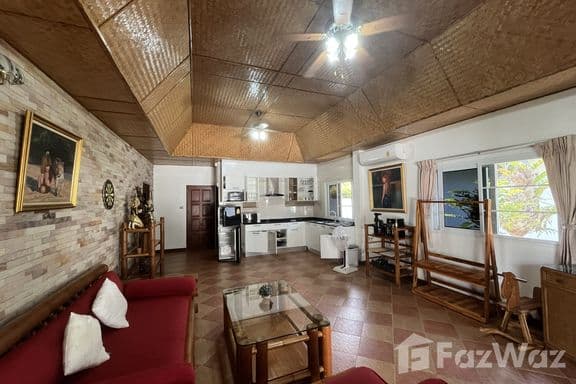
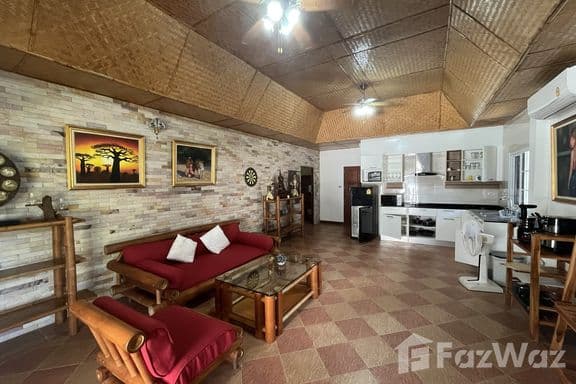
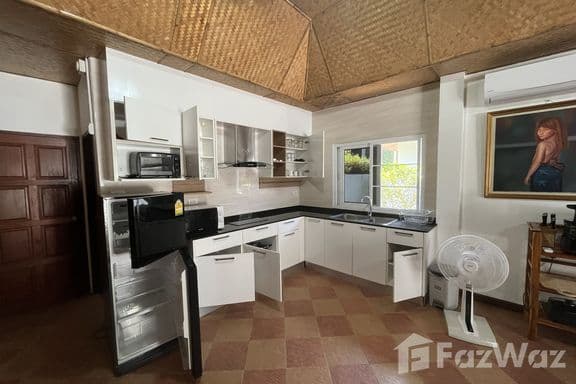
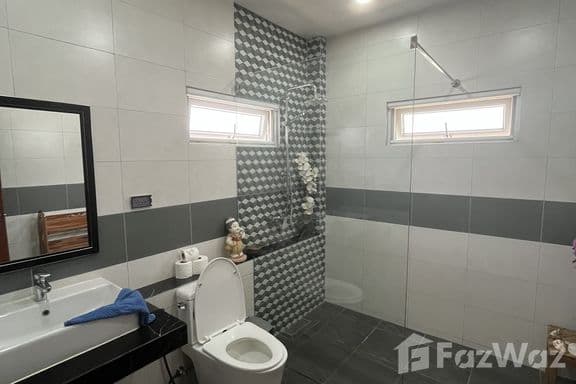
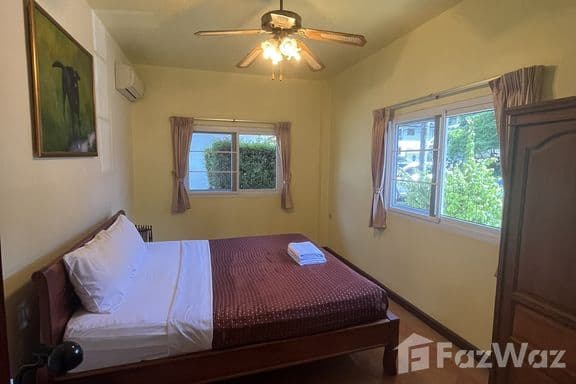
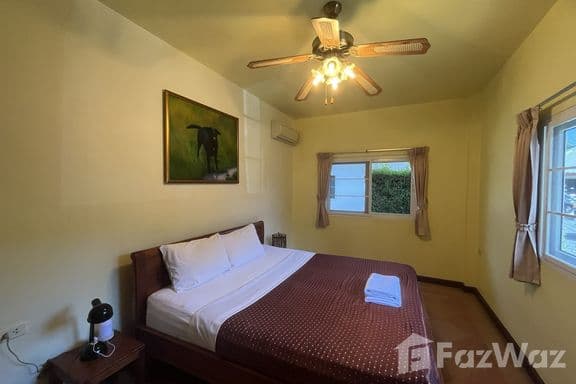
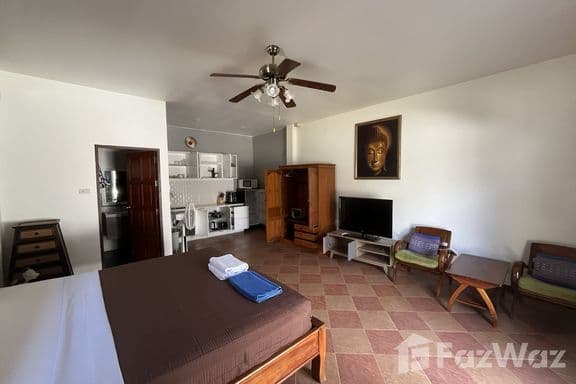
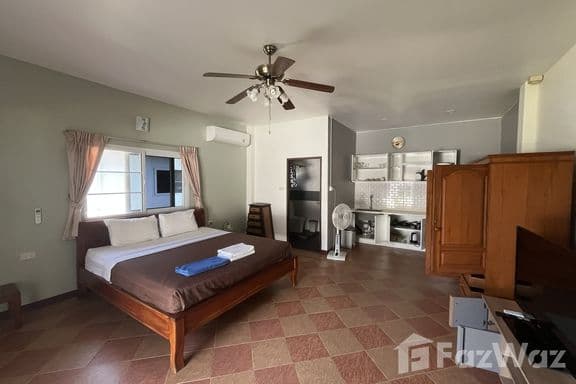
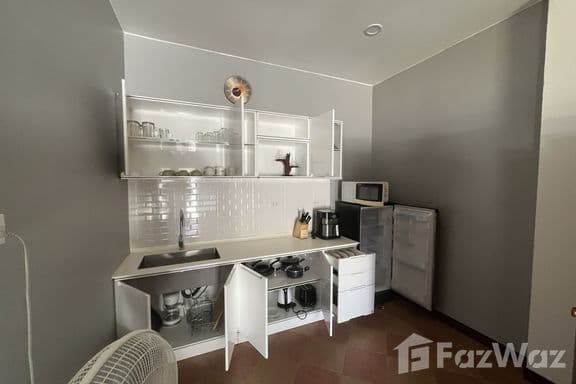
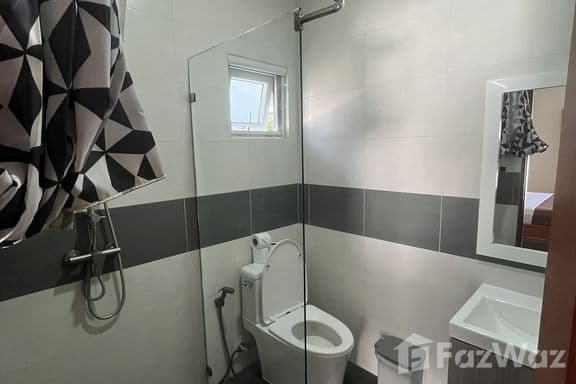
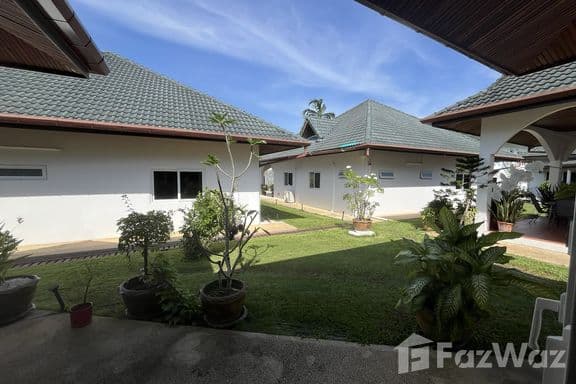

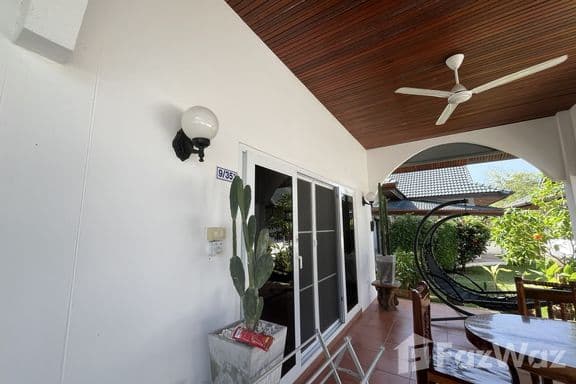
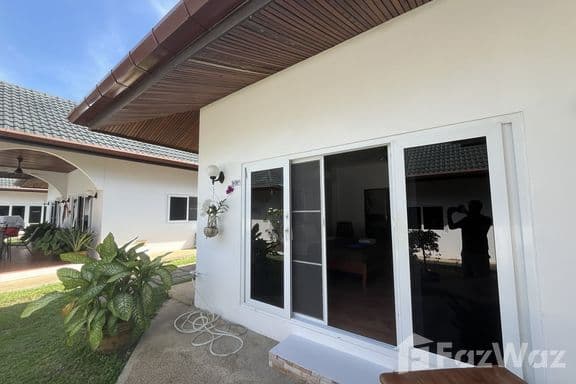
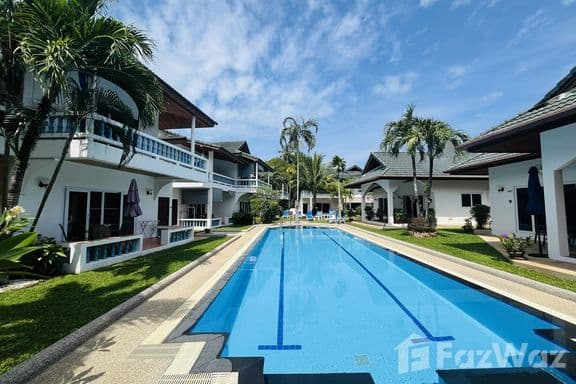
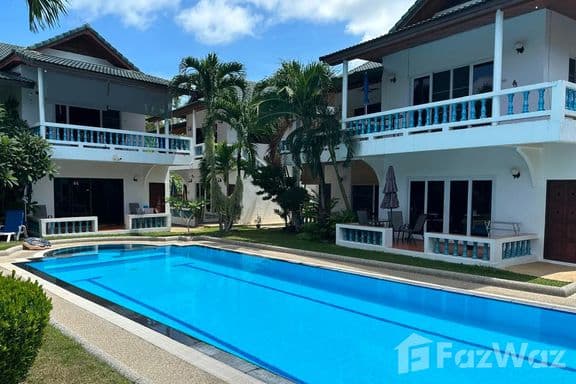
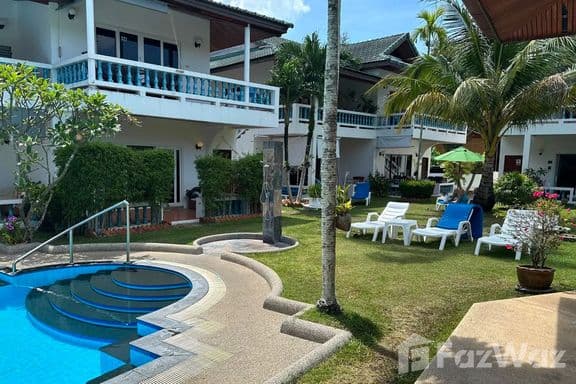
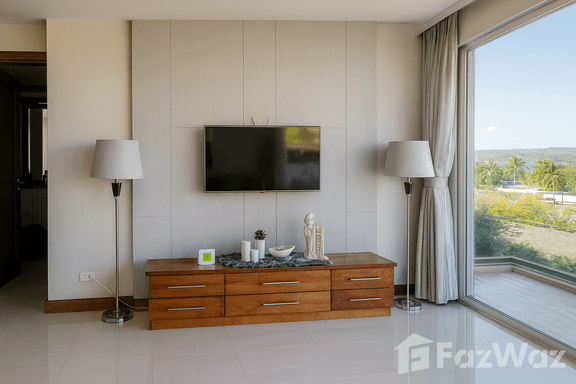

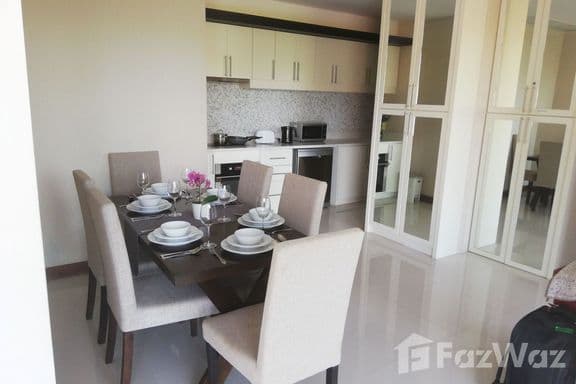

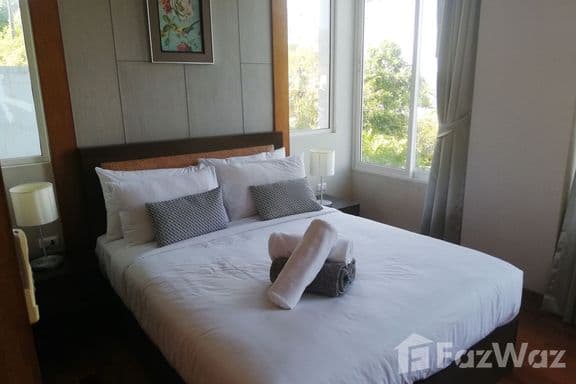


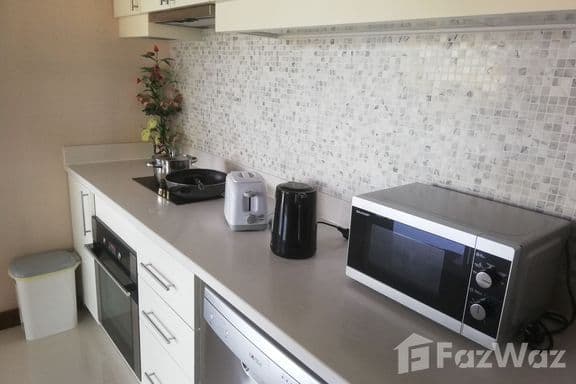

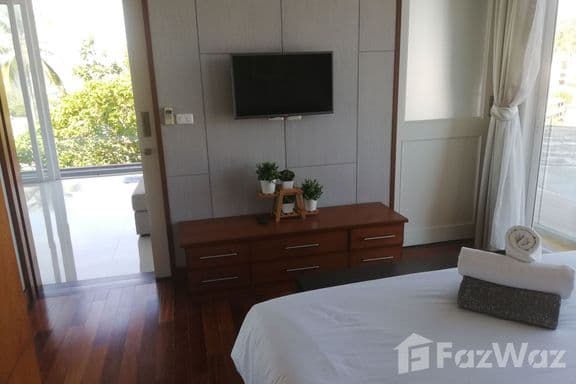
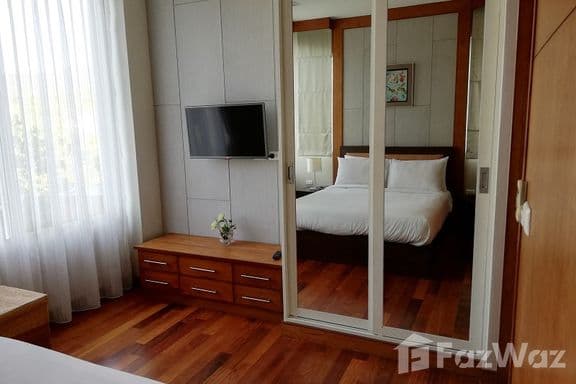


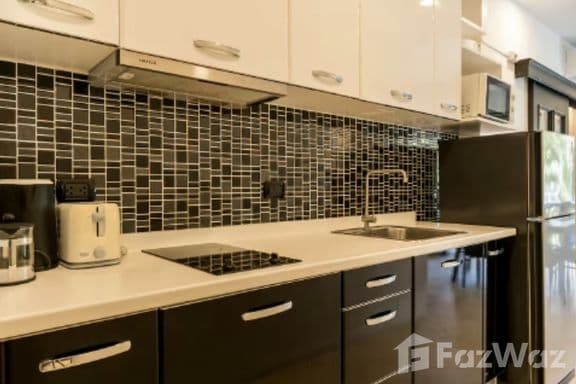
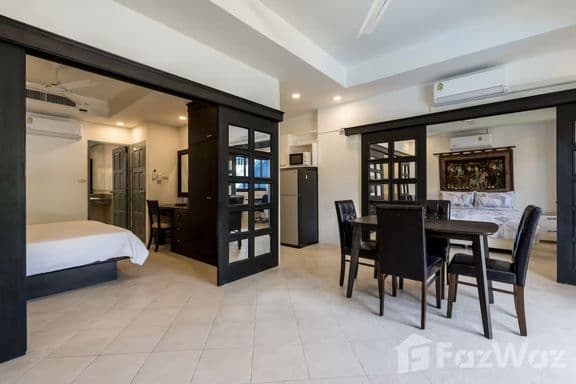
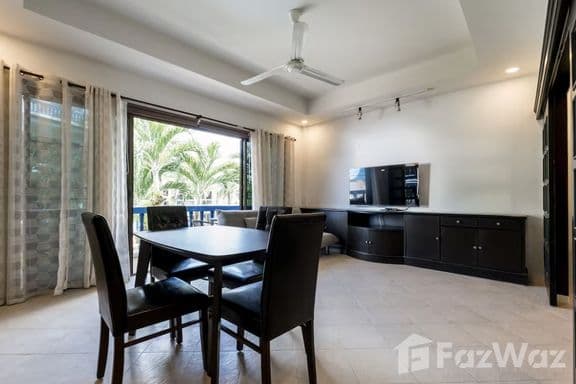
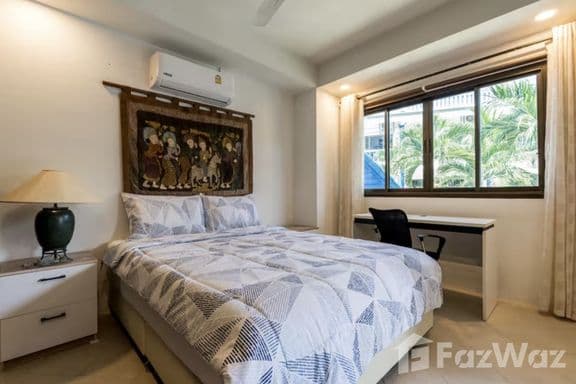
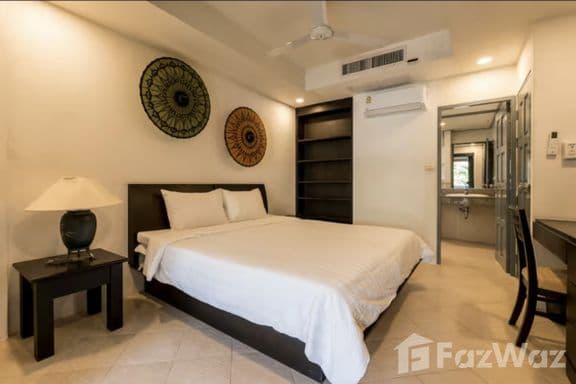

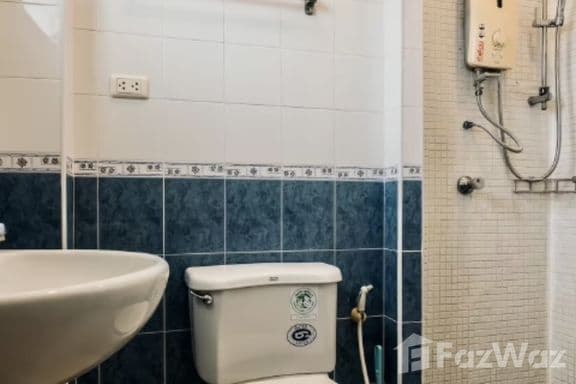
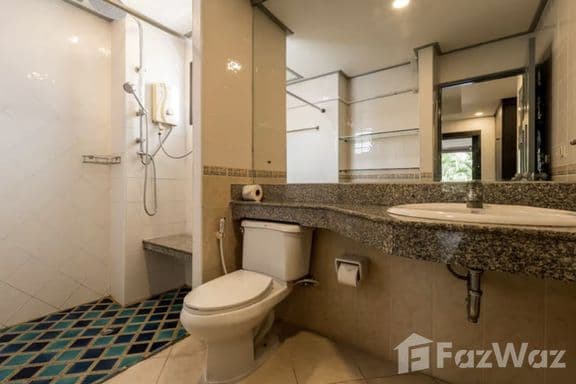
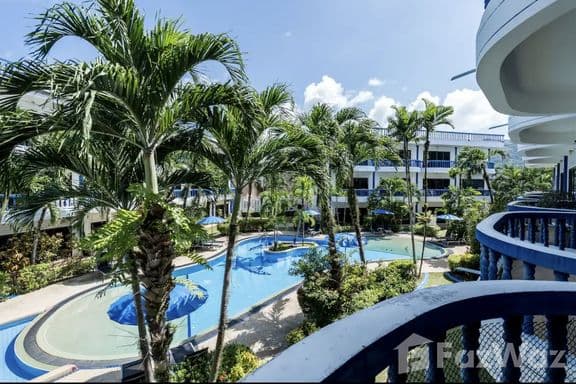
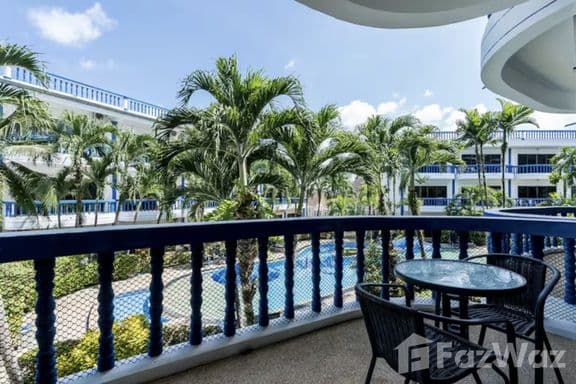
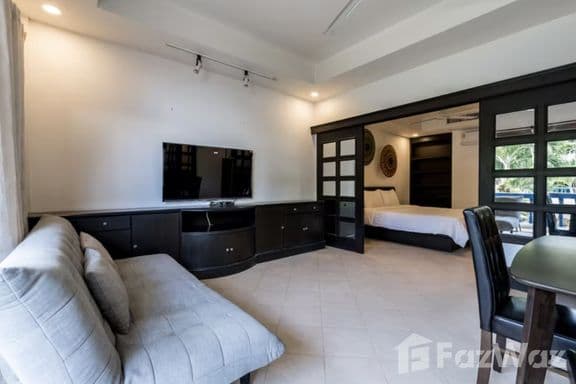
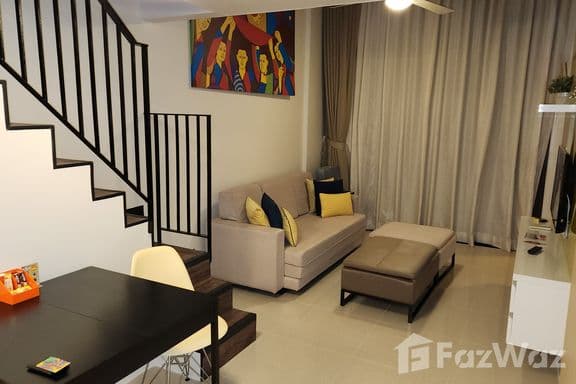
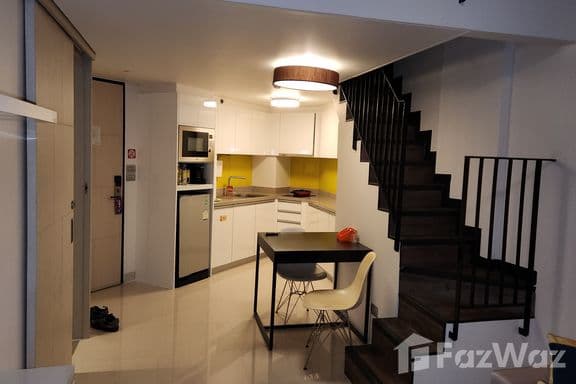


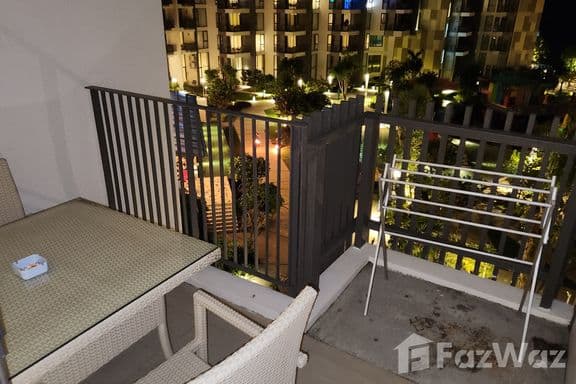
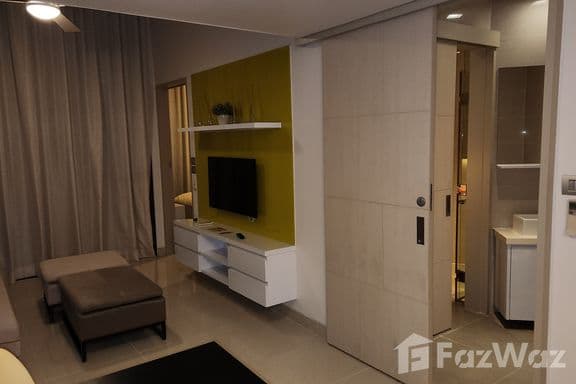

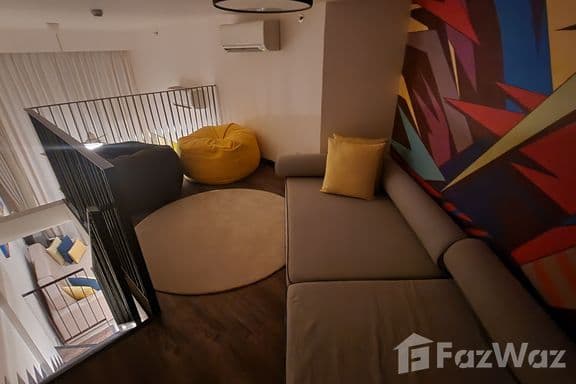
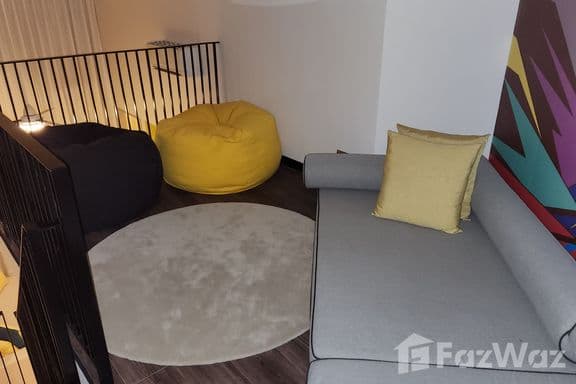

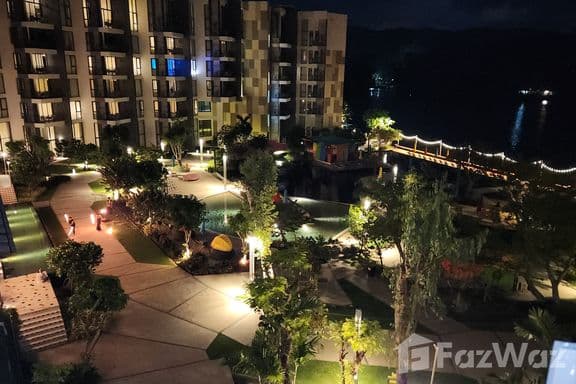
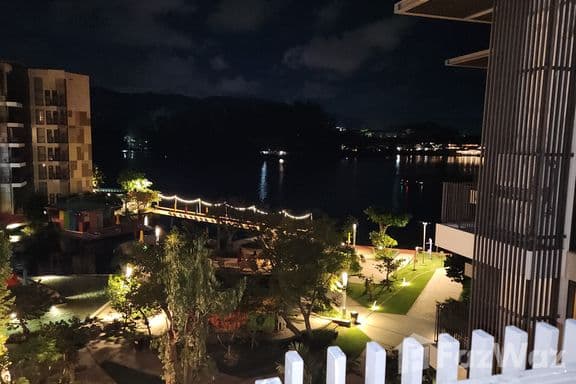
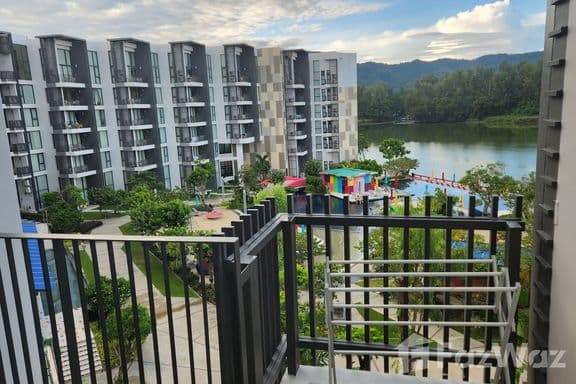
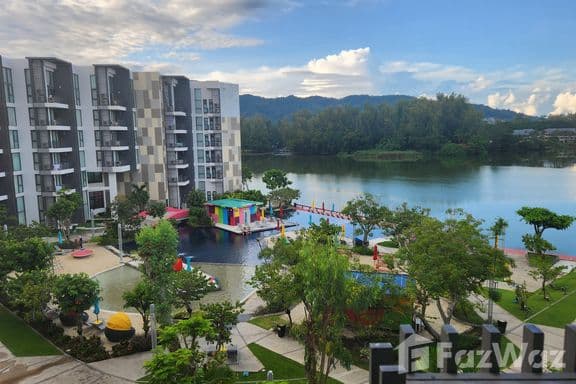



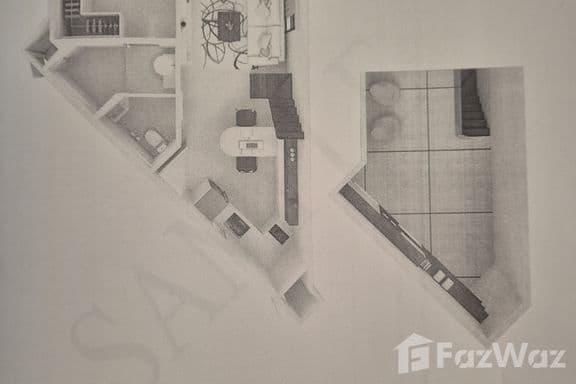
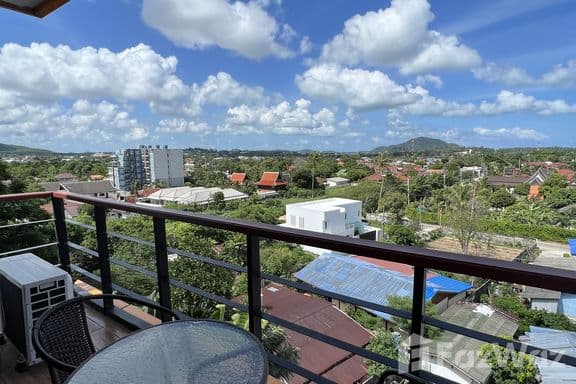
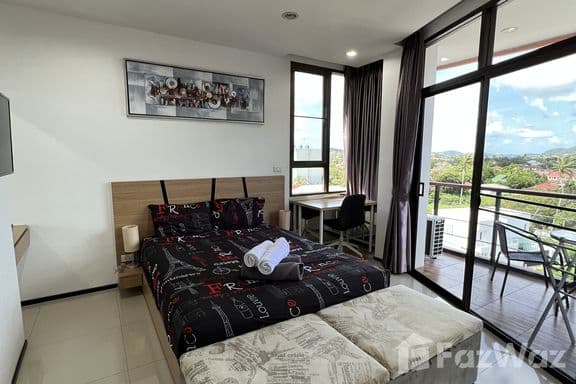

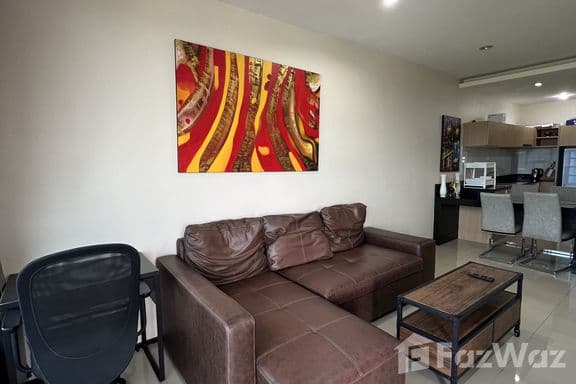
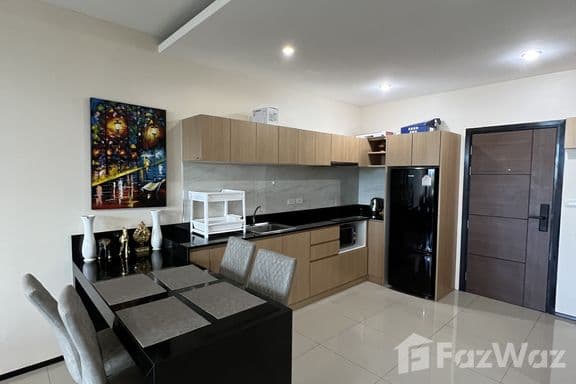
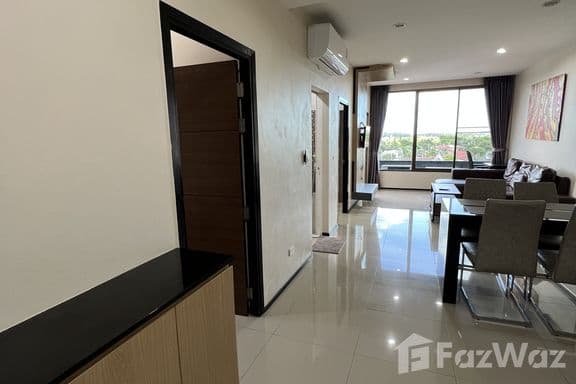
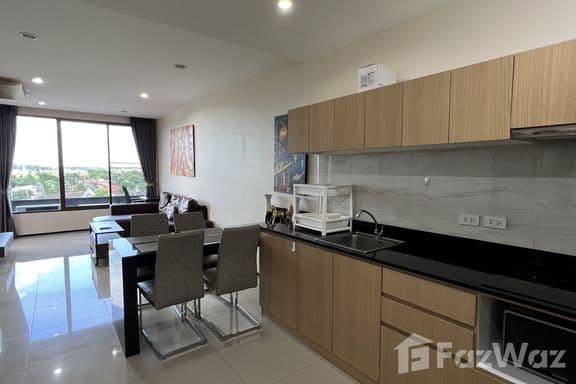
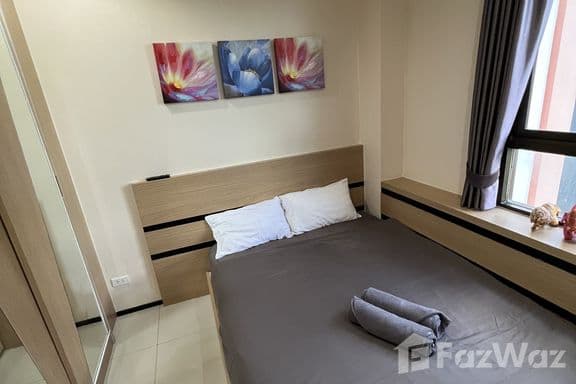
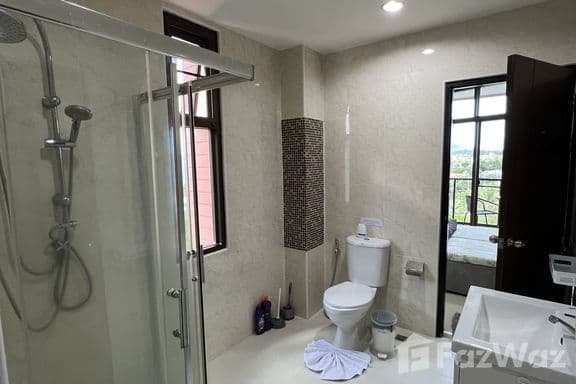
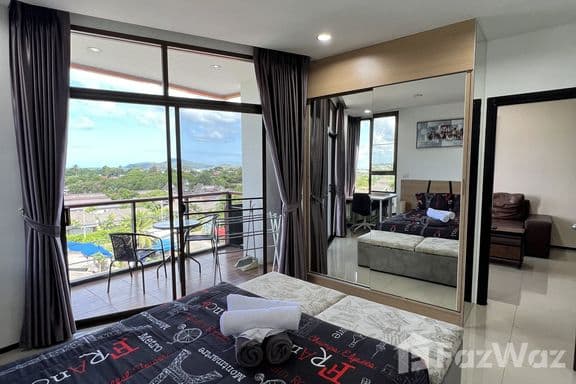
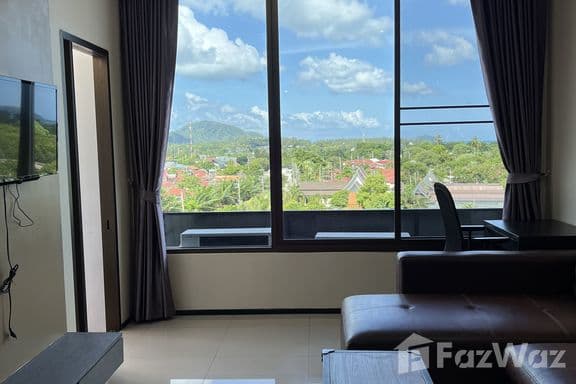


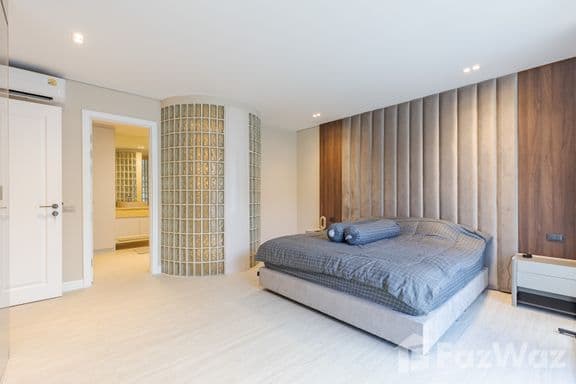


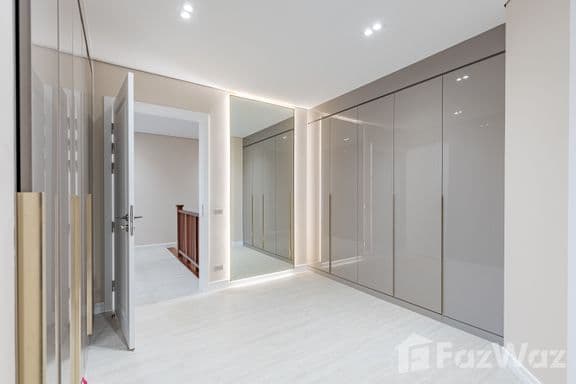


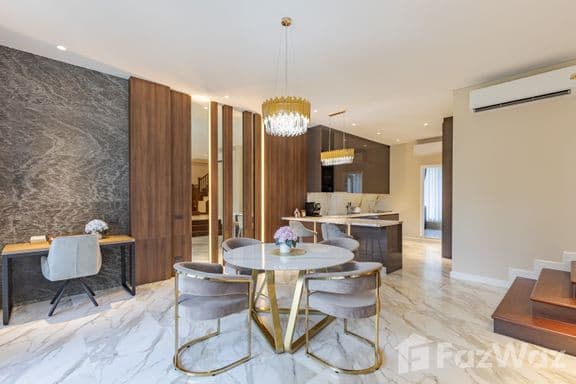


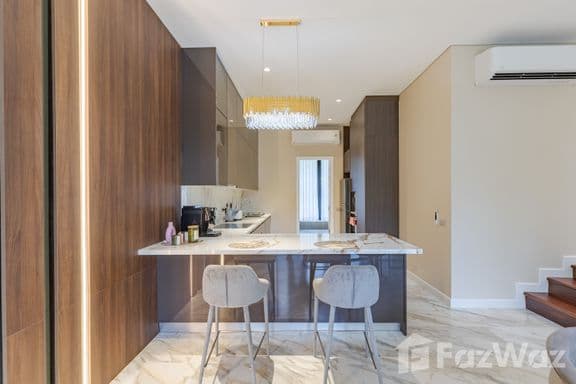


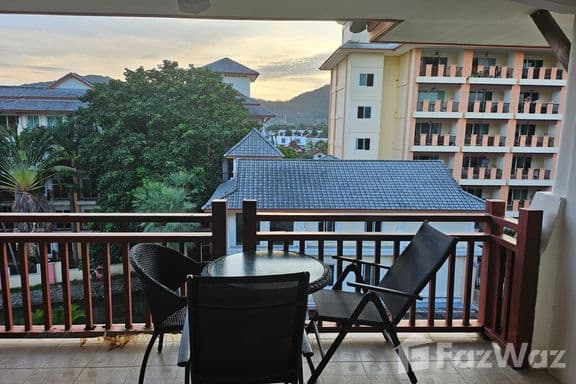


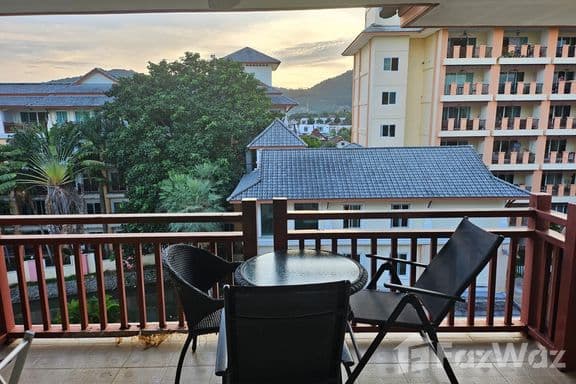
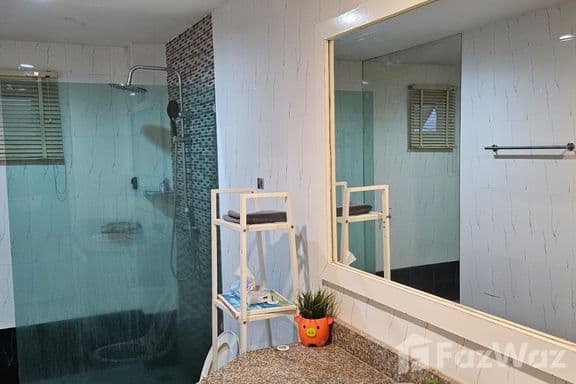


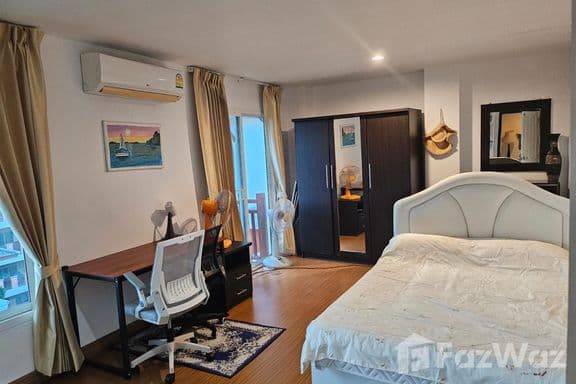


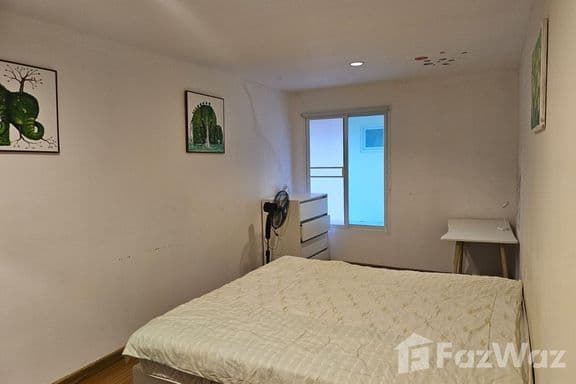
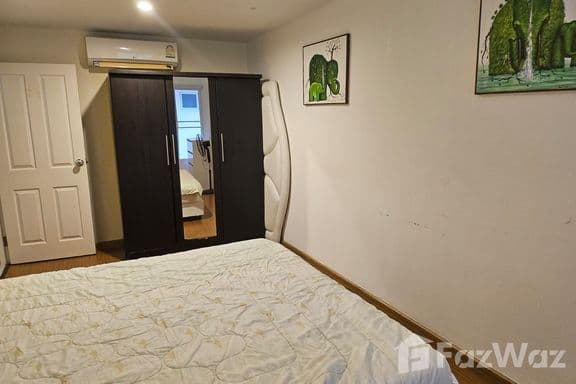


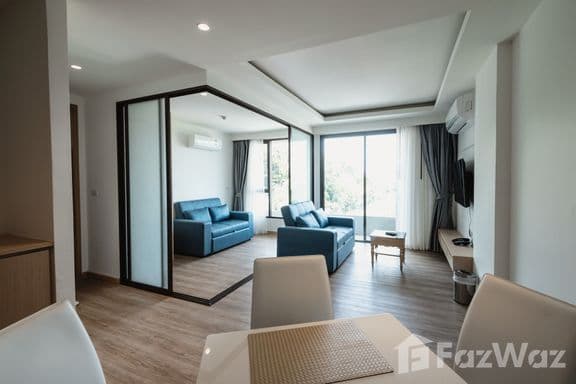
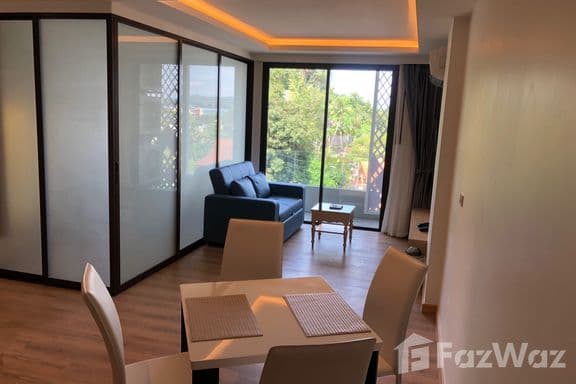

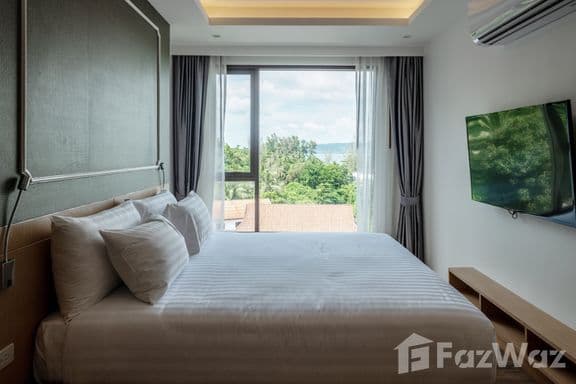
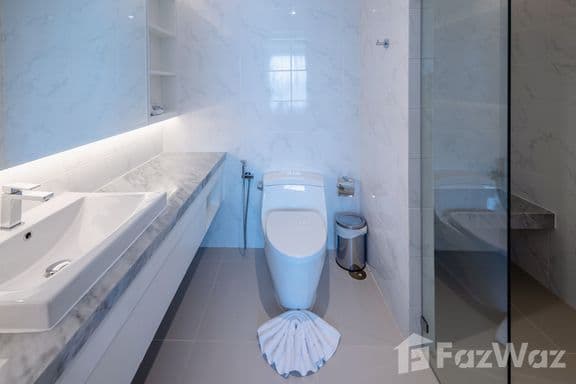
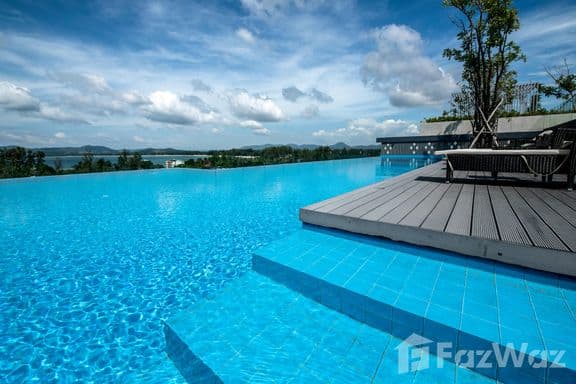
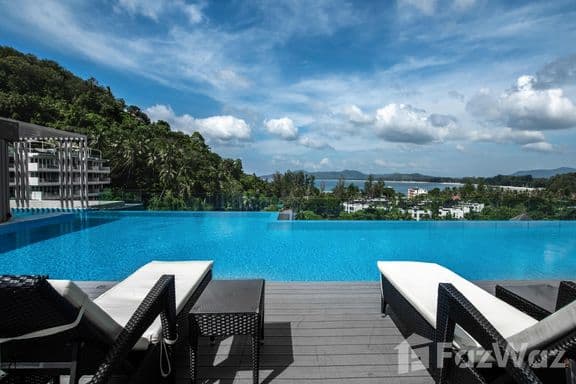
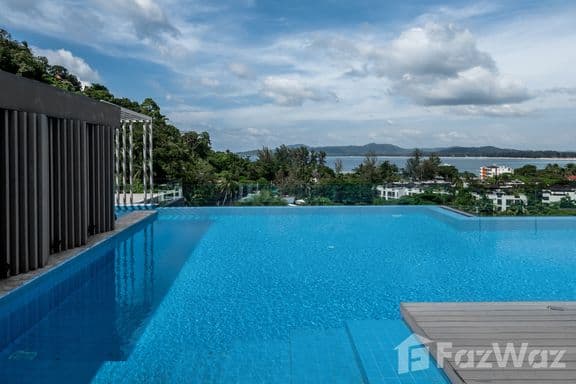
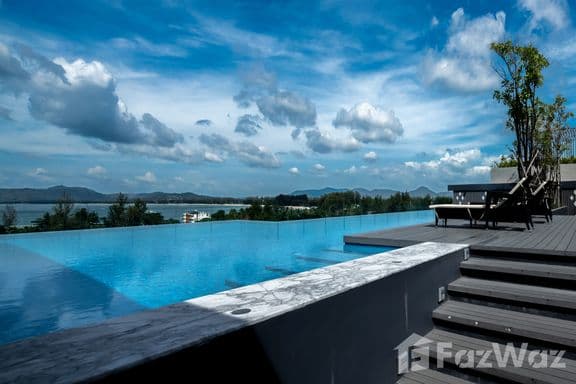


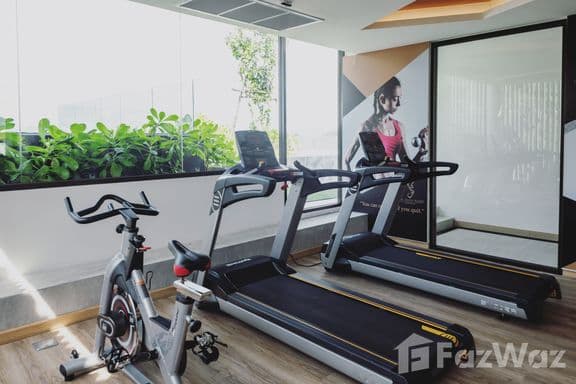


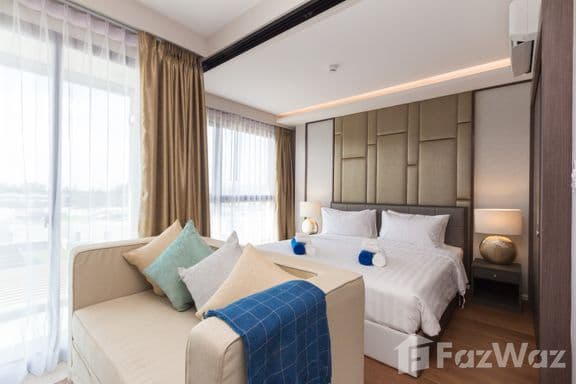
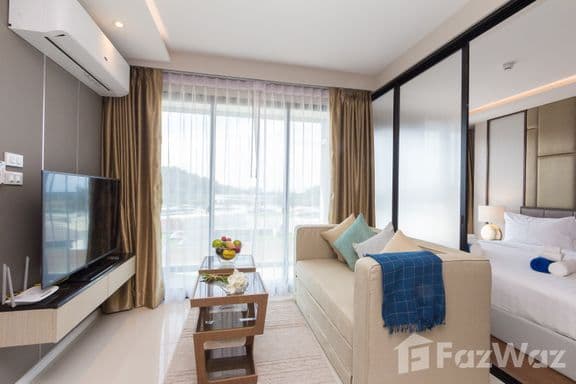

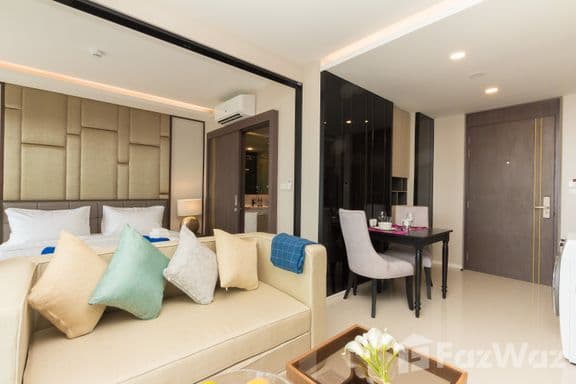
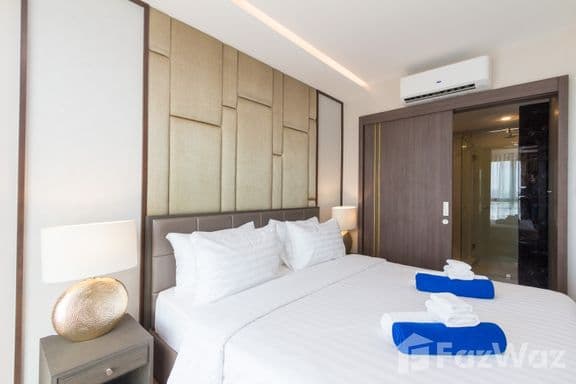
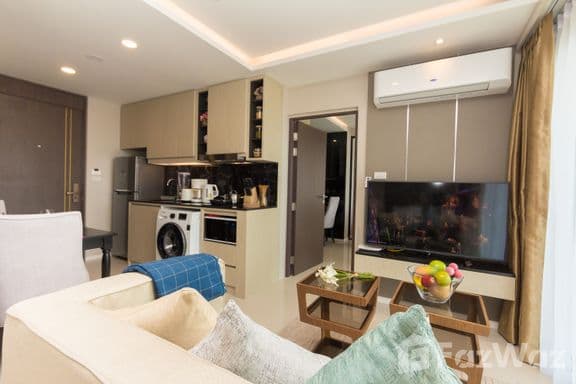
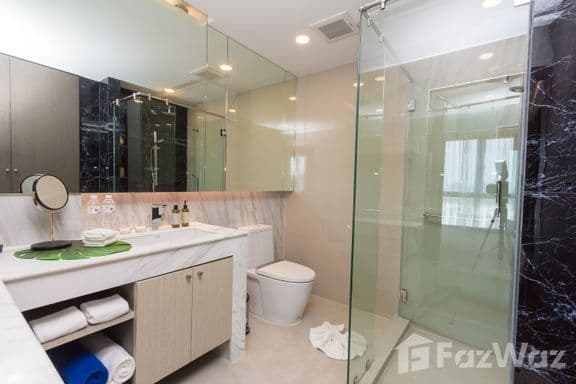
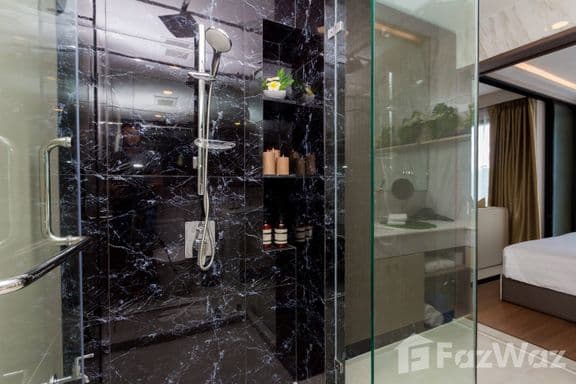
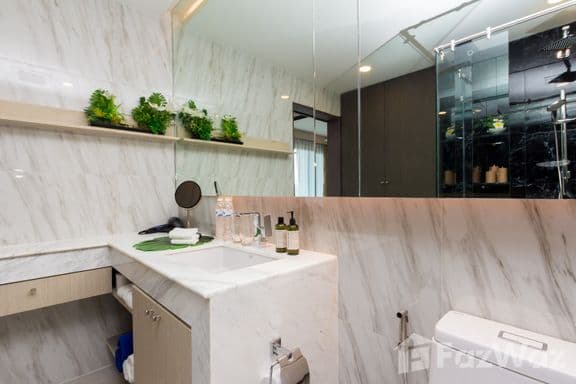
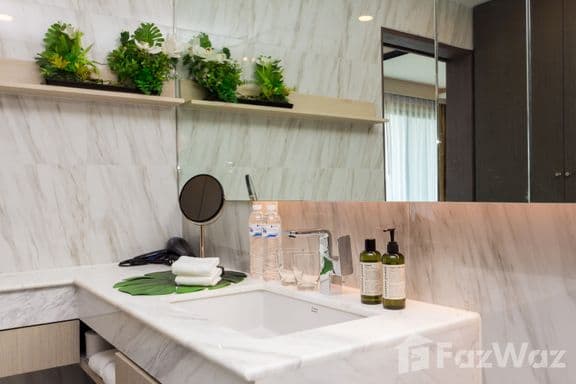
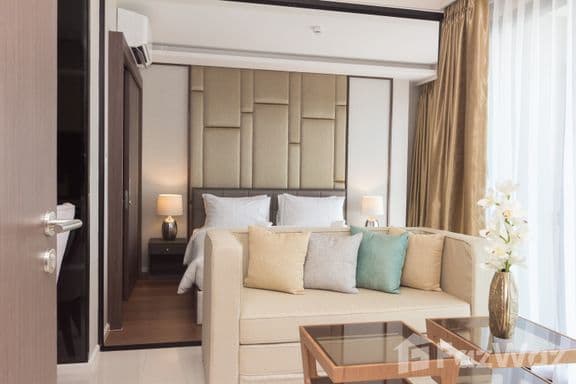
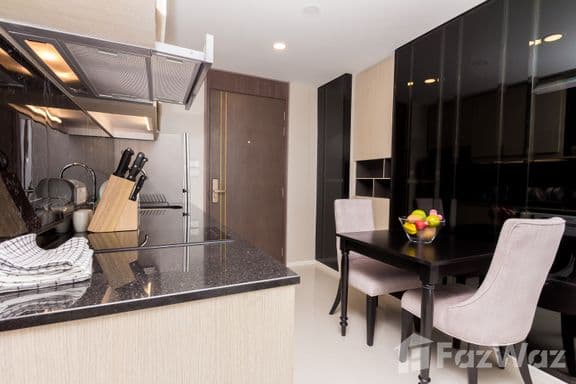
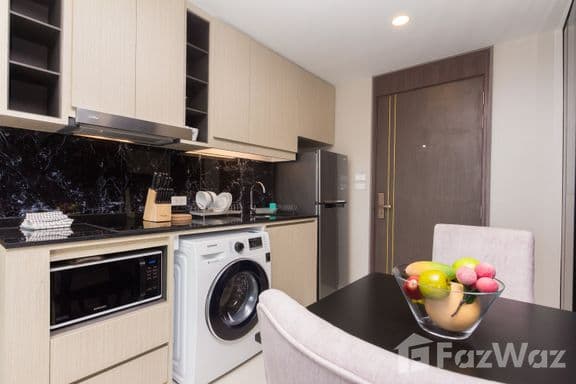
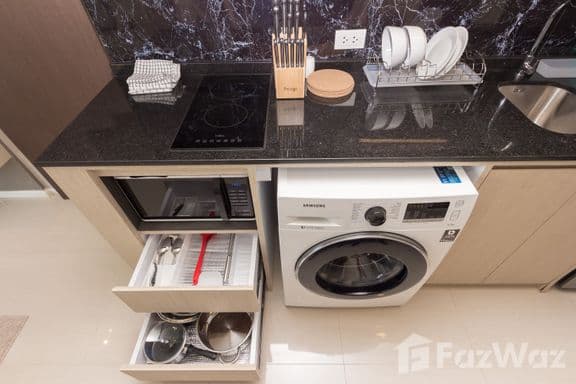
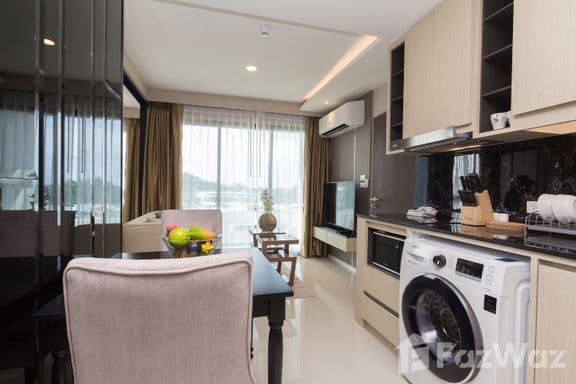
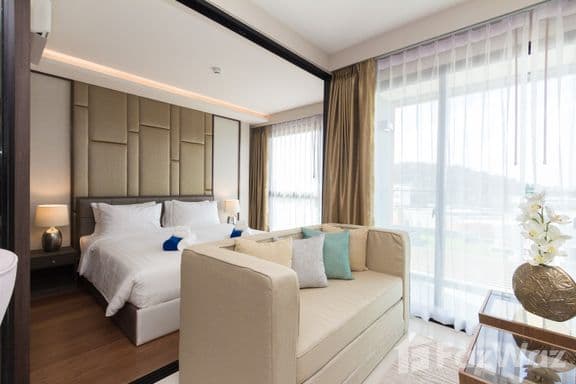
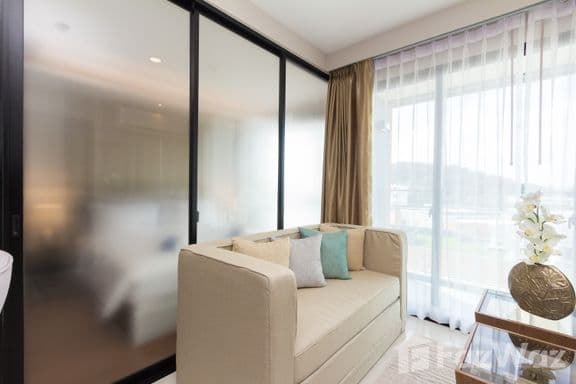
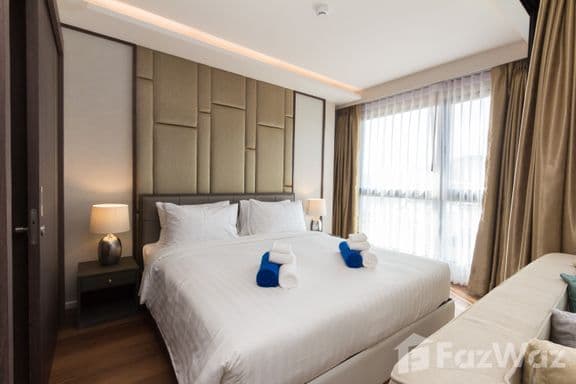
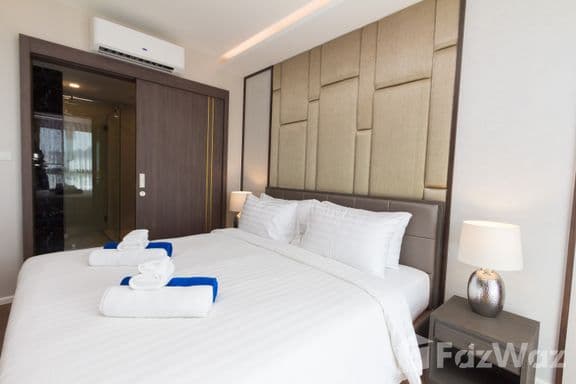
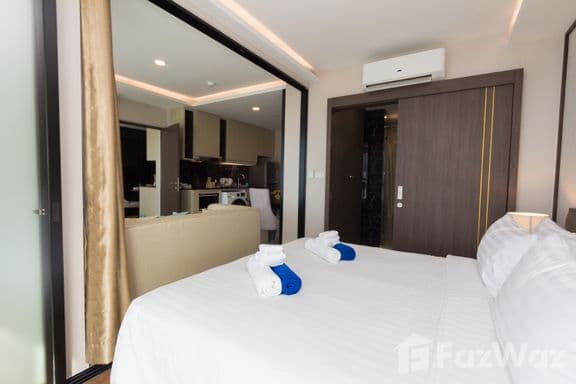
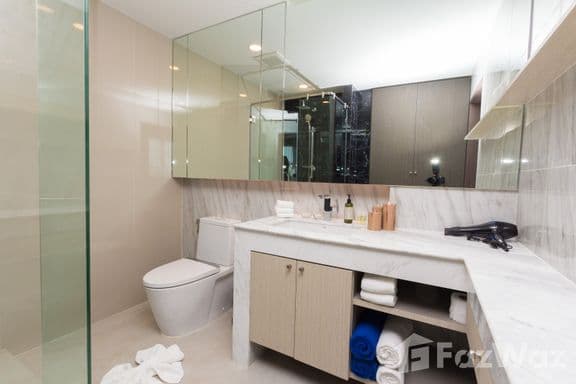
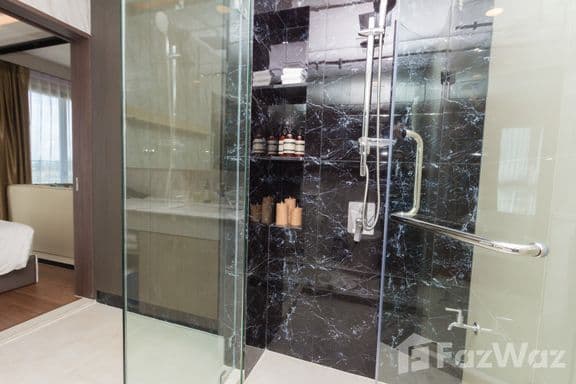
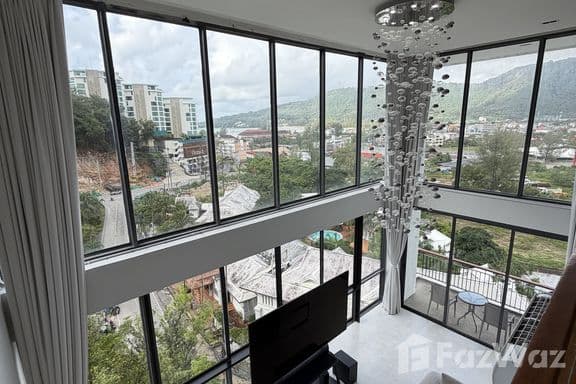
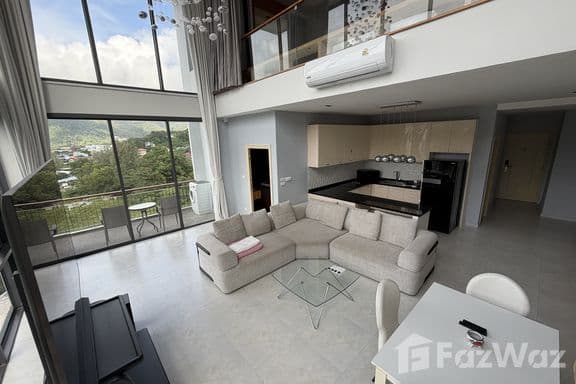
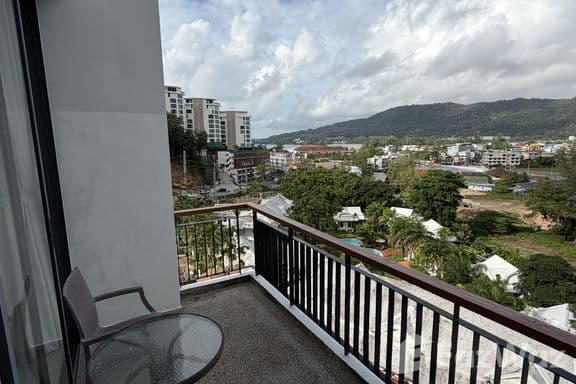
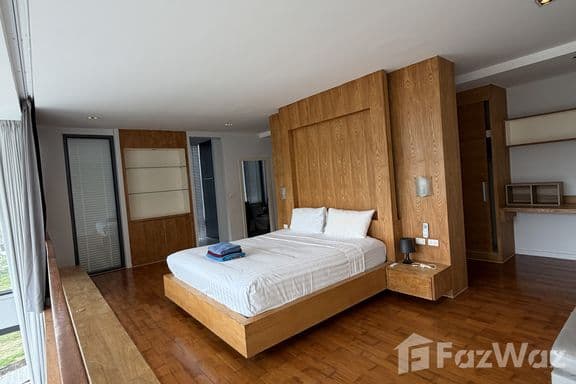
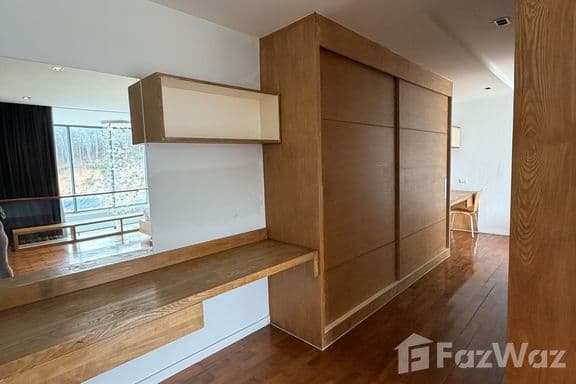
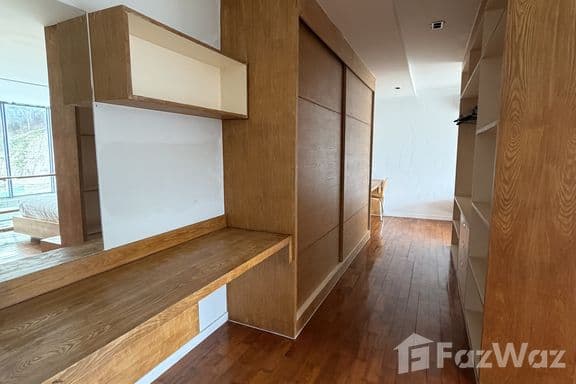
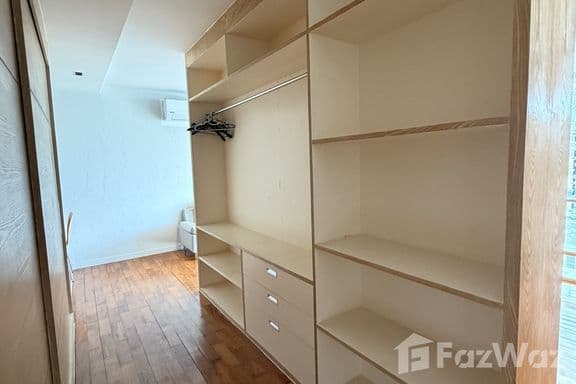
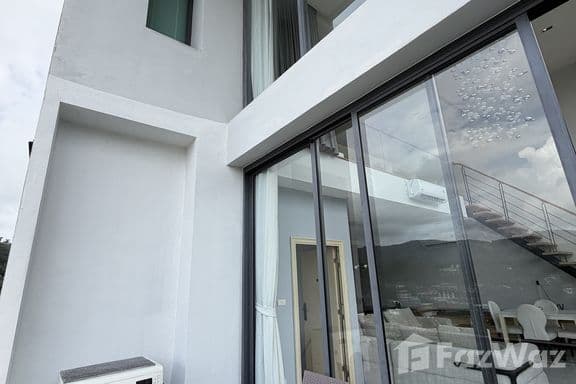
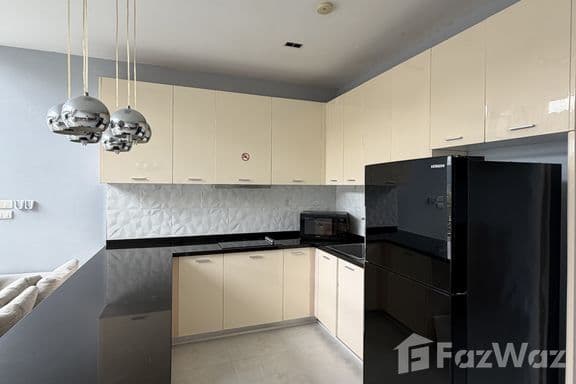
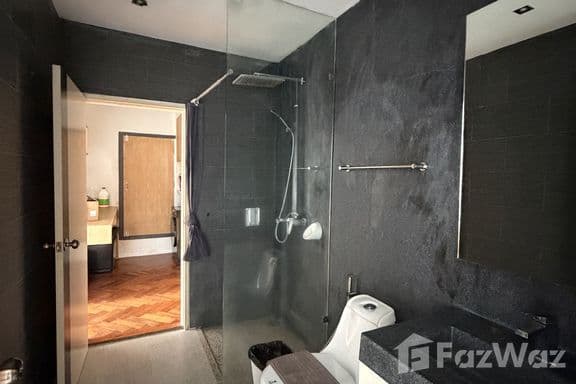
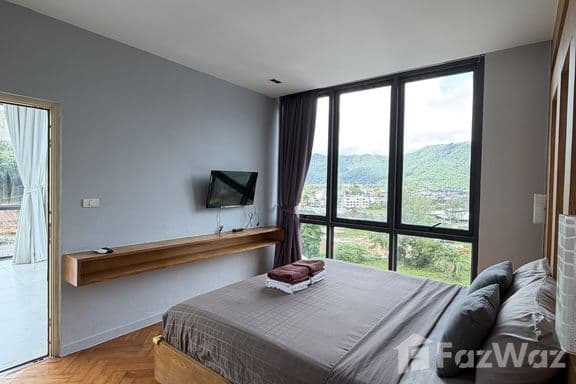
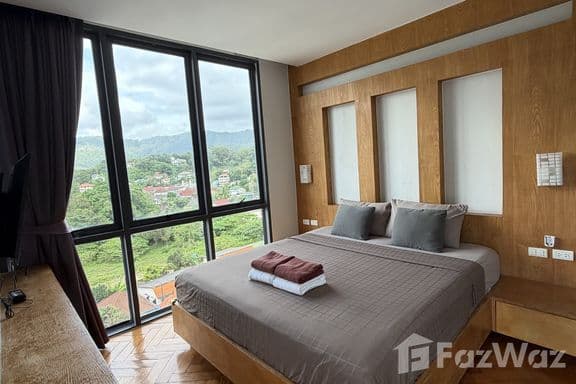
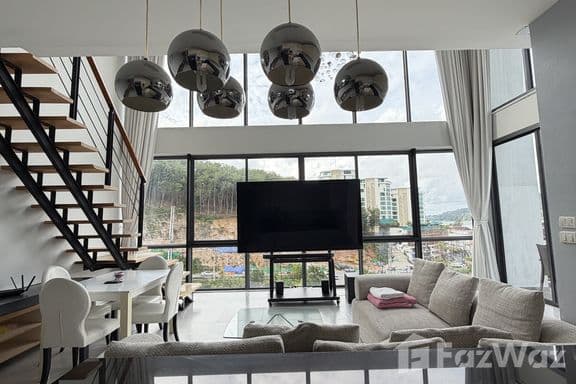
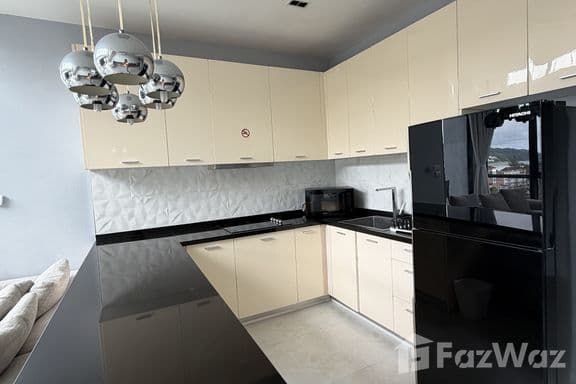
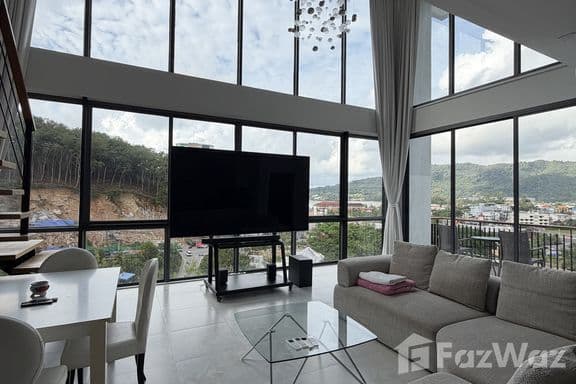
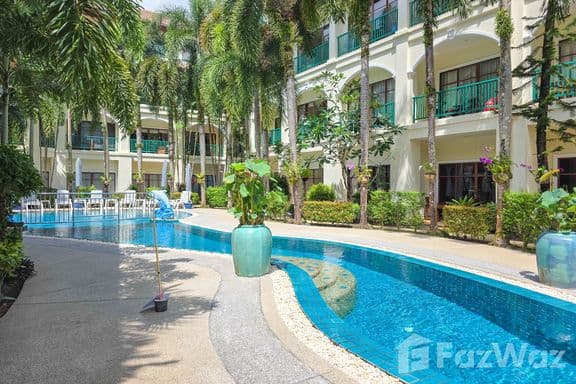
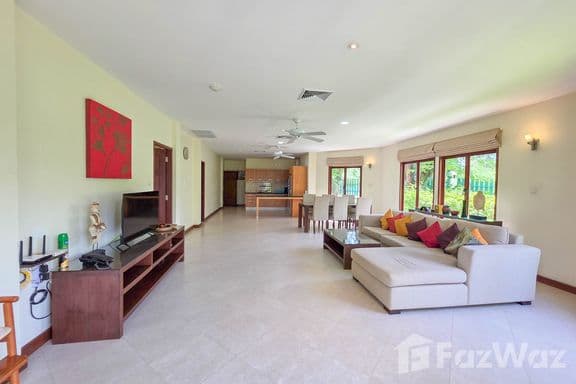


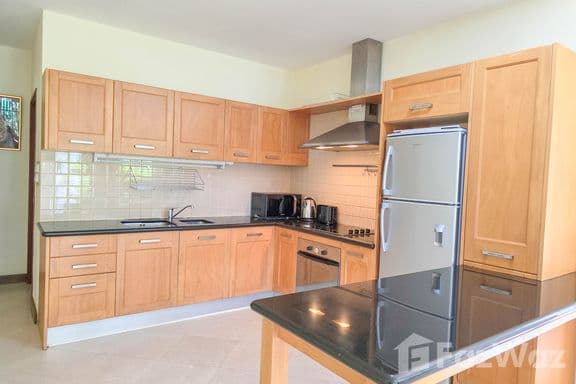
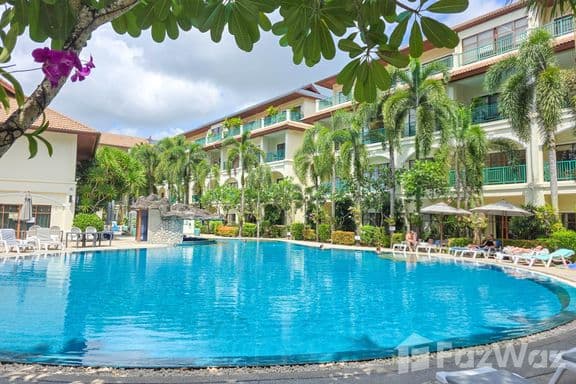
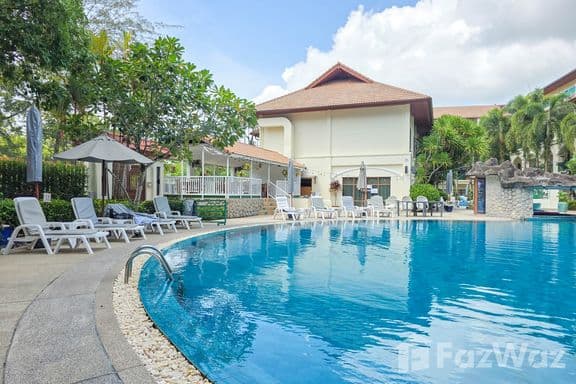
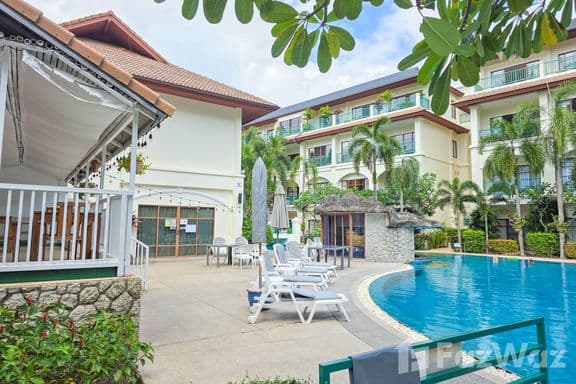
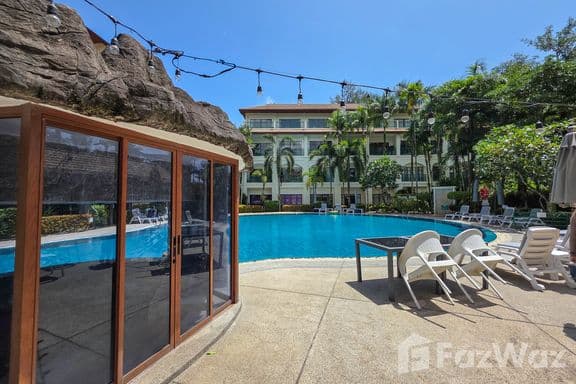
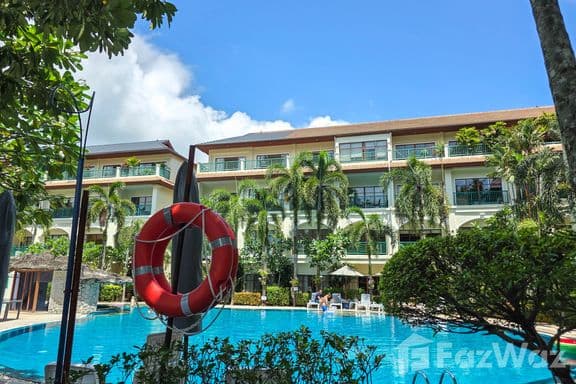
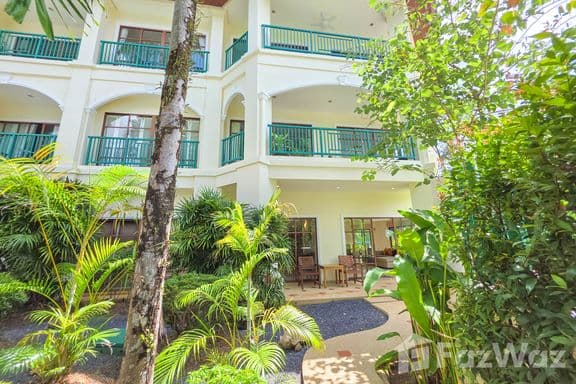
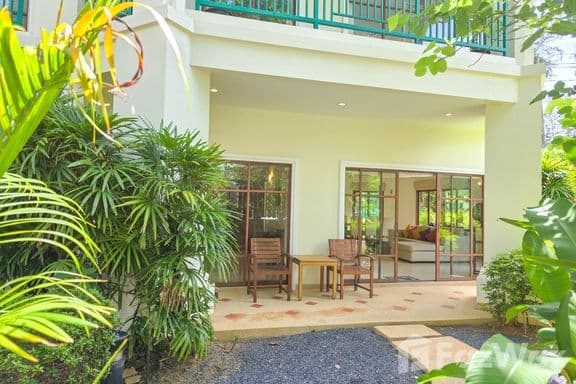
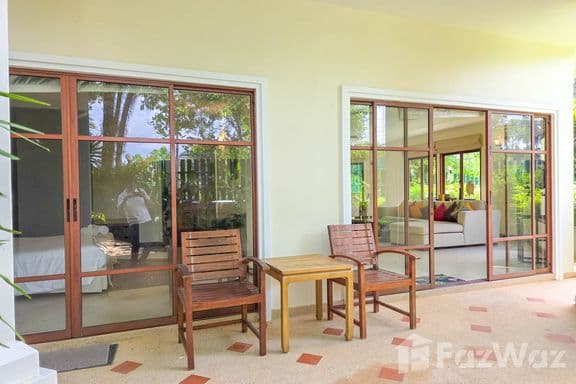
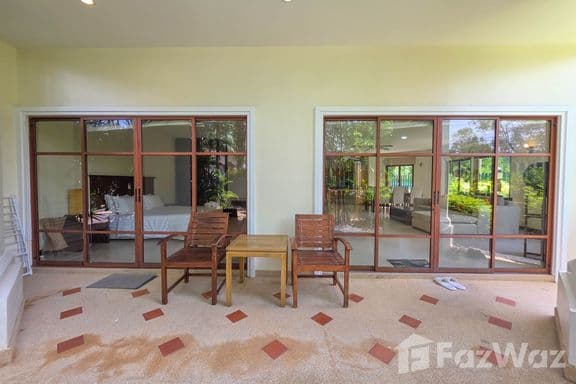
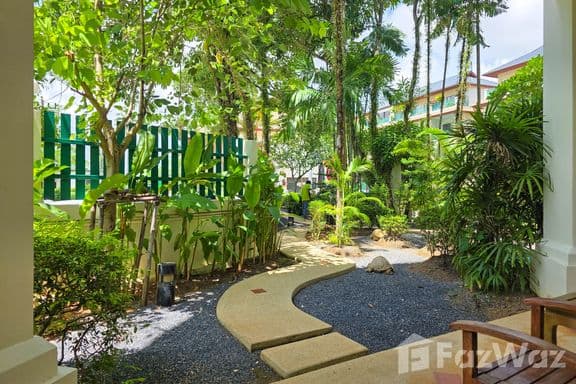
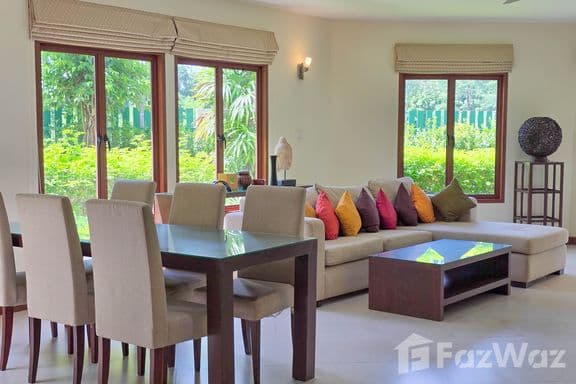
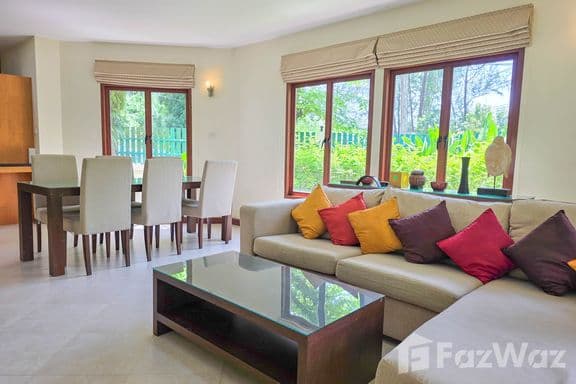

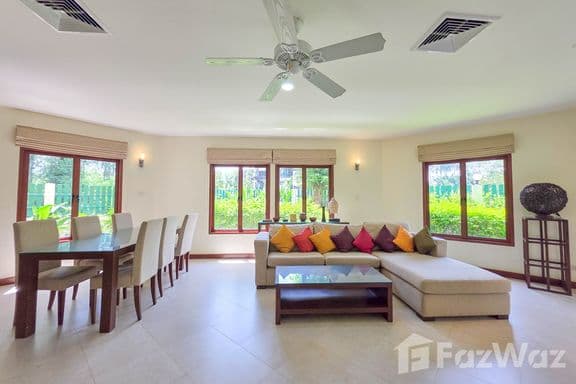
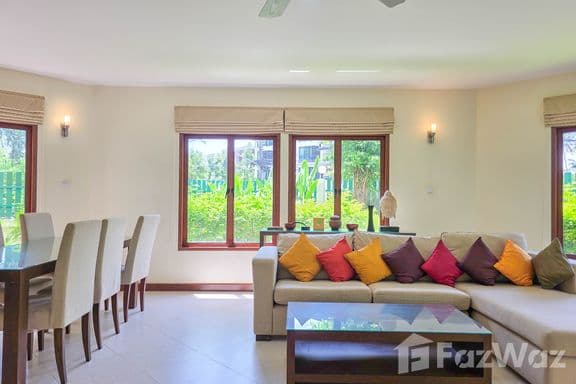

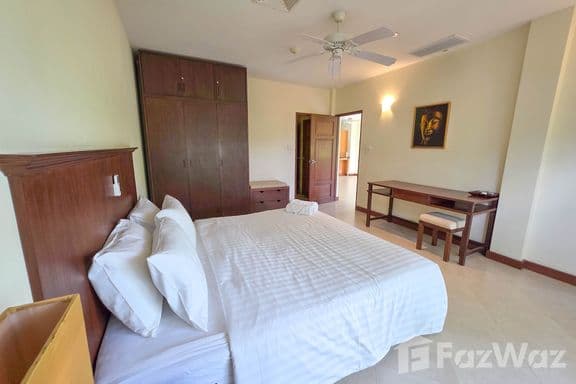
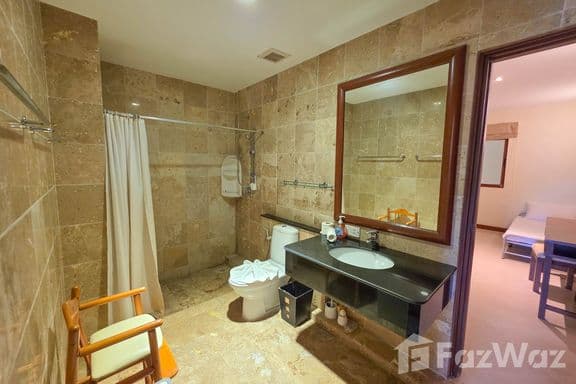

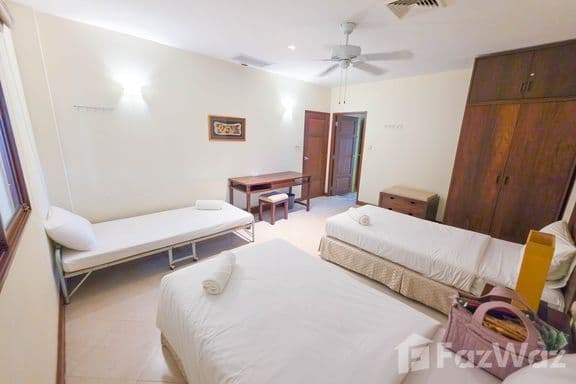

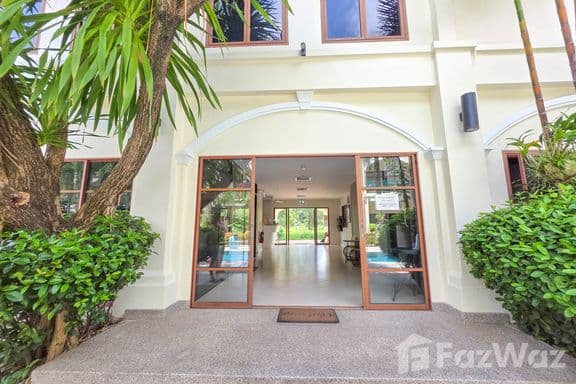

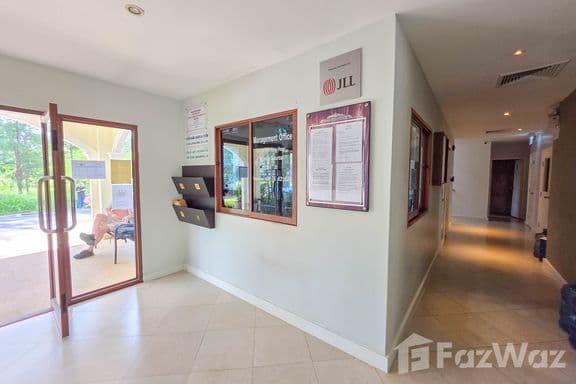
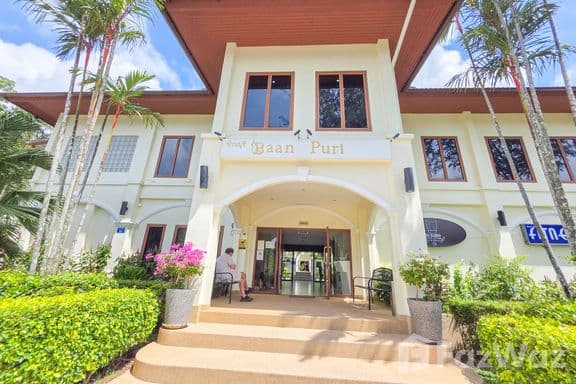


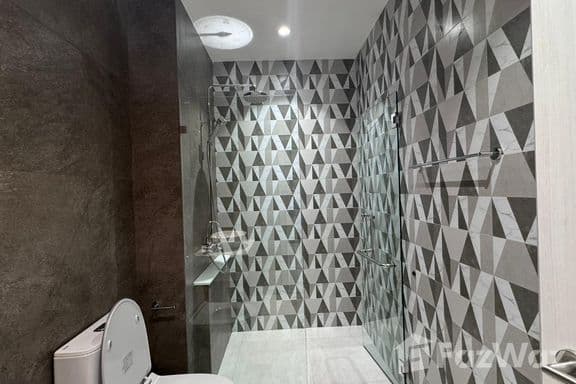

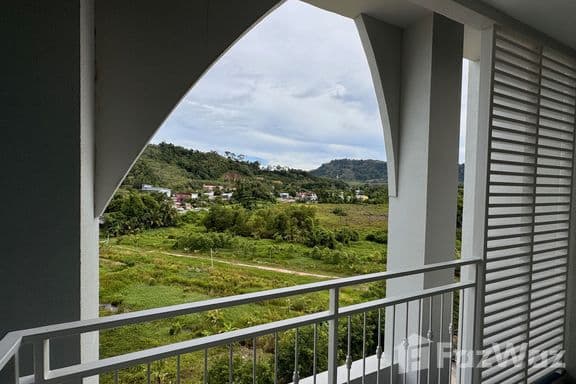
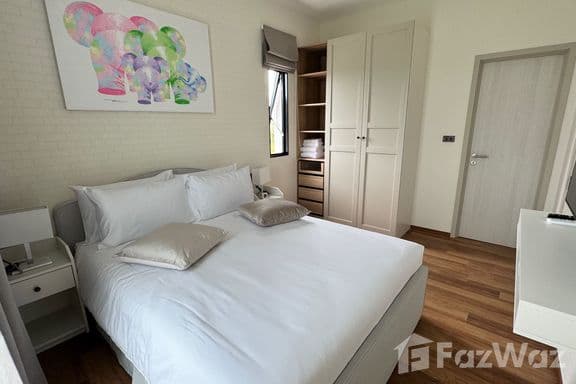



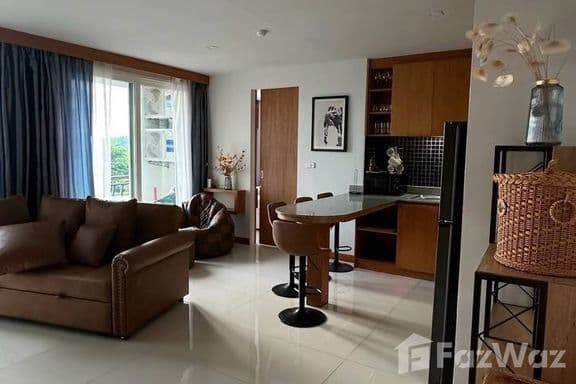

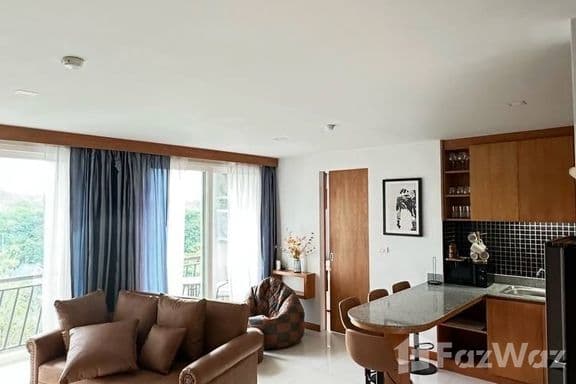
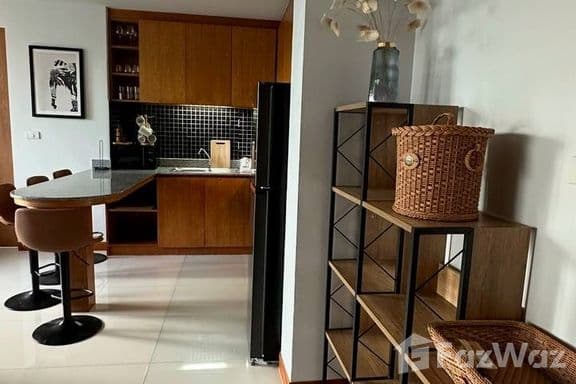


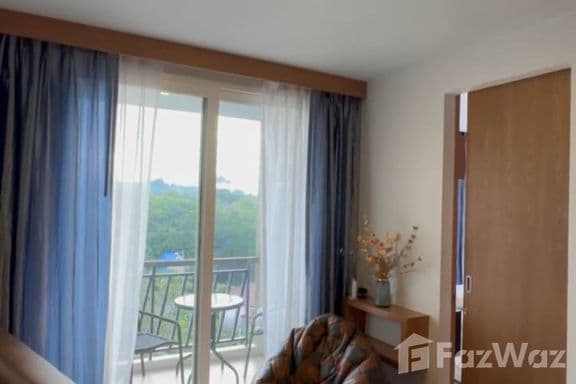
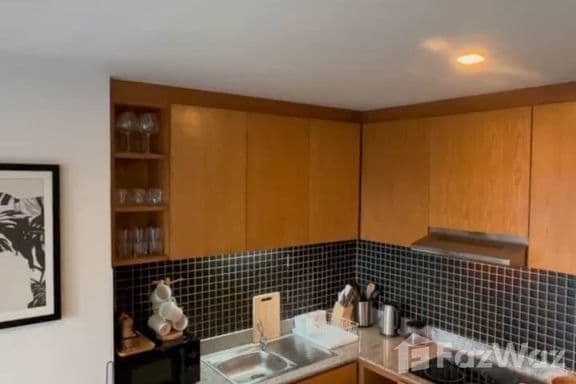
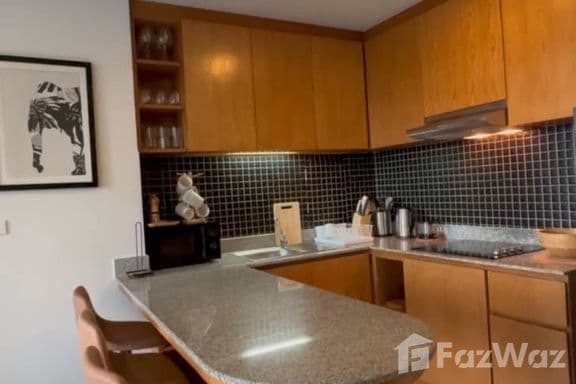
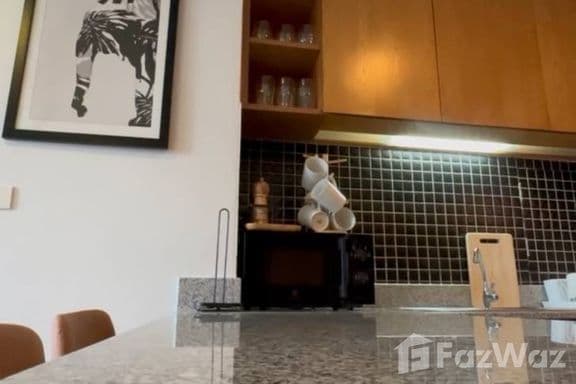
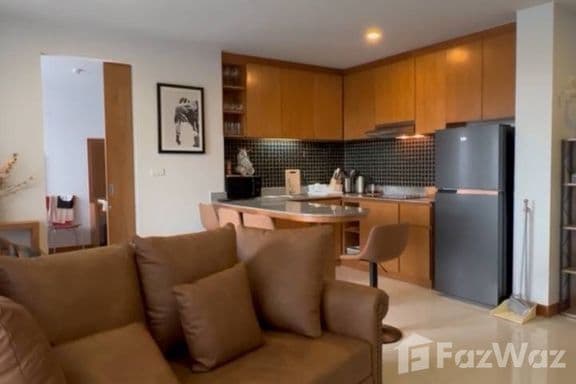
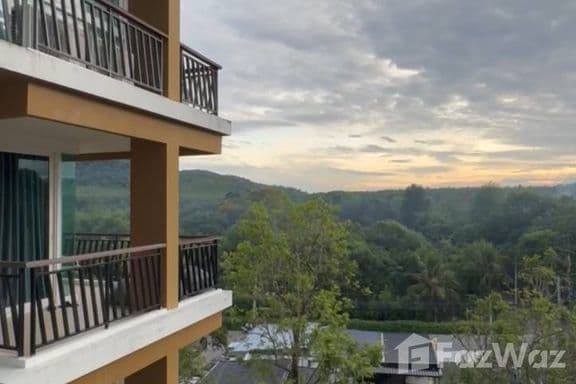
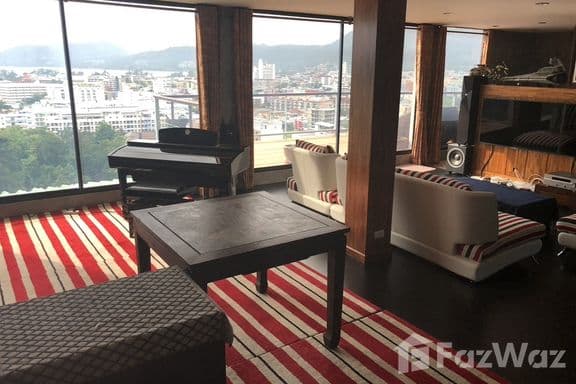
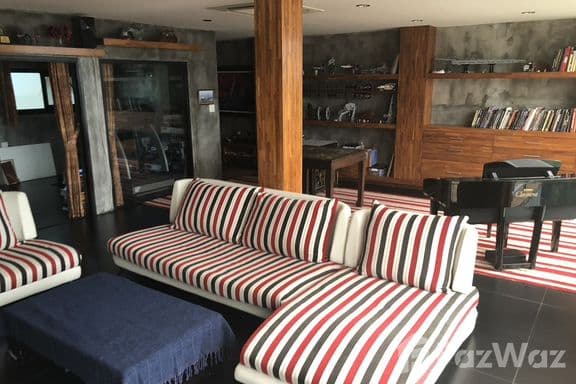
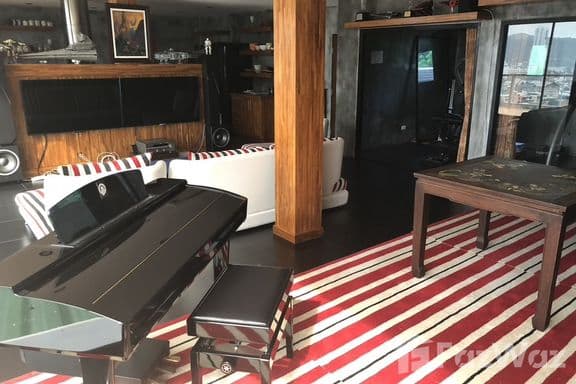
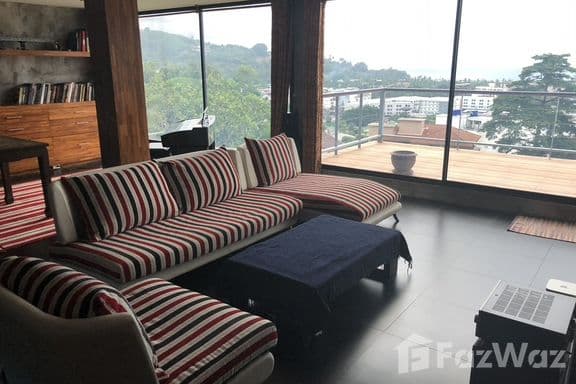
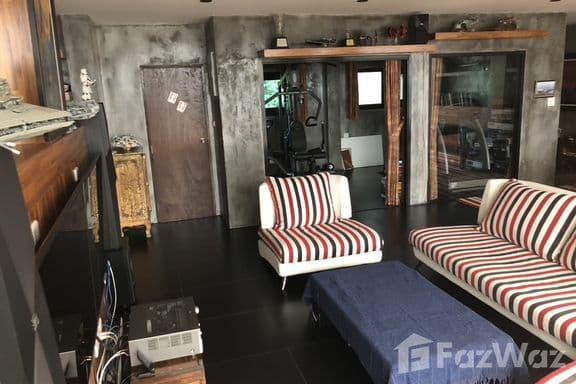
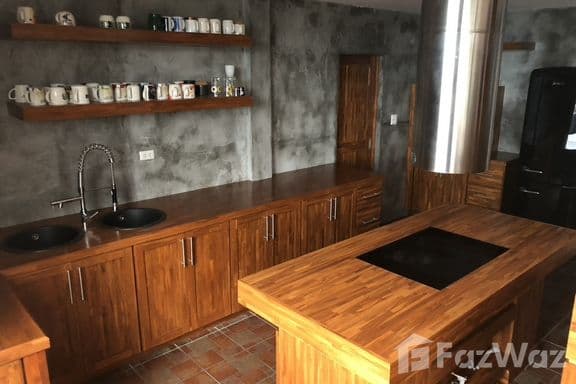
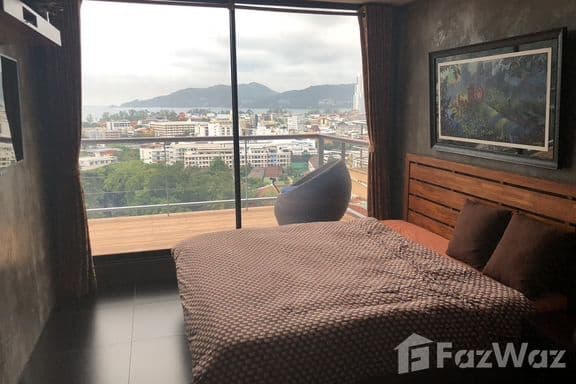
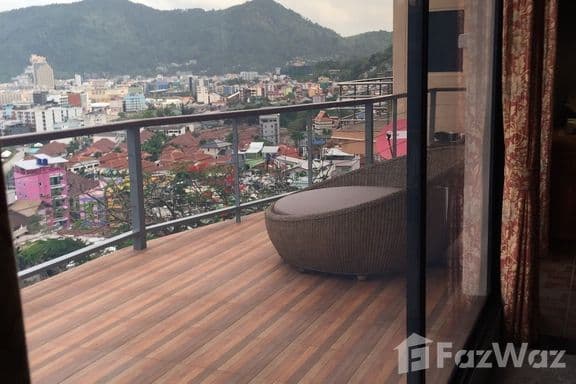
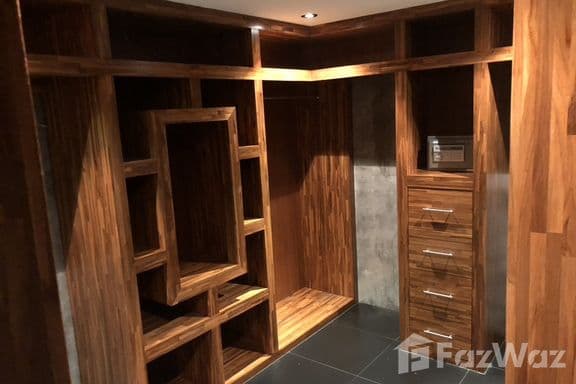
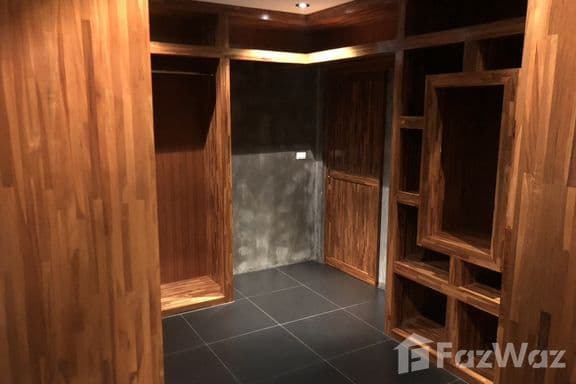
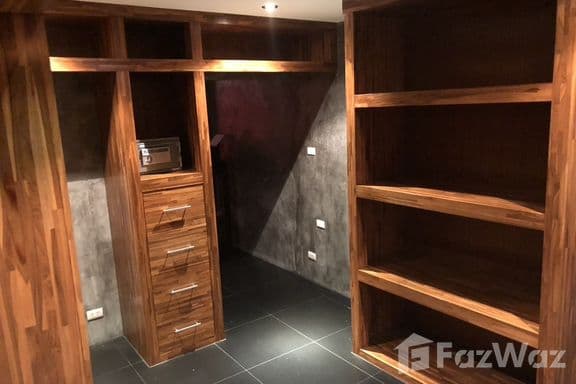
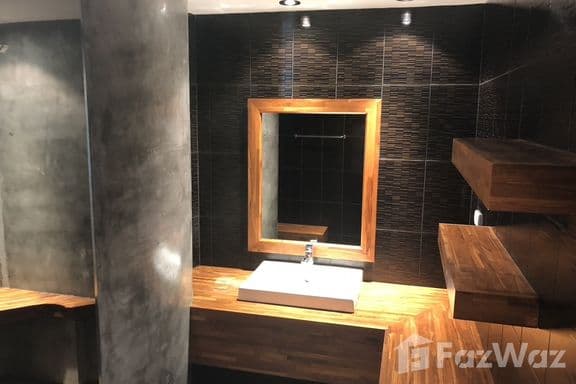
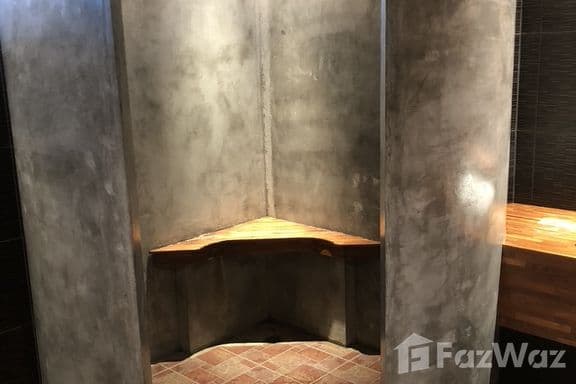
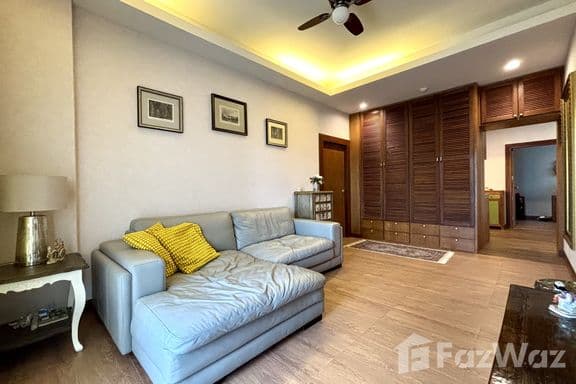


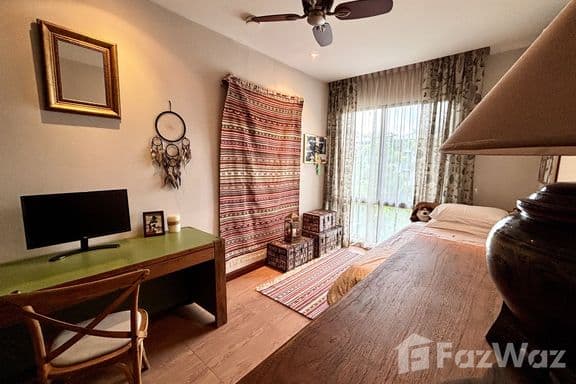
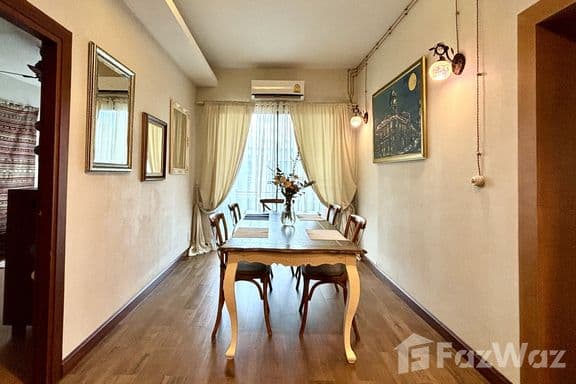
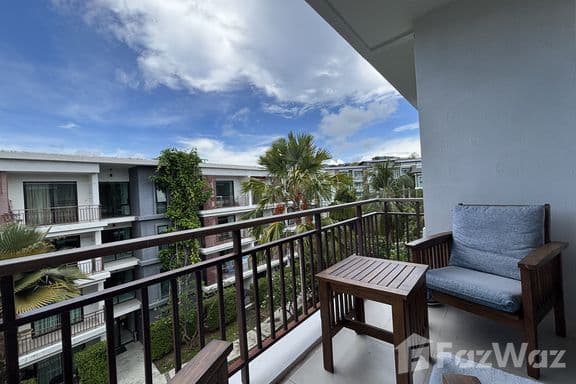
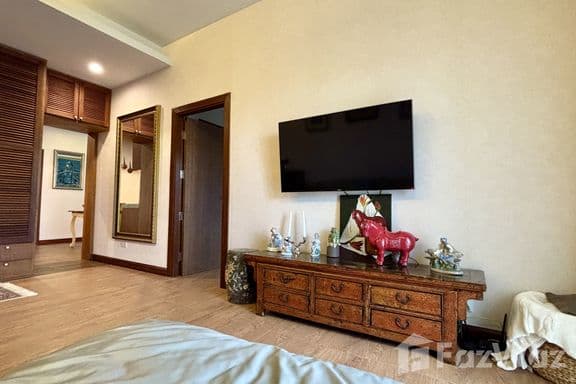
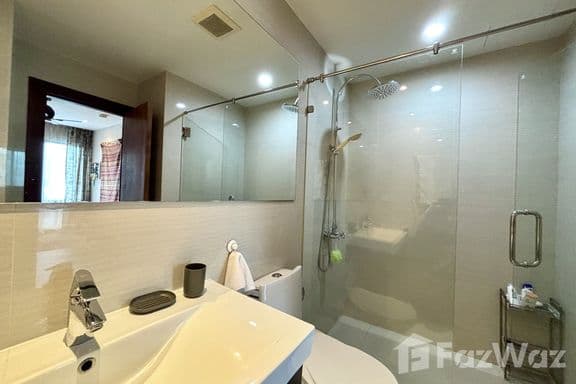
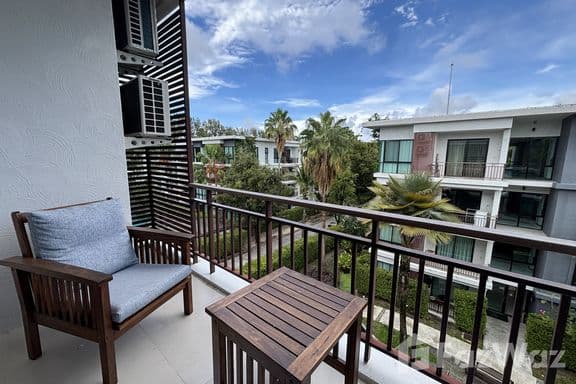
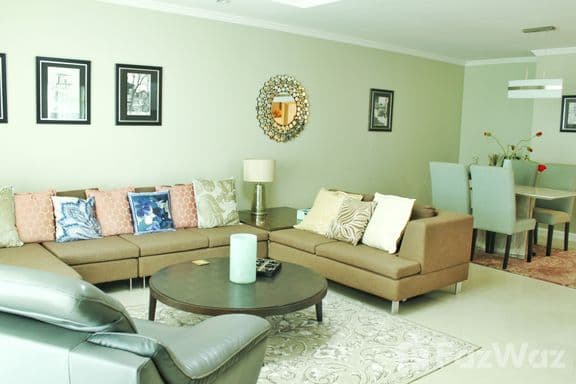
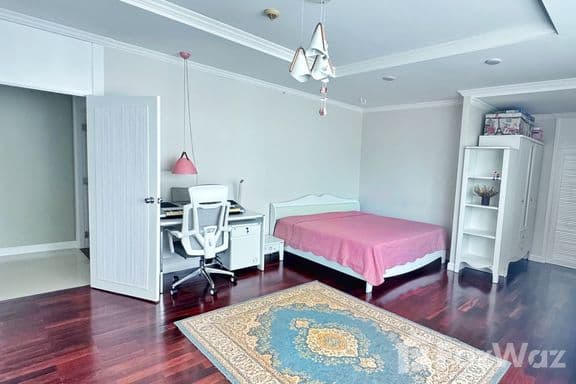
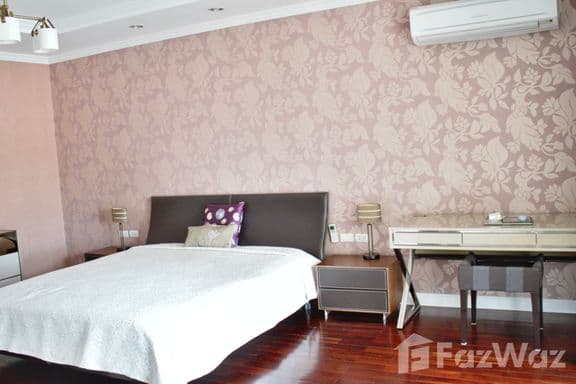

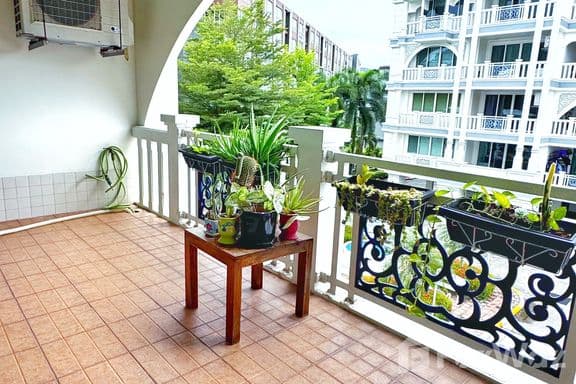
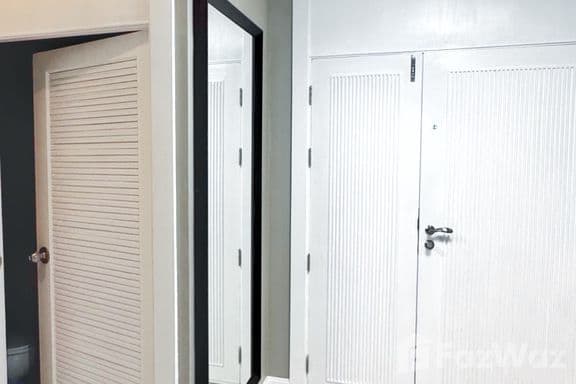
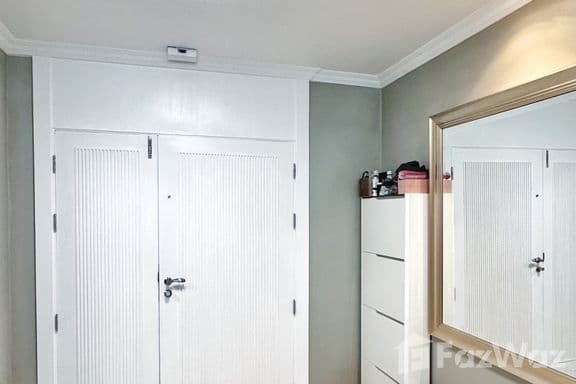
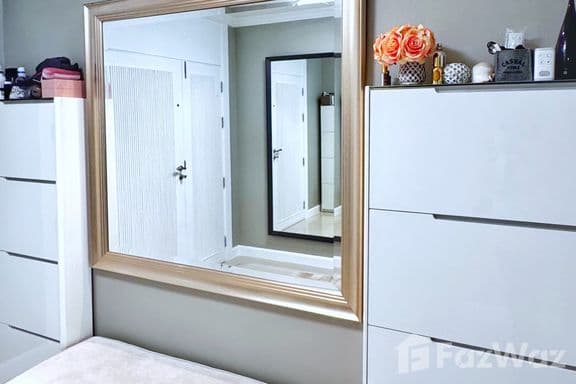
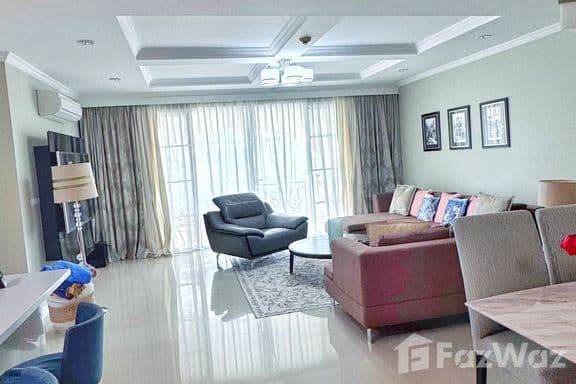



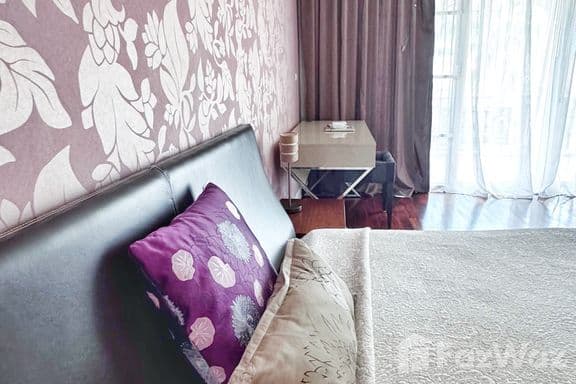
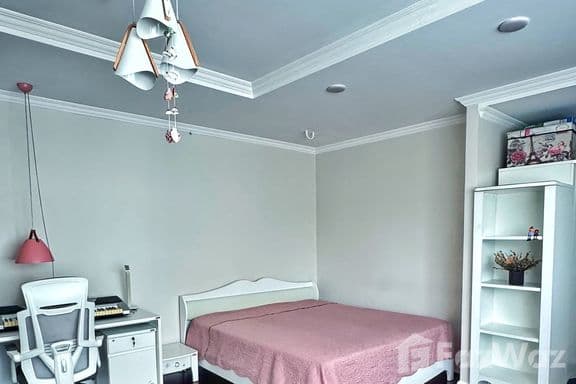
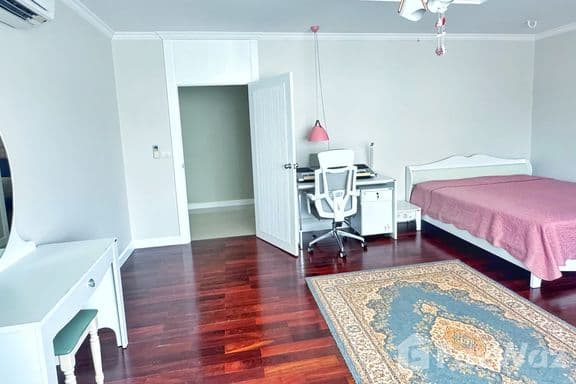
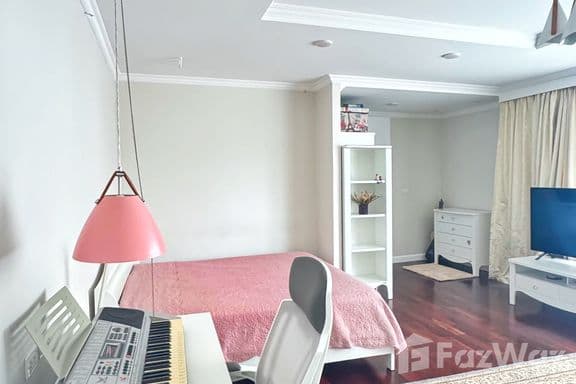

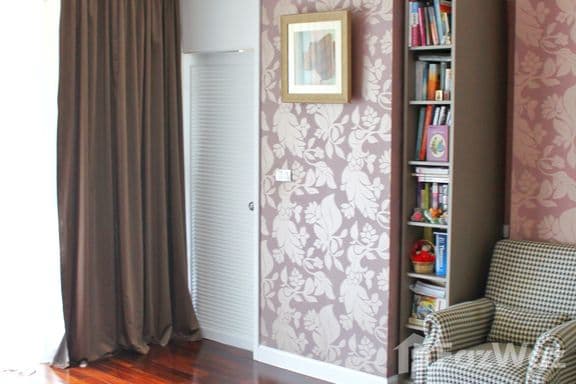

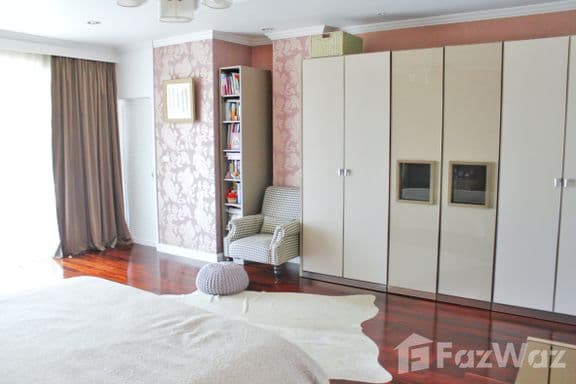


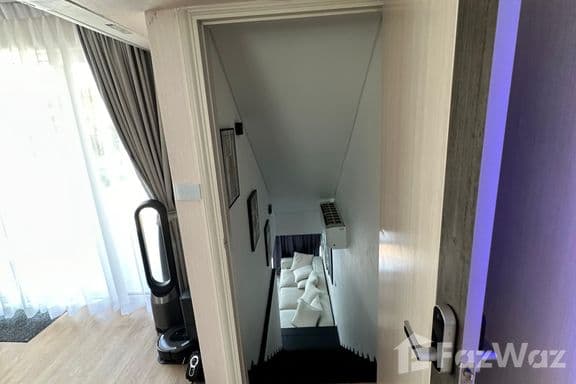

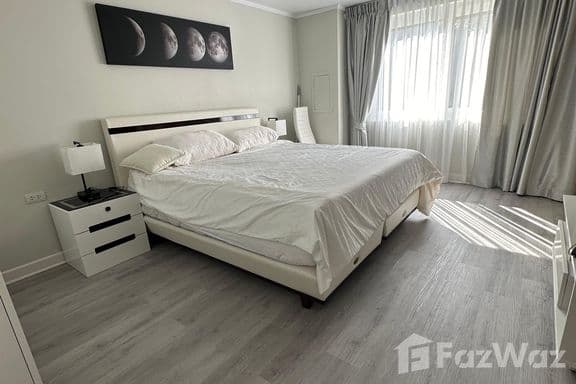


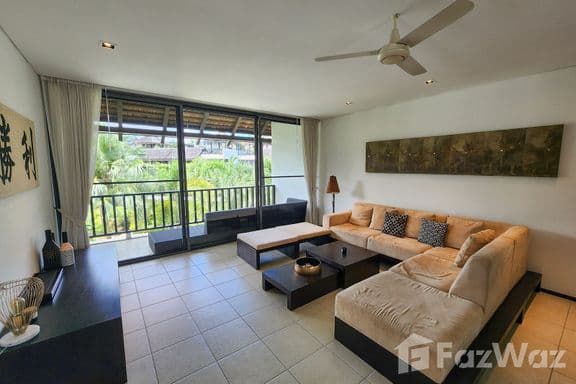
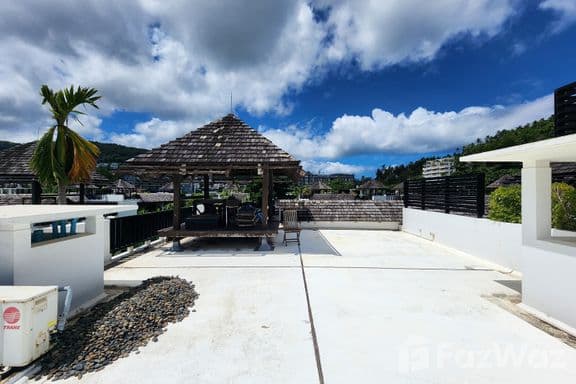
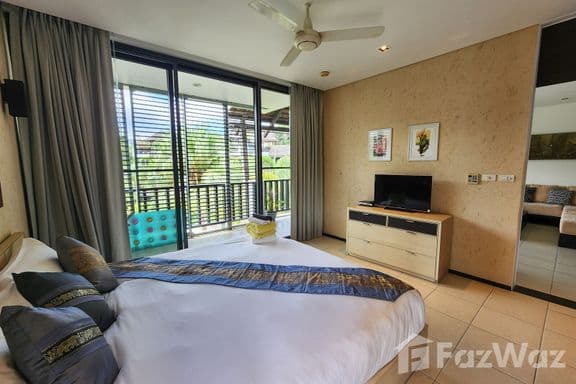
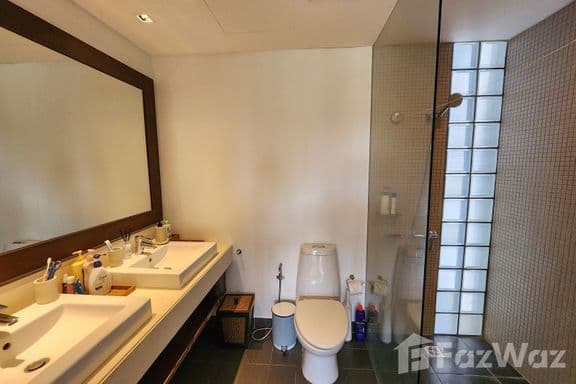
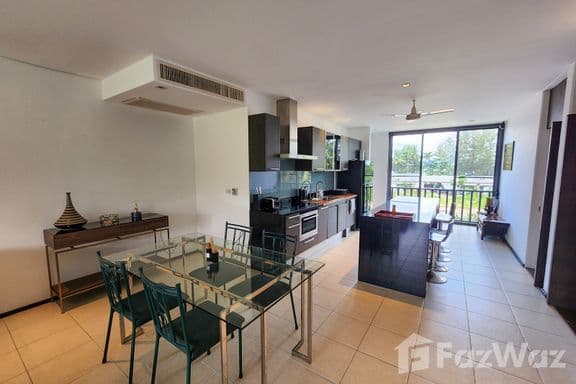

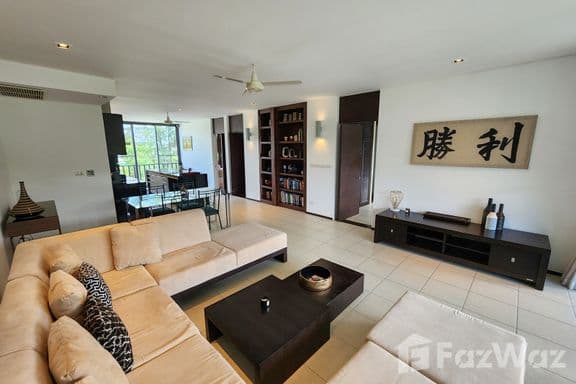
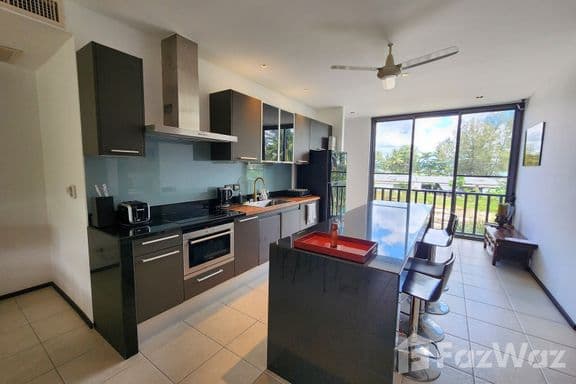
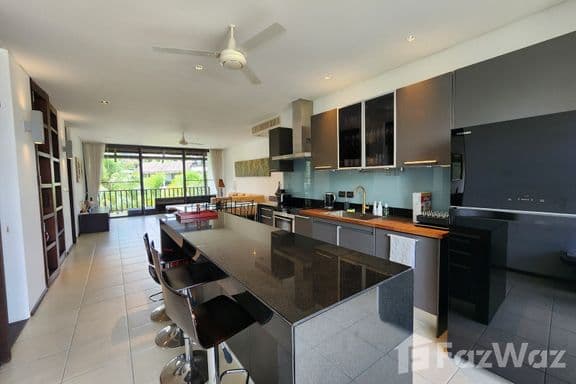
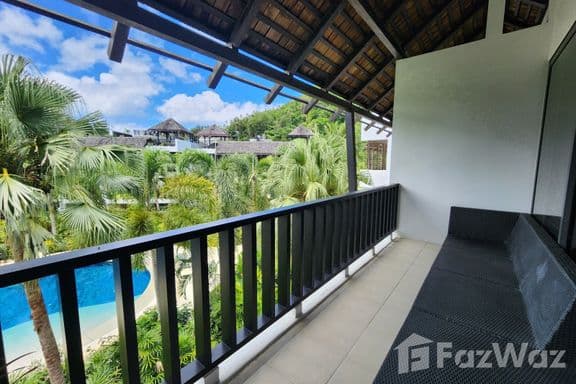
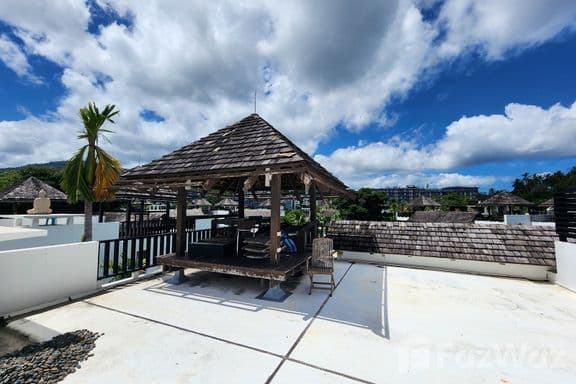

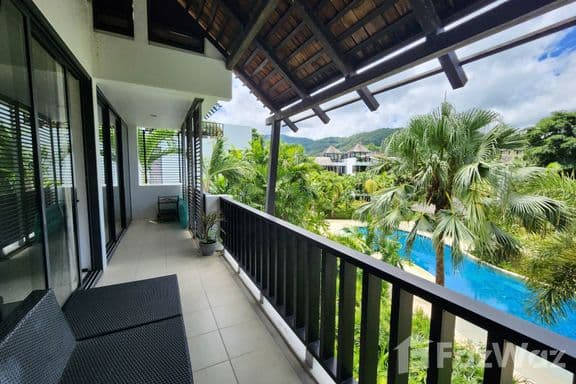
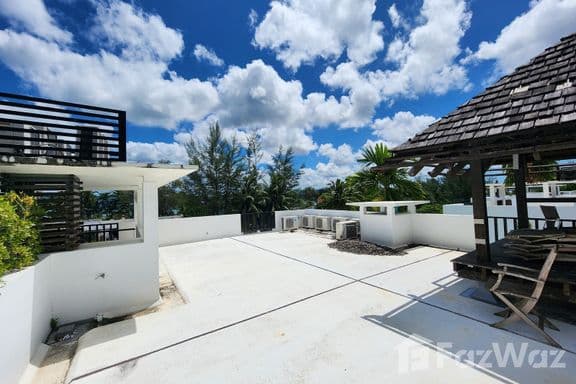
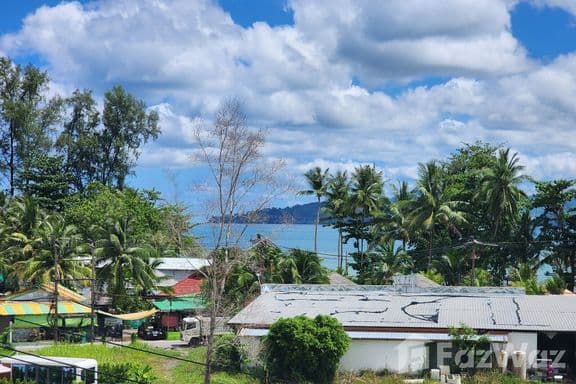
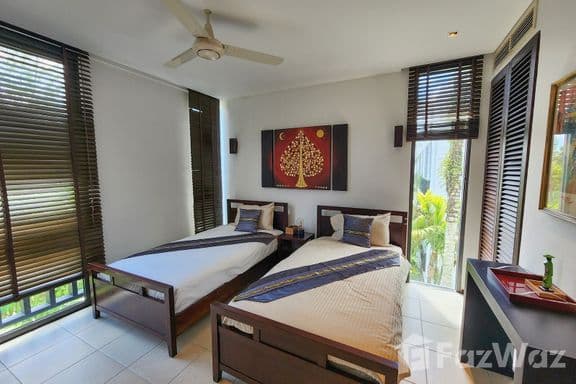
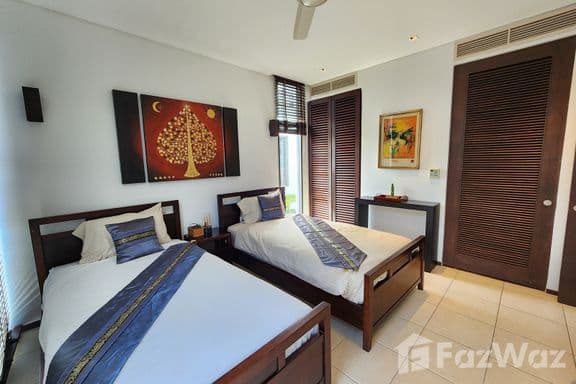

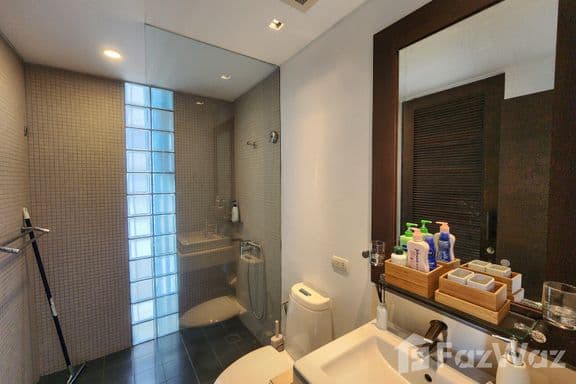
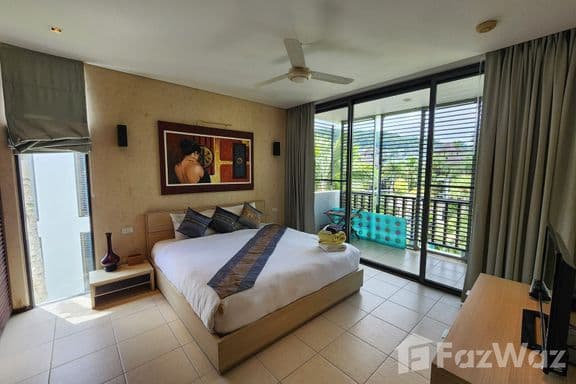
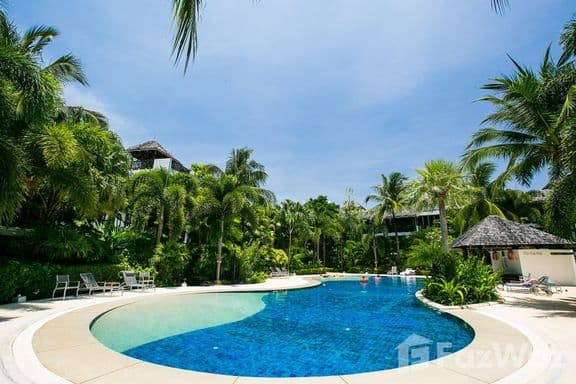
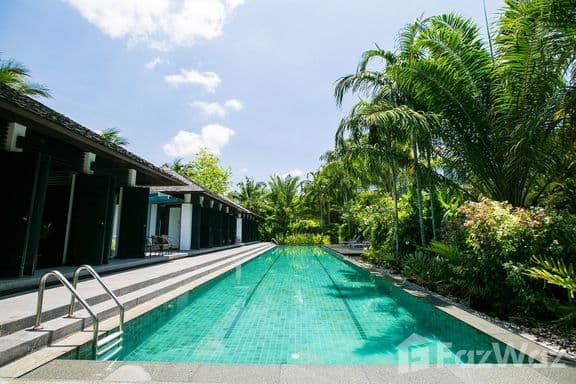
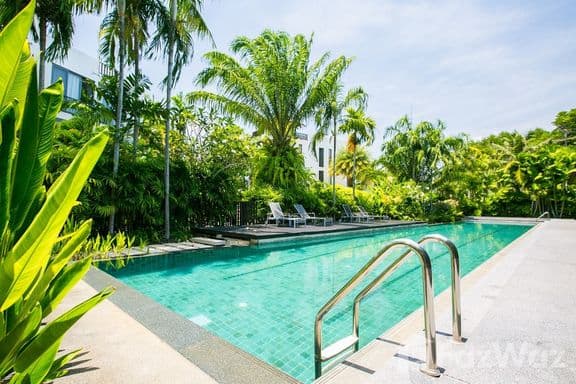
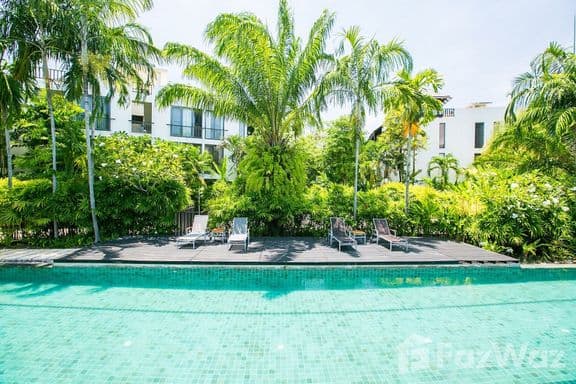
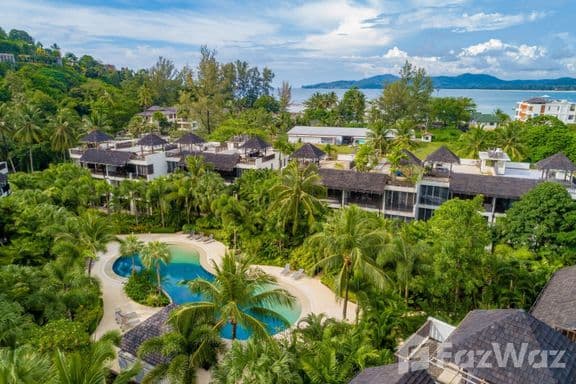
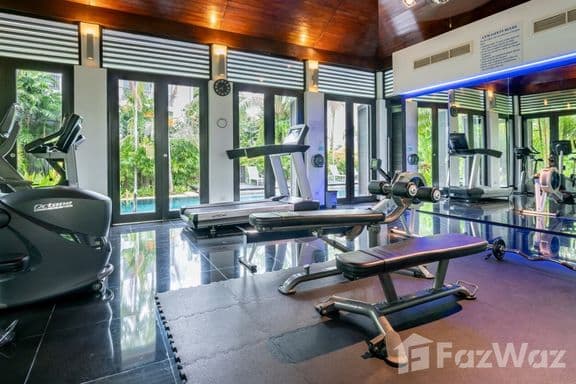


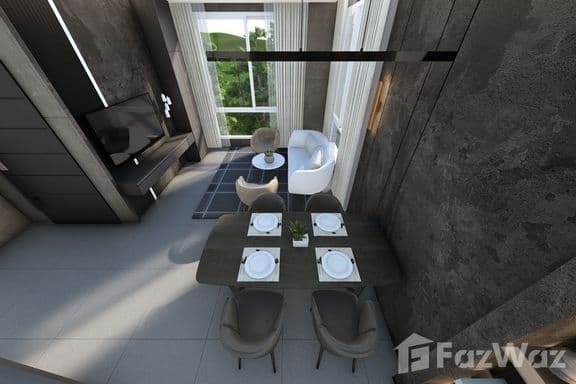


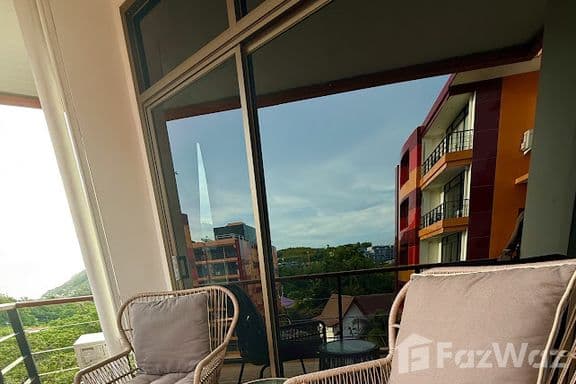
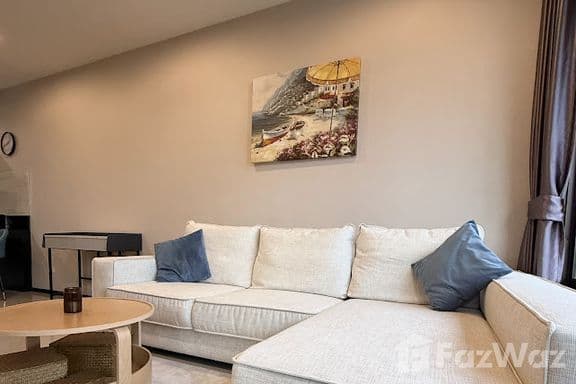
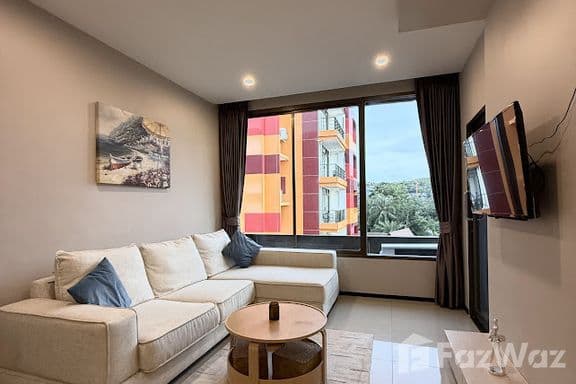
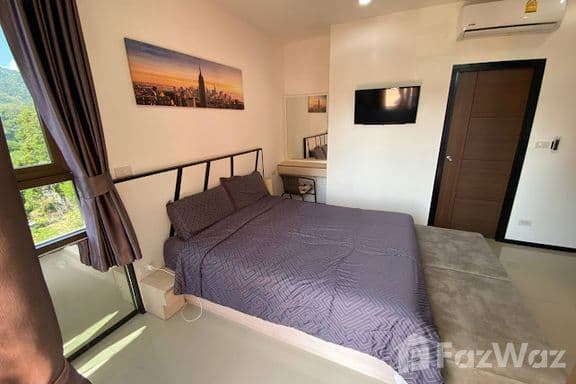
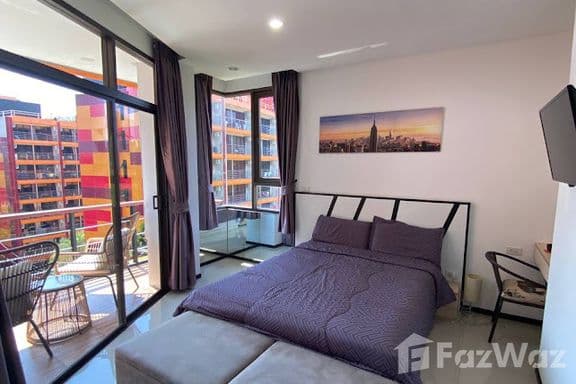
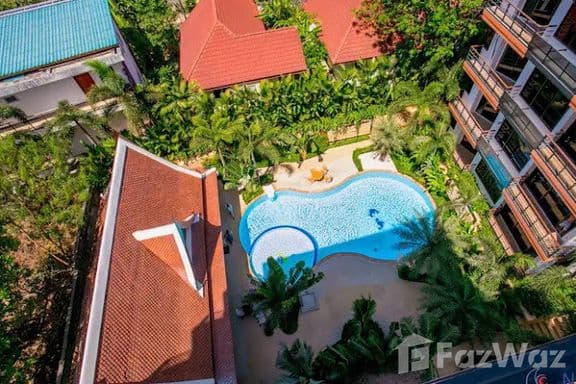
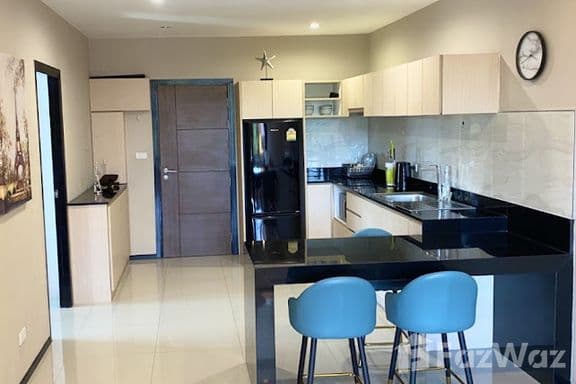
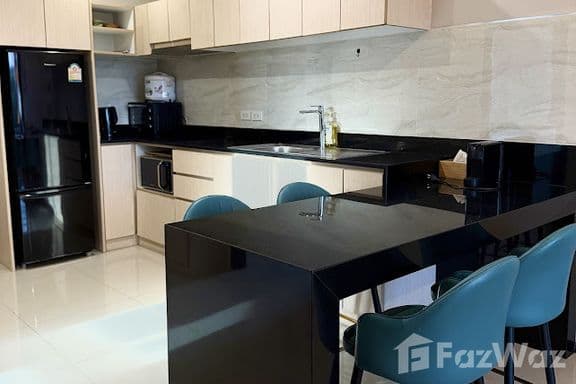
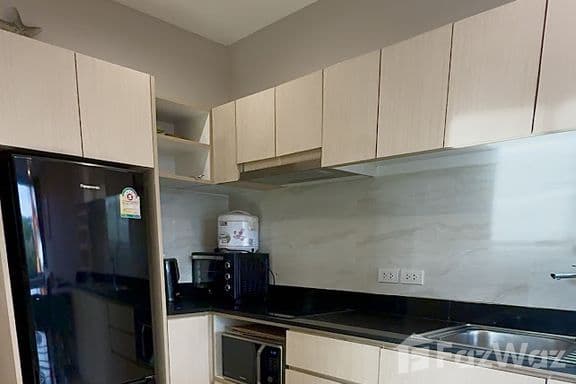
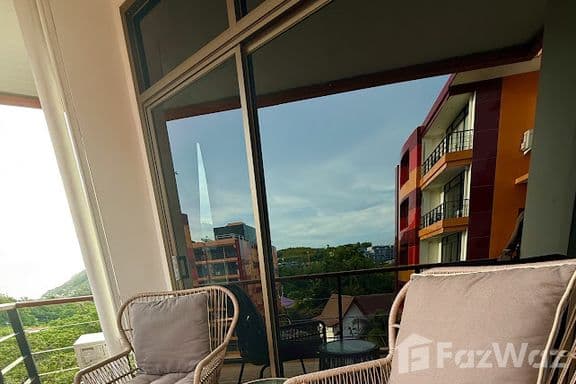
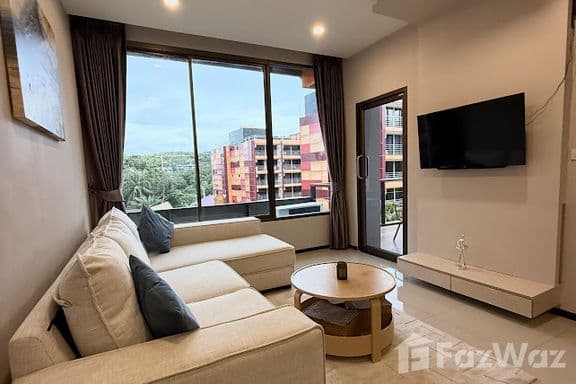
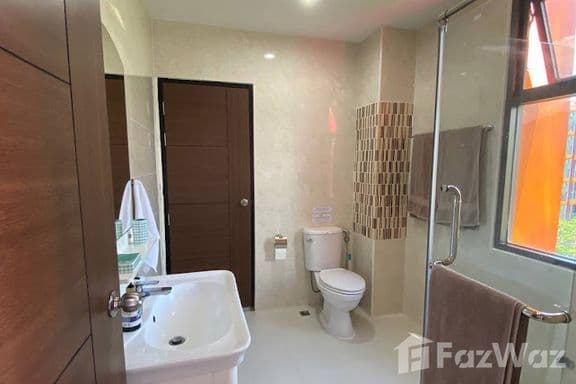
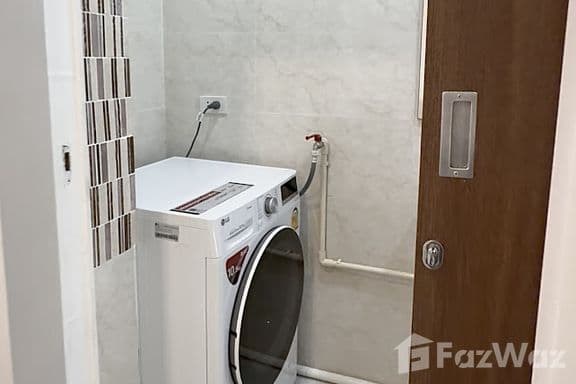
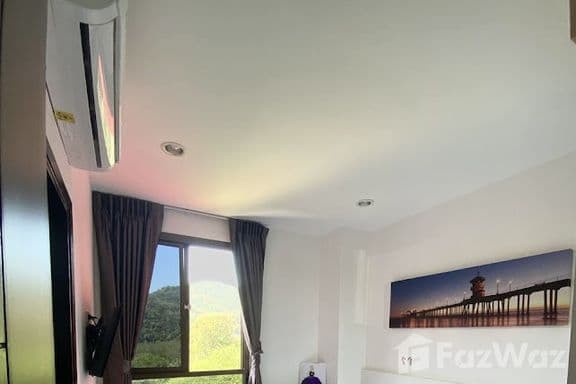
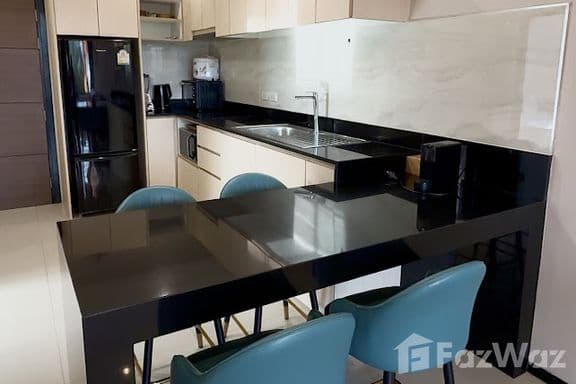
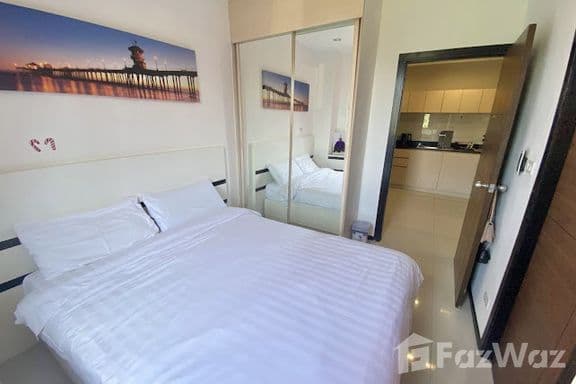
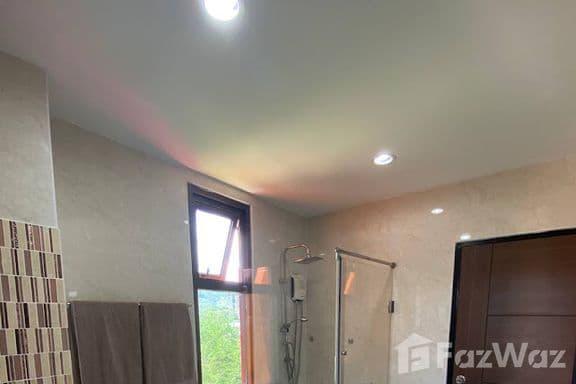
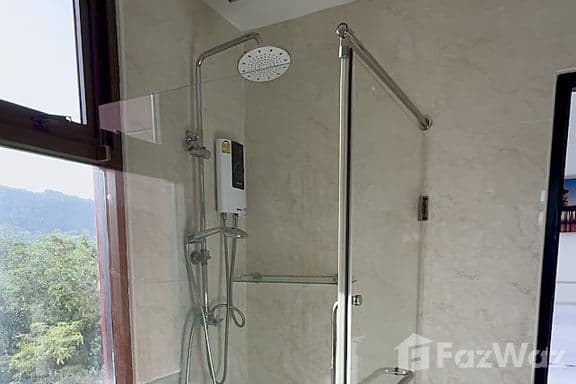

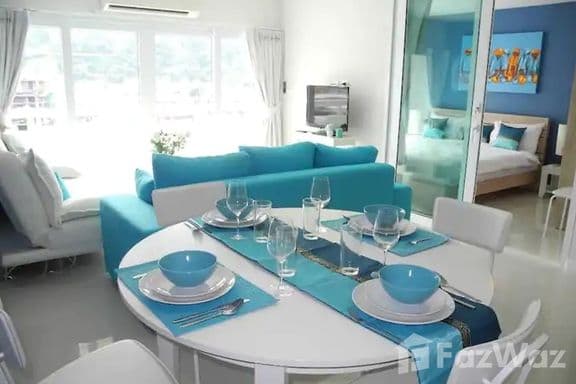

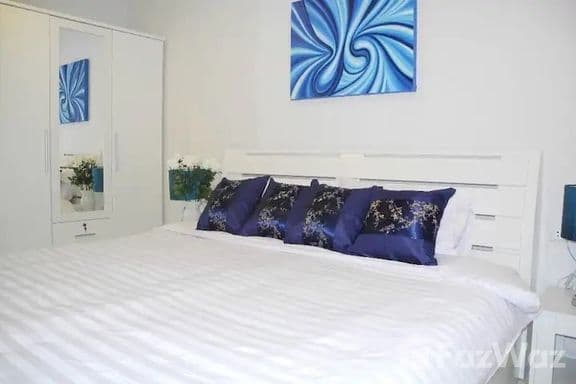
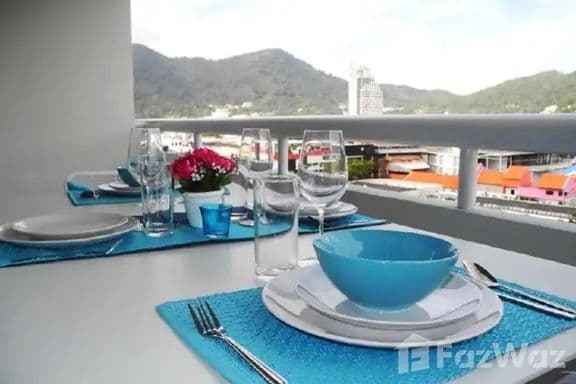

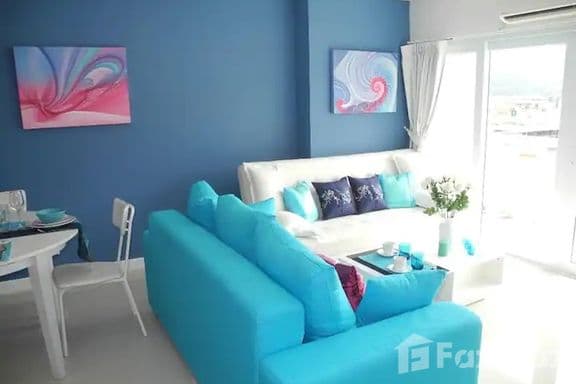
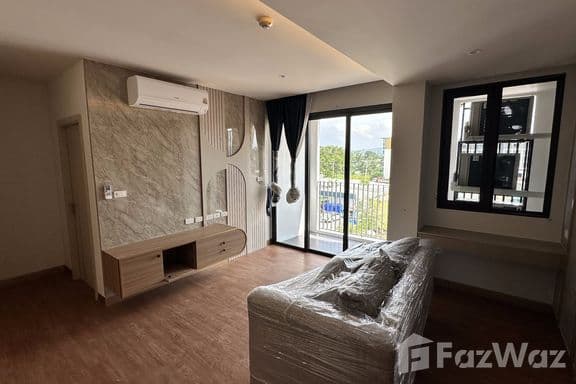
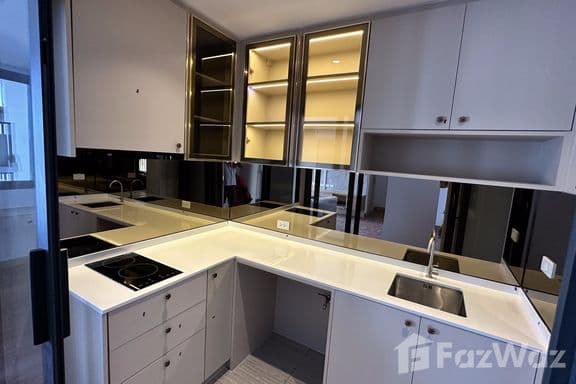
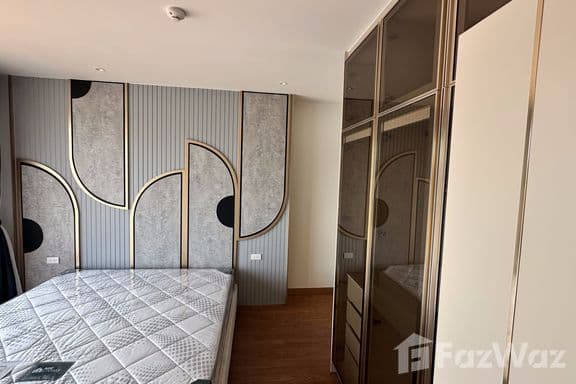
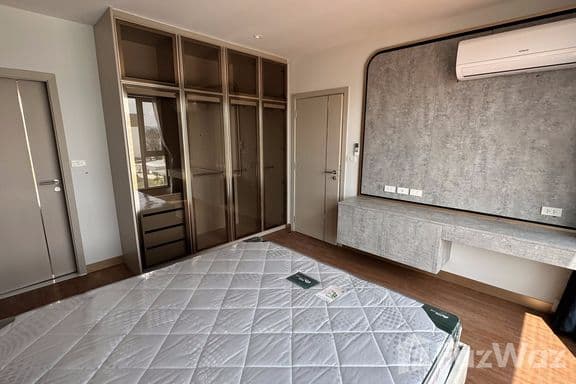
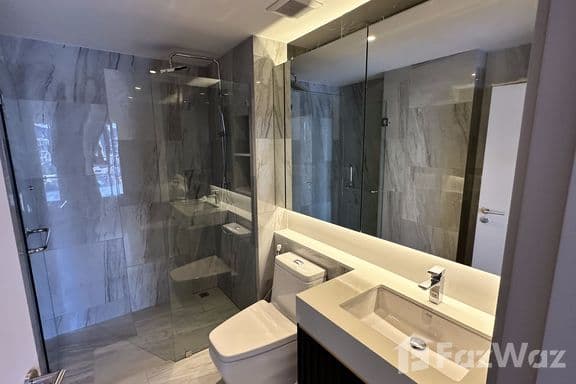

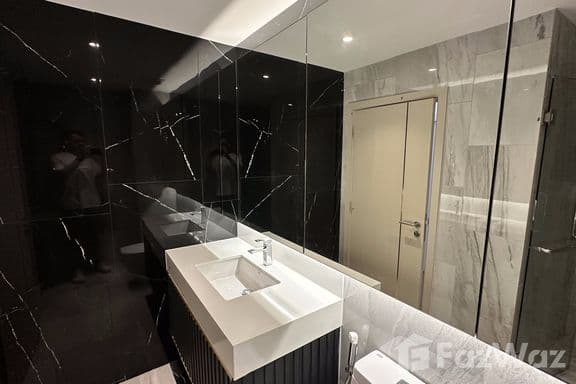
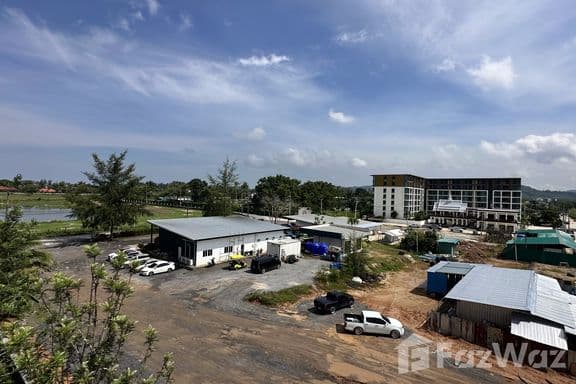
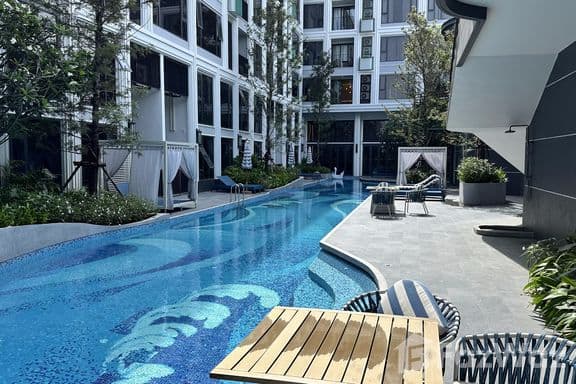
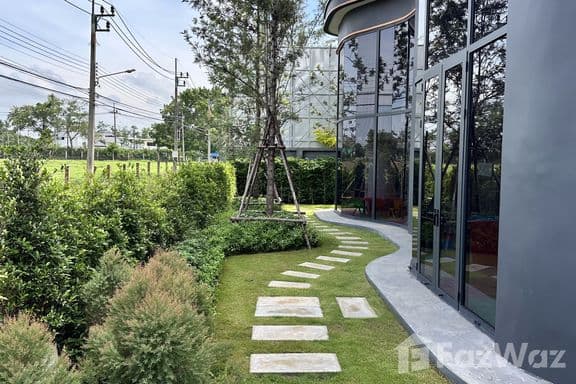
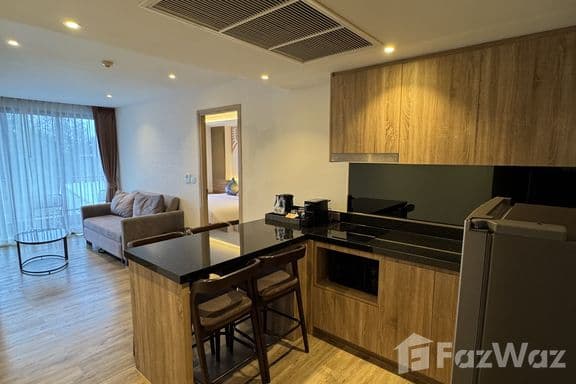


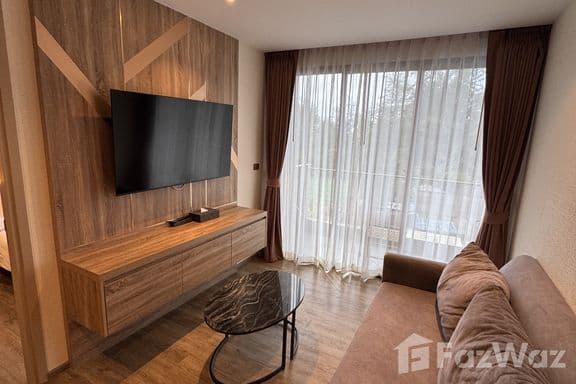

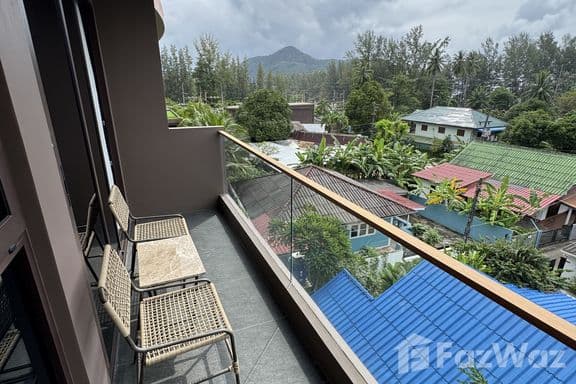
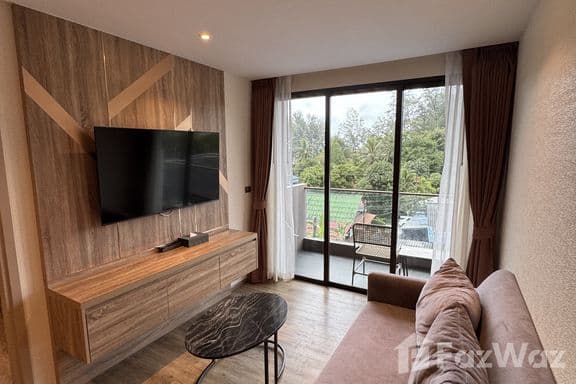
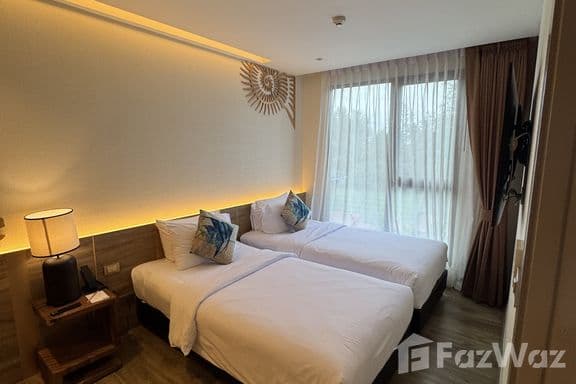
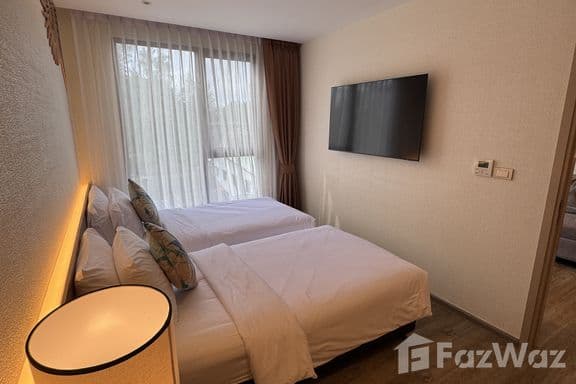
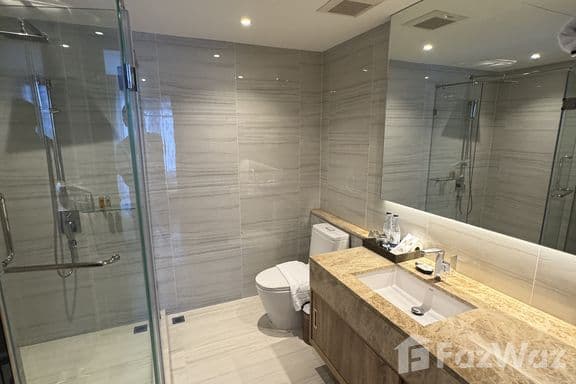
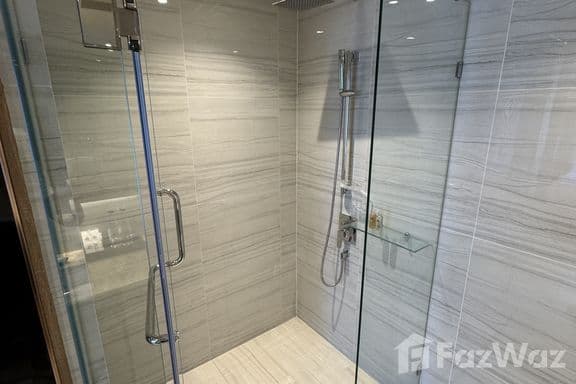

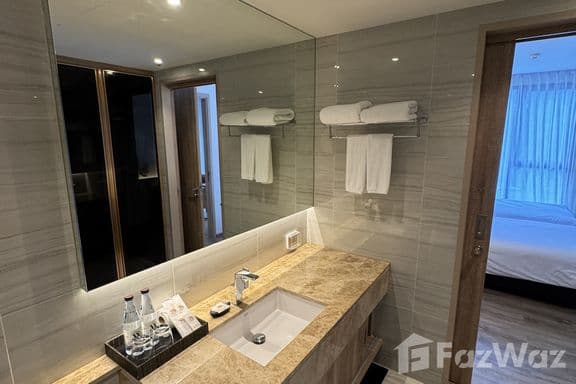
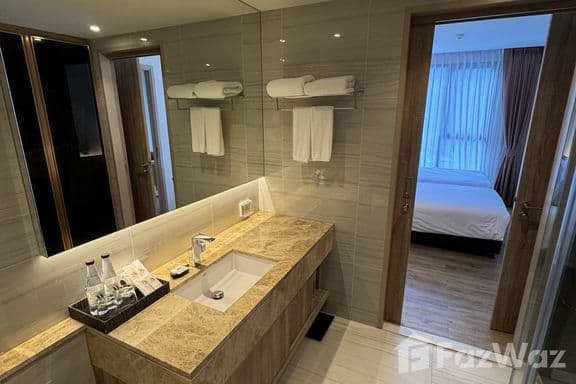
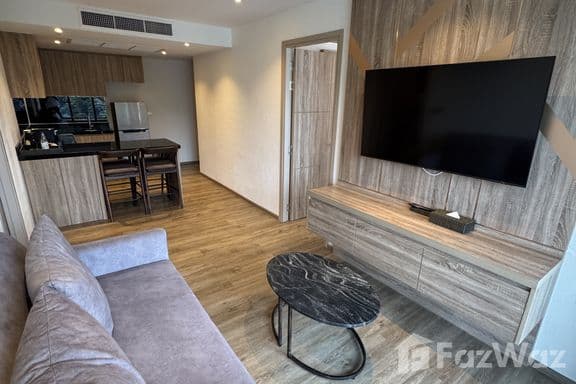
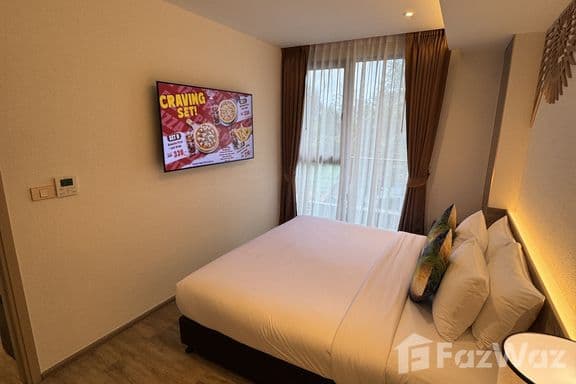

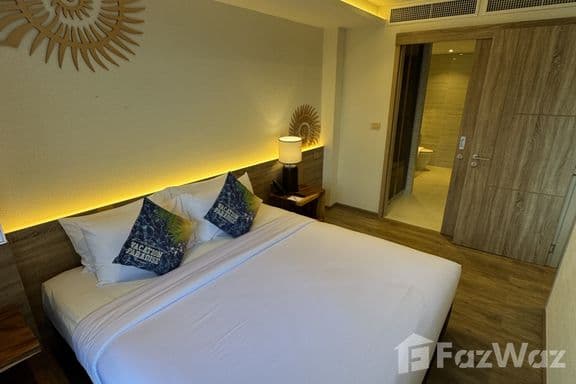
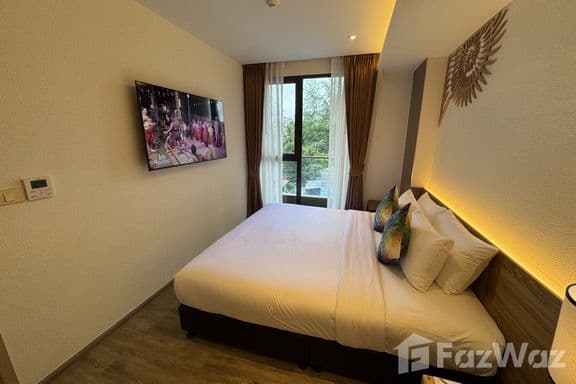

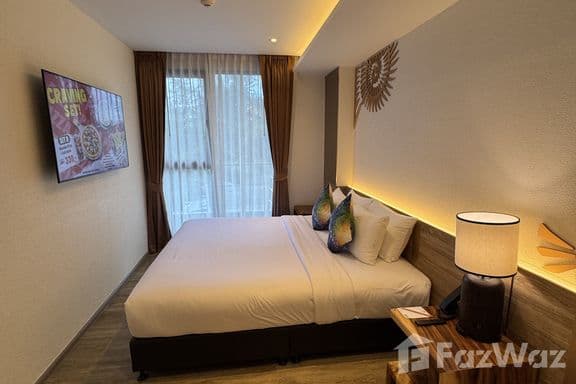
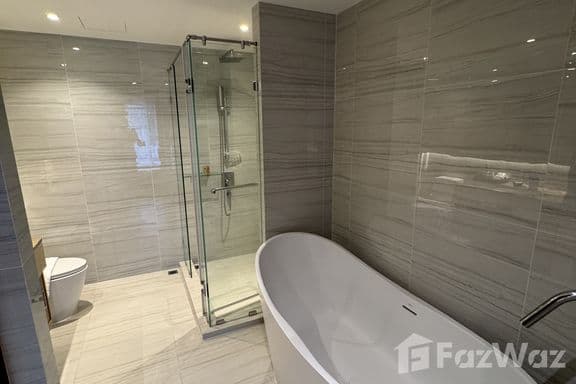
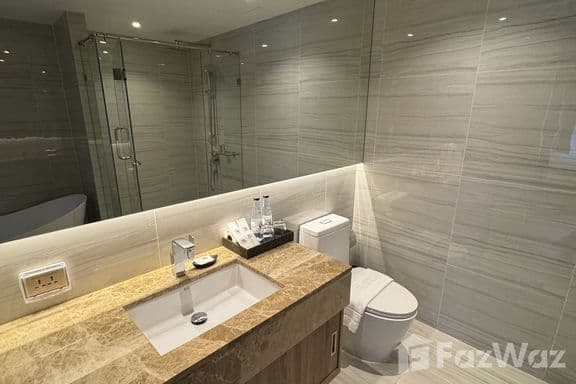
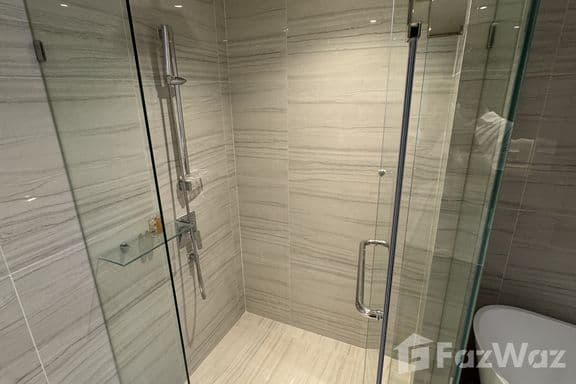
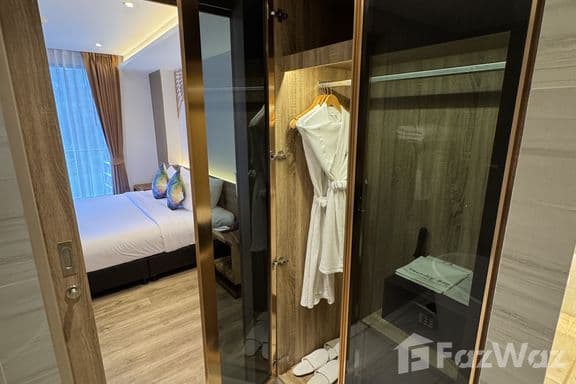
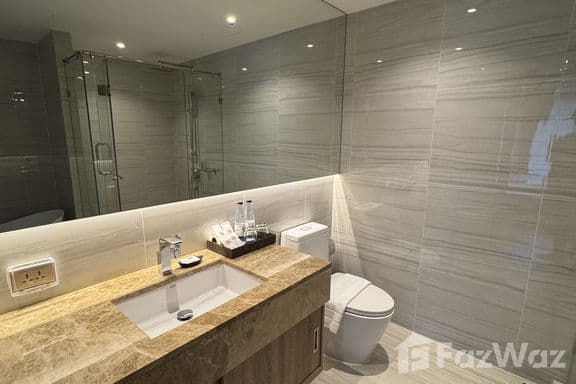
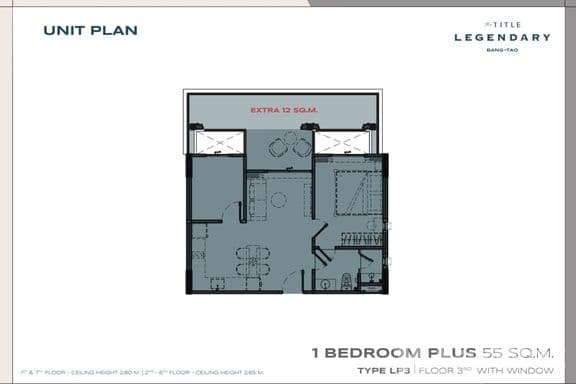

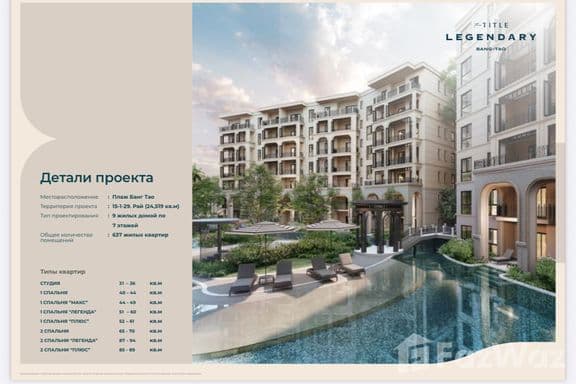

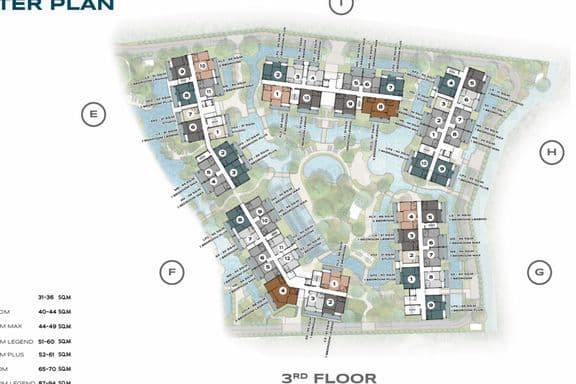
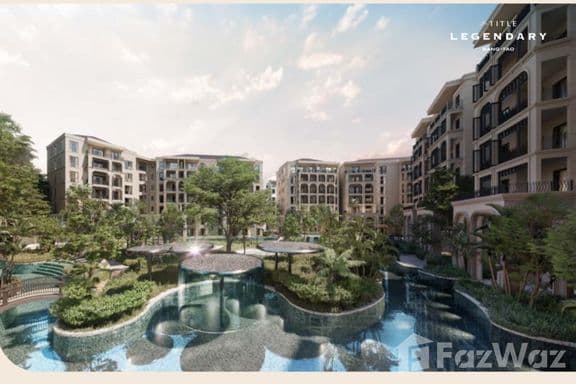


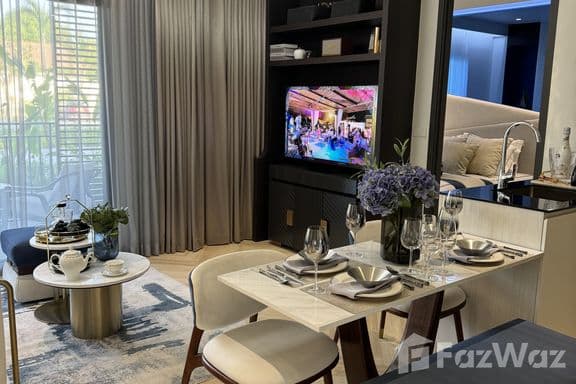
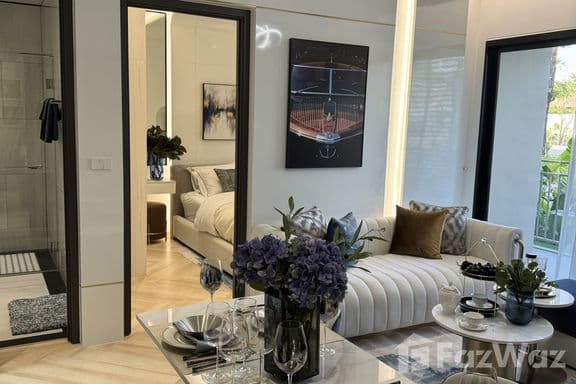
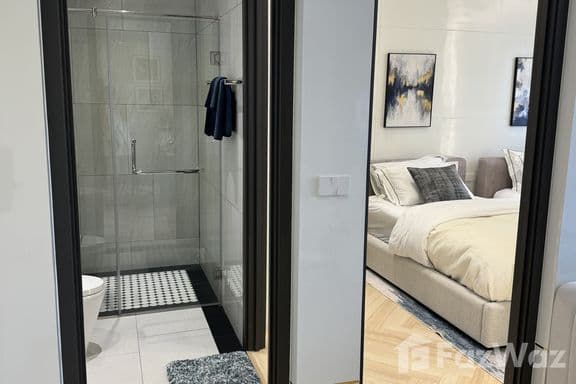
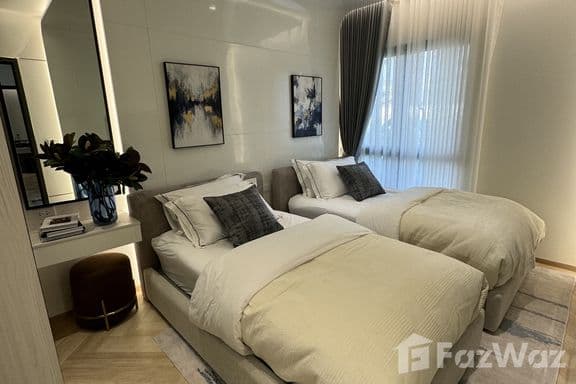
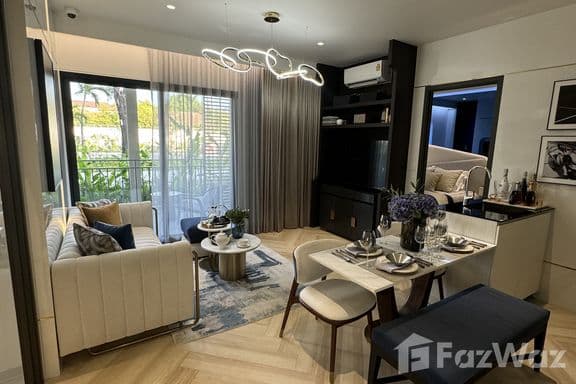
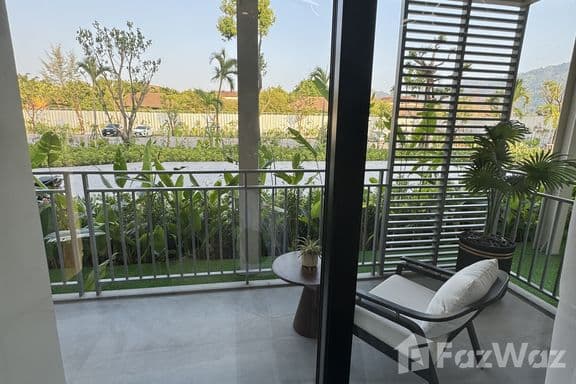
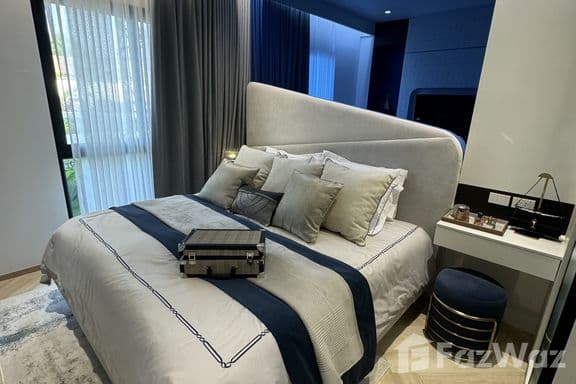
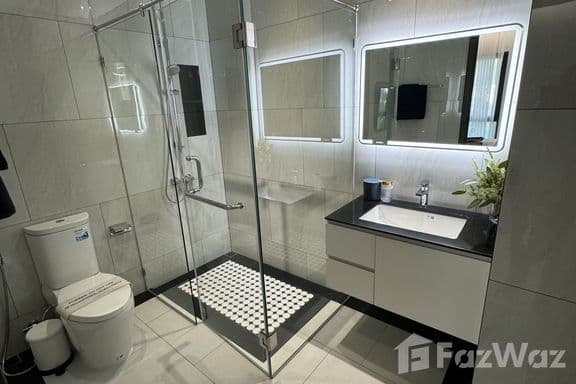
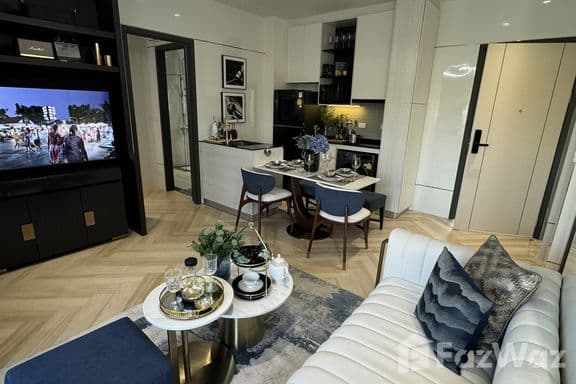
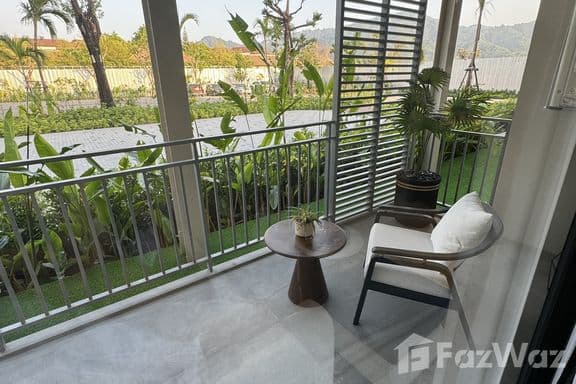




 Popular condos in Phuket

