Buying a Condo in Sathon: An Investment Guide in Bangkok’s CBD
Sathon (often spelled “Sathorn”) is one of Bangkok’s most prestigious districts, situated in the heart of the city’s Central Business District (CBD). For anyone looking to buy a condo in Sathon, the area offers an attractive blend of urban convenience, upscale living, and solid investment potential. This long-form guide provides a comprehensive look at the Sathon condo market – from its market positioning and lifestyle appeal to current pricing trends and future forecasts. Whether you’re a foreign investor eyeing investment condos in Bangkok’s CBD or a retiree seeking a comfortable city residence, understanding Sathon’s unique attributes will help you make an informed purchase. We’ll delve into Sathon’s connectivity and infrastructure, the types of condominium properties available (including key developments), real-world price trends from 2023 to 2025, buyer profiles and demand drivers, as well as the investment outlook through 2026–2027. Finally, we offer practical tips for choosing the right Sathon Bangkok condo to match your goals. Let’s explore why condos for sale in Sathon are highly sought after and how you can capitalize on this prime Bangkok location.
Market Positioning of Sathon for Condo Buyers
Sathon stands out as a prime metropolitan address in Bangkok. Along with neighboring Silom, it forms a core part of Bangkok’s CBD – the city’s financial and commercial heart. What does this mean for condo buyers? In essence, buying a condo in Sathon places you at the nexus of business activity and high-end urban living. The district is dotted with corporate headquarters, embassies, luxury hotels, and fine dining establishments. It has a reputation as a prestigious area known for its blend of upscale residential and business environments.
From a market positioning standpoint, Sathon condos are generally viewed as high-value properties in Bangkok’s real estate landscape. The area has historically been favored by affluent Thais and expatriates seeking proximity to offices and lifestyle amenities. Compared to the more entertainment-oriented Sukhumvit area, Sathon offers a slightly more refined and tranquil atmosphere while still being centrally located. This makes it especially appealing to professionals and families who want convenient access to the city center without being in the middle of Bangkok’s busiest nightlife zones. In other words, Sathon is upmarket and somewhat quieter than areas like Asoke or Thonglor – a trait that many buyers appreciate.
Prestige and Demand: Sathon’s status as a financial district gives it a certain cachet. Owning a condo in Sathon is often seen as a mark of prestige, akin to owning property in Manhattan’s Midtown or London’s Canary Wharf. This strong image helps sustain demand. Both local and foreign buyers view Sathon as a safe long-term bet; the demand drivers here include not just people working in the vicinity but also investors who anticipate that central locations will hold value and appreciate steadily over time. Indeed, even during market fluctuations, property in Bangkok’s downtown core (Silom-Sathon-Sukhumvit) tends to be more resilient than in outlying suburbs.
Sathon vs Other CBD Areas: Within Bangkok’s prime locales, Sathon competes with areas like Sukhumvit, Silom, and the Riverside. Each has its character. Sukhumvit is known for its shopping and nightlife, Silom for its commerce and entertainment mix, and the Riverside for scenic luxury. Sathon offers a happy medium – it’s firmly “downtown” and business-focused, yet residential pockets in Sathon feel exclusive and somewhat removed from tourist throngs. This positioning makes Sathon particularly suitable for buyers who want a home in the central city that doubles as a sound investment, and for those who prioritize daily convenience over tourist-driven buzz.
In summary, Sathon’s market positioning for condo buyers is defined by centrality, prestige, and stability. It’s a blue-chip location in Bangkok’s property market. For foreign investors looking for an investment condo in Bangkok’s CBD, Sathon provides the kind of prime address that attracts quality tenants and often sees consistent capital appreciation. For retirees or long-term residents, a Sathon condo offers a comfortable, well-connected lifestyle in a district that’s upscale but not overly chaotic.
Transport, Infrastructure, and Lifestyle in Sathon
One of Sathon’s strongest selling points is its excellent connectivity and robust urban infrastructure, which greatly enhance the lifestyle of residents. Here we explore how transportation, infrastructure, and local lifestyle amenities add value to owning a condo in Sathon.
Connectivity and Transportation
Sathon is exceptionally well-connected by Bangkok’s transit systems and road network. The BTS Skytrain runs directly through the area along Sathon Road (which becomes Taksin Bridge crossing the river). Key BTS stations serving the district include Chong Nonsi, Surasak, and Saphan Taksin. From these stations, residents can easily reach other parts of the city: just a few stops north is the interchange to the MRT subway at Sala Daeng/Silom, or the main Siam station that connects to Sukhumvit line. For condo owners, being near a BTS station in Sathon is a major convenience and a factor that keeps property values high. Many sought-after condos for sale in Sathon are within walking distance of the Skytrain, reflecting buyers’ willingness to pay a premium for transit accessibility.
In addition to the Skytrain, Sathon benefits from proximity to major roads and expressways. Sathon Road itself is a major artery that merges into Rama IV Road on one end (near Lumpini Park) and connects over the river on the other end. The area offers relatively quick access to expressways leading to both Suvarnabhumi and Don Muang airports (important for international residents). During off-peak hours, an airport trip via expressway can be as short as 30–45 minutes. Even at peak times, the availability of multiple routes and the BTS means residents have options to avoid the notorious Bangkok traffic.
Sathon is also adjacent to the Chao Phraya River. At Saphan Taksin BTS station, you’ll find the Sathorn Pier where express boats and ferries ply the river. This is a charming alternative mode of travel, providing quick boat rides to riverside attractions and other districts (and a scenic commute option for some). Looking ahead, continued improvements in Bangkok’s transit infrastructure – such as planned new train lines or expansions – are likely to further boost Sathon’s connectivity. For instance, any future MRT line extensions or the completion of projects like the Grey Line monorail (if routed through nearby areas) will only make Sathon more accessible. The bottom line: transport convenience is a key component of Sathon’s lifestyle appeal, ensuring that residents and tenants can navigate Bangkok with ease.
Infrastructure and Amenities
Beyond transport, Sathon offers excellent infrastructure in terms of utilities, public services, and city amenities. The district hosts several foreign embassies (e.g. the German, Australian, and Malaysian Embassies among others), which speaks to the area’s importance and also means enhanced security presence and well-kept streets in those vicinities. Importantly for residents, Sathon and its nearby Silom area have some top-tier healthcare facilities. For example, BNH Hospital – a renowned international hospital – is located just off Convent Road near the Sathon/Silom border, and St. Louis Hospital is right on Sathorn Road. Having quality healthcare and clinics close by is a significant benefit, especially for retirees choosing to live in Sathon. Additionally, world-class hospitals like Bumrungrad and Bangkok Hospital are a manageable drive or a short train ride away, so medical needs are well covered.
Education and schooling options are also available. While Sathon itself is primarily commercial/residential, several international schools are within easy reach. The famous Shrewsbury International School is in the riverside area just a short drive north of Sathon (in adjacent Bang Rak district), and many schools in the Sukhumvit and Silom areas are reachable via the BTS or a reasonable commute. This makes Sathon a viable home base for expatriate families with children.
When it comes to daily living, Sathon doesn’t disappoint. The lifestyle context here is one of convenience melded with touches of luxury. For shopping, while Sathon doesn’t have large mega-malls on its main road, it is minutes away from retail hubs: the Silom complex mall and Robinson Bangrak are nearby for everyday needs, and the luxury shopping malls of downtown (Siam Paragon, Central World, IconSiam across the river) are all within a 10-15 minute BTS ride or drive. Moreover, smaller community malls, supermarkets (Villa Market, Tops, etc.), and a profusion of 24-hour convenience stores make it easy to get groceries and essentials without leaving the neighborhood.
Dining and entertainment in Sathon are sophisticated yet accessible. The area boasts some of Bangkok’s finest restaurants and bars. Notably, Sathon is home to several renowned eateries – from upscale Thai cuisine at eateries like Blue Elephant, to trendy brunch cafes tucked in leafy sois (side streets) like Suan Phlu and Yen Akat. There’s also a vibrant selection of international cuisine, reflecting the cosmopolitan mix of residents. Rooftop bars and hotel lounges (for example, the famous Vertigo and Moon Bar on top of the Banyan Tree Hotel, or the sky bar at Lebua State Tower just over the border in Silom) offer upscale nightlife within arm’s reach. At the same time, street food and local markets in the adjoining Silom/Bangrak areas give residents a taste of authentic Bangkok living. In short, Sathon residents can enjoy everything from hawker noodles to Michelin-starred meals without venturing far.
Another lifestyle perk is green space: at the northern edge of Sathon district lies Lumphini Park, Bangkok’s largest central park. Many Sathon condo dwellers take advantage of being close to this green oasis for morning jogs, walks, or even group aerobics classes. The park is often cited as a huge plus for those living in central Bangkok, providing a much-needed breath of fresh air and recreation. Being able to stroll to Lumpini Park from the Sathon Road area is a luxury that not all city neighborhoods can offer.
In summary, Sathon’s infrastructure and lifestyle features strongly complement its market positioning. Excellent transport links (BTS, roads, river), reliable utilities and services, proximity to hospitals and schools, and a wealth of dining and leisure options make living in Sathon both convenient and enjoyable. For investors, these factors also mean Sathon condos are highly marketable to renters – especially expats and professionals who prioritize an easy, high-quality urban lifestyle. From a retiree’s perspective, Sathon checks many boxes: you have comfort, convenience, healthcare, and recreation at your doorstep, all within a relatively calm city environment.
Property Types, Condo Formats, and Key Developments in Sathon
Sathon’s condo market features a diverse array of property types and developments, ranging from modern high-rises with lavish facilities to older, spacious apartments that still command attention. Understanding the types of condos available and knowing some key developments will help buyers navigate their options.
High-Rise Luxury Condominiums
The skyline of Sathon is marked by numerous high-rise luxury condominium towers. These properties are often newly built (or under construction) and target high-end buyers and investors. Luxury condos in Sathon come with top-notch amenities: think infinity pools overlooking the city, state-of-the-art fitness centers, rooftop gardens, concierge services, and sometimes even private club lounges or co-working spaces. Units in these buildings tend to feature high-quality finishes, floor-to-ceiling windows to take in city or river views, and modern design aesthetics. Sizes might range from compact one-bedrooms aimed at professionals to sprawling penthouses for the ultra-wealthy. Notable examples in this category include The Met Sathorn, a striking 66-story residential tower known for its distinctive architecture and resort-like pool decks, and The Sukhothai Residences, an ultra-luxury condo project that carries the brand of the adjacent Sukhothai Hotel, offering five-star-hotel-standard services to its residents.
In recent years, Sathon has also seen branded residences and high-concept projects. For instance, the Ritz-Carlton Residences at MahaNakhon (while technically in the Silom area, it’s on the cusp of Sathon and often associated with the greater Sathon/Silom market) is a prime example of an elite property attracting international buyers. This iconic development, housed in Bangkok’s tallest skyscraper, offers panoramic views and hotel-style luxury living, exemplifying the kind of top-tier options near Sathon. Additionally, new projects like Tait Sathorn 12 – a luxury high-rise on Sathorn Soi 12 – have been drawing attention. Tait 12, co-developed by Raimon Land, is marketed to upscale professionals and investors, boasting stylish interiors and a location just 180 meters from the BTS (proximity that virtually guarantees good rental demand).
Upcoming Developments: Sathon’s desirability means that even in a land-scarce area, developers continue to launch new projects (often by redeveloping older sites). One key development to note is 125 Sathorn, a high-profile luxury condominium project on a large land plot right on Sathorn Road. Slated for completion around 2026, 125 Sathorn comprises twin towers and promises an “exclusive sanctuary” in the heart of the city with extensive facilities and green spaces for residents. It’s billed as one of the last large-scale projects on Sathorn Road itself due to limited remaining land. The anticipation around projects like 125 Sathorn indicates developers’ confidence in the area’s long-term appeal. As a buyer, keeping an eye on such new launches can be useful – early investors in these projects sometimes benefit from introductory pricing and the potential price uptick upon project completion.
Mid-Range and Older Condos
While the glitzy new high-rises grab headlines, Sathon also offers mid-range and older condominium properties that might appeal to different buyer needs. These include buildings from the 1990s and 2000s, which often have larger unit layouts than many new condos. For example, it’s not uncommon to find three-bedroom units of 150–200+ square meters in an older Sathon building, whereas many newly built luxury condos focus on smaller but ultra-modern units. Buyers who prioritize space – perhaps families or retirees who want room to spread out – might find value in these older condos. They usually come at a lower price per square meter compared to brand-new luxury projects, though the trade-off can be dated interiors or fewer fancy amenities. However, many of these buildings were high-end in their time and still maintain a good standard of quality and location. Places like Sathorn Gardens (an established condo complex set amid gardens on Sathorn Road) or Banyan Tree Residences Sathorn (if referring to the older service-apartment-turned-condo building connected to the hotel) illustrate that one can get a prestigious address without buying into a brand-new tower.
Mid-range newer developments also exist, often on the fringe of Sathon or just inside the smaller streets. These might be moderately priced high-rises or even low-rise boutique condos targeting young professionals or first-time investors who want a CBD location. Brands like IDEO, Life, The Address, or Rhythm have had projects near Sathon that balance price and location. For instance, there are condo projects along Naradhiwas Rajanagarindra Road (which intersects Sathorn Road) that provide modern living at a more accessible price point than the super-luxury buildings directly on Sathorn Road. Such properties often attract renters who work in the area, making them decent investment picks for rental income. They might not have the 5-star polish of a Ritz-Carlton residence, but they often still include pools, gyms, and 24-hour security, offering a comfortable lifestyle.
Unique Formats and Townhome-Style Residences
While condominiums dominate, Sathon also has a few unique residential formats worth mentioning. In the Yen Akat and Suan Phlu sub-neighborhoods of Sathon, some developers have created low-rise luxury condominiums or apartment-style residences that offer a more intimate living environment. These might be 8-story buildings tucked into quiet side streets, with large units that feel more like living in a house or a boutique apartment, appealing to those who dislike high-rise living. Additionally, Sathon has seen some townhome and villa developments (often gated communities of modern townhouses) which, although not condos, form part of the property landscape an investor or home seeker might consider. However, note that foreign buyers are generally restricted to condominiums for freehold ownership, due to Thai laws, so these house-format options are usually only feasible for Thai nationals or foreigners willing to use leasehold or company structures.
Key Developments Snapshot
To give a clearer picture, here’s a snapshot of some key condo developments in Sathon that illustrate the variety:
- The Met Sathorn – A landmark luxury high-rise known for design and extensive amenities; attracts executive-level residents. Prices here have ranged roughly from THB 110,000 to 150,000 per sqm on resale (as a mix of older luxury, this is considered good value in the luxury segment, considering comparable new builds are higher).
- Sukhothai Residences – Ultra-luxury large units, with a prestigious hotel affiliation. Known for very spacious layouts and high ceilings. Price per sqm well into the upper range (premium pricing given its exclusivity).
- Tait 12 – Modern luxury targeting younger affluent buyers and expats, smaller unit sizes (e.g., one and two bedrooms in stylish designs), with high rental yield expectations given its location near BTS Chong Nonsi. Prices per sqm for new units here are in the upper mid to luxury range.
- 125 Sathorn – Upcoming twin-tower project, noteworthy for being a new mega development on Sathorn Road. Launch prices reportedly set in the high-end bracket (it’s marketed as a luxury address with large green common areas, which is rare in the CBD).
- Ideo Sathorn – Thaphra – (Technically towards Thaphra end, but an example of a more affordable condo that carries the Sathorn name, focusing on value for money and good rental yields, albeit not in the core CBD).
- Saladaeng One – A luxury boutique high-rise in the Saladaeng area (on the edge of Sathon and Silom), showing the crossover appeal of areas; popular among investors for its view of Lumpini Park and modern luxury design.
- Older gems like Somerset Park Suanplu (formerly a serviced apartment) or Sathorn Park Place – illustrating that some older buildings offer huge space and a quiet compound feel, though buyers may invest additionally in renovations.
As a buyer, identifying which segment of the Sathon condo market fits your objectives is key. If you prioritize investment rental returns, a mid-range new build near transit might be ideal. If you want a trophy property or a high-end personal residence, one of the luxury high-rises will be your target. And if space and value are paramount, an older condo might provide the best bang for your buck. Thankfully, Sathon has options across these categories, all benefiting from the inherent location advantages of the district.
Real-World Pricing Trends (2023–2025)
Understanding how condo prices in Sathon have been trending recently is crucial for making an investment decision. The period from 2023 through 2025 has been one of post-pandemic recovery and moderate growth for Bangkok’s property market, and Sathon – being prime real estate – has reflected these broader trends in its own way.
Post-Pandemic Rebound in 2023
The year 2023 marked a turning point. After the sluggish period during the height of the COVID-19 pandemic (2020–2021) and a cautious revival in 2022, buyer confidence truly picked up momentum in 2023. Bangkok’s reopening to international travel, coupled with economic stimulus measures, brought back foreign buyers and boosted local market sentiment. In Sathon, this meant increased transaction activity and the bottoming-out of prices, which had plateaued or even dipped slightly during the pandemic.
By late 2023, reports indicated that central Bangkok condo prices were on an upswing again. For Sathon specifically, market data showed a year-on-year price increase in the mid-single-digit range. In practical terms, an average resale condo unit in Sathon that might have been around THB 115,000–120,000 per square meter in 2022 climbed to roughly THB 125,000+ per square meter by the end of 2023. Higher-end properties saw a sharper rebound thanks to renewed interest from foreign investors. There were instances of motivated buyers snapping up discounted luxury units in 2022 (when some owners needed liquidity) and by 2023 those buyers were already seeing their property values recover and rise.
Several factors fueled this rebound. Foreign demand was a big contributor – notably buyers from China, Hong Kong, Singapore, and some Western countries returned to the Bangkok market as travel restrictions eased. Many had been waiting on the sidelines and saw 2023 as a chance to get into a prestigious area like Sathon before prices escalated further. At the same time, local Thai demand for Sathon condos remained steady among wealthier individuals; even though rising interest rates and stricter loan criteria cooled the mass market, the luxury segment in prime areas held firm because high-net-worth buyers were less affected by credit constraints. Additionally, Sathon benefited from the overall preference shift towards well-located properties – the pandemic reminded people of the value of living in a convenient, resource-rich area (for example, near hospitals and workplaces) rather than far-flung suburbs.
Steady Growth through 2024 and 2025
Moving into 2024 and 2025, Sathon’s condo prices have continued on a gradual upward trajectory, though not at a breakneck pace. By mid-2025, average prices in Sathon’s condo market show an approximate 5-8% increase compared to a year prior, depending on property type and exact location. This aligns with Bangkok’s broader trend where prime locations are outpacing the overall market’s growth rate. For instance, central districts like Sathon and Sukhumvit have been recording annual price growth in that mid-single-digit range, whereas some suburban areas are flat or only slightly up.
To put numbers in perspective: A mid-range modern condo in Sathon that sold for THB 8 million in 2022 might be going for around THB 8.5 – 9 million in 2024. Luxury condos that were THB 300,000 per sqm for new units in 2022–23 (in a project like a Ritz-Carlton or similar caliber) have seen asking prices move up to perhaps THB 320,000+ per sqm as of 2025, especially as inventory of prime units gets absorbed. Land prices in the CBD have also been rising, which pushes up the prices of new launches. By 2025, it’s not unusual to see brand-new luxury project units in Silom-Sathorn asking THB 250,000–300,000 per square meter, a clear sign of confidence at the top end of the market.
However, it’s worth noting that the growth has been moderate and measured rather than a speculative spike. The market in 2024–2025 has been characterized by a balance between demand and supply. Developers in Bangkok have been cautious about launching too many new condos at once, focusing on clearing existing inventory and timing new projects wisely. In Sathon, only a few high-profile projects have been released (like 125 Sathorn), meaning there hasn’t been a glut of new units to oversaturate the market. This limited new supply supports resale prices of existing condos. Meanwhile, the sustained interest from foreign buyers – encouraged by Thailand’s welcoming stance (e.g. long-term visa programs for investors/retirees) and the attractiveness of Thai real estate as relatively affordable by international standards – has provided a floor under demand.
Additionally, rental demand recovered by 2024 as expatriates and business travelers returned to Bangkok in greater numbers. This in turn has kept the buy-to-rent investors in the market, knowing they can secure tenants for Sathon units more easily again. The rental recovery has also started to push rents upward after a soft period, which helps reinforce property values (since better rental yields justify higher sale prices for investment-minded buyers).
In summary, through 2024 and into 2025, Sathon’s condo prices have been on a stable rise, reflecting renewed confidence and the perennial appeal of central Bangkok property. Price reductions and promotions that were common during the pandemic years have largely faded for prime condos; instead, we see sellers holding firm or even increasing asking prices slightly, especially for unique or well-located units.
Price Ranges by Segment (2023–2025)
It’s useful to understand the price range spectrum in Sathon as of the mid-2020s:
- Ultra-Luxury Segment: These are the top-tier residences (branded condos, new high-end launches, penthouse units in the best buildings). Prices here in 2025 can range roughly from THB 220,000 up to 300,000+ per sqm. For example, a luxury 2-bedroom of 100 sqm in a new Sathon project might list for THB 25–30 million. These properties cater to a niche but very cash-rich segment of buyers.
- Mid- to High-End Modern Segment: This includes most contemporary condos (built in the last 10-15 years) in good locations in Sathon. Pricing is around THB 140,000–200,000 per sqm on average. So a 50 sqm one-bedroom might be in the 7–10 million baht range, whereas a 100 sqm two-bedroom could be 14–20 million, depending on the building and exact spot (closer to BTS usually means higher end of the range). This is the segment where many expat professionals and investors operate, balancing luxury and cost.
- Older/Spacious Segment: Older condos (20+ years old) might have asking prices in the roughly THB 90,000–130,000 per sqm range. So a large 200 sqm three-bedroom in an older Sathon building might go for around 18–25 million baht. These often represent good value on a per sqm basis and appeal to those who value space or have renovation plans. Some savvy investors purchase these older units to refurbish, betting that prime location plus modern upgrades can yield a profit on resale or higher rental.
- Entry-level Central Condo Segment: It’s hard to call anything in Sathon “entry-level” given the overall price point of the area, but comparatively, smaller or fringe-location condos (like on the edges of the district or studio units in less amenitized buildings) may start around THB 100,000–120,000 per sqm. That means perhaps ~3–4 million baht could buy a small studio or one-bedroom in an older building or a compact new unit on the outskirts of Sathon district. However, inventory in this truly low price bracket is limited in Sathon; many budget-conscious buyers end up looking slightly further out, such as in areas like Rama 3 or across the river, if they want significantly lower prices.
It’s clear that Sathon commands a premium – often listed among Bangkok’s top 3 most expensive condo locales, alongside Sukhumvit’s prime stretch and the Ploenchit/Wireless Road area. Yet compared to some global cities, these prices can seem quite reasonable (which is partly why foreign investors remain interested).
Investment Performance and Resale Trends
Investors who bought into Sathon prior to the pandemic and held on have generally seen their asset values recover by 2023–2025 and now start to appreciate again. The period of 2019-2020 was flat for many, but the medium-term trajectory is back on a positive slope. For instance, someone who bought a condo in Sathon in 2018 might have paid around THB 140,000 per sqm; in 2023, a similar unit could be selling for perhaps THB 150,000–155,000 per sqm (roughly a 3-5% total gain over 5 years, which is modest but not negative, and this doesn’t account for rental yield earned in the interim). Looking forward, owners are more optimistic about capital gains in the next few years now that the market is in recovery mode.
Resale activity in Sathon has picked up, but buyers are still value-conscious. Well-priced listings – those at or slightly below market average – tend to move quickly, especially if they are within 500 meters of a BTS station or have a unique selling point (like a park view or a newly renovated interior). On the other hand, overpriced listings (where owners attempt to ask significantly above the current market level) can sit unsold for longer. This dynamic is normal in a balanced market. It means as a buyer you might still find opportunities to negotiate if a seller’s expectations are above what the market will bear. However, for the most part, don’t expect deep discounts in Sathon’s 2025 market; it’s not a distressed situation. The negotiating range might be perhaps 5% off the asking price for a desirable unit, whereas during the pandemic downturn savvy buyers sometimes got 10-15% off peak prices.
Forecast for 2026–2027
Looking ahead, many analysts forecast that Sathon’s condo prices will continue to rise gradually through 2026 and 2027. The growth is expected to be steady rather than explosive, barring any unforeseen economic boom. A reasonable prediction is in the ballpark of 3-5% annual price appreciation for Sathon condos in the next couple of years. If inflation remains moderate and the economy grows at a healthy clip, property values in prime areas often follow suit. This means by 2027, average prices per square meter in Sathon could be roughly 6-10% higher than they are in 2025.
Several factors underpin this optimistic outlook. First, the supply pipeline in the core CBD is limited; there are only so many new sites and most new projects are upscale (with price points that will likely set new benchmarks). The completion of marquee projects like 125 Sathorn in 2026 will likely make headlines for their sold-out status or high selling prices, which can have a halo effect, lifting overall perceptions of value in the area. Second, the Thai government has been signaling policies to attract more foreign investment – if any regulations are eased (for example, raising the foreign ownership quota in condos above 49% for certain buildings, or extending long-term visas for property buyers), that could unleash additional foreign buyer demand by 2026. Third, infrastructure improvements continue; even if not directly in Sathon, the entire mass transit network expansion (such as the new Orange Line, Yellow Line, etc., coming fully online by mid-decade) increases Bangkok’s appeal and efficiency, drawing more expatriates and investors to the city in general, some of whom will target Sathon for its prestige.
Of course, forecasts assume stability. Potential risks to the outlook might include significant interest rate increases (which could dampen local purchasing power further) or a global economic slowdown that affects investor sentiment. Political stability in Thailand also plays a role – traditionally, Bangkok’s property market pauses during times of coup or unrest, but then bounces back. At present, sentiment is fairly positive with a recently formed government and policies aimed at growth.
In terms of rental forecasts for 2026-2027 (which we’ll discuss more in a later section too), the expectation is that as more international businesses and retirees come to Thailand post-pandemic, rental demand will stay strong, enabling landlords in Sathon to maintain or slightly increase rents. If rents rise in line with property prices, yields stay steady; if rents outpace property price growth, yields could even improve.
To sum up, real-world pricing trends show Sathon condos recovering and growing modestly from 2023 to 2025. Buyers entering the market in 2025 are doing so at a time when the trajectory is upward but not overheated, which can be a sweet spot – there’s room for gains but the market isn’t in a speculative bubble. The next few years, 2026 and 2027, are projected to continue this stable growth path, reinforcing Sathon’s status as a reliable investment location in Bangkok.
Target Buyer Profiles and Demand Drivers
Who is buying condos in Sathon, and what drives them? Given Sathon’s profile as a central, upscale district, it naturally attracts a certain set of buyer demographics. Understanding these target buyer profiles and the demand drivers can provide insight into the market dynamics and help you position yourself (whether you identify with one of these profiles or are aiming to cater to them, as in the case of an investor planning to rent out a unit).
Foreign Investors and Expats
Foreign investors form a significant part of Sathon’s condo buyer base. These include individuals from around the globe who see Bangkok real estate as an attractive investment, as well as expatriates living in Thailand who decide to purchase rather than rent. For foreign investors not residing in Thailand, Sathon is appealing because it is a high-demand rental market (ensuring their property can generate income) and because it’s a prestige location that’s likely to appreciate over time. Many foreigners specifically search for investment condos in Bangkok’s CBD, and Sathon fits that bill perfectly.
Key demand drivers for foreign buyers include:
- Yield and Income Potential: With gross rental yields in prime Bangkok around 4-6%, investors from places where yields are much lower (like Hong Kong or parts of Europe) find Bangkok condos enticing. Sathon, being prime, offers yields typically in that 4-5% range for a well-bought unit, with the confidence of consistent tenant demand (often expat professionals).
- Capital Appreciation and Currency Play: Some foreign buyers believe the Thai property market has room to grow in value as Bangkok develops, so they look for capital gains over a 5-10 year horizon. Additionally, if their home currency is strong against the Thai baht at the time of purchase, they effectively get the property at a “discount” and could also gain if the baht strengthens in the future. For example, in times when the baht weakens, savvy investors from overseas often increase purchases since it makes Thai assets cheaper in their terms.
- Diversification and Asset Safety: Investing in a condo in Sathon is also a way to diversify one’s portfolio geographically. Thailand’s property ownership laws (while complex for land) are very straightforward for condos, making it one of the easier countries in the region for a foreigner to own freehold real estate. Many foreign buyers trust the condominium structure in Thailand as a safe asset (with proper due diligence), and Bangkok’s status as a growing metropolis gives confidence in long-term viability.
- Lifestyle and Personal Use: Not all foreign buyers are pure investors; a good number are expatriates who live and work in Bangkok. These expats often choose to buy a condo if they have a multi-year horizon in the city (say, a work assignment of 3+ years or someone who has decided to settle down here). Sathon is extremely popular with expats in managerial or executive roles, given the location of many offices in or near the district. These buyers are motivated by lifestyle as well as financial sense – owning means they can customize their living space and potentially see appreciation by the time they exit Thailand, instead of “wasting” money on rent. Retirees from overseas, which we’ll discuss separately next, also fall under foreign buyers but with slightly different motivations.
One can notice national trends too: historically, buyers from China, Hong Kong, Singapore, Japan, and Western countries have all been active in areas like Sathon. Chinese buyers had slowed during their country’s travel restrictions but have been returning since late 2022. Western buyers (Europe, US, Australia) often appreciate Bangkok condos as a bargain in a major city context and are drawn to Thailand’s warm climate and relatively low cost of living, sometimes planning to use the condo for part-time personal use (like a winter home) while renting it out the rest of the year.
Retirees and Lifestyle Buyers
Retirees, especially foreign retirees, form another key profile in Sathon’s condo market. Thailand is well-known as a retirement haven, and while many retirees gravitate to coastal areas like Hua Hin or Phuket, a significant number prefer the convenience of Bangkok’s city life. Sathon appeals to retirees who want urban comforts: high-quality medical care around the corner, public transport so they don’t have to drive, a variety of dining and cultural options to keep life interesting, and a safe, clean environment.
For retirees, demand drivers include:
- Healthcare Access: As mentioned before, Sathon’s proximity to top-tier hospitals (BNH, etc.) is a major plus. In one’s golden years, knowing that emergency or specialized healthcare is minutes away provides peace of mind. Retirees often choose Sathon or similar areas for this reason alone, as suburban or rural living can’t offer the same immediacy of medical services.
- Walkability and Transit: Many retirees appreciate being able to walk to a park (Lumpini Park being a good example where one can join fellow seniors in morning exercises), stroll to cafes, or hop on the Skytrain to visit friends or go shopping without having to deal with driving. Sathon’s central location means amenities are close by, and its connection to BTS/MRT is a boon for those who may not want to drive in Bangkok’s traffic.
- Comfortable Condos with Amenities: Retirees often seek condos that provide a high level of comfort and convenience on-site. Many Sathon condos come with amenities like swimming pools, gyms, lounge areas, housekeeping services, etc. This kind of condo living can be very attractive for a retiree who wants to enjoy a resort-like lifestyle with minimal upkeep. They can relax by the pool or garden of the condo and socialize with neighbors, all within a secure environment.
- Community and Lifestyle: Some parts of Sathon (and the adjacent Silom area) have established expatriate communities. There are social clubs, language clubs, and community events that can be attractive to retirees looking to make friends and stay active. The ambiance in Sathon is somewhat calmer after business hours, which can suit those who prefer tranquility in the evenings. It’s often described that Sathon has a “pleasant ambiance” for those who enjoy tranquil walks and a bit slower pace once the office rush is over, in contrast to, say, Sukhumvit Sois which stay busy till late night.
Retiree buyers in Sathon may be both foreign (on retirement visas or the new long-term resident visas) and Thai (affluent Thai retirees downsizing from big houses in the suburbs to a city condo for convenience). Both groups value security and convenience, making Sathon condos a fitting choice.
Local Professionals and Families
While our focus is on foreign investors and retirees, it’s important to note the role of local Thai buyers as well – they are part of the demand that keeps Sathon property buoyant. Sathon is an aspirational address for many Thai professionals, especially those who have climbed the corporate ladder or run successful businesses. For them, owning a condo in Sathon can be a status symbol and a practical choice to avoid long commutes. Young professionals who have inherited wealth or have high-paying jobs might buy studios or 1-bed units in Sathon as their city pad. Meanwhile, some wealthy families purchase larger condos in Sathon as a second home in the city (if their main residence is outside town) or as a property for their children to live in when they start working in the city.
Demand drivers for local buyers include:
- Prestige and Lifestyle: Sathon’s name carries weight. Having a home in Sathon is considered prestigious, aligning with a high-class lifestyle that many aspire to. The convenience of popping down to a nice brunch at a Sathon cafe or networking at a rooftop bar resonates with the younger, success-driven crowd.
- Proximity to Work: Many offices and government institutions (like Bank of Thailand, some bank HQs, etc.) are in or near Sathon. A condo nearby means significantly reduced commuting time – a major quality of life factor in traffic-congested Bangkok.
- Investment and Wealth Diversification: Thai buyers also invest in property as a way to grow wealth. For those with means, buying a well-located condo to rent out or hold as a long-term asset is a common strategy. Sathon’s track record and limited land supply make it an obvious choice for such investment-minded locals.
One particular demand driver that benefited both local and foreign buyer interest recently is the Thai government’s incentives and policy environment. For example, Thailand introduced a long-term residency (LTR) visa program in 2022 aimed at wealthy individuals, retirees, and professionals, which, while not directly tied to property purchase, increased confidence for foreigners to stay long-term and potentially buy homes. Additionally, government stimulus like reducing transfer and mortgage fees for certain property values has helped domestic transactions. If any future policy directly allows greater foreign participation in real estate (like the oft-discussed but not yet enacted proposal to let foreigners own land or higher condo quotas in exchange for investment), that could significantly boost demand.
Rental Demand Drivers (Indirect Buyers’ Market)
While not “buyers” per se, understanding who rents in Sathon is useful for investors. Rental demand drivers include the continuous stream of expats relocating to Bangkok for work (diplomats, executives, NGO workers), many of whom prefer Sathon for its convenience. Corporate lease demand is also present – some companies rent condos in Sathon to house their foreign staff or as long-stay accommodations. Additionally, younger digital nomads or entrepreneurs with bigger budgets might rent in Sathon to enjoy a premium city lifestyle, fueling demand for one-bedroom units. This strong rental market reinforces buyer demand: investors know that if they purchase a condo in Sathon, they are likely to find a tenant without much difficulty due to these demand drivers.
In summary, Sathon’s condo buyers are a mix: foreign investors attracted by returns and Bangkok’s growth; retirees (mostly foreign, some local) attracted by the comfortable lifestyle; and local affluent professionals/families who value the prestige and convenience. The common thread for all is that Sathon offers central location, convenience, and a quality living environment. These are exactly the qualities that drive demand and make Sathon relatively “safe” from huge market swings. Buyers in 2025 find themselves in a market supported by genuine end-user and investor demand, rather than one purely inflated by speculation. That’s a good sign for long-term sustainability.
Investment Potential and Resale/Rental ROI in Sathon
For those eyeing Sathon as an investment opportunity, it’s essential to examine the area’s potential in terms of return on investment (ROI), which includes both resale value growth and rental income (yield). We’ve touched on price trends and demand, which set the stage – here we delve into how those translate into concrete investment outcomes and what to expect moving forward.
Rental Yields and Income Potential
Sathon condos generally offer solid rental yields in the range of 4% to 6% annually. This is on par with other prime Bangkok areas and quite attractive when compared to many international city property markets. The exact yield a property can fetch will depend on the purchase price you pay and the rental rate you can command. Typically, smaller units (like one-bedrooms) might yield closer to 5-6% because they are easier to rent out and the total price is lower, whereas very large luxury units might yield a bit less (3-4%) as their price per sqm is high relative to rent. However, as a baseline, investors often see around 5% gross yield in Sathon for well-selected units.
For example, if you buy a 1-bedroom condo for THB 8 million and rent it for THB 35,000 per month, the gross annual rent (420,000 THB) comes out to about 5.25% of your purchase price – not counting any management fees or maintenance. Many foreign investors find this appealing, especially with bank interest rates in many countries still relatively low. Additionally, rental payments in Thailand can often be received in advance (a year contract typically collects monthly, but you often get 2 months deposit and 1 month advance), which is a nice cash flow aspect.
Who are your renters? As earlier sections describe, tenants in Sathon are primarily expats (diplomats, corporate employees, NGO staff, etc.), affluent Thais working nearby, and some long-term medical tourists or part-time residents. They tend to be reliable and often have housing allowances from employers. This helps in keeping occupancy rates high. A well-furnished Sathon condo with modern decor is seldom on the market for long – property managers often note quick turnovers between tenants due to demand.
Rental yields have been quite stable historically in Sathon. During the pandemic, rents did drop somewhat (landlords had to be flexible or face vacancies when many expats left temporarily), but by 2023 rents were recovering. By 2025, rents in Sathon are largely back to pre-2020 levels or higher in some cases, thanks to the return of foreign professionals. Monthly rents for reference in 2025: a typical one-bedroom (40-60 sqm) in a modern Sathon building might rent for THB 25,000–45,000 depending on the building and distance to BTS; a two-bedroom (80-120 sqm) might be THB 50,000–80,000; while ultra-luxury large units can go well above THB 100,000 per month (generally those have a limited tenant pool like executives with large housing budgets or embassies).
It’s also worth noting that with Thailand’s growing popularity as a long-stay destination (for remote work, semi-retirement, etc.), even short-term rental demand has been on the rise. However, currently Thai law restricts short-term rentals (like Airbnb under 30 days) in most condominiums unless they are legally licensed. So, the safe strategy is to stick to traditional long-term tenancies for ROI, which Sathon supports strongly.
Resale Potential and Capital Appreciation
Investing in a Sathon condo is not just about the yearly rental yield; it’s also a capital appreciation play over the long term. We have seen that Sathon’s property values have been trending upward modestly since 2023. Historically, if you look at the last decade, Sathon condos (especially in the mid to high end segment) have appreciated, albeit at a moderate pace. Unlike some emerging neighborhoods that might double in value quickly from a low base, Sathon being a mature area has steadier growth. Many investors consider it a “capital preservation with growth” kind of investment – the chance of major price drops is slim because of constant demand, and over a 5-10 year period, it’s likely to grow in value at least at the rate of economic growth or inflation, if not a bit more.
For example, one could cite a case: a luxury condo unit bought in 2015 for THB 15 million might be selling for around THB 20 million in 2025. That’s a ~33% increase over 10 years (approx 3% compound annual growth). Not a windfall perhaps, but combined with rental yield (say averaging 4-5% per year, which would add another ~40-50% cumulative return over 10 years), the total ROI becomes quite healthy. Moreover, currency shifts could enhance that for a foreign investor (if the baht strengthens against their currency, their returns in home currency are higher).
Liquidity in the resale market is another factor. Sathon condos, particularly those near transit and in popular buildings, are relatively liquid assets. There is usually a steady stream of buyers looking in the area, so when priced correctly, a sale can be achieved in a reasonable time frame. Some investors have a strategy of buying pre-construction (at a discount or promotional early-bird price), then selling a couple years after the building is completed when the value has risen. In Sathon, that strategy can work for well-located projects because many end-users prefer ready units (so when a new building finishes, new buyers who don’t want the risk of construction will purchase from initial investors, often at 15-20% higher than launch price if the market is good). The key is picking the right project – something with unique appeal or limited competition.
Resale values also benefit from the aspect that land in Sathon is scarce and constantly increasing in cost. As land prices go up, new condos launch at higher prices, which then makes existing condos look relatively affordable and pushes their values up too. It’s a general trend in any prime city area: the price of entry keeps rising, lifting the value of all assets in the area.
Another consideration is property holding costs which affect net ROI: Thai property taxes are relatively low (Thailand doesn’t have an annual property tax for most condos that’s very significant; a new land and building tax exists but primary residences and lower-value homes are mostly exempt or minimal, and even second homes for condos incur modest fees depending on appraisal value). Also, there is no capital gains tax for individuals on property sales in Thailand – instead there’s a nominal “withholding tax” and transfer fees, but these are not large (usually 1% or less of sale price for transfer, and some small percentage for withholding depending on holding period). This means that from an investor’s perspective, you keep a good chunk of your gains. Transaction costs when buying (like 1% agent fee and maybe 2-3% transfer/misc fees, often split with seller) and when selling (agent commissions ~3%) exist, but in a long hold, these don’t overly erode returns.
Future ROI Outlook (2026–2027 and Beyond)
Projecting into 2026–2027, the investment potential for Sathon condos remains promising, though grounded in realistic expectations. We already forecasted property values likely rising ~3-5% per year in this period. If that holds true, investors buying now could see perhaps a 10%+ uplift in their property’s market value by 2027.
On the rental side, there’s reason to believe rents will inch up as well. Consider that Bangkok is positioning itself as a regional business hub and also a retirement friendly city. If Thailand’s economy grows and more companies set up in Bangkok (especially with AEC – ASEAN Economic Community – encouraging regional HQs here), the expat population could grow, boosting rental demand. Also, Thai’s middle class and young wealthy continue to grow, which may increase domestic tenancy demand for central apartments (some Thai Gen Z or millennials with means prefer renting a cool condo in the city rather than commuting from family home). With these factors, we might expect rental rates to rise by a small percentage annually (maybe 2-3% a year in line with cost of living increases). That would keep yields roughly similar, or even improve them slightly if you bought at a good price today.
For example, if you have a condo renting at 40k/month now, in two years it might rent at 43k or 45k if the market is strong. Meanwhile if the property value also went up, say from 10 million to 10.7 million in two years, your yield on the new value might remain around 5%. But your yield on original cost would be a bit higher (because you’re earning more rent on the cost you paid). Also, as the property appreciates, your equity grows if you plan to sell.
Investors also should consider the resale market composition in 2026-2027. By then, some new units (like 125 Sathorn’s inventory) will come online. Those new units will either resell at possibly premium prices (if owners flip) or go for rent. If there’s a momentary oversupply from a batch of new completions, one might see a short-term flattening of prices or a need to offer slightly competitive rents to attract tenants (for instance, if 300 new luxury units hit Sathon in one quarter, tenants suddenly have more choices and might negotiate rent down a bit). However, given that launches are staggered and Sathon isn’t getting a flood of new condos all at once, this effect should be mild. In fact, new luxury launches often target a different (wealthier) audience and their high price points can make older units even seem like “good deals,” so older mid-range condos might actually benefit from new units making the headlines at double the price per sqm.
ROI vs. Other Areas: It’s also useful to note that while some up-and-coming areas in Bangkok might tout higher rental yields (for example, some developers advertise 6-7% yields in places like Rama 9 or Ratchada where prices are lower and rents decent), those often come with higher risk (more volatility, more supply coming, location not as proven). Sathon is a lower-risk, stable yield environment. It’s akin to investing in Manhattan property – you might not get the highest yield on planet, but your asset is in a prime spot with enduring value. Many investors favor that risk-return balance.
In conclusion, Sathon offers a compelling investment proposition: steady rental returns coupled with reliable, if not spectacular, capital growth. For foreign investors, there’s also the lifestyle benefit (you can use the condo yourself for part of the year or eventually retire into it) and a currency hedge aspect. For locals, it’s an asset that can be passed on to the next generation in a location that will likely always be in demand. The numbers for ROI in Sathon may not promise a doubling of money overnight, but they point to healthy fundamentals: yield + appreciation could easily deliver a total return in the high single digits annually, which is excellent when compared to many alternative investments, especially with the relatively moderate risk profile of prime real estate. And as Bangkok continues to develop, a Sathon condo could well be a star performer in your portfolio by the late 2020s and beyond.
Tips for Choosing the Right Condo in Sathon
With so many options and factors to weigh, choosing the right condo in Sathon requires careful consideration. Here are some practical tips and insights to help prospective buyers – whether you’re an investor or looking for a personal residence – make the best decision in this prime Bangkok market:
1. Define Your Purpose and Priorities
Start by clarifying why you are buying. Is it primarily an investment condo in Bangkok’s CBD for rental income and future resale? Or are you planning to live in it (now or perhaps later in retirement)? Your priorities might differ based on this. An investor might focus on units that are easiest to rent out (typically one or two bedrooms in popular locations). A future retiree might prioritize a larger space, comfortable layout, and proximity to medical facilities. Know your main goal, as it will guide many other choices.
2. Location in Sathon – Micro Location Matters
While Sathon as a whole is prime, micro-location is still crucial. Being close to a BTS station is often the top criterion. A condo within, say, 500 meters of a Skytrain station (roughly a 5-7 minute walk) will have an edge in both rental and resale. For example, condos near Chong Nonsi or Saint Louis BTS (Surasak) tend to be in very high demand. If a unit is further away from transit, check if there’s a shuttle service or consider that you may need to rely on taxis/car which can be fine for personal use but less attractive to some renters.
Also consider the immediate surroundings: Is it on a main road vs down a sub-soi? Main roads give visibility and easy access but could be noisier; side streets might be quieter and more residential in feel but could require a longer walk to public transport or main thoroughfares. Some people love the serene atmosphere of spots like Yen Akat or Suan Phlu (greenery, less traffic), while others prefer being right on Sathorn Road for the impressive address and convenience. Visit the location at different times (weekday rush hour vs. Sunday morning) to gauge traffic noise, foot traffic, and neighborhood vibe.
3. New Development vs. Resale Unit
Decide if you want a brand-new condo (off-plan or newly completed) or an existing resale unit. New developments in Sathon, as we’ve seen, often come at a premium price but offer the latest designs and technologies (e.g., smart home systems, new facilities). Buying early in a project might get you a slightly better price and choice of units, but you face construction waiting time and a bit of risk (ensure the developer is reputable and the project has proper approvals – some projects like 125 Sathorn faced legal challenges that savvy buyers would want to be aware of). Reputable developers in Bangkok’s luxury space include names like Sansiri, Raimon Land, SC Asset, Magnolia (MQDC), etc.
Resale units, on the other hand, let you see exactly what you’re getting. You can inspect the actual unit, gauge the building’s current condition, and often negotiate the price. Many resale units in Sathon might come furnished, which is a bonus for renting out immediately. If going resale, check the building’s maintenance quality – is it well-kept? Talk to residents if possible about any issues (water pressure, elevators, etc.). Also, check the condo’s juristic person (management office) reputation; a well-run building maintains its value and is pleasant to live in.
4. Consider Unit Layout and Floor Level
In high-rise condos especially, the floor level and view can significantly influence enjoyment and future value. Higher floors with open views (city skyline, river, or park view if near Lumpini at the north end) are generally preferable and can command higher prices. However, they also might be more expensive. If you’re buying for investment to rent out, mid-floor units often strike a balance – they’re easier to resell later than very low floors but not as pricey as the top floors. Avoid units facing directly into another building if possible; privacy and view matter to many tenants and buyers.
Layout is equally important. In some newer condos, one downside is very compact layouts – ensure the unit’s design is efficient and livable. If a one-bedroom is only 35 sqm but cleverly laid out with sliding doors and ample storage, it might live larger than a poorly laid out 45 sqm. Retirees or long-stay owner-occupiers might prefer separate closed kitchens or larger bathrooms, so consider those details in line with your use-case. Also, if thinking of resale, the most “in demand” unit types in the market tend to be one-bedroom and small two-bedroom units, because they have the widest pool of buyers and renters. Very large units (3BR+) in Sathon are fewer and cater to a niche (families or wealthy expats); they can appreciate well but liquidity is lower. So match the unit type to your target demographic.
5. Check the Building Amenities and Rules
The quality of amenities (and their condition if it’s an older building) can affect both your enjoyment and the attractiveness to future tenants. Does the condo have a nice pool and gym? Is there a co-working space, garden area, or children’s playroom (if you aim to attract families)? Some high-end Sathon condos offer unique perks like private dining rooms, screening rooms, or even wine cellars for residents. These can be selling points.
On the flip side, more amenities can mean higher monthly common fees (maintenance fees). Look into what the monthly fee per square meter is and factor that into your holding cost. Luxury condos might charge 80-100 baht/sqm/month or more, which is fine if you’re using them or if rent covers it, but budget accordingly.
Also, inquire about any important building rules: for instance, some buildings might restrict pets. If you plan to live with a pet (or want to rent to someone who might have one), ensure the condo is pet-friendly. Another rule could be about rentals – while legally owners can rent their unit, some upscale condos discourage short-term leasing, ensuring a residential atmosphere (which is good for long-term value actually). Just know the ethos of the building – some are very expat-rental heavy (more transient feel), others are mostly owner-occupied (more stable community, often very well maintained because residents care deeply). Depending on your preference, this can be significant.
6. Foreign Quota and Legal Considerations
If you are a foreign buyer, always check the foreign quota status of the condominium. By Thai law, foreigners can own up to 49% of the total area of units in a condo building. If a building’s foreign quota is already filled (meaning foreigners already bought 49% of the units by area), you as a foreigner would not be able to purchase a unit in freehold unless someone sells and frees up quota. Most high-profile condos in central Bangkok manage their quota well and it’s not usually a problem, but it’s a crucial legal point. The developer or your agent should confirm this before any deposit is paid.
Additionally, foreign buyers will need to remit funds from overseas in foreign currency and get a Foreign Exchange Transaction form for the condo purchase – a standard procedure, but one to remember. Using a reputable property lawyer in Bangkok for conveyancing is highly recommended; they can perform title searches, review contracts, and ensure everything is in order (especially if you’re buying second-hand, to check no liens or surprises).
7. Future Developments Around the Site
One sometimes overlooked tip is to research any future developments or construction planned near the condo you’re considering. Bangkok’s skyline is ever-changing. That open view or quiet lot next door could be a construction site for a new building in a year or two. While you can’t predict everything, checking with local city plans or observing how much free land is around can give clues. If a new skyscraper is likely to rise next door, it might block your view or cause some nuisance during construction – maybe you’re okay with that, but it could affect value. Conversely, if a currently underdeveloped area nearby is slated for a new mall or park, that could be a value-booster.
8. Compare Price and Value – Do Your Homework
Given the significant investment, you should perform comparative market analysis. Look at recent sale prices in the building or nearby buildings to ensure the price you’re paying is fair. Sathon has many projects, so find a few comparable ones to benchmark. Websites and real estate agents can provide recent transaction data or asking prices. If one building is significantly cheaper per sqm than a neighbor, dig into why (older? issues? or just undervalued?). Sometimes older but well-kept condos present a bargain if your priority is space and location over glitz.
Also, consider negotiation strategy. In new launches, developers might have promotions (like free furniture packages, or booking discounts, or reduced fees) – don’t be shy to ask what incentives there are. In resale deals, Thai sellers often price with some negotiation room; offering 5-10% below ask is common practice, and you usually meet somewhere in between. Having a good agent who knows the Sathon market can help in gauging the right offer and in navigating Thai negotiation etiquette.
9. Inspect the Unit and Building Thoroughly
If it’s a completed unit, do a thorough inspection. Check the condition of flooring, walls, appliances, plumbing (run all taps, check water heaters, flush toilets) and electrical (are the air-con units working well, any power outlet issues?). Look at common areas too – are the hallways clean, is security attentive, is the parking area sufficient and well-managed? These give clues on the building’s quality and management.
For off-plan buys, scrutinize the floor plan, the developer’s track record (have their past projects been delivered on time and as promised?), and the contract terms (payment schedule, what happens if delays, etc.). Attend the project’s showroom and see the model unit; check what’s included (some come fully fitted or even furnished, others bare).
10. Think of Exit Strategy
Even if you’re buying for the long haul, it’s wise to consider your exit strategy – how easy will it be to sell or transfer this property later? Properties that appeal to a broad market (e.g., a two-bedroom near the park can appeal to families, singles, investors alike) are easier to offload than very quirky or ultra-high-end ones. Unique luxury is fine if you’re in that bracket, just know the pool of future buyers might be smaller (though they might pay a premium). Plan for how long you intend to hold the property and keep an eye on market conditions periodically – for instance, if by 2027 Sathon sees a big upswing and you’ve met your investment goal, you might decide to sell and realize the gains, or you might pass it to children, etc. It’s easier to make those decisions if you’ve envisaged them from the start.
11. Professional Assistance
Last but not least, use professional help. Bangkok has numerous reputable real estate agencies experienced with foreign clients. A good agent can save you time by lining up only relevant properties, provide insider knowledge of each building, and assist in negotiations. Additionally, consult a lawyer for the closing process. While Thailand’s condo buying process is straightforward, ensuring all documents are in order (especially if you’re overseas and doing it remotely) is critical. This might include a translator if the contracts are in Thai (though many developers provide English versions nowadays).
By following these tips, you’ll be well on your way to securing the right condo in Sathon that meets your needs and positions you for a rewarding investment or lifestyle experience. Sathon has much to offer, and a wise purchase here can bring years of satisfaction and solid returns. Happy condo hunting!
Conclusion: Why Sathon Remains a Top Pick for Condo Buyers
In wrapping up, Sathon stands out as a premier choice for those looking to buy a condo in Bangkok’s CBD. Its unique combination of central location, upscale environment, and dependable market performance makes it a strong candidate for both living and investing. We’ve seen that Sathon offers excellent connectivity (with BTS at your service and all necessities within reach), a rich lifestyle (from parks to fine dining), and a diverse real estate portfolio (from flashy new towers to charming older residences).
Market-wise, Sathon has demonstrated resilience and steady growth from 2023 onward, indicating that an investment here is backed by solid fundamentals. The area attracts quality buyers and tenants – foreign investors, expats, retirees, and professionals – which creates a virtuous cycle of demand that bolsters property values and rental income potential. With an eye on the future, the forecast for 2026–2027 suggests continued positive momentum, making now a strategic time to get involved in the Sathon condo market.
Ultimately, choosing the right property comes down to aligning it with your personal goals and doing thorough due diligence. Use the tips provided to navigate your options wisely, and you’ll increase your chances of a successful purchase. Whether you end up enjoying a cosmopolitan retirement in a Sathon high-rise or earning reliable returns from tenants who cherish the location, the decision to focus on Sathon is likely to be one you appreciate in the years to come. Sathon truly encapsulates the essence of “Investment Condo Bangkok CBD” – it’s more than just a place to live, it’s an investment in one of Bangkok’s most enduring and rewarding urban communities. Enjoy the journey of finding your perfect condo in Sathon, and may it serve you well both financially and as a place to call home.
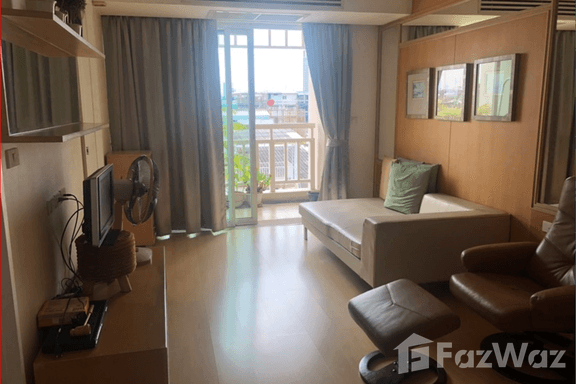
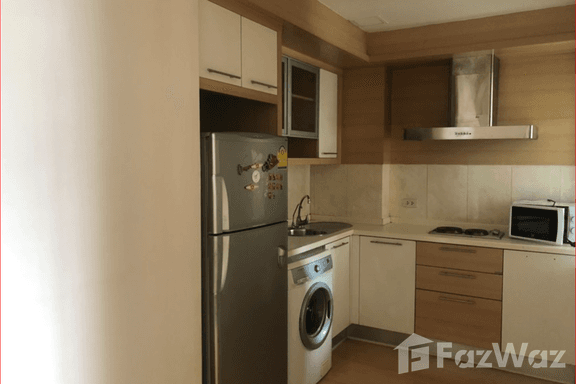
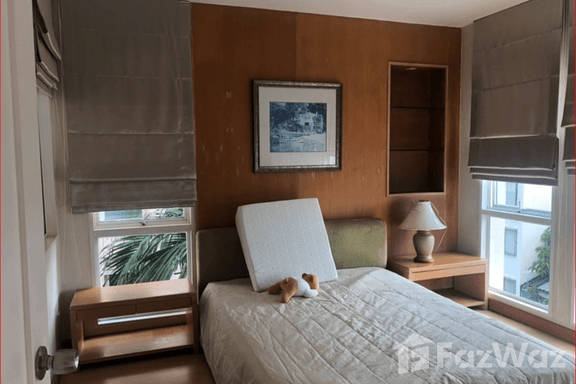
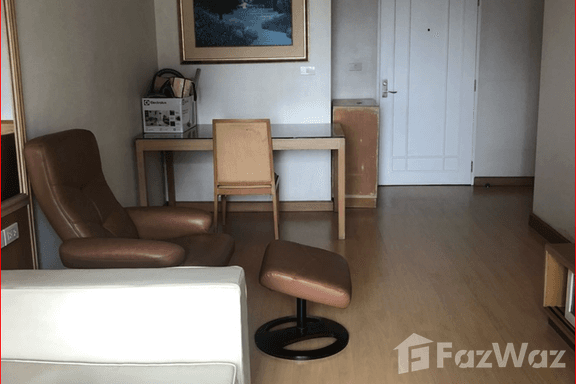
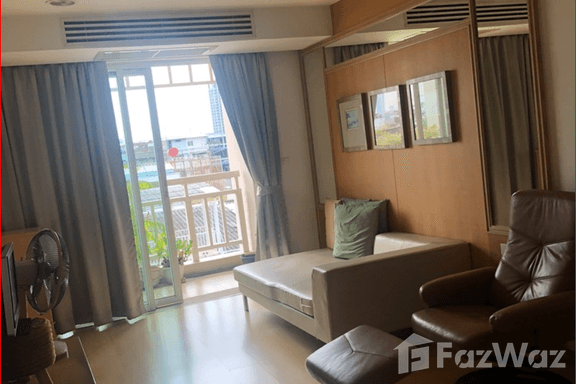
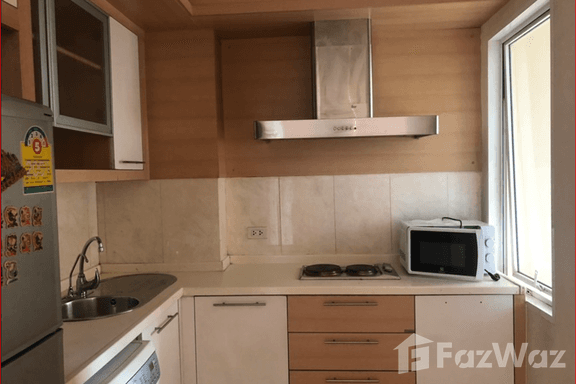
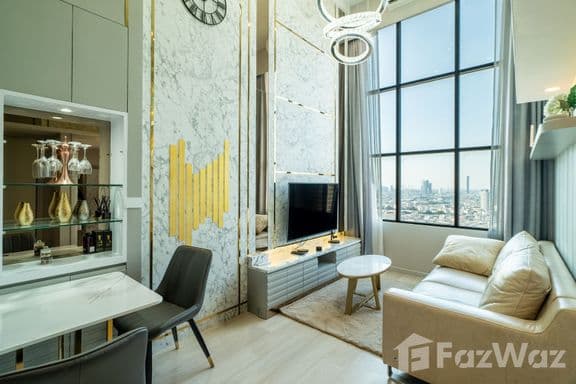
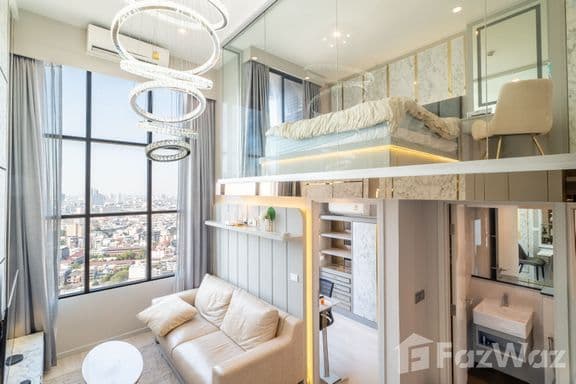
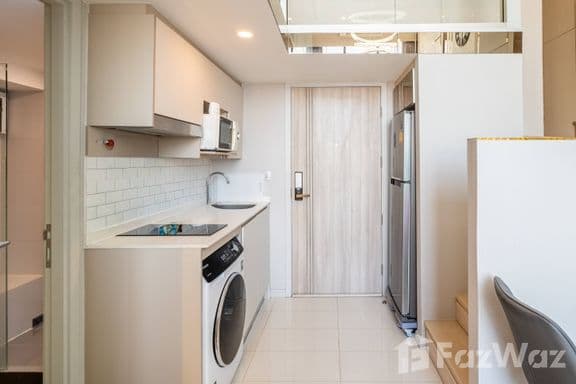
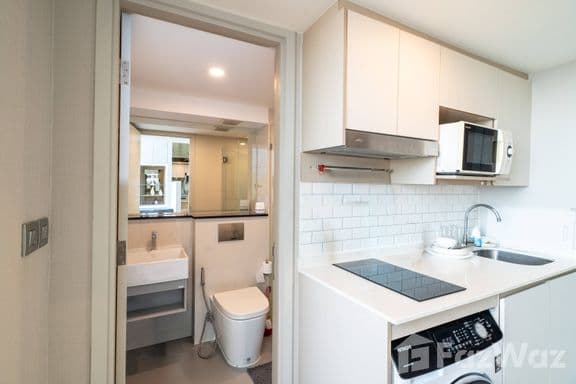
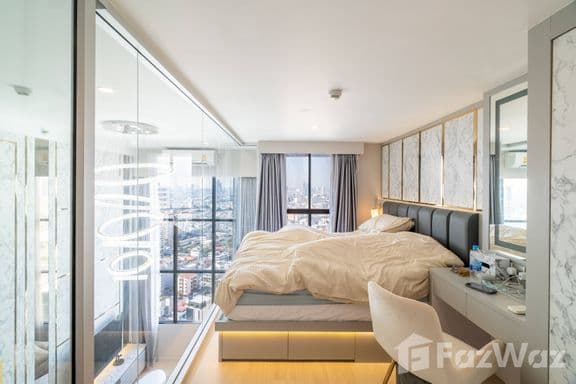
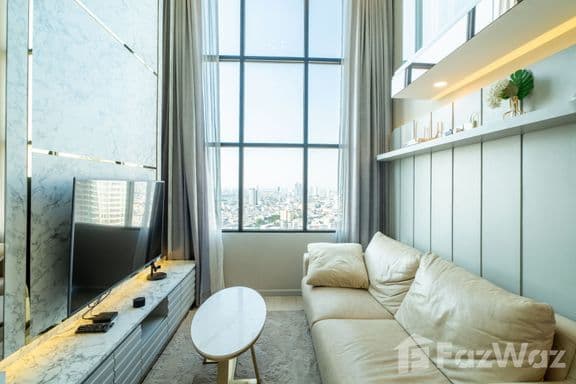


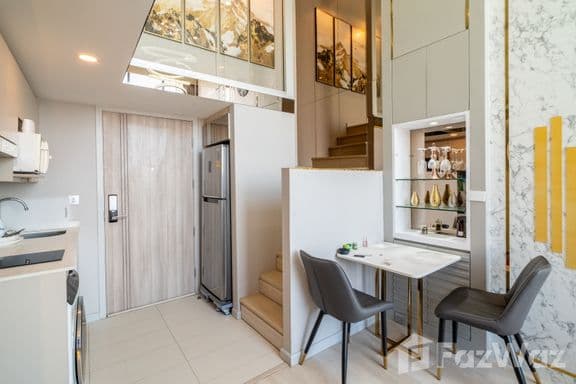

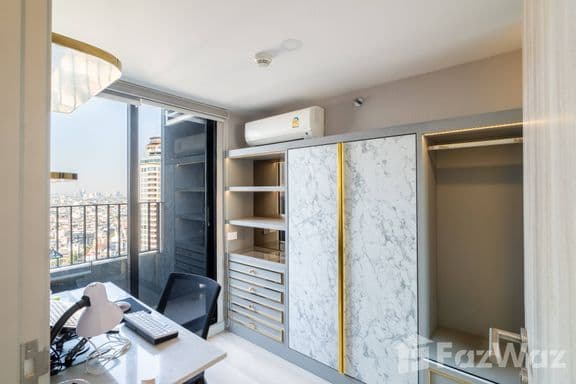
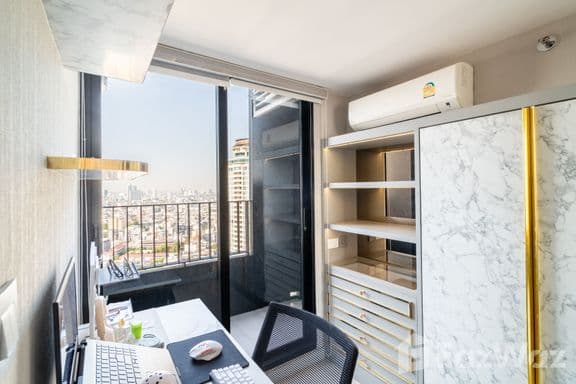


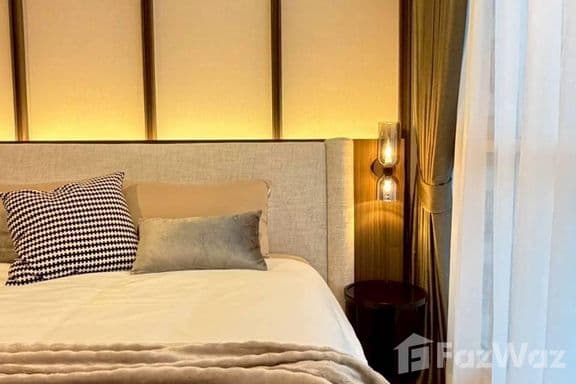


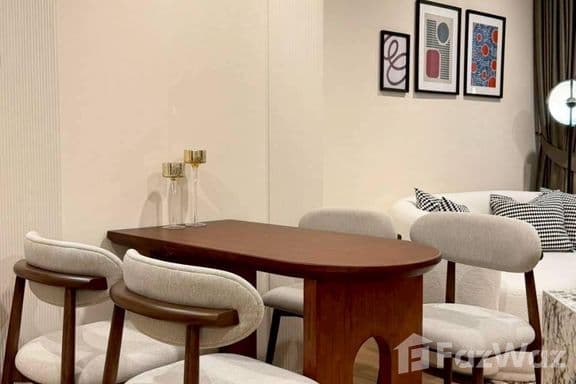


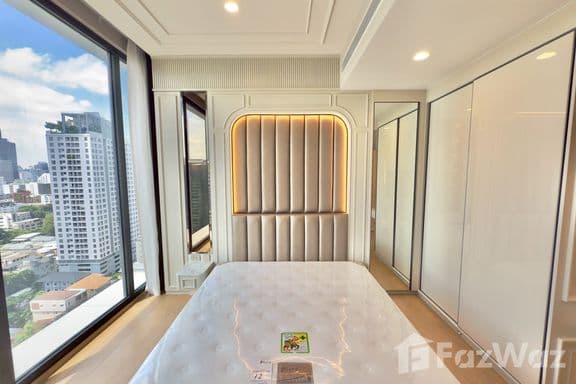


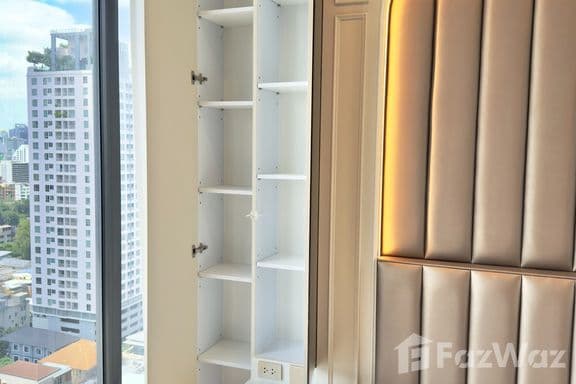
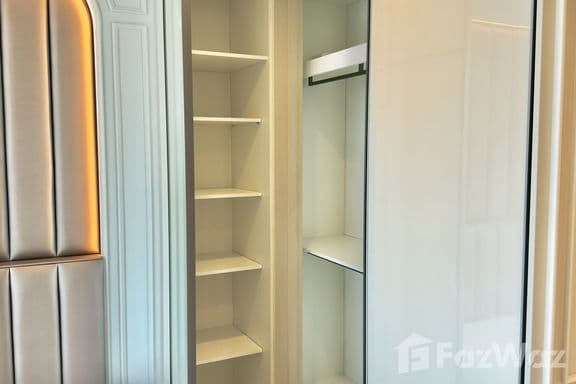
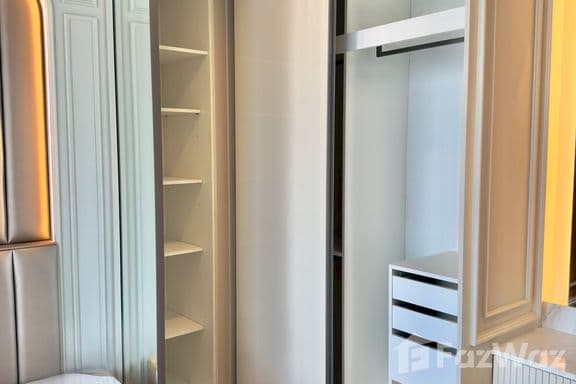



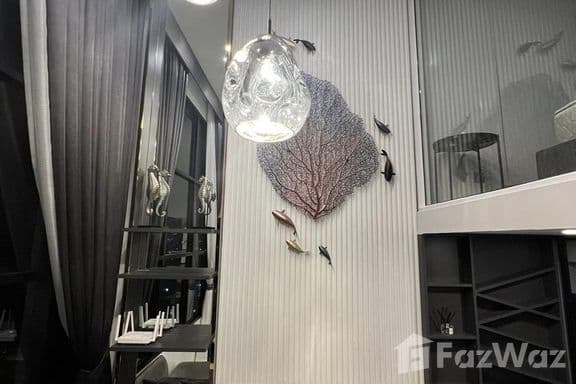
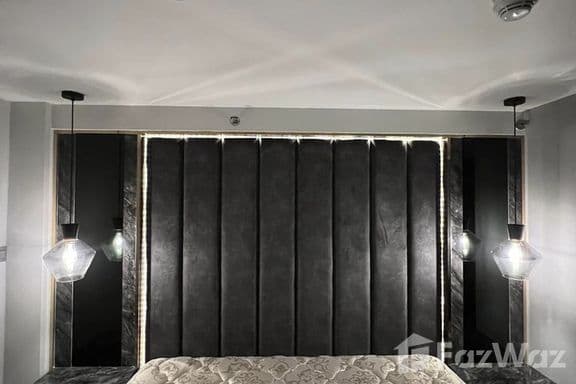
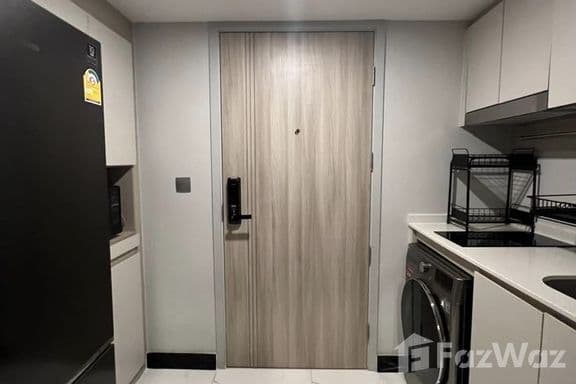
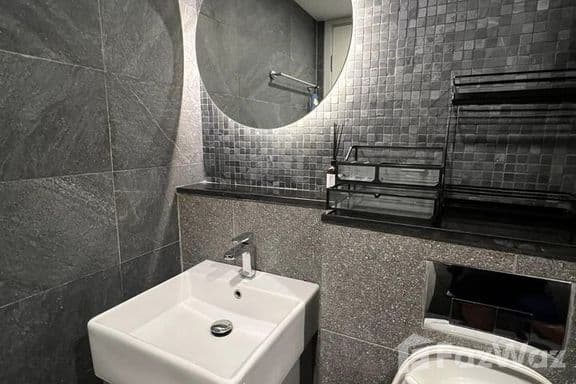
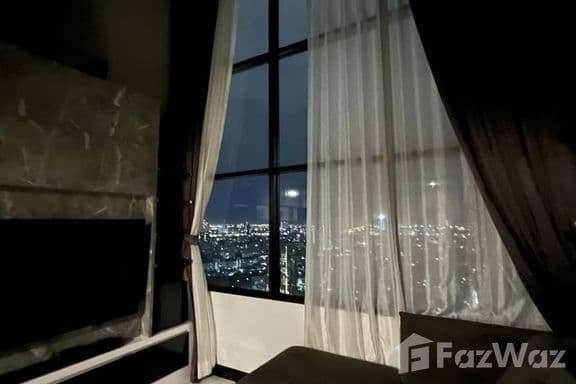
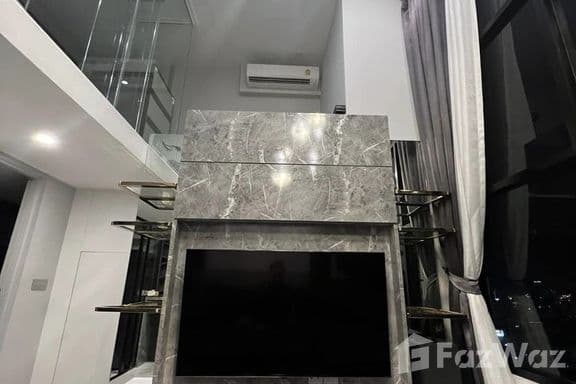
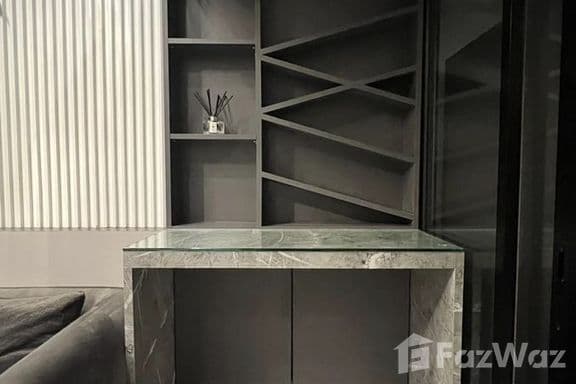
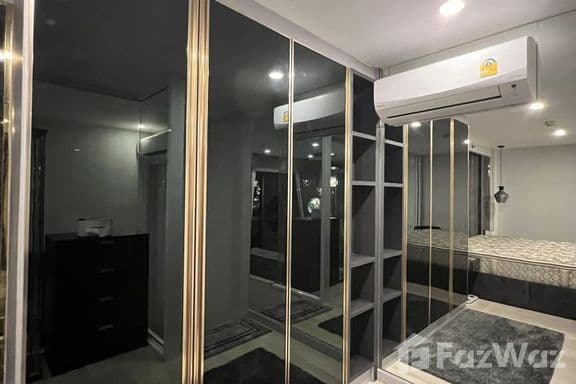
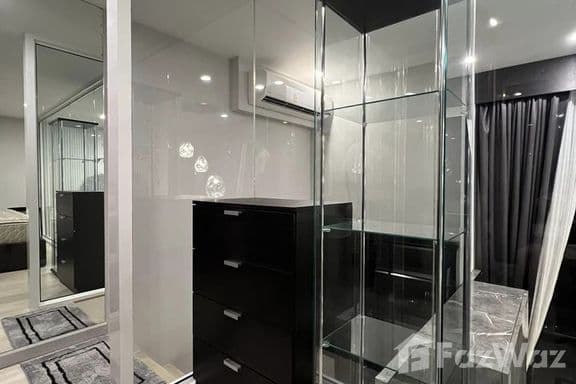
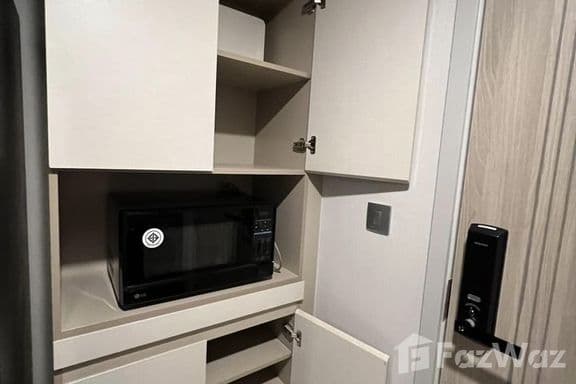
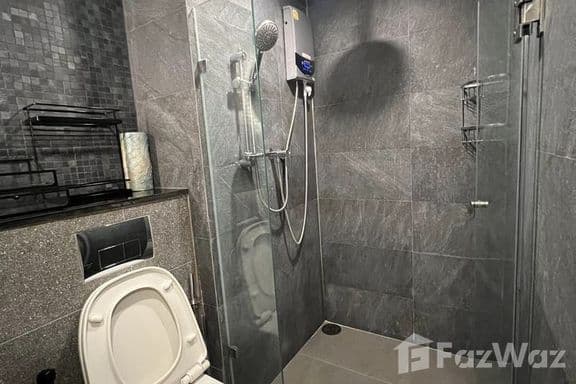
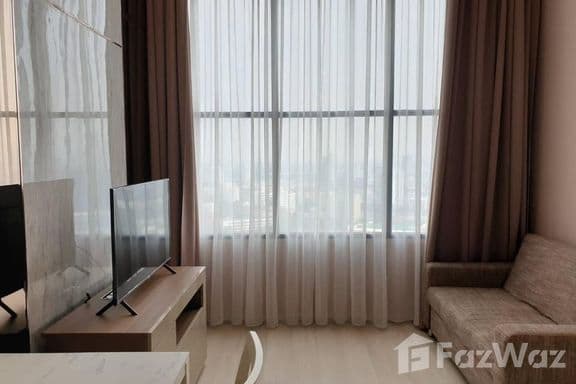
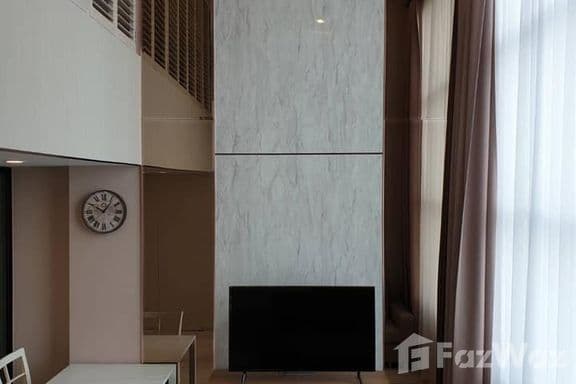
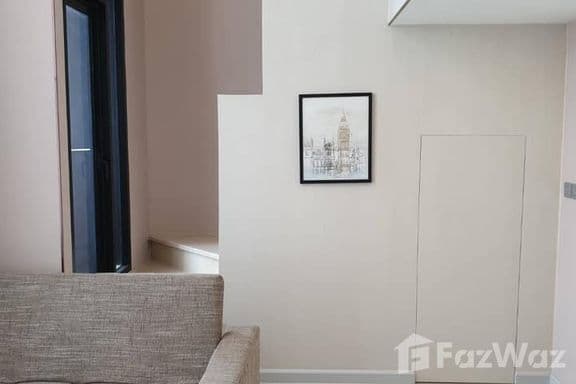
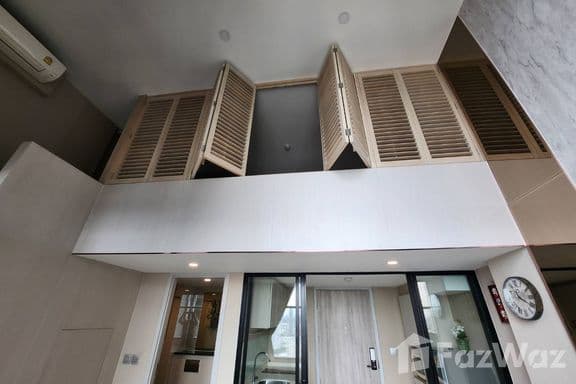
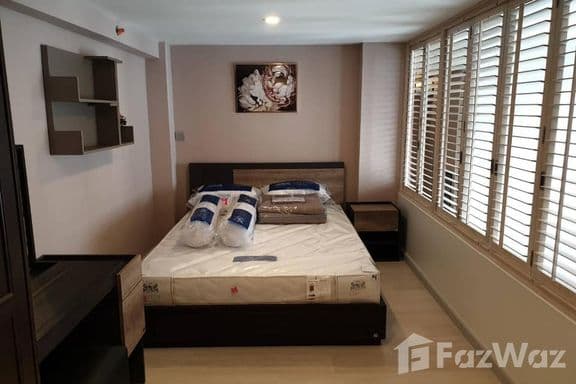

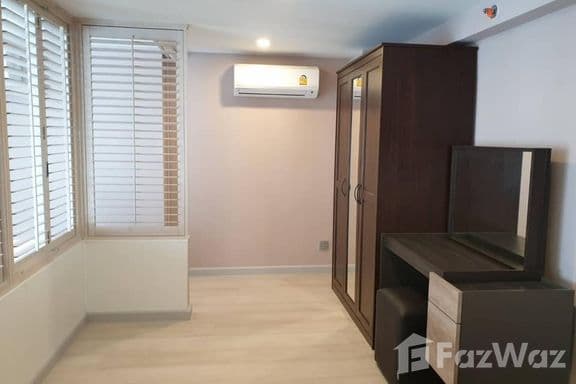
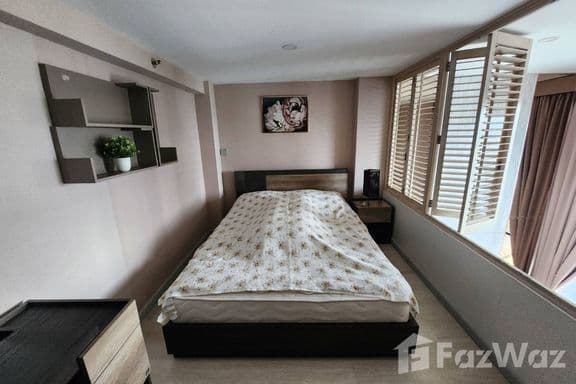
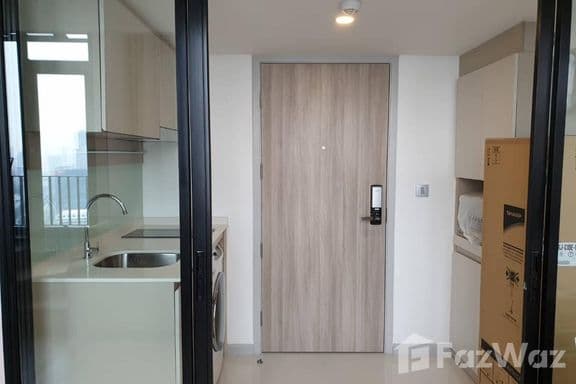

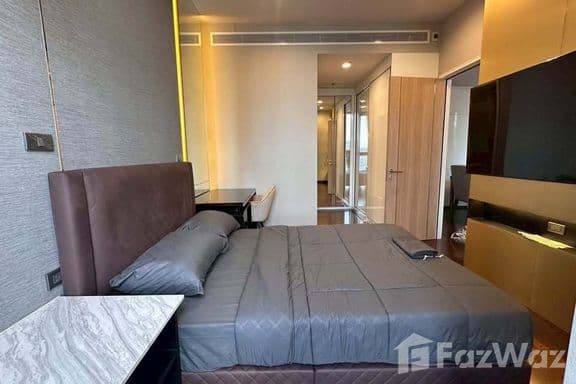


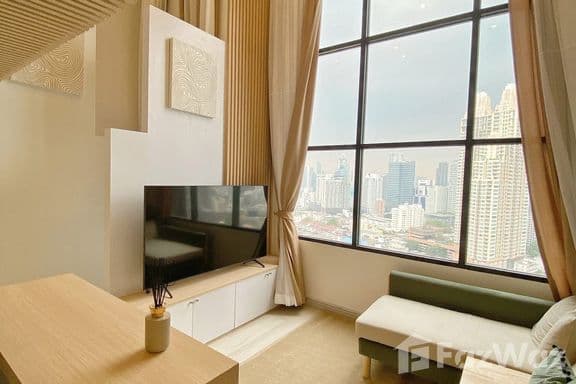

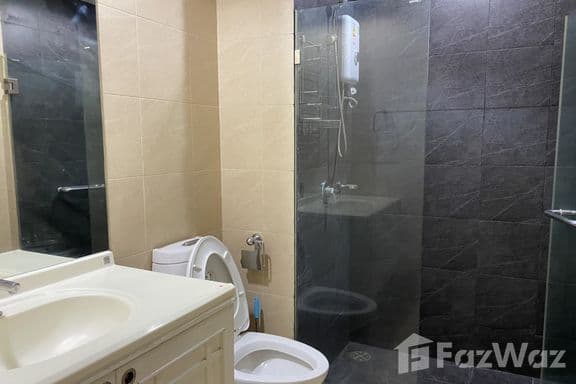

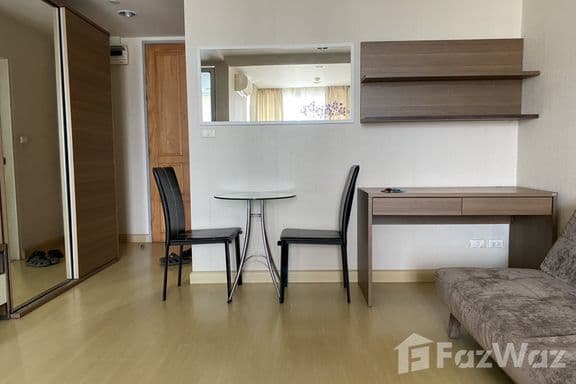
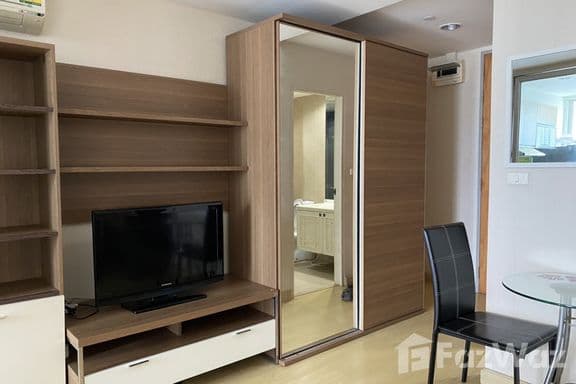
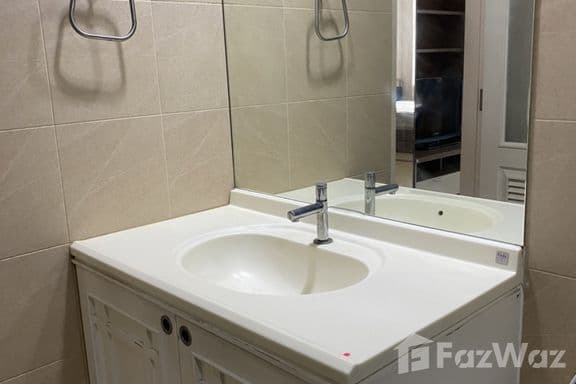
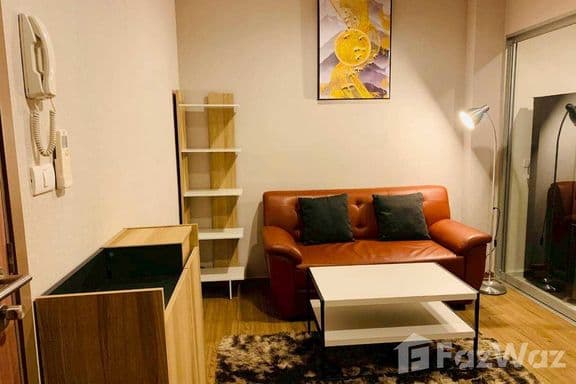
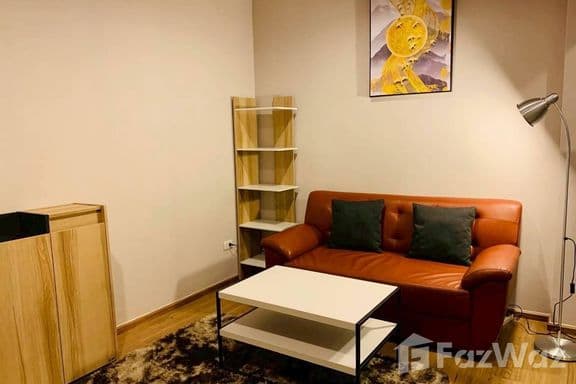
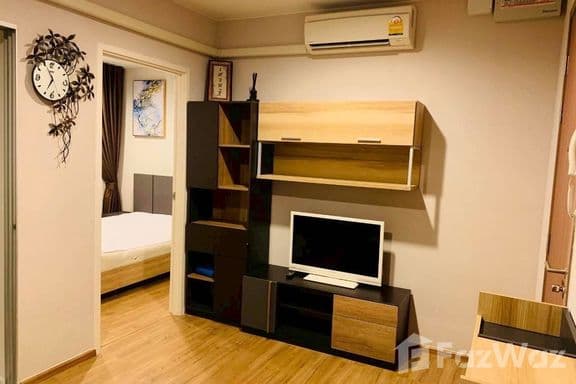
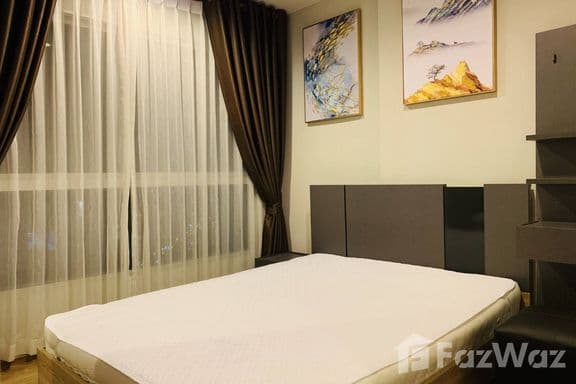
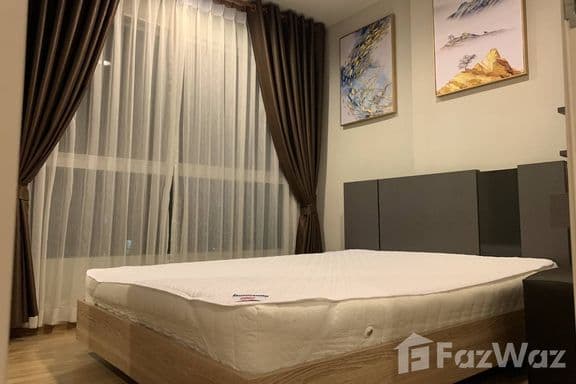
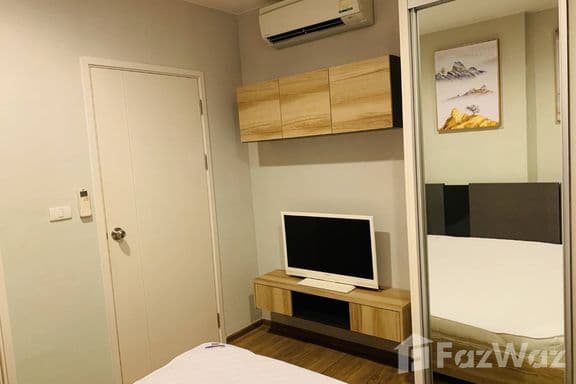
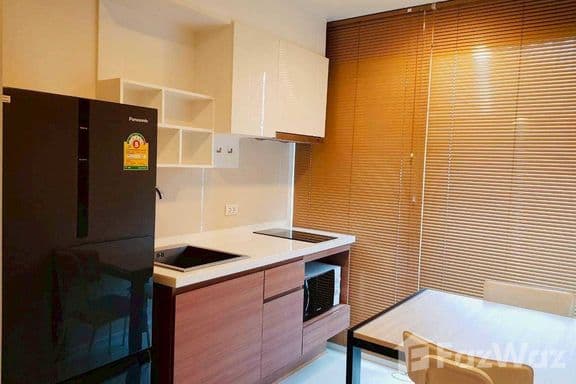
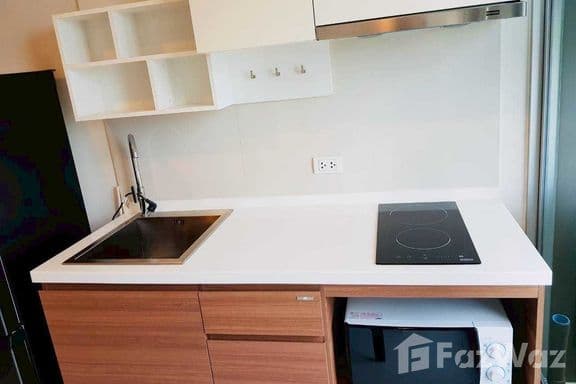
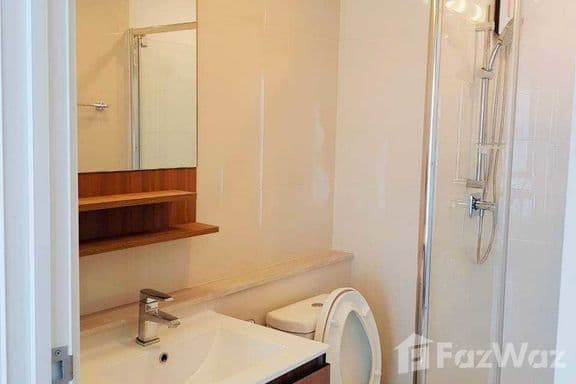
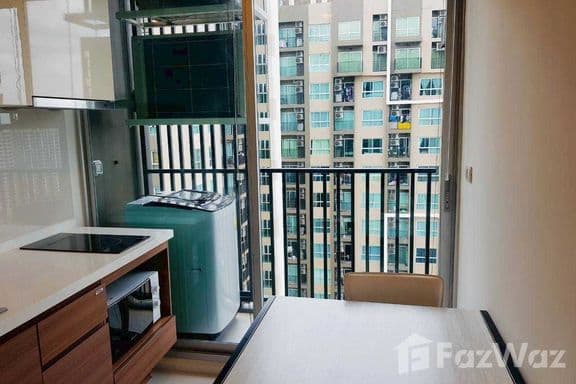
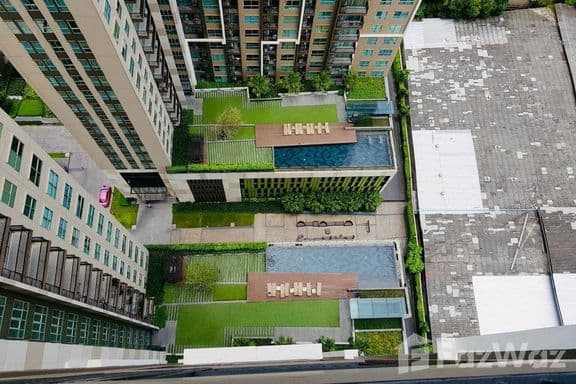
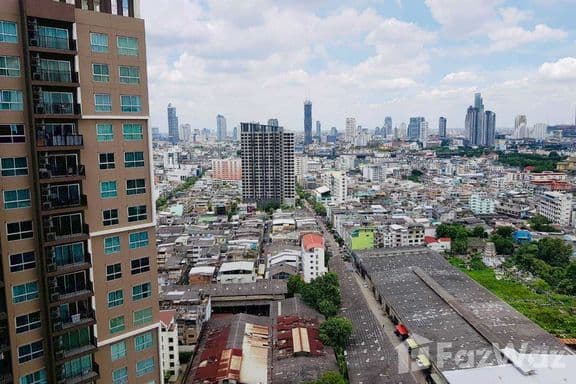
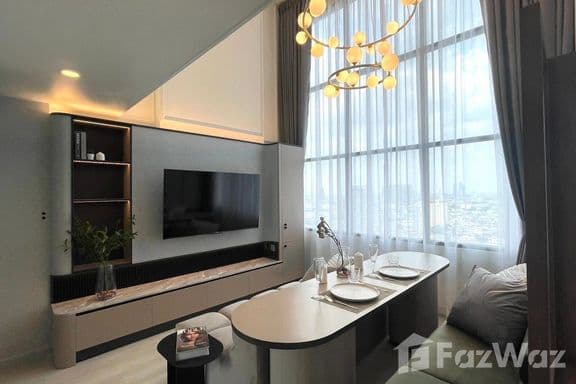

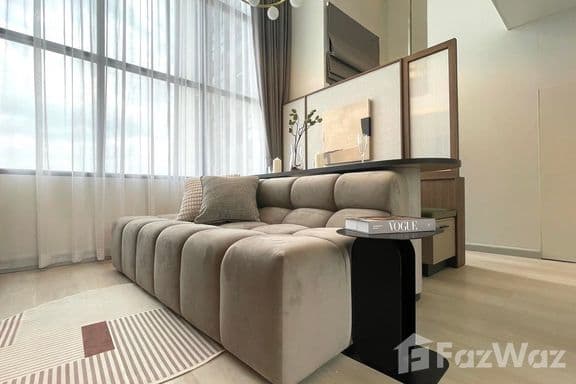




 Popular condos in Sathon

