2025 Pattaya Condo Market Report: Prices, Trends, and Investment Insights
Introduction to Pattaya’s Condo Market
Pattaya, a vibrant coastal city on Thailand’s Eastern Seaboard, has long been one of the country’s most dynamic real estate markets. Known for its sandy beaches, bustling nightlife, and proximity to Bangkok (roughly 1.5–2 hours by road), Pattaya attracts a diverse mix of property buyers from around the globe. Condominium developments dominate the skyline in this resort city, offering options from budget studios to ultra-luxury high-rise residences. International buyers and investors are especially active here, drawn by affordable prices (relative to Western markets), tropical lifestyle appeal, and strong rental demand from the city’s booming tourism sector. In fact, Pattaya is Thailand’s second-most-visited city after Bangkok, with tourism bouncing back impressively – 2023 tourist arrivals exceeded pre-COVID levels by 33%, and 2024 is on track to set new records.
Pattaya’s condo market encompasses several key sub-areas, each with its own character. Central Pattaya (downtown and beach road) is lively and convenient, commanding premium prices. Just south, Jomtien Beach offers a more relaxed atmosphere and value for money, while Pratumnak Hill (between Pattaya and Jomtien) provides an exclusive, quiet enclave on an elevated headland. To the north, Wongamat (Naklua) is an upscale neighborhood famed for luxury beachfront condos and panoramic sea views. This report will provide a data-driven overview of Pattaya’s condo market in 2025 – covering historical and current price trends, rental yields, buyer demographics, new developments, legal considerations for foreign owners, and an outlook for 2026. Whether you’re a prospective investor or a curious observer, read on for an analytical yet accessible tour of the Pattaya condo scene.
Historical and 2025 Price Trends
Pre-Pandemic Boom and COVID Correction: Pattaya condominium prices saw steady growth through the 2010s, fueled by increasing foreign buyer interest and Thailand’s economic expansion. Prime locations (city center and beachfront areas) experienced the strongest appreciation, thanks to high demand and limited sea-view supply. By 2019, average condo prices in Pattaya had risen to around ฿110,000 per square meter, up from the mid-2010s. However, the COVID-19 pandemic in 2020–2021 brought a sharp but temporary reversal. Travel restrictions and economic uncertainty dampened sales; developers slowed launches and offered discounts to clear inventory. Market data from 2021 showed average selling prices dipping 10–13% from 2020 levels. For example, sea-view units that averaged ฿123,000 per sq.m. pre-COVID fell to ~฿111,000, and non-sea-view units went from ~฿77,000 to ~฿67,000 per sq.m. on average. This period, while challenging for sellers, presented opportunistic buyers with bargains in a usually robust market.
Post-COVID Recovery: As Thailand reopened, Pattaya’s condo market began rebounding. By 2023, buyer confidence had returned alongside tourists. Pent-up demand, combined with Thailand’s economic recovery, led to price stabilization and a modest uptick in transactions. Investors from Thailand and overseas re-entered the market, and developers resumed project launches by late 2022. According to market research, Pattaya property values appreciated around 3% in 2025 as the recovery gained traction. While prices in some segments are still catching up to their pre-2020 peaks, the overall trend in 2024–2025 has been positive. Notably, beachfront properties have been leading the charge – in 2025, condos on or near the beach are selling for at least ~20% higher than similar inland units, reflecting the premium for location and views.
Current Price Levels (2025): Pattaya offers a broad spectrum of condo prices depending on location, age, and property class. The median asking price citywide for a condo is about ฿4.57 million (roughly USD 130,000), which typically buys a modern one-bedroom unit. On a per-square-meter basis, market data from property portals indicates a median of roughly ฿128,000 per sq.m for listings. However, this median skews toward newer and prime-area listings; plenty of units are available below that price point. In fact, one industry source cites the average price across all Pattaya condos at around ฿58,000 per sq.m, illustrating how older and up-country buildings pull the average down.
To better understand the variation, Table 1 summarizes average condo prices by sub-area in Pattaya (2025):
Table 1. Average Condo Prices by Area (Pattaya, 2025)
|
Area
|
Avg Price per m² (THB)
|
Characteristics
|
|
Central Pattaya
|
~฿85,000–฿135,000 per m²
|
Prime downtown; walkable to beach, malls (higher-end, limited new supply)
|
|
Jomtien Beach
|
~฿73,600 per m²
|
Resort vibe; many new developments; slightly more affordable than central
|
|
Pratumnak Hill
|
~฿63,600 per m²
|
Hillside and sea views; upscale low-density area between city and Jomtien
|
|
Wongamat/Naklua
|
~฿137,700 per m²
|
Luxury enclave; top-end beachfront projects command a premium price
|
|
South Pattaya
|
~฿70,000 per m²
|
Inland/urban Thai neighborhoods; more supply and generally lower prices
|
Sources: Thailand-Property/DotProperty listings data for average asking prices by area (2024–2025); Pearl Property Thailand market report.
As shown above, Wongamat (north Pattaya) tops the price charts – averages around ฿130k–฿140k per sq.m – thanks to its concentration of high-end beachfront residences (e.g. Arom Wongamat and The Palm). Central Pattaya and Pratumnak are not far behind, especially for sea-view units, averaging in the mid-/high-฿100k’s per sq.m. Meanwhile, Jomtien and South Pattaya offer lower average prices (฿60k–฿75k range) due to more plentiful land and a mix of older inventory. It’s worth noting that within each area there is a wide range: for instance, new luxury projects in Jomtien can still exceed ฿100k per sq.m., while older condos in Central Pattaya can be found under ฿70k per sq.m. Overall, Pattaya’s condo prices remain highly competitive compared to Bangkok or other global resort cities – one-bedroom units typically range from ฿1.5 million for an older studio up to ฿5 million+ for a modern downtown unit, and even lavish three-bedroom sea-view condos rarely exceed ฿20–30 million (USD 600–900k). This relative affordability, combined with the city’s rental income potential, is a big part of Pattaya’s investment appeal.
Rental Yields and Investor Returns
One of the key attractions for Pattaya condo investors is the strong rental yield potential. Thanks to year-round tourism and a growing expat community, well-located condos can generate healthy rental income. On average, gross rental yields in Pattaya range from about 5% to 8% annually, depending on property type and location. This outpaces many mature markets where yields are often under 5%. Market analyses in 2025 show typical Pattaya condo yields clustering around 6–7% gross, which is echoed by local agencies and global indices.
Importantly, yields vary by sub-market and price segment:
-
High-Yield Examples: In more affordable areas like Jomtien or East Pattaya, or for smaller units, yields can be on the higher end. For instance, one-bedroom condos in Jomtien (where purchase prices are moderate) have been observed to generate around 8% gross yield. A study in Q1 2025 found a median 1-bedroom price in Jomtien of ~$108k (≈฿3.7M) renting for ~$742 (≈฿25k) per month – an 8.2% yield. Similarly, well-managed luxury rentals in prime tourist areas, like branded residences or sea-view units with high occupancy on platforms like Airbnb, can occasionally push yields up to 8%+, especially when rented short-term to holidaymakers.
-
Lower-Yield Examples: On the other hand, in ultra-premium segments, rental yields are lower. In Wongamat, where condo prices are highest, a $150k+ one-bedroom might only fetch ~$600 (฿20k) monthly, yielding around 4–5%. Large luxury units (e.g. penthouses) also tend to have lower yield percentages; they command sky-high prices but have a smaller tenant pool and often serve as second homes more than rental investments. For example, a two-bedroom in Wongamat averaging $385k (฿13M) might rent for ~$1,187 (฿40k) monthly – a modest ~3.7% gross yield. These figures illustrate that the more expensive the condo, the lower the yield in Pattaya, as rental rates don’t increase proportionally with purchase price in the luxury tier.
Overall, a “sweet spot” for investors seeking rental income tends to be mid-range condos (studio and 1-bed units in tourist-friendly locations), which have relatively low entry costs but consistently high occupancy from expats or short-term renters. It’s common to achieve 6%+ gross yields on such units, which is quite attractive by international standards. Do note that these are gross yields – before expenses. After accounting for management fees, maintenance, insurance, and periods of vacancy, net yields typically come out about 1.5–2% lower than gross. For example, a condo yielding 7% gross might net around 5% after all costs, which is still solid.
Beyond rental income, investors should also consider capital appreciation as part of total returns. As discussed, Pattaya condo prices are on a recovery trajectory; conservative estimates put annual appreciation at ~3% in 2025, with potential for higher gains in high-growth areas (especially once major infrastructure projects near completion). If one assumes ~5% net rental yield plus ~3% appreciation, the total return could approach 8% per year – a compelling figure. Some investors indeed saw even higher returns by buying at 2020–2021 pandemic discount prices and riding the rebound through 2024. Of course, actual returns vary and property investment carries risks (illiquidity, currency exchange if buying in THB, etc.), but Pattaya’s combination of decent rental yields and medium-term growth prospects positions it as an appealing market for yield-focused investors. Many buyers use rental income to offset holding costs or finance their vacation home, effectively enjoying a “paid-for” holiday property as tourism-driven rents cover expenses.
Buyer Demographics and Demand Drivers
Pattaya’s condo buyers come from all walks of life, truly making it an international melting pot. Understanding who is buying and why they are attracted to Pattaya is key to appreciating the market dynamics.
Foreign Buyers: Overseas buyers play a significant role in Pattaya. In fact, Chonburi province (where Pattaya is located) recently overtook Bangkok as the #1 destination for foreign condo purchases, accounting for about 45% of all foreign-bought units in Thailand in 2024. Within this group, two nationalities stand out: Chinese and Russian investors dominate foreign demand, together making up well over half of international purchases. Chinese buyers alone captured nearly 50% of the foreign condo market in Thailand (around 5,000 units in 2023) and heavily favor Pattaya’s beach locales. Russians (around 1,000 units) were the second-largest group, a trend amplified in recent years by geopolitical factors driving more Russians to relocate or invest abroad. Other notable foreign buyer segments include Europeans (British, German, Scandinavian retirees), East Asians (South Koreans, Japanese), and a growing number of Americans and Canadians seeking a warmer climate with good value real estate. Many foreigners are purchasing for personal use (as a holiday home or retirement residence), while others purely invest for rental income. It’s worth noting that foreign interest, which dipped during the pandemic, has roared back – Thailand’s reopening and a weak baht in 2022–2023 made Pattaya condos even more attractive to overseas buyers, a factor in the current demand surge.
Thai Buyers: While foreigners grab headlines, Thai nationals still conduct the majority of condo transactions in Pattaya (often through Bangkok-based investors or locals from the Eastern Economic Corridor region). Developers report an increasing share of young Thai professionals and middle-class families buying Pattaya condos as weekend homes or investment properties. The average age of property buyers in Pattaya is around 45 years, and many of these are affluent Thais who see Pattaya as a convenient getaway spot close to Bangkok. Government incentives like the Thailand Elite Visa (offering long-term residency) and COVID-era policies to encourage domestic travel have also spurred more Thai urbanites to invest in Pattaya real estate. In 2025, retirees (both foreign and Thai) form about 20% of Pattaya’s property buyers, drawn by the city’s lower cost of living, good healthcare facilities, and leisure options. This retiree segment often seeks quiet locations (Jomtien, Pratumnak) and amenities like pools, security, and proximity to hospitals.
Key Demand Drivers:
-
Tourism and Hospitality: Pattaya’s enormous tourism industry underpins much of the condo demand. Simply put, tourists who fall in love with Pattaya often turn into property renters or buyers. With over 22 million visitors in 2024 (far above pre-pandemic volumes), the city’s exposure to potential international buyers is at an all-time high. Many purchase condos for use as vacation homes, renting them out when not in use. Additionally, high tourist traffic supports robust short-term rental yields (via Airbnb, etc.), enticing investors. The hospitality sector’s strength is evident with hotel occupancies in the 85–90% range in late 2024, indicating very consistent demand for accommodations. Pattaya’s evolution from a budget party town into a more family-friendly resort (with new attractions, water parks, malls, and even international schools) has broadened its appeal and created a virtuous cycle where tourism growth fuels real estate investment, and new real estate (like branded residences) in turn enhances the destination’s offerings.
-
Remote Work and Digital Nomads: The rise of remote work has not bypassed Pattaya. While places like Bangkok or Chiang Mai are more synonymous with “digital nomads,” Pattaya has quietly grown a base of expat professionals and online entrepreneurs drawn by the beach lifestyle. The city offers co-working spaces, reliable internet, and a lower cost of living than Bangkok – a combination that appeals to long-stay foreigners. Many remote workers on long-term visas rent condos in Pattaya for several months or more, contributing to demand for quality rental units. Some eventually decide to buy, especially as Thailand introduced the 10-year Long-Term Resident (LTR) visa in 2022 for foreign professionals and the continuation of the Elite Visa program. These visa schemes make it easier for digital nomads, affluent professionals, and retirees to base themselves in Thailand for the long haul. Pattaya’s entertainment and dining scene, international hospitals, and recreation options (golf courses, marinas) further enhance its attractiveness as a “work-from-paradise” locale.
-
Infrastructure and the Eastern Economic Corridor (EEC): Massive infrastructure projects are underway or planned that bolster Pattaya’s long-term prospects. One headline project is the High-Speed Rail Link connecting Bangkok–Pattaya–U-Tapao (part of a 3-airport line). Once completed (target late 2020s), this will cut travel time from Bangkok to Pattaya to under one hour. Even though construction has faced delays, anticipation of this improved connectivity has already injected confidence into the property market. Likewise, the expansion of U-Tapao International Airport (Pattaya’s airport) is slated to begin in 2025, transforming it into a major hub with capacity for tens of millions of passengers by 2029. This will effectively turn Pattaya into an international gateway city, driving demand for nearby accommodations – including condos. Within the city, plans like the Pattaya Monorail and other mass transit upgrades are in discussion, aimed at easing traffic and linking key areas; any progress on these will further make Pattaya a more liveable city and likely boost property values, particularly along transit routes.
-
Eastern Economic Corridor (EEC): Pattaya lies at the heart of Thailand’s EEC, a government-driven initiative to develop a high-tech industrial and logistics hub in the eastern provinces. The EEC is attracting billions in investment in industries like automotive, aerospace, and biotech, bringing an influx of skilled Thai and foreign workers to the region. Many of these professionals choose to live in or around Pattaya for its lifestyle, even if their workplaces are in nearby industrial estates. The EEC’s growth has also spurred improvements in highways and utilities. For real estate, this means a growing pool of well-paid tenants and buyers looking for quality housing – a boon for Pattaya’s condo landlords. As the EEC projects (like new industrial zones, ports, and the “Eastern Aviation City” around U-Tapao) progress, they will serve as a steady demand driver for Pattaya property, beyond just tourism.
In summary, demand for Pattaya condos is fueled by a confluence of factors: booming tourism, increasing foreign investor interest (led by Chinese and Russians), lifestyle buyers (retirees, holiday home seekers), remote workers, and spillover from economic development in the Eastern Seaboard. This diverse demand base provides a solid foundation for the market – when one segment slows, another often rises. For example, during the pandemic when foreign buyers paused, domestic buyers stepped in taking advantage of discounts; now as foreign interest returns, it’s driving the next wave of growth. Pattaya’s ability to attract both international and local buyers is a key strength distinguishing it from many other resort markets.
Notable New Developments in 2024–2025
The past two years have seen a resurgence of development activity in Pattaya’s condo sector. Several high-profile new projects launched in 2024–2025 are shaping the market’s future, signaling developers’ confidence in Pattaya’s rebound. Below we highlight some of the most notable new condominium developments and what they offer:
-
PTY Residence (Pattaya Sai 1 Road) – A landmark new beachfront project by Sansiri, one of Thailand’s top developers. Announced in early 2025, PTY Residence is a luxury high-rise on Pattaya Beach Road (Sai 1) valued at ฿3.2 billion. It occupies one of the last prime freehold beachfront plots in central Pattaya, offering 327 exclusive units with direct beach access. The response has been overwhelming – Sansiri reported the foreign quota (49% of units) sold out within hours of launch, reflecting immense demand from overseas buyers for well-located Pattaya condos. PTY Residence features panoramic ocean views and five-star amenities (infinity pool, concierge, etc.), targeting the ultra-luxury segment. Its success is a bellwether that premium developments in Pattaya can attract buyers as readily as those in Bangkok or Phuket. The project’s expected completion is in 2027, and it sets a new bar for upscale living in central Pattaya.
Artist’s rendering of the luxury beachfront PTY Residence in Central Pattaya, launched by Sansiri in 2025. High-end projects like this have seen strong demand, with foreign buyers quickly snapping up units.
-
“Once Wongamat” by Honour Group – Officially launched in December 2024, Once Wongamat is poised to become an icon of North Pattaya. This striking 56-story tower will soar 239 meters tall and encompass 548 units, making it one of Pattaya’s tallest residential buildings. It’s developed by a local Pattaya-based firm (Honour Group) which previously partnered on a Hilton-branded residence. Once Wongamat’s concept is “Reserve the Rarest, Deserve the Finest,” highlighting its rare freehold land in the upscale Wongamat area (where much land is leasehold). The project’s value exceeds ฿8 billion and units start from ฿5.9M for one-bedrooms, catering to the high-end market. Unique selling points include its biophilic design (lots of green space and sustainable features) and the prime location near Dolphin Circle, surrounded by five-star hotels and malls. Once Wongamat aims to attract both investors and owner-occupiers seeking a blend of luxury and long-term investment value in Pattaya’s most prestigious neighborhood. Construction is set to progress through 2025–2028, with a target to complete sales by 2029 – indicating a longer-term sales horizon typical of large luxury projects.
-
Grand Solaire Pattaya – Touted as “Pattaya’s new super-project”, Grand Solaire is another skyline-transforming development. This high-rise complex will reach 67 storeys, making it a contender for the tallest building in the city. Grand Solaire is being built in South Pattaya and is expected to complete by late 2024 or 2025. It features a modern design with extensive resort facilities (multiple pools, sky lounges, sports courts, etc.), aiming to offer a five-star resort lifestyle for residents. Early construction updates show significant progress. Marketed heavily to foreign investors, the project offers a mix of units from compact one-bedrooms to opulent penthouses. Prices reportedly start around ฿3–4 million for small units, with higher floors and larger units commanding significantly more. With its sheer scale and visibility, Grand Solaire is set to become a new landmark on the Pattaya skyline. The developer has highlighted panoramic ocean views from most units due to the tower’s height. The large number of units (hundreds in total) will add considerable new supply, but strong pre-sales indicate a lot of these are already taken up by buyers anticipating Pattaya’s growth.
-
Copacabana Coral Reef (Jomtien) – After the success of the original Copacabana Jomtien (a 59-story condo completed in 2022), the developers launched Copacabana Coral Reef in 2024 as a sequel. This project comprises a 56-floor high-rise in Jomtien Beach with a vibrant Rio de Janeiro-inspired design. It emphasizes resort-style living: the building will feature multiple swimming pools (including a beach club pool with simulated wave and sand beach on the podium), tropical gardens, and panoramic rooftop amenities. Located just 500 meters from Jomtien Beach, Coral Reef offers residents easy beach access plus proximity to Pattaya city via the new Jomtien Second Road extension. The development targets a mix of investors and lifestyle buyers, with stylish one-bedroom units popular for rental and larger units aimed at end-users. By blending a fun “vacation” theme with luxury, it stands out as one of Jomtien’s most anticipated projects in 2024. Infrastructure improvements (like the planned monorail stop in Jomtien) further boost its investment appeal. Copacabana Coral Reef is slated for completion around 2026, and its launch has reinforced Jomtien’s status as a hot spot for new condos (indeed, over half of new condo units launched in late 2024 were in Jomtien).
-
Other Noteworthy Developments: In addition to the above, a number of smaller-scale or niche projects have recently launched. Arom Jomtien is an ultra-luxury low-density condo on Jomtien beach, offering large seafront units (this complements Arom Wongamat by the same developer, which launched earlier in Naklua). Zenith Pattaya and Marina Golden Bay are other multi-tower projects under construction, adding distinctive architecture (Marina Golden Bay’s triple-tower design with a sky garden is particularly unique). There’s also growth in the low-rise segment: projects like Pristine Park 3 (a boutique low-rise in Na Jomtien) and ZenSiri Jomtien (a mid-rise with modern tropical design) cater to those who prefer a quieter, less dense living environment. As of H2 2024, CBRE reported 4 new condo projects (1,926 units) launched in Pattaya in just that half-year, indicating developers are ramping up supply – with a focus on the luxury segment (units priced >฿6M) which made up the largest portion of new launches. Buyers can expect a healthy pipeline of options, from lavish skyscrapers to affordable resort-style condos, hitting the Pattaya market through 2025 and beyond.
Legal and Ownership Considerations for Foreigners
One of the advantages of the Thai property market is that foreigners are allowed to buy and own condominium units freehold in their own name – a right enshrined in Thailand’s Condominium Act. Pattaya, with its high foreign buyer population, is a prime example of this in practice. However, there are some legal restrictions and practical considerations to be aware of:
-
Foreign Ownership Quota (49% Rule): By law, foreigners can own up to 49% of the total saleable area (or units) in any condominium project. The remaining 51% must be owned by Thai nationals (or Thai majority-owned entities). In popular buildings, the foreign quota can fill up quickly – for instance, Sansiri’s PTY Residence sold out its foreign quota in hours. If a building’s foreign quota is full, a foreign buyer has a few options: purchase via a Thai company structure, buy in leasehold (some developers offer 30-year leasehold contracts to foreigners as an alternative), or simply choose a different project with quota available. It’s always wise to ask the developer or agent about foreign quota status early on.
-
Funds Transfer and Currency: To register a condominium to a foreigner’s name, funds used for purchase must be remitted from abroad in foreign currency. The receiving Thai bank will issue a Foreign Exchange Transaction Form (FETF), formerly called a Tor Tor 3, for any transfer over $50,000 – this document is required by the Land Department upon transfer to prove foreign funds. Practically, this means if you’re a foreigner, you shouldn’t use locally sourced Thai baht to pay for the condo; you should send money from an overseas account (in USD, EUR, etc.) and have it converted to THB in Thailand. The rule ensures fresh foreign currency enters the country for property purchases. If you’re financing locally or already have THB in-country, consult a lawyer on how to document the funds properly for registration.
-
Title and Registration: Freehold condominium ownership provides a title deed (Chanote) in your name, just like a Thai owner. Transactions are registered at the Land Office. Transfer taxes and fees are typically around 6–7% of appraised value in total (usually split between buyer and seller as negotiated). Notably, land ownership is generally not allowed for foreigners, so buying a condo is the most straightforward way for an international buyer to own property in Thailand. (Foreigners can lease land or buy houses via Thai companies or under certain limited schemes, but those routes involve more complexity.)
-
Legal Due Diligence: It’s recommended to use a Thai property lawyer to assist with any purchase. They will check that the condo unit has a clear title, the development has the proper licenses, and the sales contract is fair. In Pattaya, many developments are sold off-plan; in such cases, escrow arrangements (where payments are held by a third party until construction milestones are met) are ideal, though not always available. Stick with reputable developers (Pattaya has several long-established ones) and be mindful of promised completion dates and any incentive packages in contracts.
-
Ownership of New vs. Resale Units: Buying new (off-plan) usually involves a contract with the developer. Buying resale (second-hand from an existing foreign owner) is straightforward as long as that unit is within the foreign quota (if the seller was foreign, it is). The foreign buyer can step into the seller’s place. If a foreigner wants to buy from a Thai owner in a building that currently has, say, 50% foreign ownership, that might not be possible until a Thai owner sells to another Thai to bring the quota down – so always verify quota status when buying from a Thai seller.
-
Visas and Stay: Owning property in Thailand does not automatically confer the right to live there long-term. Visas are a separate matter. However, owning a high-value property can support applications for certain visas. Thailand’s Elite Visa (a long-term residency visa program) can be applied for independently and is popular among property owners for ease of stay (though it requires a fee). Recently, proposals have been discussed to offer residency perks for property investors (for example, a now-scrapped plan would have given a 10-year visa for a $300k property purchase). Always check the current immigration rules.
-
Ongoing Obligations: Condo owners must pay annual common area maintenance (CAM) fees to the building’s juristic person (homeowners association). These fees, typically charged per square meter of unit area, cover maintenance of facilities, security, cleaning, etc. In Pattaya, CAM fees usually range from ฿30 to ฿60 per sq.m. per month (so a 50 sq.m. unit might pay ฿1,500–฿3,000 monthly). There’s also a sinking fund (one-time contribution for long-term repairs) usually collected upon transfer. Make sure to account for these in your budget.
In summary, buying a condo in Pattaya as a foreigner is relatively straightforward and secure under Thai law, as long as you adhere to the 49% foreign quota and properly document your fund transfers. Many thousands of foreigners have successfully purchased Pattaya condos over the decades, establishing a well-trodden path. Nonetheless, engage professional advice for peace of mind. Thailand’s legal framework offers full ownership rights to foreign condo owners, which is a major reason Pattaya is an international real estate hotspot. (As an aside, there have been industry discussions about potentially raising the foreign ownership cap above 49% in the future to stimulate investment, but no changes have been enacted as of 2025.)
Market Outlook for 2026
Looking ahead, the outlook for Pattaya’s condo market into 2026 is cautiously optimistic. The recovery from the pandemic downturn has been faster and stronger than many expected, thanks to the confluence of factors we’ve discussed (tourism revival, infrastructure, foreign demand). Barring any unforeseen global shocks, 2026 is likely to see further growth in the Pattaya condo sector, though at a measured pace. Key trends and projections for the near future include:
-
Continued Demand from Foreign Buyers: International interest should remain high. Chinese buyer activity, while it bounced back in 2023-2024, could increase even further if China’s economy stabilizes and outbound investments resume at full throttle. Russian demand may persist as long as external conditions drive wealth into Thai assets. We also anticipate more buyers from new markets – e.g. the Middle East and South Asia – as Thailand expands diplomatic and economic ties. Pattaya offers an accessible price point and lifestyle that can attract these new demographics. The Thai government’s ongoing efforts to court wealthy foreigners (through visas and possibly easing property rules) will support this trend.
-
Tourism and Rental Market Strength: By 2026, Thailand’s tourism is expected to fully surpass 2019 levels. Pattaya, in particular, might benefit from new flight routes via U-Tapao and increased marketing as a family destination. A robust tourism environment means the short-term rental market (holiday lets) will stay strong, bolstering investor interest in condos that can serve as vacation rentals. If any new regulations on short-term rentals (like requiring licenses for Airbnb) come into play, that could affect how investors operate, but so far Thailand has been relatively lenient in resort areas compared to some countries. Overall, expect rental yields in 2026 to remain in the 5-8% range on average, as high tourist-driven rental demand meets a growing (but not yet oversaturated) supply of rental condos.
-
Supply Considerations – New Launches vs. Absorption: Developers have ramped up new project launches since 2023, and many will complete in the 2025–2026 timeframe. This increase in supply will give buyers more choices but could also intensify competition, especially in segments like Jomtien mid-market condos where thousands of units are under construction. If demand (sales and rental) keeps growing in tandem, the market can absorb the new supply. However, a potential risk is if too many similar condos flood the market at once, it may put downward pressure on prices or lengthen selling times. So far, the luxury segment seems to be absorbing well (as evidenced by strong pre-sales in projects like PTY Residence and Once Wongamat), and the mid-range is buoyed by genuine usage demand (e.g. Thais buying for personal use). Inventory overhang bears watching – as of late 2024 Pattaya still had several thousand unsold units from prior years (especially in Jomtien), but the return of buyers has been whittling this down. The market in 2026 will likely be more balanced: not a drastic seller’s market (due to ample new supply), but well-priced properties in good locations should continue to find buyers readily.
-
Price Trajectory: We project moderate price appreciation in 2026, perhaps on the order of 3–5% for the overall condo market, assuming stable economic conditions. Prime projects may see higher jumps (especially if a foreign buying frenzy occurs for certain high-end launches), whereas older condos in saturated areas could stay flat or only inch up. Essentially, quality and location will drive capital growth. Infrastructure milestones could also act as catalysts – for example, if concrete progress is made on the high-speed rail in 2025, areas near the planned Pattaya station might see a speculative uptick. Similarly, news of U-Tapao airport’s expansion could boost confidence in Na Jomtien/Bang Saray area real estate. Inflation and construction costs are factors too: Thailand has seen construction cost inflation, which usually pushes new launch prices higher year by year. This sets higher replacement costs, thereby helping lift the value of existing properties as well. We expect new launches in 2026 to come at price points 5–10% above comparable 2023 launches, simply due to these cost pressures and land price increases – and this will have a knock-on effect on the resale market.
-
Investor Sentiment and Macro Factors: Globally, if interest rates remain elevated, some investors might face higher financing costs, though many foreign condo buyers in Pattaya purchase with cash or minimal leverage. Thailand’s interest rates are still relatively low, and local bank financing for condos (for Thais and some foreigners with work permits) is available, which should keep the local demand supported. Political stability in Thailand will be important – as of 2025 a new government is in place and has signaled support for the real estate sector, with policies like reduced transfer fees and incentives for foreign investment. Any continuation of such pro-property policies will help Pattaya. On the flip side, if global economic growth stutters or exchange rates move significantly (e.g., a strong Thai baht making it more expensive for foreign buyers), that could be a headwind. For now, sentiment is upbeat: a survey of developers indicated confidence in Pattaya’s market fundamentals and resilience going into 2026.
In conclusion, 2026 is poised to be a year of steady growth and active market activity for Pattaya condos. We’re likely to see a maturing market – one that has fully shaken off the pandemic effects and is now driven by structural demand from both end-users and investors. Pattaya’s blend of lifestyle appeal, rental returns, and infrastructural improvements will continue to draw buyers. Prices should gradually rise, though perhaps not spike, given the concurrent rise in supply. For investors, careful project selection will be key; the gap between high-performing properties and mediocre ones may widen. Condos that tick the boxes of what buyers/renters want – great location, views, modern amenities, professional management – will be the star performers in 2026 and beyond.
Ready to Invest? Explore Pattaya Condo Listings
Whether you’re looking for a savvy investment or your own slice of paradise by the sea, Pattaya’s condominium market in 2025–2026 offers plentiful opportunities. From luxurious high-rises in Wongamat to budget-friendly beach apartments in Jomtien, there is something for every buyer’s taste and budget. If this report has piqued your interest, why not take the next step and see what’s currently available?
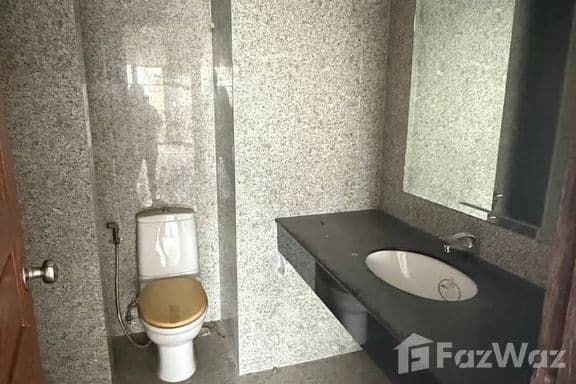
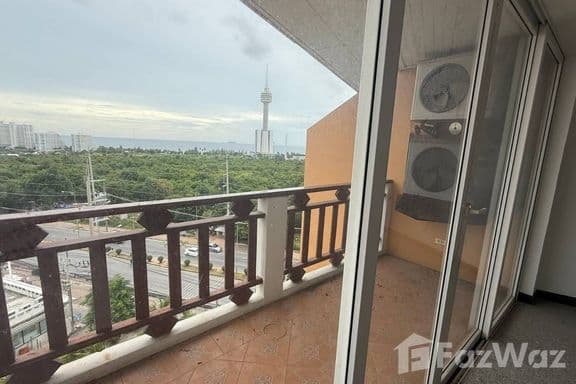
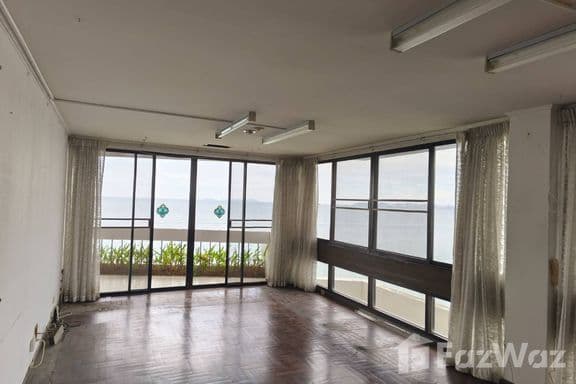
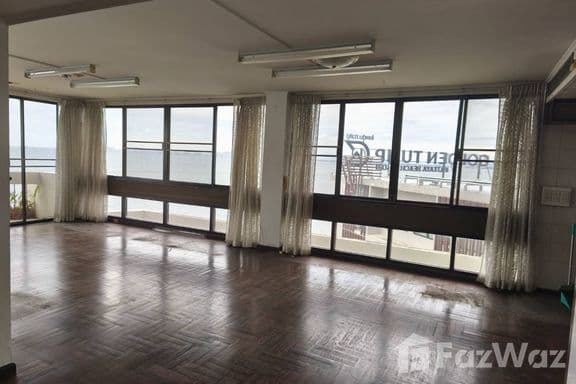
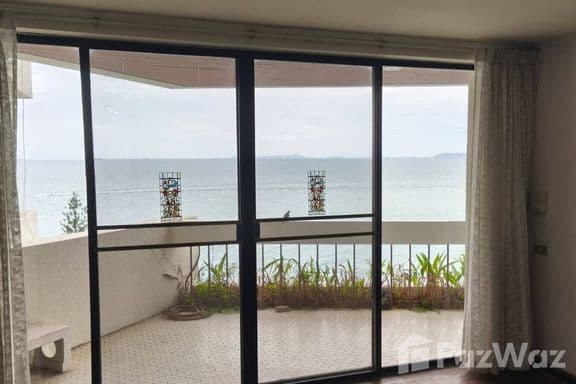
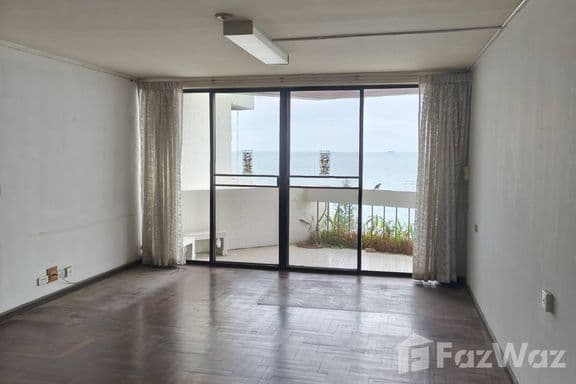
Browse the latest Pattaya condos for sale on FazWaz – our up-to-date listings include detailed information on prices, locations, amenities, and more. You can filter by area (Jomtien, Pratumnak, Wongamat, etc.), compare rental yield estimates, and even schedule viewings directly through the platform. The Pattaya market is moving quickly, so staying informed is crucial. Check out the listings and data on FazWaz to complement the insights from this report. Good luck, and happy condo hunting in Pattaya!









 Popular condos in Pattaya

