House for Rent in Phuket: 2025 Guide
Phuket is Thailand’s largest island and a hotspot for expats, digital nomads, and retirees. In 2025, the house rental market is thriving, fueled by growing demand from international residents. Whether you're looking for a quiet inland home or a luxury villa, Phuket offers something for every lifestyle.
The island’s population growth and increased foreign interest have boosted housing demand, especially for villas and holiday homes. Rent has climbed, particularly in beachside and tourist-heavy areas, with yields over 10% attracting many investors. Still, choices remain broad, with both luxury and more modest homes available.
On average, a three-bedroom house in a central area rents for around THB 60,000 per month. A one-bedroom apartment typically costs THB 18,000–THB 20,000, but inland homes or traditional Thai-style houses can go for under THB 20,000. At the high end, oceanfront villas often exceed THB 200,000 monthly.
Rental costs vary by location, size, amenities, and lease length. Beach access and scenic views increase prices, while long-term leases offer better monthly rates. Seasonal demand also impacts availability and pricing, with higher competition during peak tourism months.
While landlords hold the advantage in popular zones, tenants who search carefully can still find strong value. Whether you're relocating or planning an extended stay, Phuket’s rental market in 2025 offers flexibility, variety, and the chance to live in one of Asia’s most desirable locations.
Key Rental Areas in Phuket
Phuket is a patchwork of distinct neighborhoods and towns, each offering a different living experience. Below is an overview of Phuket’s key rental areas – including Patong, Kamala, Chalong, Rawai, Bang Tao, Nai Harn, and Kathu – with their character and typical rental prices.
Patong
Patong is Phuket’s most famous beach town, known for nightlife, shopping, and beach access. It’s ideal for those wanting constant activity but lacks peace. Most rentals are condos and townhouses; villas are limited and found in hillside areas.
Typical rental homes include modern condos with shared amenities and 2–3 story townhouses with small gardens. Hillside villas offer privacy and sea views.
Prices range from THB 25,000–45,000 for 2-bedroom homes, 3-bed townhouses go up to THB 70,000, and villas with sea views can exceed THB 250,000.
Long-term leases offer better value, especially in low season. Being a few blocks from nightlife zones helps with noise reduction.
Kamala
Kamala is quieter than Patong, ideal for retirees and families seeking a peaceful beach lifestyle. It has a mix of local life and upscale communities.
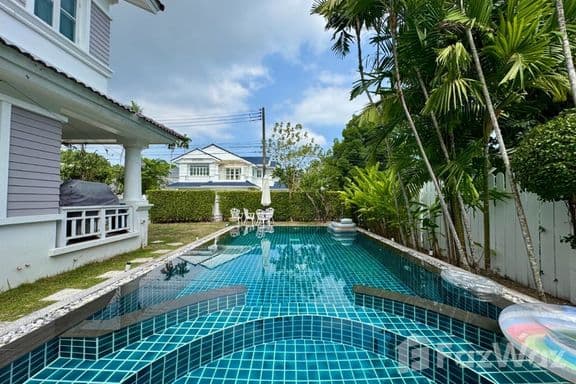
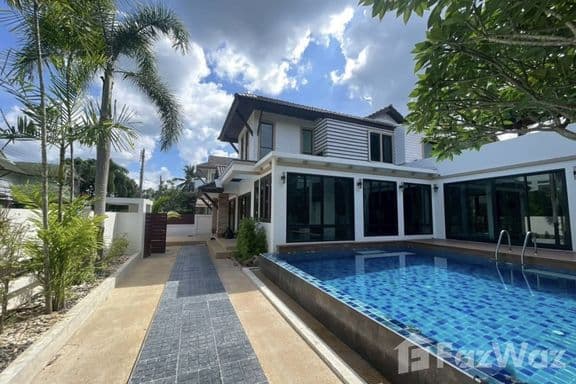
Rental options range from pool villas with sea views to simpler homes inland. Gated estates are popular for high-end rentals.
Budget homes start at THB 18,000–30,000. Mid-range 2–3 bedroom homes cost THB 35,000–60,000. Villas are often THB 50,000–100,000, with luxury options reaching THB 250,000.
Kamala is walkable, but a scooter or car is useful. Proximity to the beach or elevation affects pricing and access.
Chalong
Chalong is a residential hub with easy island access but no swimmable beaches. It's great for expats with families or those running businesses.
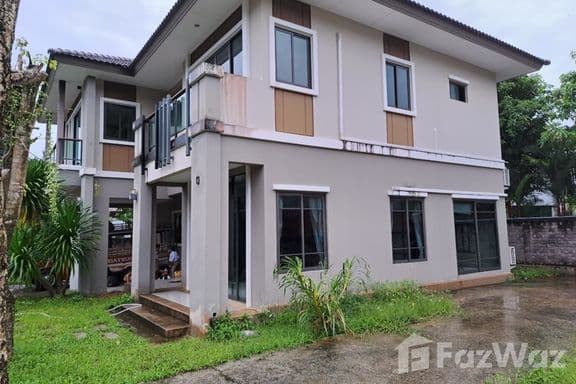
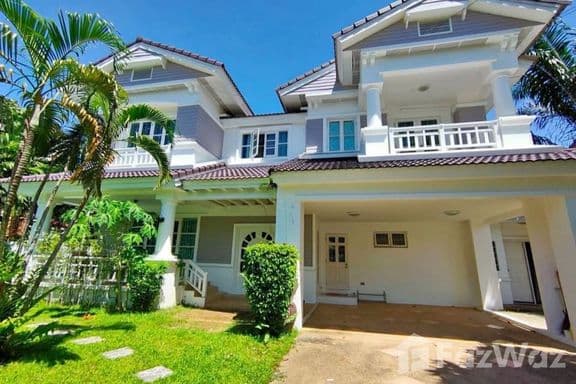
Homes are varied: detached houses, gated community villas, and townhouses. Land plots are typically larger here.
A 2-bed house rents for THB 15,000–25,000. Family homes go for THB 30,000–50,000. Large villas range from THB 60,000–100,000.
Chalong offers strong value, especially for long leases. Having a car is necessary due to limited public transport.
Rawai
Rawai offers a relaxed lifestyle with nearby Nai Harn Beach and strong expat presence. It’s not ideal for swimming, but it’s close to great beaches.
The area has a wide mix: 2-bed homes for THB 20,000, pool villas from THB 30,000–60,000, and larger villas for THB 50,000–100,000. High-end rentals go over THB 200,000.
English is commonly spoken. Internet is strong, and schools and shops are nearby. A vehicle is recommended for daily life.
Bang Tao
Bang Tao is a luxury area with beach clubs, resorts, and a peaceful vibe. It suits families and professionals wanting a resort lifestyle.
Rental options include luxury villas, townhouses, and condos. Prices are high: villas can exceed THB 300,000. A modern 3-bed pool villa runs THB 100,000–150,000. Townhouses cost THB 30,000–80,000.
Laguna area offers top-tier facilities. Rentals often include perks like gym access. Long-term leases may get minor discounts.
Nai Harn
Nai Harn is tranquil, scenic, and popular with expats. It borders Rawai and centers around Nai Harn Beach and its park.
Rentals include hillside villas and houses with gardens. Two-bed homes without pools rent for THB 25,000–40,000. Pool villas start around THB 45,000 and go up to THB 80,000+.
Some high-end homes reach THB 250,000. Older houses are occasionally found under THB 20,000. Limited supply makes early house hunting important.
Kathu
Kathu sits between Phuket Town and Patong. It offers a suburban lifestyle and is ideal for those working in the city but wanting easy beach access.
You’ll find townhouses, Thai-style homes, and villas near golf courses. Prices start at THB 12,000 for basic homes. Mid-range townhouses rent for THB 20,000–35,000.
Pool villas near golf estates run from THB 60,000–100,000. Kathu offers value for families and budget-conscious expats. Some areas may experience flooding, so ask before renting.
Rental Pricing Overview
Phuket rental prices vary by location and property type. Here's a summary for 2025:
- 2-Bedroom Homes: Inland areas like Kathu or Chalong offer options from THB 15,000–25,000. Rawai and Nai Harn are THB 25,000–50,000. Premium zones like Patong or Bang Tao start from THB 40,000.
- 3-Bedroom Villas: Basic homes in Kathu or Chalong rent for THB 30,000–40,000. Mid-range pool villas in Rawai or Kamala go for THB 60,000–80,000. High-end villas in Bang Tao or Surin reach THB 100,000–150,000+.
- Luxury Villas (4+ Bedrooms): These start around THB 120,000 and can exceed THB 300,000–500,000 depending on location and views.
- Thai-Style Houses: Simpler homes rent from THB 10,000–20,000 in areas like Thalang or Kathu. These are basic but affordable.
- Townhouses: Typical rates are THB 20,000–35,000 in Kathu or Chalong. In Bang Tao, they go up to THB 50,000+. Patong ranges from THB 25,000–70,000.
- Condos: Though this guide focuses on houses, condos cost THB 15,000–30,000 and suit short-term renters.
Prices depend on location, amenities, and lease length. Negotiation is common, especially for long-term stays.
Short-Term vs. Long-Term Rentals
When searching for a house in Phuket, one of the first decisions is whether you need a short-term rental (a few days to a few months) or a long-term lease (6–12 months or more). The Phuket market caters to both, but the experience and costs differ significantly.
Short-Term Rentals (Vacation or Monthly):
Phuket has many villas and houses for short stays, from a weekend getaway to a few months. These rentals are common on platforms and through local agents. Short-term rates are much higher than long-term ones. A villa renting at THB 60,000 per month long-term might cost THB 120,000 for a single high-season month. Peak season often sees owners prioritizing short-term bookings with rates above THB 10,000 per night. These rentals are typically furnished, with services like cleaning and utilities included. Contracts are flexible, often simple bookings, though daily or weekly rentals may require licensing under hotel laws.
Long-Term Rentals:
A lease of 6 to 12 months is far more cost-effective for residents. Monthly rates are lower, but tenants usually handle their own bills and may need to maintain the property. Most long-term homes are furnished, though styles vary. Contracts involve deposits (usually two months) and advance payment. Landlords prefer 12-month leases but may agree to shorter terms at a premium. Off-season deals are possible for flexible tenants, though prices remain higher than annual leases.
Medium-Term (1–3 Months):
Some landlords offer monthly rates for 1–3 month stays, especially in low season. These rates are higher than annual leases but lower than vacation prices. Apart-hotels and serviced villas also fill this gap.
Key Differences:
Short-term is more expensive but includes more services. Long-term is cheaper, but you handle expenses and upkeep. Short-term allows more flexibility; long-term offers stability. High season reduces long-term availability. In low season, negotiation is easier. One strategy is to rent short-term on arrival, then find a long-term deal post-peak. Some long-term tenants can arrange for subletting with the owner’s permission when away.
Seasonal Fluctuations and Timing
Phuket’s rental market shifts with the seasons. High season (Nov–Apr), especially Dec–Jan, sees peak demand and higher prices. Landlords prefer short-term holiday lets, making it harder to secure long-term leases. Rates in areas like Patong or Laguna can spike 20–30%.
Low season (May–Oct) offers better deals. Fewer tourists mean more supply and room to negotiate. Many landlords offer lower rents, added perks, or flexible terms. Signing a lease in the low season can result in long-term savings.
Transitional months like October and April offer some of the best opportunities—landlords may accept lower rates just before or after high season. However, owners might avoid starting leases during peak weeks to maximize short-term returns.
Holiday periods like Christmas and New Year’s drive rates up sharply, mostly for short stays. Signing a long-term lease during this time lets tenants avoid these spikes. Some owners add clauses to discourage subletting over holidays.
April’s Songkran marks the season’s end, while July–Aug brings a minor summer bump from European tourists. These times see some short-term action but are still quieter than peak winter.
Renting in the low season gives better prices and more choices. Negotiation works best then, especially if you offer upfront payment or plan to stay long-term. In high season, you’ll need to present yourself as a reliable tenant to compete with tourist demand.
Weather also matters—visit properties during the rainy season to check for leaks or flooding risks. A quiet street in May could be noisy in December.
Timing your lease with the seasons isn’t just smart—it can dramatically affect your rent and overall experience.
Popular Tenant Profiles in Phuket
Phuket attracts a wide range of foreign renters, each with distinct preferences shaping the rental market.
Digital Nomads & Remote Workers:
Phuket appeals to digital workers thanks to fast internet and lifestyle perks. Most choose quiet villas or houses near coworking spaces, especially in areas like Rawai, Nai Harn, or Kamala. Many prefer 3–6-month stays. A quiet location, good Wi-Fi, and space to work from home are key. Some co-rent pool villas to share costs. They tend to be price-conscious but value comfort and convenience.
Retirees:
Retirees from Europe, Australia, and the U.S. seek peaceful, single-story homes or villas near hospitals and expat communities. Rawai, Kamala, and Bang Tao are favorites. A guest room, garden, and ease of access matter more than being beachfront. Many stay for years under Thailand’s Retirement Visa and prioritize comfort, affordability, and safety.
Families with Children:
Expats with children often rent 3–4-bedroom houses near international schools in Kathu, Chalong, Koh Kaew, and Cherng Talay. Needs include secure neighborhoods, play space, and furnished homes. Many lease for 1–3 years and choose locations based on proximity to school and community amenities.
Working Expats & Corporate Tenants:
Professionals in hospitality, real estate, and international companies often have housing support. Rentals are usually furnished, close to work, and ready for move-in. Companies may lease properties directly. Landlords favor these tenants for reliable payments.
Long-Stay Tourists (Snowbirds):
These visitors stay 2–6 months during winter on tourist visas, renting houses in Rawai, Kamala, or Patong. They pay premium seasonal rates and add to rental competition in high season. Some negotiate fixed-term winter leases annually.
Newcomers Testing Phuket:
Many renters stay 1–3 months to try island life before committing to long-term leases. They use Airbnb or serviced rentals first, then move to annual contracts after choosing their ideal location. Some landlords offer trial leases with extension options.
Summary:
Phuket’s rental market thrives on diversity—from nomads and retirees to families and professionals. Whether you value peace, community, convenience, or luxury, the island has homes to match each lifestyle. Understanding tenant profiles helps landlords set expectations and helps renters find the right fit.
Legal Considerations and Lease Structures for Foreigners
Renting a house in Phuket is generally straightforward for foreigners. Unlike property ownership, there are no restrictions on renting. A passport is enough to sign a lease, and landlords rarely ask about visa status. Still, if you plan to stay beyond a tourist visa, it's wise to consider long-stay visa options like retirement, Thai Elite, or work permits.
A written lease is standard and strongly recommended. Ideally, it should be in both Thai and English. In Thai courts, a Thai version prevails. Most agents can provide a bilingual contract.
Key lease elements include verifying landlord ownership (ask to see the title deed), the lease term (typically one year, rarely more than three), rent and deposit details, responsibilities for repairs, utility payments, house rules, and clear terms for termination and extension. Inventory lists are common with furnished homes and should be reviewed on move-in.
The standard security deposit is two months' rent plus one month in advance. While some short-term leases may require less, high-end properties might ask for three months. Ensure the return conditions are documented. Legally, deposits should be returned within seven days of move-out, though in practice, this can vary. Doing a joint inspection at move-in and move-out helps prevent disputes.
Most landlords are Thai individuals or companies, including foreign-owned ones. A 2–3 year lease doesn’t need to be registered to be valid. For leases over three years, registration at the Land Office is required and involves a small tax. This is rare for residential homes but worth considering for very long stays.
Under Thai law, landlords must report a foreign tenant’s presence via the TM30 form, typically within 24 hours. This can be done online or at immigration. The tenant usually provides passport and visa copies. This form helps with visa extensions and proving residence.
Most leases are residential-use only. Running a business from a rental home usually violates zoning rules. Subletting or renting on Airbnb without permission is also generally prohibited.
Tenants have legal protections under Thai consumer law. If disputes arise—most often over deposit returns—mediation or small claims court are options. To avoid problems, keep written records, pay rent on time, and document the home’s condition.
Maintaining a valid visa is your responsibility, not the landlord’s. Overstaying can cause complications. Landlords won’t monitor your status, but you must stay compliant to avoid issues.
Lawyers aren’t needed for most rentals. However, for unusual contracts or high-value leases, legal review is advisable. If there’s a language barrier, use a translator or lawyer to check the lease.
In summary, renting in Phuket is safe and accessible for foreigners. Use a written contract, follow common practices like the two-month deposit, and communicate clearly. With proper steps, the process is smooth and secure.
What to Look for in a Phuket Rental Home
Also consider fire safety – not many Thai houses have smoke alarms, but it’s good practice to install some (they are cheap to buy) and have a fire extinguisher in the kitchen.
Location Factors: We’ve discussed areas, but on the micro-level: check how close the house is to busy roads (noise?), bars or restaurants (noise at night?), or noisy establishments like Muay Thai gyms (loud music in classes) or schools (morning announcements). Cable TV isn’t as common now with streaming, but trueVisions cable or satellite might be available if you want.
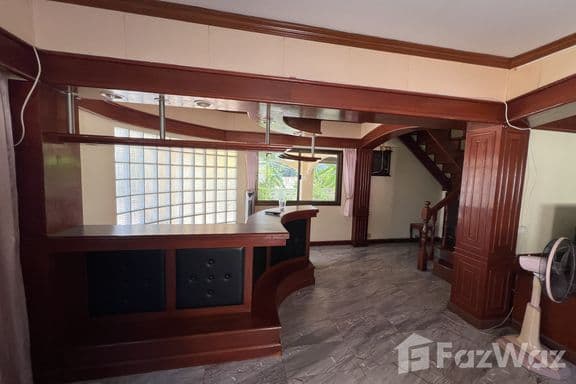
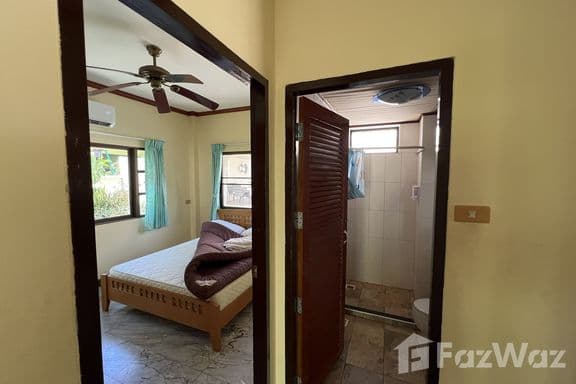
Condition of the House: Do a thorough inspection for any damage or wear: check walls for cracks or water stains (indicative of leaks), open and close all doors/windows (do they latch well?), see that appliances power on, and that lights/fans work. It’s not a widespread issue except certain flat areas and near some canals, but checking saves headaches later.
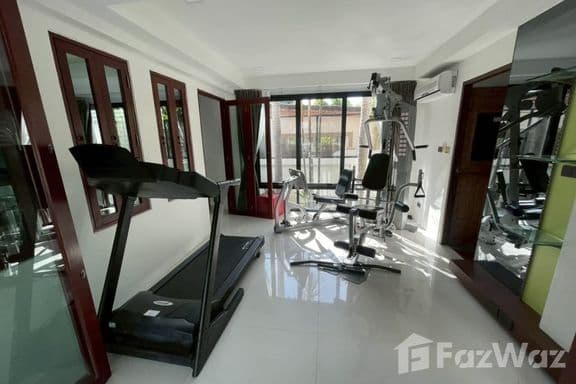
Amenities and Extras: Some rentals throw in extras: maybe membership to a gym (if in a resort estate), or free water delivery, or monthly gardening included. Common minor issues in Phuket houses include: a bit of roof leak or ceiling stain, sliding doors off their track, an aging water pump that occasionally fails, or an ant/termite trail in one corner. Nothing’s worse than renting a place and discovering a dribble of a shower because the pump is weak.
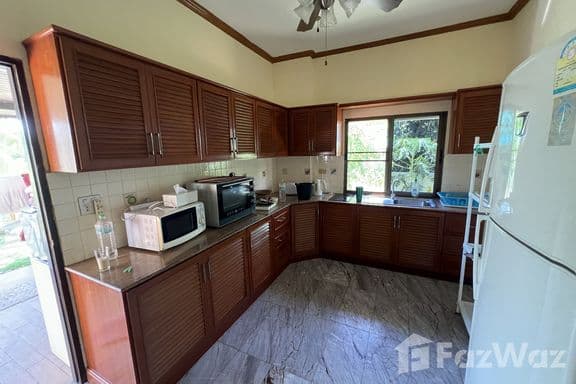
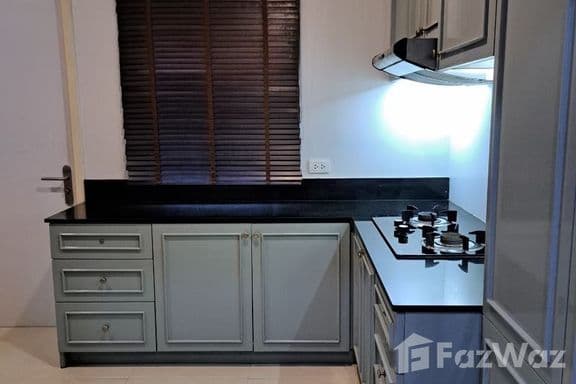
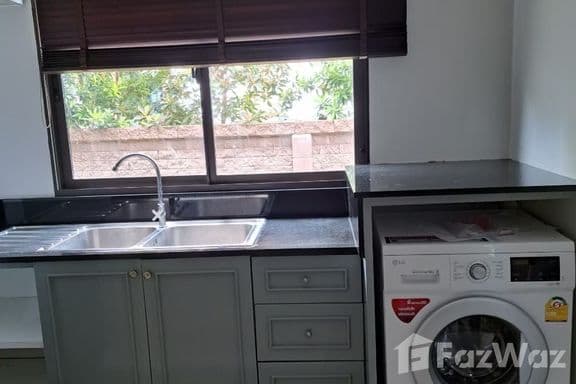
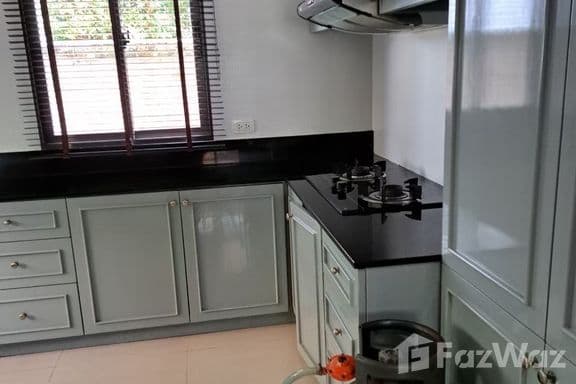
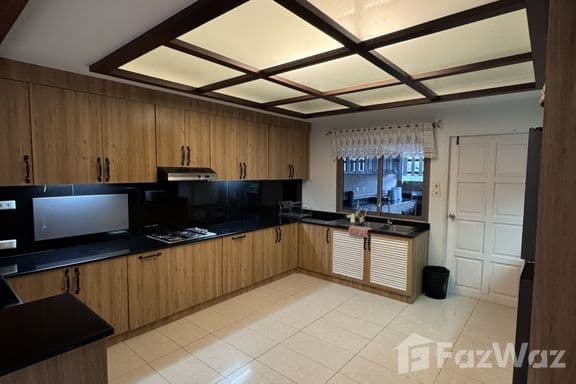
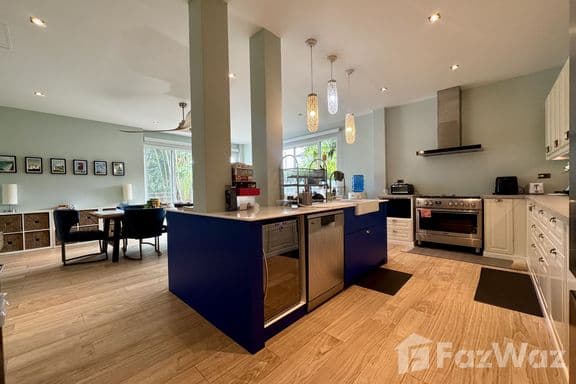
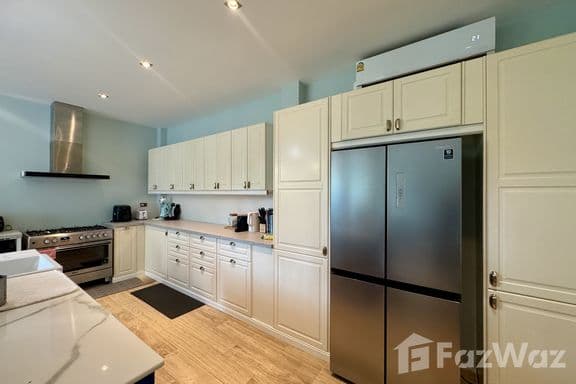
Kitchen and Cooking: If you like cooking, a western-style kitchen (with counter space, electric or gas stove, maybe an oven) will matter. Some upscale homes have a backup generator or at least an emergency light setup; not common in regular houses, but worth noting if provided.
Water Supply: Houses either get municipal water or use well water (or a combination with storage tanks). If something vital is missing (e.g., no desk and you need one, or no bed in the second bedroom), negotiate with the landlord; they might furnish it or you may agree to handle it.
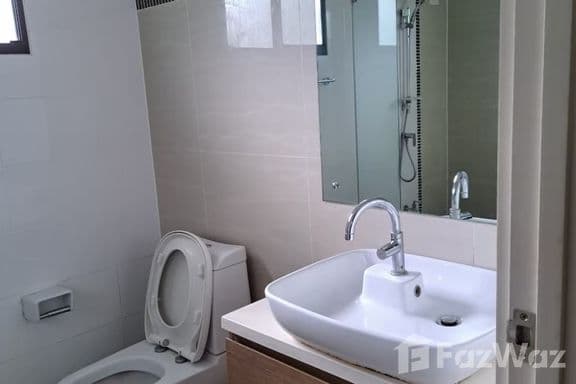
Air Conditioning and Ventilation: Phuket is hot and humid most of the year. Given Phuket’s humidity, check for mold in bathrooms and around ceilings – a bit is not unusual (easy to clean), but a lot could indicate a ventilation issue.
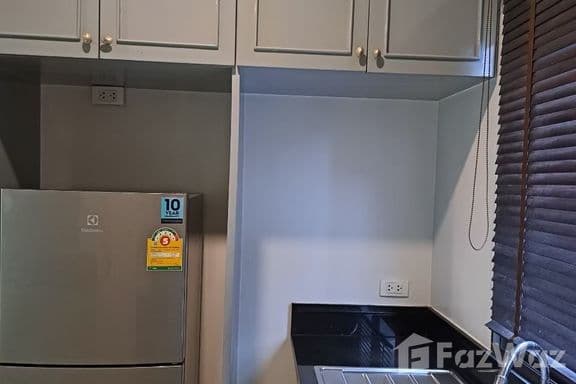
Storage: Houses might lack built-in storage. If you have a phobia of certain creatures (like large tropical spiders or snakes), maybe avoid houses with big gardens adjacent to jungles – opt for more developed areas. At the very least, ensure you have necessary appliances (fridge, etc.) included so you don’t have to buy those for a long-term but not permanent stay.
In summary, approach a house viewing in Phuket with a checklist mindset. In tighter areas like Patong or Phuket Town outskirts, some houses might not have dedicated parking.
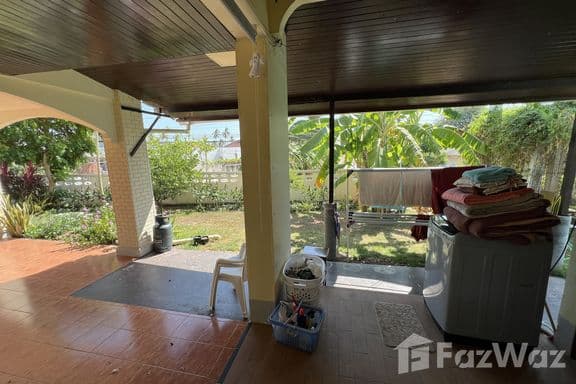
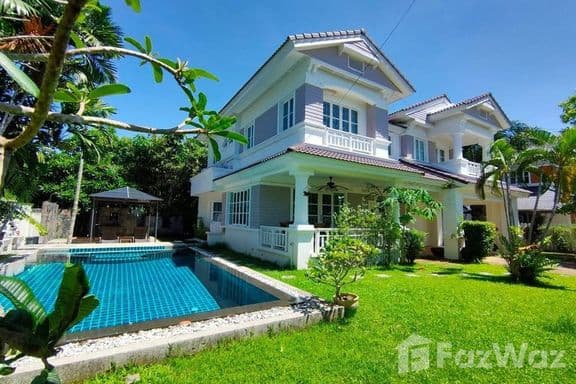
Proximity to Essentials: Consider what’s important to you – be it proximity to a grocery store, the beach, a school, a hospital, etc. If you’re heat-sensitive, a north or east orientation can be a bit cooler.Outdoor Area: Many Phuket houses feature some outdoor space – be it a small garden, a patio, or a large yard. If you don’t drive, being walking distance to shops becomes crucial (in which case central areas like parts of Chalong, Rawai, or Patong – wherever you have 7-Eleven and eateries nearby – would be better). Phuket’s tropical climate and local infrastructure quirks mean there are specific amenities and features you’ll want to check. Also, internet/cable TV – who pays?
Market Insights: Demand, Landlord Expectations, and Norms
Understanding the current market dynamics in Phuket and what landlords typically expect can give renters an edge in negotiations and help set the right expectations. Let’s delve into some market insights – including what types of houses are in demand, typical landlord practices, and standard norms like deposits and contracts:
Types of Houses in Demand: Phuket’s rental demand has shifted somewhat post-pandemic. There’s a noticeable uptick in interest for private pool villas and larger homes as more people value space and possibly anticipate working from home or spending more time on the property. Villas (especially 3-4 bedrooms with a pool) are highly sought by families, groups of digital nomads sharing, and long-stay tourists. According to market observations, two-bedroom condos remain popular in town, but in the housing segment, two-bedroom standalone houses or townhouses attract young couples or singles who want more space than a condo. Meanwhile, luxury homes (the high-end villas in Laguna, Cape Yamu, etc.) see demand from affluent expats or those on corporate leases – this segment grew about 9% last year, indicating strong interest, partly driven by wealthy long-term visitors and expats from places like Russia, China, and Europe seeking a secure and luxurious retreat. Traditional Thai houses (no pool, local style) have lower foreign demand, but still find takers among expats on a budget or those who want a more local experience (and of course among Thai renters).
An interesting niche: eco-friendly or new-built houses with solar panels, smart home features, or modern designs are starting to appear and can be in demand by those who want newer, more energy-efficient living (not widespread yet, but a few developments advertise such features). Similarly, houses in proximity to new infrastructure (like near the upcoming light-rail or improved roads) might gain popularity.
Landlord Expectations: Most Phuket landlords are either local Thai owners or foreign investors who own a property (often via a Thai company) and rent it out. Their expectations are generally:
On-time Payment: This is universal. They may expect rent to be paid in cash, Thai baht, or bank transfer domestically. Some might accept foreign transfer, but usually local payment is preferred. They may ask for post-dated checks for each month (less common now) or just trust you to pay by due date.
Security Deposit: Standard expectation is two months deposit. Landlords will have that in mind, so don’t be surprised. They expect to hold it interest-free and return it if all is well. Many will do a quick inspection at move-out and return the deposit within a few days (some even on the spot if nothing is amiss, others within 30 days).
Care for the Property: Phuket landlords appreciate tenants who treat the home as their own. They often will be relieved to find a tenant who keeps the place clean, runs the air-con responsibly (not 24/7 with windows open), and doesn’t disturb neighbors. Some may have specific requests like running the water pump weekly (to keep it from stagnating) or tending to the garden lightly.
Practical Tips for Renting in Phuket (How to Evaluate and Avoid Pitfalls)
Finally, let’s cover some hands-on practical advice for renting a house in Phuket. These tips will help you find the right home, set a realistic budget, handle paperwork, and sidestep common pitfalls so that your rental experience is smooth and enjoyable:
- Do Thorough Research and Use Multiple Resources: Begin your house hunt by checking various sources: online property portals (like FazWaz, DotProperty, Hipflat), local Facebook groups (search “Phuket long term rentals” – many listings get posted in expat groups), and property agencies. Don’t rely on just one platform. Talk to other expats or coworkers for leads – word of mouth can reveal gems before they’re advertised. If you’re already in Phuket, drive around areas you like; sometimes “For Rent” signs on gates are the direct route to an owner with no agent involved (which might get you a better price since no commission). Cast a wide net initially to gauge what’s out there.
- Compare and Visit Multiple Properties: It’s tempting to take the first decent house you see, but try to visit several places to compare value. House A might have a pool but House B, at the same price, has no pool but is next to a great school and recently renovated. Know your priorities (make a checklist of must-haves vs nice-to-haves). When visiting, go beyond a quick look – test things like lights, faucets, flush toilets, open windows, etc. As mentioned, note any issues and discuss them. Visiting in person is crucial; photos can be deceiving. For example, wide-angle photos might make a room look larger, or a place might appear walking distance to the beach in an ad but is actually on a hill requiring a drive.
- Timing is Everything: If possible, plan your search aligned with low season (as discussed in Seasonal section). You’ll find not only better prices but more availability. If you must find something in high season, start early and be prepared to compromise or pay a bit more. Additionally, if you see a popular listing (good deals can go fast), act quickly – schedule a viewing as soon as you can. But also be cautious of anything that seems too good to be true (like a huge villa for an insanely low price) – it could be a scam or have hidden issues.
- Budget Beyond Rent: When setting your rental budget, factor in all monthly costs:
- Rent: The base price.
- Utilities: Electricity (maybe THB 2k-5k+), water (THB 100-500), internet (THB 500-1000), gas (if you use a propane tank for cooking, a refill is ~THB 400 but lasts months). If the house has a pool, include electricity for the pump and possibly chemical/service costs if you pay them.
- Maintenance: If the landlord doesn’t cover gardening or pool service, get quotes (gardeners might be THB 1,500-3,000/month; pool service similar).
- Transportation: If the house is far from your work or school, will you spend significantly on fuel or car/bike rental? That indirectly is a housing cost.




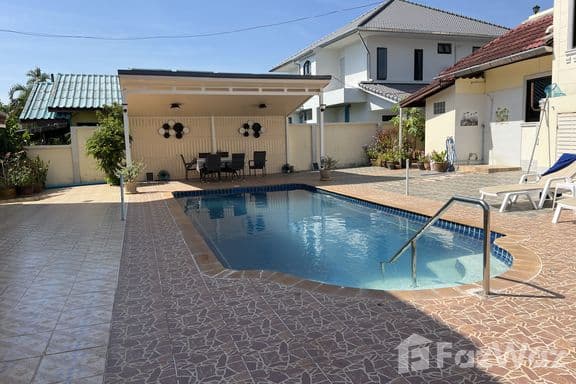
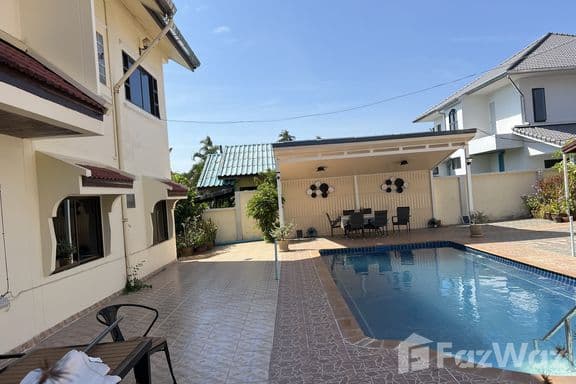
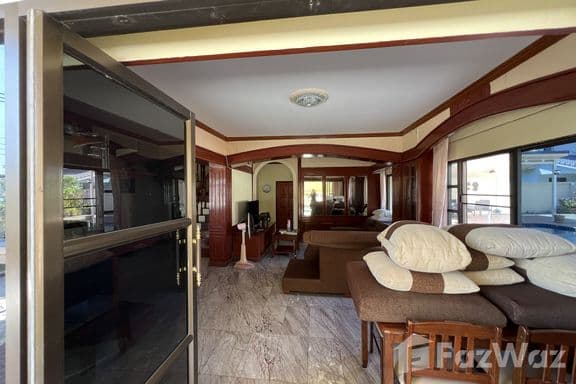
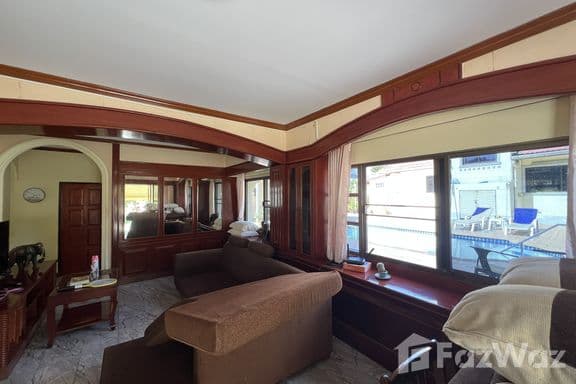
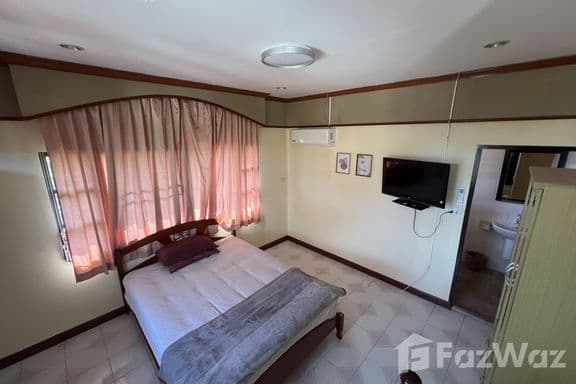
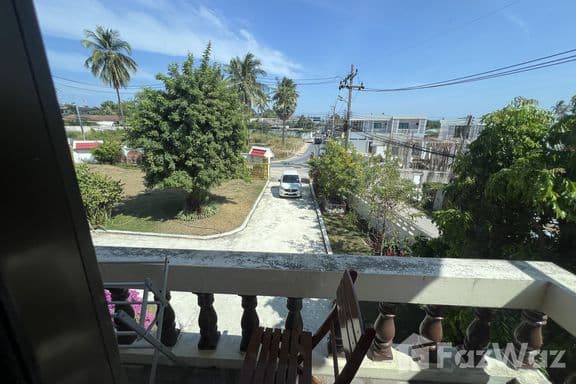
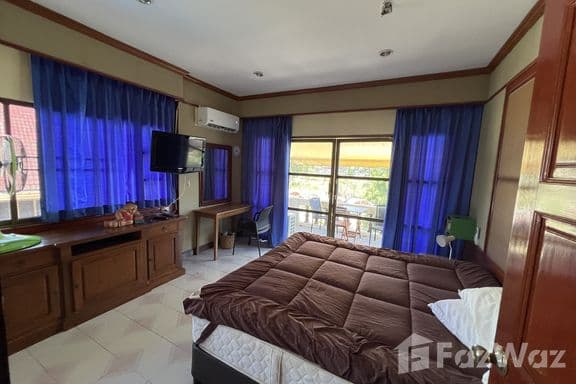

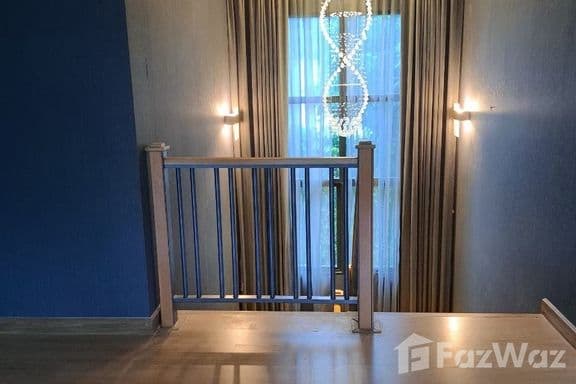

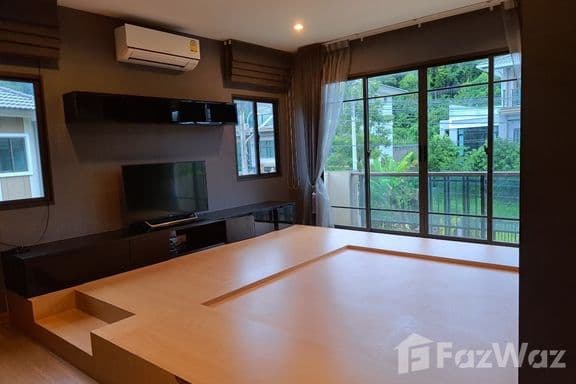

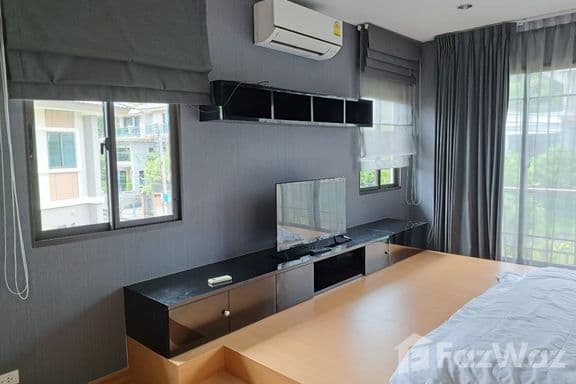
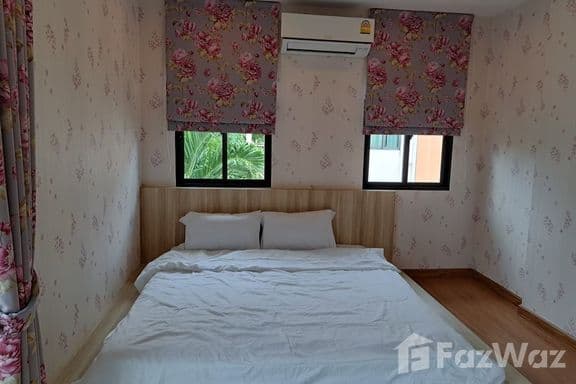
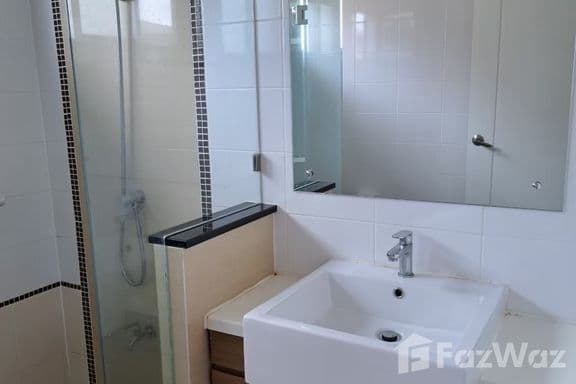
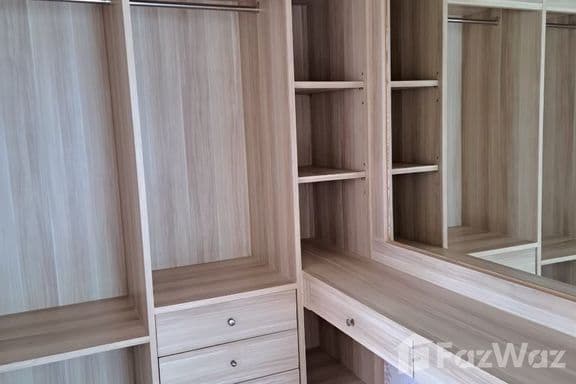




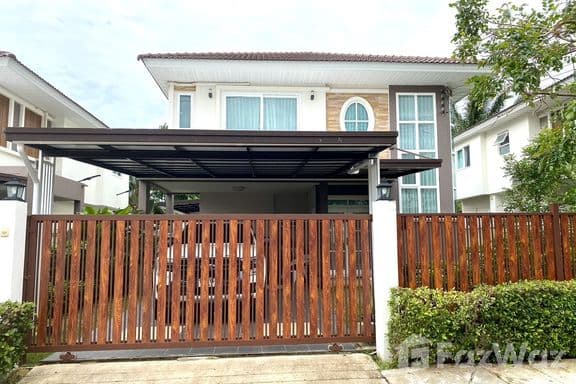

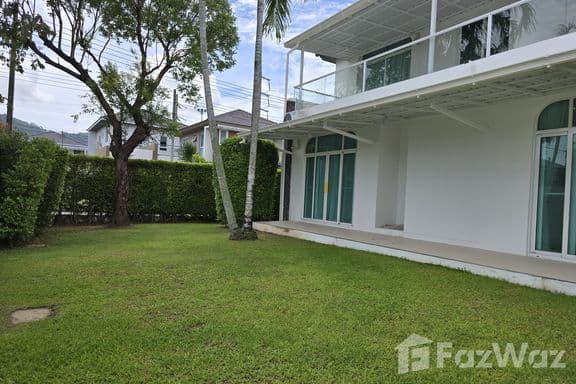


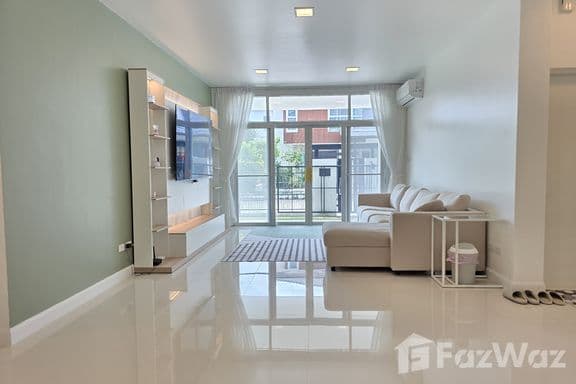
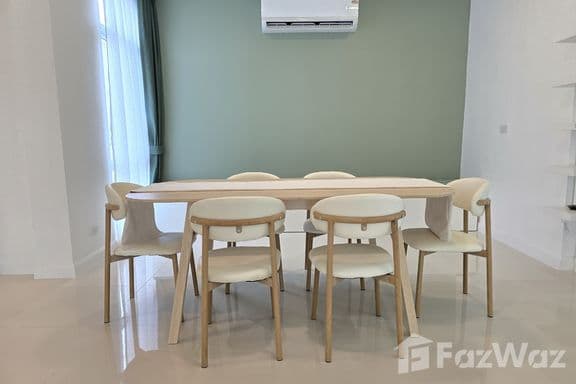


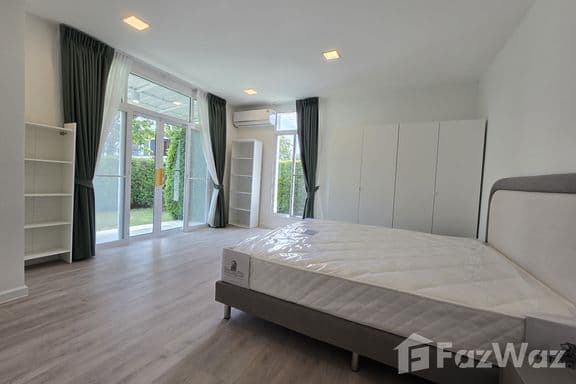

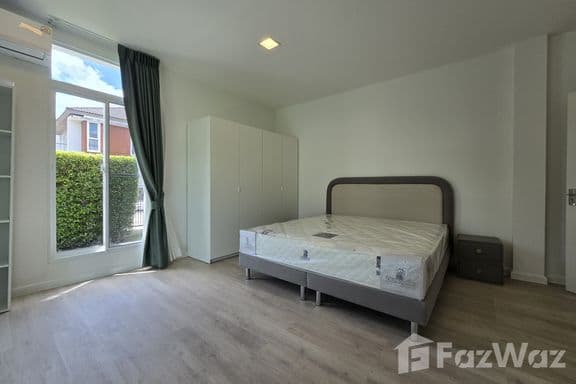
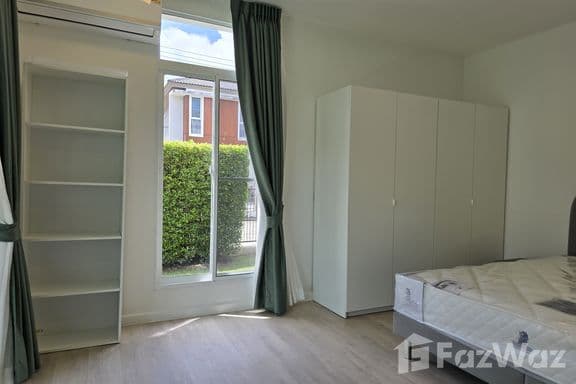


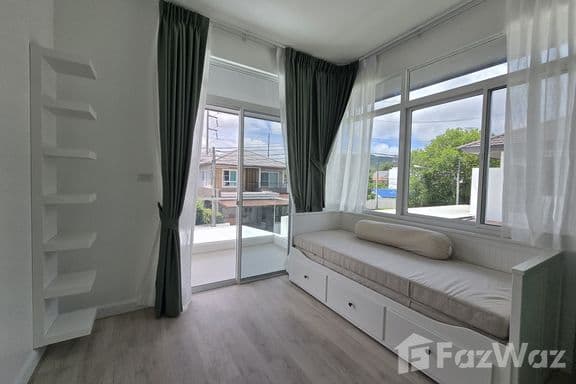






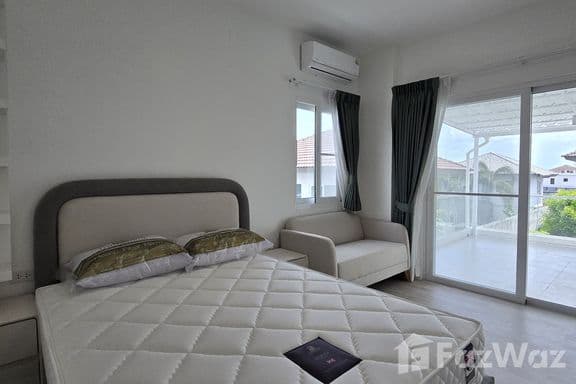
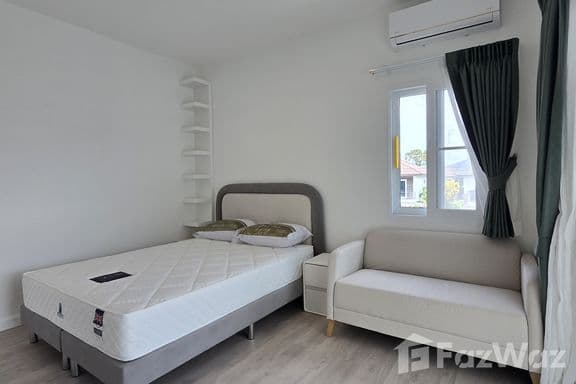
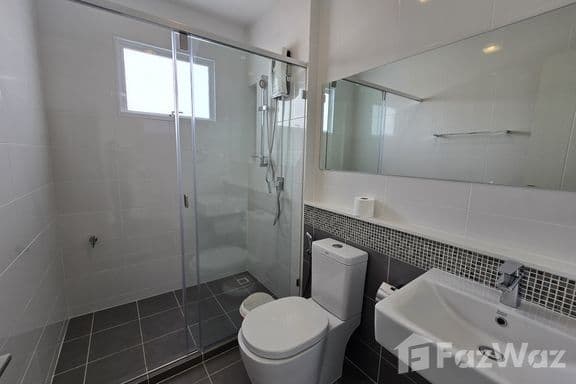
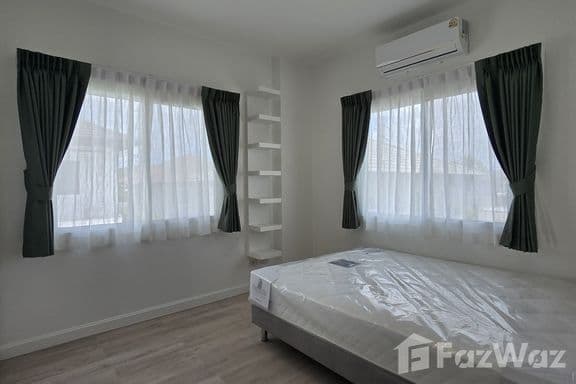
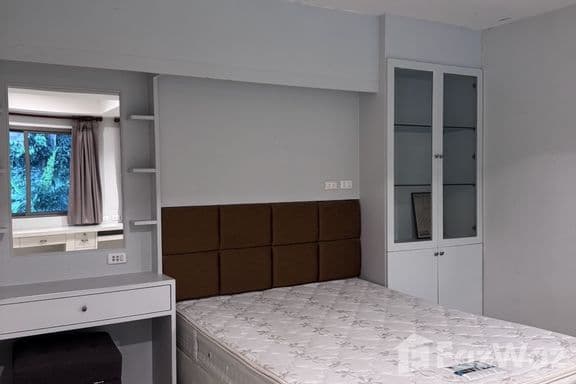
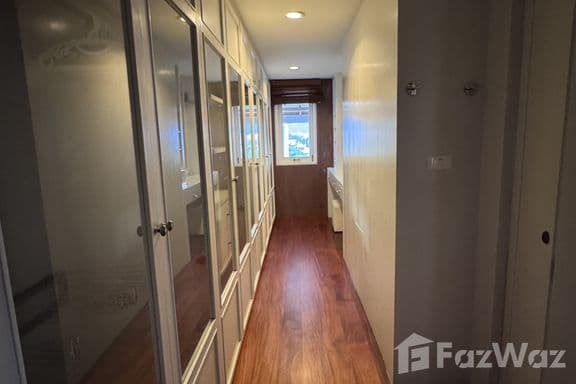
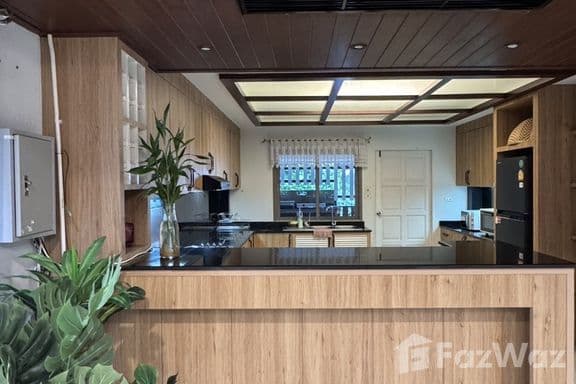
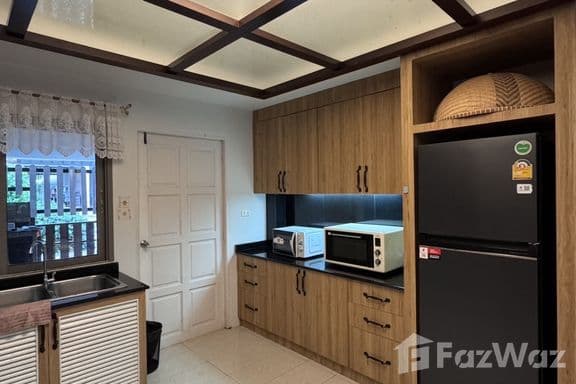
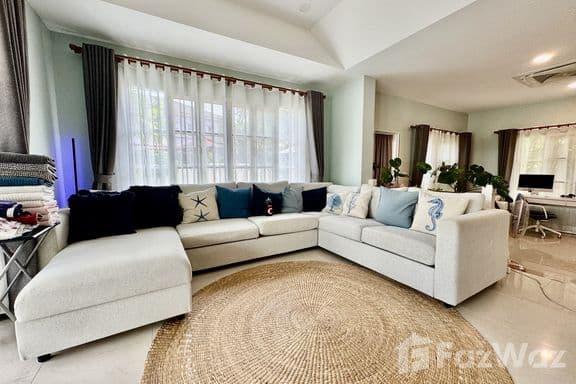
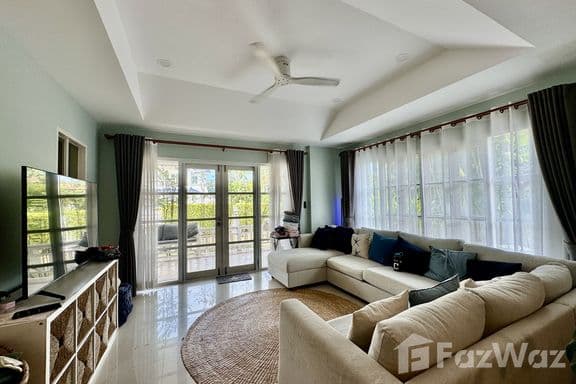
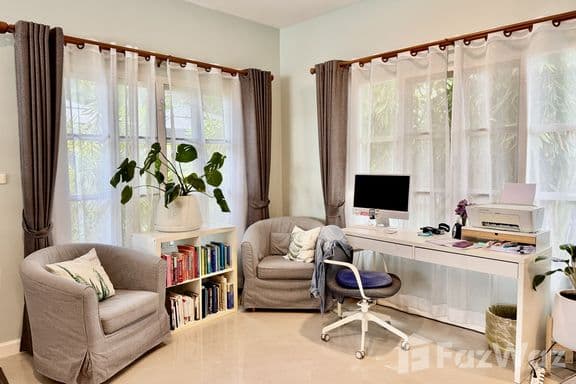
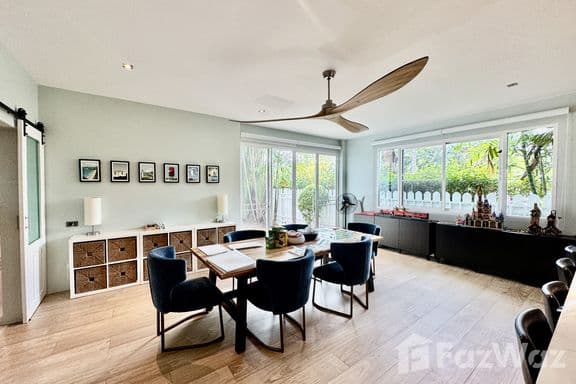








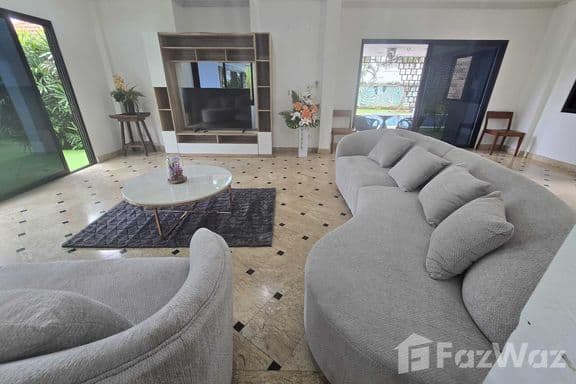
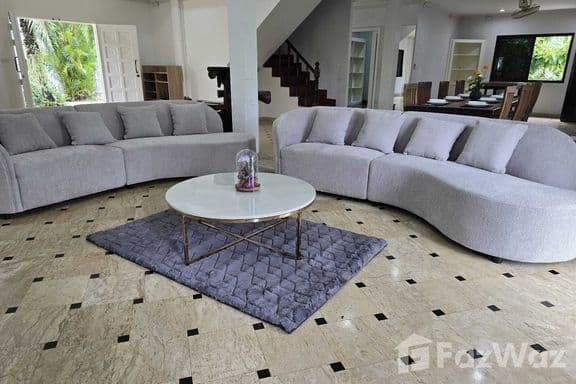
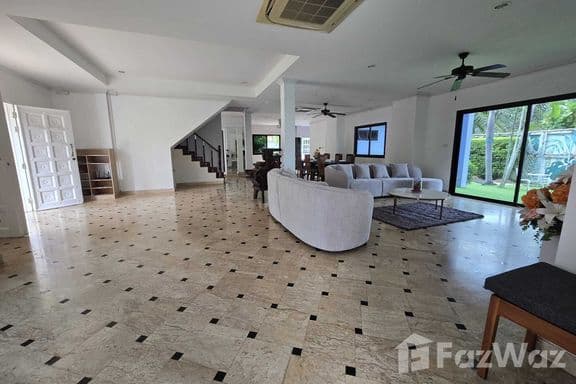

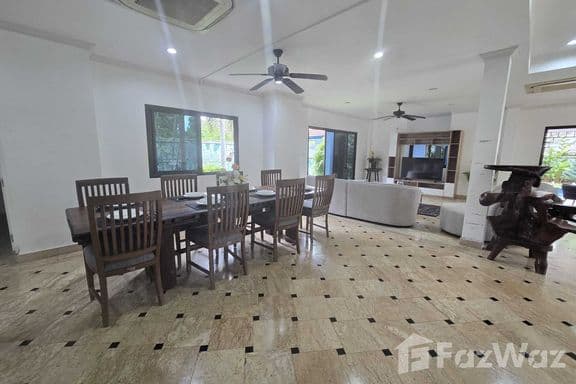







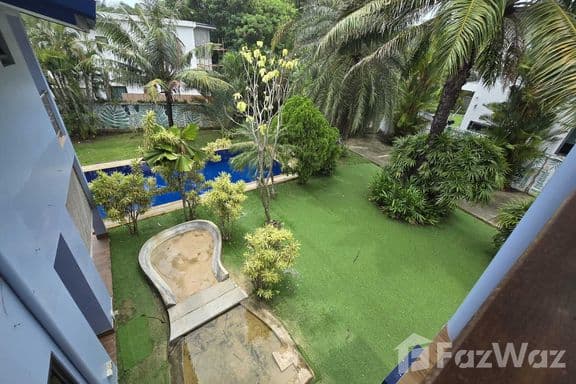


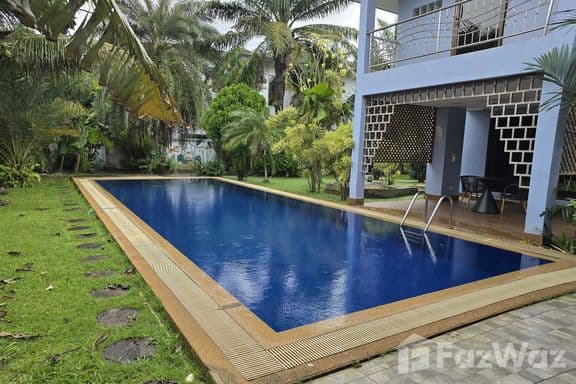
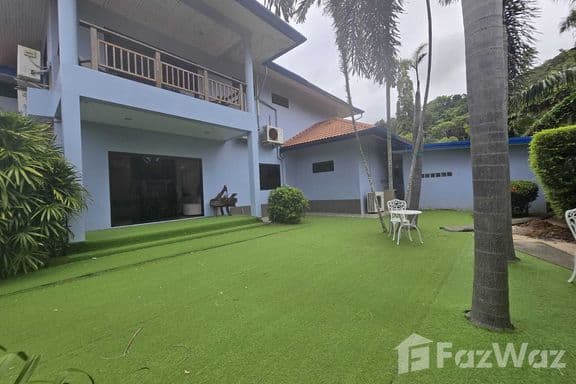

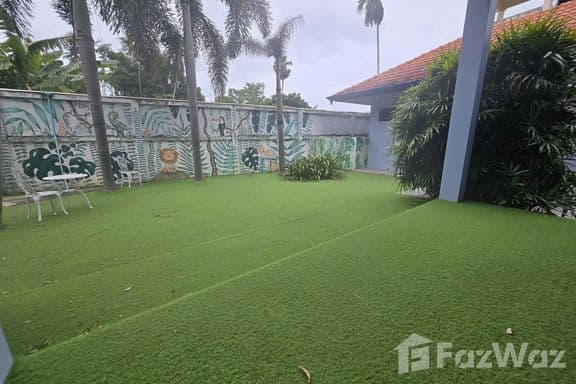
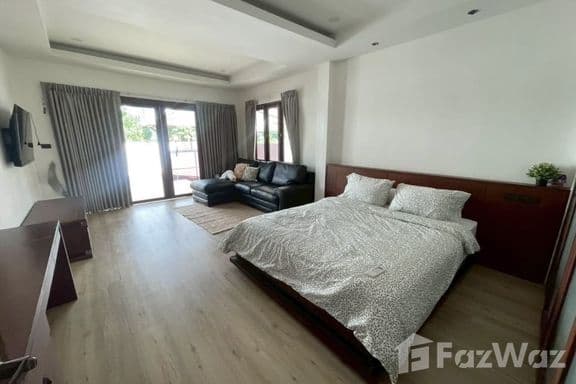
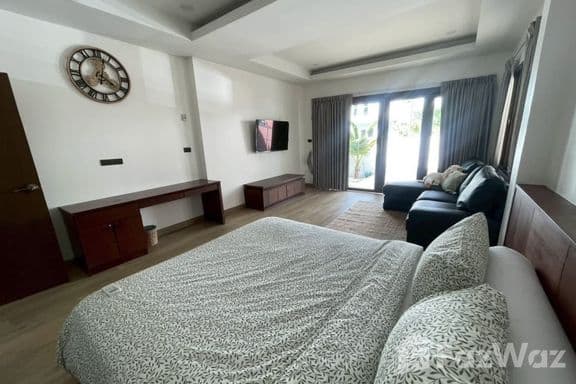
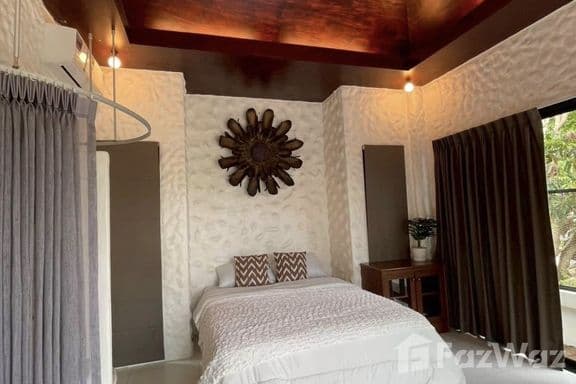
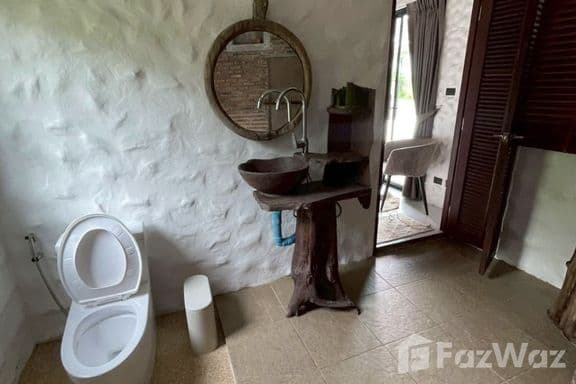
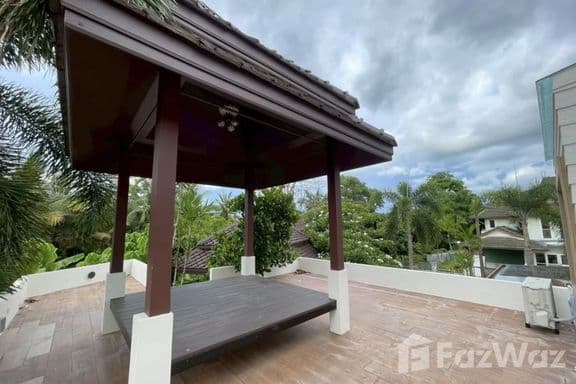




 Popular condos in Phuket

