Property for Sale in Hua Hin – 2025 Market Overview: An Expanded Perspective
Hua Hin, Thailand – As 2025 unfolds, the property market in the esteemed coastal city of Hua Hin continues to demonstrate remarkable resilience and a consistent upward trajectory. This Royal resort town, long favored for its blend of tranquil seaside living and modern conveniences, is navigating the evolving economic landscape with stability, attracting a diverse pool of domestic and international interest. The market is characterized by moderate but steady price appreciation, a healthy and varied inventory, and sustained buyer enthusiasm, particularly from foreign investors and retirees seeking a high-quality lifestyle.
Hua Hin Property Market Overview (2025): A Deeper Dive
In 2025, Hua Hin's property sector remains a beacon of stability and growth within Thailand's broader real estate market. The median sales price for properties hovers around ฿7.9 million, a figure that reflects the diverse range of offerings, from accessible condominium units to luxurious private villas. Drilling down further, the median price per square meter stands at approximately ฿136,000, offering tangible value when compared to other prime global coastal destinations. The market currently boasts an impressive inventory, with over 3,600 properties actively listed for sale, providing ample choice for prospective buyers and investors.
This robust inventory caters to a wide spectrum of preferences and budgets. While Hua Hin has historically been a haven for foreign retirees and expatriates, drawn by its relaxed ambiance, excellent amenities, and favorable cost of living, 2025 sees continued strong demand from this demographic, particularly from European and, increasingly, Chinese buyers. This international interest provides a crucial counterbalance to some of the headwinds faced by local purchasers, who are contending with stricter lending criteria and higher domestic interest rates. Nevertheless, government initiatives aimed at attracting long-term investment, such as revised Long-Term Resident (LTR) visa schemes, are helping to invigorate the market across the board.
Overall, the Hua Hin real estate landscape in 2025 is defined by a confident outlook. Experts predict continued moderate price growth, supported by both unwavering demand and the rising costs associated with land acquisition and new construction. This optimistic sentiment is underpinned by Hua Hin's enduring appeal as a lifestyle destination and its growing prominence as a sound investment location.
Pricing Trends and Evolving Buyer Behavior in 2025
Property prices in Hua Hin are anticipated to experience a modest yet encouraging appreciation in 2025, with estimates ranging between 3% and 7% annually. This growth trajectory is consistent with previous years, showcasing a market that values sustainable development over speculative bubbles. This steady appreciation aligns with Thailand's overall economic recovery and property market trends, which are gradually firming up post-pandemic.
Industry analysts foresee this gradual price escalation continuing nationally, with Hua Hin being a key beneficiary. The primary drivers behind this include elevated land values in desirable locations and increasing construction costs, partly due to global supply chain factors and the rising expense of quality building materials and skilled labor. Coupled with this is the sustained, and in some segments, growing demand for Hua Hin properties.
Buyer behavior in 2025 reveals distinct patterns. Foreign demand remains a significant catalyst, with the allure of Hua Hin's resort lifestyle, its relative affordability compared to their home countries, and its reputation as a safe and welcoming environment proving irresistible. Investors from China are showing renewed interest, joining a strong contingent of European buyers, including Scandinavians, Germans, and British nationals, who have long favored the area.
Local Thai buyer activity, while still present, is somewhat more measured. This caution is attributed to factors such as higher domestic interest rates impacting mortgage affordability and broader economic considerations influencing discretionary spending. However, the Thai government's efforts to stimulate the economy and property market, including updated LTR visa schemes that offer benefits to wealthy global citizens, retirees, and skilled professionals investing in Thailand, are providing a welcome impetus. These visas, with validity of up to 10 years and various incentives, are making long-term stays and property ownership more attractive.
Across all buyer categories, the prevailing sentiment in 2025 is a focus on value for money and long-term investment potential. Many are seeking properties that can generate rental income, capitalizing on Hua Hin's robust tourism sector, or serve as comfortable retirement homes. The solid rental yields achievable in prime locations, driven by consistent demand for both short-term holiday lets and long-term leases, further enhance the investment appeal. Occupancy rates, particularly during peak season (November to February), remain high, ensuring attractive returns for well-managed properties.
Key Investment Areas in Hua Hin: Opportunities Across Diverse Locales
Hua Hin's geographical diversity offers a range of investment landscapes, each with unique characteristics and appeal. Development trends and buyer demand patterns highlight several key areas:
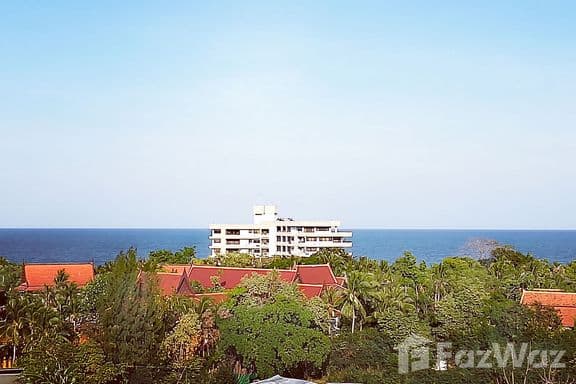
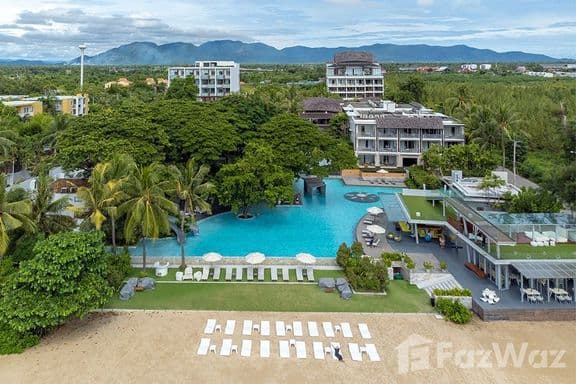
- Khao Takiab (South Hua Hin): This beachfront district continues its ascent as a premier location for new luxury condominium projects and upscale resorts. Its appeal to international buyers is pronounced, drawn by the blend of serene beaches, stunning sea views, and a growing portfolio of modern amenities. The presence of popular attractions like the "Monkey Mountain" temple, chic beachfront cafes, and lively night markets contributes to its desirability for both holiday homeowners and astute investors seeking capital growth and strong rental returns. Recent completions of high-end developments have further cemented Khao Takiab’s reputation as a luxury hub.
- Hua Hin City Center: The heart of Hua Hin remains a perennial favorite due to its unparalleled convenience and the scarcity of prime, developable land. This area boasts a diverse property portfolio, from classic shophouses to modern condominiums. The limited supply of properties, especially those with sea views or in immediate proximity to key landmarks like the Hua Hin Night Market, the historic railway station, and major shopping malls (such as Market Village and Bluport), ensures sustained demand and price resilience. Interestingly, heritage buildings are increasingly undergoing sensitive renovations, transforming into boutique hotels or unique residences, adding to the area's charm and contributing to a steady appreciation in property values.
- Hillside and Western Outskirts (Hin Lek Fai, Thap Tai & Surrounds): For those prioritizing space, tranquility, and scenic vistas, the areas to the west of the city, such as Hin Lek Fai (renowned for its panoramic viewpoints) and Thap Tai, are exceptionally popular. These locales are characterized by spacious villa developments, often featuring private pools and generous land plots. They offer a peaceful retreat while remaining just a short drive from the city center's amenities. The development of new cultural attractions, boutique coffee shops, and recreational facilities in the Hin Lek Fai area is increasing its trendiness and appeal. Thap Tai and neighboring areas host numerous modern pool villa communities, particularly favored by expatriate families and retirees seeking a blend of privacy and community living.
- Golf Communities (Palm Hills, Black Mountain & Banyan): Hua Hin is a world-renowned golfing destination, and properties within or surrounding its championship golf courses like Palm Hills Golf Club & Residence (north of town), Black Mountain Golf Club (west), and Banyan Golf Club (south-west) are consistently in high demand. These communities offer a unique resort-style living experience, combining high-quality residences with access to premier recreational facilities. The global shift towards remote work and a greater emphasis on lifestyle-oriented living has further amplified interest in homes that provide both comfort and leisure opportunities. Ongoing mixed-use developments around these golf courses, including small commercial centers, wellness facilities, and international schools, are enhancing their self-sufficiency and investment appeal.
- Other Notable and Emerging Areas:
- Bor Fai (North Hua Hin): Known for its collection of upscale private villas and proximity to the expanding Hua Hin Airport, Bor Fai offers convenience for frequent travelers and those seeking a quieter residential environment that still provides easy access to the city.
- Khao Tao and Pranburi (South of Hua Hin): While technically just outside Hua Hin central, these neighboring areas are experiencing significant growth. Khao Tao offers a more village-like atmosphere with beautiful beaches and a large reservoir, attracting those looking for tranquility. Pranburi, further south, is gaining traction for its boutique resorts, kite-surfing scene, and a more laid-back, natural ambiance. Infrastructure improvements, including better road connectivity, are boosting their long-term value proposition.
- Cha-Am (North of Hua Hin): Located in the neighboring Phetchaburi province, Cha-Am is also witnessing a surge in development and property interest. This is partly fueled by new transport links, including the upgraded dual-track railway, and significant redevelopment projects along its coastline. Its slightly lower price point compared to central Hua Hin makes it an attractive alternative for some investors, indicating the broader region's burgeoning potential.
Why Hua Hin Consistently Appeals to Property Investors: A Multifaceted Advantage
Hua Hin's enduring magnetism for property investors stems from a compelling combination of factors that go beyond mere bricks and mortar:
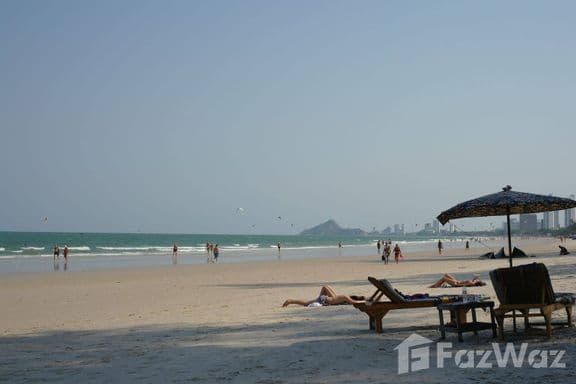
- Unmatched Resort Lifestyle & Year-Round Tourism: Hua Hin masterfully blends its rich royal heritage and coastal charm with an array of modern amenities. Its beautiful, well-maintained beaches, numerous world-class golf courses, diverse culinary scene, vibrant markets, and a generally laid-back, family-friendly atmosphere attract a steady stream of tourists, retirees, and long-term residents. The tourism sector is experiencing a robust rebound, and 2025 is poised to see a further upswing in visitor numbers, fueled by new attractions, international-standard wellness centers, and a calendar of cultural and sporting events. This consistent influx directly translates into high demand for holiday homes and rental properties, ensuring a dynamic market.
- Strategic Infrastructure Development and Enhanced Accessibility: The city's connectivity is continuously improving, a critical factor for property value appreciation. Key projects include the ongoing expansion and upgrades at Hua Hin Airport (HHQ), with plans to accommodate more direct international and domestic flights, potentially including routes to regional hubs. Furthermore, the development of better road networks and the new dual-track railway line to Bangkok are significantly reducing travel times and enhancing convenience. Being only approximately a 2.5 to 3-hour drive from the capital, Bangkok, Hua Hin's strategic location makes it an easily accessible weekend retreat for city dwellers and a convenient entry point for international arrivals. These infrastructure enhancements are set to elevate Hua Hin's status as a prime residential and tourism hub.
- Compelling Affordability and Strong Value Proposition: When benchmarked against Thailand’s major urban centers and other international resort destinations, property for sale in Hua Hin offers exceptional value. On average, Hua Hin’s property prices can be 20-30% lower than in comparable areas of Bangkok, and often significantly more affordable than in Phuket's prime locations, yet the city delivers a remarkably high quality of life. The average cost per square meter (around $4,200 USD, or approximately ฿140,000 - ฿150,000) represents a considerable bargain in regional terms. Investors discover that their capital stretches further in Hua Hin; for instance, the budget for a standard condominium in central Bangkok might secure a larger, more luxurious villa with a private pool or even multiple well-appointed condos in Hua Hin. This compelling value proposition is a major draw for a broadening spectrum of buyers, cementing Hua Hin’s reputation as an investment haven.
- Proven Market Stability and Promising Growth Potential: Hua Hin’s real estate market is distinguished by its historical stability and potential for sustainable long-term growth. Thailand's overall economy is projected for steady growth, estimated at around 3% annually in the medium term, creating a favorable macroeconomic environment for property appreciation. As an established and mature market, Hua Hin benefits from this underlying stability and has demonstrated consistent, albeit not speculative, price growth in recent years, typically in the 3-5% per annum range historically for well-located properties. Beyond this organic growth, the city is witnessing a new wave of upscale developments, including luxury branded residences and high-end condominium projects, which are expected to elevate overall price benchmarks and further enhance the city's prestige.
- Robust Rental Demand and Attractive Returns: For investors focused on generating income, Hua Hin presents a healthy and dynamic rental market. The city's eclectic mix of long-term expatriate residents (including retirees, professionals working remotely, and families with children in international schools) and a constant flow of short-term tourists creates consistent rental demand throughout the year, with pronounced peaks during the high season (typically November to March). As of 2025, a typical well-furnished one-bedroom condominium in a desirable location can fetch monthly rents ranging from ฿20,000 to ฿30,000, while two-bedroom units command ฿35,000-฿50,000+. Larger villas, particularly those with private pools and multiple bedrooms, can achieve significantly higher monthly rates, often from ฿60,000 to ฿150,000 or more, especially for luxury properties in prime areas. A noteworthy segment of the villa rental market comprises long-term bookings (6-12 months or longer) by expatriates, underscoring Hua Hin's desirability for extended stays. Consequently, gross rental yields in Hua Hin remain competitive with other leading Thai resort destinations, commonly falling within the 4-7% range annually for well-maintained and strategically located properties. This reliable rental performance, supported by high occupancy rates during peak periods and professional property management services, adds an attractive cash-flow component to the overall investment equation.
Deeper Dive into Property Types in Hua Hin
Hua Hin's property market offers a rich tapestry of options, each catering to different investor profiles and lifestyle preferences:
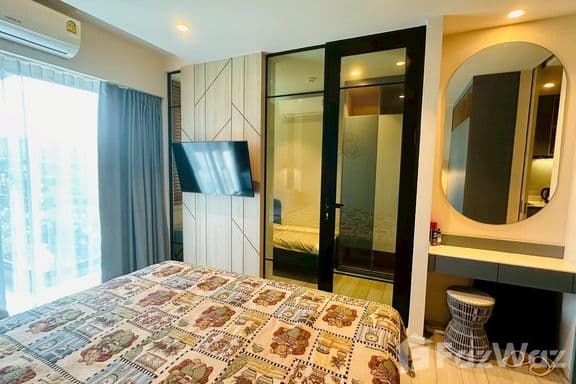
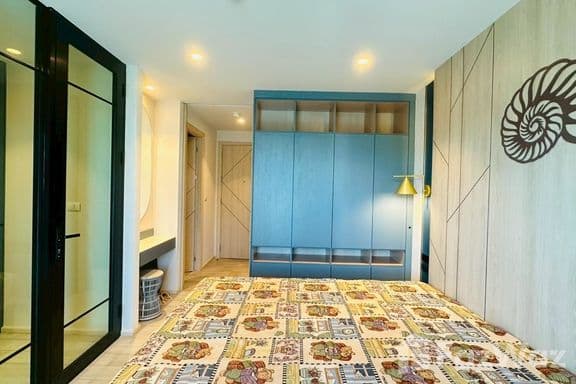
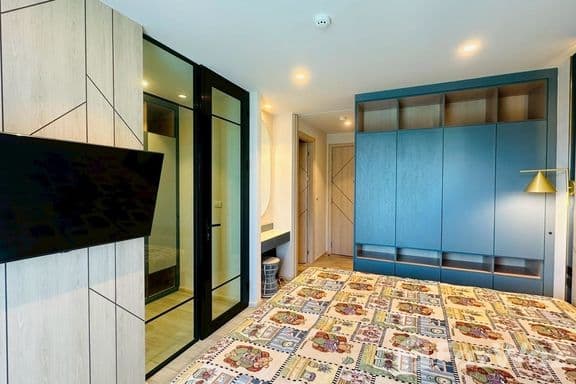
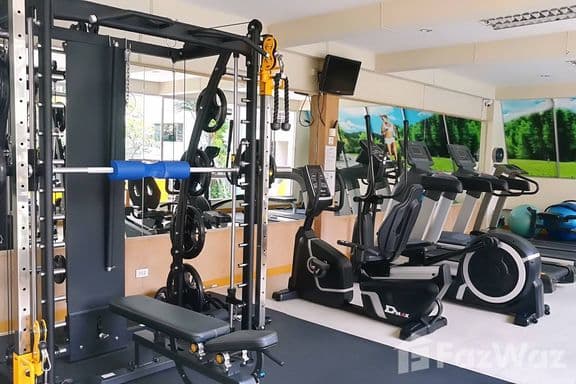
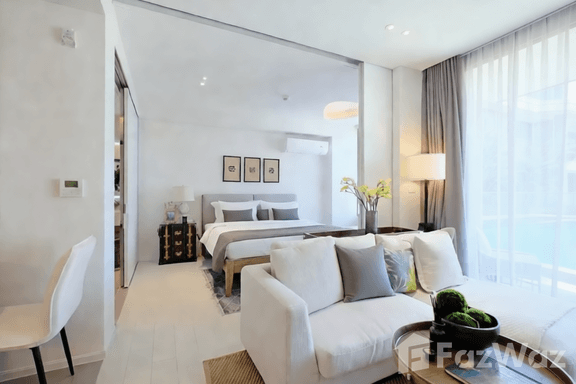
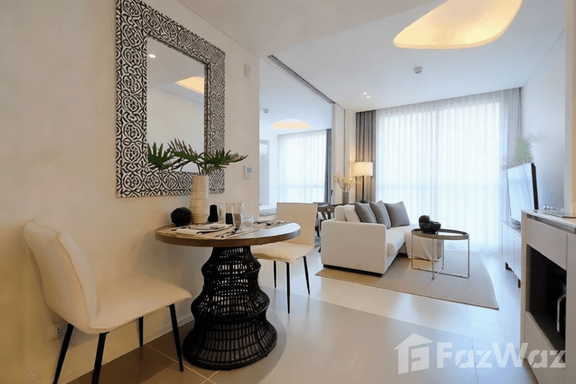
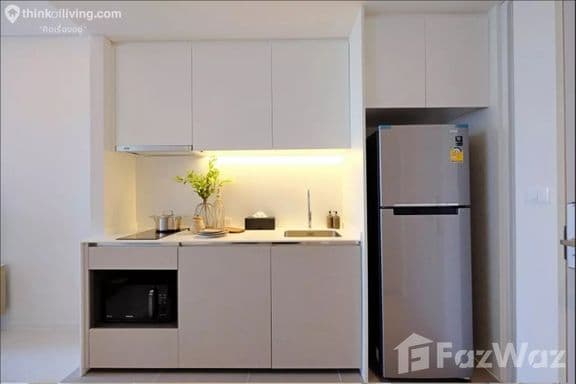
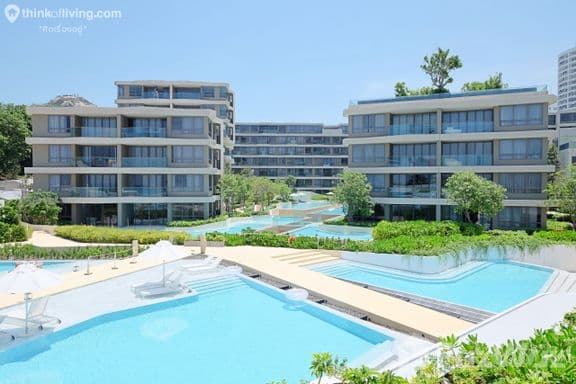
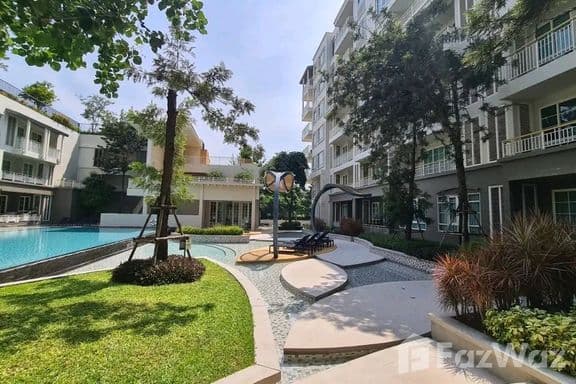
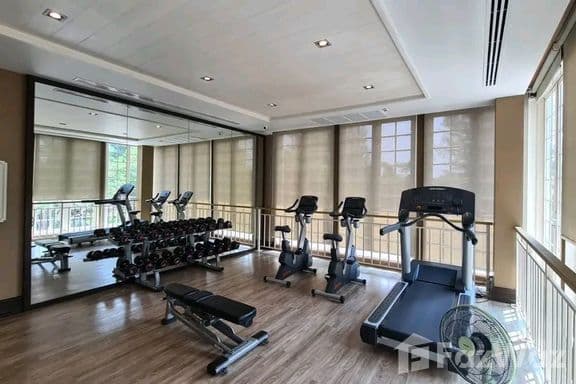
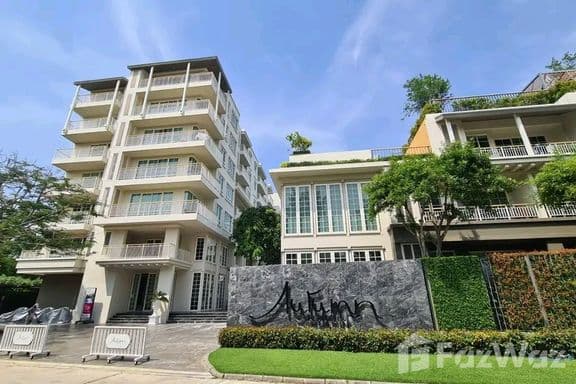
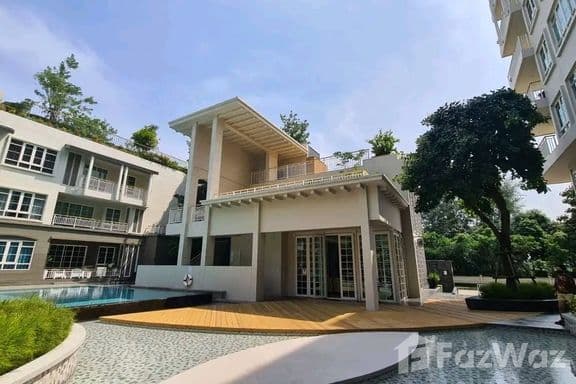
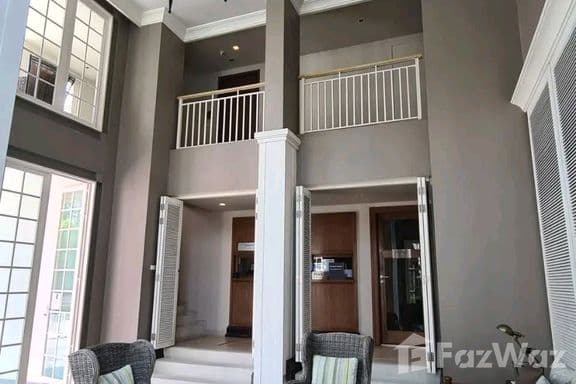
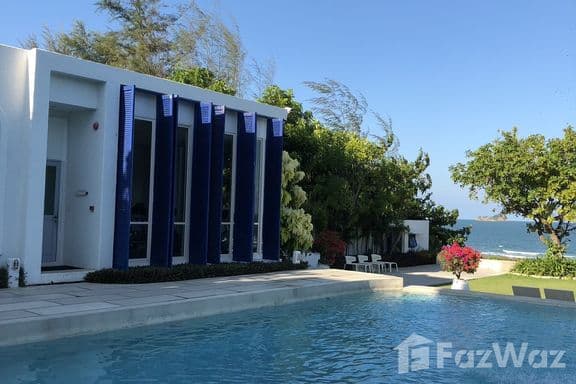
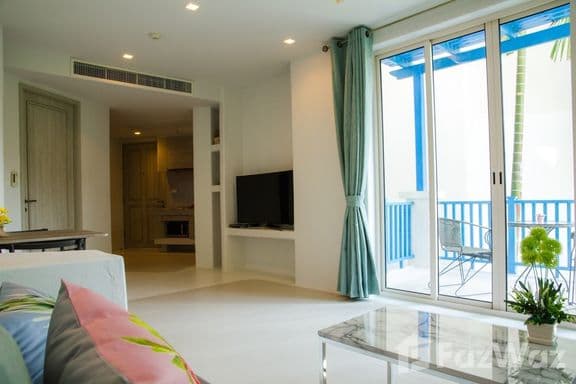
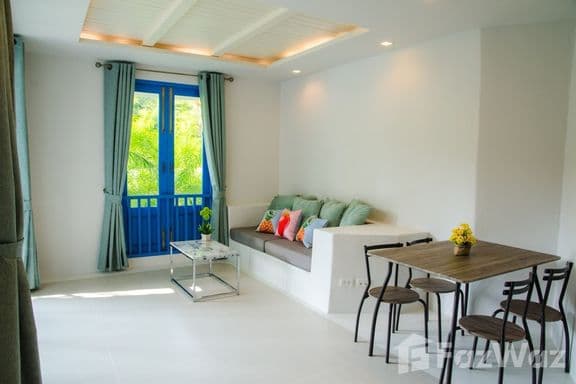
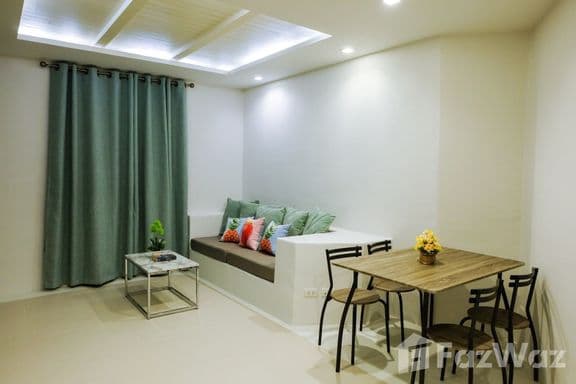
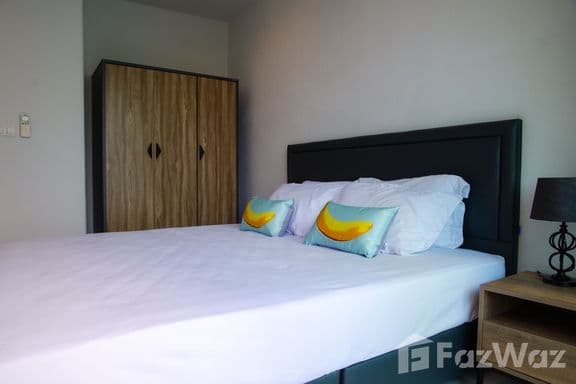
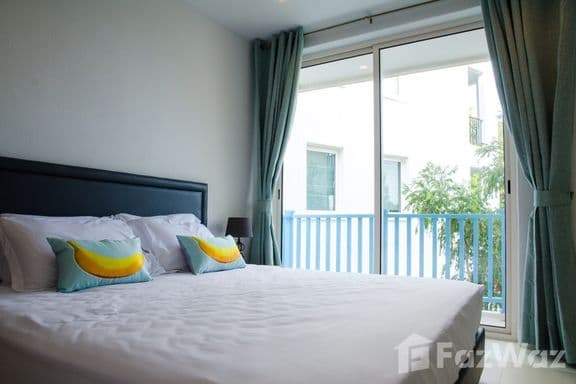
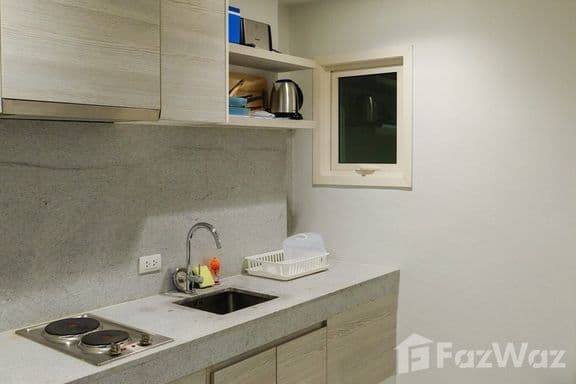
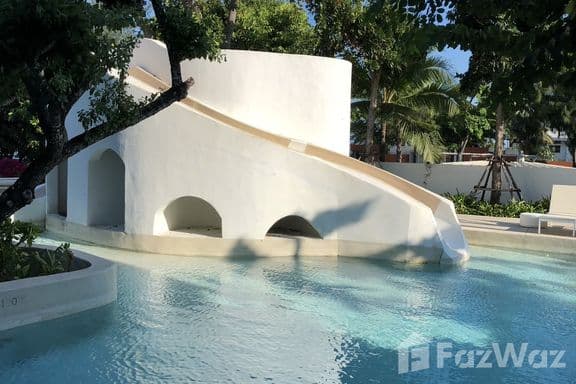
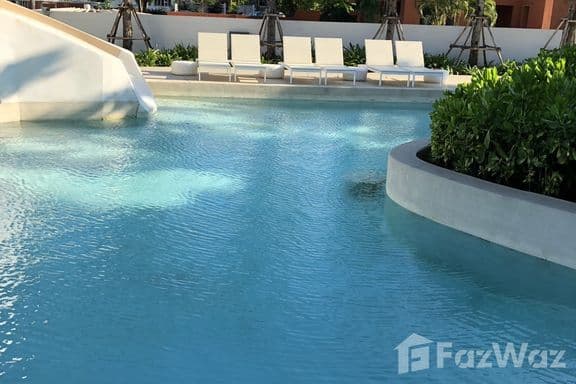
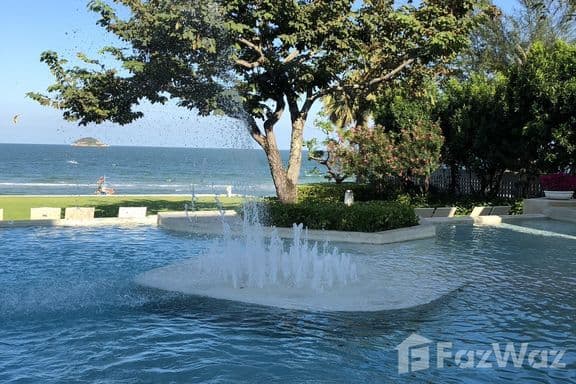
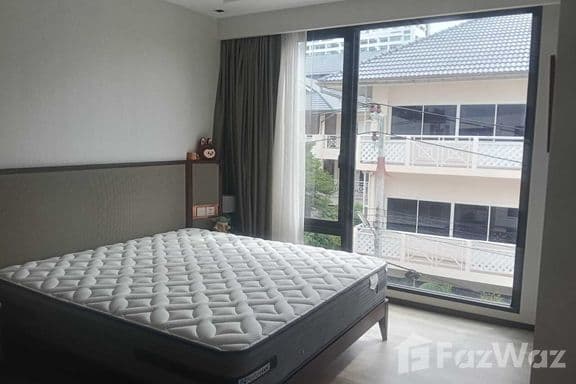
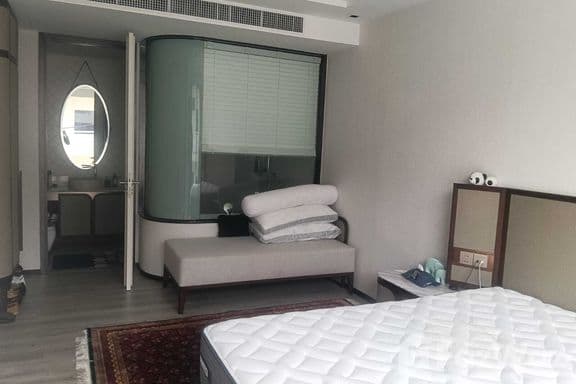
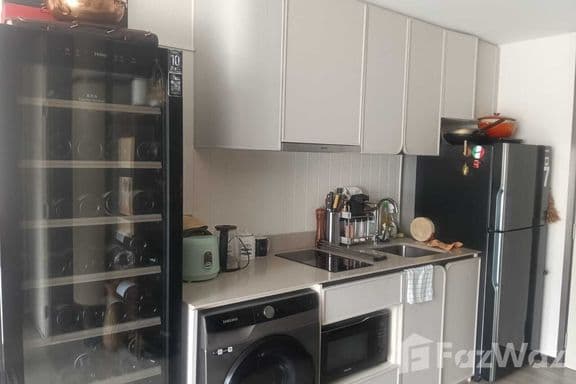
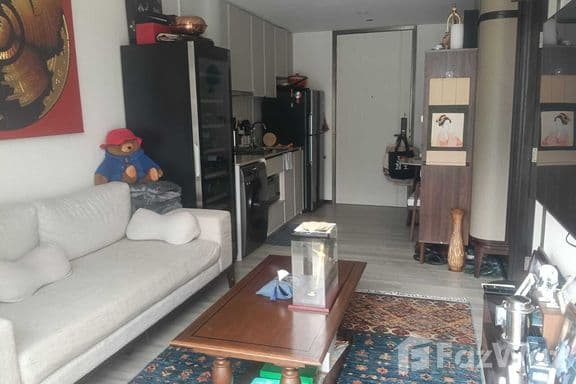
- Condominiums: A dominant and highly popular segment, condominiums in Hua Hin appeal to a broad audience. They are favored by expatriates seeking a manageable and secure living space, investors looking for rental returns and capital appreciation, and Bangkok residents desiring a convenient weekend getaway. Popular features include sea views, resort-style amenities (large swimming pools, fitness centers, 24-hour security, and sometimes direct beach access), and proximity to city conveniences. Legally, condominiums offer the most straightforward path to foreign ownership, as foreigners can own up to 49% of the total saleable area of a condominium project freehold in their own name. New developments often incorporate smart home technology and sustainable design features.
- Villas and Houses: Offering more space, privacy, and often private gardens and pools, villas and detached houses are the preferred choice for families, retirees planning longer stays, and those in the luxury segment. Styles range from traditional Thai designs to contemporary and Balinese-inspired pool villas. While foreigners cannot directly own land in Thailand, common ownership structures include long-term leaseholds (typically 30 years, often renewable) or setting up a Thai limited company to hold the land, with the foreigner as a director and shareholder (though professional legal advice is crucial for this structure). Pool villas, in particular, are in high demand in the rental market, especially for families and groups.
- Townhouses: While perhaps less prominent than condos or villas, townhouses represent a growing segment, offering a balance between the space of a house and the affordability or lower maintenance of a condominium. They can be found in gated communities with shared facilities and are appealing to both local Thais and some expatriates looking for a cost-effective housing solution.
- Land Plots: Investing in land offers significant potential for custom-built homes or smaller-scale development projects. However, direct foreign ownership of land is restricted. Foreigners typically acquire land through long-term leases or via a Thai company structure. Prime beachfront land is scarce and commands premium prices. Land in developing areas on the outskirts offers more affordable entry points but requires careful due diligence regarding zoning, access, and future development plans.
Navigating the Buying Process in Hua Hin for Foreigners (2025)
Acquiring property in Thailand as a foreigner involves specific legal and procedural steps. Understanding this framework is key to a smooth transaction:
- Legal Framework:
- Condominiums: Foreigners can own a condominium unit freehold, provided the total foreign ownership in the building does not exceed 49% of the total unit space. Funds for purchase must typically be remitted from overseas in foreign currency and converted to Thai Baht locally.
- Landed Property (Villas, Houses, Land): Direct freehold ownership of land by foreigners is generally not permitted. Common alternatives include:
- Leasehold: A lease agreement for up to 30 years, registered with the Land Department, is a secure and common method. Leases can often be structured with options for renewal.
- Thai Limited Company: Setting up a Thai majority-owned company (with the foreigner holding up to 49% of shares and Thai nationals holding the remainder) to purchase the land. This requires ongoing compliance and professional setup.
- Spousal Ownership: If married to a Thai national, the property can be registered in the Thai spouse's name, though legal agreements should be in place to protect the foreign partner's interest if funds originated from them.
- Key Professionals:
- Reputable Real Estate Agents: A good agent provides local market knowledge, property options, and negotiation assistance.
- Independent Lawyers: Essential for due diligence, contract review, and ensuring the legality of the transaction. Choose a lawyer specializing in Thai property law for foreigners.
- Due Diligence: This is a critical step. Your lawyer will verify the seller's ownership (Title Deed or "Chanote"), check for any encumbrances (mortgages, liens), ensure building permits are in order, and confirm access rights.
- Taxes and Fees:
- Transfer Fee: Typically 2% of the property's appraised value, usually shared between buyer and seller.
- Specific Business Tax (SBT): 3.3% if the property is sold within five years of acquisition (unless exempt).
- Stamp Duty: 0.5% of the registered value (payable if SBT is not applicable).
- Withholding Tax: Applicable if the seller is a company or an individual earning income from the sale.
- Legal fees and agent commissions also apply.
- Financing: Local bank financing for foreigners buying property in Thailand can be challenging, though not impossible, especially if the foreigner has a work permit and a history of income in Thailand. Many foreign buyers use cash or secure financing from their home country. Some developers may offer payment plans for off-plan purchases.
Lifestyle Factors Enhancing Hua Hin's Allure
Beyond the tangible assets, Hua Hin offers a lifestyle that significantly contributes to its property market's appeal:
- Healthcare Excellence: Hua Hin boasts high-quality medical facilities, including internationally accredited hospitals like Bangkok Hospital Hua Hin and San Paulo Hospital. These provide comprehensive services and English-speaking staff, making it a secure choice for retirees and expatriates.
- Educational Institutions: For families, the presence of reputable international schools offering various curricula (e.g., British, American) is a major draw.
- Vibrant Expat Community & Social Life: A well-established and welcoming expatriate community thrives in Hua Hin, with numerous clubs, social groups, and volunteer organizations, making it easy for newcomers to integrate and build a social network.
- Safety and Security: Hua Hin is known for being a relatively safe and peaceful city, contributing to its family-friendly reputation.
- Rich Cultural and Leisure Activities: Beyond its famous beaches and golf courses, Hua Hin offers diverse attractions: historical sites like Maruekhathaiyawan Palace, vibrant art markets (Cicada Market, Tamarind Market), national parks (Khao Sam Roi Yot), vineyards, water parks, and a burgeoning wellness scene with spas and yoga retreats. The culinary landscape is equally diverse, from authentic Thai street food to high-end international restaurants.
Potential Risks and Market Considerations
While the outlook is largely positive, potential investors should be aware of certain market considerations and risks:
- Localized Oversupply: In specific micro-locations or particular property segments (e.g., standard small condos without distinguishing features), there could be periods of oversupply, potentially impacting rental rates or resale liquidity for less desirable units.
- Global Economic Fluctuations: As with any market reliant on international tourism and investment, global economic downturns or recessions can impact demand and buyer sentiment.
- Currency Exchange Rate Volatility: For foreign investors, fluctuations in currency exchange rates between their home currency and the Thai Baht can affect the cost of purchase and the value of rental income or repatriated profits.
- Regulatory Changes: While current visa and property ownership laws are relatively stable and increasingly favorable, any future adverse changes in government regulations could impact the market. However, recent trends point towards further liberalization to attract foreign investment.
- Environmental Factors: Coastal erosion in some areas and water resource management are ongoing considerations for a seaside resort. Investors should look for developments with sound environmental planning.
- Competition from Other Destinations: Thailand has several attractive property markets. While Hua Hin has its unique appeal, it competes with destinations like Phuket, Pattaya, and Chiang Mai for investor attention.
The Future Trajectory: Hua Hin Beyond 2025
Looking beyond the immediate horizon, Hua Hin is well-positioned for continued evolution and growth:
- Sustainable and Smart Development: There's a growing emphasis on sustainability in new developments, with eco-friendly designs, green spaces, and energy-efficient technologies becoming more prevalent. Future urban planning is likely to incorporate smart city initiatives, focusing on efficient resource management and enhanced quality of life.
- Evolving Tourism Landscape: Hua Hin is actively diversifying its tourism appeal, moving beyond traditional beach holidays to embrace wellness tourism, eco-tourism, sports tourism (beyond golf), and MICE (Meetings, Incentives, Conferences, and Exhibitions) events. This diversification will create new niches for property investment.
- Infrastructure as a Catalyst: Continued investment in infrastructure, including the potential for a high-speed rail link connecting Hua Hin with Bangkok and other major cities, will be a significant long-term growth driver. The full operational capacity of an expanded international airport will also open new direct travel routes.
- Demographic Shifts: The aging global population and the rise of remote work are long-term trends that favor destinations like Hua Hin, which offer a high quality of life, good healthcare, and a pleasant environment for both retirees and digital nomads.
Spotlight on Sustainability in Hua Hin Real Estate
A noteworthy trend gaining momentum in Hua Hin's property market is the increasing focus on sustainability and eco-conscious living. This is driven by both growing buyer demand and a greater sense of responsibility among developers.
- Buyer Preferences: Modern buyers, particularly from European markets and younger demographics, are increasingly seeking properties that minimize environmental impact. Features such as solar panel installations, rainwater harvesting systems, energy-efficient appliances, sustainable building materials, and designs that promote natural ventilation and light are becoming significant selling points.
- Developer Initiatives: Leading developers are responding by incorporating green building practices into their projects. This includes better waste management during construction, preservation of existing green areas, use of locally sourced and recycled materials, and landscaping with native plants to reduce water consumption. Some new villa developments are designed as "eco-villages" with shared community gardens and sustainable infrastructure.
- Government Encouragement: While perhaps not yet as formalized as in some Western countries, there is growing encouragement from local authorities for developments that adhere to environmental standards. This aligns with Thailand's broader national goals for sustainable development and reducing carbon emissions.
This shift towards greener real estate not only benefits 1 the environment but also offers long-term cost savings for homeowners through reduced utility bills and can enhance property values as sustainability becomes an increasingly prized attribute.
In Summary: Hua Hin – A Harmonious Blend of Lifestyle and Investment in 2025
In conclusion, the property market in Hua Hin for 2025 presents a compelling and multifaceted opportunity. It successfully marries a highly desirable resort lifestyle with sound investment fundamentals. Buyers can discover a wide spectrum of properties, from contemporary condominiums in the vibrant city center and luxurious beachfront penthouses to expansive pool villas nestled in the tranquil hills, catering to diverse tastes and investment budgets. The average listing prices, hovering around ฿7.0 million for both houses and condos (though this average masks a very wide range from entry-level to ultra-luxury), indicate that both segments offer attainable yet potentially lucrative options.
Entry-level condominium units can be found starting in the low millions of baht (from around ฿2-3 million), making the market accessible to first-time investors or those seeking a modest holiday home. At the other end of the spectrum, ultra-luxury oceanfront villas or expansive hillside estates can command prices well in excess of ฿30 million, sometimes reaching over ฿100 million for truly exceptional properties.
Crucially, Hua Hin's market fundamentals remain robust. Sustained buyer interest from both domestic and international quarters, ongoing infrastructural enhancements significantly improving connectivity and amenities, and the city's unique, enduring royal resort appeal all converge to indicate continued stability and growth potential. For investors seeking a formal, investment-focused opportunity within Thailand's dynamic property landscape, Hua Hin stands out as a premier coastal city where an enviable lifestyle seamlessly meets promising and sustainable real estate returns for 2025 and beyond.
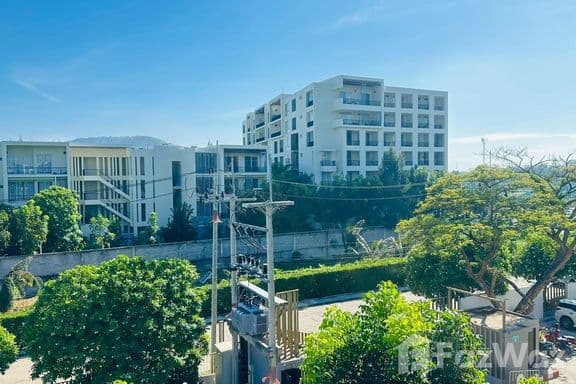
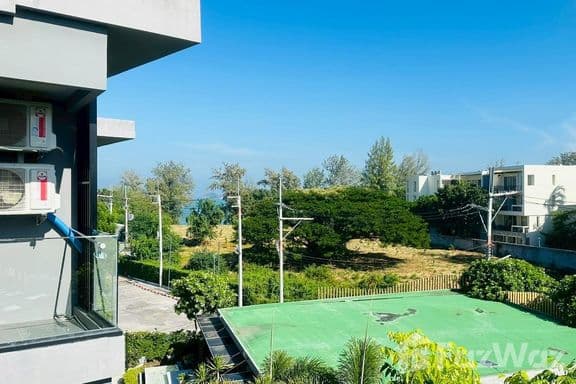
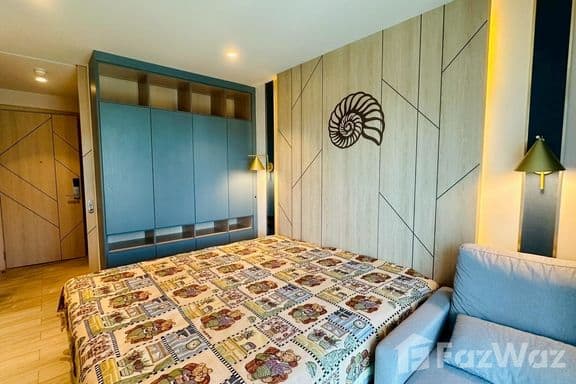
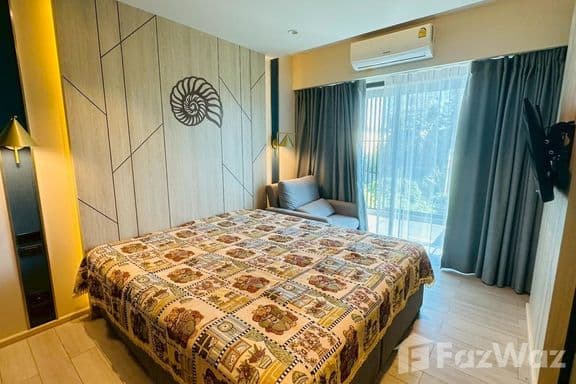
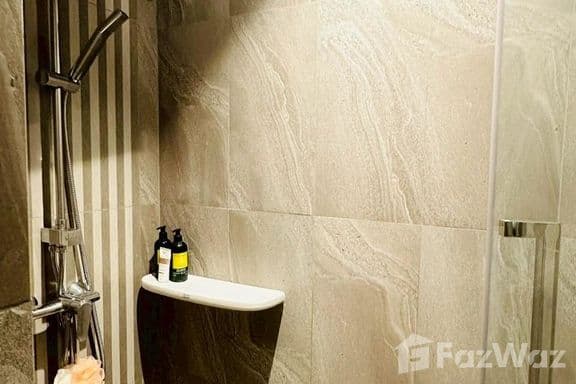
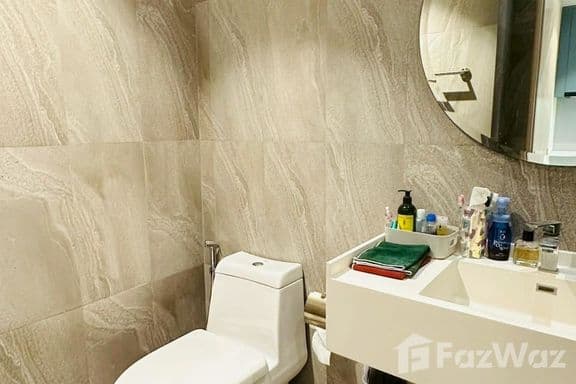

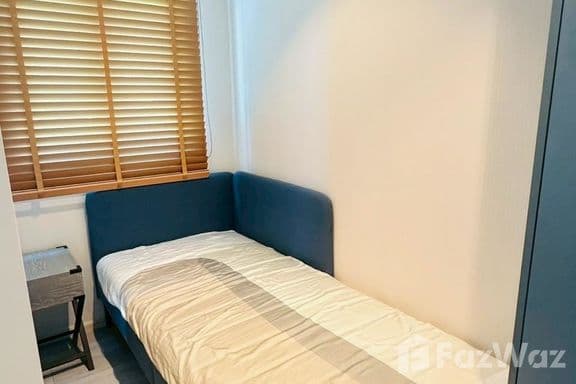
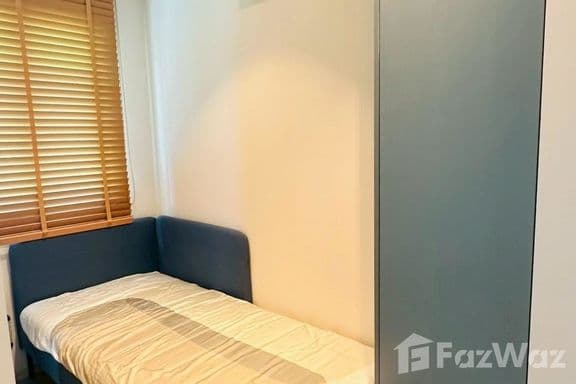
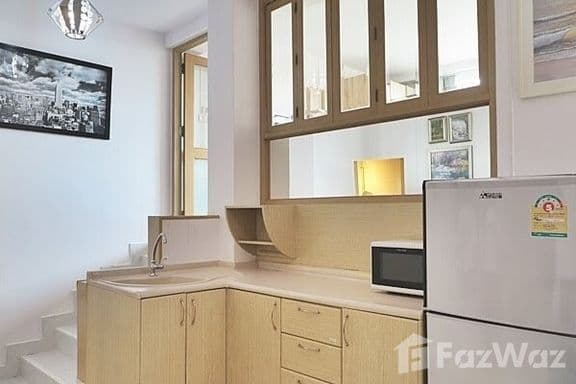
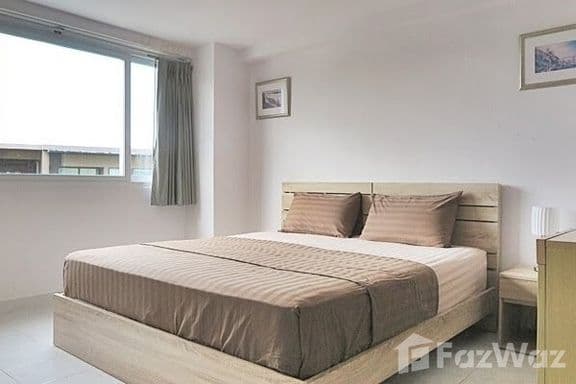
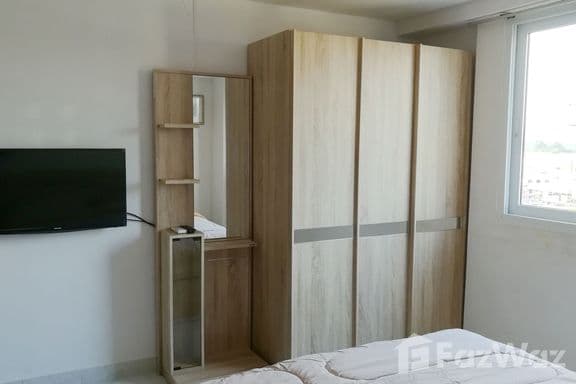
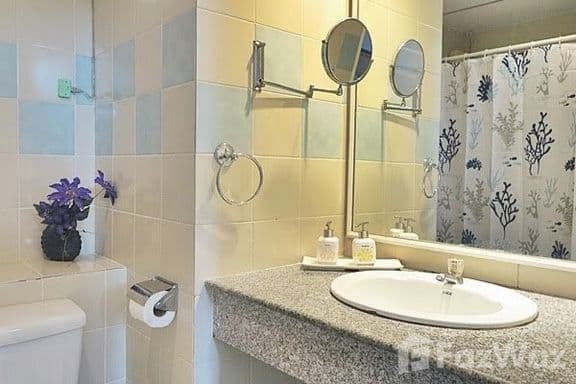
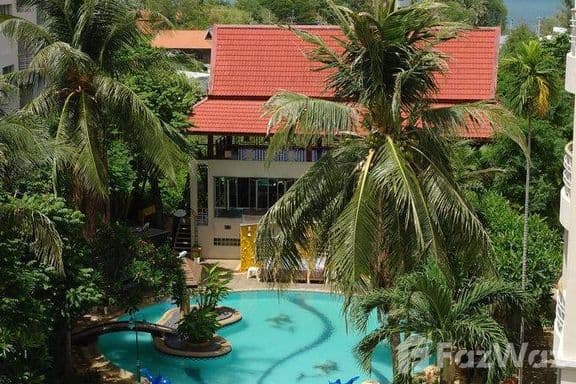
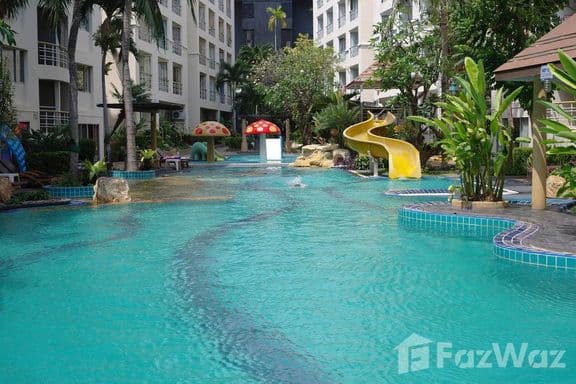
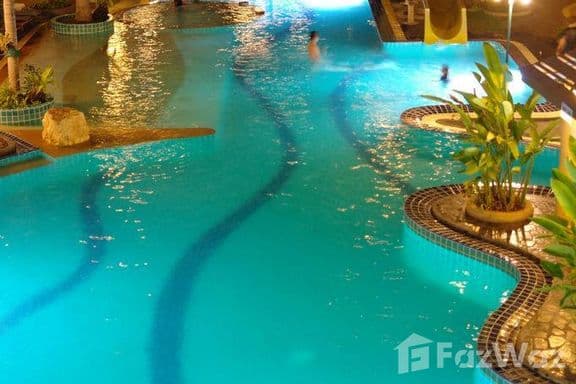
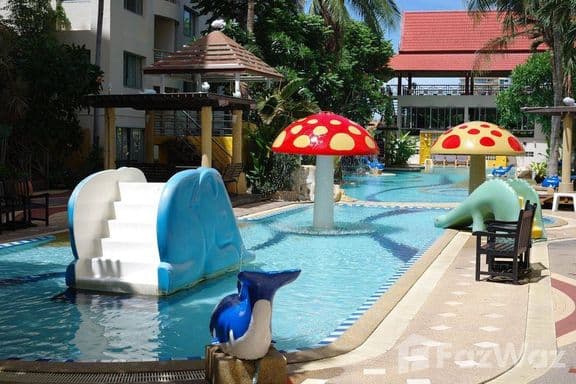




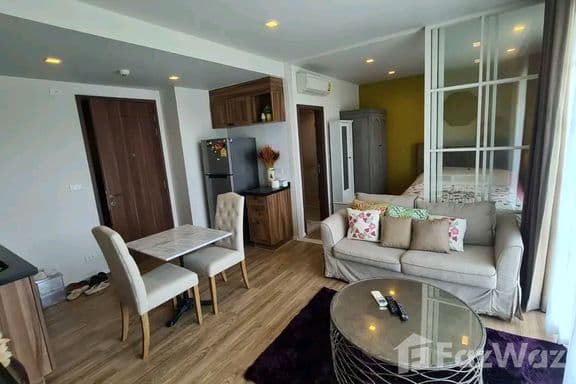
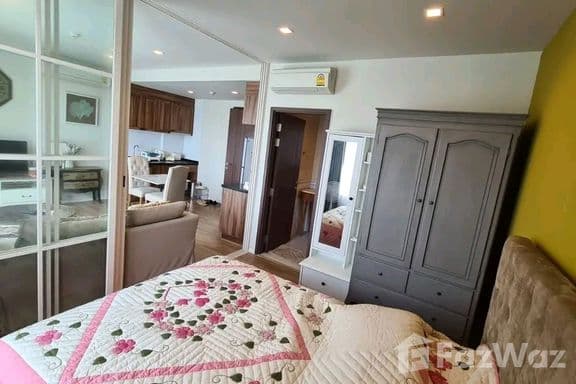

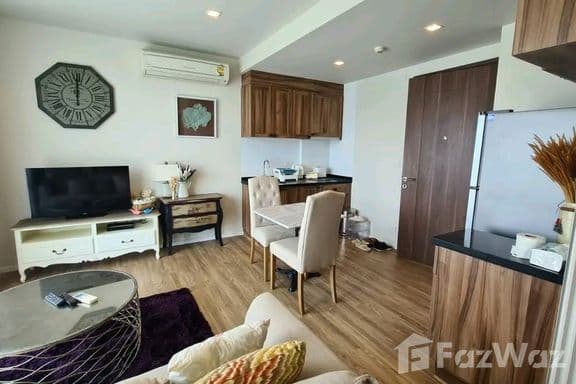
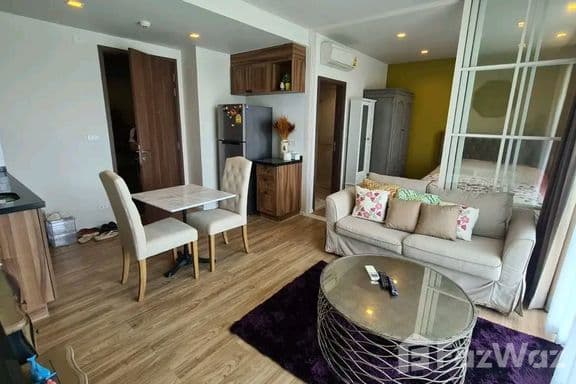
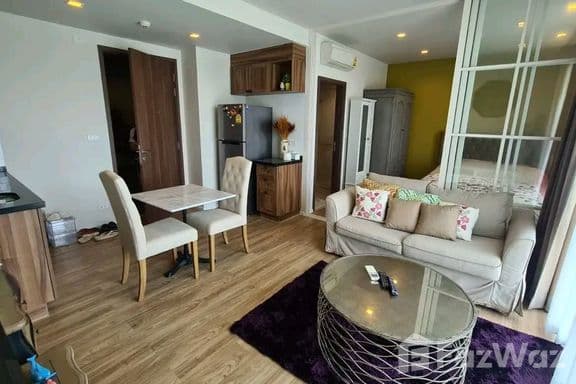
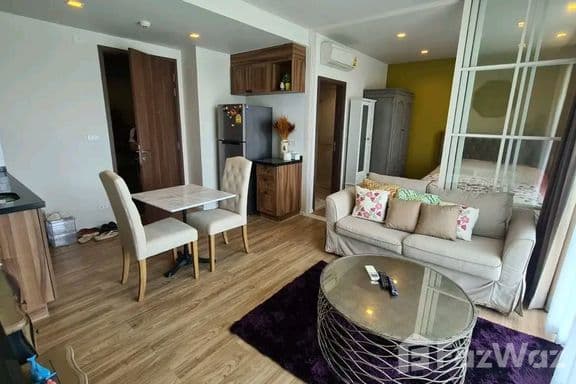
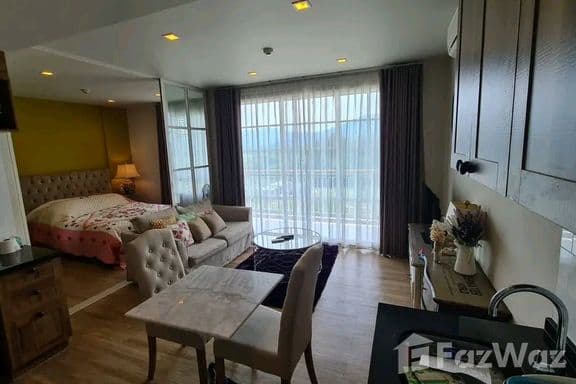
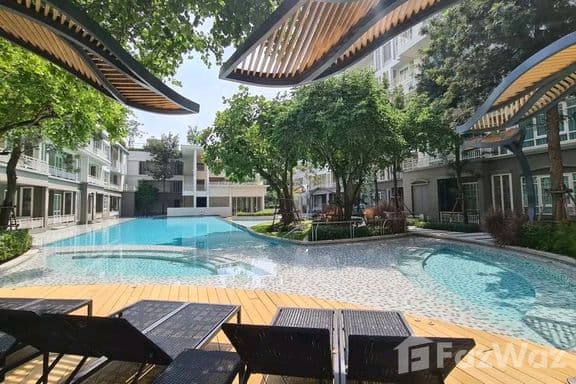
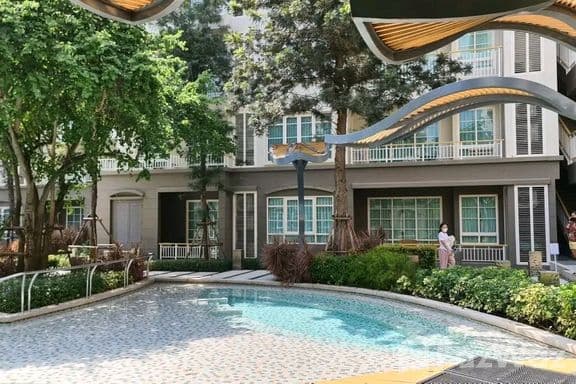
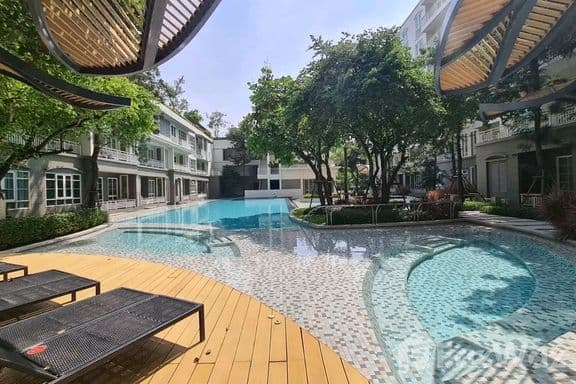


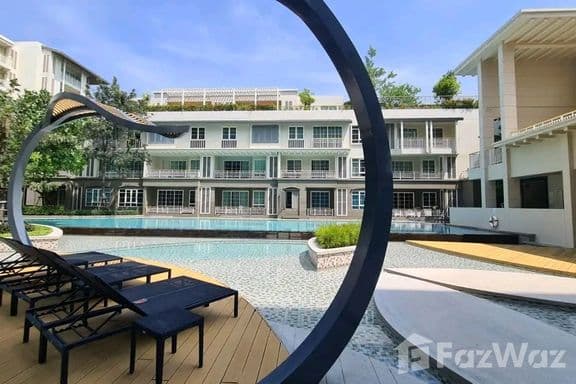
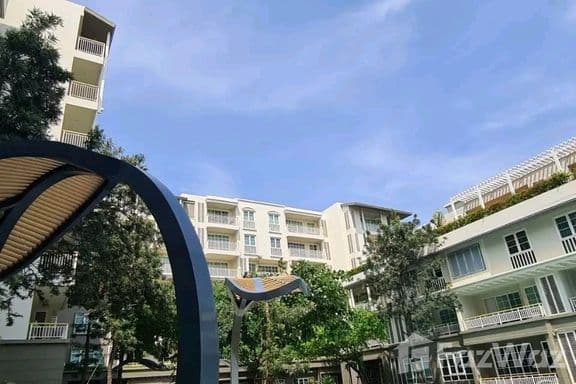





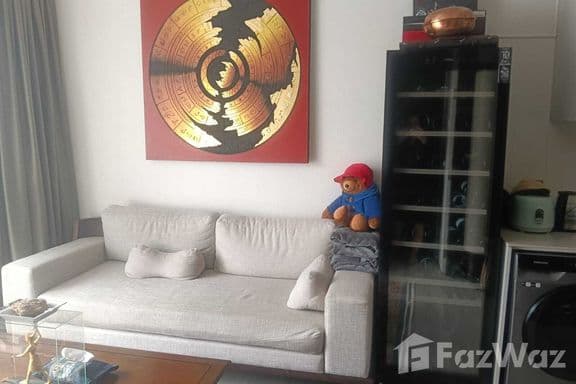


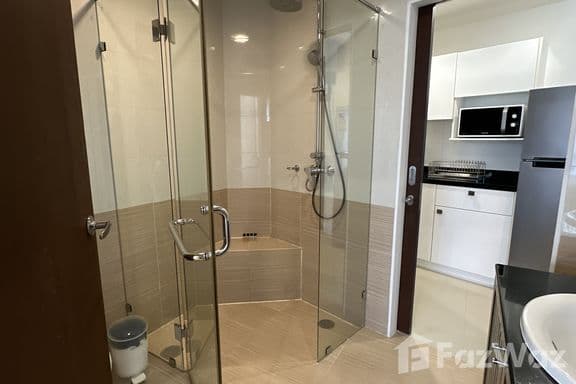


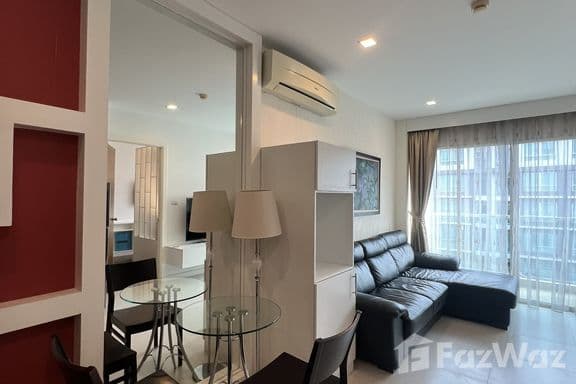


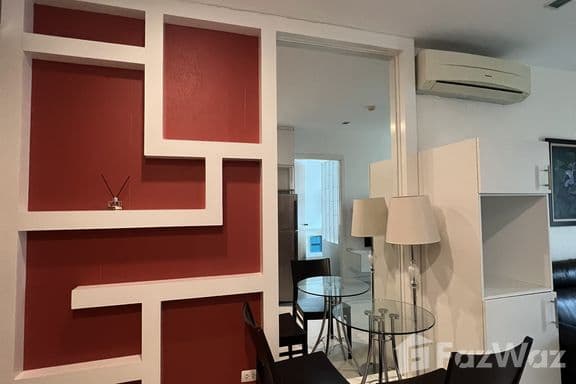
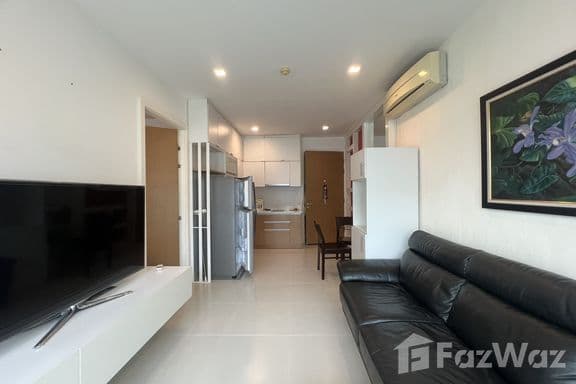
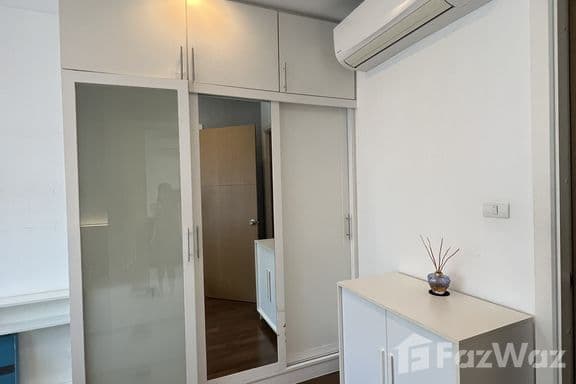
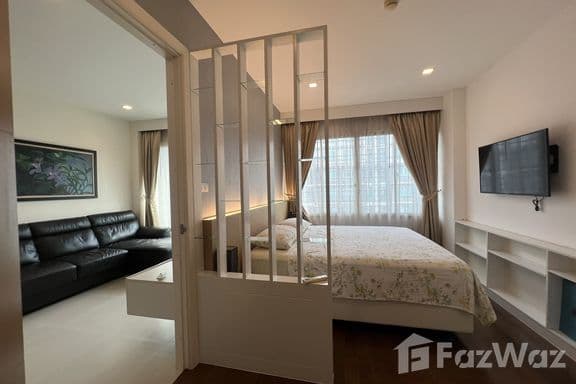
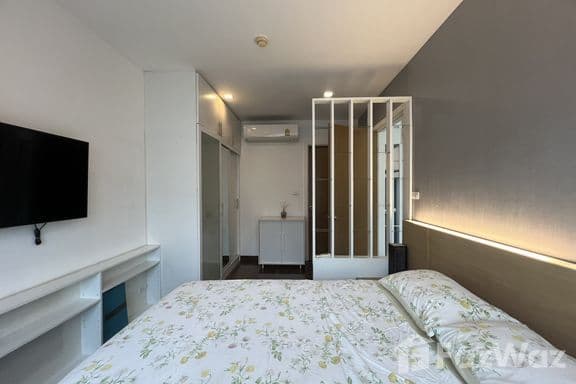
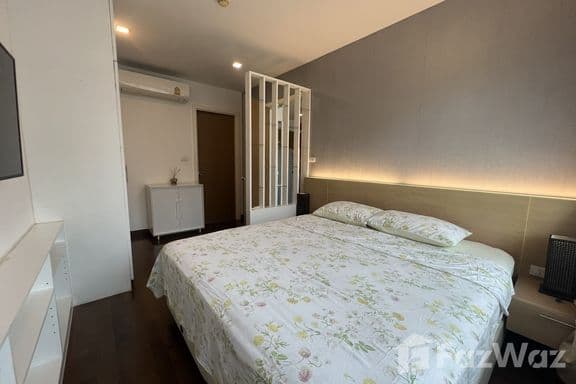
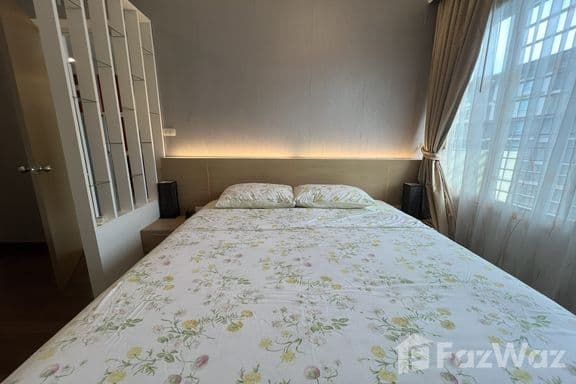
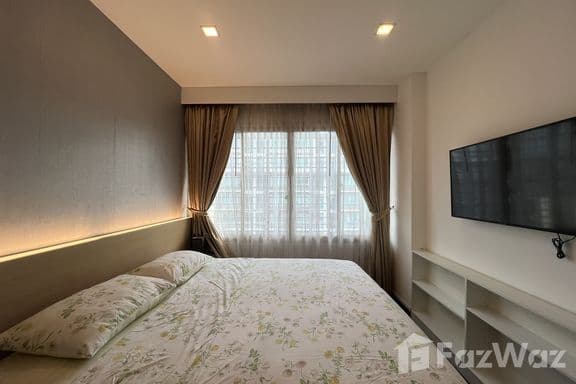

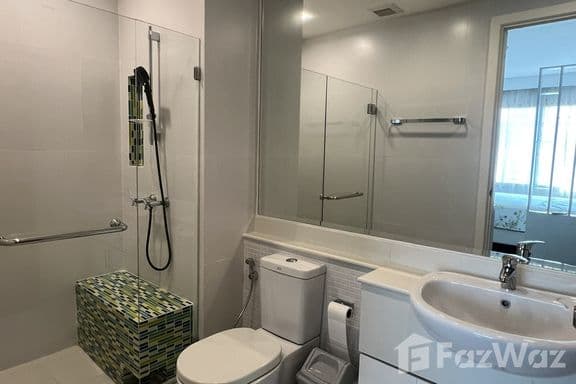
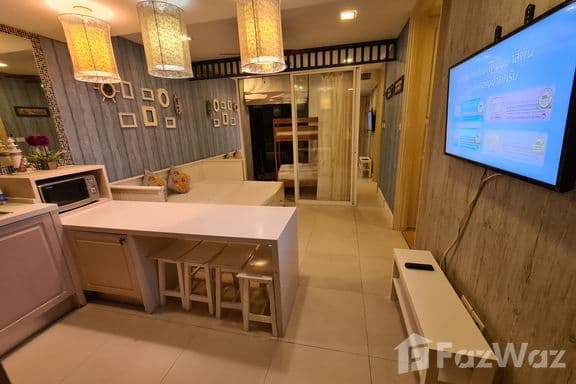

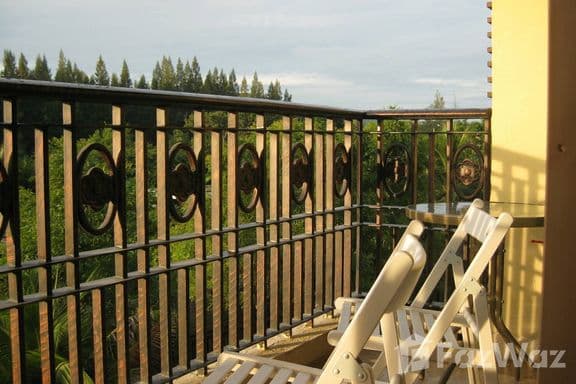
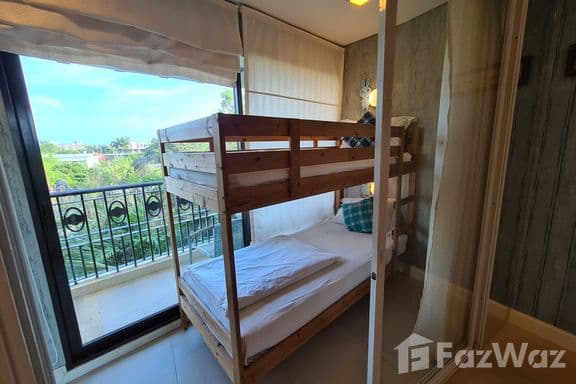
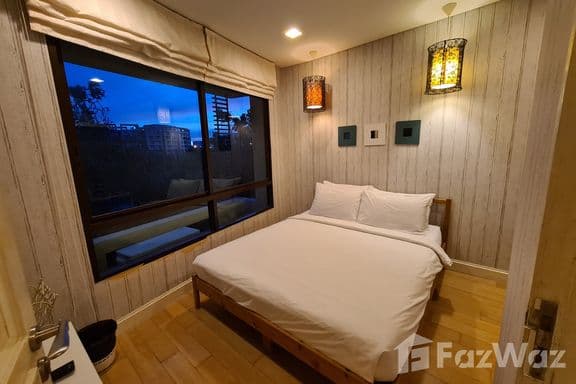


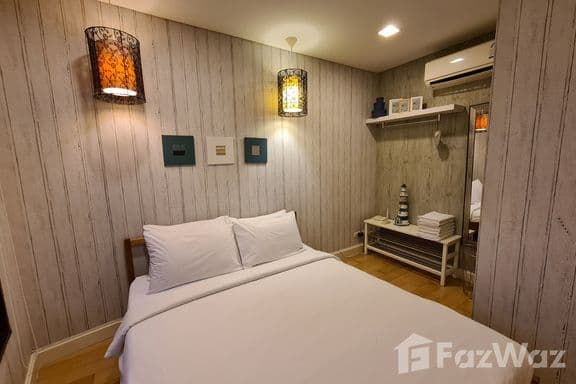


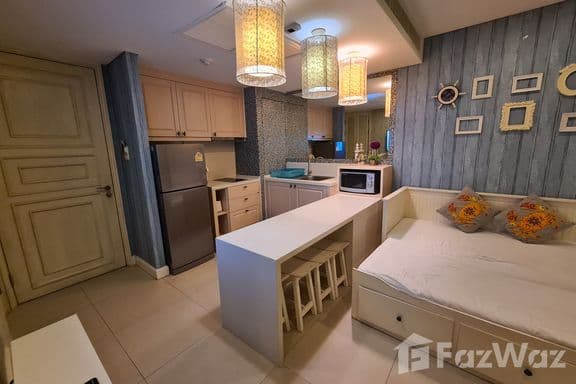

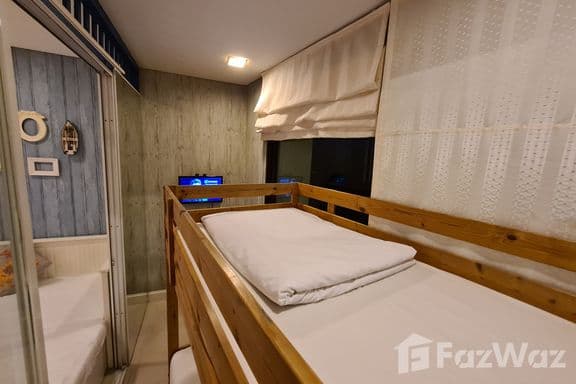
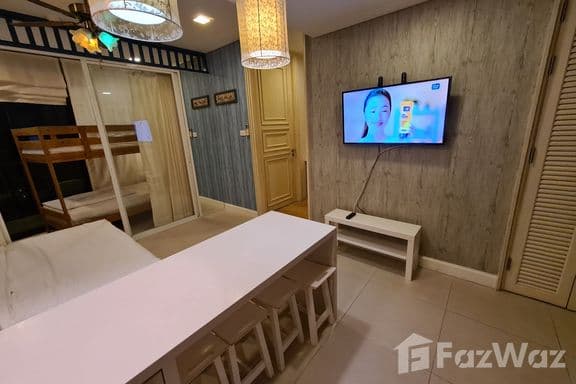
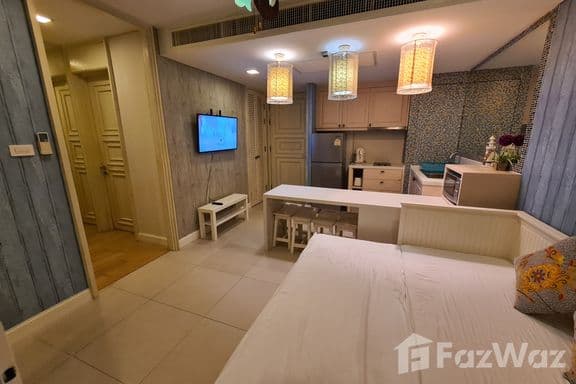
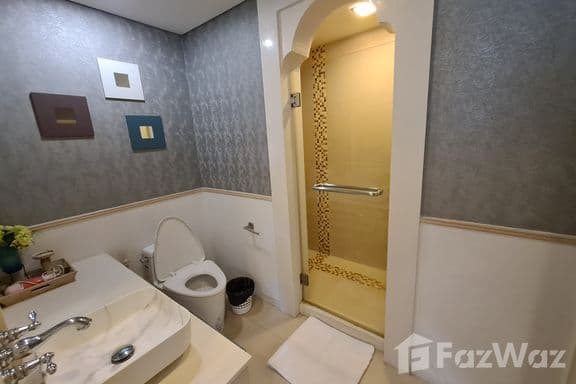
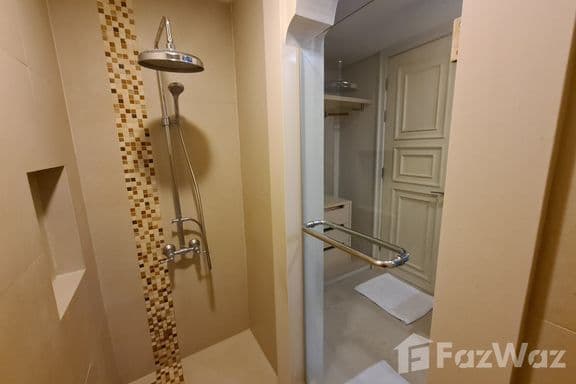
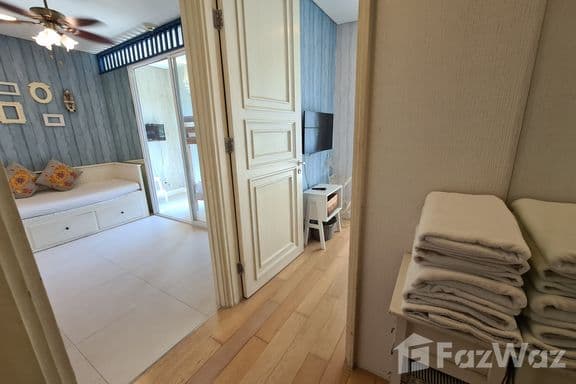




 Popular condos in Hua Hin

