Townhouses for Rent in Thailand: A Guide for Foreigners
Thailand’s townhouse rental market has rebounded strongly in recent years. After a sharp pandemic dip (2020–21), tourism and expat arrivals surged from 2022 onward, driving up rental demand and easing vacancies. By 2023–24 Thailand saw 28–35 million foreign visitors, many seeking longer stays. Young Thai professionals and international digital nomads have embraced long-term renting (a “Generation Rent” trend), and more foreigners are opting for spacious homes outside congested condo buildings. Experts note that nationwide condo rental demand rose about 12% year-on-year in 2024, and townhouse demand has likewise strengthened in key markets. Rental rates in prime locations have rebounded accordingly, with Bangkok and Phuket leading in asking rents. Overall, the past few years saw steady market recovery and moderate rent growth; forecasts for 2025 suggest continued gradual increases (on the order of a few percent yearly) as tourism and foreign investment normalize. In this climate, Thailand’s townhouse rental sector is an attractive option for expats, digital nomads, families, and long-stay tourists seeking more room and privacy than a condo or apartment typically offers.
Advantages of Renting a Townhouse in Thailand
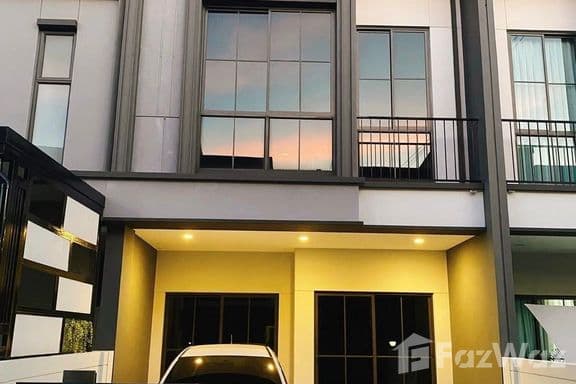
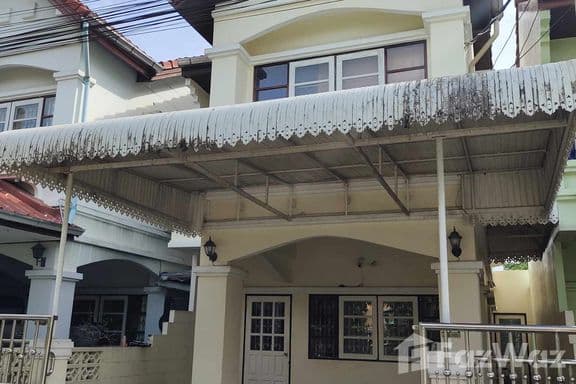
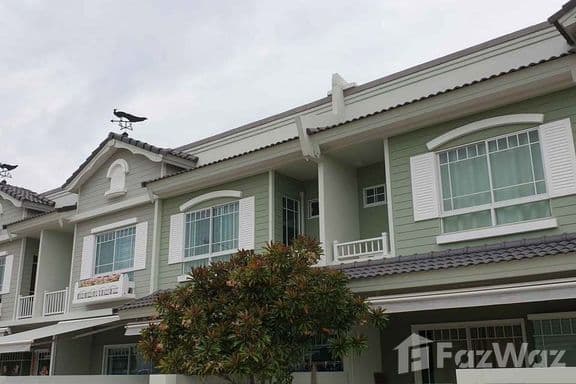
Foreign renters often choose townhouses for the space and privacy they afford. Unlike high-rise condos, townhouses are usually multi-story single-family homes (often in rows) with their own entrance and small yard or garden. You can expect 2–4 bedrooms, living rooms, kitchens, and sometimes private outdoor space. Key benefits include:
- More Living Space: Townhouses typically offer larger indoor living areas and multiple bedrooms – ideal for families or remote workers needing a home office.
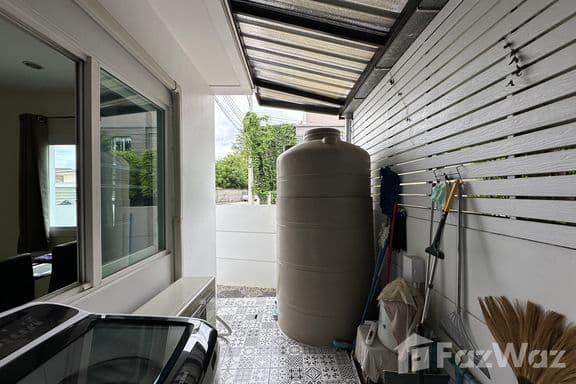
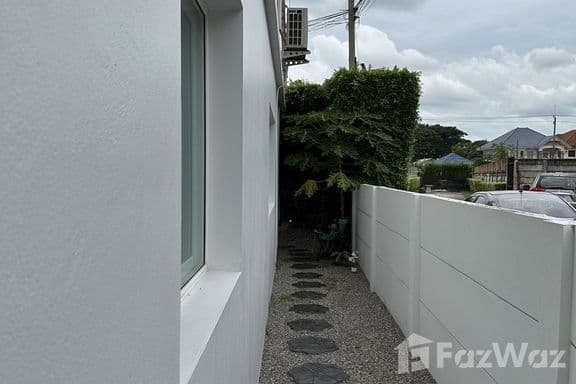
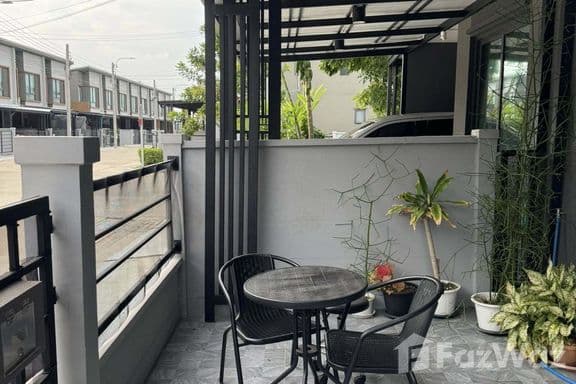
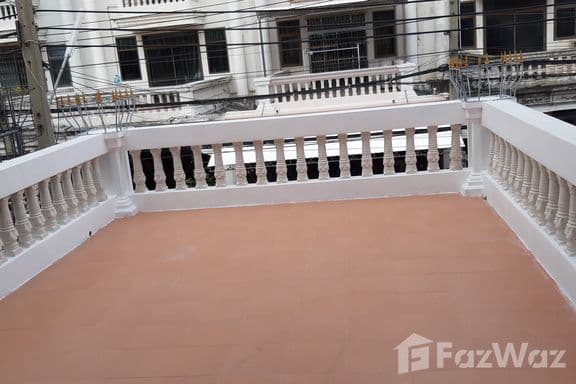
- Private Outdoor Areas: Many units include a small garden, terrace, or balcony. This allows for pets, kids playing safely, or a bit of gardening (a luxury compared to condo living).
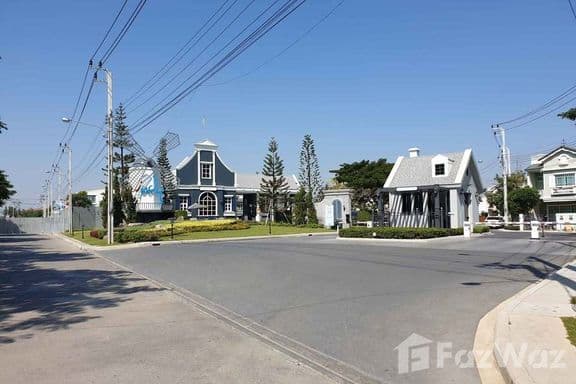
- Gated Community Security: Many Thai townhouses are in gated villages with 24/7 security guards, CCTV gates, and secure parking. This provides peace of mind for foreigners, especially families.
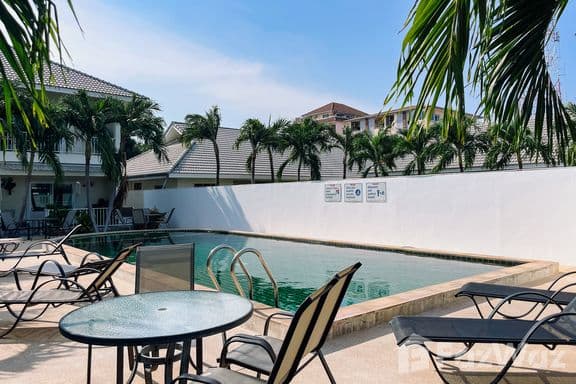
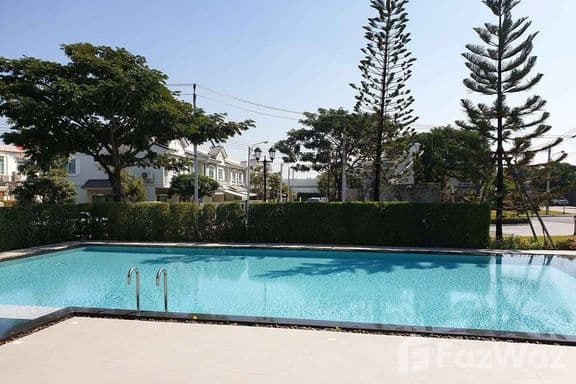
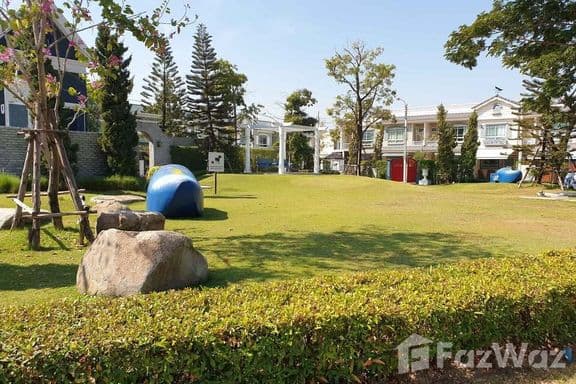
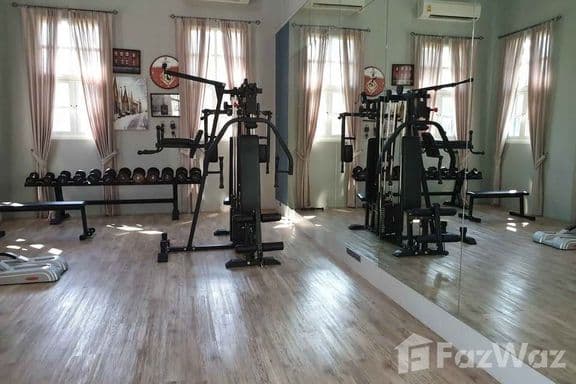
- Resort-like Amenities: Gated townhouse developments often feature communal pools, fitness rooms, landscaped parks, and playgrounds. You get some condo-style facilities but with far fewer neighbors sharing them.
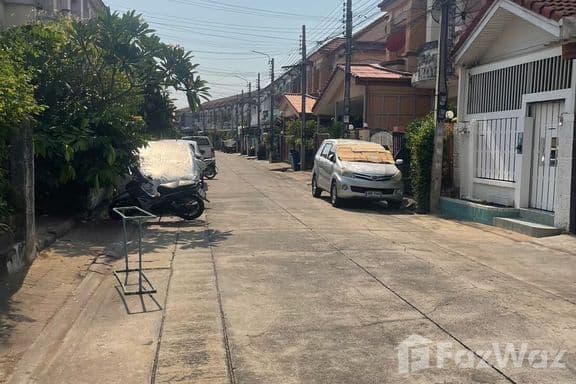
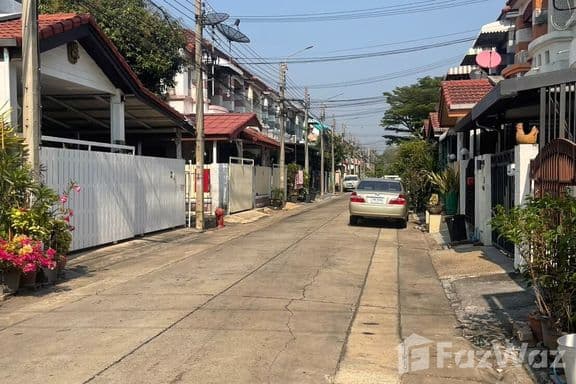
- Community Feel: Townhouse villages foster a local neighborhood vibe. You’re more likely to know your immediate neighbors, and children can play on quiet streets. Many expats value the friendly, relaxed community atmosphere.
- Flexibility & Affordability: In suburban areas, townhouses often cost less per square meter than a comparable condo downtown. For similar rents, you typically get a larger house (especially outside central Bangkok).
Overall, renting a townhouse blends the privacy and space of a stand-alone home with some conveniences (and security) of managed communities. For example, a gated townhouse in Bangkok or Pattaya offers far more room than a downtown condo but still provides security and shared amenities – making it especially appealing to expats, retirees, and families.
Layouts, Amenities, and Living Standards
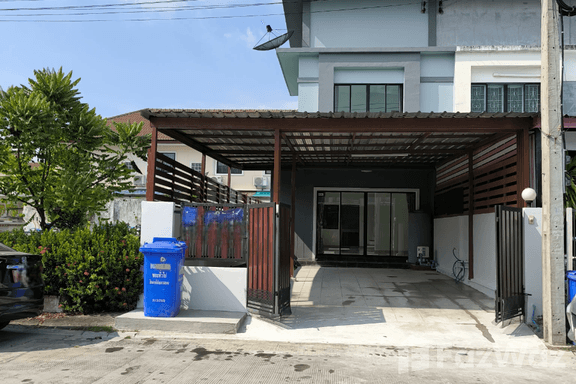
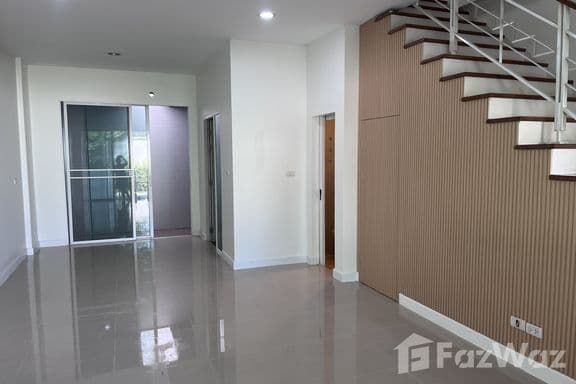
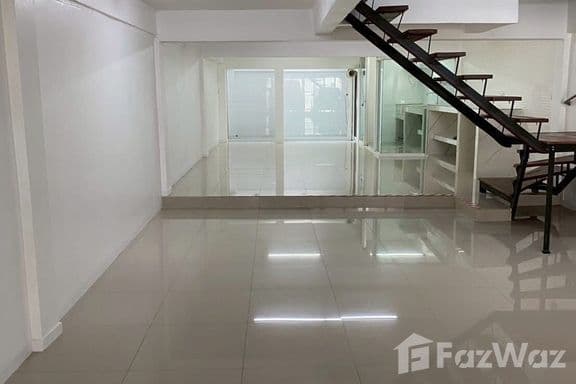
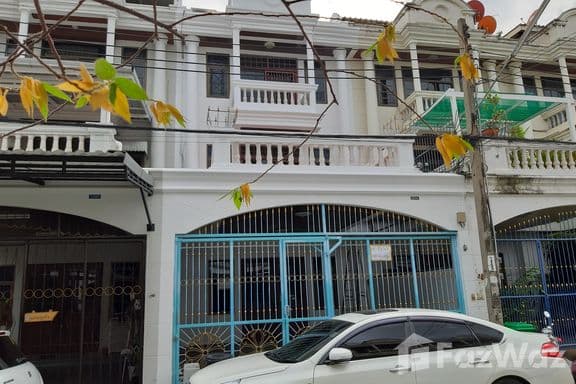
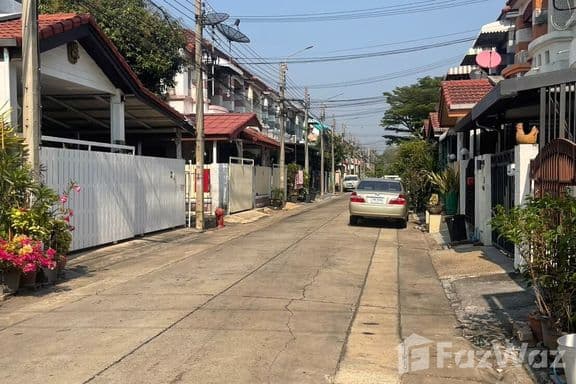
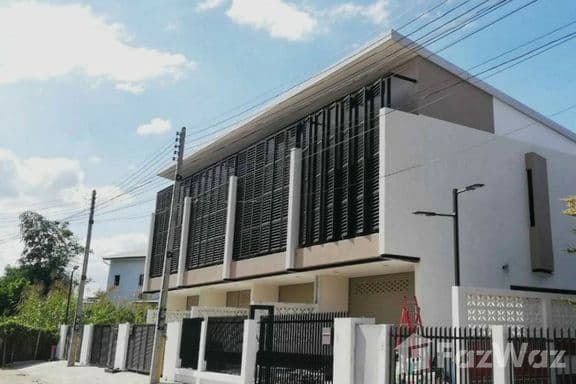
Thai townhouses come in many designs, but commonly they are 2- to 3-story buildings on narrow lots (often 4–6 meters wide, 15–20 meters deep). A typical layout:
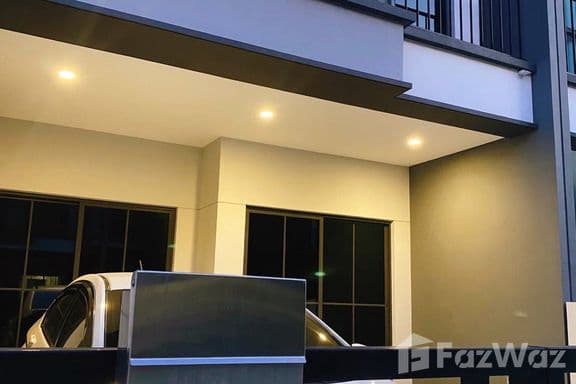
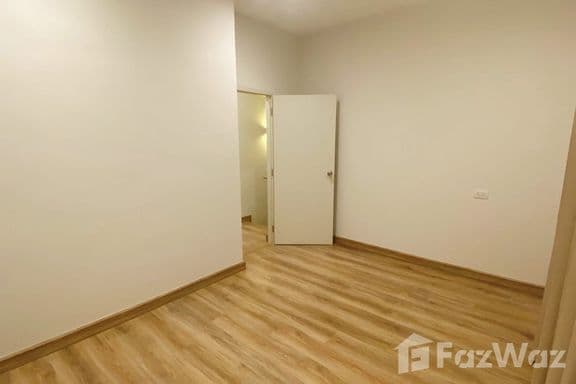
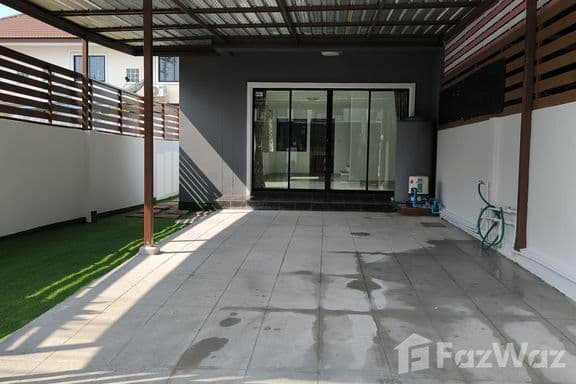
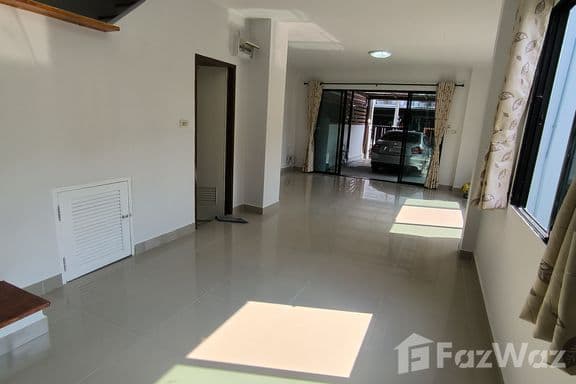
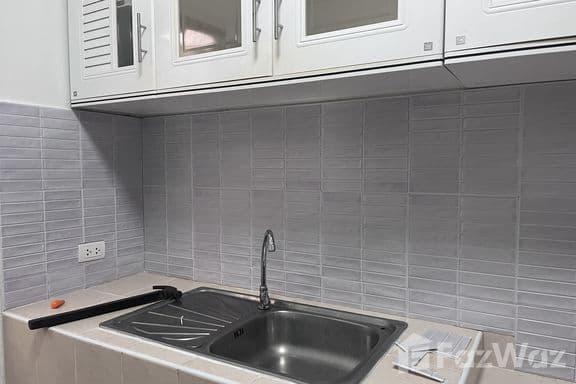
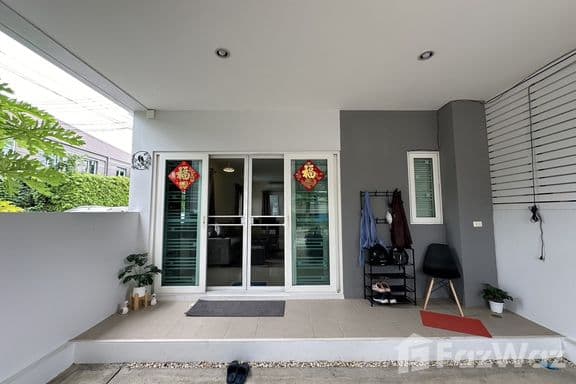
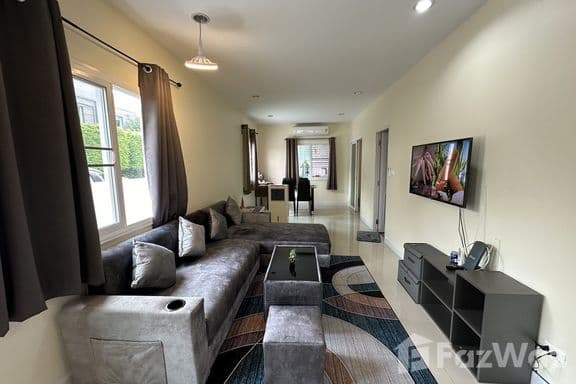
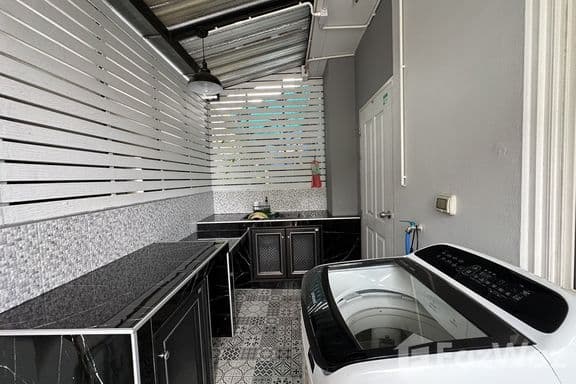
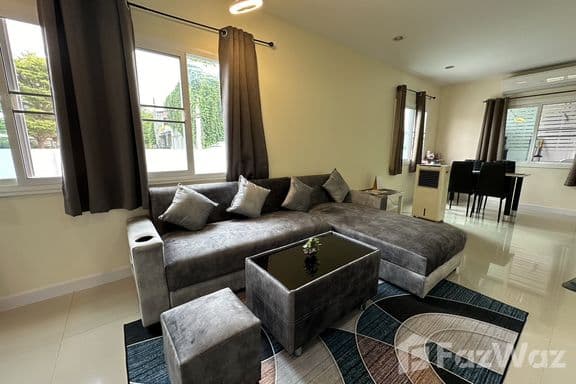
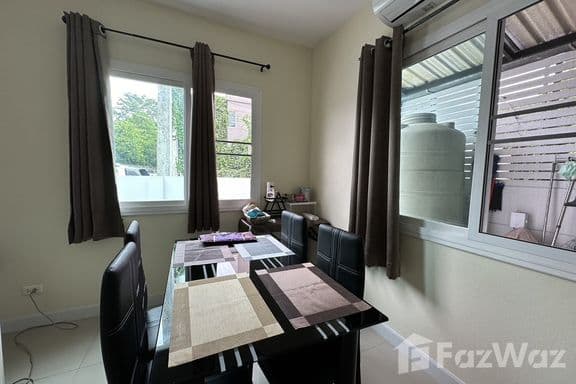
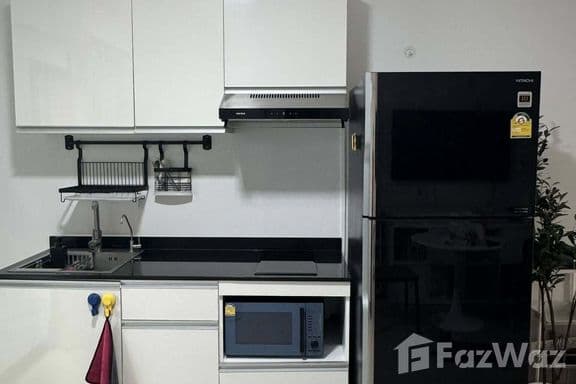
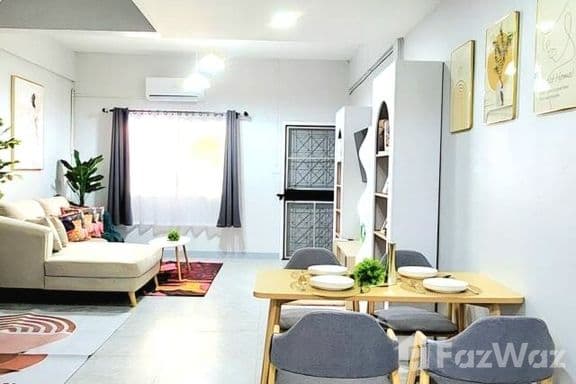
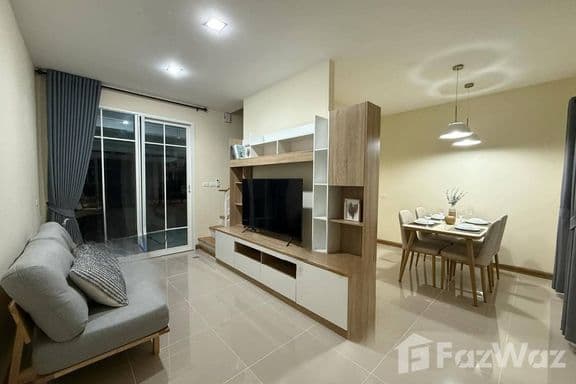
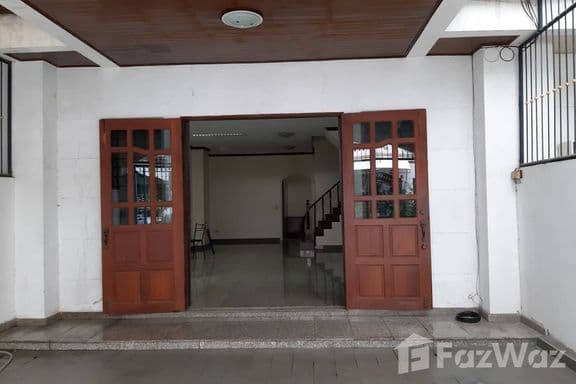
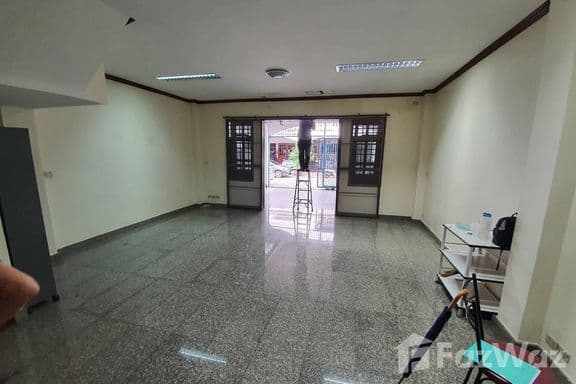
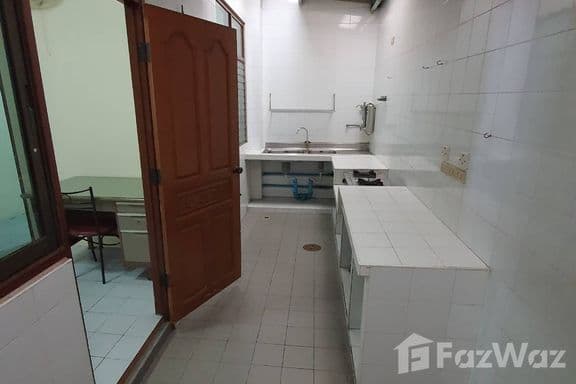
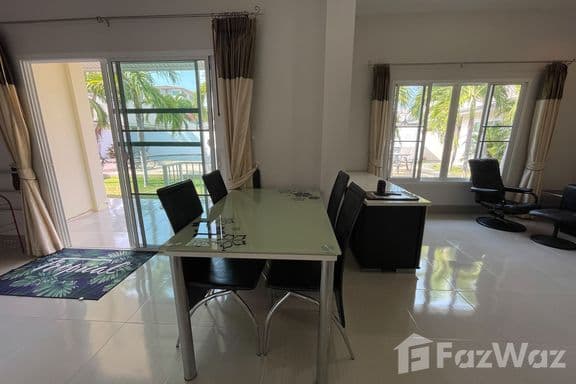
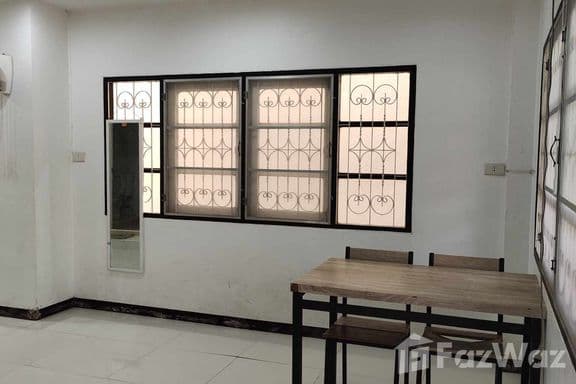
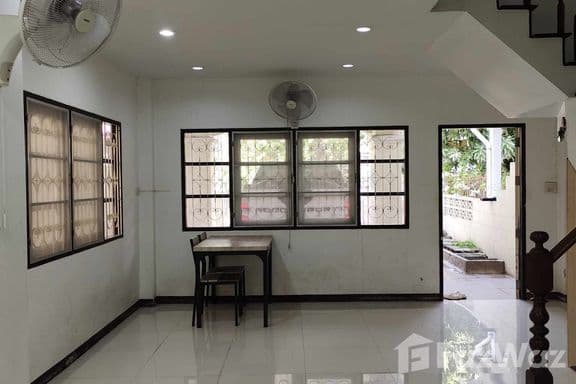
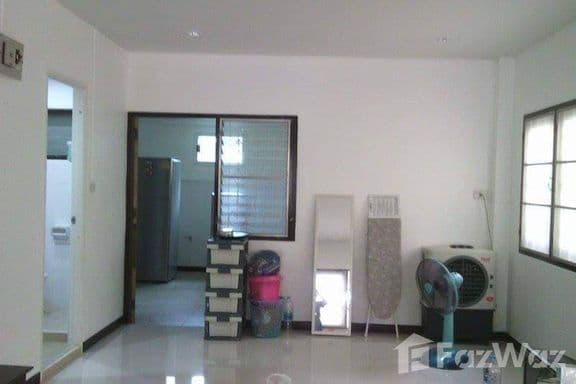
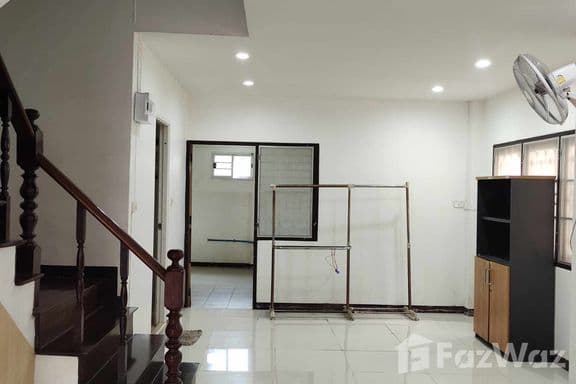
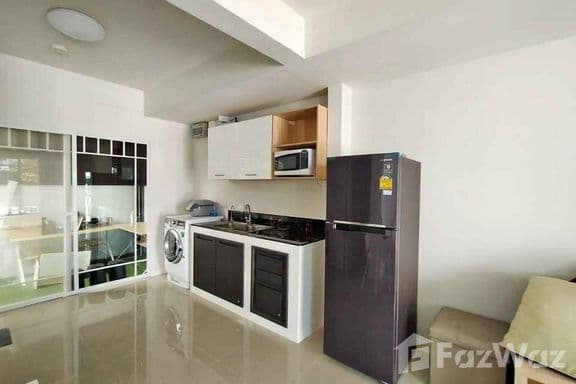
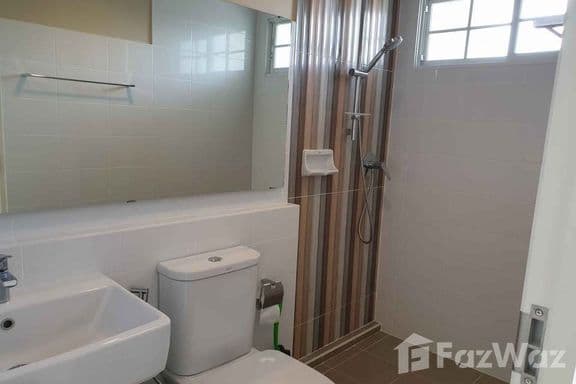
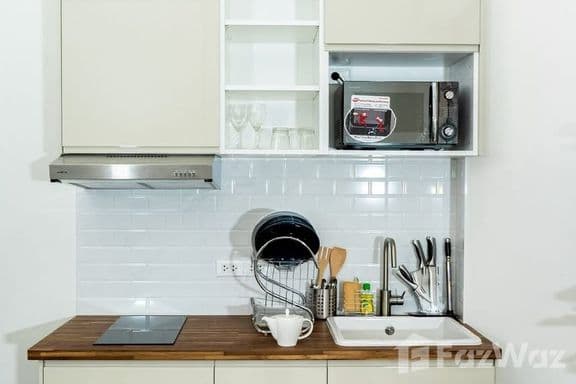
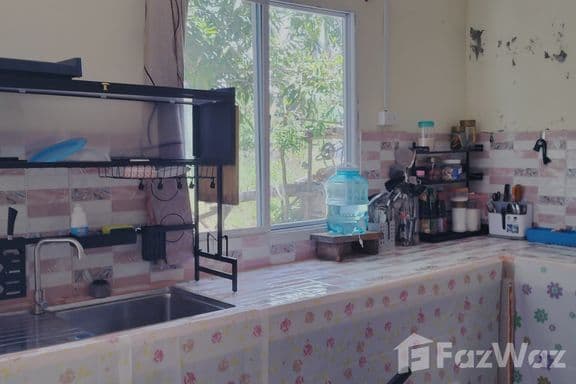
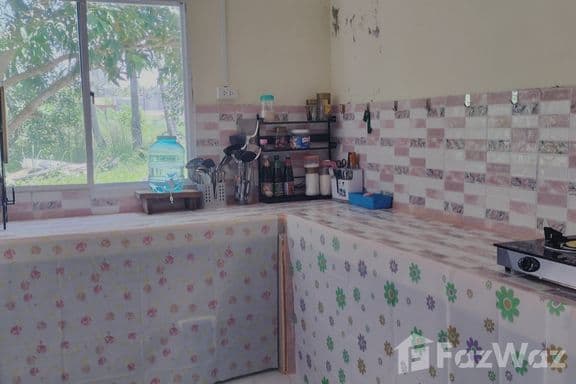
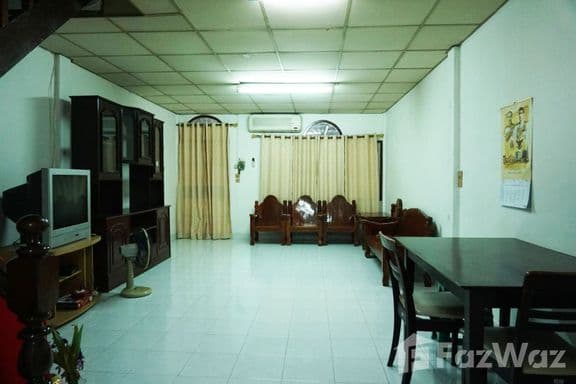
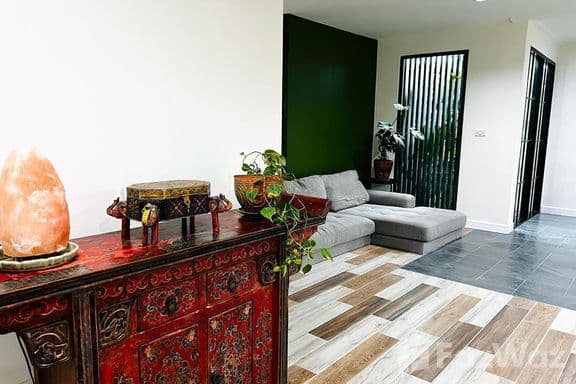
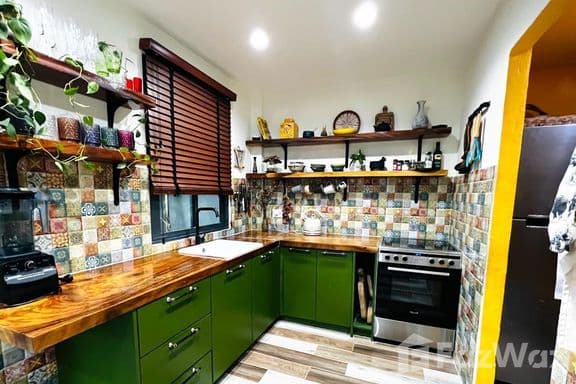
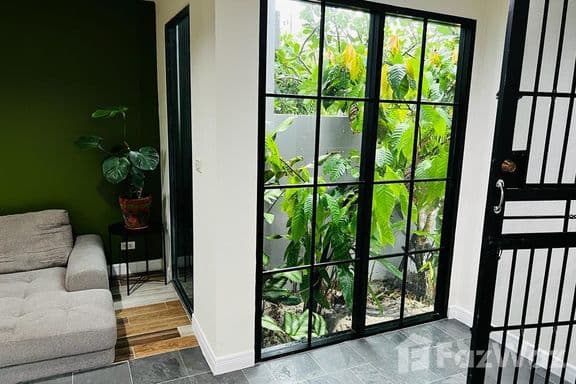
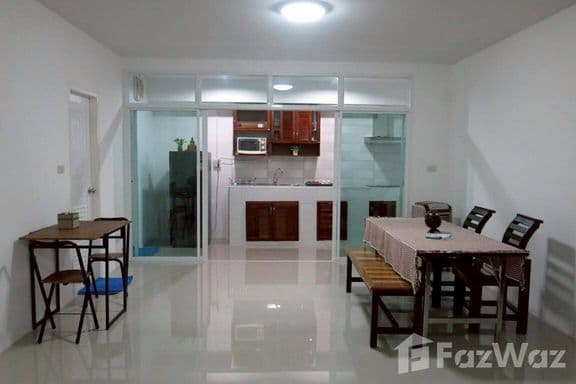
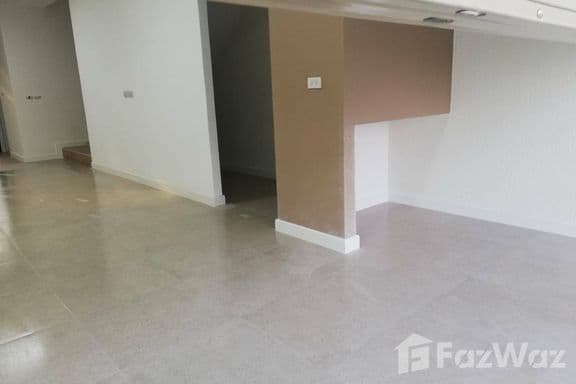
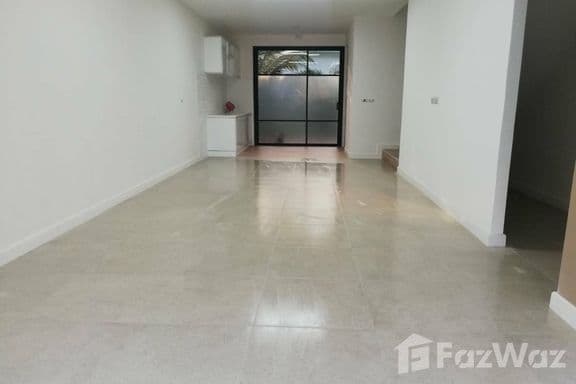
- Ground Floor: Living/dining area, western-style kitchen (sometimes fitted with modern cabinets), guest bathroom, and a small private parking space or carport. Some have a front patio or garden.
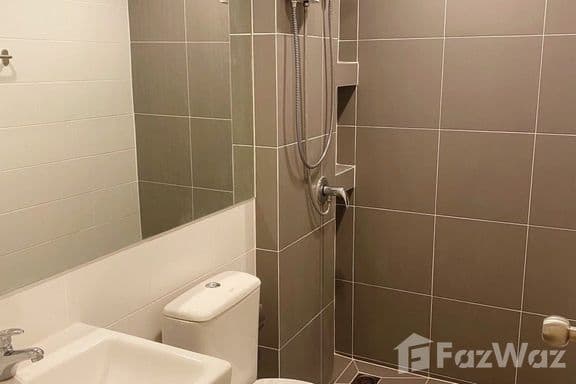
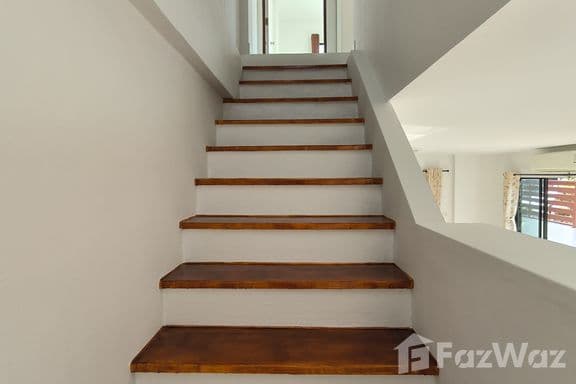
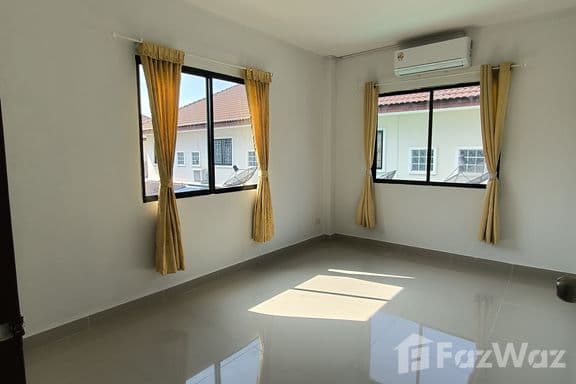
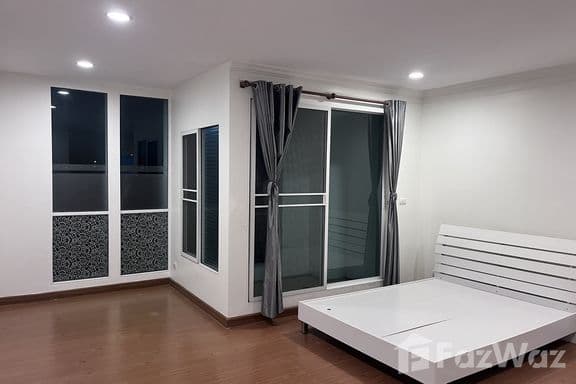
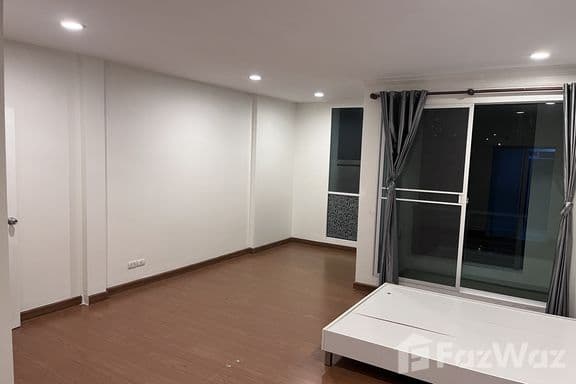
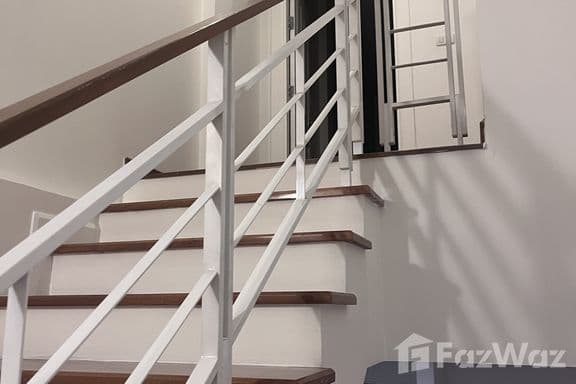
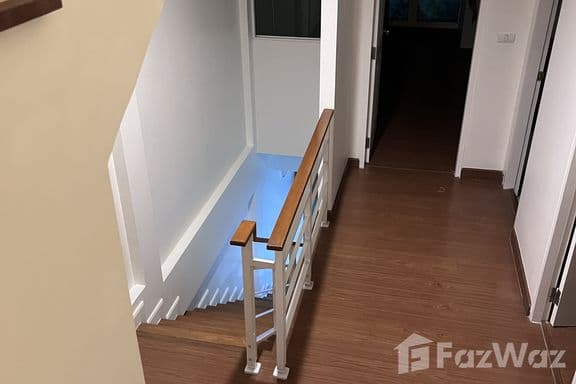
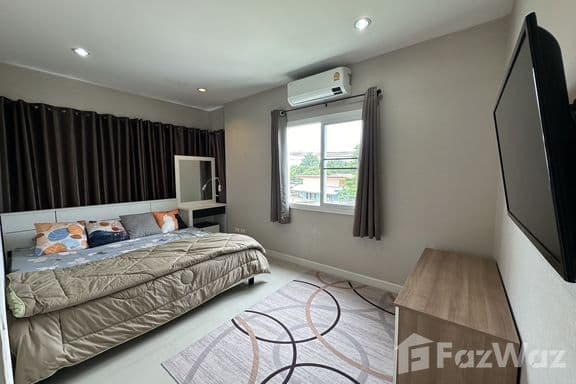
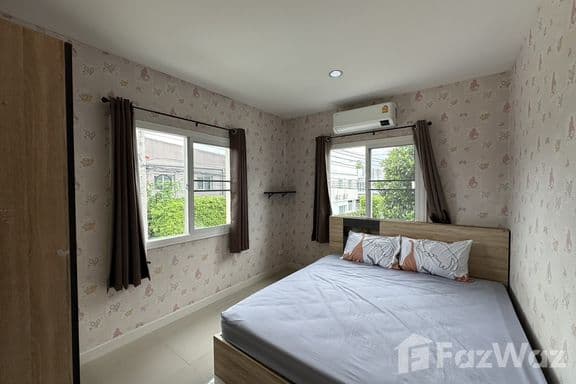
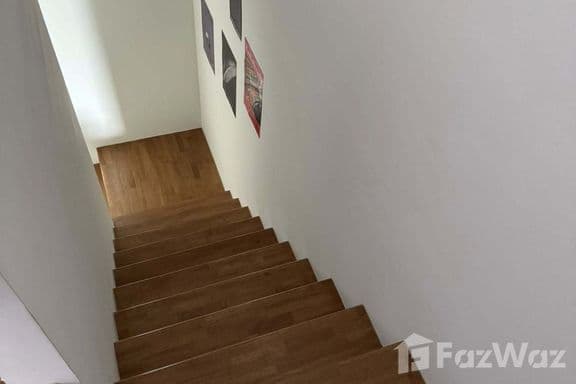
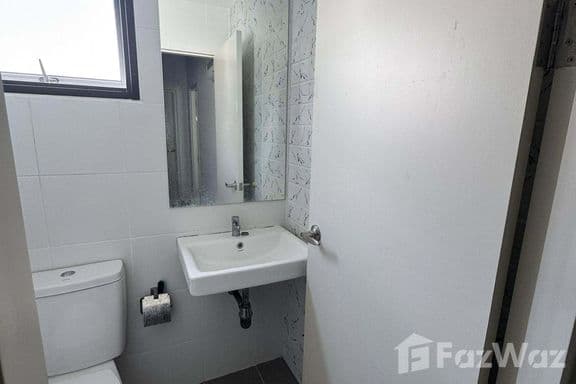
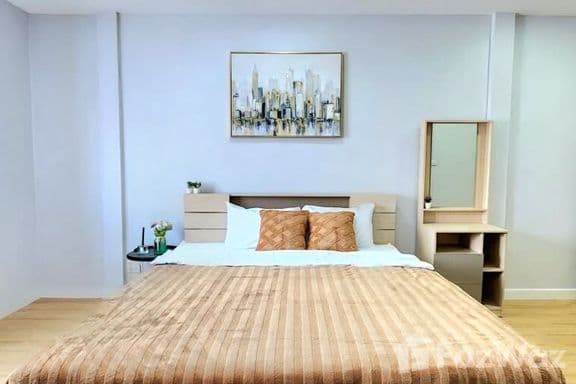
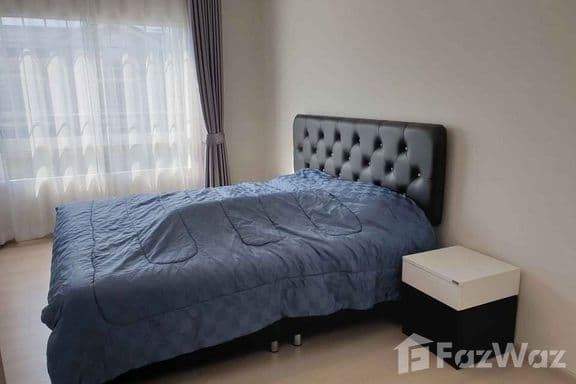
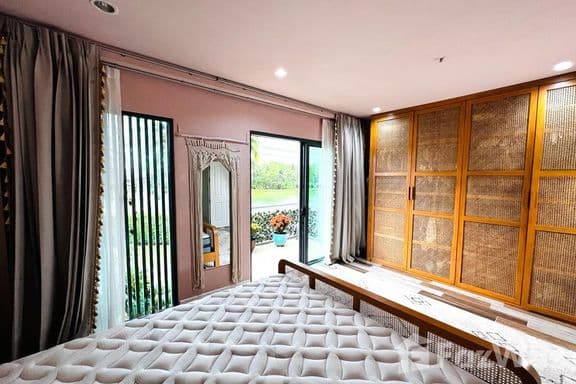
- Upper Floors: Bedrooms and bathrooms. For example, a 3-bedroom townhouse might have one bedroom on the ground floor and two on the second, or all three on the second floor with common living downstairs. Some newer designs even include a rooftop terrace or family room.
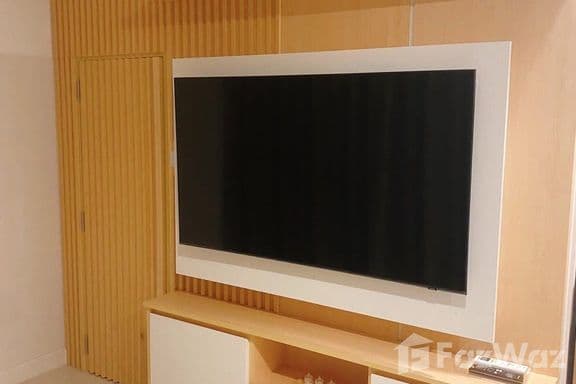
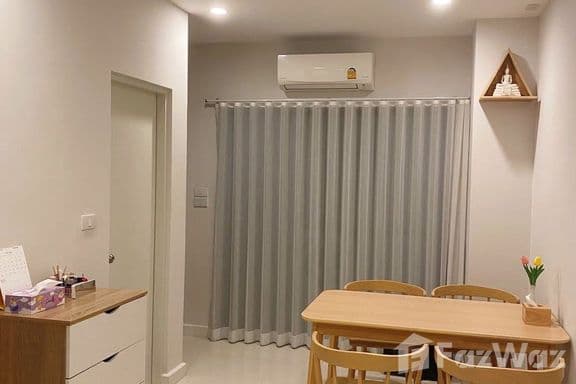
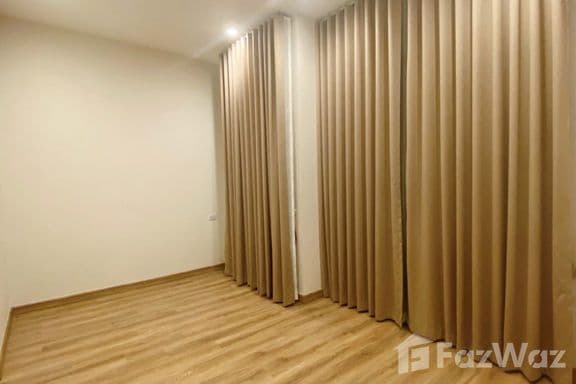
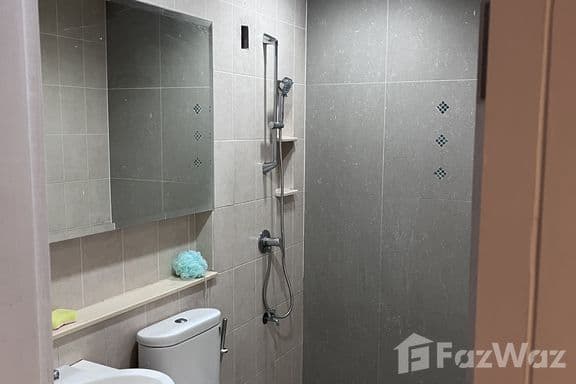
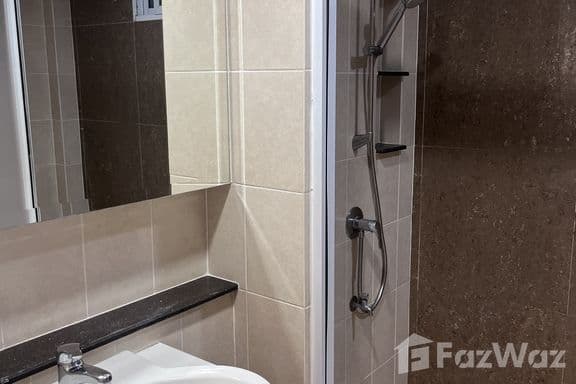
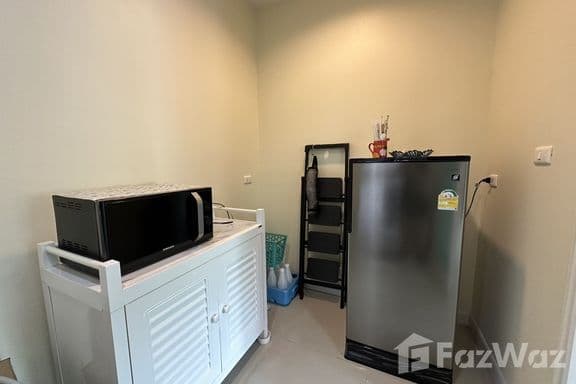
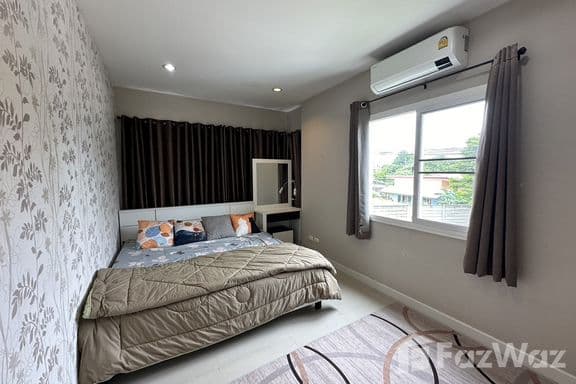
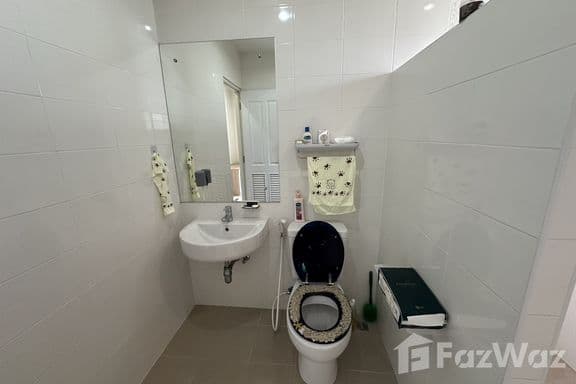
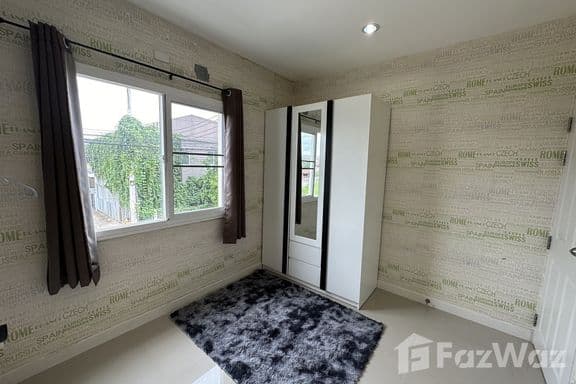
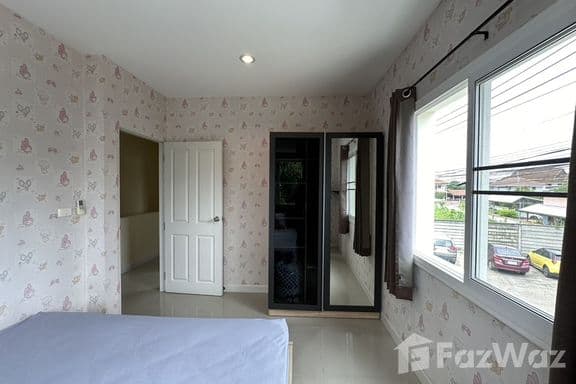
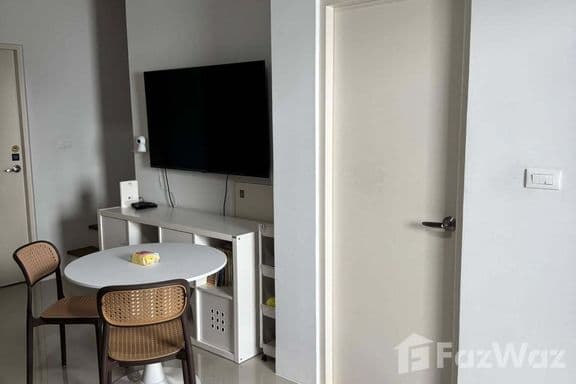
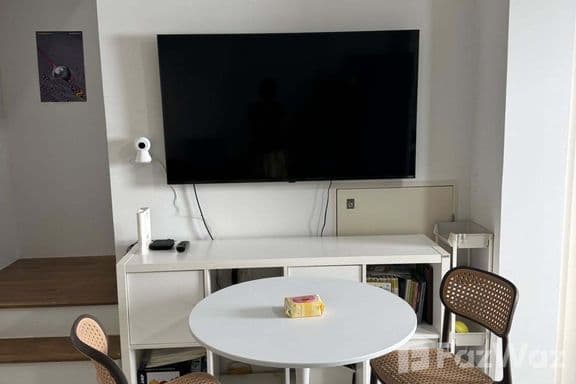
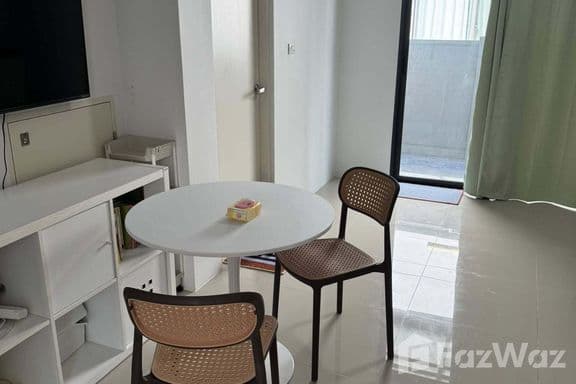
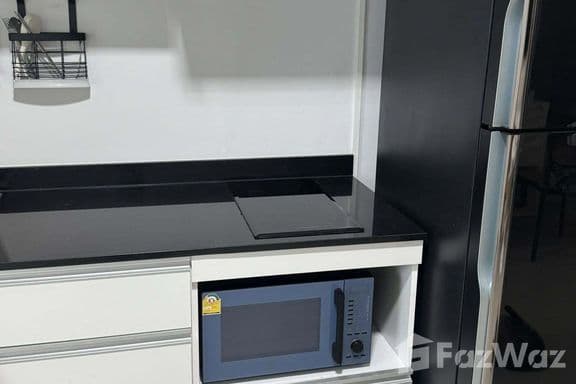
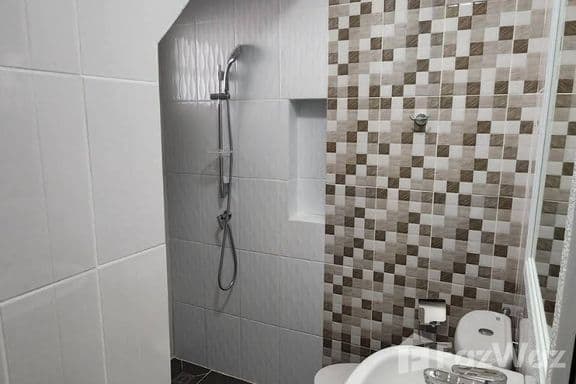
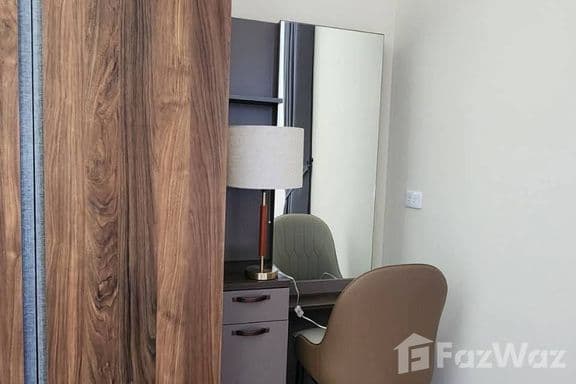
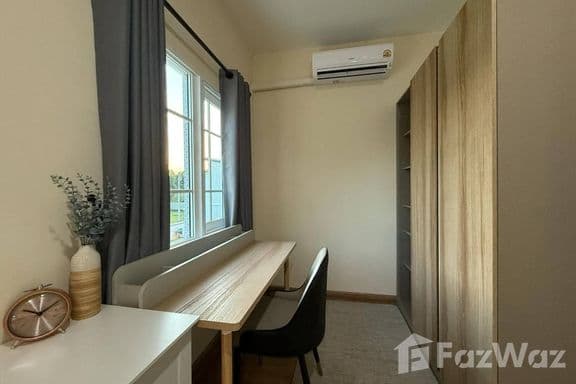
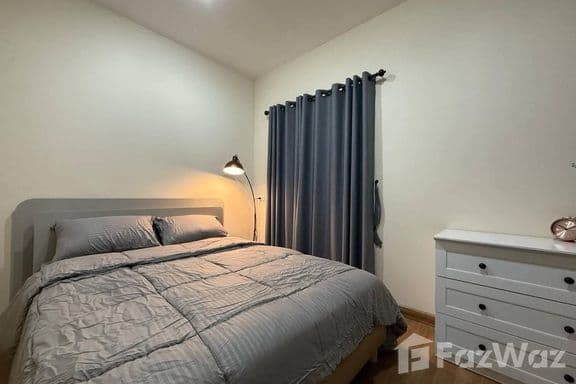
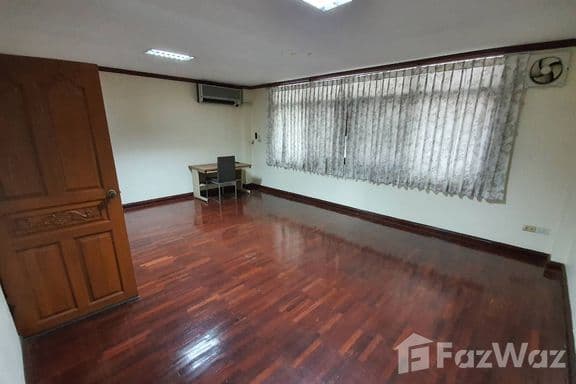
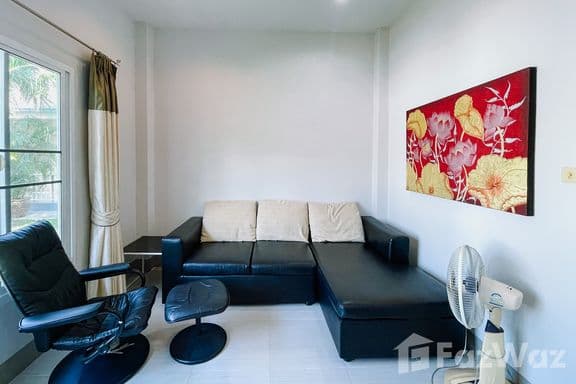
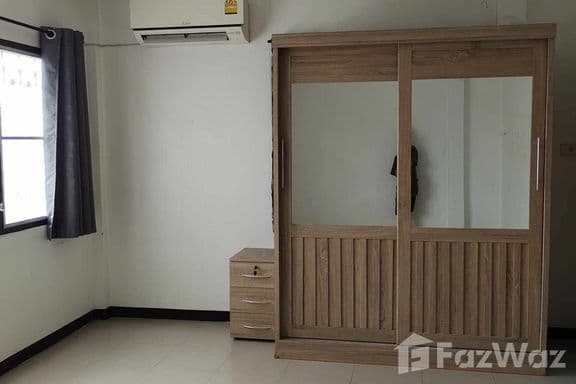
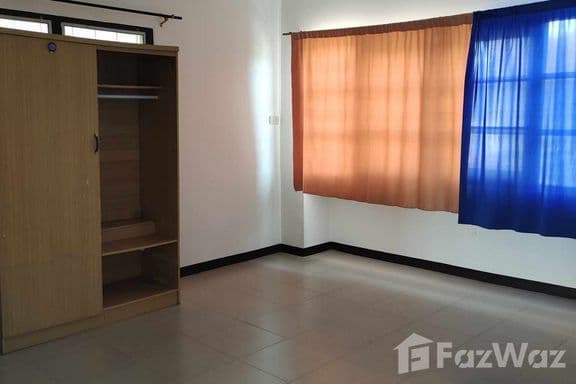
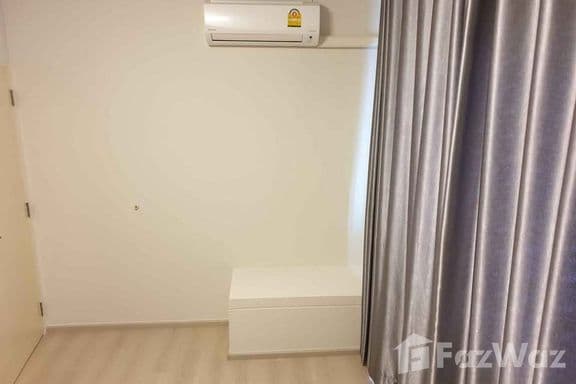
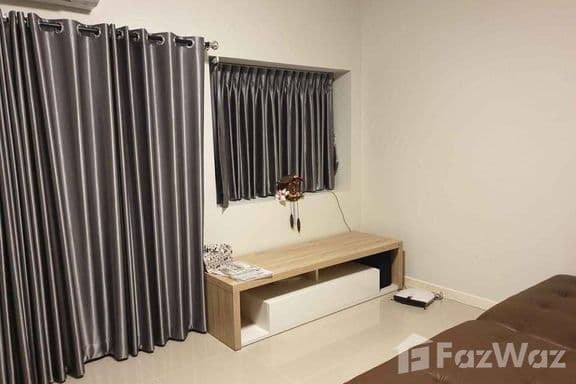
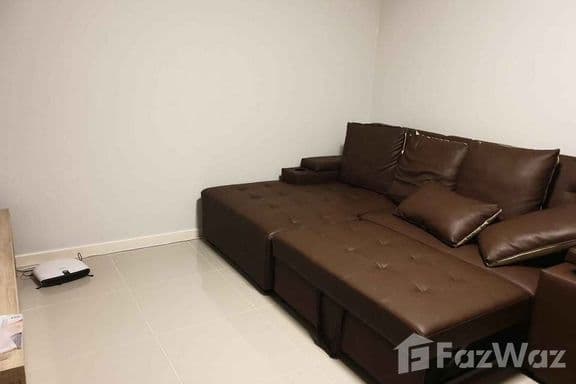
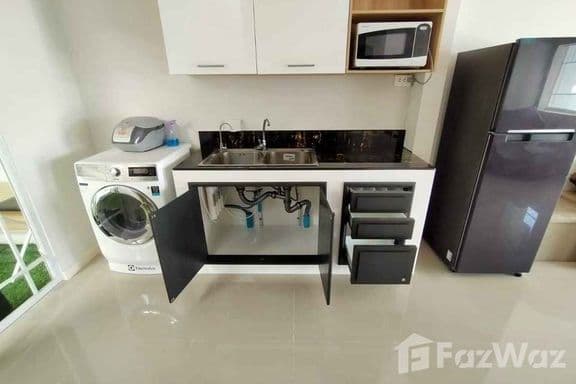
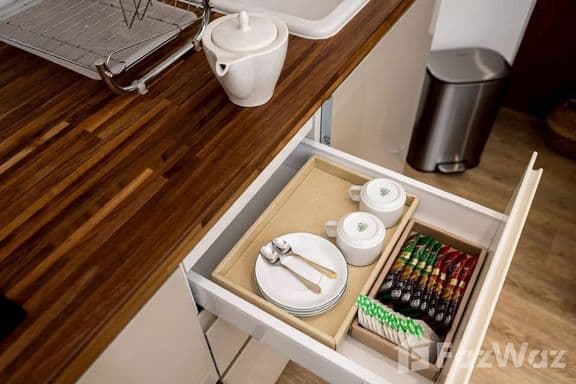
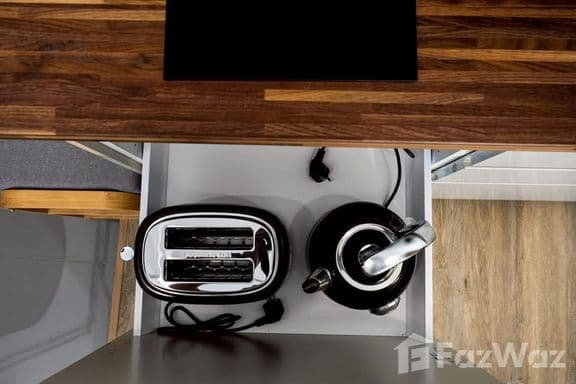
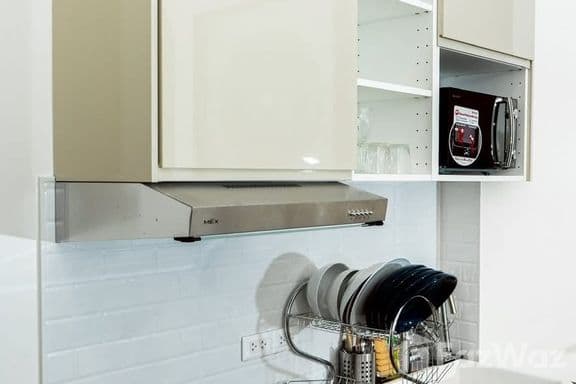
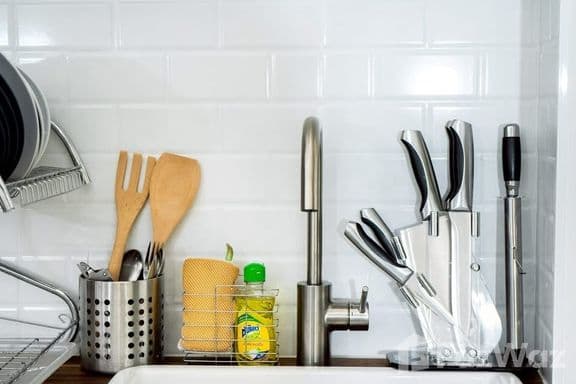
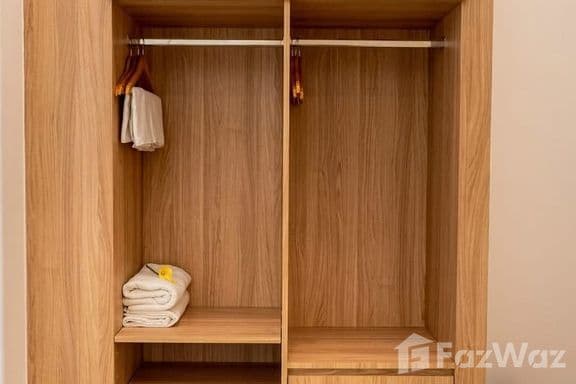
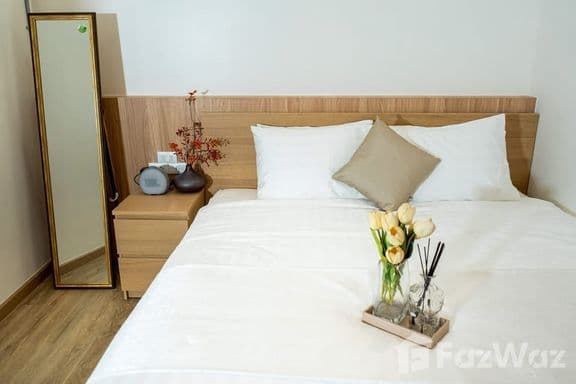
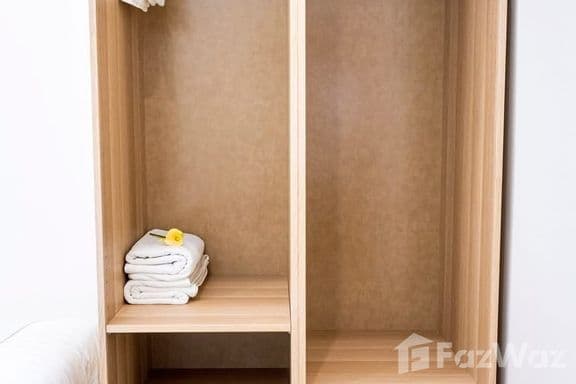
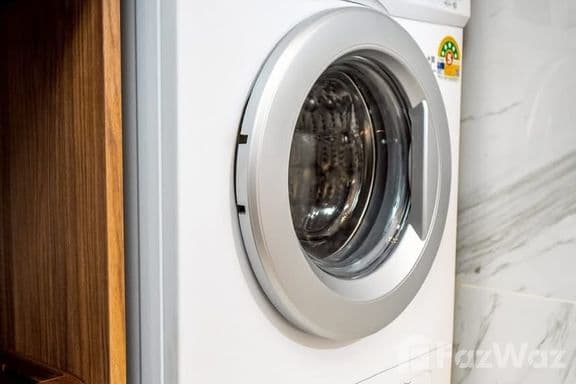
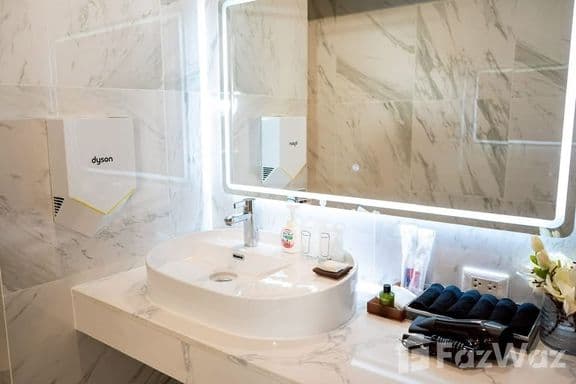
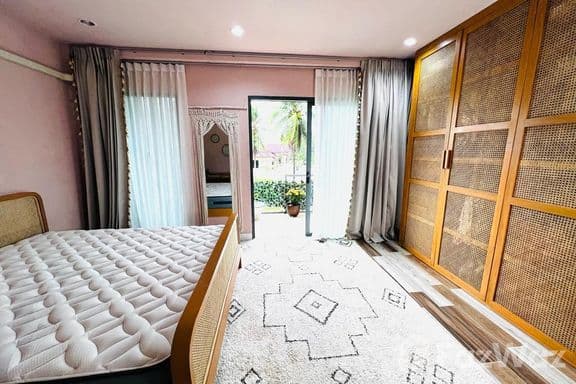
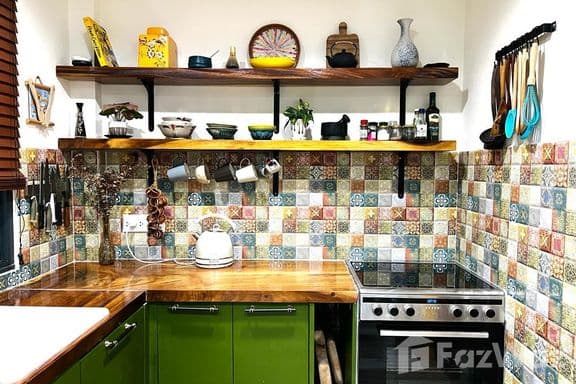
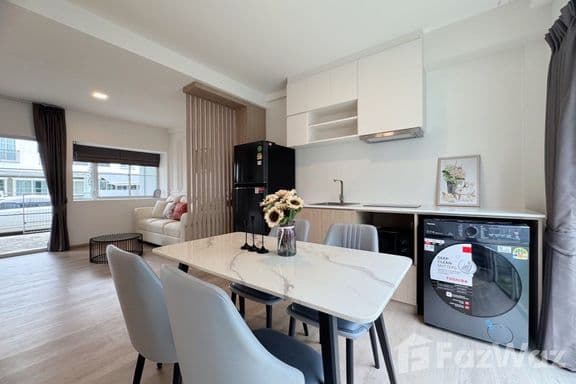
- Amenities Inside: Most townhouses come fully or partly furnished. Standard fittings include built-in cabinets, tiled floors, and air conditioning in all bedrooms (common in Thai homes). Many have modern appliances (refrigerator, washing machine, stove) included. Luxury units may also have dishwashers or stylish fixtures.
- Community Facilities: If part of a gated project, expect shared facilities such as a swimming pool, fitness center, children’s playground, club house, and landscaped gardens. These are managed by the property developer or an owners’ association.
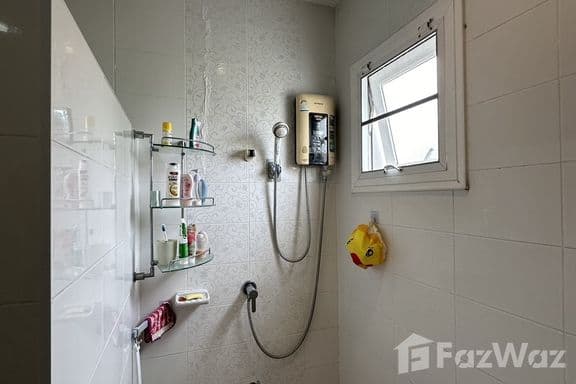
- Living Standards: Townhouse construction quality varies by developer and area. In major cities like Bangkok or Phuket, many townhouses are newer builds with modern finishes. In smaller cities (Chiang Mai, Hua Hin) or older neighborhoods, you’ll find simpler housing stock. In general, townhouses aimed at foreigners or middle-class Thais tend to be well-appointed and maintained. Utilities (water heater, Wi-Fi) are usually set up and ready. Security is typically good: gated entrances, security guards at many larger projects.
In essence, expect a Western-style home experience. You’ll have a personal living space similar to what you’d rent in Europe or North America, but often at a lower cost and in a tropical setting. The lifestyle is fairly high: you get conveniences like full kitchens, laundry hookups, and reliable internet, alongside Thai comforts like on-site maid services (optional) and easy access to street food and local markets.
Best Cities and Neighborhoods to Rent a Townhouse
Thailand offers townhouses for rent in virtually every city, but the following are top choices for foreign renters. Each has its own lifestyle appeal:
Bangkok
As Thailand’s bustling capital, Bangkok has both downtown and suburban townhouse options. Many expats live along Sukhumvit (Thonglor, Phrom Phong, Bang Na, On Nut, Bang Chak), where you’ll find gated townhouse villages near the BTS Skytrain. Other popular areas include Ladprao-Ram Intra (with highway access), Bang Khen/Laksi (quiet northern suburbs), and Nonthaburi (Muang Thong Thani, Rattanathibet road). Bangkok townhouses cater to urban life: you’re close to international schools, malls, and offices, but you pay for it. Rents here are highest in Thailand (see table below).
Chiang Mai
Northern Thailand’s cultural capital is also a top expat hub. Chiang Mai townhouses are mainly in quieter districts like Hang Dong, San Sai, and Suthep (near CMU University). Close-in neighborhoods like Nimmanhaemin or Chang Phueak have a few upscale townhouse projects too. Chiang Mai appeals for its cooler climate and mountain scenery. Rentals are much cheaper than Bangkok – foreign families and digital nomads love the relaxed vibe, affordable living, and international schools.
Phuket
Thailand’s largest island is synonymous with beach life. Townhouses here often lie in gated resorts or developments in Kathu (central, near markets), Chalong (southern commercial area), Bang Tao (west coast resorts), and Rawai (southern coastal village). Many come with pool access and tropical gardens. Phuket is pricier than most of mainland Thailand due to strong tourist demand. It’s ideal for expats wanting a laid-back island lifestyle: beaches, restaurants, and international community are nearby.
Pattaya (Chonburi)
The beach city of Pattaya and its surrounding Eastern Seaboard areas (Nong Prue, Jomtien, Bang Lamung) have seen a boom in townhouse projects. Townhouses here often sit in new villages or near golf courses, with full security and pools. Pattaya attracts retirees and families: it’s more affordable than Phuket or Bangkok but still has many amenities (international schools, hospitals). Just a 1–2 hour drive from Bangkok, it’s a favorite second-home destination.
Hua Hin
A royal resort town, Hua Hin (and nearby Cha-Am) offers a quieter beach life on the Gulf of Thailand. Townhouse communities here range from modest to luxury. Expats in Hua Hin choose areas like Khao Takiab, Soi 112 (near Palm Hills), or Hin Lek Fai for gated communities with ocean views. Rents are moderate – higher than Chiang Mai but lower than Bangkok. Hua Hin is especially popular with retirees and families looking for a serene lifestyle while staying connected to amenities.
Koh Samui
This island in the Gulf combines tropical beauty with expat-friendly areas. Townhouses (often part of villa complexes) are found in northern Maenam, Bophut (Fisherman’s Village), and Chaweng Noi. While fewer in number than condos, they offer space and privacy. Koh Samui is more laid-back; tourists provide a steady demand for rentals. Expats live here on long-term visas or retirement programs, enjoying beaches, outdoor activities, and a slower pace.
Each of these locations has hotspots within them: for example, in Bangkok many townhouses cluster around Sukhumvit soi 101–117 (Bearing – Bang Na), or on Rama 9 Road. In Chiang Mai, Hang Dong’s canal road areas are popular. In Phuket, Look Thung road in Kathu and Soi to Rawai Beach have many villages. When choosing, consider your lifestyle needs: proximity to work or school, preferred climate, and whether you want bustling city life or a quiet seaside village.
Rental Prices by City (and 2025 Outlook)
Current Rents: Townhouse rents vary widely by city and unit size. Roughly speaking, a 2-bedroom townhouse runs from ฿15,000–25,000 ($450–750) per month in Chiang Mai, ฿18,000–22,000 ($500–600) in Hua Hin, ฿25,000–30,000 ($700–850) in Koh Samui, up to ฿40,000 (~$1,150) in Pattaya and Phuket, and ฿40,000–60,000+ ($1,200–1,800) in Bangkok (see table below). Three-bedroom units typically cost 25–50% more. The exact rent depends on location, furnishings, and community amenities. For example, a modern 3-bedroom townhouse in Bangkok’s Sukhumvit might rent for over ฿80,000 ($2,300), whereas a similar-sized unit in Chiang Mai or Hua Hin may be under ฿25,000.
Townhouse Rental Price Comparison by City (Mid-2025 Estimates)
|
City
|
2-Bedroom Townhouse (approx.)
|
3-Bedroom Townhouse (approx.)
|
|
Bangkok (Greater BKK)
|
฿40,000 – ฿50,000 (~$1,150–1,450)
|
฿80,000 – ฿100,000 (~$2,300–2,850)
|
|
Chiang Mai
|
฿15,000 – ฿18,000 (~$430–515)
|
฿20,000 – ฿25,000 (~$575–720)
|
|
Phuket
|
฿30,000 – ฿40,000 (~$850–1,150)
|
฿50,000 – ฿60,000 (~$1,425–1,700)
|
|
Pattaya (Chonburi)
|
฿35,000 – ฿45,000 (~$1,000–1,275)
|
฿50,000 – ฿60,000 (~$1,425–1,700)
|
|
Hua Hin
|
฿18,000 – ฿20,000 (~$515–570)
|
฿22,000 – ฿25,000 (~$630–715)
|
|
Koh Samui
|
฿25,000 – ฿30,000 (~$720–850)
|
฿35,000 – ฿45,000 (~$1,000–1,285)
|
Table: Typical monthly rents for furnished townhouses, by city and size. (Prices in Thai baht and approximate USD.)
2025 Forecast: Most analysts expect rents to climb modestly into 2025. Factors include returning foreign tenants, rising development costs, and limited new supply in popular areas. For instance, Bangkok’s luxury rental segment saw rents jump ~15–16% year-on-year by late 2024 (driven by expat demand), suggesting continued upward pressure. However, increases are likely balanced by wider economic factors; a 3–5% annual rent growth would be a reasonable expectation in the next couple of years. In practice, landlords may offer incentives (discounts or free months) during low-demand seasons, so savvy renters can still find deals, especially on longer leases.
Who Rents Townhouses: Expat and Renter Profiles
Foreign tenants of Thai townhouses come in several main categories:
- Expatriate Families: Many Western or international company expats rent townhouses so their children can attend international schools. They value proximity to good schools and quiet residential neighborhoods. Motivations: spacious home life, private yard, and security. For example, families from embassies or multinationals often settle in Bangkok (Sukhumvit, Rama 9 areas), Chiang Mai (Hang Dong, San Sai), or Phuket (Rawai, Kathu) for these reasons.
- Digital Nomads and Remote Workers: Young professionals from around the world now live in Thailand long-term on tourist, education, or specialized work visas. They often prefer townhouses for a home-office setup and lower noise than a busy city center. Chiang Mai and Bangkok are especially popular among this group. They care about fast internet, coffee shops nearby, and a vibrant expat community. These renters may negotiate flexible month-to-month leases or co-leasing arrangements.
- Retirees and Long-Term Tourists: With Thailand’s retirement visa rules, many older foreigners retire here and rent townhouses to enjoy a comfortable lifestyle. Beach towns like Hua Hin and Pattaya attract Western retirees who seek a secure, relaxed home near medical facilities. Motivations include a slower lifestyle, moderate cost, and community of peers. Long-term holidaymakers (five-year visas, spouses, etc.) also fall here; they want hassle-free living with home comforts.
- Thai Professionals and Returnee Thais: While the focus is foreigners, it’s worth noting a share of Thai nationals – especially bilingual professionals or returnee Thais – rent townhouses similarly. However, in gated communities with international schools, most tenants are expat households.
- Investors on Behalf of Renters: Some foreigners use investment companies or agents to find rentals. These “rent-by-owner” setups behave like expat rentals though legally under a Thai or corporate name.
Each profile has distinct preferences: expat families may pay more for gated security and schools; digital nomads might trade space for location convenience; retirees may accept slightly older homes for beachfront living. Recognizing your own needs (space vs. location vs. cost) and how they align with these groups can help target the best neighborhoods and negotiate effectively.
Leases, Deposits, and Tenant Rights
Renting any property in Thailand requires some paperwork, but there are helpful rules for tenants:
- Who Can Rent: There are no special legal restrictions on foreigners renting property in Thailand. Any nationality (with an approved visa) can sign a lease. Tenants typically just need a valid passport and proof of address. Note: Long-term leases (3+ years) may require registration at the Land Department, but most expats sign 1- to 2-year contracts.
- Lease Terms: Standard lease length is usually 1 year (renewable). Month-to-month leases are less common but possible. Most contracts state the exact term and may include an optional renewal clause. Always get a written contract (in Thai and often English) that clearly spells out terms. Key clauses should cover rental amount, payment due dates, deposit terms, utility payments, and any rules (pets allowed, maintenance responsibilities, etc.).
- Deposits: Customarily, landlords in Thailand ask for two months’ rent as a security deposit and one month rent in advance (often referred to as “2+1”). This covers potential damages and the last month’s rent. Legally, however, new Thai law for registered landlords limits the deposit to one month’s rent. In practice, smaller landlords may still ask for more, so expect to negotiate. Also note: landlords must return the deposit (minus deductions for damages) within 7 days after you move out.
- Rental Price & Payment: Monthly rent should be in writing. Payment is usually by bank transfer or cash. Avoid paying in cash if possible — a bank record protects you. Credit cards are rarely used for rent. Be clear if rent is in Thai baht or foreign currency. The contract should allow rent increases only on renewal (if stated).
- Utilities and Fees: Specify who pays electricity, water, internet, and other fees. Typically, tenants pay all utilities directly. Under the law, landlords cannot add hidden surcharges to your utility bills. If a meter is in your name, you pay the exact usage cost plus VAT and meter rental. If the water or internet is under the landlord’s name, negotiate a fair share or flat fee.
- TM30 Registration: By Thai immigration law, when a foreigner moves into a new rental, the landlord must notify immigration within 24 hours (the so-called TM30 form). This is the landlord’s responsibility (not the tenant’s), but always confirm that your address has been reported to avoid visa issues. In practice, reputable landlords handle this automatically.
- Tenant Rights: Recent rental laws have strengthened tenant protections. Landlords cannot lock you out for default without legal process, and they must give advance notice before property inspections. Renewal fees (charges to extend a lease) are generally prohibited. If the landlord holds your deposit, he/she must give it back (unless you used it) within 7 days of contract end. If any disputes arise, tenancy contracts falling under a licensed operator (5+ rental units) are controlled by the Consumer Protection Act, providing extra recourse.
Before signing, read the contract carefully. If unsure of Thai terms or clauses, get a local friend or lawyer to explain. Common points to clarify: how and when the deposit is returned, your notice period to leave (often 30 days), penalties for breaking the lease early, and rules about subletting or having long-term guests. When negotiated up front, these issues prevent headaches later.
Monthly Living Costs and Hidden Charges
Beyond the rent itself, budget for regular living costs. In addition to monthly rent, expect these common expenses:
- Electricity: Thai electricity is metered. Rates vary by tier but currently average around ฿4–5 per kWh (higher than many Western countries). A small townhouse with full AC use can easily run up ฿2,000–4,000+ per month in electricity, depending on usage. Always check the meter and ask the landlord how billing is handled. (Recently, law forbids landlords from profiteering on electricity, so they should not charge above the true rate.)
- Water: Water charges are low (around ฿10–20 per cubic meter). Some landlords charge tenants a flat rate (e.g. ฿200–300/month) for unlimited water, but that’s becoming less common. If water is metered, a family might pay only a few hundred baht per month.
- Internet/Cable: High-speed internet (fiber or ADSL) is usually ฿500–1,000 per month, depending on speed. Many expats also pay for cable or satellite TV, about ฿500–800 if bundled.
- Telephone: Mobile SIM costs are minimal for domestic use; English-speaking providers (AIS, True) have good coverage. Many expats use prepaid or monthly plans under ฿500.
- Garbage and Maintenance: In a house, there’s usually no municipal trash fee for tenants; regular community upkeep is included in the rent if part of a village. Some gated communities charge a small monthly maintenance fee (eg. ฿200–500) to cover common-area cleaning or security. Always ask if such a fee exists.
- Agent Commission: If you rent through an agency, common practice (though not strictly legal for smaller landlords) is that the tenant pays half a month’s rent as broker commission. Be prepared for this cost on move-in (it’s negotiable in some cases).
- Hidden “Extras”: Reputable owners shouldn’t slip in mysterious fees. Watch out for demands like “cleaning fees” or “service fees” not mentioned in contract. Always ensure utilities use your meter and are separate. If the landlord says “water/electricity included,” double-check it’s in writing.
Finally, if you plan on furniture or appliance upgrades (e.g. buying a new AC or TV), remember Thailand has plentiful second-hand markets and affordable shops (Global House, HomePro, IKEA Bangkok). But rental townhouses typically come fully equipped.
Overall, the biggest monthly add-ons are almost always electricity and internet. Plan a monthly utilities budget (e.g. ฿3,000–5,000 or $85–140) on top of rent. That way, your total cost of living (including food, transport, etc.) stays manageable.
Finding Quality Townhouse Rentals: Tips & Checklist
Locating a good, secure townhouse can be challenging if you’re unfamiliar with Thailand. Follow these tips:
- Use Reputable Sources: Look for rentals on established Thai property portals (e.g. FazWaz, DDproperty, Thailand-Property) and expat-focused agencies. Local Facebook groups for expatriates often share listings (e.g. “Bangkok Housing”). Beware scams – always verify a listing by visiting the property or contacting the official agency.
- Work with Trusted Agents: Good real estate agents can save time. Seek agents fluent in English who specialize in expat rentals. Major companies (Century 21, Knight Frank, local expat agencies) have offices in big cities. They can arrange viewings, advise on neighborhoods, and handle contract drafting.
- Inspect the Property Carefully: Before signing, visit the townhouse in person. Checklist: test all faucets and flush toilets; turn on AC and appliances; check wifi connectivity; ensure windows and doors lock properly; inspect for mold or termite damage; and note any damages in writing. Confirm that kitchen appliances work and that all promised fixtures (wardrobes, cabinets) are present.
- Check Security Features: Ensure the village has proper fencing, secure gates, and good lighting. If you value privacy, check window grilles or alarms. Ask if neighbors are friendly and if foreign tenants have lived here before.
- Review the Surroundings: Visit at different times (day/night) to gauge noise, traffic, and safety. Check proximity to essentials: grocery stores, hospitals, schools, public transport, and major roads. For example, living near the Skytrain or an expressway ramp can greatly ease commuting in Bangkok.
- Verify Ownership and Legality: Legitimate rentals will have a Title Deed (Chanote) held by the owner. It’s wise to see a copy of the Title (or at least ensure the agent can provide the owner’s proof of ownership) to avoid fake landlords. For larger complexes, ensure the project has proper approval from the local authority (LLC or BOI projects may have different rules).
- Consider a Pre-Move Checklist: Use checklists common in expat forums: note parking spaces, garden condition, cabinet contents (to inventory existing furniture), and meter readings on move-in day. This protects your deposit.
- Ask About Natural Hazards: In flood-prone areas of Bangkok or stormy coastal zones, check if the house is elevated or has drainage. Some expats opt for certain areas just for this reason.
- Trust Your Instincts: If a deal seems too good to be true (rent far below market, pressure to sign quickly), be cautious. A reputable agent or owner will usually allow reasonable time to consider.
By doing diligent homework and not rushing the process, you’ll find a townhouse that’s safe, well-maintained, and fits your lifestyle needs. A properly chosen townhouse rental should feel like a home you look forward to coming back to.
Negotiation Tips for Long-Term Leases
Renting is a negotiation – you can often get better terms by bargaining smartly:
- Leverage a Longer Lease: Landlords prefer stability. Offering a two-year lease instead of one may persuade them to reduce rent or deposit by a few months’ rent. For example, one free month’s rent on a 2-year contract is a common concession.
- Time Your Move: If you need to rent during a slow season (rainy season or after tourist peak), landlords are more motivated. Mention seasonal vacancies as leverage to secure a lower rate or waived fees.
- Negotiate Deposit: Thai law allows only one-month deposit for professional landlords, even if two is customary. If the owner asks for extra, you can contest it or offer one plus a higher monthly payment if they refuse.
- Ask for Extras: Sometimes, you can get freebies: a fresh coat of paint, pest control, or added appliances. It never hurts to ask for the washing machine to stay, or for inclusion of gardening service. The worst they can say is no.
- Bundle Upgrades: If multiple units are available, mention competing properties as leverage. Or offer to sign quickly if they handle a maintenance upgrade first. For example, “If you can replace the old curtains, I’ll move in by the end of the week.”
- Clarify Renewal Terms: Negotiate the rent increase on renewal. A common tactic: lock in rent escalations (e.g. capped at 3-5% or market rate) in your contract now. This gives you protection in case rents rise steeply.
- Use a Local Consultant: Sometimes employing a local “rental consultant” or lawyer (especially for high-end or corporate rentals) can improve your position. They can cite rental market data or legal norms to justify your offers.
- Payment Terms: In Thailand, landlords appreciate prompt payment. Offering to pay via bank transfer on a fixed date (say the 1st of each month) shows responsibility. Avoid late payments which weaken your negotiating stance.
- Communicate Respectfully: Thai culture values politeness and face-saving. Smile, be friendly, but firm. A courteous negotiation (in Thai or with a Thai-speaking agent if possible) can go a long way.
In short, prepare beforehand (know the market rent for comparable homes), offer something desirable (longer lease, reliable tenant profile), and politely ask for what you want. Successful renters often reduce their expenses by 5–15% through smart negotiation.
Outlook Beyond 2025: What’s Next?
Looking further ahead, Thailand’s townhouse rental market should remain solid, though with evolving dynamics:
- Continued Tourist and Expat Growth: As Southeast Asia’s economy grows, Thailand will likely see more foreign retirees and digital nomads. If current visa trends (new retirement visas, potential “digital nomad” visa) expand, long-term rentals will gain demand. Key resort areas (Phuket, Pattaya, Samui) may see more upscale townhouse developments for affluent retirees.
- Infrastructure & Urban Development: Major projects (high-speed trains, new airports, metro lines) will improve connectivity. For instance, extension of Bangkok’s transit lines into suburbs may make farther-out townhouses more attractive. Expansion of foreign-oriented industries in special economic zones could drive townhousing near new industrial parks (e.g. Chonburi/Eastern Seaboard).
- Supply Adjustments: In big cities like Bangkok and Chiang Mai, new townhouses are still being built, but supply growth is moderate compared to condos. Unless new building booms, rents are likely to rise slowly. However, in some coastal towns, if too many projects flood the market, rents could level off. Keeping an eye on new projects is wise.
- Inflation and Currency: If Thai inflation remains low (as it has recently), rent hikes will be modest. However, if global economic shifts force Thailand to raise interest rates, mortgage costs might rise, indirectly pushing up landlord rents. Fluctuating baht vs. dollar can also influence how much expats pay (though most rents are in baht).
- Changing Tenant Demands: Future renters (especially younger generations) might value eco-friendly or smart-home features more. Townhouse complexes may increasingly offer green spaces, EV charging, or better insulation. Current trend shows growing interest in sustainability (certified green buildings), which could extend to housing.
- Legal and Tax Environment: Keep an eye on Thai housing laws. Recent changes limit rental deposits and protect tenants, which may encourage more people to rent. On the flip side, if the government introduces new taxes on foreign leaseholders or stricter visa rules, that could dampen demand slightly.
- Climate and Resilience: Thailand faces climate risks (flooding in Bangkok, storms on islands). Townhouse design will need to adapt (raised foundations, drainage). Expats will watch for resilient housing solutions. Communities that mitigate these risks (elevated homes, backup generators) may command premiums.
In summary, beyond 2025 the market is expected to grow steadily but without spectacular jumps. Urban areas will likely see gradual rent increases as infrastructure improves, while resort destinations will balance influxes of retirees with project completion rates. For foreign tenants, this means Thailand should remain a renter-friendly country, with more choices and stable living costs. Those seeking long-term rental housing can plan with confidence that townhouses will continue to be a major, secure segment of Thailand’s property market.






























































































 Popular condos in Thailand

