Bangkok Townhouses: Investment Potential, Trends, and Key Areas for Overseas Buyers
Bangkok Townhouses as an Investment – An Overview
Bangkok’s property market has long attracted foreign investors due to its combination of solid rental yields and capital appreciation potential. While condominiums have traditionally been the go-to choice for overseas buyers, townhouses (also known as townhomes) offer a compelling alternative investment. Townhouses in Bangkok are typically multi-story attached homes that come with land ownership, providing more space and privacy than a condo unit. For investors, they can deliver competitive returns: gross rental yields in Bangkok average around 5–6%, higher than many regional capitals. Moreover, townhouses benefit from the city’s robust long-term growth – in the past decade, central Bangkok property values have doubled or even tripled in some areas like Sukhumvit and Ratchathewi, indicating strong appreciation potential.
From an investment standpoint, Bangkok townhouses blend capital growth with steady income. Rental demand in Bangkok is buoyed by a large expatriate community and recovering tourism. In fact, prime residential rents surged by about 15.9% year-on-year as of late 2024 amid high expat demand. This means well-located townhouses can command solid rents, especially those in desirable neighborhoods or near transit. At the same time, townhouse prices have been on a gradual upswing. As of Q4 2024, townhouse sale prices in the Bangkok metropolitan area were up roughly 3.2% year-on-year, reflecting steady post-pandemic growth. Notably, much of the price appreciation is being driven by Bangkok’s expanding urban footprint – new infrastructure and transit lines are opening up previously overlooked neighborhoods to development. Investors who identify townhouses in growth corridors stand to benefit both from rental yield (immediate cash flow) and capital appreciation (long-term equity gains).
It’s important to note that townhouses occupy a middle ground in Bangkok’s property landscape. They are part of the “landed property” segment (alongside detached houses), which has more limited new supply than the condo sector. In recent years, developers have scaled back launches of luxury projects and instead are focusing on mid-priced housing under THB 7 million – a category that includes many townhome developments. This aligns with local purchasing power and suggests that new townhouse supply is concentrated in the affordable to mid-range market. For foreign investors, this trend can be advantageous: mid-range townhouses often come with lower entry prices and attractive yields, and they cater to the large tenant pool of middle-class families and professionals in Bangkok.
Overall, Bangkok townhouses represent a tangible, income-producing asset with the added benefit of land value – a key driver of appreciation. They offer an investment avenue beyond condos, with unique advantages (space, multi-purpose use, land ownership rights) and some extra considerations (location is critical for access and resale, and property management can be more hands-on than with a condo). In the sections below, we delve into market trends, key districts, and a comparison with condos and houses to equip overseas buyers with a comprehensive understanding of Bangkok’s townhouse market.
Market Trends: Yields, Appreciation and Demand Drivers
Investors evaluating Bangkok townhouses should consider current market trends that impact returns. A primary attraction is the strong rental yield relative to property cost. As of 2024, typical gross rental yields for residential properties in Bangkok are around 5–6%, which is high compared to many Asian capitals. Townhouses often match or exceed condo yields, especially in suburban districts – yields of 8–10% are attainable in some outer areas like Bang Na or Thonburi. In central Bangkok, where purchase prices are higher, yields tend to be lower (around 4%–5% in upscale areas such as Sukhumvit or Silom). This dynamic reflects a common trade-off: prime locations offer strong long-term capital growth but at a price premium, whereas city-fringe and emerging areas can deliver higher immediate rental returns due to lower entry costs.
Capital appreciation for townhouses is on a moderate upward trajectory. Bangkok’s overall housing price indices have been climbing steadily – for example, the townhouse price index in the capital rose about 3% year-on-year in late 2024. This growth is underpinned by several factors:
- Urban Infrastructure Expansion: Ongoing expansions of the BTS Skytrain, MRT subway, and new monorail lines have a direct impact on townhouse values. When a new station opens or a transit line extends into a neighborhood, nearby property prices often jump as connectivity improves. For instance, outer districts served by new lines have seen above-average appreciation. Early 2024 saw asking prices in Bang Khen (northern Bangkok) surge ~16% quarter-on-quarter and Bangkok Yai (Thonburi side) jump ~15% QoQ, the highest in the city, following transit and infrastructure upgrades in those areas. Similarly, townhouses in zones along the under-construction Orange Line and recently opened Yellow Line have gained value as these projects near completion.
- Mid-range Housing Boom: As mentioned, developers are concentrating on townhouses and low-rise houses in the mid-price segment (under THB 7 million). This focus has kept supply in higher-end segments relatively tight, supporting resale values for existing townhouses in prime locations. At the same time, the new mid-range projects are fueling activity in suburban zones. The fastest price growth for townhomes in late 2024 was recorded in areas like Phra Khanong, Bang Na, Suan Luang, and Prawet – all in Bangkok’s eastern suburbs – for units in the THB 5–7.5 million price range. These are neighborhoods benefiting from new expressways and skytrain extensions, which boost demand for reasonably priced family homes.
- Rental Market Recovery: Bangkok’s rental market has rebounded strongly as the pandemic receded. With international schools, embassies, and multinational companies operating normally again, expatriate families are returning, often preferring townhouses and houses for more space. In the high-end segment, rents have risen sharply (nearly 16% YoY in Q3 2024 for prime units), which improves yield calculations for investors. Even in the mid-tier rental market (THB 10k–30k/month rents), demand remains robust as many residents seek value-for-money housing. The key for investors is to target townhouses with features and locations that align with renter preferences – e.g. proximity to transit, international schools, and employment hubs – to ensure consistent occupancy and the ability to command premium rents.
It’s also worth observing that Bangkok’s property cycle is in a phase of cautious recovery. Transaction volumes and buyer demand were subdued in 2020–2022, but confidence is returning alongside economic growth (~2.7% GDP growth in 2024, expected 2.9% in 2025). This gradual pickup suggests that current prices in many segments (including townhouses) are still below their peak potential, offering a window for investors to enter before the market fully accelerates. Industry forecasts project housing prices to rise ~2–5% in 2025 barring any major shocks, with higher growth likely concentrated in areas with new infrastructure or limited supply. In summary, Bangkok’s townhouses today present a picture of healthy rental income and steady appreciation, making them an attractive proposition for long-term overseas investors who value both yield and growth.
Key Districts and Zones for Townhouse Investments in Bangkok
Bangkok is a vast city with distinct neighborhoods, each offering different investment prospects for townhouses. Below we highlight several key districts/zones, examining their supply of townhouses, buyer demand, pricing trends, and infrastructure developments that are shaping investment potential.
Sukhumvit and Central Downtown Areas (Watthana, Khlong Toei, Sathorn)
Sukhumvit (notably Watthana District, which encompasses prime areas like Asoke, Phrom Phong, Thonglor, and Ekkamai) is Bangkok’s most prestigious downtown residential belt. Townhouses here are limited in supply – most residential stock in Sukhumvit is high-rise condos, with only pockets of low-rise houses tucked in side sois (lanes). The townhouses that do exist in central Sukhumvit tend to be older homes or boutique new developments, often snapped up for their land value. Prices are accordingly high: in Watthana, the median townhouse listing price is about THB 24 million (approximately USD 700k), with an average of ฿87k per square meter. These values have been stable over the past year, reflecting a mature market. Such price points put Sukhumvit townhouses at the luxury end of the spectrum – for context, a 3-bedroom townhouse in Phrom Phong or Thonglor can easily cost THB 20–30+ million, comparable to luxury condo units. Rental demand in this area is strong but oriented toward affluent expatriates and professional Thais; a typical 3-bedroom townhouse in central Sukhumvit can rent for ฿70k–฿100k per month, yielding roughly 3–4% annually. This yield is lower than in other districts, but investors bank on capital appreciation and the ultra-prime location. Sukhumvit land is finite and highly coveted – over the past decade, property values in this district have soared (as noted, some parts of Sukhumvit saw values triple in ten years), so townhouses here hold their value and appreciate as land prices climb.
In terms of infrastructure and amenities, central Sukhumvit is unrivaled. The BTS Skytrain’s Sukhumvit Line runs through the heart of Watthana (with stations at Nana, Asoke, Phrom Phong, Thong Lo, Ekkamai, etc.), ensuring excellent transit access for residents. The area is home to luxury malls (EmQuartier, Emporium), five-star hospitals, parks, and top restaurants. For townhouse investors, this means properties are inherently attractive to high-end tenants who want the convenience of downtown living with the space of a landed home. The downside is that supply is extremely limited – finding a townhouse to buy in these areas often means purchasing an older building and possibly renovating it. Many investors actually repurpose Sukhumvit townhouses into boutique offices, cafes, or short-term rental villas, leveraging the location for commercial use (though zoning and license considerations apply). Overall, Sukhumvit and neighboring Sathorn/Silom (Bangkok’s Central Business District) are blue-chip locations: townhouse investments here require significant capital but come with prestigious addresses, stable rental demand, and a track record of strong capital growth.
City Fringe Neighborhoods (Ari–Phaya Thai, Chatuchak, Ratchada)
Moving just outside the core, Bangkok offers several city fringe districts that are popular among both local and foreign residents for their blend of convenience and neighborhood charm. Areas like Ari (Phaya Thai District) and Saphan Khwai/Chatuchak to the north, as well as Ratchada–Rama 9 to the northeast, fall into this category. These neighborhoods are within a few kilometers of the downtown core and are well-connected by transit, but their real estate prices are more moderate than Sukhumvit’s, and they have a higher concentration of low-rise housing including townhouses.
Ari/Phaya Thai: Centered around the BTS Ari and Sanam Pao stations (on the Green Line), Ari is known for its trendy cafés, tree-lined sois, and a mix of upscale condominiums and older houses. Townhouses in this area attract young professionals and expatriate families who appreciate being 10–15 minutes from downtown while enjoying a quieter residential vibe. The median price for townhouses in Phaya Thai District is about ฿15.5 million (for a typical 3–4 bedroom unit), with average pricing around ฿60–65k per sqm. Monthly rents for an Ari townhouse (often 3 bedrooms) are around ฿50k–฿80k depending on size and renovation. This yields roughly 4–5% gross – notably higher than yields in Watthana – alongside reasonable prospects for appreciation. Ari’s land prices have been climbing steadily as it becomes a hip enclave; demand outstrips supply for renovated townhomes, as many of the available ones are older and require updates. The area benefits from nearby employment centers (government offices, headquarters along Phahon Yothin Road) and will further gain from the planned Bang Sue Grand Station (a new rail hub one stop north) which is turning Chatuchak/Bang Sue into a new mixed-use development zone.
Chatuchak and Ratchadaphisek: Just north and northeast of Ari lie the districts of Chatuchak and Din Daeng, encompassing the Ratchadaphisek corridor and the areas around Ladprao and Rama 9 Road. This broad zone has seen a boom in condos in recent years (especially around the new CBD at Rama 9 and along the MRT Blue Line), but also contains many established middle-class residential neighborhoods with townhouses. Prices here are lower than Ari or Sukhumvit; for example, in the Chatuchak district, median townhouse listings are around ฿6–7 million. Yields tend to be healthy – a townhouse priced at ~฿6 million might rent for ฿30k+ monthly, translating to about 6% yield. This reflects the area’s balance of relatively affordable purchase prices and steady rental demand (tenants include civil servants, university staff, and those working in the new Rama 9 business district). Infrastructure is a big plus: the MRT Blue Line, BTS Green Line, and the Airport Rail Link all either run through or border this zone, and the new MRT Orange Line (east-west metro) is under construction, slated to further improve connectivity from the heart of Ratchada out to eastern Bangkok. Investors eyeing townhouses here should focus on spots within easy reach of a MRT/BTS station or near large malls/office clusters (for instance, the Central Ladprao area or around Rama 9). These factors significantly boost both rental and resale appeal.
Overall, Bangkok’s city fringe areas offer a sweet spot for townhouse investments – purchase prices are moderate, rental yields are mid-to-high (5%+), and growth prospects are solid as urban development radiates outward. Neighborhoods like Ari and Ratchada are undergoing gentrification, with new cafes, co-working spaces, and retail popping up, which further enhance their attractiveness to young professionals (a key renter demographic). Investors can often find larger land plots or multi-unit townhome compounds in these districts, providing options like living in one unit and renting out others, or repositioning properties for co-living or office use.
Emerging Suburban Hubs (Eastern Bangkok: Bang Na, Phra Khanong, Prawet)
Bangkok’s eastern corridors have emerged as hotspots for new townhouse developments, driven by improving infrastructure and the city’s outward expansion. Areas such as Bang Na, Phra Khanong (On Nut), Suan Luang (Sri Nakarin area), and Prawet/Lat Krabang (near Suvarnabhumi Airport) represent the next frontier where many Bangkokians are moving for more space and where investors can find modern townhouses at reasonable prices.
Bang Na – On Nut (Phra Khanong/Bang Na Districts): Stretching along Sukhumvit Road past Ekamai and Phra Khanong, the Bang Na area has transformed over the past decade. The BTS Skytrain extension to Bang Na and beyond (Bearing, and further to Kheha) opened up this district, and the arrival of mega-malls and international schools has turned it into a highly livable suburb. Townhouses in Bang Na and nearby On Nut/Suan Luang are far more affordable than those in central Bangkok – the median listing price is around THB 4.5–5 million for a townhouse in Bang Na. For example, a modern 3-bedroom townhome might be found in the range of ฿4–8 million depending on age and exact location. At the same time, rental demand is strong due to several factors: proximity to the Bang Na-Trad industrial corridor and Bangkok International Trade & Exhibition Centre (BITEC), a cluster of international schools and expatriate communities in the area (e.g. around Bang Na and Samut Prakan border), and easier commutes to downtown (BTS On Nut/Bang Na are about 20–30 minutes to Asoke). A typical rent for a 3-bed townhouse here might be ฿30k–฿40k per month, which equates to high yields (~8–10%) given the lower purchase prices (indeed, Bang Na townhouses show some of the highest gross yields in Bangkok). Investors have taken note of this: the fastest-growing townhouse prices in Bangkok in late 2024 were recorded in Bang Na and adjacent zones for units in the mid-price range. This surge is partly because these areas hit a sweet spot of affordability and connectivity. For instance, the opening of the Yellow Line monorail (2023), which intersects with the Sukhumvit Line at Samrong (just past Bang Na) and runs through Lat Phrao, has improved east-west travel. Additionally, planned infrastructure like the Bangkok Mall project and expanded expressways will further anchor Bang Na as a commercial and residential hub. For overseas buyers, Bang Na represents an opportunity to invest in newer townhouse projects (often gated communities with security and gardens) at a modest price, with confidence that the area’s profile is on an upswing.
Suan Luang and Prawet/Lat Krabang: Moving further east, districts such as Suan Luang and Prawet border Bang Na and extend towards the airport. These areas historically were quieter residential zones with lots of gated “moo bann” (housing estates). Now they are seeing a wave of new development. The extension of roads like Srinakarin and the upcoming Airport Rail Link extension and other transit projects are making these locales more accessible. Suan Luang, for example, benefits from the Sri Nagarindra Road improvements and the new Yellow Line stops, spurring new townhome complexes. Prawet and Lat Krabang, being near Suvarnabhumi Airport, are strategic for rental demand from airport staff and airline professionals, as well as those working in the Eastern Economic Corridor industries. Townhouse prices in these outer-east districts are generally in the THB 3–6 million range for new units (often 2 or 3-story townhomes with 3 bedrooms). Yields can be attractive – perhaps 6–8% – given that a townhouse bought for, say, ฿4 million might rent for ฿20k–฿25k to a family looking for space near an airport link station or a major road. One thing to consider is that these suburban zones have a lot of land, so supply of new houses can increase; investors should pick projects by reputable developers (ensuring build quality and good estate maintenance) and locations that have some unique demand driver (like being adjacent to a new mall, university, or office park) to ensure sustained demand and future appreciation. The upside is that as Bangkok grows, today’s fringe inevitably becomes tomorrow’s sought-after residential area – buying into a well-planned township or housing estate early can yield significant capital gains over time as the surroundings develop.
Thonburi and Western Bangkok
Across the Chao Phraya river from the glitzy downtown, Thonburi (the west side of Bangkok) offers another landscape for townhouse investors. Historically, Thonburi and its districts (such as Bangkok Yai, Bangkok Noi, Thonburi district, and Phasi Charoen) were more traditional and saw less development than the east bank. However, the extension of the MRT Blue Line into Thonburi (opened 2019) and the inauguration of the Gold Line (people-mover connecting to ICONSIAM mall) have jump-started real estate activity. Townhouses in these western districts remain considerably cheaper than their eastern counterparts. For instance, in Bangkok Yai (a district just west of the Chao Phraya), the median townhouse price is around ฿5.3 million, with average asking prices about ฿26k per sqm – roughly half the price-per-meter of a Sukhumvit townhome. These areas offer investors a low entry cost while still being within the city proper.
The demand drivers in Thonburi are improving year by year. The Blue Line now connects areas like Tha Phra, Wongwian Yai, and Bang Wa to central Bangkok, making them viable for city commuters. Indeed, parts of Thonburi have gentrified; the Khlong San area, near the river, saw a huge boost with the opening of ICONSIAM, a world-class riverside mall, driving upscale condo and retail development (and raising land values for any nearby townhouses). Still, much of Thonburi retains a peaceful suburban feel. Many townhouses here are older two-story homes in local communities, appealing to families and small business owners. Rental yields in west Bangkok can be quite high on paper – since a townhouse might cost only ฿4–5 million but rent for ฿25k–฿30k, one could calculate yields on the order of 7–8% or more. The challenge can be finding stable, long-term tenants, as the tenant base is more local (fewer expats venture to live across the river except in upscale villas or condos along the riverfront). Nonetheless, as central Bangkok becomes pricier, west-bank districts are drawing more middle-class renters who prefer a townhouse over a tiny downtown condo. Price trends indicate an upswing: Bangkok Yai, for example, experienced a 15% QoQ spike in prices in one recent quarter, one of the highest jumps in the city, signaling growing interest.
Investors looking at Thonburi should pay attention to future infrastructure: the planned MRT Orange Line (west segment) will cut through this side of the city (connecting the Thailand Cultural Centre across to Bang Khun Non), and a new bridge or transit links are periodically proposed that could further integrate Thonburi with the Sukhumvit/Sathorn side. There are also large tracts of riverside land that may see redevelopment. All this bodes well for long-term appreciation. In summary, western Bangkok offers high-yield, high-upside townhouse investments – albeit with a different character, catering more to local demand and requiring patience as the area gradually urbanizes.
Townhouse vs Condo vs Detached House – A Comparative Outlook
For an overseas buyer, it’s useful to compare townhouses with the other main residential property types in Bangkok – namely, condominiums and detached houses – from an investment perspective. Each has distinct characteristics in terms of pricing, rental yields, and market availability. The table below summarizes key differences:
|
Property Type
|
Typical Price Range in Bangkok
|
Price (฿/㎡)
|
Gross Rental Yield
|
Market Availability & Notes
|
|
Condominium
|
~฿2 million (studio in suburb) up to ฿50+ million (luxury downtown)
|
~฿135,000 in central areas (can range 50k–300k)
|
~4%–6% in prime areas (up to ~8% for smaller suburban units)
|
Very abundant – thousands of units across the city. Foreigners can own freehold condos easily, making this the most common investment choice for non-Thais. High competition in rental market; amenities (pool, gym) included, and maintenance is handled by building management.
|
|
Townhouse
|
~฿3–8 million in suburban districts; up to ฿20–30 million in central Bangkok
|
~฿30,000 on average citywide (ranges from ~฿25k in outskirts to ฿80k+ in downtown)
|
~5%–7% on average (≈4% in downtown core, 8%+ in outer areas)
|
Moderate supply – common in local neighborhoods and gated estates, limited in CBD. Offers multi-floor living and land ownership (not directly available to foreigners without special structures). No shared facilities typically, but space for parking and potentially better long-term land value growth.
|
|
Detached House
|
~฿5–15 million in outskirts for basic homes; **₹**20–100+ million in city upscale areas
|
~฿58,000 on average for houses (wide variation depending on land size and location)
|
~2%–4% in central areas (houses have high land cost, often yielding less); up to ~5%–6% in outskirts where purchase prices are lower
|
Scarce in central Bangkok – mostly found in suburban gated communities or older neighborhoods. High land cost is a barrier. Typically purchased by end-users (Thai families) rather than investors. Rental market for large houses is niche (mostly executives or embassy staffs). Maintenance and land oversight required by owner.
|
Table: Comparison of Bangkok property types for investment. Townhouses tend to offer a middle ground between condos and detached houses in terms of cost and yield – they are land-backed like houses but more affordable, and can yield nearly as well as small condos, especially when located in growth areas. Condos are easiest for foreign buyers (direct ownership and liquidity when selling), while houses offer the most land but see lower rental returns and are least accessible to non-Thai buyers. Each type plays a role in a diversified property investment strategy.
As shown above, pricing differs markedly: condos in Bangkok average around ฿7 million for a small unit (฿135k/㎡) in central locations, whereas townhouses average roughly ฿4 million (฿30k/㎡) citywide, and detached houses average higher around ฿15 million (฿58k/㎡). This means townhouses often provide more square meterage for the price, albeit usually in less prime locations than condos. In terms of rental yields, condominiums in prime Sukhumvit or Silom might yield only 4–5%, while a townhouse in an emerging suburb could yield 8% or more. Detached houses, especially upscale ones, often have the lowest yields (large houses in central Bangkok might rent for perhaps 100k a month on a 30+ million baht property, yielding <4%). Townhouses strike a balance, with typical yields in the 5–7% range, combining a reasonable purchase price with solid rental income.
Availability is another consideration. The condo market in Bangkok is massive and highly liquid – new condo projects launch every month and there’s a consistent resale market, making it relatively straightforward to buy or sell a condo. Townhouses, by contrast, are a smaller segment: they are common in Thai residential communities but not always marketed actively to foreigners. Finding a good Bangkok townhouse often means working with local agents or scouting specific neighborhoods. Additionally, because townhouses involve land, foreign buyers usually purchase via a Thai company or long-term lease arrangements (since land ownership is restricted) – this adds a layer of complexity compared to condo purchases, though many overseas investors do proceed via corporate structures. Detached houses are the least accessible segment for foreign investors, not only legally but also practically – the pool of high-end renters is small and managing a large property remotely can be challenging. Thus, for non-Thai investors seeking a landed property exposure, townhouses present a more manageable entry point than standalone houses, with better rental prospects and easier eventual resale (as there’s robust local demand for townhomes among Thai buyers too).
Amenities, Accessibility, and Features of Bangkok Townhouses
When assessing Bangkok townhouses, overseas buyers should understand the typical features, amenities, and lifestyle factors that come with this property type:
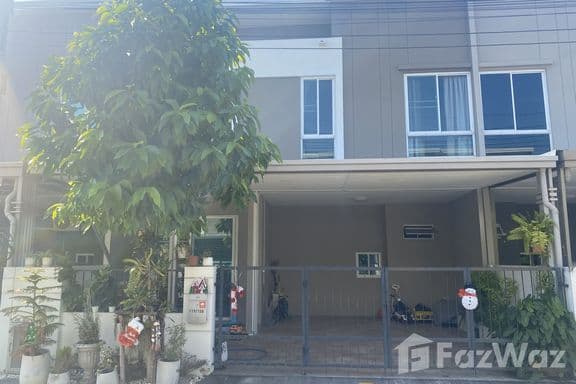
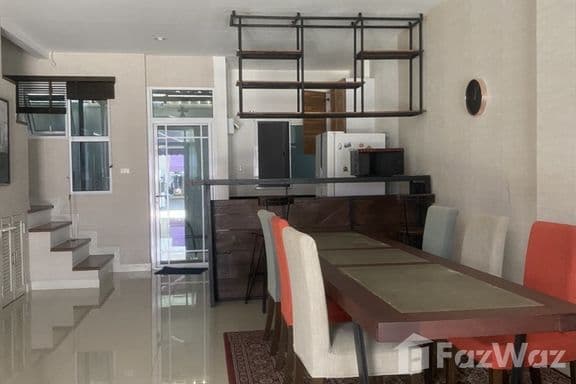
- Layout and Space: Bangkok townhouses are usually 2 to 4 stories tall, offering multi-level living. A common format is a 2-storey or 3-storey house with 3 to 4 bedrooms, a living/dining area, kitchen, and sometimes a small roof terrace or balcony. Built-up areas can range from around 100 sqm for older 2-floor units to 300+ sqm for a new 3-floor townhome. This means townhouses often provide significantly more interior space than a comparably priced condo unit – a key attraction for families or those needing a home office.
- Land and Parking: Unlike condos, townhouses come with a plot of land (often 16–50 square wah of land, i.e. 64–200 sqm of land area, depending on the property). This usually allows for a private carport or parking space for 1–2 cars in front of the house – a valuable feature in car-centric Bangkok. There may be a small yard or garden area, though many townhouses have minimal outdoor space apart from maybe a front patio. Having land also grants a degree of privacy and autonomy – there are no shared walls on all sides (often only attached on one or two sides to neighbors) and no upstairs/downstairs neighbors as in a condo.
- Community Amenities: Traditional standalone townhouses generally do not include shared facilities like swimming pools or gyms – those are typical of condos. However, many new townhouse developments (often called “townhome villages” or gated communities) do provide some communal amenities. It’s common for a townhouse estate to be a gated compound with 24-hour security, a common garden or children’s play area, and sometimes a small clubhouse or fitness room for residents. These add to the appeal for families. Maintenance fees for townhome communities are usually much lower than condo fees (given the fewer shared facilities), making holding costs relatively low – typically just a security/maintenance fee for common areas and one’s own upkeep.
- Renovation and Usage Flexibility: Townhouses offer flexibility for modifications. Owners can renovate interiors, combine units, or even change usage (some townhouses double as small offices, shops, or cafés, particularly units along main roads or in commercial zones). Bangkok has many examples of old townhouses turned into boutique guesthouses or hip restaurants (especially in areas like Ari or Thonglor). Investors thus have creative options: a townhouse could be used as an Airbnb (where allowed), a long-term rental, or a business venue. This versatility can enhance returns, though one should be mindful of zoning laws and community regulations.
- Accessibility and Transit: One trade-off with townhouses is that not all are near mass transit. Condos, especially new ones, are often strategically located next to BTS or MRT stations. Townhouses, being part of older neighborhoods or sprawling estates, might require a short drive or taxi ride to the nearest station. That said, many townhouses in Bangkok are within a 10–15 minute walk or drive to transit – and those that are walkable to a BTS/MRT station command a premium. When selecting a townhouse for investment, accessibility is paramount: properties near transit lines (current or future), or with easy access to major roads/highways, will attract more tenants and see higher appreciation. Also consider proximity to amenities like markets, shopping centers, and schools. For example, a townhouse near a community mall or within a short distance of an international school will have a broader rental market (appealing to teachers or expat families).
- Local Environment: Living in a townhouse is generally more akin to living in a local neighborhood, as opposed to the more self-contained environment of a condo building. This means one gets to enjoy the authentic Bangkok street life – local food stalls, neighborhood temples, and community parks might be part of the immediate environment. It also means considering factors like street parking, noise from nearby shops, or local zoning (some townhouses sit on small soi streets that might double as day markets or have a mix of residential and commercial activity). Investors should do due diligence on the street/neighborhood vibe, since these can affect tenant preferences. Thankfully, many modern townhome projects are in planned communities that offer a quieter, more suburban atmosphere compared to older shophouse-style townhouses on busy streets.
In summary, Bangkok townhouses provide a more spacious and private living experience with features that cater especially well to families and long-term residents. They come with the responsibility of maintaining a house (roof, plumbing, etc., which condo dwellers avoid beyond their unit) but also with the freedom of having one’s own ground and the opportunity to capitalize on land value. For investors, understanding these characteristics is key to marketing the property to the right tenants (for instance, highlighting a covered garage, a renovated modern kitchen, or a nearby supermarket can clinch a rental deal). It’s also crucial for anticipating expenses – owning a townhouse means budgeting for occasional repairs just as a homeowner would. Nonetheless, many overseas investors find that the rewards in rental income and property appreciation more than compensate for the hands-on aspects, especially when they partner with good local property management services.
Conclusion: Outlook and Opportunities
Bangkok townhouses represent a distinctive and promising asset class for overseas investors who are looking beyond the condo market. They offer the tangible benefit of land ownership, attractive yields bolstered by family-sized rental demand, and participation in the upside of Bangkok’s sprawling urban growth. The market trends indicate a positive outlook: rents are rising in line with economic recovery, and townhouse values are creeping upward, particularly in transit-linked suburbs and city-fringe districts. Investors who do their homework – selecting properties in the right location, at the right price point, and with features that renters seek – stand to reap healthy returns and future appreciation.
As the city continues to invest in infrastructure (new lines, new roads) and as more neighborhoods regenerate, the investment potential for well-positioned townhouses remains strong. Each district in Bangkok tells a different story, from the stable luxury of Sukhumvit to the high-growth corridors of Bang Na and the hidden gems of Thonburi. This diversity allows investors to align their strategy with their risk and return preferences – whether it’s a high-end capital appreciation play or a high-yield rental-focused approach.
In closing, while townhouses do require navigating certain complexities (from understanding local market nuances to handling property maintenance), they reward investors with a blend of steady income and long-term value that few other options can match in Bangkok. For non-Thai buyers, townhouses can indeed be a smart addition to an investment portfolio, provided one leverages local expertise and remains cognizant of the regulatory landscape (noting that direct land ownership is restricted, thus professional guidance is advisable for the purchase structure). With Bangkok’s real estate sector showing resilience and gradual growth, townhouse investments offer a concrete foothold in one of Southeast Asia’s most dynamic property markets – combining the comfort of a home with the calculus of a savvy investment.




















 Popular condos in Bangkok

