Renting a Villa in Phuket: The 2025 Guide for Foreign Tenants and Long-Stay Expats
Introduction
Phuket remains one of Asia’s top destinations for foreign villa renters due to its unique blend of natural beauty, modern amenities, and an established expat community. This tropical island in Thailand offers pristine beaches, lush hillsides, and year-round warm weather, making it a magnet for those seeking an idyllic long-term stay. In 2025, Phuket’s appeal is stronger than ever: the island has rebounded from past travel disruptions and continues to invest in infrastructure and services that cater to international residents. Thousands of foreign tenants - from digital nomads to retirees - have made Phuket their home, attracted by the lower cost of living, high-quality healthcare, and diverse lifestyle options.
Phuket’s popularity among long-stay expats can also be attributed to its balance of convenience and paradise. Modern shopping centers, international schools, and world-class hospitals coexist with local markets, cultural sites, and tranquil neighborhoods. The Thai government has introduced visas aimed at remote workers and retirees (such as the new Destination Thailand Visa for digital nomads and the long-term resident visa for retirees and professionals), further cementing Thailand’s welcoming stance. For foreign renters, this means it’s easier to stay legally long-term while enjoying the comforts of a private villa. In the following guide, we will provide a deep dive into everything you need to know about renting a villa in Phuket in 2025 - from the types of villas available and the best areas to live, to the rental process, costs, and practical tips for a smooth experience. Whether you’re a high-net-worth individual seeking a luxury retreat or a remote worker planning a year by the beach, this comprehensive guide will help you navigate Phuket’s villa rental market with confidence.
Types of Villas Available in Phuket
Phuket offers a broad spectrum of villas for rent, each catering to different preferences in terms of view, style, and community. Here are the main types of villas you’ll encounter:
- Beachfront Villas: These properties are located directly on or just steps from Phuket’s famous beaches. Beachfront villas offer immediate access to the sand and sea, and often stunning sunset views. They typically feature open designs to capture sea breezes, private pools overlooking the ocean, and high-end amenities. Because of their prime location, beachfront villas are among the most expensive options, and availability can be limited.
- Sea-View Hillside Villas: Scattered across Phuket’s hilly terrain, sea-view villas are perched on slopes or cliffs, offering panoramic views of the Andaman Sea. They may not be right on the beach, but they compensate with elevation and privacy. These villas often boast multi-level layouts with terraces, infinity pools, and lush jungle surroundings. A hillside villa can range from modern minimalist architecture to Thai-Balinese designs with teak wood and stone accents. Renters who prioritize a breathtaking view and tranquility will find hillside villas very appealing.
- Gated Community Villas: In Phuket, many expats choose villas within gated estates or managed communities. These villas may be inland or near the coast and are part of a development that provides 24-hour security and sometimes additional facilities like a clubhouse, gym, or concierge services. Gated community villas offer a neighborhood feel - they are ideal for families or those who value extra security and a sense of community. Examples include the villas in the Laguna Phuket area or other planned estates where maintenance of common areas and security is handled by the management.
- Private Standalone Homes: Outside of organized estates, you will also find standalone private villas scattered throughout the island. These might be owner-built homes or individual rental properties not part of a larger complex. A standalone villa could be anything from a simple single-story house with a small garden to a sprawling mansion. Renting a private home offers maximum privacy and often larger land plots - you might have a big yard or garden, which is great if you have pets or children. However, you will be responsible for arranging more of the upkeep (like hiring a gardener or pool cleaner if the owner doesn’t provide one) and your security is just your own fence and locks rather than guarded gates.
- Luxury Estate Villas: At the top end, Phuket has ultra-luxurious villas usually marketed to high-net-worth renters. These are often situated in exclusive areas (such as along “Millionaire’s Mile” near Kamala and Surin, or private peninsulas) and come with extensive amenities. Expect multiple bedrooms (sometimes 5-10 bedrooms), expansive living spaces, home theaters, private gyms, spa rooms, and dedicated staff (maids, butlers, chefs) either included or available on-call. These villas are often architectural masterpieces with no expense spared - perfect for those seeking a resort-like experience in total privacy.
- Pool Villas: Almost all villas in Phuket aimed at foreign renters are pool villas, meaning they include a private swimming pool. However, you will find variation in style - some are modern pool villas with floor-to-ceiling glass and minimalist decor, while others are traditional Thai-style houses with inner courtyards and gardens. Some pool villas are part of smaller boutique developments - for example, a small complex might have 5-10 villas all with similar design - which can combine the privacy of a standalone home with some level of community or shared maintenance for security and landscaping.
Regardless of the type, most villas come fully furnished, especially those targeting foreign tenants. It’s common to have a fully equipped kitchen, laundry facilities (washing machine, etc.), and often extras like outdoor dining furniture or a gazebo (“sala”) by the pool. Serviced villas (with housekeeping included) are more common for short-term holiday rentals, but for long-term leases you can always negotiate cleaning or maintenance services in the contract if desired.
Understanding the types of villas will help you refine your search. For example, if your dream is waking up to the sound of waves and stepping onto soft sand, focus on beachfront options in areas like Kamala or Natai. If you value a quiet retreat with a vista, look into hillside areas like above Kata or around Nai Harn hills. Those concerned with security or looking for a neighborhood environment might prioritize gated communities. The good news is Phuket’s rental market has something for everyone, from cozy two-bedroom pool villas perfect for a couple, to expansive estates fit for multi-generational families or groups of friends.
Foreign Renter Personas
Different types of foreign renters gravitate toward Phuket, each with their own goals and requirements. Below we profile several common foreign renter personas and what they typically seek in a Phuket villa rental:
- Expat Families: These are families relocating to Phuket for work or lifestyle, often with school-age children. Expat families usually need larger villas (three or more bedrooms) to accommodate everyone. They value proximity to international schools and family-friendly amenities. For instance, many expat families look at areas like Cherng Talay/Bang Tao (near the Laguna complex) because it’s convenient to reputable schools, has family-oriented facilities (like parks and sports complexes), and a safe, community vibe. Expat parents also appreciate villas with secure gardens or pools that are safe for kids (protective fencing can be a plus). They tend to sign longer leases (1-3 years) as they settle into a routine. These renters will scrutinize practical aspects of a villa: Is the kitchen fully equipped for daily cooking? Are there grocery stores and hospitals nearby? For families, a gated community villa with security and maybe other families around can be ideal. They also look for good internet (for both work and kids’ online schooling needs), and often need parking for a car or SUV as they’ll be driving to school and activities.
- Retirees: Retired expats in Phuket are typically looking for a comfortable, peaceful place to enjoy their golden years. Many retirees choose single-story villas or properties with minimal stairs for ease of mobility. They might prefer slightly smaller villas (2-3 bedrooms) that are easier to maintain, unless they expect frequent family visits. Popular areas for retirees include Rawai and Nai Harn in the south, or quieter parts of Kamala or Cherng Talay, where life moves at a slower pace. Retirees often appreciate being near, but not in, tourist areas - they want access to good restaurants, markets, and perhaps a nice beach for morning walks, without the constant noise of nightlife. Being close to healthcare facilities is another consideration; Phuket has excellent international hospitals (like Bangkok Hospital Phuket and Bangkok Hospital Siriroj in Phuket Town), so retirees might choose a villa that isn’t more than 30-40 minutes away from major medical services. Retiree renters are typically on long-stay visas (retirement visas) and may rent for many consecutive years if they find a place they love, so they value a trustworthy landlord and stable lease terms. Many also enjoy a sense of community - for instance, Rawai has a notable population of expat retirees, which means plenty of social clubs, fitness groups (like tai chi on the beach or golf societies), and familiar faces at the local coffee shop.
- Digital Nomads: Digital nomads are remote workers (often younger singles or couples in their 20s-40s) who choose Phuket for its lifestyle while they continue their jobs or projects online. They might not fit the traditional long-term expat mold because some stay just 3-6 months before moving on, while others might extend to a year or two. A digital nomad typically needs reliable high-speed internet above all, as well as a conducive workspace at home (a spare bedroom converted to an office or at least a comfortable desk setup in the living area). Villas that appeal to nomads can range from budget-friendly small pool villas a bit inland to sharing a larger villa with other remote workers. Many digital nomads like areas such as Chalong, Rawai, or Phuket Town, which have co-working spaces, cafes, and a lower cost of living, while still being near beaches or entertainment. However, there’s a growing trend of nomads splurging on more scenic accommodations - for example, renting a sea-view villa for a few months to really enjoy the destination. Digital nomads often use tourist visas or special programs (Thailand introduced the “Destination Thailand Visa (DTV)” - a 5-year visa for remote workers - to attract this demographic). They might not want a full 12-month lease unless they are sure of staying, so flexibility (e.g., villas that offer 3-6 month contracts or the possibility to extend monthly) is attractive. From a landlord’s perspective, digital nomads are low-maintenance tenants but may require an fully furnished turnkey villa (since they arrive with just suitcases) and often appreciate added perks like streaming TV, cleaning services, or included utilities to simplify their life.
- High-Net-Worth Individuals (HNWIs): These renters have significant financial resources and often seek the very best Phuket has to offer. HNWIs could be entrepreneurs, investors, or even celebrities looking for privacy. They gravitate toward luxury estate villas - the kind with expansive grounds, multiple staff, and top-tier facilities. HNWIs are the ones renting those $5,000 to $10,000+ per month villas in areas like Surin Beach (known for its Millionaire’s Row of high-end villas), Kamala’s exclusive estates (e.g., the Cape Amarin area or Montazure development), Layan and Laguna (where some branded residences and luxury homes are located), or even private islands or peninsulas slightly off the main tourist trail. This group expects concierge-level service: they may hire property management to handle everything from airport transfers in a private car to daily housekeeping. Security is also a concern - luxury villas often come with CCTV, alarm systems, and are in gated compounds or have security guards. HNWIs might be in Phuket for leisure or as part of a multi-destination lifestyle (a few months in Phuket, a few in Europe, etc.). They may be on programs like the Thailand Elite visa (which grants long stays for a fee) or the Long-Term Resident (LTR) visa for wealthy individuals. When writing contracts for these rentals, terms can be very specific - for example, some HNWI tenants negotiate the inclusion of a private chef service, or specific upgrades to be done. In short, this persona is looking for a five-star resort experience in a home setting. Everything from the thread count of the linens to the speed of the fiber-optic internet to the view from the infinity pool is expected to be top-notch.
- Remote Workers and Long-Stay Professionals: This group overlaps with digital nomads but typically refers to individuals (or families) who are employed full-time by a company (often abroad) or run a business, and have chosen to live in Phuket while working remotely. Unlike nomads who might hop around, these remote professionals often plan to stay for a year or more in one place. Many have stable incomes and might fall somewhere between the typical “expat family” and “digital nomad” categories. For example, a software engineer from Europe might move to Phuket with a spouse (who also works remotely) - they aren’t exactly retirees, but they’re not on a short visit either. This group often prefers modern villas with reliable infrastructure: stable electricity (important to ask about power backup or how often outages happen in that area), excellent internet with backup options (maybe two different internet lines or a plan for 4G/5G backup), and a quiet environment for calls. They might also look for places with a home office or extra room. Remote workers enjoy being reasonably close to conveniences since they do live day-to-day like locals - being within a short drive of supermarkets, gyms, and perhaps not too far from an international airport (Phuket International Airport on the north of the island) for occasional business trips is a factor. Areas like Bang Tao/Cherngtalay, Chalong, or Kathu (centrally located between Patong and Phuket Town) can be attractive for this group, depending on their lifestyle priorities. Many also factor in hobbies for after work - e.g., if they surf, maybe Kata or Kamala; if they sail, maybe near Yacht Haven in the north or Chalong Bay in the south. This persona values a balanced life: a good day’s work and then a beautiful sunset at the beach or a dinner at a favorite local restaurant.
In reality, an individual renter might embody more than one of these personas over time. For instance, a digital nomad might become a long-stay professional if they decide to settle in Phuket and get a longer visa; an expat family might originally come because one parent is a remote worker assigned to Asia. Phuket’s villa rental market caters to all, but knowing which profile matches your situation will help you focus on what matters most to you in a rental (be it a school nearby, or an ocean view, or ultra-fast internet, etc.). In the next sections, we’ll look at Phuket’s geography to understand where each of these personas might find their perfect villa.
Best Areas to Rent Villas in Phuket
Phuket is a large island with diverse locales, each offering a different atmosphere and advantages for long-term residents. Below are some of the best areas to rent a villa in Phuket, including the ones most frequently sought by foreign tenants. We’ll describe what makes each area unique and who might find it most suitable:
- Kamala: Located on the west coast, Kamala is a serene coastal town known for its quiet beach and upscale villas on the surrounding hills. It offers a refined yet relaxed lifestyle. Kamala became famous for the stretch nicknamed “Millionaire’s Mile” - a road where many luxury villas cling to cliffs overlooking the sea. Despite this exclusive reputation, Kamala village itself retains a laid-back charm with local markets, beachside restaurants, and a weekly night market. It’s not as busy as Patong or Kata, so noise and traffic are minimal for most of the year (aside from some tourist influx in peak season). Kamala is ideal for expats who value tranquility but still want access to conveniences. There are enough cafes, low-key bars, and supermarkets for daily needs, and the larger shopping centers of Patong or Cherng Talay are a short drive away. Families and retirees appreciate Kamala’s peaceful environment; it’s also close to international schools in the Thalang area (about a 20-30 minute drive). High-net-worth individuals love Kamala for the luxurious properties and privacy it provides. In short, Kamala offers a mix of natural beauty and comfort - you can enjoy ocean views and quiet evenings, with the knowledge that vibrant nightlife or bigger malls are accessible when you want them.
- Bang Tao (and Cherng Talay/Laguna): Bang Tao is a long stretch of beach on the northwest coast and one of the most popular areas for expat living. Just inland from Bang Tao beach is the Cherng Talay area and the Laguna Phuket resort complex. Together, these areas form a hub of expat activity and amenities. Laguna is a gated community of high-end resorts, golf course, lakes, and residential developments - renting a villa in one of Laguna’s estates means enjoying manicured surroundings, access to some resort facilities, and very secure, well-maintained streets. Cherng Talay (the town nearby) has exploded in popularity with numerous international restaurants, beach clubs, boutique shops, and the Boat Avenue & Porto de Phuket shopping centers (which host everything from a Villa Market grocery store with imported products to yoga studios and cafes). Bang Tao area villas range from moderately priced homes in local neighborhoods to extravagant multi-million-baht residences. Why Bang Tao? It offers a laid-back yet upscale lifestyle. The beach is beautiful and less crowded than Patong, there are plenty of water sports (it’s great for paddleboarding, and surfers find waves at nearby Bang Tao and Surin during low season), and it’s a very social area for expats. Many digital nomads and remote workers base themselves around here due to co-working spaces and networking opportunities, and expat families love that two of Phuket’s best international schools (UWC Thailand and British International School) are within a 20-30 minute drive. The area is also not far from Phuket International Airport (around 25 minutes drive), which is convenient for frequent travelers. If there’s a drawback, it’s that Bang Tao’s popularity has driven up prices - the cost of living and rent here is a bit higher than in southern Phuket, and in high season the area gets quite busy with tourists. Overall, Bang Tao/Cherng Talay is perfect for those seeking a balanced lifestyle: you have beach, entertainment, a strong community, and quality housing all in one locale.
- Surin: Just north of Kamala lies Surin, another west coast gem. Surin Beach is famed for its turquoise water and has long attracted a luxury crowd. Often referred to as having a “sophisticated vibe,” Surin caters to expats and visitors who enjoy fine dining, boutique shopping, and a quieter form of elegance. The hills around Surin are dotted with upscale villas and apartments - many of these properties boast panoramic ocean views given the steep terrain. Surin doesn’t have the volume of development that Bang Tao or Kamala has, which is intentional to maintain its exclusivity and environment. For foreign renters, Surin is ideal if you’re seeking a high-end lifestyle. HNWIs often choose Surin for extended stays because it’s somewhat secluded (no loud bars or clubs here), and the neighbors are often likewise high-profile or discerning tenants. There are a few stylish beach clubs and restaurants; nightlife is minimal beyond a dinner with wine by the sea. One thing to note: Surin has fewer everyday conveniences (no big supermarkets right in town, for example), but those are accessible in neighboring areas (Cherng Talay and Kamala are each about 10 minutes away). Surin’s location also places it roughly in the middle of the west coast - you can reach the airport in 30 minutes, Patong’s busy streets in 20 minutes (though most Surin residents only go there occasionally), and the Thalang area facilities in 15 minutes. If you rent a villa in Surin, expect luxury and tranquility; it’s the kind of place where your villa might have a 180-degree sunset view and your biggest decision is which upscale restaurant to try next.
- Nai Harn: Moving to the southern tip of Phuket, Nai Harn is a picturesque area renowned for one of the island’s most beautiful beaches, Nai Harn Beach. The area is more low-key and lush; the beach is nestled between green hills and it has a freshwater lake and park adjacent - a popular spot for jogging and local festivals. Nai Harn and the neighboring Rawai area form the heart of Phuket’s southern expat community. What is special about Nai Harn? It combines a relaxed, village-like atmosphere with stunning natural surroundings. The villas here are often in quiet residential pockets, sometimes on hillsides with views of the sea or countryside. Nai Harn is great for outdoor enthusiasts - you can snorkel or dive off nearby coral reefs, hike trails with viewpoints (Promthep Cape is just next door, famous for sunsets), or take a short drive to multiple other beaches (Ya Nui, Ao Sane, Rawai beach for seafood). The community is tight-knit; many retirees and long-term expats live here and know each other. You’ll find cozy cafés, wellness centers (yoga studios, Muay Thai gyms, detox retreats), and a variety of international and Thai eateries. While Nai Harn itself isn’t heavily commercialized, you are within 10 minutes of Rawai’s larger selection of shops and the Chalong area (which has supermarkets, hardware stores, etc.). Renting in Nai Harn often gives you better value for money - rental prices for comparable villas tend to be lower than on the west coast, partly because it’s farther from the airport and main tourist hubs. However, that’s exactly why those seeking peace choose it. Who should consider Nai Harn? If you’re a retiree looking for peace and nature, a family wanting a safe and friendly community, or a remote worker who prefers greenery and calm over nightlife, Nai Harn is a top pick. The area’s charm is in its simplicity and natural beauty - a morning at the beach, an afternoon coffee with friends, and a quiet evening at your villa listening to cicadas.
- Rawai: Often mentioned in the same breath as Nai Harn, Rawai is the larger municipality covering the southeastern tip of Phuket. Unlike the west coast beaches, Rawai Beach itself is not a swimming beach (it’s used as a launching point for longtail boats to the islands, and a hub for fishermen). However, Rawai’s coastline and environs make up for that with character and utility: there’s a famous seafood market by the pier where you can buy fresh catch and have it cooked on the spot, and many waterfront restaurants with views of the islands. Rawai as a residential area is spread out; you’ll find numerous villa developments tucked in small lanes (sois), from sea-view hillside villas to modest pool villas in quiet neighborhoods. Rawai is known for its multicultural expat scene. It hosts a large number of long-term residents from all over (Europeans, Russians, Australians, etc.), giving it a very international vibe. This is reflected in local businesses - you can find authentic French bakeries, Russian cafes, German butchers, alongside Thai eateries and reggae bars. Rawai is popular among retirees (for the peaceful vibe and amenities) and Muay Thai or health enthusiasts - the nearby Soi Ta-Iad in Chalong (about 15 minutes from Rawai) is a fitness street with training camps and health food restaurants that draw many foreigners, some of whom choose to stay in Rawai for more comfort. Rawai offers a mix of cost options: you can find a simple two-bedroom pool villa for a relatively affordable price or a luxury sea-view villa on a hill for a premium - so it’s versatile for different budgets. Key conveniences like international supermarkets (Villa Market, Makro, Tesco-Lotus) are within reach in Rawai/Chalong, and there’s even a new shopping complex in Rawai opened recently. One consideration is that Rawai is far from the north side of the island - if you travel often, the airport is about an hour+ drive. But for many, everything they need is in the south. In summary, Rawai is about easygoing living: it’s perfectly normal here to ride a scooter to the market in flip-flops, meet friends for a sunset drink at a beach bar, and truly feel at home among fellow expats and friendly locals.
- Kata (and Karon): On the southwest coast, just south of the bustling Patong-Karon area, lies Kata - actually comprising two beaches (Kata Yai and Kata Noi) and the small town around them. Kata is known for its gorgeous beaches (popular for surfing in monsoon season and calm waters in high season), making it a favorite for tourists and a good spot for families due to the relatively gentle tides. Renting a villa in Kata offers a quieter alternative to Patong while still providing plenty of activities. The area has numerous restaurants (including some of Phuket’s well-known fine dining spots with sunset views), spas, and a walkable main street with shops. Villas in the Kata area are often on the hillside roads that lead east out of Kata (offering elevated views of the sea) or tucked in residential streets between Kata and neighboring Karon. Speaking of Karon - it’s the next beach north of Kata, larger in size and with more resorts, but fewer private villas. Often expats will consider Kata and Karon together when house-hunting, since they are adjacent and share amenities. Kata is well-suited for those who enjoy a beach town feel without the chaos of Patong. It’s still somewhat touristy, so you have things like live music bars and markets, but on a smaller scale. Who lives in Kata? You’ll find some long-term expats (including people working in hospitality or diving industry), seasonal residents (snowbirds who come for 3-6 months during winter back home), and even digital nomads who prefer to be near surf and social spots. Internet and infrastructure are decent, though hillsides might have patchy connectivity (usually can be solved with a good service provider). Kata’s location is central on the west coast - you can reach Phuket Town in 25 minutes, Patong in 15 minutes, Rawai in 25 minutes. That makes it a convenient base if you like to roam different parts of Phuket frequently. Villa prices in Kata can range widely: older Thai-style houses can be affordable, whereas modern villas with a seaview in Kata Noi area can command high prices. Overall, Kata offers scenic beauty and a balanced lifestyle - enough nightlife and dining to have fun, family-friendly beaches and activities, and a close-knit feel where local business owners might soon recognize you by name.
- Chalong: While not listed in the big tourist must-sees, Chalong is a significant area for expats and long-term renters, so it’s worth mentioning as one of the “and more” areas. Chalong is on the southeast side of Phuket, known primarily for the large Chalong Pier (the main departure point for many snorkeling and diving trips) and Wat Chalong (Phuket’s most important Buddhist temple). It’s not a beach area - the coastline here is a mudflat harbor, not for swimming - but Chalong’s value lies in its practicality. Many villa developments and houses in Chalong offer excellent value for money. Often you can get a larger land plot or a slightly lower rent compared to coastal hotspots. Chalong is very popular with long-stay expats, especially those who have settled into a routine or run local businesses. The area has several international schools and kindergartens, making it convenient for families who might find the south or west coast schools too far. Chalong Circle is a famous roundabout surrounded by shops, including hardware stores, furniture outlets, and international supermarkets, which serve the needs of residents island-wide. If you rent a villa in Chalong, you’ll likely be in a quiet street inland, perhaps near the base of the hills that lead up to the Big Buddha. You won’t have an ocean view here, but you might have lovely garden space and tranquility. Chalong’s central-ish location in the south means you can drive to Kata/Karon beaches in about 15 minutes, or to Phuket Town in about 20. For boat enthusiasts or scuba divers, living in Chalong is a dream because you can be at the pier for an early morning dive trip in 5 minutes. In essence, Chalong is about convenience and local living - it might not be as glamorous as a beachfront address, but it’s highly functional and the villas tend to be comfortable and spacious. Many expats running dive shops, wellness centers, or other businesses in Phuket base themselves here.
- Patong: While Patong is primarily known for nightlife and is filled with hotels and condos rather than villas, it’s worth a brief note. Patong is Phuket’s busiest beach town, with a neon-lit social scene (Bangla Road), countless restaurants, malls, and markets. There are a few villas around Patong, usually on the hills at the edges (for example, in the Kalim area to the north or up on the road towards Karon to the south). Living in Patong in a villa is not common for long-term expats seeking peace, but it might appeal to those who want to be in the thick of the action or perhaps those in the hospitality business managing venues there. The villas that do exist in Patong are often high-end (some with incredible ocean panoramas) and used as holiday homes. Pros of Patong: you have everything at your doorstep - from international hospitals’ clinics to Western grocery stores to cinemas - and you’ll never be bored. Cons: It’s noisy, crowded, and not everyone’s idea of a relaxing long-term environment. That said, being on the hillside on the outskirts can buffer much of the chaos, and you’ll still have quick access to the city’s buzz when you want it.
To summarize Phuket’s areas for villa rentals: the west coast (Kamala, Surin, Bang Tao, Kata) is all about beaches and sunsets, with varying degrees of nightlife and luxury; the south (Rawai, Nai Harn, Chalong) is about laid-back living, community, and nature; the urban centers (Patong, Kathu, Phuket Town) offer city conveniences and entertainment but fewer villa options; the north (Thalang, including Layan, Naithon, Mai Khao) is quieter and more remote, with some very upscale villas favored by those seeking seclusion or proximity to the airport.
Before choosing an area, consider your priorities: Do you need to commute to a job or school? Do you want to walk to the beach every day or is a short drive fine? Are you comfortable riding a motorbike on hilly roads? Do you prefer a lively atmosphere or a secluded retreat? Phuket has an area to match each preference. Many long-term expats actually move villas every few years to try different lifestyles - perhaps starting in the south for budget reasons, then moving to the north for their kids’ schooling, or vice versa. The good news: none of these areas are more than an hour apart. So even if you live in Rawai, you can still spend a day at Bang Tao and vice versa. But your immediate neighborhood will shape your daily life, so choose one that aligns with your vision of a perfect Phuket life.
Rental Price Comparison by Area (2025)
Rental prices for villas in Phuket vary widely based on location, property size, and amenities. Generally, areas with high tourist appeal or upscale development command higher rents, while quieter or inland areas are more affordable. Below is a comparison table of typical monthly rental price ranges for a 3-bedroom private pool villa in different Phuket districts/areas, given in Thai Baht and approximate US Dollar equivalents:
|
Area/District
|
Monthly Rent (THB)
|
Monthly Rent (USD)
|
|
Bang Tao / Laguna
|
80,000 - 180,000 THB
|
~$2,300 - $5,200 USD
|
|
Surin
|
100,000 - 250,000 THB
|
~$2,900 - $7,200 USD
|
|
Kamala
|
70,000 - 150,000 THB
|
~$2,000 - $4,300 USD
|
|
Kata / Karon
|
60,000 - 120,000 THB
|
~$1,700 - $3,400 USD
|
|
Nai Harn
|
50,000 - 100,000 THB
|
~$1,400 - $2,900 USD
|
|
Rawai
|
45,000 - 90,000 THB
|
~$1,300 - $2,600 USD
|
|
Chalong / Phuket Town
|
40,000 - 80,000 THB
|
~$1,150 - $2,300 USD
|
|
Patong / Kalim
|
60,000 - 150,000 THB
|
~$1,700 - $4,300 USD
|
Notes on the table:
- The ranges above reflect typical market rates as of 2025 for long-term leases (6-12 months or more). Lower-end figures might represent older properties, smaller plots, or houses a bit farther from the beach. Higher-end figures indicate newer or recently renovated villas, larger properties, or those with prime locations (beachfront, panoramic views, or in prestigious estates).
- Bang Tao / Laguna: This area has many luxury villas in gated communities (hence the high upper range), but also some smaller homes in local areas. It’s one of the priciest areas because of demand from expat families and affluent renters.
- Surin: Almost exclusively a high-end villa market, hence the starting rent is relatively high. Many Surin villas are designer homes with breathtaking views, justifying the top-end prices.
- Kamala: Offers a mix - mid-range pool villas in the village or lower hills and ultra-luxury on Millionaire’s Mile. The range is broad; you can find decent value around 70-100k THB for nice family villas, but the celebrity-style estates drive the upper figure.
- Kata / Karon: These areas have fewer huge villas; many are moderate-sized and thus the range is a bit lower than the northern west coast. A hillside villa with sea view in Kata could be around 100k THB, whereas an older home inland Karon might be 50-60k THB.
- Nai Harn: Competitive pricing due to supply (lots of villa developments here) and location (farther from the airport). 50k THB can get a comfortable modern 3-bed villa with pool, and even the top-end of 100k would be a very large or very new villa.
- Rawai: Similar to Nai Harn in pricing, perhaps slightly more if closer to the water or on a hill with a view. Rawai has some seafront villas that can exceed 100k, but also many expat rentals in the 50-70k range that are great for everyday living.
- Chalong / Phuket Town: Generally more affordable as these are non-tourist inland areas. 40k THB might secure a basic house with pool; around 70-80k THB you can get a large villa or something newer. Phuket Town isn’t known for villas (more townhouses or apartments), but just outside town there are houses in estates. Chalong has plenty of mid-range villas popular with expats.
- Patong / Kalim: Patong’s few rental villas tend to be on the hills and often aimed at short-term renters (hence pricey). If a landlord is open to long-term, you might negotiate somewhere mid-range of the listed prices. Kalim (just north of Patong) has some nice oceanview villas that long-term expats sometimes take at around 60-100k THB if they don’t mind the city proximity.
Keep in mind that these prices can fluctuate with market conditions. High season (November-March) might see upward pressure on rents, especially for shorter-term contracts, whereas those willing to sign a year lease starting in low season (May-October) might negotiate a better rate. Also, the USD conversion can vary with exchange rates - the approximation here assumes roughly 34-35 baht to 1 USD.
Finally, note that if you’re looking at ultra-luxury 5+ bedroom villas or very large estate homes, those can exceed the ranges above, sometimes dramatically (some exclusive properties rent for 300,000+ THB per month, especially if they allow subletting for holiday rentals, or if they are unique beachfront estates). However, for most foreign long-stay tenants, the table covers the normal expected spectrum for a comfortable private pool villa in 2025.
The Villa Rental Process in Thailand
Renting a villa in Phuket as a foreigner is a straightforward process, but it helps to understand the typical steps and legal considerations in Thailand. Below is an overview of the villa rental process from start to finish:
- Property Search: Most foreign renters begin by browsing listings online or contacting local real estate agents. Popular property portals (in English) include DotProperty, Thailand-Property, FazWaz, and others. You can filter by area, price, number of bedrooms, etc. Additionally, many renters join Facebook groups or expat forums where owners or agents post rental offers - groups like “Phuket Long Term Rentals” can sometimes have gems, but always exercise caution and verify information (more on avoiding scams in a later section). If you are already on the island, another effective method is driving around the neighborhoods you like; you’ll often see “For Rent” signs on villas. These may connect you directly to owners, potentially avoiding agency fees and possibly getting a better price.
- Engaging an Agent vs. DIY: In Phuket, using a real estate agent is common and typically free for the tenant. Agents earn a commission from the landlord (usually one month’s rent or a percentage thereof, paid by the owner when a lease is signed). A good agent will listen to your requirements, line up a selection of suitable villas, drive you to view them, and assist in negotiations and paperwork. This can save you a lot of time, especially if you’re unfamiliar with Phuket. On the other hand, dealing directly with owners (through listings or personal networks) can sometimes yield a slight discount (since the owner saves on commission) - but not always, and you’ll need to navigate lease details yourself. Many long-stay expats do a bit of both: they might look at some properties via agents and also explore private listings, then choose the best option.
- Viewing and Selection: Once you’ve identified potential villas, you’ll schedule viewings. When viewing a villa, take your time to inspect it thoroughly. Beyond the basics of layout and aesthetics, check functionality: test the water pressure, check that doors and windows lock properly, see if all air-conditioners and appliances are working, and inquire about any known issues (e.g., does the road to the house flood in heavy rain? How old is the roof/when was the last time it was maintained?). If you’re planning to work from home, you might even want to ask which internet service providers are available in that area and if high-speed fiber is already installed. Don’t hesitate to visit at different times of day - a neighborhood that’s peaceful at noon might have barking dogs or loud music at night, for instance. It’s a good idea to make a checklist of your non-negotiables and questions to ask during visits.
- Negotiating Terms: After finding a villa you like, the next step is to discuss terms with the owner or through the agent. Key points to negotiate include:
- Rent Price: Is the asking price negotiable? Depending on the market and season, some landlords might come down a bit, especially if you’re a solid candidate (e.g., willing to pay several months upfront or signing a longer lease).
- Lease Duration: Standard leases in Thailand for residential properties are 12 months. Some owners accept 6-month contracts, but often at a slightly higher monthly rate. If you only want 3 months, you may be directed to holiday rental rates (which are much higher). Conversely, if you plan to stay multiple years, you can discuss options for renewal terms or even a multi-year lease (though leases over 3 years must be registered at the Land Department to be fully enforceable - something rarely done for typical rentals due to extra taxes/fees).
- Inclusions and Extras: Clarify what the rent covers. Usually, utilities are NOT included (tenant pays electricity, water, internet, etc. separately). However, sometimes villas come with pool maintenance or gardening service included in the rent, or the owner might include high-speed internet or a maid service once a week to sweeten the deal. If not included, ask if the landlord can arrange regular pool/garden service for an additional fee or if you must arrange it. Discuss responsibility for minor repairs - e.g., a common practice is the tenant covers minor fixes up to a certain amount, while the landlord handles major repairs or anything related to structural and appliance failures (not caused by tenant misuse).
- Furnishings and Equipment: Ensure that any furniture or appliances you expect to be there are explicitly listed. Most villas are fully furnished, but maybe you need a working desk or an extra bed - some landlords are flexible in adding or removing furniture. If you have your own furniture you want to use, see if the owner is willing to store their items (not always possible, but larger agencies sometimes have storage).
- Pets: If you have pets (dog, cat, etc.), make it clear from the outset. Some villas forbid pets, others allow them either with an extra security deposit or on condition of professional cleaning at move-out. Get any pet approval in writing in the contract.
- Paint/Decor: If you intend to personalize (hang pictures, repaint a wall), ask permission beforehand. Landlords generally allow hanging pictures (since minor nail holes are expected wear and tear) but might be picky about paint colors or larger alterations.
- Option to Extend or Break: Discuss what happens at the end of the lease. Do you have first right to renew? Can you break the lease early if needed? Thai leases for one year usually don’t have a break clause - if you leave early you might forfeit deposit or need to find a replacement tenant - but you can try to negotiate a clause that with, say, 60 days notice and forfeiting one month deposit, you can exit early. In a tight market, landlords may not agree, but in a softer market they might.
- Lease Agreement: Once terms are agreed verbally, the landlord (or agent) will prepare a lease contract. Ensure the contract is written in English (or bilingual Thai-English). Many contracts will have a Thai version attached - in Thailand, if there’s a dispute, a Thai version would prevail, but as a foreign renter you should insist on having everything clear in English for your understanding. Key elements the lease should include:
- Names and details of both parties (you and the landlord; if the landlord is a company, their company details).
- Property address and description (sometimes with an appendix of an inventory - list of furniture, appliances, and their condition).
- Rental amount, payment due date each month, and payment method. (Bank transfer is common. Pro tip: paying from a Thai bank account is easiest, but if you don’t have one, see if the landlord is okay with an overseas transfer or services like Wise; some might still prefer cash in hand each month or at least initially.)
- Security deposit amount and conditions for its return. (Typically 2 months’ rent equivalent as deposit is standard in Thailand for long-term leases. A few owners do 1 month deposit for very long-term or for condos, but for villas 2 months is more common. This deposit is refundable at lease end, subject to any damages or unpaid bills. The contract should state how soon after lease end the deposit is returned - 7 to 30 days is usual.)
- Lease term (start and end date) and any renewal option.
- Utilities: specify that the tenant pays for electricity, water, etc. at cost (there is a law that landlords with multiple properties must charge no more than government rate for utilities - which is a protection for you; normal electric cost is ~5 baht/unit in Phuket and water perhaps ~20 baht/unit depending on source, both very affordable unless usage is high).
- Maintenance: outline who fixes what. Often, “the tenant shall keep the property tidy and pay for minor maintenance under X baht, while landlord is responsible for structural and major appliance issues not caused by tenant.” Some contracts also note the property will be delivered in clean, working order and should be returned similarly.
- House rules: if any - e.g., no subleasing (common clause), noise/party restrictions, number of occupants allowed, pet agreement if any.
- Termination: notice period if either side wants to end the lease after the fixed term or in case of breach. Usually, early termination by tenant isn’t allowed without penalty (hence importance of any negotiated clause), whereas if the landlord wants to terminate (for reasons like selling the house), they might have to give a certain notice and refund deposits, etc. Also, the contract may say that if you violate certain terms (like illegal activities or severe damage) the landlord can terminate immediately.
- Signatures: both parties sign every page or the final page, along with a witness signature if required. If the landlord is not in Thailand, sometimes these leases are signed electronically or through an agent with power of attorney.
Before signing, read the contract carefully. Cross-check it with what was negotiated. If something discussed is missing, ask for it to be added - don’t rely on verbal assurances. If you’re not comfortable with any clause, discuss it; minor adjustments (like adding a clause that you can repaint walls back to original color before leaving, etc.) can be hand-written and initialed by both parties if needed.
- Payment of Deposit and First Month: Typically, to secure the villa, you will pay a holding deposit (often this becomes part of the security deposit) once you and the landlord have a meeting of minds. Some agents require a small deposit (like 10,000 THB) to take the property off the market while paperwork is drawn; others go straight to collecting the full security deposit. By the lease start date (or lease signing), you will need to pay the agreed security deposit (again, usually two months’ rent) plus the first month’s rent up front. So be prepared to outlay three months’ worth of rent initially. For example, if rent is 50,000 THB/month, you’d pay 150,000 THB at the start (100k deposit + 50k first month). Future rent payments are then typically due monthly, e.g., on the 1st of each month. Always get a receipt for any payments (a simple signed note or an email confirmation works if transferring money).
- Inventory and Handover: On move-in day, it’s wise to do a thorough walk-through with the landlord or agent and note the condition of everything. Many contracts will have an inventory list - ensure all items listed are present and note any existing damage or wear (photograph things like scratches on furniture, scuffs on walls, etc., and send a dated copy to the landlord or agent so everyone agrees those were pre-existing). Check that keys provided include any gate/garage remotes, mailbox key, etc. If the villa is in an estate with security or management, register yourself as the new occupant so they know to let you in and perhaps give you any resident stickers or cards for entry.
- Registering Your Stay (TM30): Thai law requires that when a foreigner stays in any property (other than a hotel) the owner of that property must report the foreigner’s presence to immigration within 24 hours. This report is called TM30. In practice, for long-term rentals, the landlord or property manager usually handles this online. It’s important to ensure this is done because you will need proof of it for certain immigration procedures (like extending a visa, doing 90-day check-ins, or obtaining a Thai driving license). Politely ask your landlord to file the TM30 and to give you a copy of the acknowledgement (a printout of the confirmation page or a receipt from immigration if they go in person). If the landlord is unfamiliar, you may have to do it together; it involves filling a form with your details and the property details - it can be done at the Phuket Immigration office or online. Many condo juristic offices handle TM30 for tenants; for private villas, it’s squarely the owner’s job, but as the tenant it’s in your interest to remind them. Once you have the TM30 confirmation, keep it with your passport.
- Visa Considerations (Visa Support): Renting a property does not by itself grant you a right to stay in Thailand - you must have a valid visa. However, having a long-term rental can support certain visa applications. For instance, retirees extending a retirement visa need to show address; a lease and TM30 serve as proof of address. Some long stay visas (like the new Digital Nomad “DTV” visa or the Long-Term Resident visa) may ask for a local address - your lease suffices. Also, if you need a “Residence Certificate” from immigration (often needed for getting a Thai driving license or buying a car), having a lease and TM30 on file is essential. Landlords sometimes provide a signed copy of the house registration document (the “Tabien Baan”) or their own ID, which might be required for certain immigration transactions - check the latest requirements. In any case, communicate with your landlord that you might need such documents and they are typically cooperative. If you’re on a tourist or non-immigrant visa, landlords usually don’t mind; they rarely ask for your visa status as long as you can pay rent, but legally you should be on an appropriate visa if staying long term. Many expats arrive on tourist visas and transition to longer visas while renting - Phuket has agents who can help with visas if needed.
- During Tenancy - Communication: Once you’re settled, maintain a good line of communication with your landlord (or property manager, if the owner is hands-off). Understand who you should call if, say, the water pump stops working or an electrical fuse blows. In some cases, the owner will have a caretaker or preferred handyman. In others, they expect you to arrange and they’ll reimburse or handle payment depending on the prior agreement. Always inform the landlord of serious issues promptly (for example, if you discover a leak in the roof during heavy rain, let them know so they can fix it before it worsens). It’s also courteous to give plenty of notice if you plan to renew or not renew the lease at the end, even if the contract might state a period (commonly, a one-year lease may say something like “if the tenant wishes to renew, they should inform the landlord 60 days before lease end”).
- Lease Renewal or Termination: As your lease end approaches, decide if you want to extend. If yes, discuss it a couple of months in advance - this is an opportunity to negotiate the rent again (most Thai landlords keep the same rent for a renewal, but some might seek a small increase; inflation and market conditions factor in - in 2023-2024 Phuket saw rising rents due to high demand). Ensure a new contract or an official addendum is signed for the extension. If you plan to move out, give written notice as per the contract (usually 30 or 60 days).
- Moving Out - Inspection and Deposit Return: When you vacate the villa, it should be in the condition it was given, minus normal wear and tear. Generally, it’s expected you will clean the house (or pay for a professional cleaning) upon exit. Remove all your personal items and any trash. The landlord will inspect the property for damages beyond normal use. Common issues that could justify deductions from your deposit include large stains, broken items that were supplied, missing inventory, or if you’ve left unpaid utility bills. In Thailand, sometimes landlords deduct a nominal amount for repainting or heavy cleaning if the place is quite worn after a long tenancy - however, legally, if it’s normal wear, that’s what the rent covered, so negotiate if you feel deductions are unfair. Utility bills: usually the final month’s electricity/water bills aren’t available until after you leave, so it’s common for the landlord to settle those from your deposit and refund you the remainder. Try to get final meter readings on move-out day and ideally pay off what you can directly. The contract will state how soon deposit is returned; some owners return it on the spot after inspection, others take a week or two for final accounting. Ensure the method of return is agreed (cash, bank transfer, etc.). If there are disputes about damages, discuss them calmly - maybe you can produce photos from move-in to show a pre-existing issue, or meet halfway on repair costs. Most rentals end amicably, especially if both sides communicate well throughout.
- Legal Protections: Thailand has landlord-tenant laws that offer some protections. For example, if your landlord owns 5 or more residential units, they are considered a professional landlord under consumer protection laws, which mandate that: security deposits must be returned within 7 days of move-out, utilities must be charged at cost (no mark-up), and tenants can’t be evicted without proper notice or locked out, etc. Many individual villa owners might not fall under this category if they only own one or two properties. Regardless, courts tend to uphold written contracts, so having everything in writing is your best security. Serious disputes can be taken to the Thai court system, but that can be time-consuming and costly - thus prevention is key: due diligence on the property and owner, and a solid contract.
In summary, the rental process in Phuket is about finding a place, agreeing on terms, signing a contract, and then abiding by that contract. Compared to some countries, it’s refreshingly quick and straightforward - it’s not unusual that you could view a villa and move in within a week or two, as long as funds and paperwork are ready. Thailand’s culture is quite accommodating to foreign renters; there are no citizenship or permit requirements to rent land or houses (unlike buying property which has restrictions). As long as you have your passport and money for deposit/rent, you can enter into a lease. Just remember that with that ease comes the responsibility of doing your own due diligence - make sure the person renting to you actually has the right to do so (they are the owner or the owner’s agent), and always insist on a contract. With that handled, you can focus on enjoying your new home in paradise.
Key Considerations for Foreign Renters
Renting a villa in Phuket is an exciting prospect, but it’s important to pay attention to the practical details that can significantly affect your living experience. Here are key considerations and tips for foreign renters to keep in mind, covering everything from contractual points to daily living matters:
- Lease Contracts and Legalities: Always get a written lease contract. Verbal agreements are not enough. Ensure you understand the terms fully (have it translated if it’s only in Thai). Key points in the contract to check: the length of stay and what happens if you need to leave early, how the security deposit will be handled, and any clauses about rent increases or extensions. If anything is unclear, ask for clarification. For instance, some contracts might stipulate that if you decide to renew for a second year, the rent will increase by a fixed percentage - if you spot that and it wasn’t discussed, negotiate it before signing. Likewise, verify the notice period required for non-renewal. Thailand doesn’t have overly complex tenant law for private leases, so what’s written in your contract is largely what governs the relationship. It’s often worth having a clause that the contract is subject to and governed by Thai law (which is standard) and that any addendums or changes must be mutually agreed in writing. This prevents any party from arbitrarily changing terms later.
- Security Deposit and Condition of Property: As mentioned, you’ll typically pay a two-month deposit. Treat the property well to ensure you get this back. On move-in, document any existing damage in an email or message to the landlord (with photos). This way you have a timestamped record, which can avoid disputes later. Understand what is considered “wear and tear” versus damage. For example, minor scuffs on floor tiles from normal use should be wear and tear; a huge burn mark on the countertop is damage. If something accidentally gets damaged during your stay, it’s usually best to inform the owner sooner rather than later - they might appreciate the honesty and it can be fixed before it worsens. Most owners are reasonable and won’t nickel-and-dime you for small things, especially if you’ve been a good tenant, but you should uphold your end by maintaining the villa as if it were your own home.
- What’s Included (Furnishings & Appliances): Nearly all long-term rental villas in Phuket come fully furnished and equipped, unless stated otherwise. That means beds, sofas, dining set, fridge, stove, often a microwave, washing machine, etc., will be there. However, don’t assume every little thing - ask if the villa has a TV, kitchenware (dishes, pots, cutlery), bedding, etc. High-end places might include full kitchenware and linens; others might not. Often long-term renters buy or bring their own preferred linens, kitchen gadgets, etc. If something crucial is missing (like no hot water heater for showers, or no dryer and you need one), discuss it. Owners may agree to install or provide if it clinches the deal, or you may have to arrange yourself. Make sure any provided appliances are in working order early on - if the dishwasher doesn’t work and you never mentioned it for 10 months, the owner might say you broke it. If your villa is in an estate, find out if you have access to any shared facilities (some estates have a clubhouse, gym, or a shuttle to the beach).
- Utilities (Electricity, Water, Gas): In Thailand, tenants usually pay their own utility bills:
- Electricity: Phuket’s electricity is managed by PEA (Provincial Electricity Authority). For a private villa, often the owner will either forward you the monthly bill or collect the amount due. Ensure you clarify the billing process: Will the bill come to you or to them? Some owners prefer you pay them based on the meter reading (especially if the bill goes to their name). Always pay on time, as electricity can be cut if overdue. Electricity cost is generally about 4-5 THB per kWh at government rate. Villas can have higher electricity usage than condos due to air conditioning multiple rooms and running pool pumps. Budget accordingly: a three-bedroom villa where you use AC at night and have a pool pump might incur 3,000-8,000 THB per month in electricity, depending on consumption and season (higher in hot season when AC is running more).
- Water: Water might come from government supply or a private well. Government water is very cheap (pennies per cubic meter); a family might pay 200-500 THB a month. If the villa uses trucked-in water (some hillside or remote villas do in dry season), that can be more expensive - you’d pay per truckload (maybe 700-1,000 THB for a few thousand liters). Ask about the water source and if any shortage issues occur in dry season. Phuket can have water shortages in April-May in some areas; plan for water storage if needed (some houses have large storage tanks).
- Gas: Many Thai kitchens use bottled gas for stoves (large gas canisters). If your stove is gas, you’ll need to replace the gas tank periodically (cost ~400 THB). Sometimes the landlord will show you how and where to get a refill - often a truck comes around the neighborhood with gas bottles, or a phone number is provided for delivery.
- Internet and TV: Internet is usually the tenant’s responsibility unless explicitly included. The main internet providers in Phuket are AIS, True, and 3BB. All offer fiber optic broadband in most populated areas. Typical monthly cost for high-speed internet (100-300 Mbps or more) ranges from 600 to 1,200 THB. It’s very reasonable and quality is generally good. If the villa already has an active line, you can just take over the bills. If not, you may need the landlord’s ID and house papers to sign up for a new connection (foreigners can sometimes sign up but it’s easier with owner’s consent). Installation might take a week or two after scheduling. As for TV, many expats use internet TV (like Netflix, YouTube, or IPTV boxes for international channels) so cable TV isn’t as common now. If you want local cable or satellite (for some sports or Thai channels), ask the landlord what’s available. CTH and TrueVisions are common providers for cable TV.
- Garbage: Typically, trash collection in Phuket neighborhoods is handled by local municipality trucks. In some areas you pay a small fee (maybe 300 THB/year) via the municipality or the owner covers it in property tax. Check how garbage is dealt with - do you leave it outside on certain days or take to a communal bin? Keep it secured from street dogs if left outside.
- Pool & Garden: If not included in rent, these will be additional monthly costs. A typical pool service (cleaning, chemicals) once or twice a week might be ~2,000-3,000 THB/month. Gardening (if you have a lawn or many plants) could be similar for a weekly visit. Often owners have trusted pool/garden guys, and you can continue with them directly paying or reimburse the owner - clarify the arrangement. Maintaining the pool’s cleanliness and chemical balance is important in tropical climate; a neglected pool can turn green quickly, so ensure this is taken care of (either by you or a service).
- Air Conditioning Maintenance: Aircon units need periodic cleaning to run efficiently. Many landlords expect tenants to have the AC units serviced every 6 months (clean filters, etc.) at the tenant’s cost as part of normal maintenance - check if this is mentioned in contract. It’s not expensive (perhaps 500 THB per unit for a service team to clean them), and results in lower electric bills and longer AC life.
- Internet Connectivity for Remote Work: As a foreign tenant, if you are working remotely or rely on the internet for staying in touch with family, it’s paramount to ensure you have a strong and stable internet connection. Before you rent, you might do a quick speed test on your phone at the property or ask the current internet plan’s speed. If you’re in a career that requires 24/7 connectivity, consider having a backup: many people keep a data SIM card with a generous plan or a pocket WiFi (4G/5G router) as a second internet source if the landline internet goes down (which occasionally can happen during storms or maintenance, though generally service in Phuket is reliable). The new 5G networks in Thailand cover much of Phuket now, which provide excellent speeds that can serve as a fallback.
- Noise and Environment: Phuket’s environment can vary from blissfully quiet to quite noisy, often depending on how close you are to main roads or entertainment venues. When renting:
- Check for construction sites nearby. Phuket is continually developing - today’s empty lot could be tomorrow’s building site. Construction noise can be disruptive (typically work hours are 8am-5pm, but still bothersome if you work from home or value midday naps). If there is a project next door in early stages, expect months of noise. It might influence your choice or be a point to negotiate a lower rent.
- Proximity to nightlife or bars: If you’re near an area with bars (for example, some parts of Rawai or Kata have late music, or near expat bar streets), visit at night to gauge noise. Conversely, if you want some nightlife, being able to walk to it could be a plus.
- Local wildlife and nature: In quieter, greener areas, you might hear sounds of nature - birds at dawn, cicadas in the evening, perhaps the occasional monkey on the roof (yes, monkeys do roam near forested areas!). These aren’t “noise issues” per se, but something to be aware of. Rural bliss comes with geckos chirping in your house (they eat insects - they are good luck in Thai culture) and maybe roosters from a nearby farm.
- Traffic and Roads: If the villa is near a busy road, consider the sound of traffic or dust. Alternatively, if it’s very remote down a long winding lane, consider ease of access (especially in rainy season if roads are steep or unpaved). Phuket has some areas where roads can flood after heavy rains - ask neighbors or the landlord if the area ever experiences temporary flooding.
- Neighbors: Who are your immediate neighbors? Other expat rentals? Owner-occupiers? Sometimes living next to a short-term Airbnb villa can be a headache due to rotating tourists and potential parties. If the surrounding villas look to be short-term holiday homes, be mindful of that. Conversely, if neighbors are local Thais, maybe a friendly family, you might get to enjoy some cultural exchange and more stability around.
- Weather and Seasonal Considerations: Phuket has a tropical monsoon climate. The dry/high season (roughly November to April) is when the weather is idyllic (little rain, sea is calm on west coast) and demand for rentals is high. The green (rainy) season (May to October) brings frequent showers, and the west coast seas can be rough (red flag for swimming many days). Some considerations:
- During rainy season, humidity is high - ensure your villa has good ventilation to avoid mold. Run AC or dehumidifiers in closets if needed. Check that the villa has no known leaks or drainage issues. A well-built villa should handle tropical rains, but older or poorly designed ones might have minor leaks - ask.
- Mosquitoes are year-round but more abundant in the rainy season. Ensure window screens are intact or be prepared to use mosquito repellent/coils as needed, especially if the property is near still water. Many villas have outdoor areas - consider getting those areas fogged or sprayed occasionally if bugs are an issue (some owners do it as part of maintenance).
- High season might mean busier surroundings if you live near tourist spots. More traffic on roads, fully booked neighboring villas, and potentially more nighttime noise in entertainment areas. It also means some owners may prefer not to do long-term rentals that overlap with high season because they can earn more on short holiday lets. That’s why a 1-year lease is often required - to ensure the property isn’t vacated for high season.
- Low season might bring some discounts or negotiating power. If you plan to arrive in Phuket in, say, June or July, you might find more choices and some flexibility in price since many tourist villas sit empty or on lower occupancy then.
- Temperature is mostly warm/hot year round (24-34°C range). Villas with western exposure may heat up in afternoon sun - see if there are curtains/blinds or if AC is strong in those rooms. Conversely, a breeze can do wonders - hillside villas often have lovely breezes and you might not need AC in living areas if windows are positioned well.
- Natural events: Phuket is in a low-risk earthquake zone (tremors are rare and mild), and after the 2004 tsunami, extensive warning systems have been implemented along the coast. If you rent a beachfront villa, it’s wise to familiarize with tsunami evacuation routes (usually signposted). This is not to scare - the probability is very low - but being informed is part of living in any coastal area in Southeast Asia. Many expats keep this in mind but it doesn’t deter them from enjoying oceanfront life.
- Community and Convenience: Think about the amenities you need nearby for day-to-day life. If you don’t plan to rent a car or motorbike, you’ll want a location within walking distance to shops or at least a place where taxi or Grab (ride-hailing) can reach easily. Phuket does not have robust public transport - there are some local buses (songthaews) between major towns and a few smart-bus routes, but practically, most expats rely on their own vehicle. So if you will be driving, check that the villa has parking (a garage or carport, or at least a secure spot off the street). If you ride a motorbike, see if there’s a covered area to park (to keep it out of sun/rain).
- If you have children, map out the distance to schools, and perhaps where other families live so kids can play together.
- If you are into fitness or hobbies, check proximity to gyms, yoga studios, dive centers, golf courses, etc.
- Some villa estates have their own communities - e.g., they might organize group activities or have a WhatsApp group for residents to share tips and security alerts. It can be nice to tap into that for a social circle.
- Phuket has many expat support networks - Facebook groups like Phuket Expats, etc. - where you can ask for recommendations (be it a plumber, a babysitter, or best place to buy organic veggies). When you settle into an area, you’ll likely find local go-to spots (like the nearest fresh market for fruits, or a favorite restaurant). Exploring and building these routines makes living in Phuket enriching.
- Noise Ordinances and Cultural Sensitivity: While Phuket is quite international, remember you’re a guest in Thai culture. Generally, keep noise at reasonable levels at night (after 10pm, blasting music might cause complaints or even police visits if someone calls it in). Thais are polite and may not directly confront you, but a neighborhood that’s very local might not appreciate loud parties. If you do have an event, informing neighbors or even inviting them can turn a nuisance into a bonding (though always observe local laws on noise and alcohol service times etc.). Also, be respectful of things like not parking in a way that blocks someone’s access, not littering, and controlling pets (e.g., don’t let your dog roam into neighbors’ yards). Small gestures go a long way to maintain a harmonious stay.
- Insurance: Consider getting renters’ insurance or personal property insurance. While Thailand doesn’t mandate it, and many people don’t bother, if you have valuable electronics or just want peace of mind against theft or damage (or personal liability if you accidentally cause a fire/flood), there are insurance companies that offer contents insurance for renters. Landlords will usually have building insurance for the house itself, but that won’t cover your belongings. Rates are usually reasonable.
By keeping these considerations in mind, foreign renters can avoid common pitfalls. Essentially, do your homework about the property and area, communicate transparently with the owner, and treat the home and community with respect. That sets the stage for a rewarding stay in Phuket, letting you focus on the fantastic lifestyle the island offers rather than being caught off guard by an unforeseen issue.
Pros and Cons of Villa Rentals vs. Condos or Apartments
If you’re weighing whether to rent a villa or opt for a condominium/apartment in Phuket, it’s important to understand the trade-offs. Both offer distinct lifestyles. Here’s a balanced look at the advantages and disadvantages of renting a private villa versus a condo/apartment as a foreign tenant:
Pros of Renting a Villa:
- Space and Privacy: Villas typically offer more living space (multiple bedrooms, a living room, kitchen, perhaps an office) and often a private outdoor area (garden/yard). There are no shared walls with noisy neighbors. You can enjoy your own swimming pool, patio, or balcony without sharing with strangers. This privacy is ideal for families (kids can play freely) and anyone who values a quiet personal sanctuary. You also won’t have to deal with potentially noisy elevators, lobby chatter, or other typical condo noises.
- Freedom and Autonomy: In a villa, you generally have more freedom to personalize your space. Want to plant a herb garden or hang a hammock in the yard? Usually fine. Want to have a BBQ party by your pool? Go for it (keeping reasonable noise levels). There are fewer rules compared to condos, which often have strict regulations (like designated hours for pool use, no outside visitors at the pool, pet restrictions, etc.). Villas seldom have curfews or overly restrictive rules imposed on tenants, beyond basic respect for neighbors.
- Ideal for Pets: If you have pets, villas are much more accommodating. Many condos in Phuket either outright ban pets or have size/number restrictions. In a villa, a dog or cat can have space to roam, and you won’t worry about bothering neighbors with noise. A fenced yard is great for dogs. Always confirm with the owner, but numerous villas allow pets especially if you assure any damage will be covered.
- Outdoor Living: One of the joys of Phuket is the tropical climate. Villa living lets you maximize outdoor enjoyment. You can sunbathe next to your own pool, have breakfast on your terrace, or do outdoor yoga in your garden. There’s a sense of indoor-outdoor flow that many villas provide, whereas a condo might only give you a small balcony. Especially during pleasant evenings, having your own bit of outdoors is a major perk.
- Group and Family Friendly: If you have a big family or plan to have relatives visit for extended periods, a villa is practical. Multiple bedrooms and ample communal areas make extended family stays or friend gatherings feasible without feeling cramped. In contrast, putting visiting family in a one or two-bedroom condo can be tight, or you’d have them stay elsewhere. With a villa, everyone can be together under one roof comfortably.
- No Shared Facilities Hassles: In a condo, while amenities like a gym or pool are nice, they can sometimes be crowded or occasionally closed for maintenance. In a villa, your pool is always open and only used by you. There’s no competition for the parking spot or waiting for the elevator. Also, you avoid the scenario of a poorly managed building where facilities degrade - with a villa, you control your immediate environment more directly (or the landlord does on your behalf).
Cons of Renting a Villa:
- Higher Cost (Usually): With more space and land often comes a higher price. For the same budget, you might get a modern two-bedroom condo with sea view or a dated three-bedroom villa inland. Villas in prime locations are expensive. Additionally, running costs can be higher - you’re paying to pump and filter an entire pool, light up a larger space, water the garden, etc. If your budget is tight, a condo might allow you to live in a fancier area or building than a villa would.
- Maintenance Responsibilities: In a condo, the building management handles most maintenance (common area cleaning, security, landscaping, pool upkeep). If something in your unit breaks, you inform them or the owner and it often gets fixed quickly due to on-site technicians. In a villa, maintenance of the property is a bigger consideration. Lightbulbs, pool cleaning, lawn mowing, pest control - these become either your tasks or something you coordinate with the landlord. Not every owner will proactively maintain the garden or send someone monthly without prompting (though good ones do). Also, standalone houses can have more maintenance issues (roof leaks, pump failures, etc.) simply because there are more systems to manage compared to a simple condo unit.
- Security Concerns: Condos have 24/7 security guards, keycard access, CCTV in hallways - generally a controlled environment. Villas rely on their own security measures. Gated communities offer guard presence, but a standalone house might only have a gate and locks that you must ensure are used. Phuket is relatively safe and violent crime is very rare, but petty theft can occur if you leave doors/windows open or unlocked. You need to be a bit more vigilant with a villa - e.g., not leaving valuables in the yard, perhaps investing in an alarm system or camera if it’s a concern. Some tenants feel safer in a condo knowing security is always there, especially if they travel and leave the home empty. Insurance for personal items might also be a bit higher for a villa due to these factors.
- Location Trade-offs: Many villas (especially affordable ones) are located outside the main commercial areas, which means you might be further from the beach or town. Condos are often built in convenient spots (near beaches, near shopping centers). If you live in a villa in a quiet inland corner, you absolutely need a vehicle for errands and might not have many restaurants in walking distance. Essentially, fewer villas are in “walking distance” locations. If urban living or stepping out to a coffee shop on foot is important, a condo in Phuket Town or Patong, for example, might suit better than a remote villa.
- Community and Social Life: In a condo you naturally see neighbors in the elevator or by the pool, which can lead to social interactions and meeting people. Some condos even organize events for residents. In a villa, you could be more isolated. If you’re an extrovert who likes meeting fellow expats easily, you may have to make more effort (joining clubs, going to coworking spaces, etc.) because at home you’re by yourself. That said, if your villa is in a compound with other expats, you can still have a neighborly community - just not as dense as a condo building. This factor depends on personality: some see isolation as a pro (privacy!), others as a con (loneliness).
- Fewer Backup Utilities: In a big condo building, if electricity goes out, they might have backup generators for common areas or pumps. If water supply cuts, sometimes there’s a huge tank servicing the whole building. In a villa, if the power goes, you’re dark (unless you have an inverter or small generator, which most don’t). If municipal water stops, you rely on your own tank until it’s empty. These situations are rare, but for example, after a storm, condos often restore services quickly; a house might need you to call and manage things (like resetting your trip switches, etc.). Essentially, you are more self-reliant in a villa.
Pros of Renting a Condo/Apartment:
- Amenities and Services: Many condos come with attractive amenities - swimming pools, gyms, saunas, rooftop terraces, co-working lounges, even room service in some hotel-managed residences. These can enhance quality of life and save you money (e.g., no need for a gym membership if your condo has a decent one). Some high-end condos offer services like cleaning, laundry, on-site convenience stores, etc. Also, services like waste disposal, pest control in common areas, and security are taken care of, so you have less to worry about operationally.
- Lower Maintenance Duties: As a condo tenant, you generally only maintain the interior of your unit. The rest is handled by the building’s maintenance team. If an aircon breaks, you alert management and often they will coordinate the fix (sometimes charged to owner or you depending on cause). In a villa, you might have to find a technician yourself if the owner doesn’t handle it promptly. Condo living is a bit more “plug-and-play” - you move in and the environment is managed for you.
- Cost Efficiency: If you are a single or couple, you might not need a large space that a villa provides (nor the higher bills). Condos, especially one-bedroom or studio units, can be much more budget-friendly in both rent and bills (a smaller space to cool, no pool to maintain, etc.). Even larger condos might still be cheaper than a comparable size villa because land is at such a premium. Also, if you only need a place for, say, 6 months and don’t want the hassle of furnishing or dealing with houses, a condo is easier to find for shorter terms (some condos allow 6 or even 3 month leases more readily than villa owners who prefer 1 year).
- City Convenience: Phuket isn’t all beaches - there’s shopping, hospitals, office hubs. If you work in or near Phuket Town or frequently need to go there, a condo in town might cut your commute and give you a city lifestyle (access to local markets, cafes, etc.) that a far-flung villa cannot. Same goes if you like to be near nightlife and restaurants - a condo in Patong, for instance, means no late-night driving home.
Cons of Renting a Condo/Apartment:
- Limited Space: Most condos are smaller than villas, with no private outdoor space (aside from a balcony). For some, this can feel claustrophobic, especially during rainy days or if you work from home - being in the same small boxy space can wear on you. Entertaining a group is also harder; you might fit a few friends in a condo living room, but large gatherings are out of the question.
- Shared Walls & Potential Noise: In a condo, you’re sharing walls/floors/ceilings with others. Depending on construction quality and neighbors, you may hear footsteps above, music next door, or elevator noise if you’re near a shaft. While many buildings have rules about noise after certain hours, enforcement varies. Conversely, if you have a crying baby or you love playing guitar, you might get complaints about your noise. There’s generally less acoustic privacy.
- Rules and Restrictions: Condo living means following community rules. These can include: where to park (and how many cars allowed), use of facilities (some gyms have sign-in or time limits), whether you can have a BBQ on your balcony (often no, due to smoke), and definitely restrictions on modifications (you usually can’t paint walls without permission or do any renovation). If you’re a free spirit who hates being told what to do on your property, this might chafe.
- Pet Restrictions: As noted, many condos don’t allow pets at all. Those that do (few in Phuket) might have restrictions on size or type. If you come with a furry friend, the condo options shrink dramatically.
- Lower Autonomy: Need an electrician? In a condo, you might have to go through the juristic person (building management) for any alterations, or use their approved contractors. You can’t, for example, install a satellite dish or run new wiring or even sometimes drill holes without permission. Your unit is part of a larger system.
In conclusion, choosing between a villa and a condo depends on your lifestyle, budget, and priorities. If you prize space, privacy, and a home-like environment (and especially if you have a family or pets), a villa is likely the better fit. If you prefer convenience, security, and lower maintenance (or are a single/couple on a moderate budget wanting to be in a prime location), a condo might be more suitable. Some expats actually rent a condo first while they get to know Phuket, then upgrade to a villa once they decide on a long-term base and perhaps accumulate more stuff or family members. Others do the opposite - start with a villa for a year of luxury, then downsize to a condo to save money once the “honeymoon phase” of endless space wears off. The beauty of renting is you can try one style and switch when the lease is over. Phuket offers flexibility - just ensure whichever you pick, you consider the pros and cons above so you’re prepared for the experience.
FAQs from Foreign Villa Renters in Phuket
Foreigners often have many questions when renting a villa in Phuket. Here are answers to some of the most Frequently Asked Questions to clear up common uncertainties:
Q1: Can a foreigner legally rent a villa in Phuket?
A: Yes. There are no legal restrictions on foreigners renting property (houses, villas, condos) in Thailand. You do not need any special permit to be a tenant. The restrictions only apply to owning land or certain types of properties, not renting. As long as you have a valid visa to stay in Thailand (even if it’s a tourist visa), you can sign a lease. Landlords in Phuket are very accustomed to foreign tenants. Just ensure you have your passport (and a visa copy if needed) when signing contracts. Keep in mind, however, that a tourist visa is short-term; if you intend to stay long-term, you should look into appropriate long-stay visas. But from a rental perspective, being a foreigner is not an issue.
Q2: What is the typical lease term and required deposit for villas?
A: The typical lease term for a long-term rental is 12 months (1 year). Most landlords prefer a year commitment. Some are open to 6-month leases, especially if explicitly negotiated or during off-peak times, but you might pay a bit more proportionally (e.g., 10-20% higher monthly rate for a 6-month term). Shorter than 6 months usually falls under “holiday rental” pricing, which is significantly higher (daily/weekly rates). As for deposits, the standard is 2 months’ rent as a security deposit. This is refundable at the end of the lease, minus any damages or unpaid bills. Additionally, you typically pay the first month’s rent in advance when you move in. So budget to pay three months’ worth upfront. For example, if rent is 60,000 THB/month, you’d pay 120,000 (deposit) + 60,000 (first month) = 180,000 THB before or at move-in. Some owners ask for the deposit upon signing the lease and first month on move-in day. Make sure the conditions for returning the deposit are clearly written in the contract.
Q3: Are villas usually furnished?
A: Yes, most villas for rent in Phuket come fully furnished. It’s common for rentals to be turnkey: beds, wardrobes, sofa, dining set, basic kitchen appliances (fridge, stove, often microwave) are provided. Many also include smaller appliances like toaster, kettle, and some kitchenware, though the extent of that can vary. Luxury villas might even come with stylish decor, artwork, and full sets of dishes and linens. However, always check the inventory. If it’s unfurnished (rare for residential villas, but some owners might offer that if they know someone wants to bring their own), it will be clearly advertised as such. If you have specific needs - say you work from home and need a desk and chair - ask if these can be added if not present. Most landlords are flexible in adding a few items or moving things around as long as it’s a reasonable request.
Q4: Do I have to pay utilities, and how much are they?
A: Utilities (electricity, water, internet, etc.) are usually paid by the tenant on top of the rent. They are not included in normal long-term rental agreements unless explicitly stated. For a general idea: electricity could range from 2,000 THB in a light-use month to 8,000 THB or more if you heavily use air-con and have a large house (some large luxury villas can even hit 15,000 THB+ if all ACs are blasting 24/7). Water is cheap, often well under 500 THB/month unless you have a big garden to water or fill a pool. Internet is a fixed cost depending on the package (roughly 700-1,000 THB for a good home fiber line monthly). Cable TV, if you opt for it, might be another few hundred baht or you might just use streaming services. Pool service, if not included, might be ~2,500 THB and garden maybe ~2,000 THB monthly, as discussed earlier. It’s wise to ask the landlord or previous tenant for typical utility costs for that property - they can give you a ballpark based on their experience. Also check if the electricity is billed at government rate; it should be around 5 THB/unit - some less scrupulous landlords in other areas have marked-up rates, but this is actually against the law for large landlords and in Phuket’s professional market it’s uncommon.
Q5: Is internet reliable enough for work in Phuket villas?
A: Generally, yes - Phuket has good internet infrastructure, especially in populated and expat-frequented areas. Most areas have fiber optic service. You can get high speeds (100 Mbps up to 1 Gbps plans). Many expats work online without issues. However, if you choose a very remote villa or one on a small island off Phuket, connectivity could be more limited - but on Phuket Island itself, even many hills have fiber lines now. It’s always a good idea to ask the current internet setup: which providers service the area and what speeds are available. You can also have a backup like a 4G/5G router with an unlimited data SIM as a fail-safe. Short outages can happen but are not typically long. If stable internet is absolutely critical (e.g., for stock trading or constant video conferencing), consider renting in an area known for housing digital nomads or businesses (like near Phuket Town or Cherngtalay) rather than somewhere extremely secluded, just for extra assurance.
Q6: What if something in the villa breaks, who pays for repairs?
A: The responsibility for repairs usually depends on the cause and what’s outlined in the lease. As a rule of thumb:
- If something breaks due to normal wear and tear or an inherent issue (e.g., the air conditioner’s compressor dies, the water heater stops working not due to misuse, roof leaks, etc.), it’s the landlord’s responsibility to fix or replace it. You should notify them immediately and they should arrange repairs at their cost.
- If it’s something minor that tenants can handle (like a lightbulb burns out, a battery in a smoke detector dies, a cabinet hinge comes loose), usually the tenant handles those small things. Some contracts specify a price threshold - e.g., the tenant covers any single repair under 2,000 THB, above that the landlord covers - but this varies.
- If you or your guests cause the damage (accidentally break a window, spill wine on the sofa, etc.), that’s on you to pay for either through deposit deduction or immediate fix.
- Always communicate and collaborate; most owners are reasonable. They want to keep the property in good shape as much as you do. For example, if the washing machine breaks down, even if older, a good landlord will repair or replace it quickly because they understand you need it.
- For emergency issues (pipe burst, electrical short), know who to call. The landlord should give you an emergency contact if they are not local. Many will have a handyman or property manager on call.
Q7: Do I need a Thai bank account to rent and pay rent?
A: Not necessarily. Many foreign renters do open a Thai bank account because it makes life easier (paying bills via mobile app, receiving refunds, etc.), but it’s not a legal requirement to have one for renting. You can pay rent by:
- Bank transfer from an overseas account (though you’ll have foreign exchange fees and it might take a couple of days to arrive).
- Cash - some owners still accept monthly cash, which you would typically pay at their office or home and get a receipt.
- Services like Wise or Paypal to send money to the owner (some may agree, especially if they also are abroad).
- If you do set up a Thai account (which you can do on certain visas, or even some tourist manage with certain banks or via online bank arrangements), you can set up a standing order or just manually transfer each month to the landlord’s account.
- There is also a Thai digital banking system called PromptPay that allows free transfers via phone number, which you can use if you have a local account and your landlord has one.
- Summarily, you can manage without a Thai bank, but having one is convenient for rent, utilities, and daily life. Many long-term expats choose to open one once they have a long-stay visa.
Q8: Is it safe to pay a deposit before I move in? How do I avoid scams?
A: Phuket is generally a safe place to rent, and established agencies and landlords won’t scam you. However, as a rule, exercise caution with upfront payments:
- If you’re dealing with an agent or an individual remotely (from overseas) and haven’t seen the property, it’s risky to send a large deposit. If possible, view the property first or have a trusted person check it.
- Verify the person’s identity and right to rent the property. If it’s an agent, they should be professional and ideally have a website or office. If it’s an owner, you can politely ask for some proof (like a copy of the title deed showing their name, or their business card if they are known). Many listings on reputable sites are vetted, but Facebook/Craigslist type listings have occasional scammers (like someone posing as an owner or agent of a property they don’t actually own).
- One common scam elsewhere is advertising a property that’s too good a deal, then asking for deposit by wire, then disappearing. If a deal sounds way below market, be skeptical.
- When you pay a deposit, always get a written receipt stating what it’s for, and ideally sign the lease at that time to lock in the terms. If you pay via bank, keep the transfer confirmation. A legitimate landlord will give you a simple receipt document.
- If you are already in Phuket, meet the landlord or agent at the property or their office to exchange contract and deposit simultaneously.
- If you must secure a place from abroad (because you want to move in immediately upon arrival), try to use a well-known agency. Some agencies will accept a smaller holding deposit (like 1/2 month) and then full payment when you arrive and see it. That’s more reasonable than sending a full 2+1 months to a private person unseen.
- Thankfully, most foreigners renting in Phuket do not encounter scams, especially when using proper channels. Just keep your common sense - verify property existence (video calls or additional photos can help, scammers often have limited pictures), and don’t rush money if you have doubts.
Q9: Can I sublet the villa or rent it out as Airbnb while I travel?
A: Generally, subletting is not allowed unless you have explicit permission from the owner. Standard lease agreements in Thailand include a clause forbidding sublease without landlord’s consent. If you rented a villa and then, say, wanted to list it on Airbnb for extra income, you’d be breaching contract in most cases. Additionally, short-term rentals in private homes can violate local regulations (Thailand requires licenses for short-term rentals under 30 days, which most private owners don’t have). If you only occupy the villa part-time and thought of letting a friend use it or sublet to cover costs, discuss with the owner first. Some might allow a friend or relative to stay (especially if not for profit), but doing a commercial sublease is usually a no-go. If you need to leave early and want to have someone take over the lease, that’s something you can often coordinate with the landlord (they might allow a lease transfer or have you help find a replacement tenant to mitigate breaking lease - but again, you need their involvement).
Q10: What about housekeeping and upkeep? Do villas come with maid service?
A: Day-to-day housekeeping is typically the tenant’s responsibility in a long-term rental. Unlike a hotel or some serviced apartments, villas don’t include regular maid service unless you negotiate it for extra cost. However, it’s easy and affordable to arrange cleaning help in Phuket. You can hire a maid to come weekly or bi-weekly to clean for a reasonable hourly or daily rate (somewhere around 500-800 THB for a half-day of cleaning, or ~1,000-1,500 THB for a full day, depending on tasks). Many expats do this to keep the villa tidy without personally mopping floors or cleaning bathrooms regularly. Your landlord or agent might even recommend someone who already knows the house. Laundry services are also abundant if you don’t want to wash linens and clothes yourself - local laundry shops wash and iron clothes by the kilogram for cheap, and some even pick up and deliver. For pool and garden, as discussed, either you do it (if you have the skill and desire) or hire service persons. Most tenants opt to hire service for those - cleaning a pool is technical and time-consuming to do yourself unless you’re keen on it. Some high-end villa rentals might include a weekly cleaning or have an on-site caretaker, but that would be spelled out and usually factored into a higher rent.
Q11: Are there any specific cultural norms I should be aware of as a tenant in Thailand?
A: Thai culture values politeness, respect, and maintaining a low level of conflict (the concept of “saving face”). As a tenant, this means:
- Always be respectful and courteous in communication with your landlord or neighbors. A smile and calm discussion go further than loud complaints if an issue arises.
- Remove shoes when entering someone’s home (and likely your own villa too - many Thais don’t wear shoes inside; you’ll notice many properties have a shoe rack by the door).
- Thais generally avoid confrontation. If you have a problem (say an appliance broke or the neighbor’s tree is overhanging), approach it gently and with a solution-oriented mindset.
- Pay rent on time and follow basic house rules; this goes a long way in building trust. If you ever need an exception (maybe you are out of the country on rent day and will be a few days late), communicate ahead of time and most owners will understand.
- Noise: Thais can be surprisingly tolerant of some noises (you might hear roosters or loud music during festivals) but as a foreigner, if you constantly host loud parties, it may create negative impressions. Just be mindful of those around you.
- Honoring the property: Treat it well. Some Thai landlords might worry that foreigner tenants throw wild parties or don’t maintain the property (because of some bad experiences). By showing you care for the place - keeping it clean, not doing reckless things - you break those stereotypes and pave the way for a great relationship. This might even mean the landlord is more lenient or helpful to you in return.
- Finally, a bit of Thai language can charm your interactions: learning a few phrases like “Sawatdee khrap/ka” (hello), “Khob khun” (thank you), goes a long way if communicating with local neighbors or service people.
These FAQs cover many of the common concerns. If you have more specific questions (like about schooling, car rental, etc.), Phuket has many resources and a large expat network ready to help. Renting a villa in Phuket is a well-trodden path by many foreigners, so rest assured that whatever question or scenario, there’s likely an answer or someone who has navigated it before.
Final Tips and Strategic Advice for Renting a Villa in Phuket in 2025
To wrap up this guide, here are some final tips and strategic pieces of advice to ensure your villa rental experience in Phuket is smooth, enjoyable, and cost-effective:
- Start Your Search Early (and Off-Season if Possible): If you know you’ll need a villa by a certain date, begin looking at least 2-3 months in advance. The best long-term rentals can get snapped up, especially as high season (Nov-Dec) approaches. If you have flexibility, try to house-hunt during Phuket’s low season (June through October); there’s less competition from tourists and some owners prefer to secure a long-term tenant then, rather than gamble on short-term lets. You might find owners more open to negotiation on rent during this period.
- Use Reputable Channels: Stick to well-known property websites or established agencies for initial search. While great deals can appear in Facebook groups, those also carry more risk. Working through a trusted real estate agent can protect you - they often have vetted listings and will ensure contracts are in order. Agencies like Siam Real Estate, Plus Property, or local specialists can also advise on areas if you’re new. The peace of mind can be worth any slightly higher rent (if any) you think you might save going alone. Remember, tenants typically don’t pay agent fees in Thailand, so you get their service essentially free.
- Visit in Person (or Have a Proxy): It’s highly advisable to inspect the villa in person before committing. Photos can be deceiving (either making places look better or sometimes worse than reality). Walk around the neighborhood by day and night, check phone signal and internet options, listen for noise, look at the general upkeep of the area. If you can’t do this yourself (for example, you’re relocating from abroad), consider hiring someone to do a video walkthrough for you or see if the agent can facilitate a live video viewing. Some prospective tenants will even book an inexpensive Airbnb for a week in Phuket just to go around and secure a long-term rental.
- Negotiate Smartly: In Thailand, prices aren’t always fixed. It’s acceptable to negotiate rent in a polite manner. Do your research on comparable properties so you have a sense of fair market value. If a villa is asking 100k THB and has been sitting empty, maybe offer 85k. If the landlord is hesitant, you could offer something in exchange like paying 6 months upfront for a small discount, or signing a longer lease (e.g., 18 months instead of 12) to show commitment. On the flip side, if a place is truly perfect and fairly priced, don’t lowball too hard and risk losing it. Quality villas, especially in prime areas, do find takers. Sometimes negotiating on terms instead of price can yield value - e.g., ask the landlord to include monthly pool service or to repaint the house before you move in, rather than dropping the rent by 5k.
- Document Everything: We’ve said it before, but it’s worth repeating. Upon move-in, take photos of every room and any existing wear (the state of walls, floors, furniture). Email these to the landlord or agent so there’s a timestamped record. Likewise, keep copies of all payment receipts and the signed contract. Good documentation protects both you and the owner, preventing misunderstandings about deposit claims or responsibilities.
- Build a Good Relationship with Your Landlord/Property Manager: In Thailand, relationships matter. If you establish a friendly, respectful rapport with your landlord or property manager, they are far more likely to be accommodating and helpful. Pay rent on time, say hello and thank you, occasionally updating them on how you’re enjoying the place. Some expats even give a small gift during New Year (maybe a fruit basket or something) to their Thai landlord - while not required, these gestures can create goodwill. With a positive relationship, if you ever need a favor (like fixing something urgently, or staying an extra week beyond your lease because your flight is later, etc.), the landlord will likely be much more willing to help.
- Learn Local Etiquette and Basic Language: Knowing some Thai phrases and cultural norms, as mentioned in the FAQs, will enrich your experience. Being a courteous member of the local community can also indirectly benefit you (neighbors look out for your property when you’re away, they invite you to local events, etc.). Phuket locals are used to foreigners, but they deeply appreciate those who respect Thai culture.
- Transportation Plan: Plan your transport needs realistically. If your villa is not within walking distance of shops or if public transport is scarce there (which is true in most villa areas), budget for a vehicle. Many expats purchase or rent scooters (~3,000-4,000 THB/month to rent) or cars (~12,000-20,000 THB/month for a simple car rental). If you plan to drive or ride, get the appropriate license (Phuket’s police do check licenses at roadblocks; converting your license or getting a Thai one is straightforward once you have a long-term visa and address proof). If you prefer not to drive, choose an area where taxis/Grab are readily available (Patong, Kathu, south areas have Grab coverage, but in very remote spots it can be patchy). Perhaps consider hiring a driver for certain days if needed - for example, some families hire a part-time driver who doubles as an errand helper.
- Health and Insurance: Ensure you know where the nearest good hospital or clinic is from your villa. Phuket has international-standard hospitals (Bangkok Hospital, Phuket International, etc.) - find the closest one and note the route. Also consider getting health insurance if you haven’t - medical care is not very expensive compared to Western countries, but being insured is wise for unexpected events (some policies might even cover emergency evacuation, etc., which can be reassuring on an island). Additionally, consider travel insurance for belongings or separate renters insurance as mentioned, to cover the what-ifs (like a burglary or natural disaster, albeit rare, these things can happen).
- Stay Compliant with Immigration: This isn’t directly about renting, but it’s crucial for any foreigner residing in Thailand. Always keep your visa status legal and up-to-date. Do your 90-day reports on time (if on a long-term visa), and keep a copy of your TM30. If you travel and come back to Phuket, ensure your TM30 is re-done by the landlord (or do it yourself at immigration with your lease) - immigration can fine you or hassle you if it’s not in order when you next do a visa transaction. It’s usually straightforward and once done, doesn’t need repeating unless you leave the country or change address.
- Emergency Preparedness: Keep a list of emergency contacts handy: 1) Your landlord/agent’s phone number, 2) the local police station, 3) nearest hospital, 4) a neighbor or friend nearby, 5) utility company hotlines (e.g., electricity authority in case of outage in your area). Phuket is generally safe and well-serviced, but for peace of mind, know who to call if you have a break-in, a medical issue, or a power outage. Also consider buying a basic first aid kit and perhaps a small fire extinguisher for the kitchen if not already in place - not every home has one, and it’s a good thing to have.
- Enjoy and Engage: Lastly, remember that renting a villa in Phuket is not just about the house - it’s about the lifestyle you get with it. So embrace the local life. Visit local markets for fresh fruits, learn to cook Thai dishes in your kitchen, invite neighbors or new friends over for a poolside BBQ, explore different beaches on weekends, and perhaps learn a bit of Thai language or take up a local hobby (sailing, Muay Thai, scuba diving - Phuket has it all). The more you engage, the more Phuket will feel like home rather than just a long vacation.
By following these tips and strategies, you’ll position yourself for a rewarding stay in Phuket. The island has a way of captivating people - many who intended to stay “just one year” find themselves still here many years later, upgrading from one rental to another, or even eventually buying property. Whether your plan is short or long, setting things up right from the start with a great villa and solid understanding of the rental landscape means you can relax and fully enjoy what Phuket offers. Here’s to your successful villa hunt and an amazing long stay in Phuket in 2025! Safe travels and happy renting.

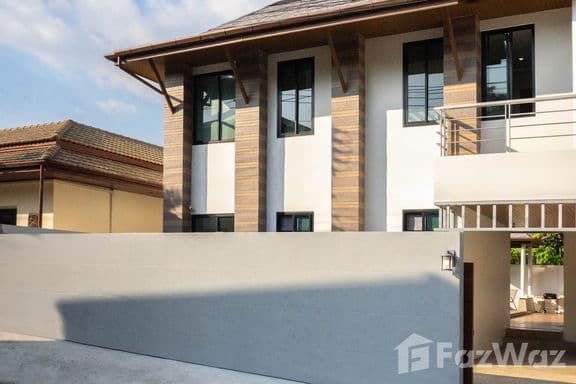
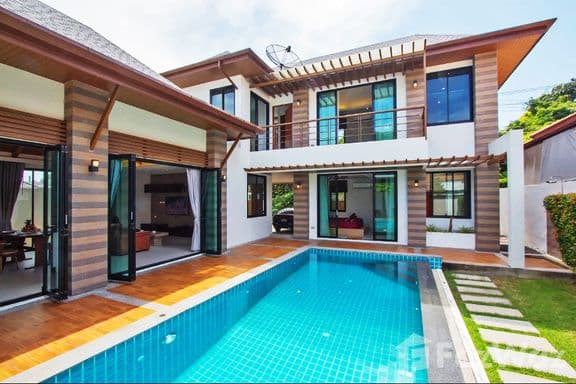
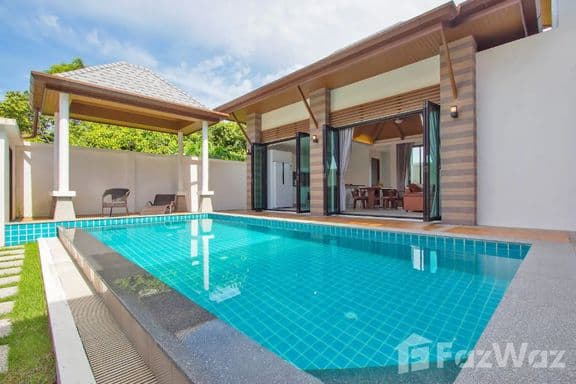


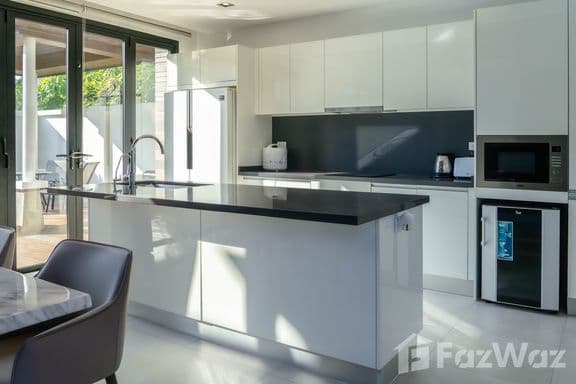


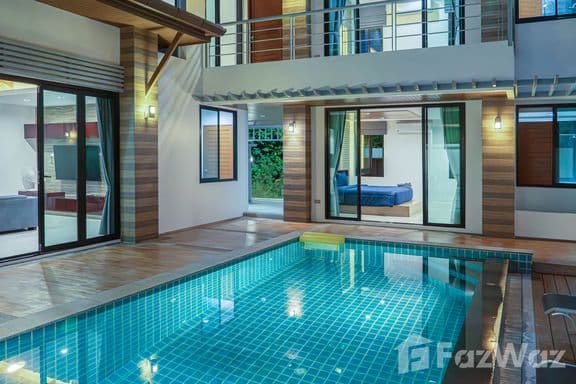
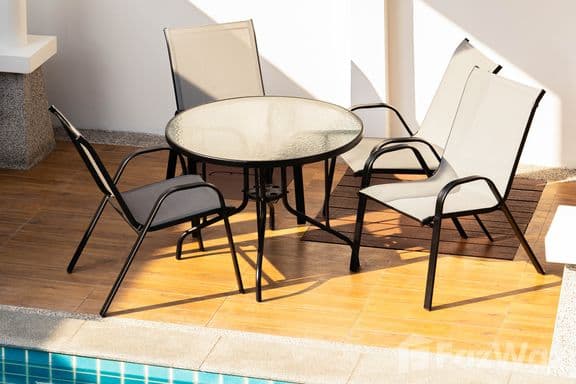


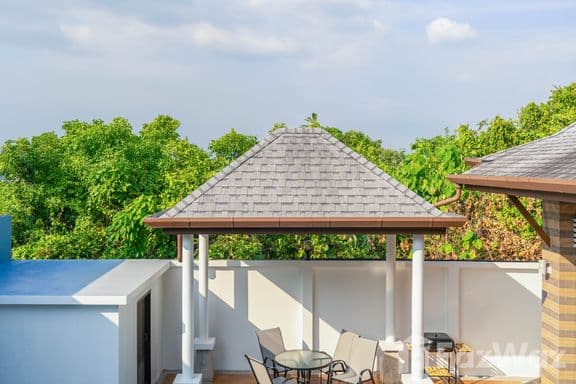



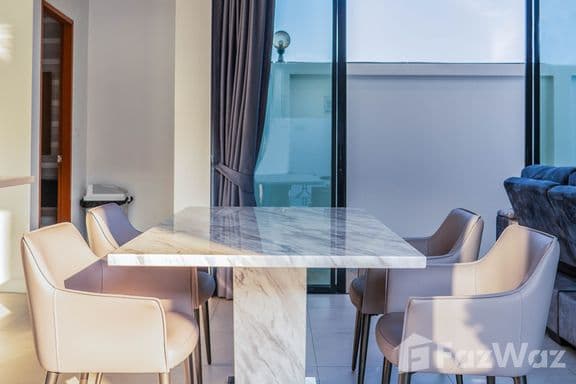
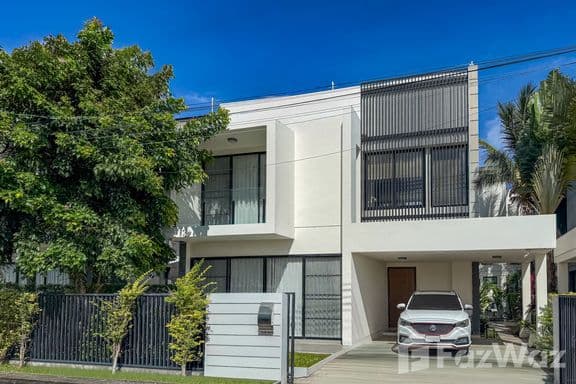

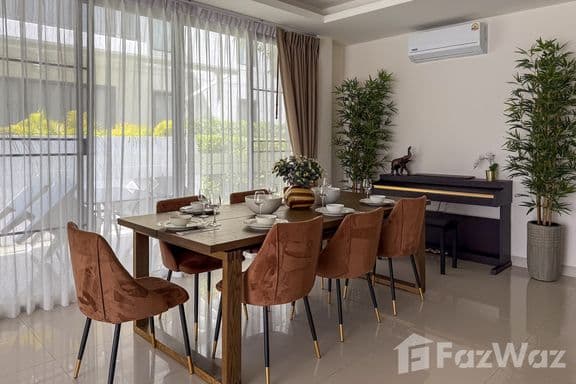
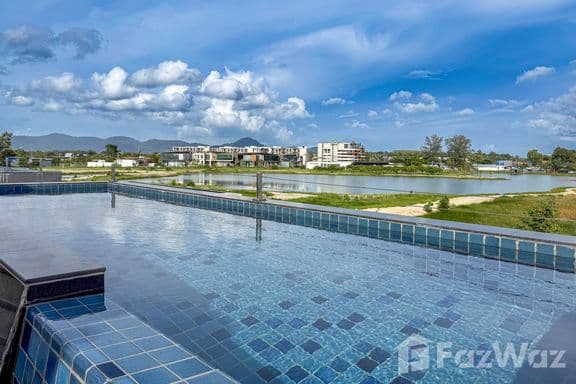
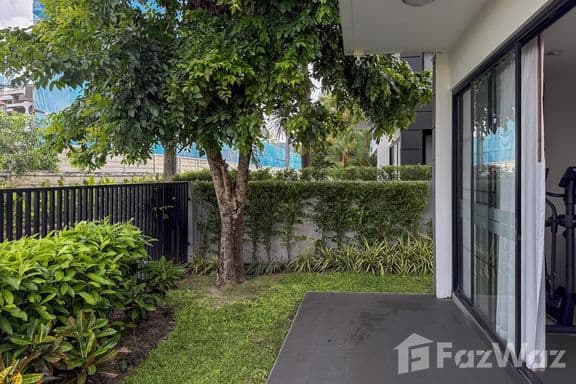
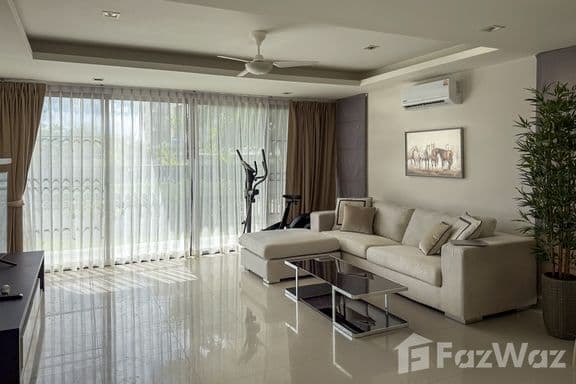
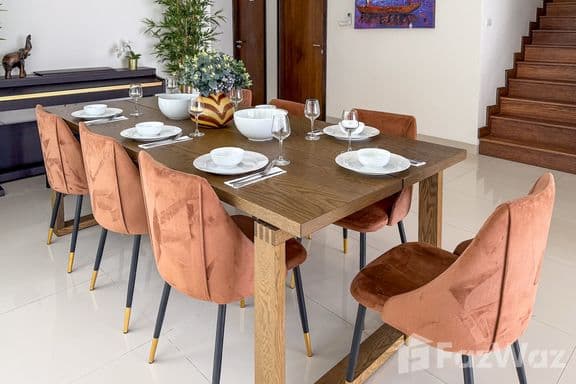
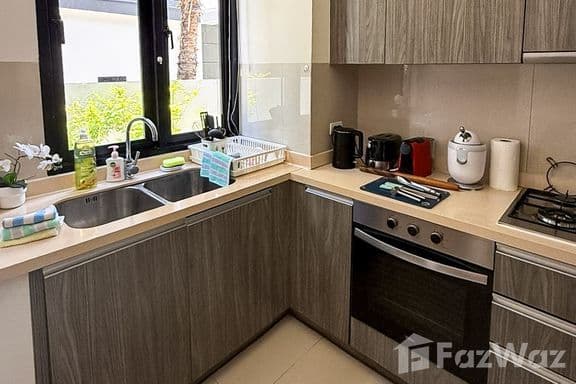
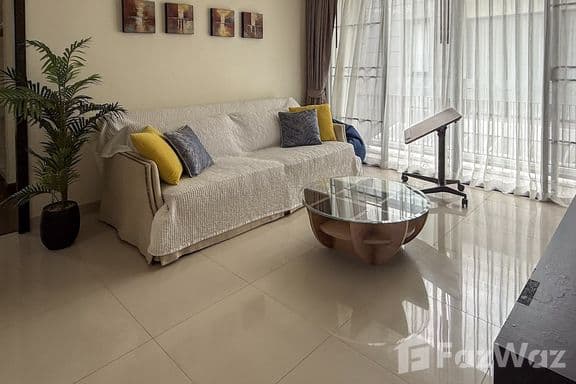


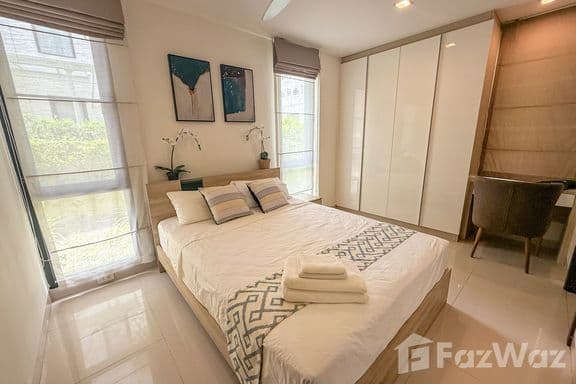
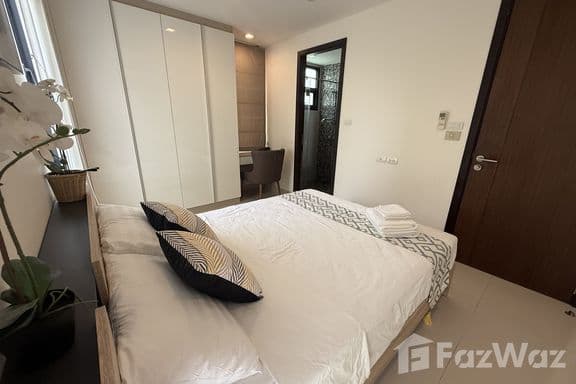
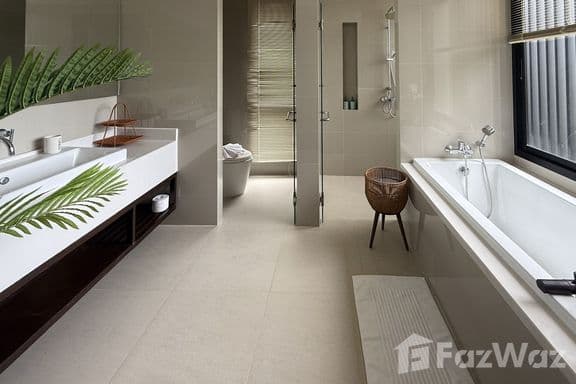
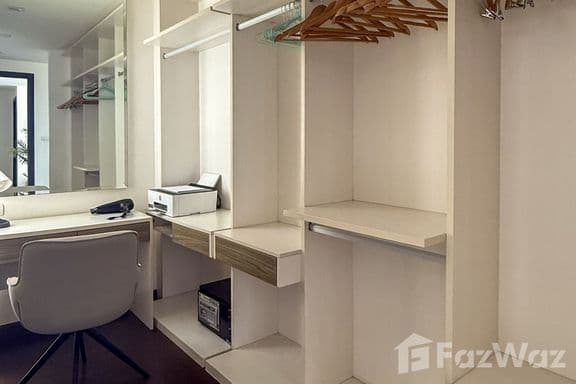
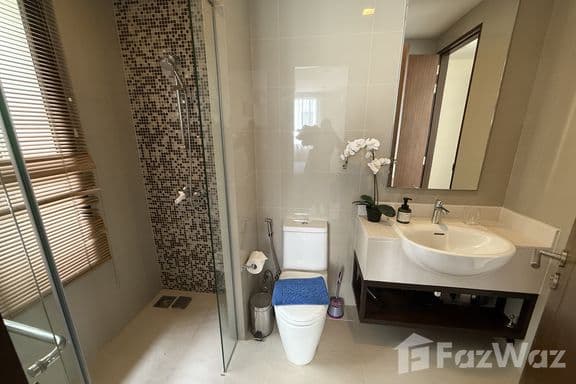

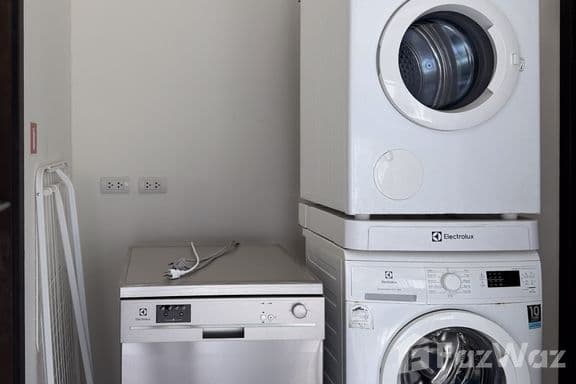
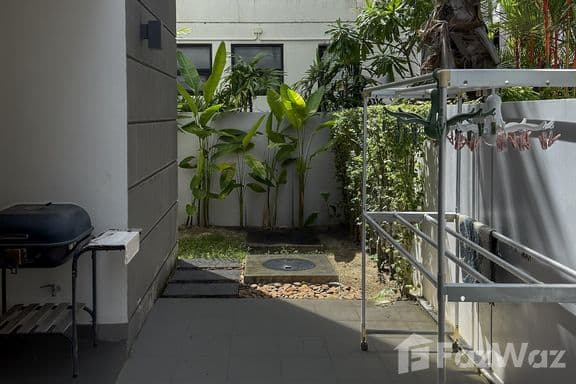


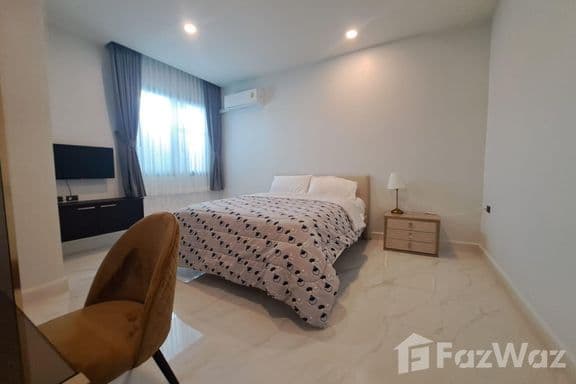
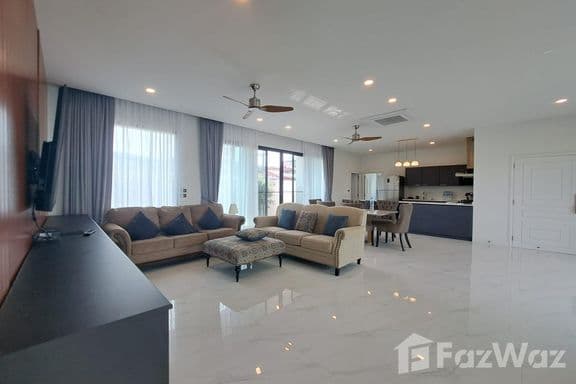

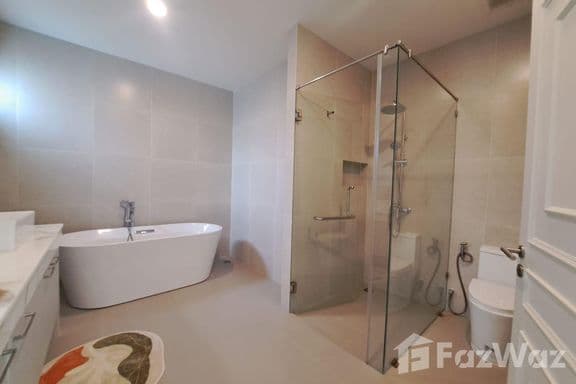
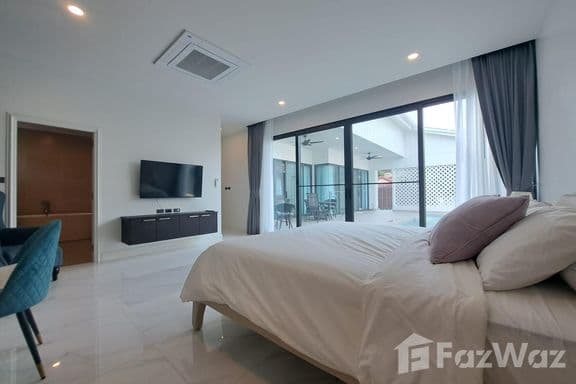
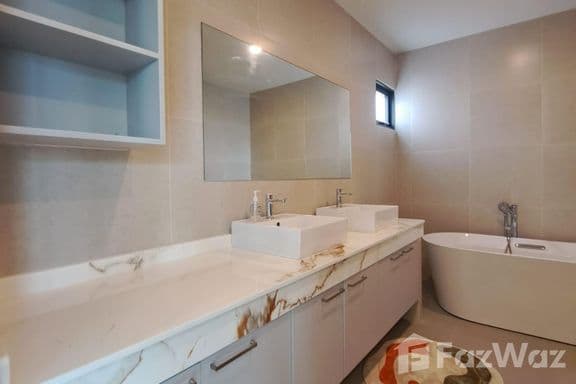
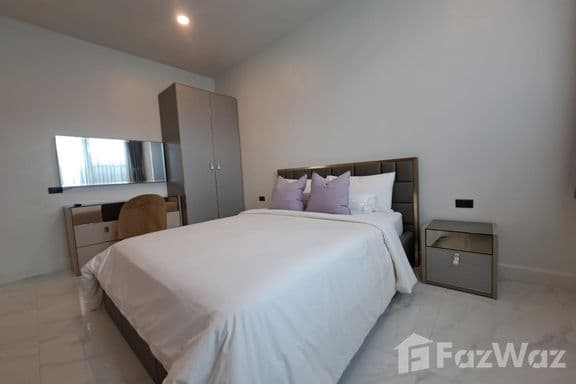

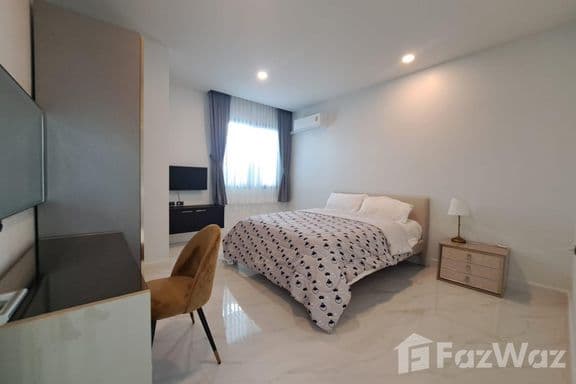
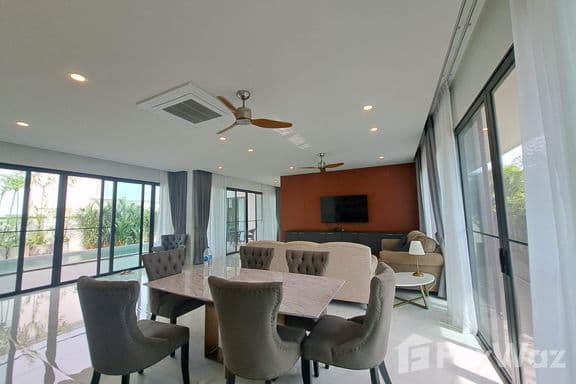
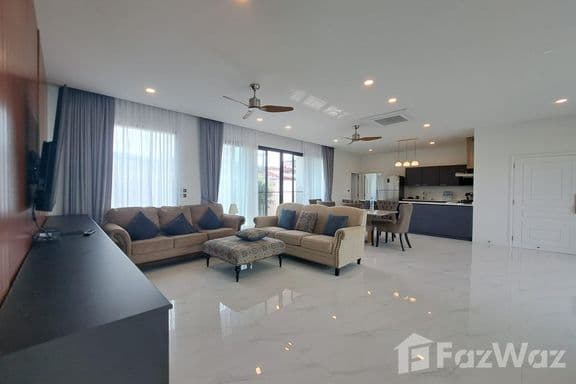
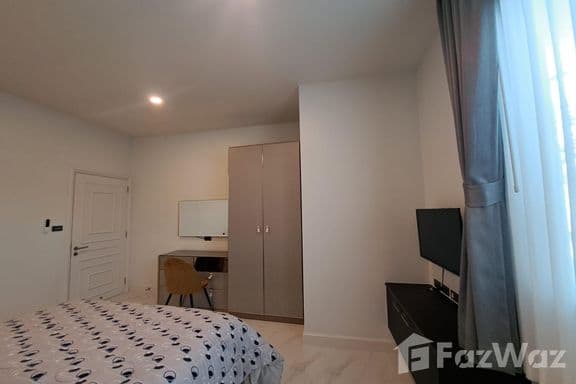
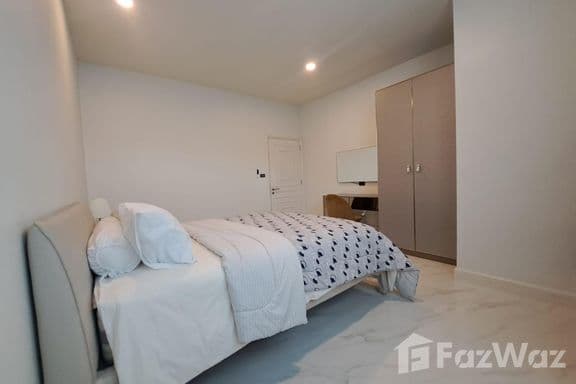
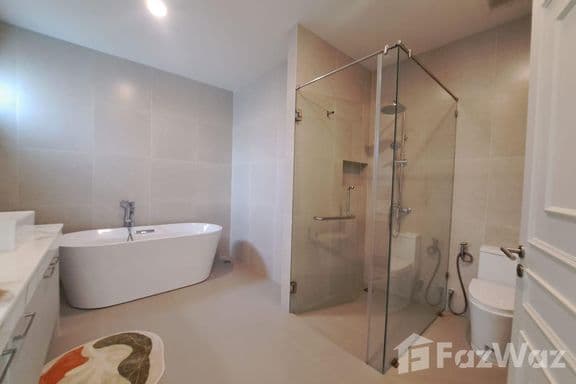
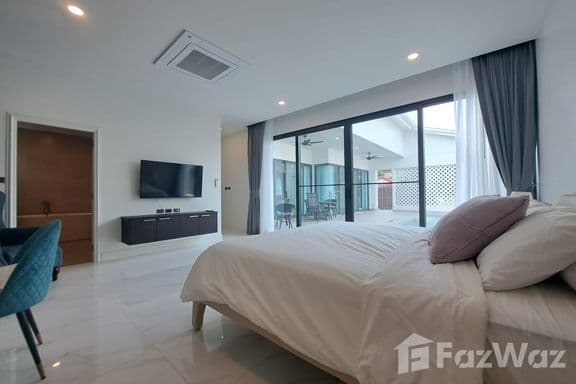
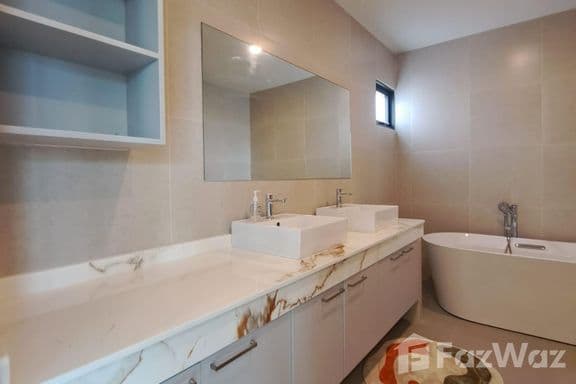
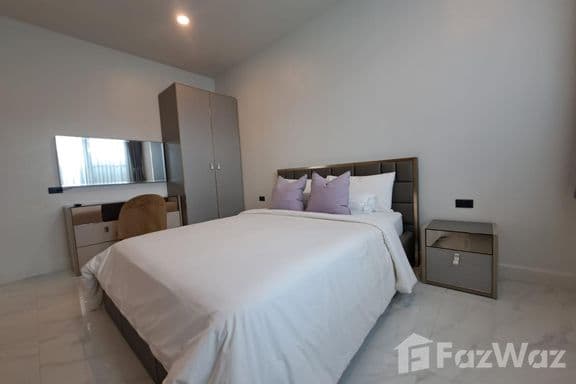
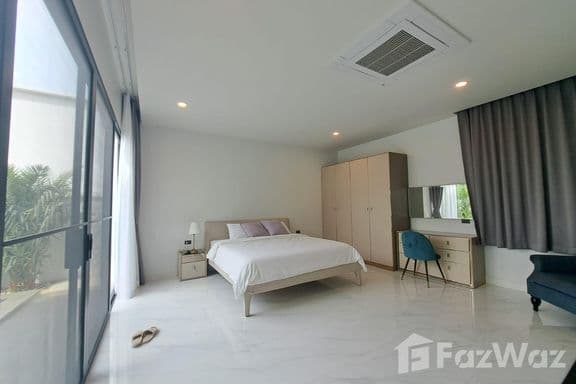

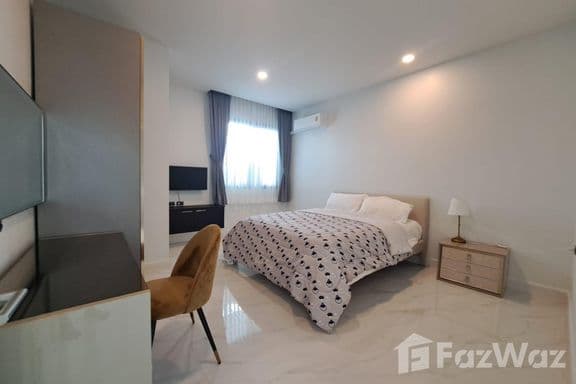
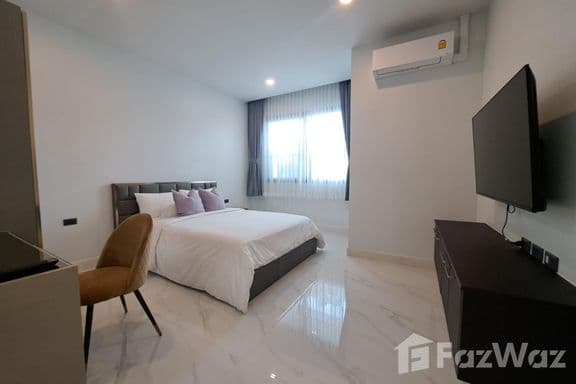
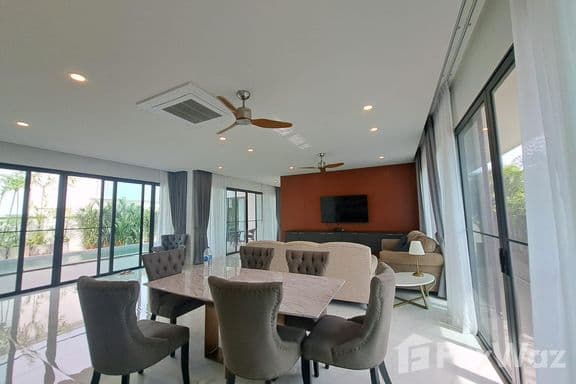
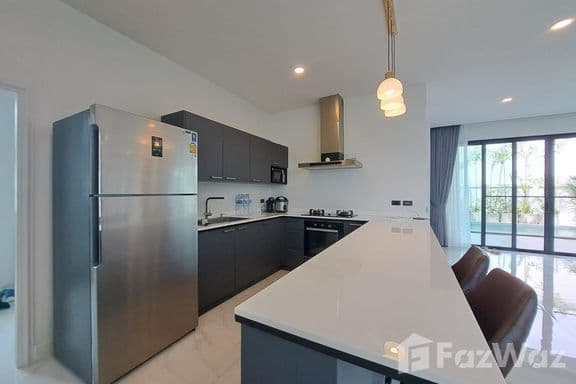
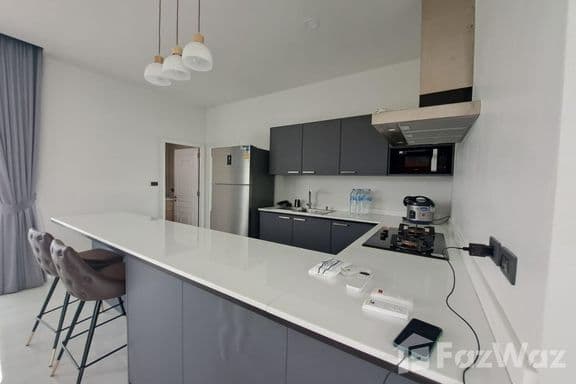
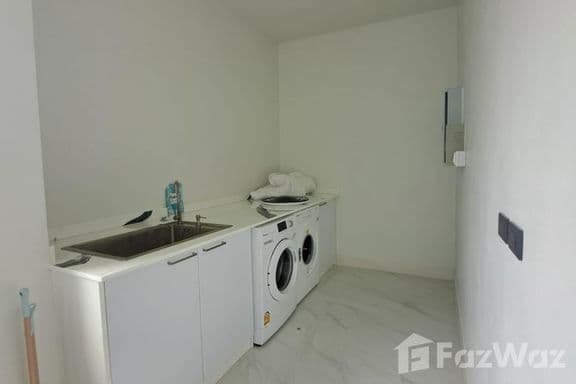
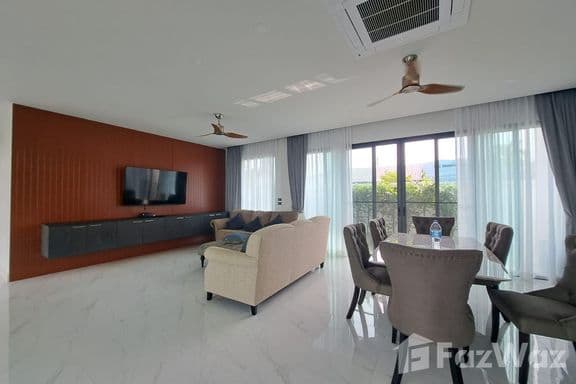


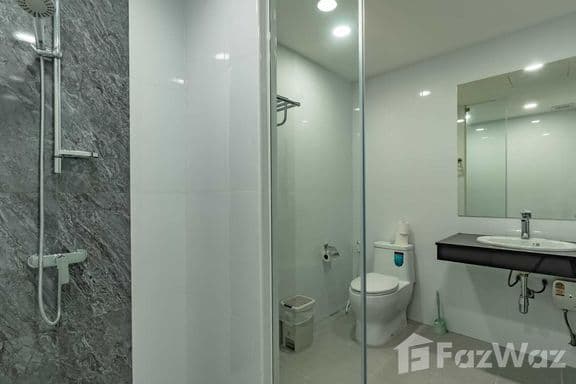


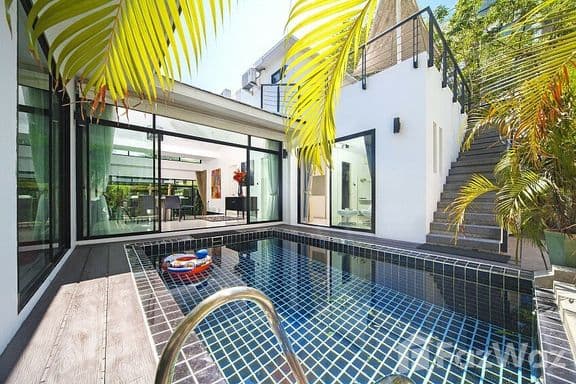
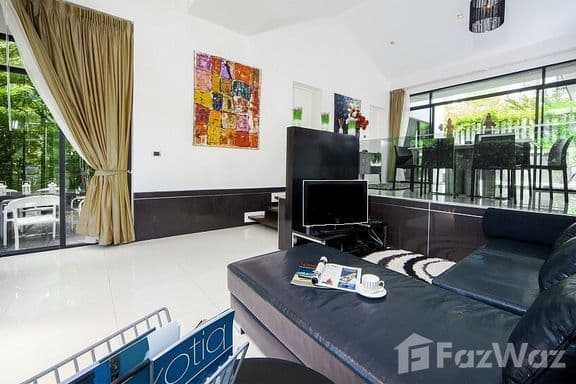


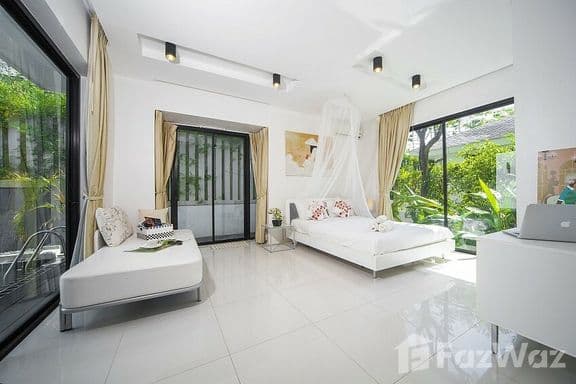
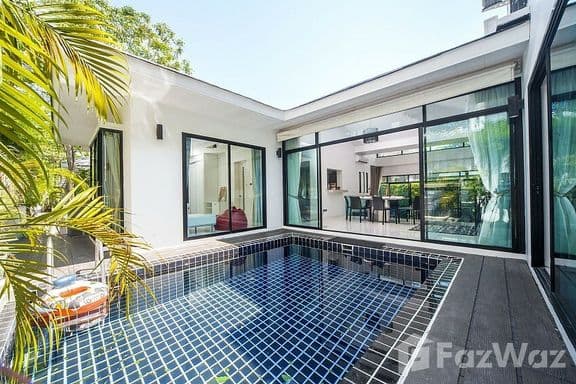
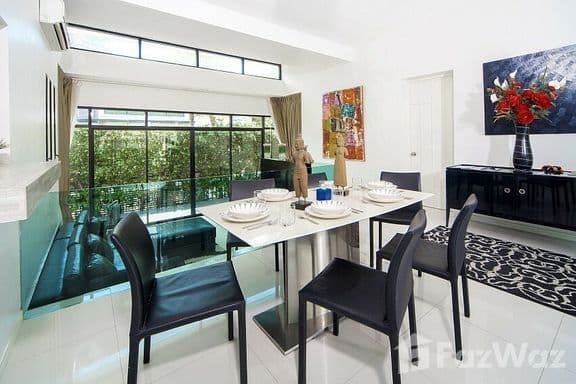
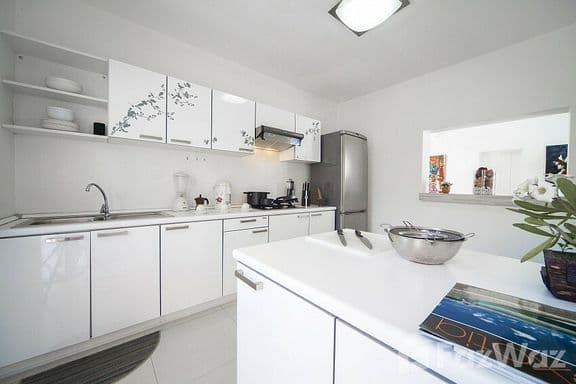
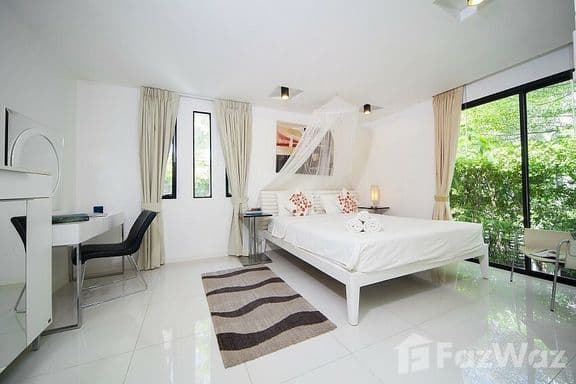
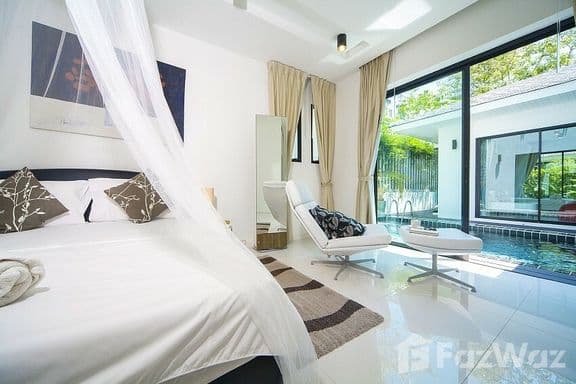


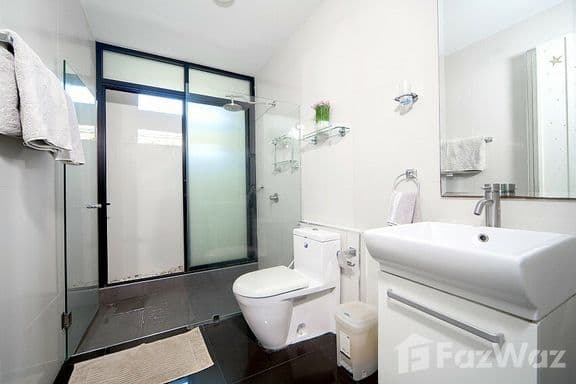

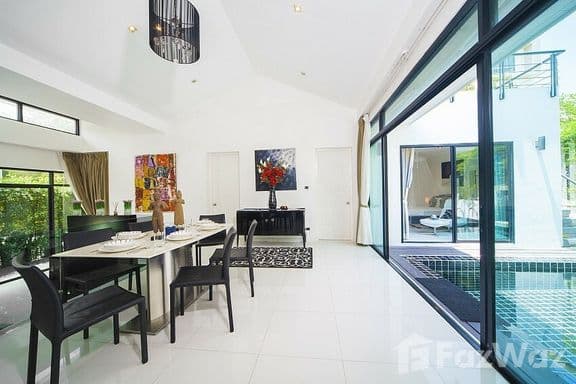
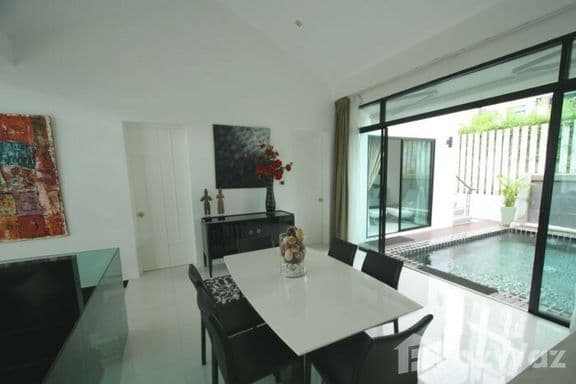
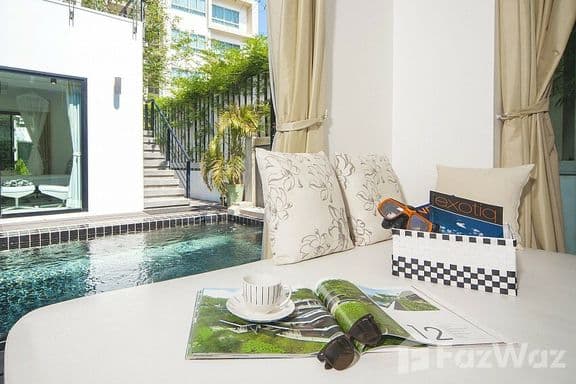



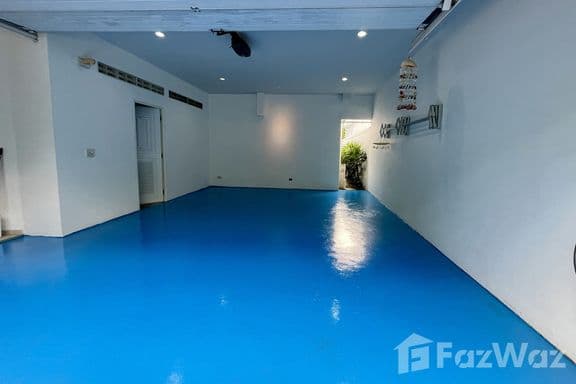


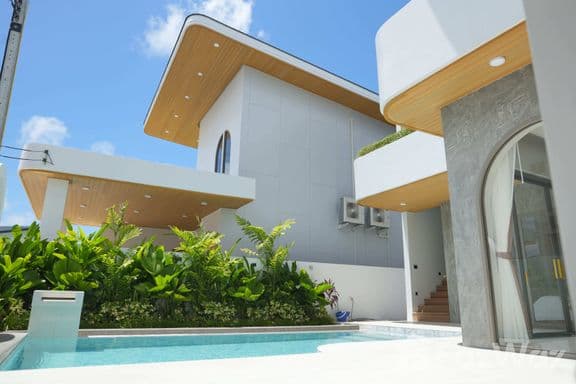
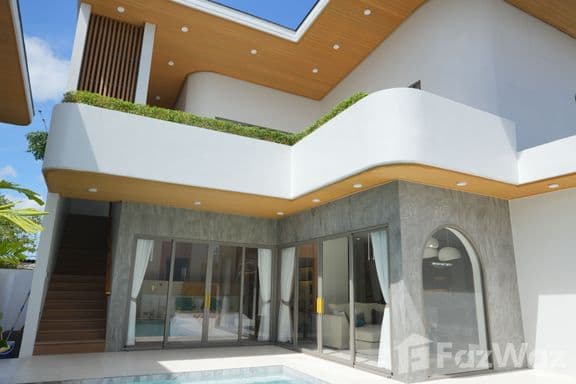

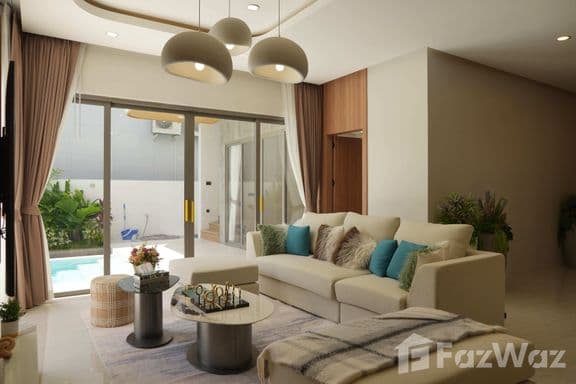
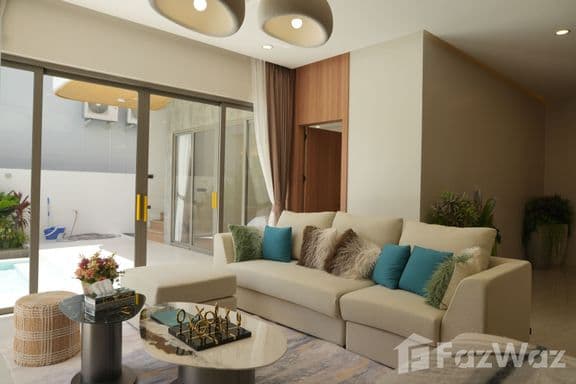




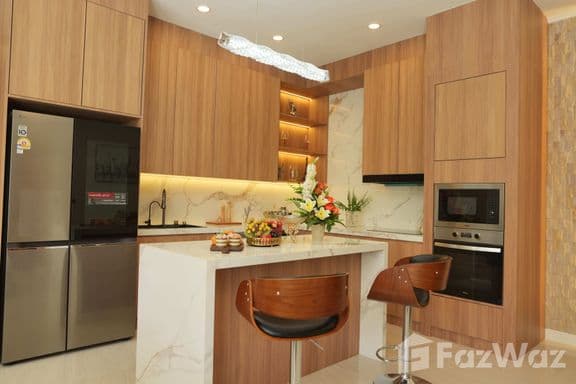
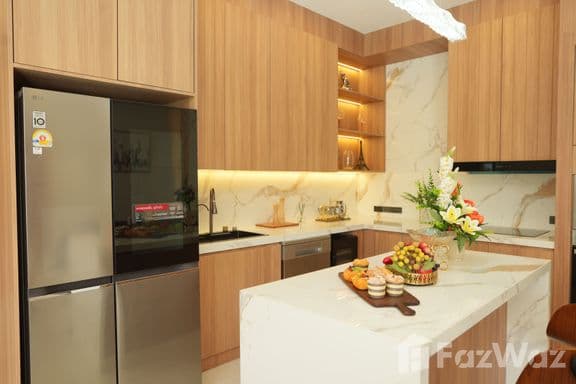

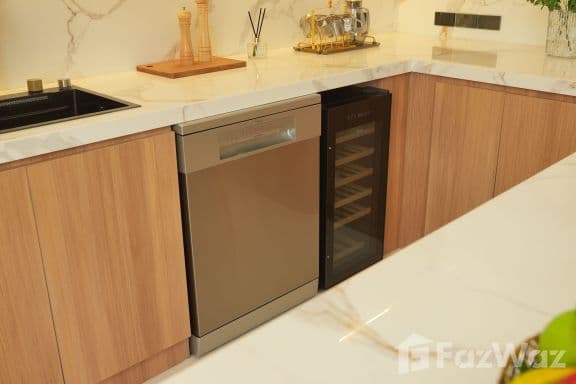
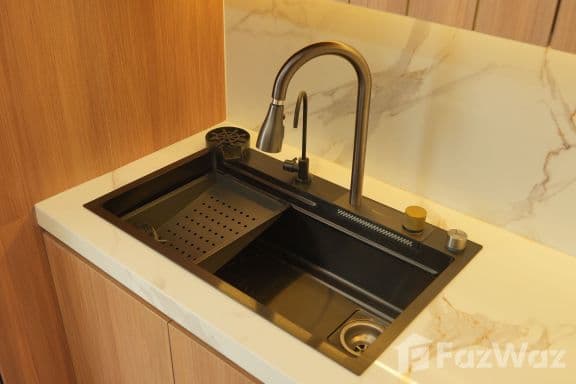
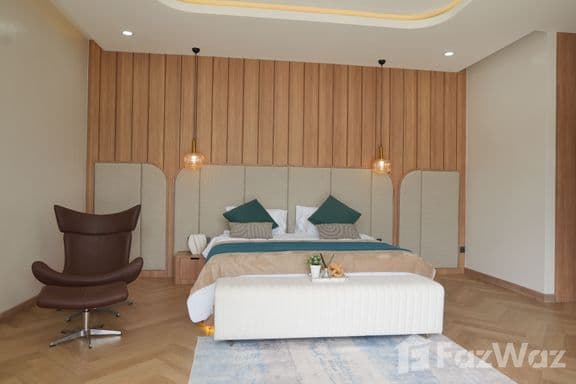
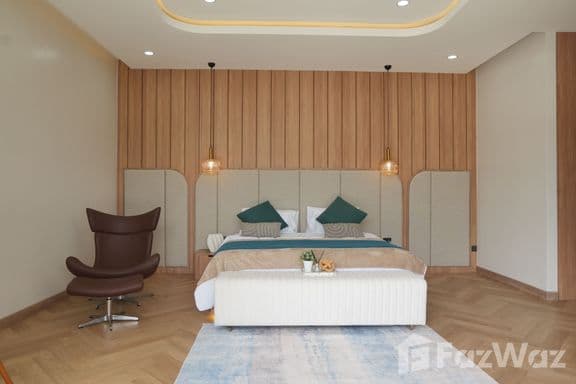
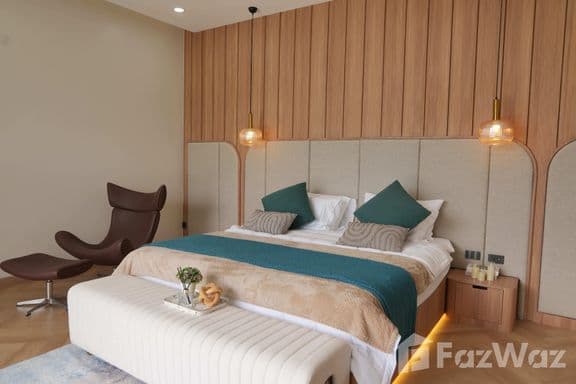
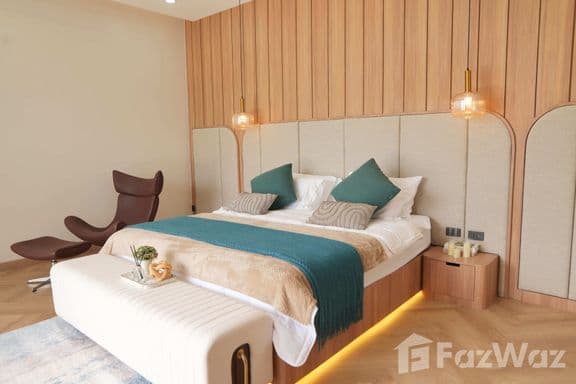

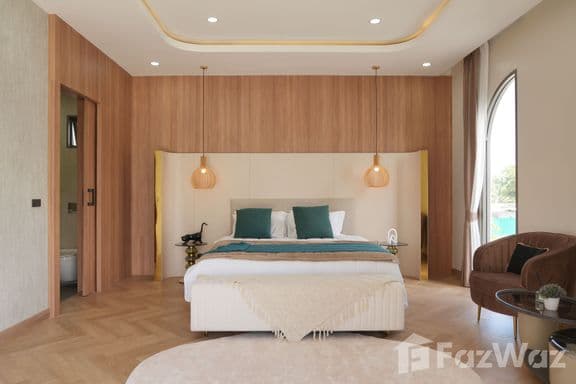
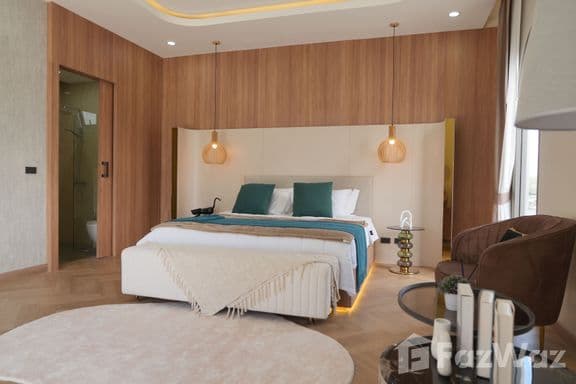
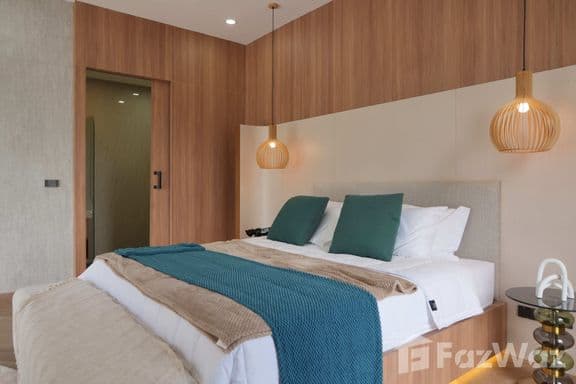
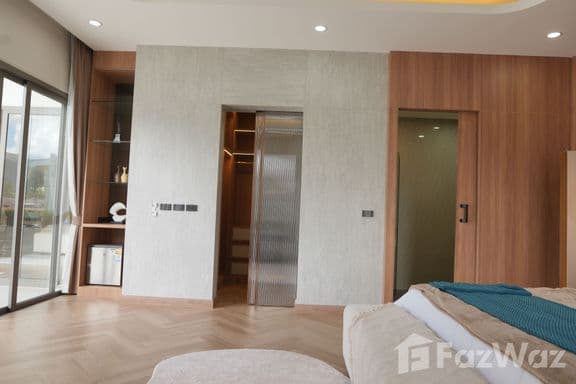
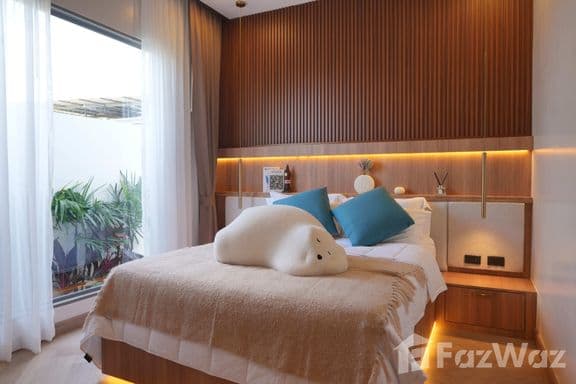
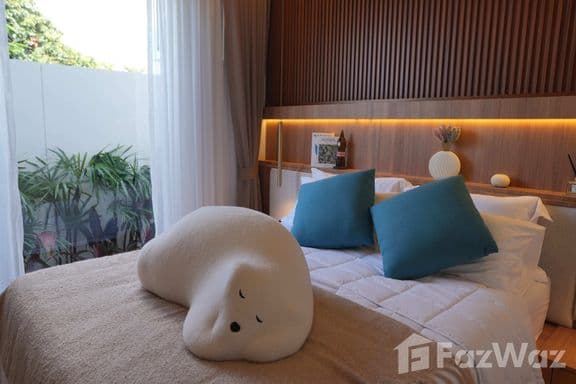
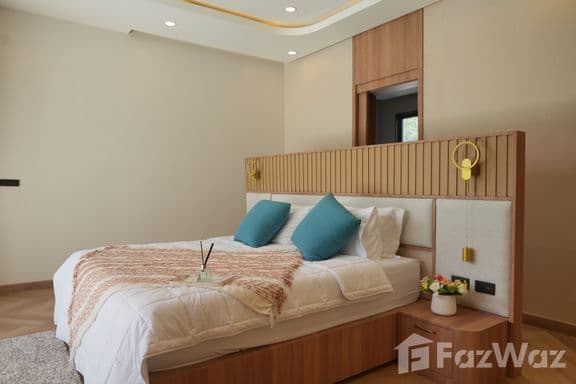
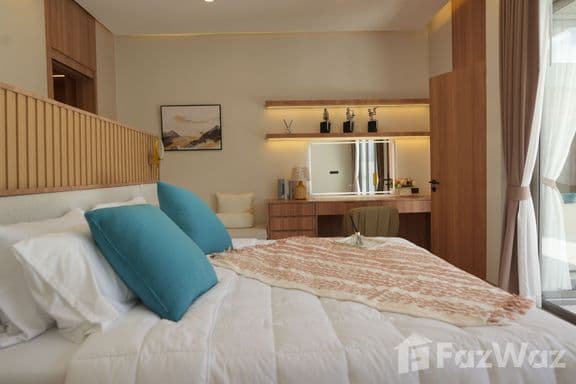
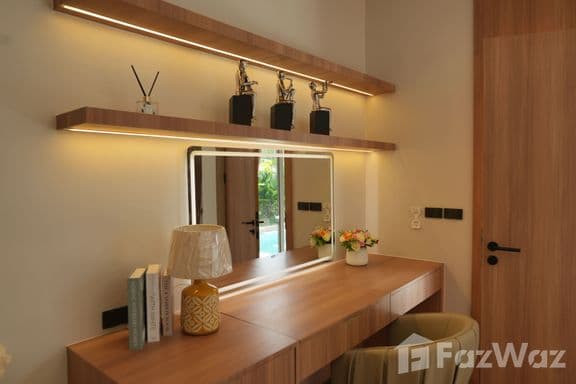
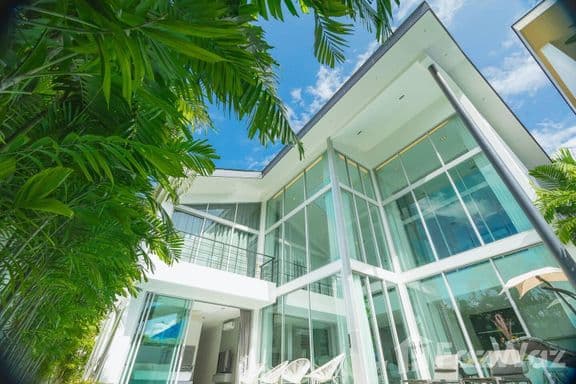
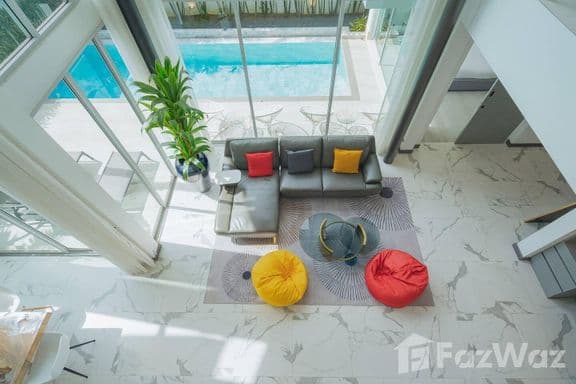
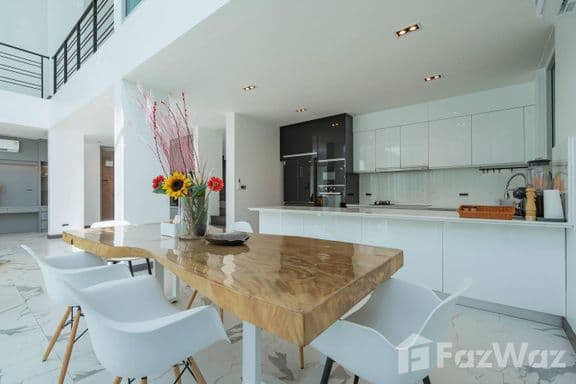
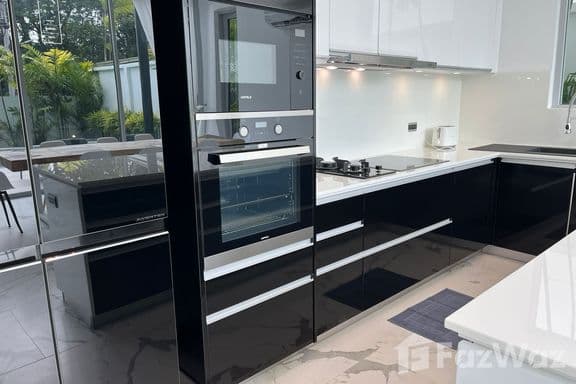
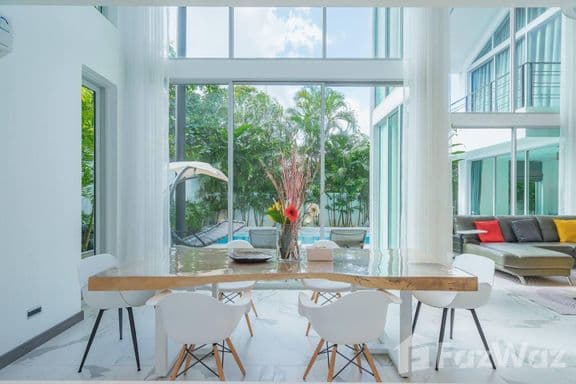
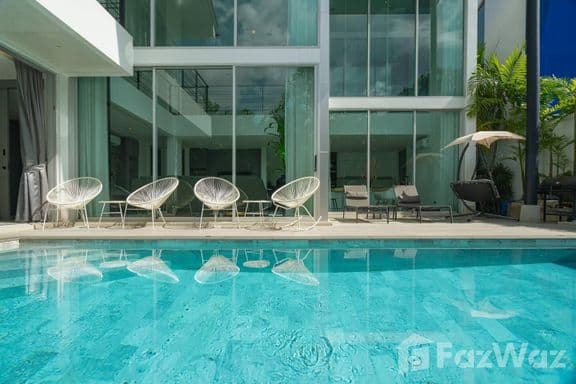
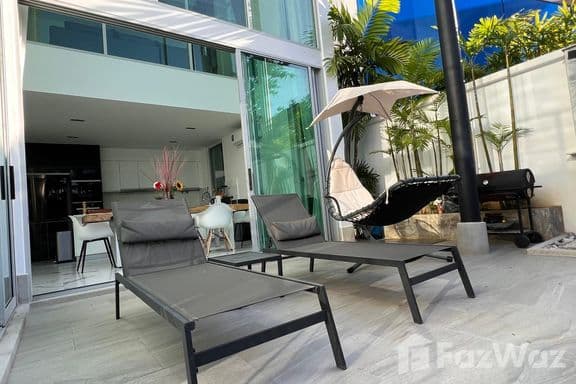
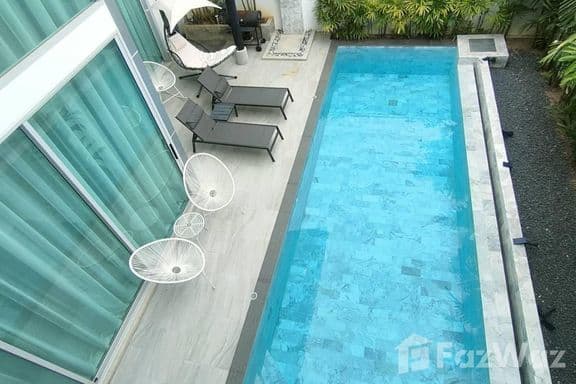
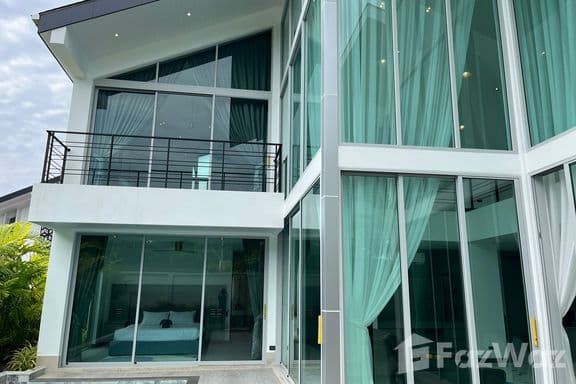

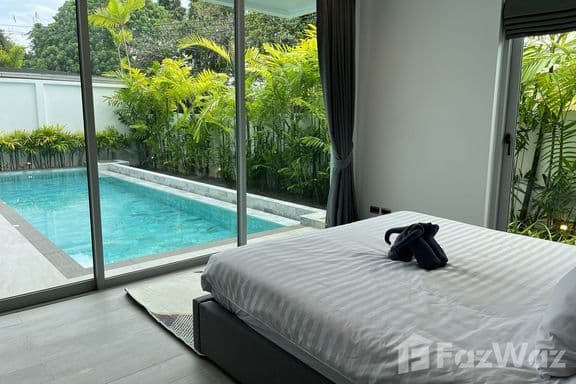

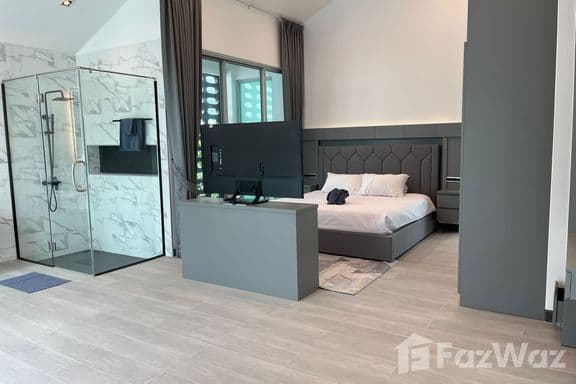
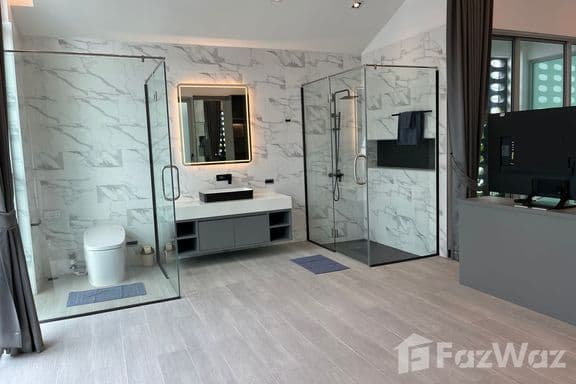
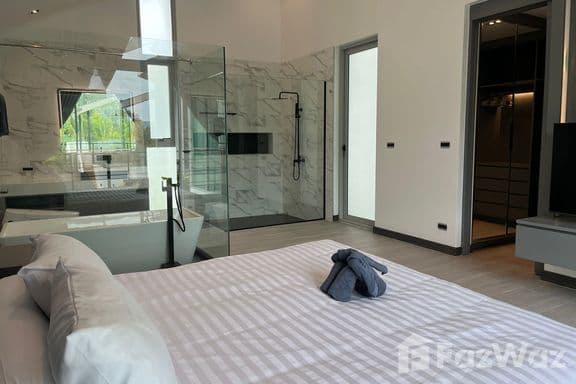
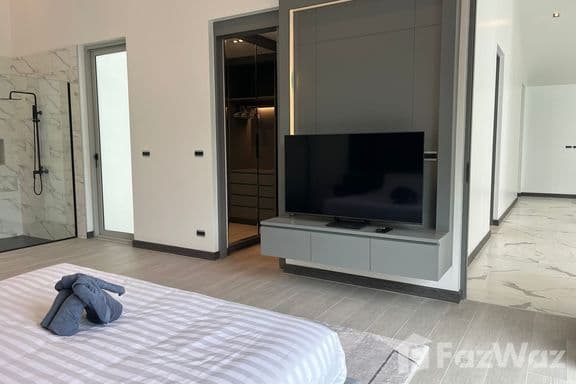
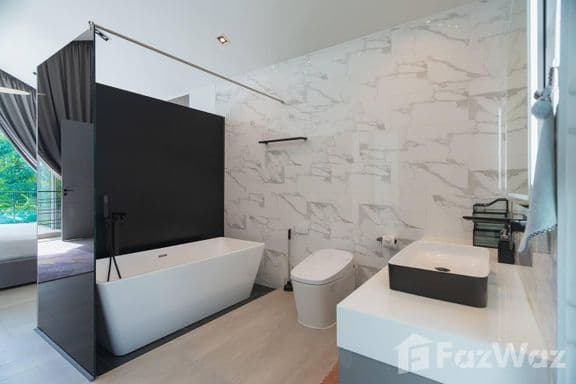
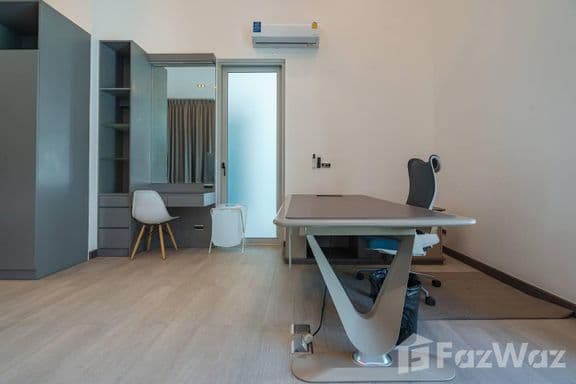
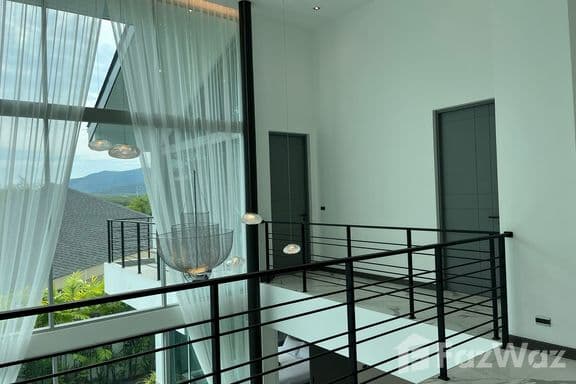
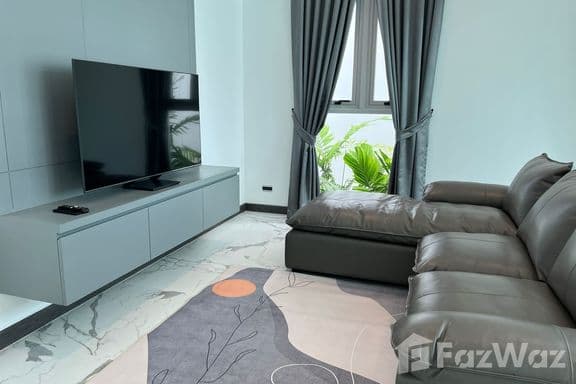
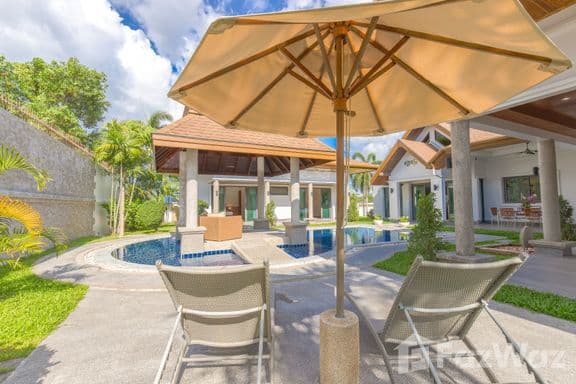
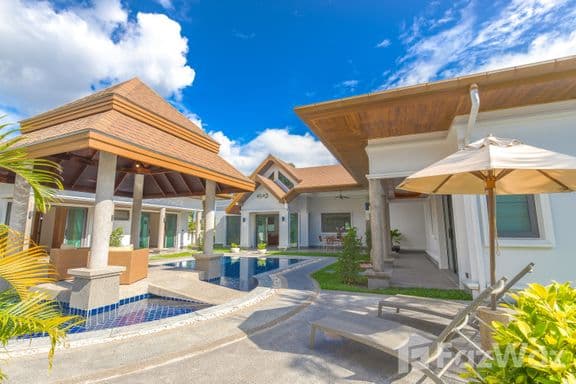
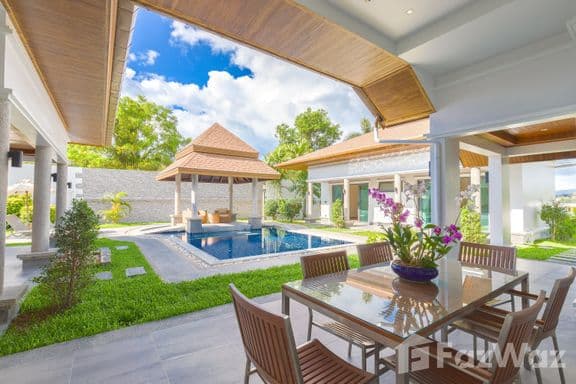
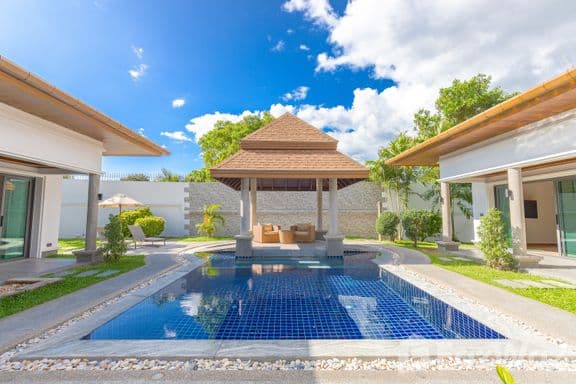
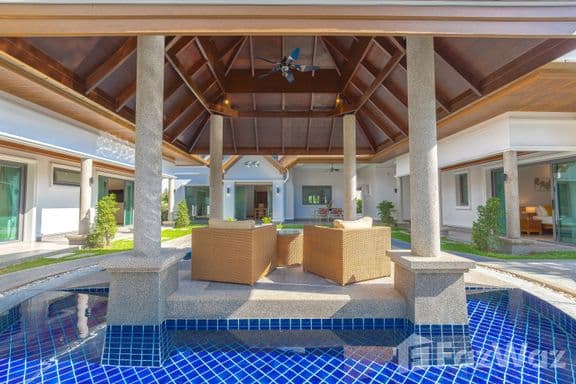


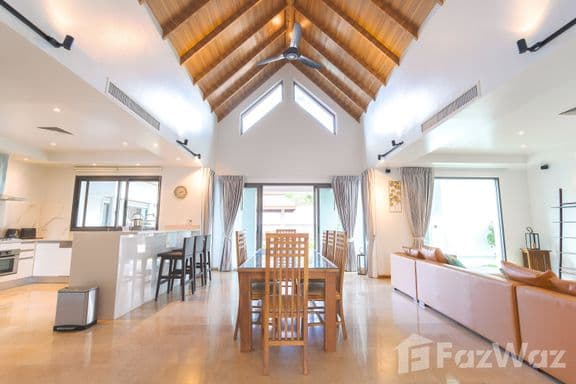


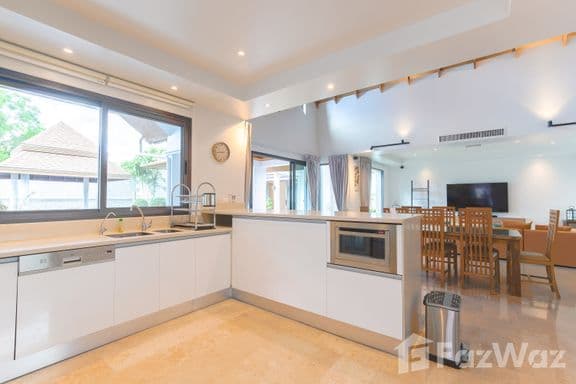

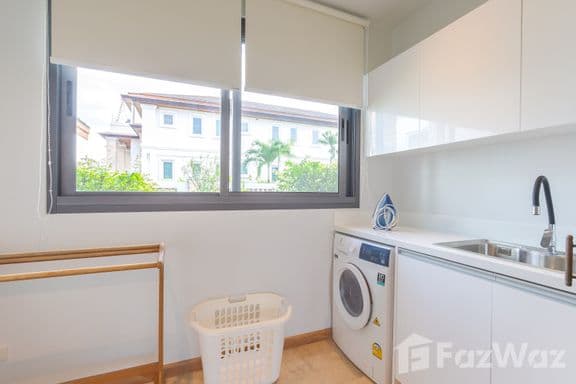
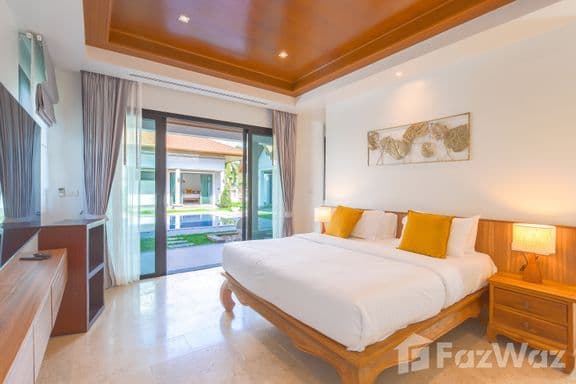
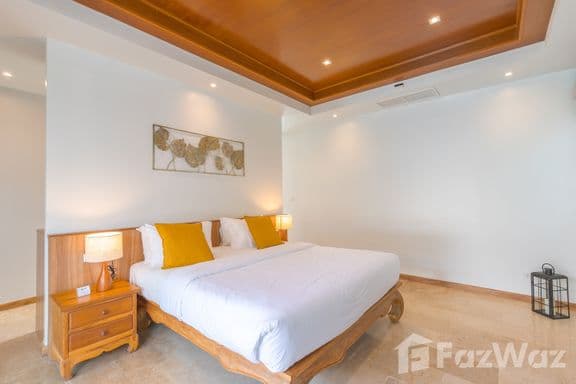

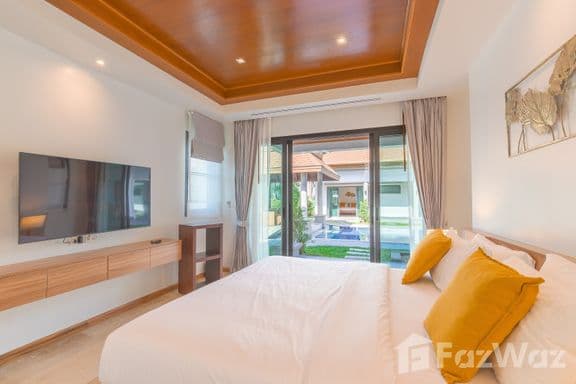
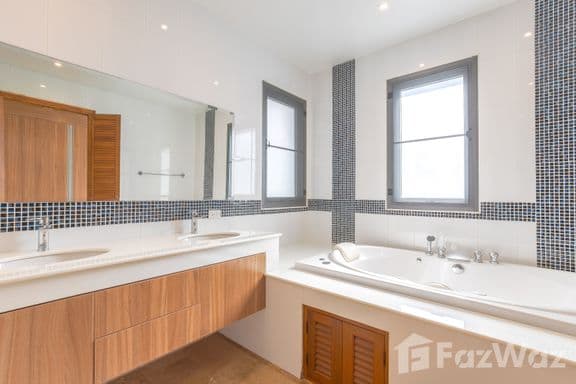


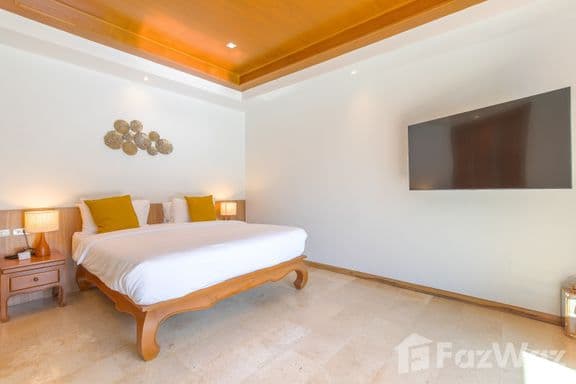
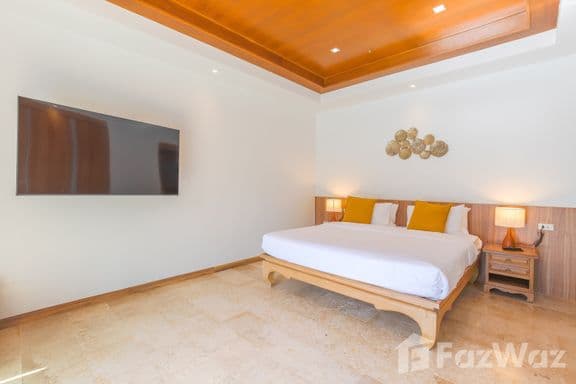
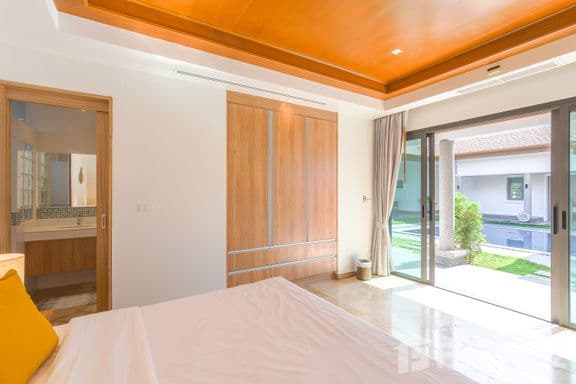
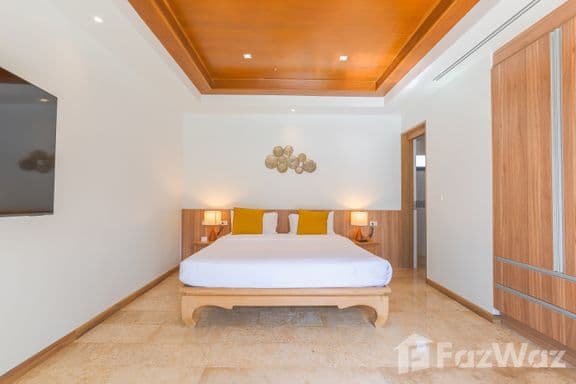


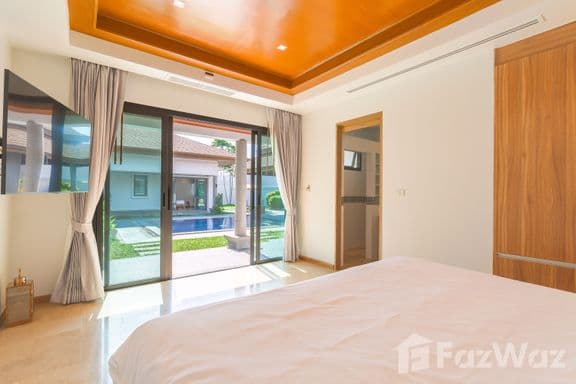
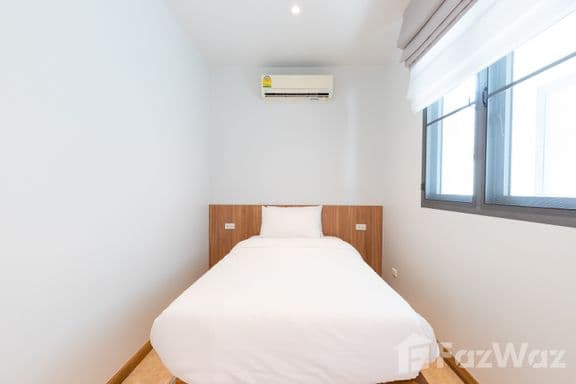


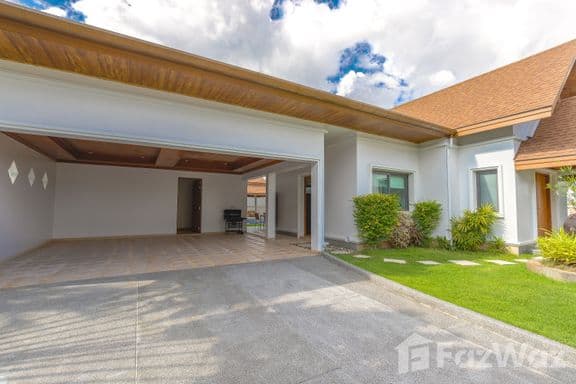
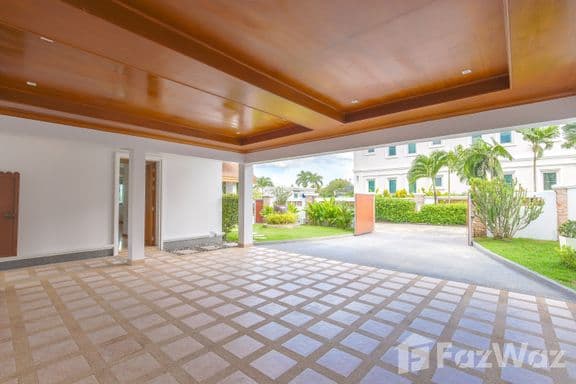
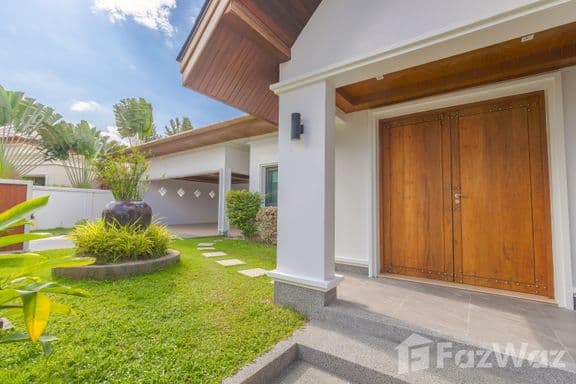
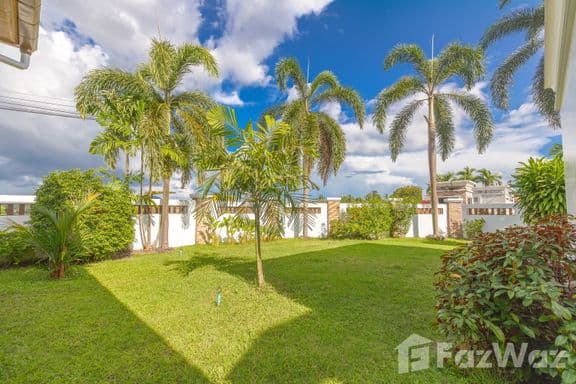


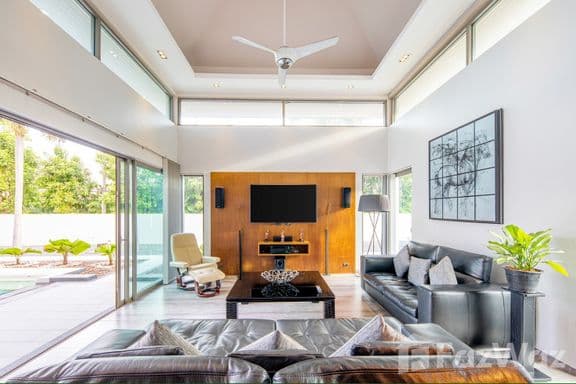


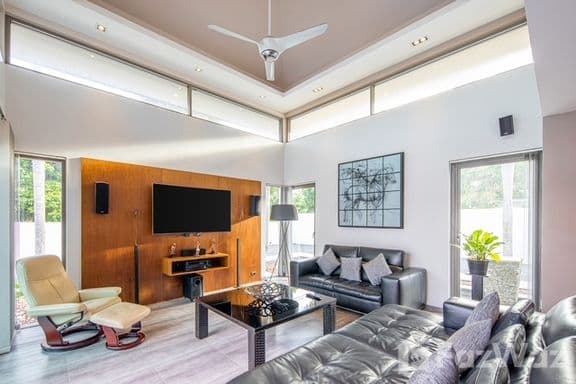

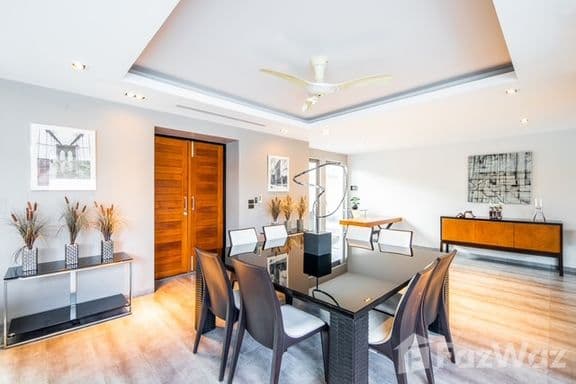

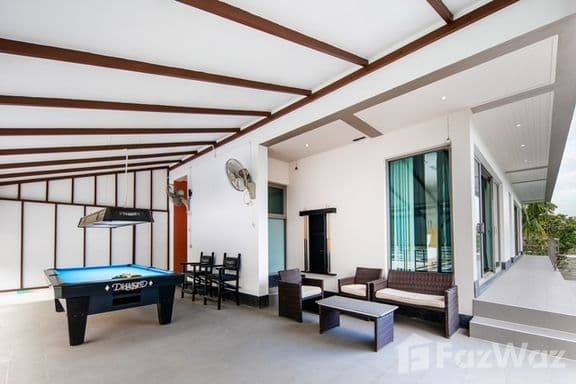
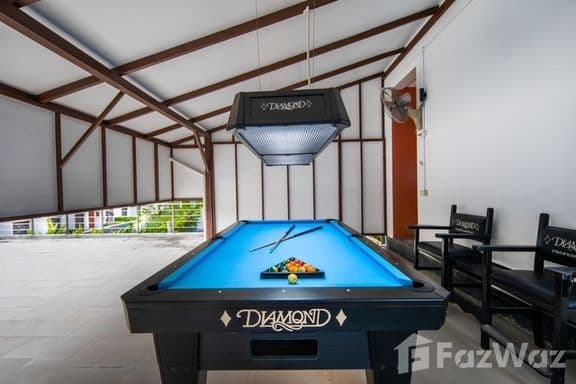



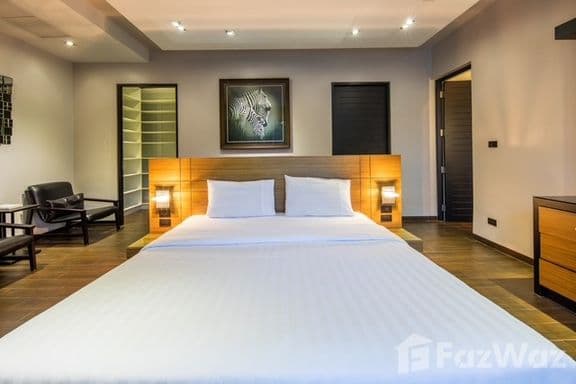
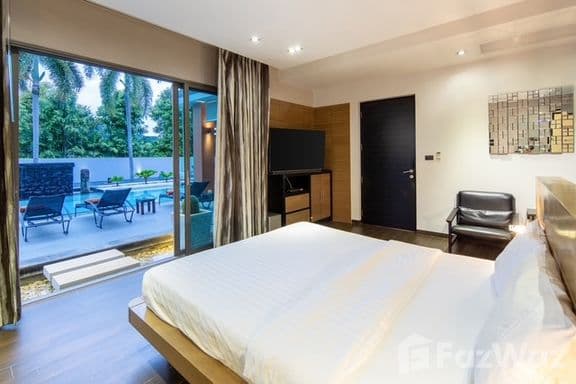
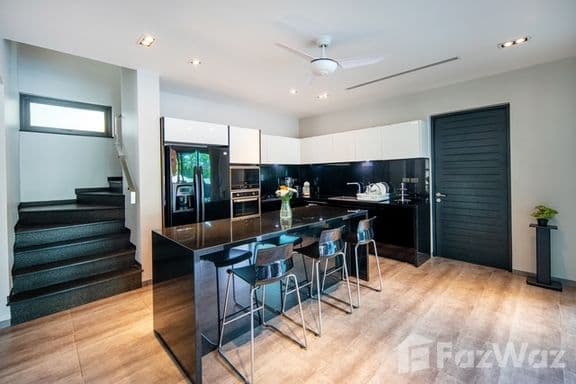
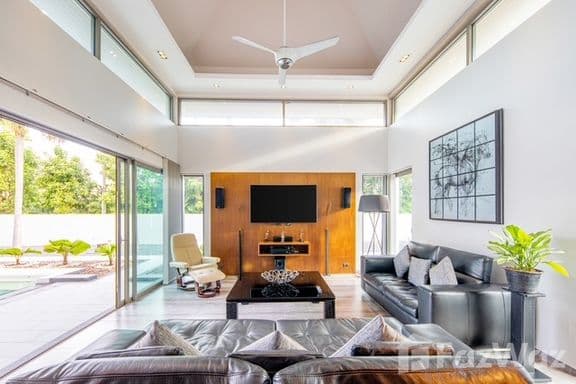


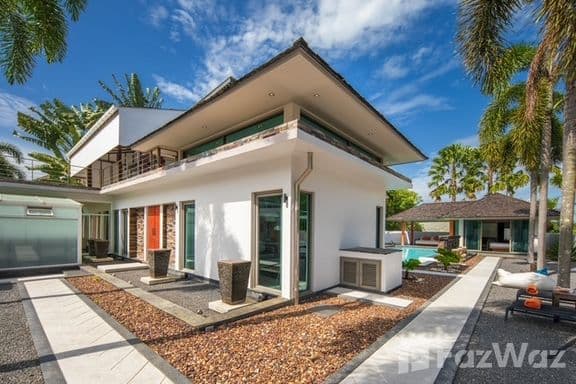


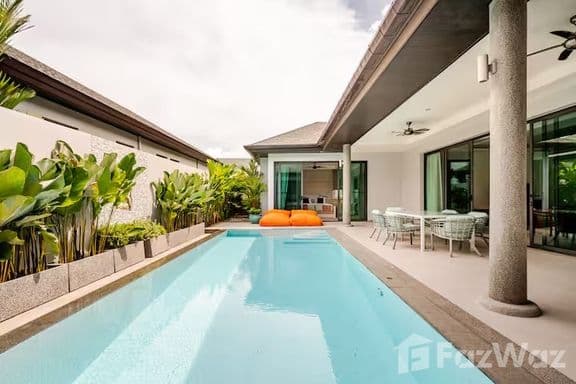
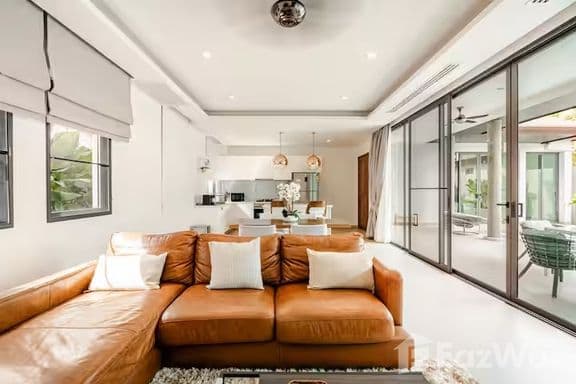

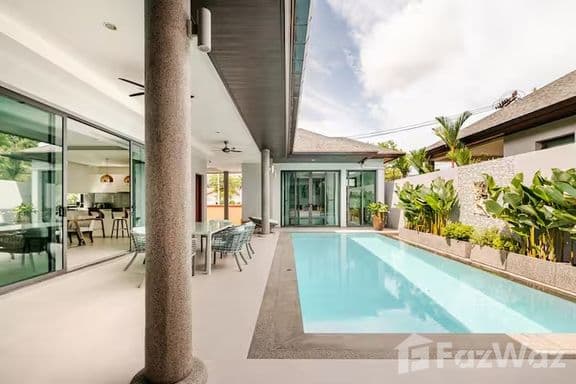

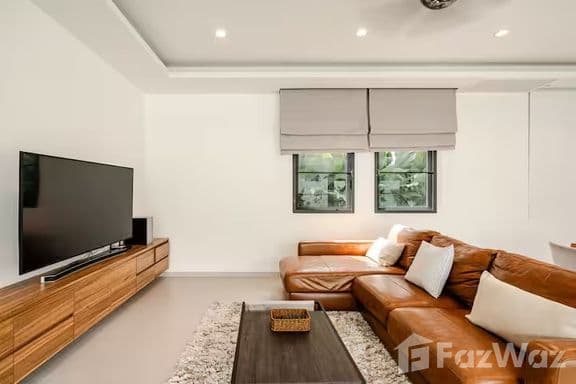
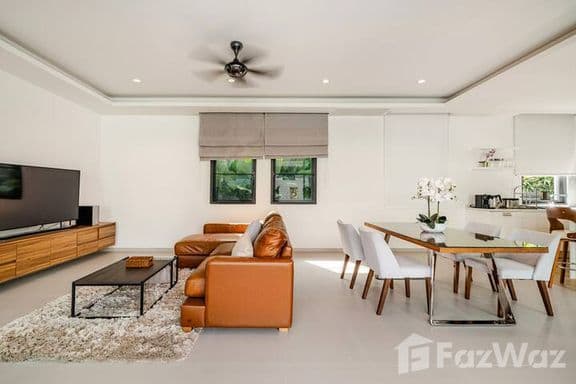
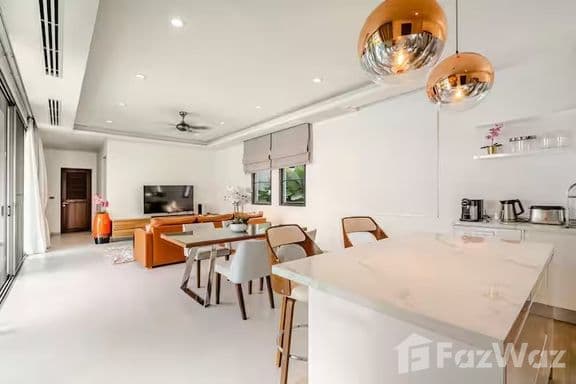
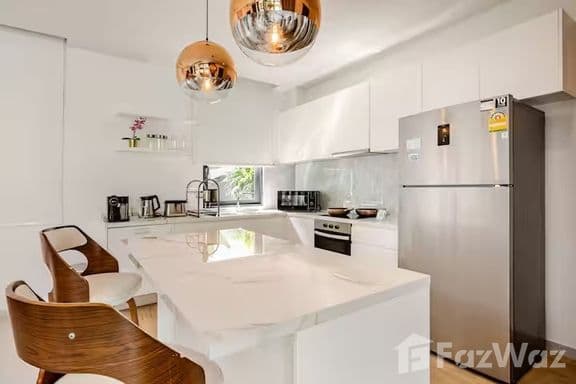
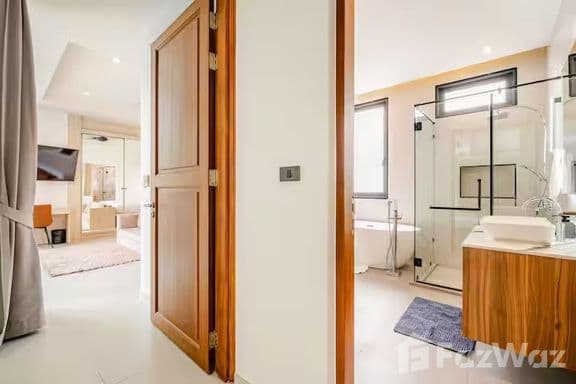
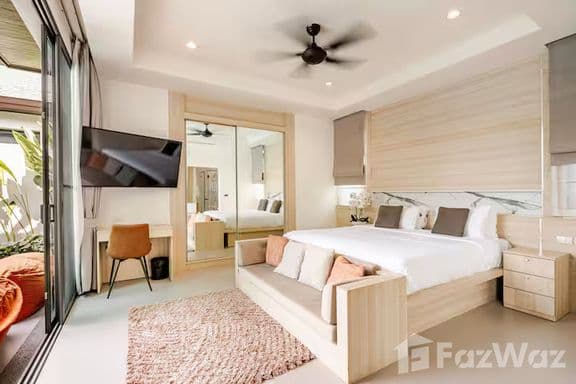
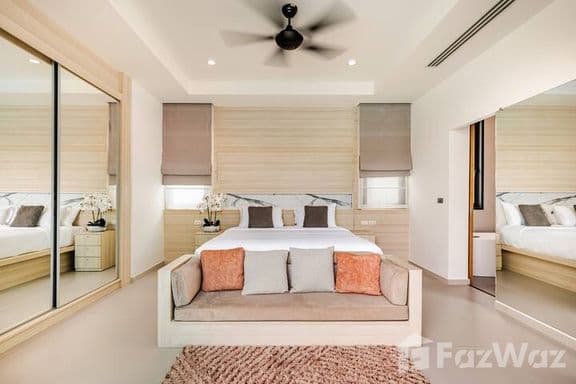
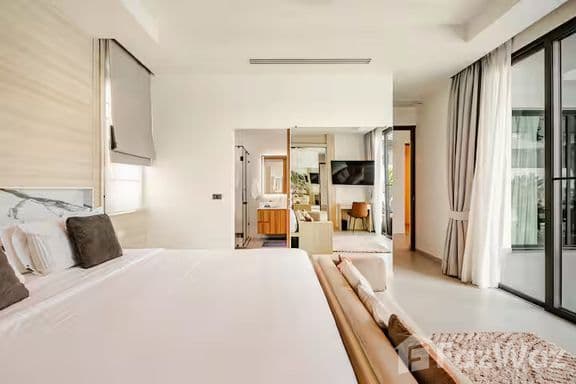
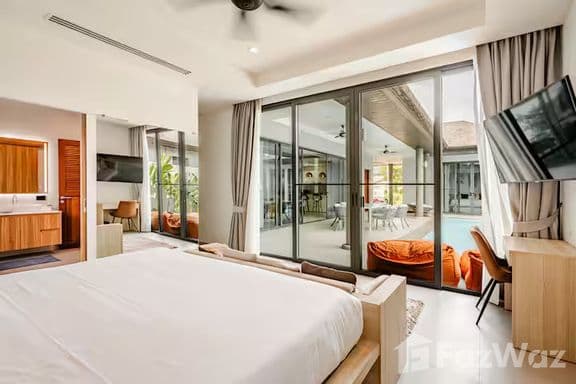
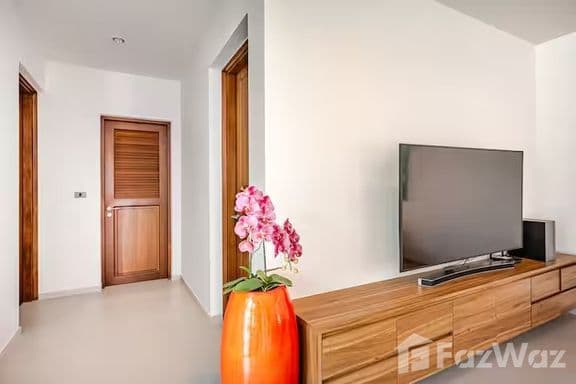

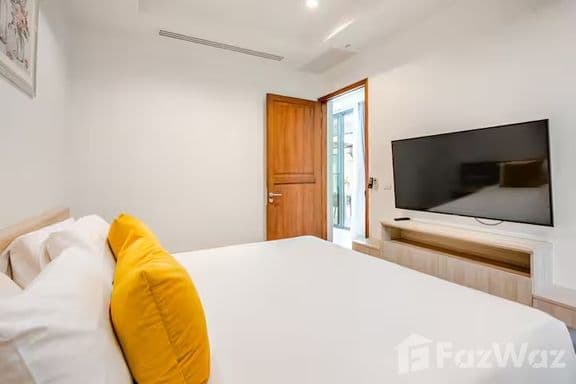
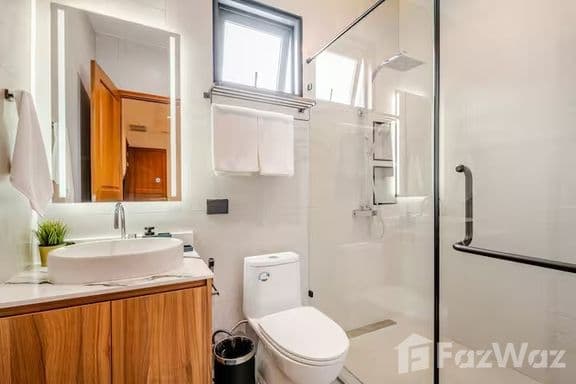
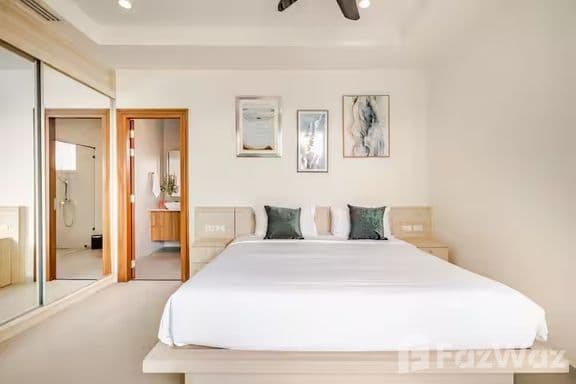
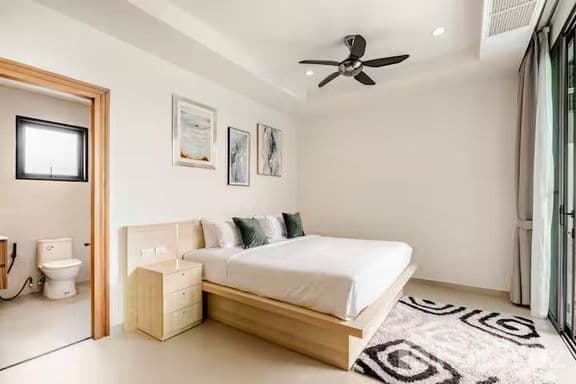
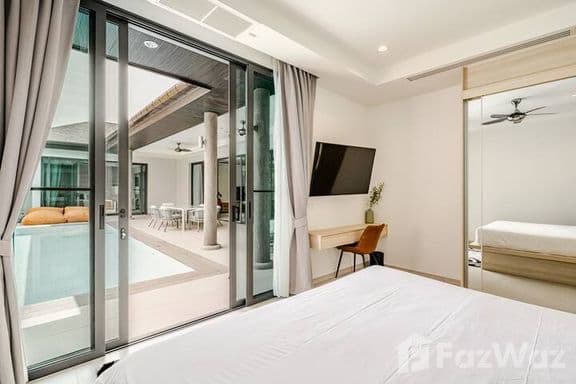
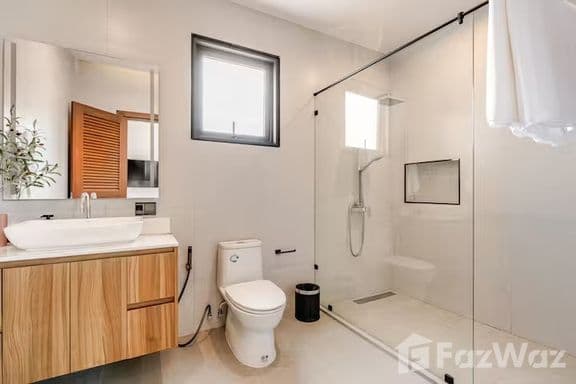
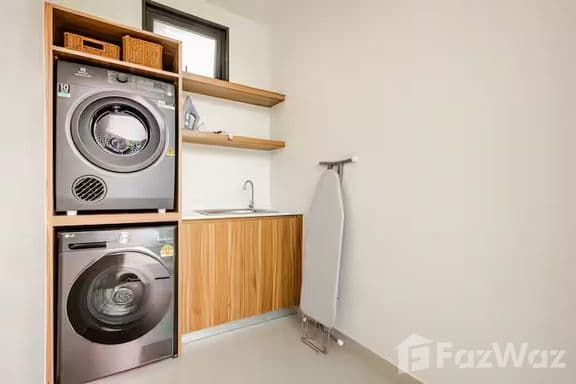
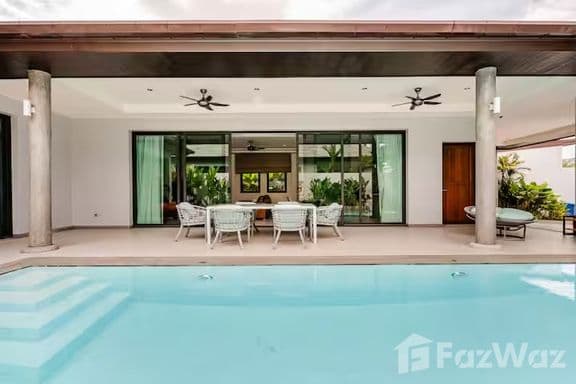
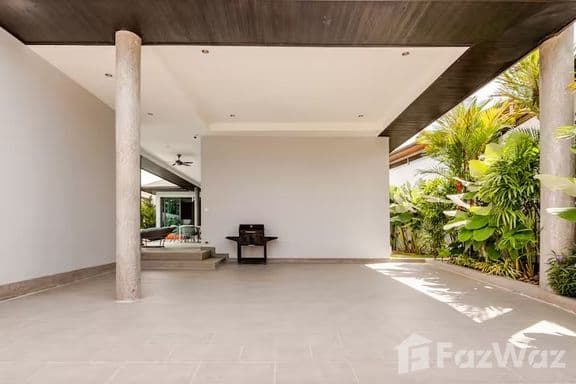
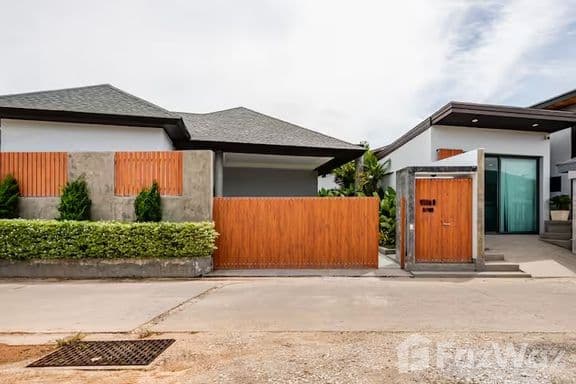
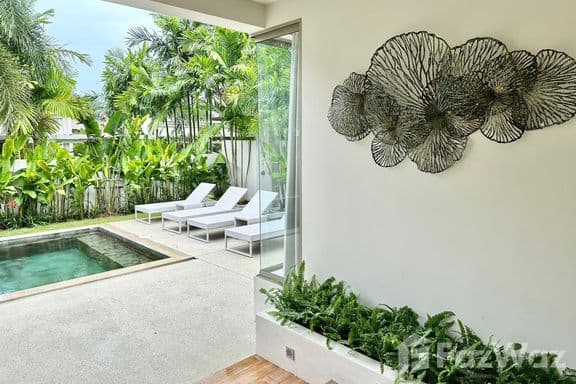
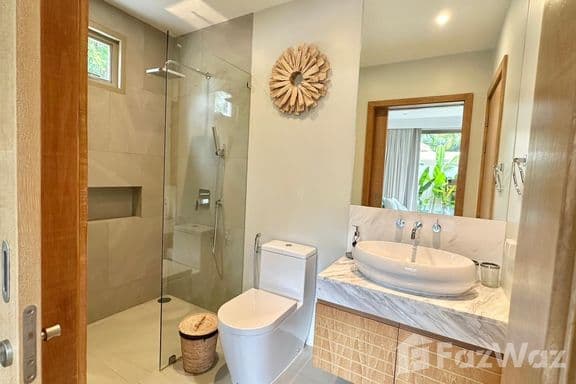
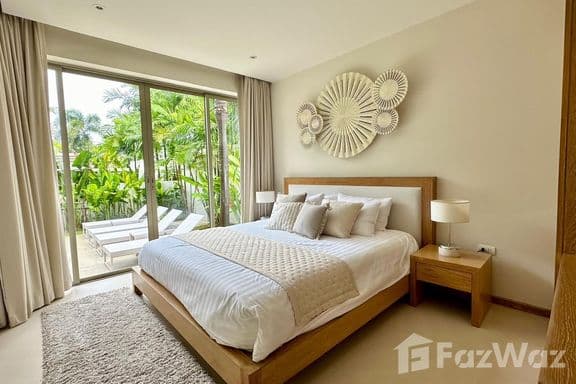
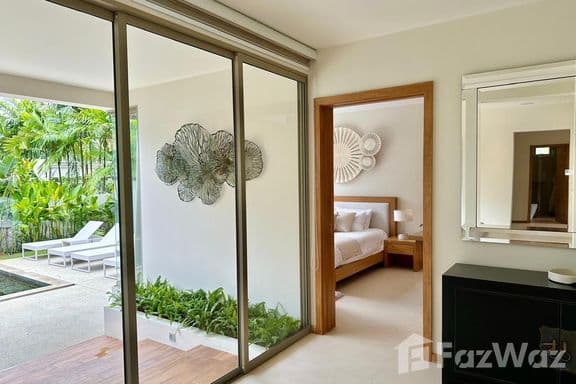
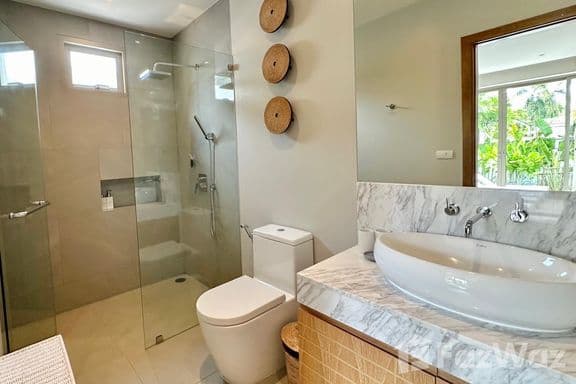
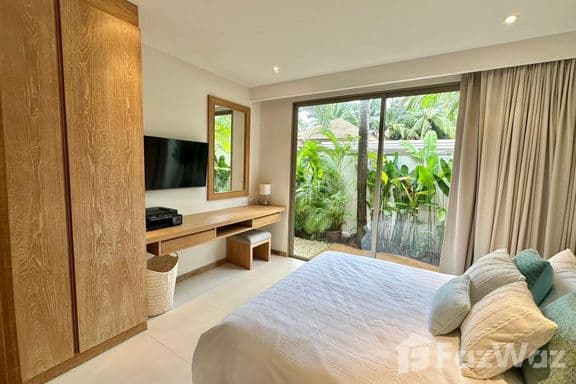
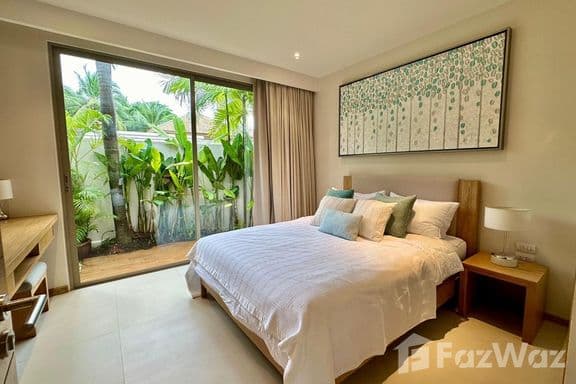
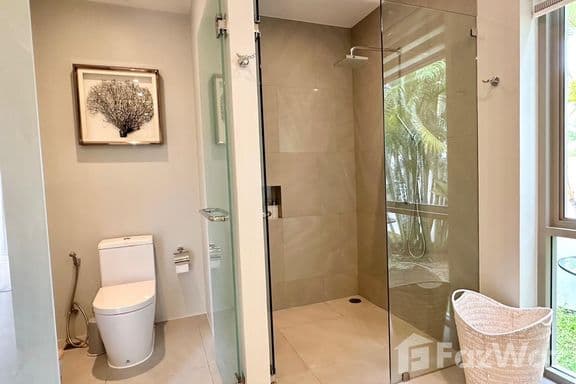
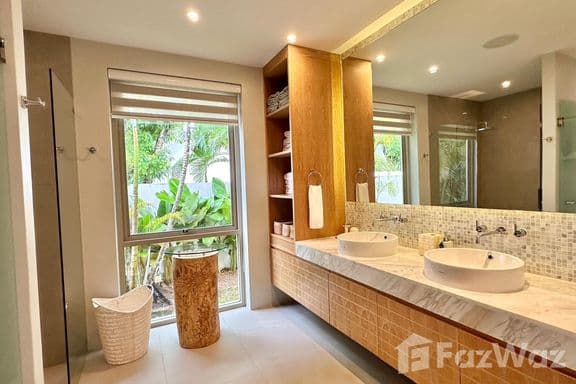
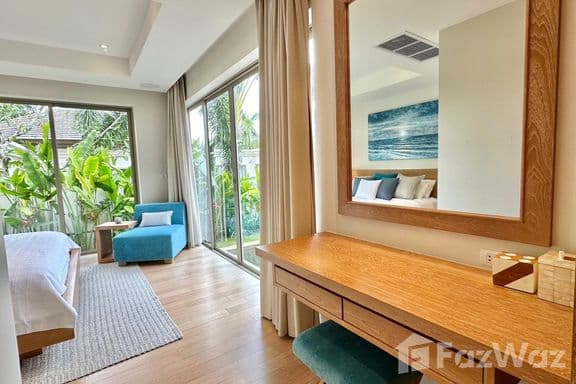
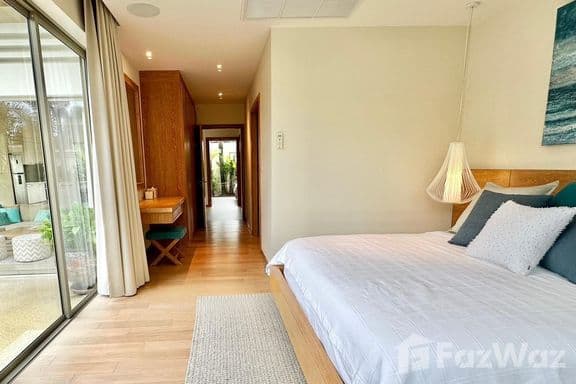
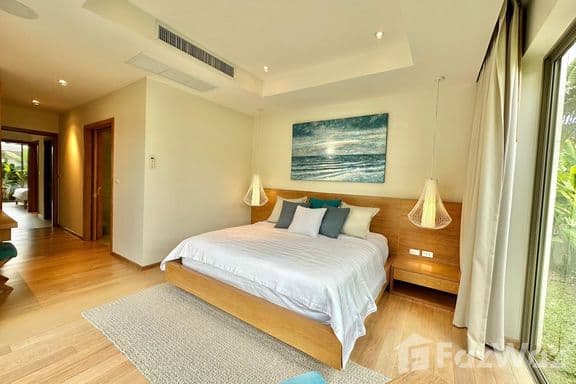
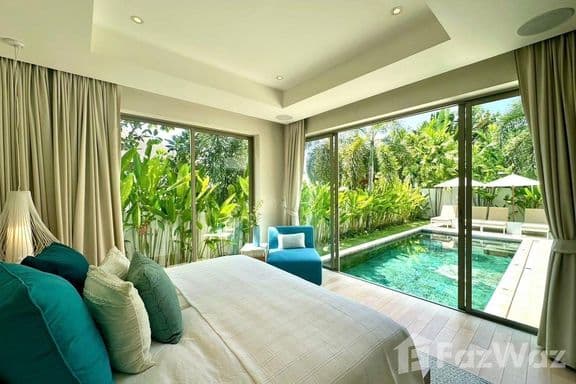
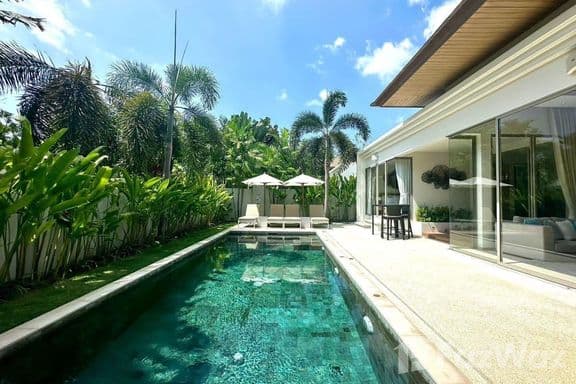

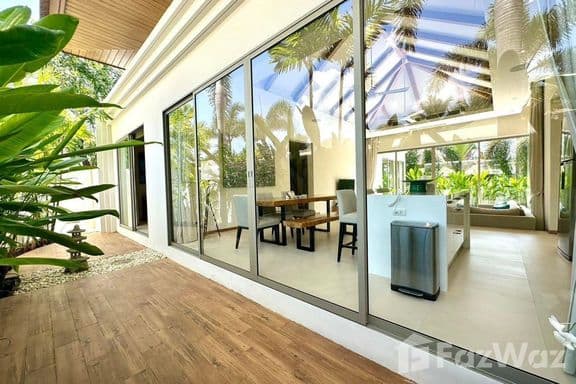
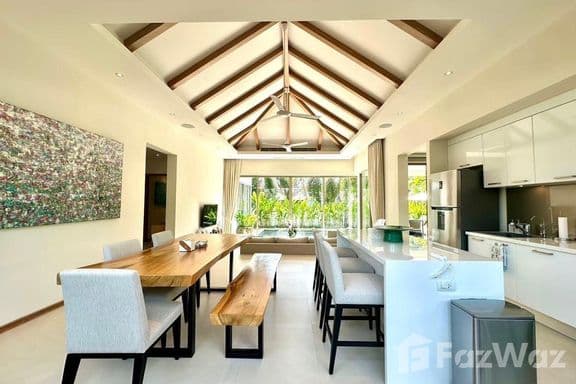
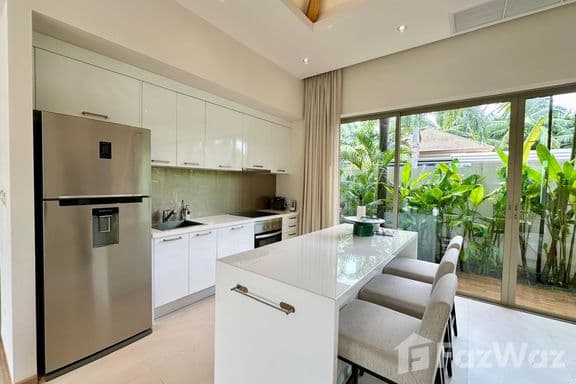
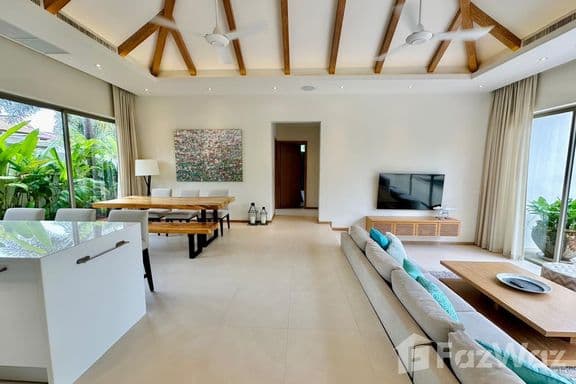
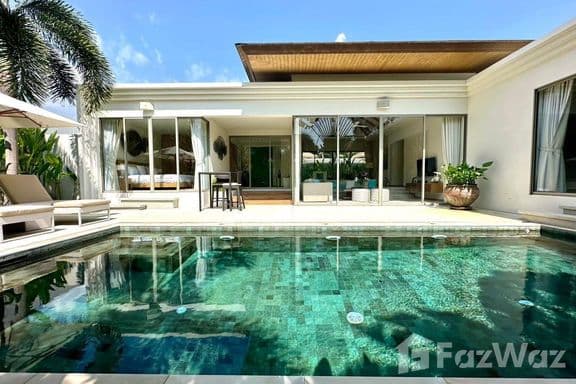

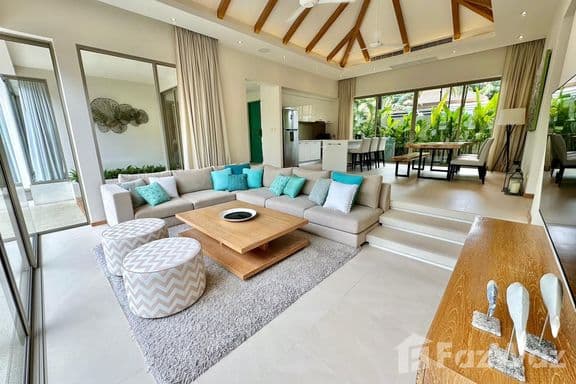
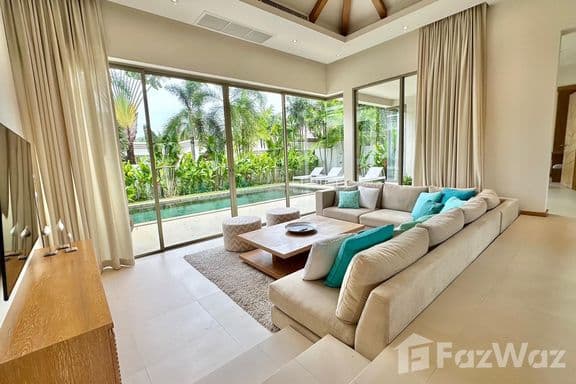
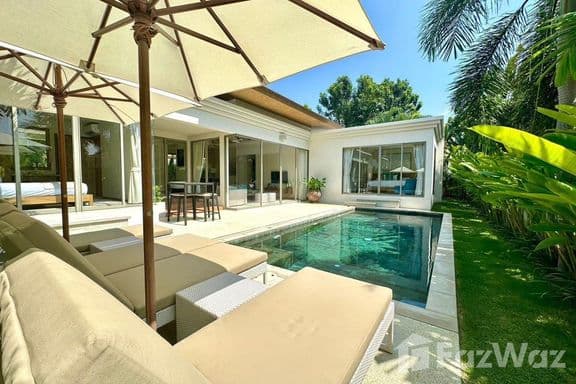
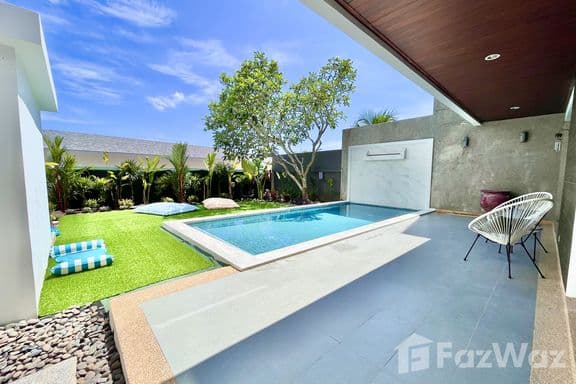
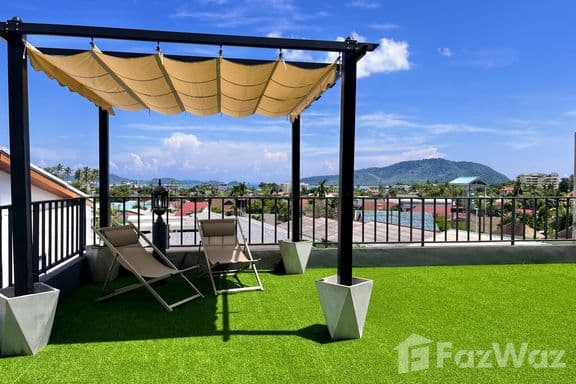
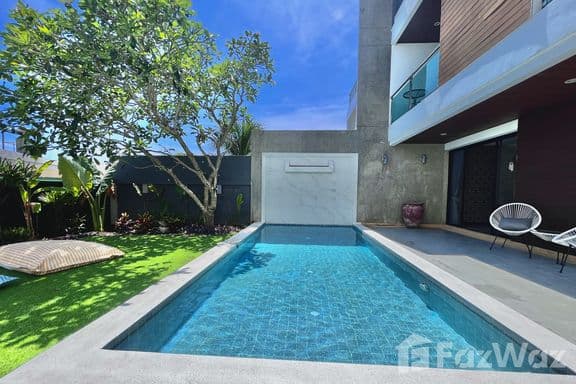
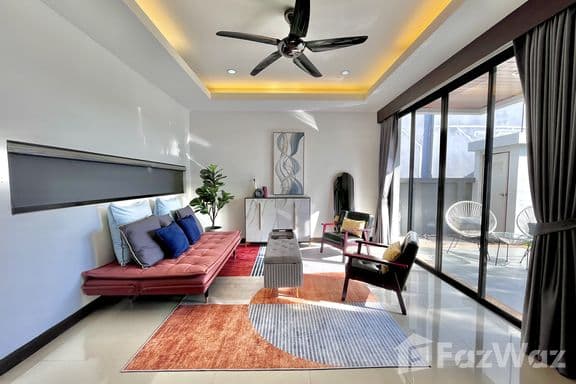

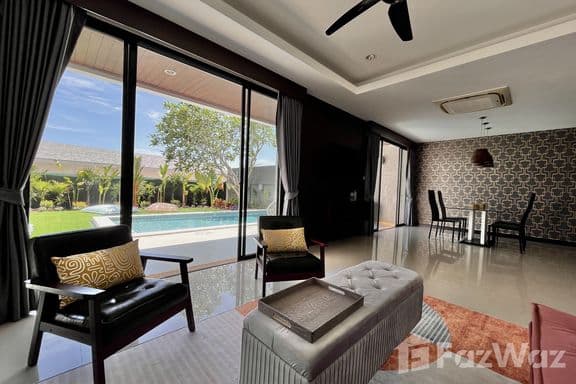

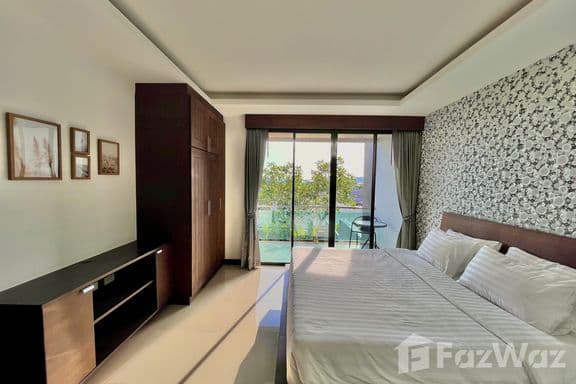
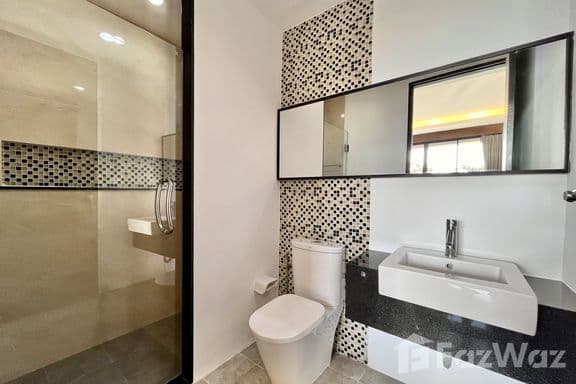
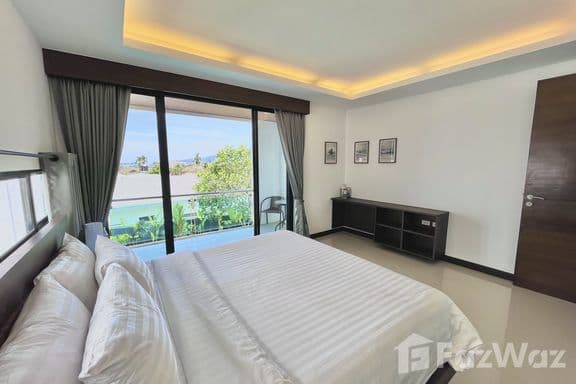
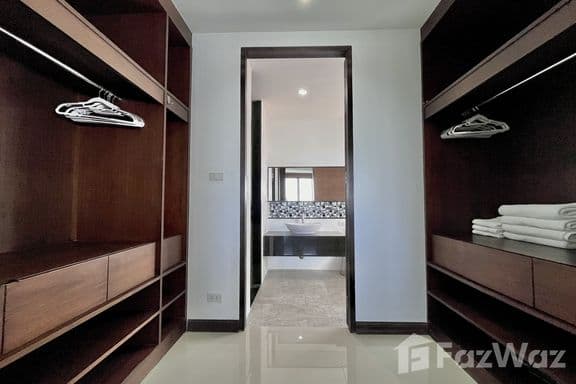
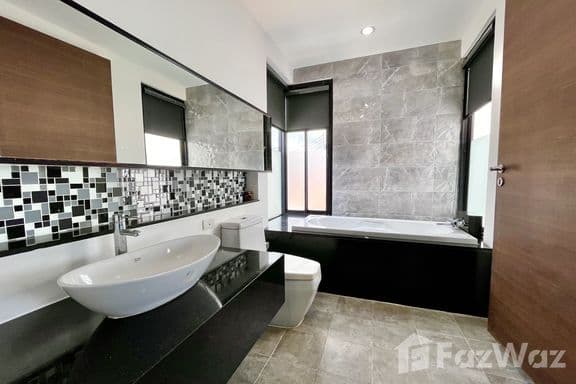
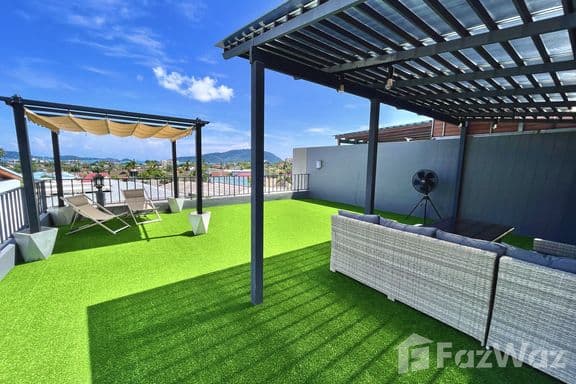
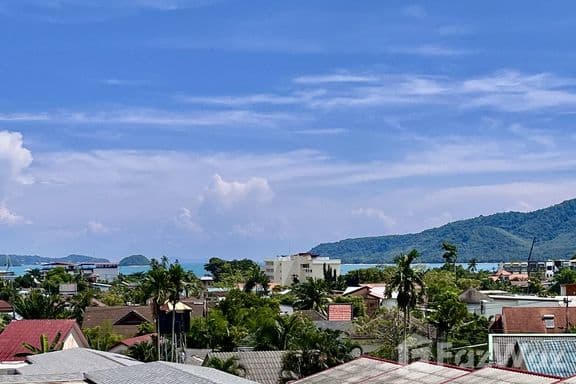


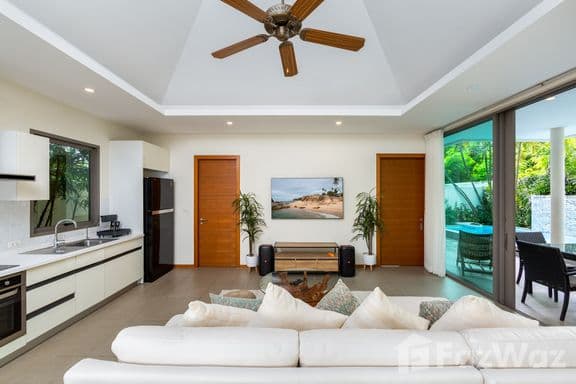
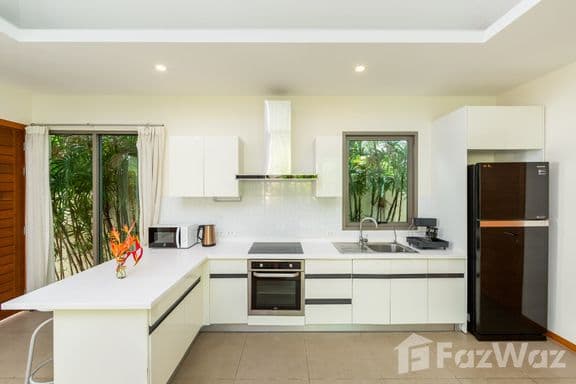


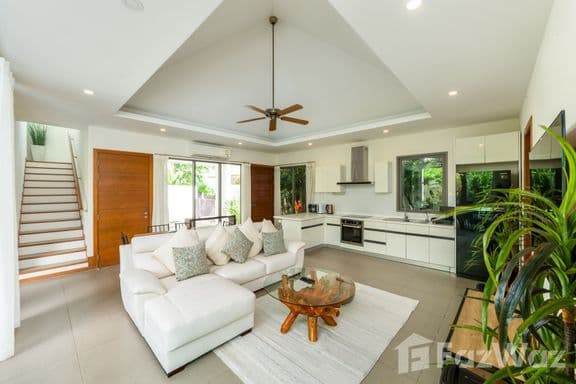

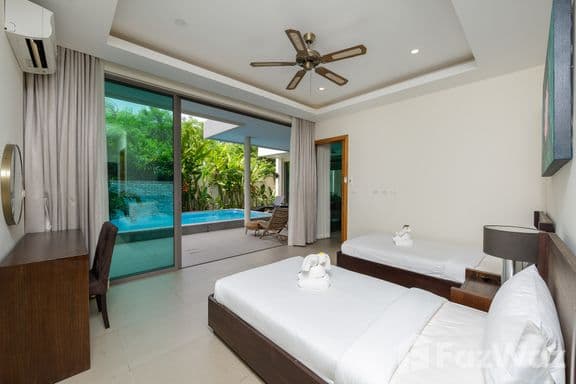


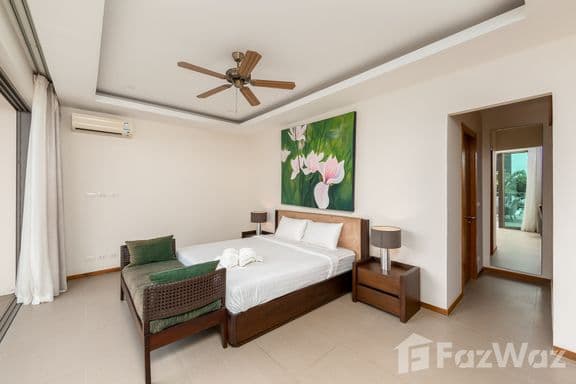
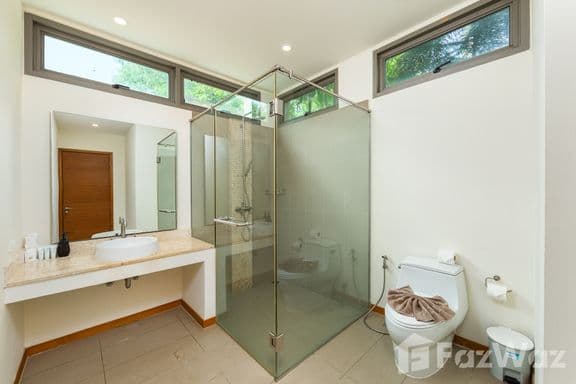
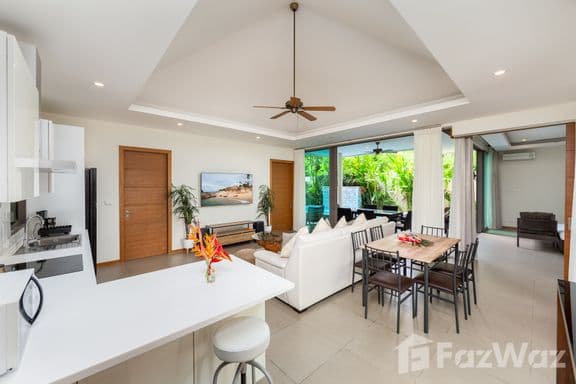
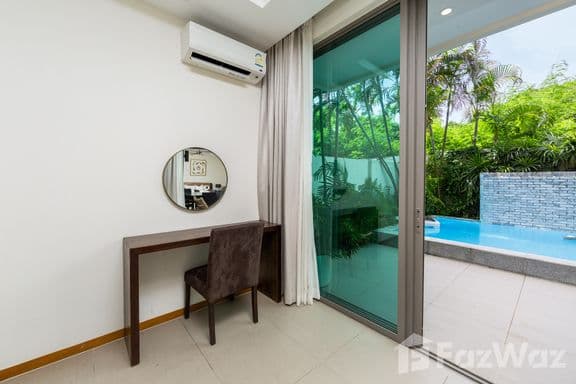

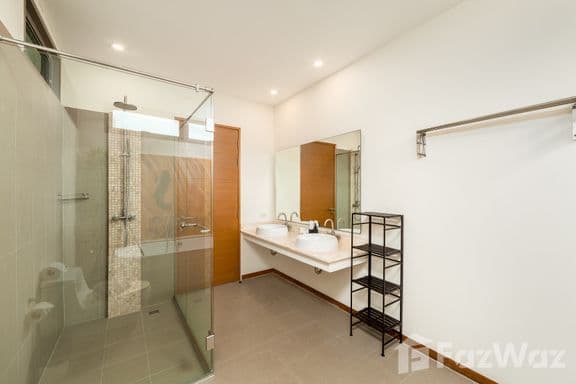

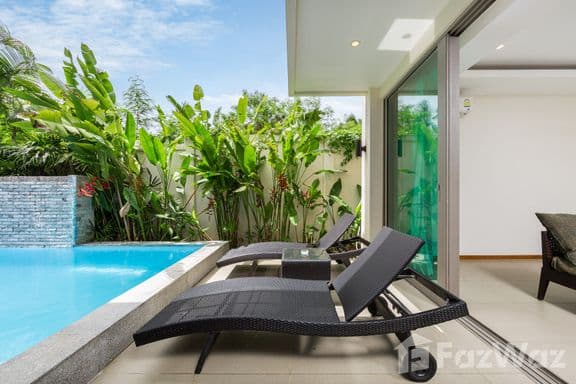
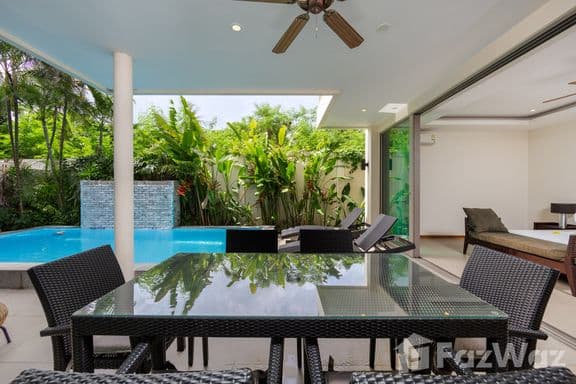

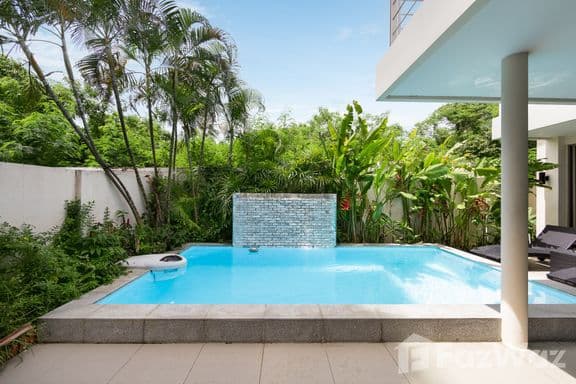
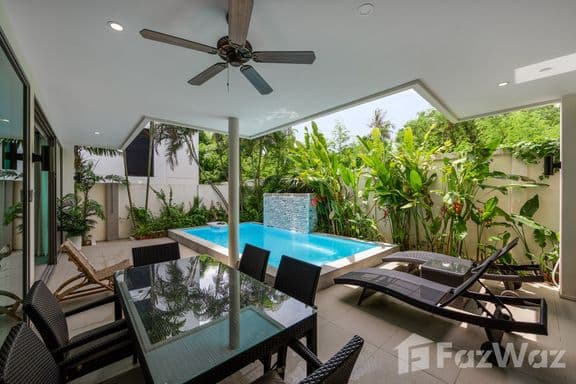
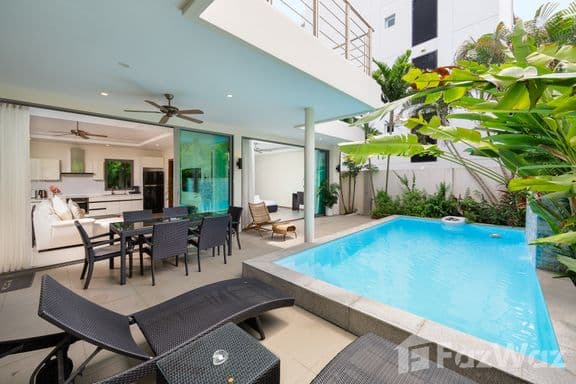

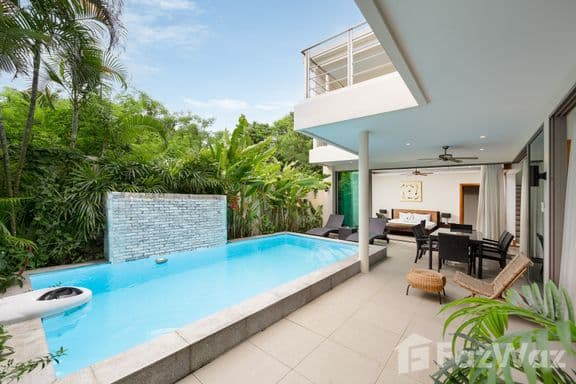

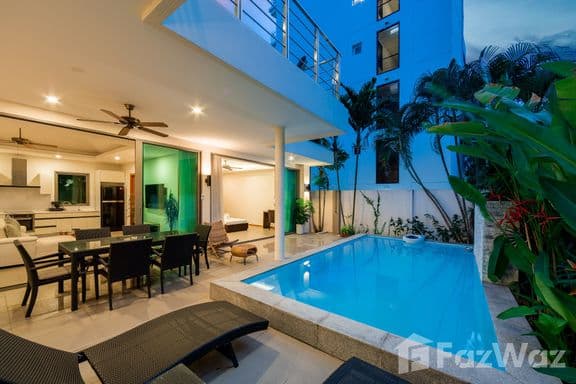

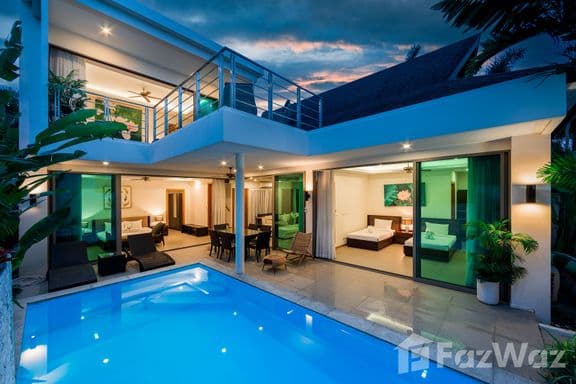
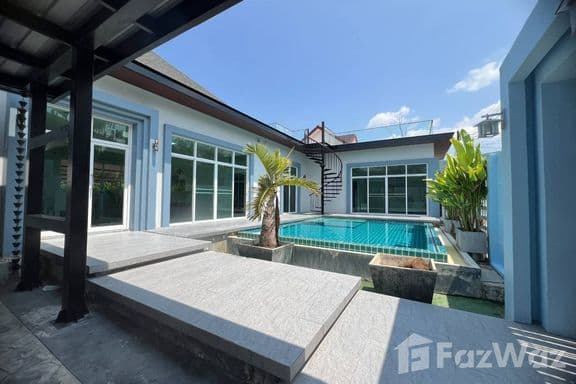
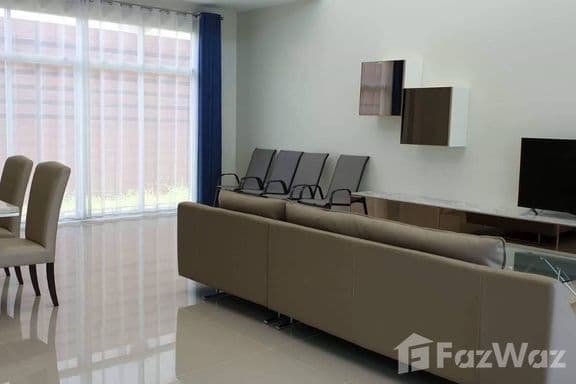
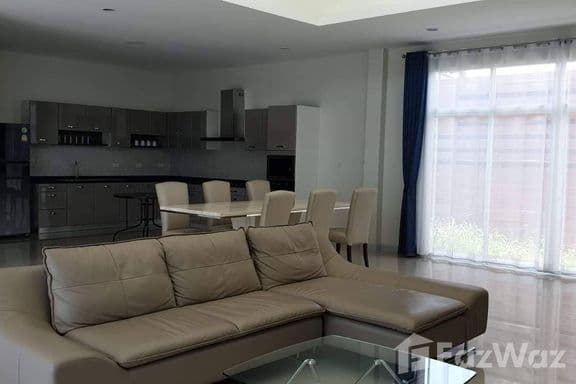
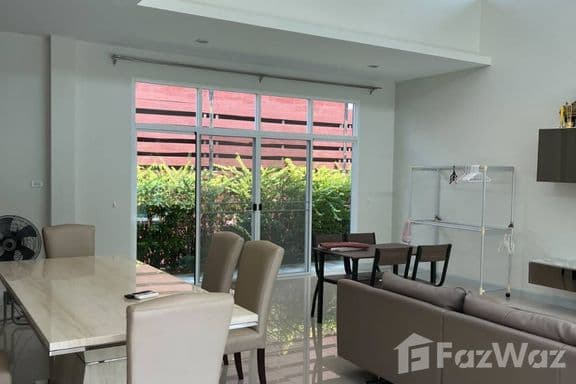

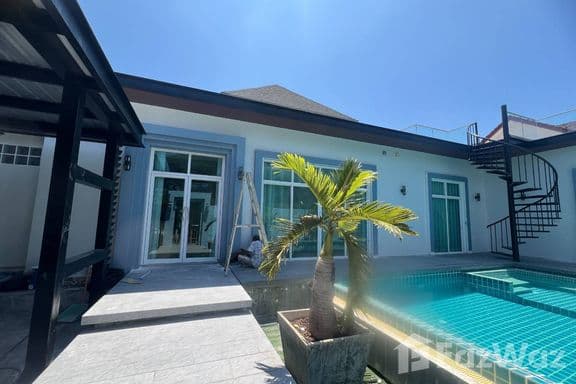


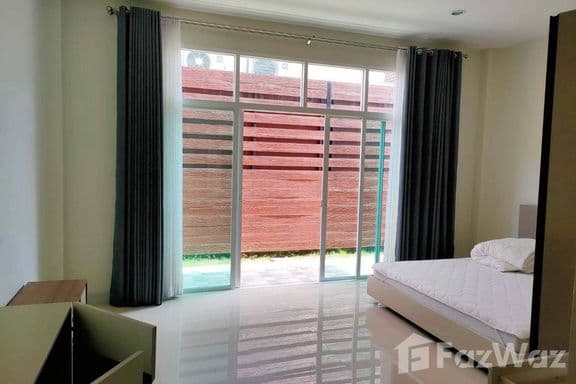
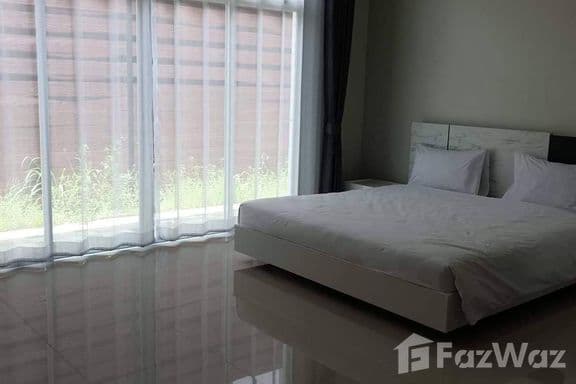
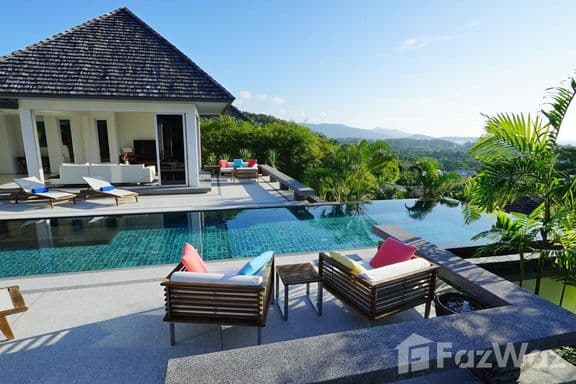


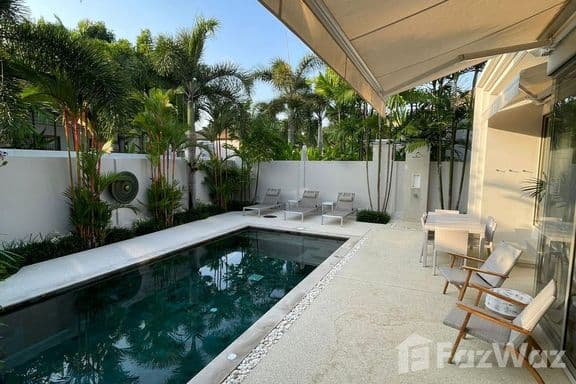

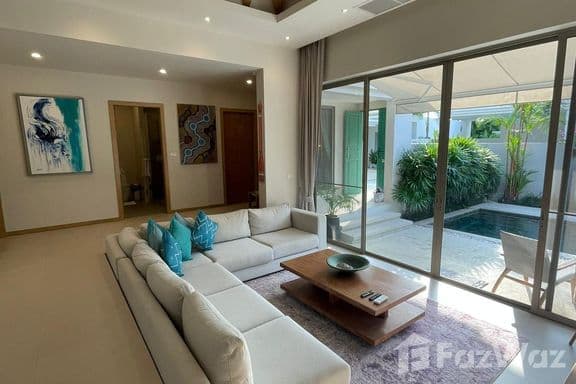
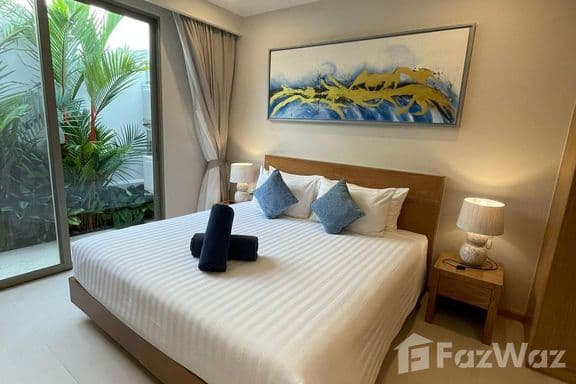


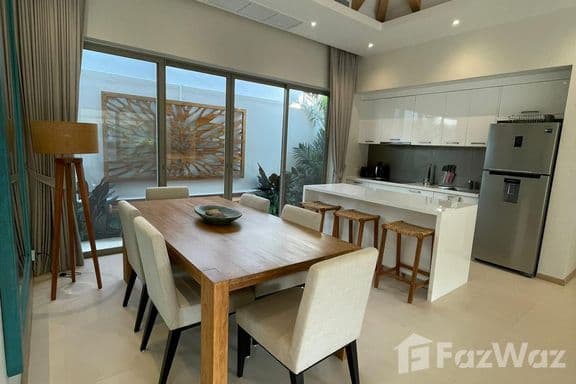
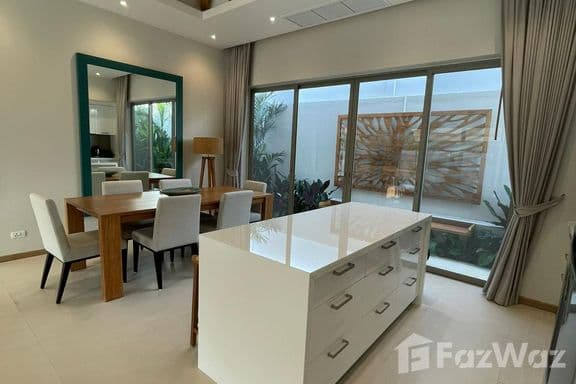
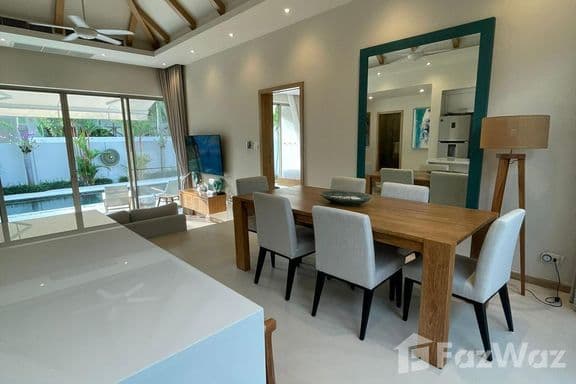
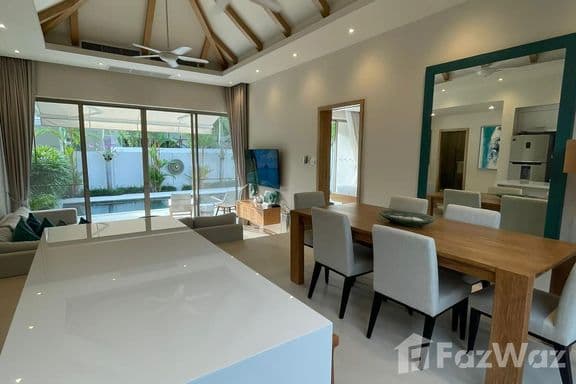

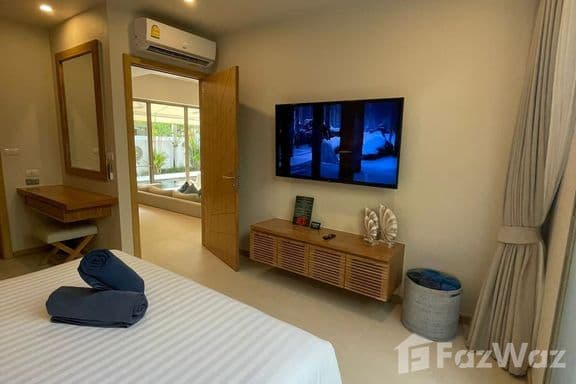
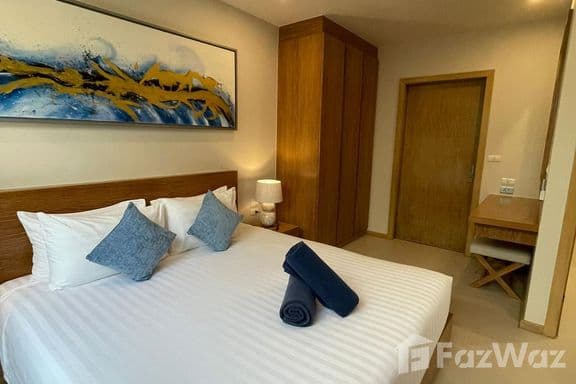
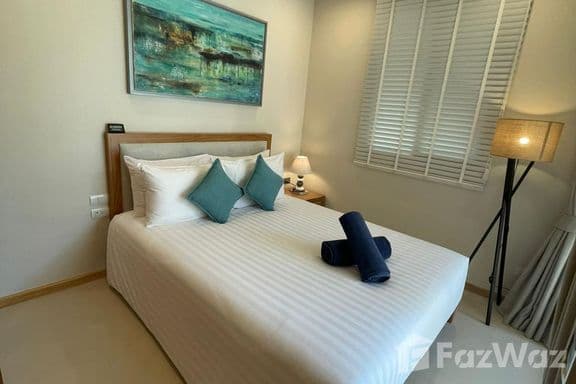

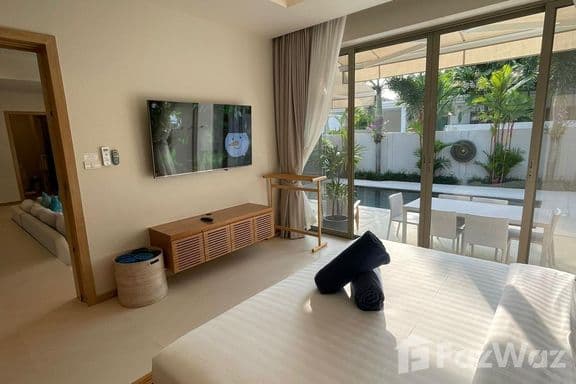
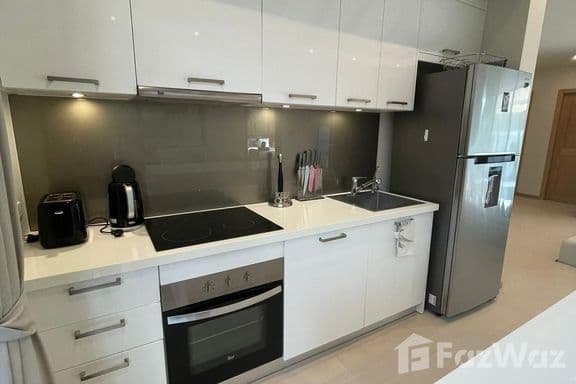
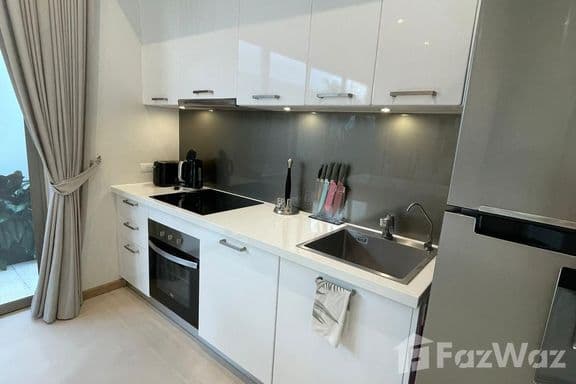

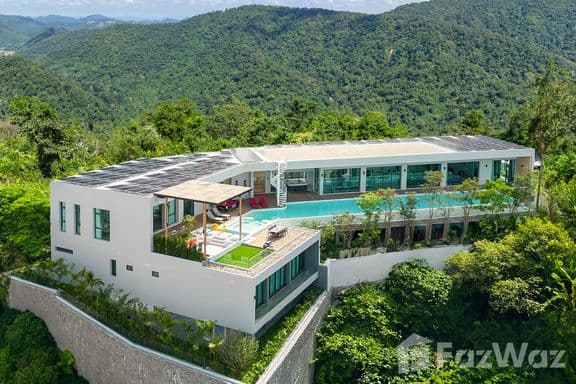
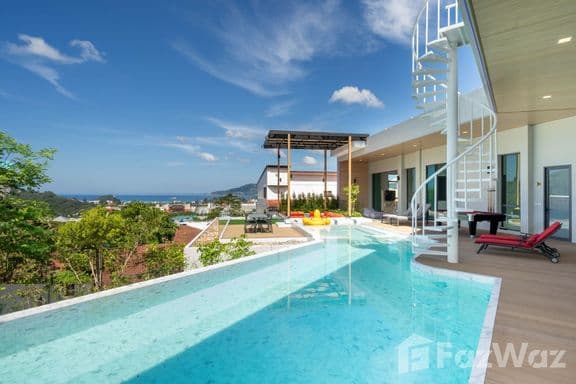

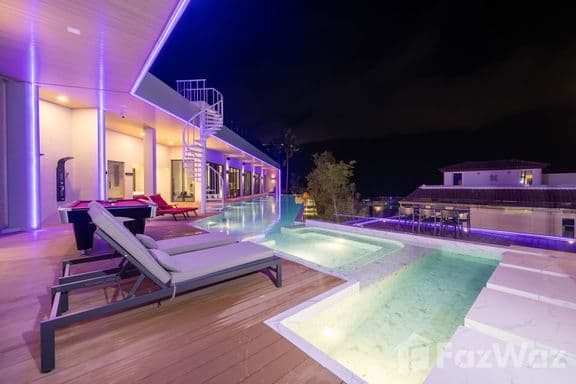
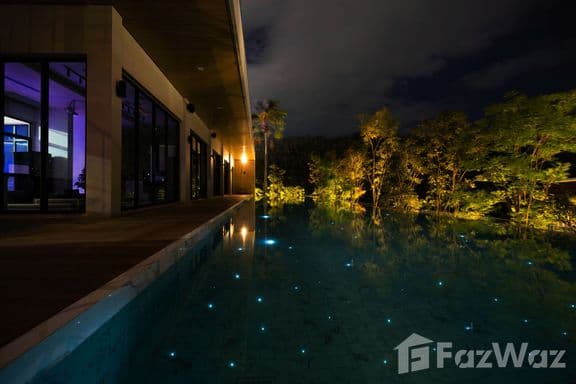
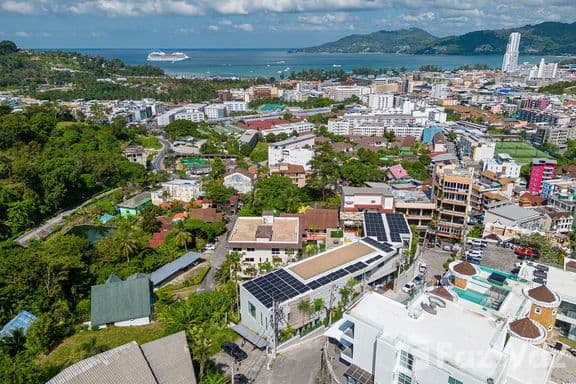
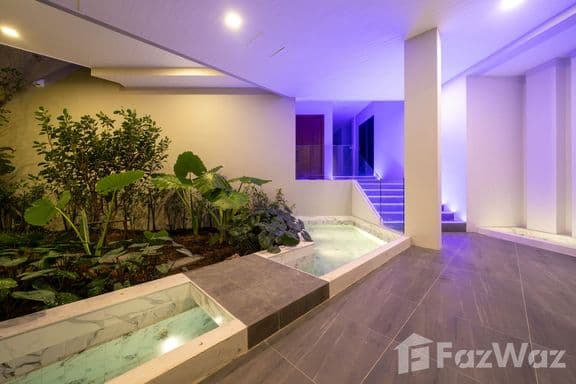
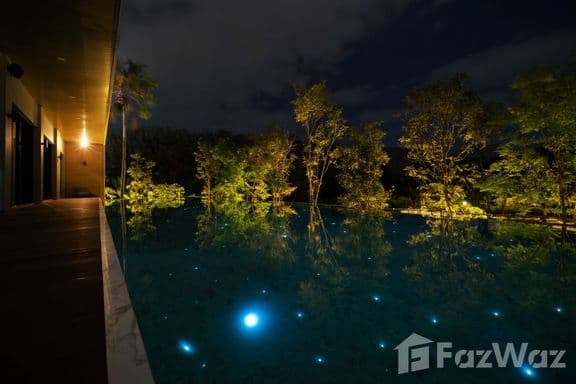
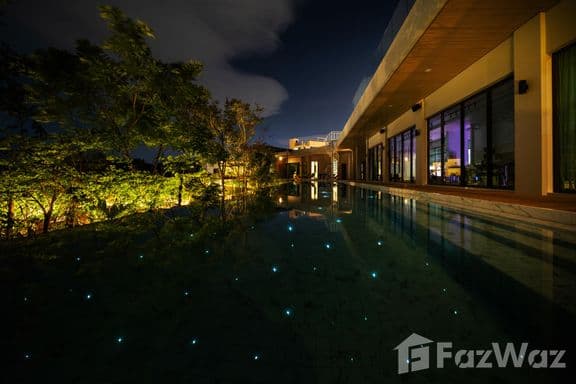
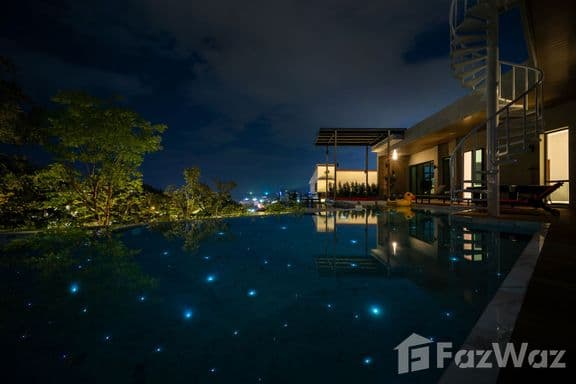


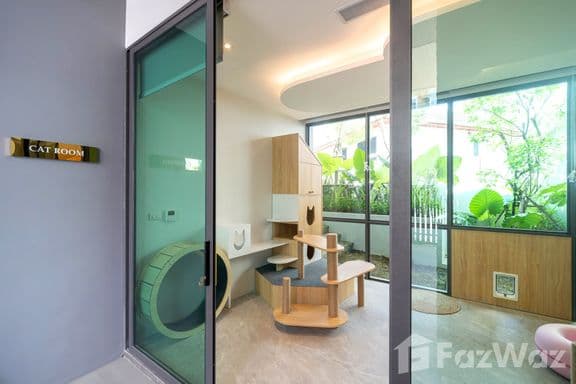

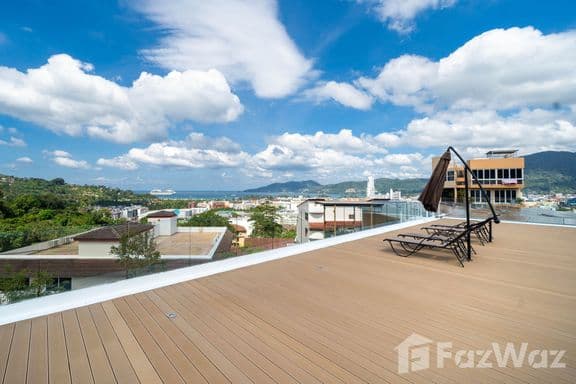
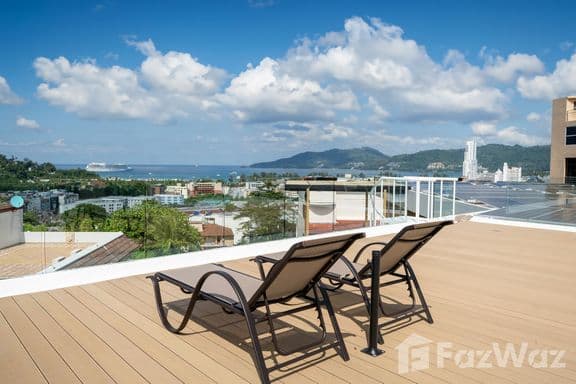
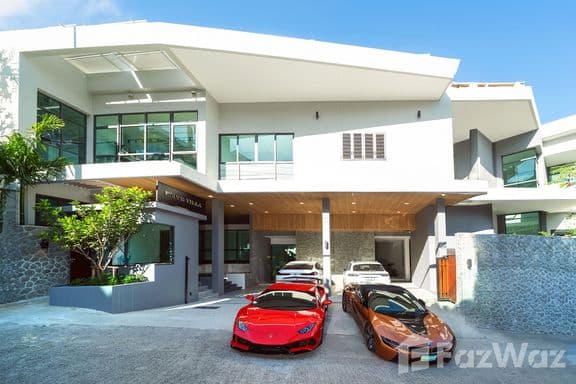







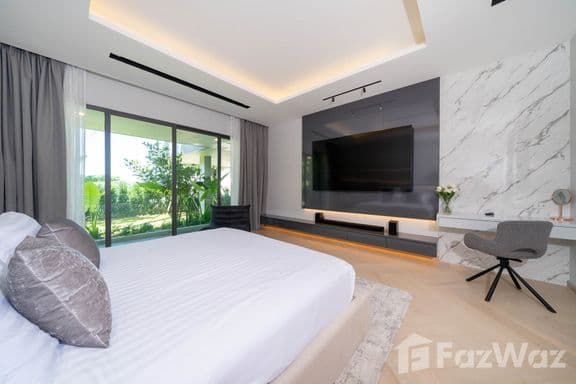

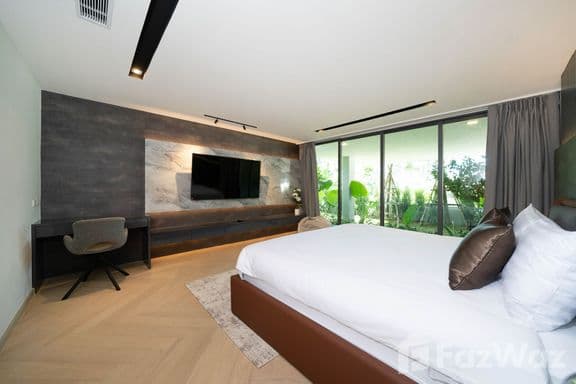

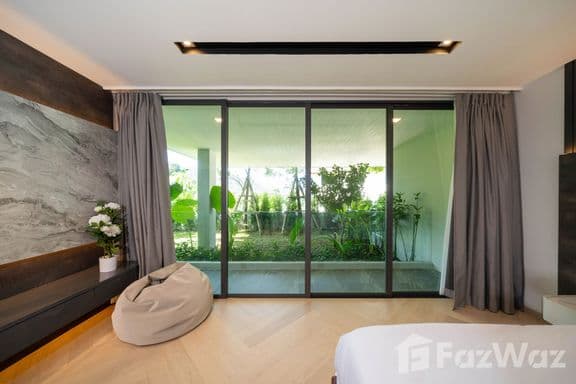


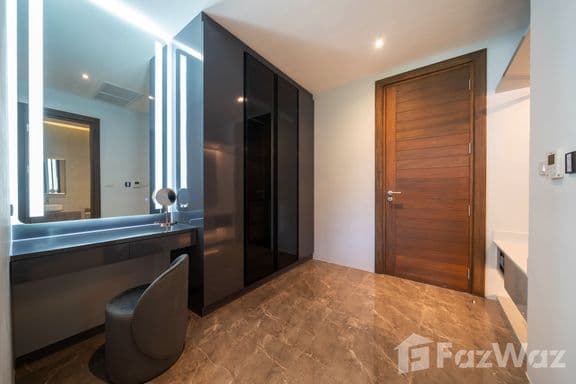
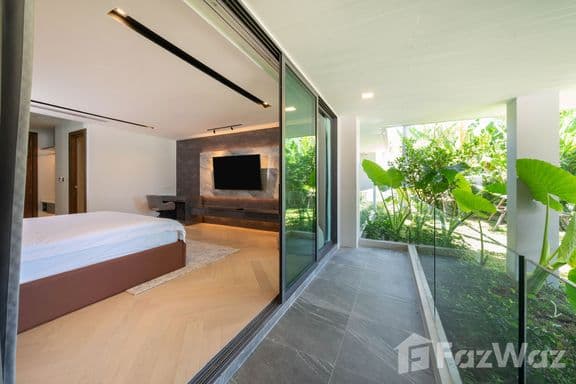


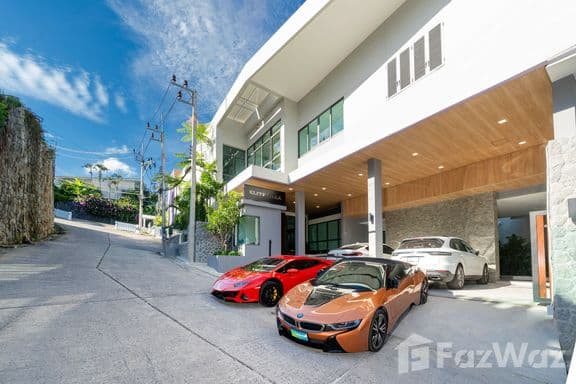

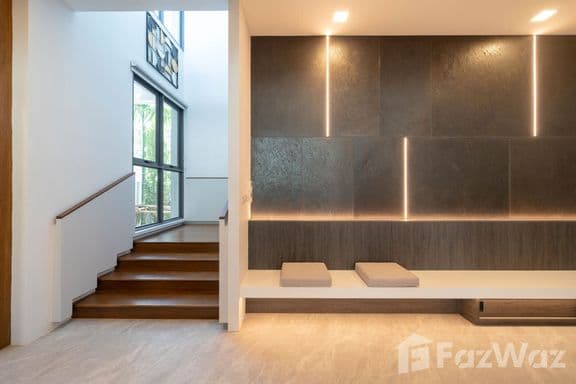
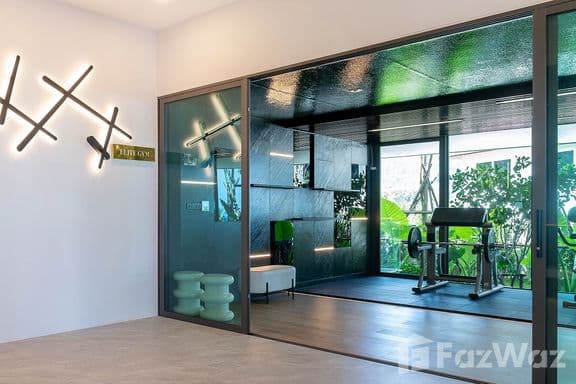
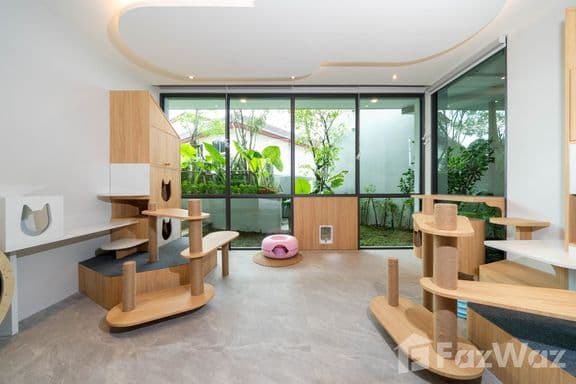





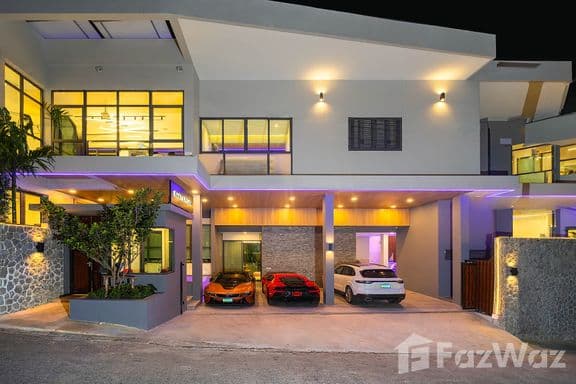







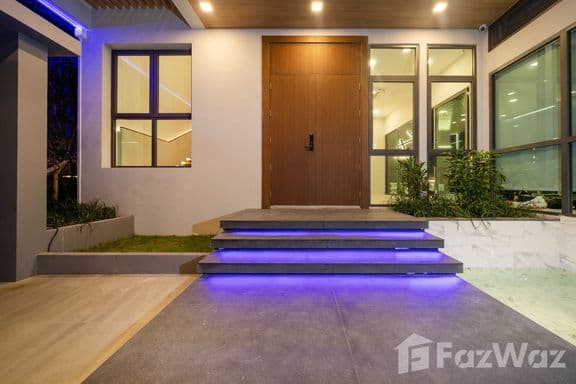
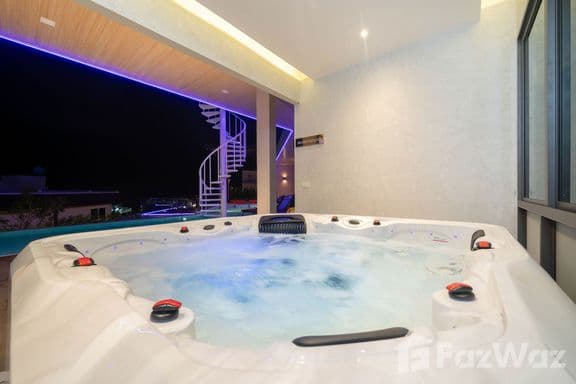
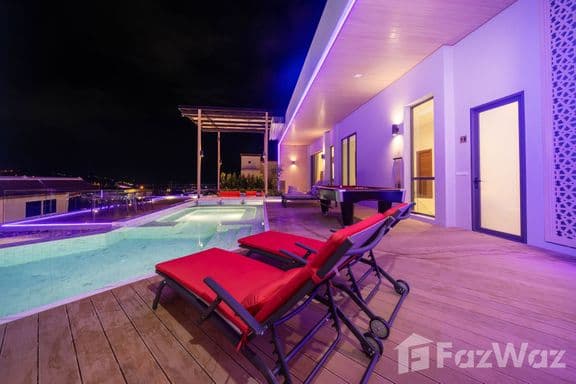



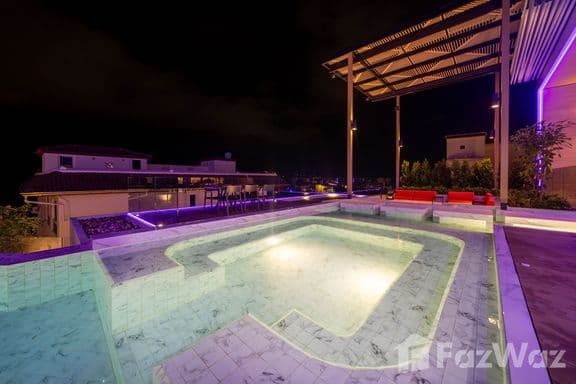
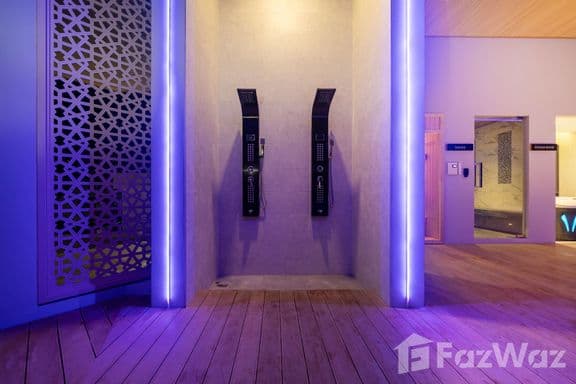
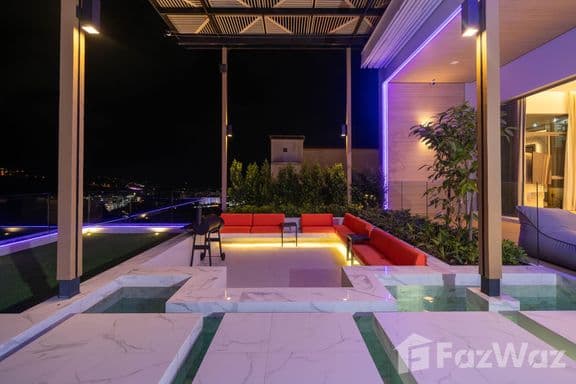
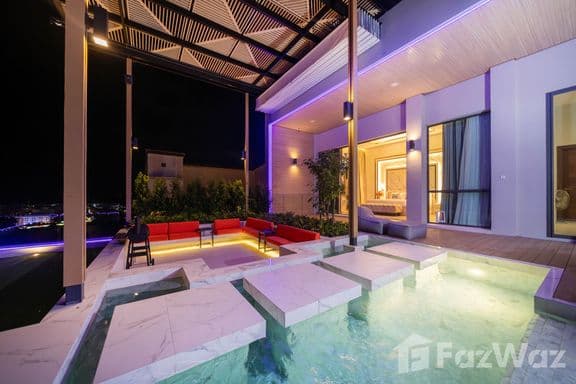

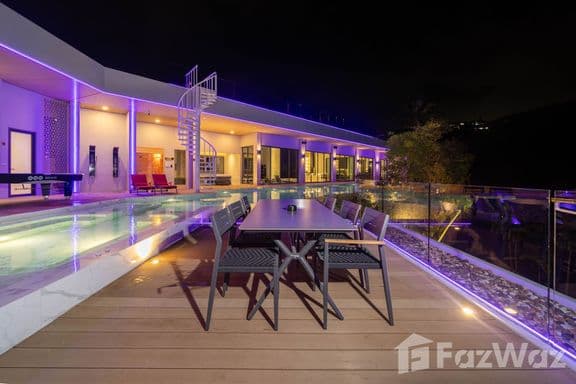
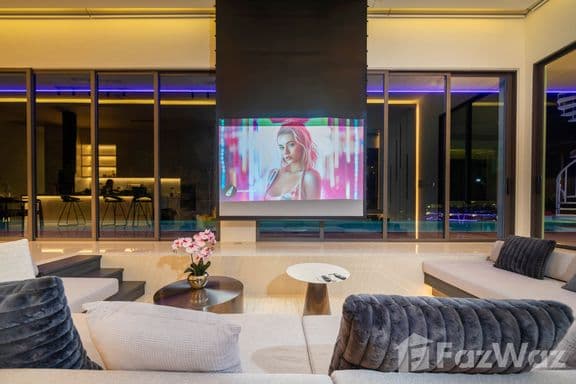
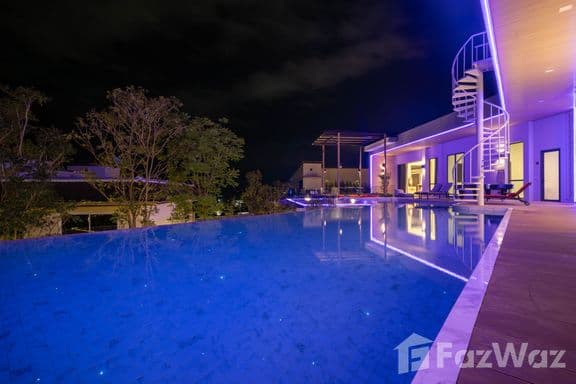

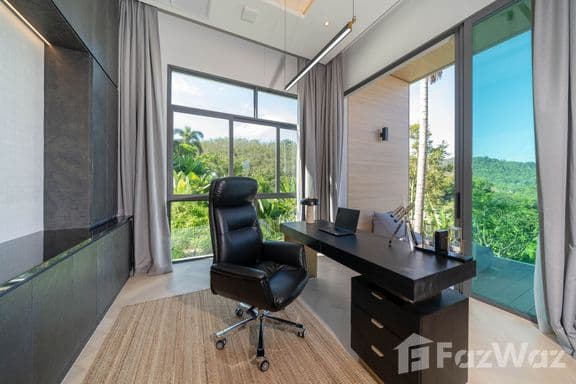



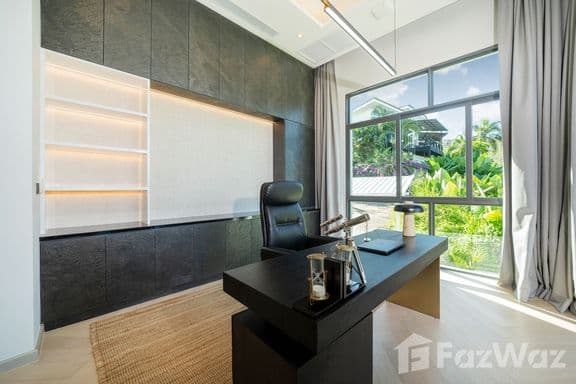
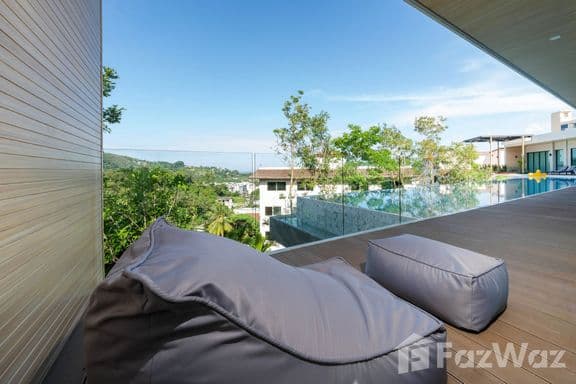
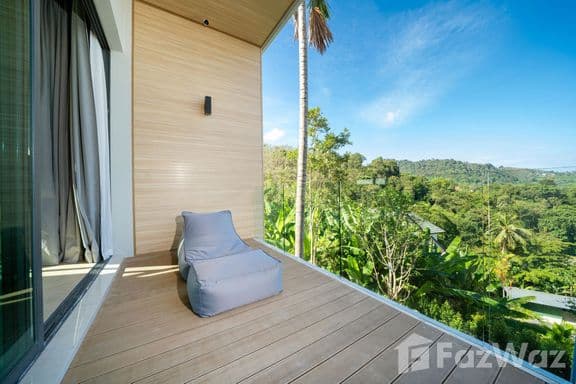



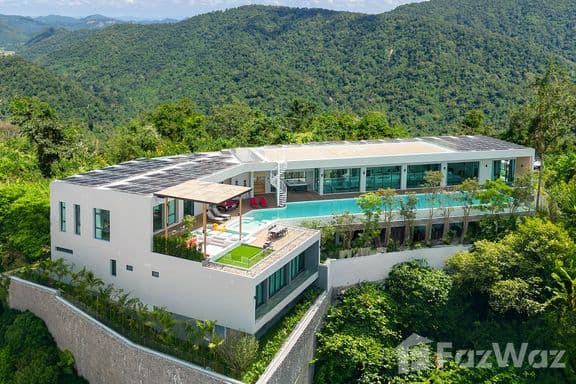

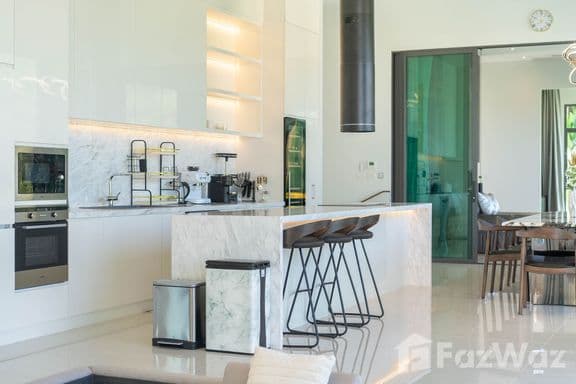
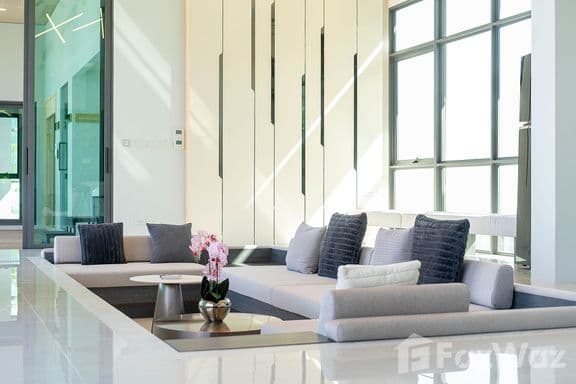

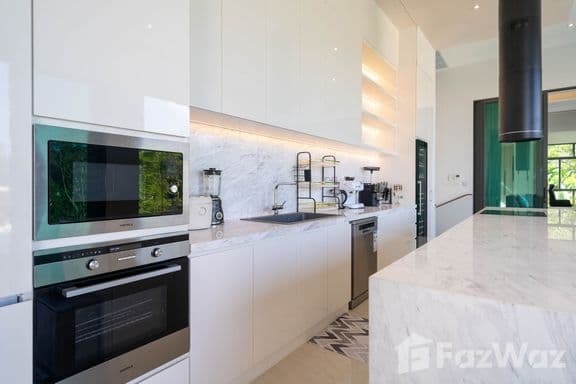
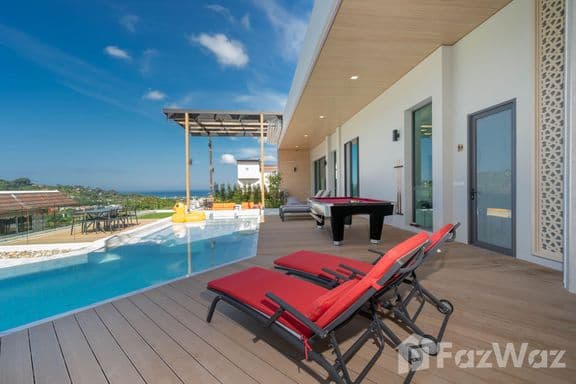
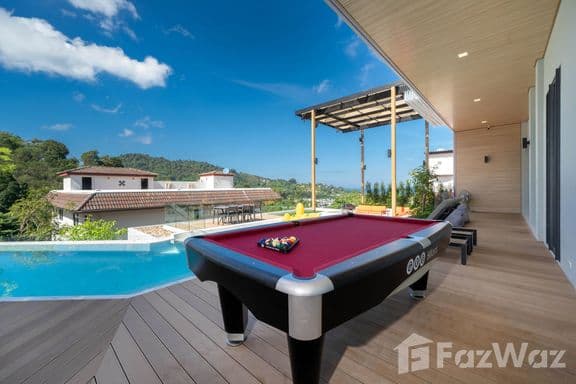
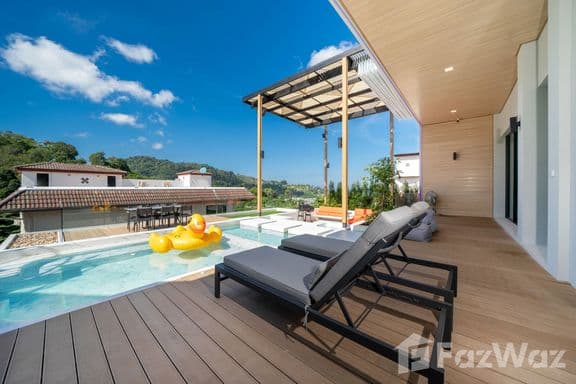
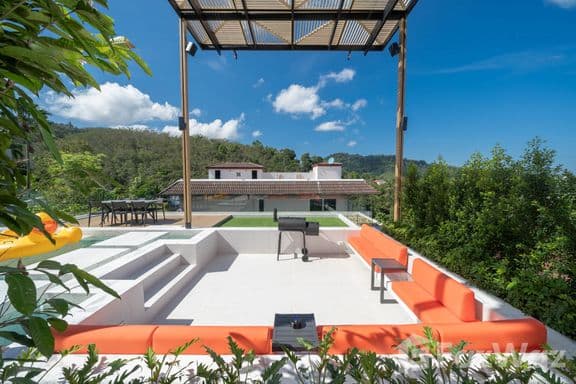

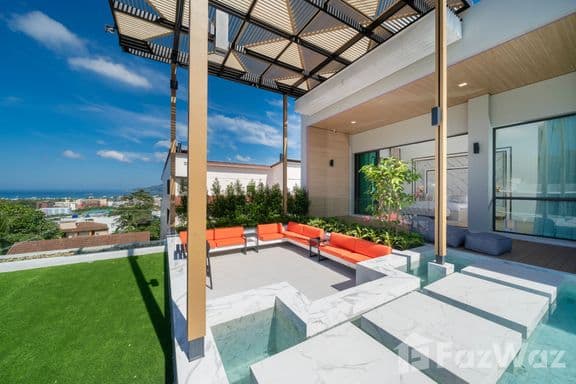
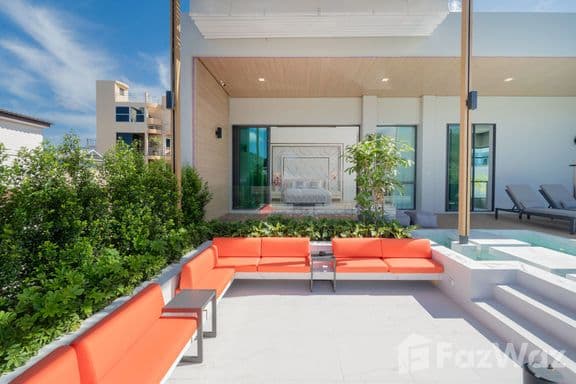
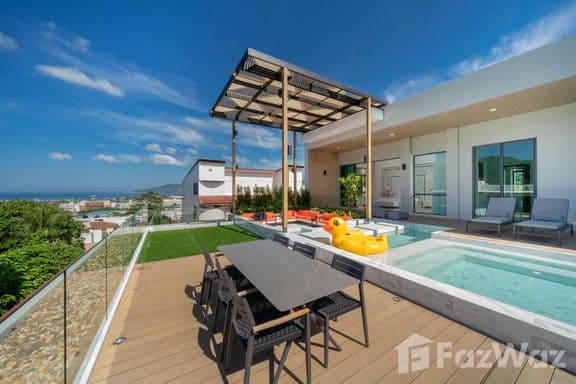

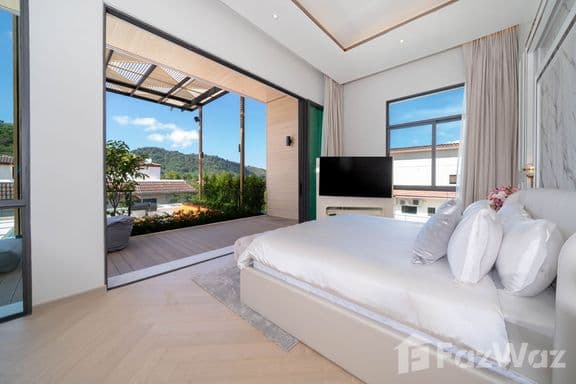
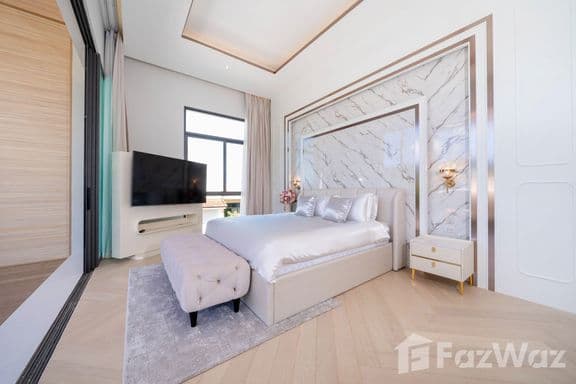
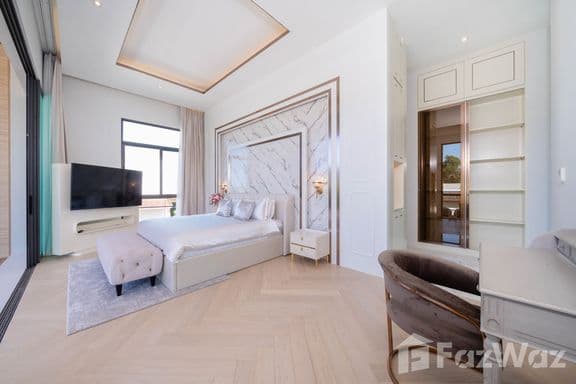


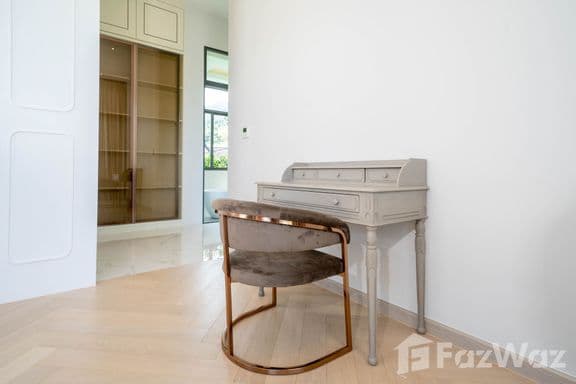
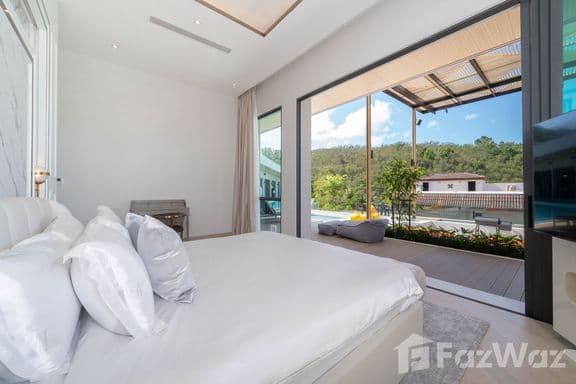

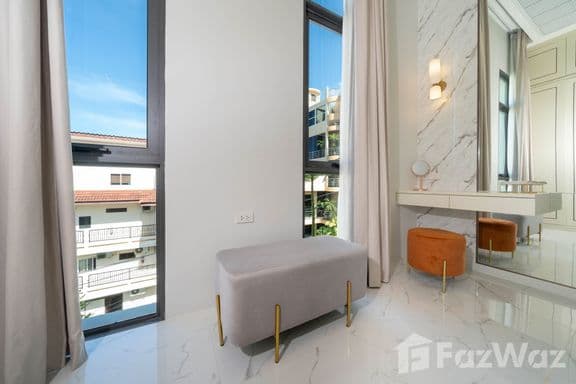
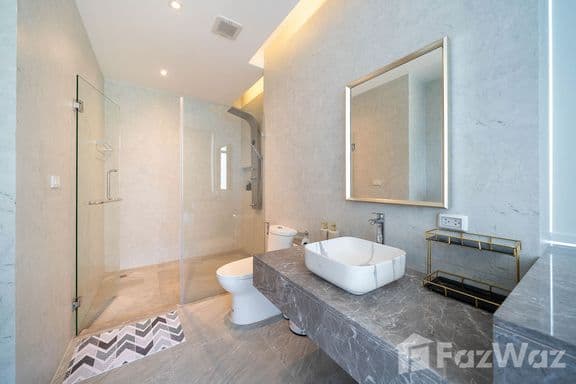

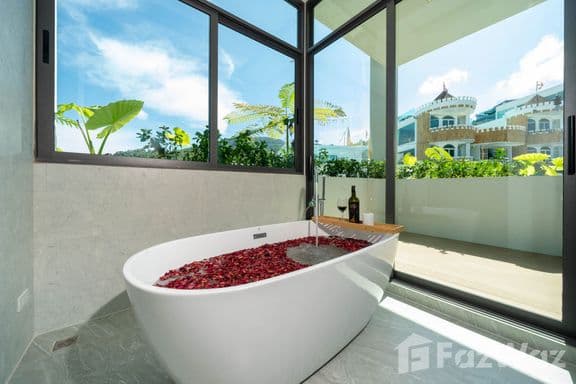
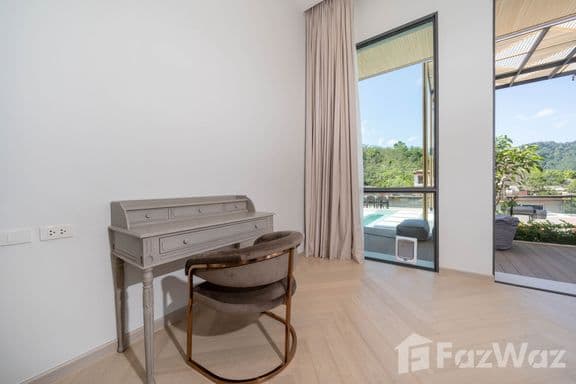

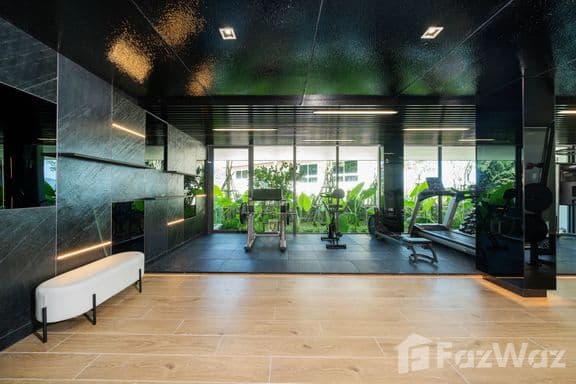

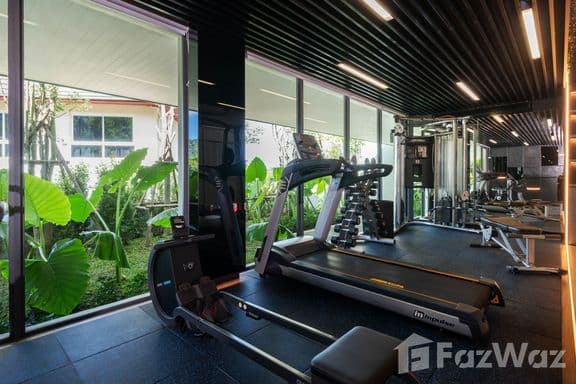


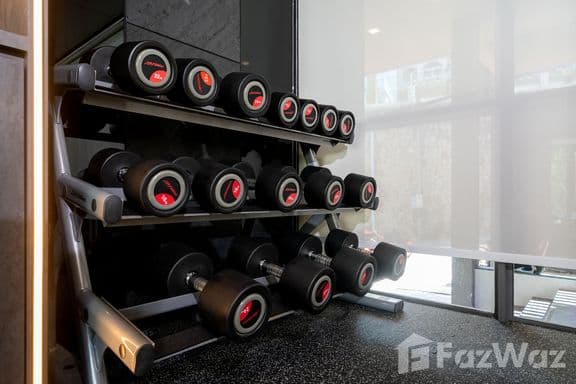
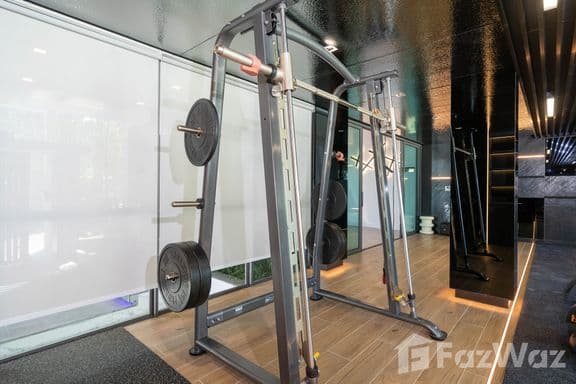
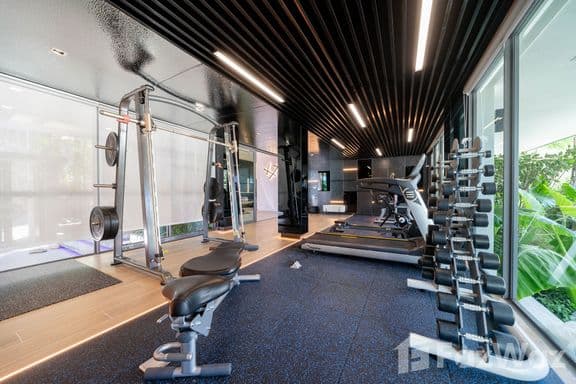
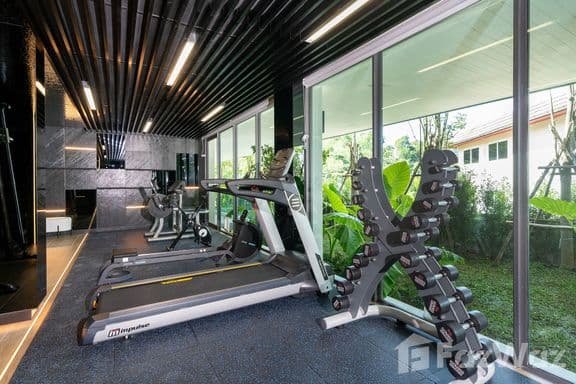

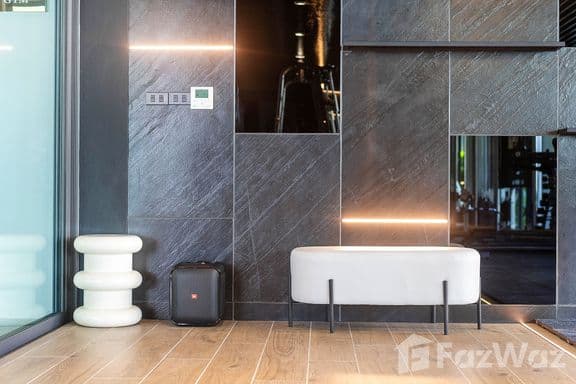




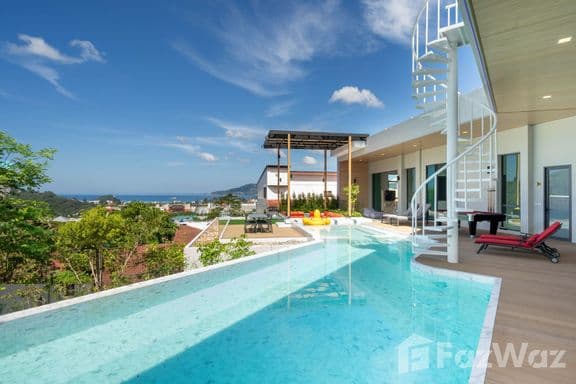
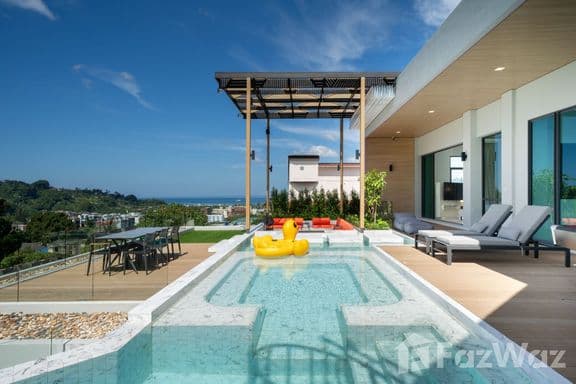
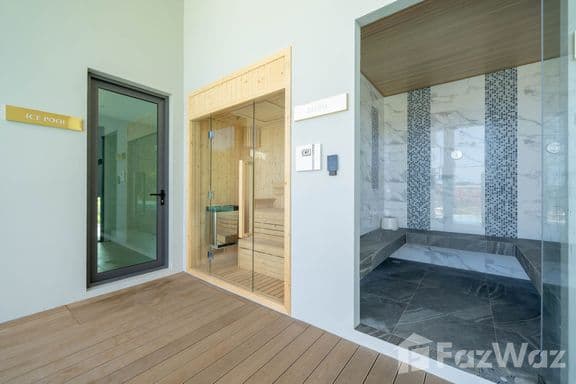
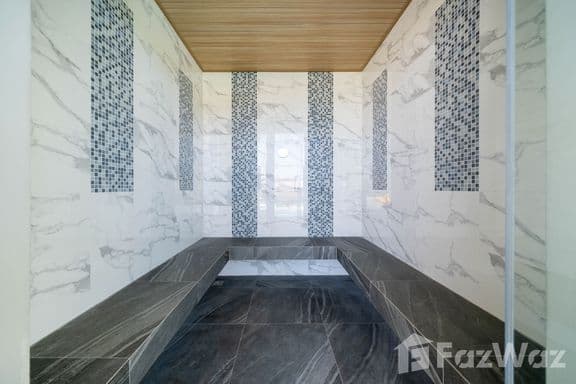
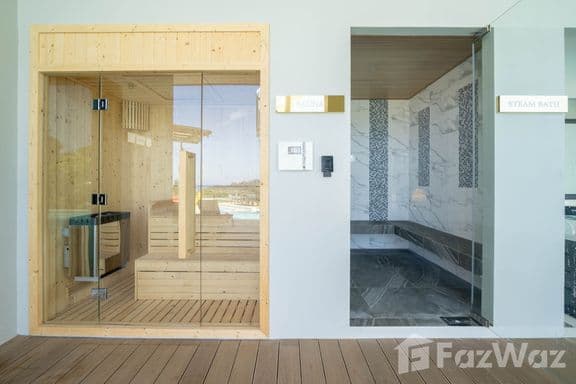
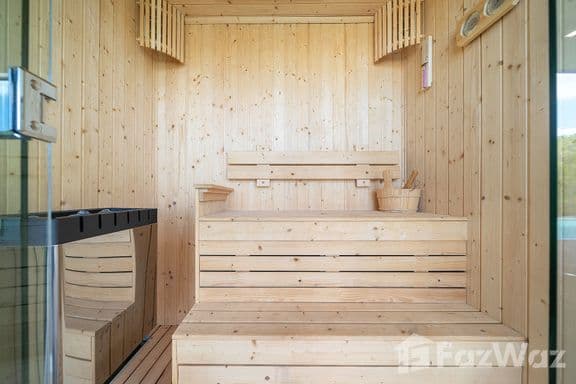

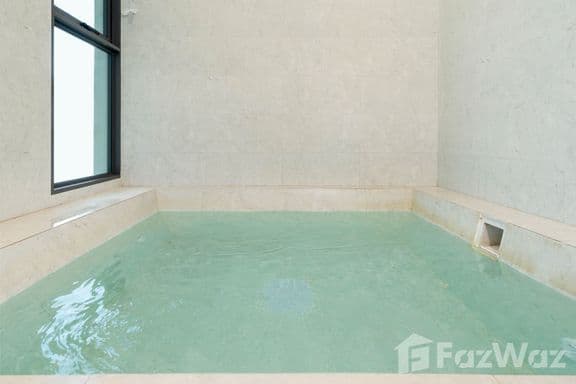
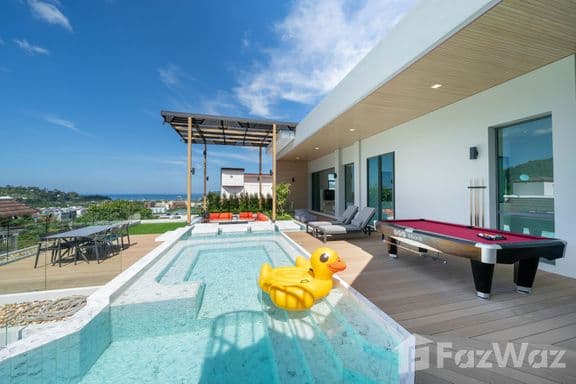

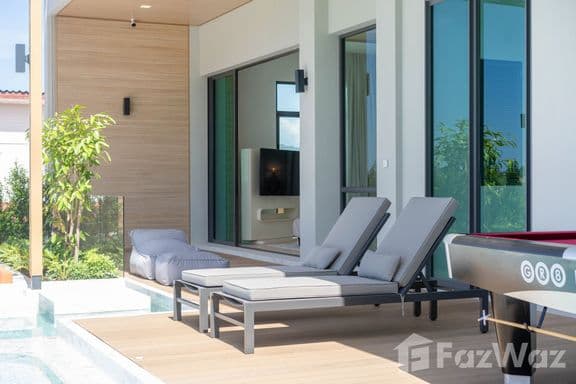
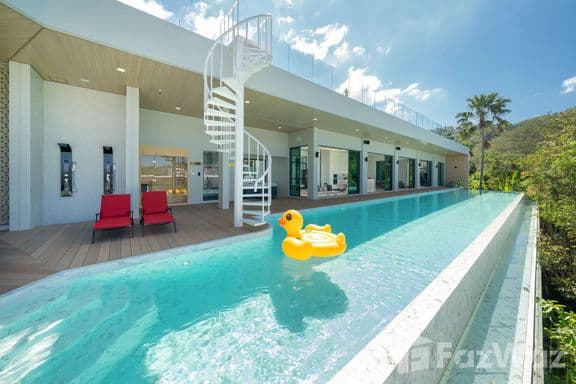
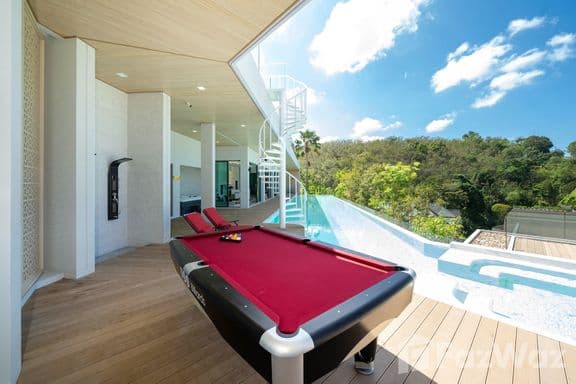
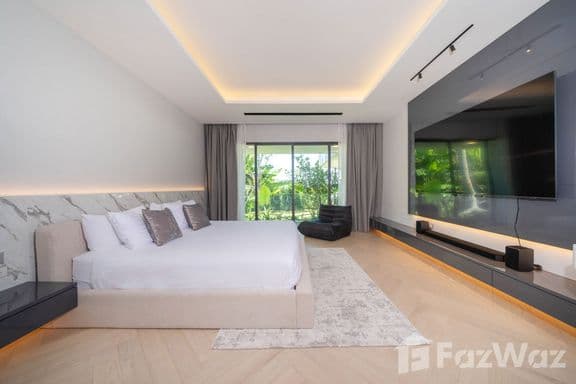
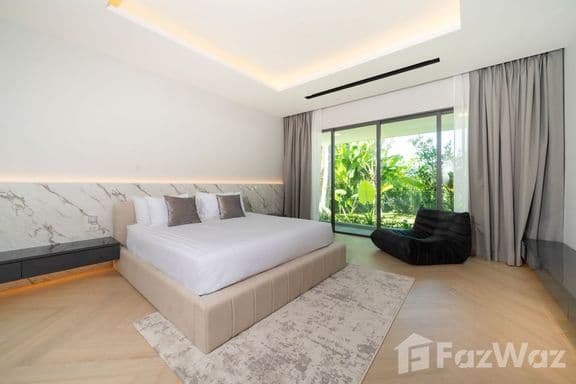
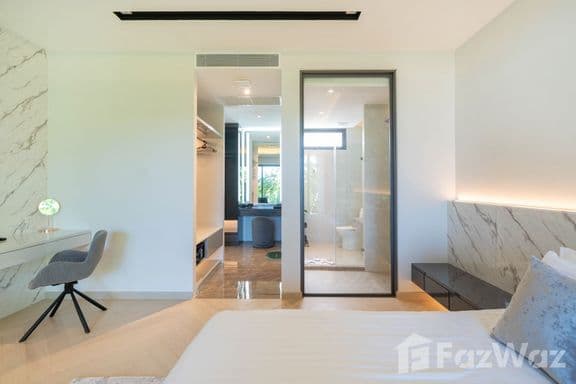

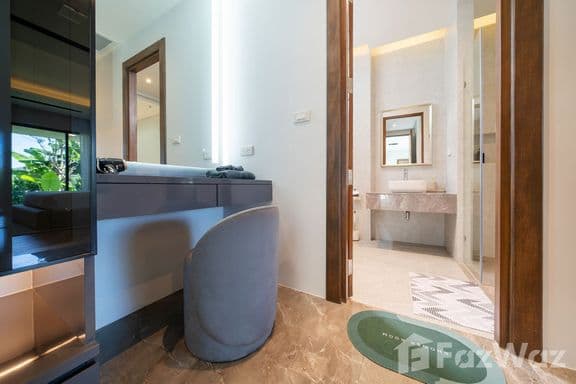
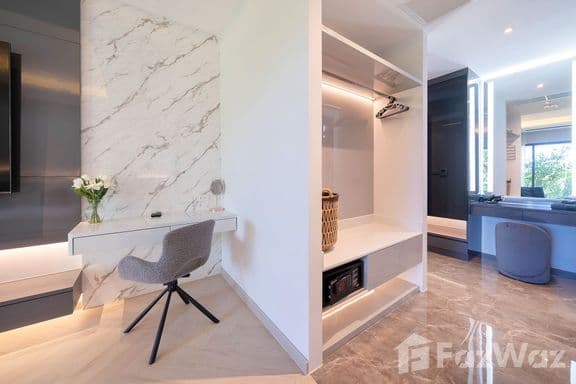

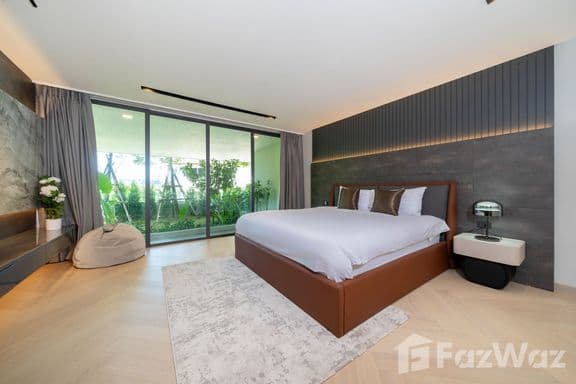

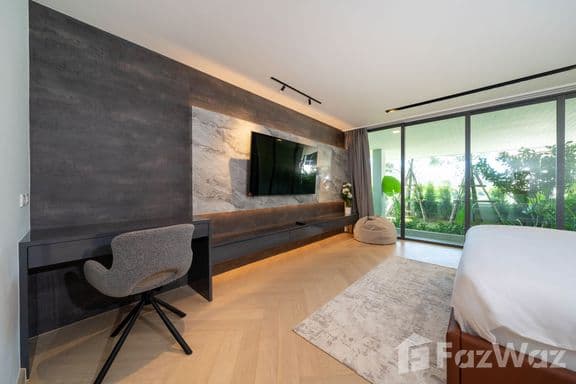
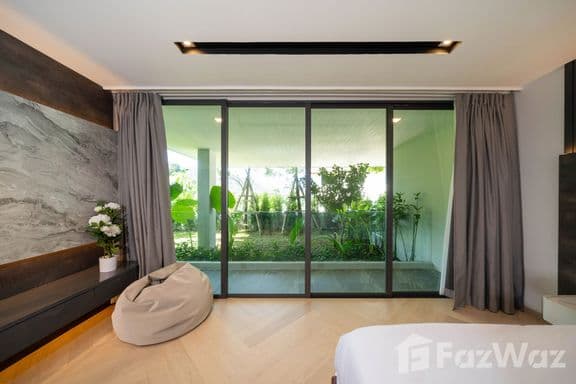
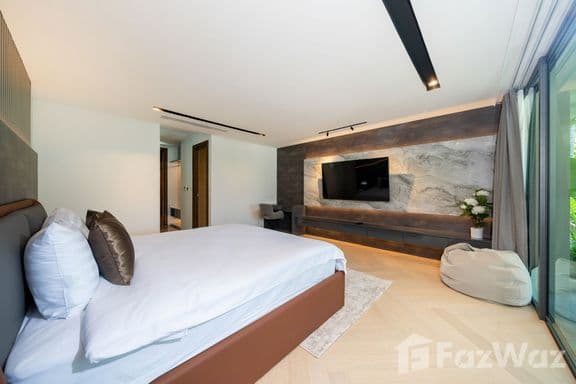

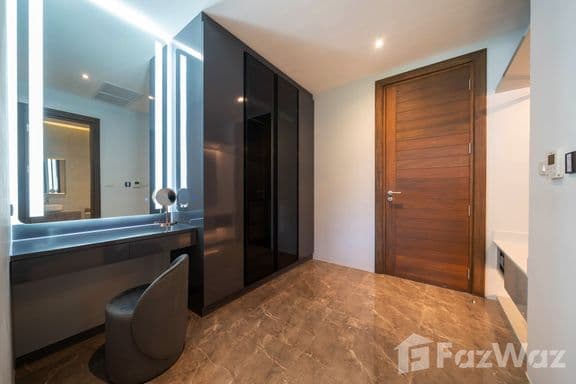
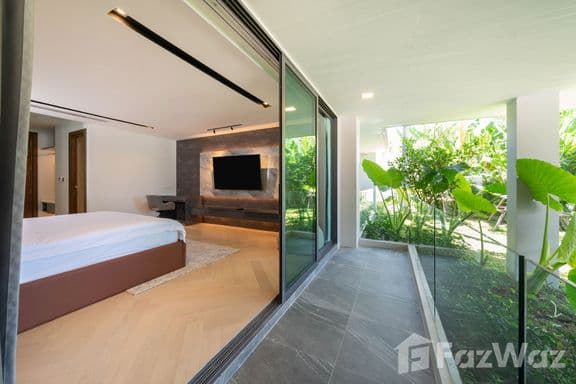
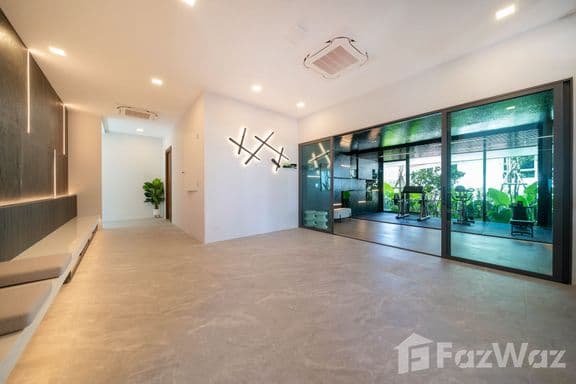







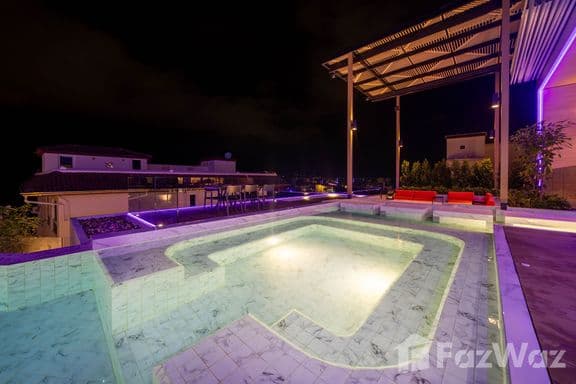

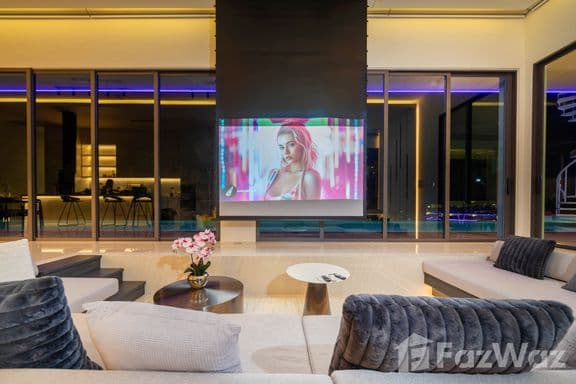
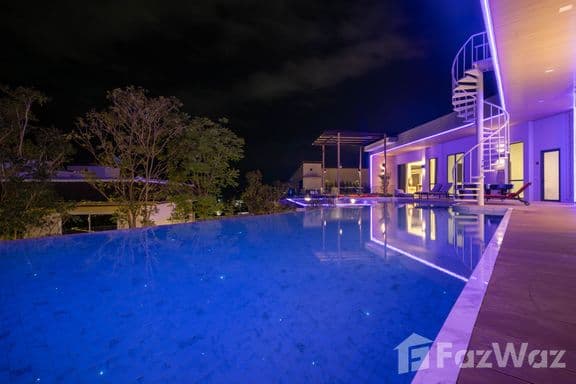

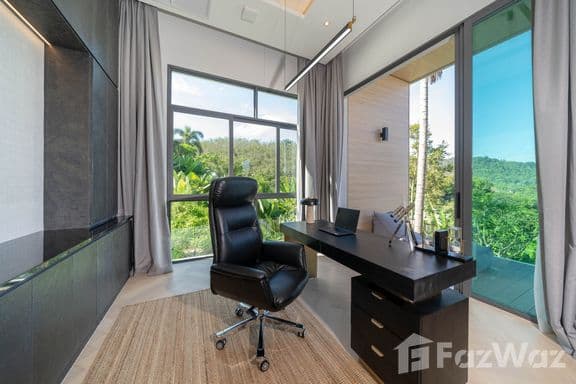
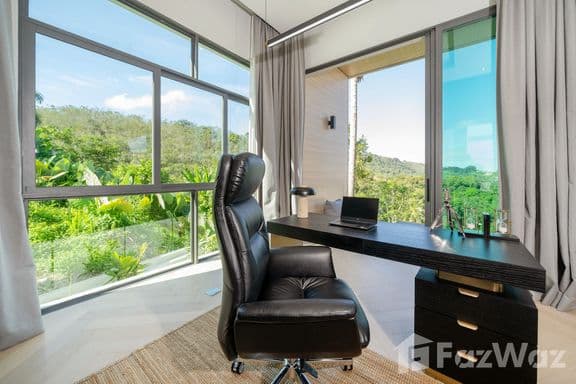
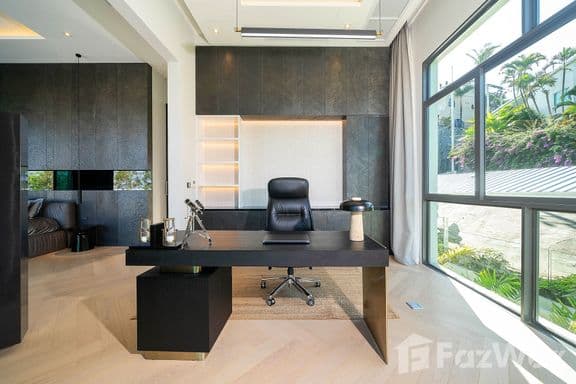

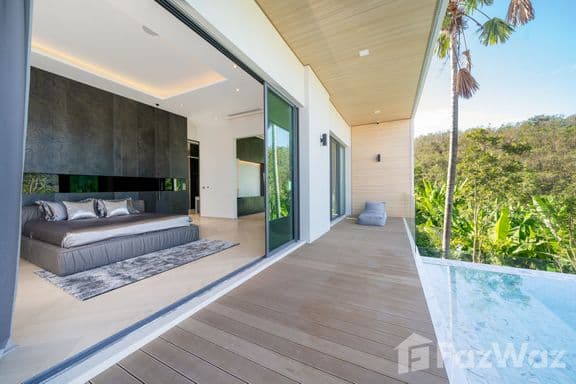


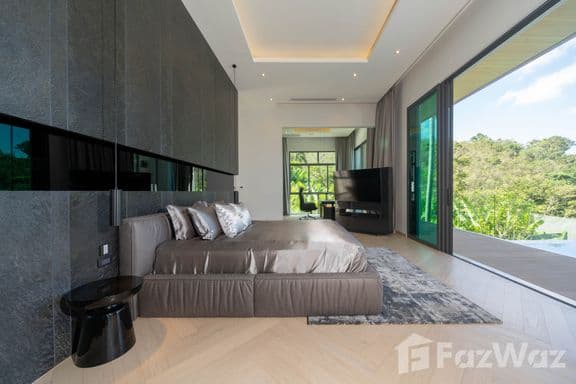
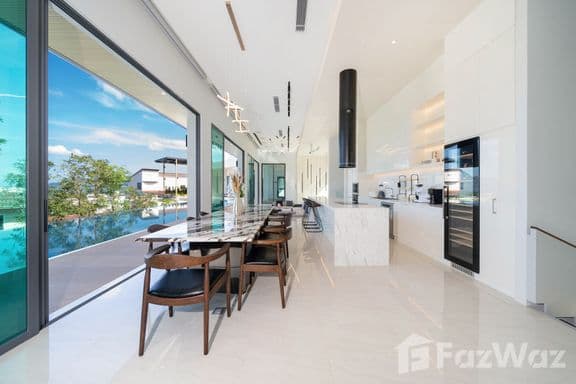
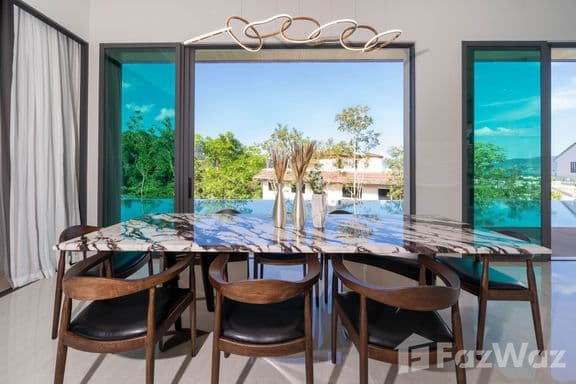
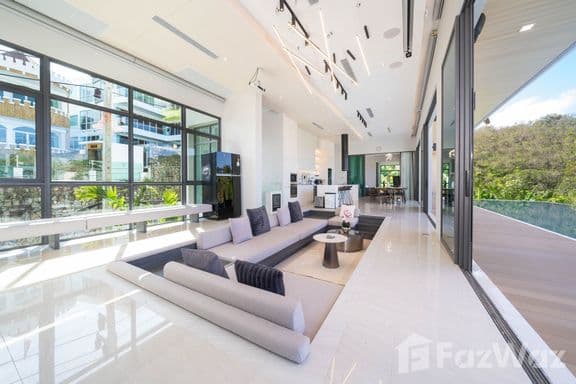
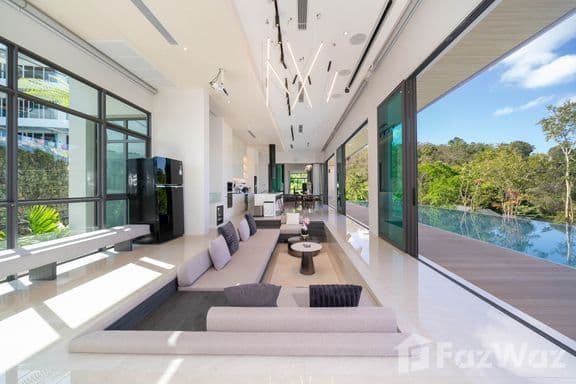
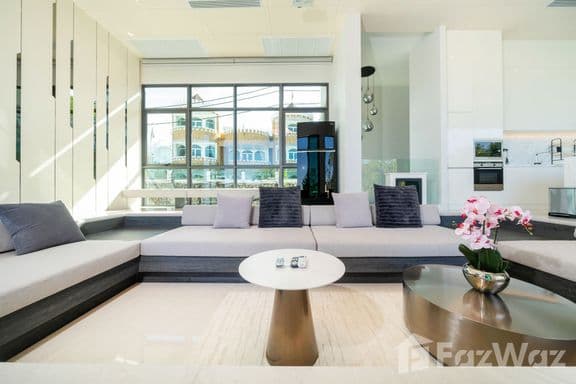

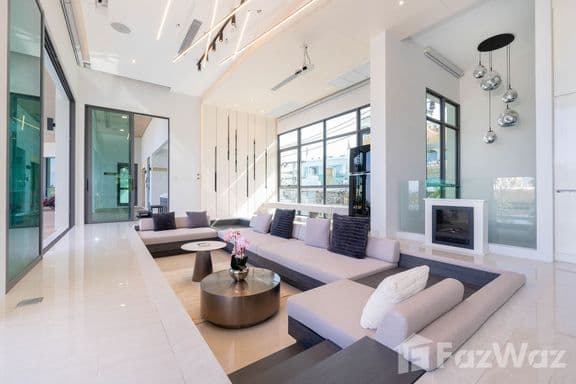
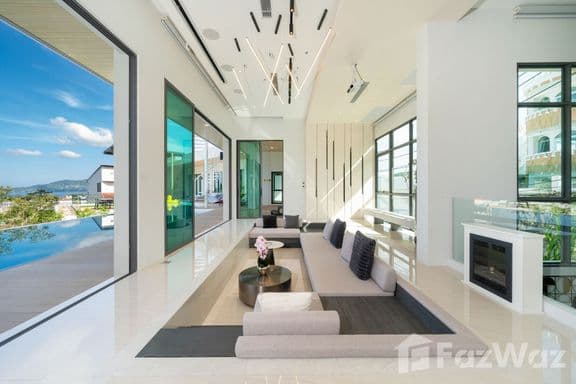
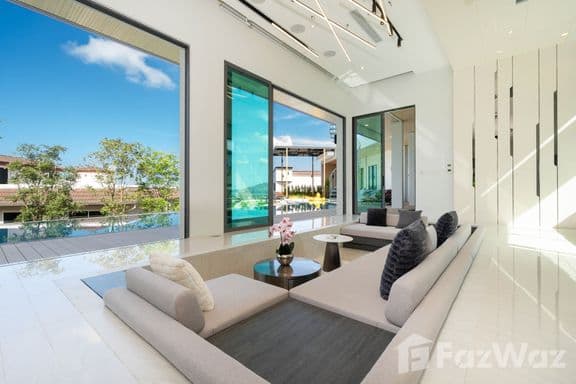
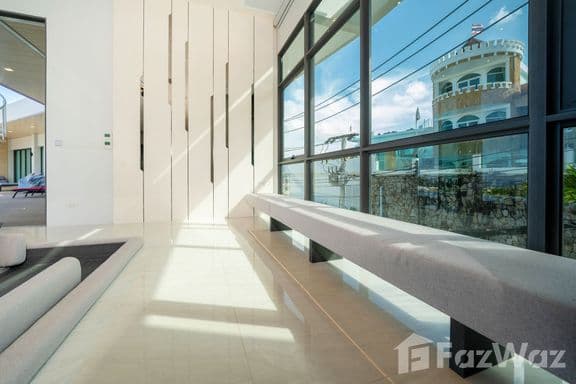
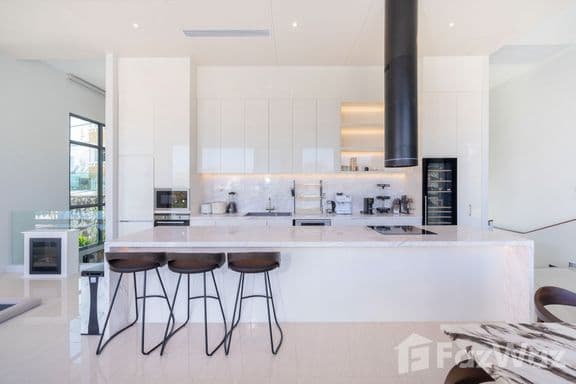



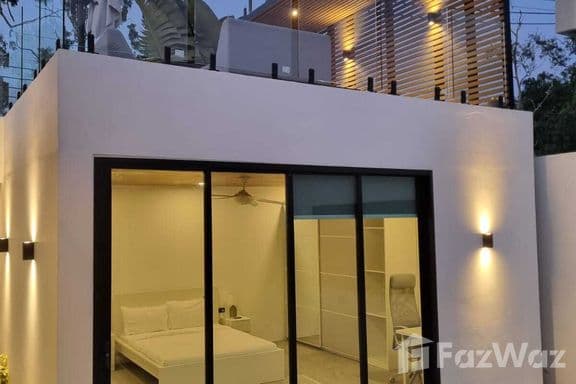


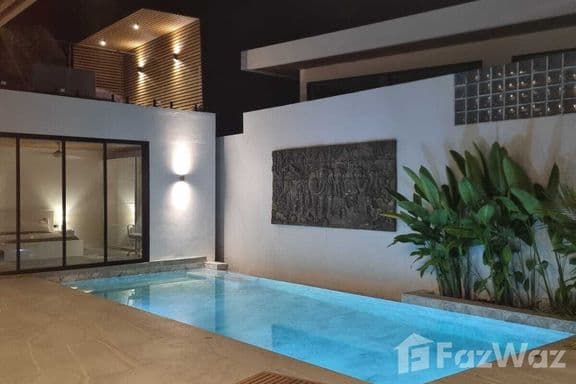
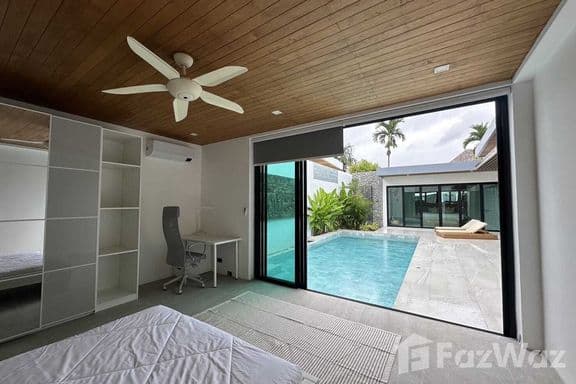

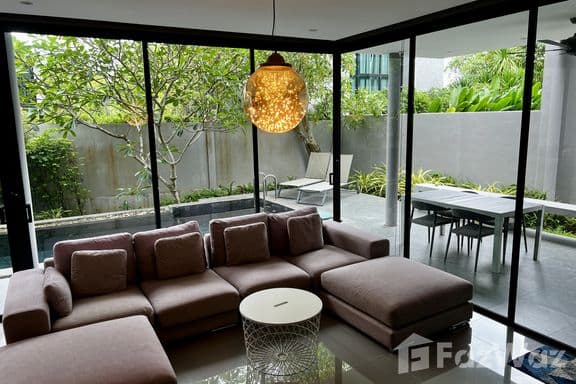
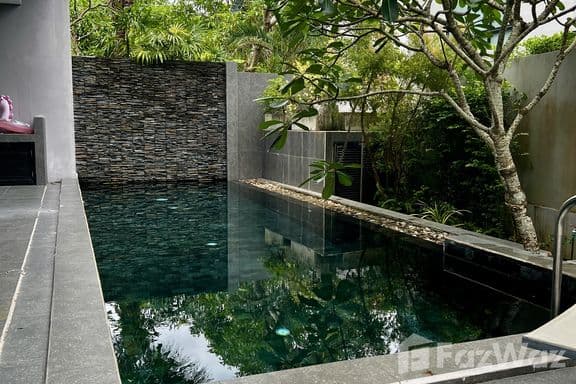
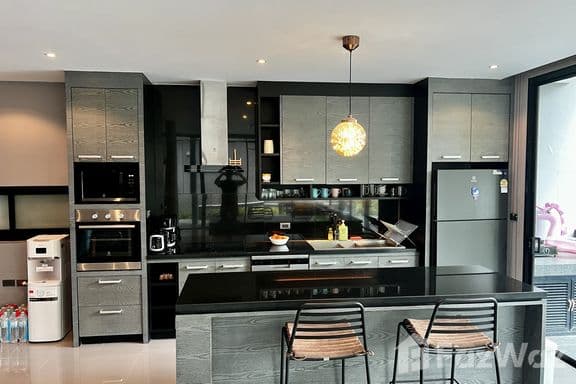
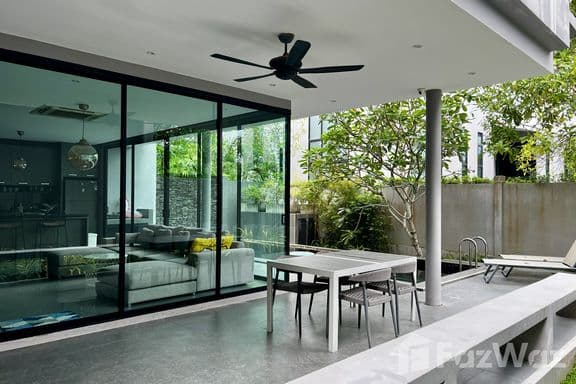
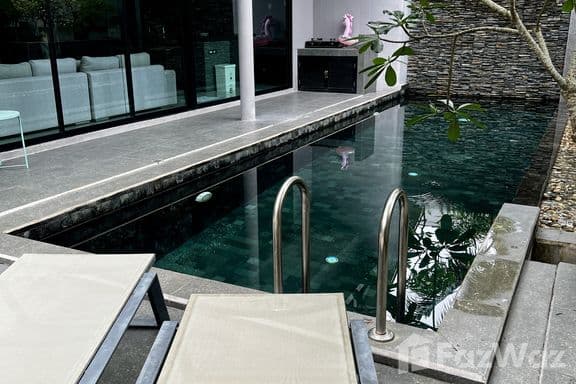
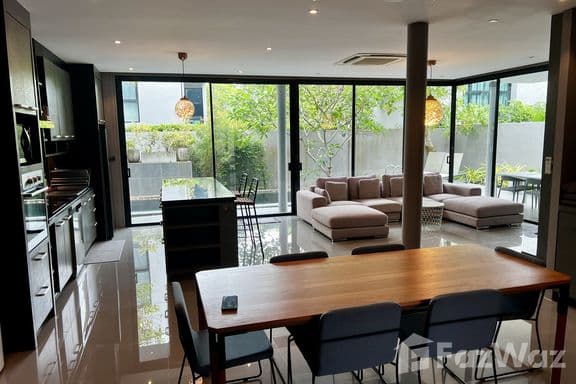
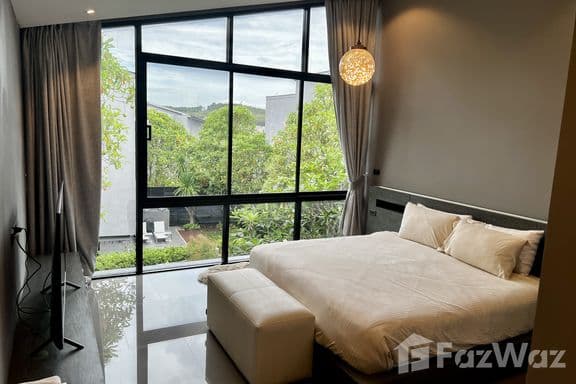
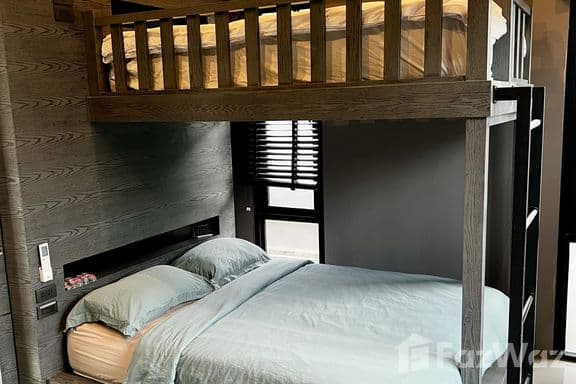
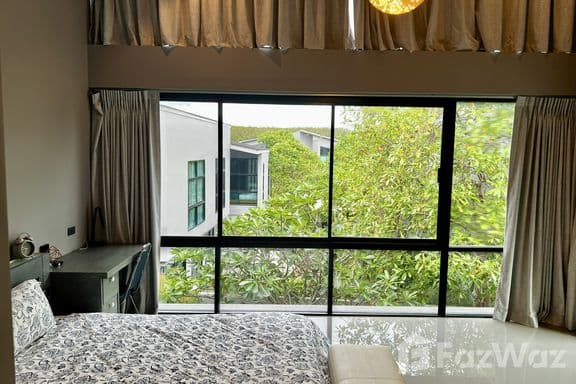
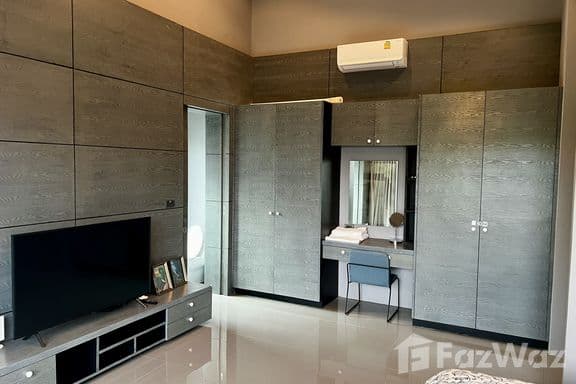
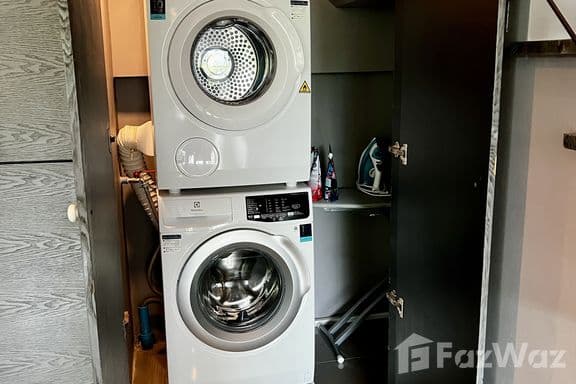




 Popular condos in Phuket

