Buying Private Villas in Chiang Mai: 2025 Guide for Foreign Buyers
Chiang Mai, the cultural capital of northern Thailand, has become an attractive market for foreign property buyers seeking private residential villas. Known for its temperate climate, rich heritage, and modern amenities, Chiang Mai offers a blend of lifestyle and investment appeal. In recent years, foreign buyers have played an increasingly prominent role in the city’s real estate market, especially as local demand faced constraints. This comprehensive report focuses exclusively on the needs and interests of foreign purchasers of private villas in Chiang Mai. It covers everything from current market trends and price comparisons by district to investment potential, rental yields, and the popular neighborhoods where overseas buyers are most active. Throughout, we will distinguish between the luxury and mid-range villa segments and provide insights into factors that influence pricing in each area. The goal is to equip foreign investors and homebuyers with a clear, professional overview of what to expect when entering Chiang Mai’s villa market in 2025.
2025 Market Overview: Trends Shaping Chiang Mai’s Villa Market
Resilient High-End Demand: The Chiang Mai property market in 2025 is marked by a robust performance in the upper-end villa segment, largely driven by foreign demand. While the broader Thai housing market is experiencing gradual price growth (single-detached house prices nationally rose by around 2-3% year-on-year in 2024), Chiang Mai’s higher-end homes have outperformed. Properties priced above roughly THB 7 million have seen double-digit annual growth in sales volume in the past year, reflecting strong interest from wealthy buyers. In contrast, mid-range homes (approximately THB 3-7 million) saw slower turnover, partly due to Thai buyers’ limited purchasing power amid higher interest rates and household debt. This divergence underscores how international buyers are bolstering the market, especially for luxury villas, even as some local buyers step back.
Foreign Buyer Influence: With local demand softening, foreign purchasers have become key drivers of Chiang Mai’s real estate activity. Overseas buyers from countries such as China, Myanmar, South Korea, the US, and Europe are increasingly active in northern Thailand. In fact, industry data indicates that foreigners now account for a significant share of transactions in prime segments. Many Chinese buyers, for example, returned to Chiang Mai’s property market as international travel reopened, often seeking villas as both vacation homes and investments. Western retirees and digital nomads also continue to favor Chiang Mai for its affordability and quality of life, though they more commonly rent or buy condos, a notable number do invest in houses. This infusion of foreign capital has helped stabilize prices and absorb new supply, particularly in desirable locations, at a time when domestic demand (especially in lower price tiers) remains subdued.
Post-Pandemic Recovery and Tourism Boost: Chiang Mai’s housing market is also benefiting from Thailand’s broader economic recovery and booming tourism in 2025. The country is on track to exceed pre-pandemic tourist arrival numbers, and Chiang Mai, as a major tourist and expatriate hub, is reaping some of these benefits. The revival of tourism has spurred interest in short-term rental properties and holiday homes, including private villas that can be used for vacation rentals. Some investors, noticing the surge in visitor numbers, are purchasing villas with the intent to rent them on platforms like Airbnb or Booking.com when not in personal use. This trend supports demand for villas in scenic or convenient locations (e.g. near tourist attractions or the city center), contributing to upward pressure on prices in those areas. In summary, market sentiment in Chiang Mai is optimistic, foreign inflows, a recovering economy, and increased tourism have created a favorable environment for villa sales as of 2025.
Supply Dynamics: On the supply side, Chiang Mai’s property developers have been relatively cautious. There has not been an oversupply of new villa developments in the past couple of years, partly because building costs rose and developers focused on clearing existing inventory. Most new construction has centered on low-rise housing estates in suburban areas and boutique luxury projects. The limited fresh supply of quality villas in prime locations means competition among buyers can be stiff for desirable properties. Well-located villas (for example, those with mountain views or close to international schools) often see strong interest and may command premium prices in 2025. Meanwhile, older homes and less centrally located properties might present negotiable opportunities, especially in the mid-range segment where fewer local buyers are active. This dynamic can benefit foreign buyers who have ready capital, they find more choices and bargaining power in the mid-price range, whereas in the luxury tier they may encounter competitive demand.
Policy Environment: Thailand’s government has shown interest in attracting foreign investment in real estate, which bodes well for overseas buyers in Chiang Mai. While foreign ownership of land is still restricted (we will discuss legal considerations later), there have been some regulatory improvements and visa schemes to entice high-end foreign investors and long-term residents. For instance, the government introduced a Long-Term Resident (LTR) visa program for affluent individuals, professionals, and retirees, which, in combination with property investment, makes it easier for foreigners to reside in Thailand for extended periods. There have also been proposals (not yet fully realized into law as of 2025) to allow qualified foreign investors to purchase a limited amount of residential land, reflecting a progressive shift in policy mindset. Overall, the market trend is cautiously positive, with steady price appreciation and increased foreign participation defining Chiang Mai’s villa market in 2025.
Luxury vs. Mid-Range Villas: Understanding the Segments
Foreign buyers will encounter two broad segments in Chiang Mai’s villa market: luxury villas and mid-range villas. Understanding their characteristics and price bands is crucial for making informed decisions.
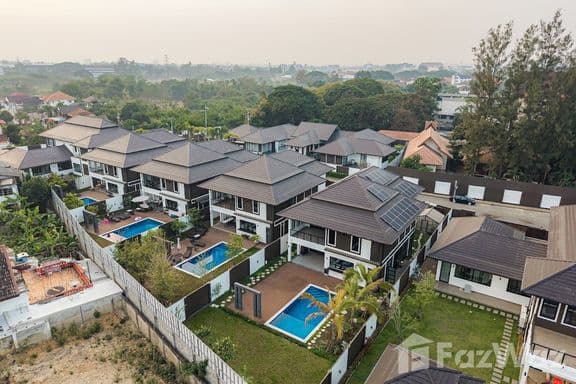
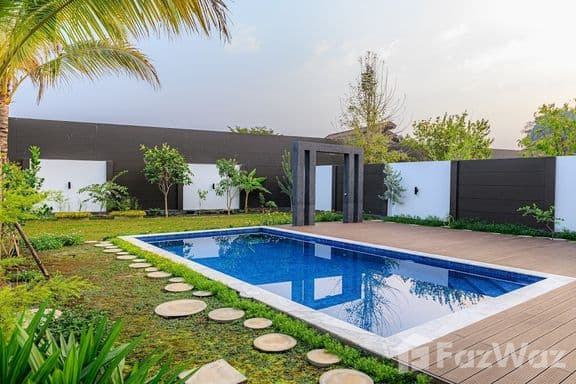
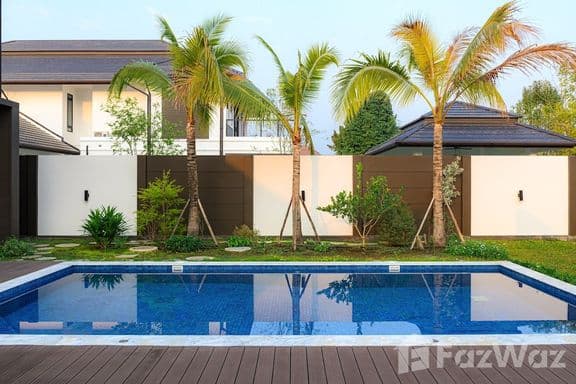
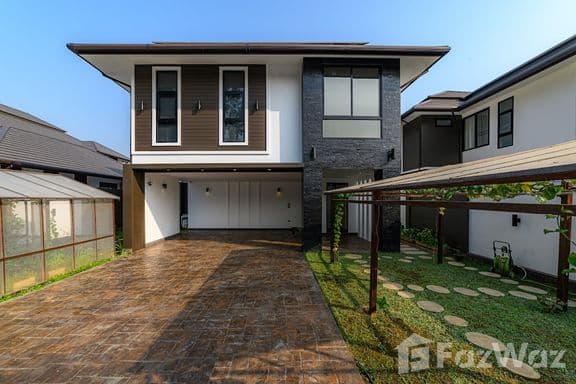
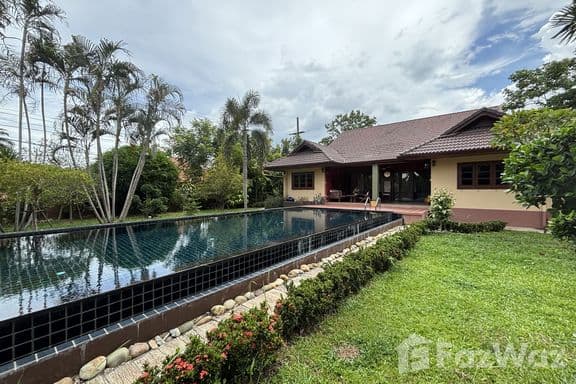
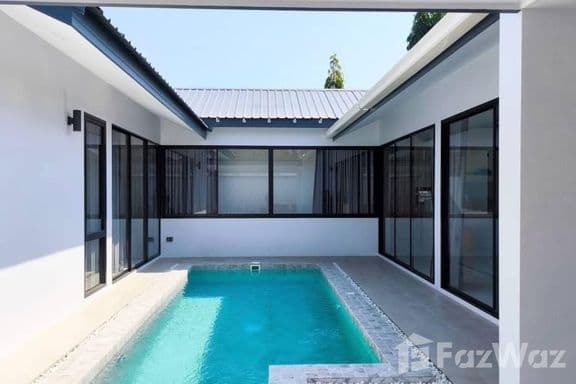
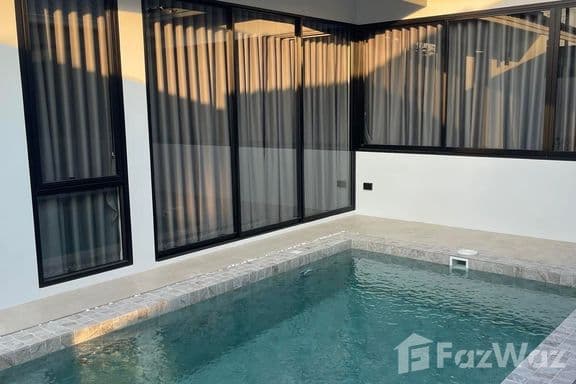
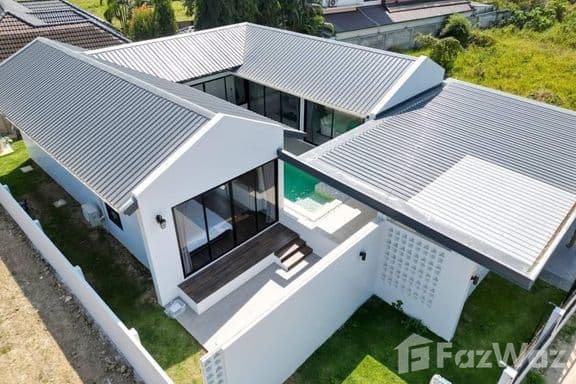
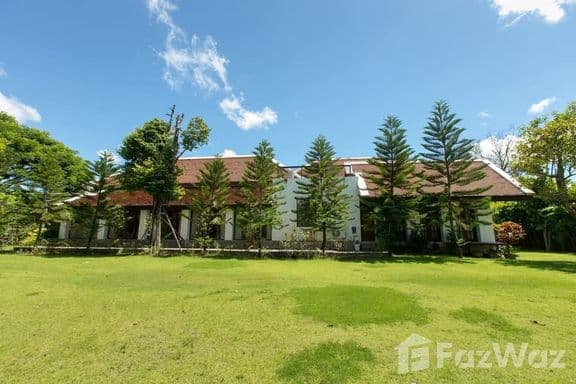
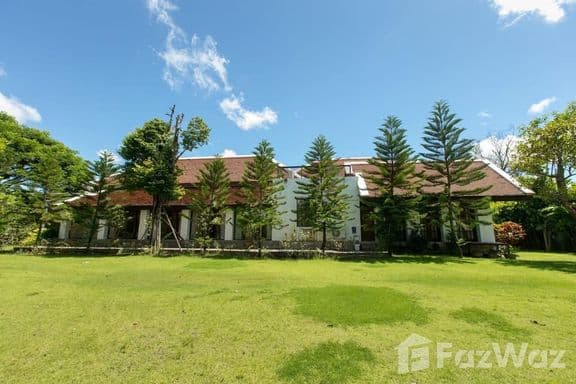
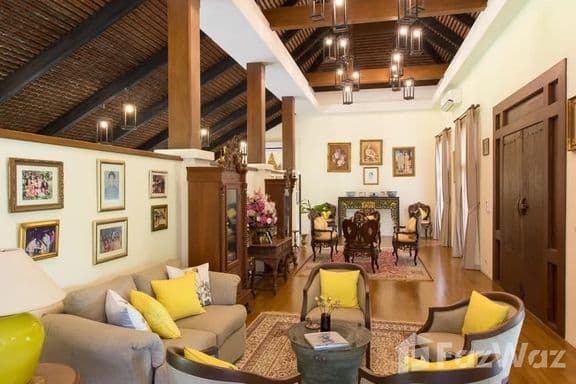
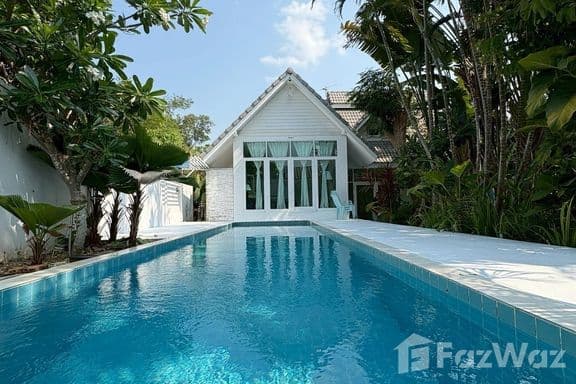
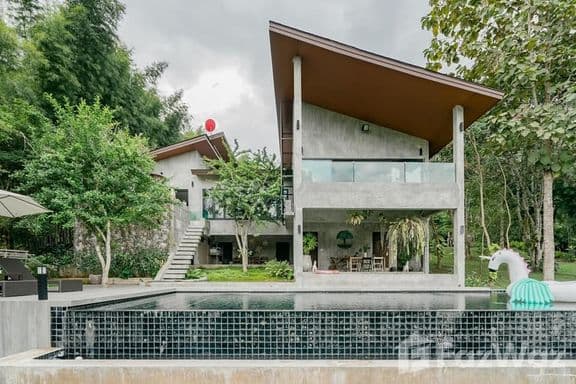
- Luxury Villas: In Chiang Mai, a luxury villa typically means a high-end property often priced in the eight-figure range (Thai baht), generally THB 10 million and above, stretching well into the tens of millions for top-tier estates. These properties usually boast expansive land plots, premium construction and design, private pools or extensive gardens, and prime locations (such as scenic hilltop positions or prestigious gated communities). Some luxury villas are architect-designed contemporary homes, while others may be sprawling Lanna-style estates with teak wood and traditional aesthetics. Foreign investors in this segment are often seeking a combination of lifestyle and prestige, for example, a retirement haven with mountain views, or a holiday home that can double as a luxury vacation rental. Notably, Chiang Mai’s luxury villa prices are still moderate compared to Bangkok or Phuket; a lavish Chiang Mai villa might be US$1 million or more, but you generally get significantly more land and privacy for that price than in Thailand’s bigger cities. In 2025, the luxury segment will remain robust. Many upscale villas retained their value or appreciated, thanks to interest from foreign buyers. However, buyers should be aware that luxury properties can have slightly lower rental yield percentages (often 4-5% gross) since their prices are high relative to achievable rent, These purchases are frequently as much about personal use or long-term capital growth as they are about immediate rental income.
- Mid-Range Villas: The mid-range villa segment covers a broad swath of properties roughly from THB 3 million up to around THB 8-10 million. These include everything from modest three-bedroom houses in local subdivisions to comfortable modern homes in middle-class gated communities. For foreign buyers, mid-range villas are attractive for offering substantial space and often land (gardens, parking, etc.) at a fraction of the cost of similar properties in Western countries. A mid-range home in Chiang Mai might feature 2-4 bedrooms, a private yard, and perhaps shared facilities if in a development (like a security gate or communal park). Many are new or recently built by developers targeting Thai middle-class families; others are older homes that may be for individual sales. In 2025, this segment presents a buyer’s market in many respects, local Thai demand in this price range has softened, so sellers (or developers with remaining units) may be more open to negotiation. Foreign buyers can find good value here, but they should vet the location and build quality carefully, as mid-range areas vary widely. One can find mid-range villas in semi-rural outskirts as well as in suburban estates not far from the city. Rental yields on mid-range houses in Chiang Mai tend to be in the 5-6% gross annual range with long-term tenants, higher if one manages short-term rentals successfully. Essentially, mid-range villas can be sensible investment choices, balancing affordability with decent rental prospects, though capital appreciation might be gradual rather than rapid.
Segment Outlook: Both luxury and mid-range villas have their own market dynamics. Luxury villas, supported by wealthier foreign buyers, have seen more resilient price growth and lower inventory. Mid-range villas offer more supply and potentially better deals, but also require picking the right location that will remain in demand (for instance, near a new infrastructure or in an area popular with expats). Foreign buyers should assess their objectives: if the priority is a dream home and long-term lifestyle, the luxury tier might be worth the premium; if the goal is a mix of personal use and steady rental income, a well-located mid-range villa could be the optimal choice. Next, we will delve into where in Chiang Mai these villas are located and compare average prices across key areas.
Villa Prices by Key Areas in Chiang Mai
Location is a major factor influencing villa prices in Chiang Mai. Different districts and neighborhoods have distinct profiles, amenities, and levels of demand among foreigners. Below is a comparison table of average villa prices by key areas popular with foreign buyers, with approximate values given in both Thai Baht and US Dollars (converted at roughly 35 THB per USD for consistency):
|
Area
|
Average Villa Price (THB)
|
Approx. Price (USD)
|
|
Old City (Historic Center)
|
9,000,000 THB
|
$260,000
|
|
Nimmanhaemin (City Center)
|
15,000,000 THB
|
$430,000
|
|
Hang Dong & Mae Hia (SW Suburbs)
|
7,500,000 THB
|
$215,000
|
|
Mae Rim (Northern Hills)
|
12,000,000 THB
|
$340,000
|
|
Doi Saket (Eastern Outskirts)
|
4,000,000 THB
|
$115,000
|
Table: Average price for a private villa by area (estimates for 2025).*
*Note: Actual prices can vary within each area. Figures above are indicative averages for standard 3-4 bedroom villas; luxury properties in prime spots will exceed these averages, while simpler or smaller houses can be lower.
As the table shows, central locations like the Old City and Nimmanhaemin command higher prices on average, whereas suburban and rural districts such as Hang Dong or Doi Saket offer more affordable options. Several factors drive these differences, including proximity to city amenities, views and environment, and the presence of international schools or expatriate communities. Below, we examine each of these key areas in detail, explaining their appeal to foreigners and the elements that influence property values there.
Old City (Historic Center)
Chiang Mai’s Old City is the area within and just around the famous square moat and ancient walls, the cultural and historical heart of the city. For foreign buyers, the Old City offers a unique charm and convenience that can be hard to find elsewhere. Waking up in a traditional teakwood house a short walk from centuries-old temples, quaint coffee shops, and the Sunday Walking Street market is an appealing lifestyle for some. Properties here are typically older houses or boutique guesthouse-style homes, since new construction is limited by heritage preservation rules and tight land supply. Villas in the Old City are scarce; you won’t find large gated communities, but rather individual homes often hidden down small lanes (soi).
Pricing and Demand: The average villa price in the Old City hovers around THB 9-10 million, reflecting the high desirability of the location and limited inventory. Small wooden homes or townhouses needing renovation might be available in the range of THB 5-8 million, but fully renovated or larger properties, especially those on larger land plots, can easily command THB 10-20 million or more. The price per square meter of land is high here because of scarcity, being inside the moat is a prestige and convenience factor. Foreign buyers who choose the Old City are often those who value authenticity and walkability: one can stroll to restaurants, co-working spaces, hospitals, and cafes. Some buyers also see business potential in Old City properties (opening a bed-and-breakfast, cafe, or boutique hotel), which has kept demand strong.
Factors Influencing Prices: Key factors include:
- Cultural and Tourist Appeal: Properties in the Old City may generate premium short-term rental income due to tourist demand. This potential can inflate prices, as buyers pay partly for that business opportunity.
- Limited Supply: There is virtually no new land available; any sale is a resale of an existing house. Many buildings are in heritage styles, if well-maintained or restored, they become niche high-value properties.
- Amenities and Infrastructure: Despite its ancient ambiance, the Old City has modern conveniences (international restaurants, banks, markets) at one’s doorstep. Proximity to Chiang Mai Ram Hospital or the Thapae Gate area, for example, can add to value.
- Property Condition: Because many homes are older, the condition varies widely. A fully refurbished, modernized interior behind a traditional façade will fetch a higher price. Buyers must often weigh the cost of renovations into their investment if buying an unrestored house here.
In summary, the Old City is for foreigners who want to immerse themselves in Chiang Mai’s heritage. The pricing reflects a balance of romance and reality, you pay a premium for location and character, and while rental yields can be decent through holiday rentals, one should also be prepared for the maintenance of an older property. Still, capital preservation is generally strong, as demand for the limited Old City properties remains constant among both expatriates and boutique business operators.
Nimmanhaemin and Surroundings (Trendy City District)
Just west of the Old City lies Nimmanhaemin (often just called “Nimman”), Chiang Mai’s trendiest urban district. This area and its surroundings (parts of Suthep and Chang Phueak sub-districts) form the modern commercial hub of the city, popular among young professionals, digital nomads, and students from the nearby Chiang Mai University. Nimman is characterized by chic coffee shops, international eateries, art galleries, and a lively nightlife scene. It’s the cosmopolitan face of Chiang Mai, sometimes compared to Bangkok’s Thonglor or Ekkamai in terms of vibe, albeit on a smaller scale.
Property Landscape: Real estate in Nimmanhaemin is dominated by condominiums and boutique hotels, but there are some private houses and villas in the surrounding residential lanes. Many of these are older Thai homes or townhouses that have been converted into guesthouses or modernized residences. Detached villas are relatively rare directly on Nimman Road (most land there has been developed for commercial use), but in the adjacent neighborhoods (such as around Huay Kaew Road, Suthep Road, or the foothills of Doi Suthep behind the university) you can find upscale homes and contemporary villas. Foreign buyers who prioritize a city lifestyle, being walking distance from malls like Maya Lifestyle Mall or entertainment venues, often focus on this area.
Pricing: Nimman area villas command some of the highest prices in Chiang Mai. An average home in this district is around THB 12-15 million, and it’s not uncommon to see asking prices well above that for prime properties. The cost stems from extremely high land value; even a small plot can be expensive. For example, a modern 3-bedroom house on a modest lot near Nimman might be listed at THB 12-20 million depending on its exact location and design. If a property is on a larger land parcel in this area, it tends to be marketed for redevelopment given the commercial demand, thus pushing valuations up. Foreigners looking here are often those who don’t want to rely on a car; Nimman’s appeal is that it’s walkable and vibrant day and night.
Factors Influencing Prices:
- Location and Lifestyle: Proximity to trendy cafes, co-working spaces, international restaurants, and nightlife drives up demand. This area is coveted by younger expats and affluent Thais alike. Being near the action adds a premium.
- Modern Conveniences: Nimman is adjacent to one of Chiang Mai’s best shopping centers (Maya Mall) and close to hospitals and the airport road. Convenience is a major price driver.
- Limited Housing Stock: Because Nimman is built up, few standalone houses are on the market. When they do appear, competitive bidding can occur, especially if the property can be turned into a commercial venue. This low supply/high demand situation inflates prices.
- Rental Income Potential: For investors, a house in the Nimman area can yield strong short-term rental income (appealing to digital nomads or tourists who want a central location). Even long-term, upscale homes here find tenants quickly. This income potential supports higher valuations.
In essence, Nimmanhaemin offers urban sophistication in Chiang Mai, and buyers pay accordingly for it. Foreign buyers drawn to Nimman should be prepared for higher price tags and possibly older homes needing updates (if not already renovated). The upside is a dynamic location with solid rental prospects and liquidity in the market; properties here tend to hold value due to consistent demand from those who want to live in the heart of the city’s modern scene.
Chang Phueak and Santitham (Residential Neighborhoods Just North of City)
Directly north of the Old City and Nimman lies the Chang Phueak area (which includes sub-neighborhoods like Santitham, Jed Yod, and Chang Khian). These neighborhoods represent a balance between city convenience and a quieter residential environment. Santitham, in particular, has gained popularity among foreigners in recent years for its local charm and affordability while being only a 5-10 minute drive from the city center. The area features a mix of traditional Thai houses, small apartment buildings, and new low-rise condos, interspersed with local markets, street food, and green pockets.
Appeal to Foreigners: Chang Phueak and Santitham attract a wide range of expats, retirees and long-term residents who appreciate the calm atmosphere and lower costs, while some younger expats and digital workers choose it for cheaper rent compared to Nimman but with reasonable proximity. The presence of several hospitals (Chiang Mai Ram 2, Lanna Hospital), the Chiang Mai Rajabhat University, and malls like Central Festival not far away add to the convenience of living here. The vibe is more low-key Thai, meaning less of the tourist traffic that Nimman or the Old City have, which many residents find appealing for day-to-day life.
Property and Pricing: Houses in Chang Phueak/Santitham are generally more affordable than in the heart of the city, making this area notable for mid-range villa options. You might find a comfortable three-bedroom house here for around THB 5-8 million, significantly less than a comparable house in Nimman. The median house price in these neighborhoods tends to be in the mid single-digit millions of baht, depending on age and condition. Many properties are older Thai-style homes from the 1980s-90s, which sometimes come with larger land plots than newer developments. These may require renovation, but offer value in terms of land size and location. Newer built houses or renovated ones in Chang Phueak (especially closer to the trendy Jed Yod area near the Convention Center) can approach the 8-10 million THB mark, but still remain a bit lower than prices in the Old City or Nimman.
Factors Influencing Prices:
- Proximity vs. Peace: The area’s draw is that it sits just outside the main tourist zones, which keeps prices more reasonable, but the short commute into town adds value. It’s a sweet spot for many who want access without the congestion of central areas.
- Local Amenities: Santitham has its own array of cafes, local eateries, and supermarkets (including Tops Supermarket at Kad Suan Kaew nearby). The availability of daily life needs at hand makes the area self-sufficient, supporting property values modestly.
- Expat Community: There is a growing community of expats living in Santitham/Jed Yod. The word-of-mouth among long-term foreigners often highlights this area as “good value for money.” As a result, when houses go on sale, there’s often interest from foreign buyers or landlords targeting foreign tenants.
- Development and Infrastructure: Chang Phueak is experiencing gradual development, a few new condo projects and road improvements, but it retains a residential character. Infrastructure like the nearby superhighway and the second ring road makes northern and eastern parts of the city easily accessible, adding to the convenience of living here.
For foreign buyers, Chang Phueak and Santitham represent opportunity: one can purchase a reasonably priced villa or house in a neighborhood that is poised between the local and expat worlds. The area provides a laid-back lifestyle with city access, and property here can yield solid long-term rentals (many houses are rented by expat families or professionals). Additionally, because prices have been lower, there may be potential for appreciation as Chiang Mai expands and more people discover the appeal of these close-in neighborhoods.
Hang Dong & Mae Hia (Southwest Suburban Expat Hub)
To the southwest of Chiang Mai city lies the Hang Dong district, including sub-areas like Mae Hia, Nong Khwai, Nam Phrae, and San Phak Wan. This broad region has established itself as the primary suburban expat enclave of Chiang Mai. Hang Dong/Mae Hia is characterized by gated communities, international schools, and a lush, semi-rural environment. Many foreign families, retirees, and long-term residents choose to live here for the space and tranquility it offers, while still being about 20-30 minute’ drive from the city center.
Lifestyle and Amenities: The area boasts several of Chiang Mai’s top international schools, for example, Chiang Mai International School (CMIS), Prem Tinsulanonda (though Prem is further north in Mae Rim), Lanna International School, American Pacific International School, and Panyaden School are in or within reach of this quadrant. This makes Hang Dong extremely popular for expat families with children, as well as diplomats or business professionals relocating with families. Additionally, Hang Dong/Mae Hia has large shopping centers and amenities tailored to residents: Kad Farang Village (a lifestyle mall), Big C and Tesco superstores, Makro wholesale, and the Rimping Supermarket for imported goods are all in this vicinity. The presence of Hang Dong Golf Club, and recreational spots like the Night Safari and Royal Park Ratchaphruek, adds to the area’s appeal. In short, the district offers a comfortable, Western-friendly suburban lifestyle amid greenery.
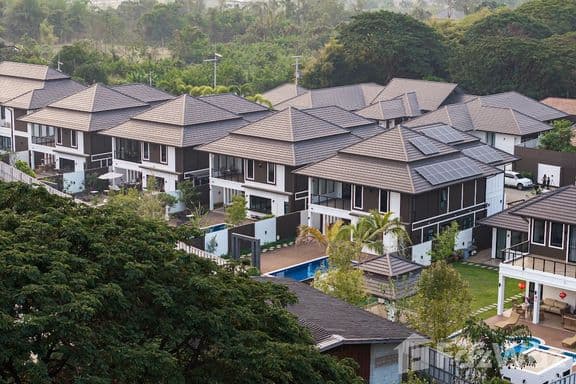
Housing and Prices: Hang Dong has a wide range of villas and houses, from affordable modern starter homes to grand luxury estates. In planned housing estates (mooban), one can find mid-range villas priced from around THB 3-5 million (for a compact 3-bedroom house in a new development) up to THB 8-12 million for larger or higher-end homes with private pools. There are many such estates, often with English names, offering security, clubhouses, and communal facilities. On the higher end, luxury villas in Hang Dong, for instance, in developments like Lanna Thara, Lanna Montra, or in the serene Nong Khwai hills, may be priced anywhere from THB 15 million up to THB 30-40 million for multi-bedroom mansions with extensive land. The average villa price in Hang Dong/Mae Hia is roughly THB 7-8 million, which reflects that many sales are of standard family homes. This median is lower than city-center areas because of the greater volume of mid-priced housing available, but note that Hang Dong also contains a significant number of premium properties that push the upper limit.
Factors Influencing Prices:
- International Schools: Perhaps the biggest factor. Houses within convenient reach of the major international schools command higher prices and are in strong demand for both purchase and rent. Many foreign buyers specifically seek homes near their children’s school. This school catchment effect keeps values high in estates like Home In Park or Hillside 4, which are near good schools.
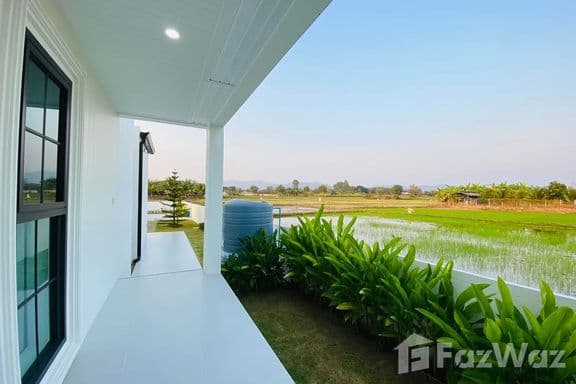
- Land and Space: Villas here typically sit on larger plots than those in the city. Buyers get gardens, parking, perhaps room for a pool. More land generally means better long-term value and is very attractive to those used to spacious homes abroad. Properties with expansive yards or scenic rice-field/backdrop views in this area can ask premium prices.
- Expat Community and Services: A self-reinforcing cycle is at play, because many foreigners live here, more facilities (English-speaking clinics, international restaurants, cafes, fitness centers) have opened, which further attracts new buyers. Neighborhoods like Mae Hia (near Canal Road) and Nong Khwai have a notable foreign presence. This concentration provides a sense of community and safety that sustains demand.
- Accessibility: The area’s convenience to the city and airport influences pricing. Being just off the Canal Road or Hang Dong Road (Route 108) means downtown and the airport are reachable in under 30 minutes. Houses closer to main roads or the new Chiang Mai airport road extension see value appreciation. By contrast, homes far down smaller country roads might be cheaper due to longer drive times.
- Quality of Developments: There is a saying that not all moobans (housing estates) are created equal. Gated communities with good reputation (quality construction, reliable utilities, nice landscaping, security) maintain higher resale values. Foreign buyers often have insight from local networks on which projects are best. A well-maintained estate can bolster individual home prices within it.
Overall, Hang Dong and Mae Hia represent the core of upscale suburban living in Chiang Mai, tailor-made for foreign buyers who want a balance of comfort, community, and nature. The investment potential here is solid: rental yields are decent (families regularly seek rentals here, often paying THB 30,000-60,000 per month for mid to high-end houses) and capital growth, while not explosive, has been steady as the area continues to develop. Buyers should select specific locations carefully, focusing on proximity to schools or main roads if future resale or rental value is a priority.
Mae Rim (Northern Hills and Retreats)
Heading north of the city about 15-30 kilometers, one enters the Mae Rim district, a region known for its scenic beauty, mountains, and upscale resorts. Mae Rim is sometimes called the “Beverly Hills of Chiang Mai” for its pockets of luxury estates and the presence of the famous Four Seasons Resort. It’s an area of cool breezes, waterfalls, elephant sanctuaries, and boutique organic farms. For foreigners, Mae Rim offers a chance to own a villa with stunning natural surroundings, away from the bustle, yet still within a 30-40 minute drive to town.
Characteristics: Mae Rim is more spread out and rural than Hang Dong. The appeal here lies in large land plots and nature, many foreign buyers in Mae Rim are those seeking a retirement sanctuary or a second home that feels like a private resort. Gated communities are fewer, though some notable ones exist (e.g., Green Valley Country Club for golf course properties, or developments near Prem International School). Many properties are standalone custom homes on sizable pieces of land. Mae Rim also hosts Prem Tinsulanonda International School, one of Thailand’s top international boarding schools, which draws some expatriate families to reside in the vicinity.
Pricing: Villas in Mae Rim have a higher average price (around THB 10-12 million) compared to most other areas, primarily because many listings are indeed large upscale properties. The median listing price for houses in Mae Rim is often reported above THB 11 million. That said, there is a wide range:
- On the high end, multi-bedroom luxury villas with expansive gardens, pools, and panoramic mountain views can easily list for THB 20-50 million or more. For example, an estate home near the Four Seasons or overlooking a valley might target very affluent buyers (including Bangkok residents wanting holiday homes, or overseas investors).
- In the mid-range, one can find simpler country houses or older homes in Mae Rim town or nearby villages for as low as THB 4-6 million, though these might not be the kind of “villa” many foreign buyers seek.
- A typical attractive option for foreign buyers might be a 3-4 bedroom modern house with a nice yard and maybe a pool in the Mae Rim outskirts, which could be in the THB 8-15 million bracket depending on land size and finish.
Factors Influencing Prices:
- Natural Beauty and Views: Perhaps nothing influences a Mae Rim property’s price more than the kind of view or environment it offers. Houses with distant mountain or forest views, proximity to waterfalls or situated on scenic slopes carry a premium. Many luxury villas market themselves on having an “unbeatable sunset view” or lush landscaping.
- Privacy and Land Size: Mae Rim allows for estates with multi-rai plots (1 rai = 1600 sq.m). More land means higher cost. Properties that are gated and private are especially valued by those seeking exclusivity. A large piece of land also opens possibilities for future development (e.g., adding guest cottages or a small farm), which some buyers consider.
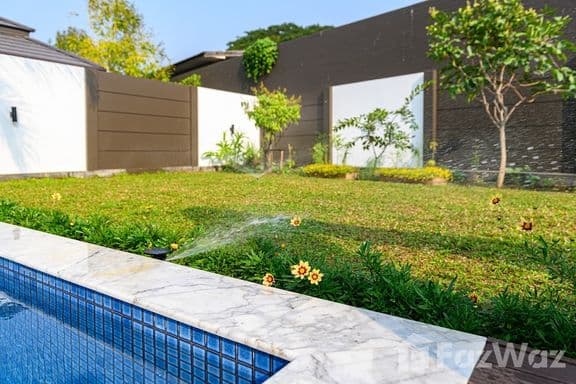
- Resort-like Amenities: Some high-end homes in Mae Rim effectively offer resort amenities, think private pools, home spas, extensive gardens, perhaps a small lake or rice paddies on the property. These unique features drive up value as they create a one-of-a-kind retreat.
- Distance and Access: While Mae Rim is not far, certain properties can be quite remote, up winding mountain roads. Ease of access (paved roads, reasonable travel time to Chiang Mai city or to an international school) affects pricing. Villas within 5-10 minutes of Prem School or within a quick reach of the main Mae Rim highway (107) will find broader appeal than those tucked 45 minutes deep into the mountains.
- Neighborhood Prestige: Specific locales in Mae Rim are known to be premium, for example, areas near the Four Seasons Resort or along the Samoeng road loop are dotted with luxury homes and thus considered high-status. If you buy in a vicinity where other luxury estates exist, your property’s value benefits from that prestige cluster.
In summary, Mae Rim offers a distinctive proposition: high-end living in harmony with nature. It’s ideal for foreign buyers prioritizing tranquility, scenic landscapes, and perhaps a touch of luxury wellness lifestyle (many health retreats and spas are in the area). Investors interested in rental might tap into the short-term luxury vacation rental market here, a beautiful Mae Rim villa can attract tourists or Bangkok weekenders, although managing such rentals is a niche business. Long-term rental demand is more limited compared to city or Hang Dong (aside from families associated with Prem School), so Mae Rim purchases are often more lifestyle-driven. Nevertheless, as Chiang Mai grows, areas like Mae Rim are likely to hold their value well, thanks to their inherent land and environmental value which is irreplaceable.
Doi Saket (Eastern Outskirts and Countryside)
To the east of Chiang Mai city lies Doi Saket, a district that offers a quiet, rural charm and is known for its namesake mountain temple (Wat Doi Saket) and surrounding rice fields. Doi Saket is popular among some foreigners who seek large houses at very affordable prices, essentially trading off proximity to the city for space and tranquility. This is an area of local farming communities, small villages, and a slowly growing number of expat-owned homes tucked away off rural roads.
Property Market: The property scene in Doi Saket is characterized by much lower land prices and the availability of big plots. It’s one of the few places near Chiang Mai where a foreigner (via a Thai company or lease) can affordably secure a couple of rai of land and build a custom villa. There are also a few housing developments that have sprung up targeting those looking for country living, These might have bungalows or houses in the THB 3-6 million range that come with sizable gardens. Many existing houses in Doi Saket that come on the market are individual builds (often foreign-designed). The style ranges from simple Thai rural homes to surprisingly grand villas created by retirees who wanted space.
Pricing: Compared to other areas, Doi Saket’s average house price is the lowest. Median house prices here are around THB 3.5-4 million, and even an above-average villa might only cost THB 5-6 million, which in other districts would be considered the budget range. For example, a three-bedroom Western-style house on 1 rai of land in Doi Saket might list for ~THB 4 million, whereas a similar house in Hang Dong could be nearly double that. At the top end, one could find a mini-estate (say 4-5 bedrooms on a few rai with a pool) for perhaps THB 10-15 million, a price that would only buy a mid-level home in city suburbs but here grants a private piece of the countryside. The low prices reflect both the distance from city conveniences and the fact that demand is lower, Doi Saket is not on the typical tourist or expat circuit as much as other areas.
Factors Influencing Prices:
- Distance and Commute: Doi Saket town is roughly 20-25 km from central Chiang Mai. That translates to about a 30-40 minute drive on the Chiang Mai-Chiang Rai highway (Route 118) in light traffic. For daily commuters, this is a significant distance, and thus properties are cheaper. If a planned new outer ring road or other infrastructure improves connectivity in the future, it could uplift values.
- Lack of Major Facilities: Unlike Hang Dong or Mae Rim, Doi Saket has fewer international schools, shopping centers, or hospitals in its immediate vicinity. The nearest would be on Chiang Mai’s outskirts. This area is thus less appealing to families or those needing frequent city access, which keeps prices modest. One factor to note: the San Kamphaeng “second” Chiang Mai airport project (proposed) would have been out this direction, but as of 2025 that’s still uncertain; any future confirmation of a new airport could drastically change prospects in the east.
- Abundant Land: Simply put, land is plentiful. There isn’t the same scarcity factor as inside the city. You can buy a large plot for relatively little, which means house prices are closely tied to construction value rather than land value. In established estates, land might cost more, but still far below city rates. This means buyers can get more house for the money, which is a big draw.
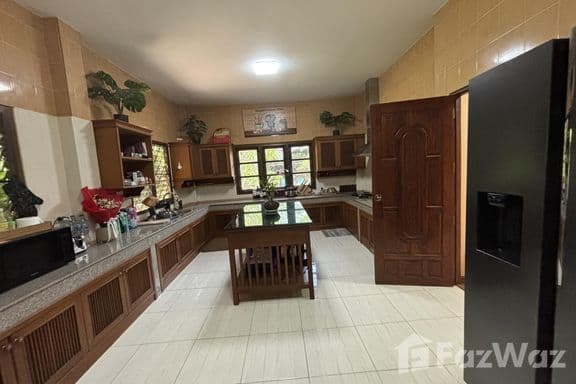
- Expat Niche: There is a smaller, tight-knit expat community in Doi Saket. Many are retirees who enjoy gardening, farming, or just the peace of rural life. They often resell houses to like-minded folks when moving on. The limited but steady presence of foreigners provides some baseline demand. Houses that cater to Western tastes (e.g. with modern kitchens, air conditioning, fencing for pets) will be more valued within this niche than local-style homes.
- Nature and Farming: Doi Saket has an appeal for those who might want to have a hobby farm or simply scenic rice field views. Properties boasting a view of Doi Saket temple on the hill or adjacent to a lake can have a slight premium. The environment is generally flat farmland and some foothills; not as dramatic as Mae Rim’s mountains, but pastoral and serene.
In conclusion, Doi Saket is about affordability and space. It’s a suitable choice for foreign buyers who are perhaps retiring on a budget or who place a premium on land size and quiet over urban convenience. Investment-wise, one shouldn’t expect fast appreciation here; this is a slow and steady market. Rental yields may not be high either since demand for rentals out here is limited (perhaps 4-5% at best, often lower, and finding tenants might take time). However, as Chiang Mai grows outward, Doi Saket could gradually gain value. Some buyers take the long view: acquiring large properties now while cheap, anticipating that over a decade or more, expansion of the city or infrastructure will make these outskirts more accessible and desirable.
Other Notable Areas
While the above are the primary districts where foreigners buy villas, a few other areas deserve mention:
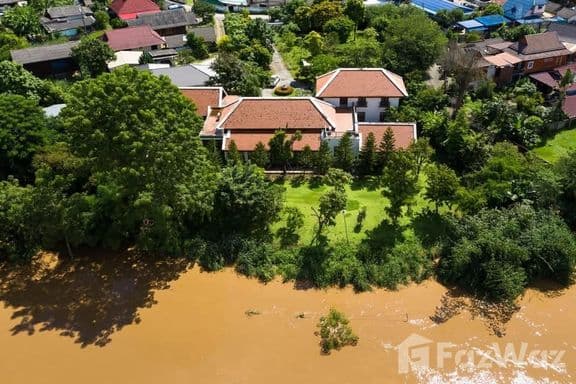
- Saraphi (Riverside South): To the south of the city along the Ping River, Saraphi district offers leafy residential pockets and old estates. A number of foreigners enjoy this area for its riverfront properties and semi-rural atmosphere just 15-20 minutes from town. Prices in Saraphi are relatively moderate (comparable to Hang Dong’s mid-range), though a house with direct river frontage or in a prestigious gated community (like Home Riverside) will ask a premium. Proximity to nature (the river, orchards) and the short drive to the city are selling points.
- San Sai (Northern Suburb): Located north/northeast of the city, encompassing areas around Mae Jo University and up towards Doi Saket, San Sai has several housing developments with foreign residents. It’s known for affordable modern homes and some semi-rural charm. Expats who work at the university or those who found good value deals have settled here. Prices are generally on par with or slightly above Doi Saket for similar homes, since San Sai is a bit closer to the city (some parts of San Sai border directly on central districts like Nong Chom near Ruamchok). Key factors here include access to the north side shopping centers (Central Festival), and the upcoming growth around Mae Jo’s expanded infrastructure.
- City Riverside & Nong Hoi: Within the city, areas along the Ping River (east bank near Nong Hoi/Wat Ket) feature some upscale homes and condos. A few luxury villas and historic teakwood mansions can be found here, prized for their river views and central location (5-10 min to Night Bazaar). These rarely come up for sale, but when they do, foreign investors might take note as they combine uniqueness with city convenience. Prices for riverside houses in the city can be high (often THB 15 million and up) due to limited supply and beautiful setting.
Each of these areas has its own flavor, but the recurring theme across Chiang Mai is that location drives value. Areas with better access to the city, international schools, scenic beauty, or established expat communities will generally have higher prices and steadier demand. Foreign buyers should match their priorities, whether it’s a vibrant urban lifestyle, a family-friendly suburb, or a peaceful rural retreat, to the right district, and be mindful of how those local factors influence not just the price they pay, but the long-term value of their investment.
Investment Potential and Rental Yields for Villas
Buying a villa in Chiang Mai can be both a lifestyle decision and an investment. Foreign buyers are advised to evaluate the financial aspects, including potential rental income and future resale value, alongside personal enjoyment of the property. Here we outline the key investment considerations and typical rental yields in Chiang Mai’s villa market:
- Rental Yields: Gross rental yields on Chiang Mai villas generally range from approximately 4% to 6% per year. This is a mid-level yield by global standards, higher than many Western city yields, but slightly lower than Thailand’s national average (around 6%+) which is buoyed by condo rentals. For example, a mid-range house purchased for around THB 5 million might rent for roughly THB 25,000 per month on a long-term lease, yielding ~5-6% annually before expenses. Luxury villas tend to have lower yield percentages (often in the 3-5% range) because while they command high absolute rents, their purchase prices are disproportionately higher. It’s not uncommon that a villa worth THB 20 million may only rent for THB 60,000-70,000/month on a long-term basis (yielding ~4%). However, it’s important to note that many foreign villa buyers in Chiang Mai do not prioritize maximizing yield; they may use the property part-time or hold it for capital appreciation and personal use, with rental income as a secondary benefit.
- Rental Demand: Chiang Mai has a steady rental market driven by several tenant demographics:
- Expatriates and Long-term Foreign Residents: Many foreigners on work assignments (NGO workers, teachers, corporate managers) or retirees prefer renting houses, especially those with families or pets. Areas like Hang Dong (near schools) see consistent demand from this group.
- Digital Nomads and Remote Workers: While this group often rents condos, some who come with families or in groups may rent villas for co-living. Also, as the remote work trend continues, a subset of digital professionals with higher budgets are renting pool villas to combine work and vacation (though usually short-term, a month or two at a time).
- Tourists (Short-term Rentals): There is a growing market for short-term vacation rentals of private villas, especially those with unique features (e.g., a mountain-view villa in Mae Rim or a large pool villa near the city). Tourists traveling in groups or families sometimes prefer a villa over multiple hotel rooms. By listing on holiday rental platforms, owners can achieve higher nightly rates; during peak season (cool season and festivals) the occupancy can be good. Some villas used this way can push effective yields higher (perhaps 8%+ gross) if managed well, but this requires active management or hiring a property manager, and compliance with Thai regulations on short-term rentals (which require proper licensing, a consideration to be aware of).
- Overall, a foreign buyer should decide whether they intend to rent out the villa or not. If yes, targeting a property in a location with reliable rental demand (near schools for year-long family tenancies, or near tourist areas for short holiday lets) will be wise.
- Capital Appreciation: Historically, Chiang Mai’s property market has seen moderate but steady appreciation rather than volatile booms. Houses appreciate in line with economic growth and land scarcity in their area. Over the past decade, typical appreciation rates for well-located villas might have been on the order of 3-5% per year. In the post-pandemic period, certain segments (like high-end homes) even saw a stronger uptick as noted earlier. Looking forward, factors that could drive capital appreciation include:
- Infrastructure Projects: Any major improvement like a completed new airport, highways, or the proposed high-speed rail linking Bangkok to Chiang Mai would likely boost property values significantly. Buyers who get in before such projects materialize could see windfalls. While these are multi-year prospects, they are worth monitoring.
- Urban Sprawl: As Chiang Mai’s population grows and the city develops outward, today’s fringe areas (like parts of Doi Saket or San Sai) may become more suburban and thus more valuable. Land acquired cheaply now could gain in value as demand catches up. This is a longer-term speculative angle.
- Economic and Policy Climate: Continued stability, low inflation, and Thailand’s push to attract foreigners (through visas and possibly eased investment rules) create a favorable macro backdrop. If the government were to further relax rules on foreign property ownership or incentivize foreign high-net-worth individuals, markets like Chiang Mai would likely benefit from increased purchases, lifting prices.
- Exit Strategy and Liquidity: Foreign investors should consider ease of resale. Chiang Mai’s villa market is somewhat less liquid than Bangkok’s condo market, for instance. It can take a bit longer to find the right buyer for a house, especially in higher price brackets, since the pool of buyers is smaller (comprised of both Thais and expats). However, well-located and well-priced properties do sell. To maximize resale prospects:
- Choose an area in demand by multiple buyer groups (foreign and Thai). For example, a house in a reputable Hang Dong gated community might attract an affluent Thai or a foreigner, whereas a very remote villa may have a narrower audience.
- Maintain the property well. Landscaping, painting, and avoiding any deterioration ensures the villa shows well and retains value.
- Keep abreast of the market value and don’t wildly overpay initially. If you buy at a reasonable market price, you have a better chance to get your money (or more) back later. Overpaying due to emotion or rush can make recouping the investment harder.
- Operating Costs and Management: Owning a villa comes with ongoing expenses which foreign buyers should budget for. These include property maintenance (pool servicing, gardening, repairs), annual property taxes (currently low in Thailand for residential properties, but existing), utilities, and any common area fees if in an estate. If renting out, factor in property management fees or commissions (often 10% of rent for a manager), and periods of vacancy. The good news is that maintenance and staff costs in Chiang Mai are relatively low — hiring a gardener or pool cleaner, for instance, is inexpensive compared to Western countries. This helps keep net yields for landlords reasonably attractive.
- Investment Diversification: Some foreign buyers see Chiang Mai villas as part of a diversification strategy, an asset in a stable, pleasant country that they can also enjoy personally. Compared to purely financial investments, a property provides utility (you can live in it or vacation there). Many buyers are less concerned with maximizing profit and more with ensuring the investment “pays for itself” or complements their lifestyle plans (like retirement). In that sense, the relatively lower price points of Chiang Mai (vs. Phuket, Bangkok, or major Western cities) make entering the market here a lower barrier to entry, leaving room for potential upside with limited downside. The city’s property values did not crash even during tough times (they tended to stagnate rather than drop significantly), suggesting a level of resilience.
In conclusion, Chiang Mai villas offer solid, if not extraordinary, investment potential. Rental yields are around the mid-single digits, sufficient to provide income or cover holding costs, especially if the property is bought with cash (mortgages for foreigners in Thailand are limited). The prospect for long-term appreciation is tied to the city’s growth trajectory and continued foreign interest, which at present look promising. Foreign buyers should approach the market with a clear strategy: decide if you’re primarily investing for rental income, for long-term value growth, or simply for personal use and asset diversification. That will influence the type of property and location you choose. And as always, perform due diligence, check the title deed, build quality, and any upcoming projects nearby, to ensure your villa investment in Chiang Mai is well-founded.
Legal and Ownership Considerations for Foreign Buyers
One of the most critical aspects for foreign nationals buying villas (houses) in Thailand is understanding the legal framework of property ownership. Thai law regarding land ownership by foreigners is quite strict, and it affects how you can purchase a private villa in Chiang Mai. Below are key points and common methods that foreign buyers use to acquire residential villas:
- Freehold Condominium Ownership, Not Applicable to Landed Houses: By law, foreigners cannot own land outright in Thailand. The only real estate that a foreign individual can hold in their own name freehold is a condominium unit (with the 49% foreign ownership quota per condo building). This means when it comes to a standalone house or villa (which sits on its own land plot), a foreigner must employ alternative methods since the land itself cannot be directly deeded to a non-Thai.
- Leasehold Ownership: The most straightforward and legally recognized method is to buy the house/villa on a long-term lease. Thailand allows a maximum lease term of 30 years for residential property, which can be written with an option to renew (for an additional 30 years, and sometimes a further 30, giving effectively 90 years if honored). In practice, many foreign buyers will have the land owned by the Thai seller (or a Thai nominee) grant them a 30-year lease registered at the Land Department, and concurrently sign an agreement to sell the building (the house itself) to the foreigner, since structures separate from land can be owned by a foreigner. Leasehold gives secure rights to use the property, resell the remaining lease term, or even rent it out. It’s important to have any promised renewal clauses well-documented, though future renewals are not guaranteed by law (they rely on contract and the continued cooperation of the landowner or their heirs). Still, a properly executed lease is a robust and common route for villa purchases by foreigners in Chiang Mai. Buyers should use a qualified lawyer to draft and register the lease contract.
- Thai Limited Company Ownership: Another approach some foreigners take is setting up a Thai Limited Company which then holds the land title. Thai law permits companies to own land, even if foreign-owned, but there’s a crucial condition: Thai nationals must own at least 51% of the company. In other words, the foreigner can only legally own up to 49% of the shares, and the rest must be Thai shareholders. Many foreign buyers establish a company with a Thai spouse or trusted Thai partners (or nominal shareholders) to meet this requirement. The foreigner often retains control through preferential voting rights or loan agreements to the company. This method effectively lets the foreigner control the property, albeit indirectly. It’s a more complex and somewhat sensitive process, as Thai authorities are aware that some companies are formed solely to circumvent land laws. It is essential to ensure that if you go this route, all legal formalities are meticulously handled, you’ll need an accountant for annual filings and must adhere to corporate laws (including having a legitimate business purpose, not just holding property). Many law firms in Thailand facilitate this structure, but prospective buyers should weigh the administrative burden and potential future legal changes. (As of 2025, using a company to own one’s home remains a common practice, but there is always a slight risk the government could scrutinize shell companies.)
- Thai Spouse or Family Ownership: If a foreign buyer is married to a Thai citizen, the Thai spouse can purchase the property in their name. However, the foreign spouse must sign a declaration that the funds used are the Thai spouse’s alone and that they have no claim to the property, essentially acknowledging it as the Thai spouse’s separate property. This route places trust in the relationship; legally the land is 100% the Thai spouse’s. Some foreigners choose this path for convenience, but it has clear risks in case of marital disputes. Alternatively, some foreigners buy property in the name of a Thai relative or close friend as a nominee. While done informally, this is legally risky and not recommended, as the nominee is the real owner in the eyes of the law.
- Recent and Proposed Regulatory Changes: The Thai government has periodically considered loosening foreign ownership restrictions to stimulate investment. As mentioned earlier, there was discussion of allowing certain high-investment foreigners to own a small amount of land (e.g., 1 rai) under specific conditions, but as of 2025 no broad law has been enacted to permit foreign freehold land ownership outright. What has changed in recent years is the introduction of programs like the Long-Term Resident (LTR) visa, Thailand Elite visa, and other incentives for wealthy individuals and retirees. These visa programs do not change property ownership rules, but they make it easier for foreign investors to live in Thailand long-term (which complements the decision to buy property). Additionally, the government reduced some transfer and mortgage fees temporarily during economic stimulus measures, and eased condo foreign quota rules in specific cases. None of these directly give new rights to own houses, but they indicate a trend of welcoming foreign investment. Foreigners buying in Chiang Mai should stay informed about any future legal developments, for instance, if a foreign quota for land lease extensions or ownership ever comes into effect, it could enhance the value of properties held by foreigners.
- Due Diligence and Legal Advice: It cannot be overstated that any foreign buyer should engage a reputable lawyer in Chiang Mai when purchasing a villa. Due diligence will include:
- Title Search: Confirming the land title (Chanote title is the best, full ownership title deed) is clear of liens or encumbrances and indeed owned by the seller.
- Contracts: Drafting purchase agreements, lease contracts, or company documents in both Thai and English that protect the buyer’s interests.
- Permits and Building Regulations: Ensuring the property was built with proper permits and that all structures are legally recognized on the chanote (especially if you plan modifications).
- Transfer Process: Guiding the process at the Land Office, calculating and clarifying taxes and fees (typically, transfer fees are 2% of the appraised value; income tax and stamp duty apply, and sometimes a specific business tax if the property was owned under 5 years by the seller).
- Using a lawyer provides peace of mind and is a modest cost relative to the investment. It also helps in scenarios like drafting a will (since foreign-owned property or lease rights should be covered in an inheritance plan to avoid complications).
- Land Lease vs. House Ownership Distinction: One nuance in Thai law: while foreigners can’t own land, they can own the physical house structure separate from the land. In a leasehold setup, it’s common to transfer the house via a separate bill of sale. The foreigner owns the house as a chattel, and leases the land it sits on. This is more relevant for paperwork clarity and for situations like if the structure is later moved or demolished. In practical terms, owning the house apart from the land doesn’t grant much extra power (since the land lease is key), but it’s part of proper procedure.
- Financing: Foreigners will usually need to pay cash for property purchases in Thailand or secure financing outside Thailand. Thai banks generally do not lend to foreign individuals for home purchases (the exception being certain banks offering loans to foreigners for condo purchases under specific programs, but not for land). Some foreign buyers tap home equity or savings from their home country to finance a Chiang Mai villa. A few developer projects in Chiang Mai may offer installment payment plans for off-plan houses, but these are not common for individual house sales. Essentially, be prepared to fund the purchase without local mortgage help. The transfer of funds from overseas must be documented properly if one is to record foreign currency bringing in for a condo, but for houses under a Thai name or company, it’s less of a formal requirement; nonetheless, keeping proof of funds is wise.
In summary, navigating the legal landscape is a crucial part of buying a villa in Chiang Mai as a foreigner. While the inability to own land freehold might seem discouraging, the widespread use of 30-year renewable leases and corporate structures has enabled thousands of foreigners to securely enjoy their homes in Thailand. It’s important to work within the law, use professional guidance, and choose the method that best aligns with your situation (for many, leasehold is the simplest and most transparent). When done correctly, you can control and benefit from your property much like any owner. Just remember that laws can evolve, so keep informed over the years of ownership. As of 2025, Thailand continues to balance protecting its land for Thai citizens with the practical need to welcome foreign investment, the result is a set of workable solutions that, if you approach carefully, will allow you to own your dream villa in Chiang Mai with confidence.
Conclusion
Chiang Mai’s private residential villa market in 2025 presents an appealing proposition for foreign buyers, combining a high quality of life, relatively affordable prices by international standards, and solid if unspectacular investment fundamentals. Whether one is seeking a luxurious hillside retreat or a comfortable family home in a suburban community, Chiang Mai offers diverse options across its neighborhoods. Luxury and mid-range villas alike are benefiting from the city’s growth and the increasing role of foreign purchasers in driving demand. Key areas such as Nimmanhaemin, Hang Dong, and Mae Rim each offer unique lifestyles, from urban chic to family-friendly enclaves to scenic tranquility, and understanding these local nuances is essential in making the right buying decision.
From a market trend standpoint, foreigners have become pivotal in sustaining Chiang Mai’s property momentum, filling the gap left by slower local demand. This dynamic is likely to continue as Thailand remains a desirable destination for expatriation, retirement, and investment. The year 2025 finds Chiang Mai on an upswing: the rebound of tourism, a stable economic environment, and government initiatives to attract overseas investment collectively create a favorable climate for real estate. While yields on rental are moderate and the legal process requires careful navigation, the fundamental strengths of Chiang Mai, its culture, climate, and community, provide a strong “utility value” to owning property here beyond mere numbers.
For foreign buyers, the journey of purchasing a villa in Chiang Mai should be approached with due diligence and a long-term perspective. It’s important to align your investment with your personal goals: some will prioritize a dream home for retirement, others a rental income generator, and many a hybrid of both. By choosing the right location and property type, and structuring the purchase legally and prudently, you can secure a villa that not only stands as a sound investment but also enriches your lifestyle.
In closing, Chiang Mai continues to solidify its reputation as one of Southeast Asia’s most inviting destinations for foreign property buyers. The city’s private villas encapsulate this appeal, offering privacy, comfort, and a tangible stake in a community that warmly welcomes international residents. With a professional approach and the insights provided in this report, foreign buyers can enter the Chiang Mai villa market informed and confident. The Land of Smiles awaits, and your Chiang Mai villa could very well be the cornerstone of your new life or investment venture in Thailand’s enchanting north. Enjoy the journey and Sawasdee ka/krub!


























































 Popular condos in Chiang Mai

