Property for Rent in Koh Samui: Expats’ Long-Term Rental Guide 2025
Introduction
Imagine waking up to the sound of gentle waves and the sight of palm-fringed beaches—this is everyday life when you find the right property for rent in Koh Samui. For international expats and long-stay travelers, Koh Samui isn’t just a holiday destination; it’s a tropical home away from home. This idyllic Thai island blends paradise scenery with modern comforts, offering everything from affordable apartments to luxury villas with panoramic sea views. Whether you’re a remote worker seeking island vibes or a family planning a tropical relocation, Koh Samui welcomes you with open arms and a vibrant expat community.
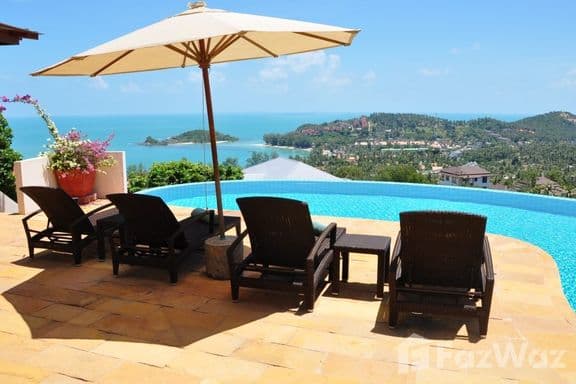
Koh Samui’s coastline offers turquoise waters, white sands, and a laid-back tropical lifestyle for long-term residents.
In this comprehensive guide, we’ll walk you through why Koh Samui is ideal for long-term living, the latest 2025 rental market trends, and insider tips on neighborhoods, property types, and the rental process for foreigners. From understanding local lease contracts and utilities to discovering the best areas for expat living (and even how to avoid rental scams), we’ve got you covered. Let’s dive in and explore how you can make your Koh Samui long-term rental dream a reality in 2025.
Why Koh Samui is Ideal for Long-Term Living
Koh Samui offers an idyllic lifestyle that’s hard to match. The island is famed for its stunning beaches, lush green hills, and year-round warm climate. For expats, this means enjoying tropical beauty every day—morning swims in the ocean, sunset views from beachside cafes, and weekends exploring waterfalls or snorkeling coral reefs. The natural beauty and tranquil environment make Koh Samui perfect for those seeking a scenic yet relaxing place to live.
Beyond the postcard-perfect scenery, Koh Samui boasts a welcoming community and rich culture. Locals are friendly and used to foreigners, and there’s a sizeable expat population that has fostered international restaurants, co-working spaces, and social events. You can dine on authentic Thai street food or find a proper Italian pizza; the mix of local and international amenities makes daily life convenient. The island also hosts night markets, cultural festivals, and lively music scenes, ensuring that leisure and entertainment are always within reach.
Another major draw is the affordable yet comfortable cost of living. While Koh Samui is slightly more expensive than mainland Thai cities (since many goods arrive by ferry), it’s still far cheaper than most Western locations for an equivalent lifestyle. Expats can live well on a modest budget: monthly expenses around $1,500 (฿50,000) can cover basic living if you’re frugal, while ~$2,000 (฿66,000) a month affords a very comfortable life. Groceries, utilities, and local dining are reasonably priced, and even private healthcare is more affordable than abroad (Koh Samui has five hospitals, including a renowned Bangkok Hospital branch). For families, the island also features several international schools (in areas like Bophut, Chaweng, Lamai, and Maenam) that provide quality education, often assisting with long-stay visas for parents.
In short, Koh Samui combines natural paradise with modern comfort. You get tropical island charm and outdoor adventures alongside reliable infrastructure like supermarkets, clinics, high-speed internet, and banking facilities. All these factors make Koh Samui an ideal choice for expats seeking long-term living in a place that feels like paradise but works for everyday life.
2025 Rental Market Trends in Koh Samui
The rental market in Koh Samui for 2025 is thriving and dynamic, shaped by the island’s post-pandemic recovery and growing popularity among expats and digital nomads. In the past couple of years, demand for rentals surged as Thailand reopened to the world. By early 2023, the market was booming, with high occupancy and rising rents – one local expert noted that there were “hardly any properties available and prices higher than they've been in a long time”. This uptick was driven by both returning tourists and a new wave of long-term foreigners taking advantage of remote work to live in paradise. Many people are now staying longer and renting apartments or villas instead of just booking hotels.
As a result of strong demand, landlords have enjoyed robust rental yields (often 7%+ returns in popular areas), which in turn has attracted more investment in rental properties. New villas and renovated homes are entering the market, especially in high-demand zones like Bophut and Chaweng. Supply is growing, but it’s met by equally strong demand from expats, retirees, and long-stay travelers in 2025. Thus, prices remain elevated compared to a few years ago, though still reasonable by international standards.
To put numbers in perspective, the median monthly rent for homes in Koh Samui is about ฿84,700 (roughly $2,400). This median skews high because of many luxury villa rentals; you can certainly find more affordable options. According to current market data, one-bedroom units average around ฿42,500 per month, two-bedrooms about ฿73,400, and three-bed villas around ฿137,000 monthly. Budget-friendly apartments outside tourist hotspots can be found for much less (often ฿15,000–฿25,000 for local-style studios or one-beds). On the other end, deluxe pool villas on the beach can command ฿150,000 to ฿300,000+ per month for those seeking ultimate luxury.
Another trend in 2025 is the preference for long-term leases over short holiday lets in certain segments. With more remote workers settling in for 3-12 month stays, some owners offer discounts for longer rentals rather than chasing nightly Airbnb guests. Long-term renters can often negotiate better monthly rates, especially if committing to a year lease. Additionally, seasonality plays a role: during high tourist season (Dec–April), inventory for long-term rentals can tighten and prices might be less negotiable, whereas in low season (rainy months) renters sometimes have more bargaining power.
Overall, Koh Samui’s rental market in 2025 is robust and expat-friendly. The market has rebounded strongly from the 2020-2021 lull, and while prices are up, they still offer value—remember, a luxury ocean-view villa on Samui that might cost ฿100k/month (≈$2.8k) would easily cost several times more in a Western resort destination. Keeping an eye on these trends will help you plan your budget and timing to secure the best rental for your needs.
Best Areas to Rent in Koh Samui for Expats and Long-Stay Travelers
One of the great things about Koh Samui is the variety of neighborhoods, each with its own vibe. Here are some of the best areas to rent for expats (and why they’re popular):
- Bophut (Fisherman’s Village) – A favorite among expats, Bophut offers a bit of everything. Its charming Fisherman’s Village is lined with stylish restaurants, cafes, and boutique shops along a historic beachside street. The area is family-friendly and has a mix of modern condos and villas. You’ll find weekly walking street markets and a laid-back beach. Bophut is also home to an international school and not far from supermarkets, making it very convenient. (Explore our long-term rentals in Bophut to see what’s available in this area.)
- Chaweng – Chaweng is the largest town on Samui and the center of action. It’s ideal if you want to be in the heart of nightlife and shopping. Chaweng Beach is a 7-km stretch of white sand with every water sport imaginable. By day, you have malls, markets, and eateries; by night, a vibrant scene of bars and clubs. Accommodation ranges from budget apartments to upscale condos and villas on the hills overlooking Chaweng. Expats who love a lively atmosphere (and convenient amenities like international hospitals and big grocery stores) will appreciate Chaweng’s energy.
- Lamai – Lamai on the southeast coast is like a smaller, slightly quieter version of Chaweng. It has a beautiful long beach, plenty of restaurants and bars (though less raucous than Chaweng’s club scene), and a friendly expat community. Lamai offers a good balance: enough nightlife and services to not feel isolated, but a more relaxed vibe. Rental options include everything from simple bungalows to luxury hillside villas. It’s a great area for those who want pristine beaches and a village feel with adequate amenities.
- Choeng Mon & Plai Laem – Located on the northeastern tip, Choeng Mon is known for its peaceful atmosphere and lovely, kid-friendly beach. This area (including adjacent Plai Laem) is dotted with high-end resorts and luxury villas, making it popular for those seeking tranquility and upscale living. It’s close to the airport and a short drive from Chaweng and Bophut, so you get quiet seclusion without being too far. Expats here enjoy gated communities, great sunset views, and a diverse network of fellow long-term residents.
- Maenam – In the north, Maenam offers tranquil and affordable living. It has a more local Thai town feel, with a long beach that’s less developed. Expats in Maenam enjoy lower rents, a calm environment, and even a weekly night market. The housing here ranges from simple houses and new condos to some beachfront villas. Maenam’s quieter lifestyle appeals to those who value peace, nature, and a bit of eco-friendly living. It’s also not far from Bophut and schools, making it a hidden gem for budget-conscious long-stayers.
Aside from these, some expats venture to the south and west coasts for ultimate tranquility. Areas like Taling Ngam, Lipa Noi, or Hua Thanon offer a glimpse of the “old Samui” – very quiet fishing villages, coconut plantations, and few tourists. You can often get more space for your money in these locales, but be prepared for limited shopping and nightlife (you might drive 30+ minutes to Chaweng for major errands). These areas are ideal if you truly want to escape the hustle and live in tune with nature.
No matter which area you choose, it’s a good idea to spend some time there first if possible. Each part of Koh Samui has its own character, from the bustling northeast to the sleepy south. Luckily, the island is only about 25 km across, so you’re never too far from anything. With a scooter or car, it’s easy to explore all corners of Samui. Finding the right area to call home depends on your lifestyle preferences – whether you crave nightlife and convenience, or serenity and local charm, Koh Samui has a spot for you.
Common Rental Types: Condos, Villas, and Houses
When searching for a long-term rental in Koh Samui, you’ll encounter a few main property types, each with its pros and cons:
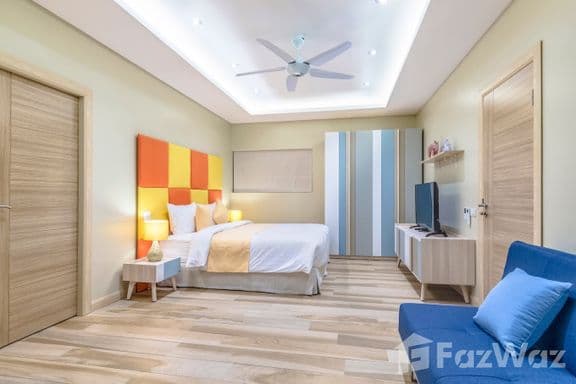
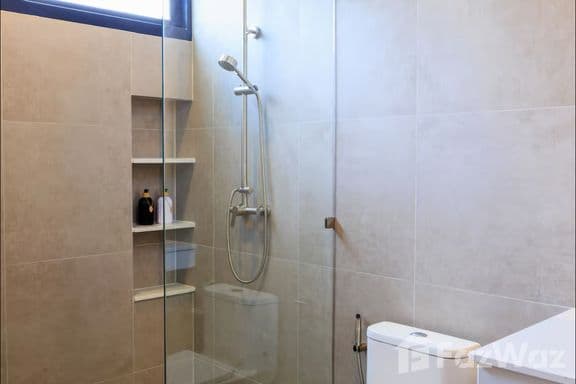
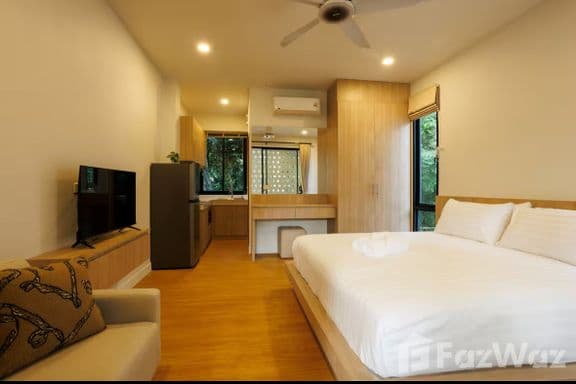
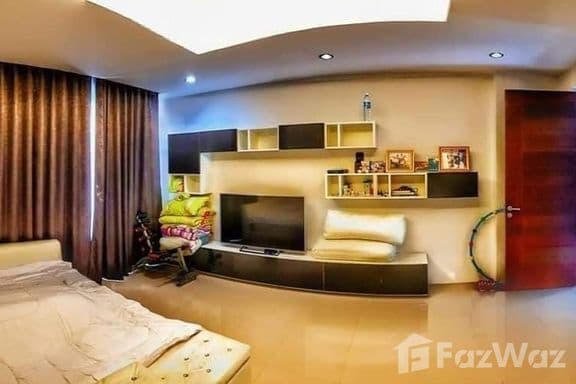
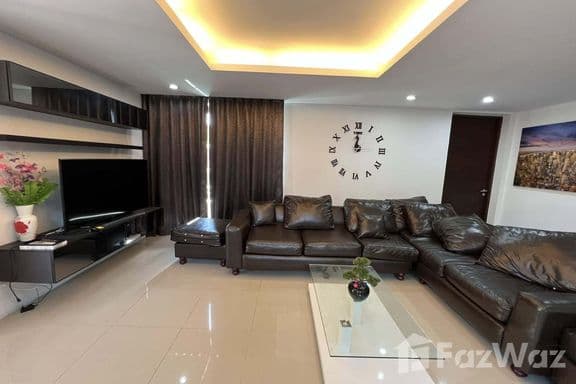
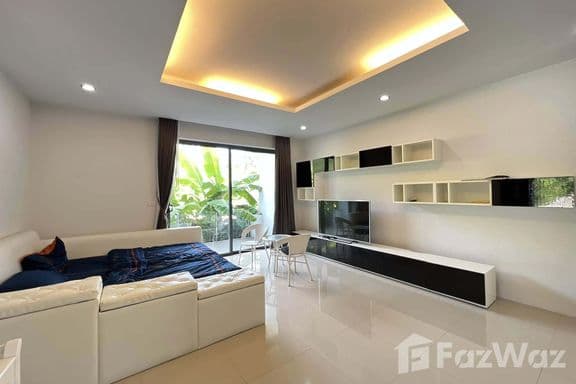
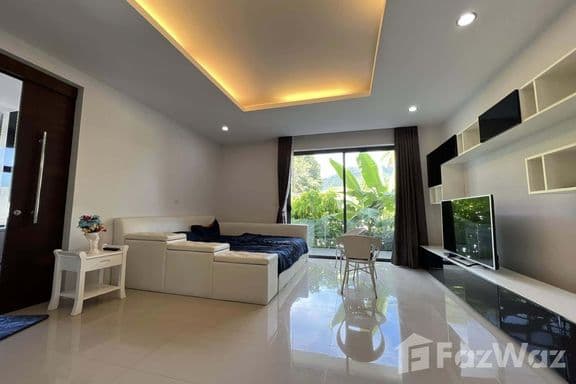
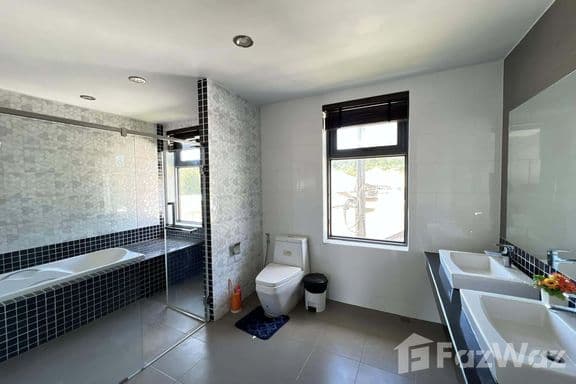
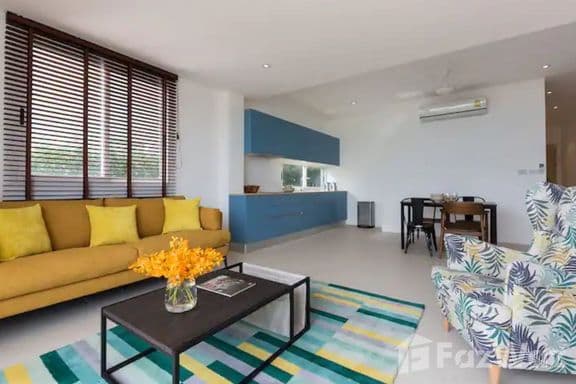
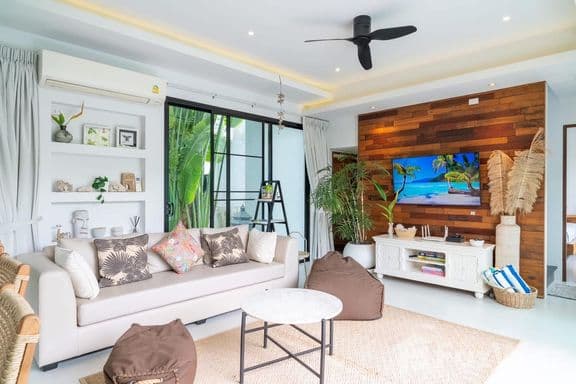
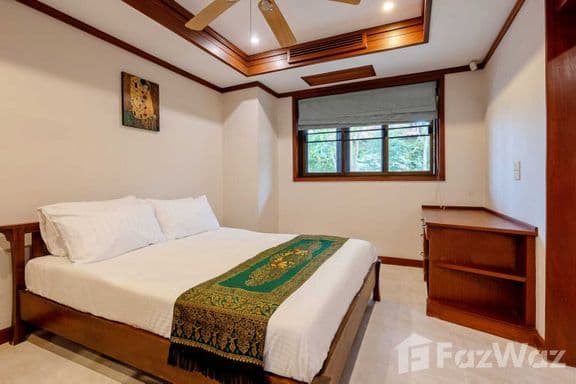
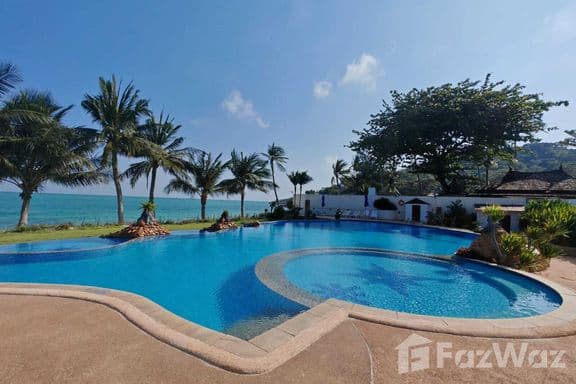
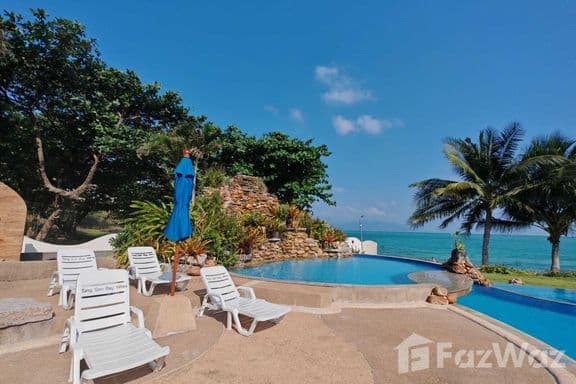
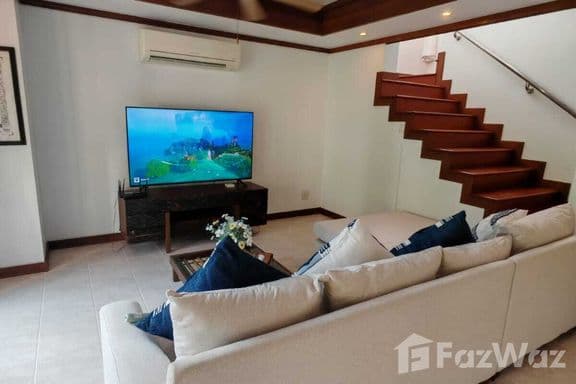
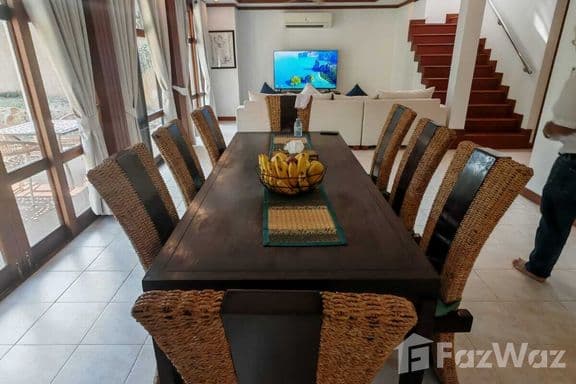
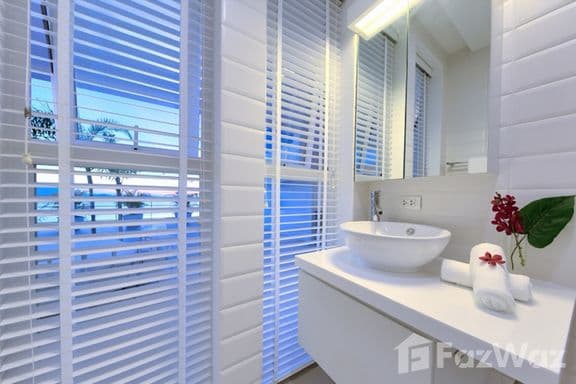
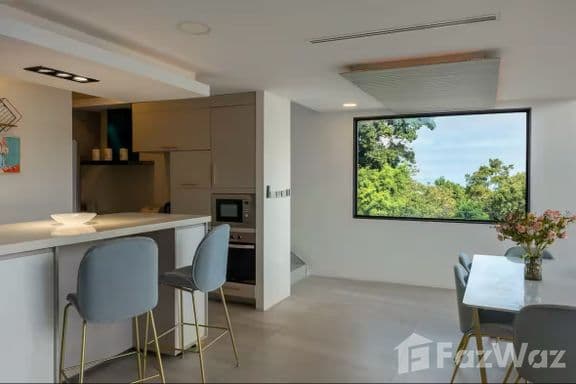
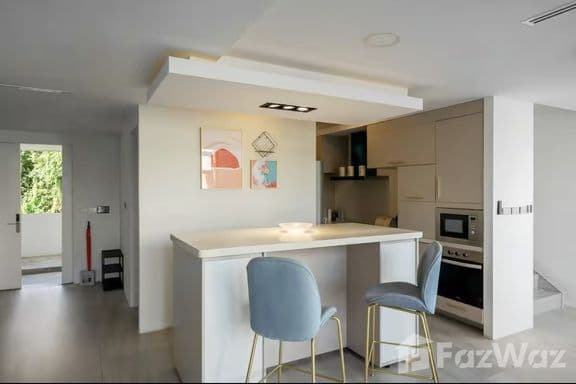
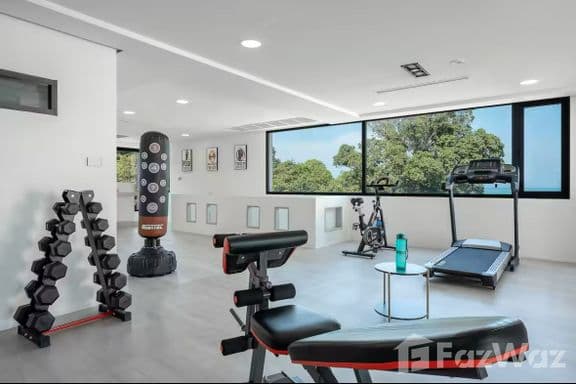
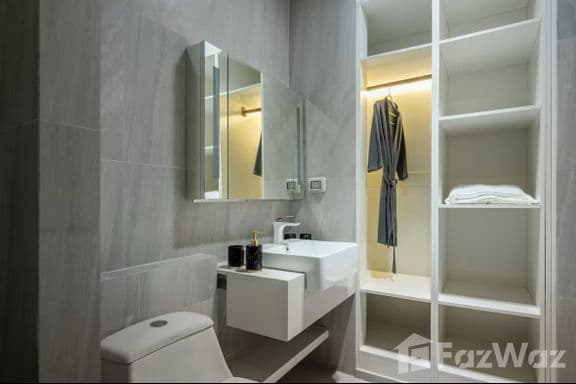
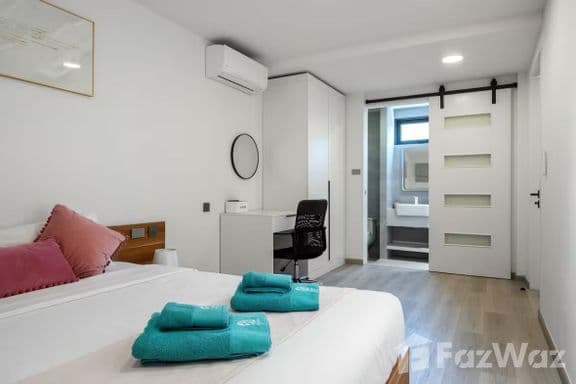
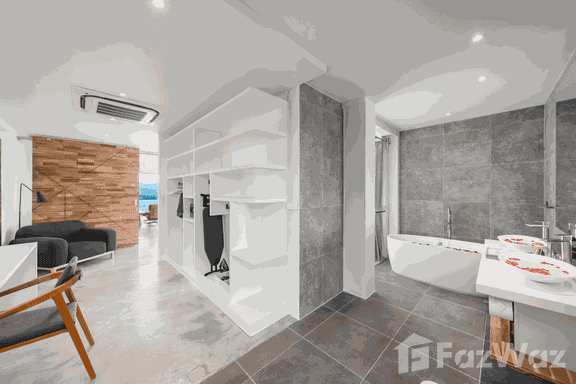
- Condos and Apartments: These are units within a building or complex. Samui isn’t a high-rise condo island like Bangkok; most condominiums are low-rise (just a few stories tall) and often situated in areas like Chaweng, Bang Rak, or near beaches. Condos usually come with modern amenities such as swimming pools, gyms, security, and sometimes cafes or co-working lounges. For example, renting a condo might grant you access to a communal pool, fitness room, and 24-hour security desk. One-bedroom condos in prime locations can start around ฿20,000–฿25,000 per month, while more upscale or larger units (2-3 bedrooms) with sea views might go for ฿40,000+ monthly. Apartments (in the Thai context) are often similar but might be owned by one company and rented out, sometimes with less fancy facilities. The benefit of condos is convenience: they’re typically furnished, maintenance is handled by management, and you have neighbors (great for socializing and security). They suit singles or couples who want a turnkey home.
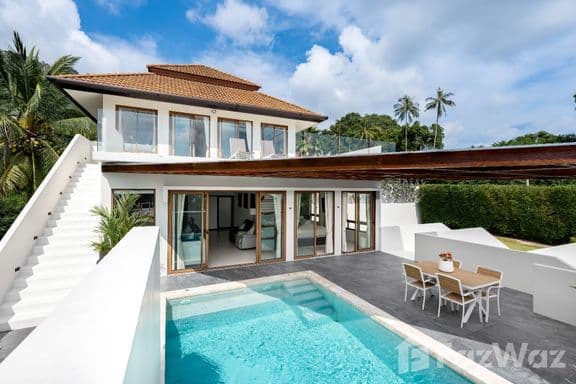
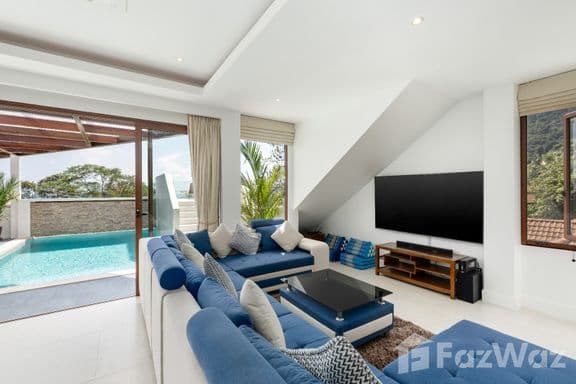
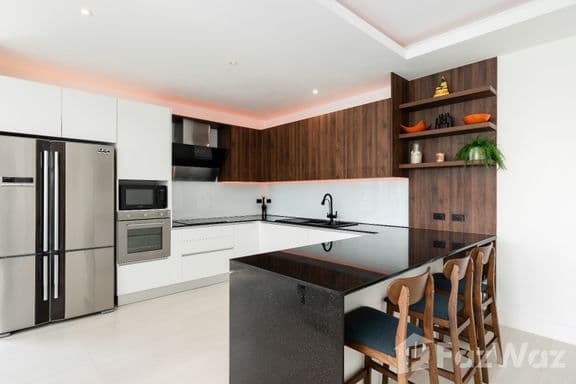
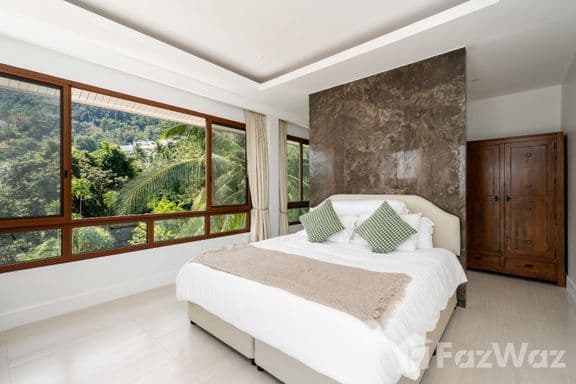
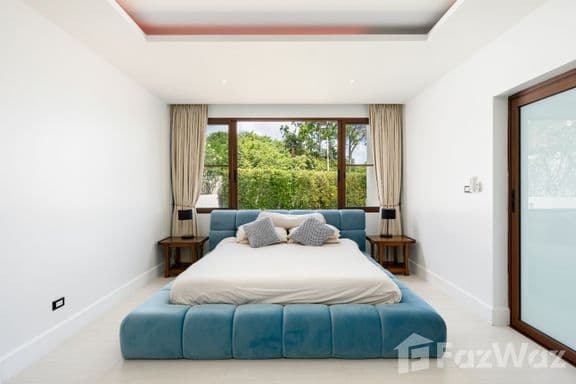
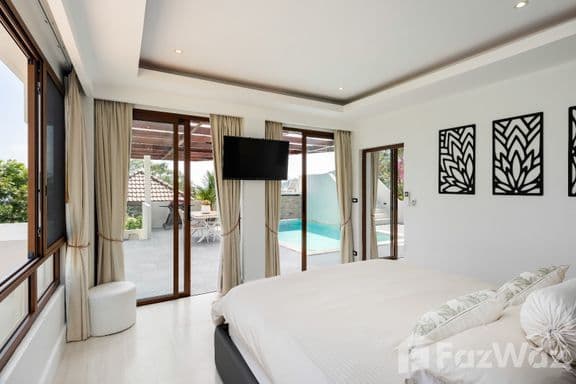
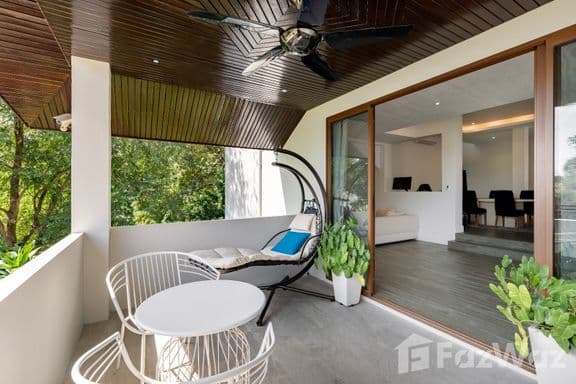
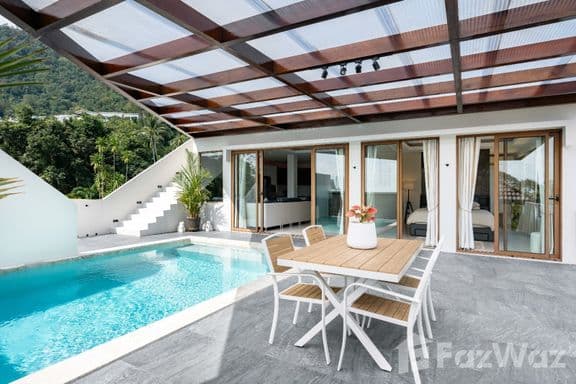
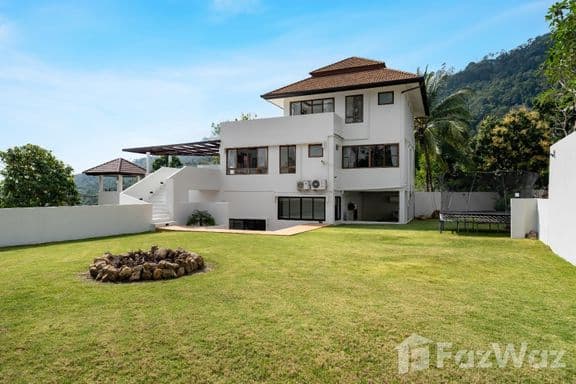
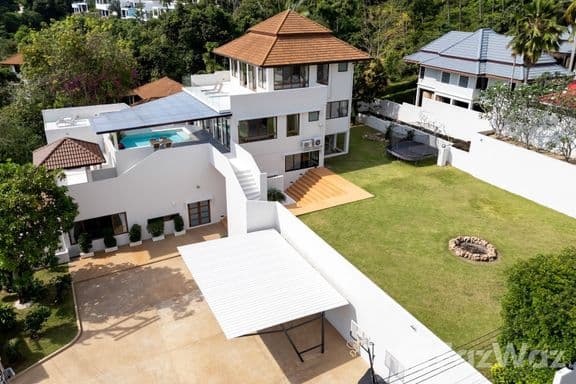
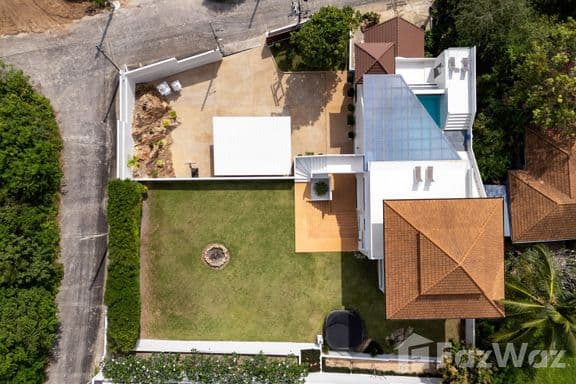
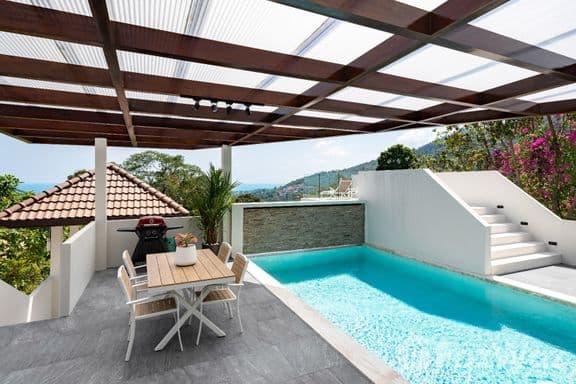
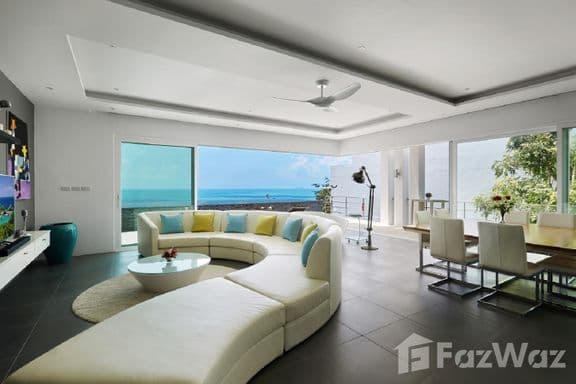
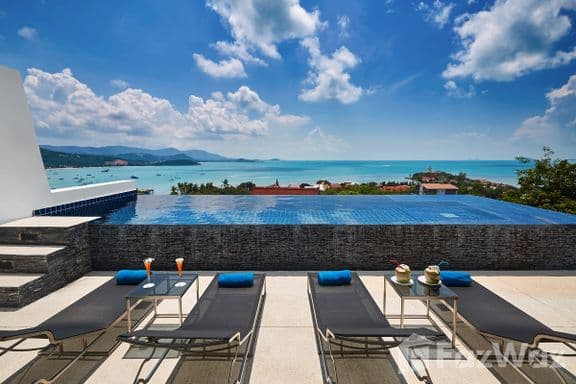
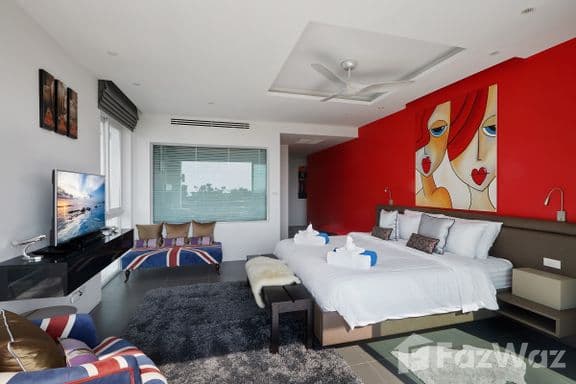
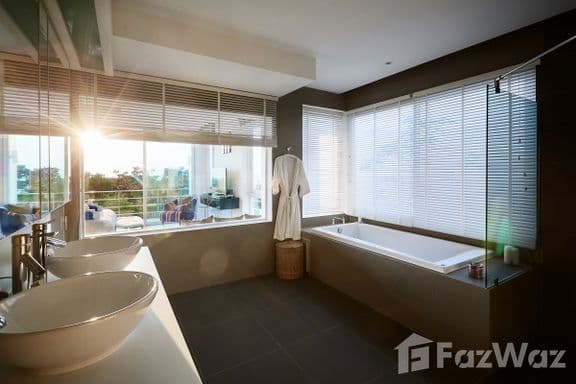
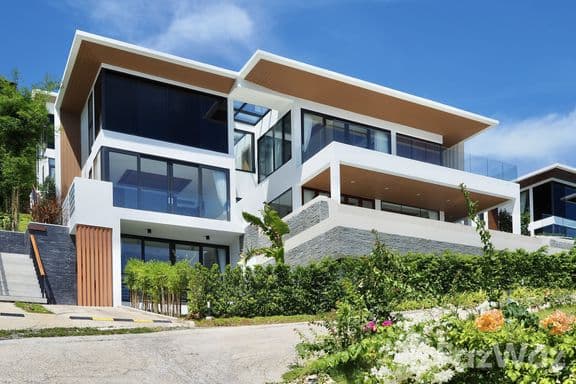
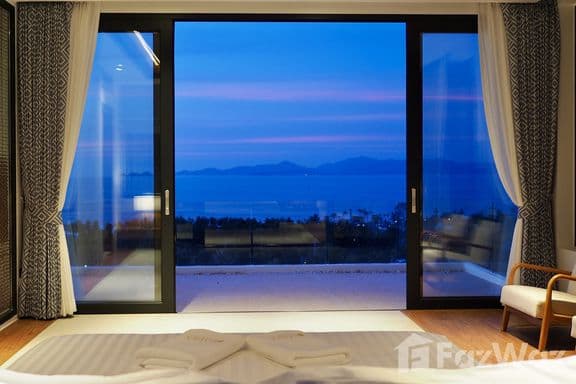
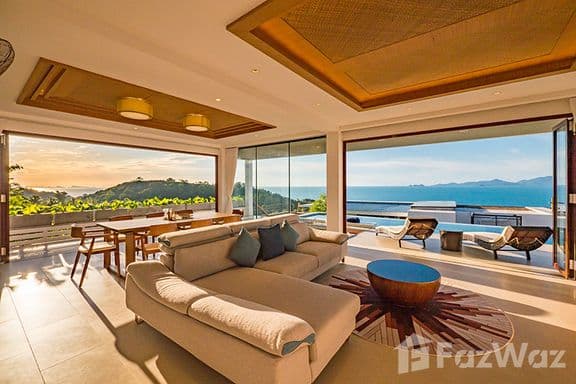
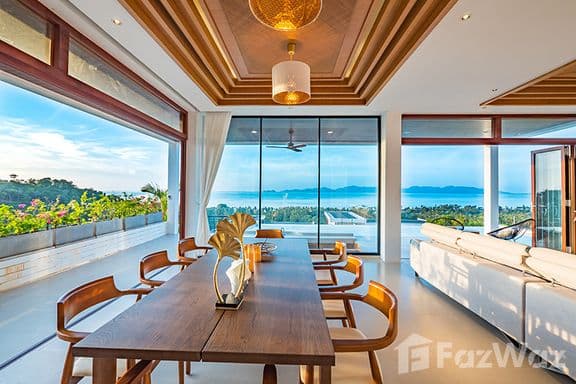
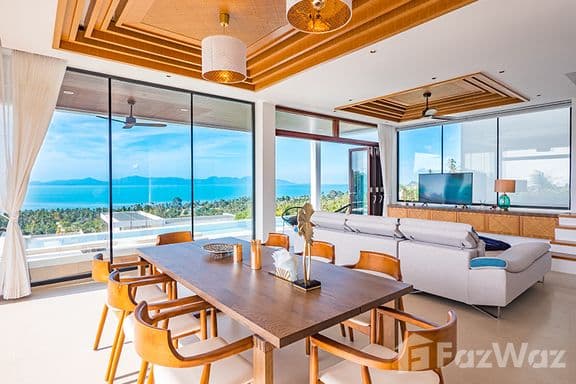
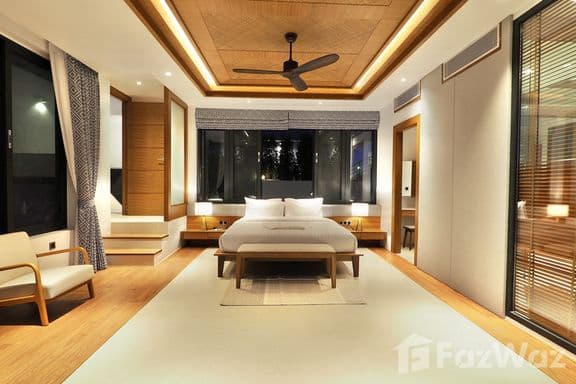
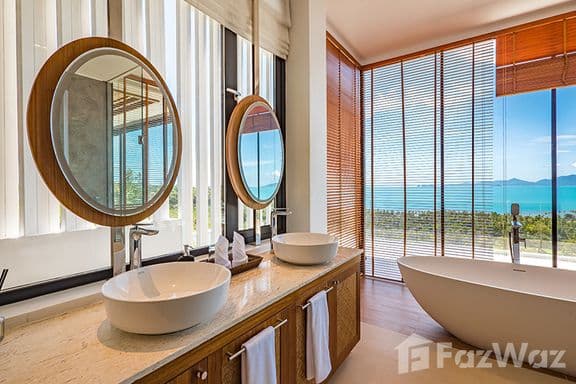
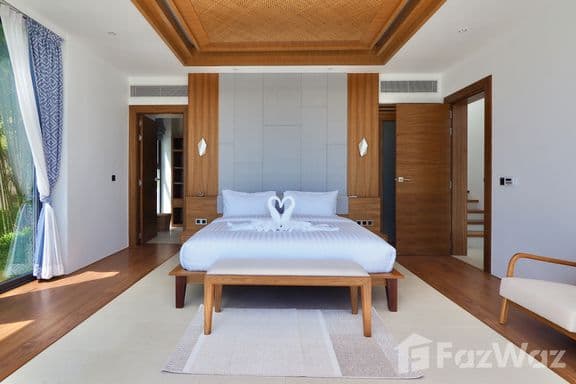
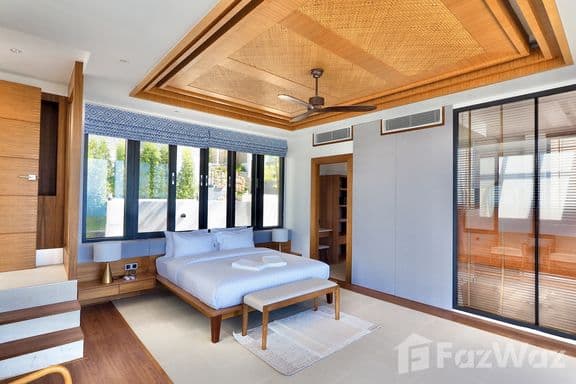
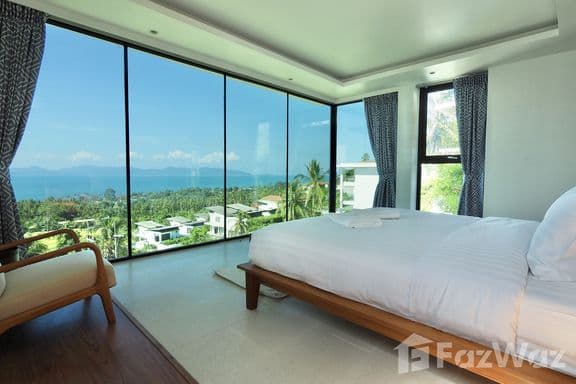
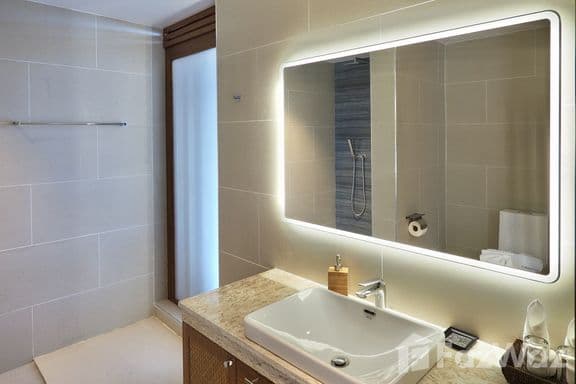
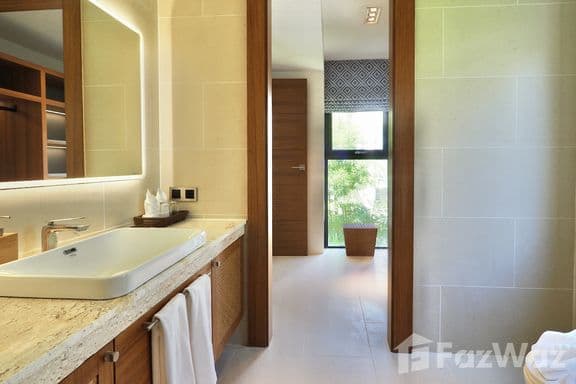
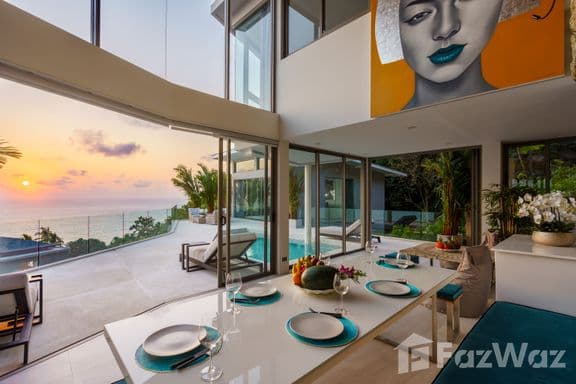
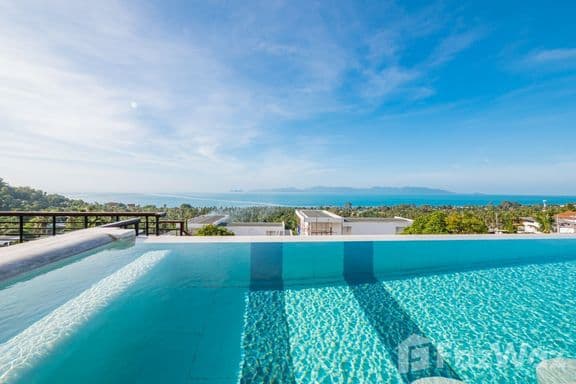
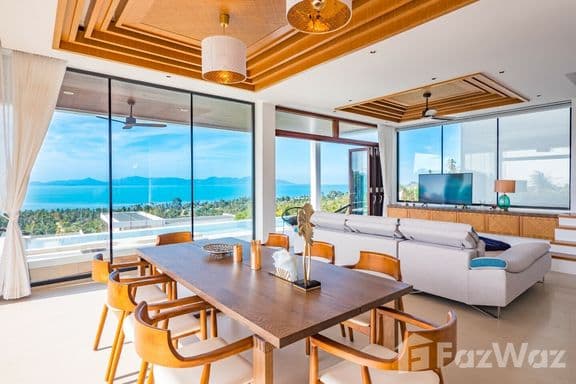
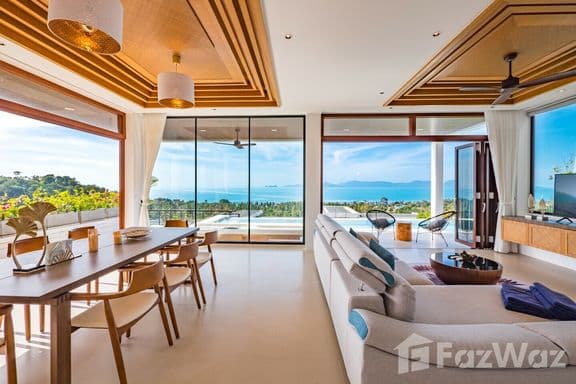
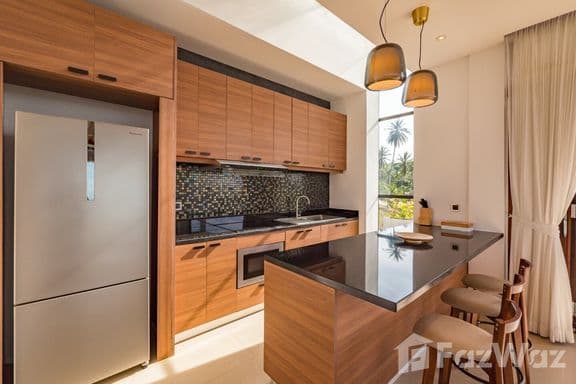
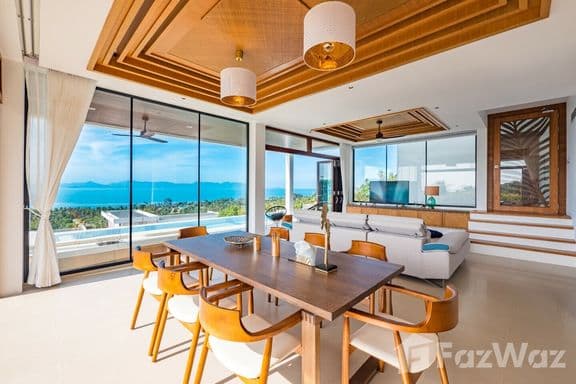
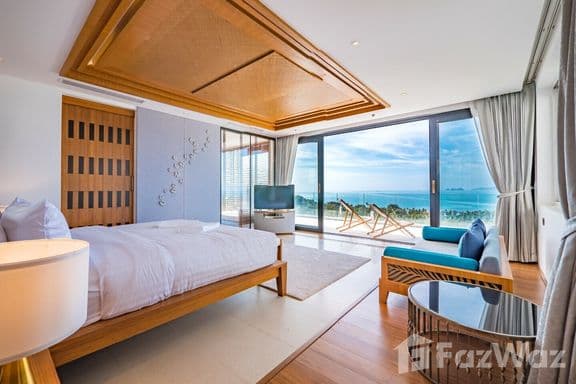
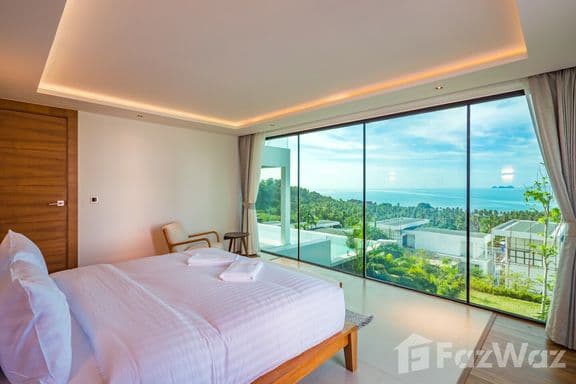
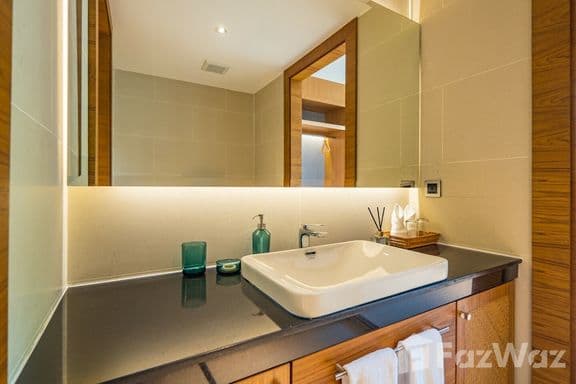
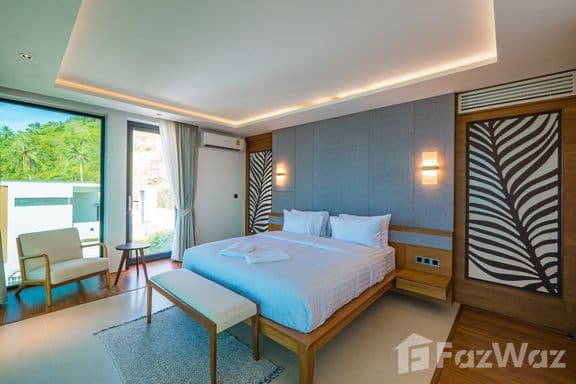
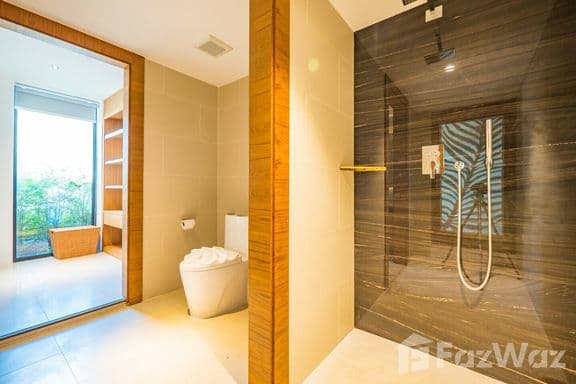
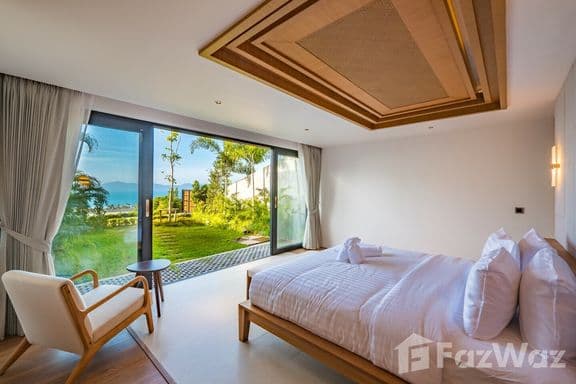
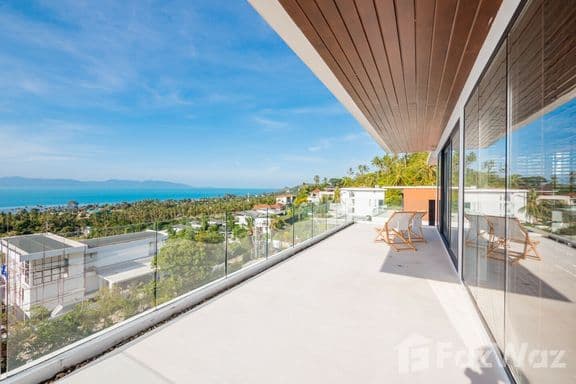
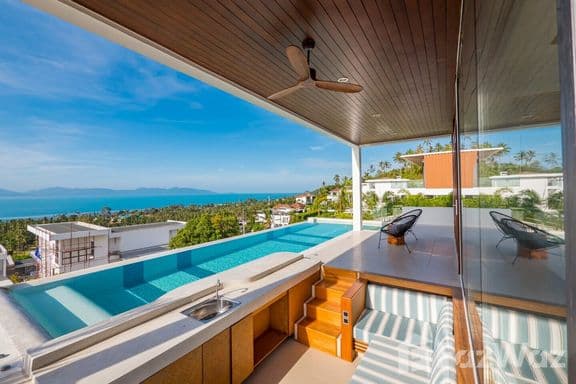
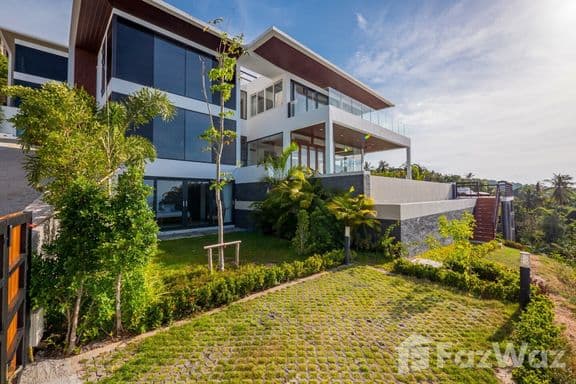
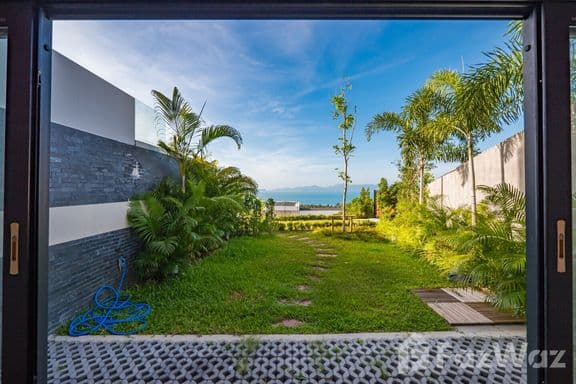
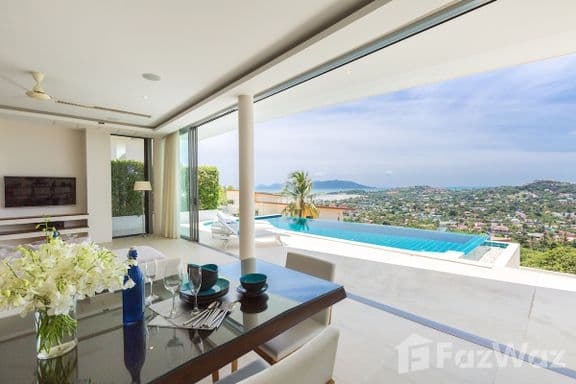
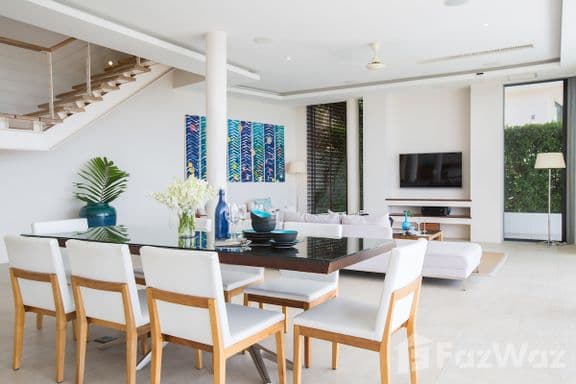
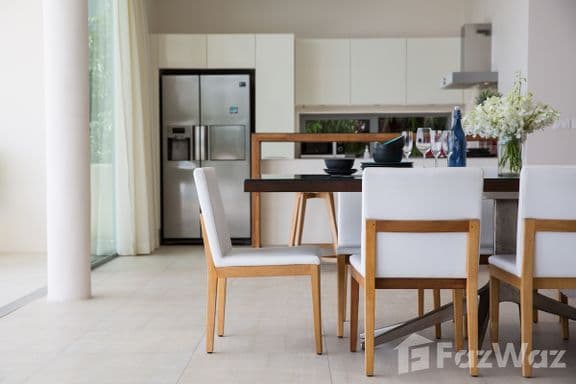
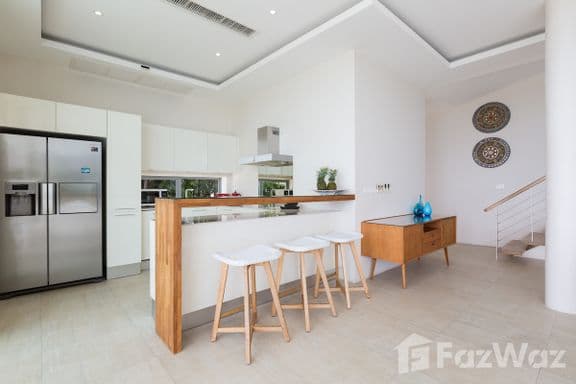
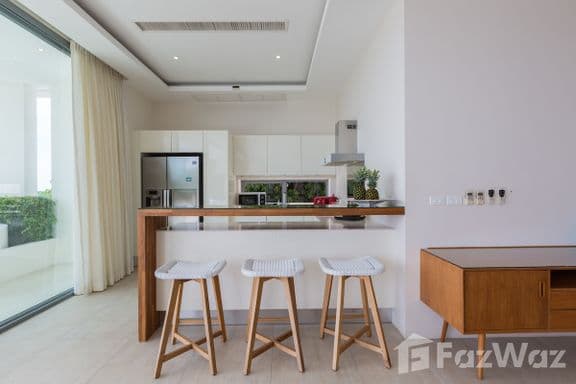
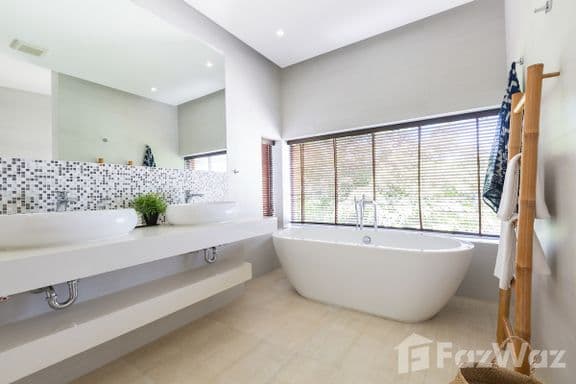
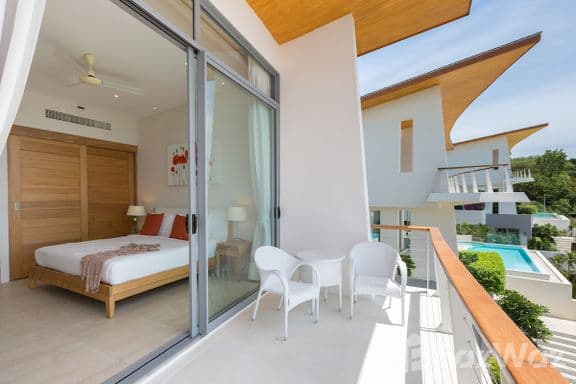
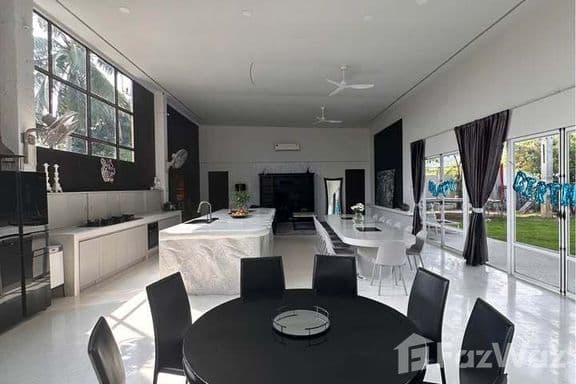
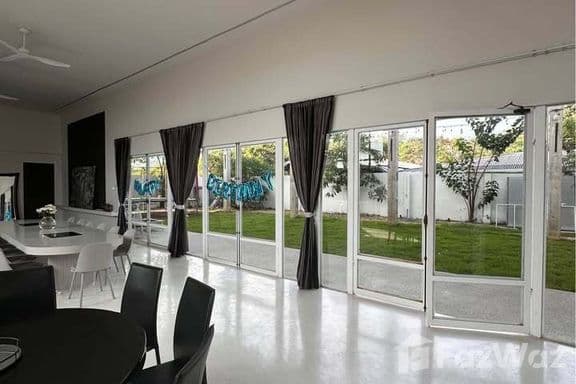
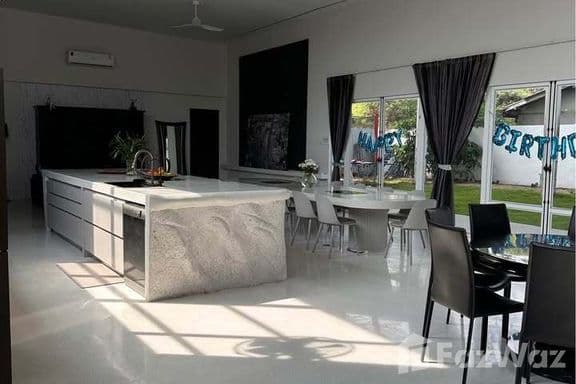
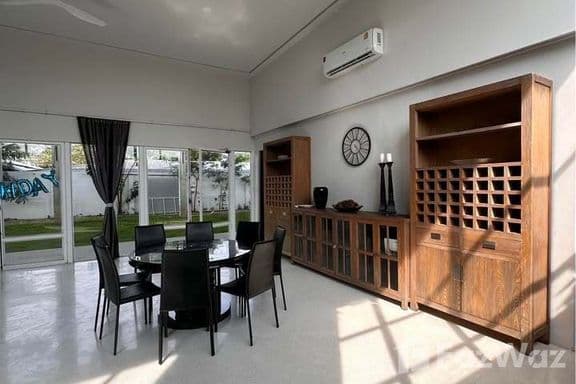
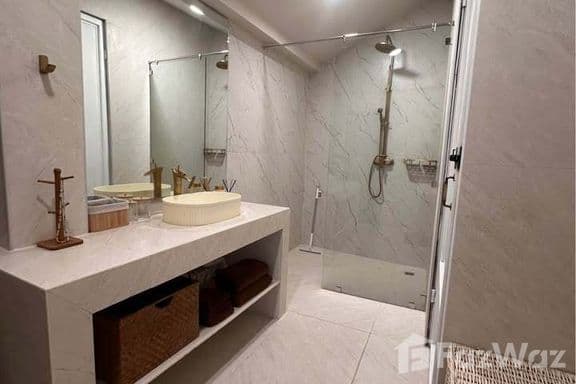
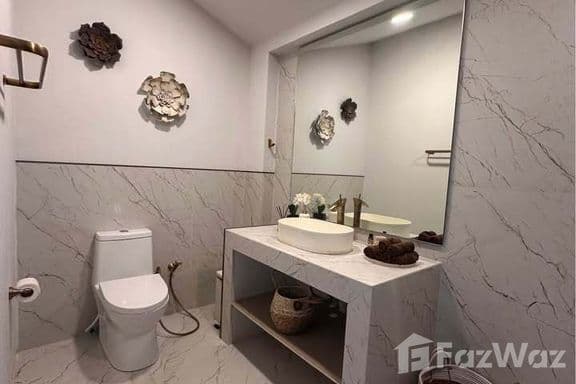
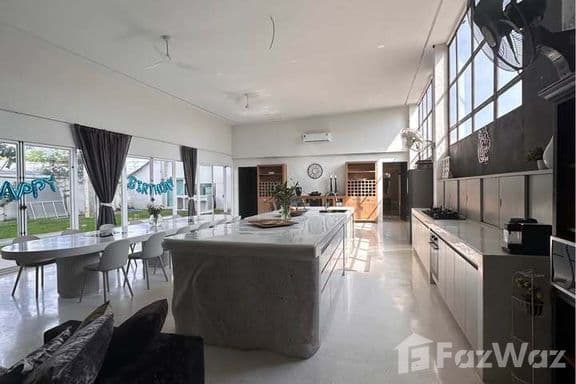
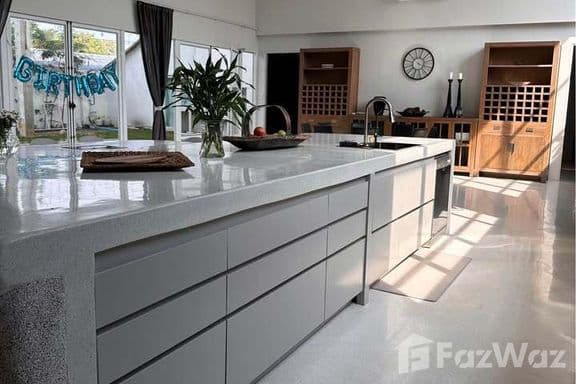
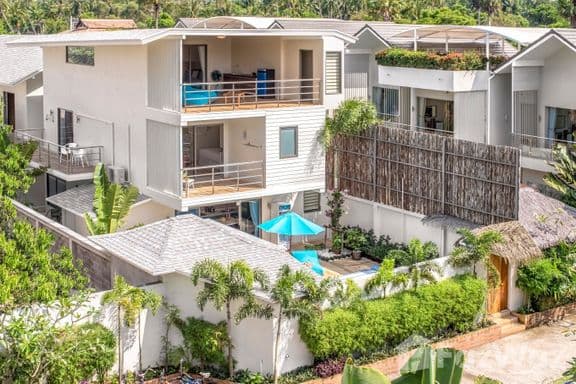
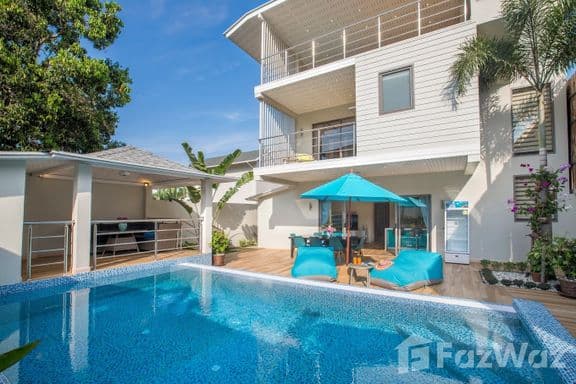
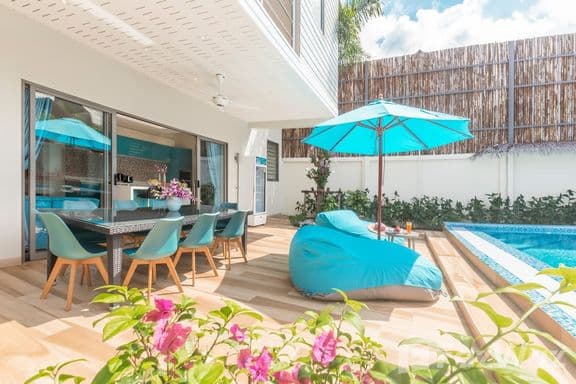
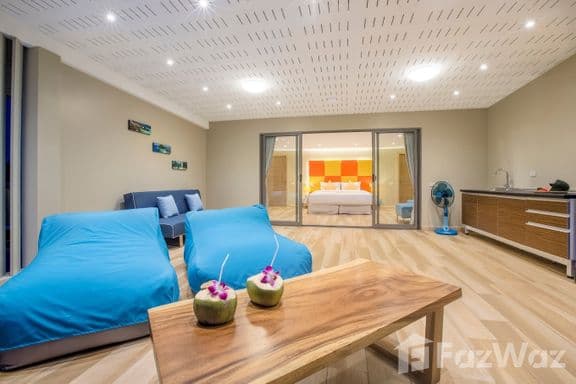
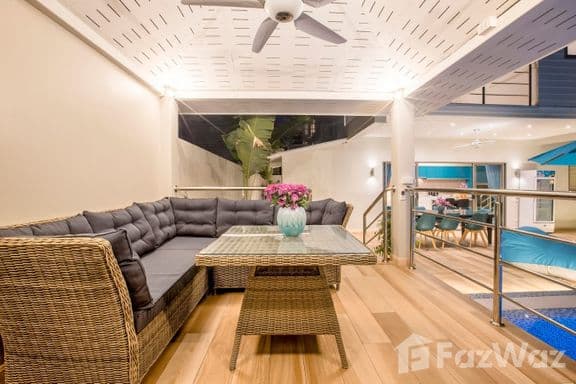
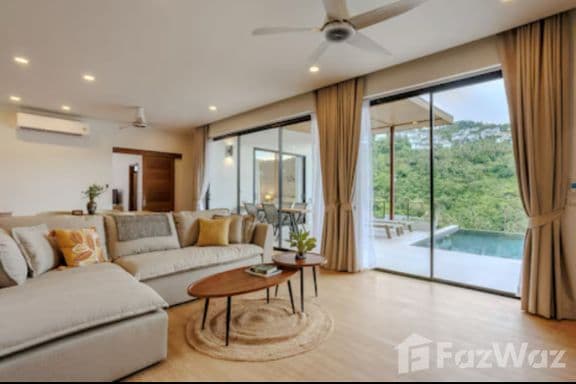
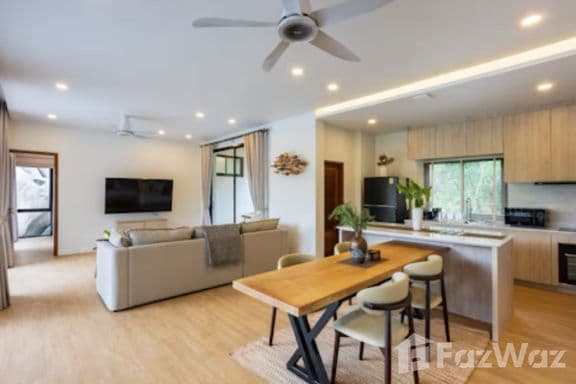
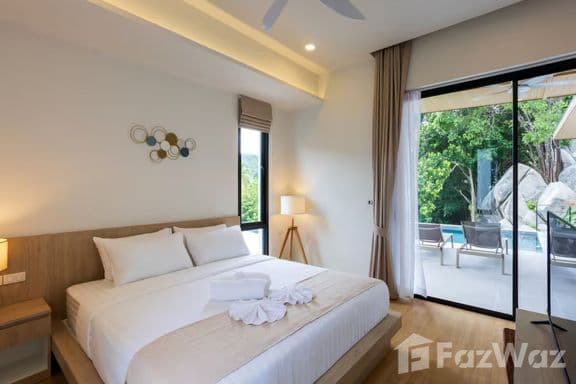
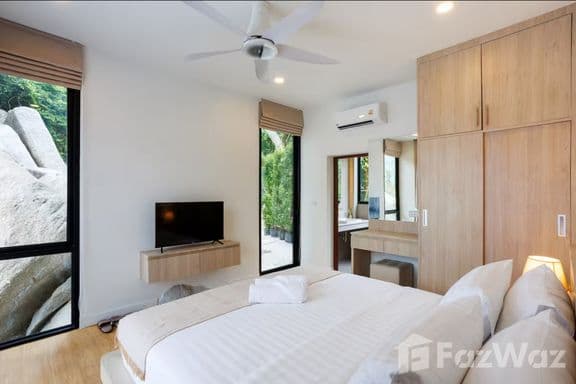
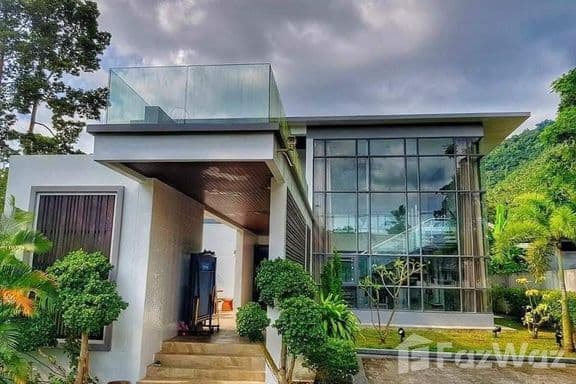
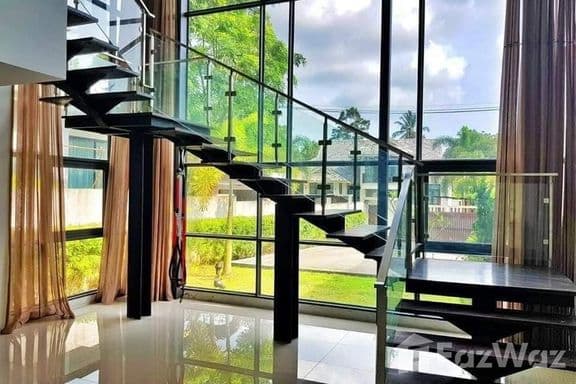
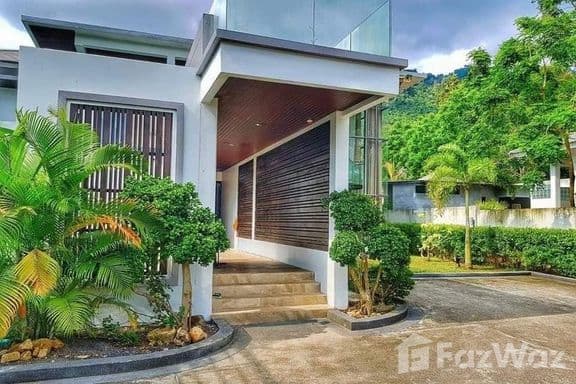
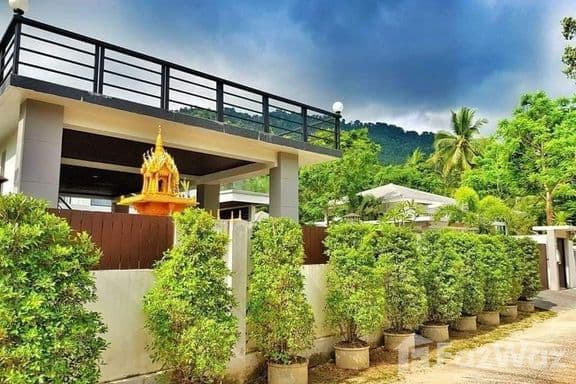
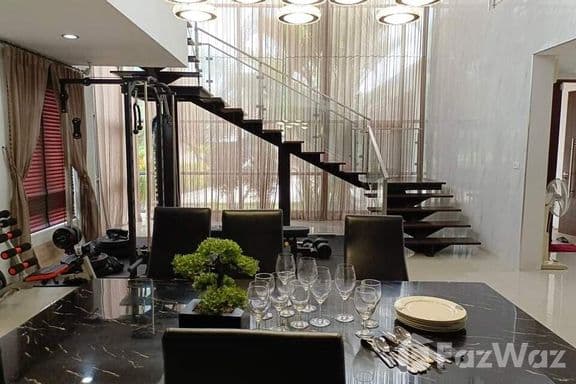
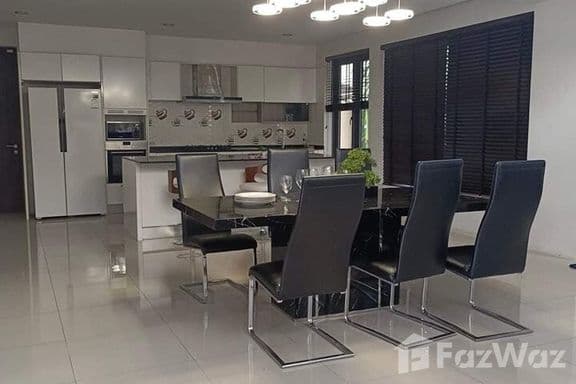
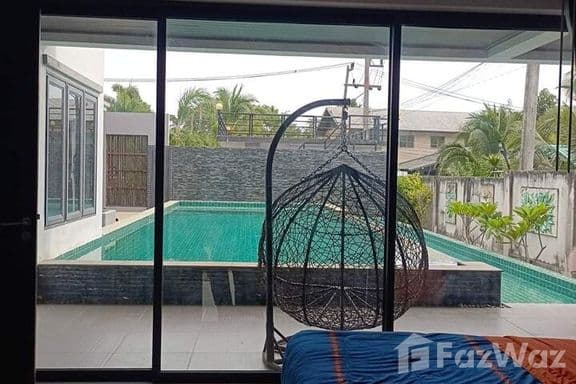
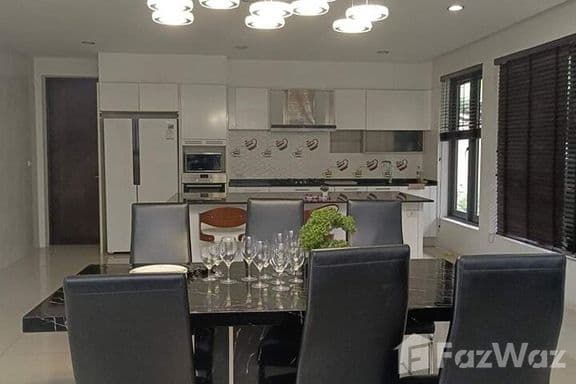
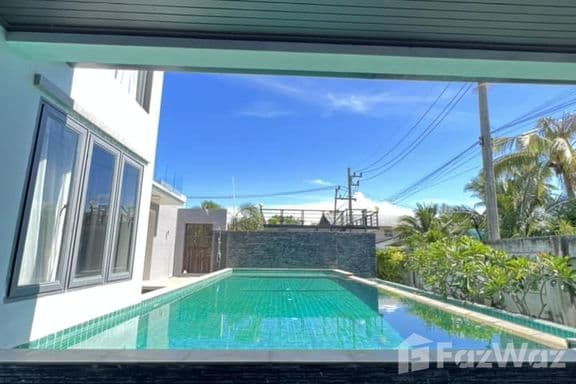
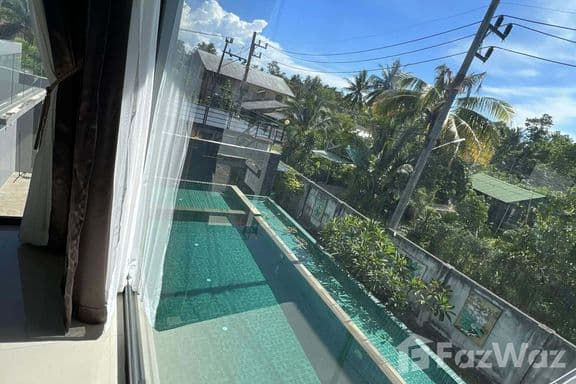
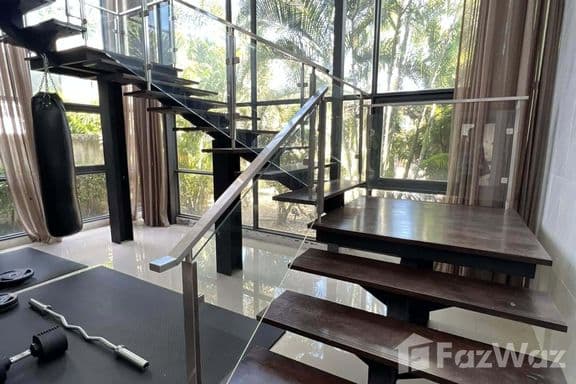
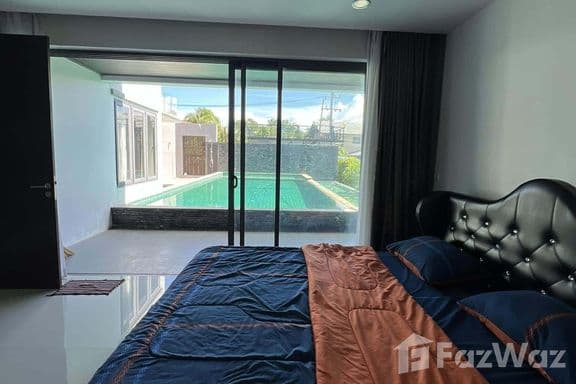
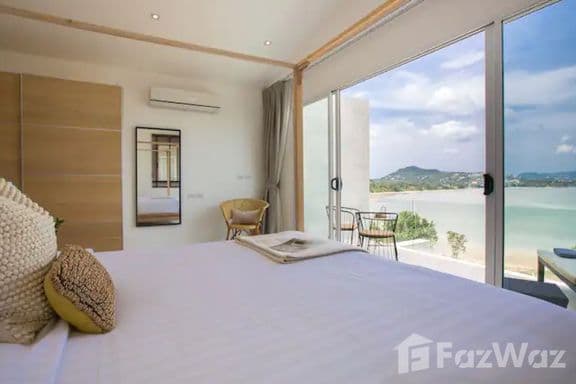
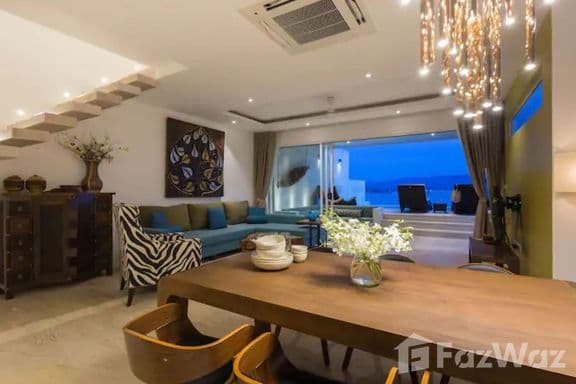
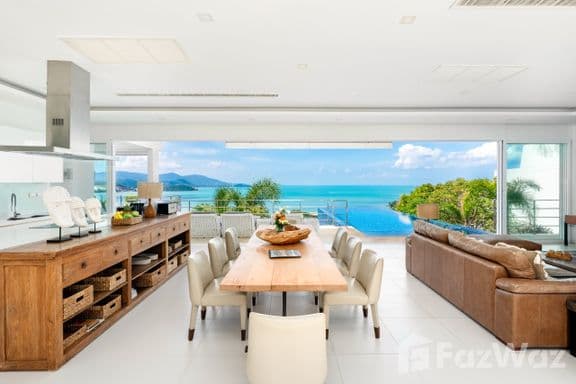
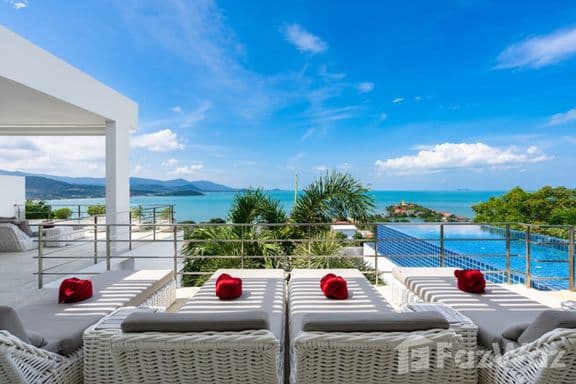
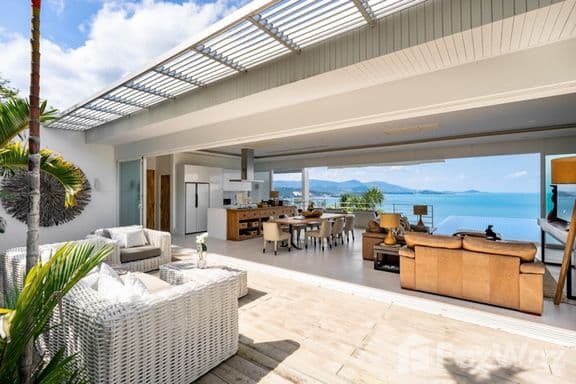
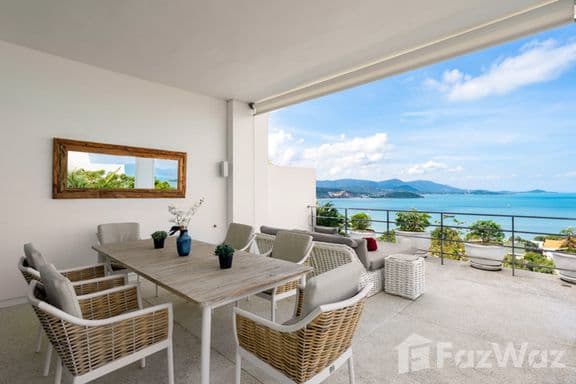
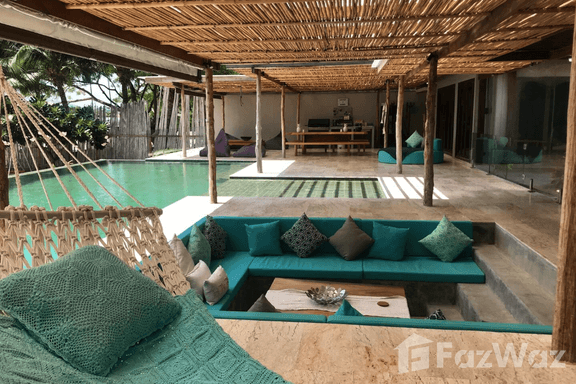
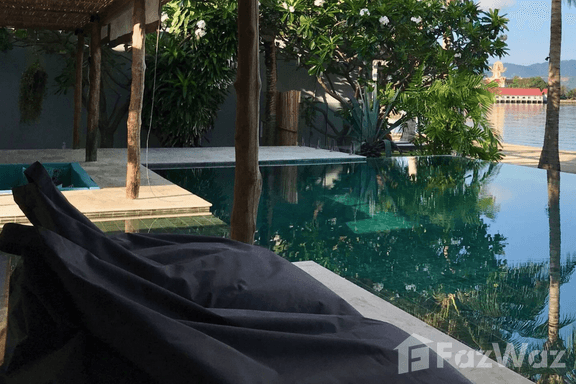
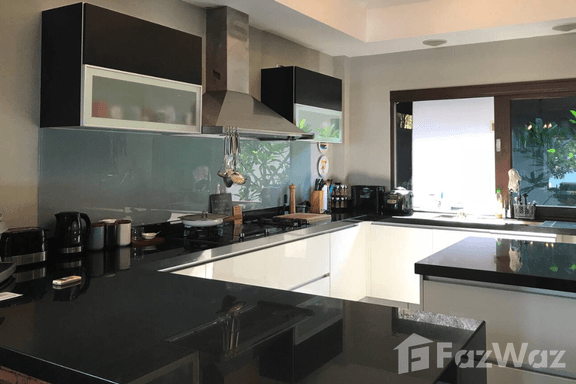
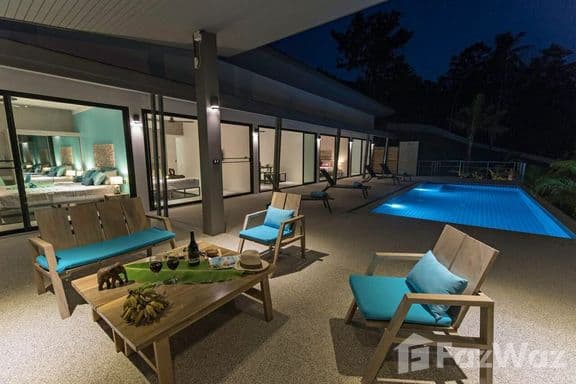
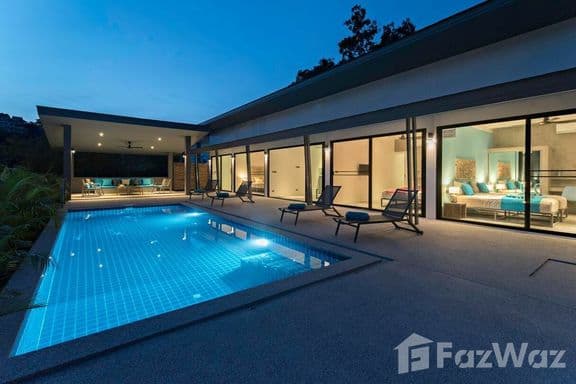
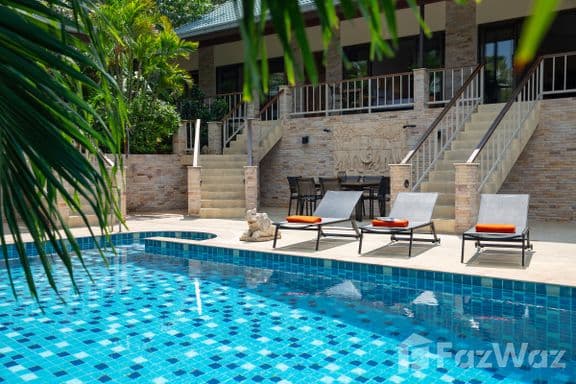
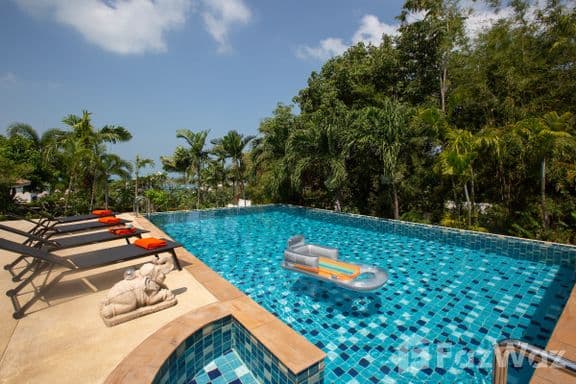
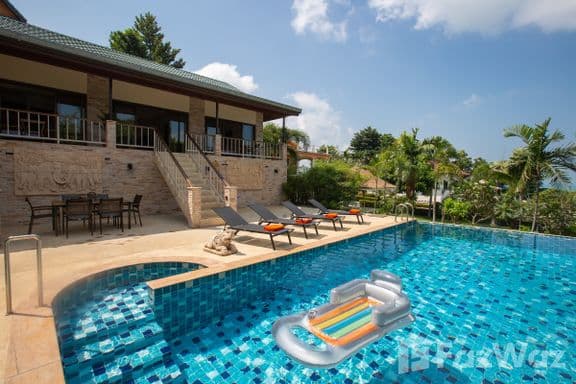
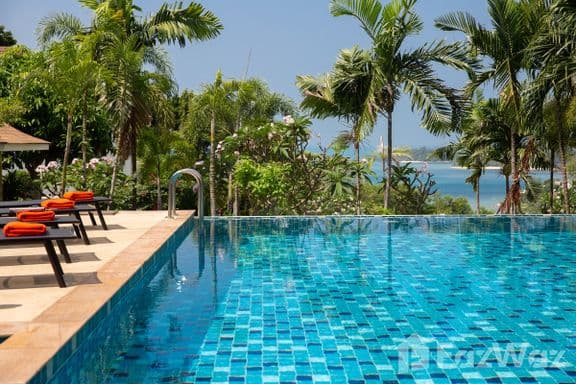
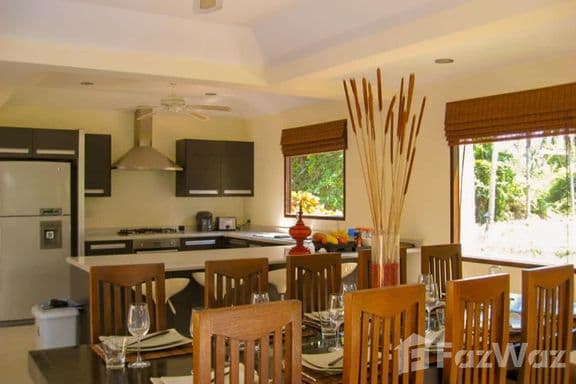
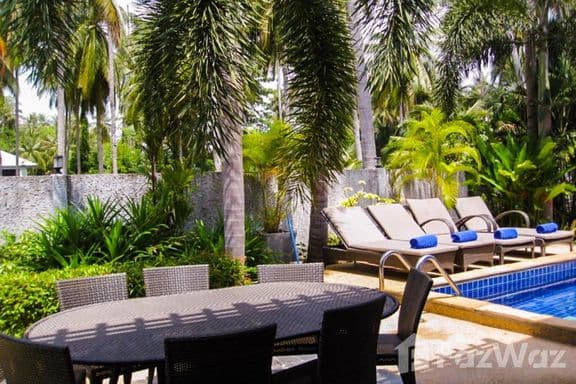
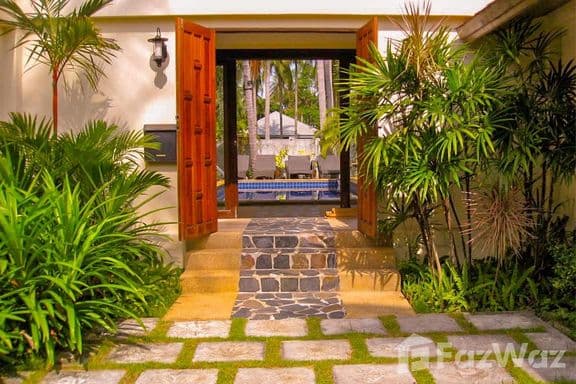
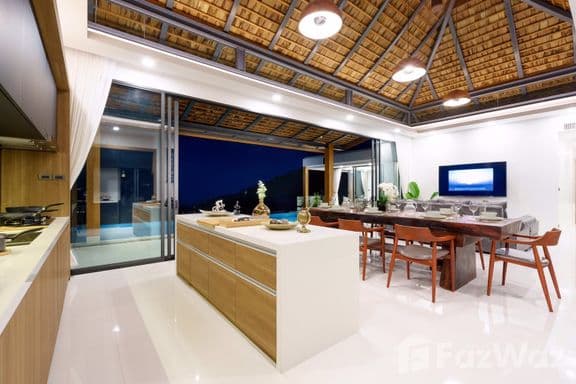
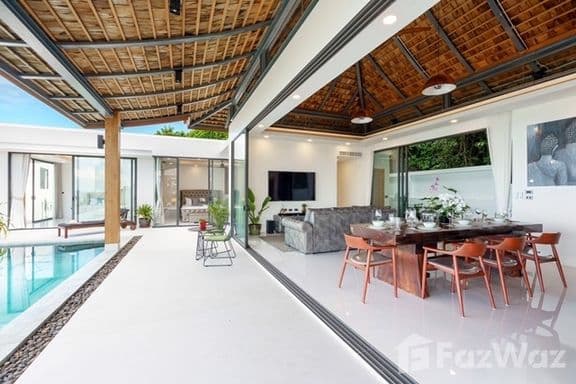
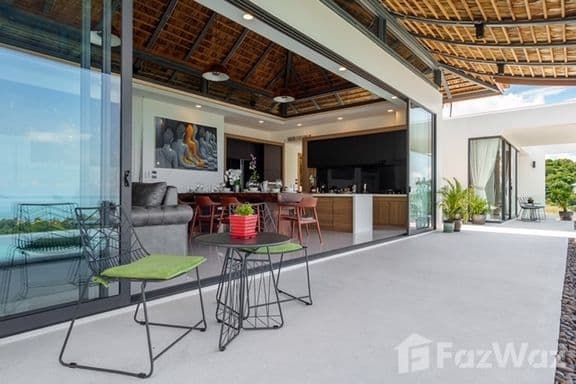
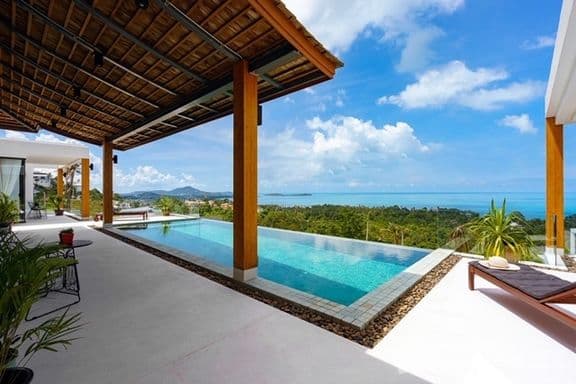
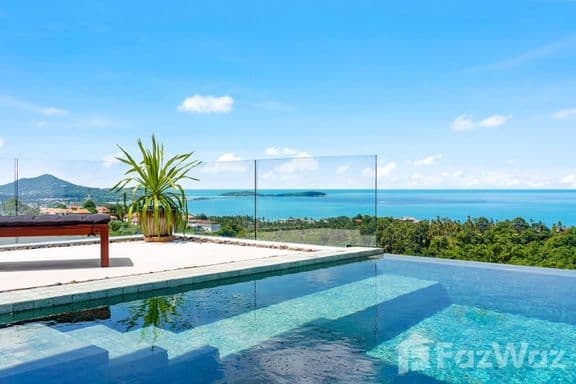
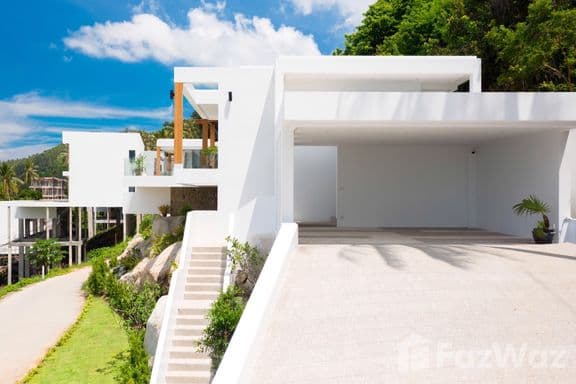
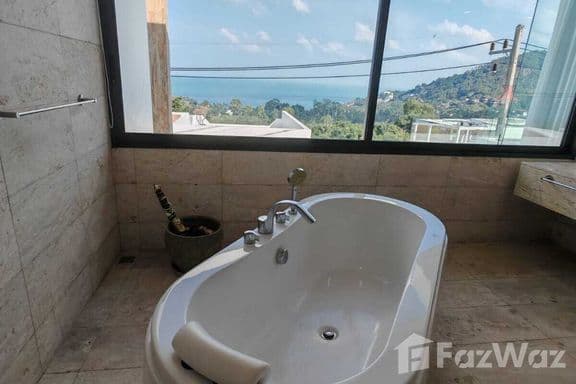
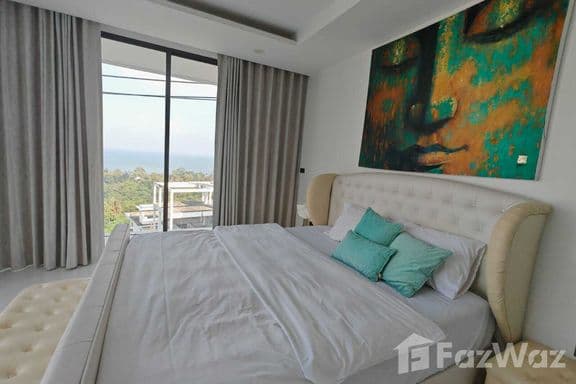
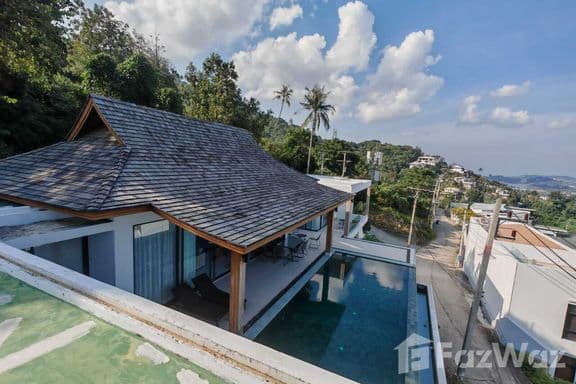
- Villas and Houses: By far the most abundant rentals in Koh Samui are stand-alone houses or villas. These range from simple Thai-style houses to extravagant multi-bedroom pool villas. A villa in Samui usually means a detached house, often with a garden and private swimming pool. Many villas are built to take advantage of views – you’ll find gorgeous hillside villas overlooking the ocean in places like Bophut Hills or Chaweng Noi. These come with features like Western kitchens, spacious outdoor terraces, and often modern decor. Luxury villas can be quite opulent, including infinity pools, jacuzzis, and high-end furnishings (some even come with staff for cleaning or cooking). Naturally, prices vary widely: a small two-bedroom house inland might rent for ฿20,000–฿30,000, whereas a luxury 3–4 bedroom sea-view pool villa can fetch ฿100,000–฿200,000+ per month. One advantage of villas is space and privacy – they are ideal for families or those who want a private pool and garden. Keep in mind, though, that you may be responsible for maintenance (pool cleaning, gardening) and will pay utilities separately. Still, for many expats, a villa offers that “living in paradise” feeling that’s hard to beat.
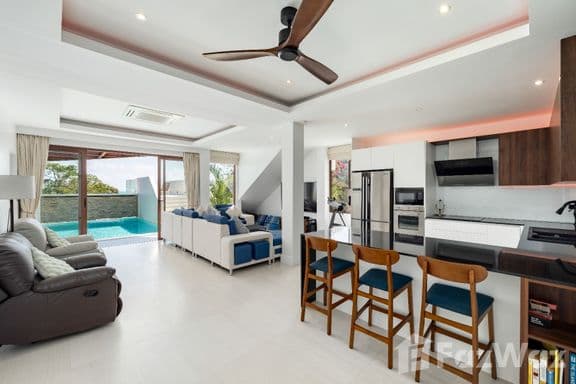
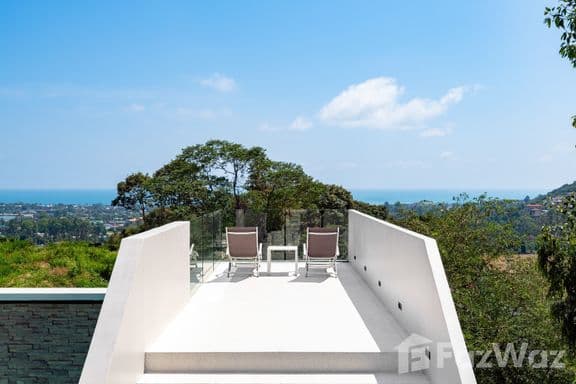
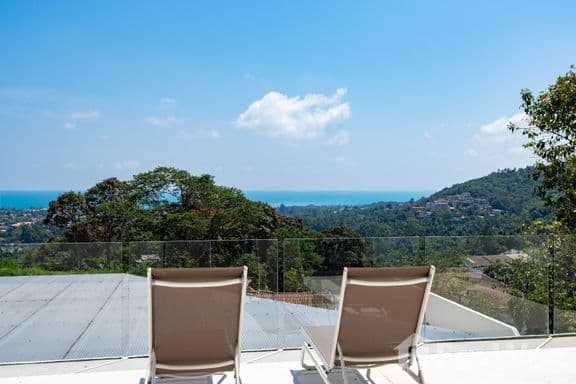
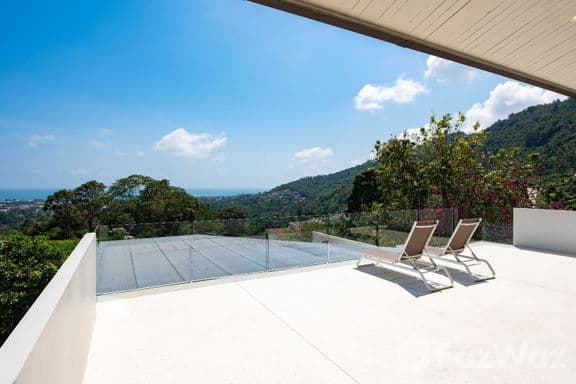
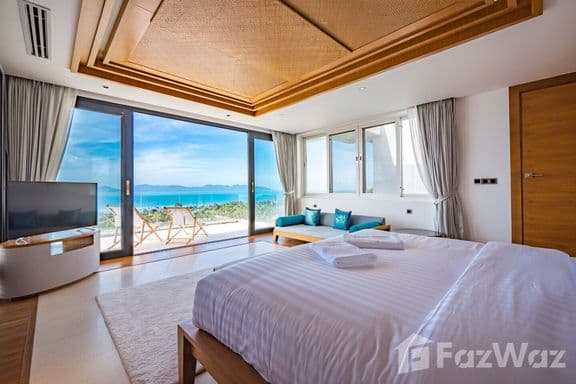
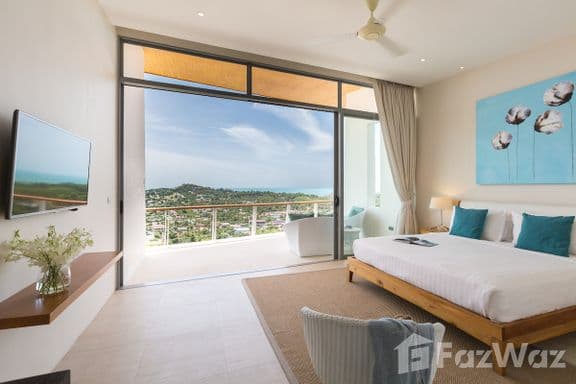
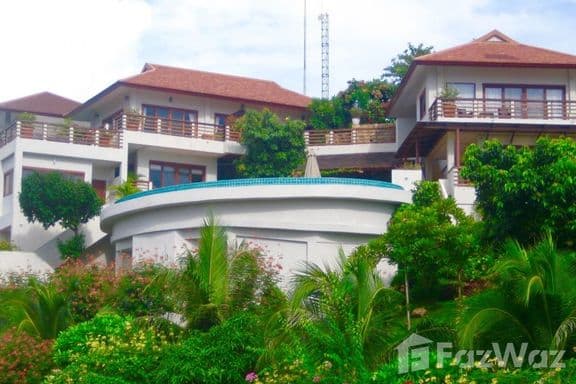
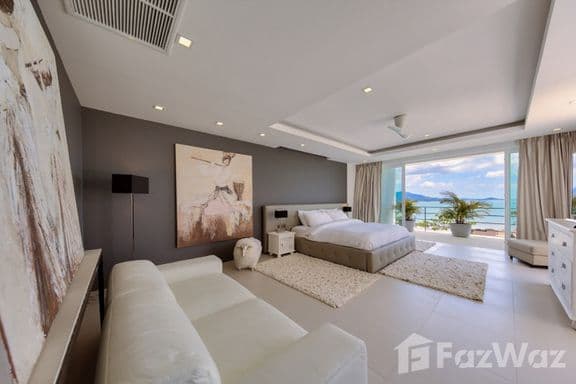
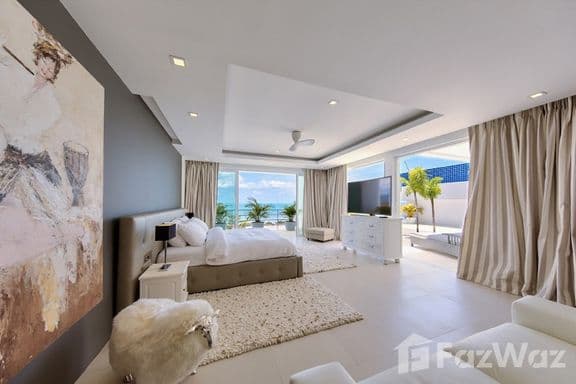
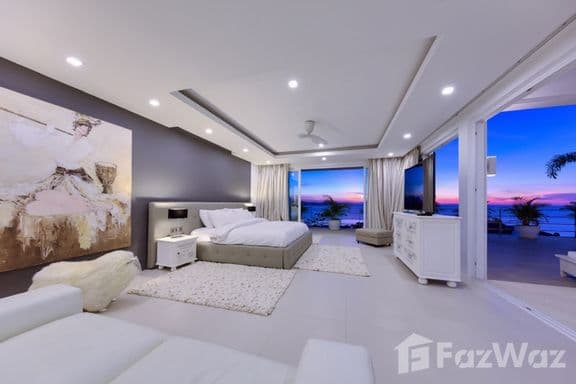
Modern luxury villas with private pools and panoramic sea views are a popular rental option in Koh Samui’s hills, offering an exclusive island living experience.
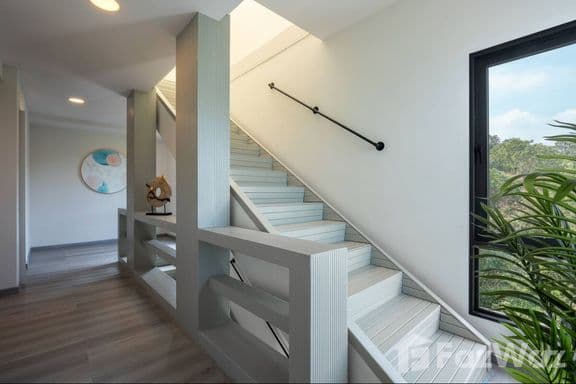
- Townhouses and Semi-Detached Homes: In addition to condos and freestanding villas, you might find townhome-style rentals, especially in newer developments. These are multi-story homes attached in a row or a small gated community. For instance, there are modern 2-3 bedroom townhouses in Bophut and Lamai that provide a good middle ground – some private space (often with a small yard or shared pool) but within a community. Townhouses can range around ฿30,000–฿60,000 per month depending on size and location. They appeal to expats who want more space than a condo but can’t justify a big villa, or who like having neighbors close by for a community feel.
- Local Thai Houses: If you’re on a tight budget or want a more local experience, renting a simple Thai house (perhaps from a local landlord) is also possible. These might not be widely advertised online; often you find them by word of mouth or driving around. They could be basic one-floor houses or bungalows with no pool, older furnishings, and local-style construction. The upside is they can cost as little as ฿8,000–฿15,000 per month for a standalone house. It’s a very affordable way to live, though you may sacrifice some comforts (e.g., perhaps no hot water in some bathrooms, older air-con units, etc.). This option is common for long-time expats who know the island well and value cost savings over luxury.
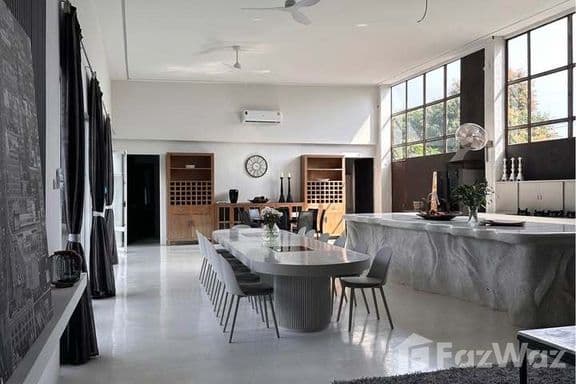
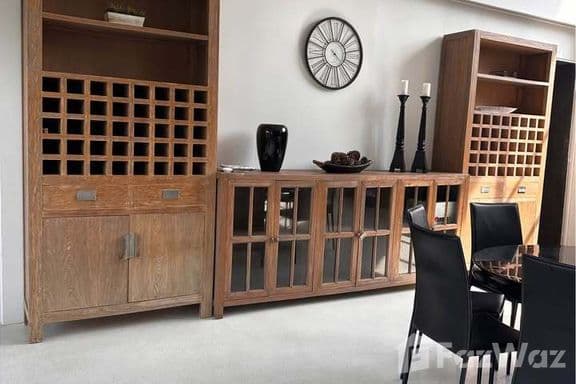
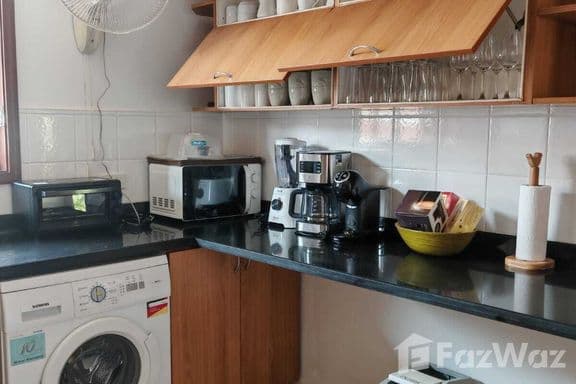
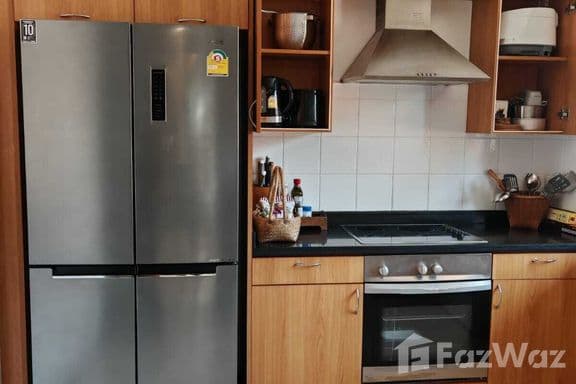
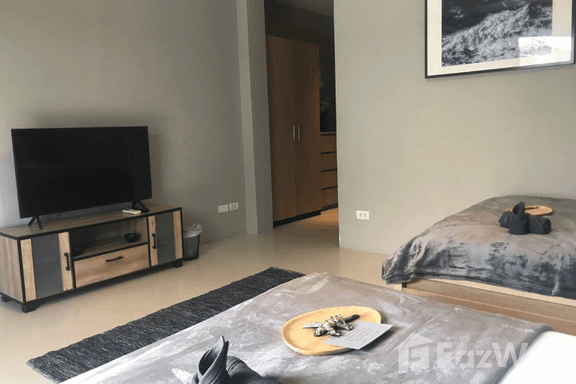
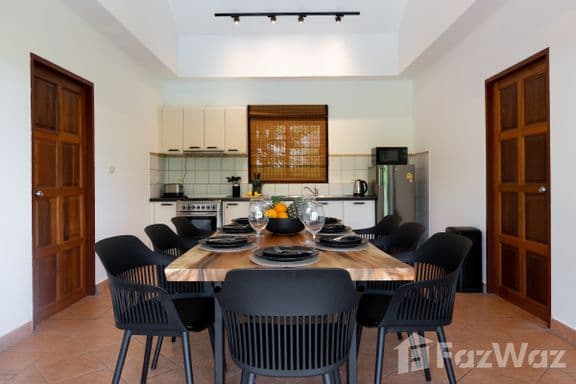
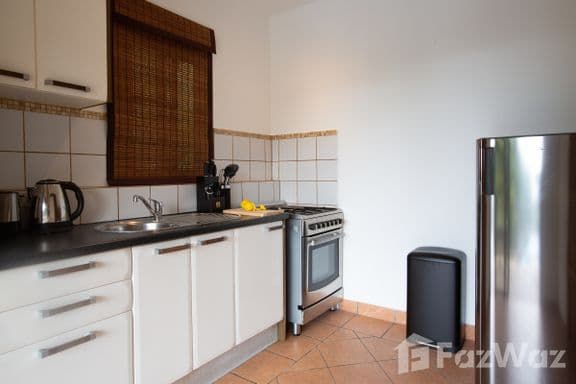
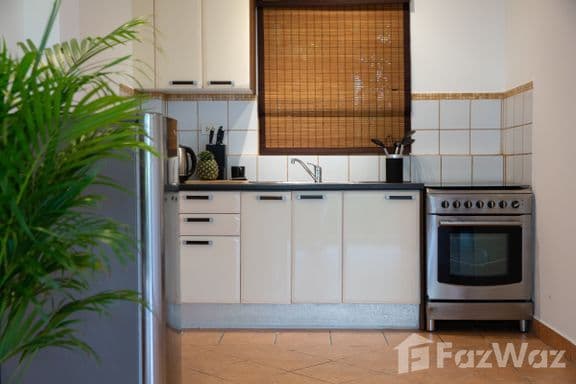
No matter the type, rental contracts typically come fully furnished in Koh Samui (especially condos and villas marketed to foreigners). You can move in with just your suitcase. However, always check what’s included – for example, kitchens can range from fully equipped to just a basic fridge and stovetop. Also clarify if things like internet, cable TV, pool/garden service, or cleaning are included or if you arrange them yourself. With so many property types available, Koh Samui’s rental market truly has something for every taste – be it a chic ocean-view condo, a rustic bungalow, or a palatial villa with an infinity pool.
Renting as a Foreigner: What to Know
Renting long-term in Koh Samui as a foreigner is relatively straightforward, but there are several important things to be aware of to ensure a smooth experience:
Visa and Legal Stay: First and foremost, you must have a valid visa to live in Thailand. Simply renting a property doesn’t confer any residency rights. Many expats initially come on a Tourist Visa (60 days, extendable to 90) or a Visa Exemption (30 days, extendable to 45 days in some cases) and then either do “visa runs” or transition to a longer visa. If you plan to stay beyond a few months, consider long-stay visa options. Thailand offers Retirement Visas (O-A or O-X) for those over 50, Marriage or Dependent Visas if you have a Thai spouse or Thai child, Education Visas (studying Thai language or Muay Thai, etc.), and even a new Long-Term Resident (LTR) visa geared towards wealthy retirees, digital nomads, and professionals (which can allow up to 10 years stay). Another popular option is the Thai Elite Visa, essentially a long-term membership program, granting 5-20 years of hassle-free stay for a fee. Ensure you obtain the appropriate visa for your situation – for example, a digital nomad might pursue the LTR “Remote Work” category or a SMART visa if eligible. Having the right visa is essential because landlords will usually ask for copies of your passport and visa for registration (and you’ll need to do immigration check-ins every 90 days if on a long visa).
Lease Contracts: Always insist on a written lease agreement, ideally in both English and Thai. Reputable landlords and agencies will provide this. The contract should clearly state the rent amount, lease term (commonly 6 months or 1 year for long-term rentals), the security deposit, and any special conditions (e.g. can you sublet? Are pets allowed? Who pays for pool maintenance?). Make sure all agreed-upon terms are written down – verbal promises are not enough. If anything is unclear, ask questions or have a legal advisor review it. Most leases in Thailand for homes are private contracts not registered with the government (registration is only required for leases longer than 3 years). This is normal, but it makes it extra important to trust the party you’re dealing with and have everything in writing. If you’re using an agent or platform, that adds a layer of security.
Deposits and Payments: In Koh Samui, the standard practice is to pay a security deposit equal to 2 months’ rent, plus the first month of rent upfront when signing the lease. For example, if rent is ฿30,000/month, you’d pay ฿60,000 as a refundable deposit + ฿30,000 for the first month, totaling ฿90,000 upon move-in. (Sometimes high-end villas might ask for a larger deposit, but 2-months is the norm.) This deposit is held by the landlord and should be returned when you move out, provided no damage beyond normal wear-and-tear and all bills paid. Make sure the contract outlines the conditions for refunding the deposit – e.g., how damages are assessed, that you shouldn’t be charged for pre-existing issues, etc.. It’s wise to do a walk-through inspection when you move in, noting any existing damages or problems (take photos and have both parties sign off). This prevents disputes later over the deposit. As for rent payment, bank transfer is common and convenient (especially since you may be traveling when rent is due). Opening a Thai bank account can be useful for this purpose and avoids international transfer fees. Some landlords will also accept cash. Pay on time according to the schedule in the contract, and clarify if it’s monthly or quarterly. (Most are monthly.)
Utilities and Other Bills: Typically, the tenant pays for their own utilities unless otherwise specified. Electricity on Koh Samui is billed by the Provincial Electricity Authority – if the bill comes to the house, you can pay it at 7-Eleven or online. If you live in a condo, sometimes the building charges you at a slightly higher rate per unit (common in serviced apartments). Electricity cost can vary: currently, the government rate is around 5 baht per kWh, but some places charge 6-8 baht for short-term stays. A rough estimate: in a one-bedroom with moderate A/C use, you might pay ฿2,000–฿3,000 per month, whereas a larger villa running multiple air-cons could be ฿5,000+ monthly. Water is cheap (maybe ฿200-฿500 a month). Internet is essential for most expats; high-speed fiber broadband is available in most inhabited parts of Samui. You can get plans for about ฿600-฿1,200 per month for WiFi. Often, the landlord already has it installed and you just reimburse the bill, or you can set up your own service if staying long. Don’t forget to account for any other fees: if in a gated estate or condo, is there a common area fee or maintenance fee? Many long-term rentals include pool and garden service in the rent if it’s a villa (ask to be sure). Also, if your rental is within an estate with security, the landlord usually covers those fees, but double-check.
Furniture and Appliances: Most expat-oriented rentals in Koh Samui come fully furnished, down to kitchenware in many cases. However, “fully furnished” can mean different things – ensure you know what’s provided. If something critical is missing (e.g., no washing machine or the mattress is old), you can sometimes negotiate for it to be added. Do an inventory check when you move in and have it attached to the contract if possible. That way, you’re not blamed for missing items later. It’s also a good idea to test things like the air-conditioners, plumbing, and appliances early on, so you can request repairs if needed. Generally, landlords are responsible for major repairs (air-con servicing, water heater fixing) unless you caused the damage, but minor maintenance like replacing light bulbs might be on you—clarify this.
Local Registration (TM30): Thai law requires that when a foreigner resides at a property, the owner (or principal tenant) must register their presence with immigration via a form called TM30. In practice, for long-term rentals, your landlord or agent should handle this online or at the police station/immigration office. It’s basically informing the authorities where you live. It’s a good sign if your landlord knows about this and takes care of it, as it reflects professionalism. If they don’t, you might have issues renewing visas or with immigration check-ins, so remind them if needed. It’s not a huge hassle (can be done online in minutes), but it is a legal requirement.
Cultural and Practical Tips: As a foreign tenant, be respectful and patient in your dealings. Not all private landlords speak fluent English; if there’s a language barrier, consider using an agent or asking a Thai-speaking friend to help translate key discussions. Thais value politeness and a smile, so even when bringing up issues or negotiating, keep it calm and friendly. When negotiating rent, you can politely ask for a discount, especially if you’re committing to a longer term or paying several months upfront. Just know that initial prices might be a bit higher for foreigners in some cases, so doing some research on comparable properties helps your bargaining position.
Overall, renting in Koh Samui as a foreigner is quite accessible – there are no legal restrictions on foreigners renting property (unlike buying land). By ensuring your paperwork (visa, contract) is in order and understanding the local norms for deposits and bills, you can avoid most pitfalls. Many expats report that once they’ve settled the formalities, they can enjoy their island life hassle-free in a beautiful rented home.
Digital Nomad and Remote Work Life in Koh Samui
In recent years, Koh Samui has emerged as a desirable hub for digital nomads and remote workers looking for a balance of work and tropical leisure. If you plan to work remotely while renting in Koh Samui, here are some key points to know about nomad life on the island:
Connectivity: Reliable internet is the lifeblood of remote work, and Koh Samui delivers in most areas. High-speed broadband (fiber optic) is available in the majority of populated parts of the island. Many rentals already include Wi-Fi, but be sure to check the speed and stability. Typical home internet speeds of 100–300 Mbps are common, and you can upgrade packages if needed. The cost of an internet plan is affordable (around ฿600–฿1,000 per month as noted above) and usually unlimited data. It’s wise to have a backup, though: a Thai SIM card with a data plan is inexpensive and provides 4G/5G internet that you can tether if the home Wi-Fi goes down. Power outages happen occasionally due to storms, so having a charged hotspot or a cafe to go to can save your workday. Some expats even invest in a UPS (battery backup) for their router or PC if they have mission-critical online work.
Co-working Spaces and Cafes: Koh Samui’s co-working scene is growing. You’ll find dedicated co-working spaces such as Desk & Chair Samui, Koh Space, Be Productive (Lamai), and Chill Inn among others. These spaces offer comfortable desks, high-speed internet, air-conditioning, and a community of fellow remote workers – great for networking or just having a focused environment. Many also have meeting rooms and free coffee. In addition, countless cafés and hotel lounges around the island welcome laptop users. Popular areas like Bophut, Chaweng, and Lamai have trendy cafes where you can sip a coconut latte while working with an ocean view. Some resorts (e.g., Mantra Samui in Bophut) even have co-working lounges open to the public. As a digital nomad, you can easily hop between working from home (perhaps on your villa’s terrace) and these social work spots for a change of scenery.
Community and Networking: The expat and nomad community on Samui is diverse and active. You can join Facebook groups or forums where digital nomads in Samui share tips and plan meetups. It’s a good way to make friends, find out which visa people are using to stay, or discover hidden gem cafes with fast Wi-Fi. There are also events like open mic nights, coding meetups, or entrepreneur networking evenings that pop up. While Samui’s nomad scene isn’t as large as Chiang Mai or Bangkok, it’s tightly-knit and very welcoming. You’ll meet everyone from freelance designers and YouTubers to IT consultants and online English teachers living here. Being part of this community can make remote work life more enriching and help you settle in.
Work-Life Balance: One of the biggest advantages of being a remote worker on Koh Samui is the incredible work-life balance you can achieve. On your lunch break, you might take a quick swim in the sea or do a yoga class by the beach. After work, the island offers plenty of ways to unwind – think sunset walks on the sand, beach volleyball games, Muay Thai training, or night markets to explore. Weekends can be mini-vacations: go diving in Koh Tao, hike to waterfalls, rent a scooter and find secluded beaches, or island-hop to nearby Koh Phangan. The environment encourages a healthier, more relaxed lifestyle than the hustle of big cities. Many remote professionals find they are actually more productive in Samui because they’re less stressed and more inspired by their surroundings.
Remote Work Facilities at Home: When setting up your rental for work, check a few things. Does the place have a comfortable chair and desk or a surface to work on? If not, you may need to improvise or buy an office chair (there are furniture shops in Samui or you can get things delivered from Bangkok). Ensure the air-conditioning is good in your work area for hot season. Having a backup power solution can be helpful; some villas or condos have generators, but many don’t. If stable power is crucial, consider a UPS as mentioned or choose accommodation in areas known for fewer outages. Also, if you do video calls often, test your cell signal or have a second internet line (some nomads get two internet lines from different providers for redundancy – perhaps overkill for most, but an idea if internet is your lifeline).
Visas for Digital Nomads: Legally, working remotely from Thailand sits in a grey area if you’re on a tourist visa, since you’re technically not supposed to “work” on a tourist permit. However, if your work is for a company or clients abroad, Thailand historically hasn’t enforced this strictly, and thousands of digital nomads do it. Recently, Thailand rolled out the Long-Term Resident (LTR) visa which includes a category for “Remote Workers” (often dubbed a digital nomad visa). It requires proof of high income and employment with an overseas company, but if you qualify, it can give you 10 years permission to stay and even a work permit to legally work online. There’s also the SMART Visa program for certain skilled professionals and startup founders. These are worth exploring if you plan an extended stay. Otherwise, many nomads use educational visas (studying Thai language), multiple back-to-back tourist visas, or Thai Elite. Make sure to choose a visa approach that suits your length of stay and keeps you in good standing with immigration.
All in all, Koh Samui provides a fantastic backdrop for remote work. The blend of modern amenities and island tranquility means you can get your work done and then immediately enjoy the perks of tropical life. It’s not uncommon to see people with laptops on a beachfront patio, headphones on, working away – then closing the lid and jumping into the ocean to celebrate a finished project. If you’re looking for a place that inspires creativity and offers a balanced lifestyle, Samui might be your perfect base.
Tips for Renting Safely and Avoiding Scams
While the majority of rentals in Koh Samui go smoothly, it’s important to stay vigilant and rent safely. Here are essential tips to avoid common pitfalls and scams:
- Use Reputable Platforms or Agents: One of the best safeguards is to find your rental through a reputable source. Well-known real estate agencies (like FazWaz, Horizon Homes, etc.) or trusted property websites will vet listings and often handle contracts. If you’re dealing directly with an owner, ensure they are the legitimate owner or authorized property manager. Be cautious of listings on social media or unknown sites with deals that seem too good to be true (e.g., a luxury villa at a shockingly low price) – these could be fake listings intended to lure you in. Always verify the property’s existence and availability. If you’re already on the island, do an in-person viewing. If you’re remote, request a live video walk-through. Scammers will often disappear if you insist on seeing the place before any money changes hands.
- Never Pay Unsecured Deposits: A classic rental scam involves a “landlord” asking for a deposit upfront to hold the property, then vanishing after you send money. To avoid this, do not wire money to a personal bank account abroad or via Western Union for a rental – especially not before you have a signed contract and have verified the landlord’s identity. In legitimate transactions, typically you will pay the deposit to a Thai bank account (often the agency’s client account or the owner’s Thai account) after signing the lease. If using a platform like Airbnb for a monthly stay, payments go through the platform, which is safer. The key is to use official channels: reputable agencies have client trust accounts, and businesses can often accept credit card or bank transfers with receipts. If a private landlord does ask for an advance holding deposit, make sure you have their passport copy and proof that they indeed own the property (such as a copy of the title deed or house registration) before taking the risk. It’s generally safest to avoid paying anything before you or someone you trust has seen the property in person.
- Inspect the Property and Document Issues: When you move in (or during a viewing), carefully inspect the home. Check for any damages, big or small – look at walls (any nail holes or scuffs?), appliances (do they work?), plumbing (run each faucet and shower, flush toilets), and electronics like air-conditioners. In tropical climate houses, also check for signs of leaks or mold on ceilings, which can occur after heavy rains. Document everything by taking photos or videos, and share a copy with the landlord or agent right away so there’s a record. For example, if you notice a cracked tile or a stain on the sofa, note it in an email or on the inspection form. This protects you when it’s time to move out, so you won’t be blamed (or charged) for pre-existing issues. It’s also a chance to request fixes – most owners will address reasonable repair requests (like a broken water heater or malfunctioning fridge) at the start of a tenancy.
- Understand the Contract and Local Laws: Make sure you read and understand your lease contract fully before signing. If it’s in Thai, get an English version or have it translated. Key points to check: the break clause (what happens if you need to leave early?), how much notice you need to give before moving out (usually 30 or 60 days), and who is responsible for what (for instance, are you expected to pay for any minor repairs, or is everything on the landlord?). If you have any verbal agreements (e.g., “the landlord will replace the old mattress with a new one next month”), ensure it’s written into the contract. Thailand’s rental laws are generally favorable to landlords, but with a proper contract, you have rights too. Keep a copy of your contract and all payment receipts.
- Beware of Dual Pricing or Foreign Surcharges: Occasionally, foreign tenants might encounter a “farang price” – an initially higher rent quote just because you’re not Thai. To avoid overpaying, do a bit of homework on what similar properties in that area rent for. You can check current listings on multiple websites to gauge. Don’t be afraid to negotiate the price down politely, especially for long-term leases. Many landlords expect some negotiation. If you feel a price is way above market and the owner won’t budge, you have plenty of other options – walk away and find a better deal.
- Safety and Security: When selecting a property, consider safety features. Does it have proper locks on doors and windows? If it’s a standalone house, is there a fence or gate? Samui is generally safe, but petty theft can happen, so it’s wise to have secure locks and maybe a safe for valuables. Gated communities or properties with CCTV and night security guards provide extra peace of mind. Also check the neighborhood at night – is it well-lit, and do you feel comfortable? If you are renting a bike or car, ensure there’s secure parking. Personal safety extends to things like having working smoke detectors (not common in Thai homes, but you can buy one cheaply if needed) and knowing where the nearest hospital or clinic is (Chaweng has the main private hospital, but there are also clinics in Lamai, Maenam, etc.).
- Avoiding Other Common Scams: Apart from fake listings, another scam to watch for is an “agent” who isn’t real – someone might pose as an agent, show you a property (maybe they have access somehow), and ask for your deposit. Later you find out the person wasn’t authorized and you’ve lost your money. To prevent this, use established agencies or, if it’s an independent agent, ask which company they work for and look them up. Legitimate agents should not ask you to pay them directly in cash anything beyond perhaps a booking fee (and typically their commission is paid by the landlord, not you, for long-term rentals). Also, don’t hand over your passport or original documents to anyone except official authorities. An owner may ask to photocopy your passport for the lease and TM30, which is fine, but there’s no reason they should keep your actual passport.
- Get Everything in Writing: If during your tenancy you request repairs or any agreement with your landlord (for example, you agree to paint a wall and the landlord will reimburse you), communicate in writing (email or text) so there’s a record. This ensures both sides have clarity and can refer back to it. Most Thai landlords are honest and want to maintain good relations with good tenants, but having a paper trail is just a prudent step in case of any changes in personnel or memory lapses.
By following these tips, you significantly reduce the risk of any unpleasant surprises. Thousands of foreigners successfully rent homes in Koh Samui every year – the environment is generally honest and friendly. Just apply the same common sense you would anywhere else in the world: if something feels off, trust your gut and double-check, and don’t rush into deals without due diligence. Once you’ve secured your dream rental safely, you can truly relax and enjoy the tropical lifestyle that brought you to Samui in the first place.
Frequently Asked Questions (FAQs)
Q1: Can foreigners rent property in Koh Samui long-term?
A: Yes, absolutely. Foreigners have no legal restrictions on renting houses or condos in Thailand. As an expat, you can sign a lease in your name. Just ensure you have a valid visa to stay in Thailand for the duration of your rental. Many foreigners live in Koh Samui on 6-12 month leases (or longer) without any issue. It’s a common and straightforward process – far easier than buying property, since renting doesn’t involve ownership laws.
Q2: What are the average rental costs in Koh Samui?
A: Rental prices vary by property type, size, and location. As of 2025, a basic studio or one-bedroom apartment in a less touristy area might start around ฿10,000–฿15,000 per month. Mid-range modern condos or small houses often range ฿20,000 to ฿50,000 per month. High-end villas (3-5 bedrooms with private pool, sea view, prime location) typically cost ฿60,000 up to ฿150,000+ monthly. The median rent across all property types is about ฿84,700 per month, indicating many luxury rentals in the mix. There’s a big spectrum, so expats on a budget can find options under ฿20k, while those seeking luxury have plenty of choices too.
Q3: How long are typical lease terms, and can I rent month-to-month?
A: A standard long-term lease in Koh Samui is 12 months. Many landlords prefer a one-year contract for stability. However, 6-month leases are also fairly common, and some places will do even 3-month or monthly agreements – though the shorter the term, the higher the monthly rate might be. In high season, landlords are less likely to offer short-term at low rates (since they can earn more from vacation rentals). If you need something month-to-month, you might end up renting a serviced apartment or using platforms like Airbnb where utilities are included. But for the best price, a commitment of 6+ months usually gets you a “long-term” rate. Always clarify the minimum rental duration before booking; some listings on rental sites will specify “6 months minimum” or similar.
Q4: Do rental prices include utilities and other expenses?
A: Typically, no – utilities are usually paid separately by the tenant. Your monthly rent covers the house or apartment itself, and you will pay for electricity, water, and internet in addition. As discussed, electricity depends on usage (aircon being the biggest factor) and can range from maybe ฿2,000 on up per month. Water is inexpensive (often under ฿500). Internet is usually a fixed monthly fee (perhaps ฿700 on average for broadband). Some rentals (especially condos or serviced units) might include certain utilities or services – for example, a condo might include water and Wi-Fi, or a villa owner might cover pool cleaning/gardening. Always ask what’s included. Don’t forget things like propane gas if you have a gas stove (small cost), or drinking water delivery. If you rent in a condo building or estate, check if there are common area fees or garbage collection fees – these are usually covered by the owner, but it’s good to confirm.
Q5: What should I know about deposits and getting my deposit back?
A: As mentioned, you will likely pay a two-month security deposit at the start of the lease. Treat the property well to ensure you get it back in full. Before moving out, it’s advisable to give the place a thorough cleaning. If anything was damaged during your stay, discuss it with the landlord – minor wear and tear (small nail holes, scuff marks) is usually expected and should not result in losing your deposit for normal living. However, more significant damage (a broken appliance, stained sofa, etc.) might be deducted. A good landlord will itemize any deductions with receipts (e.g., cost of repair or extra cleaning). By law and practice, the deposit should be returned promptly after the lease ends (often on your move-out day or within a few days). To avoid issues, ensure all utility bills are paid up and you hand back all keys. Doing a walk-through with the landlord at check-out is a great idea so you both agree on the property’s condition. If you’ve followed the contract and kept the home in good shape, you should receive your full deposit back. In the rare case of a dispute, having that contract and photo inventory will be important – but disputes are uncommon if you chose a reputable landlord and communicated well throughout the tenancy.
Conclusion
Koh Samui is more than just a holiday postcard – it’s a place where you can truly live your tropical island dream on a long-term basis. From the friendly vibes of Bophut to the serene shores of Choeng Mon, the island offers a home for every lifestyle and budget. We’ve covered the essentials: why Samui is such a great place to settle, what to expect in the current rental market, how to find the right area and property type, and the nuts and bolts of renting as a foreigner. Now, the next step is yours.
Are you ready to make the leap to island life? The journey begins with finding that perfect home. View all available rental properties in Koh Samui now and let us help you discover a place where you can wake up to paradise each day. Your future Koh Samui home – be it a cozy condo or a luxurious villa – is waiting for you. Welcome to the good life on Koh Samui!




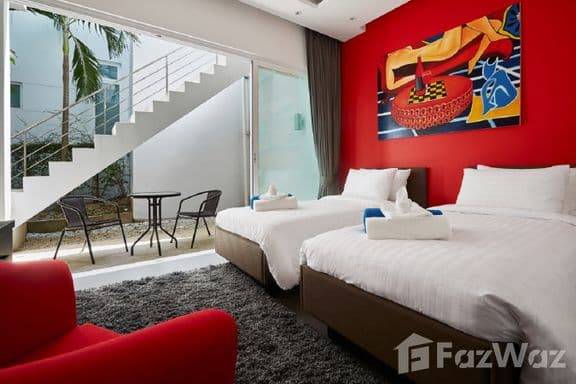
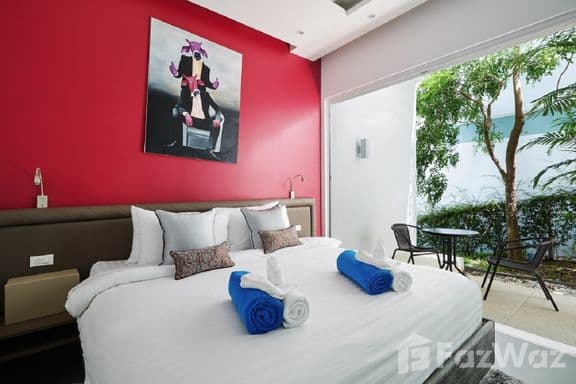

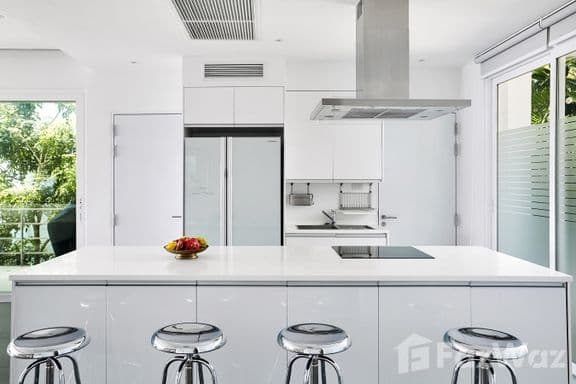
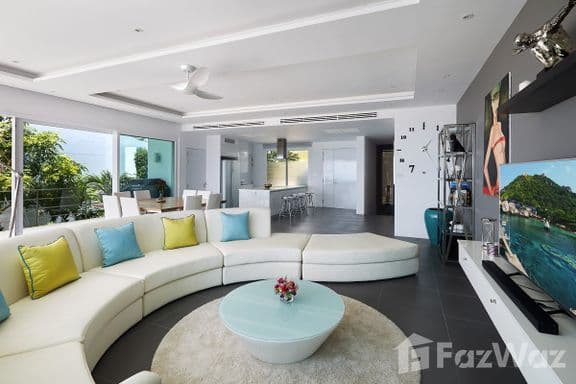

















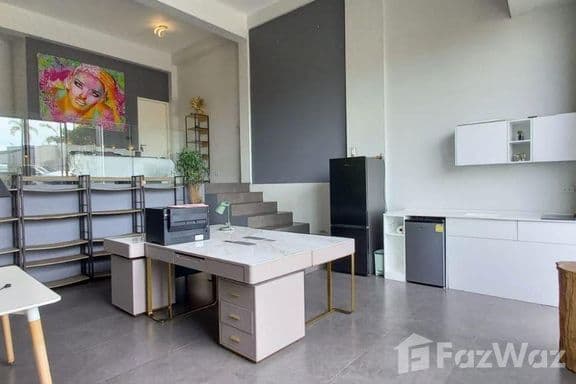

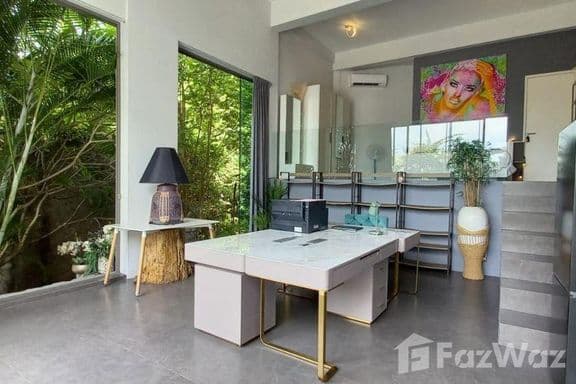
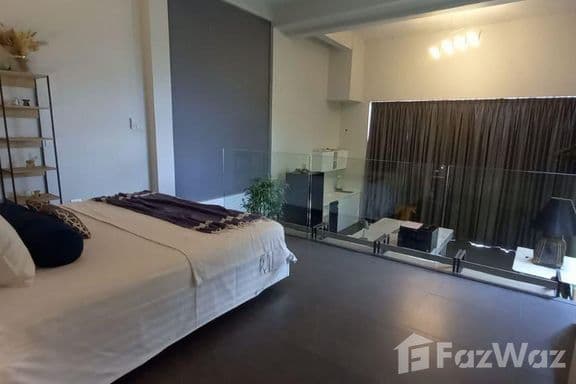
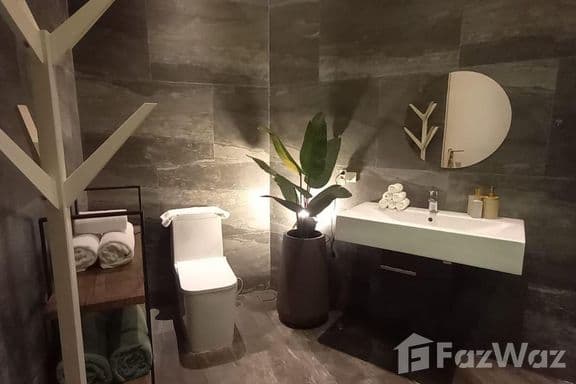


































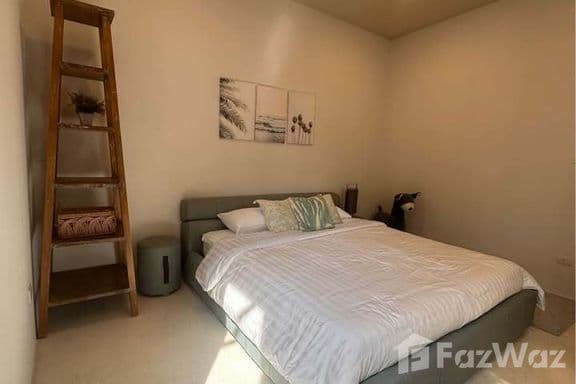


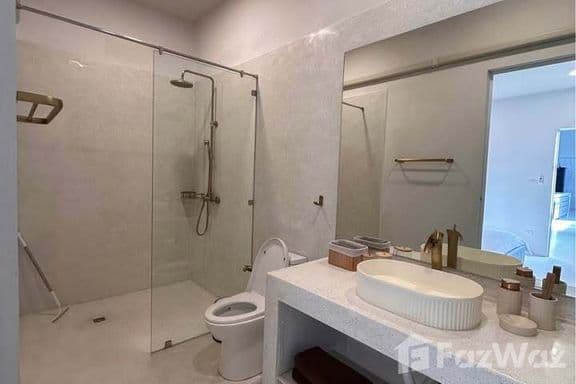


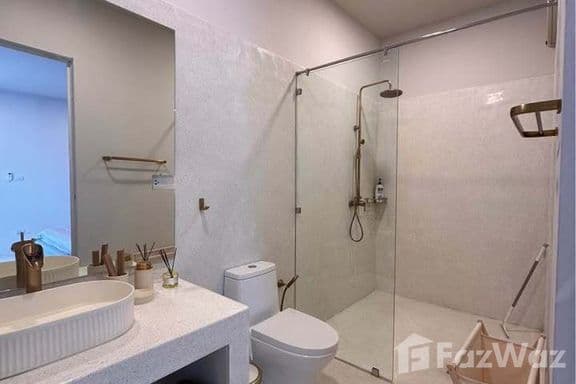
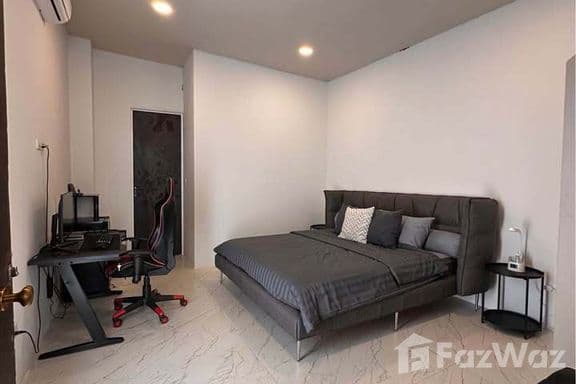

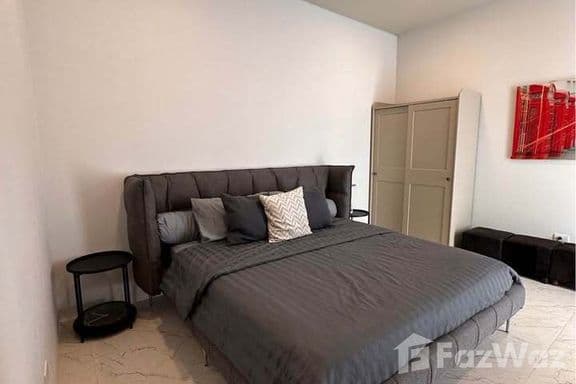

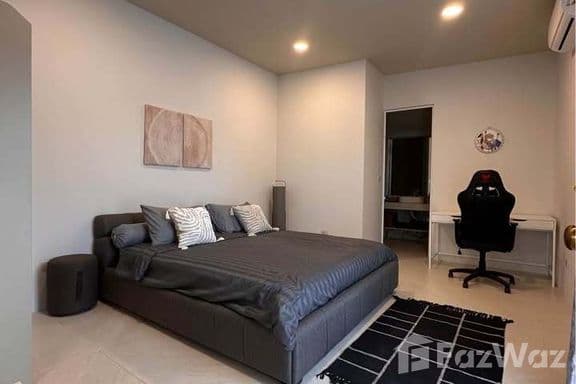

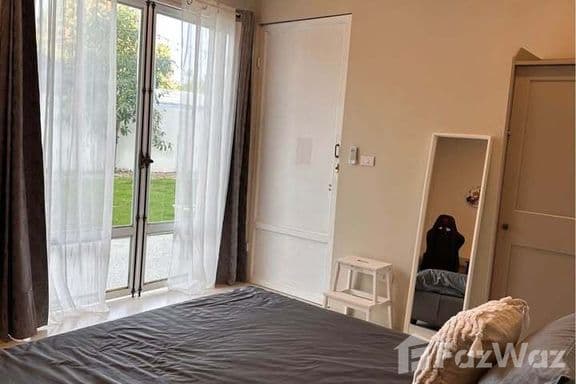







































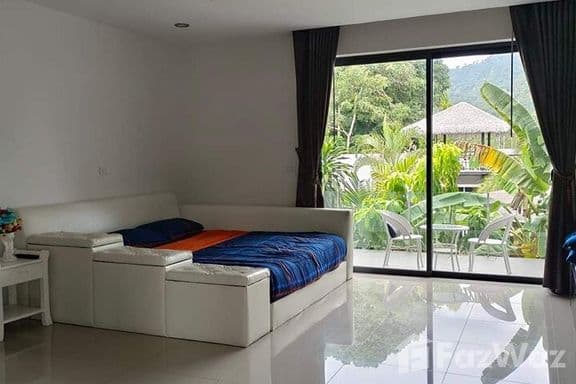
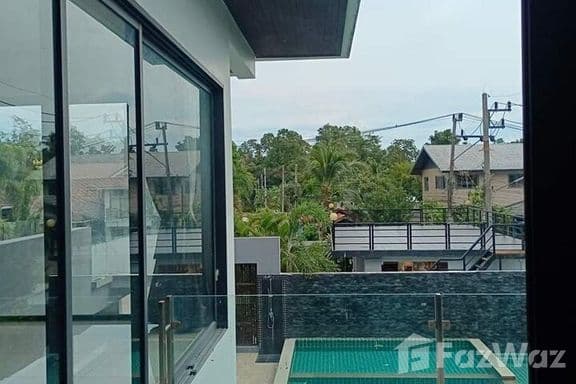


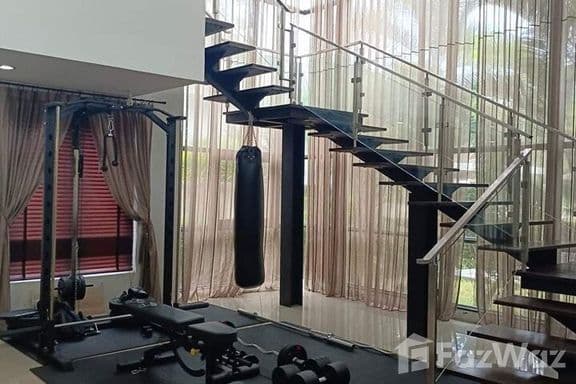


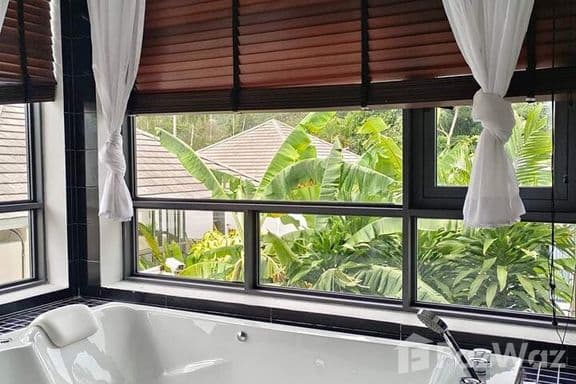




































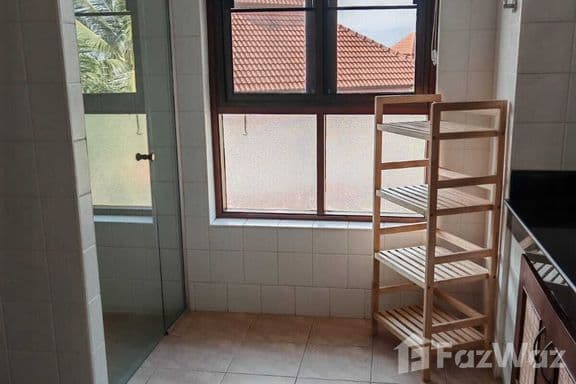

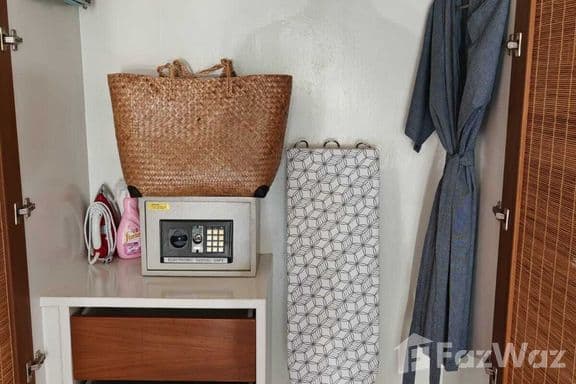
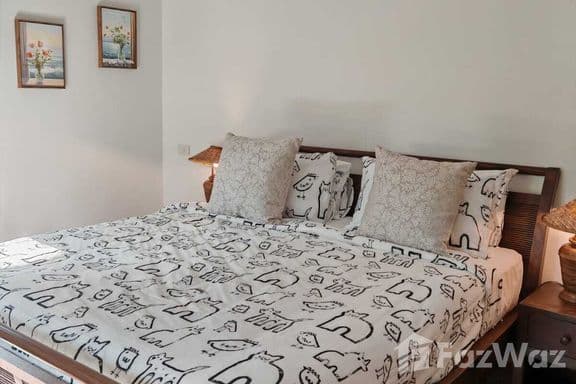

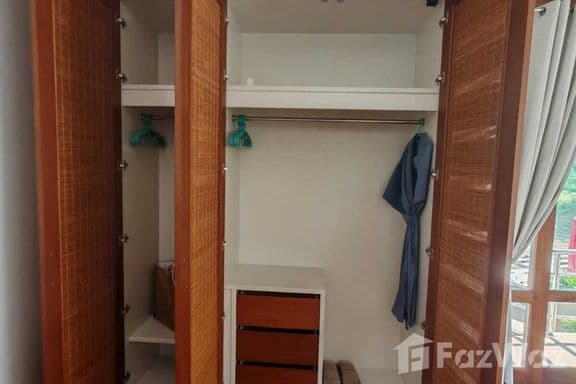

















































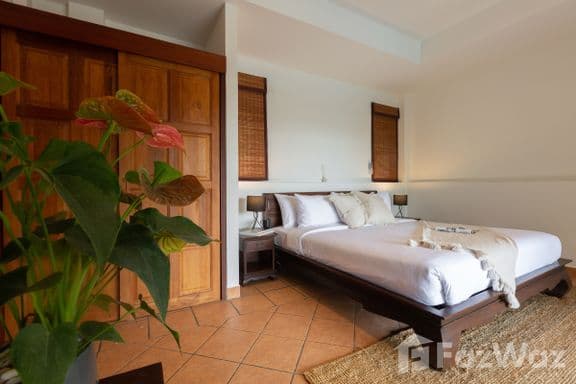
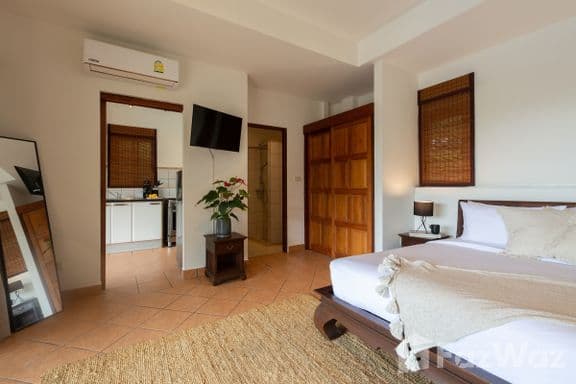
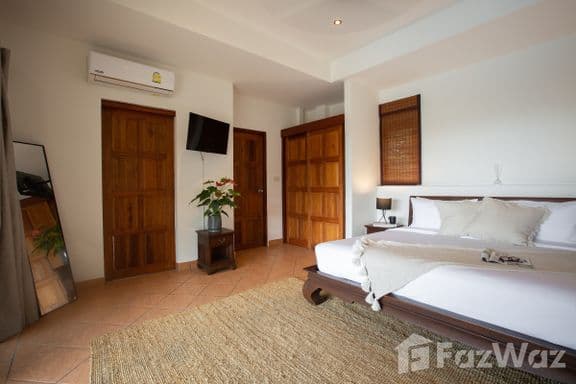

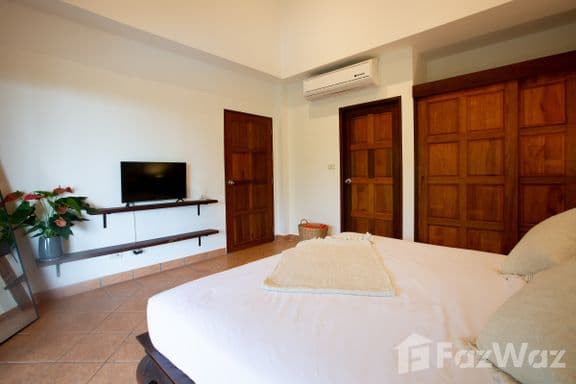





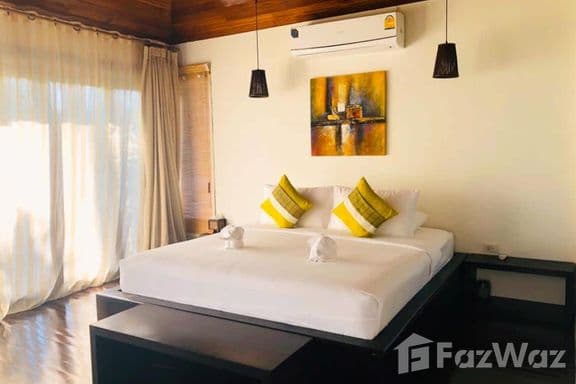
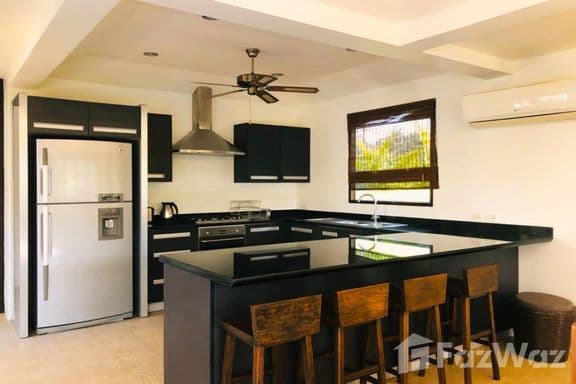

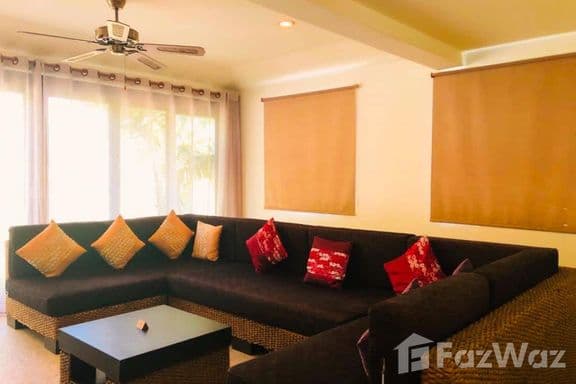

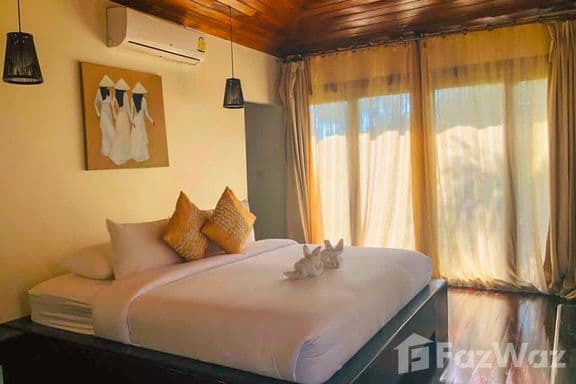























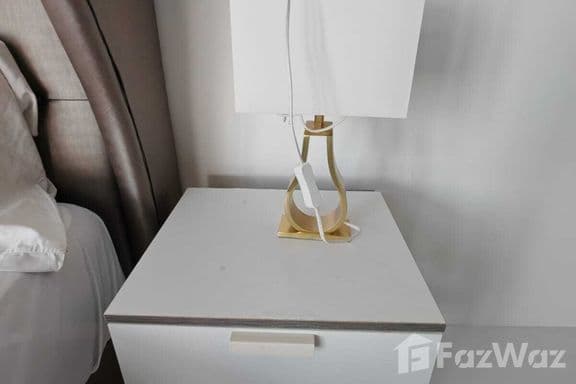





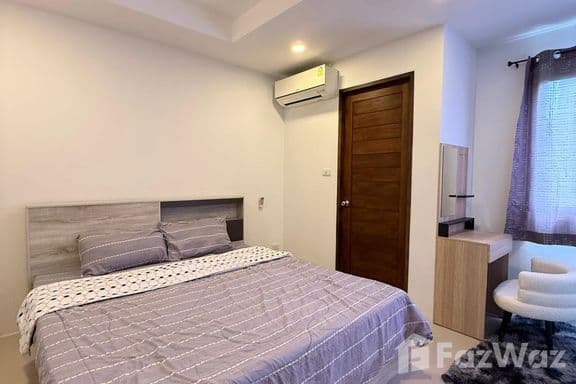
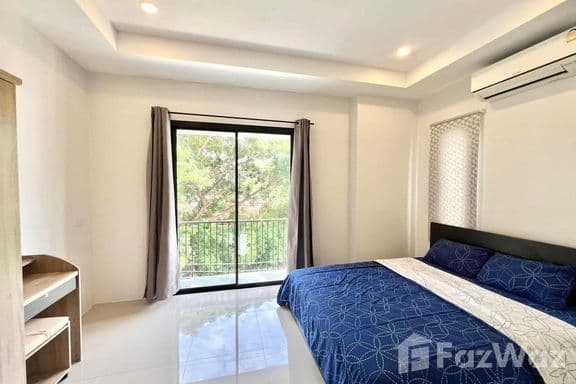
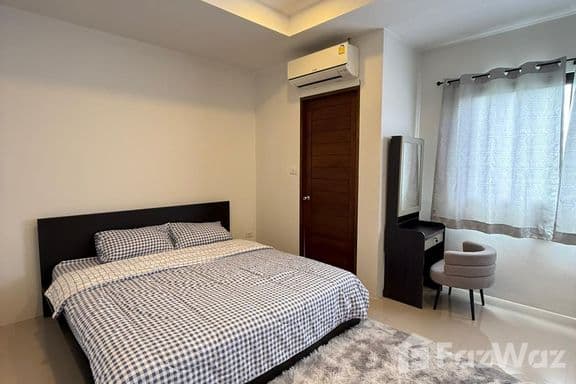






 Popular condos in Ko Samui

