2025 Guide to Renting a House in Koh Samui for Long-Term Expats
Introduction: Why Koh Samui is a Top Choice for Long-Term House Rentals
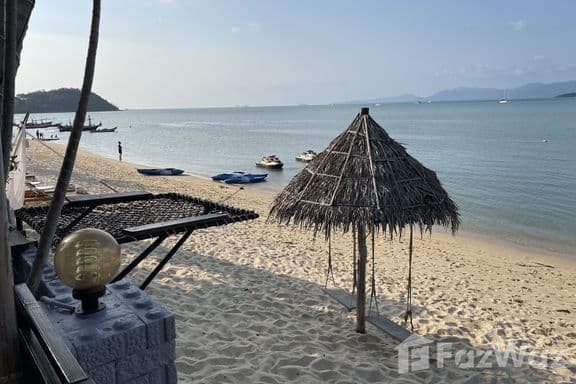
Koh Samui is a tropical paradise that uniquely blends laid-back island living with modern conveniences. Expats are drawn to its white-sand beaches, lush hills, and friendly Thai culture – all while enjoying amenities like international restaurants, shopping, and even high-speed fiber-optic internet across the island. In fact, most expats settle in the northeastern parts of Samui (areas like Chaweng, Lamai, Choeng Mon, Bophut, and Maenam) where one can find supermarkets stocked with imported goods, home improvement stores, and reliable connectivity. The island hosts a vibrant expat community (peaking around 40,000 people during high season) with plenty of social events, making it easy for newcomers to feel at home.
Importantly, cost of living is a major appeal. While a bit higher than the mainland, Koh Samui is still affordable compared to Western countries. Some expats live comfortably on budgets as low as $1,500 (around 50,000 THB) per month, and about $2,000 (≈66,000 THB) a month lets you enjoy a very comfortable lifestyle. Housing is a big part of that value – you can find everything from simple garden homes to luxury villas at a fraction of the cost back home. In short, Koh Samui offers an idyllic setting and a high quality of life without breaking the bank, making it a top choice for long-term foreign renters.
Lifestyle Benefits of Renting a House vs. Condo
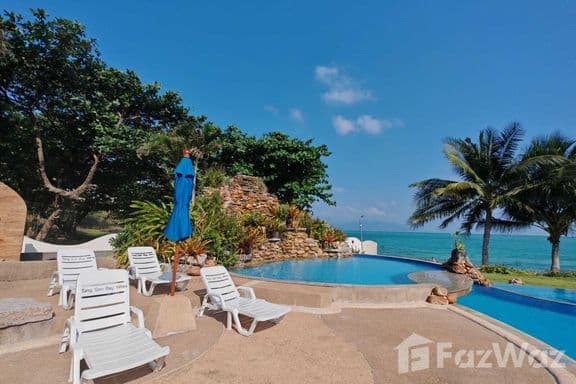
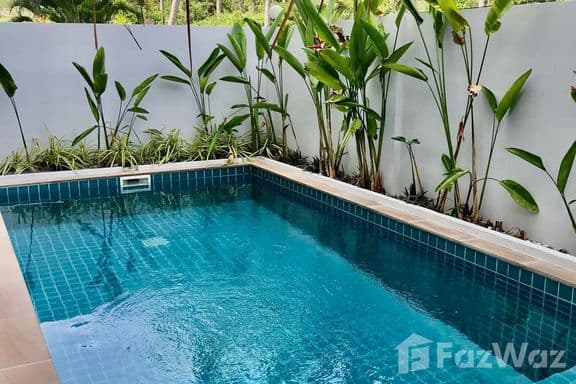
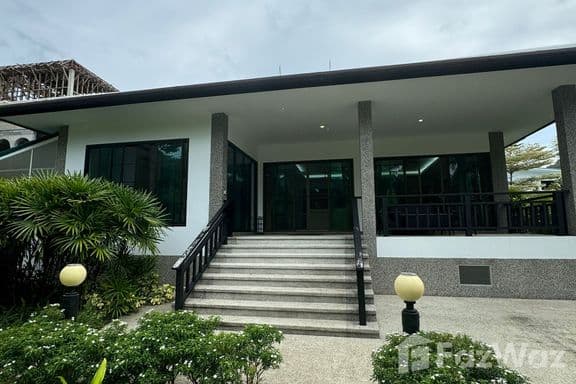
For long-term expats in Koh Samui, renting a house (villa) often provides a very different lifestyle than a condo. Most notably, houses and villas give you more space and privacy. You’ll often enjoy your own private garden or even a swimming pool, plus multiple bedrooms and a full kitchen – a level of comfort and exclusivity hard to find in a condo or hotel setting. There’s no need to share walls or facilities with neighbors, meaning a quieter, more personal living experience. This is ideal if you have a family, pets, or simply value peace and quiet.
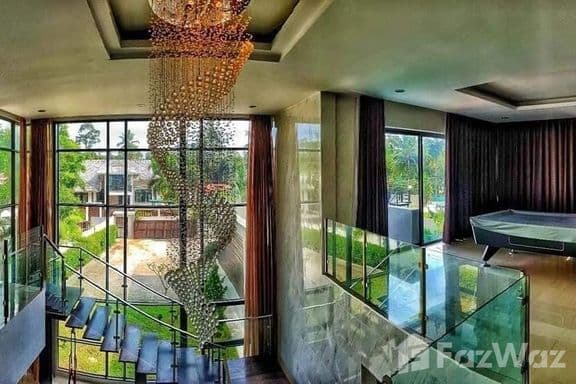
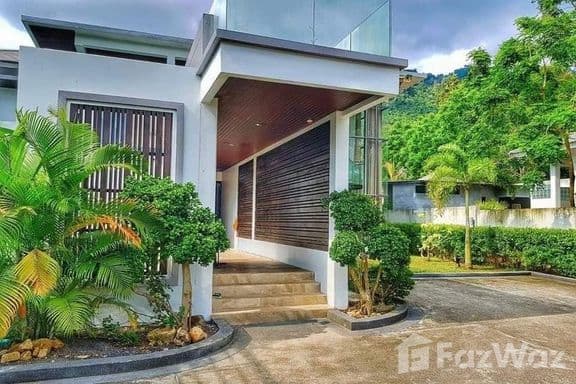
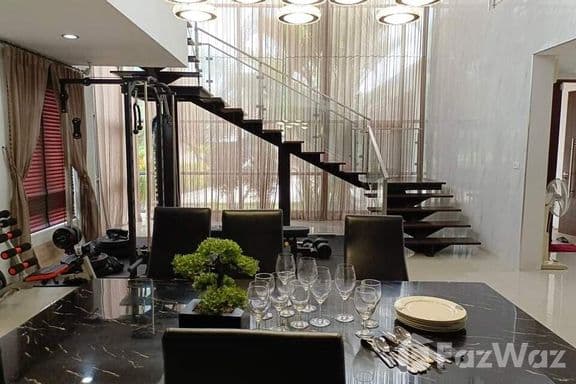
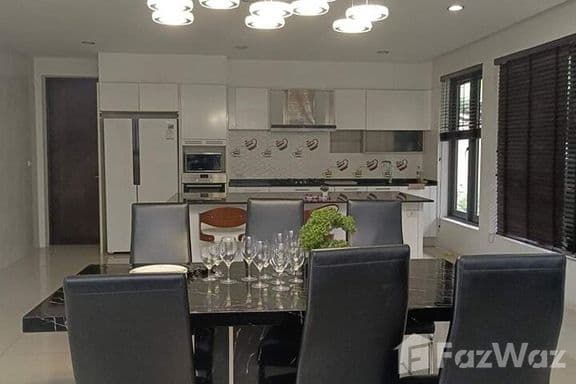
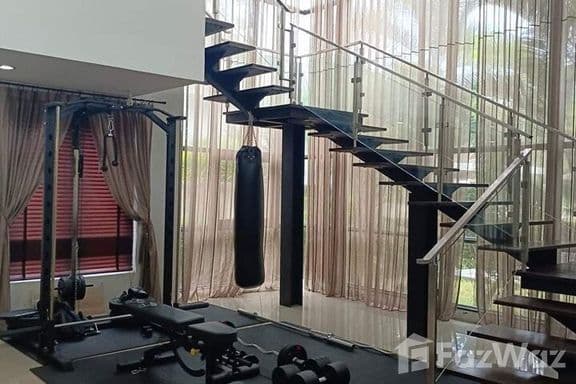
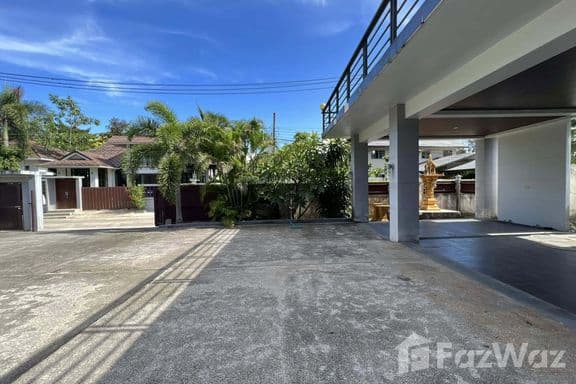
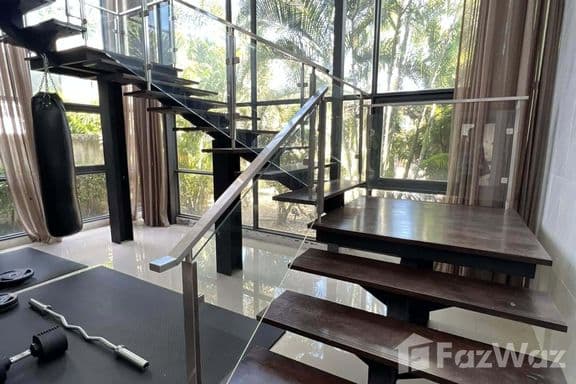
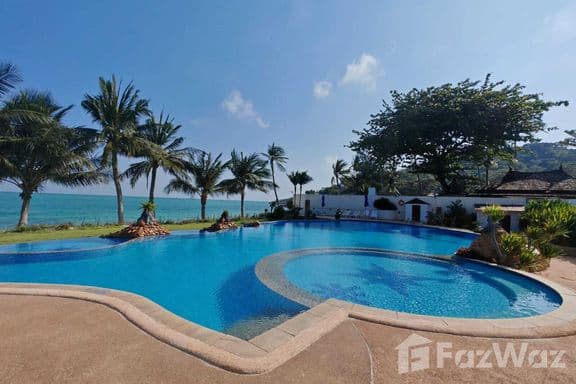
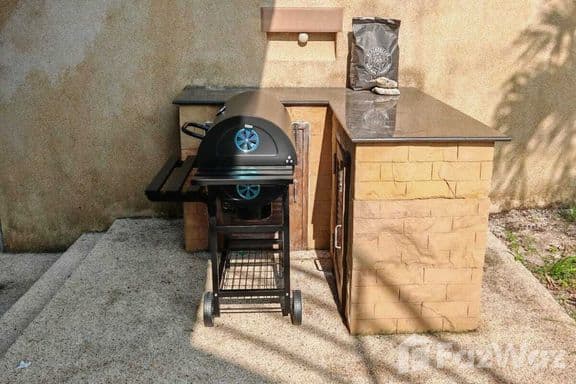
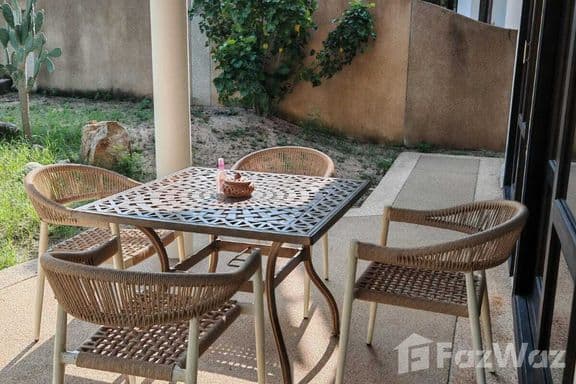
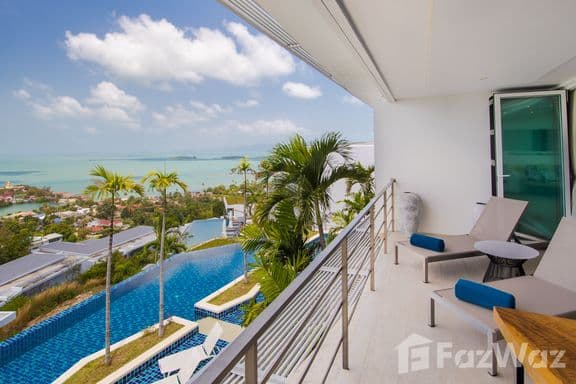
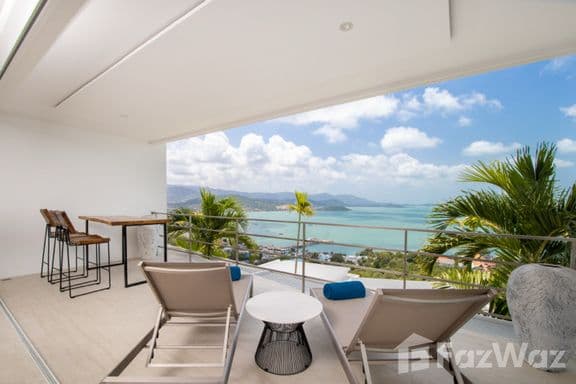
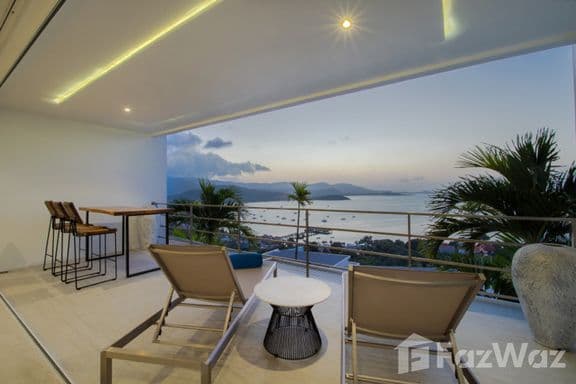
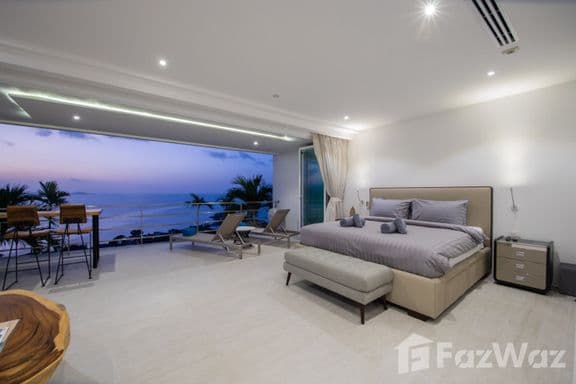
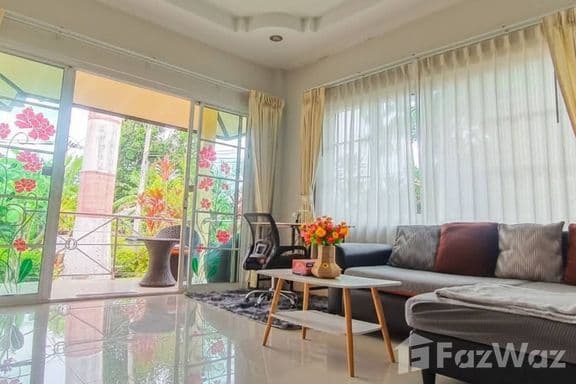
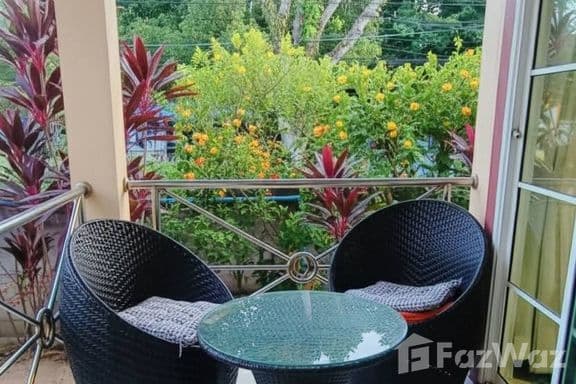
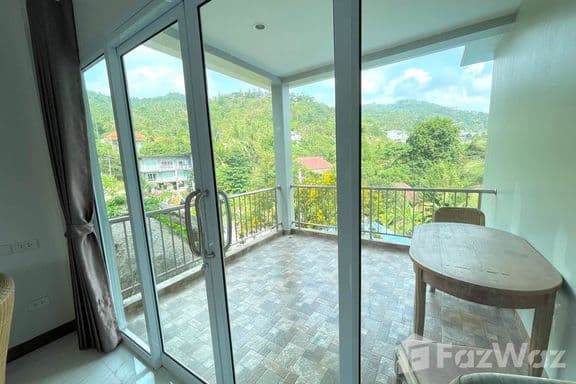
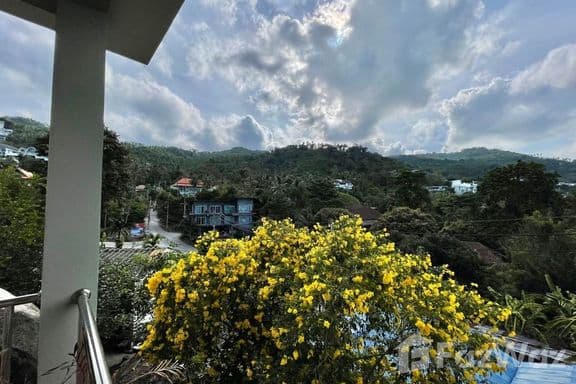
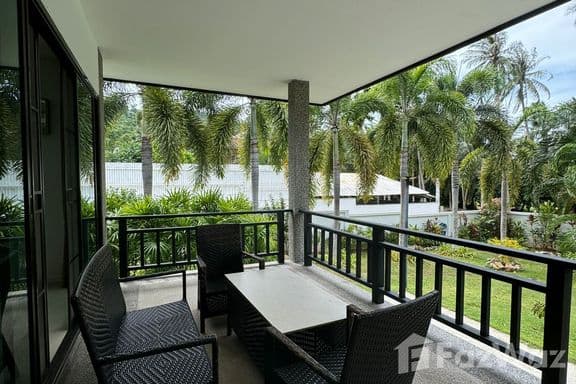
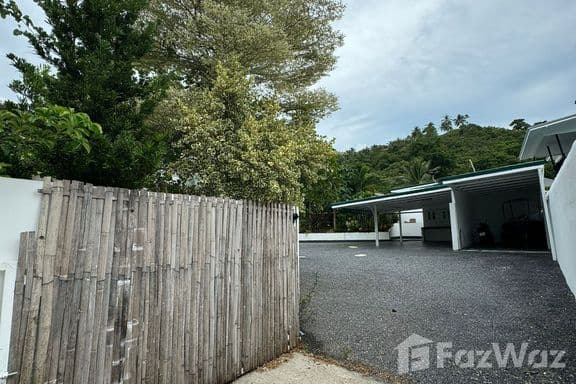
Houses also let you immerse in the island lifestyle: imagine an open-air patio for BBQs, tropical fruit trees in your yard, and perhaps an ocean view from your balcony. Many villas in Samui are designed in modern tropical style with indoor-outdoor living spaces and amenities like shaded carports or private gyms. By contrast, condos on Samui are relatively scarce – the island’s building regulations cap structures at 3 floors high and strictly limit high-rises. This means free-standing houses and villas dominate the rental market, and they often come fully furnished and ready to move in. While condos (where available) might offer conveniences like on-site security or a communal pool, they typically can’t match a villa’s spaciousness. Moreover, larger condos can end up costing more on par with villas once monthly building fees are factored in.
In summary, renting a house in Koh Samui gives expats the best of island living – room to breathe, private leisure facilities, and a home-like atmosphere. For those planning an extended stay, the villa lifestyle often proves more rewarding than being confined to a small condo unit.
2025 Rental Market Overview: Pricing Trends and Demand
How much does it cost to rent a house long-term in Koh Samui? Prices vary widely based on the property’s size, location, and features. As of 2025, a modest house (1-2 bedrooms, basic facilities) typically rents for around ฿15,000 to ฿25,000 per month (about $450–$750). These tend to be in local neighborhoods a bit away from major tourist hubs, offering an authentic island lifestyle on a budget. Mid-range or upscale homes with extra comforts – say a 2-3 bedroom house in a nice area, possibly with a pool – generally range from ฿30,000 to ฿60,000 per month (~$900–$1,800). In this bracket you’ll find modern villas with spacious living areas, contemporary furnishings, and often in desirable neighborhoods or gated communities. On the luxury end, high-end pool villas and beachfront homes can command ฿70,000 to ฿150,000+ monthly ($2,100–$4,500+), especially if they boast panoramic sea views, expansive gardens, and top-notch amenities. These premium rentals are usually in prime locations and cater to those seeking a truly lavish island residence.
It’s worth noting that rental demand in Koh Samui is strong and has rebounded in recent years. With Thailand fully open and thriving again, more remote workers and expatriates are choosing to live on the island, sustaining a steady demand for long-term rentals. Investors have also responded by supplying many villas for rent, especially targeting holidaymakers, but they often welcome long-term tenants for stable income. In popular areas (like Bophut, Chaweng Noi, and Plai Laem), rental yields above 7% have been reported for landlords, reflecting how sought-after rentals are on this tourist-friendly island.
Seasonal trends do influence the market. During the peak tourist season (December–February), demand for rentals spikes – availability tightens and prices can be higher due to competition with short-term holiday lets. If you plan to start your lease in these months, it’s wise to secure housing well in advance. In contrast, the hot season (March–May) and the green/rainy season (June–October) see fewer tourists; long-term rents are more negotiable and there’s a broader selection of houses to choose from. Many expats actually prefer to house-hunt in these off-peak periods when landlords are more flexible on price for a committed tenant. Overall, while Koh Samui’s rental prices have inched up post-pandemic, they remain attractive by international standards. And crucially, if you’re renting long-term (6–12 months or more), you can almost always negotiate a better monthly rate compared to short-term or monthly rental prices.
Best Areas to Rent a House in Koh Samui
One of the great things about Samui is the variety of locales – each with its own vibe. Here are some of the best areas for long-term house rentals and what to expect:
- Chaweng: This is Samui’s largest town and main tourist hub, located on the east coast. Chaweng offers a bit of everything – a long stretch of beach, shopping centers, international hospitals, and the island’s most vibrant nightlife. It’s popular with expats who want to be in the heart of the action, with countless dining options and activities at your doorstep. Do note that rentals in central Chaweng or on Chaweng Beach can be pricier (and noisier) due to high demand. Many expats choose to live a few minutes outside the busiest strip for more tranquility while still enjoying quick access to Chaweng’s amenities. (Internal link: See expat-friendly rentals in Bophut – even though Bophut is a separate area, we’ll mention it below; for Chaweng specifically, you might look at neighboring areas like Chaweng Noi for a quieter vibe.)
- Lamai: Just south of Chaweng, Lamai is like a calmer cousin – it has its own beautiful beach, a decent nightlife scene, and plenty of restaurants and local markets, but with a more laid-back feel. Expats who want a balance between convenience and tranquility often choose Lamai. You’ll find everything from budget bungalows to high-end villas here, typically at slightly lower rents than Chaweng. Lamai’s beach is pristine and less crowded, and the community has a friendly, small-town vibe. It’s a great area for those who enjoy local Thai culture (temples, Thai boxing gyms, etc.) alongside tourist comforts. (Internal link: Browse houses for rent in Lamai) if you’re seeking a relaxed yet engaging neighborhood.
- Bophut: Located on the north coast, Bophut is beloved by many expat families and professionals. It’s home to the charming Fisherman’s Village, a historic beachfront lane filled with boutique shops and seaside restaurants. Bophut manages to blend traditional Thai charm with upscale touches – you’ll see old wooden shop-houses next to trendy coffee shops. The area is family-friendly and has a bit of everything: an excellent weekly walking street market, beach activities, and a range of housing from modern pool villas on the hills to garden homes in local communities. Bophut strikes a nice balance between lively and peaceful – it’s not as party-heavy as Chaweng, but you’re never bored. Expats also appreciate the short drive to international schools and Samui’s airport from here. (Internal link: See expat-friendly rentals in Bophut) for a mix of convenience and character.
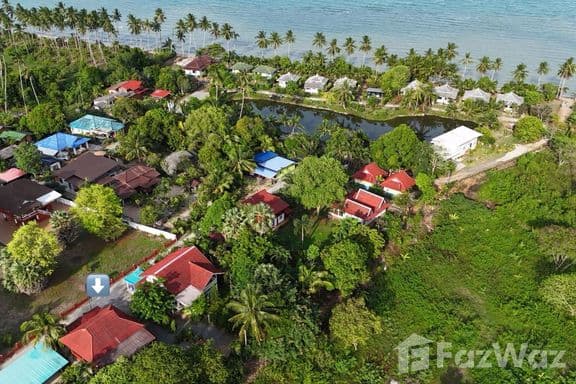
- Maenam: Further west along the north shore, Maenam is known for its tranquility and affordable housing options. The area boasts a long sandy beach and is a haven for those seeking peace, space, and a more “local” feel. Maenam has a growing wellness and eco-friendly scene – think yoga retreats, organic farmers’ markets, and quiet cafes. Long-term renters can find good deals here, from simple Thai-style houses nestled in coconut groves to modern villas with larger plots of land. While Maenam is quiet, it’s not isolated: there are enough restaurants, 7-11s, and a popular Thursday night market to keep you entertained. It’s an excellent choice for expats working remotely or retirees who prioritize a **calm, community-oriented lifestyle】.
Other notable areas include Choeng Mon (a peaceful northeastern spot with lovely smaller beaches and many luxury villas – great if you value a posh, quiet neighborhood), Bang Rak (near Bophut, also called Big Buddha Beach, popular for its central location and mix of local and expat scene), and the west/southwest coast (places like Lipa Noi or Taling Ngam offer gorgeous sunsets and seclusion, though you’ll be farther from the island’s commercial centers). Even Nathon – the administrative capital on the west – has some long-term rentals, often cheaper, ideal if you don’t mind a very local town vibe and living away from tourist zones.
Each area has its pros and cons, so it comes down to your preferred lifestyle. Do you crave nightlife and convenience, or do you prioritize peace and space? Koh Samui has an answer for every preference – just be sure to visit a few neighborhoods before deciding where to put down roots.
Types of Houses for Rent: Pool Villas, Modern Homes, Garden Houses
When searching for a long-term house rental in Koh Samui, you’ll encounter several common property types:
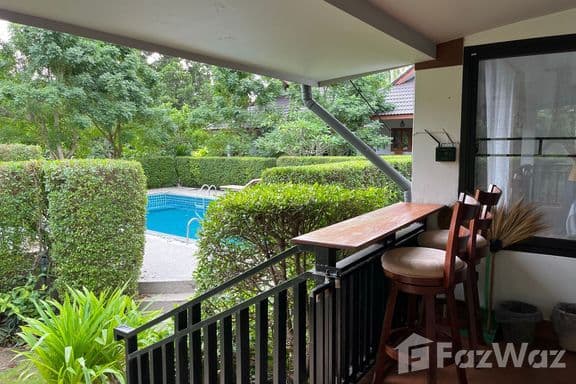
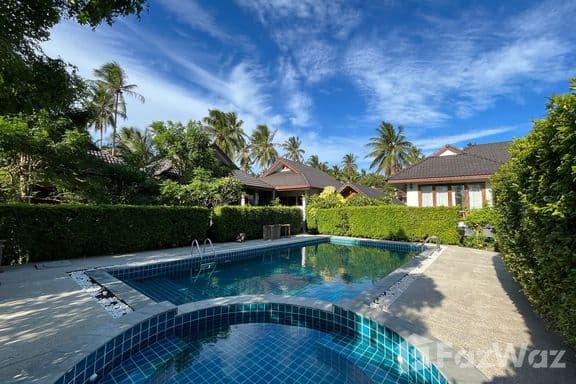
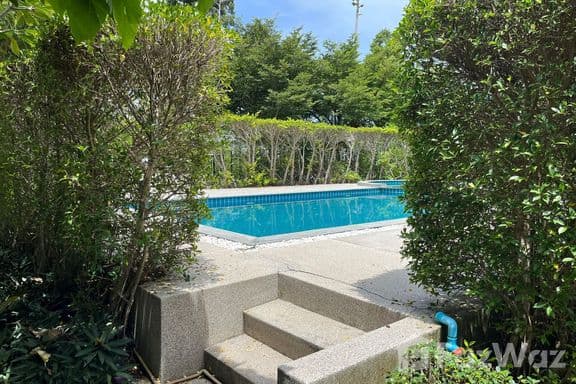
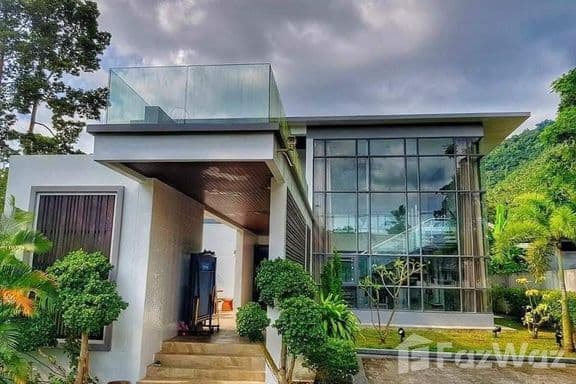
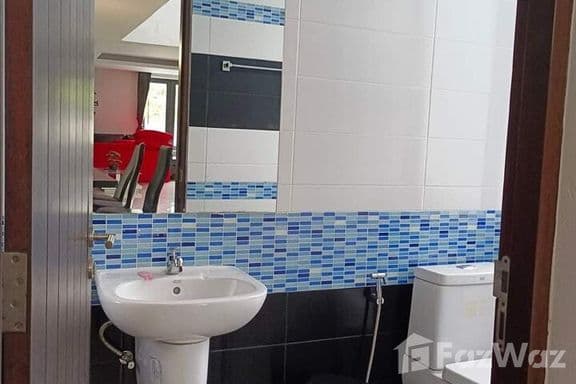
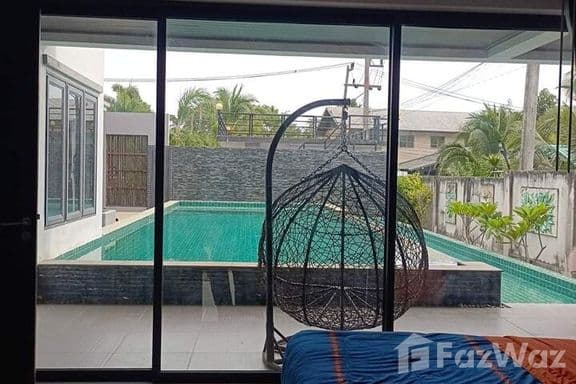
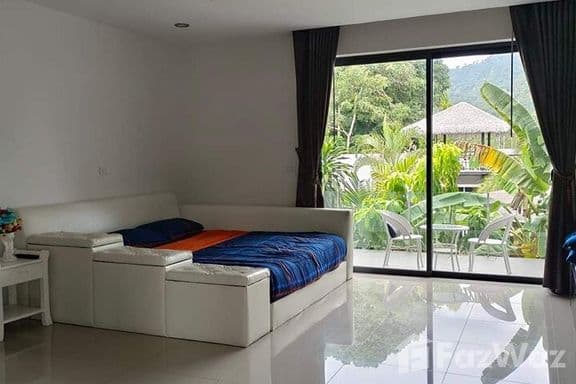
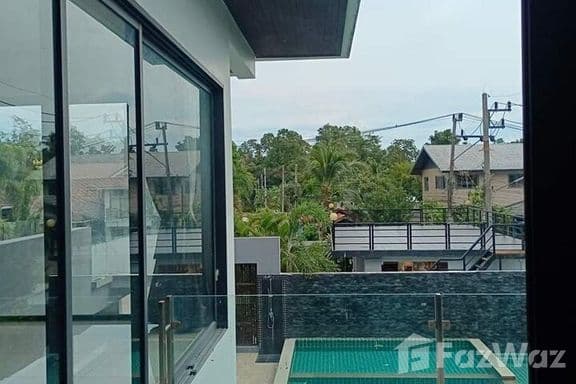
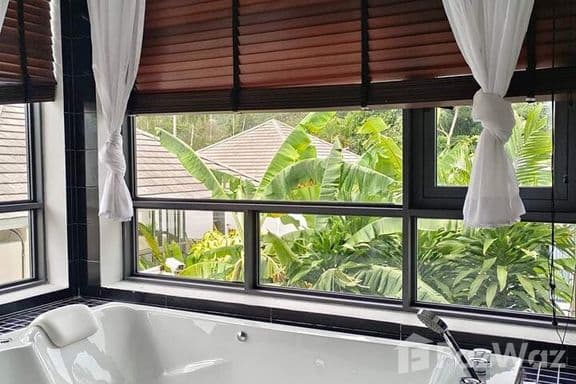
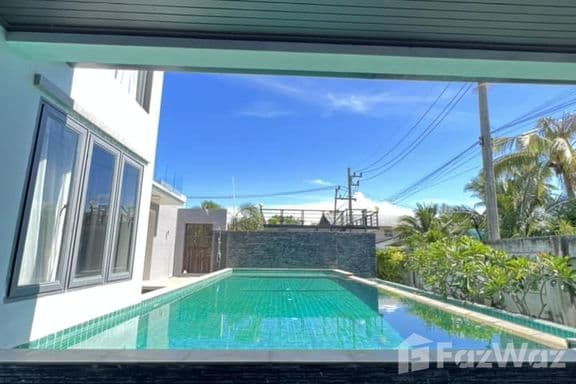
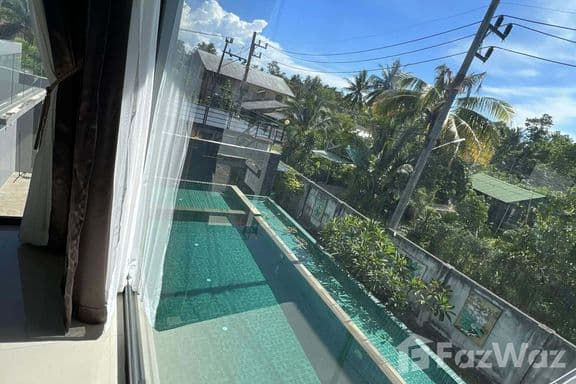
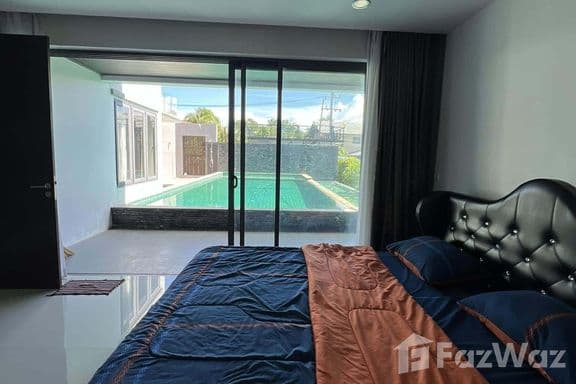
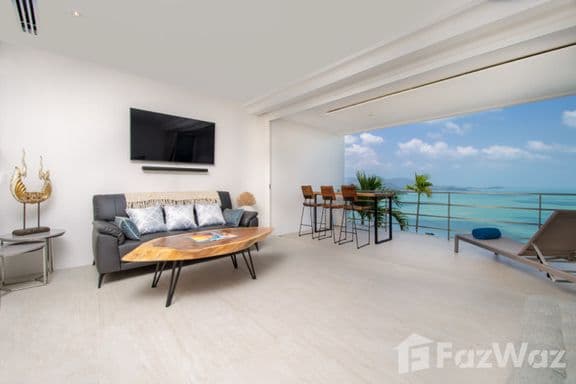
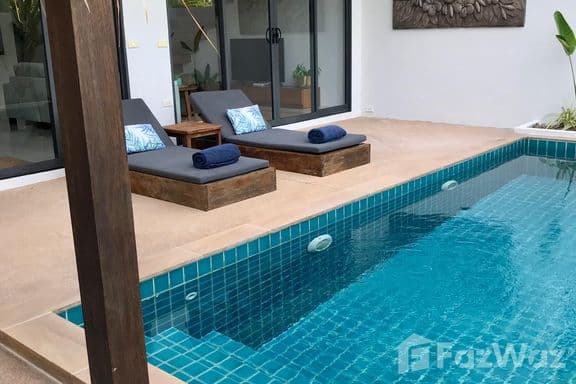
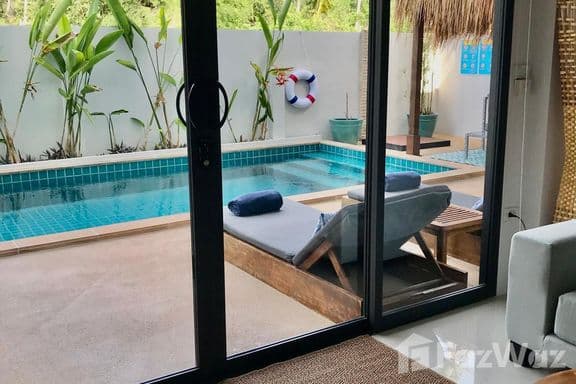
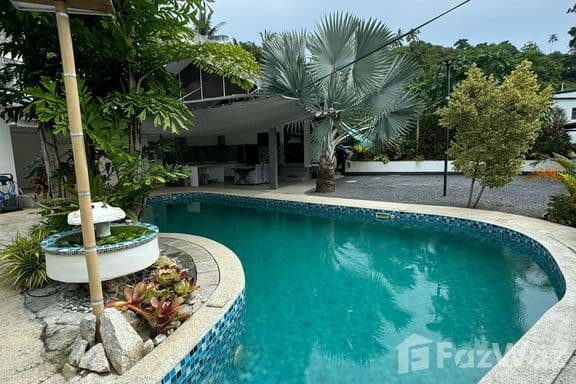
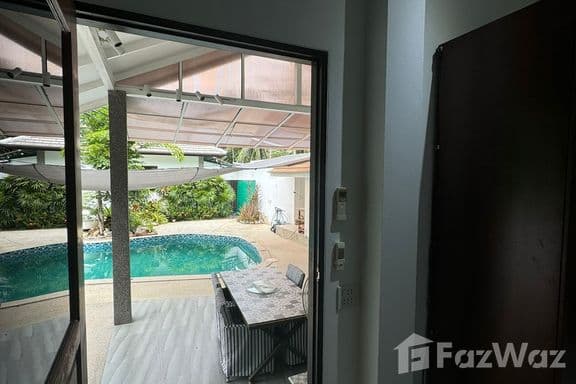
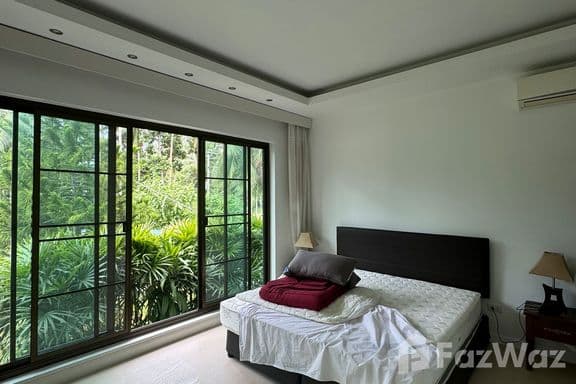
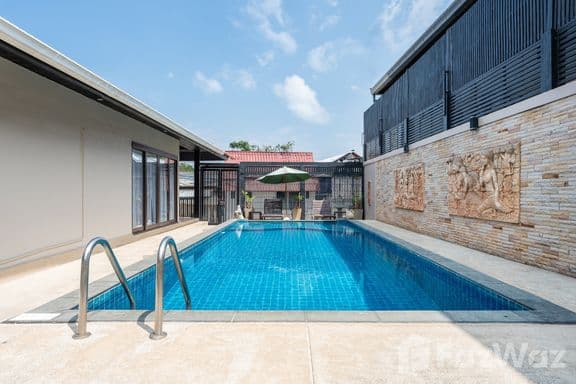
- Pool Villas: These are among the most popular expat rentals on Samui. A pool villa typically refers to a standalone house (often 2-4 bedrooms) that includes a private swimming pool on the premises. Pool villas can range from modest plunge-pool bungalows to expansive luxury estates. Many are built in contemporary style with open-plan interiors, large sliding glass doors, and outdoor terraces for lounging by the pool. They’re perfect for those who value privacy and outdoor entertaining. Of course, having a private pool usually comes at a premium – pool villas tend to fall into the mid to high price tiers of Samui’s rental market. The upside is you get that resort-like feeling every day at home, which is a big reason many expats choose Samui in the first place.
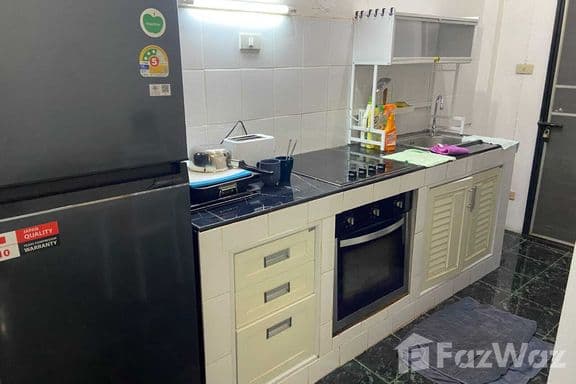
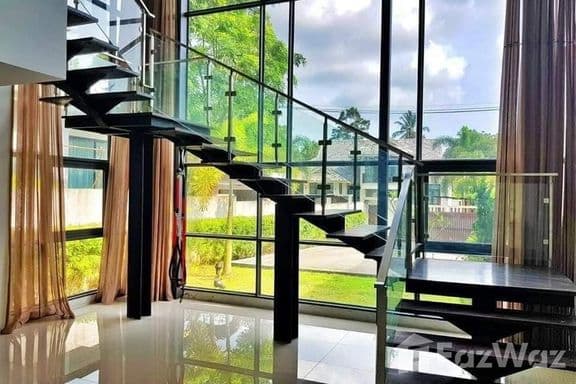
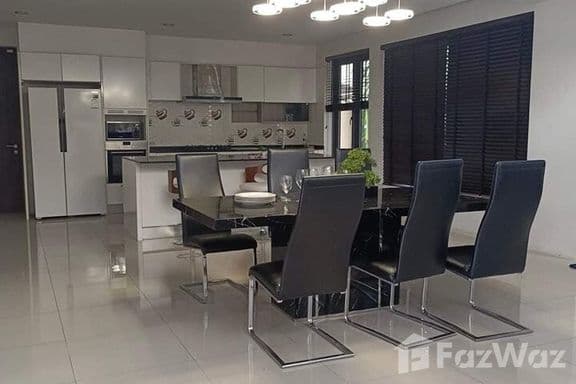
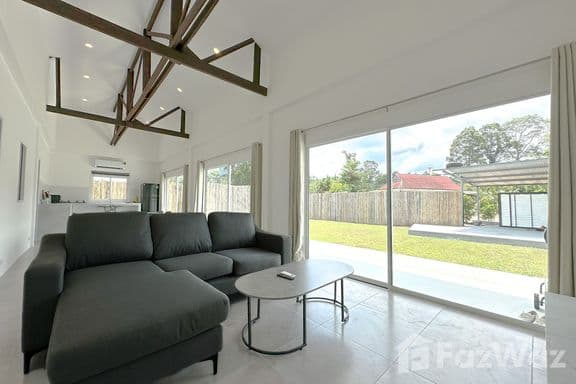
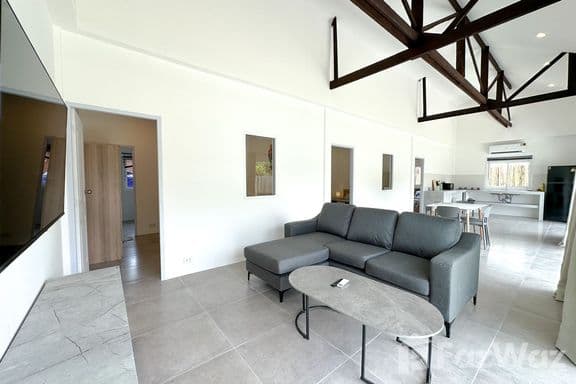
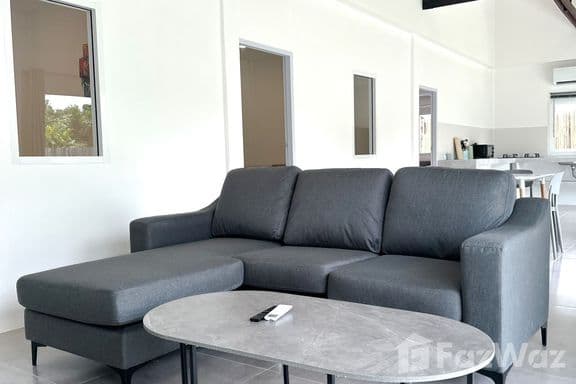
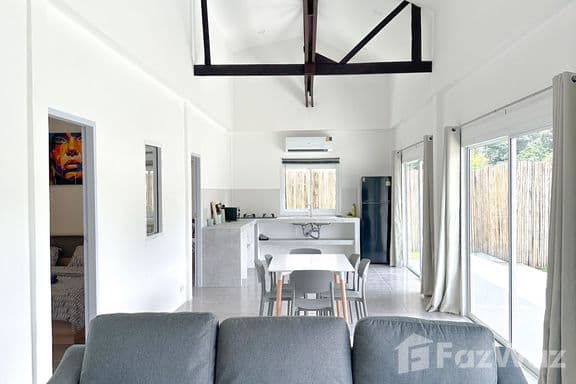
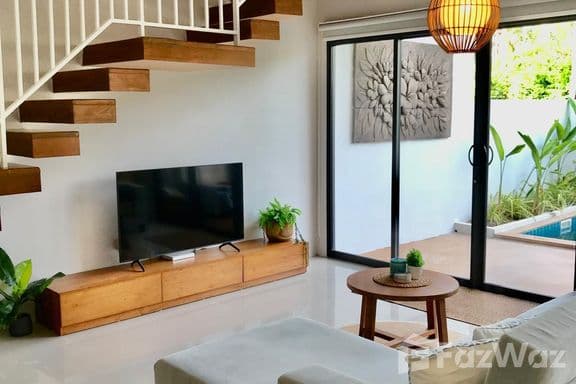
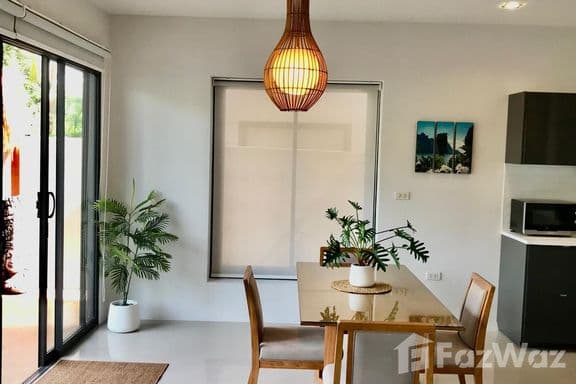
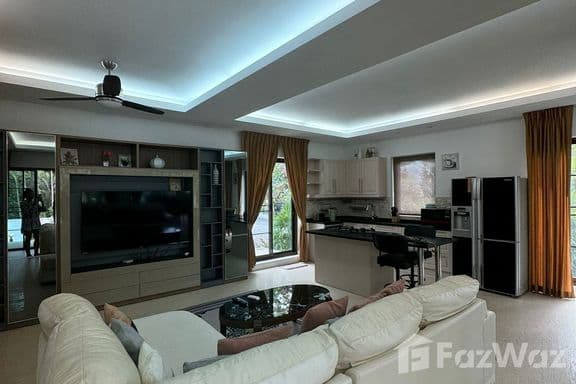
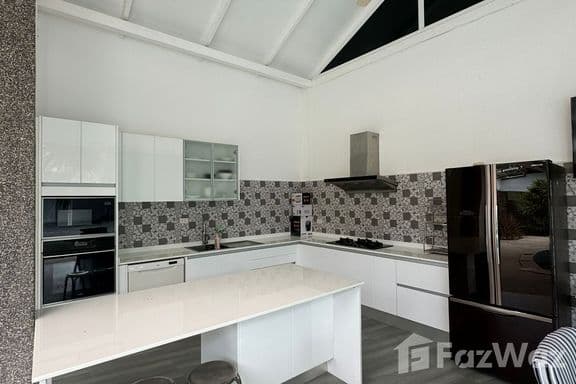
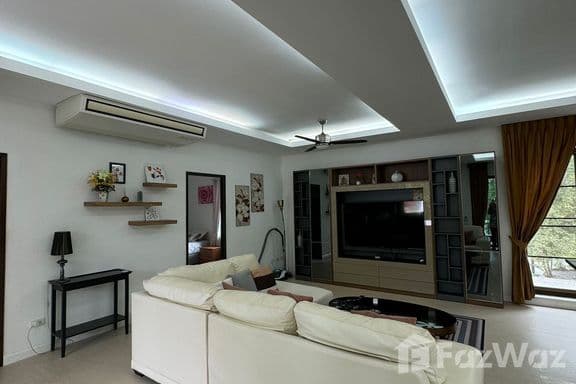
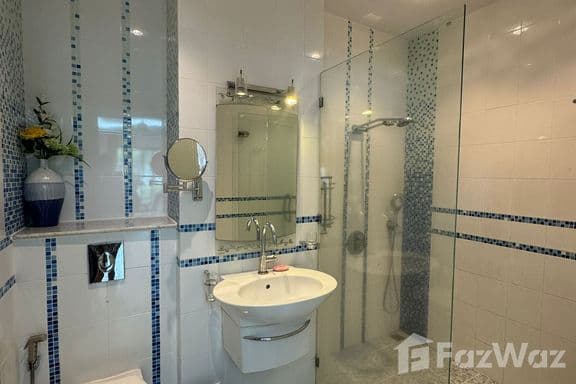
- Modern Homes: This category includes newer houses and villas that emphasize modern design and amenities. Expect features like Western-style kitchens with ovens, high-speed internet lines pre-installed, and energy-efficient construction. Many modern homes on Samui are found in gated communities or developments, offering added security and sometimes shared facilities (like a gym or clubhouse). These homes might not always have a private pool (though many do have at least a small one), but they often make up for it with stylish design – think floor-to-ceiling windows, polished concrete or hardwood floors, and contemporary furnishings. “Modern homes” could also refer to townhouses or duplex villas in a developed estate. Overall, if you prefer a home that’s turnkey ready and chic, with all the comforts (and perhaps smart-home gadgets or a home office space), this is the type to look for.
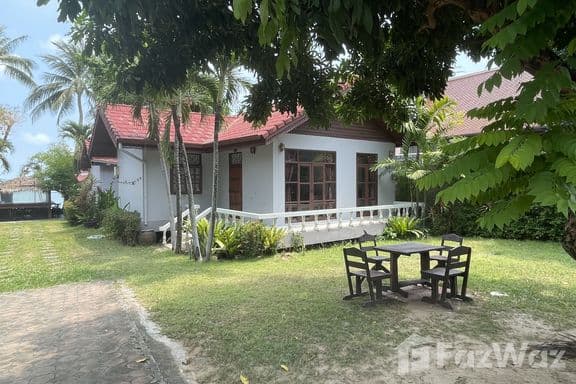
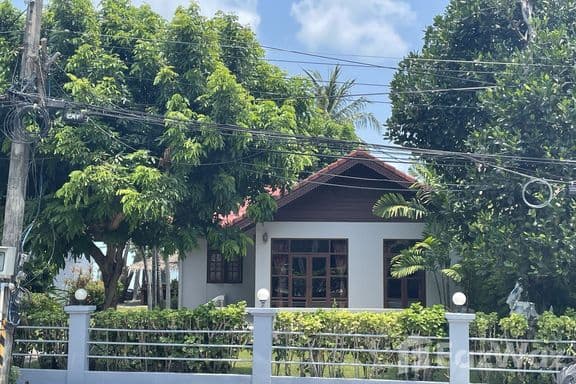
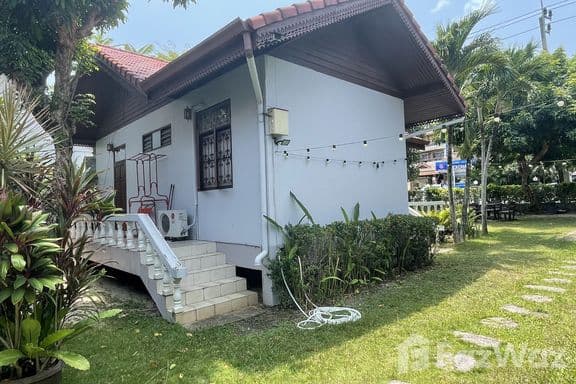
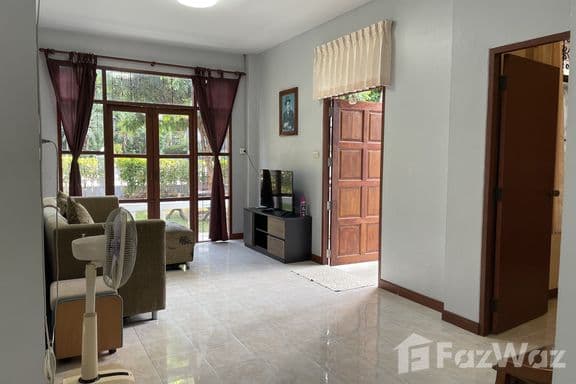
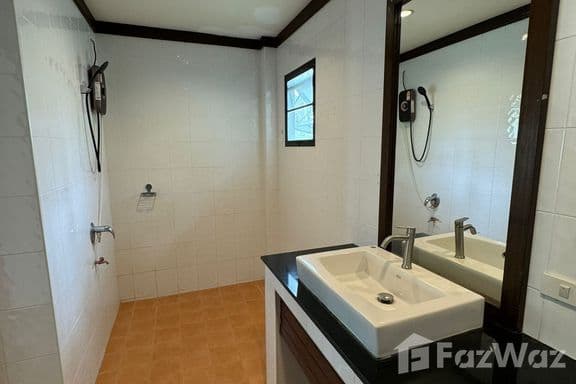
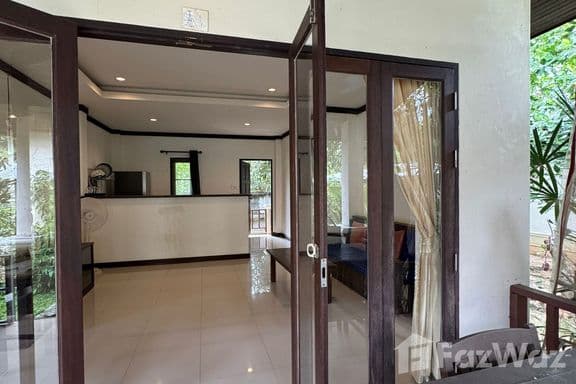
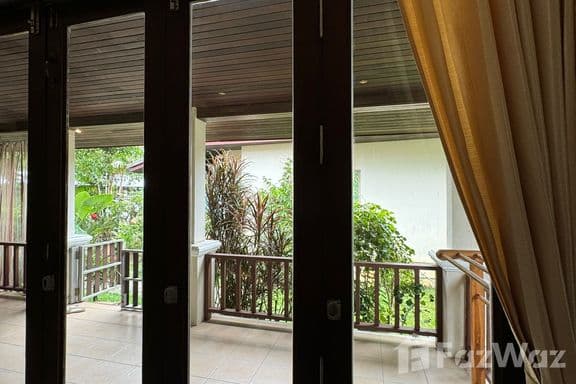
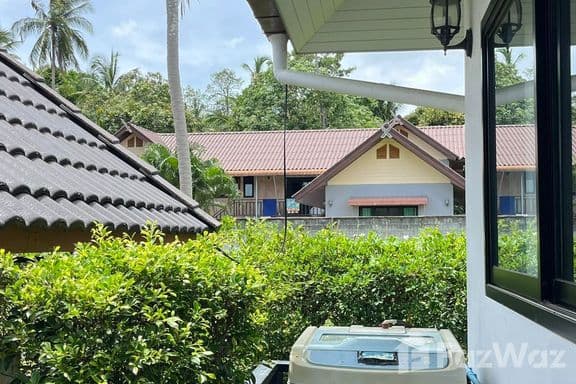
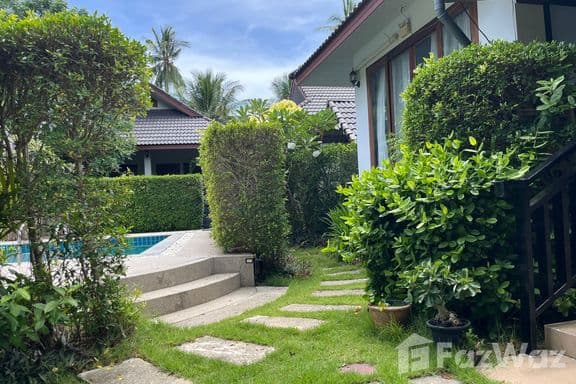
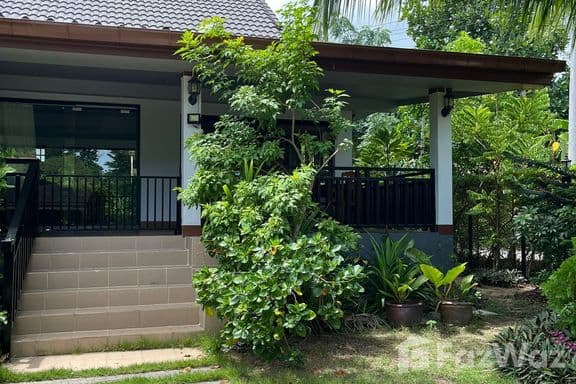
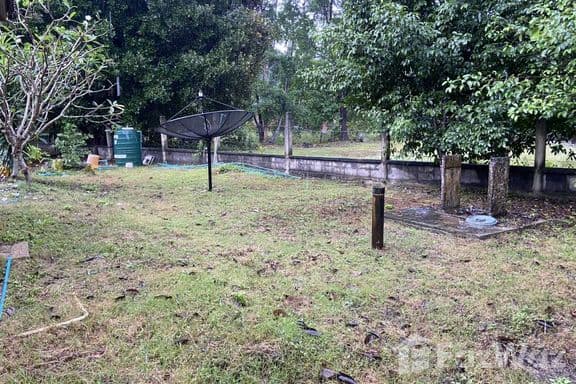
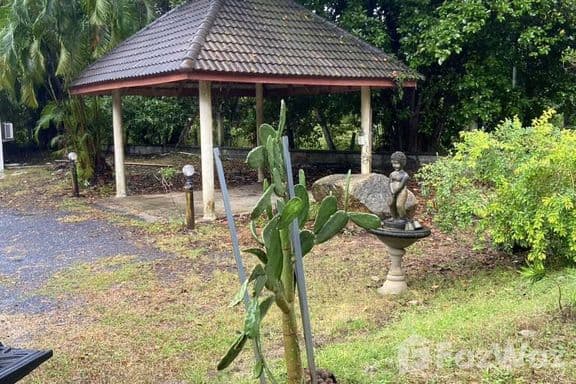
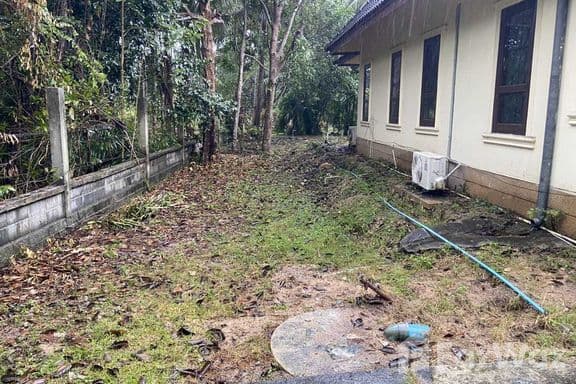
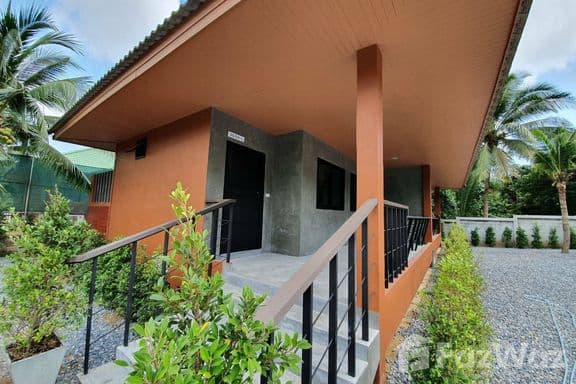
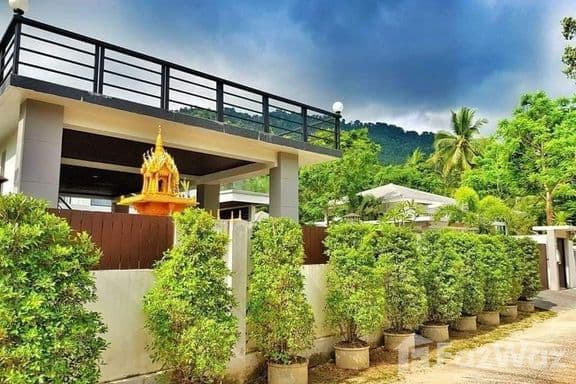
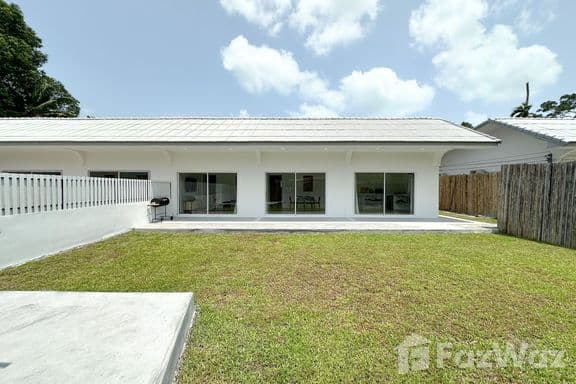
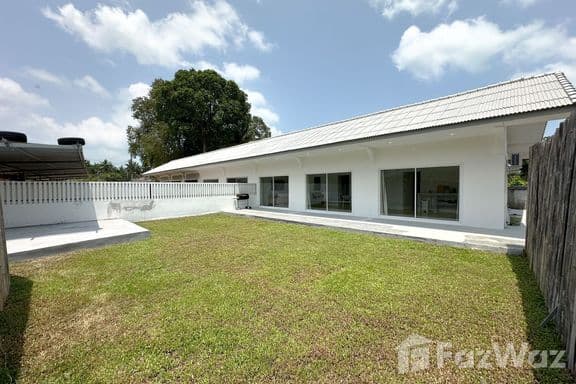
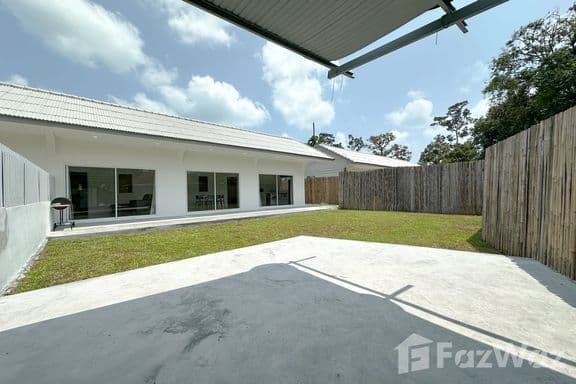
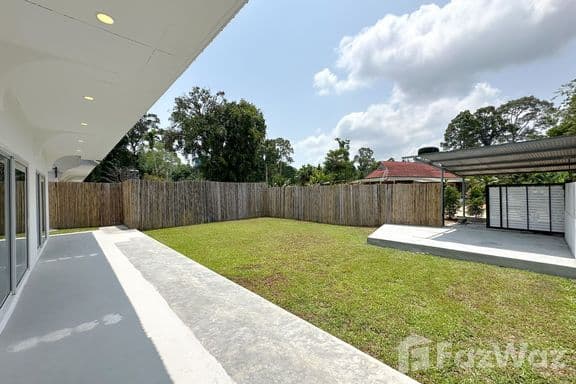
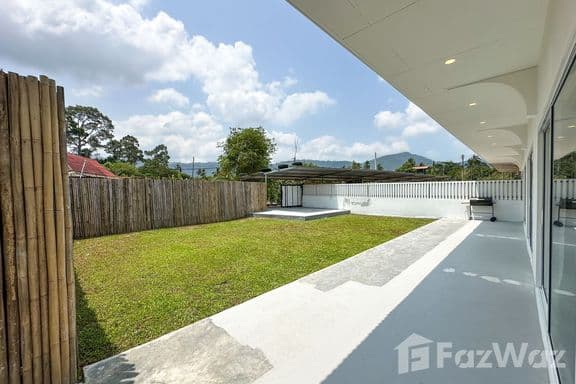
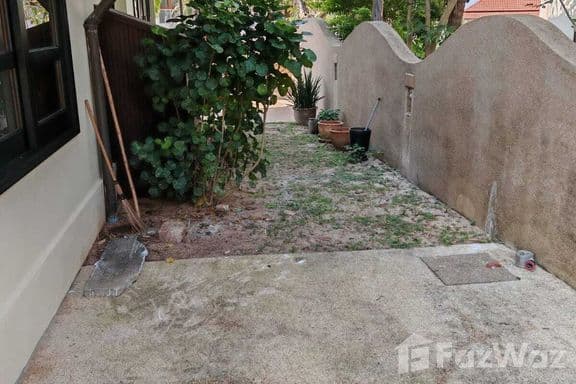
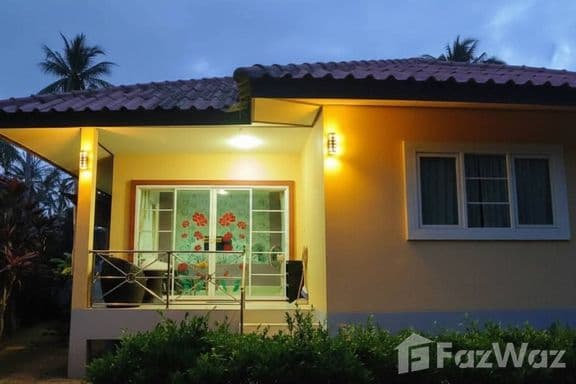
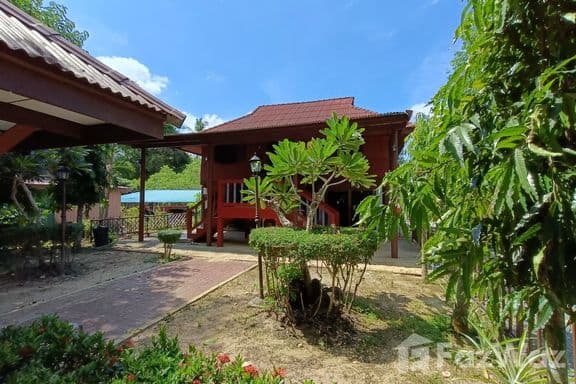
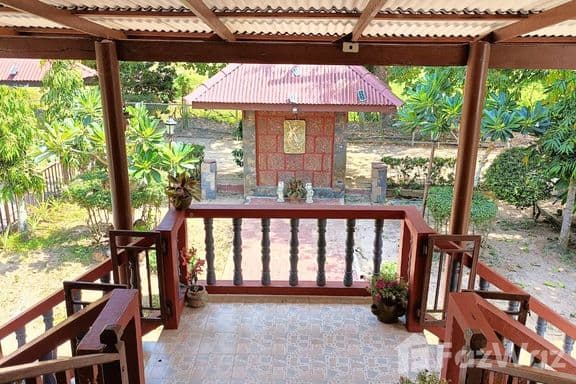
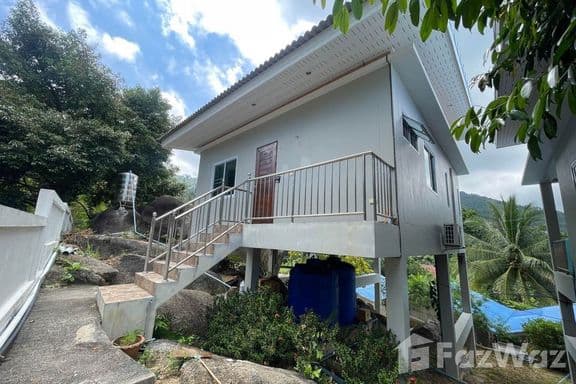
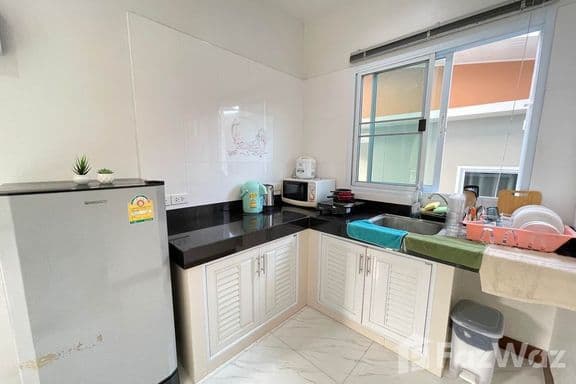
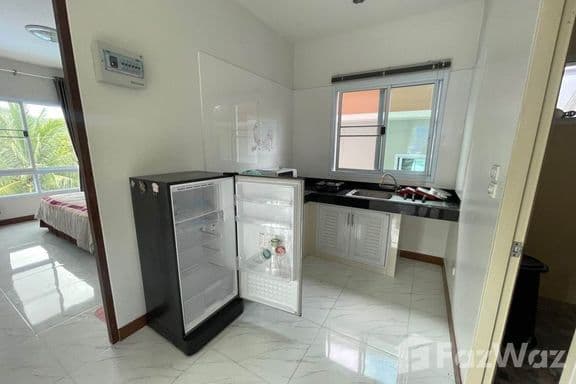
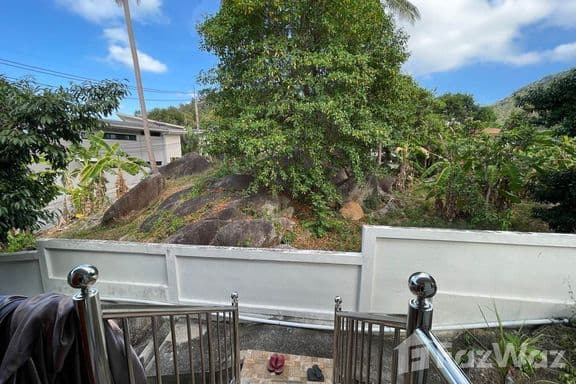
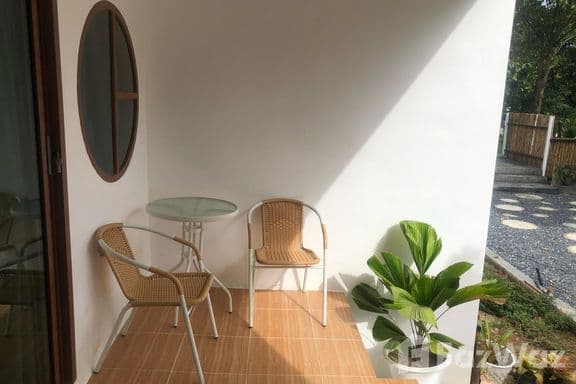
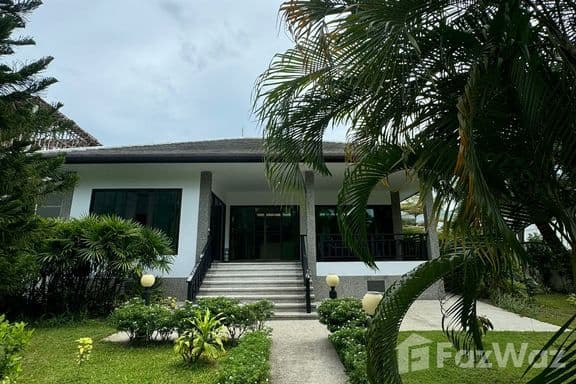
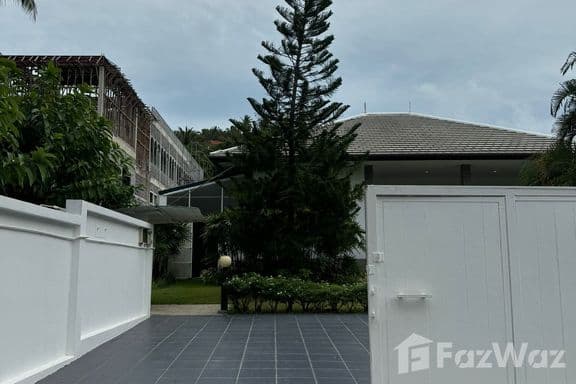
- Garden Houses: A garden house usually refers to a home that features a nice yard or garden area, but no private pool. These might be standalone houses or bungalows set on a good-sized land plot with greenery around. Garden houses can be Thai-style (for example, a single-story bungalow with a large porch and garden full of tropical plants) or Western-style – the key point is the outdoor space. They appeal to those who love gardening, have pets that need a yard, or simply enjoy sitting under their own coconut palm tree. Garden homes are often more affordable than pool villas, given the lack of a pool, and they tend to appear in quieter, more residential parts of the island. In Samui’s property listings, you’ll see descriptions like “modest townhouses and garden homes” which indicate simpler houses with yard space. Don’t underestimate these properties: a well-kept garden home can be very charming and comfortable for long-term living, and with fewer facilities to maintain, they can also mean less hassle (and cost) in upkeep.
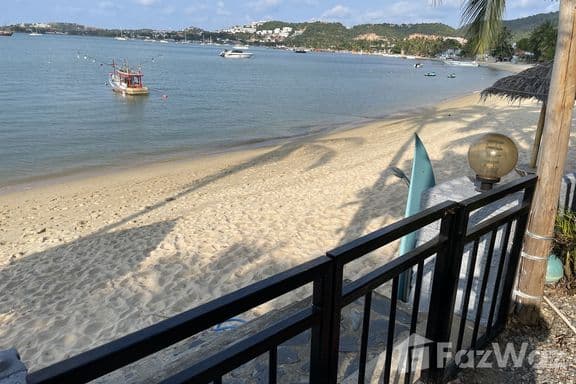
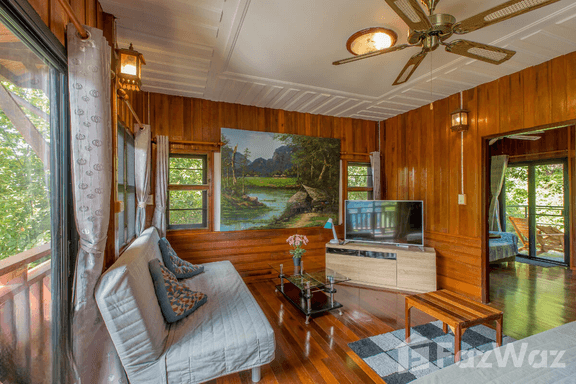
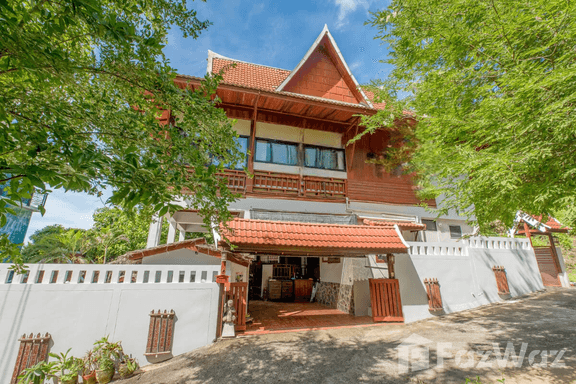
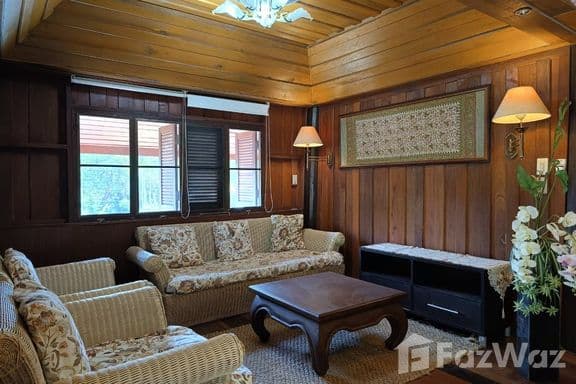
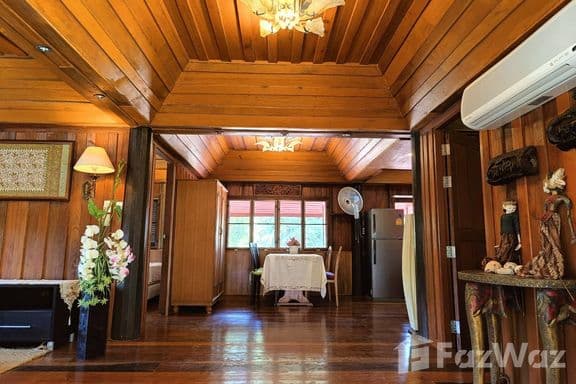
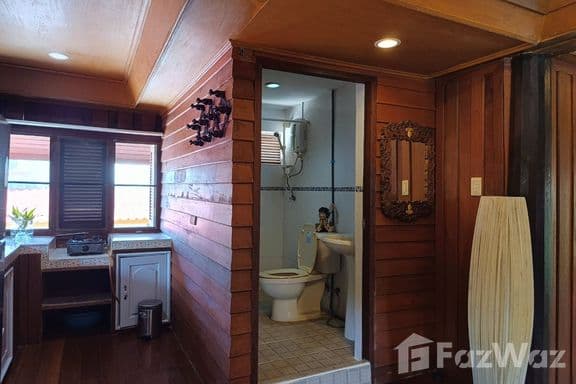
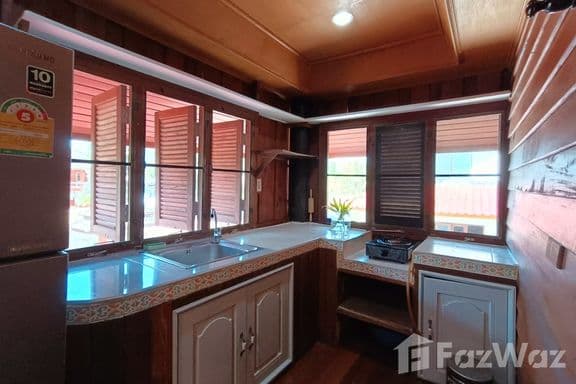
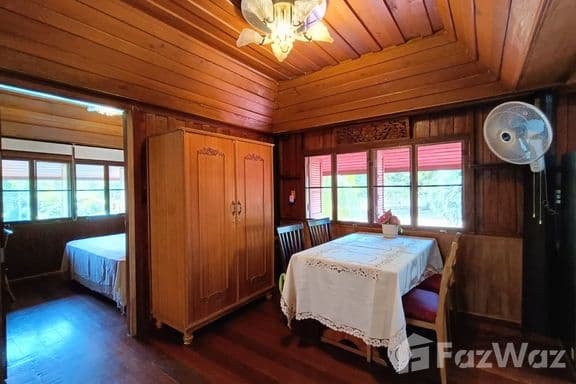
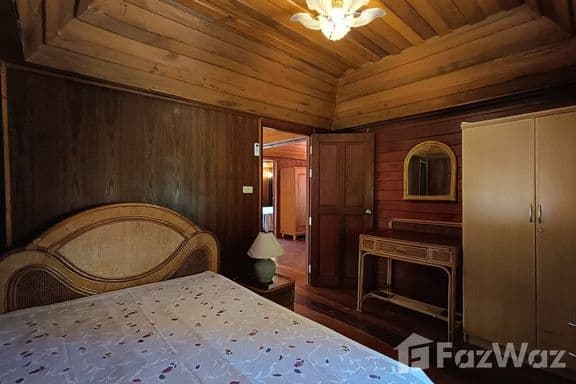
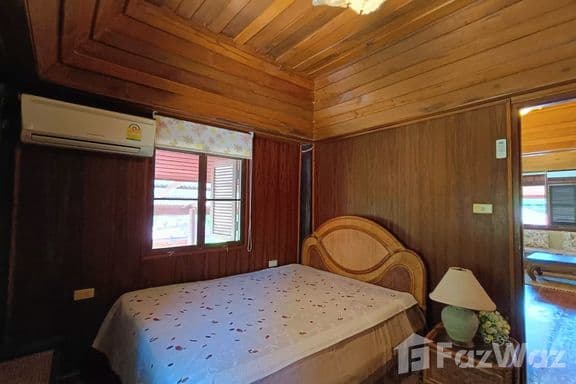
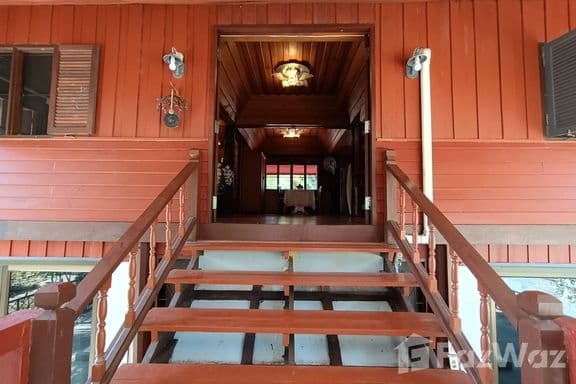
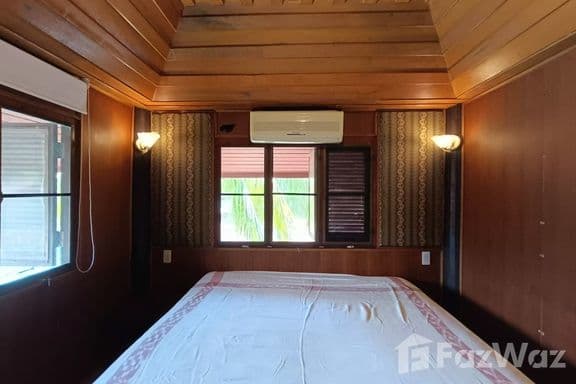
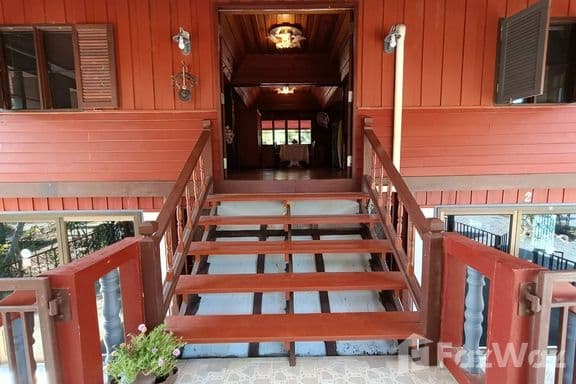
Of course, within these categories there are further variations: sea-view villas on the hills (prized for their panoramas), beachfront houses right on the sand (rare and premium), and traditional Thai teak houses (for those who want something unique). The good news is that Koh Samui’s rental market truly has it all – from modest townhouses and garden homes up to luxurious pool villas and hilltop retreats. When browsing listings, pay attention to what’s included (furniture, appliances, services) and the style of the home to ensure it matches your needs.
Typical Lease Terms, Deposits, and What’s Included
Renting a house in Thailand (and Samui is no exception) is fairly straightforward, but you should be aware of the standard lease terms and norms:
- Lease Duration: Long-term rentals in Koh Samui typically require a minimum contract of 6 or 12 months. A one-year lease is most common for houses, though some landlords might agree to 6 months (often at a slightly higher monthly rate). Leases longer than one year can sometimes be negotiated, but keep in mind that under Thai law any lease over 3 years must be registered at the Land Department to be fully enforceableusa.. Most expat renters stick to 1-year contracts with the option to renew, which provides flexibility for both parties.
- Deposits and Upfront Payments: It is standard in Thailand to pay a security deposit plus the first month’s rent before move-in. In Samui’s rental market, the norm is usually 2 months’ rent as deposit, plus 1 month rent in advance. For example, if a house costs 30,000 THB/month, you’d pay 90,000 THB at signing (60k as refundable security deposit and 30k for the first month). The deposit is held by the landlord and returned at lease end, provided no major damage and all bills are settled. Always get a receipt and ensure the lease documents the deposit amount. (Tip: It’s wise to document the property’s condition with photos at move-in to avoid deposit disputes later.) Rent is then paid monthly, typically by bank transfer or cash – credit cards are not a usual payment method for rent.
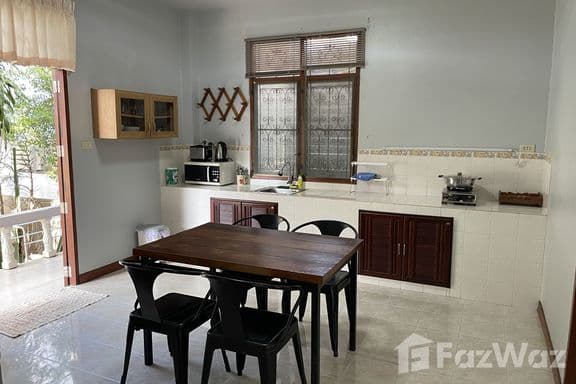
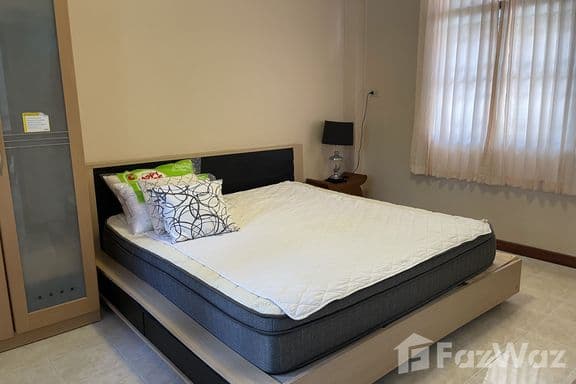
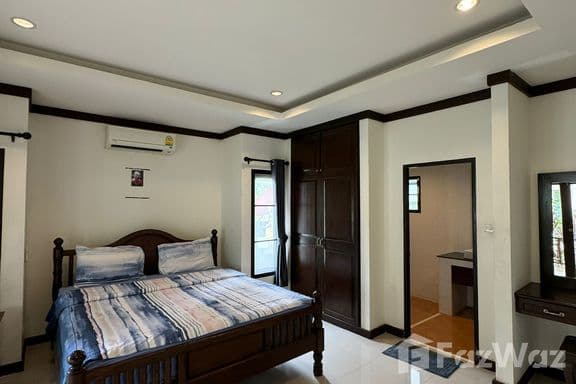
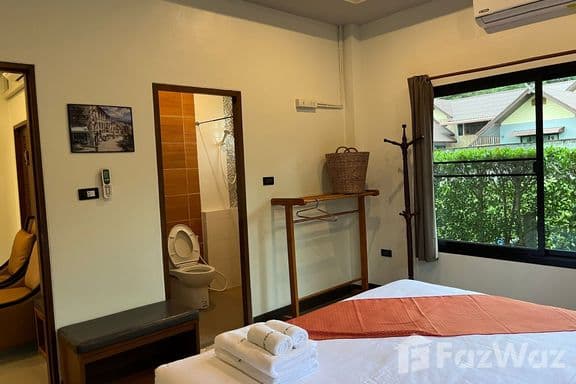
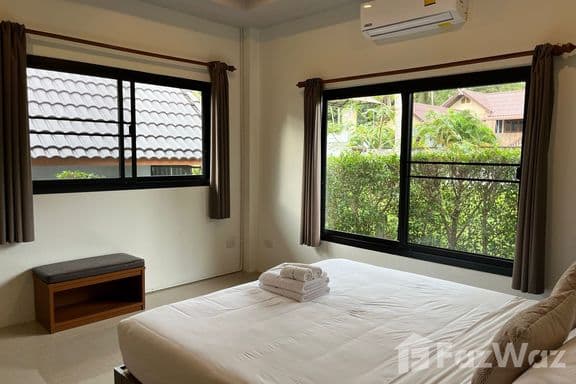
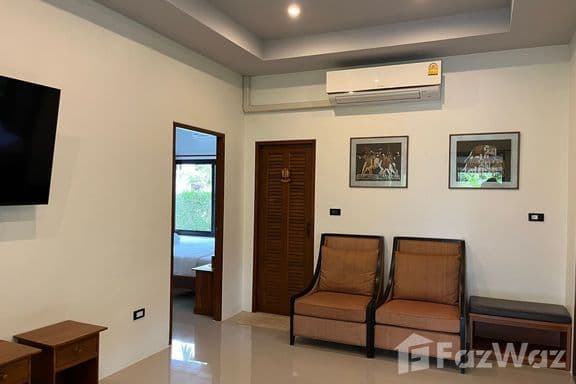
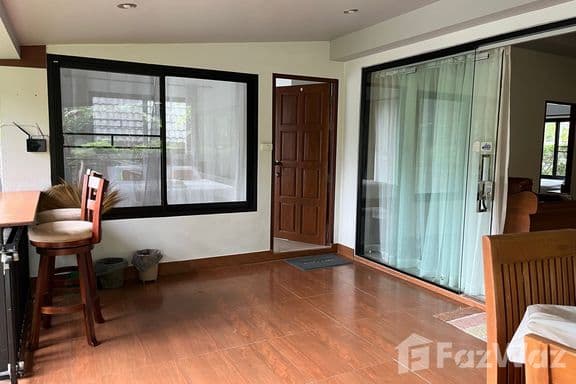
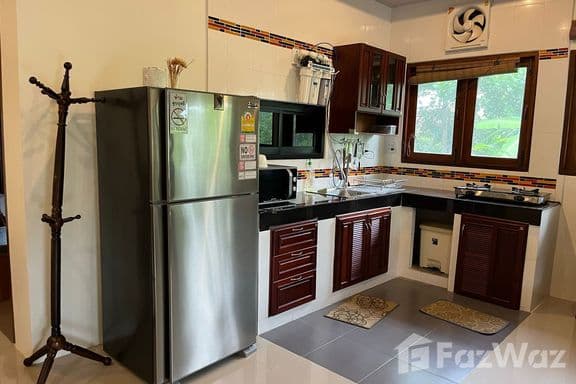
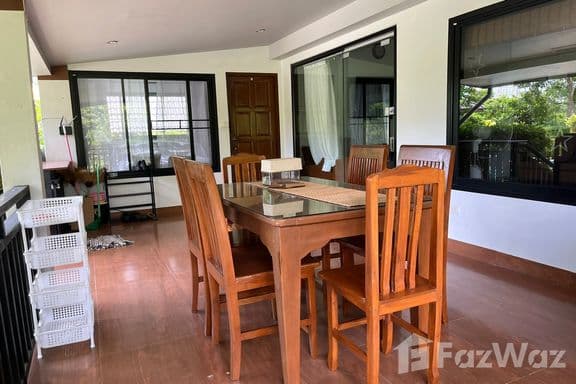
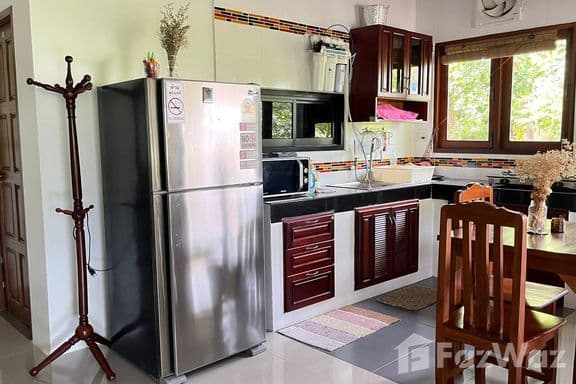
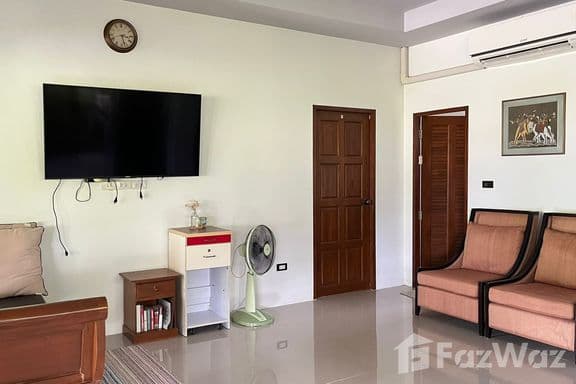
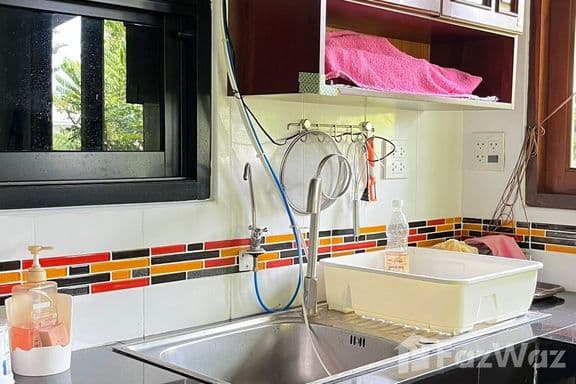
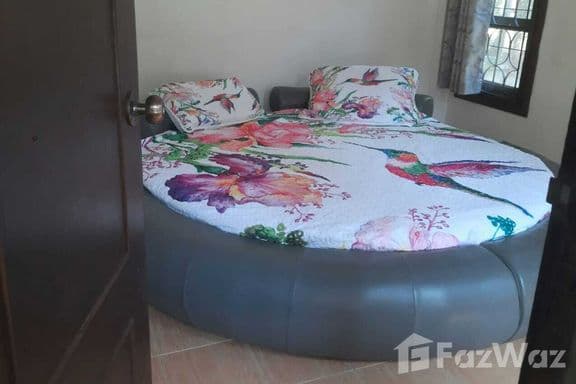
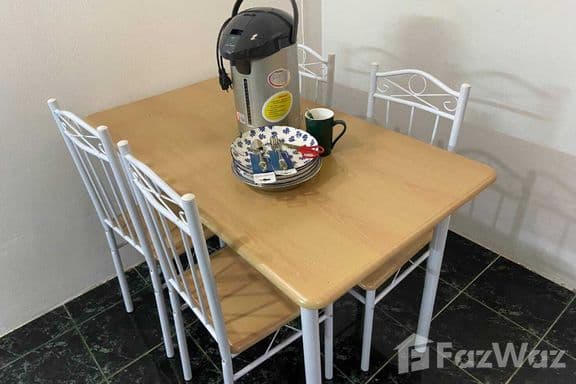
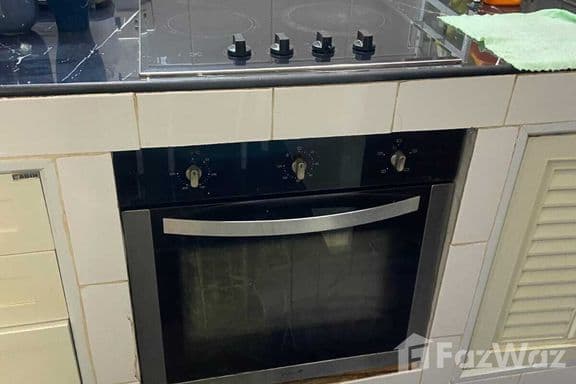
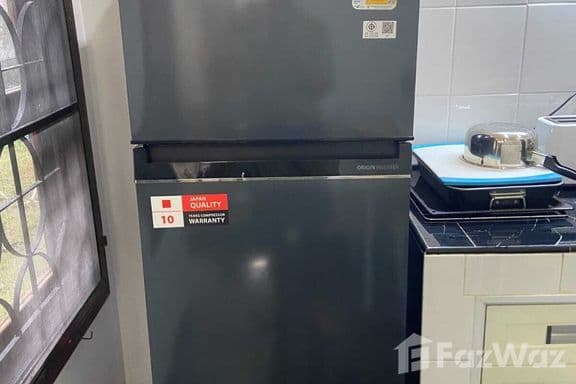
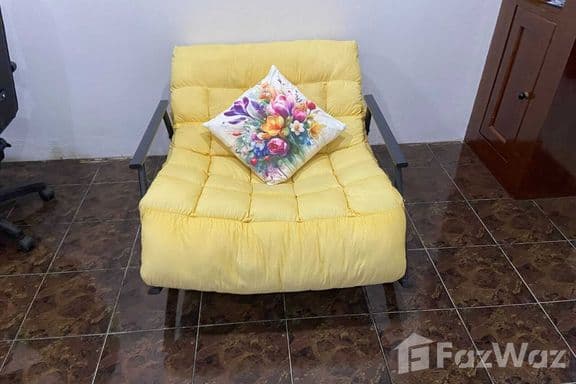
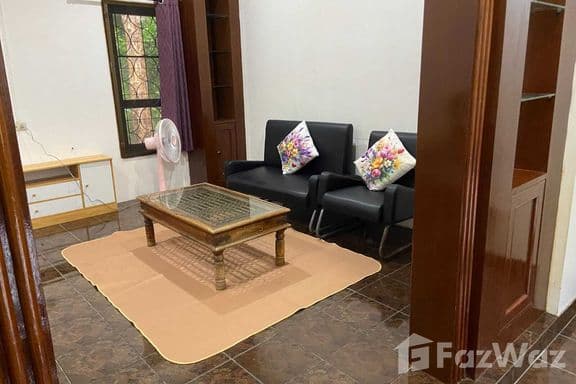
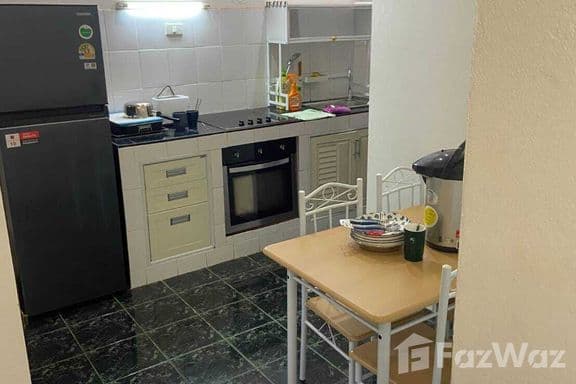
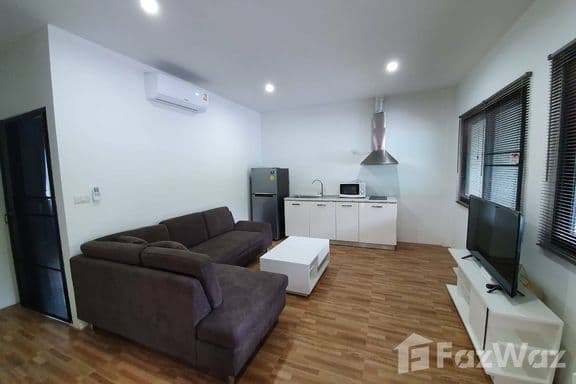
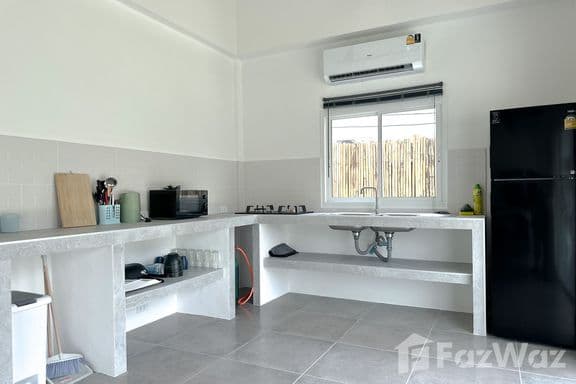
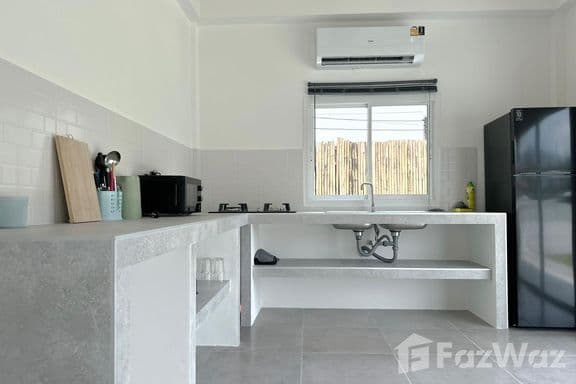
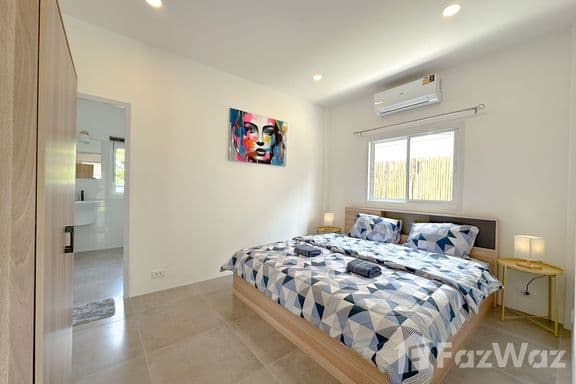
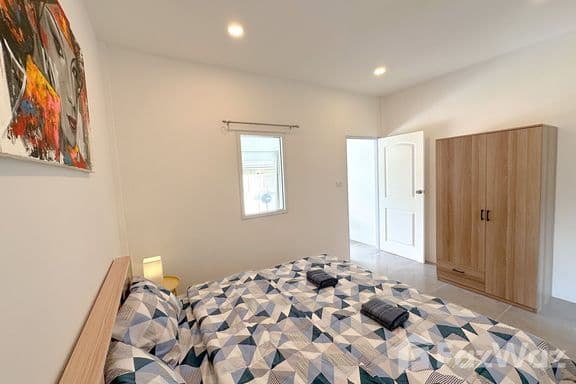
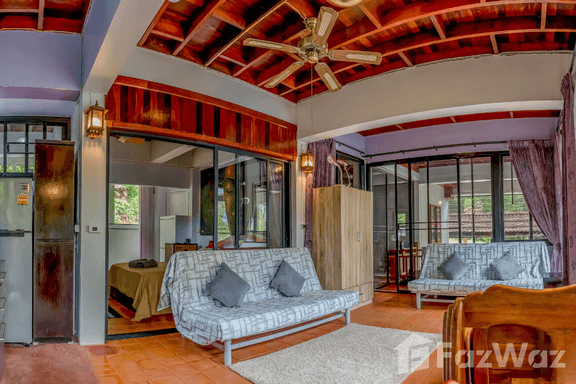
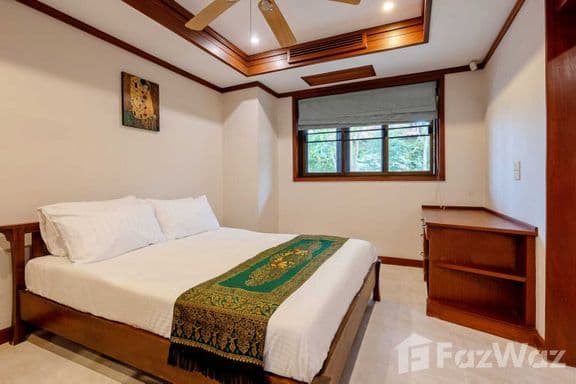
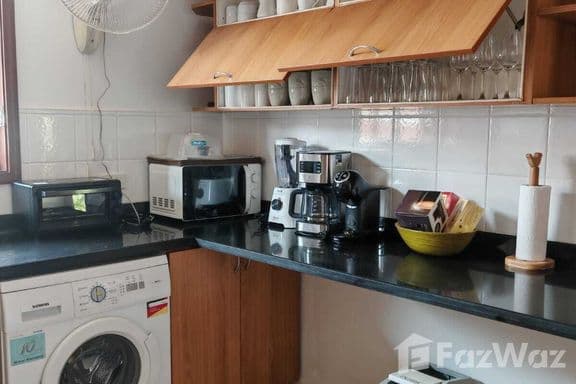
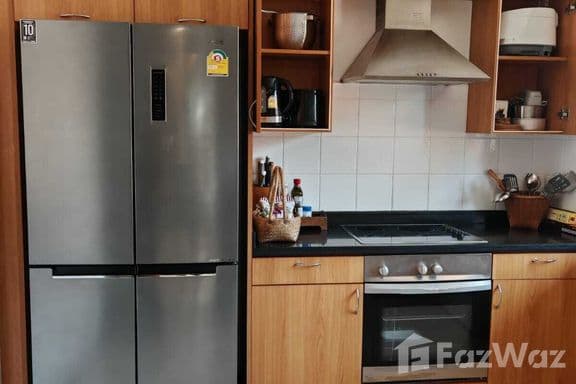
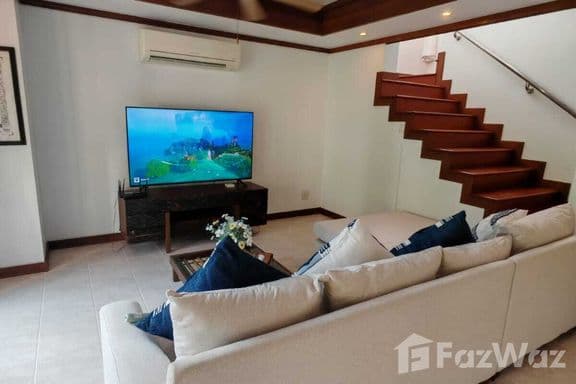
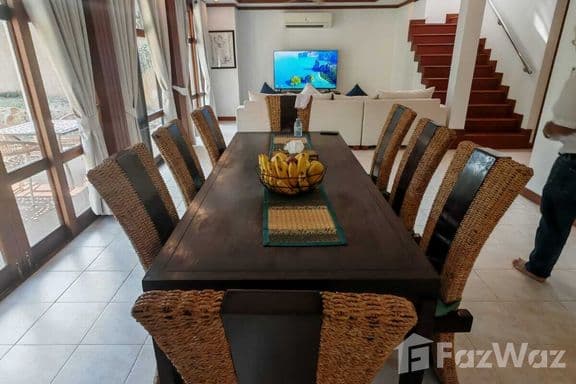
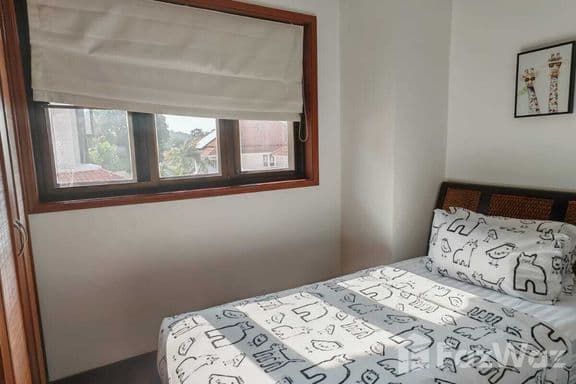
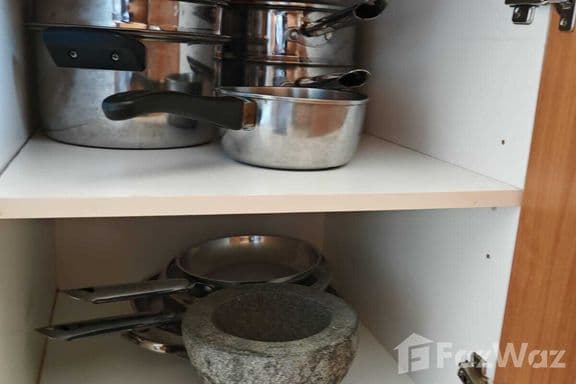
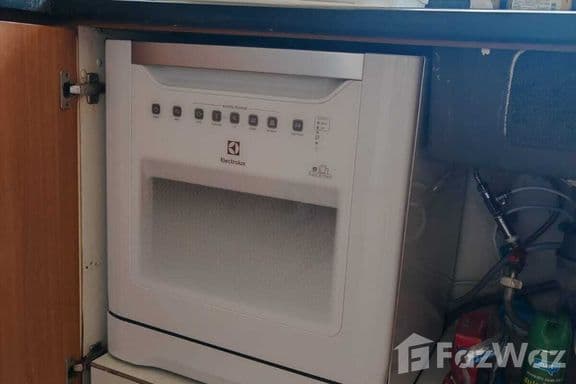
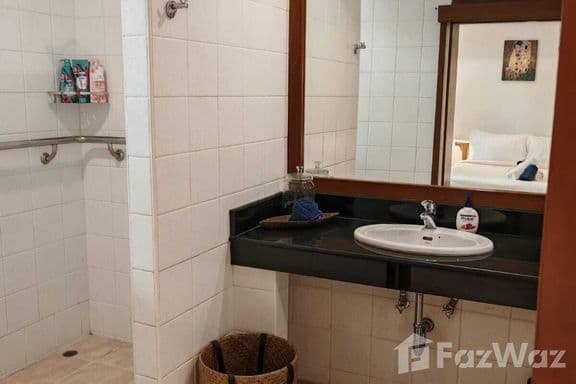
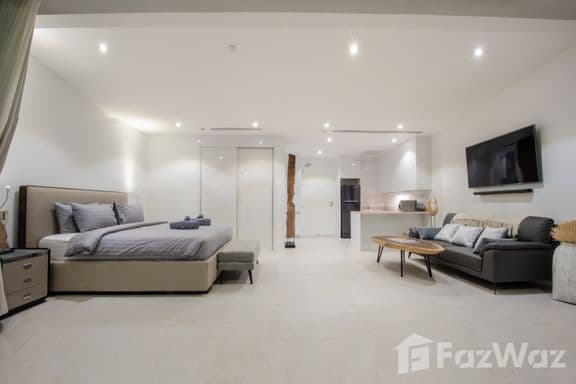
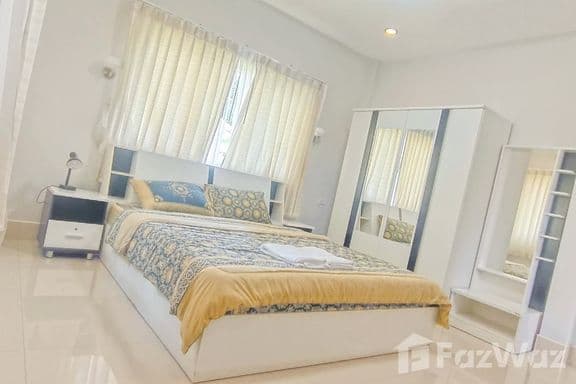
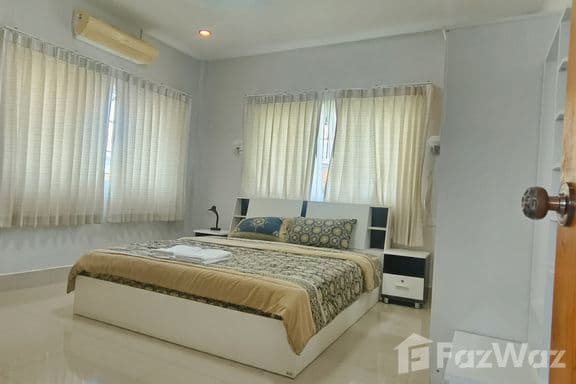
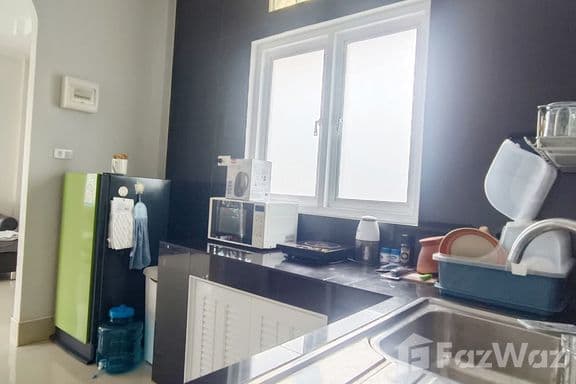
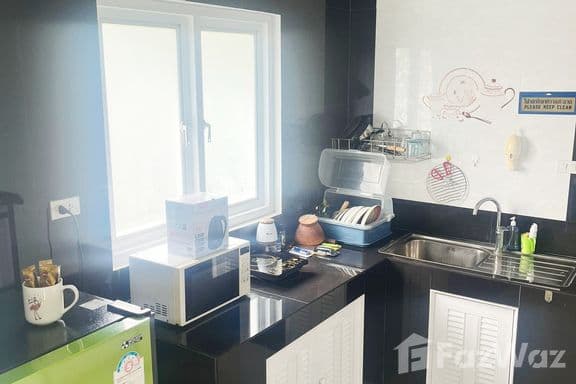
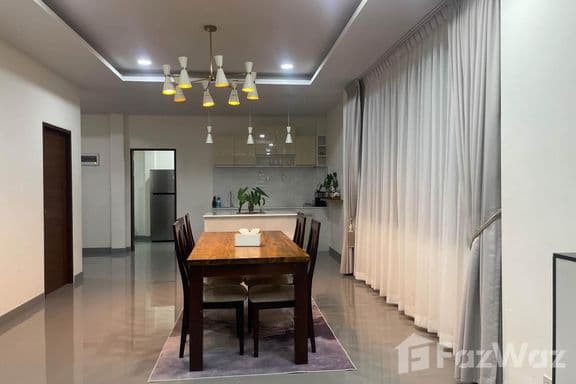
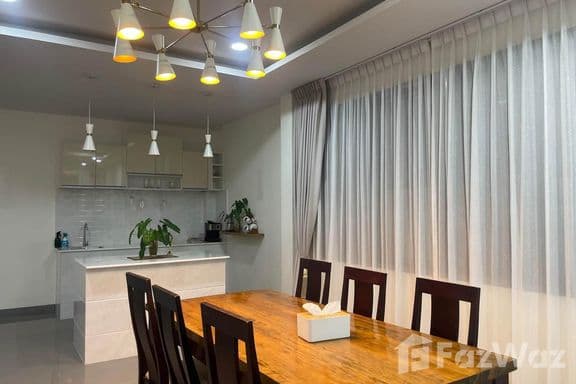
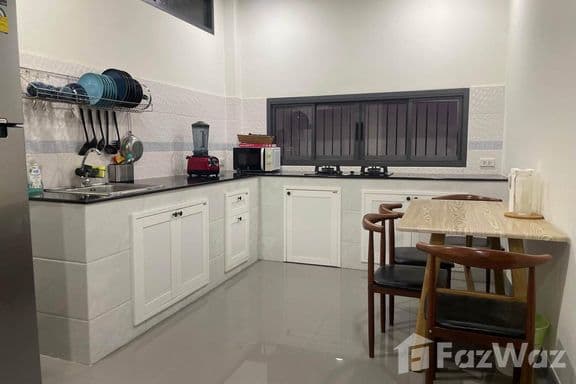
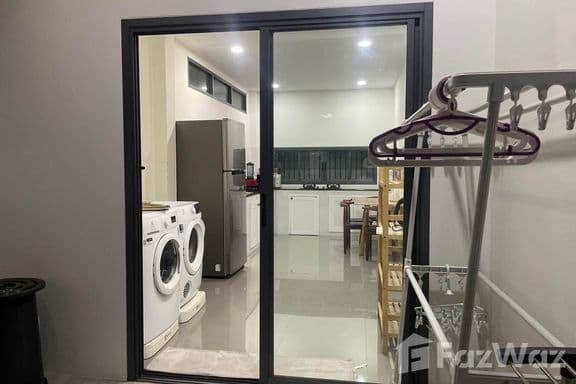
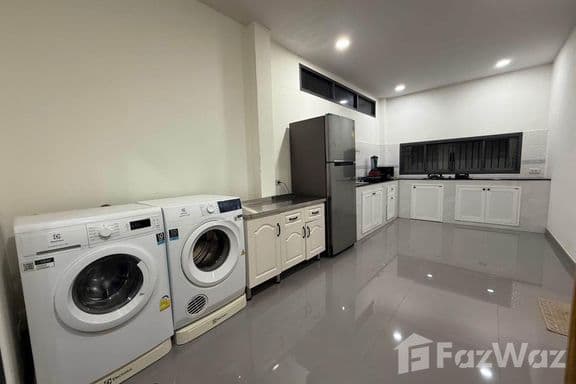
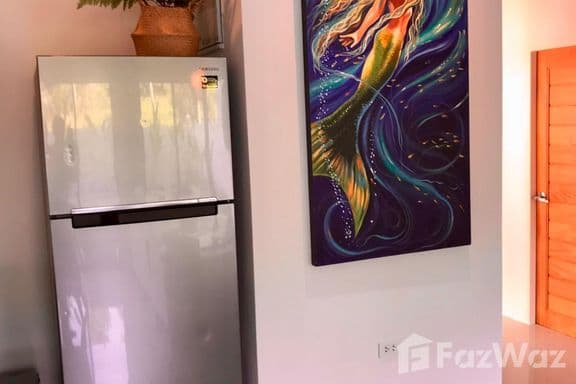
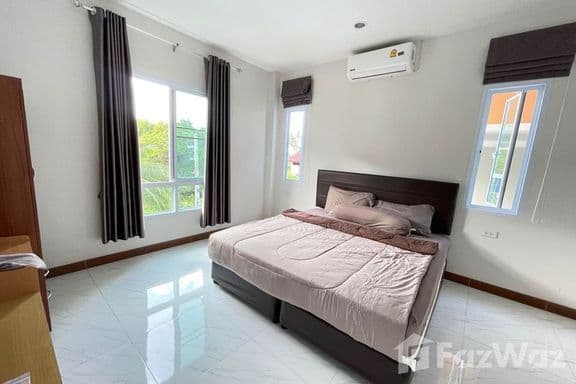
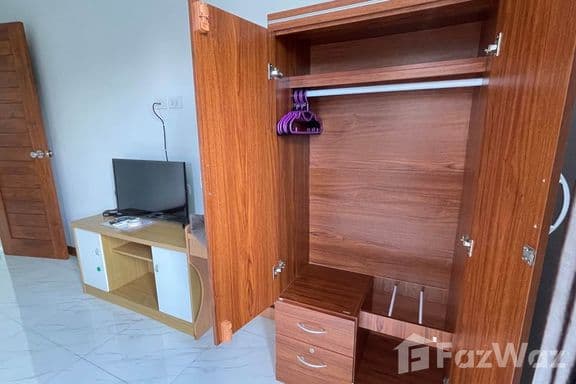
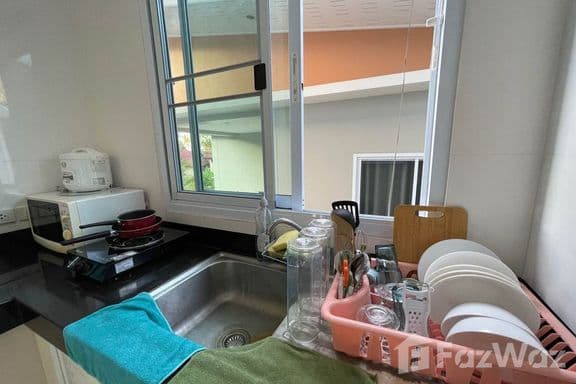
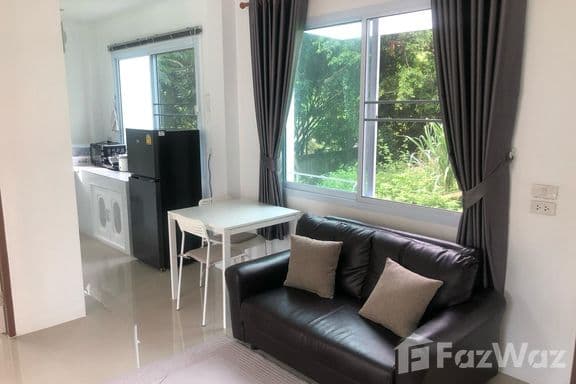
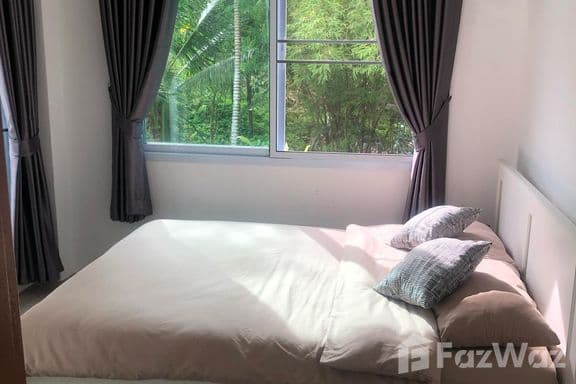
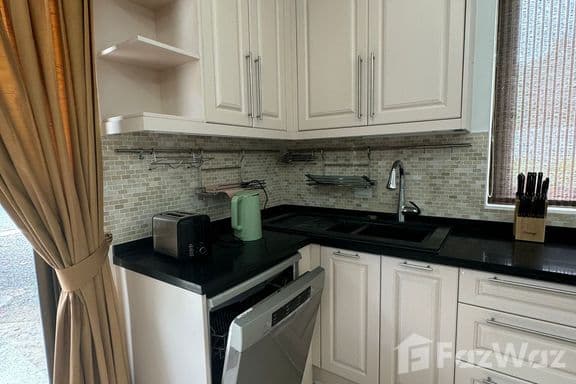
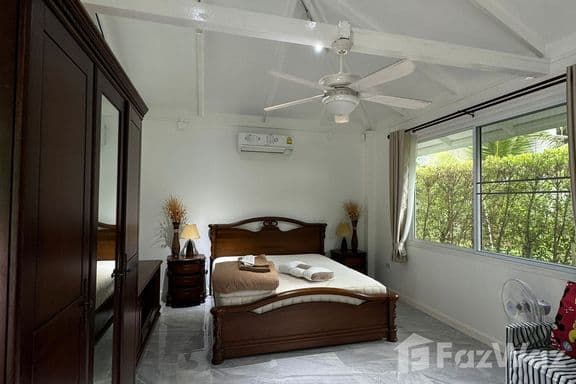
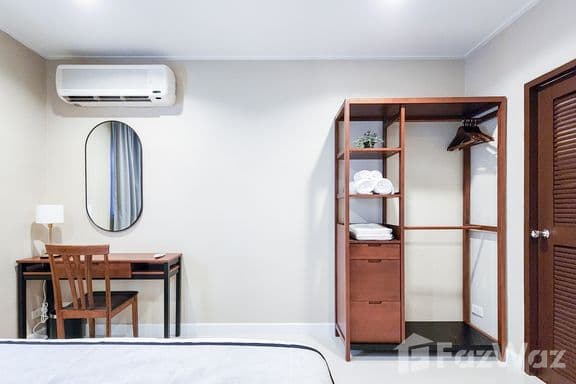
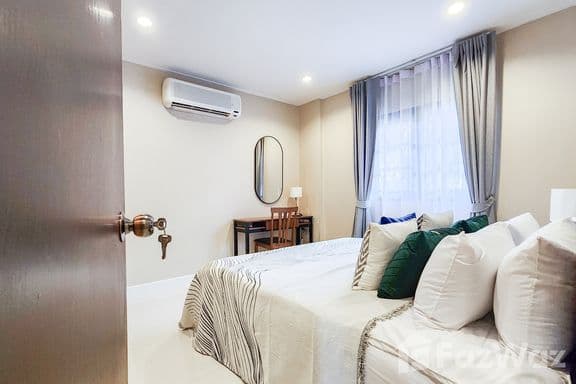
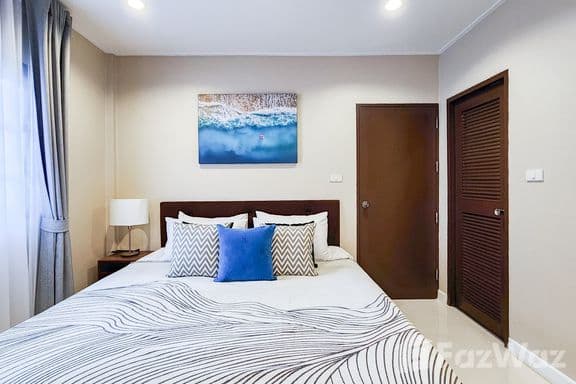
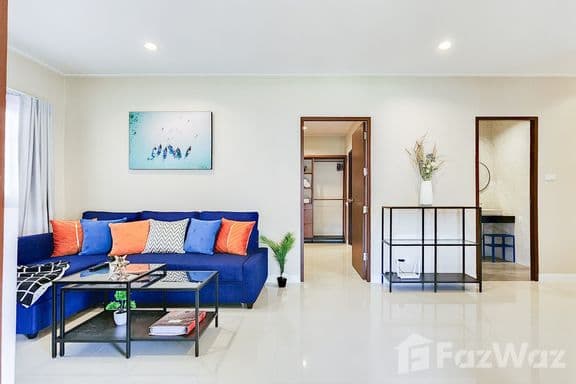
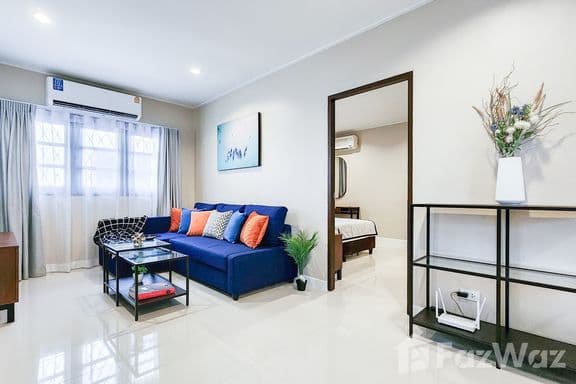
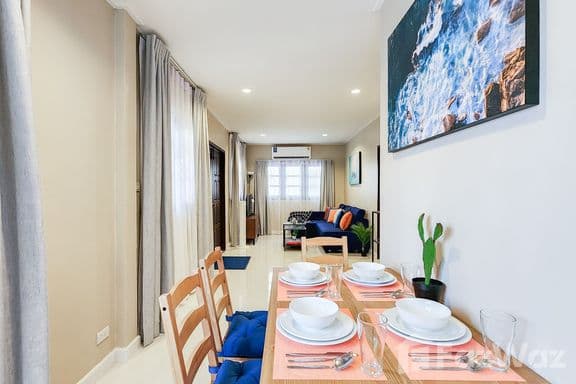
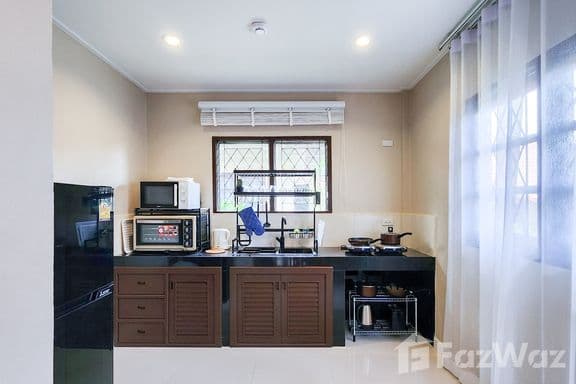
- What’s Included in Rent: Long-term house rentals in Koh Samui almost always come fully furnished. You can expect basic furniture (beds, sofa, dining set), kitchen appliances (fridge, microwave, stovetop), and often a washing machine, all included in the rental price. Many expat-ready homes even include extras like a TV, cookware, and linens – effectively “just bring your suitcase” situations. However, utilities are usually not included. Tenants are responsible for paying their own electricity, water, and internet bills in most cases. These costs depend on usage; air-conditioning can drive up the electric bill in hot months, for instance. Ask the landlord how utilities are charged – ideally, you pay the government rate directly to the utility companies. (If a house is on a private well for water or has estate-provided electricity, clarify the rates to avoid inflated fees.) Some rentals might include certain services in the rent, so check: garden and pool maintenance are sometimes included for pool villas, since upkeep is essential. Housekeeping or cleaning services are usually not included in long-term leases but can be arranged separately if needed. Always confirm in the contract which services (like pool cleaning, gardening, pest control, cable TV, internet, etc.) are included or excluded.
- Contract and Legalities: The rental agreement should be written in English (or bilingual Thai-English) for your clarity. Don’t sign anything you don’t fully understand – legitimate landlords will not mind if you take time to review the contract or consult a legal advisor. Key points to check include the lease term, monthly rent and due date, deposit amount and refund conditions, any additional fees (e.g. common area fee if in an estate), and clauses about early termination or extension. It’s also common for contracts to stipulate that tenants cannot sublet the property and must keep it in good condition. Thai rental contracts are generally pro-landlord, but as an expat in Samui you’ll find most landlords are reasonable and used to foreign tenants. Just ensure everything promised is written down – verbal agreements (like “I will paint the fence next month” or “you can have pets”) should be added into the contract or an appendix for safety.
In summary, expect a 1-year lease, 2-month deposit, and pay-your-own-bills arrangement by default. If something differs (for example, a landlord asks for a larger deposit or full year upfront – which is uncommon and you should be cautious), clarify and negotiate accordingly. Fortunately, Koh Samui has a well-trodden expat rental scene, so most terms will feel familiar and fair. By understanding the norms, you can rent with confidence and avoid surprises.
Legal & Visa Considerations for Foreign Renters
One of the advantages of renting in Thailand is that foreigners face no legal restrictions on renting property. Anyone – regardless of nationality – can rent a house or villa long-term in Koh Samui with no special permits needed. You typically just need your passport (and a valid visa) to sign the rental agreement. Unlike buying property (where foreigners cannot own land), renting is straightforward and common practice.
That said, there are a few legal and visa-related points to keep in mind:
- Visa Status: To stay in Thailand long-term, you must have an appropriate visa. There isn’t a specific “renters visa” – you’ll need to qualify under one of Thailand’s visa categories for an extended stay. Popular options for expats include retirement visas (O-A or O-X) for those over 50, long-stay tourist visas or Education visas (if taking Thai language classes, for example), Business (work) visas, or even Thailand’s Elite Visa program. In 2024, Thailand also introduced the “Digital Nomad Visa,” officially the Destination Thailand Visa (DTV), aimed at remote workers and freelancers. The DTV is a 5-year, multiple-entry visa that allows up to 180-day stays at a time, providing a flexible new option for those who qualify. The key is to ensure you have a visa that covers the duration of your rental – if you sign a one-year lease, you should have a way to remain in Thailand legally for that period (or be prepared to do visa runs/renewals as necessary). Many long-term expats in Samui use a combination of visas over the years (for instance, starting on a tourist visa, then switching to an Education or Business visa). It’s wise to research the latest visa rules or consult a visa agent to find the best fit for your situation.
- Immigration Reporting (TM30): Thailand requires that when a foreigner resides at a property, the owner (or primary tenant) reports the foreigner’s presence to immigration – this is done via the TM30 form. In practice, if you rent from a Thai landlord, they are supposed to file this within 24 hours of you moving in (it can be done online or at the local immigration office). It’s a simple address registration. While this is the landlord’s duty, it’s good to confirm it’s done because it affects your own 90-day reporting and any future visa extensions. Most experienced landlords in Samui know the drill. Just be aware you’ll need to provide a copy of your passport/visa for the TM30, and you (or your landlord) might need to show a copy of the lease as proof of address for certain immigration transactions.
- Lease Registration: As mentioned, Thai law allows leases up to 30 years, but any lease longer than 3 years must be officially registered at the Land Department to be enforceable beyond that initial 3-year periodusa.. The vast majority of expat rental contracts in Samui are 1-year leases (renewable), so this isn’t something you’ll typically deal with. However, if you ever do arrange a multi-year lease, ensure it gets registered (with help from a lawyer) so that it’s legally binding for the whole term.
- Local Laws and Conduct: Renting a house doesn’t make you subject to many special laws, but you should still be mindful of general Thai regulations and cultural norms. Noise disturbances, for example, can be a concern – always be respectful of neighbors (Thai communities value peaceful coexistence). Drug laws are strict in Thailand, so obviously avoid any illegal activities on the premises. If you drive a car or motorbike, make sure you have the proper license and insurance, as that’s a common legal trouble spot for expats. Basically, follow Thai laws as any resident should, because being a foreigner doesn’t exempt you – if anything, you’re under extra scrutiny to abide by the rules.
- Tenant Rights and Disputes: Thailand doesn’t have very extensive tenant-rights laws like some Western countries do. However, a new Land and Building Tax law and updated regulations provide some protections. For instance, landlords shouldn’t cut off utilities or lock you out without due process, even if there’s a dispute. Security deposits should be returned after deducting legitimate costs (not arbitrary fines). If you ever face an issue, it’s often best to negotiate and communicate with your landlord – most are reasonable, especially if you maintain a good relationship. For serious disputes, you could seek assistance from local authorities or legal counsel, but such instances are rare in Samui’s expat rental community.
In short, renting a house in Samui is legally simple. Focus on getting your visa sorted, ensure the lease is clear, and respect the basic legal formalities (like TM30 reporting). With these boxes checked, you can enjoy your rental home worry-free under the Thai sun.
Working Remotely from a Rental Home in Koh Samui
Koh Samui isn’t just a place to retire and relax – it’s increasingly popular among digital nomads and remote workers who want a tropical backdrop for their laptop life. If you plan to work remotely from your rented house on Samui, here are some key points and tips:
Connectivity: Internet in Koh Samui is generally very good. The island has widespread availability of fiber-optic broadband, and high-speed connections (100 Mbps or higher) can be installed in most residential areas. Many rental homes will already have Wi-Fi set up; always ask about the current internet service when renting. If you require especially fast or stable internet for heavy work use (video calls, large file uploads, etc.), you might consider upgrading the service – the major providers (like AIS, 3BB, or True) offer packages that are usually affordable. It’s also wise to have a backup internet source. A common solution is getting a Thai SIM card with a generous data plan and using your phone as a hotspot (4G/LTE coverage on Samui is decent, and 5G is rolling out in populated areas). Power outages are infrequent but can happen, so having a charged portable 4G router or power bank can keep you online during the rare hiccups.
Workspaces: While your villa’s terrace or that hammock by the garden might be your dream “office,” note that Samui also offers proper coworking spaces and cafes catering to remote workers. In areas like Chaweng, Lamai, and Bophut, several coworking hubs have popped up, providing reliable Wi-Fi, air-conditioned desks, and a community of like-minded professionals. For example, you can find spots in Chaweng and Maenam where expats gather to work – from modern air-conditioned offices to beachfront cafes with surprisingly strong internet. These spaces are great if you crave occasional social interaction or a more structured work environment. They also often host networking events or workshops, which can be useful for both work and making friends.
Work-Life Balance: Samui is practically built for work-life balance. On your lunch break, you could take a quick dip in the ocean or grab a healthy smoothie bowl at a beachside cafe. After work, the options are endless: yoga at sunset, Muay Thai training, stand-up paddleboarding, or just a relaxing walk on the beach. The island’s ethos aligns well with a balanced lifestyle – it’s common to see people with laptops in the morning and then see them at a night market enjoying dinner a few hours later. This blend of productivity and leisure is why digital nomads love Samui. It’s important, though, to set a routine because the tropical charm can be distracting in the best way. Many remote workers establish a schedule (for instance, working early to mid-day, then taking afternoons for personal time or island exploration).
Networking and Community: While Samui’s remote work scene is smaller than Chiang Mai or Bangkok’s, it’s growing. There are Facebook groups and Meetups for digital nomads on Samui where you can ask questions and meet others. The expat community is welcoming – you’ll find entrepreneurs, teachers, developers, writers, and all sorts of professionals who’ve made Samui their base. By plugging into these networks, you might discover new coworking spots, get business referrals, or simply make new friends to grab coffee with. And don’t be surprised if a “meeting” ends up being a brainstorming session while island-hopping on a boat – people get creative with mixing work and play here!
Remote Work Visa: As noted in the visa section, Thailand’s new DTV “digital nomad” visa is a game-changer for remote workers, making it easier to stay in the country long-term for workcation purposes. If you qualify, it can simplify the immigration side of working from Samui. Otherwise, many remote workers in Thailand use Education visas (studying Thai part-time) or Elite visas, or even multiple tourist visas. Just ensure you remain in good legal standing with your visa while working online (Thailand generally doesn’t mind foreigners working remotely for overseas companies, as long as you’re not taking a local Thai job).
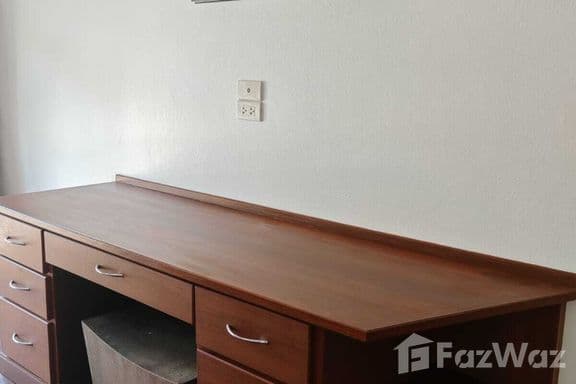
Productivity and Comfort: To maximize productivity at home, you may want to set up a dedicated workspace in your rental house. Check that the house has a decent desk or table and a comfortable chair (if not, these can be purchased or sometimes the landlord can provide). The climate in Samui is warm year-round, so having air conditioning or at least good fans in your office area is crucial for comfort during daytime heat. Most houses will have A/C in bedrooms and possibly living areas – if you need to run A/C a lot while working, factor that into your electricity costs. Also, Samui’s nature can be a perk – a lot of remote workers feel inspired working with a view of palm trees or hearing birds outside, which can actually boost your creativity and well-being.
In essence, Koh Samui can be an excellent remote work base. It offers the right mix of infrastructure (fast internet, coworking venues) and lifestyle benefits (scenic environment, activities, healthy food options) for you to be productive and enjoy your off-hours. Many expats describe their experience as waking up to a peaceful island morning, doing a solid day’s work, and then unwinding with their toes in the sand – a far cry from the grind they left behind. If that balance appeals to you, Samui might just be the perfect office in paradise.
Common Mistakes to Avoid When Renting
When renting a house in Koh Samui (or anywhere, for that matter), a few pitfalls are easy to avoid with some foresight. Here are some common mistakes expats should avoid:
- Not reading or understanding the lease: Don’t just skim the contract! Ensure you understand every term before signing. If the lease is in Thai, get an English version or have it translated. Key details like duration, deposit, and any fees should be clear. Never assume verbal promises will be honored – if the landlord agreed to fix something or include a service, have it written in the contract.
- Ignoring a property inspection: Failing to thoroughly inspect the house can cost you later. Before moving in, do a walk-through with the landlord or agent. Test the water pressure, flush toilets, check that appliances and A/C units work, look for signs of pests or leaks. Take photos of any existing damage (scratches, stains, etc.) and document them so you won’t be blamed when you move out. It’s much better to catch issues early – for example, discovering the villa’s water pump is faulty before you’re stuck without water.
- Overlooking the surroundings: Pay attention to what’s next door and nearby. Avoid renting near large empty plots of land if you can – today it’s a quiet field, but tomorrow construction could start and you’ll be living next to a noisy building site. Likewise, consider the neighborhood at different times of day: is there a bar that gets loud at night, a mosque with early morning calls, or a rooster farm next door? A quick visit at night as well as daytime can reveal a lot. Also, if the house is in a low-lying area, ask about flooding in the rainy season (locals or other expats can advise on this).
- Not budgeting for extra costs: Don’t make the mistake of only planning for the rent. Utilities and other bills can add up, and on an island, some utilities might be pricier than you expect. Air conditioning use, for instance, can make electricity bills in a large house jump significantly in hot months. Water is usually cheap, but if the house has a garden, you might pay more for watering plants or if a water truck delivery is needed in dry season. Internet and phone are minor costs, but if not included, they’re on you. Also factor in things like pool chemicals or gardening if those aren’t provided – the upkeep of a tropical property is part of the deal. Knowing these expenses upfront will help you avoid financial surprises.
- Failure to negotiate or compare: Some renters, especially newcomers, rush into the first appealing house they see. Koh Samui has a lot of rental options – take time to compare. In many cases, you can negotiate rent down a bit for a long-term lease or get an extra service thrown in. Don’t be afraid to politely negotiate with landlords, especially if a property has been on the market a while or if you’re willing to pay several months upfront. Additionally, using a reputable property website or agent can help you benchmark prices so you don’t overpay for a similar house in that area. A little market research goes a long way.
- Not verifying the landlord/agent and house ownership: Unfortunately, rental scams exist. Always verify that the person renting out the house is truly the owner or an authorized property manager. You can ask to see proof of ownership (like a title deed copy) or ID of the owner. Most established agencies on Samui are trustworthy, but if you’re dealing directly with an owner via Facebook or Craigslist, exercise caution. Never wire money overseas for a Samui rental – that’s a red flag. It’s best to view the property in person (or via a live video tour) and sign a proper lease before exchanging significant funds.
- Disregarding visa and legal requirements: A mistake some make is renting long-term while on short tourist visas and assuming it’ll just work out. If you plan to be here long-term, sort your visa strategy. Otherwise, you might find yourself scrambling with border runs or, worst-case, facing an overstay because you fell in love with your Samui home and lost track of your visa. Also remember the TM30 report – ensure your landlord registers you, or if you end up switching accommodations frequently, you may need to handle it yourself to stay in compliance.
- Being a bad neighbor/tenant: This one is more about smooth living – Samui is a relatively small community. Maintaining good relations with your landlord and neighbors (Thai or foreign) is invaluable. Small things like paying rent on time, keeping noise reasonable, and not engaging in behavior that upsets locals will ensure you avoid conflict. Plus, kind neighbors might share their mangoes or tip you off to the best local eateries!
By steering clear of these common mistakes, your renting experience in Koh Samui should be pleasant and drama-free. In essence: do your due diligence, budget wisely, and respect the home and community. The island life is much sweeter when you’ve covered your bases.
FAQs
Q1: Can foreigners rent a house long-term in Koh Samui?
A: Yes – foreigners have no legal restrictions on renting property in Thailand, including Koh Samui. You can sign a long-term lease just like a local would. The process is straightforward: you’ll need your passport (and a valid visa) for identification, and you’ll pay the agreed deposit and rent. It’s common for expats to rent houses for 1-3 years or more in Samui. Just be mindful of your visa status (you must have a visa that allows you to stay for the duration of the lease, since renting a house doesn’t by itself grant any visa). Many expats use tourist visas (for short stays), retirement visas, or work permits to remain in Thailand legally while renting. Overall, renting is a preferred option for foreigners in Samui because it’s easy and flexible – you get to enjoy a home without the complexities of ownership.
Q2: How much is the rent for a long-term house in Koh Samui?
A: Rental prices for houses in Koh Samui span a broad range depending on the size, location, and amenities of the home. As of 2025, a basic 1-2 bedroom house in a non-touristy area might start around ฿15,000 per month on the low end (approximately $450). More commonly, modern 2-3 bedroom houses or villas with a private pool fall in the range of ฿30,000 to ฿60,000 per month (~$900–$1,800) for a nice expat-standard property. High-end luxury villas (e.g. large ocean-view or beachfront properties) can be ฿70,000 and above (over $2,000 monthly). For example, a 3-bedroom pool villa in a prime location might be around 50k THB/month, whereas a simple Thai-style house farther inland could be under 20k. It’s worth noting that long-term rentals are usually quoted on a monthly basis excluding utilities. Also, you can often negotiate the rent down a bit if you’re committing to a year or more. Overall, compared to Western cities or even Phuket, Koh Samui offers great value – you can rent a beautiful home here for what a basic apartment might cost in a major Western city.
Q3: What are the typical lease terms and deposit requirements for renting a house?
A: The typical lease term in Koh Samui is 12 months for a long-term rental, though some landlords accept a 6-month contract (sometimes at a slightly higher rent). Standard practice for the deposit is 2 months’ rent as a security deposit, plus the first month’s rent paid upfront. For instance, if the rent is 30,000 THB/month, you’d pay 90,000 THB at lease signing (60k deposit + 30k first month). The security deposit is refundable at the end of the lease, provided no major damage beyond normal wear and tear. Lease agreements will usually state that the tenant must give notice (often 30 days) if they intend to terminate early, and breaking a lease may forfeit the deposit unless an agreement is reached. Rent is paid monthly, typically by bank transfer or cash – monthly payment dates and methods will be specified in the contract. In terms of what the lease includes: it should clearly list the rental rate, the lease duration, the deposit, and any additional fees (for example, some gated communities might have common area fees). Always ensure you get a signed copy of the lease. If you extend for another year, it’s common to sign a new contract or an addendum. Importantly, Thai leases for personal use are generally simple documents and not heavily regulated, so it’s crucial to rely on the contract for all terms. If something is important to you (like an option to renew, or that the landlord will add furniture or handle pool maintenance), make sure it’s written in the lease.
Q4: Are rental houses in Koh Samui furnished, and are utilities included in the rent?
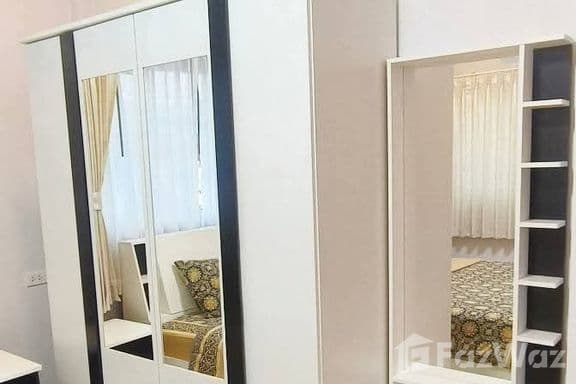
A:Yes, most houses for rent in Koh Samui come fully furnished. It’s typical for long-term rentals to include all basic furniture and appliances. You can expect beds, wardrobes, sofa, dining set, fridge, and often a TV, washing machine, microwave, etc., already in the house. The style and completeness of furnishings can vary (a luxury villa will have high-end furniture, whereas a simple house might have older but functional pieces). Always check the inventory if it’s attached to the contract. As for utilities, these are usually not included in the monthly rent unless specifically stated. You as the tenant will pay for electricity, water, and internet/TV service. In a few cases, a landlord might include Wi-Fi or water if it’s a negligible cost, but assume you’ll cover these. Electricity is billed either directly by the provincial electric authority or via the landlord (some houses have government meters, which is best). Water might come from the city supply or a well – city water is very cheap, well water is often free but you might pay if trucks deliver extra water in dry season. If your house has a pool or garden, sometimes the owner includes the maintenance service for those in the rent (since they want to ensure it’s properly cared for), but you’d still pay the electricity to run the pool pump, for example. No inclusion is standard though – every rental is a bit different – so clarify with the landlord. You can negotiate utility responsibilities: e.g., agree that you’ll handle minor repairs under a certain cost and the landlord handles major ones. But month to month, budget for utilities on top of rent. The good news is internet is reasonably priced (maybe $20-30/month for a solid fiber line) and many expats find overall utility costs affordable unless running A/C 24/7. Always do that initial meter reading when you move in, so you don’t accidentally pay for the last tenant’s usage.
Q5: What visa do I need to live in Koh Samui long-term while renting?
A: There isn’t a specific visa tied to renting – instead, you need to have any visa that legally allows you to stay in Thailand long-term. Which one is appropriate depends on your situation:
- If you’re over 50 and meet financial requirements, a Retirement Visa (Non-OA or Non-O) is a common choice.
- If you get a job in Thailand (or start a company), a Non-B (Business) Visa with work permit lets you reside long-term.
- Many digital nomads or remote workers opt for the new Destination Thailand Visa (DTV), which is Thailand’s 5-year digital nomad visa introduced in 2024. It’s great for remote professionals as it allows long stays with multiple entries.
- There’s also the Thai Elite Visa, essentially a long-term residency visa you purchase, which gives 5-20 years of hassle-free stay.
- Some people study Thai or another subject and get an Education Visa (ED), valid up to 8-12 months (renewable yearly).
- Those married to Thai citizens can get a Marriage Visa (Non-O based on marriage).
If you’re just testing the waters, you might start on a Tourist Visa or Visa Exemption and extend it – but these are short-term (30-90 days, with possible extensions). They can work for renting for a few months, but not ideal for a year-long stay as you’d have to leave and come back. So, for a true long-term rental, plan to secure one of the longer-stay visas. Always check the latest visa rules (they do change) and ensure you follow immigration requirements (like 90-day check-ins if on a long visa). In summary, renting the house is independent of your visa – you just need to make sure your visa status covers your intended rental period. Many expats in Samui successfully stay for years by renewing visas or switching visa types when needed. If unsure, consulting a local visa agent on Samui can be very helpful; they’re used to guiding expats who fall in love with island life and want to stay indefinitely!
Conclusion
Koh Samui truly offers a unique blend of tropical tranquility and modern comfort, making it an ideal destination for expats seeking a long-term home. From choosing the right villa in the right neighborhood to navigating leases and enjoying the remote-work lifestyle, this guide has covered the essentials to set you up for a smooth experience. In 2025, Samui’s rental market is ripe with opportunities – whether you’re a retiree dreaming of a garden bungalow by the beach or a digital nomad eyeing a pool villa with an ocean view, there’s something for everyone on this island paradise.
Ready to make the leap? Explore all long-term houses for rent in Koh Samui and start your journey to the island life. With the right preparation and a bit of island savvy, you’ll soon be settling into your Samui home, sipping a fresh coconut on your porch, and wondering why you didn’t move here sooner. Welcome to your new life in Koh Samui – or as the locals say, sawasdee krub/ka!



















































































































































 Popular condos in Ko Samui

