Villas for Sale in Thailand – Market Trends, Pricing & Investment Guide
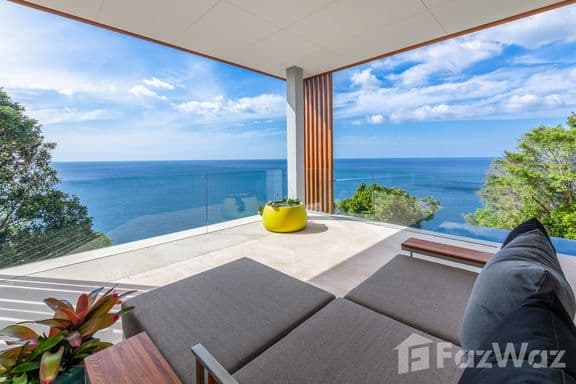
Thailand’s villa market has surged since 2021, rebounding strongly from the COVID slowdown. After minimal activity in 2021, the reopening of tourism in late 2022 and growing international travel in 2023–2025 have driven robust demand for holiday villas. Industry reports describe 2024 as “Phuket’s most vibrant year in a decade” with record sales and new villa launches. Luxury resort villas in Phuket, Koh Samui, Hua Hin and other destinations saw prices climb 5–10% year-on-year as buyers rushed in. By early 2025, Thailand’s villa market is characterized by rising foreign inquiry, steady price appreciation, and high occupancy/rental demand in key markets. In short, between 2021 and 2025 the Thai villa market has transitioned from pandemic-induced stagnation to strong recovery, making now a compelling time to explore villas for sale in Thailand.
- 2021–2022: Foreign travel was restricted and the villa market remained subdued, with only domestic sales in off-season rates.
- 2023: International arrivals rebounded to ~28 million (over triple 2022 levels). Major resort markets reopened fully, driving pent-up demand for vacation homes.
- 2024: Visitor numbers rose further (reported ~32–35 million), sparking a boom. Phuket and Samui saw record villa launches, while Bangkok suburbs and regional cities also gained interest. Market indicators show both volume and values up across the board.
- 2025 (to date): Tourism is approaching pre-pandemic highs. Developers are capitalizing on demand; for example, H1 2024 villa project values in Phuket (~฿36 billion) outstripped condominiums for the first time in years. Villa prices continue moderate growth as buyers look to secure properties before further appreciation.
Overall, the years 2021–2025 have seen strong Thailand villa investment fundamentals: a robust tourism rebound, healthy rental markets, and affordable pricing (vs. Western markets), all of which favor well-located properties. Foreign investors and retirees have been especially active, drawn by Thailand’s lifestyle and yield potential.
Villa Price Comparison by Region (2024–2025)
Villa prices vary widely across Thailand’s regions, reflecting location, quality and land scarcity. The table below summarizes typical price ranges and valuations in major markets. (All values are approximate; properties are quoted in Thai Baht unless noted.)
|
Location
|
Typical Villa Price Range
|
Typical Price per Sq.M.
|
Notes
|
|
Bangkok (Metro)
|
฿7M – ฿50M+
|
~฿65,000–70,000
|
City villas (suburban houses) often start 7M THB ($200k). Luxury estates in central areas (Sukhumvit, Sathorn, Riverside) can far exceed this range.
|
|
Phuket
|
฿10M – ฿50M+
|
~฿100,000–150,000
|
Wide range: Inland/budget villas from ~6–10M. Seaside and upscale (Bang Tao, Laguna) from ~20M+. Prime beachfront villas (Kamala, Surin, Bang Tao) frequently exceed ฿50–100M.
|
|
Pattaya/Chonburi
|
฿4M – ฿10M
|
~฿39,000–45,000
|
More affordable beachside homes. Well-built pool villas near Jomtien, Bang Saray typically range ฿4–10M. Median house price ~฿17M (2024) by some estimates.
|
|
Koh Samui
|
฿15M – ฿100M+
|
~฿60,000 (avg)
|
Hillside/sea-view villas ~฿15–55M. Beachfront estates often start ฿55M and can exceed ฿100M for ultra-luxury properties. Average per-sqm values (฿59,000) have risen ~20–30% since 2020.
|
|
Hua Hin/Cha-Am
|
฿5M – ฿20M+
|
~฿39,000
|
Inland/golf-course villas typically ฿5–15M. Luxury beachfront/golf villas can exceed ฿20M. New high-end condos are more expensive, but villas offer relative bargains.
|
|
Chiang Mai (North)
|
฿2M – ฿6M
|
~฿36,000–43,000
|
Smaller market: modest detached homes and hillside villas. Premium Nimman-area houses start ~฿12M (USD ~$340k), but most foreign-oriented villas are under ฿6M. Good value for retirees and digital nomads.
|
Table: Approximate 2024–2025 villa pricing by region.
Compared to Bangkok, resort areas like Phuket and Samui are more expensive per square meter but offer larger land plots and amenities. Conversely, destinations like Hua Hin and Chiang Mai remain relatively affordable for value-oriented buyers. In general:
- Bangkok: Urban villas command high per-sqm rates; a suburban 4-bedroom villa might list around ฿7–15M, whereas luxury custom estates can top ฿50–100M.
- Phuket: A broad spectrum exists. Inexpensive inland homes may start under ฿10M, but new projects in Laguna/Bang Tao, Cherng Talay or Layan are commonly ฿20–40M. Beachfront scarcity drives prices sky-high (often 6-figure USD).
- Koh Samui: Prices surged post-pandemic. A hillside villa with sea view (~2-3 bed) typically ฿15–30M; beachfront or Chaweng-area homes often ฿55–100M+.
- Hua Hin: More middle-market. Typical turnkey villas on a golf course or foothill (3–4 bed) sell for ฿5–15M. Premium beachfront or Khao Takiab locations can exceed ฿20M.
- Chiang Mai: The lowest base. Modest detached houses (often on hillside or suburbs) start around ฿2–6M. New developments with western-style villas may be pricier, but still well under coastal market levels.
Price Trends (2024–2025): Across these regions, villa prices have mostly edged upward. For example, Phuket villa launch prices rose ~5–7% YoY, driven by demand for larger plots. Koh Samui luxury homes saw double-digit gains on scarce beachfront stock. Hua Hin’s high-end condos have outpaced villas, but villa values are also increasing ~3–5% annually. Overall, investors can expect steady capital appreciation on Thai villas in the next few years.
Villa Ownership Options for Foreign Buyers
Under Thai law, foreigners cannot own land freehold with rare exceptions. However, several legal structures allow long-term use or control of a villa property:
- Leasehold (30+30+30 years): The most common route. A foreign buyer enters a lease agreement on the land (typically 30 years, renewable twice for a total of 90 years). Meanwhile, the buyer can register the villa building or obtain a superficies right over the land. Properly registered leases grant secure possession and can be drafted with successive renewal clauses. (Renewals must be registered at the Land Department and are generally honored if contractually agreed.) Leasehold is legal, transparent, and straightforward, though technically a long-term rental rather than freehold.
- Key point: Leases over 3 years must be registered; ensure renewal terms are clear. The landowner retains title, while you own the structure via a superficies agreement (legal right to own buildings on leased land).
- Thai Limited Company Ownership: A foreigner may set up a Thai majority-owned company (with ≥51% Thai shareholders) to hold the land and villa. In practice, this is risky. The company must conduct real business (not just hold property), contribute genuine capital, and avoid nominee/shareholder schemes. Using Thai “nominees” is illegal and can void ownership. If done correctly, the company holds title freehold. This option is complex and typically used by investors building multiple villas (e.g. for hotel projects) rather than individuals buying a single home.
- Investment Promotion (BOI / Section 96): Under certain Board of Investment (BOI) or investment-act incentives, foreigners can legally acquire land. For example, a foreigner who invests ≥฿40 million in Thai government bonds or BOI-approved assets may be granted ownership of up to 1 rai (1,600 m²) of land. Newly (Dec 2024/2025) expanded BOI rules allow promoted Thai companies more land for offices and residences. In practice, this route requires a BOI promotion certificate and large capital, so it’s only viable for high-net-worth investors and developers.
- Other Rights: Two lesser-used forms are usufruct and superficies (outlined above). A usufruct grants lifetime use of land (often between Thai spouse and foreigner). A superficies lets a foreigner own a building separately from the land lease. These rights provide occupation and use, but are typically applied in family or special cases rather than for outright sale purchase.
In summary, most foreigners buy a villa by taking a long-term lease on the land. Alternatively, a well-structured Thai company or a BOI scheme can enable freehold ownership under strict conditions. All purchases demand thorough legal due diligence (verify the Chanote title deed, ensure no encumbrances, confirm permits, etc.) to secure the investment.
What Drives Villa Demand in Thailand?
Several factors power the demand for Thailand villa investment:
- Tourism Rebound: Thailand’s tourism has roared back. Tourist arrivals jumped from ~10 million in 2022 to over 28 million in 2023, with 2024 projected near 35–39 million. This surge has revitalized holiday rentals and property interest. Popular destinations (Phuket, Samui, Pattaya, Hua Hin) see year-round hotel occupancy rates above 70% on average. Rental booking platforms report strong interest in pool villas from both short-stay and long-term visitors. High visitor numbers directly translate to higher rental yields and resale demand for vacation homes.
- High Rental Yield Potential: Villas often command better returns than condominiums in resort areas. Gross rental yields for well-located villas typically range 5–8% annually, sometimes higher in peak markets. For example, Koh Samui can yield 7–10% gross, and Phuket’s villa yields average ~5–7%, outpacing its condos (around 5.9%). Exceptional properties (beachfront or unique amenity villas) can reach 25–30% total ROI when factoring capital gains. The pandemic dip in property prices (e.g. Samui saw luxury homes jump 35–40% from 2020 to 2025) means early buyers are now enjoying strong capital appreciation plus rental income.
- Lifestyle and Demographics: Thailand’s tropical climate, beautiful beaches, modern infrastructure (hospitals, malls, international schools) and affordable cost of living make it a magnet for retirees and expatriates. The country regularly ranks high on expat livability surveys. Many foreign buyers seek a luxury lifestyle – private swimming pools, garden space, and privacy – that villas provide, something less common in condos. There is also a growing digital nomad and remote-worker community (especially in Chiang Mai and major cities) who prefer spacious villas over apartments. Meanwhile, global high-net-worth individuals view Thailand as a safe, low-cost alternative for a second home.
- Economic Factors: Compared to Western markets, Thai property remains relatively affordable. Low interest rates (recently ~7–8% lending rates) and stable rental incomes make villas attractive. The Thai Baht has generally been stable, and as global yields stay low, real estate is seen as a defensive investment. Government incentives like the Eastern Economic Corridor (EEC) projects, upgraded airports, and future high-speed rail lines improve connectivity and boost investor confidence. Special visas (Retirement, Thailand Elite long-stay, and the new Digital Nomad visa) also encourage foreigners to buy property.
- Location-Specific Appeal: Each market has unique draws. Phuket and Koh Samui offer world-class beaches and resorts. Hua Hin combines royal heritage and golf courses. Chiang Mai appeals with its mountain scenery and cooler climate. Pattaya, close to Bangkok, caters to investors wanting a coastal location near the capital. Bangkok’s suburbs offer urban amenities with villa-like homes. Together, these diversified lifestyles sustain broad demand.
In summary, recovering tourism plus strong yields and lifestyle benefits are the key drivers behind the current villa-buying surge. Investors see Thailand as both a vacation paradise and a yield-generating asset.
Buying Process, Fees and Taxes
Steps to Buy a Villa: Purchasing a villa in Thailand involves a set sequence of steps. Foreign buyers should proceed carefully, ideally with a trusted Thai lawyer or reputable agent.
- Property Search & Selection: Identify suitable villas through online portals or brokers. Visit in person if possible. Verify that the title deed (Chanote) is clean, that all buildings have permits, and that any existing lease (if buying leasehold) is registered.
- Offer & Reservation Deposit: Once you choose a villa, negotiate the price and terms. The seller (or developer) will prepare a Reservation Form and sometimes collect a non-refundable booking fee (often ฿20,000–50,000). You may also pay a reservation deposit (e.g. ~1–10% of price) to hold the property while due diligence and paperwork proceed.
- Sales and Purchase Agreement (SPA): A detailed SPA is drafted in Thai (with English translation). Read it carefully (or have your lawyer review). You will typically pay a deposit of around 10% of the purchase price when signing the SPA. The SPA specifies the final payment date (transfer date), conditions (e.g. mortgage, repairs), and allocations of fees.
- Funds Transfer: As a foreign buyer, you must bring funds into Thailand from abroad to pay for the villa. Keep records of the wire transfer and obtain a Foreign Exchange Transaction Form (FET 3) from the bank. This certificate is essential if you wish to convert proceeds back to foreign currency later (for repatriation).
- Transfer and Registration: On the agreed date, both buyer and seller (or their proxies with Power of Attorney) meet at the local District Land Office. You present passports, the title deed, the SPA, and proof of funds (FET form). The final payment is made at this point. The Land Department registers the transfer, updating the Chanote into the buyer’s name or company name.
- Completion: After transfer, collect certified copies of the title deed (often taking a few days). Settle any remaining issues (utility bills, pool service, property management contracts, etc.). You now legally control the villa (subject to any lease terms if not owning land freehold).
Transaction Fees and Taxes: Buying property in Thailand incurs mandatory fees, typically calculated on the registered (appraised) value or the sale price (whichever is higher). Key costs include:
- Transfer Fee: 2% of the appraised property value (land + buildings). This is paid at the Land Office at the time of transfer. It is customarily split 50/50 between buyer and seller, although practice varies.
- Stamp Duty: 0.5% of the registered price. Stamp duty applies on the transfer of real estate unless exempted (see below). Usually paid by the seller, but it can be negotiated.
- Specific Business Tax (SBT): 3.3% of the selling price (or appraised value, whichever is higher). SBT replaces stamp duty if the seller is a company or if the property is sold within 5 years of acquisition. In practice, if SBT is due, stamp duty is waived. Typically developers or project companies pay SBT.
- Withholding Tax (WHT): On sale by a foreign individual, a withholding tax is levied as income tax (calculated on appraised value or actual gain). However, this tax concerns the seller at resale and is not directly paid by the buyer.
- Additional Costs: Purchasers should also budget for legal fees (often ~1% of price), agent commissions (if any), mortgage registration fees (1% of loan), and other incidentals (survey, translation, etc.).
In total, expect transaction costs (transfer, taxes, lawyer/agent fees) to amount to roughly 2–5% of the purchase price. It’s essential to clarify who pays what with the seller. In condominium purchases, foreigners must also ensure the funds transfer is documented (FET 3) to meet the Condominium Act rules, but for villas the same currency regulations apply for proof of foreign exchange.
Market Outlook 2026 and Beyond
The long-term outlook for Thailand’s villa market remains positive. Analysts project continued growth, albeit at a measured pace, as Thailand’s economy and tourism expand. Key factors shaping 2026+ include:
- Sustained Tourism Growth: The Thai government has set ambitious targets (60–80 million annual tourists by 2027–2030). Continued increases in foreign visitors – from Europe, Asia, the Middle East and beyond – will keep holiday villa demand strong. All signs point to tourism normalizing to, or exceeding, pre-2019 levels in coming years.
- Infrastructure Upgrades: Major projects are underway or planned. The high-speed rail linking Bangkok–Bang Pa-in–Ayutthaya–Nakhon Ratchasima is on the way, as is the high-speed link to Nong Khai (Lao PDR border) and eventually to Laos/China. A Bangkok–Hua Hin high-speed line is approved (though delayed), making coastal properties more accessible. Phuket’s second airport runway is under construction. Improved transport and connectivity should broaden villa demand beyond current hotspots.
- Limited Supply in Prime Segments: In top resorts like Phuket and Samui, zoning and geography limit new beachfront development. This scarcity is expected to underpin luxury villa prices. For example, Koh Samui’s supply of new luxury villas was under 100 units in the past two years. With tourism rebound, experts forecast 5–7% annual price growth in luxury segments through 2026. Hua Hin analysts similarly see 3–7% growth annually through 2026. Over a 10–20 year horizon, a moderate 3–5% annual appreciation is often cited for established markets, reflecting a mature resort economy.
- Evolving Buyer Mix: New buyer demographics continue to emerge. Recent years saw increased interest from Russia, the Middle East and Europe. Chinese tourists are returning post-restrictions. Regional buyers from Singapore, Malaysia and within ASEAN are also active. This diversification can stabilize demand across different global conditions.
- Economic and Policy Risks: Interest rates (global or domestic) and currency fluctuations could influence affordability. Currently, local lending rates (5–8%) and a modestly strong baht (relative to some ASEAN peers) support investment. Potential visa or tax law changes are always a watchpoint, though Thailand has generally eased rules to attract investment (e.g. up to 30-year leases, BOI land privileges).
- New Destinations: Beyond the traditional six regions, investors are eyeing emerging hotspots. Islands like Krabi, Koh Phangan, or coastal provinces like Ranong and Trat are gradually gaining attention. Inland areas with natural attractions (Khao Yai, Chiang Rai) may see growth. As infrastructure improves (new highways, regional airports), these secondary markets could offer higher yields and lower entry prices.
In conclusion, most market forecasts see Thailand’s villa sector continuing its steady climb after 2025. Tourism-driven demand combined with limited high-end supply will likely keep prices rising moderately. For foreign buyers, Thailand villa investment remains a compelling option: it offers both lifestyle benefits and the potential for solid returns. Wise investors will monitor local market signals, secure proper legal guidance, and plan long-term – but the fundamentals point to a resilient and growing market for quality villas.
Summary: Thailand’s villa market (2021–2025) has overcome the pandemic slump to reach new heights. Buyers should note current price disparities by region (see table), understand ownership restrictions (leasehold vs company/BOI), and factor in costs (transfer fees, taxes). With tourism recovering and infrastructure projects on track, demand drivers remain strong. Those looking to buy a villa in Thailand will find diverse opportunities – from Phuket’s luxury oceanfront estates to Chiang Mai’s serene mountain villas – backed by a stable outlook into 2026 and beyond. Careful due diligence and professional advice are essential, but for many foreign investors and retirees, Thailand’s villa market offers an attractive combination of lifestyle and investment potential.


















































































































































































































 Popular condos in Thailand

