Buying a Villa in Phuket: The Complete 2025 Guide for Foreign Buyers
Phuket’s Rise as a Luxury Villa Destination
Phuket has evolved into one of Asia’s premier luxury villa destinations, attracting foreign buyers from around the globe. Once known mainly for its beaches and resorts, Phuket’s real estate market has matured significantly in recent years. Foreign demand is surging: in 2024, over 30% of all property purchases in Phuket were made by overseas buyers, highlighting the island’s international appeal. High-net-worth individuals and retirees are increasingly choosing Phuket for its tropical lifestyle combined with first-class amenities. The island now boasts ultra-luxury estates (some priced in the tens of millions of dollars) in exclusive enclaves like “Millionaire’s Mile” in Kamala and gated communities in Laguna. Robust tourism, improved infrastructure (including an expanded international airport and planned light rail system), and Thailand’s welcoming culture all contribute to Phuket’s rise. In 2025, Phuket offers foreign buyers a unique mix of tropical charm and investment potential – from tranquil retirement villas to high-yield rental properties – firmly establishing itself as a top choice for luxury real estate in Southeast Asia.
Types of Villas in Phuket
Phuket’s villa market is diverse, with options to suit different tastes and budgets. As a foreign buyer, it’s important to understand the various types of villas available so you can choose what best fits your goals and lifestyle:
- Sea-View Villas: These properties are perched on hillsides or coastal cliffs, offering panoramic ocean views. Sea-view villas often command premium prices due to their stunning vistas. Many feature multi-level designs with infinity pools overlooking the Andaman Sea. They are ideal for buyers seeking dramatic scenery and an exclusive atmosphere – common in areas like Kamala, Surin, and Cape Yamu. Do note that hillside sea-view homes may involve steep access roads, but the reward is unparalleled sunsets and privacy.
- Beachfront Villas: The most coveted (and often most expensive) category, beachfront villas sit directly on or very near the beach. In Phuket, true beachfront land is scarce, making these villas rare gems. Owners enjoy immediate beach access and the sound of the waves from their doorstep. Examples include select properties in Natai (just north of Phuket) or certain stretches of Bang Tao and Rawai. Beachfront villas offer the ultimate tropical lifestyle, though they come at a high price and sometimes higher maintenance (due to salt air exposure).
- Hillside & Mountain Villas: Beyond the immediate coast, Phuket’s interior hills and mountains are dotted with villas that offer lush green views, cooler breezes, and serene environments. These hillside villas (for example, in areas like Nai Harn hills or around Kathu’s forests) provide privacy and a close-to-nature feel. They may not have sea views, but often compensate with larger land plots or garden spaces. They suit buyers who value tranquility and space over proximity to the beach.
- Gated Community Villas: Many foreign buyers prefer villas in secure estates or gated communities. These are planned developments where multiple villas share facilities like 24-hour security, property management, and sometimes amenities such as clubhouses, gyms, or spas. Areas like Laguna (Bang Tao) pioneered gated villa communities in Phuket – offering homes with golf course access, shared pools, and resort management. Gated communities provide peace of mind, hassle-free maintenance, and a neighborhood feel, making them popular with retirees and families.
- Standalone Private Homes: These are individual villas outside of estates, often built on privately owned land by local owners or small developers. They can range from modest houses in local neighborhoods to expansive custom-built mansions. Buying a standalone villa means more privacy and freedom (no homeowners’ fees or estate rules), but also more responsibility for security and upkeep. It’s crucial to ensure any standalone house has proper access roads and utility connections. Many foreigners find charming standalone pool villas in areas like Chalong, Thalang, or Rawai at good prices, immersed in the local community.
Each type of villa has its pros and cons. For example, a beachfront or sea-view villa offers “wow” factor for personal enjoyment or vacation rentals, while a villa in a gated community offers convenience and easier management. When considering Phuket’s villa options, think about your priorities: view, beach proximity, privacy, security, community, and of course budget. This will help narrow down which villa type aligns best with your needs.
Top Areas to Buy Villas in Phuket
Phuket is a large island with distinct regions, each offering a different lifestyle and investment profile. Here are some of the top areas to consider for villa purchases, particularly popular among foreign buyers:
- Kamala: A coastal village on the west coast, Kamala has gained fame for its upscale “Millionaire’s Mile” where some of Phuket’s most luxurious villas are situated on oceanfront cliffs. Kamala offers scenic coastal views, high-end developments (like MontAzure and other new luxury condo-villa projects), and a laid-back beach town vibe. Buyers here include investors and lifestyle seekers drawn to the combination of natural beauty and emerging infrastructure. Property prices in Kamala are on the rise – supply is limited by the hilly terrain, so villas tend to be pricey, but the potential for appreciation is strong as the area develops further with new restaurants, beach clubs, and amenities.
- Surin: Just north of Kamala, Surin Beach is known for its exclusive resorts and high-end villas. Surin has long been an upmarket enclave; many villas sit on the headland or hills overlooking the Andaman Sea. The area is home to luxury estates that attract celebrities and wealthy buyers. Surin’s beautiful beach and sunset views make it a top choice for those seeking a trophy holiday home or a rental property that can command premium nightly rates. Expect prices at the higher end of Phuket’s market – villas here often feature contemporary designs, large plots, and quick access to upscale dining and shopping (including the nearby Boat Avenue and Porto de Phuket complexes in Cherng Talay).
- Bang Tao & Laguna: The Bang Tao area (including the Laguna Phuket resort complex and nearby Cherng Talay district) is one of the most popular among foreign residents and investors. Bang Tao offers a 6-kilometer stretch of beach, a mix of luxury and mid-range villas, and a fully developed community. In Laguna, you’ll find gated communities, golf courses, international restaurants, and even branded residences. It’s very family-friendly and convenient, with international schools and shopping centers a short drive away. Villas in Bang Tao range from modern pool villas in estates to expansive homes within Laguna’s gated environment. Rental yields here can be attractive due to year-round demand from tourists and long-term expats (especially for villas near the beach or within the resort). Bang Tao’s property market is thriving, and while prices have been climbing steadily, it still offers variety – from ~THB 15 million cozy villas up to ultra-luxury beachfront properties.
- Nai Harn & Rawai: In the south of Phuket, Nai Harn and Rawai are neighboring areas that form a hub for expat living and retirement. Nai Harn is prized for its picturesque Nai Harn Beach (one of Phuket’s best swimming beaches) and a peaceful residential atmosphere. Many retirees and families choose Nai Harn for its tranquility, community feel, and good selection of modern pool villas at relatively affordable prices. Just next door, Rawai spans the southeastern tip of Phuket, offering a mix of beachfront (Rawai Beach is more of a scenic shoreline with seafood restaurants and boat piers) and inland living. Rawai has a large expat community, including many long-term foreign residents, digital nomads, and retirees. Villas in Rawai tend to be more affordable than the west coast – you can find pool villas in gated estates or standalone homes nestled in quiet sois (lanes) for much less than equivalent properties up north. Both Rawai and Nai Harn offer a relaxed tropical lifestyle, with plenty of international eateries, local markets, wellness centers, and proximity to amenities in Chalong (like supermarkets and hospitals). They are slightly farther from the airport (about an hour’s drive) but provide a calmer pace of life. These areas are great for those prioritizing comfort, community, and value for money.
- Kata and Karon: (Adjacent areas on the southwest coast) – Kata Beach and Karon Beach are well-established tourist areas with beautiful beaches and a mix of condos, resorts, and villas on the surrounding hills. Kata is known for its family-friendly atmosphere and surfing scene, and some luxury villas in the hills offer panoramic views of Kata Noi or Kata Bay. Karon has a long beach and tends to have fewer private villas, but you’ll find some on the hills between Kata–Karon or overlooking the sea. These areas might interest buyers seeking rental income, as they are popular for holidaymakers. Villas here can range from mid-market to luxury, and owners benefit from many nearby restaurants, shops, and nightlife, while still being quieter than Patong.
- Patong (Hills): While Patong is Phuket’s nightlife and tourism capital (mostly known for hotels and condos), there is a selection of villas on the hills around Patong Bay. These hillside villas attract investor-buyers for their strong short-term rental demand – Patong’s year-round tourist flow means high occupancy if you rent out your villa. Patong villas often feature spectacular bay views and quick access to entertainment and shopping. However, Patong is busy and not to everyone’s taste for personal living; many buyers use these properties purely for investment (earning income from holiday rentals) or as occasional party pads. Prices vary – some older properties may be comparably affordable for the size/view, while newly built luxury villas can still fetch a premium due to the lucrative rental location.
- Layan, Naithon, and Other Emerging Areas: Beyond the main hubs, there are a few other areas worth mentioning. Layan Beach, at the northern end of Bang Tao, is gaining interest for its quiet, secluded luxury developments; it’s adjacent to Laguna and offers high-end villas in a serene environment. Naithon and Nai Yang, near the northwestern coast (and close to the airport), have seen boutique villa projects – these areas are quieter with beautiful beaches, appealing for those who want to be away from the crowds. Chalong and Thalang (inland areas) have also emerged with more affordable villa projects, often catering to local and long-stay expat families, especially due to their proximity to international schools, marinas, or the Phuket Town area. These inland zones might not have ocean views, but they offer larger land plots, modern homes, and good value, all within 15-30 minutes’ drive to beaches.
Each area in Phuket has its unique flavor. It’s wise to visit and explore different locales if possible – spend time in the neighborhood, check driving times to key places (work, schools, hospitals, beach), and get a feel for the community. Your ideal location will depend on whether you prioritize nightlife and convenience (e.g., Patong or Chalong), family-friendly amenities (Bang Tao/Laguna or Chalong/Thalang), ultimate luxury and views (Surin, Kamala, Cape Yamu), or a peaceful retreat (Nai Harn, Rawai, Layan). Phuket truly has something for every foreign buyer, from vibrant tourist hubs to hidden tropical sanctuaries.
Foreign Buyer Personas: Who’s Buying and What Are They Looking For?
Different foreign buyers have different goals and preferences when shopping for Phuket villas. Below we profile several common buyer personas and what each tends to seek in the Phuket market:
- Retirees Seeking Tropical Comfort: Many foreigners choose Phuket as their retirement destination thanks to the warm climate, friendly culture, and relatively low cost of living. Retiree buyers typically look for comfort, convenience, and community. They may prefer single-story or easily accessible villas (to avoid too many stairs), a quiet location not far from hospitals and shopping, and perhaps a smaller garden or pool that’s easy to maintain. Areas like Rawai, Nai Harn, or parts of Bang Tao/Choeng Thale are popular with retirees – offering laid-back environments, fellow expat neighbors, and proximity to services. Retirees often value having international standard healthcare nearby (Phuket has excellent private hospitals), so being within reasonable driving distance is a plus. They may also consider villas within managed communities to provide security and maintenance support. Budget-wise, retiree buyers range from modest (looking for a comfortable two-bedroom villa for, say, THB 8–15 million) to affluent (luxury home for a retirement in style), but all tend to prioritize stress-free living in their golden years.
- Investors Targeting Rental Yield or Capital Gain: Investors are primarily focused on the financial returns of Phuket villas. There are two angles: rental yields (income generation) and capital appreciation (value growth). For high rental yields, investors often seek villas in popular tourist zones – for example, near Patong, Kamala, or Bang Tao – where occupancy for holiday rentals is high. A well-located pool villa can fetch strong nightly rates from vacationers or long-term leases from expats, translating to rental yields that can commonly range around 5–10% annually (depending on management and occupancy). Some investors specifically buy in estates that offer guaranteed rental return programs or professional management for hassle-free renting. On the capital gain side, other investors might target up-and-coming areas or new developments in Phuket, aiming to buy at early-stage prices and sell later at a profit as the area develops (areas like Layan or inland Thalang have seen this strategy as new infrastructure emerges). These buyers keep a close eye on market trends – noting that Phuket’s overall property values have been on an upward trend (historically, land prices on the island have increased substantially over the past two decades). They also consider liquidity: how easy it will be to resell. Thus, investors often focus on villas with broad appeal – e.g., a modern 3-bedroom pool villa in a well-known location – which will attract future buyers or renters. In 2025, with tourism in full swing again, investor interest in rental villas is high, though savvy buyers also remain mindful of legal structures (ensuring their investment is secure given foreign ownership rules).
- Digital Nomads and Remote Workers: A newer category of buyer has emerged – those who can work from anywhere and choose Phuket as a base. Digital nomads or remote professionals in Phuket might not always buy property (many rent), but a subset with stable high incomes or those planning to settle longer-term are purchasing villas as both homes and workspaces. These buyers often seek affordability and functionality. They may not have the multimillion-dollar budgets of retirees or investors; instead, they look for good-value villas (perhaps THB 5–15 million range) that offer a comfortable living environment and reliable internet connectivity. Locations popular with the remote-working crowd include Rawai, Chalong, or Phuket Town outskirts – places with co-working spaces, cafes, and fitness centers, where living costs are lower and monthly rental demand is strong (in case they decide to rent out when away). A villa for a digital nomad might double as an office/studio, so features like a dedicated room for a home office, a peaceful neighborhood for concentration, and proximity to everyday conveniences rank highly. Many in this group appreciate being part of a community, so they might cluster in areas known for active expat scenes. They also value flexibility – for instance, a property with the option to rent out while they travel. While remote workers are not the largest buying group, Phuket’s lifestyle and the Thai government’s longer-term visas (like the SMART visa or long-term residence options) have made it increasingly attractive for them to put down roots and even invest in property.
- Second-Home Lifestyle Buyers: These are foreigners who are not relocating permanently, but want a vacation home or part-time residence in Phuket. They might visit the island a few times a year (for holidays or winter escapes) and possibly rent it out when not in use. Their focus is on lifestyle and convenience. They typically desire a villa that feels like a resort. Common choices are villas in managed resort-residences or branded developments, where they can enjoy hotel-like facilities (housekeeping, on-site dining, spas) and simply lock-and-leave when they depart. They also often prefer locations with quick access to the beach or tourist attractions – e.g., a villa in Kata for the beach life, or in Laguna where there are many leisure activities. These buyers appreciate ease of ownership: having a management company look after the property year-round, arrange rentals, or maintenance, so that their holiday home remains hassle-free. Budget for second-home buyers varies widely. Some might be looking at a modest townhouse-style villa for occasional family use, while others splurge on a luxury sea-view villa to impress friends and enjoy as a prestige holiday retreat. Either way, they generally weigh how well the property will serve as a relaxing escape. Rental potential is a secondary consideration (they see it as a bonus), but not the primary driver as it is for pure investors.
- High-Net-Worth Individuals (HNWIs) Seeking Trophy Assets: At the top end of the market, wealthy individuals from around the world purchase Phuket villas as trophy assets or part of their global property portfolio. These buyers are extremely discerning – often looking for the best of the best in terms of location, design, and exclusivity. They are drawn to Phuket because it offers ultra-luxurious properties at a comparative value (per square meter) lower than many Western or other Asian resort areas, plus an alluring lifestyle. HNWI buyers typically seek unique features: for example, a sprawling estate on a headland with 270-degree ocean views, private beach access, state-of-the-art architecture (perhaps designed by a famous architect), and lavish amenities like home cinemas, wine cellars, and helipads. Areas that see this type of buyer include Surin’s waterfront headlands, Kamala’s millionaire row, Cape Yamu on the east coast (known for its luxury modern estates and yacht-friendly locale), or exclusive hillside communities where properties might be by invitation-only. For these buyers, the purchase is as much about personal enjoyment and status as it is about investment. They often pay in cash and are less sensitive to market fluctuations. Many of them also appreciate privacy and security – expecting gated compounds, 24/7 security detail, and perhaps proximity to a marina (for yacht owners) or a private jet-capable airport (Phuket’s international airport suits that need). These trophy property seekers in Phuket are often from regions like Hong Kong, mainland China, Russia, the Middle East, or Europe, and they may use the villa only a few weeks a year. When not in use, some keep the property purely private (not renting it out), while others allow a professional luxury rental service to manage high-end holiday lets. Capital appreciation is welcomed but not the main goal; they are buying lifestyle and prestige above all. In 2025, with Phuket’s luxury market “soaring to unprecedented heights,” as noted in property reports, HNWIs find that Phuket can offer the kind of elite retreat formerly associated with places like the South of France or the Caribbean – but in the heart of Asia.
Understanding which category you might fall into can help tailor your villa search. Each persona has different priorities: whether it’s easy living, return on investment, social environment, or extravagance. Phuket’s real estate agents are well-versed in these nuances – for instance, if you say “I plan to retire here,” they may steer you toward specific communities versus if you say “I want high rental income.” Be clear on your personal objectives as a foreign buyer so you can align with the right opportunities.
Legal Considerations: Ownership Options for Foreigners
One of the most critical aspects of buying a villa in Phuket (or anywhere in Thailand) as a foreigner is understanding the legal ownership structure. Thai law places restrictions on foreign ownership of land, which affects how you can own a villa (since villas typically include land). Here are the main legal avenues and considerations for foreign buyers:
- Freehold Condominium vs. Landed Property: First, note that Thai law does allow foreigners to own condominium units freehold (outright, in their name), up to 49% of the total area of a condo building. However, villas are considered “landed property” – meaning they come with land – and foreigners generally cannot own land freehold in Thailand. Therefore, unlike a condo, a villa purchase requires alternative structures. (One exception is if a villa is part of a condominium-licensed development where land is co-owned; a few projects offer “villa condos,” but these are rare.)
- Leasehold Ownership: The most straightforward method for foreigners to control a villa property is via a leasehold. Thai law permits a foreigner to lease land (and any house on it) for a term of up to 30 years, with a written lease registered at the Land Department. Often, developers or sellers will offer 30-year lease terms to foreign buyers, sometimes with clauses that promise two renewals (commonly phrased as “30+30+30 years”) to total 90 years. It’s important to understand that under current law, the renewal beyond the first 30 years is not automatically guaranteed – it relies on contractual obligation or the good faith of the landowner or any corporate structure holding the land. Despite that, well-established developers do honor lease extensions, and leasehold is a widely used mechanism. Leasehold gives you a registered interest in the property: you can live in it, rent it out, sell the remaining lease term to another buyer, or even bequeath it (the lease can be inherited). The key is to ensure the lease is properly registered and that it clearly spells out all terms (including any promised extensions, maintenance responsibilities, and what happens if the villa is part of an estate with shared areas). Pros: Leasehold is relatively simple, carries less upfront cost (no need for complex structures), and is legally recognized. Cons: It’s a long-term tenancy rather than outright ownership – emotionally, some buyers dislike that it’s “temporary.” Additionally, when the lease term eventually expires, ownership reverts to the landowner if not extended, meaning the foreigner’s rights end.
- Thai Company Ownership: Another common (though increasingly scrutinized) method is to purchase the villa through a Thai Limited Company. Under Thai law, a company incorporated in Thailand can own land, even if it’s partly foreign-owned, provided Thai nationals hold at least 51% of the shares. Many foreign buyers in the past set up a Thai company where they (the foreigner) hold 49% and then have Thai shareholders (sometimes nominees) hold 51% collectively. The foreigner often would structure different share classes or loan agreements to effectively control the company and thus control the property. This approach can give a form of freehold-like ownership because the company owns the land outright. However, as of 2024 and 2025, Thai authorities have been cracking down on companies that exist solely to circumvent land ownership rules. The law requires that Thai shareholder partners must be genuine (not fake nominees) and that the company engages in legitimate business activity, not just property holding. Forming a Thai company for property now means you should be prepared to follow corporate compliance: file annual financial statements, pay taxes, have a real business purpose (e.g., maybe renting out the villa or some consulting business) and ensure your Thai partners have substantive roles or capital in the company. Pros: If done correctly, the company route can give you indefinite ownership of the land (no 30-year limit) and more control – you essentially own the villa via your company shares. When selling, you could transfer the company to a buyer which can simplify property transfer (but that requires careful due diligence by the buyer). Cons: It’s complex and carries risk – if the authorities deem the company a sham, it can be dissolved and the land ownership invalidated. There are also ongoing costs (accounting, yearly filings) and reliance on Thai shareholders. For those not living in Thailand full-time, maintaining a company can be an extra burden. It’s absolutely essential to consult a qualified property lawyer if considering this route, to ensure full compliance with current regulations.
- Marrying a Thai Spouse: Some foreign buyers are married to (or plan to marry) a Thai citizen. Thai spouses can own land in their own name. While on paper the land would belong to the Thai spouse, couples often consider this a way to effectively “co-own” a home. Note that during the land registration, the foreign spouse must typically sign a declaration that the funds used to buy the property were the Thai spouse’s alone (to prevent an end-run around the law via marriage). This route depends entirely on personal trust within the marriage. It provides no legal ownership to the foreigner – only a personal interest via the marriage. In case of a relationship breakdown, the foreign partner could be left with no claim on the land (though they might on the house structure or financial contributions, subject to Thai family law). Pros: Simple if you genuinely have a Thai spouse; avoids complicated structures since the Thai person just buys normally. Cons: Legally, the foreigner is not protected as an owner. This approach should be very carefully considered and typically combined with prenuptial agreements or a usufruct arrangement for protection (see next point).
- Usufruct or Lifetime Use Rights: Another legal instrument some foreigners use is a usufruct. A usufruct is a registered right to use and benefit from the land (and any house on it) for the life of the usufruct holder (the foreigner) or for a maximum of 30 years (renewable if the grantor agrees). If, for example, you have a trustworthy Thai friend or spouse who can hold the land title, that person can grant you a usufruct which gets registered on the title deed. This gives you a strong legal right to occupy, use, and even rent out the property during the usufruct term or your lifetime. It does not give ownership, but it’s another layer of security for long-term use. Pros: Provides personal security to live in the home and profit from it, potentially for life. Cons: The land still isn’t owned by you, and if the land is sold or the grantor dies, the usufruct remains attached to the land (so it generally survives those events, but complications can arise). Usufructs are less common in developments but can be useful in certain private arrangements.
- Board of Investment (BOI) Exceptions and Future Legal Changes: There are a few exceptional scenarios where foreigners might own land. Under some Board of Investment schemes or specific laws, a foreigner who invests a significant sum (often quoted as at least 40 million THB in certain assets or government bonds) might be allowed to buy a small plot of residential land (typically limited to 1 rai, which is ~1600 sqm). These cases are rare and come with many conditions. As of 2025, the Thai government has also floated proposals to liberalize property laws – such as potentially extending lease terms to 50 or even 99 years, or increasing foreign condo quotas, and offering new long-term visa incentives for wealthy investors. Any such changes, if passed, could benefit foreign villa buyers (for example, a 50-year lease would be more akin to many other countries’ leasehold systems and provide more certainty). It’s worth staying informed on legal developments. However, until laws change, foreigners must work within the existing frameworks described above.
Key Takeaway: Always engage a reputable Thai property lawyer early in your buying process. They will explain the pros/cons in detail, perform the necessary checks, and help structure the purchase legally. What works best can depend on your situation: e.g., a 30-year lease with a promise of renewal from a large developer can be quite secure and simple for a retiree, whereas an investor buying multiple villas might opt for a properly managed Thai company to hold the assets long-term. Ensure all agreements (lease contracts, company articles, etc.) are thoroughly reviewed so your rights are protected. Also, be aware of related regulations: if you lease, make sure to register it officially (unregistered long leases beyond 3 years aren’t enforceable); if you use a company, keep it compliant; if you buy a villa that’s part of an estate, confirm that foreigners are allowed via lease or other means in that project.
In summary, while direct freehold land ownership is restricted, foreigners absolutely can and do buy villas in Phuket safely using these legal mechanisms. Thousands of foreign-owned villas exist on the island. By following the law and getting professional guidance, you can enjoy the benefits of your Phuket villa with peace of mind about your ownership structure.
Price Comparison by Area (2025)
Prices for villas in Phuket vary widely by location, property size, and view. Below is a comparison of typical villa prices in some major areas of Phuket, with approximate values in both Thai Baht (THB) and US Dollars (USD). (Note: THB–USD conversions are rounded for 2025 exchange rates and “villa price” here generally means the list price for a mid-range 3-4 bedroom private pool villa. Ultra-luxury properties will be outliers on the higher end.)
|
Area
|
Typical Price Range (THB)
|
Typical Price Range (USD)
|
Notes
|
|
Kamala
|
~ THB 20 – 100 million
|
~ $600,000 – $3 million
|
Premium coastal area; sea-view luxury villas on Millionaire’s Mile can exceed THB 200m ($6M+). Mid-market inland pool villas start around THB 15–20m.
|
|
Surin
|
~ THB 30 – 150 million
|
~ $860,000 – $4.3 million
|
Exclusive upscale enclave; many high-end villas. Median prices are high (~THB 65m). Limited lower-end inventory, mostly luxury and ultra-luxury homes.
|
|
Bang Tao / Laguna
|
~ THB 15 – 60 million
|
~ $430,000 – $1.7 million
|
Broad range: modern 3BR pool villas in estates from ~THB 15–25m; larger luxury villas or beachfront in Laguna up to THB 50–60m. Strong rental market area.
|
|
Nai Harn
|
~ THB 10 – 35 million
|
~ $285,000 – $1 million
|
Popular with expats and families; good value. You can find smaller new villas ~THB 10–15m, while larger or view properties run into the 20s millions THB.
|
|
Rawai
|
~ THB 8 – 30 million
|
~ $230,000 – $860,000
|
More affordable southern area; many mid-range options. Nice 2-3BR pool villas typically THB 8–20m. A few seafront or large villas can ask higher (THB 25m+).
|
|
Kata / Karon
|
~ THB 15 – 50 million
|
~ $430,000 – $1.4 million
|
Hillside villas with sea views command prices in tens of millions. Kata’s median is high (~THB 40m) due to limited supply. Some older or inland villas can be found around THB 15–20m.
|
|
Patong Hills
|
~ THB 20 – 50 million
|
~ $570,000 – $1.4 million
|
Investment-heavy area for rentals. Prices depend on view and luxury level: a modern villa overlooking Patong Bay might list around THB 30–40m. Ultra-modern party villas can go higher.
|
|
Layan / Naithon
|
~ THB 20 – 80 million
|
~ $570,000 – $2.3 million
|
Emerging upscale zones. Many new luxury developments (villas in gated communities or near beach) fall in this range. Still slightly less than Surin/Kamala for comparable size, but rising.
|
Notes: These ranges are approximate as of 2025. Prices can change based on market conditions. THB amounts are more stable references since USD conversion may fluctuate. When budgeting, also consider taxes and fees (covered later) on top of these purchase prices. If you’re eyeing the ultra-luxury segment, Phuket’s record-breaking villa sales have exceeded THB 600–700 million ($17–20+ million) for huge estates – those are exceptional trophy properties. On the other end, small semi-detached or townhouse-style villas in local areas might be found under THB 10 million ($285k), though foreigner eligibility to purchase in those cases must be verified.
This table should give you a ballpark idea of cost expectations per area. In summary: Surin and Kamala command top dollar for their prestige and views; Bang Tao/Laguna is high-end but with some mid-range options; the southern areas (Rawai/Nai Harn) offer the most bang-for-buck for standard pool villas; while tourist hubs like Patong/Kata see prices driven by rental income potential and scarcity of land. Always check the latest listings and work with a local agent to refine price expectations for your specific criteria.
The Buying Process: Step-by-Step Guide
Buying a villa in Phuket as a foreigner involves several stages. It’s a significant transaction, so following a structured process will help ensure everything goes smoothly. Below is a step-by-step guide from the initial search to the final transfer of ownership:
- Define Your Budget and Objectives: Start by determining how much you are willing to invest and clarifying your purpose (e.g., holiday home, permanent residence, rental investment). Consider not just the purchase price but also additional costs (taxes, legal fees, furnishings, etc.). If you need financing, note that Thai banks generally do not lend to foreigners for property unless under specific conditions – most foreign buyers pay cash or finance through overseas banks or home country equity. Knowing your budget will narrow down your options and prevent wasted time.
- Research and Select a Location: As outlined earlier, Phuket has diverse areas. Based on your lifestyle preference and budget, focus on a few target locations. For example, if you want rental income and nightlife – you might zero in on Patong or Kata; for a peaceful retirement – Rawai or Nai Harn; for luxury living – Surin or Laguna. Spend time in those areas if possible. Also research market prices: browse property listing websites (such as DotProperty, FazWaz, PropertyScout, etc.) to get an idea of what’s available in your price range in each location.
- Engage a Reputable Real Estate Agent: While you can search on your own, a knowledgeable local agent can be invaluable. Find an agent who specializes in Phuket (and ideally who has experience serving foreign buyers). They often speak multiple languages and understand the legal processes. The agent can present you with a curated list of properties that fit your criteria, arrange viewings, and provide insights on the market (including which developers are reputable or which areas are up-and-coming). In Phuket, commissions are typically paid by the seller/developer, so as a buyer you usually don’t pay the agent fee – but ensure the agent is duly licensed and has good reviews or references.
- View Properties and Shortlist: Once you have options, conduct viewings (physically if you’re in Phuket, or virtually/video tours if you are abroad). When viewing a villa, inspect key factors: the condition of the building (any signs of water leaks, structural cracks, etc.), quality of construction, the view (if important to you), privacy (are neighboring houses overlooking?), access roads, and surroundings (noise, neighborhood upkeep). If it’s in a managed estate, check common areas and speak to staff or even residents about the management quality. It’s wise to visit at different times of day – a tranquil neighborhood at noon might have barking dogs or loud music at night, or traffic noise in rush hour. From the list of viewed properties, narrow down to the one or two that best match your needs and feel like a good value.
- Make an Offer and Negotiate Terms: When you’ve identified your preferred villa, the next step is to make an offer. In Thailand, property prices often have some negotiation room (though less so for new developer sales where prices might be fixed or promotions applied). Your agent can help advise on a reasonable offer based on recent comparable sales. Besides price, also negotiate terms such as: the deposit amount and timing, any inclusions (furniture, appliances can sometimes be included or purchased extra), timeline for completion, and any conditional clauses (for example, if you need a financing period or lawyer’s due diligence period). It’s common to put down a small booking deposit first (to reserve the property, often around THB 100,000 or a few percent of price), and then within a short time (a couple of weeks) sign a formal Sale and Purchase Agreement (SPA) with a larger deposit (often 10-30%). Ensure that any deposit is made to a legitimate party (preferably a reputable agency’s client account or a law firm’s escrow, or directly to the developer for new builds) and that you receive a receipt.
- Hire a Lawyer and Perform Due Diligence: Before signing the SPA or within the contract’s allowable period, engage a Thai property lawyer to conduct due diligence. This step is crucial. The lawyer will verify the property’s title deed (confirm the seller truly owns it, the land type is secure like Chanote, and check for any liens or encumbrances). They’ll also review environmental and zoning regulations (important if the villa is near the beach or on a hillside – there are strict rules about building heights and distances), and ensure all necessary permits (building permit, house registration) are in order. If you are buying a villa via a company structure, the lawyer should also investigate the company (ensure it has no hidden debts or legal issues and structure the share transfer correctly). For leasehold, they will review the lease contract terms in detail to protect your interests. At this stage, if it’s a resale property, you may also want to get a property inspection – some buyers hire professional surveyors or inspectors to check the villa for hidden issues (like termite damage, plumbing/electrical problems, etc.). Concurrently, your lawyer can help draft or review the Sale and Purchase Agreement. This contract will outline all terms: deposit, payment schedule, responsibilities of each party, what happens if either side pulls out, the target transfer date, etc. Do not skip the legal review – it ensures you’re not inheriting any surprises and that the investment is sound.
- Sign Contracts and Pay Deposit: Once due diligence is satisfactory, you will sign the Sale and Purchase Agreement. At this point, a significant deposit is usually paid (the exact amount as per negotiation, commonly 10% to 30% of the purchase price). The SPA will state the remaining balance amount and the date or conditions by which the final transfer will occur. If you’re buying off-plan (a new villa under construction), the contract may specify a payment schedule tied to construction milestones instead of a one-time balance payment. Make sure you understand these terms. For a completed property, typically the final payment and transfer at the Land Office might be set, for example, 30–60 days from signing the SPA, allowing time to arrange funds or bank processes.
- Prepare Funds and Legal Structure: In the weeks leading up to transfer, ensure your funds are ready in Thailand. If you’re bringing money from overseas, note that for purchasing property in a foreigner’s name (like a condo or leasehold), it’s recommended to send foreign currency and convert to THB in Thailand with proper documentation (the famous “Foreign Exchange Transaction Form” for condos). For a villa via a company or lease, it’s still wise to have clear records of the fund transfer for your own documentation and in case needed for visa or tax matters. If using a Thai company, the lawyer will also be preparing all company documents for share transfer or new company setup in parallel. If leasehold, a draft of the lease agreement ready for registration should be reviewed by now.
- Transfer of Ownership (Closing Day): This is the day you and the seller finalize the transaction, often at the Phuket Provincial Land Office (for land or houses) or at a lawyer’s office if it’s a share transfer of a company. Here’s what happens in common scenarios:
- For Leasehold: You, the landowner (often the developer or seller), and likely your lawyer will go to the Land Department. The lease agreement (in Thai) will be officially registered on the land title. You will pay the remaining balance of the purchase price (usually via cashier’s check or bank transfer) as agreed. The Land Officer will annotate the lease on the title deed. You’ll typically receive the updated title deed (with the lease noted) or at least a copy, and the original lease contract with official stamps. At that moment, you have the legal right to the property for the lease term.
- For Company Share Transfer: The process is more corporate than land office. Your lawyer will arrange a share transfer agreement, update the company’s Article of Association and share register book to show you (or your nominees) as the new owner of shares. It involves signing documents both by you and the seller (and the Thai shareholders, possibly appointing new ones). No Land Office visit is needed for the land, since the land stays owned by the company. Instead, the company’s directorship and shareholding changes are filed with the Ministry of Commerce. On closing, you pay the agreed price and receive control of the company (and thereby the property). It’s crucial that a handover of all company documents, seals, etc., is done.
- For Freehold (in rare cases or if villa is condominium titled): Both parties meet at Land Office. The land (Chanote title) is transferred from seller to buyer’s name (or buyer’s Thai spouse’s name, or company’s name). The Land Officer prepares the new title deed listing the new owner. The buyer pays the balance and the relevant taxes/fees (often handled by the lawyers or agent).
- During closing, there are also transfer costs and taxes to settle. Typically for property transfers in Thailand, there is a 2% transfer fee on the registered value, stamp duty of 0.5% (or a specific business tax of 3.3% if the property was owned less than 5 years by the seller or is a flip), and withholding income tax (calculated on a government formula). The allocation of these costs is usually part of the negotiation – commonly, the buyer and seller split the transfer fee, while the seller might cover the specific business tax or income tax. In new developer sales, sometimes the buyer is asked to pay transfer fee in full. Clarify beforehand who pays what. If it’s a lease registration, the fee is usually 1% of total lease value plus a small stamp duty, and often split 50/50 between parties.The final step at closing is handing over keys and property. Ensure any agreed inventory (furniture, appliances) is checked and accounted for. It’s prudent to do a last walk-through of the villa to make sure it’s in the expected condition (especially if the seller remained in possession until transfer). If all is good, you receive the keys, any remote controls, community access cards, etc. Congratulations – you now effectively own your Phuket villa!
- Post-Purchase Tasks: After the transfer, there are a few housekeeping items. If you bought via a company, you’ll continue to maintain that company annually (accounting, etc.). If leasehold, store your contracts and mark your calendar for renewal dates (if any). You should change the name on utilities (electricity, water) and services to yours. If part of an estate or juristic person (homeowners association), register yourself as the new owner with them, and get a copy of the estate rules. Consider getting property insurance (if not already arranged) to cover damage, theft, or natural disasters. And finally, if you plan to rent out the villa or live in it long-term, you may need to furnish or decorate – many resale villas come fully furnished, but new ones might require outfitting.
Throughout this process, communication and documentation are key. Keep records of all payments (receipts, bank transfers), and ensure every agreement is in writing, signed by all parties. Use professionals for what they do best: agents for market insight, lawyers for legal protection, and accountants if needed for any tax implications. Buying property in a foreign country can seem daunting, but Phuket has a well-trodden path for foreign buyers – thousands have done it successfully. By following these steps diligently, you can approach your purchase confidently and avoid common pitfalls.
Due Diligence and Legal Risks: What to Check Before Buying
Performing thorough due diligence is an essential part of buying a villa in Phuket. This helps you avoid unpleasant surprises such as legal disputes, construction defects, or financial burdens after purchase. Below is a checklist of due diligence items and potential risks to be mindful of:
- Title Deed Verification: Ensure the property has a clean and correct title. The highest and most secure form of land title in Thailand is Chanote (Nor Sor 4 Jor) which allows accurate boundary delineation and full ownership rights. Avoid properties with lesser titles (Nor Sor 3 or Sor Kor Nung, etc.) – they can be problematic for transfers or have usage restrictions. Your lawyer should confirm the seller’s name matches the title deed and that the deed is free of encumbrances (no mortgages, liens, or government claims). Also verify the land size and boundaries on the deed versus what is on the ground, especially for large plots.
- Zoning and Building Permits: Phuket has zoning laws and environmental regulations that could affect your property’s use or further development. Check that the villa’s building permit was issued and matches the actual structure (number of floors, etc.). If the villa is within a certain distance from the beach, special rules apply (e.g., typically, construction within 50 meters of the beach is restricted in height; within 10 meters often prohibited for permanent structures). Hillside properties above a certain elevation or slope may also have building limits. Ensure the property isn’t in a protected forest or national park zone (there have been cases in the past of homes built illegally on protected land – you definitely want to avoid that nightmare). If you plan future modifications or expansions, verify what’s allowed by local regulations. For off-plan purchases, confirm the project has EIA (Environmental Impact Assessment) approval if required and proper licenses.
- Development and Community Checks: If the villa is part of a managed development or estate, investigate the developer’s reputation and the health of the juristic person (homeowners association). Are there any ongoing disputes among owners? Is the developer financially stable (if it’s an unfinished project)? Ask for the historical common area fee structure and see if there are any pending fee increases or special assessments (unexpected charges to owners for major repairs). Request a copy of the estate rules. If buying in an estate, it’s wise to speak to a couple of existing owners about their experience – they may share if there are issues with water supply, infrastructure, or management transparency. If it’s a condo-hotel style villa (branded residence etc.), review the rental pool agreement and management agreement.
- Physical Inspection: Don’t skip a careful inspection of the villa. Common issues in tropical properties include roof leaks (Phuket’s heavy rains test the quality of roofing and waterproofing), mold or mildew in poorly ventilated areas, termite or pest infestations in wood structures, and plumbing or electrical issues if the build quality was subpar. If you are not knowledgeable in construction, consider hiring a professional inspector or surveyor. This is especially important for older properties (5+ years) where wear and tear might be showing. If problems are found, you can negotiate repairs or price adjustments with the seller prior to finalizing the deal.
- Legal Structure and Seller’s Background: Determine how the seller owns the property and if that poses any issues. For example, if you’re buying from a foreigner who owns via a Thai company, you’ll likely be asked to take over that company – have your lawyer audit the company (no hidden debts, correct filings, tax clearance, etc.). If buying leasehold from another foreigner, see how many years remain on the lease and whether the landowner will consent to a new 30-year term (in some cases, a fresh lease can be issued to you, resetting to a full 30 years – this needs negotiation). Check if the seller is current on payments like property taxes, utilities, and common fees, so you don’t inherit unpaid bills. If the property has staff (like a maid or gardener) that you intend to keep on, clarify the arrangements (any outstanding salaries or severance obligations?).
- Foreign Ownership Compliance: Ensure that your method of ownership is correctly implemented. If leasehold, verify the lease contract is drafted to Thai legal standards and will be registered. If a company, double-check all paperwork and that you fully understand the obligations of maintaining that company (e.g., you may need to hire an accountant and file taxes even if minimal). For any structure, have the necessary government approvals or registrations done – e.g., certain villa developments with “condo title villas” require specific government approvals to allow foreign freehold; confirm those exist if applicable.
- Zoning of Surrounding Area: Look into what’s around or near the property. Today your villa might overlook a tranquil field or jungle, but what if a developer buys that land next year? While you can’t predict everything, you can get an idea of zoning – for instance, if adjacent land is also residential, there’s a chance of future construction. If it’s public land or protected forest, it might stay green (good for view, but occasionally could invite squatter settlements or such – though less likely in Phuket’s prime areas). Phuket’s new development hotspots can change, so try to get a feel for the neighborhood trajectory by consulting local sources or urban plans.
- Flooding and Weather Concerns: Phuket can get heavy monsoon rains. Check if the villa or its access road is in a low-lying area prone to flooding (ask neighbors or local municipality history). Many newer villas have raised foundations to mitigate this. Also, if the villa is very close to the ocean, consider storm surge or erosion risk – is it set back sufficiently? On hill villas, ensure retaining walls and drainage are adequate to prevent landslides or erosion in extreme weather.
- Contract Clauses and Protections: Before signing any binding document, ensure that it contains clauses protecting your due diligence period and deposit. For example, a clause that makes the deposit refundable if significant title defects are found, or subject to lawyer’s approval of contracts. If you’re buying with a promise of something (like the developer promising to complete a clubhouse next year, or the seller promising to fix a roof leak before handover), make sure these promises are written into the contract. Verbal assurances are not enforceable.
- Tax Implications and Ongoing Obligations: Understand the taxes associated with the property. Thailand’s annual property tax (land and buildings tax) for residential use is relatively low (often negligible for most villas that are primary residences due to exemptions on lower-valued portions), but if the property is left vacant or used for commercial rental, taxes can be higher. Have the lawyer or a tax consultant explain any income tax you’d owe if renting out (foreigners should pay tax on rental income earned in Thailand). If you’re using a company, you’ll need to file yearly even if just holding a villa – be ready for those minor costs. It’s part of due diligence to know what the carrying costs are: insurance, gardening, pool cleaning, security, etc. This way you won’t be caught off guard with ongoing expenses.
- Risks of Scams or Misrepresentation: Thankfully, Phuket’s property market is quite developed and straightforward, but like anywhere, one must be cautious. Only deal with licensed agents and established developers when possible. Be wary of deals that seem “too good to be true” – extremely low prices or pressure to pay high deposits quickly could be red flags. Always insist on proper paperwork. For off-plan buys, check that the developer owns the land and has proper permits and ideally an escrow system for your payments.
By checking all the above, you significantly mitigate legal and financial risks. Taking shortcuts on due diligence might save a little time or money upfront, but could lead to costly headaches later. For example, discovering after purchase that the beautiful villa you bought encroaches on public land could mean legal disputes or even demolition. Thus, spend the necessary effort in this phase. It’s often said in property transactions: “Trust, but verify.” In Phuket, people are generally honest, but it’s the buyer’s responsibility to verify everything. With thorough due diligence, you can proceed to purchase with confidence, knowing the property is sound, the title is clean, and your investment is protected.
ROI and Resale Considerations
Whether you’re purchasing a villa for investment or personal use, it’s wise to keep an eye on return on investment (ROI) and future resale potential. Phuket’s property market has shown robust performance, but outcomes can vary based on location, market conditions, and how you manage the asset. Here are key considerations:
- Rental Income Potential: Many foreign buyers plan to rent out their Phuket villas when they’re not using them, generating income to offset costs. Rental yields in Phuket can be attractive compared to many Western markets. Well-located villas in tourist-favored areas (near beaches like Bang Tao, Kata, or hotspots like Patong) can achieve gross rental yields around 5% to 10% per year of the property value. For instance, a pool villa worth THB 20 million might gross around THB 1.5 million/year in rental income if managed aggressively for short-term holiday lets. Key factors influencing rental yield include:
- Location & View: Sea-view or beachfront villas command premium nightly rates. Proximity to popular beaches or tourist amenities means higher demand.
- Villa Amenities: Properties with features like a private pool, modern decor, fast Wi-Fi, and nice furnishings tend to get better reviews and occupancy on platforms like Airbnb or booking sites.
- Management: Using a good villa rental management company or having staff to maintain and service the villa will improve guest satisfaction and allow you to charge higher rates. It also means someone is actively marketing your villa in the competitive rental market.
- Seasonality: Phuket has high and low seasons. High season (Nov–April) can see full occupancy at high rates, whereas off-season may have fewer bookings or heavily discounted rates. Average yield estimates account for this seasonality.
- Legal compliance: Officially, renting out villas short-term (daily/weekly) requires having a hotel license or renting only monthly or longer, due to Thai hotel act regulations. Many owners still do short-term rentals via agencies or by categorizing the property legally in a certain way. Staying within the law (e.g., only monthly rentals) might lower yield potential but avoids any legal hassle. This is a personal risk decision each owner makes.
It’s also worth noting rental-related costs: marketing fees or agent commissions, utilities, maintenance, cleaning, and possibly income tax on rental earnings (around 15% for individuals after deductions). A realistic net yield after expenses might be a few percentage points lower than gross, say 3–6%. Nonetheless, compared to simply leaving money in a bank, this is appealing, plus you have personal use of the villa.
- Capital Appreciation: Historically, Phuket villas have appreciated in value thanks to land scarcity and growing international demand. Specific data: Phuket land prices have reportedly increased several-fold over the past couple of decades (one metric cited is over 600% since 2005 for land in prime areas). While past performance isn’t a guarantee of future results, Phuket’s fundamentals – limited island land, strong tourism, and increasing infrastructural improvements – suggest values are likely to continue rising in the long run. Particularly:
- High-demand locations (west coast beaches, Laguna area, etc.) see steady price inflation as these areas are essentially built-out; any new properties often launch at higher price points than older stock.
- Infrastructure boosts (new roads, planned light rail, second airport in Phang Nga province nearby) can cause jumps in property values as connectivity improves.
- Foreign demand cycles: Global factors can affect Phuket – e.g., economic booms in certain countries lead to surges of buyers (like Russians in 2022–2023). If you can time a sale during a high-demand wave, capital gains can be significant.
However, one should also consider market fluctuations. Phuket is somewhat resort-market sensitive; global recessions or pandemics (as seen in 2020) can slow down sales or even cause temporary price dips, especially in the luxury segment. So, view capital appreciation as a medium to long-term prospect (5, 10, 15 years). Villas purchased at fair market value and kept in good condition are likely to appreciate if Phuket’s growth trajectory continues. It’s wise not to overpay drastically above market in hope of future gains – buy at a reasonable price, then gains will be a bonus.
- Resale Liquidity: How easy will it be to sell your villa when the time comes? This depends on:
- Property Type and Price Bracket: More “standard” villas in the mid-range (say THB 10–30 million) have a larger pool of potential buyers (other expats, investors, wealthy Thai, etc.) than ultra-expensive unique villas which only target the ultra-rich. The latter can take longer to find the right buyer.
- Foreign vs Thai Market: If your ownership is leasehold, your buyer will likely also be foreign (or investor comfortable with leasehold). If the villa can be structured as freehold (say via a company or Thai nominee), you might also sell to a Thai or foreigner’s company, which increases options. Certain properties, like those under condominium license, could even be sold freehold to foreigners easily, boosting their desirability.
- Market Conditions at Sale: Phuket can have periods of high transaction volume and slow periods. It’s somewhat cyclical. Ideally, plan your sale during an upswing (low interest rates, high tourism, strong foreign currencies relative to THB, etc.). If you’re investing, keep an eye on these indicators to decide when to exit.
- Property Condition: A well-maintained villa with updated decor will attract buyers faster and justify a higher price. Conversely, if you let the property age without reinvestment, it may linger on the market or attract low offers. Budget for periodic renovations or refresh (new paint, appliances, etc.) every few years, especially if renting out heavily.
- Exit Strategy and Taxes: Consider your exit strategy early. If you hold via a company and in future laws change to allow easier foreign ownership, you might “dissolve the wrapper” and sell as freehold land – which could be beneficial. Keep documentation of all your purchase costs (including any taxes paid) because when you sell, there will be government taxes and possibly income tax on gains. Thailand doesn’t have a separate capital gains tax for individuals; instead, a withholding tax is applied at sale as if it’s income (but many times this is just a minimal amount due to depreciation allowances over years of ownership). Still, consult an accountant at sale time to legally minimize taxes. If you’re an investor doing flips within short timeframes, note that selling within 5 years can incur the specific business tax (3.3%) which eats into profit.
- Rental vs Personal Use Balance: If you aim for ROI through rental, remember there’s a trade-off: high occupancy will mean wear and tear and you sacrificing your own usage time. Some buyers attempt to maximize income for initial years and then later keep the villa for more personal use (as they approach retirement, for example). Outline a strategy – maybe rent out for X years to cover Y% of purchase cost, then pivot to personal use. Phuket’s rental market allows some flexibility; you can choose to do short-term rentals, long-term (e.g., 6-12 month tenants like expat families – which yield lower but are stable), or no rentals at all. Many second-home owners just rent occasionally to cover maintenance costs and not for full ROI.
- Market Trends to Monitor: Stay informed on Phuket’s real estate trends. For example, as of 2025, there’s a trend of branded residences (villas managed by hotel brands) which often command higher prices and rental rates. If your villa is unbranded, you’re competing with those products; perhaps consider if joining a rental pool or doing unique marketing can keep yours competitive. Additionally, monitor any legal changes: if 99-year leases get legalized, leasehold properties might jump in value due to increased attractiveness. Or if foreign quotas change, it might shift demand between condos and villas. Being aware lets you adapt your strategy (maybe you’d renew a lease longer, or convert your structure if laws allow, thereby increasing value).
In summary, Phuket villas can provide solid financial returns, but maximizing ROI requires active management and smart timing. If you’re purely an investor, treat it like a business: optimize the property’s rental performance and sell when the market is favorable. If you’re a lifestyle buyer, perhaps focus on covering costs and enjoy any appreciation as a bonus down the road. Phuket’s dual nature as both a holiday destination and a long-stay hub means you have multiple avenues to extract value from your villa – just tailor your approach to your personal priorities and keep good financial discipline in maintaining the asset.
FAQs for Foreign Buyers in Phuket
Q1: Can foreigners buy and own villas in Phuket?
A: Yes, foreigners can buy villas in Phuket, but due to Thai law, they generally cannot own the land outright in their personal name. Practically, this means the ownership will be structured via leasehold or through a Thai company (or less commonly via a Thai spouse or other legal mechanisms). You can have a long-term registered lease on a villa (commonly 30 years, renewable) or set up a majority-Thai company that holds the land. While you may not have a freehold title in your name for the land, these methods are legitimate and widely used. The house/building itself can often be owned by the foreigner even if the land is leased. Condominiums are different – foreigners can own those freehold – but stand-alone villas involve the land issue. It’s highly recommended to use a lawyer to navigate the best route for you. Many foreigners have successfully purchased villas; just be prepared to follow the legal structures available.
Q2: What are the typical taxes and fees when buying a villa?
A: The taxes and fees depend on the transaction structure:
- Transfer Fee: 2% of the official appraised value of the property (often split between buyer and seller).
- Stamp Duty: 0.5% of the appraised value (if the seller owned the property for more than 5 years or it’s their personal property sale).
- Specific Business Tax (SBT): 3.3% of the appraised or actual sale price (whichever higher) – applicable instead of stamp duty if the property is owned less than 5 years by the seller or is part of a business.
- Withholding Income Tax: If the seller is an individual, a prepayment of income tax is withheld at progressive rates based on the appraised value and years of ownership (there’s a formula that effectively results in around 1% for long-held properties or higher if short term). If the seller is a company, 1% of sale price is withheld.
For a lease, the lease registration fee is 1% of total lease value (e.g., 30-year rent amount, often equal to the purchase price paid) plus stamp duty of 0.1%.
In practice, buyers and sellers negotiate who pays these. A common practice: buyer pays transfer fee (1% if split) and maybe their lawyer fees; seller pays SBT or stamp and withholding tax. But this is not fixed – always confirm in the sale agreement. Additionally, factor in legal fees (your lawyer’s services might be a fixed package or a percentage like 1% of price for higher-end properties) and any agent commission (usually paid by seller). If you’re using a company structure, there are costs to set up the company (perhaps THB 30,000-60,000 including fees and initial capital) plus minimal yearly costs to maintain it.
Q3: Are there financing options available for foreign buyers in Phuket?
A: Thai banks generally do not provide home loans to foreign nationals for property purchases, especially not for land/villas. Most foreign buyers in Phuket purchase cash or with financing from their home country. Some alternatives:
- Developer Financing: On off-plan new developments, sometimes developers offer payment plans or financing for a few years after completion (this is relatively rare for villas, more common with condos, but you can inquire).
- Overseas Mortgage: A few international banks in Thailand (like UOB, ICBC in the past) have offered loans to foreigners for condos, but for villas it’s tricky due to land ownership restrictions. If you have assets or credit in your home country, you might refinance a property there or take a personal loan to finance the Phuket purchase.
- Seller Financing: In some individual cases, a seller might agree to a private financing arrangement (e.g., you pay 50% and then the rest over a year or two with interest). This would need careful legal documentation.
Overall, you should be prepared to arrange funds without local bank loans. Some buyers use Thailand’s Elite Visa financing or similar (not a property loan, but they invest in a long-term visa package and use available cash for property). If you do manage to get any loan in Thailand (say your Thai company gets a loan, or your Thai spouse does as a citizen), note that the property likely would be collateral and the process is complex. In summary, plan for a cash purchase or financed externally, as local mortgages for foreigners buying villas are almost nonexistent.
Q4: What ongoing costs come with owning a villa in Phuket?
A: You should budget for the following ongoing costs:
- Common Area or Maintenance Fees: If your villa is in a managed estate or development, there will be monthly or annual homeowners’ association fees. These cover security, landscaping of common areas, garbage collection, etc. The cost varies by project (could be a few thousand baht per month to much more in luxury estates). For standalone homes not in estates, you won’t have these fees, but then you individually handle things like security or trash (which are low-cost).
- Utilities: Electricity and water are metered by usage. Electricity in Thailand for residential use might be around 4-5 baht/unit; large villas with frequent air-con usage and pool pumps can have hefty electric bills (several thousand baht a month or higher if usage is high). Water supply (government) is cheap, but some areas rely on trucked water in dry season which adds cost. Internet and cable TV are also monthly but inexpensive (~THB 1,000 or so for high-speed internet).
- Staff and Maintenance: If you hire a gardener, pool cleaner, or maid, factor their monthly salaries (many owners have part-time service rather than full-time staff; e.g., a pool service might be THB 2,000/month, gardener THB 1,500, maid maybe THB 10,000 for full-time). Even if you DIY, you’ll have expenses for gardening equipment, pool chemicals, etc. Regular maintenance like air-con servicing, pest control, repainting every few years, should be budgeted. As a rule of thumb, some set aside 1% of property value per year for maintenance.
- Insurance: It’s advisable to insure your home. Annual home insurance that covers the structure and contents against fire, flood, theft, etc., will vary but might be on the order of 0.1% of property value per year (so perhaps THB 20k–50k annually for a mid-range villa, more for a high-end one).
- Property Tax: Thailand’s new land and building tax (in effect since 2020) for residential property that is owner-occupied is very low. Many average villas fall under exemptions (for example, the first 50 million baht of a primary home’s valuation is exempt from tax as of current rules). If it’s a second home or under a company, there might be a small tax, but even then it’s typically a few thousand baht per year unless it’s extremely high value property. It’s wise to check the latest tax code or ask your lawyer about your specific case.
- Miscellaneous: If part of an estate, sometimes there’s a sinking fund for major repairs that owners contribute to over time. Also, if you will rent out, property management fees or commissions will be an ongoing cost (some agencies charge 20-30% of rental revenue for full management).
Overall, compared to Western countries, many recurring costs (labor, property tax) are lower in Phuket, but utilities can be a significant expense if a property is large or frequently used.
Q5: Does buying property in Phuket grant any visa or residency status?
A: By itself, buying property does not automatically grant a visa or residency in Thailand. Unlike some countries, Thailand has not (so far) operated a straightforward “golden visa” purely for property purchase. However, there are some related programs:
- Thailand Elite Visa: This is a long-term residency visa program one can obtain by paying a membership fee (ranging from around THB 600,000 for 5-year visa to THB 2 million for a 20-year visa, for an individual). It’s not tied to property purchase, but many foreign property owners opt for it as it gives them the right to stay in Thailand for extended periods, with concierge services. Owning a property might motivate someone to get an Elite visa to enjoy it year-round.
- Long-Term Resident (LTR) Visa: Introduced to attract high-wealth individuals, retirees, and professionals. One category is “Wealthy Global Citizen” which requires at least $500,000 investment in Thai assets (which can include property) plus other financial qualifications. So if you invest half a million USD in Thai property, among other requirements, you might qualify for this 10-year visa. Another category is retirees with certain income/assets, etc. The LTR visa isn’t automatic for property buyers, but property can be part of the requirement mix.
- Retirement Visa (Non-Immigrant O-A or O): Not related to property, but if you’re 50 or older and meet financial requirements (certain amount in Thai bank or pension income), you can get a 1-year renewable retirement visa. Many retiree buyers use this route to stay long-term.
- Work Permit via Company Ownership: If you set up a Thai company (perhaps one that owns your villa and maybe does rental business), you could potentially employ yourself and get a work permit and business visa. This has pros and cons and costs attached; it’s something to discuss with a legal advisor.
In summary, don’t assume you can live in Thailand indefinitely just because you bought a villa. You will need to separately secure the appropriate visa for long stays. The Thai government is making it easier for certain investors and retirees to stay, but ensure you apply through official channels. If you only plan to come periodically (e.g., for vacations), you can use standard tourist visas or visa exemptions which allow 30-60 days, extendable to 90. But for permanent relocation, plan your visa strategy alongside your property purchase.
Q6: What are the best times to buy or sell in Phuket? (Market timing)
A: Phuket doesn’t have a dramatic seasonal fluctuation in property prices like its tourism seasons, but there are some trends:
- Many new property launches and a lot of buyer interest tend to coincide with the high tourist season (November through March). Sellers know more foreigners are visiting then, so there might be more competition for properties, but also more inventory listed.
- The low season (July–October) might see slightly more motivated sellers, particularly if they are looking to offload before high season or facing carrying costs. You might find a better bargain in low season when fewer buyers are around.
- Macro timing: 2024 was noted as a record year for Phuket real estate coming out of the pandemic slump, with high demand. If the trend continues into 2025, early in the cycle might have rising prices. Ideally, one buys when the market is softer (like right after a global slowdown) and sells when it’s booming (after a period of growth or when foreign currencies are strong against the baht, making it expensive for them to buy).
- Keep an eye on currency if you’re an international investor. For example, if your home currency strengthens a lot against THB, it’s an advantageous time to buy because effectively Thai properties become cheaper for you. Conversely, if THB is very weak when you plan to sell, you might lose some gains on exchange.
- There’s also the consideration of personal timing: If you find the right property that ticks all your boxes, sometimes that’s more important than waiting for a hypothetical market drop. Phuket’s prime properties are limited in supply – the best villa in your dream location might not pop up frequently. So many buyers purchase when they find a good match, regardless of time of year.
In short, while you can observe trends, trying to perfectly time the Phuket market is challenging. It’s more crucial to buy at a price you’re comfortable with and have a long-enough horizon to ride out any short-term volatility. Real estate here, as elsewhere, tends to reward those who hold for the longer term rather than speculators looking for quick flips (though some do successfully flip when the market surges). If selling, do put your property on during high season to get more eyes on it – even though serious buyers look year-round, a lot more prospects are around in Jan/Feb than in Sep.
These FAQs address some of the most common queries and concerns. Always remember, regulations and market conditions can change, so it’s wise to double-check current rules (e.g., visa laws, tax rates) with professionals at the time of your decision.
Final Recommendations and Strategy
Purchasing a villa in Phuket as a foreign buyer in 2025 is an exciting venture, combining the allure of a tropical lifestyle with the benefits of a growing real estate market. To wrap up this comprehensive guide, here are some final recommendations and strategic tips to ensure your Phuket property journey is a success:
- Be Clear About Your Goals: Whether you’re looking for a retirement haven, a holiday home, or an income-generating investment, clarity on your primary objective will guide all your decisions. This influences your choice of location, type of property, legal structure, and how you furnish and use the villa. For example, an investor should prioritize tourist-friendly features and ROI calculations, whereas a retiree might focus on comfort, community, and healthcare access over rental potential.
- Work with Professionals: Leverage the expertise of local professionals at every step. A seasoned real estate agent can prevent you from overpaying and alert you to good deals. A competent lawyer will safeguard your legal interests and simplify what could otherwise be a daunting bureaucracy. If language is a barrier, use translators or engage agents who speak your language. Also, reputable property valuers, inspectors, and property managers are worth the fees they charge in exchange for peace of mind and quality service. Trying to do everything DIY in a foreign environment can lead to oversights – the small extra cost of professional help is like insurance for a smooth purchase.
- Negotiate Smartly and Fairly: In Phuket, as in most places, real estate negotiation is common. Don’t be afraid to negotiate on price and terms, but do so based on facts (recent comparable sales, property condition, any investment needed). Driving too hard a bargain might turn off a seller in a market where foreign demand is strong. Aim for a win-win – you get a fair price and the seller feels the offer is reasonable. Also negotiate those “who pays what” on taxes and fees early so there’s no confusion at closing. If buying furniture or extras, list them out in the agreement. A little cultural tip: Thais value polite and respectful negotiation; getting angry or issuing ultimatums can be counterproductive.
- Consider Long-Term Market Factors: Strategy-wise, think beyond the immediate purchase. Phuket’s landscape in 5, 10, 20 years will evolve. The government’s investments in infrastructure (new roads, hospitals, possibly the light rail or second airport) will likely enhance property values and make certain areas more accessible. Perhaps an inland area that seems far now could be a new hotspot later (if you’re more adventurous, you could buy slightly ahead of that curve for greater appreciation). Also, be aware of environmental and sustainability factors – Phuket is emphasizing eco-friendly development; properties that align with that (solar panels, proper wastewater treatment, etc.) might hold value better and cost less in utilities long-term.
- Maintain Your Property and Keep Records: Once you own the villa, take good care of it. Not only does this preserve your enjoyment, but it preserves value. Routine maintenance prevents small issues from becoming big expensive ones. If renting, swift repairs and upkeep also keep reviews positive and income flowing. Document all improvements you make; they can justify a higher asking price when you sell. Also maintain all paperwork – invoices, contracts, company filings – in an organized file. When it comes time to resell or even just annual tasks (like paying property tax or renewing a lease term), having everything in order will save headaches.
- Stay Compliant and Adaptable: Thailand’s legal environment for foreign property ownership is stable but can be subject to enforcement changes and new legislation. For example, as noted, authorities are clamping down on nominee shareholders. Ensure you stay compliant with the law throughout your ownership. If you used a company, run it properly. If you lease, don’t try to subvert laws in risky ways. Keep an ear out for positive reforms too – if Thailand extends leases or allows some freehold for foreigners in the future, be ready to take advantage (perhaps converting your lease to a longer term or buying under a new scheme). Adapt your strategy if needed: e.g., if tourism faces a downturn, maybe pivot to long-term rentals for a while, or vice versa. Flexibility will help you weather any market fluctuations.
- Exit Strategy Planning: Even if you just bought, a good investor always has an exit plan. You might intend never to sell, but it’s wise to consider how easily you could, if needed. Keeping your villa in a saleable condition, understanding what your target resale market would be (another foreigner, or perhaps a Thai if through a company, etc.), and monitoring property values will help. If you get a fantastic unsolicited offer at some point, weigh it – sometimes sentimentally we hold on, but it could be smart to capitalize and perhaps upgrade to another property. Conversely, don’t panic sell if the market is temporarily soft. Phuket real estate historically rebounds because the underlying appeal doesn’t fade.
- Embrace the Local Culture and Community: This is more of a personal recommendation – remember that property isn’t just a financial asset, especially when it’s a home. Embrace Phuket fully. Get to know your Thai neighbors and fellow expats, learn a bit of the Thai language, respect local customs (for instance, understanding “songkran” water festival, or the quieter mood on certain religious holidays). Building good relationships locally can actually support your investment too – a friendly neighbor might watch over your house when you’re away, or a local official who knows you might expedite bureaucratic matters. The more you integrate, the more Phuket will feel like home and the more value (tangible and intangible) you’ll derive from your purchase.
- Leverage Your Villa for Lifestyle or Income – or Both: Create a strategy for how you’ll use the villa. If it’s lifestyle, make it truly yours: decorate or renovate to your taste, create your dream tropical garden, etc. If it’s for income, treat it like a mini-hospitality business: invest in good furniture, marketing photos, perhaps a professional property manager. Many owners do a hybrid – they enjoy the villa part of the year and rent it out the rest. Phuket allows for that balance, thanks to year-round demand. Plan out your calendar and marketing to maximize this if it’s your route (e.g., block your own dates early and list the other dates on platforms well in advance).
- Final Thought – Patience and Due Care Pay Off: Finally, approach the process patiently and diligently. Don’t rush into the first deal or get swept up by a sales pitch for a property that doesn’t actually suit you. There are many options in Phuket. It’s better to take a bit longer to find the right villa than to get stuck with something that causes regret. Similarly, follow through methodically on all the due diligence and steps we discussed. When it’s all done, you’ll have the incredible reward of owning a slice of paradise.
In conclusion, buying a villa in Phuket can be one of the most rewarding decisions you make – both for lifestyle enrichment and potential financial gain. Phuket in 2025 is a dynamic market that welcomes foreign buyers, provided you navigate it with informed strategy. By using this guide as a roadmap, you can confidently step into your role as a Phuket property owner. Soon enough, you could be sipping a drink by your own pool under the palm trees, secure in the knowledge that you made a well-planned investment in one of the world’s most beautiful island destinations. Enjoy the journey and Sawasdee krub/ka! (Hello/Welcome in Thai). Here’s to your successful villa purchase and many happy years in Phuket.


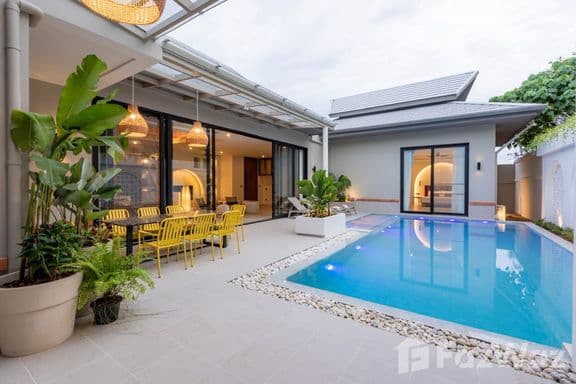

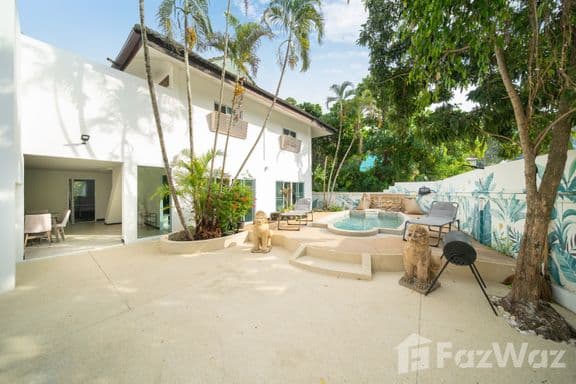

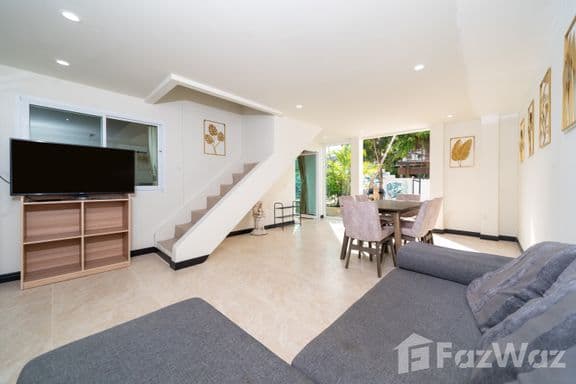

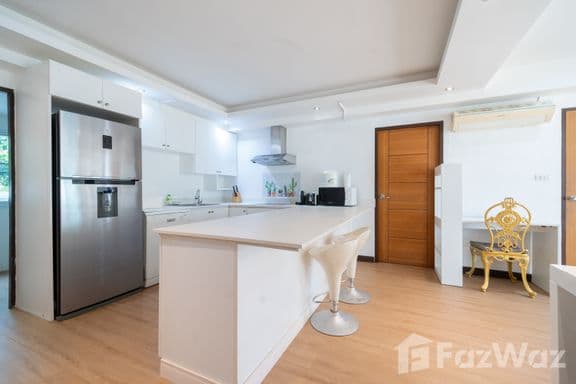

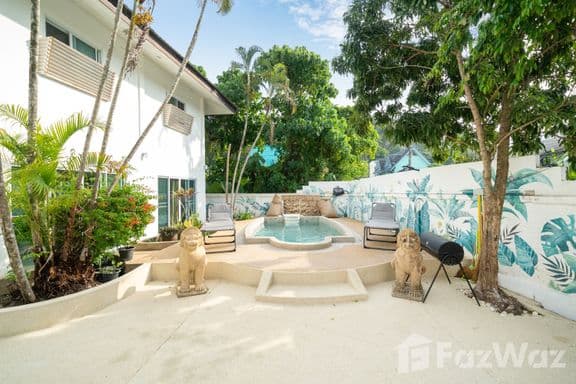
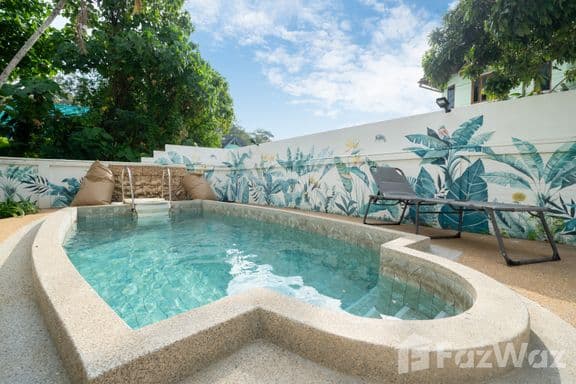
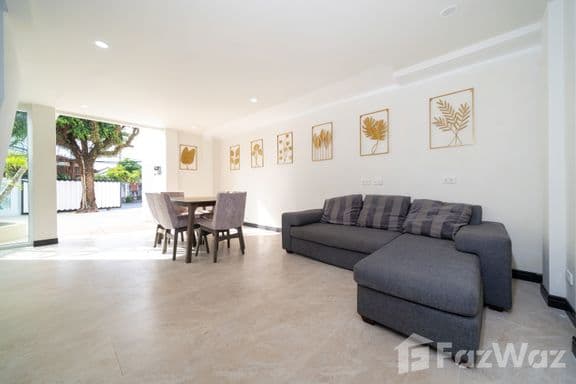
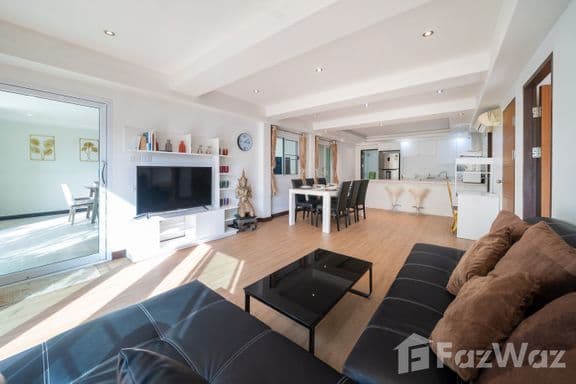
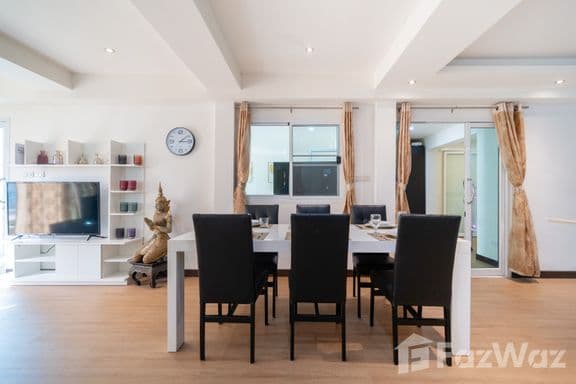
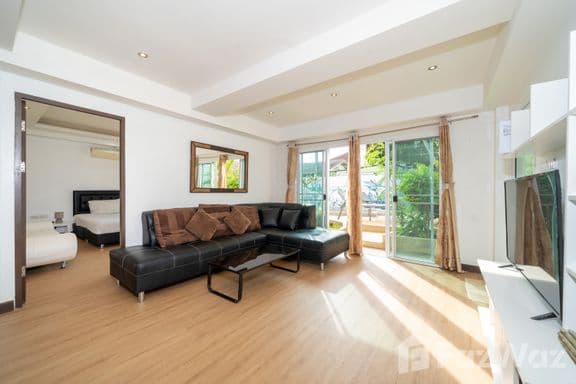

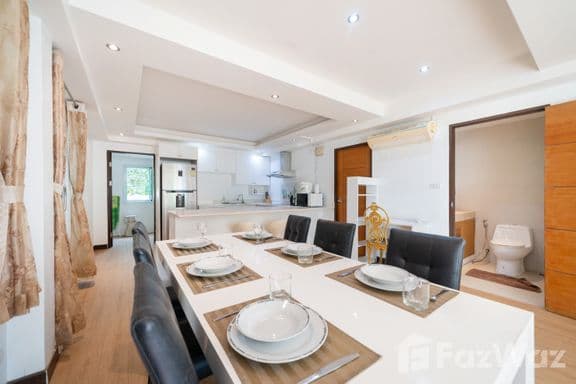
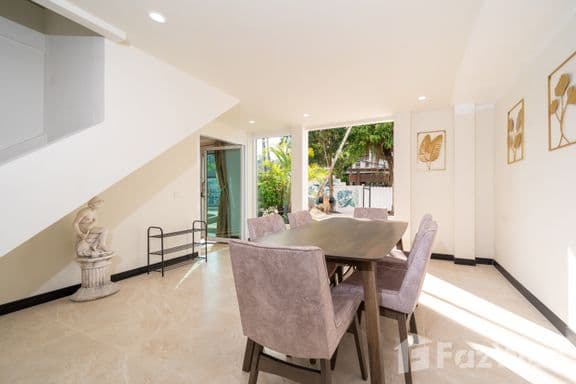
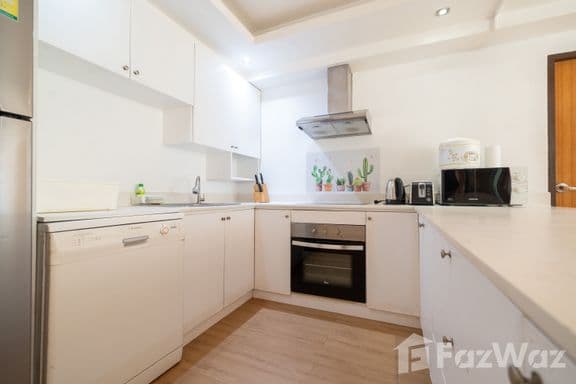
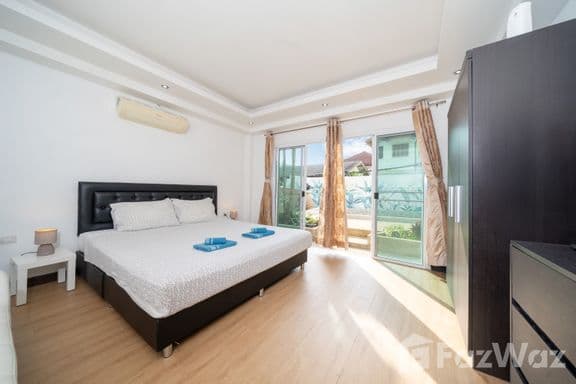
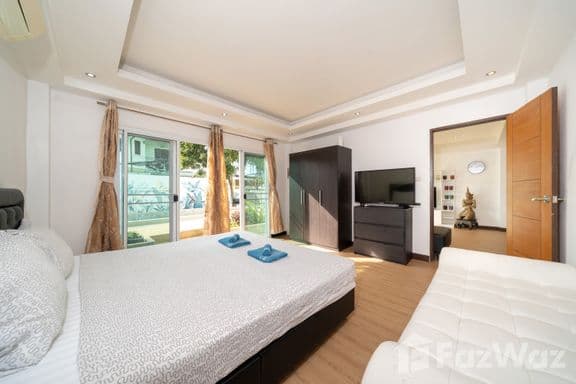
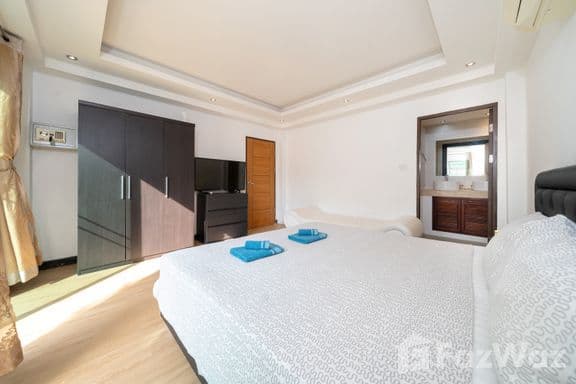

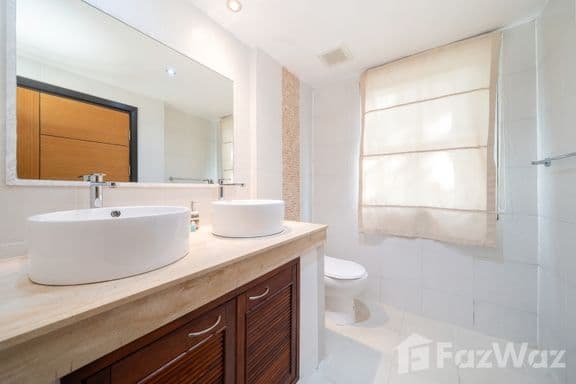
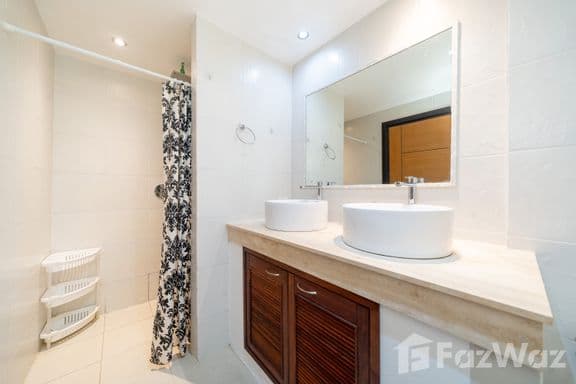
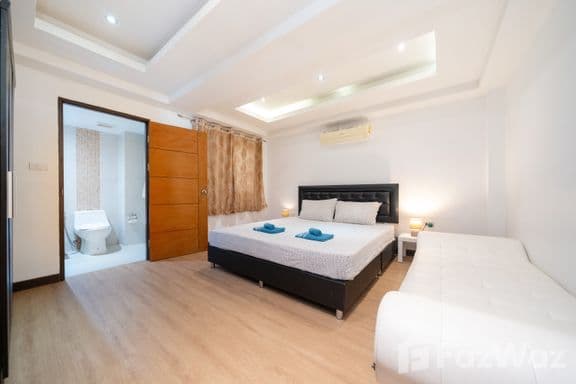
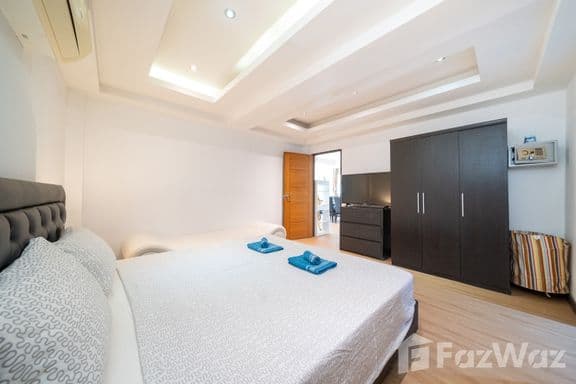
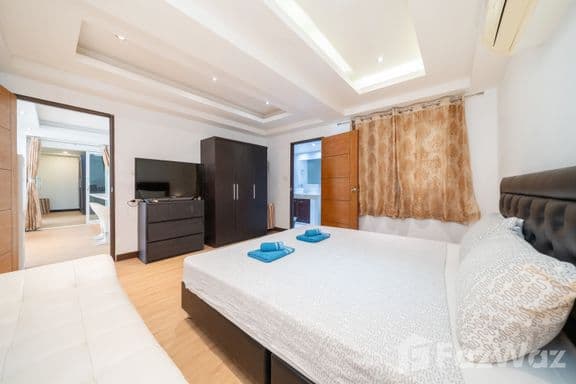
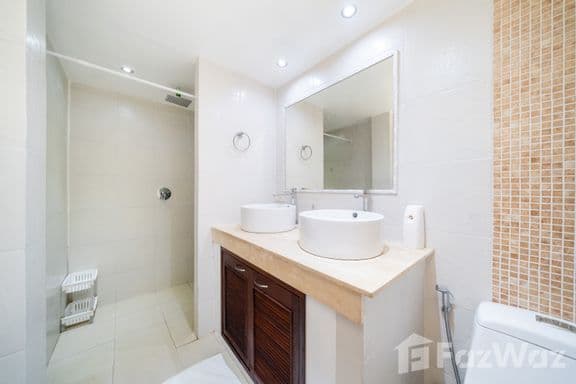
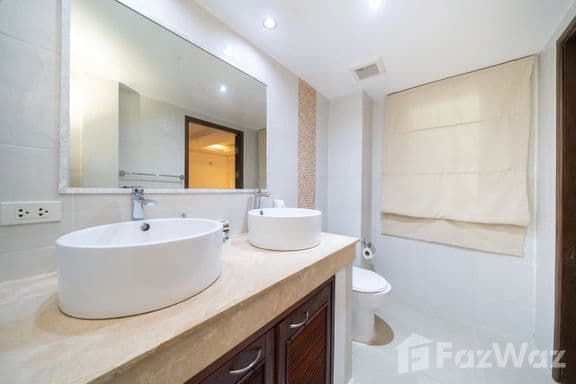
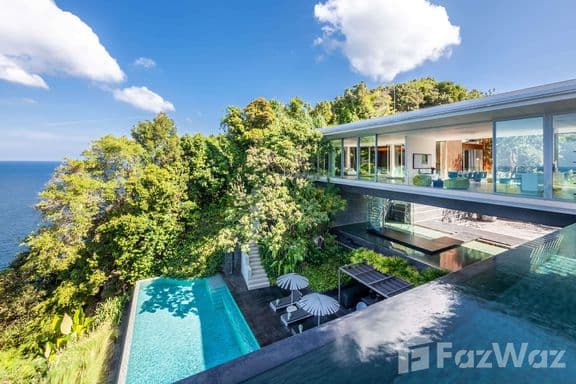
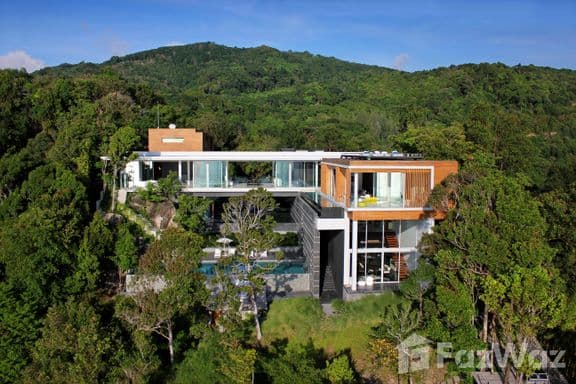
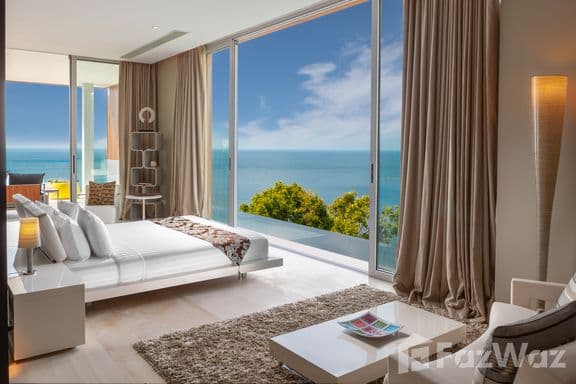

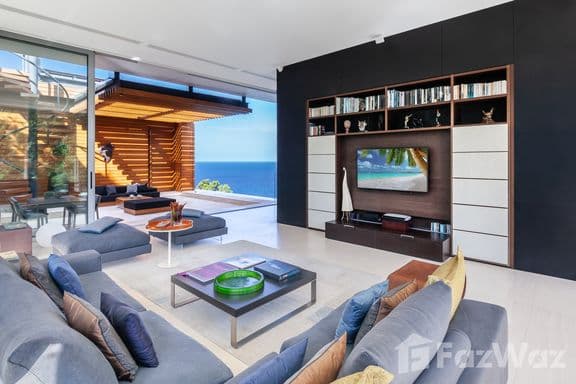
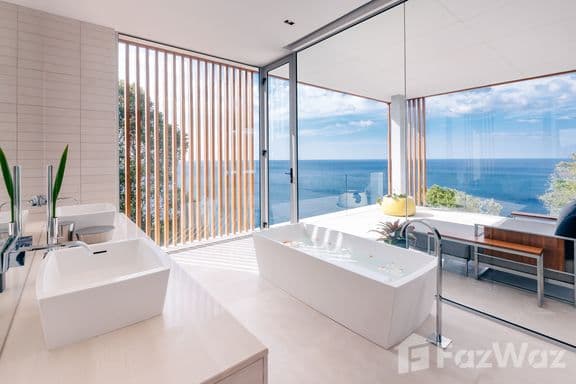
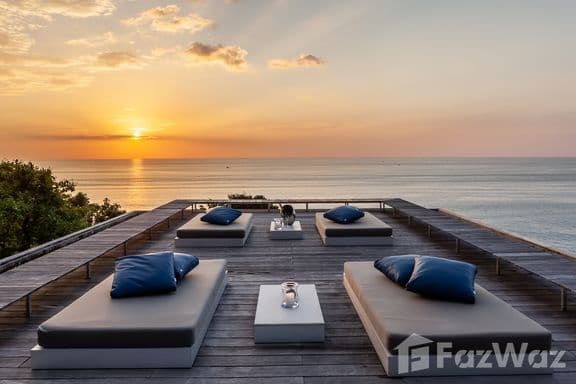
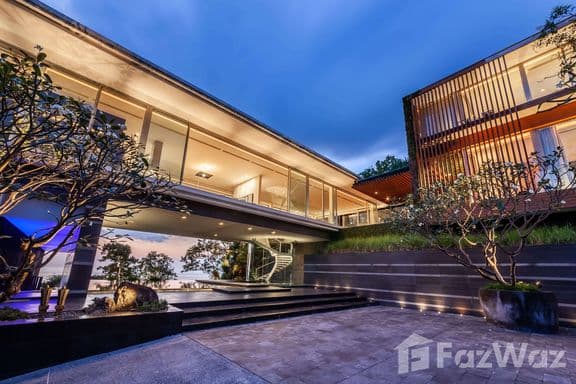
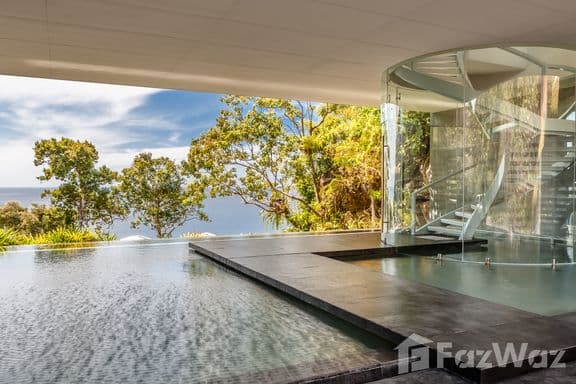
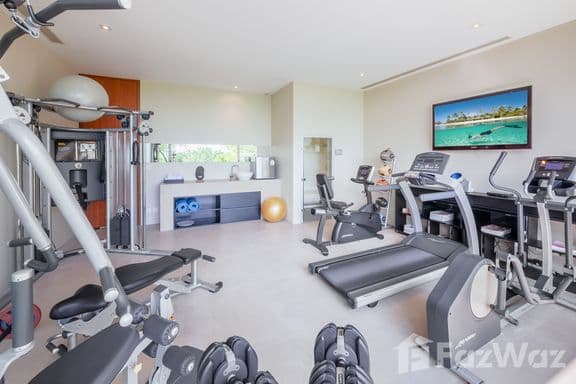
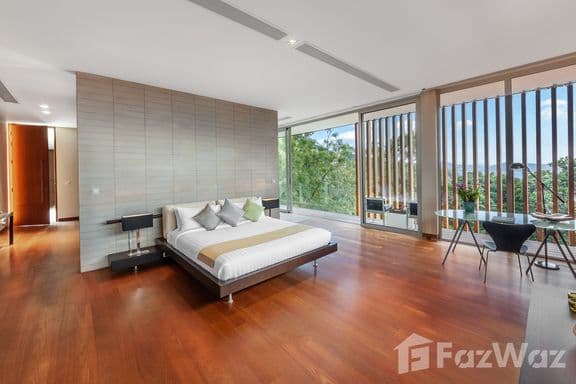

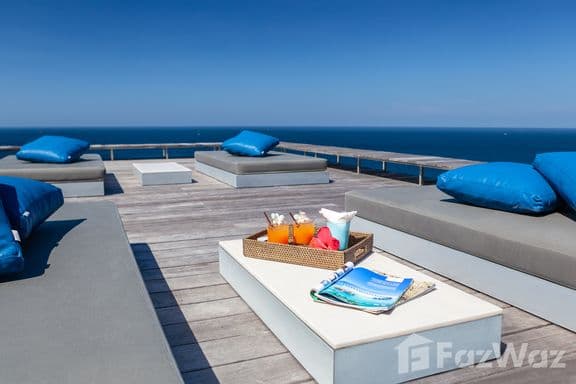
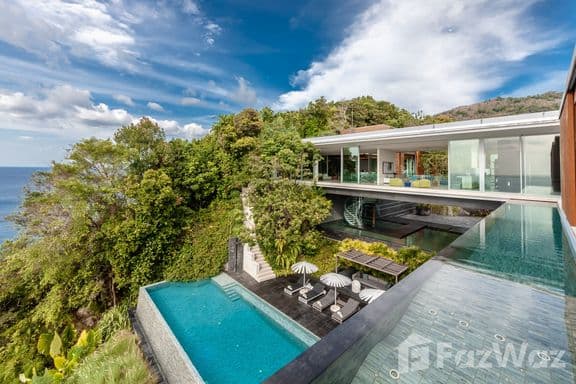
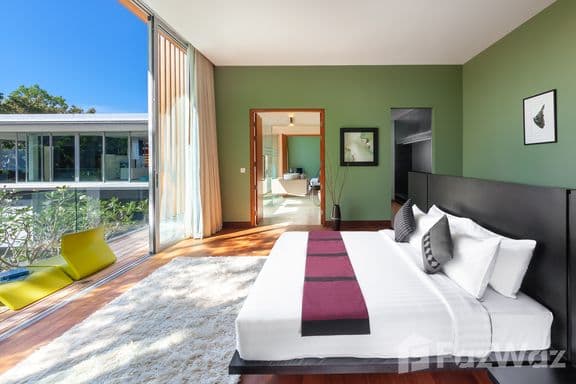

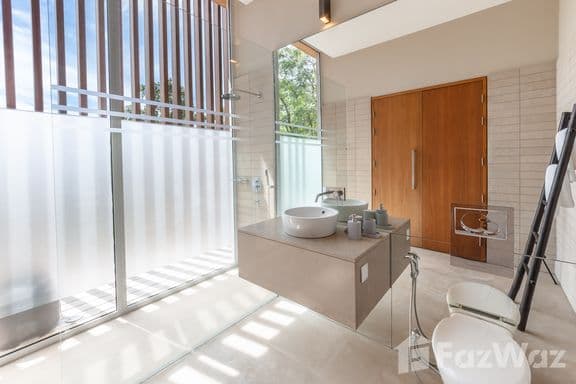
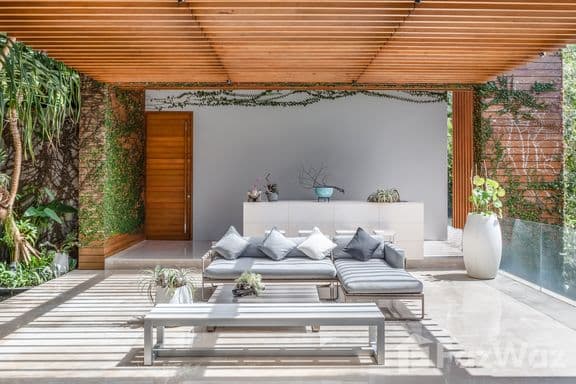
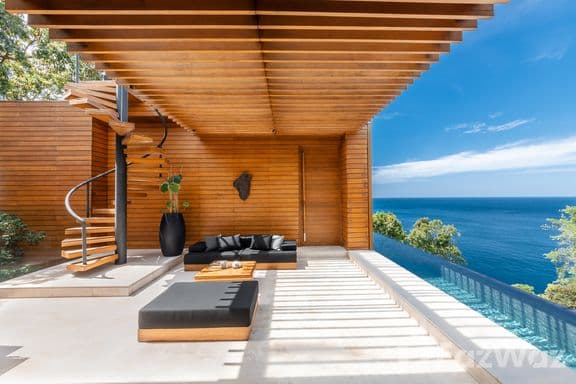
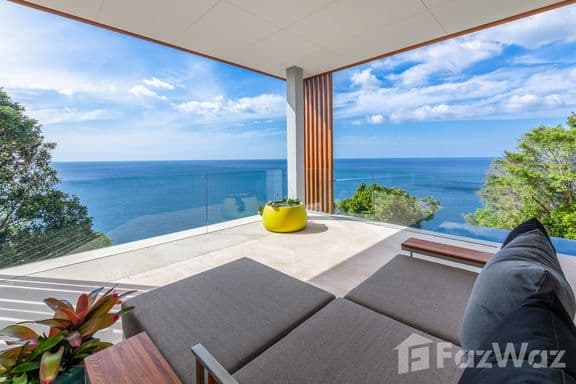
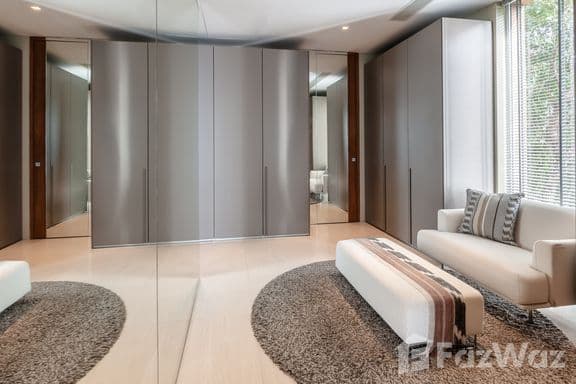
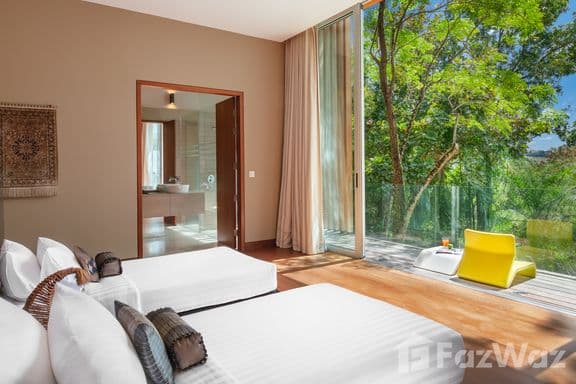


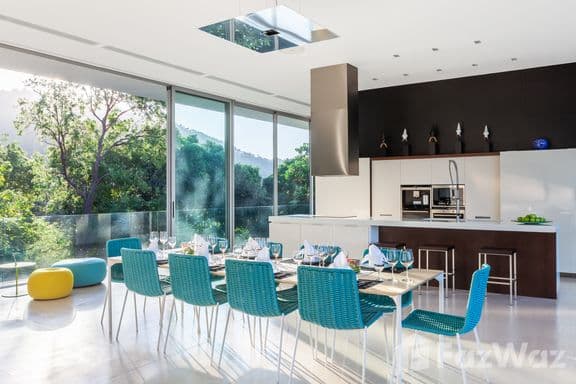
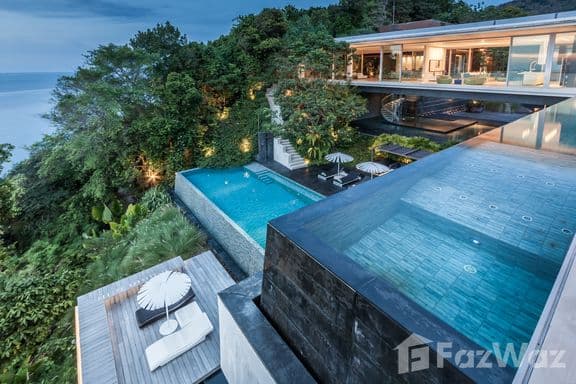
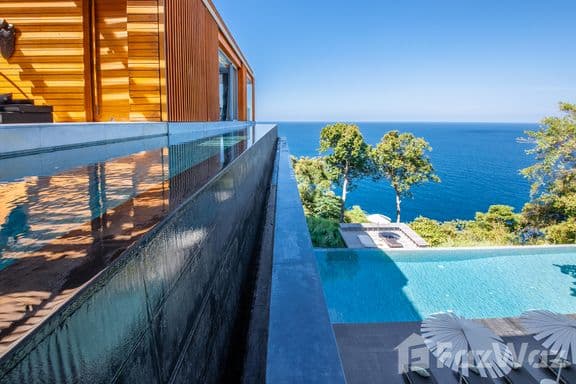
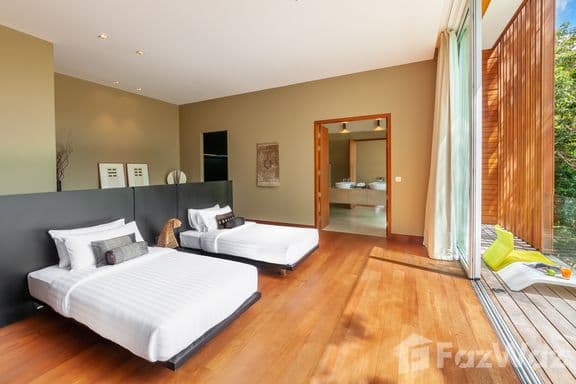
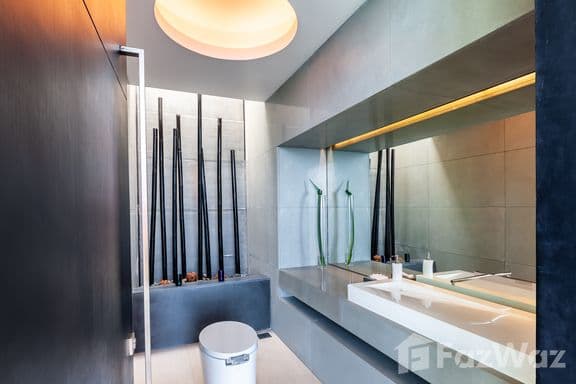

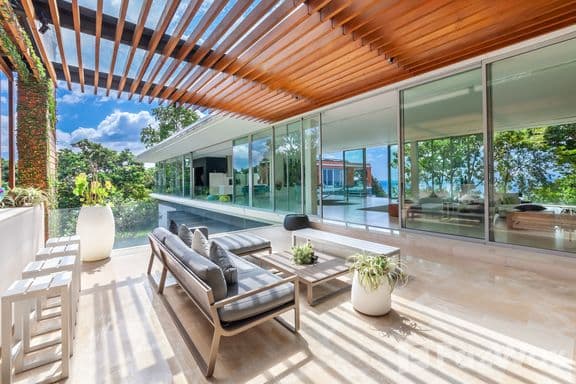
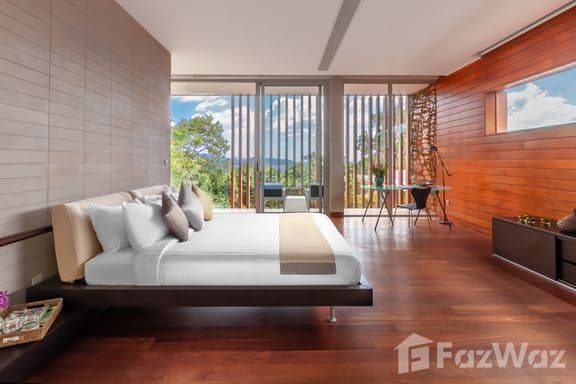
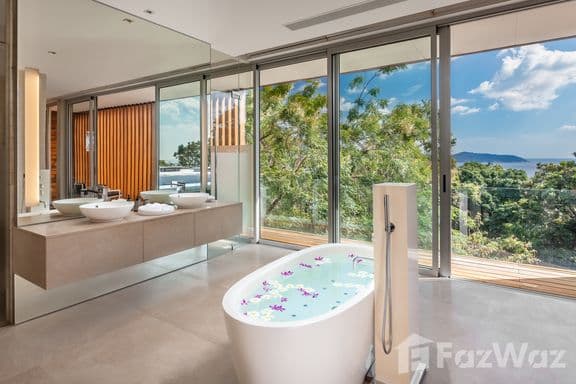

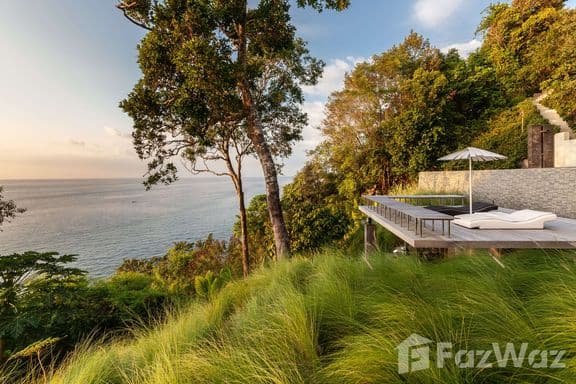
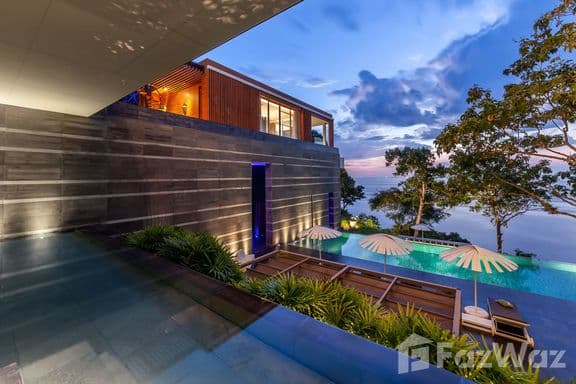

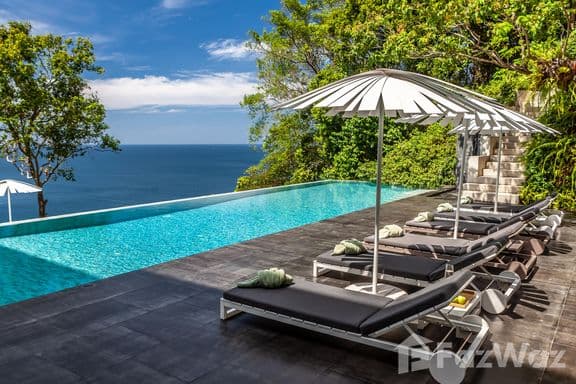
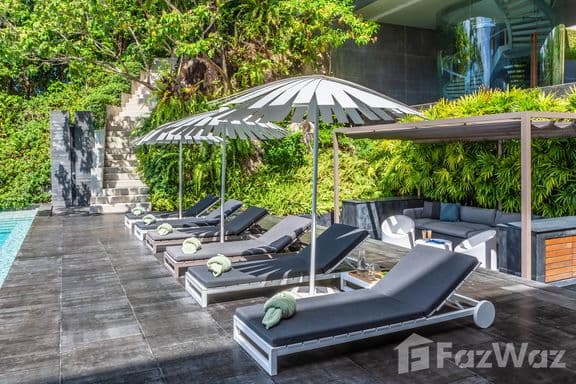


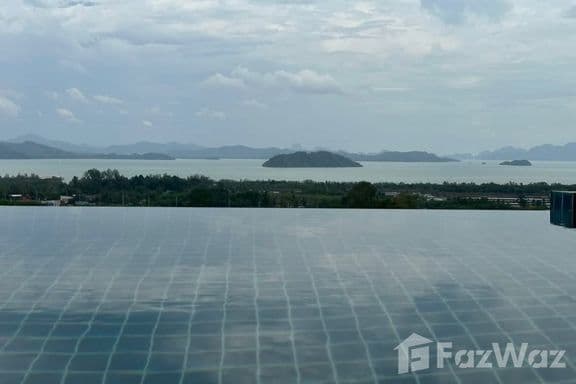
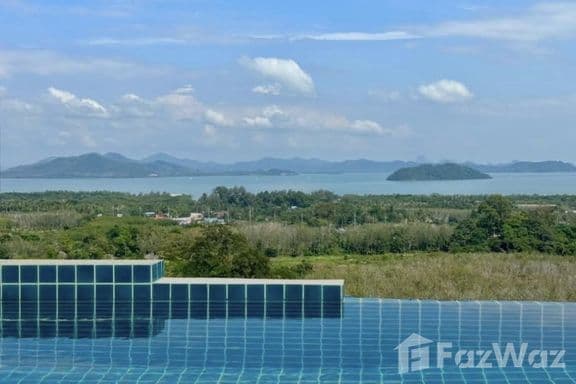
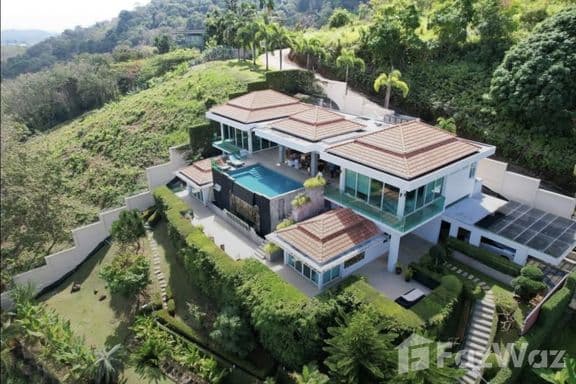
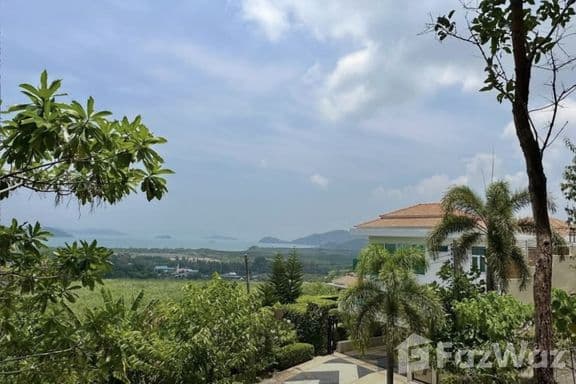
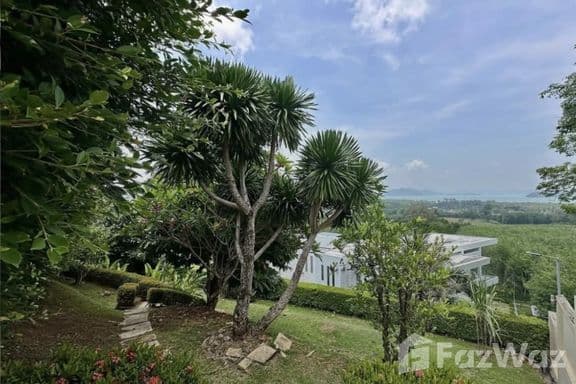

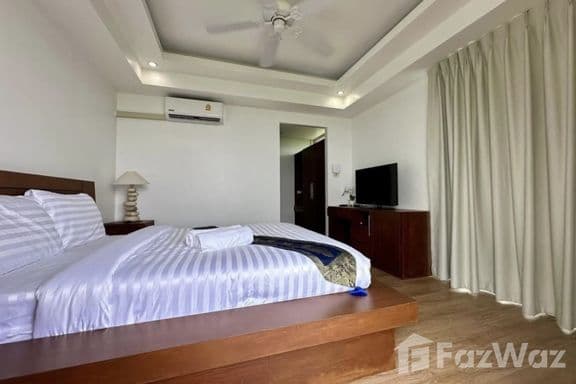
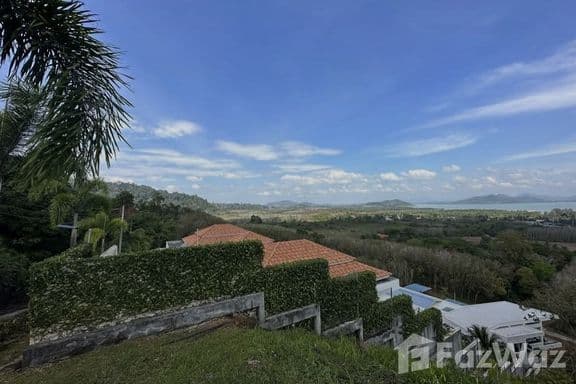

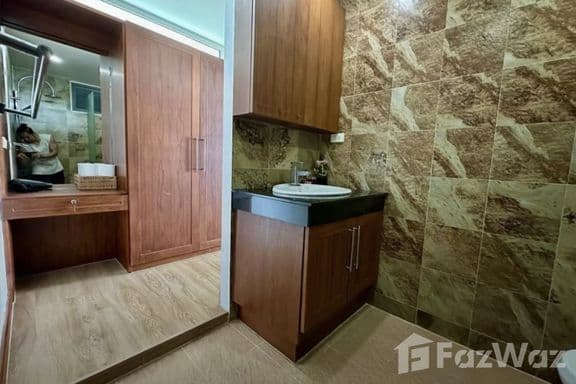

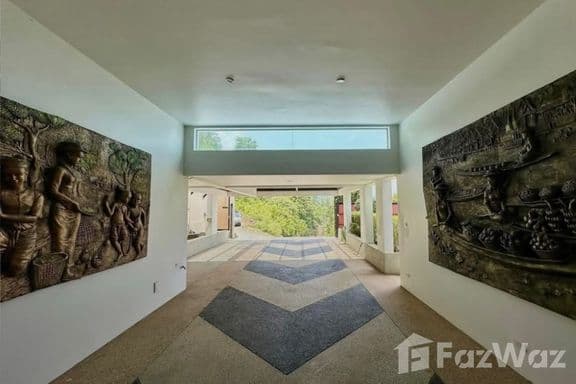

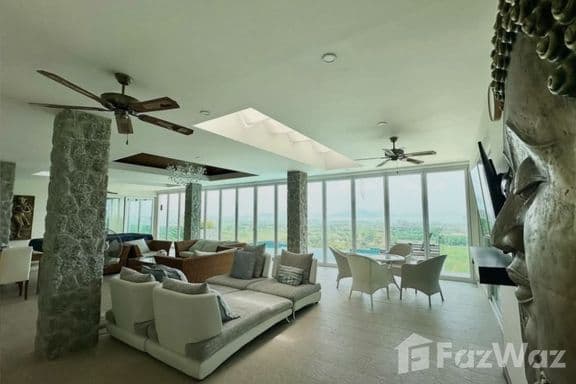
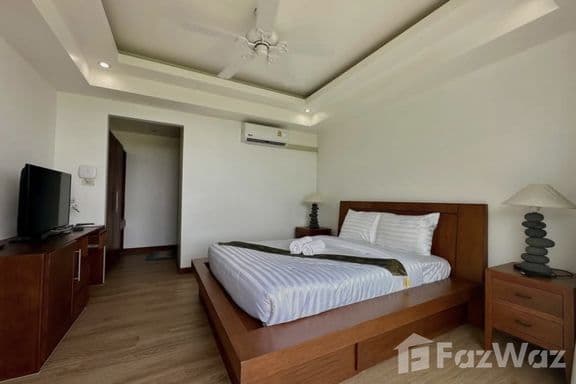
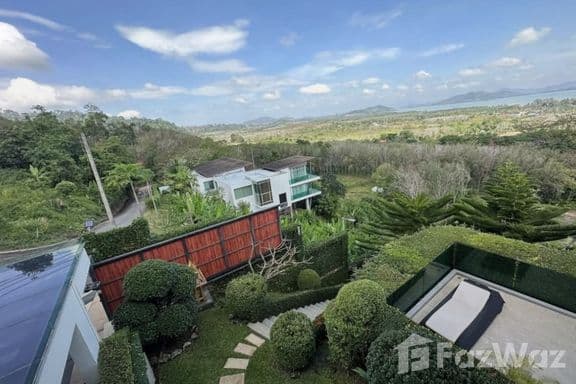
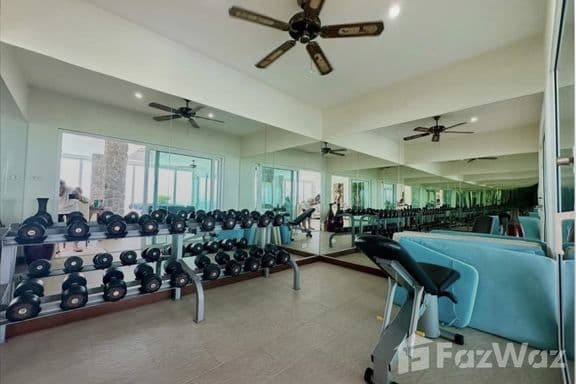
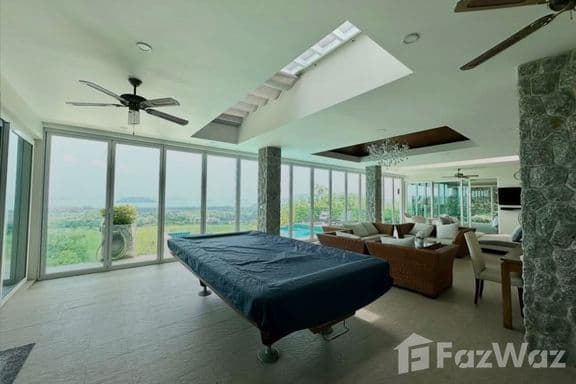
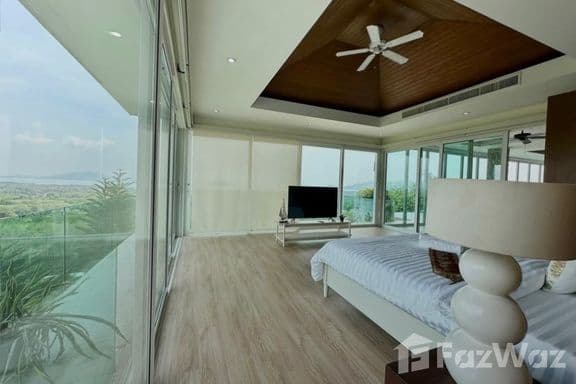

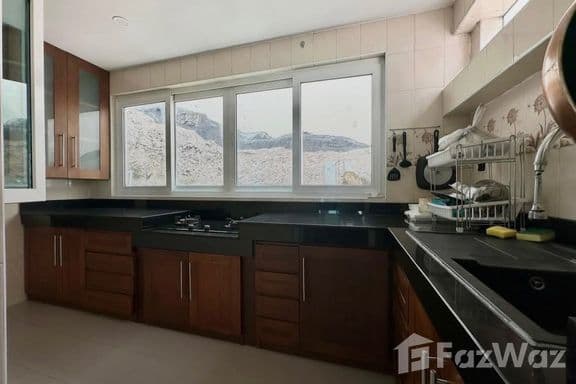

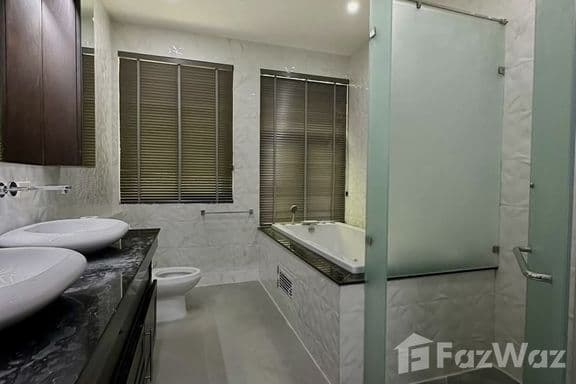

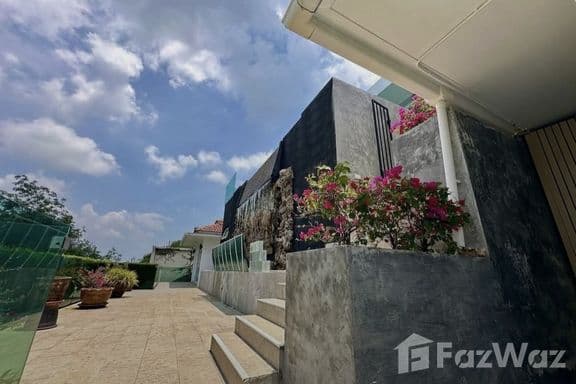
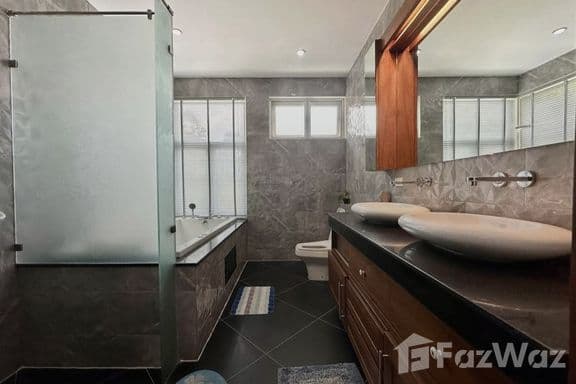
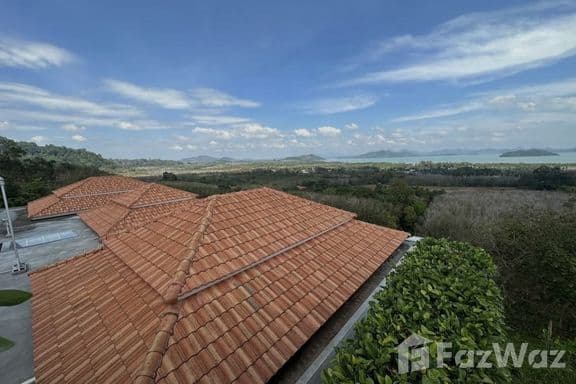

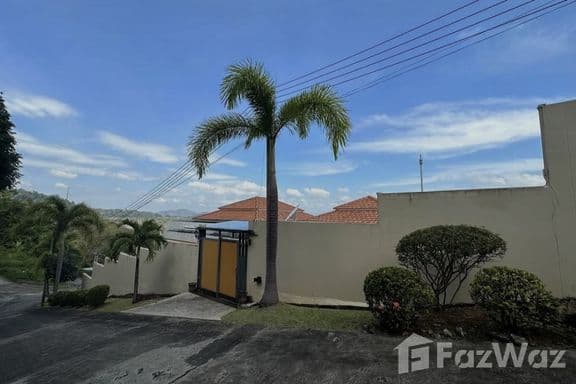

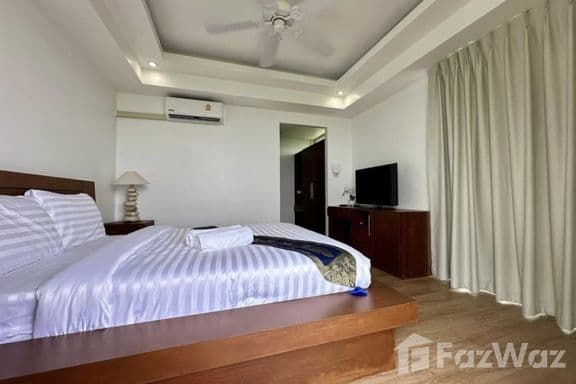
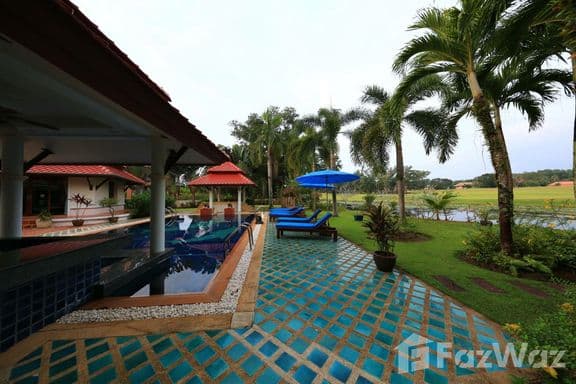
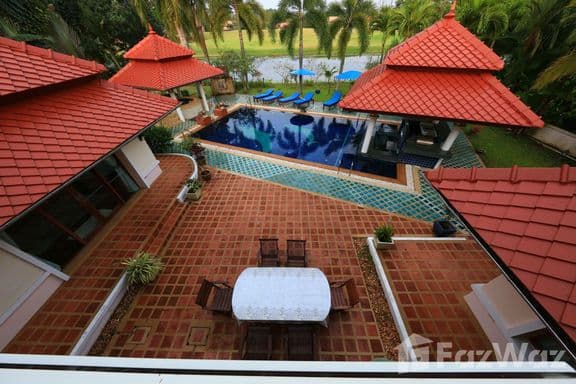

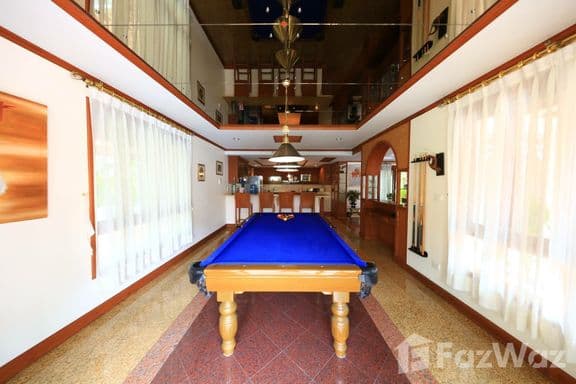


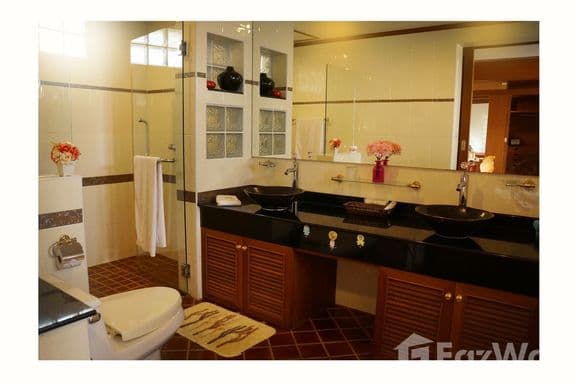
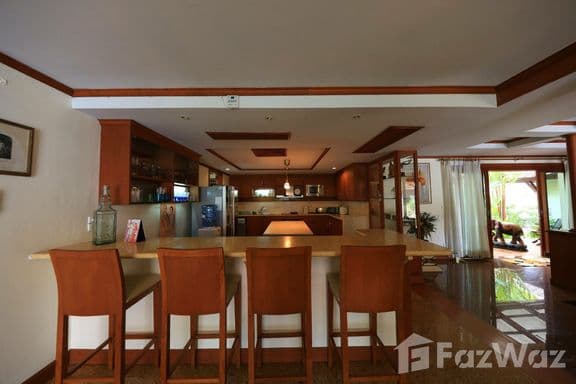
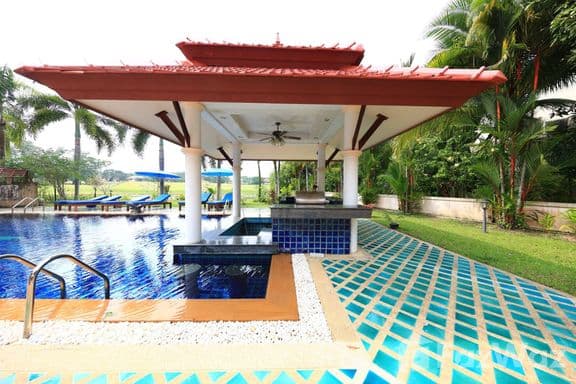
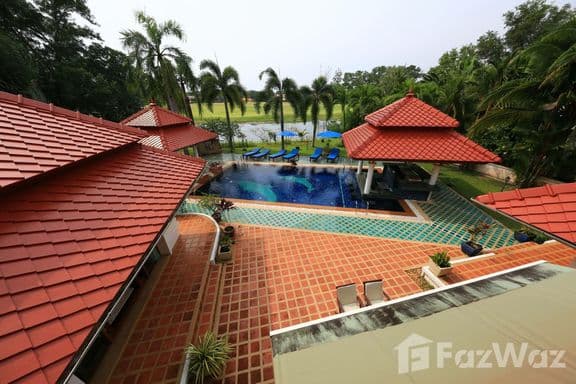
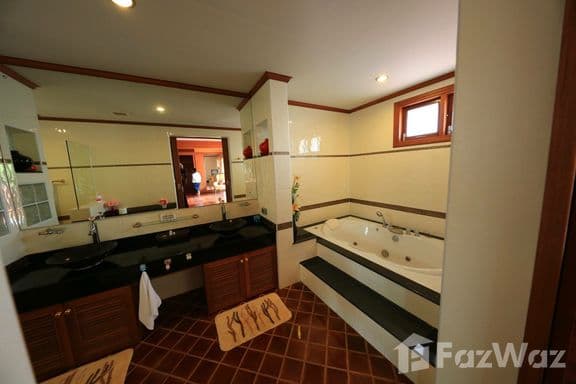


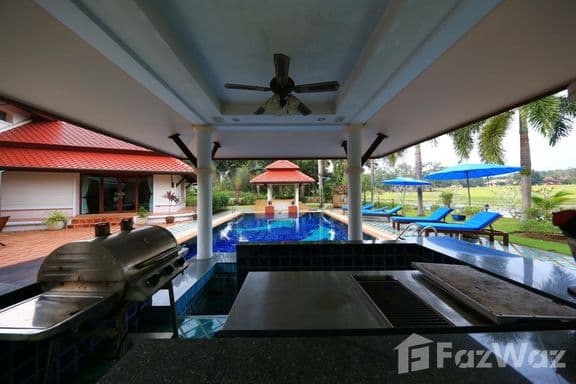
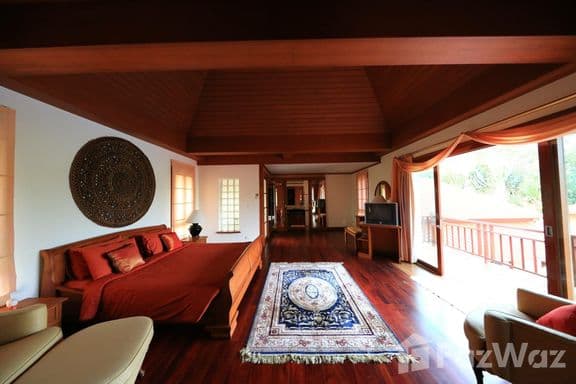
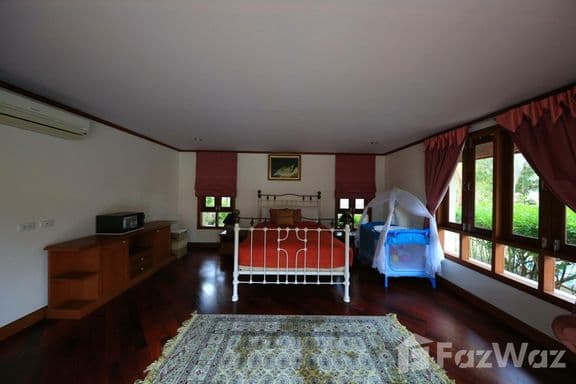
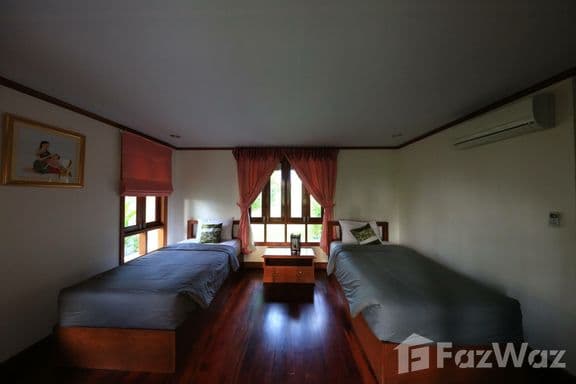


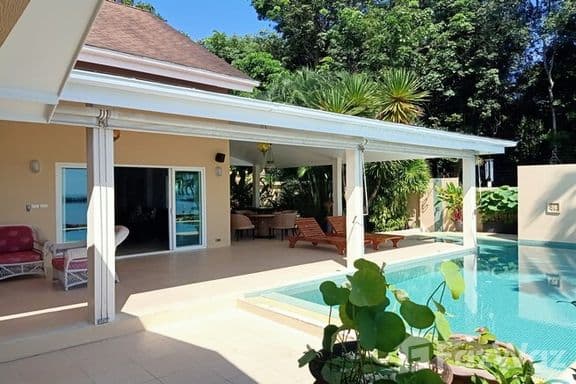
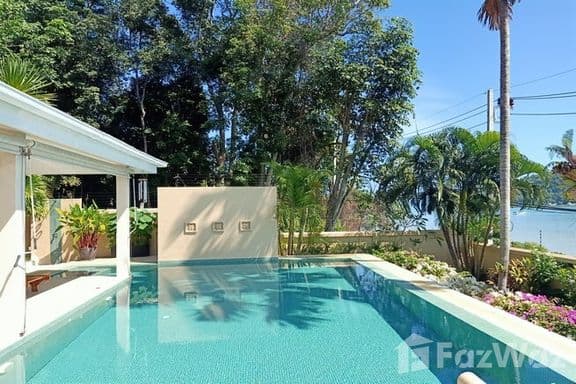
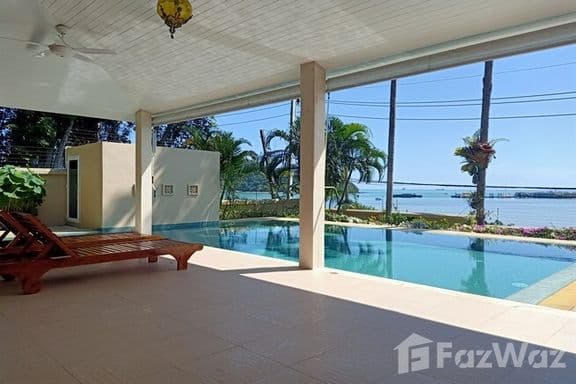
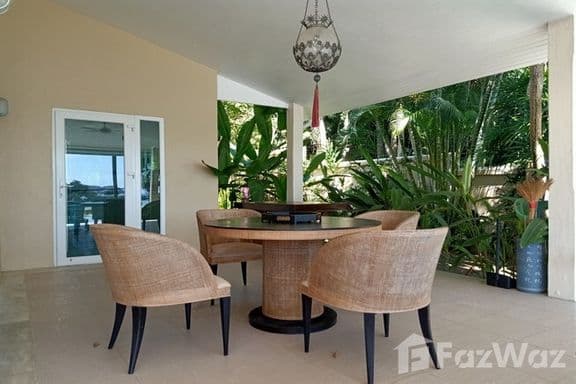
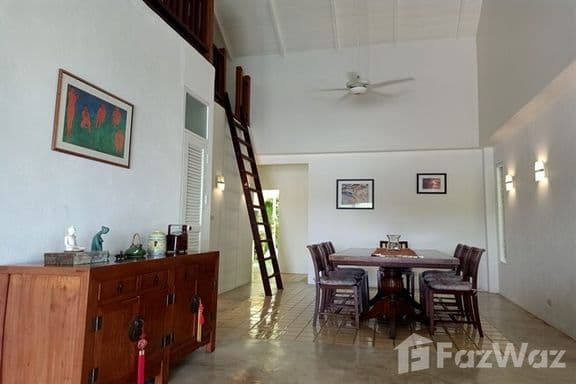
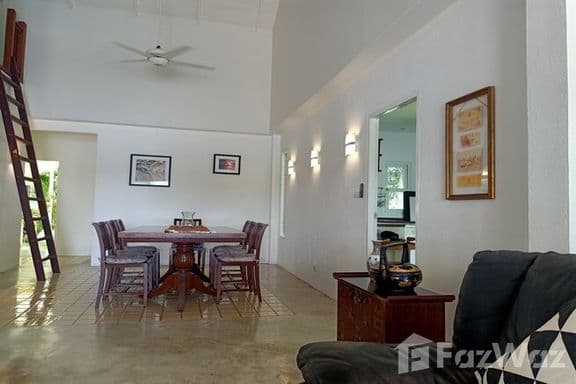

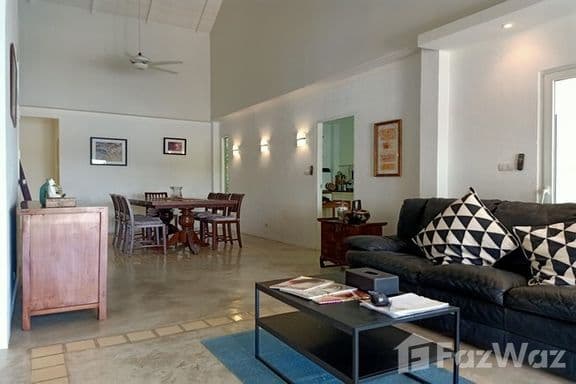
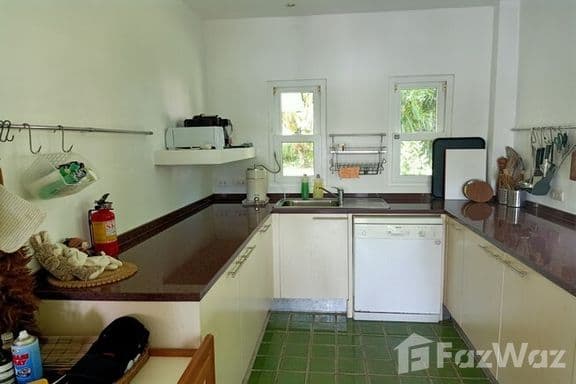

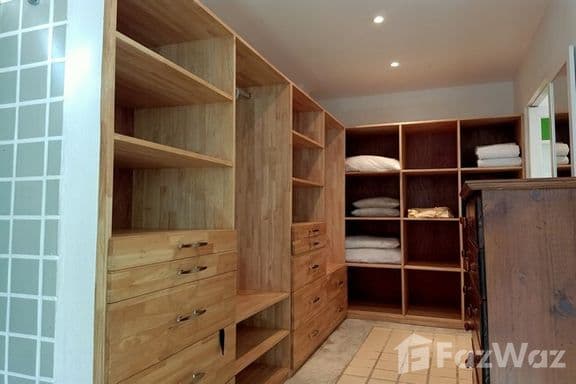
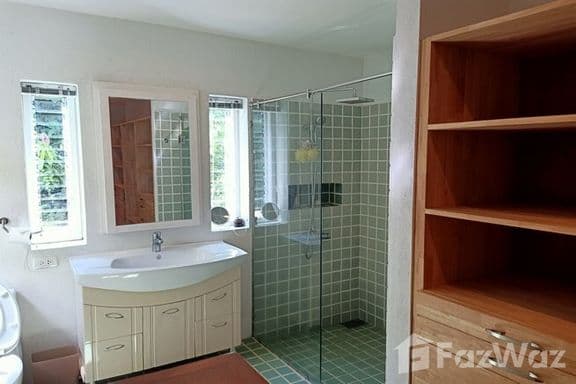
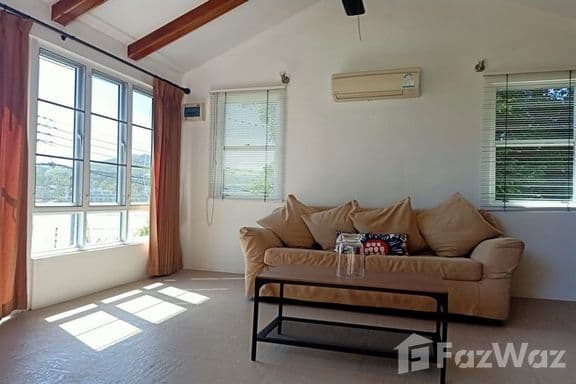
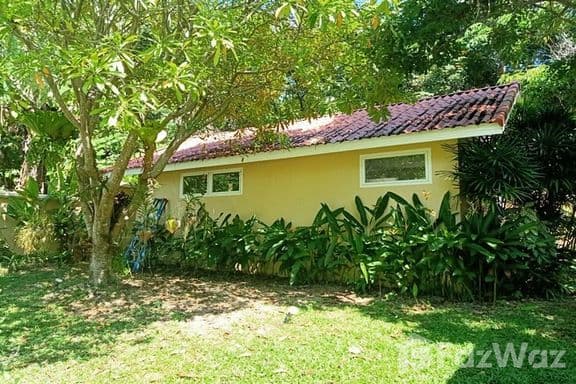
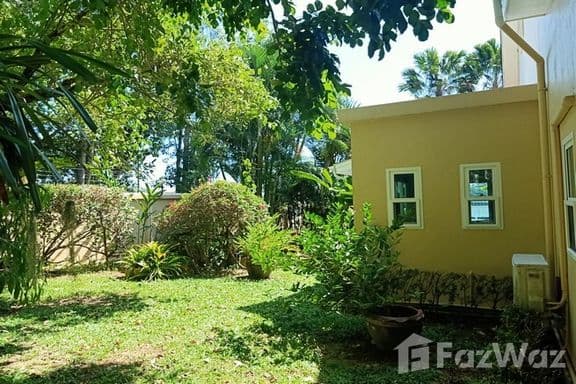
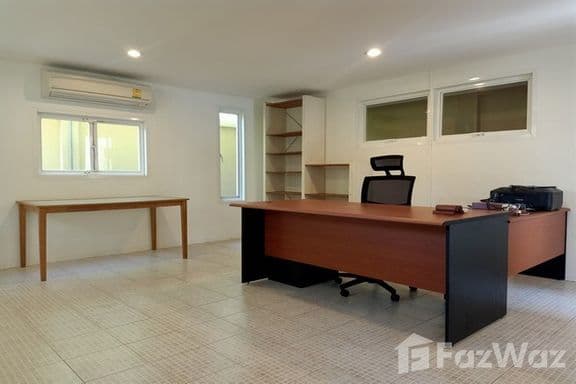
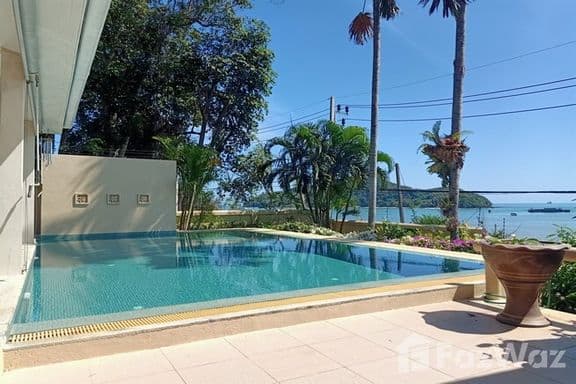
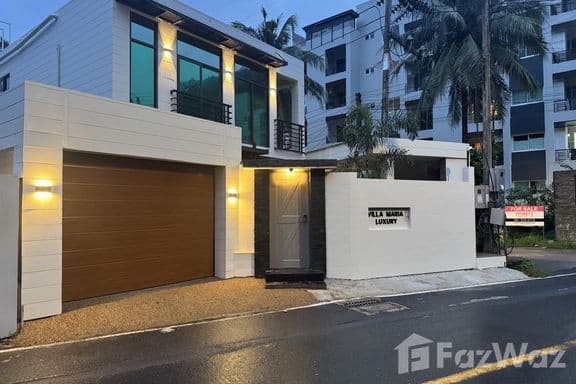
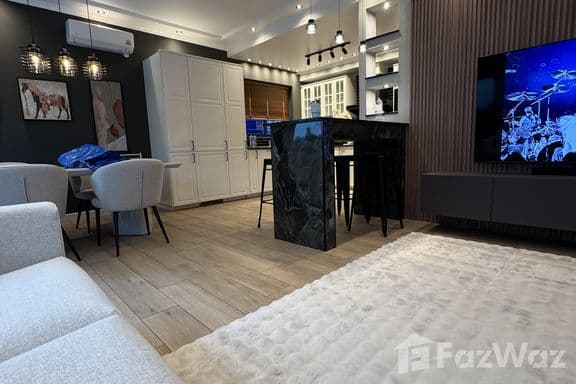
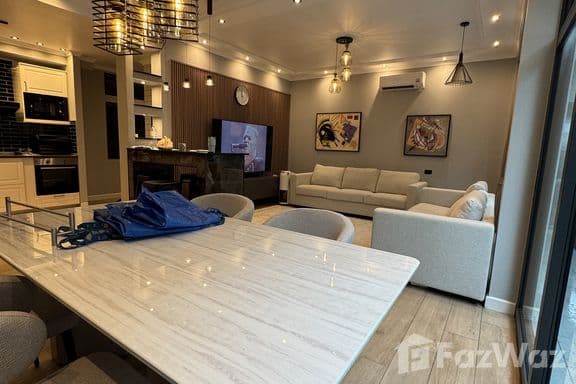
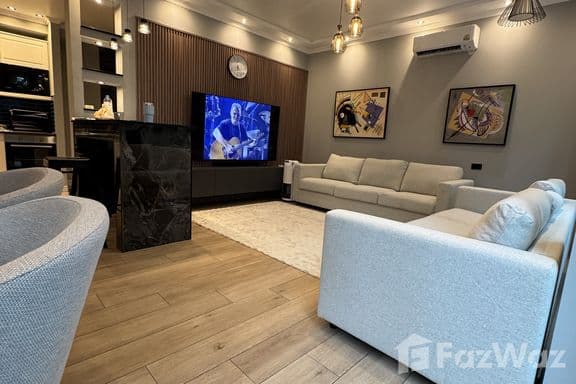
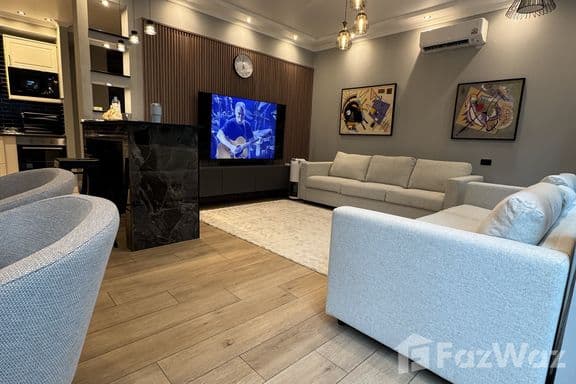

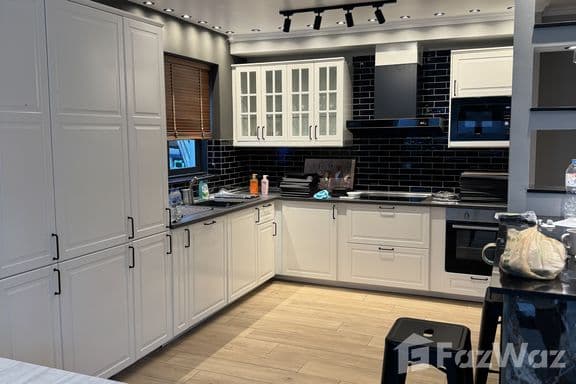
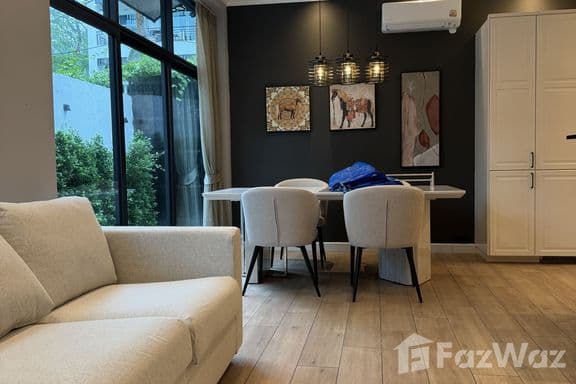
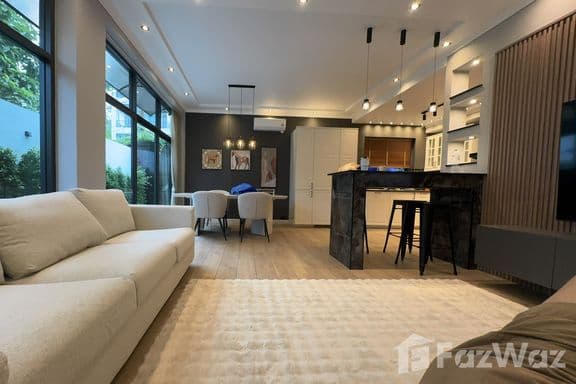
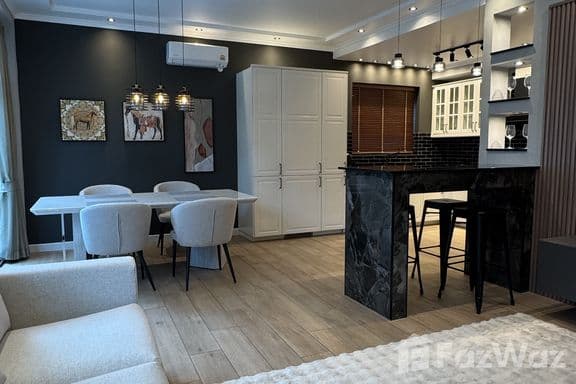
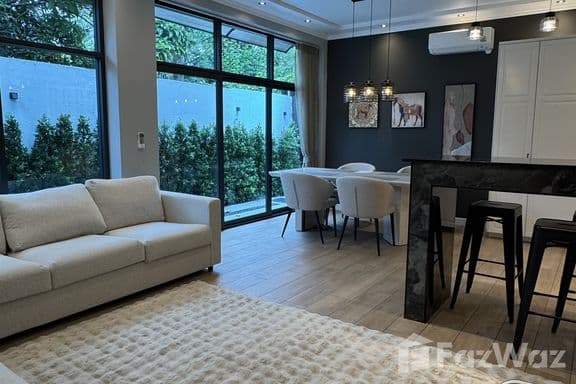

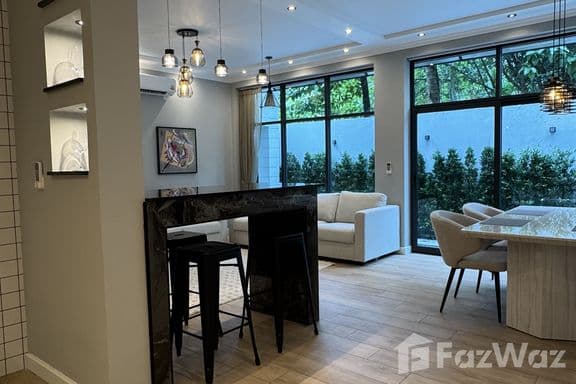
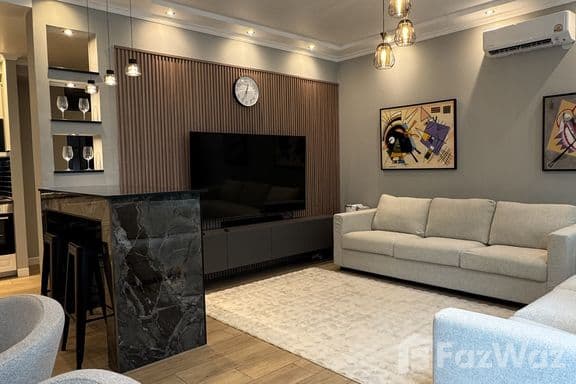

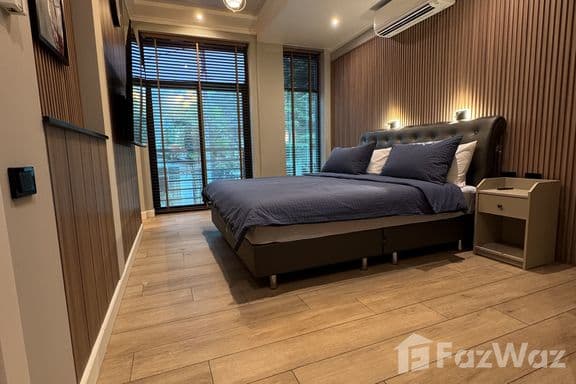
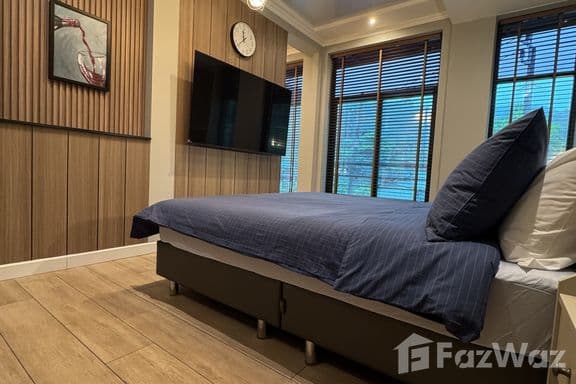


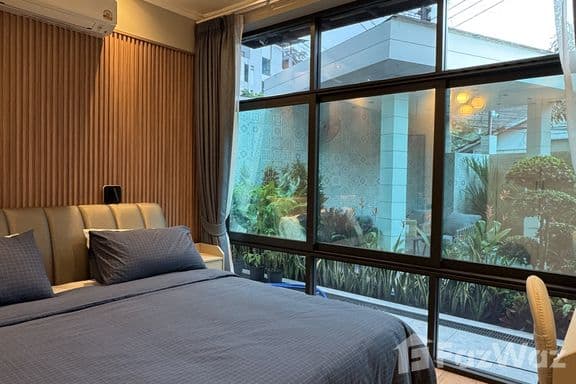
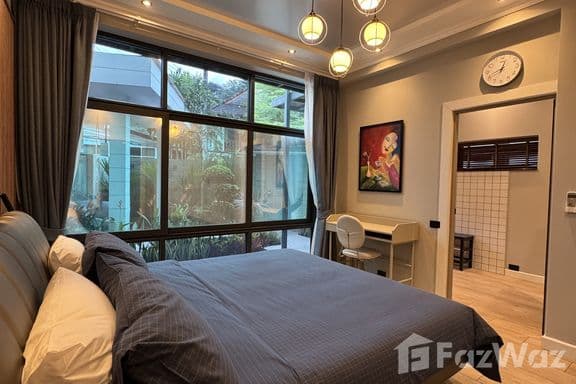

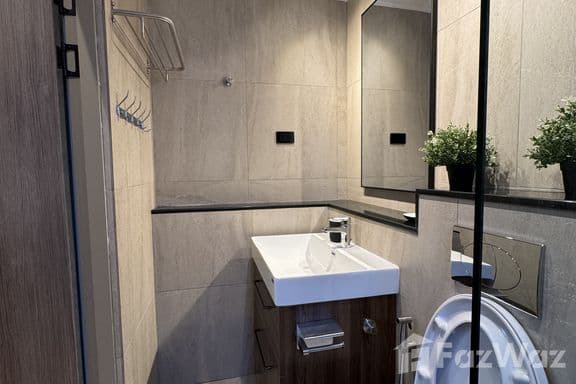
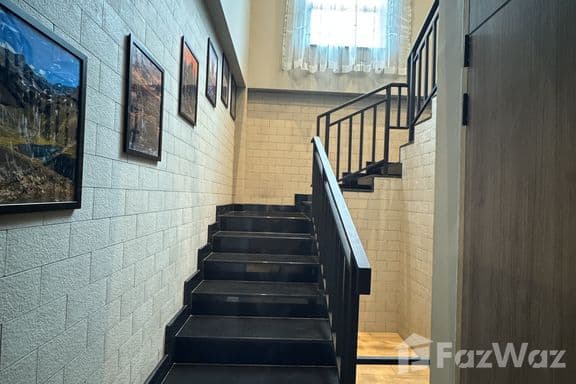


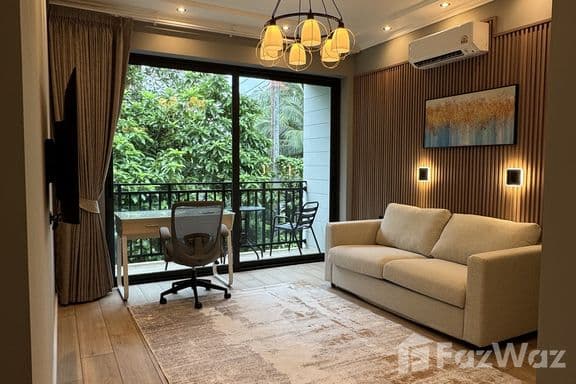

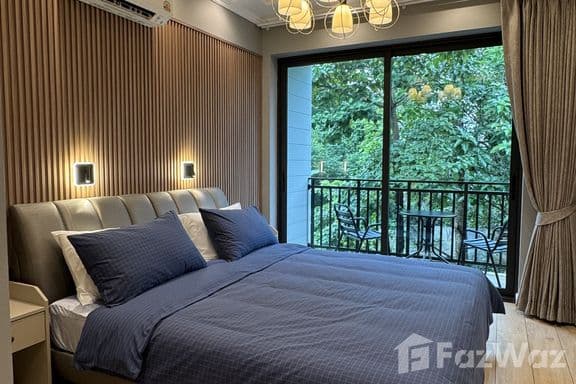

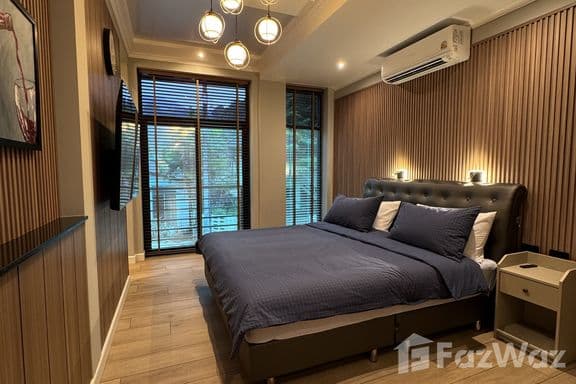
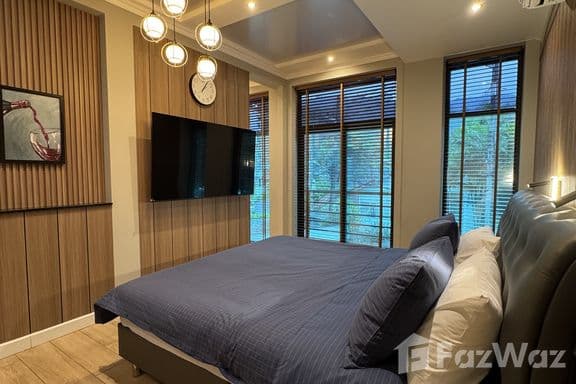
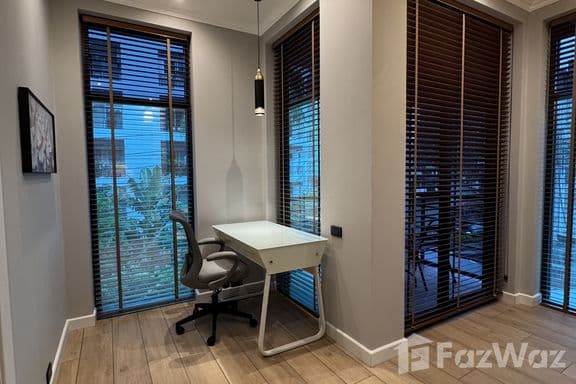
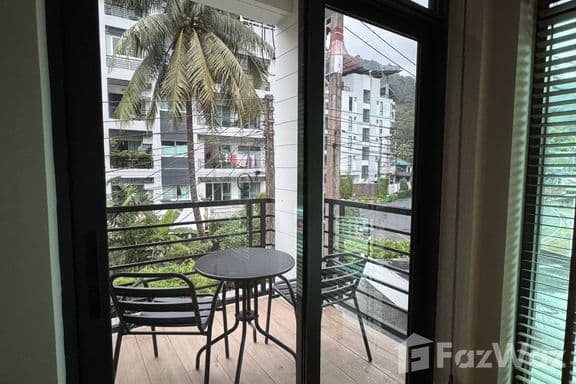
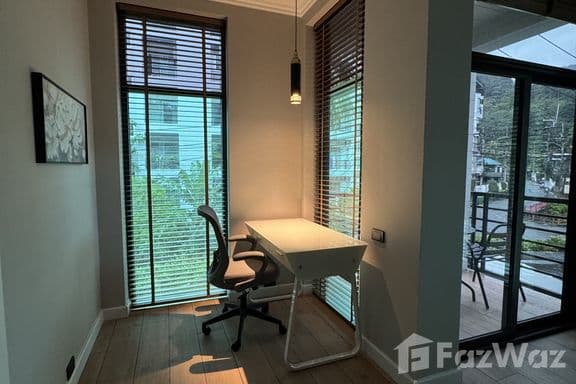
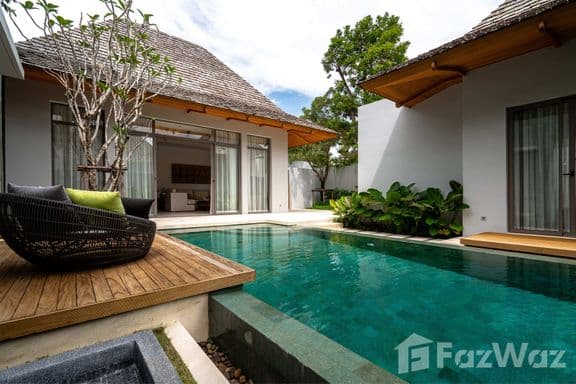
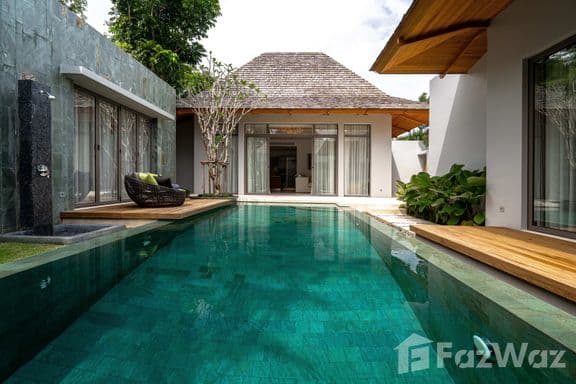
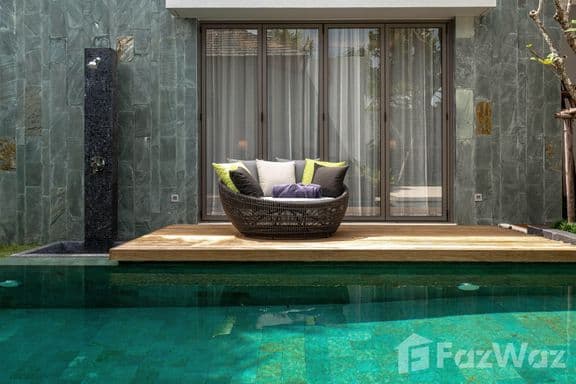

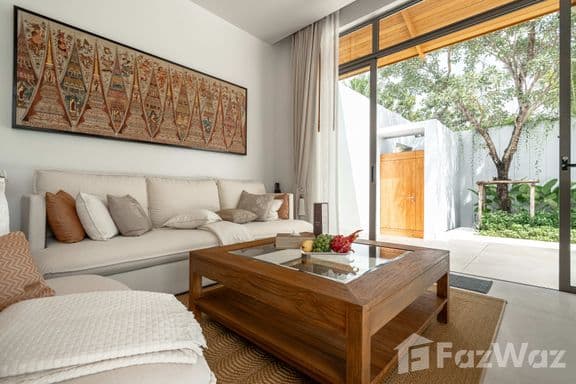

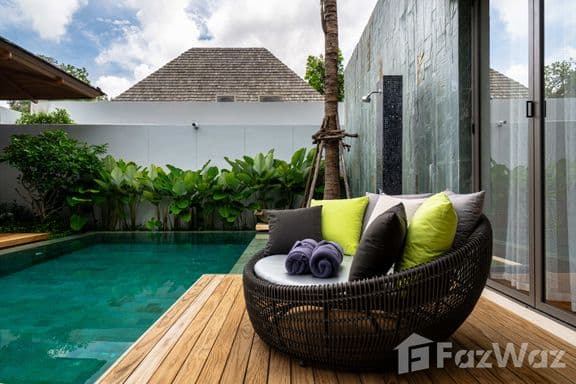
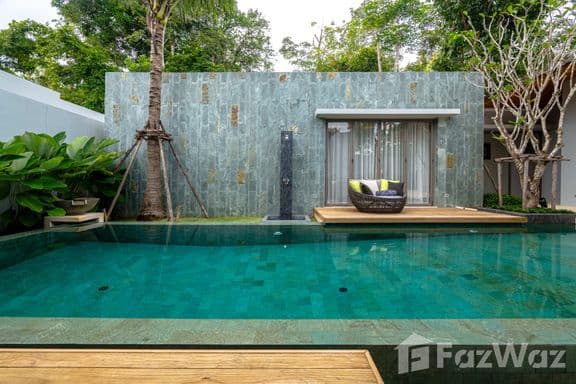
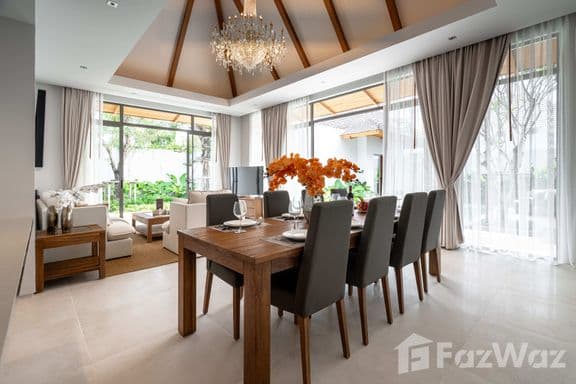
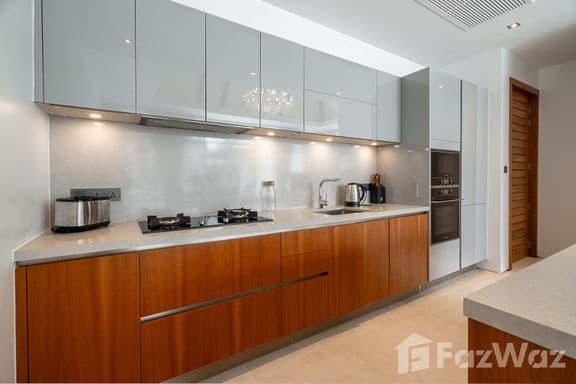
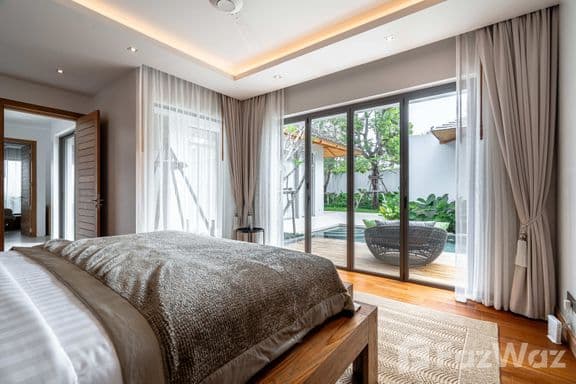
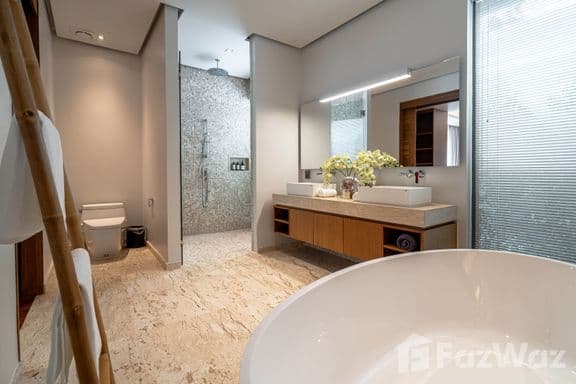

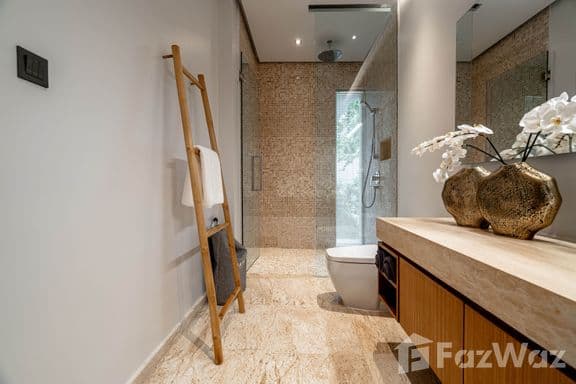

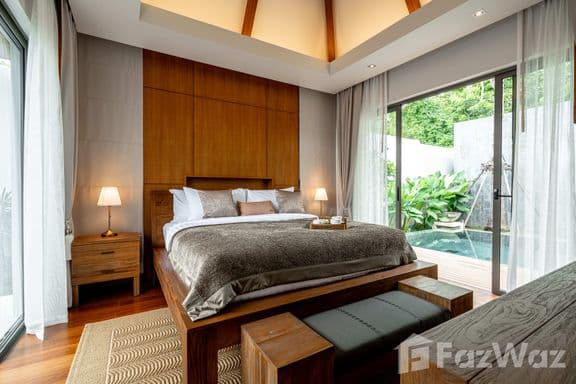


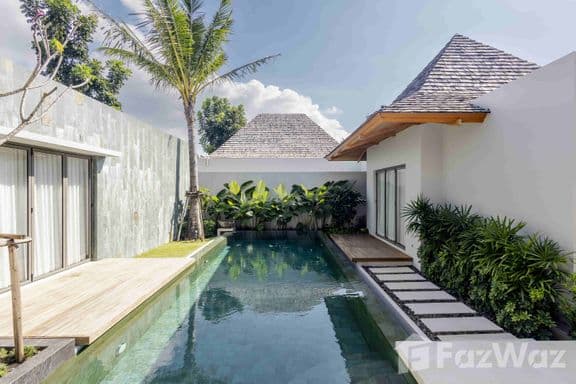
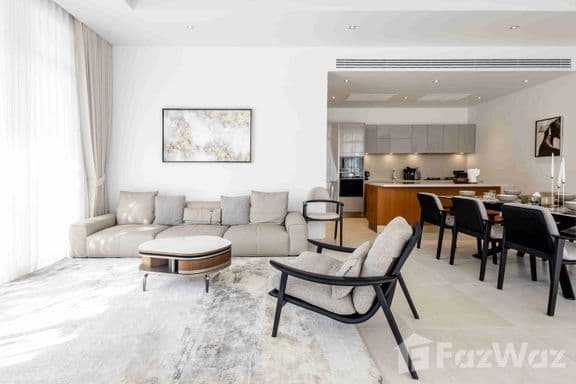

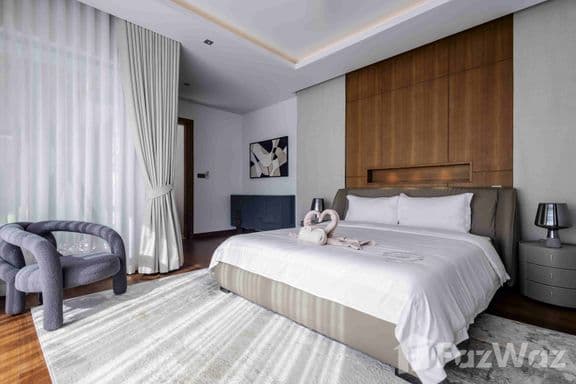
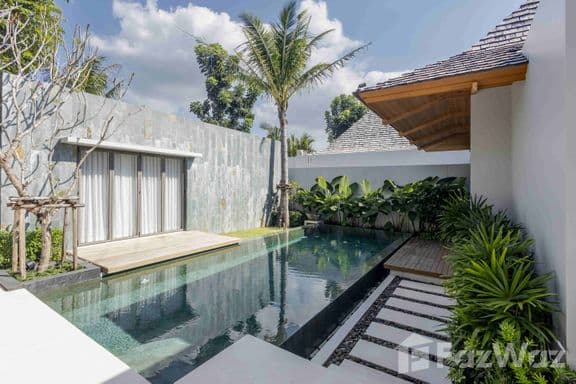
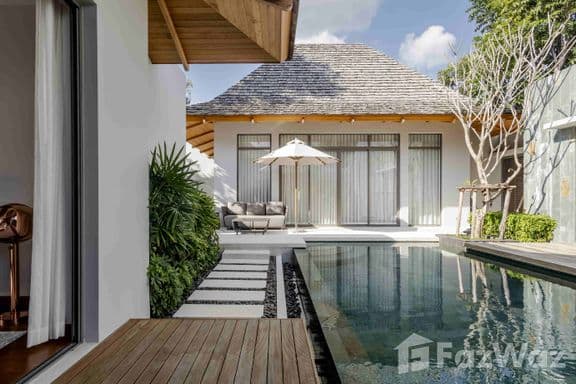
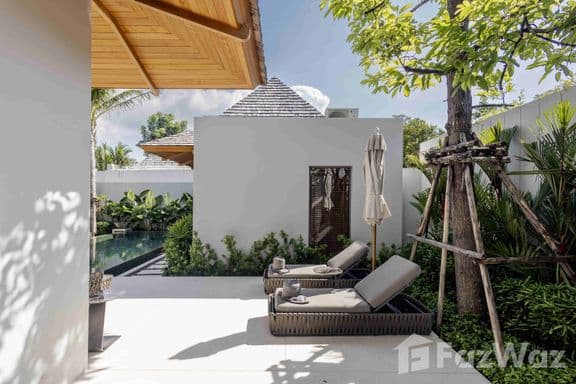
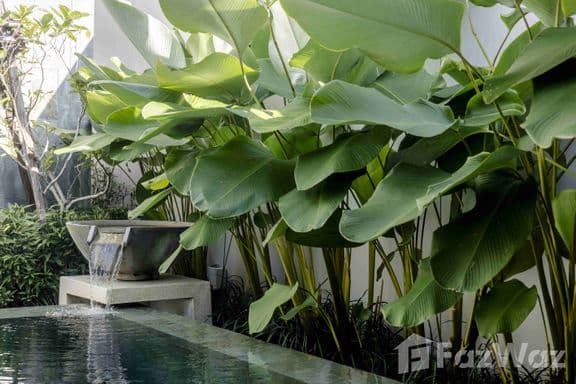
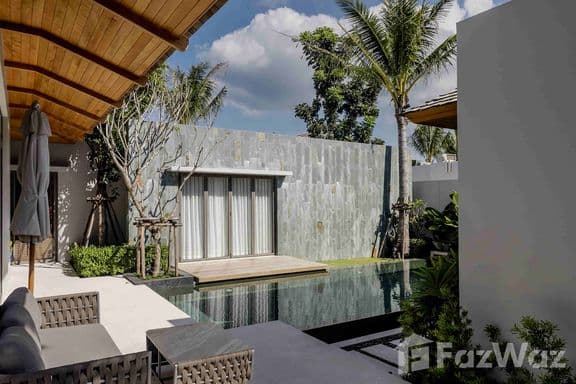
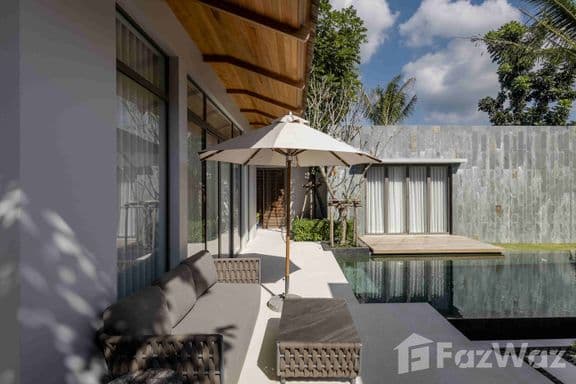
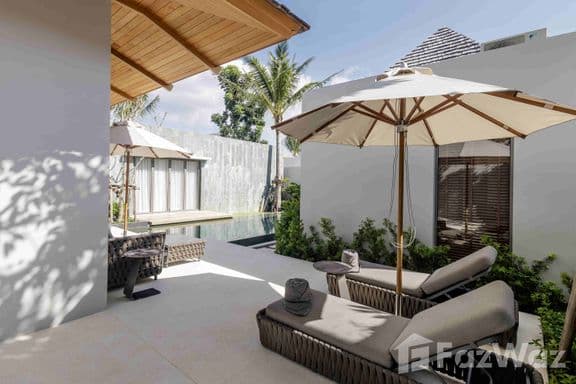
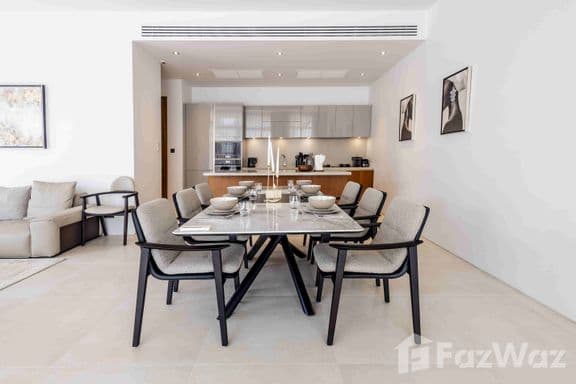
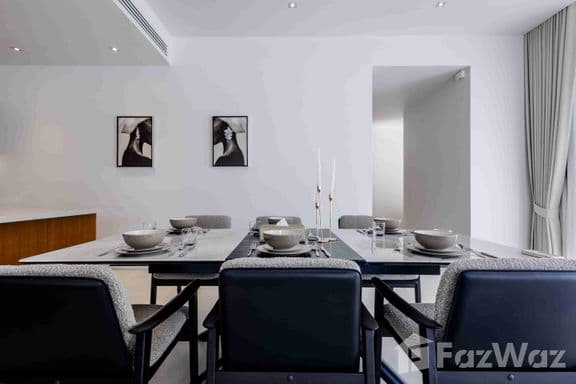
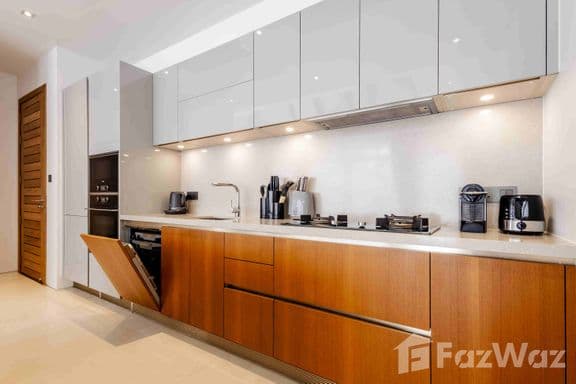
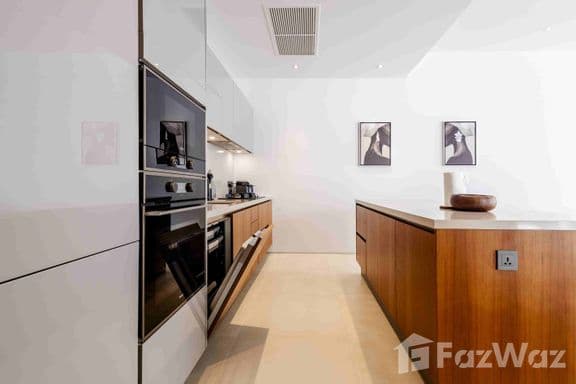


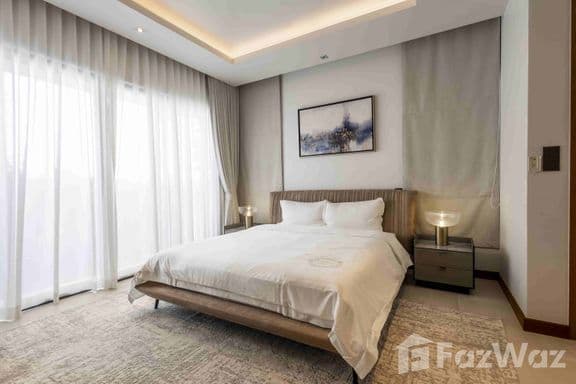
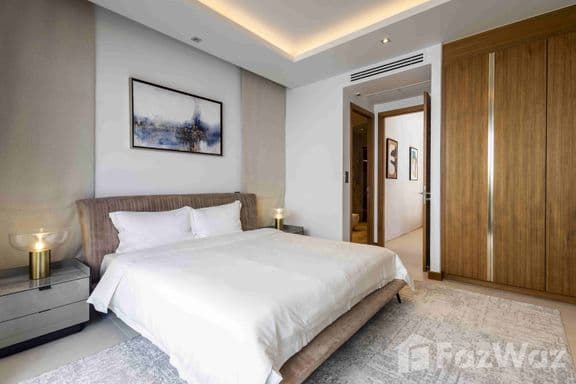
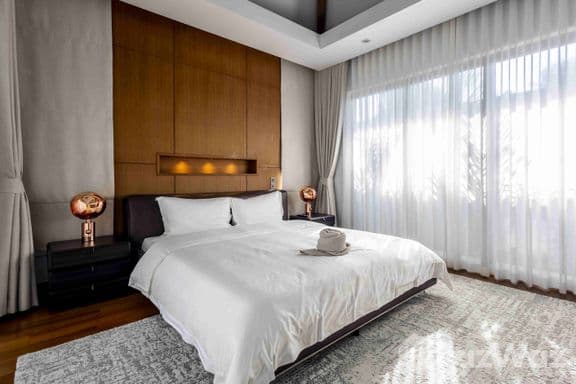
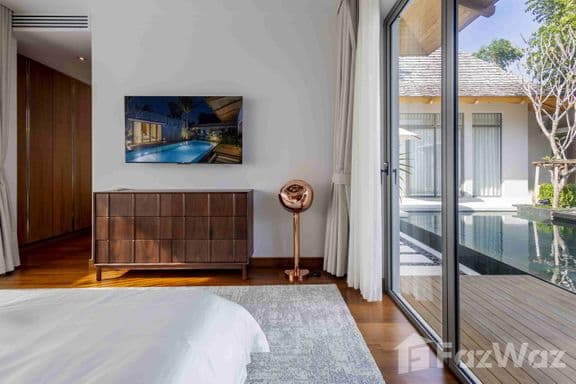
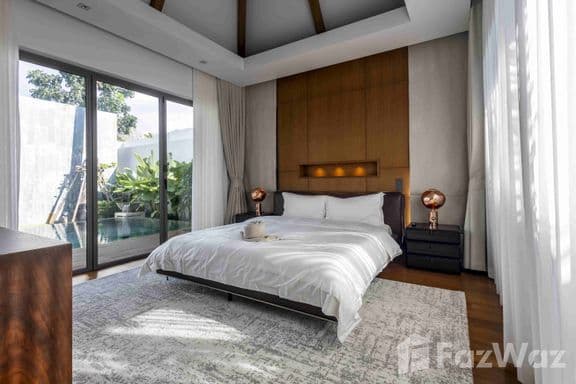



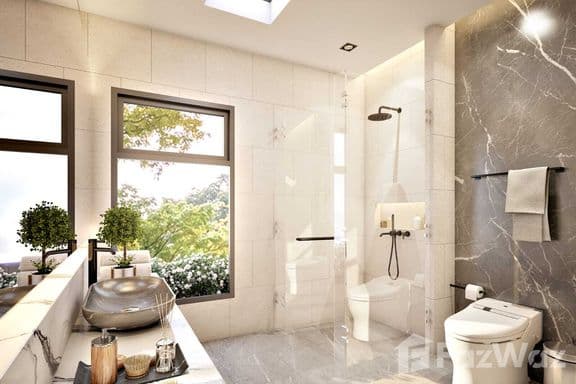




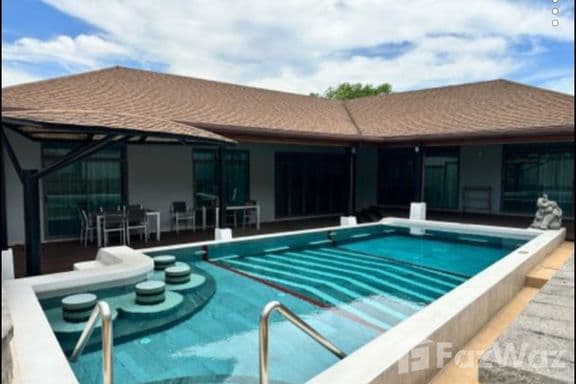
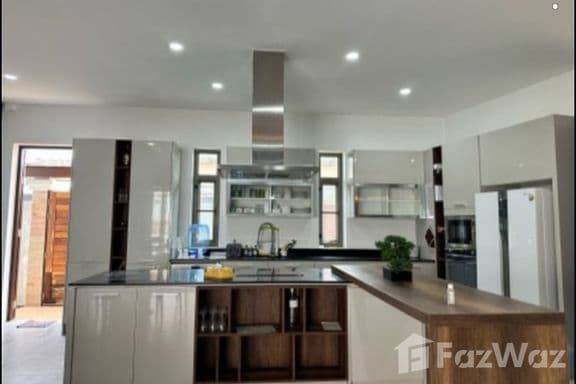
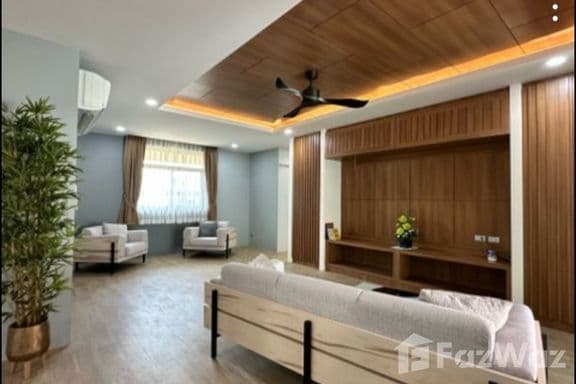


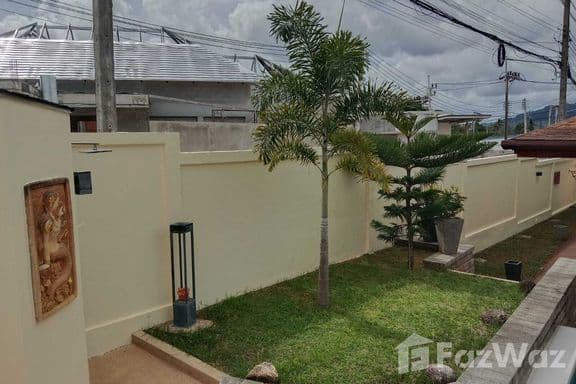

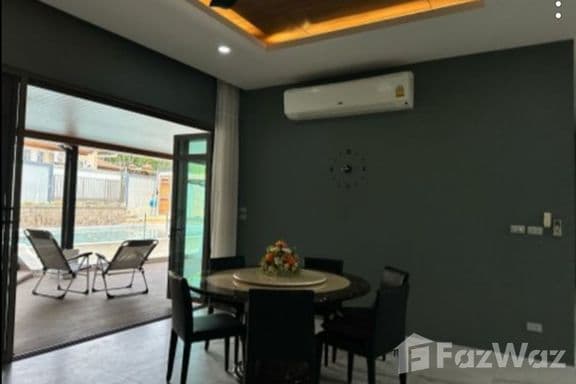
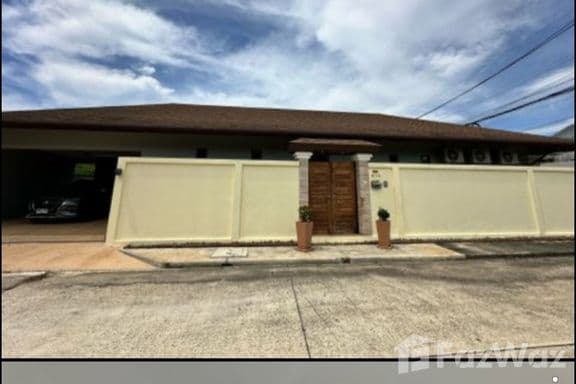
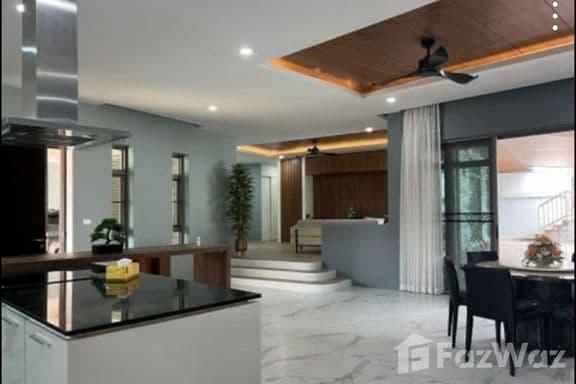

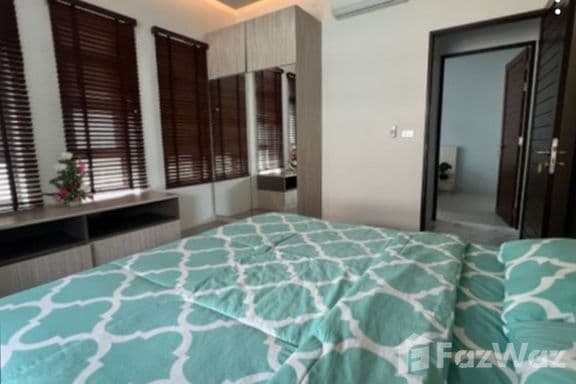

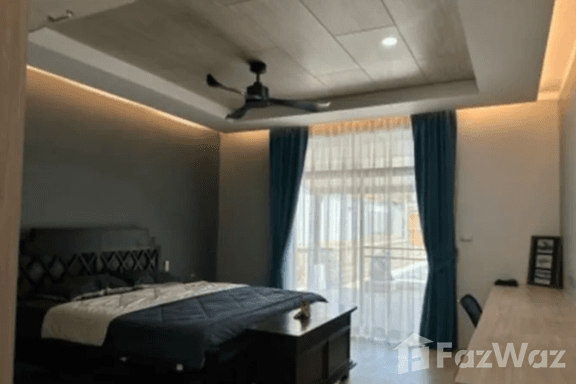


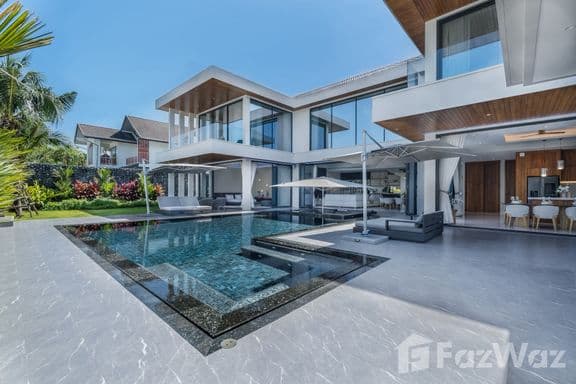

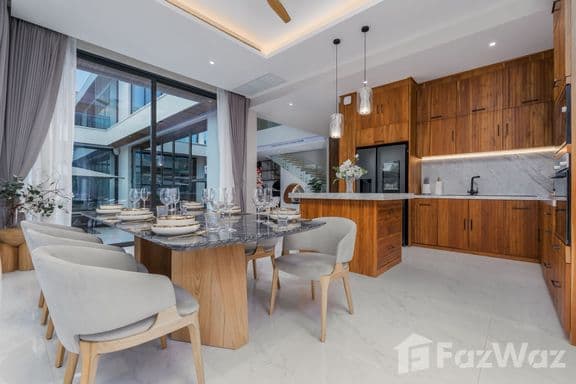
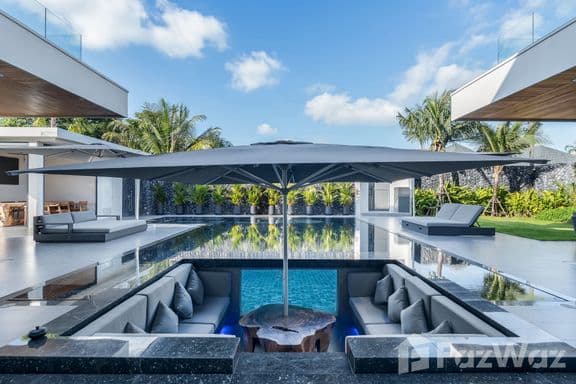
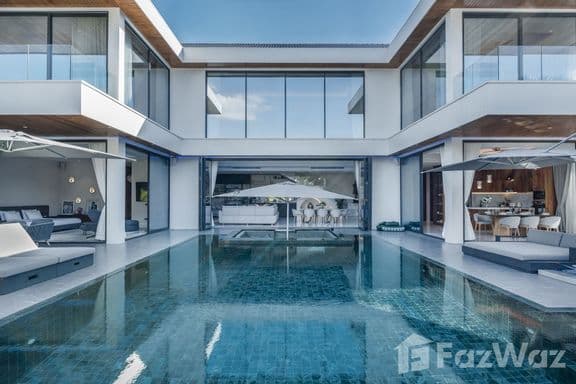
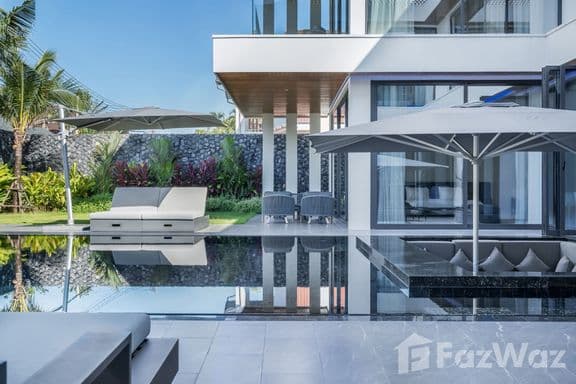
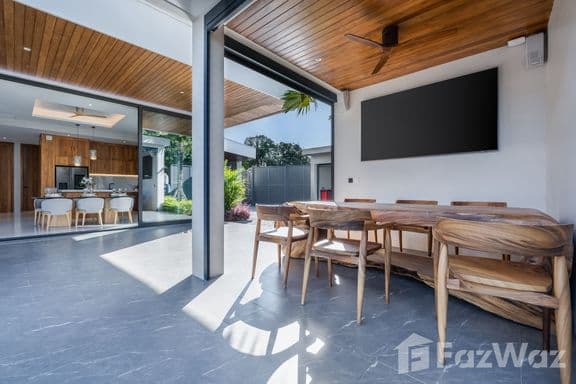
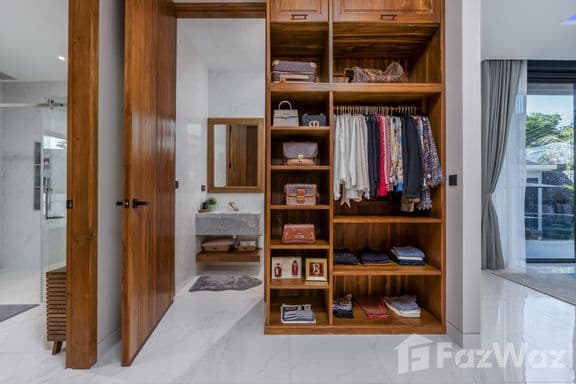
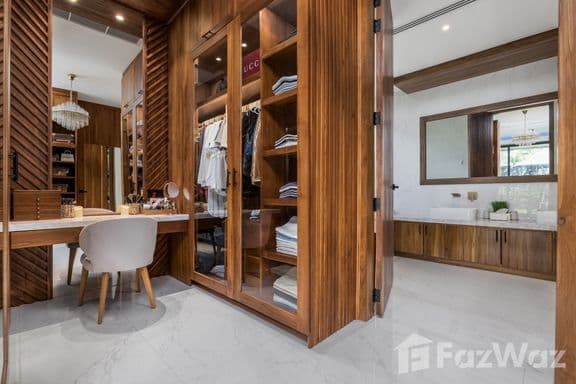
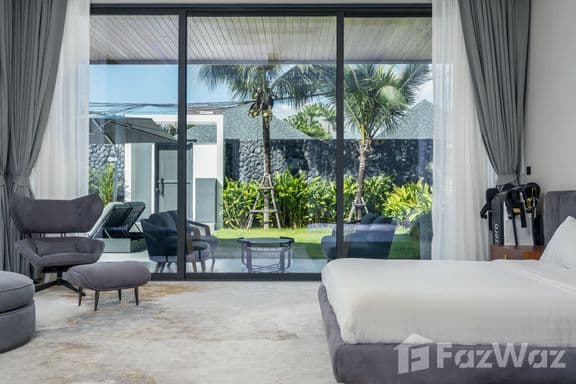
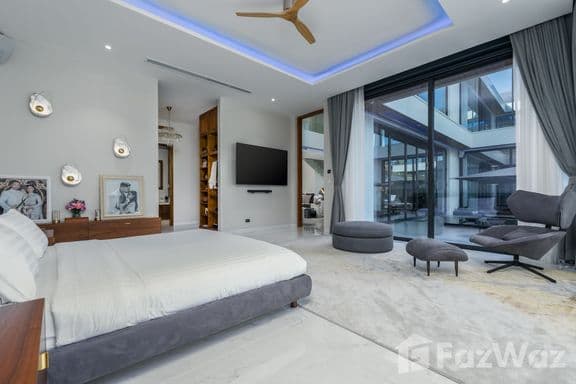
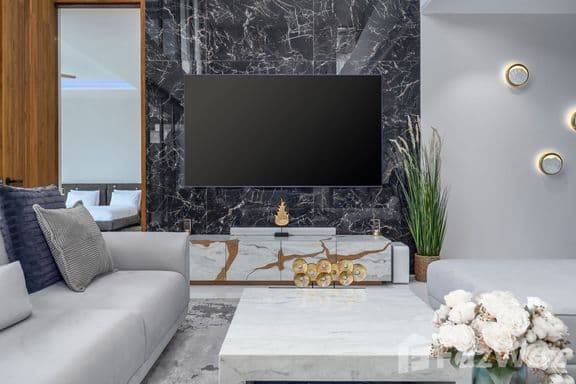
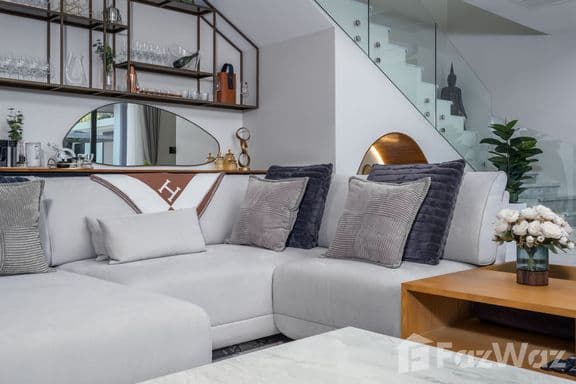
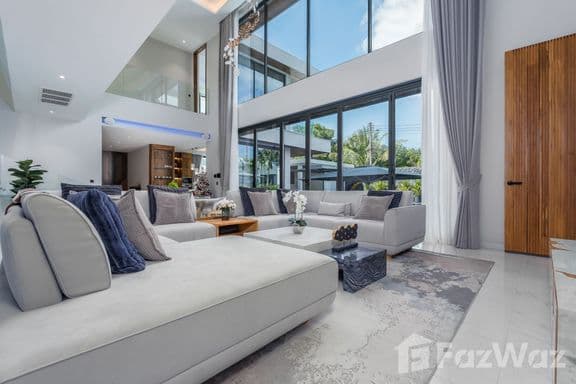
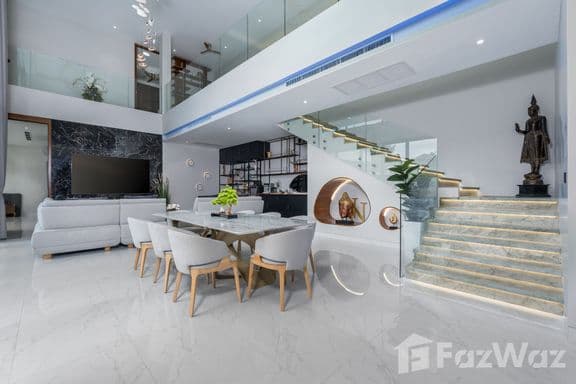
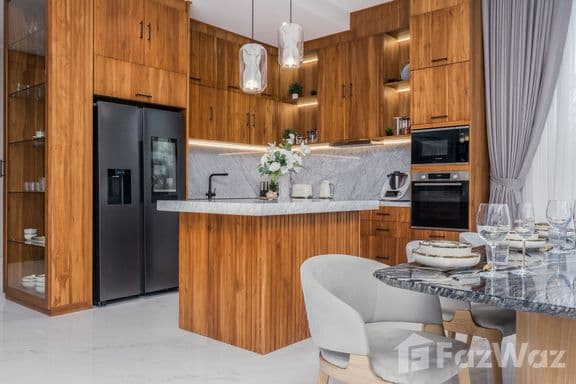
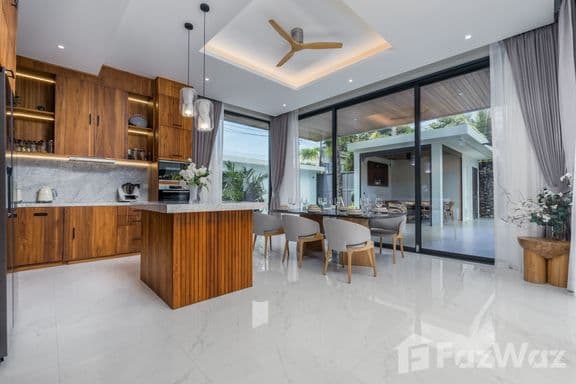
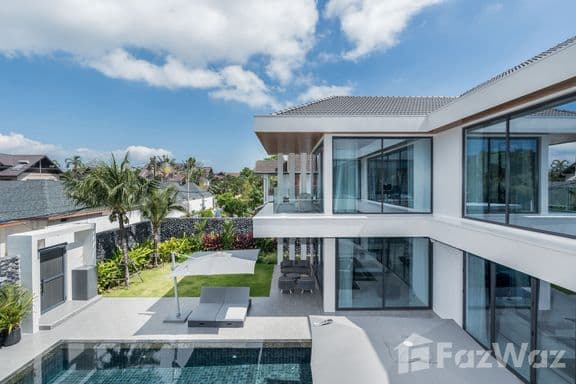
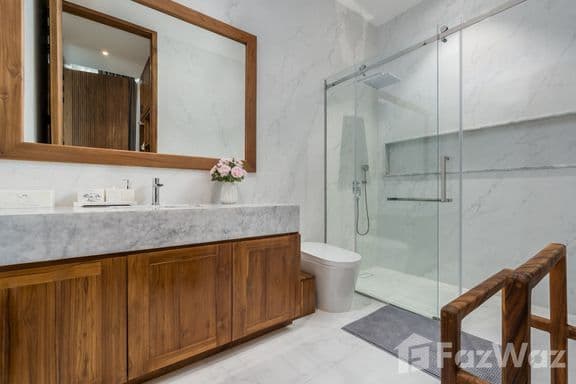
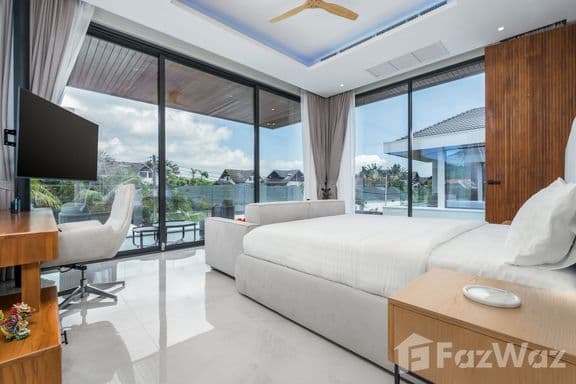

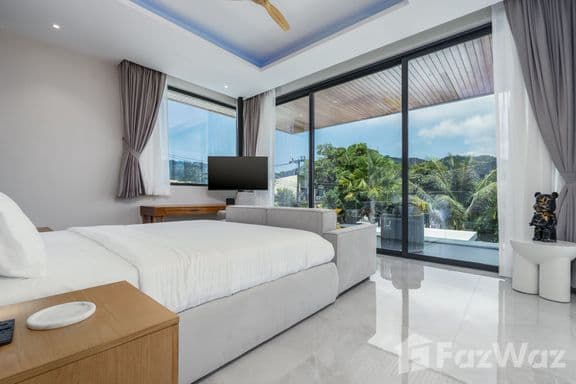
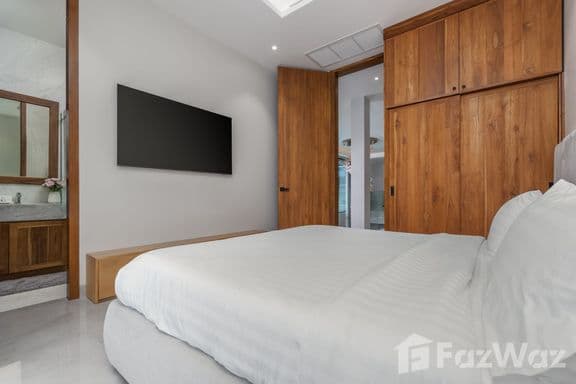
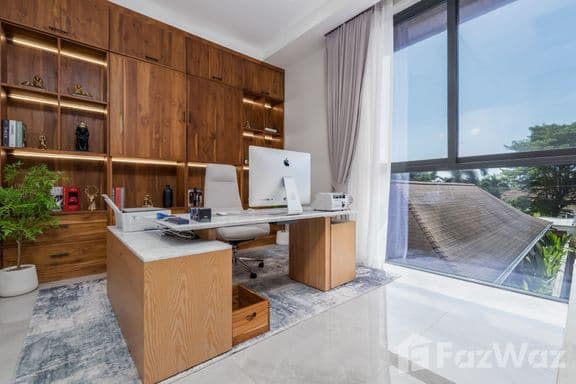
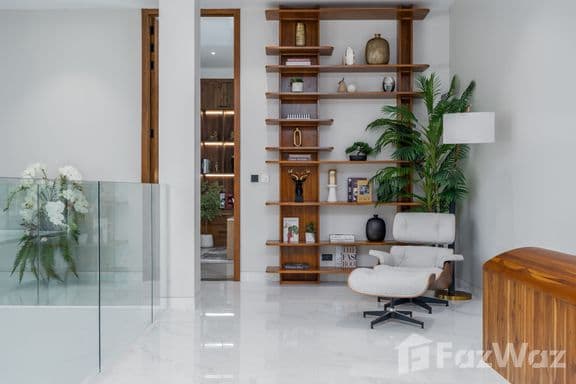
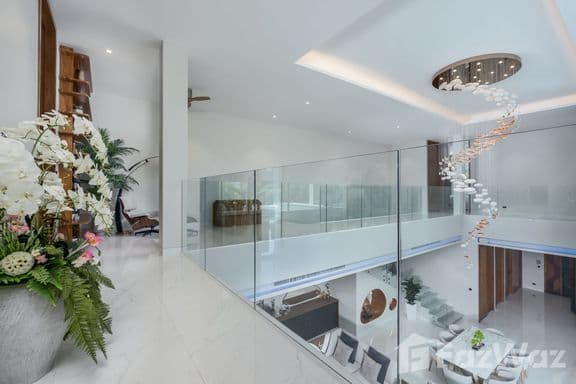
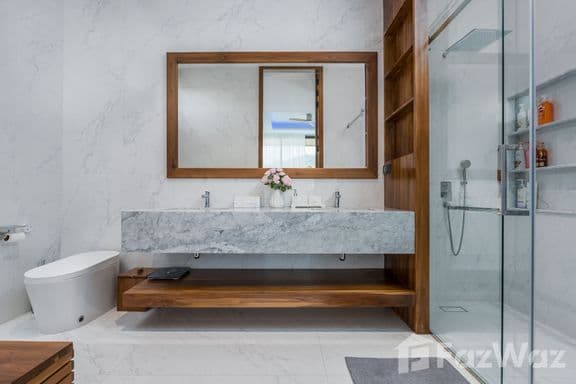
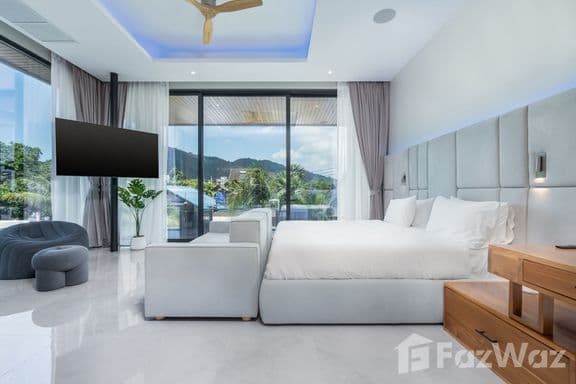

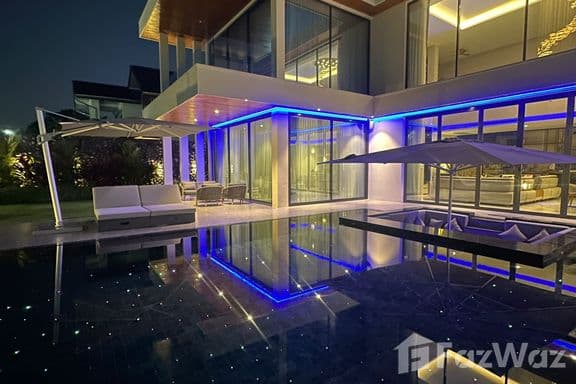


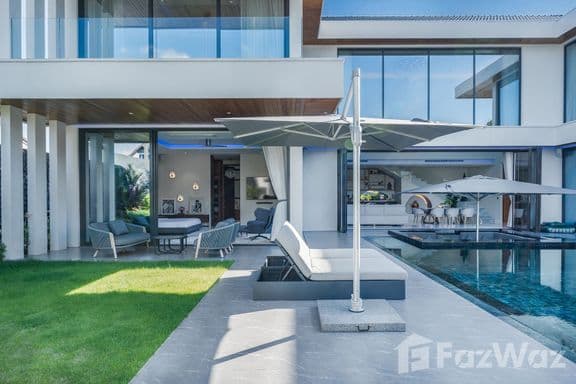


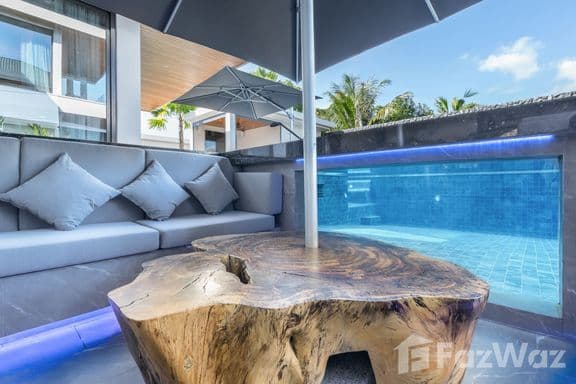



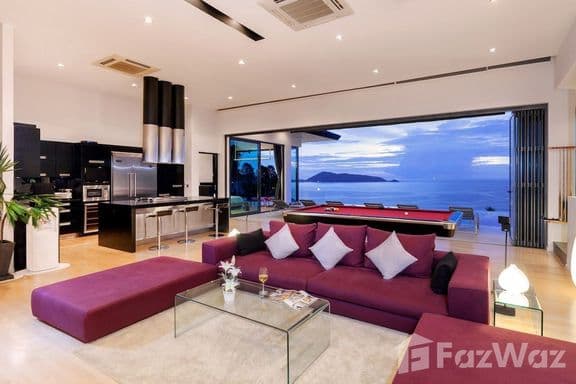


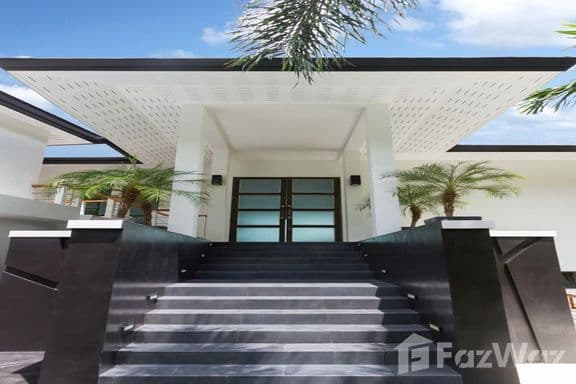


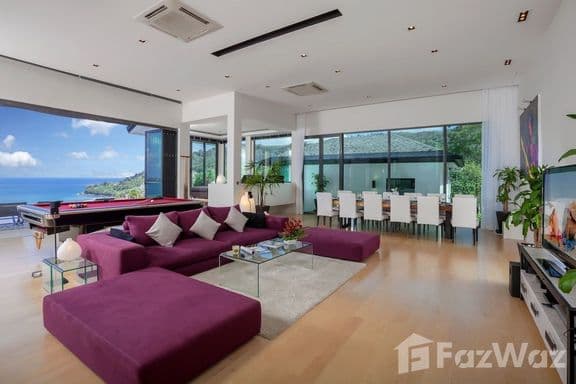


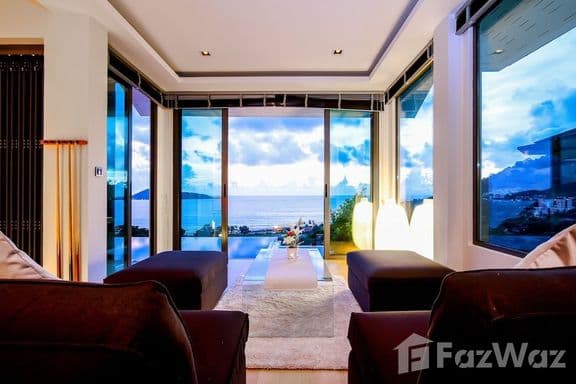
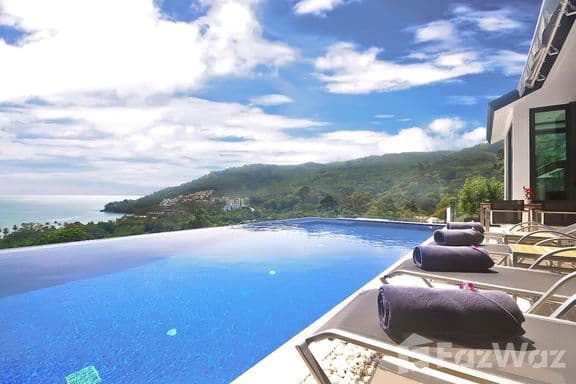


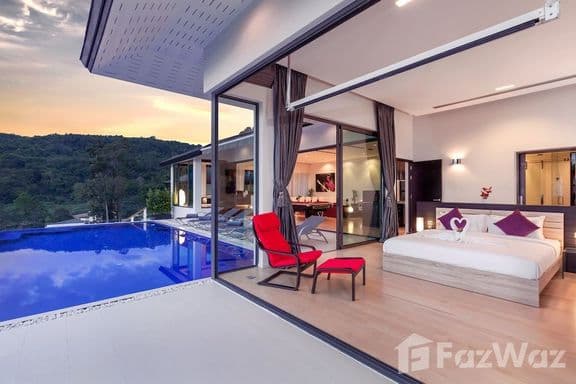


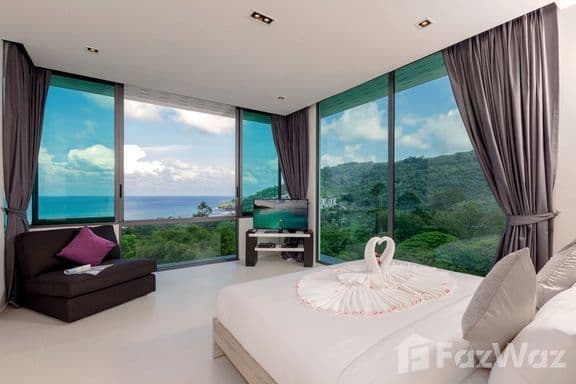




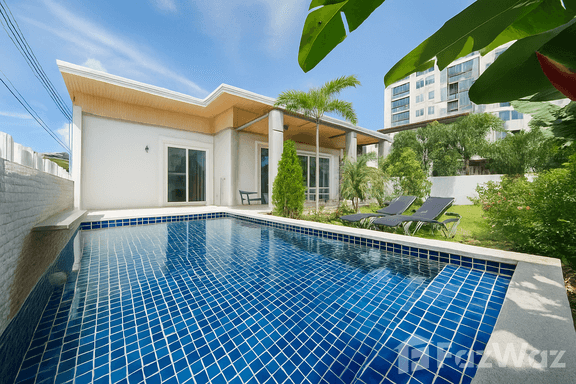
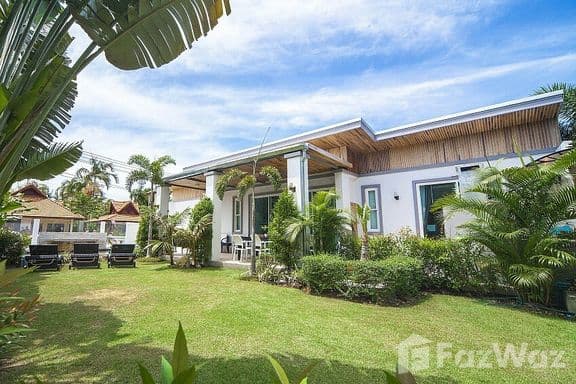

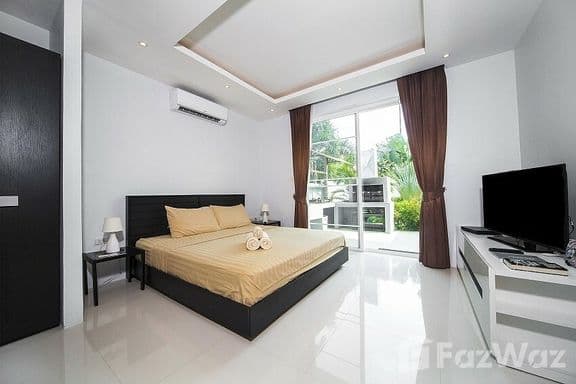

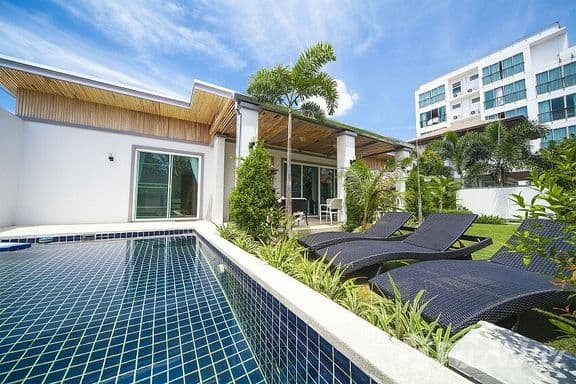
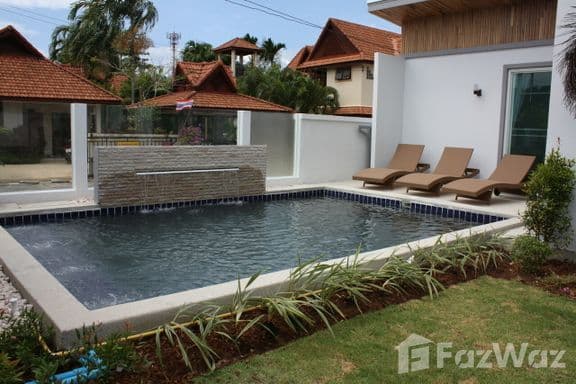
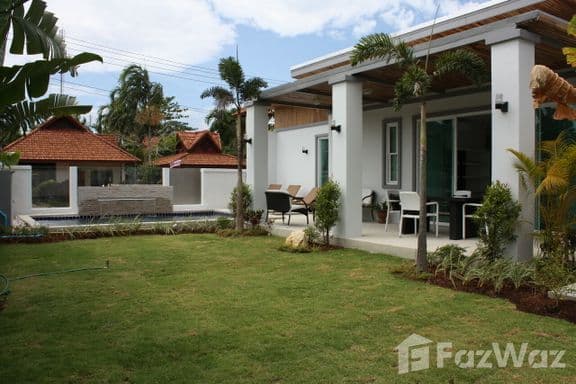
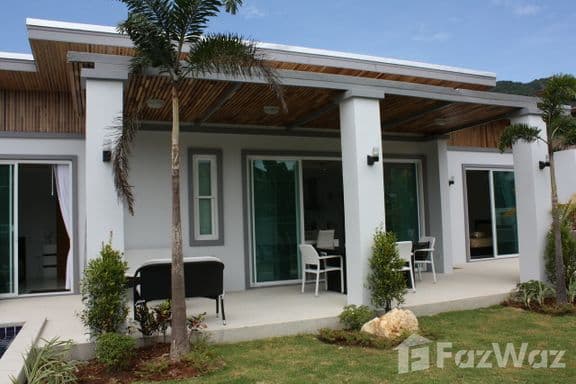
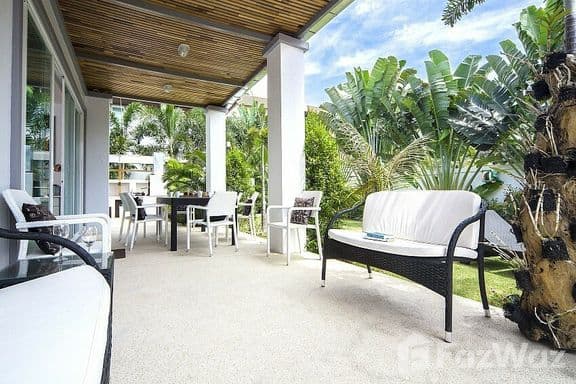

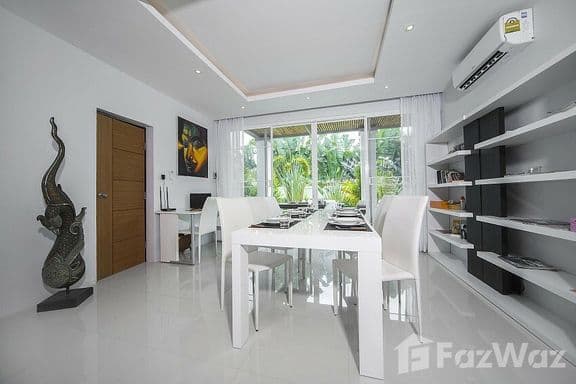

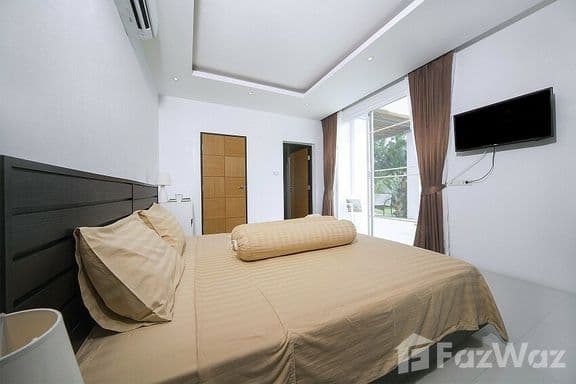



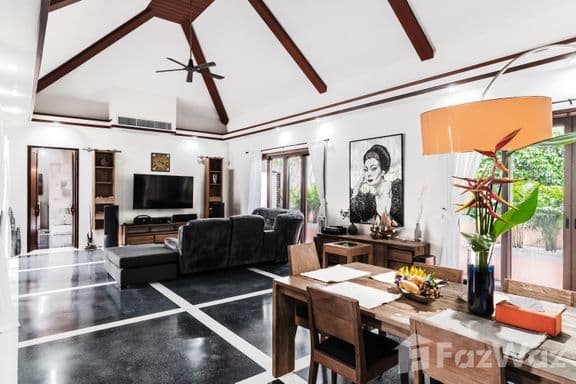

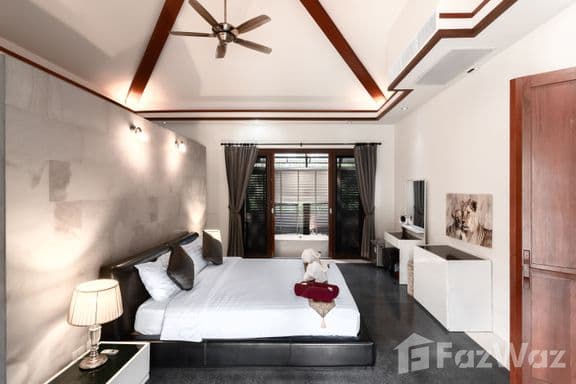


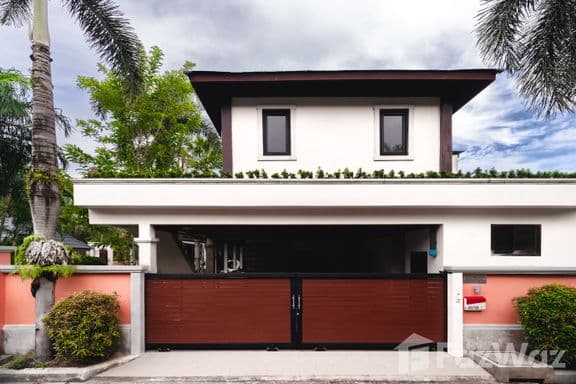


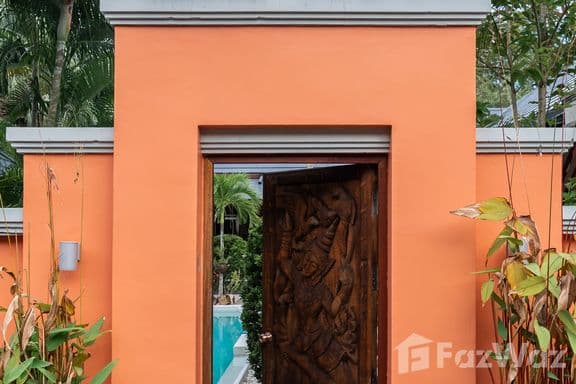


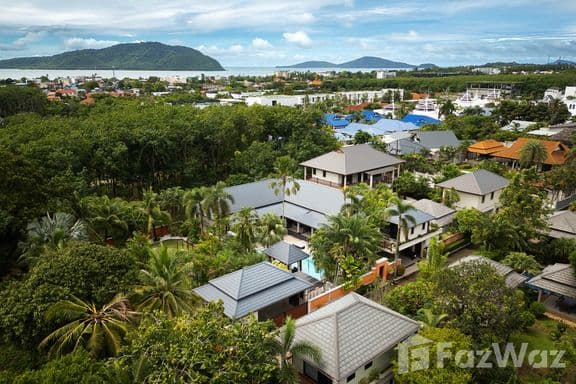

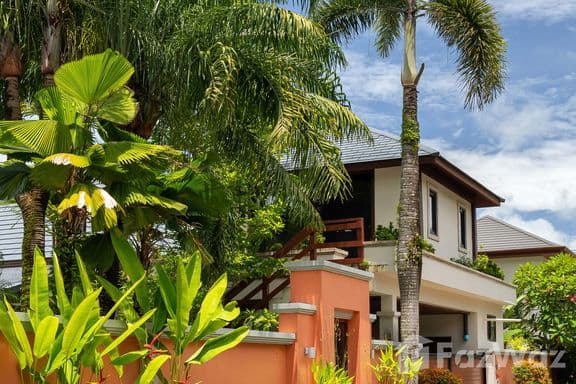
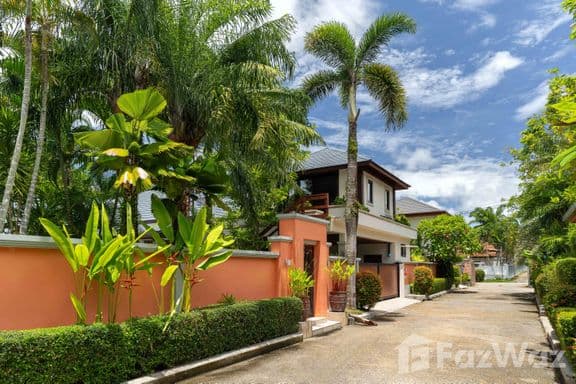

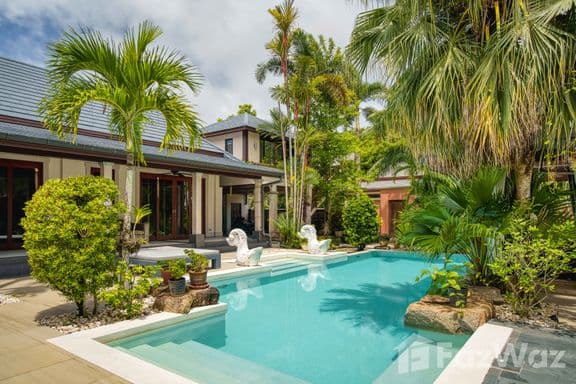
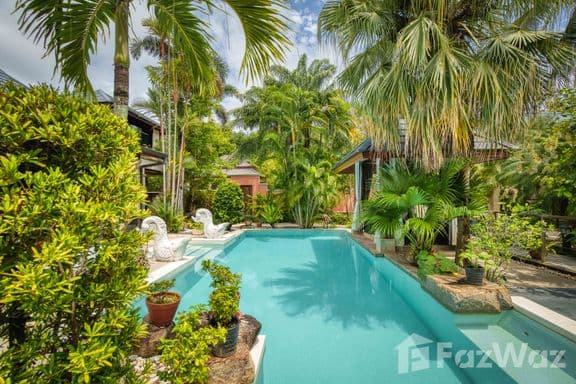
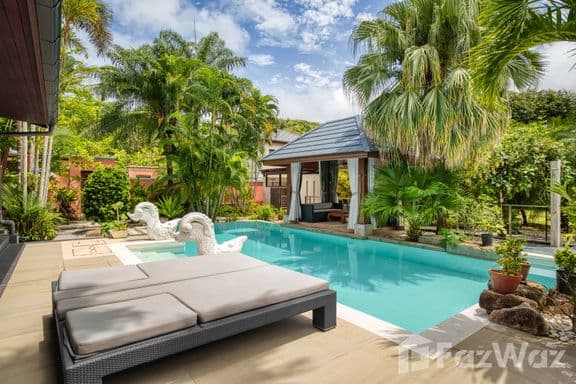
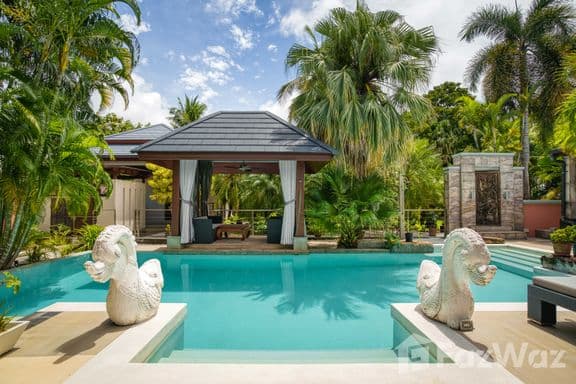
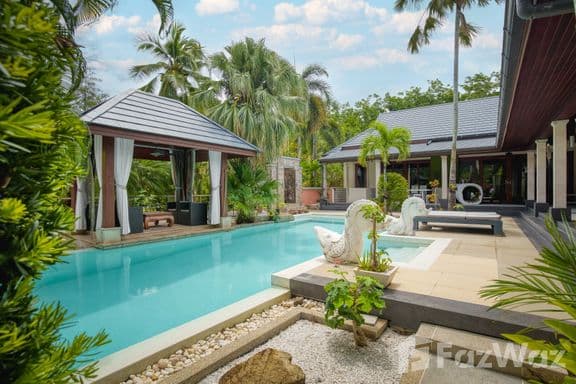
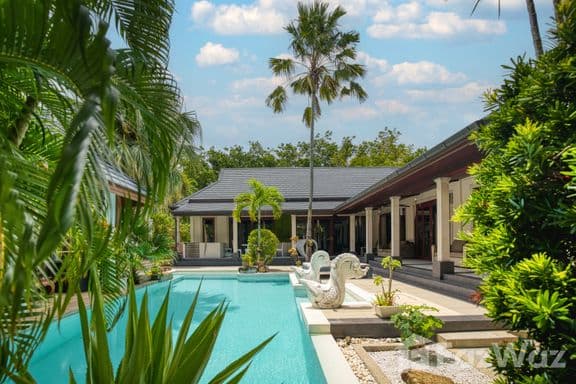
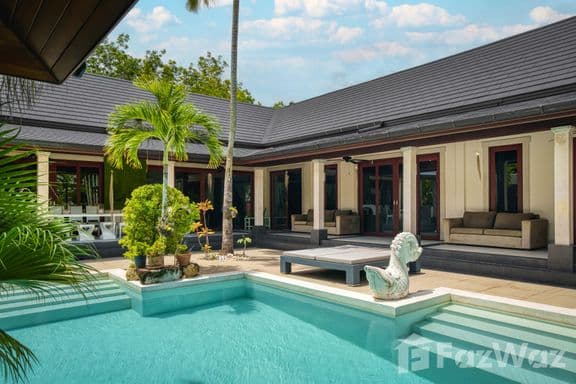
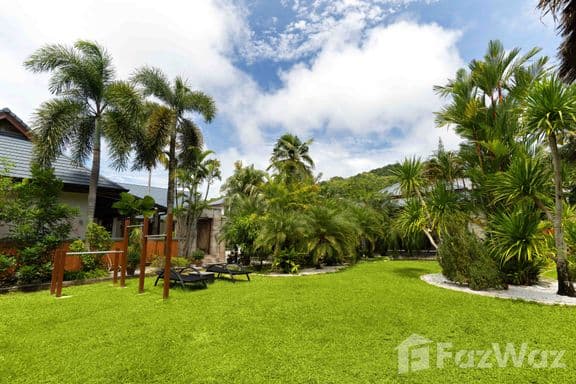
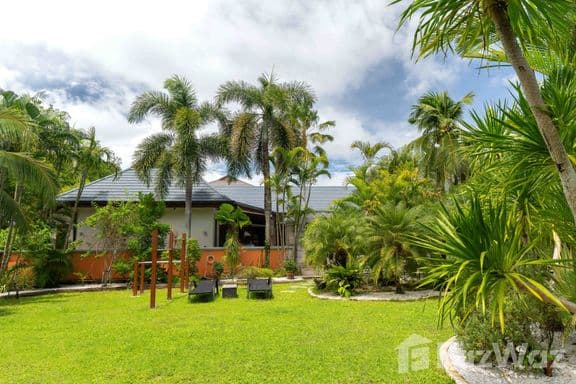
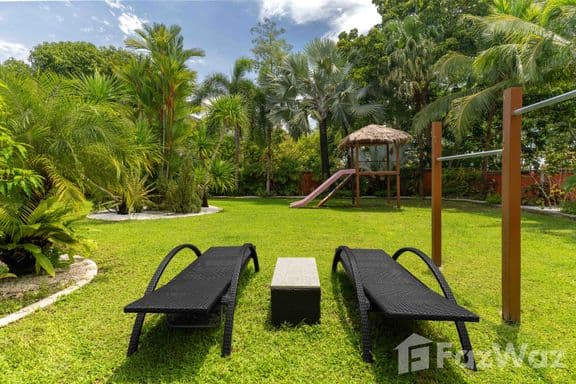
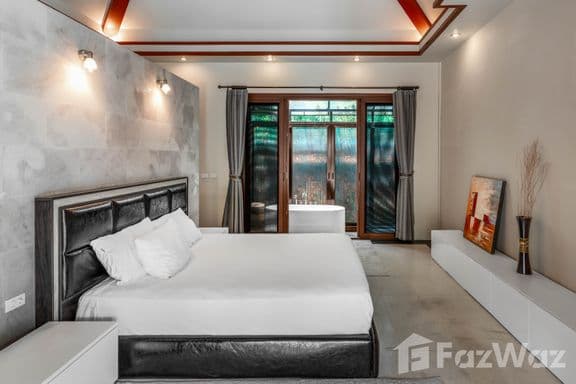
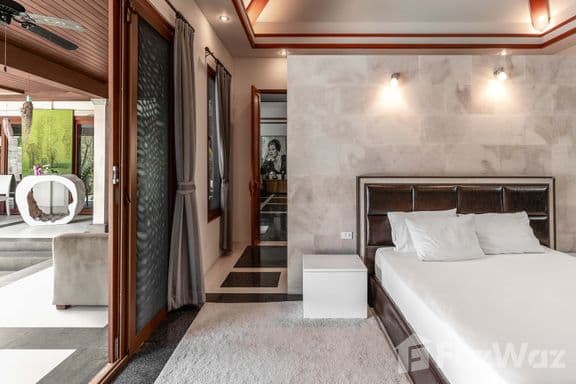
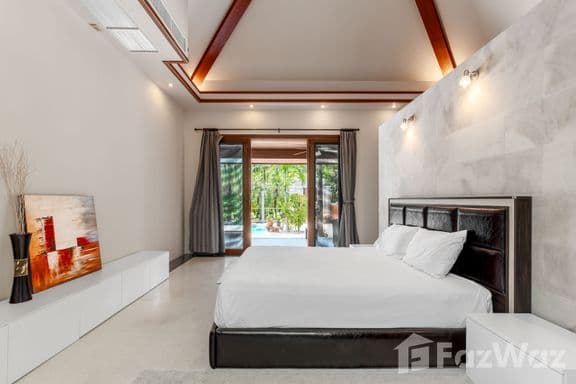
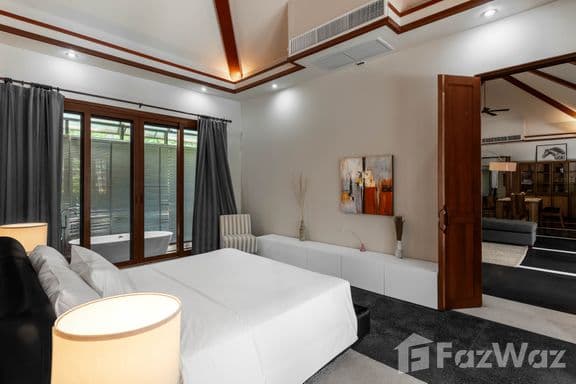
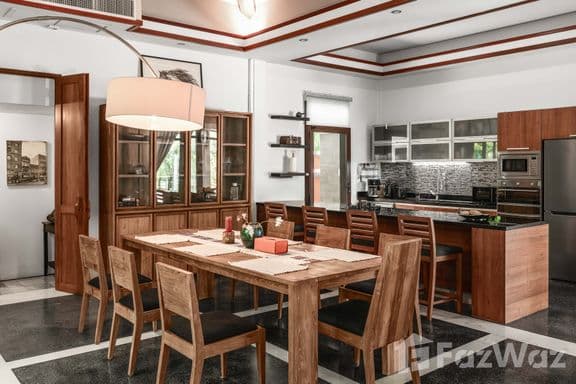
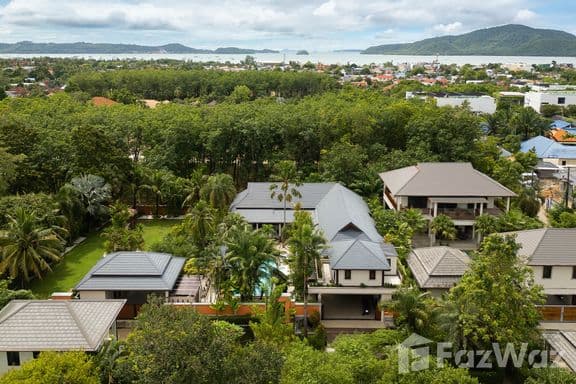
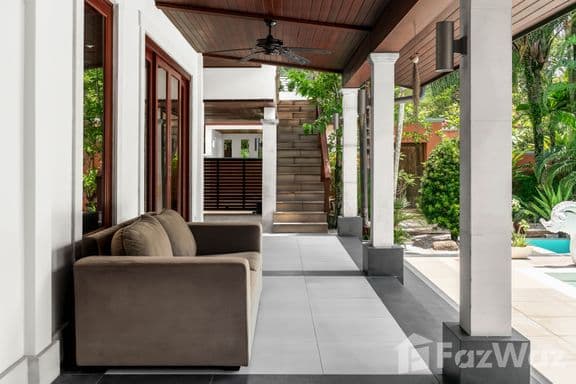
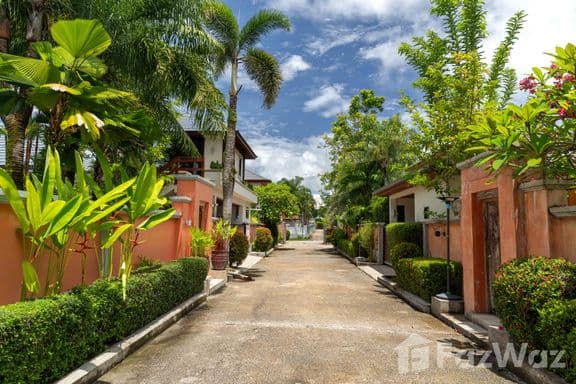
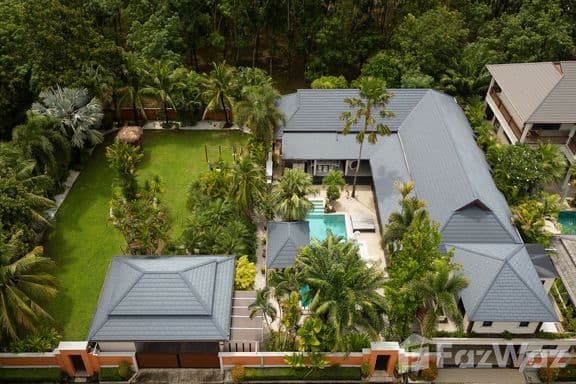
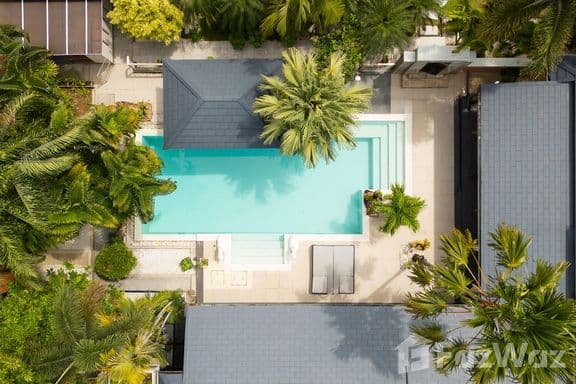
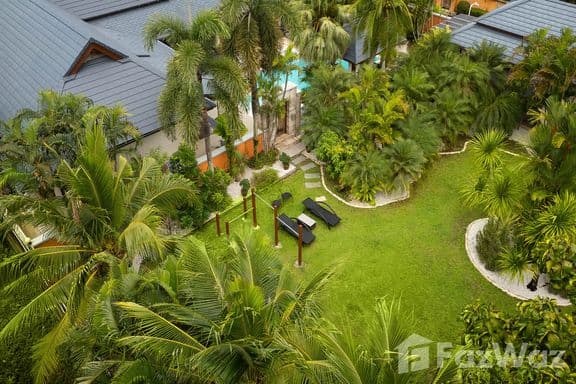
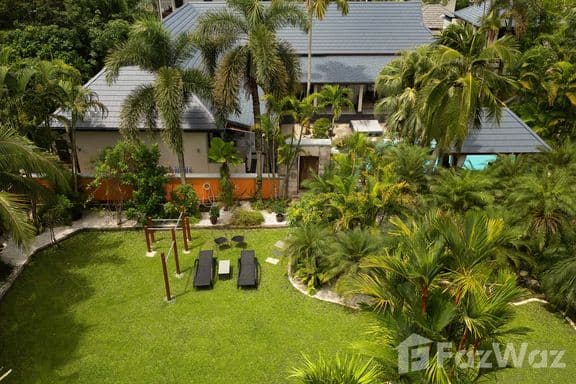
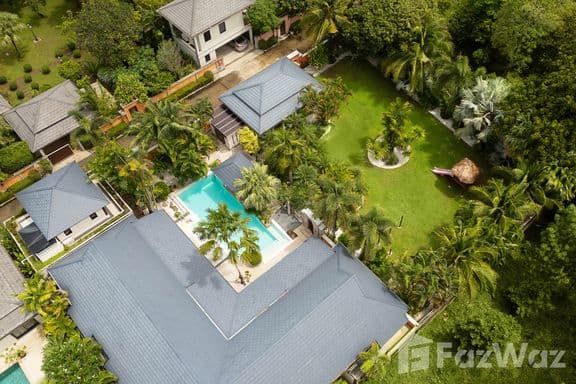
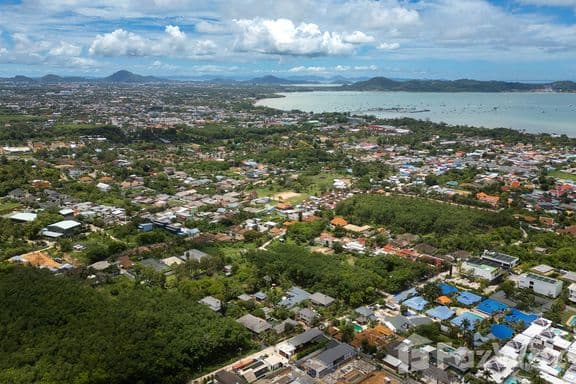
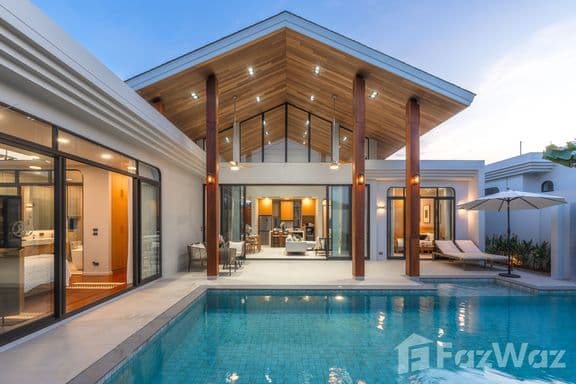

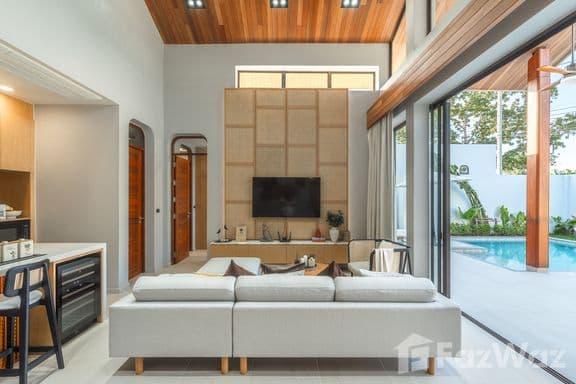
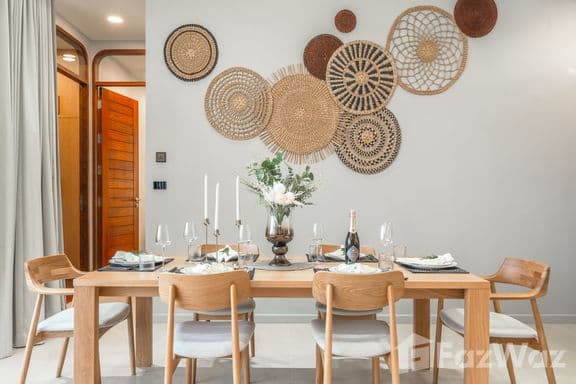
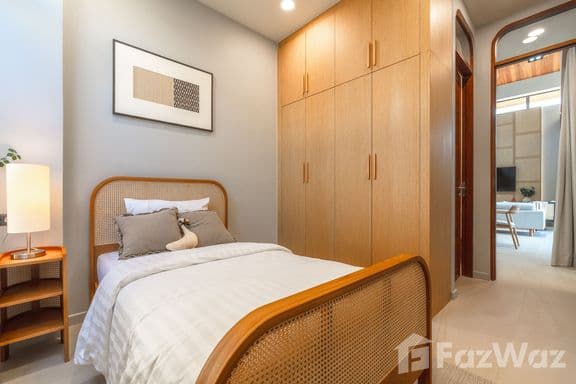
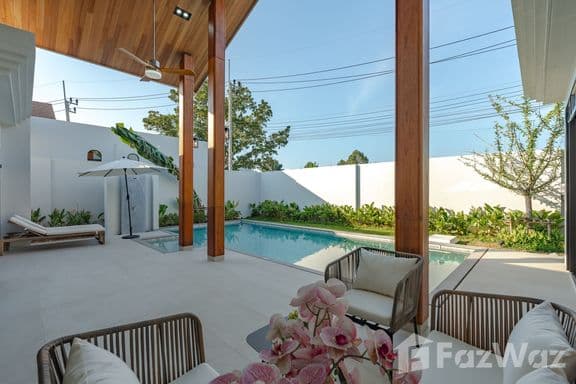
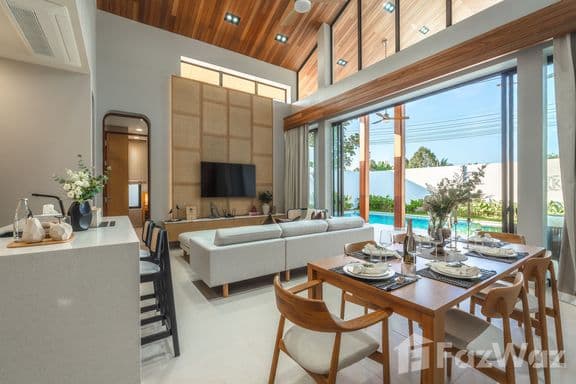


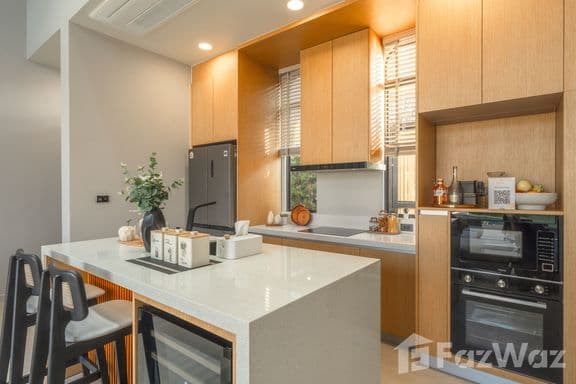


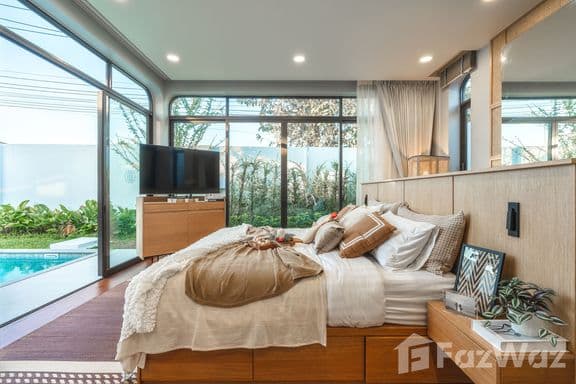
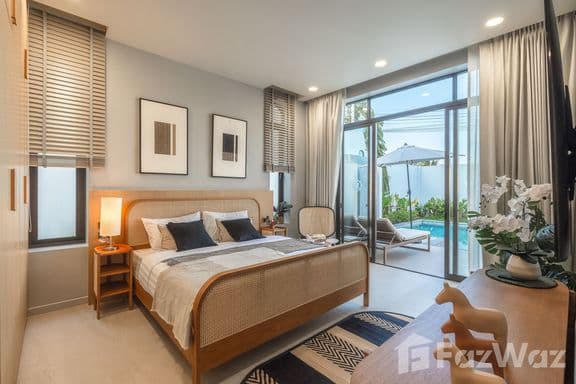
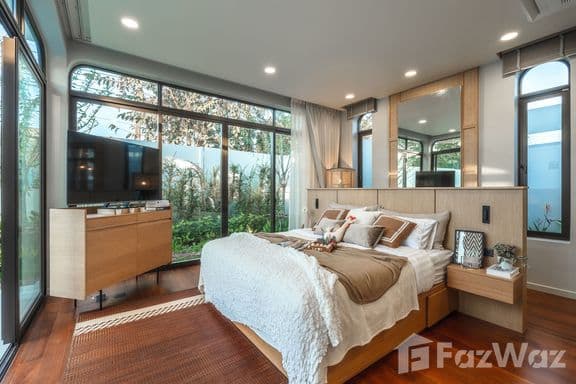
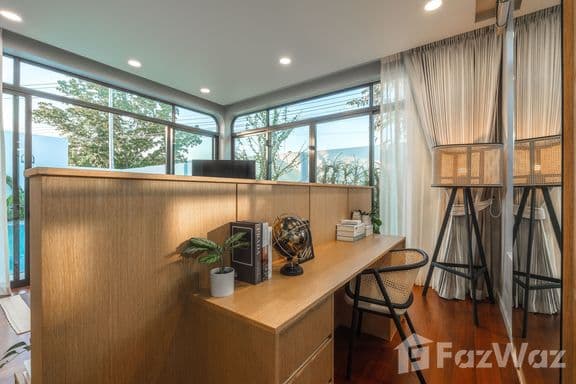

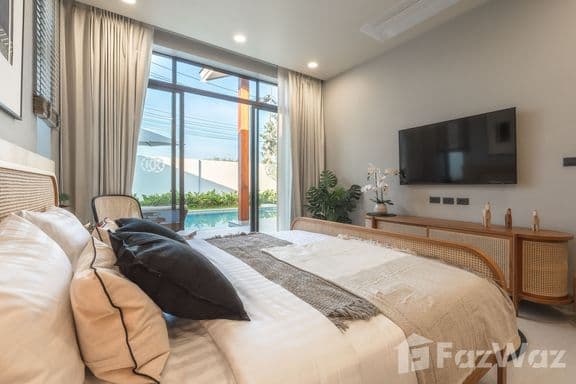



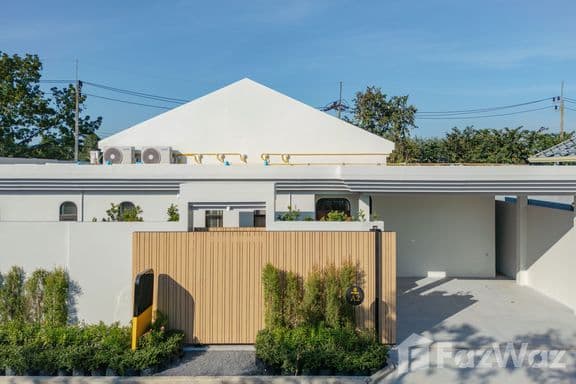


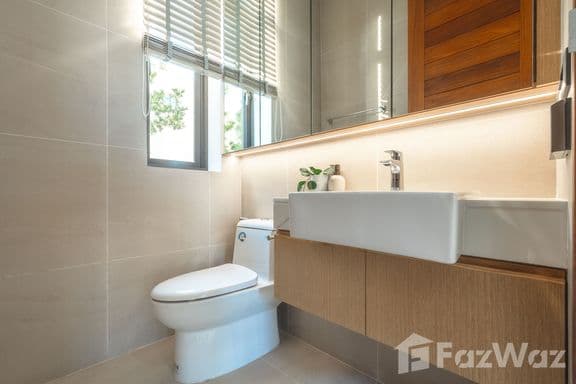


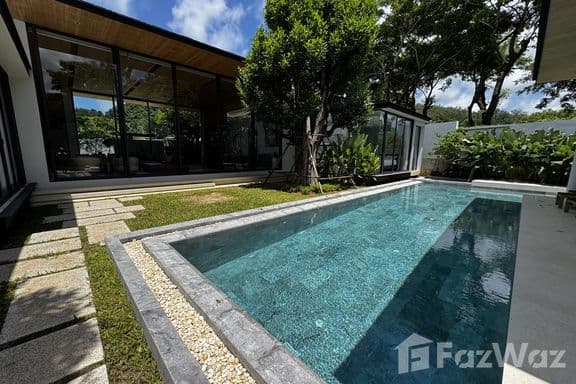
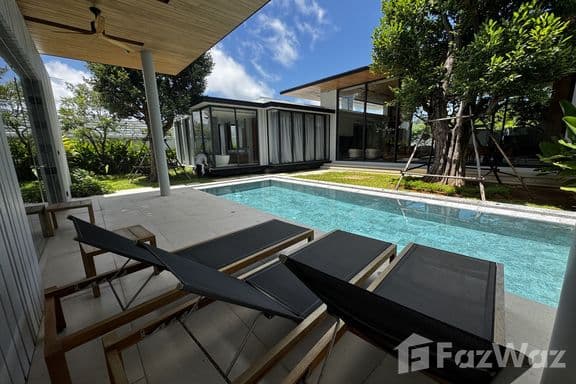
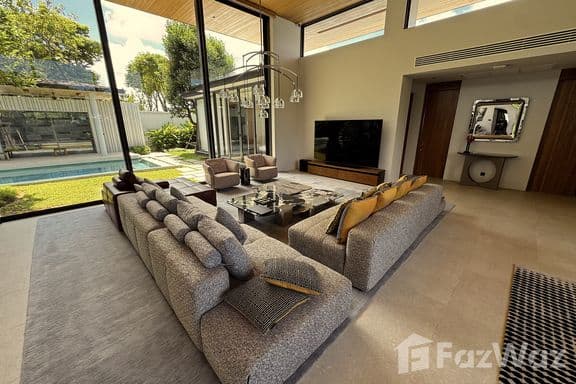

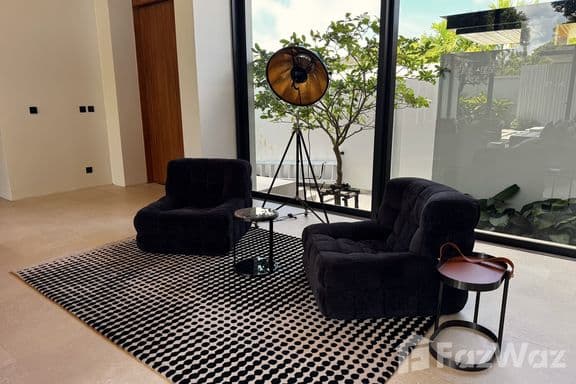
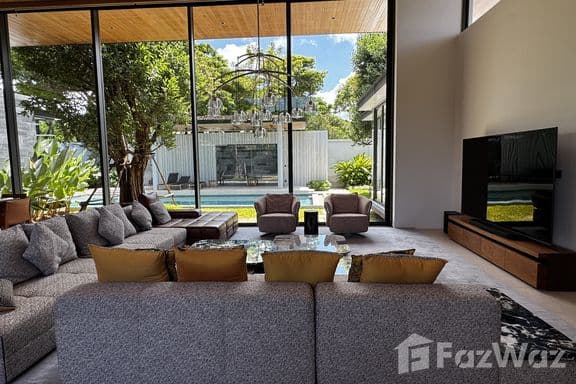
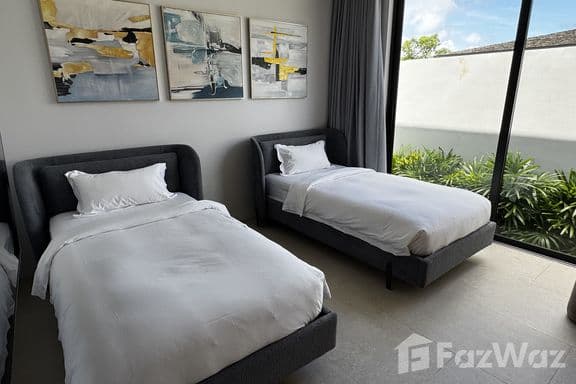
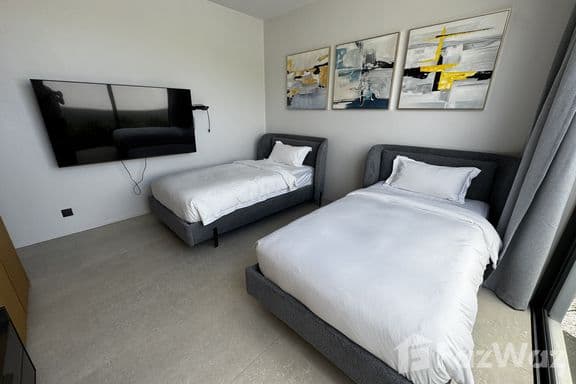
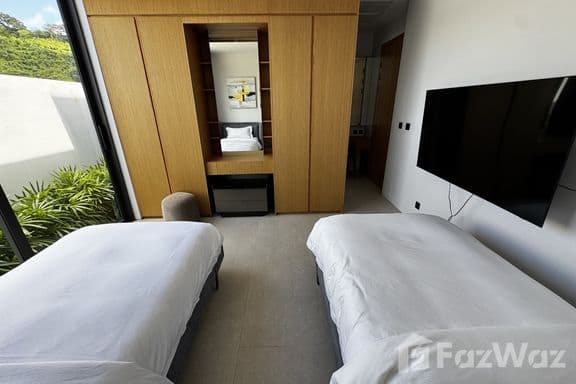
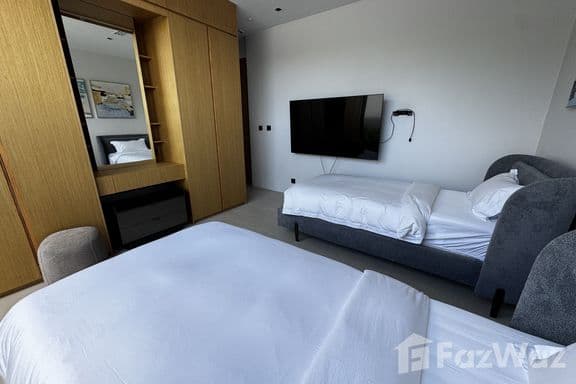
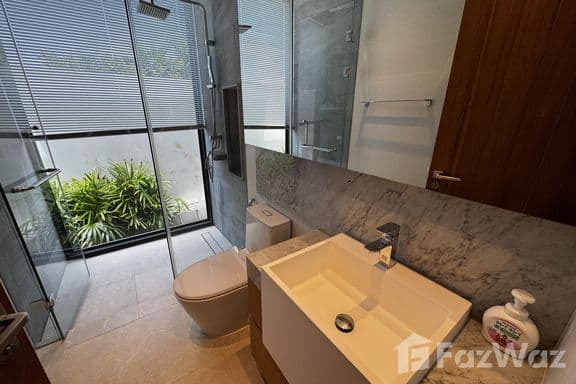
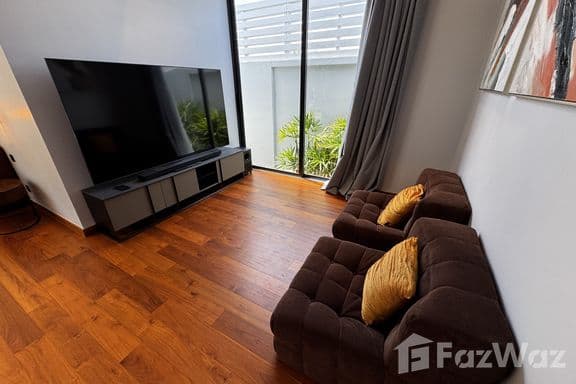
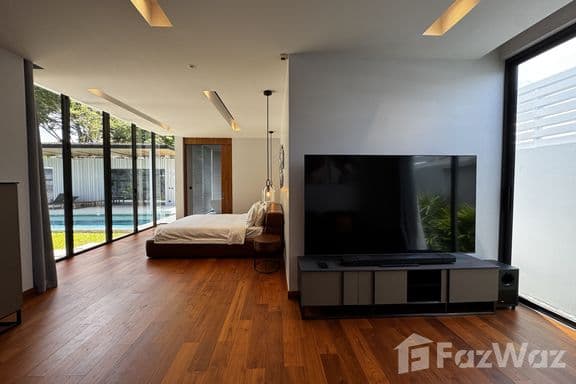

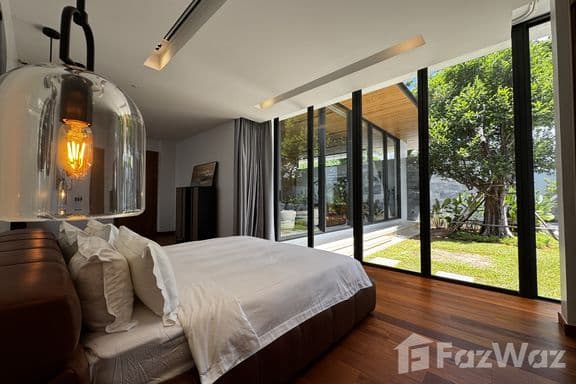
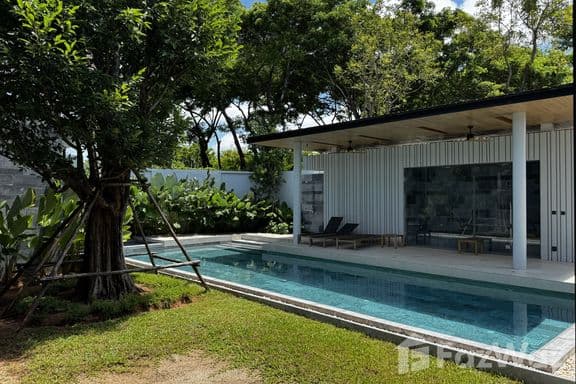
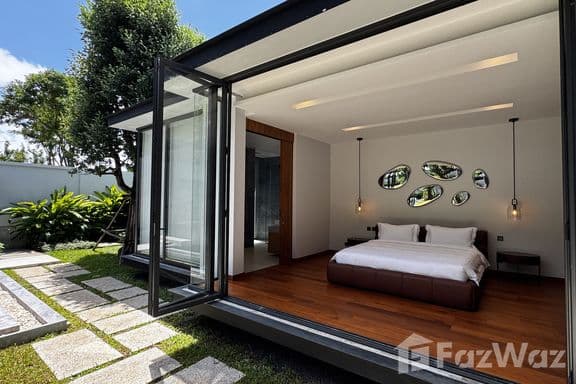
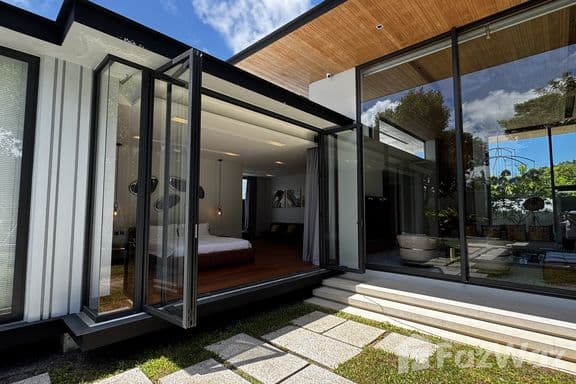
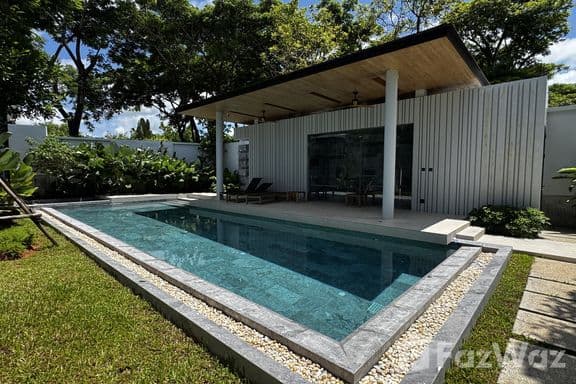
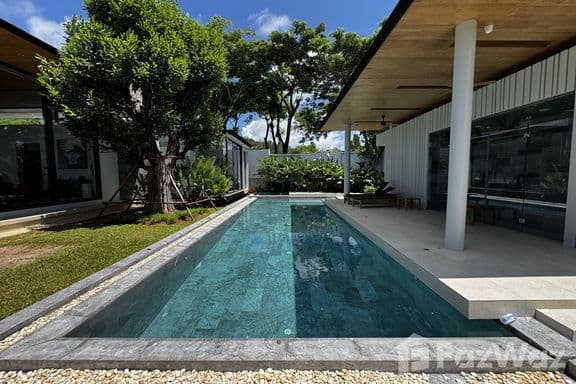
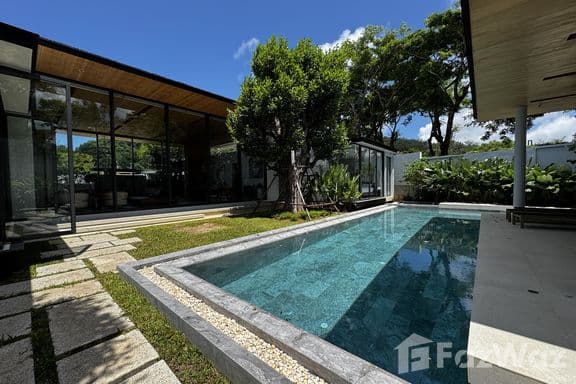

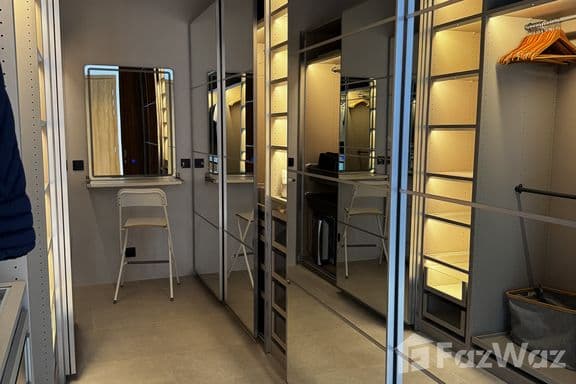

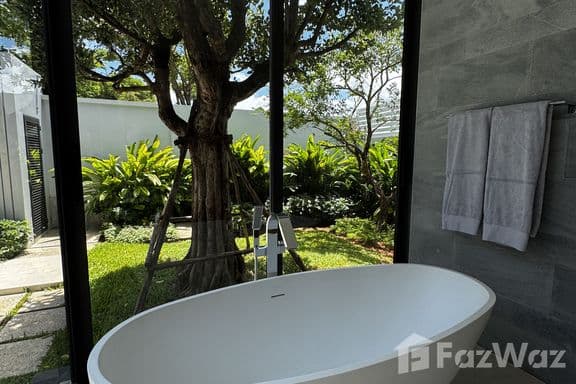
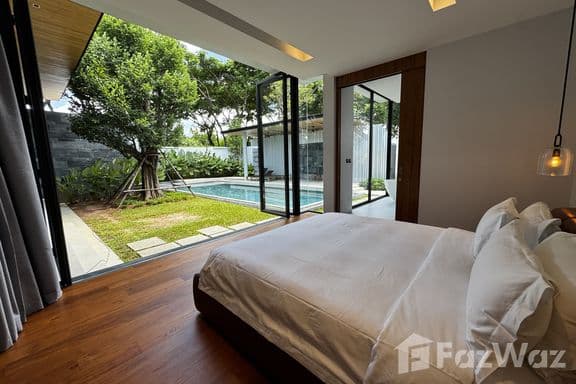
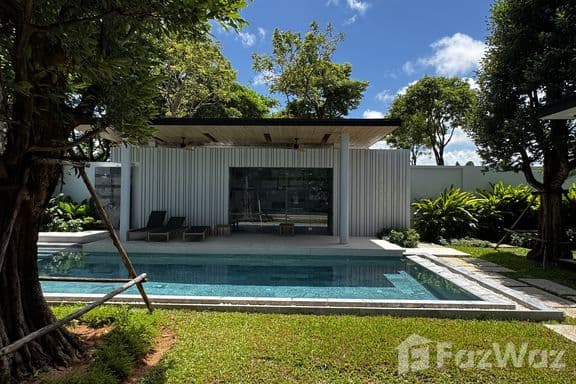

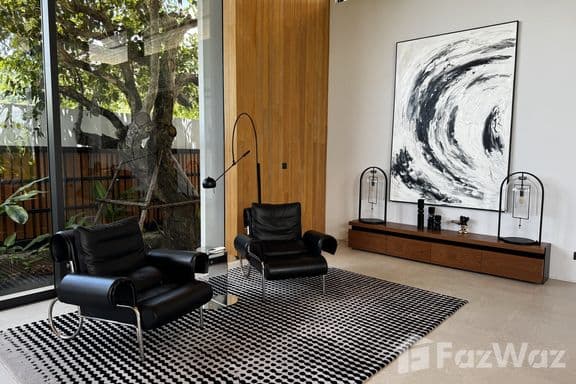
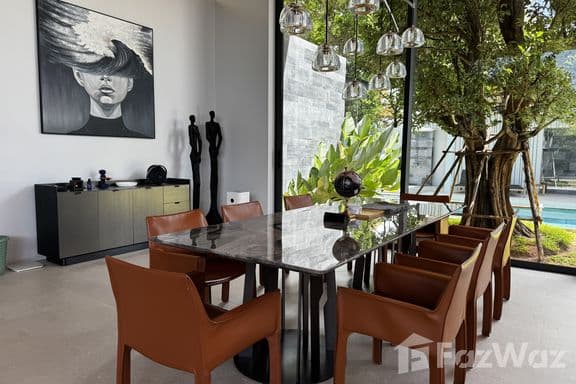

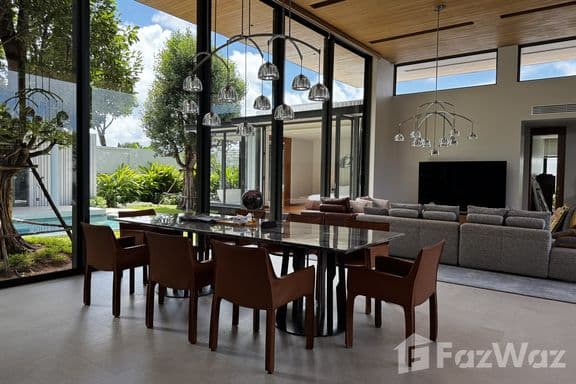
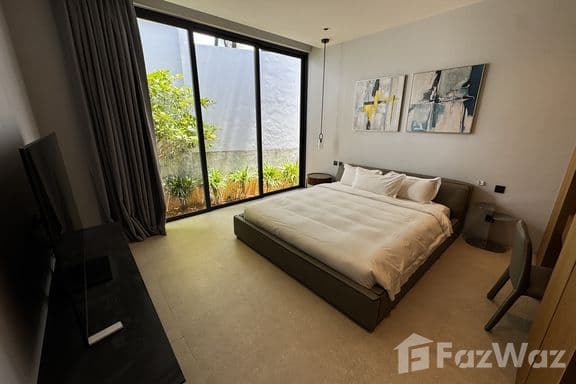
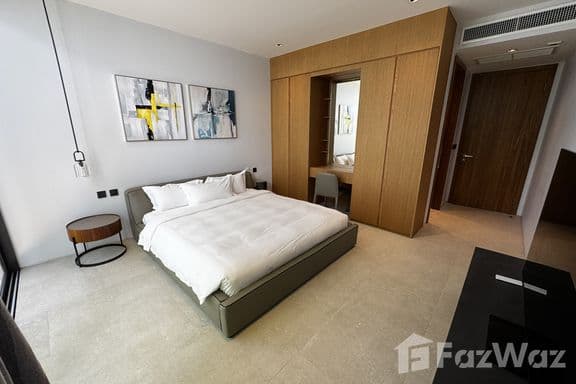
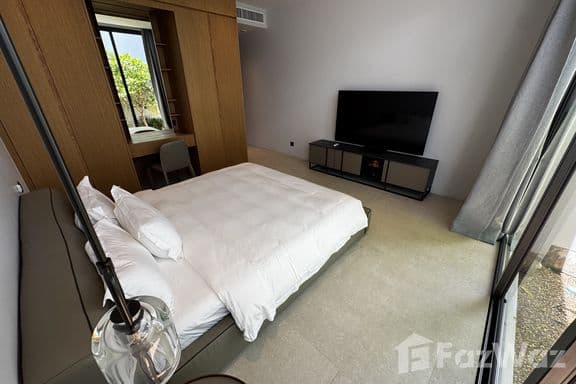


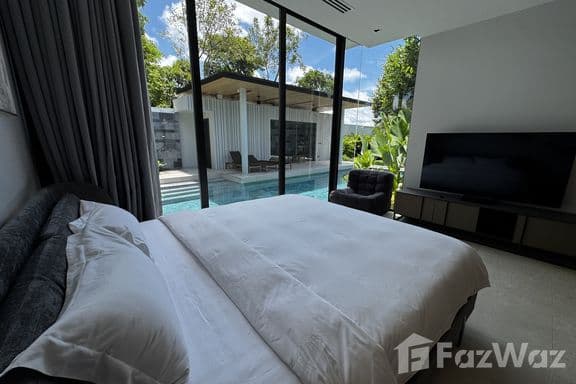
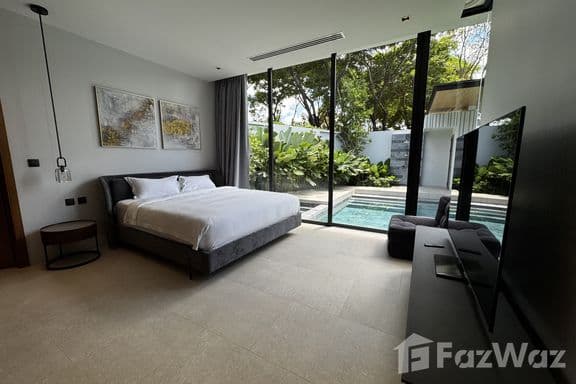
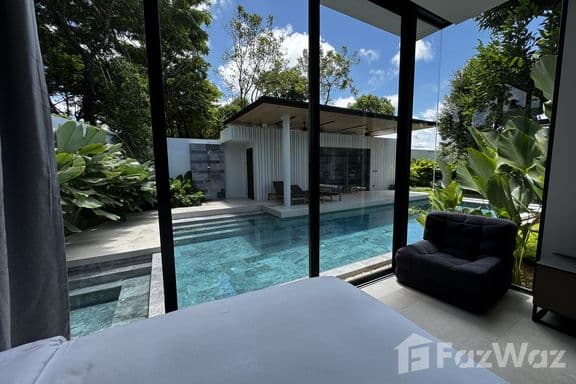

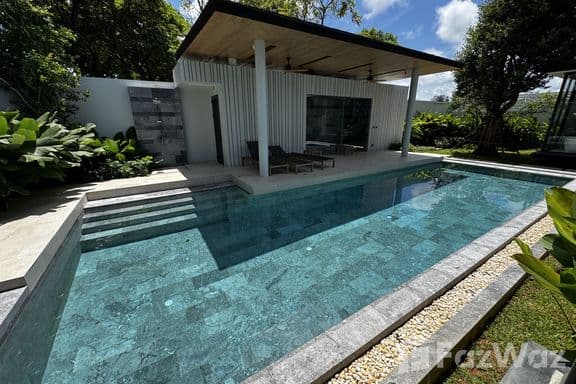
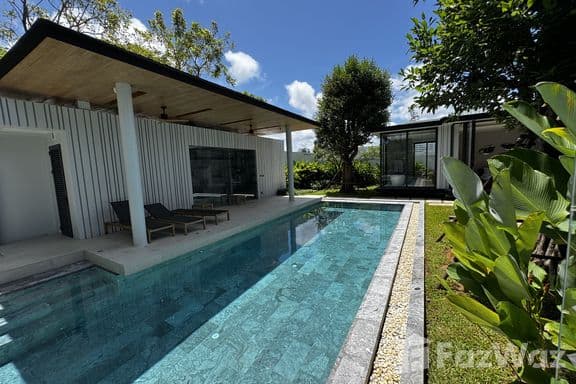
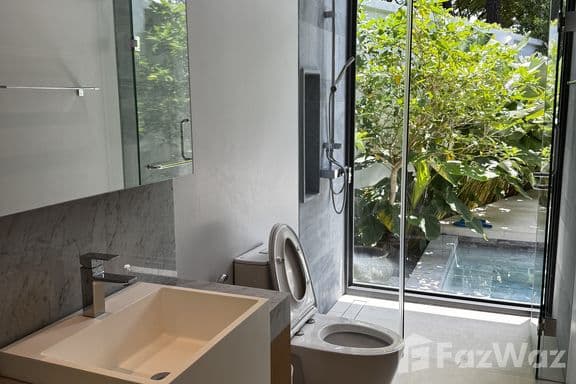
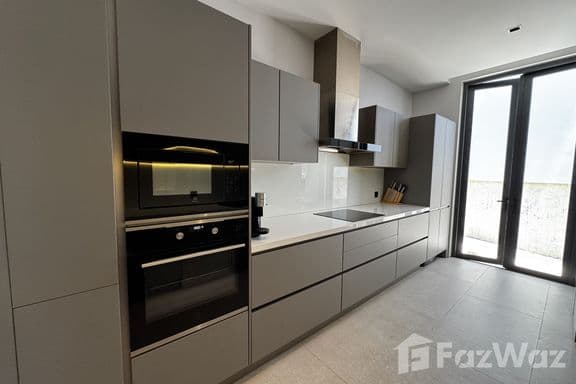
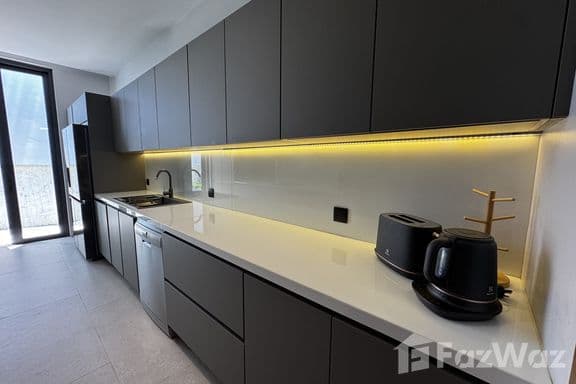

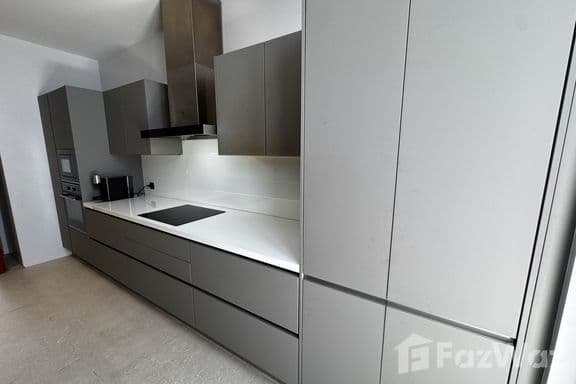

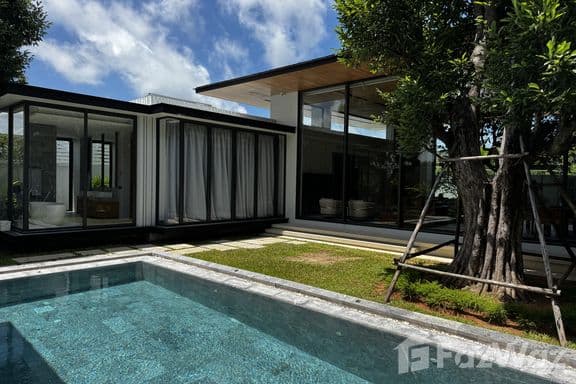
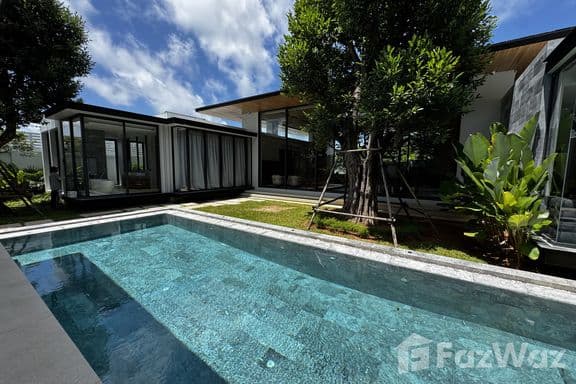
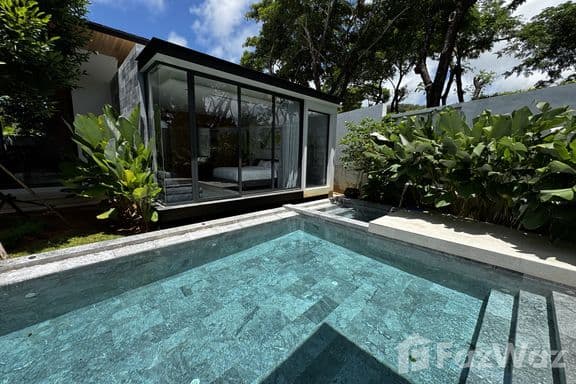

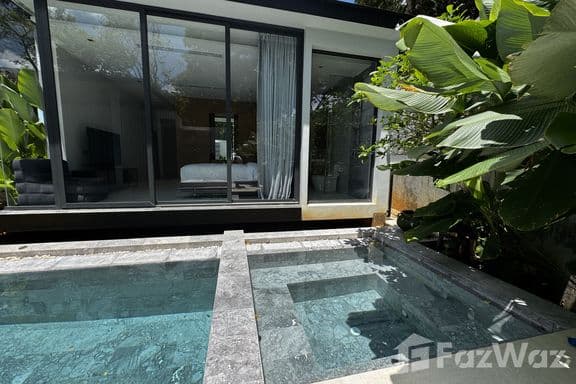
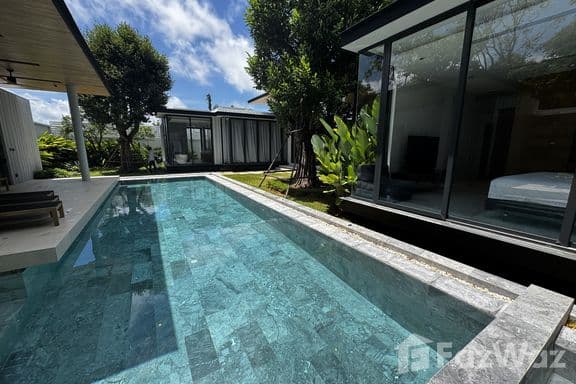
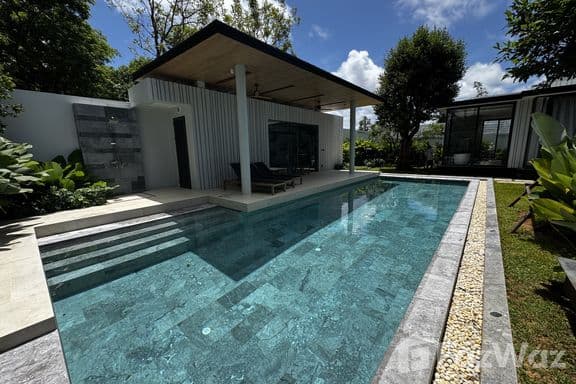
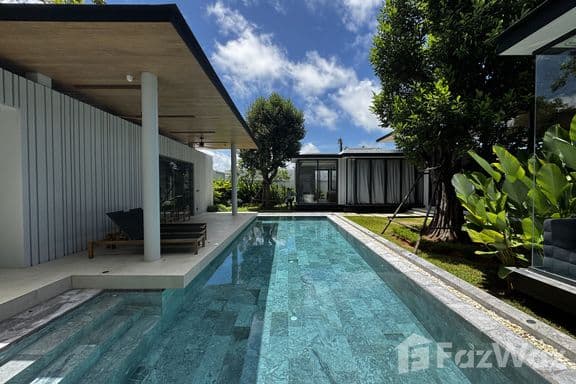

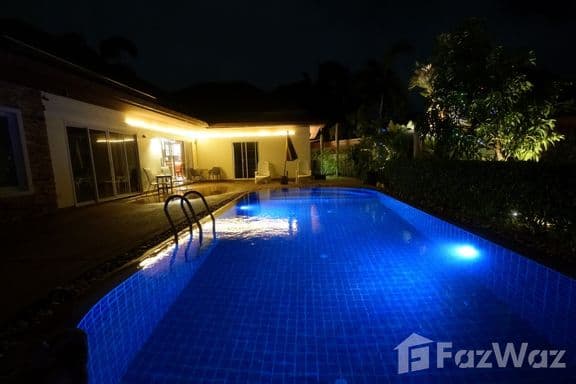

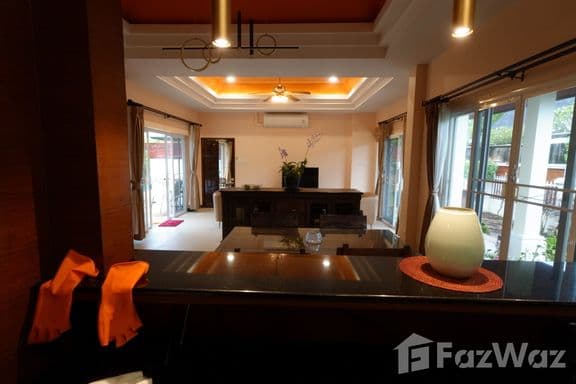
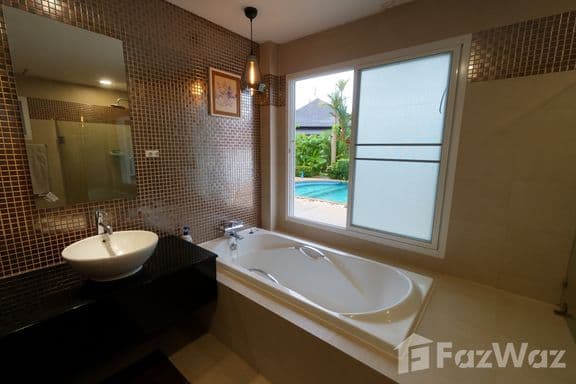
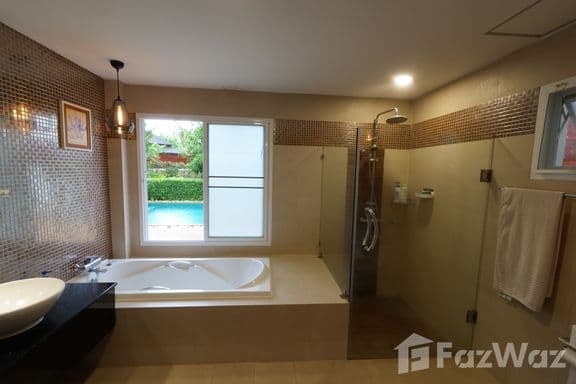
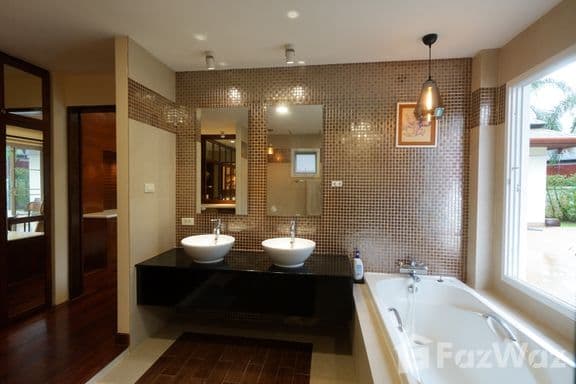
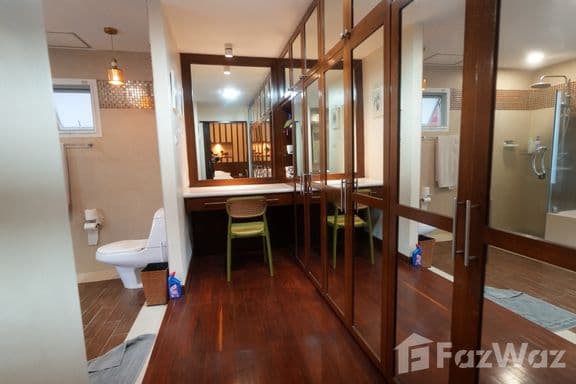
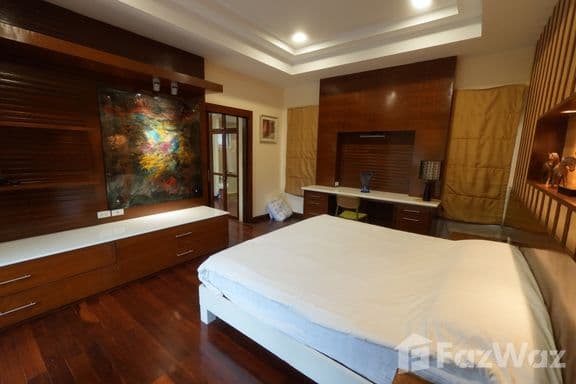

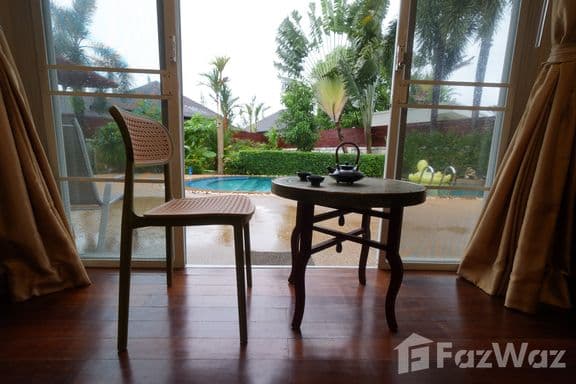
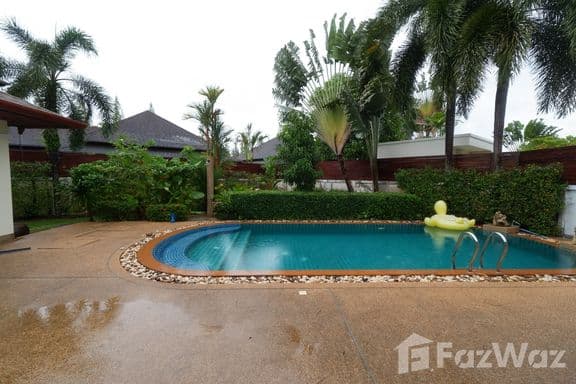
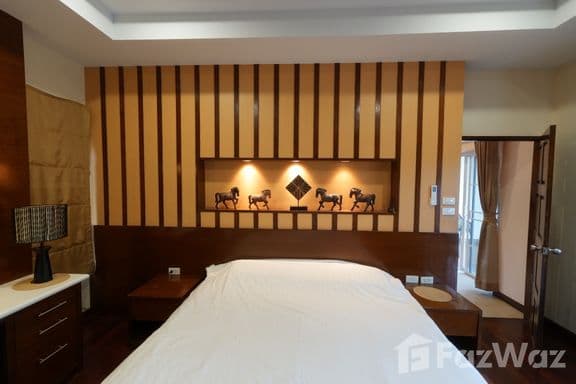

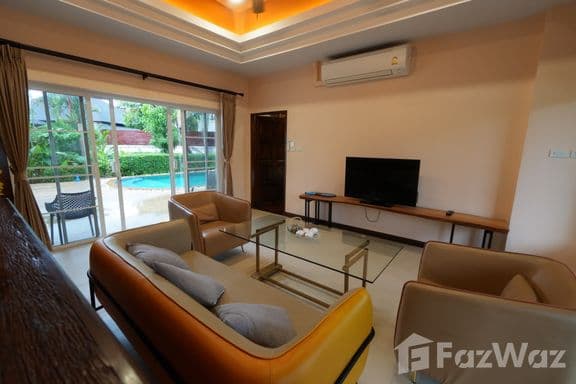
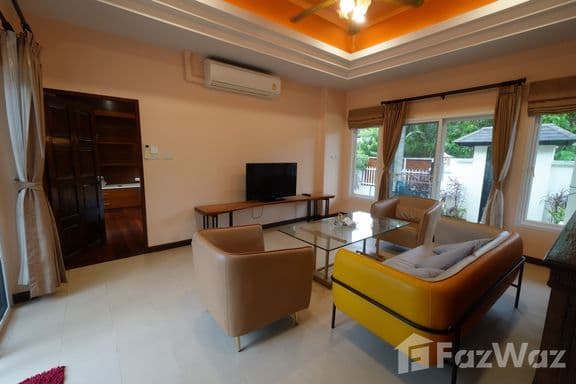
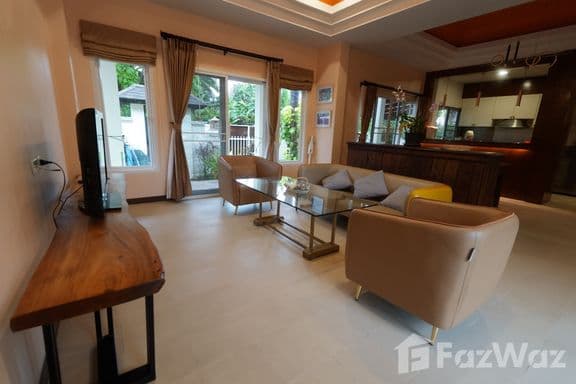
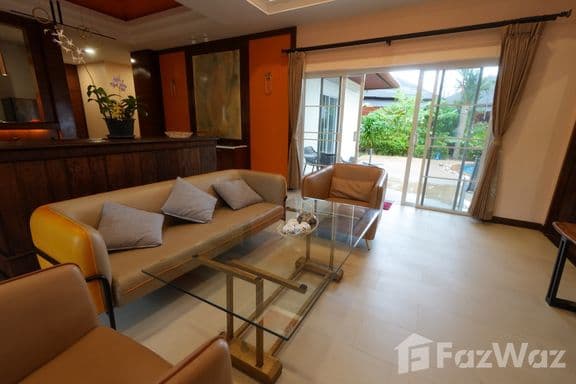
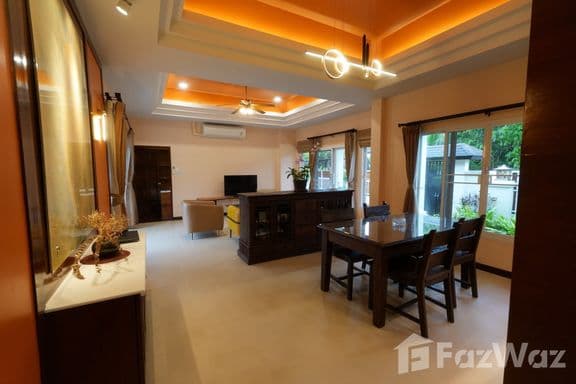



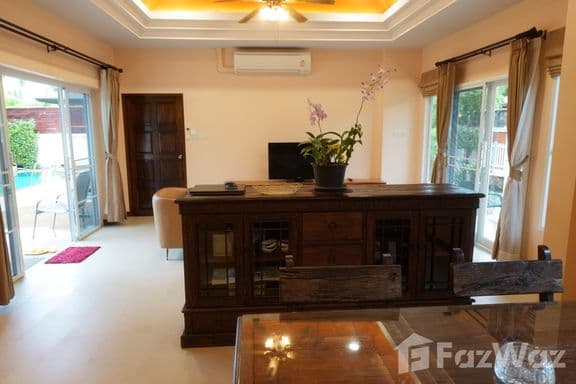
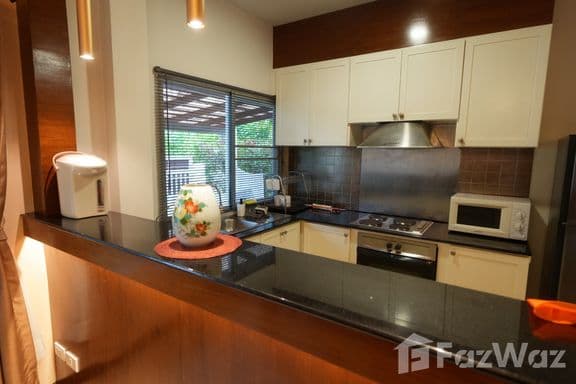
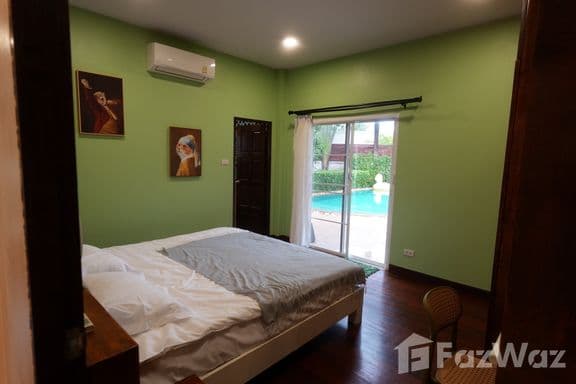
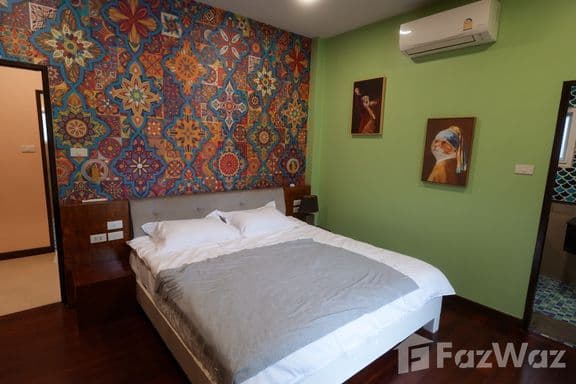
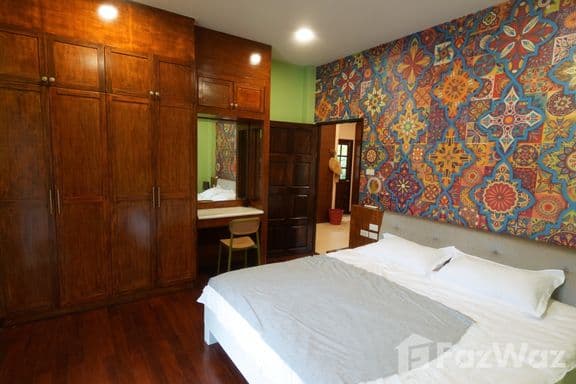
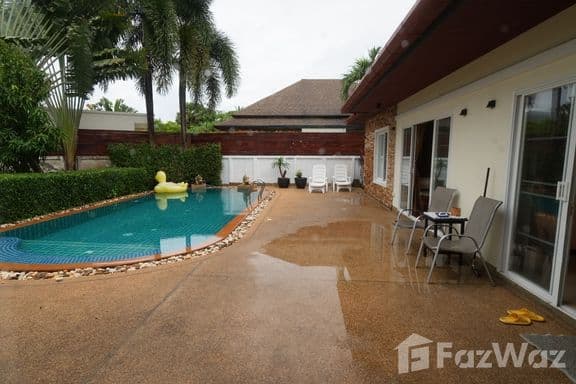
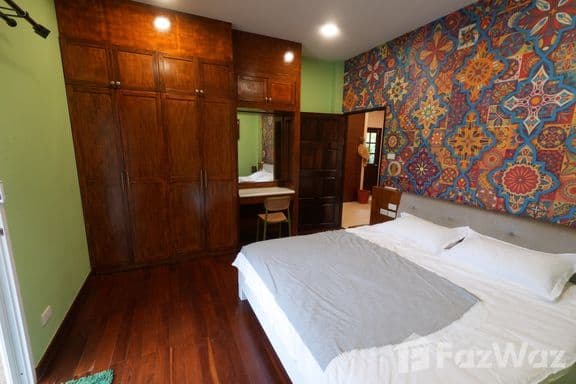
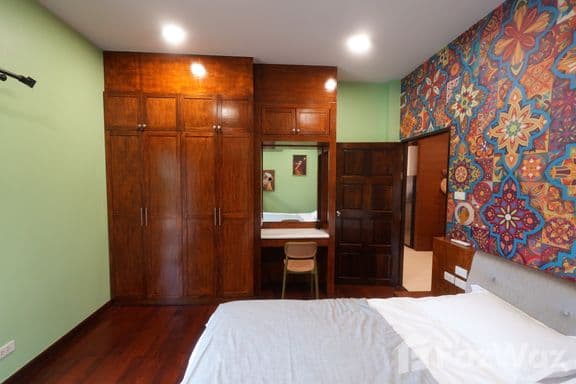
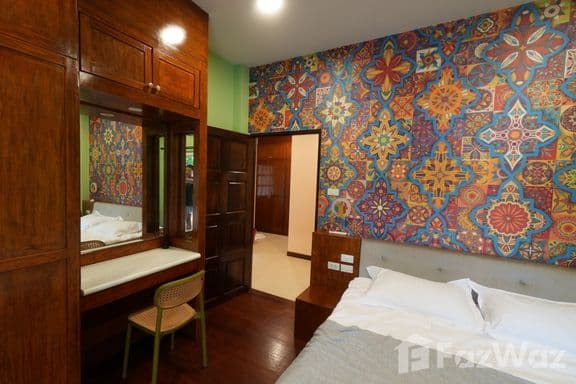


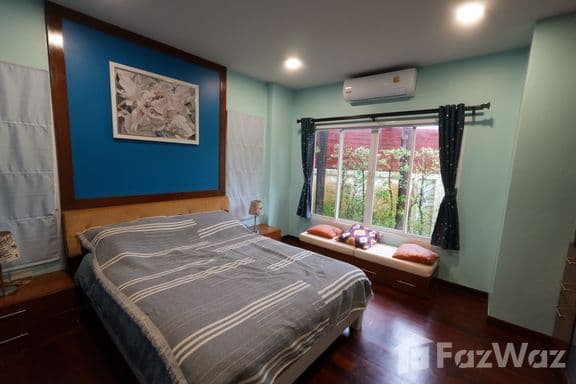
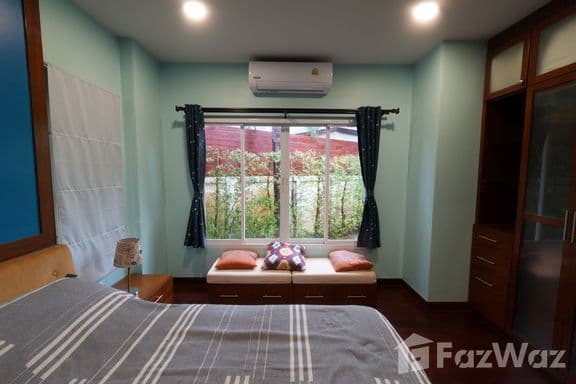

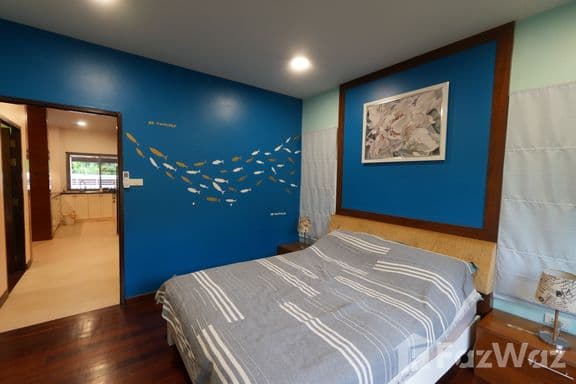
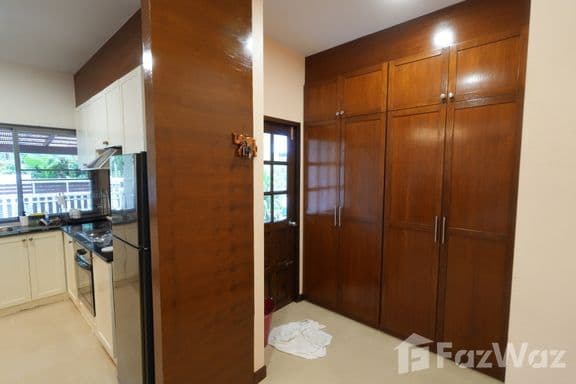
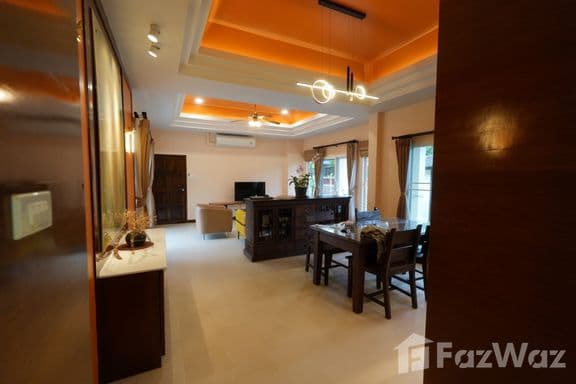
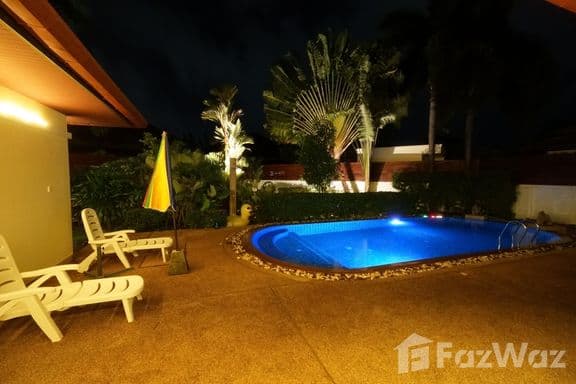
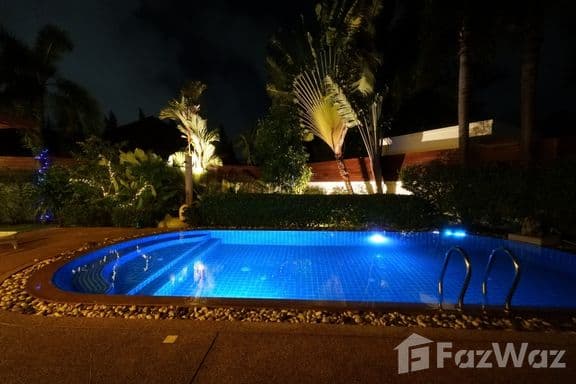

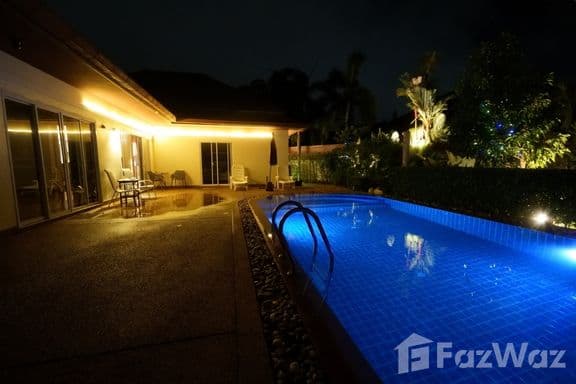
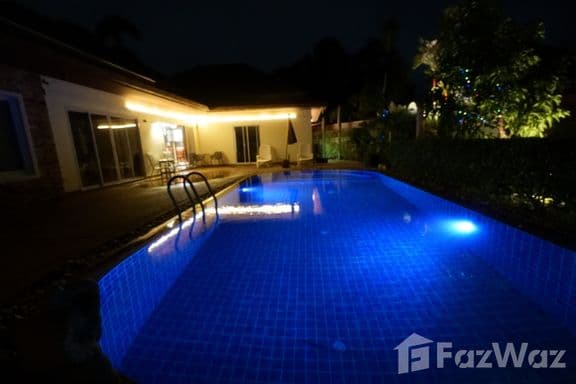
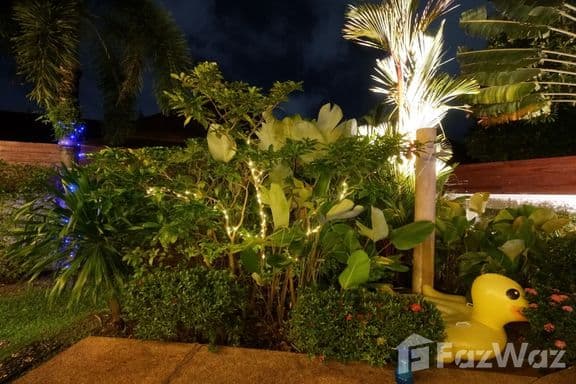
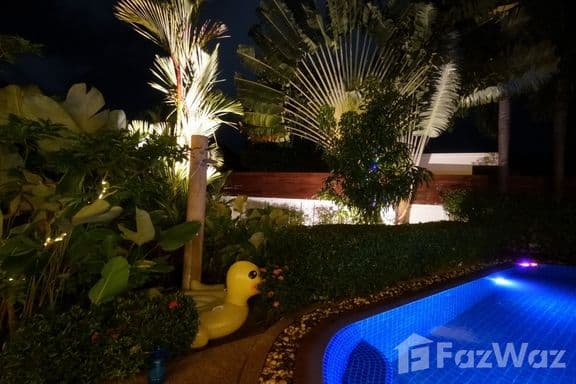
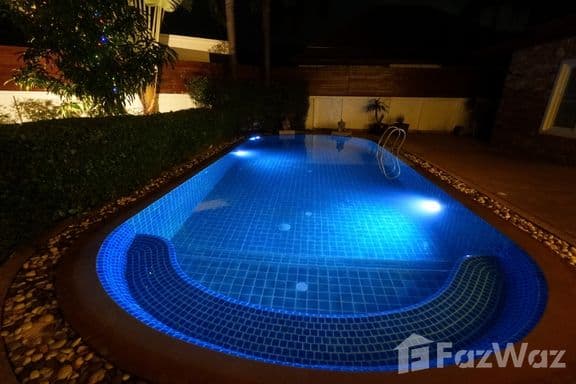
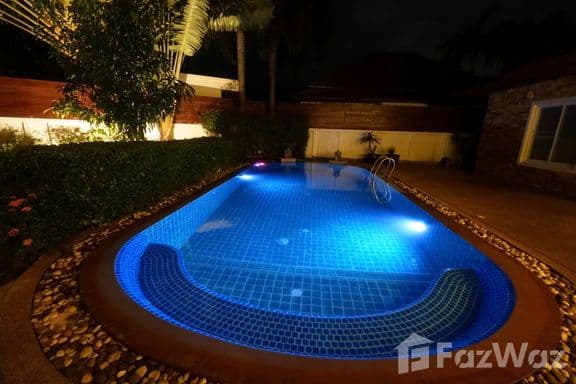

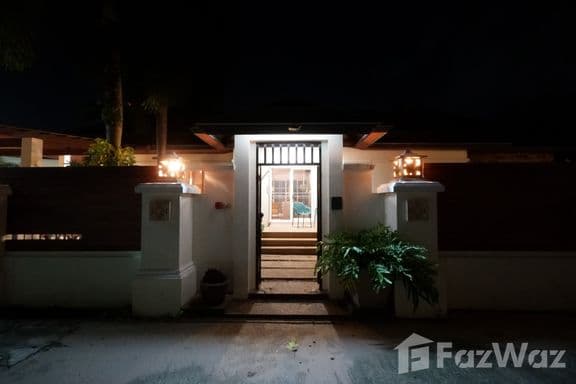
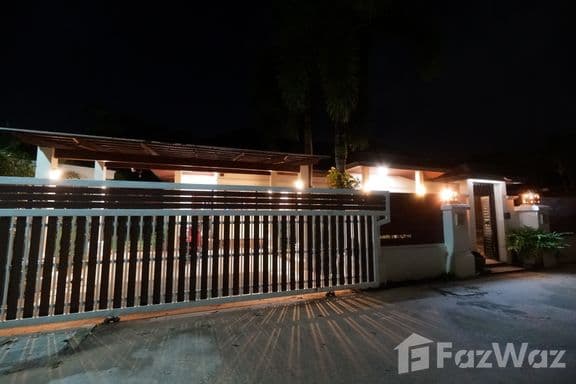
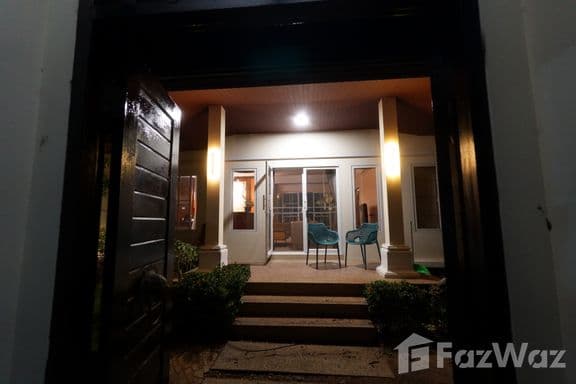
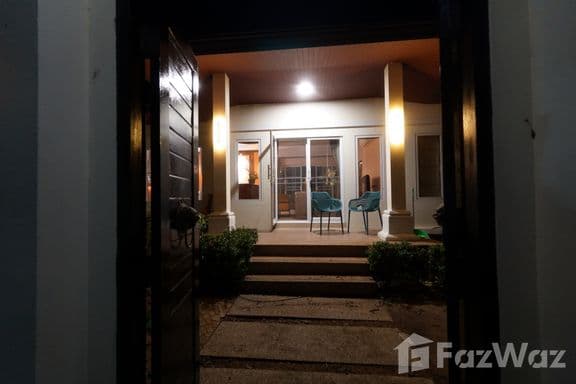
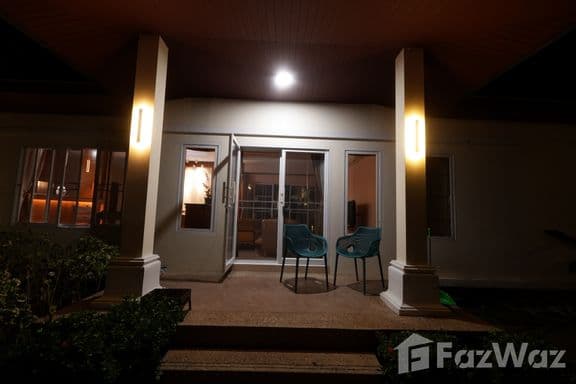
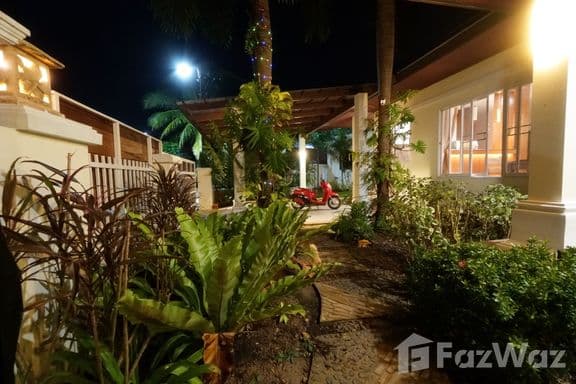
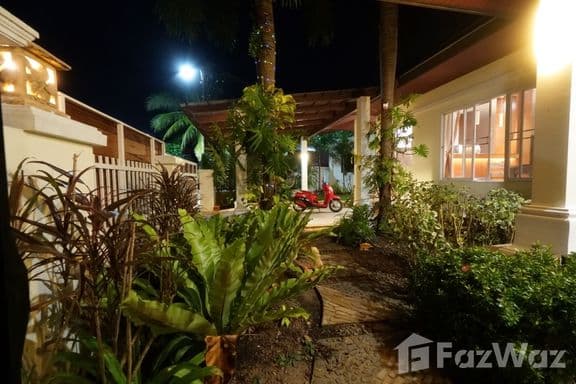

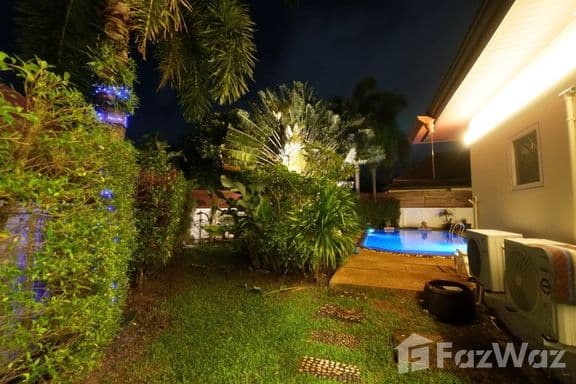
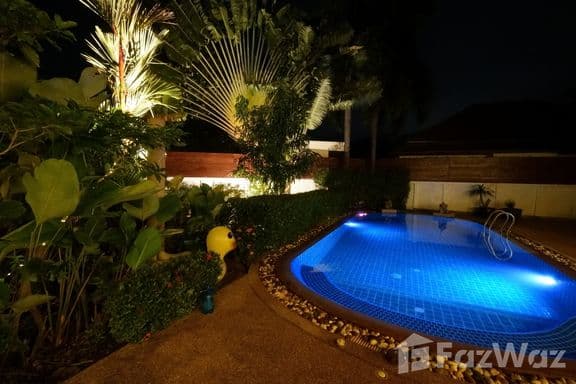
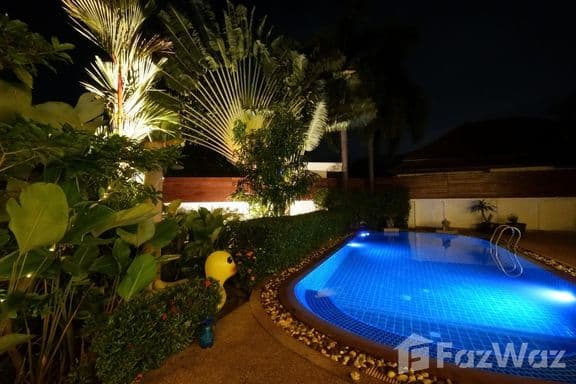


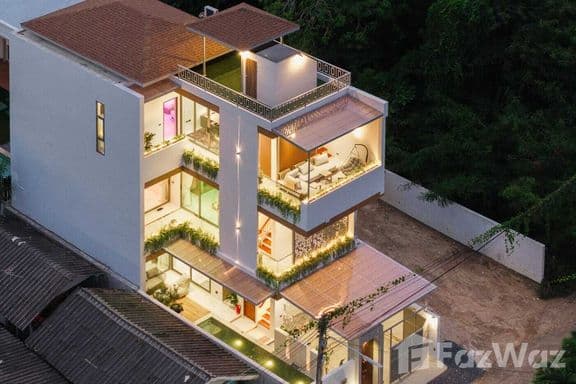


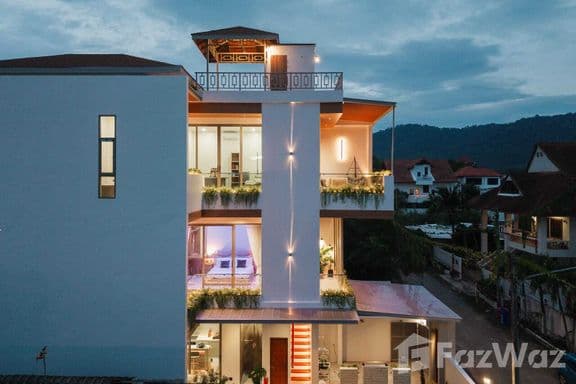
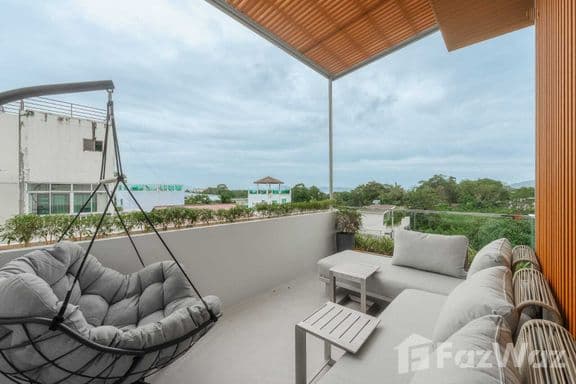


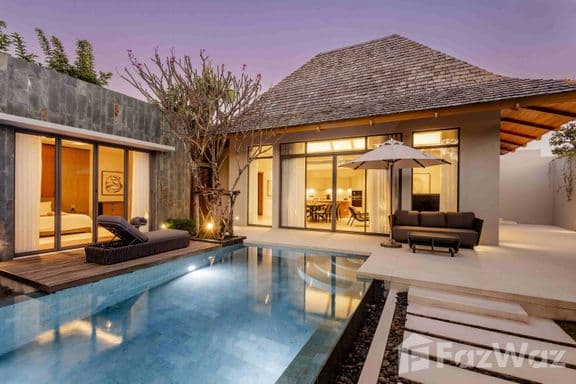
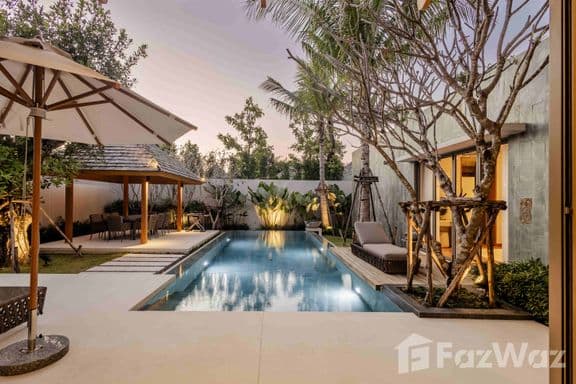
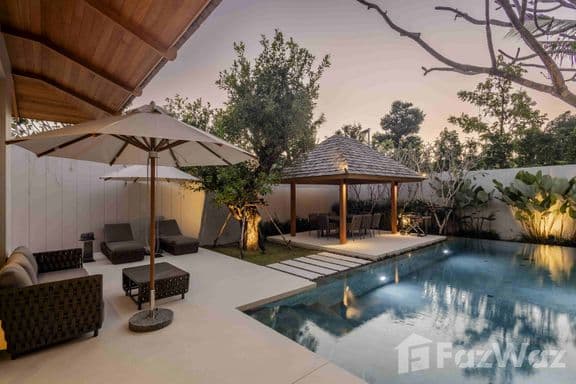
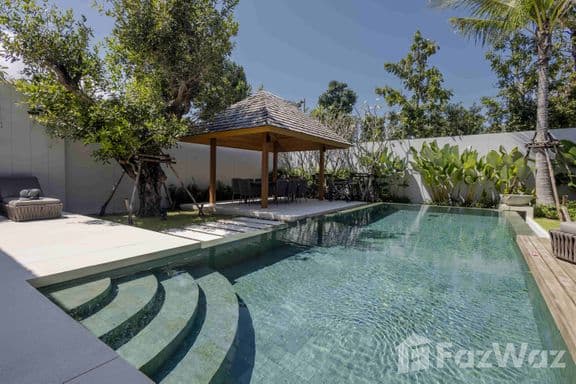
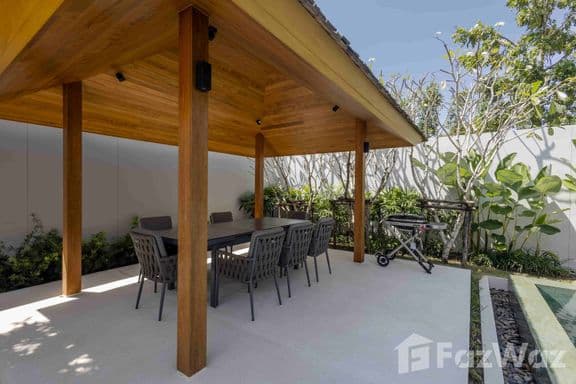
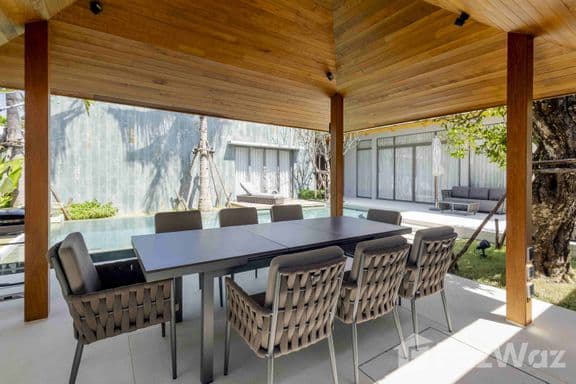
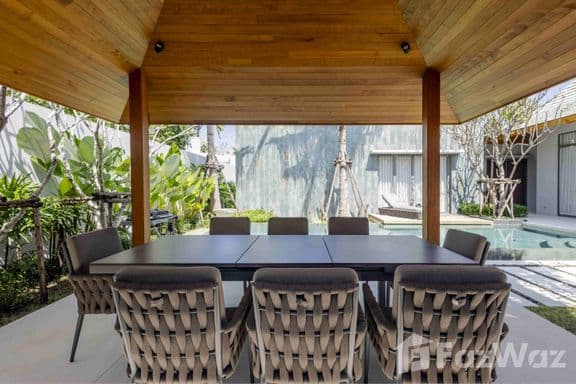
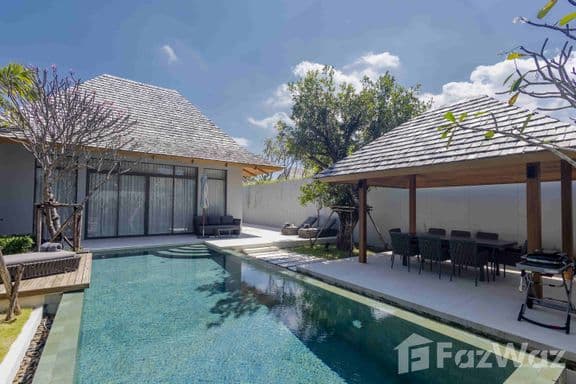
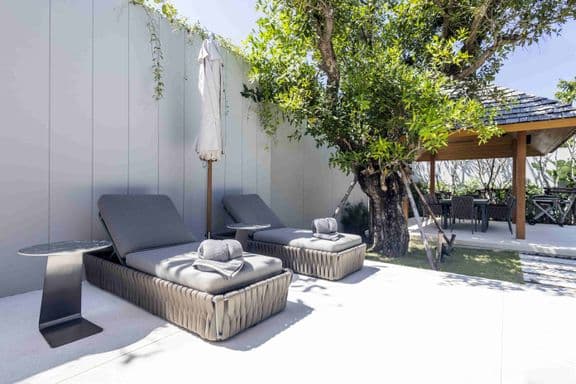
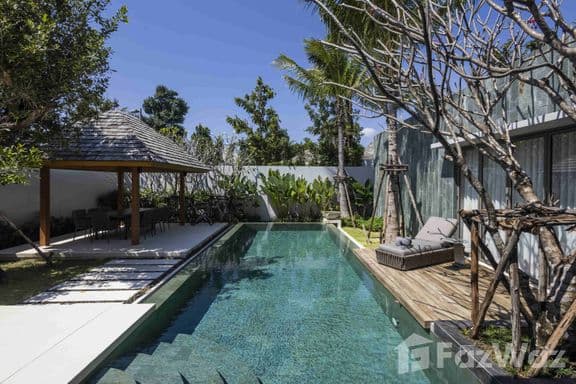
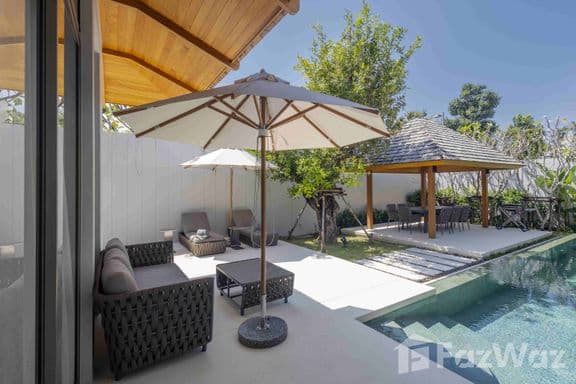
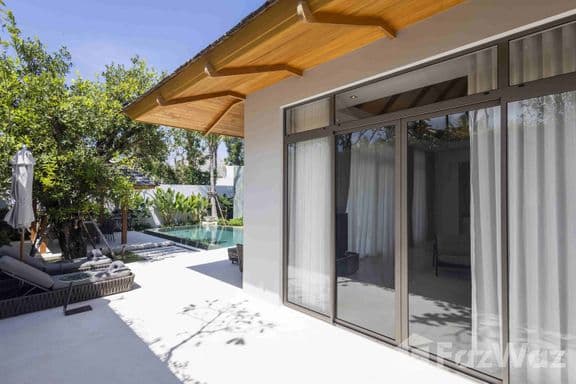
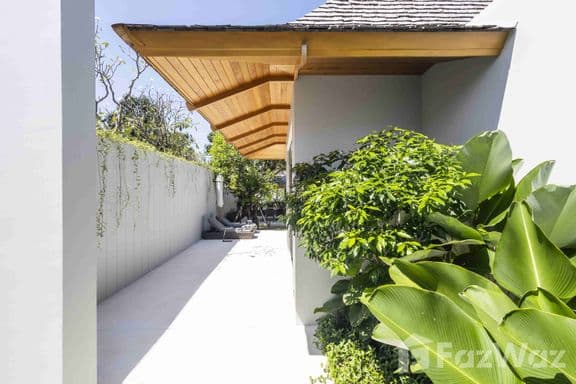
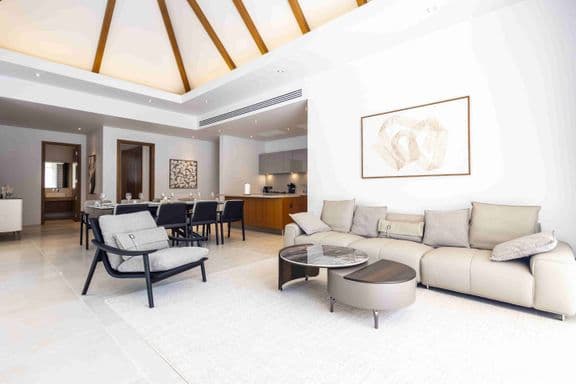
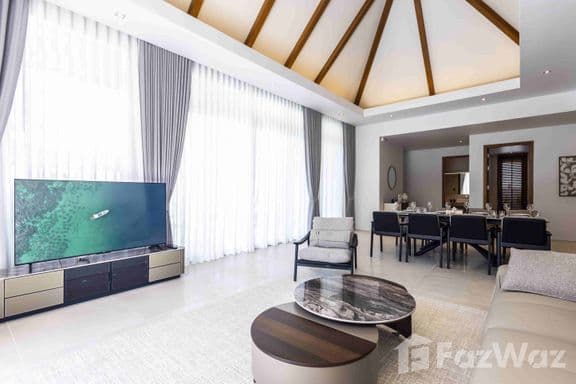
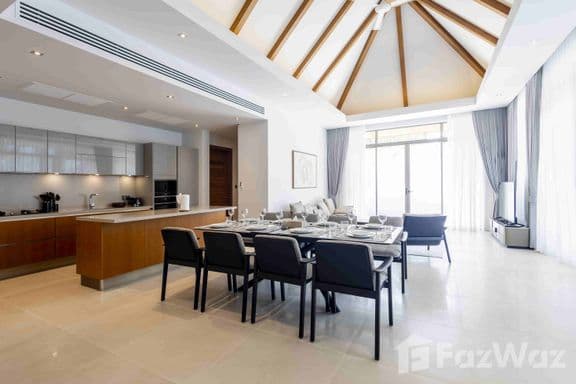

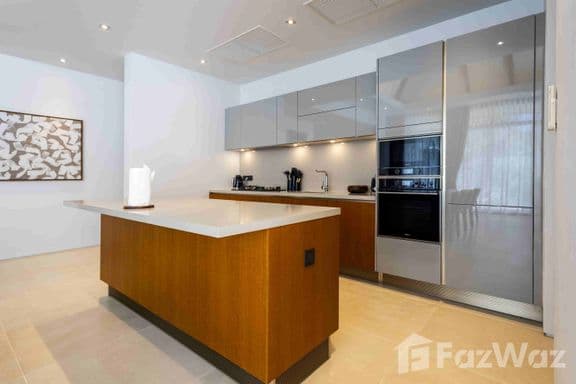
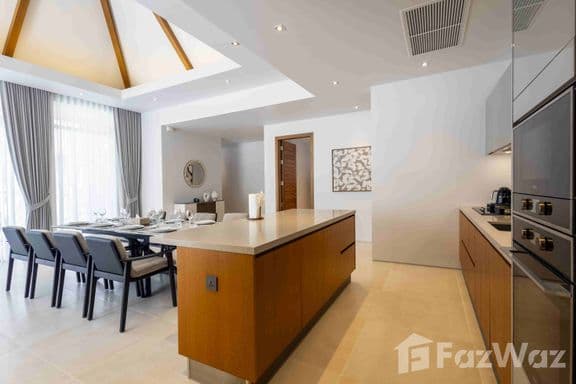
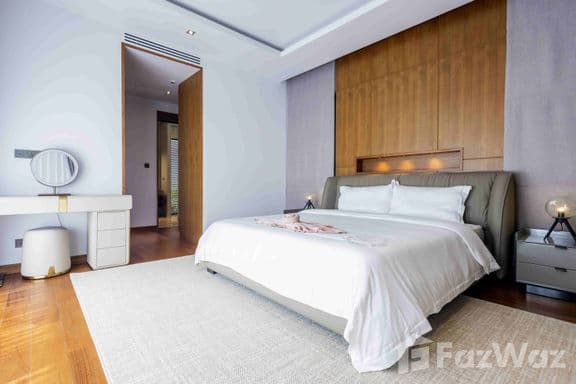
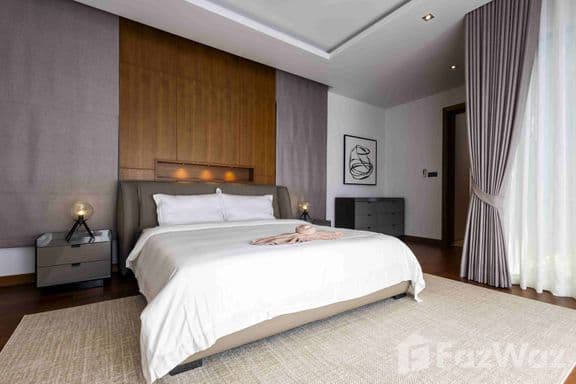

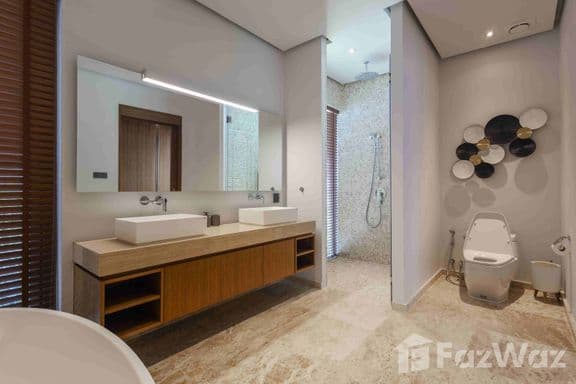


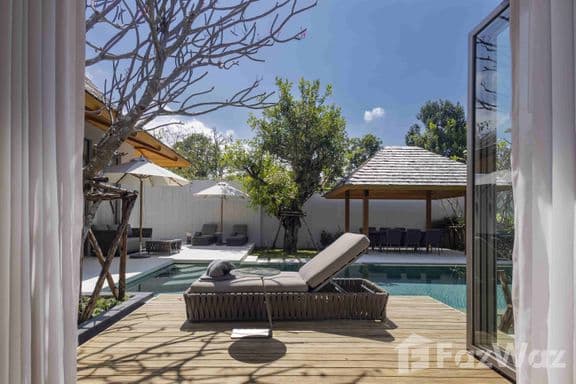
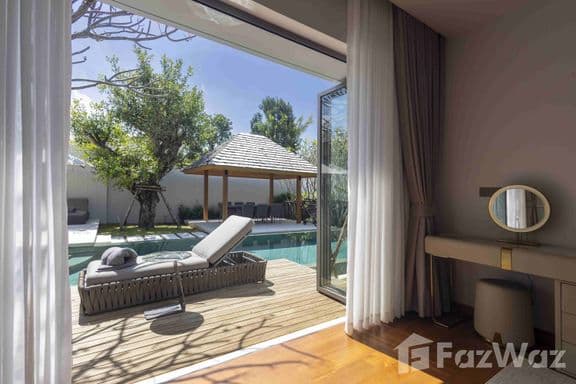
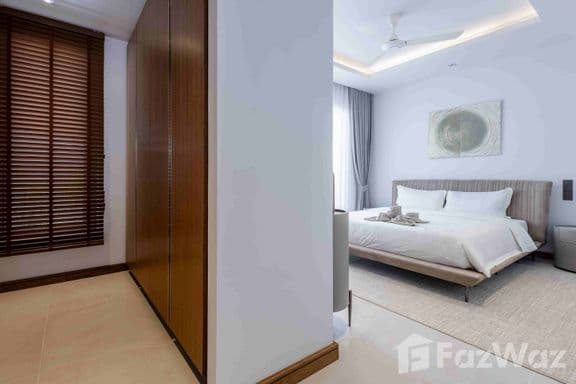
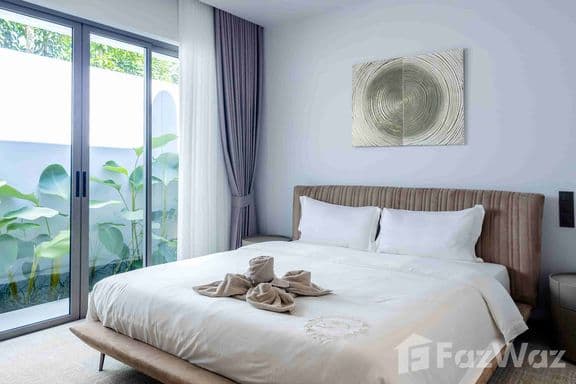
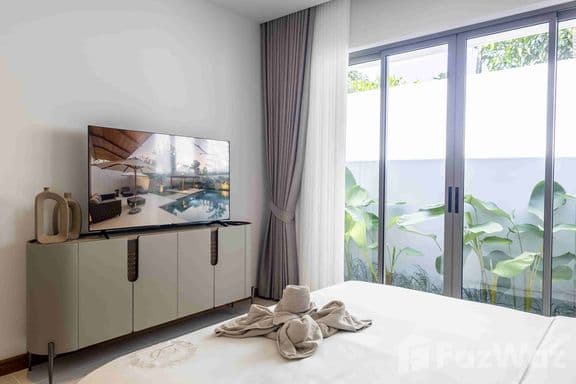
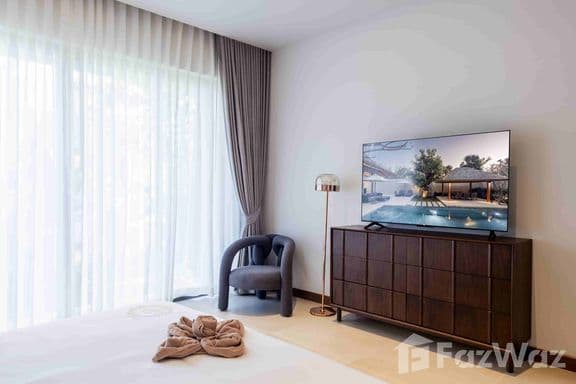
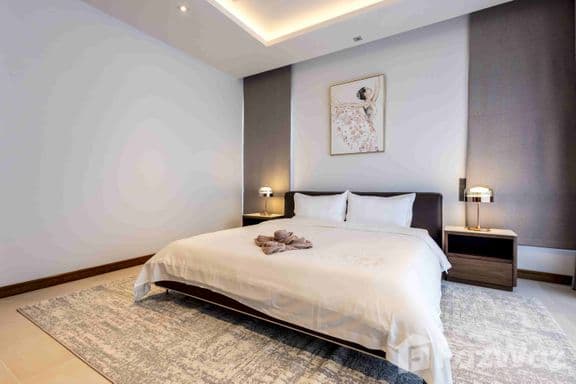
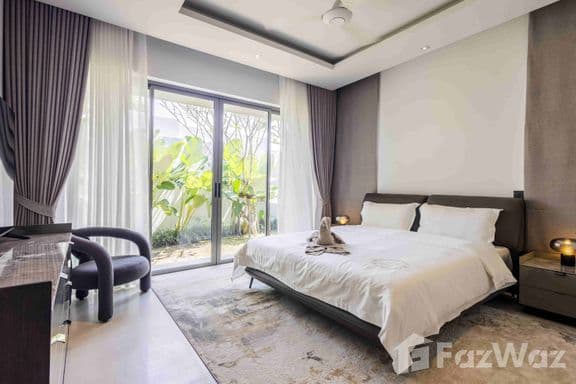
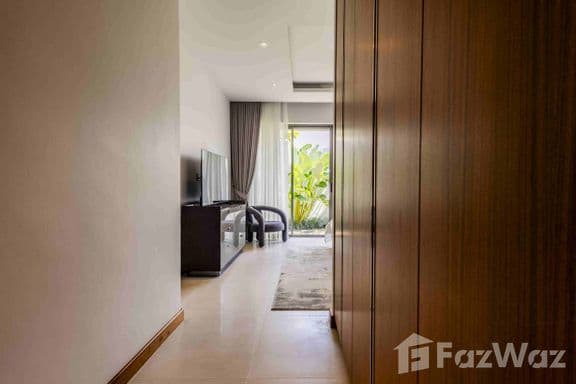
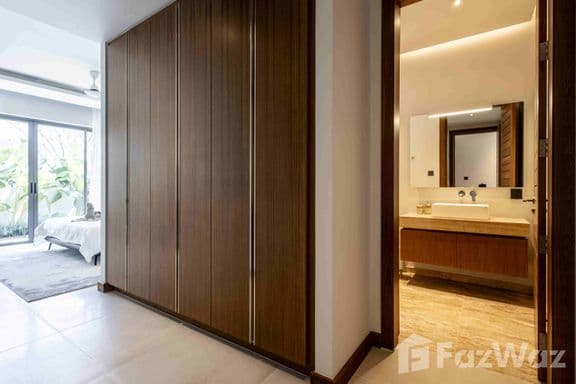

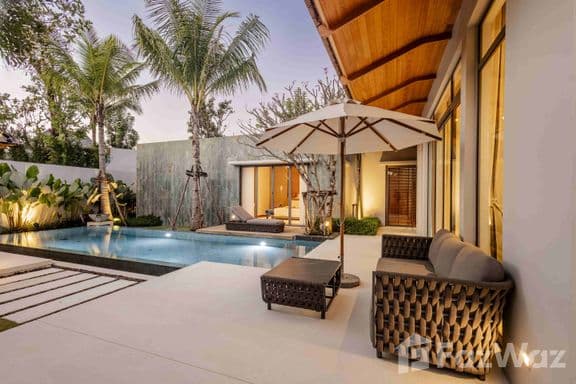
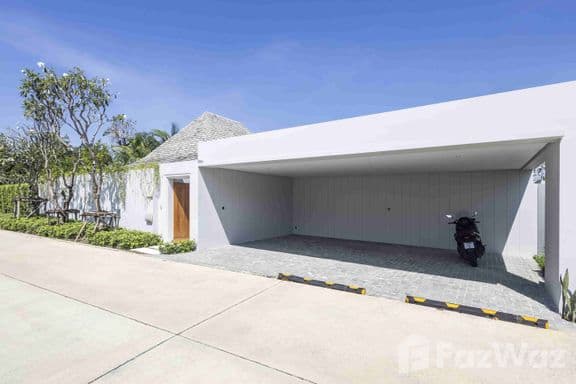
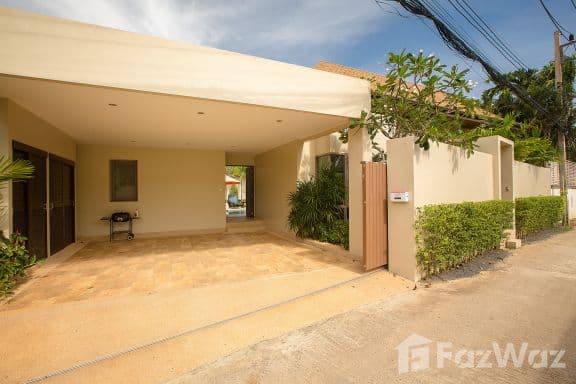
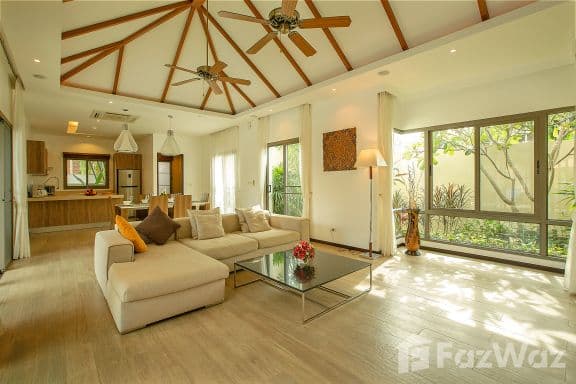
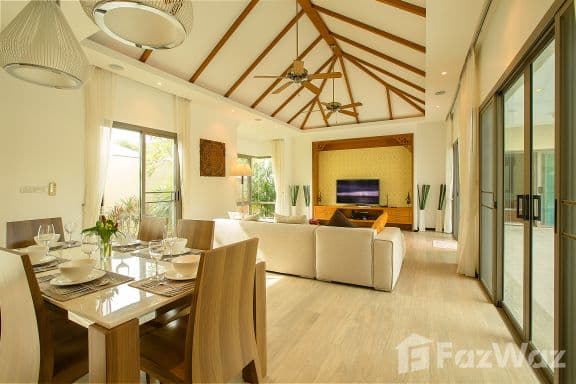
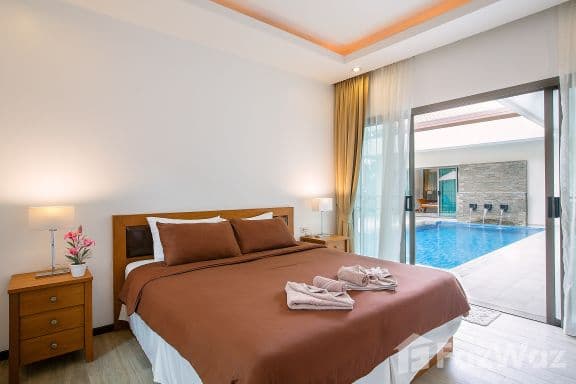

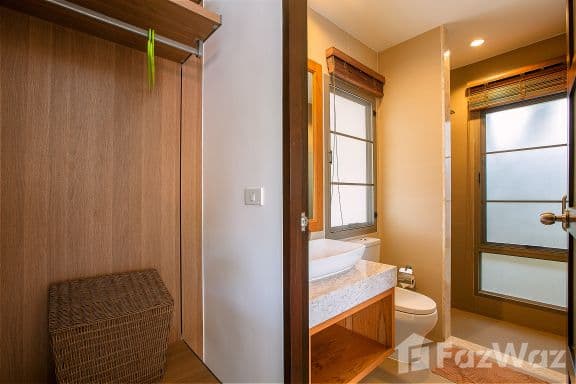
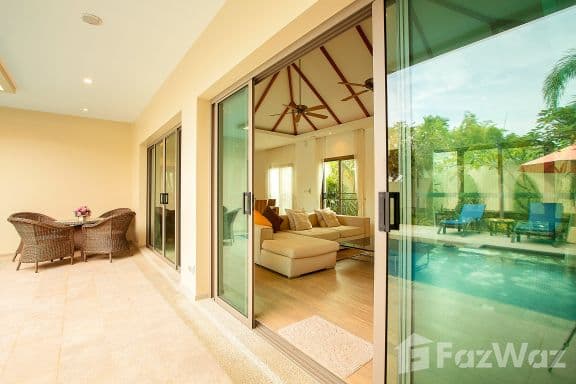
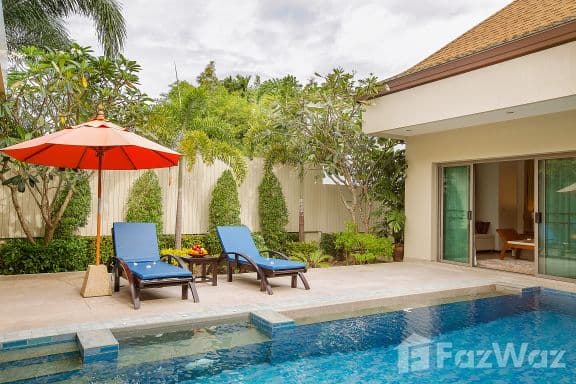
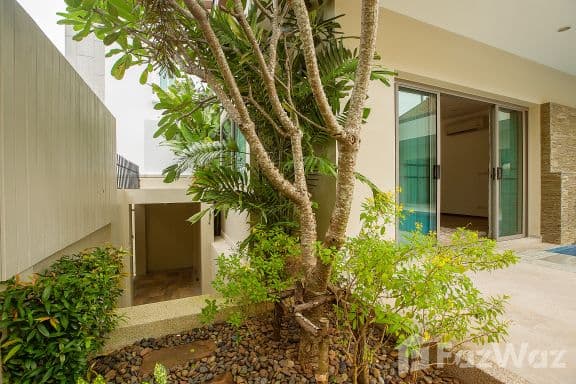
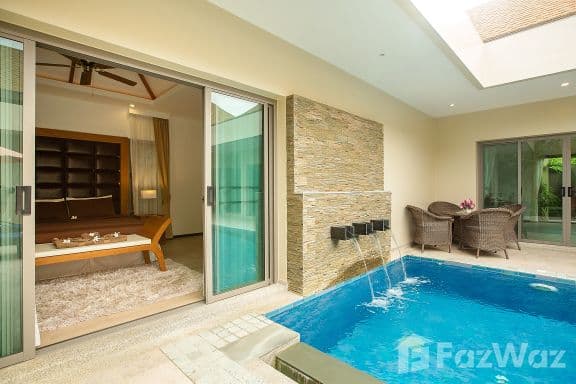
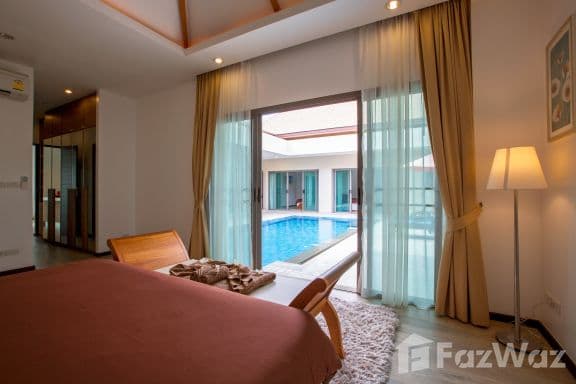
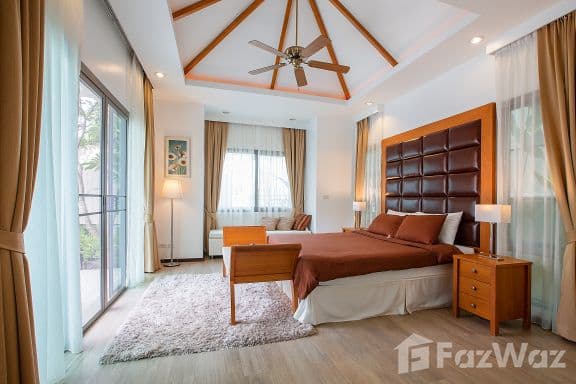
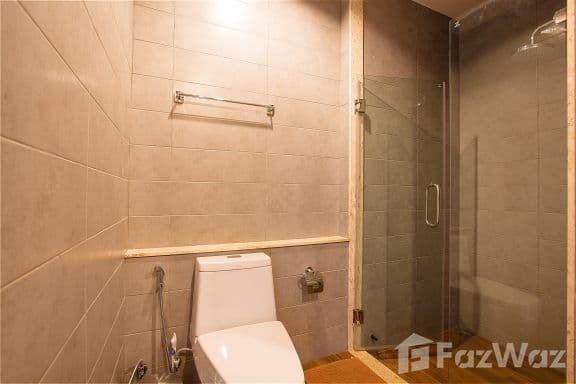
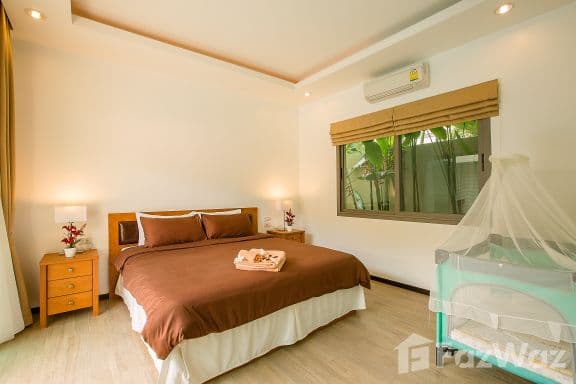
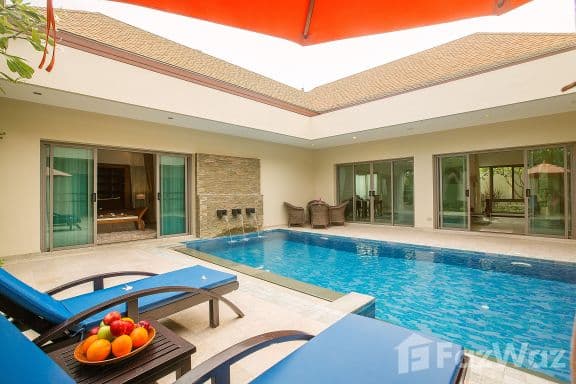
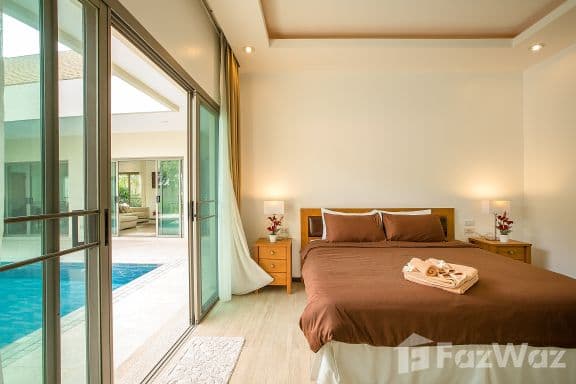
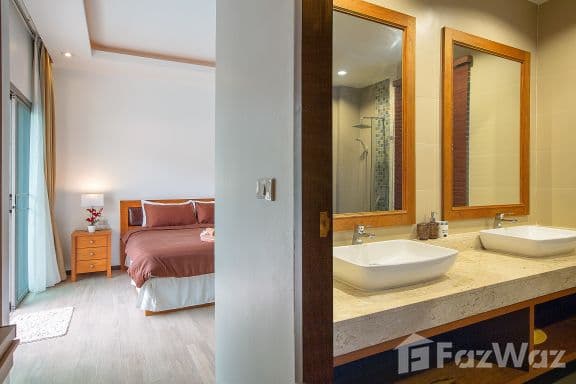
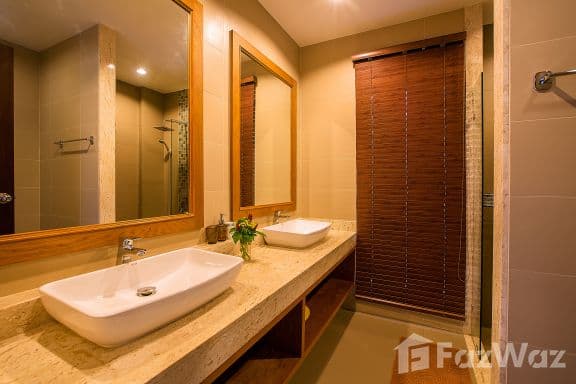
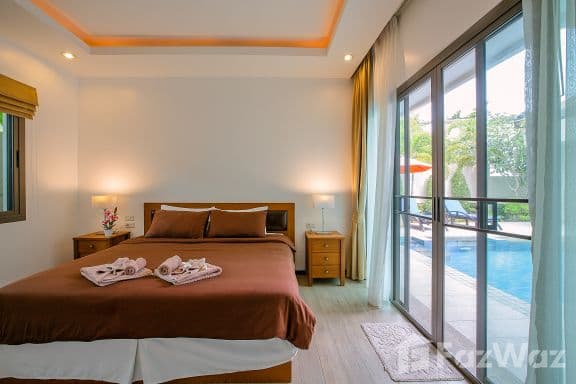
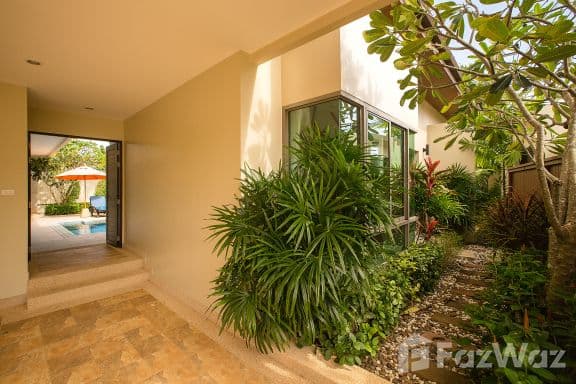

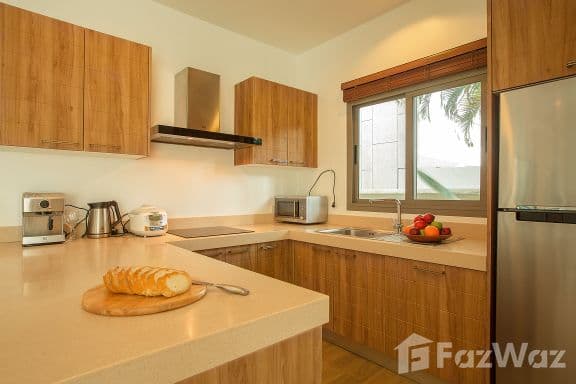
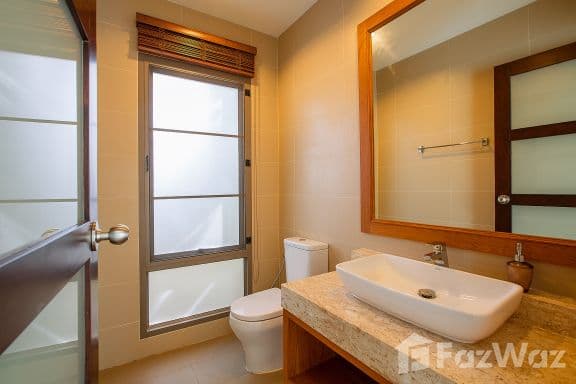
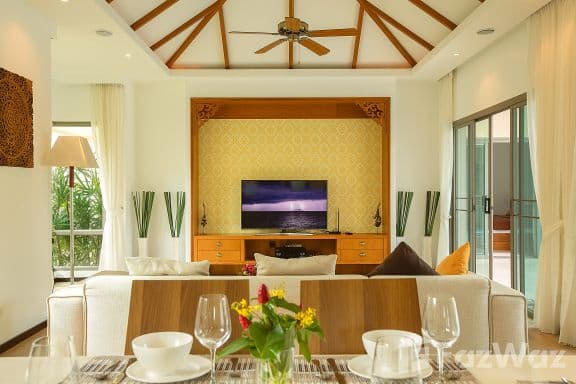

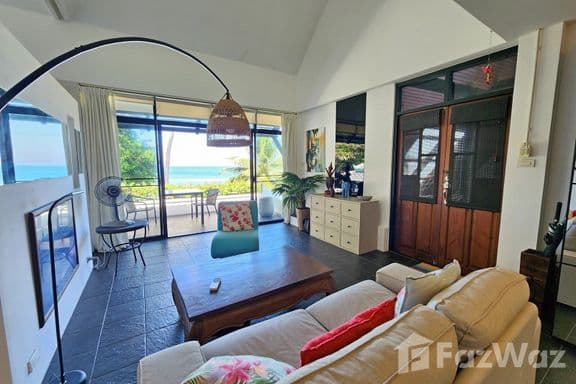
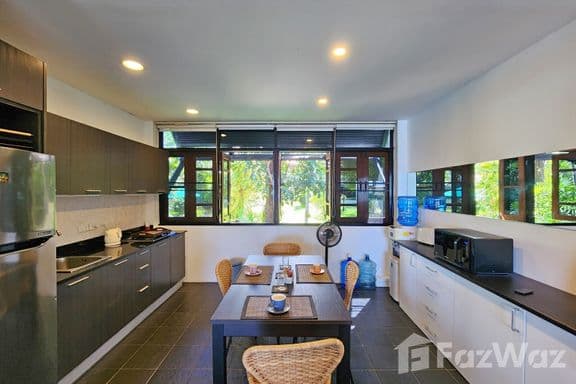
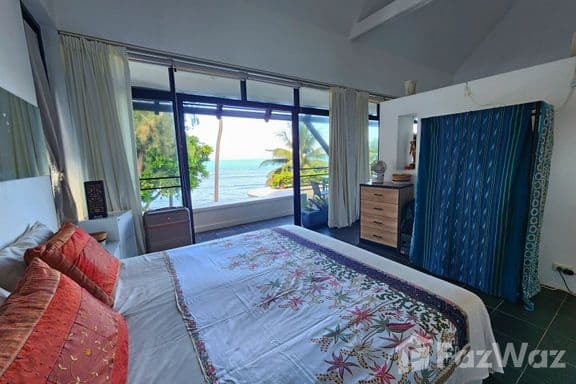
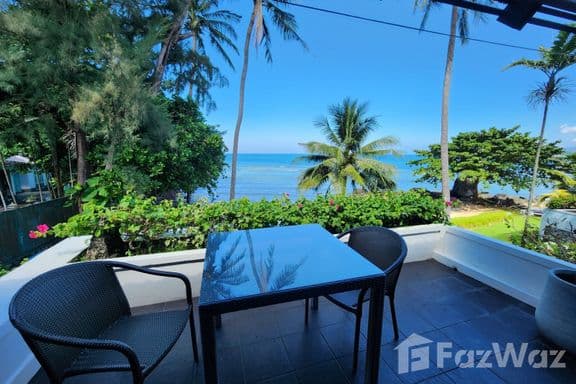
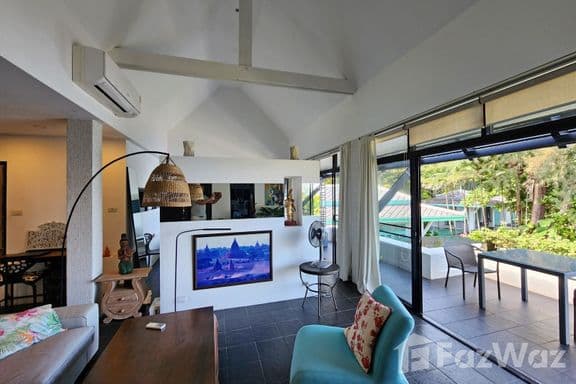
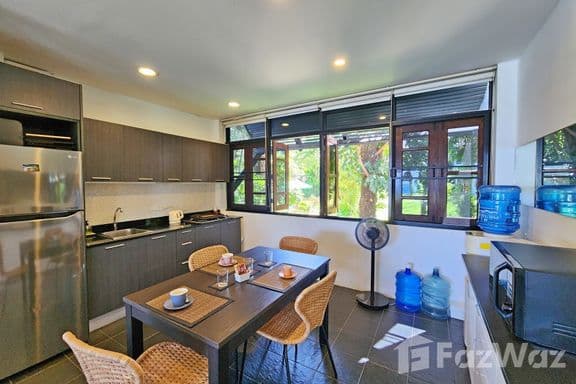
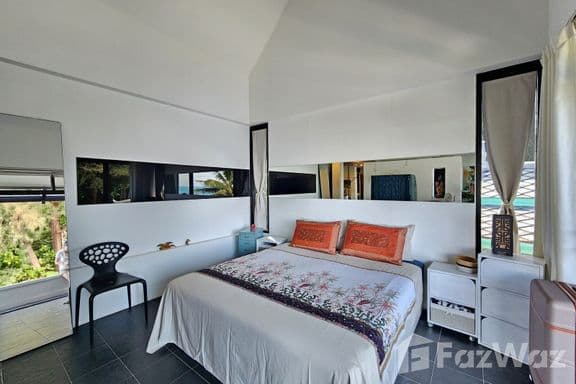
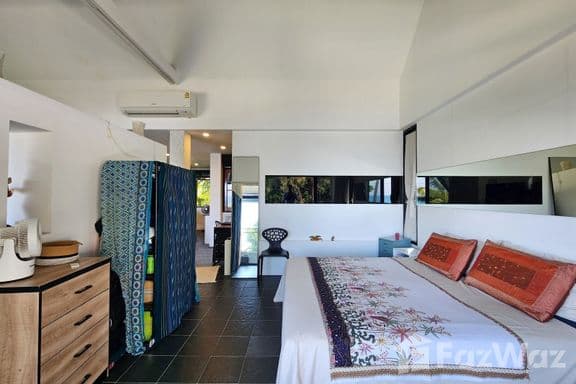
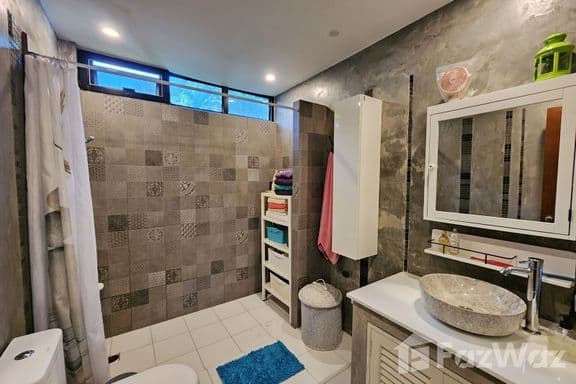
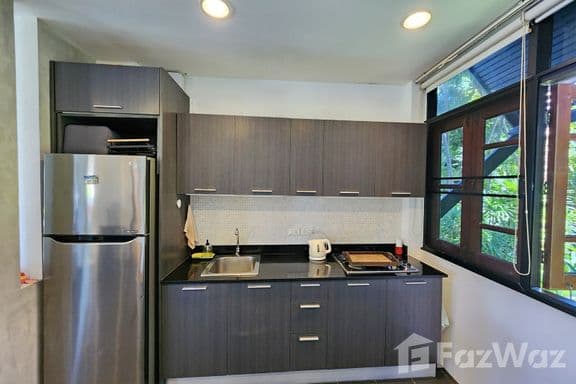
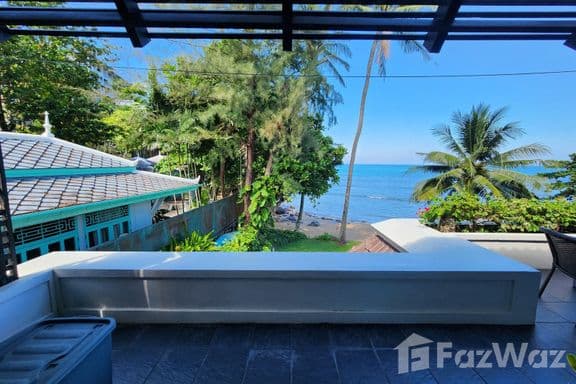


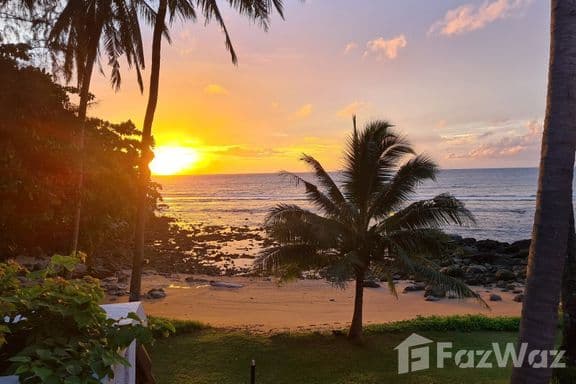

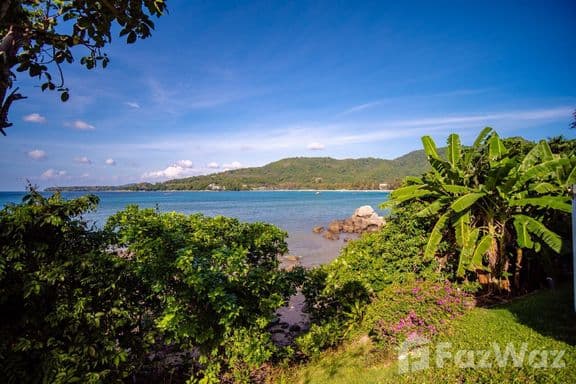

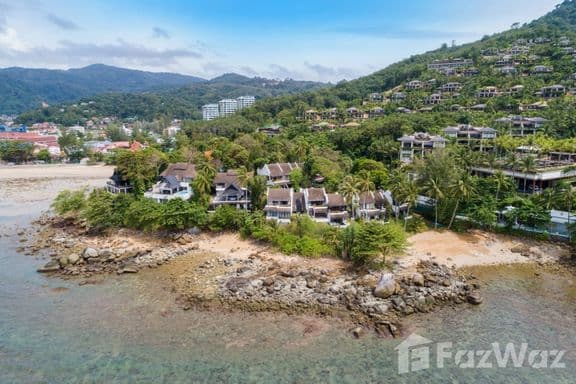

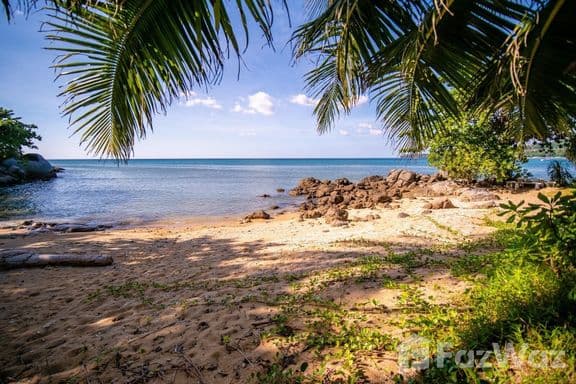
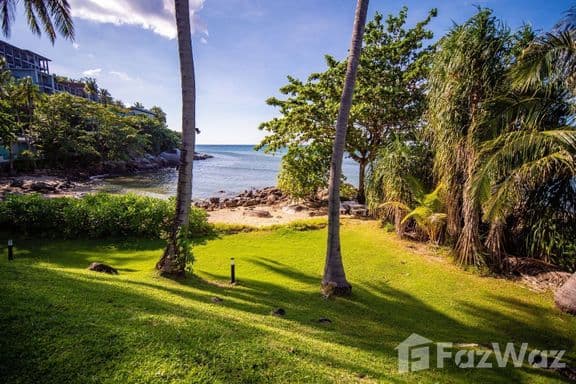




 Popular condos in Phuket

