2025 Guide to Long-Term Condo Rentals in Koh Samui for Expats and Foreign Renters
Introduction: Why Expats are Renting Condos in Koh Samui
Koh Samui has emerged as a tropical haven for expats and foreign long-term renters in recent years. With its island paradise lifestyle, modern amenities, and relatively low cost of living, it's no surprise that more foreigners are choosing to rent condos in Koh Samui instead of staying in pricey resorts or committing to property purchases. The expat population on Samui has grown significantly – around 12,000 expatriates now live on the island, increasing the population by 15% over the past decade. The remote-work-friendlyenvironment draws many, as reliable internet and beachfront cafes make it easy to work from Samui's shores. This rise of remote work and digital nomadism has made Samui even more appealing, with new international schools and communities forming to support the growing expat base.
Another key factor is affordability. The island’s cost of living is roughly 30% lower than in many Western countries, allowing expats to enjoy a high quality of life for less. Tropical weather, beautiful beaches, and a laid-back lifestyle come paired with modern hospitals, shopping centers, and a friendly local community where English is widely spoken – making for an easy transition into island life. Crucially, renting offers flexibility. Foreigners face restrictions on buying land in Thailand, and even though they can own condominiums, many prefer the hassle-free flexibility of renting instead of buying. As one expat-oriented source notes, “Renting is financially better. Buying really only makes sense if you know 100% where you want to live for the rest of your life”. In short, a long-term condo rental in Koh Samui lets you enjoy the island lifestyle immediately – without the long-term commitment or legal complexity of property ownership.
Advantages of Long-Term Condo Rentals in Koh Samui
Opting for a long-term condo rental in Koh Samui comes with several distinct advantages for expats and foreign residents:
- Cost Savings & Better Rates: Long-term leases typically offer much better value than short vacation stays. By committing to a monthly or yearly lease, renters can secure lower rates – often 10–20% cheaper than month-by-month pricing. Many landlords reward longer commitments with discounts, making it more economical over time. In practice, $750 (฿25,000) per month might rent a fully furnished ocean-view condo that would cost far more if rented short-term.
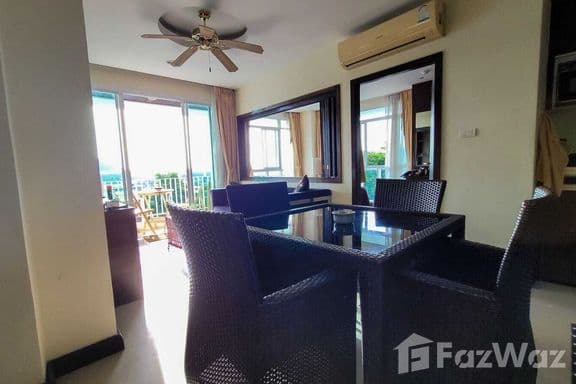
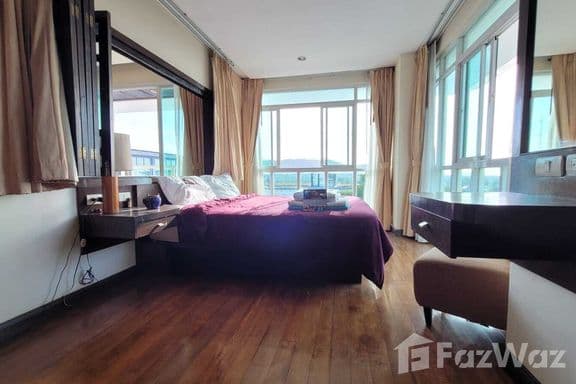
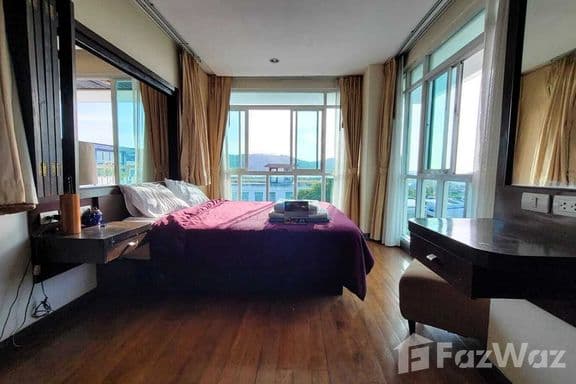
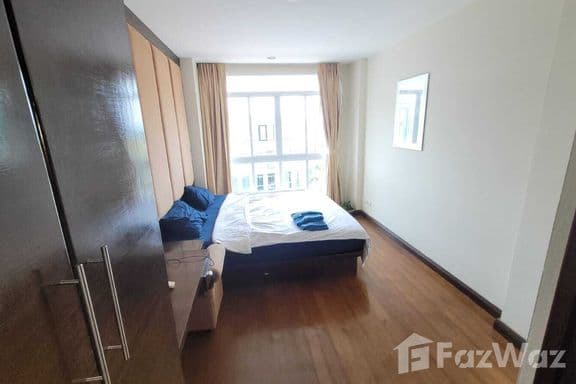
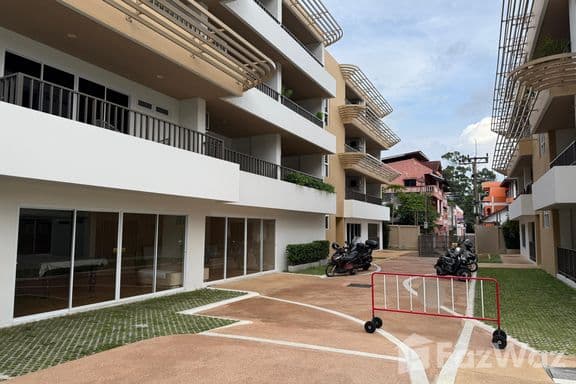
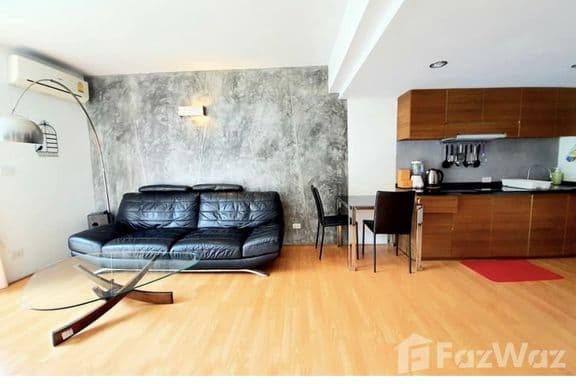
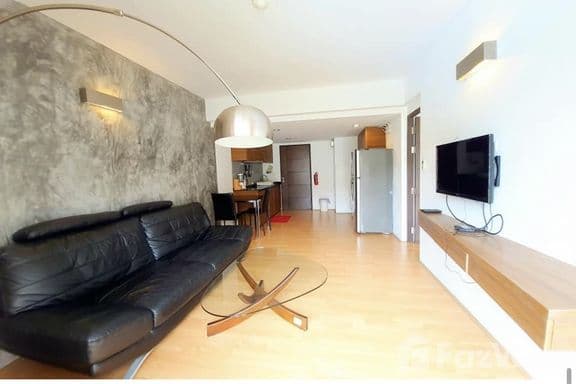
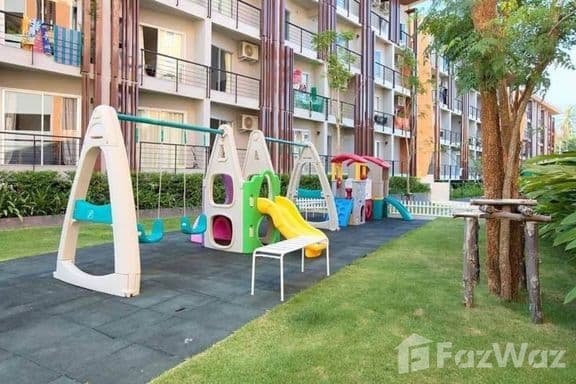
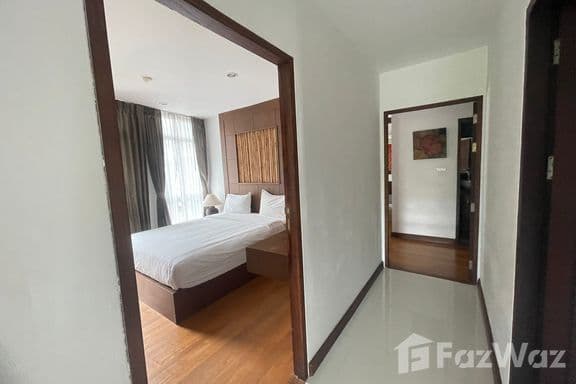
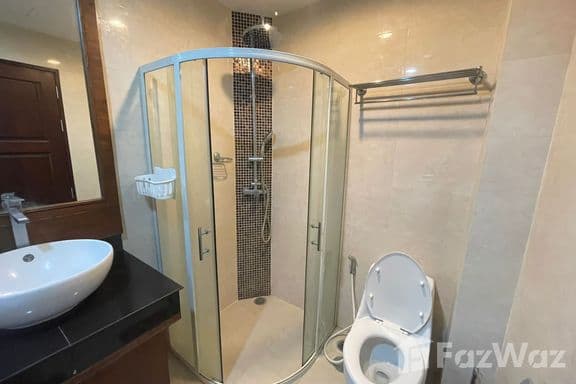
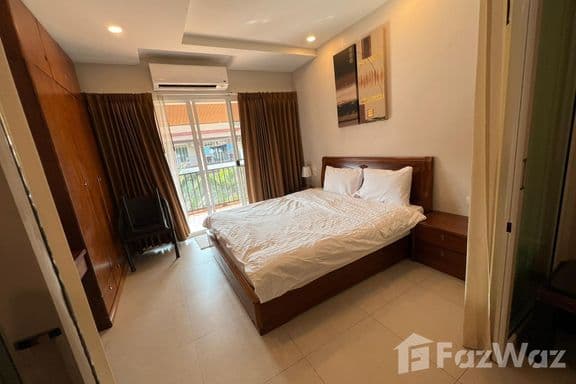
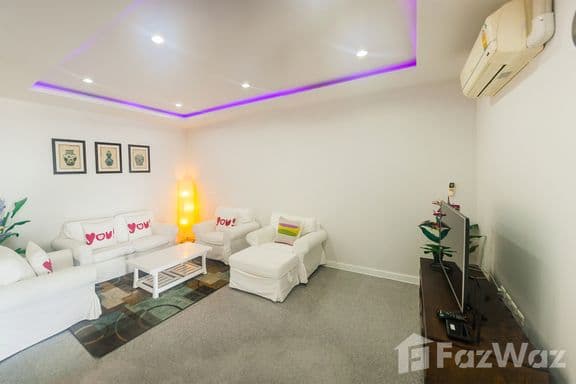
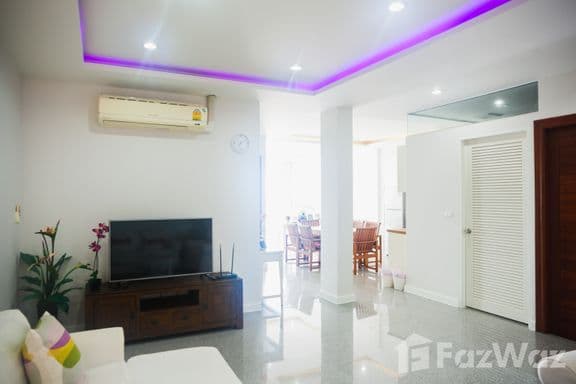
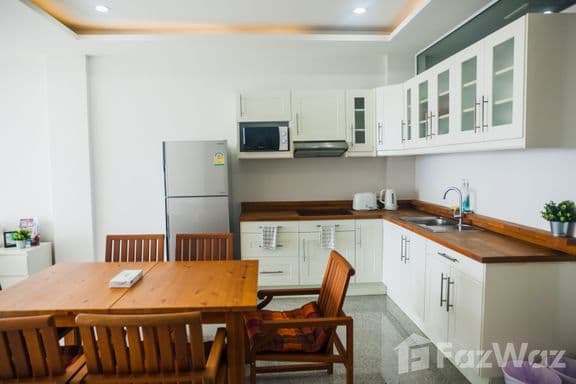
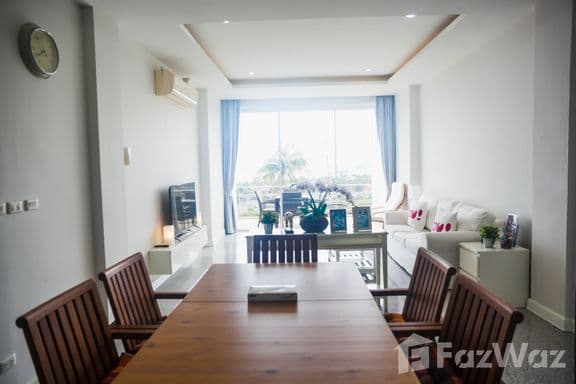
- Home-Like Comforts and Amenities: Condos in Samui are designed for comfortable living, not just short visits. Most come fully furnished with modern kitchens, air conditioning, and even personal touches like balconies or small gardens. Choosing a condo over a basic apartment usually means access to resort-style facilities – think communal swimming pools, fitness centers, lounge areas, on-site restaurants, and 24-hour security. These shared amenities create a convenient, hotel-like living experience that short-term rentals or standalone houses often lack.
- Community and Lifestyle Integration: Renting long-term allows you to become part of the local community. You’ll have time to make friends with neighbors (both Thai and expat), join in local events, and truly get to know the island. Many expats report that shifting from “tourist” to resident leads to a richer experience – from learning a bit of Thai language to being a regular at the local market. Over months and years, you transition from passerby to participant in Samui’s social fabric, forming deeper connections than you ever would in a hotel. Condo living often fosters a community vibe, with shared spaces where neighbors meet.
- Flexibility without Long-Term Commitment: Renting gives you freedom to “try before you buy.” If you’re new to Koh Samui, a lease lets you test out living on the island (or even different neighborhoods) without the permanent commitment of purchasing property. You can always change condos or move elsewhere in Thailand when your lease is up. This is ideal for retirees and digital nomads who want a base in Samui but the option to be mobile. Unlike owning, you won’t have to worry about reselling a property if your plans change.
- Fewer Legal Hassles for Foreigners: Thailand’s property ownership laws for foreigners can be complex – foreigners cannot own land and can only directly own condos under certain quotas. By renting, you avoid legal restrictions and paperwork, focusing on enjoying your stay. As long as you maintain a valid visa, foreigners have no restrictions on renting property in Thailand, making it a straightforward option.
In summary, a long-term condo rental provides the comfort of a home, cost efficiency, and freedom that align perfectly with the needs of expats and long-stay foreigners on Koh Samui.
2025 Market Trends: Price Ranges, Availability, and Demand
The rental market in Koh Samui in 2025 is vibrant, with high demand driven by returning tourists, a growing expat community, and new development on the island. Here’s an overview of current price ranges, availability, and demand trends:
- Price Ranges: Monthly rental costs can vary widely based on property type, size, and location. A modest one-bedroom apartment or older condo inland might start around ฿10,000–฿15,000 per month. In popular areas and for modern units, expect around ฿20,000–฿30,000 for a comfortable furnished condo. In fact, a good average for a modern 1–2 bedroom condo in a prime location (e.g. near the beach in Chaweng or Bophut) is about ฿25,000–฿35,000 per month. For instance, ฿25k can fetch a two-bedroom ocean-view condo in Chaweng. On the higher end, luxury condos or penthouse units with sea views and upscale amenities can go for ฿50,000–฿100,000+ per month. Overall, the median rent price for condos in Koh Samui is roughly around ฿33,700–฿50,000 per month depending on the data source. (One 2023 market analysis showed a median condo rent around ฿51k/month in Q3 2023, down from ฿61k in Q2, indicating that many high-end properties skew the average, while plenty of affordable units are available.) Villas and houses tend to be pricier – a private pool villa rents from around ฿50,000 up to ฿200,000 per month for ultra-luxury estates – but for condos, you can definitely find something in every budget range from under ฿15k to well over ฿100k.
- Rental Demand and Availability: Demand for long-term rentals in Koh Samui is surging in 2025, especially among international residents. As one agency notes, interest in long-term rentals has “surged” among expats and digital nomads seeking a stable living environment on Samui. This uptick in demand means well-priced condos in good locations may get snapped up quickly. The market composition has also evolved: condos were once a niche segment, but by 2023 condos (and penthouses) made up about 42% of the rental property market on Samui, reflecting strong and growing demand for condo living. More remote workers and retirees are moving in, drawn by Samui’s lifestyle, which is keeping rental demand high.
On the supply side, new condominium projects and villa developments have been completed in the past few years, adding inventory. However, availability can be seasonal. During peak tourist season (December through February), some owners prefer short-term holiday lets, which can temporarily reduce the supply of condos for long rent. As a result, prices often spike in high season. Local insiders note that you’ll see more long-term rental availability starting from March (the low season) onward, once tourist crowds thin out. If you plan to rent, it’s wise to start your search in the off-peak season when you have more choices and bargaining power. Some savvy renters even negotiate during low season and lock in a year lease before the next high season hits – a strategy that can save money.
- Market Trend – Post-Pandemic Recovery: Koh Samui’s rental market is rebounding strongly after the pandemic lull. In 2022–2023, as Thailand reopened, rental demand jumped. Tourism numbers are climbing (over 3.5 million visitors came in 2023) and many of those visitors decide to stay longer-term. Improved infrastructure on the island (better roads, new malls, hospitals) and a growing economy are further boosting Samui’s appeal. All these factors point to a landlord’s market in prime locations, though there are still plenty of deals to be found, especially slightly outside the main hubs.
Tip: Monitor market trends and adjust your leasetiming accordingly. Locking in a longer lease can yield discounts, and starting during the low season may let you secure a better monthly rate. Overall, 2025 is an exciting time for Koh Samui’s rental scene – whether you’re looking for a bargain condo or a luxury penthouse, being informed on the market will help you snag the ideal home at the right price.
Best Areas to Rent a Condo in Koh Samui
Koh Samui offers diverse neighborhoods, each with unique appeal for long-term condo rentals, particularly for expats.
Chaweng – Lively Hub with Beaches and Nightlife
Chaweng is the vibrant center of Koh Samui, known for its extensive beach, lively nightlife, and abundant amenities like Western grocery stores, malls, and international hospitals. It's ideal for expats seeking a dynamic, walkable lifestyle with everything at their doorstep. Condo rents are higher due to demand, but convenience and English-speaking services are readily available.
Bophut – Trendy Fisherman’s Village and Family-Friendly Vibe
Bophut, on the north coast, is highly sought after by expats, blending old-world charm with upscale living around the picturesque Fisherman’s Village. It offers trendy boutiques, cafes, and restaurants. The atmosphere is balanced and lively, perfect for families. Low-rise condo developments with pools and gyms are common, and its central location provides easy access to schools and hospitals.
Lamai – Laid-Back Beach Town with Expat Community
Lamai, Samui’s second-largest beach town, offers a more relaxed yet convenient alternative on the southeast coast. It features a beautiful beach, a town center with dining and shopping, and a strong, welcoming expat community with active meet-up groups. Condo developments offer good value, including hillside apartments with ocean views. Lamai is ideal for those seeking a balance of convenience and tranquility.
Bang Rak – Big Buddha Beach Serenity with Local Flair
Bang Rak, or "Big Buddha Beach," on the northeast coast, appeals to expats for its blend of serenity and local charm. It offers quiet beaches, sunset views, and easy access to Bophut and the airport. The area has a village-like feel with friendly local markets and a relaxed nightlife scene. Condos often feature sea views and modern amenities, popular with long-term renters seeking a peaceful base with authentic Thai community.
Maenam – Tranquil Retreat and Affordable Living
For those prioritizing peace and a budget-friendly lifestyle, Maenam in the north is ideal. Known for its quiet, palm-fringed beach and slower pace, it offers some of the best rental deals on the island. While nightlife and shopping are minimal, it boasts a growing expat scene, an international school, and a strong community spirit, perfect for those valuing tranquility over hustle.
Each of these areas – Chaweng, Bophut, Lamai, Bang Rak, and Maenam – has its own flavor, from bustling city-center living to secluded beach retreat. The good news is, Koh Samui is not a huge island, so even if you choose one area, others are easily reachable for a day trip or night out. When deciding, consider what fits your lifestyle: do you want walkability and nightlife, or peace and space? Do you prefer a large expat community around you, or a more Thai local feel? On Samui, there’s an ideal spot for everyone.
Amenities and Features Expats Look For in Samui Condos
Long-term foreign renters in Koh Samui tend to have a checklist of desired amenities and features when condo-hunting. After all, if you’re settling in for months or years, comfort and convenience are key. Here are the top features expats look for in a Samui condo:
- High-Speed Internet and Workspaces: With many digital nomads in Samui, reliable high-speed internet is often the number one requirement. Fortunately, fiber-optic internet is available in most populated areas. Many condos and apartments either include WiFi or allow easy installation of a personal internet line. Expats working remotely also appreciate units with a dedicated space for a home office or those that provide co-working lounges. Samui’s growth as a “remote work haven” is fueled by the ease of getting online from your condo or even a nearby café.
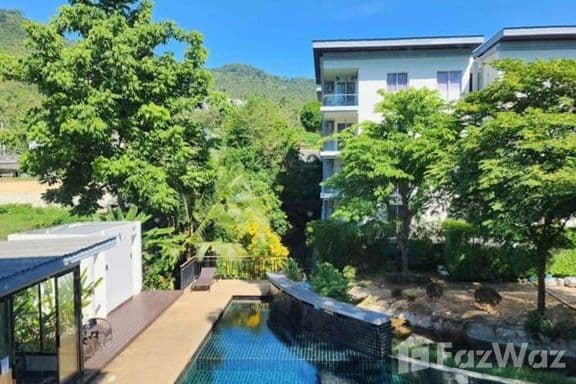
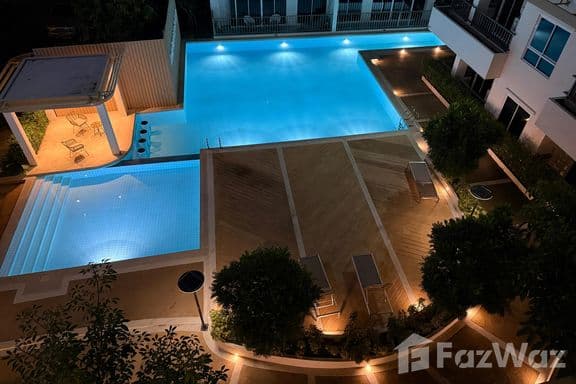
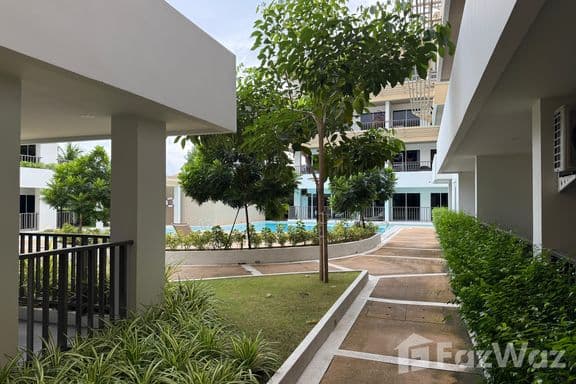
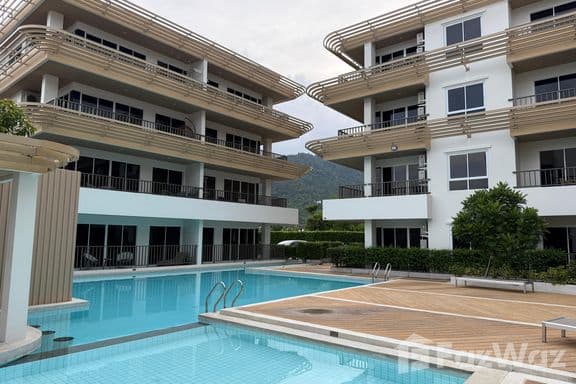
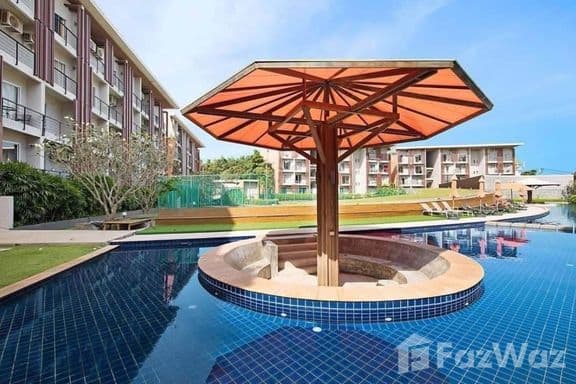
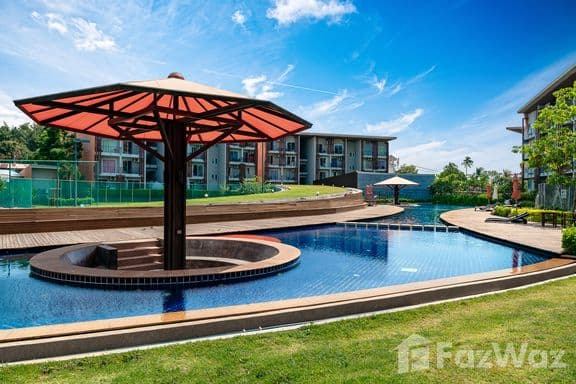
- Swimming Pool and Fitness Facilities: Given the tropical climate, having a swimming pool on-site is a huge plus (and almost expected in modern condo complexes). Whether it’s a large shared infinity pool or a smaller lap pool, it’s perfect for cooling off on hot days. Similarly, fitness centers or gyms within the condo building are highly valued by expats who want to stay active without needing to join an outside gym. Many newer condo developments in Samui offer a well-equipped gym, and sometimes extras like a sauna or yoga space, as part of the amenities.
- 24/7 Security and Parking: Safety and convenience are important. Expats often look for buildings with 24-hour security, CCTV, and secure access (keycard or guard) for peace of mind. Gated communities or condominiums with reception desks provide an added sense of security. For those who rent or own vehicles (car or motorbike), dedicated parking is a must-have feature – having a covered parking spot or motorbike parking area inside the property makes life much easier.
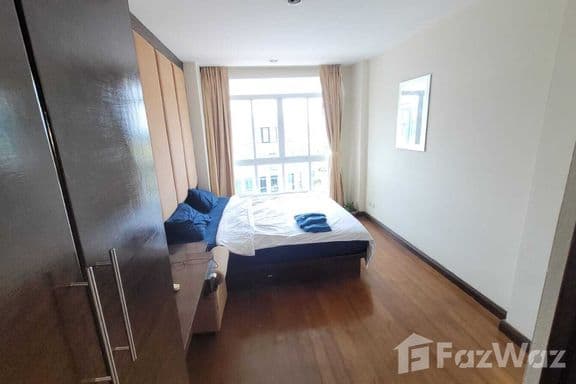
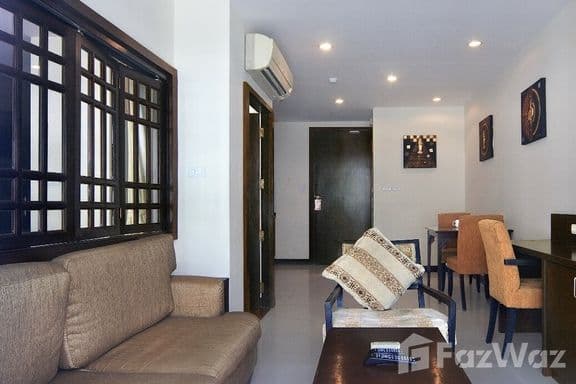
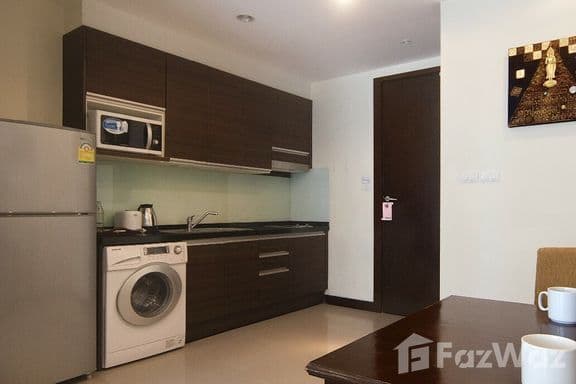
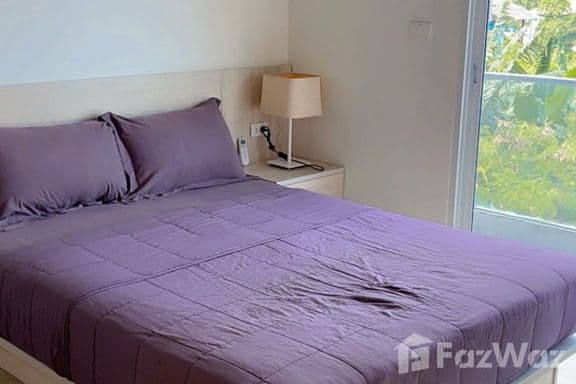
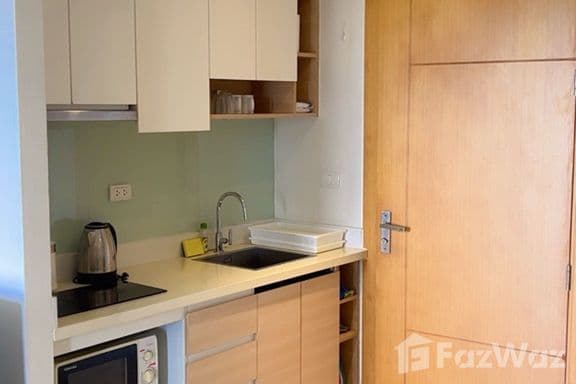
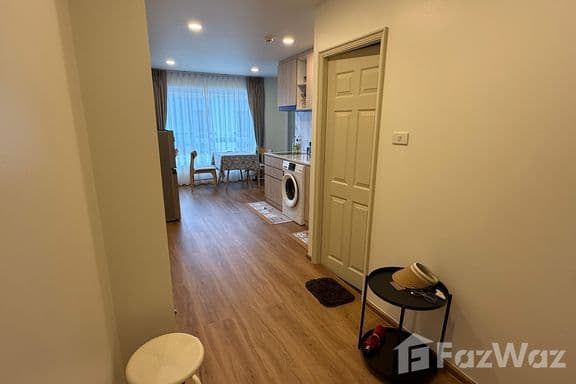
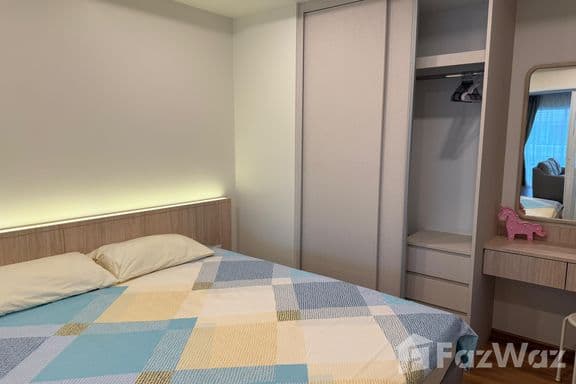
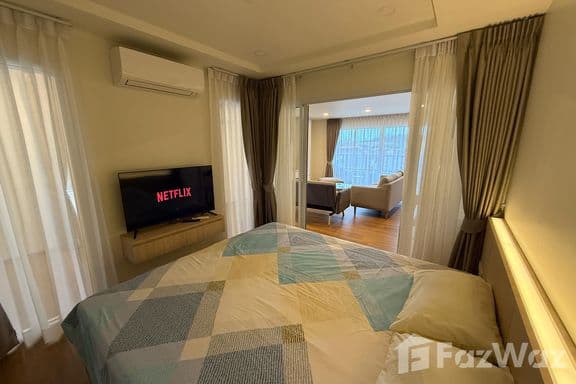
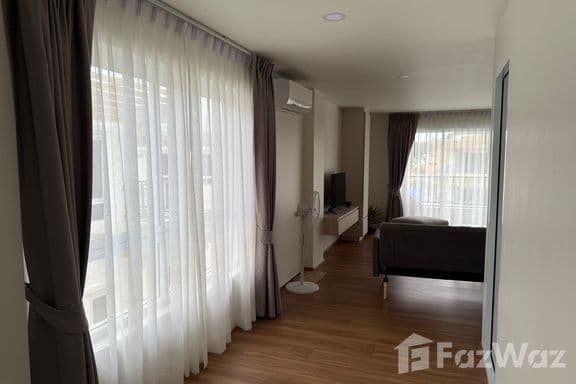
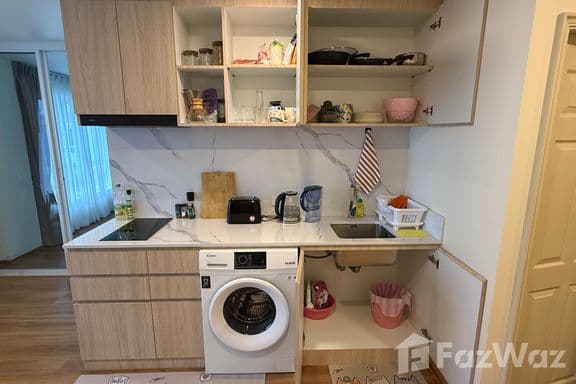
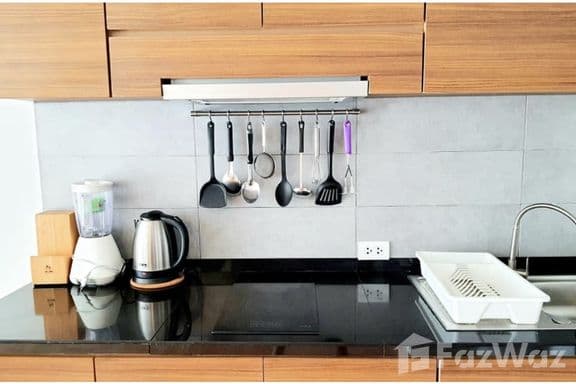
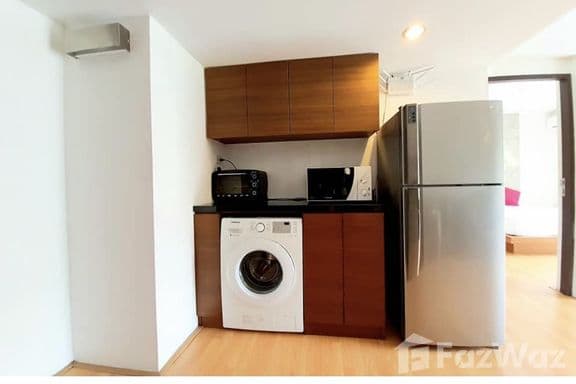
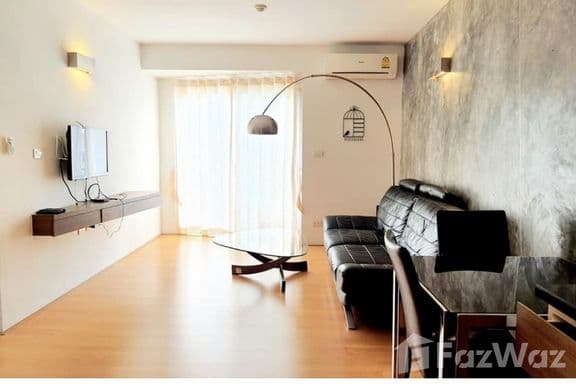
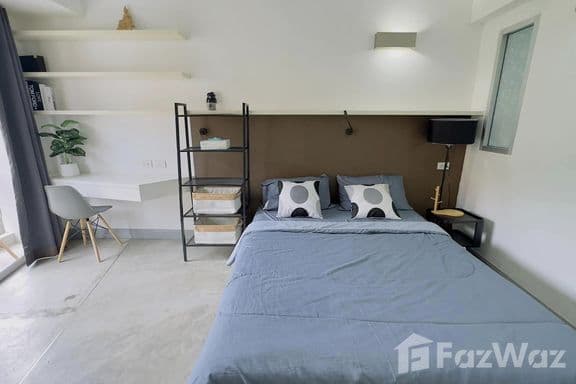
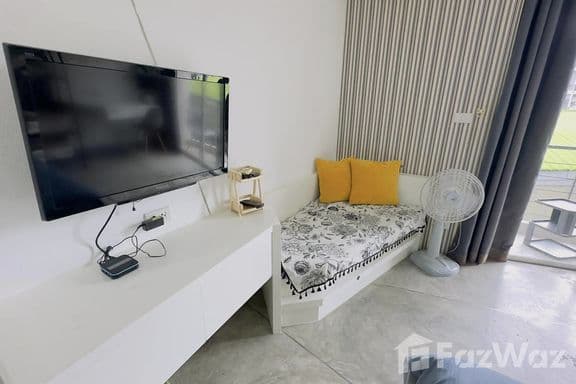
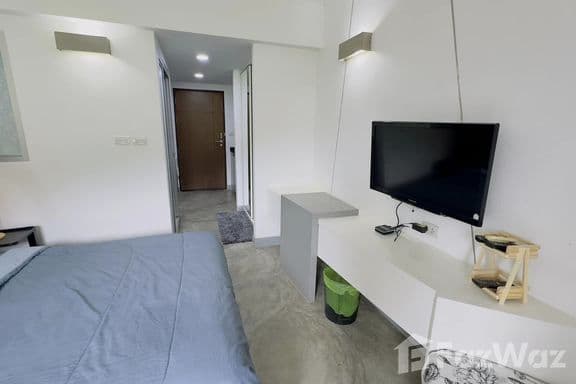
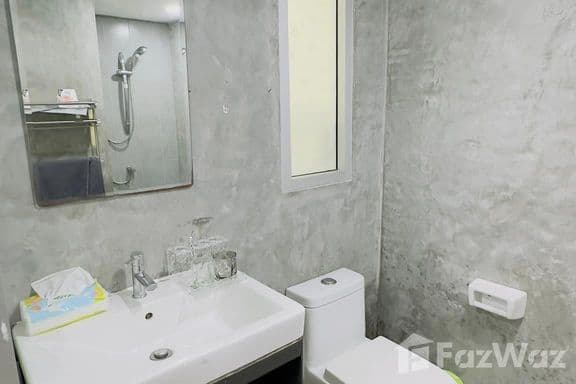
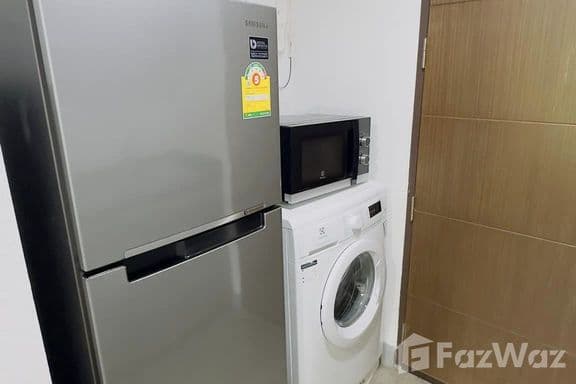
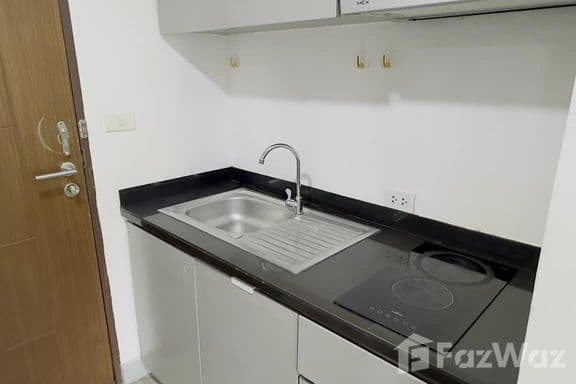
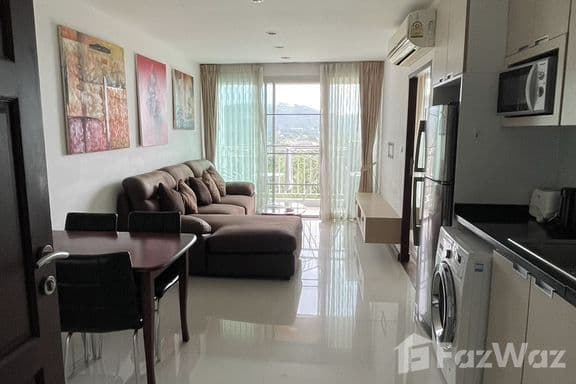
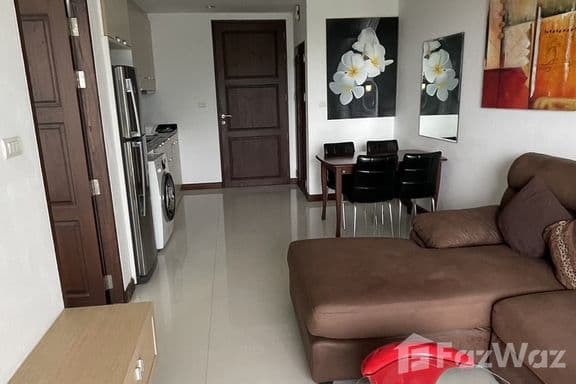
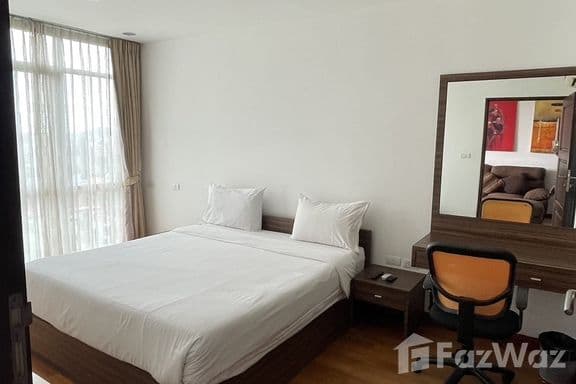
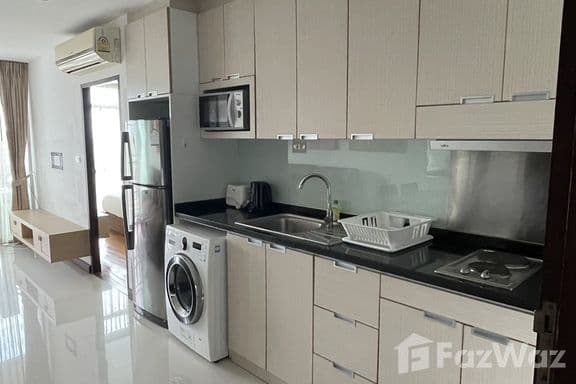
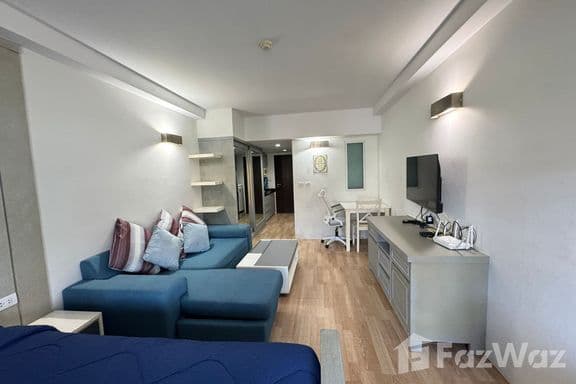
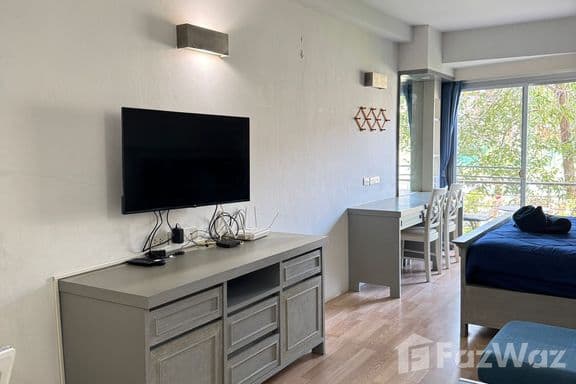
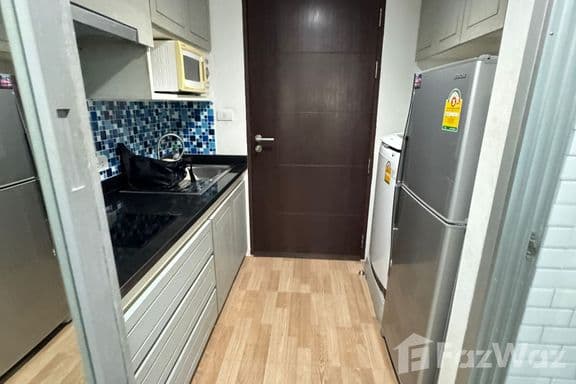
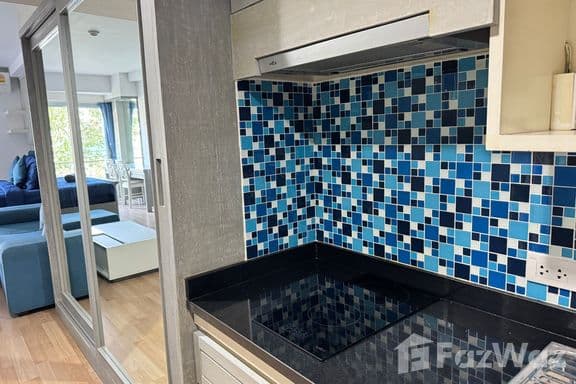
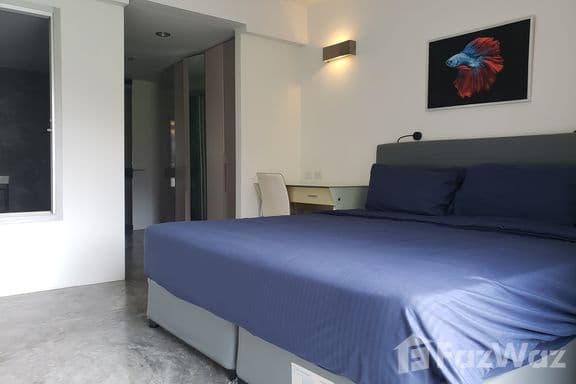
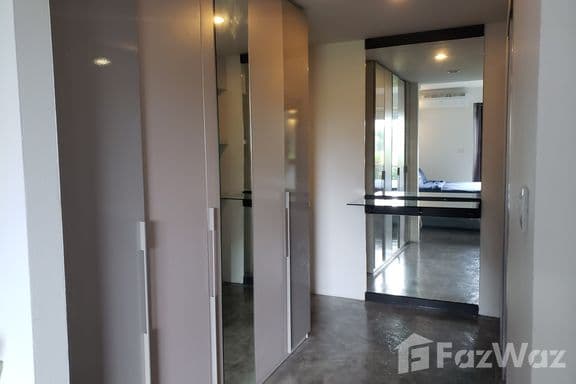
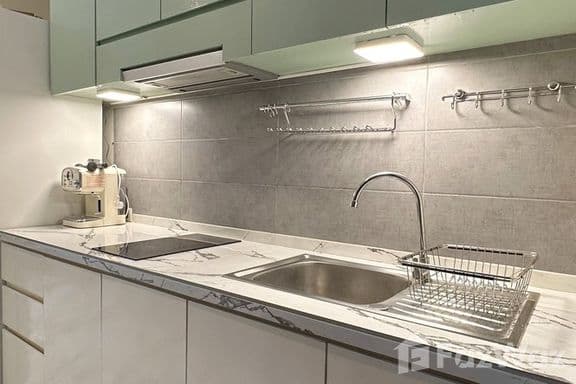
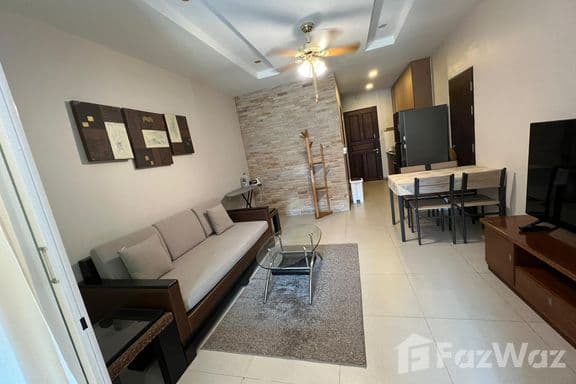
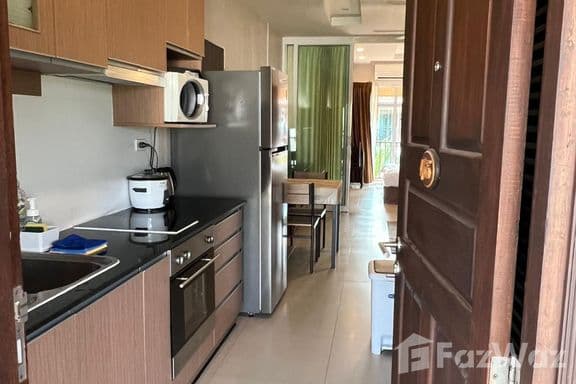
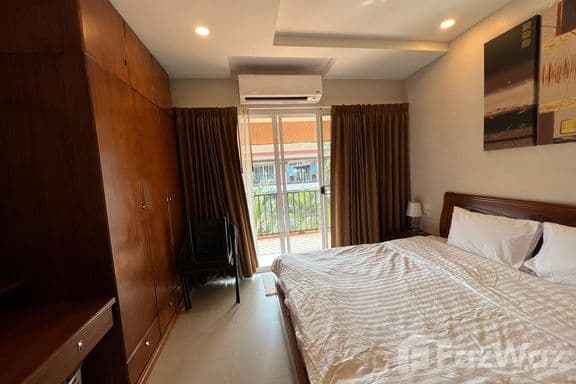
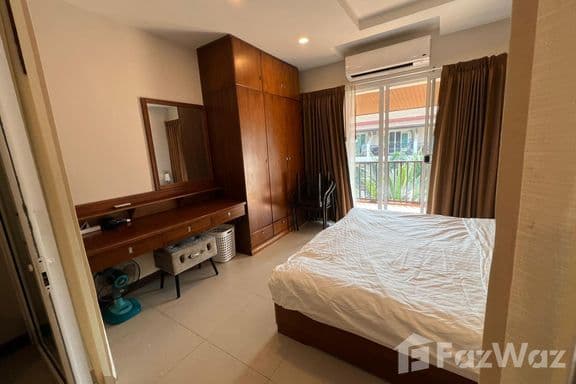
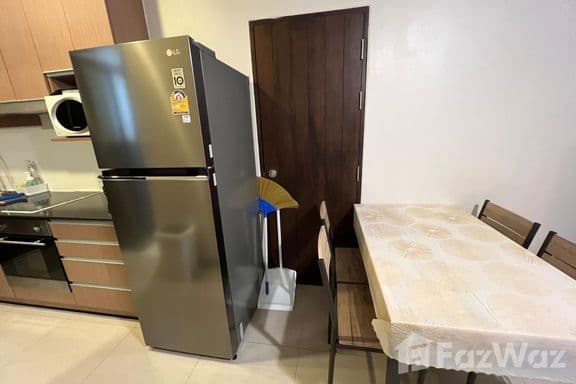
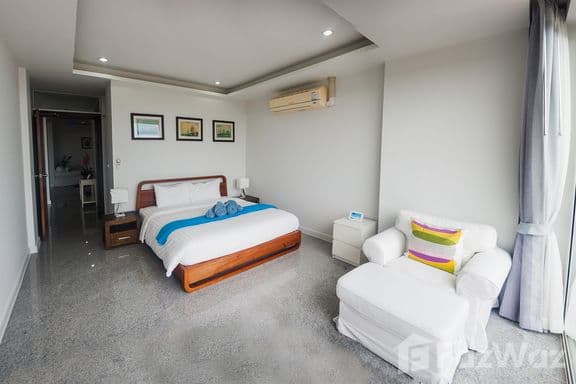
- Furnishings and Modern Appliances: Most long-term rentals in Samui come fully furnished, which foreign renters appreciate to avoid the hassle of buying furniture. Expats tend to look for modern, clean furnishings and a well-equipped kitchen (stove, microwave, fridge, etc.) to cook at home. Air conditioning in the bedrooms (if not the whole unit) is considered essential. In-unit laundry (washing machine) is another common request, as it adds convenience for long stays. Basically, expats seek a “move-in ready” condo with all the comforts of home.
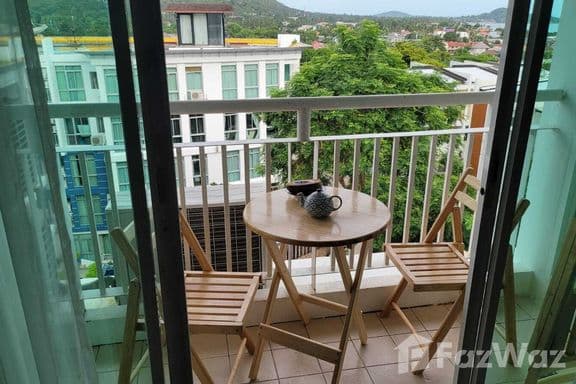
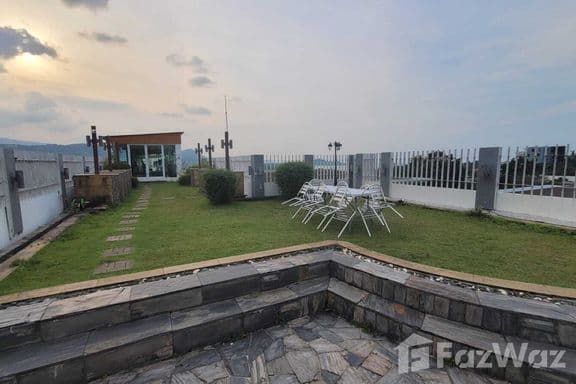
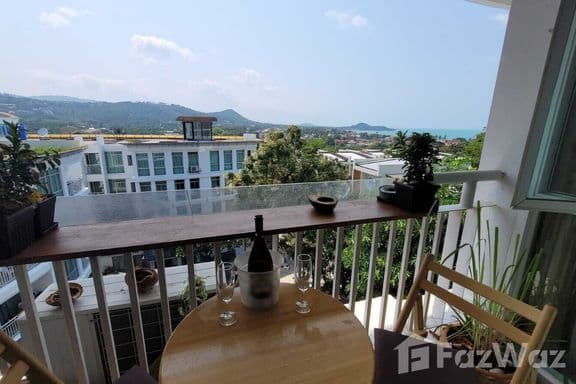
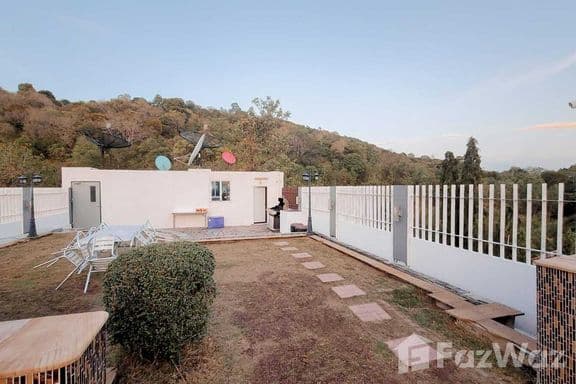
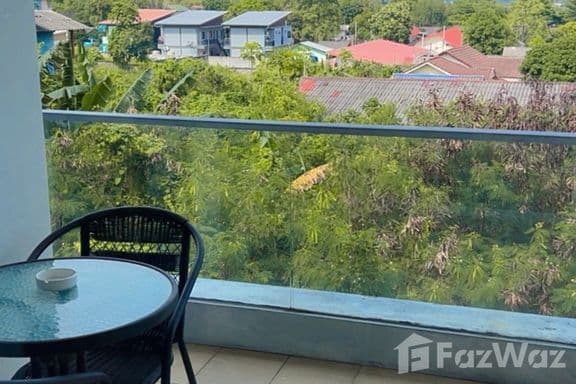
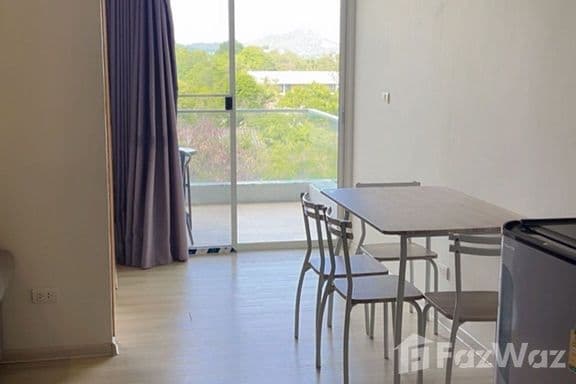
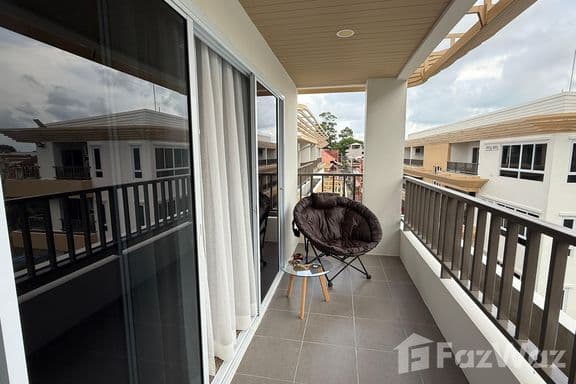
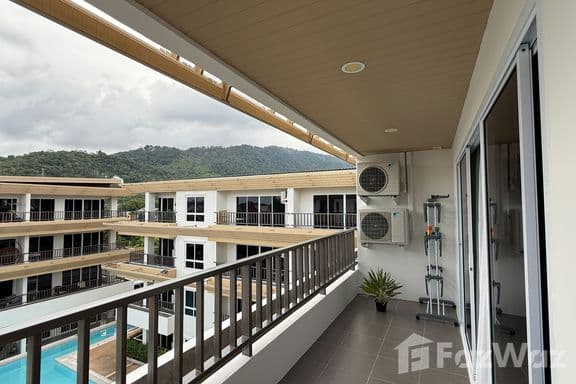
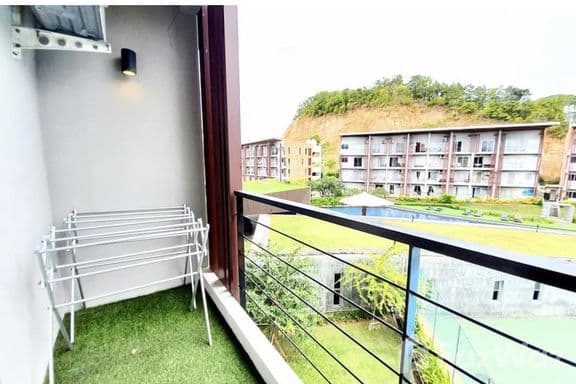
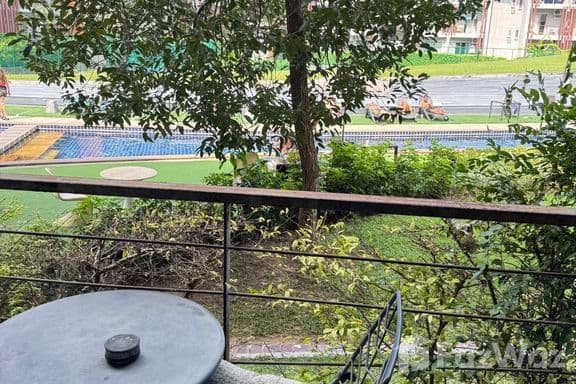
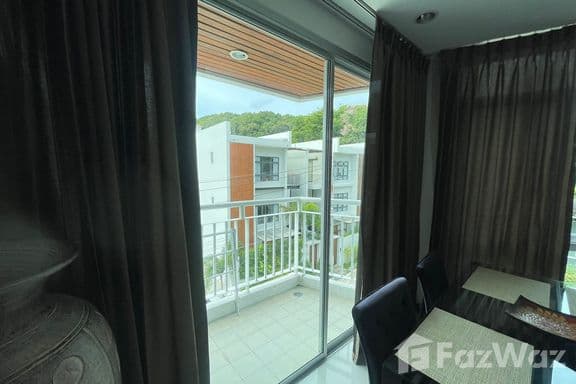
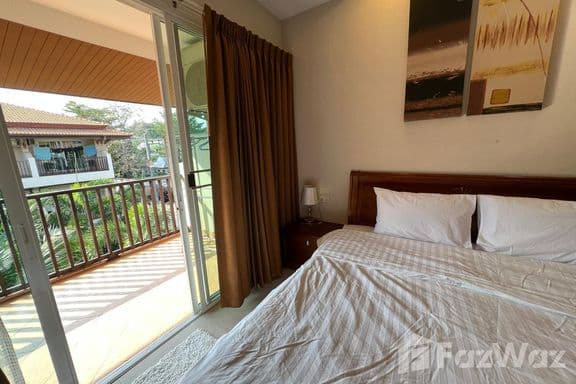
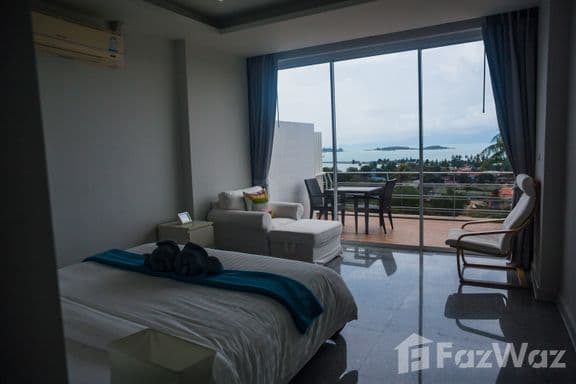
- Scenic Views or Outdoor Space: The island’s natural beauty is a big part of the appeal, so condos that maximize views or outdoor living are attractive. A balcony with a sea view or garden view is a major plus, offering a private spot to enjoy breezes, sunsets, or morning coffee. Some upscale condos even have private rooftop terraces or jacuzzis. Even in smaller units, expats appreciate a balcony to get fresh air and tropical vibes at home.
- Proximity to Amenities: Location is itself an “amenity.” Many foreign renters choose condos that are walking distance to the beach or close to useful shops and restaurants. Being near grocery stores, international schools (for families), or hospitals can be a big factor. Expats with children might prioritize a condo near schools or in a family-friendly area like Maenam or Bang Rak. Meanwhile, younger singles might want to be near social hubs like Chaweng or Fisherman’s Village. Everyone values having essentials nearby, whether it’s a 7-Eleven, a night market, or a favorite café.
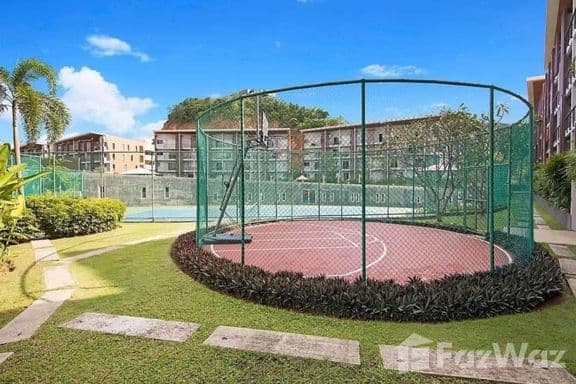
- Extra Perks: Depending on the development, some condos offer bonus amenities that expats love – for example, a BBQ area, co-working lounge, shuttle service to the beach, or even concierge services. While not common to all, such perks can sway a renter’s decision. Another sought-after feature is being pet-friendly for those with dogs or cats (not all condos allow pets, so a place that does will stand out to pet owners).
In essence, expats in Koh Samui look for a comfortable, convenient, and secure home base that makes island life easy. It’s not just about a nice unit; it’s about the lifestyle it enables. A well-equipped kitchen to cook Thai produce, a pool to cool off, fast internet to work or stream movies, and a friendly community of neighbors – these features combined make for a satisfying long-term stay.
(Pro Tip: Opting for a condo (professionally managed building) rather than a standalone house often means you automatically get many of these amenities – pool, security, maintenance, etc. – included. As one guide points out, choosing a condo grants access to communal facilities and 24-hour security, whereas renting a basic house or apartment means you’re on your own for those extras.)
Typical Lease Terms, Costs, and Deposit Requirements
When renting a condo long-term in Koh Samui (and Thailand in general), you can expect some standard lease terms and upfront costs. Being aware of these will help you budget and avoid surprises:
- Lease Length: Standard long-term leases are 12 months (1 year), favored by landlords for stability. Shorter terms (e.g., 6 months) may be available at a higher monthly rate. Anything under 6 months is typically considered a premium-priced short-term rental. Multi-year leases can offer rate stability and security.
- Security Deposit: A standard 2-month rent security deposit is required, held by the landlord and refundable at the lease end, provided there's no damage beyond normal wear and tear and all bills are settled. Lease agreements should clearly state refund conditions; professional landlords are legally required to return it within 7 days, though private landlords may take up to a month.
- Upfront Rent Payment: In addition to the deposit, the first month's rent is typically due in advance when signing. This means initial move-in costs generally equate to three months' rent (2-month deposit + 1 month rent). Paying several months or a full year upfront might secure a slight discount.
- Rent Payments: Rent is usually paid monthly in Thai Baht, often on the 1st. Payments are typically made via bank transfer, cash, or mobile apps. Always obtain a receipt or confirmation for each payment.
- Utilities and Bills:Utilities are usually not included in rent. Tenants pay for electricity (฿5–6 per kWh, significant due to aircon use), water (inexpensive), and optional internet/TV. Landlords are legally required to charge official utility rates. Maintenance fees for common areas are almost always paid by the owner, not the tenant.
- Maintenance and Repairs: Leases define maintenance responsibilities. Tenants handle minor fixes, while landlords cover major repairs (e.g., AC breakdowns). Promptly report needed repairs. It's wise to document existing damages with photos upon move-in to avoid later charges.
- Termination and Notice: Long-term leases often have a 30-day notice period after the fixed term. Breaking the lease during the fixed term typically results in forfeiting the security deposit as a penalty for early termination. Negotiate early termination clauses if needed.
- Legal Registration: While leases over 3 years can be registered on land titles, most expat condo rentals use 1-year private contracts. Landlords are legally obligated to file a TM30 report with immigration when a foreign tenant moves in, which is crucial for visa extensions and 90-day reports.
-
Overall, the leasing process in Koh Samui is straightforward and expat-friendly. You pay a deposit, sign a standard lease (make sure it’s written in English or bilingual so you understand it), and then you’re good to go. Thailand has also strengthened tenant protections in recent years – for example, requiring clear contracts, prohibiting excessive deposits (2 months max), and mandating that utility charges be passed at cost. This gives renters more confidence. As always, read your contract carefully; it should list all key terms like rent, deposit, lease length, included furnishings, and any rules (e.g. no smoking or pet policies if applicable). When in doubt, ask questions or have it reviewed. But thousands of expats rent in Thailand without issues – it’s a tenant-friendly environment when you know the basics.
Legal and Visa Considerations for Renting Condos in Thailand
One great aspect of renting in Thailand is that foreigners have the same renting rights as locals in almost all respects. There are just a few legal and visa-related points to keep in mind:
- No Legal Restrictions on Renting to Foreigners: Thailand does not restrict foreigners from renting property. Any foreigner can sign a lease for a condo, house, etc., and the contract is legally enforceable. Americans, Europeans, or any nationality can rent in Thailand without special permission. Unlike buying property (which has restrictions on land ownership), renting is straightforward. Landlords in Koh Samui are accustomed to foreign tenants – many even prefer long-term foreign renters for their reliability. Just be sure to use your passport as identification when signing leases, and that’s typically all that’s required besides payment.
- Visa Requirements for Long Stays: While you can rent a property regardless of visa type, to live in Koh Samui long-term you do need an appropriate long-stay visa. Technically, one should not live on a 30- or 60-day tourist visa indefinitely (and most leases will be longer than your tourist permission). In practice, some expats do start on tourist visas, but it’s wise to secure a longer visa if you plan to stay. Common visa options for expats include: Tourist Visa (TR) – valid 60 days + 30-day extension (fine for a 3-month stay, but you’d need to exit or convert after); Retirement Visa (Non-Immigrant O-A or O) – available if age 50+, requires proof of funds or income; Marriage Visa (Non-O) – if you’re married to a Thai; Work Permit & Business Visa (Non-B) – if you get a job or start a company in Thailand; Education Visa – if you enroll in a Thai language school or other courses; and the Thailand Elite Visa – a long-term residence visa you can purchase for 5–20 years. Recently, Thailand also rolled out a Long-Term Resident (LTR) visa (10-year visa) for certain qualified foreigners (investors, retirees with high incomes, digital nomads working for overseas companies, etc.). Each visa has its own requirements and benefits. It’s important to stay in legal visa status while renting; although landlords rarely check your visa, staying legally will ensure you can remain for the duration of your lease.
- 90-Day Reporting: If you stay in Thailand longer than 90 days on any long-term visa, you’ll need to do 90-day check-ins with immigration (basically just confirming your address). This is a simple process, and having a proper lease and the TM30 form (landlord’s report of your address) makes it straightforward. Samui has an immigration office in Nathon where you or an agent can do these reports.
- Tenant Rights and Laws: As mentioned, Thailand has improved tenant protections. For example, if a landlord has multiple properties and is considered a “professional landlord”, they cannot overcharge for utilities or make you waive rights in the contract. You have the right to a written lease, and eviction without cause is not easy during a fixed-term lease. Always get a formal lease agreement (in English or dual language) – it protects both you and the owner. If disputes arise, you can technically take it to the local authorities or court, though most expats never need to go that route if everything is clearly agreed in writing.
- Buying vs Renting Considerations: Some expats initially think about buying property in Thailand. Remember that foreigners cannot own land (only condos, and even then only up to 49% of units in a condo building can be foreign-owned). This makes buying a house or villa complicated (usually done via 30-year leasehold structures or setting up a Thai company). For condos, foreign ownership is allowed but it ties up a lot of capital. That’s why long-term renting is the preferred choice for most expats unless they are absolutely settled on living in Thailand permanently. Renting gives you flexibility and avoids navigating the complex legal processes of property purchase as a foreigner. You’re also not affected by any future law changes regarding ownership if you’re just a tenant.
- Local Registration (Yellow House Book): If you really settle in, you might hear about a “yellow house book” which is a local registration for foreigners at a Thai address. It’s not mandatory at all for renting, but some long-term expats choose to register to get a Thai ID card. This is an option if you end up staying many years. For the purposes of most renters, your passport, visa, and lease are enough for all practical matters like opening bank accounts, getting a driver’s license, etc.
In summary, ensure your visa is in order for the duration of your intended stay, but otherwise, there’s little red tape for renting. Many expats comment on how renting in Thailand is refreshingly easy compared to some other countries. Just follow the local laws (visa rules, TM30 reporting, etc.) and you can enjoy your Koh Samui condo with peace of mind. When in doubt about visa matters, consult a professional or Thai Immigration to choose the best visa for your situation – whether it’s retirement, work, education, or the special long-term visas now on offer.
Common Pitfalls and Tips for Renting Safely in Koh Samui
Renting in Koh Samui is generally a smooth process, but as with anywhere, it’s wise to be aware of common pitfalls and take steps to protect yourself. Here are some tips to ensure a safe and hassle-free rental experience:
- Inspect and Document: Before signing or moving in, thoroughly inspect the property. Test appliances, lights, and plumbing. Document any existing damage or issues with photos and include them in a signed move-in report. This prevents deposit disputes.
- Get a Written Lease: Always sign a written contract (sanya chao) detailing all terms: parties, address, rent, deposit, lease length, and rules. Never rely solely on verbal agreements. If the lease is in Thai, ensure you have an English translation or a translator.
- Confirm Inclusions: Clarify what bills or services are included in the rent (e.g., utilities, internet). Verify who maintains pools or gardens for houses. Utilities must be charged at cost price, by law.
- Understand Deposit Terms: Ensure the lease specifies deposit refund conditions. Pay bills on time and leave the property in good condition. Normal wear and tear shouldn't lead to deductions. Familiarize yourself with tenant rights for deposit returns.
- Avoid Scams: Use reputable channels like established real estate agencies or well-known property websites. Be wary of deals that seem too good to be true. Never send money without verifying legitimacy and preferably visiting the property in person or via video tour.
- Plan for Utilities Setup: Be prepared to set up accounts for electricity, water, or internet, often with landlord or building manager assistance. Have passport/visa copies ready.
- Be Aware of Local Etiquette and Rules: Be a good tenant and neighbor by respecting noise levels and adhering to condo rules. Following these courtesies can facilitate smoother interactions with building staff. Ensure doors and windows are locked for safety.
- Transportation Considerations: Understand that Koh Samui has limited public transport. If your condo isn't centrally located, plan for a scooter or car rental/purchase. Factor this into your location choice, or choose a place walkable to amenities.
- Use a Trusted Translator: For Thai-only documents or landlords, use a bilingual friend or hire a translator to avoid miscommunication on lease clauses.
- Health and Safety: Check for basic safety features like smoke detectors. Locate the nearest hospital or clinic for emergencies.
By being diligent early on – choosing the right property, understanding the contract, and maintaining good communication with your landlord – you can avoid the vast majority of potential issues. The goal is to have a smooth, enjoyable stay in your Samui condo. Thousands of expats have done it happily, and with these precautions, you’ll likely join their ranks enjoying stress-free tropical living.
FAQs
Q1: Can foreigners rent condos long-term in Koh Samui, or are there restrictions?
A: Yes, foreigners can absolutely rent condos or any property long-term in Koh Samui – there are no legal restrictions on renting to foreigners in Thailand. You don’t need any special permit; a standard lease agreement with your passport details is all it takes. Just keep in mind that your visa status governs how long you can stay in Thailand, but it doesn’t affect the rental contract itself. In practice, landlords in Samui are very accustomed to foreign tenants. Whether you’re on a tourist visa, retirement visa, or work permit, you can sign a lease. (Technically a tourist visa is intended for short visits, but many foreigners do rent on tourist status and extend or change visas later – landlords rarely ask about visa status.) The key is to ensure you have or obtain the proper long-stay visa if you plan to remain in Thailand beyond a couple of months.
Q2: How much does it cost to rent a condo in Koh Samui on average?
A: Rental prices in Koh Samui vary by location, property size, view, and amenities, but generally: A basic one-bedroom condo or studio further from the beach can start around ฿10,000–฿15,000 per month. In popular expat areas (Chaweng, Bophut, etc.), a modern 1–2 bedroom condo typically ranges from about ฿20,000 up to ฿40,000 per month for comfortable mid-range options. The average long-term condo rent is often cited around ฿25k–฿35k for a nice unit with good facilities. In fact, the median advertised rent for condos is roughly ฿33,700 per month in Koh Samui. On the luxury end, if you want a sea view penthouse or a large 3-bedroom condo, you could pay ฿50,000–฿100,000+ per month. There are even ultra-high-end villa-like condos that go for several hundred thousand baht a month, but those are outliers. To summarize: budget-friendly condos: ฿15k or under (limited supply, usually smaller or older units), mid-range comfortable condos: ฿20k–฿40k (plenty of choice here), high-end condos: ฿50k and above. Keep in mind you might be able to negotiate slightly lower rent for a longer lease or if renting in the low season. Also, rents can fluctuate with market demand – 2023 saw a spike, but by late 2023 the median condo rent was around ฿50k, down 16% from earlier in the year, showing how market conditions change. It’s always a good idea to check current listings for the most up-to-date prices.
Q3: What are the typical lease terms and deposit requirements for long-term rentals?
A: The standard lease term for a long-term rental is 12 months. Most contracts will be for one year, with an option to renew. Some landlords might agree to 6-month leases, but anything shorter than that is usually considered short-term. As for deposits, it’s standard to pay a security deposit equal to 2 months’ rent. This is refundable at the end of your stay, provided no significant damage and all bills are paid. Additionally, you pay the first month’s rent up front, so initial move-in cost is typically 3 months of rent in total (2 months deposit + 1 month rent). For example, if rent is ฿30,000, you’d pay ฿90,000 upon signing. The contract should clearly state how and when the deposit is returned – usually within a short period after you move out (Thai law suggests within 7 days for corporate landlords, though private owners might take a couple of weeks to process it). Rent is paid monthly, often on the first of the month, by cash or bank transfer. Leases will also specify things like notice period (often 30 days notice required if not renewing after the fixed term). If you break the lease early, you typically forfeit the deposit. It’s also worth noting that leases should be written in English (or dual language) for clarity. Always read the lease thoroughly – it should list the rent, deposit, duration, and any rules or additional fees. If anything is unclear, ask before signing. But by and large, the terms are straightforward: 1-year lease, 2-month deposit, rent paid monthly.
Q4: Do I need a specific visa to rent a condo, and what visa options do I have for a long stay in Thailand?
A: You do not need a special visa to sign a rental lease – any foreigner can rent property. However, to live in Koh Samui long-term, you will need a visa that allows you to stay in Thailand for the duration of your rental. Common visa options for long stays include:
- Retirement Visa (Non-Imm O-A/O-X): If you’re 50 or older, you can obtain a retirement visa which is typically one year at a time (O-A) or multi-year, given financial proof (e.g. ฿800k in a Thai bank or monthly pension income). Many retirees in Samui go this route.
- Work Visa (Non-Imm B) & Work Permit: If you secure a job in Thailand or start a business, you can get a work permit and visa, usually one year at a time, tied to your employment. This allows you to live and work legally (common for those employed by local businesses or international schools).
- Marriage or Dependent Visa (Non-Imm O): Available if you are married to a Thai citizen (or sometimes if you have Thai children). It’s an annual visa that can be extended each year, with proof of marriage and some financial requirements.
- Education Visa: You can enroll in a Thai language school or other educational program and get a 3, 6, or 12-month education visa. Many younger expats do this to stay longer while studying Thai or Muay Thai, etc.
- Thailand Elite Visa: This is a long-term residency visa you can purchase – it’s essentially a membership program. For a fee, you get a visa that can be 5, 10, or even 20 years with multiple entry, which is very convenient (but it costs thousands of dollars).
- Long-Term Resident (LTR) Visa: Introduced recently, aimed at “high potential” foreigners – like wealthy retirees, professionals working for foreign companies, or investors. It’s a 10-year visa with certain income/assets criteria. If you qualify, it’s a great option.
If you arrive on a Tourist Visa or visa exemption, that’s fine to initially look for rentals, but those only allow 30 to 60 days (tourist visa is 60 days + 30-day extension). Not nearly enough for a year lease. Some people do visa runs (leaving and re-entering Thailand) to string together tourist stays, but it’s much better to get a proper long-stay visa. Bottom line: There’s no “rental visa” – you choose a visa based on your situation (retirement, work, etc.), and that lets you reside in Thailand. Landlords won’t usually ask, but you are responsible for maintaining your legal stay. With the right visa sorted, you can enjoy your condo rental without worrying about having to leave unexpectedly.
Q5: Are utilities and other expenses usually included in the rent, or what extra costs should I budget for?
A: In most long-term rentals, utilities are NOT included in the rent, so you’ll budget for those separately. You should plan for: Electricity and water bills, which will depend on usage. For a one or two-bedroom condo, a typical electric bill might range from ฿1,500 (low usage) to ฿4,000+ per month (if you run air-conditioning often). Water is cheaper, often just ฿100–฿300 a month. These are billed monthly. In condos, sometimes the building will collect payment for utilities, or you’ll pay the utility company directly – but either way, you as tenant cover it. Internet and TV: If your condo doesn’t include WiFi, you’ll need your own internet plan. High-speed home internet in Thailand is quite affordable – roughly ฿600–฿1,200 per month for WiFi depending on the package. If you opt for cable TV or subscribe to streaming services, that’s extra (many expats just use Netflix or YouTube). Cleaning and laundry: Optional, but if you want a maid service, local cleaning services might charge around ฿500–฿800 per session for a condo cleaning. Coin laundry or laundry shops are available if you don’t have a machine. Cooking gas: Rarely, if your unit has a gas stove, you might need to replace the gas tank (~฿300) every few months – but many condos use electric cooking appliances. Maintenance fees: In a condo, the maintenance/common-area fees are typically paid by the owner (not you). You only pay if you damage something in the unit or lose a key/card. Rental insurance: Not common, but you could get renter’s insurance for your belongings if desired. Also, remember you’ll have initial move-in costs (deposit and first month rent as discussed). And if you rent a vehicle or have transport costs, factor that in separately. To summarize, expect to pay rent + utilities + internet as the ongoing monthly costs. For example, if your rent is ฿25,000, you might have around ฿2,500 electric, ฿150 water, and ฿700 internet – so maybe ฿3,500 on top of rent in a normal month. Always clarify with the landlord if anything (like water or internet) is included. In most cases, long-term rent is quoted excluding utilities. Thai law also now requires that landlords charge you utilities at the actual government cost (no hefty markups), so you’re paying what locals pay. It’s a good value overall – many expats find the total living cost still much lower than back home.
Conclusion
Koh Samui offers a unique blend of tropical charm and modern convenience that has captivated expats from around the world. Renting a condo long-term is the ideal way to immerse yourself in all the island has to offer – from its stunning beaches and friendly local culture to the ease of everyday living with Western-style amenities. In this 2025 guide, we’ve covered why so many foreigners are making Samui their home, the advantages of renting, current market conditions, and practical tips to ensure your rental experience is smooth and rewarding. The key takeaway is that Samui has something for everyone: whether you seek a bustling social scene in Chaweng, a family-friendly community in Bophut, laid-back vibes in Lamai, the local charm of Bang Rak, or the tranquil retreat of Maenam, you’ll find a place that fits your lifestyle.
With a bit of preparation and knowledge, you can secure your dream condo and live the island life stress-free. Imagine waking up to ocean breezes, enjoying fresh tropical fruit from the market, and not shoveling snow in winter – that’s the reality for many expats here. Plus, the flexibility of renting means you can truly enjoy Samui on your terms, without long-term ties if your plans evolve.
If you’re ready to take the next step towards living in this paradise, our advice is to start exploring the rental market and reach out when you find something that catches your eye. Great opportunities await, and the island’s welcoming community is ready to greet new faces.
Explore all condos for rent in Koh Samui and begin your journey to an incredible life under the coconut palms. Your tropical home is waiting – come find it and make Koh Samui your own piece of paradise!




























































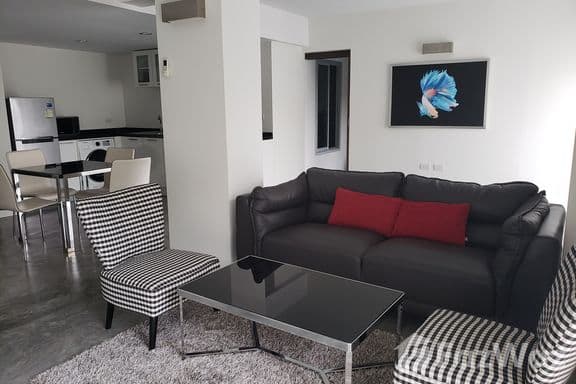
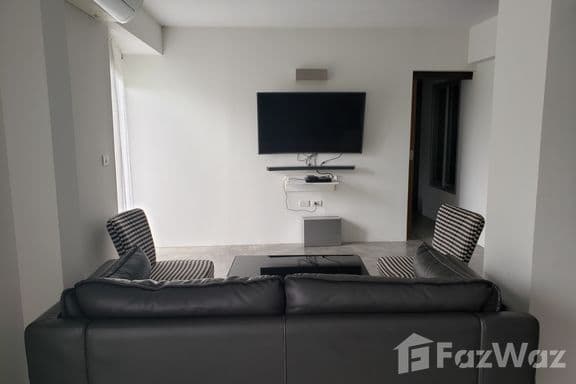
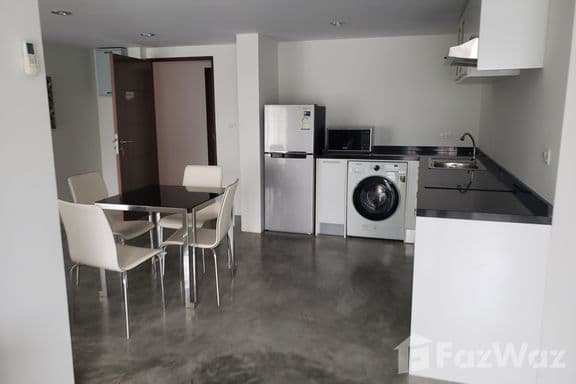


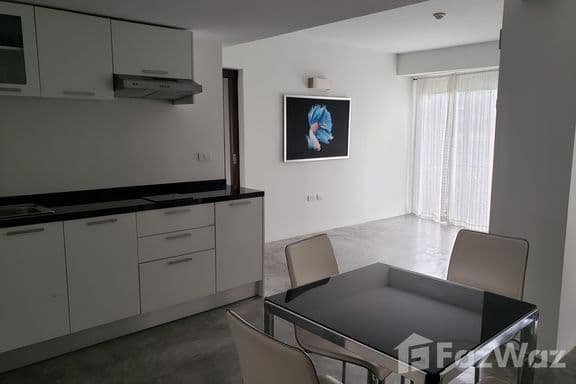



















 Popular condos in Ko Samui

