2025 Guide to Buying a Condo in Koh Samui for Foreign Investors
Introduction: Why Buy a Condo in Koh Samui?
Koh Samui’s tropical charm – from its lush green hills to turquoise waters – has turned it into a magnet for international property buyers. Koh Samui, a lush island paradise in Thailand, has become an attractive destination for foreign investors looking to own property abroad. Known for its white-sand beaches, crystal-clear waters, and relaxed island lifestyle, the island offers both a dream holiday home and a promising real estate investment. In recent years – especially post-pandemic – Koh Samui’s real estate market has seen a strong resurgence, fueled by the return of international tourism and rising foreign investor interest. Buying a condominium is one of the most straightforward ways for foreigners to invest in Thai property, as it is the only form of property ownership where non-Thais can hold freehold title in their own name. This comprehensive guide will walk you through everything a foreign buyer needs to know – from ownership options and market trends to legal steps and local insights – to confidently purchase a condo for sale in Koh Samui.
Benefits of Condo Ownership for Foreigners
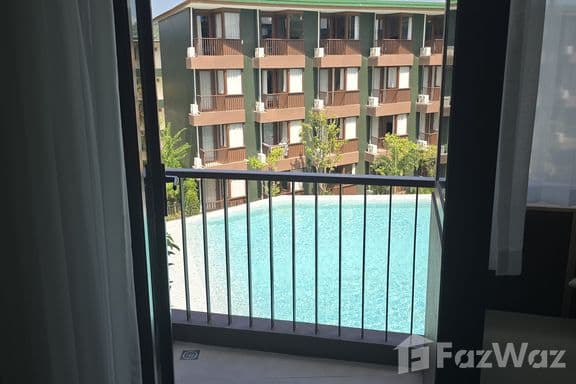
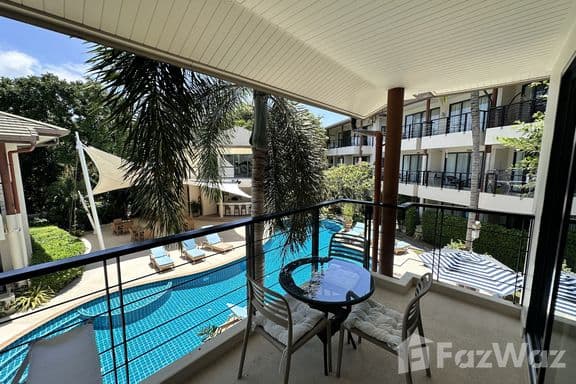
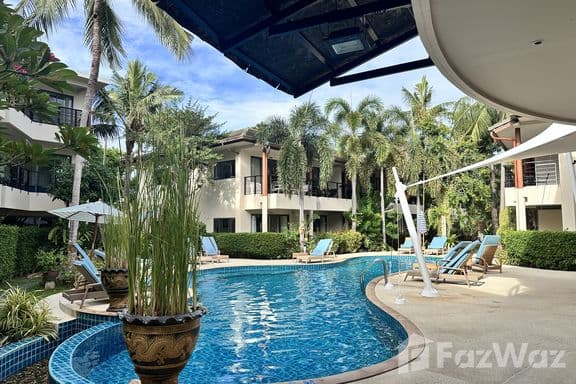
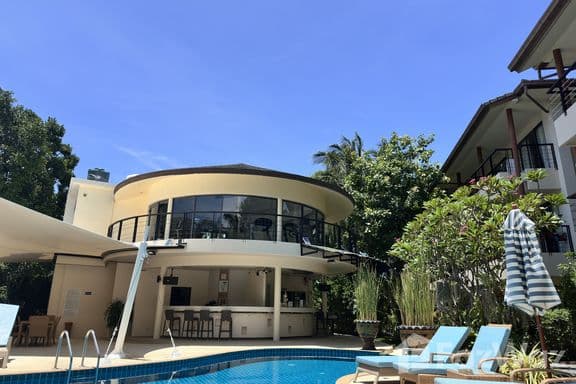
Owning a condo in Thailand offers foreigners a resort-like lifestyle with modern amenities and minimal upkeep. For foreigners, condominiums are considered the easiest and most secure form of property ownership in Thailand. Unlike landed houses, a condo can be owned freehold in your own name without needing a Thai nominee or complicated company setup, provided the building’s foreign ownership quota (49%) is not exceeded. This gives foreign buyers true deeded ownership of a home in Thailand, complete with their name on the title. Condos also come with added lifestyle advantages: many offer resort-style facilities (pools, gyms, security, etc.) and on-site maintenance, meaning far less hassle compared to maintaining a standalone villa. You can simply lock up and leave, which is ideal if you’re not living in Thailand full-time.
Another benefit is the rental potential. An island condo can double as an income-generating asset; owners often rent out their units to holidaymakers during peak tourist seasons for attractive returns. Many developments have rental management programs to assist with finding tenants and handling day-to-day upkeep, making it a hands-free investment. Furthermore, compared to property prices in many Western countries or even other Thai hotspots, condos in Koh Samui can offer excellent value – you get a slice of tropical paradise at a relatively affordable price point. In summary, condo ownership lets foreign buyers enjoy a tropical lifestyle and a foothold in Thailand’s property market with maximum convenience and legal peace of mind.
Freehold vs. Leasehold Ownership Explained
When buying property in Thailand, foreigners will encounter two primary forms of ownership: freehold and leasehold. It’s important to understand the differences:
- Freehold Ownership: This is full, outright ownership of the property indefinitely. In the case of a condominium, freehold means your name is on the title deed (Chanote) of the unit, and you own it in perpetuity. Under Thailand’s Condominium Act, foreigners can freehold own up to 49% of the total unit space in a condo building. In practice, as long as the designated foreign quota of a building hasn’t been completely filled, a foreign buyer can purchase a unit freehold. You’ll have the same ownership rights as a Thai owner. Freehold is generally the most secure and desirable option – you can sell, bequeath, or mortgage the condo as you wish. (If a building has already reached the 49% foreign limit, no further units can be sold to foreigners there unless some foreign-owned units are sold back to Thai nationals.)
- Leasehold Ownership: Leasehold means you are leasing the property (often the land it sits on) for a long term, rather than owning it outright. Foreigners commonly use leasehold arrangements to control property in Thailand, especially for landed properties. In a typical scenario, a foreign buyer signs a 30-year lease on a condo unit or villa, with the option to renew for additional 30-year terms (commonly structured as “30+30+30” years, totaling 90 years). The lease is registered on the title, and during the lease period you have the exclusive right to use, rent out, or sell your remaining lease term. However, you do not own the property’s title – ownership remains with the freehold owner (often the developer or a Thai landowner). Leasehold is an alternative if a condo unit is not available for foreign freehold (or if you’re buying a house/land which foreigners can’t own directly). It’s vital that any lease beyond 3 years be registered at the Land Department to be legally enforceable. Keep in mind that at the end of the lease term, ownership reverts to the freeholder if you cannot renew. Leasehold can still provide decades of secure usage, but it is essentially a long-term rental in legal terms.
Which to choose? If eligible, most foreign buyers prefer freehold condos for the permanent ownership and easier resale. Leasehold can be useful for cases where freehold isn’t possible (e.g. foreign quota full, or you’re set on a villa property). It’s also worth noting that Thai authorities have periodically considered more foreigner-friendly changes – for example, proposals to extend lease terms up to 50–99 years, and to raise the foreign freehold condo quota from 49% to 75%. As of 2025 these are still proposals, not law, but they signal a potential easing of rules in the future. For now, freehold condo ownership remains the gold standard for foreign investors in Koh Samui, with leasehold as a viable workaround in certain situations.
2025 Condo Market Trends in Koh Samui
The Koh Samui property market in 2025 is experiencing strong momentum amid Thailand’s post-pandemic recovery. After the slowdown during 2020–2021, demand for Samui real estate has rebounded sharply thanks to the return of international travel and renewed interest from overseas buyers. Tourism is a huge economic driver on the island – Koh Samui draws roughly 2.7 million visitors per year in recent times – which translates into robust demand for short-term accommodation and holiday homes. This tourism bounce-back has spurred investment in condominiums, as many buyers recognize they can enjoy their unit part of the year and rent it out when they’re away. Overall, the market sentiment is optimistic, with increasing transactions and new projects restarting development in 2025.
One noticeable trend is growth in the high-end segment. Koh Samui is known for luxury villas, but now upscale condos in prime locations are also in high demand. Areas like Chaweng and Bophut – long established for their entertainment and dining scenes – are seeing more boutique condominium developments aimed at expats and well-heeled second-home buyers. These luxury condos, often with rooftop pools, sea views, and hotel-style services, cater to foreigners seeking resort-level comfort with the convenience of condo living. In fact, high-end properties (villas and condos alike) are predicted to outperform other segments, driven by wealthy investors from Europe, Asia, and the Middle East looking for tropical vacation homes. Another trend is an emphasis on sustainability and wellness: some new projects advertise eco-friendly designs, solar power, and wellness facilities, reflecting a niche demand for healthier, greener living.
In terms of price trends, Koh Samui’s property prices have been gradually climbing. Industry forecasts anticipate values could rise by around 5–10% in 2025, depending on property type and location. Even with this growth, Samui remains relatively affordable compared to Phuket or Bangkok’s beachfront real estate. As of 2025, a mid-range one-bedroom condo in Samui might start from THB 3–5 million, while a luxury two-bedroom sea-view condo in a prime area can range from THB 10–20+ million. The rental market is also strong – many owners capitalize on the steady flow of tourists by renting their units on a weekly or monthly basis. Well-situated condos in tourist hotspots like Chaweng or Bophut enjoy high occupancy during peak season, providing solid rental yields for investors. With Thailand’s economy recovering and infrastructure improvements on the horizon (e.g. upgraded airports and roads), Koh Samui’s condo market in 2025 offers a compelling mix of lifestyle and investment potential.
Best Areas to Buy a Condo in Koh Samui
Koh Samui offers a variety of neighborhoods, each with its own character and appeal. Here are five of the best areas to consider for condo buyers, and what makes them special:
Chaweng
Chaweng is Koh Samui’s largest and most famous beach town – effectively the island’s center of activity. It boasts a long crescent of white sand beach and is renowned for its lively nightlife and entertainment scene. Here you’ll find the highest concentration of bars, restaurants, shops, and beach clubs, as well as modern malls and international hospitals. For investors, Chaweng’s popularity is a major plus: it remains one of the most lucrative areas, with strong demand for both vacation rentals and resale properties due to its year-round vibrancy. Condo developments in Chaweng range from luxury beachfront residences to affordable apartments tucked a bit inland. This area is ideal if you want high rental yield potential and to be in the heart of the action – buyers and renters alike are drawn to Chaweng’s energetic, convenient lifestyle.
Bophut
Located on the north shore, Bophut offers a quieter, family-friendly atmosphere while still providing plenty to do. Its crown jewel is Fisherman’s Village – a charming historical strip of old Chinese shophouses converted into trendy cafes, boutiques, and restaurants along the beachfront. Every Friday, the walking street market here buzzes with food stalls and live music. Bophut’s beach is serene with clear water, great for swimming and watersports. This area is especially popular among expats who appreciate its laid-back vibe and local charm, as well as its proximity to Samui International Airport (just a 10-minute drive). Real estate in Bophut includes upscale condo complexes and private villas on the hills overlooking the bay. It’s considered a high-potential investment area, with demand growing for its blend of tranquility and convenience. If you’re seeking a balance between a vibrant community and a relaxed coastal lifestyle, Bophut is a top choice.
Lamai
Lamai is Samui’s second-largest tourist town, situated on the southeast coast. It offers a more laid-back alternative to Chaweng while still featuring a beautiful long beach and a full range of amenities. Lamai’s beach is gorgeous – often less crowded, with striking rock formations (like the famous Hin Ta & Hin Yai at its southern end) and calm waters for swimming. The town itself has a relaxed, village feel; you’ll find cozy beachfront restaurants, chilled-out bars, local markets, and spas. Nature is a big part of Lamai’s appeal too – lush green mountains form the backdrop, offering hiking trails and viewpoints. For property buyers, Lamai presents great value for money. Condo and villa prices here tend to be a bit more affordable than in Chaweng, yet the area still attracts many long-term foreign residents and tourists (especially those who prefer a quieter environment). You can find everything from budget-friendly condominium units to luxury pool suites on the hills. Lamai is perfect if you want a peaceful lifestyle with easy access to conveniences – it’s self-sufficient but only about 20–30 minutes’ drive from Chaweng’s bigger shopping and nightlife. Investors can expect steady rental demand in Lamai’s peak seasons and an enjoyment of a more tranquil, scenic setting year-round.
Bang Rak
Bang Rak (often called Big Buddha Beach due to the prominent Big Buddha temple at one end) is a vibrant beach community with a mix of local and expat flavor. Located on the northeast coast, Bang Rak’s central position means you’re minutes from the airport and ferry piers (convenient for trips to Koh Phangan and Koh Tao). The area offers a great combination of beachfront living and village life. Along the main road and shoreline, you’ll find everything from Thai street food joints and fresh markets to upscale bistros and beach bars with sunset views. The beach itself is laid-back and known for views of the Big Buddha statue on a nearby islet. Bang Rak has been steadily developing, with new boutique condos and modern apartment projects complementing the existing villas and houses. It’s a neighborhood on the rise, attracting buyers who appreciate a lively yet not over-commercialized environment. Key highlights include the weekly Bang Rak market, ferry access (making island hopping easy), and proximity to neighboring Bophut and Choeng Mon. Whether you’re looking for a cozy sea-view condo or a townhouse, Bang Rak provides diverse options in a community that blends convenience with authentic island culture.
Plai Laem
Plai Laem is a prestigious and tranquil area located on the northeastern tip of Koh Samui. This peninsula is home to some of the island’s most exclusive real estate, including high-end resorts, private villas, and a few luxury condominium estates. What draws people to Plai Laem is its sense of seclusion and luxury – the area is removed from the busy tourist centers, offering peace, privacy, and spectacular panoramic views of the sea and nearby islands. From Plai Laem, you can see Bang Rak Bay on one side and Choeng Mon Beach on the other. The famous Wat Plai Laem temple (with its striking Guanyin statue) is a cultural landmark here, adding to the area’s character. For condo buyers, Plai Laem presents an opportunity to invest in a top-tier location. While choices may be limited (since the area is not as densely developed), any property here commands rental interest from high-end travelers seeking tranquility near attractions. It’s also conveniently close to the airport and just around the corner from Choeng Mon’s eateries and shops. Plai Laem is ideal for those prioritizing a quiet, upscale environment – you’ll enjoy beautiful beaches (some small hidden coves), exclusivity, and a sense of being on the “VIP” side of the island.
Step-by-Step Buying Process for Foreigners in Thailand
- Research and Budgeting: Begin by defining your budget and property criteria. Research the Koh Samui condo market online to understand prices and identify locations matching your lifestyle or investment goals. Prioritize essential features like sea views or rental potential.
- Engage Professionals: It's highly recommended to hire a reputable local real estate agent to assist with property identification, viewings, and negotiations. Crucially, engage an independent property lawyer to conduct legal due diligence, review contracts, and ensure all paperwork is in order, safeguarding your interests.
- View Properties and Shortlist: Schedule in-person or virtual viewings. Assess the unit, building quality, amenities, and surroundings at different times. Verify key details like foreign quota availability, monthly fees, rules, and ensure the property matches advertisements. Explore the neighborhood and then narrow down your choices.
- Make an Offer and Pay Reservation Deposit: Once you find a suitable condo, make an offer with your agent's guidance. Negotiation is common. Upon agreement, pay a reservation deposit (typically 5-10% for resale, fixed for new developments) to secure the unit. Ensure a written reservation agreement or MOU is signed. The deposit is usually non-refundable if you withdraw without cause but contributes to the purchase price.
- Due Diligence and Legal Checks: Your lawyer will then conduct thorough due diligence, verifying the title deed for any encumbrances and confirming the condo falls within the foreign ownership quota. They will review or draft the Sale and Purchase Agreement (SPA), ensuring fair terms, payment schedules, tax responsibilities, and penalty clauses. For resales, outstanding fees and building certificates are checked. Simultaneously, prepare funds for final payment by arranging international transfers to Thailand, ensuring proper documentation for the Foreign Exchange Transaction (FET) form.
- Sign the Sales & Purchase Agreement (SPA): After satisfactory due diligence, formally sign the SPA, detailing the price, payment plan, and transfer date. An additional deposit might be required at this stage. For off-plan condos, the SPA outlines the construction timeline and installment payments. Review the agreement carefully with your lawyer before signing, as you become contractually bound.
- Final Payment and Transfer of Ownership: The final step is the official transfer of ownership at the Land Department. On the agreed date, the buyer and seller (or representatives) meet to complete the transfer. Your lawyer will coordinate a final settlement statement. Have the remaining purchase money ready (e.g., cashier's check). At the Land Office, documents are checked, and relevant taxes and fees (transfer fee, stamp duty/SBT, withholding tax) are paid. The Chanote title deed is then updated with the new owner's name. You'll receive the updated title deed and copies of all documents. Afterwards, register as the new owner with the condo juristic office to arrange fee payments and obtain access.
Following these steps with diligence will ensure a smooth buying experience. From start to finish, the process can take anywhere from a couple of weeks (for a straightforward cash resale) to a few months (if negotiating terms or dealing with off-plan completion). Always remember that patience and careful verification are key – when in doubt, consult your lawyer or ask questions. With the right support, buying a condo in Koh Samui as a foreigner is very achievable and rewarding.
Costs and Taxes Involved in Buying a Condo
Buying a condo in Koh Samui entails not only the purchase price but also various transaction costs and taxes. It’s important to budget for these additional costs to avoid surprises. Here’s a breakdown of what to expect:
- Transfer Fee: A government levy of 2% on the registered value of the property, paid at the Land Department upon transfer of the condo’s title. This is a standard fee for all property transfers in Thailand.
- Stamp Duty:0.5% of the registered value. This tax is charged in cases where the property has been owned for more than 5 years or is not subject to Specific Business Tax. (In practice, either stamp duty or business tax applies, not both.)
- Specific Business Tax (SBT):3.3% of the appraised or sale value (whichever is higher). This tax applies if the seller is a company, or if the property is being sold within 5 years of its purchase (commonly hitting “flip” sales or new developer units). If SBT is applicable, stamp duty is waived.
- Withholding Tax: Essentially an income tax on the sale, withheld from the seller at time of transfer. For an individual seller, it’s calculated on a progressive scale based on the government-appraised value (approximately equating to around 1% of the sale price for most condo sales). For a corporate seller, withholding is a flat 1% of the sale price.
These taxes and fees are collected by the Land Office during the transfer process. Who actually pays them can vary. In resale transactions, it’s common for the buyer and seller to split the 2% transfer fee (each paying 1%), while the seller bears the stamp duty or SBT and their own withholding tax. However, this is not mandated by law – it’s subject to the sale agreement and negotiation between the parties. Always clarify in the contract who is responsible for each item. Note: If you’re buying a new condo from a developer, Thai consumer law prevents developers from passing the entire transfer fee to buyers – they can ask the buyer to pay at most half (1%). Often, developers even promotionalize “free transfer” or split it 50/50 with the buyer.
In addition to government levies, budget for legal and administrative costs. If you hired a lawyer to assist with the purchase, you’ll have legal fees (which could be a flat fee or a percentage of the property price, depending on the service). Typically, the real estate agent’s commission is paid by the seller, so the buyer doesn’t pay agent fees in Thailand. There will be a minimal registration fee for the condominium management to record the change of ownership and issue new ownership certificates; and if the condo project requires contribution to the sinking fund (the reserve fund for major building repairs) upon transfer, you’ll need to pay that one-time fee as the new owner (often calculated per square meter of your unit, e.g. 500–1,000 THB per sqm).
Ongoing costs after purchase are relatively low in Thailand but should be part of your planning. The main recurring expense is the Common Area Maintenance (CAM) fee charged by the condominium. This is typically a monthly or annual fee calculated per square meter of your unit (for example, if the fee is 60 THB/sqm/month and you own a 50 sqm condo, you’d pay 3,000 THB per month). These fees cover upkeep of common facilities like pools, gardens, security, elevators, etc. Most condos will ask for an advance payment of the annual CAM fee at transfer (or they prorate it for the remainder of the year).
Thailand’s property tax regime for residential units is very lenient. As of 2025, there is effectively no significant annual property tax on personal residential condos. Owner-occupied homes are largely exempt under the Land & Building Tax (with high-value thresholds in place). Only if you use the property for commercial purposes (like renting it out long-term or operating it as a business) might a small annual tax apply. Under the older House & Land Tax (now incorporated into the new system), rental properties incurred an annual tax of 12.5% of the assessed annual rental value, but for a single condo rented out, this is usually a negligible amount or often not enforced strictly for private landlords. In short, if you simply hold the condo for personal use, you won’t be billed yearly property taxes beyond maybe a few hundred baht (if at all).
Lastly, factor in utilities and miscellaneous costs: you’ll pay for your own electricity and water usage (billed monthly – Thailand’s electricity can be relatively costly if you run A/C often, while water is very cheap). Internet or cable TV subscriptions are optional expenses. If you plan to rent out your unit, you might incur property management or cleaning fees. All considered, the carrying costs of a condo in Koh Samui – maintenance fees and utilities – are modest compared to many Western countries, making it financially manageable to own a holiday home here.
Legal Considerations and Foreign Ownership Quota Rules
Thailand has specific laws governing foreign property ownership, so it’s crucial to understand the legal framework when buying a condo in Koh Samui. The good news is that foreigners can own condominiums freehold, thanks to the Thailand Condominium Act, but there are a few key conditions to be aware of:
- 49% Foreign Ownership Quota: In any legally registered condominium building in Thailand, foreigners can collectively own up to 49% of the total floor area of all units in that building. This is often referred to as the foreign quota. For example, if a condo project has 100 equal-sized units, foreigners can buy 49 of them freehold. The remaining 51% must be owned by Thai nationals or Thai companies. If a building’s foreign quota is already fully taken up, a foreigner cannot purchase another unit there as freehold (unless someone sells and opens space in the quota). In that case, the only options would be to buy via a Thai entity or on a long lease, which aren’t straightforward (and generally not recommended just to circumvent the quota). Therefore, before signing anything, confirm that the unit is eligible for foreign ownership. The condo’s juristic person (management office) can provide a letter confirming the unit is within the foreign 49%. If a building has reached 49% foreign-owned and you are not a Thai citizen, the answer is simply “no” – you can’t register another unit to your name there. Pay attention to this, especially in popular developments where foreign quota can sell out quickly.
- Funds from Abroad (Section 19 of Condo Act): Thai law requires that foreign buyers bring in 100% of the purchase funds from overseas in foreign currency and exchange it to Thai Baht in Thailand for the purchase. The bank handling the incoming transfer will issue a Foreign Exchange Transaction form (FET) (sometimes called a Tor Tor 3 form) for any transfer over USD $50,000. This FET form (or a bank certificate for smaller amounts) is a mandatory document when registering foreign ownership of a condo. It proves to the Land Department that the money used to buy the condo came from abroad (as required by the Condominium Act). In practical terms, when you’re ready to send money for the purchase, instruct your home bank to send the funds in a major currency (e.g. USD, EUR, GBP) directly into Thailand, with your name as sender and receiver, and purpose stated as property purchase. Do not send Thai Baht directly; it must arrive as foreign currency and be converted by the receiving Thai bank. Keep the FET form given by the bank – you’ll need to give this to your lawyer or the Land Office at transfer. Following these rules is crucial; if not, the Land Office can refuse to register the condo under your name. (This regulation is also important later if you sell the condo and want to repatriate funds – having documented the inward remittance makes it easy to send money out of Thailand after sale.)
- Condo Must Be Registered Under Condominium Act: Only condominiums registered under Thai law qualify for foreign freehold ownership. The vast majority of properties marketed as condos are properly registered, but occasionally you might encounter an “apartment” or apart-hotel where units are sold under a different arrangement (company shares, long leases, etc. because it’s not a registered condo). As a foreign buyer, it’s safest to stick to licensed condominium projects – you can ask your lawyer to confirm this from the title deed or project documents. A registered condo means each unit has its own title deed and the building has a juristic management in place as per the law.
- No Land Ownership: Remember that Thai law prohibits foreigners from owning land outright. This isn’t an issue for condos (since you’re buying a unit, not the land it sits on – the land is co-owned by the condo juristic entity). But it means if you were eyeing a standalone house or villa with land, you as a foreigner cannot have the land in your name. The common workarounds for villas are long-term leaseholds or setting up a Thai majority limited company to hold the land. Those routes have their own risks and complexities, which is why condos are generally the simplest and safest property option for foreigners in Thailand.
- No Special Permit Needed to Buy: Aside from the quota and fund transfer requirements, there aren’t any special licenses or permits needed for a foreigner to purchase a condo. You don’t need to be a resident of Thailand or hold any specific visa to buy property – even a tourist can legally purchase a condo unit. (Just note that owning a property doesn’t automatically give you the right to live in Thailand long-term; you’ll still need to sort out visas, which we address in the FAQ.) The purchase process for a foreigner is essentially the same as for a Thai, with a bit of extra paperwork proving foreign funds.
- Documentation and Due Diligence: Legally, make sure the seller provides all required documents at transfer. For a resale condo, this includes the letter from the condo juristic confirming foreign quota status and that all common fees are paid up. If the seller is abroad and using a power of attorney, those documents should be in order. If you don’t speak or read Thai, have any Thai-language documents (such as the title deed or government forms you’ll sign) translated or explained by your lawyer so you know what you’re signing.
In summary, the legal considerations for buying a Samui condo as a foreigner boil down to: staying within the 49% quota, bringing your money in correctly, and conducting proper due diligence on the property’s title and status. Compared to many other countries, Thailand’s condo ownership process for foreigners is quite straightforward – there are thousands of foreign condo owners across Thailand who have done it successfully. By adhering to the rules and getting good legal guidance, you can safely own your slice of Koh Samui. Enjoy the peace of mind of having your name on the title deed, and remember to abide by Thai laws (e.g. if you later rent out your unit, pay any due taxes, etc.). With legality covered, you’re free to enjoy your property with full ownership rights.
Investment Tips and Avoiding Common Pitfalls
Investing in a Koh Samui condo can be very rewarding, but like any real estate purchase, it’s important to approach it wisely. Here are some tips for making a smart investment and common pitfalls to avoid:
- Do Thorough Due Diligence: One of the biggest mistakes is skipping legal checks. Always have a qualified lawyer verify the title deed (Chanote) and review the contract before you finalize the deal. Ensure the unit is free of liens or disputes, and confirm it’s within the foreign ownership quota as discussed. Don’t just take the seller’s word – trust but verify. This also means checking that all building permits are in order and the condo is properly registered. Due diligence might cost a bit upfront, but it can save you from enormous headaches or losses down the road.
- Don’t Overlook Location and Infrastructure: In real estate, location is everything. Investigate not just the property, but also its surroundings and access. A common pitfall is ignoring potential infrastructure issues – for example, some areas might have poor road access, or certain low-lying plots might be prone to flooding in the rainy season. Try to visit the property during different times (including a heavy rain if possible) to check for things like drainage, noise, etc.. Also consider the neighborhood’s future: Are there new developments planned nearby that could affect your view or tranquility? Buying in a well-established area like Chaweng, Bophut, or Lamai usually ensures you have good infrastructure (paved roads, utilities) and enduring desirability, whereas very remote locations might come with trade-offs.
- Budget for Maintenance and Ongoing Costs: Another pitfall is underestimating maintenance. If you’re buying in a new building, maintenance fees might be low initially, but can rise over time as the property ages. Make sure you budget for the monthly common-area fee, and understand what it covers (and what it doesn’t). If the condo has a lift, pool, or extensive gardens, know that these require upkeep. Sea-facing properties also endure more wear from salt air – factor in the cost of higher maintenance or refurbishments over the years. It’s wise to set aside an annual amount for repairs or replacements (air conditioners, appliances, etc.). By budgeting realistically, you avoid cashflow surprises and ensure your investment is well-kept (which preserves its value).
- Consider Resale Potential: Even if you’re buying for personal use, it pays to think like an investor. Will the condo be easy to resell or rent out if needed? Some buyers make the mistake of choosing a very niche property that suits their taste but has limited appeal to others, which can hurt resale value. Opt for locations and property types with broad appeal – for example, sea view units, walking distance to a nice beach, or anything in a well-managed development tends to hold value. Historically, properties in prime areas (beachfront or central locales) appreciate more and find buyers faster. So while you should buy what you love, keep an eye on factors that influence long-term value, like view, floor level, and surrounding development plans. In Samui, condos with flexible usage (personal use + rental) in good locations often provide the best of both worlds: personal enjoyment and strong resale potential.
- Use Reputable Agents and Developers: Work with established developers and licensed real estate agents. Koh Samui has many developers – some with great track records, others less so. Research the developer’s reputation if you’re buying off-plan or a new build. Have they completed projects before? Visit their previous projects to assess build quality. Avoid deals that seem too good to be true, like unrealistically high guaranteed rental returns from unknown operators. Be cautious of any offer that pressures you to skip legal processes or that promises “special arrangements” outside the law. Always insist on proper contracts and receipts. Similarly, choose a real estate agent who is knowledgeable and transparent. A good agent will provide comparables and not just push one particular project. They can also help you avoid pitfalls like overpriced units or problematic developments. Remember, if something sounds too perfect, double-check it – scams are rare in Samui’s property market, but it’s always better to be safe.
- Plan Your Rental Strategy (If Applicable): If part of your goal is to earn rental income, go in with a clear plan. Decide whether you’ll do short-term holiday rentals or long-term lets. Each has considerations: short-term (nightly/weekly) can yield higher returns in peak season but requires more management and is subject to Thai hotel licensing rules (condos cannot legally rent short-term under 30 days unless they have hotel licenses, though enforcement varies). Long-term rentals (monthly or yearly) mean steadier income and less turnover. Either way, vet the property’s rental potential – is it in an area tourists or expats want to stay? Also, line up how you’ll manage it: will you hire a local property manager or handle bookings yourself via Airbnb, etc.? Many condo developments offer in-house rental management which can simplify things (for a fee). A tip from experienced investors: treat it like a business – screen tenants/guests, keep the unit well-maintained, and respond to reviews/feedback to maximize occupancy and returns.
By following these tips, you’ll be positioned to enjoy your Koh Samui condo and see a healthy return on your investment. In short: do your homework, lean on expert advice, and think long-term. Buying property abroad is a significant venture, but with careful planning and prudent decisions, you can avoid the common pitfalls and make your experience a success.
FAQs
Q1: Can a foreigner buy a condo in Koh Samui, Thailand?
A: Yes – foreigners are allowed to buy and own condominium units in Thailand in their own name, including in Koh Samui. The primary restriction is the 49% foreign ownership quota in each condominium project (i.e. foreigners can own up to 49% of the total unit area in a building). As long as that quota isn’t exceeded, a foreign buyer can purchase a condo freehold and have the title deed registered in their name. There is no requirement to have a Thai business partner or spouse for condo ownership, and you don’t need to be a Thai resident or have a work permit – any foreigner legally in Thailand can buy a condo. Many foreigners choose condos because it’s the one property type in Thailand where you can own the real estate outright. Just remember, you’ll need to bring the funds from overseas in foreign currency (and meet the other legal steps outlined above) to complete the purchase.
Q2: What taxes and fees should I expect when buying a condo?
A: The main transaction costs are paid at the Land Office on transfer of ownership. These include a 2% transfer fee, calculated on the property’s official value, a 0.5% stamp duty (in cases where the seller has owned the property for over 5 years), or alternatively a 3.3% specific business tax if the property is being sold within 5 years (stamp duty is waived then). Additionally, there’s a withholding income tax on the sale (around 1% of the price, typically withheld from the seller). Who pays these is negotiable – by default the seller often covers the taxes (stamp or SBT and withholding) and the buyer covers the 2% transfer fee, but it can be split or adjusted in the contract. Aside from government fees, as a buyer you may have legal fees (for your lawyer) and a nominal administrative fee to the condominium juristic office. After purchase, ongoing fees include the monthly common-area maintenance fee and utilities. There is no annual property tax on personal residential condos in Thailand for most owners (primary residences are tax-exempt up to high values), so you won’t be getting a big property tax bill each year. If you rent out your condo, rental income is subject to tax, but property holding costs are generally low.
Q3: Can I get financing or a mortgage as a foreign buyer?
A: Obtaining a local mortgage as a foreigner in Thailand is challenging, as most Thai banks lend only to Thai citizens or residents. Generally, Thai banks do not provide home loans to non-resident foreigners. There are a couple of exceptions – a few banks (like UOB, ICBC, BOC) have introduced loan programs for foreign buyers of condos in Thailand, but they have strict conditions (often requiring a sizable down payment, proof of overseas income, and shorter loan tenors). If you do secure a Thai mortgage, it will likely be only around 50% of the property value, and interest rates might be higher than local rates. Another route some foreign buyers use is financing through their home country (like taking a home equity loan on property back home) or developer financing if buying a new build (some developers offer payment plans or financing for a few years). If you’re married to a Thai, one practical option is to have your Thai spouse apply for the mortgage – but note, in such cases the bank may require the property be in the Thai spouse’s name and treat you only as a guarantor. In summary, cash purchase is the norm for foreign buyers, but you can explore limited financing options with specialized programs or through international means.
Q4: Is it profitable to rent out a condo in Koh Samui?
A: Koh Samui’s popularity as a tourist destination means there is definitely potential to earn rental income from your condo. Many owners rent out their units either short-term to holidaymakers or long-term to expats. In busy tourist areas (like Chaweng, Bophut, Lamai), a well-located condo can fetch high nightly rates in peak season, and respectable yields annually. It’s not uncommon to see annual rental yields around 5–8% for a good property with solid occupancy. In fact, some investors have reported roughly 7% yearly rental return on condos in prime locations. During peak tourist months (Dec–April, and July–Aug), demand for rentals is very high, so if you market on platforms like Airbnb or Booking.com, you can achieve strong occupancy at premium rates. To maximize profit, ensure the unit is nicely furnished and managed well – responsiveness and good reviews will drive more bookings. Keep in mind, short-term rentals (under 30 days) fall into a legal gray area in Thailand; many condo developments allow it, but technically it requires a hotel license. A practical approach is to rent on a monthly basis or ensure your condo development has a managed rental program. Alternatively, focus on long-term tenants (e.g. 6-12 month leases to foreign residents), which gives stable income albeit at a lower monthly rate than short-term rentals. Overall, a savvy approach to rentals can indeed make your Samui condo a profitable investment, essentially helping cover your costs or even turning a nice profit each year, all while your property likely appreciates.
Q5: Does owning a condo allow me to live in Thailand long-term?
A: Simply owning a property does not automatically grant residency or a visa. Thailand does not have a direct citizenship or permanent residency-by-investment program for buying property alone. So, if you buy a condo, you’ll still need to have an appropriate visa to stay in Thailand long-term (common options are a retirement visa, marriage visa, work visa, or the Thailand Elite visa). However, there is a new initiative called the Long-Term Resident (LTR) visa aimed at high-net-worth individuals and investors. Under this program, one of the eligibility criteria is a significant investment in Thailand – for example, investing at least $500,000 USD in Thai real estate (property) is one pathway to qualify for the LTR visa. The LTR visa grants a 10-year permission to stay (renewable) along with other benefits. So, if you were to invest half a million US dollars (roughly 16+ million THB) in property, you could potentially obtain a long-stay visa as an investor. For most condo buyers investing smaller amounts, you’ll rely on standard visas. Many foreign condo owners in Samui use a combination of time on tourist visas (which can be extended or converted to an annual visa), or join programs like Thailand Elite, which is essentially a long-term privilege visa you can purchase (unrelated to property ownership). In summary, owning a condo makes you a legal property owner but does not confer the right to live in Thailand year-round – you will need to maintain a valid visa through other means. That said, the Thai government is keen to attract investors and retirees, so there are visa options available to make an extended stay possible if you meet their requirements.
Conclusion
Buying a condo in Koh Samui as a foreigner is a gateway to owning your personal slice of paradise and can be a very sound investment when done right. You’ll enjoy the tropical lifestyle, from stunning beaches to vibrant local culture, all while having the peace of mind of a secure asset in your name. In this 2025 guide, we’ve covered the key points – the advantages of condo ownership, legal requirements, market trends, top locations, and step-by-step process – to equip you with knowledge and confidence. As always, do your homework and leverage professional advice at each stage. With proper due diligence, foreign buyers are successfully purchasing condos on Samui and often remark that the process was easier than expected.
If you’re ready to take the next step towards making Koh Samui your home or investment destination, now is a great time to act. The market is ripe with opportunities across different budgets – whether you’re eyeing a chic ocean-view apartment or a cozy budget condo near the beach. Ready to find your dream property? Be sure to view all condos for sale in Koh Samui to explore the latest listings and begin your journey to ownership. With the right property, you’ll be waking up in your very own island retreat before you know it – and possibly earning income from it too. Here’s to your Samui property adventure and owning a piece of this tropical haven!
















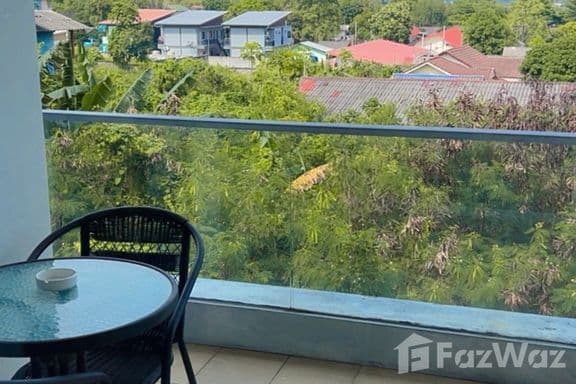
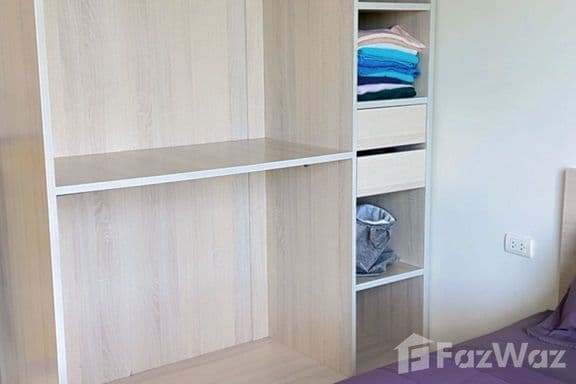
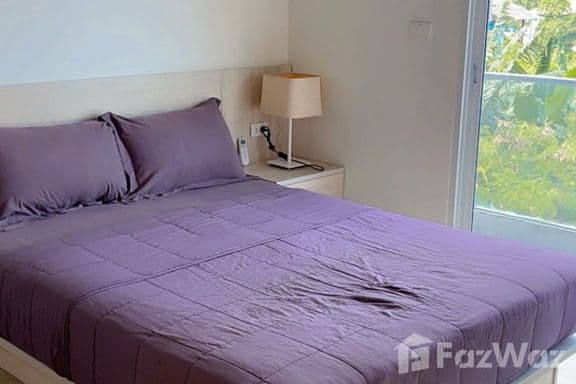
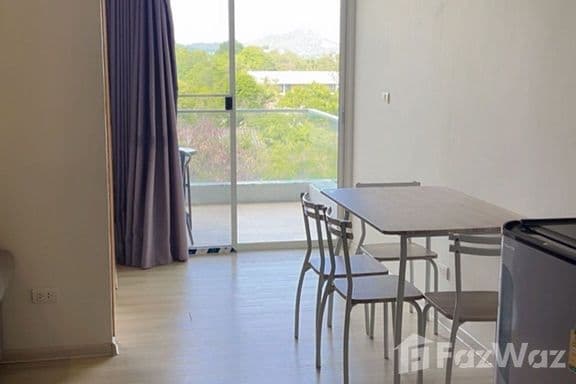

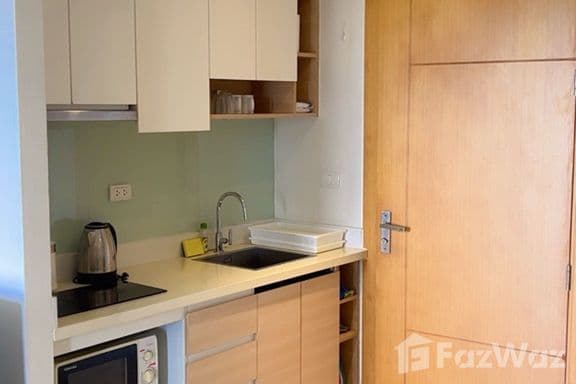

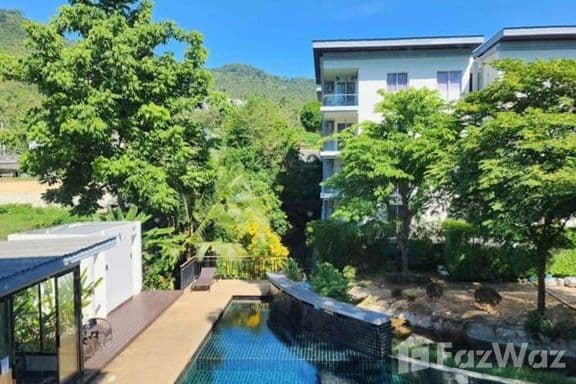





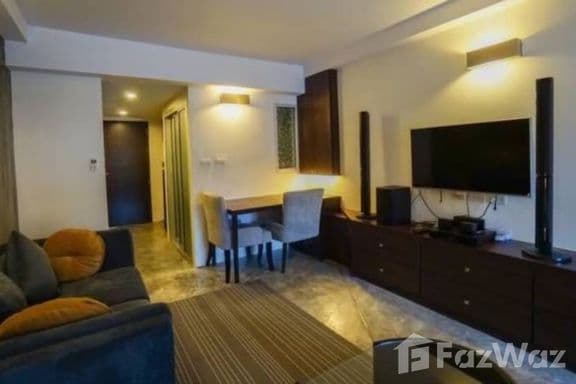




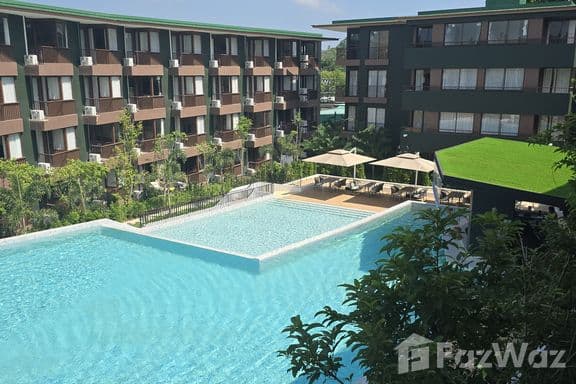

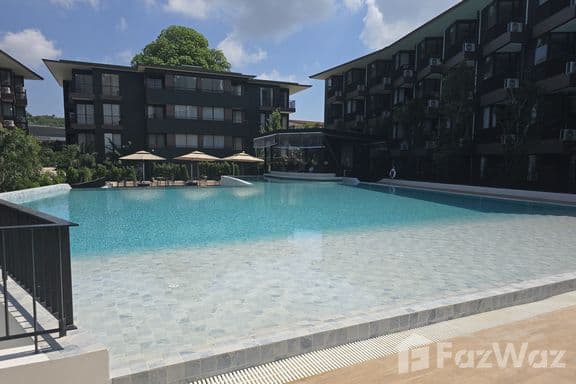
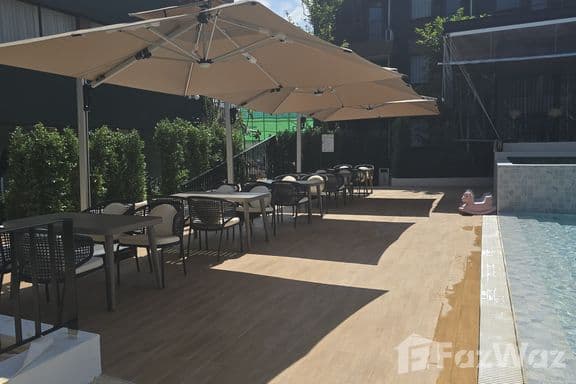





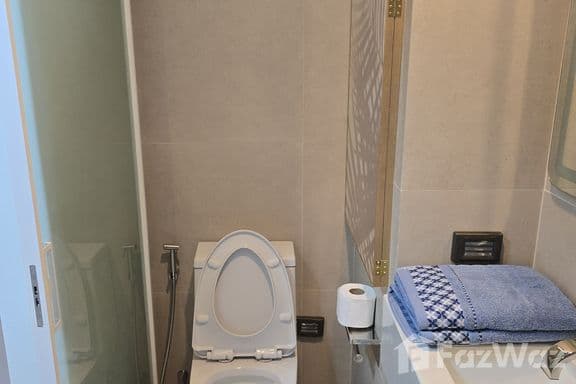


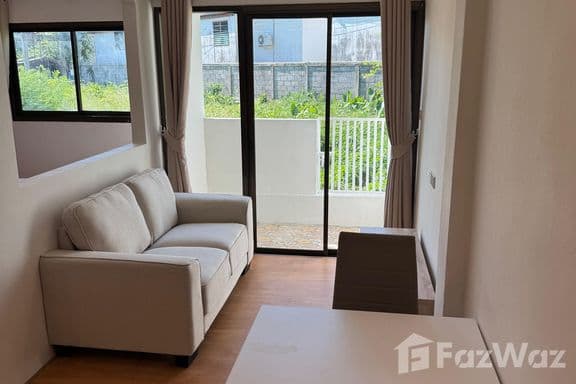


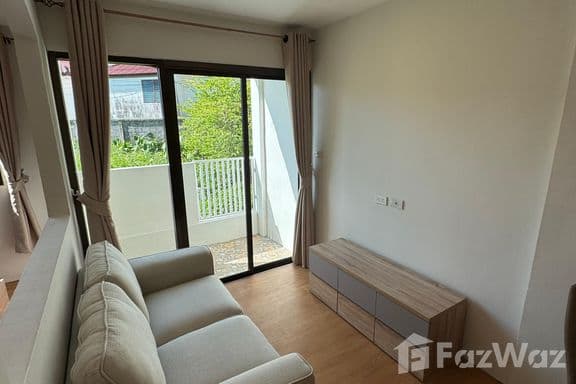
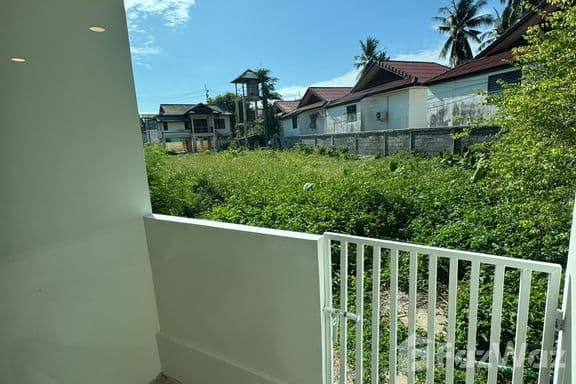


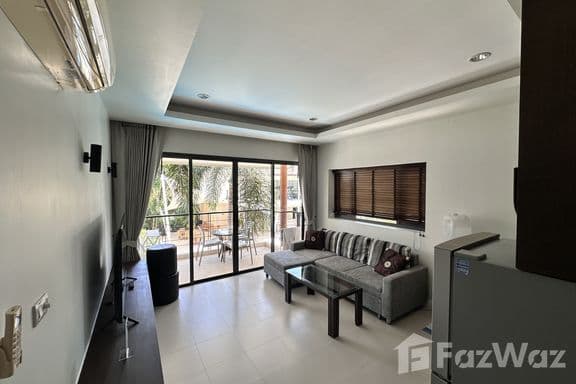
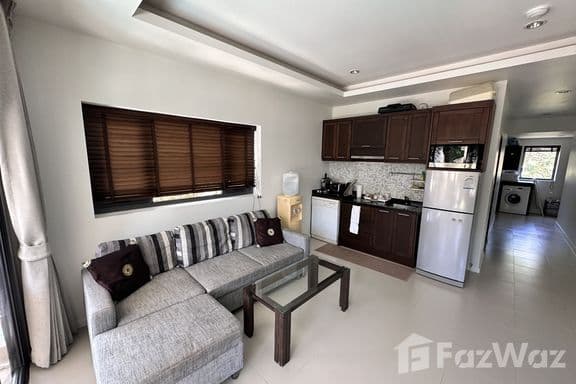
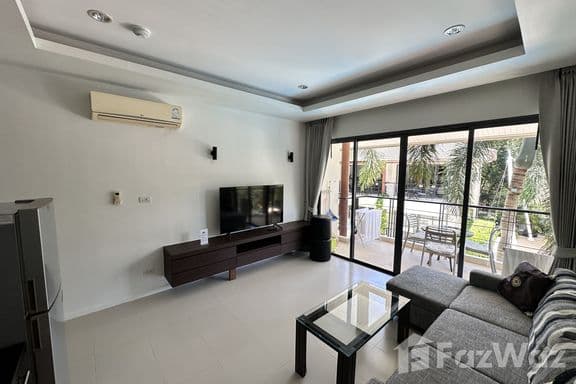






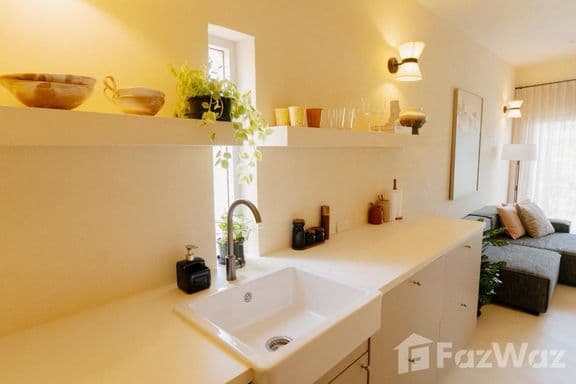







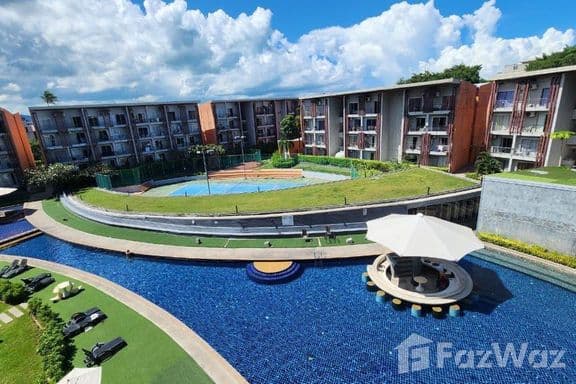


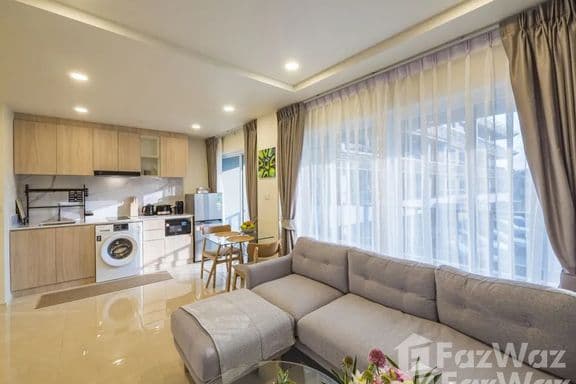


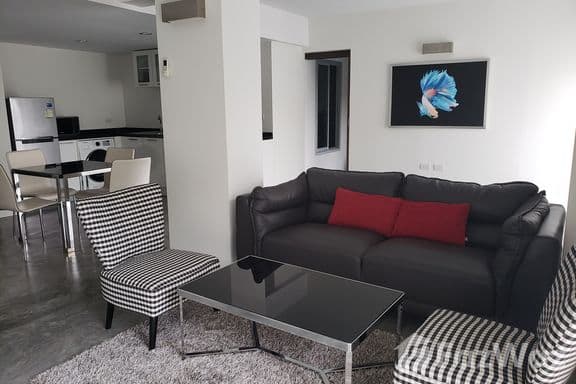
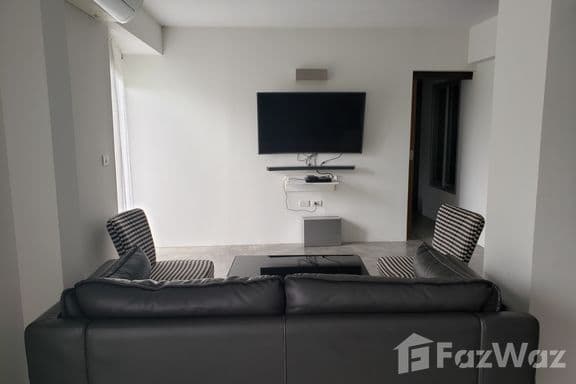
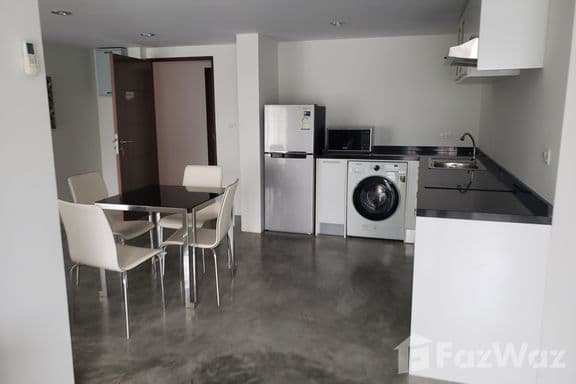


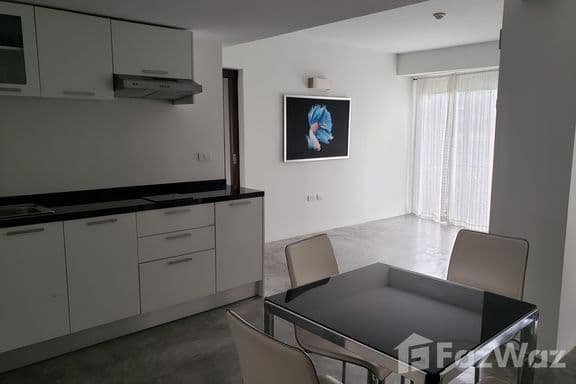
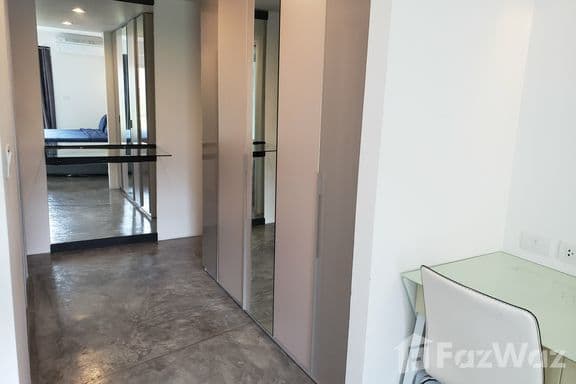
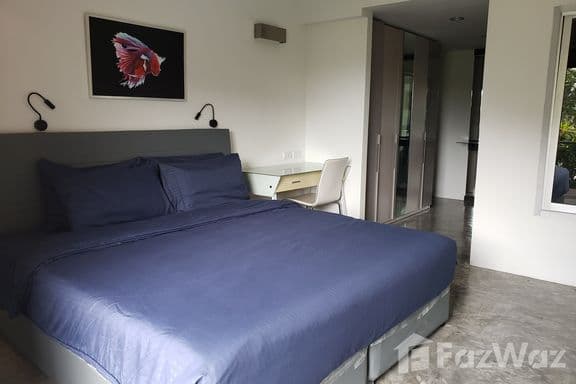
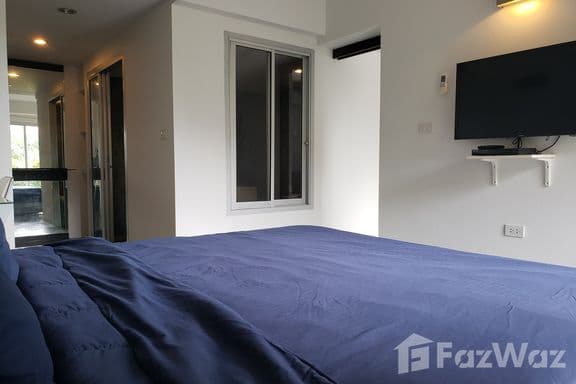

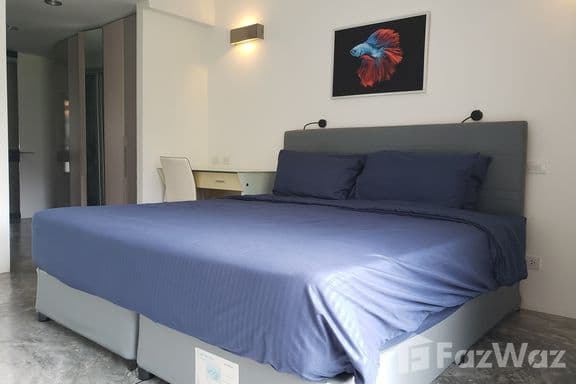
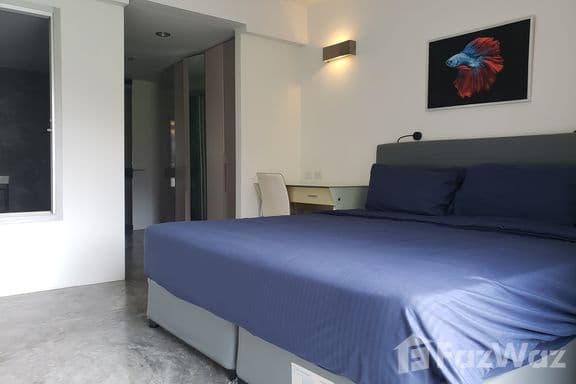
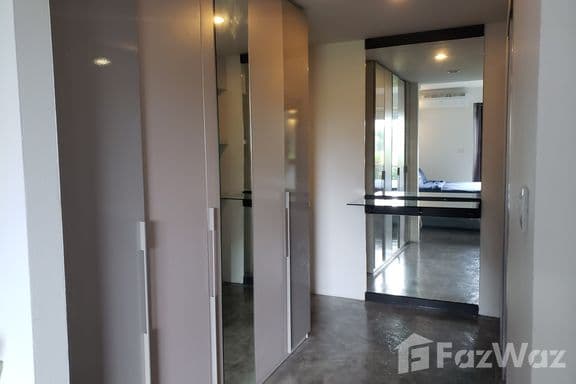







 Popular condos in Ko Samui

