Renting an Apartment in Bangkok: The Complete 2025 Guide for Foreign Tenants and Long-Stay Expats
Introduction: Why Bangkok Remains One of Asia’s Top Destinations for Foreign Apartment Renters
Bangkok continues to reign as a premier destination in Asia for foreigners seeking apartments. In 2025, Thailand’s capital draws digital nomads, expats, retirees, and long-stay visitors with its unique blend of affordability, modern comfort, and vibrant culture. The city offers a relatively low cost of living compared to other major global hubs, yet boasts world-class amenities – from sleek shopping malls and efficient public transit to high-speed internet and international hospitals.
Another key attraction is Bangkok’s dynamic lifestyle. By day, the city is a bustling economic center with opportunities in various industries; by night, it transforms into a playground of street food markets, nightlife, and cultural performances. Foreign residents find it easy to adjust: English is widely understood in expat areas, and Thai people are known for their hospitality toward visitors. Moreover, the Thai government has introduced long-stay visa programs (for example, special visas for retirees and remote professionals), making it even more feasible to settle in Bangkok for extended periods. All these factors reinforce why Bangkok remains a top choice for foreign tenants looking for both convenience and adventure in their day-to-day life.
In short, Bangkok offers excellent value for money. You can live in a modern high-rise apartment with a rooftop pool and gym, dine on delicious cuisine, and explore a rich cultural scene – all at a fraction of the cost of cities like Hong Kong, Singapore, or Tokyo. This guide will walk you through everything you need to know about renting an apartment in Bangkok as a foreigner in 2025, from housing types and popular neighborhoods to the rental process, legal tips, and insider advice for a smooth stay.
Apartment Types in Bangkok: Serviced Units, Low-Rise vs. High-Rise, Furnished vs. Unfurnished
Bangkok’s rental market has a wide variety of apartment types to suit different preferences and budgets. It’s important to understand the terminology and options available:
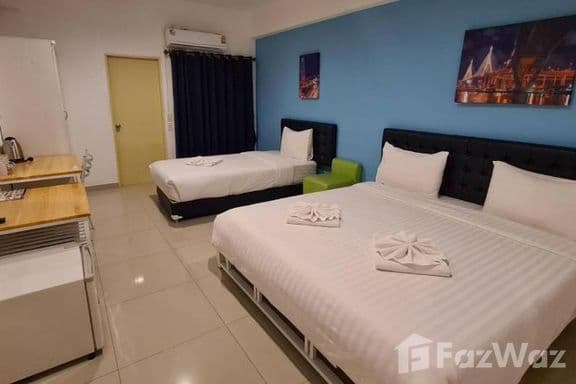
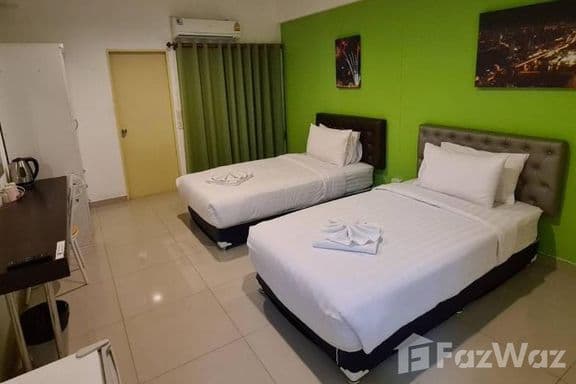
- Serviced Apartments: These are apartments operated similarly to hotels, with hotel-like services and flexible leases. A serviced unit usually comes fully furnished and includes amenities such as housekeeping (daily or weekly cleaning), fresh linens, a reception or concierge desk, and sometimes on-site dining or room service. Serviced apartments are ideal for those who want a turnkey living experience – you can move in with just your suitcase. They often allow shorter rental terms (monthly or even weekly) and require minimal setup. The trade-off is cost: serviced apartments tend to be more expensive per month than standard rentals, given the convenience and services. They are popular among business executives on short assignments and newly arrived expats who want a soft landing while they get oriented in Bangkok.
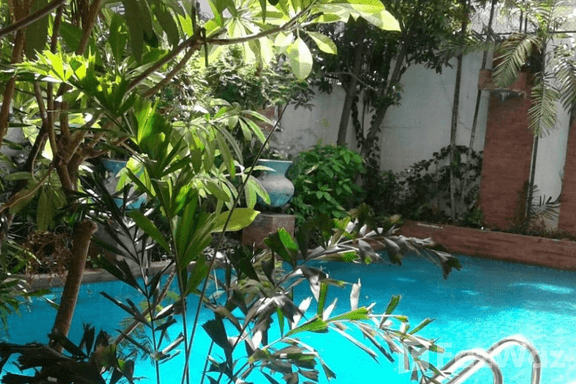
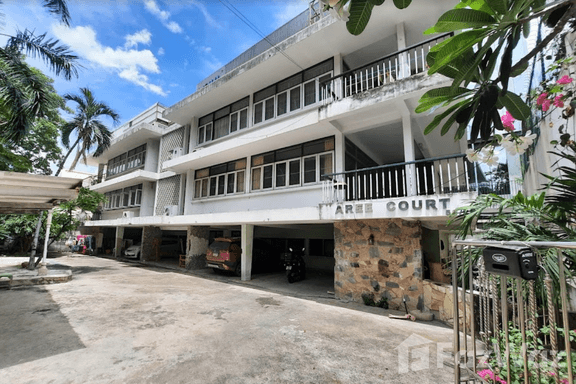
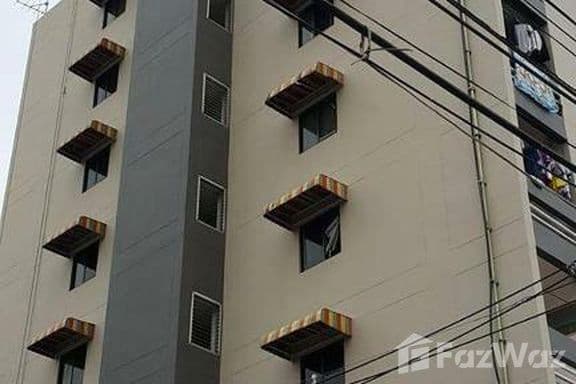
- High-Rise vs. Low-Rise Buildings: Bangkok’s skyline is dotted with modern high-rise condominium towers, especially in central areas. High-rise apartments (often 20-40+ stories) typically offer modern facilities: swimming pools, fitness centers, rooftop gardens, 24-hour security, and sometimes convenience stores or co-working spaces on-site. Living in a high-rise can mean great city views and less street noise when you’re on a high floor. In contrast, low-rise apartments (just a few floors, sometimes without elevators) are also common, particularly in the city’s side streets and suburban areas. Low-rise buildings might be older “mansion” style apartments or smaller boutique condos. They may have fewer facilities – perhaps just parking and basic security – but often larger unit sizes for the price and a more homey, residential feel. Low-rise apartments are good for those who prioritize space or a quieter environment over extensive amenities. Keep in mind that low-rise buildings beyond 7-8 floors might not have elevators, so confirm if climbing stairs is a concern.
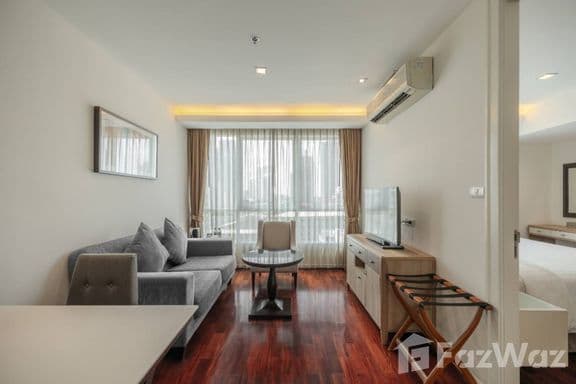
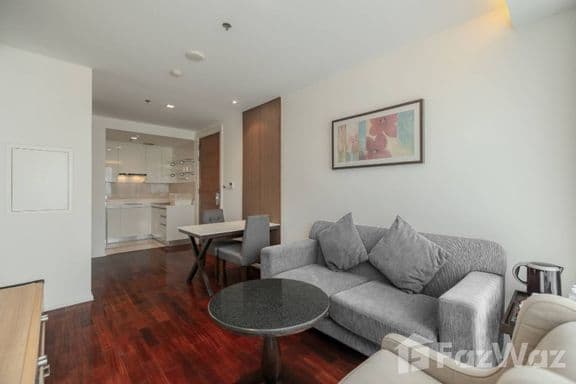
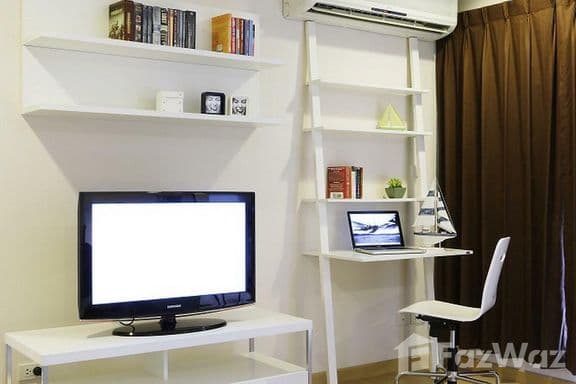
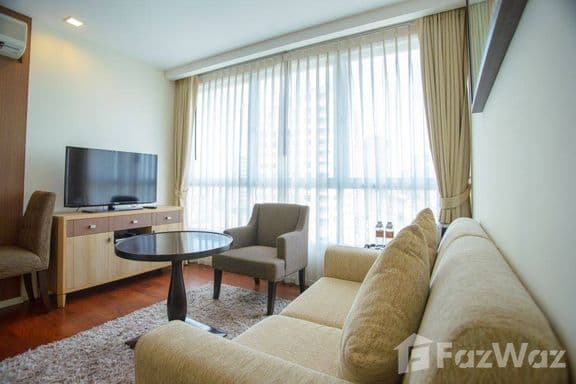
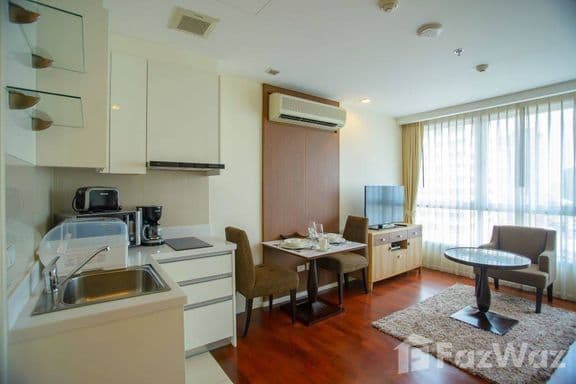
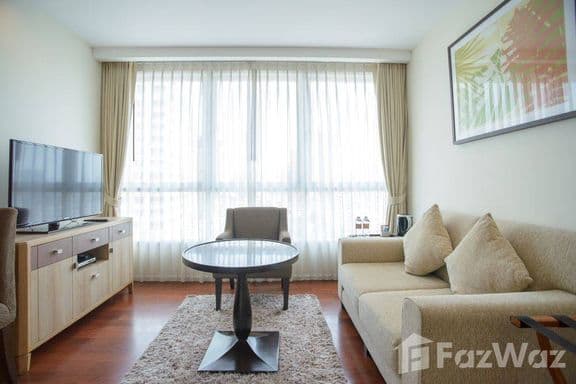
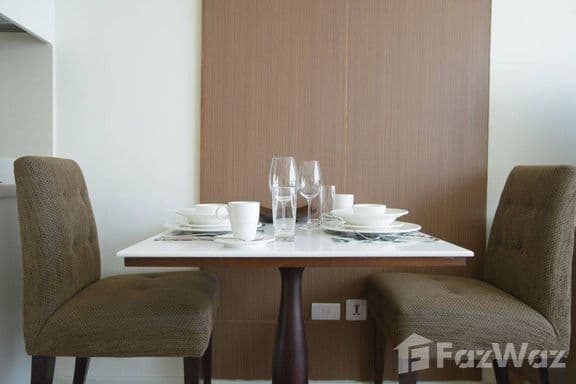
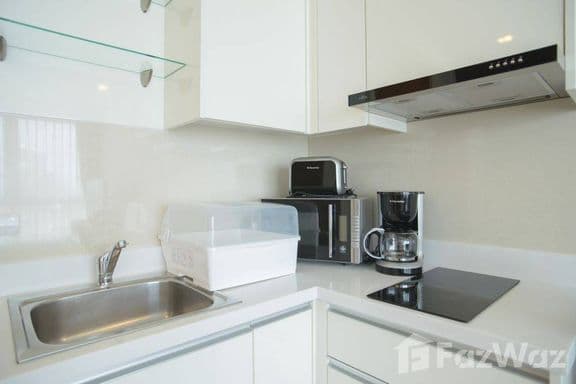
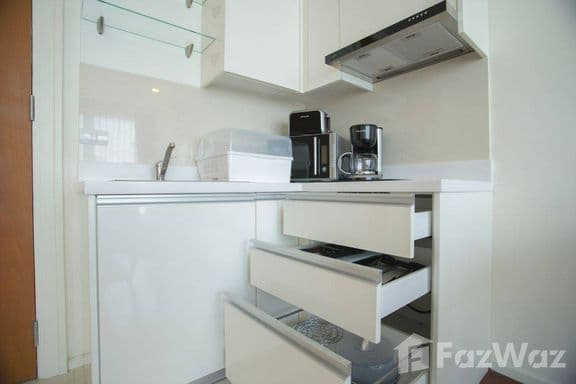
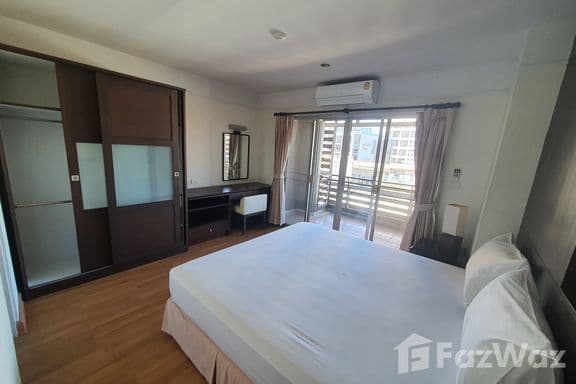
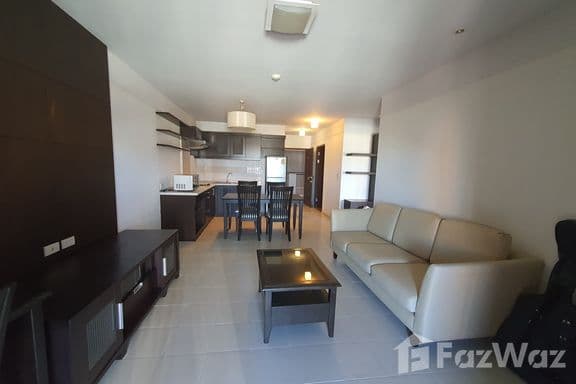
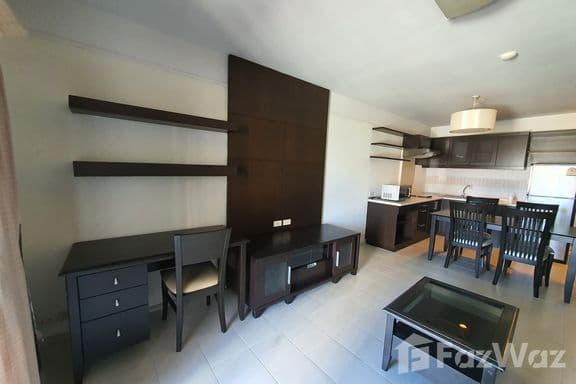
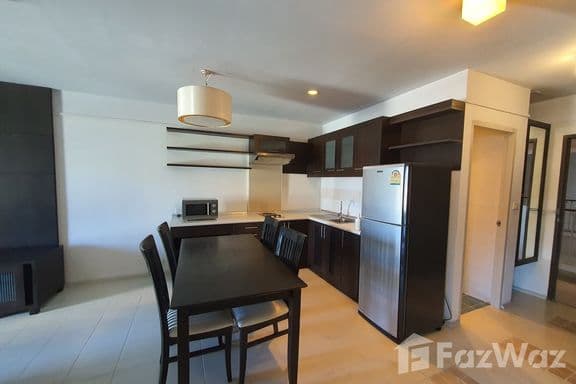
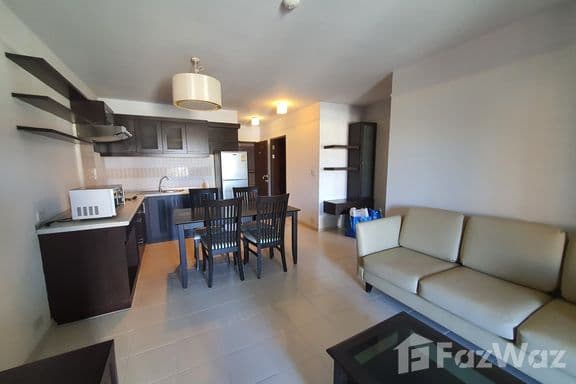
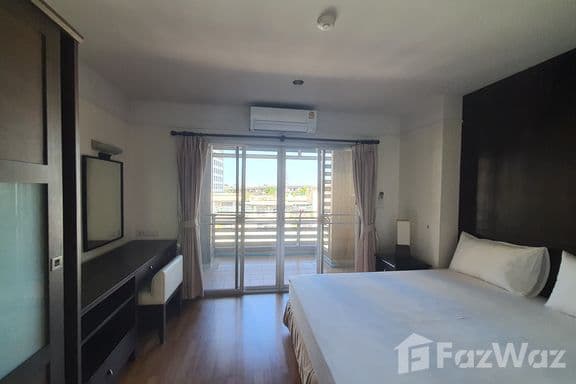
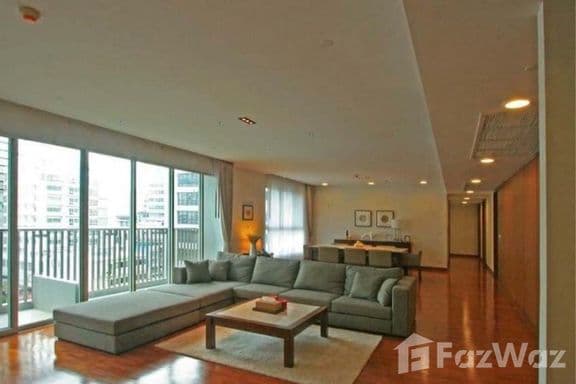
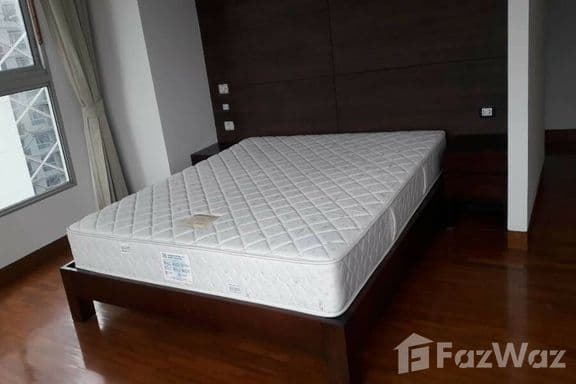
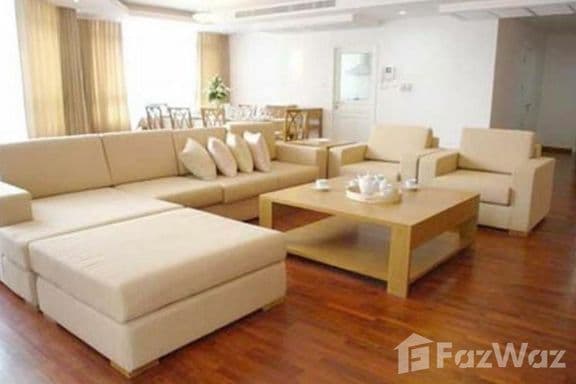
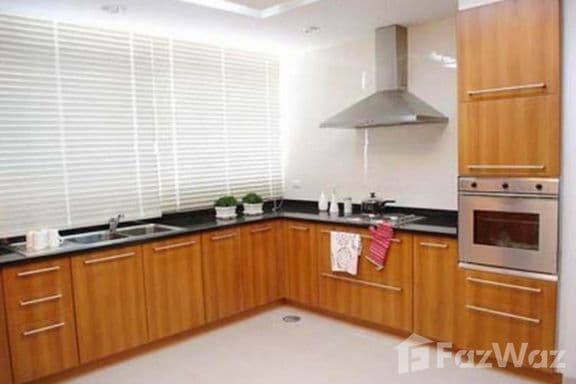
- Furnished vs. Unfurnished Units: The majority of rental apartments and condos in Bangkok come furnished. A standard furnished apartment includes essential furniture (bed, sofa, dining set, wardrobes), kitchen appliances (refrigerator, microwave, stovetop), air conditioning units, and often a washing machine. This is convenient for foreign renters who typically don’t want to invest in a full set of furniture for a temporary stay. Unfurnished rentals do exist but are more common with houses or long-term leases where the tenant might prefer to customize the space. Unfurnished means you may get only the built-in fixtures (kitchen cabinets, perhaps a stove) and will need to supply your own furniture and appliances. There are also partially furnished units – for example, the place may have major appliances and curtains, but no sofas or beds. Always clarify with the landlord or agent what is included. If you choose an unfurnished place, Bangkok has plenty of furniture stores and even rental services, but factor in those costs and the effort of setting up. For most expats, a furnished apartment is the easiest route to move-in readiness.
- Condominium Units vs. Traditional Apartments: In Thailand, a “condo” refers to a unit in a building where each unit is individually owned (and the owner might rent it out), whereas an “apartment” often means an entire building owned by one company or landlord who rents out all the units. Condo rentals are very common for foreigners – you’ll be renting from a private owner, usually via an agent or directly if you find a listing. Condos generally are high-rise, newer, and packed with amenities. Traditional apartment buildings (not serviced, just standard apartments) may be older structures with slightly fewer frills, but they can offer a more straightforward rental process since you deal with an on-site management office rather than an individual owner. One difference to note is that some older apartments charge a higher rate for utilities (electricity/water) than the government rate, whereas in condos you pay the utilities at cost directly to providers. However, many expats use the term “apartment” for any rental unit, whether condo or not, so clarify the style if it matters to you.
In summary, Bangkok provides everything from budget studio rooms to luxurious penthouse suites. Think about what matters most to you: Do you need weekly cleaning and a flexible lease? Are modern facilities like a gym and pool essential? Is a larger space or private garden a priority? By knowing the types of accommodations available, you can better target your search to find the perfect home away from home.
Who Rents Apartments in Bangkok?
Bangkok’s cosmopolitan mix of foreign residents means that many different types of people are searching for rentals. Here are the primary groups of foreigners who rent apartments in Bangkok, each with their own needs and preferences:
- Digital Nomads: In recent years, Bangkok has become a hub for digital nomads and remote workers. These are professionals who can work from anywhere with a good internet connection. Digital nomads often seek shorter-term, flexible rentals – sometimes a few months at a time – and prioritize locations with easy access to co-working spaces, cafes, and public transport. Many prefer condos in central areas like Asoke or Thonglor, where the Wi-Fi is fast and there’s plenty of lifestyle amenities. A comfortable studio or one-bedroom in a modern building is a popular choice for this group. They value conveniences such as being near a BTS/MRT station and having a fully furnished place (since they travel light). Bills included or ready-to-go internet can be a plus for them. Cost is a factor (many are on freelance or startup budgets), so digital nomads often balance being central with finding a good deal, perhaps in up-and-coming neighborhoods just outside the main tourist zones.
- Expat Professionals: These are foreigners working in Bangkok, often for international corporations, embassies, NGOs, or Thai companies. Expat professionals on work assignments usually stay at least one or two years. They tend to have a housing allowance or a comfortable budget, enabling them to rent high-quality apartments or condos. Many choose locations close to work or along convenient commute routes – for example, someone working in the central business district of Sathorn or Silom might live there or in nearby Sukhumvit areas. They often seek modern high-rise condos or serviced apartments with amenities, since they may have families or entertain colleagues at home. Security, a fitness center, and proximity to international schools (if they have children) can be important. This group is likely to sign a 12-month lease and may even use relocation agents to find the right place.
- Retirees: Thailand is famous among retirees for its warm climate and friendly lifestyle, and Bangkok does attract a segment of retirees who enjoy city living. Retirees renting in Bangkok usually look for comfort and convenience. Many will prioritize easy access to healthcare (being near good hospitals and clinics), tranquility, and perhaps a larger living space since they spend more time at home. Some retirees prefer quieter neighborhoods or the fringe of the city where the pace is slower and rent is cheaper – though others enjoy being in the heart of things for the dining and cultural options. Common choices include areas like Phrom Phong or Ekkamai (with lots of restaurants, parks, and community events) or even outskirts like Rama 9 or Ari for a more local feel. A retiree might rent a spacious two-bedroom apartment to have room for visitors or hobbies. Key considerations often include having an elevator (for those who might not manage stairs easily), reliable management for any maintenance issues, and a friendly community in the building. Bangkok’s relatively low living costs allow retirees on pensions to afford a high quality of life.
- International Students: Bangkok hosts a number of international universities and programs, and also language schools, attracting students from around Asia and the world. Foreign students in Bangkok are typically looking for affordability and convenience. They often rent studio apartments or share multi-bedroom apartments with roommates to save on costs. Being near public transportation or near their campus is crucial, as they may not have a car. For example, a student attending Chulalongkorn University might live in the Siam or Ratchathewi area, whereas someone at an international program in Thammasat might live around Sukhumvit or Ari depending on where their classes are. Students appreciate features like on-site laundry facilities, included Wi-Fi, and 24/7 security (for peace of mind). They may also gravitate to lively neighborhoods with cafes and student-friendly eateries. Since their stays can be 1-4 years (or shorter for exchange students), some opt for serviced apartments or monthly contracts if they don’t want to commit to a full year or deal with buying furniture.
- Long-Stay Families: Expat families moving to Bangkok (often due to a parent’s job posting or those choosing Bangkok as a long-term base) have a distinct set of priorities. Family renters typically need more space – at least a two or three-bedroom apartment or even a house – and often choose areas known for their family-friendly environment. Neighborhoods like Phrom Phong, Thonglor/Ekkamai, Bang Na, or Chaeng Watthana/Nichada Thani (the latter is a bit outside central Bangkok) are popular because they are near international schools or have kid-friendly amenities. Parents will look for features such as a swimming pool or play area for children, proximity to parks (like Benjasiri Park or Lumpini Park), and a safe community. They may also require parking for a car, since families might drive to run errands or school. Some families opt for renting single-family houses in gated communities (moobaans) in suburban areas to get a yard and more privacy, even if it means a longer commute. Others stay in large modern condos downtown that offer a mix of convenience and facilities. Lease flexibility can be important if the job assignment could change, so they might negotiate break clauses or look for landlords who understand the needs of an expat family. Overall, long-stay families want a comfortable, secure, and convenient home base as they adapt to life in Bangkok.
No matter which category you fall into, Bangkok’s housing market has options tailored to you. The key is to identify your priorities – be it budget, location, space, or lifestyle amenities – and search accordingly. Next, we’ll explore where many of these foreigners end up living: the top districts and neighborhoods for renters in Bangkok.
Top Rental Districts in Bangkok
Bangkok is a vast city composed of many distinct neighborhoods (often called “districts” or “areas” by expats) each with its own character. Below are some of the top rental districts popular among foreign tenants, along with what you can expect from living there:
Sukhumvit
Sukhumvit Road is synonymous with expat living in Bangkok. It’s a long boulevard that runs eastward from the city center, and along it (and its network of side streets called “sois”) you’ll find the highest concentration of foreign-oriented apartments and condos. Key sub-areas of Sukhumvit include Nana, Asok, Phrom Phong, Thonglor, and Ekkamai, each with its own vibe. Living on Sukhumvit means unparalleled convenience: you’re usually within walking distance of the BTS Skytrain (which runs above Sukhumvit Road), countless restaurants (Thai and international cuisine), coffee shops, co-working spaces, supermarkets with imported goods, and nightlife venues. For example, Asok is a major intersection with shopping malls and office towers, Phrom Phong is known for its upscale malls (Emporium, EmQuartier) and the lovely Benjasiri Park, while Thonglor and Ekkamai are famed for trendy bars, cafes, and boutique shops.
Who is it for? Sukhumvit is popular with almost all expat groups. Young professionals and digital nomads love the energy and networking opportunities. Families appreciate the proximity to international schools (several are in the Sukhumvit area or reachable via BTS) and hospitals, as well as international grocery stores. Retirees enjoy the ease of having everything from dental clinics to cinemas within easy reach, though some may avoid the busier parts of lower Sukhumvit (like Nana, which is heavy on nightlife).
Housing: Accommodations range from modern high-rise condos with rooftop pools and gyms to older, spacious low-rise apartments tucked in quieter sois. You can find luxurious penthouses with skyline views as well as more modest studios in slightly older buildings. Rent tends to be on the higher end here due to demand and location prestige. Sukhumvit covers a broad stretch, so prices can vary – generally the areas around Nana-Asok-Phrom Phong (Sukhumvit Soi 1–Soi 55 area) are priciest, while as you go further east to Ekkamai, Phra Khanong, On Nut and beyond, prices per square meter drop somewhat. Still, expect to pay a premium for the convenience of Sukhumvit. Traffic on Sukhumvit Road can be very congested, but the Skytrain mitigates this – properties within a short walk of a BTS station are especially sought after. Overall, if you want to be in the heart of expat Bangkok, Sukhumvit is the top choice.
Sathorn
Sathorn is Bangkok’s primary financial district, a tree-lined avenue that runs south of Lumpini Park and hosts many banks, corporate headquarters, and embassies (including the German and Australian embassies). It’s a more business-oriented and upscale residential area. Living in Sathorn gives you a blend of city convenience with a slightly more subdued atmosphere in the evenings (compared to Sukhumvit). During workdays the area is bustling with professionals; after office hours, it becomes quieter though there are still five-star hotels, rooftop bars, and fine dining restaurants that draw an evening crowd. Sathorn is also adjacent to Lumpini Park, the city’s largest central park, which is a big perk for residents who enjoy morning jogs, open-air aerobics, or just a green escape in the middle of the city.
Who is it for? Sathorn is particularly favored by expat professionals and diplomats. Being close to offices can mean walking to work or a very short commute – a rarity in Bangkok. Families of executives might also choose Sathorn for its high-end condos and relative quiet, plus the proximity to a park. It’s not a major nightlife district, which can be a plus for those who prefer peace at night. That said, Sathorn isn’t far from Silom (the next district over) for entertainment, and it has pockets of trendiness (like around Suan Phlu Road or Yen Akat, which have chic cafes and wine bars frequented by locals and expats in-the-know).
Housing: Sathorn’s housing is characterized by luxury high-rise condominiums and serviced apartments, many of which are among Bangkok’s most prestigious addresses. These buildings often have large units (two- to four-bedroom condos targeting families and affluent tenants), top-notch facilities, and attractive landscaping. There are fewer budget options in core Sathorn compared to other areas – you won’t find many cheap studios here. A few older Thai apartment buildings exist, which might offer more space for slightly less cost, but generally Sathorn is upscale. The BTS Skytrain’s Silom Line runs along the border of Sathorn (stations like Chong Nonsi and Surasak serve parts of Sathorn), and the MRT subway’s Lumpini and Khlong Toei stations are on the western edge, so parts of Sathorn have good transit access. If you work in the Sathorn/Silom area, living here can cut out long commutes. In summary, Sathorn offers sophisticated city living with a professional vibe, ideal for those who want to be near the office and enjoy a high standard of accommodation.
Silom
Silom is often mentioned in the same breath as Sathorn since they are adjacent and collectively form the broader downtown business district. However, Silom has its own distinct character. By day, Silom Road and its surrounds are full of office workers, similar to Sathorn. By night, parts of Silom turn into one of Bangkok’s famous entertainment quarters – notably the Patpong area, a historical nightlife zone with night markets and bars, and Silom Soi 4 which is known for its cluster of popular LGBTQ-friendly bars and clubs. Silom also has Silom Complex (a shopping mall), countless restaurants (from street food in nearby areas like Sala Daeng to high-end hotel dining), and is walking distance to cultural spots like the Sri Maha Mariamman Hindu Temple on Pan Road. The mix of commerce and entertainment means Silom is lively and truly urban.
Who is it for? Silom appeals to young professionals and singles/couples who enjoy city life and going out. It’s an attractive area for those working in nearby offices who also want dining and nightlife on their doorstep. It’s also historically popular with Japanese expats (there’s a significant Japanese community and businesses in the Silom/Suriya Wong area). Tourists flock to Patpong’s night market, but many expat residents simply appreciate the convenience of having supermarkets, clinics, banks, and all necessities close by. Silom is somewhat less residential than Sukhumvit – there are fewer family-oriented condos, so it’s less common for expat families with children to live right in Silom (they might choose Sathorn or Sukhumvit instead). But for a single expat or couple who wants a central location with an energetic vibe, Silom is ideal.
Housing: Condominiums in Silom tend to be a mix of older and new. There are a few brand-new luxury condos with cutting-edge design, but also many older high-rises from the 1990s-2000s. The older condos often have larger floor plans (e.g. a 1-bedroom might be 70 sqm whereas newer ones might be 40-50 sqm) but might not look as modern inside. Prices for rent in Silom are comparable to Sathorn – on the high side – though the presence of some older buildings means you can occasionally find a slightly better deal (for example, an older apartment that is a bit dated but huge could be priced the same as a much smaller fancy new unit). The BTS Skytrain (Sala Daeng Station) and MRT (Silom Station) intersect here, making it one of the best-connected areas in Bangkok by public transport. Residents can easily zip to other parts of town. One consideration in Silom is noise: if you live very close to the nightlife streets or a busy main road, expect some noise at night. Choosing a unit on a higher floor or in a building set back from the main road helps. Overall, Silom provides a bustling downtown living experience – think of it as Bangkok’s version of a central city district where work and play collide.
Ari
Ari (also spelled Aree) is a charming residential neighborhood north of the main downtown, known for its leafy streets and a mix of trendy and local vibes. Centered around Ari BTS station (on the Sukhumvit Line, but in the Phaya Thai district), this area has become popular among younger expats and Thais alike. Ari has plenty of hip cafes, artisanal bakeries, and craft beer bars, as well as local street food stalls and traditional markets. It’s often described as “cool” and community-oriented – a place where on weekends you might see a mix of people brunching at a new cafe or shopping at a farmers’ market. Compared to Sukhumvit or Silom, Ari is quieter and more low-rise; it feels more like a neighborhood than a big city downtown.
Who is it for? Ari is ideal for those who want a balance of modern comforts and authentic local atmosphere. Many NGO workers, designers, teachers at international schools, and younger professionals choose Ari because it’s slightly removed from the intense hustle of the CBD. It’s still very convenient – only a few BTS stops from Siam and Asoke – but when you’re in Ari, it feels more laid-back. Long-term expats who’ve done the Sukhumvit scene sometimes move to Ari for a change of pace. The area also hosts some government offices and reputable hospitals (Vichaiyut, for example), so a number of foreign medical professionals and academics live around here. Ari might also appeal to retirees who enjoy a cafe culture and an easygoing lifestyle, as well as to small families – though large family-oriented housing is limited (no big compounds, but some families live in townhouses just outside the main Ari area).
Housing: Ari’s housing stock includes mid-rise condo buildings, many of which are relatively new (8-10 story boutique condos have popped up in the last decade), plus some older apartments and the occasional house down side streets. Because building height is lower (due to zoning or smaller land plots), you won’t see as many towering skyscrapers. Facilities in Ari condos can be upscale – pools, small gyms, roof decks – but on a more modest scale than the mega-developments of Sukhumvit. Units come in all sizes, from studios to three-bedroom condos, but overall supply is smaller than areas like Sukhumvit. Rent in Ari is moderately high: it’s not a super cheap area by any means (its popularity has driven rents up), but you generally get a better deal here than in the prime Sukhumvit zones. For example, a budget that gets you a tiny modern studio in Thonglor might afford a one-bedroom in Ari, or an older but larger apartment. The BTS station is a focal point – most expats try to live within walking distance of Ari station or the next one (Sanam Pao). Living slightly farther (requiring a motorbike taxi or a longer walk) could lower rent a bit. Ari is a sweet spot for many: it offers trendy urban living without the chaos, making it one of Bangkok’s most beloved neighborhoods among those in the know.
Bang Na
Bang Na is an area in the southeastern part of Bangkok that has been growing rapidly as a residential and commercial zone. Historically, Bang Na was considered far out from the city center, but with the extension of the BTS Skytrain (the Sukhumvit Line now goes to Bang Na station and beyond), it has become much more accessible. Bang Na is known for having the Bangkok International Trade & Exhibition Centre (BITEC) (which hosts trade shows and events) and being a gateway to the Eastern Economic Corridor. The neighborhood is more spread out and less dense than central Bangkok; you’ll find large shopping complexes like Mega Bangna (a huge mall with an IKEA), and even some green pockets like the campus of Bangkok Patana School (one of the top British-curriculum international schools) and the Sri Nakarin area which has a few parks and weekend markets.
Who is it for? Bang Na attracts a few types of renters. It’s popular with expat families and long-term expats who want more space or even a house with a yard, as many gated communities (mooban) and housing developments are in the Bang Na vicinity. If someone works in the eastern industrial estates, or travels frequently via Suvarnabhumi Airport (Bang Na is closer to the airport than downtown), living here cuts down commute time. Also, some international schools (besides Patana, there’s St. Andrews Sukhumvit 107, Berkeley International School, etc.) are located in the Bang Na/Srinakarin area, so teachers and families connected to those schools often reside nearby. Bang Na is a good option if you’re seeking more affordable rent for a larger space. Digital nomads or young professionals generally do not first think of Bang Na, but a subset who prefer quieter suburban life or who have a tight budget might end up in the Bang Na area or next-door On Nut/Udomsuk which serve as a transition between city and suburb.
Housing: Housing in Bang Na is a mix. Modern condos have sprung up along the Skytrain route and around Bang Na junction – these can be high-rises or mid-rises with facilities, targeting those who want a condo lifestyle at a lower price than central Bangkok. Further from the BTS, you get housing estates and townhome complexes, where you can rent a multi-bedroom house often for the price of a small downtown apartment. There are also older Thai-style apartments that are very inexpensive (though might have minimal amenities) aimed at local residents and students from nearby universities. One notable sub-area is Bearing (Sukhumvit Soi 107) – technically just on the edge of Bang Na – which has several expat enclaves because of international schools there. In terms of cost, Bang Na offers excellent value. You could find, for example, a modern one-bedroom condo here for what a studio costs in central Bangkok, or you could rent an entire three-bedroom family house with a garden for the price of a two-bedroom downtown. The trade-off is the distance: if you want to go to Sukhumvit or Silom often, you’ll be spending more time on the BTS or in taxis (from central Bang Na BTS to Asoke is about 20-25 minutes by train). However, within Bang Na itself, more conveniences are appearing – malls, supermarkets, hospitals – so residents don’t need to go into the city for every need. Overall, Bang Na is about space, peace, and value – a suburban style of Bangkok living that’s still connected to the city.
Rama 9 (New CBD)
Rama 9 refers to the area around Rama IX Road and the intersection with Ratchadaphisek Road, which has in recent years been branded as Bangkok’s “New CBD” (Central Business District). If Sathorn/Silom is the traditional CBD, Rama 9 – Ratchada is the up-and-coming commercial hub. The district is home to gleaming office towers like the G Tower and Unilever House, the Stock Exchange of Thailand, as well as large shopping and entertainment centers such as Central Plaza Grand Rama 9 and the Ratchada Train Night Market (famous for street food and nightlife, though note as of 2025 it has faced periodic closures and moves). There’s also a strong presence of Chinese businesses and expats in this area, partly due to a China-centered commercial complex and the Chinese Embassy being located here. In addition, the Thailand Cultural Centre (a major auditorium) is in the vicinity, giving the area some arts and cultural significance.
Who is it for? Rama 9 appeals to young professionals and expats who work in one of the corporate offices in the area or who want to live in a modern environment slightly outside the traditional expat neighborhoods. It can be a great choice for those who find Sukhumvit too expensive; Rama 9 still offers city life but usually at a somewhat lower rent. The MRT Blue Line runs through Rama 9 (Phra Ram 9 station, Thailand Cultural Centre station), making it well-connected. Because of the Chinese community influence, a number of expats from China, Taiwan, etc., choose to live here (you’ll see Chinese supermarkets and restaurants around). It’s also popular with Thai young professionals – so as a foreigner, living here, you’d be in a more mixed local environment compared to the heavy expat clusters of Sukhumvit. Digital nomads or those in tech might like Rama 9 due to co-working spaces popping up and the slightly edgy, evolving feel of the area. Families are less common (not many international schools right nearby), but some might still live around here if they have a car and drive to schools elsewhere.
Housing: The Rama 9 area has seen a boom in new condominium projects over the last decade. Many high-rise condos near the MRT stations offer brand new units with modern designs, smart home features, and comprehensive facilities (pools, gyms, gardens). For example, projects like “Life Asoke–Rama 9” and others cater to trendy urbanites. These units often are a bit smaller (to keep costs down) – catering to singles or couples. There are also older buildings around Ratchada Road which might not be as fancy but offer bigger layouts for a lower price. Rent levels in Rama 9 are typically slightly less than equivalent units in core Sukhumvit. You might find a one-bedroom in a new Rama 9 condo for what a quite older unit in Asoke would cost. This makes it attractive for budget-conscious expats who still want a modern condo. The area is evolving: every year new shops, restaurants, and infrastructure developments come up (for instance, a new MRT Orange Line is under construction through this area, improving east-west connectivity in the future). One thing to note is that traffic can be intense on Rama 9 Road and Ratchadaphisek, so being close to the MRT is very helpful. In summary, Rama 9 offers contemporary city living with a slightly more local flavor and better rent bargains – it’s the “next big thing” for Bangkok, and many forward-thinking renters are getting in on it.
Ekkamai
Ekkamai is actually part of the greater Sukhumvit area (it’s Sukhumvit Soi 63, with Ekkamai BTS station marking the spot), but it’s worth highlighting on its own because of its distinct reputation. Ekkamai, along with its neighbor Thonglor, is known as one of Bangkok’s most fashionable districts. It’s packed with stylish cafes, international restaurants, boutique fitness studios, and creative spaces. While Thonglor (Soi 55) has a slightly more upscale and frenetic nightlife scene, Ekkamai is often seen as its slightly more relaxed sibling – still very trendy but a bit more residential in parts. Ekkamai has attractions like the Eastern Bus Terminal (for inter-city buses to places like Pattaya – convenient for weekend trips) and plenty of high-end bars and a major shopping complex (Gateway Ekkamai mall) that even has a Japanese theme floor catering to the large Japanese expat population in the area.
Who is it for? Young expat professionals, couples, and affluent students gravitate towards Ekkamai. It’s a place to see and be seen – on weekends the brunch spots are full of both expats and well-to-do Thai locals. Those working in the Sukhumvit area love Ekkamai because it’s central but slightly less chaotic than the mid-Sukhumvit (Asoke) zone. Many Japanese expats choose Ekkamai/Thonglor due to the established community (you’ll find Japanese grocery stores, clinics, etc.). Ekkamai is also popular among creative industry professionals, freelancers, and anyone who enjoys an urban lifestyle with plenty of dining and nightlife options. Families that choose Ekkamai often do so because it’s near international schools (like Bangkok Prep on Sukhumvit 77 or others in short driving distance) and because it’s a prestigious, safe area. However, space comes at a premium, so a family may end up in a large condo rather than a house here.
Housing: Ekkamai’s accommodation is primarily modern condos and serviced apartments. Many high-rise luxury condos have been built along Ekkamai Road and nearby sois, featuring top-notch facilities (some have infinity pools with city views, lavish lobbies, etc.). There are also some low-rise boutique condos tucked in the side streets for those who prefer a smaller community. Townhouses and a few detached houses exist on the backstreets; these often become home-office spaces or are rented by families/long-term expats who snag them via local contacts. The rental cost in Ekkamai is on the high side – similar to Thonglor, it’s one of the pricier addresses in Bangkok. A benefit, however, is that because it’s popular with expats, units often come fully furnished in a very comfortable, Western-standard way, and landlords are used to foreign tenants. One can expect hardwood floors, quality appliances, and tasteful décor in many Ekkamai rentals. Traffic on Ekkamai Road itself can jam up, but the BTS station is a lifeline for commuting. Living here, you’re also a quick hop to Thonglor or Phrom Phong for anything you might not find in Ekkamai itself. All in all, Ekkamai offers a combination of luxury and lifestyle – if your budget allows, it’s hard to beat for those who want the best of Bangkok’s modern city living.
Now that we’ve covered the character of these top districts, the next section provides a quick comparison of typical rental prices in each area, to help set expectations for your budget.
Rental Price Comparison Table: Apartments by District (THB and USD)
While rent can vary greatly depending on the specific property (age, size, facilities, exact location), below is a rough comparison of typical monthly rent ranges for a one-bedroom apartment in each popular district. Prices are listed in Thai baht, with approximate US dollar equivalents (for reference, in 2025 the exchange rate is around 35 THB = 1 USD):
|
District
|
Typical Rent (1-Bedroom Apartment)
|
|
Sukhumvit
|
THB 20,000 – 50,000 (USD ~570 – 1,430)
|
|
Sathorn
|
THB 25,000 – 60,000 (USD ~715 – 1,715)
|
|
Silom
|
THB 25,000 – 60,000 (USD ~715 – 1,715)
|
|
Ari
|
THB 15,000 – 35,000 (USD ~430 – 1,000)
|
|
Bang Na (incl. On Nut)
|
THB 12,000 – 30,000 (USD ~340 – 860)
|
|
Rama 9 / Ratchada
|
THB 15,000 – 40,000 (USD ~430 – 1,140)
|
|
Ekkamai (Thonglor)
|
THB 25,000 – 60,000 (USD ~715 – 1,715)
|
Notes on the table: These ranges represent averages for a one-bedroom unit in a modern apartment or condo suitable for expats. Lower-priced units in each range might be older buildings, smaller studios, or slightly farther from transit, whereas the higher end of the range would be newer luxury buildings, larger one-bedrooms, or prime-location properties. If you need a bigger place (e.g. a 2-bedroom), expect rents to be higher – roughly 1.5 to 2 times the one-bedroom price in the same area, though this varies.
Bang Na’s range is lower partly because it includes further-out suburban stock (and we’ve included the On Nut/Udomsuk area under Bang Na for simplicity). Sukhumvit’s range is broad because it spans from mid-range older units to premium condos in central Sukhumvit. Keep in mind that these are just guidelines; savvy negotiators and those who explore a bit might find deals outside these bands, especially if willing to compromise on age of the building or being a few extra minutes from a train station.
When budgeting, also remember to account for additional monthly costs like utilities (electricity, water, internet), which are usually not included in the rent (more on that below). Next, we’ll walk through the rental process so you know what to expect from first viewing to signing the contract.
The Rental Process: Contracts, Deposits, What’s Included, and Required Documents
Renting an apartment in Bangkok as a foreigner is generally straightforward, but it’s important to understand the typical process and terms to avoid surprises. Here’s what you need to know about leases, payments, inclusions, and paperwork:
- Lease Contracts: Most rental agreements in Bangkok are written contracts (often bi-lingual in Thai and English). The standard lease length is 12 months (1 year) for condos and apartments. Some landlords will agree to shorter terms – 6 months is not uncommon in certain cases, and serviced apartments can offer even month-to-month arrangements – but expect to pay a bit more or have less negotiating power on short leases. The contract will detail the monthly rent, lease term, what’s included (furnishings, etc.), and rules (such as no smoking, no pets if applicable, etc.). Make sure you read and understand every clause. If it’s only in Thai, request an English version or have it translated. Common clauses to look for include: notice period (typically, no breaking the lease early without penalty unless a break clause or diplomatic clause is written in), repair responsibilities (small repairs like light bulbs might be on the tenant, major ones like air-conditioner breakdown often on the landlord), and maintenance of furnishings. If you have special requests (e.g. adding a clause that you can repaint a wall or that the landlord will provide a microwave), get that written into the contract. Once both parties sign, you’ll usually get a copy and sometimes the landlord will keep the original or another copy. Important: In Thailand, a lease of longer than 3 years can be registered at the Land Department for added legal protection, but this is rarely done for typical 1-year expat rentals. One-year leases are binding contracts, but enforcement is usually through negotiation rather than courts for minor issues due to practicality.
- Deposits and Initial Payments: It is standard practice to pay a security deposit of two months’ rent, plus the first month’s rent in advance when you sign the lease. In other words, upon move-in you generally pay 3 months worth of rent (if rent is 30,000 baht/month, you’d pay 90,000 baht upfront, which includes a 60,000 baht refundable deposit and 30,000 for the first month). This deposit is held by the landlord as security against damages or unpaid bills. If you take good care of the property and pay all your dues, you should get the full deposit back after you move out. By Thai norms, the landlord often returns the deposit within about 30 days of lease end (after checking the property). Some more professional landlords or companies will return it even faster (one week) via bank transfer. Make sure to document the condition of the apartment at move-in (take photos of existing scratches or wear, test appliances) and have an inventory if the unit is furnished – this helps avoid disputes later about what is damage versus normal wear and tear. Note that if you have a pet or you negotiate some special condition, occasionally a landlord might ask for a higher deposit (e.g. an extra half-month) to cover potential extra cleaning or damage – this is negotiable. Also, serviced apartments or large rental companies sometimes only take one month deposit (especially if under the newer rental regulations for businesses), but private condo owners usually stick to two months deposit. Aside from deposit and rent, no other large upfront fees should be required. Agent commissions are paid by the landlord in Bangkok’s long-term rental market, so you should not be paying the agent. Be wary if anyone asks for some non-standard fee. Always insist on a written receipt for any payments (or proof, if you do a bank transfer, keep the transfer slip).
- What’s Included in the Rent: Generally, the monthly rent covers only the space and the furniture/appliances that come with it. Utilities are almost always separate. You will be responsible for paying for electricity and water usage, and arranging your own internet/TV service if not already set up. In a condo, typically the owner has you directly pay the electric bill to the Metropolitan Electricity Authority (which you can do at 7-Eleven or via banking apps each month) and water to the building juristic office (water is usually inexpensive, often a flat small fee or maybe 20-30 baht per cubic meter). If you rent a traditional apartment building, they might handle utilities differently – some older places charge a higher rate per unit of electricity (to cover their admin costs). Always ask: “Are utilities billed at government rate?” If not, clarify the rates. Internet: some rentals might come with an existing Wi-Fi router and service that the last tenant used, in which case you can just take over or pay a monthly fee to the landlord. But in most cases, you will need to sign up with an ISP (like True, AIS, or 3BB) – a quick process where technicians come and install a router, costing around THB 500-800 per month for high-speed broadband. Cable TV isn’t as common now (with streaming services prevalent), but some buildings have satellite TV infrastructure – you’d need a subscription to use it. Housekeeping and Laundry: except in serviced apartments, regular housekeeping is not included. You can hire a cleaner yourself (many expats have a maid come weekly for a reasonable fee) or do your own cleaning. Washing machines are present in many condo units; if not, there are laundry shops everywhere. Parking: If you have a car or motorbike, check if your apartment includes a parking spot. Most condos allow at least one car per unit (you might need to register for a parking sticker). Some buildings in dense areas have limited parking, so confirm availability. Lastly, common area fees (building maintenance, security, garbage collection) are typically paid by the landlord (owner). You shouldn’t be charged extra for those unless explicitly agreed (and it’s uncommon to ask a tenant to pay that in Thailand). To summarize, ask for a rundown of “inclusive vs exclusive” when agreeing on rent. A fair arrangement is rent covers the room and existing furnishings, and the tenant covers day-to-day usage expenses.
- Required Documents for Foreigners: One advantage of renting in Thailand is that the paperwork requirements are minimal. Most of the time, the only document you’ll need to provide is a copy of your passport (photo page) and your visa page or entry stamp. This is for the landlord’s records (and needed for them to register your residence for TM30, discussed later). Landlords generally do not ask for credit checks, employment letters, or proof of income – the culture here relies on the deposit as the security. In some cases, if you’re dealing with a larger serviced residence or a cautious landlord, they might ask for a copy of your work permit (if you have one) or proof of your current address if you were already in Thailand (like if you’re renewing a lease). But this is more the exception than the rule. Tourist vs. Long-term Visa: Technically, renting long-term while on a short-term tourist visa is a gray area (since tourist status implies you’re not a resident). However, in practice landlords do not usually care what visa you are on – they will rent to anyone who pays. It’s still your responsibility to stay in Thailand legally, but they won’t typically request visa proof beyond seeing you have a valid entry stamp at move-in. One thing to note: if you later need to do immigration tasks (like a visa extension or 90-day report), having a signed lease can serve as proof of address. So keep a signed copy of your lease and perhaps a signed TM30 receipt; these can help in opening bank accounts or getting a Thai driver’s license as well. Overall, compared to many countries, Thailand’s rental process is refreshingly light on bureaucracy for the tenant.
- Payment of Rent and Bills: Rent is usually paid monthly, due at the beginning or end of each month as specified in the contract (commonly on the 1st of the month you’re about to live in). The typical method nowadays is a bank transfer to the landlord’s Thai bank account. It’s a good idea to open a Thai bank account if you’ll be here long-term, as it simplifies transfers (and you can use mobile banking). Some landlords will accept cash, though a bank record is safer for both parties. A few individual owners living abroad might use international methods (Wise, PayPal, etc.) for convenience, but that’s case-by-case. Always pay on time to maintain a good relationship. For utilities, electricity bills arrive monthly (often slipped under your door or given to you by the building management) – you then pay them at 7-Eleven or online. Water bills may come every month or two. If you set up your own internet, you’ll have a monthly bill from the provider which you can autopay or pay at convenience stores.
In summary, the rental process in Bangkok is tenant-friendly in ease (low paperwork, quick turnaround) but also requires you as a foreigner to be informed (since laws and customs may differ from home). By knowing the standard practices – like two months deposit, one-year contracts, separate utilities – you’ll approach your rental agreement with confidence. Next, we’ll discuss what factors you should consider when evaluating a specific apartment or location, to ensure it fits your needs.
What to Consider When Renting: Transportation, Internet, Facilities, Noise, Lease Flexibility
Before signing a lease, it’s wise to evaluate the apartment and its surroundings on several practical criteria. Here are key factors for foreign tenants to consider when choosing a rental in Bangkok:
- Transportation and Location: Bangkok is notorious for its traffic, so proximity to public transport can greatly enhance your daily life. Consider how far the apartment is from the BTS Skytrain or MRT subway station. If it’s more than a 10-minute walk, is there a shuttle, bus, or easy taxi access? If you drive a car, check the typical traffic conditions in the area during rush hour – some neighborhoods can be very difficult to get in/out of at peak times. Also, verify that the building has parking available (if you need it) and whether any fees or registration are required for a parking space. Think about the locations you’ll frequent (work, school, supermarkets, etc.) and see if the commute is reasonable. For example, living across town from your office might mean a one-hour car ride vs. living near a transit line that takes 20 minutes – these differences impact quality of life. If you’re a cyclist, note that Bangkok is not very bike-friendly in most areas, so you’ll likely rely on motorized transport.
- Internet and Wi-Fi: Internet connectivity is a lifeline, especially for those working remotely or who need to stay in touch with family abroad. When inspecting a potential apartment, ask what internet options are available. Most urban parts of Bangkok have fiber-optic broadband service from providers like True, AIS, or 3BB. Confirm that the building is serviced by one (or multiple) high-speed providers – in modern condos this is almost guaranteed, but in some older buildings or houses a bit off the main road, availability can vary. If the apartment already has an active Wi-Fi, test the speed if possible. Generally, internet in Bangkok is reliable and fast (100–300 Mbps plans are common and affordable). If you rent a serviced apartment, Wi-Fi might be included in the rent, but in a regular condo it typically isn’t, so you’ll get your own plan. The cost of internet is relatively low (~THB 600-800 or ~$20 per month for a solid plan). Also check mobile signal inside the unit, especially on higher floors – you want to be sure your phone gets reception or you can use Wi-Fi calling.
- Building Facilities and Amenities: Evaluate what facilities come with the apartment building and whether they meet your lifestyle needs. Nearly all condo buildings in expat areas have 24-hour security and keycard access – a basic expectation for safety. Beyond that, common amenities can include a swimming pool, gym/fitness room, sauna or steam room, garden or BBQ area, children’s playground, reading room or co-working space, and sometimes a lobby lounge or meeting room. If staying in a serviced apartment, you might have additional perks like a restaurant, room service, or even a shuttle service to the nearest BTS. Consider which facilities you will actually use: for instance, if you’re a fitness enthusiast, a well-equipped gym in the building saves you a gym membership; if you love to swim, a nice pool is a boon. On the other hand, you might not care about a rooftop garden or a library room. Remember, typically the more facilities, the higher the building’s common fee (paid by owner) – which indirectly can reflect in the rent. Also, inspect the maintenance of facilities: is the pool clean? Are the elevators in good condition? A building that is well-maintained suggests good management. If you have a child, is there a playroom or safe area for kids to play? If you have pets (and the building allows them), are there any pet facilities or nearby parks? Make sure the overall package of amenities aligns with your priorities.
- Noise and Surroundings: Bangkok is a busy city, and certain locations come with noise issues that you should consider. When visiting a potential home, try to check the noise level at different times of day. Is the building on a main road with heavy traffic? If so, can you hear the traffic honking or motorcycles from inside the unit, especially during morning and evening rush hours? High-rise apartments generally buffer street noise well above, say, the 10th floor, but you might instead hear noise from neighbors or even the hum of the building’s own equipment (like water pumps or AC chillers on the roof). If you are a light sleeper, living next to a construction site can be miserable – and Bangkok has a lot of ongoing construction. Look around for empty lots or building sites nearby; construction work often starts early (7 or 8 am) and can be frequent on weekdays. Similarly, consider nightlife noise: an apartment near bars and clubs (like lower Sukhumvit, Silom, or around RCA in the Rama 9 area) could be noisy past midnight on weekends. On a smaller scale, check the apartment’s windows and insulation quality. Newer condos have good window sealing against noise, whereas older ones or cheaper builds might not. Also, pay attention to internal noise: can you hear the BTS or a highway if it’s very close? One common issue in some condos is thin walls – if possible, visit with the TV or music off and see if you can hear neighbors talking or TVs through the walls. Choosing a corner unit or top-floor unit can minimize shared walls and thus noise. Lastly, don’t forget about flood or weather-related considerations: if the street outside tends to flood in heavy rain (you can ask or look for water stains), that could create noise/inconvenience and is something to know if you have a car (will the parking flood?). In summary, ensure the environment will be comfortable and peaceful enough for you, especially during the hours you need to rest or work.
- Lease Flexibility and Terms: Think about your own plans and how they align with the lease’s flexibility. If there’s any chance you might need to leave Bangkok unexpectedly (for instance, a job change or personal situation), you might want to negotiate a break clause in the contract. Some expat-friendly leases include a “diplomatic clause” allowing you to terminate the lease early (after giving, say, 60 days notice and after at least 6 months of tenancy) without losing your deposit if you have to leave the country for work or other valid reason. Not all landlords agree to this, but it’s worth asking if it’s important to you. Also consider extension: if you like the place, can you extend for another year at the same rate? Many contracts will state that renewal is possible by mutual agreement, sometimes even locking in the same rent for an extra year. Check about rent increases: it’s typical that rent stays fixed during the lease period, but upon renewal some landlords might seek a 5-10% increase. Knowing this in advance or having it in writing can avoid surprises. If you’re on a shorter lease (e.g. 6 months), clarify whether it can go month-to-month after, or if you must commit to another fixed term. Subletting and guests: Generally, subletting (renting out the place to someone else or on Airbnb) is forbidden in standard contracts and also against condominium regulations, so don’t plan on that unless explicitly allowed (rare). However, having visiting family/friends stay with you is fine – just ensure to inform building security for short-term guests and comply if there’s any sign-in required. Moving in/out rules: Some condo buildings have rules about moving furniture in or out (specific hours, days, or requiring a damage deposit with the juristic office). It’s useful to ask the landlord or building about this to plan your move. In short, align the rental’s terms with your needs: if you foresee needing flexibility, target serviced apartments or negotiate upfront; if you know you want a place for multiple years, perhaps you can negotiate a slightly better rent for a longer commitment.
By carefully considering these aspects – transport, internet, amenities, noise, and lease terms – you’ll be able to choose a Bangkok apartment that not only looks good in the photos but actually suits your daily life. This due diligence ensures you’ll be a happy tenant, with fewer unwelcome surprises after moving in.
Apartment vs. Condo vs. House: Which is Right for You in Bangkok?
Foreign renters in Bangkok have three main dwelling options: traditional apartments, condominiums (condos), and houses (including townhouses). Each offers distinct pros and cons.
- Apartments (Traditional Rental Buildings):
- Pros: Often owned by a single entity, offering standardized rental processes and easier maintenance via on-site management. Some provide flexible lease terms (3-6 months) and convenient bundled payments (rent + utilities). Serviced apartments include cleaning and utility setup.
- Cons: May have fewer amenities than condos, older/more basic interiors, and potentially higher utility charges. Less variety in furnishings between units. Fewer options in prime downtown areas.
- Condominiums (Condos):
- Pros: Most popular expat choice due to wide selection and modern amenities. Units are individually owned, offering diverse styles and furnishings. Buildings typically feature pools, gyms, saunas, and excellent security. Direct negotiation with owners is possible for furnishings or minor modifications.
- Cons: Landlord responsiveness varies greatly. Primarily 1-year leases (shorter terms are harder to find). Building rules can be strict (move-in/out, facility use). Coordinating between building management and your individual landlord for issues can be complex.
- Houses and Townhouses:
- Pros: Offer significant space and privacy, ideal for families or those with pets (many condos ban them). You get multiple bedrooms, possibly a yard/garden, and no upstairs/downstairs neighbors. Gated communities (moobans) often provide shared facilities like pools and security.
- Cons: Often located further from central areas, requiring a car and facing Bangkok's traffic. Tenants typically handle more maintenance (gardening, pool upkeep, pest control) and higher utility bills due to larger space. Supply can be limited, especially for moderately priced options.
Choosing Your Home: Consider your lifestyle and priorities. Condos/serviced apartments suit those seeking convenience, amenities, and minimal maintenance. Houses are best for families or pet owners needing more space, willing to commute and manage more upkeep. Bangkok offers a variety of options; focused searching will help you find the perfect fit, whether a high-rise or a quiet house.
Legal & Practical Tips for Renting in Bangkok
Renting in Bangkok is straightforward for foreigners, but knowing a few key points ensures a smooth and compliant experience.
Visa & Address Registration (TM30):
- Visa: No specific visa is required to rent. Any visa status allows you to lease property, but you must maintain your legal visa status separately; the lease doesn't confer immigration rights. A long-term visa simplifies things like opening a bank account.
- TM30: Your landlord is legally required to report your presence to Immigration via the TM30 report within 24 hours of your move-in, and again each time you re-enter Thailand. This is crucial for your visa extensions or 90-day reports. Provide your landlord with passport/visa copies and confirm they will file it.
Tenant Rights & Lease Agreements:
- Rights: Thai rental laws offer some protections, but your lease contract is paramount. For rentals from private landlords, traditional norms (e.g., 2-month deposit, no early termination without forfeiture) often apply. While you can seek legal remedy for disputes, amicable resolution is generally preferred due to slow legal processes.
- Documentation: Always get a written lease and keep copies of all payments and communications (especially for repair requests). This prevents misunderstandings and protects your security deposit. Thai law protects deposits from normal wear and tear deductions.
Condo Rules & Your Responsibilities:
- Community Rules: Beyond your lease, you must abide by the condo's specific rules (quiet hours, pool/gym usage, guest registration, parking). These are vital for harmonious living.
- No Short-Term Sublets: Most condos strictly prohibit short-term rentals (e.g., Airbnb) for less than 30 days due to legal requirements for hotels. Attempting this risks heavy fines and lease termination.
Insurance & Safety:
- Renter's Insurance: Though not mandatory, tenant insurance is highly recommended. It covers your personal belongings against theft, fire, or water damage, and can include personal liability if you accidentally cause damage to other units. It's generally affordable.
- Safety: Always locate emergency exits. Being aware of emergency numbers (Police: 191, Fire: 199, Medical: 1669) and knowing basic home safety (e.g., main water shut-off) is prudent.
Communication & Cultural Tips:
- Relationship: Building a good rapport with your landlord and building staff is key. Politeness, patience, and clear, respectful communication (written is best for clarity) resolve issues more effectively than confrontation.
- Cultural Nuances: Be mindful of Thai cultural norms like removing shoes indoors. Considerateness during holidays and polite follow-ups will foster goodwill.
By understanding these legalities and cultural nuances, you'll ensure a compliant, safe, and enjoyable renting experience in Bangkok.
FAQs from Foreign Renters in Bangkok
Q: Can foreigners rent apartments in Bangkok? A: Yes, foreigners can freely rent apartments, condos, or houses without special permits. There are no nationality restrictions; you follow the same process as locals. Landlords are accustomed to expats and typically only require your passport and visa. Your lease doesn't grant immigration status, so keep your visa valid separately.
Q: What is the typical lease length? Can I rent short-term (3 or 6 months)? A: The standard lease is 1 year. While most prefer this, 3 or 6-month leases are possible with serviced apartments or some rental buildings (often at higher rates). A few condo owners might accept 6 months, perhaps with higher rent or deposit. For stays under 30 days, serviced apartments or hotel-like options are generally required, as private condos cannot legally be rented for less than 30 days. One-year leases offer the best rates. Early termination usually forfeits your deposit unless a specific clause (e.g., finding a replacement tenant) is negotiated and in writing.
Q: How much is the security deposit and when do I get it back? A: The common security deposit is two months' rent. This is paid upfront and held until move-out. After your lease ends, the landlord inspects for damage beyond normal wear and tear and confirms all bills are paid. The deposit is usually returned within 1 month (or 7 days by law for corporate landlords). To ensure a smooth return, thoroughly clean the unit, fix minor issues, and provide proof of final utility payments. A joint handover inspection is highly recommended.
Q: Are utilities and other bills included in the rent? A: Generally, no. You'll pay separately for electricity (฿1,000-3,000+ for a 1-bed, AC is key), water (under ฿200), and internet (฿600-800). Some landlords might include internet. Serviced apartments are the main exception, often including some utilities and cleaning. You are typically responsible for minor in-unit repairs.
Q: Do I need a Thai bank account to pay rent? A: Not strictly required, but highly recommended for long-term stays. Most landlords prefer transfer to their Thai bank. International transfers or services like Wise are alternatives, but incur fees. Opening a Thai bank account is easier with a long-term visa, simplifying rent and bill payments. Always get a written receipt for cash payments.
Q: Is it safe to rent directly from a landlord or via online listings? A: Generally safe, but use caution. Always view the property in person (beware of "too good to be true" listings). Reputable agents (free for renters) can verify ownership and listings. If dealing directly, ask for landlord ID and proof of ownership. All payments (especially deposits) should go to the owner or agency account, via traceable bank transfer. Always insist on a written lease. Bangkok is safe, but due diligence is key.
Q: What if something in the apartment breaks or needs repair? A: Inform your landlord/property manager immediately. Your contract will specify who covers what: landlords typically handle major wear-and-tear appliance failures, while tenants cover minor issues or damage they cause. Clarify AC servicing responsibility. Timely notification is appreciated. For emergencies (e.g., burst pipe), know your unit's shut-off valves and contact building security first, then your landlord. Communication is vital for timely resolutions.
Q: Do I have to register my address or report to authorities when renting? A: Yes, your address needs to be reported to Thai Immigration via the TM30 process. This is the landlord's responsibility. Ensure they submit the TM30 (they'll need your passport/visa copy) when you move in and again after you re-enter Thailand. If on a long-term visa, a properly filed TM30 makes your mandatory 90-day report straightforward.
Q: Can I have guests or roommates? Is having a live-in partner or friend allowed under my lease? A: Generally yes, guests and partners are allowed. Inform your landlord if someone will live with you long-term, ideally including them in the contract. Short-term guests are fine (register at security). Don't try to exceed reasonable occupancy limits. Note that subletting or Airbnb rentals are almost always prohibited by standard leases.
Q: Are pets allowed in apartments in Bangkok? A: Pet-friendliness is limited. Most condos have a no-pet policy. You must specifically search for pet-friendly properties and inform your agent/landlord upfront. Some serviced apartments or houses allow pets, possibly with an extra deposit or cleaning fee. Never sneak pets in; it risks lease termination. Be prepared for less green space in Bangkok if you have a pet.
Q: What’s the best way to find an apartment? Should I use an agent or look online? A: A combination works best. Start with online portals (DotProperty, DDproperty) for market overview. Contact agents (they are free for renters in Bangkok) for professional help, viewings, and negotiation. Also check expat forums/Facebook groups for direct listings. Walking your desired neighborhood can reveal "For Rent" signs. Agents are great for saving time, while online/direct searching offers wider choice. Your ideal apartment is out there, often found within 1-2 weeks.
Key Takeaways for Renting in Bangkok
Do Your Homework & Trust Your Instincts: Research neighborhoods and prices, but also listen to your gut feeling when visiting properties. A place that "feels right" is often a good fit, regardless of numbers.
Leverage Local Expertise: Use a reputable real estate agent or relocation service, especially if new to Bangkok. They simplify the process. Ask friends or colleagues for recommendations; the expat network can help you find gems or avoid pitfalls.
Mind the Culture & Etiquette: Show respect and patience. Politeness and a smile work better than anger, especially during negotiations or repairs. Thai culture values "sanuk" (enjoyment) and avoiding conflict. Maintain a good relationship with your landlord and staff; a small gift during New Year can build goodwill.
Protect Yourself with Documentation: Always keep copies of your lease, payment receipts, and communications (email is best). Get a receipt for your deposit. Document any existing damages with photos/videos upon move-in to avoid being blamed later. This protects you from misunderstandings.
Explore & Adapt: Once settled, explore your neighborhood. Find local markets, 7-Elevens, and hidden eateries. Bangkok's charm lies in its layers of discovery. Be prepared to adapt to local nuances, like street noise or seasonal heat. Flexibility and resourcefulness will enhance your living experience.
Stay Safe & Savvy: Bangkok is generally safe, but always lock doors and be cautious. Use building access systems properly. Know emergency numbers (Police: 191, Fire: 199, Medical: 1669) and the nearest hospital. Be savvy about electricity usage (turn off ACs) and learn a few Thai phrases; a simple "kob khun krap/ka" makes a great impression.


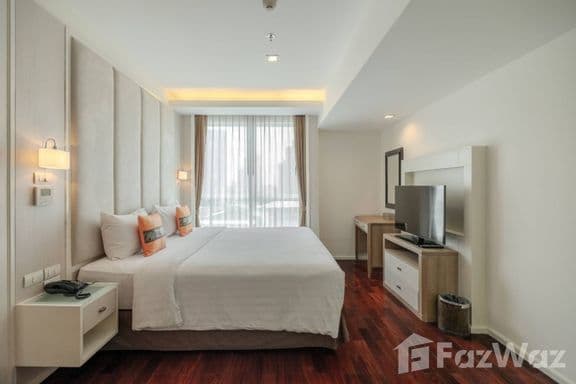
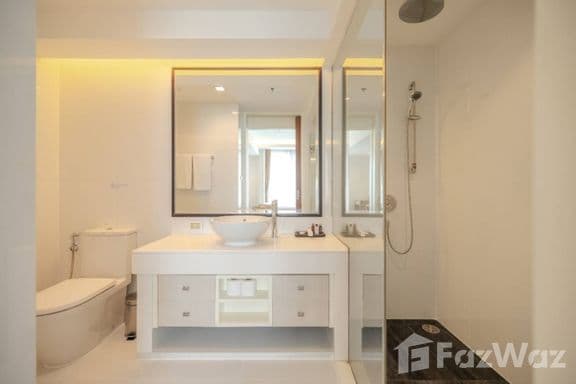
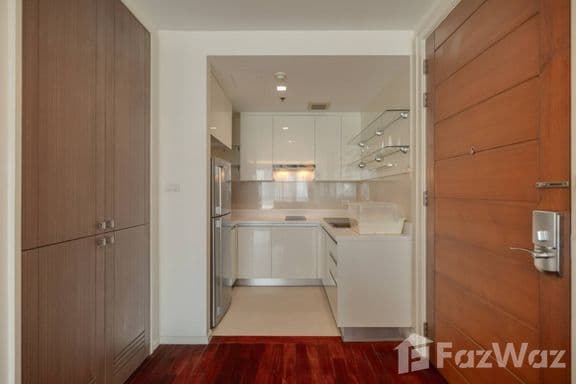
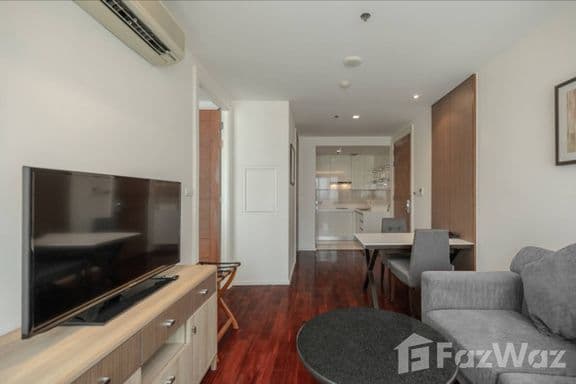
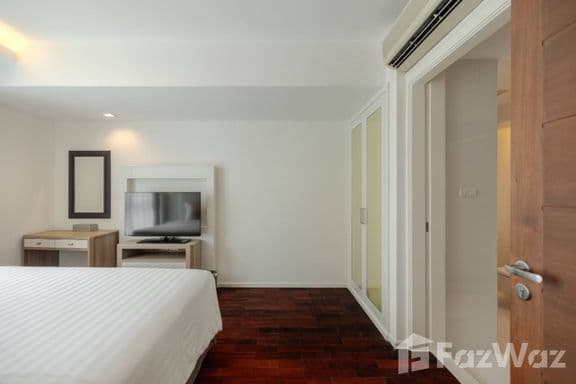
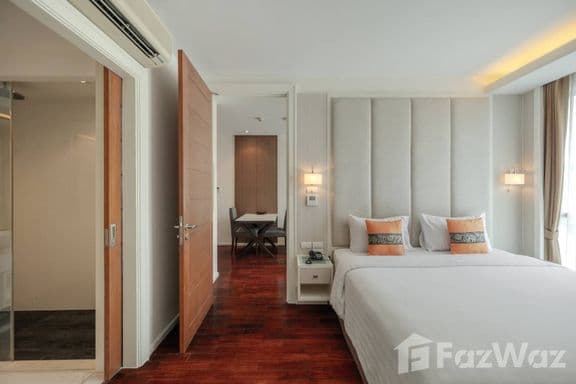
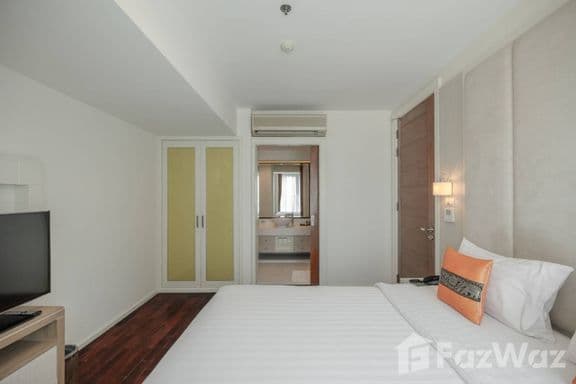
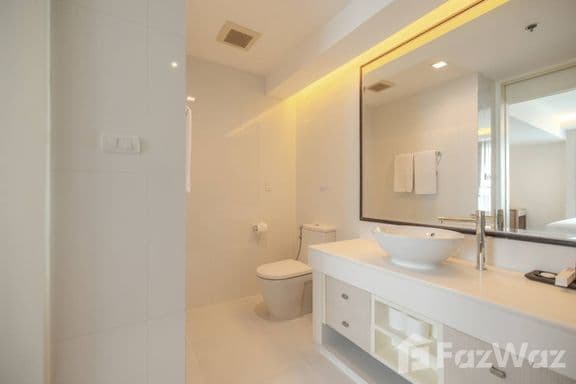


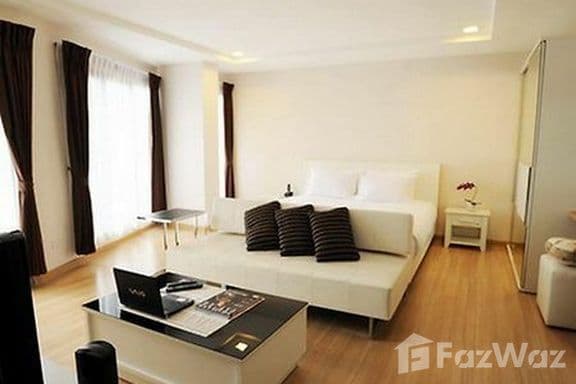
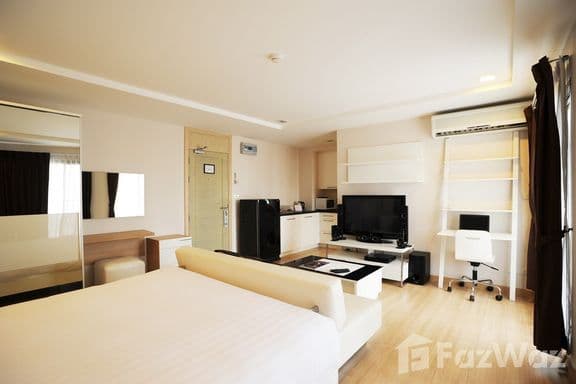
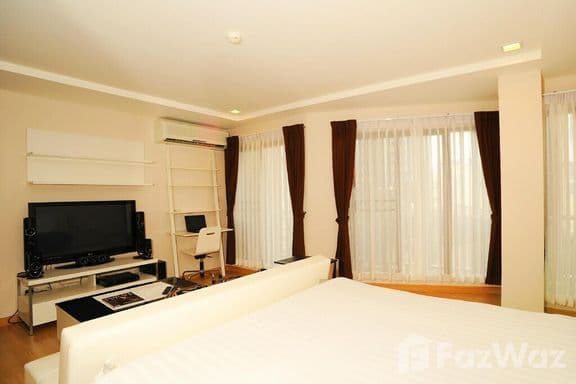
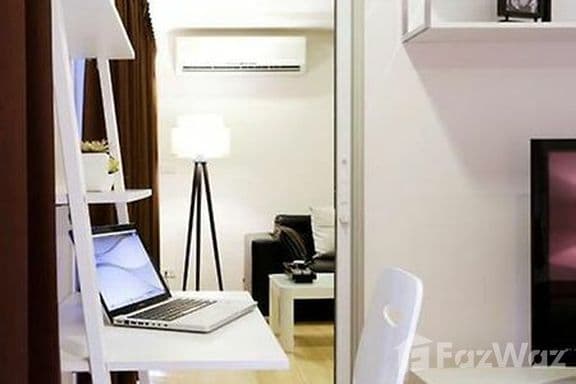




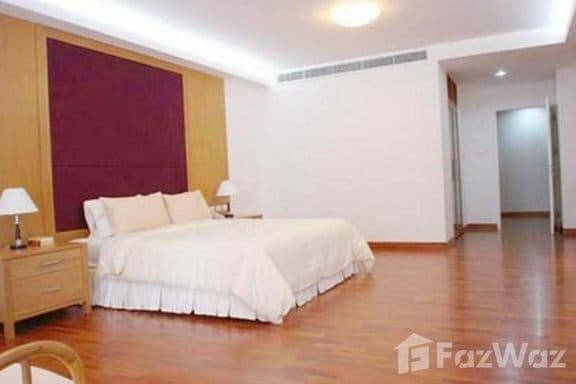
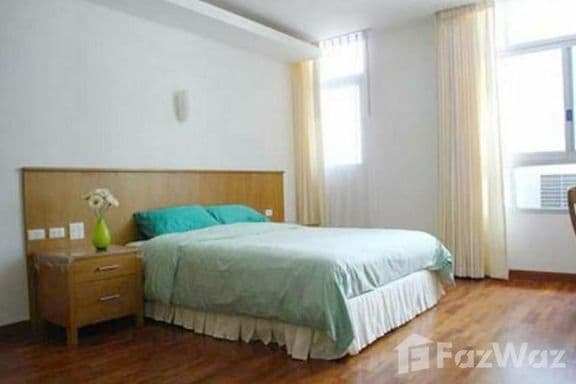
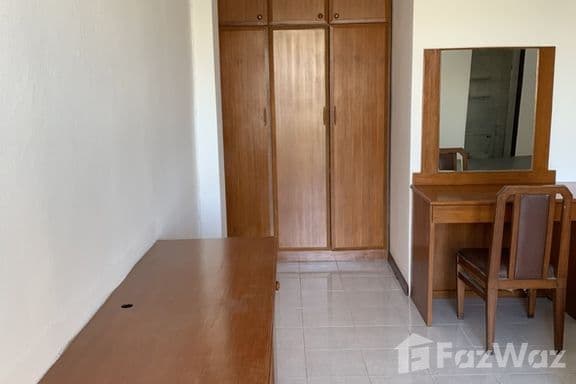

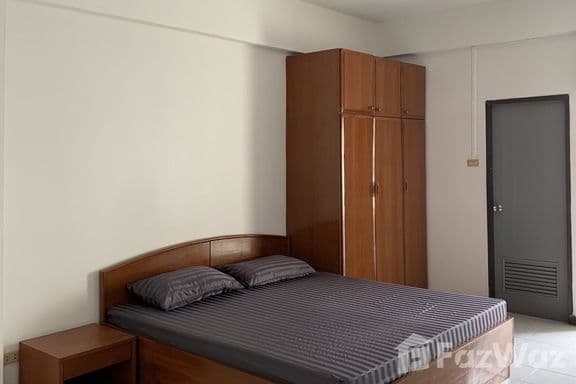





 Popular condos in Bangkok

