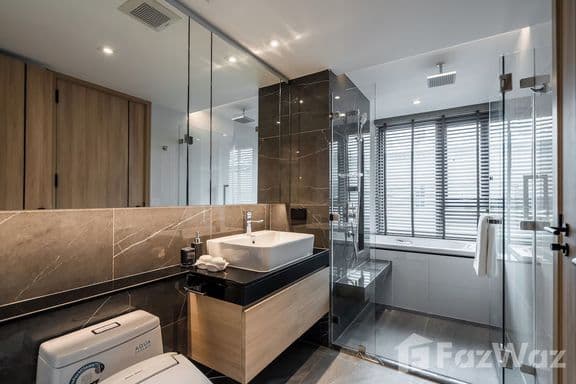

1 / 6
฿34,300,000
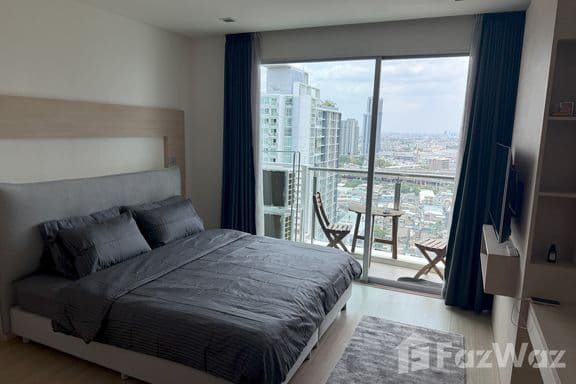
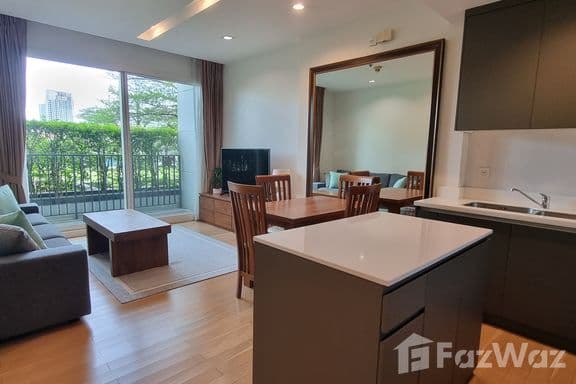
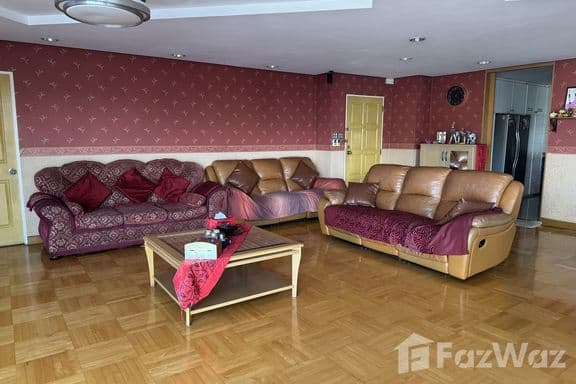
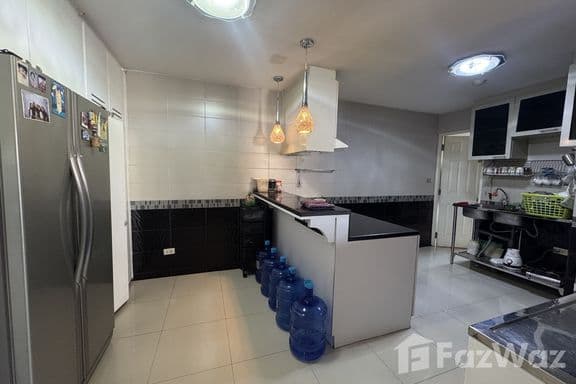
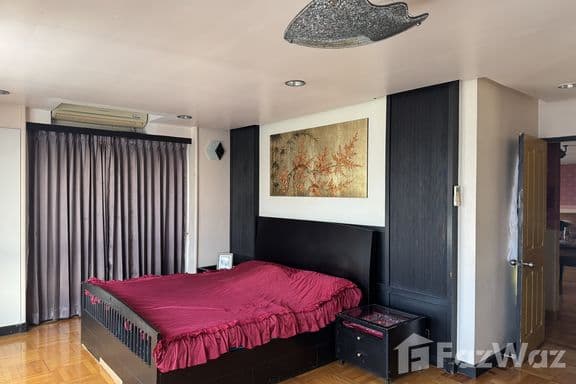
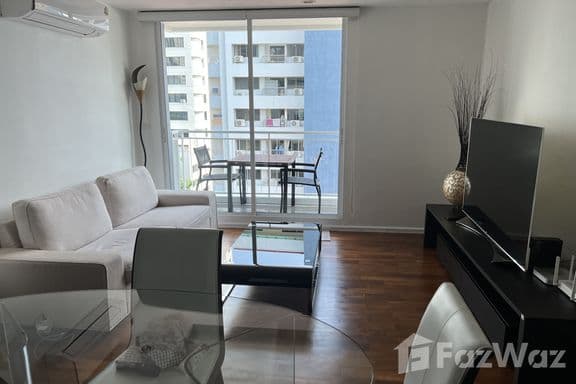
2 Beds2 Baths915 SqM฿37,525/SqMApartment
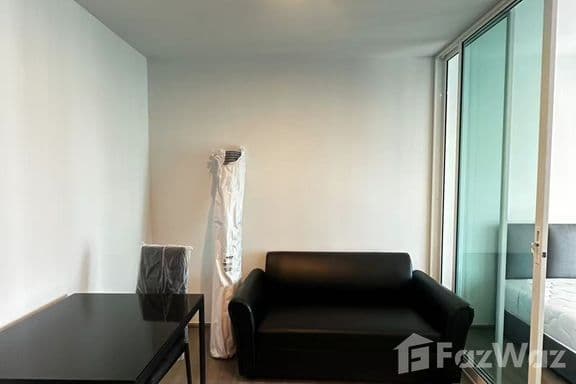
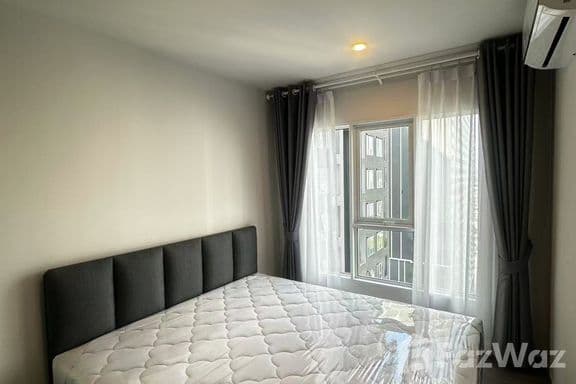
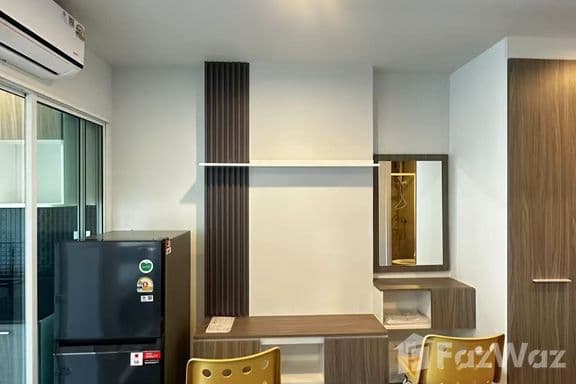
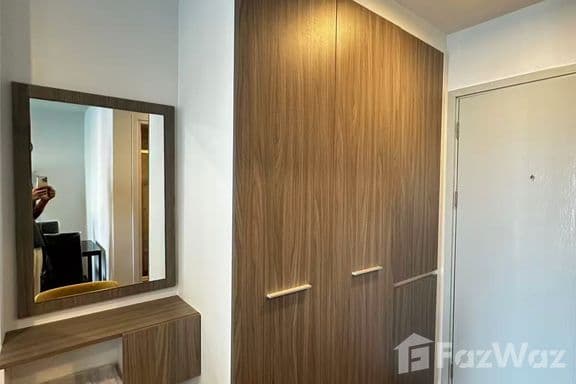
Destiny @ 63 — Khlong Tan Nuea, Watthana, BangkokDestiny63 Ekamai Apartment 2 bed
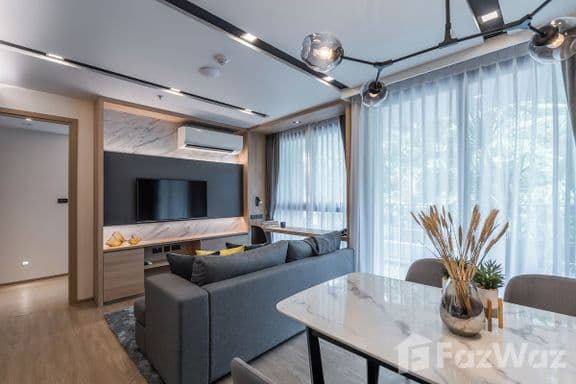
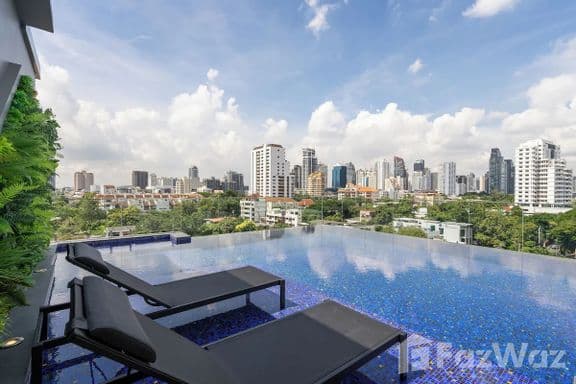
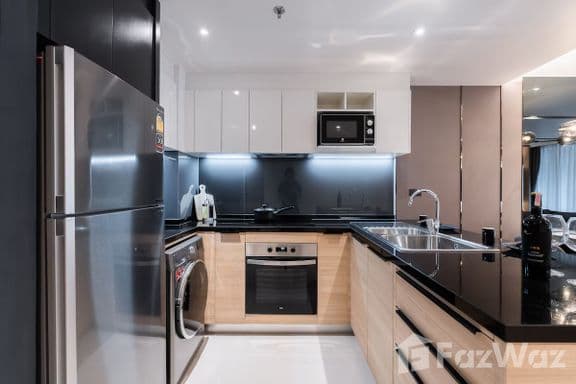
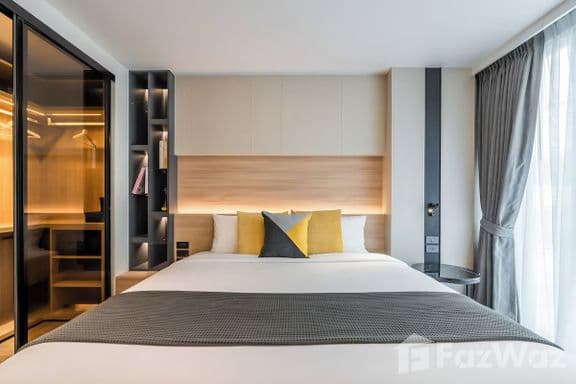
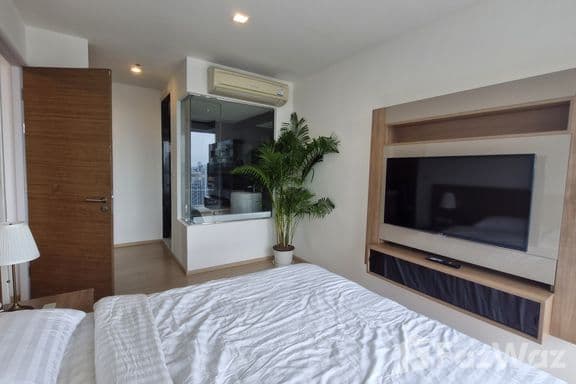
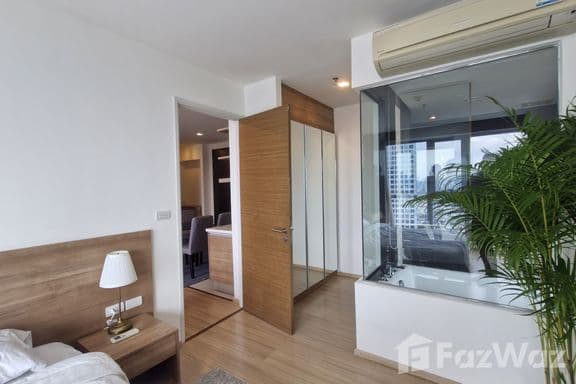
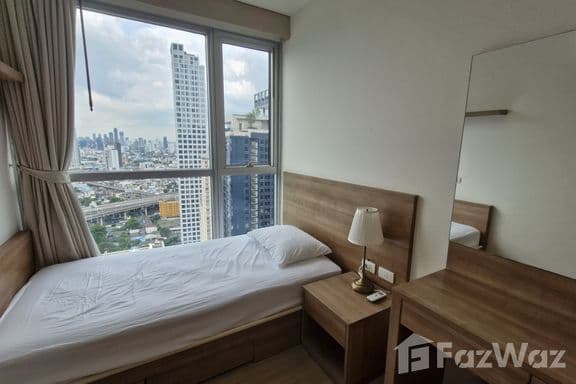
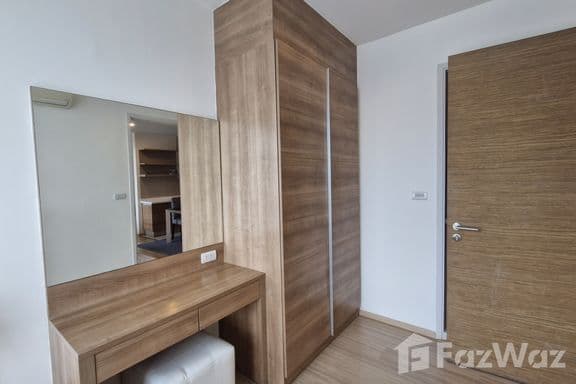
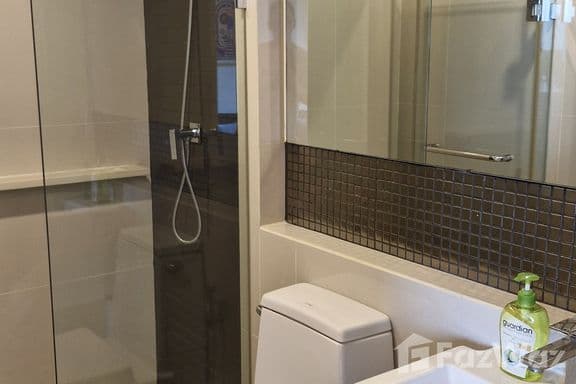
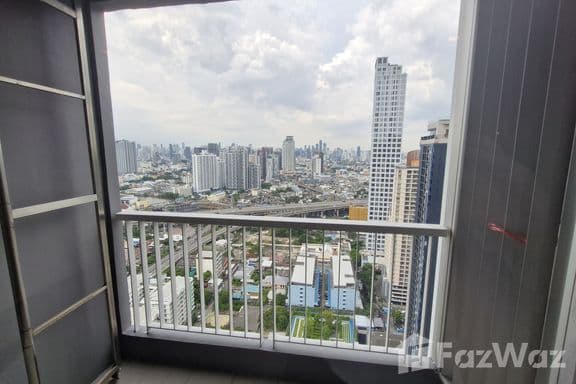
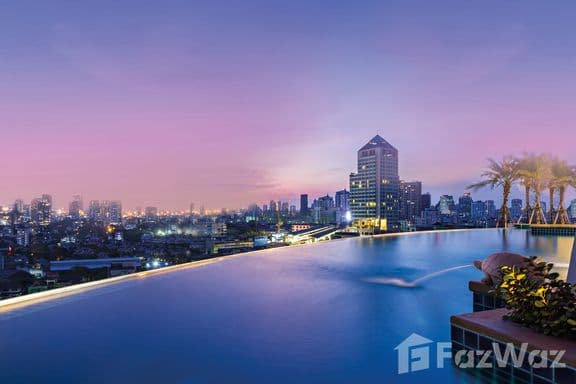
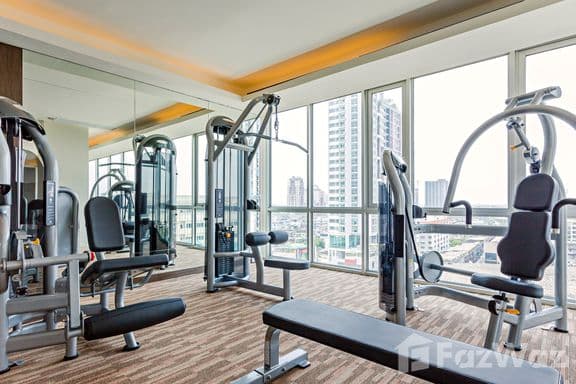
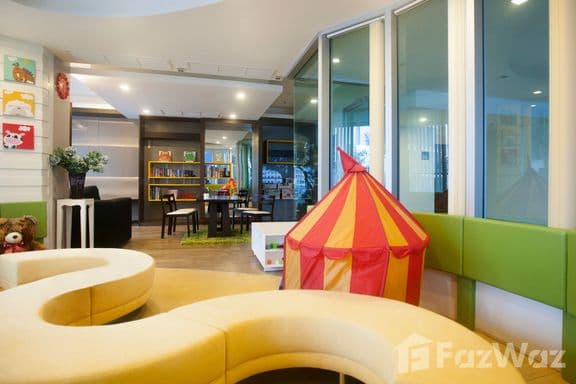
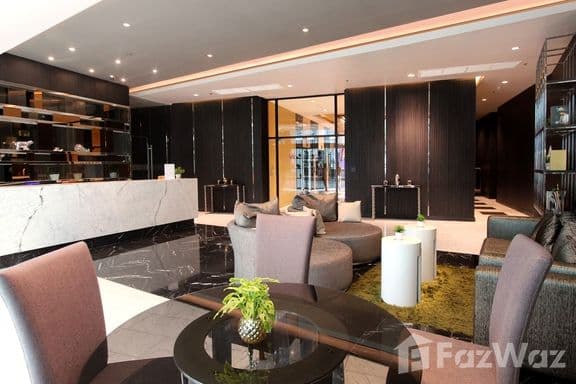
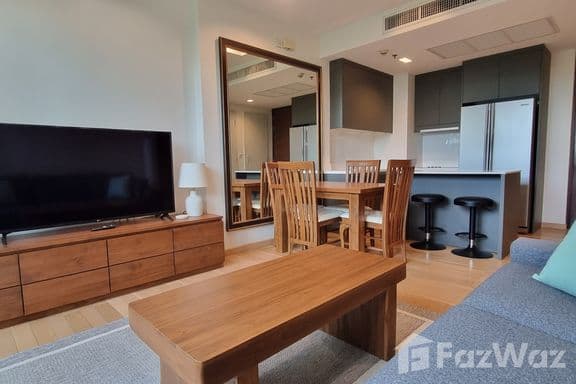
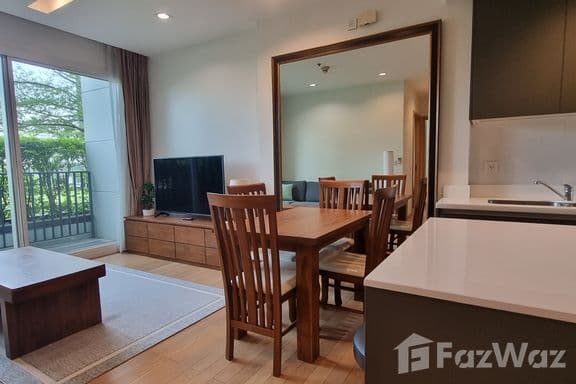
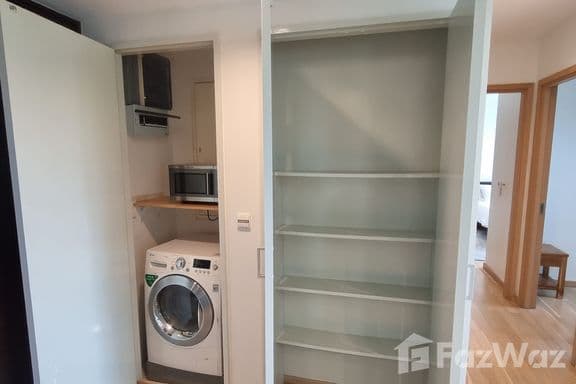
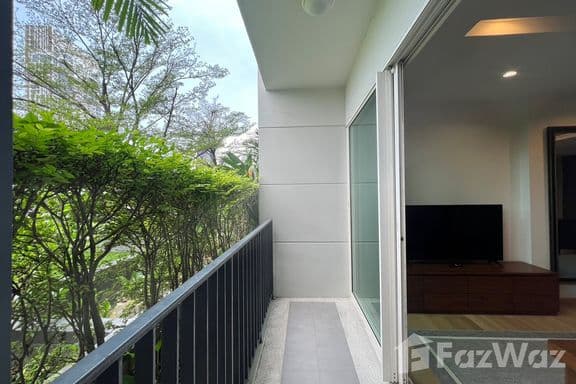
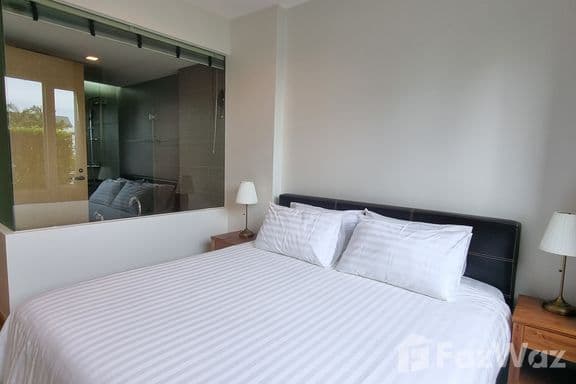
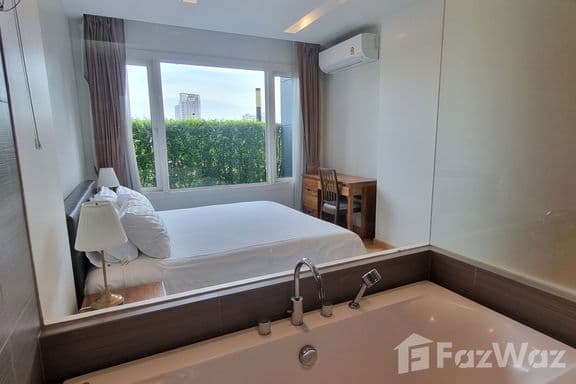
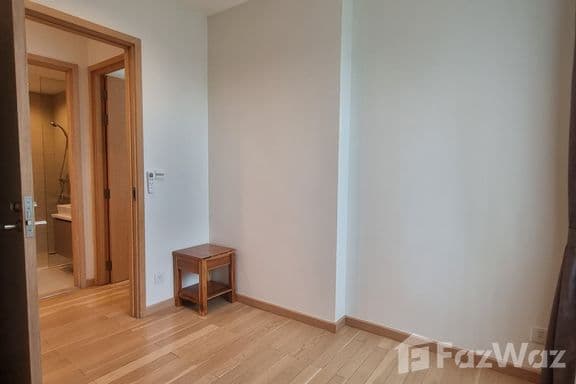
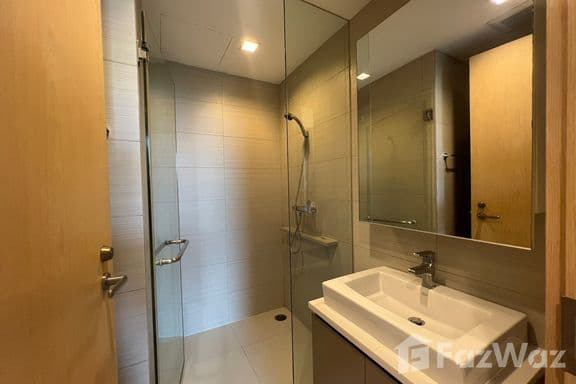
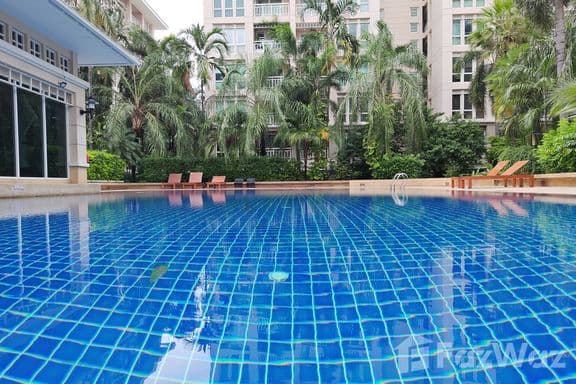
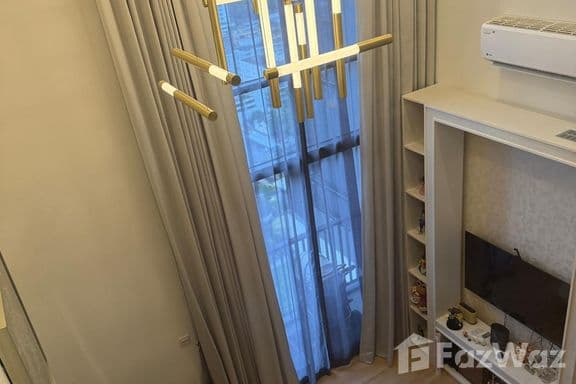
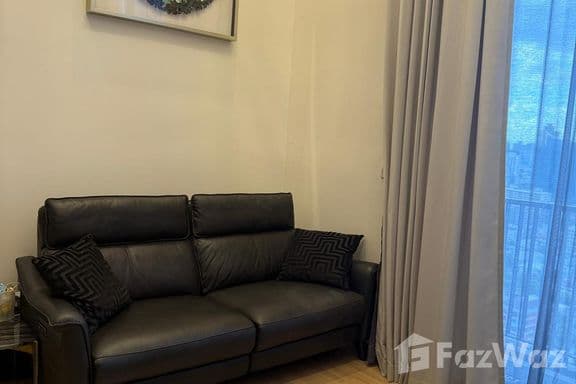
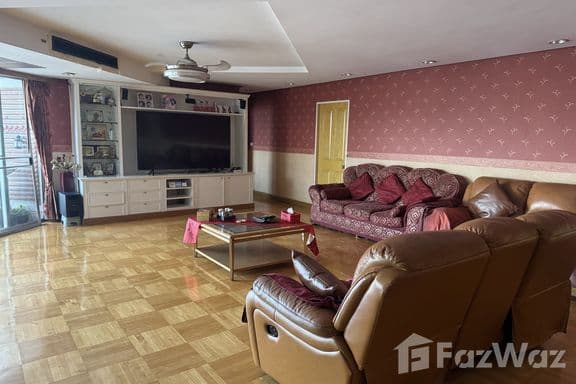
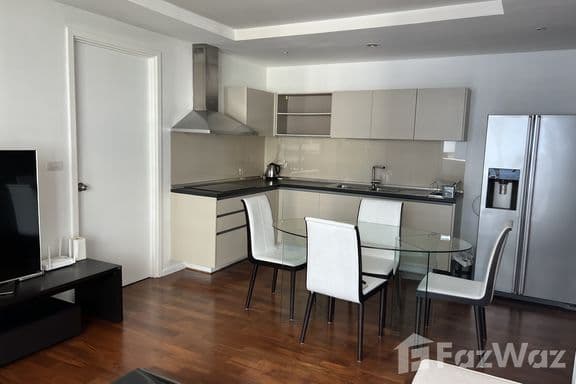
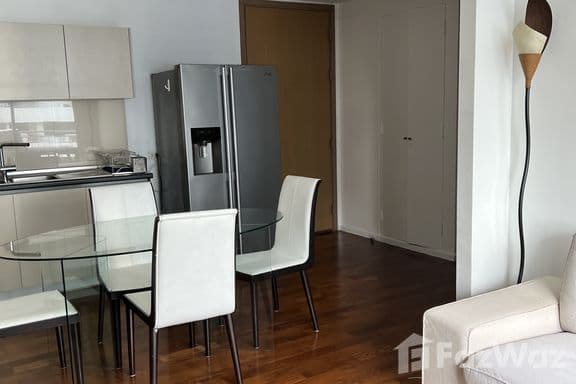
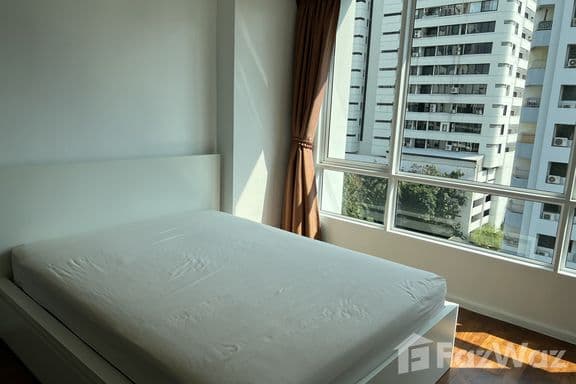
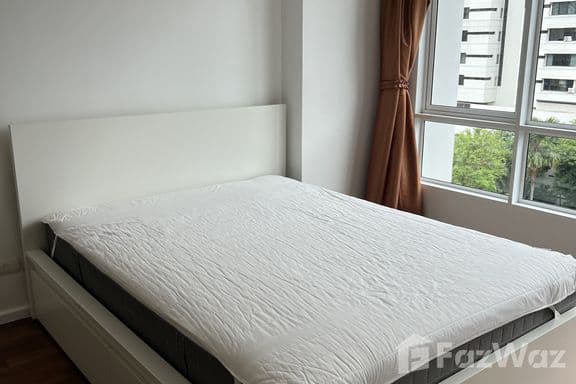
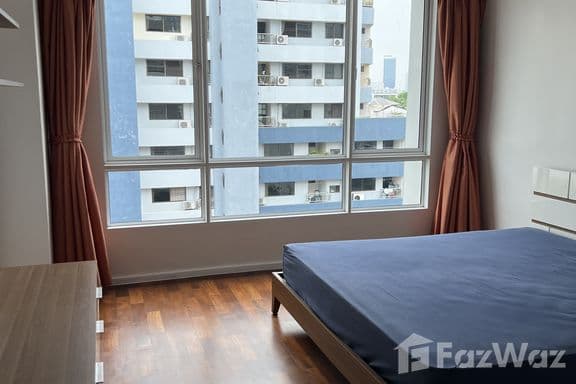
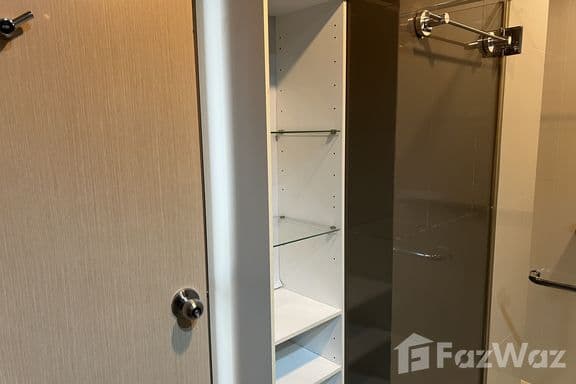
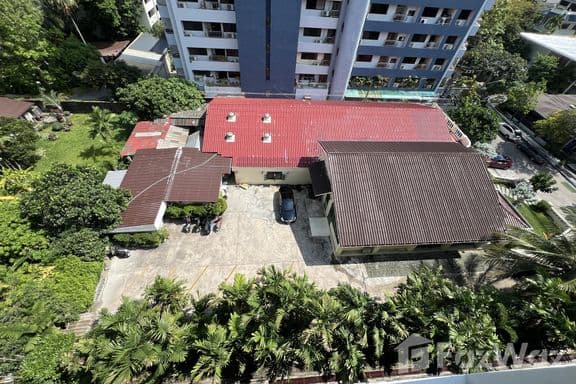
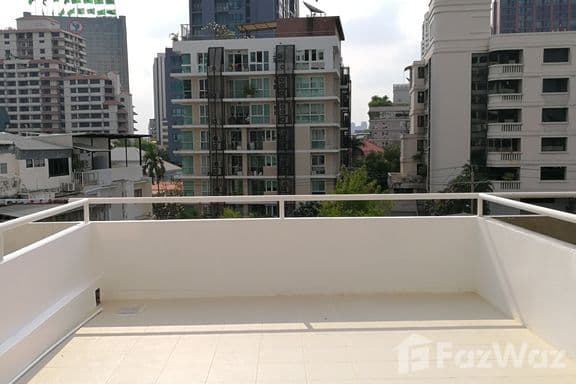
Destiny63 Ekamai Apartment 2 bed.Luxury apartment with a fitness center and a rooftop terrace.
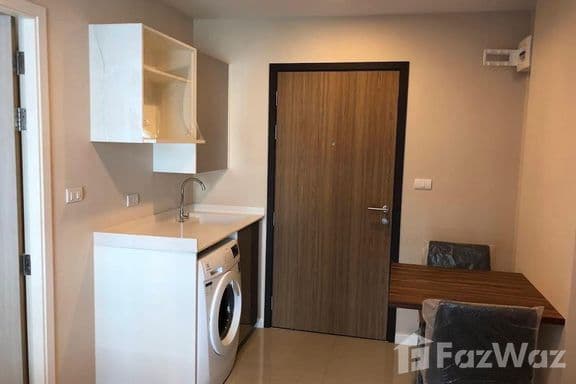


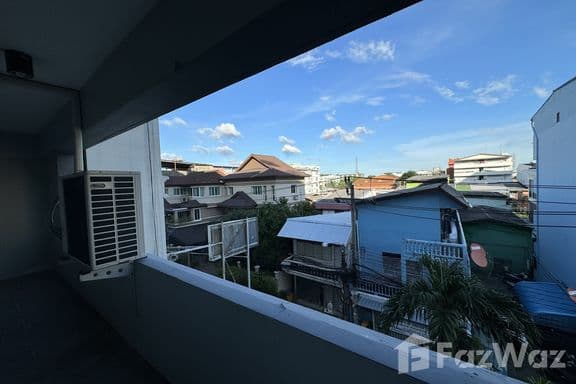
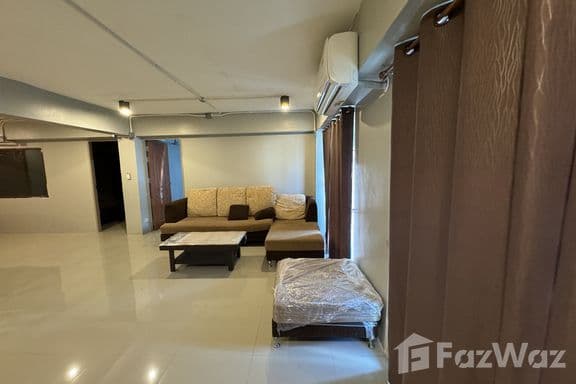
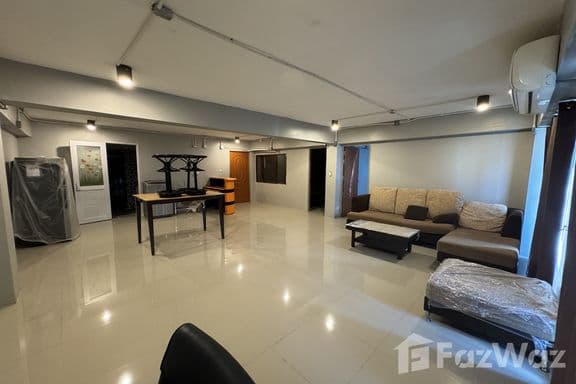
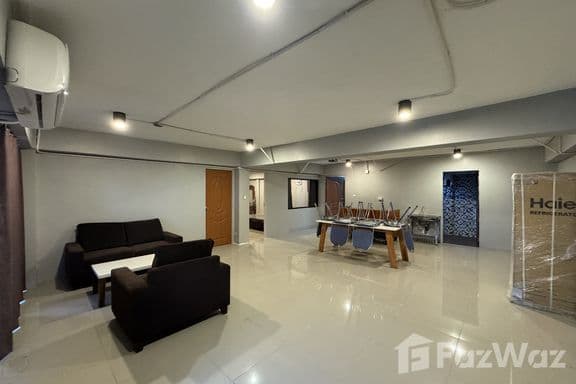
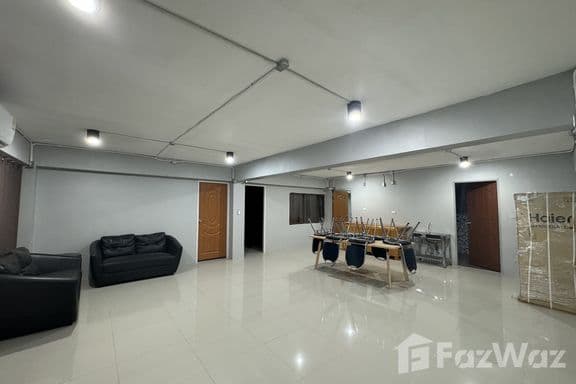
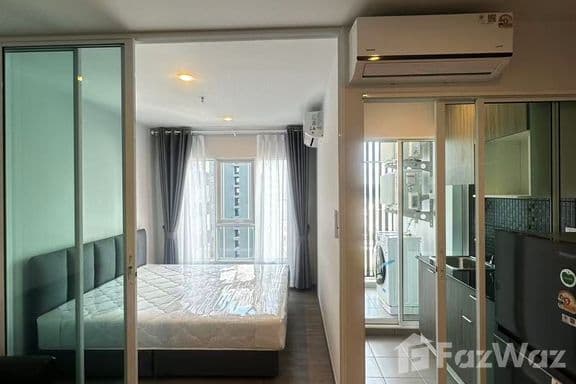

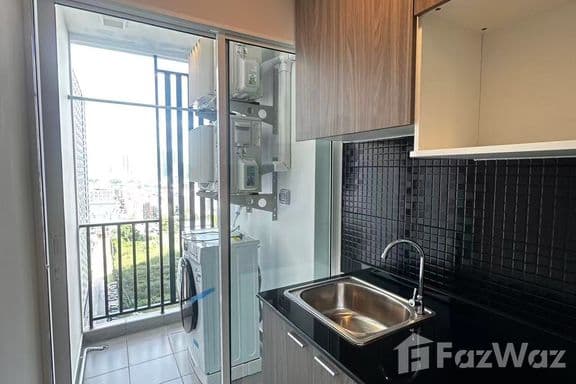
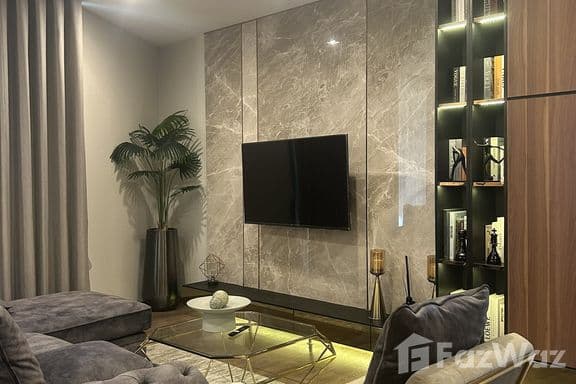
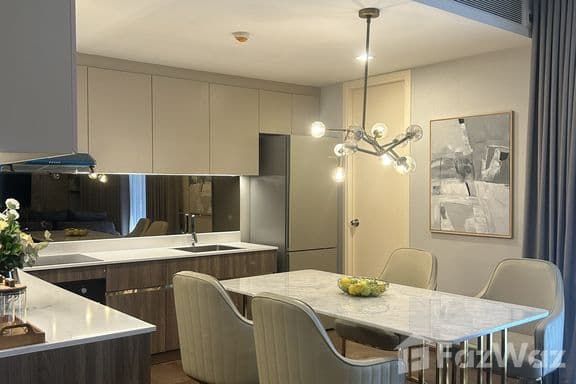
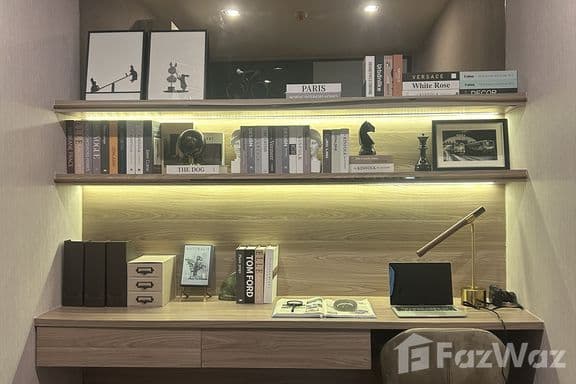


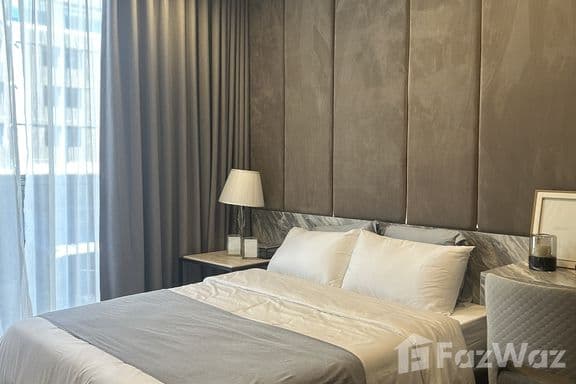

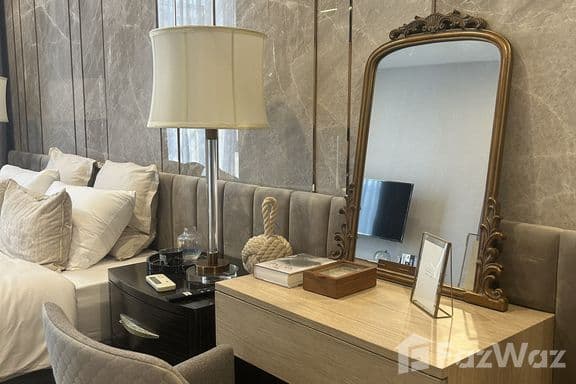
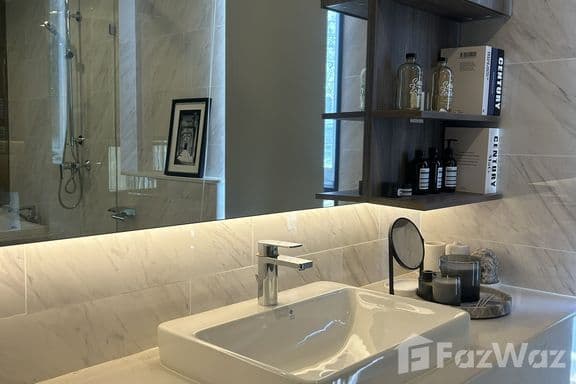
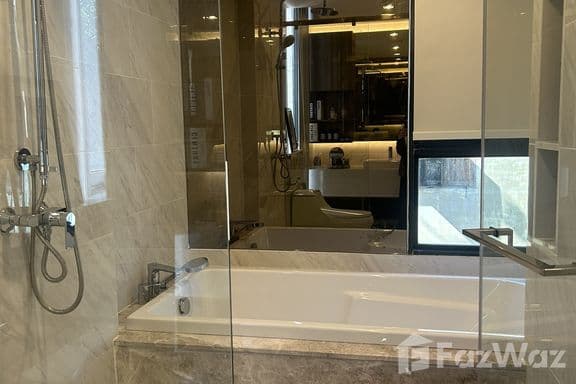
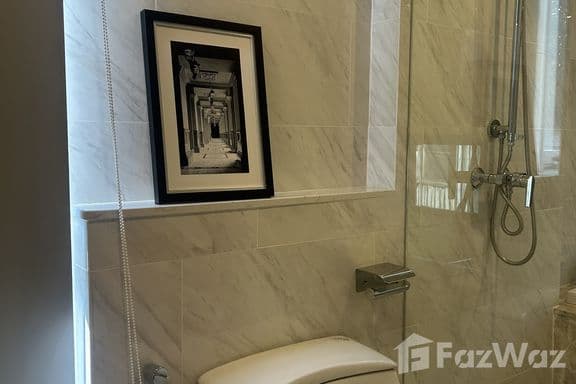
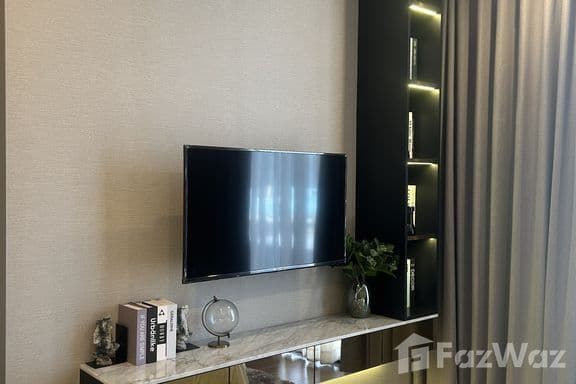
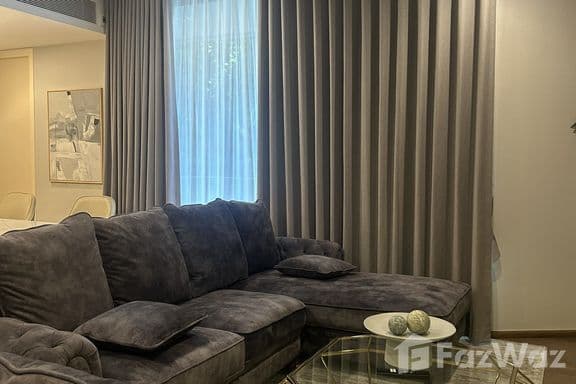
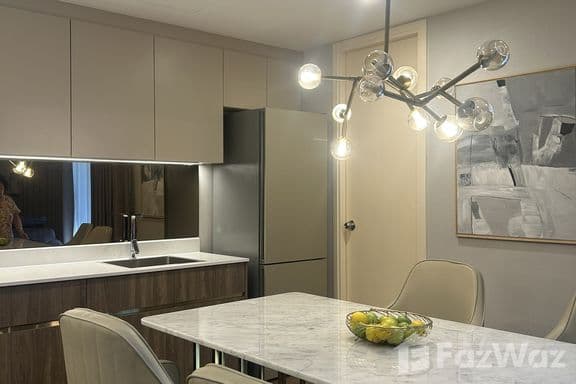
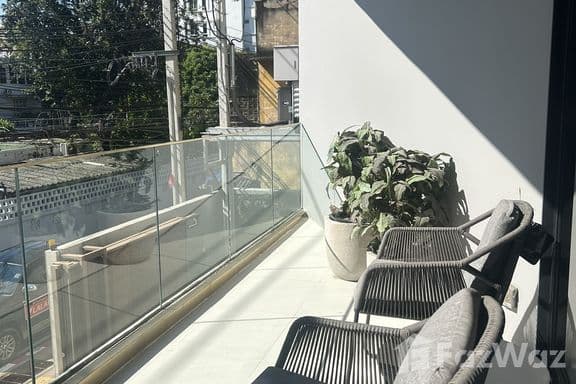
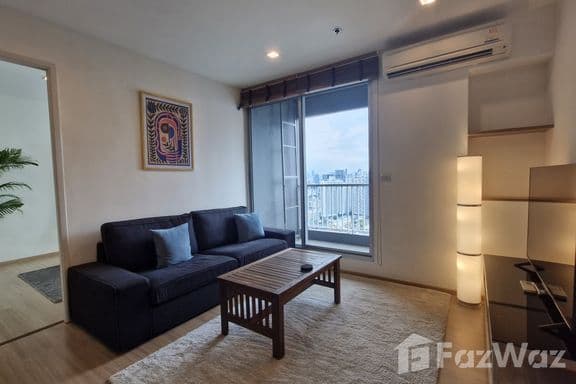
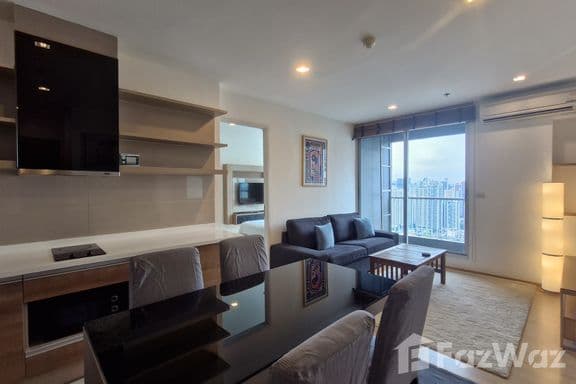
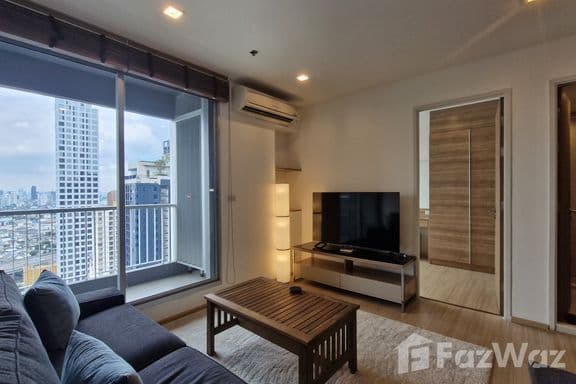
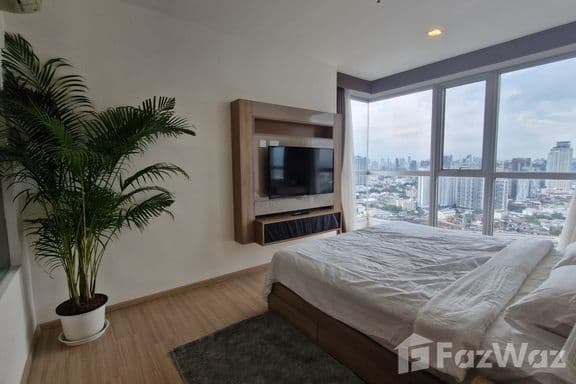
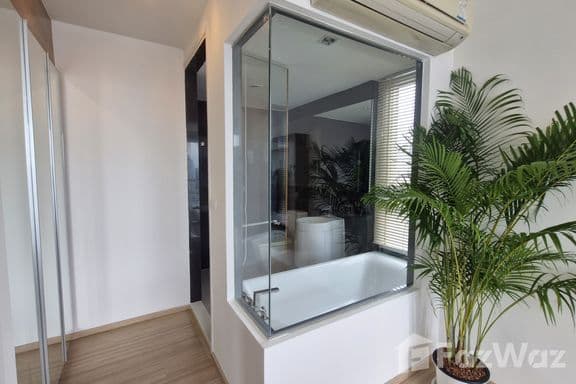
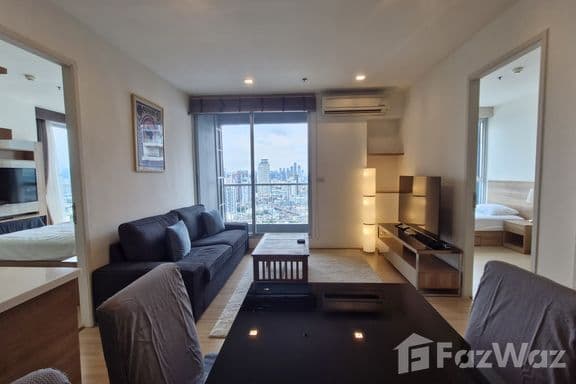
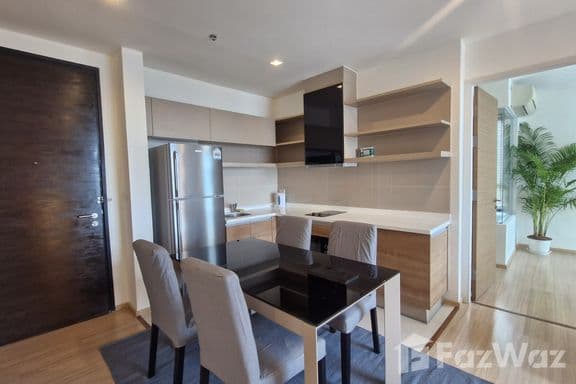
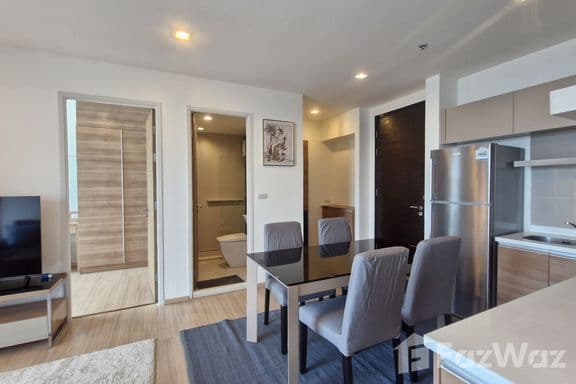
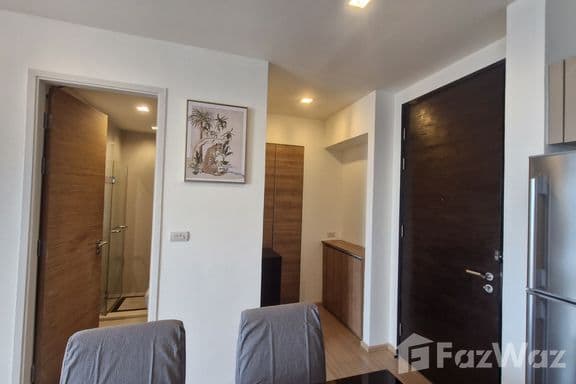
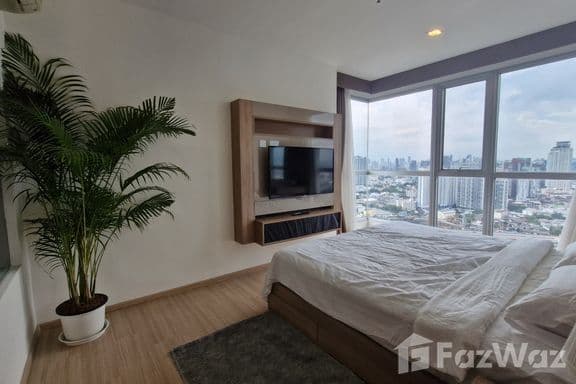
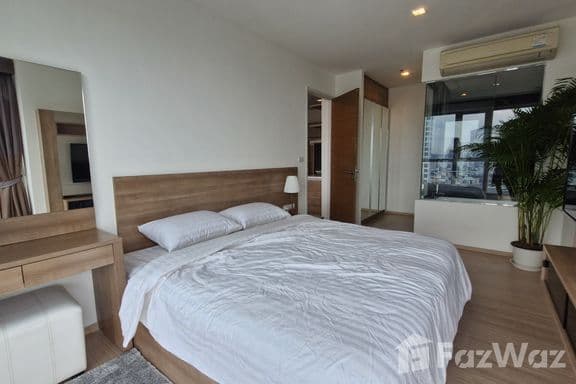














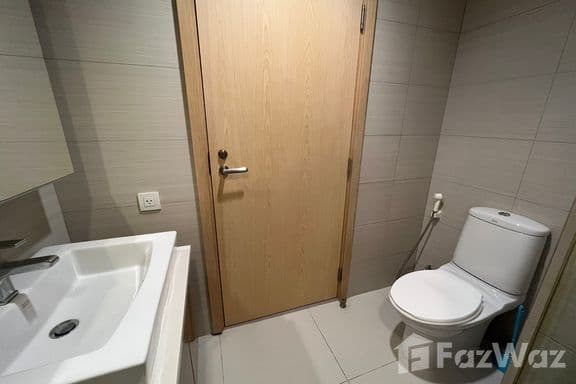

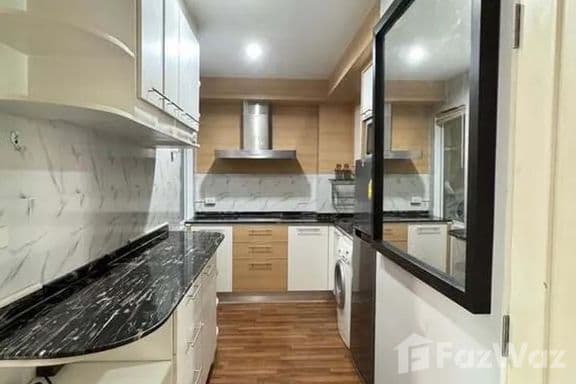

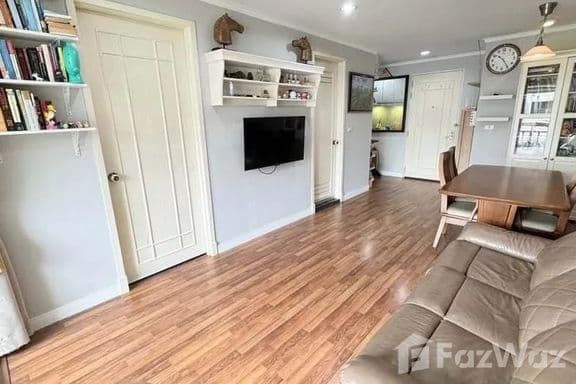
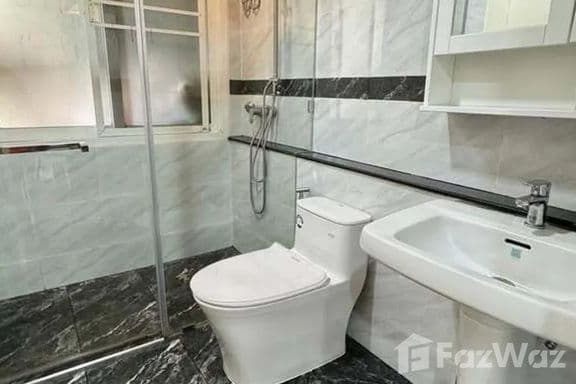

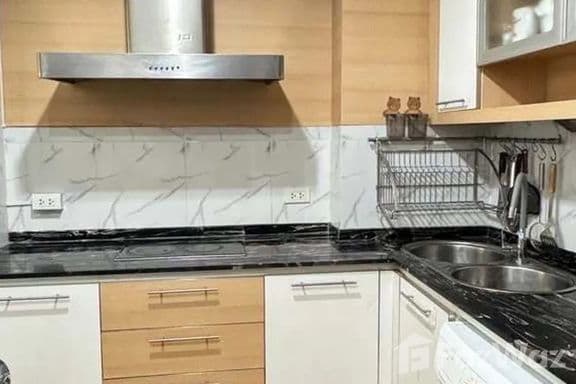

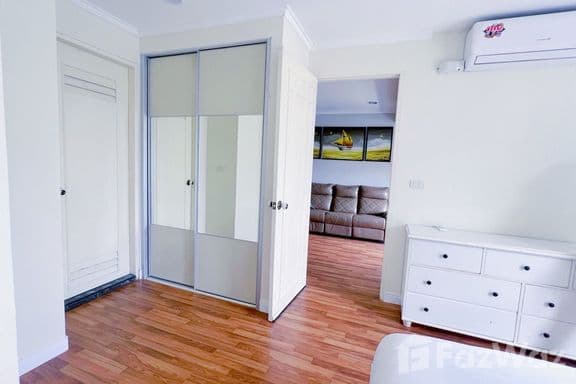
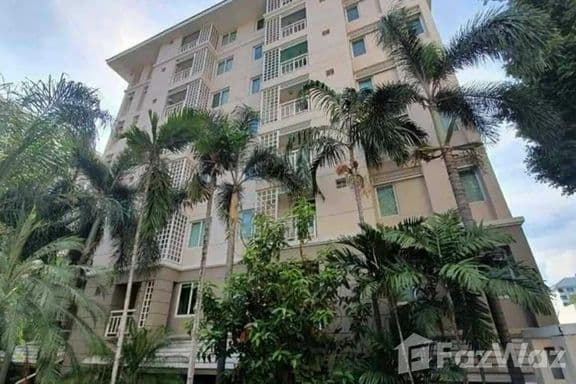
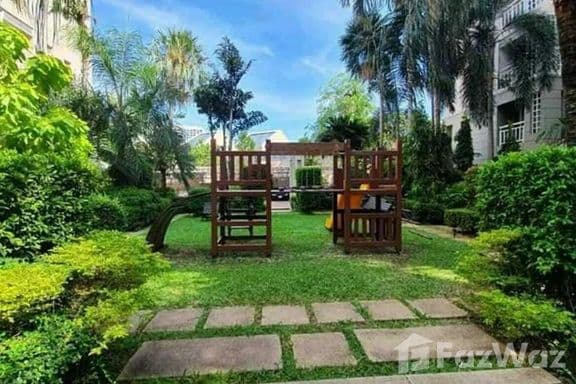





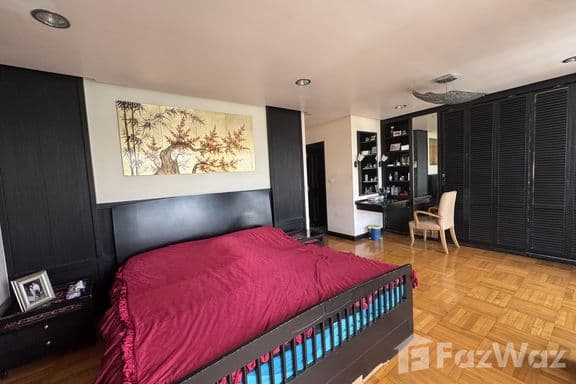
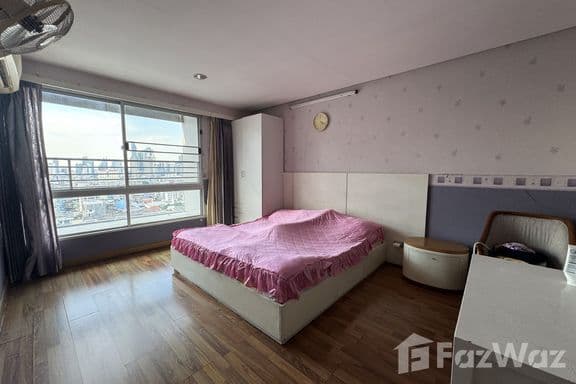
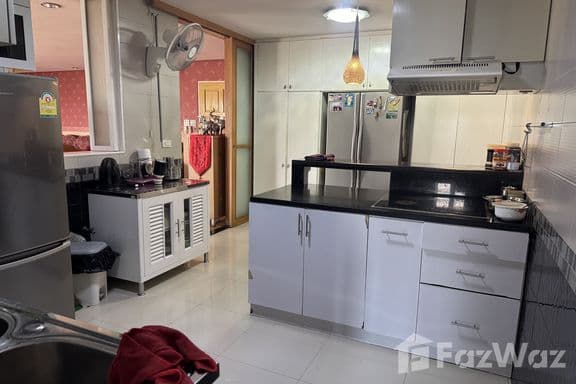
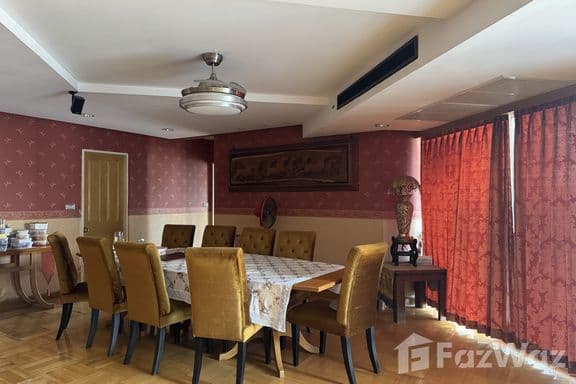

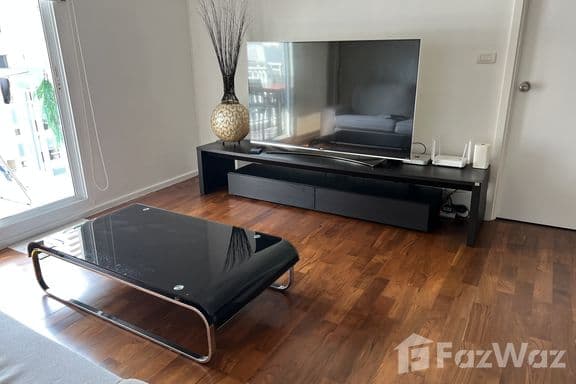
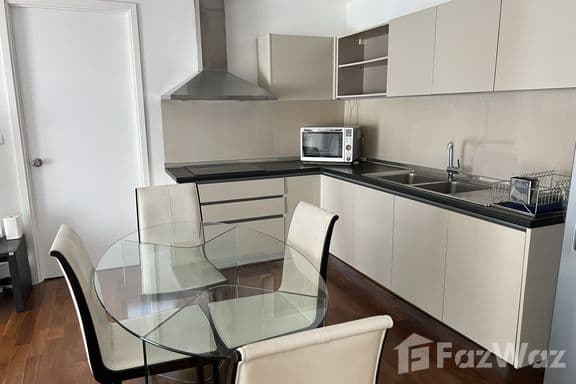
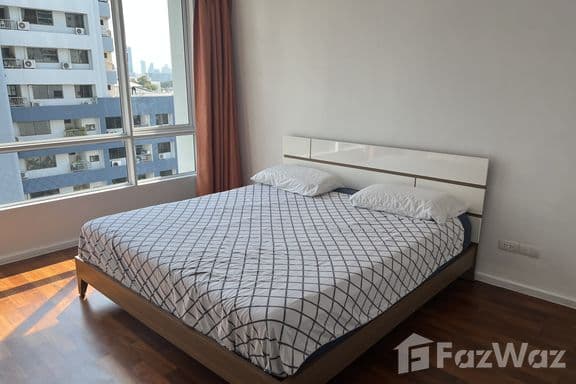
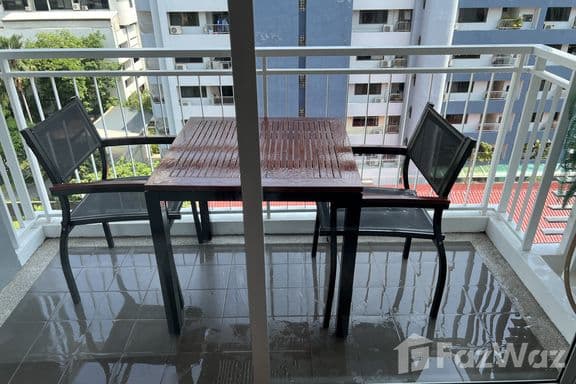

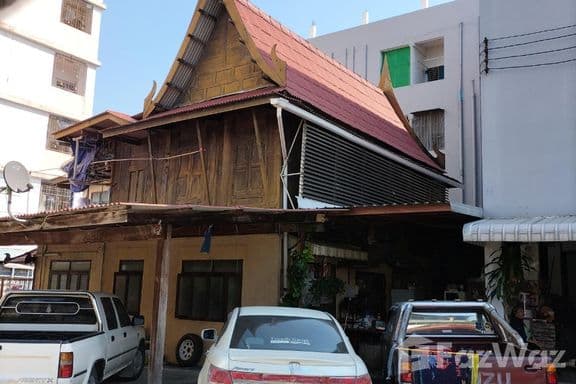



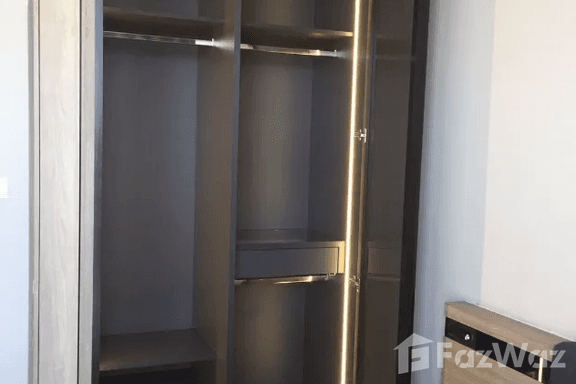


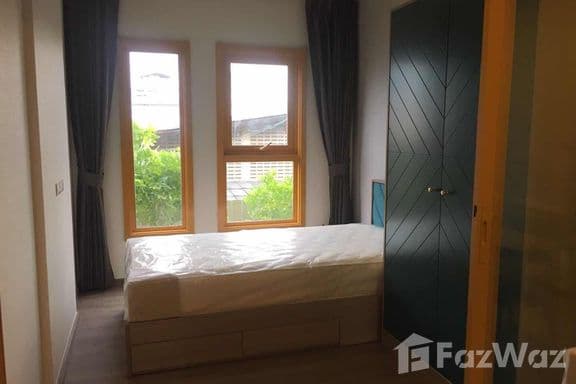

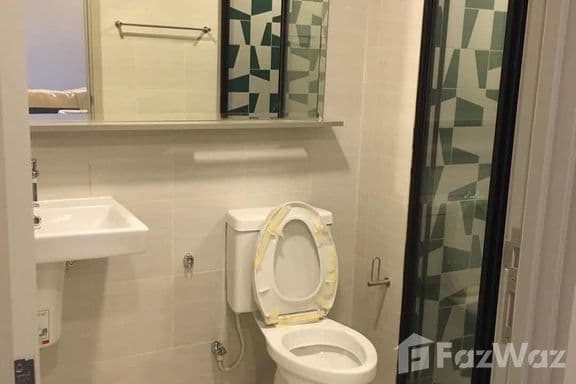


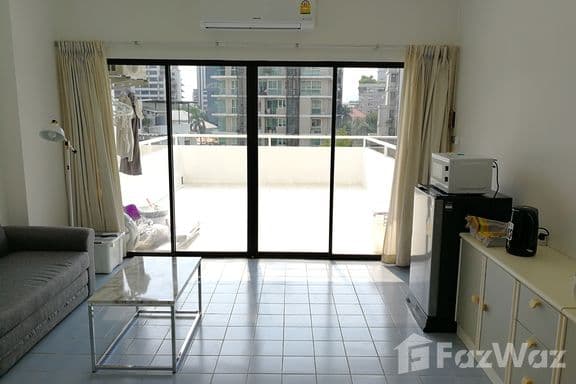




Bangkok has long been a dynamic real estate market in Southeast Asia, and in 2025 it continues to grow as an attractive destination for foreign property buyers. International interest is surging once again after the global disruptions of recent years, with overseas buyers drawn by Bangkok’s comparatively affordable prices, vibrant urban lifestyle, and investment potential. In the first half of 2024, foreign purchasers accounted for roughly one-third of new luxury condo sales in Bangkok (up from about a quarter the previous year), illustrating the renewed confidence of international buyers.
Several factors make Bangkok’s apartment market especially appealing to foreigners in 2025. The Thai government is actively courting foreign investment in real estate through initiatives like long-term resident visas for high-income individuals and potential legal reforms (e.g. proposals to ease condo ownership quotas and extend lease terms). Bangkok offers a modern urban infrastructure, extensive public transit (with the BTS Skytrain and MRT expanding), and a cosmopolitan lifestyle – all at a cost per square meter far below that of cities like Hong Kong, Singapore, or Tokyo. Whether you are a digital nomad seeking a base in Asia, an investor looking for rental yields, a retiree planning a comfortable life abroad, or an expat professional relocating for work, Bangkok’s apartment market has options to suit your needs. This comprehensive guide will walk foreign buyers through everything from legal rules and neighborhood choices to the step-by-step buying process and due diligence tips, specifically tailored for acquiring an apartment (condominium) in Bangkok as an international buyer.
In Thailand, the terms apartment and condominium are often used interchangeably in casual conversation, but legally they signify very different forms of ownership – and this difference is crucial for foreign buyers. A condominium is a unit in a residential building where each unit has a separate title deed and can be owned freehold. Foreign nationals can legally own condominium units in their own name, provided that no more than 49% of the building’s total unit area is owned by foreigners (this is known as the foreign ownership quota under the Thai Condominium Act). When foreigners talk about “buying an apartment” in Bangkok, they are almost always referring to purchasing a condo unit, because this is the straightforward avenue for foreign ownership.
By contrast, the word apartment in Thailand often refers to an entire residential building under single ownership, typically rented out to tenants. Individual apartment units in such buildings are not sold separately and thus cannot be directly purchased freehold by a foreigner. In other words, a foreigner can rent an “apartment” in Bangkok, but to buy and own a home in Bangkok, you would be looking at a condominium unit (or other options like a serviced apartment that is sold under a condo license). It’s important for foreign buyers to verify that any property marketed as an “apartment” for sale is indeed a registered condominium unit with a title deed.
Key differences: Buying a condo gives you outright ownership of your unit (fee simple title) and a proportional share of common areas, whereas an apartment (rental building) offers no ownership – you’d only acquire a lease if anything. Condo ownership comes with responsibilities like paying maintenance fees and participating in the building’s owners’ association (juristic person), but it also grants the freedom to resell or rent out your unit as you wish. Foreigners cannot own land or houses in Thailand outright, so purchasing a condominium is generally the most practical and secure way for an international buyer to own residential real estate in Bangkok. Always ensure you understand whether a listing is a condo (foreign-buyable) or another property type. When in doubt, consult a property lawyer or a reputable agent to confirm the ownership structure.
Thailand has specific laws governing foreign ownership of property, so it’s essential to understand the legal framework before you buy. The main points to consider include what foreigners can own, how to structure the purchase, and what regulations must be followed:
In summary, foreign buyers in Bangkok should take a well-informed approach: stick to condominium units for hassle-free freehold ownership, follow the currency import rules, and engage a qualified Thai property lawyer to ensure your purchase structure is sound. Thailand’s laws are manageable once you understand them, and with the right precautions, foreign nationals can own and enjoy a piece of Bangkok real estate securely.
Different foreign buyers have varying goals and requirements. Below, we consider a few common buyer personas – see which description fits you best, as this can guide your apartment search and decision-making.
Profile: These are freelancers, remote employees, or entrepreneurs who choose Bangkok as a base due to its connectivity, lifestyle, and cost advantages. They might not have a fixed long-term plan to stay decades, but they often spend extended periods in the city. In 2025, Bangkok continues to be a hotspot for digital nomads and remote workers, thanks to comfortable urban living at moderate prices and good internet infrastructure.
What They Look For: Remote professionals typically seek modern, convenient condos in lively areas. Studio and one-bedroom apartments in central neighborhoods are popular – they offer easy access to co-working spaces, cafes, public transport (BTS/MRT), and social venues. A digital nomad might prioritize a building with reliable high-speed internet, a co-working lounge or business center, and proximity to lifestyle amenities. Buildings with flexible rental policies can also be attractive (in case they decide to rent out the unit while away). Many in this group prefer areas like Asoke or Thonglor (for the mix of business and leisure facilities) or slightly more affordable yet trendy districts like Phra Khanong/On Nut where new condos come at lower price points. This type of buyer often values flexibility – for example, the ability to easily resell or rent out the unit if they relocate – so newer condos in high-demand locations are a typical choice.
Example Scenario: A software developer working remotely might buy a 45 sqm one-bedroom in a high-rise near Sukhumvit Road. It offers a pool, gym, and shared work space. They enjoy the lock-and-leave convenience (secure building, maintenance handled by management) as they frequently travel. For this buyer, Bangkok property is both a home and an investment (they could rent it on a monthly basis when not in town).
Profile: These buyers primarily see Bangkok apartments as an investment vehicle. They could be overseas real estate investors or expats investing savings, interested in rental yields, capital appreciation, or simply asset diversification in an emerging market. They might not plan to live in the property themselves (or only occasionally). Many investors from regions like Hong Kong, mainland China, Singapore, and Europe have traditionally bought Bangkok condos as rental properties or future resale opportunities.
What They Look For: Investors focus on return on investment. This means seeking properties in areas with strong rental demand or growth potential. They will compare rental yields (Bangkok condos generally yield around 4–6% annually, depending on location and property type) and look at historical price trends. Some may prefer pre-construction (off-plan) condos from reputable developers, hoping to buy at a discount and gain price appreciation by completion. Others might target existing properties with proven rental records (e.g. a tenant-ready apartment in a location with consistent expat renters such as near office hubs or international schools). Key criteria include proximity to BTS/MRT stations (which significantly boosts rentability), neighborhood development plans (new malls, offices, or universities that can drive up housing demand), and the developer’s reputation and quality (important for resale value).
Example Scenario: An investor could be interested in a two-bedroom condo in the Rama 9 new CBD area, anticipating that planned infrastructure (the Grand Station, corporate HQs moving in) will drive up values. They might also look at units in Silom/Sathorn or Sukhumvit to capture executive expat tenants. This persona will perform careful financial analysis: considering purchase price vs. expected rent, condo fees, taxes, and management costs. They are likely to hire a property management service or agent to handle tenants. Investment-minded buyers will also watch currency exchange rates (as rental income and future sale proceeds will be in Thai Baht) and any changes to laws that might affect foreign ownership liquidity.
Profile: Retirees (or semi-retirees) are foreign buyers typically above 50 years old who plan to settle in Bangkok (or use it as one of multiple homes) to enjoy their retirement years. Thailand is popular for retirees due to the warm climate, excellent healthcare (Bangkok has internationally accredited hospitals), and relatively low cost of living. Many retirees qualify for long-stay retirement visas, making it feasible to live year-round in Thailand.
What They Look For: Comfort, convenience, and a sense of community are top priorities for retiree buyers. They often seek larger units (for example, a spacious two or three-bedroom apartment) since they’ll spend a lot of time at home and may have family visiting. Unlike investors, retirees might not chase the highest-growth neighborhood, but rather the area that best fits their lifestyle – somewhere safe, with good access to healthcare, shopping, and leisure. Many favor locations slightly removed from the hectic party zones, choosing calmer residential pockets in central Bangkok or along the Skytrain line. For instance, Phrom Phong and Sukhumvit (mid-Sois) are popular among expat retirees for their high-quality condos, parks (Benchasiri Park, Lumphini Park nearby in the case of Sukhumvit/Sathorn), and abundant dining options, including international groceries and restaurants. Some retirees also appreciate areas like Ari for its quieter, green atmosphere, or riverside condos that offer scenic views and a resort-like feel.
Features that appeal to this group include buildings with good security, ample facilities (pool, garden, gym, maybe a library or lounge), and management that perhaps offers extra services (like shuttle transport, handyman services). Because health is a consideration, proximity to hospitals or clinics can be a factor (areas around Sukhumvit or Silom have top private hospitals within easy reach). Retirees are generally long-term holders; they plan to live in the apartment indefinitely, so resale value is less of a focus than the quality of life the property will provide. They may also prefer established buildings with larger floor plans (some older condos offer 100+ sqm two-bedroom units, providing more comfort than the compact modern units of equal room count).
Profile: These buyers are foreigners working full-time in Bangkok, often for multinational companies, embassies, schools, or Thai businesses. They might be on a work contract or have set up a business in Thailand. Many have lived in Bangkok for a few years and intend to stay for the foreseeable future. Instead of renting indefinitely, they choose to purchase a home to build equity and have a stable residence for themselves (and possibly their family).
What They Look For: Working expats usually desire convenience for daily life – easy commute to their workplace, and comfortable accommodation for their family if applicable. Proximity to the central business districts (Silom/Sathorn for finance or Sukhumvit/Asoke for many corporate offices) is valuable, or near specific hubs (like near Bangkok’s Embassy Row/Wireless Road if they work in diplomacy, or near industrial estates if in certain industries). If they have children, being in a district near good international schools or daycare is crucial – areas like Phrom Phong, Thonglor, and Sathorn have several international schools and preschool centers, making them expat family magnets. Condo-wise, long-term expats often seek larger apartments or even duplex/loft units, with multiple bedrooms, since they might have a spouse, children, or simply need a home office. They also tend to appreciate ample storage and parking (especially if they drive).
Another factor is community: a building known to have other expat families or professionals can be a plus, fostering a friendly environment. Amenities such as children’s playrooms, garden areas, or a large pool can be attractive for those with families. Working expats might opt for condos in Sukhumvit’s residential sois (side-streets) like Phrom Phong, Thonglor, or Ekkamai, which balance city living with neighborhood charm. Others who prefer quieter evenings might live slightly further out (e.g. Bang Na or Chaeng Watthana if their office is there, or riverside if they want a scenic retreat after work). This persona often has a housing budget partly covered by an employer, but many still choose to buy as a long-term investment in parallel with their career. They will consider resale value moderately (in case their job relocates them in a few years), but their immediate focus is a home that meets their daily needs in Bangkok.
Bangkok is a sprawling metropolis with a variety of neighborhoods, each offering a different character and lifestyle. For foreign buyers, certain areas have consistently proven popular due to their convenience, amenities, and expatriate-friendly environment. Below, we highlight some of the best areas to consider when buying an apartment (condo) in Bangkok as an international buyer:
Sukhumvit Road and its surrounding neighborhood is arguably the most sought-after area for expats in Bangkok. Stretching across central Bangkok from Nana and Asoke (downtown) all the way to the Eastern suburbs, Sukhumvit is lined with shopping malls, restaurants, nightlife, and key BTS Skytrain stations. Buying a condo in the Sukhumvit area means you’ll be in the heart of the action, with easy access to English-friendly services and a large expat community. The sub-neighborhoods along Sukhumvit each have their own flavor: for example, Nana (Sukhumvit Soi 4-12) has vibrant nightlife and Middle Eastern eateries; Asoke (Soi 21 area) is a major intersection with office towers and Terminal 21 mall; Phrom Phong (Soi 24/31) is upscale and popular with Japanese families (due to the nearby Japanese mall and restaurants); Thonglor and Ekkamai (Soi 55/63) are known for trendy cafes, bars, and boutique malls, attracting younger professionals and affluent locals.
Condo options in Sukhumvit range from luxury high-rises to older low-rise buildings tucked in the sois. Prices are generally high by Bangkok standards – Sukhumvit is considered prime real estate – but they vary by sub-location. For instance, a new high-rise 2-bedroom in the Asoke-Phrom Phong stretch can command a premium price, whereas a slightly older building or one further east (say On Nut or Udom Suk areas) will be more affordable. Advantages of Sukhumvit: you have international supermarkets, top restaurants, hospitals, and parks (Benchasiri Park, Benjakitti Park) within reach. The Skytrain line running above Sukhumvit ensures that even if you live 5–10 km from the city center, you can commute relatively easily. This area is ideal for those who want a lively urban lifestyle and high liquidity for their property (resale and rental demand in Sukhumvit is consistently strong). Do note that traffic on Sukhumvit Road can be intense; proximity to a BTS station greatly enhances convenience. Overall, Sukhumvit offers a bit of everything – it’s the default choice for many foreigners starting their Bangkok property journey.
Sathorn is Bangkok’s primary financial district, home to many corporate offices, embassies, and five-star hotels. The Sathorn Road corridor (and parallel Silom Road, covered later) forms the central business area of the city. For buyers, Sathorn offers a mix of modern high-rise condominiums and a few low-rise or older properties in the quieter side streets. The vibe in Sathorn is cosmopolitan but slightly more formal and serene compared to Sukhumvit’s hustle. Many luxury condos and serviced apartments are located here, often catering to executives and diplomats.
Living in Sathorn, you’ll enjoy tree-lined avenues (notably around Sathorn Soi 1 and Soi Suanplu), proximity to Lumphini Park (a large green park at the north end of Sathorn, great for recreation), and some of Bangkok’s best fine-dining restaurants and rooftop bars. It’s also convenient for work if your office is in one of the Sathorn towers or nearby Silom. The BTS Skytrain (Silom Line) runs through parts of Sathorn (stations like Chong Nonsi and Surasak), and the MRT subway’s Lumphini and Silom stations serve the area – giving good transit coverage.
For foreign families, Sathorn has the advantage of being near several international schools (such as St. Andrews Sathorn or schools in Yen Akat area) and the convenience of top-tier healthcare (BNH Hospital in Silom, for example). The condo market in Sathorn includes high-end projects like The Met or Bangkok Sathorn, which feature spacious units and deluxe facilities. Property prices here are high but often slightly less per square meter than equivalent units in Sukhumvit’s prime locales, possibly because Sathorn is very much a business district with quieter nightlife. It’s a top pick for professionals who value a prestigious address and a balance of work-life convenience. When buying in Sathorn, consider the specific location: the core Sathorn Road is busiest, while the side sois (e.g., Suan Phlu, Yen Akat, or Narathiwas Road area) offer more residential atmosphere. Sathorn provides an elegant urban living environment and remains one of the best areas for long-term property value retention in Bangkok.
Ari (also spelled Aree) is a charming, upscale neighborhood slightly north of Bangkok’s traditional downtown. Centered around Ari BTS station (on the Sukhumvit line, just a few stops from Siam central station), this area has gained a reputation as a hip, livable enclave popular with both expatriates and trendy young Thais. Ari is known for its tree-lined lanes, vibrant cafe culture, artisan eateries, and boutique shops. It’s quieter than Sukhumvit or Silom, offering a more relaxed pace of life while still being well-connected to the city center.
For foreign buyers, Ari presents an appealing mix of modern condo developments and older low-rise apartments, often at prices a bit lower than the main CBD. Many condos in Ari are mid-rise (8–20 floors) rather than super-tall, due to zoning in this primarily residential district. The community feel is a big plus – there are weekend farmers’ markets, co-working spaces, and plenty of creative events. Ari’s central location (in the Phaya Thai district) means that government offices and corporate headquarters located in the north of the city (like the upcoming Bang Sue Grand Station development or offices along Phahonyothin Road) are accessible. It’s also not far from Chatuchak Park and market.
For day-to-day living, Ari has all necessities: supermarkets, a local fresh market, and Bangkok’s top hospitals (Vichaiyut, Phyathai 2, etc.) within a short drive. International schools are fewer immediately around Ari, but several are reachable in adjacent areas. Property in Ari: You’ll find both new high-spec condos (often boutique developments targeting urban professionals) and older buildings that offer larger units. Because Ari’s land prices have risen in recent years, new developments tend to be upmarket, aiming at affluent Thai buyers and expats. Buying in Ari can be a good choice if you want a balance of city and neighborhood vibe – it’s very safe, walkable in parts, and has a loyal following of residents who love its atmosphere. Rental demand in Ari is solid, particularly among expats working in nearby offices or at hospitals and NGOs, so investors also take note of this area. In short, Ari is the perfect area if you value a community-oriented lifestyle with plenty of chic dining options, without being right in the tourist fray.
Phrom Phong is one of the most prestigious and internationally oriented neighborhoods on Sukhumvit Road. Centered around Sukhumvit Soi 24 and the BTS Phrom Phong station, this area is sometimes considered the heart of expat Bangkok. It is home to the famous Emporium and EmQuartier shopping malls, a large concentration of Japanese expatriates, and numerous high-end condo towers. If you are looking for luxury and convenience, Phrom Phong delivers both in abundance.
What makes Phrom Phong especially attractive to foreign buyers is its upscale yet comfortable living environment. Within a few blocks you have gourmet supermarkets, Western and Asian restaurants of every variety, stylish bars, spas, and parks (the beautiful Benchasiri Park is right next to the BTS station). The neighborhood is also sometimes nicknamed “Little Tokyo” due to its many Japanese establishments – which also indicates the area’s popularity among Japanese expat families and professionals. As a result, condos in Phrom Phong often cater to family living (with larger 2-3 bedroom layouts) and high expectations for quality. Many buildings boast lavish facilities: rooftop pools with skyline views, well-equipped fitness centers, concierge services, and children’s play areas.
Property prices in Phrom Phong are on the higher end for Bangkok. This district consistently achieves some of the city’s highest condo prices per square meter, especially in new luxury projects. For example, premium developments like The Estelle or Vittorio can command top baht. However, buyers often see value in the combination of prime location and strong rental demand – it’s relatively easy to find well-paying expat tenants here due to the desirability of the area. When considering Phrom Phong, note that traffic in Sukhumvit 24/39 can be congested; being walking distance to the BTS is a significant advantage. Additionally, because land is scarce, units in new buildings might be compact (e.g., modern 1-bedrooms might be 35–50 sqm), whereas some older condos in this area (circa 1990s) have very large layouts (80–150 sqm) at lower price-per-sqm (though they may need renovation). All in all, Phrom Phong is ideal if you seek a luxury urban lifestyle with everything at your doorstep – it’s truly a downtown living experience that remains a top pick for foreign buyers with the budget for it.
Silom is another prime district in central Bangkok, often mentioned in the same breath as Sathorn due to their proximity and overlapping characteristics. Silom Road itself is a major avenue known for its offices, financial institutions, and some of the city’s oldest international firms. It’s a bustling area during workdays, with a slightly different persona after dark. Silom famously houses the Patpong night market and nightlife zone, making it historically known as a nightlife hotspot for tourists and expats. However, beyond the neon lights of Patpong, Silom has many respectable facets: leafy sub-sois, long-established restaurants, and a few high-end hotels and condominiums.
For foreign buyers, Silom offers central location convenience. It’s right next to Sathorn (in fact, one end of Silom Road meets Sathorn Road near Lumpini Park). Silom area residents have unparalleled access to public transport – the BTS Silom line runs through (Sala Daeng station) and the MRT Blue Line runs underneath it (Silom station), intersecting right in the neighborhood. You’re also walking distance to Lumpini Park on the east end, and the Chao Phraya River isn’t far on the west side. From a lifestyle perspective, Silom has plenty of dining (from street food in Silom Soi 20 to high-end rooftop dining at Lebua State Tower), and shopping (Silom Complex mall, and easy BTS access to the malls of Siam). Healthcare is close by (BNH Hospital is on Convent Road in Silom).
Housing in Silom: The condo market in Silom is a mix of older, spacious condos and new luxury developments. Because Silom is an older district for residences, you can find some condo buildings from the 1980s–90s where units are surprisingly large (e.g., 120 sqm 2-bedroom in a building like Silom Terrace) at prices much lower per sqm than newer buildings – these can be attractive for buyers willing to renovate. In the last decade, a few ultra-modern condos have sprung up (such as The Bangkok Silom, a luxury high-rise) catering to affluent buyers who want to stay in this strategic location. Silom’s price per square meter is generally high (comparable to Sathorn), but slightly more heterogeneous – you might snag a good deal in an older building or pay top dollar in a new one. Silom is a great choice if you work in the area or want to be in a mature downtown district with character. It is somewhat less residential in feel than Sukhumvit or Ari, but for many, the mix of city energy and convenience outweighs that. Rental demand for Silom condos is steady, thanks to many expat employees wanting to live near work. In summary, Silom remains one of Bangkok’s classic locales, offering a blend of business and entertainment at your doorstep.
Beyond the famous districts above, Bangkok has other areas that foreign buyers may consider, depending on their preferences and investment strategy:
Each area in Bangkok has its pros and cons – it comes down to your lifestyle, budget, and purpose for buying. It’s often recommended to spend time in a neighborhood (renting an Airbnb or hotel) to get a feel for it before committing to a purchase there. Bangkok’s traffic and micro-environments mean a distance of a few kilometers can change the living experience considerably.
To give a sense of Bangkok’s property price landscape, the table below compares average condominium price ranges in various districts (on a per square meter basis). Prices can vary based on the building age, exact location, and property grade (luxury vs mid-range), but these ranges provide a ballpark for 2025 market prices. USD equivalents are approximate, for convenience (using an exchange rate of roughly 35 THB = 1 USD):
|
District |
Price per sqm (THB) |
Price per sqm (USD) (approx.) |
|
Sukhumvit (Mid-city) |
150,000 – 200,000 THB |
$4,300 – $5,700 |
|
Phrom Phong (Prime Sukhumvit) |
170,000 – 230,000 THB |
$4,900 – $6,600 |
|
Thonglor/Ekkamai |
160,000 – 220,000 THB |
$4,600 – $6,300 |
|
Silom/Sathorn (CBD) |
140,000 – 180,000 THB |
$4,000 – $5,100 |
|
Ari (City fringe) |
120,000 – 150,000 THB |
$3,400 – $4,300 |
|
Rama 9 / Ratchada (New CBD) |
110,000 – 140,000 THB |
$3,100 – $4,000 |
|
On Nut / Eastern Sukhumvit |
70,000 – 100,000 THB |
$2,000 – $2,900 |
|
Bang Na (Outer East) |
80,000 – 110,000 THB |
$2,300 – $3,100 |
Notes: These figures are averages and actual prices will vary by specific project and property condition. For instance, ultra-luxury projects in any area (even On Nut) could exceed the given range, and conversely a 10-15 year old condo might sell below the range even in expensive districts. Generally, central areas like Phrom Phong, Thonglor, Silom, and central Sukhumvit command the highest prices. Areas further from downtown or emerging areas like Bang Na or Ratchada offer more affordable options. All prices above are freehold condominium prices (foreign quota units). Bear in mind that developers often price new launches by the “per square meter” metric, so it’s a useful way to compare value across different properties. For USD conversions, a fluctuation in exchange rate will affect the exact dollar amount – the above USD figures are rounded for an exchange rate in early 2025.
Bangkok’s apartment (condo) stock is diverse. As a buyer, you’ll encounter different types of apartments and building styles, each with its own set of features, advantages, and considerations. Here’s a breakdown of some common categories:
In summary, Bangkok has everything from ultra-modern skyscraper condos to quaint older apartments. There is no one-size-fits-all – the best type of apartment depends on your lifestyle and preferences. An investor might lean towards a new high-rise in a trendy area (for easier resale and rental), while a retiree might love a spacious older low-rise with a garden view. Weigh the pros and cons of each type and inspect a variety of properties to develop a sense of what feels right for you.
Purchasing an apartment in Bangkok as a foreigner involves several steps and due diligence checks. It’s not very complex, but it does differ in some ways from buying property in Western countries. Below is a step-by-step guide to help foreign buyers navigate the process smoothly:
Following these steps will help ensure a smooth purchase process. While the steps above are detailed, in practice many overlap and your agent/lawyer will guide you. The key is to proceed carefully, verify everything, and not rush. Many foreign buyers successfully purchase condos in Bangkok every year – with preparation, you can confidently join their ranks.
Buying property in a foreign country means you must be extra diligent to protect your interests. Here are important due diligence checkpoints and contract tips for foreign apartment buyers in Bangkok:
By diligently checking these aspects, you greatly reduce the risk of unpleasant surprises. Buying a condo in Bangkok is generally safe and straightforward, but as with any big purchase, the devil is in the details. A careful approach ensures your investment is sound and your new home or investment property will be enjoyable from day one.
Q1: Can a foreigner really own an apartment (condo) in Bangkok outright?
A: Yes. Under Thai law, foreign individuals can own condominium units freehold, in their own name, as long as the building’s foreign ownership quota (49%) isn’t exceeded. The foreigner’s name is listed on the title deed as the owner, and ownership is secure and indefinite (no time limit). What foreigners cannot own is land – which is why condos are the go-to choice. When people refer to buying an “apartment” in Bangkok, they almost always mean a condo unit. Be sure the unit you’re buying is part of a registered condominium. If it’s an “apartment” building (all units under one owner) you would only get a lease, not a title deed. Stick to condos for true ownership.
Q2: What are the typical taxes and fees I need to pay when buying a condo in Bangkok?
A: For the purchase transaction, the main fee is the Transfer Fee, which is 2% of the officially appraised value of the property. By common practice this is split equally between buyer and seller (so you effectively pay 1%). Then, there are taxes which the seller usually bears: either a Stamp Duty of 0.5% (if the property has been owned more than 5 years or is owner-occupied) or a Specific Business Tax (SBT) of 3.3% (if owned less than 5 years as an investment or by a company). Additionally, the seller (if an individual) pays a withholding income tax at the time of transfer, which is calculated on a sliding scale based on the appraised value and years of ownership (this essentially is the income tax on the sale proceeds; sometimes, for simplicity, this is loosely referred to as 1% of the sale price in many cases, but it can vary). As a buyer, beyond your half of the transfer fee, you shouldn’t have to pay those seller taxes unless you agreed differently in the contract. Another cost at handover for new condos is the maintenance fee and sinking fund – developers often ask the buyer to pay e.g. 1-year advance of common-area fees and a one-time contribution to the sinking fund (capital reserve for future repairs). Ongoing, Thailand has a Land and Building Tax (property tax) introduced recently, but for a condo unit that is your personal residence, the taxable value after deductions often results in a very small or zero annual tax (for moderate-priced condos). If you own multiple properties or very high-value property, there might be a modest yearly tax. Always confirm current tax rules with your lawyer or tax advisor.
Q3: Are mortgages or financing available to foreign buyers in Thailand?
A: Financing is more limited for foreigners than it is for locals, but options do exist. A few Thai banks offer mortgage loans to foreigners, typically under certain conditions: you might need a long-term visa or work permit in Thailand and a local source of income. Some banks that have in the past lent to foreigners include Bangkok Bank (for those with work permits) and UOB (which has had programs for overseas buyers, sometimes through its Singapore branch). The loan-to-value (LTV) is usually conservative – expect to need a 30–40% (or more) down payment, as they might lend only 60–70% of the property value. Interest rates for foreigners could be slightly higher than local rates and loan terms might be shorter. Another route is developer financing: some condo developers offer installment payment plans or even post-completion financing for a few years as an incentive to buyers, but these are often short-term and the interest rate can be relatively high. Many foreign buyers choose to refinance or borrow in their home country (for example, taking a home equity loan on a property back home) to purchase in Thailand. In summary, unless you have a specific arrangement, plan for the possibility of paying cash or at least having a large down payment for a Bangkok property.
Q4: Will I get a visa or residency if I buy property in Bangkok?
A: No, purchasing property does not automatically grant you any residency status or visa in Thailand. Ownership and immigration are separate. You will still need to secure the appropriate visa to live in Thailand long-term (such as a retirement visa, marriage visa, work visa, or investment visa). That said, there are some programs and indirect links: for example, the Thailand Elite Visa is a long-term renewable tourist visa which you can obtain by paying a membership fee (not directly by buying property, though some property developers have partnerships offering Elite Visa memberships if you buy a unit from them). The recently launched Long-Term Resident (LTR) visa has a category where if you invest a substantial amount in Thailand (e.g., 10 million THB or more in property or specified assets) and meet other criteria, you could qualify for a 10-year visa. These schemes might reduce some residency hurdles, but they are distinct from the act of buying property. Always plan your visa status in parallel with your property purchase, so you can legally enjoy your new apartment. Owning a condo as a foreigner is perfectly legal even on a simple tourist visa – you just can’t overstay your visa. Many foreign owners leave and re-enter on normal visas as needed to manage their property.
Q5: How can I rent out my Bangkok condo, and what kind of rental returns can I expect?
A: Renting out your condo is a common strategy for foreign owners who either use the property part-time or hold it purely as an investment. Once you own the condo, you are allowed to rent it to tenants (there’s no additional permit needed for long-term rentals). You can do this through a property management company or local real estate agents who will market it and handle tenancy for a commission (usually one month’s rent for finding a tenant, plus monthly management fees if you want ongoing management). You can also manage it yourself if you live in Bangkok. Rental yields in Bangkok generally range from 4% to 6% of the property value annually, depending on location and how efficiently you rent it. Small units in central areas often yield closer to 5-6% (since they are easy to rent to singles or couples), while very expensive luxury units might yield less (3-4%) because their rental market is narrower. Keep in mind, if you plan to do short-term rentals (Airbnb style), Thai law requires any rental under 30 days to be in a licensed hotel or serviced apartment. Many condo buildings strictly forbid daily rentals to comply with this. So focus on tenants who will sign at least a 6-month or 1-year lease – typical tenants are expatriates, corporate workers, or students, depending on area. Also note, rental income is subject to Thai income tax. As a landlord, you’d file a tax return in Thailand; however, many expenses can be deducted or a standard deduction used. Lastly, ensure your condo’s location and features match your target tenant profile (for instance, one-bedrooms near universities can attract international students, while two-bedrooms in expat areas appeal to young professional sharers or small families). With good management, you can both cover your holding costs and potentially make a profit from rentals while your property appreciates over time.
Q6: What are the maintenance fees and ongoing costs for owning a condo?
A: Every condominium has a monthly maintenance fee (common area fee) that owners must pay. This fee covers the upkeep of common facilities (security guards, cleaning of common areas, pool maintenance, garden, lifts, etc.). In Bangkok, maintenance fees typically range from about 30 to 80 Thai Baht per square meter of your unit per month, depending on the building’s facilities and luxury level. So if you have a 50 sqm condo and the fee is 60 THB/sqm, you’d pay 3,000 THB per month to the condo juristic office. Many condos bill this on a yearly basis or quarterly. In addition, there may be a sinking fund contribution (a reserve for major repairs) – usually this is charged upfront when the condo is new (e.g., 500 THB/sqm one-time) or occasionally as special levies if needed later. Other ongoing costs include utilities (electricity and water are metered per your usage; internet/cable TV if you subscribe). Thailand’s electricity cost is moderate, but running air-conditioning heavily can create high bills. Water is very cheap. If you have tenants, typically the tenant pays their own utilities. As an owner, you should also set aside budget for periodic repairs or renovations inside your unit – appliances, repainting, etc. If you are not in Thailand, factor in property management fees as needed to look after the unit. The new annual property tax (Land and Building Tax) for most condo owners has been minimal or zero if the unit is valued under certain thresholds and is your residence or rented to an individual. For higher-end properties or second homes, the tax might be a few thousand baht per year, which is still low compared to many countries. In summary, carrying costs on a condo are not too burdensome in Bangkok, but do include that monthly maintenance in your budget calculus, as it’s essential for the building to remain in good condition and retain its value.
Q7: Is it better to buy a new condo from a developer or a resale (second-hand) unit?
A: It depends on your priorities. Buying new from a developer means you often get a brand-new unit with modern design, sometimes with promotional incentives like waivered fees or free furniture, and you don’t have to worry about wear-and-tear initially. If it’s off-plan (pre-construction), you might lock in a lower price by buying early, and you can sometimes choose the best units (floor level, view) before others. However, off-plan buying carries the risk of project delays or changes, and your money is tied up during construction (though payment is in stages). If the project is already completed (ready-to-move), you can inspect the exact unit you’ll get. The price from developers is typically non-negotiable but they might throw in freebies. On the other hand, buying a resale unit can often give you more value for money: the price per sqm might be lower than new launches, and you can negotiate with the owner. With resale, you also see what you get – the building’s condition, actual view from the unit, resident community, etc., are all known factors. Additionally, many resale units, especially those a few years old, come fully furnished and equipped, which can save you setup costs. One advantage of resale is that you can move in (or rent it out) immediately after transfer; with off-plan, you wait until construction finish. A drawback of older resales could be that the building is a bit dated (both aesthetically and in maintenance) – always assess the upkeep level. For foreign buyers new to Bangkok, a resale in an established building might be a safer first investment, unless you have trust in a particular developer’s new project. Also consider location: in very prime areas, there might be no new projects (due to lack of land), so a resale is the only way to buy in that spot. In summary, both routes are viable – weigh factors like price, risk tolerance, waiting time, and personal preference for new vs. character of older builds.
Buying an apartment in Bangkok as a foreigner can be a rewarding endeavor, whether you plan to live in the property or treat it purely as an investment. Bangkok in 2025 presents a landscape of opportunity: the city is evolving with new infrastructure (expanding transit lines, commercial hubs, and amenities) that often boost property values in previously overlooked areas. Yet prices remain affordable compared to other world capitals, giving foreign buyers a chance to enter a market with strong value proposition. For example, you can still purchase a centrally located condo in Bangkok for a fraction of the cost of an equivalent unit in Hong Kong or London. This affordability, coupled with steady rental demand and the city’s international appeal, underscores Bangkok’s attractiveness.
That said, prudent investment principles apply. Do your homework: as we’ve stressed, research locations, compare similar properties, and don’t rush into anything that seems unclear. Location is key – a condo near a BTS or MRT station will generally outperform one that’s far from mass transit. Consider the future supply in the area; some neighborhoods have many new condos coming up, which could saturate rental demand and slow price growth. Diversification is also wise: if you are investing as part of a portfolio, be mindful of currency risk (Thai baht vs. your home currency) and liquidity (it can take some months to resell a property; it’s not as liquid as stocks or bonds).
For those buying to live, think of the long-term comfort and livability. It’s easy to be attracted by a flashy new condo with a show unit in a sales gallery, but make sure you consider daily living aspects – commute, noise, construction in the vicinity, quality of the building management, etc. Sometimes an older, well-built condominium with a good community can offer a happier life than a brand-new tower where you’re the first occupant but deal with teething problems. Engage with other expats or online forums for experiences – the expatriate community in Bangkok is generally helpful and can offer anecdotal advice on certain buildings or developers.
From an investment viewpoint, keep realistic expectations: Bangkok’s property market has provided moderate capital appreciation over the years, not rapid spikes. A reasonable expectation might be a few percent annual increase in property values, plus rental yield of 4-5% – making for a solid, if not get-rich-quick, investment. There have been periods of oversupply in certain segments (like small one-bedroom condos in the outskirts), so focus on properties that have a unique selling point (USP) or broad appeal: for instance, a condo with a view of a park, or a location in a top school district, or a rarity like a spacious layout in a market full of studios – these factors help properties hold value.
Lastly, leverage professional help. Use agents for market guidance, hire lawyers for legal assurance, and possibly consult a financial advisor if you’re investing large sums. The cost of these services in Thailand is relatively low compared to the overall investment, and they can save you from pitfalls. Maintain good records (contracts, receipts, FET forms, etc.), and ensure compliance with all laws (tax filings, visa rules). A well-managed property can even become a part of your retirement strategy – some expats enjoy rental income in baht which covers their local living expenses.
In conclusion, Bangkok’s apartment market welcomes foreign buyers with open arms and a wealth of options. With careful planning and sensible choices, you can secure not just a property, but a foothold in one of Asia’s most exciting cities. Whether your goal is to savor the eclectic urban life of Bangkok from your own condo or to reap financial returns from the city’s growth, this guide has provided the foundational knowledge to proceed confidently. Happy apartment hunting, and here’s to a successful purchase and a fulfilling chapter in the City of Angels!
 Popular condos in Bangkok
Chewathai Ramkamhaeng

Natural Park Pavilion

Lumpini Ville Ramkhamhaeng 44