Buying a Villa in Bangkok: The 2025 Guide for Foreign Investors and Buyers
Introduction
Bangkok has long been known for its gleaming high-rise condos, but the city is increasingly emerging as a prime villa market for international buyers. Foreign investors, expats, retirees, and digital nomads are looking beyond condominiums to the space and privacy of standalone homes. Several factors drive this trend: post-pandemic lifestyle shifts have created demand for larger living spaces and gardens, and Bangkok’s relative affordability (compared to cities like Hong Kong or Singapore) makes luxury villas attainable to overseas buyers. In 2025, Bangkok’s villa market is gaining attention as a niche but growing segment that offers both a high quality of life and solid investment potential. Notably, ultra-luxury housing sales have been strong – even villas above THB 100 million are seeing near-full uptake – signaling confidence in Bangkok’s high-end real estate.
Villa Market Overview (2025)
Supply and Demand: The supply of villas in Bangkok remains limited relative to condos due to land scarcity in the city center. Many villas available are either older homes in established neighborhoods or new builds in gated communities on the city’s outskirts. Demand, however, is on the rise. Well-off Thai buyers have traditionally dominated the landed house market, but foreign interest is growing as more international families and investors choose Bangkok. Overall transaction data in early 2025 show an uptick in foreign investment in residential properties, indicating that foreigners are contributing more to high-value home sales than before.
Foreign Buyer Trends: Foreign nationals are a minority in Bangkok’s villa market because of ownership restrictions, but their presence is increasing. Chinese buyers – formerly focused almost entirely on condos – have begun exploring luxury villas as well. Buyers from various regions (Asia, Europe, North America) are also showing interest, usually to live in rather than flip for profit. Bangkok’s most expensive new villas are selling well to end-users who are less price-sensitive. Meanwhile, mid-range houses (e.g. THB 10–20 million) see steady demand mostly from locals. The foreign share of property purchases is expected to grow modestly as Thailand promotes itself as a second-home destination.
Market Outlook: The outlook for Bangkok’s villa market in 2025 is cautiously optimistic. Prices for detached houses are inching upward, driven by increasing land values and construction costs. Prime central areas will likely continue to appreciate due to limited availability of land (making any villa in those areas inherently valuable). Emerging suburban districts with new transport links could see faster price growth as they develop. Additionally, government policy is trending toward more openness: proposals to extend leaseholds beyond 30 years and raise foreign condo ownership quotas are being discussed, which signals a generally positive stance on foreign investment. While those changes are not law yet, they indicate that down the line it may become easier and more secure for foreigners to invest in Thai property. In summary, Bangkok’s 2025 villa market is characterized by scarce supply in prime zones, growing foreign demand for luxury segments, and an overall steady growth trajectory – making it an interesting time for foreign buyers to consider entering the market.
Villa Types in Bangkok
Bangkok offers several types of villas and houses, each with its own characteristics. It’s useful to distinguish between gated community villas and standalone homes, as well as between modern and traditional styles:
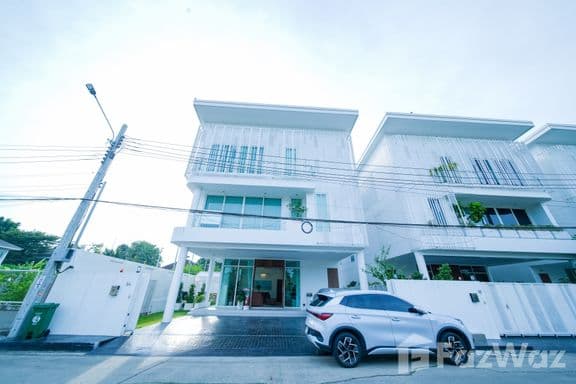
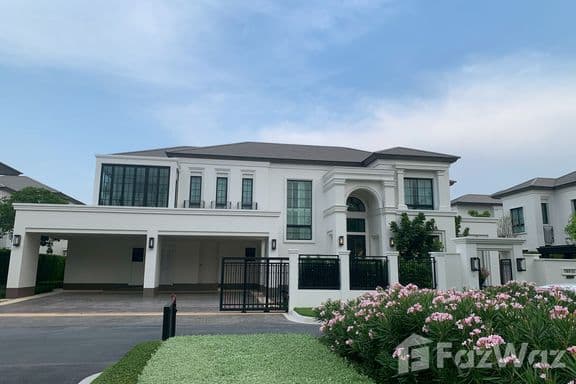
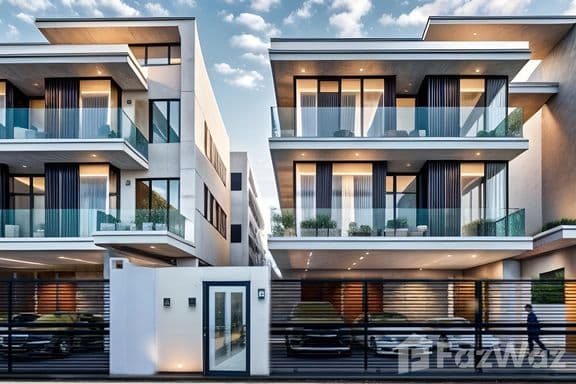
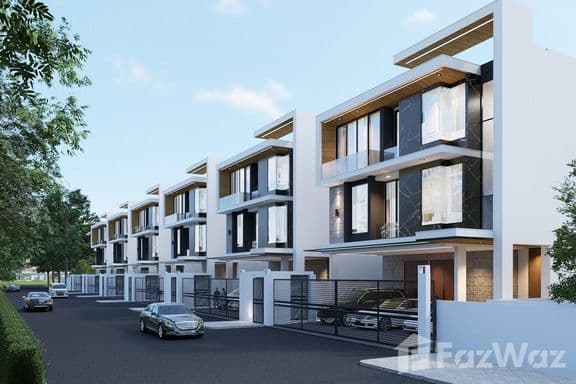
- Gated Estate Villas: These are houses located within private housing estates or compounds. Such communities (known locally as moobaans) typically have security gates, uniform infrastructure, and sometimes shared facilities like parks or clubhouses. Gated community villas are common in suburban areas like Bang Na, eastern Bangkok (Krungthep Kreetha area), or Nichada Thani in the northwest. They appeal to families and expats who value security, neighborly environment, and on-site management. The homes in these estates are usually modern in design and built by developers to international standards. Living in a gated estate offers peace of mind and a suburban neighborhood feel, albeit often at the cost of being farther from the city center.
- Standalone Homes: These are individual villas not part of a planned estate, often found along small residential streets (sois) in the city. Standalone homes can vary widely in age and style. In central areas like Sukhumvit or Sathorn, a standalone villa might be an older house hidden behind high walls, or a newly built custom-designed luxury home on a single plot. These properties offer maximum privacy and uniqueness – no two are the same. However, they come with the responsibility of arranging one’s own security and maintenance (since there’s no estate office). Standalone villas in prime Bangkok locations are relatively rare and tend to command high prices due to the land value.
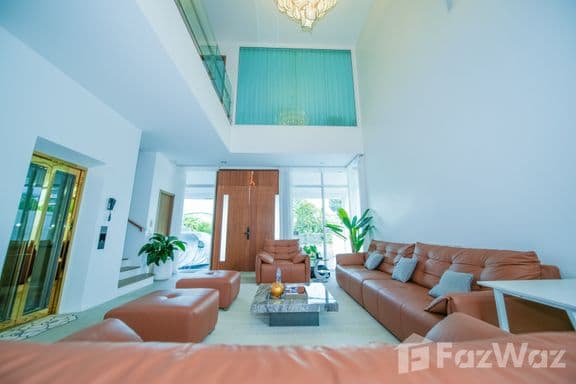
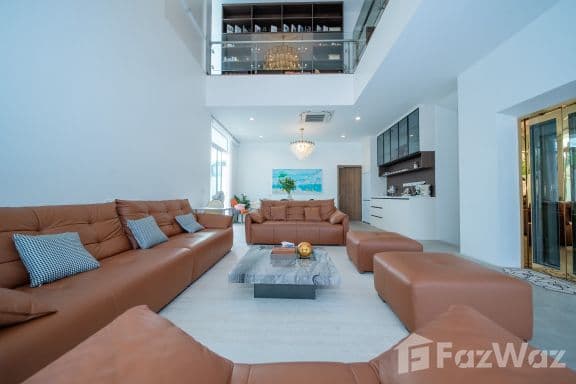
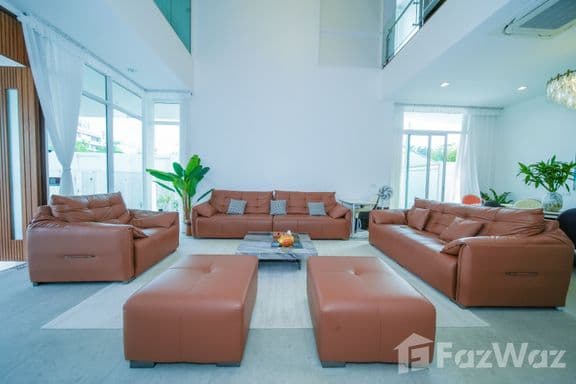
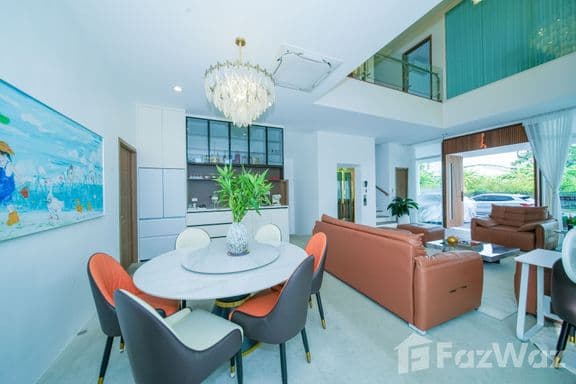
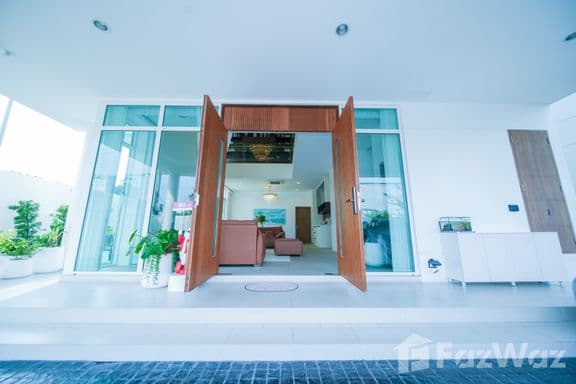
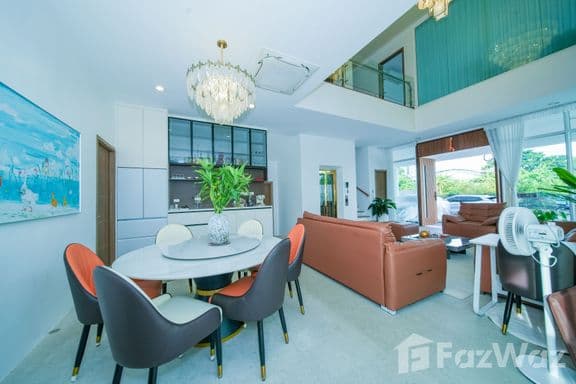
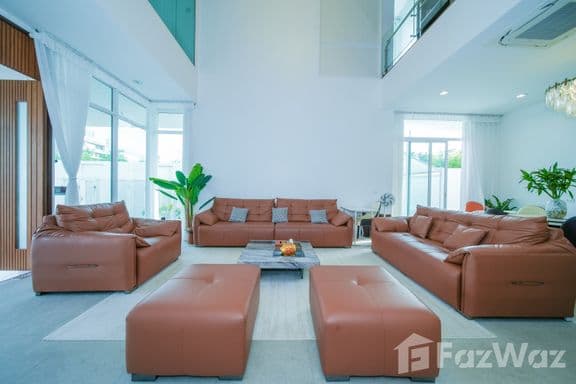
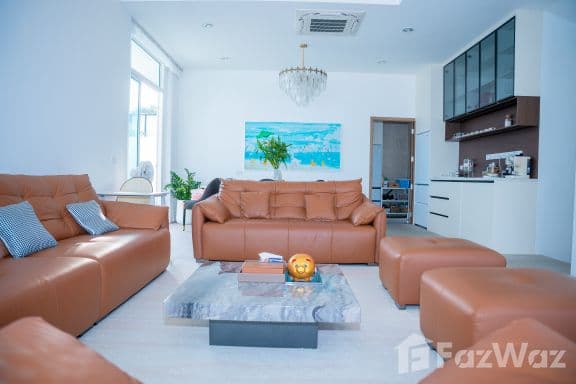
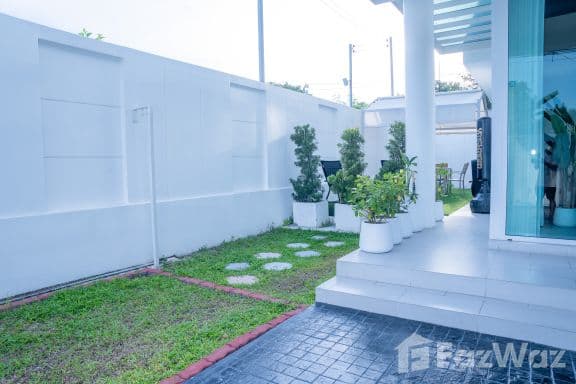
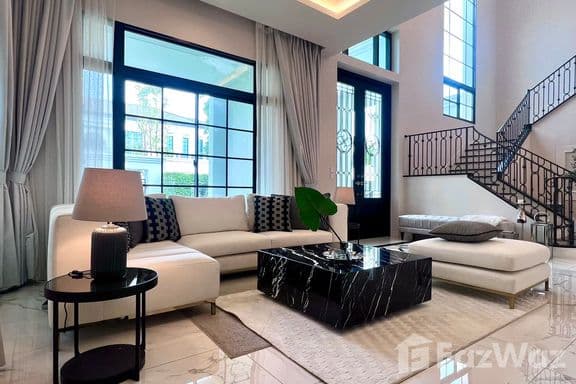
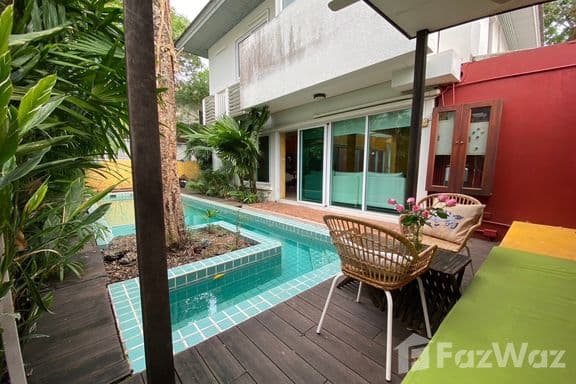
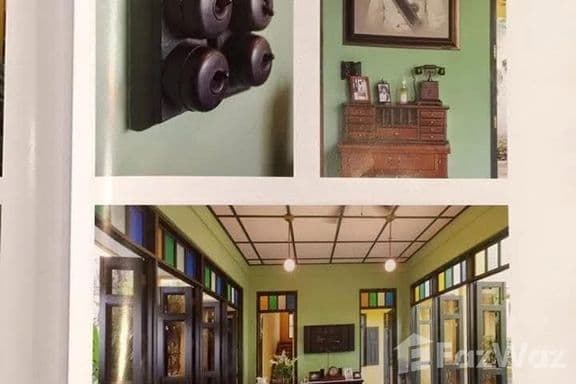
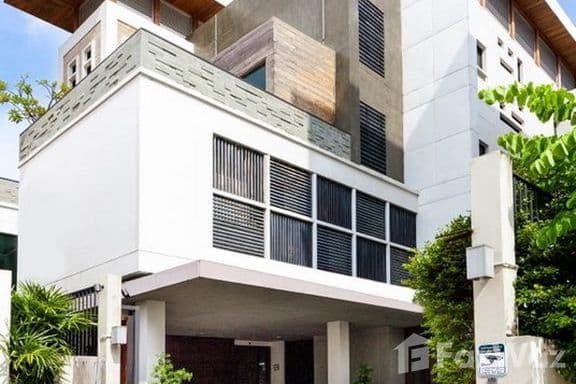
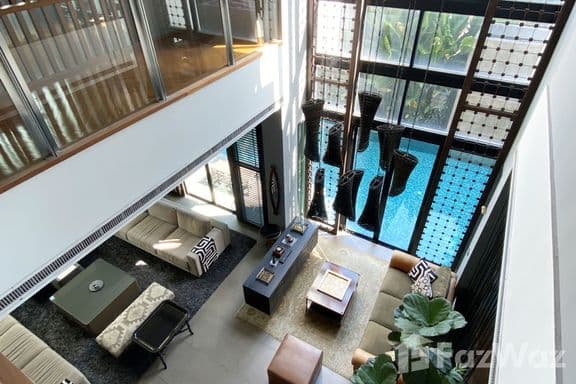
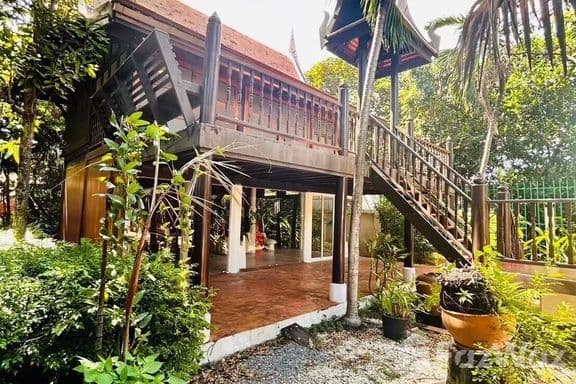
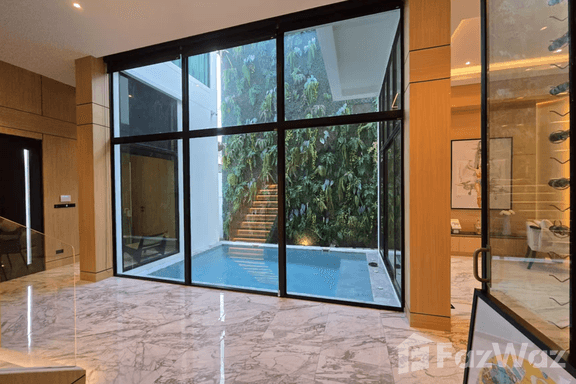
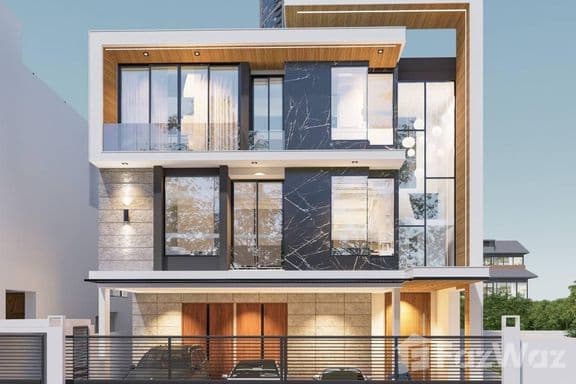
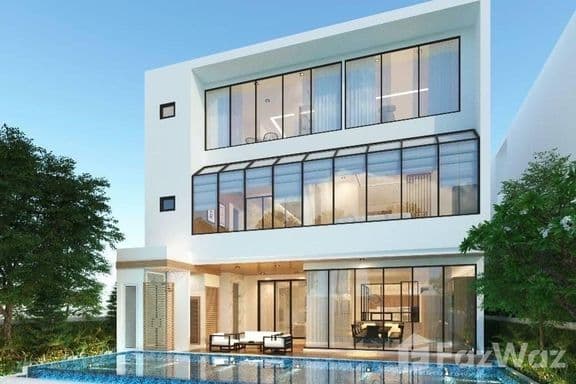
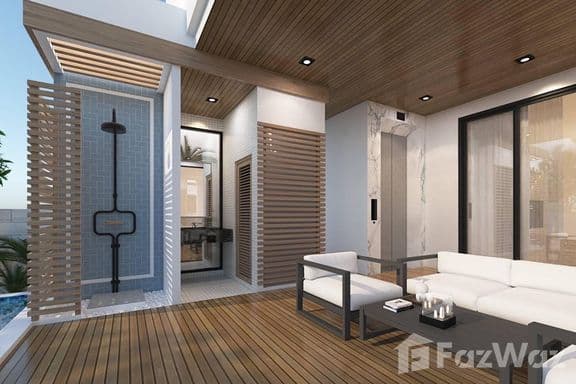
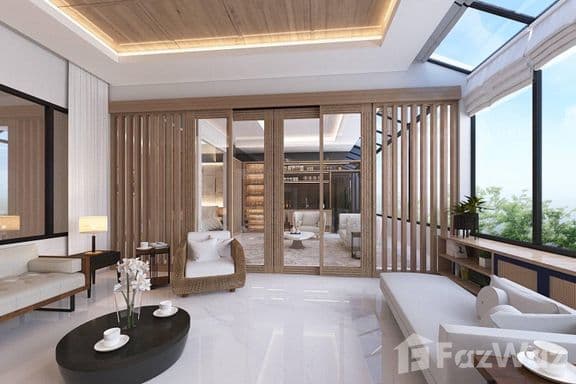
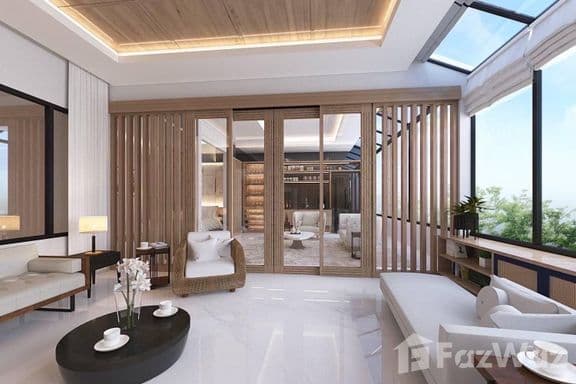
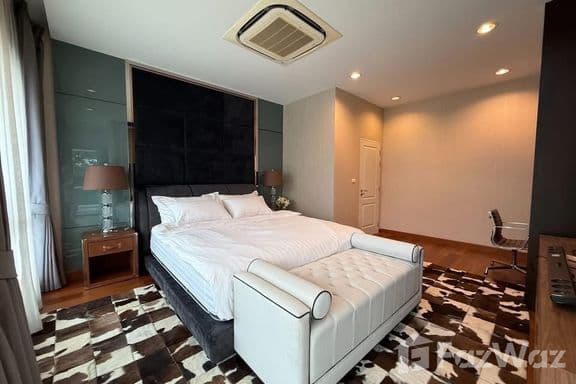
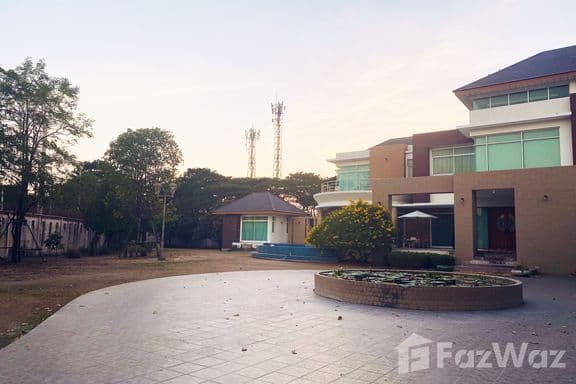
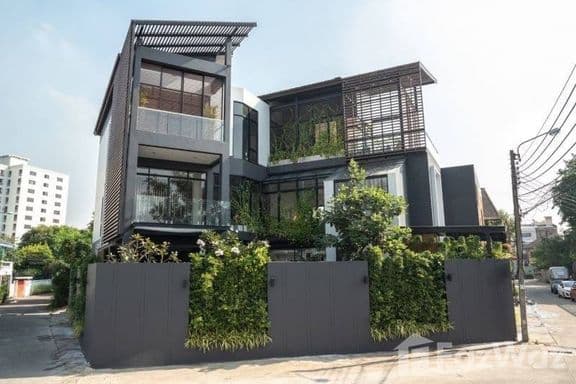
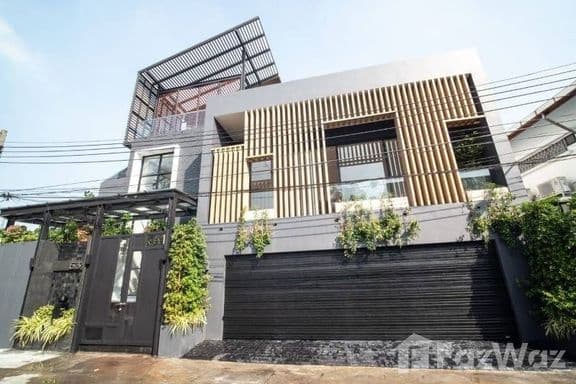
- Modern vs. Traditional Style: Bangkok’s villas span from ultra-modern to traditional Thai. Modern villas typically feature contemporary architecture: clean lines, large windows, open-plan interiors, and smart-home technology. Many new villas and renovated houses fall into this category, catering to buyers who want a home that feels current and upscale with minimal upkeep. Traditional-style villas in Bangkok might incorporate classic Thai or colonial-era design elements – such as pitched roofs, wooden structures, decorative eaves, or courtyard layouts. Some foreigners are charmed by Thai-style houses (for example, teak wood homes or Thai-Bali fusion designs) which offer character and a sense of place. These can be older heritage homes or newer builds mimicking traditional aesthetics. While traditional designs offer charm, they can require more maintenance (wooden materials, etc.) and sometimes renovation to meet modern comfort standards. Many high-end buyers end up striking a balance: a house with a traditional exterior look but modern interiors and systems.
In short, you can find everything from brand-new luxury villas in guarded compounds to one-of-a-kind houses full of character in Bangkok. Deciding which type suits you comes down to your priorities: community and convenience (gated estate) versus individuality and location (standalone), and whether your taste leans toward cutting-edge modern or timeless traditional.
Top Districts for Villas in Bangkok
Certain neighborhoods in Bangkok are known for having desirable villas and are popular among foreign buyers. Below are some of the top districts for villa-hunting:
Sukhumvit (Central Expat Areas)
“Sukhumvit” refers to the large area along Sukhumvit Road, but in terms of villas the key sections are the central sois favored by expats – such as around Asoke, Phrom Phong, Thonglor, and Ekkamai. This is Bangkok’s prime residential zone for foreigners. The appeal is the combination of city convenience (BTS Skytrain access, shopping malls, international restaurants, hospitals and schools nearby) and the presence of spacious residences tucked away in side streets. Villas in Sukhumvit are often hidden gems behind compound walls – many are owned by wealthy Thai families or embassies. When these properties become available, they are highly sought-after. Expect prices at the top end here: land costs are among the highest in Bangkok, so even an older house on a decent plot can be very expensive. It’s not unusual to see asking prices well over THB 100 million for a good Sukhumvit villa, especially in Thonglor or around EmQuartier mall. Foreign buyers who choose Sukhumvit typically do so for the prestige and unbeatable convenience. However, availability is limited and competition is fierce for quality listings.
Ekkamai and Thonglor
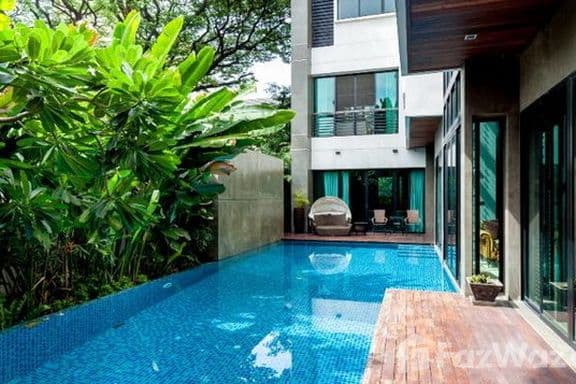
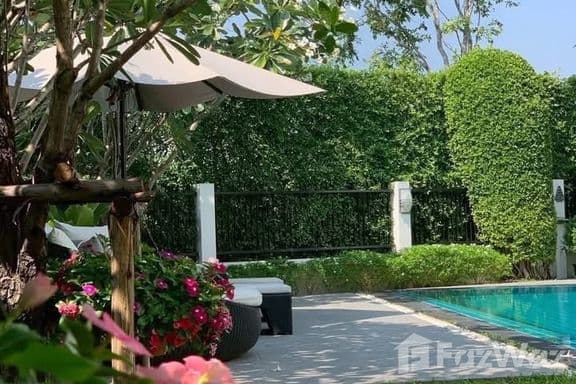
Ekkamai (Sukhumvit Soi 63) and Thonglor (Soi 55) are sub-districts within Sukhumvit but deserve special mention. These adjoining neighborhoods are trendy and upscale, popular with younger expats, affluent locals, and tech-savvy professionals. Both areas are packed with cafes, fine dining, nightlife, and boutique shops. Villas in Thonglor/Ekkamai tend to be either modern rebuilt houses or well-maintained older homes. They often sit on smaller land plots compared to suburban houses, but the location value is extremely high. A modern pool villa or a stylish renovated home in this area might range roughly from THB 30–80 million (though larger or ultra-luxury ones go higher). Buyers here are often those who want a balance of a private home and an urban lifestyle – being able to step out to a hip café or co-working space in minutes. Because of the vibrant scene, rental demand for houses here is also strong (from expat families or even businesses looking for office-villas), which can be a bonus for investors.
Rama 9 / Krungthep Kreetha (Eastern Suburbs)
Rama 9 Road and its vicinity has transformed into a new hub for luxury housing estates. This broad area includes sub-neighborhoods like Krungthep Kreetha, Srinakarin, Prawet, and parts of Hua Mak – essentially the eastern suburbs of Bangkok that have seen significant development. Major infrastructure improvements (the extended expressways, Airport Rail Link, the new Yellow Line monorail) have made these areas more accessible, spurring gated villa communities. Developers have launched compounds with large modern houses, targeting upper-middle-class and wealthy buyers who want more space. For example, Krungthep Kreetha Road now hosts several high-end projects (Nirvana, Setthasiri, etc.) offering 4-5 bedroom detached homes with private gardens, often in the THB 20–60 million price range. Foreigners looking here are usually long-term expats or investors who don’t mind being 30 minutes drive from downtown in exchange for a larger, newer property. Proximity to international schools is another draw – campuses like Wellington College and Brighton College are in this general area, making it convenient for families. In short, the Rama 9/eastern suburb zone offers modern suburban living with city links – it’s a growth area where your money buys significantly more house and land compared to central Bangkok.
Bang Na
Bang Na is a district in the southeastern part of Bangkok that has become popular for its blend of urban and suburban qualities. It’s along the BTS Skytrain extension and is known for large shopping centers (like Mega Bangna and Bangkok Mall under development) and housing estates. One big attraction for expat families is that several international schools (such as Bangkok Patana School and St. Andrews Sukhumvit 107) are in or near Bang Na. Villas in Bang Na typically come within gated communities, ranging from mid-tier villages to very upscale compounds. You might find a comfortable 3-bedroom family house for around THB 15–25 million in one estate, or a luxury five-bedroom modern villa for THB 40–70 million in another. Compared to central Bangkok, Bang Na offers better value for space and often larger gardens or even private pools. It’s also conveniently located about halfway between downtown and Pattaya/Suvarnabhumi Airport, which is appealing for those who travel or have business on the Eastern Seaboard. Buyers who choose Bang Na tend to be expat families, airline pilots, and anyone wanting a roomy home with a calmer environment while still staying within the Bangkok metropolitan area.
Sathorn
Sathorn, near the city’s main business district, is notable for having some hidden residential enclaves within the urban core. Areas like Yen Akat, Suan Phlu, and parts of Narathiwas Road in Sathorn district have tree-lined lanes with private houses. Many embassies and ambassadors’ residences are in this vicinity, which speaks to its exclusivity. A Sathorn villa is all about location – you’re minutes away from offices, Lumpini Park, and top hotels. The houses here range from classic Thai aristocratic homes to new architectural statements on compact plots. Because of limited supply, prices are high: even a medium-sized older house can be tens of millions of baht. Renovated or newer luxury homes in Sathorn often exceed THB 50 million easily. Foreigners who secure a villa here usually do so for convenience (no commute headaches) and status. However, finding one can be challenging; many are passed privately or rented out rather than sold. If you do aim for Sathorn, working with specialized agents and keeping an ear to the ground is essential.
Other Notable Areas
- Ari (Phaya Thai): A charming, central-north neighborhood known for its mix of trendy eateries and quiet residential streets. Ari has some older houses and boutique developments popular with both Thais and expats who prefer a more low-key environment than Sukhumvit. Villas here are fewer, but occasionally old family homes or renovated houses come up for sale, often in the THB 20–50 million range.
- Nonthaburi (Nichada Thani): Just outside Bangkok, Nichada Thani is a gated community popular among expat families (especially Americans and Europeans) due to the International School Bangkok (ISB) located there. It’s like a suburban expatriate enclave with lakes and American-style homes. For families committed to ISB or wanting a very Western-style neighborhood, Nichada is worth considering (though it requires a commute into the city for work or entertainment).
Each area has its unique pros and cons, but all the above are where foreign villa buyers tend to concentrate their search. It’s wise to visit these districts and feel out the environment – some prefer the city buzz of Sukhumvit, others the serenity of a suburb like Bang Na or Nichada. Knowing the neighborhoods will help match your lifestyle to the right villa location.
Buyer Personas
Foreigners interested in Bangkok villas generally fall into a few profiles. Understanding these personas can clarify what type of property and area might suit different needs:
Retirees Seeking Peace and Comfort
Retired expats often choose Bangkok for its excellent healthcare and amenities, but they still want a peaceful retreat. These buyers look for houses in quiet neighborhoods where they can relax. Important features might include a single-story layout (for ease of mobility), a small garden, and proximity to hospitals or clinics. Retirees may gravitate towards suburban or fringe areas of Bangkok which are less congested – for example, parts of Bang Na, Nonthaburi, or Minburi – as long as shopping and medical facilities are within a reasonable drive. They typically prefer stable, safe communities and might even consider villa compounds that have other retirees or a community vibe. Above all, this group values tranquility and a house that feels like a “home” for the long term, rather than an investment to flip.
High-Net-Worth Investors
High-net-worth individuals (from abroad or expats working in top executive roles) often view a Bangkok villa as both a luxury residence and a portfolio asset. They tend to seek trophy properties in prime locations, where price is secondary to exclusivity. These buyers focus on central Bangkok – for example, a sprawling Sukhumvit estate or a riverfront mansion. They see such a purchase as both a prestigious home and a long-term investment in Bangkok’s rising land values.
Digital Nomads and Remote Professionals
The term “digital nomad” usually brings to mind short-term renters, but there is a subset of successful remote professionals who decide to put down roots. These might be tech entrepreneurs, online business owners, or freelancers who have achieved financial success and choose Bangkok as a base. When such individuals buy, they often want a home that doubles as a workspace. Key desires include an extra room for a home office or studio, reliable high-speed internet, and a location that’s not too far from city conveniences (cafés, co-working spaces, etc.) yet quiet enough for focused work. This persona typically looks for a manageable home – not a huge estate – that is comfortable but not excessive.
Long-Term Expat Families
These are foreign families living in Bangkok for the long haul (often due to career postings or personal choice). They typically have children enrolled in international schools and plan to stay for many years. Their villa needs are driven by family life: multiple bedrooms, a safe environment for kids (gated communities are popular for this reason), and access to schools, supermarkets, and family-friendly activities. Many expat family buyers choose areas near major international schools – for instance, around Bang Na (near Bangkok Patana) or in Nichada Thani (near ISB in Nonthaburi), or clusters of houses in Sukhumvit near city international schools. A garden or yard is often high on the wish list so children can play outside. They also consider community: neighborhoods with other expat families mean playmates for kids and a support network for parents. Budget can vary widely, but often they look at mid- to high-end villas that provide the needed space and comfort. These buyers also keep an eye on practical investment – knowing that if they relocate, they’ll need to rent out or sell the house, so they favor properties that would appeal to other expat families in the future.
Ownership Options for Foreigners
Foreigners cannot directly own land in Thailand, but there are legal methods to control a villa property. The main ownership structures for foreign buyers are:
- Long-Term Leasehold: The foreigner leases the land (and house) from the Thai owner. The maximum lease term by law is 30 years for residential properties. In many cases, developers or sellers offer a 30-year lease with a contractually agreed renewal for an additional 30 years (or even 30+30+30 years, totaling 90, though only the first 30 is registered initially). Leasehold gives you secure rights to use the property during the lease period, and the lease can be registered at the Land Department to protect your interest. This is straightforward and fairly common – for example, many foreigners lease high-end villas in Phuket, and similarly can do so in Bangkok. The downside is that a leasehold is a diminishing asset (as the end of term approaches, its market value drops if not renewable), and you do not technically “own” the land. However, a well-drafted lease can permit you to sell the remaining term or transfer the lease, and if renewals are honored, it can function almost like ownership for your lifetime. Leasehold is often the simplest route for someone who wants a home without diving into corporate setups.
- Thai Company Ownership: A Thai Limited Company can own land in Thailand, so some foreigners set up a company to hold the villa. By law, any such company must be majority-owned by Thai persons (at least 51% of shares). The foreigner can hold up to 49%. Typically, the structure is arranged so that the foreigner retains control (for instance, issuing different classes of shares, holding most of the voting rights, and having legitimate Thai partners or using mechanisms that comply with the law). It is crucial to engage a reputable lawyer to form the company properly – using nominee Thai shareholders without real business purpose is illegal. If done correctly, the company route gives essentially freehold ownership (the company’s name is on the land deed, as a Thai entity). There will be annual costs such as accounting and filing requirements to keep the company active. For those investing in high-end villas, a company structure is common because it provides long-term security and flexibility (you could later sell the company or its asset).
- Condominium (Hybrid Villa) Structure: In rare cases, a villa might be part of a development that is legally registered as a condominium. If so, foreigners could own it freehold under the 49% foreign quota rule. This “hybrid villa-condo” concept is more often seen in resort areas, but a few Bangkok developers have applied it to luxury townhome or villa projects. Essentially, you are buying a unit in a condominium that just happens to be a detached house or townhome, and you get a condominium freehold title. If available, this is ideal since you get full ownership in your own name. The catch is these opportunities are limited and usually sell out quickly to foreign buyers. It’s worth asking developers about this option if you are buying new – if they have a condo license for the project, you might snag a villa freehold.
- Thai Spouse’s Name: If you are married to a Thai citizen, you can have the property registered in your spouse’s name. Many foreigners take this route for convenience. At the land office, the Thai spouse must sign a declaration that the funds used to buy the property are her/his personal property (not the foreign spouse’s), thereby acknowledging it’s effectively the Thai person’s asset. The foreigner’s name will not be on the title deed; while simple, this method means you must implicitly trust your spouse. To protect the foreigner’s interests, some couples set up additional agreements – for example, the Thai spouse grants the foreigner a 30-year lease on the property, or registers a usufruct (a right of use for life) in the foreigner’s favor. These measures ensure the foreign partner can legally stay or use the property even though it’s in the Thai spouse’s name. If your marriage is strong and you plan to reside long-term, this can be a straightforward solution.
Regardless of which route you choose, always consult with a qualified lawyer who can explain the implications and set things up correctly. Each option has trade-offs in terms of cost, complexity, and security. Importantly, keep an eye on evolving laws: the Thai government in 2025 is considering extending leases (possibly up to 50 or 99 years) and other foreign ownership incentives, which could affect future options. But until any changes are official, the above remain the primary methods for foreigners to buy a villa in Bangkok.
Price Comparison: Villas by District (2025)
To give a rough idea of pricing, here is a comparison of typical villa price ranges in various Bangkok areas (values in Thai baht and approximate USD):
|
District
|
Typical Villa Price Range (THB)
|
Approx. USD
|
|
Central Sukhumvit
|
50 – 150 million
|
$1.5 – $4+ million
|
|
Ekkamai/Thonglor
|
30 – 80 million
|
$0.9 – $2.3 million
|
|
Rama 9 / East Suburbs
|
20 – 60 million
|
$0.6 – $1.7 million
|
|
Bang Na
|
15 – 50 million
|
$0.4 – $1.4 million
|
|
Sathorn
|
40 – 120 million
|
$1.1 – $3.4 million
|
|
Ari / Other Areas
|
20 – 70 million
|
$0.6 – $2.0 million
|
Note: These ranges are broad averages for 2025. Actual prices depend on specifics like land size, exact location (being on a prime soi vs. a secondary lane makes a big difference in Sukhumvit), age and condition of the villa, and unique features (private pool, architectural design, etc.). Super-luxury properties can exceed the upper ends significantly (there are a few one-of-a-kind estates in Bangkok valued well above 200 million THB). Conversely, on the lower end, there are townhomes or small houses further out that cost below the ranges shown, but those are typically not the “villa” style properties that foreign buyers target. The USD conversion is approximate and will vary with exchange rates (here assuming roughly 34–35 THB per USD).
Buying Process for Foreigners
Purchasing a villa in Bangkok involves several steps. Below is a simplified outline of the process for a foreign buyer:
- Research and Budgeting: Determine your budget and financing (most foreigners pay cash or use financing from abroad, since local mortgages are hard to get). Research areas and property types that fit your needs – consider location, commute, school proximity (if applicable), and lifestyle preferences. Engage a reputable real estate agent who has experience with houses and foreign clients, and start viewing available villas.
- Property Selection and Due Diligence: Once you find a promising villa, conduct due diligence. Hire a lawyer early on to assist. Your lawyer will perform a title search to ensure the seller has clear ownership and that there are no encumbrances (such as liens or disputes) on the property. If it’s a house in a gated community, review any homeowner association regulations or fees. It’s also wise to get a home inspection, especially if the house is older, to identify any potential structural or maintenance issues.
- Making an Offer: When you’re ready, you or your agent will submit an offer to the seller (often through the seller’s agent). Negotiation is common – depending on the market climate, you might negotiate on price, included furnishings, or timeline. Once both parties agree, it’s typical to sign a Reservation Agreement or Memorandum of Understanding and place a small deposit (commonly around 1-5% of the price) to hold the property. This agreement should outline the basic terms and the date for signing the formal Sale and Purchase Agreement (SPA).
- Structuring Ownership: Concurrently, decide on your ownership structure (leasehold, company, etc. as discussed above). If setting up a Thai company, your lawyer will begin that process (it can take a couple of weeks to fully register a company). If it’s a leasehold, the lawyer will draft the lease contract. Sorting out the structure is important to have in place by the time of the final transfer.
- Sale and Purchase Agreement (SPA): This is the formal contract that stipulates all terms of the sale. It will include the agreed price, payment schedule, closing date, what fixtures/furnishings are included, and any conditions (for example, “subject to company formation” or repairs to be done). You will typically pay a larger deposit upon signing the SPA (for instance, bringing your total paid to 10-30% of the price, as negotiated). Ensure the SPA is reviewed by your lawyer (bilingual contracts are common so both Thai and English versions align).
- Final Payment and Transfer: On the closing date, buyer and seller (or their representatives) meet at the relevant Land Department office to transfer the property. For a leasehold, the lease agreement is signed and officially registered on the land title. For a company purchase, the land title is transferred to the company’s name (which you control). The remaining balance of the purchase price is paid (usually via cashier’s check or bank transfer on the spot). Taxes and fees are settled at this time according to the agreement (e.g., splitting the 2% transfer fee, etc.). Your lawyer will make sure all documents are in order – including updated title deed, lease registration papers if leasing, etc. Once this is done, you receive the keys and possession of the property.
- Post-Transfer Formalities: After purchase, you might need to take care of a few final items. Transfer utility accounts (electricity, water) to your name or your company’s name. If in an estate, inform the juristic office of the new ownership. Ensure your name/company is correctly registered for the annual property tax (land and building tax notices). If you plan to rent out the property, you may want to engage a property management service. It’s also prudent to update or make a will in Thailand to cover the property, especially if you hold it via a company or lease (this will ease any inheritance process down the line).
The entire buying process – from offer to transfer – can take as little as 30-60 days if things move quickly and you have funds ready. It’s advisable not to rush, though: give your lawyer time to thoroughly vet everything. By following the steps and getting the right professional help, foreign buyers can successfully navigate the process of acquiring a Bangkok villa.
ROI and Resale Considerations
Owning a villa in Bangkok can yield financial returns as well as lifestyle benefits. Here are some key points to consider:
- Rental Yields: Villas generally have lower rental yields than condos. You might expect roughly 3-5% annual yield on a well-located villa if rented out, though this varies. The tenant pool for houses often consists of corporate expats or embassy staff, and demand concentrates in certain areas (Sukhumvit, near international schools, etc.). Luxury villas can command high rents in absolute terms, but their purchase prices are also high, keeping yields moderate. It’s wise to buy a villa primarily for personal use or long-term value, and treat any rental income as a bonus rather than a guaranteed high return.
- Capital Appreciation: The land component of a villa is the key driver of capital growth. In central Bangkok, land values have consistently risen over the years due to scarcity. Thus, villas in prime areas tend to appreciate well over time. In suburban areas, appreciation depends on development and infrastructure improvements – for example, the arrival of a new BTS line or shopping mall can boost property values. Historical data suggests a steady uptick in house prices in Bangkok, typically a few percent per year, but with bigger jumps in boom years or when an area gentrifies. Buying in an emerging neighborhood could yield higher appreciation, whereas buying in an already prime area yields steadier, lower growth but with less risk.
- Resale Liquidity: Selling a villa can take longer than selling a condo. The market is less liquid because there are fewer buyers at high price points and each house is unique (harder to compare and price). However, a well-located villa will always have interest from a niche set of buyers (wealthy Thais or expats). To improve liquidity, keep the property well-maintained and updated – a move-in-ready house is far easier to sell than one that needs significant renovation. Also, consider the timing of your sale: if possible, align with a period of high expat arrivals or positive economic sentiment. Note that if you own via a company, one option is to sell the company (and thus effectively transfer the property) which can be simpler for a foreign buyer, whereas a Thai buyer might prefer a direct property transfer. Being flexible and knowledgeable about these options will help when you decide to exit.
- Lifestyle Value: The non-monetary “ROI” is significant. Many foreign villa owners in Bangkok cite the improved lifestyle – more space, privacy, the ability to host gatherings, a safe environment for kids or pets – as a major return on their investment. This is especially true when comparing to apartment living. If you plan to live in the villa, weigh these qualitative benefits alongside the numbers. For example, saving on international school dorm fees by having family housing, or the health benefits of a personal garden, are indirect returns of owning a home.
In summary, a Bangkok villa can be a solid long-term investment, particularly if you buy smart (good location, proper price) and maintain the property. While you shouldn’t expect very high short-term yields, the combination of land appreciation and the personal enjoyment factor makes villa ownership rewarding for many. Always have an exit strategy in mind (even if it’s far in the future) and keep the property in saleable condition so you’re ready when the time comes to realize your investment.
Legal and Due Diligence Tips
To ensure a smooth and secure purchase, keep these tips in mind:
- Hire Independent Legal Counsel: Always use your own lawyer (independent from the seller or any agent) to handle the transaction. They will perform title searches, draft and review contracts, and advise on the best ownership structure. This is essential for a foreign buyer navigating Thai laws.
- Verify Title and Ownership: Confirm the property has a clear Chanote title deed. Your lawyer should check that the seller’s name matches the official records and that the land hasn’t been pledged or used as collateral. Any mortgages or liens must be cleared at or before transfer. Never skip the title due diligence – it establishes that what you’re buying is legitimately transferable and free of legal issues.
- Check Building Permits and Surveys: For a house, especially an older one, ask for a copy of the building permit and floor plans. Ensure the house was constructed legally and within property boundaries. If the property is part of an estate, verify with the juristic office that the seller has no outstanding fees or legal disputes. It’s also worth getting a survey of the land if boundaries are in question.
- Understand Regulations: If the property is in a gated community, review the rules (some ban pets or have rules on modifications). If you plan to significantly renovate or rebuild, consult an architect on zoning regulations for that area (height limits, etc.). Being informed helps avoid future conflicts.
- Plan the Ownership Early: Decide upfront how you will hold the property (lease, company, etc.) and get that structure ready. Last-minute changes can delay the purchase. For instance, if using a company, have it formed and ready to purchase by closing. If leasing, ensure the lease terms are negotiated with the owner in advance (including any renewal clauses).
- Tax Clarity: Discuss with your lawyer or accountant about taxes – both at purchase and future sale. While many closing costs fall on the seller, know what you might shoulder. Also, if you intend to rent out the property, clarify how rental income tax will be handled. Proper planning can optimize your tax situation.
- Avoid Nominee Arrangements: Do not try to circumvent the law by holding property under a Thai friend’s name or using “blanket” nominee shareholders without proper structure. Thai authorities have increased scrutiny on such practices. Stick to recognized legal methods to protect your ownership.
By following due diligence and legal guidance every step of the way, you greatly reduce the risks. Many foreigners have successfully bought houses in Thailand; the key difference between smooth deals and problematic ones often comes down to the thoroughness of preparation and advice.
Frequently Asked Questions
Q: Can a foreigner own a house or villa in Bangkok?
A: Yes, a foreigner can purchase a villa, but you cannot directly own the land in your personal name. You must use a legal method such as leasing the land (long-term leasehold), buying via a Thai-majority company, or putting the property in a Thai spouse’s name. These structures give you the right to use and sell the property even though technically the land title won’t be in your personal name (except in special cases like a condo-registered villa).
Q: What is the maximum lease term and can it be extended?
A: The maximum lease term for residential property is 30 years per Thai law. It can be renewed by signing a new lease (commonly, contracts offer one or two renewals of 30 years each, totaling 60 or 90 years). Renewals are agreements rather than guaranteed rights, meaning they’re only as good as the commitment of the landowner (so it’s better if the land is owned by a developer or entity likely to honor it). There have been proposals to extend leases up to 50 or even 99 years for foreigners, but as of 2025 those are not yet law.
Q: Can I get a mortgage in Thailand to buy a villa?
A: It’s difficult. Thai banks generally do not lend to foreign individuals for home purchases (especially for land or houses). A few banks have offered loans to foreigners for condos under certain conditions, but for villas the options are very limited. Most foreign buyers finance the purchase by either using cash savings or borrowing from their home country (like refinancing a property back home). If you set up a Thai company and have local income through it, the company might obtain a loan secured by the property, but that usually requires a banking relationship and track record. Plan your financing assuming no local mortgage.
Q: What taxes and fees will I pay when buying and owning a villa?
A: Upon purchase, the key fees/taxes are the 2% transfer fee (usually split with the seller, so effectively 1% to you), plus stamp duty or specific business tax (the seller usually pays those). As a buyer, aside from your half of the transfer fee, you mainly pay your legal fees, and perhaps any lease registration fee (which is 1% of total lease value, often split). Annually, you’ll pay the land and building tax – for an owner-occupied home, this is quite low (for example, a THB 50 million house might incur only a few thousand baht per year in tax, depending on assessments). If you rent out the property, you’d pay income tax on the rental income (personal income tax or corporate tax if held via company). When selling, the taxes (withholding tax and possibly business tax) are typically on the seller’s side.
Q: Does buying property give me the right to live in Thailand long-term?
A: No, owning property does not automatically grant a visa or residency. You will still need a valid visa to stay in Thailand (such as a retirement visa, marriage/dependent visa, work permit with business visa, or the special Thailand Elite visa). There is a new Long-Term Resident (LTR) visa program that allows a 10-year visa for certain wealthy individuals and retirees, and one of the criteria options is investing $500,000 in Thai property – so if you invest a large sum in real estate, you could qualify under that program. But simply buying a house on its own doesn’t give you residency status; you must separately meet immigration requirements.
Q: Can I renovate or rebuild the villa after I buy it?
A: Yes. If you own (or lease) the property, you have the right to make alterations, subject to local building regulations and any neighborhood rules. For interior renovations, no permission is needed beyond what the housing estate might require. For major changes like adding extensions or rebuilding structures, you would need to obtain a building permit from the district office. If in a gated community, you should also get approval from the juristic management to ensure the work complies with community rules (and to inform neighbors about construction). Many foreign buyers do renovate older houses to modernize them – just make sure to hire licensed contractors and follow permitting processes.
Conclusion and Strategic Guidance
Buying a villa in Bangkok can be a richly rewarding endeavor, providing you with both a valuable asset and a beautiful home in one of Asia’s most vibrant cities. Foreign buyers in 2025 have more reason than ever to consider Bangkok: the city offers modern infrastructure, a lifestyle that balances tradition and modernity, and property prices that are attractive compared to other global capitals. That said, the process requires careful navigation of Thai legal requirements and thoughtful planning.
Key takeaways: As a foreign investor or buyer, start by clearly defining your goals – whether it’s relocation, investment, or retirement – as this will guide where and what to buy. Work with professionals: a knowledgeable real estate agent and a competent lawyer are indispensable allies. Focus on location quality, because in real estate, location drives long-term value (a great house in a so-so area will never perform as well as a decent house in a great area). Ensure you are comfortable with the ownership structure you choose and understand your rights and obligations under that structure. Take a long-term view; even if you intend to sell for a profit one day, think in years, not months, for Bangkok real estate.
With due diligence done and a clear strategy, you can proceed with confidence. Bangkok’s property landscape is dynamic, but armed with the information from this guide, you are well-prepared to make a strategic and informed purchase. Here’s to finding the Bangkok villa that meets your dreams and objectives – a home and investment that you can cherish for years to come.















































































 Popular condos in Bangkok

