2025 Guide to Buying a House in Koh Samui for Foreigners
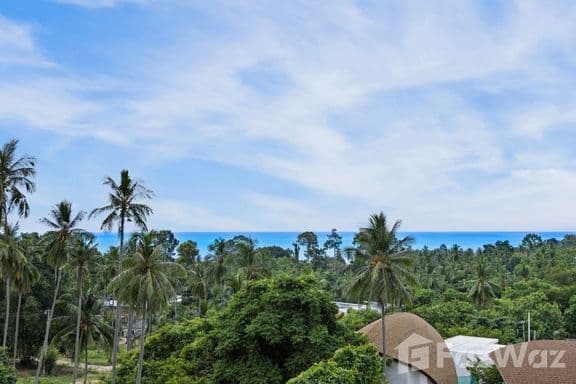
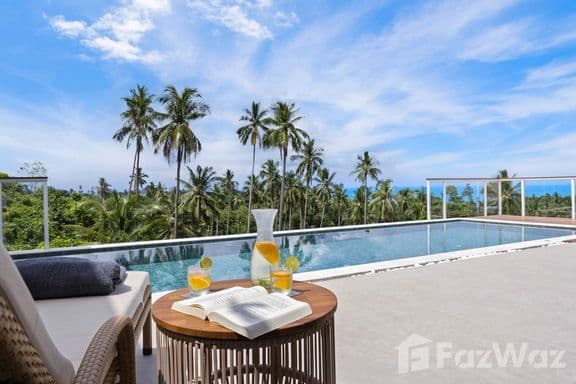
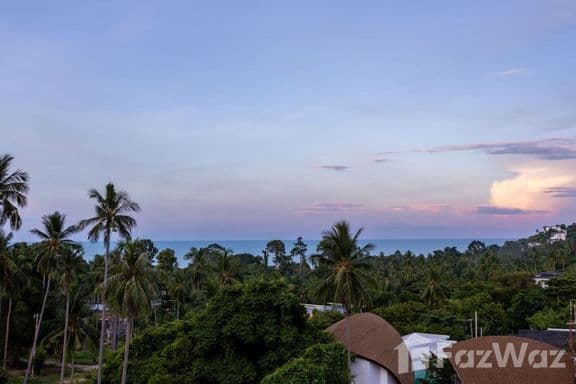
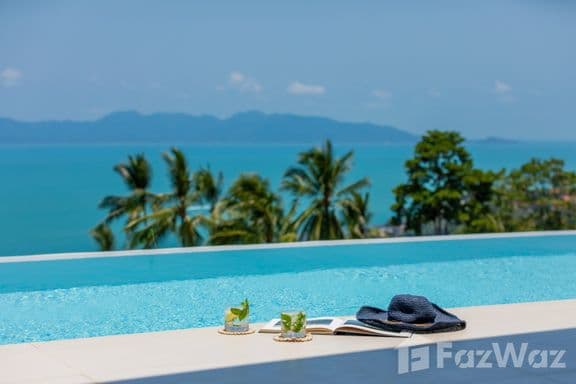
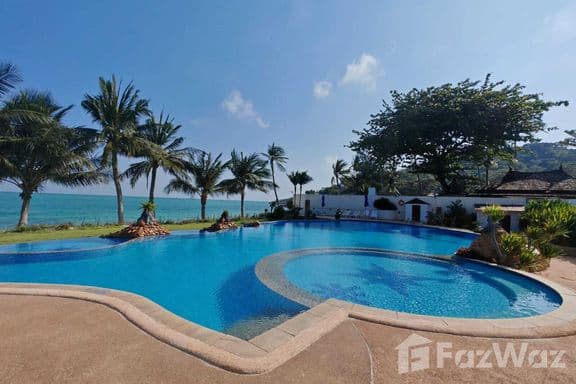
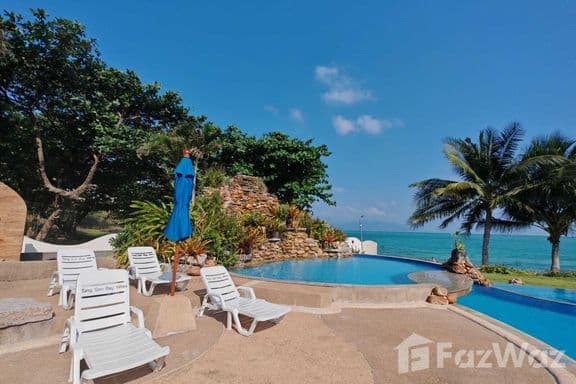
Koh Samui’s palm-fringed beaches and tropical sunsets illustrate why the island is a sought-after destination for foreign property buyers.
Introduction: Lifestyle and Investment Appeal of Koh Samui
Koh Samui is a lush tropical paradise in the Gulf of Thailand that has transformed from a backpacker hideaway into a premier destination for luxury living and investment. Foreign buyers are drawn by the island’s idyllic lifestyle – think white-sand beaches, swaying coconut palms, and year-round warm climate – as well as its modern amenities and vibrant expat community. The island offers a laid-back yet cosmopolitan atmosphere with upscale dining, wellness retreats, and beach clubs alongside traditional villages and temples. This blend of natural beauty and comfort makes Koh Samui especially attractive for retirees, digital nomads, and families seeking a serene living environment.
Beyond lifestyle, Koh Samui presents compelling investment appeal. The island’s booming tourism industry fuels strong demand for holiday rentals, meaning well-located villas can generate attractive rental yields – among the highest in Thailand. Property values have shown steady growth over the past decade as Samui’s profile rose to rival other Thai hotspots like Bangkok and Phuket. Even after global challenges, the market has proven resilient with a swift post-pandemic rebound. In 2023, Koh Samui welcomed about 3.54 million visitors, nearly reaching pre-2020 levels. Such tourism influx supports property prices and rental occupancy. Many property experts note that Koh Samui, once a “hidden gem,” is on its way to becoming a crown jewel of Thai real estate given its improving infrastructure and international connectivity. Daily flights link Samui to Bangkok, Singapore, Hong Kong and more, making it a convenient holiday and second-home destination.
For foreign buyers, owning a house in Koh Samui means enjoying a slice of island paradise with potential financial upsides. You can savor stunning ocean sunrises from your veranda and also benefit from capital appreciation or rental income over time. The following guide will walk you through everything you need to know – from why many foreigners prefer houses to condos, to legal ownership options, market trends in 2025, and practical steps for a successful purchase. Let’s dive into your roadmap for buying a house in Koh Samui as a foreigner.
Why Foreign Buyers Choose Houses Over Condos
Foreign buyers in Koh Samui often prefer houses and villas over condos for several reasons:
- Space and Privacy: Houses offer land, private gardens, and pools, providing greater space and seclusion than typical condos.
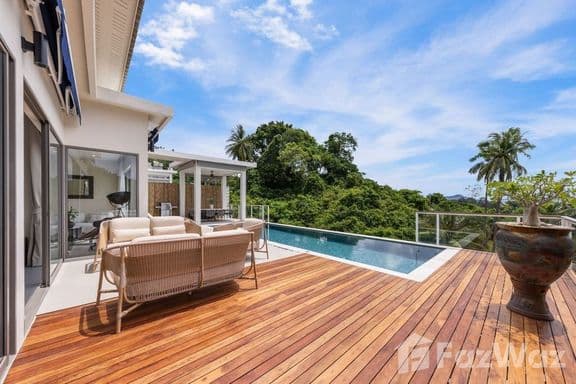
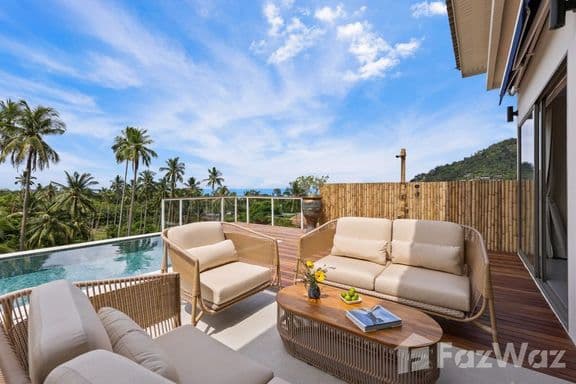
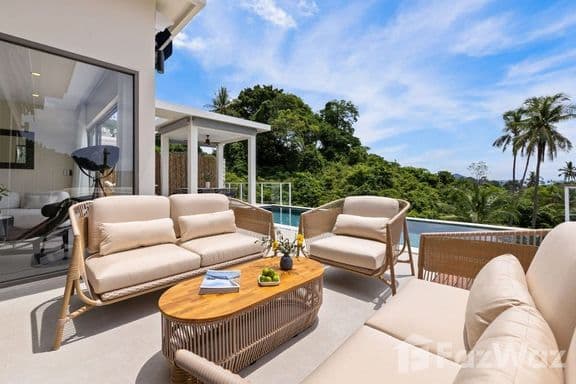
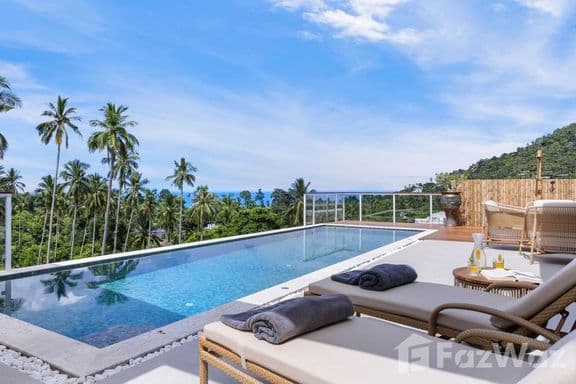
- Lifestyle Features: Many Samui houses are luxurious tropical pool villas or beachfront homes, embodying an ideal island lifestyle with private resort-style amenities.
- Land (Leased) and Outdoor Space: While foreigners cannot own land outright, house purchases typically involve long-term land leases, granting control over outdoor space for gardens, patios, or parking—a significant draw for those with pets or who enjoy gardening.
- Higher Rental Yields: Well-located pool villas in tourist areas often command premium rents from holidaymakers, leading to potentially more lucrative rental yields compared to condos.
- Long-Term Stay Comfort: For part-time or full-time residents, houses offer more bedrooms, full kitchens, and dedicated workspaces, making them more suitable for extended living and hosting guests.
While condos offer hassle-free ownership and legal simplicity (foreign freehold up to 49% quota), their supply is limited on Koh Samui, especially for luxury options, naturally directing buyers towards villas for upscale residences.
Legal Framework: Can Foreigners Own a House in Thailand?
Foreigners cannot directly own land in Thailand in their own name, including in Koh Samui. However, they can own buildings separate from the land. This means a foreigner can own the physical house structure but needs an additional legal framework to control the land it sits on.
Key aspects of the legal framework:
- Land Ownership: All land must be majority Thai-owned. Direct freehold land ownership by foreigners is rare, typically requiring significant government-approved investment.
- House Ownership: Foreigners can own the house structure itself (via a superficies right), but this must be combined with a long-term right to use the underlying land.
- Condominiums: Condos are an exception, allowing foreigners to own up to 49% of a project's total unit area freehold, including a proportional interest in the land. However, condos are scarce in Koh Samui.
- Strict Enforcement: Thai foreign ownership laws are strictly enforced to prevent de facto foreign control of land. For instance, a Thai spouse's name on a land deed does not grant the foreign spouse legal rights to the land.
In essence, while direct outright ownership of a house with land is not permitted for foreigners in Koh Samui, legitimate legal structures exist to facilitate villa purchases within Thai law. It is crucial to consult a qualified property lawyer for compliance.
Leasehold, Thai Company, and Other Ownership Models
Leasehold Ownership (30-Year Leases)
This is the most common and straightforward method. Foreigners can lease land for a maximum of 30 years, gaining exclusive rights to use the land and any structures on it. They can also own the house (building) for the lease duration. Leases are typically structured as "30 + 30 + 30" years, aiming for a total of 90 years, though only the first 30 are legally guaranteed. Leaseholds can be transferred and resold. Foreign buyers often register a right of superficies to formally own the house structure, providing additional security.Pros: Simple, legally recognized, and relatively straightforward to set up.Cons: No outright land ownership; land reverts after the term if not renewed. Perceived as less secure than freehold, though practical security for a lifetime is high. May appreciate slightly less than freehold due to time limits.
Thai Limited Company Ownership
Foreigners can form a Thai Limited Company to hold the land and house. Thai companies can own land, provided Thai nationals own at least 51% of the shares. The foreign buyer holds 49% and can retain control through share structuring.Legality and Recent Crackdown: Authorities scrutinize companies to ensure they are legitimate businesses, not just nominee setups to bypass foreign ownership laws. This method is more viable for higher-end purchases or properties intended for active business (e.g., luxury villa rentals).Pros: Effectively achieves freehold ownership of the land through the company. No 30-year limit, offering long-term control.Cons: Complex setup with ongoing costs and administrative requirements (annual reports, taxes, accounting). High legal complexity to ensure compliance and control. Risky if used purely as a nominee setup.
Other Ownership Models
- Thai Spouse Ownership: A Thai spouse can purchase land in their own name, with the foreign spouse legally renouncing claims. This carries personal risk as the foreigner has no legal rights to the property in case of divorce or dispute. Generally not recommended as the sole reliance.
- BOI Investment Scheme: A rare exception allows foreigners investing 40 million THB (approx. $1.2M+) in certain Thai assets to buy up to 1 rai of land for residential use. This is uncommon due to the high threshold.
- Long-Term Leaseholds via Developers: Some reputable developers offer renewable lease terms or "buy back" guarantees, potentially allowing conversion to freehold later or if laws change. Credibility of the developer and legal review are crucial for such commitments.
In practice, leasehold is the most common and simplest route for foreign villa buyers in Koh Samui. The Thai company route is used for high-end purchases or business ventures. Regardless of the model, due diligence and legal counsel are essential for a secure purchase.
2025 Market Trends and House Prices in Koh Samui
As of 2025, Koh Samui’s property market is experiencing a dynamic recovery and growth phase. Understanding current market trends and price levels will help you make an informed buying decision. Here’s an overview of what to expect:
- Post-Pandemic Rebound: After a dip in 2020-2021, the Samui real estate market has bounced back strongly. By 2023-2024, average property prices surged significantly due to renewed buyer interest. A combination of factors like Thailand’s reopening to tourism, pent-up demand, and foreign investors returning has boosted sales. Market indicators show heightened activity compared to the previous few years, with sales volumes and new project launches up. The trend into 2025 is positive, albeit with some fluctuations tied to seasonal tourism and global economic conditions. Overall, confidence is high – both luxury and mid-range segments are seeing increased inquiries.
- Rising Foreign Demand: Foreign investment is a key driver of the Samui market in 2025. Expatriates, retirees, and international investors are actively purchasing villas as second homes or income properties. Thailand’s introduction of new long-term visas (for retirees, investors, and “digital nomads”) has made it easier for foreigners to stay for extended periods, indirectly encouraging property purchases. Remote work trends also mean more people from around the world are choosing places like Samui to live and work, driving demand for housing. This diverse buyer pool supports a healthy market.
- House Price Ranges: Property prices in Koh Samui vary widely based on location, view, and property type. As a ballpark, mid-market three-bedroom pool villas (the most common type of villa) have a median sales price around ฿16.9 million (~USD 480,000) as of 2024. This corresponds to roughly ฿80,000 per square meter for built area. In fact, the typical 3-bedroom villa often costs about ฿19 million, indicating that smaller villas (2-bedroom or inland) are cheaper, while larger luxury villas cost significantly more. For example, beachfront properties carry a premium – in 2024, beachfront villas saw prices increase at least 5% due to high demand. It’s not uncommon for a prime beachfront pool villa to list for ฿50–฿100 million (USD 1.5–3 million), especially in areas like Plai Laem, Choeng Mon, or parts of Bophut. On the other hand, villas located inland or on smaller plots can be found in the ฿8–฿15 million range for 2-3 bedrooms (these might be a bit further from the beach or have hillside locations without direct sea view).
- Market Segmentation: Koh Samui’s property market is broadly segmented into luxury vs. mid-range. The luxury segment (villas above ~฿30M or ultra-modern sea-view estates) has seen remarkable growth, driven by high-net-worth buyers from Europe, China, and elsewhere seeking exclusive holiday homes. Many of these properties are custom-designed, have expansive sea views, and top-notch amenities (home cinemas, rooftop decks, etc.). On the other side, the mid-range segment (roughly ฿10M–฿25M villas) is also very active, attracting both foreign professionals and Thai buyers from Bangkok looking for vacation homes. This segment is gaining traction as more diverse buyers enter the market. It indicates Samui is not just for the ultra-rich; there are plenty of options for moderate budgets as well.
- Supply and New Developments: The island’s geography and regulations limit over-development, but there are still new projects each year. In 2024-2025, several boutique villa developments have launched in popular areas (some offering those leasehold villas targeted at foreigners). Total listings on the market at any given time number in the several hundreds – one analysis noted over 500 active listings in 2024 at any time. There’s a good selection of completed houses and some off-plan opportunities. However, Samui’s land is finite and highly desirable areas are scarce, which should support values long-term. Importantly, Samui has fewer big-name international developers compared to Phuket. This means you should carefully vet developers (some projects are by smaller local companies – always check track record). The limited supply of condos and branded residences also means buyers focused on houses have less alternatives, sustaining demand for villas.
- Growth Outlook: Experts forecast the Samui property market to continue growing in the coming years, but at a moderate pace. Projections suggest villa sales could grow about 5–7% annually from 2024–2026 in volume, reflecting steady interest. Price growth may be a bit lower, perhaps a few percent per year on average, with high-end properties outperforming. Factors like global economic health and tourism trends will have some impact. Notably, Samui’s tourism is diversifying (more domestic tourists and non-Chinese international tourists as of 2024), which could stabilize rental demand year-round. Infrastructure improvements (plans for airport expansion, better roads) are on the horizon, potentially boosting real estate appeal. Overall, long-term fundamentals look strong – the island’s appeal as a “lifestyle investment” destination means there will likely be consistent demand from well-capitalized buyers seeking that tropical island charm.
As of 2025, buying a house in Koh Samui offers not just a dream lifestyle, but also an asset in a resilient market. Prices have recovered and are rising steadily, yet remain more affordable than comparable property in Western resort areas. It’s a good idea to research current listings to get a feel for prices in your desired segment – for example, you might find modern 3-bedroom pool villas around Bophut in the low 10 millions THB, while ultra-luxe panoramic villas in Chaweng Noi go for tens of millions. With that market overview in mind, let’s look at which areas in Koh Samui are best for buying a house.
Best Areas to Buy a House in Koh Samui
Bophut, on the north coast, is a trendy and desirable area known for its charming Fisherman's Village. It offers a balance of traditional charm and modern convenience, with an upscale, laid-back lifestyle. Properties include luxury hillside villas with sea views (฿12–฿20 million) and rare, premium beachfront homes (exceeding ฿60 million). Its central location and high rental demand make it an expat favorite and a strong investment.
Chaweng, on the east coast, is Samui’s largest and liveliest town, boasting the island's longest beach. It's the "downtown" hub for shopping, dining, and nightlife. Hillside villas above Chaweng offer spectacular ocean views, with modern three-bedroom pool villas ranging from ฿15–฿25 million. Ideal for those seeking convenience and entertainment, Chaweng provides world-class beach access and developed infrastructure, though it's less secluded.
Lamai, the second-largest tourist area on the southeast coast, is a more relaxed version of Chaweng. It offers a beautiful beach, a friendly town center, and ample dining, shopping, and wellness options. Modern pool villas with sea or garden views are available at more affordable prices (฿10M–฿18M) than in the north, offering good value. Lamai is perfect for a blend of tranquility and convenience, with a welcoming expat community.
Maenam, on the north coast west of Bophut, is a charming area known for its quiet beach and village atmosphere, popular with families and those seeking peace. It offers stunning views of Koh Phangan and a slower pace of life. Property prices can be lower than in other hotspots (e.g., 3-bed pool villas for ฿8M–฿12M). Maenam is ideal for a quiet retreat and a local feel, with a strong sense of community among long-term residents.
Bang Rak, also known as Big Buddha, is a northern area adjacent to Bophut and near the airport. It's popular for its central location and scenic bay. Bang Rak offers a mix of local and Western amenities, a decent swimming beach, and cultural landmarks. Sea-view villas are in high demand (฿15M+), and its proximity to key hubs makes it excellent for rental potential, despite occasional aircraft noise.
Each area offers a unique living experience, and visiting them to gauge the vibe is highly recommended before purchasing.
Types of Houses Available: Pool Villas, Beach Homes, Modern Villas
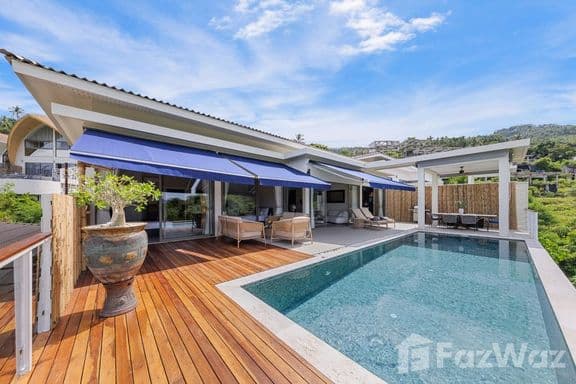
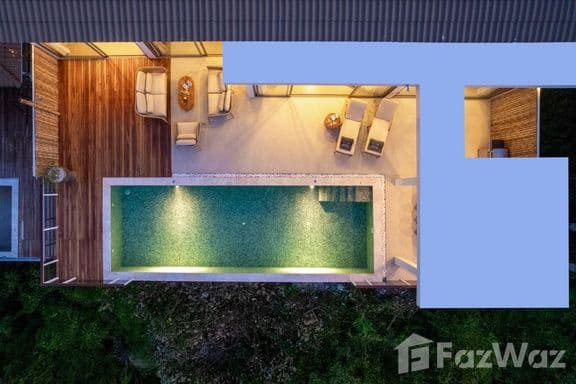
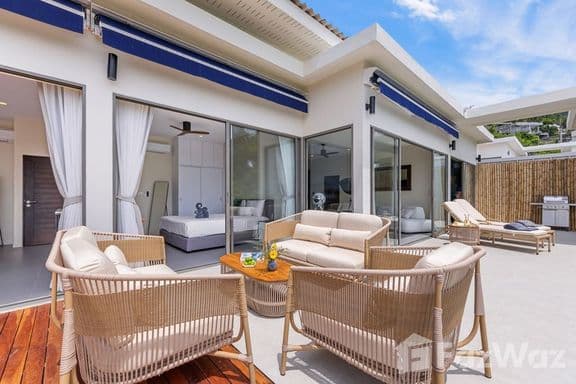
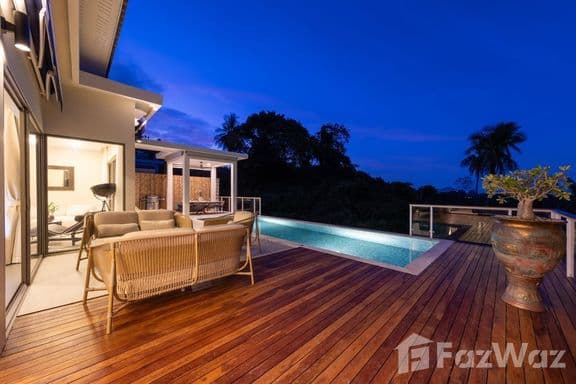
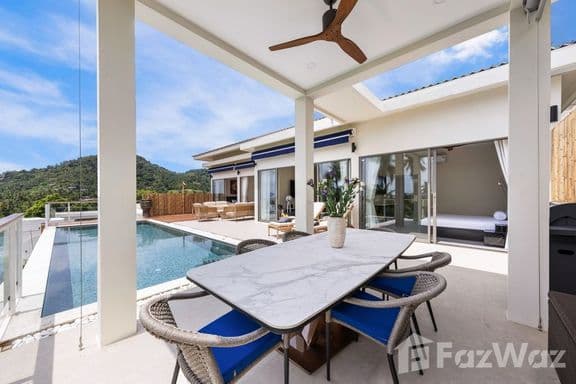
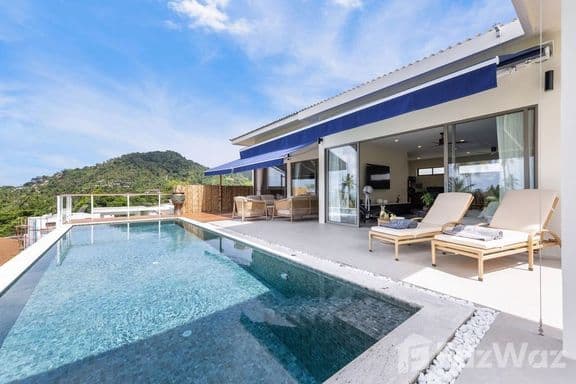
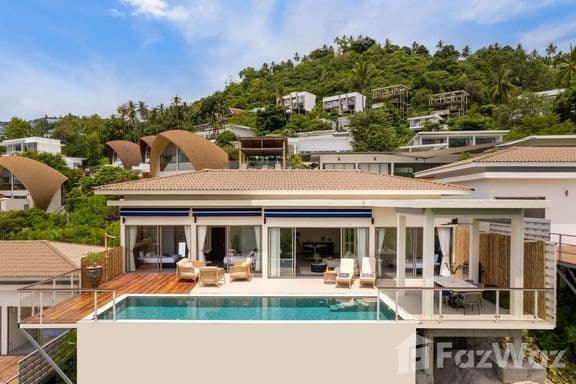
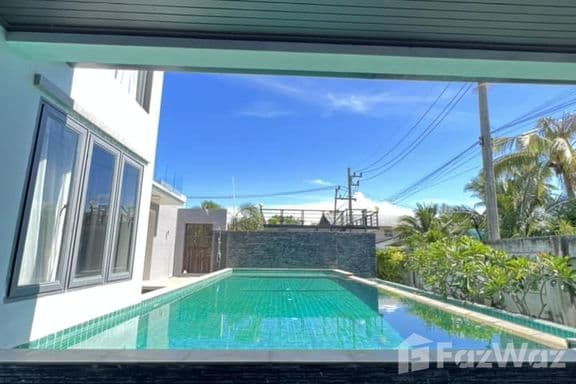
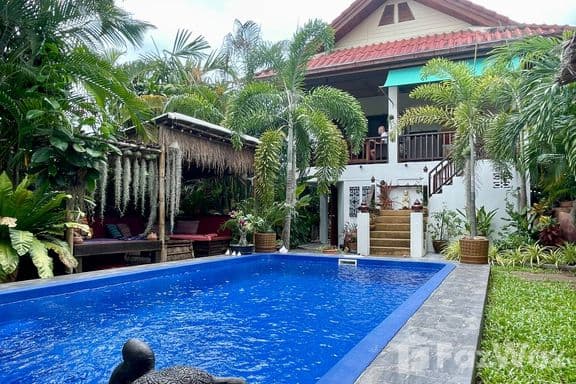
Pool Villas: The quintessential Samui home, these standalone houses (often in gated communities) feature a private swimming pool. Ranging from cozy two-bedroom bungalows to expansive multi-level villas, they emphasize indoor-outdoor living. Highly popular for both residents and renters, almost all newly built villas include a pool.
Beach Homes (Beachfront Villas): These premium properties sit directly on or very close to the beach, offering immediate sand access and unobstructed ocean views. High-end and luxurious, they command top prices due to limited supply and high desirability. Ideal for personal paradise and high-performing rentals, but buyers should be aware of coastal setback rules and erosion risks.
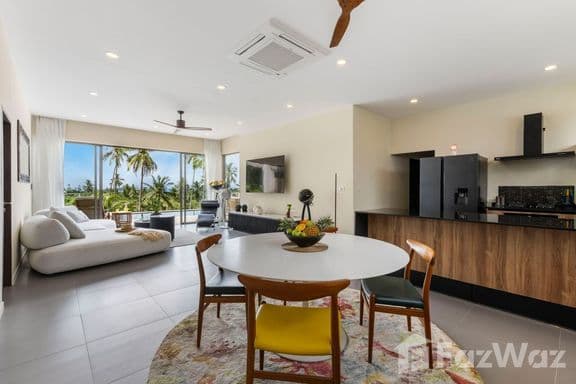
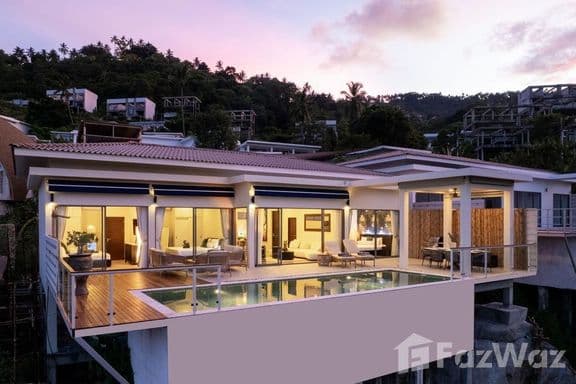
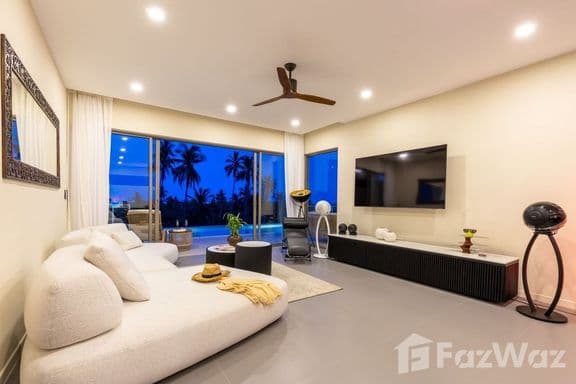
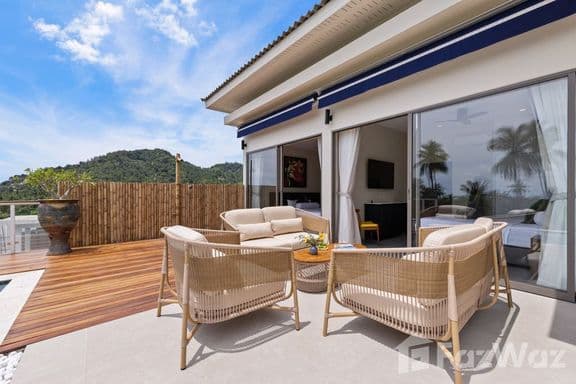
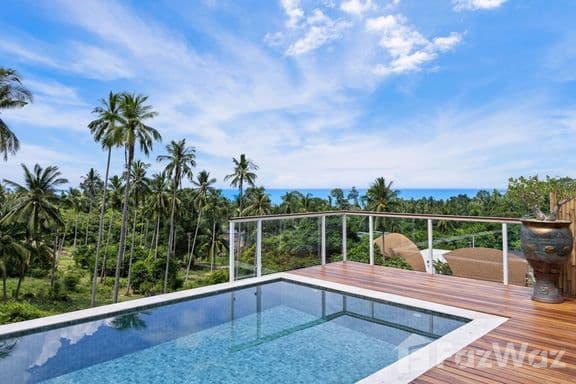
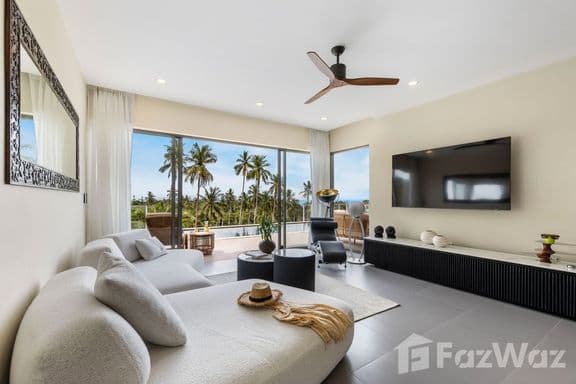
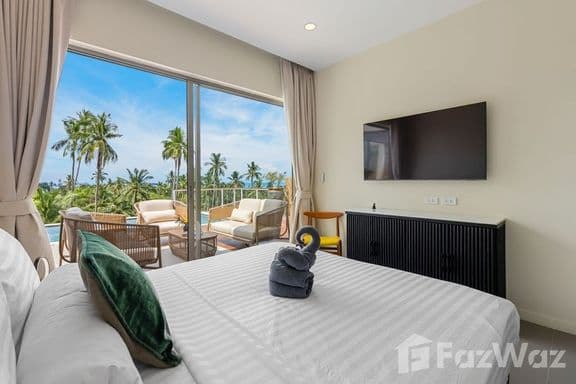
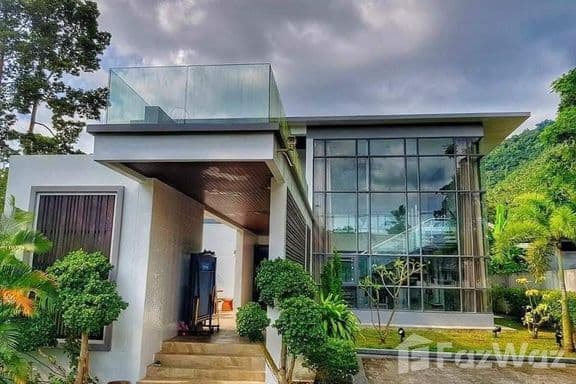
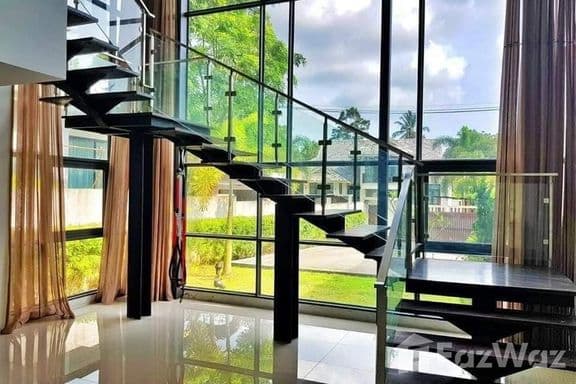
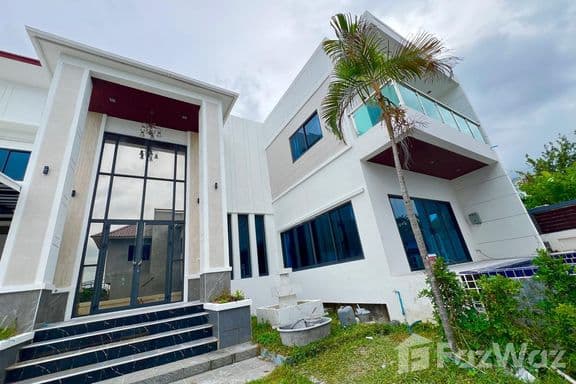
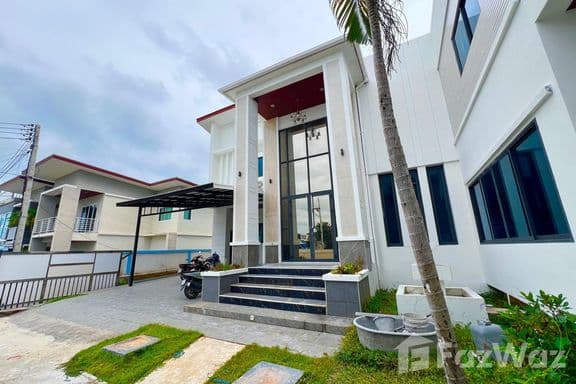
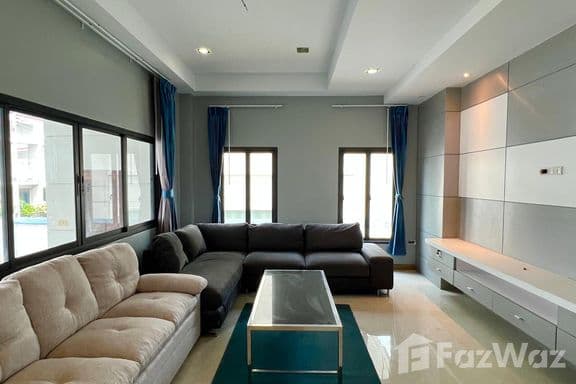
Modern Luxury Villas: A subset of architect-designed, often newly built or off-plan properties, these feature cutting-edge architecture like floor-to-ceiling glass, minimalist aesthetics, and smart home technology. Frequently found on hillsides for panoramic views, they often include high-end features like rooftop terraces and solar panels. These properties are at the higher end of the market, offering strong rental appeal to luxury holidaymakers.
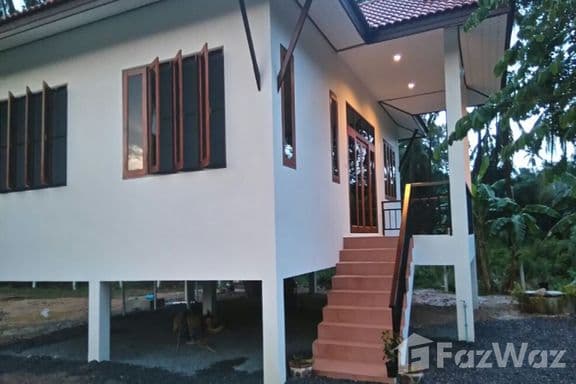
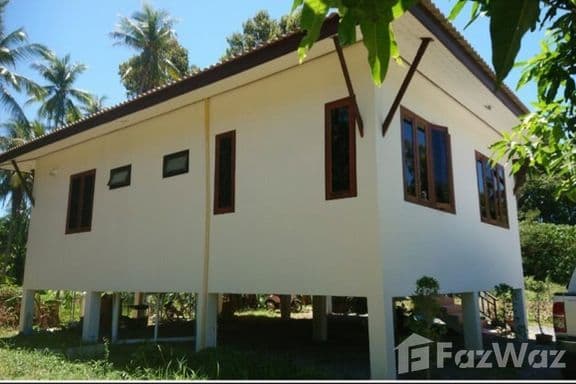
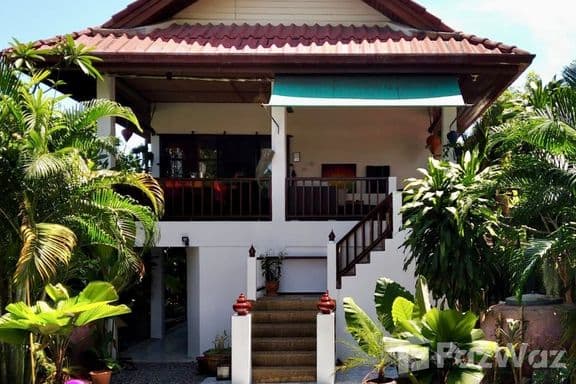
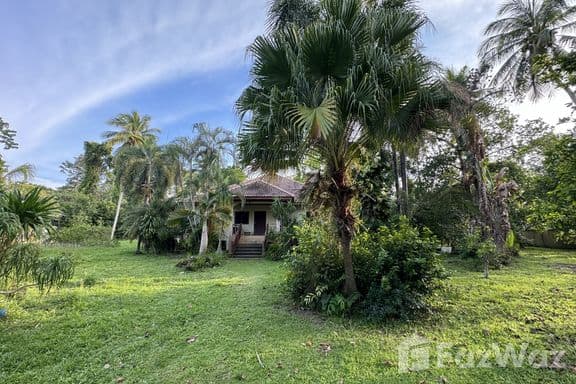
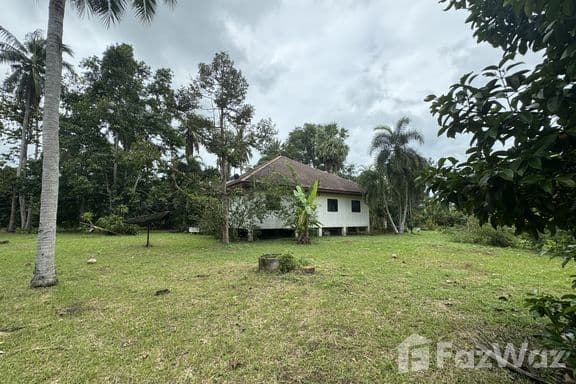
Traditional Thai-Style Houses: Less common among foreign buyers, these houses feature traditional Thai or tropical designs, often with wooden stilt structures or pitched roofs. They offer character and often large land plots. While some may be renovation bargains, it's crucial to inspect building quality and budget for upgrades.
Townhomes and Semi-Detached Houses: Found particularly near tourist towns, these multi-story homes share a wall with neighbors, often within managed complexes with communal amenities. They offer a more affordable entry point and lower maintenance than large villas. Ownership of the land still requires a lease or company structure, similar to villas.
In summary, Koh Samui's housing market for foreigners is dominated by villas, especially those with private pools, aligning with the island's luxury destination image. Buyers should choose a type that fits their goals (e.g., peaceful living, prestige, high rentals) and always assess build quality, developer reputation, and suitability for the tropical environment.
Step-by-Step Buying Process in Thailand
Research and Property Search: Begin by defining your budget and criteria. Research the Koh Samui market on reputable portals and with local agents. If possible, visit the island to tour neighborhoods and shortlist properties.
Engage a Reputable Real Estate Agent: A local agent is invaluable for market insight, viewings, and negotiations. They typically work for the seller, so there's usually no direct cost to the buyer. Ensure they represent your interests.
Hire an Independent Lawyer: This is crucial for foreigners. Hire a qualified Thai property lawyer experienced in Samui real estate early in the process. They will conduct due diligence, ensure legal structure soundness, and protect your interests in contracts.
Property Viewings and Selection: Visit shortlisted houses (or arrange virtual tours) to evaluate condition, views, access, and surroundings. View at different times to identify potential issues like noise or traffic.
Make an Offer and Negotiate Terms: With your agent, submit a written offer including price and conditions. Negotiate on price, inclusions (furnishings), timelines, currency of payment, and tax/fee responsibilities.
Deposit and Reservation Agreement: Upon agreement, sign a preliminary reservation agreement and pay a deposit (typically 5-10%). Ensure this agreement includes protective contingency clauses, preferably reviewed by your lawyer, to avoid forfeiture if the deal falls through for legitimate reasons.
Due Diligence Period: Your lawyer will conduct comprehensive due diligence: verifying the land title (Chanote) for legitimacy and encumbrances, confirming seller's rights, checking zoning/permits, reviewing existing leases/company structures, and investigating any disputes. If buying via a company, the lawyer will vet/set up the company. Proceed only after satisfactory checks.
Sign the Sales and Purchase Agreement (SPA): A formal SPA will be drafted, detailing agreed terms, payment schedule, closing date, and default penalties. Your lawyer must review this bilingual document (English-Thai, with Thai version governing legally) before you sign and make a further payment (e.g., 20-30% of price).
Final Payment and Transfer (Closing Day): The remaining balance (70-80%) is paid at the Land Department office in Nathon, Koh Samui. The buyer provides funds (e.g., banker's drafts), and the seller provides original title deeds and IDs. Land Office officials process the title transfer (registering lease or noting company ownership), issue an updated title deed, and handle registration of any superficies or usufruct rights.
Pay Taxes and Fees: At the Land Office, all relevant taxes and fees are paid: 2% transfer fee, stamp duty (0.5%) or specific business tax (3.3%), and withholding tax (1% for company seller or progressive for individual). Payment responsibilities are typically split as per agreement, usually with the seller covering most taxes, though this is negotiable.
Post-Transfer – Taking Possession: After transfer, conduct a final walkthrough to ensure agreed conditions. Obtain all keys and remotes. Coordinate with your lawyer to transfer utility accounts and inform any managed estate of the ownership change.
Registration of Company Changes (if applicable): If purchased via a company, ensure share transfers are recorded and the company's shareholder list is updated with the Ministry of Commerce. Consider creating a Thai will for company shares for estate planning.
Throughout the process, maintain clear communication with your agent and lawyer. For fund transfers from overseas, obtain a Foreign Exchange Transaction form (for amounts over $50,000 for condos, good practice for houses) and keep all records for clear paper trails, especially for future fund repatriation. Working with professionals ensures a smooth and secure purchase.
When buying and owning a house in Koh Samui, it's essential to budget for transaction taxes, legal fees, and ongoing ownership costs beyond the purchase price.
Taxes, Fees, and Ongoing Ownership Costs
Transaction Taxes and Fees:
- Transfer Fee: 2% of the government appraised value, typically split 50/50 between buyer and seller (1% each), unless negotiated otherwise.
- Stamp Duty: 0.5% of the registered sale price. Applies if Specific Business Tax (SBT) is not applicable (e.g., seller held property for >5 years or it's their primary residence). Usually paid by the seller, but negotiable.
- Specific Business Tax (SBT): 3.3% of the sale price or appraised value (whichever is higher). Applies if sold by a company or an individual who owned it for less than 5 years (and not primary residence). Typically seller's responsibility. If SBT is paid, stamp duty is not.
- Withholding Tax: Income tax on the sale. 1% for company sellers (flat rate); progressive rate for individual sellers (approx. 1-3% of price based on value/holding period). Usually borne by the seller.
As a buyer, expect to pay around 1-2% of the price in shared transfer fees, plus potentially part of other taxes if agreed upon. Clarify all payment responsibilities in the contract.
Legal and Professional Fees:
- Lawyer's Fees: For property purchase in Samui, typically ฿50,000 to ฿100,000 (approx. USD 1,500–3,000), covering title searches, contract review, and transfer coordination.
- Company Setup/Maintenance (if applicable): Company registration might cost ฿30,000–฿60,000, with annual accounting fees of ฿20,000–฿40,000.
- Real Estate Agent Commission: Usually paid by the seller, so buyers typically incur no agent fees.
Financing Costs:
- If financing is obtained (rare for foreigners in Samui without a work permit/residency), factor in loan interest, arrangement fees, and potentially required mortgage life insurance. Most foreign buyers pay cash.
Ongoing Annual Taxes – Land and Building Tax:
- Introduced recently, annual rates for residential properties are low, ranging from 0.02% to 0.1% of the appraised value. Even for a ฿10 million villa, the maximum annual tax is modest, around ฿30,000 (approx. $900). If held in a company, it might be taxed slightly higher, but still low compared to Western property taxes. Paid annually to the local municipality.
Utilities and Maintenance:
- Electricity: Charged by the Provincial Electricity Authority, around ฿5 per kWh. A large villa with frequent AC use can cost ฿5,000–฿10,000+ per month (approx. $150–300+). Pool pumps add to this.
- Water: Generally inexpensive, a few hundred baht monthly if government supply is available. Trucked-in water during dry season can be more.
- Internet/TV: High-speed internet plans cost around ฿1,000 per month. Satellite TV is similar.
- Common Area/HOA Fees: For managed estates, ฿3,000 to ฿10,000 per month for security, trash, common area upkeep, and road maintenance.
- Garden and Pool Maintenance: If not covered by estate management, budget ฿5,000–฿10,000 per month for hired services.
- Pest Control and Misc.: Budget for regular pest control (e.g., ฿8,000 annually) and periodic AC servicing/pool equipment repairs.
- Insurance: Annual home insurance (building and contents) can be around 0.1% of insured value (e.g., ฿10,000–฿20,000 annually for a ฿10M villa). Consider extra liability if renting out.
Property Management (if renting out or absent):
- Property managers typically charge 10-20% of rental income for full services (marketing, guest check-in, maintenance) or a monthly fee for caretaking. These are crucial for hassle-free investing but impact rental profits.
Overall, owning a house in Koh Samui is relatively affordable in terms of carrying costs, with modest annual property taxes. Day-to-day utilities and maintenance are reasonable. However, setting aside a maintenance fund for larger, occasional expenses is wise due to the tropical climate.
Common Risks and How to Avoid Pitfalls
Land Title Issues:
- Risk: Problems with land titles, such as not having a Chanote (the gold standard fully surveyed title), or issues with boundaries/zoning.
- Avoidance: Ensure the property has a Chanote title. Have your lawyer conduct a thorough title search at the Land Office to verify authenticity, ownership, boundaries, and check for encumbrances (mortgages, liens) and zoning compliance.
Building Permits and Quality:
- Risk: Houses built without proper permits, in restricted zones, or with poor structural integrity, potentially leading to demolition orders or safety hazards.
- Avoidance: Ensure the house has a proper building permit matching approved plans. Get an engineer's inspection for structural integrity, especially for older homes or those on steep terrain. Verify proper connections to government utilities (electricity, water).
Developer Reputation (for Off-Plan):
- Risk: Off-plan projects (under construction or yet to be built) not completing or facing significant delays.
- Avoidance: Research the developer's track record, checking successfully completed projects on Samui. Insist on a construction schedule tied to milestone payments. Consider using an approved escrow service for payments to protect funds. Prioritize buying completed properties if unsure.
Legal Structure Pitfalls:
- Risk: Incorrectly set up legal structures, such as illegal "nominee" arrangements or non-bona fide Thai companies. Unregistered long-term leases.
- Avoidance: Never use informal nominee arrangements. If using a Thai company, ensure it has a real business purpose and follow legal advice on share structuring to remain compliant. For leases, always register the lease at the Land Office for the full term (for over 3 years) and include provisions for inheritance and land sale.
Payment Scams or Unsecured Transactions:
- Risk: Sending money to illegitimate accounts or being pressured into "under the table" payments.
- Avoidance: Use secure payment methods, preferably sending funds to a Thai lawyer's client trust account or directly to the Land Office on transfer day. Obtain receipts for all payments and ensure agreements acknowledge them. Resist any pressure for undocumented payments.
Overpaying (Market Value):
- Risk: Foreigners unfamiliar with the market paying inflated prices.
- Avoidance: Compare similar properties using reputable websites and multiple agents to gauge fair market value. Understand that asking prices are negotiable. Consider an independent valuer if unsure, but an experienced agent can also guide you.
Rental and Management Risks:
- Risk: Legal issues with short-term rentals (requiring a hotel license) or mismanagement by property firms.
- Avoidance: For short-term rentals, ensure your villa is part of a licensed managed pool, or focus on longer-term rentals (over 30 days). Choose a trustworthy property management firm with strong reviews and a clear service agreement.
Economic and Market Risks:
- Risk: Property value stagnation or dips due to economic downturns or travel slowdowns.
- Avoidance: View property as a medium-to-long-term investment rather than a quick flip. Avoid overstretching financially and maintain a fund for holding costs. Samui's intrinsic demand mitigates extreme drops.
Cultural and Communication Gaps:
- Risk: Misunderstandings due to cultural differences or language barriers, leading to disputes.
- Avoidance: Maintain polite, clear communication. Clarify everything in writing. If not fluent in Thai, ensure a reliable translator or agent accurately conveys all points. Double-check all contract details.
How to Avoid Pitfalls: The overarching strategy is to hire a good lawyer, conduct thorough due diligence, insist on proper documentation, and avoid rushing any part of the process. Following these steps and leveraging professional advice will ensure a secure and successful property investment in Koh Samui.
FAQs
Q1: Can a foreigner own a house or land in Koh Samui outright?
A: A foreigner cannot own land outright in Thailand (including Koh Samui) under current law. This means you can’t have a freehold land title in your personal name. However, you can own the house (structure) separate from the land, and you can secure long-term use of the land through mechanisms like a 30-year renewable lease or a Thai company structure. In practical terms, these methods allow foreigners to buy and control a house property almost as if they owned it, albeit not via a simple freehold title. For instance, with a 30-year lease (registrable and renewable up to 90 years total), you have legal rights to occupy, use, and even sell your remaining lease term – it’s the most straightforward method for foreigners. If you’re set on true freehold ownership, the alternative is buying a condominium unit, where Thai law permits foreigners to own 49% of the units in a condo project freehold. In Koh Samui, condos are few, so most foreign buyers proceed with leasehold villas or the company route. Always consult a lawyer to choose the best ownership model for your situation.
Q2: What are the steps and timeline to buy a house in Koh Samui as a foreigner?
A: The process involves several key steps (as detailed in the guide above). In summary:
- Find a property – research and engage a local agent;
- Make an offer and sign a reservation agreement with a deposit (this secures the villa for you);
- Due diligence and contract – your lawyer checks title, drafts the Sales & Purchase Agreement (SPA) and you sign it, usually within a few weeks of the deposit;
- Transfer at Land Office – typically 30 to 60 days from signing the SPA, you complete payment and the property transfer is registered. The exact timeline can vary. Some cash purchases can be done in a matter of a few weeks if both buyer and seller are ready and there are no complications. A more typical timeframe from finding a property to owning it is around 1 to 3 months. If you need to set up a Thai company or the seller has to do some paperwork, it might be on the longer side of that range. It’s also possible to do it faster if you’re buying in a well-organized development where paperwork is ready. Just be sure not to skip due diligence for the sake of speed – patience pays off to ensure everything is correct.
Q3: Can foreigners get a mortgage in Thailand to finance a house purchase?
A: It is challenging for foreigners to get a mortgage from Thai banks for a house. Thai banks generally offer housing loans to foreigners only if they have long-term visas and stable employment in Thailand (and even then, usually for condos rather than land). According to local financing guides, foreigners need a work permit and at least one year of work history in Thailand to even be considered by banks. Even then, loans might only cover 50%–70% of the property value and come with higher interest rates (sometimes ~5-8%+ interest). Some international banks or Singapore/Hong Kong branches have loan programs for overseas property, but those are often for condos. In practice, most foreign buyers purchase houses in Koh Samui with cash or equity from elsewhere. Another option is developer financing: a few developers offer installment payment plans for off-plan villas (e.g., pay 50% during construction and 50% on completion) – effectively short-term financing. There are also specialized finance companies that might lend to foreigners on a case-by-case basis, but interest rates can be steep (10%+). If financing is essential, one strategy is to refinance or borrow against property in your home country and use those funds in Thailand. Always consider currency exchange implications too. In summary, plan for cash purchase or explore alternative financing, as Thai mortgage options for foreigners are limited and conditional.
Q4: What taxes and fees do I need to pay when buying and owning a property in Koh Samui?
A: On purchase, the main taxes and fees are the 2% transfer fee (usually split with the seller), a 0.5% stamp duty or 3.3% specific business tax (depending on seller’s status), and a withholding tax (around 1% or a bit more, typically a seller cost). So as a buyer, you might pay roughly ~1-2% of the price in government fees if splitting. You’ll also pay your own lawyer fees and maybe a small amount for misc. admin (clerical fees at Land Office, etc., usually negligible). After purchase, the ongoing annual tax is the Land and Building Tax, which for a personal residence is very low – on the order of 0.02% to 0.1% of the property’s assessed value. For example, many villa owners pay only a few thousand baht per year if the assessed value is modest. Additionally, if you rent out the property and earn income, note that rental income is taxable in Thailand (personal income tax rates apply for individuals, or corporate tax if in a company). Many people do pay tax on rental earnings, especially if they have a Thai company. Other ongoing fees include utilities and any community maintenance fees as discussed in the guide. But no council tax or property tax bills at anywhere near the levels seen in many Western countries – Thailand’s property holding costs are pleasantly low.
Q5: Is it safe and advisable to rent out my Koh Samui house for extra income?
A: Yes, many foreign owners rent out their Samui villas either as holiday rentals or long-term rentals, and it can be a lucrative way to offset costs. Samui’s popularity as a tourist destination means there is strong demand for vacation villa rentals, especially those with private pools and in good locations. It’s common for owners to hire a villa management agency to handle marketing on Airbnb/Booking.com, guest check-in, and upkeep – then enjoy rental yields that, in high season, can be quite robust (monthly yields of 0.5%–1% of property value in peak months are not unheard of). However, there are a few caveats:
- Legally, short-term rentals (under 30 days) require the property to have a hotel license, unless it’s a condo. Enforcement on individual villas is limited, and many operate without licenses, but it’s a gray area. To be safer, you could focus on rentals of 1 month or longer, which do not require a hotel license in a private home.
- Ensure you comply with immigration reporting (when you have guests, property owners or managers should file a TM30 report of foreign guests with immigration – many agencies handle this routinely).
- Using a reputable property manager is key to safety – they will vet guests, secure deposits, and make sure your property is cared for. Vet the agency’s track record and fees (typical commission is 20% of rental revenue for full management).
- Insurance: inform your insurer if you plan to rent out, to ensure your policy covers any guest-related damage or liability.
Overall, renting out your Samui house can provide excellent income given the island’s high tourist occupancy, especially if you own a desirable villa. Just manage it professionally and be aware of the regulations. Many owners successfully use their villa a few months a year and rent it for the rest, enjoying both lifestyle and investment returns.
Conclusion
Buying a house in Koh Samui as a foreigner is an exciting journey that can lead you to owning your very own piece of paradise. The island offers an unparalleled blend of tropical lifestyle, investment potential, and comfort. From the vibrant nightlife of Chaweng to the serene shores of Maenam, there’s a perfect corner of Samui for everyone. By understanding the legal frameworks, choosing the right ownership structure, and doing thorough due diligence, you can safely and confidently purchase a villa that meets your needs.
Remember to leverage local expertise – engage experienced agents and lawyers – and take your time to explore the market. Whether you’re drawn to a modern sea-view pool villa or a cozy beachfront bungalow, make sure it aligns with your lifestyle goals and budget. Once you’ve navigated the process and have the keys in hand, you’ll be rewarded with more than just a property; you’ll have a personal sanctuary on one of the most beautiful islands in the world.
If you’re ready to take the next step, our platform offers a wealth of resources and listings to help. Browse all houses for sale in Koh Samui to see current opportunities, and reach out for personalized assistance. Your Koh Samui dream home might be just a click away. Happy house hunting, and we wish you Sawadee krub/ka – a warm welcome – to the Koh Samui community!







































































































































 Popular condos in Ko Samui

