Thailand Condo Market & Buying Guide (2021–2025)
The Thai condominium market has been steadily recovering since the 2020–21 COVID slump, buoyed by returning tourism and foreign buyers. In 2023–24, foreign demand surged: the Real Estate Information Center (REIC) reported over 14,000 condo units transferred to foreigners in 2023 (a 25% jump year-on-year), even as Thai demand lagged. Bangkok and resort areas (Phuket, Pattaya) led price levels, with 2‑bedroom condos asking around USD 303k in Bangkok and USD 296k in Phuket. By late 2024, price growth had slowed (condo prices up 7.2% YoY in Q3 2024 but only 2.5% in Q4), reflecting oversupply and tighter credit. Government stimulus (e.g. transfer fee cuts on cheaper homes) and low interest rates are beginning to stabilize the market. Overall, transfers are down a few percent in 2024, but foreign purchases remain resilient (up ~3% through Q3 2024). Analysts expect a modest recovery by 2025, with transfers up ~3–4%.
Foreign Condo Ownership Rules
Under Thai law foreigners can own condominiums outright, but with strict conditions. By the Condominium Act, foreigners may hold up to 49% of the total unit area in any condo project. Any excess must be leasehold: developers often sell the remaining 51% as 30-year leases (renewable) at a 10–15% discount. Buyers must import foreign currency through a Thai bank for the purchase – the bank issues a Foreign Exchange Transaction (FET) form (or credit note) as evidence. This FET form (formerly “Thor.Tor.3”) shows the foreign amount and its conversion to baht and must be presented to the Land Department when registering foreign ownership. In practice, a foreign buyer wires the full purchase price in USD (or other currency) to Thailand, converts it to baht in a Thai bank, and uses the FET form at transfer.
Thailand’s government is even considering liberalizing these rules. In mid-2024, officials studied proposals to allow 75% foreign ownership of condos and extend leaseholds to 99 years. If approved, these changes could boost foreign investment. Currently, when buying, foreigners should verify that the foreign quota is not full in a project. Many developers set aside a block of units for sale on leasehold to accommodate additional foreign buyers beyond the quota. Foreigners cannot own land or houses freehold, so condos remain the simplest path to property ownership. (Foreigners wanting land must use 30–90 year leases or set up Thai-majority companies.)
Condo Types & Layouts
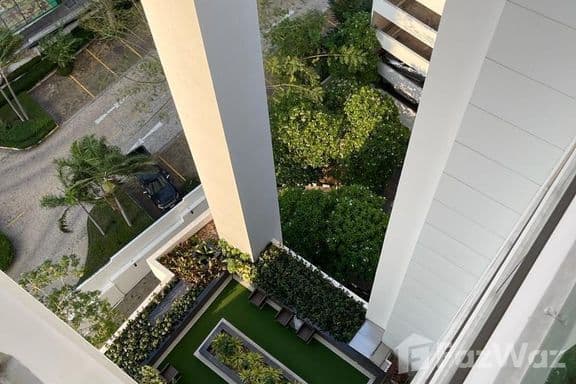
Condos in Thailand come in many forms and sizes. Building types include high-rise towers (often 20+ floors with city or sea views and full amenities), low-/mid-rise projects (6–10 floors, quieter locations), and serviced apartments or “condo-hotel” projects where units function like hotel suites. Developers also market “luxury” vs “mid-range” condos: luxury units have upscale lobbies, pools and gyms, while economy units offer basic finishes.
Condo purchases can be off-plan (pre-construction), newly completed, or resale. Off-plan units often come with attractive discounts or payment plans, but carry the risk of construction delays. Completed or resale condos let you move in immediately. (Note: many foreigners interested in “condo hotels” should check the fine print – units may require joining a rental pool or have extra fees.)
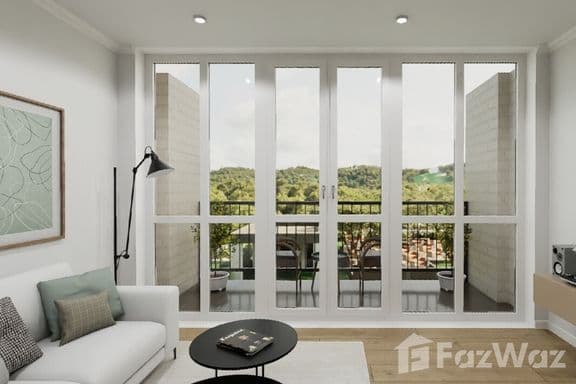
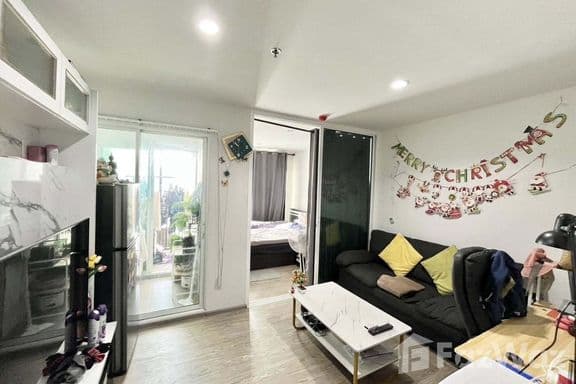
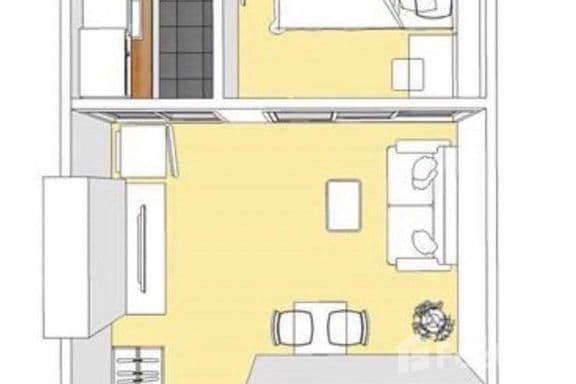
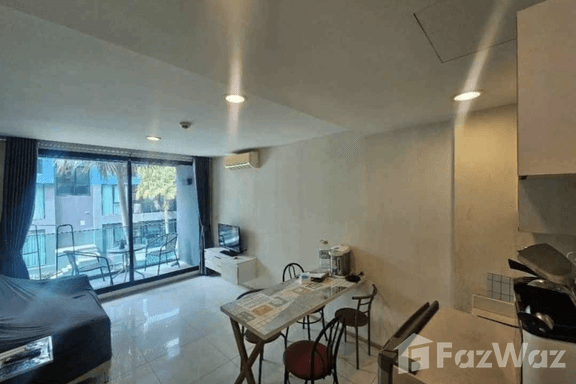
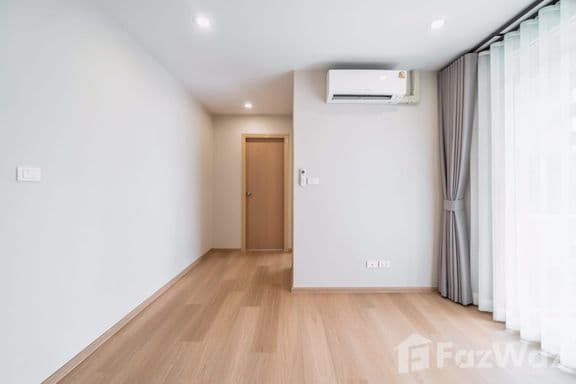
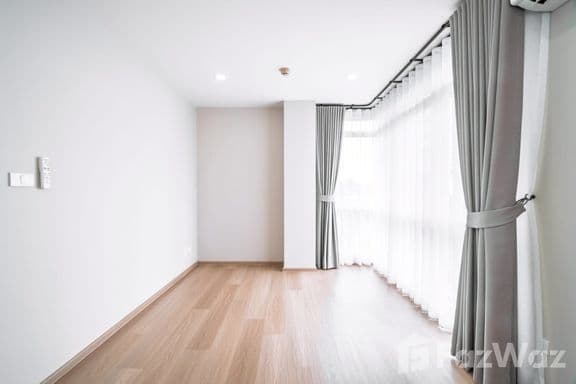
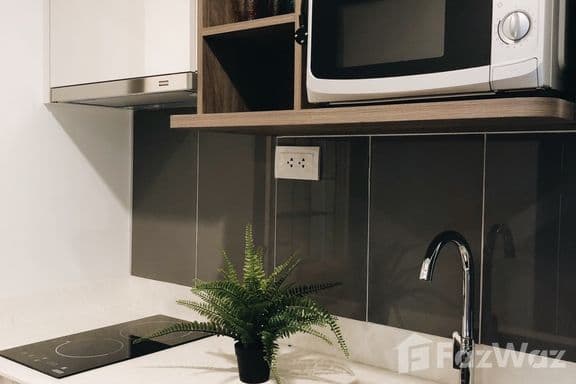
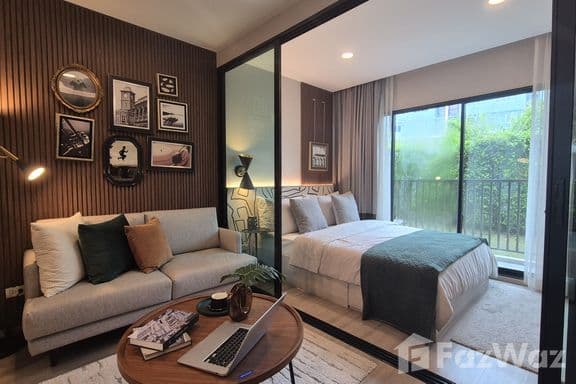
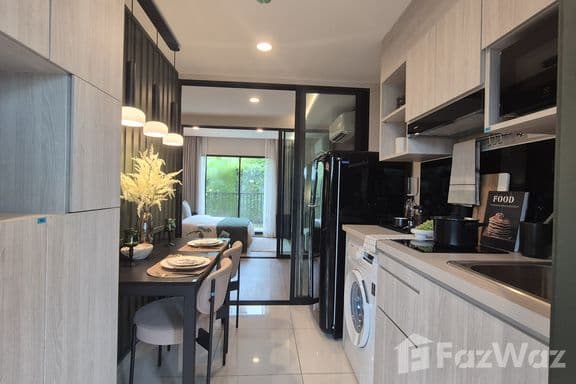
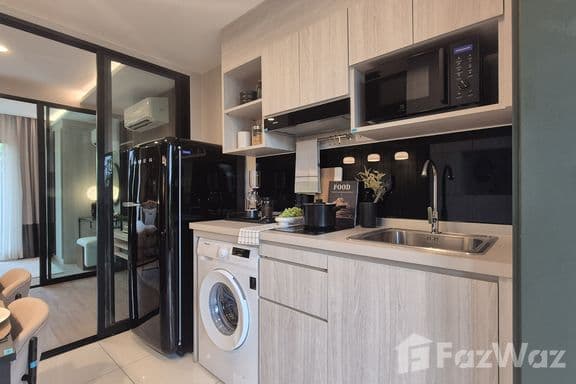
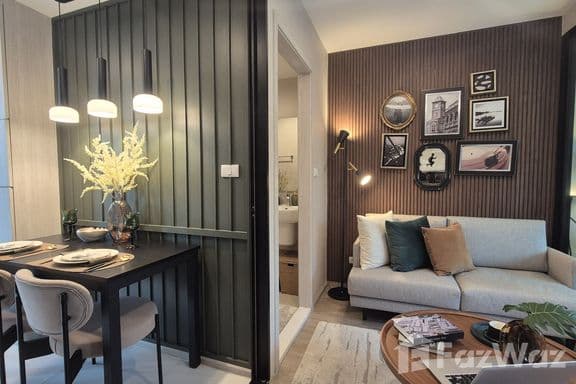
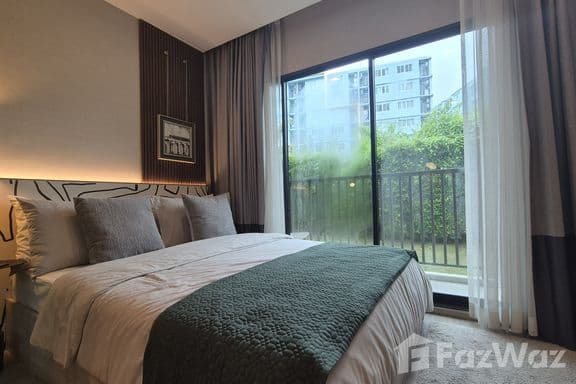
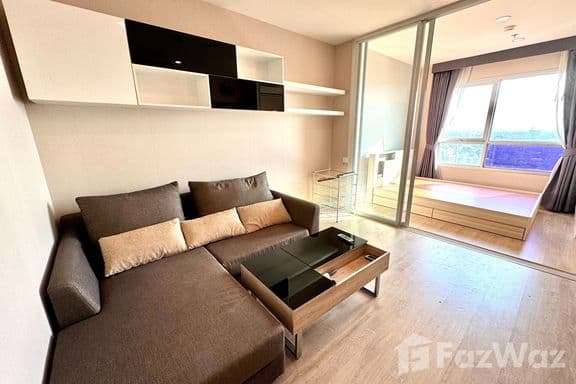
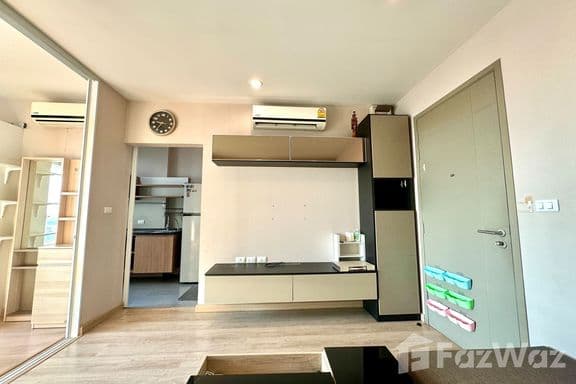
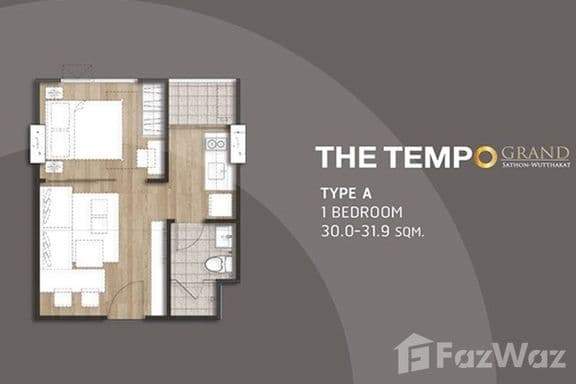
Units themselves range from compact studios (often 20–30 m²) to multi-bedroom apartments. A common breakdown is: Studio (one open living/sleeping area), 1‑bedroom (separate bedroom plus living room), 2‑bedroom, and 3+ bedroom (families or shared houses). Some condos offer dual-key units (two mini-apartments with one front door), loft-style (split-level), or penthouses with private terraces. In practice, 31–60 m² units are most popular with foreigners (about 45.6% of transactions in early 2024). For example, according to market data, 1‑bedroom condos average ~$47k–$131k depending on location (suburbs vs prime areas). When choosing a layout, consider who will live in it (single, couple, family), plus rental potential: studios and 1‑beds rent to singles, while 2–3 bedrooms appeal to families or roommates.
Top Cities and Neighborhoods
Foreign buyers concentrate on a few key markets:
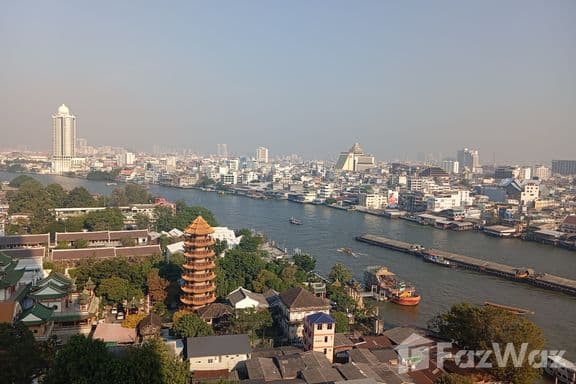
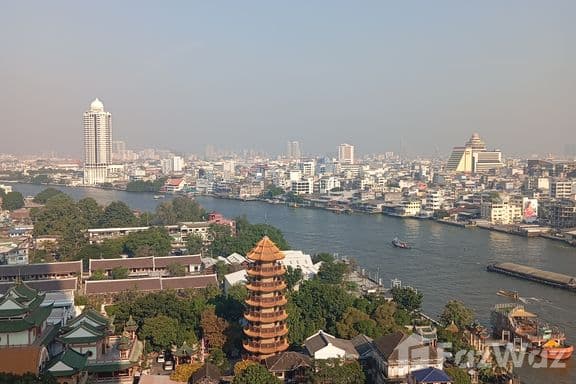
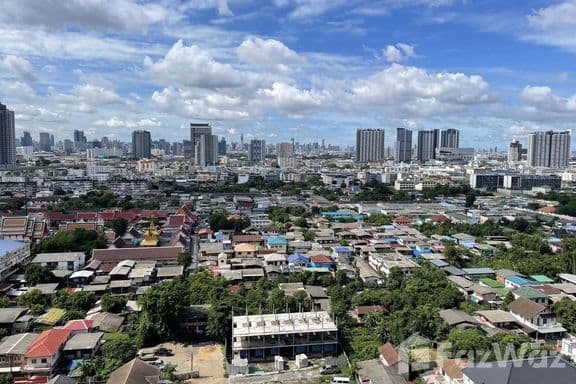
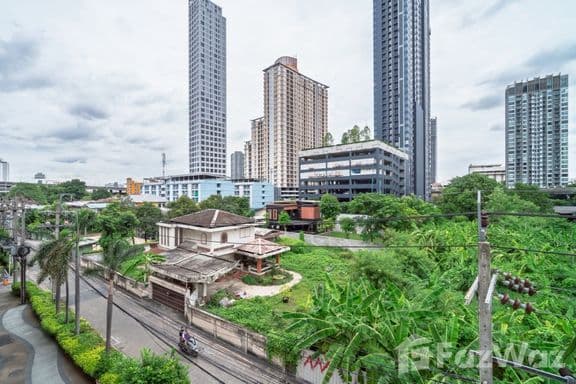
- Bangkok – The capital dominates Thailand’s condo market. Key districts are along the BTS/MRT lines: Sukhumvit (Asoke, Phrom Phong, Thonglor/Ekkamai, On Nut), Silom/Sathorn (Lumpini, Si Phraya), and Ratchada (Huai Khwang). Expats seek areas with easy transit, international schools, hospitals and malls. Chinatown/Riverside and new CBD zones (Rama IX, Petchburi) are also popular. The Skytrain suburbs (Ekkamai-Nana) offer slightly lower prices. Overall, Bangkok has the widest choice of condos – from budget studios (80–100k ฿/m²) to luxury high-rises (150–200k ฿/m²). As one guide notes, “Top recommended neighborhoods… include Sukhumvit, Sathorn, Thonglor, Silom, Riverside, Phrom Phong, and Asoke”.
- Phuket – Thailand’s largest island sees strong foreign demand for beach condos. Patong (busy nightlife), Kata/Karon (family beaches), Kamala/Surin (upscale resorts) and Bang Tao/Laguna (luxury villas and condo projects) are prime zones. Kathu and Phuket Town offer lower prices inland (cheaper condos near city conveniences). New developments also target Rawai/Nai Harn (south beaches) with scenic hilltop views. Condo prices in Phuket are comparable to Bangkok’s CBD; prime beachfront units can exceed $1 million. Tourism recovery (35+ million visitors by 2024) is reviving short‑term rentals here.
- Pattaya/Chonburi – A short drive from Bangkok, Pattaya (Jomtien Beach, Central Pattaya, North Pattaya/Naklua, Pratumnak Hill) is a mature expat hub with many condos for sale. Jomtien and Wongamat neighborhoods are favored for ocean views and quiet beach life, while Central Pattaya is lively (Walking Street, city center). In nearby Bang Saray and Rayong (EEC area), new projects cater to investors looking ahead to Eastern Economic Corridor growth. Pattaya condo prices tend to be 50–70k ฿/m² on average, lower than Bangkok.
- Chiang Mai – The northern cultural capital attracts digital nomads and retirees. Key areas include Nimmanhaemin Road (cafés, tech start-ups), the Old City (walled heritage center), and along the Ping River. Chiang Mai condos are generally smaller and cheaper: prices around $1,400–$2,300/m², reflecting lower land costs. Inventory is more limited than Bangkok, but high occupancy rates (many expatriates and students rent) make it a steady market.
- Hua Hin (Prachuap Khiri Khan) – A quieter beach town popular with Western retirees (British, Dutch, etc.). Central Hua Hin and Khao Takiab are hot spots for condominiums, with a laid-back resort feel. Nearby Cha-Am (just north) also has developments aimed at long-stay foreigners. Condo prices here are generally lower (roughly 55–95k ฿/m²), making it attractive for retirement or second homes.
- Koh Samui – This Gulf island remains expensive (luxury market), but foreigners enjoy places like Chaweng, Bophut (Fisherman’s Village) and Choeng Mon. Samui’s condo market is smaller, and many buyers are well-off investors or holiday‑home seekers. According to experts, Samui condos can be surprisingly affordable per sqm compared to Bangkok, but high-end beachfront units rival Bangkok/Phuket prices.
Other areas seeing pockets of interest include Rayong and the EEC, or smaller islands (Koh Phangan/Phi Phi) for resort condos. In general, urban/airport-linked cities and tourist destinations top the list for foreign condo buyers.
Price Trends & Forecast (2021–2027)
Over 2021–2024, Thai condo prices have edged up modestly. Averages vary by city and neighborhood: in mid-2025 Bangkok’s prime condo price was about ฿236,000/m² (≈USD 6,800) in the CBD. Phuket’s prime areas were similar (around USD 6,500/m²). Secondary cities like Chiang Mai and suburbs like Nonthaburi are much cheaper (~$1,400–$2,300/m² in Chiang Mai). From 2021–2023, overall growth was in the low-single digits (REIC data show nationwide transfers down in 2024). For example, a Bangkok REIC index noted a 3.4% YoY rise in new condo prices (Q3 2023), but other reports suggest just ~2–3% annual growth in condo asking prices. The pandemic-induced oversupply (builders opened many projects) has kept prices subdued.
- Bangkok: Prime condos (CBD/Sukhumvit) typically fetched 140–150k ฿/m² by 2025. In recent years price growth slowed as developers competed for buyers. Cushman & Wakefield noted a ~9.4% jump in Q1 2025 launches over mid‑2024, indicating some price recovery, but the broad market saw moderate gains (~2–4%/yr).
- Phuket/Pattaya: Beachfront condo values climbed in 2022–23 on a tourism rebound, but also face oversupply. Current prices (2025) are around **95–180k ฿/m²** in Phuket and **65–120k ฿/m²** in Pattaya. Forecasts (see below) suggest these resort markets may see slightly stronger upside due to rental demand.
- Chiang Mai: Slowly rising from a low base (studios ~฿30–50k/m²). The city’s limited high-rise supply has kept the market stable; moderate growth (~3%/yr) is plausible.
- Hua Hin/Koh Samui: More niche, but prices in popular zones have held up (around 55–95k ฿/m² in Hua Hin).
Forecast (2026–2027): Analysts predict only modest short-term gains as oversupply is absorbed. For example, one outlook suggests Bangkok condo prices will stay flat or rise ~1–2% annually through 2025, driven by government stimulus and stabilized demand. Over 2026–27, growth may accelerate slightly: forecasts call for 3–4% annual appreciation in Bangkok CBD, 1–2% in oversupplied suburbs, and 4–5% in top resort areas (Phuket/Pattaya). Industrial/EEC zones could see even higher gains (5–6%) from infrastructure projects. In short, expect low single-digit price growth countrywide in the next few years, with tourist hotspots outperforming central Bangkok and inner suburbs. Factors shaping this include Thailand’s economic recovery, visa‑free policies (boosting rental demand), and any regulatory changes (e.g. raising foreign quota).
Buyer Profiles
Foreign condo buyers in Thailand include expatriates, retirees, and investors from various countries. Traditionally the largest groups have been Chinese and Russians, but shifts occurred post-pandemic:
- Chinese buyers dominated pre-2020; in 2023 they were ~45.8% of foreign condo transfers. (By early 2024, Chinese still led with ~40% share.) Their purchases tend to be in Pattaya, Phuket, and Bangkok. Economic headwinds and capital controls have recently dampened their volume (2024 Chinese purchases fell ~14.3% YoY). However, Chinese demand remains a major factor.
- Russian buyers have been significant, especially in Phuket/Pattaya and Hua Hin. They accounted for 7–10% of foreign sales in 2023–24. Russian interest waned in late 2023/2024, but they’re still a top group. (Sanctions and travel costs limit them, though some find Thai property appealing.)
- Southeast Asians: Remarkably, Myanmar and Taiwan have surged. In 2024 Myanmar buyers jumped +146%, becoming nearly 10% of foreign purchases. Taiwanese were up +57%. Thailand’s visa‑free access for these nationals encourages investment (many opt for Thai retirement or business visas).
- Western expats/retirees: Smaller in number but consistent. American, European (UK, France, Germany) and Australian retirees often buy condos for long‑term residence in Bangkok or coastal towns. In early 2024, Americans and Europeans each accounted for ~2–3% of foreign transfers. These buyers usually look for comfortable one- or two-bedroom units near expat communities or hospitals.
- Indian and others: Indian buyers are emerging (+0.4% to 260 units in 2024), often preferring larger units (~70+ m²) and paying higher per‑unit prices. The Middle East (UAE, Saudi) invests via Bangkok companies, though not always captured in “foreigner” stats.
Domestic Thai investors also buy condos (often via Thai companies), but foreigners have the unique advantage of 100% ownership of the unit. Overall, foreigners now make up about 12–13% of condo transfers. Buyer motivations vary: retirees seek lifestyle and pensions’ value; working expats need accommodation; investors chase rental yield or capital growth. Many foreign buyers finance with cash (because banks require 30–50% down for foreigners).
Rental Yields & Capital Growth
Condo rental yields in Thailand are relatively healthy compared to some markets. According to one estimate, national gross yields average ~6.2%. In Bangkok the yield is roughly 6.0% on average, while suburban areas (Nonthaburi, Samut Prakan) can reach 6.4–7.1% due to lower prices. Phuket and Pattaya, with strong tourism rents, often see 5–7% gross yields in attractive segments. (Yields are gross – net yields after expenses fall ~4–5% in many cases.)
Rental rates have rebounded: for example, prime Bangkok rents rose ~10–16% YoY in 2024 as expats returned. Short-term vacation rental demand is also strong in holiday areas. These factors support the view that buying in high‑demand neighborhoods (city center, airport corridor, beach resort) is safer for income.
For capital growth, the outlook is moderate. With current oversupply, large price jumps are unlikely in the short term. Over time, fundamental factors could boost values: tourist recovery, infrastructure (BTS extensions), and any quota relaxations. Long‑term forecasts (2027–30) see 3–5%+ annual price growth in prime Bangkok and resort markets. In practice, buyers should expect steady, single-digit appreciation combined with 5–7% rental yields – delivering total returns of perhaps 6–10% annually in strong locations.
Transaction Process, Fees, & Taxes
Steps: Buying a condo in Thailand typically involves: (1) Reservation – pay a small booking fee (฿20,000–100,000) to reserve the unit; (2) Sales Contract – sign the Sale & Purchase Agreement (SPA) and pay a deposit (often 10–30%); (3) Payment – pay any remaining installments if off-plan; (4) Transfer – on completion, meet at the Land Office to officially transfer ownership and pay final balance and fees. Foreigners register ownership at the Land Office with the condo’s title deed in hand. The entire process (especially transfer) is handled in Thai, so hiring a trustworthy Thai lawyer is essential. The lawyer/agent arranges the Land Department appointment and conducts the title transfer.
Foreign Currency Payment: By law, foreigners must fund the purchase via foreign currency. In practice, the buyer wires their country’s currency to Thailand, converts to baht in a Thai bank, and obtains the FET form (see above). The transfer documents and FET form are presented to the Land Office when finalizing the sale. (If financing via a mortgage, a similar foreign-exchange form is needed for each loan drawdown.)
Fees and Taxes: At transfer, several charges apply (based on the government’s assessed value or the sale price, whichever is higher):
- Transfer fee: 2% of the appraised property value. Traditionally shared between buyer and seller (often 50/50) by custom, though either party may negotiate. If the developer sells, they usually split 1%/1%.
- Stamp duty: 0.5% of the appraised value. (Stamp duty is paid if no Special Business Tax is due.)
- Withholding Tax: If the seller is a Thai individual, a progressive income tax is withheld (the Land Office calculates it based on years owned). This is effectively about 1–2% of the sales price for typical holding periods. If the seller is a company (like a developer), a flat 1% withholding on value applies. In practice, for condo resales most often 0.5% (stamp) is paid by buyer and the seller handles withholding tax according to their status.
- Special Business Tax (SBT): 3.3% of the sale price, but only if sold within 5 years of acquisition. If after 5 years, the sale is exempt from SBT but subject to the 0.5% stamp duty instead. Usually, brand-new condos (sold by developers) incur SBT (paid by seller/developer), whereas resale sales by individuals avoid it by paying the smaller stamp duty.
Aside from transfer taxes, expect agent fees (max 3% if using a broker) and lawyer fees (often 0.5–1% of price). Foreign buyers often pay all fees on their share (2% transfer + 0.5% stamp). There is no VAT on a condo resale, but a developer pays VAT on new sales (hence SBT instead).
Annually, foreign condo owners pay a house and land tax on the condo’s assessed value (under 0.1%), and income tax on any rental earnings (as normal personal or corporate tax). But these are minor compared to the upfront costs.
Transaction Checklist:
- Verify the condo’s juristic person registration (legal condominium formation certificate).
- Ensure foreign quota remains (get developer confirmation).
- Review the title deed (Chanote) to confirm the seller’s ownership and that it’s mortgage-free.
- Obtain all payment receipts and the official SPA. Don’t pay in cash without receipts.
- Bring your passport for transfer. After paying the Thai-currency portion (including taxes) and signing at the Land Office, you receive the new title deed with your name listed.
Tips for Safe Buying & Maximum Value
- Hire Professionals: Always use a licensed Thai real estate lawyer to handle due diligence. A good lawyer will perform a title search, check for outstanding liens or building violations, and review the SPA. Likewise, choose reputable agents or developers (look for registered firms or referrals).
- Inspect & Investigate: Physically inspect the unit and building. Check construction quality, building maintenance, and facilities. Ask if the Condominium Act license and building permits are in place. For resale condos, confirm that all common fees (utility, sinking fund) are paid up. For off-plan, ask for floor plans and sample contracts.
- Value & Location: Compare similar condos on market to gauge price. Don’t overpay on hype – Thai buyers often prefer newer projects, which can keep resale values moderate. Consider proximity to transit (BTS/MRT), good rental demographics, and future infrastructure. For example, units near new Skytrain extensions may appreciate faster.
- Negotiation & Extras: In a buyer’s market, developers may offer incentives: price cuts, waived fees, furniture packages, or guaranteed rentals. Ask for anything negotiable. Even on resale, see if the seller will include items (furniture, appliances). Factor in currency exchange: if you have USD (or another currency), time your transfer for a favorable rate.
- Beware Scams: Avoid deals that seem too good. Always verify the seller’s identity (match passport to ID on title). Do not transfer large sums before signing contracts. Make sure all agreements are in writing (in Thai and translated). For off-plan purchases, ask about escrow safeguards (though not formally required in Thailand).
- Ownership Quota: Check the current foreign ownership percentage with the condo juristic person office. If the quota is full, no further foreign ownership transfers are allowed until someone sells or the building registers. Developers sometimes designate leasehold units as a workaround.
- Future Use: Clarify your intention: will you live in it, rent it out, or flip it? Location and layout should fit your plan. For rentals, study occupancy rates in the area (hotel occupancy or long‑stay rental demand). For retirement, ensure the community suits your lifestyle.
Following these precautions helps maximize your investment. Thorough legal checks and shrewd negotiations are as important as picking the right location. As one expert notes, many early problems “can be avoided… by using registered lawyers and reputable agents and asking the right questions” up front.
Market Outlook (2026 and Beyond)
Looking ahead to 2026–2027, the Thai condo market is expected to gradually regain strength. The current oversupply (especially of mid-range Bangkok units) will likely take a few years to absorb. Demand, however, should recover as foreign tourism and investment rules improve. Key outlook points:
- Foreign Quotas & Visas: If quota limits are eased and lease terms extended (as being discussed), more foreign capital could flow in. Thailand’s recent visa programs (long‑stay visas, no-entry visas) may attract digital nomads and retirees, supporting condo sales.
- Tourism & Rentals: Thailand aims for 40–50 million international visitors annually by the late 2020s. Continued tourism growth will keep rental markets (especially short-term Airbnb-type rentals) robust in beach towns and Bangkok. This underpins investment demand in those locales.
- Infrastructure & Economy: Planned transit expansions (new BTS/MRT lines in Bangkok) and highways (connecting new smart cities, EEC zones) will raise values of well-located condos. The economy’s path is key; modest GDP growth (~3–4%) and stable inflation would aid the property market. Interest rates are likely to remain moderate (around 6–7% mortgage rates) which should not deter buyers as severely as in 2022–24.
- Demographic Trends: Thailand’s aging population and shrinking households mean more people will favor condos (for maintenance ease) over traditional housing in the long run. Urbanization trends and regional development (Eastern Seaboard projects) could create new condo hotspots.
In summary, gradual growth is the consensus. Bangkok may see flat-to-weak growth in the next couple years (due to excess inventory), but by 2026–27 the market should strengthen (especially CBD condos at ~3–4%/yr and seaside resorts at ~4–5%/yr). Careful investors will watch for catalysts: lowered foreign-currency remittance taxes, improved loan packages, or large infrastructure openings. The key is patience: buying during a slow period can yield value, with upside as Thailand’s economy and foreign links continue improving.
Overall, for foreign buyers 2026+ looks positive. Thailand’s allure – from Bangkok’s urban life to its islands and mountains – is still growing internationally. With legal protections for condo ownership in place and careful planning, condos can offer good rental income and stable capital appreciation in the medium to long term.


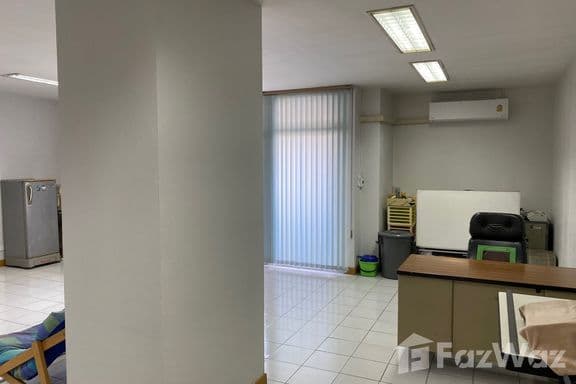
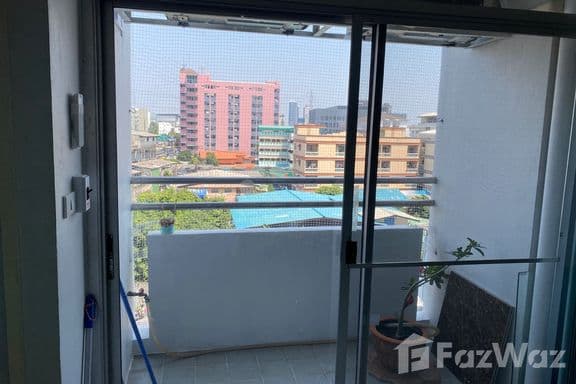
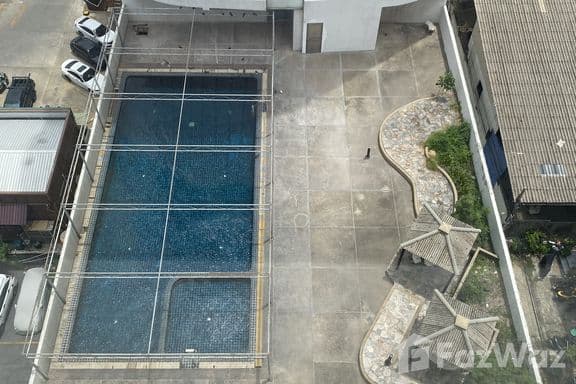


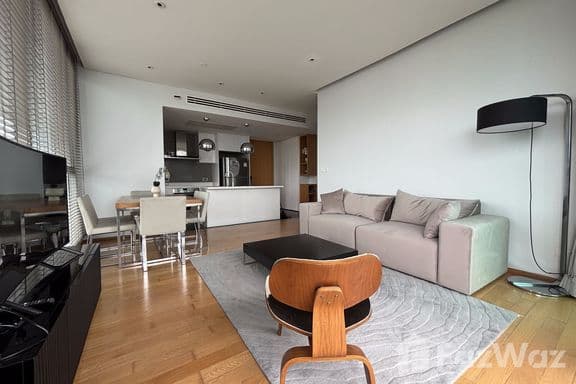

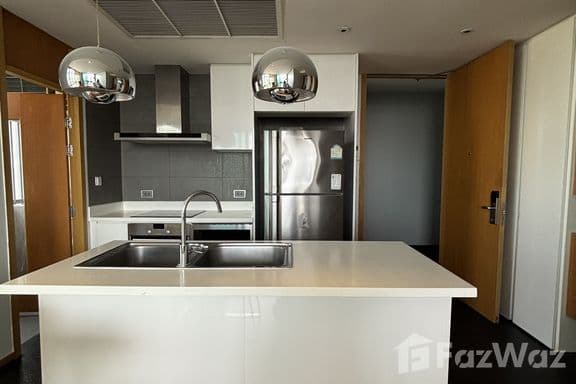
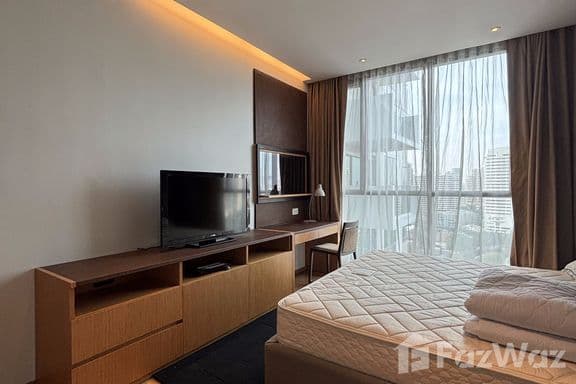
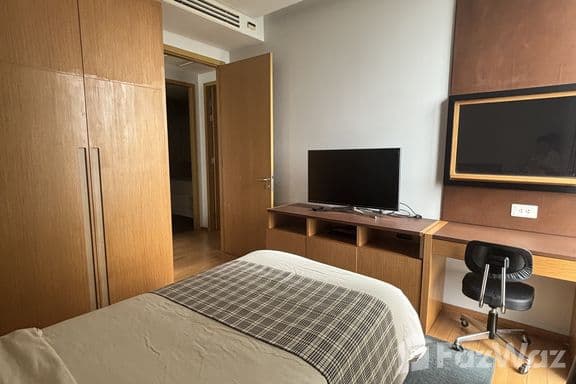
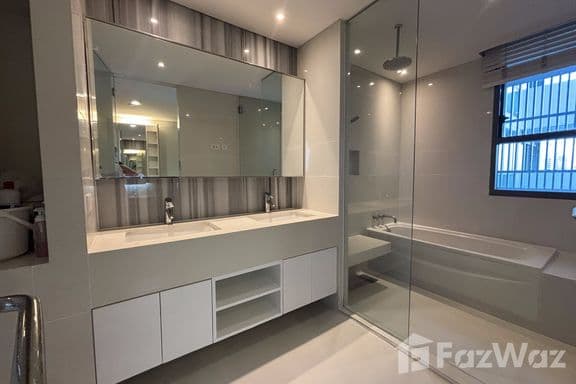
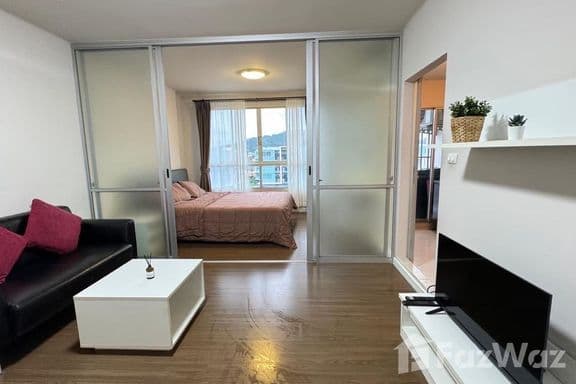


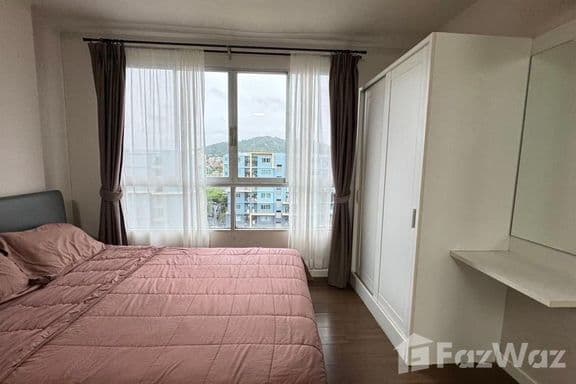


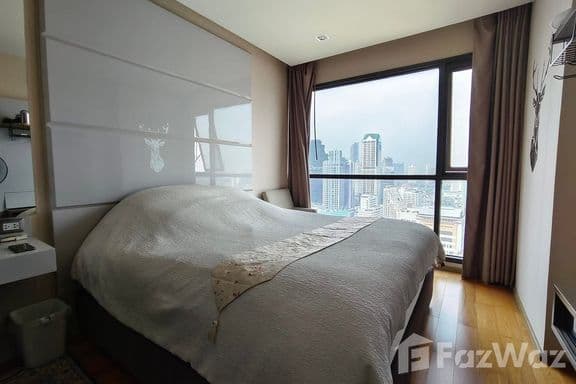
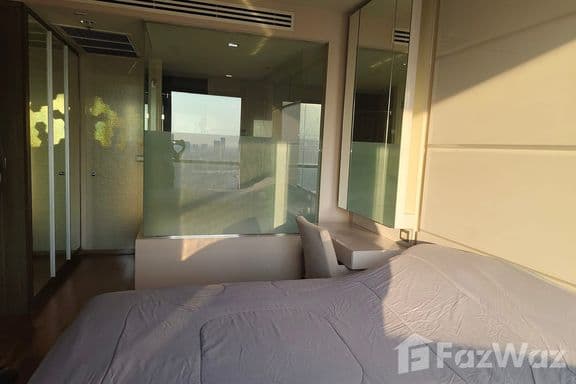
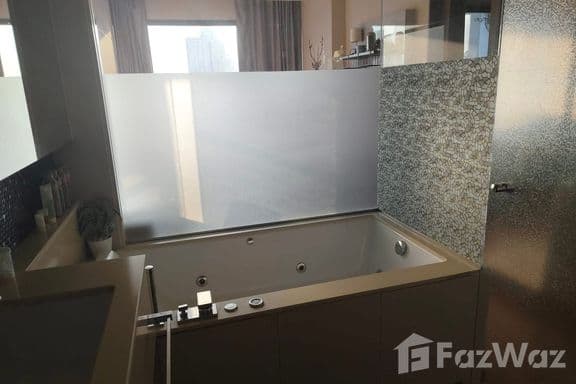
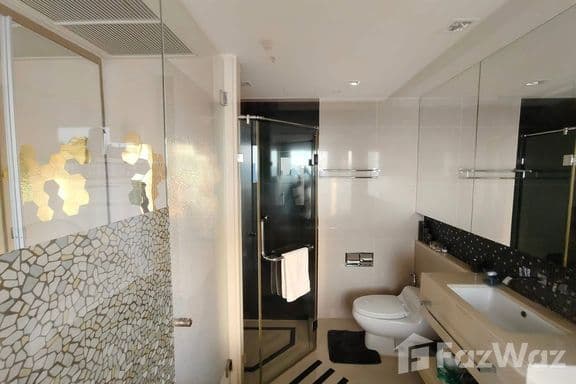

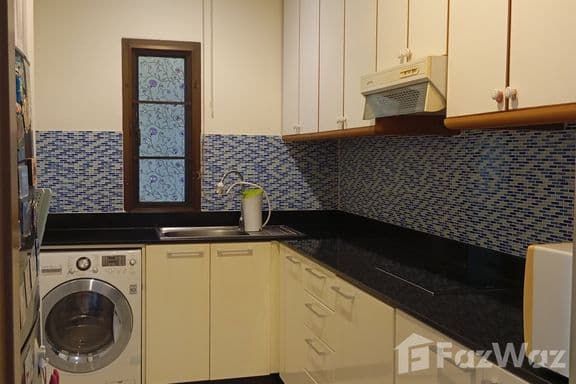
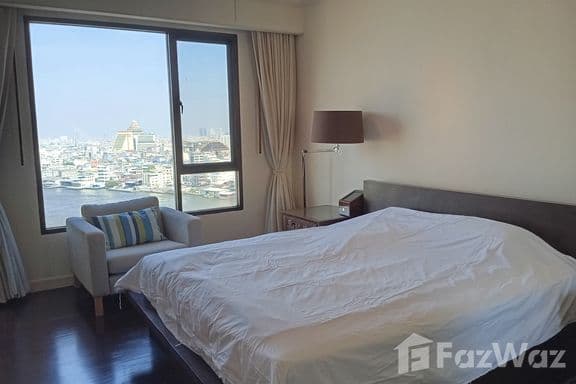











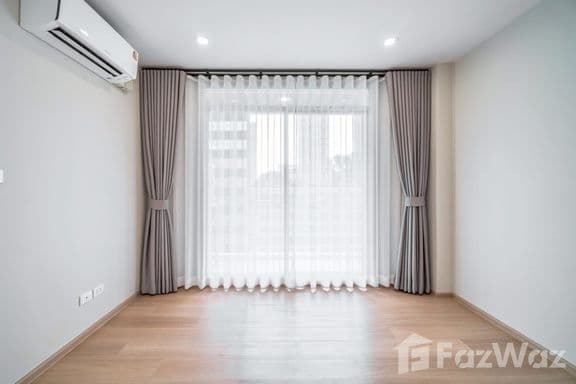
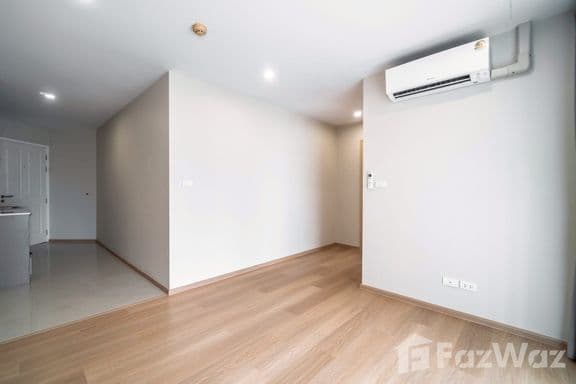
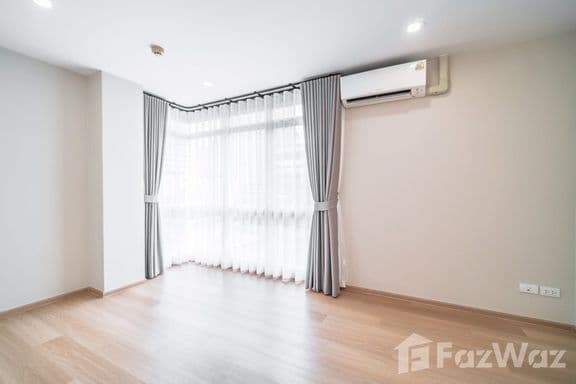
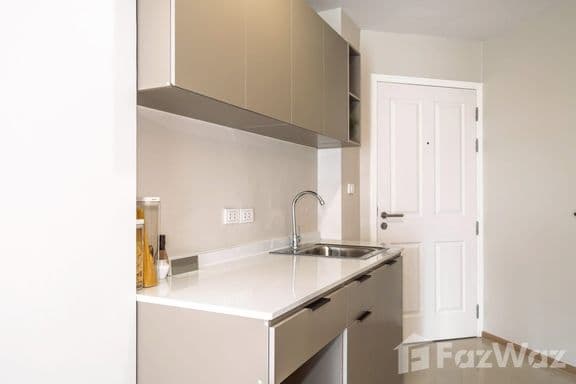
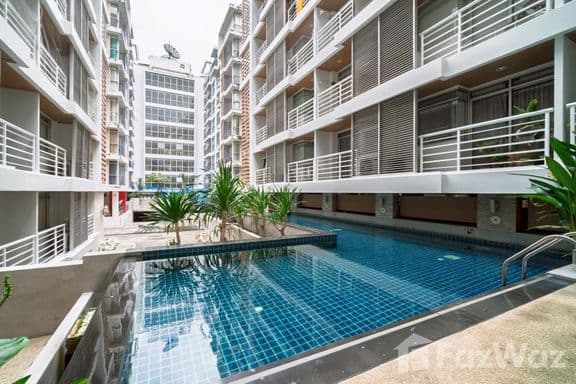
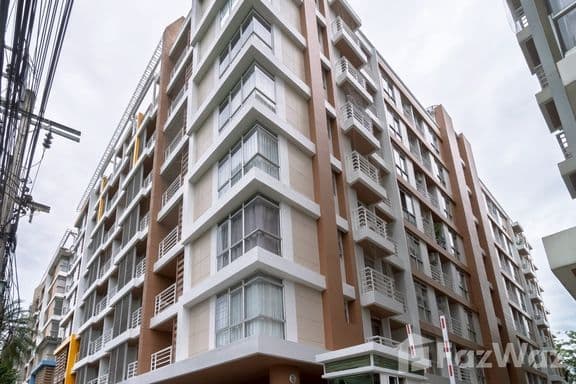
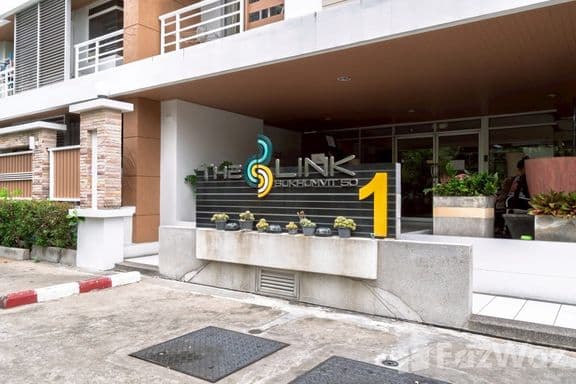

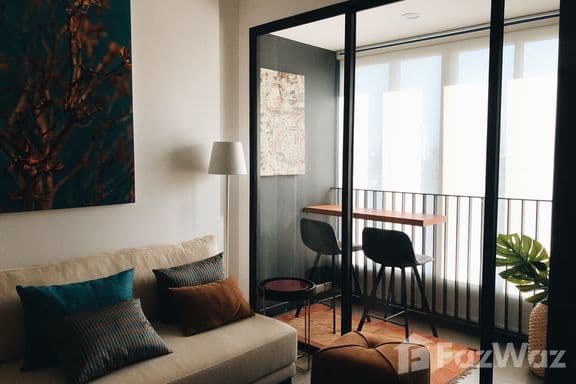
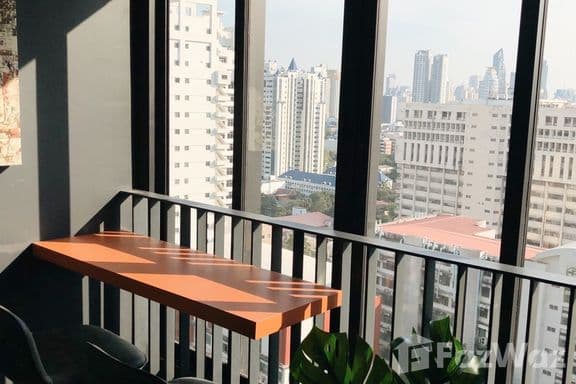


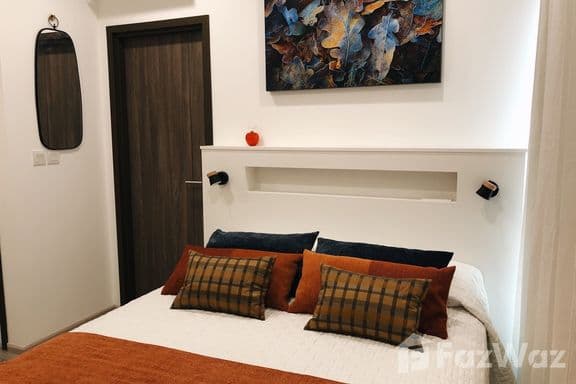

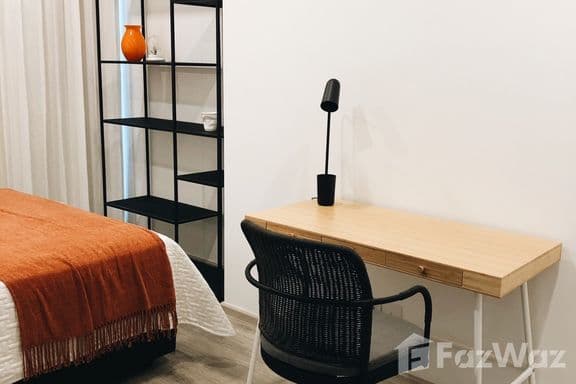







 Popular condos in Thailand

