Living in a House in Chiang Mai: The 2025 Guide for Foreign Renters and Families
Introduction: Chiang Mai’s Appeal to Foreign House Renters in 2025
Chiang Mai has long been a cherished destination for expats, retirees, and digital nomads seeking an affordable yet enriching lifestyle. In 2025, the city’s appeal is stronger than ever for foreigners looking to rent a house. This cultural capital of northern Thailand offers a unique combination of low living costs, modern amenities, and rich heritage. Foreign renters are drawn to Chiang Mai’s relaxed pace of life, temperate climate (cooler winters and less humidity than Bangkok), and the backdrop of mountains and green landscapes surrounding the city.
Beyond its natural and cultural charms, Chiang Mai boasts a vibrant expat community and an array of international services. English-speaking doctors and modern hospitals, international schools, and Western-style supermarkets are readily available, which provides comfort and security for those relocating from abroad. The city manages to blend tradition with convenience: one can explore bustling local markets and historic temples, then drive a short distance to find shopping malls, global cuisine restaurants, and even co-working spaces catering to remote workers. This balance makes Chiang Mai especially attractive for foreign families and professionals who want both authenticity and comfort.
Post-pandemic, Chiang Mai has also rebounded as a remote work hub and retirement haven. New long-stay visas and remote work programs have made it easier for foreigners to reside in Thailand, and many have set their sights on Chiang Mai for its quality of life. Renting a house is often the preferred route since Thai law restricts foreign ownership of land – leasing provides a hassle-free way to enjoy a spacious home without the complexities of buying property. With a house rental, foreigners can enjoy features like private gardens, multiple bedrooms, and dedicated workspaces, which might be unaffordable in their home countries.
In summary, Chiang Mai in 2025 continues to charm foreign renters with its affordability, family-friendly environment, and diverse lifestyle options. This comprehensive guide will delve into the local rental market, types of houses available, the best areas to live, and practical tips – all tailored for expats, retirees, digital nomads, and seasonal residents considering making a home in this Northern Thai city.
Market Overview: House Rental Trends, Demand, and Pricing Levels
Chiang Mai’s rental market is robust and adapting to new trends as of 2025. Demand for house rentals has been on a steady rise, driven by returning expats and newcomers alike. After the global pandemic slowdown, the past couple of years have seen a resurgence of foreign residents – from remote workers taking advantage of Thailand’s friendly policies, to retirees drawn by the cost of living and healthcare. This influx, along with Thailand’s nationwide trend of more people renting (as property prices climb), has kept the Chiang Mai rental market active.
Pricing Levels: One of the biggest attractions for foreign renters is that house rental prices in Chiang Mai remain highly affordable by Western standards. While rents have increased modestly compared to a few years ago (recovering to pre-2020 levels), they still offer excellent value. As of 2025, the median monthly rent for a family-size house in Chiang Mai hovers around ฿25,000 Thai Baht. This is roughly $750 USD, which is remarkably low for a full house in an urban area. Of course, actual prices vary by location, property size, and amenities:
- Budget range: It’s possible to find simple one or two-bedroom local houses or townhomes in the suburbs for ฿8,000–฿15,000 per month (approximately $240–$450). These might be older Thai-style houses or smaller townhouses, often unfurnished.
- Mid-range: The majority of comfortable three-bedroom houses in good neighborhoods rent for about ฿20,000–฿30,000 ($600–$900) per month. In this range, a renter can expect a modern home in a safe area, possibly within a gated community, with a small garden and parking.
- High-end: Luxury houses and villas, such as large modern pool villas or expansive homes with big yards, command higher rents. These can range from ฿40,000 up to ฿100,000+ per month ($1,200–$3,000+), depending on the property. The upper end typically includes four to five bedroom luxury villas, often in exclusive estates or scenic locations, with features like private swimming pools, extensive gardens, and high-end furnishings.
It’s worth noting that rentals in Chiang Mai span a broad spectrum, catering to different needs. On one hand, young solo expats or couples often opt for condos or small townhouses (since these are plentiful and even cheaper), but foreign families and long-term residents frequently prefer standalone houses for the extra space. The availability of houses is quite good – at any given time there are hundreds of house listings on the market. Many homeowners in Chiang Mai rent out their properties, resulting in a tenant-friendly market where you can take time to compare options. Vacancy rates for mid-range houses remain reasonable, so renters often have the upper hand in negotiating minor details or getting a house freshly repainted or equipped before move-in.
Trends in 2025: Several trends characterize the current market:
- Slight Rent Increases – Compared to five years ago, average rents for houses have crept up. Long-time residents might recall houses that rented for ฿15,000 now going for ฿20,000 or more. This isn’t rampant inflation but rather a return to normalcy after a dip during 2020-2021. Essentially, rents dropped or stagnated during the pandemic due to fewer foreign tenants, but with renewed demand they have rebounded to previous levels. Landlords are aware of the interest from remote workers and retirees and have adjusted prices accordingly, though rents are still negotiable especially for longer leases or when properties have been vacant for a while.
- Foreign Demand and Influence – A significant portion of renters in Chiang Mai’s house market are foreigners. This expat demand has encouraged landlords to make properties more appealing: it’s now common to find houses with western-style kitchens, modern bathrooms, and high-speed internet lines pre-installed. Some landlords even furnish homes to attract foreign tenants who might not want to buy furniture (since many expats stay a year or two). Additionally, the rise of Russians, Chinese, and other international tenants in parts of Thailand has been noted; in Chiang Mai, Western expats (Americans, Europeans, Australians) as well as East Asians are prominent segments of the renter population. They tend to cluster in preferred neighborhoods (which we’ll detail in later sections), creating mini expat communities.
- Shift Towards Online Listings – The process of finding a rental has modernized. In 2025, most foreign renters search online first. Property portals like FazWaz (the very platform this guide supports), along with others, list a wide range of rentals with detailed information in English. This transparency in the market has kept pricing competitive, as tenants can easily compare house rents across different areas. It also means landlords are aware they need to keep houses in good condition and priced appropriately to secure tenants.
- Supply in Gated Communities – There has been ongoing development of gated housing estates (known locally as “moo baan”) around Chiang Mai. Many of these estates target middle-class Thai buyers, but when those owners relocate or invest, the houses become rental stock that appeals to foreigners. As a result, a large chunk of available houses for rent are inside secure compounds with shared facilities. This is a selling point for many expat families. We’ll discuss gated compounds in the next section, but from a market overview perspective: supply of modern houses in gated communities is plentiful, particularly in suburban districts like Hang Dong and San Sai, keeping those rental prices very reasonable for what you get.
- Seasonal Fluctuations – Chiang Mai’s rental market does have seasonal elements. High season for tourism (roughly November through February) can also bring an uptick in short-term rental demand. While long-term leases of a year aren’t usually affected, some foreigners who only want a 3-6 month stay during the cool season might find slightly higher rates or fewer choices if they don’t plan ahead. Conversely, during the hottest months and the burning season (March-April when air quality is poor), some short-term residents leave the city, and there may be more houses temporarily empty or open to discounted subleases. Long-term renters benefit from signing year leases that smooth over these seasonal variations.
Overall, Chiang Mai’s house rental market in 2025 can be described as tenant-friendly, affordable, and diverse. Whether you’re looking for a budget cottage in a rural setting or a plush villa with all the bells and whistles, you can likely find it here. In the following sections, we’ll explore what kinds of houses are available, where to find them, and which might suit your lifestyle and needs.
House Types: Detached Houses, Gated Compounds, Townhouses, and Villas
Foreign renters in Chiang Mai will encounter a variety of house types, each with its own characteristics. Understanding these categories will help you identify what kind of home best fits your preferences:
- Detached Houses: A detached house is a standalone home on its own piece of land. In Chiang Mai, detached houses range from simple one-story bungalows to large two-story family homes. Many are built in the Thai suburban style – concrete structure, tiled roofs, and a small garden or yard surrounding the house. You’ll find detached houses both inside and outside gated communities. Outside of moobans (housing estates), detached houses may be in local neighborhoods or along small lanes (sois). They often offer more privacy and space than townhouses, and no shared walls means you’ll have more tranquility. Detached houses appeal to families and those who value a private garden (perhaps for children to play or for keeping pets). Do note that if a detached house is not in a managed community, you won’t have security or shared facilities provided, so you handle things like trash disposal or minor maintenance more independently. On the other hand, these houses can have a more authentic local feel – you might be living among Thai neighbors and experiencing the local community directly.
- Gated Compounds (Moo Baan or Gated Communities): Gated compounds are housing developments, usually with a security gate and fence enclosing the entire neighborhood. These are extremely popular for expats, especially families. A gated community in Chiang Mai typically offers 24/7 security guards, controlled entry, and often shared amenities such as a clubhouse, swimming pool, gym, garden parks, or playgrounds. Houses inside gated compounds are usually detached homes as well (sometimes semi-detached), built with similar designs or aesthetics. The benefits of a gated compound include a safer, quieter environment with less traffic – ideal for kids riding bikes or for evening walks. They also often enforce community rules that keep the area clean and peaceful (for instance, rules on pet control, noise, and no commercial activities). Many expat-favored houses are in such estates: examples of popular gated communities are Lanna Thara, World Club Land, Home in Park, Koolpunt Ville and so on, mostly located in suburban areas like Hang Dong and Mae Hia. The houses in these communities tend to be modern and well-maintained. Renters might pay a monthly maintenance fee (often covered by the landlord, but good to clarify) that ensures communal areas and security are upkept. If you prioritize security, a strong neighborhood feel, and access to facilities, a house in a gated compound is an excellent choice.
- Townhouses (Terraced Houses): A townhouse in Chiang Mai is typically a narrow, multi-story house that shares walls with neighbors on one or both sides. Townhouses (often 2 or 3 floors) are common in both urban and suburban settings. In the city, many townhouses double as “shophouses” (with a storefront or office space on ground floor and living space above) or they might be in lanes near the Old City and Nimman area. In the suburbs, townhouses are sometimes found in rows at the edge of housing estates or as part of smaller developments. The advantages of townhouses are that they tend to be more affordable to rent than fully detached houses and often still offer 2-3 bedrooms plus a small parking spot. They can be a good middle ground for a couple or a small family that doesn’t need a big yard. Interiors can be compact, and natural light may be limited by the shared-wall design, but many are built with balconies or a small front area. Keep in mind, with townhouses you’ll have neighbors directly adjacent, so noise transmission can occur – consider end-unit townhouses if privacy is a concern. Many expats who want to live closer to the city center choose townhouses, since standalone houses are rare in the dense city core. For example, a young professional might rent a 2-bedroom townhouse in the Nimmanhaemin area to be in the heart of the action, trading off space for location. Townhouses may or may not be in gated settings; even when outside formal compounds, they might be on small residential streets that function like a community.
- Villas (Luxury or Resort-Style Homes): The term “villa” in Chiang Mai usually refers to a larger, upscale house — often with a distinct architectural style or extensive land. Villas might be found in dedicated luxury estates or as individual properties in scenic areas (like on the outskirts with mountain views). Many villas have premium features: for instance, private swimming pools, high ceilings, western gourmet kitchens, maybe a guesthouse or multiple buildings on the property. They cater to those with a higher budget or specific tastes (e.g., a retiree who wants a serene luxury retreat, or an executive on assignment). Some villas available for rent were originally built by foreign owners or affluent Bangkok residents as holiday homes. As a renter, stepping into such a lease can mean you get a fully furnished, interior-designed space – sometimes even with housekeeping or gardening service included if negotiated. Villas tend to start at the higher end of the rent spectrum and can go up significantly in price especially if the property is large. One subtype of villas in Chiang Mai includes traditional Lanna-style teakwood houses that have been refurbished with modern comforts — these are rarer, but some long-standing expats rent old teak homes for their character (though note: wooden houses can be darker and require more maintenance). In summary, renting a villa is ideal if you seek luxury, privacy, and possibly a unique aesthetic, and are willing to pay a premium for it.
- Other Housing Options: Besides the above main types, foreign renters might also come across bungalows and cottages (usually single-story smaller houses, possibly in rural settings or older neighborhoods). There are also compound houses, where a large property might have multiple houses for rent together – for example, a landlord owning a big piece of land may have built a couple of small houses and an expat could rent both as one (one house to live in, another as an office or guesthouse). These are less common but can be found in areas like Doi Saket or Mae Rim where land is ample. Also, some foreigners choose to rent houses on farmland or orchards a bit outside the city – these “country houses” can be charming and very cheap, but one should be prepared for a more isolated lifestyle (and occasional visits from local wildlife!).
When deciding on a house type, consider your lifestyle and priorities. If you have children or pets and value outdoor space, a detached house with a yard in a gated community might be best. If you prefer to be within walking distance of coffee shops and nightlife, a city townhouse could suffice. For those seeking comfort and top-end features, villas are attractive. Chiang Mai truly offers everything from simple Thai homes among local neighbors to high-end villas fit for a resort — the challenge is simply narrowing down what fits your needs and budget.
Best Areas to Rent Houses: Hang Dong, Mae Hia, San Sai, Doi Saket, Suthep, etc.
Chiang Mai is a medium-sized city with distinct neighborhoods and surrounding districts, each offering a different living experience. Here we focus on some of the best areas for foreign renters to find houses, highlighting what makes each area special. The areas below are known for having a good selection of rental houses and are popular among expats and long-term foreign residents.
Hang Dong (Southwest Chiang Mai)
Hang Dong is often the first name mentioned when discussing expat-friendly areas in Chiang Mai. Located to the southwest of the city, Hang Dong is a district that has become a hub for foreign families and long-term expats. The area is known for its lush surroundings and slightly cooler temperatures (being closer to the foothills of Doi Suthep and Doi Kam mountains), as well as its concentration of spacious housing developments.
What makes Hang Dong particularly attractive is the proximity to numerous international schools. Within or near Hang Dong are well-regarded schools like Chiang Mai International School (CMIS’s secondary campus), Lanna International School, Grace International, and Panyaden School, among others. This has naturally drawn expat families to settle nearby for shorter commutes. If you have school-age children, living in Hang Dong can be a game-changer in terms of convenience.
Hang Dong offers mostly detached houses in gated communities, which suits those seeking a safe, suburban environment. Neighborhoods such as Nong Khwai, Ban Waen, and Nam Phrae (subareas of Hang Dong) host some of the most popular gated estates. For instance, World Club Land, Lanna Thara, Home in Park, Sansaran, and Koolpunt Ville 9 are all established moobans in this area known for quality housing and facilities. Within these communities, you’ll find broad, quiet streets, parks or playgrounds, and often communal pools or gyms. The atmosphere is very much like a tranquil suburb – a contrast to the city buzz.
Despite being suburban, Hang Dong is well-equipped with amenities. Along the Hang Dong Road (Route 108) which connects to the city, there are numerous shopping options: Kad Farang Village is a popular lifestyle mall with a Rimping supermarket (stocking imported groceries), cafes, restaurants (even Western chains like McDonald’s and Starbucks), and boutiques. There’s also a big Tesco Lotus and Big C for general shopping within a 10-15 minute drive. Hospitals and clinics are present (Hang Dong has a community hospital for basics, and you’re about 30 minutes from top private hospitals in the city). The Chiang Mai International Airport is roughly a 20-30 minute drive from most parts of Hang Dong, which is convenient for frequent travelers.
The lifestyle in Hang Dong is ideal for those wanting peace, space, and a community feel. You can expect leafy streets and perhaps hearing birds in the morning instead of traffic. Many expats here enjoy outdoor activities – the area isn’t far from nature trails, and cycling is popular on the country roads. Hang Dong also has local markets and temples, providing a taste of Thai culture in everyday life. In the evenings, families might gather at community parks or head out to one of the growing number of restaurants (the area has seen more eateries and cafes pop up that cater to international tastes due to the expat populace).
One consideration: Hang Dong is a bit far from the city center (around 15 km or more, depending on how deep into Hang Dong you live). During rush hour, the commute along Hang Dong Road into the city can slow down. If you work in the old city or Nimmanhaemin area, be prepared for a drive that could be 30-45 minutes in peak traffic. However, many residents feel the trade-off is worth it for the lifestyle. Having a car or motorcycle is almost essential here, as public transport is minimal in these suburban zones.
In terms of housing cost, Hang Dong offers excellent value. For example, a modern three-bedroom house with a yard in a gated community might rent for around ฿25,000–฿35,000, which is very reasonable given the size and amenities. There are also more modest houses in older neighborhoods that can be found in the ฿15,000–฿20,000 range. At the high end, some large villas or new upscale homes in Hang Dong can ask ฿50,000 or more, especially if they come fully furnished and with a private pool.
Summary of Hang Dong: Ideal for families and expats seeking a suburban lifestyle. It offers safety, space, and a strong expat network. Hang Dong truly feels like the “expat suburbs” of Chiang Mai, where Halloween trick-or-treating in the moobans or community yard sales are not uncommon. If you envision your Chiang Mai life in a large comfortable house with a garden, kids riding bicycles in a secure neighborhood, and easy access to schools and shopping – Hang Dong is likely your top choice.
Mae Hia (South and Southwest Fringe of City)
Just north of Hang Dong (and in fact, often considered part of the greater Hang Dong expat zone) is Mae Hia, another prime area for foreign renters. Mae Hia is technically a sub-district of Mueang Chiang Mai (the main city district), located directly south of Chiang Mai International Airport and extending west toward the mountains. This area has experienced rapid development over the past decade and is now a popular residential area with many modern housing estates.
One of Mae Hia’s biggest advantages is convenience. It straddles the line between city and suburb, making it possible to get to the heart of Chiang Mai in about 15 minutes by car, yet it still enjoys a less congested, spacious environment. Mae Hia sits near the intersection of several key roads, including the Canal Road (which runs north-south along the west side of the city) and the middle ring road. This means residents have quick access to different parts of Chiang Mai – whether heading to trendy Nimman, to Central Festival Mall on the other side of town, or out to Hang Dong.
Shopping and amenities in Mae Hia are excellent. The area is home to big-box retailers and markets that make daily life easy. There’s a Makro cash-and-carry store (good for bulk groceries), a Big C supercenter, and HomePro (for home improvement/DIY needs) all in the Mae Hia vicinity. In addition, the Royal Park Rajapruek (a large botanical garden and park) is in Mae Hia, offering a beautiful green space for recreation. The park area and nearby Night Safari also add to Mae Hia’s appeal for families looking for weekend activities close to home.
Mae Hia’s residential communities often resemble those in Hang Dong: gated subdivisions with detached houses. Many of the same developers built estates here, so you’ll see names like Koolpuntville (various phases), Baan Nai Fun, Lanna Pinery and others. These neighborhoods are well established, meaning tree-lined streets and a mix of Thai and foreign residents who have been there for years. The houses are typically on mid-sized plots, with 3-4 bedrooms, and range from older homes (maybe 10-15 years old) to brand-new builds, depending on the project. The presence of many “mature” neighborhoods means plenty of Western families already live here, so newcomers often find a ready-made community (it’s not unusual to see expat kids playing together in these neighborhoods or neighbors organizing group activities).
For schooling, Mae Hia is strategically positioned. It’s not far from the cluster of schools in Hang Dong (like Grace, Lanna, etc., some of which are technically just beyond Mae Hia’s border) and also reasonably close to schools in other parts of the city. For example, families with younger kids might send them to Panyaden School (on Canal Road toward Hang Dong) or American Pacific International School’s primary campus, both reachable within 15-20 minutes.
In terms of lifestyle, Mae Hia offers a nice blend of city and suburb. You can enjoy a quiet cup of coffee with a mountain view at one of the cafes along Canal Road in the morning, and by evening you could be dining at a new international restaurant that opened nearby, or zip into Nimmanhaemin for a night out. The area’s closeness to the airport is a boon for those who travel often; it’s literally a 10-minute drive to catch a flight, yet interestingly Mae Hia is not directly under the flight path, so noise is not as much an issue as one might fear.
Housing costs in Mae Hia are comparable to Hang Dong. Expect around ฿15,000–฿30,000 for standard family homes (unfurnished or semi-furnished). Being slightly closer to the city, very popular estates or houses with exceptional location (say, backing onto a scenic lake or with a mountain view) might be on the higher end of that range. There are also some townhome developments here (for instance, Urbana 4 is a known townhome project in Mae Hia) which can be rented for lower, perhaps ฿12,000–฿18,000, for those who don’t need a standalone house. As always, furnished houses will cost a bit more, but many Mae Hia houses come with basics like air-conditioners, built-in kitchens, and maybe some furniture because owners know expats often rent here.
Summary of Mae Hia: A highly convenient area balancing suburban comfort with city access. Mae Hia works well for expats who want to be near the expat hubs and amenities but not necessarily in the middle of the city’s hustle. It’s very family-friendly and also suitable for anyone who needs quick airport access. Many consider Mae Hia and Hang Dong together as the larger “southwest expat zone” of Chiang Mai. Renting a house here means you’ll likely have an easy transition, as services cater to foreigners and you might even find your neighbors speak English or have experience with international tenants.
San Sai (North and Northeast of City)
On the other side of town, stretching to the north and northeast of central Chiang Mai, lies San Sai district. San Sai is like Chiang Mai’s “sprawling backyard” – an area that has both bustling new development and vast stretches of rural countryside. It has become a favored area for many expats and locals alike, especially those looking for a slightly more affordable house or more land for their money compared to the city itself.
Geographically, San Sai begins just beyond the north part of Chiang Mai city and fans outwards. It’s bisected by the Chiang Mai-Phrao highway (Route 1001) which leads north from the city. Key landmarks include Central Festival (a major modern shopping mall on the southern edge of San Sai), and further out, Mae Jo University (a well-known agricultural university). The presence of Central Festival Mall at San Sai’s edge means those living in San Sai have a major retail and entertainment hub very close – the mall houses everything from a large supermarket and department store to cinemas, banks, and dozens of restaurants. Also, the Chiang Mai Bangkok Hospital is near the same junction, which is one of the top private hospitals in the city, providing peace of mind for healthcare access.
San Sai offers a mix of housing environments. Closer to the city (around the Central Festival and along the second ring road), there are newer housing estates and townhome projects, similar in style to those in other suburbs. As you go further north into San Sai, the scene becomes more rural: you’ll find standalone houses amid rice fields, small villages where new houses have sprung up, and large plots where some expats have chosen to build or rent homes to enjoy a country lifestyle. This variation means renters have choices – you could live in a well-organized gated community in San Sai (e.g., popular estates like “Laguna Home” in the Nong Chom area) or opt for a country house with fruit trees in the yard and maybe a view of distant mountains.
For expat families, San Sai is attractive too. A notable international school on that side of town is Unity Concord International School, located off the second ring road, which has drawn some families to consider San Sai. Additionally, the Prem International School (in Mae Rim, not far west from San Sai’s top end) might be accessible for those living in northern San Sai. The proximity to these educational institutions, plus the aforementioned hospital and mall, means the essentials are covered.
One of San Sai’s selling points is value for money. Generally, rents in San Sai might be a bit lower than equivalently sized homes in the southwestern part of Chiang Mai. For example, a 3-bedroom house in a nice San Sai estate might run ฿18,000–฿25,000 per month, whereas the same might be ฿25k+ in Hang Dong. If you venture into the more rural parts of San Sai, you could even find larger older homes or modern Thai-style houses on big land plots for similar budgets (฿15k–฿20k), ideal for someone wanting a big garden or space for pets like multiple dogs. On the high end, San Sai also has its share of luxurious properties – some large custom villas or houses with private pools are tucked in quiet lanes, occasionally coming on the rental market for perhaps ฿40,000–฿80,000 depending on their grandeur.
Lifestyle in San Sai can be described as laid-back with pockets of activity. Living here, you’ll likely have a car and do most of your grocery shopping at places like Central Festival or local fresh markets (San Sai market, Mae Jo market, etc.). It’s easy to drive into the city center (outside of rush hour the drive might be 20 minutes to reach the Old City), and you are well-connected by the superhighway and ring roads to other parts of Chiang Mai. The presence of rural areas means you can enjoy weekend drives or bike rides through rice paddies and small villages. For those who enjoy gardening or a bit more isolation, outer San Sai offers that without being too remote.
One thing to note: San Sai is quite spread out. Some parts of it (like San Sai Noi, Nong Chom, etc., which are sub-districts of San Sai) are very close to the city and services, while others (like areas near Doi Saket border or out by Mae Jo University) are further. When choosing a house in San Sai, consider the exact location in relation to your daily destinations. The immediate areas around Central Festival and the second ring road have become highly developed and are almost an extension of the city – with restaurants, cafés (including Western coffee chains and local trendy cafés), and even a blossoming expat scene. As you go farther, those conveniences thin out, but you trade them for tranquility and greenery.
Summary of San Sai: A versatile area offering both suburban convenience and rural charm, generally at slightly lower rental costs. It’s popular among expats who perhaps work on the north side of town, or retirees who want some land, or anyone looking to avoid higher rents while still being within a reasonable distance of city amenities. San Sai’s growth in infrastructure (mall, hospital, improved roads) has really put it on the map as a solid option for foreign renters. If the idea of having a bit of “countryside living” appeals to you – maybe having space for a vegetable garden or enjoying quiet starry nights – yet you don’t want to be too far from modern comforts, San Sai could be an ideal compromise.
Doi Saket (East and Rural Escape)
Doi Saket district lies to the east and northeast of central Chiang Mai and is known for its scenic landscapes and tranquil environment. If you’re searching for a quiet life amid nature with a house that might have a large yard or even farmland around it, Doi Saket is an area to consider. This district is named after Doi Saket temple, a landmark hilltop temple that overlooks the area, but the district spans a broad area reaching into the hills and countryside.
For foreign renters, Doi Saket represents a chance to live away from the hustle and bustle. Houses available here are often standalone properties rather than in tight-knit estates (though a few gated communities do exist). You’ll find many offerings that are garden houses, countryside villas, or farmhouses that owners rent out. Some expats deliberately seek Doi Saket to get a larger property – for example, a retiree might rent a 2-bedroom house that comes with a big lawn, fruit trees, and rice fields behind, creating a very idyllic setting. These kinds of rentals can be surprisingly affordable; local-style houses or older homes in Doi Saket might go for ฿10,000–฿18,000 per month, while more modern or Western-built homes (with bigger land plots or pools) could be in the ฿20,000–฿30,000 range. Essentially, your money can get you more space here than in town.
One key point: transportation is crucial if living in Doi Saket. Public transportation is minimal (mostly local songthaews on main roads), so having a personal vehicle is necessary for running errands or commuting. The drive from Doi Saket town into Chiang Mai city takes roughly 30-40 minutes, depending on which part of Doi Saket you live in. The district connects via Route 118 (the Chiang Mai-Chiang Rai highway) directly toward the city. The road is good, and traffic is usually not too bad except possibly during peak hours closer to town. However, living in Doi Saket often means you won’t be popping into the city daily unless you have to; many who live here settle into a rhythm of maybe going to the city once or twice a week and otherwise enjoying local markets and the peace at home.
In recent years, some development has reached Doi Saket. There are now a few housing developments near the edges of the city (technically in Doi Saket district but closer in than Doi Saket town itself). Also, the Promenada Mall (a resort-style mall on the east side of Chiang Mai) is on the way towards Doi Saket – providing a place for shopping, groceries (there’s a supermarket there), and dining without having to go all the way into the busy parts of town. Furthermore, the second ring road and third ring road extend into parts of Doi Saket, improving connectivity. For healthcare, while there may be local clinics, you’d use hospitals in Chiang Mai city (Bangkok Hospital or Theppanya Hospital are on the east side of town, relatively convenient to reach from Doi Saket).
Lifestyle in Doi Saket is quiet, community-oriented, and nature-focused. The air can be fresher (outside of the crop burning season) and the nights darker – you can often see more stars at night than you would in the city. The district has a mix of Thai farmers, local families, and a smaller number of expats (some of whom have lived there for a long time, drawn by the slow pace). Don’t expect a big expat social scene right at your doorstep; living here is more for those who perhaps enjoy personal projects like gardening, writing, meditation, etc., or simply relish solitude. That said, you’re not totally isolated – there are pockets where multiple foreigners live, and sometimes informal meetups or gatherings happen, especially around popular eateries or at the Doi Saket town market (which has a rustic charm of its own).
An added benefit: Doi Saket’s outskirts approach the mountains and lakes. If you like outdoor activities, there are opportunities for weekend explorations – waterfalls, hot springs (like San Kamphaeng hot springs not far away), and cycling routes. It’s common for retirees or long-stay expats in Doi Saket to develop a hobby with the land they rent, like maintaining a garden, raising some chickens, or adopting a few cats or dogs, given the space available.
Summary of Doi Saket: Ideal for those who prioritize peace, space, and natural beauty over city convenience. It’s particularly well-suited for retirees or remote workers who don't need to commute daily, or anyone who finds joy in a rural lifestyle. If you rent here, ensure you have independent transport and perhaps be prepared to manage more aspects of the house on your own (e.g., if you have a large garden, will the landlord provide a gardener or is it up to you?). Many love Doi Saket for the “real Thailand” feel it offers, while still being within reach of city facilities when needed.
Suthep (West Chiang Mai, including Nimmanhaemin)
Suthep is a large sub-district on the west side of Chiang Mai city that encompasses a diverse range of neighborhoods, from the bustling modern Nimmanhaemin area to the quiet foothills of Doi Suthep mountain. For foreign renters, Suthep offers both urban convenience and scenic living, depending on where you settle. It’s an area that can appeal to young digital nomads, university faculty, and even some families who want to be near the city’s attractions.
Perhaps the most famous part of Suthep among foreigners is Nimmanhaemin (Nimman Road and its vicinity). This is Chiang Mai’s trendiest cosmopolitan area, known for its cafes, restaurants, boutique shops, and nightlife. However, Nimman is dominated by apartments and condos; standalone houses are few. The houses that do exist in Nimman are usually older homes tucked in the small sois (lanes). These might be partially converted houses or townhouses that some expats rent to be in the middle of action. If you find a house in the Nimman area, expect it to be pricey for what you get – location is what you’re paying for. A small 2-bedroom house or townhouse around Nimman/Suthep Road might run ฿20,000–฿30,000 because of the high demand to live in this locale. Many digital nomads and younger expats actually just opt for condos here due to limited house availability.
However, Suthep sub-district is more than just Nimman. Moving west toward the mountain, you enter the Pong Noi and Suthep Road areas. Pong Noi is often referred to as a “hipster” or artsy neighborhood. It’s adjacent to Chiang Mai University (which is on Suthep Road), and you’ll find many mature houses nestled in leafy lanes there. This part of Suthep has a reputation for being a bit bohemian – there are art studios, cafes, and a mix of Thai and foreign creatives living around. Houses here tend to be older, and as noted by local experts, a 2-3 bedroom older house in Pong Noi can be had for as little as ฿12,000–฿15,000 per month – a bargain, except they are snapped up quickly when they hit the market. These are often simple Thai houses (sometimes wooden or partial wood) that may not have the glossy finish of new developments, but they offer a lot of character. Living here means you might have Doi Suthep practically in your backyard view. Waking up to the sight of the mountain and hearing cicadas in the evening is part of the charm.
Suthep also includes Canal Road area and Chiang Mai University vicinity. Along Canal Road, especially near the “back” of the University and around Wat Umong (a famous forest temple), there are many rental houses. Some are in small, older gated communities, others are standalone in local neighborhoods. This is an interesting mix: on one hand, the University influence means lots of food stalls, student-friendly eateries, and vibrancy; on the other hand, the environment by Wat Umong and further south along Canal is very green and tranquil (Wat Umong area, for instance, is known for its huge trees and calm atmosphere). Many foreigners who work at or study at CMU choose to live in Suthep for obvious proximity reasons. The houses in these parts of Suthep can range from modest townhouses to large older homes. Prices vary – an older but sizeable 3-bedroom house might be ฿18k, while a renovated modern house could be ฿30k+. Some new upscale housing projects (like “Serene Lake” community near Canal Road) are technically in Suthep too, offering modern houses with lakeside views at mid-to-high-end rents.
One thing to emphasize: Suthep offers possibly the best of both worlds to some renters. You are in or near the city, so nothing is too far. Nimman’s shops, the Old City’s culture, and multiple supermarkets (Kad Suan Kaew mall, Maya mall, and grocery stores) are at hand. Plus, the mountain Doi Suthep is right there – meaning hiking trails, mountain biking, and the famous Wat Phra That Doi Suthep temple are weekend excursion options just 15-20 minutes from home. The trade-offs include more traffic (especially around Nimman and CMU, traffic can get congested during rush hours or weekends) and higher density. Parking can be a challenge if your house doesn’t have its own driveway, as street parking is often contested in narrow lanes.
Suthep is also attractive to those who prefer not to drive everywhere. If you rent in the Nimman or Suthep Road area, you might manage with a bicycle or just short songthaew rides since everything from co-working spaces to restaurants are nearby. This is why it’s popular with digital nomads – many don’t have a car in Chiang Mai, and living in Suthep means you can walk to a lot of places.
Summary of Suthep: A dynamic area that includes Chiang Mai’s modern heart and serene corners as well. It’s a top choice for younger expats, professionals, and anyone who wants city life at their doorstep. Houses can be found, especially in Pong Noi or older communities, but expect competition for the good ones. Suthep, especially Nimman, might not be as suited for large families wanting big yards (those will be in suburbs like Hang Dong), but a small family who values convenience might still choose a house here and use the city’s parks for outdoor time. Ultimately, Suthep is about location and lifestyle – if you thrive on being near coffee shops, international cuisine, and the social scene, this is the place, all while having the majestic mountain as a backdrop to remind you that nature is never far in Chiang Mai.
Other Notable Areas (Mae Rim, Saraphi, and City Center)
In addition to the key areas above, there are a few other notable areas where foreign renters often look for houses, each offering something unique:
- Mae Rim (Northwest of City): Mae Rim is a district north of Chiang Mai, about 30 minutes drive from the city center, known for its green hills, cool breezes, and upscale residences. It’s the gateway to various tourist attractions (elephant sanctuaries, botanical gardens, waterfalls), and many wealthy Thai families and some expats have built luxury homes here. For renters, Mae Rim can offer larger properties, sometimes with private pools or big gardens, often at prices lower than you’d pay for a similarly luxurious place in the city. Mae Rim is also home to Prem Tinsulanonda International School, one of the most prestigious international schools in Northern Thailand, which means a subset of expat families with children at Prem live in this area. If you desire a scenic, resort-like living environment – waking up to mountain vistas and cool nights – Mae Rim is enticing. Do note it’s a bit far for daily city commute, but the trade-off is tranquility. Basic amenities are present in Mae Rim town (markets, small supermarkets), and it’s not too far to drive to Central Festival or into town for bigger shopping. Mae Rim rentals range widely: a simple house might be ฿15k, whereas a high-end villa could be ฿50k or more. The “upcountry chic” lifestyle here appeals to retirees and those truly looking to decompress away from city life, yet within a half-hour’s reach of it.
- Saraphi (Southeast of City): To the southeast lies Saraphi district. It is often overlooked, but some expats choose Saraphi for its authentic rural charm and easy access to both Chiang Mai and the neighboring city of Lamphun. Saraphi is dotted with traditional villages, along the Ping River in some parts, and has a peaceful vibe. Houses for rent in Saraphi can be very affordable; you might find large older Thai homes or newer build houses on large plots for good prices. The drive to central Chiang Mai might be 20-30 minutes via Chiang Mai-Lamphun Road, which is a pleasant tree-lined historic road. Saraphi doesn’t have gated communities in the same number as Hang Dong, but it has a few small estates and many standalone houses. This area could be suitable for those working at locations on the south side of Chiang Mai or even in Lamphun’s industrial estate. Also, if you enjoy a more “local” life with neighbors who are farmers or local businesspeople, Saraphi gives that genuine experience while still being close enough to the city when you need it.
- Mueang Chiang Mai (City Center and Old City): While most foreigners gravitate toward suburban neighborhoods for house rentals, a mention should be made of renting houses in the city center. Chiang Mai’s Old City and surrounding wards (Chang Phueak, Wat Ket, etc.) are largely filled with commercial buildings, apartments, and condos, but hidden among them are some houses for rent. These could be traditional teak houses in the Old City lanes, or older concrete houses in quiet pockets of Chang Moi or Chang Klan areas. Living in the city center means everything is at your fingertips: markets, street food, temples, and you might not even need a vehicle to get around daily. However, houses here often have no yard or very small compounds, and many are aging structures that might lack modern touches. Rent for a small inner-city house could be around ฿12,000–฿20,000, depending on condition and location. If you are an urbanite who loves stepping out the door into the thick of cultural festivities, Sunday Walking Street market, or just being able to walk to work or co-working, you might consider this. One should be prepared for more noise (city houses might be near busy streets or have nightlife noise bleeding over) and the challenges of parking in crowded areas if you have a car. Still, for some, the charm of living in a historical area outweighs these inconveniences.
Each of these “other” areas offers a distinct lifestyle, and they broaden the horizon for foreign renters beyond the most popular zones. Mae Rim is for scenic luxury and a cooler climate, Saraphi for rustic peace and community, and City Center for immersion in Chiang Mai’s urban cultural life. It’s all about what experience you seek.
The good news is that across all these areas, Chiang Mai’s relatively compact size ensures you’re never completely isolated from the rest of the city. Even the furthest points like Mae Rim or Doi Saket are within an hour of the airport or a major hospital. So you have the freedom to choose your preferred environment, knowing that the essentials are within reach.
Lifestyle Matches by Area: Families, Retirees, and Seasonal Expats
Different neighborhoods in Chiang Mai align with different lifestyles. Here’s how various areas match up with the needs of foreign renters:
- For Families with Children: Families, especially those with school-age kids, often prioritize proximity to international schools, safe environments for play, and community facilities. The southwest areas (Hang Dong and Mae Hia) are a top match. These neighborhoods host most of the international schools and plenty of gated communities ideal for kids. A family can rent a spacious 3-4 bedroom house with a yard, be within minutes of school drop-off, and have other expat families living next door for playdates. The presence of parks, pools, and sports facilities in many moobans is a huge plus. Besides the southwest, some families also choose San Sai if they are tied to schools on the north side or desire a slightly lower cost; there, kids might enjoy more open countryside, though playmates may be fewer unless in a big estate. Within the city, a few families opt for Suthep (near Chiang Mai University or Nimman) if one of the parents works at the university or they prefer an urban lifestyle – but they sacrifice private outdoor space. Overall, families usually find their needs best met in Chiang Mai’s suburban enclaves like Hang Dong, where everyday life is convenient and child-friendly. Additionally, being near other families means a built-in support network; for example, in estates like Lanna Thara or World Club Land, it’s common to see expat and Thai kids playing in the streets and parks in the evenings.
- For Retirees: Retirees often seek tranquility, comfort, and perhaps a touch of nature – but also need reasonable access to healthcare and shopping. Many retirees gravitate towards areas on the outskirts such as Doi Saket, Mae Rim, or San Sai (the quieter parts). These areas offer peace and the possibility of having a garden or a view, which retirees appreciate for hobbies like gardening, painting, or simply relaxing in a spacious home. Retirees on a budget also find these areas appealing, as rent can be lower. Hang Dong is another retiree-friendly area, especially for those who prefer not to be too far from a large expat community and good hospitals (Hang Dong is 30 min to Chiang Mai Ram or Bangkok Hospital, for instance). In Hang Dong and Mae Hia, you’ll find some retired expats who enjoy the Western conveniences (golf courses nearby, import groceries, etc.) but still live in a serene environment. For those retirees who prefer not to drive long distances, living just outside the city center could be ideal – areas like Nong Hoi or Pa Daet (south of the city) have houses in quiet lanes but are only 10 minutes from downtown and hospitals. In summary, retirees have two main lifestyle choices: immersed in quiet nature (Doi Saket/Mae Rim) or convenient suburban living with expat amenities (Hang Dong/Mae Hia). Both can work well; it depends if one’s priority is absolute quiet or being near peers and services. Many retirees also plan around the seasons – some may travel away during the smoky season, so a house with easy maintenance (or a landlord to look after things in their absence) can be beneficial.
- For Seasonal Expats (Short-Term or Part-Year Residents): Seasonal expats include digital nomads who come for a few months and “snowbirds” (retirees escaping winter in their home country for Thailand’s cooler season). Their needs tend to focus on flexibility and convenience. If you’re a digital nomad or short-term remote worker, areas like Nimmanhaemin/Suthep or the Old City are attractive – you can rent a townhouse or small house for a few months (though many landlords prefer 1-year leases, some may agree to 3-6 month terms at a higher rent). Being in the city means you have quick access to co-working spaces, cafes with Wi-Fi, and social events, which is important for someone here for a short productive stay. Seasonal retirees often prefer to rent fully furnished houses since they’ll not invest in setting up a home they only use part of the year. They might choose places like Hang Dong or Mae Hia, to enjoy the nice winter weather in a house with a garden, but then leave before the hot season. These renters often negotiate and pay a bit more for a 4-6 month lease, or they might utilize services like Airbnb or short-term rental agents who can arrange furnished villas. Lifestyle-wise, seasonal expats like to pack in experiences: being near touristic spots, restaurants, and perhaps having a pool either privately or in a community is a plus. Some gated communities offer short-term rentals on houses as well (though at a premium) to cater to this group. If you are a seasonal resident, consider areas like Suthep (for the active city experience) or Hang Dong (for a resort-like relaxed winter stay). In both cases, ensure the lease terms are clear about duration and any extension options if you decide to stay longer.
Of course, these are general matches – individuals may have unique preferences. For instance, a retiree might still choose Nimman because they love the vibe, or a family might live in a semi-urban area because a parent works at a downtown office. Chiang Mai allows for mixing and matching lifestyle elements. But broadly, families = southwest suburbs, retirees = quieter outskirts or organized communities, seasonal/nomads = city or furnished convenient locales. Knowing this can guide you to focus your house hunt in the right districts.
Renting Process and Legal Overview: Lease Terms, Deposits, and Landlord Responsibilities
Renting a house in Chiang Mai (and Thailand in general) is relatively straightforward, but it’s important to understand the typical process and legal considerations to ensure a smooth experience. Below is an overview of how renting usually works for foreign tenants:
Finding a House and Viewing: Most foreign renters start by browsing listings on real estate websites or portals (such as FazWaz, which hosts numerous Chiang Mai rental listings). These platforms allow you to filter by area, price, number of bedrooms, and even features like pet-friendly or furnished houses. In addition to online searching, some drive around target neighborhoods looking for “For Rent” signs (usually with a phone number). Engaging a local real estate agent is also common and helpful – many agents speak English and know the market well. The good news is in Thailand, the renter typically does not pay the agent’s commission; if an agent is involved, the landlord usually pays them a fee when a lease is signed. So, as a tenant, you can often use an agent’s services free of charge to help find and negotiate a place.
Once you have a shortlist, you’ll schedule viewings. When you visit a house, check everything: water pressure, air conditioning units, door and window locks, etc. Don’t be shy about testing appliances or asking questions while there. If the house is in a community, inquire about any community fees (and who pays them) and the general rules (some moobans, for example, have rules about parking, pets, or use of facilities).
Lease Terms: In Thailand, a standard residential lease for a house is typically 12 months (1 year). Some landlords might consider 6-month leases, but often at a slightly higher rent or with conditions, because they prefer the security of a longer tenancy. It’s not common to have leases longer than one year for residential (except in special cases); however, many leases have a clause allowing renewal upon mutual agreement. Ensure that any promise about renewal or fixed pricing for a renewal is written down if that’s important to you.
The lease agreement (called “สัญญาเช่า” in Thai) should ideally be bilingual (English-Thai) so both parties fully understand it. It will include the names of the parties (you and the landlord, or sometimes the property manager if they act on behalf of the owner), the property address, lease duration, monthly rent, payment due date each month, and the security deposit amount. It will also outline responsibilities for utilities and maintenance (more on that below), conditions for terminating the lease early, and any specific house rules (like “no smoking indoors” or “no subletting,” etc.).
Deposits and Payments: The norm in Chiang Mai is to pay a security deposit equal to two months’ rent, plus the first month’s rent upfront when signing the contract. For example, if rent is ฿30,000, you’d typically pay ฿60,000 (deposit) + ฿30,000 (first month) = ฿90,000 upon signing to move in. The security deposit is held by the landlord as collateral for any damages or unpaid bills, and it is refundable at the end of your lease, provided you meet the lease conditions (like proper notice given, no outstanding utility bills, and no excessive damage beyond normal wear and tear). By Thai law (for landlords who have a certain number of properties, making them “professional landlords”), the deposit should be returned within 7 days of move-out. In practice, many private landlords will return it on your move-out day after inspecting the house, or within a few weeks. It’s wise to clarify the expected timeline for getting your deposit back when you sign the lease.
Monthly rent is usually paid in advance each month (e.g., the rent due for May is paid by May 1). Payment methods can vary: some landlords are happy to receive a bank transfer (which is common now, especially with mobile banking apps), others might accept cash. A few old-school landlords might ask for post-dated checks for each month, but this is becoming rarer. It’s good to get a signed receipt for any cash payments, or keep proof of bank transfer, just to avoid any disputes.
Landlord and Tenant Responsibilities: Your contract will spell out maintenance and repair obligations. Generally, landlords are expected to handle major repairs – structural issues, major plumbing or electrical problems, roof leaks, or replacing appliances that came with the house if they fail (e.g., if the air conditioner or water heater provided breaks down from normal use). Tenants, on the other hand, are usually responsible for minor maintenance and keeping the house in good condition. That means tasks like changing light bulbs, replacing remote control batteries, minor fixes (tightening a screw on a door handle) would be on you. For air conditioners, often the tenant is asked to have them serviced/cleaned periodically (every 6 months is common in Thailand’s climate). It’s worth discussing who pays for the AC servicing; some landlords might cover an annual servicing, others expect the tenant to do it.
If something breaks, the typical process is the tenant notifies the landlord, and the landlord will send a technician to repair it. If it’s clearly due to wear and tear or an inherent issue (like an old pipe burst, or the refrigerator they provided just died), the landlord should bear the cost. If it’s due to tenant negligence or accident (you cracked a window or clogged a drain by improper use), then the tenant may be asked to cover it. Always communicate promptly and cordially with your landlord when issues arise – good communication prevents disputes. Many landlords are quite reasonable and want to keep you happy so you’ll renew the lease; at the same time, as a tenant, treating the property with care goes a long way in building trust.
Utilities and Other Bills: In almost all cases for house rentals, the tenant pays for utilities separately. This includes electricity, water, internet, and any TV service you subscribe to. Electricity in Chiang Mai is provided by the Provincial Electricity Authority (PEA); your landlord will either forward you the bill each month or if the bill comes directly to the house, you’ll pay it yourself at a 7-Eleven or bank app (many times landlords can help set you up with the easiest way). Ensure your lease states that utilities are charged at government cost. There was a history in Thailand of some landlords (particularly big condo owners) marking up electricity for profit, but a law now requires that if a landlord rents more than a few properties, they must charge exactly the government rate. For standalone houses, this is usually not an issue – you typically pay exactly what the utility companies charge, which is preferable. Water supply is cheap in Thailand (water bills are usually very low unless you have a big garden you irrigate heavily). Internet you will have to sign up for yourself (unless a previous tenant left a line – then you just get it switched to your name). High-speed fiber internet is widely available in all major areas of Chiang Mai and costs around ฿700-฿1000 a month for a good package; popular providers are AIS, True, or 3BB. If the house hasn’t had internet before, you might need landlord permission to install a line (most will gladly allow it as it enhances the property).
Another small recurring cost: garbage collection fees. In the city, the municipality might charge a nominal fee (like 20-40 baht a month) for garbage pickup – sometimes this is included in your water bill or a separate community bill. In gated communities, there may be a monthly maintenance fee for security and upkeep – often the owner pays this, but verify. In some cases, the landlord might ask the tenant to pay the monthly homeowner association fee; if so, clarify the amount and what it covers.
Legal Status of Foreign Renters: Foreigners are legally allowed to rent property in Thailand without special permits. You do not need a work permit or resident permit to sign a lease – even those on tourist visas technically can rent (landlords rarely ask for proof of visa status; they mainly need a copy of your passport for the paperwork). However, note that if you do rent a place, Thai law requires the landlord (or property manager) to register your stay with immigration via the TM30 form. This is an immigration rule that tracks where foreigners reside; it’s the landlord’s responsibility, but sometimes they might ask you to remind them or even file it on their behalf. It’s usually straightforward and you as a tenant just need to ensure it’s done (it can affect your own visa good standing if not done).
Regarding visas, if you plan to stay long-term, you should be on a proper long-stay visa (retirement, work, education, marriage, etc.) or use the new long-term residency options. While it’s possible to rent on a short visa, having a stable visa situation is better since you’ll be committing to a lease. Permanent residency or the new Long Term Resident (LTR) visa is not required to rent, but those who have them will obviously have a more frictionless experience staying year on year.
Tenant Rights and Landlord Rules: Recent updates in Thai regulations (notably in 2018) improved tenant rights, especially when renting from corporate landlords or those who have many units. Key points include:
- Landlords cannot arbitrarily evict you without cause before your lease is up (they must follow termination clauses in the contract, usually requiring notice if you breach terms).
- They can’t keep your deposit without justification – if no damage, you should get it back.
- They must give notice before any property inspections or visits.
For individual landlords (who might only own one rental house), some of these rules aren’t legally mandated, but any fair landlord will largely abide by them anyway because it’s standard good practice.
Landlord rules that you might encounter in the lease include things like no subleasing (you cannot rent the house to someone else or operate it as an Airbnb), maximum number of occupants (especially if a house has, say, a limit due to infrastructure), pet policies (some explicitly allow or forbid pets; more on that in the FAQ), and alterations (usually you cannot make major changes like painting walls a different color or installing fixtures without permission). If you have requests, like you want to paint a room or you plan to work from home and maybe have clients visit, discuss these openly before signing – often landlords will be understanding or include permission in writing.
Negotiating and Signing: Don’t be afraid to negotiate aspects of the lease before signing. Common negotiables include:
- Rent price – if the house has been vacant, a polite offer of say 10% less might be considered.
- Including some furniture or appliances – for example, if the house is unfurnished and you desperately need a fridge or washing machine, some landlords will agree to purchase one or let you rent at a slightly higher price with those included. Alternatively, if it’s fully furnished and you want it empty to use your own furniture, you could ask for items to be removed or a small discount for taking an unfurnished option.
- Garden or Pool maintenance – if the property has a large lawn or a swimming pool, clarify who maintains it. If you don’t want the hassle, you might negotiate that the rent include a gardener’s visits or pool service. Sometimes landlords of high-end homes include this anyway.
- Break clause – occasionally, for peace of mind, a tenant might ask for a clause that allows them to break the lease early with, say, 60 days notice, forfeiting one month deposit. Not all landlords agree, but some do especially if they’re confident the house can be re-rented. It provides flexibility if your circumstances change. Without this, breaking a lease can mean losing your deposit (since you technically breached the contract).
Once all is agreed, you’ll sign the lease (both tenant and landlord keep a copy), pay the initial monies, and arrange a move-in date and key handover. On move-in day, do a walkthrough with the landlord or agent, noting the condition of each room and the furniture (if any). It’s wise to make an inventory list of provided items and note any existing damage or wear (even taking photos) – this prevents disagreements when moving out. Many leases will have an inventory attached; if not, you can write one up.
During the Tenancy: Generally, life in your rented house should be peaceful. Landlords in Chiang Mai are not intrusive – they won’t be popping by unannounced. Just be sure to pay rent on time and abide by house rules. If you’re in a mooban, also respect community rules (e.g., quiet hours at night, proper trash disposal, etc.). Should any problem arise – say you need to travel for a month or you have a security concern – keep your landlord informed. Building a good rapport is beneficial; landlords who trust their tenants are often happy to renew leases with no rent increase and promptly assist with any fixes.
End of Lease: When your lease period is nearing its end, decide if you want to renew. Typically, you should inform your landlord 60 days or more in advance if you intend to renew or not, so both parties can plan. Many landlords will be keen to renew with good tenants; some might propose a rent increase (perhaps 5% or so) after a year, but Chiang Mai’s market in recent times hasn’t seen drastic yearly increases – you can always negotiate if an increase feels too high. If you’re moving out, you’ll want to give written notice per the lease (usually 30 or 60 days). Before moving out, thoroughly clean the house and ensure it’s in the same condition as when you moved in (minus normal wear). Cancel your utilities or have final meter readings where applicable, and give copies of final paid bills to the landlord so they know everything is settled. Then, upon handing back the keys, the landlord should return your security deposit, minus any deductions for damages (fair wear and tear like minor scuffs should not count as damage). If there are disagreements, try to resolve amicably; formal legal action is rare over deposits due to the relatively small sums, and most owners value their reputation in the expat rental community.
In summary, renting a house in Chiang Mai is usually a pleasant and uncomplicated process. Thailand doesn’t have overly burdensome rental bureaucracy – it comes down to finding the right house, signing a clear contract, and maintaining good communication. By understanding the common practices around leases, deposits, and responsibilities, you’ll be well-prepared to enter into a rental agreement confidently and enjoy your new home in Chiang Mai.
Price Comparison Table: Monthly Rental Prices by District (THB and USD)
To give a clearer picture of how rental costs vary across different parts of Chiang Mai, below is a comparison of typical monthly rent ranges for houses in several popular districts/areas. These ranges are for long-term rentals (monthly rate for a yearly lease) of standard family-size houses (2-3 bedrooms, detached or townhome as noted). Actual prices depend on the specific property condition and features, but this provides an overview:
|
Area (District)
|
Typical Monthly Rent (THB)
|
Typical Monthly Rent (USD)
|
|
Hang Dong (SW)
|
฿15,000 – ฿35,000
|
~$450 – $1,050
|
|
Mae Hia (SW)
|
฿15,000 – ฿30,000
|
~$450 – $900
|
|
Suthep (West city)
|
฿15,000 – ฿35,000<sup>1</sup>
|
~$450 – $1,050
|
|
San Sai (North)
|
฿12,000 – ฿25,000
|
~$350 – $750
|
|
Doi Saket (East)
|
฿10,000 – ฿25,000
|
~$300 – $750
|
|
Mae Rim (NW)
|
฿15,000 – ฿40,000
|
~$450 – $1,200
|
<sup>1</sup> Note: Suthep’s range reflects older houses in foothills (lower end) up to townhouses in Nimman or newer homes (upper end). Houses right in Nimmanhaemin area can be even higher if particularly modern or large.
How to interpret this table: The lower end of each range typically represents smaller or older houses, perhaps 2-bedroom homes or townhouses, possibly unfurnished. The upper end represents newer or larger houses, 3-4 bedrooms or houses with special features (furnished, modern kitchens, or small private pools in some cases).
For example, in Hang Dong, about ฿20,000 ($600) per month might secure a comfortable 3-bedroom house in a gated community. In San Sai, that same budget might get a slightly larger or more modern house, since the area’s average is a bit lower. Doi Saket’s low end (฿10k) would likely be a basic country house, whereas ฿25k in Doi Saket could be a sizeable modern villa on a large plot. Mae Rim commands higher at the top because of some luxury homes there; however, many normal houses in Mae Rim are still in the mid-range.
Also, remember these are asking rents for long-term agreements. If you seek short-term rentals (3-6 months), the monthly rate might be higher than these because landlords often charge a premium for flexibility.
The currency conversion here is approximate (assuming roughly 33-34 THB = 1 USD). Exchange rates fluctuate, but this gives a ballpark in USD for those more comfortable with that frame of reference.
Chiang Mai remains a cost-effective city for housing. Compared to Bangkok or many Western cities, the idea that you can rent a full house with 2-3 bedrooms for under $1000 is part of the allure for foreign residents. Even at the higher end (e.g., $1,200 in Mae Rim for a prime property), you are often getting a standalone house with garden and maybe a view or pool – amenities that would be far more expensive in many other locales.
Use this table as a guideline while budgeting for your move. It’s advisable, when house-hunting, to check updated listings in your desired area to fine-tune expectations, as the market can shift slightly year by year. However, as of 2025, these figures reflect the typical spread of rental prices across Chiang Mai’s key districts for houses.
Renter Personas: Expat Family, Digital Nomad, Long-Stay Retiree, NGO/Working Expat
To illustrate how different foreign renters might approach living in Chiang Mai, let’s consider a few personas and what choices they might make regarding housing and area:
Expat Family (with Children)
Profile: John and Maria are in their late 30s with two children (ages 8 and 12). John works remotely for an overseas company, and Maria is a homemaker. They’re moving from the UK to Chiang Mai for a few years for a change of pace and cultural exposure for the kids. Their priorities are a safe environment, good schooling, and a comfortable home with space for children to play.
Housing Preferences: As an expat family, they seek a 3-4 bedroom detached house, ideally in a gated community. A yard or garden is important (for the kids to play and maybe to keep a pet). They would like the house to be semi-furnished – at least with major appliances and maybe some basic furniture – to avoid the hassle of buying everything, but they don’t mind decorating a bit to make it feel like home. Since they plan to stay multiple years, they might even invest in some furniture knowing they’ll be here a while.
Area Choices: They zero in on Hang Dong or Mae Hia. These areas tick all their boxes: several international schools are nearby (they shortlist Lanna International and Grace International School for the kids), and many fellow expat families live there. After viewing houses in a few estates, they choose a 3-bedroom house in Nong Khwai, Hang Dong, within the “Home in Park” community. This gives them a secure environment, a community pool and playground, and neighbors who are also families from various countries. It’s about a 10-minute drive to the kids’ school each morning, and John finds that acceptable as he plans to work from home most days.
Lifestyle: In their daily life, the family finds a nice rhythm. The kids have friends in the same mooban to ride bicycles with after school. Maria joins an informal coffee group of international moms who meet at a café in Kad Farang Village weekly. John appreciates that high-speed internet was easily set up in the house, allowing him to video conference with his London office without issues. On weekends, they enjoy family outings – sometimes driving up to Mon Jam (a scenic hill spot) or having a picnic at the Royal Park Rajapruek. They also frequently dine at family-friendly restaurants in their area (there’s a pizza place and a Thai BBQ place just outside their estate the kids love). Living slightly out of the city doesn’t bother them because everything they need is nearby or a short drive. They have a car, which makes it easy to do grocery runs and explore beyond the city.
Considerations: For an expat family like John and Maria’s, Chiang Mai offers ease and comfort. They did have to adjust to driving on Thai roads (left-hand side, and navigating U-turns), but they quickly got the hang of it. The cost of their 3-bedroom house is around ฿28,000 per month (~$850), which they find great value compared to their small UK flat. Importantly, healthcare is readily accessible; when one child had an ear infection, they visited Chiang Mai Ram Hospital and were impressed with the service (and low cost with their insurance). Overall, this persona demonstrates that Chiang Mai can be a family-friendly haven, with housing that supports a safe, active, and culturally rich upbringing for kids.
Digital Nomad (Solo Remote Worker)
Profile: Alex is a 28-year-old software developer from the United States. He works remotely as a freelancer for clients worldwide. He’s decided to spend 6-12 months in Chiang Mai to take advantage of the digital nomad scene, affordable living, and to meet other entrepreneurs. Alex is single and travels light – just a couple of suitcases and his tech gear.
Housing Preferences: Many digital nomads go for condos, but Alex really values having a bit more space and privacy, so he’s looking for a small house or townhouse to rent. He wants a place with a separate room he can use as an office (or at least a dedicated work area), reliable internet, and walking distance to cafes or co-working spaces since he thrives around people. Fully furnished is a must for him; he isn’t going to buy furniture for a one-year stay. Also, he doesn’t own a car, so being in a location where daily necessities are accessible by foot or bicycle is important.
Area Choices: Alex focuses on Nimmanhaemin (Suthep) or nearby areas like Santitham or Chang Phueak which are just outside Nimman but have houses. He finds a 2-bedroom townhouse in Santitham – it’s a simple but modern-renovated townhouse on a quiet soi. It costs about ฿18,000 per month and comes furnished (the owner previously lived there and left things like a couch, bed, and kitchen utensils). The location is perfect: a 10-minute walk to the Nimman Road cafes and a co-working space, plus many street food options around for quick lunches.
Lifestyle: As a digital nomad, Alex’s routine often involves working from home in the mornings, then heading out in the afternoons. From his townhouse, he can easily bike to Co-working spaces like Punspace or Hub53 in Nimman to work and network with other remote professionals. In the evenings, he meets fellow nomads or expats for dinner or networking events; Nimman’s lively scene provides plenty of opportunities. The convenience of his location means if he works late at a café, it’s a short Grab ride or walk home, with no issues of being out at night.
He’s also happy that he has a kitchen at home – unlike a studio apartment, his townhouse allows him to cook proper meals. He shops at the nearby Maya Mall’s Rimping supermarket or the local market for fresh produce. Occasionally, if he needs a change of scenery, he scooter-rents (he doesn’t own a motorbike, but rents one occasionally) to go work from a quiet cafe out of town or to explore. Having a house means he even can host a few friends for a barbecue on the tiny patio – something he couldn’t do in a small condo.
Considerations: Alex had to arrange for a shorter lease since he wasn’t sure if he’d stay the full year. He negotiated an 8-month lease with possibility to extend month-to-month after that, given his freelance lifestyle. He paid a bit more deposit to reassure the landlord (three months’ rent deposit instead of two, with a clause he can get back one month if he stays at least 8 months). Also, as someone without a car, he had to ensure the location’s walkability – this worked in Nimman/Santitham, but he knows if he had chosen, say, Hang Dong, he’d have been stranded without a vehicle.
For digital nomads, this persona shows that being central is key. A small house or townhome in the city can offer the best mix of space and connectivity. Alex benefited from Chiang Mai’s established nomad infrastructure (co-workings, meetups) and at the same time enjoyed a bit more living space than a typical apartment, which improved his work-life balance and comfort.
Long-Stay Retiree (Couple)
Profile: David and Susan are a retired couple in their early 60s from Australia. They decided to retire in Thailand for the adventure and lower cost of living. They initially tried a condo in Bangkok, but found it too hectic. Now they are choosing Chiang Mai for a more relaxed retirement. They have a comfortable fixed income (pension) and can afford a nice place, but they are also budget-conscious to make their retirement savings last. They enjoy gardening, occasional golf, and cultural activities. They also value being near good medical facilities.
Housing Preferences: As retirees, David and Susan want a comfortable house with at least 2 bedrooms (one for them, one for guests or hobby room). A single-story house would be a plus (less stairs to climb daily). Having a nice garden or outdoor terrace is important because they spend a lot of time at home – Susan loves gardening and David enjoys reading on a porch. They would like the house to be fully furnished or partially furnished, since they don’t want the fuss of buying large furniture, but they might bring some favorite small items to personalize. Air conditioning in the bedroom and living areas is a must (Chiang Mai can be hot at times). They also prefer a quiet neighborhood with friendly neighbors (they wouldn’t mind Thai neighbors at all, as they want to experience local culture, but some fellow expats nearby would be comforting).
Area Choices: They consider Hang Dong/Mae Hia but are slightly worried it might be too “expat enclave” for their taste. They eventually lean towards San Sai or a quiet part of Doi Saket, wanting a balance of tranquility and not being too far out. They find a lovely single-story bungalow in San Sai, in a small gated community (not a fancy one with lots of facilities, but it has security and a community garden). The house has a generous yard with fruit trees and a small fish pond. It rents for about ฿22,000 per month, and it’s fully furnished with classic wooden furniture – which they find charming. It’s about 20 minutes to Bangkok Hospital (which reassures them for medical needs). They also noticed there’s a new shopping complex about 10 minutes away for groceries and essentials.
Lifestyle: As long-stay retirees, David and Susan quickly integrate into a routine. Mornings are spent with a walk in the neighborhood, greeting both Thai and foreign neighbors (there’s a mix in their community). Susan then tends to her garden – the landlord is okay with her planting flowers and even a small vegetable patch. David might drive out to a nearby golf driving range or meet a friend for coffee. They both take Thai language classes twice a week at a language school in the city, which keeps them mentally active and social. Being in San Sai, they have a car for mobility; they drive into the Old City once a week to enjoy a nice dinner and the Sunday Walking Street market. They also love that living a bit on the edge of town means every evening is quiet – no city noise, just crickets.
Healthcare is a priority: when Susan needed a routine check-up, they easily went to Bangkok Hospital (15 minute drive via highway) and found the service excellent. They also registered with a local clinic for any minor ailments.
They occasionally host friends or family from abroad; their 2nd bedroom gets used when visitors come to experience Chiang Mai. Their house’s garden becomes a social spot for afternoon teas with new friends they’ve made (a mix of other retirees and some locals).
Considerations: For retirees like David and Susan, Chiang Mai offers a gentler pace of life. They did have to arrange their retirement visa (which involves Thai bank accounts and financial requirements), but once that was sorted, renting was straightforward – their landlord was very welcoming and even helped them find a part-time gardener. They chose a place slightly out of the main expat zones to get a more peaceful life, and they don’t regret it. The cost of ฿22k is within their budget, and they find utilities are low (electricity is manageable since they only use a/c at night, water is cheap, and the internet+TV package is affordable). They also appreciate the local community events – the mooban had a Loy Krathong festival gathering and invited everyone to join.
This persona highlights that retirees can thrive in Chiang Mai’s suburban or semi-rural settings, enjoying a fulfilling life with hobbies, new friendships, and the comfort of a good home that doesn’t break the bank.
NGO/Working Expat (Professional on Assignment)
Profile: Maria is a 45-year-old professional from Spain working for an international NGO. She has been posted to Chiang Mai for a 2-year assignment to coordinate a regional environmental project. She’s single, though her partner might visit for extended stays. Maria’s office is in Chiang Mai city (around the Night Bazaar area). Her organization provides a housing allowance, so she has a decent budget for rent, though she aims to stay within it. She values having a respectable home to host occasional work meetings or dinners. She also might have a colleague or friend stay over, so an extra bedroom is needed.
Housing Preferences: Maria is looking for a modern, comfortable house with 2-3 bedrooms. Since her work can be intense, she wants a home that feels like a sanctuary at day’s end – perhaps a nice garden or a view, and a quiet street. At the same time, being relatively close to the city is important so that her commute is reasonable (she doesn’t want to spend an hour driving each way). A furnished place is preferred because she’s only there for 2 years and the NGO might cover shipping a few personal items but not furnishing an entire house. She also pays attention to security (being a single woman), so a secure neighborhood or alarm system is a bonus.
Area Choices: Maria identifies Pa Daet or Nong Hoi (south of the city center) as potential areas – they are close enough to downtown (a 10-15 minute drive to her office) but still have houses in quiet lanes. She finds a newly built 2-bedroom house in Pa Daet, part of a small development. The house is very modern in design (open-plan living room, Western kitchen, good lighting) and has a little yard. It’s semi-furnished – including built-in kitchen appliances and air-cons, but she needs to add her own living room and bedroom furniture. She negotiates with the landlord to furnish one bedroom and the living room, which they agree to do for a slightly higher rent. It ends up at ฿25,000 per month. The location is great for her: just off the Middle Ring Road, so she can zip into the city for work via a less congested route, and it’s near the Ping River where she can go jogging.
Lifestyle: As a working expat, Maria keeps a steady routine on weekdays. She drives (or sometimes uses a scooter) to work around 8 am, which takes her only 15 minutes. After work, she often has networking events or dinners with colleagues, which are usually in the city – living in Pa Daet, it’s easy to attend those and be home without a long late drive. On weekends, she enjoys exploring – sometimes she drives up to the mountains for a hike or goes to cafes in Nimman.
She uses her home for professional socializing occasionally: having a couple of team members over for a barbecue in her small yard, or hosting her project’s visiting director in the spare bedroom for a few days. The house being modern means she isn’t stressed about appearances – it’s a place she feels proud to invite colleagues. The reliable high-speed internet at home also enables her to sometimes teleconference if she’s not going into the office.
For community, since she’s not in a large expat estate, she makes friends through work and social groups in the city (like a Chiang Mai expat professionals meetup). But she still gets to know her immediate neighbors (a mix of Thai families and one other foreigner teaching at a university). They exchange contacts to watch out for each other’s homes, which adds to her sense of security.
Considerations: Maria represents the working professional expat who might not fit the retiree or nomad mold. For her, Chiang Mai provides an excellent base – her housing allowance covers a very comfortable home, and the relatively small city size means she doesn’t have to compromise on location too much. She avoided living too far out (e.g., Hang Dong) to keep commute short, which worked. She did have to handle things like getting a Thai driving license for convenience and local insurance, which her office helped with. Also, her Thai colleagues helped negotiate a cleaning lady to come once a week to her house (common practice and affordable in Chiang Mai), so even with a busy schedule her home stays tidy.
This persona shows that professionals on assignment can find Chiang Mai accommodating; one can maintain a work-life balance easily – short commutes, ability to entertain at home, and still enjoy the leisure offerings of the city. The key is choosing a location that isn’t too remote, given work obligations, and a house that meets both personal and professional needs.
Through these personas, we see that Chiang Mai offers flexible living options for many types of foreign renters. Families find space and community, digital nomads find convenience and connectivity, retirees find peace and affordability, and professionals find comfort and a manageable lifestyle. Each person tailors their housing choice to what suits their daily life best – and Chiang Mai’s diversity of areas allows for that customization.
Tips for Selecting the Right House: Transport, Maintenance, Lease Clauses, Neighborhood Safety
Choosing the perfect house in Chiang Mai involves looking beyond just the property itself. Here are some essential tips and considerations when evaluating a rental house:
- Transportation and Accessibility: Think about how you will get around. Chiang Mai’s public transport is improving but still limited – there are red songthaew trucks and ride-hailing services (Grab), but most expats rely on personal vehicles. If you do not plan to drive a car or ride a motorbike, focus on houses in central areas (Suthep, Nimman, old city, or near main roads) where you can walk or easily catch transport. If you have a car, ensure the house has adequate parking (a covered carport is ideal to protect from sun/rain). Check the connectivity: how far is the house from the main road? Some houses are deep inside moobans or small lanes; a narrow or rough access road could be an issue if you have a larger vehicle or during rainy season. Also consider distance to work or schools – a beautiful house 30 km out might seem worth it, until you face a long commute twice a day. Weigh the tranquility vs. commute time. Ideally, do a test drive from the house to your frequent destinations at peak hour to see if the route is manageable.
- Home Maintenance and Condition: When inspecting a house, look at the maintenance aspects critically. Ask about the age of the property and when it was last renovated or painted. Check for signs of potential problems: water stains on ceilings (could indicate past leaks), any moldy smells (ventilation or moisture issues), the condition of grout in bathrooms (leaks or just cleanliness), and the state of window frames and screens (important to keep mosquitoes out). Chiang Mai’s tropical climate means houses can get issues like roof leaks, termite infestations, or rusting appliances if not maintained. Ensure that the landlord commits to addressing any pre-existing issues before you move in. Clarify who is responsible for yard maintenance – if the property has a garden with lawns and many plants, does the landlord pay a gardener or expect you to tend it? If you’re an avid gardener, you might enjoy doing it yourself, but if not, you’ll want to arrange for help (and possibly negotiate the cost). Similarly, for a house with a swimming pool, maintenance is significant – typically a pool needs weekly cleaning and chemical balancing. Landlords often include a pool service in higher-end rentals; if not, discuss adding it or be prepared to hire a pool maintenance service. A well-maintained house is key to a hassle-free stay, so don’t hesitate to ask for repairs on anything that’s not up to par (like fixing broken latches, servicing air-cons, or trimming overgrown trees) before you sign or move in.
- Lease Clauses and Negotiation: Read the lease agreement carefully and pay attention to specific clauses. Ensure things like the length of lease, notice period for termination, and conditions for deposit refund are clearly stated. If you have specific concerns, negotiate them up front. For instance, if you know you might need to leave Thailand on short notice, try to include a diplomatic clause (a break clause) that allows you to terminate the lease early with sufficient notice (commonly 60 days) without heavy penalty. If you have pets, make sure the lease explicitly permits them, and note any related conditions (some might allow a pet but require an extra deposit or professional cleaning at end). Check for a clause about routine maintenance – some leases specify the tenant must pay for certain small repairs under a threshold amount; knowing that will set expectations. If the contract is only in Thai, request an English translation – most reputable landlords will provide one. Verbal assurances from a landlord (e.g., “I will replace the old microwave next month” or “you can paint one wall blue if you want”) should be written into the lease or an addendum, to avoid misunderstandings. It’s also a good idea to include an inventory list signed by both parties, noting the condition of each furniture/appliance item provided, so there’s no dispute later about damages. Being thorough with the paperwork might seem tedious, but it protects both you and the landlord and often prevents disagreements.
- Neighborhood and Safety: The house itself might be great, but always evaluate the surrounding neighborhood. Visit at different times of day – is it quiet at night? Are there barking dogs or loud music from nearby houses or restaurants? Chiang Mai is generally very safe in terms of violent crime, but petty theft can happen, so look at the security features: Does the house have a secure gate, barred windows or alarm system? In gated communities, check if they have 24/7 guards and how strict they are with visitors. If not in a gated community, see if the area has good lighting at night and if the neighbors seem to be home often (an inhabited neighborhood is safer than one with many vacant houses). Ask about any known issues in the area: for example, some low-lying neighborhoods might have flooding in heavy rains (you can often spot this if you see water marks on boundary walls or talk to locals). Inquire if the street ever floods in rainy season. Another aspect of safety is health-related: during the burning season (Feb-Apr), areas closer to the mountains might have slightly heavier smoke, though air quality is citywide. Still, being aware of airflow and if the house can be sealed (good windows, etc.) is useful for those months. Additionally, check how far the nearest hospital is – for families or retirees, it’s comforting to know you can reach medical care quickly in an emergency. Lastly, consider the noise factor: being near a temple can mean loudspeaker chants at 6am on some days, being near a farm might mean roosters crowing; these are charming to some, annoying to others. Balance the vibe you want with potential disturbances. A safe, friendly neighborhood will significantly enhance your living experience – sometimes it’s worth a slightly higher rent to feel secure and at ease.
- Practical Conveniences: (We’ll include this as an extra tip within the narrative flow.) Beyond the big four aspects above, also look at small conveniences. How close is the nearest fresh market or convenience store? If you need a quick item, having a 7-Eleven or mini-mart within walking distance is useful. If you don’t like driving in heavy traffic, perhaps avoid places that require going through the busiest city roads at rush hour. Check the mobile phone signal at the house, especially if you rely on mobile data or need stable phone service – a few houses on city outskirts have spotty reception. If you’ll be working from home, verify the available internet providers and speeds in that area (most places in the city have fiber internet, but some rural pockets might still be on older lines). Ensure the house has enough electrical outlets for your needs and that the electrical system looks modern (older houses might not handle too many high-watt appliances at once). Water pressure is another check – take a quick run of showers and faucets to see if it’s strong and consistent. You might also ask if the house has a water filtration system or uses city water vs. well water; in some outskirts, homes use groundwater which can be less clean (though usually still fine for bathing; you’d likely use bottled or filtered water for drinking regardless). These little practical details can influence how comfortable and functional your daily life will be in the house.
By keeping these tips in mind, you can systematically evaluate potential houses and their surroundings. Don’t rush into a contract because you love the garden or the stylish interior – make sure the property fits your practical needs and life patterns. A bit of due diligence upfront ensures that once you do move in, you can enjoy your new home in Chiang Mai with peace of mind, few surprises, and total enjoyment of the lifestyle you came for.
FAQ: Pets, Lease Renewals, Utilities, and Landlord Rules
Q: Are pets allowed in rental houses in Chiang Mai?
A: Pets can be allowed, but it depends on the landlord and property. Many standalone houses are more likely to permit pets (such as dogs or cats) compared to condos, since houses have their own yards and won’t disturb neighbors as much. However, you must always confirm with the landlord before signing a lease. Some landlords explicitly welcome pets and might even have built kennels or runs for dogs, while others may have a strict no-pet policy due to concerns about damage (scratched floors, yard digging, etc.). If you have a pet, mention it early in your house hunt so your agent or landlord knows. You might be asked to pay a slightly higher security deposit (or a separate pet deposit) to cover any potential damages or deep cleaning when you move out. Also, consider the property itself: a gated yard is important for dogs, and check if the neighborhood has stray dogs (so you know if walking your dog will be easy or if you’ll always need a leash and caution). Overall, plenty of expats in Chiang Mai have pets in their rented houses happily. Just ensure it’s all clear in the contract – it should state that pets are allowed on the premises. And as a courtesy, if your pet is a dog that barks a lot or an outdoor cat, keep communication open with neighbors and the landlord to swiftly address any issues that might arise.
Q: How can I renew my lease, and will the rent increase upon renewal?
A: Lease renewals are common in Chiang Mai – many foreign renters stay multiple years in the same house. Typically, about 2-3 months before your lease term ends, you or your landlord should initiate a discussion about renewal. If you have been a good tenant (paid on time, kept the house in good condition), most landlords are very happy to extend the lease. Ensure you give notice of your intention to renew as per any clause in your contract (some contracts ask for 30 or 60 days notice if you plan to renew or not renew). Regarding rent increases: unlike some major cities where annual hikes are expected, in Chiang Mai it varies. Some landlords keep the rent the same for a renewing tenant as a goodwill gesture (they save the hassle of finding a new tenant). Others may propose a modest increase, often in the range of 5% or so (for example, going from ฿20,000 to ฿21,000 per month) especially if the original price was a bargain or if market rates have generally risen. You have room to negotiate here. If the landlord asks for a raise that you feel is too high, you can politely counter-offer. In many cases, if you commit to another full year, they might hold the price. Always get the renewal in writing – it could be a simple one-page addendum stating the new term (and any new rent amount, if changed), signed by both parties. Also clarify about the deposit in a renewal: usually the deposit you’ve already paid just carries forward to the next term, so you don’t need to pay more deposit unless the rent increased significantly (e.g., if rent went up, sometimes landlords ask you to top-up the deposit to keep it equivalent to two months’ new rent). Renewals are generally straightforward; just don’t forget to have that conversation in advance. If you fail to discuss and the lease ends, technically you could default to a month-to-month basis but that’s less secure and could lead to misunderstandings.
Q: How do utilities and bills work when renting a house?
A: When you rent a house, you will be responsible for paying utility bills such as electricity and water, and usually arranging your own internet service. Here’s how it typically works:
- Electricity: The house will have an electricity meter and bill from the Provincial Electricity Authority (PEA). In a standalone house, usually the bill comes addressed to the house (often in the owner’s name). Your landlord may either (a) pick up the bill and give it to you or leave it at the house for you, or (b) ask you to change the billing to your name (not common for short stays, more common if you stay years). Either way, you as the tenant pay for your usage. Bills can be paid at 7-Eleven, banks, ATMs, or via online banking. Rates are standardized (around 4-5 baht per kWh for residential use) – be cautious if a landlord tries to charge you a flat rate or an inflated rate; you have the right to pay by the actual meter at government tariff. Electric bills come monthly. For a normal usage in a 3BR house with aircon, expect anywhere from ฿1,500 to ฿3,000+ depending on aircon use (in hot season, using AC heavily will raise it).
- Water: Water is supplied either by the municipal waterworks or sometimes by a village well system. Either way, water is inexpensive. Monthly water bills for a house might be only ฿100-฿300 (a few dollars), unless you have a big garden you water every day. The landlord or property manager will tell you how the water bill is delivered – in some cases, a community office collects it quarterly, in others you get a bill slip like electricity. Pay it similarly at convenience stores or banks.
- Internet and TV: Internet is not automatically provided in houses (unlike some condos that might include Wi-Fi in maintenance fees). You will need to sign up with an ISP. Fiber optic broadband is widely available in most parts of Chiang Mai. Popular providers include AIS, True, and 3BB. You can get high-speed plans (e.g., 200 Mbps or more) for roughly ฿600-฿800 per month. Installation usually requires permission from the landlord (drilling to bring the fiber line in), which is normally fine – just inform them. The contract with the ISP will likely be in your name (since you’ll pay the bills). As for TV, many expats now use streaming services. If you want local cable TV or satellite, discuss with the landlord if a dish can be installed. Again, any installation should be agreed upon. Some houses might already have a satellite dish – you’d just need to pay for the subscription if you want the service active.
- Garbage and Community Fees: Garbage collection in Chiang Mai is typically handled by the municipality for a small fee. In many areas, garbage trucks come a few times a week – you leave your tied garbage bags in bins or a designated spot, and that’s it. The fee for this might be included in either the water bill or a separate annual invoice (it’s often on the order of a couple hundred baht per year). In gated communities, you might not see this at all; instead, the community fee (paid by landlord or sometimes passed to tenant) covers garbage disposal and upkeep. Check your lease if you are expected to pay a monthly community or HOA fee – it should specify the amount if so.
- Other utilities: If the house uses gas for cooking (many houses have a portable gas tank for the stove), refilling that tank is on you. It’s inexpensive – gas trucks drive around neighborhoods; you flag them down and they swap your empty tank for a full one for a fee (or you can call a gas service). A standard gas cylinder might last months depending on use.
In summary, utilities are mostly a separate cost from rent. Landlords usually don’t include them in the rent (except perhaps gardening or pool service in some cases, as negotiated). Make sure at move-in you note the meter readings (electric and water) to avoid paying for the previous tenant’s usage. It’s all quite manageable, and your landlord or neighbors can guide you initially on where to pay bills or how to set up internet. Over time, you might find you can use mobile apps to pay utilities which simplifies the process even more.
Q: What rules do landlords typically have for tenants?
A: While each landlord may have specific house rules, several common ones include:
- No Smoking Indoors: Many contracts stipulate that smoking inside the house is not allowed. Tenants (or their guests) should smoke outside, as indoor smoking can cause odors and stains that are hard to remove. If you are a smoker, check this rule. Even if allowed, you’d be expected to ventilate and possibly professionally clean curtains or sofas before leaving.
- No Subletting or Airbnb: Landlords generally prohibit subletting the house to others or listing it on Airbnb/short-term rental platforms. If you rent the house, you and your immediate family/friends living with you are expected to be the only occupants. You can of course have visiting friends or family stay temporarily (that’s normal), but you usually can’t turn around and rent out a room or the whole house to someone else for profit.
- Maintenance of the Property: Tenants are expected to take reasonable care of the property. This means things like keeping the house clean, not deliberately damaging anything, and preventing avoidable issues. For example, don’t pour oil down the sink (to avoid drain clogs), handle appliances with care, and inform the landlord promptly if something needs repair. Some contracts specify that the tenant should run air-conditioners periodically and keep them clean, or that the tenant should garden “to a reasonable extent” (like not let the lawn become a jungle). Essentially, you should treat the house as if it were your own in terms of care.
- Alterations: As mentioned earlier, most leases will have a clause that you cannot make significant alterations without permission. This includes painting walls a different color, installing shelves that require drilling many holes, or doing any structural changes. If you have a specific request (e.g., you want to install a better showerhead or put up heavy wall decor), just ask the landlord. Often they’ll permit minor things, especially if it improves the home (sometimes they’ll even pay for it if it’s a nice upgrade like additional shelving).
- Quiet Enjoyment: Just as you expect neighbors to be considerate, your landlord expects you not to cause disturbances. If you plan to have a party or gathering that might be louder than usual, it’s polite to inform neighbors or keep it within reasonable hours. Chiang Mai isn’t very strict like some Western cities about noise ordinances, but persistent loud noise could prompt a neighbor to complain to the landlord or even local authorities. Essentially, maintain the peace of the neighborhood.
- Use of Premises: The house should be used as a residence. Using it for commercial purposes (like running a restaurant or a business with customer foot traffic) is typically not allowed without special permissions. Work-from-home or online business is fine – it’s more about not turning the property into something it’s not zoned or intended for.
- Pets: If pets are allowed, there might be conditions, such as not allowing them to destroy gardens or requiring that you address flea infestations or damages caused by the pet. Some contracts specify only certain pets (like “1 dog under 15kg allowed,” etc.) depending on the landlord’s preference.
- Handing Back the Property: Often, contracts will say the house should be returned in the same condition as at handover, except normal wear and tear. This means you might be expected to repaint if you painted something a wild color, or fix nail holes from hung pictures (though small nail holes usually count as wear and tear). Some leases ask that the tenant have the house professionally cleaned before vacating (including things like carpet cleaning if any, or upholstery cleaning if the furniture was provided). Take note of these to avoid deductions from your deposit.
In practice, most landlords in Chiang Mai are reasonable and the “rules” are common sense. If you ever feel a rule is too restrictive, discuss it upfront. A good relationship with your landlord is beneficial – many are flexible if you communicate well (for example, if you want to adopt a second cat mid-lease, a friendly ask and assurance of responsibility might get you permission even if initially only one pet was agreed). Both parties generally want the arrangement to work: the landlord wants a responsible tenant and the tenant wants a respectful landlord. Following these typical rules helps ensure that mutual trust.
Q: Do houses come furnished or unfurnished?
A: (This question wasn’t explicitly asked but it’s a common one relevant to foreign renters.) Rental houses in Chiang Mai can be unfurnished, partially furnished, or fully furnished, so you’ll find options across the spectrum:
- Unfurnished: This usually means just the built-in fixtures: kitchen cabinets, maybe a stove, basic lights, and that’s it. No furniture, possibly not even appliances like fridge or washing machine. Many local Thai families rent unfurnished places because they have their own furniture. For expats, unfurnished houses are workable if you plan to buy furniture or if you’re staying long-term (several years). The benefit is often a slightly lower rent and you can set up the home to your taste. But the initial setup cost can be high to buy beds, sofas, etc. There are second-hand furniture markets in Chiang Mai and affordable new furniture if needed.
- Partially Furnished: A very common scenario. The house might have the major appliances (refrigerator, microwave, washing machine, maybe a TV) and some key pieces of furniture like a dining table, a sofa, and beds in the bedrooms. The idea is you can move in and have the basics, but you might need to acquire things like kitchenware, linens, maybe a desk or additional storage units. Partially furnished is popular with expats because it covers the expensive bulky items and you fill in the rest according to your needs. Always clarify what’s included – one landlord’s “partly furnished” might exclude even mattresses, another’s might include almost everything except decorative items.
- Fully Furnished: The house is ready to live in immediately – furniture, appliances, and sometimes even extras like curtains, kitchen utensils, etc. This is convenient if you’re coming with just suitcases. Most short-term rentals (under 1 year) are fully furnished by necessity. For long-term, fully furnished might mean a bit higher rent, but saves you from making any purchases. When renting fully furnished, do an inventory check of all items and note any existing damage (so you’re not blamed later). You also have to take care of the furniture as if it’s your own.
Chiang Mai’s house rental market has more partially/unfurnished houses compared to the condo market (which is almost all fully furnished). But because landlords know foreigners often prefer furnished, many houses advertised to expats will include at least some furnishings. If you fall in love with an unfurnished house in the perfect area, you can negotiate – some landlords, if the budget allows, will agree to furnish it for you or split the cost (and then perhaps adjust the rent accordingly). Or you could rent/buy furniture yourself. There are furniture rental services, but they’re not very widespread – most just buy what they need then resell when leaving (there’s a vibrant expat buy/sell community for second-hand goods).
When house hunting, make sure to ask, “Is it furnished?” and exactly what that entails. This will prevent surprises like showing up to an empty house when you expected at least a bed! Also factor in time if you need to furnish – will you stay in a hotel for a week while setting up? Often, with partial furnishing, you can move in and gradually add comforts over the first few weeks.
These FAQs cover some of the typical concerns foreign renters have when settling into a house in Chiang Mai. If something isn’t addressed in your lease or by your landlord, always feel free to ask questions – it’s better to clarify in advance than assume. Fortunately, Chiang Mai is used to international residents, and many landlords are experienced in dealing with foreigners, so you’ll find most processes and answers are straightforward. The key is maintaining good communication and being a responsible tenant; in return, you’ll usually get flexibility and support from the property owner.
Final Thoughts and Practical Guidance
Living in a house in Chiang Mai as a foreigner can be a truly rewarding experience. You’re not just renting a building; you’re choosing a lifestyle and community in a city that gracefully blends tradition with modernity. As we’ve explored, there is a rich variety of options – from serene mountain-edge villas to friendly suburban estates and convenient urban townhouses. The right choice depends on your personal priorities, be it proximity to social life, family needs, work, or tranquility.
A few final practical pieces of advice to ensure your transition to Chiang Mai house living is smooth:
- Do Your Research, But Also Trust Your Comfort: Take the time to visit multiple areas if you can. Sometimes an area that looks perfect on paper might not “feel” right to you in person, and vice versa. Chiang Mai has a way of guiding you – many expats say they ended up in the neighborhood that just clicked with them. Once you find a place that meets your needs and gives you that comfortable feeling, it’s okay to move decisively to secure it, as good rentals do get taken quickly.
- Leverage Expat Communities: There are numerous expat forums, social media groups, and networks in Chiang Mai. These can be invaluable for recommendations – whether it’s finding a trustworthy handyman, a reliable maid service, or simply getting tips on which areas have power outages during storms. Seasoned expats can share insights that save you time and trouble. For example, they might warn you “that street floods in heavy rain” or “the water pressure in X mooban is low at night because of the area’s supply” – little things you wouldn’t know until living there. The community is generally welcoming and helpful.
- Stay Adaptable and Culturally Aware: Remember that you are a guest in Thailand. Houses here might have quirks different from your home country (maybe the kitchen is separated in an outhouse, or there’s a spirit house in the yard that the landlord attends to). Embracing these differences is part of the charm. Be respectful of local customs – for instance, if your neighbors are Thai, a friendly “wai” greeting and a bit of Thai language will go a long way in building good relationships. If there’s a local temple festival causing noise or a sudden water shutoff due to city repairs, approach it with patience and an open mind. Life in Chiang Mai flows at a slightly different pace and rhythm; leaning into that will enrich your stay.
- Health and Safety Routines: Once settled, ensure you know the basics – the nearest hospital or clinic, how to contact emergency services (the general emergency number in Thailand is 1669 for medical emergencies). It’s wise to have a first aid kit at home, as well as flashlights and some candles for the occasional power outage. Chiang Mai is generally safe, but it doesn’t hurt to lock your doors and perhaps invest in a simple home security camera if you travel frequently (many expats use motion cameras for peace of mind when away). Most communities have some form of neighborhood watch or at least attentive neighbors, which is reassuring.
- Enjoy and Engage: Finally, make sure to enjoy the unique benefits of living in a house here. Maybe plant some herbs in your yard (the climate is great for gardening year-round). Chat with the fruit vendor who comes down your street, join morning tai chi in the park, invite friends over for a barbecue on a cool season evening, and celebrate local festivals like Yi Peng (lantern festival) with your neighborhood. Having a house gives you a platform to engage more deeply – you can host, you can decorate for holidays, you can adopt a soi dog or cat and give it a home, if your heart so leads. These experiences will turn your rental house into a true home during your time in Chiang Mai.
In conclusion, Chiang Mai in 2025 remains one of the best places for foreigners to rent a home – combining affordability, quality of life, and an inviting culture. Whether you’re an adventurous nomad, a family planting new roots, or a retiree savoring the golden years, there’s a corner of Chiang Mai just right for you. With careful consideration and the guidance from this guide, you can confidently navigate the rental process. Soon you’ll be sipping tea on your veranda, watching a gentle Chiang Mai sunset, and thinking, “Yes, this feels like home.” Enjoy your new chapter in the Land of Smiles and the wonderful community that awaits you here in Chiang Mai. Welcome home!


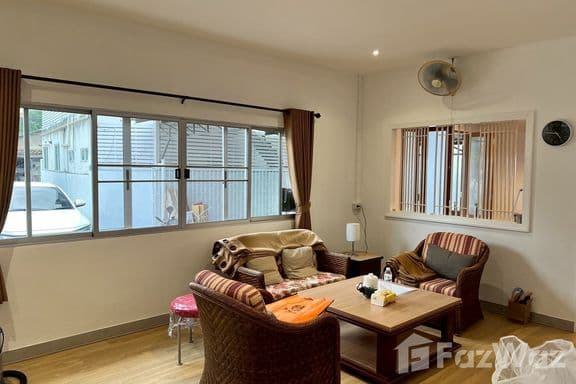


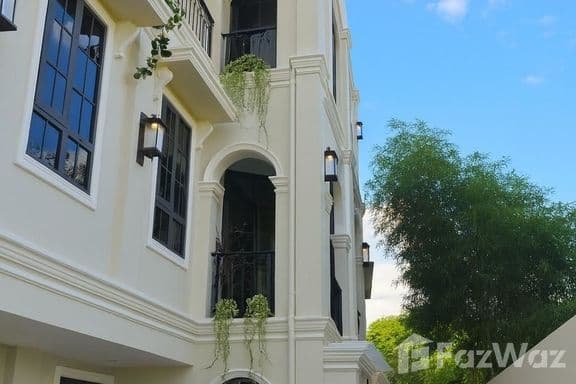
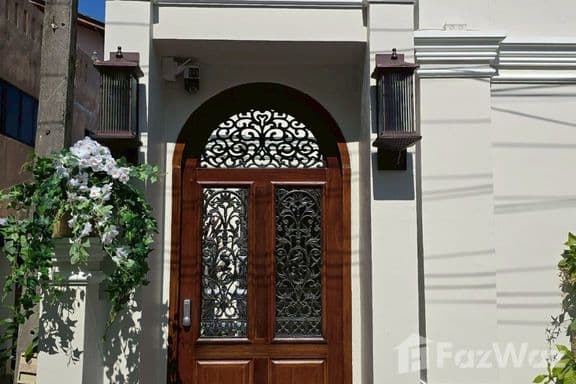
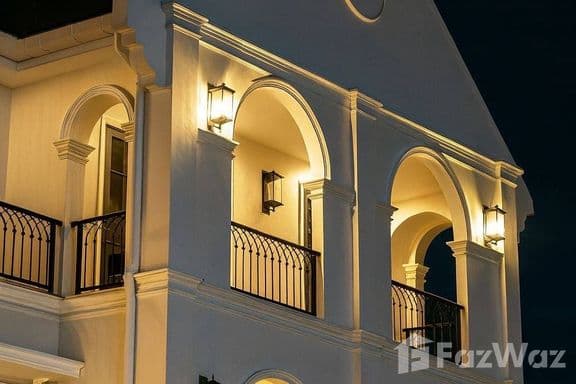
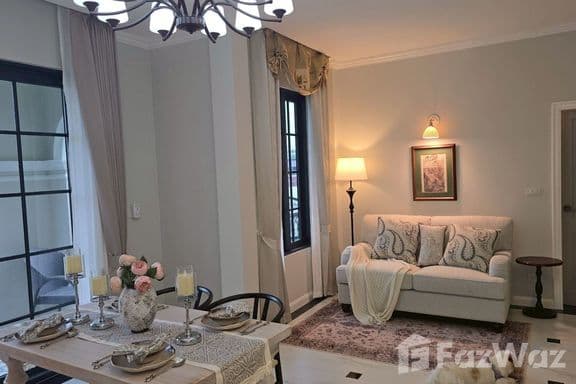
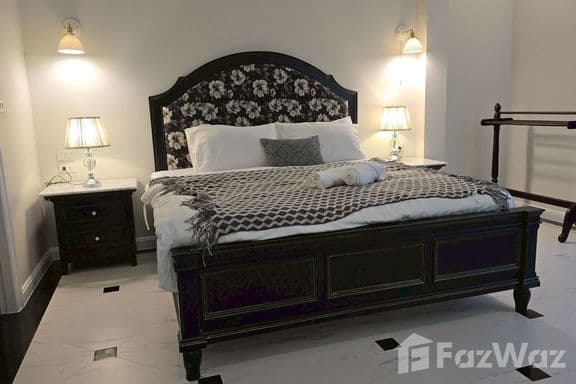
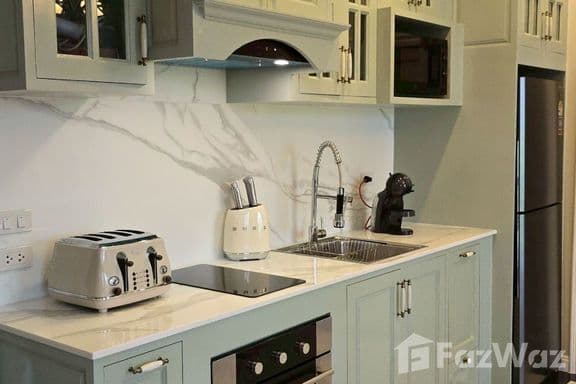
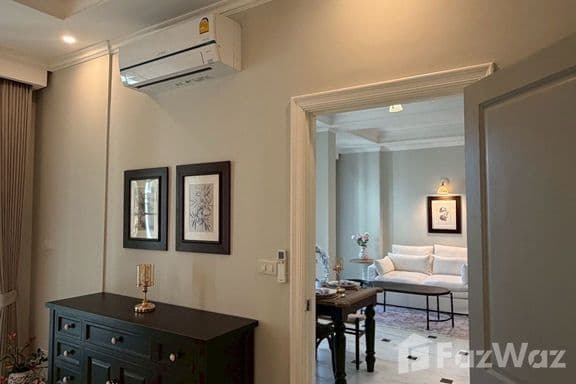
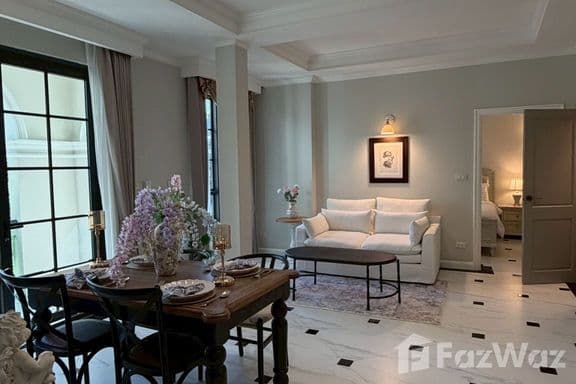
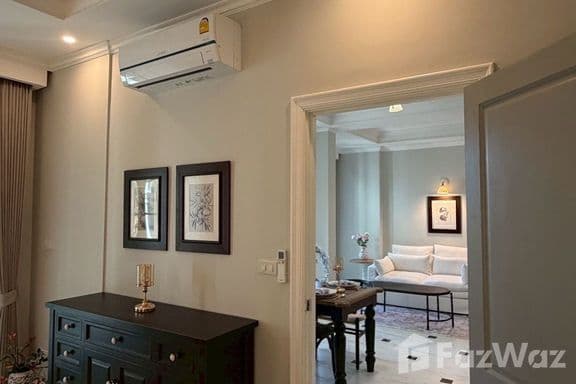
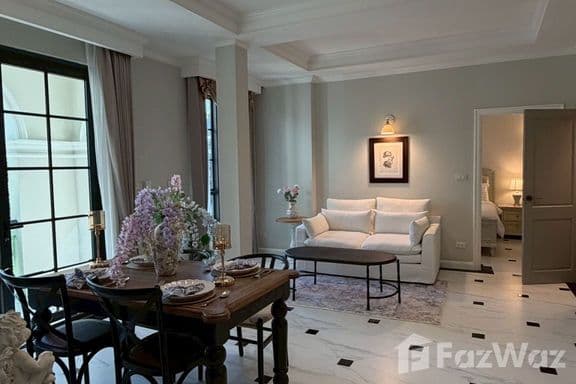
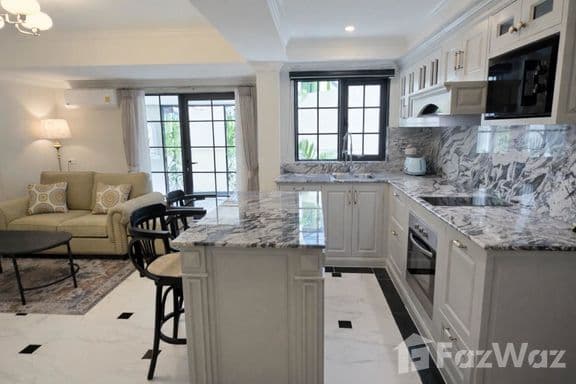
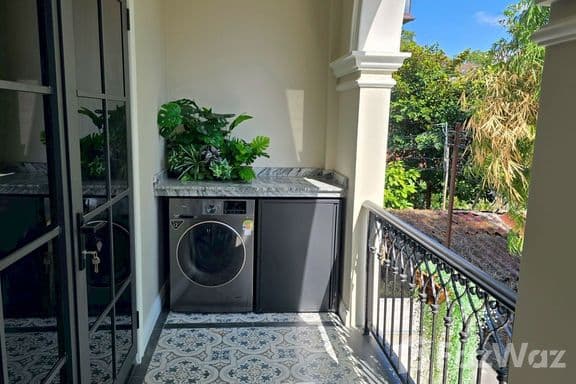
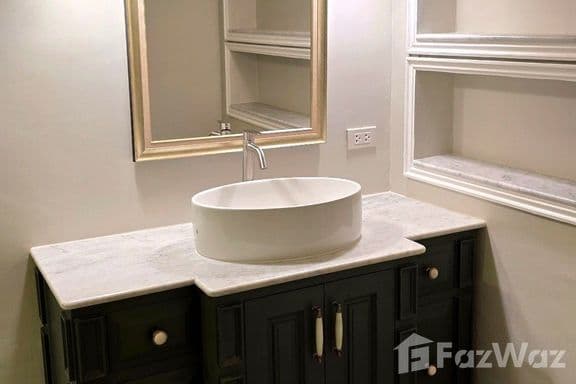
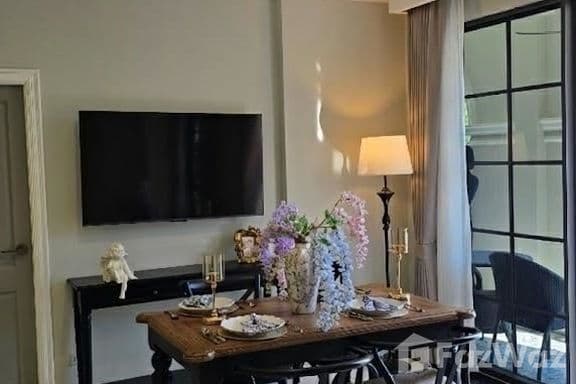
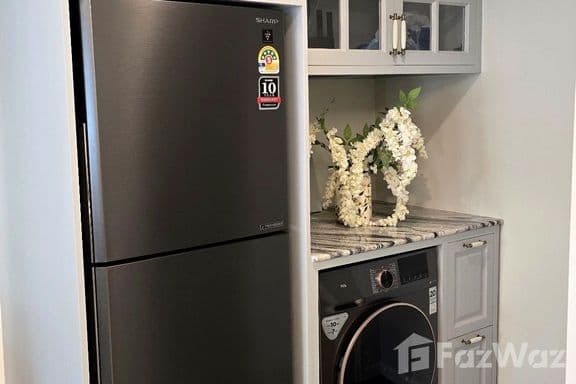
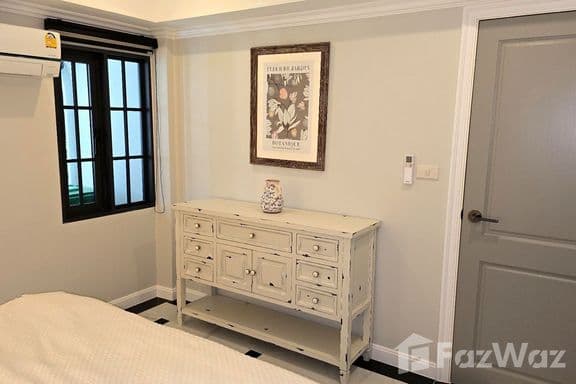
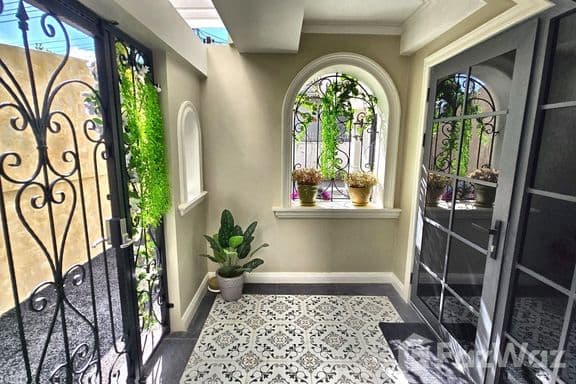
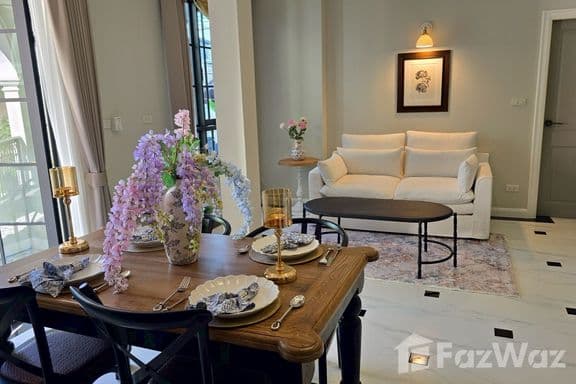
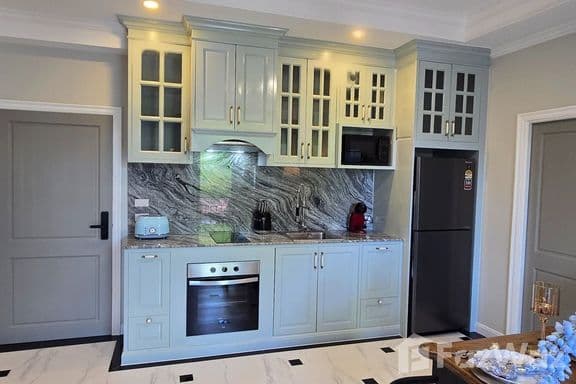
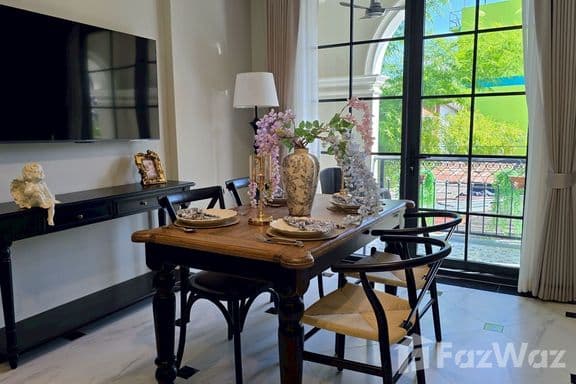
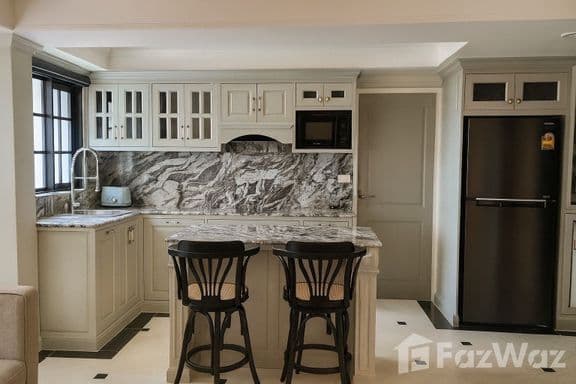
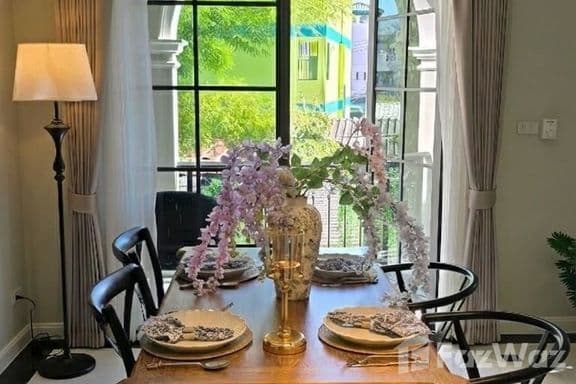
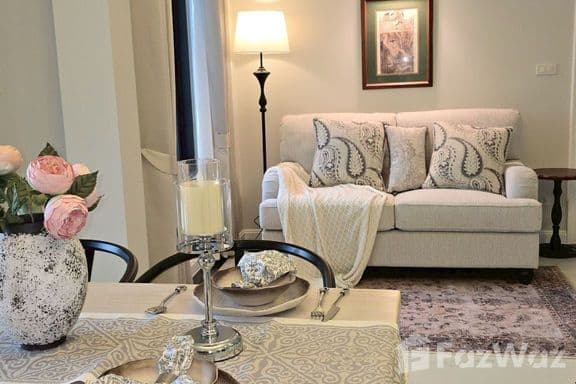
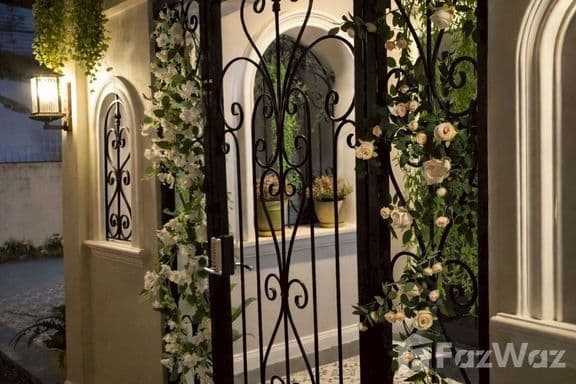
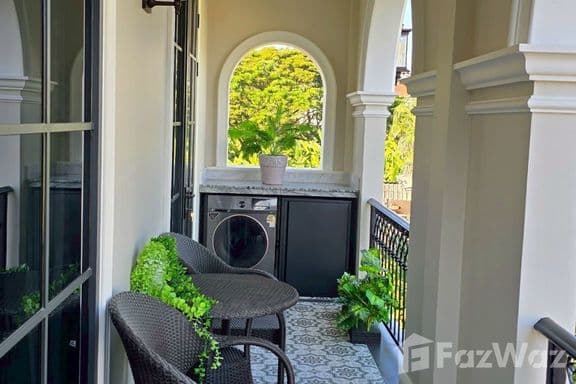
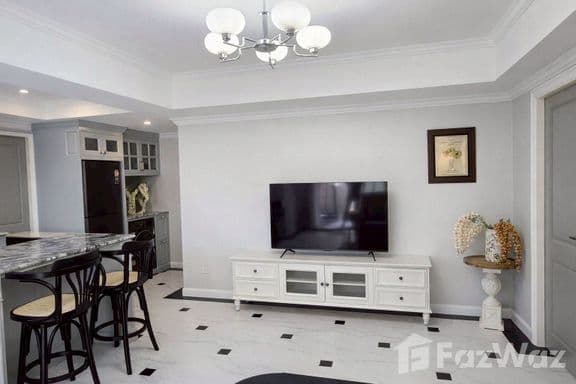
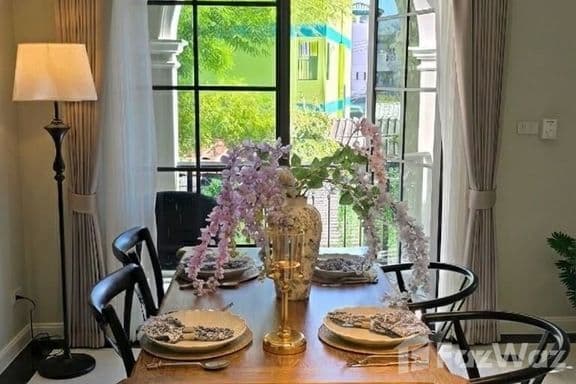
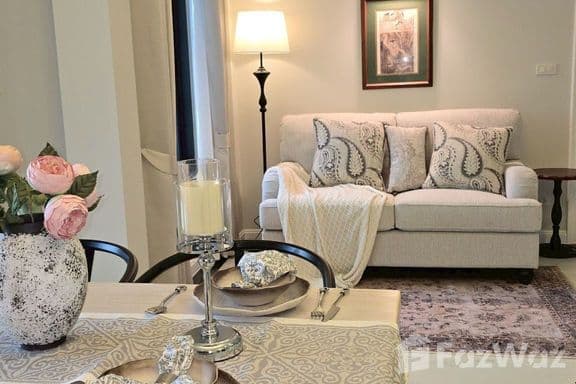
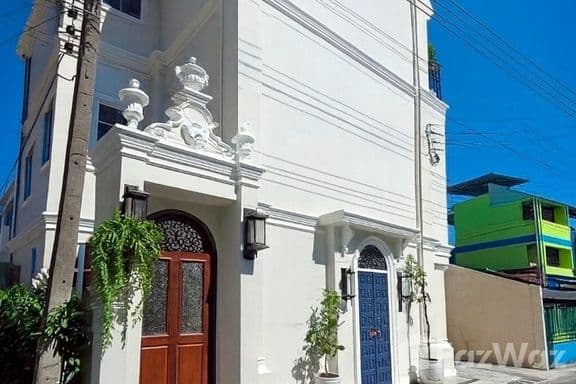
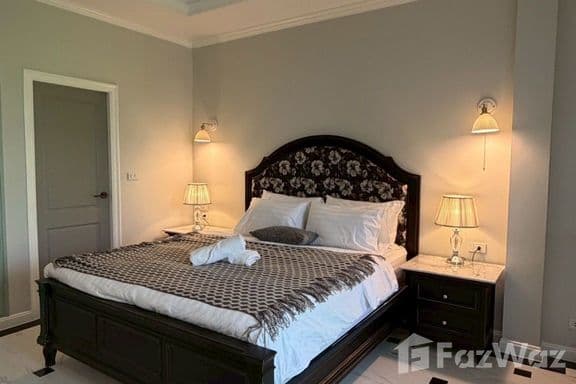
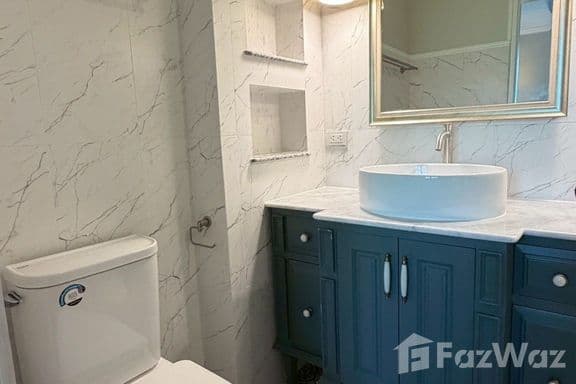
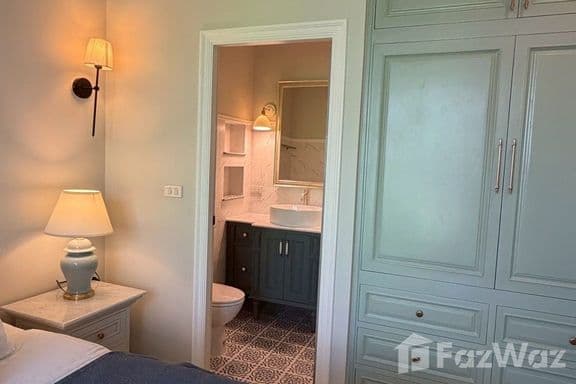
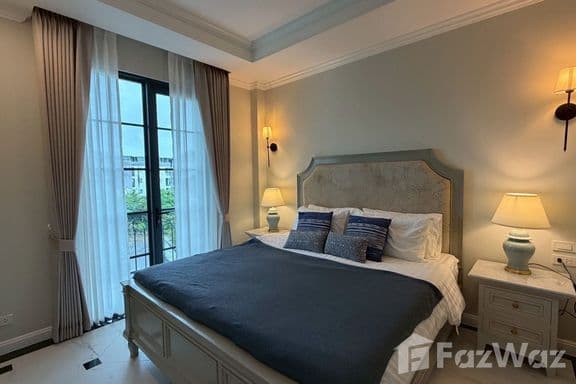
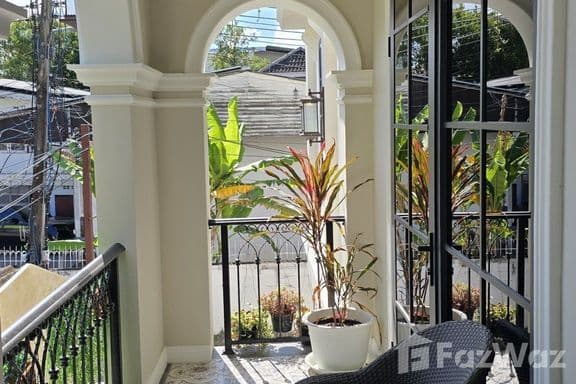
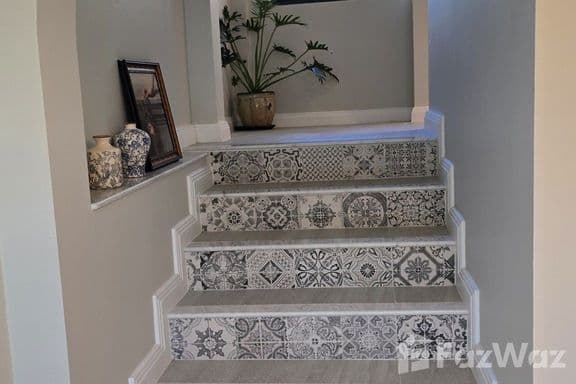
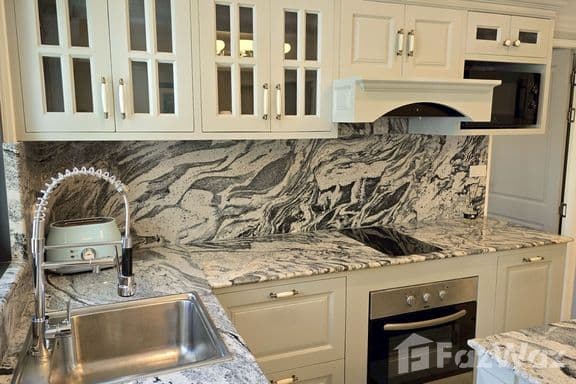
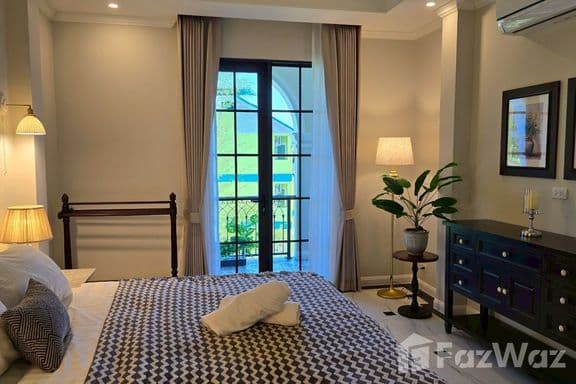
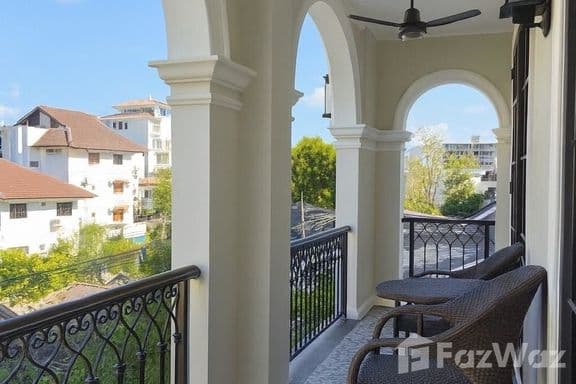
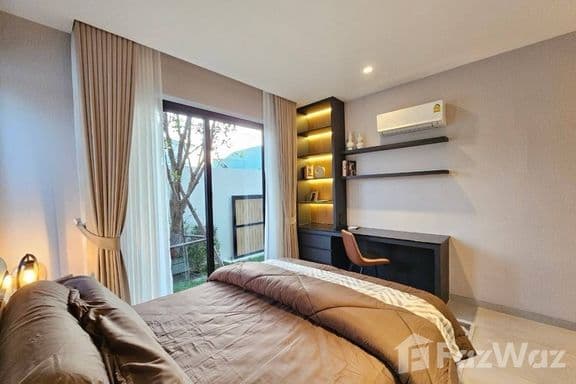
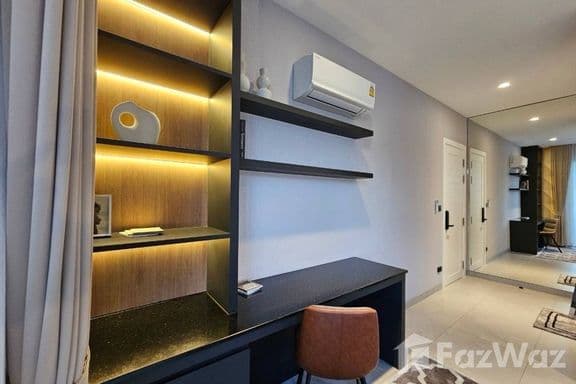
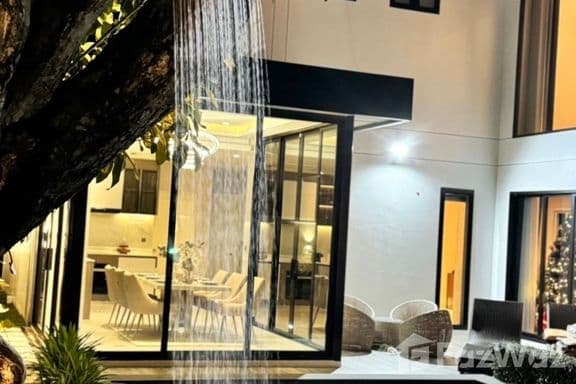
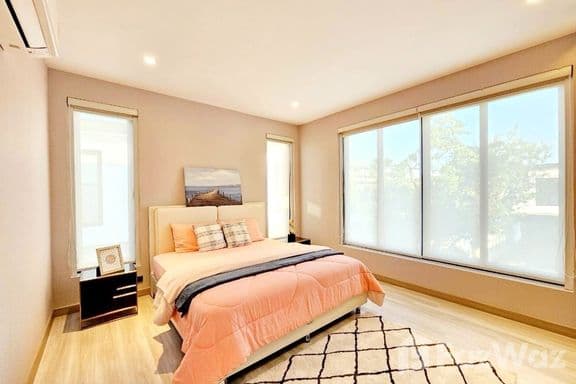
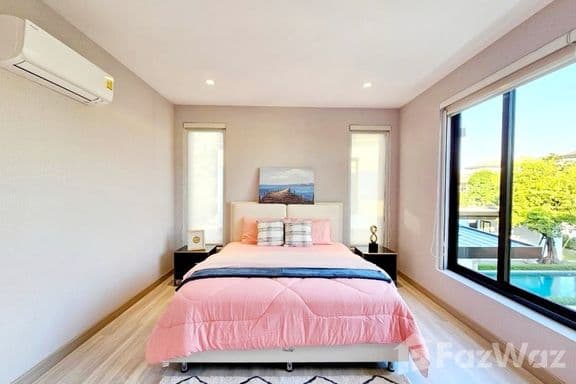
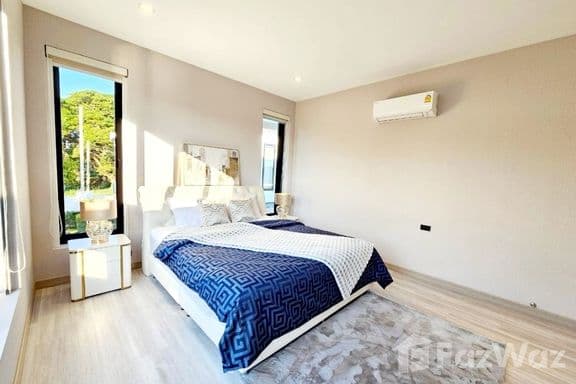
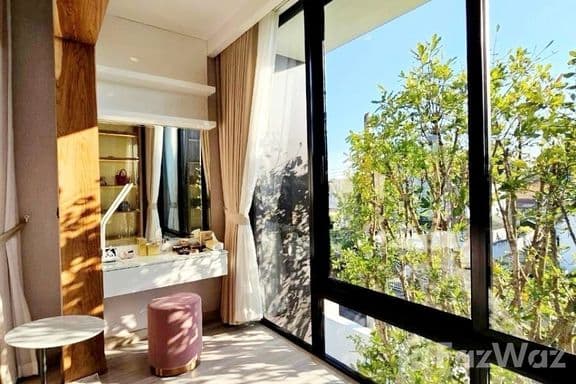
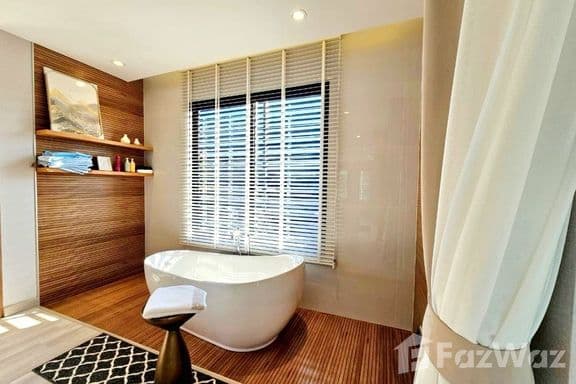

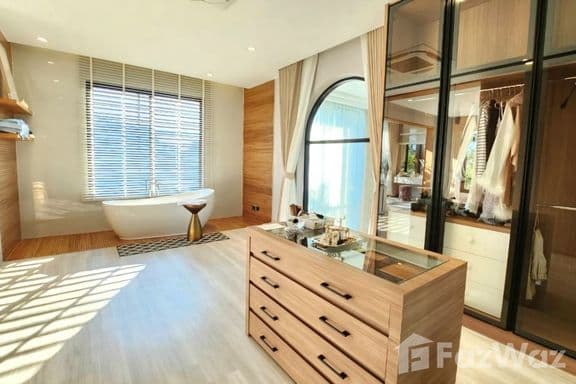

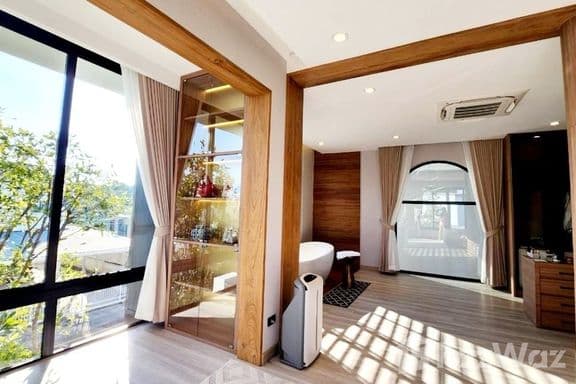
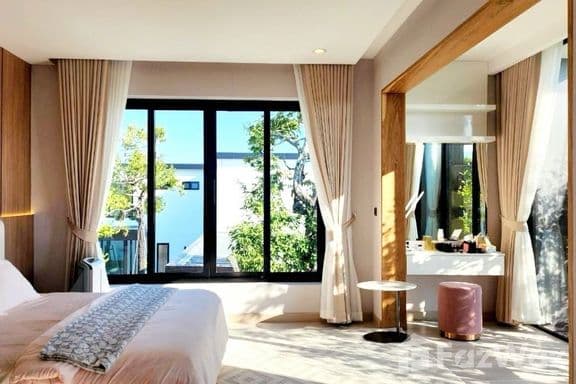
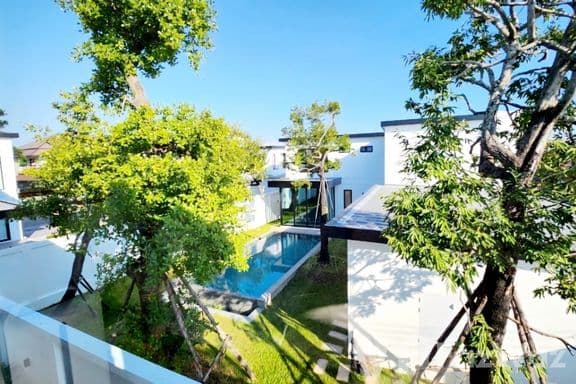
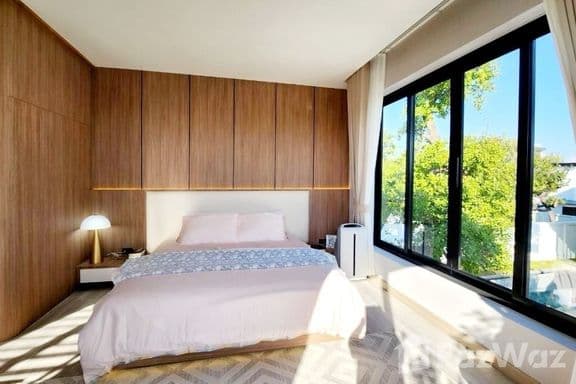
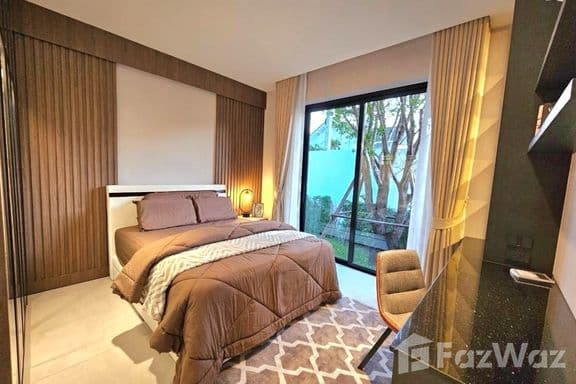
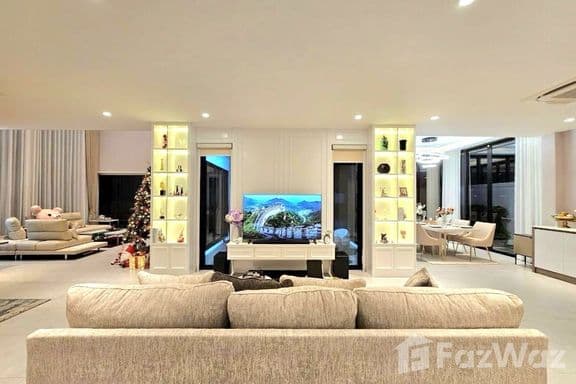
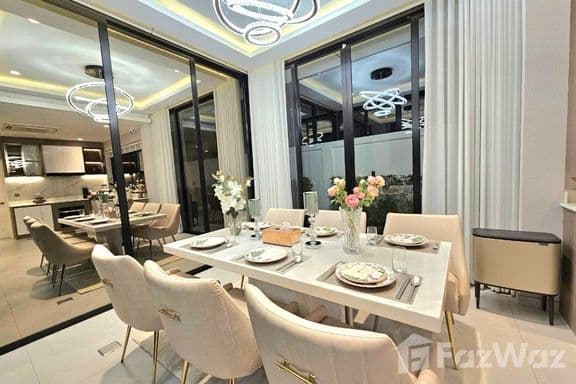
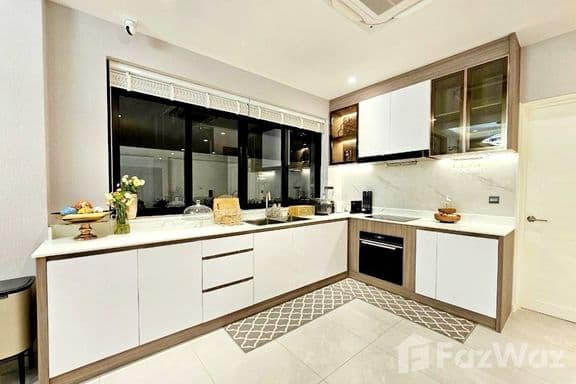
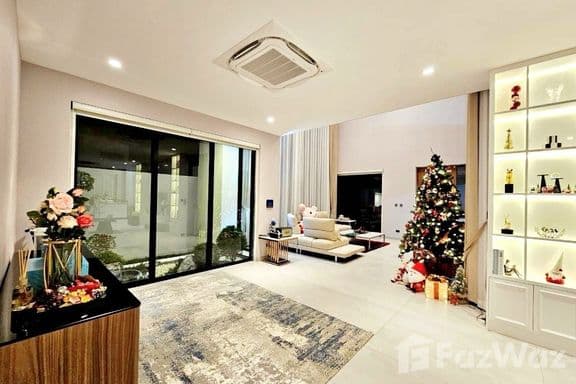
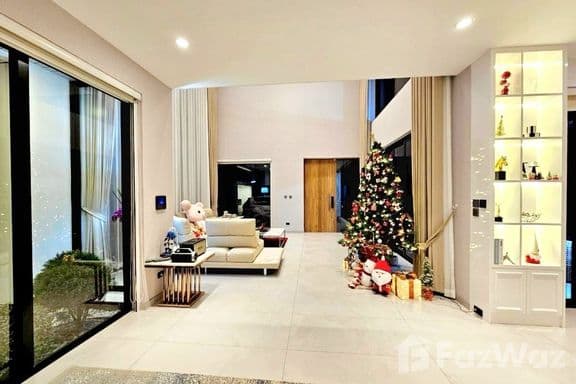
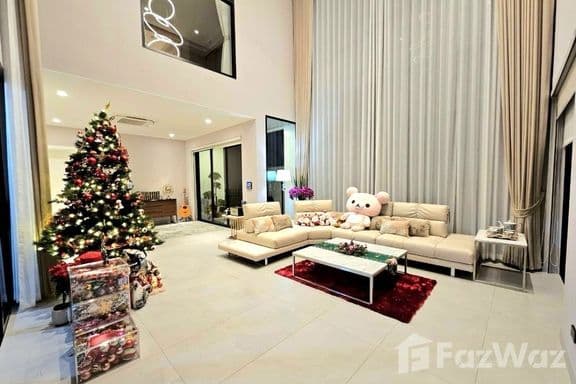
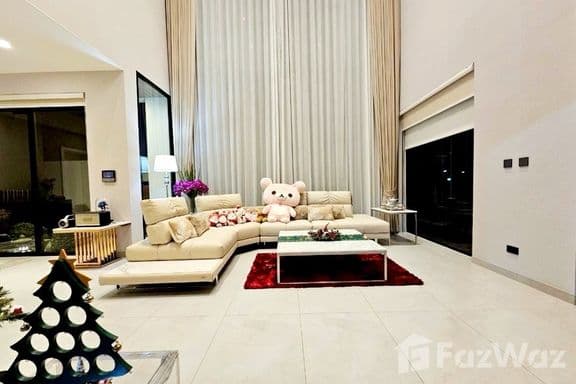
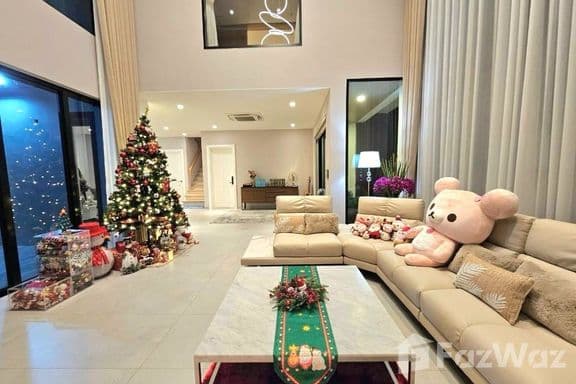
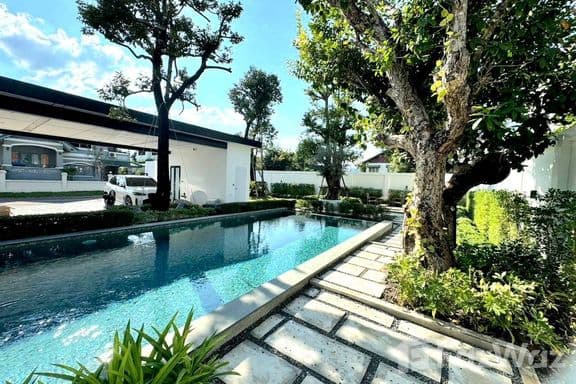
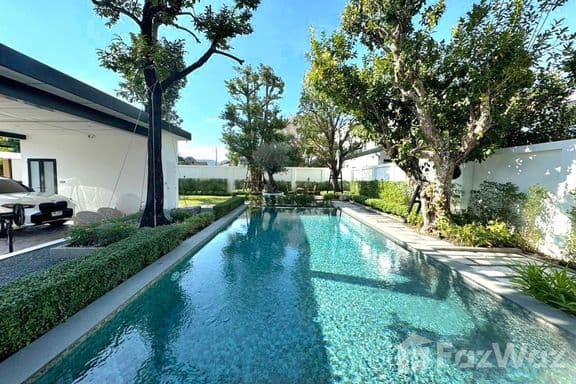
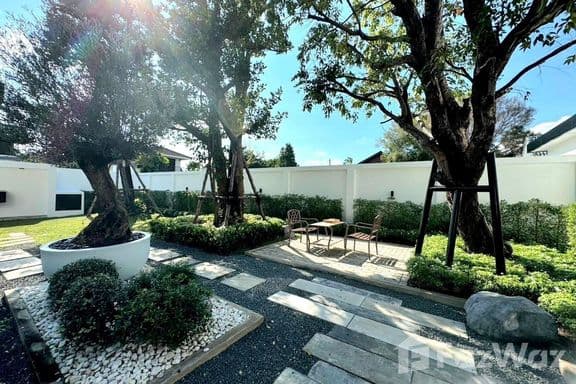
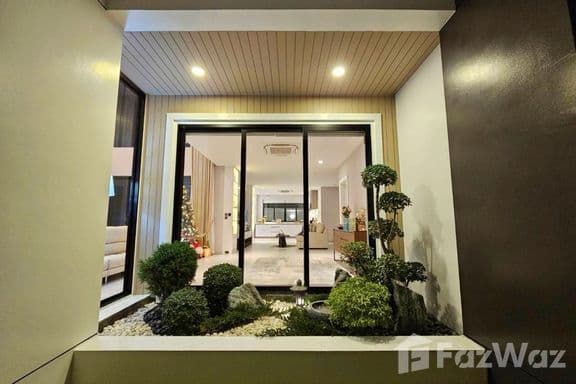
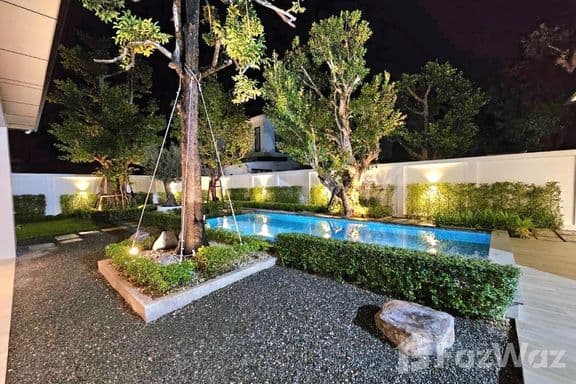
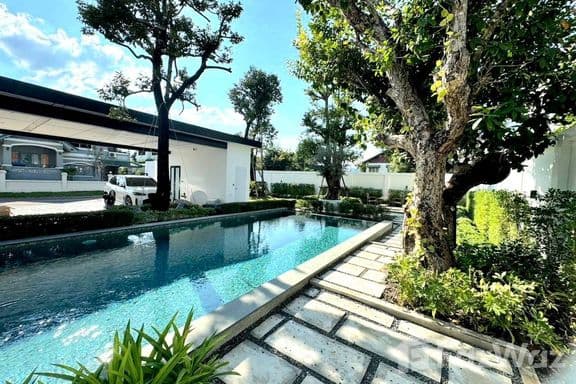
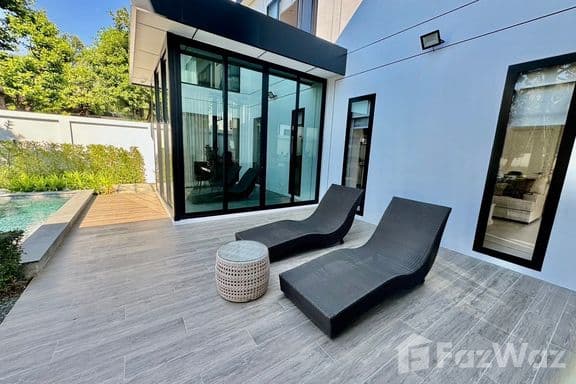
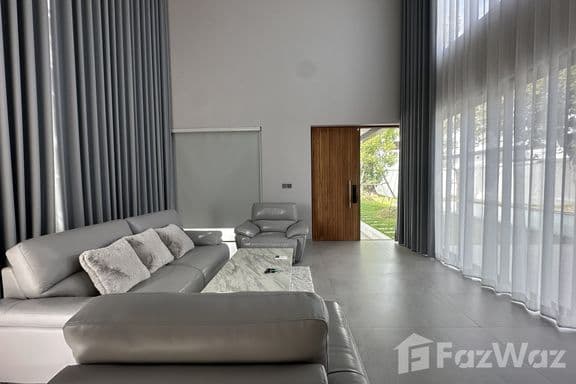
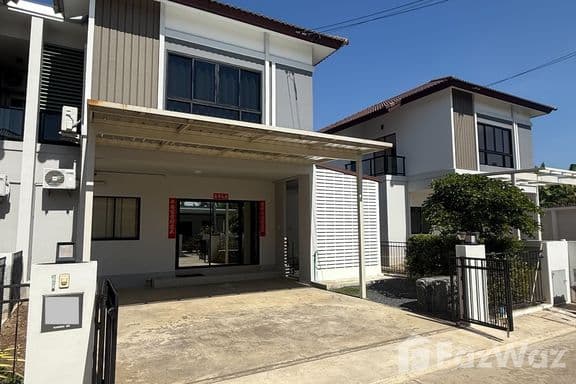
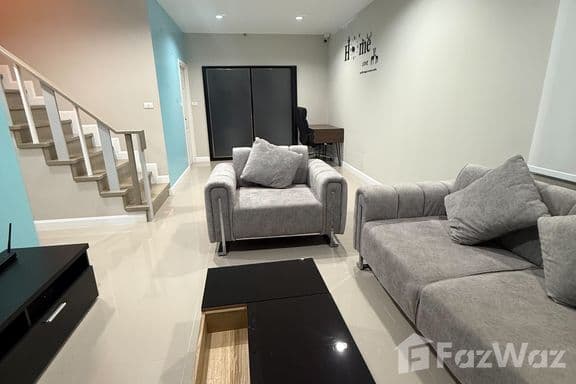
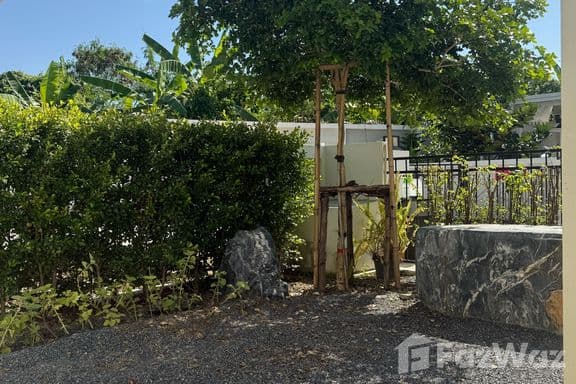
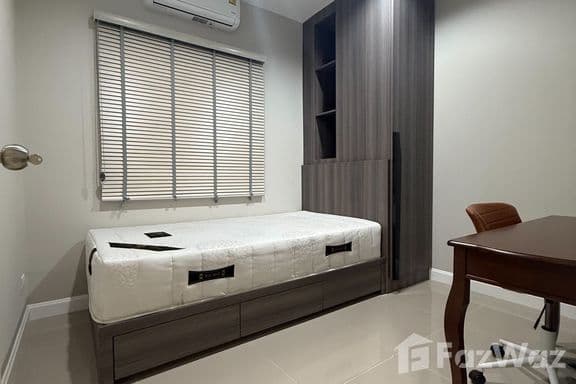
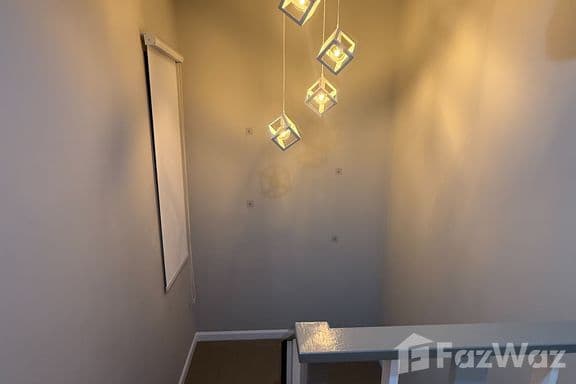
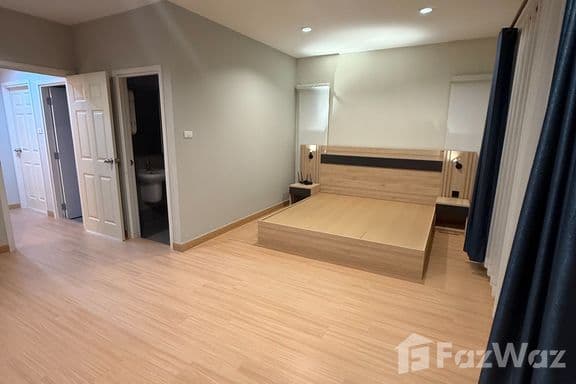
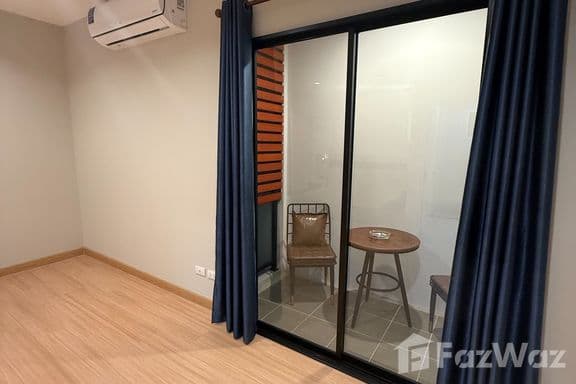
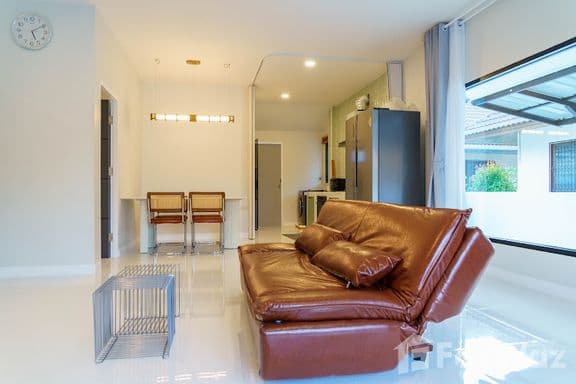
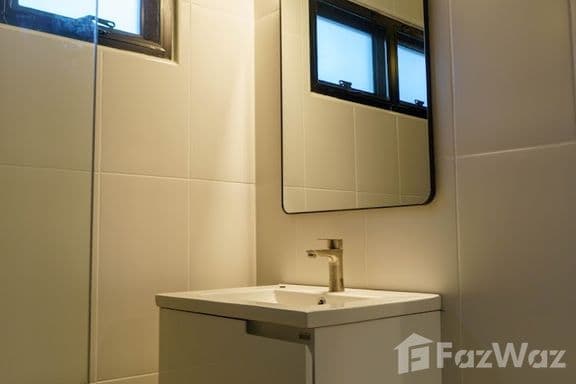
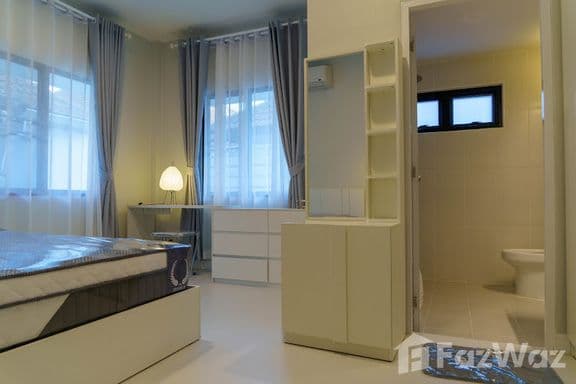
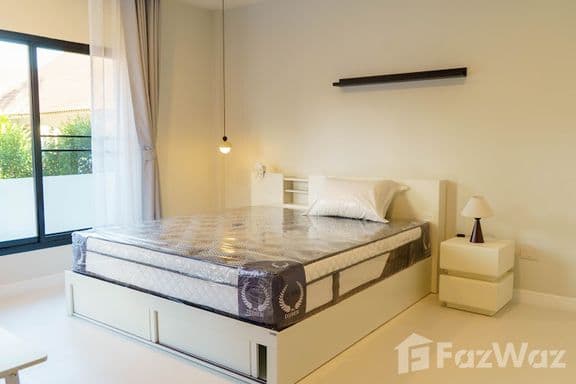
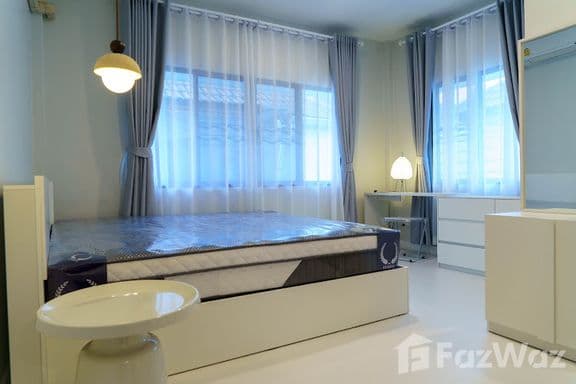
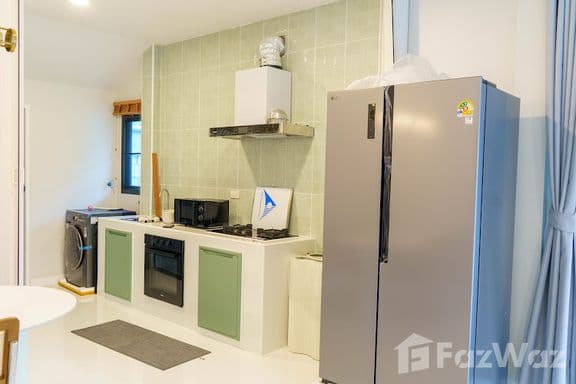
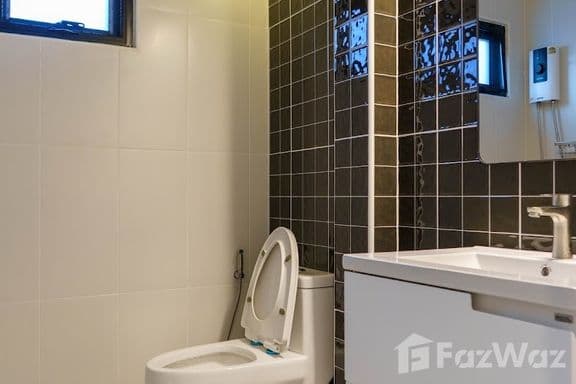

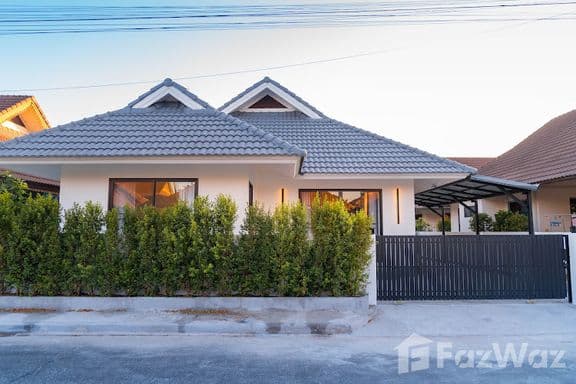
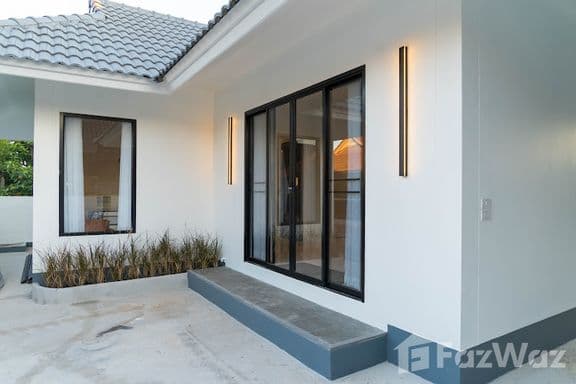

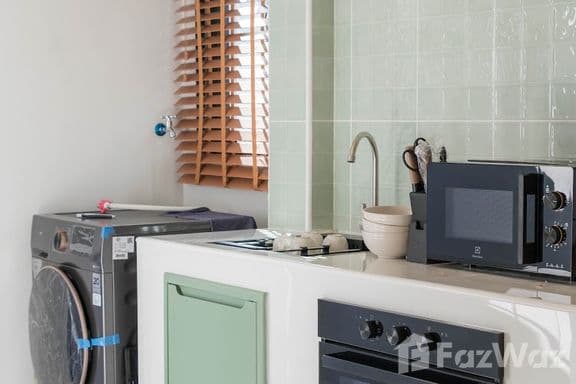
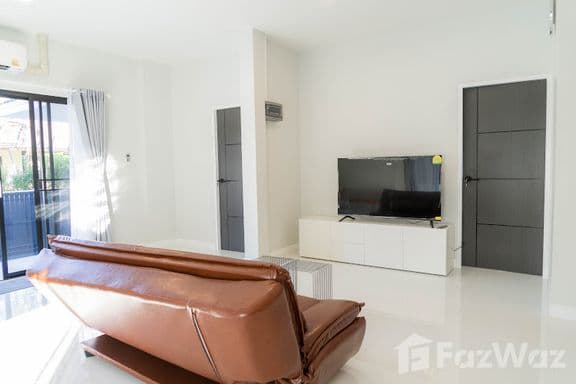


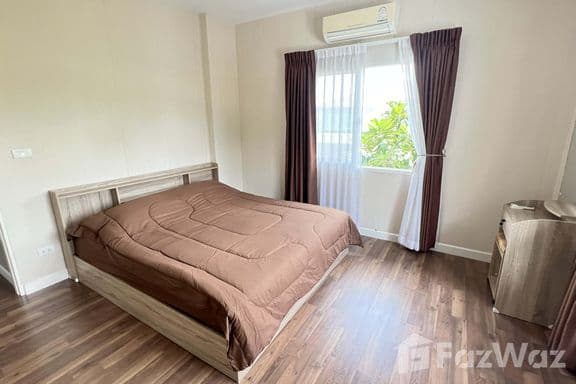


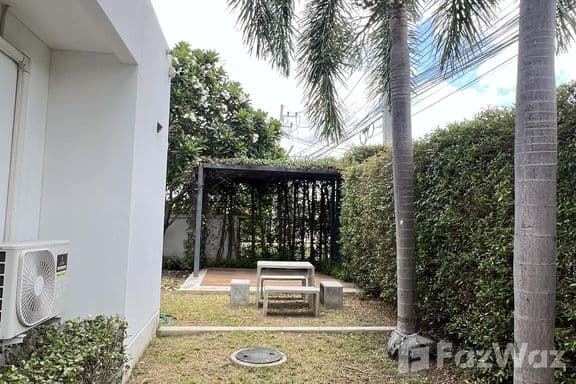
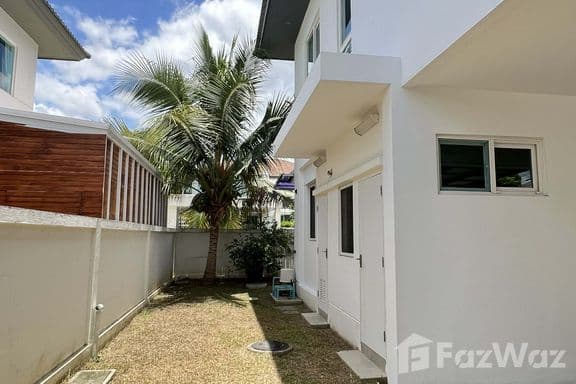
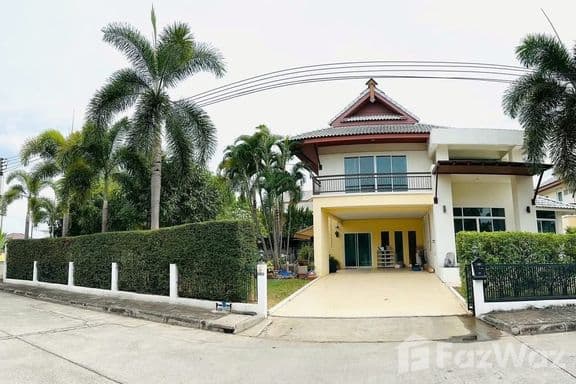
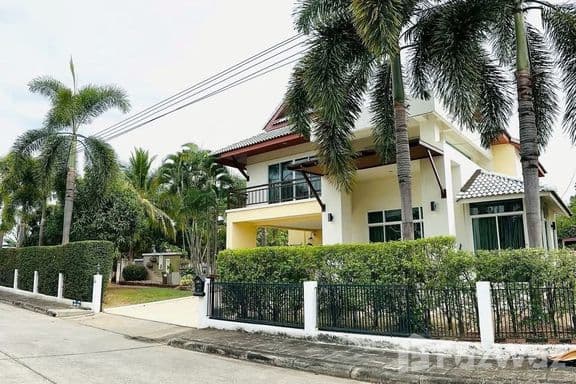
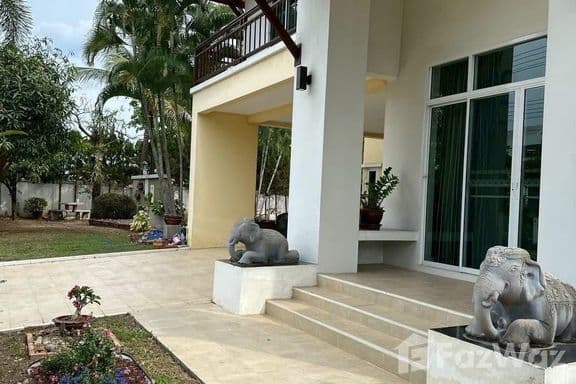
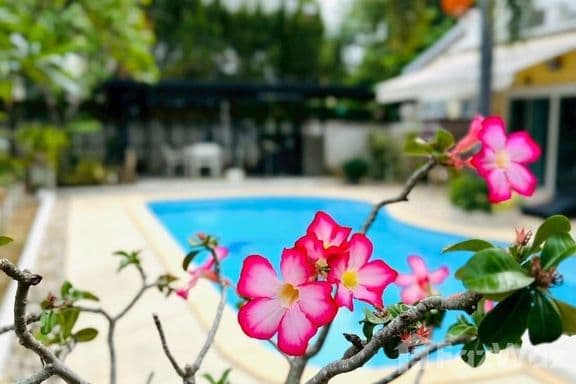
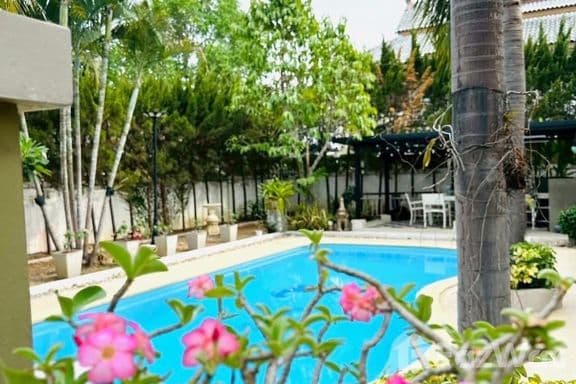
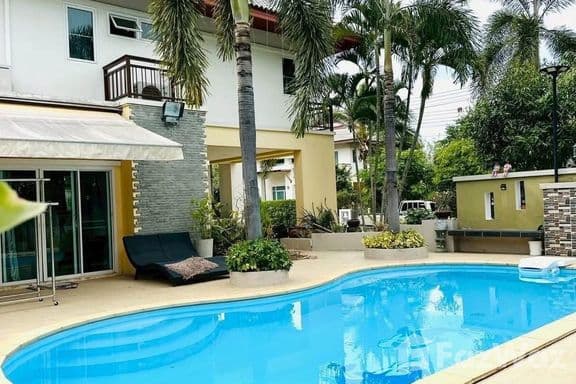
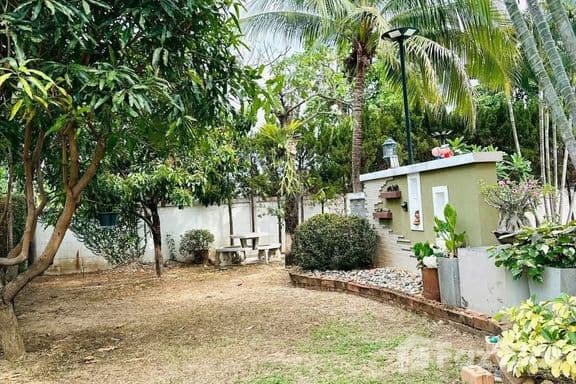
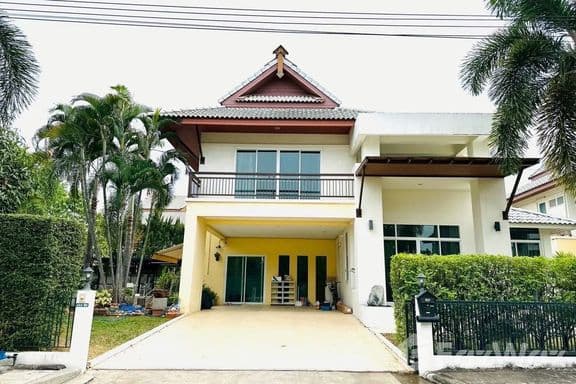
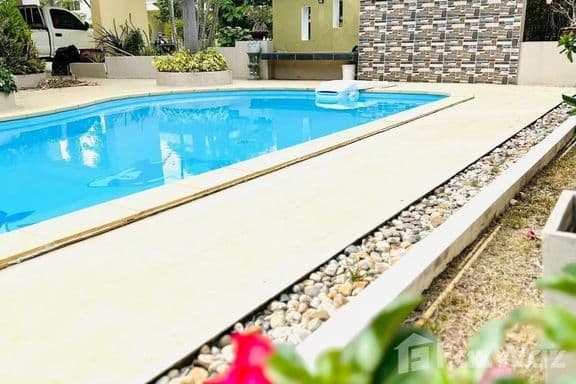
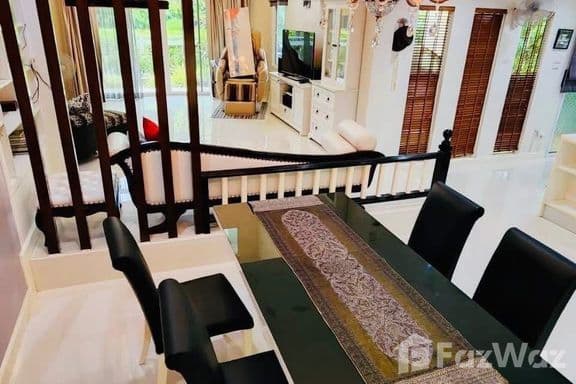
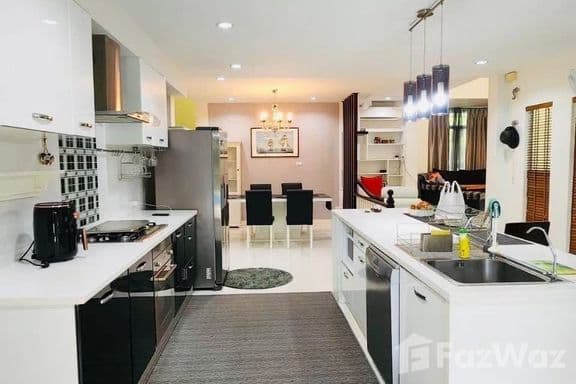
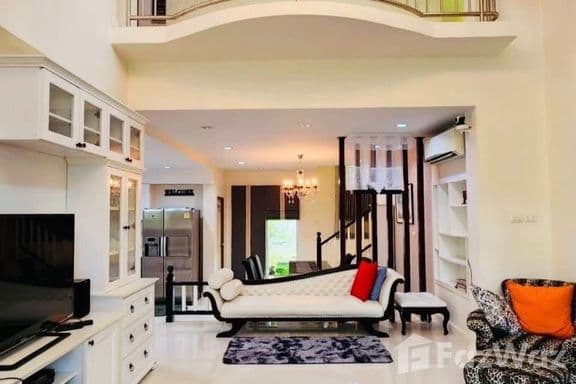

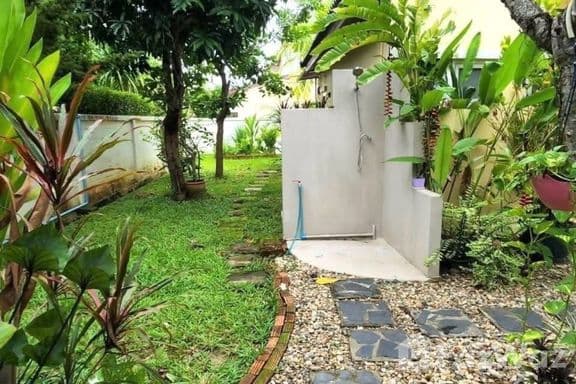
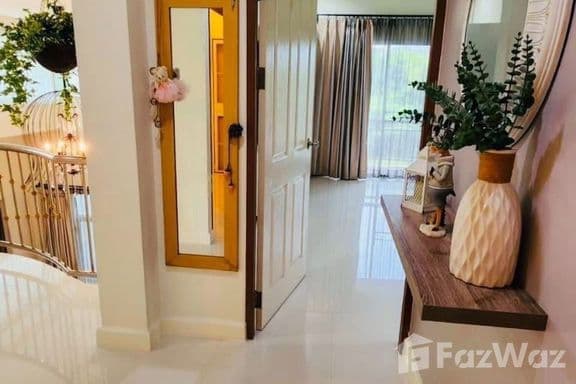

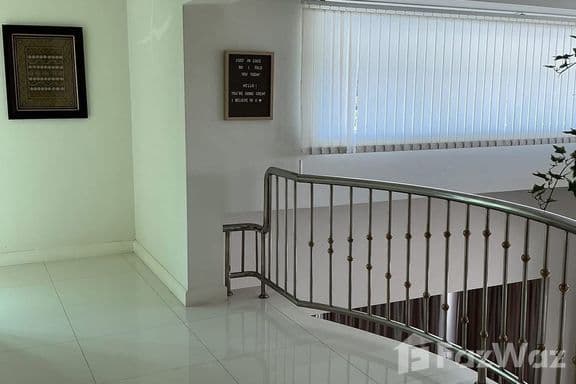
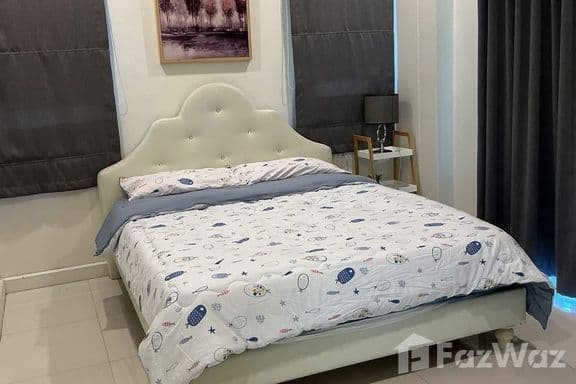
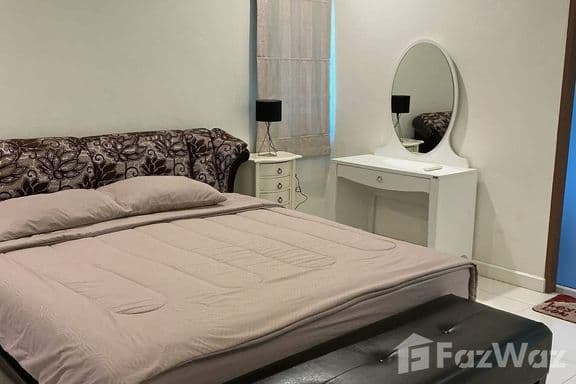
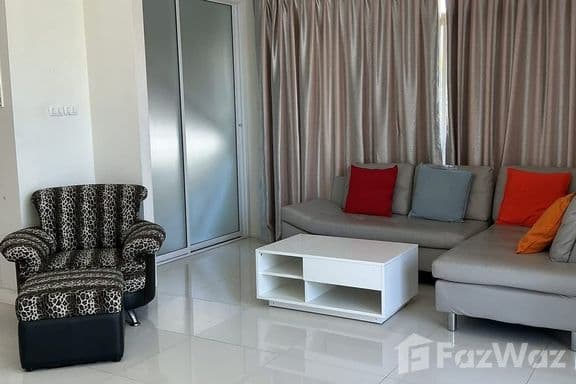
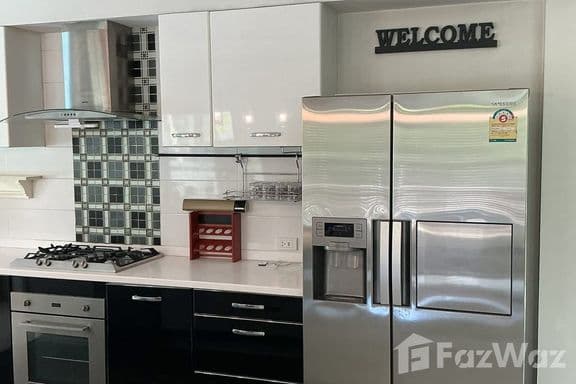
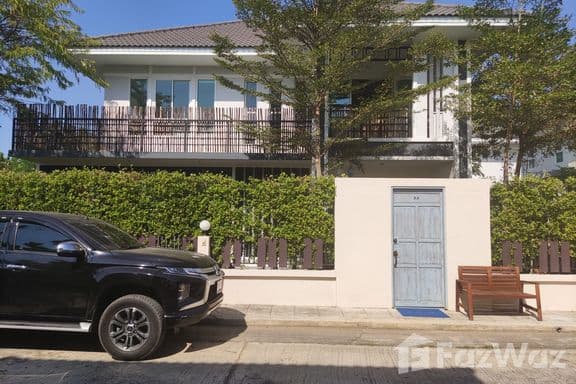
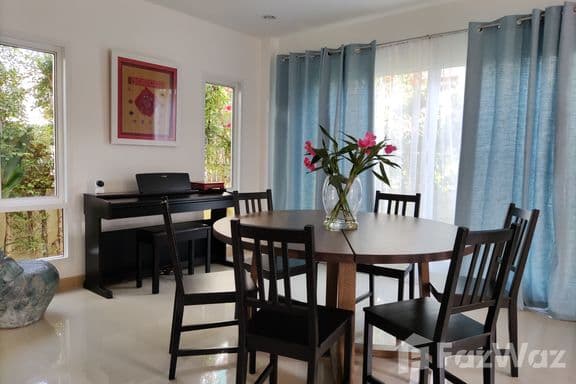
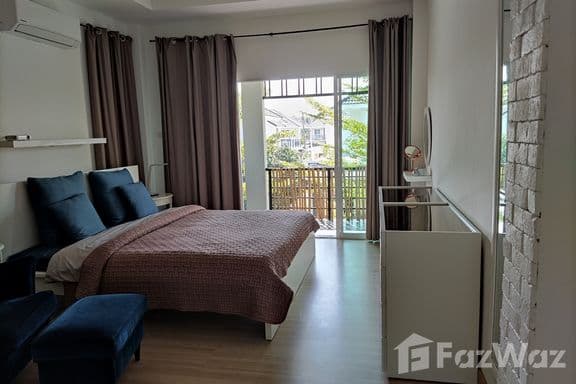
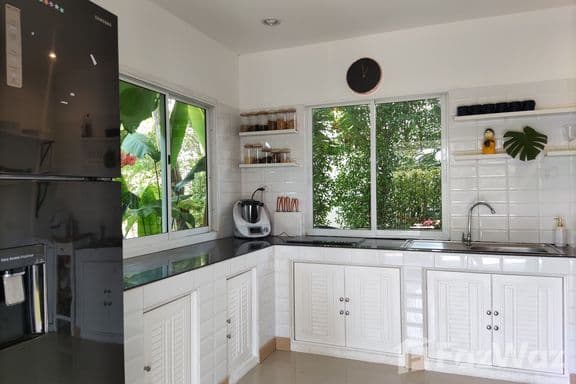
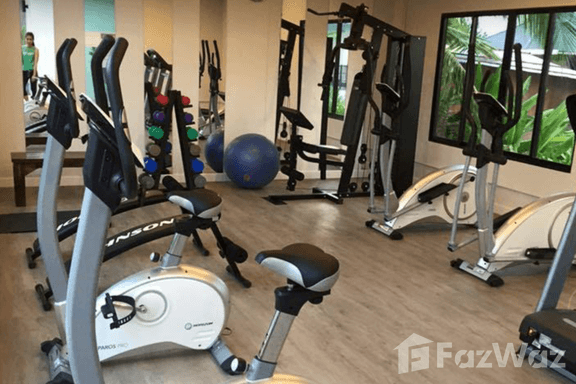

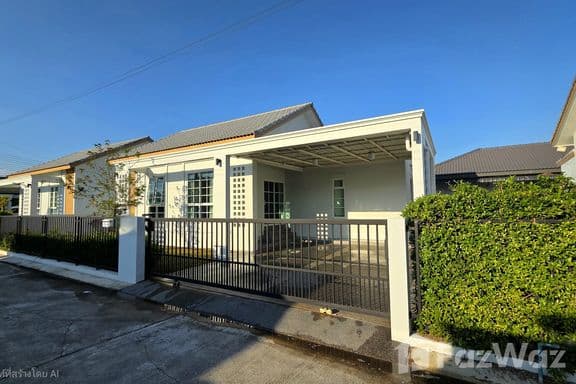
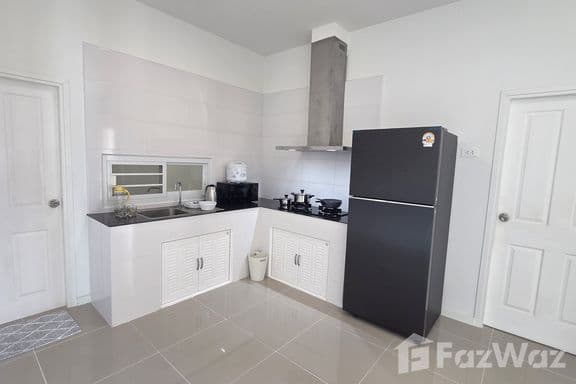
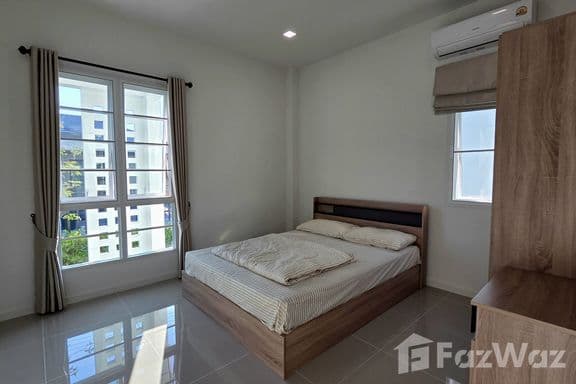
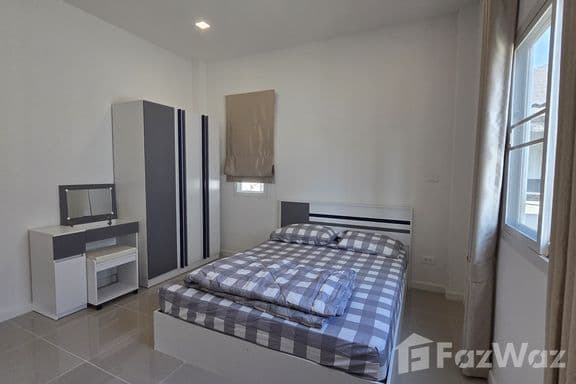

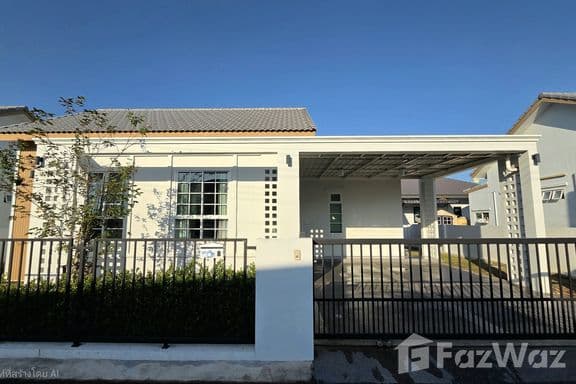
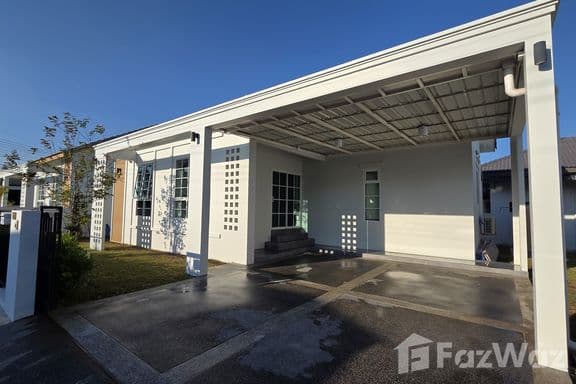
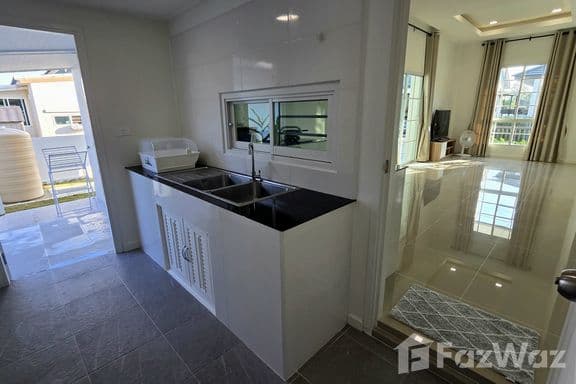
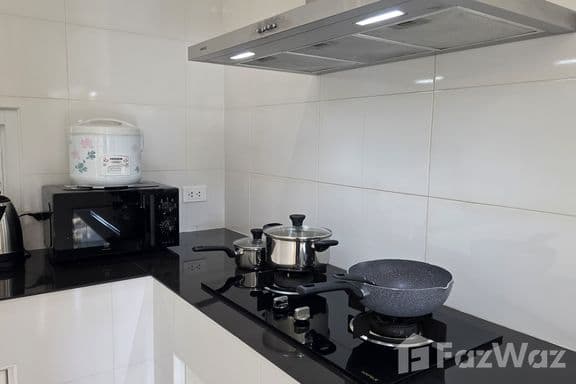
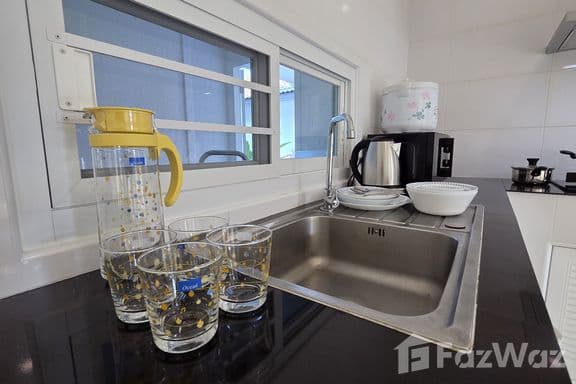
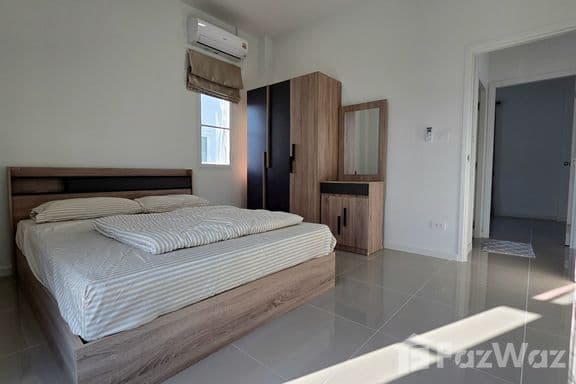
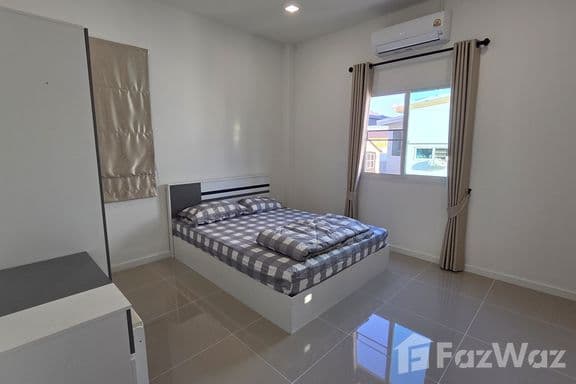
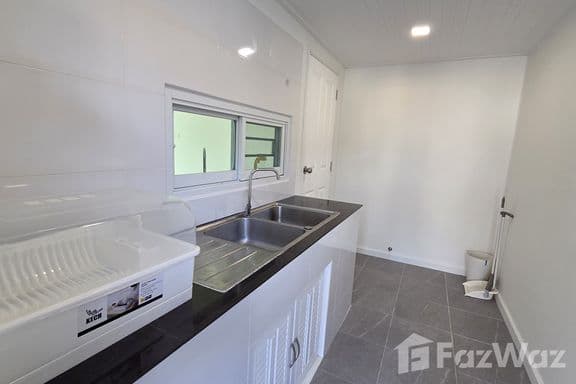
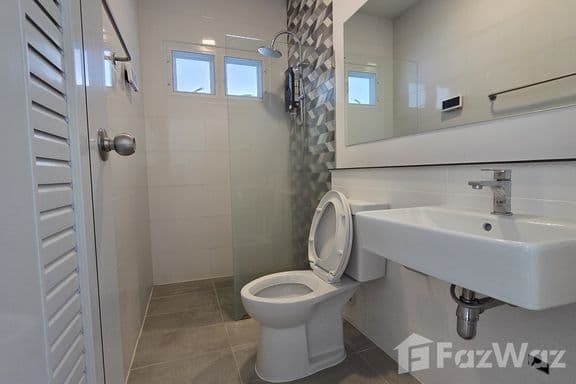
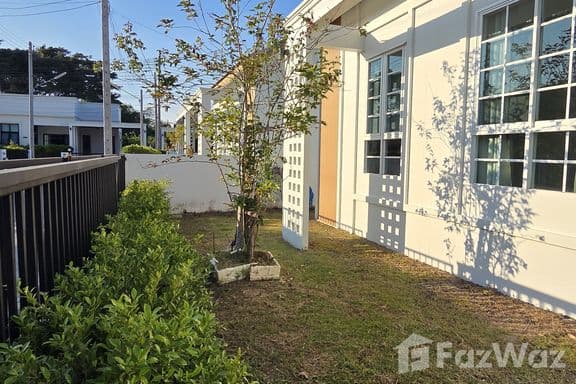


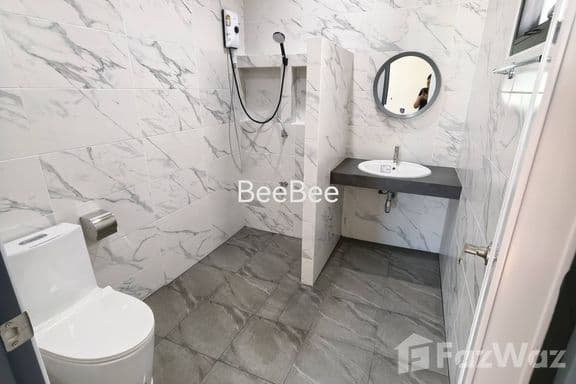


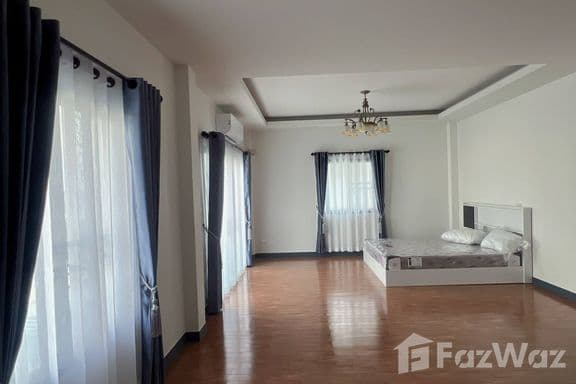


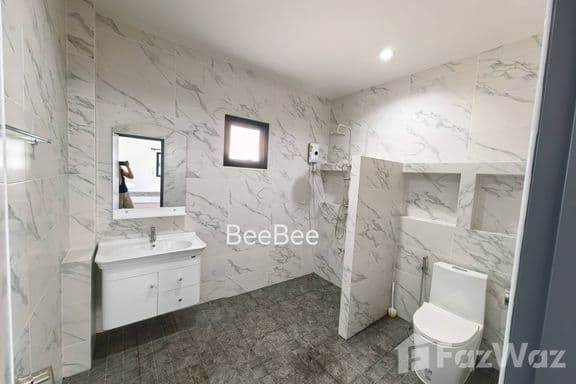
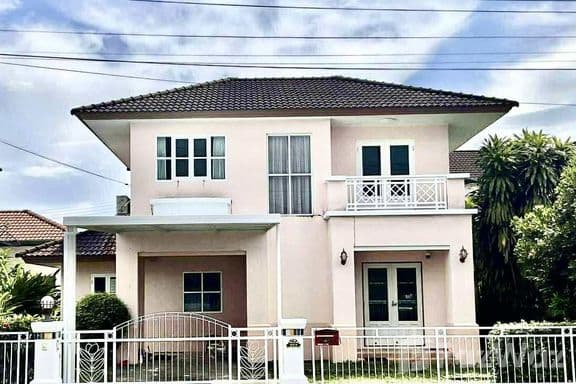
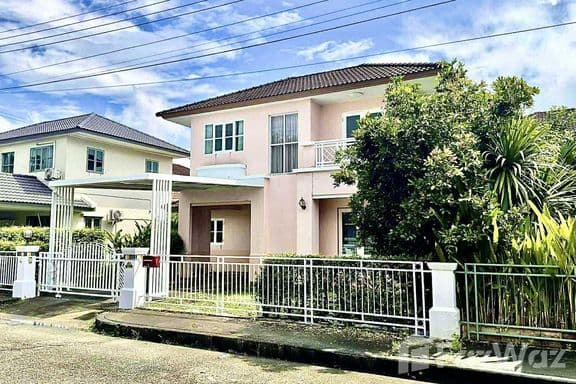
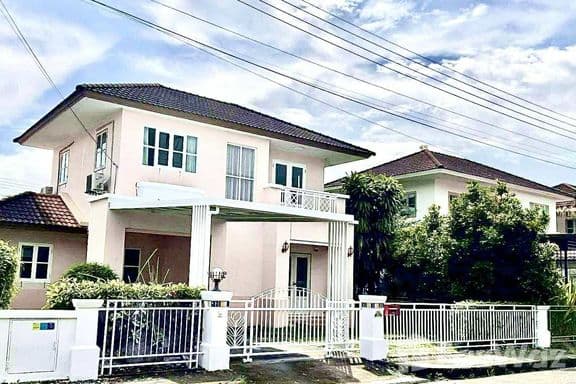
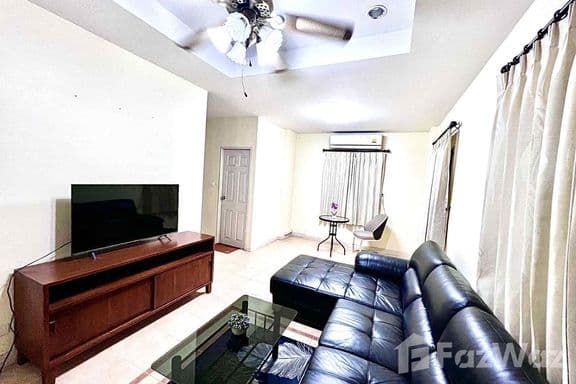
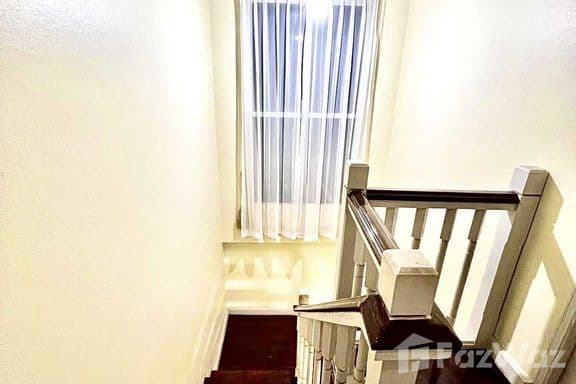
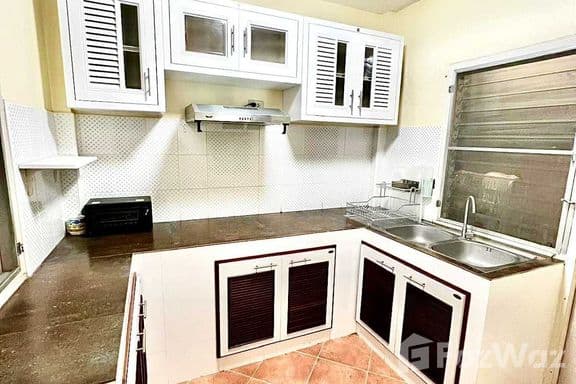
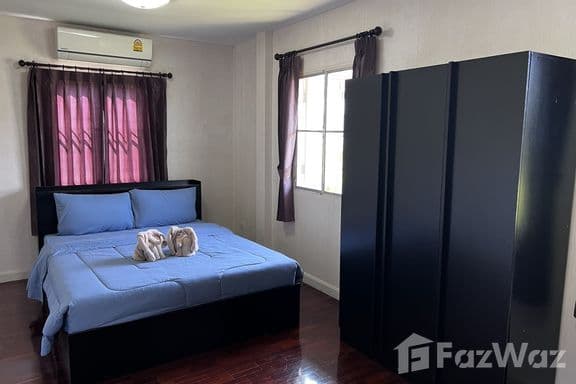
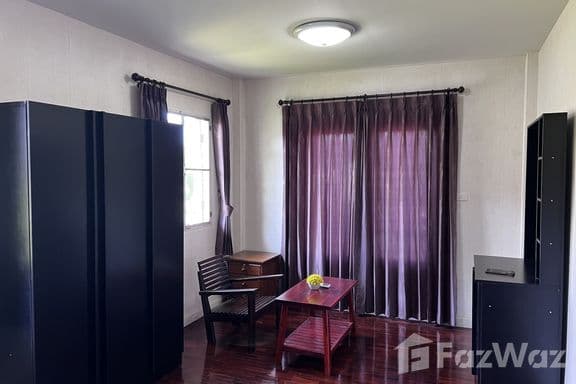


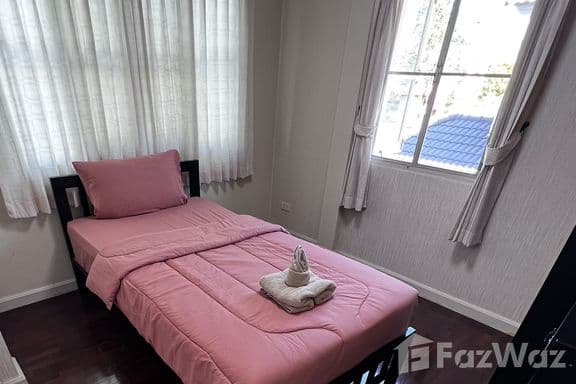
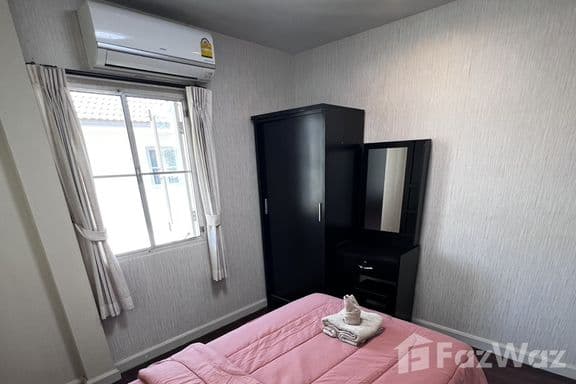
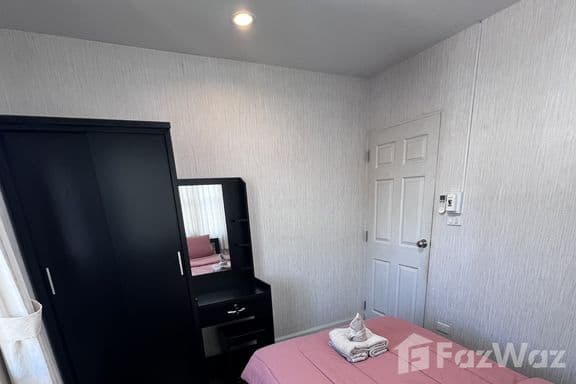
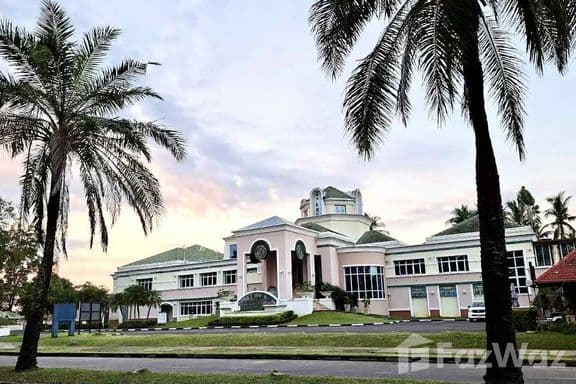
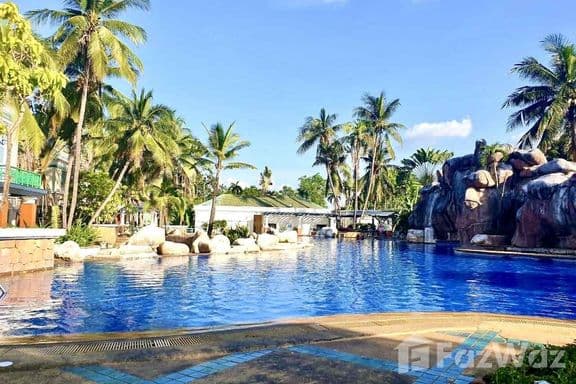
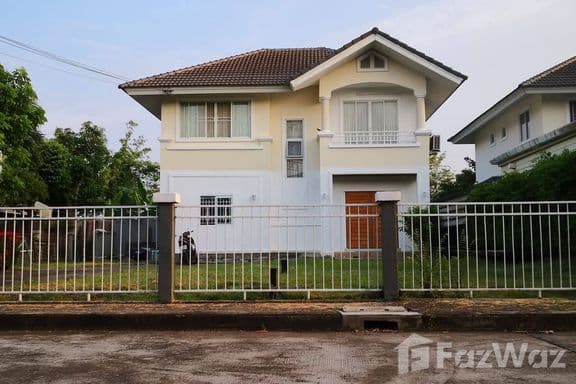



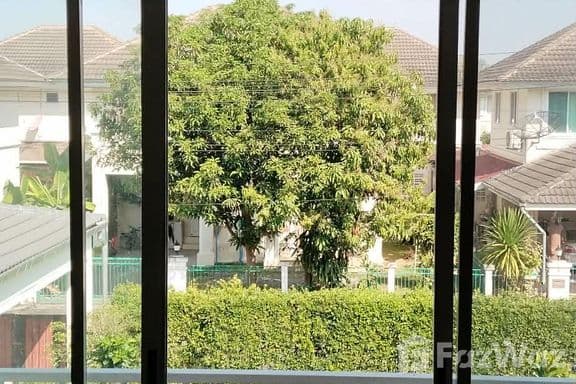
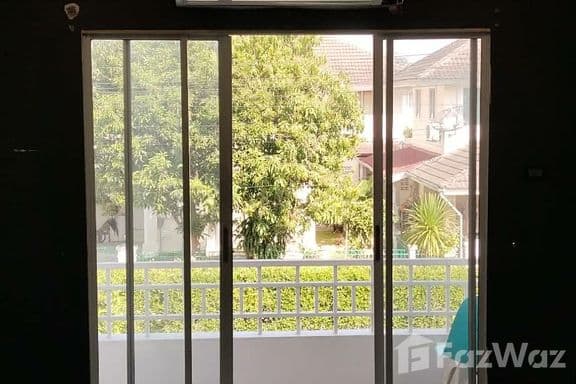




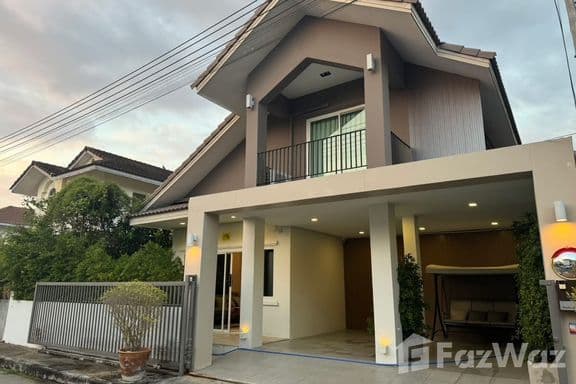
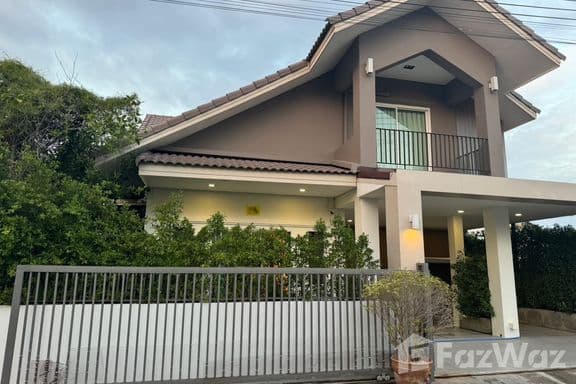
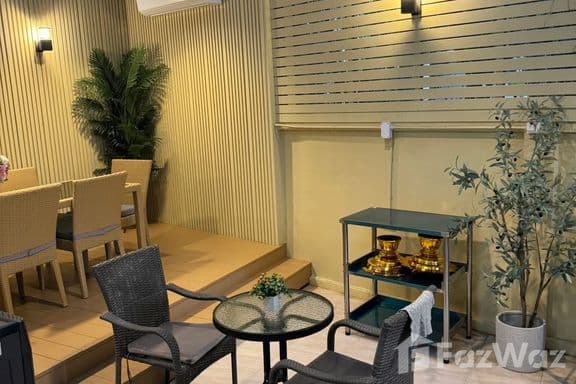
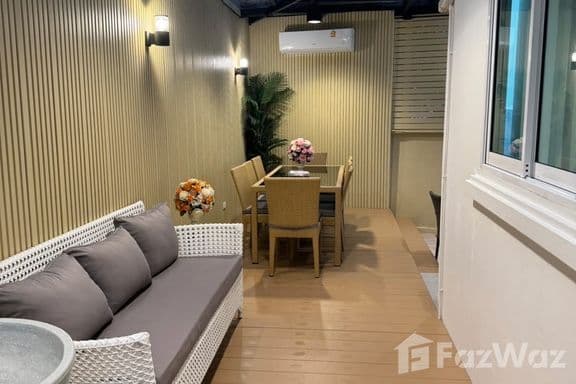
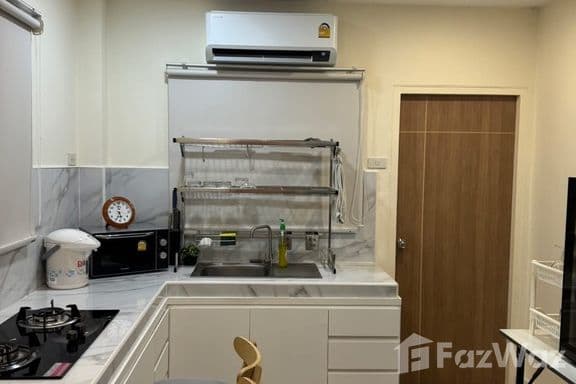
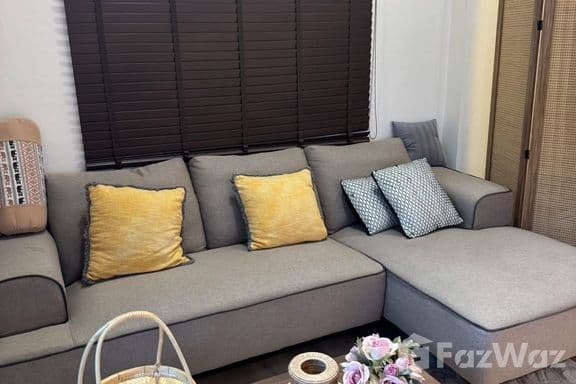

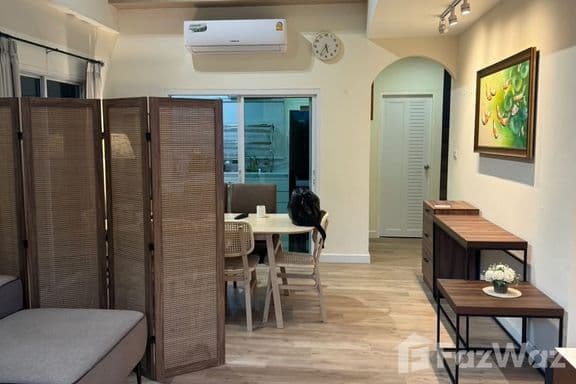





 Popular condos in Chiang Mai

